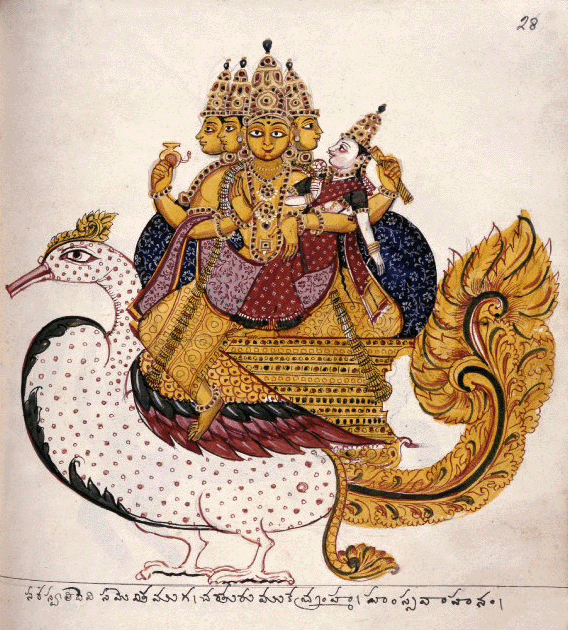
Reference to Brahmā in Puranānūru

brahma,1850

Post No. 860 Date : 23 February 2014

by Dr.R.Nāgaswamy

A verse in Puranānūru collection of Tamil literature mentions Brahmā, the Creator. That Śiva and Vishnu were mentioned in Puram no 56 , is well known but that Brahmā is also well known in Sangam age is not so much appreciated. Puram verse number 194 sung by Pakkudukkai Nan ganiyār sang the verse which reads:-

ஓரில் நெய்தல் கறங்க ஓரில்
ஈர்ந்தண் முழவின் பாணி ததும்ப
புணர்ந்தோர் பூ அணிய பிரிந்தோர்
பைதல் உண் கண்பணி வார் புறைப்ப
படைத்தோன் மன்ற அப்பண்பிலாளன்
இன்னாது அம்ம இவ்வுலகம்
இனிய காண்க இதன் இயல்பு உணர்ந்தோரே

புற நானூறு 194 – பெரும் காஞ்சி’
பக்குடுக்கை நன்கணியார் பாடியது

According to the ancient commentator the word “padaippon” in the verse refers to the Four faced (Nānmukhan) which is undoubtedly a reference to Brahmā the creator. The commentary says, from one house emanates the sound of drum announcing the death of a person and from another house the sound of marriage drum announcing the marriage of a couple. From the later house rises the sweet smell of flower garlands worn by the newly married couple mating, while from the former house the eyes of women who lost their husband in death, shed torrential tears of sorrow. It is indeed the creation of that un cultured Brahmā who created such an awful nature. Cruel is this world. Those who understand the nature of this world should ponder and resort to acts that confer salvation.

This shows that the main import of the poem is not to pass any judgement on Brahmā but to say the nature has both good life and death side by side and there fore one should lead a virtuous life.

The Puranānūru verses are assigned to the beginning of the Current Era. This would show by the turn if the Current era the Tamil people were fully aware of the concept of Trinity of Hindu gods. We have already noted that the Sangam age people of Tamilnad were worshippers of Brahmā, Vishnu,Siva, Indra, Varuna,Subrahmanya and the other thirty three group of gods ( mupattu mukkodi devatās) seen in Pari padal, is sufficient to show the Society was Hindu in nature.

Any view propounded contrary to this is distorted, refutes the available facts and is a political gimmick, that deserves to be rejected. Please also note that this short poem of seven lines uses the following Sanskrit words like pāni, and ulakam showing the integration of the northern with the southern was complete.

Also please note the name of the poet who was a “gani” was in all probability a Jain” it is also known that the earliest known inscription in Tamilnadu assigned to first cent BCE refers to a gani as Kani. The phase of so called Tamil of pre Sanskritisation age does not exist. It can only be considered a deliberate twist of the mischievous.

Email: nagaswamy@tamilartsacademy.com

I have used the picture from another source. Dr R Nagaswamy has given me permission to use his article.
For more articles please visit http://www.tamilartsacademy.com

16,000 பெண்களுடன் கிருஷ்ணன் !!

KrishnaRadaGopis

Post No. 859 Date 23 February 2014

கட்டுரையாளர்: லண்டன் சுவாமிநாதன்
கட்டுரை எண்: 859 தேதி 23 பிப்ரவரி 2014

எச்சரிக்கை!!
‘’16.000 பெண்களுடன் கிருஷ்ணன் ஆடினான் என்பதை நம்புவோர், அவன் 16,000 பேருடன் ஒரே நேரத்தில் இருந்தான் என்று புராணங்கள் சொல்லுவதையும் நம்பத் தயாராக இருக்க வேண்டும். கிருஷ்ணன் செய்த மஹா அற்புதங்களையும் நம்ப வேண்டும். எனக்குப் இடித்த காமச் சேட்டைகளை மட்டும் எடுத்துக் கொள்ளுவேன். மற்றவற்றை ஒதுக்கிவிடுவேன் என்று கூறுவது உங்கள் அறியாமைக்கு விளக்குப் போட்டுக் காட்டியதாகி விடும். ‘’நூல் அளவே ஆகுமாம் நுண் அறிவு’’ என்றும், ‘’வெள்ளத்து அனையது மலர் நீட்டம், மாந்தர்தம் உள்ளத்து அனையது உயர்வு’’ என்ற வள்ளுவன் கூறிய சத்திய வாக்கினையும் நினைவிற் கொள்க’’.

நான் மதுரையில் சேதுபதி உயர்நிலைப் பள்ளிக்ககூட மாணவனாக இருந்த போது வடக்கு மாசிவீதியில் உள்ள எங்கள் வீட்டுக்கு மாதந்தோறும் அழகான கிறிஸ்தவப் பெண்கள் வந்து கதவைத் தட்டுவார்கள். கையில் பைபிளும் பல துண்டுப் பிரசுரங்களும் இருக்கும். மெதுவாகப் பேச்சுக் கொடுப்பார்கள். பிறகு கிருஷ்ணனைத் தாக்கத் துவங்குவார்கள். அவர் 16,000 பெண்களுடன் இருந்தது உங்களுக்குத் தெரியுமா? என்று. இதற்குள் என் அண்ணன் தம்பிகள் எல்லோரும் வாசலுக்கு வந்து விடுவார்கள்.

ஏசு பெருமான் 13 வயது முதல் 30 வயது வரை எங்கு இருந்தார் என்று பைபிள் கூறவில்லையே! அவர் இமய மலை காடுகளுக்கு வந்து உபநிஷதத்தைப் படித்துவிட்டு ஆட்டு இடையர்களுக்கு எவ்வளவு சொல்ல வேண்டுமோ அவ்வளவு சொன்னார். அது உங்களுக்குத் தெரியாதா என்று கேட்போம். விவாதம் சூடு பிடிக்கும்.

இதற்குள் மதுரை ஆதீனகர்த்தர் போட்ட துண்டுப் பிரசுரத்துடன் என் சகோதரர்கள் மற்ற கேள்விகளை எழுப்புவர். உலகம் 6000 ஆண்டுகளுக்கு முன்னர் தோன்றியது என்கிறீர்களே. அறிவியலுக்கு கொஞ்சமும் பொருந்தவில்லையே? கான்ஸ்டாண்டி நோபிளில் ஆயிரக் கணக்கான வகை பைபிள்களைப் போட்டு எரித்துவிட்டு மிச்சம் வைத்திருக்கும் ஒரே பைபிளிலும் ஏசுவின் இளமைக் காலத்தை அடியோடு மறைத்துவிட்டீர்களே? ஏசு பெருமான் சாகும் போது “ஏலி ஏலி லாமா சபக்தானி” (ஏ தேவனே! ஏ தேவனே! ஏன் என்னைக் கை விட்டீர்?) என்று கூக்குரல் எழுப்பியது ஏன்? என்று கேள்வி மேல் கேள்வி கேட்க, நைஸாக நழுவி விடுவர் அந்தப் பெண்கள்!

இதெல்லாம் என்ன பழைய கதை? “உலகமே ஒன்று, ஒரே கடவுள், நமக்கு ஏன் வம்பு?” என்று பேசாமல் இருந்துவிடும் இந்துக்களும் உண்டு. அப்படிப் பேசாமல் இருக்கத்தான் எனக்கும் விருப்பம். ஆயினும் விட மாட்டேன் என்கிறார்களே!

வெண்டி டோனிகர் என்ற அமெரிக்க பெண்மணி இந்துமதம் பற்றி விஷம் கக்கி எழுதிய புத்தகம் சில வாரங்களாக பெரிய சர்ச்சையை உண்டாக்கி வருகிறது. ஆர்.எஸ்.எஸ்..காரர்கள் கோர்ட்டில் வழக்கு போட்டவுடன் ‘பெங்குவின்’ நிறுவனம் அந்தபுத்தகத்தை விலக்கிக் கொண்டுவிட்டது. வெண்டி டோனிகருக்கு “செக்ஸ்’ தவிர வேறு எதுவும் தெரியாது, சிவன், காளி, கிருஷ்ணன் எல்லாவற்றிலும் செக்ஸைக் காணும் ஒரு பெண்!

அதுமட்டுமல்ல. அண்மையில் ரஷ்யாவில் பகவத் கீதை ஒரு வன்முறைப் புத்தகம் என்று கோர்ட்டில் ஒரு வழக்கு நடந்தது. அதுவும் தள்ளுபடி ஆனது.

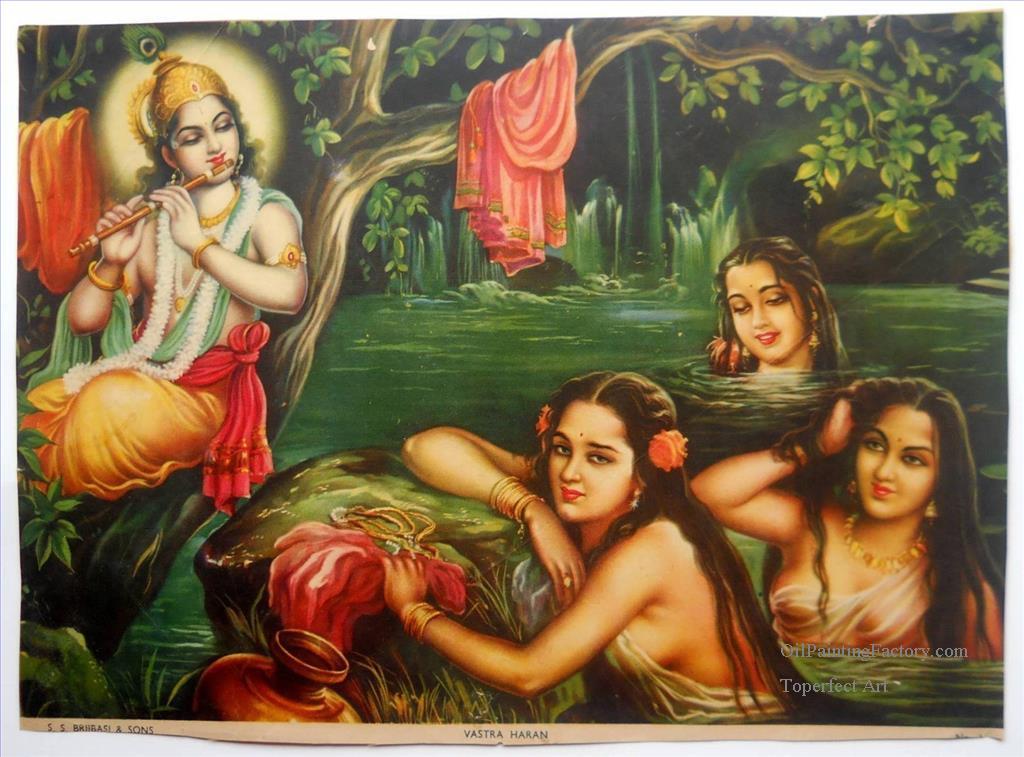
6-Vastra-Haran-Krishna-and-Gopis

கோபியர் பற்றிய குறிப்பு சங்கத் தமிழ் இலக்கியத்தில்தான் முதலில் வருகிறது. பின்னர்தான் சம்ஸ்கிருத இலக்கியத்தில் வருகிறது!!

ஈயத்தைப் பார்த்து இளித்ததாம் பித்தளை!!!

இதைவிட போலந்தில் ஒரு சுவையான வழக்கு நடந்தது.. அதில் வழக்குப்போட்ட கிறிஸ்தவ பெண்ணே பதில் சொல்லாமல் திணறவே வழக்கு தள்ளுபடி ஆனது.

கிருஷ்ணன் 16,000 கோபியர் என்ற பெண்களைக் கல்யாணம் செய்தார். ஒழுக்கம் கெட்ட அவரைப் போய் இந்த ஹரே கிருஷ்ண இயக்கத்தினர் கும்பிடுவதால் இந்த இயக்கத்தைத் தடை செய்ய வேண்டும் என்று கிறிஸ்தவ கன்னிமார்கள் (நன்) வழக்கு தொடுத்தனர். உடனே இந்து தரப்பில் வாதாடிய வழக்குரைஞர், “ ஐயா, சகோதரி, கன்னிமார் / நன் ஆகப் பதவியேற்றபோது எடுத்த சத்திய வாக்குப் பிரமாணத்தை வழக்கு மன்றத்தில் உரத்த குரலில் மீண்டும் ஒரு முறை கூறச் சொல்லுங்கள்” என்றார். அந்தப் பெண் மறுத்துவிட்டார்.

வழக்கு தள்ளுபடி செய்யப்பட்டது.!!!!

கிறிஸ்தப் பெண்கள் ஏசுவைக் கல்யாணம் செய்துகொள்வதாக சத்தியப் பிரமாணம் (உறுதிமொழி) எடுத்து கன்னிமார் ஆவர்.

கிருஷ்ணனுக்கு 16,000 பேர்தான் மனைவியர். இவர்கள் வணங்கும் ஏசுவுக்கோ மில்லியன் கணக்கில் மனைவிமார்கள் என்று இந்து தரப்பு வழக்கு அறிஞர் பேசி முத்தாய்ப்பு வைத்தார்!!!

இந்த கோபியர் விஷயம் ஓயவே மாட்டேன் என்கிறது. சுவாமி விவேகாநந்தர் 125 ஆண்டுகளுக்கு முன்னரே இதைப்பற்றி ஆக்ரோஷமான சொற்பொழிவு ஆற்றியுள்ளார். அதைத் தனியாகத் தருகிறேன். “ முட்டாள்களே, இந்தப் புனிதமான பக்தியைப் புரிந்துகொள்ள முதலில் உள்ளம் புனிதமாக வேண்டும்” என்று சாடுகிறார்.

ராமகிருஷ்ண பரமஹம்சர் கோபியரின் பக்தி பற்றி சில கதைகளும் உவமைகளும் தருகிறார். அதையும் தனியாகத் தருகிறேன். இப்போது ஒரே ஒரு குறிப்பை மற்றும் படியுங்கள்:

Radha Krishna Ras Leela Images -04

ஸ்ரீ சித்பவானந்த சுவாமிகள் எழுதுகிறார்:

பூர்ணாவதாரமாகிய கிருஷ்ணனுடைய விளையாட்டுகளை உள்ளபடி அறிந்து கொள்கிறவர்கள் கடவுள் தத்துவத்தையே அறிபவர் ஆகின்றனர். கிருஷ்ணனுடைய ஒவ்வொரு செயலும் தர்மத்துக்கு விளக்கமாகிறது. அவன் ஆற்றிய வினைகள் எல்லாம் அறச்செயலகள் ஆகின்றன. தர்மத்துக்கு அன்னியமான செயலை அவன் ஒரு தடவையிலாவது மறந்தும் செய்தது கிடையாது. அவைகளுள் சிலவற்றை ஈண்டு ஆரய்ச்சிக்கு எடுத்துக் கொள்வது அவசியமாகிறது.

அவன் சிறு பிள்ளையாய் இருந்தபொழுது கோபியர்களுக்கு முன் எச்சரிக்கை செய்துவிட்டு வெண்ணெயைத் திருடி மற்ற சிறுவர்களுக்குப் பங்கிட்டுக் கொடுத்துவந்தான். அக் காலத்தில் செல்வத்தின் சின்னமாய் இருந்தது வெண்ணெய். செல்வத்தைத் தேடிப் பிறர்க்குப் பயன்படாது அடைத்து வைத்துவிட்டால் தெய்வச் செயலானது அந்தச் செல்வத்தைத் திருப்பி எடுத்துக் கொள்கிறது. இது காலமெல்லாம் நிகழ்கின்ற நிகழ்ச்சி. இவ்வுண்மையை கிருஷ்ணன் தனது விளையாட்டின் மூலம் விளக்கினான்.

அவன் சுமார் ஏழு வயது சிறுவனாய் இருந்தபொழுது யமுனையில் நீராடிக் கொண்டிருந்த கோபியர்களுடைய ஆடைகளை எல்லாம் ஒரு மரத்தின் மீது கொண்டுபோய் வைத்துவிட்டான். அவர்கள் நதியிலிருந்து வெளியே வந்து கேட்டால் துணிகளைத் திருப்பித் தருவதாகத் தெரிவித்தான். அவன் ஏன் இப்படிச் செய்தான் என்பது பலருக்கு விளங்குவதில்லை. தங்களுக்குத் தூய பக்தியைத் தந்தருள வேண்டும் என்று கோபியர்கள் கிருஷ்ணனிடம் வேண்டினார்கள் அதற்கு அவர்களுக்கு இன்னும் பரிபக்குவம் வரவில்லை என்று கிருஷ்ணன் சொன்னான்.

யாரிடத்தில் உடலைப் பற்றிய உணர்ச்சி இருக்கிறதோ அவருக்கு பராபக்தி உருஎடுக்காது.. சிறு குழந்தைக்கு உடலைப் பற்றிய உணர்ச்சி இல்லை. ஆண், பெண் என்ற வேற்றுமை இல்லை. நிர்வாணமாக உலவுவதில் சிறு குழந்தைகளுக்குச் சிறிதும் சங்கோஜம் இல்லை. முதியவர்களுள் யாருக்கு உடலைப் பற்றிய உணர்வு தானாக அகன்று போகிறதோ அவர்களுக்கு பராபக்தி உடனே வருகிறது.

These are not revealed unto the wise and learned but unto the babes—

வெறும் வாச ஞானம் பெற்றுள்ள பண்டிதர்களுக்கு விளங்காத பரமார்த்திகப் பேருண்மைகள் சிறு குழந்தைகளுக்கு விளங்குகின்றன என்று ஏசுநாதர் புகட்டிய கோட்பாட்டுக்கு விளக்கமாக கிருஷ்ணனுடைய செயல் வந்தமைகிறது. கிருஷ்ணன் பல்லாயிரம் கோபியர்களுக்கு நாதன் என்கின்ற உண்மை எல்லோருக்கும் புலப்படுவதில்லை. உயிர்கள் அனைத்துக்கும் கடவுளே கணவன் என்கின்ற கோட்பாட்டைக் கிருஷ்ணன் எட்டு வயதுச் சிறுவனாக இருந்தபோதே விளக்கிக் காட்டினான்.

raslila-DD06_l

பூரண அவதாரமாகிய இந்தக் கிருஷ்ணனைப் பற்றி ஓயாது துஷ்பிரசாரம் செய்வது கிருஸ்தவ மதப் பிரசார அலுவலாய் இருந்து வருகிறது. அவன் தூர்த்தன் என்றும், திருடன் என்றும், ஒழுங்கு தவறியவன் என்றும் மேடைகளில் அவர்கள் பிரசங்கம் பண்ணுவதுண்டு. அத்தகையவனை கடவுள் என்று வணங்குகின்ற மஹாபாவத்தை ஹிந்துக்கள் செய்துவருகிறார்கள் என்றும் அவர்கள் போதிக்கிறார்கள்.

கிருஷ்ணனை மதிப்பிடுதல் மூலம் சமயத்துறையில் தங்களுடைய அறிவுத் திறன் எவ்வளவு தூரம் பரிபாகம் அடைந்திருக்கிறது என்பதையே இத்தகைய மதப் பிரசாரகர்கள் விளம்பரம் பண்ணுகிறார்கள். இவை போன்ற எண்ணிறந்த அவதூறுகளை அமைதியாகக் கேட்டுவிட்டுப் போவது ஹிந்துக்களுடைய இயல்பு.”

—-பக்கம் 37—40, ஹிந்து மதமும் கிறிஸ்தவ மதமும், ராமகிருஷ்ண தபோவனம், திருப்பராய்த்ததுறை- 639 115, வெளியீடு ஆண்டு 1995

1995ல் எட்டாம் பதிப்பாக சுவாமி சித்பவானந்தர் இதை வெளியிட்டு இருக்கிறார். இப்போது அமெரிக்கப் பெண்மணி வெண்டி டோனிகர் எழுதிய புத்தகமும், ரஷ்யா, போலந்து ஆகிய நாடுகளில் கிருஷ்ண பரமாத்மா மீது வழக்கு போட்டதும் இன்னும் நிலைமை மாற வில்லை என்பதைக் காட்டுகிறது. இன்னும் சொல்லப் போனால் 125 ஆண்டுகளுக்கு முன் விவேகாநந்தரும் இதே தலைப்பில் பேசி வெளிநாட்டுக்காரர்களிச் சாடி இருக்கிறார். அதைத் தனியே காண்போம்.

Radha-and-Krishna-in-the-center-of-the-gopis

வேத நூல் பழிக்கும் வெளித்திசை மிலேச்சர்
பாதமும் பொறுப்பளோ பாரத தேவி— என்று இவர்களைப் பார்த்த்துச் சீறினான் பாரதி.
நாமும் சீற வேண்டாமா?

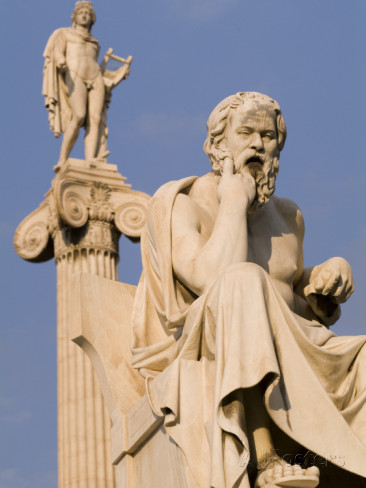
Socrates’ Meeting with a Hindu Saint

big socrates

Compiled by London Swaminathan

Post No. 858 Date 22nd February 2014

My compilation below mentions several Greek scholars. Who are they?

Socrates (499- 399 BC) Greek Philosopher
Plato (427-347 BC) Philosopher and Student of Socrates
Glaucon (445- 400 BC) Plato’s older brother & Philosopher
Xenophon(430- 354 BC) Greek Historian
Eusubius (263-339 AD) Roman historian
Aristoxenus (Around 335 BC) Greek Philosopher

Socrates and superstition

Xenophon says that Socrates was frequently seen sacrificing at home and on the public altars of the city (memorabilia 1-1-2)
According to Plato, the last words of Socrates were: ‘Crito, I owe a cock to Asclepius; will you remember to pay the debt?’ (Plato 118)
Source: Dr S Radhakrishnan’s Introduction to The Dhammapada.

Socrates Meeting with a Hindu Saint

A passage in Eusebius relates an encounter between Socrates and a Hindu Sage. The passage runs: Aristoxenus, the musician tells the following story about the Indians. One of these men met Socrates at Athens, and asked him what was the scope of his philosophy. ‘An inquiry into the human phenomena’ replied Socrates. At this the Indian burst out laughing. ‘How can a man inquire into the human phenomena’, he said, when he is ignorant of divine ones?”

The Greek ideal, echoed in western philosophies, is:”Man know thyself!”. A Hindu would say, “Man Know thyself”. The dictum Descartes: ‘I think therefore I am”, is not philosophically valid. The reasoning faculties cannot shed light on man’s ultimate Being. The human mind, like transitory world that it cognizes, is in perpetual flux and can yield no finalities in tellectual satisfaction is not the highest goal. The seeker of god is the real lover of Vidya, unchangeable truth; all else is avidya, relative knowledge.

Source: Page 367, Autobiography of a Yogi by Paramahansa Yogananda

Socrates was a Vegetarian!

The quote, “As long as there are slaughterhouses, there will be battlefields” penned by Leo Tolstoy, is reinforced by another great mind in human history. Socrates was a vegetarian who taught that virtue was based on knowledge. He was indicted for impiety, as well as the corruption of youth and was condemned to death. He refused to flee and died by drinking hemlock in 399 BC.

This excerpt from Plato’s “Republic”, who was a pupil of Socrates and one of the only 2 sources we can look to for his actual teachings, is in line with Tolstoy’s argument. It is simple dialogue between Socrates and Gloucon:

Socrates: Would this habit of eating animals not require that we slaughter animals that we knew as individuals, and in whose eyes we could gaze and see ourselves reflected, only a few hours before our meal?
Glaucon: This habit would require that of us.
Socrates: Wouldn’t this [knowledge of our role in turning a being into a thing] hinder us in achieving happiness?
Glaucon: It could so hinder us in our quest for happiness.
Socrates: And, if we pursue this way of living, will we not have need to visit the doctor more often?
Glaucon: We would have such need.

Socrates: If we pursue our habit of eating animals, and if our neighbor follows a similar path, will we not have need to go to war against our neighbor to secure greater pasturage, because ours will not be enough to sustain us, and our neighbor will have a similar need to wage war on us for the same reason?
Glaucon: We would be so compelled.
Socrates: Would not these facts prevent us from achieving happiness, and therefore the conditions necessary to the building of a just society, if we pursue a desire to eat animals?
Glaucon: Yes, they would so prevent us.

Source : AELLA Website for vegetarianism

soc.apollo

I have already published seven articles in this blog emphasizing the strong connection between India and Greece. The articles are about Alexander’s encounter with naked Hindu saints, Delphi oracles and Tamil fortune tellers, Drinking poison: Shiva Socrates and Valluvar, Know thyself in Pyramids, Tirumular and Socrates, Greek – Tamil connection, Imaginary 60 second interview with Socrates etc.

Swami_48@yahoo.com

Pictures are taken from different sources. Thanks.

எதற்கு எது அழகு?

woman

சம்ஸ்கிருத செல்வம் — அத்தியாயம் 31
ச.நாகராஜன்

Post No 857 Date 22nd February 2014

கவிஞர் அழகற்ற குயிலையும் அவலட்சணமான மனிதன் ஒருவனையும், ஒரு பெண்ணையும்., ஒரு தவ யோகியையும் பார்த்தார். இவர்கள் அனைவரையும் அனைவரும் போற்றிப் புகழ்ந்தவுடன் அவருக்கு எதற்கு எது அழகு, ஏன் அப்படிப் புகழ்கின்றனர் என்பது புரிந்து விட்டது; கூடவே ஒரு நல்ல பாடலும் பிறந்து விட்டது!

குயிலுக்குக் குரல் அழகு
பெண்ணுக்கு கற்பு அழகு
அவலட்சணமானவனுக்கு கல்வி அழகு
தபஸ்விக்கு பொறை அழகு

கோகிலானாம் ஸ்வரோ ரூபம் நாரிக்யம் பதிவ்ரதம் I
வித்யா ரூபம் க்ரூபாணாம் க்ஷமா ரூபம் தபஸ்வினாம் II

கோகிலானாம் ஸ்வரோ ரூபம் – குயிலுக்கு அதன் கூவல் அழகு
நாரிக்யம் பதிவ்ரதம் – பெண்ணுக்கு பதிவிரதம் மேன்மை
வித்யா ரூபம் க்ரூபாணாம் – குரூபமாய் இருந்தாலும் கல்வி அவனுக்கு அழகு
க்ஷமா ரூபம் தபஸ்வினாம் – தவம் புரிவோருக்கோ பொறை அல்லது மன்னித்தல் அழகு

இது சுபாஷித ரத்னாகர பாண்டாகாரத்தில் தொகுக்கப் பட்டுள்ள பாடல்!

எது எதை எப்படிப் பாதுகாக்க வேண்டும்?

சத்யேன தர்மா – சத்தியத்தால் தர்மத்தை ரக்ஷிக்க வேண்டும்
யோகேன வித்யா – பயிற்சியால் கல்வியை ரக்ஷிக்க வேண்டும்
ம்ருஜயா ரூபம் – சுத்தப் படுத்துவதால் அழகை ரக்ஷிக்க வேண்டும்
(உடல் நலம் பேணுதல் வேண்டும்)
வ்ருத்தேன குலம் – ஒழுக்கமான நன்னடத்தையால் குடும்பத்தை ரக்ஷிக்க வேண்டும்.

சத்யேன ரக்ஷதே தர்மோ வித்யா யோகேன ரக்ஷயதே I
ம்ருஜயா ரக்ஷதே ரூபம் குலம் வ்ருத்தேன ரக்ஷயதே II

அழகான சொற்களால் அற்புதமான கருத்து வலிமை பெறுகிறது! இது மஹாபாரதத்தில் விதுர நீதியில் வரும் பாடல்.

யாருக்கு எது எதிரி?

எந்தக் காரணத்தால் எது அழிகிறது என்பதையும் பார்க்கலாம்:

ஸ்ரீ – ரூபம் – பெண் அழகால் அழிகிறாள்

ப்ராஹ்மணன் –ராஜசேவா – பிராம்மணன் அரசனுக்குச் சேவை செய்யப் போவதால் அழிகிறான்

காவா- தூர ப்ராசேரேண – பசுக்கள் தூரத்தில் உள்ள மேய்ச்சல் நிலத்திற்குச் செல்வதால் அழிகின்றன.

ஹிரண்யம் – லோபலிப்ஸா – தங்கம் பேராசையால் அழிகிறது.

ஸ்தீரி வினஷ்யதி ரூபேண ப்ராஹ்மணோ ராஜசேவா I
காவோ தூரப்ரசாரேண ஹிரண்யம் லோபலிப்ஸயா II

ஸ்தீரி (வினஷ்யதி) ரூபேண –பெண் அழிவது அழகாலே
ப்ராஹ்மணோ வினஷ்யதி ராஜசேவா – ப்ராம்மணன் அழிவது ராஜசேவையால்
காவோ (தூரப்ரசாரேண) வினஷ்யதி –பசு அழிவது வெகு தூரத்தில் மேய்ச்சலுக்குச் செல்வதால்
ஹிரண்யம் (வினஷ்யதி) லோபலிப்ஸயா – தங்கம் அழிவது பேராசையால்.

இதுவும் சுபாஷித ரத்னாகர பாண்டாகாரத்தில் இடம் பெறும் பாடல். தான்!

எது யாருக்கு அழகு என்பது பற்றியும், பாதுகாப்பது பற்றியும், எதனால் எது அழிகிறது என்பதையும் அமுதச் சொற்களால் தெரிந்து கொண்டோம்.

*******************

Contact swami_48@yahoo.com

Three Questions to Gandhiji

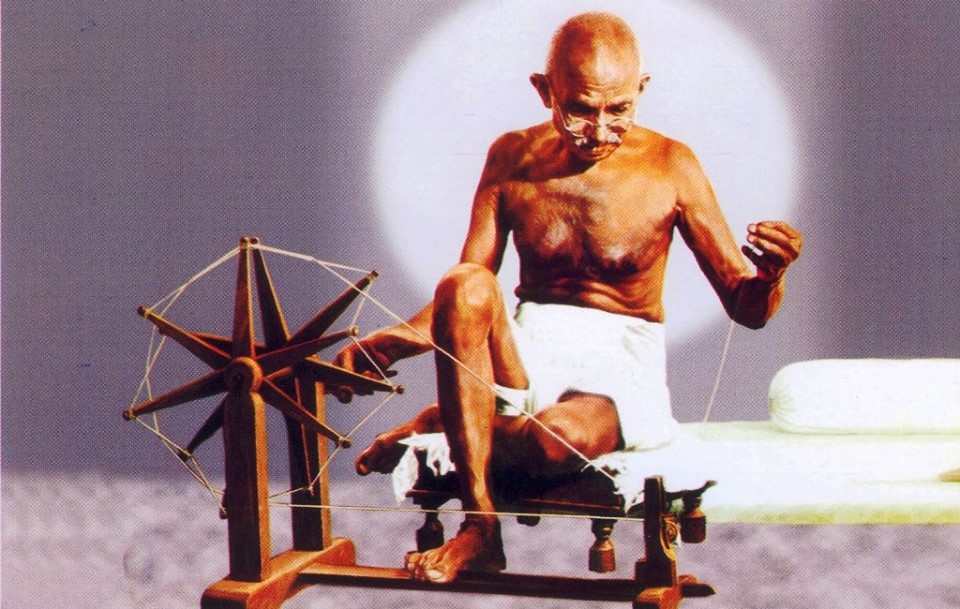
gandhi rattai

Compiled by london swaminathan
Post No. 856 Date 21st February 2014

Dr S Radhakrishnan, Philosopher and Ex President of India, sent three questions to a group of people in the 1930s. Mohandas Karamchand Gandhi (Mahatma Gandhi) sent the following reply:

M.K. Gandhi
I have been asked by Sri S .Radhakrishnan to answer the following three questions:

(1) What is your religion?

(2) How are you led to it?

(3) What is its bearing on social life?

1.My religion is Hinduism which, for me, is Religion of humanity and includes the best of all the religions known to me.

2.I take it that the present tense in the second question is purposely used instead of the past. I am being led to my religion through Truth and Non Violence i.e. love in the broadest sense. I often describe my religion as Religion of Truth. Of late instead of saying God is Truth I have been saying Truth is God, in order more fully to define my religion. I used, at one time, to know by heart the thousand names of God which a booklet in Hinduism gives in verse form and which perhaps tens of thousands recite every morning. But nowadays nothing so completely describes my God as Truth. Denial of God we have known. Denial of Truth we have not known. The most ignorant among mankind have some truth in them. We are all sparks of Truth. The sum total of these sparks is indescribable, as-yet-unknown- Truth, which is God. I am being daily led nearer to It by constant prayer.

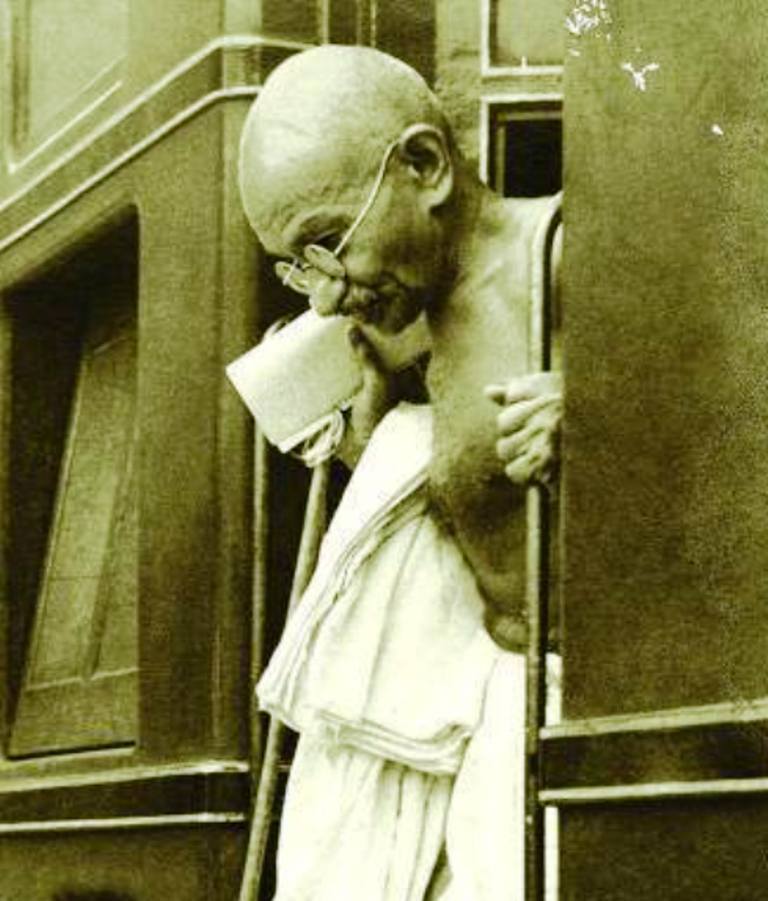
gandhi train

3.The bearing of this religion on social life is, or has to be, seen in one’s daily social contact. To be true to such religion one has to lose oneself in continuous and continuing service of all life. Realisation of Truth is impossible without complete merging of oneself in, and identification with, this limitless ocean of life. Hence, for me, there is no escape from social service, there is no happiness on earth, beyond or apart from it. Social service here must be taken to include every department of life in this scheme there is nothing low, nothing high. For , all is one, though we seem to be many.
Source: Contemporary Indian Philosophy, Edited by Radhakrishnan and J H Muirhead, George Allen & Unwin Ltd, Museum Street, London, 1936

( The Thousand Names of God mentioned by Gandhiji is Vishnu Sahasranamam: swami_48@yahoo.com )

திருவிளையாடல் புராணம் உண்மையே!

tv sirpam2

Part 1 of Thiru Vilaiyadal Puranam by s. swaminathan

எழுதியவர் : லண்டன் சுவாமிநாதன்
கட்டுரை எண் 855 தேதி 21 February 2014

பெரும்பற்றப்புலியூரார் (13 ஆம் நூற்றாண்டு) என்ற கவிஞரும் அவருக்குப்பின் வந்த பரஞ்சோதி முனிவர் (17 ஆம் நூற்றாண்டு) என்ற கவிஞரும் இரண்டு திருவிளையாடல் புராணங்களை எழுதினர். இவைகளை ஹாலாஸ்ய மஹாத்மியம் என்றும் சிவ லீலா வர்ணம் என்றும் சம்ஸ்கிருதத்தில் வேறு இரு வடமொழிக் கவிஞர்கள் மொழிபெயர்த்தனர். இது மதுரையில் சிவபெருமான் நடத்திய 64 லீலைகளை புரணக் கதை ரூபத்தில் வருணிக்கின்றன. இதில் பல பாண்டிய மன்னர்களின் பெயர்கள் வருகின்றன. அவை எல்லாம் வடமொழிப் பெயர்களாக இருப்பதாலும் அந்தப் பெயர்களில் கல்வெட்டுகள் கிடைக்காததாலும் இது உண்மை வரலாறா? கட்டுக கதையா? என்று ஐயப்பாடு நிலவி வந்தது. ஆனால் இது உண்மை வரலாறு என்பதற்கு இலக்கியச் சான்றுகள் இருக்கின்றன.

பாண்டியர் செப்பேடுகளிலும் சிலப்பதிகாரம், கல்லாடம் போன்ற நூல்களிலும் திருவிளையாடல் நிகழ்ச்சிகள் (குறிப்பிட்ட மன்னர்களின் பெயர்கள் இல்லாமல்) குரிப்பிடப்படுவதால் இவை 1500 ஆண்டுகளுக்கு முன்னரே பிரபலமாகிவிட்டதை அறிய முடிகிறது.

மதுரைக்கு வந்த திரு ஞான சம்பந்தர் பல அற்புதங்களைப் புரிந்து கூன் பாண்டியனை நின்ற சீர் நெடுமாறனாக்கியது தேவாரப் பாடல்களாலும் உறுதி செய்யப்படுகிறது. மதுரையிலும் மதுரையைச் சுற்றிலும் ஊர்ப்பெயர்கள் திருவிளையாடல் நிகழ்ச்சிகளை அடிப்படையாகக் கொண்டவை. இவையெல்லாம் பொய்க் கதைகளால் உருவாக முடியாது. அப்படி உருவானாலும் காலத்தைக் கடந்து நிற்கமுடியாது. எல்லாவற்றுக்கும் மேலாக தமிழன் செய்த தவப் பயன் அப்பர் பாடிய தேவாரப் பாடல்களாகும். தருமி, பொற்கிழி வாங்கிய வரலாறும், நரியைப் பரியாக்கிய வரலாறும் அப்பரின் தேவாரப் பாடல்களில் வருகிறது.
tv sirpam3

Picture of Tiruvilayadal from Madurai Sri Meenakshi Temple.

திருவிளையாடல் புராணமென்ற திரைப்படம் சிவாஜி கணேசனின் சிறந்த நடிப்பால் பெரிய வெற்றி அடைந்தது. அதிலுள்ள அருமையான வசனங்களும் ஏ.பி நாகராஜனின் டைரக்சனும் மேலும் மெருகூட்டின. இதிலுள்ள கதைகளுக்கு மதுரையில் ஏராளமான ஆதாரங்கள் உள்ளன. அன்னக் குழி மண்டபம், மேங்காட்டுப் பொட்டல் (மெய் காட்டிய), கால் மாறிய நடராஜர் உள்ள வெள்ளியம்பலம், புட்டுத் தோப்பு — இப்படி அடுக்கிக் கொண்டே போகலாம். இந்தக் கட்டுரையாளர் 30 ஆண்டுகளுக்கும் மேலாக மதுரையில் வசித்ததால் ஆண்டு முழுதும் நடக்கும் திருவிளையாடல் திருவிழாக்களை நேரில் கண்டு ரசித்ததுண்டு.

வளையல் விற்ற திருநாளன்று வளையல் கொடுப்பார்கள். புட்டுத் திருவிழா அன்று புட்டு கிடைக்கும். நரியைப் பரியாக்கிய திருநாளன்று உண்மையான நரியைக் கொண்டுவருவார்கள். அதைப் பார்க்க கூட்டமாகச் செல்வோம். திக்கு விஜயம் அன்று மீனாட்சியும் சிவனும் நான்கு திக்குக்கும் பல்லக்கில் ஓட்டம் ஓட்டமாகச் செல்வார்கள். பல்லக்குகள் பின்னால் நாங்களும் ஓடுவோம். இவை எல்லாம் இப்பொழுது கொஞ்சம் கொஞ்சமாகக் குறைந்து கொண்டும் மாறிக் கொண்டும் வருகின்றன. கால வெள்ளத்தை யாரால் தடுக்க முடியும்?

ther sirpangkal from potramarai

Wooden sculptures from the chariot (Ther); from Potramarai book.

இந்தப் புராணத்தில் கூறப்படும் பாண்டிய மன்னர்கள் உண்மையிலேயே மதுரையை அரசாண்டார்கள் என்றால் அது எந்தக் காலத்தில் என்ற கேள்வியும் எழுகிறது. இரண்டு திருவிளையாடல் புராணங்களுக்கும் சிறிது வேறுபாடு இருந்தாலும் பரஞ்சோதி முனிவரின் புராணமே மிகவும் பிரபலமானது. அதிலுள்ள நிகழ்ச்சிகளின் வரிசையும் மன்னர்களின் வரிசையும் உண்மையா என்று தெரியாது. ஆயினும் அதில் வரும் மாடக் கூடல், தாமரை வடிவில் அமைந்த நகரின் நடுவில் கோவில் இருந்தது ஆகிய செய்திகள் கலித்தொகை, பரிபாடல் ஆகிய சங்க இலக்கிய நூல்களில் இருக்கின்றன.

மதுரையுடன் தமிழ் மொழிக்குள்ள தொடர்பும் ஐம்பது சங்கப் புலவர்களால் தெரிய வருகிறது. மேலும் ஒன்பதாம் நூற்றாண்டு நூலான கல்லாடத்தில் 30க்கும் மேலான லீலைகள் வருகின்றன. இந்த லீலைகள் சார சமுச்சயம் என்ற வடமொழி நூலைத் தழுவி எழுதப்பட்டது. ஆக இவை அனைத்தும் கட்டாயம் ஒன்பதாம் நூற்றாண்டுக்கு முன்னர் நடந்தது தெரிகிறது. மேலும் களப்பிரர் ஆட்சிக்குப்பின் வந்த பாண்டிய மன்னர்களின் வரலாறு ஆறாம் நூற்றாண்டில் இருந்து வரிசையாக கல்வெட்டு, செப்பேட்டு ஆதாரங்களுடன் கிடைத்துவிட்டதால் அதற்கு முன் தான் இவை நடந்திருக்க முடியும்.

மீனாட்சி ஆட்சி எப்போது நடந்தது?

மீனாட்சி பற்றிய மறைமுகக் குறிப்பு கிரேக்க தூதரான மெகஸ்தனீஸ் (கி.மு. 330-290) எழுதிய இண்டிகா என்ற நூலில் இருந்து கிடைக்கிறது. பண்டேயா என்ற தெற்கத்திய தேசத்தை ஒரு பெண் அரசி ஆண்டதாக அவன் எழுதியுள்ளான். ஆக குறைந்தது 2300 ஆண்டுகளுக்கு முன் மீனாட்சி ஆட்சி புரிந்தது இதில் இருந்து தெரிகிறது. ஆக மலயத்துவஜ பாண்டியன் கி.மு நாலாம் நூற்றாண்டில் ஆண்டிருக்க வேண்டும். இதை மஹாவம்சமும் அதரிக்கிறது. இலங்கையில் வந்து இறங்கிய ஒரிஸ்ஸா மன்னன் விஜயனுக்கு ராஜ வம்ச பெண்கள் இலங்கையில் இல்லாததால் அவனுக்கும் அவனது அமைச்சர்களுக்கும் பெண் கொடுத்து உதவியது பாண்டிய நாடே! இது நடந்தது கி.மு 543 வாக்கில்( காண்க: மஹா வம்சம்)

மதுரையை அரசாண்ட மீனாட்சியும் வடக்கத்திய தொடர்புடைய பெண்மணியாக இருக்கக்கூடும். மலத்துவஜனின் மனைவியான காஞ்சன மாலா (மீனாட்சியின் தாய்) சூரிய குல வேந்தன் சூரசேனனின் மகள். சூரிய குலம் என்பது சோழ தேசத்தைக் குறித்தாலும் கூட, அவர்களும் வடக்கத்திய மன்னர்களே என்பதை “சோழர்கள் தமிழர்களா?” என்ற கட்டுரையில் எழுதிவிட்டேன். மேலும் பாண்டியர்—பாண்டவர் தொடர்புக்கும் சில ஆதாரங்கள் இருக்கின்றன. ஆகையால் மெகஸ்தனீஸ் சொல்லுவது உண்மையே என்பது இதிலிருந்து தெளிவாகிறது.

இதை எல்லாம் ராமயாணம், மஹா பாரதம், காத்யாயனர் (கி.மு நாலாம் நூற்றாண்டு) நூல், கவுடில்யரின் அர்த்தசாஸ்திரம், அசோகர் கல்வெட்டுகள், மதுரையைச் சுற்றியுள்ள பிராமி கல்வெட்டுகள், காளிதாசரின் ரகுவம்சம் ஆகியன உறுதிப் படுத்துகின்றன.

ther sirpangkal from potramarai3

தருமி பொற்கிழி கதை

நன் பாட்டுப் புலவனாய்ச் சங்கமேறி
நற்கனகக் கிழி தருமிக்கு அருளினோன் காண்
– திருப்புத்தூர் தாண்டகம், அப்பர் தேவாரம்

திருவிளையாடல் சினிமாவில் மிகவும் மறக்க முடியாத லீலை நாகேஷும் சிவாஜியும் சேர்ந்து நடித்த தருமி பொற்கிழி கதையாகும். இதை அப்பர் பெருமான் தன் பாட்டில் கூறுவதும் சிவன் எழுதிக் கொடுத்த பாட்டு குறுந்தொகை என்னும் சங்க நூலில் இருப்பதும் இதன் காலத்தை ஓரளவுக்குக் காட்டிவிடுகிறது. அப்பரின் காலம் மஹேந்திர பல்லவனின் காலம் (கி.பி 600- 630). ஆக கி. பி. 600-க்கு முன்னர்தான் தருமி கதை நடந்திருக்க வேண்டும். சங்க இலக்கியம் முழுதும் கி.பி.300க்கு முன் எழுதப்பட்டதாக பொதுவான கருத்து இருப்பதால் சிவன் எழுதிய கொங்குதேர் வாழ்க்கை கவிதையும் அப்போதுதான் எழுதப்பட்டிருக்க வேண்டும். ஆக, தருமி கதையின் காலத்தை கி.பி.மூன்றாம் நூற்றாண்டில் அல்லது அதற்கு முன் வைக்கலாம்.

நரி—பரி லீலையும் அப்பர் தேவாரத்தில் வருகிறது.

நரியைக் குதிரை செய்வானும் நரகரைத் தேவு செய்வானும்
விரதங் கொண்டு ஆடவல்லானும் விச்சின்றி நாறு செய்வானும்
முரசு அதிர்ந்து ஆனை முன் ஓட முன் பணிந்து அன்பர்கள் ஏத்த
அரவு அரைச்சாத்தி நின்றானும் ஆரூர் அமர்ந்த அம்மானே
–(4-33 அப்பர் தேவாரம்,திருவாரூர் பதிகம்)

மாணிக்க வாசகர் காலம் ஒன்பதாம் நூற்றாண்டு அல்ல என்பதற்கு நரி பரியாக்கிய குறிப்பு உதவுகிறது. நரியைப் பரியாக்கிய நிகழ்ச்சியையும் அப்பர் தேவாரத்தில் காண்கிறோம். ஆக, மாணிக்கவாசகரும் அப்பர், சம்பந்தர் காலத்துக்கு முந்தையவரே. (இதற்கு மேலும் பல ஆதாரங்கள் உண்டு. அதைத் தனியாக எழுதுவேன்).

தருமி காலத்தில் அரசாண்ட மன்னன் செண்பக பாண்டியன். அவன் தான் கூந்தலுக்கு இயற்கை மணம் உண்டா என்று ஆராய, அது பெரிய மோதலில் முடிந்தது. அதில் நக்கீரரும் சம்பந்தப் பட்டிருப்பதால் கட்டாயம் முதல் மூன்று நூற்றாண்டுக்குள்தான் நடந்திருக்க வேண்டும். தருமி சம்பவத்தைத் தெள்ளத் தெளிவாக அப்பர் குறிப்பிடுவதால் மஹேந்திர பல்லவன் காலத்துக்கு ஓரிரு நூற்றாண்டுகள் முன்னர்தான் இது நடந்திருக்கவேண்டும்.

மேலும் சில செய்திகள்

சிலப்பதிகாரத்தில் வன்னி மரம் – லிங்கம் கதை இருக்கிறது. கடல் மேல் வேல் விட்ட கதை, மேகம் சிறை செய்யப்பட்ட நான்மாடக் கூடல் கதைகளும் உள்ளன. இந்தக் காவியம், குறள், தொல்காப்பியம் ஆகிய மூன்றும் ஐந்தாம் நூற்றண்டில் எழுந்தவை என்பது என் கணிப்பு. முன்னரே எழுதியுள்ளேன் (காண்க ‘தொல்காப்பியம் காலம் தவறு’).

பராந்தக வீர நாராயணனின் ( 895—907; ஒன்பதாம் நூற்றாண்டு) கல்வெட்டிலும் இச் செய்திகள் உள்ளன.

குலசேகர பாண்டியன் காலத்தில் கீரந்தை சம்பவம் நடந்தது. அவன் தான் பொற்கை பாண்டியன். இந்தக் கதையும் சிலப்பதிகாரத்தில் உள்ளதால் எல்லாம் ஐந்தாம் நூற்றாண்டுக்கு முன்னரே நடந்தவை.

சம்ஸ்கிருதப் பெயர்கள் இருப்பதால் இவர்கள் முற்கால மன்னர்களாகவே இருக்க வேண்டும். கடலில் மூழ்கிய தென்மதுரை மன்னர் பெயர்களிலும் மாகீர்த்தி முதலிய வடமொழிப் பெயர்கள் உண்டு. தென் கன்னடத்தை ஆண்ட ஆலூபா மன்னர்கள் பாண்டியருடன் தொடர்புடையவர்கள். அவர்களில் தனஞ்ஜயன், சித்திரவாகனன் முதலிய மஹா பாரதப் பெயர்கள் பாண்டியர் பெயர்களாக வருவதைக் கவனத்தில் கொள்ள வேண்டும்.

*மதுரைப் பேராலவாயார் அகநானூற்றில் நெடுஞ்செழியன் ஆண்ட மதுரையைப் பாடுகையில் மலை போன்ற மதில்கள் பற்றிப் பாடுகிறார்.

*சேரமான் பெருமாள் நாயனார்,சுந்தரர், பாண பத்திரர், அவ்வையார் ஆகியோர் சம காலத்தவர்கள். (சங்க கால அவ்வை வேறு)

*ஸ்ரீமாறன் என்ற பாண்டிய மன்னனின் சம்ஸ்கிருத பெயர் வியட்னாமில் இரண்டாம் நூற்றாண்டிலேயே கிடைக்கிறது.

*ப்ளினி (கி.பி.75) கொற்கையிலிருந்து மதுரைக்கு தலை நகர் மாறியதைக் குறிப்பிடுகிறார். கொற்கை= கபாடபுரம்?

மேலும் மூர்த்திநாயனார் போன்ற களப்பிரர் கால மன்னர்களை பெரியபுராணத்தில் இருந்து அறிகிறோம். ஆனால் சம்ஸ்கிருத பெயருடைய இவர் பற்றி வரலாறு பூர்வ ஆதாரங்கள் ஏதுமில்லை. இருந்தபோதிலும் இது உண்மை என்பதில் யாருக்கும் ஐயமில்லை.

தி வி புராணத்தில் உக்கிரகுமாரன், வீரபாண்டியன் வரலாறுகள்: —இதில் கடற்கோள், வரட்சி, இமயம் வரை பயணம் ஆகியன இருப்பதால் இவைகளை உண்மையான வரலாற்று நிகழ்ச்சிகளாகக் கொள்ளலாம். மேலும் தமிழ்நாட்டில் அதிகம் கானப்படும் பாம்புக் கடி பற்றி பல குறிப்புகள் வருகின்றன. ஒரு பாண்டியன் புலி அடித்து இறந்தது, மற்றொரு பாண்டியன் காமப் பிசாசாக வாழ்ந்தது ஆகிய எல்லாம் உண்மை வரலாற்றை எழுதுவார் போலவே எழுதப்பட்டுள்ளன. மற்ற பாண்டிய மன்னர்களின் குணாதிசயங்களை, காளிதாசன் சூரிய குல மன்னர்களின் பெருமைகளை வருணிப்பதுபோலவே பரஞ்சோதியாரும் வருணித்துள்ளார்.

ஒரு தனி மகாநாடு கூட்டிப் பொறுமையாக உட்கார்ந்து ஆராய்ந்தோமானால் மேலும் பல உண்மைகளை வெளிக் கொணரலாம்.

(தி.வி.புராணம் மதுரை, கூடல், ஆலவாய் என்ற வரிசையில் மூன்று காண்டங்களாகப் பிரிக்கப்பட்டுள்ளது. இது மதுரையின் காலமுறை வளர்ச்சியைக் குறிக்கிறதா என்றும் காணவேண்டும் வங்கியசேகரன் காலத்தில் மதுரை நகரம் ஆலவாய் ஆகியது. மதுரைப் பேராலவாயார் என்ற புலவர் சங்க நூல்களில் காணப்படுகிறார்.)

Continued in part-2

(Pictures are from the Book Potramarai and Temple Souvenirs;thanks)

தொடர்பு முகவரி : swami_48@yhaoo.com
Lord Rama Vs Kama

ram with dwaja

By London Swaminathan
Post No. 854 Date:20th February 2014

Prasnottara Ratna Malika Hymn of Adi Shankara is unique in many respects. First of all it is in Question and Answer format. Secondly, he raises several questions on secular subjects and answers them. On religious topics also he discusses very interesting subjects. One of the questions in verse number 32 (out of 67 verses) is

Q:-Who is braver than even Rama? (Ramad api ka: sura:?)
A:-One who does not waver even when hit by the arrows of Cupid.
(Rama: King of Ayodhya, Hero of Ramayana; Kama: God of Love, Cupid.)

He is indirectly saying that it would be very difficult to be A ‘Rama’. And it is an indirect praise for Rama for being true to every word in the scripture.

The reason he raised this question is, there is a saying in Indian languages ‘No Kama Where Rama is’. Rama is praised as Eka Patni Vratan (Vow to marry only one woman and stick to her come what may). When the great Tamil poet adapted Valmiki Ramayana he added one verse in Tamil, where Rama says “In this birth I wouldn’t even think about a second woman ( In Tamil: Intha Ippravikku Iru Matharaii sinthaiyalum Thoten).

Swami Vivekananda also touched this point in one of his lectures:
“What is the teaching of the Great Ones? — “Where there is Rama, there is no Kama; where there is Kama, there Rama is not. Night and Day can never exist together.” The voice of the ancient sages proclaims to us, “If you desire to attain God, you will have to renounce Kâma-Kânchana (lust and possession). The Samsâra is unreal, hollow, and void of substance. Unless you give it up, you can never reach God, try however you may. If you cannot do that, own that you are weak, but by no means lower the Ideal. Do not cover the corrupting corpse with leaves of gold!” So according to them, if you want to gain spirituality, to attain God, the first thing that you have to do is to give up this playing “hide-and-seek with your ideas”, this dishonesty, this “theft within the chamber of thought”.

From The Complete Works of Swami Vivekananda, Volume 3 ‘WHAT HAVE I LEARNT?’(Delivered at Dacca, 30th March, 1901)
rama travel

In India, kings can marry any number of women. Even Rama’s father Dasaratha had many wives. Krishna, another incarnation of Vishnu, had many wives. But Rama, a king, was unique in marrying only one woman Sita Devi.

In another talk, swami Vivekananda says,

“Rama, the ancient idol of the heroic ages, the embodiment of truth, morality, the ideal son, the ideal husband, the ideal father and above all the ideal king, this Rama has been presented before us by the great sage Valmiki. No language can be purer, none chaste, none more beautiful and at the same time simpler, than the language in which the poet has depicted the life of Rama. And what to speak of Sita? There may have been several Ramas perhaps, but never more than one Sita. She is the very type of Indian women”.

Saints like Tulsidas and Thyagaraja have sung the greatness of Rama.

When a blind disciple approached Lahiri Mahasaya, he touched the disciple’s forehead asked him to pray to Rama.

“Keep your mind concentrated there and frequently chant the name of Rama for seven days. The splendour of the sun shall have a special dawn for you.”He got the vision in a week’s time.

Source: An Autobiography of a Yogi by Paramahansa Yogananda.

Even Valmiki, a hunter, was turned into a poet and saint by reciting Rama’s name. Swami Vivekananda pointed out that Rama, Krishna and the Buddha were all Kshatriyas (Warrior caste) and worshipped by all.

Those who recite the name of Rama will get out of the bad influence of Kama ( Lust and Desire). So there is a custom in India to write the name of Rama several hundred times every day in a note book. Hindus write ‘SRI RAMAJAYAM’ in the note books, on walls and in the wedding invitations.

Rama stood for universal brotherhood. The person (Guhan) who took Rama across the Ganges in his boat would be regarded as an untouchable. But he proclaimed him as another brother! He was an ideal king because he did not control the areas he won. He gave them back to its legitimate owners Angada and Vibhishana.

ram ka nam

So Shankara is indirectly praising Rama and the implied meaning is no one can be braver than Rama. If one beats the Cupid, one can be elevated equal to Rama. In India people who control the five senses are called Mahavir ( E.g.Jain Saint Mahavira and Anjaneya). In other cultures people who killed more were called Mahavira (Great Hero).

Pictures are taken from different sources. Thanks.

Contact swami_48@yahoo.com

‘தீதும் நன்றும் பிறர்தர வாரா’

nepali kutti sanyasi

Picture: Little boy from Nepal.

எழுதியவர் லண்டன் சுவாமிநாதன்

கட்டுரை எண் 853 தேதி 20, பிப்ரவரி 2014

This is a translation of my Post No 832 posted in English on 10th February 2014 in this blog.

புறநானூற்றில் ஒரு அருமையான தமிழ் பாட்டு இருக்கிறது. எல்லோருக்கும் முதல் வரி மட்டும் தெரியும்: யாதும் ஊரே; யாவரும் கேளிர்; அதற்கு அடுத்த வரியோ, அந்தப் பாட்டின் முழுப் பொருளோ பலருக்கும் தெரியாது. ஆகையால் இரண்டாவது வரியை தலைப்பாகக் கொடுத்துள்ளேன். இது இந்துக்களின் கர்ம வினைக் கொள்கையை அழகாக படம்பிடித்துக் காட்டுகிறது. “ஆற்று வெள்ளத்தில் அடித்துச் செல்லும் மிதவை போல”– என்ற சித்திர உவமையை இந்து சந்யாசிகளும் புத்தரும் பயன்படுத்துகிறார்கள். இந்துக்கள், சமணர்கள், பௌத்தர்கள், சீக்கியர்கள் ஆகிய அனைவரும் மறு பிறப்பு, கர்மா கொள்கைகளில் நம்பிக்கை உடையோர்.

யாதும் ஊரே; யாவரும் கேளிர்;
தீதும் நன்றும் பிறர்தர வாரா;
நோதலும் தணிதலும் அவற்றோரன்ன;
சாதலும் புதுவதன்றே; வாழ்தல்
இனிது என மகிழ்ந்தன்றும் இலமே; முனிவின்
இன்னாது என்றலும் இலமே; ’மின்னொடு
வானம் தண் துளி தலைஇ, ஆனாது
கல் பொருது இரங்கும் மல்லல் பேர் யாற்று
நீர் வழிப்படூஉம்’ புணை போல் ஆர் உயிர்
முறை வழிப்படூஉம்’ என்பது திறவோர்
காட்சியின் தெளிந்தனம் ஆகலின், மாட்சியின்
பெரியோரை வியத்தலும் இலமே;
சிறியோரை இகழ்தல் அதனினும் இலமே.

—-புறம்.192, கனியன் பூங்குன்றன் ( பொருண்மொழிக் காஞ்சித் துறை))
இந்து தர்மக் கோட்பாடுகளை விளக்கும் அருமையான பாட்டு இது.

இவை அத்தனையும் பகவத் கீதையில் உள்ள வரிகள்!!!

வசுதைவ குடும்பகம்

ஒன்று பரம்பொருள் நாம் அதன் மக்கள்
உலகு இன்பக் கேணி என்றே—மிக
நன்று பல்வேதம் வரைந்த கை பாரத
நாயகி தன் திருக்கை (Subramanya Bharati)

என்று பாரதி பாடுகிறார். 3000 ஆண்டுகளுக்கு முன் அதர்வண வேதத்திலும் ‘பூமி என் தாய், நான் அதன் மகன்’ என்ற வரி உள்ளது. மஹோபநிஷத்திலுல் (6-71), பஞ்ச தந்திரத்திலும் (5-3-37), ஹிதோப தேசத்திலும் (1-3-71) ‘வசுதைவ குடும்பகம்’ (உலகம் ஒரே குடும்பம்) என்ற கோட்பாடு உள்ளது. ஆக உலகம் “ஒரே குடும்பம் நாம் எல்லோரும் அதன் மக்கள்” என்ற கருத்து வேத காலம் முதலே இருக்கிறது.

சாதலும் புதுவதன்றே; வாழ்தல்
இனிது என மகிழ்ந்தன்றும் இலமே; முனிவின்
இன்னாது என்றலும் இலமே

இறந்து போவது ஒன்றும் புதிது அல்ல. ஆகையால் வாழ்வதிலும் பெரிய இன்பம் கிடையாது. அதற்காக அதை வெறுத்து ஒதுக்குவதும் எங்களிடம் இல்லை. இந்தக் கருத்து கீதை முழுதும் பல இடங்களில் வருகிறது.

ஜாதஸ்ய ஹி த்ருவோ ம்ருத்யுர், த்ருவம் ஜன்ம முதஸ்ய ச
தஸ்மாத் அபரிஹர்யேர்த்தே ந த்வம் சோசிதும் அர்ஹஸி (2-27)

பகவத் கீதை 2—27

பொருள்: பிறந்தவன் இறப்பதும் இறந்தவன் பிறப்பதும் நிச்சயமாக இருக்கிறது. ஆகையால் தவிர்க்க முடியாத விஷயத்தில் வருத்தப்பட ஒன்றும் இல்லை.

தமிழ் திரைப் படப் பாடலிலும் இதே கருத்தைக் காண்கிறோம்:

போனால் போகட்டும் போடா
போனால் போகட்டும் போடா – இந்த
பூமியில் நிலையாய் வாழ்ந்தவர் யாரடா?
போனால் போகட்டும் போடா
ஒஹோஹோ… ஒஹோஹோ…
வந்தது தெரியும் போவது எங்கே
வாசல் நமக்கே தெரியாது
வந்தவரெல்லாம் தங்கிவிட்டால் – இந்த
மண்ணில் நமக்கே இடமேது?

வாழ்க்கை என்பது வியாபாரம் – வரும்
ஜனனம் என்பது வரவாகும் – அதில்
மரணம் என்பது செலவாகும்

(படம்- பாசமலர்; பாடல்-கவிஞர் கண்ணதாசன்)

இதையே புத்த மதப் பாடலிலும் காணலாம்:

“Weep not, for such is here the life of man
Unasked he came, unbidden went he hence
Lo! Ask thyself again whence came thy son
To bide on earth this little breathing space
By one way come and by another gone…..
So hither and so hence— why should ye weep?”

— Psalms of Sisters (E.T. by Mrs Rhys Davids (1909) quoted by Dr S Radhakrishnan in his Bhagavad Gita commentary.

மஹா பாரதத்திலும் வியாசர் உலகிலேயே மிக அதிசயமான விஷயம் எது என்ற கேள்விக்கு தருமன் வாய் மொழியாக விடை கூறியதை யக்ஷப் ப்ரஸ்னத்திலும் ‘உலகிலேயே எது பெரிய அதிசயம்? எது ஆச்சர்யம்?’ என்ற கட்டுரையிலும் ஏற்கனவே எழுதிவிட்டேன். வள்ளுவனும் இந்த ஆச்சரியத்தைக் (குறள் 336) குறிப்பிட்டதையும் எழுதிவிட்டேன்.

தீதும் நன்றும் பிறர்தர வாரா;
நோதலும் தணிதலும் அவற்றோரன்ன;

ஒருவருக்கு நல்லதும் கெட்டதும் பிறர் தருவதில்லை. நமக்கு நாமே உண்டாக்கிக் கொள்கிறோம். தினை விதைத்தவன் தினை அறுப்பான் ,வினை விதைத்தவன் வினை அறுப்பான் என்றும் முற்பகல் செய்யின் பிற்பகல் விளையும் என்றும் தமிழ் சான்றோர்கள் பகர்வர். வேதகாலம் முதல் இந்தியாவில் இந்தக் கருத்தை வலியுறுத்தி வருகின்றனர். பாவ புண்ணியம் என்பது இந்தியாவில் பிறந்த எல்லோருக்கும் தெரிந்த கருத்து.

கருட புராணத்தில் வரும் ஒரு ஸ்லோகத்தை டாக்டர் ராதாகிருஷ்ணன் எடுத்தாள்கிறார்:

Garuda Purana says
Sukhasya dukkhasya na kopi data
Paro dadatiti kubhuddir esa
Swayam krtam svena phalena yujyate
Sarira he nistara yat tvatya krtam

இன்பமும் துன்பமும் பிறர் தருவது இல்லை. மற்றவர்கள் நமக்குக் கெடுதி செய்துவிட்டனர் என்பது தவறு. நாம் என்ன விதைத்தோமோ அதுதான் பழம் ஆகி பலன் தருகிறது.

’மின்னொடு
வானம் தண் துளி தலைஇ, ஆனாது
கல் பொருது இரங்கும் மல்லல் பேர் யாற்று
நீர் வழிப்படூஉம்’ புணை போல் ஆர் உயிர்
முறை வழிப்படூஉம்’ என்பது திறவோர்
காட்சியின் தெளிந்தனம் ஆகலின்,

devotion

பெரியாறு என்பது தமிழ்நாடு—கேரள எல்லையில் இருக்கிறது. புலவர் இதையும் சொல்லி இருக்கலாம். அல்லது பொதுவாக கங்கை முதலிய பெரிய நதிகளில் வரும் தெப்பத்தையும் (படகு) சொல்லி இருக்கலாம். வாழ்க்கை என்பது ஆற்று வெள்ளத்தில் அடித்துச் செல்லப்படும் படகு போன்றது. அது போய்ச் சேர வேண்டிய இடத்துக்குச் சேரும் என்பது அறிஞர்கள் கண்ட உண்மை என்று கனியன் பூங்குன்றன் கூறுகிறார். ஆதிசங்கரரின் விவேக சூடாமணி யிலும் இதைக் காணலாம் ஆனால் தமிழ்ப் புலவர் இதைப் படித்துதான் எழுத வேண்டும் என்பதில்லை. பெரியோர்கள் ஒரேமாதிரி சிந்திப்பர்:

ஆதிசங்கரரின் விவேக சூடாமணி (பாடல் 550): ஆற்று வெள்ளத்தில் மிதக்கும் ஒரு கட்டை அதன் போக்கில் உயர்ந்தோ தாழ்ந்தோ ஏறி இறங்கிச் செல்லும். அதே போல கடந்த கால செயல்களுக்கு ஏற்ப (அவரவர் கர்மாப் படி) ஒவ்வொருவரும் அவற்றின் பலன்களை அனுபவிப்பர்.
சிலப்பதிகாரம் என்னும் தமிழ் காவியம் முழுதும் ஊழ்வினையின் விளையாட்டைக் காணலாம்.

பெரியோரை வியத்தலும் இலமே;
சிறியோரை இகழ்தல் அதனினும் இலமே.

ஆகையால் பெரியவர்களைக் கண்டால் அவர்களைப் புகழ்வதும் இல்லை. சிறியவர்களைக் கண்டால் இகழ்வது என்பதும் கொஞ்சமும் இல்லை என்கிறார் புலவர் பூங்குன்றன். இதைத் தான் சமத்துவ பாவனை என்பர். சான்றோர்களுக்கு எல்லோரும் ஒன்றே.

“ஸமத்துவ பாவனையே அச்சுதனுக்கு செய்யும் ஆராதனையாம்”

(ஸமத்வ- மாராதன-மச்யுதஸ்யாம், பிரஹ்லாதன்; விஷ்ணுபுராணம், 1-17-90)

வித்யா – விநய – ஸம்பன்னே ப்ராஹ்மணே கவி ஹஸ்தினி
சுனி சைவ ச்வபாகே ச பண்டிதா: ஸமதர்சின: ( கீதை 5-18)

பொருள்: கல்வியும் அடக்கமும் நிறைந்த பிராமணனிடத்தும், பசுவி னிடத்தும்,யானையினிடத்தும், நாயினிடத்தும், நாயைத் தின்னும் புலைய னிடத்தும் ஆத்ம ஞானிகள் (பண்டிதர்கள்) சமதர்சனம் (ஒரே பார்வை) உடையவர்கள்.

(ஆதாரம்:– அண்ணா எழுதிய ஸ்ரீ விஷ்ணு ஸஹஸ்ர நாம பாஷ்யம், மற்றும் ஸ்ரீமத் பகவத் கீதை, இரண்டு புத்தகங்களும் ஸ்ரீராமகிருஷ்ண மடம் வெளியீடுகள், மயிலாப்பூர், சென்னை)

ஆக கனியன் பூங்குன்றனின் கருத்துகள் இந்திய தத்துவம்; இது பாரதம் முழுதும் ஒன்றே என்பதைக் காட்டும்.

தொடர்பு கொள்க: swami_48@yahoo.com

Da……………Da……………Da Story

Indiagatelightening

Thunder/Lightning over New Delhi

By London Swaminathan
Post No 852 Date: 19th February 2014

“Da… Da….Da: The Thunder Said”- is the most popular story in the Upanishads. Most of you know it already. In our own times, Kanchi Paramacharya popularised it through his Sanskrit song Maithreem Bhajatha. Famous singer M S Subbulakshmi sang it in the United Nations in 1966. It echoed through every county in the world including India.

Before Kanchi Paramacharya (1894—1994), TS Eliot (1888—1965), the American poet, publisher and playwright made it known to the Western world in his famous poem ‘The Wasteland’. This long poem is regarded as one of the most important poems of the 20th Century.

But 3000 years before Kanchi Shankaracharya and T S Eliot, the Vedic seers of the Brihad Aranyaka (Big Forest) Upanishad wrote this episode. It explains beautifully well the nature of humans and demons in addition to the angels (Devas). Even before Homer wrote Iliad and Odyssey, even before other cultures had any philosophical book, even before the Buddha, Mahavira, Confucius and Lao Tzu, Jesus may be even Moses, appeared in the world, Hindus wrote the Upanishads.

The Da…Da….Da……episode found in the fifth chapter of the Brihdaranyaka Upanishad is very simple: Gods, humans and demons had their education under Prajapathi. At the end of their learning, they asked him to give a farewell message. Then the thunder said Da.. Da.. Da… Prajapathiy asked them whether they understood the message. All the three groups nodded their heads saying ‘Yes, Master, We understood it very well’.
Devas (angels) took Da for Damyata (self control). According to Hindu mythology Devaloka is a place for pleasures. So their conscience told them that they should have more self control.

Da meant Datta (Give, Donate) for humans. Human beings were miserly. They have to share the wealth. Even before Karl Marx and Engels spread the word, Hindus got it from the thunder!
Da meant Dayatva (practise compassion) for the demons. They were mercilessly cruel. So they needed compassion.

The amazing thing about this episode is even before 3000 years Hindus were experts in human psychology. More over this story exploded the Aryan—Dravidian myth. We clearly see the Asuras, Devas and Men took lessons from the same teacher Prajapathi. They were his sons!

Hindus were far advanced in literature and the quantity they produced 3000 years ago was incredibly voluminous. This highly quantitative and qualitative production showed that India was more ancient than most of the ancient countries. The literary production of a country shows its advancement in the civilisation. Greece and other countries followed India in its literary production. More over riddles and puzzles found in the Vedas show the knowledge and wisdom of the ancient society. If there was one country in the world that could compete with India, that was Greece. Greek writers said that they met Indian sages at various points in their history.

Now let us look at Kanchi Paramacharya’s Sanskrit poem to see how he spread this message to the world:

Maithreem Bhajatha , Akhila Hruth Jethreem,
Atmavateva paraan api pashyatha
Yuddham thyajatha , Spardhaam Tyajata , thyajatha Pareshwa akrama aakramanam
Jananee Prthivee Kaamadughaastey
JanakO Deva: Sakala Dayaalu
Daamyata Datta Dayathvam Janathaa
Sreyo Bhooyaath Sakala Janaanaam

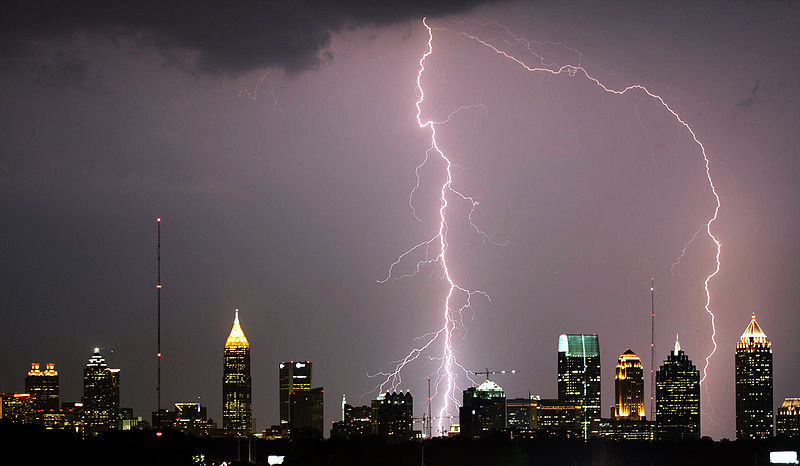
Atlanta_Lightning_
English Tanslation of Maithreem Bhajatha Akila Hrith Jeththreem –

Picture from Atlanta,USA

Serve with Friendship and Humility, which will conquer the Hearts of Everyone.

Look upon others similar to yourself.

Renounce War

Renounce unnecessary Competition for Power

Give up Aggression on others’ properties which is wrong

Mother Earth is wide enough and ready to give us all we desire like a Kaamadenu (Wish fulfilling Divine Cow)

God, Our Father, is very Compassionate to All

Daamyata – So, Restrain yourself

Datta – So, Donate your wealth to others

Dayathvam – So, Be Kind to others

Oh People of the World

Sreyo Bhooyaath Sakala Janaanaam –
May All People of this World be Happy and Prosperous.

Sreyo Bhooyaath Sakala Janaanaam –
May All People of this World be Happy and Prosperous.

Sreyo Bhooyaath Sakala Janaanaam – May All People of this World be Happy and Prosperous.

My humble opinion is that this song should be made ‘World Anthem’ or the ‘National Anthem of India’.

T S Eliot’s The Wasteland

TS Eliot mentions the DA DA DA Upanishad parable in the final stanzas of his poem ‘The Wasteland’, where he links the Eastern Traditions with the Western Traditions:

“I sat upon the shore
Fishing, with the arid plain behind me
Shill I at least set my lands in order?
London Bridge is falling down falling down falling down
Poi s’ascose nel foco che gli affina
Quando fiam uti chelidon – 0 swallow swallow
La Prince d’Aquitaine a la tour abolie
These fragments I have shored against my ruins
Why then Ile fit you. Hieronymo’s mad againe
Datta. Dayadhvam. Damyata.
Shantih Shantih Shantih”.

thunder-and-lightning

Let us salute Kanchi Sri Shankaracharya, T S Eliot and the Vedic seers for this beautiful mono syllabic parable Da… Da…da.

Da…………….Da……………Da…………… Modern day men need all the three ‘Da’s.

Contact swami_48@yahoo.com

த……….த……….த……….:- தேசிய கீதம் ஆக்கலாமே!

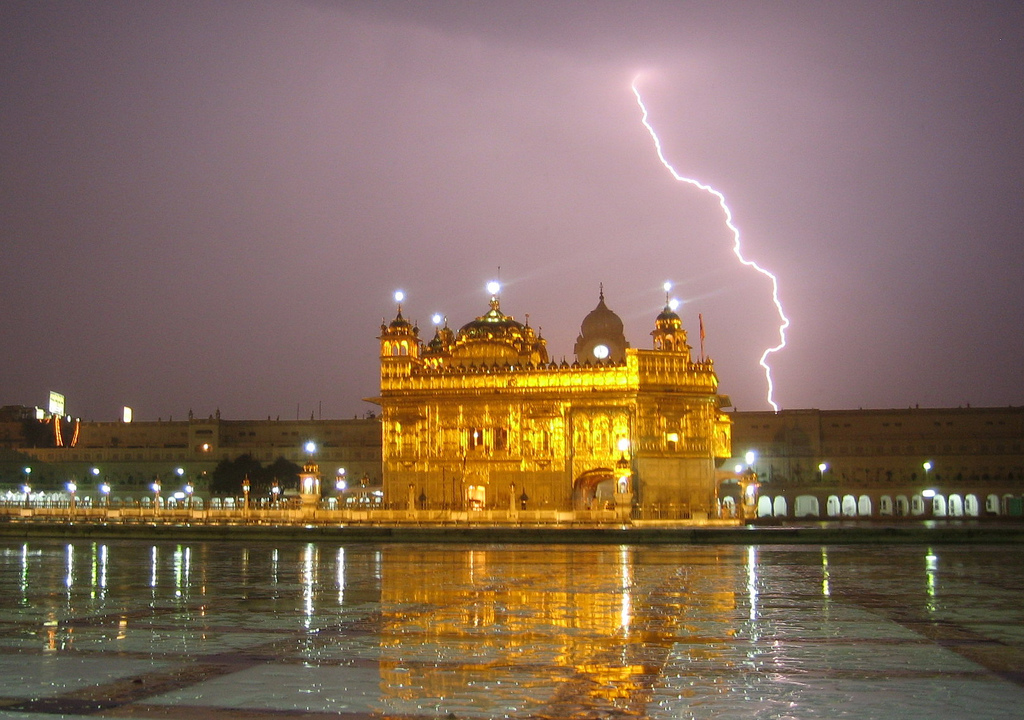
golden-temple-lightning
Thunder and lightning over Amritsar

த………………….த…………………..த…………………….:-தேசிய கீதம் ஆக்கலாமே!

எழுதியவர் லண்டன் சுவாமிநாதன்

கட்டுரை எண் 850 தேதி 19 பிப்ரவரி 2014

Translation of my Post posted in English on 19th February 2014 in this blog.

த…..த…..த….. என்ற மூன்று எழுத்துக்களை (சொற்களை) பிரபலமாக்கியோர் மூவர். ஒருவர் நமது காலத்தில் வாழ்ந்து, நமக்கு எல்லாம் அருள் புரிந்து சிவமயமாகிவிட்டவர்-காஞ்சி பரமாசார்ய சுவாமிகள் (1894-1994). மற்றொருவர் ஆங்கில இலக்கிய பாடம் படிக்கும் எல்லோருக்கும் தெரிந்த அமெரிக்க ஆங்கில மொழிக் கவிஞர்– நாடக ஆசிரியர் டி.எஸ்.எலியட் (1888—1965). மூன்றாவது மனிதர் , 3000 ஆண்டுகளுக்கு முன் இந்தியாவில் வாழ்ந்த ஒரு ரிஷி. பிருஹத் ஆரண்யக (பிருஹத்= பெரிய, ஆரண்யக= காடு) உபநிஷத்தில் த….த…த…..கதையை முதலில் நமக்குச் சொன்னவர். அதாவது வேத கால ரிஷிகள்.

முதலில் நமது காலத்தில் வாழ்ந்து மறைந்த காஞ்சிப் பெரியவர் எழுதிய சம்ஸ்கிருதப்பாடலும் அதன் மொழி பெயர்ப்பும். இதை 1966 ஆம் ஆண்டில் ஐக்கிய நாடுகள் சபையில் பாடுவதற்காக அவர் எம்.எஸ்.சுப்புலெட்சுமிக்கு எழுதிக் கொடுத்தார்:

மைத்ரீம் பஜத, அகில ஹ்ருஜ்-ஜேத்ரீம்!
ஆத்மவதேவ பராநபி பச்யத!
யுத்தம் த்யஜத! ஸ்பர்தாம் த்யஜத!
த்யஜத பரேஷ்வக்ரமம்-ஆக்ரமணம்!
ஜநநீ ப்ருதிவீ காமதுகாஸ்தே,
ஜநகோ தேவ: ஸகல தயாளு:!
தாம்யத! தத்த! தயத்வம் ஜநதா:!

ச்ரேயோ பூயாத் ஸகல ஜநாநாம்!

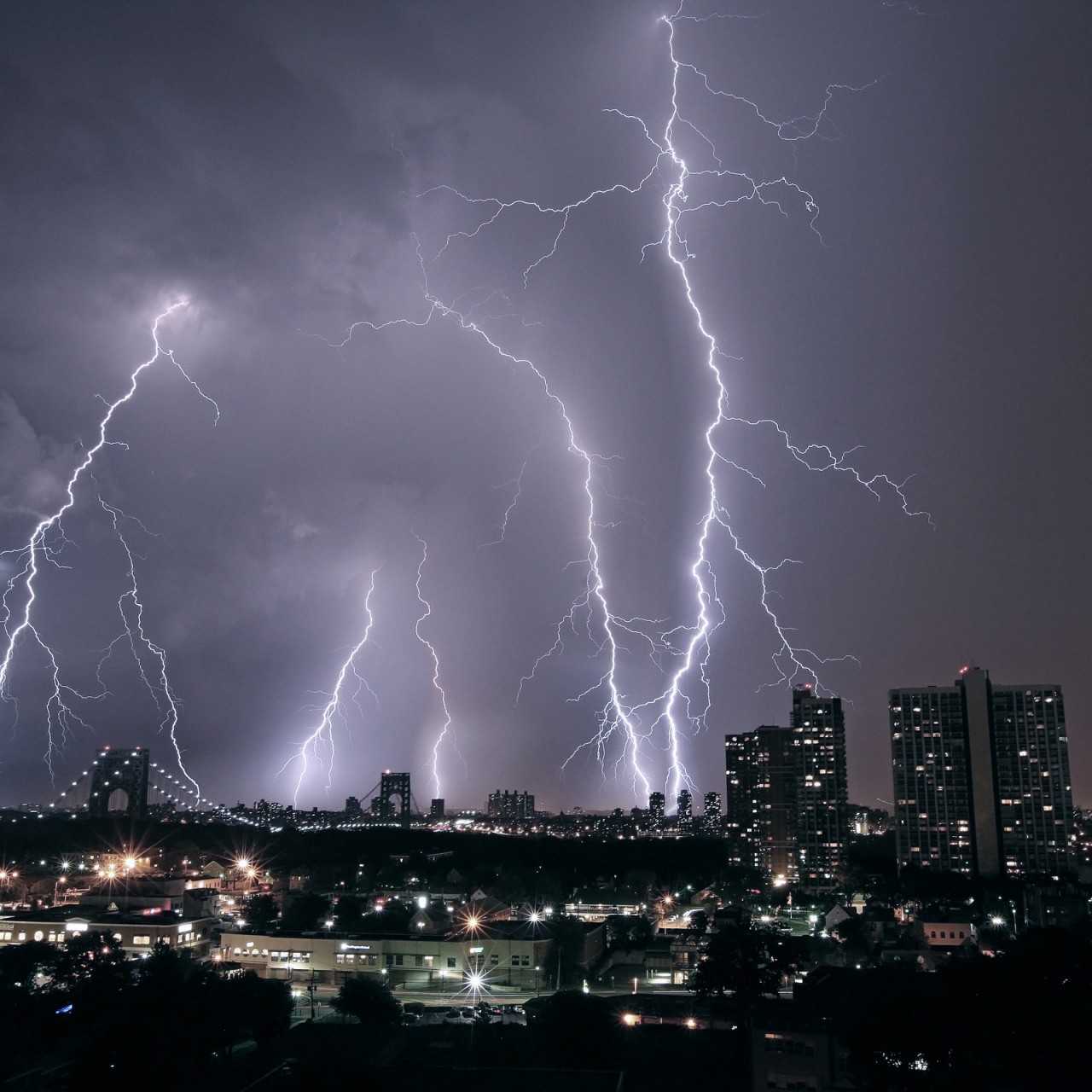
Lightning,New-York-
Thunder and lightning over New York

இந்த கீதத்தின் தமிழாக்கம்:

அனைத்துளம் வெல்லும் அன்பு பயில்க!
அன்னியர் தமையும் தன்னிகர் காண்க!
போரினை விடுக! போட்டியை விடுக!
பிறனதைப் பறிக்கும் பிழை புரிந்தற்க!
அருள்வாள் புவித்தாய், காமதேநுவாய்!
அப்பன் ஈசனோ அகிலதயாபரன்!
அடக்கம் – கொடை – அருள் பயிலுக, மக்காள்!

உலகினரெல்லாம் உயர்நலம் உறுக!
உலகினரெல்லாம் உயர்நலம் உறுக! – என்பதுதான்.

கதை என்ன?

இப்பாடலில் வரும் தாம்யத – தத்த – தயத்வம் என்ற சொற்றொடர் ப்ருஹதாரண்யக உபநிஷத்தில் வருவதாகும். அது குறித்த கதை: ஒரு சமயம் தேவர்கள், மானுடர்கள், அசுரர்கள் ஆகிய மூன்று இனத்தாரும் ப்ரஜாபதி (ப்ரஹ்மா) யிடம் உபதேசம் வேண்டினர். அவர் தமது உபதேசத்தை த-த-த என்ற இடியின் ஒலியாகக் கூறி அருளினார். ‘த ‘ என்பதை தேவர்கள், ‘தாம்யத’ எனப் பொருள் கொண்டனர். அப்பதத்துக்குப் ‘புலன்களைக் கட்டுப்படுத்துங்கள்’ என்று அர்த்தம். தேவர்கள் புலனின்பம் துய்ப்பதிலேயே ஈடுபட்டவர்கள். ஆதலால் தங்களுக்கு இந்த உபதேசம் எனக் கொண்டனர்.
மானுடரோ ‘த’ என்பதை ‘தத்த’ எனப் பொருள் கொண்டனர். ‘தத்த’ என்பதற்கு ஈகை உடையவர் ஆக இருங்கள் என அர்த்தம். மானுடர்களுக்கு ஈகை குணம் மிகவும் குறைவாக இருப்பதாலேயே இப்படி உபதேசம். அசுரர்கள் ‘த’ என்பதை ‘தயத்வம்’ – அதாவது, தயையுடன் இருங்கள் – எனப்பொருள் கொண்டனர்.

ஆதிசங்கரர் இதற்கு உரை எழுதுகையில், மானுடரிலேயே தெய்விக குணமும், அசுர குணமும் உடையவர்கள் இருப்பதால் இம்மூன்று உபதேசங்களுமே மானுடர்களுக்கானவை எனத் தெளிவு செய்துள்ளார். –நன்றி கல்கி

இந்தப் பாடல் வெளியானபோது ஒலிப் பதிவோடு, எம்.எஸ். அவர்கள் காஞ்சி சுவாமிகளைச் சந்தித்து ஆசிபெறச் சென்றார். உனது கியாதி (புகழ்) சூரிய சந்திரர் உள்ள வரை இருக்கும் என்று எம்.எஸ்.ஸை ஆசிர்வதித்தார். அர்த்தம் புரிகிறதா? சம்ஸ்கிருதமும் காஞ்சி சுவாமிகளின் பெருமையும் எக்காலத்தும் அழியாது.

சூரிய சந்திரர் உள்ள வரை இருக்கும்!

அமெரிக்க கவிஞர் டி.எஸ்.எலியட்டுக்கு இந்துமதத்தில் பேரார்வம் உண்டு. அவர் கீழை—மேலை நாட்டு கருத்தொற்றுமை காணும் முகத்தான் அவரது நீண்ட தத்துவக் கவிதையான தி வேஸ்ட்லாண்டின் இறுதிப் பகுதியில் இந்த தாம்யத, தத்த, தயத்வ என்ற சம்ஸ்கிருதச் சொற்களை அப்படியே சேர்த்து சாந்தி, சாந்தி, சாந்தி, என்று சொல்லி கவிதையை முடிக்கிறார்.
எனது ஆங்கிலக் கட்டுரையில் முழு விவரம் காண்க.

ஒரு சிறிய ஆராய்ச்சி

1. பெரிய காட்டு உபநிஷத்தில் உள்ள இந்தக் கதை மனிதனின் உளவியலை நன்கு ஆராயும் ஒரு கதை. காரல் மார்க்சும் எங்கல்சும் கம்யூனிஸ தத்துவத்தைப் பரப்புவதற்கு 3000 ஆண்டுகளுக்கு முன்னரே மனிதன் பகுத்துண்டு வாழ வேண்டும் என்று கூறும் கதை இது. ஒவ்வொரு மனிதன் இடத்திலும் உள்ள தீய குணங்களை அகற்ற மூன்று த—க்களும் அவசியம்தான்.

2. இந்தக் கதையை விளக்கும் காஞ்சி சுவாமிகளின் கவிதை அற்புதமான ஒரு கவிதை. அதை இந்தியாவின் தேசிய கீதமாகவோ அல்லது ஐ.நா.சபை மூலம் உலக கீதமாக அறிவிக்க வேண்டும்.

3. இந்தக் கதை ஆரிய திராவிட வாதத்துக்கு 3000 ஆண்டுகளுக்கு முன்னரே ஆப்பு வைத்து விட்டது. மனிதர்கள், அசுரர்கள், தேவர்கள் ஆகிய மூன்று பிரிவினரையும் பிரஜாபதி (பிரம்மாவின் ) குழந்தைகளாகவும் மாணவர்களாகவும் வருணிக்கிறது பிருஹத் ஆரண்யக உபநிஷத். அது மட்டுமல்ல. மூவரும் ஒரே ஸ்கூலில்தான் படித்து இருக்கிறார்கள்! ஆக வெள்ளைக்காரன் எழுதியதெல்லாம் பொய் என்பது தெளிவாகிறது. அசுரர்களும், தேவர்களும், மனிதர்களும் ஒரு தாய் வயிற்றுப் புதல்வர்கள். ஆனால் செய்தொழிலால் வேறுபட்டு நின்றனர். நம் மனதுக்குள்ளேயே இந்த மூன்று குணங்களும் மறைதிருப்பதை விளக்கி நமக்கு தன்னடக்கம்/ புலனடக்கம், தானம் செய்யும் மனப்பாங்கு, கருணை மூன்றும் வேண்டும் என்கிறது.

4. இதில் இன்னும் ஒரு முக்கிய விஷயம்– தமிழ், கிரேக்கம் ,லத்தீன் மொழிக்காரர்களுக்கு எழுதவும், இலக்கியம் படைக்கத் தெரியாமலும் காலத்தில் எழுந்தவை உபநிஷதங்கள். புத்தர், மஹாவீரர், கன்பூசியஸ், லாவோட்சு, சொராஸ்தர், ஏசு கிறிஸ்து, ஒரு வேளை மோசசும், பிறப்பதற்கு முன்னால் எழுந்தவை உபநிடதங்கள். இவ்வளவு உயரிய சிந்தனை மலர வேண்டுமானால் அவர்கள் உலக மகா அறிவாளிகளாக இருந்திருக்க வேண்டும். ஹோமர் என்னும் கவி கிரேக்க நாட்டில் முதல் நூலான இலியட்டையும் ஆடிசியையும் எழுதும் முன்னர் வேதகாலரிஷிகள் எழுதிக் குவித்துவிட்டனர்.

5. அளவிடற்கரிய அற்புதமான இலக்கியங்களை வைத்தே ஒரு நாட்டின் அறிவு முதிர்ச்சியையும் அனுபவ முதிர்ச்சியையும் அளந்துவிடலாம். அந்த வகையில் பார்க்கப்போனால் உலகில்—பழங்கால உலகில்— ஒரே நாகரீக நாடு இந்தியாதான். கல் கட்டிடங்கள் எகிப்தில் உருவாகி இருக்கலாம்—ஆனால் கல்வி என்னும் கட்டிடங்கள் இமயமலை அடிவார குருகுலங்களில்தான் முதலில் உருவாகின. அதற்கு தெள்ளிய எடுத்துக் காட்டு பெருங்க்காட்டு (பிருஹத் ஆரண்யக) உபநிஷதம்!!!

பன்னரும் உபநிடத நூல் எங்கள் நூலே
பார் மீது ஏதொரு நூல் இது போலே— என்று சும்மாவப் பாடிவைத்தான பாரதி!

contact swami_48@yahoo.com