தமிழ் இலக்கியத்தில் டாக்டர்! சம்ஸ்கிருத நூல்களில் டாக்டர்!! (Post No.3540)

7d450-tamil2bdoctors

Written by London swaminathan


Date: 13 January 2017


Time uploaded in London:- 9-04 am


Post No.3540


Pictures are taken from different sources; thanks.


contact; swami_48@yahoo.com


2000 ஆண்டுக்கு முந்தைய தமிழ்ச் சங்க இலக்கியத்தில் டாக்டர்கள் பற்றிய குறிப்புகள் மிகவும் குறைவே. ஆனால் மருத்துவம் பற்றிய பழமொழிகளும் பிற்காலத்தில் எழுந்த இலக்கியங்களில் வரும் மருத்துவக் குறிப்புகளும் தமிழர்களின் மருத்துவ அறிவை விதந்து போறுவனவாய் உள. குறிப்பாக சங்க காலத்துக்குப் பின் எழுந்த திருக்குறளில் மருந்து என்ற தலைப்பில் வள்ளுவர் பாடிய பத்துக் குறள்களும் பத்தரை மத்துத் தங்கக் கட்டிகளே!


வாயைக் கட்டுப்படுத்து; பசித்த பின் சாப்பிடு– இதுதான் பத்து குறள்களின் ஒட்டுமொத்த முடிபு. ஆயினும் கடைசி இரண்டு குறள்களில் வரும் கருத்துகள் அக்காலத்தில் டாக்டர், கம்பவுண்டர் /நர்ஸ் ஆகியோர் இருந்ததையும் மருத்துவன் என்பவன் எப்படிப்பட்டவன் என்பதையும் காட்டுகின்றன.

be20e-indian2bdoctor2buk

சங்க இலக்கியத்தில் நற்றிணையில் ஒரே ஒரு டாக்டர் (மருத்துவன்) உவமை உள்ளது:-


அரும்பிணி  உறுநர்க்கு வேட்டது கொடாது

மருந்து ஆய்ந்து கொடுத்த அறவோன் போல

(பாடல் 136, நற்றிணை, நற்றங்கொற்றனார்)


“ஒரு நோயாளி கேட்டதை எல்லாம் கொடுக்காமல் அவனுக்கு நோய் தீருவதற்கான மருந்தை  ஒரு டாக்டர் (அறவோன்) கொடுப்பது போல” — என்ற உவமையைப் புலவர் பயன்படுத்துவதிலிருந்து அக்கால மருத்துவர் நிலையை நாம் அறிய முடிகிறது.


திருவள்ளுவர், திருக்குறளில்,

நோய்நாடி நோய்முதல் நாடி அது தணிக்கும்

வாய்நாடி வாய்ப்பச் செயல் (குறள் 948)


பொருள்:

முதலில் நோய் என்ன என்று ஆராய்க; பின்னர் நோய் ஏன் வந்தது என்று அறிக; பின்னர் அதற்கான மருத்து என்ன என்பதைக் காண்க; அதற்குப் பின்னர் நோயாளியின் உடலுக்கு ஏற்ற மருந்தை கொடுக்க — என்று அழகாக நான்கு நிலைகலையும் ரத்தினச் சுருக்கமாகச் சொல்லுவான் வள்ளுவன்.


இதே போல

உற்றவன், தீர்ப்பான் மருந்து உழைச்செல்வான் என்று

அப்பால் நாற்கூற்றே மருந்து (குறள் 950)


பொருள்:-

நோயாளி, டாக்டர், மருந்து, பக்கத்தில் இருந்து உதவி செய்யும் கம்பவுண்டர் அல்லது நர்ஸ் என்ற நான்கு அம்சங்களைக் கொண்டதே மருத்துவம்.


இதிலிருந்து அந்தக் காலத்திலேயே டாக்டருக்கு உதவி செய்யும் ஒருவனும் இருந்ததை அறிகிறோம். சிலர் நர்ஸ் என்றும் மற்றும் சிலர் கம்பவுண்டர் என்றும் உரை எழுதியுள்ளனர். எதுவாகிலும் மருத்துவம் உச்ச கட்டத்தை அடைந்து இருந்ததை இது காட்டும்.


பரிமேல் அழகர் எழுதிய உரையில் நான்கு  என்பதை விரித்து 4 x4 = 16 ஆக  குண நலங்களை விரித்துரைக்கிறார். அவர் முழுதும் ஆயுர்வேதம் என்ற மருத்துவத்தையே முழுதும் சுட்டிக்காட்டுகிறார்.


புத்தர் காலத்தில் ஒரு பிரபல டாக்டர் கண் ஆபரேஷனுக்கு எவ்வளவு கட்டணம் வசூலித்தார் என்பதை முன்னரே எழுதியுள்ளேன். அது போல அருணகிரிநாதர் கொடுக்கும் வியாதிகளின் பட்டியல், முருகன் ஒரு டாக்டர் என்ற திருப்புகழ் பாடல்கள் பற்றியும் எழுதியுள்ளேன். ஒருவேளை உண்பான் யோகி என்ற கட்டுரையிலும்  உண்டி சுருக்குதல் பெண்டிர்க்கழகு என்ற கட்டுரையிலும் பல விவரங்களைக் கொடுத்து விட்டேன்.

46713-indian-doctors

சம்ஸ்கிருத நூல்களில் டாக்டர்!

இந்து மதத்தில் கடவுளை டாக்டர் (பிஷக்) என்றே அழைப்பர்; ஏனெனில் அவர் பிறவிப் பிணிக்கு மருந்து தருபவர்! யஜுர் வேதத்தில் பிஷக் என்றே சிவபெருமானை அழைப்பர்.


உலகப் புகழ் பெற்ற நூல்கள் எழுதிய சரகரும் சுஸ்ருதரும் சம்ஸ்கிருதத்தில் டாக்டர் பற்றி என்ன சொல்கிறார்கள் என்பதையும் காண்போம்:-


ஒரு சர்ஜனின் (சஸ்த்ர சிகிச்சை செய்யும் டாக்டர்) குண நலன்கள் சுஸ்ருத (சூத்ர) 5-10:-


சௌர்யம் = பயப்படாமல் ஆபரேஷன் செய்க;

ஆசுக்ரியா= லாவகமாக, டென்ஷன் ஆகாமல் ஆபரேஷன் செய்க;

அஸ்வதேவேபது= கை நடுங்கக் கூடாது; வியர்த்து ஒழுகக் கூடாது;

அசம்மோஹக = மனதில் குழப்பம் இருக்கக் கூடாது (என்ன செய்யப் போகிறோம் என்பதை தெளிவாக நினைவில் வைத்துக்கொள்க)


சௌர்யமாசுக்ரியா சஸ்த்ரதைக்ஷயமஸ்வேதபது

அசம்மோஹஸ்ச வைத்யஸ்ய சஸ்த்ர கர்மணி சஸ்யதே

–சுஸ்ருத (சூத்ர) 5-10

xxxx


சிறந்த வைத்யனின் குணாதிசயங்கள் (பிஷக்தமஸ்ய ஞானம்):-


ஹேது= நோய்க்கான காரணத்தை அறிபவன்;

லிங்க = நோயின் தன்மையை அறிவான்;

ப்ரசமன = என்ன சிகிச்சை தரவேண்டும் என்பதைத் துணிவான்

ரோகாணாம் அபுனர்பவ = அந்த நோய் மீண்டும் வராதபடி தடுப்பான்.


இந்த நான்கையும் அறிந்தவனே சிறந்த டாக்டர்!


ஹேதௌ லிங்கே ரோகாணாமபுனர்பவே

ஞானம் சதுர்விதம் யஸ்ய ச ராஜார்ஹோ பிஷ்க்தமஹ

–சரக (சூத்ரம்) 9-19


xxxx

8f8a8-photo2bfor2bplant2bbased2bdoctors2b2_0

நல்ல டாக்டரின் நாலு தகுதிகள்:–


ச்ருதே பர்யவதாதத்வம் = மருத்துவ நூல்களில் பேரறிவு;

பஹுசோ த்ருஷ்டகர்மதா = நல்ல அனுபவ அறிவு;

தாக்ஷ்யம் = திறமை;

சௌசம் = கை சுத்தம், உடல் சுத்தம் , மன சுத்தம், கிளினிக் CLINIC/SURGERY சுத்தம்


ஸ்ருதே பர்யவதாதத்வம் பஹுசோ த்ருஷ்டகர்மதா

தாக்ஷ்யம் சௌசமிதி ஞேயம் வைத்யே குணசதுஷ்டயம்

–சரக சூத்ரம் 9-6

xxx


நோயாளியை கவனிக்கும் முறை:-


மைத்ரீ = நோயாளியை நண்பனாகப் பார்;

காருண்யா = அவனிடம் இரக்கம் காட்டு ( எவ்வளவு கட்டணம் வைத்து ஆளிடம் கறக்கலாம் என்று திட்டம் போடாதே)

ப்ரீதி = அவனுக்கு மகிழ்ச்சி தரும் விதத்தில் செய்திகளைக் கொடு;

உபேக்ஷணம் = அவனிடம் அனுதாபம் காட்டு ( நோய் வந்ததற்காக அவனைக் குற்றவளிக் கூண்டில் நிறுத்தாதே)


மைத்ரீ காருண்யமார்தேஷு சக்யே ப்ரீதிருபேக்ஷணம்

ப்ரக்ருதிஸ்தேஷு பூதேஷு வைத்யவ்ருத்திஸ்சதுர்விதா

–சரக சூத்ர 9-26


Please read my old articles:


டாக்டர் முருகனும் ‘பேஷன்ட்’ அருணகிரிநாதரும்–திருப்புகழ் ஆராய்ச்சிக் கட்டுரை2  ((Posted on 15 January 2015))

ஒரு வேளை உண்பான் யோகி (ஆமை போல நீண்ட காலம் வாழும் ரகசியம்) posted on 15-11-2012


–subham–


பரிபாடலில் அந்தணரும் வேதமும் – 5 (Post No.3539)

img_4214

Written by S NAGARAJAN


Date: 13 January 2017


Time uploaded in London:-  5-12 am


Post No.3539


Pictures are taken from different sources; thanks.


Contact: swami_48@yahoo.com


சங்க இலக்கிய ஆய்வு – கட்டுரை எண் 19


இந்தக் கட்டுரையில் பரிபாடலில் வரும் 9,13,15,18 ஆம்  பாடல்களில் வேதம் பற்றியும் அந்தணர் பற்றியும் வரும் குறிப்புகளைக் காணலாம்..


       பரிபாடலில் அந்தணரும் வேதமும் – 5


                       by ச.நாகராஜன்


பரிபாடலில் ஒன்பதாம் பாடல்


பரிபாடலின் ஒன்பதாம் பாடல் 85 அடிகளைக் கொண்டுள்ளது. குன்றம்பூதனார் என்ற புலவர் பாடிய இந்தப் பாடலுக்கு மருத்துவன் நல்லச்சுதனார் இசை அமைத்துள்ளார். குன்றம்பூதனார் முருகனைப் பற்றி இரு பாடல்கள் பாடியுள்ளார். இரண்டும் சுவை பயப்பவை. வள்ளிக்கும் தேவசேனைக்கும் நடந்த மோதலை சுவைபட இவர் விவரிக்கும் பாங்கு ப்டித்தால்  இன்பத்தைத் தரும்.


நான்மறை விரித்துநல் இசை விளக்கும்                            

வாய்மொழிப் புலவீர் கேண்மின் (வரிகள் 12,13)


என்ற வரிகளில் நான்மறையை ஓதி அதை விளக்கும் நாவன்மை படைத்த புலவர்க்ளே, கேளுங்கள் என்று புலவர் அழைத்து காமத்தின் காதல் காமம் சிறந்தது என்றும் அதிலும் சிறந்தது காதலர் இருவரும் மனமொத்து விரும்பும் புணர்ச்சி என்றும் விளக்குகிறார். பிறகு முருகன், வள்ளி, தேவசேனை கதை விளக்கப்படுகிறது.


பரிபாடலில் பதிமூன்றாம் பாடல்


பரிபாடலின் பதிமூன்றாம் பாடல் 64 அடிகளைக் கொண்டுள்ளது. நல்லெழுதியார் என்ற புலவர் இந்தப் பாடலை இயற்றியுள்ளார். இதற்கு இசை அமைத்தவர் யர்ர் என்று தெரியவில்லை.


திருமாலைப் பலவாறாகப் புகழும் அருமையான பாடல் இது.


படர் சிறைப் பல் நிறப் பாப்புப் பகையைக்

கொடியெனக் கொண்ட கோடாச் செல்வனை

ஏவல் இன் முது மொழி கூறும்   (வரி 40)

சேவல் ஓங்கு உய்ர் கொடிச் செல்வ நல் புகழவை                              கார் ம்லர்ப் பூவை கடலை இருளமணி

அவை ஐந்தும் உறழும் அணி கிளர் மேனியை

வலம்புரி வாய்மொழி அதிர்பு வான் முழக்கு செல்                   அவை நான்கு உறழும் அருள் செறல் வயின் மொழி (வரி 45)


என்ற வரிகளில் முதுமொழி என்றும் வாய்மொழி என்றும் வேதம் கூறப்படுகிறது.


மேற்கூறிய வரிகளில் பாம்புக்குப் பகைவனான விரிந்த சிறகுகளைக் கொண்ட கருடனைக் கொடியெனக் கொண்ட (படர் சிறைப் பல் நிறப் பாப்புப் பகையைக் கொடியெனக் கொண்ட) கடவுள் (கோடாச் செல்வனை) ஏவல் இன்றி தானாகவே முதுமொழியான வேதத்தை ஓதும் (ஏவல் இன் முதுமொழி கூறும்) ஓங்கு உயர் கொடியான கருடக் கொடியினை உடைய கடவுள் (சேவல் ஓங்கு உயர் கொடிச் செல்வ) என்ற பொருளை பெறலாம்


பின்னர் திருமாலை வர்ணிக்கும் வரிகளில் வலம்புரி வாய்மொழி என மறுபடியும் முதுமொழி என வேதம் கூறப்படுகிறது. அடுத்து (56ஆம் வரியில்) ‘வேள்வி என்ற வார்த்தையால் மறுபடியும் சடங்குகள் குறிப்பிடப்படுகிறது.


பரிபாடலில் பதினைந்தாம் பாடல்


பரிபாடலின் பதினைந்தாம் பாடல் 66 அடிகளைக் கொண்டுள்ளது இளம் பெரு வழுதியார் இயற்றிய இந்தப் பாடலுக்கு இசை அமைத்தவர் மருத்துவன் நல்லச்சுதனார். அழகர்கோவில் என்று இன்று அழைக்கப்படும் மாலிருஞ்சோலை குன்றம் பற்றிப் பாடல் புகழ்கிறது. திருமாலின் பெருமையை ஓங்கி உயர்த்திச் சொல்கிறது.


.நலம் புரீஇ அம் சீர் நாம வாய்மொழி                          இது என உரைத்தலின் எம் உள் அமர்ந்து இசைத்து இறை இருங்குன்றத்து அடி உறை இயைக என                                பெரும் பெயர் இருவரைப் பரவுதும் தொழுதே (வரிகள் 63 முதல் 66)


என்று பாடல் இப்படி முடியும் போது.சிறப்பான பலன்களைத் தரும் சீரான அழகிய வேதம் என்ற பொருளில் (நலம் பூரீஇ அம் சீர் நாம வாய் மொழி) என வேதம் புகழப்படுகிறது திருமாலையும் பலதேவனையும் தொழுது பாடல் முடிகிறது.


பரிபாடலில் பதினெட்டாம் பாடல்


பரிபாடலின் பதினெட்டாம் பாடல் 56 அடிகளைக் கொண்டுள்ளது குன்றம்பூதனார் இயற்றிய இந்தப் பாடலுக்கு இசை அமைத்தவர் மருத்துவன் நல்லச்சுதனார். இப்பாடலில், இமயம் நிகர் குன்றமான (நிரந்து ஏந்திய குன்றொடு நேர் நிரந்து) திருப்பரங்குன்றத்தையும் அதில் உறையும் முருகனையும் வாயார மனதாரப் புகழ்ந்து போற்றித் துதிக்கிறார் புலவர்.

இதில்

“சுருதியும் பூவும் சுடரும் கூடி”  (வரி 52)

என்று பாடி, வேதம், மலர்கள், சுடர் ஆகியவையுடன் கூடிய முருகனை சுற்றமொடு பிரியாது திருப்பரங்குன்றத்தில் இருந்துவரும் வரத்தை வேண்டி பாடலை முடிக்கிறார் மாபெரும் முருக பக்தரான குன்றம்பூதனார்.


இப்படி தொட்ட இடம் தோறும் பக்தி மணம் கமழும் பரிபாடல் தமிழுக்குச் சூட்டப்பட்ட மணியாரம். சங்க காலத்தில் அந்தணரும் வேதமும்  உயர்ந்த இடத்தில் வைக்கப்பட்டிருந்ததற்கு பரிபாடலின் பாடல்கள்  ஒரு சிறந்த சான்று என்பதில் ஐயமில்லை!

அடுத்து ‘பரிபாடல் திரட்டு’ நூலுக்குள் நுழைவோமா?

-தொடரும்.


Pearl is available from Twenty Sources! (Post No.3538)

a6727-nose_ring_wikipedia

Written by London swaminathan


Date: 12 January 2017


Time uploaded in London:- 20-20


Post No.3538


Pictures are taken from different sources; thanks.


contact:  swami_48@yahoo.com

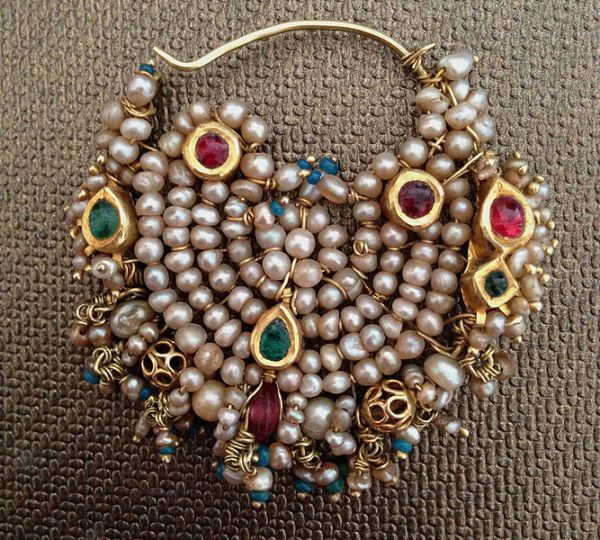
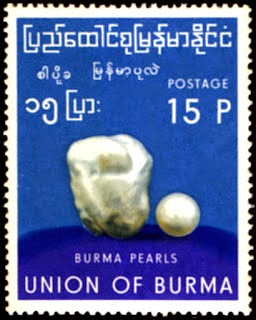
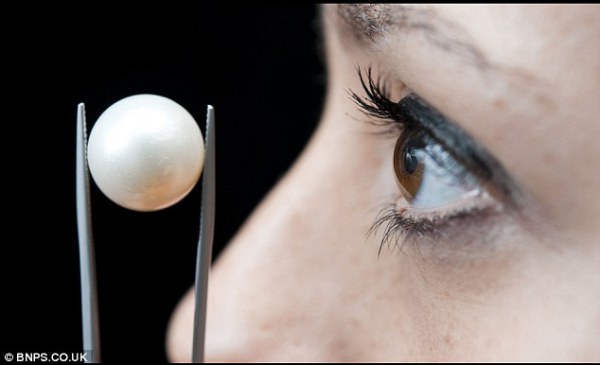
Tamil literature lists 20 places as the sources of pearls . Biologists know only one place where pearl is born. Sanskrit literature lists only eight places but these are not scientifically proved.

Twenty places according to Tamil verse from Uvamana Sangraham and Rathina Surukkam:
Oysters
Horn of elephant/tusk
Horn of boar

Bamboos

Areca nut Tree

Special Type of Banana Tree

Chalanchalam (Rare Type of right whorld Chank

Hear of Fish

Head of Crane

Lotus

Neck of women

Sugar cane

Paddy

Snake (cobra)

Clouds

Iguana

Moon

Chanks

Head of a crocodile
Teeth of cows

Varahamihira lists the following eight places in his Brhat Samhita:-


Following is from 2015 post: “Eight Types of Pearls: Varahamihira’s 1500 year old Price list”

17f95-pearl-large

Pearls are produced by:

Elephants, Oysters, Snakes, Clouds, Chanks, Bamboos, Whales, Boar (Brhat Samhita, Chapter 81)

Pearls come from eight areas


Simhalaka (Sri Lanka), Paraloka (Travancore coast), Surashtra (Gujarat), Tampraparani River (in South Tamil Nadu), Parasava (Iran), a Nothern country, Pandya vataka and the Himalayas.

Kautilya’s Artha Shastra (Third Century BCE) mentioned Pandya Kavata pearl. Fahien (399-414 CE) mentioned Simhala/Sri Lankan pearls.

Paraloka is a confusing term. There is one river called Parali in Kerala and there is an island Parali in the Lakshadweep. But the interesting thing is that itself sounds pearl in Tamil (Paral in Tamil is pearl in English and this town name is Paral+i).

Elephant Pearls:


Pearls are also obtained from the head and tusks of Bhadra class of elephants, says Varahamihira. But Varahamihira makes it clear that he repeats what the ancients believed about the elephant pearls. (This means they are not found even in Varahamihira days who lived around 510 CE)

He speaks about the pearls found in Boar tusk, Whales etc. Then he gives details about the pearls that are found in the seventh layer of winds. But the heaven dwellers will catch them before it falls on to earth!

Then he categorises Nagaratna as pearls. If the kings wear Nagaratna pearls enemies will be destroyed and his reputation will increase.
Kalidasa speaks of pearls from the head of elephants

xxx

From my 2012 post “Gem Stones in Kalidasa and Sangam Literature”

 
Pearl in the Oyster


If the rain falls on Swati star day the oysters open their mouth to drink the rain drops and the rain drops become pearls-This was the belief of ancient Indians including Tamils.
Bhartruhari and Sangam Tamil literature say that the pearls are created by the oysters on a particular day,I.e. The oysters open their mouths when there is rain falling down on a day under the star Swati(one of the 27 stars ). Biologists say that the sand particles that enter the living oysters secrete a liquid which covers the irritant to become a pearl.
Malavi.1-6: Kalidasa says , ‘the skill of a teacher imparted to a worthy pupil attains greater excellence, as the water of a cloud is turned in to a pearl in a sea shell.In Puram 380 ,Karuvur Kathapillay says the same about the origin of pearls. Bhartruhari makes it more specific by saying the rain on Swati Nakshatra days become pearls. Biologits also confirm on full moon days lot of sea animals like corals release their eggs or spores. So far as India is concerned it might have happened in that particular (Swati star with Moon) season.

Kalidasa gives more similes about pearls. He describes the river that is running circling a mountain as a garland of pearls ( Ragu.13-48 and Mega.-49)

Other references from Kalidasa: sweat drops as pearl:Rtu.6-7; tears as pearls: Mega 46, Ragu VI 28,,Vikra V 15; smile-KumarI-44, water drops on lotus leaf:Kumara VII 89


Pearls obtained from the head of elephants:Kumarasambhava 1-6, Raghu.9-65; In Tamil literature: Murugu 304, Malaipadu 517, Puram 170Natri.202, Kurinchi.36, Akam.282 etc.


In Tamil the teeth are compared to the pearls: Ainkur. 185, Akam 27

Since Gulf of Mannar is the main source of pearls in India ,thre are innumerable references to pearls in Tamil literature. Even Kautilya refers to the pearls from Pandya country. Korkai was the harbour city where the pearl fishing was flourishing. Aink 185,188, Akam 27,130 and Natri 23mention pearls from Korkai.

(for more information, go to  the two articles mentioned  by me

–Subham–


பெண்கள் விளையாட்டுகள் (Post No.3537)

Written by London swaminathan


Date: 12 January 2017


Time uploaded in London:- 9-31


Post No.3537


Pictures are taken from different sources; thanks.


contact; swami_48@yahoo.com


பெண்கள் விளையாட்டுகள்:


அந்தக் காலத்தில் திருமணமாகும் வரை பெண்கள் என்ன என்ன விளையாடினர் என்று ஒரு பாட்டின் மூலம் தெரிகிறது. இது முற்றிலும் சரி என்பது சங்கத் தமிழ் பாடல்களாலும், ராமாயண, மஹாபாரத நூல்களாலும் உறுதியாகிறது:-


மருங்குவளர் பூங்கா மலர்வாவி யூச

றிருந்துமணி செய்குன்று தேமா- விரும்பமுத

பானங்கிளி பூவை பந்துகன்னங் கழங்கன்ன மயின்

மான்முல்லை பந்தர் வளர்ப்பு

–உபமான சங்கிரஹம் இரத்தினச் சுருக்கம்

72363-broken2bbest

1.பூங்காவில் பூக்கள் பறித்து விளையாடினர்.

2.பொய்கை, கிணறுகளில் நீராடிப் பொழுது போக்கினர்.

3.வீட்டிலும் மரத்தடியிலும் ஊஞ்சல் கட்டி ஆடினர்.

4.பணக்காரர் வீடுகளில் செயற்கையாக குன்று எழுப்பி அதில் ரத்தினக் கற்களைப் பதித்துவைத்து அதன் மேல் ஆடி ஓடி சாடினர்.

5.தேமாமரம் விளையாடினர் (மாமரத்தில் ஏறி அல்லது கல் விட்டெறிந்து மாங்காய், மாம்பழம் எடுத்துச் சாப்பிடுதல்) .

6.அமிர்தம் போன்ற பானங்கள் செய்து குடித்தனர்.

7.காய்களை வைத்து கழங்கு ஆடினர்;

8.பூப்பந்து ஆடினர்.

9.கிளி, பூவை (சாரிகைப் பறவை), அன்னம், மயில் ஆகிய பறவைகள் வளர்த்து பொழுது போக்கினர்.

10.முல்லைப் பூச்செடிக்கு பந்தல் கட்டி வளர்த்து அதைப் பராமரித்தனர். முல்லை என்றால் அது போன்ற பிறவகை மலர்ச் செடிகளும் அதில்  அடங்கும்.


ஐந்து தொழில்கள்

அம்பொற்றொடியணிமினார் தங்கைக்கைந்து தொழில்

செம்பவள மென்விரலைச் சேர்த்தெண்ணலம்பெழுதல்

பூசித்திலை கிள்ளல் பூத்தொடுத்தல் பண்ணெழில்யாழ்

வாசித்தலென்றுரை செய்வார்

–உபமான சங்கிரஹம் இரத்தினச் சுருக்கம்


பொருள்:-

அழகிய பொன்னினாற் செய்யப்பட்ட வளையலை அணிந்த மாதர் கைகளுக்கு ஐந்து தொழில்கள் உண்டு. (அவையாவையெனின்) 1.செம்பவளம் போன்ற மென்மையான விரல்களைச் சேர்த்து எண்ணுதல்,

2.அம்பின் உருவத்தை எழுதல்,

3.பூசை செய்து இலை பறித்தல்,

4.மலர் தொடுத்தல்,

5.பண்ணொடு கூடின அழகாகிய வீணை வாசித்தல் என்று சொல்வர்.


சங்க இலக்கியத்திலும் சம்ஸ்கிருத இலக்கியத்திலும் இந்த விளையாட்டுகள்வரும் இடங்களை தனியே எழுதுகிறேன்

–Subahm–


Ah! It was a wonderful phenomenon – Swami Vivekananda! (Post No.3536)

Written by S NAGARAJAN


Date: 12 January 2017


Time uploaded in London:-  5-49 am


Post No.3536


Pictures are taken from different sources; thanks.


Contact: swami_48@yahoo.com


VIVEKANANDA JAYANTHI JANUARY 12TH

Ah! It was a wonderful phenomenon – Swami Vivekananda!

by S. Nagarajan


Ramakrishna Paramahamsa was Narayana and Swami Vivekananda was nara in the ‘Nara Narayana’ pair.

They just visited the earth to uplift the humanity and rejuvenate Hinduism.

Swamiji had extraordinary power. But he never revealed himself. However occasionally he used to reveal some of his secrets.

Given below is one such secret which was told by himself.


“While I was in America I had certain wonderful powers developed in me. By looking into people’s eyes I could fathom in a trice the contents of their minds. The workings of everybody’s mind would be patent to me, like a fruit on the palm of one’s hand. To some I used to give out these things, and of those to whom I communicated these, many would become my disciples, whereas those who came to mix with me with some ulterior motive would not, on coming across this power of mine, even venture into my presence any more.

 
When I began lecturing in Chicago and other cities, I had to deliver every week some twelve or fifteen or even more lectures at times. This excessive strain on the body and mind would exhaust me to a degree. I seemed to run short of subjects for lectures and was anxious where to find new topics for the morrow’s lecture. New thoughts seemed altogether scarce. One day, after the lecture, I lay thinking of what means to adopt next. The thought induced a sort of slumber, and in that state I heard as if somebody standing by me was lecturing – many new ideas and new veins of thoughts, which I had scarcely heard or thought of in my life. On awaking, I remembered them and reproduced them in my lecture. I cannot enumerate how often this phenomenon took place. Many, many days did I hear such lectures while lying in bed. Sometimes the lecture would be delivered in such a loud voice that the inmates of adjacent rooms would hear the sound and ask me the next day, ”With whom, Swamiji, were you talking so loudly last night?” I used to avoid the question somehow.


Ah, it was a wonderful phenomenon.


(Complete Works of Swami Vivekananda Volume 7 page 124)

Swami Akhandananda (earlier name Gangadhar) who was the direct disciple of Ramakrishana Paramahamsa has narrated some of the wonderful experiences he had with Swamiji.

Once Swamiji was in Almora with Swami Akhandananda. One day Swamiji disclosed to Swami Akhandananda mantras he has seen in gold, explaining their import and telling him to which deity each related.  Thus they travelled along the solitary mountain paths.


One day near Almora, they rested under a peepul tree. They bathed in a mountain stream and then sat for meditation. After a long time, Swamiji said to Swami Akhandananda : “Gangadhar , here at Almora, under this tree, a most auspicious moment has been spent. Today, I have found a solution to a knotty problem. I have realized that the macrocosm and the microcosm are strung together on the same string.”


In a notebook preserved by Swami Akhandananda, Swamiji wrote an account of his realization, which is the source of some of the main points in his later speeches and writings.

(ref : Swami Akhandananda by Swami Annadananda page 70)

From the above we may conclude that Swamiji was guided by the Supreme Power continuously with the grace of Ramakrishna Paramahamsa.

*********

Knowledge of Medicine and Method of Treatment in Tamil and Sanskrit Books (Post No.3535)

Written by London swaminathan


Date: 11 January 2017


Time uploaded in London:- 21-17


Post No.3535


Pictures are taken from different sources; thanks.


contact; swami_48@yahoo.com


Tiruvalluvar, author of Tirukkural, has dealt with a lot of subjects including medicine. He says that one can live for long without disease if one controls his eating habits. he says 1.Eat when you are hungry 2.Eat when the food already eaten is digested. Very simple!

In two of the couplets he agrees with Charaka and Susruta, the great authors of Medical treatise in Sanskrit. Tiruvalluvar says:


Let a skilful doctor who knows medicine,

1.study the patient

2.the nature of disease

3.the season and then treat him (Kural 949)


He also adds, Medical treatment implies fourfold elements:

Patient

Doctor

Medicine

and the Nurse/ compounder (Kural 950)

Parimel azakar, the most  famous commentator of Tirukkural, explains the attributes thus of the four elements:

“The attributes of the patient are ability to disclose the symptoms, strength to endure pain, ability to pay and strict obedience to the directions of the physician;

those of the physican are intelligence and study, courage to handle every kind of disease, purity of thought, word and deeed, good luck;

those of medicine are efficacy to cure any disease, superior virtue on account of taste, power, strength and easy facility of being procured, and capacity to combine with other ingredients as well as food;

and those of the apothecary are kindness and consideration to the anxiety of the patient, purity of thought, word and deed, ability to compound drugs and common sense.


The above passage shows how much advanced we were in understanding the patient and the treatment.


It shows that the doctors of ancient India had a nurse or compounder for assistance. Westerners copied it from Indians.

The same concept of treatment is found in Sanskrit texts as well:

1.Knowledge of the Best Physician


Hetu — cause
Linga– Diagnosis
Rogaanaam apunarbhava — non recurrence of disease
Prasamana — cure
—Charaka Samhita 9-19

Hetau linge prasamanerogaanaam punarbhave
Njaanam chaturvidham yasya sa rajaarho bhisaktamah
Charaka 9-19

xxx


2.Sastra Vaidya Gunah/Qualities of a surgeon

Sauryam– fearless ness
Aasukriyaa Lighthandedness
Sastraaiksnyam Well sharpened instruments
Asvedavepathu Absence of perspiration and trembling
Asammohah Absence of confusion

Sauryamaasukriyaa sastrataiksnyamasvedavepathu
Asammohasca vaidyasya sastrakarmani sasyate
–Susruta 5-10

Xxxxx


Following quotes are from my October 2015 post:-


3.Vaidya Gunah – Qualities of a Physician

Srute paryavadaatatvam Bahuso drstakarmataa

Daakshyam Saucam iti jneya vaidye Guna chatustayam

–Charaka (sutra) 9-6

Srute paryavadaatatvam =Excellence in Medical Knowledge

Bahuso drstakarmataa = Extensive Practical Experience

Daakshyam = Skill

Saucam = Cleanliness

4.Physician’s Approach to Patients

Vaidya Vrtti

Maitri kaarunyamaarteshu sakye pritirupekshanam

Prakrutistheshu butesu vaidyavrttischaturvidhaa

–Charaka (sutra) 9-26

Maitri = Friendship

Kaarunya = compassion

Priti = Pleasure

Upekshanam = Sympathy


xxxx


5.Fake Doctors (not to be honoured)

Apuujya Vaidyaah

Kucela: karkasa: stabhdho graamani svayamaagata:

Pancha vaidyaa na puujyante Dhanvantrisamaa api

Even if he is equal to Dhnavantri, the God of Medicine, don’t honour the following five physicians:

Kucela =Untidily dressed

Karkasa = Rough

Stabdha = Stubborn

Graamani = Pervert

Svayamaagata = One who visits on his own (uninvited)


–subham–

திருவாதிரைக் களியின் கதை! (Post No.3534)

Written by London swaminathan


Date: 11 January 2017


Time uploaded in London:- 6-46 am


Post No.3534


Pictures are taken from different sources; thanks.


contact; swami_48@yahoo.com


தேவாரத்தில் ஆதிரை விழா

திருவாதிரை விழா சிவபெருமானின் திருவிழாவாக சங்க காலம் முதலே கொண்டாடப்படுவது பரிபாடல் என்னும் நூல் மூலம் தெரிகிறது. சம்பந்தர், அப்பர் ஆகிய இருவர் காலத்தில் இது மிகச் சிறப்பாக நடந்ததால் அப்பரும் சம்பந்தரும் தேவாரத்தில் இவ்விழாவைக் குறிப்பிடுகின்றனர். அப்பர் பாடிய திருவாதிரைப் பதிகம் பற்றி எஸ். நாகராஜன் எழுதிய கட்டுரை இதே பிளாக்கில் இரண்டு ஆண்டுகளுக்கு முன் வெளியானது. இன்று திருவாதிரைக் களியின் சிறப்பைக் காண்போம்.


காவிரிப் பூம்பட்டினத்தில் பட்டினத்தடிகளின் மாளிகையில் அவருக்கு கணக்குப் பிள்ளையாக — பொக்கிஷ அதிகாரியாக — வேலை பார்த்தவர் சேந்தனார் என்பவராவார். பட்டினத்தடிகளுக்கு ஒரு பெட்டியில் காதற்ற ஊசி வந்தவுடன், அவர் வாழ்க்கையின் நிலையாமையை எண்ணி பொருள் அனைத்தையும் சூறைவிடச் சொன்னபோது அத் திருப்பணியைச் செய்தவர் சேந்தனார்தான்.


இதைக் கேள்விப்பட்ட சோழ நாட்டரசன், அப்பொருள் அனைத்தையும் சேந்தனார், அரசாங்க கஜானாவில் சேர்ப்பிக்காதது தவறு என்று சொல்லி அவருக்குத் தொல்லை கொடுக்கத்  துவங்கினான். இதன் காரணமாக சேந்தனார்,  மனைவி மக்களுடன் சிதம்பரத்துக்குச் சென்றார். அங்கே விறகு விற்கும் தொழிலைச் செய்துகொண்டே சிவபக்தியில் மூழ்கினார்.


விறகு விற்ற பணத்தைக் கொண்டு சிவனடியார்களுக்கு அமுது படைத்தார்.


ஒரு நாள் சிவபெருமானே, வேறு வேடம் தரித்து சேந்தனார் வீட்டுக்குச் சாப்பிடச் சென்றார். நள்ளிரவில் சென்றதால் சேந்தனார் வெறும் கூழைக் கிண்டி அதைப் பரிமாறினார். சிவனும் அதை விரும்பிச் சாப்பிட்டுவிட்டு மீதி இருந்ததையும் ஒரு கந்தைத் துணியில் கட்டி எடுத்துச் சென்றார். மறுநாள் சிவனுடைய சந்நிதியில்  அந்தக் கூழ் சிதறி இருந்ததைக் கண்டு திகைத்த அர்ச்சகர்களுக்கு சேந்தனாரின் வீட்டில் முதல் நாளிரவு நடந்த நிகழ்ச்சி தெரிய வந்தது. அன்றுமுதல் கூழ் போலக் களியைக் கிண்டி எல்லா சிவனடியார்களுக்கும் கொடுக்கும் வழக்கம் துவங்கியது.


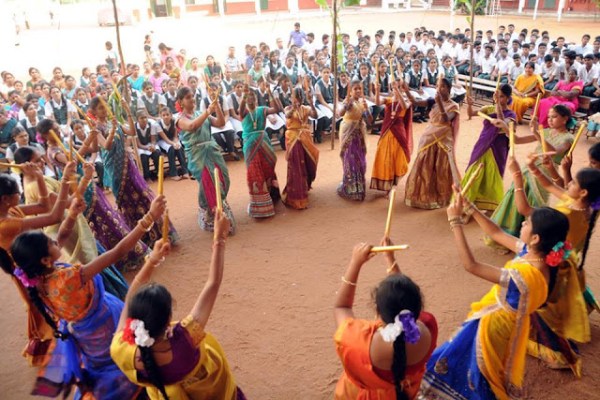
திருவாதிரைக் களியும் அதற்கான விசேஷ கூட்டும் தனிச் சிறப்பு வாய்ந்தது. கேரளத்தில் ஆதிரையை, பெண்கள் புத்தாடை அணிந்து கும்மியடித்து சிறப்பாக் கொண்டாடுவர்.


நட்சத்திரங்களில் இரண்டுக்கு மட்டுமே திரு என்ற அடைமொழி உண்டு ஒன்று திரு ஆதிரை மற்றொன்று திரு ஓணம். இரண்டும சிவபெருமானுடனும் விஷ்ணுவுடனும் தொடர்புடையவை. அது மட்டுமல்ல. இரண்டு விழாக்களுக்கும் இடையே சரியாக ஆறு மாத இடைவெளி இருக்கிறது.

2015 ஜனவரியில் ஆதிரை நாளன்று வெளியான எஸ். நாகராஜன் கட்டுரையிலிருந்து ஒரு சிறு பகுதி மட்டும்:–


ஆதியன் ஆதிரையன் அனலாடிய ஆரழகன்
பாதியொர் மாதினொடும் பயிலும் பரமா பரமன்
போது இயலும் முடி மேல் புனலோடு அரவும் புனைந்த
வேதியன் மாதிமையால் விரும்பும் இடம் வெண்டுறையே


என இப்படி திருஞானசம்பந்தர் ஆதிரையன் புகழ் பாடிப் பரவுகிறார்.


திருவாதிரைப் பதிகம்


இத்தகைய பெருமை கொண்ட ஆதிரை நாளை அப்பர் எப்படிப் பாடி விளக்குகிறார், பார்ப்போமா:-

பாடல் எண் : 1
முத்துவிதான மணிப்பொற்கவரி முறையாலே
பத்தர்களோடு பாவையர்சூழப் பலிப்பின்னே
வித்தகக்கோல வெண்டலைமாலை விரதிகள்
அத்தன் ஆரூர்  ஆதிரை நாளால்  அது வண்ணம்.  


ரமண மஹரிஷி ஆருத்ரா தரிசன நாளன்று பிறந்தவர் என்பதால் இந்த திருவாதிரைப் பதிகத்தைக் கேட்டு ஆனந்தித்து உத்வேகம் பற்ற ரமண மஹரிஷியின் அணுக்கத் தொண்டரான முருகனார் ரமணரின் மீது பக்திப் பாடல்களை இயற்றினார்.

–subham–

மஹாகவி பாரதியார் பற்றிய நூல்கள் – 19 (Post No.3533)

Written by S NAGARAJAN


Date: 11 January 2017


Time uploaded in London:-  6-22 am


Post No.3533


Pictures are taken from different sources; thanks.


Contact: swami_48@yahoo.com


பாரதி இயல்


மஹாகவி பாரதியார் பற்றிய நூல்கள் – 19


ஏ.கே.செட்டியாரின் குமரி மலர் கட்டுரைகள் – 4


ச.நாகராஜன்


ஏ.கே. செட்டியாரின் குமரி மலரில் வெளியான கட்டுரைகள்


குமரி மலரில் வெளியாகியுள்ள இன்னும் சில கட்டுரைகள் பற்றிய செய்திகளை காண்போம்


35) நவசக்தியில் திரு.வி.க. எழுதிய உப தலையங்கம் இது.


காலஞ்சென்ற பாரதியாரின் நூல்கள்


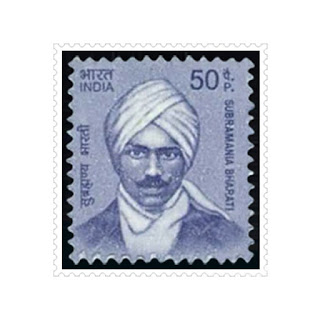
   தென்னாட்டு தாகூரென போற்றப்பட்டு வந்த ஸ்ரீமான் சுப்பிரமணிய பாரதியின் மனைவியார் நமக்கு அனுப்பியுள்ள ஒரு நிருபத்தை மற்றொரு இடத்தில் வெளியிட்டிருக்கிறோம்.

காலஞ்சென்ற பாரதியாரின் பாடல்களும் வசனங்களும் ஒழுங்காக வெளியிட முயற்சி செய்யப்படுகிறது என்பதை அறிந்து நாம் பெரிதும் சந்தோஷிக்கிறோம்.


அதற்காகப் பொருளுதவி செய்யும்படி தமிழ்நாட்டாரை ஸ்ரீமான் பாரதியாரின் மனைவியார்  கேட்கிறார். இவ் வேண்டுகோளுக்குத் தமிழ்நாட்டார் எவ்விதத்திலும் பின்வாங்க மாட்டார் என்று நம்புகிறோம்.

ஸ்ரீமான் பாரதியார் ஐரோப்பாவிலேனும் அமெரிக்காவிலேனும் பிறந்திருப்பாராயின் அவருக்கு இது காலை எத்தனை ஞாபகச் சின்னங்கள் ஏற்படுத்தப்பட்டிருக்கும் என்பதை நாம் கூற வேண்டுவதில்லை.


தமிழ்நாட்டாரிடமிருந்து அவ்வளவு பெரிய நன்றியறிதலை நாம் எதிர்பார்க்கவில்லையே யாயினும், அவருடைய நூல்கள் நல்ல முறையில் வெளிவருவதற்கேனும் போதிய துணைபுரிவார்கள் என்று நம்புகிறோம்.

  • ‘நவசக்தி’

உப தலையங்கம் 30-9-1921    

ஆசிரியர் திரு.வி.க


இந்த்க் குமரி மலர் கட்டுரை 1921இல் பாரதியாரின் மனைவியார் எவ்வளவு மனக் கஷ்டத்துடன் இந்த வேண்டுகோளை வைத்திருப்பார் என்பதை அறிய வைக்கிறது.


36) குமரி மலரில் அடுத்து இடம் பெறுவது

உ.வே.சாமிநாதையரின் நினைவு மஞ்சரி நூலில் இடம் பெற்றிருக்கும் கட்டுரை

இதை நமது தொடரில் எதிர் வரும் பகுதியில் தனி அத்தியாயத்தில் காண்போம்.


37) குமரி மலரில் அடுத்து இடம் பெறுவது ‘பஞ்சாமிர்தம்’ என்ற பத்திரிகையில் வெளி வந்த ஒரு சிறு கட்டுரை


சுப்பிரமணிய பாரதியார் கவிதை

[சென்னை உயர்நீதி மன்றத்தில் பிரதம் நீதிபதியாக இருந்து ஓய்வு பெற்றுள்ள ஸ்ரீ மா.அனந்த நாராயணன் அவர்கள், தாம் மாணவராக இருந்த பொழுது தம் தந்தையார் ஸ்ரீ அ.மாதவையா அவர்கள் வெளியிட்ட ‘பஞ்சாமிர்தம்’ என்னும் சிறந்த மாதப் பத்திரிகையில் பாரதியார் கவிதை குறித்து இரண்டு கட்டுரைகளை எழுதியுள்ளார். அதில் ஒரு  ப்குதியை இங்கு வெளியிடுகிறோம்]


   உவமைகளைக் கையாளுவதில், பாரதியாரைப் போல் சிறந்தவர், தற்காலக் கவிஞர்களில் எவருமில்லையென்று தடையின்றிச் சொல்லலாம்.


   பாரதியாரின் கற்பனா சக்தி சாதாரணமானதன்று. இதனால், சிறிய, தனிப்பட்ட உவமைகளன்றி, நீடித்த உருவக நூல்களை இயற்றும் திறமையும், பாரதியாருக்குண்டு. இப்படிப்பட்ட வசன நூல் ‘ஞான ரதம்’, செய்யுள் நூல் ‘குயிற் பாட்டு;. பிற் கூறியதன் வெளிப் பொருள் அழகான உருக்கமான ஒரு குயிலைப் பற்றிய கதை. இந்தக் கதையை, பாரதியார் வேண்டுகோளின் படி வேதாந்தமாக விரித்துரைக்க வல்லவர் ஒருவர் இருந்தால், அவர் மஹா மேதாவியாவார்.


  ‘கண்ணன் பாட்டு’ம், பாரதியாரின் உருவக வன்மையை நன்கு விளக்கும். கண்ணபிரானைத் தாயாகப் பாவித்துப் பாடிய ‘கண்ணன் – என் தாய்’ என்ற சிந்து முழுதும், ஒரு நிகரற்ற உருவகத் தொடர்ச்சியாம்.


  பாரதியாரின் சிறிய உவமைகளும் கவனிக்கத் தககவை. ம்கா யுத்தத்தில், எல்லா நாடுகளிலும், சின்னதும் பலம் குறைந்ததுமான பெல்ஜியம், தான் கொடுத்த வாக்கைக் காப்பாற்றும் பொருட்டு, படைச் செருக்குற்ற ஜெர்மனியைத் தன்னந்தனியே முதலில் எதிர்த்தது, பாரதியாருக்கு அதில் உற்சாகத்தை அளித்தது. ‘பெல்ஜியம் நாட்டிற்கு வாழ்த்து’ என்ற கவியில், அவர் மிக அழகாக உவமையொன்றை அமைத்திருக்கிறார்.


‘அறத்தினால் வீழ்ந்து விட்டாய், அன்னியன் வலியனாகி

மறத்தினால் வந்து செய்த வன்மையைப் பொறுத்தல் செய்யாய்

முறத்தினால் புலியைக் காக்கும் மொய்வரைக் குறப்பெண் போலத்

திறத்தினால் எளியையாகிச் செய்கையால் உயர்ந்து நின்றாய்”


காதற் பாட்டொன்றில், காதலன் காதலியை நோக்கி ,

“வட்டங்களிட்டும் குளம் அல்லாத

மணிப் பெரும் தெப்பத்தைப் போல – நினை

விட்டு விட்டுப் பல லீலைகள் செய்தும், நின்

மேனி தனை விடலின்றி” என்கிறான்.


பின் வரும் உவமையும் பல விதத்தில் சிறந்தது –

“ஆங்கொரு கல்லை வாயிலிற் படி என்று

     அமைத்தனன் சிற்பி; மற்றொன்றை

ஓங்கிய பெருமைக் கடவுளின் வடிவென்று

     உயர்த்தினான்; உலகினோர் தாய் நீ;

யாங்கணே எவரை எங்ஙனம் சமைத்தற்கு

     எண்ணமோ, அங்ஙனம் சமைப்பாய்”

   பாரதியாரின் எளிய நடையைப் பற்றிப் பேச வேண்டியது ஒன்றுமில்லை? ஏனெனில், வேறெந்த நடையும் அவர் உபயோகிக்கவில்லை. ‘செந்தமிழ் நாடு”, “பாப்பா பாட்டு”, “முரசு”, “சுதந்திரப் பள்ளு” முதலிய செய்யுட்களில் சாதாரண வழக்கில் காணப்படாத வார்த்தைகளே இல்லை. அப்படியிருந்தும், இசை இனிமையும், கருத்துயர்வும் பொருந்தியிருப்பது தான் கவித்திறன்.

  • பஞ்சாமிர்தம்
  • 1925 ஆனி


   குமரி மலரில் ஏ.கே. செட்டியார் அவர்கள் பார்த்துப் பார்த்து தேர்ந்தெடுத்த கட்டுரைகளைத் தான் நாம பார்த்து வருகிறோம்.


இவை அவரால் தொகுத்துத் தரப்படவில்லையெனில் இப்படிப்பட்ட கட்டுரைகள் வந்திருப்பதை தமிழுலகம் அறிந்திருக்காது.


     தமிழகத்தின் தவப் பயனாய் வந்த பாரதியாரைப் போற்றி அவர் பற்றிய இலக்கியச் செல்வங்களை அளித்த தவம் செய்த செல்வருள் ஒருவர் ஏ.கே. செட்டியார் என்பதை குமரி மலர் கட்டுரைகளின் மூலம் அறியலாம்.


இன்னும் சில கட்டுரைகளை அடுத்து இந்தத் தொடரில் பார்ப்போம்.

                     -தொடரும்

***

Poet Byron’s obsession with Body Weight (Post No.3532)

Compiled by London swaminathan


Date: 10 January 2017


Time uploaded in London:- 19-47


Post No.3532


Pictures are taken from different sources; thanks.


contact; swami_48@yahoo.com


Taft and Byron Fatness Anecdotes

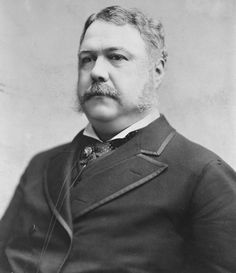
W H Taft, 27th President of US, always relished humour at his own expense. He liked to tell of a small boy who had had a habit of biting his nails. His nursemaid, seeking to frighten him out of it, told him that if he did not stop he would swell up like a balloon. Considerably impressed, the boy desisted from that habit.


A few days thereafter Taft appeared at his home for a luncheon. Marching straight up to the President, the boy accused, ” You bite your nails”.


Xxx


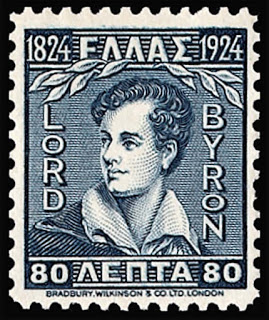
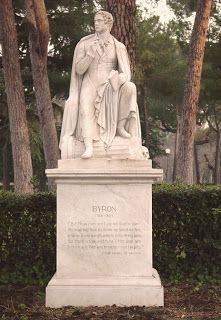
Lord Byron (1788-1824)

According to his friend Trelawney, Byron’s terror of getting fat was so great that he reduced his diet to the point of absolute starvation. When he added to his weight, even ‘ standing was painful, so he resolved to keep down to eleven stone, or shoot himself. He said everything he swallowed was instantly converted into tallow and deposited on his ribs. He was the only human being I ever met with who had sufficient self -restraint, and resolution to resist his proneness to fatten.


As he was always hungry, his merit was the greater. Occasionally he relaxed his vigilance, when he swelled space. I remember one of his old friends saying Byron how well you are looking! If he had stopped there it had been well, but he added, “you are getting fat”, Byron’s brow reddened, and his eyes flashed,” Do you call getting fat looking well, as if I were a hog?” and turning on to me he muttered, “The beast, I can hardly keep my hands off him”. I don’t think he had much appetite for his dinner that day, or for many days, and he never forgave the man. He would exist on biscuits and soda water for many days together, the, to allay the eternal hunger gnawing at his vitals, he would make up a horrid mess of cold potatoes, rice, fish or greens, deluged in vinegar, and gobble it like a famished dog. Either of these unsavoury dishes, with a biscuit and glass or two of Rhine wine, he cared not how sour, he called feasting sumptuously.


Upon my observing he might as well have fresh fish and vegetables instead of stale, he laughed and answered: I have an advantage over you , I have no palate; one thing is as good as another to me .


–Subham–


பட்டினத்தார் சொன்ன பஞ்சதந்திரக் கதை (Post No.3531)

Written by London swaminathan


Date: 10 January 2017


Time uploaded in London:-6-24 am


Post No.3531


Pictures are taken from different sources; thanks.


contact; swami_48@yahoo.com


பட்டினத்தார் பாடல் எளிமையான வரிகளில் பெரிய கருத்துக்களைப் போதிக்கிறது. எல்லோருக்கும் தெரிந்த பஞ்சதந்திரக் கதையைக் கூட அவர் ஆன்மீகச் செய்தியைப் பரப்பவும், உணர்த்தவும் பயன்படுத்துகிறார்.


கவர் பிளந்த மரத்துளையிற் கால் நுழைத்துக் கொண்டே

ஆப்பதனை அசைத்துவிட்ட குரங்கதனைப் போல

அகப்பட்டீர் கிடந்துழல அகப்பட்டீரே. — பட்டினத்தார் பாடல்


அது என்ன குரங்கு கதை?


ஏற்கனவே பஞ்ச தந்திரக் கதைகள் படிக்காதவர்களுக்கும், படித்து மறந்தவர்களுக்கும் சுருக்கமாகத் தருகிறேன்:-


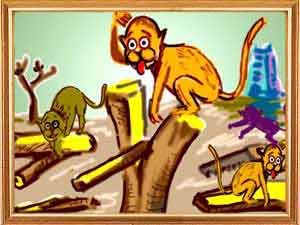
ஒரு ஊரில் பணக்கார வணிகன் ஒருவன் கோவில் கட்டுவதற்கு ஆசைப்பட்டான். ஊருக்கு வெளியேயுள்ள தோப்பில் நிலம் ஒதுக்கினான். நிறைய கட்டிடக் கலைஞர்கள் வேலைகளைத் துவக்கினர். சிலர் கல் தச்சர்கள் ; மற்றும் பலர் மரத் தச்சர்கள். மத்தியானம் உணவு நேரம் வந்துவிட்டால் ஊருக்குள் போய்ச் சாப்பிட்டுவிட்டு தோப்புக்குத் திரும்பி விடுவர். ஒரு நாள் ஒரு பெரிய கருங்காலி மரத்தைப் பாதி அறுத்த தச்சன் அதன் பிளவில் ஒரு மரத்தால் ஆகிய ஆப்பு ஒன்றைச் சொருகி வைத்துவிட்டுச் சாப்பிடச் சென்றான்.


அந்தத் தோப்பில் நிறைய குரங்குகள் இருந்தன. ஒரு குரங்குக்கு “விநாச காலே விபரீத புத்தி” என்ற பழமொழிக்கு இணங்க கோணல் புத்தி வந்தது. மரத்திலிருந்து கீழே இறங்கி வந்து அந்தக் கருங்காலி மரத்தின் பிளவுக்குள் காலை வைத்துக் கொண்டு பலம்கொண்ட மட்டும் அந்த ஆப் பை இழுத்தது. ஆப்பு வெளியேவந்த அதே நேரத்தில் மரத்தின் பிளவு மூடுபட்டு குரங்கின் காலைக் கவ்விப்  பிடித்தது. குரங்கு தப்பிக்க முடியாமல் கீச்சு கீச்சு என்று கத்தியது. இதுதான் “வேண்டாத சனியனை விலை கொடுத்து வாங்கிய”தற்குச் சமம்.

இப்படி குரங்கு போய், ஆப்பு வைத்த இடத்தில் கால் சிக்கியது போல, நாம் எல்லோரும் ஆசை வயப்பட்டு சிக்கிக் கொள்கிறோம். குரங்கு சப்தமிட்டது போலவே நாமும் துயரம் வருகையில் ஓலம் இடுகிறோம். இதைப் பட்டினத்தார் மிக அழகாகப் பாடுகிறார்:-


“நாப்பிளக்கப் பொய்யுரைத்து நவநிதியம் தேடி

நலம் ஒன்றும் அறியாத நாரியரைக் கூடிப்

பூப்பிளக்கப் பொய்யுரைத்துப் புற்றீசல் போலப்

புலபுலெனக் கலகலனப் புதல்வர்களைப் பெறுவீர்

காப்பதற்கும் வழியறியீர் கைவிடவும் மாட்டீர்

கவர் பிளந்த மரத்துளையிற் கால் நுழைத்துக் கொண்டே

ஆப்பதனை அசைத்துவிட்ட குரங்கதனைப் போல

அகப்பட்டீர் கிடந்துழல அகப்பட்டீரே.

— பட்டினத்தார் பாடல்

(நவ நிதியம்= ஒன்பது பெரிய நிதிகள், நாரி=பெண், பூப்பிளக்க= பூமியே பிளக்கும் அளவுக்கு/ நாக்கு கிழிய)


விலைமாதுடன் பட்டினத்தார் மோதல்

செல்வச் செழிப்பில் மிதந்த பட்டினத்தார், ஒருமுறை  விலை மகளிர் வீட்டுக்கு இன்பம் துய்க்கப் போனார். அந்த இருமனப் பெண்டிரோ இந்த ஆள் நல்ல காம வேட்கையுடன் வந்துள்ளான். ஆளை கொஞ்சம் காக்கப்போட்டு நன்றாகப் பணம் கறக்கலாம் என்று திட்டமிட்டாள். இவர் வாசல் திண்ணையில் நெடுநேரம் காத்திருந்தபின் அந்தப் பெண் மினுக்கி குலுக்கி நடந்து வந்தாள். பட்டினத்தாருக்கு கொஞ்சம் ஞானம் பிறந்தது.

ஒரு பட்டுப் பாடினார்:-

சீ போ, கழுதை! உன்னுடன் இன்பம் துய்க்க /அனுபவிக்க வந்த ஆள் போய்விட்டான். இனி நான் உன்னைத் தொட்டால் என்னைக் காலால் எட்டி உதை. நீ என்னைத் தொட்டாலோ நான் உன்னை எட்டி மிதிப்பேன்.


தோடவிழும் பூங்கோதைத் தோகை உனை இப்போது

தேடினவர் போய்விட்டார் தேறியிரு — நாடி நீ

என்னை நினைந்தால் இடுப்பில் உதைப்பேன், நான்

உன்னை நினைத்தால் உதை.

–பட்டினத்தார் பாடல்


–Subham–