இலங்கைத் தீவு உண்டானது எப்படி? வாயு பகவான் பற்றிய அதிசயச் செய்திகள்

CIS:IM.368-1923

இலங்கைத் தீவு உண்டானது எப்படி? வாயு பகவான் பற்றிய அதிசயச் செய்திகள்

கட்டுரையை எழுதியவர் :– லண்டன் சுவாமிநாதன்
ஆராய்ச்சிக் கட்டுரை எண்- 1380; தேதி அக்டோபர் 31, 2014.

வாயு பகவான் பற்றிய பல அரிய பெரிய செய்திகளை ரிக் வேதம் முதல் வாயு புராணம் வரை பல சம்ஸ்கிருத நூல்கள் தருகின்றன. இதில் ஒன்று இலங்கைத் தீவு உருவான கதை. சில விஷயங்களைக் காண்போம்:

1.வெள்ளைக் காரர்கள் எழுதிய புத்தகங்களைப் படித்தேன். இப்போது வாயு பகவானை யாரும் வழிபடுவதில்லை என்று எழுதி இருந்தனர். அது தவறு. பிராமணர்கள் அனுதினமும் மூன்று முறை செய்யும் சந்தியா வந்தனத்தில் அக்னி, வாயு, அர்க்க, வாகீச, வருண, இந்திர, விஸ்வேதேவா என்று ஏழு வேத கால கடவுளரை வணங்குகின்றனர்.

2.பிராமணர்களோடு மற்றவர்களும்கூட வீடுகளில் திருமணம், கிரகப்பிரவேசம், பூமி பூஜை முதலிய நிகழ்ச்சிகளில் செய்யும் ஹோமங்களிலும், கோவில்களில் செய்யும் யாகம் முதலியவற்றிலும் ஹோம குண்டத்தில் வடமேற்குத் திக்கில் வாயு பகவானை ஸ்தாபித்து வழிபடுவர். அவர் எண்திசைக் காவல் தெய்வங்களில் ஒருவர்.

3.மேலும் குருவாயூர், காளஹஸ்தி, திருவண்ணாமலை வாயுலிங்கம் போன்ற எண்ணற்ற கோவில்களில் வாயு பகவான் தொடர்பு உண்டு.

4.வாயு பற்றி, ரிக் வேதம் என்னும் உலகின் மிகப் பழைய நூலில் சில துதிகள் உள்ளன. அதனுடன் புயற்காற்று என்னும் பொருள்படும் ‘’மருத்’’ பற்றிய துதிகளும் உண்டு. இதன் பெயரை ‘’மருத்’’ என்று இந்திய விமானப்படையின் குண்டுவீசி விமானங்களுக்குச் சூட்டியிருப்பது சாலப் பொருத்தமே.

5.மருத் என்னும் சொல்லில் இருந்து வாயு புத்ரனான அனுமனுக்கு ‘’மாருதி’’ என்ற பெயரும் வந்தது. பீமனும் வாயு அம்சத்தில் பிறந்தவர். அதாவது வாயு என்றால் ‘’பலம், புயல் வேகம், அதிரடி’’ என்னும் பொருள் தொனிக்கும். வாயுவின் புதல்வர்களான பீமனையும் அனுமனையும் பார்த்தால் இது நன்கு விளங்கும்.

6.வாயுவுக்கு உலகின் முதல் நிகண்டு/அகராதியான அமரகோசம் இருபது வடமொழிப் பெயர்களைத் தருகிறது. ஒவ்வொன்றின் விளக்கமும் நிறைய புதிய செய்திகளைத் தரும்.
அவையாவன:
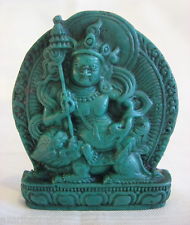
Vayu

வாயு — வீசுபவன்
மருத் – (புயல்) அவன் இல்லையேல் ம்ருத்யு (மரணம்)
ஸ்வாசன — சுவாசத்துக்கு உதவுபவன்
ஸ்பர்சன – நம்மைத் தொடுவது மூலம் உணர வைப்பவன்
சதாகதி – எப்போதும் சென்றுகொண்டே இருப்பான்
மாதரிஸ்வான் – வானத்துக்கும் பூமிக்கும் இடையில் இருப்பவன்
ப்ருஷதஸ்வ – மழைத் துளிகளைத் தெளிப்பவன்
கந்தர்ப: — வாசனையை சுமந்து செல்பவன்
கந்தவாஹன: — வாசனையை வாஹனமாக உடையவன்
அநில — நிலையற்றவன்
ஆசுக – வேகமானவன் — (வேகமாகக் கவிதை மழை பொழியும் புலவர்களை ஆசு கவி என்பர்; சிவ பெருமான் வேகமாக திருப்தி அடைந்து எல்லோருக்கும் வரம் கொடுப்பதால் அவனை ஆசு தோஷ் என்பர். அதாவது விரைவில் மகிழ்பவன்/ சந்’தோஷ’ம் அடைபவன். வங்காளத்தில் புகழ்பெற்ற ஒருவர் ஆசு தோஷ் முகர்ஜி )
சமீர – விரைவில் பரவுபவன்
சமீரன — விரைவில் பரவுபவன்
ஜகத்ப்ராண – உலகின் உயிர் மூச்சு; அவன் இன்றி ஓர் அணுவும் அசையாது
மாருத – உயிர்வாழ உதவுவோன்
நபஸ்வான் – ஆகாயத்தில் சஞ்சரிப்பவன்
வாத — வீசுபவன்
பவன – தூய்மைப் படுத்துவோன்
பவமான — தூய்மைப் படுத்துவோன்
ப்ரபஞ்சன – தனது வேகத்தால் அழிப்பவன்

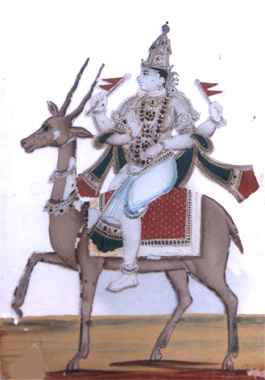
birla-museum

7.வேதத்தில் மருத்

ரிக் வேதத்தில் ருத்ரனின் புதல்வர்களாகவும், இந்திரனின் உதவியாளர்களாகவும், அக்னியின் நண்பனாகவும், த்வஷ்ட்ரியின் மாப்பிள்ளையாகவும் வாயு போற்றப்படுகிறான். புருஷசூக்த துதுயில் ஆதி புருஷனின் மூக்கில் இருந்து உதித்தவன் என்றும் வருணிக்கப் படுகிறான். அவனை புயல் என வருணிக்கும் வேத சூக்தங்கள் (துதிகள்) அவனுடைய எண்ணிக்கை 27 என்றும் ‘’மூன்று அறுபது’’ என்றும் பகரும். ராமயனத்தில் இந்திரனின் வஜ்ராயுதம் ஒரு சதைப் பிண்டத்தை 49 கூறு போட்டதாகவும் அதுவே மருத்துகள் என்றும் வருகிறது. மா ரோதி (அழாதே, வருந்தாதே) என்பதே ‘’மருத்’’ ஆனதாகவும் வேத இலக்கியம் சொற்சிலம்பம் ஆடும். இவைகளை எல்லாம் மருத்துவ, பூகர்ப்பவியல் குறிப்புகள் எனக் கொண்டால் பொருள் விளங்கும்.
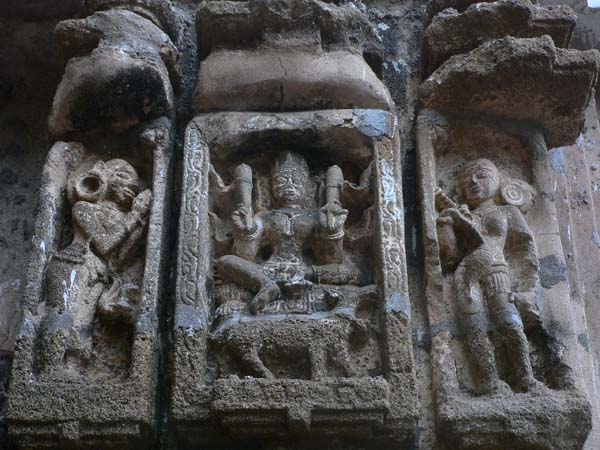
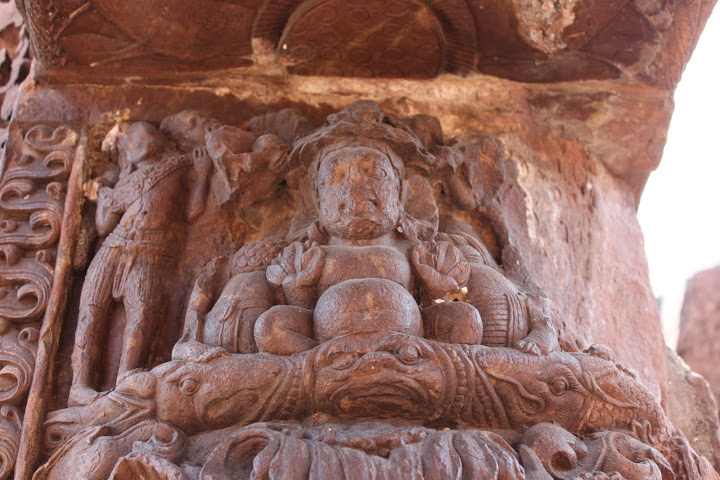
vayu in nilali shobaneswara tem
Vayu at Nilali Shobaneswara Temple

8.இலங்கைத் தீவு உண்டானது எப்படி?

பாகவத புராணம் இலங்கை உருவான வரலாறு பற்றி சுவை மிகு செய்தி தருகிறது. நாரதர் வேண்டுதலுக்கு இணங்க மேரு மலையின் சிகரத்தை வாயு பகவான் தகர்த்து எறிந்ததாகவும் அது கடலில் விழுந்து ஸ்ரீ லங்கா தீவு ஆனதாகவும் கூறப்படுகிறது. இதையும் புவியியல் குறிப்பு – பல மில்லியன் ஆண்டுகளுக்கு முன் நடந்த ஒரு நிகழ்வு– எனவே கொள்ளல் வேண்டும்.

9.சுமேரிய, கிரேக்க, புத்த, பாரசீக கலாசாரங்களில், மதங்களில் வாயு பகவான் போற்றப்படுகிறார். மர்து என்ற மொசபொடோமியன் புயல் தெய்வம் பற்றி ஒன்றும் தெரியவில்லை என்று கலைக்களஞ்சியங்கள் செப்பும். உண்மையில் இது மருத் என்ற வேத காலக் கடவுளே. கிரேக்கர்கள் ‘’இயோலஸ்’’ என்ற தெய்வமாக வாயுவை வணங்குவர். ராமாயண, மஹாபாரதக் கதைகள் வாயு புத்ரர்களான அனுமன், பீமன் ஆகியோரின் வீரப் ப்ரதாபங்களை எடுத்துரைக்கும்

10.வாயு பகவான் பற்றிய புராண விவரங்கள்:
வாயு புராணம் என்பது சிவனின் மகிமைகளை விதந்தோதும்;
வாயுவின் நிறம் நீலம்; வாகனம் ஒருவகை மான்;
தாய் தீதி;

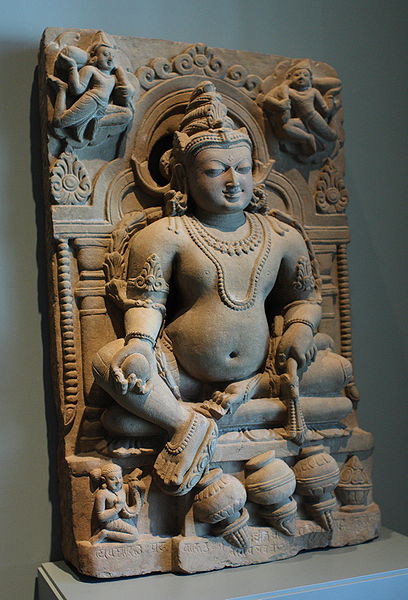
vayu in NY
Vayu at Brooklyn Museum, New York

11.ஐந்து வகை காற்றுகள் உடலில் உண்டு:
பிராணன் = நெஞ்சில்/ இருதயத்தில் இருந்து வரும் காற்று

அபானன்= அடிப் பகுதியில் இருந்து வரும் காற்று
வியானன் = உடல் முழுதும் வியாபித்து இருப்பவன்
உதானன் = வயிற்றில் இருந்து வரும் காற்று
சமானன் = கழுத்தில் இருந்து வரும் காற்று

கடவுளுக்கு உணவுபடைக்கையில் இந்த ஐந்து வாயுக்களின் பெயரில் ஸ்வாஹா சொல்லி அர்ப்பணிப்பர். இது தவிர மேலும் ஐந்து வாயுக்களையும் சேர்த்து தச வாயு என்றும் அழைப்பர்.
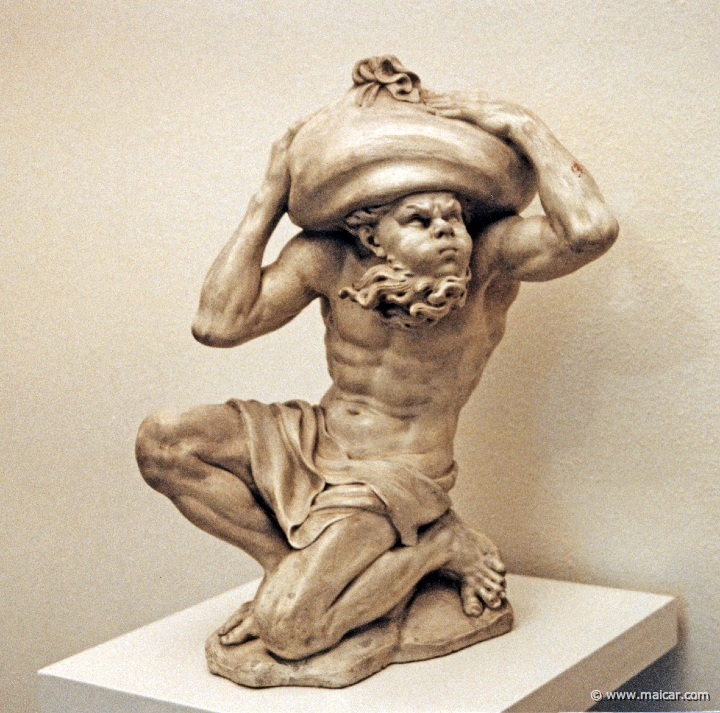
aeolus2-1027
Aeolus, Greek God of Wind

12.ஏழுவகைக் காற்று
மாஹாபாரத சாந்தி பர்வத்தில் ஏழுவகைக் காற்று பற்றிய விஜ்ஞானத் தகவல் கிடைக்கிறது:

ஆவாஹன் = உயிர் வாயு / ஆக்சிஜன்
ப்ரவாஹன் = மழை பொழியும் மேகம் கொணர்வோன்
உத்வாஹன் = மேகத்தை மழையாக மாற்றும் குளிர்க் காற்று

சம்வாஹன் = பாலைவன வறண்ட காற்று

விவாஹன் = வானத்தில் உள்ள நீரைத் தாங்குபவன் (இப்போது நாஸா போன்ற விண்வெளி ஆய்வு அமைப்புகள் வானத்து நீர் பற்றிப் பேசி வருகின்றன; அறிவியல் வளரும் போது இச் சொல்லுக்குப் புதுப் பொருள் காணலாம்)

பரிவாஹன் = சூரிய, சந்திரர்களைத் தாங்கும் காற்று — (மின் காந்த வீச்சு, அகச் சிவப்பு , புற ஊதா கதிர்களாக இருக்கலாம்; யாம் அறியோம் பராபரமே!!!)
பரவாஹன் = எல்லாவற்றுக்கும் அப்பாற்பட்டது; தஙகு தடையின்றி வழங்குவது
IAF MARUT
Marut, IAF Bomber

13.மேற்கண்ட மஹாபாரத பகுப்பு, உடலில் உள்ள தச வாயு பகுப்பு, காற்றுக்கான பல்வேறு பெயர்கள் ஆகியன உணர்த்தும் அபூர்வ விஷயம் என்ன தெரியுமா?

1.சம்ஸ்கிருத மொழி உலகின் வளமிக்க மொழிகளில் ஒன்று; எதை எடுத்தாலும் பல நூறு ‘’டெக்னிக்கல்’’ சொற்கள் கிடைக்கும்

2.காற்றையும் மேகத்தையும், மூச்சையும் கூடப் பிரிக்கவேண்டும் என்ற விஞ்ஞான அணுகு முறை!!! உலகில் மற்ற மொழியினர் சிந்திக்காத பல விஷயங்களைச் சிந்தித்து அதைச் செயல் முறையில் கொண்டு வந்து ஆயிரக் கணக்கான ஆண்டுகளாக நடைமுறையில் வைத்துள்ள அற்புதமே அற்புதம். நான் தினமும் உணவு சாப்பிடுகையில் ‘’பிராணய ஸ்வாஹா’’ முதல் ஐந்து வாயுக்களின் பெயர் சொல்லி உள்ளே இருக்கும் இறைவனுக்கு நெய் கலந்த சோறு கொடுத்து வணங்குகிறேன் ஆகவே இன்றும் அனைத்தும் நடைமுறையில் உள்ளன.

contact swami_48@yahoo.com

Rig Vedic Hariyupia and Indus Valley Harappa: Rig Veda Mystery 7

harappa2

Research paper written by London Swaminathan
Research article No.1379; Dated 30th October 2014.

Please read the earlier posts covering from Rig Veda Mystery 1 to 6.
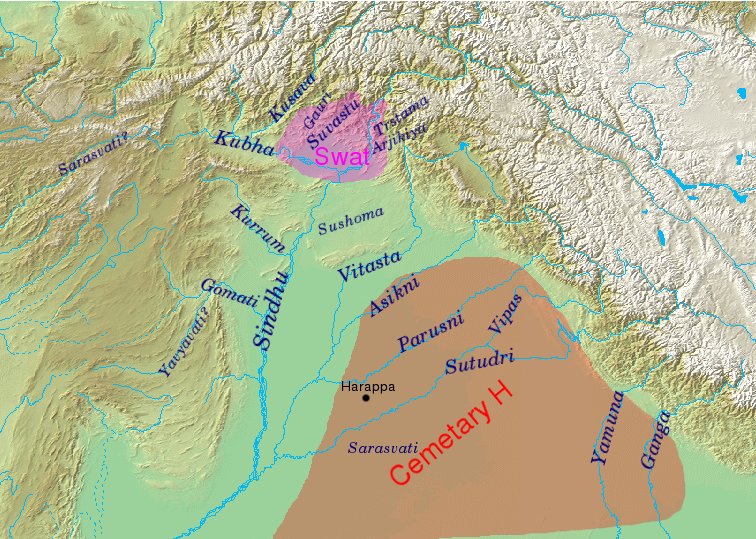
Harappa and Mohenjo-Daro are two major cities of the Indus valley civilization. Harappa is in East Punjab (now in Pakistan). It is on the banks of River Ravi. Ancient name of the river is Parusni.

There is a similar sounding word Hariyupia – in the Rig Veda. Few scholars identify it with Harappa of Indus Valley Civilization. Rig Veda describes it a as a Vedic city with Yupa posts of golden colours!!

Rig Vedic Index by A B Keith and A A Macdonell gives the following information:

harappa

Hari-yuupiiyaa:
“Hari-yúpíyá is mentioned in a hymn of the Rig Veda (6-27-5) as the scene of the defeat of the Vrivavants by Abhyavartin Caayamana. It may denote either a place or a river, since many battles seem to have been fought on the banks of rivers.

Ludwig took it as the name of a town on the river Yavyaavatii, which is identified in Sayanas’ commentary on the passage.

Hillebrndt thinks it is the river Iryaab (Haliab), a tributary of the Kurum (Krumu), but this is not all probable”.

The above passage from the Vedic Index shows that a big difference in views! It is very common in the Vedic interpretation. That is, no one can understand the Vedas!!!

Ralph T H Griffith’s translation of the hymn runs like this:
RV 6-27-5/6
“In aid of Abhyavartin Cayamana, Indra destroyed the seed of Varasikha.
At Hariyupia he smote the vanguard of the Vrcivans, and the rear fled freighted

Three thousand, mailed, in quest of fame, together on the Yavyavati, O much sought after Indra
Vrcivan’s sons, falling before the arrow, like bursting vessels went to their destruction”.

harppa mohanjo

Griffith added foot note:
“Hariyupia (having golden sacrificial posts), the name of a town or according to others, a river.
Yavyavati: the name of a river, according to Sayana, identical with Hariyupia of stanza 5”.
So, according to Sayana, it is a river. Whether it is a river or a city, the meaning of the word “HARIYUPIA” is not disputed. It means place of golden Yupa posts.
A few people have even connected the word Hariyupia with Europa/Airoppa!!

Samudra-4787v-280.50
Samudra Gupta gold coin with Asva and Yupa post

What is a YUPA? — From Tamil Literature

Yupa is a post made up of wood from the tree. There are two purposes: one is to tie the animal to be sacrificed at the fire pit (Yaha Gunda) and the other is a victorious post installed after each big Yaha like the Asvamedha or Rajasuya.

Kalidasa mentioned it in Raguvamsa 1-44 and several other places.

2000 year old Sangam literature mentioned Yupa with the same Sanskrit word “YUPA” in at least 4 places:
Purananuru verses 15 and 224
Maduraikanci line 27
Pathtrupathu 67-10

Nettimaiyar, one of the oldest poets of Sangam period, wonders ,“Oh! Pandya! please tell me whether the number of Yupa posts you installed more? Or the number of enemies you defeated more? Or the praises by the poets more?”
Verse 224 parised the greatest of the Chola kings Karikalan for installing the tall Yupa post.

ujjain333
Ujjain coin with yupa post

Tamil Kings Karikalan, Perunarkilli and Mudukudumi Peruvazuthi have done so many Yajnas according to Sangam Tamil literature. So the Rig Vedic word YUPA is very popular in Tamil Nadu even 2000 years ago. Karikalan and Mudukudumi are the two oldest Tamil kings we knew.

Kanchi Paramacharrya Swamikal in his 1932 lectures in Chennai pointed out that archaeologists were surprised to see the Mulavarman’s Yupa post in the “virgin” forests of Borneo, now part of Indonesia. He belonged to fourth century CE. It shows the word Yupa is known throughout South East Asia.

Now going back to Hariyupia, if it is Hari+Yupa, then Harappa is a Vedic city. The battles that happened there did not give the name to the place. It is only the Vedic Yajnas gave that name to the city – Harappa. So the battles may be described as internal wars among local kings. Tamils fought among themselves continuously for 1500 years, though they worshipped the same Hindu gods, spoke the same Tamil language, upheld the same values Dharma, Artha and Kama according to the oldest Tamil book Tolkappiam. Words Dharma, Artha, Kama is repeated several times in Sangam and later Tamil books (but the words are in tamil Aram, Porul Inpam).
So, my argument is that the word Hariyupia confirms the Vedic presence in East Punjab during Harappan period.

Rigvedic_geography

INDUS VALLEY CIVILIZATION Read my other 30 posts on Indus:

Indus Valley-Brahmin Connection (Post No 1034, Date 10-5-14)
Bull Fighting: Indus Valley to Spain via Tamil Nadu (posted 21/1/12)
Human Sacrifice in Indus Valley and Egypt (posted on 31/10/12)

Ghosts in Indus Seals and Indian Literature
Flags: Indus Valley- Egypt Similarity
Tiger Goddess of Indus Valley: Aryan or Dravidian?
Indra on Elephant Vahana in Indus Valley
Indus Script Deciphered

Human sacrifice in Indus Valley and Egypt 0ct.31, 2012
Indus Valley Cities in Ramayana Dec.18, 2012
Open Sesame’: Password to Heaven Post No 756 dated 23rd December 2013
Change ‘’Indus’’ valley civilization to ‘’Ganges’’ valley civilization! Ulta! 29-3-2014
Indus Valley Case: Lord Indra Acquitted Post No 764 dated 28th Dec. 2013
‘Sex Worship’ in Indus Valley

harappa well

Flags: Indus Valley – Egypt Similarity (15/1012)
The Sugarcane Mystery: Indus Valley and the Ikshvaku Dynasty
Vishnu in Indus Valley Civilization (posted on 19-10-11)
Serpent Queen: Indus Valley to Sabarimalai 18 June 2012
Fall of Brahmin Kingdoms in Pakistan and Afghanistan 23-3-14
Indus Valley Civilization- New Approach , posted on May 29, 2011

என்னுடைய முந்தைய 30 கட்டுரைகள்:
சிந்து சமவெளியில் பேய் முத்திரை
சிந்து சமவெளியில் ஒரு புலிப் பெண் Aug.23, 2012
‘எள்’ மர்மம்: ரிக் வேதம் முதல் சிந்து சமவெளி வரை! Post No 755 dated 23/12/13

தேள்— ஒரு மர்ம தெய்வம்!
சிந்து சமவெளி & எகிப்தில் நரபலி1 November 2012
சிந்து சமவெளியில் செக்ஸ் வழிபாடு (26/7/13)
கொடி ஊர்வலம்: சிந்து சமவெளி – எகிப்து அதிசய ஒற்றுமை (15/10/12)
‘திராவிடர் கொலை வழக்கு: இந்திரன் விடுதலை’ Post-763 dated 28th Dec. 2013.

சிந்து சமவெளியில் அரசமரம்
சிந்து சமவெளி நாகரீகம் பெயரை மாற்றுக! march 29, 2014
1500 ஆண்டு பிராமண ஆட்சியின் வீழ்ச்சி 24-3-14
சிந்து சமவெளி – பிராமணர் தொடர்பு (Post No 1033, Date 10-5-14)
Contact swami_48@yahoo.com

கல்வி பற்றிய 30 தமிழ் பாடல் மேற்கோள்கள்

classroom1

சிந்தனைச் சிற்பிகள் (ஜய வருடம்) 2014 நவம்பர் மாத காலண்டர்

Post No. 1378; Date: 30 அக்டோபர் 2014
Prepared by London swaminathan (copyright)

முக்கிய நாட்கள்: நவம்பர் 4 முஹர்ரம்; அமாவாசை:22;
சுபமுஹூர்த்த நாள்:– 2, 9, 12, 13, 21; பௌர்ணமி – 6; ஏகாதசி- 3, 18;

நவம்பர் 1 சனிக் கிழமை
எண்ணும் எழுத்தும் கண் எனத் தகும் – கொன்றை வேந்தன்

நவம்பர் 2 ஞாயிற்றுக் கிழமை
கைப்பொருள் தன்னில் மெய்ப்பொருள் கல்வி – கொன்றை வேந்தன்

நவம்பர் 3 திங்கட் கிழமை
ஓதாமல் ஒருநாளும் இருக்கவேண்டாம் — உலக நீதி

நவம்பர் 4 செவ்வாய்க் கிழமை
இளமையிற் கல்; ஓதுவது ஒழியேல்; வித்தை விரும்பு – ஆத்திச்சூடி

நவம்பர் 5 புதன் கிழமை
கற்கை நன்றே கற்கை நன்றே
பிச்சை புகினும் கற்கை நன்றே – வெற்றிவேற்கை

Class_Room2

நவம்பர் 6 வியாழக் கிழமை
எண் என்ப ஏனை எழுத்து என்ப இவ்விரண்டும்
கண் என்ப வாழும் உயிர்க்கு – திருக்குறள்

நவம்பர் 7 வெள்ளிக் கிழமை
பிற்றைநிலை முனியாது கற்றல் நன்றே – புறநானூறு

நவம்பர் 8 சனிக் கிழமை
தனக்குப் பாழ் கற்றறிவில்லா உடம்பு – நான்மணிக் கடிகை

நவம்பர் 9 ஞாயிற்றுக் கிழமை
கல்லா ஒருவனுக்கு அவன் சொல்லே கூற்றாக முடியும் – நான் மணிக்கடிகை

நவம்பர் 10 திங்கட் கிழமை
எக்குடிப் பிறப்பினும் யாவரே ஆயினும்
அக்குடியிற் கற்றோரை வருக என்பர் – வெற்றி வேற்கை

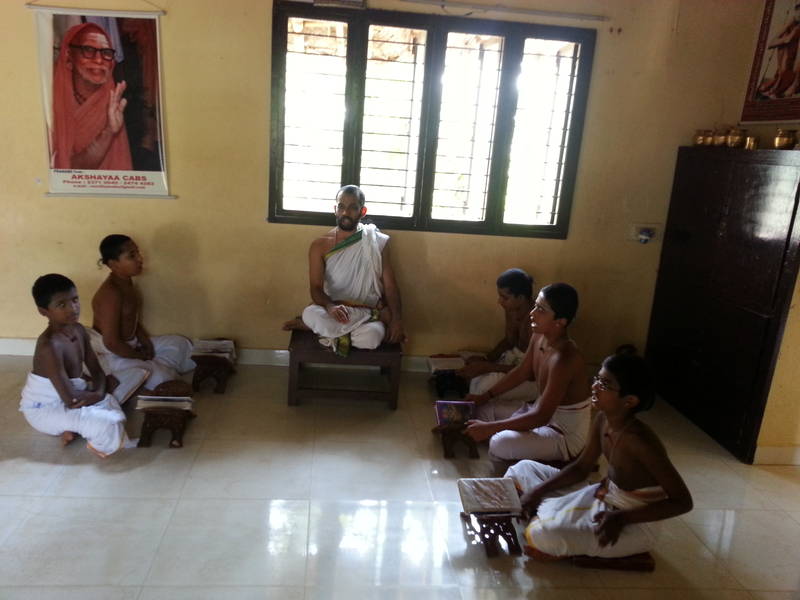
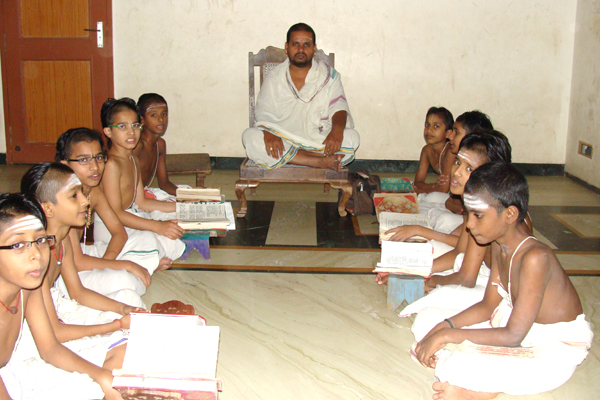
vedapatasala
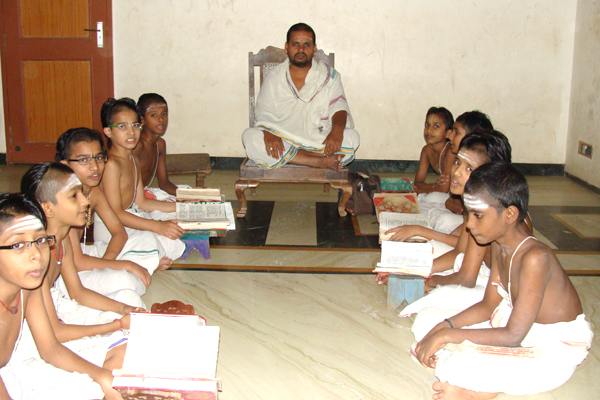
Picture of Rajaveda patasama

நவம்பர் 11 செவ்வாய்க் கிழமை

கல்லாத மூத்தானைக் கைவிட்டுக் கற்றவன் இளமை பாராட்டும் உலகு – நான் மணிக்கடிகை

நவம்பர் 12 புதன் கிழமை
நெஞ்சத்து நல்லம் யாம் என்னும் கல்வியழகே அழகு – நாலடியார்

நவம்பர் 13 வியாழக் கிழமை
பிச்சைப் புக்காயினும் கற்றல் மிகவினிதே – இனியவை நாற்பது

நவம்பர் 14 வெள்ளிக் கிழமை
கணக்காயர் இல்லாத ஊரால் நன்மை இல்லை – திரிகடுகம்

நவம்பர் 15 சனிக் கிழமை
ஒருமைக் கண் தான் கற்ற கல்வி ஒருவற்கு
எழுமைக்கும் ஏமாப்புடைத்து — திருக்குறள்

balavedapatasala
Picture of Bala Veda Patasala

நவம்பர் 16 ஞாயிற்றுக் கிழமை
எம்மை உலகத்தும் யாம் காணேம் கல்வி போல்
மம்மர் அறுக்கும் மருந்து – நாலடியார்

நவம்பர் 17 திங்கட் கிழமை
எண் அவன் காண் எழுத்து அவன் காண்
இன்பக் கேள்வி இசை அவன் காண் – அப்பர் தேவாரம்

நவம்பர் 18 செவ்வாய்க் கிழமை
பயிற்றிப் பல கல்வி தந்து – இந்தப்
பாரை உயர்த்திட வேண்டும் – பாரதி பாடல்

நவம்பர் 19 புதன் கிழமை
ஒருகுடிப் பிறந்த பல்லோருள்ளும்
மூத்தோன் வருக என்னாதவருள்
அறிவுடையோனால் அரசுஞ் செல்லும் –புறநானூறு

நவம்பர் 20 வியாழக் கிழமை
தேடு கல்வியிலாதொரு ஊரைத் தீயினுக்கிரையாக மடுத்தல்
கேடு தீர்க்கும் அமுதம் எம் அன்னை கேண்மைகொள்ள வழி இவை கண்டீர்–பாரதியார்

shantiniketan

நவம்பர் 21 வெள்ளிக் கிழமை
வெள்ளதால் போகாது வெந்தணலால் வேகாது
வேந்தராலும் கொள்ளத்தான் முடியாது (கல்வி) –

நவம்பர் 22 சனிக் கிழமை
கல்வி கரையில, கற்பவர் நாள் சில – நாலடியார்

நவம்பர் 23 ஞாயிற்றுக் கிழமை
வேற்றுமை தெரிந்த நாற்பாலுள்ளூம்
கீழ்ப்பால் ஒருவன் கற்பின்
மேற்பாலொருவனும் அவன்கட் படுமே – புறநானூறு

நவம்பர் 24 திங்கட் கிழமை
நரை முடித்துச் சொல்லால் முறை செய்தான் சோழன்
குலவிச்சை கல்லாமற் பாகம் படும் — பழமொழி

நவம்பர் 25 செவ்வாய்க் கிழமை
கற்கக் கசடறக் கற்பவை கற்றபின்
நிற்க அதற்குத் தக – திருக்குறள்

shantiniketan2
Picture of Shantiniketan, West Bengal

நவம்பர் 26 புதன் கிழமை
நீரளவே ஆகுமாம் நீராம்பல் தான் கற்ற
நூல் அளவே ஆகுமாம் நுண்ணறிவு – வாக்குண்டாம்

நவம்பர் 27 வியாழக் கிழமை
கேள்வி முயல்; நூற் பல கல்; எண் எழுத்து இகழேல் – ஆத்திச்சூடி

நவம்பர் 28 வெள்ளிக் கிழமை
கடைநிலத்திற் பிறந்தவர் எனினும் கற்றறிந்தவரைத் தலைநிலத்து வைப்பர் – நாலடியார்

நவம்பர் 29 சனிக் கிழமை
பற்பல நாளும் பழுதின்றிப் பாங்குடைய கற்றலின்காழ் இனியதில் — இனியவை நாற்பது

நவம்பர் 30 ஞாயிற்றுக் கிழமை
கற்றோர்க்கு கல்வி நலனே கலன் அல்லால்
மற்றோர் அணிகலம் வேண்டாவாம் –– நீதிநெறிவிளக்கம்

-Study-Under-Bridge
Picture of school under Delhi bridge

In each month’s calendar you can read beautiful Tamil quotations!
Contact swami_48@yahoo.com

school_under_bridge_02

Quotations on Wealth and Fortune

akshaya-tritiya

Good Thoughts Calendar — November 2014
Post No. 1377; Date: 29 October 2014.
Compiled by London Swaminathan ©

30 Sanskrit quotations from Sanskrit texts are given in November calendar.
Important Dates: November 4 Muharram; Auspicious Days: November 2, 9, 12, 13, 21; Full Moon day- 6; New Moon (Amavasya)- 22; Ekadasi – 3, 18.

Quotes are taken from Suktisudha, Chinmya International Foundation.

November 1 Saturday
Amass wealth without straining the body — Manusmrti 4-3
Akléséna sariirasya kurvita dhana sancayam

November 2 Sunday
Never make money by evil means; such money will be snatched away by others – Yuktikalapataru
Adharmaanna dhanam kuryaat tatdhanam grhyaté paraih

November 3 Monday
Earn wealth with vigour — Vikramorvasiya 4 p90
Anirvéda praapyaani sréyaamsi

November 4 Tuesday
Wealth earned unscrupulously will get wasted the same way — Kahavatranakar p.86
Anyaaya arjita vittaanaamkumaargésu vyayó bhavét

November 5 Wednesday
Loss of wealth is due to undertaking tasks without assessing one’s ability — Sisupalavadha 2-94
Ayathaabhalamaarambhó nidaanam ksasyasampadah

RBI

November 6 Thursday
Wealth earned by one is happily enjoyed by another — Kahavatranakar p 102
Anyénópaarjitam vittam sukhamanyaisca bhjyaté

November 7 Friday
Lack of money makes a woman of man and its possession makes a man of woman Mrchakatikam 3, — Carudatta 3-17
Ardhatah prushó naari yaa naari saarthatah pumaan

November 8 Saturday
Friends wary of being asked for money desist from talking – Nitisataka 1-2
Artha praarthanasankayaa na kuruté sambhaasanam vai suhrt

November 9 Sunday
Know wealth as calamitous always — Subashita ratna bhadagara p.2
Arthamanartham bhaavaya nityam

November 10 Monday
Fired by passion for wealth, one regards neither tutor nor kin — Vikramacarita 132
Arthaa turaanaam na guruna bandhuh

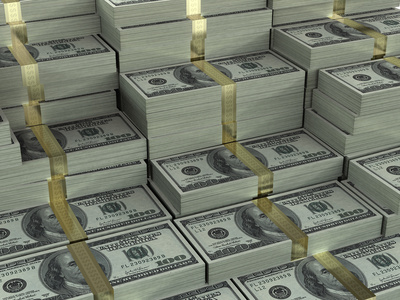
currency bundle

November 11 Tuesday
Stable relationships are based on economics – Canakyanitisastra
Arthaadhiina éva niyatasambandhah

November 12 Wednesday
The ways of wealth are transient like autumnal clouds — Katha Sarit Sagara
Arthaanaam saradabhrcalaa gatih

November 13 Thursday
The whole world is one big money maniac — none is dear to none -Panchatantra 1-9
Arthaarthii jiivalókóyam na kascit kasyacit priyah

November 14 Friday
In this world wealth alone is one’s kith and kin Canakyaniti 5-2
Arthó hi looké purusasya bandhuh

November 15 Saturday
The wealthy blabber incoherently like drunkards –Sarngadharapadhdhati 341
Avyaktaani ca bhaasanté dhaninó madyapaa iva

british-1-pound-coins

November 16 Sunday
Wealth distorts the mind –Subashita ratna khandamanjusa p 4
Rddhis citta vikaarinii

November 17 Monday
Like liquor, excessive wealth too deludes — Brhatkatha manjari
Kam vaa naabhibhavaa lakshmiih vaaruniiva vimóhayét

November 18 Tuesday
Saving is duty, but boarding is undesirable Hitopadesa 1-161
Kartavyah sancayó nityam na tu kaaryóti sancayah

November 19 Wednesday
Whom does not wealth corrupt? Brhatkatha manjari
Kasya nónmaadanam dhanam

November 20 Thursday
Of what use is money for an ascetic? Brhatkatha manjari
Kim dhanair agrhasthasya

Pot full of golden coins

November 21 Friday
Who indeed is not satisfied by wealth? —- Subashita ratna bhadagara p 6
Koo na trpyati vitténa

November 22 Saturday
Wealth is ever fickle — Kahavatratnakar p 44
Cancalaa kamala sadaa

November 23 Sunday
Riches accrue through the affection of people —- Subashita ratna bhadagara 3-869
Janaanuraagaprabhavaa hi sampadah

November 24 Monday
Wealth begets wealth — Kahavatratnakar p 150
Dhanaadéva dhanam bhavét

November 25 Tuesday
It is in the minds of the rich alone that sins breed in plenty — Kahavatratnakar p 150
Dhaninaaméva cittésu paapavrttirudétyalam

Background Money

November 26 Wednesday
Wealth increases greed — Bharatmanjari 13-73-998
Dhanéna vardhaté trsnaa

November 27 Thursday
Wealth does not follow the departed soul –Ramayanamanjari 6-2-132
Na tvaatmani gaté vittam purusaananugacchati

November 28 Friday
Neither wealth nor misfortune lasts eternally — Hanumannataka 9-21
Na bhavanti ciram praayah sampadó vipadópi vaa

November 29 Saturday
Wealth resides in the diplomatic and the heroic — Hitopadesa 3-116
Nayé ca sauryé ca vasanti sampadah

November 30 Sunday
The lord is the wealth of the poor — Kahavatratnakar p 67
Nirdhanaanaam dhanam prabhuh.

Pound-Coins-2

contact swami_48@yahoo.com

தமிழ் ஒரு அதிசய மொழி!

tamil-1

கட்டுரையை எழுதியவர் :– லண்டன் சுவாமிநாதன்
ஆராய்ச்சிக் கட்டுரை எண்- 1376; தேதி அக்டோபர் 29, 2014.

தேமதுரத் தமிழோசை உலகமெலாம்
பரவும் வகை செய்தல் வேண்டும்
சேமமுற வேண்டுமெனில் தெருவெல்லாம்
தமிழ் முழக்கம் செழிக்கச் செய்வீர் – – பாரதியார்

தமிழ் மொழிக்கும் சுமேரிய, மெசபொடோமிய மொழிகளுக்கும் தொடர்பு உண்டு, தமிழ் மொழிக்கும் ஜப்பானிய, கொரிய மொழிகளுக்கும் தொடர்பு உண்டு, தமிழ் மொழிக்கும் துருக்கிய, பின்லாந்திய மொழிகளுக்கும் தொடர்பு உண்டு — என்று 40 ஆண்டுக் காலமாகப் படித்துப் படித்து அலுத்துப் போய்விட்டது. சாத்தூர் சேகரன் என்ற தமிழ் மொழி ஆர்வலர் லண்டனுக்கு வந்தபோது – 1990 ஆம் ஆண்டு என்று நினைவு — அவரை BBC பி.பி.சி. “தமிழோசை” சார்பாக பேட்டி கண்டு பி.பி.சி.யில் ஒலிபரப்பினேன். அவர் எனக்கு சில புத்தகங்களை அன்பளிப்பாக அளித்தார். அதில் ஒன்று, செர்போ–க்ரோட் –( யூகோஸ்லாவியா என்று அப்போது இருந்த இடம்; இப்போது செர்பியா, குரோவேசியா Serbia and Croatia என்பன ) — மொழிகளுடன் தமிழுக்கு இருந்த “நெருங்கிய” தொடர்புகள் பற்றிய புத்தகம்!!

பேட்டி கண்டபோது அவரை உரிய மரியாதைகளுடன் நடத்திவிட்டு, பின்னர் தனிப்பட்ட முறையில் பேசுகையில் அவரது அணுகுமுறையில் உள்ள தவறுகளைச் சுட்டிக்காட்டினேன். அவர் கணக்குப்படி உலகில் உள்ள எல்லா மொழிகளும் தமிழில் இருந்து உருவானவை. அவர் அப்போதே 140 நூல்கள் எழுதி இருப்பதாகக் கூறினார். ஆங்கில—தமிழ் மொழி நெருக்கம் பற்றியும் பேசினார். உண்மை என்ன?

அப்போது லண்டனில் உள்ள சேனல் 4 Channel Four டெலிவிஷன் ஒலிபரப்பிய புதிய மொழியியல் கொள்கை பற்றி அவரிடம் கூறினேன். அதாவது மக்கள் எல்லோரும் ஒரே மொழி பேசிக்கொண்டிருந்தனர் – அவர்கள் சுவர்க்கத்தை எட்டிப் பிடிக்க கோபுரம் கட்ட முயன்றபோது— கடவுள் நீங்கள் எல்லோரும் பல மொழிகள் பேசி பிரிந்து செல்க —- என்று சபித்துவிட்டதாக பைபிளில் ஒரு கதை உண்டு. அது உண்மைதான்; உலகில் உள்ள மொழிகள் எல்லாம் ஒரே மூலத்தில் இருந்து வந்தவைதான் என்று ஒரு இஸ்ரேலிய மற்றும் ஒரு ரஷிய அறிஞர் கூறியது பற்றிய டாகுமெண்டரி (செய்திப்படம்) அது. இதை திரு. சாத்தூர் சேகரனிடம் சொல்லி அவர் இந்தக் கோணத்தில் இருந்தும் பார்க்கவேண்டும் என்றேன்.

tamil 2

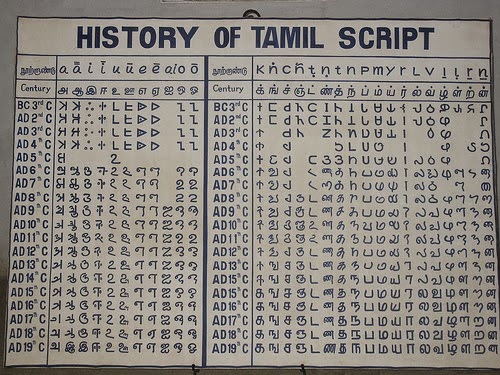
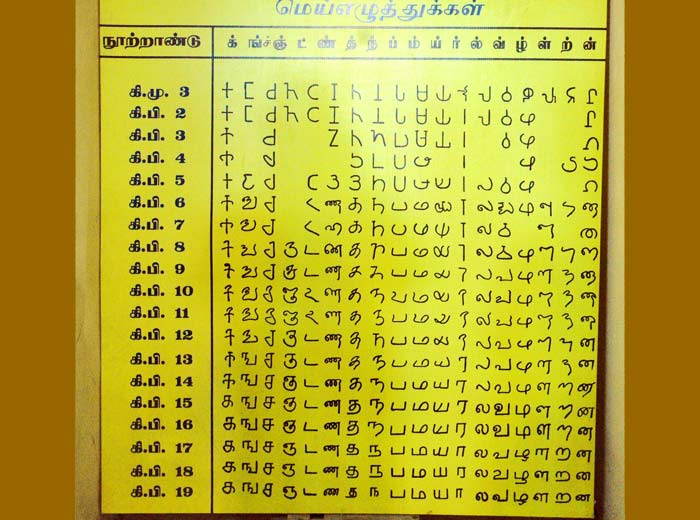
அவரது பேட்டி ஒலிபரப்பைப் பாராட்டி பல நேயர்கள் எழுதியது உண்மை என்ற போதிலும் பலருக்கும் மொழி இயல் தெரியாது. மொழி வளர்ச்சிக் கும், எழுத்து வளர்ச்சிக்கும் உள்ள வேறுபாடு கூடத் தெரியாது. திருவள்ளுவர் இன்று உயிருடன் வந்தால் அவருக்குத் தமிழ் ஓரளவு புரியும்- ஆனால் தமிழ் எழுத்து அவருக்கு விளங்காது. ஏனெனில் எழுத்து உருமாறிப் போனது. நான் லண்டன் பல்கலைக் கழகத்தில் தமிழ் வகுப்பு நடத்துகையில் என்னை அறியாமல் “னை,, ணை, லை” – போன்ற எழுத்துக்களுக்கு பழைய எழுத்து முறையைப் போர்டில் (கரும் பலகை) எழுதுகையில் பயன்படுத்துவேன். உடனே சார், இது என்ன எழுத்து? என்று சிலர் என்னை இடை மறிப்பர். பெரியார் சொன்ன எழுத்து சீர்திருத்தத்துக்கு முன் நாம் (old orthography) அத்தகைய கொம்புள்ள/ துதிக்கை போடும் எழுத்துகளை — லை, னை — முதலியவற்றைப் பயபடுத்தினோம். ஆகவே மொழியும் எழுத்தும் காலப்போக்கில் மாறும் என்று அறிய வேண்டும்.

தமிழ் ஒரு அதிசய மொழி. இதில் இரண்டு எழுத்துக்கள் சேரும் போது என்ன மாற்றம் அடைகின்றன என்பனவற்றைக் கண்டு இது போல மற்ற மொழிகளில் உண்டா? என்றும் காண வேண்டும். இதை சந்தி இலக்கணம் என்பர். வடமொழியில் இது உண்டு. ஆகவே தமிழை வேற்று மொழிகளுடன் ஒப்பிட்டு — “இது அதுவே, அது இதுவே” — என்று முழங்கும் முன்னர் பல விஷயங்களைக் கருத்திற் கொள்ள வேண்டும். எந்த இரண்டு மொழிகளிலும் மேம்போக்கான சில ஒற்றுமைகள் இருக்கத்தான் செய்கின்றன. அவை போதா. உண்மையில் வேற்றுமை உருபுகள், மொழிக்குள் உள்ள சந்தி இலக்கணம் ஆகியவற்றையும் ஒப்பிட வேண்டும்.

வேதங்களுக்கு காலம் நிர்ணையிக்க மாக்ஸ் முல்லர் கையாண்ட “குத்து மதிப்பான” முறை ஓரளவுக்கு உண்மை. ஆனால் இதையே தமிழ் மொழிக்கும் கையாண்டால் பல தமிழ் நூல்களின் காலம் கேள்விக் குறி ஆகிவிடும். அவர் சொன்னார்: “ஒரு மொழி 200 ஆண்டுகளுக்கு ஒரு முறை குறிப்பிடத்தக்க மாற்றம் அடைகிறது”. அப்படியானால் தொல்காப்பிய நடைக்கும் சங்க இலக்கிய நடைக்கும் பெரும் வேறுபாடு இருக்க வேண்டும் (.உண்மையில் அப்படி இல்லை. இதைப் பற்றி மூன்று தமிழ் சங்கங்கள் உண்மையா? என்ற கட்டுரையில் எழுதி விட்டேன்). அதே போல சங்க இலக்கியத்துக்கும் சிலப்பதிகாரத்துக்கும் ஒற்றுமை இருக்க வேண்டும். அப்படி இல்லை. அதிக அளவு வேறுபாடு இருக்கிறது. இளங்கோ காலமும் செங்குட்டுவன் காலமும் ஒன்று என்று வாதிப்போருக்கு இதை நான் சொல்கிறேன்.

சுருங்கச் சொல்லின் மாக்ஸ்முல்லர் சொன்ன முறையை உலகில் வேறு எந்த மொழிக்கும் பயன்படுத்தவில்லை. இருந்த போதிலும் ரிக்வேதத்துக்கு அவர் நிர்ணயித்த காலம் கி.மு1200 என்று அப்போது ஏற்றுக் கொண்டனர். இப்போது அது தவறு என்பதற்கு வேறு சில சான்றுகள் கிடைத்துவிட்டன.

ஒரு உண்மையை யாரும் மறுக்க முடியாது — உலகில் மாறாத பொருள் எதுவுமே இல்லை. மாற்றம் என்பது இயற்கை நியதி (Change is inevitable).— நான் வகுப்பு எடுக்கும் போது, “ஒரு மொழி 200 மைல்களுக்கு ஒரு முறை மாறும், ஒரு மொழி 200 ஆண்டுகளுக்கு ஒரு முறை மாறும்” — என்று குத்துமதிப்பாக வைத்துக் கொள்ளுங்கள் என்று மாணவர்களிடம் சொல்லுவேன் ( நியூ கினி என்னும் தீவு இதற்கு விதி விலக்கு. அந்தத் தீவில் மட்டும் 700 மொழிகள் உள்ளன!! ) இதற்குக் கோவைத் தமிழ், மதுரைத் தமிழ், நெல்லைத் தமிழ், சென்னைத் தமிழ் முதலியவற்றை எடுத்துக் காட்டாகவும், எங்கள் நாட்டில் வேல்ஸ் ஆங்கிலம், ஸ்காட்டிஷ் ஆங்கிலம், இங்கிலாந்து ஆங்கிலம் முதலியவற்றை எடுத்துக் காட்டாகவும் தருவேன். உச்சரிப்பு மட்டுமின்றி சொல் வழக்குகள் முதலியனவும் வேறுபடும். எட்டாம் நூற்றாண்டில் எழுந்த ஆங்கில நூலின் எழுத்தும் , பொருளும் யாருக்கும் புரிவதில்லை!!

கீழ்கண்ட தமிழ் அமைப்பைக் காணுங்கள். இது போன்ற ஒற்றுமை தமிழுக்கும் சம்ஸ்கிருதத்துக்கும் (சந்தி இலக்கணம்) ஓரளவு உண்டு. சம்ஸ்கிருதத்துடன் தொடர்புடைய ஐரோப்பிய மொழிகளில் உண்டு. தமிழைப் போலவே வேறு மொழிகளில் இருந்தால் அதை நன்கு ஆராய்தல் அவசியம்! அப்போதுதான் நாம் அவ்விரு மொழிகளும் “நெருக்கமானவை” என்று மேலும் ஆராய வேண்டும். இது ஒரு அம்சம் மட்டும்தான். இதுபோல வேறு பல அம்சங்களும் உண்டு. கட்டுரையின் நீளத்தைக் கருதி ஒரே வரியில் சொல்லிவிடுகிறேன்: உறவு முறை, எண்கள், நான், நீ போன்ற சொற்கள், வீடு வாசல் தொடர்பான சொற்கள் –முதலிய சுமார் 100 சொற்களில் – ஒற்றுமை இருக்க வேண்டும்.
tamil 3

விதி 1 (Rule 1 M-V-B/P)

ம – வ — ப – ஆகியன — பல மொழிகளில் இடம் மாறும். இது இயற்கையான மொழிப் பாகுபாடு. தமிழ் மொழிக்குள்ளேயே இதைக் காணலாம்
ம = வ= ப

முழுங்கு—விழுங்கு ( ம=வ )
முழி = விழி
மேளா- விழா
மாரி—வாரி
மல்லிப்புத்தூர் – வில்லிப்புத்தூர்
மண்டோதரி – வண்டோதரி
மயக்கு – வயக்கு
மானம்—வானம்
மிஞ்சு = விஞ்சு
மணிக்கிராமம் = வணிகக் கிராமம்

வ= ப
வங்கம் = பங்கம்
வங்காளம் = பெங்கால்
வந்தோபாத்யாயா = பந்தோபாத்யாயா

விதி 2 (Rule 2 R–L–D/T)

ர – ல – ட இடம் மாறும்.
இது பற்றி பாணினி சூத்திரம் கூட உண்டு. இந்த ஒலி மாற்றம் வேறு பல நாடுகளிலும் காணப்படுகின்றன என்பதை பலர் அறியார்.

( எங்கள் வீட்டுக்கு அடுத்த வீட்டில் ஐரிஷ்காரர்கள் வசித்தனர். அந்த வீட்டுச் சின்னப் பையன் என் மனைவியிடம் “க்லிஸ்ப், க்லிஸ்ப் தா” (klisp) என்று மழலை மொழியில் கேட்பான். உருளைக்கிழங்கு வறுவல் “க்ரிஸ்ப்” Crisp என்று சொல்லப்படும். நான் உடனே அட, மழலை வாயில் கூட ர என்னும் எழுத்து ல ஆக மாறுகிறதே என்று வியப்பேன்.))

ர = ல = ட
தார்வார் = தார்வாட்
சிம்மகர் – சிம்ம கட்

விதி 3 ( N- D/T)

ண் — ட் – இடம் மாறும். மேலே ல – ட – ர மாற்றத்தைக் கண்டோம். அப்படியானால் ண என்பது ட ஆக மாறி ல ஆகவும் மாற வாய்ப்பு இருக்கிறது.

இதை அறியாத பழைய மொழியியல் “அறிஞர்கள்” ட , ண போன்ற நாமடி ஒலிகள் இந்திய சம்ஸ்கிருதத்தில் மட்டுமே உண்டு என்றும் இதை அவர்கள் சிந்துவெளி திராவிடர்கள் இடமிருந்து கற்றதாகவும் எழுதி வைத்தனர். இதன் அடிப்படையே தவறு. அப்படியே அவர்கள் சொல்வதை நாம் ஏற்றாலும், இந்தியாவில் இருந்து போன இந்துக்கள் அங்கே போனவுடன் அந்த நாட்டு மக்கள் பேச்சுக்கேற்ப ஒலியை மாற்றிக் கொண்டனர் என்றும் வாதிட முடியும்.

இதை எழுதும்போது ஒரு சுவையான சம்பவம் எனக்கு நினைவுக்கு வருகிறது. நான் கொஞ்சம் காலத்துக்கு லண்டன் தமிழ் சங்கத்தின் மானேஜராகவும் பகுதி நேர வேலை செய்தேன். ஆண்டுதோறும் ஒரு நாள் தமிழ் பள்ளி ஆண்டு விழா நடத்துவோம். அப்போது திருக்குறள் போட்டி நடத்துவோம். எல்லா குழந்தைகளும் ஆங்கிலத்தில் குறளை எழுதி மனப்பாடம் செய்து கொண்டு வருவர்.

அகர முடல எலுட்டு எள்ளாம் ஆடி பகவன் முடட்ரே உலகு —

என்று பத்து குறளையும் ஒப்பித்தவுடன் விண்ணதிர கை தட்டிப் பரிசு கொடுப்போம். இது போல இலங்கையர்கள் அரங்கேற்றம் நடத்தும் நிகழ்ச்சிகளிலும் வாலிபர்களும் வாலிபிகளும் பாடும் பாட்டும் பேசும் பேச்சும் அவர்களைக் காட்டிக் கொடுத்துவிடும். அவர்கள் ஆங்கிலத்தில் எழுதி அதை ஒப்பிப்பர். தமிழ் அறிவு மிகவும் சொற்பம் (எங்கள் வீட்டிலும் இதே கதைதான்!! நான் தமிழில் சொல்லச் சொல்ல அவர்கள் ஆங்கிலத்திலேயே விடை கொடுப்பர்) ஆக மொழி என்பது வாழும் இடத்திற்கேற்ப மாறும் என்று புரிந்துகொண்டால் “நாமடி” (ண, ட) ஒலிகள் பற்றிய சித்தாந்தம் நகைப்புரியதாகிவிடும். தமிழ் மொழிக்குள்ளேயே இந்த மாற்றங்களைக் காணும் போது நான் சொல்வது இன்னும் உறுதியாகிறது.

ண் = ட்
கண்+செவி = கட் செவி
மண் =கலம் = மட்கலம்

ள் = ட்
கள்+குடி = கட் குடியன்
தாள்+ தலை= தாடலை
வாள் + போர் = வாட் போர்

ல் = ற்
பல் + பொடி = பற்பொடி
கல் கண்டு = கற்கண்டு (கண்டு = கேன் டி)

பூதன் +தேவன் =பூதன்றேவன்
இலங்கைத் தமிழ்: –(கிரிக்கெட் = கிரிக்கெற், பிரென் ட் = பிரென்ற்)

tamil 4

விதி 4 Rule 4 N — R

ன் என்பது ர் ஆக மாறும்
ன் = ர்
அவன்+கள் = அவர்கள்
அவள்+ கள் = அவர்கள்
மனிதன் +கள் = மனிதர்கள்

விதி 5 Rule 5 L — N

ழ் = ன்

வாழ் + நாள் = வானாள்
பால் + நினைந்து = பானினைந்தூட்டும்

விதி 6 Rule 6 L+D=da

ழ்+த = ட

திகடச் சக்கரம் = திகழ் + தச + சக்கரம்

விதி 7 (Y — J)

ய = ச/ஜ
பங்கஜம் = பங்கயம்
தயரதன் –தசரதன்

இந்த ஜ – ச – ய- மொழி மத்திய கிழக்கு மேலை நாட்டு மொழிகளிலும் உண்டு.
யேசு – ஜீசஸ்
யூத – ஜூடா

விதி 8 Rule 8 sion = tion (S–T)

ச =ட
விஷம் = விடம்

ஆங்கிலத்திலும் ட என்பது ஷ ஆக மாறுவதைக் காணலாம்.
எடுகேஷன் = எடுகேடியன் (ஷன் = டியன்)
ஒரு உதாரணம் மற்றும் கொடுத்தேன். இது போல நூற்றுக் கணக்கான சொற்கள் உண்டு.

விதி 9 Rule 9 ( J=S)

ராஜேந்திர சோழன் = ராசேந்திர
ஜெயலலிதா = செய லலிதா
ஷேக்ஸ்பியர் = செகப்பிரியன் !!!
ஜூலியஸ் சீஸர் = சூலியசு சீசர்
ஸ்டாலின் = சுடாலின்

(தமிழ் மொழியில் மெய் எழுத்து, மொழிமுதல் எழுத்தாக வராது. சம்ஸ்கிருதத்தில் மட்டுமே இது உண்டு!!)

ஒரு மொழியில் சில எழுத்துக்கள் இல்லாத போது வேறு ஒன்றைப் போட்டு நிரப்புவர். பாரசீகர்களும் கிரேக்கர்களும் ‘’எஸ்’’ என்று சொல்ல முடியாததால் சிந்து நதி தீர மக்களை ‘’ஹி’’ந்து என்று அழைத்தனர். கிரேக்க, சீன யாத்ரீகர்கள், ஆங்கிலேய, பிரெஞ்சு ஆட்சியாளர்கள் முதலியோர் இந்திய மன்னர்கள் பெயர்களையும் ஊர்ப் பெயர்களையும் கடித்துக் குதறி விட்டார்கள் என்பதை நாம் அறிவோம். ஆகவே யாராவது தமிழுக்கும் – இதற்கும் தொடர்பு இருக்கிறது, தமிழுக்கும் – அதற்கும் தொடர்பு இருக்கிறது கதைத்தால் கொஞ்சம் சிந்தித்து முடிவுக்கு வாருங்கள். சொல்பவருக்கு எந்த அளவுக்கு வரலாறு தெரியும், மொழியறிவு உண்டு என்பதையும் பின்னணியில் பாருங்கள்.

எப்பொருள் யார் யார் வாய்க் கேட்பினும் அப்பொருள்
மெய்ப் பொருள் காண்பது அறிவு (குறள் 423)

வாழ்க தமிழ்! வளர்க சம்ஸ்கிருதம்!!
(இவ்விரு மொழிகளும் ஒரே மூலத்தில் இருந்து பிறந்தவை என்பதை இன்னும் ஒரு கட்டுரையில் கூறுவேன்)
contact swami_48@yahoo.com

Interesting Facts about Vayu Bhagavan!

vayu in NY
Vayu Deva in Brooklyn Museum, New York

Research paper written by London Swaminathan
Research article No.1376; Dated 28th October 2014.

Vayu is one of the Vedic gods that Hindus worship every day. Brahmins do Sandhyavandhanam thrice a day in which they worship Agni, Vayu, Arka, Vageesa, Varuna, Indra, Visvedeva:. Not only Brahmins but also those who do Havan or Homam or Yagam through a priest also do it. Vayu Bhagavan is installed in the Havan fire pit. He occupies the north western corner. Vayu is the god of air or wind. People of all castes in India perform Vastu Puja, Bhumi puja, Graha Pravesam, Vivaham (wedding) etc. in which all the Vedic gods are invoked. So, Vedic religion is a living religion. Vedas are recited in all the temples rituals all over India.

Hindus divided the breath into five different airs:
Prana – comes from heart
Apana – bottom
Samana– neck
Udana – belly button
Vyana — whole body

vayu in nilali shobaneswara tem
Vayu in Nilali Shobaneswaram Temple

Mahabharata santi parva gives another category of seven types of winds –
Avahan = oxygen
Pravahan = produces rain bearing clouds
Udvahan = produces rain – probably cold air
Samvahan = makes everything dry – probably hot air from the desert
Vivahan = this supports the water in the heaven ( only now NASA talks about some water elsewhere in the universe; when we get more information we may be able to understand certain words)
Parivahan = this supports sun and moon
Paravahan = not controlled by anything or anyone; beyond control

Whether the above classification is scientific or not, one can boldly say Hindus started thinking in a scientific way to classify all the plants, animals, continents etc. In the same ways they are the first in etymology, logic, poetics, sexology, astrology, decimal system, psychology, linguistics, grammar, metaphysics, universal welfare, religion, philosophy etc. To attain such a height in all the fields even before the Greeks and other civilizations they must have lived and matured for a longer period than any ancient civilization. This serves as a proof for the antiquity of the Hindus.

birla-museum
Vayu in Birla Museum

Colour of Vayu is dark blue in Hindu mythology – probably they mean the clouds through which the presence of wind is noticed.

His vehicle was deer (antelope)
Vayu is worshipped by the Buddhists and Zoroastrian religions.
Greeks worshipped him as Eolus or Aeolus
Vedic Hindus worshipped him as Maruts
Mesopotamians worshipped him as martu (Marut got corrupted into martu)
Many Hindu temples such as Guruvayur, Kalahasti and Vayu lingam of Tiruvannamalai are associated with Vayu.

Vayu

Vayu on his vahana gazelle

Twenty names of Vayu

Amarakosa, the first thesaurus cum dictionary in the world, gives 20 names of Vayu and they are as follows:

Svasana: one who helps to breathe; also the name of a tree called Mathana vrksa

Sparsana: one can feel it when it touches one
Vayu: Vathi means that which blows
Matariswan – that which travels in the anthariksha – in between – atmosphere
Sathagathi: always moving
Prushathasva: that which sprays; that which is grey; also one who has rain drops as his vehicle

Gandharba: one who carries sweet smell
Gandhavaha: one who carries sweet smell; also the name of musk deer
Anila: that which is not stable
Asuka: quick, fast
Samiira: that which spreads quickly
Maruta: that which helps living beings
Marut – one who causes mrtyu by stopping air
Jagatprana: — breathe of the earth
Samiirana — that which spreads quickly
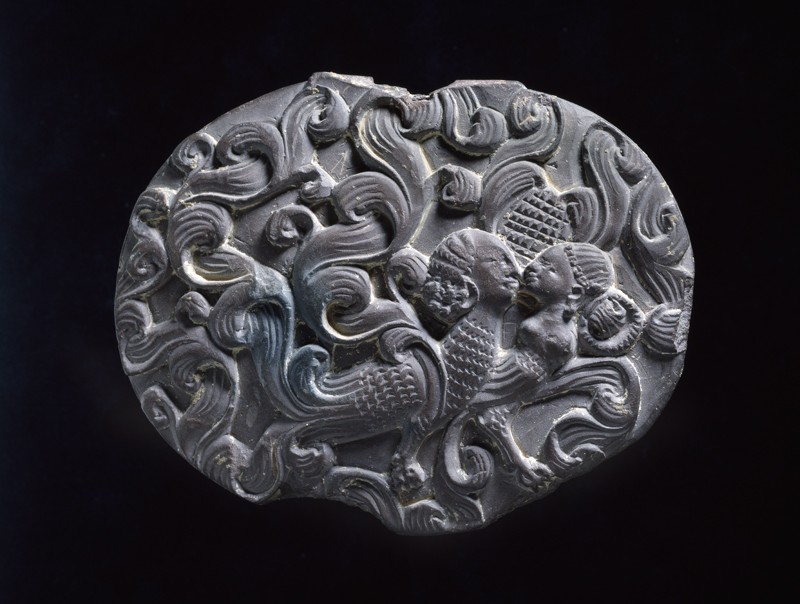
CIS:IM.368-1923

Nabaswan/vath — one who travels in sky
Vata: one who blows
Pavana: one who purifies everything; also kitchen, potter
Pavamana: one who purifies
Prabanchana: that which causes destruction

Vedic gods

Maruts or Marut gana are gods of wind.
The sons of Rudra and attendants of Indra are called Maruts .
There are a few hymns addressed to Vayu in the Vedas. In the Purusasukta hymn, Vayu is said to have sprung from the breath of Purusa .He is also called the son in law of Tvashtri.

Maruts are storm gods in the Vedas. Maruti, also known as Hanuman, got his name from this word. Their weapons are lightning and thunder and they are called friends of Indra. Their number is given as thrice sixty in one place and 27 in another place. In the Ramayana, Indra is said to have created 49 Maruts from the unborn son of Diti by his thunderbolt. Indra said to them “weep not” –“ma rodih” — and it became Maruts.

Maruts are said to have deformed the 100 daughters of Kusa Nabha and they became Kanya-kubja (hunch backed).
All these stories are episodes convey some geological or medical facts in the way of popular stories. Puranas use a funny way of saying all the historical, medical and geological facts. Perhaps the ancient Hindus understood in the proper way.
IAF MARUT
Indian Air Force Bomber Marut

Vayu created Sri Lanka

Bhagavatha Purana gives an interesting story of Vayu. Narada asked Vayu to break the summit of the Meru mountain and the gale force wind / Vayu broke down a part of Meru. That part fell into the ocean and became Sri Lanka.
Ramayana’s Hanuman and Mahabharata’s Bhima are considered sons of Vayu. Vayu always stand for tremendous strength.
Vayu is one of the deities with a Purana in its name- Vayu Purana. it is devoted to the praise of lord Siva.
Martu is a Mesopotamian storm god; the patron god of the city of Ninab mentioned in the texts. I guess this is the Vedic god Maruts.

aeolus2-1027
Greek Vayu deva Aeolus

Contact swami_48@yahoo.com

சிந்து சமவெளி பாடகர்கள்: ஹாஹா, ஹூஹூ!!

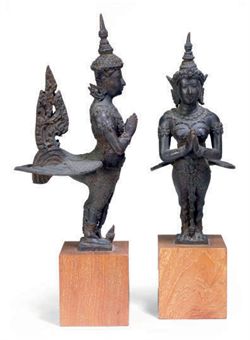
two_thai_bronze_kinnara_
Kinnaras in Thailand

கட்டுரையை எழுதியவர் :– லண்டன் சுவாமிநாதன்
ஆராய்ச்சிக் கட்டுரை எண்- 1375; தேதி அக்டோபர் 28, 2014.

உலகின் முதல் அகராதி / நிகண்டின் பெயர் அமரகோசம். இது சம்ஸ்கிருதத்தில் உள்ளது. இதை அமரசிம்மன் என்பவர் எழுதினார். இது விக்ரமாத்தித்தன் -(கி.மு.முதல் நூற்றாண்டு)– காலத்தில் எழுதப்பட்டதாக செவிவழி வந்த செய்திகள் கூறின. ஆனால் கட்டாயம் ஏழாம் நூற்றாண்டுக்கு முன் இது இருந்ததற்கான சான்றுகள் உள. சுமார் 2000 ஆண்டுப் பழமையுடையது என்று கொண்டால் தவறில்லை. உலகின் முதல் நிருக்தம் ( கி.மு 800 சொற் பிறப்பியல் நூல்), உலகின் முதல் இலக்கண நூல் ( கி.மு 700 பாணீனீயம்), உலகின் முதல் காம நூல் (காம சூத்ரம்), உலகம் வியக்கும் டெசிமல் சிஸ்டம் ( தசாம்ச முறையின் மிகப்பெரிய எண்கள்; கி.மு.1000 வேத கால பிராமணங்களில் உள ) – ஆகிய அனைத்தையும் உண்டாக்கியோருக்கு ‘அகராதி’ என்பது ஒரு எளிய பணியே.

சிறு குழந்தைகள் சம்ஸ்கிருத பள்ளிக்குப் போனவுடன் இலக்கண வாய்ப்பாட்டையும், நாம லிங்கானுசாசனம் எனப்படும் அமரகோசத்தையும் மனப்பாடம் செய்ய வைத்துவிடுவர். வாழ்நாள் முழுதும் இதை மறக்க முடியாது. நானே பள்ளிக்கூட வகுப்பு முடிந்தவுடன் மதுரை மேலச்சித்திரை வீதி ஆடிட்டர் வீட்டு நடையில், தரையில் உட்கார்ந்து இப்படிக் கற்றவன். உலகமே வியக்கும் அற்புதமான வகையில் சம்ஸ்கிருதம் கற்பிக்கப்படுகிறது. நிற்க. சொல்ல வந்த விஷயம் வேறு.
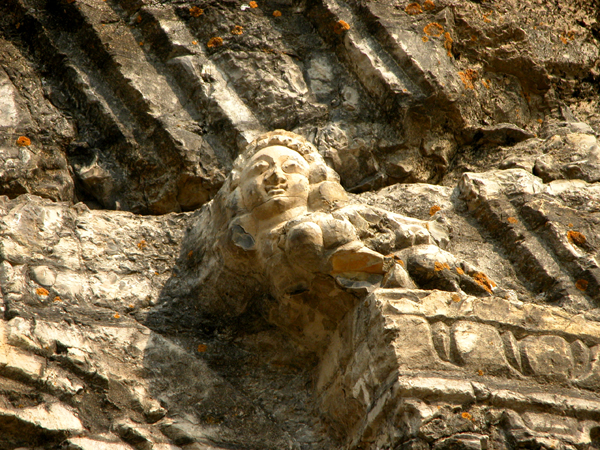
kashmir Kinnara_600x450
Kinnars in Avantipur, Kashmir

அமரகோஷத்தில் ஒவ்வொரு கடவுளருக்கும் சொல்லுக்கும் உள்ள பல பெயர்கள் இருக்கின்றன. இதற்கு வியாக்கியானம் செய்த உரைகார்கள் அற்புதமான விஷயங்களை நமக்கு அளிப்பர். அவைகளை ஒருவன் கற்றால் அறிவு ஒளிரும். லண்டனில் ஒரு சம்ஸ்கிருத ஆசிரியரை வீட்டிற்கு அழைத்து கற்றுக்கொண்ட சில விஷயங்களை ஏற்கனவே ஆங்கிலத்தில் கொடுத்தேன். இன்று அமரகோசம் குறிப்பிடும் கந்தர்வர்கள் “ஹாஹா ஹூஹூ” பற்றி பார்ப்போம்.

“கந்தர்வானாம் (அஹம்) சித்ரரத:”
— என்று பகவத் கீதையில் (10-26) கண்ண பிரான் கூறுகிறார்.

மஹாபாரதம் மூலம் சித்ரரதனை நமக்குத் தெரியும். ஆனால் ‘’ஹாஹா’’, ‘’ஹூஹூ’’ பற்றி எங்குமே தகவல் இல்லை. கந்தர்வர் பற்றி வரும் விஷயங்களை வைத்து நாம் ஊகிக்கத்தான் வேண்டும்.

celestials
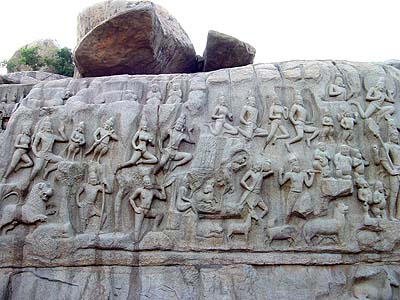
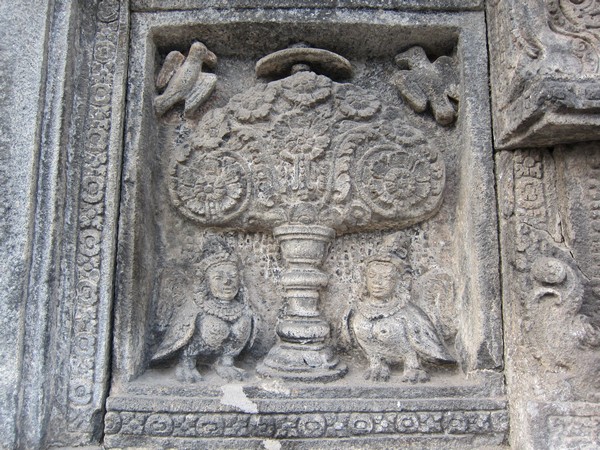
Gandharvas in Mamallapuram

கந்தர்வர் பற்றிய ஆராய்ச்சி மிகவும் முக்கியமானது; ஏனெனில்
1.ராமாயணமும் மஹாபாரதமும் கந்தர்வர்களை சிந்து சமவெளியுடன் தொடர்பு படுத்துகின்றன. ஆகவே சிந்து சமவெளி நாகரீக ஆட்சியாளர் பற்றி அறிய உதவும்.

2.வெள்ளைக்காரர்கள் வந்து ஆரியர், திராவிடர், முண்டா என்று இந்தியர்களை 3 கூறு போடுவதற்கு முன் நம் வடமொழி, தமிழ் மொழி இலக்கியங்கள் இந்தியர்களை 18 கூறுகளாகப் போட்டன. ஆனால் எல்லோரும் ஒரு தாய் வயிற்றுப் பிள்ளைகள் என்றும் எழுதி வைத்தார்கள். அந்த 18 வகையினரில் கந்தர்வர் என்பவர் பாடகர்கள் — கின்னரர்கள் என்போர் வாத்யம் வாசிப்போர். துருக்கி வரை பல இசைக் கருவிகளுக்கு கின்னர, கின்னரி, தும்புரு, தம்புரா, டாம்போரின் என்று தான் பெயர்!!! ஆகவே வேத காலம் முதல் வழங்கும் கந்தர்வ என்னும் சொல் இசை ஆராய்ச்சி செய்வோருக்கு மிகவும் முக்கியம்.

chiron
Chirone from Greek mythology

சித்ரரதன் யார்?

மஹாபாரதத்தில் சித்ரரதன் பற்றி இரண்டு விஷயங்கள் வருகின்றன. இவன் கந்தர்வ இனத் தலைவன். இவன் தலைமையில் இருந்த படைகள் கௌரவர் படையைத் தாக்கவே கர்ணன் போன்ற பெருந் தலைவர்கள் உயிருக்குப் பயந்து ஓடி விட்டனர். துரியோதனனை கந்தர்வர்கள் கைது செய்தனர். அர்ஜுனன் போய் சமாதானம் பேசி மீட்டு வந்தான். ஏனெனில் சித்ரரதன் அர்ஜுனனின் நண்பன். அது என்ன கதை?

பஞ்சாப் (பாஞ்சாலம்) நோக்கி பாண்டவர்கள் சென்றபோது அவர்களை சித்ரரதன் தாக்கினான். அவனை அர்ஜுனன் கைது செய்து சிறைப் பிடித்தபோது, அவனது மனைவி கும்பிநாசி கெஞ்சவே, அவனை விடுதலை செய்தான். அவன் நன்றி பாராட்டும் முகத்தான் அர்ஜுனனுக்கு கந்தர்வ வகைப் போர்க்கலையை கற்றுக் கொடுத்தான். இருவரும் நண்பராயினர்.

கந்தர்வர்கள், ஒரு குறிப்பிட்டவகை போர்ப் பயிற்சியில் வல்லவர்கள். இசைக் கலையிலும் மன்னர்கள். அவர்களுடைய மனைவியரான அப்சரஸ் என்ன்னும் அழகிகள் நாட்டியக் கலையில் வல்லவர்கள் ஆகவே இந்தியாவில் இசை-நடனக் கலைக்குப் பெயர் கந்தர்வ வேதம். இது ஆய கலைகள் 64-இல் ஒன்று.

kinnari
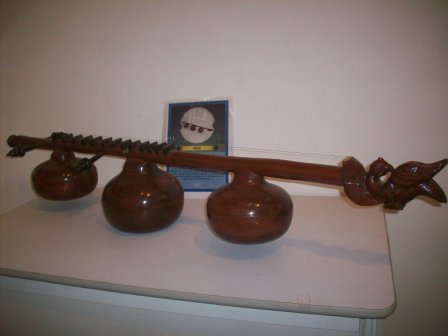
Kinnari instrument

அர்ஜுனன், மாதலி ஓட்டி வந்த –ஸ்பேஸ் ஷட்டிலில்—விண்வெளிக் கப்பலில் — சென்று ஐந்து ஆண்டுக் காலத்துக்கு வேறு கிரகத்தில் வசித்தான். அப்போது சித்ர சேனன் என்னும் ஒரு கந்தர்வன் அவனுக்கு இசையையும் நடனத்தையும் பயிற்றுவித்தான். தேவலோக ஊர்வசி அர்ஜுனனைக் காதலித்து அங்கேயே இருக்கும்படி கெஞ்சினாள். அர்ஜுனன் மறுக்கவே ‘’நீ அலியாகப் போ’’ என்று சபித்தாள். சித்ர சேனன் இடைமறித்து சமாதான உடன்படிக்கை செய்தான். அதன்படி குறிப்பிட்ட காலம் மட்டுமே அவன் அலியாக முடிவு செய்யப்பட்டது .பிற்காலத்தில் அஞ்ஞாதவாச காலத்தில் அவன் அலியாகி– உத்தராவுக்கு நடனம் கற்பித்து கரந்துறை வாழ்வு நடத்த இது பயன்பட்டது.

இந்தக் கதையிலும் ராமாயணக் கதையிலும் பஞ்சாப், சிந்து மாகாணம் மட்டுமே கந்தர்வர்களுடன் தொடர்புபடுத்தப் படுகிறது. இப்போது ஒரு சந்தேகம் எழும். தேவ லோக கந்தர்வர்களுக்கும் பூலோக கந்தர்வர்க ளுக்கும் என்ன தொடர்பு? இதற்கு விடை என்னவென்றால் கந்தர்வர் என்னும் சொல்லும் கின்னரர் என்ற சொல்லும் பூவுலகில் வேறு பொருள் உடைத்து. இந்தியாவில் உள்ள எல்லா ஜாதிகளும், தாங்கள் கடவுள் அல்லது தேவர்களிடம் தோன்றியதாகக் கூறும். அதாவது தேவலோகம் வேறு, அவர்களுடன் தங்களை அடையாளம் காண விழையும் பூலோக வாசிகள் வேறு. இதனைப் புரிந்து கொண்டு இரு மட்டங்களில் – இரு வேறு தளங்களில் இந்தச் சொற்கள் பயன்படுத்தப்படுகின்றன என்பதைத் தெளிதல் வேண்டும்.

kinnara_1
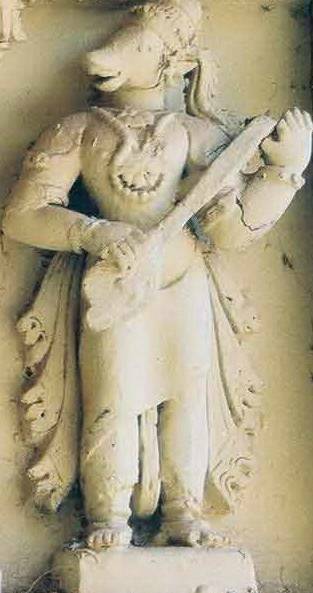
Tumburu from Hindu Mythology

ராமாயணத்தில் பரதன் படையெடுத்து வென்ற இடம் சிந்து சமவெளி நகரங்கள் ஆகும்— இதை வருணிக்கும் வால்மீகி முனிவர் ‘’நன்கு கட்டப்பட்ட கட்டிடங்களும் நகரங்களும்’’ அங்கே இருப்பதாக வருணிக்கிறார். லாகூர் என்னும் பாகிஸ்தானிய நகரமும் லவன் – இராமனின் மகனால்- உருவாக்கப்பட்டது. ஆக கந்தர்வர் பற்றிப் பேசும் வடமொழி இலக்கியங்கள் மூன்று விஷயங்களைத் தெளிவு படுத்துகின்றன:–

1.பஞ்சாப், சிந்து மாகாணங்களில் கந்தர்வர் –கின்னரர் என்னும் ஒரு இனம் வசித்தது. (அங்குதான் மொஹஞ்சதாரோ, ஹரப்பா ஆகிய நகரங்கள் உள்ளன).

2.அவர்கள் கட்டிடக்கலை மன்னர்கள். இசை நாட்டியத்துறை நிபுணர்கள். சிந்துவெளியில் கிடைத்த நடன மாதுவின் வெண்கலச் சிலை இதற்குச் சான்று. அங்குள்ள செங்கல் வீடுகளும் மிகப்பெரிய குளமும், குதிர்களும் இதற்குச் சான்று.

3.அவர்கள் குறிப்பிட்ட போர்க்கலையில் வல்லவர்கள். பரதன், துரியோதனன், அர்ஜுனன் ஆகியோரை அவர்கள் தாக்கியதே இதற்குச் சான்று. கர்ணனையும் உயிருக்குப் பயந்து ஓட வைத்தவர்கள்!!

Cantharus_Stathatou_Louvre_CA1987

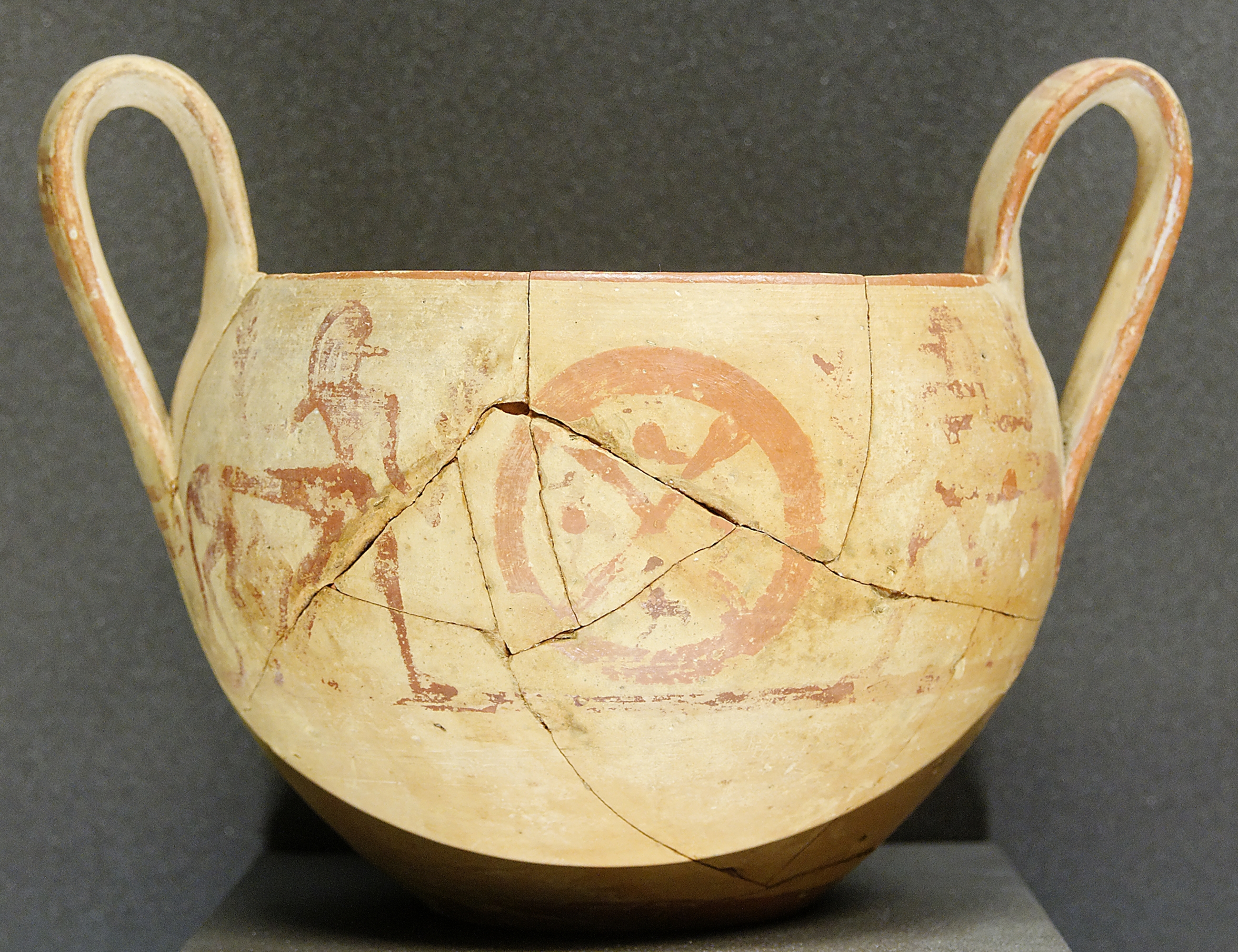
Mycenaean Cantharus (Gandharva) from Louvre Museum, France

வேத காலச் சான்றுகள்:–
ஊர்வசி என்னும் பெண், ரிக் வேத காலத்திலேயே பிரபலமானவள். தேவலோகப் பெண்கள், கந்தர்வர்களின் மனைவியராவர். இது தவிர, போதாயன ஸ்ரௌத சூத்திரத்தில் (20-25) பஞ்சாப் மாநிலத்தைச் சேர்ந்த காந்தர்வாய பாலேய அக்னிவேஷ்ய என்னும் பெயர் இருக்கிறது. ஆக கந்தர்வர், அப்சரஸ் ஆகியோர் ரிக்வேத காலத்தில் இருந்ததும், அவர்கள் பஞ்சாப் சிந்து பிரதேசத்தில் வசித்ததும், அவர்கள் வடமொழிப் பெயர்கள் வைத்திருந்ததையும் வேத கால இலக்கியங்கள் உறுதி செய்கின்றன.

ashmoloean
Box with Kinnara figures in Asmolean Museum, Oxford, UK

இசை மன்னர்கள்
கின்னரர் என்ற பக்க வாத்தியக்காரர்களின் பெயரில் பல்வேறு வகை இசைக் கருவிகள் துருக்கி வரை இருக்கின்றன. கின்னரர் தலைவன் தும்புரு என்பவர், நாரதருக்கே இசை கற்பித்தவர். அவருடைய பெயரில் தம்பூரா, டாம்போரின் முதலிய கருவிகளும் பல நாடுகளில் காணப்படும். ஆக இசை ஆய்வுக்கும் ‘’கின்னரர் ஆய்வு’’ உதவும். தும்புரு போலவே குதிரை முகமும் மனித உடலும் கொண்ட ‘சிரோன்’ என்ற கிரேக்க தேவனும் குறிப்பிடத்தக்கவர். கிரேக்க நாகரீகத்துக்கு முன்னர் அங்கே நிலவிய மைசீனிய நாகரீகத்தில் ‘காந்தரோஸ்’ (கந்தர்வோஸ்??) என்பவர் இப்படிக் குதிரை உடலுடன் காட்டப்பட்டுள்ளார். இந்து மதக் கதைகள் இப்படி வெளிநாடுகளை அடையும்போது உருச் சிதைவதும், காலப்போக்கில் பழைய உண்மைக் கதைகள் மறைந்து புதுக்கதைகள் எட்டுக்கட்டபடுவதும் ஆய்வளர்களுக்கு புதுமை அன்று.

என்ன காரணத்தினாலோ கின்னரர்கள குதிரை உடல் அல்லது பறவை உடலுடன் சித்தரிக்கப் பட்டுள்ளனர். முகம் மட்டும் மனித முகம்!! இந்திய கின்னரர்- கந்தர்வர் உருவங்கள் தென்கிழக்காசியா முழுதும் பரவிக் கிடக்கின்றன. தாய்லாந்து நாட்டில் இது மிகவும் அதிகம். உலகிலேயே மிகப் பெரிய முஸ்லீம் நாடான இந்தோநேசியாவின் போரோபுதூர், கம்போடியாவின் அங்கோர்வட், ப்ராம்பனான், தாய்லாந்தின் பாங்காக் ஆகிய இடங்களில் இந்தியாவை விட அழகிய கந்தர்வர்- கின்னரர் உருவங்கள் இந்தியப் பண்பாட்டைப் பறை சாற்றி நிற்கின்றன.

kinnara in thailand musuem
Kinnara from Thailand Museum

தேவலோக கந்தர்வர் என்போரும் உண்மையே. ரமண மகரிஷிக்கு முந்திய, திருவண்ணாமலை ஸ்ரீ சேஷாத்ரி சுவாமிகள் பல அற்புதங்களைச் செய்து காட்டியவர். அவர் ஒரு இசைப் பிரியர். திடீரென வானத்தை உற்று நோக்கி இசைய ரசித்து மகிழ்வார். பக்தர்கள் கேட்டபோது வானுலக கந்தர்வர் பாடிக்கொண்டே போனதாகவும் அவர்கள் இசையைக் கேட்டு அதில் லயித்ததாகவும் கூறுவார். ஆக விண்ணுலக கந்தர்வர் என்றுமுளர். மண்ணுலக சிந்து சமவெளி கந்தர்வர் மண்ணில் கலந்துவிட்டனர் என்று கொள்வதில் தவறில்லை.

உலகம் முழுதும்— மைசீனிய நாகரீகம் வரை — கிடைக்கும் எல்லாத் தகவல்களையும், கின்னர, தும்புரு இசைகருவிகள் முதலியவற்றையும் இராமாயண, மஹாபாரத, சிந்து சமவெளி தகல்களுடன் ஒப்பிட்டால் மேலும் பல உண்மைகள் வெளியாகும். நான் முன்னர் எழுதியதுபோலவே சிந்து சமவெளி என்பது பல இன மக்கள்—பல வகை வழிபாட்டுடையோர்- ஒருங்கே வசித்த பூமி என்பதையும் நினைவிற் கொண்டால் பல புதிர்கள் விடுபட்டுப்போகும்!

Prambanan-Kinnara-bas-relief
Kinnaras from Prambanan, Cambodia

-சுபம்-

Gandharvas-Elephants

contact swami_48@yahoo.com

Haha and Huhu: Famous Musicians!

kinnara in thailand musuem
Kinnara in Thailand Museum

Research paper written by London Swaminathan
Research article No.1374; Dated 27th October 2014.

“Gandharvanam (aham) Chitra ratha:”
—Lord Krishna in Bhagavad Gita 10-26

Gandharvas and Kinnaras are celestial musicians in Hindu mythology.

Very interesting information about celestial musicians is available in Hindu literature. Not much research has been done about these semi divine beings. One must be very careful about this word ‘Gandharva’. It is used at two levels to convey two different messages. One is about the mythical semi divine beings in the heaven. Very often saints mentioned that they listened to such music. Sri Seshadri Swamikal of Tiruvannamalai was one who referred to their music (Please read my post about the miracles of Seshadri Swamikal, who was senior to Ramana Maharishi).

two_thai_bronze_kinnara_
Thai bronze Kinnaras

The second meaning is at terrestrial level about some race or community who occupied Indus valley. Several castes in India trace their origin to Devas or mythical beings or Hindu deities. We need more research in this area for two reasons:

1.Gandharvas are associated with the Indus Valley area.
2.Muscial instruments around the world have their names.

Amarakosa, the first dictionary cum thesaurus in the world, written by Amarasimha in Sanskrit, gives lot of interesting information about Hindu deities. In the sloka on celestial musicians known as Gandharvas, it gives the names of Haha and Huhu. We don’t know about these Gandharvas. But in the Bhagavad Gita Krishna mentions Chitraratha whom we know.

Chitraratha tried to stop Pandavas on their way to Punjab, but Arjuna defeated him and later released him at the request of his wife Kumbhinasi. Chitraratha thanked him by teaching him the art of Gandharva style of warfare and gave him divine horses. This is in the Adiparva of Mahabharata. Another chief of Gandharvas, Chitrasena taught Arjuna music in the heaven where he stayed for sometime before the great war. Later it helped him to become a music teacher during the 13th year of his stay (incognito) in the forest. This is in the third section of the epic. The same section adds one more bit of information about the fight between the armies of Kauravas and the Gandharvas. Duryodhana was captured alive and Karna ran for his life. Arjuna came and released Duryodhana through his good offices with his old friend Chitraratha.

ashmoloean
Box with Kinnara, Ashmoloean Museum, Oxford, UK

Gandharvas in the Ramayana
Following is from my previous post: Ramayana Wonders Part 5 posted by me in this blog on 18 December 2012

Indus Valley Cities in Ramayana
The “destruction of Indus Valley cities” was debated by scholars at one time. The latest theory is that the civilisation declined not because of attacks by foreigners but by natural catastrophes. The changing course of Saraswati River and the resultant drought may be one of the causes. Ramayana gives valuable information about Indus valley. It was ruled by the Gandharvas and Rama sent Bharata to conquer the cities. The description of the Indus cities by Valmiki matches very well with Harappa and Mohanjo Daro. Gargya says these words:

“There is a country of Gandharvas, rich in fruits and roots, situated on the banks of Sindhu River; that the country is extremely fertile. The Gandharvas, armed and skilful warriors , defend it. When you have conquered them and destroyed their magnificent CITADELS, take possession of their CITIES, which are WELL CONSTRUCTED , none other can achieve this; the country is extremely beautiful.(Uttara Kanda, chapter 100)
Rajavalia, Sri Lankan history book, puts Rama’s date as 1844 years before the Buddha. This means Rama lived in2500 BC which coincides with the Indus Valley Civilization. Since information given by Rajavalia and Valmiki coincides we may consider it authentic. Later Lahore ( in Pakistan) is called Lava puri, named after Lava, son of Rama.

The information about the Gandharvas in the two epics shows that they were a powerful force in the western part of India. It is history, not mythology.
kinnari
Kinnari

Musical Instruments

One of the famous Gandharva singers was Tumburu. Narada, the Inter- galactic traveller of Hindu mythology, learnt music from Tumburu. Several musical instruments in Asia are named after Tumburu. Kinnaras also gave the name to several musical instruments around the world:

Eg.Tambura, Tamborine, Tambora, Kinnari; we can trace more musical instruments to Kinnari and Gandharva.

Gandharva and Kinnaras are depicted in pictures and sculptures throughout South East Asian countries. In fact, we find more figures in Thailand, Cambodia and Indonesia than India.

Gandharva myth travelled to other parts of the world and the name and story got corrupted slowly. Greeks called them Gantharus (Mycenaean civilization) and it became Centaurs in the classical Greek civilization. Like Tumburu of Hindu mythology, Chiron is portrayed as half horse and half human with a lyre in his hand.
Apsara women, the consorts of Gandharvas, are celestial dancers. The art of music and dance are categorised as Gandharva Veda in India.

chiron
Greek Chiron with Horse body

Vedic Gandharvas
Urvasi is known from the Vedic days. There is another Gandharvayena Baleya Agniveshya in the Baudhayana Srauta Sutra (20-25). Interesting coincidence is he also belonged to Punjab (Pancala). So the Gandharava rule of Indus area is attested even by the Vedic literature.

Mythological Gandharvas
Gandharvas are singers and Kinnaras are accompanying artistes. They are called Gatus and Pulakas. They were the offspring of Kashyapa and his wife Arishta. Another version is that they came from Brahma
Kinnaras play on instruments. The cities of Gandharvas are often referred to as being “very splendid”. This is the reason I believe that Mohenjo-Daro and Harappa are Gandharva cities. We have even recovered the dancing girl bronze from the place. Vishnu Purana described a fight between the Nagas of Narmada River basin and the Gandharvas. In this battle Gandharvas were defeated. Kinnaras were portrayed as half horse and half human or half bird and half human. They are sculpted in all the temples of India and South East Asia. History is mixed with myths and a scholar can filter the facts from the myths easily. One has to gather all the available materials from the Mycenaean Cantharus and Greek Chiron to Vedic literature for the research.

kashmir Kinnara_600x450
Kinnara from Avantipur, Kashmir

contact swami_48@yahoo.com

Gandharvas-Elephants

Gandharvas from Mamallapuram
celestials

தினமணியும் முரசொலியும்!

MURASOLI

கட்டுரையை எழுதியவர் :– லண்டன் சுவாமிநாதன்
கட்டுரை எண்- 1373; தேதி அக்டோபர் 27, 2014.

தினமணியில் ‘லவ் லெட்டர் நோட் புத்தகம்’ — என்ற முதல் பகுதியைப் படித்துவிட்டு இதைப் படிக்கவும்.

இந்தப் பகுதி தினமணி ஆசிரியர் ( காலஞ்சென்ற ) ஏ.என்.சிவராமன் (A.N.S) அவர்களுடன், சப் எடிட்டர் என்ற முறையிலும், குடும்ப உறுப்பினர் என்ற முறையிலும் உள்ள தொடர்பு பற்றியது. நான் 1971 முதல் 1986 வரை மதுரை தினமணியில் சீனியர் சப் எடிட்டராக இருந்துவிட்டு 1987-ஆம் ஆண்டில் லண்டன் வந்து விட்டேன். பி.பி.சி. தமிழோசை ஒலிபரப்பா ளராகத் தேர்ந்தெடுக்கப்பட்டேன். ஆகவே இங்கே குறிப்பிடப்படும் சம்பவங்கள் அனைத்தும் 1987-க்கு முந்தையவை.

மதுரையில் நான் வேலை பார்த்த தினமணி அலுவலகத்தில்,
“டேய், முரசொலி என்னடா சொல்றான்: ‘ஏய் சிவராமா?-வா’ அல்லது ‘சிவராம அய்யரா?” என்று சொல்லி, சிரித்துக்கொண்டே எங்களை நோக்கி ஏ.என்.எஸ் வருவார்.

நாங்கள் தினமணிப் பத்திரிக்கையில் வேலை பார்க்கும்போது எங்களுக்கு முரசொலி, விடுதலை, தினத் தந்தி, தினமலர், மாலைமுரசு முதலிய பத்திரிகைகள், “எக்ஸேஞ்சு காப்பி” வரும் – அதவது நாங்கள் எங்கள் பத்திரிக்கையை அனுப்பினால் அவர்கள் தங்களுடைய பத்திரிக்கை ஒன்றை அனுப்புவர். அவைகளைப் படித்து, ரசித்து, சுவைத்து, சிரித்து, அசைபோட்டு மகிழ்வோம். அதை ஏ.என். எஸ். புரிந்துகொண்ட அளவுக்கு நாங்கள் புரிந்து கொள்ளவில்லை. அவர், “டேய், முரசொலி என்னடா சொல்றான்: ஏய் சிவராமா?-வா அல்லது சிவராம அய்யரா?” என்பார். இதன் பொருள் என்ன?

தி.மு.க.கொள்கைக்கோ அல்லது ஆட்சிக்கோ பிடிக்காத, ஒவ்வாத செய்தியை தினமணி வெளியிட்டிருந்தால் அடுத்த ஓரிரு தினங்களுக்குள் தி.மு.க.வின் கட்சிப் பத்திரிக்கையான முரசொலியில் “ஏய் சிவராமா” என்று ஏக வசனத்தில் துவங்கி திட்டித் தீர்ப்பார்கள். ஆரம்ப காலத்தில் பார்ப்பனர் முதலிய ஜாதி விஷயங்களையும் இழுத்து வம்பு செய்வார்கள். பின்னர் அது குறைந்துவிட்டது.

தி.மு.க. அரசின் சில கொள்கைகளைப் பாராட்டி தினமணி எழுதிவிட்டால், மறு நாளைக்கே முரசொலி பத்திரிக்கையில் “சிவராம அய்யர் அவர்கள் கூட” — என்று பஹுவசனத்தில் தலையங்கம் எழுதுவர். ஓரிரவில் ஏக வசனம் பஹுவசனமாக மாறிவிடும். இதை நாங்கள் ரசிப்பது போலவே அவரும் மறு நாள் ரசிப்பார். இதைத்தான் “டேய், முரசொலி என்னடா சொல்றான்: ஏய் சிவராமா?-வா அல்லது சிவராம அய்யரா?” என்று கேட்பார். அதாவது மாற்றுப் பத்திரிக்கை கருத்துக்களையும்—குறிப்பாக அப்போது ஆட்சியில் இருக்கும் கட்சியின் கருத்துகளையும் — கவனிக்க வேண்டும் என்பதே இதன் சாரம்.

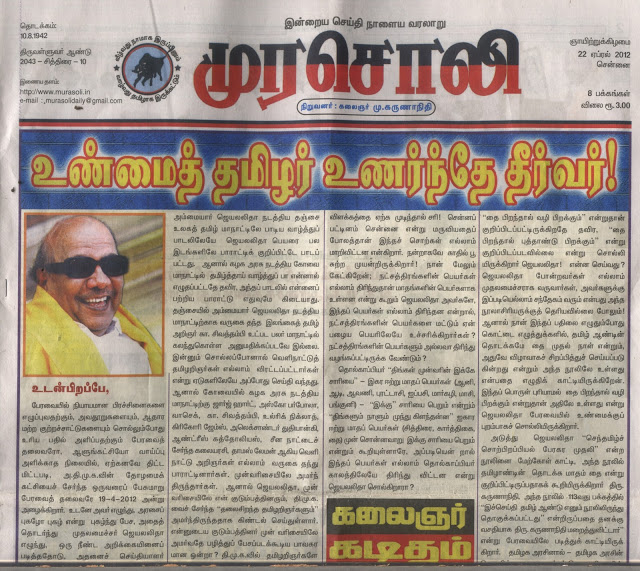
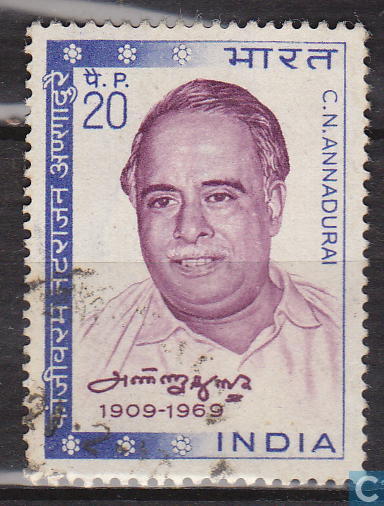
annadurai

அண்ணாதுரை டெலிபோன் ரகசியம்
1965 ஆம் ஆண்டில் ஜனவரி இந்தி எதிர்ப்புக் கிளர்ச்சி நடந்தது. அதைத் தொடர்ந்து 4, 5 மாதங்களுக்கு தமிழ்நாடு வன்முறைக்களமாக மாறியது. நாங்கள் எல்லோரும் அப்போது பள்ளி மாணவர்கள். “போலீஸ் மந்திரி கக்கா, மாணவர் என்ன கொக்கா? பக்தவத்சலக் குரங்கே மரத்தை விட்டு இறங்கு, தாய்த் தமிழ் இருக்க ———– யாள் இந்தி எதற்கு?” என்றெல்லாம் அர்த்தமே இல்லாமல் ரோட்டில் கோஷமிட்டுக்கொண்டு ஊர்வலம் செல்வோம். முடிந்தால் கற்களையும் வீசி எங்கள் வீர, தீர, சூரத் (அசுர) தனத்தைக் காட்டுவோம் ( அப்போது காங்கிரஸ் ஆட்சி இருந்தது. பக்தவத்சலம் என்பவர் முதலமைச்சர், கக்கன் என்பவர் போலீஸ்/ உட்துறை அமைச்சர்)

தமிழ்நாட்டில் தீவைப்பு, மாணவர்கள் தீக்குளித்தல் முதலியன கட்டுக் கடங்காமல் போயின. அப்போதைய தி.மு.க.தலைவரும் பிற்கால முதலமைச்சருமான சி.என்.அண்ணாதுரை, தினமணி ஆசிரியர் ஏ.என்.சிவராமனுக்கு போன் செய்து, இந்த வன்முறையை எப்படியாவது நிறுத்துங்களேன். பத்திரிகையில் கொஞ்சம் பெரிதாக எழுதினால் மக்கள் செவிசாய்ப்பரே என்று சொன்னார். அதற்கு “வன்முறையைத் தூண்ட மட்டுமே எல்லோராலும் முடியும், அதை நிறுத்த யாராலும் முடியாது. காட்டுத் தீ எப்படி முழுவதையும் எரித்துவிட்டு தானாகத் தணிகிறதோ அது போலத் தணியும்—என்று ஏ.என்.எஸ். பதில் சொன்னார். இது ஒரு ரகசிய (கான்பிடென்சியல்) விஷயம். இதை ஏ.என். எஸ்ஸே எங்கள் மேஜைக்கு அருகே வந்து பெருமையாகச் சொல்லிக் கொள்வார்.

திருநெல்வேலிக்காரன் என்பதற்கு என்ன அடையாளம் என்பதை ஒரு கெட்ட வார்த்தை சொல்லிக் காட்டி இப்படித் திட்டினால்தான் நெல்லைக்காரன் என்பார். அந்த கெட்ட சொல்— எழுத்தில் வடிக்கக் கூடாத சொல் என்பதால் இத்தோடு விடுகிறேன்.

அவர் நீண்ட கட்டுரைகள் எழுதும் போது எல்லாம் மதுரைக்கு வந்து விடுவார். பெரும்பாலும் எங்கள் வீட்டில்தான் தங்குவார். ஏனெனில் சுதந்திரப் போராட்ட காலத்தில் என் தந்தை வேங்கடராமன் சந்தானம், ஏ.என்.எஸ் எல்லோரும் ஒரு சேரப் போராடி சிறை சென்ற தியாகிகள். சென்னையில் திருவல்லிக்கேணியில் அவரது வீட்டில் ஒரு நாள் சமையல்—- எங்கள் வீட்டில் ஒரு நாள் சமையம் —- என்று முறைவைத்து சமைத்துச் சாப்பிடுவார்களாம். அப்போது நான் பிறக்கக்கூட இல்லை. எல்லாம் என் அம்மா சொல்லித்தான் தெரியும். எனது தந்தை தன்னைப் பற்றி ஒன்றுமே சொன்னதில்லை. இன்று நினைத்தாலும் ஆச்சர்யமாக இருக்கிறது. நான் அதற்கு நேர் மாறாக எவ்வளவு சுய புராணம் எழுதுகிறேன் என்று!!
dinamani

சென்னை தெருக்களில்
“வீர சுதந்திரம் வேண்டி நின்றார் பின்னர்
வேறு ஒன்று கொள்வாரோ? – என்றும்
ஆரமுது உண்ணுதற்கு ஆசை கொண்டார், கள்ளில்
அறிவைச் செலுத்துவாரோ?”

என்ற பாரதி பாட்டைப் பாடிக்கொண்டு ஊர்வலம் போவார்களாம்.
“மணிக்கொடிக் காலம்” — என்ற பி.எஸ்.ராமையா புத்தகத்தில் எனது தந்தை வெ.சந்தானம் பற்றி இரண்டு பக்கங்கள் எழுதி இருக்கிறார்.

அப்பலோ-13 விண்ணீல் சென்று சிக்கலில் மாட்டியது பற்றியும், குன்னர் மிர்தலின் ஏசியன் ட்ராமா புத்தக அடிப்படையில் ரஷ்யா முதலிய கம்யூனிஸ்ட் நாடுகளின் மற்றும் இந்தியப் பொருளாதாரம் பற்றியும், பெட்ரோல் விலை ஏறியபோது பெட்ரோலியம் பற்றியும் கட்டுரைகள் எழுதினார் ஏ.என்.எஸ். அப்போது எல்லாம் எங்கள் வீட்டுக் கூடத்தில்— (பிராமணர் வீடுகளில் ஹால் என்பதை இப்படி கூடம் என்றும் குறுகிய பகுதியை ரேழி என்றும், பின்பகுதியை முற்றம் என்றும் சொல்லுவர்) — உட்கார்ந்து கொள்ளுவார். அவரைச் சுற்றி மலை போல புத்தகங்கள் – நாலா புறங்களிலும் – குவிந்திருக்கும்.

எனது தம்பி ச. சூரியநாராயணன் அப்போது கெமிஸ்ட்ரி பேராசிரியர் (பின்னர் சரஸ்வதி நாராயணன் கல்லூரி பிரின்ஸிபால்). இன்னொரு தம்பி பிசிக்ஸ் பட்டப்படிப்பு படித்துக் கொண்டிருந்தான். ஆகையால் ஏதேனும் ரெபரன்ஸ் வேண்டுமானால் அவர்களைப் பார்க்கச் சொல்வார். பெட்ரோலியம் நெருக்கடி பற்றி கட்டுரை எழுதுகையில் விஞ்ஞான விஷயங்கள் எல்லாவற்றையும் என் தம்பிகளிடம் சொல்லி சரி பார்த்துக் கொள்வார். ஏனெனில் அவர், என் தந்தை எல்லாம், சுதந்திரப் போராட்டத்துக்காக பாதியில் படிப்பை நிறுத்தியவர்கள் — எத்தனை வயதிலும் புதிய விஷயங்களைக் கற்கலாம்—அது முடியும் – என்பதற்கு ஏ.என்.எஸ். ஒரு உதாரணம். மணிக் கணக்கில் உட்கார்ந்து எழுதுவார் படிப்பார்—ஆனால் அவர் எழுதியதைப் படிப்பது மிகக் கடினம். அவ்வளவு கிறுக்கலாக இருக்கும். மதுரையில் தினமணியில் வேலைபார்த்த சதாசிவம் என்ற மோனோ ஆப்பரேட்டர் (Mono Machine Operator) மட்டுமே அவர் எழுத்தைப் படிக்கமுடியும்.

எங்கள் வீட்டில் சாப்பிடும் போது என் அம்மா இன்னும் வேண்டுமா? இன்னும் வேண்டுமா? என்று உபசரிப்பார். இதோ பார், இப்படிக்கேட்டால் நான் கூச்சத்தினால் கொஞ்சம்தான் கேட்பேன். கூட்டு, காய்கறிகளை இப்படி வைத்துவிடு. நானே போட்டுக் கொள்கிறேன் என்பார். அதன்படியே செய்வோம்.

vedapatasala

பத்திரிக்கைகளில் சாமி, பூதம் என்று போடுவதெல்லாம் அவருக்கு அதிகம் பிடிக்காது. ஆனால் என் தந்தை இதற்கு நேர் மாற்று. முதல் பக்க தினமணியில் சாமி, சாமியார் செய்திகளைப் போடுவார். அதை ஏ.என்.எஸ். கிண்டல் செய்வார்.

டேய் சந்தானம் நெல்லை ஜில்லாவில் — (அவரது சொந்த ஊர் ஆம்பூர், நெல்லை மாவட்டம்) — ஒரு கோவிலுக்குப் போனேன். நீங்கள் யார் என்று கோவில் பட்டர் கேட்டார். தினமணி பத்திரிக்கை எடிட்டர் ஏ.என்.சிவராமன் என்றேன். சந்தானம் அல்லவா எடிட்டர், நீங்கள் இல்லையே- என்று சொன்னார் என்பார். என் தந்தை அதைக் கேட்டு ஒரு புன்சிரிப்பு மட்டுமே செய்வார். அந்த அளவுக்கு தென் மாவட்டங்களில் என் தந்தை சமயச் சொற்பொழிவுகள் நடத்தியும் அந்தச் செய்திகளை வெளியிட்டும் பிரபலமானவர்.

திடீரென்று ஏ.என்.சிவராமனுக்கு வேதங்கள் பற்றி ஆராய்ச்சி செய்ய வேண்டும் என்று தோன்றிவிட்டது. அப்போது எங்கள் வீட்டில் தங்கியிருந்தார். எனது பெரிய அண்ணன் சீனிவாசனும், கடைசி தம்பி மீனாட்சிசுந்தரமும் அவருடன் மதுரை, குன்றக்குடி, பிள்ளையார்பட்டி வேத பாடசாலைகளுக்குச் சென்று எல்லா வேதங்களையும் டேப் ரிகார்டரில் பதிவுசெய்தனர். அற்புதமான ‘’கலெக்சன்’’ அது. பழைய கால கிரண்டிக் டேப்ரிகார்டரில் (ஸ்பூல் டைப்) செய்துவிட்டதால் பின்னர் பயன்படுத்த முடியவில்லை. டேப்புகள் மட்டும் என் தம்பியிடம் உள்ளன. வாக்ய பாடம், க்ரம பாடம் கன பாடம், ஜடா பாடம் என்று பலவகையில் ரிகார்ட் செய்தனர். இது பல மாதங்களுக்கு நடந்தது. இந்த ஆர்வத்தில் கண பாராயணம், ஜடா பாராயணம் என்றால் என்ன என்று தினமணியில் எழுதத் துவங்கினார். சில கடுமையான எதிர்ப்புக் கடிதங்கள் வந்தன. உடனே நிறுத்திவிட்டார். பத்திரிக்கை என்பது மதத்திற்கு அப்பாற்பட்டது என்பது அவர் கருத்து.

தொடரும்… …….. …………

இதே வரிசையில் நான் எழுதிய முந்தைய கட்டுரைகளையும் காண்க:

1.என் அப்பாவிடம் கற்றது (posted on 8-9-14)
2.என் அம்மாவிடம் கற்றது (4–10–2014)
3.கோயங்கா சாம்ராஜ்ய ரகசியங்கள் (posted on 9-9-14)
4.தினமணியில் ‘லவ் லெட்டர் நோட் புத்தகம்’ (20—10—2014)

17 Names of Kubera in Amarakosa

Kubera.
Kubera on Naravahana in Tala, Chattisgarh

Research paper written by London Swaminathan
Research article No.1372; Dated 26th October 2014.

Amarakosa is the world’s first dictionary cum thesaurus. It was written by Amarasimhan in Sanskrit. As usual the date of the work is uncertain. But in its current from it must have existed before seventh century. Tradition says that Amarasimha was part of Emperor Vikramaditya’s court. So it may be dated to first century BCE. Date is immaterial for such a scholarly work.

All Sanskrit students are supposed to memorize it. All the little children are asked to repeat every line of it in the class room for ten to 15 minutes every day. Sanskrit lesson starts with grammar and dictionary in the elementary school which is a world wonder!! Its other name is Namalinganusasanam. Amarakosa has

29 names for Brahma
46 names for Vishnu
52 names for Siva
21 names for Devi/Amba
8 names for Ganapathy
17 names for Skanda
35 names for Indra
34 names for Agni
14 names for Yama
15 names for Rakshasa/demons
5 names for Varuna
20 names for Vayu
17 names for Kubera
37 names for the Sun
17 names for Balarama
19 names for Manmatha
14 names for Lakshmi
18 names for Jina (Jain)
7 names for the Buddha

adilabad dt three legs
Kubera with three legs and eight teeth, Adilabad Dt.

Though the author was a Buddhist he gave Hindu gods more importancethan any other God by giving over 400 names of Hindu Gods. This is the first dictionary of synonyms. Over 2000 lines are there in Sanskrit. Several commentaries are written on it. Those who study the commentaries would become a master of Sanskrit language and Hindu religion.

I have already given the names of Indra and Agni. Let us look at the names of Kubera.

Kubera – one who has a vile body (ugly)
Trayambakasaka — Friend of Shiva, one who has three eyes
Yaksharat – king of Yakshas
Guhyakeswara – – one who keeps himself secret in the underground caves
Manushyadharma — one who follows morals of human beings
Danada: — one who gives wealth
Rajaraja:– king of kings
Danadipa: — lord of wealth
Kinnareswara: — lord of Kinnaras
Vaisravana – descendent of Visravas
Paulastya – belongs to Pulastya gotra
Naravahana: — carried by humans
Yaksha: — worshipful
Ekapinga: — looked at by the corner of Devi/goddess
Jadavida: — who came through Ida and Pingala or mother’s name Idavila
Sridha: — one who has Sri=Lakshmi
Punyadineswara: Lord of Punyajanas

kubera5buddhist
Biddhist Kubera

Garden of Kubera – Chaitra ratha

Children of Kubera: Nala kubara (Mayu raja) and Manigreeva (Varna kavi)
Daughter’s name: Minakshi
Wife’s Name: Charvi or Kaveri, daughter of Danava Mura.
Capital : Alagapuri in Kailash in the Himalayas
Plane owned by him – Pushpaka
Attendents – Kinnara, Kimpurusha, Thurangavathana: and Mayu:
Treasures held by him : Nidhi:, Sevadhi:, Bedha, Padmanidhi, Sanganidhi

Navanidhi of Kubera:Nine Kinds of Treasures
Mahapadma, Padma, Sankha, Makara:, Kachchapa:, Mukunda:, Kunda/Nanda, Neela, Kharba

Rattle_in_the_shape_of_Kubera,_India,_West_Bengal,_Chandraketugarh,_c._200_BCE,_terracotta,_HAA
2200 year old Kubera in West Bengal

Story of Kubera
Kubera was the half brother of Ravana, the Rakshasa king of Sri Lanka. Ravana drove him out and confiscated his Pushpaka airplane. Then Kubera migrated to Tibet in the Himalayas. Even Buddhists scriptures like Mahavamsa confirmed the presence of Yakshas in Sri Lanka. They were there even before Vijaya landed in Sri Lanka. And Vijaya’s first wife Kuvenna belonged to Yaksha race. This shows that there is historical information in Hindu mythology.

Mahabharata says that Kuvera (Kubera) was the son of Pulastya, but the sage being offended with with Kuvera for his adulation of Brahma reproduced the half of himself in the form of Visravas and had Ravana and other children.

He is the guardian deity of North. Hindus worship him when they install Yaga Kunda (Fire Pit). He is compared with Pluto, the God of Underworld in classical mythology.

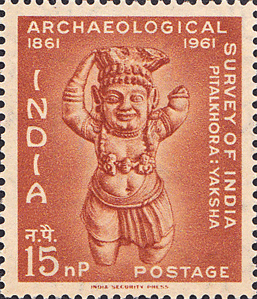
stamp-of-yaksha
Yaksha Stamp of India

He is very short and with a big belly. He is decorated with lot of ornaments. He is also known as Mayuraja (King of Kinnaras), Ratna garba( Belly of jewels),Nara raja (King of men), Ichchavasu (who has wealth at will) and Isasakhi (Friend of Siva). In the Vedas (Atharva Veda and Satapata Brahmana) he is shown as chief of the evil beings or spirits. He is shown with a mongoose. He carries a money bag and a pomegranate. He is worshiped by the Jains and Buddhists as well. Hindus always identify him with wealth. He is proverbial for anyone with wealth.

Hindus worship Kubera with magic square of numbers (Yantras) and mantras.

Japanese also worship Kubera as Bishomonten. Japanese god of rice Daikoku also looks like Kubera. Kubera figures are found in Thailand and other countries.
nepal
Kubera in Nepal

contact swami_48@yahoo.com