CAN BRAHMINS EAT MEAT? 4 INTERESTING ANECDOTES FROM MANU SMRTI! (Post No.7485)

WRITTEN BY LONDON SWAMINATHAN

Post No.7485

Date uploaded in London – 23 January 2020

Contact – swami_48@yahoo.com

Pictures are taken from various sources for spreading knowledge; this is a non- commercial blog.

LET US CONTINUE FROM SLOKA 75 IN THE TENTH CHAPTER AND FINISH THE CHAPTER TODAY.

Four interesting anecdotes about Agigarta/Sunashepa, Vamadeva gautama, Bhardwwaja, and Viswamitra are referred to in this chapter.(The stories are in Aitareya Brahmna, Rig Veda, Sankhyayan Srauta Sutra, Mahabharata)

In Tamil there is a proverb that “Ten will fly away when hunger comes”. The meaning is that one loses ten virtues when one suffers from hunger. Those ten virtues or qualities are – honour, family’s good name, learning/education,generosity, intelligence, giving gifts, penance, taking new ventures, sexual feelings and perseverance. tamilandvedas.com, swamiindology.blogspot.com

First Manu define the six jobs assigned to Brahmins. And then the work allocated to kings, business community and the farming community

In the time of famine, drought or distress etc the rules are relaxed. When a man is left to starve to death he can even kill animals and eat meat.

Since farming, ploughing may kill animals brahmins must avoid this at any cost is the dictum of Manu

First, let me give the interesting things in bullet points:–

10-75 SIX ACTIVITIES/jobs FOR BRAHMINS

10-84 FARMING HARMS ANIMALS; BRAHMINS MUST NOT DO IT (ahimsa is emphasized)

10-81 TO 85- DURING DIFFICULT DAYS, WHAT BRAHMINS CAN DO

10-85 TO 93- BRAHMINS SHOULD NOT SELL THESE PRODUCTS

10-94 BARTER TRADE CAN BE DONE tamilandvedas.com, swamiindology.blogspot.com

10-96 BANISH GREEDY PEOPLE; CONFISCATE THEIR PROPERTY

10-97 BAHAGAVAD GITA ECHO- 3-35

श्रेयान्स्वधर्मो विगुण: परधर्मात्स्वनुष्ठितात् |
स्वधर्मे निधनं श्रेय: परधर्मो भयावह: || 35||

śhreyān swa-dharmo vigua para-dharmāt sv-anuhhitāt
swa-dharme nidhana
śhreya para-dharmo bhayāvaha

Better is one’s own duty though imperfectly carried out than the the duty of another carried out perfectly. Better is death in the fulfilment of one’s own duty for to follow another’s duty is perilous.

10-103, 104 BRAHMINS ARE AS PURE AS FIRE; SKY CANNOT BECOME DIRTY EVEN IF YOU THROW MUD ON IT (TWO SIMILES)
BRAHMINS AND MEAT

10-105 AJIGARTA- SUNASHEPA STORY tamilandvedas.com, swamiindology.blogspot.com

10-106 VAMADEVA ATE DOG’S MEAT DURING FAMINE

10-107 BHARADWAJA ACCEPTED COWS FROM VRDU, A CARPENTER

10-108 VISVAMITRA ATE DOG GIVEN BY AN OUT CASTE (CANDALA)

10-115 SEVEN WAYS OF GETTING PROPERTY FOR THREE CASTES

10-116  TEN WAYS OF MAKING MONEY FOR THREE CASTES

10-117 NO LENDING, NO INTEREST

10-120  TAX RATES

10-124 SHUDRAS SHOULD BE FULLY SUPPORTED

10-128 SHUDRAS CAN DO ALL WOKS EXCEPT RECITING VEDIC MANTRAS

10-129  THEY SHOULD NOT AMASS WEALTH (Earlier Manu stipulates that Brahmins should never amass wealth as well) tamilandvedas.com, swamiindology.blogspot.com

xxxx
Full translation

10-74. Brahmanas who are intent on the means (of gaining union with) Brahman and firm in (discharging) their duties, shall live by duly performing the following six acts, (which are enumerated) in their (proper) order.

75. Teaching, studying, sacrificing for himself, sacrificing for others, making gifts and receiving them are the six acts (prescribed) for a Brahmana.

76. But among the six acts (ordained) for him three are his means of subsistence, (viz.) sacrificing for others, teaching, and accepting gifts from pure men.

77. (Passing) from the Brahmana to the Kshatriya, three acts (incumbent on the former) are forbidden, (viz.) teaching, sacrificing for others, and, thirdly, the acceptance of gifts.

78. The same are likewise forbidden to a Vaisya, that is a settled rule; for Manu, the lord of creatures (Pragapati), has not prescribed them for (men of) those two (castes).

79. To carry arms for striking and for throwing (is prescribed) for Kshatriyas as a means of subsistence; to trade, (to rear) cattle, and agriculture for Vaisyas; but their duties are liberality, the study of the Veda, and the performance of sacrifices.

80. Among the several occupations the most commendable are, teaching the Veda for a Brahmana, protecting (the people) for a Kshatriya, and trade for a Vaisya.

EXEMPTIONS DURING DIFFICULT DAYS

81. But a Brahmana, unable to subsist by his peculiar occupations just mentioned, may live according to the law applicable to Kshatriyas; for the latter is next to him in rank.

82. If it be asked, ‘How shall it be, if he cannot maintain himself by either (of these occupations?’ the answer is), he may adopt a Vaisya’s mode of life, employing himself in agriculture and rearing cattle.

83. But a Brahmana, or a Kshatriya, living by a Vaisya’s mode of subsistence, shall carefully avoid (the pursuit of) agriculture, (which causes) injury to many beings and depends on others.

FARMING HARMS

84. (Some) declare that agriculture is something excellent, (but) that means of subsistence is blamed by the virtuous; (for) the wooden (implement) with iron point injuries the earth and (the beings) living in the earth.

85. But he who, through a want of means of subsistence, gives up the strictness with respect to his duties, may sell, in order to increase his wealth, the commodities sold by Vaisyas, making (however) the (following) exceptions.

86. He must avoid (selling) condiments of all sorts, cooked food and sesamum, stones, salt, cattle, and human (beings),

87. All dyed cloth, as well as cloth made of hemp, or flax, or wool, even though they be not dyed, fruit, roots, and (medical) herbs

88. Water, weapons, poison, meat, Soma, and perfumes of all kinds, fresh milk, honey, sour milk, clarified butter, oil, wax, sugar, Kusa-grass;

89. All beasts of the forest, animals with fangs or tusks, birds, spirituous liquor, indigo, lac, and all one-hoofed beasts.

90. But he who subsists by agriculture, may at pleasure sell unmixed sesamum grains for sacred purposes, provided he himself has grown them and has not kept them long.

91. If he applies sesamum to any other purpose but food, anointing, and charitable gifts, he will be born (again) as a worm and, together with his ancestors, be plunged into the ordure of dogs.

92. By (selling) flesh, salt, and lac a Brahmana at once becomes an outcast; by selling milk he becomes (equal to) a Sudra in three days.

93. But by willingly selling in this world other (forbidden) commodities, a Brahmana assumes after seven nights the character of a Vaisya.

94. Condiments may be bartered for condiments, but by no means salt for (other) condiments; cooked food (may be exchanged) for (other kinds of) cooked food, and sesamum seeds for grain in equal quantities.

95. A Kshatriya who has fallen into distress, may subsist by all these (means); but he must never arrogantly adopt the mode of life (prescribed for his) betters.

96. A man of low caste who through covetousness lives by the occupations of a higher one, the king shall deprive of his property and banish.

BHAGAVAD GITA ECHO 3-35

97. It is better (to discharge) one’s own (appointed) duty incompletely than to perform completely that of another; for he who lives according to the law of another (caste) is instantly excluded from his own.

98. A Vaisya who is unable to subsist by his own duties, may even maintain himself by a Sudra’s mode of life, avoiding (however) acts forbidden (to him), and he should give it up, when he is able (to do so).

99. But a Sudra, being unable to find service with the twice-born and threatened with the loss of his sons and wife (through hunger), may maintain himself by handicrafts.

100. (Let him follow) those mechanical occupations and those various practical arts by following which the twice-born are (best) served.

101. A Brahmana who is distressed through a want of means of subsistence and pines (with hunger), (but) unwilling to adopt a Vaisya’s mode of life and resolved to follow his own (prescribed) path, may act in the following manner.

102. A Brahmana who has fallen into distress may accept (gifts) from anybody; for according to the law it is not possible (to assert) that anything pure can be sullied.

103. By teaching, by sacrificing for, and by accepting gifts from despicable (men) Brahmanas (in distress) commit not sin; for they (are as pure) as fire and water.

104. He who, when in danger of losing his life, accepts food from any person whatsoever, is no more tainted by sin than the sky by mud. tamilandvedas.com, swamiindology.blogspot.com

FOUR ANECDOTES FRO GREAT SEERS’ LIFE

105. Agigarta, who suffered hunger, approached in order to slay (his own) son, and was not tainted by sin, since he (only) sought a remedy against famishing.

106. Vamadeva, who well knew right and wrong, did not sully himself when, tormented (by hunger), he desired to eat the flesh of a dog in order to save his life.

107. Bharadvaga, a performer of great austerities, accepted many cows from the carpenter Bribu, when he was starving together with his sons in a lonely forest.

108. Visvamitra, who well knew what is right or wrong, approached, when he was tormented by hunger, (to eat) the haunch of a dog, receiving it the hands of a Candala.

109. On (comparing) the acceptance (of gifts from low men), sacrificing (for them), and teaching (them), the acceptance of gifts is the meanest (of those acts) and (most) reprehensible for a Brahmana (on account of its results) in the next life.

110. (For) assisting in sacrifices and teaching are (two acts) always performed for men who have received the sacraments; but the acceptance of gifts takes place even in (case the giver is) a Sudra of the lowest class.

111. The guilt incurred by offering sacrifices for teaching (unworthy men) is removed by muttering (sacred texts) and by burnt offerings, but that incurred by accepting gifts (from them) by throwing (the gifts) away and by austerities.

112. A Brahmana who is unable to maintain himself, should (rather) glean ears or grains from (the field of) any (man); gleaning ears is better than accepting gifts, picking up single grains is declared to be still more laudable.

113. If Brahmanas, who are Snatakas, are pining with hunger, or in want of (utensils made of) common metals, or of other property, they may ask the king for them; if he is not disposed to be liberal, he must be left.

114. (The acceptance on an untilled field is less blamable than (that of) a tilled one; (with respect to) cows, goats, sheep, gold, grain, and cooked food, (the acceptance of) each earlier-named (article is less blamable than of the following ones). tamilandvedas.com, swamiindology.blogspot.com

7 WAYS AND 10 WAYS OF SURVIVAL FOR 3 CASTES

115. There are seven lawful modes of acquiring property, (viz.) inheritance, finding or friendly donation, purchase, conquest, lending at interest, the performance of work, and the acceptance of gifts from virtuous men.

116. Learning, mechanical arts, work for wages, service, rearing cattle, traffic, agriculture, contentment (with little), alms, and receiving interest on money, are the ten modes of subsistence (permitted to all men in times of distress).

NO LENDING BUSINESS

117. Neither a Brahmana, nor a Kshatriya must lend (money at) interest; but at his pleasure (either of them) may, in times of distress when he requires money) for sacred purposes, lend to a very sinful man at a small interest.

118. A Kshatriya (king) who, in times of distress, takes even the fourth part (of the crops), is free from guilt, if he protects his subjects to the best of his ability.

119. His peculiar duty is conquest, and he must not turn back in danger; having protected the Vaisyas by his weapons, he may cause the legal tax to be collected;

TAX ON GOODS

120. (Viz.) from Vaisyas one-eighth as the tax on grain, one-twentieth (on the profits on gold and cattle), which amount at least to one Karshapana; Sudras, artisans, and mechanics (shall) benefit (the king) by (doing) work (for him).

121. If a Sudra, (unable to subsist by serving Brahmanas,) seeks a livelihood, he may serve Kshatriyas, or he may also seek to maintain himself by attending on a wealthy Vaisya.

122. But let a (Sudra) serve Brahmanas, either for the sake of heaven, or with a view to both (this life and the next); for he who is called the servant of a Brahmana thereby gains all his ends.

123. The service of Brahmanas alone is declared (to be) an excellent occupation for a Sudra; for whatever else besides this he may perform will bear him no fruit. tamilandvedas.com, swamiindology.blogspot.com

BRAHMINS MUST SUPPORT SHUDRAS

124. They must allot to him out of their own family (-property) a suitable maintenance, after considering his ability, his industry, and the number of those whom he is bound to support.

125. The remnants of their food must be given to him, as well as their old clothes, the refuse of their grain, and their old household furniture.

126. A Sudra cannot commit an offence, causing loss of caste (pataka), and he is not worthy to receive the sacraments; he has no right to (fulfil) the sacred law  there is no prohibition against (his fulfilling certain portions of) the law.

SUDRAS CAN DO EVERYTHING, BUT NO MANTRAS tamilandvedas.com, swamiindology.blogspot.com

127. (Sudras) who are desirous to gain merit, and know (their) duty, commit no sin, but gain praise, if they imitate the practice of virtuous men without reciting sacred texts.

128. The more a (Sudra), keeping himself free from envy, imitates the behaviour of the virtuous, the more he gains, without being censured, (exaltation in) this world and the next.

129. No collection of wealth must be made by a Sudra, even though he be able (to do it); for a Sudra who has acquired wealth, gives pain to Brahmanas.

130. The duties of the four castes (varna) in times of distress have thus been declared, and if they perform them well, they will reach the most blessed state.

131. Thus all the legal rules for the four castes have been proclaimed; I next will promulgate the auspicious rules for penances.

TENTH CHAPTER OF MANU SMRTI FINISHED.

—-SUBHAM—-

மனிதர்கள் முட்டாள்களே! இல்லை, புத்திசாலிகளே! (Post No.7484)

WRITTEN BY S NAGARAJAN                     

Post No.7484

Date uploaded in London – 23 January 2020

Contact – swami_48@yahoo.com

Pictures are taken from various sources for spreading knowledge; this is a non- commercial blog.

ச.நாகராஜன்

இது பட்டிமன்றத் தலைப்பு இல்லை. மனிதனின் வாழ்க்கைத் தத்துவத்தை ஒரு அலசு அலசிப் பார்க்க உகந்த தலைப்பு இது! பார்ப்போமா?!

*

பகுத்தறிவு பகுத்தறிவு என்று சொல்லும் ‘பேரறிஞர் உலகம்’ சுத்தமானதாகவும் இல்லை; நல்ல விதத்தில் ஆச்சரியப்படும்படியாகவும் இல்லை.

மெத்தப் படிப்பு படித்த பேரறிஞர்கள் பலர் தனிப்பட்ட வாழ்க்கையில் வேசிகள் துணையில்லாமல் இருந்ததே இல்லை.

பால்வினை நோய்கள் வரும் என்று தெரிந்தும் இவர்கள் ரெட் லைட் ஏரியாவைத் தனக்கு க்ரீன் லைட் ஏரியாவாக ஏன் மாற்றிக் கொண்டார்கள்?

இவர்களுக்கு சாய்ஸ் இருக்கும் போது இவர்கள் தேர்ந்தெடுப்பது ரெட் லைட் ஏரியாவைத் தான்! ஏன்?

போதுமான சொத்து ஏழு தலைமுறைக்கு இருந்தும் ஏன் பேரறிஞர்கள் கொள்ளையடிக்கிறார்கள்?

லாஸ்வேகாஸில் சூதாடும் காஸினோக்களில், அடடா, என்ன ஒரு கூட்டம்! க்யூவில் நின்று தான் பணத்தை இழக்க வேண்டி இருக்கிறது.

(நான் லாஸ்வேகாஸில் இந்த ‘பகுத்தறிவு மனிதர்கள்’ தொடர்ந்து பணத்தை “சந்தோஷமாக” இழப்பதை வியப்புடன் நள்ளிரவில் பார்த்து நின்று கொண்டே இருந்தேன்)

புகைபிடித்தல் கெடுதல் என்று ஆயிரம் முறை சொல்லியும் ஏன் மனிதர்கள் புகை பிடிக்கிறார்கள்? குடிக்கிறார்கள்? ட்ரக் அடிக் ஷனுக்கு உட்பட்டு ஜோம்பி போலத் திரிகிறார்கள்? (ஜோம்பி – செத்த பிணம் எழுந்து நடமாடுவது தான் ஜோம்பி)

ஒன்றுமே தெரியாத அடிமுட்டாள் நமக்கு மேலதிகாரியாக இருந்து ஏன் நம் கழுத்தை அறுக்கிறான்? இவனை மேலதிகாரியாக ஆக்கியதன் லாஜிக் தான் என்ன?

இந்த காதலைத் தான் எடுத்துக் கொள்ளுங்களேன், அந்தப் பேரழகி இந்த அவலட்சணத்தைக் காதலிக்கிறாள், ஏன்? இந்தப் பேரழகன் அந்த அழுமூஞ்சியை விழுந்து விழுந்து காதலிக்கிறான். ஏன்?

அட போங்க சார்! அலசிப் பார்த்து விட்டேன். மனிதர்கள் முட்டாள்களே!

முட்டாள்களே தான்!

*

யாரையா அது நாக்கூசாமல் மனிதர்களை முட்டாள்கள் என்று சொல்வது?

மனித குல சரித்திரத்தை ஒரு அலசு அலசிப் பார்த்தால் வியந்து போவாய் நீ!

பார்ப்போமா?

மனிதகுல சரித்திரம் பத்து லட்சம் வருடங்கள் கொண்டது. இந்த பத்து லட்சம் வருடங்களை ஒரு வருடமாக சுருக்கிக் கொள்வோம்.

அப்போது மூவாயிரம் ஆண்டுகள் ஒரு நாளில் ஓடி விடும்.

அதாவது இரண்டு வருடங்கள் ஒரு நிமிடத்தில் கழிந்து விடும்!

இந்த சுருக்கப்பட்ட நமது வருடத்தில் நமது மூதாதையர் வசந்த காலத்தில் ஏதோ ஒரு நாளில் தான் தீ என்பதையே கண்டு பிடித்தார்கள்.

இந்த அரிதான கண்டுபிடிப்பிற்குப் பின்னரும் கூட முன்னேற்றம் என்பது சற்று மெதுவாகத் தான் இருந்தது.

இதோ நமது சுருக்கப்பட்ட வருடத்தில் அக்டோபர் மாதம் வந்து விட்டது. இன்னும் மனிதர்கள் கற்கால ஆயுதங்களைத் தான் கையில் வைத்திருக்கிறார்கள்.

இப்போது நாம் கூறுகிறோமே மனிதன் என்ற இனம் – உயிரியல் தத்துவப்படி – நவம்பர் நடுவில் தான் தோன்றுகிறது.

டிசம்பர் 19. சற்று நாகரிகம் இலேசாகத் தோன்றுவது தென்படுகிறது.

குகையில் சித்திரங்களைக் காண்கிறோம். மனிதனைப் புதைப்பது ஆரம்பிக்கிறது.

டிசம்பர் 27. மனிதன் ஊசி கொண்டு தைக்க ஆரம்பிக்கிறான். ஈட்டி ஆயுதத்தைக் கையில் கொண்டிருக்கிறான், அட, வில்லும் அம்பும் கூட அவனிடம் இருக்கிறது.

இன்னும் வருடம் முடிய நான்கு நாட்கள் தான் இருக்கிறது. அவனது புதுமைக் கண்டுபிடிப்பும் வளர்ச்சியும் அபாரமாக இருக்கிறது.

இன்று டிசம்பர் 30. 24 மணி நேரத்திற்கு முன்பு இருந்ததை விட, அவனது பொருளாதார வளர்ச்சி பத்து மடங்கு அபாரமாக ஆகி வளர்ந்திருக்கிறது!

இந்த கால கட்டத்தில் தான் எகிப்திய பாரோக்கள் அரசாளுகிறார்கள்.

பேரரசான சீனா டிசம்பர் 31இல் பெரும்பாலும் இருக்கிறது. ஆனால் ரோம சாம்ராஜ்யமோ வீழ்ந்து பட்டு அழிகிறது. இப்போது உலக பொருளாதாரம் இன்னும் பத்து மடங்கு அதிகரித்து விட்டது! இதோ, புது வருடம் இன்னும்  சில மணி நேரங்களில் வரப் போகிறது. இப்போது மணி இரவு 7.30

சரியாக இதே நேரத்தில் தான் கொலம்பஸ் அமெரிக்காவைக் கண்டுபிடித்து விட்டார்.

உலக பொருளாதாரம் 7.30 மணியிலிருந்து இரவு 11.20க்குள் இன்னும் பத்து மடங்கு அதிகரித்து விட்டது. அட, சரியான இந்தத் தருணத்தில் தான் முதலாம் உலக மகா யுத்தம் ஆரம்பித்து விட்டது.

பிரம்மாண்டமான கண்டு பிடிப்புகள், அறிவியல் வளர்ச்சி, ஆஹா, ஊஹூ என்று புகழும் பொருளாதார வளர்ச்சி எல்லாம் கடைசி நாற்பது நிமிடங்களில் தான் ஏற்பட்டிருக்கிறது.

பத்து லட்சம் வருடங்கள்! அதில் கடைசி நாற்பது நிமிடங்கள்!!

பொருளாதாரம், அறிவியல் வளர்ச்சி தற்செயலானதா, தேக்கமடைந்து வளர்ந்ததா, அதிர்ஷ்டமா, இல்லை முயற்சியா?

நன்கு யோசித்துப் பார்த்தால் மனிதன் புத்திசாலி தான் இல்லையா!

எப்படி இருந்தவன் இப்போது இப்படி ஆகி இருக்கிறான்!

இன்னும் சந்திரனில் குடியிருப்பு அமைப்பான். செவ்வாய்க்குப் போவான்.

இன்னும் … அடுத்த பத்து லட்சங்களைப் பார்ப்பான்!

அப்போது எழுதுவோம் முடிவை முத்தாய்ப்பாகச் சொல்லும் இன்னொரு கட்டுரையை!

மனிதர்கள் முட்டாள்களே, இல்லை, இல்லை புத்திசாலிகளே என்று!

***

Tim Harford எழுதிய The Logic of Life அக்கு வேறு ஆணி வேறாக மனிதனை அலசுகிறது. கண்டிக்கிறது, வியக்கிறது, புகழ்கிறது!

நன்றி டிம் ஹார்போர்ட், நன்றி!

***********

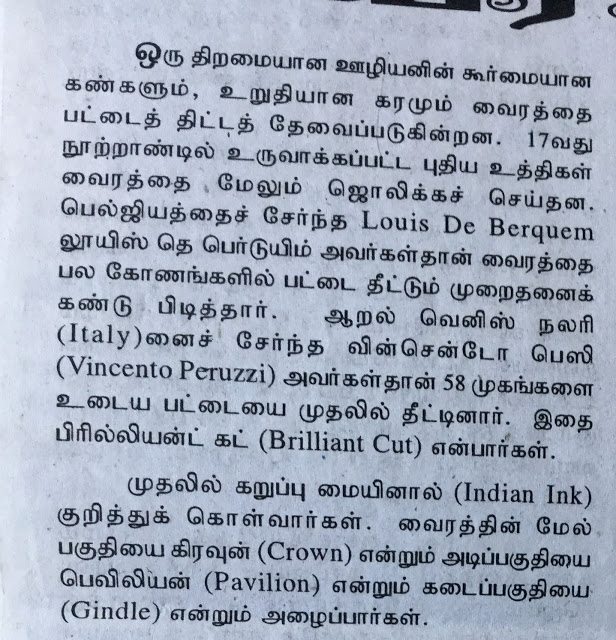
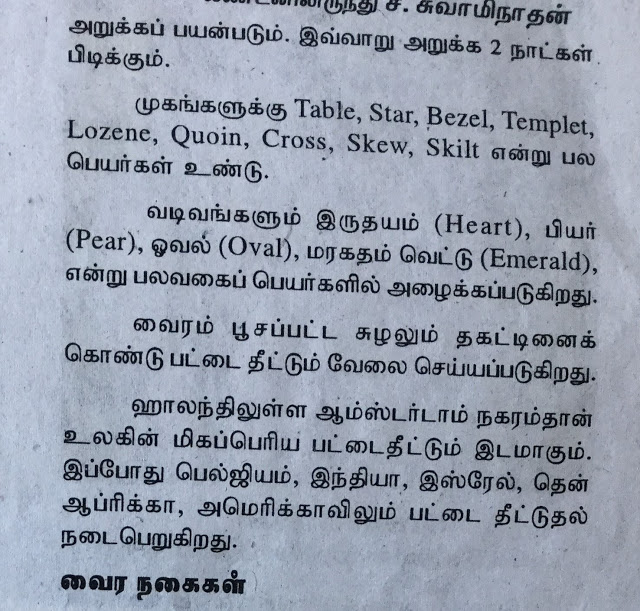
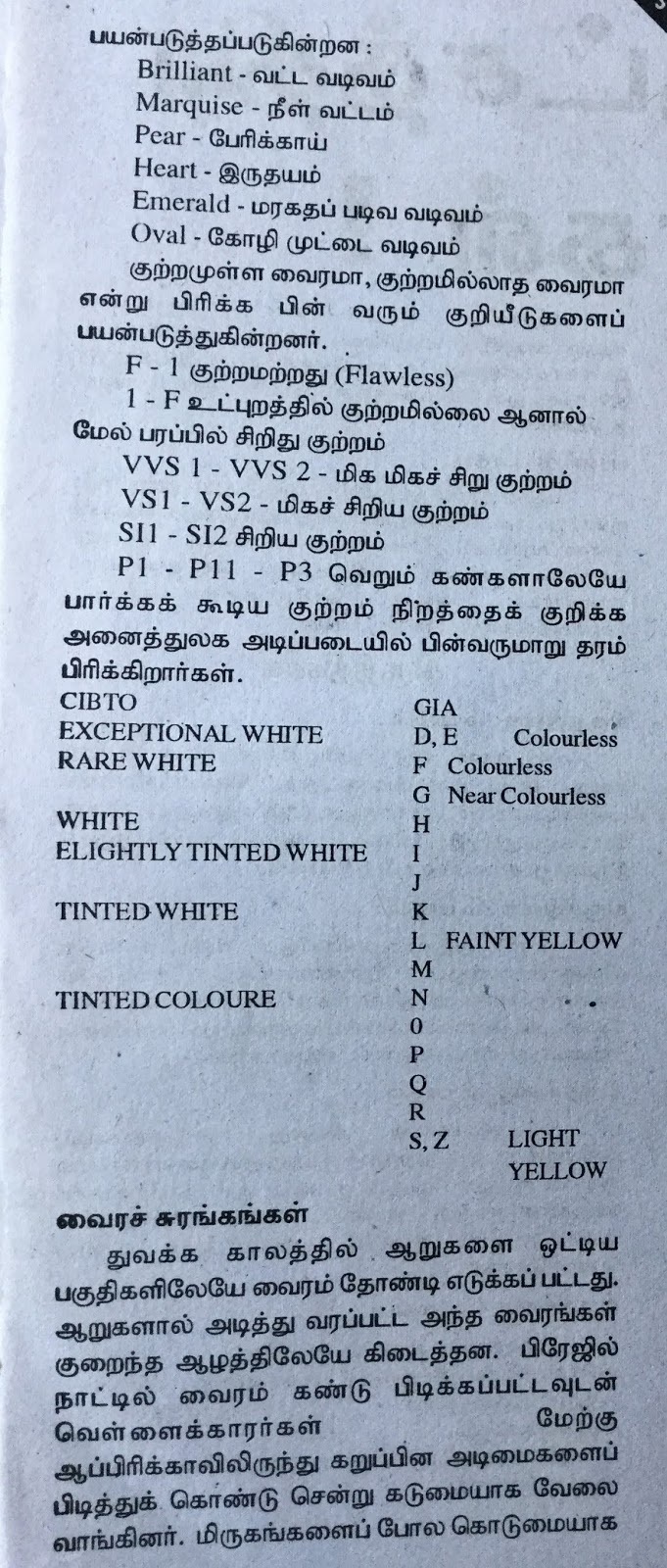
வைரத்தைப் பட்டை தீட்டும் முறை (Post No 7483)

WRITTEN BY LONDON SWAMINATHAN

Post No.7483

Date uploaded in London – 22 January 2020

Contact – swami_48@yahoo.com

Pictures are taken from various sources for spreading knowledge; this is a non- commercial blog.

இது இத்தொடரில் எட்டாவது கட்டுரை

வெளியான தேதி-  டிசம்பர் 1999- ஜனவரி 2000

பத்திரிக்கையின் பெயர்- ஜெம்மாலஜியும் ஜோதிடமும்

கட்டுரைத் தலைப்பு – வைரங்களை பட்டை தீட்டுவது  எப்படி?

SIXTEEN STEPS OF WORSHIP (Post no.7482)

WRITTEN BY LONDON SWAMINATHAN

Post No.7482

Date uploaded in London – 22 January 2020

Contact – swami_48@yahoo.com

Pictures are taken from various sources for spreading knowledge; this is a non- commercial blog.

16 Names of lord Ganesh

Sumukan – God with auspicious face

Eka dantan- with one tusk

Kapila- of dark/grey colouR

Gajakarnaka- with elephantine ears

Lambodara- with a big tummy

Vikata- short and smiling; giving pleasure to all

Vignaraja- destructor of evil/difficulties

Vinayaka- Supreme; no one above him

Dhumaketur-  light emitting; bright

Ganadyaksha – leader of the Yaksha Devas

palachandra – one who has crescent moon

Gajananah- with  elephant face

Vakratunda- with curved trunk

Heramba- blessing generously

Surpakarnah – with big ears

Skandapurvajah- one before Lord Skanda

tamilandvedas.com, swamiindology.blogspot.com

SIXTEEN NAMES OF LORD GANAPTHY WITH MANTRAS

Om Sumukaaya namaha

Om Ekadhanthaaya namaha

Om Kapilaaya namaha

Om Gaja Karnakaaya namaha


Om Lambodharaaya namaha

Om Vikataaya namaha

Om Vignarajaya  namaha

Om Vinayakaaya namaha

tamilandvedas.com, swamiindology.blogspot.com


Om Dhoomakethave namaha

Om Ganadhyakshaaya namaha

Om Palachandraaya namaha

Om Gajananaaya namaha


Om Vakrathundaaya namaha

Om Herambaaya namaha

Om Soorpakarnaaya namaha

Om Skandapoorvajaya namaha

This image has an empty alt attribute; its file name is 16%2Bganapathy%2Bnames.jpg

Xxx
 

SIXTEEN STEPS OF WORSHIP

In Mantra Yoga there are 16 steps of worship of the image

or symbol of the deity and meditation on a particular aspect of the deity which one wants to propitiate. The sixteen steps (Sodasopacara in Sanskrit) of worship are: tamilandvedas.com, swamiindology.blogspot.com

1.Avahana: Invoking God

2. Asana: Welcoming God to take his seat; esoterically, it is the offering of one’s heart as the throne or seat

3. Padya: Washing the feet of the symbol. Water is offered at the feet of God

4. Argya: Offering water to the hands of God

5. Acamana: offering pure water for sipping

6. Snana: Ceremonial bathing with milk, sugar, honey and water

7. Vastra: Offering of new and beautiful clothes and wrapping them around the image. This means donning oneself with divine wisdom and living in the world untainted by passion.

8.Upavita: Offering of sacred thread, which means to be filled with pure thoughts.

9. Vilepana: Besmearing the body of God with musk, red powder and sandal paste

10. Puspa: Offering flowers, which means offering our heart

11. Dhupa: Burning of incense, which is really the burning of sins by the fire of wisdom

12. Dipa: Waving the wick light before the image

13. Naivedya: Offering of food which is specially prepared for God. We also offer Tambula (betel leaf and betel nut), Jala (water) and Madhuparka (honey/milk or fruits) tamilandvedas.com, swamiindology.blogspot.com

14. Pradaksina- Namaskara:Perambulation and Salutation

15. Mantra Pushpa: Offering flowers and yellow rice for the welfare of the community and world peace

16. Sayya: Offering bed to God to rest.

—subham–

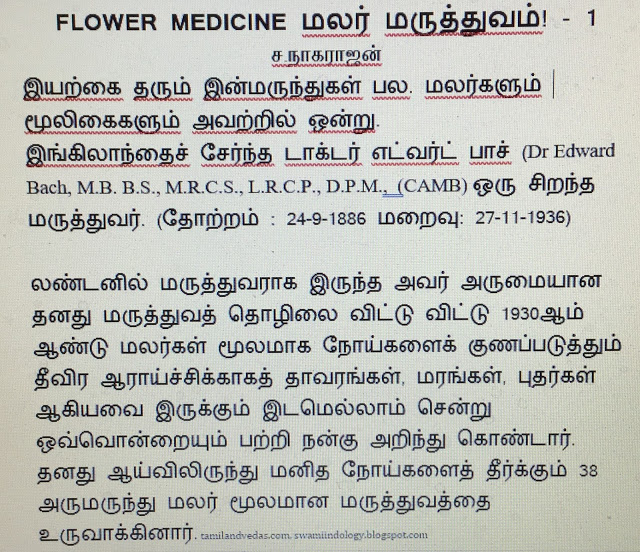
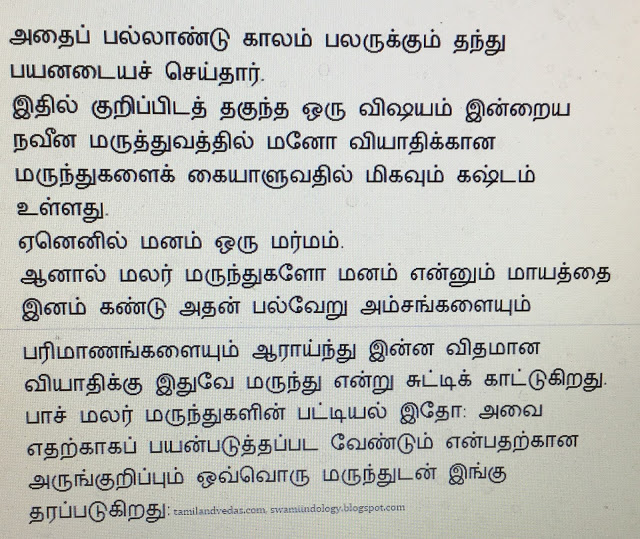
FLOWER MEDICINE மலர் மருத்துவம்! – 1 (Post No.7481)

WRITTEN BY S NAGARAJAN                     

Post No.7481

Date uploaded in London – 22 January 2020

Contact – swami_48@yahoo.com

Pictures are taken from various sources for spreading knowledge; this is a non- commercial blog.

HINDU WONDER – 57 GENERATIONS AT ONE GO! (Post No.7480)

WRITTEN BY LONDON SWAMINATHAN

Post No.7480

Date uploaded in London – 21 January 2020

Contact – swami_48@yahoo.com

Pictures are taken from various sources for spreading knowledge; this is a non- commercial blog.

(List of 57 generations of Gurus is attached at the end)

Hindus are the only people in the world who use geographical and historical data in their everyday ritual. No where in the world we can see such a historical sense. While they do Pujas in the temple or at home, they begin it with Sankalp (vow) in which they refer to Manvantara, Yuga, Year, Date, Day and their location on earth. It will even beat the google map. Because they have divided the entire northern hemisphere into several ‘dwips’ (land mass), and they say where in the world they do that ritual. Let us forget all these Mantra stuff and come to the real world!

Foreign ‘scholars’ who have no faith in Hinduism or practical experience accused Hindus of  people with no historical sense. They praised only one Kashmiri Brahmin as the first one with Historical sense. That Brahmin named Kalhana wrote Raja Tarangini (River of Kings) with the names of Kings and their periods which can be understood by foreigners. But surprise, surprise! the foreign ‘scholars’ rejected his first four chapters in Raja Tarangini saying it contains myths and unhistorical information.  It is like praising a beautiful woman and saying the part above her neck is Ugly!!! The fact of the matter is Kalhana challenges the date of Buddha, Kali Yuga, Kanishka etc which didn’t suit the ‘scholars’.

Let me come to the topic of the day!

I titled it as ‘57 generations at one go’. What is it?

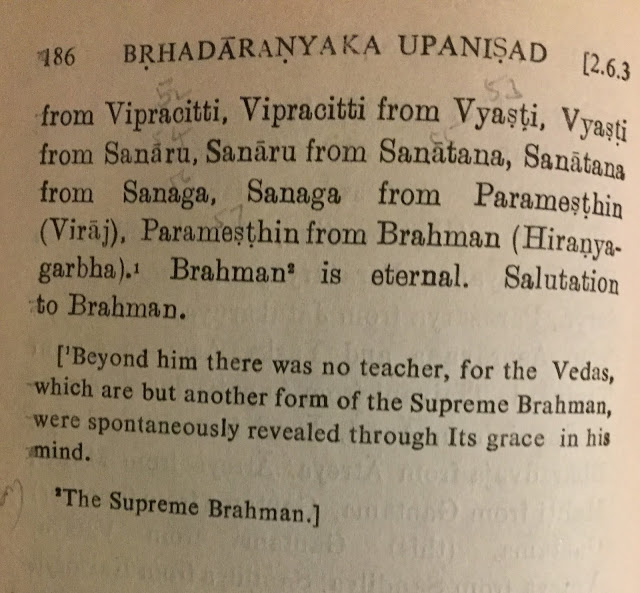
Brihad Aranyaka Upanishad is the oldest of the 108 Upanishads. Even the jaundice eyed foreigners generously dated it as 850 BCE material. But Hindus believe it is still older which is proved by the internal evidence. This Big Forest (Brihad Aranyaka) Upanishad has a chapter called Vamsa Brahmana in which it gives 57 generations of teachers and two gods.

Foreign historians give 25 years per generation/ per king. But when it comes to forest living , peace loving, meditative, god fearing, vegetarian Gurus it must be longer than 25 years. So let me stretch it to 30 to 40 years and give a rough calculation.

30X 57 generations  =1710 years or

40 X 57 = 2280 years

Before 850 BCE which means , the first Guru for this particular Upanishad lived 2560 years or 3130 years before our time!!

Can we rust this information?

Yes , you can trust it because,

Even foreigners believe all that is said in Vedic literature is true, but they doubt Puranic information. But we have other strong proof from archaeological and historical sources.

Kabilar, the Brahmin poet, who contributed the highest number of Tamil poems to Sangam Tamil Corpus, sings about a chieftain named Irungovel in Purananuru verse 201 as the person in the 49th generation in his line. The most famous Tamil commentator Nacchinarkiniyar , a Brahmin belonging to Bharadwaja Gotra, says that the Yadavs came to Tamil Nadu with a group after Krishna’s demise. Kabilar lived 2000 years ago and if we add another (25 X49) 1225 years it means 3225 years. This is about Irugovel’s forefather’s  arrival in Tamil Nadu. I am referring it to prove that the number of generations is used commonly and to prove Hindus had this historical sense of accounting.

If one comes to all Mutts and Adeenams in Tamil Nadu one can see they always use the generations to say this ascetic is the 68th in the line of Acharyas or 157 th etc.This accounting generation is used even today.

Aihole Inscription and Parthivasekarapuram Copper Plates used Kaliyuga years even during fifth century.

ROME POPES AND NUMBERS

In the list of 57 generations we see some strange names of Rishis. That proves it is very ancient.

In the list we see several Rishis has the same name. This is very important. Hindus very often come across the names of Indra, Agastya, Visvamitra, Vasistha, Bhoja, Vikramditya, Sankaracharya, Janaka, Avvaiyar etc and get confused. The Pauranic speakers projected them as one person. It is incorrect. Look at the list of Popes in Vatican City.

Popes with the name of John – 23 Popes!

Benedict -16, Leo- 13, Gregory 16!

Go to the list of Pharaohs of Egypt; there are 14 Ramesses!

So, Hindus must number them like Westerners to avoid confusion (Eg. Pope John XIV, Gregory XIII).

One more information about Indian Geography in the list:-  One name has the prefix Vidharbi meaning he is from Vidharba region. So even thousands of years ago we have used the prefix showing the region. Most of Sangam Tamil Poets have prefix such as Madurai, Karur, Uraiyur etc showing where they came from. So they had geographical sense 2000 years ago.

If we read chapters after the ‘Vamsa Brahmana’ , we will come across several states in North India such as Videha (Bihar, Nepal), Panchala (Punjab, Haryana). Buddhist literature of sixth century BCE mentioned 16 Mega Kingdoms (Maha Janapada) in North India. Vedic literature belongs to a period long before Buddha’s time.

Now read the list and see that it goes beyond the time of Indus-Sarasvati River Civilization!

Tags – generation, list of Gurus, Brhad Aranyaka Upanishad, 57,

–subham–

வைரங்களை மதிப்பிடுவது எப்படி? (Post No.7479)

WRITTEN BY LONDON SWAMINATHAN

Post No.7479

Date uploaded in London – 21 January 2020

Contact – swami_48@yahoo.com

Pictures are taken from various sources for spreading knowledge; this is a non- commercial blog.

இது இத்தொடரில் ஏழாவது கட்டுரை

வெளியான தேதி-  OCTOBER – NOVEMBER 1999

பத்திரிக்கையின் பெயர்- ஜெம்மாலஜியும் ஜோதிடமும்

கட்டுரைத் தலைப்பு – வைரங்களை மதிப்பிடுவது  எப்படி?

Tags  –  வைர மதிப்பு,  மதிப்பீடு

—subham–

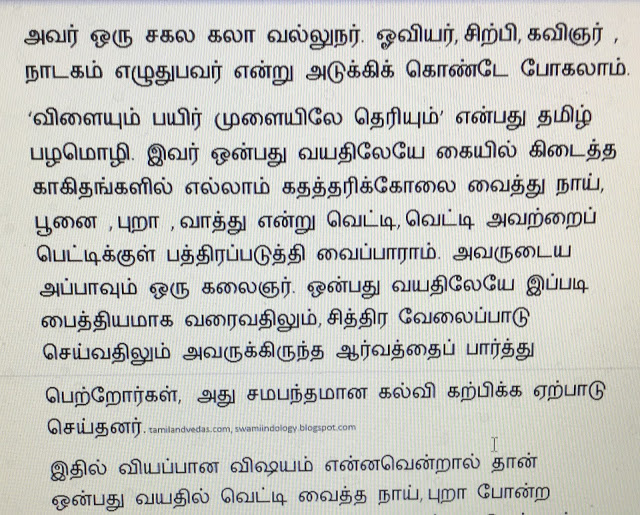
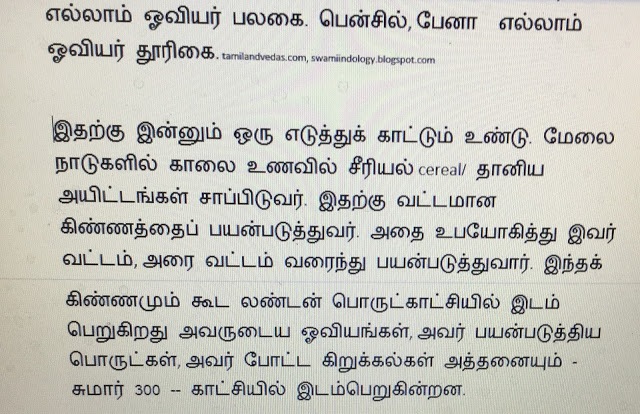
பிகாஸோ -விளையும் பயிர் முளையிலே தெரியும் (Post No.7478)

WRITTEN BY LONDON SWAMINATHAN

Post No.7478

Date uploaded in London – 21 January 2020

Contact – swami_48@yahoo.com

Pictures are taken from various sources for spreading knowledge; this is a non- commercial blog.

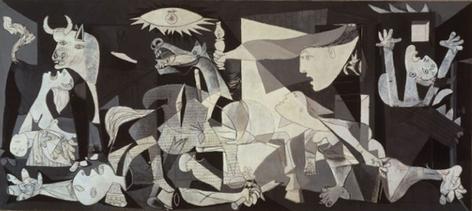
Guernica

பேராசை பெரு நஷ்டம் : மூன்று சுபாஷிதங்கள்! (Post No.7477)

WRITTEN BY S NAGARAJAN                     

Post No.7477

Date uploaded in London – 21 January 2020

Contact – swami_48@yahoo.com

Pictures are taken from various sources for spreading knowledge; this is a non- commercial blog.

ச.நாகராஜன்

லோபம் என்னும் பேராசை மனிதனை வீழ்த்தி விடும் ஒரு அபாயகரமான விஷயம்.

அதிலோபோ ந கர்தவ்ய: கர்தவ்யஸ்து ப்ரமாணத: |

அதிலோபஜதோஷேண ஜம்புகோ நிதனம் பத: ||

ஒருவன் பேராசைப் படக் கூடாது. ஆசை என்பது ஒரு அளவோடு இருக்க வேண்டும்.  பேராசையினால் ஒரு நரி மரணம் அடைந்தது!

இதன் ஆங்கில மொழிபெயர்ப்பு : (By A.R.R.)

One should not be excessively greedy; but desire should be exercised in moderation. A fox met with his death due to the fault of excessive greed.

பஞ்சதந்திரக் கதையில் வரும் நரியின் பேராசையும் அதனால் அது மரணம் அடைந்ததும் அனைவரும் அறிந்ததே!

அதிலோபோ ந கர்தவ்யோ லோபம் நைவ பரித்யஜேத் |

அதிலோபாபிபூதஸ்ய சக்ரம் ப்ரமதி மஸ்தகே ||

பேராசைப் படாதே. பேராசைப் பட்ட ஒருவன் தன் தலையில் சக்கரம் சுழல்வதைக் கண்டான்.

இதன் ஆங்கில மொழிபெயர்ப்பு : (By A.W.Ryder)

Indulge in no excessive greed

A little help in time of need

A greedy fellow in the world

Found on his head a wheel that whirld.

இன்னொரு சுபாஷிதம்:

அதிலௌத்யப்ரஸக்தானாம் விபத்தினைவ தூரத: |

ஜீவம் நஷ்யதி லோபேன மீனஸ்யாமிஷதர்ஷனே ||

பேராசைப்படுபவர்களுக்கு அபாயம் வெகு தூரத்தில் இல்லை. ஒரு மாமிசத் துண்டிற்காக மீன் தனது உயிரை இழக்கிறது.

இதன் ஆங்கில மொழிபெயர்ப்பு :

For those who are exceptionally greedy, danger is not far off. The fish loses its life by its greed for the piece of flesh  (in the angler’s hook).

நாலடியாரில் வரும் பாடல் இது:

மெய்வாய்கண் மூக்குச் செவியெஅனப் பேர்பெற்ற

வைவாய வேட்கை யவாவினைக் – கைவாய்க்

கலங்காமற் காத்துய்க்கு மாற்ற லுடையான்

விலங்காது வீடு பெறும் (பாடல் 59)

அருஞ்சொற்பொருள் :

வேட்கை – பொருள்களின் மேல் தோன்றும் பற்றுள்ளம்

அவா – அப்பொருள்களைப் பெற வேண்டுமென்று மேன்மேல் நிகழும் ஆசை (மனத்தால் வரும் ஆசை என்றும் கொள்ளலாம்)

ஐவாய வேட்கை – ஐம்புலன் ஆசை

மெய், வாய், கண், மூக்கு, செவி என்று பெயர் பெற்ற ஐந்து புலன்களால் பொருள்களின் மேல் தோன்றும் பற்றை கைக்கொள்ளாமல் காக்கும் ஆற்றல் உடையவன் தவறாமல் முக்தி அடைவான்.

ஏராளமான தமிழ்ப் பாடல்களும் பழமொழிகளும் பேராசை பெரு நஷ்டம் என்பதைச் சுட்டிக் காட்டுகின்றன.

***

tags பேராசை, பெரு நஷ்டம்,  சுபாஷிதங்கள்

‘A GENIUS IS KNOWN WHEN HE IS BORN’ – PICASSO EXHIBITION IN LONDON (Post No.7476)

COMPILED BY LONDON SWAMINATHAN

Post No.7476

Date uploaded in London – 20 January 2020

Contact – swami_48@yahoo.com

Pictures are taken from various sources for spreading knowledge; this is a non- commercial blog.

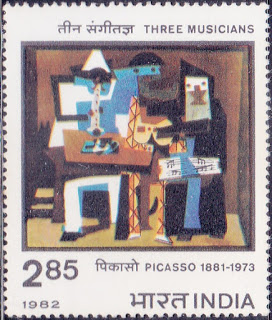
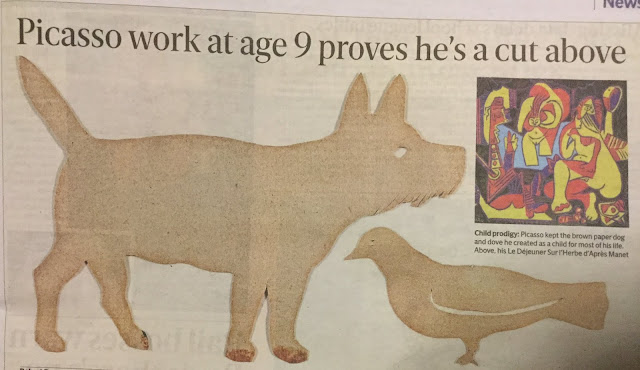
There is a saying in Tamil , “A IS KNOWN (SEEN) WHEN HE IS BORN” (Vilaiyum Payir Mulaiyile Theriyum). One can recognise a genius even at his early years. Picasso started his art work at the age of nine. And kept them all through his life and donated some of them to  Barcelona Museum in Spain. Now they may be worth millions of dollars or Euros. Two of them are just paper cutting figures of Dog and Dove. tamilandvedas.com, swamiindology.blogspot.com

London Newspapers have featured them because they are going to be exhibited in Royal academy until April 2020. They are among 300 works gathered from around the world for the show. The exhibition is called ‘Picasso and Paper’. He had a life long fascination for paper and would buy very expensive high quality paper to work with but would equally  draw on the back of an envelope. He never threw anything away and would keep even bus tickets and cinema tickets.

The exhibition also features a section looking at the materials Picasso used throughout his career including the salad bowl he used as a block for making an early wood cut. This reminds another Tamil saying ‘Even a blade of grass is a weapon for a skilled person’ (Vallavanukku Pullum Ayutham). tamilandvedas.com, swamiindology.blogspot.com

Picasso’s father was an artist and his parents recognised his exceptional talent even as a child. He was very much taught and encouraged to develop his art.

Picasso drew incessantly as well as using paper to make sculptures, prints and photographs.  The exhibition includes works more recognisable by the master including the huge 4-5 metre long collage Women at their Toilette and his 1962 work Le Dejeuner Sur L’herbe d’Apres Manet.

Xxx

Longest hair – Indian Girl in Guinness Book of Records

Another interesting news item featured in Indian and foreign newspapers is about the Indian girl Nilanshi Patel of Gujarat. She was entered as the girl with longest hair. Every woman wanted to know what hair oil she used to grow suh a long hair. But she dodged the question by saying that was a hair oli prepared by her mother with secret ingredients. Whatever the secret, hair oil companies will be ready to pay her millions of rupees to get that secret formula. Here is what the newspapers said about her:-

Source – news papers published in London and India

LONGEST HAIR- I6 YEAR OLD  INDIAN GIRL IN RECORDS BOOK

At the age of 6, Nilanshi Patel had her beloved long hair cut for the first time. She absolutely hated it and instantly regretted it.

That one bad hair experience resulted in Nilanshi’s vow to never cut her hair again. tamilandvedas.com, swamiindology.blogspot.com

Well, it’s been 10 years since she made her personal pact, and her gorgeous dark, wavy hair has been growing ever since. It’s currently 5 feet, 7 inches long — making the 16-year-old from India an official Guinness World Record holder.

According to the 2020 edition of the Guinness World Records, the “real-life Rapunzel” now has the longest hair of any teenager in the world!

Nilanshi’s hair requires constant maintenance, but she’s more than happy to put in the time and care. Her supportive mother helps by massaging mustard oil into her locks every day. Other than that, the teen doesn’t use any special products or shampoos.

Her mother hopes her daughter will let her amazing hair grow longer so that she will be even more famous.

Patel says she washes her hair once a week and amazingly, it takes only a half-hour to dry. However, it takes an hour just to comb it — something her mother happily assists with. “My mother helps me to braid and to comb my hair,” she says, explaining that she has always been supportive of her decision to keep growing it. “I style it as a long braid and also as a bun” — the latter is her go-to style for special occasions and table tennis. tamilandvedas.com, swamiindology.blogspot.com

Amazingly, Patel’s hair isn’t even a third of the length of the that of the adult woman with the longest hair. That Guinness World Record has been held since 2004 by China’s Xie Qiuping, whose hair measures more than 18 feet long. She started growing her hair at age 13 — seven years older than Patel when Patel started — so the 16-year-old could conceivably surpass hers one day.

Although she says her friends call her a “real-life Rapunzel,” Patel also gets questions from people who assume her hair gets in the way of everyday activities. “I don’t face any problems with my hair. I do all the sports and all the things with me hair,” she says. “It’s a lucky charm for me, clearly.”

Who is Rapunzel?

 It is a German fairy tale. Other languages also had similar stories.

A lonely couple, who want a child, live next to a walled garden belonging to a sorceress.[11] The wife, experiencing the cravings associated with the arrival of her long-awaited pregnancy, notices some rapunzel (a salad green in most translated-to-English versions)[12] growing in the nearby garden and longs for it. She refuses to eat anything else and begins to waste away, and the husband begins to fear for her life– one night he decides to break into the garden to get some for her. When he returns, she makes a salad out of it and greedily eats it. It tastes so good that she longs for more. So her husband goes to get some more for her. As he scales the wall to return home, the sorceress catches him and accuses him of theft. He begs for mercy, and she agrees to be lenient, and allows him to take all the rapunzel he wants, on condition that the baby be given to her when it’s born.[13] Desperate, he agrees. When his wife has a baby girl, the sorceress takes her to raise as her own and names her “Rapunzel” after the plant her mother craved. She grows up to be the most beautiful child in the world, with long golden hair.[14] When she turns twelve, the sorceress locks her up inside a tower[15] in the middle of the woods, with neither stairs nor a door, and only one room and one window. In order to visit Rapunzel, the sorceress stands beneath the tower and calls out: tamilandvedas.com, swamiindology.blogspot.com

Rapunzel!Rapunzel!Let down your hair

That I may climb thy golden stair!

One day, a prince rides through the forest and hears Rapunzel singing from the tower. Entranced by her ethereal voice, he searches for her and discovers the tower, but is naturally unable to enter it. He returns often, listening to her beautiful singing, and one day sees the sorceress visit, and thus learns how to gain access to Rapunzel. When the sorceress leaves, he bids Rapunzel let her hair down. When she does so, he climbs up and they fall in love. He eventually asks her to marry him, which she agrees to. But the sorceress prevented her escape. Prince also lost his eye sight

For years, he wanders through the wastelands of the country and eventually comes to the wilderness where Rapunzel now lives with the twins to whom she has given birth, a boy and a girl. One day, as she sings, he hears her voice again, and they are reunited. When they fall into each other’s arms, her tears immediately restore his sight. He leads her and their twins to his kingdom,[20] where they live happily ever after.

Tags – Picasso, paper art, London exhibition, Dog and Dove, Longest hair, Nilanshi Patel, Rapunzel

Xxx subham xxx