Pictures are taken from various sources; beware of copyright rules; don’t use them without permission; this is a non- commercial, educational blog; posted in swamiindology.blogspot.com and tamilandvedas.com simultaneously. Average hits per day for both the blogs 12,000
Verse 25 Without wealth all these merits— character, virtues, heroism, high birth— are all like worthless bits of straw . Compare this with Tirukkural 247 All those without riches can have no enjoyments in this world so also all those without compassion denied the blessings of the world above.
Verse 26 Interesting story about a snake A snake was starving inside a tightly closed basket and a rat made a hole in the basket to get some food, but it was eaten by the snake. Not only that, the snake used the same hole to escape. Moral- only chance/luck causes the rise and fall of man.
Verse 27 Stay away from bad people even if they are intelligent. Isn’t a serpent with a gem on its hood an agent of danger?
Nagaratna, Cobra Jewel, is found in ancient Tamil and Sanskrit literature.
Verse 28 Another interesting story Look at the boiling milk When milk is boiled it suffers. But his friend water comes to its rescue. When water is sprinkled on boiling milk, it is subdued. it is an example for good friendship.
Verse 30 Dog eats meatless bone and thinks the tasty blood comes from it. Actually it’s dogs blood oozing out from its own mouth
Verse 33 Swati star and pearls! It is in Tamil literature and Kalidasa. If a drop of water falls on a hot pan, it makes hissing noise. If it falls on a lotus leaf, it looks like a pearl . If it falls in the mouth of an oyster on Sati star day , it turns into a pearl. Man also attains good or bad depending upon the company he keeps.
Verse 34 The lamp on top of a hill or the lamp inside a pot are two proverbs in Tamil. Compare B’s verse below, As it is with clusters of blossoms wise men have two destinies— To grace the summit of the world or wither in the forest.
Verse 35 this verse is very interesting. This is the lament of a servant. Most of us have come across the same situation in our work spot.
Servant says If I talk I get the bad name of Talkative, If I keep quiet they call me Dumb If I go near they accuse me of arrogance If I go faraway they call me incompetent The rules of service are a mystery.
Pictures are taken from various sources; beware of copyright rules; don’t use them without permission; this is a non- commercial, educational blog; posted in swamiindology.blogspot.com and tamilandvedas.com simultaneously. Average hits per day for both the blogs 12,000
ஓம் ஸ்ரீ கோல்ப் ப்ரியாயை நமஹ!
ஓம் ஸ்ரீ கோல்ப் பந்துப் ப்ரியாயை நமஹ!!
ஓம் ஸ்ரீ கோல்ப் ஸ்டிக்ஸ் ப்ரியாயை நமஹ!!!
தமிழ்நாட்டிலும் கேரளத்திலும் பஸ் டிரைவர்களும் லாரி ட்ரைவர்களும் திடீரென்று வண்டி வாகனங்களை நிறுத்திவிட்டு ஒரு கல்லுக்கோ சிலைக்கோ பய பக்தியுடன் தேங்காய் உடைப்பர் அல்லது வாகனத்தின் டயருக்கு அடியில் ஒரு எலுமிச்சம் பழத்தை வைத்து நசுக்குவர். இது போன்ற நம்பிக்கைகள் உலகெங்கும் பல கலாசாரங்களில் உண்டு. அப்படிச் செய்தால் நன்மைகள் உண்டாகும் என்றும் செய்யாவிடில் வழியில் விபத்து நேரும் என்றும் நம்பிக்கை.
இவைகள் பாராட்டப்படவேண்டிய, பின்பற்றப்பட வேண்டிய நம்பிக்கைகள். ஒரு வண்டி ஓட்டிக்கு ஒரு தேங்காயோ அல்லது எலுமிச்சம்பழமோ தன்னம்பிக்கையை வளர்க்குமானால், தைரியத்தைக் கொடுக்குமானால் அது வாழ வேண்டிய நம்பிக்கையே.
எங்கள் லண்டனில் பைத்தியங்களைக் குணப்படுத்த மூன்று வகை ஆட்கள் உண்டு. இரண்டு வகை ஆட்கள் அரசாங்கத்திடம் (NHS) சம்பளம் வாங்குவர். மூன்றாவது வகை மக்களிடம் காசு பெறுவர்;
முதல் வகை சைகாலஜிஸ்ட் PSYCHOLOGIST (AANUAAL SALARY AROUND £ 50,000)- உள்ளவியல் டாக்டர்- உங்களுக்கு என்ன பயமோ அதை ஒரு மணி நேரம் திரும்பத் திரும்பச் சொல்லச் சொல்லுவர்; இப்படிச் சொன்னால் பயம் போய்விடுமாம் (நம் ஊரில் அதைப் பற்றி நினைக்காதே; வேறு எவ்வளவோ பேர் இதைவி மோசமாகக் கஷ்டப்பட்டு இப்போது நல்ல வாழ்க்கை வாழுகின்றனர் என்று தைரியம் ஊட்டுவோம்).
இரண்டாவது வகை சைக்கியாட்ரிஸ்ட் PSYCHIATRIST (ANNUAL SALARY AROUND £ 40,000) – மன நோய்க்கு மருந்து கொடுக்கும் டாக்டர்கள்; மூன்று கேள்விகளுக்கு ‘ஆமாம்’ என்று பதில் சொல்லிவிட்டால் லித்தியம் LITHIUM TABLETS மாத்திரைகளைக் கொடுத்து வாயில் நுரை தள்ள வைத்து, செக்ஸ் உறுப்புகளை செயல் படாமல் செய்ய வைத்து ஆளின் கதையை ஒரு வகையாக முடித்து, பிரமை பிடித்தவன் போலச் ஆக்கி விடுவார்கள்.
மூன்றாவது வகை சைகிக்ஸ் PSYCHICS – மாயா ஜால மந்திரம் மூலம் உடலில் உள்ள பைத்தியப் பேயை விரட்டுவதாகச் சொல்லி காசு பறிப்பர். இதில் ஓரளவு உண்மை உண்டு. அதர்வண வேதத்திலும் இருக்கிறது. ஆனால் பெரும்பாலான மந்திர தந்திர வித்தைக் காரர்கள் மோசடிக்காரர்கள்; பெண் பேய்கள் வந்தால், தொட்டும் கட்டியும் வைத்தியம் செய்வர். பேய் பிடித்த பெண்களைத் தனியே சிகிச்சை பெறுவதற்கு அனுப்பிவிடாதீர்கள்.
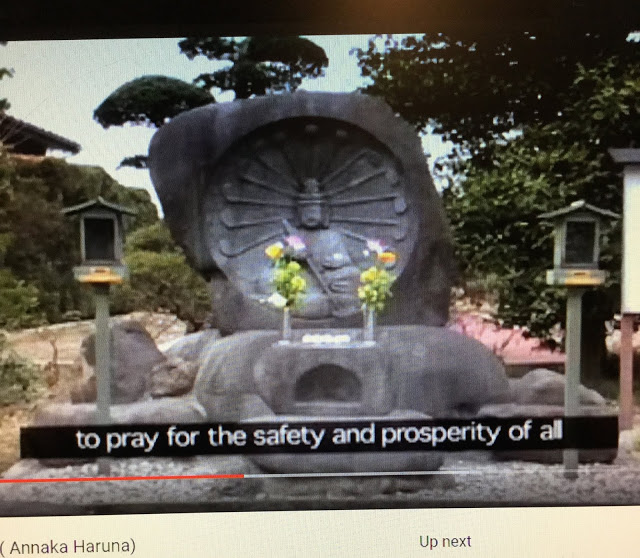
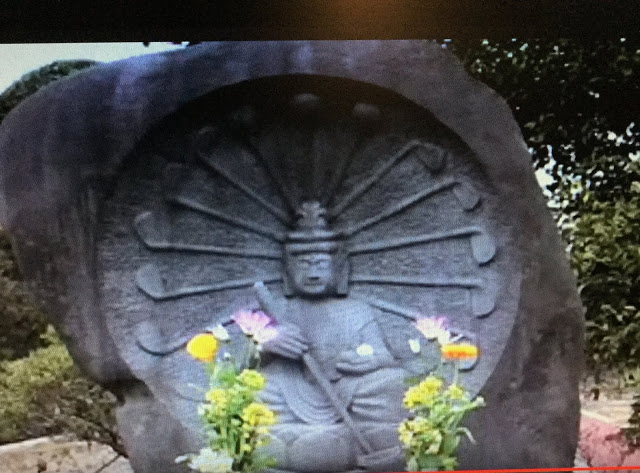
GOLF GODDESS ANNAKA HARUNA
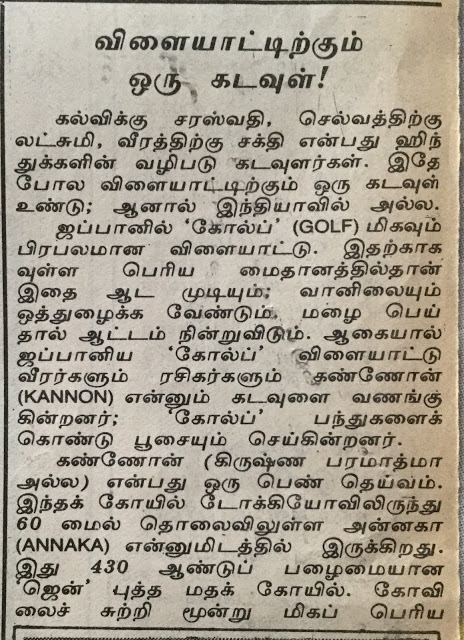
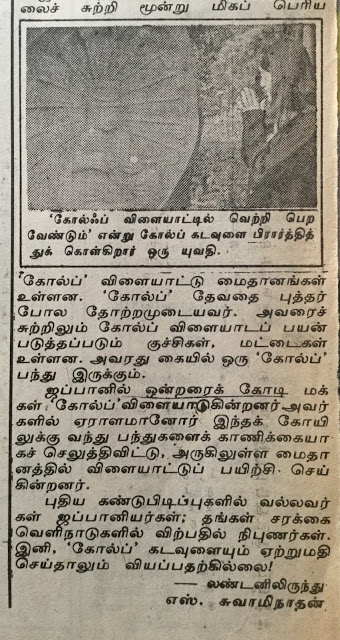
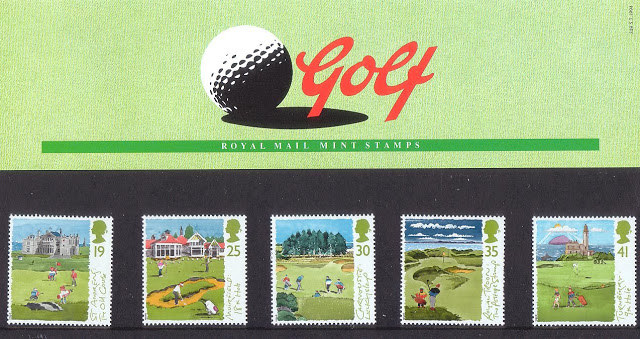
இதையெல்லாம் பார்க்கையில் கோல்ப் GOLF விளையாட்டு தேவிக்கு கோல்ப் GOLF குச்சி மாலை போடுவதில் தவறில்லை. இதோ என்னுடைய 1992ம் ஆண்டு 16-2-1992 தினமணிக் கட்டுரை. நேற்று கூகிள் GOOGLE செய்ததில் சில படங்களும் கிடத்தன. அந்த தேவியின் பெயர்- அன்னக்கா ஹருனா ANNAKA HAARUNA IN JAPAN
Pictures are taken from various sources; beware of copyright rules; don’t use them without permission; this is a non- commercial, educational blog; posted in swamiindology.blogspot.com and tamilandvedas.com simultaneously. Average hits per day for both the blogs 12,000
This about
the correspondence between two kings who lived 3300 years before our time.
Archaeologists
have unearthed interesting letters exchanged between common citizens and kings
and between two kings.
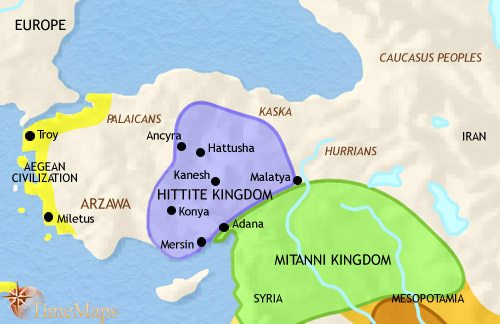
Hittite king
Hattushili III (1267 BCE-1237 BCE) wrote to Ramesses II of Egypt. He didn’t
reply immediately. After some time he sent a letter saying that he was sending
a physician with herbal medicine and a magician to drive away the demon who caused
the disease.
We can call
Ramesses as Rama Seshan or Rameshan (i.e.Vishnu or Shiva) and Hattusili as
Kshatriya Sri or Sathya Seelan; both Hittites and Ramesses had Hindu
connections.
Here is the
detail of the letter and the background of the correspondence: –
The letter
at hand provides, among other things, evidence for the great interest the
Hittite kings showed for Egyptian physicians and their healing practices. Egyptian
medicine is known from the third millennium BCE, but there is no evidence for a
long standing medical tradition among the Hittites.
Hattusili III
requested medical help on multiple occasions, both for others and to cure his
own illness, which was caused by a demon according to the letter. The illness might
have been an affliction of the eyes that Hattusili suffered from. After ignoring
three letters from him, Ramesses finally sent a positive response and announced
that he had dispatched , along with medicinal plants, a physician and a second
person by name Leya, who might have been an incantation priest charged with
performing magical rituals to dispel the
demon thought to be the cause of illness.
(Hindu’s
Atharva Veda also has such magic rituals)
The letter was written a few years after Egypt and Hatti (kshatriya = Hatti= khatti) had concluded a peace treaty. This reminds us the Peace Treaty between the Pandyas and Sri Lankan king Ravana which is reported in an inscription (That must be the world’s first International Peace Treaty).
At one time
both empires (Egypt and Hatti) tried to control the Middle East which led to
the famous battle of Quadesh. Since it ended in a stalemate Egyptian king had
to acknowledge the Hittite king as his
equal. Hattusili removed his own nephew and made his way to the throne. This
recognition by Egypt was an acknowledgement to his legitimacy. Each king
addresses the other as ‘dear brother’. Ramessess II was one of the longest
ruling pharaohs of Egypt. He died at the at the age of 90. He was the greatest
and most powerful and most celebrated king of New Kingdom.
Pictures
are taken from various sources; beware of copyright rules; don’t use them
without permission; this is a non- commercial, educational blog; posted in
swamiindology.blogspot.com and tamilandvedas.com simultaneously. Average hits
per day for both the blogs 12,000
The greatest
grammarian the world has ever produced is Panini. His master piece Ashtadhyayi
(literally Eight Chapters) is the creation of a great genius. Within 4000
sutras (pithy sayings with grammar rules) he has proved that Brevity is the
soul of wit. No one else can say such rules in such a short sutras.
Panini’s knowledge
about South India is taken as one of the factors to decide his age. Goldstucker
and RG Bhandarkar placed him in the seventh century BCE. Others gave him
various dates between 4th century BCE and seventh Century BCE. But
his silence on Upanishads, Buddha, Mahavira etc place him definitely before
Buddha.
Following is
the dates given to Panini by various scholars:-
Goldstucker –
seventh century BCE
R G
Bhandarkar – seventh century BCE
D R Bandarkar
– middle of sixth century BCE
Charpentier –
500 BCE
H C Rayachaudhry
– later half of sixth century BCE.
Grierson – a
century elapsed between Panini and Asokan inscriptions
Weber – post
Alexander
Each one of
them gave his own reasons to place him in the above periods .
PANINI AND SOUTH INDIA
Panini did
not write about geography of India. But yet he gives the names of rivers, mountains
and towns to illustrate some rules.
Panini besides
referring to the seas and the islands lying near the coast and mid ocean,
actually mentions the portion of country which lies between the tropics as antar ayana desa. It can refer only
to Deccan lying south of the Tropic of Cancer, which passes through Kachcha and
Avanti.
Panini also
knows of Asmaka on the banks of modern Godavari. He also refers to Kalinga. And
people who lived before Panini also mentioned several places in the south. That
indirectly proves that south India was known to them.
Pictures are taken from various sources; beware of copyright
rules; don’t use them without permission; this is a non- commercial,
educational blog; posted in swamiindology.blogspot.com and tamilandvedas.com
simultaneously. Average hits per day for both the blogs 12,000
PERU IN SOUTH AMERICA HAS REVEALED A SURPISE; THE PEOPLE
WORHSIPPED WATER LIKE WE WORSHIP GANGA MATA AND VARUNA. FOR THE WATER CEREMONY
THEY HAVE CONSTRUCTED SPECIAL STEPS LIKE OUR RIVER GHATS OR TEMPLE TANKS. TODAY’S
LONDON NEWS PAPERS HAVE PUBLISHED FULL DETAILS. HERE IS THE REPORT FROM DAILY
MAIL NEWS PAPER. THEY CALL IT ‘DIVINE WATE’R. HINDU VEDAS ARE FULL OF PRAISE
FOR APA/WATER. NO HINDU CEREMONY GOES WITHOUT WATER RITUAL. BRAHMINS OF INDIA
DO WATER CEREMONY THRICE A DAY WITH SPECIAL PRAYERS TO WATER (APAH) AND VARUNA.
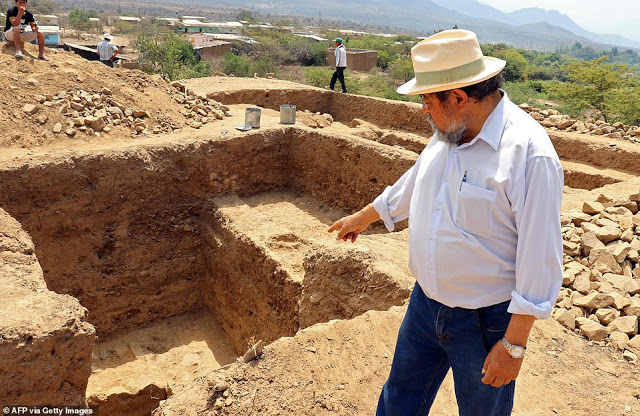
Archaeologists find a 3,000-year-old megalithic
temple that was used to stage ‘pagan rituals of water worship’ in ancient Peru
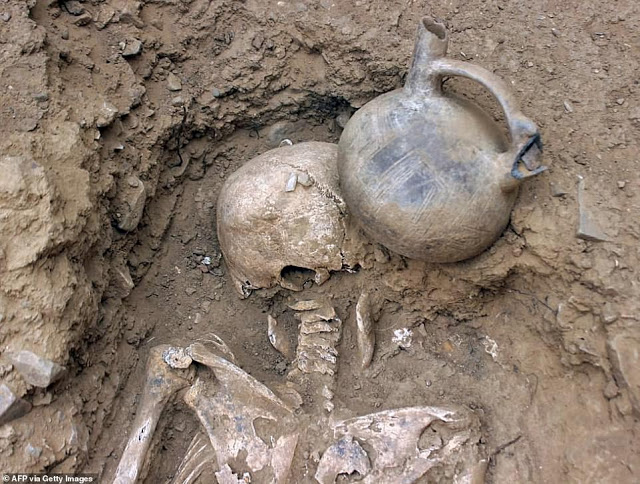
The graves that were found at the temple site by archaeologists
date back to between 1,500 BC to 292 AD
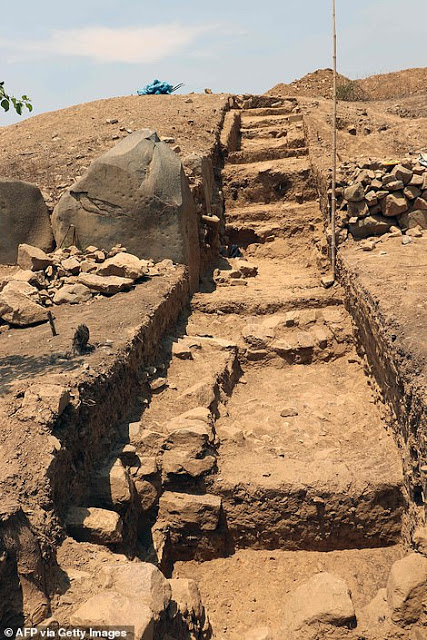
The religious monument’s total structure is over 131ft long and
features a staircase that is 49ft long
The discovery was made in October but the news was delayed to deter
treasure hunters from visiting the site
Researchers believe the megalith template would have been used by a
water cult to Promote fertility
The religious monument is over 131ft long
and is located in the springs of the Zaña Valley river about 500miles from
Lima, the modern capital of Peru.
Inside the temple archaeologists found a
square with an alter that was likely used to offer important fertility rituals
with water taken from the Zaña Valley river.
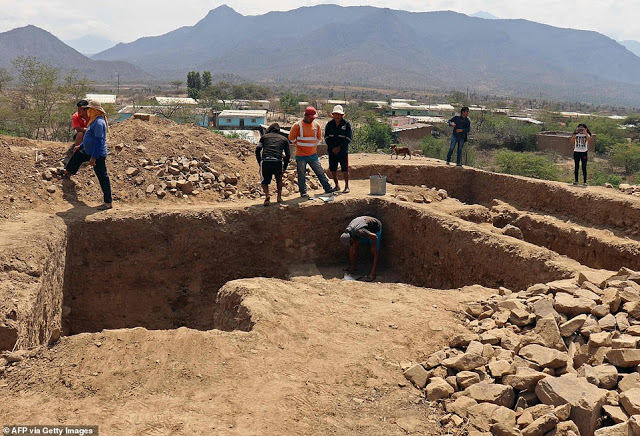
Archeological excavation has
revealed the remnants of an ancient megalithic temple in Peru, believed to have
been constructed some 3,000 years ago. The temple is thought to have been
dedicated to the worship of water. Experts have concluded this based on altars
at the site, their shape and how they were positioned.
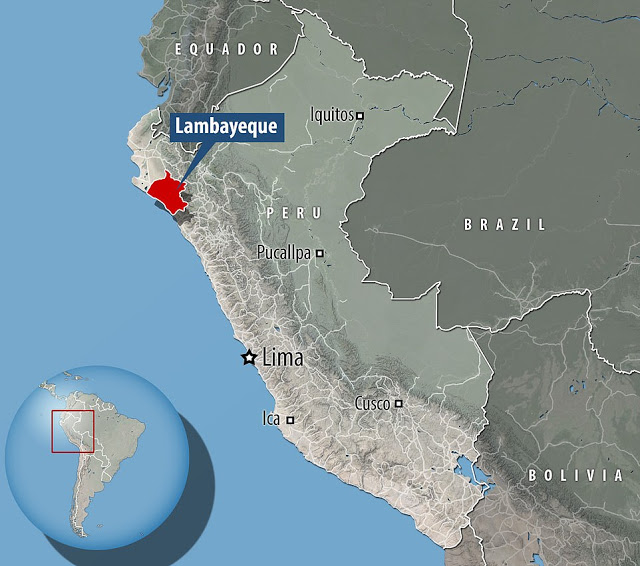
The
ancient megalithic remnants were discovered at the
archaeological complex Huaca El Toro, in the district of Oyotún, in Peru’s
Lambayeque region.
The director of the Royal Tombs
of Sipán Museum, Walter Alva, reported that this temple is located near the
junction of two rivers that were sacred places in ancient times: the Nanchoc
and Udima rivers.
It is precisely there where an
ancient culture chose to construct a massive temple.
Although temples are not a rarity
in Peru, this is the only megalithic structure that has been discovered so far
in Peru’s Lambayeque region.
To
the surprise of archaeologists, excavations revealed that the ancient temple had
been constructed entirely of supermassive stones. The facade, as well as the
side wall s of the temple, were all built using massive granite blocks.
Some
of the megalithic stones bear messages on their surfaces. The symbols suggest
that the massive granite blocks were hauled from sacred places.
The temple was used as a center
for the worship of water. In front of the megalithic construction are altars
representing the cult of water. Water is thought to have been considered divine
at the time.
The
temple comes from a time when water was considered divine and was used in a
number of rituals and religious practices, researchers claim.
They
were able to determine this temple was home to a cult that worshipped water by
studying the way the alter is positioned and how it looks.
The
altar includes holes similar to those found on other temples from the period.
‘This
is typical of water altars that are in other places, and it is located in
the springs of the Zaña Valley river’, Mr Alva said.
Mr
Alva said they have identified a circular column, where evidence of
sedimentation of rains and rituals was found.
‘This
temple is facing the mountain. This place is strictly ceremonial because of the
signs of burning that took place.’
‘The
rituals were performed for fertility,’ (To get children) he said.
Stunning
walls surround the monument and there is a central staircase that is 32ft wide
and 49ft long. (Like Hindu Temple Tanks and Tirthas)
The
Peruvian team discovered 21 tombs on the site of the temple which is thought to
date back to about 1,500 BC to 292 AD.
Inside
the tombs they found ceramic pieces and metal objects such as knives that were
placed next to the graves.
Mr
Alva says it is likely the tombs were later re-used as 20 of burial sites were
from the later Inca Chimu culture which dates back to about 1,000 to 1,470
AD.
This
isn’t the first major discovery made by Walter Alva and his team.
The
archaeologist also discovered the tomb of the Lord of Sipan in 1987. Sipan (Lord
Shiva’s name??) was a ruler of Mochica culture and his remains were found
intact in Northern Peru.
In
2007 he discovered a number of 4,000-year-old murals in Peru.
Like Hindu river Ghat and Temple Tanks, they had steps to get the holy water (Tirtham)
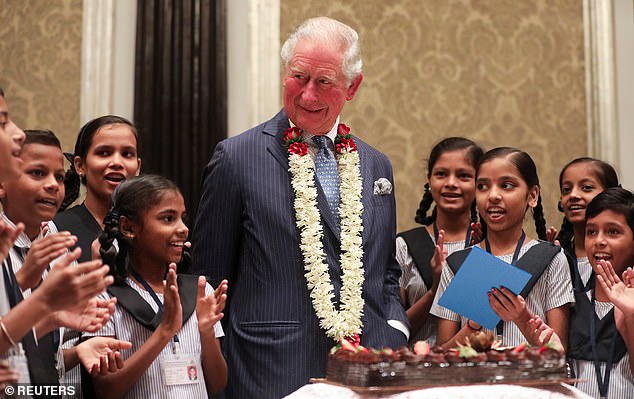
British Prince is very humble.Happy birth Day to Prince Charles
Written by London Swaminathan
swami_48@yahoo.com
Date: 15 NOVEMBER 2019
Time in London – 18-27
Post No. 7218
Pictures are taken from various
sources; beware of copyright rules; don’t use them without permission; this is
a non- commercial, educational blog; posted in swamiindology.blogspot.com and
tamilandvedas.com simultaneously. Average hits per day for both the blogs
12,000
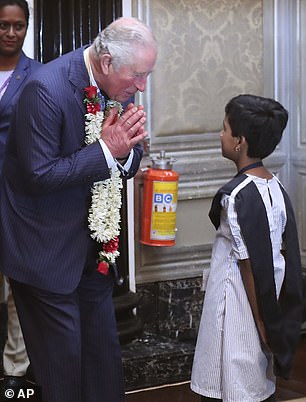
Prince Charles
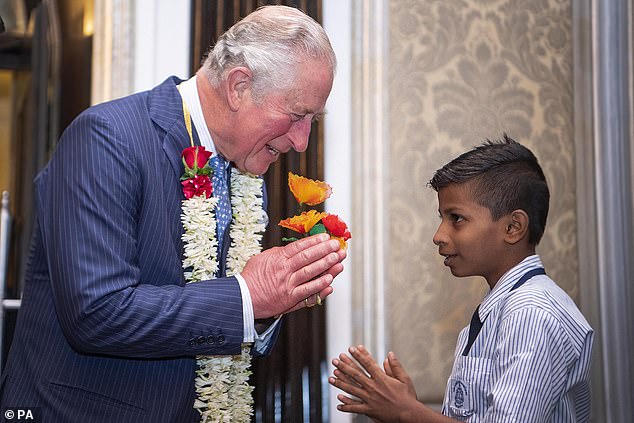
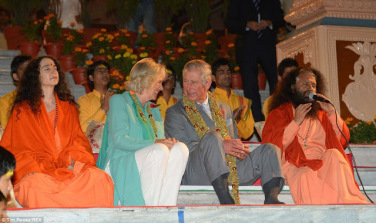
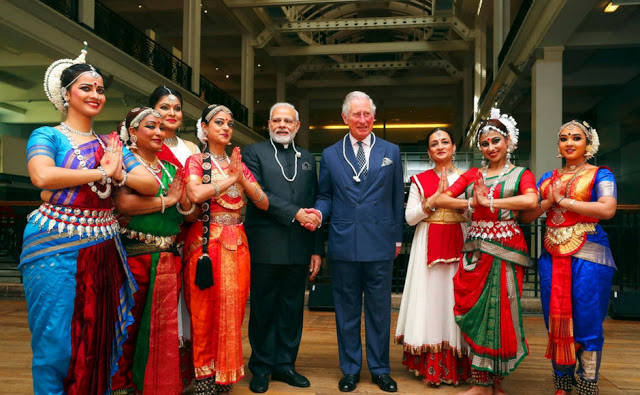
is 71 today. He was presented with a story book of Lord Krishna in Mumbai. Two days
ago he went to Sikh Gurudwara in Delhi and took part in the worship and flipped
chapattis in the langar (Gurudwara’s 24 hour kitchen).
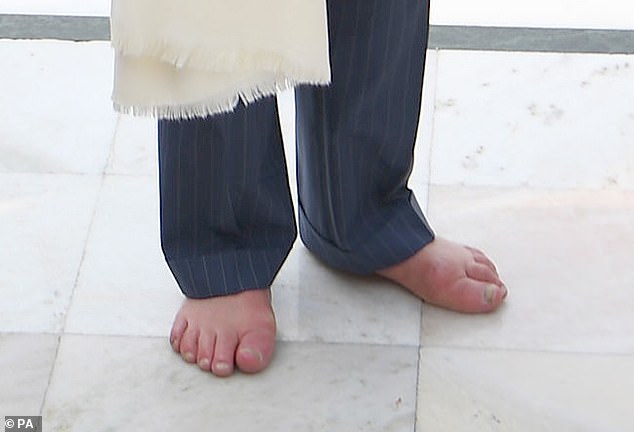
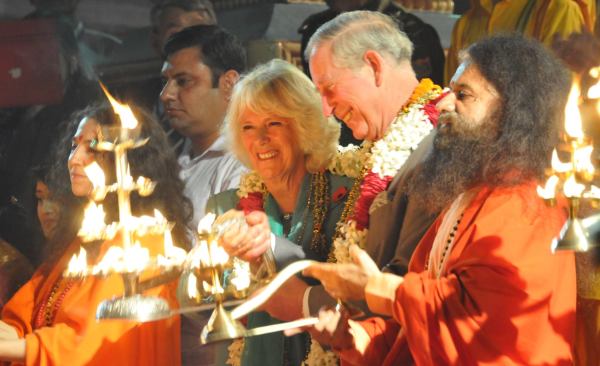
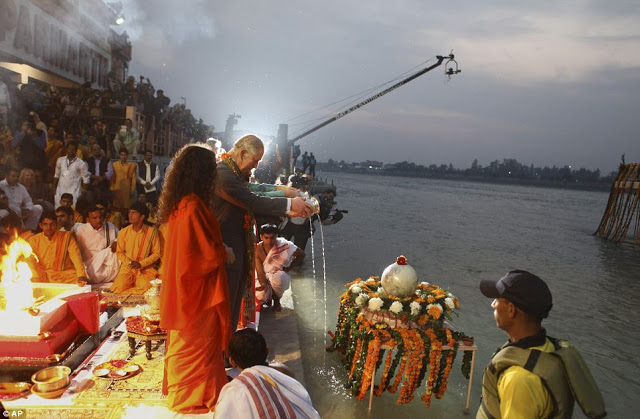
In his
previous visits to India he did Homam like a Brahmin. He has a great
fascination towards India and particularly Hindu way of life. When other
leaders pose in front of Taj Mahal, he always pose with folded hands (Namaste
salute).
Here is a report from Daily Mail
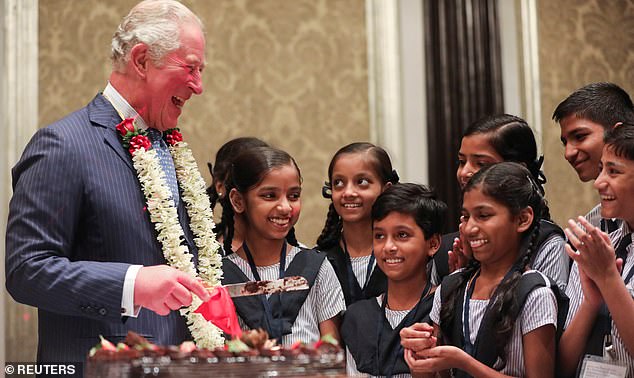
The Prince of
Wales, who turns 71 today, marked the milestone with a small event attended by
local (Mumbai) schoolchildren whose education is supported by his charitable
foundation, the British Asian Trust.
The schoolchildren presented the royal with a present
featuring the stories of Hindu deity Krishna, told with tiny figures in three
bonsai gardens.
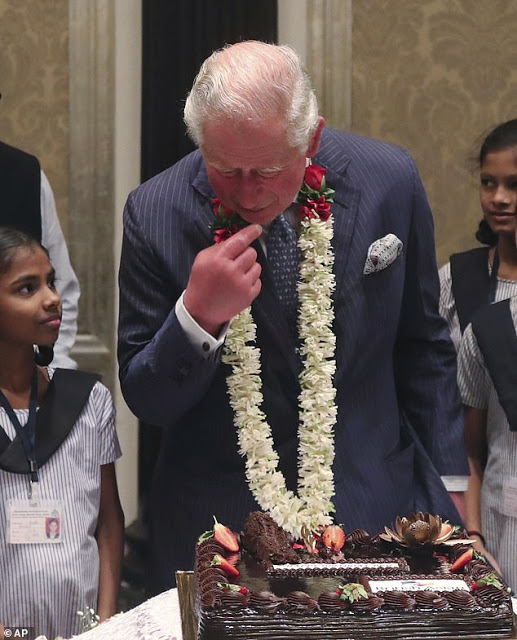
They also sung ‘Happy Birthday’ to the royal and enjoyed a slice of
delicious chocolate cake.
Their school has been supported by the
Piramal Foundation, the philanthropic arm of the Piramal Group led by Indian
billionaire industrialist Ajay Piramal.
His wife, Dr Swati Piramal, said: ‘What can
you give a prince? What can the kids give him? So they thought of the bonsai
gardens.’
She said one tiny garden tells the story of
Krishna stealing butter, the second depicts the deity being born in a jail and
his father escaping with him as a baby, and the last describes his time as a
cow herder.
Dr Piramal said: ‘He really loved it when I showed it to him, because of
course in England there’s a culture of fairy gardens, there are gnomes, but
this is unique because this is Krishna’s fairy garden.’
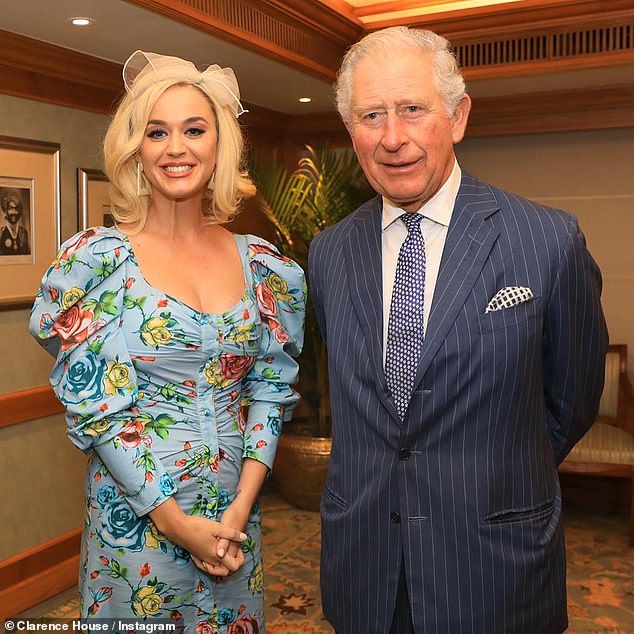
It comes just a day after the Prince of Wales
met pop princess Katy Perry, while on his Indian trip.
The heir to the throne grinned as he shook hands with Katy, 35, and they posed for pictures. The singer had heard about the work of the British Asian Trust, which the prince set up in 2007, and joined other supporters to learn more about the charity.
The pop sensation donned a blue floral ensemble which boasted statement
virago sleeves – accessorising it with an elegant cream head piece and a pair
of matching 60s style earrings.
The royal cut a sophisticated figure in a navy pinstriped suit, paired with a white and blue patterned tie and pocket square.
In Delhi Gurudwara
New Delhi: Britain’s Prince
Charles on Wednesday paid obeisance at the Bangla Sahib gurdwara here, during
which he tried his hand at ‘seva’ or voluntary service in the community kitchen
on the holy premises.
flipping chapatis in Delhi Gurudwara
During his previous visits to Rishikesh and other towns :—
with Swami Chidananda of RishikeshGanga Arti by Prince Charles
Pictures are taken from various sources; beware of copyright rules; don’t use them without permission; this is a non- commercial, educational blog; posted in swamiindology.blogspot.com and tamilandvedas.com simultaneously. Average hits per day for both the blogs 12,000
Pictures are taken from various sources; beware of copyright rules; don’t use them without permission; this is a non- commercial, educational blog; posted in swamiindology.blogspot.com and tamilandvedas.com simultaneously. Average hits per day for both the blogs 12,000
Two interesting
articles about rats have appeared in a London News magazine.
‘THE WEEK’ magazine
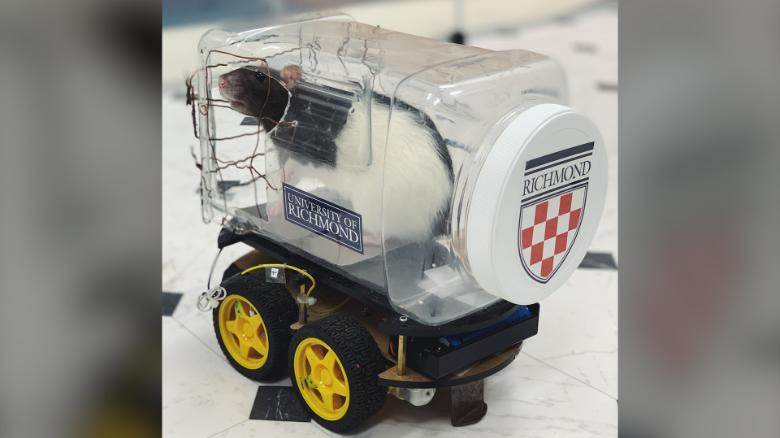
published from Britain, has published a news item about rats driving small cars
in its issue dated 9th November 2019
Rats are
very cunning and clever. They learn new tricks quickly. A team at the University
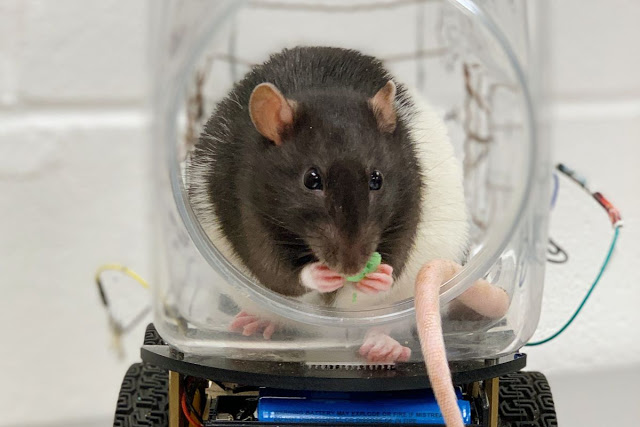
of Richmond in Virginia (USA) constructed a rat operated vehicle (ROV). The
vehicle is just a plastic jar mounted on wheels. Three copper bars and an aluminium
plate are used as seat and steering wheel. If they sit on an aluminium plate
and touch the copper wires to complete the circuit they are given some rewards.
Once they complete the circuit this way the car moves forward. Then they could
steer with the help of three copper bars.
Two sets of
rats are used. One set was housed in an enriched environment with toys and exercise
machines. Another set was raised in normal lab cages. The enriched rats learnt driving
far more quickly than the rest, indicating stimulation in early life is beneficial
to rodents as it is to humans.
Source -The Week,
9th November 2019
xxx
Rat Doctor and
Rat Detective
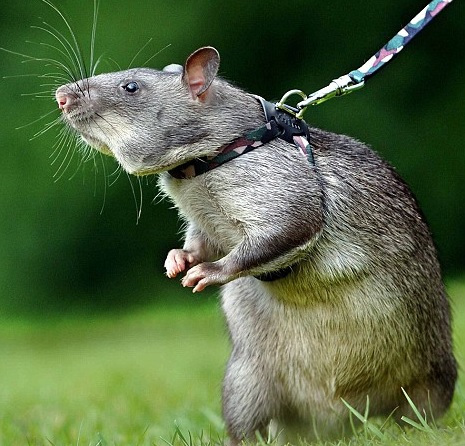
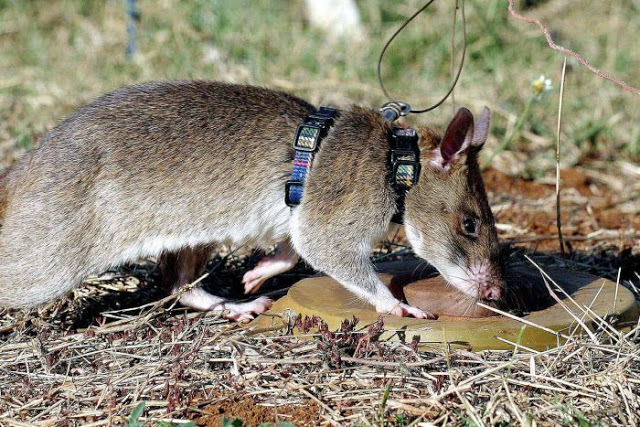
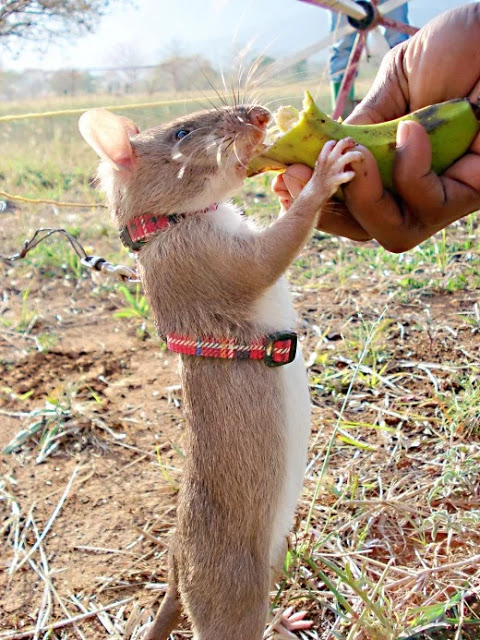
In Africa rats
are trained to detect land mines and diagnose tuberculosis (TB). A single
trained rat can search over 2000 square feet of land for explosive mines in
around 20 minutes. A human would take a week to do the same. This is done in
Morogoro in Tanzania. (Lot of countries affected by wars have the land mine
problem)
Lives are
saved and the war torn countries will be a safer place to live because of these
hero rats. The rats we are talking about
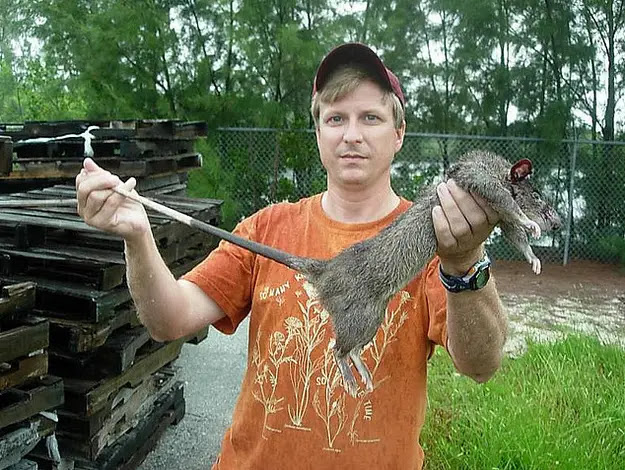
are African pouched rats growing up to three feet long. Apopo , an NGO founded
in Belgium, has been using their extraordinary sense of smell to find
explosives all over the world.
The rats have also been trained to detect tuberculosis, while many other applications, all based around smell, are being researched. They are astonishingly effective. Over the past 20 years, rats have cleared 100,000 landmines giving back almost 2.5 million square miles of land to a million people who had previously lived in fear.
There are
more than 50 species within the genus Rattus, but African giant rats –
Cricetomys gambianus- would be best suited to this task. It takes nine months
to train a rat to sniff the explosives in landmines. Rats have been used to
detect TB since 2007. The rats have helped to halt more than 117,000 potential TB
infections. When somebody has TB their
sputum (spit) contains compounds by a bacterial pathogen and these have an
odour. Some doctors claim to be able to smell it on very ill patients, but it
is recognisable to some animals – such as rats taught by Apopo- at an early stage.
Rats can easily smell the harmful bacteria. When the rats find something harmful,
they are trained to scratch the ground.
( a longer
version of this article was published in the Telegraph magazine.)
Pictures are taken from various sources; beware of copyright rules; don’t use them without permission; this is a non- commercial, educational blog; posted in swamiindology.blogspot.com and tamilandvedas.com simultaneously. Average hits per day for both the blogs 12,000.
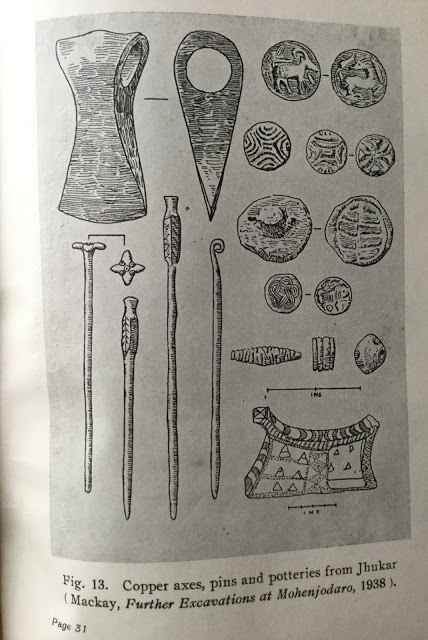
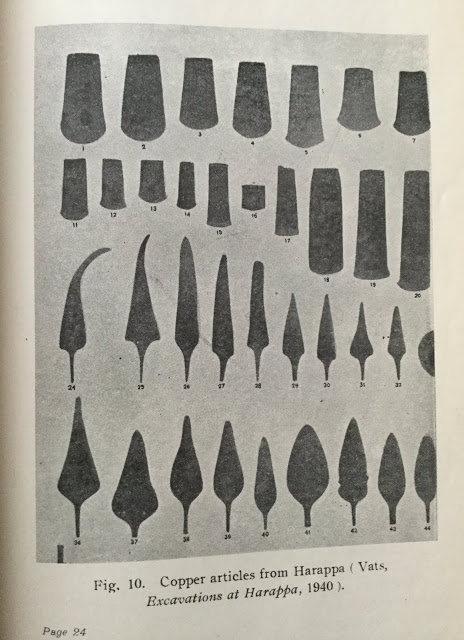
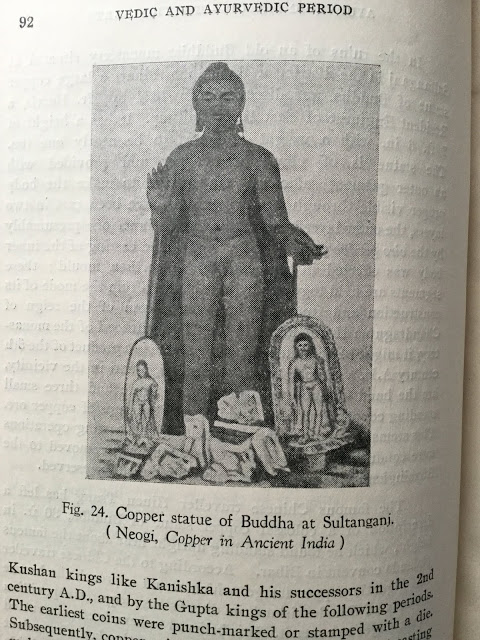
INDUS-SARASVATI VALLEY
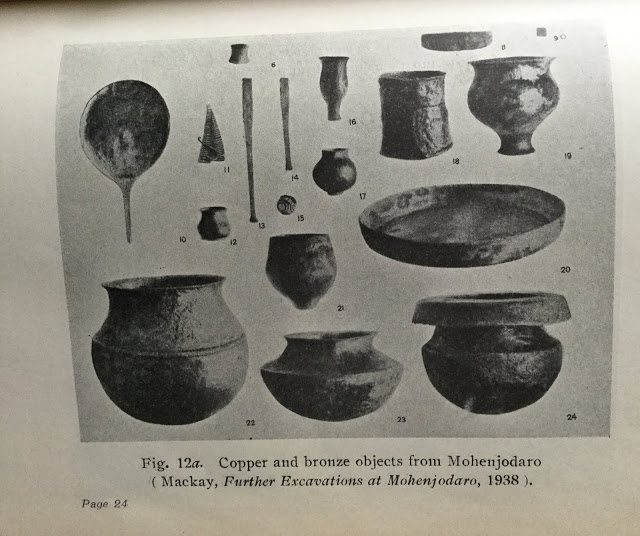
In almost every country the progress of chemistry can be
traced to medicine and alchemy. Alchemy details the method of changing base
metals into silver or gold. It describes the elixir of life and philosopher’s
stone. In India religious worship and certain religious rites are also included
in the study of Chemistry or Rasayana. Throughout the Rig Veda we see people
praying for 100-year life span. To keep themselves fit, they drank the Soma rasa
which gave them long and healthy life. Indian life in all its aspects, social,
political and intellectual has always been under the mighty sway of religion. Soma rasa,
juice of Soma plant is described as an Amrita (ambrosia, elixir of life).
Magic (Electric) Light
The ‘Vasavadatta’ and the’ Dasakumara charita’ in the sixth century allude to the preparation of a mass of fixed or coagulated mercury, (Paradindadrab), ; of a chemical powder capable of producing deep sleep or stupor by its inhalation ( Yoga churna); of a chemically prepared wick for producing light without fire (Yogabartika) and of a powder which acts like an anaesthetic and paralyses sensor and motor nerves, (Stambana churnam.) These are in the above mentioned two books.
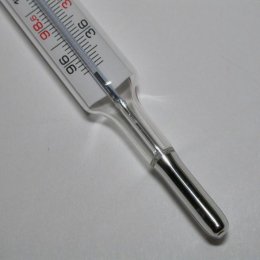
MERCURY IN THERMOMETER
(Mercury is Paatha rasam in Tamil)
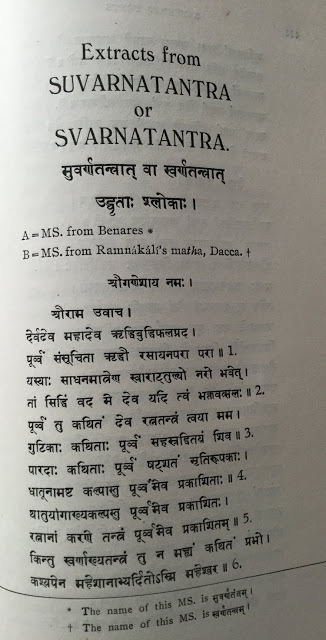
KUBJIKATANTRA is a manuscript in the collection of Maharajah
of Nepal. This was written in Gupta character and copied in the sixth century.
In one place of this Tantra work, Lord Shiva himself speaks about the efficacy
of mercury when it is ‘killed’/ treated six times. Transmutation of copper into
gold with the help of mercury is also explained.
Tantrics believe that preservation of body is necessary to achieve
liberation through certain rites and mercury will make the body undecaying and immortal.
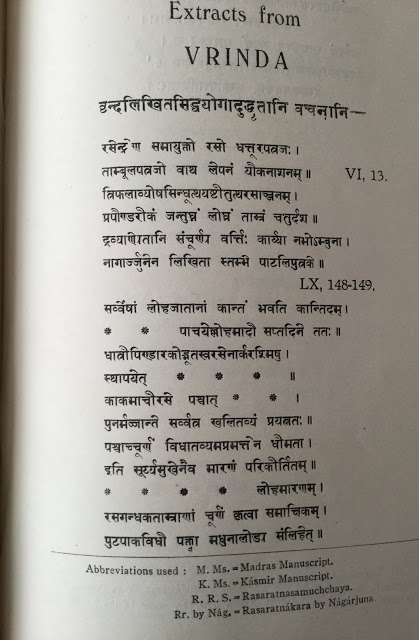
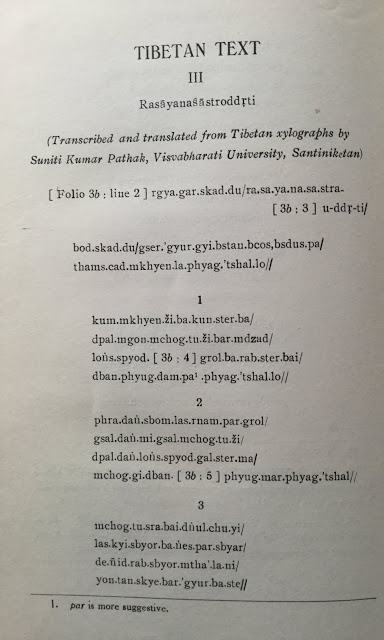
Nagarjuna, the great Buddhist philosopher and alchemist is
credited with a work called RASA RATNAKARA. He is also the reputed author of
KAKSHAPUTA TANTRA and AROGYAMANJARI. He was the redactor of Susruta Samhita. He
lived in the second century CE. There are two dialogues, one between Salivahana
(Sathavahana) and Nagarjuna, and the other between Ratnagosha and Mandavya.
Letter of Nagarjuna
One Friendly epistle of Nagarjuna to King Udyana is available
in Chinese and Tibetan languages. The Sanskrit original is lost. Sathavahanas
ruled Andhra region in the first two centuries of modern era. It looks like
there were more than one Nagarjuna. Arabian scholar Alberuni wrote about one
Nagarjuna of Daihak near Somnath, nearly a century earlier than his own time.
He was a great expert in alchemy according to Alberuni. Rasa ratnakara might
have been written by the second Nagarjuna. In the Durbar Library of Nepal there
are two more works attributed to Nagarjuna. They are Yogasara and
Yogasatak.
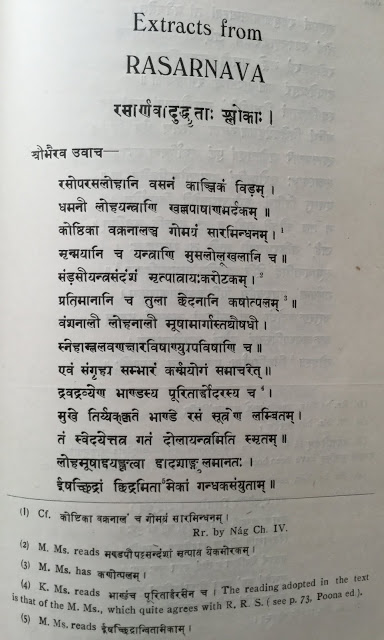
RASARNAVA is a Hindu Saiva Tantra work which describes
mercury as of divine origin. This book has valuable information on chemistry.
Mica has been described as the seed of Goddess Gouri. It says mercury can not
only improve the quality of metals but also can make human body undecaying and
imperishable.
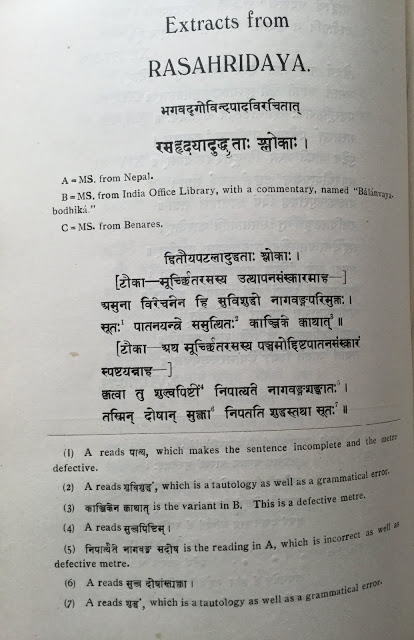
RASAHRIDAYA is another book which talks about ‘Rasa Siddhas’.
They got another body without quitting their own bodies .
Asmaga was a Buddhist monk of Gandhara who lived around 400 CE.
He composed Yogachara Bhumisastra. He introduced Patanjali yoga principles into
Buddhism.
During the reign of the Pala Dynasty, there were many masters
of magic and ‘Mantra Vajracharyas’, who performed the most prodigious feats
with the Siddhis they attained. Siddhis are of eight types with which one
becomes Superman with supernatural powers .
Following Buddhist works are minor chemistry books:-
RASAHRIDAYA was written by Govindabhagavat around 11 th
century at the request of king of Bhutan, Kirataland .
RASENDRACHUDAMANI of Somadeva compiled lot of information
from early works. He has praised Nagarjuna and others.
RASAPRAKASA SUDHAKARA by Yasodhara is another important work
of 12th century.
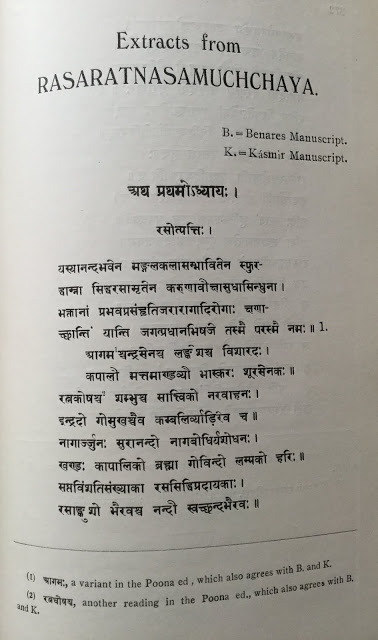
Metallurgy of Zinc is explained in RASA RATNA SAMUCHCHAYA.
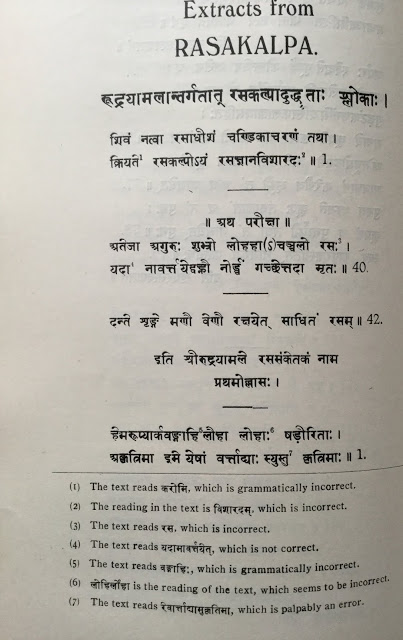
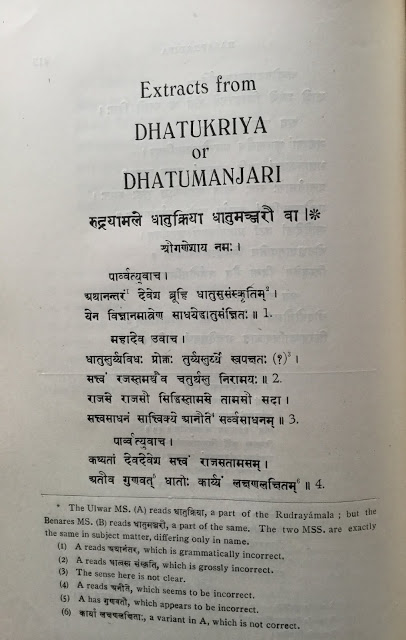
RASAKALPA is part of Rudrayamala Tantra which describes
metals and minerals and the methods to kill/ treat them.
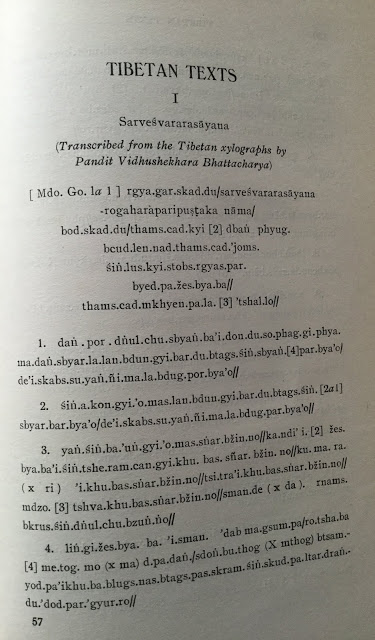
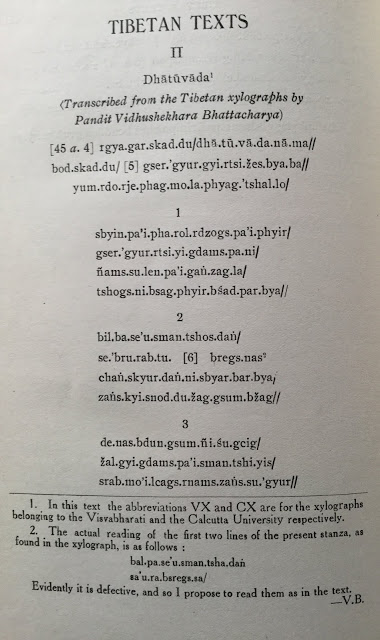
About the gigantic voluminous encyclopaedic Tibetan Tanjur
and Kanjur, a separate article is posted already.
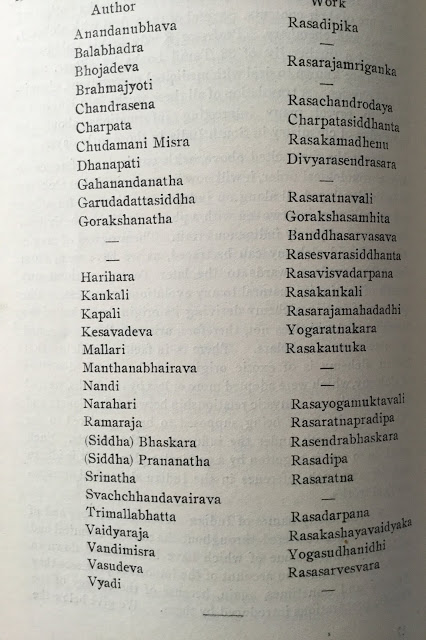
Please see
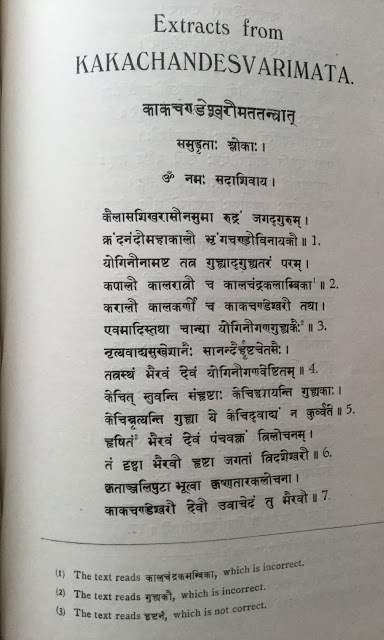
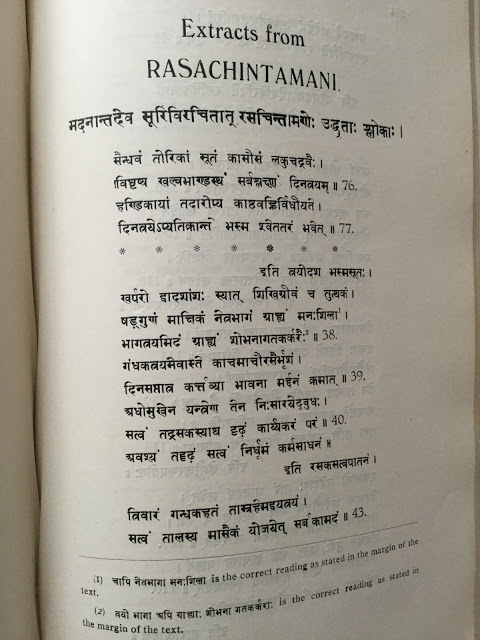
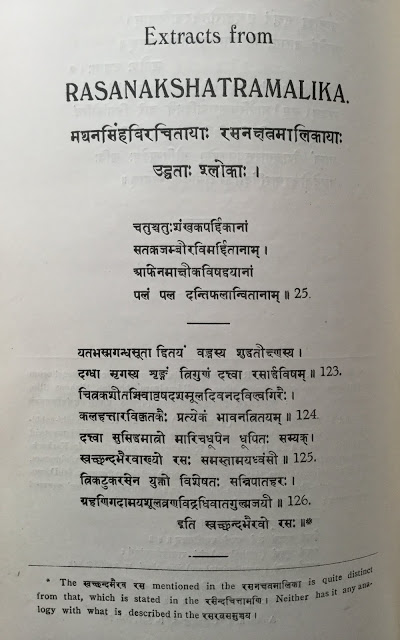
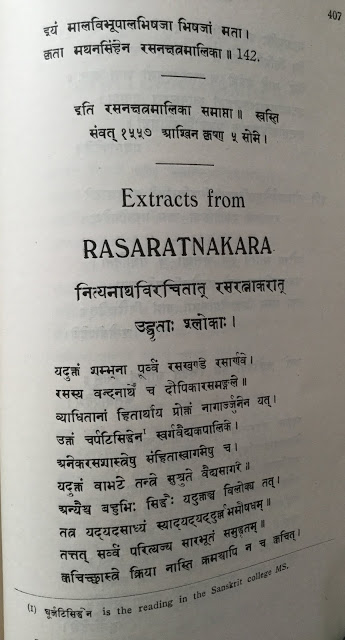
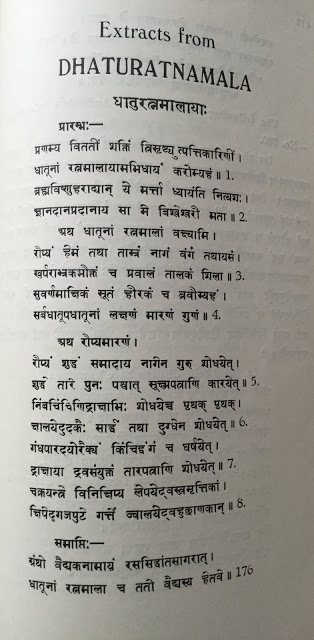
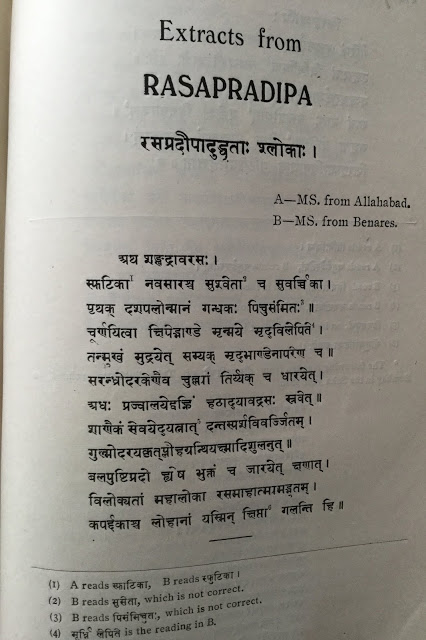
the attached list of Chemistry Books (In Sanskrit):–
Pictures are taken from various sources; beware of copyright rules; don’t use them without permission; this is a non- commercial, educational blog; posted in swamiindology.blogspot.com and tamilandvedas.com simultaneously. Average hits per day for both the blogs 12,000.






















 Tamil and Vedas