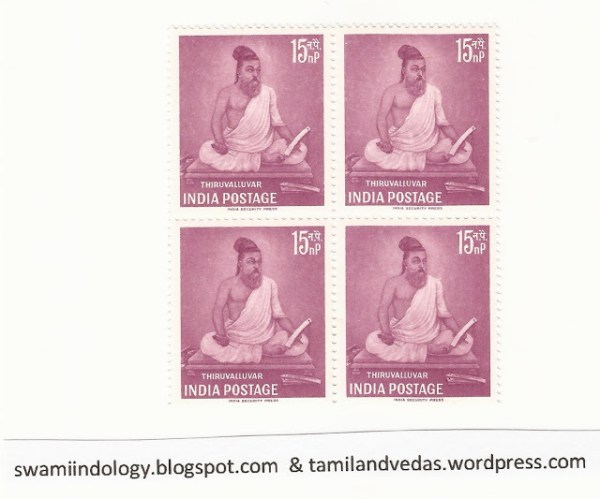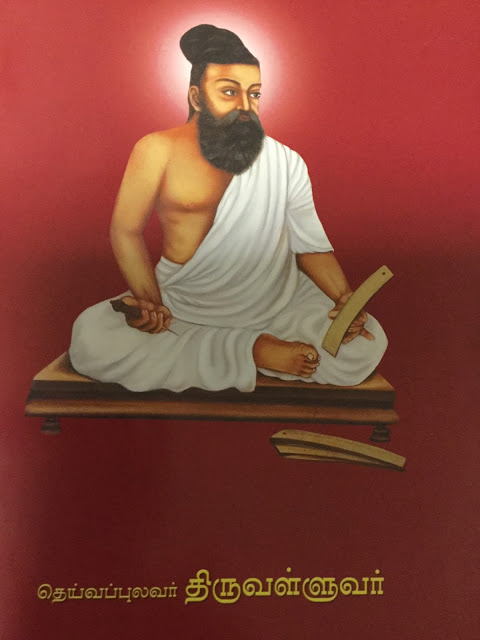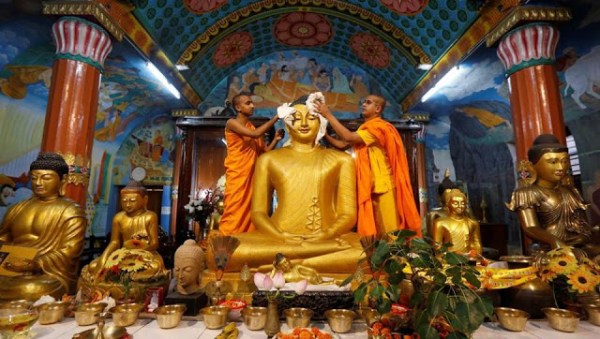
Go Higher and Higher- Buddha and Valluvar Think Alike! -Part 5 (Post No.3931)

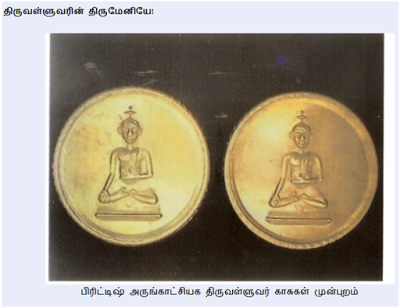
Valluvar coins in the British Museum

Research article written by London Swaminathan


Date: 22 May 2017


Time uploaded in London: 14-52


Post No. 3931


Pictures are taken from various sources such as Face book, google and Wikipedia; thanks.


contact: swami_48@yahoo.com


Lofty Thoughts

Valluvar:

Think lofty thoughts always; even if you fail your aspirations keep you on a higher plane (Kural 596)


Those who have high thoughts are ever striving; they are not happy to remain in the same place. Like swans that leave their lake and rise into the air, they leave their home for a higher home ( Dhammapada verse 91).

Buddha:

Swans follow the path of the sun by the miracle of flying through the air. Men who are strong conquer evil and its armies; and then they arise far above the world ( Dhammapada verse 175).

Aim high is one of the concepts or ideas that Hindu saints put forth before their disciples. First we found it in the great scripture Bhagavad Gita and then in a Sangam Tamil verse. Later Tamil poet Tiruvalluvar also repeated this.

Lord Krishna

Let a man lift himself by himself; let him not degrade himself, said Lord Krishna in the Bhagavad Gita (6-5)

Buddha also said the same in the Dhammapada: The Self is the Lord of the Self (verse 380)

xxx
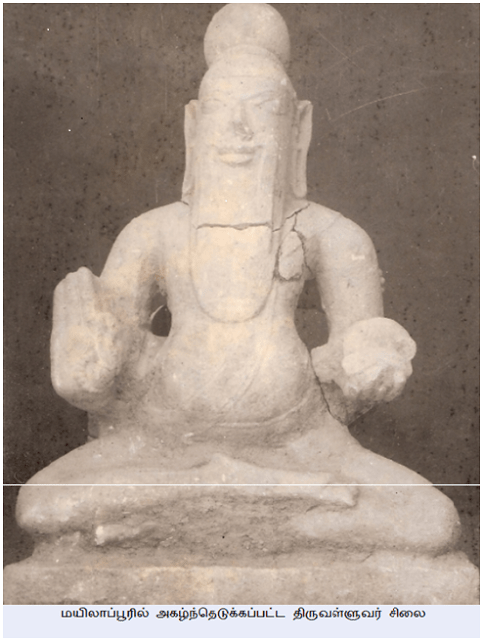
Who is a Brahmin?

Valluvar:

It is the virtuous that are called Brahmins; for it is they that scatter kindness towards all living beings (Kural 30)

Buddha:

Because he has put away, he is called a Brahmin, because he lives in peace, he is called a samana; because he leaves all the sins behind he is called a pilgrim (Dhama. verse388)

He who hurts not with his thoughts or words or deeds, who keeps these three under control – him I call a Brahmin ( Dhamma.391)

Dhammapada chapter 26: verses from 383 -423 are about Brahmins

xxx


Don’t Postpone Good Things

Valluvar:

Do the deeds of charity now without postponing them to your old age; for they will be an unfailing help to you in the hour of death (Kural 36)

Buddha:

Make haste and do what is good; keep your mind away from evil. If a man is slow in doing good, his mind finds pleasure in evil (Dhammapada 116)


xxx
Evil Thoughts destroy you!

Valluvar:

Do not wish for another’s ruin even absentmindedly. If you do, your own ruin is certain to befall (Kural 204)

There is a way of escape from the wrath of every other foe; but the evil deeds of a wicked man relentlessly pursue him down to utter ruin (kural 207)

If a man cares for the well- being of his own self he should do no harm whatever to others (209)


Buddha:

The fool who does an evil to a man who is good, to a man who is pure and free from sin, the evil returns to him like the dust thrown against the wind (Dhamma.125)

xxx

Harsh Words

Valluvar:

A burn caused by fire may heal; but a scar caused by a fiery tongue will never heal (Kural 129)

Buddha:

Never speak harsh words, for once spoken they may return to you. Angry words are painful and there may be blows for blows (Dhammapada 133)

xxx

Don’t Invite Yama-God of Death

Valluvar:

The weak who insult and offend mighty men of wisdom only invite death with their own hands (Kural 894)

Should they who stand (as high) as the hills look with disfavour, even men of firm standing in the world perish with all race (Kural 898)

Buddha:

The fool because of his view scorns the teaching of the holy, those whose soul is great and righteous, gathers fruits of his destruction, like the kashta reeds whose fruits mean its death (Dhamma 164)


–Subham–

 

தராசு உவமை: புத்தரும் வள்ளுவரும் செப்பியது ஒன்றே-3 (Post No.3901)

Written by London Swaminathan


Date: 12 May 2017


Time uploaded in London: 17-07


Post No. 3901


Pictures are taken from various sources; thanks.


contact; swami_48@yahoo.com


முதலிரண்டு பகுதிகள் நேற்றும் அதற்கு முந்தைய தினமும் வெளியாகின.


சமன்செய்து சீர்தூக்கும் கோல்போல் அமைந்தொருபால்

கோடாமை சான்றோர்க் கணி (குறள் 118)

பொருள்:-


முதலில் சமமாக நின்று, பின்னர் பொருளின் எடைக்குத் தக்கபடி சீர்தூக்கும் தராசு போல ஒரு பக்கம் சாயாமல் இருப்பதே சன்றோர்க்கு அணியாகும்.


கண்ணனும் கீதையில் (5-18) மொழிவது இஃதே.


ஆத்ம ஞானம் பெற்றவர்கள் கல்வியும் அடக்கமும் நிறைந்த பிராமணனிடத்தும் பசுவினிடத்தும் யானையினிடத்தும் நாயினிடத்தும்  நாயை உண்ணும் புலையனிடத்தும் சமதர்சனம் உடையவர்களாவர்.


புத்தனும் தம்மபதத்தில்(269) கூறுவது இதைத்தான்:-

“ஒரு மனிதன் அறியாமையாலோ, மூடத்தனத்தாலோ பேசாமல் இருந்தால் அவன சிந்தனைச் சிற்பி அல்ல. ஒரு முனிவர் சிந்தனையாளர் ஆவார். ஒரு தராசுத் தட்டில் நல்லதையும் கெட்டதையும் தனித்தனியே வைத்து சீர்தூக்கிப் பார்ப்பவன் முனிவன், சிந்தனையாளன் ஆவான்.


மனு, வள்ளுவன் புத்தன்!


அவிசொரிந்தாயிரம் வேட்டலின் ஒன்றன்

உயிர் சொகுத்துண்ணாமை நன்று (259)


கொல்லான் புலாலை மறுத்தானைக் கைகூப்பி

எல்லா உயிரும் தொழும் (260)


ஒரு உயிய்ரைக்கொல்லாமல் இருப்பது டீதீயில் நெய் சோறு இட்டு ஆஇயிரம் வேள்விகளைச் செய்வதைவிடப் புண்ணியமாகும்


ஒர்ரு உயிரைக் கொல்லாமலும் மாமிசத்தைச் சாப்பிடாமலும் இருப்பவனை உலகில் வாழும் எல்லா உயிய்ரினங்களும் இரண்டு கைகளையும் உயர்த்திக் கும்பிட்டு வணங்கும்.


36,500 அஸ்வமேத யாகம் = சைவ உணவு


தினமும் ஒரு அஸ்வமேதயாகம் வீதம் நூறு ஆண்டுகளுக்கு யாகம் செய்து கிடைக்கும் புண்ணியமும் மாமிசம் சாப்பிடாமல் இருப்பதால் கிடைக்கும் புண்ணியமும் சமம் ஆகும்.

புத்தர் உரைப்பதும் அஃதே

தம்மபதம் 266, 270):– ஒருவர் மஞ்சள் உடை தரித்து யாசகம் செய்து வாழ்வதால் புத்த பிட்சு ஆகிவிடமாட்டார். நேர்மையான பாதையை ஏற்று மாமிச உண்வைத் தவிர்ப்ப்வரே புத்த பிட்சு எனப்படுவார்.


ஒருவர் நிறைய பேரைக் கொன்ற வீரன் என்பதால் பெரியவன் அல்ல; யார் ஒருவன் ஒரு உயிருக்கும் தீங்கு செய்ய்தவனோ அவனே பெரியவன்; மா மனிதன்.

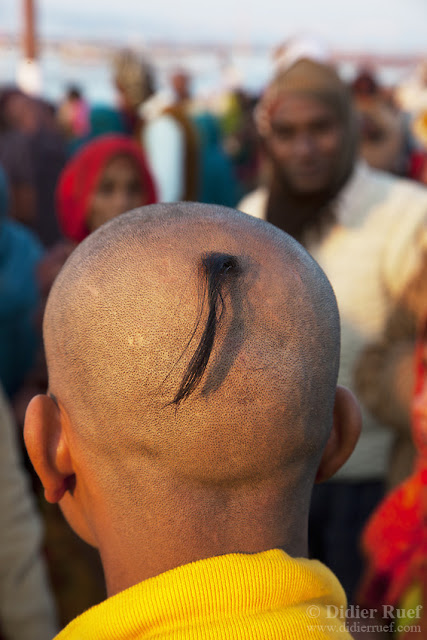
மொட்டையும் குடுமியும்

எழுதியவர் லண்டன் சுவாமிநாதன்
கட்டுரை எண். 835 தேதி 12-02-14

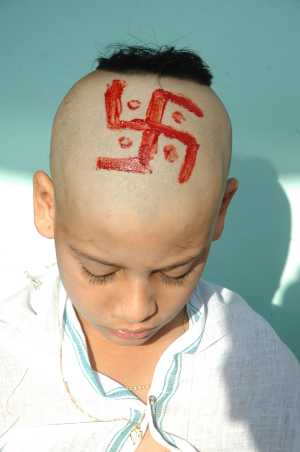
ஆதி காலத்தில் இந்து, புத்த, சமண மதத்தில் மிகுந்த ஈடுபாடுடையோர் வெளிச் சின்னங்கள் மூலம் அதைக் காட்டினர். காவி உடை, மஞ்சள் உடை, வெள்ளாடை இப்படி வெளிப்புறத்திலும் நெற்றியில் விபூதி, குங்குமம், சந்தனம், கோபி, நாமம் இப்படிப் பல சின்னங்களாலும் யார் என்பதைக் காட்டினர். இது போலவே தலை முடி விஷயத்திலும் பல பாணிகள் (ஸ்டைல்) நிலவின. முன் குடுமி, பின் குடுமி, மொட்டை (பௌத்தர்), மயிர் ஒவ்வொன்றாக பறித்து மொட்டையாகுதல் (சமணர்) என்று பல வகைகள் இருந்தன. முற்றிலும் உணர்ந்த ஞானிகள் இந்த வெளி வேஷத்தைப் பொருட்படுத்தாமல் தத்துவங்களில் மட்டுமே நம்பிக்கை வைத்தனர். ஏனெனில் காலப்போக்கில் இது எல்லாம் ஏமாற்றும் பேர்வழிகளுக்கு வசதியாகப் போயின.


வள்ளுவர், ஆதிசங்கரர், புத்தர், திருமூலர் ஆகிய எல்லோரும் இதில் ஒருமித்த கருத்து வைத்திருப்பது வியப்பளிக்கிறது.இவர்கள் ஒவ்வொருவரும் வெவ்வேறு காலகட்டங்களில், இந்தியாவின் வெவ்வேறு பகுதிகளில் வசித்தவர்கள்.

1400 ஆண்டுகளுக்கு முன் தமிழகத்தை ஆண்ட மஹேந்திர பல்லவ மன்னன் சம்ஸ்கிருதத்தில் ஒரு நகைச்சுவை நாடகம் எழுதி இருக்கிறான். மத்தவிலாசப்ரஹசனம் என்ற அந்த நாடகத்தில் இந்து, புத்த, ஜைன (சமண) மத போலி சந்யாசிகளைக் கிண்டல் செய்துள்ளான். சங்கரரின் பஜகோவிந்தத்தில் சொல்லும் விஷயம், மஹேந்திர வர்மன் நேரில் கண்ட காட்சியுடன் இணைகிறது!

முடி விஷயத்தில் பல வகையான ‘ஸ்டைல்கள்’ வேத காலம் முதலே இருந்திருக்கின்றன. ஏதோ இந்தக் காலத்தில் ரவிவர்மா வரைந்த படங்களில்தான் சிவனுக்கு மீசை, விஷ்ணுவுக்கு மீசை இல்லை என்று நினைத்துவிட வேண்டாம். சிவபெருமானை வருணிக்கும் யஜூர் வேத ருத்ரம்/சமகத்தில் சிவனை மொட்டையன் என்றும் நீண்ட சடையன் என்றும் போற்றுகின்றனர்.

நீண்ட சடையன் (கபர்தீன்)
வ்யுப்தகேச (முண்டம்/ மழித்த) – ருத்ரம் (யஜூர் வேதம்)
வைத்தால் குடுமி சிரைத்தால் மொட்டை என்ற தமிழ்ப் பழமொழி இந்த ருத்ர மந்திரத்தில் இருந்துதான் வந்ததோ என்னவோ!


வள்ளுவர் கூறுகிறார்:

மழித்தலும் நீட்டலும் வேண்டா உலகம்
பழித்தது ஒழித்துவிடின் – (குறள் 280)

பொருள்: தவம் செய்வாருக்கு மொட்டை அடித்துக் கொள்வதும் சடை முடி வளர்த்தலும் தேவை இல்லை உலகத்தார் எதையெல்லாம் பழிக்கிறார்களோ அத்தகைய தீய வழக்கங்களை விட்டாலே போதும்.

சங்கரரும் சாடுகிறார்

தத்துவ வித்தகர் ஆதி சங்கரர் பஜ கோவிந்தம் என்ற அருமையான துதிப்பாடலில் இதை அழகாக வருணிக்கிறார். இந்தப் பாட்டை அவரது சீடர் தோடகர் பாடியதாகச் சொல்லுவர்.:

“ஜடிலோ முண்டி லுஞ்சித கேச :
காஷாயாம்(அ)ம்பர பஹுக்ருத வேஷ :
பஸ்யன் அபி ச ந பஸ்யதி மூட:
ஹ்யுதரநிமித்தம் பஹுக்ருத வேஷ :”
—
பஜகோவிந்தம்

( : இவ்வாறு இரண்டு புள்ளி இருக்கும் இடத்தில் ஹ என்று உச்சரிக்கவும்.எ.கா. வேஷஹ, கேசஹ, மூடஹ).

பொருள்: ஒருவன் சடை முடியுடன் இருக்கிறான். மற்றொருவனோ மொட்டைத் தலையன். இன்னும் ஒருவன் ஒவ்வொரு முடியாகப் பிடுங்கிவிட்டான். இன்னொருவன் காவி உடையில் வலம் வருகிறான். இந்த மூடர்கள் கண் இருந்தும் குருடர்கள். இந்த வெளி வேஷம் எல்லாம் வயிற்றுப் பிழைப்புக்குத்தான்.
எவ்வளவு பெரிய உண்மையை எவ்வளவு அழகாகச் சொல்லிவிட்டார் தோடகர்.


திருமூலரின் திருமந்திரம்

நூலும் சிகையும் நுவலில் பிரமமோ
நூலது கார்ப்பாசம் நுண்சிகை கேசமாம்
நூலது வேதாந்தம் நுண்சிகை ஞானமாம்
நூலது அந்தணர் காணும் நுவலிலே

பூணூலும் உச்சுக்குடுமியும் தரித்திருக்கும் எல்லா பிராமணர்களையும் பிரம்மத்தை அறிந்தவர்கள் என்று எண்ண முடியுமா? நூல் என்பது வெறும் பருத்தி நூல்தானே, சிகை என்பது வெறும் முடிதானே. உண்மையில் நூல் என்பது வேதாந்த நூலறிவு. நுண் சிகை ஞானம் என்பது இடகலை, பிங்கலை, சுழுமுனை ஆகிய 3 நாடிகளின் தன்மை அறிந்து, பிரம நாடி சிறக்க தலை உச்சியில் ஞானம் உண்டாவதே. இதுவே அந்தணர் கடைப்பிடிக்க வேண்டிய முறை—என்பார் திருமூலர்.


புத்தர் பேருரை

உச்சுக்குடுமி, மொட்டை, ஜடாமுடி, காவித்துணி, மஞ்சள் உடை, நிர்வாண கோலம் இவைகளால் ஒருவன் துறவி ஆகிவிட முடியாது என்று புத்தர், வள்ளுவர், திருமூலர், ஆதிசங்கரர் முதலிய பல தீர்கதரிசிகள் எடுத்துரைத்துள்ளனர்.


புத்தர் தம்மபதத்தில்,  மூன்று இடங்களில் இக்கருத்தை வலியுறுத்துகிறார் (தம்மபதம் 141, 264, 393)

நீண்ட முடியும் சிகையும் வைத்திருப்பதாலோ, பிராமண குடும்பத்தில் பிறந்ததாலோ ஒருவன் பிராமணன் ஆகிவிடமாட்டான். எவனிடத்தில் சத்யமும் புனிதமும் இருக்கிறதோ அவனே பிராமணன். அவன் ஆனந்தக் கடலில் மிதப்பான் என்று தம்மபதத்தில் (393) புத்தபிரானும் கூறுகிறார்.

புத்தரும் தனது மதத்தினரின் வெளி வேஷங்களை அபோழுதே கண்டித்துள்ளார். அவரது மதம் எப்படித் தேய்ந்துபோகும் என்பதை அவர் பிரதம சீடரான ஆனந்தனுடன் நடத்திய சம்பாஷணையில் கூறினார். அவர் இறந்தவுடன் நடந்த மூன்று மஹா நாடுகளில் வாதப் பிரதிவாதங்கள் விண்ணைப் பிளந்தன. பெண்களைக் கட்டாயம் புத்த மதத்தில் சேர்க்கவேண்டும் என்று ஆனந்தன் மன்றாடியபோது, 1000 ஆண்டுகள் நிலைக்கக்கூடிய என்னுடைய மதம், பெண்களை (புத்த பிட்சுணிகளாக) அனுமதித்தால், 500 ஆண்டுகளே இருக்கும் என்றார் புத்த பிரான். இது பற்றிய விரிவான விளக்கத்தை எனது ஆங்கிலக் கட்டுரையில் காண்க: Two Interesting Conversations about Women, posted on 5th February 2014.

Contact swami_48@yahoo.com


பூமியைக் காப்பாற்ற நாஸாவின் புதுத் திட்டம்! (Post No.3882)


Written by S NAGARAJAN


Date: 6 May 2017


Time uploaded in London:-  5-49 am


Post No.3882


Pictures are taken from different sources; thanks.


contact: swami_48@yahoo.com


பாக்யா 5-5-2017 தேதியிட்ட இதழில் அறிவியல் துளிகள் தொடரில் வெளியாகியுள்ள கட்டுரை

பூமியைக் காப்பாற்ற நாஸாவின் புதுத் திட்டம்!

ச.நாகராஜன்


“சந்திரனை ஆராய்வதற்காக இவ்வளவு தூரம் சந்திரனுக்கு நாம் வந்துள்ளோம். மிக முக்கியமான விஷயம் என்னவென்றால் இப்போது நாம் நமது பூமியைக் கண்டு பிடித்திருக்கிறோம்” – அபல்லோவில் சென்ற் விண்வெளி வீரர் வில்லியம் ஆண்டர்ஸ்


    தத்து எடுப்பது என்பது தொன்றுதொட்டு இருந்து வரும் ஒரு பழக்கம் தான்! பிள்ளைகளை சுவீகாரம் எடுப்பது போல இப்போது நிறுவனங்களும் பல கிராமங்களை தத்து எடுத்து வளர்ச்சிப் பணிகளை மேற்கொள்வது வரவேற்கத்தக்க ஒரு நவநாகரீக முன்னேற்றம்.


    இந்த வழியில் அமெரிக்க விண்வெளி ஆய்வு நிறுவனமான நாஸா ஒரு புதுத் திட்டத்தை வகுத்திருக்கிறது. பூமியை தத்து எடுக்கும் திட்டம் தான் அது.


    நாளுக்கு நாள் பூமியில் இருக்கும் அனைத்து வளங்களும் சுரண்டப்பட்டு வருகின்றன. நீர் வளம், ஆற்றில் உள்ள மண் வளம்,  போன்றவை சுரண்டப்படுகின்றன; பூமியைச் சுற்றி இருக்கும் காற்று மாசு படுத்தப் படுகிறது.


   இதனால் புவியைப் பாதுகாக்க நாஸா விழிப்புணர்ச்சிய ஏற்படுத்த முன் வந்துள்ளது. இந்தத் திட்டத்தின் படி பூமியின் மேற்பரப்பானது 64000 அறுகோண வடிவமுள்ள துண்டுகளாகப் பிரிக்கப்பட்டுள்ளது. ஒவ்வொன்றும் 55 மைல் அகலமுள்ளது. இவற்றில் யார் வேண்டுமானாலும் ஒரு பகுதியைத் தத்து எடுத்துக் கொள்ளலாம். அவர்களுக்கு ஏதாவது ஒரு பகுதி அளிக்கப்படும். அவர்களுக்கு தத்து எடுத்ததற்கான நற்சான்றிதழும் வழங்கப்படும். 2017, ஏப்ரல் 22ஆம் தேதி பூமி தினம் என்பதால் அதற்குள் 64000 துண்டுகளையும் தத்து எடுக்க அனைவரும் முன் வர வேண்டுமென்று நாஸா வேண்டுகோள் விடுத்துள்ளது. 64000 பகுதிகளும் தத்து எடுக்கப்பட்டால் ஒரு பட்டியல் தயாரிக்கப்பட்டு அடுத்த கட்ட நடவடிக்கை எடுக்கப்படும்.


புவி விஞ்ஞானம் சம்பந்தமாக 18 விண்வெளி கலங்களை நாஸா இதுவரை அனுப்பியுள்ளது. இவற்றிற்கு உறுதுணையாக பெரும் கப்பல்கள், விமானங்கள், தரையில் இயங்கும் பெரும் சோதனைக்கூடங்கள் ஆகியவை அனைத்து உதவிகளையும் செய்கின்றன. இதன் மூலம் பூமியில் வாழும் ஒவ்வொரு மனிதருக்கும் சுற்றுப்புறச் சூழல் பாதுகாப்பை இவை அளிக்கின்றன.

இந்த திட்டங்களின் மூலம் கடல் உஷ்ணநிலை, தாவரங்களின் நிலை, மேகங்கள் இருக்கும் உயரம், வளிமண்டலத்தில் உள்ள தூசு, மாசு, மண்வள்ம் உள்ளிட்ட பல அரிய புள்ளி விவரங்கள் சேகரிக்கப்பட்டுள்ளன.

பூமியைத் தத்து எடுத்துக் கொண்டோர் புவி வளத்தைப் பாதுகாக்க வேண்டியதன் அவசியத்தைப் பற்றிய விழிப்புணர்ச்சியை ஏற்படுத்த வேண்டும், அவ்வளவு தான்!

பூமியைப் பற்றி ஏராளமான அரிய தகவல்கள் உள்ளன.

நமக்குத் தெரிந்த வரையில் இந்த பிரபஞ்சத்தில் உயிரினம் வாழத் தகுதி உள்ள ஒரே கிரகம் பூமி தான்!


பூமியில் என்ன அடங்கியிருக்கிறது என்று பார்த்தால் நமக்குக் கிடைப்பது இரும்பு – 32.1%, ஆக்ஸிஜன் – 30.1%, சிலிகான் – 15.1%, மக்னீஷியம் – 13.9% மற்றவை 8.8 %


பூமியின் மேற்பரப்பில் 70 சதவிகிதம் நீரால் சூழப்பட்டுள்ளது. நீலக் கடலை விண்வெளி விஞ்ஞானிகள் மேலிருந்து பார்த்து ஆச்சரியப்பட்டு இதற்கு நீல கிரகம் என்று பெயர் சூட்டப்பட்டிருப்பது சரி தான் என்று மகிழ்ந்து கூறினர்.

பூமியின் வளி மண்டலம் சுமார் பத்தாயிரம் கிலோமீட்டர் தூரம் வரை உள்ளது. முதல் 50 கிலோமீட்டர் மிகவும் அடர்த்தியாக இருக்கிறது


பூமி ஒரு முறை சுற்றுவதற்காக ஆகும் காலம் 23 மணி, 56 நிமிடம் 4 விநாடிகள். சூரியன் தனது பாதையில் ஒரு டிகிரி நகர்தலையும் எண்ணிப் பார்க்கும் போது இது 24 மணி நேரமாக ஆகிறது


பூமியில் ஒரு வருடம் என்பது சரியாகப் பார்த்தோமேயானால் 365.2564 நாட்கள் ஆகும். கூடுதலாக உள்ள .2564 நாளை நான்கு வருடத்திற்கு ஒரு முறை லீப் வருடத்தில் சேர்த்துக் கொள்கிறோம். பூமிக்கு ஒரு சந்திரனும் இரண்டு சாடலைட்டுகளும் உண்டு.

இப்படி புவி பற்றிய அரிய விவரங்கள் ஏராளம் உண்டு. ஆகவே தனித்துவம் மிக்க நாம் வாழும் கிரகத்தைக் காப்பாற்ற உத்வேகமூட்டவே பூமி தினம் கொண்டாடப்படுகிறது.


இதை நாஸா நல்ல விதத்தில் கொண்டாட, தத்தெடுக்கும் திட்டத்தை அறிவித்திருப்பது வரவேற்க வேண்டிய ஒரு செய்தியே 


அறிவியல் அறிஞர் வாழ்வில் .. ..

    ஃபேஸ்புக்கை உருவாக்கிய மார்க் ஜுக்கர்பெர்க்கிற்கு பல விசித்திரமான பொழுதுபோக்குப் பழக்கங்கள் உண்டு.     

     ஒவ்வொரு வருடமும் ஒரு புது ஹாபியை அவர் மேற்கொள்வார். 2009ஆம் ஆண்டு அவர் ஒவ்வொரு நாளும் ஒரு புது டையை அணிந்து கொண்டு அனைவரையும் அசத்தினார். 2010ஆம் ஆண்டு அனைவருக்கும் அவர் ஒரு சவால் விட்டார்- தான் சீன மொழியான மாண்டரினைக் கற்று புலமை பெறப்  போவதாக! அதன்படியே சீன மொழியை தினமும் கற்றார்.


   2011ஆம் ஆண்டு அவர் எடுத்த ஹாபி – தன் கையால் கசாப்பு செய்யப்பட்ட மாமிசத்தையே தான் உண்ணப் போவதாக எடுத்த முடிவு. கலிபோர்னியாவில் பன்றி மாமிசத்தை நண்பர்களுடன் அவர் சாப்பிடும்போது அவர்கள் தாங்கள் அதை விரும்பிச் சாப்பிட்டாலும் கூட அது உயிருடன் இருந்ததை நினைக்க விரும்பவில்லை என்றனர். இதை பொறுப்பற்ற தன்மை என்று விமரிசித்த அவர் கோழி வெள்ளாடு பன்றி போன்றவற்றை எப்படி அறுப்பது என்பதைக்  கற்று தானே கசாப்பு வேலையை ஆரம்பித்தார். இதனால் வெளியிடங்களில் சென்று சாப்பிடும் போது அவர் சைவ உணவையே சாப்பிட வேண்டியிருந்தது. இப்படி விசித்திர பழக்கங்களை மேற்கொள்வதன் மூலம் ஃபேஸ்புக்கில் உள்ள வேலைப் பளுவிலிருந்து மீள முடிகிறது என்கிறார் அவர்!

***

Interesting Funerary Customs during Ramayana Period (Post No.3782)

Written by London swaminathan


Date: 2 APRIL 2017


Time uploaded in London:- 15-30


Post No. 3782


Pictures are taken from various sources; thanks.


contact; swami_48@yahoo.com


There are very interesting funerary customs in Valmiki Ramayana. Since they are only minor details, many of us miss them. Some of the dead were cremated; some were buried. We don’t know why. Let us look at them one by one:-


Bhagiratha performing the funeral rites for his ancestors occurs in the Balakanda. Bhagiratha made the Ganges water to flow on the ashes of ancestors and liberated them. He also performed the funeral rites with the sacred water in accordance with the tradition.

Here we come across some important points:

1.Dissolving the ashes of the dead in Ganges water existed at least from the days of Bhagiratha. Even today Hindus dying in different parts of the world, make arrangements for their ashes to be dissolved in the Holy Ganges. From Vedic days, Hindus were mostly cremated.

2.Even During Bhagiratha’s days there was a tradition of performing funeral rites.

3.Water is used in all the rites.

  1. In the Rig Veda, the oldest religious book in the world and in the Sangam Tamil literature, we come across both burials and cremations.


When Dasaratha died….

Dasaratha’s body was immersed in a vat of oil for preservation.


“Raising the body of King Dasaratha from the earth, where it had been immersed in oil, seeming as it were asleep, the face like the colour of gold, he (Bharata) placed it on a magnificent couch, adorned with every kind of precious stones, and, plunged in grief, said to his father……”

(Ayodhya Kanda, Chapter 76)

Vasishtha said to him, “ O Valiant Prince, without hesitation or repining, carry out the funeral rites of the king that should be performed”.

Be it so! answered Bharata, and obedient to Vasishtha’s command, he summoned the priests speedily from all side with their attendants and sages. The fires for that Indra among men were prepared outside Agnyagara (Fire Chamber) and kindled in accord with the rituals by the priests and sacrificial attendants. Thereafter the servants placing the body of the king on a litter, with dejected minds bore it away, weeping the while; the people scattering gold, silver and cloths of many kinds went before the king, whilst others assembled sandal wood, sweet aloes and different fragrant essences with heaps of Sarala, Devadaru and Padmaja wood in order to build the funeral pyre. Then drawing near where the king lay, the Ritvijas offered sandal, stalks of water lilies, sweet roots and perfumes, and, pouring oblations into the fire, began the recitation of the silent prayer; thereafter, as laid down in the scriptures, the singers of the Sama Veda started their chanting.

Then the women of the inner apartments left the city in palanquins and chariots according to their rank, escorted by aged guards; and the priests circumambulated the royal pyre, keeping it on their left and the women plunged in grief followed, led by Kauslaya. Thereupon piercing cries, like unto ospreys, arose, which was the wailing of the women, who in their despair emitted innumerable plaints as they descended from their chariots on to the banks of the Sarayu River.

Having performed the water ritual (The Funeral rites consist of two parts, the burning and the cooling of the body by libations, called Tarpana. Each attending is required to offer an Anjali of water – that which can be contained in the hollow of the hands – to the deceased.), the wives of the monarch, as also the counsellors and priests, in company with Bharata, returned to the city, their eyes bathed in tears, and for ten days, observing deep mourning, slept on the ground.

(The Smriti lays down twelve days for the kings and sixteen for other Kshatriyas, but the sage Parasara fixes ten days for Kshatriyas in general).

My comments:

1.Hindus and the Government of India observe a mourning period of ten to thirteen days until today.

2.Funeral pyre is made up of sandal, aloe, agar and other fragrant woods.

3.Holy water from different sources are used

  1. Our forefathers knew the technique of preserving dead bodies. Since Bharata had to travel very fast in Chariot from the border of Iran-Afghanistan to Ayodhya in Uttar Pradesh (India), Chief Priest ordered the body to be preserved in medicinal oil.
  2. Royal women also came in palanquins to attend the funeral.

6.Note that there was no Suttee (wives dying with husband in the funeral pyre); all the three queens returned home after bathing in Sarayu.

7.Tarpan (water oblation) continues until today. We can’t see such a continuity in any other parts of the world. For over 5000 years the ceremonies are kept almost intact. Only now it is changing because relatives have spread far and wide.

  1. Going around the dead body in the anti-clock wise direction is done even today.

Chapter 77 of Ayodhya Kanda gives following details: –

Ten days have passed; on the eleventh day Bharata and Shatrugana fainted during the ceremonies; those who watched them also felt sad. The bothers fell like Indra Dwaja (standard).


This simile use in the chapter twice shows Valmiki lived long before other poets. Indra dwaja (flag of Indra) is knocked down during the festival. Tamils also celebrated according to Tamil epics. But later it stopped.


On the 13th day, the virtuous and gentle spiritual preceptor Vasishtha said, “O,Lord, this is the thirteenth day since the death of your father. Why do you delay in collecting the bones and ashes? All beings, without exception, suffer three things. Once cannot eschew them.”


Three things= Hunger and thirst, Pleasure and pain, Life and Death.


Then helped by the Chief Minister Sumantra both brothers completed the funeral rites.

In some communities, the ashes are collected on the second day and the ceremony finishes on the 12th day; on the thirteenth day, they do the purification ceremony.


We will see what Rama did with the bodies of demons, Bird King Jatayu and others in the next article.


Source book: The Ramayana of Valmiki, Translated by Hari Prasad Shastri


—Subham–


Thousand Dog Burials in Mesopotamia and Egypt! (Post No.3642)

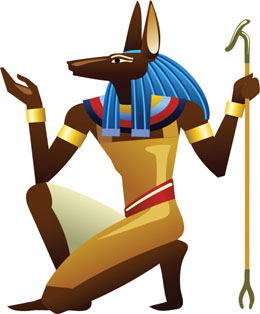
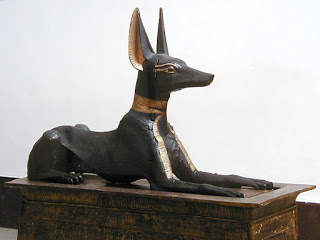
Picture of Anubis


Written by London swaminathan


Date: 16 FEBRUARY 2017


Time uploaded in London:- 10-59 am


Post No. 3642


Pictures are taken from various sources; thanks.


contact; swami_48@yahoo.com


“What worse calamity can there be than that one runs around asking food from strangers like a dog? (yaacamaanah paraad annam paridhaavemahisvatat- (Mahabharata 1-147-17)


In my article “ VEDIC DOG AND CHURCH DOG”, posted on 18 January 2013, I have explained the oldest reference to dog Sarama in the Rig Veda. The Greeks borrowed it and changed it to Hermes.  In the same article, I wrote about the dog that followed Yudhisthira in the Mahabharata and the humorous dog story of Uttarakanda of Ramayana. In my article, ALEXANDER’S HORSE and DOG, posted 0n 24 November 2014, I have written about his faithful dog and horse.

Here are some stories about DOG BURIALS in Mesopotamia and Egypt!


In Hinduism we have dog as the vahana (vehicle) of Bhairava. In Egypt, they have dog faced Gods!

“Dogs are associated with healing in Mesopotamia (Iraq) and Anatolia (Turkey). Dogs were buried in the ramp of a temple to Gula at Isin in 1000 BCE. More than one thousand dog burials were found in Persian levels at Ashkelon.

Ashkelon is 60 kilometres from Tel Aviv, Israel. The city is mentioned in the Bible. The city of Isin is in Southern Mesopotamia”.

–from Dictionary of the Ancient Near East, British Museum


Dogs in Ancient Egypt

Pharaohs of Egypt used dos for hunting. The Egyptian hound was exceptionally fast.

When speaking of dogs, Egyptians said that the dog was ‘one with the Gods, more swift than the arrows’.

When W B Emery excavated Queen Herneith’s First Dynasty mastaba tomb at Saqqara in 1950s, he found a dog buried with the queen. It was an example of the slender, prick eared hound which is recorded in countless painted vases, wall reliefs and still more monumental sculptures.


Egyptian God Set is frequently represented in Egyptian hieroglyphs and iconography by a strange, ambiguous quadruped which has variously been described as composite imagery, an okapi, a wolf, a jackal, an ass and sometimes even a dog. There are many representations of Set from 4000 BCE. He fathered Anubis, a dog or jackal headed god.


Egyptian dogs were given elaborate names, often, like their human contemporaries. One owner of such a dog, Senbi the Governor of Cusae in Upper Egypt (2000 BCE), named his hound ‘Breath of Life of Senbi”. Another great prince, Serenput, the Keeper of the Southern Gate of Egypt, is shown with his hound sitting under his chair. Nefer of 3000 BCE is also shown with his hunting dog in Saqqara.

–from Egypt’s Making by Michel Rice


Tamils erected a tomb stone for a dog called Kovidan 1200 years ago (See my earlier post)


Dog is associated with after life in many cultures. Hindus believed Yama, God of Death, comes with his dogs. Greeks had Cerberus, three headed dog, guiding a person in the next world.


Dogs are believed to be able to see ghosts and thus warn us of invisible dangers. Before earth quakes or natural disasters dogs howl and warn us of impending dangers. Black dogs were thought of as demonic companions of witches or necromancers.


Biologists think that dog was the first domesticated animal; it was the best friend of human beings and praised for its vigilance and loyalty. It can easily learn new tricks.


Like Hindu God Dattatreya, in the Western World, Asclepius and Hermes were accompanied by dogs. St.Hubert, St Eustace and St Roch were also accompanied by dogs.


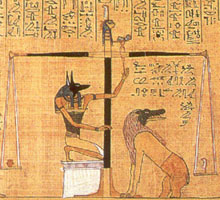
Anubis, Egyptian God of the dead, looked like a large wild dog. He led the souls after death.

In the Middle Ages, dogs appeared on tomb stones as an image of Feudal Loyalty or Marital Fidelity.


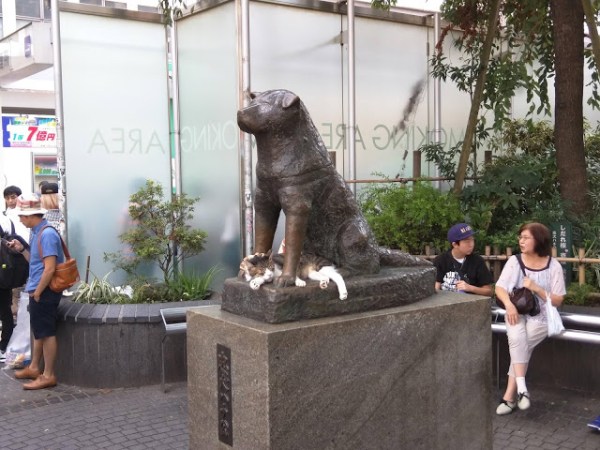
Picture of Hachiko in Tokyo, Japan

Aztec Calendar


in the 20 day calendar of the Aztecs, Dog, known as ITZCUINTLI, was the sign for the tenth day.

In Mexico, dogs were buried along with the dead as sacrifices to them and as guides for the afterlife.

In ancient China dog was the 11th sign in the Chinese zodiac.


In short, all ancient cultures gave importance to dog and they believed it was the one who led the souls after death.

There are thousands of stories and anecdotes ( including the Tokyo Dog Hachiko; see my earlier posts for the Story of Hachiko) about the loyalty of the dogs. Even today newspapers around the world publish latest incidents about dogs. Several dogs were given the highest awards for their service in police and military.
–with addtional inputs from Dictionary of Symbolism, Hans Biedermann

–Subham–


Poverty due to Charity in Kalidasa and Sangam Tamil Literature (Post No.3604)

Written by London swaminathan


Date: 4 FEBRUARY 2017


Time uploaded in London:-  9-03 am

Post No. 3604


Pictures are taken from different sources; thanks.


contact; swami_48@yahoo.com


Charity begins at home is a popular saying. We have an equivalent proverb (Thanakkum minjitnthaan daana darmam) in Tamil . But it can be interpreted in two ways

Dharma / Charity is what you do beyond your means/ capacity

Dharma is what you do after spending for your family


Though the Tamil construction allows both the explanations, the fact of the matter is that those do charity always do it till they become poor. We have supporting evidence in Sanskrit and Tamil literature.  This shows that the culture is same from Kanyakumari to Kashmir.


When Kalidasa listed the special qualities of the Raghu Dynasty, he said that the Kings levied a tax, only to return them to the people, thorugh a beautiful simile in Raghuvamsa.

“That king DilIpa takes only one sixth part of peoples income as tax, that too for the sake of a welfare state, indeed, like the sun taking earthly water-drops only to indemnify her with multiples of raindrops thereof. [1-18]”

King left with earthen Pots!


“Then that celebrated king Raghu who possessed of an inestimable career and of a hospitable nature has kept all the guest-worshipping material like water, sacred grass, flowers etc in an earthen vessel, because all the golden vessels of Raghu have been donated in the Vedic ritual, and then welcomingly gone forward with that earthen pot to receive that enlightened soul in Veda-s, namely the young guest Kausta, (RV5-2).

–o)0(o–


In another couplet (Raghuvamsa 5-15),

“Oh, king of men, thou who hast given away all thy wealth to the deserving appearest with only thy body left to thee like a stalk of niivaara-wild-rice plant in the buff after foresters have gleaned away its grain… [Rv.5-15]


There is a pathetic picture of the greatest of kings who reduced himself to poverty by unparalleled charity. The poet imagines this state of the King as a Nivara plant, with a single stalk left to it , being shorn of all its corns by the foresters.


Kalidasa says Poor became Philanthropists

“Extremely poor righteous men, who themselves were expectants at one time reached the status of donors by approaching that king for munificence as are the clouds by their coming in contact with the ocean as supplicants of water, in turn become the donors of water. [Rv.17-72]”


Sangam Tamil Poets


We have similar images in Tamil as well. Uraiyur Enicheri Mudamosi is one of the few famous poetesses of Sangam period. She says in Purananuru (127)

“There are few people who don’t provide good food to others. They live for themselves. They are infamous and compassionless kings But you are so great that you gave all the elephants you had. What is left with you now is just the Mangalasutra of your wife. The bards took all of your property as gifts. Oh, generous Ay, let your name and fame spread ahead of others’ fame and name”


In scores of verses Tamil poets emphasize that the Tamil kings donate only to eradicate poverty and not expecting anything in the ‘other world’ (heaven).


Tamil poet Tiru Valluvar also emphasizes the need for charity:

“Wealth is of a transitory nature. Therefore, one should seize the opportunity to do charity when one gets it. (Tirukkural 333)


Before the pangs of death approach and one loses the power of speech and gasps for breath one should hasten to do charity”.  (Tirukkural 335)


source: Raghuvamsa translation from sanskritdocuments.org;thanks

–subham–


Written by S NAGARAJAN


Date: 2 February 2017


Time uploaded in London:-  5-11 am


Post No.3597


Pictures are taken from different sources; thanks.


contact: swami_48@yahoo.com


by Santhanam Nagarajan


Sanskrit is one of the richest languages in the world. There are thousands and thousands of manuscripts which are not at all touched by anybody. These are being preserved in various countries.

One area in which everybody is interested in Sanskrit Literature is called Subhasitas. What is Subhasita?

There are thousands of moral maxims, ethical teachings and wise sayings in the Sanskrit literature. These are generally called as subhasita verses.

The great scholars of India used to quote very many subhasita verses in their discourses. Because these are well spoken words filled with Dharma, the ethics.  We may find riddles also in these short verses.

A very rough estimate indicates that there are about 20000 verses in this category.

Given below are a few wonderful, inspirational verses to make us understand its significance.


Sickness

Sickness arises in six ways; through too much water-drinking, and through eating irregularly (as a quantity and time), through sleeping by day and through staying awake by night, and through retention of urine and excrement.


The following five are considered as fathers: giver of food, the protector from fear, the giver of the young girl (in marriage), the natural father, and the preceptor.


The giving of food is a great gift, but the giving of education is a greater one; the satisfaction that comes out of taking food is momentary, whereas the good result of education is life-long.


Proficiency in other sciences is only a pastime, for at the time of need they mean nothing. But medicine (the art of curing), astrology and Mantravada (Science of Spells) infuse confidence are useful at every step.


Those who are acquainted with the nature of the Eternal and the Transient, do not lament for either of them; when some among these beings even are seen to mourn, it is to be understood, that nature rules supreme in them.


Some of the verses will give double meanings. For example let us go through this one:

Dear girl, you are affected by high fever (or, you suffer from the fever of love). I consider fasting good for you (or, the kindling of sacred fire for our marriage will be for your happiness).  The other meaning of this verse will be: O, best of physicians, prescribe mercurial preparation, for I am not able to undergo the fast as prescribed by you (or give me love, for I am not able to disregard what you have said.


Those who know Sanskrit could enjoy the verses for its beauty, words and meaning.

Several attempts have been made in the last two hundred years to compile as many subhasitas as possible.

We may assign some time daily to read and grasp the meaning of these beautiful verses which will enrich our knowledge to lead a better life.

*********

This article first appeared in EzineArticles.com on 23-1-2017. You may read it in the following link.

http://ezinearticles.com/?Wonderful,-Inspirational-Sanskrit-Subhasita-Verses&id=9626334

காளிதாசன் காட்டும் அறுவகைப் படை வீரர்கள்! (Post No.3558)

Written by London swaminathan


Date: 19 January 2017


Time uploaded in London:- 21-11


Post No.3558


Pictures are taken from different sources; thanks.


contact: swami_48@yahoo.com


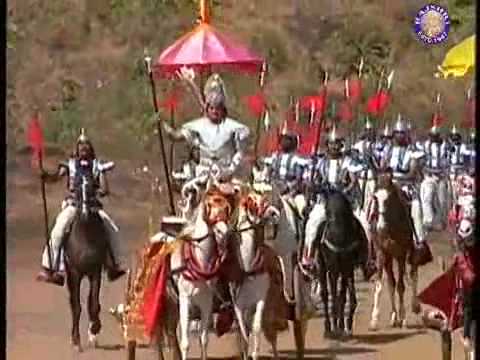
உலகப் புகழ்பெற்ற கவிஞன் காளிதாசன் எழுதிய ஏழே நூல்களில் 70,000 விஷயங்களைச் சொல்லுகிறான் என்றால் அது மிகையாகாது. அவன் எழுதிய ரகுவம்ச காவியத்தில் நாலாவது சர்கத்தில் ரகுவின் படைகள் புறப்பட்ட போது குதிரைக்கு ஆரத்தி எடுத்தது பற்றிச் சொல்லுகிறான். அவனது ரத, கஜ, துரக, பதாதி (தேர், யானை, குதிரை, காலாட் படை) என்னும் நால்வகைப் படைகளில் ஆறு பிரிவுகள் இருந்தது பற்றி உரைகாரர்கள் பல அதிசய விஷயங்களைச் சொல்லுவர்.

குதிரை ஆரதி: வாஜி நீராஜனம்


“வாஜி நீராஜனம் என்னும் சடங்கைச் செய்கையில் ஹோமத்தில் நன்கு மகிழ்விக்கப்பட்ட அக்னி வலமாகச் சுழன்றதால் அவனுக்கு (ரகு என்ற மன்னனுக்கு) அக்னி, வெற்றியைக் கொடுத்தான் போலும்” — ரகு வம்சம் 4-25


இந்த ஸ்லோகத்தில் இரண்டு விஷயங்கள் உள்ளன. அக்னி (தீ ஜ்வாலை) வலமாகச் சுழன்றால் சுப சகுனம். இதை பாரதம் முழுவதும் காணலாம். கோவிலை வலமாக வருவோம். பெரியவர்களை வலமாக வருவோம். எல்லாவற்றையும் வலது கைகளால் செய்வோம். சங்கத் தமிழ் இலக்கியத்தில் புலியானது, தான் கொல்லும் மிருகங்கள் இடப் பக்கம் விழுந்தால் சாப்பிடாது என்று பாடல்கள் உள்ளன. இமயம் முதல் குமரி வரை 2000 ஆண்டுப் பழமையான இலக்கியத்தில் உள்ளதாலும் வேறு எங்கும் இவ்வழக்கம் இல்லை என்பதாலும் ஆரிய-திராவிடப் பிரிவினைகள் கட்டுக்கதை என்பது உள்ளங்கை நெல்லிக் கனி என விளக்கும்.


இரண்டாவது விஷயம் வாஜி நீராஜனா= குதிரைக்கு ஆரத்தி.

போருக்குப் புறப்படுவதற்கு முன்னர் ஒரு நல்ல குதிரையையும் யானையையும் தேர்ந்தெடுத்து அதற்கு புஷ்ப, வஸ்திரம் (ஆடை), ஆபரணம் (அணி) ஆகியவற்றை அணிவித்து ஆரத்தி எடுப்பர்; இதற்கு குதிரை ஆரத்தி என்று பெயர்.


அடுத்த ஸ்லோகத்தில் தலை நகரைவிட்டு ரகு புறப்படுவதற்கு முன்னர், என்ன என்ன செய்தான் என்று வருகிறது:

தலைநகரிலும் எல்லைகளிலும் பாதுகாப்பை பலப்படுத்தினான். பின்பகுதியிலுருந்து தாக்குதல் வராமல் உறுதி செய்தான் தெய்வ பலத் துடன் அறுவகைப் படை வீரர்களுடம் திக்விஜயம் செய்யப் புறப்பட்டான் 4-26


(நான்கு திசைகளிலும் சென்று மன்னர்களை வெல்லுவது திக்விஜயம் என்பதாகும்)


இந்த ஸ்லோகத்திலும் இரண்டு புதிய விஷயங்களைக் காணுகிறோம். முதலாவது ஒரு மன்னன் நாட்டை விட்டோ, தலைநகரைவிட்டோ போகும்போது, என்ன பாதுகாப்பு செய்ய வேண்டும் என்பதாகும். இரண்டாவது விஷயம் ஆறு வகைப் படைப் பிரிவுகள் என்பதாகும். அது என்ன ஆறுவகைப் படைப் பிரிவு என்று உரைகாரர்கள் எழுதிவைத்துள்ளனர்.

அறுவகைப் படைப் பிரிவு!


மௌலாஹா

நற்குடியில் பிறந்து பரம்பரையாகவே அரசனுக்கு ஊழியம் செய்வோர்;  இவர்களை லஞ்சம் கொடுத்தோ, பணம் கொடுத்தோ மாற்ற முடியாது. விசுவாசமுடைய, நம்பத் தகுந்த படை வீரர்கள்.


ப்ருத்யாஹா

கூலிப்படை; இவர்கள் கூலிக்கு மாரடிக்கும் வீரர்கள். பணத்துக்காக வீரம் காட்டுவதால் அதிகம் நம்பிவிடக் கூடாது. இவர்களும் படையில் எப்போதும் இருப்பர்.


சுஹ்ருதஹ

நல்ல நண்பர்கள். அரசனது நண்பர்களும், அவர்கள் அனுப்பிய வீரர்களும் இதில் அடக்கம்.  இவர்கள் நண்பனுக்காக உதவி செய்ய வந்தவர்கள்; நம்பத்தக்கவர்கள்.


ச்ரேணயஹ

சண்டைக்காக அவ்வப்போது திரட்டப்படும் வீரர்கள்; சம்பளத்துக்காக வேலை செய்துவிட்டு போர் முடிந்தவுடன் வீட்டுக்குப் போய் வேறு வேலைகளைச் செய்வர்; ஒரு ரிசர்வ் படை போன்றது இவர்கள் தற்காலிகப் படை என்பதால் முழுக்க நம்ப முடியாது.


த்விஷதஹ

எதிரிப் படைகளிலிருந்து தாமாக ஓடி வந்தவர்களும், சிறைப் பிடிக்கப்பட்ட வீரர்களும் இந்தப் பிரிவில் இருப்பர். சில நேரங்களில் நிறைய பணம் கொடுத்து எதிரிப் படை வீரர்களைத் தம் பக்கம் இழுப்பதும் உண்டு. எதிரிக்கு எதிரி யாரோ அந்தப் படைகளில் இருந்தும் இப்படிச் சேர்க்கப்படுவர்.


ஆடவிகம்

காட்டுப் படை. காடுகளில் வாழும் வேடர்கள், பழங்குடி மக்களைக் கொண்டது இப்பிரிவு. காடுகளைக் கடந்து செல்லுகையில் அவர்களுடைய அறிவும் அனுபவமும் பயன்படும். மலைகளிலும், காடுகளிலும் சண்டை நடக்கையில் இவர்கள் மிகவும் உதவுவர். மேலும் மரங்களை வெட்டி சாலை அமைத்தல் முதலிய பணிகளுக்கு இவர்களின் உதவி தேவை ஆனால் முழுவதும் நம்பிவிட முடியாது.

இது போல தமிழ் இலக்கியத்திலும் பலவகைப் படைப் பிரிவுகள் பற்றிச் சுவையான செய்திகள் உண்டு. அவைகளைத் தனியாகக் காண்போம்.


–subham–


Fatness Anecdotes (Post No.3526)

Anecdotes about fatness in the life of US President, Edward Gibbon, Mary Dressler.

Source: Fatness Anecdotes (Post No.3526)

ஓம் பற்றி உபநிஷத்துகளும், அபிதான சிந்தாமணியும் (Post No. 3501)

Compiled by London swaminathan


Date: 31 December 2016


Time uploaded in London:-  13-50


Post No.3501


Pictures are taken from different sources; thanks.


contact; swami_48@yahoo.com


“தமிழ் இலக்கியத்தில் ஓம்காரம்”,

“ ஓம் பற்றிய 43 அற்புதப் பொன்மொழிகள்”

–என்ற இரண்டு கட்டுரைகளைத்  தொடர்ந்து அபிதான சிந்தாமணியில் உள்ள ஓம் பற்றிய குறிப்பையும் உபநிஷத்தில் ஓம் பற்றியுள்ள ஒரு நூலின் பக்கங்களையும் வெளியிடுகிறேன்.


அபிதான சிந்தாமணி பக்கம் 1118

பிரணவம்:-

இது மூன்றக்ஷரமாய், மூன்று பதமாய், மூன்றர்த்தப் பிரகாசமாய், ஏகாக்ஷரமாய், ஏக பதமாய், ஏகார்த்தப் பிரகாசமாய் இருக்கும்.

இதில் முதல் எழுத்தாகிய அகரம், ஒப்பற்ற முதல்வனாகிய  பகவானைத் தெரிவிக்கும். மத்ய பதமான உகரம், அவதாரணவாசியாய் இருக்கும்.மூன்றாவதான மகரம், ஆத்ம ஸ்வரூபத்தை விளக்கும்.  இம்முன்று எழுத்துகளும் மூன்று வேதங்களின் ஸாரமாகும்.


இதன் முதல் எழுத்துக்குப் பொருள் ரக்ஷகம் ஆனமையால் அத்தொழிலுக்குரிய தர்மம் சகல ஐஸ்வர்ய த்தோடு கூடிய

ஈச்வரனுக்கேயன்றி  மற்றவருக்கில்லாமையால் அது பகவானைத் தெரிவிக்கும். மற்ற அக்ஷரங்கள் முன்சொன்னபடி உணர்த்தும். இது வைத்துதி, தாமஸி, நிர்குணாவிர்த்தி,  என மூவிதப்படும். இது, சகல தேவர்க்கும் பிறப்பிடமாயும் மந்திரங்களுக்கெல்லாம் மூலமாயும் இருக்கும்.


இது சமஷ்டி, வியஷ்டி என இருவிதப்படும். இதனை வேத ஆரம்பத்திலும் முடிவிலும் உச்சரிப்பர்.  இதனை உத்கீதை எனவும், சுத்தமாயை எனவும்  கூறுவர். இதில் எல்லா உலகங்களும்  எல்லாச் சுருதிகளும் தோன்றி ஒடுங்குமென்பர். இதன் உற்பத்தியை சூத சம்ஹிதையில் இவ்வகை கூறியிருக்கிறது. ஒருமுறை பிரமன், திரிலோகங்களை நீராக்க அதினின்று அக்கினி, காற்று, சூரியன் தோன்றினர். மீண்டும் தபோ அக்கினியால் அவைகளை அழிக்க அவற்றினின்றும் அகர உகர மகரங்களுண்டாயின. அம்மூன்று எழுத்துக்களையும் திரட்டி ஓம் என வைத்தனன். இது வலம்புரிச் சங்கின் வடிவினது.


இதன் பெருமைகளைக் கூறுமிடத்து ஆலம் விதையில் இருந்து சாகோப சாகைகள் தோன்றுமாறுபோல இதில் மந்திரம் புவனம் முதலிய சராசரங்கள் எல்லாம் தோன்றும். இதன் விரிவை உபநிஷத்து ஆதி பெருநூல்களிற் கண்டுகொள்க.

b9321-om2bflower

உபநிஷத்துகளில் பிரணவம் எனப்படும் ஓம் பற்றிய விஷயங்கள்:-


Pages from the book Siva Parakramam

–Subham–