மஹாத்மாவின் மரணம்: நான்காவது குண்டு! (Post No.4287)

Written by S.NAGARAJAN


Date:10 October 2017


Time uploaded in London- 6-47 am


Post No. 4287

Pictures shown here are taken from various sources such as Facebook friends, Books, Google and newspapers; thanks.


நான்காவது குண்டு!


ச.நாகராஜன்

1948ஆம் ஆண்டு ஜனவரி 30 ஆம் தேதி மாலை மஹாத்மா காந்திஜி கோட்ஸேயினால் சுடப்பட்டார்.

ஹே ராம் என்று ராம நாமத்தை உச்சரித்த அவரை மரணம் தழுவியது.


வரலாறு நமக்குத் தரும் இந்தச் செய்தியைத் “தட்டிக்” கேட்கிறார் நவீன அபிநவ் பாரத்தின் தலைவ்ரான டாக்டர் பங்கஜ் பட்னிஸ்.

கோர்ட்டின் வாசலைத் “தட்டி”  நீதி கேட்ட அவரை ஹை கோர்ட் நிராகரித்து விட்டது – அவரது கேஸை டிஸ்மிஸ் செய்து.

டைம்ஸ் ஆஃப் இந்தியா நாளிதழுக்கு 8-10-2017 அன்று அவர் அளித்த பேட்டியில் பல கேள்விகளை அவர் எழுப்புகிறார்.


அவர் தந்த விவரங்களின் அடிப்படையிலான ஒரு சுருக்கம் இதோ:

  • காந்திஜி கோட்ஸேயின் குண்டுகளால் சுடப்பட்டு இறக்கவில்லை.
  • நான்கு குண்டுகள் சுடப்பட்டன. கோட்ஸே சுட்டது மூன்று குண்டுகளே.
  • நான்காவது குண்டு தான் அவர் மரணத்திற்குக் காரணம்.
  • இரண்டாம் உலகப் போரில் இயங்கிய பிரிட்டிஷாரின் சதிகார கவிழ்க்கும் பிரிவான ஃபோர்ஸ் 136 க்கும் இதற்கும் சம்பந்தம் உண்டா என்று ஆராய வேண்டும்.
  • ம்ஹாத்மாவின் உடல் பிரேத பரிசோதனை செய்யப்படவில்லை.
  • சம்பவத்தை அருகில் இருந்து நேரில் பார்த்தவரான மனுபென் காந்தியை பிராஸிக்யூஷன் தரப்பு விசாரணையின் போது அழைக்கவே இல்லை.
  • ஜனவரி 30ஆம் தேதியன்று மதியம் மூன்று மணிக்கு அயல்நாட்டு சாது ஒருவர் மஹாத்மா கொலை செய்யப்பட்டது பற்றிய துண்டு பிரசுரத்தை விநியோகித்தார்.

(மஹாத்மாஜி மரணம் அடைந்ததோ மாலை 5.12க்கு!)

  • மஹாத்மா பிப்ரவரி மாதம் பாகிஸ்தான் செல்ல சம்மதம் தெரிவித்திருந்தார். அவர் மரணம அடைவதற்கு மூன்று நாட்களுக்கு முன்னர் ஜின்னாவும் அவர் வருவதை ஏற்றுக் கொண்டார். இது பிரிட்டிஷாருக்குப் பிடிக்கவில்லை.
  • நான்காவது குண்டு யாரால் சுடப்பட்டது. பிரிட்டிஷாரின் சதி வேலையினால் தானா என்பதை ஆராய வேண்டும்.
  • கோட்ஸே சுட்ட மூன்று குண்டுகள் காந்திஜியின் உடலில் இருந்தன. துப்பாக்கியில் மொத்தம் ஏழு குண்டுகள்.

நான்கு குண்டுகள் துப்பாக்கியிலிருந்து கைப்பற்றப்பட்டன.

கணக்கு சரியாகி விட்டது. ஆதலால் நான்காவது குண்டைச் சுட்டவன் யார் என்பதை ஆராய வேண்டும்.


  • இது தவிர இந்த சதியின் அம்சமாக வேறு பல விஷயங்களும் அரங்கேற்றப்பட இருந்தது. ஆகவே விஜயலக்ஷ்மி பண்டிட், மற்றும் புனே கலெக்டரின் மனைவியான சரளா பாவே ஆகியோர் கூறியதைப் பற்றியும் விசாரணைக்கு எடுத்துக் கொள்ள வேண்டும்.


இப்படி வாதங்களை அடுக்குகிறார் பங்கஜ். ஆனால் அவரது கேஸ் தள்ளுபடியாகி விட்டது.


நமது கேள்வி: தேசத்தையே எழுப்பி, விழிப்புணர்ச்சி ஊட்டிய தேசத்தின் மாபெரும் மஹாத்மாவின் மரணம் குறித்து ஒரு அறிக்கை மூலம் பரபரப்பான வாதங்களுக்கு  முற்றுப்புள்ளியை நமது அரசு வைக்கலாமே என்பது தான்!

எதிர்காலத்திலும் வேறு யாரும் வேண்டுமென்றே பரபரப்பான செய்திகளை பரப்பாமல் இருக்கவும் இது துணை புரியுமே!

நான்காவது குண்டு புரளிக் குண்டா, பிரிட்டிஷ் குண்டா, தெரியவில்லை!

***


Hero Stone Worship in North India (Post No.4286)

Image of Hero Stone in Karnataka

Written by London Swaminathan


Date:9 October 2017


Time uploaded in London- 18-15


Post No. 4286

Pictures shown here are taken from various sources such as Facebook friends, Books, Google and newspapers; thanks.


Hero Stones are erected by ancient Tamils for those killed in some community work. We have ancient hero stones found in different parts of Tamil Nadu from 5th century CE. Two-thousand-year-old Sangam Tamil literature also refers to it.

In Tamil Nadu and adjacent places Hero stones are placed in the road junctions and they are worshipped. The hero stones were erected for those who sacrificed their lies for others, particularly killing a tiger, or saving a village from an attack.

In Karnataka and Rajasthan, Pattinis, women who sacrificed their lives were worshipped. Thus India has 1000s of God like people who are elevated to the  status of divinities.


Tamil inscriptional Evidence

Tamil inscription names even a dog called Kovivan in a hero stone. Mahendra Pallava’s Eduthanur Hero Stone inscription praised Kovivan that died with his master in the battle. This Tamil inscription belongs to sixth century CE.


Erecting a stone or a pillar over the burial or the place of cremation has been practised by lot of communities around the world. Probably this pagan custom resulted in erecting decorative graves by the Christians where the pillar was replaced by a cross.

Hero Stone from Gotlur

Bridegroom’s Tragic Death mad him a Hero!

Dulhaa Deo (Bridegroom God) is worshipped in North India. Dulhaa Deo was an unfortunate bridegroom who was killed by lightning marriage ceremonies. People believed he and his horse were stoned into stones. Actually, people erected stones in memory of the horse and the rider like the Tamils.


General Sleeman gives a different version about this accident: In the valley of Nerbudda (River Narmada), near Bhopal, one may see on the side of the road, upon a spur of the hill, a singular pillar of sand stone rising in two spires. On the spur of a hill half a mile distant is another sand stone pillar not quite so high. The tradition is that the smaller pillar was the affianced bride of the larger one, who was a youth of great eminence in those parts. When the bride and bridegroom along with his uncle looked at each other discarding the rules (not to look at each other before the ceremony) they were converted into stones.”

This deity is one of the chief household gods of the tribal people. Flowers are offered to him on the last day of February, and a goat at marriages. In some places, even Brahmins worship him., and his symbol is a fetish battle axe, fastened to a tree.


In Mirzapur he is worshipped in the family cook room, where oil and turmeric are offered to him; when two or three marriages are taking place at the same time there is a combined offering of rice and goat.

Memorial Stone from Andhra Pradesh


In course of time, lot of different customs get mixed up, particularly among illiterate people. Hundreds of such customs exist in Tamil Nadu. Road side stones/deities are offered various things such as lemon, coconut, flowers and incense sticks. In several places like Sabarimala, Madurai Chitra festival even Muslims are linked with Hindu Gods.

Rev Osborne Martin, author of Gods of India even point out similar custom in the Bible:

“For a father afflicted with untimely morning, when he had made an image of his child soon taken away, now honoured him as a god which was then a dead man: Thus in process of time an ungodly custom grown strong was kept as law.”


—subham–


குரங்கு கையில் கொடுத்த பூ மாலை போல! (Post No.4285)

Written by London Swaminathan


Date:9 October 2017


Time uploaded in London- 7-14


Post No. 4285

Pictures shown here are taken from various sources such as Facebook friends, Books, Google and newspapers; thanks.

எனது தபால் தலை ஆல்பத்தில் பறவைகளுக்கு பூக்களுக்கு, மிருகங்களுக்கு என்று பல தனித்தனி ஆல்பங்கள் வைத்திருக்கிறேன். அதில் குரங்குகள் படங்கள் உள்ள அஞ்சல் தலைகளைப் பார்த்   தவுடன் குரங்குப் பழமொழிகள் ஞாபகம் வந்தது. கூடவே கொஞ்சம் புத்தகத்தையும் பார்த்து எடுத்தேன். பழமொழிகள் பற்றி எனது பிளாக்கில்(BLOGS) 50-க்கும் மேலான கட்டுரைகள் உள. அத்துடன் இதுவும் சேரட்டுமே!


1.குரங்கானாலும் குலத்திலே கொள்ள வேண்டும்

2.குரங்கின் கை பூ மாலை

3.குரங்கின் கையில் கொள்ளி அகப்பட்ட கதை

4.குரங்கின் கையில் சிக்கிய பாம்பு போல


5.குரங்கின் தலையில் கரகம் வைத்து காளி கும்பிட்டது போல

6.குரங்கின் பீயை மருந்துக்குக் கேட்டால் கொடுக்குமா? அடித்து வாங்க வேண்டுமா?

7.குரங்கின் வயிற்றிலே குஞ்சரம் பிறந்த்து போல

8.குரங்கு எல்லாம் கூட்டம் கூட்டமாக இருக்கும்

9.குரங்கு ஏறாத கொம்பு உண்டா?


10.குரங்கு கள்ளும் குடித்து, பேயும் பிடித்து, தேளும் கொட்டினால் என்ன கதி ஆகும்?


11.குரங்கு கையில் குட்டிக்குக் கள் வார்தாற்போல

12.குரங்கு கையில்பூமாலை அகப்பட்டது போல

13.குரங்குக்குப் புத்தி சொல்லி தூக்கணாங் குருவி கூடு இழந்தது (பஞ்ச தந்திரக் கதை)


14.குரங்குக்கும் தன் குட்டி பொன் குட்டி (காக்கைக்கும் தன் குஞ்சு பொன்குஞ்சு)


15.குரங்கு தன் குட்டியின் கையைக் கொண்டு பதம் பார்க்கிறது போலப் பார்க்கிறான்.


16.குரங்குப்பிடி போல பிடிக்க வேண்டும்

17.குரங்குப் பிடியே பிடி

18.குரங்குப் பிணமும் குறவன் சுடுகாடும் கண்டது இல்லை

19.குரங்குப் புண் ஆறாது

20.குரங்குப்புண் பிரம்மாண்டம்

21.குரங்கு முகமெல்லாம் ஒரு முகம்


22.மரத்தில் அறைந்த முளையை மர்க்கடம் பிடுங்கினாற்போல


23.மந்தி மயிரை மருந்துக்குக் கேட்டால் மரத்துக்கு மரம் தாவும்


24.உண்டோ குரங்கேற்றுக் கொள்ளாத கொம்பு- கம்பன்

25.மூஞ்சியைப் பாரு, முகரையைப் பாரு, குரங்கு மூஞ்சி!

26.குற்றாலத்துக் குரங்கே, மரத்தை விட்டு இறங்கு

27.அவன் தம்பி அங்கதன்


FROM SANSKRIT :–

28.மற்கட (குரங்கு வழி) நியாயம், மார்ஜர ( பூனை வழி) நியாயம்

குரங்கானது குட்டியைத் தூக்காது; குட்டிதான் பிடித்துக்கொள்ளும்; பூனையின் குட்டியை பூனையே வாயில் தூக்கிச் செல்லும்.


–SUBHAM–


கம்யூனிஸம், ஜிஹாதி, வன்முறை- Part 2 (Post No.4284)

Written by S.NAGARAJAN


Date:9 October 2017


Time uploaded in London- 5-42 am


Post No. 4284

Pictures shown here are taken from various sources such as Facebook friends, Books, Google and newspapers; thanks.


பாப ராட்ஸசர்கள் பட்டியல் – 2

கம்யூனிஸம், ஜிஹாதி, வன்முறை – ஒரே பொருளைத் தரும் மூன்று சொற்கள் -2


by ச.நாகராஜன்


ஒரே கட்டுரையில் முழுப் பட்டியலையும் தந்திருக்கலாமே என்றால் முடியவில்லை!!


15 பாப ராட்ஸசர்களின் பெயரை அடிக்கும் போதே உள்ளம் நொந்து விட்டது.


அதனால் மீதி ராட்ஸசர்களின் பட்டியலை இப்போது தருகிறோம்.

மனதைத் திடப்படுத்திக் கொண்டு படியுங்கள்.


16) இடி அமீன் Idi Amin (1971-1979)

உகாண்டா

தனிநபர் சர்வாதிகாரம்

3 லட்சம் முதல் 5 லட்சம் பேர் வரை பலி. ( தன்னை எதிர்த்தோர், அரசியல் எதிரிகள்)

17) ஜெனரல் யாஹ்யா கான் General Yahya Khan (1970-1971)

பாகிஸ்தான் சர்வாதிகாரி

ராணுவ சர்வாதிகாரம்

3 லட்சம் கிழக்கு பாகிஸ்தான் வங்காளிகளைப் படுகொலை செய்தார்.

18) பெனிடோ முஸோலினி Benito Mussolini (1922-1945)

இத்தாலி – பாஸிஸ சர்வாதிகாரி

2,50,000 பேர் பலி.

எதியோப்பியர்கள், லிபிய மக்கள், யூதர்கள்,அரசியல் எதிரிகள் ஆகியோர் படுகொலை.

19) ஜெனரல் மொபுடு செசெ செகோ General Mobutu Sese Seko (1965-1997)

ஜைரே, காங்கோ

தனிநபர் சர்வாதிகாரம் 2,30,000 பேர் பலி.

அரசியல் எதிரிகள்

20) சார்லஸ் டெய்லர் Charles Taylor (1989-1996)

லைபீரியா

தனிநபர் சர்வாதிகாரம்

2,20,000 பேர் பலி

அரசியல் எதிரிகள், ராணுவ எதிர்ப்பாளர்கள், சாதாரண பொது மக்கள்


21) ஃபோடே சாங்கோ Foday Sankoh (1991-2000)

சியார்ரா லியோன் Sierra Leone

தனி நபர் சர்வாதிகாரம்

2,10,000 பேர் பலி

(அரசியல் எதிரிகள்)

22) ஹோ சி மின் Ho Chi Minh (1945-1969)

வடக்கு வியட்நாம்

கம்யூனிஸ ஆட்சி

இரண்டு லட்சம் பேர் பலி

அரசியல் எதிரிகள், தெற்கு வியட்நாமியர்

23) மைக்கேல் மொகாம்பரோ Michel Micombero  (1966-1976)

புருண்டி Burundi

தனிநபர் சர்வாதிகாரம்

24) ஹாஸன் அல்டுராபி Hassan Alturabi (1989-1999)

இஸ்லாமிய சர்வாதிகாரம்

ஒரு லட்சம் பேர் பலி

அரசியல் எதிரிகள் – மதத்தை எதிர்த்தோ படுகொலை


25) ஜீன் – பெடல் – பொகாஸா Jean – Bedel Bokassa (1966-1979)

மத்திய ஆப்பிரிக்க குடியரசு / எம்பயர் Central African Republic / Empire

தனிநபர் சர்வாதிகாரம்

90,000 பேர் பலி


26) எஃப்ரெய்ன் ரியாஸ் மாண்ட் Efrain Rios Montt  (1982-1983)

குவாதமாலா Guatemala

ராணுவ சர்வாதிகாரம்

70000 குடியானவர்கள, அரசியல் எதிரிகள் பலி

27) ஃப்ராங்கோய்ஸ்/ ஜீன் க்ளாட் டுவாலியர் Francois/ Jean  Claude Duvalier ( ‘papa Doc’ பாபா -டாக் 1957-1971) பேபி டாக் ‘Baby Doc’ 1971-1986)

ஹைதி Haiti

தனிநபர் சர்வாதிகாரம்

60000 அரசியல் எதிரிகள் பலி

28) ராஃபேல் ட்ருஜில்லோன் Rafael Trujillo (1930-1961)

டொமினிகன் குடியரசு Dominican Republic

தனிநபர் சர்வாதிகாரம்

50000 அரசியல் எதிரிகள் பலி

29) ஹிசானே ஹாப்ரே  Hissane Habre (1982-1990)

சாட் Chad

ராணுவ சர்வாதிகாரம்

40000 அரசியல் எதிரிகள் பலி

30) ஜென்ரல் ஃப்ரான்சிஸ்கோ ஃப்ராங்கோ General Francisco Franco (1939-1975)

ஸ்பெயின்

பாஸிஸ ராணுவ சர்வாதிகாரம்

35000 அரசியல் எதிரிகள் பலி

31) ஃபிடல் காஸ்ட்ரோ Fidel Castro (1959-2006)

க்யூபா Cuba

கம்யூனிஸ ஆட்சி

30000 அரசியல் எதிரிகள் பலி


32) ஹபீஸ்/ பாஷா அலாஸாட் Hafez/ Bashar Alassad (1970-2000)

சிரியா

(ஹபீஸ் -1970-2000; பாஷர் – 2000–)

பலாத் கட்சியின் சார்வாதிகாரம் (Balath party dictatorship

25000 முதல் 30000 பேர் பலி (அரசியல் எதிரிகள் – உட்பிரிவு எதிரிகள்)

33) ஆயதுல்லா ருஹொல்லா கொமெய்னி Ayatollah Ruhollah Khokeini (1979-1989)

இரான்

இஸ்லாமிய சர்வாதிகாரம்

20000 அரசியல் எதிரிகள்/ மதத்திற்கு எதிரானவர்கள் பலி

34) ராபர்ட் முகாபே Robert Mugabe (1982)

ஜிம்பாப்வே

தனிநபர் சர்வாதிகாரம்

15000 அரசியல் எதிரிகள், ஆதிவாசி எதிரிகள் பலி

35) ஜெனரல் ஜார்ஜ் விடேலா General Jorge Videla (1976-1983)

அர்ஜெண்டினா

ராணுவ சர்வாதிகாரம்

13000 பேர் பலி

இடதுசாரி அரசியல் எதிரிகள்

36)ஜென்ரல் அகஸ்டோ பினோசெட் General Augusto Pinochet (1973-1990)

சிலி Chile

ராணுவ சர்வாதிகாரம்

30000 அரசியல் எதிரிகள் பலி


இந்தப் பட்டியலில் இன்னும் கொஞ்சம் பேரைச் சேர்க்க வேண்டும் என்று நீங்கள் நினைத்தால் அது சரி தான்! இதில் விட்டுப் போனவர்களை நீங்களே பூர்த்தி செய்து கொள்ளலாம்.

மனித குலத்தின் சாபக்கேடு இந்த் பாப ராட்ஸசர்க்ள்.

இஸ்லாமிய மதத்தின் பெயராலும், கம்யூனிஸத்தின் பெயராலும், தனிநபர் அதிகார ஆசையாலும் எத்தனை லட்சம் பேர் பலியானார்கள், பார்த்தீர்களா?

நமக்குத் தெரிந்த யாரேனும் இந்த கம்யூனிஸ கொள்கைக்கோ, இஸ்லாமிய தீவிரவாதத்திற்கோ துணை போனால் அவர்களை நல்வழிப் படுத்துங்கள்.

பாப ராட்ஸசர்க்ள் இல்லையேல் –

உலகம் சற்று நிம்மதி அடையும்.

அதற்கு சேது பந்தனத்தில் அணில் போல நாமும் சற்று உதவுவோம்!

***

இந்தத் தொடர் முற்றும்


Puja to King George! Abisheka to Queen Victoria!! Scenes from British India (Post No.4283)

King George and Queen Mary

Written by London Swaminathan


Date: 8 October 2017


Time uploaded in London- 16-05


Post No. 4283

Pictures shown here are taken from various sources such as Facebook friends, Books, Google and newspapers; thanks.

Puja to King George! Abisheka to Queen Victoria!! Scenes from British India (Post No.4283)

The Gods of India by Rev. E Osborn Martin published in 1914, gives some interesting information about the Hindu ‘slaves’ in the British India. This is what made many freedom fighters’ blood boil. Poets like Bharati and Bankim Chandra Chatterjee tried to educate the Hindu people through their writings. Ignorant Hindus justified everything in the name of Fate and Karma. Even some scholars openly supported the British. In Tamil Nadu, Justice party and Dravida Kazakam wanted the British Rule to continue in India. All the text books had one poem praising the King and the Queen.

Here is what Osborne Martin says in his book,

“There is no limit to this kind of deification in India. Volumes might be written describing instances that have occurred, or are constantly occurring, in all parts of the country. Let a man show any heroism, any extraordinary sanctity, any act of great self-sacrifice or any so-called miracle, a niche is sure to allotted him amongst the 330, 000, 000 gods of the Hindu pantheon. Still it is important to note that the granting of divinity is usually associated with four classes of people -kings, warriors, Brahmins, saints and sages—these enjoying a kind of a priory claim.


In Manu’s law book a king is said to be created by drawing eternal particles from the essence of the eight guardian deities of the world. Again, he says “A king even though a mere child, must not be treated with contempt, as if he were a mortal; he is a great divinity in human shape.”


Instances of such worship came under writer’s notice. At Ayodhya, a new marble statue has been recently erected in memory of Queen Victoria, and within a few weeks of the erection of the statue a constant stream of pilgrims was offering worship, poring sacred water and scattering flowers on the pedestal of the good Queen’s statue.

At the recent Durbar at Delhi, when King George and Queen Mary amid scenes of unparalleled magnificence had received the homage of all India and taken their departure over the arena and, prostrating themselves before the empty thrones, offered ‘Puja’ or worship- as a mark of their extreme veneration. After which they carried away to their homes handfuls of dust from the place where their Majesties had stood. The same occurred after the gorgeous pageant in Calcutta.


There is a striking parallel in Wisdom of Solomon (xiv.v.20, “And so the multitude, allured by the grace of the work, took him now for a god, which a little before was but honoured as a man.”


STORY OF GAZI MIYAN

The Transition from the worship of kings to that of military heroes and warriors is easy. An example will be given in this chapter of a Muhammadan warrior, GHAAZI MIYAAN, who with the wonderful catholicity of Hinduism, is probably more reverenced today by the Hindus than by the Muhammadans.

The extraordinary catholicity of Hinduism was never better illustrated than in the case of Ghazi Miyan, or  Sayyid Salaar Masaud to give him his real name. Muhammadan though he was, nephew of the ruthless Muslim conqueror, the Sultan Mahmud of Ghazni, whose career is written in blood on the pages of Indian History.


Ghazi Miyan was born in A D  1015 ad led one of the early invasions into Oudh and was slain in battle with the Hindus at Bahraich in AD 1034. Close to the battlefield where he met his death is a tank with the image of the Sun God on a stone slab on its banks. Masaud, whenever he passed it, was wont to say that he wished to have this spot for a dwelling place and would, if it so pleased god, through the spiritual sun, destroy the worship of the material. He was therefore buried by his followers in this chosen resting place, and tradition avers that his head rests on the image of the sun he had given his life to destroy.


Some believe that the worship of Masaud merely succeeded some primitive local worship such as that of the sun, and it is significant that the great ceremony in  honour of the martyr is called byah, or marriage of the saint, which may also be a continuation of the ancient marriage of earth and the Sun celebrated to promote fertility of crops. Every year a Mela/festival is held in Bahraich for which pilgrims from far off places come by walk. After the marriage was held, water brought by the pilgrims in pots are poured and this water, people believed, had miraculous properties.


Statue of Queen Victoria

Nikkal Sen

A still more remarkable case occurred in the Panjaab where a nobody of Fakirs became Nikkal Sen worshippers. General Nicholson, the mutiny hero, who met his death at the assault of Delhi, was a horseman of unexampled bravery.. He frequently made night journeys of wonderful speed and confronted his enemies by suddenly appearing before them.  His followers, the hardy Northern Tribesmen, from adoration rose to worship of their hero. Nicholson was much annoyed, and tried to stop the progress of deification by administering corporal punishment, but it made them persist in their “puja” with even greater determination, as the chastisement was regarded as an additional proof of this divinity. On hearing of Nicholson’s death, the head of the committed suicide.


Coming the Brahmins, Manu affirms that a Brahmin is a mighty god, a supreme divinity, whether he be learned, or even employed in inferior occupations (Manu 9-317, 319)

From the birth alone a Brahmin is regarded as a divinity even by the gods (Manu 11-84) Especially are religious teachers, Gurus, objects of worship among Hindus.


My comments

Ghazi Miyan story is a hotchpotch of several earlier ancient customs. Even in my home town Madurai in Tamil Nadu, Lord Vishnu visits a Muslim woman’s ‘house’ every year during Chitra Festival. Islam came very recently when compared with the history of Hinduism. Various things get mixed up and people slowly concoct a story.


Regarding the Saints and Miracles, Europe is full of such Catholic saints and  places of worship such as Lourdes in France and Lady Fatima in Portugal. They make big Money by selling lot of mementoes and sacred objects, holy water etc. Joan of Arc, who was burnt alive at the stake, was made into a saint later. There over 800 saints in the catholic religion. In countries like Ireland all the old beliefs are attributed to later Christian saints. In Communist countries Mao, Stalin, Lenin, Marx, Engles were also elevated to venerable status. Big statues, eternal flames, thousands of stamps celebrate their memory. So hero worship is there in every country. You may call them saints, political thinkers or leaders. Buddha who fought against all the rituals, has the highest number of statues all over the world!!! Is it not strange? Not many people follow his teachings but the statues decorate many tables and temples!


–SUBHAM–


தமிழ்ப் புலவர்கள் மீது நம்மாழ்வார் கடும் தாக்குதல்! (Post No 4282)

Written by London Swaminathan


Date: 8 October 2017


Time uploaded in London- 11-40 am


Post No. 4282

Pictures shown here are taken from various sources such as Facebook friends, Books, Google and newspapers; thanks.


நம்மாழ்வாரின் திருவாய் மொழி தித்திக்கும் தேன்; திகட்டாத செங்கரும்பு; திவ்வியப் பிரபந்தத்தின் 4000 பாசுரங்களில் கால் பகுதியை ஆக்ரமிக்கும் நம்மாழ்வார் பாசுரங்கள், மஹாகவி பாரதியாருக்கு மிகவும் பிடித்தவை. அவருக்கு மட்டும்தானா? நமக்கும் குலோப் ஜாமுனையும் கோதுமை, அல்வாவையும் அடுத்தடுத்து கொடுப்பது போல இருக்கிறது. பன்னீர் ஜாங்ரியையும் பாதுஷாவையும் சாப்பிட்டது  போல இனிக்கிறது.


மிகவும் துணிச்சலாலகப் பாடி இருக்கிறார்; பச்சைப் பொய்கள் என்ற சொற்கள் மூலம் மனிதர்களைப் பாடும் புலவர்களைச் சாடுகிறார்.

சொன்னால் விரோதம்; ஆயினும் சொல்லுவேன் என்று துணிந்து விட்டார்.


பணத்திற்கு ஆசைப்பட்டு குறு நில மன்னர்களையும், உதவாக்கரைப் பணக்காரகளையும் பாடும் — இந்திரனே! சந்திரனே! என்று பாடும் — புலவர்களைச் சாடுகிறார் நம்மாழ்வார்.


நான் நினைக்கிறேன்; நம்மாழ்வாரின் இந்தத் துணிச்சல்தான் பாரதியை அவர்பால் ஈர்த்திருக்க வேண்டும் என்று. நாடே சுதந்திரத்துக்காக ஏங்கியபோது சிலர் வெள்ளைக்காரர்களுக்கு அடிமைத் தொழில் புரிந்தமையும், அவர்களைப் போற்றி நூல் தோறும் கவி பாடியதும் பாரதியாரின் ரத்தத்தைக் கொதிக்க வைத்தது. உடனே ‘நெஞ்சு பொறுக்குதில்லையே, இந்த நிலை கெட்ட மனிதரை நினைத்துவிட்டால்’– என்று பாடினார்.


நம்மாழ்வார்தான் அவருக்கு வழிகாட்டி.

நம்மழ்வாரின் அற்புதப் பாசுரங்களைப் பாருங்கள்:-


சொன்னால் விரோதம் இது, ஆகிலும் சொல்லுவன்; கேண்மினோ

என் நாவில் இன் கவி யான் ஒருவர்க்கும் கொடுக்கிலேன்

தென்னா தெனா என்று வண்டு முரல் திருவேங்கடத்து

என் ஆனை, என் அப்பன், எம்பெருமான் உளனாகவே

பொருள்

நான் சொல்வது பகையாகப் படலாம். ஆயினும் சொல்லாமல் விடமாட்டேன். பெருமாளுக்கே என் கவிதைகளைத் தருவேன்; மற்றவரைப் பற்றி கவி பாடேன். வண்டுகள் தென்னா, தெனா என்று இசைபாடும் திருவேங்கடத்தில் உள்ள பெருமாள் எல்லாருக்கும் தந்தையாய் இருப்பவன்; அவனை விட்டு யாரையும் பாட மாட்டேன்.

பச்சைப் பொய்கள்! வாய்மை இழக்கும் புலவீர்காள்!!


இன்னும் இரண்டு பாடல்களில் கடுமையான சொற்களைப் பயன்படுத்துகிறார்:

கொள்ளும் பயன் இல்லை, குப்பைகிளர்த்தன்ன செல்வத்தை

வள்ளல் புகழ்ந்து, நும் வாய்மை இழக்கும் புலவீர்காள்!

கொள்ளக் குறைவு இலன், வேண்டிற்று எல்லாம் தரும் கோது இல் என்

வள்ளல் மணிவண்ணன் தன்னைக் கவி சொல்ல வம்மினோ (3213)

பொருள்:-


புலவர்களே! குப்பையைக் கிளறினாற்போல, தள்ளத் தக்க குற்றமுடைய செல்வரைப் புகழ்ந்து பாடாது, வள்ளல் மணிவண்ணனைப் பாடுங்கள். அவன் ஒருவனே கவி பாடுவதற்குப் பொருளானவன். குணங்களில் குறைவில்லாதவன். உங்களுக்கு விருப்பமானவற்றைத் தருவான். அவனைப் பற்றி கவி பாட வாருங்கள்.

சேரும் கொடை புகழ் எல்லை இலானை, ஓர் ஆயிரம்

பேரும் உடைய பிரானை அல்லால், மற்று யான் கிலேன்

மாரி அனைய கை, மால் வரை ஒக்கும் திண் தோள் என்று

பாரில் ஓர் பற்றையைப் பச்சைப் பசும் பொய்கள் பேசவே


பொருள்:

உண்மை இல்லாமல், பொய் மொழியால் உன் கைகள் மேகம் போன்று கொடையாளி, உன் தொள்களோ மலை போன்ற வலிமை உடயவை- என்று மனிதப் பதரை பேச மாட்டேன்.வள்ளன்மையும் புகழுமொப்பில்லாத ஆயிரம் திருப்பெயர்களும் உடைய எம்பெருமானை அல்லாமல் வேறு யாரையும் பேசுவதற்கு நான் தகுதி அற்றவன்.


மானிடரைப் பாடாது மாதவனை மட்டும் பாட வேண்டும் என்று பத்து கவிகள் சாத்தியுள்ளார் நம்மாழ்வார். ஏனைய ஏழு கவிகளையும் படித்து இன்புறுக.


ஆழ்வார்கள் தரும் அமுதம் திகட்டாது!

TAGS:__நம்மாழ்வார், சொன்னால் விரோதம், பச்சைப் பொய்கள்

–சுபம்–

கம்யூனிஸம்= ஜிஹாதி= வன்முறை (Post No.4281)

Written by S.NAGARAJAN


Date:8 October 2017


Time uploaded in London- 5-52 am


Post No. 4281

Pictures shown here are taken from various sources such as Facebook friends, Books, Google and newspapers; thanks.


பாப ராட்ஸசர்கள்

கம்யூனிஸம், ஜிஹாதி, வன்முறை – ஒரே பொருளைத் தரும் மூன்று சொற்கள்


by ச.நாகராஜன்

ஒரே பொருளைத் தரும் சொற்கள் பல உண்டு.

வன்முறை எனப்படும் கொலை, கொள்ளை, கடத்தல், தீவிரவாதம் என்ற சொல்லுக்கும் கூட மறு சொற்கள் உண்டு.

கம்யூனிஸம், ஜிஹாதி ஆகிய இரு சொற்களும் அதே பொருளைத் தான் தரும்.


அபாயகரமான இந்த வழி முறை சமீபத்தில் கேரளத்தில் தலை விரித்து ஆடியது.


ஆர்.எஸ்.எஸ் பிரசாரக் ராஜேஷ் குத்திக் கொலை செய்யப்பட்டார்.

80 காயங்கள்- உடல் முழுவதும்.. கைகள் துண்டிக்கப்பட்டன.

தீவிரவாதிகளே பயப்படும் வன்முறை.


கேரள கம்யூனிஸ அரசின் 17 மாத காலத்தில் 17 படு கொலைகள்.


கம்யூனிஸ்டுகள் பற்றிய வரலாறைப் புரட்டிப் பார்த்தால் வருவது நீளமான ஒரு பட்டியல். ஜிஹாதிகளுக்கோ இவர்களுடன் வன்முறையில் போட்டி.


இருவரும் ஒருவரை ஒருவர் போட்டி போட்டுக் கொண்டு உலகை நாசப்படுத்துகின்றனர். இத்துடன் சர்வாதிகாரிகள் வேறு.

இவர்களைப் பற்றிய சின்ன ஒரு பட்டியல் இதோ;

நீளமான பட்டியல் வேண்டுவோர் தாமே சுலபமாகத்  தொகுக்கலாம்.

சின்னப் பட்டியலை இங்கு காணலாம்.

1.மாசே துங்

சீனா 91949-1976)

பலியானோர் 600 லட்சம் பேர்

  1. ஜோஸப் ஸ்டாலின்

ரஷியா (1929-1953)

பலியானோர் 400 லட்சம் பேர்

  1. அடால்ஃப் ஹிட்லர்

ஜெர்மனி (1933-1945)

நாஜி சர்வாதிகாரம்

பலியானோர் 300 லட்சம் பேர்


  1. மன்னர் இரண்டாம் லியோபோல்ட் (King Leopold II) (1886-1908)

பெல்ஜியம்

காங்கோ காலனி ஆதிக்கம்

பலியானோர் 80 லட்சம் காங்கோ மக்கள் அடிமைகளாக்கப்பட்டனர்

  1. ஹிடேகி டோஜோ (1941-1945) (Hideko Tojo)

ஜப்பான் ராணுவ சர்வாதிகாரம்

இரண்டாம் உலகப் போரில் பலியானோர் 50 லட்சம் பேர்

  1. இஸ்மாயில் அன்வர் பாஷா 91915-1920) (Ismail Evver Pasha)

ஒட்டாமன் துருக்கி

ராணுவ சர்வாதிகாரம்

20 லட்சம் அமெரிக்கர்கள்,கிரேக்கர்கள்,அஸிரியர்கள் பலி

  1. போல் பாட் (1975-1979) (Pol Pot)

க்ம்யூனிஸ ஆட்சி (Khmer Rouge)

170 லட்சம் பேர் – அரசியல் எதிரிகள் பலி

  1. கிம் இல் ஸங் 91948-1994) (Kim Ilsung)

கம்யூனிஸ ஆட்சி

160 லட்சம் பேர் – அரசியல் எதிரிகள், பஞ்சம், பட்டினிச் சாவு

9.மெங்கிஸ்டு ஹைலே மரியம்(1974-1978) (Mengistu Haile Mariam)

எதியோப்பியா

கம்யூனிஸ்ட் எதேச்சாதிகார ஆட்சி

150 லட்சம் பேர் – எரிட் ரியர்கள், அரசியல் எதிரிகள் பலி

  1. யாகுபு கோவொன் (1967-1970) (Yakubu Gowon)

ராணுவ சர்வாதிகார ஆட்சி

நைஜீரியா

10 ல்ட்சம் பேர் பயாபரர்கள் பசியால் சாவு, உள்நாட்டுப் போரில் ராணுவ வீரர்கள் சாவு

  1. ஜீன் கம்பாண்டா (1994) (Jean Kambanda)

ருவாண்டா

ஆதிவாசி சர்வாதிகாரம்

ஹூடு

எட்டு லட்சம் பேர் – டுட்ஸிஸ் பலி

  1. சதாம் ஹுஸைன் 91979-2003) (Saddaam Hussein)

இராக்

சர்வாதிகார ஆட்சி

ஆறு லட்சம் பேர் பலி (ஷிலிட்டுகள், குர்துக்கள், குவைத் தேசத்தினர்,அரசியல் எதிரிகள் )

  1. ஜோஸப் ப்ராஸ் டிட்டோ 91945-1980) (Josheph Broz Tito)

யுகோஸ்லேவியா

கம்யூனிஸ ஆட்சி

5,70,000 பேர் பலி – அரசியல் எதிரிகள்


  1. சுகர்ணோ (1945-1966) (Sukarno)

இந்தோனேஷியா

தேசிய சர்வாதிகாரி

ஐந்து லட்சம் கம்யூனிஸ்டுகள் பலி

  1. முல்லா ஒமர் (1996-2001) (Mullah Omar)

ஆப்கனிஸ்தான்

இஸ்லாமிய சர்வாதிகாரம் – தாலிபான்


நான்கு லட்சம் பேர் பலி – அரசியல் மற்றும் மதத்திற்கான எதிரிகள்


இந்தப் பட்டியல் முடியவில்லை; இன்னும் கொஞ்சம் இருக்கிறது.

அதை அடுத்துக் காண்போம்.


இதை எழுதவே கை நடுங்குகிறது. படித்தால் கண்ணீர் வரும்.

ஆனால் … அனுபவித்தவர்களுக்கோ..


நல்ல உள்ளங்கள் சிந்திக்க வேண்டும்!


– தொடரும்


Astrology: Tamil’s Strange Prediction Method! (Post No.4280)

Written by London Swaminathan


Date: 7 October 2017


Time uploaded in London- 15-58


Post No. 4280

Pictures shown here are taken from various sources such as Facebook friends, Books, Google and newspapers; thanks.

Some time ago I wrote about Tamil’s Rope Trick astrology. Like orthodox Hindus find some answer by throwing two differently coloured flowers in front of god and ask a child to pick one flower and decide the next course of action, every community has a different method. Some Hindus write Yes or No on two different pieces of papers and place it in front of child and the child picks one. That piece of paper decides the fate of the issue in their mind.

Orthodox Hindus insert a thread into a page in the holy books like Ramayana or Bhagavd Gita and find aa positive or negative message and take it an answer to their question. Christians also do this with the Bible. Tamils did this withholy scriptures (see my earlier article detailing one or two anecdotes)

Sand Astrology


2000 year old Tamil books describe one more method, unique to Tamils. Tamil ladies when separated from their husbands used this method to find out whether their husbands will join them soon. A lover also can find out whether he or she would succeed one’s heartthrob.

There were four great Tamil Saivite saints and they were called THE FOUR by the Tamils. Two of them who lived 1500 years ago described this strange prediction method. Appar alias Thirunavukkarasu and Manikka vasagar mentioned this method.


There are three ways of doing this:

1.Drawing lines

Closing her eyes, a separated woman draws two lines with her two hands in the sand and if they meet, her wish is fulfilled.

  1. A lady who is separated would draw a big circle in the sand, closing her eyes, and if the line forms a full circle, her husband or lover would join her soon.
  2. The third way of doing it is a blindfolded lady would draw lots of smaller circles within a big circle and her friend counts the completed circles. If they are more in number than the incomplete circles then her husband would come back soon.

This is attested in later books as well. As far as we know it has been in practise in Tamil Nadu at east for 2000 years. In Tamil it is called Kuudal Izaithal.

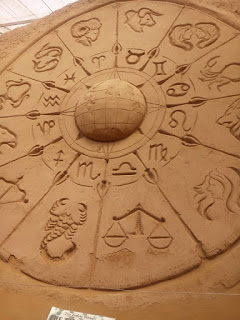
Some Tamils practise another thing in temples. In big temples like Madurai Meenakshi temple there are big lotus like flowers sculpted on the floor. It is a big circle around which six or eight people can sit. In Madurai it is front of the main shrines. Family members or friends who wanted to know whether they can go ahead with a project or matter, sit around the flower and place their hands on the stone petals. If their hands meet together  at the centre, the answer is a positive YES. In Tamil there is a phrase, which literally translated would mean “Work hands meet”. That is the work would be fulfilled or met with success.


Lizard predictions, Bird predictions, Animal predictions, Horoscope predictions, Palmistry, Possessed people’s predictions, Cowries (sea shell—Prasnam in Kerala) predictions and Palm leaf (Naadi) readings are also very popular among Tamils.


I wrote another article whether Tamils began the predictions and forecasts. There are umpteen names for each of the 27 stars and nine celestial bodies from 1st century BCE. A good subject for future research!


(For all the references in Thevaram and Tirukkovaiyar, please refer to my Tamil article posted today. Relevant Tamil verses are also given.)

Old articles on the same subject in my blogs:–

http://swamiindology.blogspot.com/2012/07/can-birds-predict-your-future.html#!


https://tamilandvedas.com/tag/bird-predictions/

  1. ஜோதிடம்| Tamil and Vedas

tamilandvedas.com/tag/ஜோதிடம்

Posts about ஜோதிடம் written … ஒரு கயிறு அல்லது நூலை … go to tamilandvedas.com OR …

  1. வேதத்தில்ஜோதிடம் | Tamil and Vedas

tamilandvedas.com/tag/வேதத்தில்…

Posts about வேதத்தில் ஜோதிடம் written by Tamil and Vedas

  1. நாடிஜோதிடம் | Tamil and Vedas

tamilandvedas.com/tag/நாடி…

Posts about நாடி ஜோதிடம் written by Tamil and Vedas


Tamil Astrology: Rope Trick for Predictions! | Swami’s …

swamiindology.blogspot.com/2013/02/tamil-astrology-rope…

Today’s article is about a Rope Trick. It is not a magic like the famous Indian Rope Trick by the magicians. Actually it is a thread trick. What they do is they use …


Tamil Astrology: Rope Trick for Predictions! | Tamil and Vedas

tamilandvedas.com/2013/02/27/tamil-astrology…

Tamil Astrology: Rope Trick for Predictions! Tamils have novel ways of predicting your future. They listen to lizards and predict what is going to happen. They watch …


நேபாள ஜோதிடர்–புது பத்ததியை வகுத்த ஸ்ரீபதி | Tamil and Vedas

tamilandvedas.com/2012/12/20/நேபாள…

Tamil and Vedas A blog exploring themes in Tamil and vedic literature. நேபாள ஜோதிடர்–புது பத்ததியை …


ஜோதிட மேதைகள் | Tamil and Vedas

tamilandvedas.com/tag/ஜோதிட…

Posts about ஜோதிட மேதைகள் written by Tamil and Vedas


புத்திசாலி ஜோதிடர் | Tamil and Vedas

tamilandvedas.com/tag…

Posts about புத்திசாலி ஜோதிடர் written by Tamil and Vedas


திருடர்கள் இரண்டு வகை! ஜோதிடர்கள் மீது மனு தாக்குதல்! (Post …

tamilandvedas.com/2016/08/05…

Written by london swaminathan Date: 5th August 2016 Post No. 3036 Time uploaded in London :– 7-52 AM ( Thanks for the Pictures)


–SUBHAM–

தமிழர்களின் மணல் ஜோதிடம்; அப்பர் தரும் அதிசயத் தகவல் (Post No.4279)

Written by London Swaminathan


Date: 7 October 2017


Time uploaded in London- 11-50 am


Post No. 4279

Pictures shown here are taken from various sources such as Facebook friends, Books, Google and newspapers; thanks.


தேவாரம் என்பது சிவனின் புகழ்பாடும் கீதங்கள் மட்டும் அடங்கியது அல்ல. தமிழர்களின் பண்பாடு, நம்பிக்கைகள், பழக்க வழக்கங்கள் அடங்கிய என்சைக்ளோபீடியா/ கலைக் களஞ்சியம். பல அற்புத நிகழ்ச்சிகளும் வரலாற்று விஷயங்களும் அடங்கிய பாடல் தொகுப்பு. சங்க இலக்கியத்தில் பரணர் என்னும் பார்ப்பனப் புலவர் எப்படி எண்பதுக்கும் மேலான வரலாற்று நிகழ்ச்சிகளைப் பாடல் தோறும் வைக்கிறாரோ அப்படி அப்பர் என்னும் திரு நாவுக்கரசர் பாடிய தேவாரத்தில் நாம் ஏராளமான புதுப்புது தகவ ல்களை அறிகிறோம்.

பாட்டன், பூட்டி உறவு முறை பற்றி அப்பர் பாடியதை எழுதினேன். இதன் மூலம் உறவு முறைச் சொற்களை அறிந்தோம். மாணிக்கவாசகர் அப்பருக்கும், சம்பந்தருக்கும் முன்னர் வாழ்ந்தவர் என்பதை நரி-பரி பாடல் மூலம் அப்பர் நமக்கு அறிவித்தார். தர்மி என்ற பார்ப்பனசொனுக்கு சிவபெருமான் கவிதை எழுதித் தந்த திருவிளையாடலையும் அப்பர் கூறியமையால் அறிந்தோம்.  தமிழ் சங்கம் அவர் காலத்துக்கு முன் இருந்ததை அறிந்தோம். சோழ மன்னர்கள், அவருக்கு முந்தைய நாயன்மார்கள், சமணர்களின் ரஹசியங்கள் முதலியவற்றை நமக்குத் தெரிவிப்பதும் அப்பரே.


அவர் ஒரு நாயன்மார் மட்டுமல்ல; வரலாற்றுப் பேரறிஞர்.

பாடலிபுத்திரம் வரை சென்று நாட்டை அறிந்தவர். கங்கை-காவிரி, கங்கை- கோதாவரி பற்றிப் பாடுகிறார். அவர் பாட்டில் வரும் பூகோள விஷயங்களை தனி ஆராய்ச்சிக் கட் டுரையில் தருகிறேன். கங்கை நதி வங்காளத்தில் நுழைந்தவுடன் ஆயிரம் கிளைகளாகப் பிரியும் அற்புத விஷயத்தை ‘ஆயிரம் மாமுக கங்கை’ என்ற வரிகளில் நமக்குச் செப்புவார்


இன்றைய கட்டுரையில் அவர் சொல்லும் அதிசய சுழி- மணற் சுழி சோதிடம் பற்றிக் காண்போம்.


திருப்பழனம் என்னும் ஊரில் சிவனை ஏத்திப் பாடும் ஒரு பாடலில் அவர் புகல்வது யாதோ?

வஞ்சித்து என் வளை கவர்ந்தான் வாரானே யாயிடினும்

பஞ்சிற்கார் சிறகன்னம் பரந்தார்க்கும் பழனத்தான்

அஞ்சிபோய்க் கலி மெலிய அழலோம்பும் அப்பூதி

குஞ்சிபூ வாய் நின்ற சேவடியாய் கோடியையே


-நாலாம் திருமுறை, அப்பர் தேவாரம்

பொருள்

ஈசன் என்னைக் கவர்ந்து ஆட்கொண்டு வளை கொண்ட நிலையில் ஏங்கவைத்து வாராமல் இருக்கிறார். ஆயினும் மென் சிறகுகளை உடைய அன்னப்பறவை பறந்தோடும் திருப்பழனத்தில் அவர் இருக்கிறார். அது மட்டுமா? கலியுகத்தின் கொடுமையைக் குறைப்பதற்காக

நாள் தோறும் யாக யக்ஞங்கள் செய்யும் அப்பூதி அடிகளின் தலைமுடி மீது வழங்கும் பூப்போல அவரது திருவடிகள் உள்ளன. கோடிழைத்துப் பார்ப்பேன்.


இந்தப் பாட்டில் இரண்டு முக்கியச் செய்திகள் உள.

அப்பூதி அடிகள் என்னும் பார்ப்பனர், திருநாவுக்கரசர் மீது பேரன்பு பூண்டவர். நாயன்மார்களில் ஒருவர். அவர் தினமும் ஹோமம் செய்வது எதற்காகத் தெரியுமா? தனக்காக அல்ல. கலியுகத்தினை அடக்கி ஒடுக்கி மெலியச் செய்வதற்காக. அவர் த லை  மீது ஈசன் எப்போதும் ஆசீர்வாதம் செய்து கொண்டே இருக்கிறான். ஆக ஒருவர் யாகம் செய்தால் கலியுகம் மாறும் என்ற செய்தியையும் அப்பூதி அடிகள் போன்றோர் செய்யும் யாகங்கள் சுயநலம் கருதி செய்யப்பட்டது அல்ல என்றும் அப்பர் அடித்துப் பேசுகிறார்.


நமக்கு வேண்டியது கோடியையே என்ற கடைசி சொல்லாகும். இது தமிழர்களின் விநோத சோதிடம். “காரியம் கைகூடுமா?” என்பதற்கும் பல பொருள்கள் உண்டு. இது பற்றி தமிழர்களின் கயிறு சோதிடம் என்ற கட்டுரையில் சொன்னேன்.


இப்போது கோடிழைத்தல் பற்றிப் பார்ப்போம்.

1.ஒரு பெண் தனது கணவன் அல்லது காதலன் விரைவில் தன்னிடம் வருவானா என்று பார்க்க இரண்டு கோடு இழைப்பாள் கண்ணை மூடிக்கொண்டு. இரண்டும் சேர்ந்தால் காரியம் கை கூடும் ஒரு வேளை இரண்டு கைகளால் கோடு போடுவர் போலும்!

  1. இதற்கு மற்றொரு விளக்கமும் உண்டு. ஒரு வட்டத்தை கண்களை மூடிக்கொண்டு வரைவர். அந்த வட்டம் இணைந்து வட்டமாக இருந்தால் அந்தக் காரியம் அல்லது நினைத்தது நிறைவேறும்; இதைச் சுழி இடுதல் என்றும் உரைப்பர்.


இதை அப்பரே பல பாடல்களில் சொல்கிறார்:—

பாடலாக்கிடும் பண்ணொடு பெண்ணிவள்

கூடலாக்கிடும் குன்றின் மணற்கொடு

கோடல் பூத்தளலர் கோழம்பத்துள்மகிழ்ந்

தாடுங் கூத்தனுக்கன்பு  பட்டாளன்றே 5-64-4


நீடு நெஞ்சுள் நினைந்து கண்ணீர் மல்கும்

ஓடு மாலினோ டொண்கொடி மாதராள்

மாட நீள்மரு கற்பெருமான்வரில்

கூடுநீ என்று கூடலிழைக்குமே -5-88-8


இரண்டு பாடல்களும் அப்பரின் ஐந்தாம் திருமுறையில் உள்ளவை


இரண்டு பாடல்களில் வரும் “கூடலாக்கிடும் குன்றின் மணற்கொடு”, “கூடு நீ என்று கூடலிழைக்குமே” என்ற வரிகளின் பொருள் என்ன?


மாணிக்கவாசகரின் திருக்கோவையாரிலும் (பாடல் 186) உளது


ஆழி திருத்தும் புலியூர் உடையான் அருளின் அளித்து

ஆழி திருத்தும் மணற்குன்றின் நீத்து அகன்றார் வருக என்று

ஆழி திருத்திச் சுழிக்கணக்கு ஓதி நையாமல் ஐய

ஆழி திருத்தித் தாக்கிற்றி யோஉள்ளம் வள்ளலையே

— திருக்கோவையார் 186

ஆழி= வட்டம், சுழி


“கூடல் இழைத்தல் என்பது தலைமகள், இம்மணற்குன்றின் கண் நீத்து அகன்ற வள்ளலை உள்ளத்தை நெகிழ்த்து இவ்விடத்தே தரவல்லையோ எனக் கூடற்றெய்வத்தை வாழ்த்திக் கூடலிழைத்து வருந்தா நிற்றல்- திருக்கோவையார் உரை-186


கூடல் இழைப்பது எப்படி?

பெரியதொரு வட்டமாகக் கோடு கீறி, அதன் உள்ளே சிறு சுழிகளை அளவிடாது சுழித்து, அவற்றை இரட்டைப்பட எண்ணி, ஒற்றைபடாதுளதோ என்று நோக்கல்; மிஞ்சாதேல் தலைவன் வருவான் என்பது மரபு.


அதாவது வட்டம், முழு வட்டமாக இருக்கும் எண்ணிக்கை அதிகமாக இருக்க வேண்டும் குறைவட்டம், நிறை வட்டம் ஆகியவற்றை எண்ணி எது அதிகமாக இருக்கிறது என்று காண்டல்.


தலைவன் பிரிவாற்றாமையால் வருந்தும் காதலி அல்லது மனைவி இப்படிப் பார்ப்பது தமிழர் வழக்கம். இதை ஆண்டாளின் நாச்சியார் திருமொழிக்கு உரை எழுதிய பெரியவாச்சான் பிள்ளையும் விளக்குவார்:– கூடலாவது வட்டமாகக் கோட்டைக்கீறி அதுக்குள்ளே சுழிசுழியாகச் சுற்றும் சுழித்து, இவ்விரண்டு சுழியாகக் கூட்டினால் இரட்டைப்பட்டால் கூடுகை, ஒற்றைப்பட்டால் கூடாமை என்று சங்கேதம்”


இவ்வாறன்றிக் கண்ணை மூடிக்கொண்டு கீறிய கோடு, எழுவாய், இறுவாயிரண்டும் கூடியிருப்பின், வந்து கூடுவன், விலகின் வாரான் என்பதுமுண்டு.

பிற்காலத்தில் வந்த ‘கைலை பாதி காளத்திபாதி’, ‘நான்முகன் திருவந்தாதி’, ‘ஐந்திணை ஐம் பது’, சீவக சிந்தாமணி, ‘கலிங்கத்துப் பரணி’ முதலிய நூல்களில் இந்த வழக்கு குறிப்பிடப்படுகிறது.


இதுகாறும் படித்தவற்றில் இருந்து நாம் அறிவது யாதெனில், கூடல் இழைத்தல் சிற்சில மாறுபாடுகளுடன் வழங்கப்பட்டது.


மிகவும் சுலபமான வழி- கண்ணை மூடிக்கொண்டு பெரிய வட்டம் கீற வேண்டும்; இணைந்தால் காரியம் கைகூடும்

பெரிய வட்டத்துக்குள் பல சுழிகளைப் போடுதல் ; அவைகளில் நிறைவான வட்டங்கள் இரட்டைப் படை எண்ணில் வந்தால் காரியம் வெற்றி; காதலன் வருவான்.


மூன்றாவது முறை:- கண்களை மூடிக்கொண்டு இரு கோடுகளை இரண்டு கைகளாலும் வரைதல் அவை சேர்ந்தால், காரியம் நிறைவேறும்.


இது தவிர கோவில் முதலியவற்றில் துவஜஸ்தம்பம் அருகில் பெரிய தாமரை மலர் போன்ற வட்டப் பூ வரையப்பட்டிருக்கும். அதில் சம்பந்தப்பட்டவர்கள் கைகளை வைப்பர். இதழ் போன்ற பகுதிகளில் நாம் வைக்கும் கைகள் நம்மை அறியாமலேயே நடுப்பகுதிக்கு, மொட்டு போன்ற பகுதிக்கு வந்து இணைந்தால் காரிய ம் கைகூடும்; இதை எனது நண்பர்கள் மதுரை மீனாட்சி கோவிலில் செய்வதைப் பார்த்து இருக்கிறேன்.


என் கருத்து:

இரண்டு கோடுகள் போடல், பெரிய வட்டம் ஒன்று மட்டும் வரைதல் ஆகியவற்றில் நம்மை அறியாமலேயே தவறு (மோசடி) செய்யமுடியும்; அதாவது பல முறை இப்படி வரைந்து பழகிவிட்டால் செய்ய முடியும். ஆனால் பெரிய வட்டத்துள் நிறைய சுழிகளைப் போட்டுவிட்டு வட்டத்துக்குள் உள்ள சுழிகளை மட்டும் கணக்கிட்டு, அதில் முழுச் சுழியாக இருப்பவை இரட்டைப் படை எண்ணில் இருந்தால் காதலன் வருவான் அல்லது நினைத்த காரியம் நிறைவேறும் என்பதே பொருத்தம்.

ஆய்வுக்கட்டுரைக்கு உதவிய நூல்கள்

1.நாலாம் திருமுறை- தருமபுர ஆதீனம்

2.நாலாம் திருமுறை- வர்த்தமானன் பதிப்பகம்

3.திருக்கோவையார்


More ASTROLOGY Articles in my blog


  1. ஜோதிடம்| Tamil and Vedas

tamilandvedas.com/tag/ஜோதிடம்

Posts about ஜோதிடம் written … ஒரு கயிறு அல்லது நூலை … go to tamilandvedas.com OR …

  1. வேதத்தில்ஜோதிடம் | Tamil and Vedas

tamilandvedas.com/tag/வேதத்தில்…

Posts about வேதத்தில் ஜோதிடம் written by Tamil and Vedas

  1. நாடிஜோதிடம் | Tamil and Vedas

tamilandvedas.com/tag/நாடி…

Posts about நாடி ஜோதிடம் written by Tamil and Vedas


Tamil Astrology: Rope Trick for Predictions! | Swami’s …

swamiindology.blogspot.com/2013/02/tamil-astrology-rope…

Today’s article is about a Rope Trick. It is not a magic like the famous Indian Rope Trick by the magicians. Actually it is a thread trick. What they do is they use …


Tamil Astrology: Rope Trick for Predictions! | Tamil and Vedas

tamilandvedas.com/2013/02/27/tamil-astrology…

Tamil Astrology: Rope Trick for Predictions! Tamils have novel ways of predicting your future. They listen to lizards and predict what is going to happen. They watch …


நேபாள ஜோதிடர்–புது பத்ததியை வகுத்த ஸ்ரீபதி | Tamil and Vedas

tamilandvedas.com/2012/12/20/நேபாள…

Tamil and Vedas A blog exploring themes in Tamil and vedic literature. நேபாள ஜோதிடர்–புது பத்ததியை …


ஜோதிட மேதைகள் | Tamil and Vedas

tamilandvedas.com/tag/ஜோதிட…

Posts about ஜோதிட மேதைகள் written by Tamil and Vedas


புத்திசாலி ஜோதிடர் | Tamil and Vedas

tamilandvedas.com/tag…

Posts about புத்திசாலி ஜோதிடர் written by Tamil and Vedas


திருடர்கள் இரண்டு வகை! ஜோதிடர்கள் மீது மனு தாக்குதல்! (Post …

tamilandvedas.com/2016/08/05…

Written by london swaminathan Date: 5th August 2016 Post No. 3036 Time uploaded in London :– 7-52 AM ( Thanks for the Pictures) DON’T REBLOG IT AT LEAST FOR …


TAGS: கூடல் இழைத்தல், மணல் ஜோதிடம், தமிழர், அப்பர்

–SUBHAM–


மஹாகவி பாரதியார் பற்றிய நூல்கள் – 40 (Post No.4278)

Written by S.NAGARAJAN


Date: 7 October 2017


Time uploaded in London- 5–19 am


Post No. 4278

Pictures shown here are taken from various sources such as Facebook friends, Books, Google and newspapers; thanks.


பாரதி இயல்


மஹாகவி பாரதியார் பற்றிய நூல்கள் – 40

மகாகவி பாரதி – சில புதிய உண்மைகள் – சீனி.விசுவநாதன் எழுதியுள்ள ஆய்வு நூல்


by ச.நாகராஜன்


மகாகவி பாரதியார் சமீப காலத்தில் வாழ்ந்திருந்தாலும் கூட அவரைப் பற்றிய செய்திகள் பல தவறாகவே உள்ளன.

இதற்குக் காரணம் பல.

அவருடன் நெருங்கிப் பழகியவர்கள் தம் நினைவிலிருந்து கூறிய தகவல்கள் பல. இவற்றில் காலப் பிழை, இடப் பிழை, கருத்துப் பிழை ஆகியவை உள்ளன. இது இயல்பே.

பல செய்திகள் அரசு ஆவணங்களில் புதைந்துள்ளன. பல கட்டுரைகள், கவிதைகள் பழைய கால பத்திரிகைகளில் மறைந்துள்ளன.

இதையெல்லாம் சரி பார்த்து உள்ளதை உள்ளபடி தொகுப்பது உண்மையிலேயே பெரிய காரியம்.

இதற்கு கட்டுக்கோப்பான, நல்ல பண வசதி படைத்த நிறுவனம் ந்ல்லோரால் நடத்தப்பட வேண்டும்.

அது இதுவரை இல்லை.

ஆகவே இந்தக் குறையைப் போக்க பல பாரதி ஆர்வலர்கள் தம்மால் இயன்ற பணியைச் செய்துள்ளனர்.

எந்த வசதியும் இல்லாத குறையை நினைத்துப் பார்த்தால் இது ஒரு இமாலய முயற்சி தான்.

இந்த இமாலய முயற்சியில் ஏறி வெற்றி பெற பல டென்சிங்குகள் முயன்று சாதனை படைத்துள்ளனர்.

அந்த பல டென்சிங் ஒருவர் சீனி.விசுவநாதன்.

பாரதி அன்பர்கள் இகுகளில்வரை எப்படிப் பாராட்டினாலும் தகும்.

இவரது அரிய படைப்புகளில் ஒன்று – மகாகவி பாரதி – சில புதிய உண்மைகள்.

272 பக்கங்கள் முதல் பதிப்பு வெளியீடு 1984ஆம் ஆண்டு.

முழு நூலும் அத்தியாயங்களாகப் பிரிக்கப்படவில்லை.

செய்திகளின் தொகுப்பையே காண்கிறோம். நல்ல முறையில் பொருள்வாரியாக இதைப் பிரித்தால் நன்றாக இருக்கும்.

முதல் பகுதி மகாகவி பாரதி: சில புதிய உண்மைகள் (115 பக்கங்கள்)

அடுத்த பகுதி : சிந்தனைக்குச் சில (157 பக்கங்கள்)

ஏராளமான செய்திகள் அள்ளிக் குவிக்கப்பட்டுத் தரப்பட்டுள்ளன.

நம்முடைய்  ஆர்வத்திற்கேற்ப நாம் தான் உரிய முறையில் அட்டவணைப்படுத்திக் கொள்ள வேண்டும்.

சுவையான பல செய்திகளில் சிலவற்றின் விவரம் கீழே தரப்படுகிறது. :

1) பாரதியார் கவிதைகள் பதிப்பு வரலாறு மிகவும் விரிவாகத் தரப்பட்டுள்ளது.

2) சக்கரவர்த்தினி, இந்தியா, சுதேசமித்திரன், கர்மயோகி ஆகிய இதழ்களில் வெளியாகியுள்ள பாரதி படைப்புகளின் அட்டவணை நூலில் தரப்பட்டுள்ளது.

3) ஏராளமான கவிதைகளின் தலைப்புகள் மாறி இருப்பதை சீனி. விசுவநாதன் சுட்டிக் காட்டுகிறார்.

4) ஆங்கிலம் மற்றும் வங்க மொழிப் பாடல்கள் ஒன்பதை பாரதி மொழி பெயர்த்திருக்கிறார். அவற்றின் பட்டியலை நூலில் காணலாம்.

5) பாரதி தன் கைப்பட எழுதிய கைப்பிரதிகளின் அடிப்படையில் 90 பாடல்களின் பட்டியலும் நூலில் இடம் பெற்றுள்ளது.

6) பாரதியின் கண்ணம்மா பாடல்களில் செல்லம்மா என்ற வார்த்தையே கவிதைகளில் முதலில் இடம் பெற்றிருந்தது.

ஆனால் “அப்பாதுரை மாமா விருப்பப்படி செல்லம்மா என்று வந்த் இடங்கள் எல்லாம் கண்ணம்மா என்று மாற்றப்பட்டது” என்பதை ச்குந்தலா பாரதி எழுதியுள்ளார்.

7) பாரதியார் தம் பாடல்களை எந்த ராகத்தில் எந்த தாள கதியில் பாட வேண்டுமென்று தெளிவு படுத்தியுள்ளார். அவரே எழுதியுள்ள சில பாடல்களின் ராகப் பட்டியலையும் நூலில் காண்கிறோம்.

8) காணி நிலம் வேண்டும் என்ற பாடலின் தலைப்பில் முதலில் பராசக்திக்கு ஒரு புலவன் வேண்டுகோள் என்று பாரதி எழுதியிருந்தார். பின்னர் அதை நீக்கி விட்டு காணி நிலம் என்பதையே தலைப்பாக ஆக்கி விட்டார்.

9) பாரதி வாழ்ந்த காலத்திலேயே அவரது பாடல்கள் சில தெலுங்கு மொழியில் பெயர்க்கப்பட்டன. பிரான்ஸ், இங்கிலாந்து கவியரசர்கள் பார்தி பாட்டை மொழி பெயர்த்தனர். அயர்லாந்து க்விஞரான ஜேம்ஸ் ஹெச். கஸின்ஸ் என்பவர் பாரதியாரின் சில கவிதைகளை மொழிபெயர்த்துள்ளார்.

10) என்று தணியும் இந்த சுதந்திர தாகம் என்ற பாடலை ஆங்கில அரசு மும்முறை மொழிபெயர்த்தது. அந்தப் பாடலின் ஆங்கில வடிவத்தை நூலில் பார்க்கலாம்.


11) தமிழ்நாடும் ஸ்ரீமான் ஸி.சுப்பிரமணிய பாரதியாரும் – ஓர் ஆராய்ச்சி என்ற தலைப்பில் தேசபக்தன் வருஷமலரில் திரு எ.எஸ்.நாகரத்தினம் என்பவர் ஒரு கட்டுரையை எழுதியுள்ளார். ஆனால் என்ன முயன்றும் அது கிடைக்கவில்லை. இப்படி பல அரிய கட்டுரைகளைத் தேடிக் கண்டுபிடிக்க வேண்டும் என வலியுறுத்துகிறார் சீனி.விசுவநாதன்.

12) பாரதி பாடல்கள் நாட்டுடமையாக்கப்பட்ட வரலாற்றை நூலில் காண்கிறோம்.

13) குரு கோவிந்தசிம்ஹன் விஜயம் இந்தியா பத்திரிகையில் நான்கு வாரங்கள் தொடர்ந்து பிரசுரமானது. இந்தப் பாடலின் வரலாறை நூலில் காணலாம். லண்டனில் நடந்த குருகோவிந்த சிங்கினுடைய விழா பற்றிய செய்தியை வ.வெ.சு ஐயர் பார்தியாருக்கு அனுப்ப அதைப் பிரசுரித்த பாரதியார் தன் பங்கிற்கு குரு கோவிந்த சிம்ஹ விஜயம் என்ற கவிதையைப் புனைந்து அதைப் பிரசுரித்தார்.

14) ‘பாரத தேசமென்று பெயர் சொல்லுவார்’ பாடலில் இல்லாத கண்ணிகள் நூலில் சுட்டிக் காட்டப்படுகின்றன – அதன் வரலாறுடன்.

15) நூலின் இறுதியில் “நான் செய்த தவறுகள்” என்ற தலைப்பில் சில தகவல்களைத் தான் “கண்மூடித்தனமாகப்” பின்பற்றித் தந்ததைச் சுட்டிக் காட்டும் சீனி.விசுவநாதன் ஆய்வின் களம் விரிய விரிய தனது தவறுகள் புலப்பட்டதை வெளிப்படையாக ஒப்புக்  கொள்கிறார்.

இது தான் ஆராய்ச்சியின் நேர்மை.

பாரதியைப் பற்றிய விரிவான ஆய்வு நூல் ஒன்று வெளியிடப்பட வேண்டும் காலப் போக்கில் கிடைக்கும் கூடுதல் தகவல்கள் -ரஸமான செய்திகள் – உள்ளிட்டவற்றைக் கொண்டு பாரதி நூல்கள் பற்றிய ஆராய்ச்சி விரிவாக நடைபெறலாம்; நடைபெற வேண்டும்  என்று தன் நம்பிக்கையை தெரிவிக்கிறார் ஆசிரியர்.

பாரதி ஆர்வலர்களுக்கு இந்த நூல் ஒரு பொக்கிஷம்.

ஏற்கனவே தாங்கள் படித்தவற்றுள் இருப்பதை “நேர் செய்து” கொள்ள இது ஒரு செய்திக் கருவூலம்.

உடனடியாக இதை பாரதி நூல்களுடன் வீட்டில் சேர்த்து விடலாம்.

***