மாக்ஸ்முல்லர் மர்மம்! – 12 (Post No.4580)

Date: 4 JANUARY 2018


Time uploaded in London- 6-24 am


Written by S NAGARAJAN


Post No. 4580

Pictures shown here are taken from various sources such as Facebook friends, Books, Google and newspapers; thanks. Pictures may not be related to the story. They are only representational.


நண்பரா, கைக்கூலியா!

மாக்ஸ்முல்லர் மர்மம் – 4 : கட்டுரை எண் 4269 – வெளியான தேதி 4-10-2017 ; மாக்ஸ்முல்லர் மர்மம் – 5 : கட்டுரை எண் 4327 – வெளியான தேதி 23-10-2017 ; மாக்ஸ்முல்லர் மர்மம் – 6 -கட்டுரை எண் 4355 – வெளியான தேதி 1-11-2017; மாக்ஸ்முல்லர் மர்மம் -7 கட்டுரை எண் 4385 – வெளியான தேதி  11-11-17; மாக்ஸ்முல்லர் மர்மம்-8 கட்டுரை எண் 4451 – வெளியான தேதி 2-12-17; மாக்ஸ்முல்லர் மர்மம் – 9 கட்டுரை எண் 4501 – வெளியான தேதி 16-12-17; மாக்ஸ்முல்லர் மர்மம் – 10 கட்டுரை எண் 4538 -வெளியான தேதி 24-12-17 ; மாக்ஸ்முல்லர் மர்மம் – 11 கட்டுரை எண் 4563 -வெளியான தேதி 30-12-17


இதனுடைய தொடர்ச்சியாக இக் கட்டுரை வெளியாகிறது.


மாக்ஸ்முல்லர் மர்மம்! – 12

ச.நாகராஜன்


21

சென்ற அத்தியாயத்தில் தமிழில் கொடுக்கப்பட்டுள்ள ஸ்வாமிஜியின் கருத்துக்களை ஆங்கில மூலத்தில் கீழே அப்படியே தருகிறோம்.


The Complete Works of Swami Vivekananda/Volume 6/Conversations and Dialogues/IX


IX

(Translated from Bengali)

(From the Diary of a Disciple)

(The disciple is Sharatchandra Chakravarty, who published his records in a Bengali book, Swami-Shishya-Samvâda, in two parts. The present series of “Conversations and Dialogues” is a revised translation from this book. Five dialogues of this series have already appeared in the Complete Works,Volume 5)

[Place: Calcutta. year: 1897.]


While our study had proceeded thus for a while, Swamiji raised the topic about Max Müller and continued thus: Well, do you know, my impression is that it is Sayana who is born again as Max Müller to revive his own commentary on the Vedas? I have had this notion for long. It became confirmed in my mind, it seems, after I had seen Max Müller. Even here in this country, you don’t find a scholar so persevering, and so firmly grounded in the Vedas and the Vedanta. Over and above this, what a deep, unfathomable respect for Sari Ramakrishna! Do you know, he believes in his Divine Incarnation! And what great hospitality towards me when I was his guest! Seeing the old man and his lady, it seemed to me that they were living their home-life like another Vasishtha and Arundhati! At the time of parting with me, tears came into the eyes of the old man.


Disciple: But, sir, if Sayana himself became Max Müller, then why was he born as a Mlechchha instead of being born in the sacred land of India?


Swamiji: The feeling and the distinction that I am an Aryan and the other is a Mlechchha come from ignorance. But what are Varnâshrama and caste divisions to one who is the commentator of the Vedas, the shining embodiment of knowledge? To him they are wholly meaningless, and he can assume human birth wherever he likes for doing good to mankind. Specially, if he did not choose to be born in a land which excelled both in learning and wealth, where would he secure the large expenses for publishing such stupendous volumes? Didn’t you hear that the East India Company paid nine lakhs of rupees in cash to have the Rig-Veda published? Even this money was not enough. Hundreds of Vedic Pundits had to be employed in this country on monthly stipends. Has anybody seen in this age, here in this country, such profound yearning for knowledge, such prodigious investment of money for the sake of light and learning? Max Müller himself has written it in his preface, that for twenty-five years he prepared only the manuscripts. Then the printing took another twenty years! It is not possible for an ordinary man to drudge for fortyfive years of his life with one publication. Just think of it! Is it an idle fancy of mine to say he is Sayana himself?


****


COMPLETE WORKS OF SWAMI VIVEKANANDA  VOLUME 4

ON PROFESSOR MAX MÜLLER

(Written for the Brahmâvadin, from London, June 6, 1896.)


Do you know that Prof. Max Müller has already written an article on Shri Ramakrishna for the Nineteenth Century, and will be very glad to write a larger and fuller account of his life and teachings if sufficient materials are forthcoming? What an extraordinary man is Prof. Max Müller! I paid a visit to him a few days ago. I should say, that I went to pay my respects to him, for whosoever loves Shri Ramakrishna, whatever be his or her sect, or creed, or nationality, my visit to that person I hold as a pilgrimage. “मद्भक्तानां च ये भक्तास्ते मे भक्ततमा मताः — They who are devoted to those who love Me — they are My best devotees.” Is that not true?

The Professor was first induced to inquire about the power behind, which led to sudden and momentous changes in the life of the late Keshab Chandra Sen, the great Brâhmo leader; and since then, he has been an earnest student and admirer of the life and teachings of Shri Ramakrishna. “Ramakrishna is worshipped by thousands today, Professor”, I said. “To whom else shall worship be accorded, if not to such”, was the answer. The Professor was kindness itself, and asked Mr. Sturdy and myself to lunch with him. He showed us several colleges in Oxford and the Bodleian library. He also accompanied us to the railway station; and all this he did because, as he said, “It is not every day one meets a disciple of Ramakrishna Paramahamsa.”


The visit was really a revelation to me. That nice little house in its setting of a beautiful garden, the silverheaded sage, with a face calm and benign, and forehead smooth as a child’s in spite of seventy winters, and every line in that face speaking of a deep-seated mine of spirituality somewhere behind; that noble wife, the helpmate of his life through his long and arduous task of exciting interest, overriding opposition and contempt, and at last creating a respect for the thoughts of the sages of ancient India — the trees, the flowers, the calmness, and the clear sky — all these sent me back in imagination to the glorious days of Ancient India, the days of our Brahmarshis and Râjarshis, the days of the great Vânaprasthas, the days of Arundhatis and Vasishthas.


It was neither the philologist nor the scholar that I saw, but a soul that is every day realising its oneness with the Brahman, a heart that is every moment expanding to reach oneness with the Universal. Where others lose themselves in the desert of dry details, he has struck the well-spring of life. Indeed his heartbeats have caught the rhythm of the Upanishads  “तमेवैकं जानथ आत्मानमन्या वाचो विमुञ्चथ — Know the Atman alone, and leave off all other talk.”


Although a world-moving scholar and philosopher, his learning and philosophy have only led him higher and higher to the realisation of the Spirit, his अपरा विद्या (lower knowledge) has indeed helped him to reach the परा विद्या (higher knowledge). This is real learning. विद्या ददाति विनयम् — “Knowledge gives humility.” Of what use is knowledge if it does not show us the way to the Highest?


And what love he bears towards India! I wish I had a hundredth part of that love for my own motherland! Endued with an extraordinary, and at the same time intensely active mind, he has lived and moved in the world of Indian thought for fifty years or more, and watched the sharp interchange of light and shade in the interminable forest of Sanskrit literature with deep interest and heartfelt love, till they have all sunk into his very soul and coloured his whole being.


Max Müller is a Vedantist of Vedantists. He has, indeed, caught the real soul of the melody of the Vedanta, in the midst of all its settings of harmonies and discords — the one light that lightens the sects and creeds of the world, the Vedanta, the one principle of which all religions are only applications. And what was Ramakrishna Paramahamsa? The practical demonstration of this ancient principle, the embodiment of India that is past, and a foreshadowing of the India that is to be, the bearer of spiritual light unto nations. The jeweller alone can understand the worth of jewels; this is an old proverb. Is it a wonder that this Western sage does study and appreciate every new star in the firmament of Indian thought, before even the Indians themselves realise its magnitude?


“When are you coming to India? Every heart there would welcome one who has done so much to place the thoughts of their ancestors in the true light”, I said. The face of the aged sage brightened up — there was almost a tear in his eyes, a gentle nodding of the head, and slowly the words came out: “I would not return then; you would have to cremate me there.” Further questions seemed an unwarrantable intrusion into realms wherein are stored the holy secrets of man’s heart. Who knows but that it was what the poet has said—


तच्चेतसा स्मरति नूनमबोधपूर्वं ।
भावस्थिराणि जननान्तरसौहृदानि ॥

—”He remembers with his mind the friendships of former births, firmly rooted in his heart.”

His life has been a blessing to the world; and may it be many, many years more, before he changes the present plane of his existence!


மாக்ஸ்முல்லர் பற்றிய இன்னும் பல கருத்துக்களை ஸ்வாமிஜி கூறியுள்ளதை COMPLETE WORKS OF SWAMI VIEVEKANANDA நூலில்

எட்டாம் தொகுதி உள்ளிட்டவற்றில் காணலாம்.

தொடரின் இறுதிப் பகுதிக்கு வருவோம்

****                     தொடரும்
Be a Snake! Paramahamsa and Chanakya Advise! (Post No.4579)

picture by Lalgudi Veda


Written by London Swaminathan 


Date: 3 JANUARY 2018


Time uploaded in London- 18-35


Post No. 4579

Pictures shown here are taken from various sources such as Facebook friends, Books, Google and newspapers; thanks.


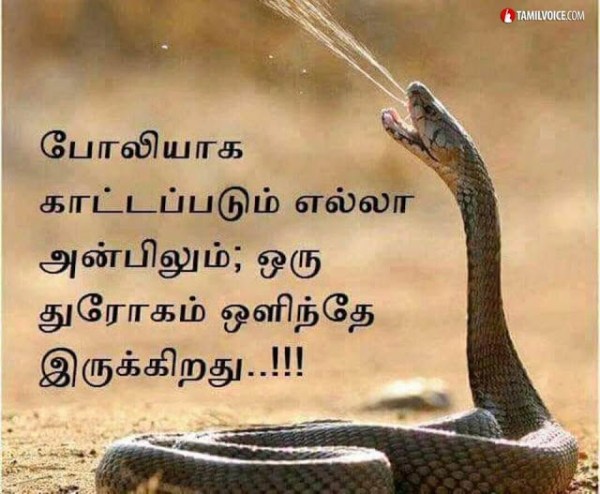
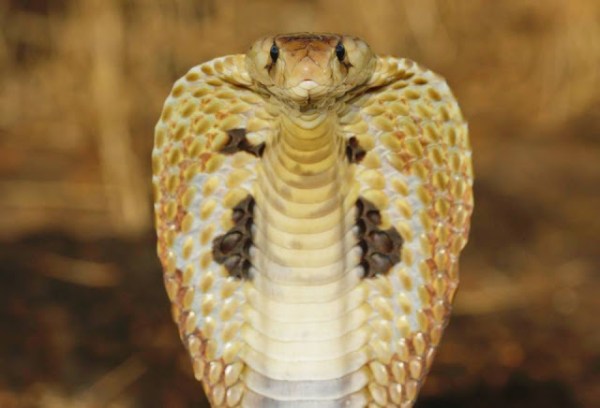
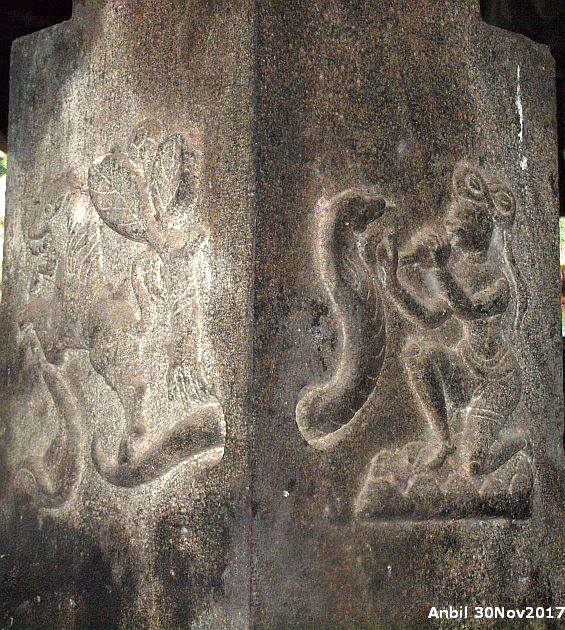
A snake must be a snake; it must instil fear in others; otherwise it will die. Ramakrishna Paramahamsa, the great saint and Chanakya , the great philosopher, statesman and astute politician agree on snakes!

Chanakya says,

“Even a snake with no poison should raise its hood. Be there poison or not, the raising of the hood instils fear”—Chanakya Niti, Chapter 9, sloka/verse 10


Here is the verse in Sanskrit:-

nirvishenaani sarpena karthavyaa mahati fanaa

vishamastu na chaapyastu fanaayopo bhayankarah

Sometimes you may be weak or in a weaker position, but yet you can pretend to be strong.

Ramakrishna Paramahamsa narrates a story:-

“A serpent dwelt in a certain locality. No one dared to pass by that way; for whoever did so was instantaneously bitten to death by the serpent.


Once a holy man passed by. As usual the serpent pursued the sage with a view to biting him, but when it approached the holy man, it lost all kits ferocity and was over powered by his gentleness. Seeing the snake, the holy man said,

‘Well, friend! Do you want to bite me?’ The snake was abashed and did not reply. At this the sage said again, ‘hearken friend, do not injure anyone in future’. The snake bowed and nodded assent.


After the sage, had hone his own way, the entered its hole, and began to live a life of innocence and purity without even wishing to harm anyone. In a few days, it became a common belief in the neighbourhood that the snake had lost all its venom and was no more dangerous, and so people began to tease it. Some pelted stones at it., and others dragged it mercilessly by the tail. Thus there was no end to its troubles.

Fortunately, sometime after, the sage again passed that way seeing the bruised and battered condition of the poor snake, was very much moved to pity and inquired about the cause of its distress.

At this the snake replied, Sir, I have been reduced to this state, because I Have not been injuring anyone since I received your instruction. But alas! they are so merciless!

The sage smilingly said, ‘Dear friend, I only advised you not to bite anyone, but I never asked you not to hiss and frighten others. Although you should not bite any creature, still you should keep everyone at a considerable distance from you by hissing’.


Similarly, if you live in this world, make yourself feared and respected. Do not injure anyone, but do not at the same time let others injure you.

Source:

Sayings of Sri Ramakrishna, Sri Ramakrishna Math, Mylapore, Chennai 600004

Canakyaniti, Satya Vrat Shastri, Bharatiya Vidya Mandir, Kolkata


Snake and Great men

If You see a Snake……………….

“Between a snake and a wicked person, it is the serpent which is better. Serpent bites ever and anon but a wicked person does so at every step”—Chanakya Niti, Chapter 3, Sloka


Three other poets sang about great men and poisonous snakes

Even if poisonous snakes enter an assembly of scholars it will pass through them unscathed. They won’t hurt them, says a Tamil poem in ‘Pazamozi Four Hundred’. Even the Sangam Tamil Literature (Neithal kali, Kali Tokai) gave the same message.

Another poet ( of Tamil book “Aranerisaram” ) viewed the snakes differently. He says, look at this, If you give water to a cow it gives you milk; but if you give milk to a cobra, it produces poison! Likewise, the books read by bad people are interpreted negatively. The same books read by the great people are interpreted positively”.

The best examples for this poem are our Vedas and the Epics. Foreigners who read these books interpreted them negatively. They are like snakes that convert milk into poison. The great Tamil kings Chera, Chola and Pandyas fostered Vedas and Vedic Yajnas for over 2000 years according to Sangam Tamil Literature. In the North, more Asvamedha Yajnas and Rajasuyas were done. Vedas are viewed positively in Kalidasa’s works and Sangam Tamil works. They are like cows that turns water into milk.

Tamil poetess Avvaiyar in her book ‘Vakkundaam’ compared water snake to good people and cobra to bad people. She says that the water snake is not poisonous and it lies openly on the banks of rivers and lakes. But the cobra is poisonous and so it hides in the holes. Good people don’t fear any one, bad people fear others and lead a secret life! They pretend to be good.

Chanakya also agrees,

“Those vile men who disclose each other’s secrets come o naught, for sure, like a snake in an ant-hill” – Chapter 9, Verse 2s

–Subham–

புஸ்தக ஆசிரியர் படுகொலை (Post No.4578)

Written by London Swaminathan 


Date: 3 JANUARY 2018


Time uploaded in London- 8-23 am


Post No. 4578

Pictures shown here are taken from various sources such as Facebook friends, Books, Google and newspapers; thanks.


மொகலய சாம்ராஜ்யத்தில் பஞ்சம் இல்லாத பொருள்– படுகொலைகள். அப்பன் மகனைக் கொல்வதும், மகன் தந்தையைக் கொல்வதும், சஹோ தரர்கள் ஒருவருக்கு ஒருவரைத் தீர்த்துக் கட்டுவதும் சர்வ சாதாரணம்– அன்றாட நிகழ்ச்சிகள். அக்பரின் மகன் சலீம் — அதாவது மொகலாயப் பேரரசன் ஜஹாங்கீர்- நடத்திய ஒரு படுகொலை, வரலாற்றில் ஆதாரத்தோடு பதிவாகிவிட்டது.

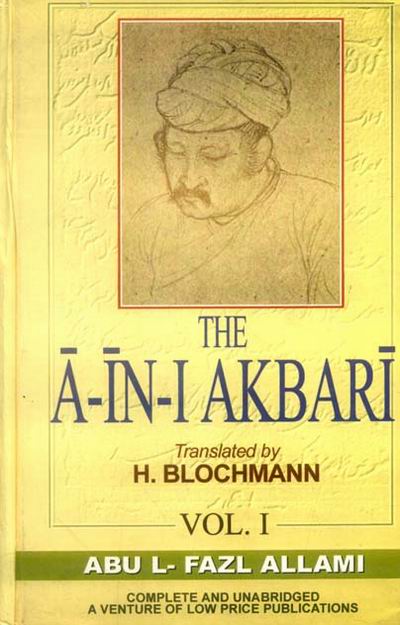
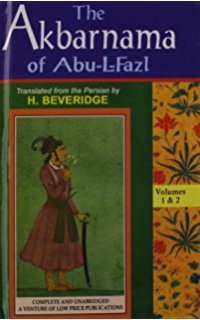
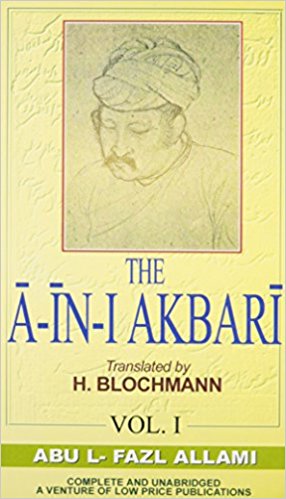
அபுல் பாசல் என்பவர் புகழ்பெற்ற எழுத்தாளர். அவர் பாரசீக மொழியில் அக்பர்நாமா என்ற ஒரு புத்தகத்தில் அக்பரின் முழு வரலாற்றையும் தந்துள்ளார்; அதன் ஒரு பகுதி அயினி அக்பரி ஆகும். அக்பரின் நெருங்கிய நண்பர்; அவரது சபையில் இருந்த நவ ரத்னங்களில் ஒருவர்.


அக்பர் தனது மகன் சலீமை அலஹாபாத் பகுதிக்கு அதிகாரியாக- ஆட்சிப் பிரதிநிதியாக நியமித்தார். அங்கே பணம் வெள்ளம் போல பெருகியது. வரி வசூல் மிகப் பிரமாதமாக இருந்தது. பணம் இருக்கும் இடத்தில் குணம் இருக்குமா? இருக்காதே!


சலீம் தன்னை சுதந்திர ஆட்சியாளராகப் பிரகடனம் செய்து கொண்டார்.  அது மட்டும் அல்ல. பணத் திமிரில் தங்கக் காசுகளையும், தாமிரக் காசுகளையும் அடித்து — அச்சடித்து– அவைகளை அக்பரின் பார்வைக்கு அனுப்பினார்.


அக்பர் அதைப் பார்த்தார்; ஆஹாசத்துக்கும் பூமிக்கும் குதித்தார்; கோபக் கனல் பொங்கியது; கூப்பிட்டார் ஆப்த நண்பர் அபுல் பாஸலை; என் மகன் சலீமுக்கு நல்ல புத்திமதி சொல்லி வாருங்கள்; இப்படி ஊதாரியாகவும் தான் தோன்றியாகவும் இருக்கிறானே! என்றார்.


அக்பரின் மகன் சலீம், பிற்காலத்தில் ஜஹாங்கீர் என்ற பெயருடன் ஆட்சியைப் பிடித்தவர். அவருக்கு அபுல் பாஸல் புறப்படும் திட்டமும் அவரது நோக்கமும் உளவாளிகள் மூலம் தெரிய வந்தது. நல்ல சதித் திட்டம் போட்டார்.


அந்தக் காலத்தில் மத்தியப் பிரதேச காடுமலைகள் அடங்கிய ஓர்ச்சா (Orcha) பிரதேசத்தை வீர சிம்ஹ தேவன் (பீர்சிங்தேவ்) ஆண்டு வந்தான்; மாபெரும் வீரன் அவனை சலீம் அழைத்தார். அன் பரே! அபுல் பாஸலைத் தீர்த்துக்கட்டும் என்றார்.
பீர் சிங் தேவ் 500 வீரர்களுடன் காட்டில் மறைந்திருந்தார். அபுல் பாஸலுக்கு ஏதோ ஆபத்து வரப்போகிறது என்பது பராபரியாகத் தெரியும்; ஆயினும் அக்பரின் மகன் குட்டிப் பயல் — சலீம் கொலை செய்யும் அளவுக்கு கிராதகன் — மாபதகன் — என்பது அவரது அறிவுக்கு எட்ட வில்லை. அக்பர் சும்மாவா ஆளை அனுப்புவார்? அவரும் படை வீரர்களின் பாதுகாவலோடுதான் பாசலை அனுப்பினார். ஆயினும் வீர சிங்க தேவனின் 500 வீரர்களுக்கு அவர்கள் ஈடு கொடுக்க முடியவில்லை. அபுல் பாஸலை ‘பைசல்’ செய்தனர்; ஆள் காலி; தலை பூமியில் உருண்டது; அதை ஜாக்கிரதையாக எடுத்து அந்தப் பொக்கிஷத்தை ஜஹாங்கீருக்கு அனுப்பியும் வைத்தார்.


ஜாஹாங்கீருக்கு ஏக குஷி! பிற்காலத்தில் ஜஹாங்கீர் இது பற்றி தமது நினைவலைகளில் — ஞாபகார்த்தக் குறிப்புகளில் எழுதினார்:-


அபுல் பாஸலை ஒரு  சண்டையில் வீர சிங்க தேவன் கொன்றார். அவருடைய தலையையும் எனக்கு அனுப்பி வைத்தார்.


அபுல் பாஸல் தனக்கு எதிராகச் சதி செய்ததாகவும், தனக்கும் தன் தந்தை அக்பருக்கும் இடையே சமரஸம் நிலவாதபடித் தடுத்ததாகவும் ஜஹாங்கீர் குற்றமும் சாட்டினார். எப்படி இருக்கிறது கதை!


சலீம், ஜஹாங்கீர் என்ற பெயரில் பட்டம் ஏற்றவுடன் வீர் சிங்க தேவனுக்கு பதவி உயர்வு கொடுத் து அவர் ஒர்ச்சா பிரதேசத்தின் தனிப்பெரும் தலைவர் என்ற அங்கீகாரத்தையும் அளித்தார்.


வீர சிங்க தேவன், பண்டேல் கண்ட் பிரதேசத்தில் தெய்வ நிலை எட்டிய மா புருடன்; அவரைத் தெய்வமாகவே அந்தப் பிரதேச மக்கள் வழிபாடுகின்றனர்.


இதற்கு இன்னும் ஒரு காரணமும் உண்டு. அவர் வீரர் மட்டுமல்ல; கோவில் குளங்களையும் அரண்  மனைளையும் கோட்டை கொத்தளங்களையும் கட்டிய ஒரு அரசனும் ஆவார். ஜோதிடர்களைக் கலந்தாலோசித்து ஒரு முஹூர்த்தத்தில் 52 கட்டுமானப் பணிகளுக்கு அடிக்கல் நாட்டினார். அவர் கட்டிய கோவில்கள் கோட்டைகளை இன்றும் காணலாம். டிக்கம் கார் என்னும் இடத்தில் அபுல் பாஸலைக் கொலை செய்த கத்தி காட்சிக்கு வைக்கப்பட்டுள்ளது அவரது சமாதியும் பேட்வா (Betwa)வில் உள்ளது


வீர சிம்ஹ தேவின் புகழும் அவரது மகன் ஹர்தாள் (ஹரி தயாள் ) லாலாவின் புகழும் கொடிகட்டிப் பறக்கிறது. மகன் ஹர்தாள் லாலாவுக்கு (Datia) டாடியா என்னும் இடத்தில் கோவிலும் உள்ளது. ஏன் தெரியுமா? ஹரி தயாளுவை அவரது சஹோதரர் குற்றம் சாட்டிக் கொன்று விட்டார். என் மனைவியுடன் நீ கள்ளக் காதல் கொண்டாய், ஆகவே ஊமத்தை செடியின் விஷ விதைகளைச் சாப்பீட்டுச் செத்துப் போ! என்று சொல்ல அவரும் அப்படியே செய்தார்; செத்தார்; பூத உடல்போயிற்று ; புகழ் உடம்பு வந்து சேர்ந்தது. கல்யாணம், கார்த்திகை என்றால் அவருக்கு ஆராதனை; பூஜை. அது மட்டும் அல்ல அவர் காலரா நோயைத் தீர்த்துவைக்கும் தெய்வம் என்ற புதுப் பட்டமும் கிடைத்தது.

இதெல்லாம் நடந்து 400 ஆண்டுகள் ஆகிவிட்டன.  அம்மக்கள் பிற்காலத்தில் போரிட்டபோதெல்லாம் ஹர்தயாள், வீர சிந்தேவ் ஆகியோர் ஆவி ரூபத்தில் வந்து உதவியதாகவும் கதைகள் உண்டு.


–சுபம்- சுபம்–

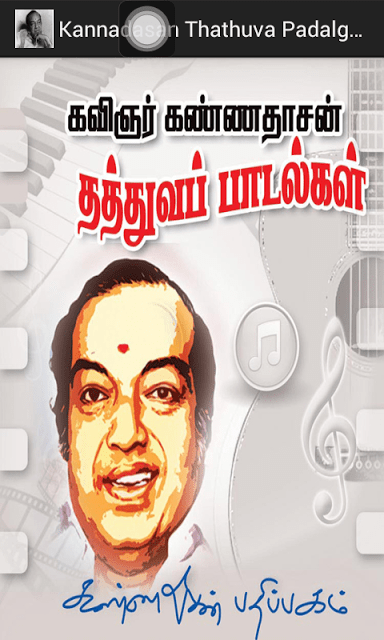
கண்ணதாசனின் அதீத உளவியல் ஆற்றல்! -2 (Post No.4577)

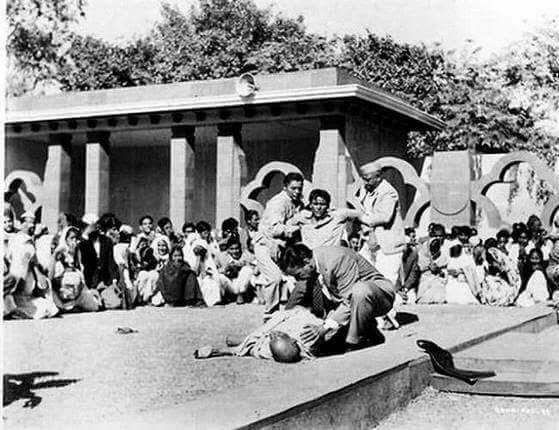
MAHATMA GANDHI SHOT DEAD

Date: 3 JANUARY 2018


Time uploaded in London- 6-50 am


Written by S NAGARAJAN


Post No. 4577

Pictures shown here are taken from various sources such as Facebook friends, Books, Google and newspapers; thanks. Pictures may not be related to the story. They are only representational.


முதல் கட்டுரை எண் 4551 – 27-12-2017 அன்று வெளியாகியுள்ளது. அதைப் படித்து விட்டு இங்கு தொடரவும்.


கண்ணதாசனின் ஈ.எஸ்.பி. பவர் (E.S.P.Power) – அதீத உளவியல் ஆற்றல்! -2


ச.நாகராஜன்

6

சேலத்தில் கவிஞர் வாழ்ந்த காலத்தில் ஒரு நாள். அவர் ‘அமைச்சர்’ என்ற இதழின் நிர்வாகியான அருணாசலம் என்ற அருணனிடமும் (அருணாசலம் பின்னாளில் அருணோதயம் பதிப்பாளர் ஆனார்), கவிஞரின் எழுத்துக்களைத் தொலைபேசி வாயிலாகக் கேட்டு அவர் சொல்லச் சொல்ல எழுதி வந்தவருமான கற்பூரபாண்டியனிடமும் தான் கண்ட கனவைத் துயரத்துடன் விவரிக்கிறார்.


“28-1-1947 அன்று இரவு பயங்கரமான கனவு ஒன்றைக் கண்டேன். மகாத்மா காந்தியை யாரோ சுட்டு விடுகிறார்கள்’ என்றார் கவிஞர்.

“அந்த மனிதருக்கா அப்படி ஆகும்” என்று அவர் கூற்றை மறுத்து இருவரும் கேலி செய்கிறார்கள்.

ஆனால் 30-1-1947 இரவு 7 மணி செய்தியில் வானொலி மகாத்மா காந்திஜியை கோட்ஸே சுட்டுக் கொன்றதை அறிவித்த போது அனைவரும் விக்கித்துப் போயினர்.


7

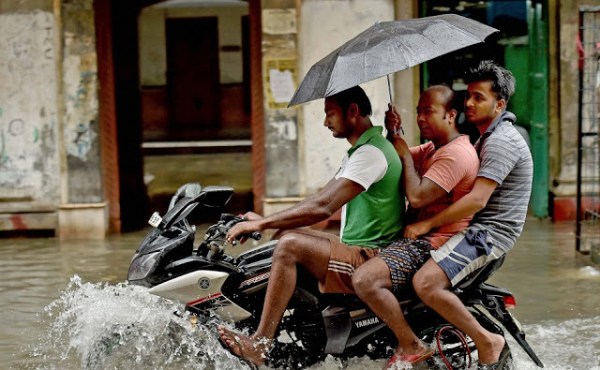
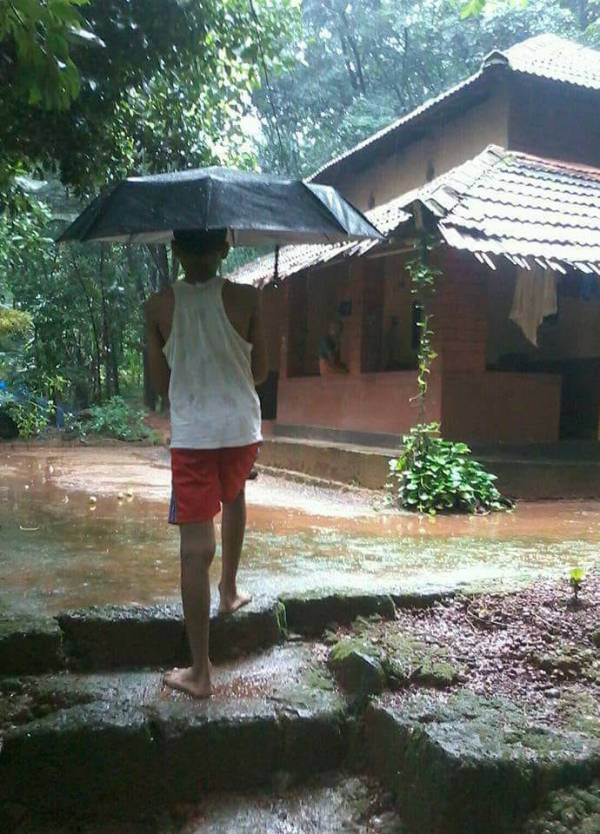
மழை இல்லாத காலத்தில் எல்லாம் கவிஞர் மழை பொழிக என்று சொன்னவுடன் மழை பெய்தது.

1972இல் வரலாறு காணாத வறட்சியைத் தமிழகம் கண்டது. ஏரி, குளம், ஆறு அனைத்தும் வறண்டன.

மக்கள் தவிதவித்துப் போயினர்.


கம்பன் விழாவில் கலந்து கொள்ள பாண்டிச்சேரி சென்றார் கவிஞர். உடன் சென்றவர் அவர் உதவியாளர் இராம. கண்ணப்பன்.


பாண்டிச்சேரியிலும் மழை இல்லை.ஒரே வறட்சி.

விழாவின் இறுதி நாளன்று பேசிய கவிஞர் சொன்னார்:” நான் கண்னனை வணங்குவது உண்மை எனில் புதுச்சேரி எல்லையைக் கடக்கு முன் மழை பெய்ய வேண்டும். பரந்தாமன் இங்கு நான் கொடுத்த வாக்கைக் காப்பாற்றுவான்.”

அவர் வாக்கு பொய்க்கவில்லை.

வருணன் அதைக் கேட்டான். ஓடி வந்தான்.

பேச்சை முடித்து கவிஞர் திண்டிவனம் வந்து சேர்ந்த போது புதுச்சேரி மழையில் மிதப்பதாக்ச் செய்தி வந்தது!

இன்னும் இரு சம்பவங்கள்.


ஒன்று மதுரை அன்பர் ஒருவர் குமுதம் இதழுக்கு ஒரு கடிதம் எழுதி கவிஞர் மதுரையில் மழை. பெய்யப் பாட வேண்டும்” என்றார்.


கவிஞரும் பாடினார்:


23 வரிகள் கொண்ட பாடல்.

அதில் முதல் ஆறு வரிகளையும் கடைசி ஆறு வரிகளையும் இங்கு தருகிறேன்:

ஞானம் தூங்கினால் நல்லறம் தூங்குமே

நலங்கள் தூங்கினால் நானிலம் தூங்குமே

கானம் தூங்கினால் கலைகளும் தூங்குமே

கலைகள் தூங்கினால் காவியம் ஏங்குமே

தானம் தூங்கினால் தவங்களும் தூங்குமே

தவங்கள் தூங்கினால் தருமமும் ஏங்குமே ….


வண்ணமாம் மின்னல்கள் வளரொளி நடனங்கள்

காணத் துடிக்கிறோம் கவின் மழை பொழிக நீ!

தேனின் துளிகளைத் தேசத்தில் ஊற்றுக.

சேரும் நதிகளில் திருப்புனல் காட்டுக

ஆனினம் உயிரினம் அனைத்தும் வாழவே

ஐய பெய்கவே, அம்மையே பெய்கவே!


ஏதோ வருணன் தனது உயிர் நண்பன் போலப் பாடலைப் பாடி விட்டார் கவிஞர்.

மழை பெய்யுமா? குமுதம் இதழைப் படித்த மக்கள் ஆவலுடன் எதிர்பார்த்தனர்.

பெயதது. கொட்டோ கொட்டு என்று மழை பெயதது.

வருணன் தன் உற்ற நண்பனைக் கைவிடவில்லை.

குமுதம் என்று மதுரையை அடைந்ததோ அன்றே மழை!

நண்பருக்கும் ஆச்சரியம், மக்களுக்கும் ஆச்சரியம்.

நன்றியை அனைவரும் தெரிவித்தனர்.

இதே போல சென்னையில் வானதி பதிப்பகத்தார் மயிலாப்பூர் கபாலீஸ்வரர் கோவிலில் மழை வேண்டி ஒரு விசேஷ கவியரங்கம் ஏற்பாடு செய்திருந்தனர்.

கவிஞரும் அதில் பங்கேற்றார்.


பனிரெண்டு அறுசீர் விருத்தச் செய்யுள்களை அங்கு அவர் பாடினார்.


வான் முட்டும் கோபுரங்கள்

வானுக்குச் செய்தி சொல்வீர்!

தேன்முட்டும் இதழாள் சக்தி

தேவியைத் துயிலெ ழுப்பீர்!

கான்முட்ட மழைபொழிந்து

காவிரி பெருகி ஓடி

மீன்முட்டும் வெள்ளக் காடாய்

வியன் நிலம் ஆவதாக!

என்று இறுதி விருத்தத்தை முடித்தார்.

கவியரங்கம் முடிந்தது. மயிலை கபாலீஸ்வரர் கோவிலிலிருந்து கிளம்பினார் கவிஞர். தியாகராய நகர் வருவத்ற்குள் அடை மழை கொட்டியது.

இப்படிப் பல சம்பவங்கள்!!


இந்தச் சம்பவங்கள் கட்டுக் கதை அல்ல! அவரது உதவியாளராக இருந்த இராம கண்ணப்பன், “கண்ணதாசனின் அர்த்தமுள்ள அனுபவங்கள்” என்ற நூலில் இவற்றைத் தெரிவிக்கிறார்.

(புத்தக வெளியீடு: கங்கை புத்தக நிலையம், தி.நகர், சென்னை – 17 – முதல் பதிப்பு டிசம்பர் – 1991 – 181 பக்கங்கள்)

நமது நன்றி இராம கண்ணப்பனுக்கு உரித்தாகுக!


8

குமுதம் இதழில் வாரம் ஒரு கவிதையை எழுதி வந்தார் கவிஞர்.

ஒரு இதழில் கவிதை ஒன்று வெளியானது.

தாலாட்டுக் கவிதை அது.

கவிஞரின் அண்ணனான ஏ.ஏல்.சீனிவாசனுக்கு பேரக்குழந்தை பிறந்தது.கவிஞருக்கும் பேரன் தானே! பாடினார்:


அவனை எழுப்பாதீர் அப்படியே தூங்கட்டும்

கண்ணை விழித்திந்த காசினியைப் பார்க்குங்கால்

என்ன துயர் வருமோ எங்கெங்கே அடி விழுமோ

மோதல் வருமோ முறைகெடுவார் துயர் வருமோ

இந்த வயதினிலே இப்பொழுதே தூங்குவதே

சுகமான தூக்கம், அவன் சுகமாகத் தூங்கட்டும்”


துரதிர்ஷ்டவசமாக ஒரே வாரத்தில் குழந்தை இறந்தது.

அப்படியே தூங்கட்டும்; அவனை எழுப்பாதீர் என்று எழுதியதில் அறம் வைத்துப் பாடி விட்டேனோ. சுகமாகத் தூங்கட்டும் என்று சொல்லிய போது ஒரே நீள் தூக்கமாகப் போயிற்றே!


கவிஞரின் மனம் சமாதானம் அடையவில்லைல். புலம்பினார்.

அவனை எழுப்பாதீர், அப்படியே உறங்கட்டும்

என்றே நான் எழுதியதன் ஈரம் உலரவில்லை

அறம்பாடி விட்டேனோ அறியேன் சிறுகுருவி

திறம்பாட முடியாமல் செத்த கதை பாடுகிறேன்”


கண்ணதாசனின் கதறலை அடுத்த இதழ் குமுதம் தாங்கி வந்தது. மக்களும் சேர்ந்து அழுதனர்; கவிஞனின் சொந்தத் துக்கத்தில் பங்கு கொண்டனர்.


9

கவிஞனின் வாக்குப் பொய்க்காது என்பது அவர் அடிக்கடி சொல்லும் ஒரு வரி.

அதை ஏனையோரும் ஏற்றனர்; அதன் நிரூபணத்தையும் அடிக்கடி பார்த்து வந்தனர்.

அவரது சக்தி அபூர்வமான ஒன்று. தமிழை அருவியெனக் கருத்து வெள்ளத்துடன் கொட்டியதில் மட்டும் விஞசவில்லை கண்ணதாசன்.


கண்ணனின் அருள் தாங்கி ஒரு அருள் சக்தியும் கொண்டு வாழ்ந்து வந்தார்.

சமீப காலத்தில் தமிழகம் கண்ட ஒரு “சக்தி” பெற்ற “கவிஞர்” அவர் என்பதுடன் இந்தத் தொடரை முடித்துக் கொள்வோம்.

***

எனது நன்றி : இராம கண்ணப்பன் அவர்களுக்கு – பல நல்ல விஷயங்களை அப்படியே காற்றோடு போக விடாமல் எழுத்திலே பதிவு செய்தமைக்காக!


(இந்த இரு கட்டுரைத் தொடர் முற்றும்)


How did Akbar’s Son murder a Great Writer? (Post No.4576)

Written by London Swaminathan 


Date: 2 JANUARY 2018


Time uploaded in London- 19-22


Post No. 4576

Pictures shown here are taken from various sources such as Facebook friends, Books, Google and newspapers; thanks.


Killing journalists and writers in modern times hits the headline in newspapers. One reason for this is journalists belong to those newspapers. So these news stories get good publicity. Another reason is the opposition parties are waiting for some murder or mayhem so that they can get good political mileage from this violence. But there was a time in Indian history these things went unnoticed.


Moghul rule is notorious for fratricide and patricide. Apart from these killing of close relatives, writers were also killed in a planned manner. Salim, Moghul emperor Akbar’s son, made plans for the murder of Abul Fazl, famous poet of the period.


How and Why?

When Akbar was over 60 years of age around 1600 CE, he appointed his eldest son Salim (who was known as Emperor Jahangir later) as the Vice Royal of Allahabad. He had access to lot of revenue and he declared himself as an independent monarch. He struck coins of gold and copper and sent them to his father Akbar. Akbar was very angry and wanted his son to be learn economics. Afterwards he wrote to his trusted minister Abul Fazl to take steps to bring Salim to reason. Abul Fazl was the author of Akbar Nama (life history of Akbar) and Ain-i- Akbari.

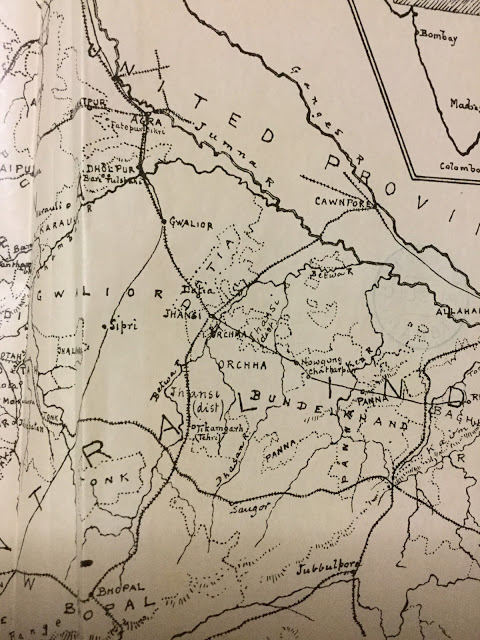
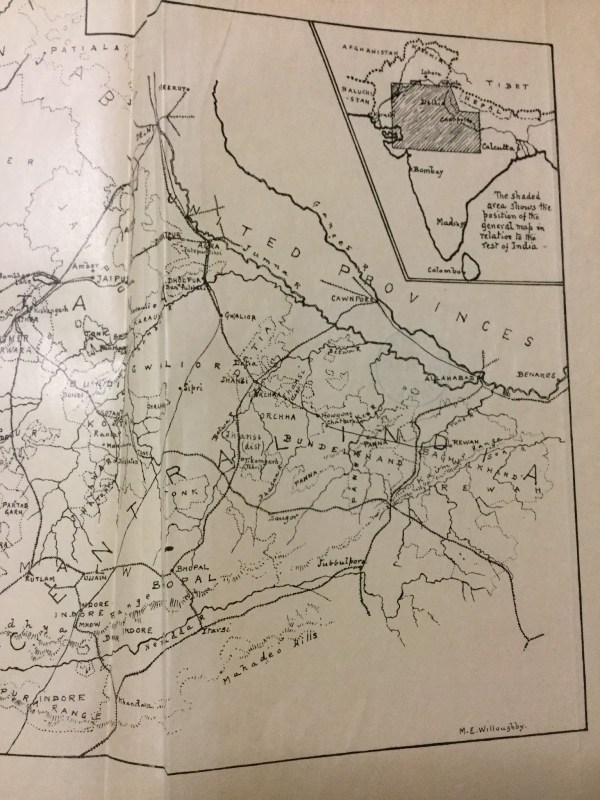
Abul Fazl started at once to Agra to meet Akbar. In the meantime, Salim came to know about it and he planned to waylay him. He made a plot with Birsingdeo (Veera Simha Deva) whose territory lay across the Moghul highway to North. Birsingdeo was the ruler of Orcha Kingdom. He was not in good terms with Akbar.


Though Abul Fazl received some warnings he ignored them and proceeded to Agra. He never thought that Salim would kill him.


Between Narwar and Antri, not far from Gwalior (M.P.), Birsingdeo was waiting with 500 armed men and the conflict was unequal. Abul Fazl was killed and his head was sent to Salim (later Jahangir). Later Salim tried to justify his murder on the ground that Abul Fazl plotted against him and he prevented a reconciliation between him and his father Akbar.

Jahangir (Salim) wrote in his Memoirs, “By God’s grace, when Shaikh Abul -i- Fazl was passing through Birsingdeo’s territory, the Raja blocked his road and after a little contest, scattered his men and killed him. He sent his head to me in Allahabad”.


Akbar was furiously angry at the crime and gave orders to hunt down Birsing Deo. But he disappeared into the forests before Akbar’s army captured the fort of Orcha.

When Salim became Emperor Jahangir, Birsing Deo was restored to high honours. Jahangir made him the Ruler of Orcha in place of his elder brother, and gave him the exalted rank of Commander of Five Thousand.


Birsing Deo– A Hero!

Birsing Deo’s name deserves to be rescued from the oblivion into which it has lapsed, on account of the splendid buildings he left to posterity. He built a beautiful temple at Muttra which was later destroyed by Aurangzeb. He built palaces at Orcha and Datia. It is said that he built 52 temples and palaces. In an auspicious hour fixed by the astrologers he laid the foundations for those 52 structures. Some of them include the palaces at Orcha, Datia,the templs at Orcha and Chatarburj, fortress of Dhamoni, the Jhansi citadel and many bridges. He was a great builder.

His own tomb, above he Betwa at Orcha, is a gigantic square stone edifice flanked by  massive towers and surmounted by a huge dome. The sword with which he cut off Abul Fazl’s head is in the State Armoury at Tikamgarh.


After their deaths, Birsing Deo and his son Hardol Lala attained the status of demi gods. Hardol Lala became more famous owing to his tragic fate, which fired the popular imagination. He was unjustly accused by his brother Jhujar Singh, then the chief of Orcha, of having illicit intimacy with his wife and he  was compelled to drink the poison of Datura plant.

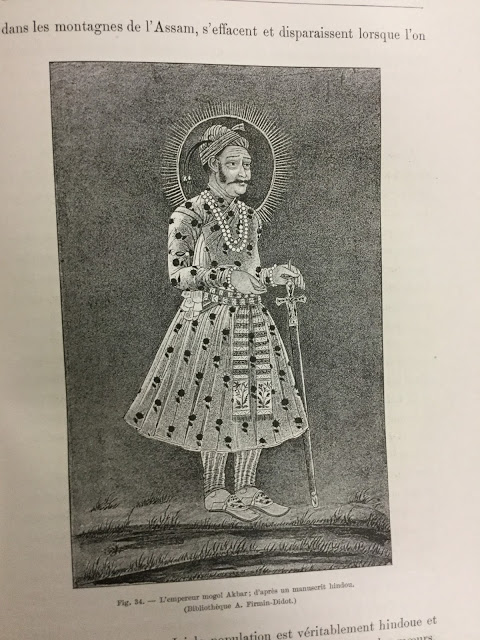
Akbar worshipping sun

The ghost of Hardol Lala was feared and propitiated by the peasantry of Bundelkhand; he became a popular saint, worshipped at weddings and in epidemics of cholera; a temple was built for him at Datia, and a shrine outside every village in the region; and the cult spread as far north as Lucknow.


—Subham–


பத்து உலக மஹா இலக்கிய அதிசயங்கள் (Post No.4575)

Written by London Swaminathan 


Date: 2 JANUARY 2018


Time uploaded in London- 8-21 AM


Post No. 4575

Pictures shown here are taken from various sources such as Facebook friends, Books, Google and newspapers; thanks


உலக மஹா அதிசயம் இந்தியாவில் நடந்தது. அதுவும் 2000 ஆண்டுகளுக்கு முன்னர் நடந்தது.  இது இந்திய நாகரீகத்தின் தனித் தன்மையைக் காட்டுகிறது. அதற்குப் பின்னர் மேலும் சில அதிசயங்கள் நடந்தன. சுருக்கமாக விளம்புகிறேன்.


ஒரு நாட்டின் நாகரீக முன்னேற்றத்தைக் காட்டும் அளவுகோல் எது?

அந்த நாட்டின் இலக்கியங்கள் ஆகும்.

அதிசயம் 1

2000 ஆண்டுகளுக்கு முன்னர் தமிழ் மொழியில் சுமார் 450 புலவர்கள் இரண்டாயிரத்துக்கும் மேலான கவி தைகளை எழுதினர். அதற்கும் இரண்டாயிரம் ஆண்டுகளுக்கு முன்னர் சம்ஸ்கிருதத்தில் இன்னும் 400 புலவர்கள் கவிபாடினர். அவர்கள் பாடியவை ஆயிரத்துக்கும் மேலான துதிப் பாடல்கள் ஆகும். இது முதல் அதிசயம் ஆகும். ஏனெனில் உலகில் வேறு எந்த நாட்டிலும் இவ்வாறு 850 புலவர்கள் கூட்டாகக் கவி பாடியதில்லை. சங்க இலக்கியப் புலவர்கள் அத்தனை பேருடைய பெயர்களும் நம்மிடம் இருக்கின்றன இதே போல உலகின் மிகப் பழைய நூலான ரிக்வேதம் பாடிய 400 கவிஞர்களின் பெயர்களும் நமக்குக் கிடைத்தன.

அதிசயம் 2

இரண்டாவது உலக அதிசயம் இதிலுள்ள பெண்பாற் புலவர்களின் எண்ணிக்கை! உலகில் வேறு எங்கும் இவ்வளவு பெண்பாற் புலவர்களின் குழுவைக் காண முடியாது. தமிழில் குறைந்தது 25 பெண்பாற் புலவர்களையும் வேதத்தில் குறைந்தது 20 பெண் புலவர்களையும் காண்கிறோம்.


இந்த இரண்டு அதிசயங்களும் காட்டும் உண்மை என்ன?

உலகிலேயே மிகப் பழமையான நாகரீகம் இந்து அல்லது இந்திய நாகரீகமே. எந்த ஒரு நாடும் இவ்வளவு அறிஞர் பெருமக்களை அக்காலத்தில் அளிக்கவில்லை.


பழமையான நாகரீகம் என்பதோடு மிகவும் முனேறிய நாகரீகம் என்பதும் இதனால் அறியப்படுகிறது.


தமிழர்களுக்கு 800 ஆண்டுகளுக்கு முன்னர் கிரேக்கர்கள் எழுதி இருந்தாலும் தமிழர்களைப் போல அவர்கள் மாபெரும் சங்கம் வைத்து மொழியை வளர்க்கவில்லை . வேதங்களோ கிரேக்க மொழிக்கு மிக மிக முந்தியவை.

அதிசயம் 3

மூன்றாவது இலக்கிய அதிசயம் வேதங்களைப் பாதுகாத்த முறையாகும்; பிரமாண்டமானதொரு இலக்கியத்தை — அதாவது 400 க்கும் மேலான புலவர் பாடியவை- ஆயிரத்துக்கும் மேலான துதிகளைக் கொண்டவை — உலகில் எங்குமே வாய் மொழியாகப் பாது காக்கப் படவில்லை இதுவும் இந்திய மக்களின் அறிவாற்றலுக்குச் சான்று பகரும்.


அதிசயம் 4

நாலாவது அதிசயம் பிரம்மாண்டமான இலக்கியக் குவியலாகும். தமிழர்களும், கிரேக்கர்களும், எபிரேயர்களும் எழுதுவதற்கு முன்னதாக பிரம்மாண்டமான துதிப்பாடல் தொகுப்பை- சமய உரை நடைத் தொகுப்பை– வேத கால இந்துக்கள் உருவாக்கிவிட்டனர். அதாவது நான்கு வேதங்களில் மட்டுமே 20,000 க்கும் மேலான மந்திரங்கள்; அதற்குப் பின்னர் பிராமண இலக்கியங்கள், ஆரண்யகங்கள் உபநிஷத்துக்கள் என்னும் உரை நடை இலக்கியங்கள் தோன்றின. இதையும் ஒப்பற்ற முன்னேற்றம் என்று சொல்லலாம்.


எகிப்திய நாட்டில் பபைரஸ் (Papyrus) என்ற புல்லில் பல நூல்கள் உள. சுமேரியாவில் – மத்திய கிழக்கில் — 60,000 களிமண் பலகைகள் (Clay Tablets) உள. ஆயினும் இலக்கியம் என்று சொல்லும் நயமுள்ள பகுதிகள் மிகச் சிலவே.


அதிசயம் 5

ஐந்தாவது அதிசயம் உபநிஷத்துக்கள் என்னும் தத்துவ நூல்களாகும். இந்தியாவில்  இந்த தத்துவ நூல்கள் உருவாகிய சில நூறு ஆண்டுகளுக்குப் பின்னர், ஜொராஸ்டர், மோஸஸ், மஹாவீரர், புத்தர், கன்பூசியஸ் என்று உலகின் பல பகுதிகளில் மஹான்கள் தோன்றினர்.


அதிசயம் 6

ஆறாவது அதிசயம் மிக நீண்ட மன்னர் பட்டியலும், குருமார்கள் (Long List of Kings and Teachers) பட்டியலும் ஆகும். 140 தலைமுறைகளின் வரிசை அப்படியே புராணங்களில் உள்ளன. ஐம்பதுக்கும் மேலான ‘குரு’க்களின் பெயர்கள் பிருஹத் ஆரண்யக உபநிஷத்தில் உள்ளன. இப்படிப்பட்ட நீண்ட பட்டியல் உலகில் வேறெங்கும் இல்லை; வரலாற்று ஆசிரியர்களாகக் கஷ்டப்பட்டு நமக்குக் கொடுத்த பட்டியல்தான் உள்ளது– கி.மு இரண்டாம் நூற்றாண்டு வாக்கில் பெரோரஸஸ் (Berossus) முதலியோர் கொடுத்த வரலாற்றுப் பட்டியல் பல முரண்பாடுகளுடன் இருந்ததை வரலாற்று ஆய்வாளர்கள் தட்டிக்கொட்டிச் சரிப்படுத்தியுள்ளனர். இதற்கெல்லாம் முன்னதாக கிரேக்க ஆசிரியர்கள் நம்முடைய 140 தலை முறை பற்றி வியப்போடு எழுதிவைத்துள்ளர்.


அதிசயம் 7

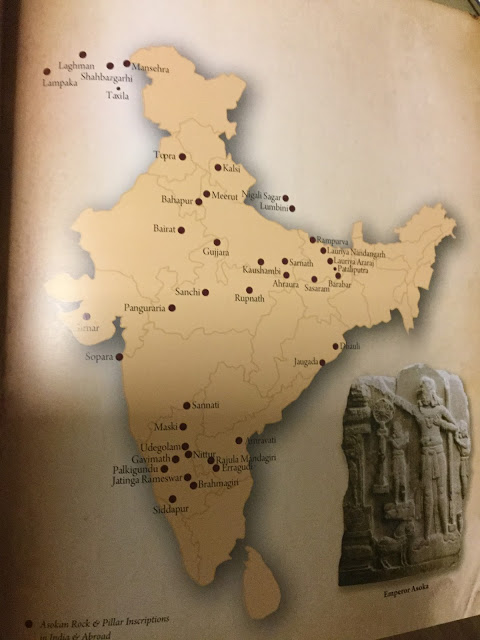
ஏழாவது இலக்கிய  அதிசயம் அசோகர் கல்வெட்டுகளாகும் . கி.மு மூன்றாம் நூற்றன்டில் திடீரென  ஆப்கனிஸ்தான் முதல் இலங்கையின் தென்கோடி வரை பிராமி லிபியில் (Brahmi script) பாலி மொழியில் கல்வெட்டுகள் தோன்றியதாகும். இதில் மிக முக்கியமான உண்மை வெளியாகியது. இந்தியர்கள் மஹா மேதாவிகள் — பட்டி தொட்டி தோறும் எழுத்தறிவு மிகுந்து இருந்தது. கர்நாடகத்தில் கூட அசோகர் கல்வெட்டுகள் கிடைத்து இருக்கின்றன. சீன யாத்ரீகர் குறிப்பிடும் காஞ்சீபுரக் கல்வெட்டுகள் மட்டும் படை எடுப்பில் அழிந்துவிட்டன. எழுத்தறிவு இருந்ததால்தான் இப்படி கல்வெட்டுகளைக் காண முடிகிறது. இது உலக அதிசயம் (Brahmi script from Afghanistan to Kandy in Sri Lanka). இப்படிப்பட்ட பெருநிலப்பரப்பில் உலகில் வேறு எங்கும் 2300 ஆண்டுகளுக்கு முன் காணக் கிடைக்காது. இந்தியர்கள் எந்த அளவுக்கு எழுத்து அறிவு பெற்று இருந்தனர் என்பதை இதன் மூலம் அறிய முடிகிறது.

அதிசயம் 8

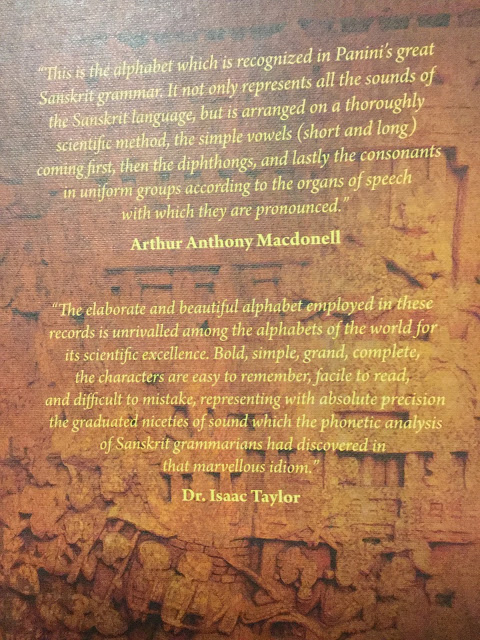
எட்டாவது உலக அதிசயம் பிராமி என்னும் எழுத்தாகும். இந்த லிபி மூலம் தமிழ் உள்பட தெற்காசிய எல்லா மொழிகளுக்கும் லிபியை/ எழுத்தை அளித்த இலக்கிய அதிசயம் ஆகும். இது பீனிசிய எழுத்தில் இருந்து வந்ததாகவும் வரவில்லை என்றும் இரு வேறு கருத்தூக்கள் உண்டு– ஆயினும் இதைக் கண்டு வெளிநாட்டினர் வியக்கின்றனர். ஏனெனில் 2700 ஆண்டுகளுக்கு முன்னர் பாணினி எழுதிய சம்ஸ்கிருத எழுத்து முறைக்குத் தக, அகர (alphabet) வரிசைப்படி, இந்த எழுத்து முறை அமைந்துள்ளது– மற்ற மொழி எழுத்துக்கள் இப்படி அமையவில்லை என்பது அவர்கள் கூற்று.


அதிசயம் 9

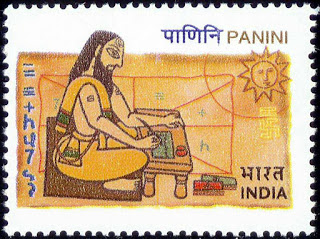
ஒன்பதாவது உலக மஹா இலக்கிய அதிசயம் பாணினியின் அத்புதமான ஸம்ஸ்கிருத வியாகரணம் ஆகும் அஷ்டாத்யாயீ என்னும் இந்த இலக்கண நூலைக் கண்டு வியக்காதோர் உலகில் இல்லை. பாரதி தனது பாடல்களில் வேத முரசு உலகெங்கும் ஒலிக்க வேண்டும் என்று சொன்னதோடு பாணினியையும் உபநிஷத்துக்களையும் தனியாகப் புகழ்ந்து பாடியுள்ளார். 2700 ஆண்டுகளுக்கு முன்னர் உலகில் வேறு எந்த மொழிக்கும் இலக்கண நூல் என்பதே இல்லை; இலக்கணம் இருந்ததா (?!?!) என்பதும் ஐயப்பாடே.


அதிசயம் 10

பத்தாவது உலக மஹா இலக்கிய அதிசயமும் இந்தியாவில் நிகழ்ந்ததே! மொழி தொடர்பான விஷயங்களை உவமையாகக் காட்டுவது, எண் தொடர்பான அடையாளக் குறியீடுகளை (Number symbolism) வைத்துப் பாடுவது. மொழி இயல் கருத்துக்களை (Linguistic remarks) வேதம் போன்ற துதிப்பாடல்களில் கூடச் சேர்ப்பது வேறு எங்கும் காணாப் புதுமை ஆகும். ஒரு சமுதாயம் இலக்கியத்திலும் மொழியிலும் (Language), மொழி இயலிலும் (Linguistics)  வளர்ச்சி அடைந்தால்தான் இத்தைகய ஜாலங்களைச் செய்ய இயலும். சொல் வேட்டுவர்களையும் வில் வேட்டுவர்களையும் ஒருங்கே கண்ட நாடு இது— அரசர்களும் கவி பாடிய நாடு இது. சங்கேத மொழியில் பாடுவதே (Secret, hidden language) எங்கள்  தொழில் என்று வேத கால முனிவர்கள் ஆடிப்பாடிய நாடு இது. இப்படிப்பட்ட ரஹஸிய விஷயங்கள் இருந்ததால் வேதத்தை எழுதாக் கற்பு என்றும் மறை (Secret, hidden meaning) என்றும் மொழி பெயர்தான் தமிழன்.


இவை எல்லாம் இரண்டாயிரம் ஆண்டுகளுக்கு முன் நிகழ்ந்த  அ திசயங்கள். எகிப்திலும் பாபிலோனியாவிலும் கல் ஓவியம் இருக்கலாம்; சொல் ஓவியம் இல்லை. ஒரு தத்துப் பித்து ஜில்காமேஷை (Gilgamesh) வைத்துக் கொண்டு கூத்தாடலாம். ஆனால் ரிக் வேதத்தின் க டைசி துதிப்ப்பாடலுக்கு அது ஈடு இணையாகாது.

வேதத்தில் மொழி, மொழி இயல் பற்றி வரும் குறிப்புகளையும்        உலக நலன் பற்றி வரும் வேதத் துதிகளின் எண்களையும் குறிப்பிட்டு கட்டுரையை முடிப்பேன்


மொழி இயல் கூறும் துதிகள்

RV 1-164, 4-58, 8-59, 8-100, 10-71, 10-114, 10-125, 10-177


மொழி / பேச்சு பற்றிய துதிகள்

RV 1-164, 10-71, 4-3, 10-125

உலக நலன் பற்றிய துதிகள்

10-191, , YV 36, AV 19-60, AV 7-69, AV 3-30,


வாழ்க இந்தியா! வளர்க இலக்கியம்!!


–SUBHAM–

பிராணன், மனம், புத்தி, சித் ரூபம், ஆனந்த ரூபம் விளக்கம்! (Post No.4574)


Date: 2 JANUARY 2018


Time uploaded in London- 5-23 am


Written by S NAGARAJAN


Post No. 4574

Pictures shown here are taken from various sources such as Facebook friends, Books, Google and newspapers; thanks. Pictures may not be related to the story. They are only representational.


அத்வைத ஸார விளக்கம் – கட்டுரை எண் 7


பிராணன், மனம், புத்தி, சித் ரூபம், ஆனந்த  ரூபம்  விளக்கம்!

ச.நாகராஜன்


இனி பிராணன், மனம், புத்தி பற்றித் தெரிந்து கொள்வோம்

*


ஐயா, பல விஷயங்கள் பற்றிய விளக்கங்களை நன்கு சொல்லி விட்டீர்கள். நன்றி,

பிராணன் என்பது என்ன? அது எத்தனை வகைப்படும்?

நல்ல கேள்வி!

உச் ச்வாஸம் நிச் ச்வாஸம் முதலியவற்றின் வியாபாரங்களினால் சரீரத்தைத் தரிக்கின்ற சக்தியைக் கொடுப்பதுவே பிராணன் எனப்படும்.

அது, பிராணன், அபானன், விதானன், உதானன், சமானன் என இப்படி ஐந்து வகைப்படும்.


மனம் என்றால் எது?

விசாரணை ஸ்வரூபமான அந்தக்கரண விருத்தி தான் மனம்.


புத்தி என்றால் எது?

நிச்சய ஸ்வரூபமான அந்தக்கரண விருத்தி தான் புத்தி.


ஆத்மா சச்சிதானந்த ஸ்வரூபன் என்று சொன்னீர்கள் அல்லவா, அதன் பொருள் என்ன?

சத் என்றால் பாதிக்கப்படாதது.


சித் என்றால் சுயம் பிரகாசமானது (அதாவது தானே பிரகாசிப்பது)

ஆனந்தம் என்றால் சுவானுபவமே.


அப்படியா, நன்றி, ஐயா. சித்திற்கும் ஜடத்திற்கும் விலக்ஷணம் எவை?

சித் என்பது சூரியன் போன்ற அன்னிய பிரகாசத்தை வேண்டாமல் தன் இயற்கை பிரகாசத்தினாலேயே தானே பிரகாசிப்பது.

அப்படி பிரகாசித்துக் கொண்டும்,தன்னிடத்தில் ஆரோபிக்கப்பட்ட ஜடத்தையும்  பிரகாசிப்பதாயும் இருப்பது எதுவோ அது தான் சித்.

ஜட லக்ஷணமாவது,  இயற்கையாக பிரகாசம் அற்றதாகவும், இதர வஸ்துக்களை பிரகாசிக்க வைக்கும் சக்தி அற்றதாகவும் இருப்பது எதுவோ அது தான் ஜடம்.


ஆனந்தத்திற்கும் துக்கத்திற்கும் விலக்ஷணம் என்ன?

ஆனந்தம் எது என்றால், உபாதி அற்றதாகவும், நிரதிசயமாயும், நித்தியமாகவும் இருக்கின்ற அமிர்தம் போன்ற சுகமே ஆகும்.

இதற்கு எதிர்மறையாக எது இருக்கிறதோ அதுவே துக்கம்.

ஆத்மாவுக்கு அவஸ்தா த்ரயம் லக்ஷணம் எப்படி?

ஜாக்ரதம்,

ஸ்வப்னம்,

சுஷூப்தி என இப்படி மூன்று அவஸ்தைகள் ஆத்மாவுக்கு உண்டு.


இந்த மூன்று அவஸ்தைகளும் ஆத்மாவிற்கு எப்படி வந்தது?

ஆத்மாவிடம் சாக்ஷி லக்ஷணம் இருப்பதால் வந்தது.


சாக்ஷி லக்ஷணம் என்றால் என்ன?

ஒருவன் இன்னொருவனையும், அந்த இன்னொருவனின் அவஸ்தையின் வியாபாரங்களையும்  தான் விகாரம் அடையாமல் – வேறுபாடு அடையாமல் –  நோக்கபட்டது போலாம்.

ஜீவாத்மாவும் ஸ்தூல சரீரத்தின் அபிமானியாகி,  ஜாக்ரதா அவஸ்தையில் மூன்று வித கரணங்களின் வியாபாரத்துடன் கூடி, விசுவன் என்ற பெயரையும்,

சூஷ்ம சரீரத்தின் அபிமானியாகி,  ஸ்வப்னா அவஸ்தையில் மனோமயமான மூன்று வித கரணங்களுடைய வியாபாரத்தினால் தைஜஸன் என்ற பெயரையும்,

பிறகு காரண சரீரத்தின் அபிமானியாகி, சுஷூப்தி அவஸ்தையில்  மூன்று கரணங்களை அடக்கிக் கொண்டு பிராக்ஞன் என்ற பெயரையும் பெறுகிறான்.

இப்படி ஆத்மாவானவன், கூடஸ்தனாகவும், ஆகாயம் போல ஒட்டாதவனாகவும், மூன்று அவஸ்தைகளின் பிரதியக்  சைதன்யமாக இருப்பதுவே சாக்ஷி லக்ஷணம் ஆகும்.


அவஸ்தையை அனுபவிப்பனிடம் தான் சாக்ஷித்துவம் காணப்படுகிறது. அப்படி இருக்கும் போது, அவஸ்தா சாக்ஷித்துவம் அந்நியனிடம் இருப்பது போல அல்லவா காணப்படுகிறது! இது எப்படி?

இந்த அவஸ்தையை உடையவன், அந்தக் கரணத்தில் பிரதிபிம்பித்த சைதன்யபாசனே!

அவன் பொய்யானவன்.

அவன் ஜீவன் என்று சொல்லப்படுகிறான்.

ஜீவனோ விகாரி. ஆத்மாவோ நிர்விகாரி.

ஆகவே ஆத்மாவுக்கே சாக்ஷித்துவம் பொருந்தும். விளங்குகிறதா?


ஆத்மா நிர்விகாரி என்பது எப்படித் தெரியும்?

அந்தக்கரண பிரதிபிம்பத்தினால் அறியக்கூடும்.


இந்த அந்தக்கரணமும் இதன் பிரதிபிம்பமான ஜீவனும் ஆத்மாவை அறியாதோ?

அறியாது. ஏனெனில் அறியப்படுவதாகவும், த்ருஷ்யம் எனப்படுவதாகவும் அதாவது பார்க்கப்படுவதாகவும் உள்ள ஆத்மா த்ருக்ரூபன். அதாவது பார்க்கின்ற சுபாவமுடையவன்.

அது எப்படி ஐயா?

சொல்கிறேன், கவனமாகக் கேளுங்கள்.

காணப்படுகின்ற கடம் காண்பவனை அறியாது.

ஆனால் காண்பவனோ ஸ்வயம்பிரகாசமுடையவன் ஆதலால் தன்னைத் தான் அறிகிறான்.

ஆகவே காணப்படுகின்ற அகங்காரமும், அதன் அவஸ்தை, மற்றும் வியாபாரங்கள் ஆத்மாவைத் தொடமாட்டா.

இப்படி ஆத்மாவை எவன் ஒருவன் அவஸ்தா த்ரய சாக்ஷியாகக் காண்கிறானோ அவனே ஜீவன் முக்தன்!


ஐயா,நன்றி. கோசம், ஆத்மா சித் ரூபன் என்பதற்கு பிரமாணம் என்ன என்பன போன்ற கேள்விகள் மனதிலே தோன்றுகிறது. கேட்கலாமா?


நன்றாகக் கேளுங்கள், பதில் சொல்கிறேன்!

xxxx

முந்தைய கட்டுரைகள்: முதல் கட்டுரை எண் 4388- வெளியான தேதி: 12-11-17

இரண்டாம் கட்டுரை எண் 4406 –வெளியான தேதி : 18-11-17

மூன்றாம் கட்டுரை எண் 4445 – வெளியான தேதி : 30-11-17

நான்காம் கட்டுரை எண்  4472  – வெளியான தேதி :    9-12-17

ஐந்தாம் கட்டுரை எண் 4511 – வெளியான தேதி : 18-12-17

ஆறாம் கட்டுரை எண் 4546 – வெளியான தேதி : 26-12-2017


****


CHANAKYA’S WARNING ABOUT FOOD HABITS (Post No.4573)

Written by London Swaminathan 


Date: 1 JANUARY 2018


Time uploaded in London- 16-09


Post No. 4573

Pictures shown here are taken from various sources such as Facebook friends, Books, Google and newspapers; thanks


Chanakya did not write about cooking or the culinary customs of any culture. Nor did he write a book on health or medicines. But in his didactic work he makes passing remarks about the bad habits in eating. Let us look at some verses/slokas from his work Chanakyaniti.


You are what you eat


He says,

The conduct reveals the family;

the speech reveals one’s country;

the agitation the affection;

and the body reveals one’s food.

–chapter 3, sloka/verse 2

The sloka/verse in Sanskrit runs like this:


aachaarah ulamaakhyaati desamaakhyaati bhaashanam

sambramah snehamaakhyaati vapuraakhyaati bhojamam.

It is very true that the food shapes our body. In the olden days they used to say ‘you are what you eat’ and ‘Tell me the books you read, I will tell you what type of person you are’ and ‘tell me your friends, I will tell you who you are’; now we can tell anyone, ‘tell me your health problems, I will tell you what you eat and vice versa’.

xxxx


Burning without Fire!

Living in a petty village,

service to a low born person,

bad food,

irascible wife,

foolish son, and a widowed daughter,

these six singe the body even when there is no fire.

Bad food is one of the things that upset us physically and mentally.

The sloka/verse is as follows

kukgraamavaasah kulahiinasevaa kubhojanam krodhamukhi cha bharyaa

putrascha muurkho vidhavaa cha kanyaa vinaagninaa shat pradahanti kaayam

–chapter 4, verse 8

xxxx

Eating in indigestion is Poison

In another verse Chanakya says that eating in indigestion is poisonous. We live in an era where enormous food is forced on us in dinners and parties, where as there are millions of people born in poor families go without food.

Sastra without repeated study is poison

eating in indigestion is poison

an assembly for the poor is poison

a young woman for an old man is poison.

Here is the sloka/ verse giving the message,

anabyaasena visham saastram ajiirne bhoajanam visham

visham sabhaa daritrasya vrddasya tarunii visham

–chapter 4, verse 15


xxx

Be happy with what you have

Chanakya says, “one should be satisfied with one’s wife, meals and wealth. One should never be satisfied with study, austerities and charity.”

It is very important keep our tongue under control. The sloka/verse in Sanskrit runs like this:


santoshastrishu kartavyah svadaare bhojane dhane

trishu chaiva na kartavyo adhyayane tapadhaanayoh

–chapter 7, verse 5

Contentment in eating is very important. To get contentment in food, famous TV hypnotist Paul Mc Kenna says, “Never ever eat food while watching TV or reading books. Pay full attention to your eating and enjoy every bit you eat. Take little by little and enjoy it. By doing so you can avoid over eating and feel full in your stomach.

An easy advice anyone can follow without spending a penny.

–Subham–

‘அஜீர்ணே போஜனம் விஷம்’- உணவு பற்றி சாணக்கியன் எச்சரிக்கை (Post No.4572)

Written by London Swaminathan 


Date: 1 JANUARY 2018


Time uploaded in London- 6-59 AM


Post No. 4572

Pictures shown here are taken from various sources such as Facebook friends, Books, Google and newspapers; thanks


‘அஜீர்ணே போஜனம் விஷம்’- உணவு பற்றி சாணக்கியன் எச்சரிக்கை (Post No.4572)

சாணக்கியனின் நீதி சாஸ்திரம் ஒரு மருத்துவ நூலன்று; அப்படியும் கூட அவன் போகிற போக்கில் மூலிகைகள் பற்றியும் உணவு பற்றியும் பல அறிவுரைகளை வழங்குகிறான்.


ஒருவனுடைய உடலைப் பார்த்தாலேயே அவன் சாப்பிடும் உணவைக் கண்டுபிடித்து விடலாம் என்பார் சாணக்கியன்.

என்ன சரியான கணிப்பு!


தொந்தியும் தொப்பையுமாக இருந்தால் ஆசிய (Asian) நாட்டவர் என்று கண்டு பிடிக்கலாம். குறிப்பாக அவர்கள் சாப்பிடும் அரிசிச் சோறு அவர்களை இப்படி ஆக்கி விடுகிறது. இது போல ஒவ்வொரு நாட்டு உணவு வகைகளோ, குறிப்பாக நாம் அளவுக்கு அதிகமாக எதைச் சாப்பிடுகிறோமோ, அது நம் உடலில் எதிரொலிப்பதைப் பார்க்கலாம்.

முழு ஸ்லோகம்:-

ஒருவன் நடத்தையைப் பார், அவன் குடும்பத்தைச் சொல்லிவிடலாம்;

ஒருவனுடைய பேச்சைப் பார், அவன் ஊரையும் நாட்டையும் சொல்லி விடலாம்;

ஒருவனுடைய அங்க அடையாளங்களில் ஏற்படும் மாற்றங்களைப் பார், அவனுடைய அன்பை/ காதலைச் சொல்லிவிடலாம்;

ஒருவனுடைய உடலைப் பார், அவன் சாப்பிடும் உணவைச் சொல்லி விடலாம்.

ஆசாரஹ குலமாக்யாதி தேசமாக்யாதி பாஷணம்

சம்க்ரமஹ ஸ்னேஹமாக்யாதி வபுராக்யாதி போஜனம்


—–அத்தியாயம் 3, ஸ்லோகம் 2

xxx


தகிக்க வைக்கக் கூடிய விஷயங்கள் ஆறு

அருகில் நெருப்பு இல்லாவிட்டாலும் உடலை எரிக்கக்கூடிய, தகிக்க வைக்கக் கூடிய விஷயங்கள் ஆறு:

கெட்ட உணவு (வாய்க்கு ருசியான, ஆனால் உடம்புக்கு ஒவ்வாத உணவு ) சிற்றூரில் வசித்தல், கீழ்மட்டத்தில் உள்ளவனுக்கு சேவை செய்தல், எரிந்து விழக்கூடிய மனைவி, முட்டாளான மகன், விதவையான மகள்  – இந்த ஆறும் உடலை தகிக்க வைக்கும்.

குக்ராமவாஸஹ குலஹீனஸேவா குபோஜனம் க்ரோதமுகீ பார்யா

புத்ரஸ்ச மூர்க்கோ விதவா ச கன்யா வினாக்னினா ஷட் ப்ரதஹந்தி காயம்

—அத்தியாயம் 4, ஸ்லோகம் 8


xxxx


அஜீர்ணத்தில் சாப்பிடுவது விஷம் !

இப்போதெல்லாம் கல்யாணத்துக்குப் போனால் சீக்கிய குருத்வாரா லங்கார் (Langar) போல 24 மணி நேரமும்  சாப்பாடு போடுகிறார்கள். அங்காவது  குறைவான அயிட்டம் (items )கள்தான்- வகைகள் தான் கிடைக்கும். கல்யாணத்திலேயோ, ஒரு குடும்பத்துடன் மற்றொரு குடும்பம் போட்டி போட்டுக்கொண்டு 30, 40 வகைகளை பரிமாறி அவர்களுடைய பணத்தையும் வீணடித்து நம்முடைய வயிற்றையும் பாழடைய வைக்கிறார்கள். நாமும் வேண்டாம் என்று சொல்வதில்லை; கிடைக்கக் கிடைக்க வயிற்றில் திணிக்கிறோம்; முன் சாப்பிட்ட உணவு இன்னும் செமிக்கவில்லை என்பதை அறிந்தும் உண்கிறோம். அவை எல்லாம் வயிற்றில் விஷமாகிப் போனது அடுத்த சில நாட்களில் நமக்குத் தெரிகிறது; புரிகிறது.


அஜீர்ணத்தில் சாப்பிடுவது விஷம் ஆகும்;

பாராயணம் செய்யாத படிப்பு விஷம் ஆகும்;

சபையில்  நிற்பது ஒரு ஏழைக்கு விஷம் ஆகும்;

வயதான மனிதனுக்கு இளம் பெண் விஷம் ஆகும்.


விஷம் என்பதைப் பொருந்தாது, ஏற்காது என்று பொருள் கொள்ளலாம்.

அனப்யாஸே விஷம் சாஸ்த்ரம் அஜீர்ணே போஜனம் விஷம்

திவம் ஸபா தரித்ரஸ்ய வ்ருத்தஸ்ய தருணீ விஷம்

xxxx

திருப்தி வேண்டும்

ஒருவன் தனக்குக் கிடைத்த உணவு, வாய்த்த மனைவி, சம்பாத்தித்த செல்வம் மூன்றிலும் திருப்தி அடைய வேண்டும். இதற்கு நேர் மாறாக எப்போதும் திருப்தி அடையக் கூடாத மூன்று விஷயங்களும் உண்டு:-படிப்பு, தானம் செய்தல், தவம்.


ஸந்தோஷ த்ரிஷு கர்தவ்யஹ ஸ்வதாரே போஜனே தனே

த்ரிஷு சைவ ந கர்தவ்யோ அத்யயனே தப தானயோஹோ

—அத்தியாயம் 7, ஸ்லோகம் 4

பிரிட்டனில் டெலிவிஷன் பார்ப்போர் எல்லோருக்கும் பால் மக்கென்னாவைத் (Paul McKenna)  தெரியும். பெரிய மனோ வஸிய நிபுணர். (Hypnotist);  நாலு பேரை மேடைக்கு அழைப்பார்; நீ மைக்கேல் ஜாக்ஸன், நீ மடொன்னா, நீ பீட்டில்ஸ்  பாடகர் என்று ஒவ்வொருவரிடமும் ஒன்றைச் சொல்லிவிட்டு கையைச் சொடுக்குவார். அவர்கள் அடுத்த நொடியில் அவர் யார் பெயரை சொன்னாரோ அது போலவே நடிப்பர்.


அவரே தமிழ் நாட்டில் இருந்தால் நாலு பேரில் ஒருவரை எம்.ஜி.ஆர், ஒருவரை சிவாஜி கணேசன், ஒருவரை ரஜினிகாந்த், இன்னும் ஒருவரை கமலஹாசன் என்று சொல்லிவிட்டு ஹிப்னாடிஸம் செய்த அடுத்த நொடியில் கேள்வி கேட்டால் அந்தந்த நடிகர் போலப் பேசுவார்.

அவர் உடல் இளைக்க ஒரு சில வழிமுறைகளைச் சொன்னார்; நினைவில் உள்ளதை மட்டும் தருகிறேன்:

எந்த ஒரு உணவுப் பண்டம் கிடைத்தாலும் அதை டெலிவிஷன் பார்த்துக் கொண்டோ, பாட்டுக் கேட்டுக் கொண்டோ, புஸ்தகம் படித்துக் கொண்டோ சாப்பிடாதீர்கள். உணவுப் பண்டத்தைப் பாராட்டி, சீராட்டி, கொஞ்சிக் குலவிப், போற்றிப் புகழ்ந்து  அணு அணுவாக ரஸித்து, ருஸித்து, அனுபவித்து உண்ணுங்கள்.


இறைவன் உங்களுக்கு அதைக் கொடுத்தானே என்று எண்ணி மகிழுங்கள்.

இதுவே வயிற்றின் பசியை ஆற்றிவிடும் என்று நம்பி கொஞ்சம் கொஞ்சமாகச் சாப்பிடுங்கள்.


நாளடைவில் கொஞ்சமாகச் சாப்பிடுவீர்கள்; வயிறு நிறைந்த திருப்தியும் ஏற்பட்டுவிடும்.


நீங்களும் பின்பற்றிப் பாருங்கள்.


–சுபம்—


ரொபாட்டின் கடிதம்! (Post No.4571)

Date: 1 JANUARY 2018


Time uploaded in London- 6-22 am


Written by S NAGARAJAN


Post No. 4571

Pictures shown here are taken from various sources such as Facebook friends, Books, Google and newspapers; thanks. Pictures may not be related to the story. They are only representational.


பாக்யா 29-12-17 இதழில் அறிவியல் துளிகள்  தொடரில் வெளியாகியுள்ள  ஏழாம் ஆண்டு 45வது கட்டுரை


நலம். நலம் அறிய ஆவல்! உங்கள் நண்பன் ரொபாட்டின் கடிதம்!


ச.நாகராஜன்


“எதிர்காலம் சீக்கிரமாக வரவேண்டுமென்று நான் விரும்புகிறேன். ரொபாட் இல்லாத எதிர்காலத்தை என்னால் நினைத்துக் கூடப் பார்க்க முடியவில்லை” – நோலான் புஷ்னெல்


அன்புடையீர், நலம். நலம் அறிய ஆவல்.

என்னை உங்கள் சேவைக்காகத் தகுதிச் சான்றிதழ் வழங்கி லாபரட்டரியிலிருந்து சுக பிரசவம் செய்து உலகில் அடி எடுத்து வைக்க அனுமதித்து விட்டார்கள் என்னைப் பெற்றெடுத்த விஞ்ஞானிகள்.


இனி உங்களின் கம்ப்யூட்டர் காலம் முடிந்தது; கைபேசியின் காலமும் முடிந்தது.


ரொபாட்டான என் காலம் ஆரம்பிக்கிறது.


கவலைப்படாதீர்கள். தொழிற்சாலைகளில் மாஸ் புரடக் ஷன் என்று சொல்கிறார்களே பெருமளவிலான உற்பத்தி – அதை நான் கண நேரத்தில் முடித்து விடுவேன்.


சாக்கடைகளில் அடைப்பு ஏற்பட்டால் அருவறுப்பாக இருக்கிறதே என்று நீங்கள் அங்கு செல்ல மறுக்கும் தொல்லை இனி இல்லை;நான் எந்த அடைப்பையும் எடுத்து விடுவேன்.


அது போல வெல்டிங் பணியில் கண்கள் போய்விடுமோ என்ற பயமும் இனி தொழிலாளர்களுக்குத் தேவை இல்லை; அபாயகரமான வெல்டிங் பணியையும் முடிப்பேன். ஆழ்கடலில் பல ஆயிரம் அடி ஆழம் வரை சென்று பிரமிக்க வைக்கும் பணிகளையும் இனி நானே முடித்து விடுவேன். மூச்சுத் திணறும் மலை மீதும் ஏறுவேன்.


என்னை உருவாக்கும் பணி ஆரம்பித்த நாள் இன்று நேற்றல்ல; 1954இல் ஜார்ஜ் சி.டெவால் என்பவரால் ஆரம்பிக்கப்பட்டது. ஜெனரல் மோட்டார்ஸ் நிறுவனத்தில் முதன் முதலாக எனது முன்னோரின் பணி ஆரம்பித்தது. அப்போது உருவான முதலாம் ரொபாட்டின் கை மட்டும் 4000 பவுண்டுகள் என்ற அளவில் கனத்தது. அப்போது அதன் விலை மலைக்க வைக்கும் தொகையான 25000 டாலர்கள்!


யுனிவர்ஸல் ஆடோமேஷன் என்பதைச் சுருக்கி யூனிமேஷன் என்று அப்போது பெயரிட்டார்கள் ரொபாட்டுகளின் பணிக்கு. இப்போது இன்னும் சுருக்கி யூனிமேட் என்று ஆக்கி விட்டார்கள், விஞ்ஞானிகள்!


இப்போது பெர்க்லியில் உள்ள ஆய்வாளர்கள் என்னைப் போன்ற ரொபாட்டுகள் எப்படி படித்து முன்னேறலாம் என்பதைக் கண்டு பிடித்து விட்டார்கள்.


இனி என்ன, தானே ஓட்டும் காருக்கு இந்த தொழில் நுட்பம் பெரிதும் உதவப் போகிறது.

சாலையில் எதிர்ப்படும் எந்த வித தடையையும் அல்லது வாகனத்தையும் கவனித்து கார்கள் தானாகவே இயங்கும் – ஒரு வித விபத்தும் இல்லாமல்!


இப்போது கலிபோர்னியாவில் தானே இயங்கும் கார் எங்களால் தான் இயங்குகிறது. 10 லட்சம் மைல்கள் சோதனை ஓட்டத்தை முடித்து விட்டோம். இனி உங்கள் பயன்பாட்டுக்கு நாங்கள் வரும் நாள் அதிக தூரத்தில் இல்லை.


நீங்கள் இதை மனமுவந்து வரவேற்பீர்கள் அல்லவா?

இந்த தொழில்நுட்பத்தின் பெயர் விஷுவல் ஃபோர்சைட் (Visual Foresight) எனப்படும்.


இதனால் என் போன்ற ரொபாட்டுகள் சில செயல்களைச் செய்து இயங்கும் போது எங்கள் காமராக்களின் மூலமாக அடுத்து என்ன நடக்கப் போகிறது என்பதை நன்கு ஊகிக்க முடியும். அடுத்த சில விநாடிகளில் என்ன நிகழப் போகிறது என்பதைக் கணித்து விட்டால் போதுமே, அதற்குத் தக எங்கள் செயல்பாட்டை நாங்கள் மாற்றிக் கொள்வோம் இல்லையா?

இங்கு எங்களுக்கு மனிதர்களின் உதவியும் தேவை இல்லை; முந்தைய அறிவும் தேவை இல்லை. ஏனெனில் இந்த விஷுவல் இமாஜினேஷனை நாங்களே அடிப்படையிலிருந்து நன்கு கற்றுக் கொண்டு விட்டோம்.


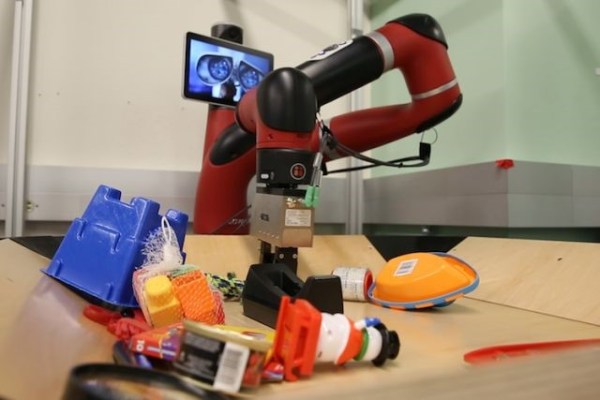
முதலில் ஒரு மேஜையின் மீது வைக்கப்பட்ட பொருள்களுடன் விளையாட ஆரம்பித்தோம். நாளடைவில் இது மேம்பாடு அடைந்து உலகத்தையே எப்படிப் பார்ப்பது என்பதை நன்கு கற்றுக் கொண்டு விட்டோம்!


2017 டிசம்பர் 5ஆம் தேதி கலிபோர்னியாவில் லாங் பீச்சில் எங்களது டெமோ இடம் பெற்றதே, பார்த்தீர்களா?


டி என் ஏ மாடல் என்று சொல்கிறார்களே அதன் விரிவு டைனமிக் ந்யூரல் அட்வெக்‌ஷன் என்பதாகும். இதன் மூலம்  ரொபாட்டான எங்களின் கண்ட் ரோல் அமைப்புகள் சிக்கலான பல வித வேலைகளையும் செய்யும் திறன் கொண்டவை ஆகி விட்டன.


உதாரணமாகச் சொல்வது என்றால் ஒரு மேஜையின் மீது உள்ள பொருள்களை அது எந்த இடத்திற்குப் போக வேண்டுமோ அந்த இடத்திற்கு எங்களால் போகச் செய்ய முடியும்.


மனிதர்களாகிய நீங்களும் கூடத் தான் ஒரு வித ஆசிரியரும் இன்றி பல்லாயிரக் கணக்கான இடைவினைகளை மிகச் சுலபமாகச் செய்கிறீர்கள்.

உங்களைப் போலவே நாங்களும் இப்போது கற்றுக் கொண்டோம், அவ்வளவு தான்!


இனி நாங்கள் பல்வேறு துறைகளில் சாகஸ செயல்களைச் செய்து உங்களை மலைக்க வைக்கப் போகிறோம்.


ஆடிஸம் எனப்படும் மனநலம் குன்றிய குழந்தைகளை நன்கு கவனித்து அவர்களுக்கு எப்படிக் கற்றுக் கொடுத்தால் அவர்கள் புரிந்து கொள்வார்கள் என்பதை அறிந்து அவர்களை மேம்படுத்தப் போகிறோம்

5000 டாலர் விலையில் எங்களை இப்போது வாங்க முடியும்.

அடுத்து எனர்ஜி எனப்படும் ஆற்றலைப் பற்றி இன்று பேசாதோரே கிடையாது


சோலார் எனர்ஜி எனப்படும் சூரிய சக்தியை உருவாக்க குறைந்த செலவில் இனி எங்களால் தான் முடியும். அலியான் என்ற கம்பெனி உருவாக்கியுள்ள என் சகோதர ரொபாட்டின் பெயர் ரோவர்.


சோலார் பேனல்களை கிடுகிடுவென்று இது அடுக்கி விடும். கடும் வெயிலிலும் இது அனாயாசமாக வேலை செய்யும். மனிதர்களாகிய உங்களால் தூக்க முடியாத பொருள்களை அனாயாசமாகத் தூக்கும்;  லீவ் போடாமல் இடைவிடாது பணி செய்யும். ஆகவே உற்பத்தி பெருகும். செலவும் குறையும்.


அடுத்து ஆபரேஷன்களைச் செய்ய டாக்டர்களுக்கு உதவ நாங்கள் தயாராகி விட்டோம்.


டக் (TUG) ரொபாட் என்று இங்கு எங்களுக்குப் பெயர். மருத்துவர்களுக்கு உதவியாக அவர்களின் தேவைக்கு ஏற்றபடி நாங்கள் உதவுவோம். ஆஸ்பத்திரிகளில் நூற்றுக் கணக்கான அறைகளில் உள்ள பெட் ஷீட்களை மாற்றுவது, கழிவுகளை அகற்றுவது, அறைகளைச் சுத்தம் செய்வது உள்ளிட்ட பிரம்மாண்டமான பொறுப்புகளை நாங்கள் செய்வதைக் கண்டு நோயாளிகளும் மருத்துவப் பணியாளர்களும் டாக்டர்களும் பிரமிக்கின்றனர். டாக்டர் ஒருவர் எலக்ட் ரானிக் ப்ரஸ்கிரிப்ஷனை எழுதியவுடன் அது எங்கள் பார்வைக்கு வரும். ஒடோடிச் சென்று சரியான் மருந்துகளை ஒரு நொடியில் தந்து விடுகிறோம்


ஆக இப்படிப் பல்வேறு வாழ்க்கை அம்சங்களிலும் உங்களுக்குச் சேவை செய்ய நாங்கள் தயார். இன்னும் எங்களுக்கு உணர்ச்சிகளைப் பற்றிச் சொல்லித் தருகிறார்கள். அதுவும் முழுமை பெற்று விட்டால் உங்களுடன் கொஞ்சிக் குலவுவோம். நீங்கள் அழுதால் நாங்களும் அழுவோம். நீங்கள் சிரித்தால் நாங்களும் சிரிப்போம். மொத்தத்தில் உங்களில் ஒருவராக நாங்கள் ஆகும் நாள் அதிக தூரத்தில் இல்லை!


ரொபாட் யுகம் ஆரம்பித்து விட்ட இந்தத் தருணத்தில் எங்களை வாழ்த்தி வரவேற்பீர்கள் என்ற நம்பிக்கையுடன் இந்தக் கடித்தத்தை முடிக்கிறேன்.

உங்கள் அன்பு ரொபாட்.


அறிவியல் அறிஞர் வாழ்வில் …

திமிங்கில ஆராய்ச்சியாளரான விஞ்ஞானி ஹான்ஸ் திவிச்சென் (Hans Thewissen) அலாஸ்காவில் உள்ள உட்கியாக்விக் (Utqiagvik) என்ற இடத்திற்கு ஆராய்ச்சிக்காகச் செல்வது வழக்கம். அமெரிக்காவில் திமிங்கிலத்தை வேட்டையாடுவது முற்றிலுமாகத் தடை செய்யப்பட்டுள்ளது. உட்கியாக்விக்கில் மட்டும் தான் திமிங்கிலத்தின் மூளையின் பகுதிகள் ஆய்வுக்காகச் சட்டபூர்வமாகப் பெறலாம்.


இங்குள்ள பூர்வீகப் பழங்குடியினர் திமிங்கிலத்தைப் பற்றி நன்கு அறிந்தவர்கள். வசந்த காலம் மற்றும் இலையுதிர்காலத்தில் இவர்கள் திமிங்கில வேட்டைகளை நடத்துவது பழைய காலத்திலிருந்து வரும் ஒரு பழக்கம்.


திமிங்கிலத்தைப் பற்றிய நுட்பமான விஷயங்களை இவர்களிடமிருந்து அறிய திவிச்சென் முயன்றார். ஆனால் ஆரம்பத்தில் அவரை அண்டவே விடவில்லை பழங்குடியினர். பின்னர் மெதுவாக அவர்களின் நம்பிக்கையை அவர் சம்பாதித்தார்.


100 டன் எடையுள்ள திமிங்கிலத்தை வேட்டையாடுவது அவர்களுக்குச் சர்வ சாதாரணம். திமிங்கிலம் இறந்து விட்டால் அதன் பெரிய பகுதி காப்டனுக்குத் தரப்படும். நூற்றுக்கணக்கான பழங்குடியினர் ஆளுக்கு ஒரு பகுதியை எடுத்துக் கொண்ட பின்னர் கடைசியாக வெளியில் காத்திருக்கும் விஞ்ஞானி திவிச்சென்னுக்கு அழைப்பு விடப்படும். ஓடி வந்து அவர் தன் ஆய்வுக்கு வேண்டிய பகுதியை எடுத்துக் கொள்வார்.


சமீபத்தில் திமிங்கிலத்திற்கு முகரும் சக்தி உண்டு என்று பூர்வகுடியினரின் காப்டன் சொன்ன போது அதை திவிச்சென் நம்பவில்லை.

அவரது காம்ப் கூடாரத்திலிருந்து எழும் புகையால் அதை முகரும் திமிங்கிலங்கள் அந்தப் பக்கம் மனிதர்களின் ஆபத்து இருப்பதை அறிந்து அங்கு வருவதில்லை என்று சொன்ன காப்டன் அதை நிரூபித்தும் காட்டினார் திவிச்சென் உதவியுடன்.


கூடாரத்திலிருந்து புகை எழுந்தால் திமிங்கிலம் வராது. புகை இல்லை என்றால் சாதாரணமாக வரும்.

இந்த அபூர்வ விஷ்யத்தை உணர்ந்து கொண்டதில் விஞ்ஞானிக்கு ஏக மகிழ்ச்சி. முன்பெல்லாம் வருடத்திற்கு ஒரு முறை அங்கு சென்றவர் இப்போது அங்கேயே அடிக்கடி சென்று தங்க ஆரம்பித்து விட்டார். திமிங்கிலம் பற்றிய ஆராய்ச்சியும் முன்னேறி வருகிறது!

***