இனியது கேட்கின் தனிநெடு வேலோய்!

avvaiyum muruganum

By London Swaminathan; post No. 753 dated 21st December 2013.

அவ்வையாரிடம், முருகப் பெருமான் ‘அம்மையே! இனியது எது?’ என்று கேட்டார்; அவ்வை சொன்னார்:

“இனியது கேட்கின் தனிநெடு வேலோய்!
இனிது! இனிது! ஏகாந்தம் இனிது !
அதனினும் இனிது ! ஆதியைத் தொழுதல்
அதனினும் இனிது ! அறிவினர் சேர்தல்
அதனினும் இனிது! அறிவுள்ளோரை
கனவிலும் நனவிலும் காண்பதுதானே!”

பொருள்: தனிமையில் இருப்பது இனிது. அதைவிட இனிது அந்தத் தனிமையிலும் இறைவனைத் தொழுவது இனிது. அதைவிட இனிது சத்சங்கம், அதாவது ஞானம் படைத்த நல்லோரைச் சேர்ந்து வாழ்வது. எல்லாவற்றையும் விட இனிது கனவிலும் நனவிலும் அந்த பெரியோரை நினைப்பதே! அதாவது அவர்களைப் பின்பற்றுவதே!

இதையே வாக்குண்டாம் என்ற பாடலில் மேலும் தெளிவாகச் சொல்கிறார்:

“நல்லாரைக் காண்பதுவும் நன்றே நலமிக்க
நல்லார் சொல் கேட்பதுவும் நன்றே—நல்லார்
குணங்கள் உரைப்பதுவும் நன்றே அவரோடு
இணங்கி இருப்பதுவும் நன்று” —-(வாக்குண்டாம்)

இந்த அவ்வையாருக்கு முன் வாழ்ந்த, பாரதத்தின் மிகப் பெரிய தத்துவ ஞானி ஆதி சங்கரர், அவருடைய ‘பஜ கோவிந்தம்’ என்னும் பாடல் நூலில் கூறுகிறார்:
சத் சங்கத்வே நிஸ்ஸங்கத்வம்
நிஸ்ஸங்கத்வே நிர்மோஹத்வம்
நிர்மோஹத்வே நிஸ்ஸலதத்வம்
நிஸ்ஸலதத்வே ஜீவன் முக்தி —— (பாடல் 9, ‘பஜ கோவிந்தம்’)

பொருள்; ஞானிகளின் சேர்க்கையினால், ஆசைகள் அறவே நீங்கும்; ஆசைகள் நீங்கினால் மோஹம் நீங்கும்; மோஹம் நீங்கினால் சஞ்சலமற்ற திடச் சித்தம் தோன்றும்; இந்த திடச் சித்தம் வந்துவிட்டால் முக்தி கிடைக்கும், அதாவது, உயிர்வாழும்போதே யோகிகள் ஆகிவிடுவோம்.

மேற்கூறிய நிலைக்கு எடுத்துக்காட்டாக, நமது காலத்தில் வாழ்ந்த காஞ்சி பரமாச்சார்ய சுவாமிகள், ரமண மகரிஷி, ராமகிருஷ்ண பரமஹம்சர் ஆகியோரைக் கூறலாம்.
பகவான் ரமணர் எழுதிய ‘உள்ளது நாற்பது’ நூலின் அனுபந்தத்தில் ஆதி சங்கரரின் மேற்கூறிய ஸ்லோகத்தைத் தமிழில் தந்துள்ளார்.

கண்ண பிரானும், பகவத் கீதையில், சொல்லுவார்:
பார்த்தா! எப்பொழுது மனத்தில் உள்ள ஆசைகள் அனைத்தையும் தூரத் தள்ளுகிறானோ, ஆத்மாவிடத்தில் ஆத்மாவினாலேயே அடைந்த மகிழ்ச்சி நிறைந்த அவன் அப்போது ஸ்திதப் ப்ரக்ஞன் என்று சொல்லப்படுகிறான் (கீதை 2—55)

ராமகிருஷ்ண பரமஹம்சர் இந்த நிலையை இன்னும் அழகாக விளக்குவார்: “நுனியில் பிளவு உடைய நூல் ஊசியின் காது வழியே செல்லாது. அதைப்போல ஆசைகள் அற்பம் இருந்தாலும் ஒருவன் ஈசுவர சந்நிதானத்தை அடையமாட்டான்”.

upadesh

வள்ளுவர் அறிவுரை:

தமிழ் முனிவன், தெய்வப் புலவன் திருவள்ளுவரும் திருக்குறளில் பெரியாரைத் துணைக்கோடல், சிற்றினம் சேராமை எனப் பல அதிகாரங்களில் இந்தக் கருத்தை விளக்குவார்:
“ஒருவன் அடையும் பேறுகள் எல்லாவற்றிலும் அரிய பேறு எனப்படுவது தம்மைவிட மூத்த ஆறிவுடையோரப் போற்றித் தமக்கு சுற்றமாகக்கொள்ளும் செயலாகும் ( குறள் 443)
ஏறத்தாழ அவ்வையார், இனியது கேட்கின் தனிநெடு வேலோய் …பாடலில் சொன்ன கருத்தை ரத்தினச் சுருக்கமாகச் சொல்லிவிட்டார் வள்ளுவர் !

அறத்தின் கூறுபாடுகளை அறிந்த மூத்த அறிவுடையவர்களின் அரிய நட்பினைக் கொள்ளும் வகையினை ஆராய்ந்து அறிந்துகொள்ள வேண்டும் (குறள் 441)

உற்ற துன்பத்தை முதலில் நீக்கி, மீண்டும் அந்த துன்பம் வராமல் முன்கூட்டியே காக்கவல்ல பெரியோர்களை போற்றி நட்பாகக் கொள்ள வேண்டும் (442)

கதாசரித் சாகரம் என்ற உலகிலேயே மிகப் பெரிய கதை நூலிலும் அழகான மேற்கோள்கள் சம்ஸ்கிருதத்தில் உள்ளன. பெயர் தெரியாத ஒரு புலவர் எழுதிய விவேக சிந்தாமணி நூலில் அதற்கு இணையான மேறோள்கள் இருப்பதால் அந்தப் பாடல்களைத் தருகிறேன். எளிய தமிழ் என்பதால் பொழிப்புரையே தேவை இல்லை:

இம்மையில் சுவர்க்கம்
நற்குணன் உடைய வேந்தை
நயந்து சேவித்தல் ஒன்று;
பொற்பு உடை மகளிரொடு
பொருந்தியே வாழ்தல் ஒன்று;
பற்பலரோடு நன்னூல்
பகர்ந்து வாசித்தல் ஒன்று;
சொற்பெறும் இவைகள் மூன்றும்
இம்மையில் சுவர்க்கம் தானே! —(விவேக சிந்தாமணி)

மூன்று வகை சொர்க்கலோக இன்பங்களில் ‘வாசகர் வட்டமும்’ ஒன்று. அந்த வாசகர்கள் நன்னூலை வாசித்து , விவாதித்து பகிர்ந்து கொள்வராம்; அதாவது சத் சங்கம்!

Natha-Swamis-2008

அறிவுள்ளோர் தமக்கு நாளும்
அரசரும் தொழுது தாழ்வார்
நிறையொடு புவியில் உள்ளோர்
நேசமாய் வணக்கம் செய்வார்
அறிவுள்ளோர் தமக்கும் யாதோர்
அசடது வருமே யாகில்
வெறியர் என்று இகழார் என்றும்
மேதினி உள்ளோர் தாமே!
அறிவுள்ளோருக்கு அரசரும் பணிவர் என்பது சொல்லாமலே விளங்கும் !

அருட் பிரகாச வள்ளலார் ராமலிங்க சுவாமிகள்:
“ஒருமையுடன் நினது திருமலரடி நினைக்கின்ற
உத்தமர் தம் உறவு வேண்டும்
உள்ளொன்று வைத்து புறம்பொன்று பேசுவார்
உறவு கலவாமை வேண்டும்” என்று பாடுகிறார்.
சத் சங்கம் வேண்டும் என்பதை வள்ளலார் தூய தமிழில் கூறிவிட்டார்!

நாமும் ஞானிகளின் சந்நிதியில் நலம் பெறுவோம்!
சத் சங்க பஜனைகளில் பங்கு கொள்ளுவோம்!!

contact swami_48@yahoo.com

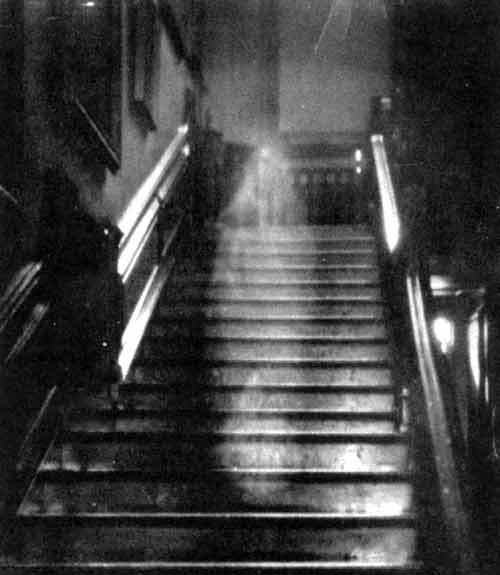
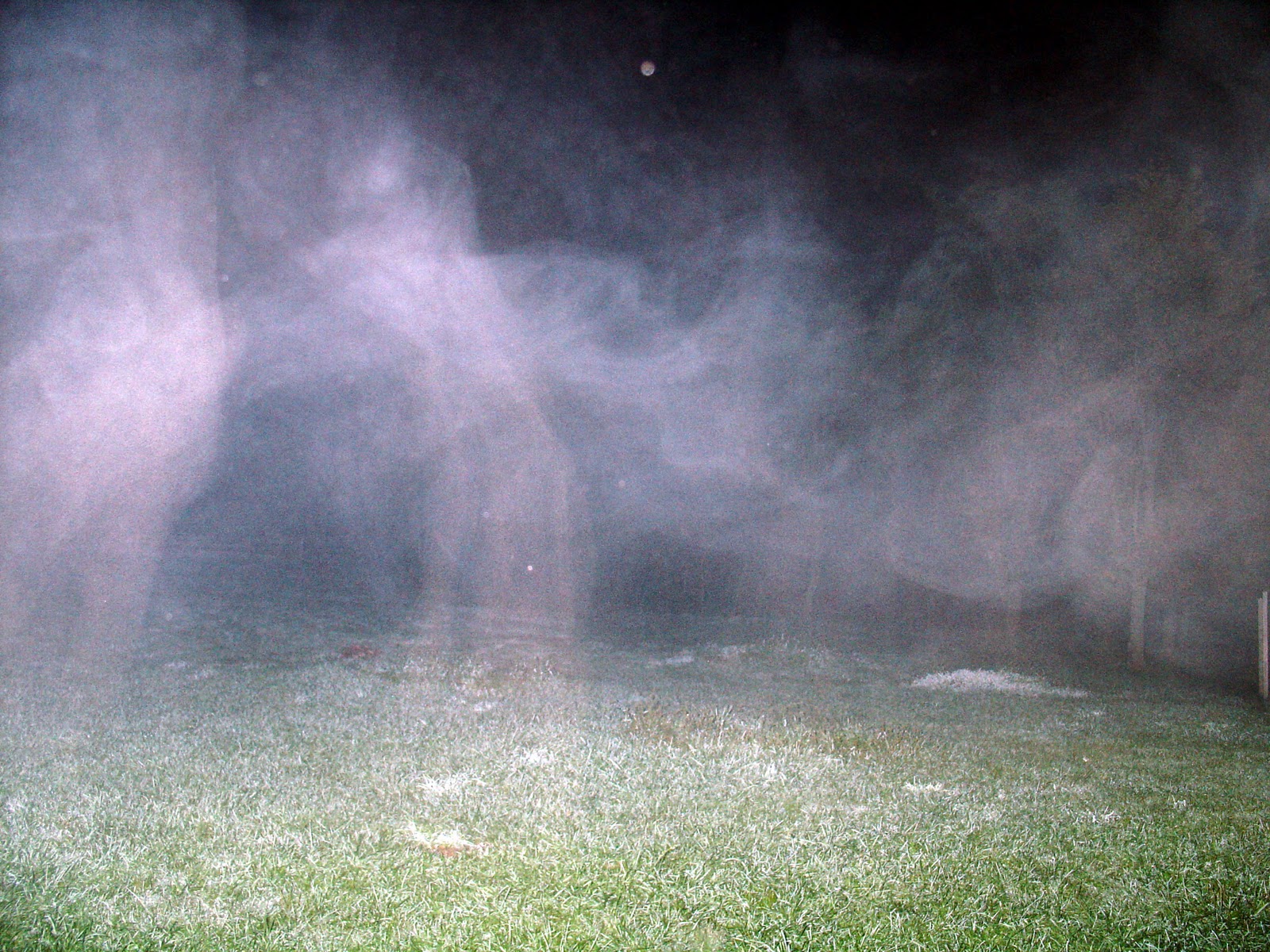
Tamil Poetess Encounter with a Ghost

ghost 1

By London Swaminathan; Post No.752 dated 19th December 2013

I have already written about the Ghost Seal of Indus Valley and the Ghost that killed 72 Tamil People. I have also written about Ramakrishna Paramahamsa’s story about ghost and 7 jars of gold and Swami Vivekananda’s encounter with the spirits of his dead relatives. Now here is a popular story about Avvaiyar’s encounter with a ghost. Avvaiyar was the most popular poetess of Tamil speaking world. Though there were several Avvaiyars in different centuries, she was always associated with Tamil language and Hindu Gods. The style of Tamil language used by different Avvaiyas indicates that there were three to six Avvaiyars. The current story shows an Avvaiayar 15th or 16th century.

A king in one of the 56 kingdoms of ancient India had a dumb son. Though he was handsome he did not learn anything. The king tried his best to educate him but all in vain. Thinking that idiot cannot rule the country after him, he banished him. The stupid prince went to another country and walking along the road in the capital city. Princess of that country Elavar Kuzali saw the handsome man from the balcony of the palace and fell in love with him at first sight. Immediately she wrote in a palm leaf, “please come and meet me tonight at the choultry in the northern part of the city”. She expressed her love in a sexy language.

Unfortunately the prince was an illiterate and so he gave the letter to beggar on the road. He was afflicted with leprosy. When he read the letter, knowing that he was an illiterate, told him that the city police suspect him to be a criminal and he would be arrested if he was seen in the city and he had to leave the city immediately.

ghost4

The idiotic prince believed every word of the leper and ran for his life. The lecherous leper used the golden opportunity to meet the princess of the country. When they met at the dark choultry in the night, none can recognise the other. When the day broke she saw a leper and committed suicide out of disappointment. In the meantime, the stupid prince showed the same letter to another man. He gave him the true version of the letter. When he rushed back to the choultry to meet the princess, he saw the dead body of the beautiful princess and committed suicide. Both of them became ghosts and made the choultry their permanent residence. Whoever comes to the choultry in the night was driven out by these two ghosts. No one dared to walk by the choultry in the night.

One day Avvaiyar came to the choultry in the evening to take rest after a day long walk. The people in the neighbourhood warned Avvaiyar about the ghosts in the haunted place. She did not bother about the ghosts. She spread her mat and slept well. But at the end of the first quarter of the night, a female ghost came shouting ‘I will thrash you , thrash you’ and scared her. Avvai recited a poem and then the ghost ran away. This is the gist of the poem:

ghost-3

The man who cannot learn a stanza
Having heard twice repeated;
The fool whose eyes see a blank palm leaf,
But his hand knows not to write on it;
The miserable woman that bore this wretch
To make a laughing stock for people
Thrash them my devil, thrash them soundly

When the ghost came again at the second quarter of the night, Avvaiyar composed one more poem and the ghost ran away. The meaning of the poem is: “The miserly people are like fruit trees infested with poisonous beetles–useless to anyone. They never use what they have saved, but their relaties will take everything. Thrash such misers”.

Again the ghost visited her at the end of third quarter and fourth quarter. She insulted her for her lack of knowledge.

The meaning of her third and fourth verses is: People lead carefree life thinking that the sky is pouring down rain, people are ready to donate, and they are compassionate — thrash such lazy people. Some type of pith won’t get wet even after immersed in water for thousands of years. There are people who never enjoy pleasure with women. Thrash them, Thrash them.

Ghosts-spirits2

At last she- ghost fell at her feet praying for liberation from the ghost form. Avvaiyar blessed her to become a good Tamil scholar in her next birth.

Please Read my earlier Posts about Ghosts:

Ghost that killed 72 Tamil people
Ghost seal in Indus valley

Contact: Swami_48@yahoo.com

ஔவையாரை மிரட்டிய பேய் !

ghost4

By London Swaminathan; Post No. 751 dated 19th December 2013.

தமிழ் உலகம் அறிந்த மூதாட்டி ஔவை. சங்க காலம் முதல் 16, 17 ஆம் நூற்றாண்டு வரை பல ஔவையார்கள் தமிழ் நாட்டில் வாழ்ந்தது அவர்களின் மொழி நடையிலிருந்து தெள்ளத் தெளிவாகத் தெரிகிறது. குறைந்தது மூன்று முதல் ஆறு ஔவையார்கள் வரை வாழ்ந்ததாக ஆராய்ச்சியாளர் கருதுகிறார்கள். பேயால் மிரட்டப்பட்ட ஔவைப் பாட்டி சமீப காலத்தில் வாழ்ந்த புலவர் என்பது அவரது பாடல்களில் தெரிகிறது. ஒருவேளை அவர் காலத்தில் நடந்த நிகழ்ச்சிகளைப் பிற்காலப் புலவர்கள் ஔவையாரின் பெயரில் எழுதியிருந்தாலும் வியப்பதற்கில்லை.

எது எவ்வாறாகிலும் ‘நெருப்பு இல்லாமல் புகையாது’, ஏதோ ஒரு ஔவையார் பேயைக் கண்டதால்தான் இந்தக் கதை இன்றுவரை நீடிக்கிறது. மேலும் ஔவை என்று சொன்னவுடன் தமிழ் மொழிப்பற்றும், தெய்வ பக்தியும் பளிச்சென மின்னுவதையும் காண்கிறோம். ஏற்கனவே சிந்து சமவெளியில் சில முத்திரைகளில் பேய் இருப்பதையும், நீலி என்ற பெண்பேய் 72 தமிழர்களைக் கொன்றதையும், விவேகானந்தர், பேய்கள் பற்றி சொன்னதையும் தனித் தனியே எழுதிவிட்டேன். இதே பிளாக்—கில் நீங்கள் படித்திருப்பீர்கள்.

இதோ மற்றும் ஒரு சுவையான உண்மைக் கதை:

ஒரு ஊரில் ஒரு ராஜா இருந்தார். அவருக்குப் பிறந்த பிள்ளையோ மஹா மூடன். எவ்வளவோ வாத்தியார்கள் வந்தும் அவனுக்கு அரிச்சுவடி கூட கற்பிக்க முடியவில்லை ஆனால் உடல்வாகில் ஆண் அழகன். மனம் உடைந்த ராஜா, இவனிடம் அரசாட்சி போய்விடக்கூடாது என்று கருதி அவனை நாடு கடத்தினார்.

பக்கத்து நாட்டுக்குப் போன ராஜ குமாரன், தெருவில் சுற்றிக் கொண்டிருந்தான். அந்த நாட்டு இளவரசி ‘தமிழறியும் பெருமாள் ஏலவார்குழலி’ உப்பரிகையில் இருந்து வேடிக்கை பார்த்தபோது இந்த இளவரசன்- ஆண் அழகனைக் கண்டு காதல் வசப்பட்டாள். ஒரு ஓலையில் காதல் கடிதம் எழுதி அதை அவனிடம் சேர்ப்பிக்க தோழியை அனுப்பினாள். கடிதம் மூலம் இரவில் ஊரின் வடக்குப் புற சத்திரத்துக்கு வரும்படி அழைத்தாள்.

ghost-3

எழுதறிவில்லாத அந்த இளவரசன் ரோட்டில் பிச்சை எடுதுக் கொண்டிருந்த குஷ்டரோஹி ஒருவனிடம் ஓலையைக் காண்பித்தான். அவனுக்கு ரொம்ப சந்தோஷம். சரியான ஏமாளி என்பதை உணர்ந்து, அந்தக் கடித வாசகத்தை மாற்றிச் சொன்னான். அந்த இளவரசன் ஒரு குற்றவாளி என்று ராஜா கருதுவதால் அவன் உயிர்பிழைக்க உடனே தலைநகரை விட்டு வேறிடத்துக்குப் போகவேண்டும் என்று கடித ஓலையில் இருப்பதாகப் பொய் சொன்னான்.

இளவரசன் ஓலையை வாங்கிக் கொண்டு ஓட்டம் பிடித்தான். குஷ்டரோஹி அன்று இரவில் சத்திரத்துக்குச் சென்று இருட்டில் காத்திருந்தான். ராஜகுமாரி வந்தவுடன் அவளுடன் காதல் மொழி பேசிக் கட்டித் தழுவி இரவைக் கழித்தான். பொழுது புலர்ந்தது. உண்மையை அறிந்த ராஜகுமாரி மனம் உடைந்து அங்கேயே தற்கொலை செய்துகொண்டாள்.

இதற்குள் ராஜகுமாரன், வேறு ஒருவனிடம் ஓலையைக் காண்பிக்க, அவன உண்மையைக் கூறினான். இளவரசன் ஓடோடி சத்திரத்துக்கு வந்தான். ராஜகுமாரி சடலத்தைக் கண்டு அவனும் தற்கொலை செய்துகொண்டான். இருவரும் இளமையில் வாழ்க்கையை முடித்துக் கொண்டதால் பேயாகி சத்திரத்தில் அலைந்தார்கள். வருவோர் போவோருக்கு எல்லாம் தொல்லையும் கொடுத்தார்கள்.

ஒருநாள் நமது தமிழ் மூதாட்டி ஔவையாரும் அந்தப் பக்கம் வந்து சத்திரத்தில் இரவில் ஓய்வெடுக்கப் போனார். அதைப் பார்த்த பொது மக்கள் அங்கே அலையும் பேய்களின் சேட்டைகளை எடுத்துரைத்தனர். அவரோ ‘என்னை ஒரு பேயும் ஒன்றும் செய்யமுடியாது’ என்று துணிச்சலாக பாயை விரித்துப் படுத்தார்.

முதல் ஜாம முடிவில் ஒரு பெண் பேய் அலறிக்கொண்டு வந்தது. ஔவையாரை ‘எற்று எற்று’ என்று சொல்லிக்கொண்டு எற்ற வந்தது. ஔவையார் ஒரு வெண்பாப் பாடலைப் பாடியவுடன் அது ஓட்டம் பிடித்தது.
Ghosts-spirits2

வெண்பா இருகாலிற் கல்லானை வெள்ளோலை
கண்பார்க்கக் கையால் எழுதானைப்—பெண்பாவி
பெற்றாளே பெற்றாள் பிறர் நகைக்கப் பெற்றாளே
எற்றோமற் றெற்றோமற் றெற்று

வெண்பாவை இரண்டுமுறை கற்றாலும் அறியாத மூடன், ஓலையில் எழுதமுடியாத பேதையை எல்லோரும் நகைக்கும்படி பெற்றாளே அவளைப் போய் எற்றி உதை என்பது முதல் பாட்டின் பொருள்.

மீண்டும் இரண்டாம் ஜாம முடிவில் இதே போல நடந்தது. ஔவையார் மீண்டும் ஒரு வெண்பா ஆயுதத்தைப் பிரயோகித்தார். பெண் பேய் ஒட்டம் பிடித்தது.

கருங்குளவி சூளுரைத்து ஈச்சங்கனி போல்
வருந்தினர்க் கொன்றீயாதான் வாழ்க்கை – அரும்பகலே
இச்சித் திருந்த பொருள் தாயத்தார் கொள்வரே
எற்றோமற் றெற்றோமற் றெற்று

விஷக் குளவி வசிக்கும் ஈச்ச மரம் யார்க்கும் உதவாதது போல, வருந்தியவர்களுக்கு தானம் செய்யாதவன் வைத்திருக்கும் பொருள், இறுதியில் சுற்றத்தார்க்குப் போய்ச் சேரும். அத்தகைய கருமிகளை எட்டி உதை என்பது இரண்டாம் பாட்டின் பொருள்.

மூன்றாம் ஜாம முடிவிலும் இதே கதை. மேலும் ஒரு வெண்பா குண்டு!! பேய் ஓட்டம்!!

வானம் உளதால் மழையுளதால் மண்ணூலகில்
தானம் உளதால் தயை உளதால்—ஆனபொழுது
எய்த்தோம் இளைத்தோம் என்றே ஏமாந்திருப்பாரை
எற்றோமற் றெற்றோமற் றெற்று

வானமும் தானமும், மழையும் இவ்வுலகில் உண்டு. இதனை எண்ணி சோம்பித் திரிவாரை எத்தி உதை என்பது மூன்றாம் பாட்டின் பொருள்.

நான்காம் ஜாம முடிவிலும் மேலும் ஒரு வெண்பாவை வீசவே பேய் அவர் காலில் விழுந்து விமோசனம் வேண்டவே, அடுத்த ஜன்மத்தில் நீ புலவனாகப் போவாய் என்று வாழ்த்தினார்.

எண்ணாயிரத்தாண்டு நீரில் கிடந்தாலும்
உண்ணீரம் பற்றாக் கிடையே போல் – பெண்ணாவாள்
பொற்றொடி மாதர் புணர்முலை மேல் சேராரை
எற்றோமற் றெற்றோமற் றெற்று

எட்டாயிரம் ஆண்டுகள் நீரில் கிடந்தாலும் ஈரப்பசையே ஏறாத நெட்டிமரம் போல சிலர் உள்ளனர். மாதர் இன்பம் என்பதையே அனுபவியாத அத்தகைய மரக்கட்டை போன்றோரை போய் எத்தி உதை என்று சொல்லவே, பேய் ஔவையார் காலில் விழுந்தது.
ghost 1

பேய்கள் எனது முந்தைய கட்டுரைகளையும் காண்க:

1.தமிழ்நாட்டை உலுக்கிய பேய்
2.சிந்து சமவெளியில் பேய் முத்திரை
3.வள்ளுவன் சொன்ன பேய்க்கதை
4.பேய்கள் பற்றி பாரதி & விவேகானந்தர்

எனது பிளாக்—கில் ஆங்கிலத்திலும் இக்கட்டுரைகள் கிடைக்கும்.
தொடர்பு முகவரி swami_48@yahoo.com

17. மூ!

Zhaozhou

Post No.750 posted on 18th December 2013.
Part 17 of History of Zen Buddhism in Tamil written by Santanam Nagarajan of Bangalore.

17. மூ!

ச.நாகராஜன்

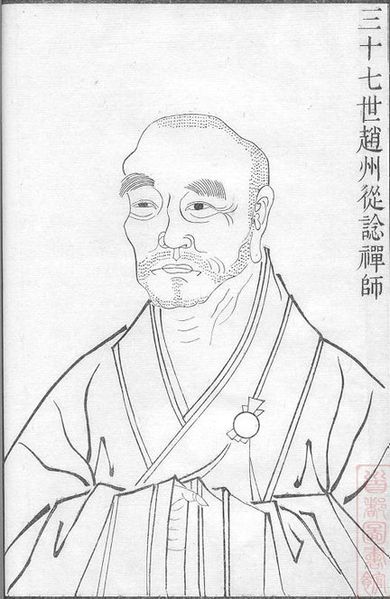
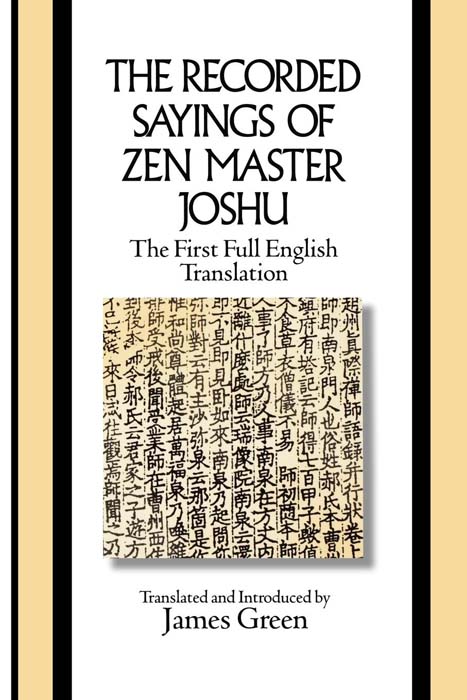
ஜென் பிரிவில் உதித்த பெரும் மாஸ்டர் சாவோ சௌ சங்-ஷென் Zhàozhōu Cōngshěn (778-897).ஜப்பானைச் சேர்ந்த இவரை ஜோஷு Jōshū Jūshin என்ற பிரபலமான பெயரால் அனைவரும் அறிவர்.
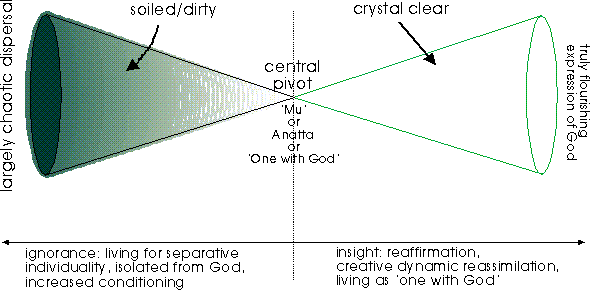
‘மூ’ (Wu) என்ற பிரபலமான ஒரு கோயனால் உலகில் இன்றளவும் அவர் போற்றப்படுகிறார்.

பெரும் ஞான நிலையை எய்திய இவர் நான் – சூவான் என்ற ஆசார்யரிடம் சிஷ்யராக இருந்தார் (748-835) ஆசார்யர் மஹாநிர்வாணம் அடைந்த பின்னர் சீனாவில் நாடெங்கும் சுற்றி வரலானார் தனது வாழ்நாளில் கடைசி நாற்பது ஆண்டுகளில் வட சீனாவில் ஒரு சிறிய ஆலயத்தில் தங்கி இருந்து தன் சிஷ்யர்களுக்குப் போதித்து வந்தார். சில வார்த்தைகளிலேயே பெரும் உபதேசத்தை அருளும் அரிய பாணியை இவர் கைக்கொண்டிருந்தார்.

ஒரு துறவி அவரிடம்,” ஒரு நாய்க்கு புத்தத் தன்மை இருக்கிறதா?” என்று கேட்டார்.

மஹாயான புத்தமத தத்துவத்தின் படி புத்தத் தன்மை என்பது அனைத்து உயிரினங்களிடமும் இருக்கும் ஒரு அடிப்படைத் தன்மையாகும். எல்லா உயிரினங்களிடமும் என்று சொல்லும் போது அது ஒருஅலங்காரச் சொற்றொடர் இல்லை. மனிதர்களை மட்டும் அல்ல, நிஜமாகவே எல்லா உயிரினங்களையும் அது குறிக்கும்.ஆகவே அதில் நாயும் அடங்கும்! அதுவும் உயிரினத்தில் ஒன்று தானே!! ஆகவே துறவி கேட்ட கேள்விக்கான சரியான பதில் ஆம் என்பதே!

ஆனால் சாவோ சௌ சங்-ஷென் “மூ” என்று பதில் அளித்தார்.இதை உச்சரிக்கும் போது ஒரு மிருகத்தின் தீனமான குரலைப் போல அல்லது முனகலைப் போல உச்சரிக்க வேண்டும். “மூ,,ஊ.ஊ” என்று!
“மூ! இல்லை! இங்கே என்ன நடக்கிறது?” என்றார் சாவோ சௌ சங்-ஷென்.

இந்த கோயனில் உள்ள கேள்வியானது “இருக்கையின் இயற்கை” (exixtence nature) பற்றியது! துறவியின் கேள்வி ‘இருக்கை’ பற்றிய ஒரு பக்கமான – சிதைந்த -பார்வையினால் கேட்கப்பட்ட ஒன்று. சாவோ சௌ சங்-ஷென் துறவியின் சிதைந்த சிந்தனைக்கு ஒரு அடி கொடுத்து அவரது சம்பிரதாயமான சிந்தனையை உடைத்தார்.

இந்த கோயன் “சாவோ சௌ சங்-ஷென்னின் நாய்”என்ற பெயரில் உலகெங்கும் பிரபலமானது.
கடந்த 12 நூற்றாண்டுகளாக ஜென் புத்த மதத்தினர் இந்த கோயன் பற்றி ஆழ்ந்து தியானிக்கின்றனர்.
Joshu 1

“மூ” என்பது சீனாவில் வூமென் ஹூகை (1183-1260) என்பவரால் தொகுக்கப்பட்ட கதவில்லாத கதவு (Gateless Gate) என்ற 48 கோயன்கள் அடங்கிய தொகுப்பில் முக்கியமான கோயன் ஆகும். ஜென் மாஸ்டர்களுக்கும் சீடர்களுக்கும் இடையே பல ஆண்டுகளில் நடந்த உரையாடல்,கேள்விகளில் மிக முக்கியமானவை மட்டும் இந்தத் தொகுப்பில் தொகுக்கப்பட்டது.ஒவ்வொரு கோயனும் தர்மம் பற்றிய ஒரு விளக்கமாக அமைகிறது.

‘மூ’ என்ற கோயன் நம்மிடையே நிலவும் மாயத்திரையை அறுத்து எறிய வல்ல ஒரு முக்கியமான கோயன். அது கென்ஷோ எனப்படும் ஞானோதய அனுபவத்தைத் தர வல்லதாக கருதப்படுகிறது. மூடி இருக்கும் அறைக் கதவை உடைத்துத் திறப்பது போல அல்லது மேகமூட்டத்தின் இடையே மறைந்திருக்கும் சந்திரனைச் சிறிது பார்ப்பது போல இந்த அனுபவத்தைக் கூறலாம்.

‘மூ’ என்பதை ஆம் என்றோ இல்லை என்றோ அர்த்தமாக எடுத்துக் கொள்ள முடியாது. ஒன்றுமில்லை அதாவது சூன்யம் என்பதை விளக்க மாஸ்டர் சாவோ சௌ சங்-ஷென் குறிப்பாக அந்த வார்த்தையைப் பயன்படுத்தினார் என்றும் பலர் வியாக்யானம் செய்கின்றனர்.

ஆகவே ‘மூ’ என்ற எழுத்தை அது பற்றி எங்கெல்லாம் விளக்கப் படுகிறதோ அங்கெல்லாம் காட்சிப் பொருளாக மாட்டி வைப்பது இன்றைய மரபாக ஆகி விட்டது.

மூவில் மூன்று கோடுகள் உள்ளன.

முதலில் கிடைமட்டமான கோடு அடுத்து மேலிருந்து கீழாக வரும் கோடு ஒரு க்ளாக்வைஸ் சுழலைக் கொண்டு பின்னர் கீழிறங்கும்..அடுத்து கீழிறங்கிய கோடு வலது பக்கமாகச் செல்லும்.

மாஸ்டர் வூமென் ஹூகை ஆறு வருட காலம் சிரமப்பட்டு ‘மூ’ என்றால் என்ன என்பதை உணர்ந்து கொண்டார்! இதைப் பற்றிய வியாக்யானத்தில் அவர் குறிப்பிடுவது இது: “உனது மொத்த உடலையும் அதில் உள்ள 360 எலும்புகளையும் 84000 மயிர் அடிப் பைகளையும் சந்தேகமாக ஆக்கிக் கொண்டு இந்த ஒரே ஒரு வார்த்தையான ‘மூ’ என்பது பற்றித் தியானம் செய்! இரவு பகலாக நன்கு ஆழத் தோண்டிக் கொண்டே இரு! இருக்கிறது என்றோ அல்லது இல்லை என்றோ நினைக்காதே! அதை ஒன்றுமில்லை என்றும் யோசிக்காதே. பழுக்கக் காய்ச்சிய சிவப்பான இரும்புக் குண்டை முழுங்குவது போல அது இருக்கும். அதை வாந்தி எடுக்க முயன்றாலும் உன்னால் முடியாது!

நம் முன்னே இருக்கும் காலை நேரப் பனியை விலக்குவது போல ‘மூ’ பற்றிய அர்த்தத்தை உணர்வது ஆகும்.

இதைப் போன்ற கோயனை ஒரு குரு உச்சரிக்கும் போது சிஷ்யரான ஒருவர் “ இதன் அர்த்தம் என்னவென்று நான் நினைக்க்றேன் என்றால்” என்று சொல்ல ஆரம்பிக்கும் போதே மாஸ்டர் குறுக்கிட்டு “ நீ நினைப்பது ஏற்கனவே தப்பாக ஆகி விட்டது!” என்பார்.

சுலபத்தில் விளக்க முடியாதது – மூ! அனுபவத்தில் உணர வேண்டியது ‘மூ’

தர்க்கரீதியாக உணர முடியாத ஒன்று மூ! தர்க்கரீதியாக ஒருவர் இது பற்றி அறிய விரும்புவது இரும்புச் சுவரில் முஷ்டியால் குத்திக் கொள்வது போல என்று ஜென் மாஸ்டர்கள் கூறுகின்றனர்!
Mu cone1

சின்ன உண்மை
‘மூ’ எங்கிருந்து பிறந்தது என்று ஆராயப் போனால் அது போதிதர்மரைச் சுட்டிக் காட்டுகிறது. போதிதர்மரின் சமாதி இருக்கும் இடம் சீனாவில் உள்ள ஷான்ஸி மாகாணத்தில் “பேர் இயர் மவுண்டன்” (Bear Ear Mountain) என்னும் இடமாகும். அங்குள்ள ஒரு கல்வெட்டில் ‘மூ’ செதுக்கப்பட்டிருக்கிறது, இதை சக்கரவர்த்தி வூ செதுக்கியதாக வரலாறு சொல்கிறது. பின்னால் வந்த ஆசாரியர் மூ என்ற பிரபல கோயனை உருவாக்கினார். contact swami_48@yahoo.com

******************** தொடரும்
Please read the 16 parts posted earlier in this blog.

Albert Einstein and Thiruvalluvar

einstein 1

By London Swaminathan; Post No. 749 dated 17th December 2013.

Tiru Valluvar is the most popular Tamil poet and the author of Tirukkural which is called Tamil Veda. Valluvar lived at least 1500 years ago. Albert Einstein was the greatest physicist of our time. He was the author of the Theory of Relativity.Einstein was born in 1879 in Germany and died in 1955in Princeton, USA. Both were great thinkers in their own fields. Let me compare a few quotations of Einstein with the Tamil poet Valluvar.

ZEAL
“One should not pursue goals that are easily achieved. One must develop an instinct for what one can just barely achieve through one’s greatest efforts.” —Albert Einstein
All thought should be the thought of rising high though it fails; it is the nature of success. Your aspirations keep you on a higher plane (Tirukkural 596)

Though wounded with arrows, the elephant stands firm in his greatness; he who has spirit never loses heart when he fails (Tirukkural 597)

Let a man lift himself by himself; let him not degrade himself; for the self alone is the friend of the self and self alone is the enemy of the self. (Bhagavad Gita 6-5)
Purananuru verse 214 of Kopperum Chozan also advises everyone to Aim High. A person who wanted to hunt an elephant will come with an elephant after a successful hunt. A person who wants to hunt quails may come even without a single bird. So aim high in life.

LOVE
Gravitation cannot be held responsible for people falling in love. How on earth can you explain in terms of chemistry and physics so important a biological phenomenon as first love? Put your hand on a stove for a minute and it seems like an hour. Sit with that special girl for an hour and it seems like a minute. That is relativity.
—Albert Einstein
For those who are counting days for the final return, of the beloved so long away, A single day will drag on like seven (Tirukkural 1269)
everybidy-is-a-genius

WISDOM
The important thing is not to stop questioning —Albert Einstein
To discern the truth from whatever source it emanates Is the true quality of wisdom (Tirukkural 423)

VEGETARIANISM
Although I have been prevented by outward circumstances from observing a strictly vegetarian diet, I have long been an adherent to the cause in principle. Besides agreeing with the aims of vegetarianism for aesthetic and moral reasons, it is my view that a vegetarian manner of living by its purely physical effect on the human temperament would most beneficially influence the lot of mankind—Albert Einstein
It is inconsistent with the way of living compassion
To fatten oneself on the flesh of a fellow creature ( Tirukkural 251)
Those who have a vision that is not blurred by mental confusion,
Will not eat the meat of dead carcasses (Tirukkural 258)

EXPLAINING
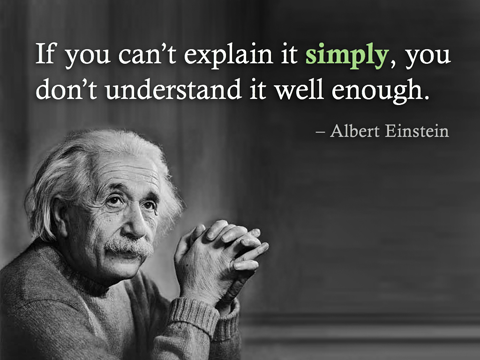
If you can’t explain simply, you don’t understand it well enough—Albert Einstein
Those, who cannot express their thought acquired after deep study,
Are like a bunch of flowers without fragrance (Tirukkural 650)

GENIUS

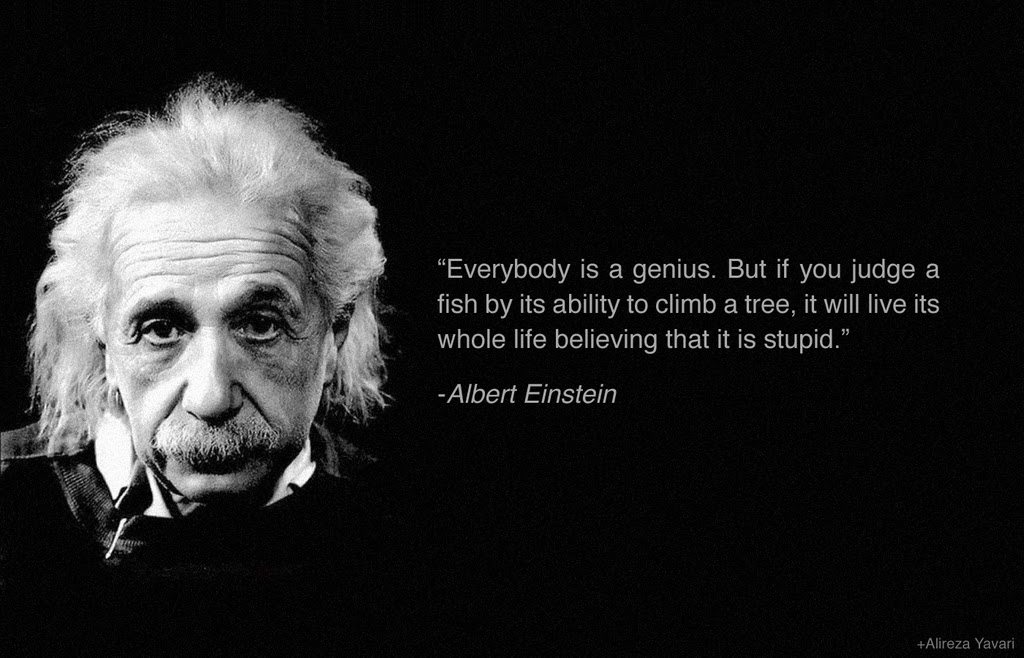
Everybody is a genius. But if you judge a fish by its ability to climb a tree, it will live its whole life believing that it is stupid—Albert Einstein
One should not slacken under a feeling that a job is too difficult to be done; effort will give the greatness necessary to do it (Tirukkural 611)
T hose who labour on untiringly and without fault will overcome even fate (Tirukkural 620)

quote-einstein-evil-people
IDLENESS
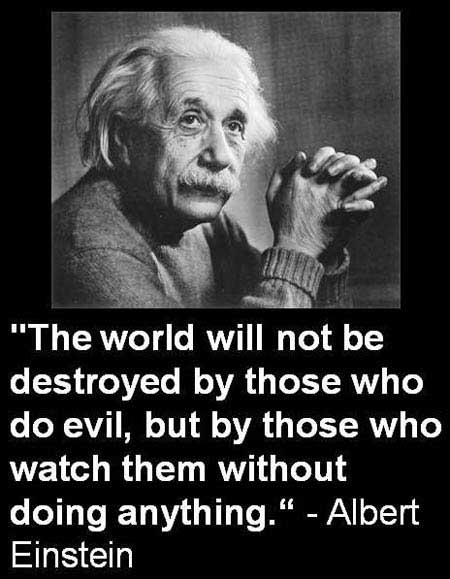
The world will not be destroyed by those who do evil, but by those who watch them without doing anything—Albert Einstein
A person steeped in indolence without noble deeds will see his home ruined by growing vices (Tirukkural 604)
These four are pleasure boats of loss and ruin: Procrastination, Forgetfulness, Idleness and Dozing (Tirukkural 605)

*******

Where Parimelazakar went wrong!!
“The Lord Indra himself is effective witness to the prowess of a sage
Who has really conquered the five senses” (Tirukkural 25)
(Indra, the king of the Devas himself, will bear testimony to the will power of those who curbed the desires of the five senses).

Parimel azakar interpreted it wrongly. He took it as an insult to Indra. But Manakkudavar, another old commentator, has correctly interpreted it. Indra has trepidations of the heart, whenever a sage effectively controls all his senses and reaches the height of the penance, lest he should ultimately endanger his own position—and so naturally, he is witness to the ascetic’s prowess. Dr S M Diaz has rightly pointed out it.
This is confirmed by other references in Hindu and Buddhist scriptures:
“And Indra through Brahmacharya brought the heavenly lustres to Devas” (AV 11/5/19)
“It was by the watchfulness that Indra became the chief of the Gods” ( Buddha in Dhammapada 2-10)

**********
valluva-nayanar

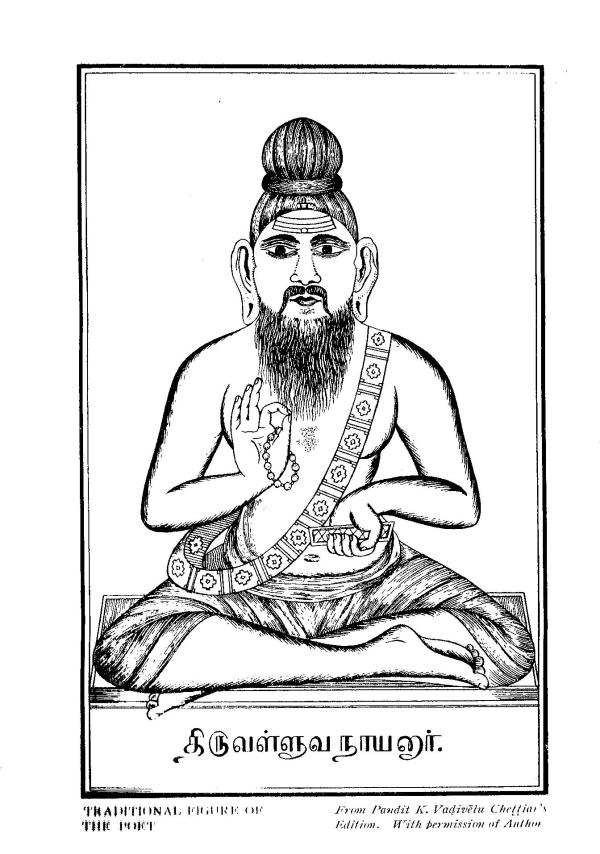
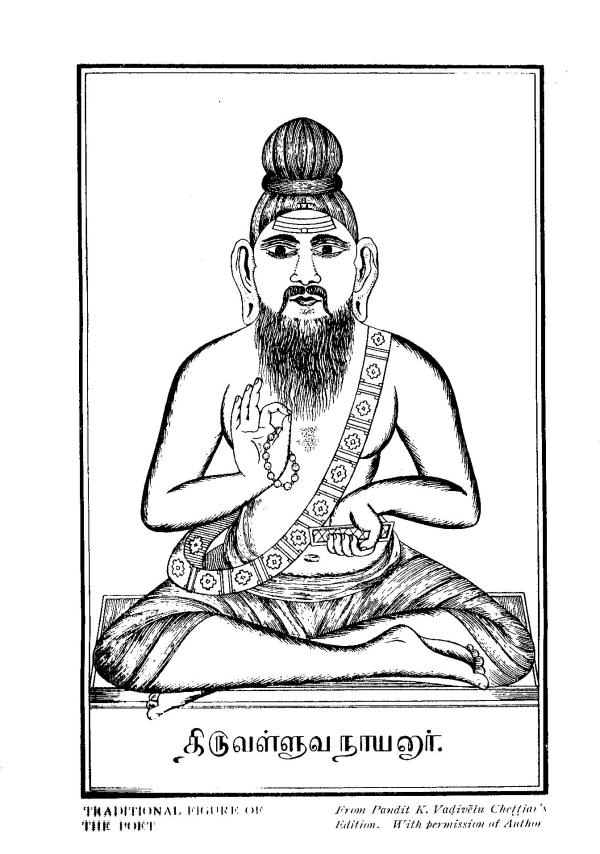
“Who was Tiruvalluvar?” was written and posted in this blog sometime ago. I quote only GU Pope’s verse below:

‘’Sage Valluvar, priest of the lowly clan,
No tongue repeats, no speech reveals thy name;
Yet, all things changing, dieth not thy fame
For thou art bard of universal man;

And still thy ‘book’ above the waters wan’
Virtue, true wealth, and joy, and being’s aim,
In sweetest mystic couplets doth proclaim
Where winds sea-wafted palmy forests fan.

Haply undreamed of ‘visions’ glad thine eyes
In reals beyond thy fabled ‘seven fold birth’,
And clouds of darkness from thy spirit roll;

While lands far off have heard with strange surprise
Faint echoes of thy song. Though all the earth
Men hail thee brother, seer of spotless soul’’
—Written by Dr G.U. Pope
From the book The Sacred Kural by H.A.Popley, year 1931
Also read my earlier post: Who was Tiruvalluvar? In this blog.
Contact swami_48@yahoo.com

******************

திருவள்ளுவர் யார்?

valluva-nayanar

இந்திரன் குறித்து பரிமேலழகர் செய்த தவறு!
By London Swaminathan; Post No. 748 dated 17th December 2013.

–லண்டன் சுவாமிநாதன்
தமிழ் வேதமான திருக்குறளுக்கு உரை எழுதிய பதின்மரில் பரிமேலழகர் எழுதிய உரையே மேலானது என்பது அறிஞர் உலகம் ஒருமனதாக ஏற்றுக்கொண்ட முடிவு. ஆயினும் யானைக்கும் கூட அடி சறுக்கும் என்பது போல அவரும் சில தவறுகளைச் செய்திருக்கிறார். இன்று ஒரு குறளை மட்டும் காண்போம்:

ஐந்தவித்தான் ஆற்றல் அகல்விசும்புளார் கோமான்
இந்திரனே சாலுங் கரி (குறள் 25)

‘ஐம்புல ஆசைகளை அறவே ஒழித்த ஒருவனுடைய ஆற்றலுக்கு தேவர் கோமான் இந்திரனே சான்று பகர்வான்’ என்பது இதன் பொருள்.

இந்தப் பொருளை எழுதி அதற்குப் பின் ஒரு ஆச்சர்யக் குறியையோ கேள்விக்குறியையோ போட்டுவிட்டால் அர்த்தம் அனர்த்தம் ஆகிவிடும். பரிமேலழகர் இது இந்திரனைக் கிண்டல் செய்து எழுதிய இகழ்ச்சிக் குறிப்பு என்று கொண்டுவிட்டார். அவன் அகல்யை இடத்தில் நடந்துகொண்ட ஒரு சம்பவத்தை வைத்துப் பலரும் இந்திரனை தவறாக எடைபோட்டுவிட்டனர்.

இந்துமத நூல்களிலும் புத்தமத வேதப் புத்தகமான தம்மபததிலும் இந்திரனை உயர்வாகவே கூறியுள்ளனர். பதின்மர் உரையில் மணக்குடவர் எழுதிய உரையில் இதை இகழ்ச்சிக் குறிப்பாகக் கொள்ளாமல், பாராட்டும்படியாகவே எழுதியுள்ளார். இதை டாக்டர் எஸ்.எம்.டயஸ் அவர்கள் எழுதியுள்ள ஆங்கில மொழிபெயர்ப்பில் குறிப்பிட்டு மணக்குடவர் உரையே திருவள்ளுவரின் மொத்த அணுகுமுறைக்கு இசைவாக இருக்கிறது என்றும் எழுதியிருக்கிறார்.

எனது கருத்து:
“இந்திரன் அவனுடைய பிரம்மசர்யத்தால் தேவர்களுக்கு தேஜஸை (ஒளியை) உண்டாக்கினான்”- என்று அதர்வ வேதம் கூறுகிறது ( அதர்வணம் 11-5-19).

“இந்திரன் மிகவும் கவனமாக/விழிப்பாக இருந்ததால் தேவர்களுக்கு எல்லாம் இறைவன் ஆனான்” – என்று புத்தர் தம்மபதத்தில் (2—10) கூறுகிறார்.

பூமியில் யாராவது தவம் செய்தாலோ, நூறு அஸ்வமேத யாகம் செய்தாலோ, தனது பதவிக்கு ஆபத்து வந்துவிடும் என்று இந்திரன் நடுங்கத் துவங்கி மண், பெண், பொன் ஆசைகளால் துறவிகளைக் கவிழ்த்துவிடுவான். ஆகையால் மணக்குடவரும் மற்றவர்களின் தவ வலிமை இந்திரனை நடுங்கச் செய்வதே “ இந்திரனே சான்று பகர்வான்” என்பதன் பொருள் என்கிறார். பரிமேலழகர் சொல்லுவது போல இந்திரனை வள்ளுவர் பகடி செய்யவில்லை.

மணக்குடவர் உரை: ஐந்து= நுகர்ச்சியாகிய ஐந்து. இந்திரன் சான்று என்றது இவ்வுலகின் கண் மிகத் தவம் செய்வார் உளரானால், அவன் தன் பதம் இழக்கின்றானாக நடுங்குமாதலான், இது தேவரினும் வலியன் என்றவாறு.

பரிமேலழகர் உரை: ஐந்தும் என்னும் முற்றும்மையும் ஆற்றர்க்கு என்னும் நான்கனுருபும் செய்யுள் விகாரத்தால் தொக்கன. தான் ஐந்து அவியாது சாபம் எய்தி நின்று அவித்தானது ஆற்றல் உணர்த்தினானாகலின் ‘இந்திரனே சாலுங் கரி’ என்றார்.

திருவள்ளுவர் யார்?

மேற்கோள் விளக்கக் கதை அகர வரிசை,இரண்டாம் பகுதி, கருப்பக்கிளர் சு.அ. இராமசாமிப் புலவர், திருநெல்வேலித் தென்னிந்திய சைவ சித்தாந்த நூற்பதிப்புக் கழகம் லிமிடெட், திருநெல்வேலி-6, 1963 பக்கம் 714 கதை 805

805.பகவன் கதை

இவர் பெருஞ்சாகரன் என்னும் அந்தணனுடைய புதல்வர். தம்முடைய ஊரிலிருந்து காசிக்குப் பயணம் சென்றார்; திரும்பிவந்தார். தொண்டை மண்டலத்தில் அகரம் என்னும் ஊரில் தங்கியிருந்தார். அப்பொழுது ஆதி என்னும் பெயருடைய அந்தண மாது ஒருத்தி அங்கு வந்தாள். இவர்கள் இருவருக்கும் திருமணம் நடைபெற்றது. ஔவை, அதிகமான், உப்பை, உறுவை, வள்ளி, கபிலர், திருவள்ளுவர் என்னும் பெயரினுடைய மக்கள் எழுவர் தோன்றினர். இவர்களில் திருவள்ளுவர் என்பவர்தாம் தமிழ் மறையாகிய திருக்குறளை உலகிற்கு வழங்கியவர். ஔவை, கபிலர் ஆகியவர்களும் சிறந்த புலவர்களாகவே திகழ்ந்தனர். தம்முடைய மக்கள் அறிவாளிகளாய் உலகிற்குப் பயன்பட்டதைக் கண்டு பகவனும் ஆதியும் மிகவும் களிப்படைந்தார்கள். தம்மைப் பார்க்கிலும் தம் மக்கள் அறிவுடைவர்களாக இருத்தல் உலகத்திற்கு மிகுந்த நன்மையை உண்டாக்கும் என்பதை இவர்கள் தம்முடைய மக்கள்பாற் கண்டு தெளிந்தனர்.

Also read my earlier post: Who was Tiruvalluvar? In this blog.
Contact swami_48@yahoo.com
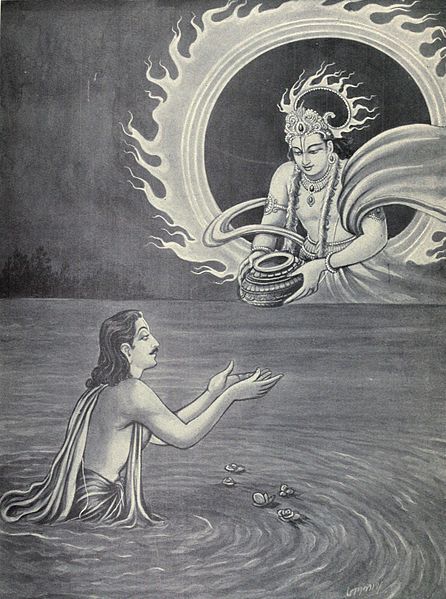
Divine Dinners by Moses, Jesus, Hindu Saints & Draupadi !

Image


Picture of Draupadi with Akshaya Patra.

By London Swaminathan: Post No.  747   dated 15th December 2013.

Divine dinners are miraculous dinners provided by great saints, religious leaders and pathfinders. Every religion has got some stories like this. Here are eight famous episodes from different cultures.


Divine Dinner 1

First a story from Ramayana: Bharadvaja Maharishi (seer) showed some amazing magic to Bharata, brother of Lord Rama. Chapter 91 of Ayodhya Kanda of Valmiki Ramayana gives a vivid description of the magic shown by Bharadvaja.

The seer asked Bharata why he came alone leaving his army behind. Bharata replied to him that his army was huge and they may damage the trees and huts and defile the water. (Look at the environmental concerns of Bharata!)

But Bharadvaja insisted to him to bring the army so that he can entertain everyone. In the middle of the thick jungle, he summoned all the angels. Suddenly a cool breeze came from Malaya and Dardura hills. There was a rain of flowers. Sound of divine gongs could be heard on every side. Apsaras women danced to the tune of the Gandharvas. Earth and sky were filled with sweet and harmonious sounds. Bharata’s army could see the wonderful creations of Viswakarma (Divine Architect).

When Rama returned to Ayodhya, Bharadwaja wanted to honour him with sumptuous dinner. He brought all the best things from the heaven through his mental power. As he thought of Amutha Surabhi, Chintamani and Amrita, all those came to serve him. Bharadwaja served the same type of food to every one. All were very happy.


Divine Dinner 2

Now a story from Mahabharata: Draupadi stayed in the forest for twelve years with the Pandavas. During her stay in the forest, a lot of pilgrims and saints visited her. When her husband Yudhistra was struggling to find food, Dhaumya advised him to pray to sun god. He did and received an Akshaya Patra from the Sun God. This magical vessel supplied Draupadi with food without stopping. It was always full even after she distributed food. Akshaya Patra  means an inexhaustible vessel.

When Duryodana sent the short tempered saint Durvasa at an odd time to the Pandavas in the forest, he thought the Pandavas could not satisfy this man and eventually he would curse them. Durvasa went to the Pandavas and told them that he would take food after bathing in the river. Pandava’s wife Draupadi got so worried for lack of food at home and prayed to Lord Krishna. He asked whether there was at least anything left over in the vessel. There was only one rice sticking to the pan. Krishna ate it and smiled at her. Durvasa came and told them that his stomach was full and he did not want any food!

Sathya Sai Baba also was said to have distributed Laddus (sweets) to his disciples during his birth day with never ending supply from his basket!


Divine Dinner 3

Queen Meenakshi, also known as Thatathakai, got married to Sundreswara. Grand dinner was arranged for their wedding in Madurai. But after all the guests eaten there was plenty of leftover food. The cooks came to queen Meenakshi and told her their problem. She went to her faithful husband King Sundara Pandya alias Sundareswara, who was god Shiva, and told her grievance. He simply smiled at her and winked at his servant Gundotharan who was standing behind him. He went to the kitchen and started eating whatever he saw. The vessels became empty in a few minutes. When he asked for more and more food, the kitchen staff ran to the queen and told her what was happening. She went to her husband again and he thought of Annapurani. Immediately fountains of food appeared.  When his hunger was over, Gundothara asked for water. Shiva asked him to put his hand on the ground and there came a river. It is called Vaikai (Put Hand) river which runs through Madurai. The place he ate was called Anna Kuzi Mandapam near the west tower of Goddess Meenakshi temple. This story is part of Thiruvilaiyatal Purana, detailing 64 leelas (plays) of Lord Shiva in Madurai. Every year there is a festival to celebrate this divine dinner.


Divine Dinner 4

This is also a story from the same T V Puranam. A farmer’s wife by name Dharmaseela was a philanthropist of Madurai. She ran a charity kitchen to feed all the pilgrims, the poor and the saints. Lord Shiva, the presiding deity of Madurai, wanted to show her greatness to everyone in the Pandyan kingdom. So he made all her fields yield less. She had to borrow money to feed the people. But in course of time, the lenders pressed her for their money. Both the husband and wife went to the temple and decided to commit suicide. Lord Shiva appeared before them and asked them to go back home where they would find lot of paddy in the barn. It provided them undiminished supply of paddy. It was called ‘Ulavak Kottai’, meaning a barn with inexhaustible supply.

Image

Divine Dinner 5

When Jesus Christ went to a desert area near the Sea of Galilee, a crowd of 5000 people followed him. Sun was going under the mountains and it was getting dark. His disciples came to him and asked him to send the crowd back to their villages because there was no food for them. Jesus asked them to give food. They told him they have got only five loaves of bread and two fish. Jesus got them and started distributing them to his 5000 disciples. They were all happy and their stomachs were full. At the end of the day his disciples went around and collected 12 baskets of leftover fish and bread! This is one of the miracles as reported in the gospels in the New Testament of the Bible.


Divine Dinner 6

King Viswamitra and Sage Vashista clashed several times and one of them was over the divine cow Kamadhenu. It would give anything one wants. When Vashista fed the entire army of the king with this magical wish fulfilling cow, Viswamitra was wonder struck. He asked for the cow which provided them a divine dinner. When Vashista refused to give him the divine cow he forcefully took it from him. The cow produced an army of soldiers who decimated Vishvamitra’s army completely.


Divine Dinner 7

 The old testament of the Bible describes the ‘Manna from the heaven’. It was the food given by the God for the Israelites. Moses and his disciples survived for forty years with this food. Though scholars see a cognate word of Manna in Egyptian ‘mennu’ meaning food, I have explained in my article ‘Sanskrit in the Bible’, Manna means Annam in Sanskrit meaning food. The mirror image of the word ‘Manna’ is ‘Annam’ (food). Since there are more Sanskrit words in the Bible, it is not a co incidence. Please read my two part article ‘SANSKRIT IN THE BIBLE’.

 Image

Divine Dinner 8

Prisoners’ rehabilitation is a new concept in the western countries. Manimekalai, the heroine of the Tamil epic ‘Manimekalai’, did this service 2000 years ago and transformed all the prisoners as good citizens. Prisons were converted into charitable homes.

When Manimekalai went to the prison she spoke to the prisoners kindly with gentle words of advice and comfort. She gave them all a hearty meal from her magic bowl Amuthasurabhi. The inmates became penitent and their behaviour was reformed beyond recognition. When the prison guards informed the king he asked Manimekalai to come to the palace. She advised him to release all the prisoners and convert all the prisons in to charitable houses for saints and sages. The king readily agreed to do it. This type of service was unheard of in any other countries till modern days. (Divine Dinner 8 is taken from my earlier post).

Contact swami_48@yahoo.com  

மோசஸ், ஜீஸஸ், திரவுபதி, வசிஷ்டர்—தெய்வீக விருந்துகள்

_Akshayapatra, sun god

Picture of Sun God giving Akshaya Patra to Yudhistra.

மோசஸ், ஜீஸஸ், திரவுபதி, வசிஷ்டர்—தெய்வீக விருந்துகள்

By Santanam Swaminathan

Post Number 746 dated 15th December 2013

சாது சந்யாசிகளுக்கும் ,ஏழை எளியவர்களுக்கும் தெய்வீக சக்தியால் விருந்து கொடுத்த சம்பவங்கள் எல்லா மத நூல்களிலும் இருக்கின்றன. இதோ எட்டு சுவையான சம்பவங்கள்:

தெய்வீக விருந்து 1
பஞ்ச பாண்டவர்களும் திரவுபதியும் 12 ஆண்டுகளுக்கு காட்டில் வசிக்க நேரிட்டது. அப்போது பல முனிவர்கள், யாத்ரீகர்கள் முதலியோர் அவர்களைக் காண வந்தனர். வீட்டுக்கு வந்தோரை ‘சாப்பிட்டுவிட்டுப் போங்கள்’ என்று சொல்லுவது பாரதப் பண்பாடு அல்லவா? காட்டில் ஏது உணவு? யுதிஷ்டிரருக்கு தர்ம சங்கடமாகப் போனது. தௌம்யர் என்பவர் சூரிய பகவானைப் பிரார்த்திக்கும்படி சொன்னார். அவ்வாறே தர்மரும் (யுதிஷ்டிரர்) செய்தார். சூரிய பகவான் வந்து அக்ஷய பாத்திரத்தை அளித்தார். திரவுபதி அதைக் கொண்டு குறைவில்லாத விருந்து படைத்தார். அக்ஷய என்றால் ‘அழிவில்லாத’, குறைவில்லாத’ என்று பொருள்.(ஆதாரம்: மஹாபாரதம்)

தெய்வீக விருந்து 2
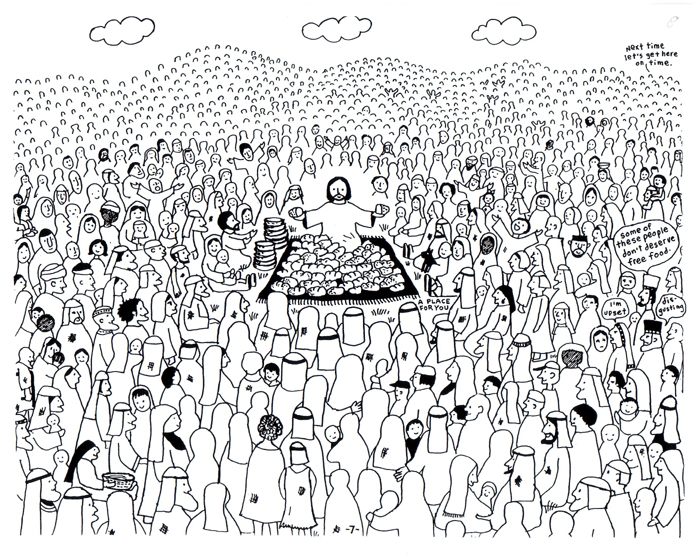
ஏசு பிரான் கலீலி கடலைத் தாண்டி வறண்ட பகுதிக்குச் சென்றார். அவர் செய்த அற்புதச் செயல்களால் ஈர்க்கப்பட்ட 5000 மக்கள் அவரைப் பின் தொடர்ந்து வந்தனர். அவர் சென்ற இடமோ வறண்ட பிரதேசம். அவருக்கு நெருக்கமான சீடர்கள் அவரிடம் வந்து 5000 பேரையும் அவரவர் ஊருக்குப் போகும்படி சொல்லுங்கள், நம்மிடம் உணவு இல்லை என்றனர். ஏசுவோ, எவ்வளவு உணவு இருக்கிறது ? என்று கேட்டார். இரண்டு மீன்களும் ஐந்து ரொட்டிகளும் தான் உள்ளன என்றனர். அதைக் கொண்டுவர கட்டளையிட்ட ஏசு, எல்லோருக்கும் உணவு பரிமாறத் தொடங்கினார். எல்லோருக்கும் வயிறு நிறைந்தது. சீடர்கள் அந்தப் பகுதியைச் சுற்றிப் பார்த்தபோது 12 கூடை மீன்களும் ரொட்டியும் மீதம் இருந்தன!!(ஆதாரம்: பைபிள் புதிய ஏற்பாடு)
feeding5000coloring

Jesus feeding 5000.

தெய்வீக விருந்து 3
மகரிஷி வசிஷ்டருக்கும், மாமன்னன் விஸ்வாமித்ரருக்கும் எப்போதும் மோதல்தான். ஒருமுறை காட்டில் இருந்த வசிட்டரைக் காண விஸ்வாமித்ரர் வந்தார். மாமன்னன் வந்தால் உபசரிக்க வேண்டுவது கடமை அல்லவா? வசிட்டரும் அன்போடு உபசரித்து, மன்னனின் படை முழுதுக்கும் அறுசுவை உணவு படைத்தார். விசுவாமித்திரருக்கு வியப்பு தாங்கவில்லை. நினைத்ததை எல்லாம் வழங்கும் காமதேனு என்ற தெய்வீகப் பசுதான் வசிட்டருக்கு உதவியது என்பதைக் கேட்டு, அதைத் தனக்குக் கொடுக்குமாறு கேட்டார்.

வசிட்டர் அதற்கு மறுக்கவே, பலவந்தமாக காமதேனுவைக் கைப்பற்றினார். வசிட்டர் என்ன நினைத்தாரோ தெரியவில்லை. காமதேனுவின் உடலில் இருந்து நூற்றுக கணக்கான வீரர்கள் வெளியே வந்து விசுவாமித்திரரின் படைகளைத் துவம்சம் செய்துவிட்டனர்(ஆதாரம்: ராமாயணம்)

தெய்வீக விருந்து 4
இஸ்ரேலியர்களை மோசஸ் அழைத்துச் சென்ற பாலைவனப் பகுதியில், ‘மன்னா’ என்ற உணவு வானத்தில் இருந்து கிடைத்ததாக பைபிளின் பழைய ஏற்பாடு கூறுகிறது. நாற்பது ஆண்டுக் காலத்துக்கு இந்த உணவின் மூலம் அவர்கள் உயிர் வாழ்ந்தனர். ‘மன்னா’ என்பது எகிப்திய ‘மென்னு’ ( உணவு) என்ற சொல்லுடன் தொடர்புடையதாக ஆராய்ச்சியாளர் கூறுவர். ஆனால் ‘அன்னம்; என்பதே ‘மன்ன’ என்று திரிபடைந்ததாக நான் ஏற்கனவே “பைபிளில் சம்ஸ்கிருதம்” என்ற எனது ஆங்கிலக் கட்டுரையில் எழுதி இருக்கிறேன். !!(ஆதாரம்: பைபிள் பழைய ஏற்பாடு)

moses

தெய்வீக விருந்து 5
ராமனைக் காண காட்டிற்கு வந்த பரதன், பரத்வாஜர் என்னும் முனிவரைத் தரிசிக்க அவரது ஆஸ்ரமத்துக்கு வந்தான். எல்லோரும் எங்கே? என்று முனிவர் கேட்டார். நான் பெரும் படையுடன் வந்து இருக்கிறேன். படைகளை அழைத்துவந்தால் செடி, கொடிகளூக்குச் சேதம் வருமே என்று கருதி தொலைவில் நிறுத்தினேன் என்றார். அவருக்கு முனிவர் அறுசுவை விருந்து படடைத்தார். புறச்சசூழல் பாதுகாப்பின் முன்னோடி பரதன்! ராமன் இலங்கையில் இருந்து திரும்பிப் போகையில், பரத்வாஜ முனிவரை சந்தித்தான். அவர் தனது மந்திர சக்தியால் அங்கிந்திருந்த அனைவருக்கும் உணவு கொடுத்தார்.!(ஆதாரம் வால்மீகி ராமாயணம்)

தெய்வீக விருந்து 6
மணிமேகலை என்பவர் மாதவியின் மகள். ஐம்பெரும் தமிழ் காப்பியங்களில் ஒன்று மணிமேகலை. அந்தப் பெண்ணிடம் அமுத சுரபி என்னும் மந்திரக் கலயம் கிடைத்தது. ‘உண்டி கொடுத்தோர் உயிர் கொடுத்தோரே’ என்பதை அறிந்த மணிமேகலை, அமுத சுரபி மூலம் சிறைச் சாலை கைதிகளுக்கு உணவு படைத்தார். (ஆதாரம்:மணிமேகலை)

தெய்வீக விருந்து 7
திருவிளையாடல் புராணத்தில் வரும் நிகழ்ச்சி இது. வேளாளக் குடியில் பிறந்த தரும சீலை என்பவர் மதுரையில் இருந்து எல்லோருக்கும் உணவு வழங்கி வந்தார். அவருடைய பெருமையை பாண்டிய நாடு முழுதும் அறியவேண்டி சிவபெருமான் ஒரு லீலை செய்தார். அவர்கள் நிலத்தில் விளைச்சலைக் குறைத்தார். அப்படியும் அந்த தம்பதிகள், கடன் வாங்கி தருமச் சாப்பாடு போட்டனர். கடன்காரர்கள் வந்து மொய்க்கவே சிவன் கோவிலுக்குச் சென்று தற்கொலை செய்துகொள்ள முடிவு செய்தனர். அங்கே அவர் முன் தோன்றிய ஆலவாய் அண்ணல் சிவபெருமான், ‘வீட்டுக்குப் போய் பரண் முழுதும் இருக்கும் நெல்லை ஏழை எளியவர்களுக்குத் தானம் செய்யுங்கள்’ என்றார். அது எடுக்க எடுக்க வளரும் ‘உலவாக் கோட்டை’ என்றும் சிவன் அருளினார்.( ஆதாரம்: திருவிளையாடல் புராணம்)

kamadhenu

Picture of Divine Cow Kamadhenu

தெய்வீக விருந்து 8
மதுரையின் மஹாராணி மீனாட்சிக்கும் சிவனின் அவதாரமான சுந்தரபாண்டியனுக்கும் திருமணம் தடபுடலாக நடந்தது. எல்லோரும் சாப்பிட்டு முடித்து ஏப்பம் விட்டனர். ஆனால் இன்னும் ஆயிரக கணக்கான மக்களுக்கான உணவு அப்படியே மிஞ்சி இருந்தது. சமையல்காரகளுக்கு மனக் கஷ்டம். அன்னை மீனாட்சியிடம் முறை இட்டனர். அவளோ அன்புக் கணவர் சுந்தரேஸ்வரிடம் முறையிட்டாள். ஒரு புன்சிரிப்பு முகத்தில் தவழ்ந்தது. பக்கத்தில் இருக்கும் குண்டோதரனை அழைத்து ‘போய், சாப்பீட்டு வா’ என்றார். அவன் சமையல் அறையில் நுழைந்த அடுத்த நிமிடம் அறையே காலி!!
‘கல்யாண சமையல் சாதம், காய்கறிகளும் பிரமாதம்’ என்று பாடிய வண்ணம், அவன் மேலும் உணவு கேட்டான்! மலைத்துப் போய்விட்டனர் அரண்மனை சமையல்காரர்கள். மீண்டும் மீனாட்சியிடம் உதவியை நாடி ஓட, அவர் மீண்டும் சிவனிடம் ஓடினார். அவர் அன்னபூரணியை மனதில் நினைத்த அடுத்த நிமிடம் பூமியில் இருந்து சாப்பாடு வந்தது. இப்போது அவனுக்கு தாகம் வரட்டியது. ‘தண்ணீர் தண்ணீர்’ என்று அலறவே அங்கிருந்த நீர் எல்லாம் போதவில்லை. குண்டோதரனை அழைத்த சிவ பெருமான், ‘வை’ ‘கை’ என்று சொல்லி அவன் கைகளைக் கீழே வைக்கச் சொன்னார். அதில் இருந்து ‘வைகை’ நதி பீறிட்டெழுந்தது. அவனும் தாக சாந்தி செய்துகொண்டான். அவன் சாப்பிட்ட அன்னக் குழி மண்டபம் இன்றுவரை மதுரை கோவில் அருகே உள்ளது.(ஆதாரம்: திருவிளையாடல் புராணம்)

Contact swami_48@yahoo.com

Tamil Saints ‘No’ to Amrita and Indra Loka!

tamil yal panan

Post No 745 dated 13th December 2013

‘Butchers and Lepers are our Gods’
By Santanam swaminathan

It is amazing to see that Hindus all over India thought the same way. All the saints and poets held Amrita (ambrosia) and Indraloka (heaven) in high esteem. So they always used them as similes. We see this trend from the days of Valmiki Ramayana until the days of modern day Tamil poet Bharatidasan. They compared Indra Loka and Amrita with some principles and said their principles are higher than or more esteemed than Amrita or heaven.

1300 years ago , a Tamil Saivite saint Appar alias Tirunavukkarasar clashed with the mighty Pallava emperor Mahendra Varman who embraced Jainism. Appar also converted himself as a Jain and then reconverted to Hinduism. When the Pallava King gave him lot of troubles, Appar composed verses and sang them with very great confidence and succeeded. One of the poems says:

“Even if the entire wealth of Kubera (Lord of Wealth) is given to us, even if the kingship of the whole world is given to us, we would not care, if the donors are not Shiva devotees. But even butchers and lepers are our Gods if they are Shiva’s devotees”.

This revolutionary thought is reflected in various verses of various periods. A Vaishnavite saint Thondardippodi Alvar says:

“Even if the kingship of Indarloka is given, I would prefer only singing the glory of Achyuta, Bull among the Devas and Yadava child residing in Tiruvarangam (modern day Trichy)”.

2000 years ago a Pandya king by name, Ilamperu Vazuthi also used Amrita as a simile. He died in a sea expedition. He says: Even if Indra’s Amrta is available, we would not eat it alone (We will share it). For any good action that would earn us name and fame, we will even give our life; but any bad thing that would earn us a bad name, we would not dare to do it. Good people earn the name of the greats because of this principle: They are never selfish; they always help others(Puram 182).

Ramayan 1

Sanskrit word ‘Amrita’ (Nectar/Ambrosia) is used with three different spellings in five or six places in Sangam Tamil Literature which is 2000 year old. Ancient Tamils are well versed with Hindu scriptures. I have written several articles about it and posted here in my blog.

Post Sangam poet Tiruvalluvar in his Tamil Veda ‘Tirukkural’ says about Amrita in two of his couplets:

“Even though what one eats may be Amrita/ambrosia, eating it alone without sharing it with one’s guests is highly improper (Kural 82)
“The food into which children’s little hands have been dipped will be far sweeter to the parent than Amrita “(Kural 64)

A later day Tamil poet prefers Tamil language to Amrita. A popular modern poet Bharatidasan compared Tamil language to Amrita. He says that the name for the Tamil language is Amrita.
It looks like the origin of all these similes is in Valmiki Ramayana. When Lakshmana praised the golden Sri lanka, Rama said:

“Mother and Motherland are greater than Heaven”- ( Janani Janma Bhumischa, swargaath api gareeyasai). This comparison of Swarga/Indra Loka and Amrita is reflected in 2000 year old Tamil literature.

rohit prasad

(Please see the Tamil version of this article for the original verses; London swaminathan)
Contact swami_48@yahoo.com
Pictures are taken from face book and other sites;thanks.

‘இந்திரனும் வேண்டாம், அமிழ்தமும் வேண்டாம்’: தமிழர் நிலைப்பாடு

tamil yal panan

‘இந்திரனும் வேண்டாம், அமிழ்தமும் வேண்டாம்’: தமிழர் நிலைப்பாடு
Post No 744 dated 13th December,2013.

தமிழர்கள் இந்திரனையும் அமிழ்தத்தையும் மிக உயர்வாகக் கருதியதால் அவைகளை அளவு கோலாக வைத்துப் பாடிய பாடல்கள் புறநானூறு முதல் நாயன்மார்கள், ஆழ்வார்கள், பாரதிதாசன் பாடல்கள் வரை பல இடங்களில் காணப்படுகின்றன.. இதிலிருந்து அவர்கள் இந்திரன் மீதும் அமிழ்தம் மீதும் எவ்வளவு மதிப்பு வைத்திருந்தார்கள் என்பதும் தெளிவாகின்றது. உலகமே அறிந்திருந்த உயர்வான பொருள்களைத்தான் புலவர்கள் உவமையாகப் பயன்படுத்துவார்கள்.
கடலுள் மாய்ந்த இளம்பெரு வழுதி என்னும் பாண்டிய மன்னன் கூறுகிறான்: “இந்திரனின் அமிழ்தமே கிடைத்தாலும் தனியாக உண்ண மாட்டோம். உலகமே கிடைத்தாலும் பழி என்றால் அதன் பக்கமே போக மாட்டோம். ஆனால் புகழ் தரக்கூடிய நற்செயல்கள் என்றால் உயிரையே கொடுக்கவும் தயங்க மாட்டோம். இப்பேற்பட்ட தனக்கென வாழாத, பிறர்க்கு என வாழ்வோர்தான் பெரியோர்கள். அவர்களால்தான் இவ்வுலகம் நிலைபெற்றுள்ளது.”

உண்டால் அம்ம, இவ்வுலகம்; இந்திரர்
அமிழ்தம் இயைவதாயினும், இனிது எனத்
தமியல் உண்டலும் இலரே; முனிவிலர்;
துஞ்சலும் இலர்; பிறர் அஞ்சுவது அஞ்சிப்
புகழ் எனின் உயிரும் கொடுக்குவர்; பழியெனின்
உலகுடன் பெறினும் கொள்ளலர்; அயர்விலர்;
அன்னமாட்சி அனையராகித்
தமக்கென முயலா நோன் தாள்
பிறர்க்கென முயலுநர் உண்மையானே
–புறம் 182, கடலுள் மாய்ந்த இளம்பெரு வழுதி

திருவள்ளுவரும் அமிழ்தத்தை அளவு கோலாக, உவமைப்பொருளாக வைத்து சில குறள்கள் இயற்றினார்:

அமிழ்தினும் ஆற்ற இனிதே தம் மக்கள்
சிறு கை அளாவிய கூழ் —-(குறள் 64)
தனது குழந்தை கைகளைப் போட்டு துளாவிய கூழ் அமிழ்தத்தை விட சிறந்தது.
விருந்து புறத்ததாத் தானுண்டல் சாவா
மருந்தெனினும் வேண்டற்பாற்றன்று—- (குறள் 82)

அமிழ்தமே கிடைத்தாலும் வீட்டுக்கு வந்த விருந்தினரை விட்டுவிட்டு தனித்து உண்ணுவது விரும்பத்தக்கதல்ல. (புறநானூற்று செய்யுளின் கருத்தையே வள்ளுவரும் எதிரொலிக்கிறார்).
Ramayan 1

‘இந்திரலோகம் வேண்டாம்‘

பன்னிரு ஆழ்வார்களில் ஒருவரான தொண்டரடிப்பொடி ஆழ்வார் திருவரங்கப் பெருமானைப் போற்றும் பணியைத்தவிர இந்திரலோகம் ஆளும் பதவி கிடைத்தாலும் வேண்டாம் என்கிறார்:
பச்சை மாமலைபோல் மேனி, பவளவாய், கமலச் செங்கண்
அச்சுதா! அமரர் ஏறே! ஆயர்தம் கொழுந்தே! என்னும்
இச்சுவை தவிர, யான் போய் இந்திர லோகம் ஆளும்
அச்சுவை பெறினும் வேண்டேன் அரங்கமா நகருளானே!
–தொண்டரடிப்பொடி ஆழ்வார்

கந்தபுராணத்தில் வீரவாகுத் தேவரும் முருகனுடைய பாத கமலங்களில் சேவித்துப் பெறும் அன்பும் ஆதரவுமே வேண்டும். இந்திரலோகம் ஆளுவதைக் கனவிலும் கூடக் கருத மாட்டேன் என்கிறார்:

“ கோல நீடிய நீதிபதி
வாழ்க்கையும் குறியேன்
மேலை இந்திரன் அரசினைக்
கனவிலும் வெஃகேன்
மாலையன் பெறு பதத்தையும்
பொருளென மதியேன்
சால நின்பதத் தன்பையே
வேண்டுவன் தமியேன்” கந்தபுராணம்:
இவ்வாறு வீரவாகு தேவர் முருகனிடம் வரம் கேட்கிறார்:

இன்னொரு புலவர் தமிழ் ஒன்றே போதும், அமிழ்தமே வேண்டாம் என்கிறார்.
இருந்தமிழே உன்னால் இருந்தேனே வானோர்
விருந்தமிழ்தம் என்னினும் வேண்டேன் (ஒரு புலவர் பாட்டு)

பாரதிதாசனோ தமிழுக்கும் அமுது என்று பெயர் என்கிறார்.

அப்பர் தேவாரம்: குபேரனுடைய செல்வமே வேண்டாம்

செல்வத்துக்கு அதிதேவதையான குபேரனுடைய கட்டுப்பாட்டில் இருக்கும் சங்க நிதி, பதும நிதி முதலிய ஒன்பது நிதிகளைக் கொடுத்து இந்த உலகையே ஆளும் பதவியைக் கொடுத்தாலும், அத்தகையோர் சிவபக்தர்கள் இல்லை எனில் அந்த செல்வத்தை ஏற்கமாட்டோம். கங்கையைத் தலையில் தாங்கும் சிவபெருமானின் சீடர்கள் மாடு தின்னும் புலையரானாலும், அங்கம் எல்லாம் அழுகித் தொங்கும் குஷ்டரோகிகள் ஆனாலும் அவர்களைக் கடவுளாக வழிபடுவோம் என்கிறார்.

சங்கநிதி பதுமநிதி இரண்டும் தந்து
தரணியோடு வானாளத் தருவரேனும்
மங்குவார் அவர் செல்வம் மதிப்போம் அல்லோம்
மாதேவர்க்கு ஏகாந்தர் அல்லாராகில்
அங்கமெலாம் குறைந்து அழுகு தொழுநோயராய்
ஆவுரித்துத் தின்று உழலும் புலையரேனும்
கங்கைவார் சடைக்கரந்தார்க்கு அன்பராகில்
அவர் கண்டீர் நாம் வணங்கும் கடவுளாரே.
rohit prasad

சங்க காலத்தில் உலவிய அதே கருத்து, சங்கம் மருவிய கால நூலான திருக்குறளிலும் அதற்குப் பின்னர் மஹேந்திர பல்லவன் காலத்தில் வாழ்ந்த அப்பர் காலத்திலும் அதற்குப் பின்னர் ஆழ்வார் பாடலிலும் இருக்கக் காண்கிறோம். இதில் வியப்பு ஒன்றும் இல்லை. தமிழர்களின் கொள்கையே அகில பாரதத்திலும் நிலவியது.

அழகான பொன்மயமான இலங்கை பற்றி லெட்சுமணன் புகழ்ந்தபோது இராம பிரானும் இதையேதான் கூறுகிறான்:
“ஜனனி ஜன்ம பூமிஸ்ச ஸ்வர்காது அபி கரியஸி”–(வால்மீகி ராமாயணம்)
பெற்றதாயும் பிறந்த பொன்னாடும் நற்றவ வானினும் நனி சிறந்தனவே (பாரதியாரின் மொழி பெயர்ப்பு)

இராமனும் கூட இந்திரலோகத்தை (நற்றவ வானினும்=ஸ்வர்கம்) விட தாய்நாடே சிறந்தது, தாயே சிறந்தவள் என்கிறான். என்ன அருமையான சிந்தனை. இப்படி பாரத நாடு முழுவதும் ஒரே உவமையை — ஸ்வர்கத்தை விட, அமிதத்தை விட— பயன்படுத்தியிருப்பது இந்திய கலாசாரத்தின் மையக் கருத்தை எடுத்துகாட்டுகிறது. சங்க கால பாண்டிய மன்னன் முதல் நமது கால பாரதிதாசன் வரை அமிழ்தத்தை உவமையாகப் பயன்படுத்தியதை எண்ணி எண்ணி மகிழலாம்.

தொடர்பு முகவரி: Contact swami_48@yahoo.com