Ramanuja and Non Brahmins


(1) Penitence for Pride— As told by Mukulbhai Kalarthi, Ahmedabad

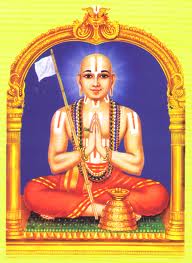
Ramanujacharya lived in Tamil Nadu and Karnataka between 1017 AD and 1137 AD. He lived for 120 years.

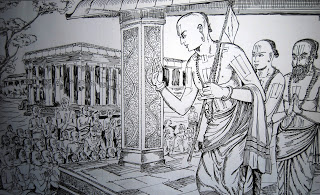
On account of old age the renowned Vaishnava preceptor and propounder of the philosophy of Vishistadwaita (Qualified Monism), Ramanuja had become very weak. Therefore, while going to the river for his daily bath he had to take the help of someone.

Going to the river he would rest his hand on the shoulder of one of his Brahmin disciples. But while returning home, he took the help of a disciple, belonging to the lowest caste Shudra.

The orthodox people were greatly perturbed at this peculiar behaviour of the preceptor. Therefore one day some of them got together and went to Ramanuja and said to him, “Revered teacher, should you desire, you can take the help of the untouchable disciple before your bath. But once after the bath you have made yourself clean, you ought not to touch him”.

The preceptor replied, “Brothers, I place my hand on the shoulder of him, whom you consider an untouchable, after my bath, only to wash away the dirt of pride, which still sticks to me because of my belonging to the so called highest caste. And this dirt cannot be washed away with mere water!”


(2) Story of Kanchipurna (Thiru Kachi Nambi) as told by Swami Sivananda

“One of Ramanuja’s disciples, by name Kanchipurna, was serving in the temple at Kancheepuram. Although a Shudra, Kanchipurna was so very pious and good that the people of the place had great respect and reverence for him. At present, there is a temple at Kancheepuram where Kanchipurna’s image has been installed and where he is worshipped as a saint.

Young Ramanuja came under Kanchipurna’s influence and had such reverence for him that he invited him to dinner in his house. Ramanuja’s intention was to attend on Kanchipurna and personally serve him at dinner and himself take meals afterwards. Unfortunately, Kanchipurna came to dinner when Ramanuja was not at home, and took his meals being served by Ramanuja’s wife. When Ramanuja returned home, he found the house washed and his wife bathing for having served meals to a Shudra. This irritated Ramanuja very much and turned him against his wife who was an orthodox lady of a different social ideal. After a few incidents of this nature, Ramanuja abandoned the life of a householder and became a Sannyasin”— Swami Sivananda of Divine Life Society.

(3) Acme of Compassion –As told by Swami Ramdas of Anandashram

“You must have heard of the three great teachers : Shankara, Ramanuja and Madhwa. They have established their systems of philosophy in India. Ramanuja went to a Master and asked him to initiate him. The Master gave him God’s name and also advised him not to give this NAME to anybody, adding if he did so, he would go to hell. At once Ramanuja went to the top of the local temple (at Sri Perumpudur near Madras) and shouted, “ I am going to give you all a NAME which will save you. My master has given me that Name”. He uttered the name loudly so that everybody could here.


(God’s name he uttered was OM NAMO NARAYANA)

The Master heard about it and asked why he did so in spite of his warning. Ramanuja’s reply was, “I am prepared to go to hell a hundred times if I can save thousands”.

Compiled by swami_48@yahoo.com


Acoustic Marvel of Madurai Temple

( Based on Madurai ‘Indian Express’ News Report on 30th July 1981)

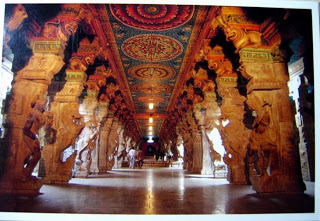
Ancient Tamils have used the principles of “vibration of bodies” in constructing musical pillars in Madurai Meenakshi Temple, according to a study made by a team of ENT specialists in Tamil Nadu on the acoustic beauty of this glorious temple.


The sculptors have cleverly varied the length and diameter of the pillars to obtain different musical sounds choosing the right type of stone. By using the same stone, but by varying the shape, they were able to achieve it.

Besides the medical team led by Dr S Kameswaran, Project Director and Chief of the ENT institute in General Hospital, Madurai, geologists, musicologists and audiologists took part in the research. HRCE of Tamil Nadu Government funded this research project.


The study team is of the view that the temple is an ‘acoustic marvel’. The noise level at the Ashta Sakthi Mandapam situated near the road was only 40 decibels during non visiting hours. Near the Lotus Tank and adjoining sanctum sanctorum (Garba Gruha), the sound level is again in the order of 40 DB. With this ambient noise it is possible for a person to contemplate and meditate the divinity. The sound level recorded during the peak hours in the evening is of the order of 70 to 80 DB. What is remarkable is there is absolutely no echo in any part of the temple and even with all the crowd around, the sound level seldom exceeds 80DB. There is built in mechanism for containing the echo and at the same time, the total noise does not exceed a specific level.


The artisans who built this huge temple must have been aware of the basic principles of acoustics. The huge icons on the unpolished pillars, the distribution of vents, the allocation of open spaces all around, are all mechanisms to contain the noise level, says the study team.

Again, the Hall of Thousand Pillars is a classical example of perfect sound engineering technique. The hall has got very low ceiling with 985 pillars—each pillar averaging about 12 feet in height. All are exactly of the same size and shape and at mathematically accurate positions. Many can sit in this echo resistant hall to hear the entire proceedings in quietitude.


The team which also studied the architectural beauty of the Meenakshi Temple saw an interesting feature of the floor in Kambaththadi Mandapam in the outer prakaram (corridor)  in front of the Lord Sundareswarar. One finds large square slabs arranged from end to end covering conduits carrying drinking and drainage water separately and admired the perfect example of hygienic planning of the ancient architects. Even in recent times, with heavy downpour, one seldom sees stagnation of water inside the Mandapam.


Please read my earlier post : THE WONDER THAT IS MADURAI MEENAKSHI TEMPLE

Contact swami_48@yahoo.com (Pictures are used from other websites. Thanks)

Musical Pillars in Hindu Temples

Picture of Hampi Temple with Musical Pillars.

Pictures are taken from other websites. Thanks.

Hindu Temples of India are architectural wonders. Each sculptor has shown his genius in the temple sculptures and carvings in his own way. Every temple has something to boast about. Modern engineers marvel at Indian temples and wonder how they built without the modern tools thousand years ago. Temples like Madurai Meenakshi temple contain thousands of statues.


South Indian temples stand unique in certain aspects. The Nayak kings of Vijayanagara Empire made unique contribution to art and architecture of South India in the past. Musical pillars found in five or more temples are Nayak’s contribution. The most famous Musical Pillars are in Sri Vittala Temple in Hampi in Karnataka. There are musical pillars in Madurai Meenakshi Temple, Nellaiyappar Temple in Tirunelveli, Thanumalayan Temple in Suchindrum and Adhinathar temple at Alwartirunagari in Tamil Nadu.

Musical Pillars are standing testimony to Hindu art. The sculptors have invested their sculptural and musical skills in them. Sri Vijaya Vittala temple was built in 15th century. It has got 56 musical pillars also known as SAREGAMA  pillars. Sa, Re, Ga, Ma are four of the seven musical notes.

Scores of articles, books and research papers have been written on these pillars. H.A.Patil has submitted one research paper on Hampi temple. Following is the gist:


“ In this paper, we present the spectral analysis of the sound recorded from a musical pillar at Vitthala temple, Hampi – a world heritage site in Karnataka. The pillars in this temple have musical columns which produce sounds of different musical instruments when struck with a thumb (i.e., a kind of impulse-like excitation). The sound recorded from a pillar is found to produce bell-like sound. In addition, an analysis is presented to model dynamics of such columns in a pillar to find the flexural frequencies along with its eigenmodes. It was observed that there is close correlation between spectral (i.e., resonance) characteristics of bell-like sound from pillar and actual bell sound. The measured frequencies of pillar have also been found to be in close agreement with flexural frequencies derived from Euler-Bernoulli beam model and energy separation algorithm (ESA) based on Teager’s energy operator. This model correctly predicts the resonant frequencies of the bell-like sound from the musical columns of the pillar”.

In the Nellaiappar Temple at Tirunelveli there are four  musical pillars. They have a central pillar around which there are 48 small cylindrical pillars of varying girth. When they are taped they give different sounds. When pillar is tapped, there are sympathetic vibrations from the neighbouring pillars.

In the Thanumalayan temple at Suchibram, there are four musical pillars. The central pillar is surrounded by 24 or 33 small pillars.

In the Adhinathar temple at Alwartirunagari, tow musical pillars are found.

Picture of Musical Pillars in Tirunelveli Temple

Madurai Meenakshi Temple is considered one of the 100 Wonders of the world ( Please read my post THE WONDER THAT IS MADURAI MEENAKSHI TEMPLE). The five musical pillars inside the temple are known to many. They are monoliths. Large central pillar is surrounded by 22 small pillars.

There are small pillars in Sivan Koil of Shenbagarama Nallur near Nanguneri in Tail Nadu.  They emit the sound of conch or horn if wind is blown in to the holes.

Please read about the Stone Nagaswaram of Alwartiru Nagari temple and Ivory nagaswaram of Tiruvarur temple in my earlier article 100 WONDERS OF TAMIL NADU. One foot long stone nagaswaram of this temple is made of granite. It has got seven notes.


Mr K K Pillai has written about Suchindram musical pillars in depth in his book on the Thanumalayan temple. He gives the follwig details:

“The two northern groups present each a cluster of 24 pillars, while the southern ones present each a cluster of 33. A striking feature is that all the pillars of each group, together with the exquisitely carved turret at the top of each group are chiselled out of a single rock of granite. A tap on each of the pillars in a group produces different sound”. He added that the quality of sound is not as good as Tirunelveli Musical pillars.


Medical Team’s Study of Meenakshi Temple Musical Pillars

A study team led by Dr S Kameswaran, Chief of the Ent Institute in the Madurai General Hospital has analysed the musical pillars in the above temples in 1981( Indian Express news report ,July 30, 1981).The cluster of pillars carved out of a huge block of resonant stone was played upon with two sticks, provided with a hard striking knob at the ends. The performers stood on opposite sides and played on pillars. Solo music as well as accompaniment was provided by them. Rhythmic accompaniment was given to performances of dance by playing jatis, hols on them; The tone colou of the notes emanating from the pillars resembles the tone colour of the ‘Thala Alangaram’.


The peak of excellence has been reached at the musical pillars in Suchindram. The study of these pillars with a high fidelity tape-recorder, wooden plant and inch tape included physical measurement of the pillar, sound recording and analysis and identifying modal points. The analysis of the rock sample (from the pillars) was done at the geology department of Presidency college, Chennai. According to Geology Professor Dr Subramanina, the rock rich in silica, is fairly abundant in Hospet near Hampi in Karnataka.

A book has been published by a research scholar on Music Pillars in Temples ( in English) long ago.


Please read my earlier post : THE WONDER THAT IS MADURAI MEENAKSHI TEMPLE


Contact swami_48@yahoo.com

MAXIMUM BRAIN POWER

Book Review

MAXIMUM BRAIN POWER

By Santhanam Nagarajan

“If the brain were so simple that we could understand it, we would be so simple we couldn’t” – so said Emerson M.Pugh.

Brain is a mystery. The brain is a wonderful organ. Scientists are amazed on seeing the complexities of the brain. Earlier the brain was used to compare with the computer. Now scientists have come to the conclusion that it is beyond anybody’s imagination and could not be compared with computer that simply process, store, and route information.


The book Maximum Brainpower by Shlomo Breznitz and Collins Hemingway is worth reading. Each and every page of this book is giving some new information based on scientific studies. Who would not like to enhance his/her brainpower?

The readers will be benefitted by the ‘lessons in Brainpower’ given by the authors at the end of the chapters.

Shlomo Breznitz is the founder of Cognifit, a company devoted to the goal of improving cognitive fitness. Collins Hemingway is a writer and technologist.


The book has five major parts and consists of 18 chapters in total.

We are struck with wonder when we come to know that the experts know nothing. John brought millions of dollars in profits every month to his company by buying and selling U.S.Dollars against the German Mark. After sitting idle for many days suddenly bought eight million marks one day and the value of the mark went up. The author who was asked to study the secret behind the success of John asked him why a bet was made at that particular moment!


The answer was,” I suddenly felt”. This feeling is always behind the success of experts. Breznitz conclude that the experts have no idea as to how they do and what they do! And expert systems are themselves problematic if the goal is to match human thinking and behavior!

The Human Brain is unique. The thinking process is matchless!


A number of interesting studies and their results revealed in the book make our eyes wide open! For example note this result of an extensive study. People who have gone to college have one-third the likelihood of developing Alzheimer’s or another frightening, degenerative brain disease compared to everyone else. People who have a higher education decrease their risk of dementia by two-thirds!

The authors throw light on I.Q. and cognition. People who challenge their brains throughout life do better than those who do not!


Cognitive reserve which offset the effects of the brain disease could be developed through education, engaging work, and other taxing mental challenges in our lives.

Train your mind. Mental training (learning) will increase brain weight, blood supply, and the number of branches that neurons have. It also physically builds brain and helps to keep it healthy.

Daily life does not provide enough stimulation and hence we need regular exercise for brain.


Take any page of the book, you will find a very valuable suggestion to enhance your brainpower. The facts are enumerated with authority.

All men and women who would like to lead a very successful life with cognitive abilities should own this book and practice the suggestions given by Breznitz and Hemingway.

The books are of two types. First type- read and throw it away. Second type – keep it with you forever. This book is of the second type and I very strongly recommend everybody to get it immediately

சோம பானமும் சுரா பானமும்

(I have already posted this article in English: London swaminathan)

வேத காலத்தில் ரிஷி முனிவர்களும் பிற்காலத்தில் யாகம் செய்த மன்னர்களும் அருந்தியது சோம பானம். குடிகாரர்கள் அருந்துவது சுரா பானம், அதாவது, கள் மது பான வகைகள். வேதத்தை ஆராய்ச்சி செய்த வெளிநாட்டு “அறிஞர்கள்” இவ் விஷயத்தில் மகா குழப்படி செய்து விட்டார்கள். ஆரிய சிவன் வேறு , திராவிட சிவன் வேறு, தமிழ் முருகன் வேறு, வடமொழி ஸ்கந்தன் வேறு, தமிழ் கிராம தேவதைகள் வேறு, வேத இதிகாச, புராண தெய்வங்கள் வேறு, ஆரியன் வேறு, திராவிடன் வேறு என்று இந்து மதத்தில் மாபெரும் விஷ வித்துக்களை ஊன்றியவர்களுக்கு “அறிஞர்” என்று நாம் பட்டம் சூட்டியதற்கு மூன்றே காரணங்கள் தான்: 1. அவனுக்கு வெள்ளைத்தோல், நமக்கு கருப்புத் தோல் 2. அவன் எழுதியது ஆங்கிலத்தில், தமிழனுக்கு வடமொழி தெரியாது, வடக்கத்தியானுக்குத் தமிழ் தெரியாது. 3. அவன் நம்மை ஆண்டவன், நாமோ அடிமையாக ஆயிரம் ஆண்டு வாழ்ந்தவன்.


‘ஆயிரம் ஆண்டு அன்பிலா அந்நியர் ஆட்சி’ என்று பாரதி பாடியதற்கும், “ஏ, வெளிநாட்டுக்காரர்களே, நீங்கள் செய்த தீங்குகளுக்கு இந்துமஹா சமுத்திரத்தில் உள்ள சகதி அனைத்தையும் எறிந்தாலும் போதாது” என்று சுவாமி விவேகநந்தர் கூறியதற்கும் இதுதான் காரணம். இந்துமதம் என்று அழிகிறதோ அன்று இந்தியாவும் அழிந்துவிடும் என்று சுவாமி விவேகாநந்தர் கூறுவதற்கு முன்னரே வெள்ளைத் தோல் “அறிஞர்”களுக்கு இவ்வுண்மை நன்கு விளங்கியது.இந்து மதத்தை அழித்து இந்தியாவைப் பிரிது ஆள திட்டம் வகுத்தனர். அது பலிக்கவில்லை.


அவர்கள் நாட்டைவிட்டு வெளியேறி 65 ஆண்டுகளுக்குப் பின்னரும் நாம் மாறாதது நமது குறையே. சங்கத் தமிழ் இலக்கியத்திலோ, பழைய வடமொழி நூல்களிலோ வெளிநாட்டு அறிஞர்கள் கூற்றுகளுக்கு எள்ளளவும் ஆதாரம் இல்லை.

தமிழ் இலக்கியத்தில் சோம பானம்

ரிக்வேதத்தின் ஒன்பதாவது மண்டலம் முழுதும் சோம பானம் பற்றிய பாடல்களுக்கு ஒதுக்கப்பட்டுள்ளது. மற்ற மண்டலங்களில்லும் சோமலதை (கொடி) பற்றிய பாடல்கள் கொஞ்சம் உண்டு. பகவத் கீதையிலும் கண்ண பிரான் (காண்க 9-20) சோமலதையின் பெருமையைப் பேசுகிறார். இதை அருந்துவோர் இந்திர லோகப் பயன்களைப் பெறுவர். ஆனால் முக்தி பெற உதவாது என்று கூறுகிறார்.


இந்தத் தாவரம் இமய மலையின் வடமேற்குப் பகுதியான முஜாவத் மலையில் விளைந்தது. இப்போது அழிந்துவிட்டது அல்லது இன்ன தாவரம் என்று தெரியாமல் போய்விட்டது.. இது என்ன தாவரம் என்று தெரியாதது வெளி நாட்டு அறிஞர்களுக்கு மிகவும் வசதியாகப் போய்விட்டது. ஆகவே இதை கஞ்சா, அபினி வகையில் சேர்த்து போதையூட்டும் மருந்து என்று கூறிவிட்டனர். அதுமட்டுமல்ல மூன்று நான்கு பேர் வெவேறு தாவரங்களின் பெயர்களைக் குறிப்பிட்டு இவைதான் சோமலதை என்று “சத்தியம் செய்து”விட்டார்கள். நமது ஊரில் இவர்களுக்கு ஜால்ரா போடுவதையே வாடிக்கையாகக் கொண்டவர்கள், டாக்டர் பட்டம் (பிஎச்.டி) பெறுவதற்காக இன்னும் கொஞ்சம் குழப்பம் உண்டாக்கிப் புது விசயங்களைக் கற்பித்தனர். இங்குள்ள இந்துமத விரோத “திராவிட”ங்களுக்கோ இதைப் படிக்கப் படிக்க ஏக சந்தோஷம். கஞ்சா அபினி, வெளி நாட்டுச் சரக்குகள் அத்தனையும் சேர்த்துச் சாப்பிட்டால் எவ்வளவு போதை ஏறுமோ அவ்வளவுக்கு கிறுகிறுப்பு, கிளுகிளுப்பு!


பராந்தக வீரநாராயணனின் தளவாய்புரக் கல்வெட்டில் ஒருவரி வருகிறது: ‘சோமபானம் சாப்பிட்டு மனோ சுத்தராகிய காடக சோமயாஜி’ என்று. அதாவது சோமபானம் சாப்பிட்ட ரிஷிகள் குடிபோதையில் ஆடவில்லை. இந்த பானம் அவர்களின் மனதைச் சுத்தப்படுத்தியது. சோமக் கொடி ஒரு அபூர்வமான காய சித்தி மூலிகை! வடமொழியில் அதற்கு மற்றொரு பெயர் ‘பவமான’. இந்தச் சொல்லின் மறு பொருள் : சுத்தம், தூய்மை.

ராஜசூயம் வேட்ட பெருநற்கிள்ளியுடன் சேரமன்னன்  பாண்டிய மன்னன் ஆகிய இருவரும் சேர்ந்த காட்சியைக் கண்ட அவ்வைப் பாட்டிக்கு ஏக சந்தோஷம். இன்று போல் என்றும் ஒற்றுமையுடன் வாழ்க என்று பாராட்டுகிறார். வாழ்நாள் முழுதும் ஒருவனை ஒருவன் அடித்துக் கொண்டு அழிந்த இனம் தமிழ் இனம். இதனால் மூவேந்தர்களும் ஒன்றுபட்ட காட்சியைக் கண்ட ( புறநானூறு பாடல் 367) அவ்வைப் பாட்டி பூரித்துப்போனார்.


சங்க இலக்கியம் எழுதிய காலத்திலேயே சோமலதை அருகிவிட்டது. கடலைக் கடந்து எடுத்த அமிழ்தத்தை 6 இடங்களிலும் வசிஷ்ட மஹரிஷியின் மனைவி பத்தினித் தெய்வம் அருந்ததியை 6 இடங்களிலும் வடமொழிச் சொல்லிலேயே குறிப்பிடும் சங்கப் புலவர்கள்,  சோமக் கொடியைப் பற்றி நேரடியாக ஒரு இடத்திலும் பேசவில்லை.


ராஜசூயம் யாகம் செய்வோர் சோம ரசத்தை அருந்துவதால்தான் அதற்கு ராஜ சூயம் என்று பெயர் ஏற்பட்டதாக வடமொழி நூல்கள் கூறுகின்றன. அதாவது மூலிகைகளின் ராஜாவான சோமத்தைப் பிழிந்து ராஜா குடிக்கும் யாகம் ராஜசூயம். சதபத பிராமணம் என்னும் பழைய நூல் பூமியின் முதல் மன்னன் சோமன் என்றும் கூறும், ஆக, சோம என்ற பதத்துக்கே ராஜ என்று பொருள். இதைச் சாப்பிட்டனர் ராஜசூய யாகம் செய்த தமிழ் மன்னர்கள்.


வடமொழி இலக்கியத்தில் சோம பானம்

ஸ்ரீசூக்தம் என்ற வேத மந்திரமும் (பாடல் 23) சோமரசத்தைப் புகழ்கிறது.

வடமொழி நூல்களான சதபத பிராமணமும் தைத்ரீய பிராமணமும் சோமபான- சுராபான வேறுபாடுகளை அழகாகப் பட்டியல் போட்டுக் காண்பிக்கிறது:

சோம ரசம்: இது சத்தியமானது, வளம் தருவது, ஒளியூட்டுவது.


சுராபானம்: கண்டிக்கத்தக்க பானம்; தீயது, இருளூட்டுவது, வறுமைகொடுப்பது; இதைக் குடித்தால் கோபம் வரும். பிராமணர்கள் தொடக் கூடாதது ( சதபத. 5-1-2-1-10; 12-8-1-5; 12-7-3-20).


சோமலதை என்பது பழுப்பு நிறம் கொண்டது. அதைக் காய்ச்சி வடித்து ரசத்தைப் பாலுடன் கலந்து குடித்தனர். சிந்து சமவெளி முத்திரைகளில் இனம் தெரியாத ஒரு சல்லடை போன்ற வடிகட்டி இருக்கிறது. இதை சோமபான வடிகட்டியாக இருக்கலாம் என்று மெள்ள மெள்ள ஆராய்ச்சியாளர்கள் ஒப்புக்கொள்ளத் துவங்கிவிட்டனர்.
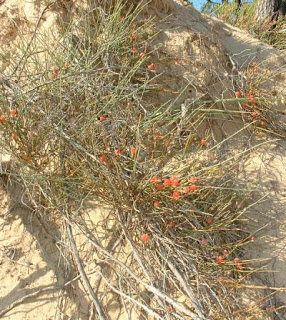
எபிட்ரா தாவரம்

சோமலதையை கழுகுகள் தூக்கி வந்ததாகவும் அதை முஜாவத் மலையில் இருந்தவர்கள் விரட்டியதாகவும் பல பாடல்களில் ரிஷி முனிவர்கள் குறிப்பிடுகின்றனர். சோமக் கொடியை கழுகுகள் என் தூக்கிவர வேண்டும்? இது விளங்காமல் வெளி நாட்டு அறிஞர்கள் முழிக்கின்றனர். இந்த விஷயத்தைத் தொடாமல் மறைத்து நிறைய எழுதுகின்றனர்!!


சோமலதை போதைப் பொருள் என்றால், எந்த முட்டாளாவது அதில் முக்கால் வாசியை சோமயாகத் தீயில் கொட்டிவிட்டு மீதியை மட்டும் குடிப்பானா? முழுச் சரக்கையும் உள்ளே இறக்கிக் கூத்தடிக்க மட்டார்களா?


சோமலதை போதைப் பொருள் என்றால் அதை விலைக்கு விற்றவர்கள் கொஞ்சமாவது ருசி பார்த்து ஆட்டம் போடிருப்பார்களே. அப்படி வேதத்திலோ பிற்காலத்திலோ ஒரு குறிப்பும் இல்லையே. ரிஷி முனிவர்கள் மட்டும் ஏன் சாப்பிட்டனர்? மலை ஜாதி மக்களிடம் இதை விலைக்கு வாங்கியதையும் அதைப் பாதுகாத்துப், பதனப் படுத்தி வைத்ததையும் நிறைய பாடலகளில் காணலாம்.


த்வஷ்டா என்ற வேத கால தெய்வத்தை சோமலதையுடன் தொடர்புபடுத்தும் வேதப் பாடல்கள் உண்டு. ஒரு அறிஞர் (Hildebrandt) இந்த த்வஷ்டா வேதகால தெய்வம் இல்லை. வெளியிலிருந்து இறக்குமதியான தெய்வம் என்று ஒரு போடு போட்டார்! கொள்கைகளை வளைத்தும் திரித்தும் சுழித்தும் முறுக்கியும் வெளியிடுவது வெள்ளைத் தோல்களின் வாடிக்கை!!!


சோமபானத்தில் எபிட்ரின் Ephedrine என்ற ரசாயனப் பொருள் இருந்ததாகவும் அதை இப்போதும் போதைப்பொருளாக சிலர் பயன்படுத்துவதாகவும் இருவருக்கு (‘Prof.N.A.Quazilbash and Dr C.G.Kashikar )’ஞானோதயம்’’ ஏற்பட்டு ஒரு புத்தகம் எழுதிவிட்டார். இந்த ரசாயனப் பொருள் பல தாவரங்களில் உள்ளது. ஏன் அதை இன்று வரை நம்மவர்கள் பயன்படுத்தவில்லை? ஏனெனில் அது சோம லதை இல்லை!!


இன்னொருவருக்கு (R. Gordon Wasson) ஏற்பட்ட ‘’ஞானோதயம்’’: சைபீரியாவில் பயன்படுத்தும் காளான் Amanita muscaria (Fly Agaric) வகை இது!! ஏனெனில் அங்கும் சாமியார்கள் இதைப் பயன்படுத்தி போதை பெறுகின்றனர். இப்படி ஒரு ஆராய்ச்சிப் புத்தகம்!


லாசன் (Mr.Lassen :-Sarcostemma viminale or brevistigma) ராத் (Mr Roth:-Sarcostemma acidum), ஜார்ஜ் வாட் (Mr George Watt :- Afgan grape) ரைஸ் (Mr.Rice :- sugarcane) மாக்ஸ்முல்லர் (Mr.Max Muller with a species of hop) ஆகியோர் மனம் போன போக்கில் அவர்களுக்குத் தெரிந்த தாவரங்களின் பெயர்களை எல்லாம் கூறிவைத்தனர்.


இதற்கு மூல காரணத்தைப் பார்க்கவேண்டும். நாம் மதிக்கும் ஒழுக்கம் தெரியாத ஒரு இனத்தில் பிறந்தவர்கள் இந்த ஆய்வாளர்கள். பிறந்து ஞான ஸ்நானம் செய்த அன்றே ஒயின் குடிப்பவர்கள் அவர்கள். தினசரி சாப்பாட்டுக்குப் பின்னர் நாம் தண்ணிர் குடிக்கிறோம், அவர்களோவெனில் பிராந்தி, விஸ்கி குடிக்கிறார்கள். வயதான பின்னரோ புகையிலை முதல் போதைப்பொருள் வரை பயன் படுத்தாத குடும்பமே இல்லை. ஆனால் ரிஷிமுனிவர்களோ தங்களைத் தூய்மைப் படுத்த பசு மூத்திரம் குடித்தார்கள். ஆக ‘’நீரளவே ஆகுமாம் நீராம்பல், தான் கற்ற நூல் அளவே ஆகுமாம் நுண் அறிவு’’ என்பதற்கு இணங்க அவர்களின் சிற்றறிவுக்கு எட்டியதை எல்லாம் ஆராய்ச்சி என்று கொட்டித் தீர்த்துவிட்டார்கள். நம்மவர்களுக்கு மூளை எங்கே போனது? இதை இன்னும் நம்பும் நம்மவர்களை நினைத்து சிரிப்பதா அழுவதா என்று தெரியவில்லை.


Books for further reading: Identification of Soma by Dr.C.G Kashikar,Pune, 1990; The Rig Veda- A Historical Analysis—Shrikant G.Talageri, New Delhi, 2000; Life in Brahmana Period.

Contact swami_48@yahoo.com
 

இரண்டு சாமியார்கள் இடையே அடிதடி!

(I have already posted this article in English: London swaminathan)

இந்தக் கதையை ஆனதாஸ்ரமம் ஸ்ரீ சுவாமி ராம்தாஸ் கூறினார். ‘சுவாமி ராமதாஸ் சொன்ன கதைகள்’ என்ற ஆங்கிலப் புத்தகத்தில் இது உள்ளது.


“ இரண்டு சாமியார்கள் ஒரே நேரத்தில் ஒரு ஊருக்கு வந்தார்கள். ஒருவர் அரச மரத்துக்கு அடியில் உகார்ந்தார். பக்தர்கள் கூட்டம் குவியத் தொடங்கியது. மற்றொருவர் ஆலமரத்துக்கு அடியில் உகார்ந்தார். அங்கும் கூட்டம் குவிந்தது. கடவுள் நம்பிக்கை உடைய ஒருவருக்கு சாமியார்களைப் பார்கத்து ஆசி பெற வேண்டும் என்று ஆசை வரவே முதலில் அரச மர சாமியார் இடத்துக்குப் போனார்.


“சுவாமிஜி, இந்த ஏழை எளியேன் மீது உங்கள் அருள் பார்வை படவேண்டும” என்று இறைஞ்ச, அவரும் ‘அப்படியே ஆகட்டும்’ என்றார். அத்துடன் நிறுத்தி இருக்கக் கூடாதோ?

“சுவாமிஜி, உங்களுக்குத் தெரியுமா? ஊரின் மேற்குப் பக்கத்தில் ஆல மரத்துக்கு அடியில் ஒரு சாமியார் வந்து அமர்ந்து இருக்கிறார். அங்கும் கூட்டம் அலை மோதுகிறது. உங்களுக்கு அவரைத் தெரியுமோ?”

சுவாமிஜி பட்டெனப் பதில் கொடுத்தார். “அவனா? அவன் ஒரு எருமை!” என்று இளப்பத்துடன் சொன்னார்.


அந்த பக்தன் ஒரு வைக்கோல் கட்டை வாங்கிக் கொண்டு ஆலமர சாமியாரிடம் சென்றான். வைக்கல் கட்டுடன் சாஷ்டாங்கமாக அவர் காலில் விழுந்தான்.

“பக்தா எழுந்திரு. உன் பக்தியை மெச்சினோம். இது என்ன வைக்கோல்  கட்டு. வயலிலிருந்து நேரடியாக வந்தாயா?” என்றார். “இல்லை, சுவாமிஜி. நீங்கள் எருமை அல்லவா? நீங்கள் சாப்பிடவே கொண்டு வந்தேன்” என்றான் பக்தன்.

வந்ததே கோபம் சுவாமிஜிக்கு! மடையா, மூளை பிறண்டுவிட்டதா? என்று கத்தினார்.


“மன்னிக்கவேண்டும் சுவாமிஜி. உங்களைப் போலவே ஊரின் கிழக்கு பக்கத்தில் ஒரு சுவாமிஜி வந்திருக்கிறார். அவரிடம் உங்களைப் பற்றிக் கேட்ட போது நீங்கள் எருமைச் சாமியார் என்று சொன்னார். அன்போடு உங்களுக்காகக் கொண்டுவந்தேன்” என்றான்.

“ஓ, அவன் சொன்னானா? அவன் கழுதை அல்லவா!” என்றார்.


பக்தன் மெதுவாக பின்னோக்கி வந்தான். நேராகக் கடைக்குப் போய் இரண்டு கிலோ பருத்திக் கொட்டை வாங்கிக் கொண்டு அரச மர சாமியாரிடம் வந்து நெடுஞ்சாண் கிடையாக கீழே விழுந்து நமஸ்கரித்தான். “சுவாமிஜி ,உங்களுக்குப் பிடித்த பருத்திக் கொட்டை கொண்டு வந்திருக்கிறேன். நீங்கள் உடனே சாப்பிட்டு என்னையும் என் குடும்பத்தையும் ஆசீர்வதிக்க வேண்டும்” என்றான்.

“மடையா, நான் என்ன குதிரையா, கழுதையா ,மாடா? இதை எல்லாம் தின்பதற்கு? எடுத்துக்கொண்டு ஓடு” என்றார்.

“சுவாமிஜி , சொன்னால் கோபிக்க மாட்டீர்களே. நீங்கள் சொன்ன எருமைச் சாமியாரிடம் போனேன். உங்கள் பெருமை பற்றிக் கேட்டபோது அவன் ஒர் கழுதை என்று உங்களைப் பற்றிச் சொன்னார். அதனால்தான் இப்படிச் செய்தேன்”.


பக்தன், இதைச் சொல்லி முடிப்பதற்குள்,, எழுந்தார் கழுதைச் சாமியார். “எங்கே அந்த எருமை? அவன் இருக்கும் இடத்தைக் காட்டு”, என்று புறப்பட்டார்.

பக்தன், பயபக்தியுடன் அவரைப் பின் தொடர்ந்து ஆல மரத்துக்கு அழைத்துச் சென்றான். இருவரும் ஒருவரை ஒருவர் “ஏ, கழுதை, ஏ எருமை” என்று ஏசிய சப்தத்துடன் மின்னலும் இடிச் சப்தமும் தோன்றின.


பக்தன் என்ன முட்டாளா, பக்கத்தில் போக!! மரத்துக்குப் பின்னால் நின்று ரசித்தான்!! அவனுக்கோ ஒரே சிரிப்பு” !!

Contact : swami_48@yahoo.com

Two Fighting Sadhus


Story of Buffalo Maharaj and Ass Maharaj

Once two Sadhus (ascetics) came to a town from different directions. One settled down beneath the shade of a peepal tree and the other under a banyan tree. Hearing of their arrival a householder first went to the Sadhu of the peepal tree and prostrated before him.


“Maharaj”, said the devotee, “it appears another Mahatma (great man) has come to our town. Do you know him?”

“Yes”, returned the Sadhu contemptuously, “I know him, He is a buffalo”.


Soon after, the devotee arming himself with a bunch of hay visited the Sadhu of the banyan tree and placing the hay before him, prostrated.

“Well”, cried out the Sadhu. “What do you mean by this? Why this hay?”


“It is an offering Maharaj; deign to feed upon it and bless your devotee”, appealed the householder with folded hands.

“What? Are you mad?—eat hay!” flared up the Sadhu.


“Maharaj, a Sadhu under the peepal tree, at the other corner of the town, was good enough to inform me that you were a buffalo. So I thought I could bring you a fitting present”, coolly said the devotee.


“ How could you believe him? Have you no sense, asked the Sadhu reprovingly.


“ Maharaj, how could a poor and ignorant man like your slave dare to understand Sadhus? A Mahatma alone can know a Mahatma”, returned the devotee.

“Go and then tell him he is an ass”, said the Sadhu.

The devotee left the place, and directly going to the bazaar, purchased a kilo of cotton seeds and making a bundle of it proceeded to the first Sadhu of the peepal tree. Untying the bundle he poured out the contents in front of the Sadhu and prostrated before him.


“ How now”, asked the Sadhu with a surprise look, “What is this for?—it is cotton seed!”.

“Right, Maharaj, a stuff so dear to you. Do accept the humble present and making a full meal of it shower your grace upon your slave”, prayed the householder.

“Is anything wrong with you?”—what do you mean, eat cotton seeds”, uttered the Sadhu in consternation.

“Why not Maharaj, a Sadhu over there, under the banyan tree, told me that you are an ass. An ass has a great partiality for cotton seeds”—


“ You fool”, he roared in rage, “don’t you see I am not an ass?”


“ How should I know, Maharaj- a poor man like me caught in the meshes of Maya. It is said, A Mahatma alone can recognise a Mahatma” replied the devotee with a sly twitch at the corner of his thin lips.

The Sadhu was by this time thoroughly roused and rising to his feet, said in an impetuous voice:


“Bhakta (devotee), take me to the place where the other Mahatma is; I should like to teach him how to speak of his betters”

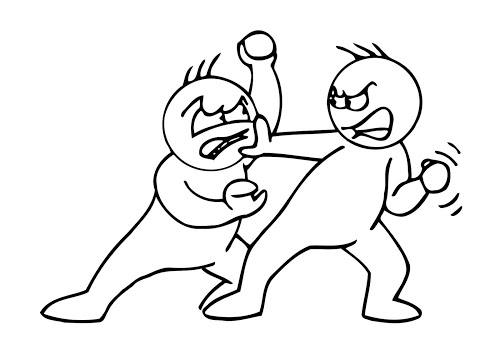
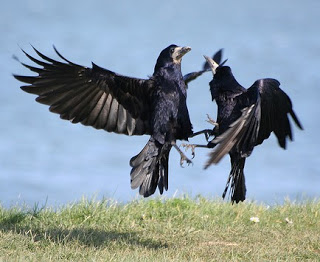
They went. It appears there was a terrible fight between the two Mahatmas, the householder devotee witnessing the fun from a distance. The affaire ended in the Sadhus going without for the day!

—From “Stories As Told by Swami Ramdas”.

Swami Ramdas  of Kanhangd Anandashram attained Mahanirvana in 1963.


எந்த வேலையைத் தேர்ந்தெடுப்பது?

15.சம்ஸ்கிருதச் செல்வம்


எந்த வேலையைத் தேர்ந்தெடுப்பது?

ச.நாகராஜன்


  எந்தத் துறையைத் தேர்ந்தெப்பது, எந்த வேலையைச் செய்ய வேண்டும் என்ற கேள்வி இன்றைய இளைஞர்கள் அனைவருக்கும் எழும் ஒரு கேள்வி. இதற்குப் பண்டைய கவிஞர் தரும் விடை பொருள் பொதிந்த ஒன்று.

யத்கர்ம குர்வதோஸ்ய ஸ்யாத்பரிதோஷோந்தராத்மன: I

தத் ப்ரயத்னேன குர்வித விபரீதம் து வர்ஜயேத் II


(யத் – எந்த கர்ம – வேலை விபரீதம் – விபரீதமானதை

வர்ஜயேத் – தவிர்த்தல் வேண்டும்)

எந்த வேலையானது சந்தோஷத்தைத் தருமோ அதை மட்டுமே செய்ய வேண்டும்.அதற்கு மாறாக உள்ள எதையும் தவிர்த்து விட வேண்டும்.

ஆக மனதிற்குப் பிடித்த படிப்பைத் தேர்ந்தெடுத்து அதில் தேறி அந்தத் துறையில் வேலையில் சேர்ந்து அதில் முன்னேற வேண்டும்.இதுவே கவிஞர் தரும் அறிவுரை.

சரி, எப்படிப்பட்ட பணம் நம்மிடம் நிலைக்கும்? இந்தக் கேள்விக்கும் பதில் கிடைக்கிறது:

அக்ருத்வா பரசந்தாபமகத்வா கலமந்திரம் I

அயாசித்வா பரம் கச்சித் யத் ஸ்வல்பமபி தத்பஹு II

(ஸ்வல்பம் – குறைவாக; தத் பஹு – அதுவே அதிகம்)


மற்றவர்களுக்கு தொந்தரவு தராமல்

ஒரு ரௌடியின் வீட்டிற்கும் செல்லாமல்

யாரிடமும் பிச்சை எடுக்காமல்

சொல்பமாகக் கிடைத்தாலும் கூட எனக்கு எது கிடைக்கிறதோ

அதுவே எனக்கு அதிகம்.

அற வழியில் மற்றவர்களைக் கொள்ளை அடிக்காமல், கீழான ஒருவனின் தயவுமின்றி, லஞ்சம் கொடுக்காமல். எனக்குப் பிடித்த வேலையைச் சந்தோஷமாகச் செய்யும் போது எனக்கு எந்த வருவாய்  கிடைக்கிறதோ அதுவே எனக்குப் போதும் !

இந்த மனப்பான்மை தொன்றுதொட்டு இந்த நாட்டில் இருந்து வந்திருக்கிறது. ஆகவே கிராமங்களில் வாழ்ந்து வந்தவர்கள் கூட மனத் திருப்தியுடன் நன்கு வாழ்ந்து வந்தனர்.

என்று ஆங்கிலேயன் வகுத்த ஆபீஸும் அதில் ‘குமாஸ்தா; உத்தியோகமும் வந்ததோ அன்றிலிருந்து கல்வி முறையானது உத்தியோகம் சார்ந்ததாக ஆகி அதற்கான டிகிரிகளை அச்சிட்டுத் தரும்

ஒரு வழிமுறையாகி விட்டது!

சரி.  இந்தக் கல்வி முறையை ஒரே நாளில் நம்மால் மாற்ற முடியாவிட்டாலும் கூட , நமக்குப் பிடித்த துறையையாவது தேர்ந்தெடுத்து முன்னேறலாம் இல்லையா! சிந்திப்போம், செயல்படுவோம்!!

*************

2 Stories to introduce Swami Vivekananda

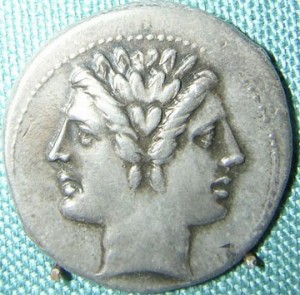
Two-sides-of-the-same-coin

2 Stories to introduce Swami Vivekananda

While introducing Swami Vivekananda to a large audience at the Detroit Opera House (USA) on the evening of 11th March 1894, The Hon’ble Thomas W.Parmer said:


Story 1

“ Two Knights of honour once met on the field and seeing a shield Hanging on a tree, they halted. One said: “What a very fine silver shield”. The other hastened to reply that it was not silver, but copper.  Each disputed the other’s statement until at last they got off their horses, tied them on a tree, and drawing on their swords, fought for several hours. After they were exhausted by loss of blood, they staggered against each other and fell on the opposite sides from where they had been fighting. Then one chanced to glance up at the pendent shield and said, “Oh! You were right, my Friend! The shield is copper.” The other also looked up and said, “It is I who was mistaken. The shield is silver.” If they had the patience to look at both the sides of the shield, in the first place, it would have saved the unnecessary loss of much precious blood. I think, that if we care to dispassionately look at both sides of every question, perhaps there would be no argument or fighting”

“ We have with us tonight, who from the Christian standpoint is, I suppose, a pagan. But he belongs to a religion which was old, long before ours was even thought of by men. I am sure it will be pleasant to hear from the copper side of the shield. We have looked at it only from the silver side.”

Most of us do not have the patience to see the other side. The lesson is obvious. Here is a humble attempt to present the other side of the shield.


Story 2

A savage man might find a few gems, and prizing them, tie them together with a rude thong and string them around his neck. As he becomes slightly civilized, he would perhaps exchange the thong for a string. Becoming still more enlightened, he would fasten his gems with a silken cord and when possessed of high civilisation, he would make an elaborate setting for his gems (with gold wire etc.). But throughout all these changes in the settings, the gems,–that is, the essentials—would remain the same.” -From “Swami Vivekananda in America—New Discoveries”– by Marie Louise Burke.

Krishna in Bhagavad Gita says,

“ Mayi sarvmidam proktam

Sutre maniganaa eva” (Gita VII-7)

( All this is strung on Me, as rows of gems on a string)


Read my earlier posts: 60 Second Interview with Swami Vivekananda (Posted on 15 January 2012)

One Minute Bhagavad Gita (posted on 4th February 2012)

Contact:-  swami_48@yahoo.com


They All Laughed : Book Review


Book Review

They All Laughed: Anecdotes From the Lives of the Great Scientists

By Santhanam Nagarajan


“Invention is a very tough business. It takes a thick skin and the ability to keep smiling after constantly hearing the word no” – Ira Flatow

Behind every invention there will be a story. Those who dig could find it!

It is indeed a pleasure to read anecdotes from the lives of the great men! And rarely we could find a good book that gives anecdotes only, especially from the lives of the great scientists.

The book under review titled ‘They all laughed’ is fulfilling our search towards that direction. Written by Ira Flatow, the book consists of 24 chapters that cover the fascinating stories behind the great inventions from light bulbs to lasers.


Ira Flatow was science reporter for CBS This Morning and NPR’s All Things Considered. He has written many articles and books.

There are fascinating facts about Ben Franklin, Edison, Westinghouse, George Eastman, John Baird, Chester F Carlson and Willy etc.

Read the following facts, and then you will be surprised!

Ben Franklin’s kite was never struck with lightning.

When Remington introduced the first typewriter, surprisingly most people did not find it useful!

When Carlson received a patent for electrophotography his wife yelled at him, “Move out of my kitchen”! So he moved to the back of a beauty shop. No one wanted the Xerox machine initially!

The idea for transmitting messages by laser dates backs to 1880s.


The fax is older than the telephone and the radio! The invention of telephone is indeed a happy accident!

Astronauts faced a unique problem during their space travel; how to keep track of all of their stuff that are floating! The answer was Velcro – derived from velvet and crochet. Velcro was first made in France and now NASA uses ribbons of unique fastening material. George de Mestral invented Velcro!

Microwave popcorn was accidentally invented in 1946 by Percy L.Spencer. Actually he patented 120 inventions!

All the above facts are written based on an extensive research by the author Ira Flatow.

The book could be used by science teachers in order to make their subject very interesting. At home, parents could tell stories behind the great inventions to their children!


Ira Flatow may write some more books covering more anecdotes. It would be better to keep them brief to make them more interesting to read!

I recommend this book to those likeminded persons like me who constantly search for good anecdotes!


(My brother S. Nagarajan has written more than 3000 articles in Tamil in 18 magazines and published 52 books. He has written hundred articles in EzineArticles.com so far. He reviews the best books also regularly for the benefit of book lovers– : london swaminathan)