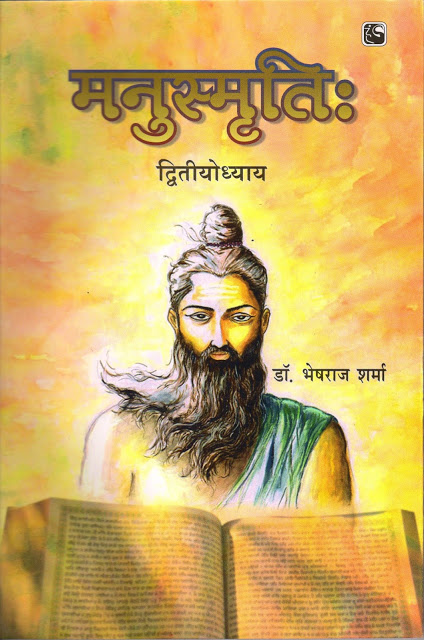
EVIL ACTS WILL KILL YOU & YOUR FAMILY SLOWLY- MANU WARNS (Post No.5538)

Written by London Swaminathan
swami_48@yahoo.com
Date: 14 October 2018


Time uploaded in London – 6-59 am (British Summer Time)


Post No. 5538


Pictures shown here are taken from various sources including google, Wikipedia, Facebook friends and newspapers. This is a non- commercial blog.


IN THE LAST POST, I MISSED TO QUOTE THE MOST FAMOUS QUOTATION OF MANU, GIVEN BELOW

4-138 A MAN SHOULD TELL THE TRUTH AND SPEAK WITH KINDNESS; HE SHOULD NOT TELL THE TRUTH UNKINDLY NOR UTTER LIES OUT OF KINDNESS. THAT IS THE ETERNAL LAW.


If you can’t read all the slokas/couplets given below, please read 12 important points; then you will know what Manu spoke about.


LET US CONTINUE WITH FOURTH CHAPTER OF MANU SMRTI

MY COMMENTS- 12 important points!!!

1.Sloka 151 about maintaining environmental purity

2.Slokas 160, 162 What is pleasure? What is pain? What is Good? What is bad? beautifully explained

3.Sloka 161 warns about attacks on good people

4.Slokas 172-174 reminds Tamil proverb God kills slowly (deivam Nindru Kollum); English proverb- The mills of the God grind slowly (H W Longfellow’s poem as well); evil actions kill an entire generation.

5.Sloka 178 is beautiful advice- Walk  in the footsteps of Great Men

6.Sloka 186—Warning to Brahmin priests- Don’t get addicted to Daanaas=donations= dakshinas=  fees= gifts.

Two Stories

7.Slokas 196, 197 is about Rudraksha cat (hypocrites) in Sanskrit literature and Mahabali Puram sculptures and the Panchatantra story of heron and crab ( I have written articles about them. Even Tamil poet Tiruvalluvar warns about such hypocrites)

Manu says indirectly Don’t Eat in Restaurants

8.Slokas 205 to 229 say ‘You are what you eat’, ‘You are where you eat’. He gives a list of banned foods and places.

9.Slokas229, 233

What is the best gift? water and Vedas.

10.Sloka 235- benefit of giving Daana and benefit of receiving Daana/gift


11.Sloka 238: Be like ants; gather (Punya) little by little

SPEECH

  1. Sloka 256–Speech is the root of everything; Manu warns ‘Be Careful’;

Tamil poet Tiruvalluvar also warns ‘Guard your Tongue’; ‘when fruitful words are there why pluck unripe ones?’


Here we go…………………………..

ENVIRONMENTAL MEASURERS

4-151. Far from his dwelling let him remove urine and ordure, far let him remove the water used for washing his feet, and far the remnants of food and the water from his bath.

  1. Early in the morning only let him void faeces, decorate (his body), bathe, clean his teeth, apply collyrium to his eyes, and worship the gods.
  2. But on the Parva-days let him go to visit the images of the gods, and virtuous Brahmanas, and the ruler of the country, for the sake of protection, as well as his Gurus.
  3. Let him reverentially salute venerable men (who visit him), give them his own seat, let him sit near them with joined hands and, when they leave, (accompany them), walking behind them.
  4. Let him, untired, follow the conduct of virtuous men, connected with his occupations, which has been fully declared in the revealed texts and in the sacred tradition (Smriti) and is the root of the sacred law.
  5. Through virtuous conduct he obtains long life, through virtuous conduct desirable offspring, through virtuous conduct imperishable wealth; virtuous conduct destroys (the effect of) inauspicious marks.
  6. For a man of bad conduct is blamed among people, constantly suffers misfortunes, is afflicted with diseases, and short-lived.
  7. A man who follows the conduct of the virtuous, has faith and is free from envy, lives a hundred years, though he be entirely destitute of auspicious marks.
  8. Let him carefully avoid all undertakings (the success of) which depends on others; but let him eagerly pursue that (the accomplishment of) which depends on himself.

PAIN AND PLEASURE

4-160. Everything that depends on others gives pain, everything that depends on oneself (gives) pleasure; know that this is the short definition of pleasure and pain.

  1. When the performance of an act gladdens his heart, let him perform it with diligence; but let him avoid the opposite.
  2. Let him never offend the teacher who initiated him, nor him who explained the Veda, nor his father and mother, nor (any other) Guru, nor cows, nor Brahmanas, nor any men performing austerities.
  3. Let him avoid atheism, cavilling at the Vedas, contempt of the gods, hatred, want of modesty, pride, anger, and harshness.
  4. Let him, when angry, not raise a stick against another man, nor strike (anybody) except a son or a pupil; those two he may beat in order to correct them.
  5. A twice-born man who has merely threatened a Brahmana with the intention of (doing him) a corporal injury, will wander about for a hundred years in the Tamisra hell.

WARNING ABOUT 21 BIRTHS

4-166. Having intentionally struck him in anger, even with a blade of grass, he will be born during twenty-one existences in the wombs (of such beings where men are born in punishment of their) sins.

  1. A man who in his folly caused blood to flow from the body of a Brahmana who does not attack him, will suffer after death exceedingly great pain.
  2. As many particles of dust as the blood takes up from the ground, during so many years the spiller of the blood will be devoured by other (animals) in the next world.
  3. A wise man should therefore never threaten a Brahmana, nor strike him even with a blade of grass, nor cause his blood to flow.
  4. Neither a man who (lives) unrighteously, nor he who (acquires) wealth (by telling) falsehoods, nor he who always delights in doing injury, ever attain happiness in this world.
  5. Let him, though suffering in consequence of his righteousness, never turn his heart to unrighteousness; for he will see the speedy overthrow of unrighteous, wicked men.

EVIL ACTS WILL SLOWLY KILL YOUR FAMILY

4-172. Unrighteousness, practised in this world, does not at once produce its fruit, like a cow; but, advancing slowly, it cuts off the roots of him who committed it.

  1. If the punishment falls not on the offender himself, it falls on his sons, if not on the sons, at least on his grandsons; but an iniquity once committed, never fails to produce fruit to him who wrought it.
  2. He prospers for a while through unrighteousness, then he gains great good fortune, next he conquers his enemies, but (at last) he perishes (branch and) root.
  3. Let him always delight in truthfulness, (obedience to) the sacred law, conduct worthy of a cultured person, and purity; let him chastise his pupils according to the sacred law; let him keep his speech, his arms, and his belly under control.
  4. Let him avoid (the acquisition of) wealth and (the gratification of his) desires, if they are opposed to the sacred law, and even lawful acts which may cause pain in the future or are offensive to men.
  5. Let him not be uselessly active with his hands and feet, or with his eyes, nor crooked (in his ways), nor talk idly, nor injure others by deeds or even think of it.
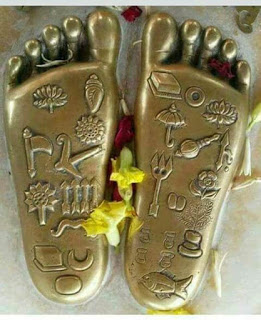
 

WALK IN THE FOOTSTEPS HOLY MEN

4-178. Let him walk in that path of holy men which his fathers and his grandfathers followed; while he walks in that, he will not suffer harm.

  1. With an officiating or a domestic priest, with a teacher, with a maternal uncle, a guest and a dependant, with infants, aged and sick men, with learned men, with his paternal relatives, connexions by marriage and maternal relatives,
  2. With his father and his mother, with female relatives, with a brother, with his son and his wife, with his daughter and with his slaves, let him not have quarrels.
  3. If he avoids quarrels with these persons, he will be freed from all sins, and by suppressing (all) such (quarrels) a householder conquers all the following worlds.
  4. The teacher is the lord of the world of Brahman, the father has power over the world of the Lord of created beings (Pragapati), a guest rules over the world of Indra, and the priests over the world of the gods.
  5. The female relatives (have power) over the world of the Apsarases, the maternal relatives over that of the Visve Devas, the connexions by marriage over that of the waters, the mother and the maternal uncle over the earth.
  6. Infants, aged, poor and sick men must be considered as rulers of the middle sphere, the eldest brother as equal to one’s father, one’s wife and one’s son as one’s own body,
  7. One’s slaves as one’s shadow, one’s daughter as the highest object of tenderness; hence if one is offended by (any one of) these, one must bear it without resentment.
 

DON’T GET ADDICTED TO GIFTS/DANA/DONATIONS

4-186. Though by his learning and sanctity he may be entitled to accept presents, let him not attach himself too much to that habit; for through his accepting many presents the divine light in him is soon extinguished.

  1. Without a full knowledge of the rules, prescribed by the sacred law for the acceptance of presents, a wise man should not take anything, even though he may pine with hunger.
  2. But an ignorant (man) who accepts gold, land, a horse, a cow, food, a dress, sesamum-grains, (or) clarified butter, is reduced to ashes like (a piece of) wood.
  3. Gold and food destroy his longevity, land and a cow his body, a horse his eye (sight), a garment his skin, clarified butter his energy, sesamum-grains his offspring.
  4. A Brahmana who neither performs austerities nor studies the Veda, yet delights in accepting gifts, sinks with the (donor into hell), just as (he who attempts to cross over in) a boat made of stone (is submerged) in the water.
  5. Hence an ignorant (man) should be afraid of accepting any presents; for by reason of a very small (gift) even a fool sinks (into hell) as a cow into a morass.
  6. (A man) who knows the law should not offer even water to a Brahmana who acts like a cat, nor to a Brahmana who acts like a heron, nor to one who is unacquainted with the Veda.
  7. For property, though earned in accordance with prescribed rules, which is given to these three (persons), causes in the next world misery both to the giver and to the recipient.
  8. As he who (attempts to) cross water in a boat of stone sinks (to the bottom), even so an ignorant donor and an ignorant donee sink low.
  9. (A man) who, ever covetous, displays the flag of virtue, (who is) a hypocrite, a deceiver of the people, intent on doing injury, (and) a detractor (from the merits) of all men, one must know to be one who acts like a cat.

 

TWO STORIES- RUDRAKSHA CAT AND HYPOCRISY OF A HERON

  1. That Brahmana, who with downcast look, of a cruel disposition, is solely intent on attaining his own ends, dishonest and falsely gentle, is one who acts like a heron.
  2. Those Brahmanas who act like herons, and those who display the characteristics of cats, fall in consequence of that wicked mode of acting into (the hell called) Andhatamisra.
  3. When he has committed a sin, let him not perform a penance under the pretence (that the act is intended to gain) spiritual merit, (thus) hiding his sin under (the pretext of) a vow and deceiving women and Sudras.
  4. Such Brahmanas are reprehended after death and in this (life) by those who expound the Veda, and a vow, performed under a false pretence, goes to the Rakshasas.
  5. He who, without being a student, gains his livelihood by (wearing) the dress of a student, takes upon himself the guilt of (all) students and is born again in the womb of an animal.
  6. Let him never bathe in tanks belonging to other men; if he bathes (in such a one), he is tainted by a portion of the guilt of him who made the tank.
  7. He who uses without permission a carriage, a bed, a seat, a well, a garden or a house belonging to an (other man), takes upon himself one fourth of (the owner’s) guilt.
  8. Let him always bathe in rivers, in ponds, dug by the gods (themselves), in lakes, and in waterholes or springs.
  9. A wise man should constantly discharge the paramount duties (called yama), but not always the minor ones (called niyama); for he who does not discharge the former, while he obeys the latter alone, becomes an outcast.
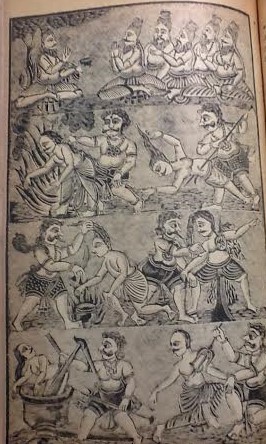
DON’T EAT THE FOLLOWING

  1. A Brahmana must never eat (a dinner given) at a sacrifice that is offered by one who is not a Srotriya, by one who sacrifices for a multitude of men, by a woman, or by a eunuch.
  2. When those persons offer sacrificial viands in the fire, it is unlucky for holy (men) it displeases the gods; let him therefore avoid it.
  3. Let him never eat (food given) by intoxicated, angry, or sick (men), nor that in which hair or insects are found, nor what has been touched intentionally with the foot,
  4. Nor that at which the slayer of a learned Brahmana has looked, nor that which has been touched by a menstruating woman, nor that which has been pecked at by birds or touched by a dog,
  5. Nor food at which a cow has smelt, nor particularly that which has been offered by an invitation to all comers, nor that (given) by a multitude or by harlots, nor that which is declared to be had by a learned (man),
  6. Nor the food (given) by a thief, a musician, a carpenter, a usurer, one who has been initiated (for the performance of a Srauta sacrifice), a miser, one bound with fetters,
  7. By one accused of a mortal sin (Abhisasta), a hermaphrodite, an unchaste woman, or a hypocrite, nor (any sweet thing) that has turned sour, nor what has been kept a whole night, nor (the food) of a Sudra, nor the leavings (of another man),
  8. Nor (the food given) by a physician, a hunter, a cruel man, one who eats the fragments (of another’s meal), nor the food of an Ugra, nor that prepared for a woman in childbed, nor that (given at a dinner) where (a guest rises) prematurely (and) sips water, nor that (given by a woman) whose ten days of impurity have not elapsed,
  9. Nor (food) given without due respect, nor (that which contains) meat eaten for no sacred purpose, nor (that given) by a female who has no male (relatives), nor the food of an enemy, nor that (given) by the lord of a town, nor that (given) by outcasts, nor that on which anybody has sneezed;
  10. Nor the food (given) by an informer, by one who habitually tells falsehoods, or by one who sells (the rewards for) sacrifices, nor the food (given) by an actor, a tailor, or an ungrateful (man),
  11. By a blacksmith, a Nishada, a stage-player, a goldsmith, a basket-maker, or a dealer in weapons,
  12. By trainers of hunting dogs, publicans, a washerman, a dyer, a pitiless (man), and a man in whose house (lives) a paramour (of his wife),
  13. Nor (the food given) by those who knowingly bear with paramours (of their wives), and by those who in all matters are ruled by women, nor food (given by men) whose ten days of impurity on account of a death have not passed, nor that which is unpalatable.
  14. The food of a king impairs his vigour, the food of a Sudra his excellence in sacred learning, the food of a goldsmith his longevity, that of a leather-cutter his fame;
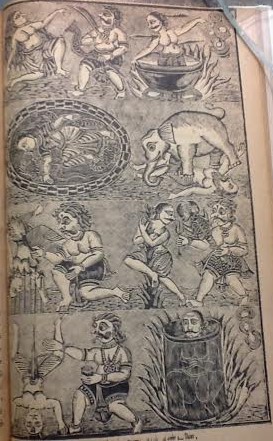
YOU ARE WHAT YOU EAT

  1. The food of an artisan destroys his offspring, that of a washerman his (bodily) strength; the food of a multitude and of harlots excludes him from (the higher) worlds.
  2. The food of a physician (is as vile as) pus, that of an unchaste woman (equal to) semen, that of a usurer (as vile as) ordure, and that of a dealer in weapons (as bad as) dirt.
  3. The food of those other persons who have been successively enumerated as such whose food must not be eaten, the wise declare (to be as impure as) skin, bones, and hair.
  4. If he has unwittingly eaten the food of one of those, (he must) fast for three days; if he has eaten it intentionally, or (has swallowed) semen, ordure, or urine, he must perform a Krikkhra penance.
  5. A Brahmana who knows (the law) must not eat cooked food (given) by a Sudra who performs no Sraddhas; but, on failure of (other) means of subsistence, he may accept raw (grain), sufficient for one night (and day).
  6. The gods, having considered (the respective merits) of a niggardly Srotriya and of a liberal usurer, declared the food of both to be equal (in quality).
  7. The Lord of created beings (Pragapati) came and spake to them, ‘Do not make that equal, which is unequal. The food of that liberal (usurer) is purified by faith; (that of the) of the) other (man) is defiled by a want of faith.’
  8. Let him, without tiring, always offer sacrifices and perform works of charity with faith; for offerings and charitable works made with faith and with lawfully-earned money, (procure) endless rewards.
  9. Let him always practise, according to his ability, with a cheerful heart, the duty of liberality, both by sacrifices and by charitable works, if he finds a worthy recipient (for his gifts.)
  10. If he is asked, let him always give something, be it ever so little, without grudging; for a worthy recipient will (perhaps) be found who saves him from all (guilt).

GIFTS AND BENEFITS

  1. A giver of water obtains the satisfaction (of his hunger and thirst), a giver of food imperishable happiness, a giver of sesamum desirable offspring, a giver of a lamp a most excellent eyesight.
  2. A giver of land obtains land, a giver of gold long life, a giver of a house most excellent mansions, a giver of silver (rupya) exquisite beauty (rupa),
  3. A giver of a garment a place in the world of the moon, a giver of a horse (asva) a place in the world of the Asvins, a giver of a draught-ox great good fortune, a giver of a cow the world of the sun;
  4. A giver of a carriage or of a bed a wife, a giver of protection supreme dominion, a giver of grain eternal bliss, a giver of the Veda (brahman) union with Brahman;
  5. The gift of the Veda surpasses all other gifts, water, food, cows, land, clothes, sesamum, gold, and clarified butter.


RECEIVING AND GIVING GIFTS- SEAT RESERVED IN HEAVEN

  1. For whatever purpose (a man) bestows any gift, for that same purpose he receives (in his next birth) with due honour its (reward).
  2. Both he who respectfully receives (a gift), and he who respectfully bestows it, go to heaven; in the contrary case (they both fall) into hell.
  3. Let him not be proud of his austerities; let him not utter a falsehood after he has offered a sacrifice; let him not speak ill of Brahmanas, though he be tormented (by them); when he has bestowed (a gift), let him not boast of it.
  4. By falsehood a sacrifice becomes vain, by self-complacency (the reward for) austerities is lost, longevity by speaking evil of Brahmanas, and (the reward of) a gift by boasting.


BE LIKE ANTS

  1. Giving no pain to any creature, let him slowly accumulate spiritual merit, for the sake (of acquiring) a companion to the next world, just as the white ant (gradually raises its) hill.
  2. For in the next world neither father, nor mother, nor wife, nor sons, nor relations stay to be his companions; spiritual merit alone remains (with him).
  3. Single is each being born; single it dies; single it enjoys (the reward of its) virtue; single (it suffers the punishment of its) sin.
  4. Leaving the dead body on the ground like a log of wood, or a clod of earth, the relatives depart with averted faces; but spiritual merit follows the (soul).
  5. Let him therefore always slowly accumulate spiritual merit, in order (that it may be his) companion (after death); for with merit as his companion he will traverse a gloom difficult to traverse.
  6. (That companion) speedily conducts the man who is devoted to duty and effaces his sins by austerities, to the next world, radiant and clothed with an ethereal body.
  7. Let him, who desires to raise his race, ever form connexions with the most excellent (men), and shun all low ones.
  8. A Brahmana who always connects himself with the most excellent (ones), and shuns all inferior ones, (himself) becomes most distinguished; by an opposite conduct he becomes a Sudra.
  9. He who is persevering, gentle, (and) patient, shuns the company of men of cruel conduct, and does no injury (to living creatures), gains, if he constantly lives in that manner, by controlling his organs and by liberality, heavenly bliss.
  10. He may accept from any (man), fuel, water, roots, fruit, food offered without asking, and honey, likewise a gift (which consists in) a promise of protection.
  11. The Lord of created beings (Pragapati) has declared that alms freely offered and brought (by the giver himself) may be accepted even from a sinful man, provided (the gift) had not been (asked for or) promised beforehand.
  12. During fifteen years the manes do not eat (the food) of that man who disdains a (freely-offered gift), nor does the fire carry his offerings (to the gods).
  13. A couch, a house, Kusa grass, perfumes, water, flowers, jewels, sour milk, grain, fish, sweet milk, meat, and vegetables let him not reject, (if they are voluntarily offered.)
  14. He who desires to relieve his Gurus and those whom he is bound to maintain, or wishes to honour the gods and guests, may accept (gifts) from anybody; but he must not satisfy his (own hunger) with such (presents).
  15. But if his Gurus are dead, or if he lives separate from them in (another) house, let him, when he seeks a subsistence, accept (presents) from good men alone.
  16. His labourer in tillage, a friend of his family, his cow-herd, his slave, and his barber are, among Sudras, those whose food he may eat, likewise (a poor man) who offers himself (to be his slave).
  17. As his character is, as the work is which he desires to perform, and as the manner is in which he means to serve, even so (a voluntary slave) must offer himself.
  18. He who describes himself to virtuous (men), in a manner contrary to truth, is the most sinful (wretch) in this world; he is a thief who makes away with his own self.


SPEECH IS THE ROOT OF EVERYTHING

  1. All things (have their nature) determined by speech; speech is their root, and from speech they proceed; but he who is dishonest with respect to speech, is dishonest in everything.
  2. When he has paid, according to the law, his debts to the great sages, to the manes, and to the gods, let him make over everything to his son and dwell (in his house), not caring for any worldly concerns.
  3. Alone let him constantly meditate in solitude on that which is salutary for his soul; for he who meditates in solitude attains supreme bliss.
  4. Thus have been declared the means by which a Brahmana householder must always subsist, and the summary of the ordinances for a Snataka, which cause an increase of holiness and are praiseworthy.
  5. A Brahmana who, being learned in the lore of the Vedas, conducts himself in this manner and daily destroys his sins, will be exalted in Brahman’s world.


END OF FOURTH CHAPTER


–subham–
வைச்ச பொருள்?! – 1 (Post No.5537)

WRITTEN BY S NAGARAJAN


Date: 14 October 2018


Time uploaded in London – 5-44 AM (British Summer Time)


Post No. 5537


Pictures shown here are taken from various sources including google, Wikipedia, Facebook friends and newspapers. This is a non- commercial blog.


ஆய்வுக் கட்டுரைகளை காப்பி அடித்து தங்கள் பெயரில் போட்டுக் கொள்ள வேண்டாம். சிலர் கட்டுரைகள் வெளியான தளம், எழுதியவர் பெயர் இல்லாமல் நண்பர்களுக்கு அனுப்ப அவர்கள் தங்கள் பெயரில் அனுப்பி வெளியிடுகிறார்கள். எழுதியவர் பெயர், வெளியிட்ட இணையதளமான www.tamilandvedas.comஇன் பெயர் ஆகியவற்றையும் நண்பர்களுக்கு இணைத்து அனுப்புங்கள்.


வைச்ச பொருள்?! – 1


.நாகராஜன்

1

திருநாவுக்கரசர் திருப்பாதிரிப்புலியூரில் அருளிய தேவாரப் பாடலைப் படித்தேன் :


வைத்த பொருள் நமக்கு ஆம் என்று சொல்லி மனத்து அடைத்துச்


சித்தம் ஒருக்கிச் சிவாயநம என்று இருக்கின் அல்லால்

மொய்த்த கதிர் மதி போல்வார் அவர் பாதிரிப்புலியூர்

அத்தன் அருள் பெறல் ஆமோ அறிவு இலாப் பேதை நெஞ்சே


‘வைத்த பொருள்’ என்ற சொற்களுக்குச் சரியான பொருள் புரியாமல் குழப்பம் வந்தது.


சரி ‘பொருள்’ என்பதன் ‘பொருளைப்’ புரிந்து  கொள்ளத் திருவள்ளுவரை நாடலாம் எனத் திருக்குறளை எடுத்தேன்.

வள்ளுவரோ ‘பொருள்’ பற்றிய ‘பொருள் களஞ்சியமாக’ இருக்கிறார்! நுனிப்புல் மேய முடியாது.


2

பொருள் என்ற சொல்லிற்கான பொருளை முதலில் புரிந்து கொள்ள வேண்டும்,

பொருள் என்றால் உண்மை அல்லது மெய்ப்பொருள்

பொருள் என்றால் வினை.

பொருள் என்றால் செய்தி.

பொருள் என்றால் பயன்

பொருள் என்றால் உறுதிக் குணம்

பொருள் என்றால் சிறந்தது

பொருள் என்றால் சொற் பொருள் அல்லது உரை

பொருள் என்றால் பொருள் நூல் (Economics)

பொருள் என்றால் நூல் பொருள்

பொருள் என்றால் உடைமை 

பொருள் என்றால் பண்டம் அல்லது வஸ்து

பொருள் என்றால் செல்வம்

பொருள் என்றால் மதிப்பு


பொருளுக்கான இத்தனை ‘பொருள்களையும் குறளில் ஏற்றி ஒன்றுடன் ஒன்று இணைத்து அருமையான ஒரு ‘பொருள் மாலையைஅவர் தொடுத்து விட்டார். (பொருள் மாலை என்பதை நான் இங்கு பொருள் களஞ்சியம் என்ற பொருளில் தந்துள்ளேன். வள்ளுவரோ 1230ஆம் குறளில் ஒரு மனைவி தன் கணவரை பொருள் மாலையாளர் என்று குறிப்பிடுகிறாள். அதாவது அவள் கணவன் பொருள் தேடுவதையே இயல்பாகக் கொண்டவனாம். பொருள் என்பது இங்கு செல்வம் என்ற பொருளைத் தரும். குறள் : பொருள் மாலையாளரை உள்ளிருள் மாலை, மாயும் என் மாயா உயிர்! இதன் அர்த்தம் : பொருள் தேடுவதையே இயல்பாகக் கொண்டுள்ள என் கணவரை நினைத்து நினைத்து வருந்தி, அவர் அருகில் இல்லாததால்,இது வரை மாயாதிருந்த என் உயிர் இதோ, இந்த மயக்கம் தரும் மாலைப் பொழுதில் நிச்சயம் மாய்ந்து விடும் – கற்பியலில், பொழுது கண்டு இரங்கல் என்ற அதிகாரத்தில் இந்தக் குறள் வருகிறது)


பொருளுக்கான பொருளை அறிய சுமார் 96 குறட்பாக்களைப் படித்து ஆராய்ந்து உண்மைப் பொருளைத் தேற வேண்டும்.

பொருள் என ஆரம்பிக்கும் குறட்பாக்கள் 13.

பொருள் என முடியும் குறட்பாக்கள் 6

பொருள் என வார்த்தை வரும் குறட்பாக்கள் 66.

இத்தனை குறட்பாக்களையும் படித்து முடித்தால் தான் அப்பர் வைத்த “வைச்ச பொருளின் முடிச்சை அவிழ்க்க முடியும்!


3

பொருளைப் பலவாறாக இனம் பிரிக்கிறார் வள்ளுவர். உறு பொருள், உல்கு பொருள், தெறு பொருள், செம் பொருள், மெய்ப் பொருள், தேறும் பொருள் என இப்படிப் பலவகைப் பொருள்களைப் பற்றி நாம் அறிந்து கொள்ள வேண்டும். எல்லாப்பொருளும் குறளில் இருக்கிறது!


4

முதலில் இல்லற வாழ்க்கையை எடுத்துக் கொள்வோம்.

தூக்கிவாரிப் போடும் ஒரு குண்டை வள்ளுவர் தூக்கிப் போடுகிறார்பெண்ணியவாதிகள் முன்பு.

குறள் 141 – அதிகாரம் பிறனில் விழையாமை

பிறன்பொருளாள் பெட்டொழுகும் பேதைமை ஞாலத்து

அறம் பொருள் கண்டார்கண் இல்.

பிறனுடைய மனைவியிடத்தில் அவளது பெண்மையை அடைய விரும்பி நடக்கும் பேதைமை கொண்டு நடக்கும் அறியாமை அறம், பொருள் கண்டு தெளிந்தவரிடத்தில் இல்லை.

ஆக இங்கு ஒருவனுடைய மனைவி அவனுக்குப் பொருள் என்பதைச் சொல்கிறார் வள்ளுவர்.

ஆணை முன் நிறுத்தி அவனுடைய பொருள் மனைவி என்பதால் அவர் ஆணுக்கு முன்னுரிமை கொடுக்கிறாரா? –பெண்ணியவாதிகள் குதர்க்கமாகப் பேசுவர் இப்படி!

ஆனால் உண்மையில் குறள் முழுவதையும் ஓர்ந்து படித்தால் இதன்Corollaryயாககிளைத் தேற்றமாகவருவது ஒரு பெண்ணுடைய (மனைவியின்) பொருள் ஆண் (அவள் கணவன்) என்பதாகும்.


இப்படித்தான் குறளைப் படிக்க வேண்டும்.

இதை எப்படி வலியுறுத்திச் சொல்ல முடியும் என்றால் பல குறள்களையும் இணைத்துப் படிக்க வேண்டும்.

இந்தக் குறளுக்கு இணை குறள் 63வது குறள் (மக்கட் பேறு)

தம் பொருள் என்பதம் மக்கள் அவர்பொருள்

தம்தம் வினையான் வரும்


ஒரு தம்பதிக்கு தமது பொருள் என்பது அவர்களுடைய மக்களேஅந்த மக்கட் செல்வம் அவரவர் செய்த முன் வினையின் பயனாக வந்து அமையும். (தன் பொருள் என்று ஆணைக் குறிப்பிடவில்லை இங்கு; தம் பொருள் என்கிறார்! மனமொத்த தம்பதிக்குப் பிறந்ததால் தம் பொருள்!)

ஆழ்ந்த ஹிந்து தத்துவத்தைக் கூறும் குறள் இது. (இவன் தந்தை என் நோற்றான் கொல்? – குறள் 70 அதே மக்கட் பேறு அதிகாரம்தந்தை நோன்பு நோற்க வேண்டும்! தாய் சும்ந்து ஈன்று அவன் சான்றோன் என்று கேட்டு உவக்க வேண்டும்!)

ஆக மனைவிக்கு உடைமை அவள் கணவன். கணவனுக்கு உடைமை அவனது மனைவி. இருவருக்கும் உடைமை அவர்கள் பெற்ற மக்கட் செல்வம்.


வேறொரு வகை பெண்கள் உண்டு. அவர்கள் பொருட் பெண்டிர்!

குறள் 913 .அடுத்தவன் மார்பைத் தடவி, அவன் பர்ஸையே பார்த்து தன் முந்தானையை விரிக்கும் விலை மகளிரே பொருட் பெண்டிர்.


பொருட்பெண்டிர் பொய்ம்மை முயக்கம் இருட்டறையில்

ஏதில் பிணந்தழீஇ யற்று.


இருட்டு அறையில் பிணத்தைத் தழுவி நிற்பதற்கு ஒப்ப, விலைமகளிரின் அணைப்பு பொய்யான தழுவுதல் ஆகும். என்ன ஒரு அற்புதமான உவமை!

ஆக பெண்களில் பொருள் பெண்டிரையும் இனம் காட்டி விடுகிறார் வள்ளுவர்.


அவரா வைச்ச பொருளின் முடிச்சை அவிழ்க்க வழி சொல்லாமல் இருப்பார்?!

தொடர்ந்து படியுங்கள்இன்னும் சற்று ஆராய்வோம்….

                       –தொடரும்

***


PERSON WITHOUT LEARNING IS A PAINTED CLAY DOLL (Post No.5536)

Written by London Swaminathan
swami_48@yahoo.com
Date: 13 October 2018


Time uploaded in London – 14-19 (British Summer Time)


Post No. 5536


Pictures shown here are taken from various sources including google, Wikipedia, Facebook friends and newspapers. This is a non- commercial blog.


Bhartruhari Nitisataka Slokas 16,17,18,19,20


हर्तुर्याति न गोचरं किम् अपि शं पुष्णाति यत्सर्वदा‌உप्य्
अर्थिभ्यः प्रतिपाद्यमानम् अनिशं प्राप्नोति वृद्धिं पराम् ।
कल्पान्तेष्वपि न प्रयाति निधनं विद्याख्यम् अन्तर्धनं
येषां तान्प्रति मानम् उज्झत नृपाः कस्तैः सह स्पर्धते ॥ 1.16 ॥


16.Kings! Cast off your pride before those who have the inward treasure wisdom; they are not despoiled by robbers, but their treasure, always increasing, grows greater when it is shared with the needy; not even at the end of the world does it perish. Who indeed may compare with them.


Many didactic Tamil poets have also sung about it. They said

Education can’t be washed away in floods, cannot be burnt, it cannot be taken by the rulers. It increases more when you give it to others. Thieves can’t touch it and guarding it is very easy.


Another Tamil poet described what is beauty and described education adds beauty to a person.

17.Despise not wise men who have attained to knowledge of the truth. They are not held bound by riches, for they count wealth even as grass. The stalk of a water lily will not bind an elephant infuriated by passion.


अधिगतपरमार्थान्पण्डितान्मावमंस्थास्
तृणम् इव लघु लक्ष्मीर्नैव तान्संरुणद्धि ।
अभिनवमदलेखाश्यामगण्डस्थलानां
न भवति बिसतन्तुर्वारणं वारणानाम् ॥ 1.17 ॥


`18.The Creator in his anger may hinder the swan from sporting in the lotus bed, his dwelling: but he cannot take away his faculty of separating milk from water.

अम्भोजिनीवनविहारविलासम् एव
हंसस्य हन्ति नितरां कुपितो विधाता ।
न त्वस्य दुग्धजलभेदविधौ प्रसिद्धां
वैदग्धीकीर्तिम् अपहर्तुम् असौ समर्थः ॥ 1.18 ॥


19.Bracelets are no ornament to a man nor strings of pearls shining like moon; nor yet bathing, nor perfumes, nor flowers, nor decorated hair. Perfect eloquence alone adorns a man. Adornments may perish but the ornament of eloquence abides for ever.

केयूराणि न भूषयन्ति पुरुषं हारा न चन्द्रोज्ज्वला
न स्नानं न विलेपनं न कुसुमं नालङ्कृता मूर्धजाः ।
वाण्येका समलङ्करोति पुरुषं या संस्कृता धार्यते
क्षीयन्ते खलु भूषणानि सततं वाग्भूषणं भूषणम् ॥ 1.19 ॥

Tamil poet Tiruvalluvar in his Tamil Veda Tirukkural says ,


Those who cannot express their thought acquired after deep study

Are like a bunch of flowers without fragrance—Kural 650


The pomp of a person without deep and subtle learning is like the fine painting on a clay doll– Kural 407


20.Wisdom is indeed the highest ornament that a man possesses. It is a valuable to be carefully guarded, for wisdom gains food, glory and blessing. It is the Lord.

विद्या नाम नरस्य रूपम् अधिकं प्रच्छन्नगुप्तं धनं
विद्या भोगकरी यशःसुखकरी विद्या गुरूणां गुरुः ।
विद्या बन्धुजनो विदेशगमने विद्या परा देवता
विद्या राजसु पूज्यते न तु धनं विद्याविहीनः पशुः ॥ 1.20 ॥


In relation to them that have studied noble books, others are like beasts in relation to men — 410


Men without learning are like worthless barren lands. Kural 407


—-Subham——


கண் துடிப்பது நல்லதா? கெட்டதா? (Post No.5535)

Research Article Written by London Swaminathan
swami_48@yahoo.com
Date: 13 October 2018


Time uploaded in London – 10-29 am (British Summer Time)


Post No. 5535


Pictures shown here are taken from various sources including google, Wikipedia, Facebook friends and newspapers. This is a non- commercial blog.


காளிதாஸன், கபிலன், ஷேக்ஸ்பியர் செப்புவது என்ன?

கண் துடிப்பதற்கு டாக்டர்கள் கொடுக்கும் விளக்கமும், ஸம்ஸ்க்ருத, தமிழ் இலக்கியம் கொடுக்கும் விளக்கமும் வேறு பட்டுள்ளன. ஆயினும் இந்துக்கள் சொன்ன விளக்கமே சரி என்பது போல புகழ் பெற்ற விஞ்ஞான சஞ்சிகைகளில் கட்டுரைகள் வெளியாகியுள்ளன. மேலும் காளிதாஸ மஹா கவி, சங்க இலக்கிய காலத்துக்கு முன்னர் வாழ்ந்தவர் என்பதற்கு மேலும் ஒரு சான்று கிடைத்துள்ளது. கொஞ்சம் ஆராய்ச்சி செய்வோம்; வாருங்கள்.


டாக்டர்கள் மொழிவது என்ன?

கண் துடிப்பது சர்வ சாதரணமாக நிகழும். இது சில நாட்களோ, வாரங்களோ, சில மாதங்களுக்கோ கூட நீடிக்கலாம். அதுவாக வரும்; அதுவாகப் போகும்; இதில் ஒரு தீங்கும் இல்லை. ஆயினும் நீண்ட காலத்துக்கு இது நீடித்தால் நரம்புக் கோளாறாக இருக்க வாய்ப்பு உளது; ஆகவே மருத்துவரைப் போய்ப் பாருங்கள்.


கண் துடிப்பது ஏன்?

களைப்பு, தூக்கமின்மை, கஃபைன் (caffeine) அதிகமுள்ள காப்பி முதலிய பானங்களை அதிகம் பருகுவது, சிரமப்பட்டு (strain) படிப்பது, தூக்கமின்மை முதலியன சில காரணங்கள் என்று மருத்துவ நூல்கள் புகல்கின்றன.


ஆனால் சங்கத் தமிழ் நூல்களும், அதற்கு முந்தைய ஸம்ஸ்க்ருத நூல்களும் செப்புவதோ வேறு!


மேலை நாடுகளில் கண் (twitching, throbbing) துடிப்பு பற்றிப் பேசாமல் கண் அரிப்பு (Itching) நமைச்சல் பற்றிப் பேசுகின்றனர்.


கிரேக்க நாட்டு அறிஞர் துவங்கி ஷேக்ஸ்பியர்,ஜோனதன் ஸ்விப்ட் வரை ஒரே குரலில் பேசுகின்றனர்.


உலகப் புகழ் பெற்ற விஞ்ஞான சஞ்சிகை ஸைன்டிபிஃக் அமெரிக்கனில் (Scientific American)  வெளியான கருத்து, நம்மவர் செப்புவதில் பசை இருப்பதாகக் காட்டுகிறது.

முதலில் கிரேக்க அறிஞர் செப்பியது என்ன?


தியோக்ரிட்டஸ் (கி.மு.275) என்ற கிரேக்க கவிஞர் சொல்கிறார்:


என் வலது கண் அரிக்கிறது, என் காதலியை நான் காணலாமா? (Idylls ஐடில்ஸ் என்னும் நூலில்).


உலக மஹா ஆங்கிலக் கவி ஷேக்ஸ்பியர் (1604ம் ஆண்டு) உரைப்பது:

என் கண்களும் அரிக்கின்றன; நான் அழப்போகின்றேன் என்பது இதன் பொருளோ! (ஒதெல்லோ Othello நாடகத்தில் காட்சி 4- டெஸ்டிமோனாவின் வசனம்)


டாக்டர் நதானியல் ஹோம்ஸ் (1650ஆம் ஆண்டு) பகர்கிறார்:

அவர்களின் வலது கண்ணீல் நமைச்சல் எடுத்தால் அவர்கள் விரைவில் அழப்போகிறார்கள் என்பது அர்த்தம்; இடது கண் அரிப்போ

எதிர்கால இன்பச் சிரிப்பை முன் அறிவிக்கிறது.


ஜோனதன் ஸ்விப்ட் (1738) சொல்கிறார்

என் வலது கண்ணில் அரிப்பு; நான் அழப்போகிறேன்


இதற்குப் பின்னரும் இப்படி வலது, இடது கண்களின் சோகம், சந்தோஷம் பற்றி எழுதியுள்ளனர். ஆக 2300 ஆண்டுகளுக்கு முன்பிருந்தே கண்களின் மாற்றத்தை அறிந்துள்ளனர்.


ஆனால் இதற்கும் முன்னர் சங்கத் தமிழ் இலக்கியமும், ஸம்ஸ்க்ருத இலக்கியமும் கண் துடிப்பு பற்றி பேசுகின்றன.


உலக மஹா கவி, நாடக ஆசிரியன் காளிதாஸன் சொல்கிறான்:-


சாகுந்தலம், காட்சி 5-12


சகுந்தலை- ஏதோ அபசகுனம் போல் இருக்கிறதே! அடக்கடவுளே! என் வலது கண் துடிக்கிறதே. என்ன கஷ்டமோ


(பெண்களுக்கு வலக் கண் துடித்தல் கெட்டது. இடக் கண் துடித்தால் நல்லது நடை பெறும் என்பது இந்துக்களின் நம்பிக்கை; இதைத் தமிழிலும் காணலாம்)


மேகதூதம் 94


மேகமே! நீ அருகில் சென்றதும் அந்த மான் விழியாளின் கண் துடிக்கும் (இதற்கு உரைகாரர்கள் இடக் கண் துடிக்கும் என்று எழுதியுள்ளனர்- சகுன சாஸ்திரத்தின் அடிப்படையில்)

அதாவது கணவன் வரபோகிறான் என்ற நற்செய்தி கிடைக்கும்


ரகு வம்ஸம் 14-49

(ராம பிரானின் உத்தரவின் பேரில், சீதையை லக்ஷ்மணன் ஒன்றும் சொல்லாமல் காட்டில் விட்டபோது)


சீதையின் வலது கண்கள் துடித்தன (இனி வரப்போகும் துக்கத்தை முன் அறிவிக்கும் முகமாக)


இதே காளிதாஸன் ரகு வம்ஸத்திலும், விக்ரமோர்வஸீயத்திலும் ஆண்களின் வெற்றியைக் குறிக்க வலது தோள்கள் துடித்ததாக எழுதுகிறான்.


ஆக ஆண்களுக்கு வலது கண், வலது தோள்– சுப சகுனம். பெண்களுக்கு  அவ்வாறு இல்லை.

ஐங்குறு நூறு என்னும் சங்க நூலில் பிராஹ்மணப் புலவன் கபிலன் பாடுகிறான்:-


தோழி நன் நிமித்தம் பற்றிப் பாடுவது:–

நுண்ணேர் புருவத்த கண்ணும் ஆடும்

மயிர்வார் முன்கை வளையும் செறூ உம்

……….. (218)


தலைவியே! என் இடக் கண் துடிக்கிறது. கை வளையல்கள் விம்முகின்றன (ஆகையால் கவலைப் படாதே; தலைவன் வருவது உறுதி)


இங்கும் உரைகாரர்கள் இடது கண் என்று எழுதுவதைக் காணலாம். இதற்கு அடிப்படை சகுன சஸ்திரம்.


கபிலர்தான், அதிகமாக காளிதாசன் உவமைகளை சங்கத் தமிழ் நூல்களில் பயன்படுத்துகிறார். இந்த இரண்டு வரிகளில் கூட புருவம் என்னும் ஸம்ஸ்க்ருதச் சொல்லைக் காணலாம்.


கலித்தொகையில் பாலைபாடிய

பெருங் கடுங்கோவும் சோழன் நல்லுருத்திரனும் பாடுகின்றனர்:


மனைவயின் பல்லியும் பாங்கு ஒத்து இசைத்தன

நல் எழில் உன் கணும் ஆடுமால், இடனே

–பாலைக் கலி  10/20-23 (பெருங் கடுங்கோ)


பொருள்

பல்லியும் நான் சொல்லுவதை ஆமோதிப்பது போல ஒலி செய்கிறது. இடக்கண்ணும் துடிக்கிறது. ஆகவே மனம் தேறுவாயாக.

இங்கும் இடக் கண் துடிப்பு என்பது பழைய உரை.


முல்லைக் கலியிலும் இது போலக் காண்கிறோம். பிற்காலப் புலவர்கள் யாத்த நூல்களிலும் கண் துடிப்பைக் காண முடிகிறது.


எனது கருத்து

கண் துடிப்போ கண் நமைச்சலோ — எதுவானாலும் அது வருங்கால நிகழ்ச்சிகளை உணர்த்தும் சகுனம் என்று மேலை நாட்டினரும் கீழை நாட்டினரும் நம்பினர்.


மேலும் இடப்பக்கம் துடித்தல் பெண்களுக்கு நல்லது, வலப்பக்கம் துடித்தல் ஆண்களுக்கு நல்லது என்ற காளிதாசன் கருத்தைக் கபிலர் முதலானோர் கையாண்டது காளிதாஸனின் காலத்தை நான் சங்க காலத்துக்கு முன் வைக்கக் கிடைத்த இன்னும் ஒரு சான்று.


பாரதத்தில் இமயம் முதல் குமரி வரை ஒரே கருத்து, பண்பாடுதான் இருந்தது.ஆங்காங்கே சிறிய விஷயங்களில் வேறு பாடு  இருக்கலாம் என்பதற்கு இது இன்னும் ஒரு சான்று.


கடைசியாக இதில் விஞ்ஞானக் கருத்தும் இருக்கலாம் என்பது என் ஊகம். ஆயினும் ஆழமான ஆராய்ச்சி தேவை.


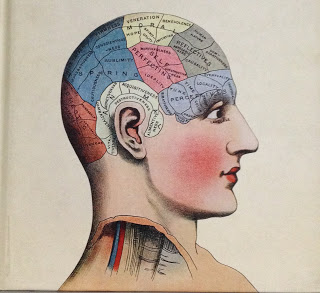
மூளையில் இரண்டு பகுதிகள் உள; அவற்றில் வலப்பக்க மூளை மனிதனின் இடது பகுதி உறுப்புகளையும், இடப்பக்க மூளை மனிதனின் வலது பகுதி உறுப்புகளையும் கட்டுப்படுத்துகின்றன என்பதெலாம் இப்பொழுது உறுதி செய்யப்பட்டுவிட்டன.


பெண்களுக்கு சில திறன்கள் அதிகம்; ஆண்களுக்கு சில திறன்கள் அதிகம் என்பதும் பென்ஸில்வேனியா பல்கலைக் கழகப் பேராசிரியர் ராகினி வர்மா செய்த ஆராய்ச்சியில் தெரிய வந்துள்ளது. பெண்கள் உணர்ச்சிப்படுபவர்கள்; கலைகளில் வல்லவர்கள், கவனிப்பதில் வல்லவர்கள்.

ஆண்கள் அஹங்காரம் உள்ளவர்கள், நல்ல கணக்குப் போடுபவர்கள்; ஒளிமயமான முடிவுகளை எதிர்பர்ப்பவர்கள் என்று ஆராய்ச்சிகளில் தெரிய வருகிறது. இதை வைத்துப் பார்க்கையில் ஆண்களுக்கு ஏன் வலது பக்கத் துடிப்பு என்பது விளங்குகிறது. ஆயினும் இதை மெய்ப்பிக்க மேலும் ஆராய்ச்சி தேவை. ஒரு ஆளின் இடது கண்ணோ, வலது கண்ணோ துடிக்கையில் மூளையின் எந்தப் பகுதியில் என்ன நிகழ்கிறது என்பதை ஆராய்ந்தால் மட்டுமே உறுதிபடப் பேச முடியும். தற்போது இட, வல தொடர்புக்கு வாய்ப்பு இருப்பது மட்டும் ‘பட்டும் படாமலும்’ தெரிகிறது.


ஆராய்ச்சிகளைத் தொடர்வோம்.


–சுபம்–

ஆபரேஷன் ஃபைனல் – ஹாலிவுட் திரைப்படம்! – 1 (Post No.5534)

WRITTEN BY S NAGARAJAN


Date: 13 October 2018


Time uploaded in London – 7-47 AM (British Summer Time)


Post No. 5534


Pictures shown here are taken from various sources including google, Wikipedia, Facebook friends and newspapers. This is a non- commercial blog.


டைரக்டர் திரு கே.பாக்யராஜ் அவர்களை ஆசிரியராகக் கொண்டு வெளிவரும் வார இதழ் பாக்யா. அதில் 12-10-2018 தேதியிட்ட இதழில் அறிவியல் துளிகள் தொடரில் வெளியாகியுள்ள (எட்டாம் ஆண்டு முப்பத்தி இரண்டாம்) கட்டுரை  


ஆபரேஷன் ஃபைனல் ஹாலிவுட் திரைப்படம்! – 1


.நாகராஜன்


2018ஆம் ஆண்டு  ஆகஸ்ட் 29ஆம் தேதி அமெரிக்காவில் திரையிடப்பட்ட வெற்றிப்படம் ஆபரேஷன் ஃபைனல். (Operation Finale)

கதையல்ல நிஜம், ஆபரேஷன் ஃபைனல். நாஜி ஜெர்மனியில் ஹிட்லருக்குக் கீழே பணி புரிந்த அடால்ஃப் எய்ச்மேன் (Adolf Eichmann) இஸ்ரேலிய உளவுப் பிரிவால் பிடிக்கப்பட்டு இஸ்ரேலுக்குக் கொண்டுவரப்பட்டு விசாரணை நடத்தப்பட்டு பின்னர் அவர் தூக்கிலிடப்பட்ட நிஜமான சம்பவத்தை திரையில் சித்தரிக்கும் படம் இது.


   இஸ்ரேலிய உளவுப் பிரிவான மகத்தான நவீன சாதனங்களைக் கொண்ட உலகின் அதி சிறந்த உளவுப் பிரிவான இஸ்ரேல் நாட்டின் மொஸாட் (Mossad) எப்படி எய்ச்மேனைப் பிடித்தது என்பதைக் காட்டும் இந்தப் படம் அமெரிக்காவில் உடனடி வெற்றியைப் பெற்றுள்ளது. இதர நாடுகளில் இது 2018 அக்டோபர் மாதம் மூன்றாம் தேதி வெளியிடப்படும்.


     இதன் டைரக்டர் க்ரிஸ் வெய்ட்ஸ். எய்ச்மேனாக நடித்திருப்பவர் பிரபல நடிகர் பென் கிங்க்ஸ்லி. உளவுப் பிரிவின் ஒற்றர் படையின் தலைவரான பீட்டர் மால்கினாக  நடித்திருப்பவர் ஆஸ்கார் ஐஸக். அர்ஜெண்டினாவில் 2017 அக்டோபரில் படப்பிடிப்பு ஆரம்பிக்கப்பட்டது. தத்ரூபமாக காட்சிகளைப் படம் பிடிக்க வேண்டும் என்பதற்காக ஒரு தனி ஆய்வுப் பிரிவு நிறுவப்பட்டு ஏராளமானோரை பேட்டி கண்டு உள்ளது உள்ளபடி காட்சிகள் படமாக்கப்பட்டிருக்கின்றன.


     ஹிட்லரின் ராணுவப் பிரிவான எஸ்.எஸ்ஸில் எய்ச்மேன் 1932இல் சேர்ந்தார். 1942இல் அனைத்து யூதர்களையும் மரண சேம்பருக்கு அனுப்பும் பொறுப்பைப் பெறும் அளவில் அந்தப் பிரிவில் உயர்ந்தார். சுமார் 30 லட்சத்திலிருந்து நாற்பது லட்சம் யூதர்களை மிக விரைவாகத் ‘திறம்பட மரண அறைக்குக் கொண்டு சென்றவர் அவர். இன்னும் இருபது முதல் முப்பது லட்சம் யூதர்கள் சித்திரவதை முகாமில் கொல்லப்பட்டனர்.

இரண்டாவது உலக மகாயுத்தம் முடிந்தவுடன் அமெரிக்கத் துருப்புகள் எய்ச்மேனைப் பிடித்தன. ஆனால் சிறையிலிருந்து தப்பிய எய்ச்மேன் நான்கு ஆண்டுகள் ஐரோப்பாவிலும் மத்திய கிழக்கிலும் மாறுவேடத்துடன் இன்னொரு பெயரில் உலவி வந்தார். கடைசியாக 1950இல் அர்ஜெண்டினாவில் வந்து வசிக்க ஆரம்பித்தார். நாஜிகளுக்கு ஒரு பாதுகாப்பான இடமாக அர்ஜெண்டினா திகழ்ந்தது.


    அதன் தலைநகரான ப்யூனெஸ் ஐரிஸில் (Buenos Aires)

 ரிசார்டோ க்ளெமெண்ட் என்ற ஒரு ஆசாமி சாதாரண மனிதன் போல வாழ்ந்து வந்தான். மெர்சிடெண்ஸ் பென்ஸ் தொழிற்சாலையில் போர்மேனாக அவன் வேலை பார்த்து வந்தான். தினசரி காலையில் பஸ்ஸைப் பிடித்து தொழிலகம் செல்வான்; மாலையில் மனைவி இரு மகன்கள் இருக்கும் தனது வீட்டிற்குத் திரும்புவான்.


   ஆனால் அந்த சாதாரண ஆசாமிக்கு வந்தது வினை 1960ஆம் ஆண்டு மே மாதம் 11ஆம் தேதி. அவர் வீடு திரும்பும் போது அவரை மடக்கிப் பிடித்தது இஸ்ரேலின் உளவுப் படை. கண்கள் கட்டப்பட்டு காரில் தூக்கிப் போடப்பட்டு  ஒரு அறையில் பத்திரமாக அவரைக் கொண்டு சென்று அவர் தான் தாங்கள் தேடிக் கொண்டிருந்த எய்ச்மேன் என்று உறுதிப் படுத்திக் கொண்டது மொஸாட். உலகின் அதி நவீன கருவிகளுடன் பல மாதங்களாக உளவுப் படையில் பல பேர்கள் இந்தத் தருணத்திற்காக வேலை பார்த்து வந்தனர்.


     அர்ஜெண்டினா நாஜிகளைப் பிடிக்க் ஆதரவு தராது என்று தீர்மானித்த இஸ்ரேல் தானாகவே எய்ச்மேனைப் பிடித்து இஸ்ரேலுக்குக் கொண்டு வந்தது. மொஸாடின் டைரக்டரான ஹேரலுக்கு எய்ச்மேன் இருக்குமிடம் பற்றிய தகவல் வந்தவுடன் அவர் பிரதம மந்திரிக்கு அதைத் தெரிவித்தார்.

இஸ்ரேலின் பிரதம மந்திரியாக இருந்த டேவிட் பென் -குரியன் (David Ben- Gurion) நாற்பது லட்சம் யூதர்களின் பெரும் பலிக்குக் காரணமான எய்ச்மேனை எப்பாடு பட்டாவது பிடித்துக் கொண்டு வந்து நீதிக்கு முன்னால் நிறுத்த உத்தரவிட்டார்.

எப்படி எய்ச்மேன் அர்ஜெண்டினாவில் இருப்பது மொஸாட்டிற்குத் தெரிய வந்தது?


மகத்தான கொலைகளைச் செய்த எய்ச்மேனை எப்படியாவது கண்டுபிடிக்க வேண்டும் என்று கங்கணம் கட்டிக் கொண்டு இஸ்ரேலியர் பலர் இதே வேலையில் தீவிரமாக இருந்தனர். அவர்களின் ஒருவர் தான் சைமன் வைஸெந்தால். அவருக்கு ஒரு கடிதம் பற்றிய விவரம் தெரிய வந்தது. அதன்படி 1953இல் எய்ச்மேன் ப்யூனெஸ் ஐரிஸில் இருப்பதாக அவர் தெரிந்து கொண்டார்.  இதை அவர் வியன்னாவில் இருந்த இஸ்ரேலின் தூதருக்குத் தெரிவித்தார். அத்துடன் அவர் தனிப்பட்ட துப்பறிவாளர்களைத் தானே நியமித்து எய்ச்மேன் குடும்பத்தினரை போட்டோ பிடிக்க ஏற்பாடு செய்தார். எய்ச்மேனின் சகோதரரான ஆட்டோ என்பவர் அச்சு அசலாக எய்ச்மேன் போலவே இருப்பார். ஆகவே உண்மையான எய்ச்மேனைப் பிடிக்க நிறைய தகவல்களைச் சரிபார்க்க வேண்டி இருந்தது. தனக்குக் கிடைத்த போட்டோக்களை மொஸாட்டிற்கு சைமன் வழங்கினார்.


      இதே சமயம் லொதார் ஹெர்மன் என்பவரும் எய்ச்மேனைக் கண்டுபிடிப்பதில் தீவிரமாக இருந்தார். ஜெர்மனியிலிருந்து 1938ஆம் ஆண்டு அவர் அர்ஜெண்டினா வந்து அங்கு குடியேறினார். ஹெர்மெனின் மகளான சில்வியா க்ளாஸ் எய்ச்மேன் என்பவருடன் பழக ஆரம்பித்தார். இந்த டேடிங்கில் ஒரு நாள் க்ளாஸ் பேச்சு வாக்கில் எப்படி தன் தந்தை யூதர்களைக் கொன்று குவித்தார் என்று பெருமை அடித்துக் கொண்டார். சில்வியா இதை தந்தைக்குச் சொல்ல, அவர்  உண்மையை நன்கு அறிந்து கொள்ள தன் மகளை க்ளாஸின் வீட்டிற்கே செல்லச் சொன்னார். வீட்டின் கதவைத் திறந்தவர் எய்ச்மேன் தான். ஆனால் அவர் க்ளாஸின் மாமா. க்ளாஸ் அவரை அப்பா என்று அழைப்பது வழக்கம் என்பதையும் சில்வியா அறிந்து கொண்டார்.


   செய்தி உறுதிப் படுத்தப்பட்டது. மொஸாட் டைரக்டர் ஹேரல் தீவிரமாக இந்த வேட்டையில் இறங்கினார். உளவுப் பிரிவினரில் ஏராளமானோரைத் தொடர்ந்து எய்ச்மேனைக் கண்காணிக்க அவர் பணித்தார். அவர்களில் ஒருவர் எய்ச்மேனின் அடையாளங்களைக் கண்டு அவரே என உறுதிப்படுத்தினார்.. பின் மொஸாட் மின்னல் வேகத்தில் செயலில் இறங்கியது. பின்னர் நடந்ததைப் பார்ப்போம்.


அறிவியல் அறிஞர் வாழ்வில் .. ..

பிரபல விஞ்ஞானியான ஐன்ஸ்டீனின் முதல் மனைவி மிலெவா மேரியின் வாழ்வு சற்று சோககரமானது.(பிறப்பு 29-12-1875 மறைவு 4-8-1948).


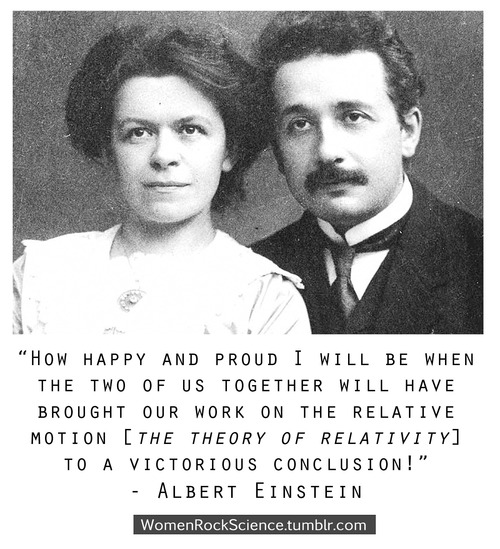
ஐன்ஸ்டீனின் ரிலேடிவிடி ஆய்விற்குப் பெரிதும் துணை புரிந்தவர் மிலெவா. இருவரும் மனமொத்து வாழ்ந்து வந்தனர். நிச்சயம் நோபல் பரிசு கிடைத்து விடும் என ஐன்ஸ்டீனும் மிலெவாவும் நம்பிக் கொண்டிருந்தனர். ஆய்வில் ஐன்ஸ்டீனின் பெயர் மட்டும் இருந்தது. மிலெவா என்ன நினைத்தார் எனில், ஐன்ஸ்டீன் வெற்றி பெற்றால் அது தனது வெற்றி தானே என்று கருதினார். ஆனால் பின்னால் ஐன்ஸ்டீன் பெர்லினில் சென்று தங்க வேண்டி இருந்த போது அது மிலெவாவுக்குப் பிடிக்கவில்லை. உறவில் விரிசல் ஏற்பட்டது. ஐன்ஸ்டீன் பெர்லின் வாசத்தில் திடமாக இருந்ததால் விவாகரத்து வரை செல்ல வேண்டிய நிர்பந்தம் ஏற்பட்டது. மிலெவாவும் இதற்கு இணங்கினார் – ஒரு நிபந்தனையின் பேரில். நோபல் பரிசு கிடைக்கும் பட்சத்தில் அந்தத் தொகையைத் தனக்குத் தர வேண்டும் என்றார் மிலெவா. ஐன்ஸ்டீன் ஒத்துக் கொண்டார், அந்தத் தொகையை முதலீடு செய்து அதில் வரும் வட்டியை அவர் எடுத்துக் கொள்ளலாம் என்றார் அவர். 1919இல் விவாகரத்து செய்யப்பட்டது. விவாகரத்து ஆன சில மாதங்களிலேயே ஐன்ஸ்டீன் தன் நெருங்கிய உறவுப் பெண்மணியான எல்சாவை மணம் செய்து கொண்டார்.


 1921இல் ஐன்ஸ்டீன் நோபல் பரிசு பெற்றார். நினைத்தபடியே நோபல் பரிசு பணம் வந்தது. அதை மிலெவா பெற்றுக் கொண்டு மூன்று வீடுகளை வாங்கினார். அவரது ஒரு மகன் நோய்வாய்ப்படவே மருத்துவச் செலவிற்காக இரு வீடுகளை விற்க நேரிட்டது. பாவம், ஏழ்மை வாழ்க்கையில் தான் அவர் காலம் தள்ள நேர்ந்தது. ஜூரிச்சில் 72ஆம் வயதில் அவர் காலமானார்.  2009ஆம் ஆண்டு அவரது கல்லறையில் ஒரு நினைவுச் சின்னம் பொறிக்கப்பட்டது. 2017ஆம் ஆண்டில் எடுக்கப்பட்ட தொலைக்காட்சித் தொடரான ஜீனியஸ் தொடரின் முதல் பாகத்தில் அவர் வரலாறு இடம் பெற்றது. அவரைப் பற்றிய ஏராளமான புத்தகங்கள் இப்போது வெளியாகியுள்ளன.

***


EYE TWITCHING and ITCHING- GOOD OR BAD? (Post No.5533)

Research Article Written by London Swaminathan
swami_48@yahoo.com
Date: 12 October 2018


Time uploaded in London – 20-31 (British Summer Time)


Post No. 5533


Pictures shown here are taken from various sources including google, Wikipedia, Facebook friends and newspapers. This is a non- commercial blog.


SHAKEPEARE,KALIDASA AND TAMIL POETS DIFFER FROM DOCTORS

Eye twitching is common according to doctors. They call it myokymia. When we say eye twitching, we mean eyelid twitching. Most eye twitches come and go, but some can last for weeks or months. They are harmless. If it lasts for months then it may be due to some nerve problem. The causes for the twitching may be fatigue, lack of sleep, eye strain, caffeine, alcohol, allergies, nutrition problems according to medical encyclopedia. But Shakespeare , 2000 year old Tamil poets and Kalidasa differ with the modern biologists.


In Hindu scriptures, the left eye twitching for women is good and right eye twitching for men is good.  Some may differ in it. But all agree that twitching eye means something good or bad. Science don’t agree with them.

In china left eye twitching is a lucky sign of getting wealth. in India, right eye twitching is good (if you are men).

In African countries, it differs from country to country.


In Western countries, the talk about itching eyes and not twitching eyes.

Theocritus (275 BCE) says

My right eye itches now, and shall I see my love? (Idylls III)

Shakespeare (1604) says,

Mine eyes do itch; doth that bode weeping? (Othello IV)

(Is that an omen I will be crying soon?)


N.Homes (1650)

If their right eye itcheth, it betokens sorrowful weeping;

if the left eye itcheth, …… joyful laughter. (Daemonologie)


Jonathan Swift (1738)

My right eye itches; I shall cry (political Conversation III)


The book on Superstitions published in 1780 also confirms,

Itching right eye is a bad omen. It will make people cry, weep etc.


Twitching in oriental literature is replaced with Itching in Western literature.

Now Let us look at the World famous Indian poet Kalidasa (First Century BCE)

Meghadutam verse 94

the doe eyed lady’s left eye

would throb at your coming, I guess

and match the charm of blue lotuses

quivering as fishes dart among them.

Kalidasa means that the left eye twitching for women is good.

In his world famous drama Sakuntalam Kalidasa says,

Sakuntala (feeling a bad omen)

O You Gods! What means this throbbing of my right eye?


In Raghuvamsa Kavya (14-49) Sita’s right eyes are throbbing and the she gets scared. She knew that something bad is going to happen.


In Other places Kalidasa shows that the throbbing or twitching of right shoulder or right eye is good for men (Raghu vamsa  6-68, 12-90 and Vikrama Urvasiya III-9)


We see such things in Valmiki Ramayana, Kamba Ramayana (Tamil) and several other Sanskrit books.

Sangam Tamil Literature

Since more than 200 similes of Kalidasa were used by Sangam Tamil pets I have providing my umpteen articles in this blog that Kalidasa lived before Sangam age; may be in first century or 2nd century BCE. Kapilar, the Brahmin poets used more similes than any one else.


Here in Kurinji section (Ainkurunuru) he used the twitching or throbbing of eye: In verse 218 the servant maid says that her eyes are throbbing which is a good sign. But the commentators say that her left eye throbbed which is a good sign.


So the Tamils and people in North India believed that left eye throbbing is good for women; right eye throbbing is bad.


Kapilar was one of the oldest poets of Sangam period.  Whatever he used was used again by other poets.

In the Kalitokai, which forms the last group of books, two poets use this eye twitching.

Palai Padiya Perum Kadunko (10), Chozan Nalluruthiran(106) used the same image. Left eye throbbing would  bring good message.


This is one more proof to establish the age of Kalidasa. This is another proof for unity in Indian culture from Kanyakumari to Kashmir. There is one culture in India with minor regional differences in food, clothing, manners and customs.


SCIENCE AND RELIGION

FOLLOWING EXCERPT IS FROM SCIENTIFIC AMERICAN (SEE MY COMMENTS BELOW)

Men aren’t from Mars and women aren’t from Venus, but their brains really are wired differently, a new study suggests.

The research, which involved imaging the brains of nearly 1,000 adolescents, found that male brains had more connections within hemispheres, whereas female brains were more connected between hemispheres. The results, which apply to the population as a whole and not individuals, suggest that male brains may be optimized for motor skills, and female brains may be optimized for combining analytical and intuitive thinking.

“On average, men connect front to back [parts of the brain] more strongly than women,” whereas “women have stronger connections left to right,” said study leader Ragini Verma, an associate professor of radiology at the University of Pennsylvania medical school. But Verma cautioned against making sweeping generalizations about men and women based on the results.


MY COMMENTS

Sanskrit and Tamil literature have a point. They knew by intuition or through scientific study that men are egoistic and more aggressive. We see it how they react in the battle field (see the remarks that their right-side body parts are throbbing or reacting in men). 2000 year old Tamil books repeat umpteen times that the tiger won’t eat its prey if it falls on its left side- so egoistic.

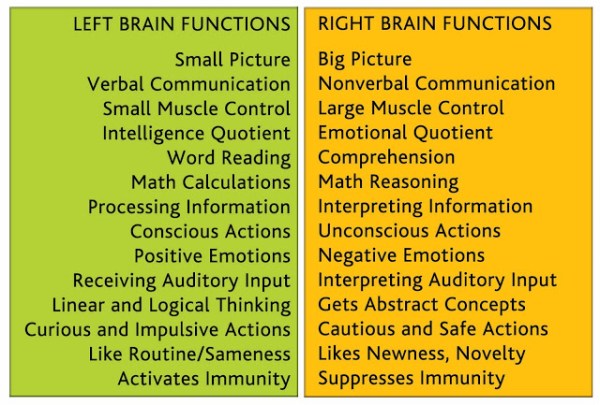
We know now that the left side of the brain controls the right side of the body. The left side stands for conscious actions, positive actions and calculations. The right side brain stands for music, arts, negative emotions and intuitions.


We must do deeper studies in this area and then only should come to conclusions. But a preliminary study shows that their reporting of reaction in the eyes or body parts has a scientific basis.


–subham-


ரிக் வேதம் 25,000 ஆண்டுப் பழமையானதா? (Post No.5532)

Written by London Swaminathan
swami_48@yahoo.com
Date: 12 October 2018


Time uploaded in London –9-36 am (British Summer Time)


Post No. 5532


Pictures shown here are taken from various sources including google, Wikipedia, Facebook friends and newspapers. This is a non- commercial blog.


உலகின் மிகப் பழைய புஸ்தகமான வேதத்துக்கு முதலில் கி.மு.1200 என்று முத்திரை குத்திவிட்டு, பின்னர் கடும் எதிர்ப்பு கிளம்பவே ‘ஜகா’ வாங்கிய மாக்ஸ்முல்லரை (Max Muller) எல்லோருக்கும் தெரியும்.


அவர் எப்படிக் குத்து மதிப்பாகக் கணக்குப் போட்டார்?

புத்தர் காலம் கி.மு. 600.


பிரம்மாண்டமான வேத இலக்கியங்களில் கடுகளவு கூட புத்த மத வாடை இல்லை. ஆகவே அவருக்கு முந்தைய உபநிஷத இலக்கியத்துக்கு கி.மு.800 என்று ஒரு முத்திரை குத்தினார்.


அதற்கு முந்தைய பிராமண, ஆரண்யக உரை நடை மொழி வேறு என்று சொல்லி, அதற்கு கி.மு 1000 என்று முத்திரை குத்தினார்.

அதாவது, ஒரு மொழி 200 ஆண்டுக்கு ஒரு முறை மாறும் அன்பது அவரது கணிப்பு.

(தமிழில் 200 ஆண்டுக் காலவீச்சில் வைக்கப்பட்டுள்ள தொல்காப்பியம், திருக்குறள், சிலப்பதிகாரம், சங்க இலக்கியம் இடையே பயங்கர மொழி வேறுபாடு இருந்தும் நாம் அவற்றை

200 ஆண்டுக் கணக்கில் அடக்கி விடுகிறோம்)

பிராமண இலக்கியத்துக்கும் முந்தைய ஸம்ஹிதை எனப்படும் வேத துதிப் பாடல்கள் அவற்றுக்கும் முந்தி இருக்க வேண்டும் என்று சொல்லி, அதற்கு கி.மு 1200 என்று மாக்ஸ்முல்லர் போட்டார் ஒரு போடு.


அவர் சமகாலத்திய வேத விற்பன்னர்கள்– வெள்ளைத் தோல் அறிஞர்கள்- அவரைச் சாடினர். உடனே கி.மு 1500 அல்லது அதற்கு முன்னரும் இருக்கலாம் என்று  மாக்ஸ்முல்லர் பின்னோக்கி நடந்தார்.

வின்டர்நீட்ஸ் (Winternitz) என்பவர் சொன்னார்:- சில மொழிகள் வேகமாக மாறுகின்றன. சில மொழிகள் மெதுவாக மாறுகின்றன. ஆகையால் குத்து மதிப்புக் கணக்கு செல்லு படியாகாது.


வேறு சிலர் ஹிந்தி மொழியின் பேச்சு வழக்கான ‘கரி போலி’ கூட 600 ஆண்டுகள் மாறாமல் இருந்ததைச் சுட்டிக்காட்டினர்.


வேறு சிலர் வால்மீகி முதல் ஹர்ஷ மன்னன் வரை 1800 ஆண்டுகளுக்கு ஸம்ஸ்க்ருத மொழி இலக்கியம் மாறவில்லை என்பதைக் காட்டினர்.


இது ஒரு புறமிருக்க, ஜெர்மானிய ஆராய்ச்சியாளர் ஹெர்மன் ஜாகோபி, (Herman Jacobi) வேதத்தில் கிருத்திகா/ கார்த்திகை நட்சத்திரத்தை முதலாவதாகக் குறிப்பதால், வானவியல் கணக்குப்படி அந்த துதி கி.மு.4500 என்று உரைத்தார்.

அவருக்குத் தெரியாமல் வானவியல் குறிப்பை ஆராய்ந்த் பால கங்காதர திலகர் (B G Tilak) , துருவ நட்சத்திரக் கணக்குப்படி ரிக் வேத காலம் கி.மு 6000 என்றார்.

இந்த துதிகளுக்கு பல விதங்களில் வியாக்யானம் செய்ய முடியும் என்பதால் ஏற்பதற்கில்லை என்றார் வின்டர்நீட்ஸ்.


வில்ஸன் முதலானோர் வேத காலம் என்பது கி.மு 2000 என்றனர்.


ரிக் வேதத்தில் உள்ள பூகர்ப்பவியல் குறிப்புகளை (geological factors) காட்டி கி.மு25,000 என்று மொழிந்தார் டாக்டர் ஏ.ஸி. தாஸ் (Dr A C Das). ஆனால் ஒரு மொழி இவ்வளவு காலம் மாறாமல் இருந்ததற்குச் சான்றுகள் இல்லை என்று சொல்லி அறிஞர் பெருமக்கள் அந்த வாதத்தை நிராகரித்தனர்.


புராணங்களில் நந்த வம்ஸ மன்னர்களுக்கு முன்னர் 140 தலை முறை ஆண்ட குறிப்புகள் இருப்பதால், மனு என்று  ரிக் வேதம் குறிப்பிடும் மன்னர் கி.மு 3000 வாக்கில் இருந்திருக்க வேண்டும் என்பர் பலர்.


தற்காலத்தில் ஸரஸ்வதி நதி பற்றி விண்கலத்தில் இருந்தும், நிலத்தடி நீரை அணுசக்திவியல் (space and Nuclear science) மூலமும் ஆராய்ந்ததில் கி.மு.2000க்கு முன், அந்த நதியின் கரையில் வேத துதிகள் பாட்டப்பட்டிருக்க வேண்டும் என்பதைக் காட்டுகின்றன.

இது ஸிந்து-ஸரஸ்வதி நதி தீர நாகரீக காலம் ஆதலால் மொஹஞ்சதாரோ- ஹரப்பா வேத கால நாகரீகமே என்றும் தெரிகிறது.

ஆயினும் இப்போது வரும் செய்திகள் மொஹஞ்சதாரோ- ஹரப்பா நாகரீகத்தின் துவக்கம் கி.மு.7000 ஆக இருக்கலாம் என்பதால் இந்திய வரலாறும் பின்னுக்குத் தள்ளிக் கொண்டே போகிறது.


–சுபம்–


ரிக் வேத அசுரர்கள் வெளிநாடு சென்றது ஏன்? (Post No.5531)

Research Article Written by London Swaminathan
swami_48@yahoo.com
Date: 12 October 2018


Time uploaded in London –9-59 am (British Summer Time)


Post No. 5531


Pictures shown here are taken from various sources including google, Wikipedia, Facebook friends and newspapers. This is a non- commercial blog.


ரிக் வேத அசுரர்கள் வெளிநாடு சென்றது ஏன்? (Post No.5531)


அஸீரியா என்னும் பழைய நாட்டின் பெயர் அசுரர் தேசம் என்பதாகும். அசுரர் (Ashur) என்றால் கடவுள் என்று சுமேரியன் அகராதி சொல்லும். அஸீரியா(Assyria) என்பது தற்போதைய இராக் நாட்டில் டைக்ரீஸ் (Tigris) நதி பாயும் பிரதேஸம். அங்கே கி.மு.2000 முதல் கி.மு 1000 வரை 20 மன்னர்களுக்கு மேல் அசுரர் என்ற பெயர் வைத்துக் கொண்டிருக்கிறார்கள். ஆகவே கி.மு.2000 வாக்கில் ரிக்வேத அசுரர்கள் கருத்து வேற்பாடு காரணமாக இராக், ஈரான் பகுதிகளுக்குச் சென்றது உறுதியாகிறது.


இதற்கு ரிக் வேதத்திலும் வரலாற்றிலும் அசைக்க முடியாத ஆதாரங்கள் உள.


சான்று 1

கி.மு 800 முதல் கி.மு 1000 வரை தேதி முத்திரை குத்தப்பட்ட பார்ஸீ மத ஸ்தாபகர் ஜொராஸ்டர் (Zoroaster), சௌராஷ்டிர என்ற குஜராத் பகுதியிலிருந்து ஈரான் சென்று பாரஸீக மதத்தைப் பிரபலப் படுத்தினார். ஈரான் என்ற பெயரே ஆர்யன் என்ற சொல்லிலிருந்து வந்ததும், ஈரானிய ஜெண்ட் அவஸ்தா (Zend Avesta) வேதப் புத்தகத்துக்கும், ரிக் வேதத்துக்கும் உள்ள ஒற்றுமையும் உலகறிந்த விஷயம். எல்லா என்ஸைக்ளோபீடியாக்களிலும் உள.


சௌராஷ்டிரர் என்பது ஜொராஸ்டர் என்று மாறியதை காஞ்சி பரமாசார்ய ஸ்வாமிகள் 75 ஆண்டுகளுக்கு முன்னரே மைலாப்பூர் சொற்பொழிவுகளில் செப்பியுள்ளார். ஈரானை முஸ்லீம்கள்  எட்டாம் நூற்றாண்டில் கபளீகரம் செய்தவுடன் பார்சீக்கள், தனது தாயகமான குஜராத்துக்கு ஓடி வந்து அடைக்கலம் புகுந்ததை முன்னம் ஒரு கட்டுரையில் மொழிந்து விட்டேன்.


இரண்டாவது சான்று

அசுரர்களுக்கு சுக்ராச்சார்யார் குரு; தேவர்களுக்கு பிருஹஸ்பதி குரு. கீதையில் கண்ணன் வாயால் புகழப்பட்ட சுக்ர கவியின் வம்ஸம் திடீரென்று ரிக் வேதத்தில் மறைந்து போகிறது. ஏனைய ரிஷிகளின் வம்ஸங்கள் தொடர்கதையாக உள்ள போழ்தில் உசனஸ் கவி என்ற உலக மஹா கவி, — கண்னன் தன்னை கவிஞர்களுள் நான் உசனஸ் என்னும் போற்றும் கவி– காணாமற் போய் விடுகிறார்.அவரும் அவர்தம் சீடர்களும் அஸீரியா. ஈராக் ஃநாட்டிற்குக் குடியேறி விட்டனர் போலும்.


மூன்றாவது சான்று

ரிக் வேதத்தின் பழைய பகுதிகளில் இந்திரன், வருணன், மித்திரன் ஆகியோர் ‘அசுர’ என்ற அடை மொழியுடன் போற்றப் படுகின்றனர். சுமேரியாவில் இப்பொழுதும் ‘அசுர்’ (ASHUR) என்பது கடவுள் என்றே மொழி பெயர்க்கப்படுகிறது.

நாலாவது சான்று

ஜொராஸ்டர் தன்னை ‘ஸ்பிடம’ (spitama=white) ஜௌராஷ்ட்ர என்று அழைத்துக் கொள்கிறார். அதாவது வெள்ளை (சுக்ர, சுக்ல=வெள்ளை) என்று பெருமை பேசுகிறார். சுக்ராச்சார்யார் வ ழியில் வந்தவன் நான் என்று தம்பட்டம் அடிப்பதே இதன் தாத்பர்யம்.


ஐந்தாவது சான்று


ரிக்வேதத்தைப் போற்றும் மற்றொரு கோஷ்டி, துருக்கி பகுதியைச் சென்று ஆண்டதை உலகம் முழுதுமுள்ள வரலாற்றுப் புத்தககங்கள் மூலம் அறியலாம். காஞ்சி பரமசார்ய ஸ்வாமிகள் 75 ஆண்டுகளுக்கு முந்தைய மைலாப்பூர் பிரசங்கங்களில் மொழிந்தும் உள்ளார். மிட்டனி (Mitanni Civilization) என்னும் நாகரீகத்தில் தசரதன் பிரதர்தனன், சத்யவசன் முதலிய மன்னர்கள் பெயர் கி.மு 1400 முதல் உள்ளதை விக்கிபீடியா முதல் என்ஸைக்ளோபீடியா பிரிட்டானியா வரை எல்லா கலைக்களஞ்சியங்களிலும் காணலாம். அது மட்டுமின்றி ரிக்வேத தெய்வங்களின் பெயர்களில் ஸத்தியம் செய்து அவர்கள் உடன்படிக்கை கையெ ழுத்திட்டதும், தஸ்ரதமன்னன் எகிப்திய மன்னனுக்கு எழுதிய கடிதங்களும் அப்படியே களிமண் பலகைகளில் க்யூனிபார்ம் கல்வெட்டுகளாகப் பொறிக்கப்பட்டுள்ளன.

சுமேயாவில் ராம சந்திரன்

ஆறாவது சான்று

தஸரதன் பெயர் மட்டுமின்றி ராமன் பெயரும் சுமேரியாவில் கி.மு.2000 வாக்கில் பல மன்னர் பெயர்களில் கணப்படுகிறது.

ரிமூஷ், ரிம் சைன் (Rimush, Rim Sin) என்ற பெயர்களில் குறைந்தது மூன்று மன்னர்கள் உளர்.


சுமேரிய அகராதியில் சைன் (sin) அல்லது சின் என்றால் சந்திரன் / நிலவு என்று பொருள்.


ரிம் சைன் என்பது ராம சந்திரன் என்பதன் திரிபாகும்.


சைன்/சந்திரன் என்பதை நாம் எப்படி பெயரில் விகுதியாகவும் பகுதியாகவும் பயன் படுத்துகிறோமா அப்படியே சுமேரிய மன்னர்களும் 4000 ஆண்டுகளுக்கு முன்னர் பயன்படுத்துவது ஸம்ஸ்க்ருத மொழியின் தாக்கத்தைக் காட்டுகிறது.

நாம்,

சந்திர மூர்த்தி, சந்திர ஹாஸன், சந்திரமதி, சந்திர ஸேகரனென்றும்


மற்றொரு புறம் ராம சந்திரன், பூர்ண சந்திரன், விபின சந்திரன் என்றும் பயபடுத்துவது போல அவர்களும் சின், சைன் என்பதை பெயர்களில் முன்னொட்டாகவும் பின்னொட்டாகவும் பயன் படுத்துகின்றனர்.


சுமேரிய, அஸீரிய, பாபிலோனிய  மன்னர்களின் பட்டியலை அப்படியே எனது ஆங்கிலக் கட்டுரையில் இருந்து கொடுக்கிறேன். இவை என்ன காட்டுகின்றன என்பதை முதலில் மொழிவேன்:


1.’அசுர’   ன்ற சொல்லின் ‘மூலம்’  (root) தெரியாமல் சுமேரிய ஆராய்ச்சியளர் முழிக்கின்றனர். ‘அசுர்’ Ashur என்பது ஒரு பிரதேசத்தின் பெயரிலிருந்தோ அல்லது கடவுள் என்ற அர்த்தத்தில் இருந்தோ வந்திருக்கலாம் என்பது சுமேரிய ஆராய்ச்சியளர் துணிபு. இரண்டும் இந்துக்கள் செப்பியதே. மத்ஸ்ய தேசம், நாக நாடு என்று நமது புராணங்கள் சொல்கையில் அங்கு மீன்களோ நாகப் பாம்புகளோ அதிகம் இருப்பதால் அல்ல மத்ஸ்யர்கள், நாகர்கள் என்ற இனத்தினர் நாடு என்ப தை நாம் அற்கிறோம். அது போல, கி.மு.2000 ஆண்டில் தேவர்களுடன் கருத்து மோதல் காரணமாக புதுக் கட்சி துவங்கிய அசுரர்கள் குடியேறிய தேசம் -அசுர தேசம் =அஸீரியா

என்று அழைக்கப்பட்டது. அந்த ‘அஸூர்’  Ashur என்பது கடவுளைக் குறிக்கும் என்பது ரிக் வேதத்தாலும் ஜெண்ட் அவஸ்தாவாலும் மெய்ப்பிக்கப்ப ட் டது. பாரஸீக நாட்டின் (ஈரான்) பாரஸீக மதத்தின் தலையாய கடவுள் அசுர மஸ்டா (Azura Mazda). அவர்கள் எதிர்க்கட்சி துவங்கியதால் பழைய தலைவரான இந்திரனை ஒழித்துவிட்டு வருணனை கட்சித் தலைவராக ஏற்றுக்கொண்டு வருணனை மஹா அசுரான் (பெரிய கடவுள்) என்று விதந்து ஓதுகின்றனர்.


(காம்போஜர் என்ற இனம் இருக்கும் இடமெல்லாம் காம்போஜம் என்பது இந்தியாவிலுள்ள காம்போஜத்தாலும் கம்போடியாவிலுள்ள காம்போஜத்தாலும் அறியப்படும்.)


இது தெரியாமல் புராணத்தை விமரிசித்த, துவக்க கால இந்திய வரலாற்றை எழுதிய, வெளிநாட்டினர் திணறிப்[போயினர். சோழர்கள் உள்ள பகுதி சோழ தேசம். அவர்கள் பாண்டிய நாட்டைப் பிடித்துவிட்டால் ‘சோழ தேசத்துக்குள் உள்ள’ என்று கல்வெட்டுகள் துவங்கும். இது போல, மத்ஸ்யர்கள் உள்ள இடம் மத்ஸ்ய தேசம்; அவர்கள் எல்லையை விஸ்தரித்தால் அந்த இடமெல்லாம் மத்ஸ்யர் தேசம்; இது தெரியாத அரை வேக்காடுகள் இந்தியாவின் வடமேற்கில் எல்லையை விஸ்தரித்த யவனர் பற்றி தத்துப் பித்து என்று உளறிக்கொட்டி கிளறி மூடி இருக்கின்றனர். அலெக்ஸாண்டர் படையெடுப்புக்கு முன்னர் இந்தியருக்கு யவனர் தெரியாது என்று எண்ணி மஹாபாரத யவனர், சங்க இலக்கிய யவனர் பற்றி எல்லாம் உளறி விட்டனர்.


மற்றொரு முக்கியமான விஷயம் ஒரே மன்னர் பெயர்கள் பல இடங்களில் தோன்றுவதாகும்.


புராணங்களை மிகவும் ஆராய்ந்து தேதி குத்திய பர்ஜிட்டர் Pargitter முதலிய வெளி நாட்டுக்காரர்கள், சில புராணங்களுக்கு முட்டாள் பட்டம் கட்டி அவை எல்லாம் பெயர்களை இருமுறை எழுதி குழப்பி விட்டதாக எழுதி நம்மைக் குழப்பினர். எகிப்திய வரலாற்றில் ராமர் பெயரில் ராமேஸ்ஸஸ் என்ற பெயரில் 14 மன்னர்கள் உள்ளனர்.


சுமேரியா, அஸ்ஸீரியாவில் பல சற்குணர்கள்/ சத்ருக்னன் உளர் (ஸர்கோன் என்று அவர்கள் அழைப்பர்). அஸீரியாவில் ஒரே மன்னர் பெயர் ஆறு ஏழு முறை வருகின்றன. ஆக அடுத்தடுத்து இரண்டு மன்னர்கள் ஒரே பெயரில் வர முடியும் என்பதை எகிப்திய சுமேரிய, அஸீரிய மன்னர் பட்டியல் காட்டுகின்றன. இது தெரியாமல் புராணங்கள் புளுகிவிட்டன என்று பகர்ந்தோர் பலர்.


சின்/ சைன் என்று முடியும் பெயரகள் சந்திரன் என்று மேலே குறிப்பிட்டு இருந்தேன். இவை சேன என்ற ஸம்ஸ்க்ருதச் சொல்லாகவும் இருக்க முடியும் மஹாபாரதத்தில் மட்டும் 24 மன்னர்களின் பெயர்கள் ‘சேன’ என்று முடிவது எனது ஆராய்ச்சியில் தெரியவந்தது.


காஞ்சி பரமாசார்ய ஸ்வாமிகள் (1894-1994) தனது உபந்யாஸங்களில் எகிப்திய ராமஸெஸ் , ராமபிரானின் பெயர் என்று குறிப்பிட்டார். இது ரமேஷ், ரமேசன் என்ற சிவ பிரான் பெயராகவும் இருக்க லாம். எகிப்திய மன்னர் அனைவரும் சிவ பிரான் போல நாகப் பாம்புகளை முடியில் சூடியது பற்றி எனது ஆராய்ச்சிக் கட்டுரையில் முன்னரே விளக்கி இருக்கிறேன்.


மற்ற ஒரு அதிசய விஷயம் கடவுள் நம்பிக்கை பற்றியது.

சுமார் 40 மத்தியக் கிழக்கு நாட்டு மன்னர்கள் கடவுளின் பெயருடன் துவங்குகின்றன. ‘மர்துக்’, ‘அதாத்’, ‘அசுர’ என்பதெல்லாம் கடவுளின் பெயர்கள். இவ்வாறு குறைந்தது 40 மன்னர்களின் பெயர்கள் உள.


முடிவுரை

ஒரு மன்னர் பெயர் பல முறை வந்ததால் குழம்ப்பிப் போய் வரலாற்றைத் திரிக்கக் கூடாது. அசோகனின் பெயரன் தஸரதன். துருக்கியை கிமு.138-0ல் ஆண்டவன் தஸரதன். ராமாயண தஸரதனுக்கு முன்னால் உள்ள தஸரதன் பெயரும் மன்னர் பட்டியலில் உள.


இரண்டாவதாக,

பெயர்கள் எப்படி திரிபடையும், மாறுபடும் என்றும் அறிவதற்கு சுமேரியா, அஸீரிய, பாபிலோனிய, எகிப்திய மன்னர் பட்டியல் முன் உதாரணமாகத் திகழ்கின்றன. தற்காலத்திலும் மொரீஷியஸ், மலேஷியா, இலங்கையில் வாழும் தமிழர்கள் ஸஸ்க்ருதப் பெயர்களைக் குதறி, தவறான பெயர்களாக, எழுதுவது போல எகிப்திலும் மத்தியக் கிழக்கிலும் எழுதினர். க்யூனி பார்ம் கல்வெட்டில் ‘துஷ்ட்ரத’ என்று தஸரதன் பெயர் உளது. இதே போல பிரதர்தனன், சத்யவாசன் பெயர்களும் குதறப் ப்பட்டுள்ளன. வெளிநாட்டுத் தமிழர் பெயர்களின் ஆங்கில ஸ்பெல்லிங் spellings பார்ப்போருக்கு நாம் சொல்லுவது தெள்ளிதின் விளங்கும்.


மூன்றாவதாக,

நாம் நமது குழந்தைகளுக்குக் கொஞ்சம் எகிப்திய, சுமேரிய வரலாற்றையும் சேர்த்து ஒப்பிட்டுக் காட்ட வேண்டும்


நாலாவதாக,

வெளிநாட்டினர் செய்த அயோக்கியத் தனத்தை உடனே அகற்ற வேண்டும். கி.மு ஆறாம் நூற்றாண்டு புத்தர் கால அஜாத சத்ரு, உதயணன் போன்றோர் முதல் வரலாறு துவங்குவதாக மார்கஸீயவாதிகளும் வெள்ளைக்காரகளும் எழுதி வைத்துள்ளனர் ஆனால் அதற்கு முந்தைய 140 தலை முறை மன்னர் பட்டியல் நமது புராணங்களில் உள. அவற்றை சேர்த்து மாணவர்களின் ஆராய்ச்சிக்கு அவைகளை (Home Work/ assignment) ஹோம் ஒர்க் ஆகக் கொடுக்க வேண்டும்.


இறுதியாக உடனே வரலாற்றை திருத்தி எழுதி துருக்கி நாட்டு மிட்டன்னி கல்வெட்டு, எகிப்திலுள்ள தஸரதன் கடிதங்கள் (அமர்ணா லெட்டர்ஸ்), முன்று தமிழ் சங்கங்களில் உள்ள மன்னர்களின் பெயர்கள், உலகம் முழுதும், மத்திய ஆஸியப் பாலைவனம் முதல் தென்கிழக்காஸிய நாடுகள் வரை,கண்டு பிடிக்கப்பட்ட தமிழ், ஸம்ஸ்க்ருத கல்வெட்டுகளின் உலக வரைபடம்/மேப் ஆகியவற்றை சிலபஸில் சேர்க்க வேண்டும்.

வரலாற்றை திருத்தி எழுதுவது மிகமிக அவஸியம்.


நேரம் போதாமையால் மன்னர் பட்டியலை ஆங்கிலக் கட்டுரையிலிருந்து இணைத்துள்ளேன் கீழே காண்க.

Puzur Ashur I 2000 BCE

Naram Sin (Nara simha or Nara Chandra or Nara Sena)

Sena titles are very common in Mahabharata; at least 24 kings with Sena names in Mahabharata.

Ashur Rabi – around 1500 BCE (Rabi- Ravi/Surya/Sun)

Ashur nadin ahhe

Ashur Nirari 1426 BCE (N and M are interchangeable; it may be Murari)

Ashur bel nishesu 1410 BCE

Ashur nadin ahhe II 1402 BCE

Ashur Ubalit I 1365 BCE


Then there are seven kings with ASHUR title  until 1000 BCE.

Some kings names were used up to four times with I, II, III, IV numbers.


We come across at least Four Dasarathas until Asoka’s grand son’s time in Indian History.


Ram’s Name


Rim Sin (Rama Chandra or Rama Sena) – 1822 BCE (ruled from Larsa)

Rim sin II – 1741 BCE

Sin in Sumerian is Moon God; Sin= Chandra


There is another proof for using only Gods names in Sumeria:

ADAD and MARDUK- gods’ names were used by at least 20 kings.


Sin Iddinam 1849 BCE

Sin Eribam 1842 BCE

Sin Iquisham 1840 BCE


xxx


Rimush ruled Akkad in 2284 BCE

Naram Sin in 2260  BCE ( other areas also had this name)

Amar sin (Amara Sena or Amara Chandra)- 2046 BCE from Ur

Shu Sin 2037 BCE (ruled from Ur) Susena or Suchandra

Ibbi sin – 2026 BCE


-சுபம்–


வேத நிலாவின் பவனி! (POST No.5530)

WRITTEN BY S NAGARAJAN


Date: 12 October 2018


Time uploaded in London – 6-59 AM (British Summer Time)


Post No. 5530


Pictures shown here are taken from various sources including google, Wikipedia, Facebook friends and newspapers. This is a non- commercial blog.


வேத நிலாவின் பவனி!


.நாகராஜன்


வேத நிலாவின் பவனி – தம்பீ

வீறுபெற் றெழுந்ததைக் கவனி – ஓதும்

நாத ஒலியின் சக்தி – நமக்கு

நல்கிடும் பரசிவ முக்தி


நாயென வாழ்ந்தது போதும் – இதோ

ஞாலத் தலைமையென ஓதும் – இன்னும்

பேயென வாழ்க்கை புரிவையோ  – அன்றி

பீடுடை அரியென நடப்பையோ


இந்திரன் அக்கினி வளியுடன் – மீண்டும்

அனைவரு மெழுந்தனர் உயிருடன் – ஆஹா

மந்திர வித்தைகள் பாரடா – அதன்

மகிமைகள் ஓர்ந்து தேரடா


பட்ட மரம் தளிர்க் குதடா – பருந்துமே

பாம்பை அணைக் குதடா- ஆஹா!

சுட்டவை உயிரோ டாடுதடா – இங்கு

சுடர்ப்பொறி சுழித்துப் பாடுதடா


சொல்லவும் குளிருது இதயம் -இங்கு

சுதந்திர ஞானம் உதயம் – தம்பீ

மெல்லெனத் தென்றல் வீசுது – எனது

மேனியும் சிலிர்த்து ஆடுது


பாரத நாடிது உயர்ந்தது – அந்தப்

பார்த்தனின் வீரம் மீண்டது – சொல்லினி

பாரதி ஆரிய வாணி – அவளே

பாரினை ஆளும் ராணி!


***

களி, துயர் ஒன்றெனக் கருதுவோம்!


.நாகராஜன்


சிலமலர் வாடி உதிரும்

சிலமலர் தெய்வம் சேரும்

நிலவுல கிதனில் நேர்ந்த

நிலையெலாம் எண்ணி மாய்ந்தால்

கலங்கி நா மழிவோ மன்றோ!

கவலையை விரட்டி ஒழித்தே

உலகியல் களிதுயர் இரண்டும்

ஒன்றெனக் கருதி வாழ்வோம்!

***

வேற்றுமையில் ஒற்றுமை


.நாகராஜன்


வேற்றுமையில் ஒற்றுமை

விளங்குகின்ற நாடு

நேற்றுமின்றும் நாளையும்

நிலைத்திருக்கும் நாடு   . . பாரத நாடு


ஹிந்து முஸ்லீம் சீக்கியர்

புத்தர் ஜைனர் கிறிஸ்தவர்

எந்த மதத்தோர் ஆயிலென்?

இணைந்திருக்கும் நாடு    … பாரத நாடு


தமிழ் தெலுங்கு வங்கம்

சிந்தி மராட்டி ஹிந்தி

அமிழ் தினைப் போல் மொழிகள்

அனைத்தும் இங்கே ஒன்றாம் ..  பாரத நாடு


உடுத்திடும் உடைகள் வேறு

உண்டிடும் உணவுகள் நூறு

அடுத்திடும் சடங்குகள் பலவாம்

ஆயினும் உணர்வோ ஒன்றாம்  … பாரத நாடு


இதுவே பூமியில் சொர்க்கம்

இதுவே அமைதியின் நிலையம்

இதுபோல் ஏதொரு நாடு

இணையிலா இன்ப வீடு   … பாரத நாடு

***


ASURAS-DEMONS OF RIG VEDA IN SUMERIA,BABYLONIA,ASSYRIA (Post No.5529)

Research Article Written by London Swaminathan
swami_48@yahoo.com
Date: 11 October 2018


Time uploaded in London –16-21 (British Summer Time)


Post No. 5529


Pictures shown here are taken from various sources including google, Wikipedia, Facebook friends and newspapers. This is a non- commercial blog.


Those who read the history of Assyria, Babylonia and Sumeria will come across lot of surprises. My research in this field shows that the Asuras of the Rig Vedic time migrated to Iraq and Turkey region. After a certain period, Rig Veda stops talking about lineages of certain Rishis or Kings. It shows clearly that they were pushed out of India by the Vedic Hindus to Iran, Iraq and Turkey.


Iran’s link to Vedic civilization is well established and well known, A revolutionary from Krishna’s land in Saurashtra region of Gujarat migrated or thrown out to Iran (old Persia) and he was called Zoroaster.

(According Kanchi Paramacharya Swamiji, Saurashtrar became Zoroaster)

The reason the Parsees came back to Gujarat in eighth century after the Muslim invasion of Iran is that they knew it was their original home.


Those who through the kings list of Sumeria and Assyria will wonder how the Sanskrit names changed or mis spelt there. If one goes through the original list supplied by Manetho (Manu), and Berossus (VARA RUCHI=BEROSSUS,third century BCE) ,one will see Sanskrit names more clearly. Vedic names like Alarka, Aila, Alavaka,Alina are there in the list. Whether it is Egypt or Middle East first king was called Manu, Menes etc.

Rim stands for Ram and Sin stands for Chandra (moon);

in Sumerian language moon god was called Sin, Suen and Nannar.

In Puranic Chronology Pargiter and other scholars were struggling hard when they found two people with the same name. So they concocted new theories or they blamed one or the other Purana or Ithihasa for the ‘mistake’.


Unfortunately, those people never read Egyptian or Sumerian History. There were 14 kings in Egypt with the name Ramesses (Ramesh or Rama seshan). Now let me give the amazing list of Sumerian kings with Sanskrit equivalents: –


WHERE IS ASSYRIA?


Modern Iraq and Turkey; areas around river Tigris.


WHAT IS ASHUR IN SUMERIAN DICTIONARY?


Assyrians can be identified from about 2000 BCE onward through their dialect Akkadian. Assyrians were probably named after the location from where they came. The word Ashur stands for God in the middle east dictionary.


This proved two things–
Asuras of Rig Vedic times migrated to or pushed out to Middle east.

The area they occupied was called Assyria. Even in Ancient Indian history the 56 countries names came from the clans. If Matsyas occupy one area it was called Matsya Desa. If Kambojas occupied one area it was called Kamboja. As and when they spread out to new areas the geographical boundaries of their Desas/countries also changed.


The second thing we know is they came to this area around 2000 BCE. In the older parts of Rig Veda, Gods were called Asura (RV 8-25-4). Varuna, Mithra and Indra had the epithet ASURA. But when the name gets a bad or different connotation, one set of people never used it. For instance, words like Negroes, Pariah (Tamil) are not used any more. In those days Pariah was just the name of Drummers who proclaimed Royal orders.

When one migrates to a new area they always remember their original home and name it after it. Ganga is found throughout the world (see my earlier article about Congo and Nile). We see this in Canada, USA and Australia. The people gave the names of their forefather’s towns or lands and added New with the name. We must remember this when we see same names in the Middle East and Egypt.


The spellings change according to the pronunciation of the local people or under the influence of a local dialect. For instance, Tamil Names in Malaysia, Sri Lanka and Mauritius are spelt differently. Same Sanskrit names are used by these people but with different spellings. Mitanni civilization of 1400 BCE in Turkey used beautiful Sanskrit names Dasaratha, Pratardana, Sathya vachan with local spellings.


If one remember these points and read the Middle East list it will be easier for them to see the truth.


Here are some interesting names:


WHO ARE THE ASURAS OF RIG VEDA?


Amarakosa, the Sanskrit thesaurus called Asuras Purva Deva (formerly God). So the ancient scholars knew that the connotation changed slowly. in our own times Panchamas,Pariahs, Dalits, Harijans, out castes, Sudras – all these changed the connotations in course of time.

Dravidian political parties dubbed all Non -Brahmins as Sudra in their political propaganda. Mahatma Gandhi coined a new word Hari Jan for the out castes or the low class people.


The great priest of the Asuras Usanas Sukra belonged to a branch of Bhargava or Atharvan family of Rishis. Puranas mentioned the descendants of all other Brahmin families except the descendants of Sukra Atharvan and his Asura followers. Even Lord Krishna praised Usanas Kavi in Bhagavad Gita. This means the Asura followers or the Atharvan priests left the country and migrated to Iraq/Assyria and Iran.


The word Asura was pronounced Ahura in Iran.Their priest Zarathustra bore the title SPITAMA or white Which is same with Sukra (white) of rig Veda. All these cannot be mere coincidence.

This is a clear proof for their migration to Iran.


in short the Devas and asuras quarreled in ancient times and one group migrated to Iraq and Iran. That is why we see Rig Vedic Gods in Bogazkoy (Turkey) inscription of 1400 BCE and Ahura Mazda in Iran/Persia and Ashur kings in Assyria/Iraq.


Kings List of Assyria


Puzur Ashur I 2000 BCE

Naram Sin (Nara simha or Nara Chandra or Nara Sena)

Sena titles are very common in Mahabharata; at least 24 kings with Sena names in Mahabharata.

Ashur Rabi – around 1500 BCE (Rabi- Ravi/Surya/Sun)

Ashur nadin ahhe

Ashur Nirari 1426 BCE (N and M are interchangeable; it may be Murari)

Ashur bel nishesu 1410 BCE

Ashur nadin ahhe II 1402 BCE

Ashur Ubalit I 1365 BCE


Then there are seven kings with ASHUR title  until 1000 BCE.

Some kings names were used up to four times with I, II, III, IV numbers.


We come across at least Four Dasarathas until Asoka’s grand son’s time in Indian History.


After 1000 BCE we come across at least 20 Asuras in Assyrian king names including the famous Ashur banipal of 668 BCE

Sanskrit name Sargon (Sat Guna or Satrugna) is found in Sumeria, Assyria and other geographical locations. First Sargon ruled Akkad in 2340 BCE.

Ram’s Name


Rim Sin (Rama Chandra or Rama Sena) – 1822 BCE (ruled from Larsa)

Rim sin II – 1741 BCE

Sin in Sumerian is Moon God; Sin= Chandra


There is another proof for using only Gods names in Sumeria:

ADAD and MARDUK- gods’ names were used by at least 20 kings.


Like today’s Hindus use  Chandra as prefix and suffix Sumerians also used Sin either before the name or after the name.


Chandra Sekara

Chandra Murthy

Chandra Hasan

Chandra (female)

Chandramati (Harischandra’s wife)

Chandravati etc


Rama Chandra

Purna Chandra

Vipina Chandran

Examples

Sin Iddinam 1849 BCE

Sin Eribam 1842 BCE

Sin Iquisham 1840 BCE


xxx


Rimush ruled Akkad in 2284 BCE

Naram Sin in 2260  BCE ( other areas also had this name)

Amar sin (Amara Sena or Amara Chandra)- 2046 BCE from Ur

Shu Sin 2037 BCE (ruled from Ur) Susena or Suchandra

Ibbi sin – 2026 BCE


Danava =Daitya = Asura = demon


The word DANAVA is in the Rig Veda a metronymic of the demon Vritra, who is regarded as an evil spirit in the form of a serpent preventing rain fall (RV 2-12- 11). Danava simply meant a demon. Indra killed him.


Stories of killing snake dragon are in Sumerian civilization as well. Probably,being of Hindu origin, they alo used the same symbolic language, where snake dragon stands for natural obstacles or catastrophes.


Madhu and Lavana, the Yadava kings were also called Danavas (Hari vamsa). Jarasandha, Kamsa were also called Danavas.


CONCLUSION


INDIAN HISTORY MUST BE REWRITTEN IMMEDIATELY.


Foreigners wrote our history and gave the list of kings only from Buddha period. We must include all the 140+ generations before Buddha.

When we come across same names twice or more times

we must remember Egyptians used the same king’s names 14 times

Sumerians 4 or 5 times.


We must remember the names get corrupted the more you travel in time and space (best examples Tamil names in Malaysia, Sri Lanka and Mauritius).

We must remember words like Ashur and Deva change connotation in course of time like our Panchama, Pariah, Dalit, Sudra, Hari Jan


We must also remember that in the beginning the areas or countries were called after the clans that lived in that area and when they moved the geography also changed. When we see the same Kambojas in different areas at different periods, the name of the country should not mislead us. Look at Kamboja in India and Kambojas in Cambodia.


We must teach our children a Dasaratha (tushratta) ruled Turkey in 1400 BCE and his letters are in Egypt now. This is in all history books in foreign countries but not in India- see Mitanni civilization, Amarna letters, Bogazkoi inscriptions in Wikipedia etc.


We must teach our children that the names of Vedic gods were used in the agreement in Turkey in 1400 BCE


We must include some ancient history in our syllabus from Sumeria, Babylonia and Assyria to show the possibilities of having same names used umpteen times, corruption of Sanskrit names etc (Tushratta=  Dasaratha in Turkey) and to show history begins in 3000 BCE in Egypt, Mayan and Sumerian. In India History begins from 600 BCE. This must be rectified with immediate effect.


–subham–