Animal Einsteins in Sanskrit and Tamil literature

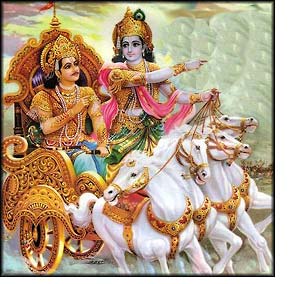
The picture above is from Sringeri Mutt. Kalidasa sang about a snake which protected a frog using its hood as umbrella. Adi Shankara also saw such an amazing thing at Sringeri in Karnataka, and then he established the first Shankara Mutt there (Please read my article Mysterious messengers who showed Ajanta, Angkorwat, Sringeri——- for more details).

Animals are very intelligent. They have feelings like us. They help each other. They are happier than human beings. They don’t worry about tomorrow. Rain or shine, snow or storm they survive. Some do amazing feats like flying for thousands of miles without a compass or a map or a GPS system. They even worship gods!! Animals do dream like us. Animals communicate among themselves and warn of impending dangers to its colleagues. They show mercy. They don’t kill a pregnant animal. They feed any little ones even if it does not belong to its own kind. We have stories of wolf fed babies. Animals do use tools. The wonder of wonders is all these are in ancient Sanskrit and Tamil literature. Only now the western biologists are publishing all these facts in article after article in New Scientist, Nature, National Geographic and Scientific American magazines.

(Please read my articles on “Bird migration in Kalidasa and Tamil literature” and “When Animals worship God why not men”?)


Can parrots recite Vedas?

“Yes”, say Sangam Tamil poets and Adi Shankara.

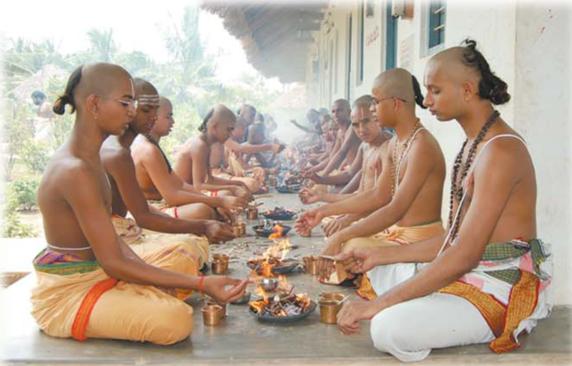
There is a very interesting story in the life of Adi Shankara. He won every argument with famous scholars, but one great scholar was left out. He was Mandana mihra living at Mahismathi on the banks of river Narmadha. When he went to the village where he lived, he saw some village women filling the water pots in the river. He asked them the way to Mandana’s house. They surprised him by two things. One they replied in Sanskrit verses. Two, they told Shankara the house where the parrots were reciting Vedas and discussing related subjects was Mandana’s. When he went in to the village, he easily identified the house because of the parrots.

Sangam Tamil poet Uruththirankannan also says that the parrots in Brahmins houses recite Vedas. They repeat it because the Brahmins do the recitation every day-Perumpanaatruppadai: lines 300/301.

When the three great Tamil kings laid a siege around King Pari’s 300 towns, Kapilar trained the parrots to bring the grains into Pari’s territory. Poets Avvaiyar and Nakkirar were all praise for Kapilar for this help (Akam303 and Akam 78).

Tamil Verse 143 of Kannakaran Korranar of Narrinai gives the information about parrots calling a girl in affectionate terms even after she left home.

New Scientist magazine has published an article about intelligent animals. Under the title of “Animal Einsteins”  it has published a s news story about parrots. Alex the parrot owned by psychologist Irene Pepperberg until his death in 2007, was a prodigy. The parrot had a vocabulary of about 150 words. He could also count to 6. But Indian parrots mentioned in the above two references did more than this!!

Rome was founded by Romulus and Remus who were raised by wolves. It happened 2750 years ago. But even before this, Shakuntala, the heroine of the most famous drama of India -Shakuntalam was fed by birds. She was the mother of the great king Bharata whose name is given to India that is Bharat. She was abandoned at birth. Birds looked after her. They encircled her protectively so that she remained unharmed until the sage Kanva finds her and names her Shakunta(bird)la.

Kalidasa sang that when queen Indumathi died the birds mourned her death (Ragu. 8-39). When Rama was looking for his wife Sita who was abducted by Ravana , the deers showed him the way (Ragu.13-25) .Valmiki who lived before Kalidasa also said the same in his Ramayana.

In his Kumarasambhavam, Kalidasa adds:

The male bee, attentive to his dear mate, drank honey from the same bowl; and the black antelope scratched with his horn his mate who had closed her eyes through the pleasant sensation. The female elephant, through great love, gave to the male the water in her mouth (III-36/37)

In Raguvamasam 16-16 ,Kalidasa describes about the paintings in the palace. One of the paintings portrays a female elephant giving lotus stalks to male elephants. This is echoed in Tamil literature as well.


Frog under Snake’s Hood

Kalidasa’s description of nature is at peak in his work Rtusamharam. It is full of verbal pictures. He describes how animals forget their natural enmity when there is a forest fire or scorching sun:

“Burning under the sun’s fiery wreath of rays

A frog leaps up from the muddy pond

To sit under the parasol hood”. (1-18)

(All the six seasons are portrayed in beautiful verses. For want of space I gave only one example).

In Tamil Puram .247 verse :  Monkeys help the temple (priests) by cleaning the land. They first wake up the deers that are sleeping in the temple complex.

Apes and elephants mourn when they lose their near dear ones. The zoo keepers have observed this and the news papers have published pictures of the mourning animals (See mourning ape in Metro London 5th April 2012). Famous Tamil Novel Thekkadi Raja gives the elephant mourning in great details.

A female monkey who lost its mate jumped from the mountain and commits suicide. But before sacrificing its life it entrusted its babies to other monkeys. The reason given for the suicide, it doesn’t want to live without her husband. This moving picture was given by Katunthot Karaveeranar in Kuruntokai verse 69.

Narrinai 151 sung by Ilanakanar depicts a picture of a shy monkey correcting her dishevelled hair to hide her sex act. Monkeys feel very shy after sex and look at themselves in the water / mirror, adds the poet.

Puram 323-anonymous- a deer was caught by a tiger. Its calf was orphaned. A wild cow in the forest fed it with her milk.

If the kings rule the country according to the rules, a tiger won’t attack a deer. Both will drink water from the same lake, say Kalidasa (Ragu. 6-46) and Tamil poets Ilango (Silappadikaram-Purancheri Irutha Kathai), Kamban and Manikkavasagan.

Narrinai verse 143 and Akam 318 tell us that the shepherd assembles all the sheep in one place just by a whistle. They are intelligent enough to follow the instructions. In western countries the dogs do the job.

Ainkuru nuru 391,Kuruntokai 210 by Kakaipatiniyar: Crows are attributed with the power of predicting arrival of guests. If the crows caw, it is certain guests will come to the house. (I attribute it to their strong sense of smell. When women make special dishes for the guests, the good smell spreads and attracts the crows. Even then they are intelligent enough to call their friends to share the food. Crows are used as symbols for sharing (Kural 527) in Indian literature.

Tamil poets have urged people to follow crows when it comes to sex. Crows never indulge in sexual acts in public say Tamil poets. We have read hundreds of dog stories where they saved human beings from extreme dangers.

(In part 2, I will deal with animals using tools, animals’ dreams and human kindness towards animals. Once again the similarities in Tamil and Sanskrit strengthens my point that Kalidasa lived before Sangam age, either in the first or second century BC)

*******************


பெரியோர்கள் மரணம் பற்றிய உண்மைகள்

நமது புராணங்களோ இதிகாசங்களோ வட மொழி, தென் மொழி நூல்களோ பொய் சொல்லவில்லை என்பதற்கு அதில் எழுதப் பட்ட சில உண்மைச் சம்பவங்களே சான்று. பல நிகழ்ச்சிகளை குறிப்பாக, மரணம் பற்றிய விஷயங்களை அப்படியே எழுதி வைத்துள்ளனர்.


கோவலன் கொலை செய்யப்பட்டு இறந்தான். அது தவறு என்று தெரிந்த உடனே பாண்டிய மன்னனும் அவனுடைய மனைவியும் அங்கேயே இறந்தனர். ஒரு வேளை தவறே நடக்காத ஆட்சியில் தவறு நடந்ததை நிரூபித்தவுடன் அவர்கள் இருவருக்கும் மாரடைப்பு நேரிட்டிருக்கலாம் (Heart Attack). கண்ணகி புஷ்பக விமானத்தில் ஏறி மேலுலகம் போகிறாள்.


பாண்டிய மன்னன் மனைவி பூதப் பாண்டியன் தேவி பெருங்கோப் பெண்டு தீப் பாய்ந்து (சதி என்னும் முறைப்படி,புறம். 247) இறக்கிறாள். இளம் பெரு வழுதி என்ற மன்னன் கடலில் மாய்ந்து (புறம்.182) உயிர் இழந்தார்.

பல மன்னர்களும் புலவர்களும் வடக்கிருந்து (Sitting facing North and Fasting ) உயிர் இழந்தனர் ( சேரமான் பெருஞ் சேரலாதன், கோப்பெருஞ் சோழன், சேரமான் கணைக்கால் இரும்பொறை, கபிலர், பிசிராந்தையார் ).


யார் யார் எங்கு எங்கு துஞ்சினர் (இறந்தனர்) என்றும் சங்க இலக்கிய கொளுவில் உள்ளது. கூடகாரத்துத் துஞ்சிய மாறன் வழுதி (புறம் 51, 52); சித்திர மாடத்துத் துஞ்சிய நன்மாறன்; வெள்ளி அம்பலத்துத் துஞ்சிய பெரு வழுதி (புறம். 58), சேரமான் கோடம்பலத்துத் துஞ்சிய மாக்கோதையின் பெருங் கோப்பெண்டு (புறம். 245); சோழன் குராப்பள்ளித் துஞ்சிய கிள்ளி வளவன் புறம் 373, பெருந் திருமாவளவன் 58,60; இலவந்திகைப் பள்ளித் துஞ்சிய நலங் கிள்ளி சேட்சென்னி 61). புலியால அடிக்கப்பட்டு (Tiger Attack) இறந்த மன்னன் பற்றி திருவிளையாடல் புராணம் பேசுகிறது.

மாணிக்கவாசகர், ஞான சம்பந்தர், ஆண்டாள், திருப்பணாழ்வார், நந்தனார் வள்ளலார், கோபால் நாயக் ஆகியோர் ஜோதியில் (Spontaneous Human Combustion) கலந்து ஐக்கியமானார்கள். (“The Mysterious disappearance of Hindu Saints”- கட்டுரையில் மேல் விவரம் காண்க).


அண்மைக் காலத்தில் ஸ்ரீ சத்திய சாய் பாபா திடிரென்று இறந்தது  பலருக்கு வியப்பாகவும் புதிராகவும் இருந்தது. இதற்கு முன் பல சாது சந்யாசிகள் புற்று நோயால் (Cancer) இறந்தனர். ஆனால் ஞானிகளுக்கு இதெல்லாம் ஒரு பொருட்டே இல்லை. கீதையில் கண்ணன் சொன்னது போலவே (கீதை 2-22; குறள் 338, 339) நமது உடம்பெல்லாம் கிழித்த சட்டைகளுக்கு சமானம். நம் உடம்பு இறந்தாலும் ஆத்மா அழிவதில்லை. ஆகையால் இந்துக்கள் இறப்பைப் பொருட்படுத்துவது இல்லை. மரணம் என்பது ஆத்மா சட்டையை மாற்றுவது போல. வள்ளுவன் வாக்கில் கூட்டை விட்டுப் போன பறவை:


குடம்பை தனித்து ஒழியப் புள் பறந்தற்றே

உடம்பொடு உயிரிடை நட்பு (338)

உறங்குவது போலும் சாக்காடு உறங்கி

விழிப்பது போலும் பிறப்பு (குறள் 339)


பாரதி பாடல்

நொந்த புண்ணைக் குத்துவதில் பயனொன்றில்லை

நோவாலே மடிந்திட்டான் புத்தன் கண்டீர் !

அந்தணனாம் சங்கராசர்யன் மாண்டான்

அதற்கடுத்த ராமனுஜனும் போனான்.

சிலுவையிலே அடியுண்டு ஏசு செத்தான்

தீயதொரு கணையாலே கண்ணன் மாண்டான்

பலர் புகழும் இராமனுமே ஆற்றில் வீழ்ந்தான்;

பார் மீது நான் சாகாதிருப்பேன் காண்பீர். (பாரதி அறுபத்தாறு).


சேக்கிழார் அடிப்பொடி டாக்டர் டி.என்.ராமசந்திரனின் ஆங்கில மொழிபெயர்ப்பு

——————-it cannot do good

To pierce a painful sore; the great Buddha

Died of illness; Sankara the Brahmin-sage

Also died; so too Ramnuja great.

The Christ died crucified; Kannan

Was by an arrow killed; Rama by many praised,

Had a watery grave; in this world “ I ”

Will thrive deathless, for sure………..


ஆதி சங்கரர் குகைக்குள் சென்று மறைந்தார் என்றும் சர்வாரோகண பீடம் ஏறி மறைந்தார் என்றும் கூறுவர். புத்தருக்கு ஒருவர் மாமிச உணவைக் கொடுத்தபோது அது தொண்டையில் சிக்கி மரணம் ஏற்பட்டதாகவும் மாமிசமா? என்று அதிர்ச்சியுற்று இறந்தார் என்றும் கூறுவர். இந்தப் பாடலைப் பாடிய பாரதியும் யானையால் தாக்கப் பட்டு கொஞ்ச காலத்துக்குப் பின்னர் வயிற்றுக்கடுப்பு நோயால் இறந்தார்.

2000 ஆண்டுக்கு முந்திய பஞ்சதந்திரக் கதையிலிருந்து:

A lion took the life of Panini

Grammar’s most famous name;

A tusker madly crushed sage Jaimini

Of metaphysic fame;

And Pingal, metric’s boast, was slaughtered by

A sea side crocodile;

What sense for scholarly attainments high

Have beasts besotted vile?

(Panchatantra ,translated by Arthur W Ryder)


இலக்கணப் புகழ் பாணிணியோ

இரையானான் சிங்கத்துக்கு;

மீமாம்சக ஜைமினியோ யானை

காலில் மிதியுண்டழிந்து போனான்;

யாப்பு புகழ் பிங்களனோ கடலோர

முதலையால் கிழிக்கப்பட்டான்;

கழுதைக்குத் தெரியுமோ

கற்பூர வாசனைதான்? ( விஷ்ணு சர்மனின் பஞ்ச தந்திரக் கதைகள்)


இவர்கள் எல்லோரும் இறந்தாலும் பூத உடல் மறைந்த பின்னரும் புகழ் உடம்போடு இன்றும் நம்மிடையே வாழ்ந்து நம்மை எல்லோரையும் நற்பணியில் ஊக்குவிக்கின்றனர்.இவர்கள் அனைவரும் சிரஞ்ஜீவிகள்.

******************************

மஹா வீரன் யார்?

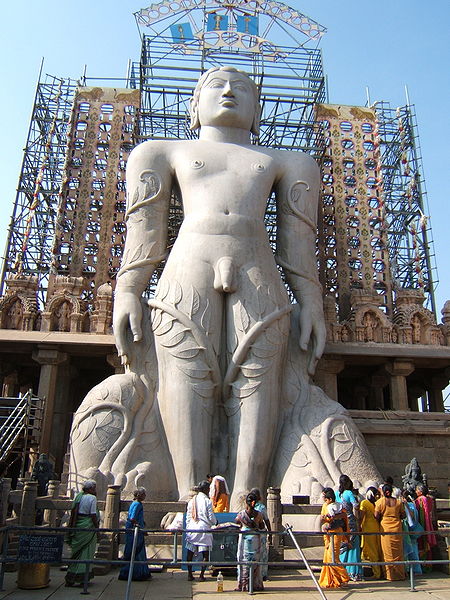
Jain Saint Bahaubali, 60 feet tall monolith,Sravanabelagola

மஹா வீரன் யார்? இந்தியாவில் இருவருக்குத்தான் மஹாவீர் என்று பெயர். ஒருவன் அநுமன். மற்றொருவர் சமண தீர்தங்கரர் மஹாவீரர்.


யார் வீரன்? என்று மேலை நாட்டில் கேள்வி கேட்டால் ஏகே 47 துப்பாக்கியால் நூற்றுக் கணக்கான பெயர்களைச் சுட்டுத் தள்ளியோரின் பெயரைக் கூறுவார்கள். திரைப்படம் பார்க்கும் படிப்பறிவு இல்லாதவர்கள் தமிழ் இந்தி திரைப்பட கதாநாயகன் ,வில்லன்கள் பெயர்களைக் கூறுவார்கள். படித்திருந்து ஆங்கிலப் படம் பார்க்கும் பழக்கம் உள்ளவர்களுக்கு இண்டியானா ஜோன்ஸ் நினைவுக்கு வரலாம். பயங்கரவாதிகள் என்று ஒரு நாடு முத்திரை குத்துவோரையும் அவருடைய கொள்கையில் நம்பிக்கை கொண்டோர் மாவீரன் என்று கொண்டாடுவார்கள். ஆனால் வியப்பிலும் வியப்பான  கொள்கை– இந்தியக் கொள்கை புலன்களை வென்றவனே மஹாவீரன்.


ஒன்றாகக் காண்பதே காட்சி, புலன் ஐந்தும் வென்றான் தன் வீரமே வீரம்


என்பது ஆன்றோர் வாக்கு. வள்ளுவனும்” பிறன் மனை நோக்காத பேராண்மை” என்று பெரும் வீரத்தைப் புகழ்கிறான்.


எப்படி துளசிதாசரின் ஹனுமான் சாலீஸா இந்தியர்களைத் தட்டி எழுப்புகிறதோ அதே போல மஹவீரரின் சிலையும் கொள்கைகளும் சிரவணபெளஹோலாவில் உள்ள பாஹுபலியின் சிலையும் நம்மை எல்லாம் புத்துணர்ச்சி பெற வைக்கிறது.


“நிமிர்ந்த நன்னடை நேர்கொண்ட பார்வை நிலத்தில் யாருக்கும் அஞ்சாத நெறிகள், திமிர்ந்த ஞானச் செருக்கு” ஆகியவற்றை அந்தச் சிலைகளில் காண முடிகிறது. புலன்களை வென்றதாலேயே மஹாவீரர்கள் என்று அழைக்கப் படுகிறார்கள். இது பாரத நாட்டுக்கே உரிய ஒரு கொள்கை. உலகில் வேறு எங்கும் காணமுடியாதது.


“கால் பொருது இடிப்பினும், கதழ் உறை கடுகினும், உரும் உடன்று எரியினும், ஊறு பல தோன்றினும், பெரு நிலம் கிளறினும், திரு நல உருவின் மாயா இயற்கைப் பாவை என்று கொல்லிப் பாவையை நற்றிணைப் புலவர் பரணர் வருணித்தது மஹாவீரர், பாஹுபலி போன்ற புனிதர்களுக்கும் பொருந்தும்.


அனுமன் ஜயந்தியும் மஹாவீர் ஜயந்தியும் அருகருகே ஏப்ரல் மாதத்தில் வருவதால் இரண்டையும் இணைத்தேன். அனைவருக்கும் வாழ்த்துக்கள்.


அஞ்சிலே ஒன்று பெற்றான், அஞ்சிலே ஒன்றைத்தாவி,

அஞ்சிலே ஒன்று ஆறாக, ஆரியர்க்காக ஏகி

அஞ்சிலே ஒன்று பெற்ற அணங்கைக் கண்டு அயலார் ஊரில்

அஞ்சிலே ஒன்று வைத்தான் அவன் நம்மை அளித்துக் காப்பான்.


Karnataka- Indus Valley Connection

Sangam Tamil poets composed over 2000 poems. Purananuru is an encyclopaedia of Tamil culture. It has got less than 400 verses. Purananuru verse 201 was composed by Kapilar two thousand years ago. This is a very important verse in Purananuru. It throws much light on early Indian History. Kapilar talks about 49th generation of Irungovel. Famous Tamil Commentator Nachinarkiniyar , who lived several hundred years ago, gave a very interesting story about this verse.

(49th generation: Please read my article How Old is India?)


Nachinarkiniyar said that Agastya brought 12 tribes from Dwaraka ruled by Lord Krishna. Another city in the name of Dwaraka was founded in Karnataka (Mysore) state in the twelfth century. There is an interesting story about how and who founded this city. Hoychalas were the kings who ruled from this city. Hoychala is translated into Tamil as Pulikadimal which is found in verse 201.

Chala was a king belonging to Yadu dynasty. While he was hunting in the Western Ghats, he saw a hare heroically fighting with a tiger. This made him to think that this place must have some special importance. When he followed the fighting tiger and hare, an ascetic who was doing penance ordered king Chala to kill the tiger. The ascetic’s order in Sanskrit was “Hatham Hoy Chala”. So from that day on wards the king and his descendants were called Hoychalas. If the verse 201 refers to this anecdote then it must have happened 2000 years ago.


The story was found in the inscription belonging to Narasimha Hoychala found in Pelavadi in Belur area of Karnataka. Only the detail about the hare is missing in it. But the name of the city mentioned in the inscription was Sasakapuram. In Sanskrit Sasanka is hare. When the area under Sasakapuram was given to King Chala, the goddess belonging to Sasakapuram “Vasanthika” came in the form of a tiger. When the king killed the tiger he became Hoychala. This was confirmed in the Arisikare inscription of Veera Vallala Deva.

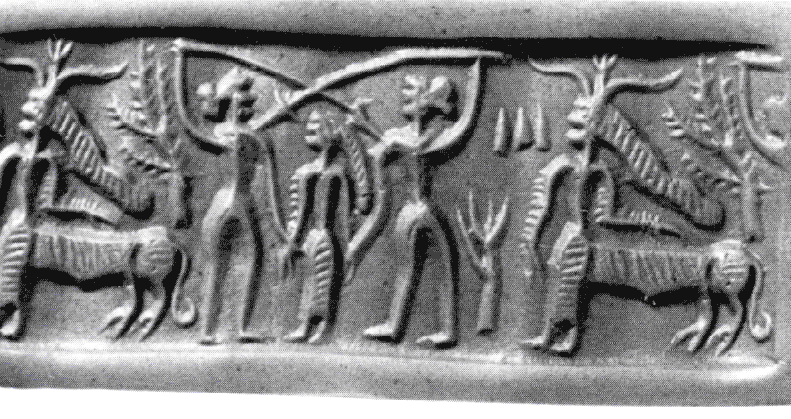
Another interesting co incidence is we see tiger goddess in Indus Valley Seals as well. A seal with Half woman Half tiger was discovered. Some people think it may be Proto Durga. Durga was shown riding tiger or lion in later day iconography. She was shown as a forest deity with plants on her head or in her surroundings. Indus Valley has several  female deities. In one of the seals we see seven women dance hand in hand. Sapta matha (Seven sisters or seven women) is found in Hindu scriptures. Seven women dancing together is known as Kuavai Kuthu in Tamil. Seven is a sacred number in Hinduism. But the tiger goddess comes very close to Vasanthika story in Hoychala inscription.

(Also read my article Karnataka-Cambodia connection in Sahasralingam statues)

******************


கலித்தொகையில் ஒரு அதிசயச் செய்தி

சங்க இலக்கிய நூல்களில் ஒன்று கலித்தொகை..எட்டுத்தொகை நூல்களில் ஒன்றான கலியில் நிறைய புராண இதிஹாசச் செய்திகளைக் காண முடிகிறது. சங்க நூல்களில் இதுவும் பரிபாடலும் என்ன வகையைச் சேர்ந்தவை என்பதை தலைப்பே காட்டிவிட்டது. அதாவது பரிபாடல், கலி என்பதெல்லாம் பாட்டின் வகைகள்.


நாடக வழக்கினும் உலகியல் வழக்கினும்

பாடல் சான்ற புலனெறி வழக்கம்

கலியே பரி பாட்டு ஆயிரு பாங்கினும்

உரியதாகும் என்மனார் புலவர் –(அகத்.53)

என்று தொல்காப்பியர் கூறுகிறார்.


கலித்தொகையில் ஐந்து திணைகளுக்கு ஐந்து பகுதிகள் உள்ளன. இவைகளை 5 புலவர்கள் பாடியதாகக் கருதுவர். ஆனால் சி.வை தாமோதரம் பிள்ளை, பேராசிரியர் எஸ். வையாபுரிப் பிள்ளை ஆகியோர் நல்லந்துவனார் என்ற ஒரே புலவர்தான் 5 பகுதிகளையும் இயற்றினர் என்பர்.


ஐந்து புலவர்கள் பாடியது உண்மை என்று கொண்டால் பாலைக் கலியைப் பாடியவர் பாலை பாடிய பெருங் கடுங்கோ ஆவார். அவர் ஒரு அதிசியச் செய்தியைக் கூறுகிறார். பொய் சொல்பவன் நிற்கும் மரம் வாடிவிடுமாம்! தற்காலத்தில் பொய் சொல்வதைக் கண்டுபிடிக்க ஒரு கருவியே (Lie Detector) உள்ளது. ஒருவன் பொய் சொல்லும்போது அவனது நாடி நரம்புகளில் ஏற்படும் மற்றங்களைக் கணக்கிட்டு பொய் சொல்கிறானா உண்மை சொல்கிறானா என்று கண்டுபிடித்துவிடும். பாலை கலி அதிசயமும் ஏறத்தாழ இந்த வகையில்தான் வருகிறது. வள்ளுவர் கூட மோப்பக் குழையும் அனிச்சம் என்று கூறுவார். முகர்ந்து பார்த்தாலேயே வடிவிடுமாம் அனிச்சம் பூ.


பாலை பாடிய பெருங் கடுங்கோ கூறுகிறார்:

விரி காஞ்சித் தாதாடி இருங்குயில் விளிப்பவும்,

பிரிவஞ்சாது அவர் தீமை மறைப்பென்மன்; மறைப்பவும்

கரி பொய்த்தான் கீழ் இருந்த மரம் போலக் கவின் வாடி,

எரி பொத்தி என் நெஞ்சம் சுடுமாயின் எவன் செய்கோ? (பாலைக் கலி 33)

பொருள்: காஞ்சிப் பூ மலர்ந்தது. குயில்கள் கூவுகின்றன. இந்தக் காலத்தில் பிரிந்திருக்கலாமா? நானும் மறைக்கத்தான் பார்க்கிறேன் முடிய வில்லையே! பொய் சாட்சி சொன்னவன் வந்து கீழே நின்ற மரம் பட்டுப் போனது போல இருக்கிறதே என் நிலை !


ஒருவனுடைய உடலில் ,எண்ணத்தில் ஏற்படும் மாற்றங்கள் தாவரங்களில் விளைவுகளை ஏற்படுத்தும் என்பது தமிழன் கண்டு பிடித்த விஞ்ஞான உண்மை. மாத விலக்குள்ள பெண்கள் துளசி முதலிய புனிதச் செடிகளைத் தொட மாட்டார்கள், பட்டுப் போய் விடும் என்பதால். மாத விலக்கு காலத்தில் பெண்களின் உடலில் ஏற்படும் மாற்றங்களை நான் விளக்கத் தேவை இல்லை.


சிலர் செடிகளை வளர்த்தால் அவைகள் செழித்துப் பூக்கும். அவர்களுக்கு பச்சை விரல்கள் (Green Fingers) இருப்பதாக ஆங்கிலத்தில் குறிப்பிடுவார்கள். இதுவும் நம் எண்ணத்தின் சக்தியாக இருக்கலாம். ஆராய்ச்சிக்குரிய விஷயம்.


ஆதி சங்கரர் வாழ்க்கையிலும் இப்படி ஒரு செய்தி உண்டு. தெற்கில் எல்லோரையும் வாதத்தில் வென்று வடக்கே சென்றவருக்கு மண்டன மிஸ்ரர் என்ற மாமேதையை வெல்ல வேண்டும் என்று ஆசை. ஆனால் இருவரும் புத்திசாலித்தனதில் ஈடு இணையற்றவர்கள். வாதத்தில் யார் வென்றார்கள் என்று சொல்ல நடுவர் வேண்டுமே !


மண்டன மிஸ்ரருக்கு இணையாகக் கல்வி கேள்விகளில் சிறந்தவர் அவருடைய மனைவி சரசவாணி. படிப்பில் சரஸ்வதி. வேத கால மாமேதைப் பெண்களான மைத்ரேயி, கார்க்கி போன்ற அறிஞர். சத்தியத்தில் நம்பிக்கை கொண்ட சங்கரர் அந்தப் பெண்மணியே நடுவராக இருக்கலாமே என்றார். என்ன இருந்தாலும் மண்டன மிஸ்ரர் வெற்றி பெற்றால், நாளைக்கு யாராவது மனைவி நடுவராக இருந்ததால் அவர் வெற்றி பெற்றார் என்று சொல்லிவிடலாமே.


சரசவாணி அதி மேதாவி அல்லவோ! உள்ளவியல், உயிரியல்( Psychology, Bilology) அனைத்து விஞ்ஞான பாடங்களையும் கற்றவர் போலும். அருமையான ஒரு “ஐடியா”(idea) சொன்னார்.இருவரும் மாலை போட்டுக் கொள்ளுங்கள். யார் மாலை முதலில் வாடுகிறதோ அவர்தான் தோற்றவர். இதில்தான் அறிவியல் வருகிறது. நிறைகுடம் தழும்பாது ! குறைகூடம் கூத்தாடும் ! அமைதியாக சரக்கோடு பேசுபவர்கள் ஆ, ஊ என்று கூச்சலிட மாட்டார்கள், பதட்டம் அடைய மாட்டார்கள். உடலில் வெப்பம் ஏறாது. நாடி நரம்புகள் முறுக்கேறாது. டென்சன் (Tension) இல்லாமல் கூல்(cool) ஆக இருப்பார்கள். சரக்கில்லாத ஆசாமிகள் குரலை உயர்த்துவார்கள். பதட்டத்தில் உடம்பில் உஷ்ணம் தலைக்கேறும். உடலில் போட்ட மாலையும் வாடி விடும்!


21 நாட்களுக்கு வாதப் ப்ரதிவாதங்கள் நடந்தன. மண்டன மிஸ்ரர் மாலை முதலில் வாடியது. ஆண்களுடன் நேருக்கு நேராக உட்காரக்கூடாது என்பதால் சரசவாணி திரைக்குப் பின்னால் அமர்ந்து வாதத்தைக் கேட்டாள் என்பது சங்கர விஜயம் சொல்லும் கதை.


இதைப் போலத்தான் பாலை பாடிய பெருங் கடுங் கோவும் மரம் வாடும் என்றார். அங்கே வாடியது மரம். இங்கே வாடியது மாலை.


( மண்டன மிஸ்ரர் கிராமத்தில் ஆதி சங்கரர் கேட்ட கேள்விக்கு சம்ஸ்கிருத ஸ்லோக வடிவில் பெண்கள் பதில் சொல்லியது, சரசவாணி செக்ஸ் (Sex) தொடர்பான கேள்விகளைக் கேட்டு ஆதி சங்கரரைத் திணறடித்தது, சங்கரர் சூப்பர்மேன் (Super Man) போல திவசம் நடந்த வீட்டுக்குள் மந்திர சக்தியால் மரத்தை வளைத்துக் குதித்தது, மண்டன மிஸ்ரர் வீட்டுக் கிளிகள் வேதம் பற்றி உரையாடியது ஆகியவற்றை தனிக் கட்டுரையில் தருகிறேன். நியூ சை ன் டி ஸ்ட் (New Scientist, March issue) மார்ச் பத்திரிக்கையில் வந்த பேசும் அதிசியக் கிளிகள்  (Animal Einsteins) பற்றிய செய்திகளுடன் எழுதுவேன்.


Madagascar –India Link via Indonesia

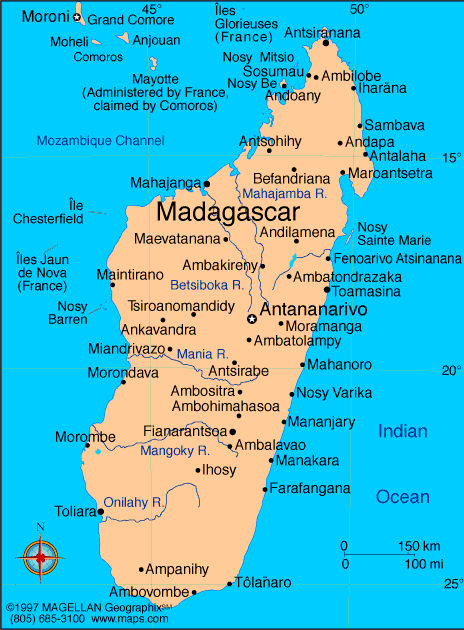
Sri Shankaracharya of Kanchi gave a series of talks in Madras (Chennai) in 1932. He was talking about the Hindu symbols and names found all over the world. He mentioned that 75 percent of the place names in Madagascar were Sanskrit names (page 68 of Jagadguru’s lectures published in 1933). Shankaracharya also pointed out many names carry the name of Rama. Now there is some scientific proof to confirm the links between India and Madagascar via Indonesia.

Prestigious science magazine New Scientist (issue dated 24th March 2012) has published a news story that Madagascar settlers came from Indonesia 1500 years ago. Around that time a Hindu empire flourished in Indonesia. Mulavarman’s inscription in Sanskrit was discovered in the middle of thick tropical forest in the last century. Mulavarman’s fourth century Sanskrit inscription spoke of the Yagna he performed, the pole he erected (Yupa Sthamba) and the donations he made to Brahmins. Mulavarman also said about his forefathers ruling that place. Since the migration took place around that time no wonder we see so many Sanskrit names in Madagascar Island.


(For more information read my articles Sanskrit inscriptions in strange places and Old Sanskrit inscriptions in mosque and coins)

“ Madagascar is a country of paradoxes. It lies just 400 kilometres off the coast of Africa yet it appears to have been colonised only within the last 1500 years. Stranger still, it now looks as if most of the women in that first population came from Indonesia rather than Africa .We know from language and culture that modern Malagasy have African and Indonesian ties”-says New Scientist.  When they analysed the genes of local women  it showed 93 percent had Indonesian links. Research scholars from Massey University of New Zealand and University of Cambridge conducted research in this area.


After the Indonesians, came the Bantu Africans, the Arabs, Portuguese, French and the British. So it is difficult now to recognise many of the original names. But rice is cultivated like India and Indonesia. Two hundred million years ago the island split from South Western India. Now the sapphire dug out in Madagascar is similar to Indian and Sri Lankan gem stones. Malagasy language is of Malayo-Polynesian origin. Since the South East Asians received the script, architecture, language via the east coast of India we may find some Tamil influence in the island. Gujarati Hindus have migrated to the island from East Africa in the nineteenth century.


Some signs that show the link with India:

1.Unlike African countries people traditionally cultivate rice, which is the South Indians staple diet.

2. Swastika symbol is found.

3.People worship their dead which is part of Hindu life. Hindus have to do Pancha Yagna (five sacrifices) every day. Remembering them and giving oblations is done by orthodox Hindus. Other Hindus do it on monthly (Amavasya Tarpanam) or Annual (Tithi) basis in India.

4. Boabab is considred a holy tree like Peepal tree in India.

5. Malagasy houses are accurately oriented so that the door faces west. In India most of the houses will face East.

6. Merina is the tribe that ruled Malagasy for many centuries. They came from Malaya-Indonesia area. Merina may be a corrupted form of Varuna, the Hindu Sea God. Linguistically M=V=P changes are possilbe.

7. Like Hindus worship monkeys (Hanuman) they worship Lemurs and call them Indra/ Indri. Lemurs are considered their ancestors.


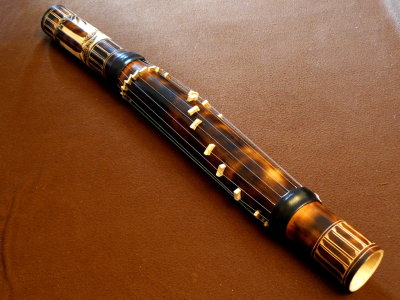
8. Valiha is a musical instrument made up of a long piece of bamboo with 15 strings stretched along its length between two collars. It is not found anywhere in Africa, but in Thailand, Burma and the East.

9.Famadi Hany (turning the dead): They exhume the body of the relatives every year and carry them to the land and then start farming. We have no similarity with any culture in this regard, but the word Famadi may be interpreted as Samadhi (Hindu Grave). Bali is a predominantly Hindu island in Indonesia where some strange customs like this exist.

10. Anovorano: Sacred lake where the women feed the crocodiles. As soon as the women call them, the crocodiles come. We have only Naga Panchami where the Hindu women feed the snakes every year.


Following place names sounds like Sanskrit names:

Antananarivo (capital city), Ambanizana, Mahajanga ( Maha Ganga?),Toamasina (Deva—-?),Sambhava, Manakara,Madirovalo (Mathura),Mahafali (Maha Bali, Mavali),Maevatanana (Maya vatana),Ankara fantsika (Ankara—)Marontsetra (Maran Kshetra),Moron dava (Maran Theva)Ambositra (Amba Sitra)Anala lava(Analan=Agni). More than ten town names begin with AMBA. Most of the river names begin with MAN, which may be Vana (forest).

A lot of place names start with A,U,M . As a matter of fact , all the famous islands start with Mala: Malaca, Malaya, Maldives, Malagasy, Mauritius, Malta, Mayotte, Molucas (Raja Raja chola conquered Mayirudingam, Mabuppalam Manakkavaram islands).

People’s names: Ravalomanana ,Ratsiraka ,Queen Rana Valona. Riija Rama is a name found in the island which may be Raja Rama.

A patient chronological analysis of names may reveal more details. As of now we can only make a safe guess.


From another book: “Who were the Malayo-Polynesian migrants?”

Higher numerals and calendrical terms are originally Malay and/or Javanese adaptations of Sanskrit terms. Sanskrit loanwords came into Malagasy via Malay or Javanese, as their shape or meaning often betray. Compare the following instances:

sisa ‘remainder, rest’ < Malay sisa ‘id.’ < Sanskrit çe a ‘id.’

asotry (dialectal) ‘Winter’ < (Old) Javanese asuji ‘September-October’ < Sanskrit a çvayuja ‘id.’

tantara ‘story, legend’ < Malay tantra (obsolete), Old Javanese tantra ‘id.’ < Sanskrit tantra– ‘chapter of a scientific book, doctrine, theory’

hetsy ‘100,000’ < Malay ti, Javanese sa-kəṭi ‘id.’ (both obsolete) < Sanskrit koṭi ‘ten million’

That these terms were borrowed via Malay and Javanese is supported by the fact that, of all Sanskrit loanwords in Malagasy (at least 35 in total), there is only one word that is not also found in Malay or Javanese.[6]

A large part of the vocabulary for body-parts in Malagasy was originally Malay or Javanese.

trozona ‘whale’ < Malay duyu ŋ ‘sea cow’

hara ‘mother-of-pearl’ < Malay karah ‘patchy in colouring (of tortoise-shell)’

fanohara (dialectal) ‘turtle with a particular kind of shell’ < Malay pəɲu karah ‘tortoise-shell turtle, Chelonia imbricata’

vontana (dialectal) ‘kind of fish’ < Malay ikan buntal ‘box-fish, globe-fish or sea-porcupine’

tona ‘k.o. large nocturnal snake; enormous eel’ < Malay tuna ‘name of a mud-snake or eel with yellowish body’

lamboara ‘a species of fish’ < Malay mbuara, Old Javanese mbwarambora ‘a giant fish (possibly a whale)’

vidy (dialectal) ‘k.o. small fish’ < Malay ikan bilis ‘anchovy, Makassar redfish; small fish, esp. Stolephorus spp.’

hoala (dialectal) ‘bay, inlet’ < Malay kuala ‘river mouth’

rivotra ‘wind, storm’ < Malay ( inribut ‘stormwind’

tanjona ‘cape, promontory’ < Malay taəjuŋ ‘id.’

an/drefana ‘West’ < Malay pan ‘(in) front’

valaha (dialectal) ‘East’ < Malay lakaŋ ‘back; space behind’

a/varatra ‘North’ < Malay barat ‘West’

sagary ‘a northeast wind’ < Malay or Javanese gara ‘sea’ (< Sanskrit)

*****************

புறநானூற்றில் பகவத் கீதை- பகுதி 2

Please read the First Part and then read it for better understanding.

வினையே ஆடவர்க்கு உயிரே

கீதையில் கண்ணன் கூறுகிறான் (3-5, 3-8):எவனும் ஒரு வினாடி கூட  கருமம் செய்யாமல் இருக்க முடியாது. நீ விதிக்கப்பட்ட கடமையைச் செய். கருமம் செய்யாமையினும் கருமம் செய்தல் சிறந்தது அன்றோ. கருமம் செய்வதற்கே உனக்கு அதிகாரம். அதன் பற்றில் அல்ல(2-47)

பாலை பாடிய பெருங் கடுங்கோ (குறு.135) கூறுகிறார்: தொழில் தான் ஆண் மக்களுக்கு உயிர். இல்லத்தில் வாழும் பெண்களுக்கு கணவனே உயிர்.

வினையே ஆடவர்க்கு உயிரே வாணுதல்

மனையுறை மகளிர்க்கு ஆடவர் உயிரே

அகம் 33: வினை நன்றாதல் வெறுப்பக் காட்டி

மேலும் சில: குறள் 615


செல்வத்தின் பயனே ஈதல்

கீதையில் கண்ணன் கூறுகிறான் (3-13): எவர்கள் தமக்கெனவே சமைக்கிறார்களோ அவர்கள் பாவிகள். அவர்கள் பாவத்தையே உண்கிறார்கள்.

(புறம் 189 நக்கீரனார்):

உண்பது நாழி:உடுப்பவை இரண்டே;

பிறவும் எல்லாம் ஓரொக்கும்மே;

அதனால் செல்வத்துப் பயனே ஈதல்

புறம் 182( இளம்பெருவழுதி)

இந்திரர் அமிழ்தம் இயைவது ஆயினும், இனிது

எனத் தமியர் உண்டலும் இலரே

இதுவுமது: குறு. 143, குறள்-322, 85, 335, 333

கொடுப்போர் ஏத்தி கொடார்ப் பழிப்போர் (தொல்காப்பியம்)


சர்வ பூத ஹிதே ரதா: (எல்லா உயிர்க்கும் இன்பம்)

கீதையில் கண்ணன் கூறுகிறான்(12-4): எல்லா உயிர்க்கும் இன்புற்றிருக்க நினைக்கும் அன்பர்கள் என்னையே வந்தடைவார்கள்.

இதுவுமது:  கீதை 11-55,9-29,5-25,6-40

சாஸ்வத்ஸ்ய சுகஸ்ய (கீதை 14-27): யாண்டும் இடும்பை இல (குறள்)

தொல்காப்பியரும் “எல்லா உயிர்க்கும் இன்பம்” என்று கூறுகிறார்.

ஐங்குறுநூற்றில் ஓரம் போகியார் :(இவர் வேத, உபநிஷத மந்திரங்களை அப்படியே மொழி பெயர்த்துள்ளார். இந்தக் கருத்து கீதையில் பல இடங்களில் வருகிறது)

நெற்பல பொலிக பொன்பெரிது சிறக்க

விளைக வயலே வருக இரவலர்

பால் பல ஊறுக பகடு பல சிறக்க

பகைவர் புல் ஆர்க பார்ப்பார் ஓதுக

பசியில்லாகுக பிணிகேண் நீங்குக

வேந்து பகை தணிக யாண்டு பல நந்துக

அறநனி சிறக்க அல்லது கெடுக

அரசு முறை செய்க களவில்லாகுக

நன்று பெரிது சிறக்க தீதில்லாகுக

மாரி வாய்க்க வள நனி சிறக்க


(பிராமணர்கள் எங்கே பூஜை செய்தாலும் முடிவில்– ஸ்வஸ்தி ப்ரஜாப்ய பரிபாலயந்தாம்– என்ற மந்திரத்தையும், –காலே வர்ஷது பர்ஜன்ய: –என்ற மந்திரத்தையும்– ஸர்வேஷாம் சாந்திர் பவது/ மங்களம் பவது –என்ற மந்திரத்தையும் சொல்லி வாழ்த்துவார்கள். இதை –வாழ்க அந்தணர் வானவர் ஆனினம்– என்ற பாடலாக ஞான சம்பந்தரும் மொழி பெயர்த்துள்ளார். சைவர்கள் இதையே –வான்முகில் வளாது பெய்க—என்ற பாடலில் கூறுவார்கள். ஆனால் ஒரம் போகியார் பல மந்திரங்களைத் தொகுத்து அழகாக சுருங்கச் சொல்லி விளங்கவைத்து விட்டார்.


உள்ளுவதெல்லாம் உயர்வுள்ளல் (குறள் 596)

கீதையில் கண்ணன் கூறுகிறான் (கீதை 6-5):உன்னை நீயே உயர்த்திக் கொள்ளவேண்டும்; உன்னை நீயே தாழ்த்திக் கொள்ளக் கூடாது, உனக்கு நீயே நண்பன், நீயே பகைவன்.

(கீதை 11-33) எழுந்திரு ! புகழடை!! உத்திஷ்ட ! யசோ லப !!

புறம் 214 (கோப்பெருஞ் சோழன்): யானை வேட்டைக்குப் போகிறவன் வெல்வான். குறும்பூழ் வேட்டைக்குப் போவோன் அது இல்லாமலும் திரும்புவான். உயர்ந்த குறிக்கோளுடன் கூடிய உயர்ந்தோனாக விளங்குக. இமயம் போல் புகழ் அடைக.

யானை வேட்டுவன் யானையும் பெறுமே

குறும்பூழ் வேட்டுவன் வறுங்கையும் வருமே

அதனால், உயர்ந்த வேட்டத்து உயர்ந்திசினோர்க்கு

………….

இமயத்துக் கோடுயந்தென்ன தம்மிசை நட்டு

புறம் 190 (நல்லுருத்திரன்): எலி, திருடிச் சேமித்துத் தின்னும். புலி இடப் பக்கம் விழுந்த பன்றியை விட்டு வலப்பக்கத்து விழுந்த யானையையே சாப்பிடும். அப்படிப்பட்ட உயர்ந்த நோக்கம் கொண்டோருடன் சேர்வாயாக.


கடல் நிரம்பாத அதிசயம் (கீதை 2-70)

கீதையில் கண்ணன் கூறுகிறான்: எங்கும் நிரம்பியதும் நிலை குலையாததுமான கடலில் நதிகள் போய் சங்கமிப்பது போல ஆசைகள் எல்லாம் எவனை அடைகின்றனவோ அவன் அமைதியை அடைவான். ஆசையைத் தொடர்பவனுக்கு அமைதி இல்லை.

பரணர் கூறுகிறார்: கடல்களில் எவ்வளவோ நதிகள் கலந்தாலும் அது நிரம்பி வழிவதில்லை. கடலிலிருந்து எவ்வளவு மேகங்கள் நீரை உறிஞ்சினாலும் அது வற்றுவதில்லை.

மழைகொளக் குறையாது புனல் புக நிறையாது

விலங்கு வளி கடவும் துளங்கிருங் கமஞ்சூள் –(பதிற்றுப் பத்து 45)


உவமை

பிறர்க்கு உவமம் தான் அல்லது

தனக்கு உவமம் பிறர் இல் (உலோச்சனார், 377)

உரவோர் எண்ணினும் மடவோர் எண்ணினும்

பிறர்க்கு நீ வாயின் அல்லது

நினக்குப் பிறர் உவமம் ஆகா (ப. பத்து, அரிசில் கிழார்)

கீதையில் கண்ணன் கூறுகிறான் (கீதை 6-32:) எவன் எங்கும் சுகமாயினும் துக்கமாயினும் தன்னை உபமானமாகக் கொண்டு சமமாகப் பார்க்கிறானோ அந்த யோகிதான் சிறந்தவன் என்பது என் முடிவு

உவமை, உவமேயம் ஆகியன சம்ஸ்கிருத சொற்கள். ஆயினும் சங்கப் புலவர்களோ தொல்காப்பியரோ அவைகளை அப்படியே பயன் படுத்த அஞ்சியதில்லை!

இதுவுமது: புறம் 377,மது 516,பதி73-7, தொல்காப்பியம்-உவமவியல்


சம தர்சனம்-ஓடும் பொன்னும் ஒக்க நோக்குவர்

கீதையில் கண்ணன் கூறுகிறான் (5-18) : பசு, பார்ப்பனன், யானை, நாய், நாயை உண்ணும் புலையன் ஆகிய எல்லாவற்றிலும் ஆத்ம ஞானிகள் சம தர்சனம் உடையவர்கள். இன்ப துன்பத்தில் சமமாக இருப்பவனும் ஓடு,கல்,தங்கம் ஆகியவற்றைச் சமமாகப் பார்ப்பவனும் உயர்ந்தவன்.(14-24). புலன்களை வென்று மண், கல், தங்கத்தை சமமாகப் பார்ப்பவன் யோகி.(6-8)

கனியன் பூங்குன்றன் (புறம் 192) பக்குடுக்கை நன்கணியார் (194)

யாதும் ஊரே; யாவரும் கேளிர்;

தீதும் நன்றும் பிறர் தர வாரா;

நோதலும் தணிதலும் அவற்றோரன்ன;

சாதலும் புதுவது அன்றே; வாழ்தல்

இனிது என மகிழ்ந்தன்றும் இலமே; முனிவின்,

இன்னாது என்றலும் இலமே:

பொருள்: எல்லா ஊர்களும் எம் ஊரே, எல்லாரும் எம் உறவினரே. தீமையும் நன்மையும் யாரும் தருவதில்லை. நம்மால்தான் வருகிறது. இறப்பது புதிய செய்தி அல்ல.வாழ்வதால் மகிழ்ச்சியோ அல்லது அதை வெறுப்பதோ இல்லை பெரியாற்று வெள்ளத்தில் மிதவை அடித்துச் செலவது போல எல்லா உயிர்களும் முறையாகக் கரை சேரும் என்பது துறவியர் கண்ட உண்மை.ஆகையால் பெரியோரை மதிக்கவும் சிறியோரை இகழவும் தேவை இல்லை. அவரவர் ஒழுக்கத்தையே கருத்திற் கொள்வோம் ( ஒன்றாகக் காண்பதே காட்சி என்பதை அழகாகச் சொல்லிவிட்டார்)


நன்கணியார் (194) கூறுகிறார்: என்ன உலகம் இது? ஒரு வீட்டில் சாவுக் கொட்டு. மற்றொரு வீட்டில் திருமண மேளம். ஒரு வீட்டில் மகளிர் அழுகை. இன்னொரு வீட்டில் மகளிர் பூச்சூடல். இவ்வாறு இன்பமும் துன்பமும் சேர படைத்துவிட்டானே கருணையே இல்லாத பிரம்மா! இதை உணர்ந்து அல்லாதவற்றை ஒதுக்கி இனியவற்றை மட்டும் கண்டு மகிழுங்கள் (“ இன்னாது அம்ம இவ் உலகம்; இனிய காண்க, இதன் இயல்புணர்ந்தோரே”)

(190 முதல் 198 வரை எல்லாம் தத்துவப் பாடல்கள்)

போரின் கொடுமைகள்

போரின் கொடுமைகள் பற்றி புறம் 62ல் கழாத்தலையார் பாடுகிறார். இதையே கீதையின் முதல் அத்தியாயத்தில் அர்ஜுனனும் கூறுகிறான்.


ஆணின் ஆறு பண்புகள்

நற்றிணை 160: நீதி, நட்பு, இழிசெயலைக் கண்டு நாணுதல்,பிறர்க்கு பயன்படல், (பரோபகாரம்), நற்குணங்கள், பிறை தன்னை அறிந்து ஒழுகும் பாங்கு ஆகிய 6 பண்புகளை நான் கடைப் பிடிக்கிறேன்.

அகம் 173 பாடலில் முள்ளியூர் பூதியாரும் அறநெறியில் ஒழுகவேண்டும், பிறர் துன்பத்தைத் துடைக்க வேண்டும் என்று கூறுகிறார். கீதையின் 12ம் அத்தியாயத்தில் கண்ணன் பல நற்பண்புகளை விவரிக்கிறார். கீதை முழுதுமே நூற்றுக் கணக்கான இடங்களில் இத்தகைய கருத்துக்கள் வருகின்றன.


இம்மை, மறுமை—அற நிலை வணிகன்

கீதையில் கண்ணன் கூறுகிறான் (2-42/43): வேதத்தின் பெயரால் சொற்சிலம்பம் ஆடுவோர் அழகான வார்த்தைகளால் சுவர்க்கத்தை மனதிற் கொண்டு காரியம் செய்வார்கள்.

மேலும் சில: கீதை 2-49; 17-20,21,22

ஆய் பற்றி முடமோசியார் (புறம் 134)

இம்மைச் செய்தது மறுமைக்கு ஆம் எனும்

அறநிலை வணிகன் ஆய் அல்லன்

கீதையிலும் தமிழ் இலக்கியத்திலும் நூற்றுக் கணக்கான இடங்களில் வருவதால் இனியும் கூறத்தேவை இல்லை

சிலப்பதிகாரத்தில் இளங்கோ கூறிய கீதைக் கருத்துக்கள்:

”தெய்வம் தெளிமின் தெளிந்தோர்ப் பேணுமின்
பொய்யுரை அஞ்சுமின் புறஞ்சொல் போற்றுமின்
ஊனூண் துறமின் உயிர்க்கொலை நீங்குமின்
தானம் செய்ம்மின் தவம்பல தாங்குமின்.
செய்ந்நன்றி கொல்லன்மின் தீநட் பிகழ்மின்
பொய்க்கரி போகன்மின் பொருண்மொழி நீங்கன்மின்
அறவோர் அவைக்களம் அகலாது அணுகுமின்
பிறவோர் அவைக்களம் பிழைத்துப் பெயர்மின்
பிறர்மனை அஞ்சுமின் பிழையுயிர் ஓம்புமின்
அறமனை காமின் அல்லவை கடிமின்
கள்ளும் களவும் காமமும் பொய்யும்
வெள்ளைக் கோட்டியும் விரகினில் ஒழிமின்
இளமையும் செல்வமும் யாக்கையும் நிலையா
உளநாள் வரையாது ஒல்லுவ தொழியாது.

இன்னும் பல தலைப்புகளில் ஒற்றுமை உள்ளது. அவைகளை எல்லாம் GREAT MEN THINK ALIKE என்று விட்டுவிடலாம். ஆனால் ஒன்று மட்டும் உண்மை. இந்திய சிந்தனையில் ஆரிய திராவிட என்ற பிரிவினவாதத்துக்கு இடமே இல்லை. இமயம் முதல் குமரி வரை அற்புதமான ஒரே சிந்தனை!! அதிசயமான ஒரே அணுகுமுறை. படிக்கப் படிக்கத் தெவிட்டாது!!

Also available One Minute Bhagavad Gita, Krishna’s Restaurant vegetarian food

**************************

புறநானூற்றில் பகவத் கீதை- Part1

சங்கத் தமிழ் இலக்கிய நூல்களில் பகவத் கீதையின் கருத்துக்கள் மிகவும் பரவலாகக் காணப்படுகிறது. மேலும் இவைகளை சம்ஸ்கிருதம் கற்று,  பகவத் கீதையை நன்கு படித்து, மனதில் ஏற்றி வாய்ப்பு கிடக்கும் போதெல்லாம் பாடியுள்ளனர் என்றே சொல்லவேண்டியுள்ளது.

கீதையின் கருத்துக்கள் திருக்குறளில் எண்ணற்ற இடங்களில் வருவதை கணக்கற்ற தமிழ் அறிஞர்கள் எழுதிவிட்டார்கள். ஆனால் சங்கத் தமிழ் நூல்களை அவர்கள் மேற்கோள் காட்டவில்லை.


பத்ரம், புஷ்பம், பலம் ,தோயம்………

கீதையில் கண்ணன் கூறுகிறான்: எவன் எனக்கு பக்தியுடன் பச்சிலையோ பூவோ, பழமோ, நீரோ கொடுக்கிறானோ அதை நான் சாப்பிடுகிறேன்(9-26)

கபிலர் (புறம் 106); நல்லவும் தீயவும் அல்ல குவி இணர்ப்

புல் இலை எருக்கம் ஆயினும்,உடையவை

கடவுள் பேணேம் என்னா; ஆங்கு,

மடவர் மெல்லியர் செல்லினும்

கடவன் பாரி கை வண்மையே

அதாவது நல்லதாயினும் தீயதாயினும் அல்லாத, குவிந்த பூங்கொத்தும் புல்லிய இலையும் உடைய எருக்கம் பூவாயினும், ஒருவன் உள்ளன்புடன் சூட்டினால் அதனைத் தெய்வங்கள் விரும்பி ஏற்குமேயன்றி, யாம் அவற்றை விரும்பேம் என்று கூறா…………..

இது கீதையின் தூய மொழிபெயர்ப்பு!! இதில் மேலும் இரண்டு விஷயங்களும் உள்ளன. கபிலர் என்பது பிள்ளையாரின் மற்றொரு பெயர். பிள்ளையாருக்குப் பிடித்தது எருக்கம் பூ. சங்க காலத்தில் விநாயகர் வழிபாடு பெரிய அளவுக்கு நடைபெறவில்லை. ஆயினும் கபிலர் விநாயகரை நினைத்தே பாடினாரோ?

மற்றொரு விஷயம் “நல்லவும் தீயவும்”– இதை வட மொழியில் “த்வந்த்வம்”(இரட்டைகள்) என்று சொல்லுவர். கீதை முழுவதும் இது போல நூற்றுக் கணக்காண “இரட்டைகளை”க் காணலாம். நல்லவர்களைக் காக்கவும் தீயவர்களை அழிக்கவும் யுகம் தோறும் அவதரிப்பேன், மற்றும் சுக,துக்க, சீத உஷ்ண—இப்படி கீதை முழுவதும் இரட்டைகள் வரும். கபிலரின் பாடல் கீதையின் மொழிபெயர்ப்பு என்பதற்கு இந்த த்வந்த்வங்களும் சான்று. இதோ மேலும் ஒரு எடுத்துக் காட்டு:

அகம் 327: இன்பமும் இடும்பையும், புணர்வும் பிரிவும்

நன் பகல் அமையமும் இரவும் போல (பாகை சாத்தன் பூதனார்)


அறம், பொருள், இன்பம்

வள்ளுவரும், தொல்காப்பியரும் (சூத்திரம் 1038), புறநானூற்றுப் புலவர்களும் வடமொழியைக் கரைத்துக் குடித்தவர்கள்!! வேத, இதிஹாச, புராணங்களில் வரக்கூடிய “தானம் தவம்” என்ற சொற்களை அப்படியே கொஞ்சமும் கூசாமல் வடமொழியிலேயே பாடல்களில் பயன்படுத்துகின்றனர். இதே போல தர்ம, அர்த்த, காம, மோக்ஷ என்பதையும் வரிசை மாறாமல் அப்படியே பயன்படுத்துகின்றனர். இதில் வள்ளுவர் எல்லோரையும் மிஞ்சிவிட்டார்.முப்பால் என்பதே அறம்,பொருள் இன்பம் (தர்மார்த்தகாம).

கண்ணன் கீதையில் தர்ம (அறம்),அர்த்த (பொருள்), காம (இன்பம்) கூறிய இடங்கள்:18-34.

புறநானூற்றில் 28,31அகநானூற்றில்155,திருக்குறளில் 501,754,760.


“அதனால் அறனும்,பொருளும் இன்பமும் மூன்றும்

ஆற்றும் பெரும நின் செல்வம்;

ஆற்றாமை நிற் போற்றாமையே” (புறம் 28, முதுகண்ணன் சாத்தனார்)

“சிறப்புடை மரபின் பொருளும் இன்பமும்

அறத்து வழிப்படூஉம் தோற்றம் போல” (புறம் 31, கோவுர் கிழார்)

மேலும் சில :தொல்காப்பியம் 1038,,கலி.141,திருவள்ளுவ மாலையில் 5 இடங்கள்.


உ.வே.சாமிநாத அய்யர் புறநானூறு பாடல் முறை வைப்பு அறம்,பொருள்,இன்பம் என்ற தலைப்பில் பகுகப்பட்டுள்ளதாக்க் கருதுகிறார். ஒரு நூல் பிரதியில் அறநிலை என்ற குறிப்பு இருந்ததை வைத்து இன் நூல் அற நிலை, பொருள் நிலை,இன்ப நிலை என முப்பெரும் பகுத்யுடையதாக ஊகிக்கலாம் என உ.வே சாமிநதைய்யர் குறித்துள்ளார். (பாகம் 4, புறநானூறு, எஸ்.ராஜம் வெளியீடு)


தானம், தவம்

கண்ணன் கீதையில் 9-27, 10-5,11-48,11-53,16-1,17-7,17-24,17-27,18-3,18-5

புறநானூற்றில் 358 (வால்மீகியார்),362 (சிறு வெண்டேரையார்)-சுவர்க்கம் செல்ல தானம்

திருக்குறளில் தானம், தவம்;19, 295


கீதோபதேசம்

வல்லார் ஆயினும் வல்லுநர் ஆயினும்

புகழ்தல் உற்றோர்க்கு மாயொன் அன்ன

உரைசால் சிறப்பின் புகழ்சார் மாற! (புறம் 57, காவிரிப் பூம்பட்ட்ணத்து காரிக்கண்ணனார்)

இந்த வரிகள் பகவத் கீதை உபதேசம் செய்ததைக் குறிப்பதாகப் பல பெரியோர்கள் உரை எழுதியுள்ளனர். இதன் பொருள்: வல்லவர் ஆனாலும் அல்லாதவர் ஆனாலும் நின்னைப் புகழ்ந்து போற்றீயவர்க்கு மாயோனைப் போல துணை நின்று அருளிக் காக்கும் புகழ் அமைந்தவனே மாறனே….


பரித்ராணாய சாதூனாம்…….

கீதையில் கண்ணன் கூறுகிறான்(4-8): நல்லோரைக் காப்பதற்கும் தீயோரை அழித்தற்கும் யூகம் தோறும் அவதரிப்பேன்

கொடியோர்த் தெறுதலும், செவ்வியோர்க்கு அளித்தலும்

(புறம் 29, முதுகண்ணன் சாத்தனார்), குறள் 264, 550


நாடகமே உலகம்

கீதையில் கண்ணன் கூறுகிறான் (18-61):இயந்திரத்தில் ஏற்றிவைக்கப்பட்ட பொம்மைகள் போல எல்லாப் பிராணிகளையும் கடவுள் ஆட்டிவைக்கிறான்.

இதையே முதுகண்ணன் சாத்தனாரும் கூறுகிறார்: விழாவிலே ஆடும் கூத்தரைப் போல வகை வகையாக ஆடிக் கழிவதுதான் இவ்வுலக வாழ்வு. நாடகமே உலகம் என்பதை ஷேக்ஸ்பியரும் மாக்பெத் நாடகத்தில் கூறுகிறார்.

கோடியர் நீர்மை போல முறை முறை

ஆடுநர் கழியும் இவ்வுலகத்து, கூடிய

நகைப்புறன் ஆக நின் சுற்றம்! (புறம் 29, முதுகண்ணன் சாத்தனார்)

கீதை 18-61,குறள் 332,விவேக சூடாமணி 292


க்லைப்யம் மஸ்மகம (பேடித்தனத்தை கைவிடு)

கீதையில் கண்ணன் கூறுகிறான்(2-3): எதிரிகளை எரிப்பவனே,அர்ஜுனா! பேடித்தனத்தைக் கை விடு. உன்னிடத்தில் இது சிறிதும் பொருந்தாது.

இதற்கு முந்திய ஸ்லோகத்தில் வானவர் நாட்டிற்கான வழியை அடைக்கும் பழிக்கிடமான மனக் குழப்பம் உனக்கு எப்படி வந்தது? என்று கேட்கிறான் கண்ணன்.

அறவை ஆயின், நினது எனத் திறத்தல்

மறவை ஆயின் போரொடு திறத்தல்

அறவையும் மறவையும் அல்லையாகத்

திறவாது அடைத்த திண்ணிலைக் கதவின்

நீள்மதில் ஒருசிறை ஒடுங்குதல்

நாணுத்தக வுடைத்திது காணுங் காலே (புறம் 44, கோவுர் கிழார்)


கோவூர் கிழாரும் கண்ணன் கூறியதையே கூறுகிறார்: அறத்தை உடையவனாக இருந்தால் இது உன் கோட்டைதான் என்று திறந்து விடு. வீரம் உடையவனாக இருந்தால் போர் செய்வதற்காக கதவைத் திறந்து வெளியே வா. இரண்டும் செய்யாது மதிற்கதவுகளை அடைத்து உள்ளே உட்கார்ந்து இருப்பது வெட்கக் கேடு.


விஸ்வரூபதரிசனம்

கீதை 17-19 சந்திரனும் சூரியனும் கண்கள், ஆதியந்தம் இல்லாதவன்

புறம் 365 (மார்க்கண்டேயனார்):

மயங்கு இருங் கவிய விசும்பு முகன் ஆக

இயங்கிய இரு சுடர் கண் என, பெயரிய

வளி இடை வழங்கா வழக்கு அரு நீத்தம்”

பொருள்:வானமே முகம், சூரியன் சந்திரன் இரு கண்கள், காற்று எங்கும் நிலவும் பூமி என்னும் பெண்……………..


நல்லவர் எவ்வழி

கீதையில் கண்ணன் கூறுகிறான்(3-21): பெரியோர்கள் எதை எதை பின்பற்றுகிறார்களோ அதையே ஏனைய மக்களும் பின்பற்றுகின்றனர்.

புறம்: 186(மோசிகீரனார்), 187(அவ்வையார்)

மன்னன் உயிர்த்தே மலர்தல உலகம் (186)

எவ்வழி நல்லவர் ஆடவர்,

அவ்வழி நல்லை: வாழிய நிலனே (187)

ஆடவர் (மக்கள் )நல்லவராக இருந்தால் நிலனும் நல்ல பலன் தரும்.

நாலவரை எல்லொரும் பின்பற்றி உழைக்க நிலன் பலன் தரும் தானே.

மேலும் சில: குறள் 544, தம்ம பதம் 98, மனு 7-44

பழமொழிகள்: யத்ர கிருஷ்ண, தத்ர ஜய:,  ராமன் இருக்கும் இடம் அயோத்தி,  யதா ராஜா ததா ப்ரஜ:, As is the king so is the subject.

போரில் இறந்தால் சொர்க்கம்

கீதையில் கண்ணன் கூறுகிறான்(2-37): கொல்லப் பட்டாலோ சுவர்க்கத்தை அடைவாய். வெற்றி பெற்றாலோ பூமியை ஆள்வாய். போருக்கு துணிந்து எழுந்திரு. மேலும் சில-கீதை 2-2, 2-32

புறம் 62-ல் கழாத்தலையார் இதே கருதைக் கூறுகிறார்:


வாடாப் பூவின்,இமையா நாட்டத்து,

நாற்ற உணவினோரும் ஆற்ற

அரும் பெறல் உலகம் நிறைய

விருந்து பெற்றனரால்;பொலிக நும் புகழே

மேலும் சில: புறம் 27,93,287,341,362,பதிற்.52


******************

SEA IN KALIDASA & TAMIL LITERATURE

(This is the sixth part in my series, which is part of my research thesis, to show that Kalidasa lived before the Sangam Tamil age i.e. around 1st century BC. Tamil poets who lived during the first three centuries of modern era used a lot of his similes and images. If it is just five or ten similarities any one can dismiss them as co incidences or pan Indian approach. But I have 260 titles under which we see more than a thousand Tamil usages. Kalidasa was the most famous poet when it comes to similes. He used more than one thousand similes. It is not the sheer number that gives Kalidasa a great name, it is the way he used these thousand + similes. He used the apt similes in his works. No one has excelled him in the use of similes in any part of the word literature until today)


Sea

Indians have noticed natural phenomena and wondered about them for ages. Thousands of rivers pour water in to the sea for thousands of years and yet it has never filled and crossed its limits. The rain clouds take the water from the sea and pour it down around the world and yet the sea has not gone dry. This wonderful balancing struck their mind. Kalidasa used this simile in an apt place. Others followed him.


Kaliadasa praised Lord Rama’s sons Kusa and Lava for all the good work they did for the people and said that they remained within their respective geographical boundaries like the ocean that never crossed its boundaries though the rivers poured water in to it (Raghuvamsam 16-2).


Tamil poet Paranar said the same thing when he sang that the sea neither shrinks because the clouds drink its waters, nor swells because the rivers flow in to it. (Pathitruppathu 45)

When the commentators wrote commentary to the Bhagavad Gita sloka 2-70 (Apuryamanam Achalaprathishtam samudra apa pravisanthi yathvathh——-), they also mentioned this fact of sea never crossing its limits.


Sea is used as a simile to express anything that is vast, big and huge. Kalidasa compared it to the vast powers of a king (Ragu 1-16), vast education (Ragu.3-28,30), big army (Ragu 7-54), powers of Ravana (Ragu 10-34),Knowledge (Ragu 18-4) and sea as a source of gems (Ragu 15-1, 15-55).


Tamil poets also used these similes in several places:

Love or amorous feelings and huge armies are compared to the sea. Ammuvan (Ainkuru.184; Akam 215;Puram 37,42,96,197,351,377) and Tiruvalluvar used this simile. Love as vast as sea says Valluvar (Kural 1137). His friendship is bigger than the sea says another poet (Nar.166, Akam 128), Kalidasa has sung about it in Raguvamsam when he described the great love of Rama towards Sita. (Ragu 12-66)

Tamil poets also used sea of tears, sea of army (Madu.180,Akam.204, Puram 42, Pathi.69).

The heroine feels that her love is so powerful and influential that it overcomes her self-control like the great floods in Ganges that over flows its banks and smashes the dams in its course in Narrinai 369 sung by Nal Vellaiayar.

This is nothing but an echo of Kumarasambhavam slokam 8-16: Just as the bride loved the bridegroom worthy of her, so too did he love her. For the Ganges does not leave the ocean, and the ocean too, finds the greatest delight in tasting her mouth. Unless this Kalidasa’s sloka influenced a Tamil poet he wouldn’t suddenly talked about the Himalayas and Ganges for the amorous feeling of a Tamil woman.


SEA CLAD EARTH

Saku. II-10 (bound by ocean),III-19 (sea clad earth), Ragu.3-9 (sea clothed earth),9-10 (Udhathi nemim medhinim),11-86,12-66,15-1 (Ratnakara mekalam prithvim) 15-83(Samudra rasana vasundhara),18-22

Tamil: Puram.19-1 (Kutapulaviyanar), Kuru.101(Pathumanar),300 (Siraikudi Anthaiyar)

Indians knew very well that the earth was round and their verses about earth in Tamil and Sanskrit literature mentions the round shape of the earth.

Puram. 362 (Siru Venteraiyar) describes the sea clad earth.

Restless sea- ain.172,107,Kuru.163


SAMSARA SAGARAM (Sea of birth and death)

Ragu 12-60 (maruti: sagaram thirna:, samsaramiva nirmama:);Kalidasa said that Anjaneya crossed the ocean as the ascetics crossed the ocean of Samsaram.

Bhagavad Gita about Samsara Sagaram :12-7

Tiru Valluvar who lived around fifth century AD echoed it in his Kural 10: None but those who have meditated constantly on the feet of God can cross the ocean of births.


FIRE IN THE SEA

Hindus believed that there is fire under the ocean. Now it is scientifically proved that there are lot of sub marine volcanoes under the sea. They constantly throw out tons of red hot earth. People who have watched (in TV Channels about Nature) volcanoes in Hawai (USA) and Iceland know very well about it.

Saku.III-3, Ragu 9-82,11-75,13-4,13-7 (sub marine fire)

Siva’s fiery wrath must still burn in you

Like fire smouldering deep in the ocean’s depths (Shaku.iii-3)

When Dasaratha killed the son of an ascetic by mistake during hunting, the ascetic cursed that Dasaratha sould also die due to agony on account of his son. This curse remained in his mind like submarine fire called Vatavagni (Ragu9-82)


Tamil References

Tamil :Kuru.373 (Kollan Pullan), Nar.201,, 289, Pathitru. 62 (Kapilar),72-8 (Arisil kizar), Puram.34-5,,Kali-105 (Naluruthiran).

Kapilar compared the Chera king Selakadunko Vaziyathan to “Vatamukagni”-horse shaped sub marine fire- that destroy the world (Pathiru.62); Arisil Kizar praised Peruncheral Irumporai in the same way (Pathr.72); Also Kali. 105 Nalluruththiran.

There is no need to say that the belief in sub marine fire came to south from the Sanskrit literature. Since the Brahmin poets Kapilar and Paranar used lot of similes or images from Kalidasa, we may conclude this Vatamukagni ( In Tamil Matangal, Vatavai or Uzi thee) also came from Kalidasa.

There are references to earth quakes which are always associated with the Armageddon in Tamil literature (Nar.201, 289; Kuru.373; Puram.34-4).


  1. மழைகொளக் குறையாது புனல் புக நிறையாது

விலங்கு வளி கடவும் துளங்கிருங் கமஞ்சூள் (பதிற்றுப் பத்து 45)

  1. ஐங்குறு.184 (அம்மூவன்): கடலினும் பெரிது அவருடைய (காதல்) நட்பு

ரகுவம்சம் 12-66ல் இதே கருத்து உள்ளது. சீதை மீது கொண்ட காதலால் கடலே அகழி ஆனது என்ற ஸ்லோகத்துக்கு கடலை விட பெரிய காதல் என்று உரைகாரர்கள் எழுதியுள்ளனர்.


இமயமலையிலிருந்து வரும் கங்கை நதி கரைககளை உடைத்துச் செல்வது போல காம வெள்ளம் பாய்வதகவும் நீந்த முடியாமல் தவிப்பதாகவும் மதுரை ஓலைக் கடையத்தார் நல் வெள்ளையார் பாடுகிறார்.(நற். 369)

ஞெமை ஓங்கு உயர்வரை இமயத்து உச்சி

வா அன் இழி தரும் வயங்கு வெள் அருவி

கங்கையம் பேர்யாற்றுக் கரையிறந்திழிதரும்

சிறையடு கடும் புனல் அன்னவென்

நிறையடு காமம் நீந்துமாறே (நற். 369)

*****

இருங்கடல் உடுத்த இப் பெருங் கண் மாநிலம்

உடையிலை நடுவனது இடை பிறர்க்கு இன்றி

தாமே ஆண்ட ஏமங் காவலர்

இடுதிரை மணலினும் பலரே: (புறம் 363,சிறு வெண்டேரையார்)

மருள் தீர்ந்து, மயக்கு ஒரீஇக்

கை பெய்த நீர் கடல் பரப்ப (புறம்.362,

சிறு வெண்டேரையார் )


(அந்தணர்க்கு அவன் ஈத்து வார்த்த நீர் கடல் போல இருக்கும்)

***

Tirukkural  திருக்குறள்

பிறவிப் பெருங்கடல் நீந்துவார் நீந்தார்

இறைவன் அடி சேராதார் –(குறள் 10)


கடலன்ன காமம் (குறள் 1137)


*********************************************************************


வேதத்தை “முழி பெயர்த்த” “அறிஞர்கள் !!!!

அறிஞர்கள் கையில் சிக்கி வேதங்கள் படும் பாடு உலகில் எல்லாவித கஷ்டங்களையும் விடப் பெரியது. பல வெளிநாட்டு அரைவேக்காடுகளின் கைகளில் மட்டுமின்றி நம் நாட்டு இடதுசாரிகளின் கைகளிலும் சிக்கி சித்திரைவதைக்குள்ளாகி வருகிறது புனித வேதங்கள். ஆனால் பிராமணர்ககளுக்கு தேவ பாஷையின் ஞானம் எல்லாம் போய்விட்டதால் அவர்களும் ஆங்கிலம் மூலமாக அதுவும் வெளிநாட்டார் மொழி பெயர்ப்புகள் மூலமாகவே படிக்க முடிகிறது. இவை எல்லாம் மொழி பெயர்ப்பு அல்ல,”முழி பெயர்ப்பு”. வேதங்களின் பொருளையே மாற்றி நம்மை எல்லாம் யானை பார்த்த குருடன் போல ஆக்கிவிட்டார்கள்.


இந்தி மொழி தெரிந்தவர்கள் நிலை கொஞ்சம் பரவாயில்லை. சில ஒரிஜினல் மொழிபெயர்ப்புகள் கிடைக்கின்றன. தமிழர்கள் நிலை பரிதாபம். இந்தியாவுக்கே வராத மாக்ஸ்முல்லரின் மொழி பெயர்ப்புதான் நமக்கெல்லாம் வேதம். உத்தரப் பிரதேச கிராமத்தான் ஒருவன் நியூயார்க்கே போகாமல் அமெரிக்கா பற்றி 20 வால்யூம்ஸ் எழுதினால் யாராவது படிப்பார்களா? ஆனால் நாம் மாக்ஸ்முல்லரைப் படிக்கிறோம்!!


சில அமெரிக்க “ப்ருஹஸ்பதிகள்” சமுத்திரம் என்று வேதத்தில் வந்தால் அது வெறும் நீர் நிலைதான் ,கடல் அல்ல என்றும் அயஸ் என்று வந்தால் அது இரும்பு என்றும் ஆகையால் கி.மு 1000 தான் அதன் காலம் என்றும் அஸ்வ என்றால் குதிரை என்றும் ஆகையால் கி.மு 1500க்கு முன் வேதம் உருவாகி இருக்க முடியாது என்றும் கதைக்கிறார்கள்.


க்ரிஃபித் என்பவரின் ரிக் வேத மொழிபெயர்ப்பை எடுத்தாலோ மூன்று  பக்கத்துக்கு ஒரு முறை The meaning is obscure  அர்த்தம் புரிபடவில்லை என்று எழுதியுள்ளார். நான் ஷேக்ஸ்பியரின் மாக்பெத் நாடகத்தை மொழிபெயர்த்துவிட்டு 3 பக்கத்துக்கு ஒரு முறை அர்த்தம் விளங்கவில்லை என்று எழுதினால் எனக்கு முட்டாள் பட்டம் கட்ட மாட்டீர்களா? இன்னொரு வெள்ளைக் கார பெண்மணி கையைத் தூகினால் செக்ஸ், காலைத் தூக்கினால் செக்ஸ் என்று மொழி பெயர்த்துள்ளார். மனம் போல மாங்கல்யம். அவர்கள் வாழும் நிலை, மன நிலையைப் பொறுத்து உரையும் மாறுகிறது.


வேதத்தின் பல சொற்களுக்கு அர்த்தம் புரியவில்லை என்று கி.மு 800ல் வாழ்ந்த யாசஸ்கரே திணறிப் போனார். வேதங்கள் ஏராளமாகப் போனதால்தானே வியாச பகவானே கவலைப் பட்டு அதை நான்காகப் பிரித்து 4 சீடர்களிடம் கொடுத்தார். நமக்கு 800 வருடங்களுக்கு முன் வாழ்ந்த சாயனர் இவை முஸ்லீம் படை எடுப்பில் அழிந்து விடக் கூடாதே என்ற நல்ல எண்ணத்தில் இதை எழுத்தில் வடித்ததோடு பாஷ்யமும் செய்தார். அவராலும் இதைச் சரியாகச் செய்ய முடியவில்லை. ஏனெனில் சொற்களுக்கு அப்படியே பொருள் செய்யக் கூடாது. மேலும் வேதம் என்பது ரகசிய சங்கேத மொழிகளில் எழுதப்பட்டதால் 2000 ஆண்டுக்கு முன்னரே தமிழ் அறிஞர்கள் அவைகளை நான் மறை (ரகசியம்) என்று அழகாக மொழி பெயர்த்தார்கள்.


உண்மையில் பழங்காலத்தில் சொற்களுக்கு பல பொருள்கள் உண்டு. சங்க இலக்கியத்தைக் கூட பாஷ்யக்காரர்கள்/ உரைகாரர்கள் இல்லாவிடில் நாம் புரிந்து கொள்ளமுடியாது. ஒரு சில எடுத்துக் காட்டுகள் கூறி விளக்க முயல்கிறேன். பொன் என்றால் தங்கம், இரும்பு, உலோகம் என்று மூன்று பொருள்கள் உண்டு. வள்ளுவர் “தூண்டிற் பொன் மீன் விழுங்கியற்று” என்று பாடுகையில் தூண்டிலில் உள்ள இரும்பு என்றும் “சுடச் சுட ஒளிரும் பொன் போல” என்று பாடும்போது தங்கம் என்றும் கோவிலில் “ஐம்பொன் சிலைகள்” என்னும்போது பஞ்ச உலோகங்கள் என்றும் பொருள் கொள்கிறோம். சங்கப் பாடலில் யானைக்கு பொன் சங்கிலி போட்டதாக வரும் இடத்தில் தங்கம் என்று உரைகாரர்கள் எழுதியுள்ளனர். நான் விதண்டா வாதத்துக்காக இல்லை இது இரும்பே என்றும் வாதாடலாம்.

பொன் என்பதை எப்படி மாற்றி மாற்றி மொழிபெயர்க்கிறோமோ அப்படித்தான் வேதத்தில் அயஸ் என்பதை செம்பு,இரும்பு இன்னும் பொதுவில் உலோகம் என்றெல்லாம் மொழிபெயர்க்கலாம். ஆனால் நாமாக வேதத்தின் காலம் கி.மு 1000 என்று கொண்டுவிட்டாலோ இரும்பு என்று மட்டும்தாம் மொழி பெயர்ப்போம். இப்படித்தான் காளிதாசரையும் குப்தர் காலம் என்று வெள்ளக்காரர்கள் முடிவு செய்து எழுதிவந்தார்கள். நான் சங்கப் பாடல்களைக் கொண்டு அவரது காலம் கி.மு.முதல் நூற்றாண்டு என்று நிரூபித்துள்ளேன்.


மா என்ற சொல்லுக்கு பல பொருள் உண்டு.பெரிய, கறுப்பு, மிருகம் இது போல நிறைய அர்த்தங்கள் உண்டு. அது வரும் இடத்தைப் பொருத்து எந்த மிருகத்தின் பெயரையும் அத்துடன் இணைக்கலாம். இது போலத்தான் அஸ்வ என்ற சொல்லும். வேகமாகச் செல்லும் எதற்கும் பொருந்தும். குதிரை என்று மட்டுமே பொருள் கொள்ள வேண்டியதில்லை.


தமிழ், வட மொழி இலக்கியங்களில் எங்குமே இல்லாத ஆரிய திராவிட வாதத்தைப் புகுத்தி அதற்கேற்றார் போல எல்லா விஷயங்களுக்கும் வியாக்கியானம் செய்து நம்மை எல்லாம் குருடன் ஆக்கிவிட்டார்கள். சிந்து சரஸ்வதி சமவெளி நாகரீகத்தை நாம் சரியாக அணுக முடியாதவாறு தடுத்துவிட்டார்கள்.


இந்திரன் என்ற சொல்லுக்கு இவர்கள் தவறாக அர்த்தம் செய்தது பெரிய தவறு. சிங்கத்தை ம்ருகேந்திரன், கருடனை ககேந்திரன், யானயில் சிறந்த யானையை கஜேந்திரன், மனிதர்களில் சிறந்தவரை நரேந்திரன், தேவர்களில் சிறந்தவரை தேவேந்திரன் ,அரசர்களில் சிறந்தவரை ராஜேந்திரன் என்று சொல்கிறோம். இந்த முன் ஒட்டு (ப்ரீ பிக்ஸ்) இல்லாவிடிலும் கூட இடத்தைப் பொருத்து நாம் அர்த்தம் கொள்ளமுடியும். மிருகமா, பறவையா, மனிதனா என்று சொல்ல வேண்டியதில்லை.இதை எல்லாம் வெள்ளைக்காரர்கள் தாறுமாறாக மொழி பெயர்த்து விட்டார்கள்.


இந்திரனை ஏறு (ரிஷபம்) என்று அழைப்பதைப் போலவே சங்கத்தமிழ் நூல்களில் மள்ளர் ஏறு (மன்னர்களில் உயர்ந்தோன்), குட்டுவர் ஏறு, புலவர் ஏறு (புலவர்களில் சிறந்தோன்), பரதவர் போர் ஏறு, புயல் ஏறு (பயங்கர மழை), உறுமின் ஏறு (பயங்கர இடி) என்று பதிற்றுப் பத்தில் பயன்படுத்தியுள்ளனர். வேதத்தை மொழிபெயர்த்தது போல ஏறு என்று வரும் இடமெல்லம் காளை மாடு என்று மொழி பெயர்த்தால் அர்த்தம் அனர்த்தம் ஆகிவிடும். வேதத்தை மொழி பெயர்த்த வெளிநாட்டார் இந்த சிதைக்கும் வேலையைச் செய்துள்ளனர். இப்பொழுது வேதம் பட்ட பாட்டை திருக்குறள் படுகிறது. பகுத்தறிவுகளின் கைகளில் அது சிக்கிவிட்டது!


இந்தியாவுக்கே வராத மாக்ஸ்முல்லரை நம்புவதைவிட உபன்யாசகர்களையும் சங்கராசார்யார்களையும் நம் ஊர் வேத பண்டிதர்களையும் நம்புவோமாக. சம்ஸ்கிருதத்தை ஓரளவாவது படித்து இந்த தீபத்தை வருங்கால சந்ததியினர்க்கு ஒளி ஊட்ட எடுத்துச் செல்வோமாக.


யூதர்கள் ஹீப்ரூ மொழியையும் யூத மதத்தையும் இஸ்ரேல் என்ற ஒரு நாட்டையும் நமது காலத்திலேயே புனருத்தாரணம் செய்திருப்பதை அறிந்தும் நாம் வாளாயிருப்பது நியாயமா?