14 Sep 2011 – Mohmed of Gazni
invaded India 17 times just to plunder all the temples in North India. He came to know
about the fabulous wealth of Hindu …
12 Sep 2011 – Knowing that India was the richest country in
the world they all set an eye on India. But what about
today’s India? Is still India a rich country?
12 Sep 2011 – Please note, this
is the third part in a series on why India is the Richest country in
the world. For the first part, click here. For the second part, …
18 Sep 2011 – By S Swaminathan
Please note this is part of an ongoing series on Why India is the Richest Country in
the World. See the links below for the …
India was the richest country in the
ancient world. Until 1987 the largest gold coin was an Indian coin issued
by the Mogul emperor Jahangir. Seventeenth …
Few years
ago, I wrote in this blog that India is the land of highest number of food
items. It was part of my Deepavali Research article (the talk I gave at Harrow
Desis Diwali Festival). I counted over 160 sweet items/dishes. I gave the proof
for my research as well. Every week I used to go to Willesden Green Library in
London and visit the cookery section. The shelf on cookery books had more books
on Indian cookery than any other country. When I did some statistical research
through the index of many country’s cookery books, I arrived at the conclusion
that INDIA HAS THE LARGEST NUMBER OF FOOD ITEMS IN THE WORLD. Every state, even
every big city, has its own speciality.
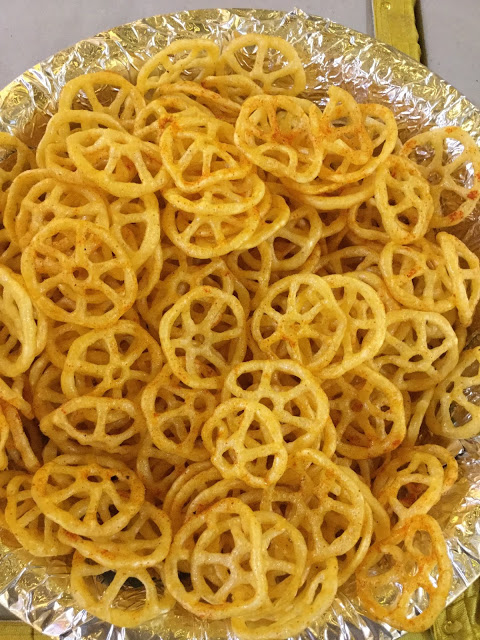
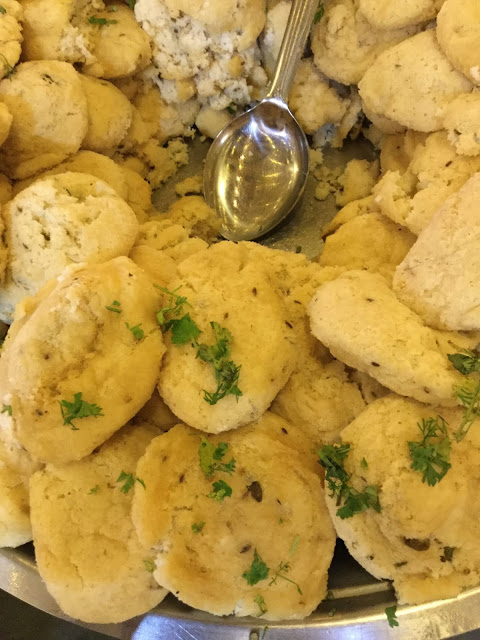
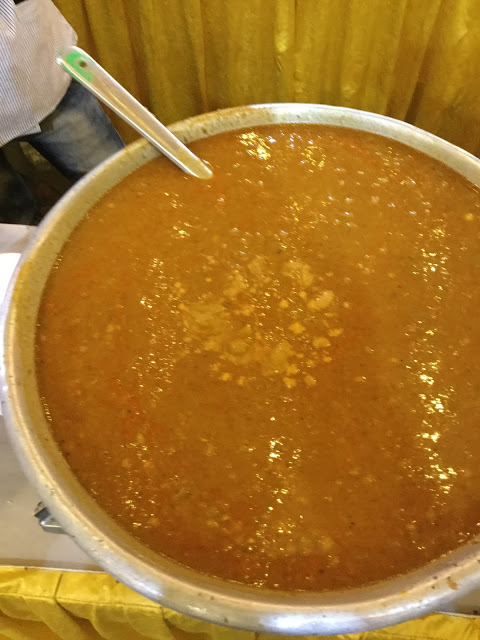
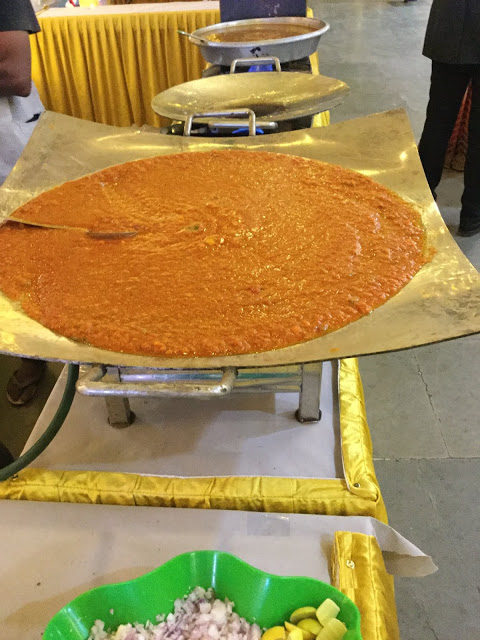
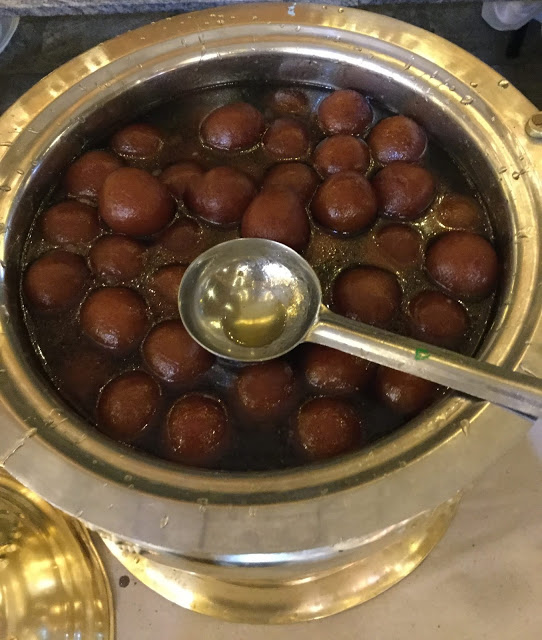
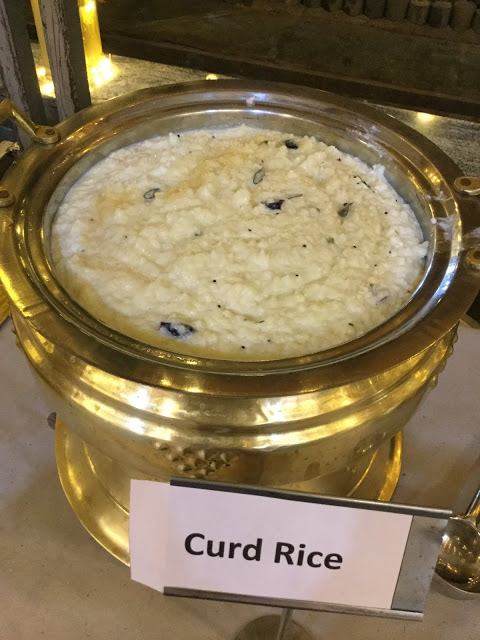
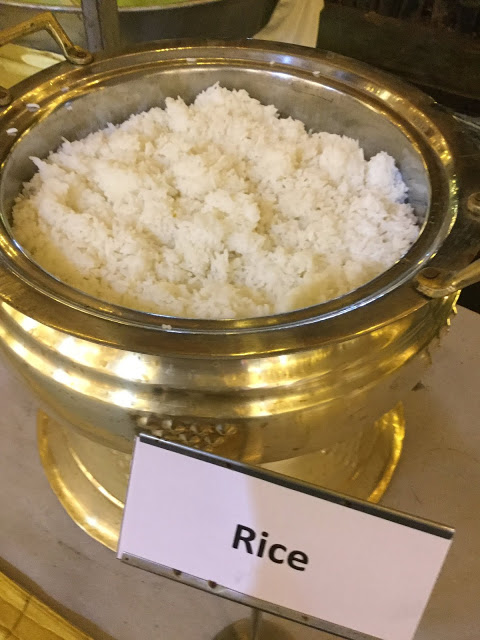
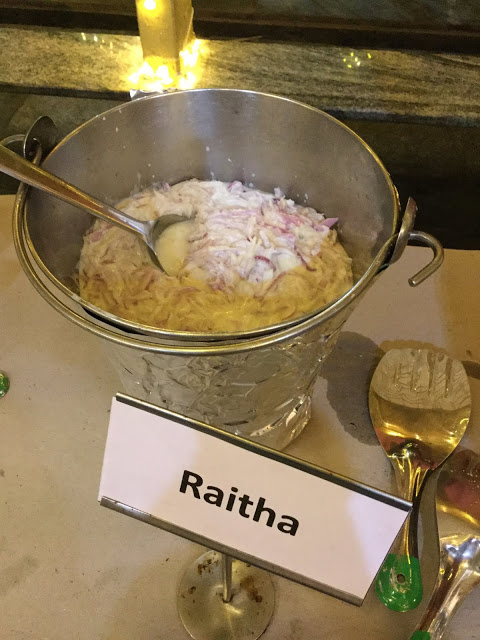
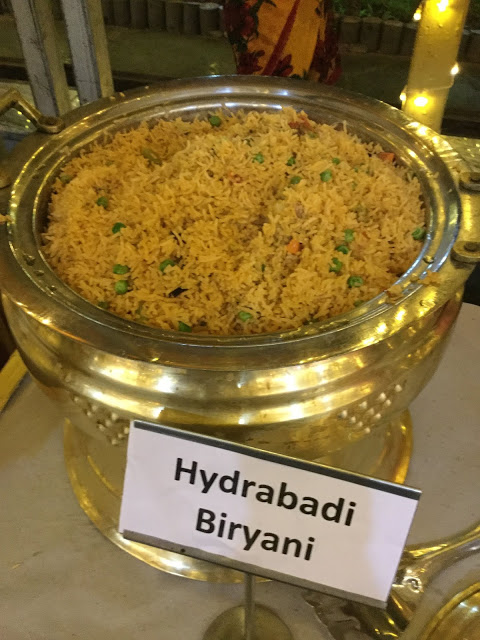
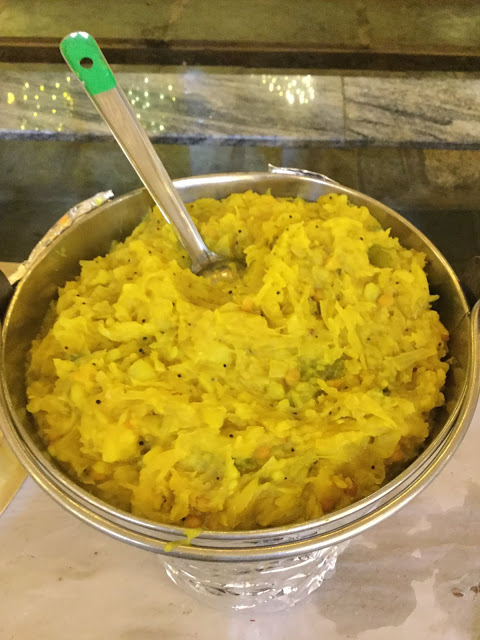
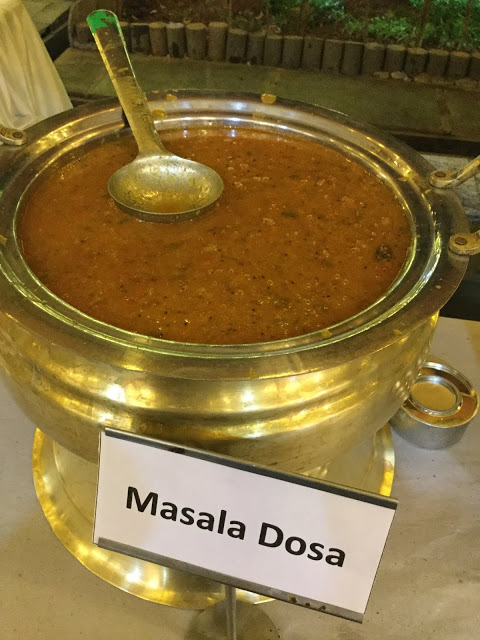
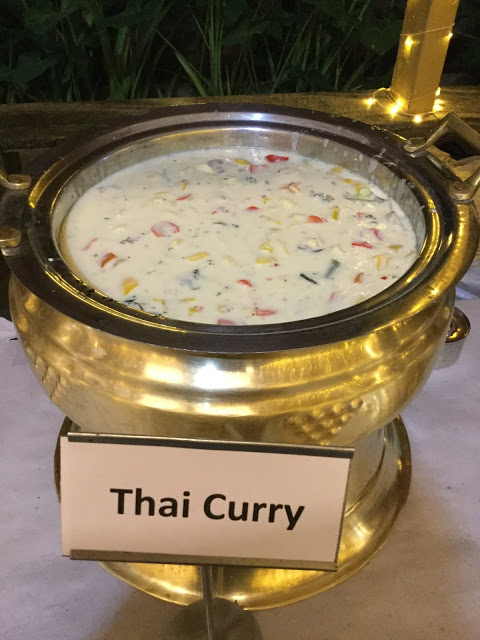
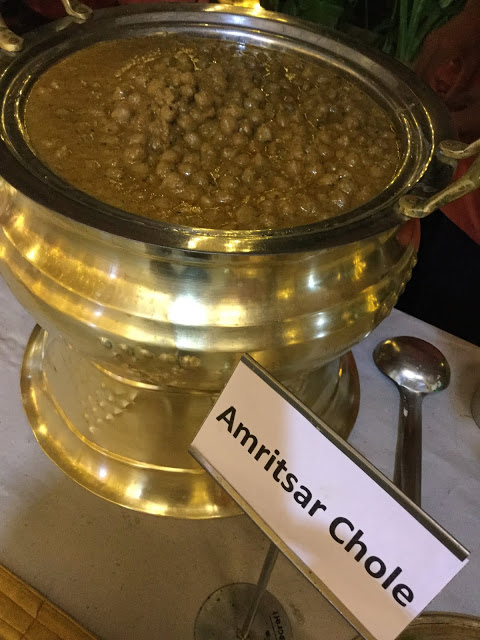
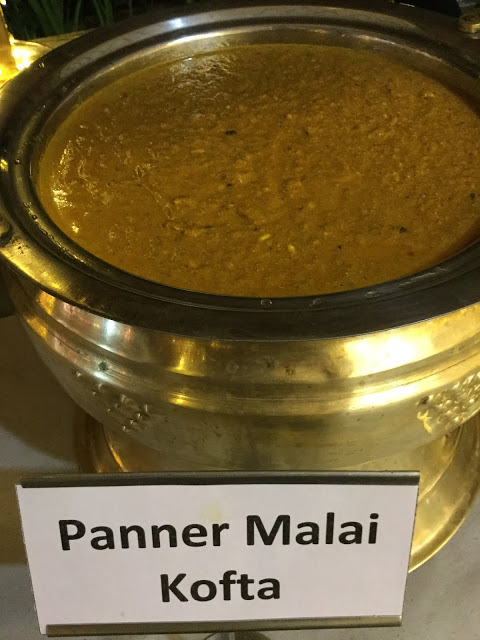
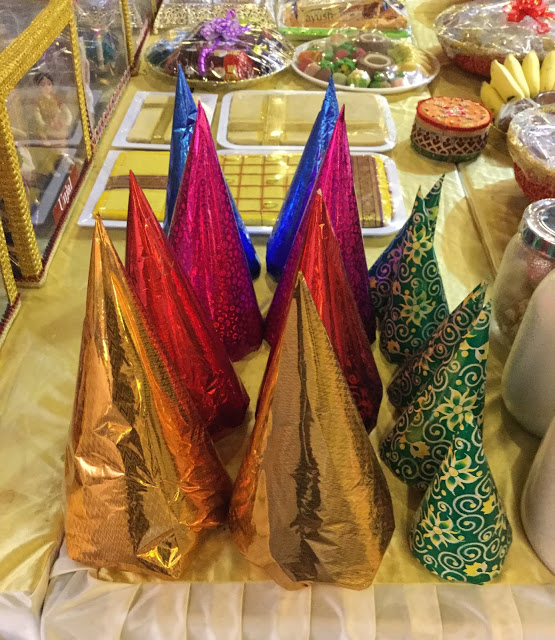
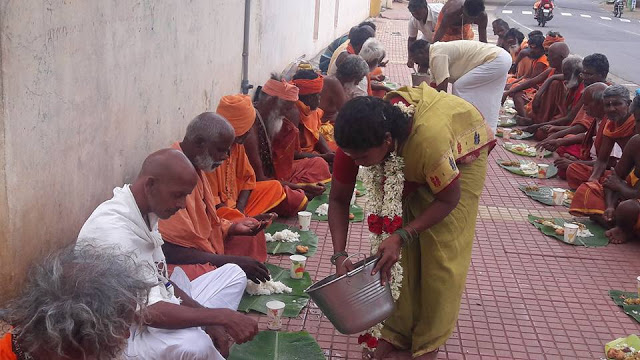
Recently (July 10 and 11, 2019) I went to Bangalore to attend a wedding. On two days I counted over 60 items, leave alone the desserts. Some mouth- watering dishes are pictured here (all pictures are taken with my poor I pad)—
BILLION
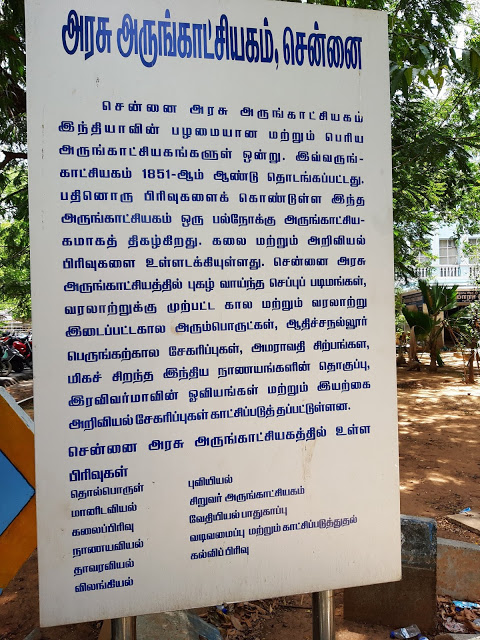
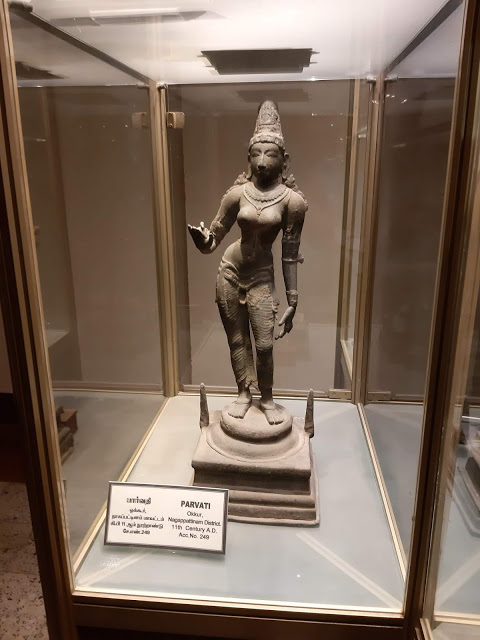
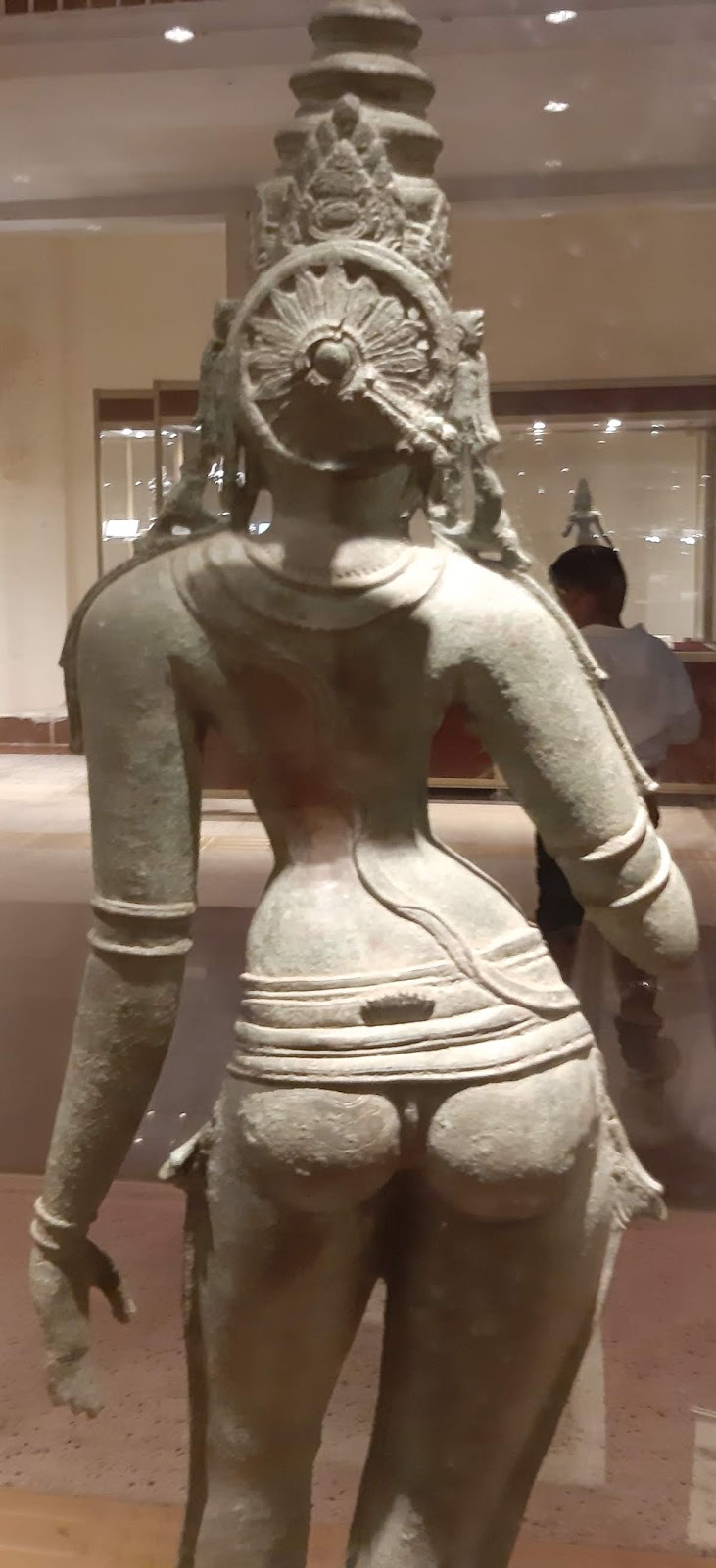
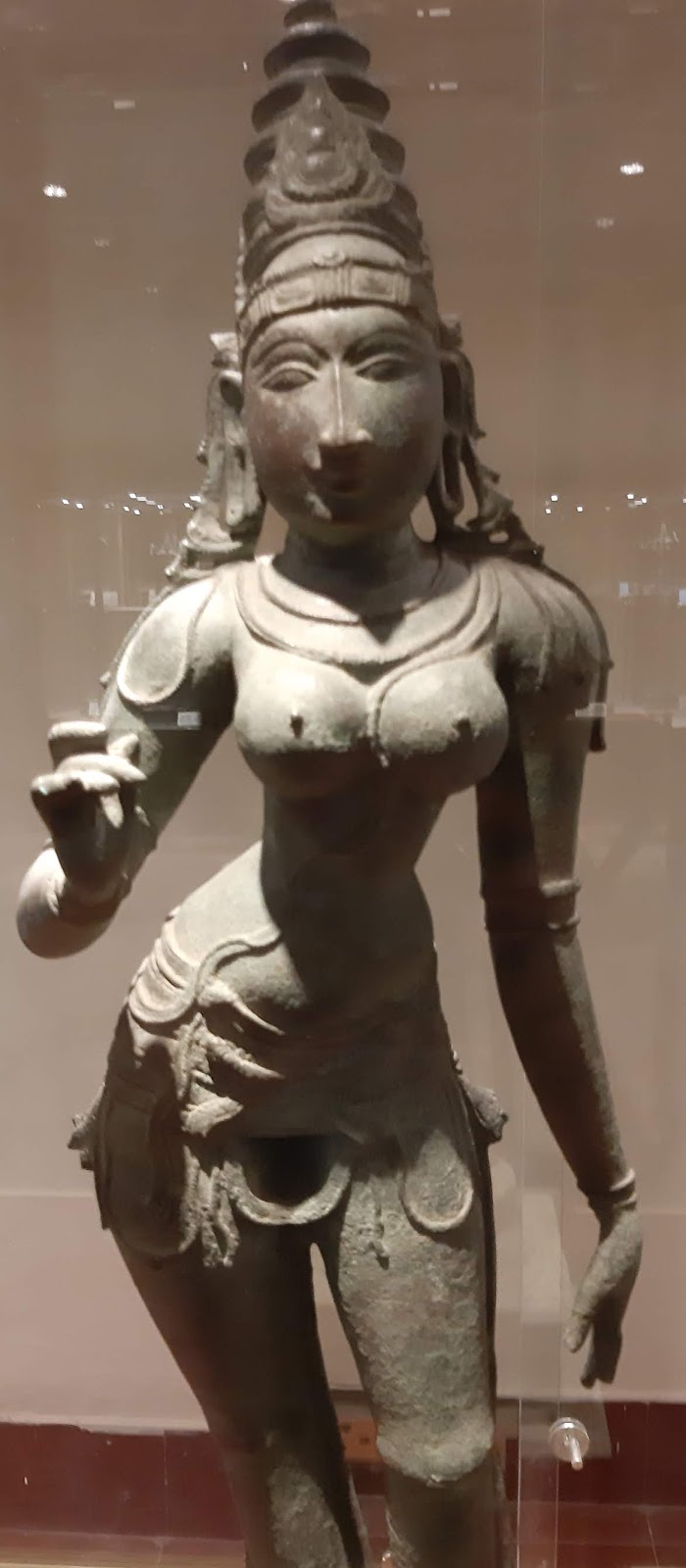
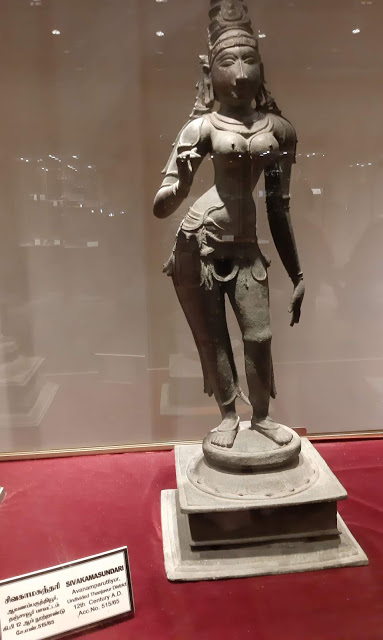
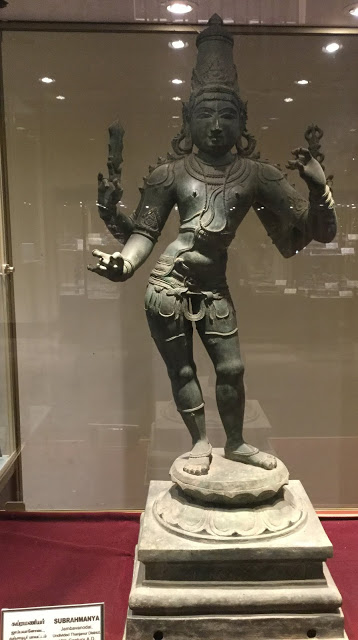
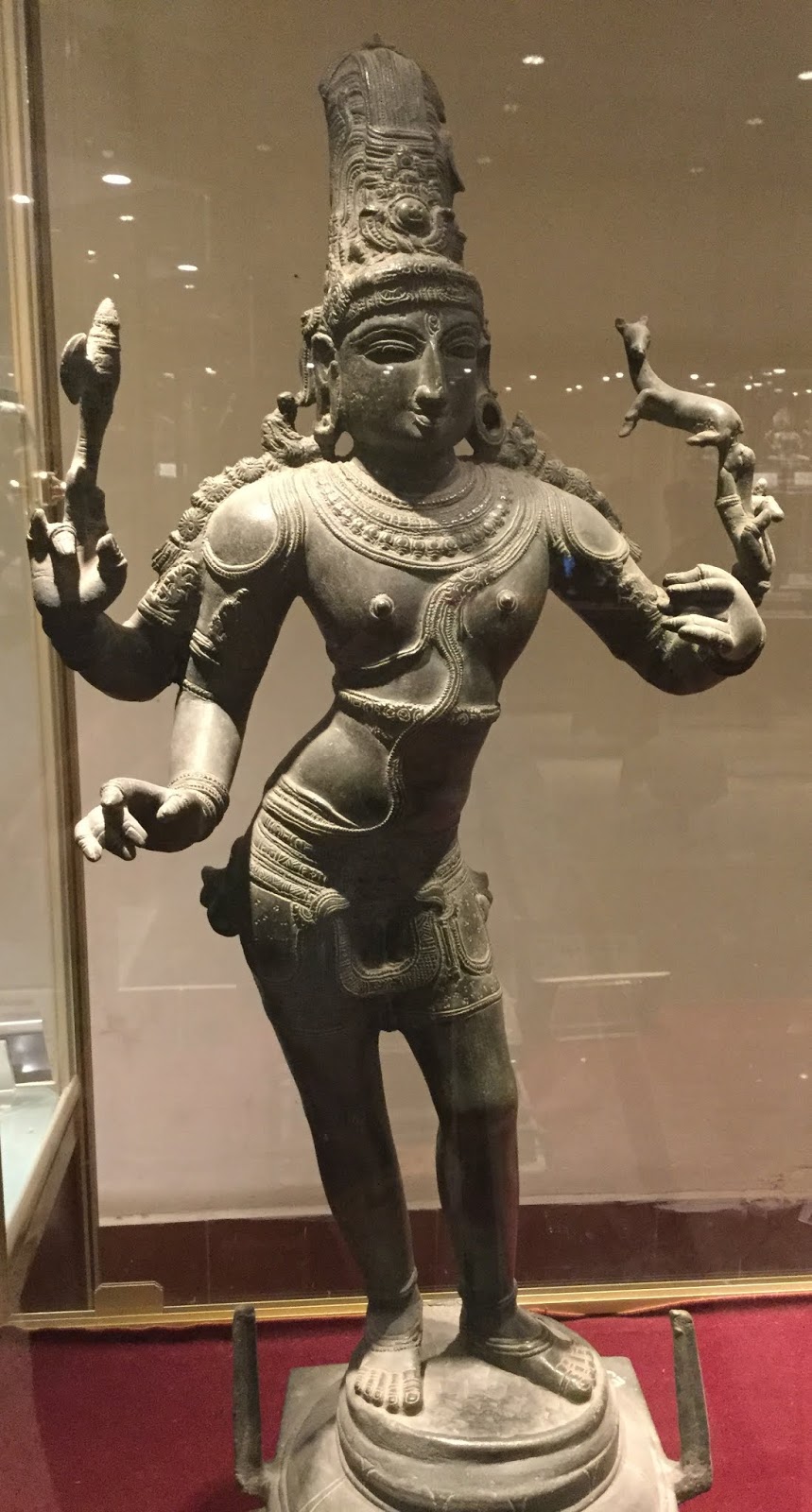
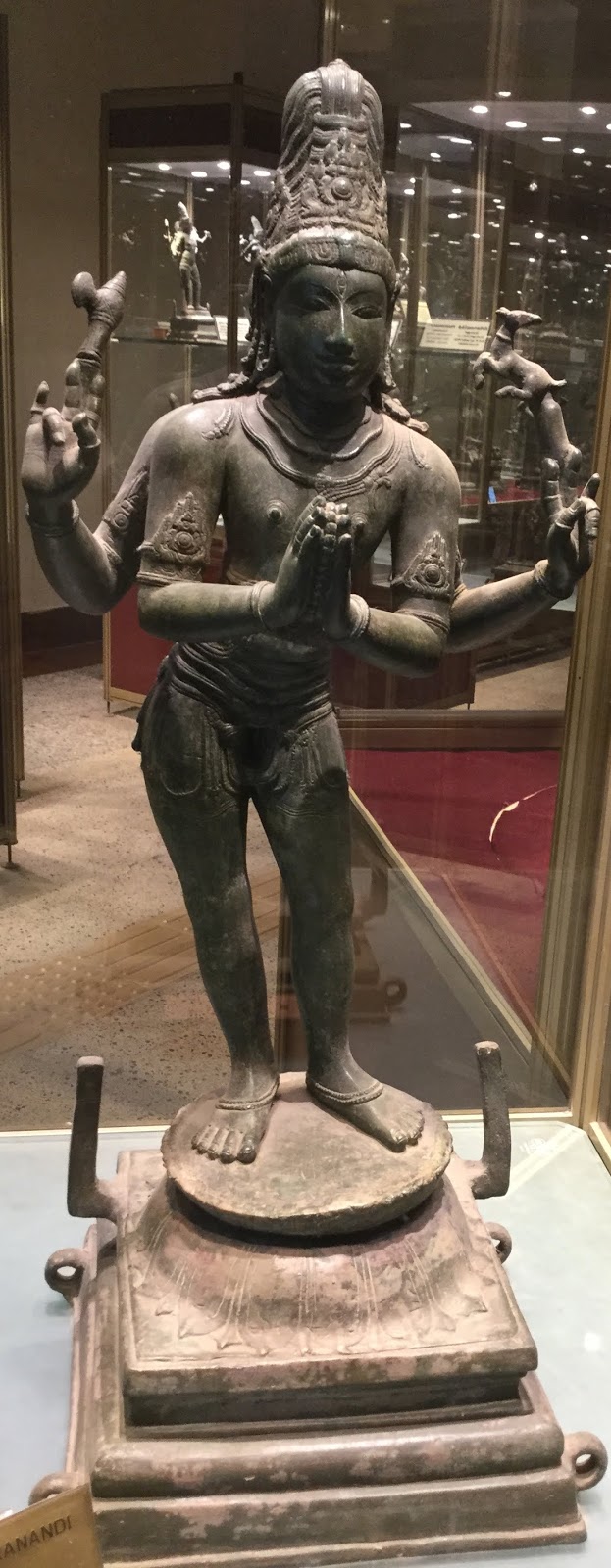
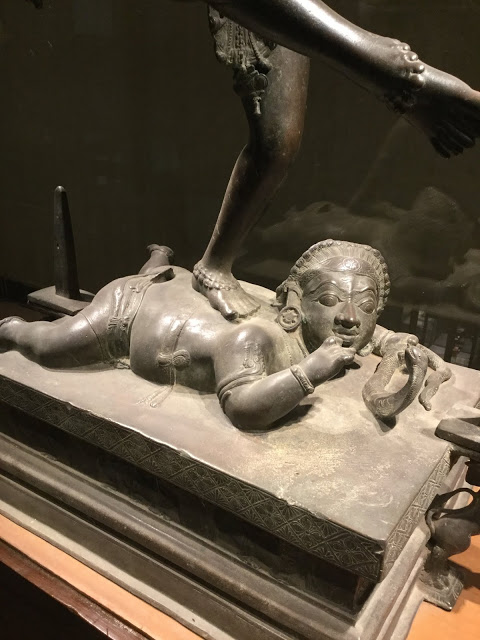
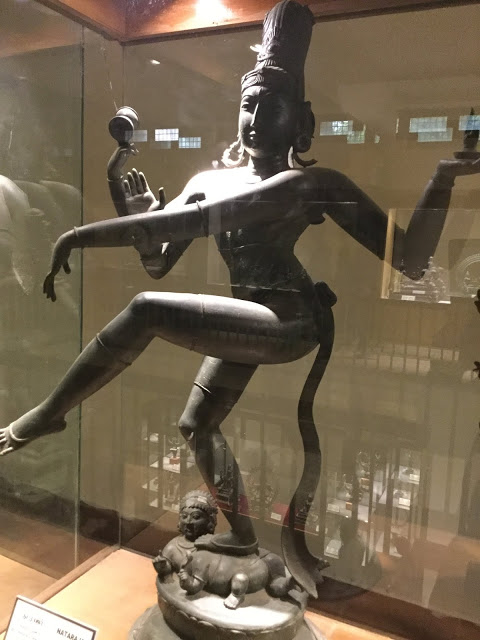
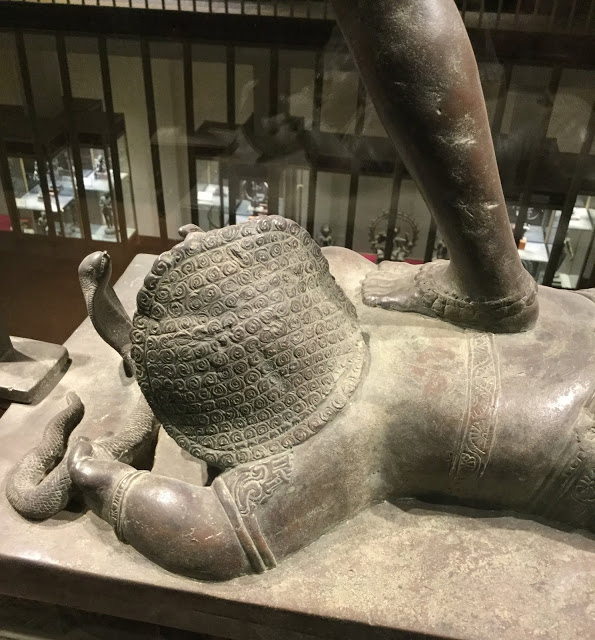
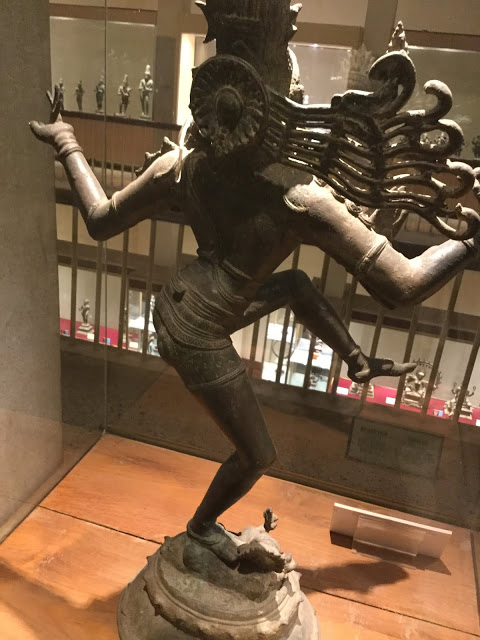
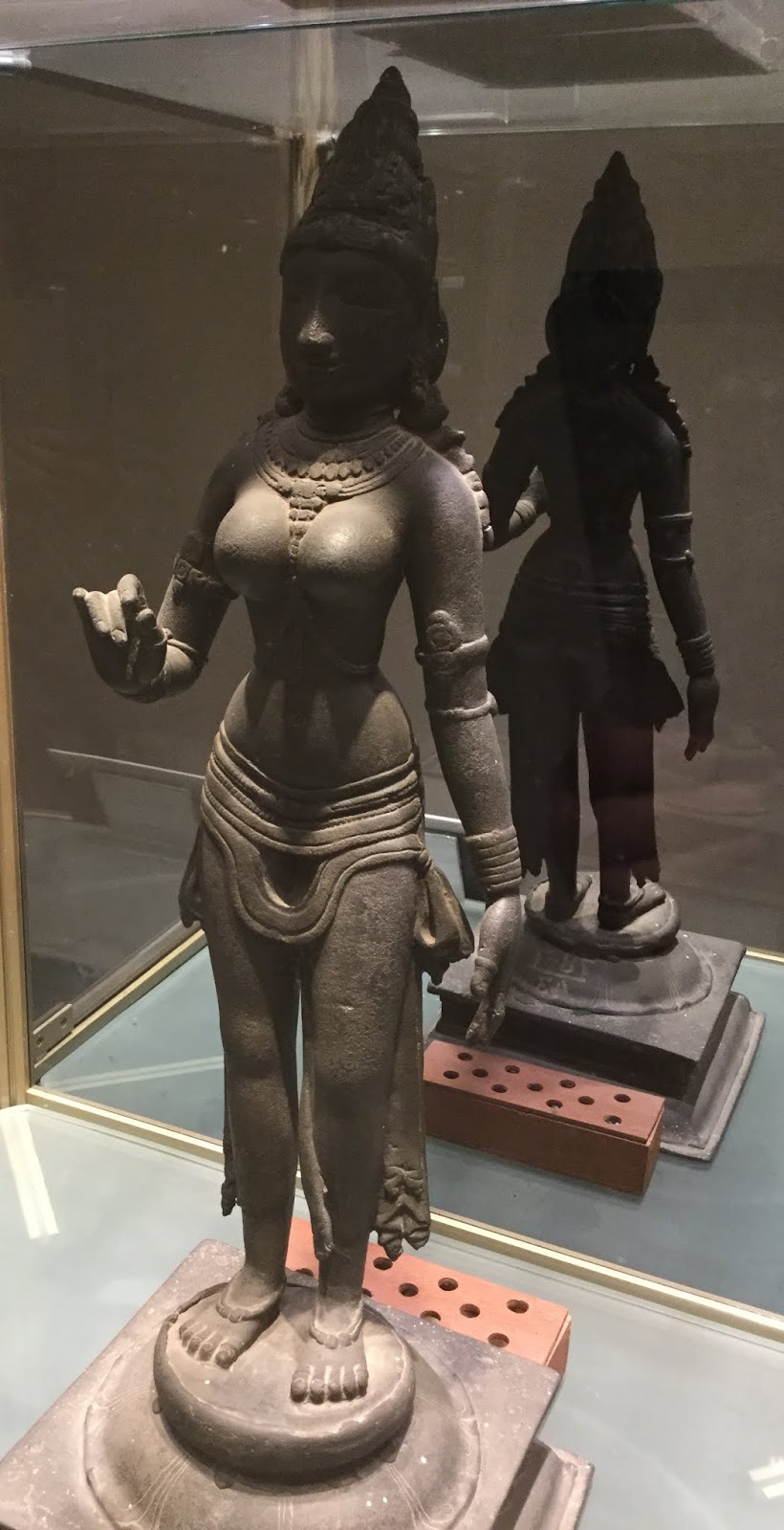
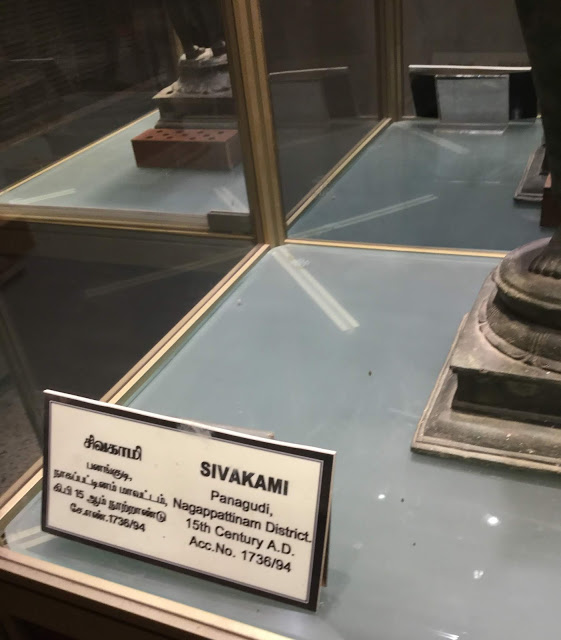
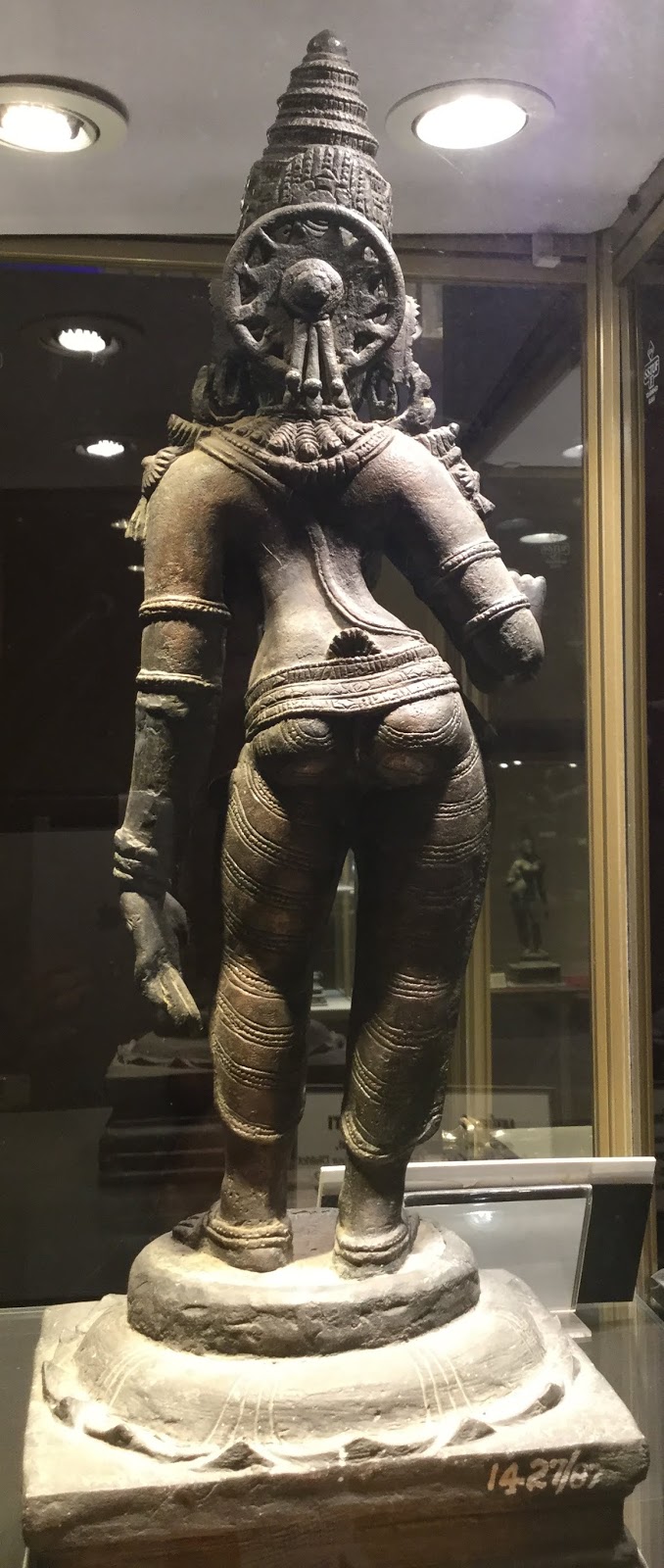
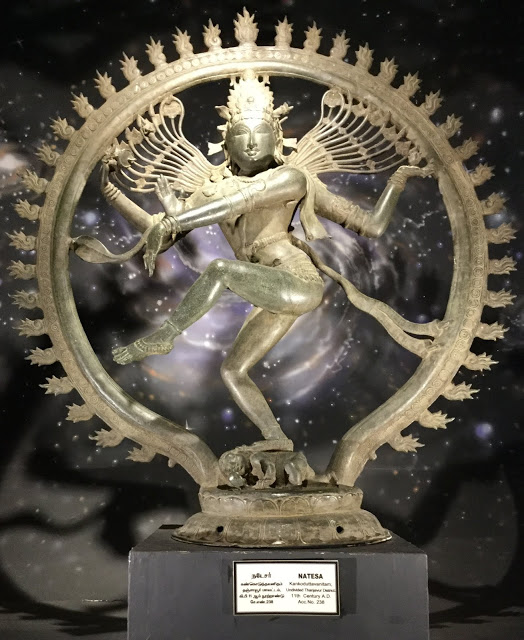
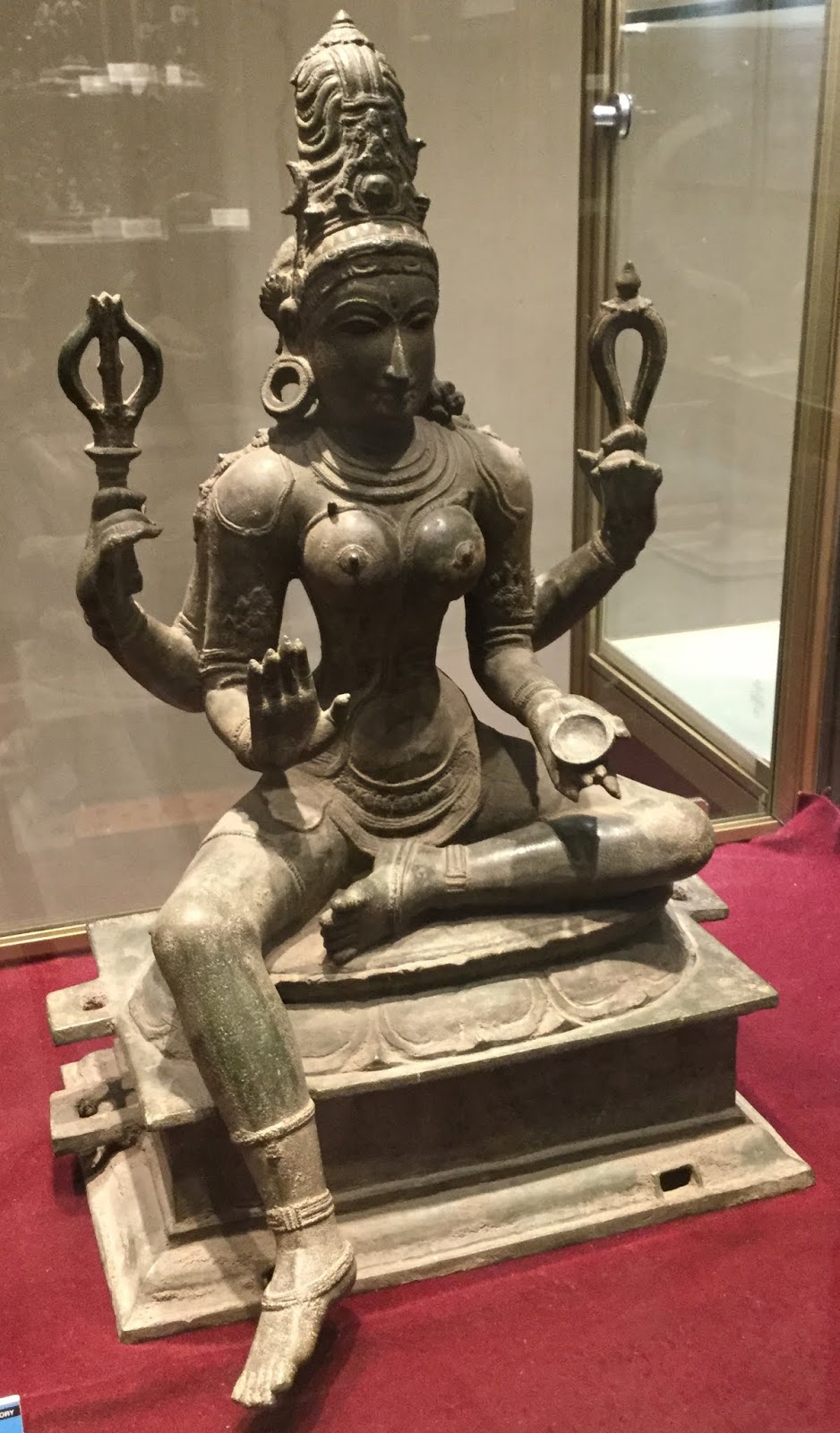
DOLLAR WORTH BRONZES ARE IN THE BRONZE GALLERY IN CHENNAI MUSEUM. GOVERNMENT
MUST INCREASE THE SECURITY. BOULDERS SHOULD BE PLACED TO PREVENT VEHICLES
COMING NEAR THE ACCESS. IN LONDON, IMPORTANT EMBASSIES, PRIME MINISTER’S HOUSE
AND IMPORATNT STATIONS ARE PROTECTED BY BIG BOULDERS SO THAT NO ROBBER OR BOMBER
CAN APPROACH THEM IN VEHICLES. SUCH PROTECTION SHOULD BE GIVEN TO ALL INDIAN
INSTALLATIONS. ELECTRONICALLY OPERATED GATES SHOULD BE INSTALLED WHICH WILL AUTOMATICALLY
CLOSE WHEN THE ALRAM GOES OFF.
WHEN IN I
CAME TO LONDON IN 1987, ME AND MY FRIEND DR SANJEEVI WENT TO 10 DOWNING STREET
AND TOOK PICTURES WITH THE LONE POLICEMAN GUARDING THE PM’S HOUSE. NOW NO ONE
CAN GO THERE. BIG GATES AND BOULDERS PREVENT THE ACCESS. ONLY DURING DEEPAVALI
PARTY, I WAS ABLE TO APPROACH THE DOOR AFTER SECURITY AND ID CHECKS.
MORE
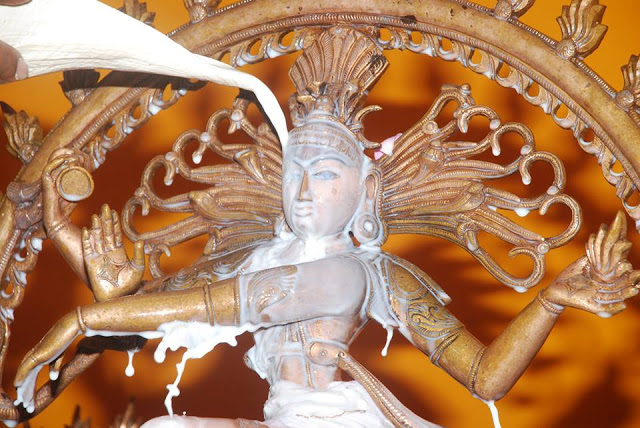
PICTURES OF THE BRONZES (PANCHA LOKA IDOLS) ARE HERE:–
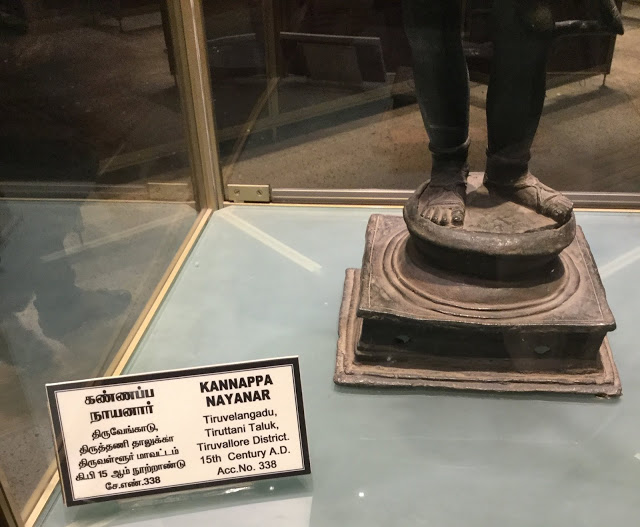
Look at the hunter’s dress and shoes!! Hunter Kannappa Nayanar lived 1500 years ago in Tamil Nadu.
I have already
covered the first 8 chapters of Manava Dharma Sastra, also known as Manu Smrti.
Ninth chapter is used by Anti Manu lobby saying that Manu was anti women. But
the lobbyists chose the slokas they like and hide the more important statements
of Manu. There is no book in the ancient world that supports women like Manu.
Even in this
chapter he compared women to Goddess Lakshmi (Goddess of Prosperity) and praised
them as Lamps of Houses.
Manu’s
statement in this chapter is translated by Tamil poet Tiruvalluvar in one or
two couplets. Manu’s description of women as lamps is translated by Sangam Tail
poets as well.
Manu’s words
against bad women are found in all literatures and scriptures of the world. In
fact we see such warnings even in the teachings of Sri Ramakrishna Paramahamsa
in his warning about Kamini- Kanchana (temptation of women and gold).
Throughout
Kamba Ramayana (in Tamil) also we read anti women statements. And in the verses
of Arunagirinathar and Pattinathar we see more of such statements.
All those who
criticised Manu hide all his praises for women:
“All body parts
of women are pure.
If a woman
cries in a family that family will be destroyed completely.
Brothers must
buy their sisters clothes and jewels and keep them ever happy.
Husbands can’t
do any rituals without wives.
Killing women is
never allowed”.
There are many
more such praises heaped on women by Manu. So one must read the slokas and
interpret them in the right context. Following sloka/verse is oft quoted by
anti Hindu politicians and socalled scholars.
पिता रक्षति कौमारे भर्ता
रक्षति यौवने ।
रक्षन्ति स्थविरे पुत्रा न स्त्री
स्वातन्त्र्यमर्हति ॥ 9-३ ॥
The father guards/protects her during virginity, the husband
guards/protects her in youth, the sons guard/protect her in old age; WOMEN
SHOULD NEVER BE LEFT UNGURADED/UNPROTECTED (literal translation- the woman is
never fit for independence.—(9-iii)).
In the above verse ‘Rakshati = protected’ is used thrice. That
shows that a woman should never be left un protected, should not be left in the
lurch.
In fact, Tamils go further and say that the same man should be
her husband in her following births.
(One Facebook friend joked on this- Oh my God; I have trained
him all these years; that should not go waste; Please make him my husband in
the next birth also!)
Tamils also say that a chaste woman who worships her husband can
command nature. If a woman goes to bed later and gets up before her husband and
worship him like God, she can command rain.(Tirukkural 55)
This is an echo of Manu 5-155
Tirukkural couplet 56 in Tamil is a translation of Manu 9-12
Now let us look at the verses in order and I will highlight the important ones.
MANU -Chapter- 9
9-1. I will now propound the
eternal laws for a husband and his wife who keep to the path of duty, whether
they be united or separated.
2. Day and night woman must be
kept in dependence by the males (of) their families, and, if they attach
themselves to sensual enjoyments, they must be kept under one’s control.
9-3. Her father protects her
in childhood, her husband protects her in youth, and her sons protect her in
old age; a woman is never left without support.
4. Reprehensible is the father
who gives not his daughter in marriage at the proper time; reprehensible is the
husband who approaches not his wife in due season, and reprehensible is the son
who does not protect his mother after her husband has died.
5. Women must particularly be
guarded against evil inclinations, however trifling they may appear; for, if
they are not guarded, they will bring sorrow on two families.
6. Considering that the highest
duty of all castes, even weak husbands must strive to guard their wives.
7. He who carefully guards his
wife, preserves the purity of his offspring, virtuous conduct, his family,
himself, and his means of acquiring merit.
Son is husband’s replica
9-8. The husband, after
conception by his wife, becomes an embryo and is born again of her; for that is
the wifehood of a wife (jaya), that he is born (jayate) again by her.
9. As the male is to whom a wife
cleaves, even so is the son whom she brings forth; let him therefore carefully
guard his wife, in order to keep his offspring pure.
10. No man can completely guard
women by force; but they can be guarded by the employment of the following
expedients:
11. Let the husband) employ his
wife in the collection and expenditure of his wealth, in keeping everything
clean, in the fulfilment of religious duties, in the preparation of his food,
and in looking after the household utensils.
9-12. Women, confined in the
house under trustworthy and obedient servants, are not well guarded; but those
who of their own accord keep guard over themselves, are well guarded.
(Tirukkural 56 in Tamil say the same)
Six causes for women’s ruin
13. Drinking (spirituous liquor),
associating with wicked people, separation from the husband, rambling abroad,
sleeping (at unseasonable hours), and dwelling in other men’s houses, are the
six causes of the ruin of women.
14. Women do not care for beauty,
nor is their attention fixed on age; thinking), ‘It is enough that he is a
man,’ they give themselves to the handsome and to the ugly.
15. Through their passion for
men, through their mutable temper, through their natural heartlessness, they
become disloyal towards their husbands, however carefully they may be guarded in
this world.
Women are frail; men must
protect them
16. Knowing their disposition,
which the Lord of creatures laid in them at the creation, to be such, every man
should most strenuously exert himself to guard them.
17. (When creating them) Manu
allotted to women a love of their bed, of their seat and of ornament, impure
desires, wrath, dishonesty, malice, and bad conduct.
18. For women no sacramental rite
is performed with sacred texts, thus the law is settled; women who are
destitute of strength and destitute of the knowledge of Vedic texts, (are as
impure as) falsehood (itself), that is a fixed rule.
19. And to this effect many
sacred texts are sung also in the Vedas, in order to (make) fully known the
true disposition (of women); hear (now those texts which refer to) the
expiation of their (sins).
20. ‘If my mother, going astray
and unfaithful, conceived illicit desires, may my father keep that seed from
me,’ that is the scriptural text.
21. If a woman thinks in her
heart of anything that would pain her husband, the (above-mentioned text) is
declared (to be a means for) completely removing such infidelity.
(Verses 20,21 are based on Grhya
sutras and Srauta sutras)
22. Whatever be the qualities of
the man with whom a woman is united according to the law, such qualities even
she assumes, like a river united with the ocean.
Lowest caste woman became the
most respected woman in the world
Arundhati is the most praised
woman in Sangam Tamil literature and Puranas. She was known as Akshamala
9-23. Akshamala, a woman of
the lowest birth, being united to Vasishtha and Sarangi, (being united) to
Mandapala, became worthy of honour.
24. These and other females of
low birth have attained eminence in this world by the respective good qualities
of their husbands.
25. Thus has been declared the
ever pure popular usage which regulates the relations between husband and wife;
hear (next) the laws concerning children which are the cause of happiness in
this world and after death.
Women are lamps of houses;
women are Goddess Lakshmi
9-26. Between wives (striyah)
who are destined to bear children, who secure many blessings, who are worthy of
worship and irradiate their dwellings, and between the goddesses of fortune
(sriyah, who reside) in the houses of men, there is no difference whatsoever.
Another translation of 9-26
There is no difference at all
between the Goddesses of good fortune who live in houses and women who are the
lamps of the houses, worthy of reverence and greatly blessed because of their
children.
27. The production of children,
the nurture of those born, and the daily life of men, (of these matters) woman
is visibly the cause.
Wife is foundation
28. Offspring, the due
performance on religious rites, faithful service, highest conjugal happiness
and heavenly bliss for the ancestors and oneself, depend on one’s wife alone.
29. She who, controlling her
thoughts, speech, and acts, violates not her duty towards her lord, dwells with
him (after death) in heaven, and in this world is called by the virtuous a faithful
(wife, sadhvi)
30. But for disloyalty to her
husband a wife is censured among men, and (in her next life) she is born in the
womb of a jackal and tormented by diseases, the punishment of her sin.
31. Listen (now) to the following
holy discussion, salutary to all men, which the virtuous (of the present day)
and the ancient great sages have held concerning male offspring.
32. They (all) say that the male
issue (of a woman) belongs to the lord, but with respect to the (meaning of the
term) lord the revealed texts differ; some call the begetter (of the child the
lord), others declare (that it is) the owner of the soil.
Men are seeds- women are
fields
33. By the sacred tradition the
woman is declared to be the soil, the man is declared to be the seed; the
production of all corporeal beings (takes place) through the union of the soil
with the seed.
34. In some cases the seed is
more distinguished, and in some the womb of the female; but when both are
equal, the offspring is most highly esteemed.
35. On comparing the seed and the
receptacle (of the seed), the seed is declared to be more important; for the
offspring of all created beings is marked by the characteristics of the seed.
36. Whatever (kind on seed is
sown in a field, prepared in due season, (a plant) of that same kind, marked
with the peculiar qualities of the seed, springs up in it.
37. This earth, indeed, is called
the primeval womb of created beings; but the seed develops not in its
development any properties of the womb.
38. In this world seeds of
different kinds, sown at the proper time in the land, even in one field, come
forth (each) according to its kind.
39. The rice (called) vrihi and
(that called) sali, mudga-beans, sesamum, masha-beans, barley, leeks, and
sugar-cane, (all) spring up according to their seed.
9-40. That one (plant) should
be sown and another be produced cannot happen; whatever seed is sown, (a plant
of) that kind even comes forth.
41. Never therefore must a
prudent well-trained man, who knows the Veda and its Angas and desires long
life, cohabit with another’s wife.
42. With respect to this
(matter), those acquainted with the past recite some stanzas, sung by Vayu (the
Wind, to show) that seed must not be sown by (any) man on that which belongs to
another.
43. As the arrow, shot by (a
hunter) who afterwards hits a wounded (deer) in the wound (made by another), is
shot in vain, even so the seed, sown on what belongs to another, is quickly
lost (to the sower).
Prithivi/ husband and Pruthu/ wife
9-44. Sages, who know the past
call this earth (prithivi) even the wife of Prithu; they declare a field to
belong to him who cleared away the timber, and a deer to him who (first)
wounded it.
45. He only is a perfect man who
consists (of three persons united), his wife, himself, and his offspring; thus
(says the Veda), and (learned) Brahmanas propound this (maxim) likewise, ‘The
husband is declared to be one with the wife.’
46. Neither by sale nor by
repudiation is a wife released from her husband; such we know the law to be, which
the Lord of creatures (Pragapati) made of old.
47. Once is the partition (of the
inheritance) made, (once is) a maiden given in marriage, (and) once does (a
man) say,’ I will give;’ each of those three (acts is done) once only.
48. As with cows, mares, female
camels, slave-girls, buffalo-cows, she-goats, and ewes, it is not the begetter
(or his owner) who obtains the offspring, even thus (it is) with the wives of
others.
49. Those who, having no property
in a field, but possessing seed-corn, sow it in another’s soil, do indeed not
receive the grain of the crop which may spring up.
Bull and Calves Simile
50. If (one man’s) bull were to
beget a hundred calves on another man’s cows, they would belong to the owner of
the cows; in vain would the bull have spent his strength.
51. Thus men who have no marital
property in women, but sow their seed in the soil of others, benefit the owner
of the woman; but the giver of the seed reaps no advantage.
52. If no agreement with respect
to the crop has been made between the owner of the field and the owner of the
seed, the benefit clearly belongs to the owner of the field; the receptacle is
more important than the seed.
53. But if by a special contract
(a field) is made over (to another) for sowing, then the owner of the seed and
the owner of the soil are both considered in this world as sharers of the
(crop).
Seed and Field Simile
54. If seed be carried by water
or wind into somebody’s field and germinates (there), the (plant sprung from
that) seed belongs even to the owner of the field, the owner of the seed does
not receive the crop.
55. Know that such is the law
concerning the offspring of cows, mares, slave-girls, female camels, she-goats,
and ewes, as well as of females of birds and buffalo-cows.
56. Thus the comparative
importance of the seed and of the womb has been declared to you; I will next
propound the law (applicable) to women in times of misfortune.
New Delhi, July 16,2019– Joining the
pan-India celebrations of Guru Purnima, the Indira Gandhi National Centre for
the Arts (IGNCA) on Tuesday unveiled a statue of sage and theatrologist Bharata
Muni who composed the ”Natya Shastra”, an ancient Sanskrit text on performing
arts.
The unveiling happened on the
Foundation Day of IGNCA”s Kalakosh division, a department dedicated to the
rich body of literature surrounding India”s classical arts.
The statue was unveiled by Rajya
Sabha MP and classical dancer Sonal Mansingh, IGNCA president and senior
journalist Ram Bahadur Rai, and National Gallery of Modern Art director-general
and sculptor Adwaita Gadanayak.
The ”Natya Shastra” is the oldest
extant literature in the field of dramatic arts.
The black-coloured sculpture,
conceptualised by classical dancer Padma Subrahmanyam and sculpted by
Bengaluru-based artists T.N. Rathna and S. Venkataramana, represents divine
forces and the classical arts tradition of India.
30 Dec 2017 – Another drama of Kalidasa,
Malavika Agnimitram, also refers to the Yavanas. Hundreds of Tamil words are
in ancient Greek (see my previous …
We staged a
Tamil drama for South Indian Society and raised over 1500 pounds. I took the
main roles … Harrow Council (for Black History Month). Paul
Hamlyn …
Rig Veda is an
encyclopaedia of ancient India. Hindu playwrights, actors and dramatists believe that
the drama originated in India. Though we have dramas in …
5 Feb 2017 – Literary references
in ancient Tamil and Sanskrit literature show that the … We have references
to drama, folk theatre and puppet show from …
4 Nov 2017 – Posts about History written
by Tamil and Vedas. … Whatever be the origin of drama, we have very
clear drama scenes in the Rig Veda in the …
The meaning given in the
Vedic index is ‘bearing in secret’. It is in RV …. Hindu playwrights, actors
and dramatists believe that the drama originated in India.

























































 Tamil and Vedas