SILENCE IS GOLDEN- CHANAKYA (Post No.4569)

Written by London Swaminathan 


Date: 31 DECEMBER 2017 


Time uploaded in London- 15-29


Post No. 4569

Pictures shown here are taken from various sources such as Facebook friends, Books, Google and newspapers; thanks


It is said that ‘Speech is sliver and silence is golden’. But Chanakya goes one step further and says that one who eats in silence will have respect in heaven for ever.


Loot at the following sloka-9 in Chapter 11 0f Chanakya Niti:

One who has meals for a full year in silence gets respect in heaven for a thousand crore Yugas.

Yastu samvatsaram purnam nityam maunena bhunchati

yugakotisahasram tu svargaloke mahiyate.


A Swiss inscription says, “Sprehfien ist silbern, Schweigen ist golden’


These phrases are only a few centuries old. But Indian phrases are older than these.


There is some logic behind eating in silence and getting great benefits. Many of the times we don’t appreciate the good things in cooking done by wives or mothers. They do it well for 90 out of 100 days. But when it s not up to the mark in the ten out of 100 days we shout at them or at least we criticise them, saying this has no salt or this has too much salt, this is very spicy, this is very oily etc. If we eat in silence this would not happen. And both the cook and the person who took the food feel contented and happy.


In another sloka Chanakya says,

Silent Prayer

We all know the great saint of Tiruvannamalai Sri Ramana Maharishi cleared the doubts of thousands of devotees in silence. Even people like Paul Brunton (author of Search in Secret India) acknowledged that they got answers for their questions by simply in front of him, who most of the times maintained silence.

Chanakya says,

udyoge naasti darityam japato naasti patakam

maune cha kalaho naasti naasti jagarite bhayam


The meaning is.th exertion there is no poverty; one who offeres silent prayer incurs no sin. In silence there is no quarrel. For one who is wide awake there is no fear.


This advice is also very practical. If everyone maintains silence, the world will be a better place to live in. In silence there is no quarrel.


One who does prayer in silence, gets more benefit. In our own time we have seen Ramana Maharishi maintaining silence and helping the devotees. Many spiritual centres have meditation halls where silent prayer is encouraged.

Chinese philosopher Confucius said,

Silence is a true friend who never betrays.

Scottish philosopher Thomas Carlyle’s quotations are very popular:-   


“Silence is more eloquent than words.   

Speech is great, but silence is greater.   

Speech is of time, silence is of eternity”.


–Subham–


STRANGE AND INTERESTING STORIES ABOUT CHANAKYA! (Post No.4552)

Written by London Swaminathan 


Date: 27 DECEMBER 2017 


Time uploaded in London- 6-21 am


Post No. 4552

Pictures shown here are taken from various sources such as Facebook friends, Books, Google and newspapers; thanks


The greatest statesman that India has ever produced is Chanakya. He was the man who established the mighty Magadha empire. Even the Greek king Alexander the Great returned to his homeland fearing the army of the Magadha empire. Though we don’t have any authentic report about the life history of Chanakya, we are able to piece together the materials that are available in dramas such as Mudra Rakshasa of Visakadatta and other word of mouth stories. One underlying thread in all these stories is that Chanakya was an astute politician. He did not hesitate to use Sama, Dana, Beda, Danda (peace, bribe, dissension and punish) to achieve his goal. He followed the policy of ‘tit for tat’ or tooth for tooth, blood for blood. He believed that diamond should be cut by a diamond and a thorn should be taken out by a thorn.

UGLY BRAHMIN!

Here are few interesting stories: –


King Mahapadma Nanda had eight sons through his legal marriage and one son through his intimacy with a servant maid by name Mura. Her son was Maurya Chandra Gupta.


The rule of Nava/Nine Nandas was tyrannical. They were the embodiments of arrogance. They were against all the rituals and particularly Brahminical. Mahapadma Nanda was a modern Hiranyakasipu, the demon.


One day he went for a walk and stopped suddenly and laughed. A servant maid of the palace was coming in the opposite direction. Seeing the king laughing she also laughed. Nanda stopped her and asked the reason for her laugh. She was scared and dared not to answer his question. She told him that she would tell the reason later and ran away.


She wanted to give him a correct answer or an excuse and so she consulted lot of people; All her efforts were fruitless. She went to  minister Sakatara, who was in the jail. He helped her out. How?


Story of Minister Sakatara

Let us first read the story of Sakatara. He was a good minister but he was imprisoned on flimsy charges along with his wife and son. They were supplied meagre food in the prison and his wife and son died in course of time. He was waiting for an opportunity to take revenge upon the Nine Nandas.


To the maid who came to get his help he put two simple questions:

What was Mahapadma Nanda looking at when he laughed?

Where was he then?

The servant maid told Sakatara that the king was near a canal and he was looking at a big tree. Immediately Sakatara guessed the answer and told the lady the king was amused when he saw a tiny seed of that big tree floating in the water. He laughed at it thinking that how come a tiny seed could produce a big tree.


The maid was happy and went to see the king next day and gave him this answer. He was surprised to see that she got it right. But he knew that it was not the servant maid’s answer and wanted to find out who helped her. Through his spies he found out that this lady met Sakatara in the prison the previous day.


Now Mahapadma Nanda became soft and released the intelligent minister Sakatara. He was appointed the Head of the Department of Rituals.


One day Sakatara was walking along a village road and saw something strange. A Brahmin with a tuft was pouring sour buttermilk on some grass. As he was the head of rituals, he wanted to know what the Brahmin was doing. That Brahmin told Sakatara that he wanted to destroy the grass as it was made him to fall. Sakatara saw a point in his action and thought that this person would achieve his goal. He took him to Pataliputra (modern Patna in Bihar)  and used his service. There was a ceremony in the palace and this ‘no so good looking’ poor Brahmin was given a front seat.


Mahapadma Nada walked into the hall and saw an ugly Brahmin taking a seat in the front row. He pulled him out and threw him out of the hall. That Brahmin was Chanakya.

On that day Chanakya made a vow, “I wouldn’t tie my tuft of hair till I uproot this Nandas”.


Sakatara and Chanakya joined together and made big plans to uproot the Nandas. Nanda has a great minister by name Rakshasa. Chanakya spoiled all his efforts who tried to prop up the Nandas. Through a servant maid Chanakaya and Sakatara gave poisonous food to the Nine Nandas and all of them died at once. There was utter chaos in the kingdom.


Chanakya made a deal with the neighbouring kingdom of King Parvata. If he could capture Pataliputra he would get half the kingdom and the rest would be ruled by Chandragupta, the servant maid Mura’s son. When Parvata invaded the country with his son Malayaketu, Parvata was killed by foul means and Malayaketu ran for his life. Now Chanakya and Sakatara crowned Chandra Gupta as the king. Later Maurya Chandragupta became the emperor of mighty Magadha Kingdom. His grandson was the great Asoka.


Chanakya’s gift to India is his Niti Shastra (Didactic literature) and world’s first book on Economics ‘The Arthashastra’. His other gift was the biggest empire of ancient India. This covered most of India except Tamil Kingdoms. Chanakya became the symbol of good and able governance. His policy was ‘end justifies means’. To destroy Adharma, you can do anything, in other words, followed Krishna of Mahabharata.


–subham–


31 Golden Sayings from Tamil Poetess Avvaiyar (Post No.4543)

Compiled by London Swaminathan 


Date: 25 DECEMBER 2017 


Time uploaded in London- 7-06 am


Post No. 4543

Pictures shown here are taken from various sources such as Facebook friends, Books, Google and newspapers; thanks


January 2018 Good Thoughts Calendar

Festival Days :-  January 1 New Year, 2 Arudra Darsanam, 13-Bogi Pandikai, 14 -Makara Sankaranti/Pongal, 24- Ratha Sapthami, 26- Republic Day, 30 -Gandhi’s death anniversary, 31- Thai Pusam, LUNAR ECLIPSE (Chandra Grahanam)

31 Golden Sayings from Tamil Poetess Avvaiyar’s books Muthurai and Nalvazi are given in this month’s calendar.

New Moon/Amavasai –16

Full Moon/Purnima– 2, 31+Lunar Eclipse

Ekadasi Fasting Days– 12, 27/28


January 1 Monday

Coconut tree sucks water from the ground and gives sweet water (at top) in tender coconut (fruit). If one does good to another, he would get in return something good – Muthurai 1

January 2 Tuesday

Gift given to good will be like a carving on a stone; Good done to ungrateful will vanish like writing on the water – Muthurai verse 2

January 3 Wednesday

Painful is adversity in youth and painful is prosperity in old age like the tree blossoming out of season and beautiful woman without a partner- Muthurai 3


January 4 Thursday

Though the conch shell is burnt, it remains white; though the milk is boiled it is tasty; Even when good people have difficulties they remain noble. verse 4

January 5 Friday

All the towering trees do not bear fruits but in due season; One’s tireless efforts won’t be successful until the time of fortune arrives- Verse 5


January 6 Saturday

Water lily grows as long as the water level is; one’s intelligence is up to the level of their studies. One’s accession of wealth depends upon the good deeds one did in previous births – verse 7

January 7 Sunday

To see good people is good; to listen to good words is good; to speak the virtues of good people is good; to associate with them is also good- verse 8


January 8 Monday

To see the bad people is bad; to listen to the rude words is wicked; to speak about the bad people is evil; to associate with them is sinful- verse 9

January 9 Tuesday

The water fed to the paddy fields benefits the grass in those fields as well; In the same way even if one person is on earth it rains benefitting all- verse 10


January 10 Wednesday

The screw pine has large leaves and has no scent; the Mahila has small petals but has got good smell; the sea is large but the water is not usable; though a spring is small it serves all- verse 12


January 11 Thursday

Good trees are not that grow in the forest; men who stand in the assembly and unable to read or interpret are the trees (wooden logs)- verse 13

January 12 Friday

The turkey, on seeing the peacock spreading its wings and dance, is spreading its ugly wings thinking it can do it; it is like men of ignorance showing off- verse 14

January 13 Saturday

A healer fell a victim to the tiger he tried to save; so is the help rendered to the ignoble; it breaks like a pot that fell on a rock – verse 15

January 14 Sunday

Don’t think that the patient people are ignoramuses; they are like the stork which waits for the right fish to come and fall in the trap- verse 16

January 15 Monday

Those who forsake you in crises are not relations; they are like the water birds that desert when the tank is dry; relations are the ones who stick to you even at the time of distress like the edible root and flowering plants that stick to the tank in dry season. – verse 17


January 16 Tuesday

Though a gold pot breaks it is still gold; what would be the worth of a mud pot that breaks? Great people are like the gold pots even when they are fallen – verse 18

January 17 Wednesday

Though you dip a measure in the deep sea water, it wont take four measures; though you get riches and husband , the happiness depends on destiny or fate – verse 19


January 18 Thursday

congenital diseases can kill though they are born with you; but herbs growing in far off mountains can heal the sick; don’t depend on people who are born with you; there are people like the medicinal plants somewhere- verse 20

January 19 Friday

When there is a good wife, the house has everything; if the wife is not good it’s like a tiger infested forest- verse 21

January 20 Saturday

Action follows fate or pre -written; Nothing happens as one wish for. Even Kalpaka tress will give you bitter nox vomica due to past karma- verse 22


January 21 Sunday

The wrathful vulgar are un weldable like the split or broken stones; but the good ones join like broken golden pots; the anger of righteous people disappear like the cut in water made by an arrow- verse 23


January 22 Monday

The learned are enamoured by the society of scholars. They are like the swans that swim together in a tank; the illiterates are like the crow that feasts on the dead bodies in the cremation ground- verse 24

January 23 Tuesday

Poisonous cobras hide in the holes fearing human beings; non-poisonous water snakes lie in the open field; they don’t fear an attack from humans. Those who are cunning at heart keep themselves aloof; those with open heart will never skulk- verse 25


January 24 Wednesday

A king is respected in his own country only; a learned man is respected wherever he goes; so, a scholar commands more respect than a monarch- Muthurai verse 26

January 25 Thursday

To a plantain tree, its own baby plant does harm; the woman who does not behave is a yama/god of death to her own husband- verse 27


January 26 Friday

With the Lady of Fortune comes wealth, great beauty and noble birth to us; they will vanish when she goes out- Muthurai verse 29

January 27 Saturday

Shun evil, Do good- all religions preach- Nalvazi verse 1

January 28 Sunday

There only two castes in the world; those who give are great; those who don’t give are base born- Nalvazi verse 2

January 29 Monday

This body is a bag of miseries; don’t take this false body as real; if you do charity you attain liberation- Nalvazi verse 3

January 30 Tuesday

It is hard to do anything good unless the past merits favour it; it is like a blind man using his walking stick to get down fruits from a mango tree; unless the right time comes it is a futile action- Nalvazi verse 4.


January 31 Wednesday

The life of sages is like water on lotus leaf. water is on the leaf but aloof, never wets it; the sages are in the world and out of it at once – Nalvazi verse 7

–subham–


VALLUVAR’S TIRUKKURAL AND KAMA SASTRA COMPARED (Post No.4539)

Compiled by London Swaminathan 


Date: 24 DECEMBER 2017 


Time uploaded in London- 8-35 am


Post No. 4539

Pictures shown here are taken from various sources such as Facebook friends, Books, Google and newspapers; thanks


Part 5 of Tirukkural- Bhagavad Gita Comparison by Rev. G U Pope and V R R Dikshitar ; in this Kamasastra is compared with Tirukkural along with other books.


Please read first four parts posted in the past few days and continue here:–


So far we have seen the comparison between Tiru Valluvar’s Tirukkural with Bhagavad Gita, Manu Smrti, Arthasastra of Kautilya/Chanaya, Kamandaki, Ramayana and Mahabharata. In this section we will look at the Parnellism between the Kamasastra in Sanskrit with Tirukkural


Following is from the book Studies in Tamil Literature by V R Ramachandra Dikshitar:


Book III of Tirukkural- Kaamattuppaal
 

There are two views with regard to this particular section. One is that Valluvar gives expression to purely Tamil aspect of Kama (sexual desire). According to this whole can be conveniently divided into Kalaviyal and Karpiyal, and these again are based on the five tinais peculiar to the Tamils.


But the celebrated commentator of the Kural, Parimel azagarwould again find correspondences between this subject of the subject and that in Sanskrit literature. According to that authority, Kalaviyal and Karpiyal correspond to the Samyoga and Vipralambha of the KAMASUTRA treatises.


In the Karpiyal section again Parimelaalagar would find corresponding terms for the different incidents like

Selavu =Pravasa

Arraamai= Viraaga

Viduppu = Ayogam

and Pulavi= Maanam.

The Sanskritists add the fifth incident Saapa.

As this is quite uncommon , says the commentator, Valluvar did not include it in his treatment of the subject. While the Chapter 116 Pirivarraamai is devoted to selavu, the chapters (117-126) deal with the Arraamai.


Viduppu is dealt within three chapters (127-129), while the last four chapters (130-133) are devoted to the incident of Pulavi.


xxx


Porutpaal continued…………………

Kural 586 to 589 ( Spies/ Detectives)


As monk or devotee, through every hindrance making way,

A spy whatever men do must watchful mind display.


A spy must search each hidden matter out

And full report must render, free from doubt.


Spying by spies, the things they tell,

To test by other spies is well.


One spy must not another see: contrive it so;

And things by three confirmed as truth you know


The Arthasastra has the following:

The king shall send fraudulent and ascetic spies who have been tried for their loyalty and skill.

The class of officers who went by the name of Tiiksanas ascertained their outward conduct. The satri spies carried this information to the district quarters. The residential officers therein made it known to the headquarters through signs and cipher writings. This is to be done without the knowledge of the respective samsthas. If the information is corroborated by three independent sources, it is taken to be confirmed.

(Book 1, Chap.11 and 12)
xxx

Kural 581 (Spies)

These two: the code renowned, and spies

n these let king confide as eyes


Tha Kamandaki saysA king should get at the movements of the adversary through the medium of his cautious and secret spies. That king one of whose eyes is caara or the spy is awake even in sleep (13-29)


xxx

Kural 602 and 604 (Sloth)

Let indolence, the death of effort, die,

If you’d uphold your household’s dignity.

His family decays, and faults unheeded thrive,

Who, sunk in sloth,  for noble objects doth not strive


The Bhagavd Gita gives similar ideas:

Know, og Bharata, inertia born of ignorance and the deluder of all beings, is bound by sloth, indolence and sleep (BG 14-8)


xxx

Kural 628 and 630 (Fortitude)

He seeks not joy, to sorrow man is born, he knows;

Such man will walk unharmed by touch of human woes


Who pain as pleasure takes, he shall acquire

The bliss to which his foes in vain aspire.


The Gita says similarly,

You grieve for things not fit to be grieved for and yet indulge in wise sayings. The wise never grieve either for the living or for the dead.


He who sees his self in everything and looks upon pleasure and pain equally, is a perfect Yogi

–BG 2-11 and 6-32
xxx

Kural 631 (Ministers)

A minister is who grasps, with wisdom large,

Means ,time, work’s mode and functions rare he must discharge


The Arthasastra says,

The ministers shall engage in the following five duties: commencing a work, finding out resources, fixing it according to place and time, protecting against possible dangers, and final consummation Book 1-15


xxx

Kural 645 and 646 (Eloquence)

Speaking out your speech, when once it is past dispute

That none can utter speech that shall your speech refute.


Charming each hearer’s ear, of others words to seize the sense

Is method wise of men of spotless excellence.


A good illustration of this maxim is found in the Mahabharata. Here the kingdom is threatened with a invasion, the king goes to the country and begs for war loans and benevolences by speaking out in sweet, soft and convincing style.

–Santi Parva 88,26,34
xxx

Kural 669, 670 (Firmness)

Though toil and trouble face thee, firm resolve hold fast,

And do the deeds that pleasure yield at last.


The world desires not men of every power possessed,

Who powers in act desires not, crown of all the rest


is expressed in other words by the Bhagavad Gita:

Do not get vexed. This is unbecoming of one like yourself. Give up the detestable weakness of the heart and gird up, oh slayer of foes –BG 2-3; 4-20


xxx

Kural 681, 682, 683, 684 (AMBASSADOR)


Benevolence, high birth, the courtesy kings love

These qualities the envoy of a king approve


Love, knowledge, power of chosen words, three things

Should he possess who speaks the words of kings.


Mighty in lore amongst the learned must he be

Midst javelin-bearing kings who speaks the words of victory

Sense, goodly grace, and knowledge exquisite

Who hath these three for envoy’s task is fit.


similar ideas are expressed by the law giver Manu:

The king shall appoint him an ambassador who is versed in all sciences, who can read the gestures and signs, pure, skilled, of noble family

That ambassador, who is loyal, honest, intelligent of excellent memory, who acts according to time and place, of good physique, bold and possessed of good powers of speech is applauded – Manu 7-63/64

XXX

Kural 685, 686, 688, 689, 690 (AMBASSADOR)

In the Kural

In term, concise, avoiding wrathful speech, who utters pleasant word

An envoy he who gains advantage for his lord


An envoy meet is he, well-learned, of fearless eye

Who speaks right home, prepared for each emergency

In the Athasastra,

The message is to be delivered in toto, even at the cost of life……….When questioned by the enemy king as to the strength of the lord’s forces, pretend ignorance and simply say, you know better! – Book 1-16


Again in the Kural,

Integrity, resources, soul determined, truthfulness;

Who rightly speaks his message must these marks possess.


His faltering lips must utter no unworthy thing,

Who stands, with steady eye, to speak the mandates of his king


Death to the faithful one his embassy may bring;

The envoy gains assured advantage for his king


The Rajaniti Rantnakara quotes Sukra,

The ambassador, though a mlechcha, shall not be killed

Hence the duta/ambassador is the king’s eye. Even when the arms are raised aloft in the act of striking him, he should faithfully deliver his message.


From the words of the duta/amabassador who would think of his own defects and of enemy’s strength? For the duta  speak always anything he thinks – page 46 of Rajanitiratnakara


xxxx


Kural 698, 699, 700 (On Serving the King)

Say not, ‘He is young, my kinsman’ despising thus your king;

But reverence the glory kingly state doth bring.

The following may be parallel,

A king should not be despised even though a child. he is a great divinity in the form of a man Manu 7-8

In the Kural, we have gained his grace, boots nought what graceless acts we do

So deem not sages who the changeless vision view.


Wh think we are ancient friends, and do unseemly things;

To these familiarity sure ruin brings.


Similar ideas are found in the following discussion in the Arthasastra,

says Bhardvaja,

The king shall appoint as his ministers his classmates as he would have understood their honesty and tact. They could be easily trusted. No says Visalaksha, ‘as playmates they would not respect him. He shall therefore appoint those whose secrets are well known to him. Possessed of conduct and defects in common with the king those do not entertain harm lest their secrets should be divulged. This is very common, says Parasara, for the king may follow them in their good and bad actions lest his own secrets be divulged Arthasastra Book 1, Chap.8


xxx

 

Kural 731, 732 (A Prosperous Nation)

The Kural defines,

Where spreads fertility unfailing, where resides a band,

Of virtuous men, and those of ample wealth, call that a land.


That is a land which men desire for wealth’s abundant share,

Yielding rich increase, where calamities are rare

Baudhayana says:

A righteous man shall seek to dwell in a village where fuel, water, fodder, sacred fuel, Kusa grass and garlands are plentiful, access to which is easy, where many rich people dwell, which abounds in industrious people and where Aryans (noblemen) form the majority, and which is not easily entered by robbers—Baudhayana 2-3-51

S B E Volume 14 pages 243/4

Kural 737 (Nation)

What the Kural says,

Waters from rains and springs, a mountain near, and waters thence;

These make a land with fortress sure defence


is also mentioned by Kautilya

The fortress of rivers and mountains are sources of defence to the country parts.

Arthasastra Book 2-3

Chapter 74 of Kural entitled Nation corresponds roughly to the chapter on Durgavidhaan in the Arthasastra Book 2-3

Durga= Fortress

Chapter 75 of Kural entitled Fortification corresponds roughly to the the chapter on Durgavidhaan in the Arthasastra Book 2-3


xxxx
 

Kural 751 (WEALTH)

Nothing exists, save wealth, that can

Change man of nought to worthy man

is tus explained in the Ramayana

To a man of wealth, there are friends, and relatives. He is the worthy man of the world, and becomes a Pandita. He is a man of prowess and wisdom. He is a great man of good qualities.

Yuddha Kanda of Ramayana chap.83-35/36


Kural 760

What the Kural says,

Who plenteous store of glorious wealth have gained,

By them the other two are easily obtained


is explained thus by Vaatsyaayana,

Between wealth and kingdom, wealth is superior. Though the means of wealth, Lokayaatraa and Kaama are realised. This is the position of Trivarga.

–Kamasutra book 1-2-15/17


xxx


Kural 861 (ENEMIES)

With stronger than thyself, turn from the strife away;

With weaker shun not, rather court the fray

Kautilya prescribes,

Court agreement of peace with equal and superior foes. Fight with the weaker.

–Book 7-3

xxxx


Kural 920 (PROSTITUTES)

According to the Kural:

Women of double minds, strong drink and dice;

to these given over,

Are those on whom the light of Fortune shines no more.


In the Arthasastra,

Public censure and loss of wealth are due to Kama ( desire).

….Kama comprises hunting, gambling, women and drinking.

–Book 7-3


In the chapter on the Purusa vyasana varga, Kautilya referes to the four-fold vice under the category of Kama. These are hunting, gambling, women and drinking. The effects of these evil habits are discussed I detail. Tiruvalluvar, on the other hand devotes two chapters on the Vyasanas of women (91being ruled by the wife, 92 prostitutes) one chapter ( 93 ) on drinking and one chapter on (94) gambling. Apparently, the author of the Kural does not treat hunting as such a vice as the other three. In fact hunting is recognised as a valuable form of exercise to kings by Kalidasa in his Sakuntala. Nor is Kautilya unaware of its beneficial effects.

Arthasastra book 8-3


My comments:
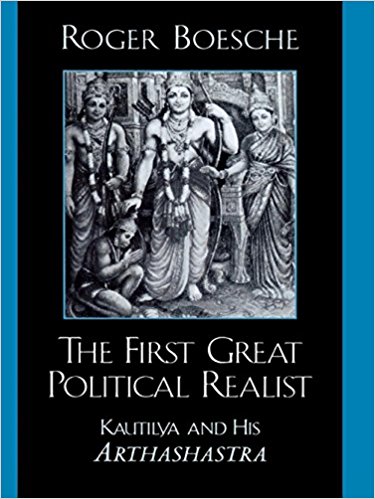
V R R Dikshitar has done very good research in Tirukkural. I have not seen any such comparisons in any other book. One must be a good scholar in both Sanskrit and Tamil and well read. I have already given my comparisons of Dhammapada and Tirukkural, Panchatantra and Tirukkural in separate articles.


—SUBHAM–

Arthasastra,Ramayana and Tirukkural Compared (Post No.4534)

Compiled by London Swaminathan 


Date: 23 DECEMBER 2017 


Time uploaded in London- 7-56 am


Post No. 4534

Pictures shown here are taken from various sources such as Facebook friends, Books, Google and newspapers; thanks


Part 4 of Tirukkural- Bhagavad Gita Comparison by Rev. G U Pope and V R R Dikshitar (Post No.4534).


In this fourth part, Arthasastra, Ramayana, Mahabharata, Kamandaka and Manu’s verses are compared.


In the first two parts Tirukkural, Bhagavad Gita and Manava Dharma Sastra are compared,


In the third part Kautilya’s Arthasastra is also compared with Kural

It is continued in the Fourth Part


Kural 471 (Forethought)


In the opinion of Valluvar,


The force the strife demands, the force he owns, the force of foes,

The force of friends: these should he weigh ere to the war he goes.


On this Kautilya observes:


The conquering monarch shall acquaint himself with the comparative strength and weakness, of himself and of his enemy in regard to power, lace, time, season for march, season for recruiting the army, consequential advantages and difficulties arising from anger, diminution and loss and decide on expedition if he would feel assured of superiority in his force.

–Book 9, chapter 1


xxx


KURALS 472, 476, 477 (Assessment of Relative Strength)


Who know what can he wrought, with the knowledge of means, on this

Their mind firm set, go forth, nought goes with them amiss (Kural 472)


Who daring climbs, and would himself upraise

Beyond the branch’s tip, with life the forfeit pays (476)

With knowledge of the measure due, as virtue bids you, give!

That is the way to guard your wealth, and seemly live (477)

Kautilya says,


The power of mantra (counsel) is better. The king who possesses the eye of Sastraic knowledge can press his knowledge into service even with little effort. He can over reach the enemy with enthusiasm and power by means of conciliation, and application of strategic means. In this way success is due to enthusiasm, power, force of mantra/counsel of in the ascending order – Book 9, chapter 1


xxxx

Kural 481 and 482 (Right Time)


According to the author of Kural,


A crow will conquer owl in brad day light;

The king the foes would crush, need fitting time to fight.


The bond binds fortune fast is ordered effort made

Strictly observant still of favouring season’s aid.


Says the Kautilya, “That season is best which is suited to the manoeuvre of one’s own army and unsuited to ones enemny. The reverse is the worst. The ordinary season is the middling one. Book 9, Chap. 1


Time alone is better say some. For on this account the crow kills the owl in the day and the owl the crow in the night.


xxxxx


Kural 493 and 494 (Choice of Right Arena/ TACTIS)


Even weak ones mightily prevails, if place of strong defence

They find, protect themselves, and work their foes offence.


The foes who thought to trimph, find their thoughts in vain

If hosts advance, seize vantage ground, and thence the fight maintain


According to Arthasastra, ‘one should endeavour the means to increase the strength of one’s own force. That desa is the best which is the ground for manoeuvre of one’s own army but disadvantageous to the enemy. Otherwise it is the worst. That which is common is neither best nor worst.- Book 9, chap.1)


xxx

Kural 495, 497, 500 (Choice of Right Arena/ TACTIS)


The crocodile prevails in its own flow of water wide;

If this it leaves, it is slain by anything beside


Save their own fearless might they need no other aid, If in right place they fight, all due provision made


The jackal slays, in miry paths of foot-betraying fen

The elephant of fearless eye and tusks transfixing armed men.


In the Arthasastra, it is said:

The ground is better, some say. On this account the dog on the ground can overreach even a crocodile, and the crocodile in the low ground the dog. –Book 9- Chapter 1


Thus we come across similar ideas both in the Arthasastra and Tirukkural. While the Arthasastra has dealt in one chapter all the three means of Sakti, Desa and Kala, the Kural devotes three separate chapters of the Kural Venbas each


xxx


Kural 501(On choosing the right men)


How treats he virtue, wealth and pleasure? How, when life is at stake,

Comports himself? This four-fold test of man will full assurance make


Says Kautilya:


The ministers shall be tested by the Upadhas which are in the nature of temptations. These are for kinds, the temptation of virtue, wealh, lust and fear- Book 1, chap.10


xxx


Kural 510 On choosing the right men)


Trust where have you not tried, doubt of a friend to feel,

Once trusted, wounds inflict that nought can heal


The Arthasastra says:

The Acaryas (teachers) have prescribed that the king should appoint government servants in their respective posts after the four-fold test according to the satisfaction afforded by such test.

–Book 1, Chapter 10


xxx


Kural 518 and 520 (Employment of Chosen men)


As each man’s special aptitude is known

Bid each man make that special work his own


Let king search out his servants’ deeds each day;

When these do right, the world goes rightly on its way


is corroborated by the Arthasastra


Those who have come out successful from the Dharmopadhaa are to be appointed as judges and commissioners, from the Arthopadhaa to office of treasurer and he collector-general, from Kaamopadhaa to guarding frontiers, harem and sporting grounds and from the Bhayopadhaa in the king’s household.


Those who have gone through the four ordeals are to be chosen as ministers.


Having thus chosen his servants by the four fold tests, the king shall endeavour through his spies to get at their loyalty or otherwise –Book 1, Chapter 10


xxx


Kural 517(Employment of Chosen men)


This man, this work halt thus work out, let thoughtful king command:

Then leave the matter wholly in his servant’s hand


Kamandaka says,


He whose capacity is too well known for a particular job is appointed to it, just like the different senses which are employed to perceive particular objects – Kamandaka 5-75


xxxx

Kural 541 (Just Rule)


Search out, to no one favour show, with heart that justice loves,

Consult, then act; this is the rule that right approves.


The Ramayana furnishes a parallel

If the punishment accorded to the offenders is meted out according to the laws of the land, it leads the monarch to heaven

–Ramayana 7-79-9


Kural 543 (Just Rule)


Learning and virtue of the sages spring

From all-controlling sceptre of the king


According to the Arthasastra,

That state which is disciplined by the established laws of the Aryas, which is rooted in the organisation of castes and orders, and which is protected by the three Vedas, progresses and never deteriorates – Book 1-3


Kural 545 (Just Rule)


Where king, who righteous law  regards, the sceptre wields,

There fall the showers, there rich abundance crowns the fields


A Parallel is furnished in the Ramayana,

The fields are rich with crops, the rains shower in proper seasons, and the soldiers are free from disease during Satrughna’s rule.

–Ramayana 7-70-10


xxxxx


Kural 554 (On Tyranny, Oppression)


Whose rod from right deflects, who counsel doth refuse,

At once his wealth and people utterly shall lose.


Manu rules,


The king who allows the kingdom to deteriorate owing to sheer neglect and lethargy will soon fall from his position and life with all his relatives -Manu 7-111


Kural 560 (Oppression, Tyranny)


Where guardian guardeth not, udder of kine grows dry

And Brahmin’s sacred lore will all forgotten lie


The Mahabharata furnishes a parallel,

When Dandaniti is given the death blow and when the ancient Raja Dharma of the Kshatriyas become lost, the sacred lore gets extinct, as also all the dharmas including those dharmas pertaining to the asramas

–Santi Prava Chap.112-28


xxxxxxxxxx


Kural 562 and 569 (Penalties)


For length of days with still increasing joys on heaven who call

Should raise the rod with bow severe, but let it gently fall.


Manu furnishes a parallel,

The king should be harsh and mild according to the nature of the work. He endears himself to the people, being harsh and soft—Manu 7-140


Kural 569


Who builds no forth whence he may foe defy,

In time of war shall fear and swiftly die


Manu gives expression to similar sentiments:

The enemies do not wrong those resident in fortresses, as they do not attack the king who shelters under a fort – Manu7-73


to be continued……………………


–SUBHAM–


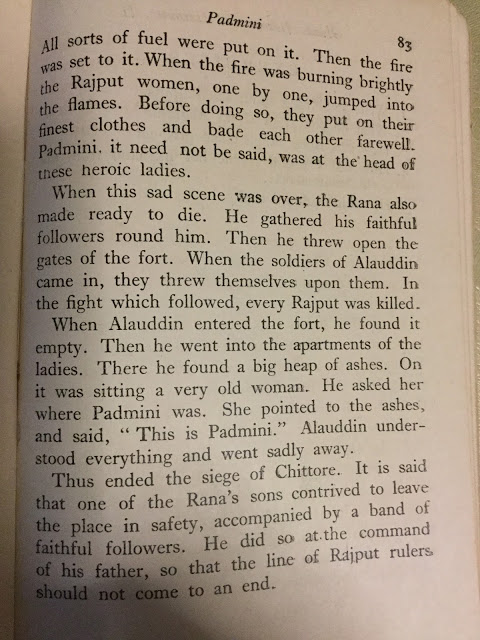
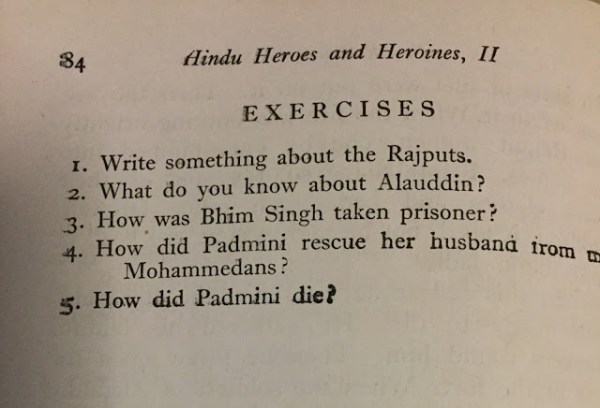
True Story of Padmavati (Rani Padmini) Post No.4523

Written by London Swaminathan 


Date: 20 DECEMBER 2017 


Time uploaded in London-  16-54


Post No. 4523

Pictures shown here are taken from various sources such as Facebook friends, Books, Google and newspapers; thanks.


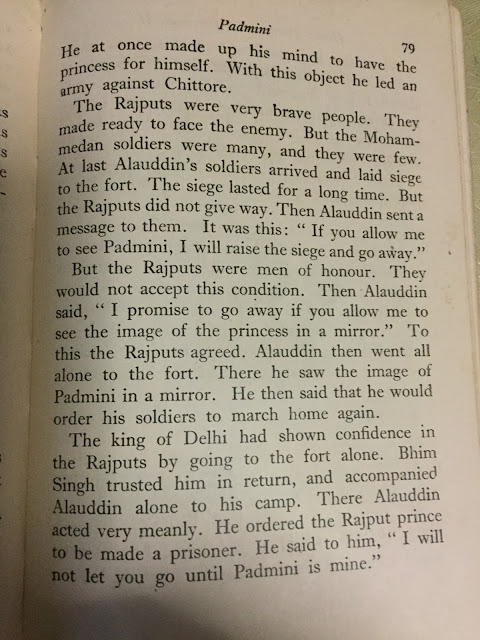
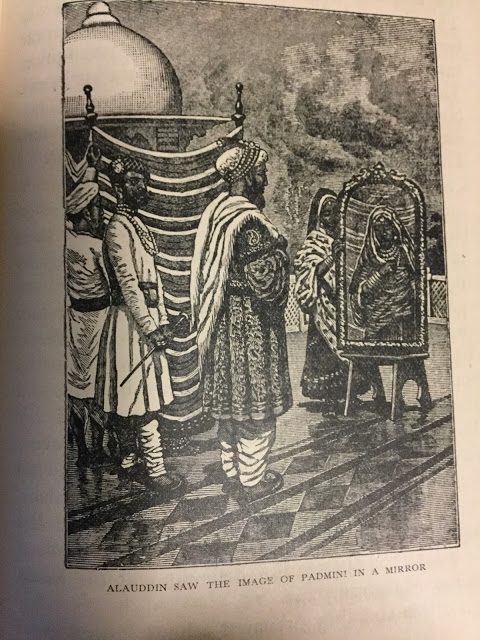
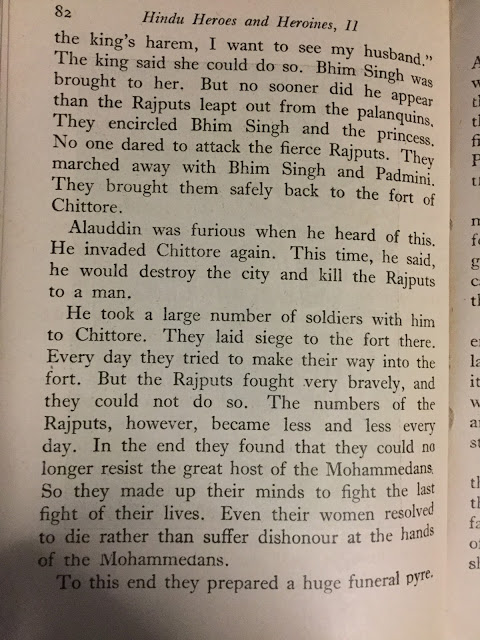
After the controversy about the film Padmavati on Chittoor Rani Padmini, lot of people are reading Indian history again. Here is what they taught us when we were in school; this is the true story; Story as depicted in film Padmavati is wrong.


I give below the excerpts from a text book (published in 1956):-


xxxxxxxxxxxxxx

QUIZ ON HINDU SEERS- RISHIS! (Post No.4521)

Written by London Swaminathan 


Date: 20 DECEMBER 2017 


Time uploaded in London-  8-33 am


Post No. 4521

Pictures shown here are taken from various sources such as Facebook friends, Books, Google and newspapers; thanks.


CAN YOU ANSWER THE FOLLOWING QUESTIONS ON HINDU RISHIS AND TEST YOUR KNOWLEDGE IN THE RISHI LORE?

1.WHO WAS THE RISHI WHO GOT THE TITLE BRAHMA RISHI FROM VASISTHA?

2.WHO WAS THE SHORTEST RISHI?

3.WHO WAS NOTORIOUS FOR HIS ANGER AMONG RISHSIS?

4.WHO DID INTER GALACTIC TRAVEL BETWEEN THREE WORLDS RECITING NARAYANA’S NAME?

  1. WHO ARE THE SAPTA RISHIS?

6.WHO HAD AN EYE IN HIS FOOT?

  1. WHICH RISHI HAD A HORN (LONG BULGE) ON HIS HEAD?

8.WHO OWNED THE WISH FULFILLING COW-KAMADHENU?

  1. WHO WAS THE RISHI WHO MARRIED LOPAMUDRA OF RIG VEDIC FAME?
  2. A RISHI LIVED THREE LIVES AND HE HEARD LEARNT SO FAR WAS ONLY A HAND FULL OF SAND COMPARED TO THE MOUNTAIN OF VEDAS. WHO WAS HE?


11.RIG VEDA HAS FAMILY MANDALAS/CHAPTERS IN 2,3,4,5,6,7 MANDALAS. WHO ARE THE RISHIS ?

12.WHO WAS ANASUYA’S HUSBAND?

  1. WHO WAS THE ONE ( RISHI) WHO MARRIED AHALYA?
  2. WHO ‘DRANK’ (CROSSED SEA TO ESABLISH HINDU KINGDOMS IN SOUTH EAST ASIA) THE SEA”

15.WHOSE NAME WAS GIVEN TO THE CITY OF AJMEER IN RAJASTHAN?

16.THE SUBMARINE FIRE IN THE SEA KNOWN AS BADAVA OR VADA MUKA AGNI WAS CAUSED BY A RISHI. WHAT IS HIS NAME?

17.CAN YOU NAME THE FOUR RISHIS WHO VEDA VYASA ENTRUSTED WITH THE FOUR VEDEAS?

18.WHICH RISHI HAS THE THREE FORMS OF BRAHMA, VISHNU AND SHIVA?

19.WHO IS THE FATHER OF MEDICINE ACCORDING TO HINDU SCRIPTURES?

  1. CAN YOU NAME THE RISHI/SEER WHO CAME OUT OF AN ANTHILL AND GOT THE NAME ‘ANTHILL’?


ANSWERS:

1.Viswamitra, 2.Agastya, 3.Durvasa, 4.Narada, 5.Sapta Rishis- Atri, Bruhu, Kutsa, Vasistha, Gautama, Kashyapa, Angirasa, 6.Bruhu 7.Rishya Srnga, 8.Vasistha, 9.Agastya, 10.Bharadwaja, 11.Family Mandalas of Rig Veda- Grtsamada/Bruhu 2,Viswamitra 3, Vamadeva Gautama 4, Atri 5, Bharadwaja 6, Vasistha 7th mandala, 12.Atri, 13.Gautama, 14.Agastya, 15.Ajameeda, father of Kanva Maharishi, 16.Aurva, 17.Four Vedas were entrusted to Pailar-Rig Veda, Vaisampayana- Yajur Veda, Jaimini- Sama Veda and Sumantu- Atharvana Veda, 18.Dattatreya, 19. Danvantri, 20.Valmiki.


–subham–


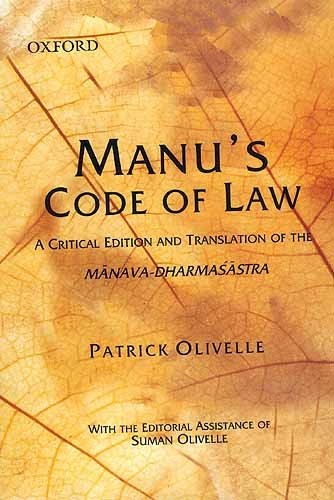
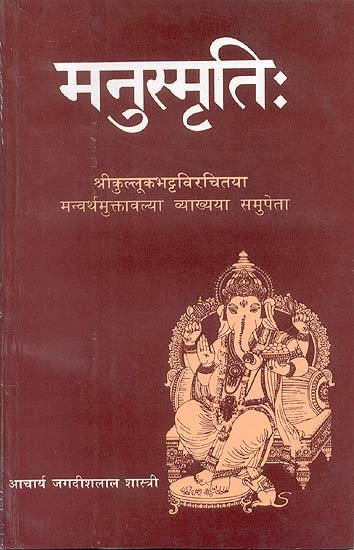
Manu’s Most Beautiful 12 Couplets (Post No.4504)

WRITTEN by London Swaminathan 


Date: 16 DECEMBER 2017 


Time uploaded in London-  17-59


Post No. 4504

Pictures shown here are taken from various sources such as Facebook friends, Books, Google and newspapers; thanks.


All the Hindu scriptures we have today, except Vedic literature and Bhagavd Gita, are updated versions. Hindus always update their scriptures and so there is scope for interpolations. For instance, Narendra Modi became the 14th Prime Minster of India on 26 May 2014. Pauraniks will write it in a different language:


“In the Kaliyuga there will come a man with the name of Indra from the land of Somnathji and he would rule India from Indraprastha for long. He is fond of a flower that grows in water. He would not be from the Brahmana or Kshatria castes. He would paint the land with saffron colour. He will be flying high in yantra Pakshis (mechanical birds)”


Even the events that had already happened, they would put in future tense as if it was written in 1000 CE or before. It is a style or genre.


In the same way lot of materials are added to Manu Smrti during the time of Brahmin rule- the Sunga Dynasty. All those were put in the mouth of Manu or Bruhu. Lot of things against shudras were added. But how can one know which is new which is old. It is very easy if one reads the whole book without any bias. Most of the anti-shudra materials are at the end of the chapters. So any one could have added them easily or amended them easily. Another touch stone is there. We can easily find out what sort of man Manu was by reading the full book.


Here is a proof to show that he was genuinely a man of honesty and integrity. In the second chapter, there are 12 slokas or couplets which show that he held Vedas in high esteem. After upholding the Vedas he gives free hand to every one. He says if anyone has doubts or conflicts of interest they can always follow the tradition that is followed by the elders. Then one can follow what gives one real pleasure. This means one should not act against his or her conscience.


All adults know what is right and wrong; all of us know which gives one permanent happiness that which never affects others. If something gives us happiness, but pricks our conscience then that is not true happiness. If one cannot do a thing in public, then it is not happiness. So he give the four marks to identify the Dharma or right things or righteousness:

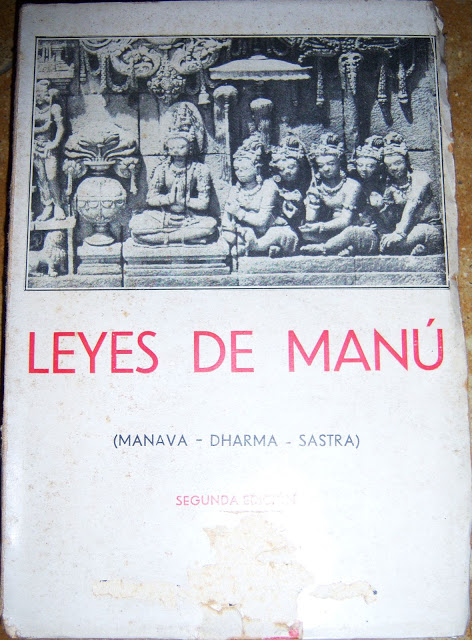
Here are the first 12 Slokas of Second Chapter of Manava Dharma Shastra or Manu Smrti, the Hindu Law Book, in fact the oldest Law book in the world:


1. Learn that sacred law which is followed by men learned in the Veda and assented to in their hearts by the virtuous, who are ever exempt from hatred and inordinate affection (passion).


2. To act solely from a desire for rewards is not laudable, yet an exemption from that desire is not to be found in this world: for on that desire is grounded the study of the Veda and the performance of the actions, prescribed by the Veda.


3. The desire for rewards, indeed, has its root in the conception that an act can yield them, and in consequence of that conception sacrifices are performed; vows and the laws prescribing restraints are all stated to be kept through the idea that they will bear fruit.


4. Not a single act here below appears ever to be done by a man free from desire; for whatever man does, it is the result of the impulse of desire.


5. He who persists in discharging these prescribed duties in the right manner, reaches the deathless state and even in this life obtains the fulfilment of all the desires that he may have conceived.


6. The whole Veda is the first source of the sacred law, next the tradition and the virtuous conduct of those who know the Veda further, also the customs of holy men, and finally self-satisfaction.


7. Whatever law has been ordained for any person by Manu, that has been fully declared in the Veda: for that sage was omniscient.


8. But a learned man after fully scrutinising all this with the eye of knowledge, should, in accordance with the authority of the revealed texts, be intent on the performance of his duties.


9. For that man who obeys the law prescribed in the revealed texts and in the sacred tradition, gains fame in this world and after death unsurpassable bliss.


10. But by Sruti (revelation) is meant the Veda, and by Smriti (tradition) the Institutes of the sacred law: those two must not be called into question in any matter, since from those two the sacred law shone forth.


11. Every twice-born man, who, relying on the Institutes of dialectics, treats with contempt those two sources (of the law), must be cast out by the virtuous, as an atheist and a scorner of the Veda.


12. The Veda, the sacred tradition, the customs of virtuous men, and one’s own pleasure, they declare to be visibly the fourfold means of defining the sacred law.


My Views:-

Most beautiful points are

1.Four fold Mark of Religion

Vedas, Law Book, Customs of virtuous men, One’s own pleasure (Self Satisfaction)


2.No one acts without desire. If anyone does anything without desire, one reaches the highest stage

3.Good men are those who have neither hatred nor passion.

The rules Manu insists for the twice born are very strict. If someone follows those strict rules, the concessions he gives to learned Brahmins are justified.

Two recent things that happened in the British courts point in this direction.

(1).A girl who is an Oxford University student hit her boy friend in drunken state. But the judge spared her the prison sentence saying that since she was very studious having higher education, he did not want to send her to prison.

Here we see those who have knowledge are given concessions.

(2). The second incident was about a doctor. Because of his status the judge exempted him from coming to the witness box.

(3). In the Soviet Union, even the most dictatorial government in the world did not send Sakharov, the father of nuclear science, to concentration camps. He was given lot of concessions.

This is the reason that Buddha and Manu said even if the Brahmins kill their own father and mother, destroy a king and the kingdom no sin would touch them.(Please read my earlier articles on this topic)


–Subham–


Linguistic Knowledge of Vedic Hindus (Post No.4498)

Written by London Swaminathan 


Date: 15 DECEMBER 2017 


Time uploaded in London-  15-55


Post No. 4498

Pictures shown here are taken from various sources such as Facebook friends, Books, Google and newspapers; thanks.


Vedic Hindus were highly educated. We come across many linguistic observations in all the four Vedas. Rig Veda, the oldest book, has many hymns dealing with linguistic points. Satyakam Varma has summarised them in his book Vedic Studies.


Rig Vedic hymns 1-164, 4-58, 8-59, 8-10, 10-114, 10-125, 10-177 and many hymns in the Atharva Veda talk about language and linguistics.


A brief summary of the points raised by the Vedic seers in those hymns are as follows:

Hymn 1-164

Dirgatamas’ hymn 1-164 is one of the longest hymns the Rig Veda. He talks about various subjects in a coded language with lot of symbolism.

In the hymn, mantra 24 refers to the seven speeches

Mantra 24 points out that this faculty of speech is found only in the human beiges.

Mantra 45 gives information about the divisions of speech. Grammarian Patanjali and others also discussed this in detail.

Hymn 4-58

Patanjali referred to part of this hymn. The four parts of speech are explained here. Patanjali discusses seven cases and the three originating centres of pronunciation.


In the opening mantra of this hymn, the originating source of speech has been referred to as GUHA while BRAHMA has been referred to as a title for the one who knows the intricacies of the four -fold speech and its behaviour.

Hymn 8-59

Some of the most prominent observations of this hymn are as follows:

The ultimate truth is brought forth through the medium of seven-fold speech

These seven folds or divisions of speech are seven sisters of the ultimate truth

Speech protects us through its seven physical and three temporal divisions. And

three chief aspects of speech-behaviour are mental, and intellectual faculties, coupled with the acquired knowledge.


Hymn 8-100

The tenth and eleventh verses of this hymn declare that speech is the expressive medium for human as well as animal beings, the only difference being in the degree of distinctness

Hymn 10-71

This hymn is most important and is soley devoted to the linguistic observations alone, some of which are as follows:

An initial expression of name is indicative of a wholesome integrated expression of the accumulated ideas in the speaker’s mind. Thus, it originates as a representative of complete statement.

The emotions are desires of the Self are filtered in the mind, from where it takes the shape of words or speech, which is expressed externally with the help of the articulatory forces.

Thus, a word takes its usable form first in one’s mind which is then pronounced from seven places and in different tones.

Speech and language are not only the objects ears and eyes alone; no one can understand it without the help of mind, the sharpness of otherwise of which makes the difference in one’s power of understanding.

With only training and knowledge, we can learn the correct usage of the language and avoid its misuse, generated mostly from our ignorance.


Hymn 10-114

In at least six verses of this hymn, different aspects of linguistic phenomenon have been discussed. In the fourth and fifth verses, the principle of multiple exprepressibility of one and the same truth has been stressed explicitly. The seventh verse declares that the seven fold speech is capable to express all expressible forms.

Hymn 10-125

The hymn discloses the inner strength of speech, more particularly its unifying and harmonising powers.

Hymn 10-177

If interpreted in its proper prspective this hymn discloses the four steps involved in the speech production. It consists only three verses. Its topic is Patanga which often has been interpreted as Sun or Supreme Self. But its proximity with the speech equates it with the Speech Self or Vagatma.


Sabda Brahman

The original concept of the eternity of speech has been propunded in the Rig Veda, making speech one in extent and content with Brahman, which stands for Supreme Self, Knowledge and Veda alike


My Comments


These verses spread over different Mandalas (chapters) of Rig Veda show that they are not isolated ones. Moreover, these cover different periods of time. The Vedic people were neither nomads nor primitive. Great grammarians like Patanjali who lived at least 2000 years ago interpret them correctly. So we don’t need any help from the ‘Western Sayanas’.


The absence of such linguistic and grammatical observations in other ancient cultures show that we are well advanced than those cultures. And it also shows we were sons of the soil. If we have come from Central Asia or Europe, at least some remnants must be there.

Oldest Tamil Book

Oldest Tamil book Tolkappiam is a grammatical treatise. Scholars date it between first and third century BCE. Even that book refers to the Vedas where it dealt with pronunciation and origin of speech (Sutra 102). If it has reached the southern most part of India 2300 years ago, we must understand how much we have progressed in the science of languages.

The four divisions of speech are a very interesting one. It needs further research. The Vedic seers say that the audible speech is only one of the four.

Number Seven is associated with lot of things in the Vedas. Seven Sisters or Seven Mothers (Sapta Mata) is seen in Indus seals as well.


–Subham—


Opera and Concerts Anecdotes (Post No.4485)

Compiled by London Swaminathan 


Date: 12 DECEMBER 2017 


Time uploaded in London-  19-24


Post No. 4485

Pictures shown here are taken from various sources such as Facebook friends, Books, Google and newspapers; thanks.


Mouths wide open; eyes staring!

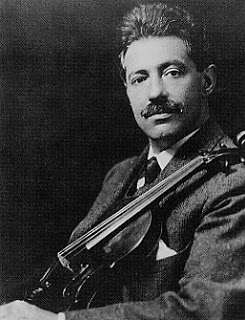
Walking with a friend one day, Fritz Kreisler passed a large fish shop where a fine catch of codfish, with mouths open and eyes staring, were arranged in a row. Kreisler suddenly stopped, looked at them, and clutching his friend by the arm exclaimed,

“Heavens! That reminds me — I should be playing at a concert!”


Xxx

Hired Audience!

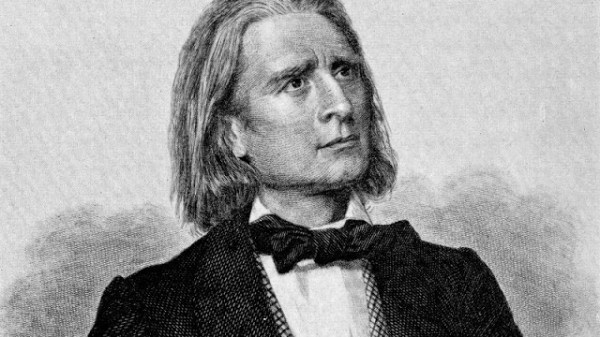
So dependent on the adulation of the audiences was Franz Litsz that he is said to have paid women 25 Franks to faint at the concerts. The swoon was always timed to occur just before the climax of his most popular run. Litsz would stoop from his piano stool , pick up the swooner and leave the rest of the audience impressed by his brilliance and dismayed by their own stolidity. Once, however, the hired fainter forgot to faint. Liszt s fingers flew up the keys — but he could not finish the run. So, he fainted himself!


XxX

No Taste for Music


Joseph Choate, the lawyer, had no taste for music. Once he was persuaded by his daughter to accompany her to the opera. He looked at the libretto helplessly and said,

Helen, expound to me this record lest I dilate with the wrong emotion.


Xxx

True Listeners!


After his concert at a Midwestern town, Paderewski was found backstage in a silent, preoccupied mood. One of his aides asked if he were ill.

No, no, the great musician replied, but some friends were missing. The grey hired couple. They were not in their usual seats in the fourth row.

The aide was surprised. I didn’t know you had friends in this town. Did you know them well?

I knew them very well, explained Penderecki, but I never met them. I liked the way they listened. Every time I have played here for 20 years I have always played for them. He shook his head gravely. I hope there is nothing seriously wrong.


Xxx

Lower Classes like Music more

According to C R W Nevinson , it was a privilege to paint Mark Hambourg , a dear friend. Never have I met a man with such a gift for penetrating to the heart of things and by the use of a few vivid phrases he will lift any conversation out of the ordinary. I remember sitting beside him in an after dinner concert, when Moiseivitch was playing. The audience, all men and women of culture were anything but attentive, smoking, drinking, coughing, picking wriggling, but the waiters and waitresses stood entranced, their eyes on the master.

Look, said Mark, look at effects of education. It kills all concentration. The lower classes are the only people left who can listen and can respond to the highest emotions.


Xxx SUBHAM Xxx