ஸ்வாமி விவேகானந்தரும் அக்பர் சமாதியும் (Post No. 2531)

viveka lanka

Written by S Nagarajan


Date: 12  February 2016


Post No. 2531


Time uploaded in London :–  8-01  AM


( Thanks for the Pictures  ) 


DON’T REBLOG IT AT LEAST FOR A WEEK!  DON’T USE THE PICTURES; THEY ARE COPYRIGHTED BY SOMEONE.


(for old articles go to tamilandvedas.com OR swamiindology.blogspot.com; contact 


swami_48@yahoo.com)


akbar-1

Picture of Akbar

12-2-2016 பாக்யா இதழில் வெளியாகி உள்ள கட்டுரை


ச.நாகராஜன்


முகலாய மன்னர்களிலேயே வித்தியாசமானவர் அக்பர். அவர் வாழ்நாள் இறுதி வரை கங்கை ஜலத்தையே அருந்தி வந்தார்.

அவர் பயணப்படும் போதெல்லாம் கங்கை ஜலம் குடம் குடமாகப் போதுமான அளவு கூடவே எடுத்துச் செல்லப்பட்டது.

அக்பருக்கு சூரியனிடத்தில் அளவு கடந்த பக்தி. தினமும் சூரியோதயத்திற்கு முன்னர் எழுவது அவர் வழக்கம்.

ஜைன மதத்தைச் சேர்ந்த பண்டிதரான பானுசந்திர உபாத்யாய அவருக்கு சூரிய ஸஹஸ்ரநாமத்தை உபதேசித்தார்.  ஆயிரம் நாமங்களைச் சொல்லி சூரியனை வழிபடும் வழக்கத்தை தன் வாழ்நாள் இறுதி வரை அக்பர் கடைப்பிடித்தார். சூரிய நமஸ்காரத்தை தினமும் செய்து வந்ததால் மிக்க ஆரோக்கியத்துடன் அவர் இருந்து வந்தார்.

இப்படிப்பட்ட அக்பரிடம் ஸ்வாமி விவேகானந்தருக்கு அலாதி ஈடுபாடும் மரியாதையும் உண்டு.


ராமகிருஷ்ண பரமஹம்ஸரின் சமாதிக்குப் பின்னர் ப்ரிவ்ராஜகராக தன்னந்தனியே தான் யார் என்று சொல்லாமல் ஸ்வாமி விவேகானந்தர் பாரதம் முழுவதும் சுற்றி வந்தார்.

அவரது புத்தி கூர்மையையும் வேதாந்தத்தை அவர் விளக்கும் விதமும் அவரது பரந்த அறிவையும் கண்டு வியந்து அவரிடம் மரியாதை கொண்ட சமஸ்தான மன்னர்கள் பலர்.

அவர்களுள் ஒருவர் கேத்ரி மன்னர். ஸ்வாமிஜியிடம் அலாதி பக்தி கொண்ட அவர் தன்னை அவருடைய சீடனாகவே ஏற்றுக் கொள்ள வேண்டுமென்று விண்ணப்பித்தார்.


ஸ்வாமிஜிக்கும் அவரது அன்னைக்கும் இருநூறு ரூபாயை அவர் மாதம் தோறும் உதவித் தொகையாக அனுப்பி வந்தார் என்றால் அவரது பக்தியை நாம் நன்கு ஊகிக்க முடியும்.

ஆக்ராவுக்கு அடுத்து உள்ள சிகந்தராவில் அக்பர் தான் வாழ்ந்த காலத்திலேயே தனக்கென ஒரு அற்புதமான சமாதியை அமைக்கலானார். 119 ஏக்கர் பரப்பில் இது 1600ஆம் ஆண்டு வாக்கில் கட்டப்பட்டது. அக்பரே கட்டிடத்தைத் தன் விருப்பப்படி வடிவமைத்தார். 1605இல் அவர் மறையவே அவரது மகன் ஜிஹாங்கீர் அதை 1613இல் முடித்தார்.


samadhi of akbar

Picture of Tomb of Akbar

ஆனால் அவுரங்கசீப் காலத்தில் ஜட் ராஜாவான ராஜாராம் ஜட் அநத சமாதியை முற்றிலுமாக அழித்தார். சமாதி முழுவதுமாக  கொளுத்தப்பட்டது. அக்பரின் எலும்புகளையும் அவர் எரித்தார்.

சமாதி சிதிலமடைந்தது. இதை பிரிட்டிஷ் அரசு காலத்தில்  லார்ட் கர்ஸன் பிரபு சிறிது சீரமைத்தார்.

இந்த சிதிலமடைந்த சமாதியை ஸ்வாமிஜி தன் சுற்றுப் பயணத்தின் போது பார்த்தார். அதுவோ கேத்ரி மன்னரின் ஆளுகையில் இப்போது இருந்தது.


தொண்டை அடைக்க கண்களில் நீர் அரும்ப, “அக்பரின் சமாதி இந்த நிலையில் இருக்கலாமா? மேற்கூரையில்லாமல் சூரிய வெளிச்சத்திலும் மழையிலும் இதை பார்க்கவே என் மனம் பொறுக்கவில்லையே” என்று அடிக்கடி அவர் கேத்ரி மன்னரிடம் கூறுவார்.


ஏதாவது செய்ய வேண்டும் என்ற எண்ணம் கேத்ரி மன்னரின் மனதில் ஆழப் பதிந்தது. குருநாதரின் ஆசை அல்லவா அது!

விவேகானந்தர் பின்னர் அமெரிக்கா சென்று சர்வமத மகாசபையில் உரையாற்றி உலகப் புகழ் பெற்று விட்டார். ஸ்வாமிஜியை அறிந்த மன்னர்களுக்கெல்லாம் பெரும் மகிழ்ச்சி. மக்களிடமோ பெரும் எழுச்சி ஏற்பட்டது.


யாருமறியாத சாதாரண சந்யாசியாக பாரதத்தை விட்டுச் சென்றவர் அகில உலகப் புகழுடன் திரும்பி வந்தார்.

ஒரு நாள் கல்கத்தாவிற்கு வரும் வழியில் அவருக்கு ஒரு செய்தி வந்தது. கேத்ரி மன்னர் அக்பரின் சமாதியை புனருத்தாரணம் செய்து வந்ததாகவும், ஒரு நாள் சாரம் முழுவதுமாக கீழே சரிந்து விழவே உயரத்திலிருந்த மன்னரும் விழுந்து மாண்டார் என்றும் ஸ்வாமிஜியிடம் தெரிவித்தார்கள்.

மிகவும் மனம் வருந்தினார் விவேகானந்தர்.


vivekaa maly

நீண்ட காலமாகத் தான் விரும்பியபடியே சமாதி நன்கு அமைக்கப்பட்டதை நினைத்து மகிழ்வதா? அல்லது தன்னால் உத்வேகமூட்டப்பட்ட தன் சீடர் கேத்ரி மன்னர் இதற்காக உயிர்த்தியாகம் செய்ததை எண்ணி வருந்துவதா!

நெடுநாள் அவர் மனம் கலங்கி வருந்தி இருந்தார்.


“கேத்ரி மன்னர் சில மாதங்களுக்கு முன் கீழே விழுந்து இறந்தார். எனவே என்னைச் சுற்றி அனைத்தும் இருளாக உள்ளன”  என்று எழுதினார் அவர்.


அக்பரின் சமாதியைப் புனரமைக்க உத்வேகம் ஊட்டிய மாபெரும் வீ ரத் துறவி விவேகானந்தர் என்றால் அந்தப் பணியில் உயிர்த் தியாகம் செய்த மாபெரும் மன்னராக கேத்ரி மன்னர் திகழ்கிறார்!

*******


Sixty Stories about Ayers Rock!(Post No.2530)

IMG_9505 (2)

Written by london swaminathan


Post No. 2530

Date: 11th February 2016


Time uploaded in London  16-20

( Thanks for the Pictures  ) 


DON’T REBLOG IT AT LEAST FOR A WEEK!  DON’T USE THE PICTURES; THEY ARE COPYRIGHTED BY SOMEONE.


(for old articles go to tamilandvedas.com OR swamiindology.blogspot.com; contact 


swami_48@yahoo.com)

IMG_2401

(During my trip to Australia in January 2016, I did not have time to travel to Uluru. But I had the opportunity to study it from the writings in Australian Museum in Sydney)


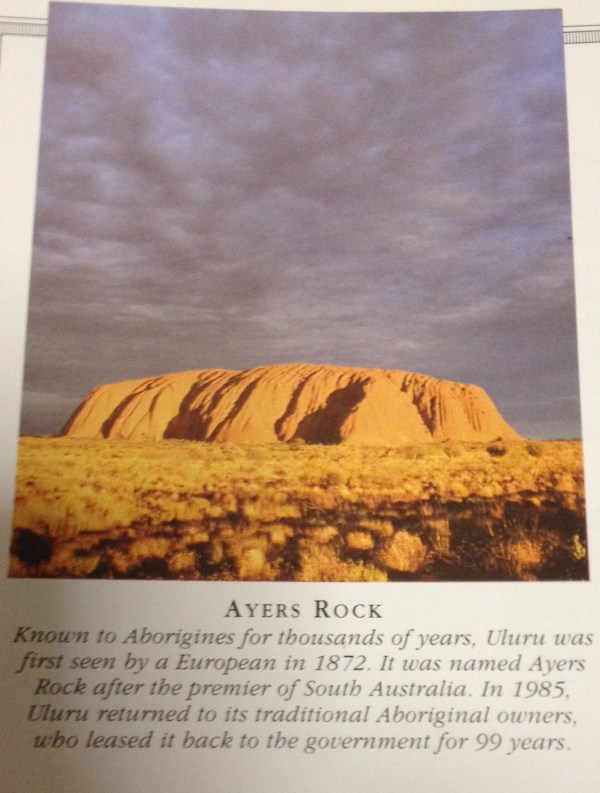
Ayers Rock is one of the wonders of the world. It is in the middle of Australia. It is the largest monolith made up of sandstone with a height of 1115 feet.

Its circumference is six miles. It is the holiest mountain for the aborigines of Australia like Mount Kailash is for the Hindus. Natives call this place Uluru. It was named Ayers Rock after Sir Henry Ayers, the premier of South Australia.

Aborigines of Australia call the creation period as dreamtime. They believe that two boys created this Uluru during the period of dreamtime. Dozens of paths travelled by their ancestors converge here. Those paths cover many sacred places.


Most of the stories around Uluru are about snake or snake people. One of them is that the dreamtime came to an end when Kuniya (Rock Python People) were attacked by Niru (Poisoned Snake Warriors). Now all these characters are identified in different shapes of rocks in the area.

The dreamtime is the aborigines’ description of a time when the earth was created by the spirit ancestors. They travelled across the landscape making its features and giving them  names in songs.  These spirits were responsible for different languages and customs. Their routes are called dreaming tracts.


Like the Vedic Hymns of Hindus, aboriginal people commit to memory by repeating or singing the hundreds of different associated tales. There are thousands of such stories and songs in Australia. Like the Vedic seers “hear” the hymns, the shamans have access to the world of the dreaming spirits. Aboriginal people take you to different places and then sing the associated tales in songs. Such routes are known as song lines.


Uluru has at least sixty stories associated with it. One story is about the western people, Windulka, growing angry with two peoples Kuniya and Mala (Sanskrit sound) who failed to arrive for an important ritual. This story has several tragic deaths.


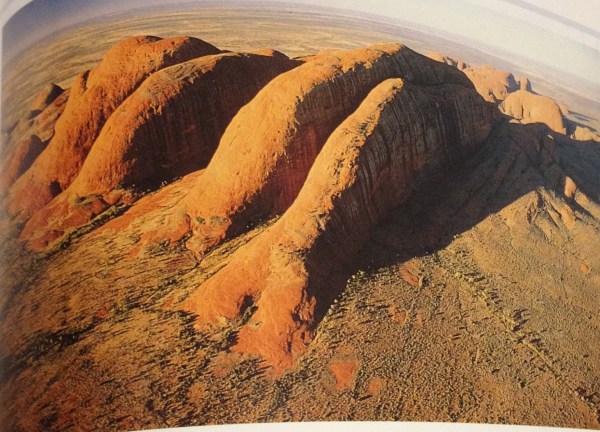
Kata Tjuta is 30 miles west of Uluru. This is regarded as a female sacred place. From a distance it resembles the body of a female. This is also similar to Hindu belief who believe that Goddess Parvati’s (Sati) parts fell on different parts of India and they became Sakti Kentras. Wanambi, a giant snake lives there, according to the aborigines’ legend.

IMG_9503 (2)

The caves around Uluru have the finest aboriginal paintings. They are several thousands of years old art works.


My interpretation

I guess that these are stories of infightings between the Naga tribes, who migrated from India. That is why they name several people as rainbow snake people, rock python people etc. The word Snake is derived from the word Naka/Nagas.


Hindus knew that there are seven worlds under and seven worlds upper. Underground worlds is the word for any place that is below the (India)  land’s southernmost tip – Kanyakumari. Hindus divided this area into Atala, Vitala, Sutala, Talatala, Mahatala,Rasatala and Patala (Nagaloka). Anyone living in this area is called Nagas and the women Nagakanyas.


Atala = Atlantic Ocean, Sutala = South


The words such as Atlantic Ocean and South are derived from Atala, Sutala. Even Kanchi Paramacharya was playing with these words in his 1932 lecture at Chennai and said Kapilaanya got corrupted in to California (Please read my article ‘Is California , Kapilaranya?’).


Like the white people sent the convicted people to Australia, Hindus also sent all the convicted or penalised people to the South. Rama, Lakshmana, Five Pandavas and Viswamitra’s sons travelled to south during the punishment period. Those who did not follow the Vedic ways were sent to the South and they became Dravidas according to Hindu scriptures. In the same way all the punished/ penalised people were banished to less populated southern hemisphere. People like Maha Bali were sent to Patala loka i.e. they were sent out of India, but was allowed to come back every year to see their kith and kin. Until this day it is celebrated as Onam festival.


Look at the following story I posted three years ago. This will make it clearer that the snake stories are about human beings.

IMG_9502 (2)

On 28 April 2012 I posted the following in my post titled “Are Mayas Indian Nagas?”

Maya calendar begins on 11th August 3114 BC. Indian calendar Kaliyuga begins in 3102 BC. But Hindu mythology is very clear about their existence long before Kali yuga. Kaliyuga is the last of the four yugas. But Mayas are silent about their existence before this date 3114 BC. The amazing co incidence between Hindus and Mayas, particularly their calendar years, was a puzzle. Now we have solved the puzzle with all the information available.

Mayas were Indian Nagas. They migrated after a big fight with Krishna and Arjuna. Both of them burnt the Khandava Vana (forest) for the sake of general public. But the tribal Naga people living inside the forest resented this act. It looks like lot of Nagas who resisted Arjuna and Krishna were killed. Indra was pro Nagas. But anti Naga Krishna had an earlier fight with another Naga leader called Kaliya. When he objected cowherds coming into his area Krishna went and killed Kaliya. Those who narrated the Puranic stories “Kaliya Mardhanam” slowly projected them as demons and snakes. But the fact of the matter is they were actually people who wore snake symbol (totem).

(Khandava Vana is called Gondwana land in geography lessons and the tribal Naga people are called Ghondus in anthropology lessons).

Following this clash, the enmity between the Nagas and Pandavas widened. Krishna died just before the Kaliyuga began. After all the Pandava brothers demise, the Nagas wanted to take a revenge on Arjuna’s grandson Parikshit. When they were waiting for an opportunity Parikshit was cursed by Shamika that he would die by “snake bite”. In reality the seer’s friend and tribal Naga leader Takshaka was given that task of “snake bite”. Takshaka challenged Parikshit and said that he would be assassinated within seven days. King Parikshit took all the precautions. But like Shivaji escaped in a fruit basket from the prison of mighty Moghul emperor Aurangazeb, Parikshit’s enemies entered Parikshit’s palace in a fruit basket and killed him. Puranas symbolically wrote that Parikshit was killed by “snake bite”.

Like Indira Gandhi’s assassination was followed by revenge attacks on Sikhs, Parikshit’s son Janamejayan went on a killing spree what was described symbolically as a Sarpa Yagna (snake sacrifice) on the banks of river Narmadha. A lot of Nagas were killed, actually massacred. The English word snake originated from Sanskrit word (s)naga.

Brahmin’s Peace Agreement

In those days mixed marriages existed and some Nagas were married to kings and Brahmins. One of them was a seer called Astika (Aztec Civilization was named after Astika) . He was asked to go as an emissary for peace talks, because his father Jaratkaru was married to a Naga woman. He was successful in his peace mission and stopped all the killings. Then started the Naga migration from a port called Patala . That is what Hindus called Patala loka (One of the seven worlds “below”the earth; Patala port may be the gate way to Patala). The port was the gate way to Sri Lanka, South East Asia and South America. Hindu scriptures describe these lands as Naka Loka/ Naga Land. When Hindu mythologies said that Bali and other demon kings were sent to Patala Loka what they meant was they were banished from the mainland. Port Patala at the estuary of Indus river was mentioned even by foreign travellers. Broach (Bharukacha) was another port on the banks of river Narmadha. Both these ports handled much of the foreign trade with the West in ancient India.

When Arjuna burnt the Khandava Vana, one leader was allowed to escape from the burning. His name was Maya Danava. He thanked Arjuna and Yadavas for this and he constructed the palace for the Pandavas as a token of gratitude. He led a massive migration to South East Asia and then to Central America and South America. The day he left the holy Bharat was gratefully remembered by the Mayas as 11th August 3114 BC. It coincided very well with the date of Janamejayan’s rule, Arjunas great grandson, around 3100 BC.


Brahmins are doing an amazing thing thrice a day. They recite the 5000 year old Peace Agreement during their daily ritual called  Sandhyavandhanam. They praise the Nagas as Maha Yasa: (Great and famous people) and request them to keep away in the name of Astika and Jaratkaru. The mantra starts with Narmadhayai Nama: (Salute to river Narmadha!).

(Please read my article Brahmins deserve an entry into Guinness Book of Records)

IMG_9501

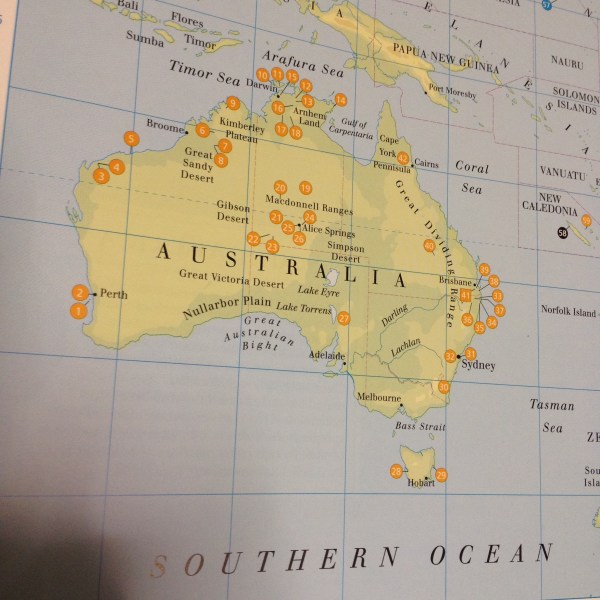
No. 22 Kata Tjuta and No.23 Uluru in this map.

–Subham–

பிரிஸ்பேன் நகர அதிசயங்கள்! (Post No. 2529)

IMG_8880

Free Red Ferry of Brisbane


Written by london swaminathan

Post No. 2529

Date: 11th February 2016


Time uploaded in London  14-27

( Thanks for the Pictures  ) 


DON’T REBLOG IT AT LEAST FOR A WEEK!  DON’T USE THE PICTURES; THEY ARE COPYRIGHTED BY SOMEONE.


(for old articles go to tamilandvedas.com OR swamiindology.blogspot.com; contact 


swami_48@yahoo.com)


IMG_8850


பிரிஸ்பேன் (Brisbane) என்னும் நகரம் ஆஸ்திரேலியாவின் குயின்ஸ்லாந்து மாகாணத்தின் தலைநகரம் ஆகும். இது சிட்னி நகரிலிருந்து 1000 கிலோமீட்டர் தூரத்தில் பிரிஸ்பேன் நதிக்கரையில் இருக்கிறது. நாங்கள், உலக மஹா இயற்கை அதிசயமான பெரும் பவளத்திட்டைப் பார்த்துவிட்டுத் திரும்புகையில் பிரிஸ்பேன் வந்தோம்.


பிரிஸ்பேனில் என்னை அதிசயிக்க வைத்த முதல் விஷயம், இலவச படகு சவாரி! உலகில் பத்துப் பதினைந்து நாடுகளுக்குப் போயிருக்கிறேன். நியூயார்க்கில் சுதந்திர தேவி சிலையைப் பார்க்க படகு சவாரியானலும் சரி, அல்லது பாரீஸ் நகரில் செயின் நதியில் பவனி வருவதானாலும் சரி காசு கொடுத்து டிக்கெட் வாங்கினால்தான் படகில் ஏற்றுவர். அட! எங்கள் லண்டன் மாநகரில் எங்கள் வீட்டுக்கு வரும் நண்பர்களையும் உறவினர்களையும் தேம்ஸ் நதியில் உலாவர அழைத்துச் சென்றபோதும் ஒவ்வொரு ஆளுக்கும், ஒரு இருபது  பவுனாவது (ரூ2000) செலவழிக்க வேண்டும். ஆனால் பிரிஸ்பேனில் இலவச படகு சவாரி.

IMG_8886

Beautiful Brisbane River

ஹோட்டலில் ரிசப்ஷனில் இருந்த பெண்ணிடம், சில தகவல் விசாரித்தபோது ‘ரெட் Fபெர்ரி’யில் (Red Ferry) போங்கள்; டிக்கெட் எதுவும் வேண்டம் என்று ஒரு துப்பு கொடுத்தார். சிவப்பு நிற படகில் ஏறினால் பிரிஸ்பேன் முழுதும் சுற்றிப் பார்க்கலாம். ஊரின் வரைபடம் கையிலிருந்தால் எந்த ‘ஸ்டாப்’பில் இறங்கினால் என்ன சுற்றுலாக் கவர்ச்சி இருக்கிறது என்பது தெரியும். ஆங்காங்கே இறங்கி இலவசமாகப் பார்த்துவிடலாம்.


உலகில் சில இடங்களில் நதியின் இக்கரையிலிருந்து அக்கரைக்கு அழைத்துச் செல்ல வேண்டுமானால் இலவச சவாரி இருக்கும். ஆனால் நதியில் ஊர் முழுவதும் செல்ல இலவச சவாரி, எனக்குத் தெரிந்தவரை இது ஒன்றுதான். வாழ்க பிரிஸ்பேன்.

IMG_8843

Himalayan Salt for Good Health

இன்னொரு அதிசயம்!

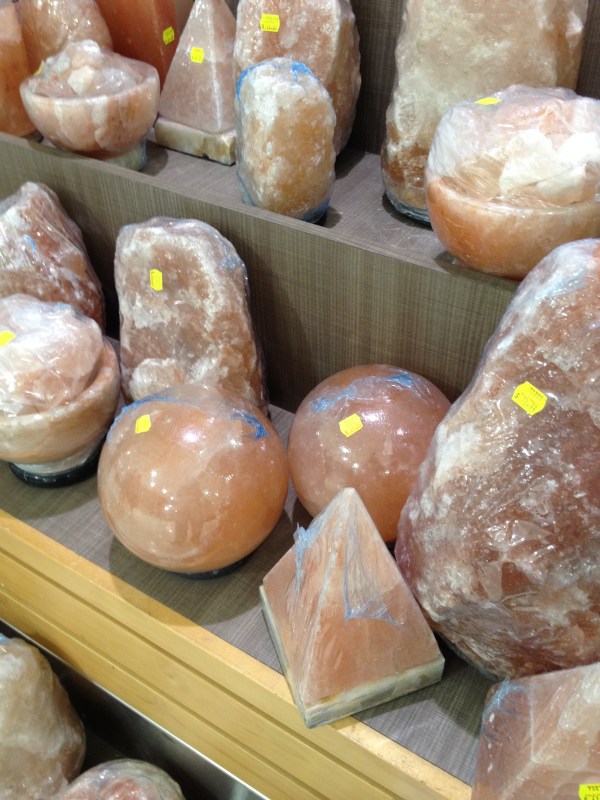
பிரிஸ்பேனில் கடை கண்ணிகளை வேடிக்கை பார்த்தவாறு நகர்ந்தோம். ஒரு கடையின் வாசலில் பெரிய பெரிய பாறைகளாக (சிவப்புக் கூழாங்கற்கள் போல இருக்கும்) 30 கிலோ, 35 கிலோ என்று வைத்திருந்தார்கள். ஆங்கிலத்தில் ஹிமாலயன் சால்ட் – (Himalayan Salt) இமய மலை உப்பு என்று எழுதிவைத்திருந்தனர். எனக்கு ஒரே வியப்பு. அட! இந்தியாவில் கூட நான் பார்த்திராத இமயமலை உப்பை ஆஸ்திரேலியாவில் விற்பதன் மர்மம் என்ன என்ற ஐயம் எழவே, கடைக்குள் சென்றேன். அங்குள்ள ஒரு இளம் பெண் வாடிக்கையாளர்களைக் கவனித்துக் கொண்டிருந்தார். அவரிடமென் ஐயப்பாட்டைக் களைய வினாக்கள் தொடுத்தேன். அவர் சொன்னார்: “ இவை அனைத்தும் இமயமலையிலிருந்து வந்தவை. இது மூச்சுத் திணறல் உள்ளவர்களுக்குச் சுகமளிக்கும். காற்றைத் தூய்மையாக்கும்”. பல புத்தகங்களும் வைத்திருந்தனர். காசு கொடுத்து வாங்க மனமுமில்லை. ஓசியில் புரட்டிப் பார்க்கத் துணிவுமில்லை. மனைவி மக்கள் விரட்டவே மெதுவாக நகர்ந்தேன்.

IMG_8897

Asia Pacific Art Gallery

எங்களுக்கு போனஸ்

ஒவ்வொரு இடத்திலும் ஒரே நாள் இரவு ஹோட்டல் ரிசர்வ் செய்திருந்ததால் அருகிலுள்ள கோல்ட்கோஸ்ட், (Koala) கோவாலா சரணாலயம் ஆகியவற்றுக்குப் போகமுடியவில்லையே என்று வருத்தம். கோவாலா என்னும் மரக் கரடியும். கங்காரு என்னும் மிருகமும் ஆஸ்திரேலியாவில் மட்டுமே வாழும் பிராணிகள்.


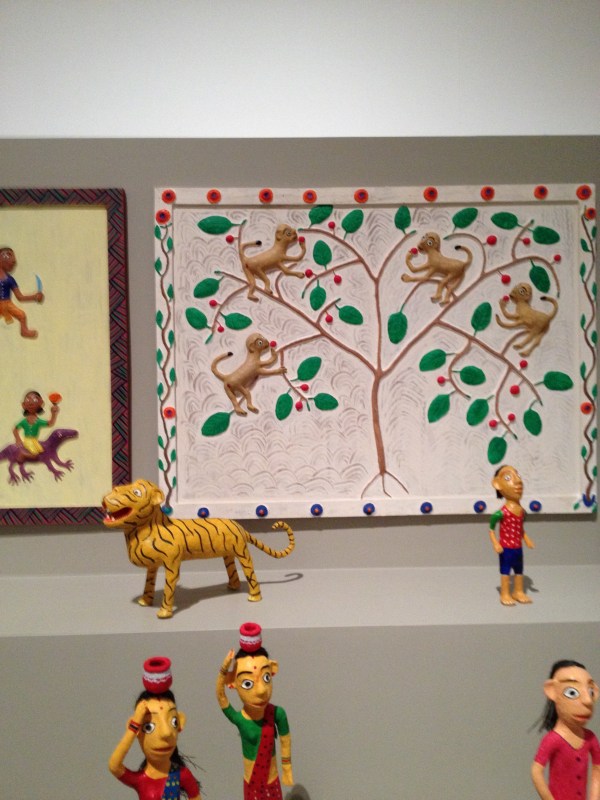
ஆயினும் கலைக் கூடத்துக்குச் (Art Gallery) சென்று வண்ண ஓவியங்களைப் பார்ப்போம் என்று குடும்ப உறுப்பினர் அனைவரும் ஒருமனதாக தீர்மானம் நிறைவேற்றி கலைக்கூடத்துக்குள் நுழைந்தோம். எங்களுக்கு போனஸ் காத்திருந்தது. நாலு மாதங்களுக்கு ஆசிய- பசிபிக் வண்ண ஓவியங்களின் விசேஷ காட்சி என்பதைக் கண்டு மகிழ்ந்தோம். உள்ளே சென்றவுடன் அருமையான ஓவியங்களைக் கண்டு இரண்டு காமிராக்களையும் முடுக்கினேன். ஒரு நூறு படங்கள் கிடைத்தன. நேபாள, இந்திய ஓவியர்கள் பல இந்துமத ஓவியங்களைத் தீட்டியிருந்தனர்.


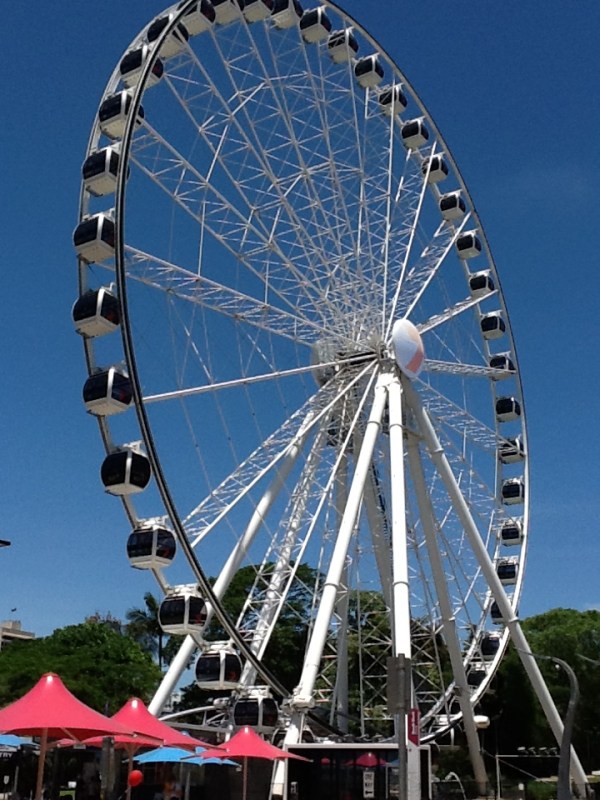
எல்லா ஊர்களிலும் இருப்பது போல இராட்சத ராட்டினம் (பிரிஸ்பேன் வீல் Brisbane Wheel) இங்கும் இருந்தது. ஆனால் அதைவிட்டுவிட்டு வேறு ஒரு புதுமையைக் காண விரைந்தோம். செயற்கைக் கடற்கரை அங்கு இருப்பதாக சுற்றுலாக் கவர்ச்சிப் பட்டியலில் இருந்தது. ஒரு பெரிய பூங்காவில் நிறைய கடல் மணலை நிரப்பி வைத்துள்ளனர். அதில் ஏராளமான பெண்கள் அரைநிர்வாண உடையுடன் வெய்யில் காய்ந்து கொண்டிருந்தனர். அருகிலேயே குழந்தைகள் , அவர்களுடைய விளையாட்டுப் பொருட்களுடன் விளையாடிக் கொண்டிருந்தனர். எனக்கு அப்படி ஒன்றும் கவர்ச்சியாகத் தோன்றவில்லை. அட, சரியப்பா! ஆலை இல்லாத ஊரில் இலுப்பைப்பூதானே சர்க்கரை என்று சொல்லிக் கொண்டு நகர்ந்தோம்.

IMG_2014

Brisbane Wheel

இரவு நெருங்க நெருங்க பசி எடுத்தது. நாங்களோ சுத்த சைவம். எனது மகன் கஷ்டப் பட்டு, கூகிள் செய்து ஒரு ‘வெஜிட்டேரியன் ரெஸ்டாரண்டைக் கண்டுபிடித்திருந்தான். ‘கூகிள் மேப்’ பைப் பயன்படுத்தி அங்கே போவதற்குள் இரவு ஒன்பதரை ஆகிவிட்டது. அது ஒரு தாய்(லாந்து) ரெஸ்டாரண்ட். வழக்கம்போல எங்கள் பல்லவியைப் பாடினோம். “நாங்கள் அனைவரும் சுத்த வெஜிட்டேரியன்ஸ். அதன் பொருள் என்ன வென்றால், ‘நோ பிஷ்’, ‘நோ மீட்’, ‘நோ எக்’ No Fish, No Meat, No Egg (மச்சம், மாமிசம், முட்டை அற்ற) என்று விளக்கினோம். அந்தப் பெண்ணோ, ‘நோ பிராப்ளம்’, பிஷ் சாஸ் (No Problem; we will use fish sauce or oyster sauce)  போடுகிறோம் அல்லது ஆய்ஸ்டர் சாஸ் போடுகிறோம், மாமிசம், முட்டை எதுவும் போட மாட்டோம்’ என்று உறுதி தந்தாள்!!!! அடக் கடவுளே! அது வெஜிட்டேரியன் அல்லவே என்றோம். அதற்கென்ன, அதையெல்லாம் போடாமல் செய்வோம் .ஆனால் அது ‘ஹாரிபிள்’ (Horrible அதி பயங்காச் சுவை) ஆக இருக்குமென்று அச்சுறுத்தினாள்; தாயே, உண்மையைச் சொன்னாயே; நீ வாழ்க, உன் குடும்பம் வாழ்க என்று மனதிற்குள் வாழ்த்திக்கொண்டே ஒரு இதாலிய ரெஸ்டாரண்டில் நுழைந்து வழக்கம்போல பீட்ஸா (Pizza), பாஸ்தா (Pasta) சாப்பிட்டு ஹோட்டல் அறைக்குத் திரும்பினோம்.


பிரிஸ்பேன் நகரில் வானளாவிய கட்டிடங்களுக்கு இடையே, நீல நதியில் படகு செல்லும் காட்சி கண்கொள்ளாக் காட்சி. நல்ல பூங்காக்கள், தாவரவியல் பூங்கா ஆகியனவும் அழகூட்டுகின்றன. சுமார் 24 மணி நேரமே இருந்தாலும் மலையளவு சாதித்த மகிழ்ச்சி.

IMG_2021

Whale song

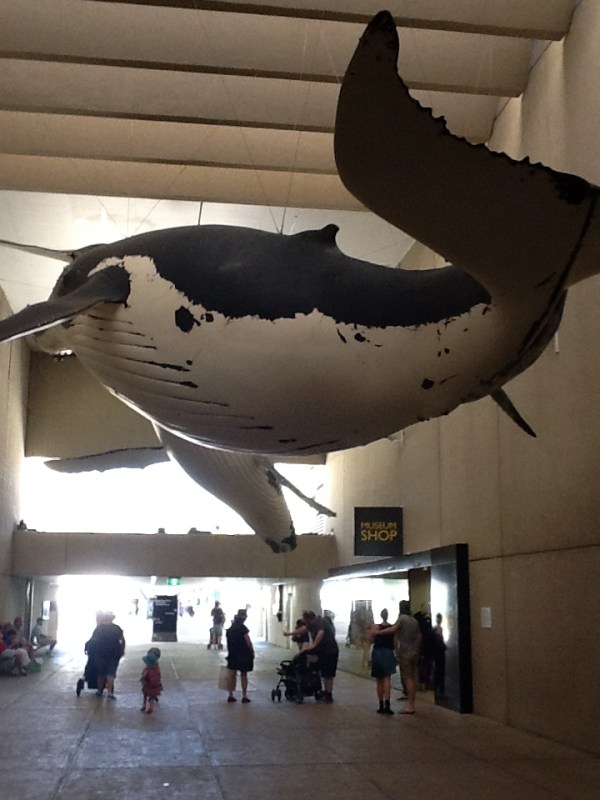
ஆர்ட் காலரிக்குச் செல்லும் வழியில் அந்த ஊர் அறிவியல் காட்சிசாலையும் உள்ளது. அந்தக் கூடத்தில் பெரிய திமிங்கில உருவங்களைத் தொங்கவிட்டுள்ளனர். திமிங்கிலங்கள் கடலில் எழுப்பும் பெரிய சங்கொலி போன்ற சப்தத்தை திமிங்கிலப் பாட்டு (Whale Song) என்பர். அதை அப்படியே ரிகார்ட் செய்து அந்தக் கூடத்தில் ஒலிபரப்பிய வண்ணம் இருக்கிறார்கள். முதலில் இது என்ன ஒலி, எங்கிருந்து வருகிறது என்று வியந்த எங்களுக்கு தலையை நிமிர்த்திப் பார்த்தபோதுதான் விளங்கியது.


எல்லா ஊர்களையும் போல, பல ஷாப்பிங் மால் (கூடங்கள்), தெருக்களும் இருக்கின்றன. பட்டிக்காட்டான் யானையைப் பார்த்தது போல. அதையும் பார்த்து பொழுதும் போக்கலாம்.!

IMG_8854


IMG_8865


IMG_8825

Brisbane by Night


–subham–


Let them Enjoy or You Speak! Eleven Anecdotes (Post No. 2527)

josephchamberlain02

Picture of Joseph Chamberlain

Compiled by london swaminathan

Post No. 2527

Date: 10th February 2016

Time uploaded in London  16-28

( Thanks for the Pictures  ) 


DON’T REBLOG IT AT LEAST FOR A WEEK!  DON’T USE THE PICTURES; THEY ARE COPYRIGHTED BY SOMEONE.


(for old articles go to tamilandvedas.com OR swamiindology.blogspot.com; contact 


swami_48@yahoo.com)


1.Let them enjoy or You speak!

Joseph Chamberlain, Prime Minister of England, told this story about himself. He was guest of honour at a banquet. The mayor of the city presided and when coffee was being served he leaned over and touched Mr Chamberlain saying, “Shall we let them enjoy themselves a little longer or had we better have your speech now?”


Xxx

2.Continued talk after a year!


Eamon de Valera was once arrested in Ennis in the middle of a political speech. A year later he was released.  He went forthwith to Ennis, and began to speak again with the words, “As I was saying when I was interrupted…”


Xxxx

3.Envy a Waiter!


When Lyon Phelps tells, “Having to speak at a public dinner in Chicago, I found my place at the pillory of torment, the speakers’ table: and there, seeing a magnificent man in evening dress, I gave him my name and grasped his hand with what cordiality I could command.

“I am the headwaiter, sir”, he replied.

“Shake hands again, old man” I cried. “You don’t know how I envy you.”

Xxx

IMG_9329

4.If you say something…..


When Dr Walter Williams spoke in a Chinese university, an interpreter translated into Chinese symbols on a black board. Dr Williams noted that the interpreter stopped writing during most of the speech and at the conclusion he asked why. “We only write when the speaker says something,” was the blithe reply.

Xxx

5.Latin, please!


Andrew Jackson, before he became President, was making once a stump speech in a small village. Just as he was finishing, a friend who sat near him whispered, “Tip them a little Latin, General; they won’t be contented without it.”


The man of iron will instantly thought upon the few phrases he knew, and in a voice of thunder wound up with “E pluribus unum (from many one), sine qua non (necessary), ne plus ultra (no more beyond), multum in parvo (small but significant).” The effect was tremendous, and the shouts of the Hoosiers could be heard for miles.

(just bluffed by saying some Latin phrases he knew)


latin

Xxx

6.Shortest speech!


At a banquet in connection with the war effort, the toast master opened the speaking with the assurance that all the guests had promised to make brief addresses. It chanced that the first to be called upon was the heavy weight champion, Private Joe Louis, who rose to his feet and said, “The toastmaster must have known my speed,” and sat down.


XxxXxx

7.Letting steam off

During a parliamentary discussion on curtailing debate Sir Campbell Bannerman remarked that, “it was reasonable that Members should wish to let off a certain amount of intellectual steam.”

“is that a polite way of describing debate in this House?” interposed Balfour.


“I thought steam was a motive power,” replied Bannerman.

“Not when it is let off,” retorted Balfour amidst the laughter of the House.


Xxx


pm-winston-churchill-high-res-stamp

8.Churchill’s Speech!

Some years ago Winston Churchill highly amused his fellow Members in the House by distributing among them printed copies of his recent speeches. A Liberal Member for one of the Devonshire constituencies acknowledged the gift in the following manner:

“Dear Mr Churchill, Thanks for the copy of your speeches lately delivered in the House of Commons. To quote the late Lord Beaconsfield: ‘I shall lose no time in reading them.’


XXX

9.Likee soup? Likee speech?


At a banquet at Princeton University (USA), the great Chinese diplomat, Dr Wellington Koo, was the guest of honour and main speaker. As one of a number of representatives of the student body on this occasion, a burly member of the football team found himself seated next to Dr.Koo. Very embarrassed by the formality of the occasion and utterly at a loss for conversation, the young man turned to Dr.Koo during the soup course and said, “Likee Soup?”


Dr Koo urbanely bowed his head and grinned. Later he arose and delivered a polished, thoughtful and witty address. Sitting down amid applause, Dr Koo turned to the chagrined student and said smiling, “Likee speech?”


Xxx

10.Unvarnished speech!

Dean Briggs was once one of the speakers at the formal banquet at Radcliffe college, in preparation for the event, among other things, the chairs been given a new coat of varnish. The evening was hot and humid and, as the speakers rose to deliver their remarks, it was with some difficulty.


The dean was more than equal to the occasion. “Ladies and Gentlemen”, he said, “with a cruel backward glance, “I had expected to bring you this evening a plain and unvarnished tale, but circumstances make it impossible to fulfil my intentions.”

(unvarnished= plain, simple)

Xxx

1000 girls

11.Talking to 1000 girls


When J M Barrie addressed an audience of one thousand girls at Smith College during his American visit, a friend asked him how he had found the experience.

“Well”, replied Mr Barries, “to tell you the truth, I would much rather talk one thousand times to one girl, than to talk one time to a thousand girls.”


–Subham–

Fire/ Agni in Vedic and Aborigine Cultures (Post No. 2521)

IMG_2345

Research Article written by london swaminathan

Post No. 2521

Date: 8th February 2016

Time uploaded in London 16-48

( Thanks for the Pictures  ) 


DON’T REBLOG IT AT LEAST FOR A WEEK!  DON’T USE THE PICTURES; THEY ARE COPYRIGHTED BY SOMEONE.


(for old articles go to tamilandvedas.com OR swamiindology.blogspot.com; contact 


swami_48@yahoo.com)

IMG_8996

This is the third part in exploring the similarities between the Australian aborigines and the Hindus.


In the Vedic culture Fire ceremonies were part of their everyday life. They performed long Yajnas and Yagas at home and in the forest. They had special drill to produce fire. It was called Arani wood. They used one wooden stick to churn another wood to create fire. They had special mantras for this ceremony. Almost all ancient cultures followed the same techniques for making fire. Australian aborigines also used two wooden sticks to produce fire. They held fire in esteem. Like Hindus they also considered Fire as a sacred object. Australian aborigines had lot of sects and they lived in a vast area. So they used different types of sticks.


Ancient fire drill


IMG_2419

IMG_2413


Nothing should be wasted

Another principle upheld by the aborigines is “Nothing should be wasted”. This is also similar to the belief of Hindus. Hindus worshipped all the five elements. Even when they started ploughing a land or digging the earth for a well or house foundation, they always seek the permission of the Gods to do it. They prayed to gods for their forgiving. This type of reverence paid to natural forces made them to use the minimum or optimum resources. Whatever left over was given as donation to the needy.

IMG_9039

Look after the country


Hindus said Dharmo Rakshati Rakshita: meaning that those who protect the natural law will be protected by the law/ dharma. Australian aborigines has similar principle: Look after the country and the country will look after you. This ancestral law ,handed down through generations, teaxches us to harvest the resources sustainably,maintain the bio diversity, protect the right of all species and care for sacred sites.Wisdom is acting now for the future of our race – says the aborigines.

IMG_9041

Hindu Thoughts in Australian Aborigines’ Folklore! (Post No. 2518)

IMG_2254

Research Article Written by london swaminathan

Date: 7 February 2016


Post No. 2518


Time uploaded in London :– 17-35


( Thanks for the Pictures  ) 


DON’T REBLOG IT AT LEAST FOR A WEEK!  DON’T USE THE PICTURES; THEY ARE COPYRIGHTED BY SOMEONE.


(for old articles go to tamilandvedas.com OR swamiindology.blogspot.com; contact 


swami_48@yahoo.com)


IMG_2255

First part of this article under the title, “Are Australian aborigines Tamil Hindus?” was posted yesterday.


Adi Shanakara in his Baja Govindam sang ‘Punarapi Maranam, Punarapi Jananm’. And Krishna said it even before Shankara, in the Bhagavad Gita, Jatasya hi druvo mrtyur, dhruvam janma mrtasya ca’ meaning “For  the one that is born, death is certain and certain is birth for the one that has died”.


This is a fact known to everyone in the world. But putting it in literature or scripture shows how much one is concerned about it. Like Hindus, aborigines of Australia put it in their folklore or oral literature.


IMG_2338

This is what they say about death:

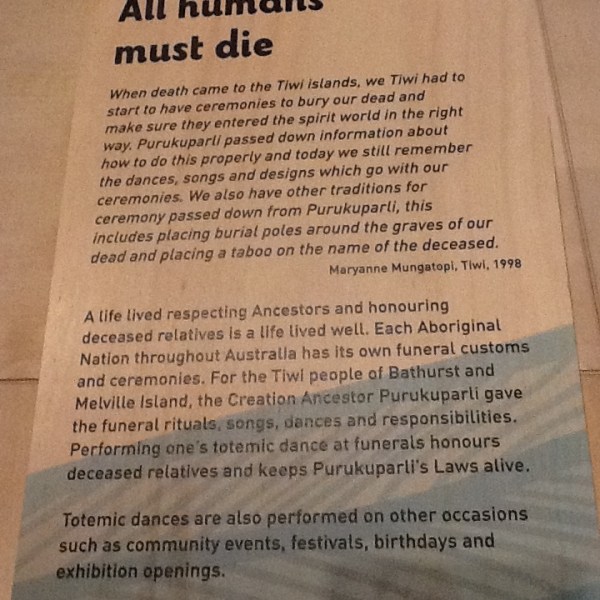
All humans must die; When death came to the Tiwi islands we had to start the burial ceremonies………….. and make sure they entered the spirit world in the right way……………placing the burial poles around graves of our dead…………..


Placing burial poles around the grave has been practised by the Hindus for long. Even now bereaved Brahmin families bury the stone in their garden or in a public place in the crematorium. If ascetics die a Linga is erected or a basil plant (Holy Tulsi) is raised on the grave of the person. Hero stones (Nadu Kal) were common in ancient Tamil Nadu. In Karnataka they had Masti kal/stone.

In short, burial pole was erected for everyone in the ancient Hindu world, but slowly this custom disappeared. Australian aborigines were doing it like us. Their talk about the  dead entering the spirit world in the right way is also in the funeral mantras of the Vedas. Most of the mantras request the heavenly spirits to lead the dead in the right path. Those who read the translation of the funeral mantras will understand it.


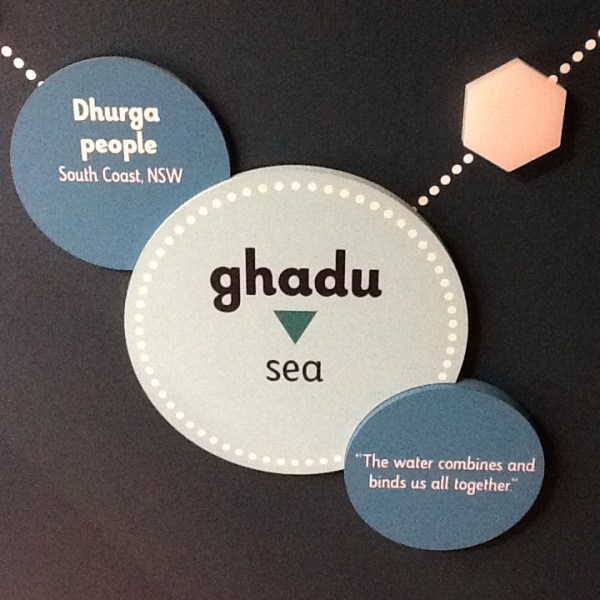
Lot of Sanskrit words, but with different meanings, are found in aborigines. One group of people called themselves Dhurga people. The word Tunga is used for pole. In Sanskrit it means tall, elevated.

Bhu Suktam: Ode to Mother Earth

Vedas praise the earth as mother. Ancient Hindu seers praised the wind, water, fire etc. The Bhu Suktam of Atharva Veda is not only a great poem but also a valuable source of Vedic life. It refers to the earth’s flora and fauna, geographical features, climate, minerals and the diversity of people. In the same way aborigines say about their land

“It is my father land, grand father’s land, my grand mother’s land. I am related to it. It gives me my identity. If I don’t fight for it I will be moved out of this and I will lose my identity”.

Even the Tamil poet Bharati in his patriotic poem on India says the same thing (Enthaiyum Thayum kulavi irunthathu in naade……)


Another aborigine says, I feel with my body, with my blood. Feeling all these trees, all this country. When this wind blow, you can feel it. Same for the country. You feel it. You can look, but feeling that make you”


This is similar to the Vedic mantra

May the winds bring us happiness. May the rivers carry happiness to us. May the herbs give us happiness. May night and day yield us happiness. May the heavens give us happiness. May the trees give us happiness. May the sun pour down happiness. May the cows yield us happiness. (Madhu Vaata rdaayate………Taitriya Aranyaka)


Vedic seers and the aborigines wanted to strike harmony with nature. For them the earth and the trees are not just objects. They gave equal respect to everything.

IMG_2327

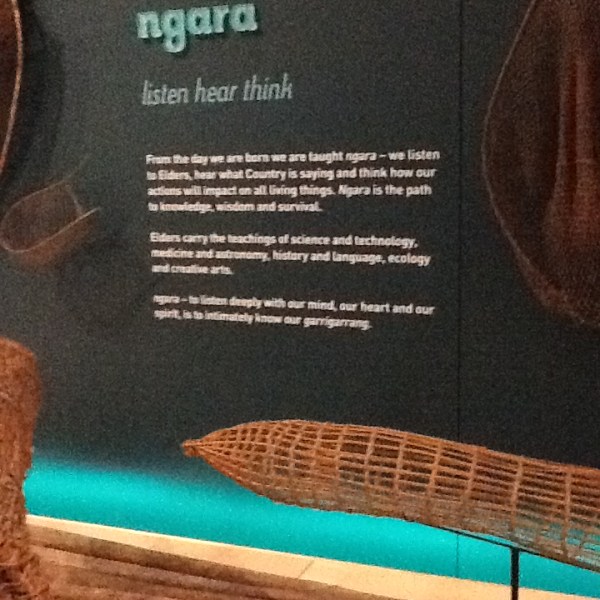
Listen, Hear, Think (Ngara)

Vedic poets and Tamil poet Thiruvalluvar emphasized that one must listen to good things. Thiruvalluvar begs to the people ‘ listen to at least to something good’ (Enaithaanum Nallavai ketka). Rig Veda says “Let noble thoughts come to us from every side” (RV 1-89-1)

Australian aborigines said the same thing and called it ‘Ngara’.

“From the day we are born we are taught ngara. We listen to elders. Hear what country is saying. And think how our actions will impact on living things. Ngara is the path to knowledge, wisdom and survival. Elders carry the knowledge of science and technology, medicine and astronomy, ecology and creative arts”.

IMG_2398

Astronomy of Aborigines

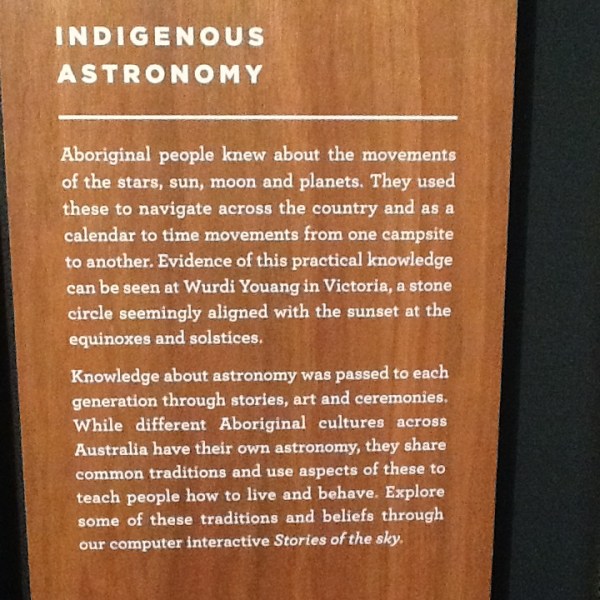
Indigenous people of Australia had very good knowledge of stars, planets and their movements. Vedas have innumerable references to stars and planets. Some are hidden in symbolic language. Just to teach astronomy we linked our stories to Pole Star (Dhruva Nakshatra), Canopus (Agastya star), Tri sanku (Southern Star), 27 Stars’ love affair with the Moon, particular favouritism to Rohini etc.


Aborigines also had some stories and like Stonehenge of England, they have stone circle Wurdi Youang in Victoria. Modern research reveal lot of new things about the aborigines. Their geographical knowledge was amazing and they knew the nook and corner of the vast continent. Without their help, the white people would not have moved into the interior lands.

IMG_2282

There are more similarities in making fire, with the Vedic Hindus which we look at the third part of this series.


IMG_2331

–subham–


ஆஸ்திரேலியப் பழங்குடிகள் தமிழர்களா? (Post No. 2517)

IMG_2347

Research Article Written by london swaminathan

Date: 7 February 2016


Post No. 2517


Time uploaded in London :– 7-57 AM


( Thanks for the Pictures  ) 


DON’T REBLOG IT AT LEAST FOR A WEEK!  DON’T USE THE PICTURES; THEY ARE COPYRIGHTED BY SOMEONE.


(for old articles go to tamilandvedas.com OR swamiindology.blogspot.com; contact 


swami_48@yahoo.com)


IMG_2250

சுமார் 50,000 ஆண்டுகளுக்கு முன்பு தென்னிந்திய நிலப்பரப்பிலிருந்து தமிழர்கள், இந்தோநேஷியா வழியாக ஆஸ்திரேலியாவுக்குள் குடியேறினர். அப்போதெல்லாம் கடலுக்கும் நிலத்துக்கும் இடையிலுள்ள தூரம் குறைவு. ஒரு தீவிலிருந்து எளிதாகப் படகில், கட்டுமரத்தில் தாவித் தாவிச் சென்று விடலாம். அதற்கும் லடசக் கணக்கான ஆண்டுகளுக்கு முன்னர் எல்லா கண்டங்களும் ஒன்றுடன் ஒன்று ஒட்டிக் கொண்டேயிருந்தன.


1932 ஆம் ஆண்டில் காஞ்சி பரமாசார்ய சுவாமிகள் சென்னை மைலாப்பூரில் நிகழ்த்திய சமயச் சொற்பொழிவுகளில் உலகமெங்கும் ஒரே மதம் – சநாதன தர்மம் – நிலவிய காலம் பற்றிப் பேசியிருக்கிறார். அதன் மிச்ச சொச்சங்களையே இன்று உலகம் முழுதும் காணமுடிகிறது. உலகில் ஒரு ஆளின் பெயரால் அல்லது இனத்தின் பெயரால் இல்லாத மதம் இந்து மதம் ஒன்றே! பாரசீகர்களும் கிரேக்கர்களும் ‘ச’ என்பதைச் சொல்ல முடியது. ஆகையால் ‘சி’ந்து நதிக்கரையின் அப்பால் இருப்பவர்கள் ‘ஹி’ந்துக்கள் என்று சொன்னார்கள். அந்தப் பெயரே இன்று சநாதன தர்மத்துக்கு நிலைத்துவிட்டது. சநாதன தர்மம் என்றால் ‘ஆதியந்தமற்ற அற வழி’ என்று பொருள். இதே போல ஒரு இனத்தின் பெயரால் இல்லாத மொழி சம்ஸ்கிருதம் ஒன்றே. இதுவும் ஆதியந்தமற்ற மொழியின் பிற்கால (செம்மைப்படுத்தப்பட்ட) வடிவம்!


என்ன சொன்னார் காஞ்சி பரமாசார்ய சுவாமிகள்?

ஆஸ்திரேலியப் பழங்குடி மக்கள் விபூதி போலப் பூசிக் கொண்டு நடனம் ஆடுகிறார்கள். அதற்கு சிவா டான்ஸ்/ நடனம் என்று பெயர் என்று தான் படித்த புத்தகத்தின் பெயரைக் குறிப்பிட்டுப் பேசியிருக்கிறார். அவர் சொன்ன இந்த விசயம் என் மனதில் பதிந்தவுடன் என்றாவது நேரில்சென்று ஆராய வேண்டுமென்று எண்ணியிருந்தேன். அருமையான வாய்ப்பு கிடைத்தது.


எனது சம்பந்தி, நாங்கள் அனைவரும் குடும்ப சகிதம் சிட்னி நகருக்கு வருவதை அறிந்து பெருந்தொகை செலவிட்டு இந்திய- ஆஸ்திரேலிய கிரிக்கெட் போட்டிக்கு டிக்கெட் வாங்கியிருந்தார். எனக்கும் கிரிக்கெட்டிற்கும் ஸ்நானப் பிராப்தி கூட கிடையாது. கவாஸ்கர் எத்தனை ‘கோல்’ போட்டார்? என்று கேட்பவன் நான். ஆகையால் அவரிடம், மரியாதையுடன் அந்த டிக்கெட்டை வேறு ஒருவருக்குக் கொடுக்கும்படி பணிவுடன் வேண்டிக்கொண்டுவிட்டு நான் ஆஸ்திரேலிய மியூசியத்துக்கு விரைந்தேன். எனது மனைவியும் மக்களும் மட்டும் கிரிக்கெட் பார்க்கச் சென்றனர். நான் ஆஸ்திரேலிய மியூசியத்துக்குப் போய் என் வயது 68 என்று சொன்னவுடன் எனக்கு முதியோருக்கான தள்ளுபடி விலை டிக்கெட் கொடுத்தனர். மியூசியம் மேப்/வரைபடத்டை வாங்கிக்கொண்டு பழங்குடி மக்கள் பிரிவு எது என்று நோட்டமிட்டேன். அதுதான் முதல் பிரிவு! ஏக சந்தோஷம்!


ஐ போன், ஐ பேட், இரண்டு காமிராக்கள் சகிதம் உள்ளே பிரவேசித்தேன். பேரானந்தம்?

ஒவ்வொரு எழுத்தாகப் படிதத்தில் சட்டென மனதில் பதிந்தவிஷயம்!

அவர்கள் நிலம், நீர் தீ, காற்று, மலை, கடல், மனித இனம், மரணம் ஆகியன பற்றிக் கொண்டுள்ள விஷயங்களைப் படிக்கையில் வேத உபநிஷத மந்திரங்களைப் படிப்பதுபோல ஒரு எண்ணம் மனதில் தோன்றியது. இன்று ஒரு சில விஷயங்களை மட்டும் காண்போம்.

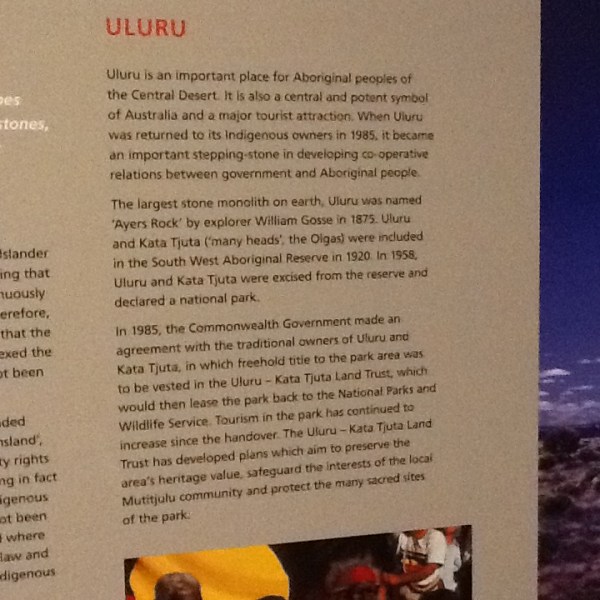
uluru2

ஆஸ்திரேலியாவின் நட்ட நடுவில், அதி பயங்கர பாலைவனப் பொட்டல் காட்டில் ஒரு பெரிய மலை நிற்கிறது. இதற்கு அய்யர் மலை என்று பெயர். சர் ஹென்றி அய்யர் என்ற ஆஸ்திரேலிய அதிகாரியின் பெயரைச் சூட்டி இருக்கின்றனர். அவருக்கு அய்யர் என்ற பெயர் ஒட்டிக் கொண்டது எப்படி என்பதை வேறு ஒரு ஆராய்ச்சிக் கட்டுரையில் எழுதுகிறேன்.


அய்யர் ராக்ஸ்= கைலாஷ் மலை


அய்யர் ராக்ஸ் என்பதன் உண்மைப் பெயர் உள்ளூரு. இதைப் புனித மலையாக வணங்குகின்றனர் அங்கே வாழும் பழங்குடி மக்கள். அதிபயங்கர பொட்டல் காட்டில் தன்னந்தனி ராஜாவாக விளங்கும் இந்த மலையைப் பார்த்தவுடன் நமக்கு நினைவுக்கு வருவது இமய மலையில் தன்னந்தனியனாக நீட்டிக் கொண்டிருக்கும் கைலாஷ் மலைதான். உலகில் பூஜியாமா (ஜப்பான்) எரிமலையாகட்டும், மவுண்ட் மேரு (கென்யா) ஆகட்டும். எது, எது சிவலிங்கம் போல தனியாக நிற்கிறதோ அவை எல்லாம் புனிதப் பொருட்களாகக் கருதப்படுகின்றன. ஆகவே ஆஸ்திரேலியாவில் தன்னதனியாக நிற்கும் இந்த உள்ளுரு என்பதை அவர்கள் வழிபடுவது பொருத்தமே. இதையும் காஞ்சி சுவாமிகள் சொன்ன விபூதி பெயிண்ட், சிவா டான்ஸ் என்பதையும் பொருத்திப் பார்க்கையில் மேலும் நெருக்கம் புலப்பட்டது.


நான் தினசரி சந்தியா வந்தனம் செய்யும் பிராமணன் ஆனதால், “உத்தமே சிகரே தேவி” என்ற காயத்ரீ தேவி வணக்கமும் மனதில் பளிச்சிட்டது. பிராமணர்கள் தினமும் மூன்று முறை காயத்ரீ தேவியை மலை உச்சியிலிருந்து அழைத்து, இதயத்தில் நிறுத்தி (ஆவாஹனம் செய்து) வழிபாடு செய்துவிட்டு “தாயே எனது வழிபாடு இப்போதைக்கு முடிந்துவிட்டது. போய் வருவாயாக” என்பர். ஆக, “ஓங்கலிடை வந்து உயர்ந்தோர் தொழ விளங்கும்” காயத்ரீ (சூரிய தேவன்/தேவி) மலை உச்சியில் வைக்கப் படுவதால் மலை வழிபாடு வேதத்தில் உள்ள வழிபாடாகும்.


இது எல்லாம் ஒரு புறமிருக்க அந்தப் பழங்குடி மக்களின் பெயரைப் படித்த போது உடலில் மின்னலை பாய்ந்தது. செந்தமிழ் சொல்லைக் கேட்டவுடன் ‘இன்பத் தேன் வந்து பாய்ந்தது” அந்தப் பழங்குடி மக்களின் பெயர் ‘அணங்கு’ என்பதாகும். இந்த தூய தமிழ் சொல், சங்கத் தமிழ் இலக்கியத்தில் நூற்றுக் கணக்கான இடங்களில் விதந்து ஓதப்படுகிறது. காடு, மலை, ஆறு கடல், மரம் கொடி, புனித இடங்கள், தோப்பு, துறவு ஆகிய இடங்களில் வாழும் புனித தேவதையை தமிழர்கள் அணங்கு என்பர். அதே பெயரை தங்களுக்கு வைத்துக் கொண்டு புனித உள்ளுரு மலையை அவர்கள் வழிபடுவது சாலப்பொருத்தமே. மேலும் ‘உள்ளூர்’ என்பதில்கூட தமிழ் வாசனை அடிக்கிறது!


நான் தினமணி பத்திரிக்கையில் சீனியர் சப் எடிட்டராக இருந்த போது பிரபல நாட்டியக் கலைஞர் பத்மா சுப்பிரமணியம் ஆஸ்திரேலியா சென்று வந்தது பற்றி ஒரு செய்தி வெளியிட்டிருந்தோம். அதில் அவர் தனக்காக ஆஸ்திரேலிய கலைத்துறை ஏற்பாடு செய்த பழங்குடி மக்களின் நடனத்தைப் பார்த்தபோது குறைந்தது 25 தமிழ்ச் சொற்களையாவது எண்ண முடிந்தது என்று சொன்னதும் நினைவுக்கு வந்தது. என்ன பொருத்தம்! இந்தப் பொருத்தம்!

IMG_2336

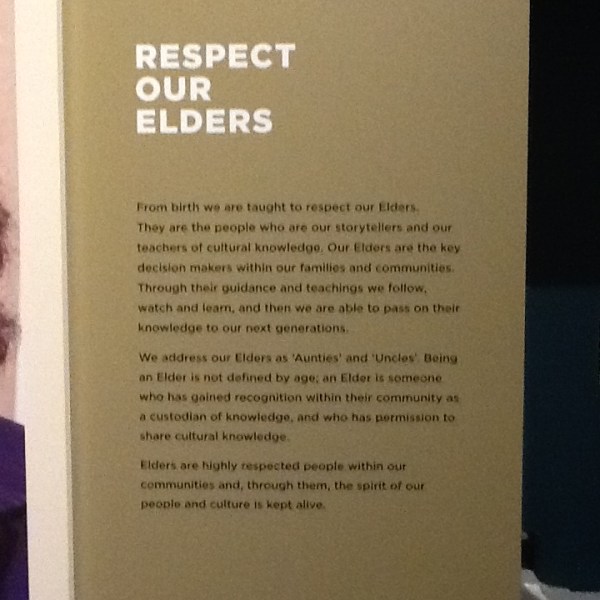
மூத்தோர் சொல் அமிர்தம்


பழங்குடி மக்களின் நம்பிக்ககள் பற்றி ஒரு போர்டு எழுதி வைத்திருந்தனர். அதைப் படித்துத் திகைத்து நின்றேன். அவர்கள் மிகவும் மதிப்பது மூத்தோர்கள் என்றும் அவர்களுடைய ஞானமும், அறிவும் பெரிதும்  மதிக்கப்படும் என்றும் அவர்களுக்கு பழங்குடி இனங்களிடையே தனி மதிப்பும் மரியாதையும் உள்ளது என்றும் எழுதி இருந்தனர். இது இந்துக்களின் நம்பிக்கை. உலகில் வேறு எந்த மத நூலிலும் இல்லாத விஷயம் “மாதா, பிதா, குரு, தெய்வம்” என்பதாகும் அது மட்டு மல்ல தினமும் இந்துக்கள் செய்யும் பஞ்ச யக்ஞத்தில் ஒன்று “தென்புலத்தார்” கடன். இதைத் திருவள்ளுவரும் பல குறள்களில் பாடியிருக்கிறார். முன்னோர்களுக்குக் கடன் செலுத்துவதை, இந்துக்கள் போல வேறு எவரும் செய்வதில்லை.


ரிக் வேதம் என்பது உலகின் மிகப் பழைய நூல். அதற்கு அருகில் கூட வேறு எந்த மத நூலும் வர முடியாது. அவ்வளவு பழமையான நூல். அதில் ஆடிப் பாடி, ஆனந்தக்கூத்தாடும் ரிஷி முனிவர்கள் அவர்களுடைய முந்தையோர் பற்றிப் பாடுகின்றனர். “பூர்வேப்யோ ரிஷி:” என்று மந்திரம் ஓதுகின்றனர். அவ்வளவு பழமையானது சநாதன மதம். ஆக முந்தையோரைப் போற்றிப் புகழ்வது வேத வழக்கு என்பதில் எள்ளளவும் ஐயமில்லை.


இதைவிட அருமையான விஷயம் அந்த மியூசியம் போர்டில் இருக்கிறது . ஆஸ்திரேலியப் பழங்குடிகள் எல்லா முதிய ஆண்களையும் மாமா (அங்கிள்) என்றும், முதிய பெண்களை மாமி (ஆண்ட்டி) என்றும் மரியாதையுடன் அழைப்பர் என்று எழுதப்பட்டது. இன்று வரை இந்துக் குடும்பங்களில், குறிப்பாகத் தமிழ்க் குடும்பங்களில் இது பின்பற்றப்படுகிறது.


பழங்குடி மக்கள், அவரவர்கள் இனத்தை (கோத்திரம்) மதித்தனர். ஒருவருக்குப் புனிதமான விலங்கை மற்றவர் வேட்டையாட மாட்டார்கள். நம்முடைய கோத்திரப் பெயர்களும் இனப் பெயர்களும் பிராணிகளின் அடிப்படையில் எழுந்தவையே. உலகிலேயே முதல் முதல் கொடிகளைக் கண்டுபிடித்துப் பயன்படுத்திய இனம் இந்து இனம் என்பதை கொடிகள், சின்னங்கள் பற்றிய ஆராய்ச்சிக் கட்டுரையில் ஏற்கனவே எழுதிவிட்டேன். காஸ்யப (ஆமை), கௌசிக (ஆந்தை), ஜாம்பவான் (கரடி அடையாளம் உடைய இனம்), ஜடாயு, சம்பாதி (கழுகு அடையாளம் பொறித்த இனம்) அனுமான் (குரங்கு முத்திரை பொறித்த இனம்) என்பதையெல்லாம் காணுகையில் ஆஸ்திரேலியப் பழங்குடிகள் தங்களை ஏன் பிராணிகளின் பெயரில் அழைத்துக் கொண்டனர் என்பம்து வெள்ளிடை மலையென விளங்கியது.


ஆராய்ச்சிக் கட்டுரை தொடரும்………….


–சுபம்–

Are Australian Aborigines Tamil Hindus? (Post No. 2515)

IMG_2347

Research Article Written by london swaminathan

Date: 6 February 2016


Post No. 2515


Time uploaded in London :– 16-12


( Thanks for the Pictures  ) 


DON’T REBLOG IT AT LEAST FOR A WEEK!  DON’T USE THE PICTURES; THEY ARE COPYRIGHTED BY SOMEONE.


(for old articles go to tamilandvedas.com OR swamiindology.blogspot.com; contact 


swami_48@yahoo.com)


Long long ago, 50, 000 years ago, a group of people migrated to Australia via South India and Indonesia. Then there was only one religion that was known as Sanatan Dharma, meaning the Eternal law. Later Greeks and Parsis (Persians) called these people Hindus, because they encountered them first beyond the River Sindhu. ‘S’ became ‘H’ in their languages.


I developed some interest in the study of aborigines after reading Kanchi Paramacharya’s (1894-1994) lectures in Chennai. He gave a detailed map of Hindu vestiges around the world. Referring to the Australian aborigines he quoted a book where in the dance of the aborigines was called ‘Shiva dance’ and they wore white paints like the Saivaite Vibhuti/holy ash marks. Later came a report of the dancer Padma Subramaniam in the Tamil dailies that she noted at least 20 Tamil words in the languages of aborigines. She watched their dance especially arranged for her. When I went to Sydney in January 2016 my in laws booked us a ticket for the Cricket match between India and Australia. I told them plainly that I was more interested in the study of aborigines than the cricket match. So my ticket was given to one of their friends and only my wife and sons went to the match with them. I went to the Australia Museum where there was a big section about the aborigines. I was surprised to see lot of similarities with the Hindus.


For long I was wondering why the aborigines held the Ayers Rock in esteem like our Mount Kailash. It stands as a solitary rock in the middle of a vast desert. Whether it is the Mt Meru of Kenya or the Fujiyama of Japan, all solitary rocks or volcanoes or hills are worshipped as Divine entities. This is nothing but Hindu in approach. So the Australian aborigines’ worship of Ayer’s rock is similar to the Hindu worship of Mount Kailash.  The original name of the sacred solitary rock is Uluru. It was named after Sir Henry Ayers, an Australian officer. Anyway it is nothing but Mt Kailash of Australia. So Kanchi Shakaracharya’s comparison of Vibhuti and Siva Dance has one more similarity i.e. Ayers rock and Mt Kailash.


The similarities don’t stop there. As soon as I entered the Australia Museum in Sydney, I saw a big board about their veneration for their elders. There is only one culture in the whole wide world that respects elders, that is Hindu culture. We can’t see such veneration in Ten Commandments or any other religious book. The first thing taught to the Vedic students was Mata, Pita Guru/ Deivam (Mother, father, teacher and/are God(s). Not only that, one of the daily Pancha Yajnas (five tasks) is the worship of ancestors. The Vedas are the oldest scriptures in the world. Those Vedas praise “their ancestors” (Purvebhayo Rishi:)! That means they are talking about thousands of years before the Rig Vedic times. The Australian aborigines also held Elders in high esteem. All male elders are called uncles and female elders are called aunties by the aorigines. It is practised in Hindu families until today:


Look at the board:

IMG_2336

Some of their beliefs about life, death, natural forces like water, fire, wind etc., Gotras(neighbour groups) and the animals are sililar to the Vedic beliefs. When I read them in the museum I was reminded of the Vedic mantras. I will deal with them in the second part of this article. Now I will conclude by giving a Vedic Mantra where elders were praised:

“Gone are the mortals who in former ages

Beheld the flushing of the early morning;

We living men now look upon her shining;

Those will be born who shall hereafter see her” –(R.V.1-113-2 A A Macdonells Translation)


Kailash= Uluru= Fujiyama=Mt Meru

Mountain Lord, we speak to thee with blissful words,

“So that all that is moving and living

May, free from disease, have happiness of heart” — (Y.V.Vs 16-4)

Even the Brahmins invoke Gayatri three times every day from the High Mountains. After the prayer she is requested to go back to the top of the hills (Uttame Sikare Devi……)


So God in the mountain is part of a Hindu belief. It is no wonder the solitary hill is revered by the aborigines. It is the Mount Kailash of Australia!

One more amazing similarity is that the people who hold this sandstone rock a sacred object are ‘ANANGU’ people. The word Anangu is used in Sangam Tamil literature lot of times to denote divinities, venerable spirits that occupy all natural objects rocks, water sources, hills and holy places! Somehow the old Tamil world has crept into their language.

uluru2

Picture of Uluru (Ayers Rock in Australia)

To be continued………………..

ஆஸ்திரேலியாவில் இந்துக் கோவில்கள்! (Post No. 2501)

IMG_2231


IMG_2232


IMG_2240

Written by london swaminathan

Date: 2 February 2016


Post No. 2501


Time uploaded in London :– 14-06


( Thanks for the Pictures  ) 


DON’T REBLOG IT AT LEAST FOR A WEEK!  DON’T USE THE PICTURES; THEY ARE COPYRIGHTED BY SOMEONE.


(for old articles go to tamilandvedas.com OR swamiindology.blogspot.com; contact 


swami_48@yahoo.com)


IMG_2233

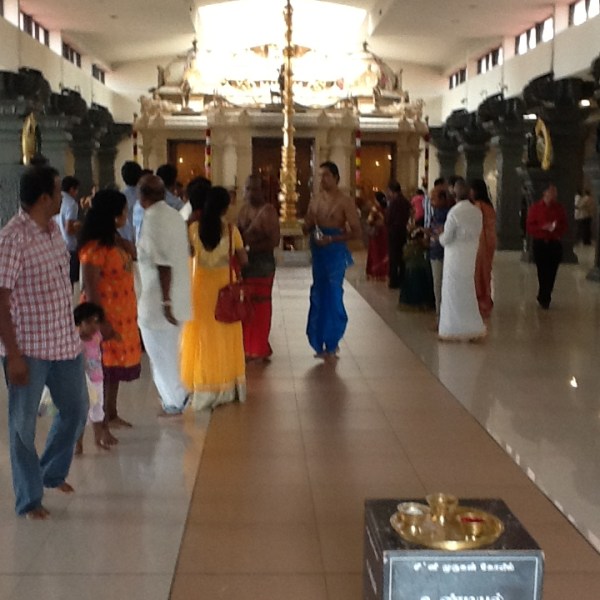
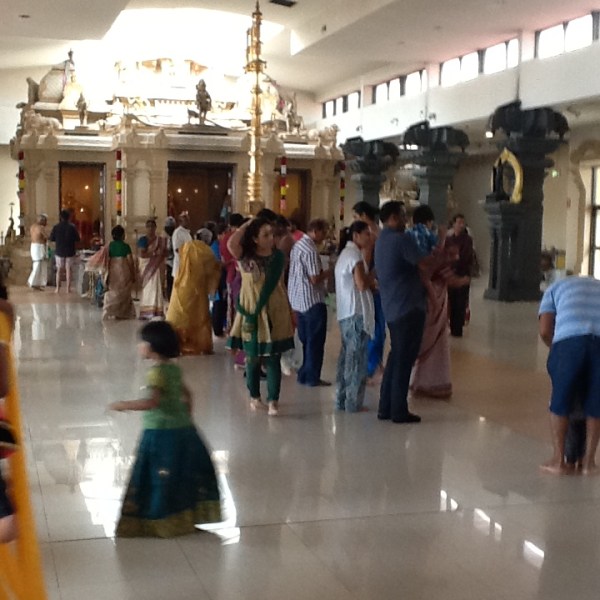
இங்கிலாந்தைப் போலவே ஆஸ்திரேலியாவிலும் பல நகரங்களில் தமிழர்களும் ஏனைய வட இந்திய இந்துக்களும் பல கோவில்களைக் கட்டி வழிபடுவதை என்னுடன் பயணம் செய்த நண்பர்கள் மூலம் அறிந்தேன். ஆனால் எனக்கு, இரண்டு கோவில்களுக்குள் மட்டுமே உள்ளே சென்று வழிபடும் பாக்கியம் கிட்டியது. சிட்னியிலுள்ள அம்மன் கோவிலை வெளியிலிருந்து பார்த்துக் கும்பிட்டுவிட்டுப் போனோம்.


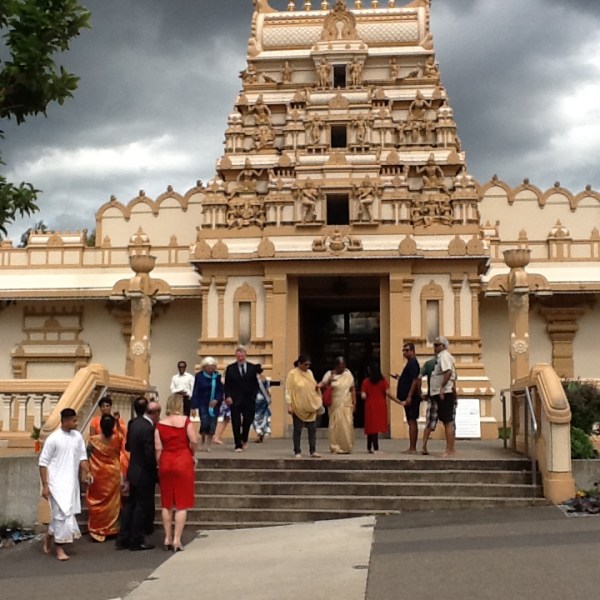
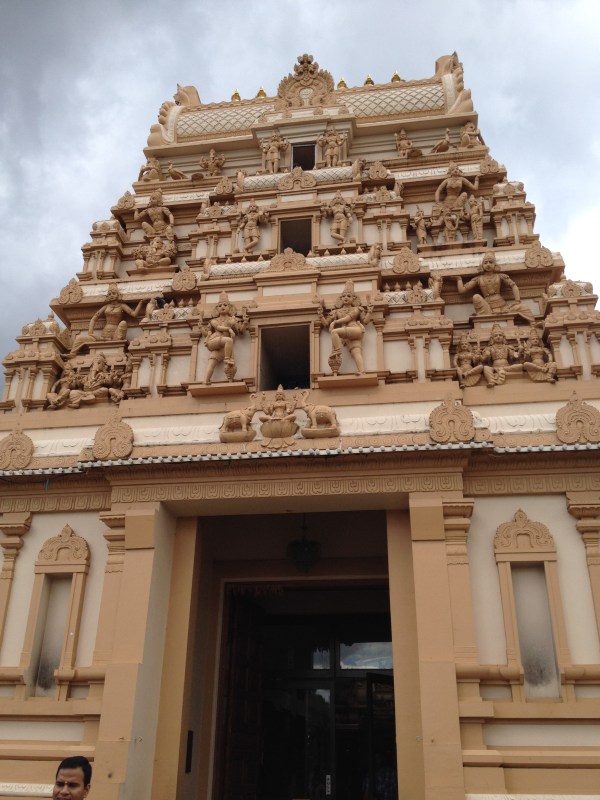
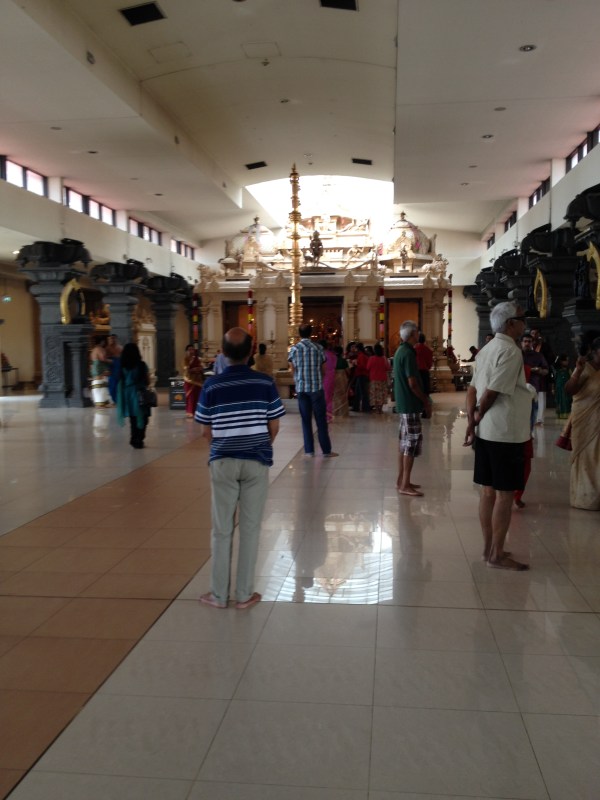
சிட்னி முருகன் கோவிலுக்குச் சென்றோம். நல்ல சாந்நித்யம் மிகுந்த கோவில். ஆஸ்திரேலியாவில் உள்ள வீடுகள் லண்டன் வீடுகளைப் போல பல மடங்கு பெரியவை. அது போலவே கோவில்களும் நல்ல விஸ்தாரமாகக் கட்டப்பட்டுள்ளன.


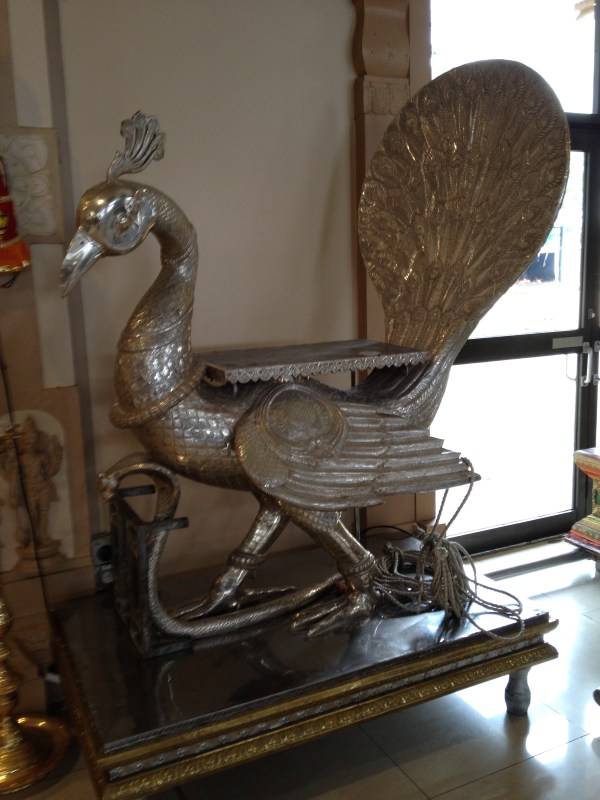
சிட்னி முருகன் கோவில் பிரகாரத்தில் ஒரு பெரிய வெள்ளி மயில் வாகனத்தைக் கண்டு படம்பிடித்தேன். கோவில்கள் என்பன, இந்தியப் பண்பாட்டின் கலாசார மையங்களாக விளங்கி வந்துள்ளன. இப்பொழுதும் அவ்வாறே பல இன்னிசை நிகழ்ச்சிகளுக்கும், பிறந்த நாள் விழா, சஷ்டியப்தபூர்த்தி, கல்யாணம் ஆகியவற்றுக்கும் உறைவிடமாக அமைந்துள்ளன. நாங்கள் சிட்னி முருகன் கோவிலுக்குள் நுழைந்தபோது பலர் சூட்டும் கோட்டுமாக வந்து கொண்டிருந்தனர். காரணம் அருகிலுள்ள மண்டபத்தில் ஒரு கல்யாணம்.

IMG_8984

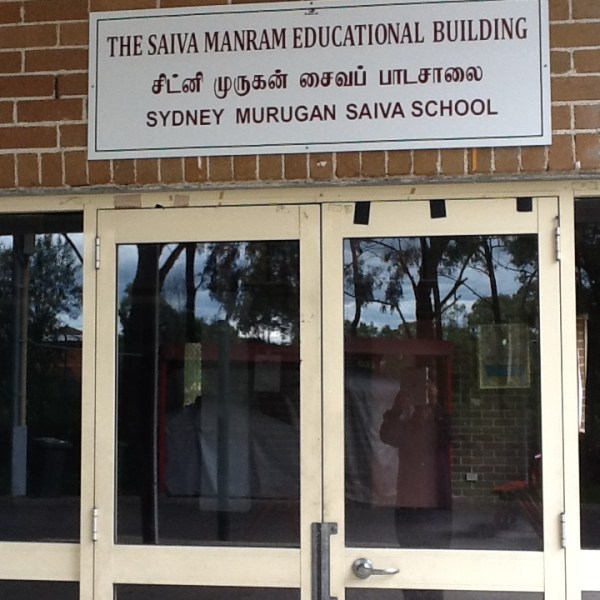
பிரகாரத்தைச் சுற்றி வருகையில் எதிர்வரும் இன்னிசைக் கச்சேரி நோட்டிஸைப் பார்த்து மகிழ்ந்தேன். அவர் ஒரு உள்ளூர் பாடகர் என்பதையும் அறிந்தேன்.அதேபோல சைவ பாடசாலை என்ற போர்டும் பெரிதாகத் தெரிந்தது. நான் வழக்கமாகப் போகும் கோவில்களில் மட்டும் அர்ச்சனை செய்வேன் மற்ற கோவில்களில் உண்டியலில் காசு, பணம் போட்டுவிடுவேன். அவாறு செய்துவிட்டு வெளியே வந்தோம்.

IMG_8985

IMG_8987


ஸ்ரீ வெங்கடேஸ்வரா கோவில்


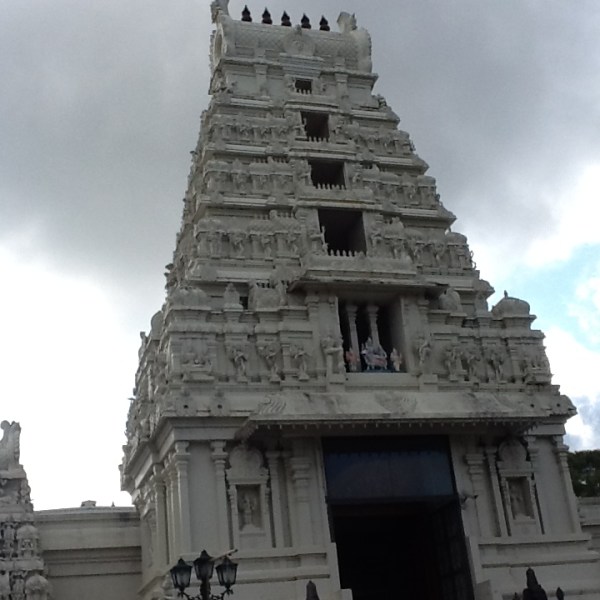
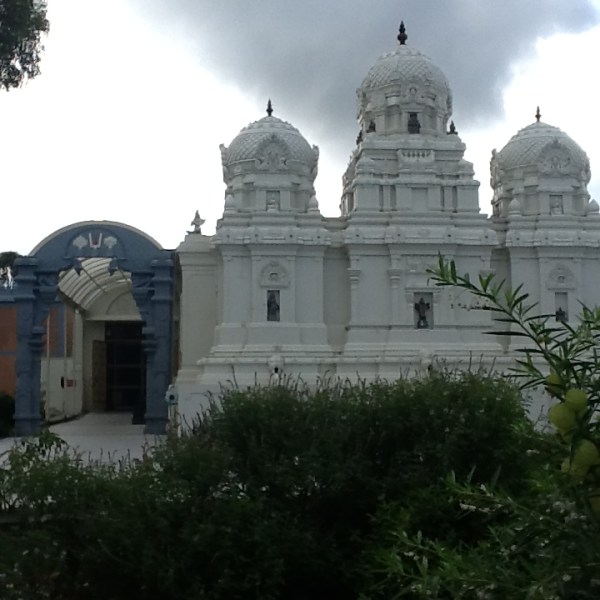
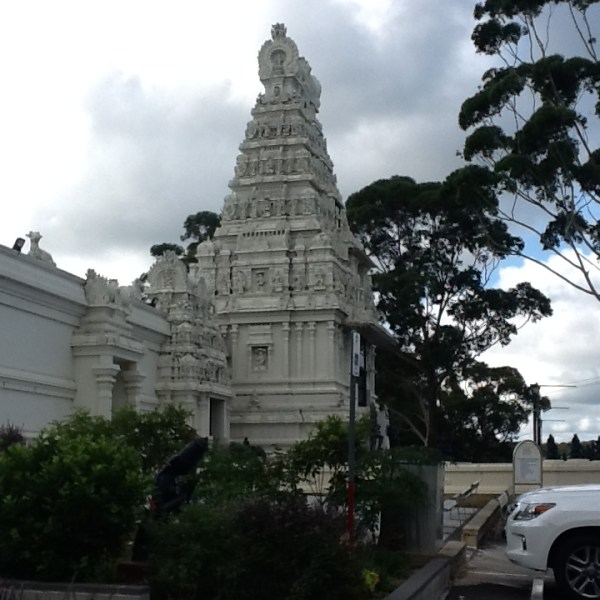
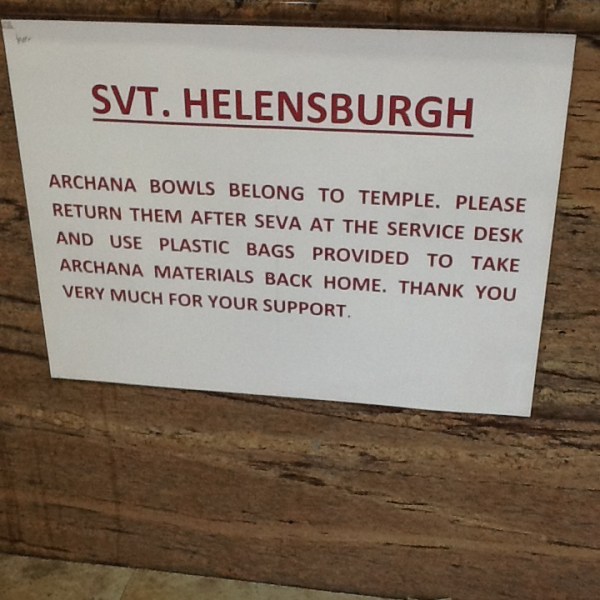
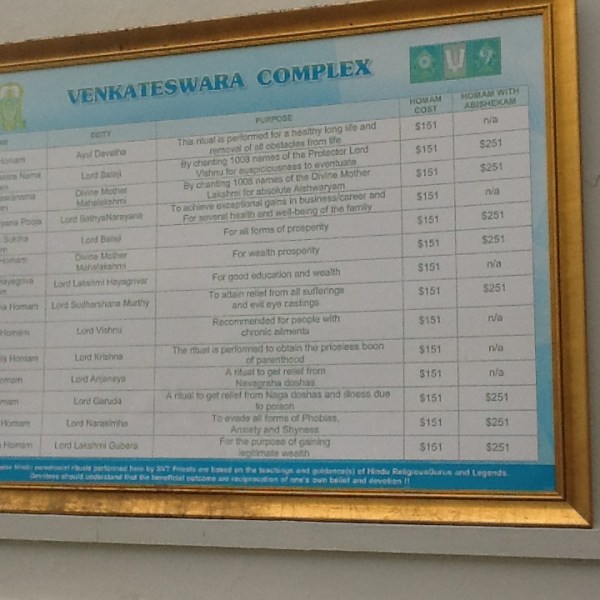
சிட்னி நகரத்துக்கு வெளியே ஹெலன்ஸ்பர்க் என்னுமிடத்தில் ஸ்ரீ வெங்கடேஸ்வரா கோவிலும் அதை ஒட்டி சிவன் கோவிலும் உள்ளன. ஒரே கோவிலை இரண்டாகப் பிரித்துள்ளனர். இரண்டுக்கும் வெவ்வேறு சைவ , வைஷ்ணவ அர்ச்சகர்கள் இருக்கிறார்கள். இந்தக் கோவிலும் மிகப் பெரிய கோவில். ஊருக்கு வெளியே இருந்தபோதிலும் இங்கும் ஆட்கள் வந்த வண்ணம் இருந்தனர். பல சுற்றுலா இடங்களுக்குப் போகும் வழியிலிருப்பது இதன் சிறப்பு. கோவிலுக்கு எதிர்த்தாற்போல ஒரு மிருகக் காட்சிசாலையும் உள்ளது. அங்கே கட்டணம் கொடுத்து கங்காரு, கோவாலா போன்ற மிருகங்களைப் பார்த்துவிட்டு கோவிலுக்கு வந்தோம்.


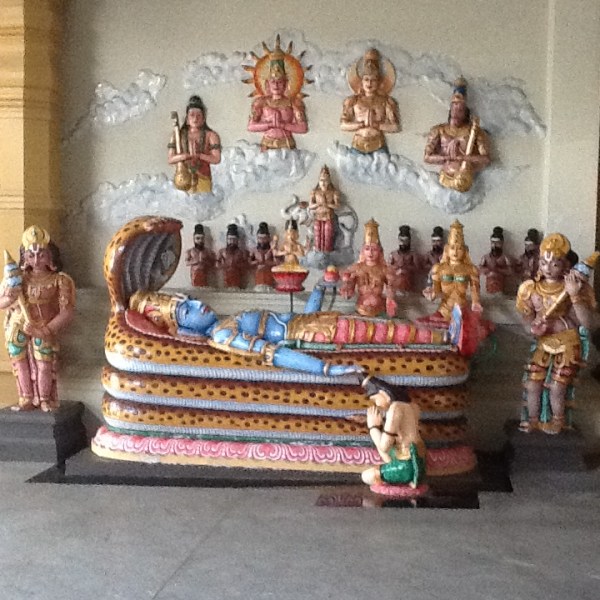
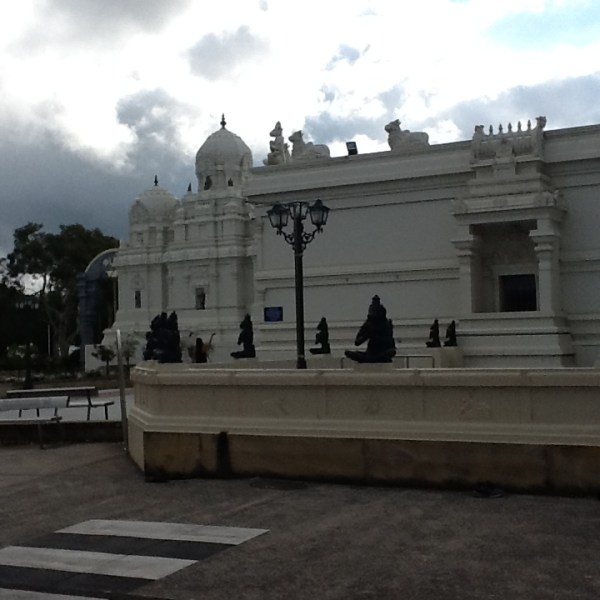
இந்தக் கோவிலில் 63 நாயன்மார்கள், 12 ஆழ்வார்கள் சிலைகளையும், சுதைகளையும் அழகாக வைத்திருக்கிறார்கள். புகைப்படம் எடுக்கக்கூடாது என்று போர்டு எழுதி வைத்திருப்பதால் அதை மதித்து போட்டோ எடுக்காமல் வந்தேன். ஒரே ஒரு சிற்பத்தை மட்டும் அர்ச்சகரின் அனுமதி பெற்று எடுத்தேன். சிவன், முருகன், பாலாஜி சந்நிதிகள் தனித் தனியே உள்ளன.


கோவில்களை ஆதரிப்பது நமது கடமை.இறைவனை தரிசித்து அருள் பெறுவது நமக்கு நன்மை.


IMG_2809


IMG_2814

IMG_2815

IMG_2806

IMG_2822

IMG_2818


IMG_2811

–சுபம்–


Chinese belief in Astrology (Post No. 2498)

IMG_9287 - Copy

Written by london swaminathan

Date: 1 February 2016


Post No. 2498


Time uploaded in London :–  15-27


( Thanks for the Pictures  ) 


DON’T REBLOG IT AT LEAST FOR A WEEK!  DON’T USE THE PICTURES; THEY ARE COPYRIGHTED BY SOMEONE.


(for old articles go to tamilandvedas.com OR swamiindology.blogspot.com; contact 


swami_48@yahoo.com)

IMG_9292 - Copy

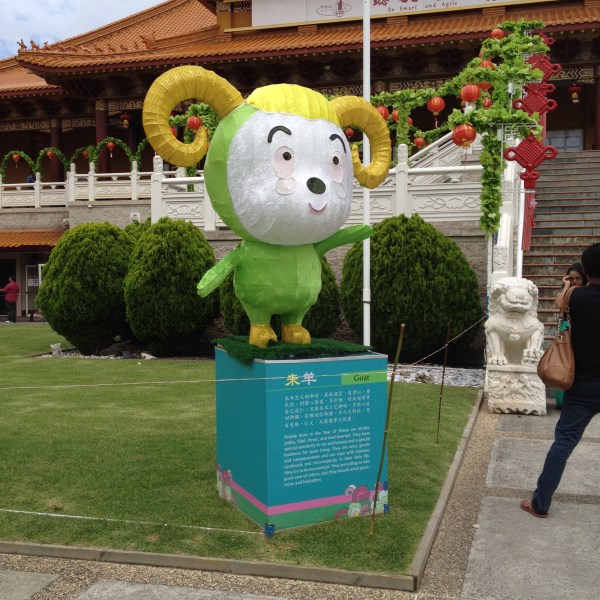
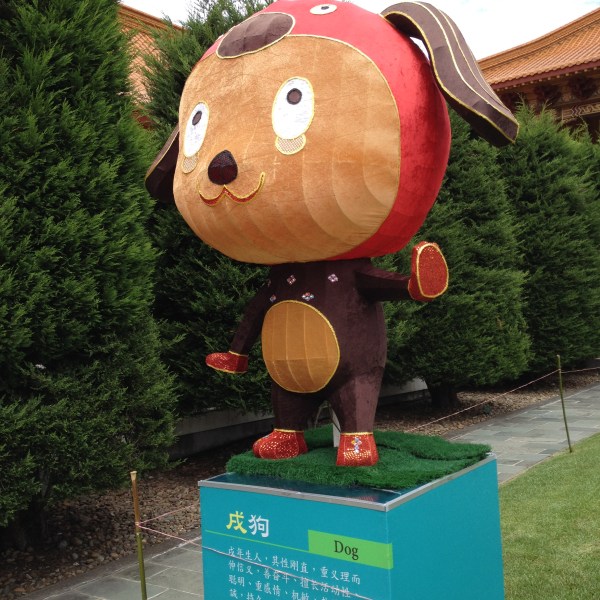
Hindus have divided the zodiac into 12 signs starting with Aries, Taurus… and the Chinese have divided their zodiac into 12 signs with 12 animals starting with rat and finishing with pig. Each sign is allocated one year and the year of Monkey begins on 8th February 2016.


Chinese have very strong belief in astrology in spite of the cultural revolution of Mao and the communist rule. My recent tour in Hong Kong and Australia for two weeks gave me a new insight in to their belief and the big business of astrology. Tourists, particularly from the Chinese community spend lot of money to buy the lucky symbols.


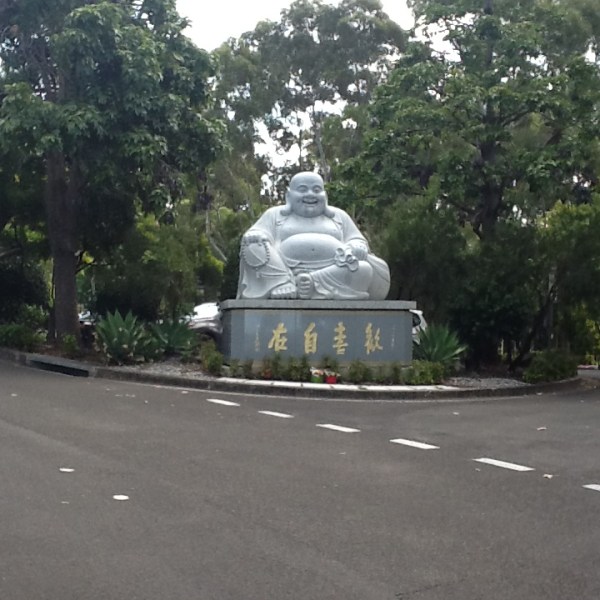
1.Laughing Buddha is considered a lucky symbol and every Chinese house has one of these figures. The largest Buddhist temple in the southern hemisphere, Nan Tien temple has a huge laughing Buddha at the entrance.

IMG_2750

2.Chinese believe in lucky symbols and those lucky symbols in red colour ribbons are sold throughout Hong Kong. I have seen it hung in many houses and restaurants I visited during my trip. Hong Kong vendors sell these in their road side stalls.

  1. The 12 animal zodiac signs are kept even in tourist spots like Peak Tram attraction in Hong Kong.

IMG_1565

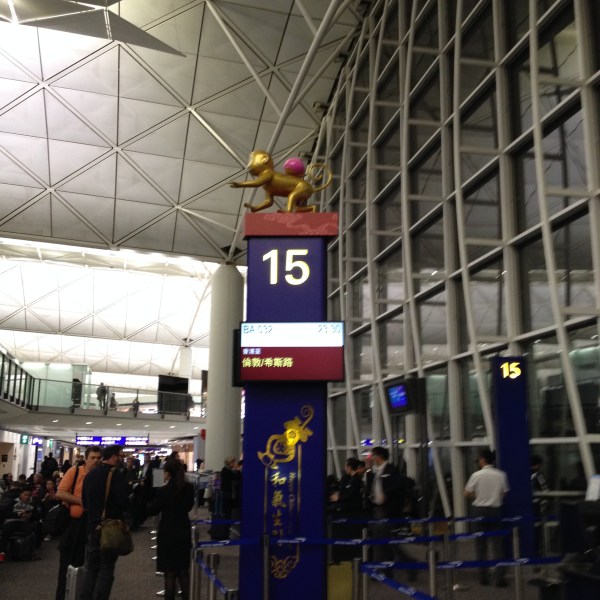
4.Even the British Airways desk at the Hong Kong International airport has displayed a big monkey to welcome the Chinese community who are going to celebrate year of monkey in a weeks’ time on 8th February 2016.


IMG_9473

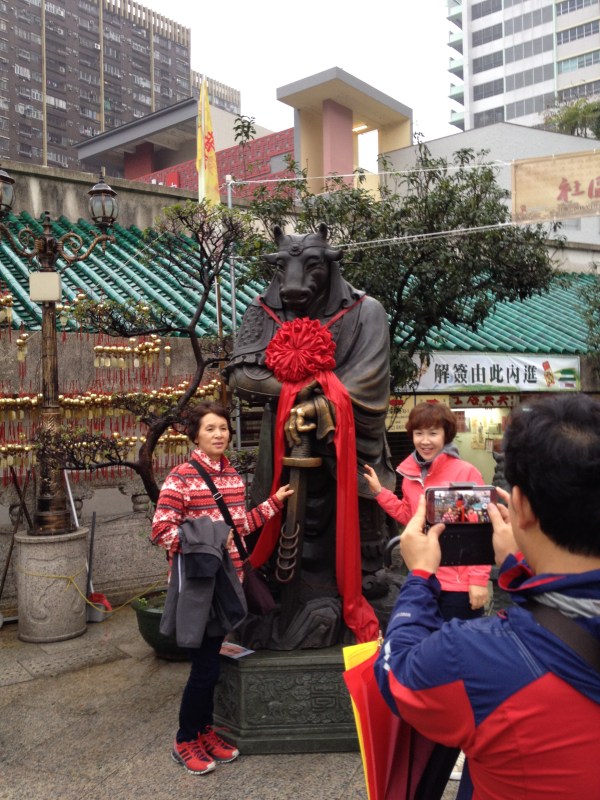
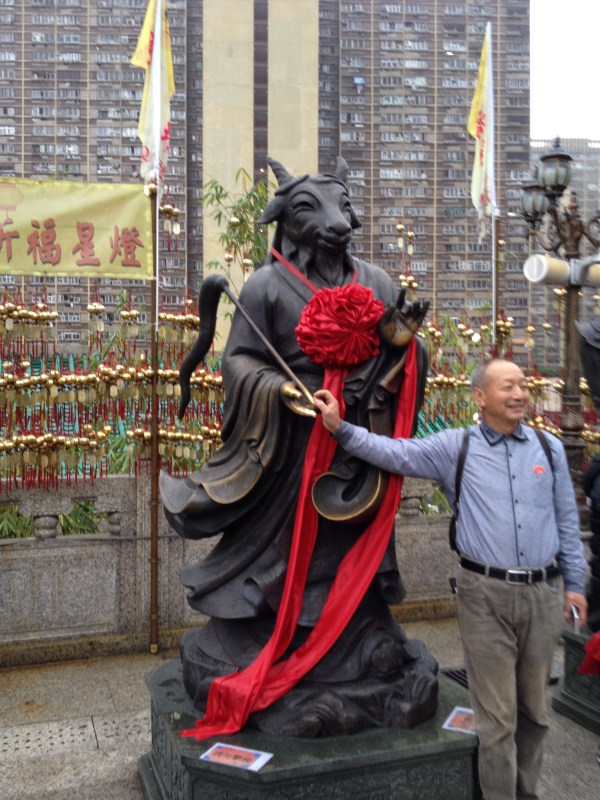
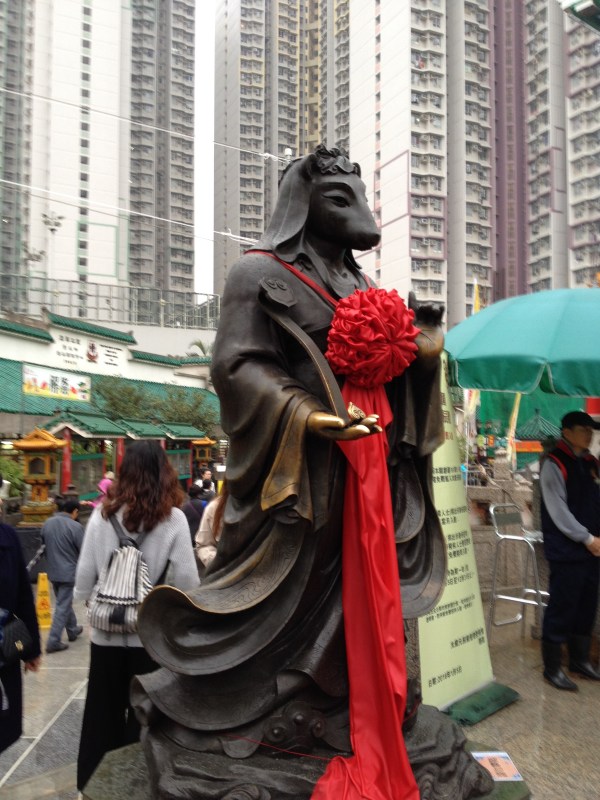
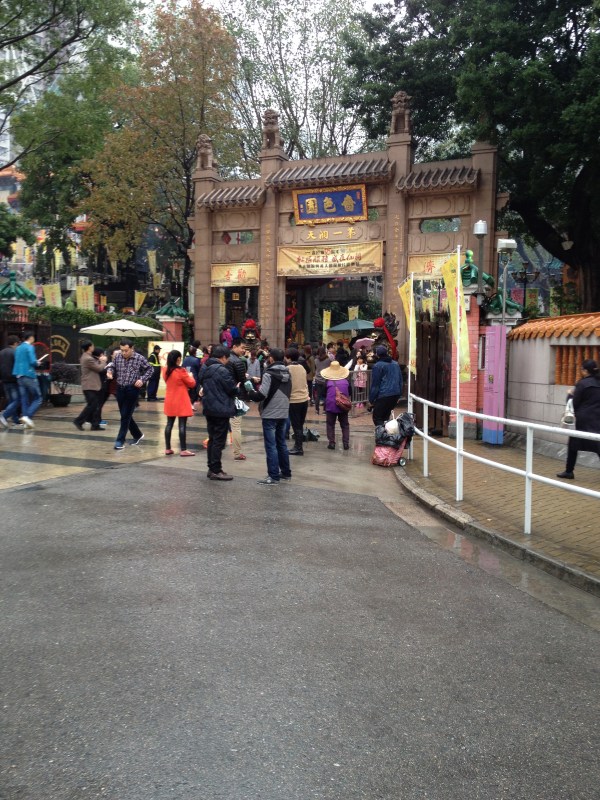
  1. I went to the famous Wong Tai Sin temple in Hong Kong which is known as a wish fulfilling temple. Three great religions of Buddha, Tao and Confucius have their shrines there. The huge temple and the attached ornamental garden have Fengsui designed buildings.


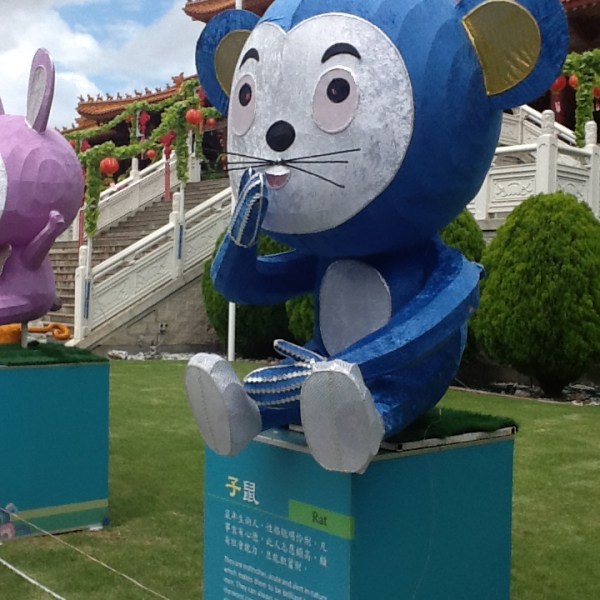
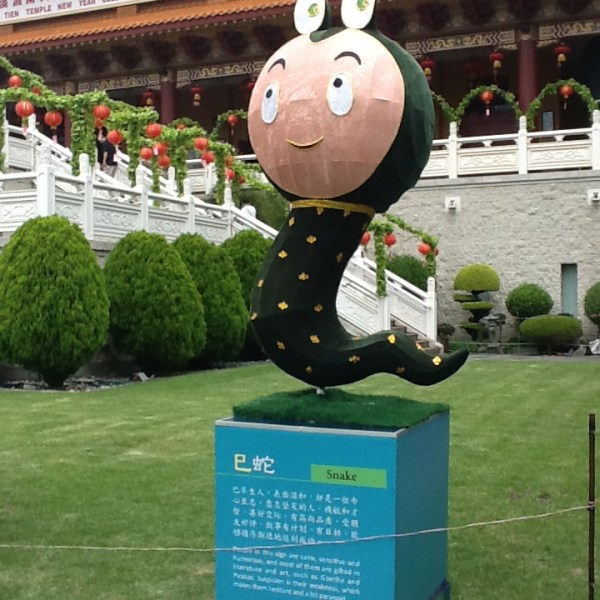
Twelve zodiac animals are depicted with huge statues under which people stand and wish that their dreams are fulfilled. If a person born under rat sign comes, he goes to the rat sign and stands below it and wish his dreams come true. Wong was a great saint of fifth century CE. A big crowd was there in the morning when I visited the temple.

IMG_8599

IMG_8594 - Copy

IMG_8603

5.Kau cim is one of the practices used to find one’s future. Believers buy a bamboo tube in which incense sticks are there. One kneels before the temple and shakes it till an incense stick falls down. One will exchange it for a paper with the same number on the fallen stick. If one takes it to a soothsayer, that person will interpret it and tell your future. There are lot of soothsayer stalls in the vicinity.


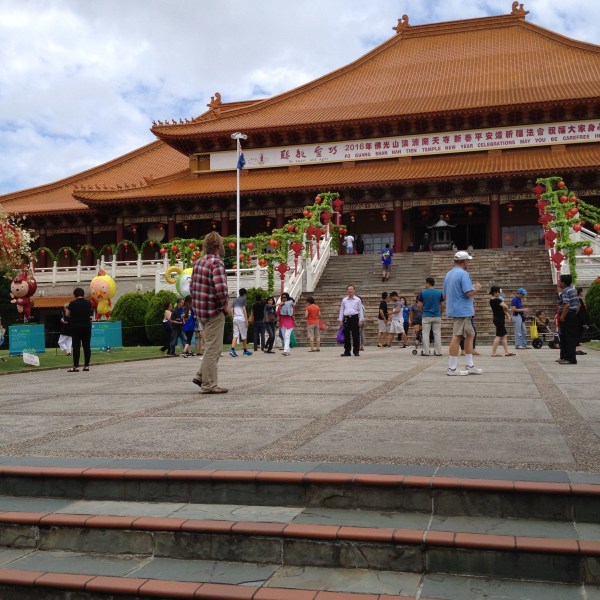
  1. The biggest Buddhist temple known as Nan Tien temple is in Wollongong, fifty miles from Sydney in Australia. It has a lucky tree at which people throw lucky ribbons. Whoever throws the ribbon will get what he or she wants. The temple itself sells the red ribbons. We also bought two ribbons and threw them at the Kalpaka Vrksha.


IMG_9286

  1. Just outside the huge temple, the twelve animal signs stand in open air, with the predictions written in Chinese and English. Tourists throng these places to take photos with their respective signs.

Nan Tien temple is very big and it has got Buddha statues at three levels. In the upper two floors Five Buddhas and Three Buddhas are in huge forms. There is dress code. A western woman was refused entry because she has not covered her body fully. Top floor has five huge colourful Buddha statues. Temple sells vegetarian food. The entire complex is no smoking, no alcohol, No meat area.


At the top of the hill there is a huge bell. Anyone goes there rings the bell with their wishes in mind. So we see this type of belief everywhere. The Chinese community’s enthusiastic following proves that they strongly believe in it.

IMG_2674


IMG_2673

chinese-zodiac_3551491b


IMG_8585 - Copy

IMG_9283

–Subham–