காஷ்மீர் அமைச்சரின் தியாகம்! (Post No.3874)

Written by London swaminathan

Date: 3 May 2017

Time uploaded in London: 15-52

Post No. 3874

Pictures are taken from various sources; thanks.

contact; swami_48@yahoo.com


கல்ஹணர் என்ற பிராமணனை வெளிநாட்டு அறிஞர்கள் அனைவரும் சிலாகித்துப் பேசுவர். அவருக்கு ஏன் அவ்வளவு கியாதி (புகழ்)? ஏனெனில் இந்தியாவில் முதல் முதலில் வரலாற்றை எழுதியவர் இவர்தான் என்பது வெளிநாட்டு அறிஞர் கருத்து. சங்கத் தமிழ் நூல்களில் எண்பதுக்கும் அதிகமான வரலாற்றுச் செய்திகளை வரலாற்று மன்னன் பரணன் அளித்த போதும், அதற்கு முன்னால் 140-க்கும் மேலான தலைமுறை


மன்னர்களைப் புராணங்கள் பட்டியலிட்ட போதும் அதை எல்லாம் அறிஞர்கள் ஒப்புக்கொள்வதில்லை. ஆனால் இந்தக் காஷ்மீரி பிராமணன் 3400 க்கும் மேலான சம்ஸ்கிருத ஸ்லோகங்களில் “வருட”த்தைக் குறிப்பிட்டு வரலாறு எழுதியுள்ளான்.


கல்ஹணர் சொன்ன பல அதிசய விஷயங்களை ஏற்கனவே பல கட்டுரைகளில் தந்தேன். இதோ மேலும் ஒரு அற்புதம்!


ரிக்வேதத்தில், தலைகொடுத்த தத்யாங்க் பற்றிப் படித்தோம். புராணங்களில் , வஜ்ராயுதம் செய்ய தன் முதுகெலும்பையே தியாகம் செய்த ததீசி முனிவர் கதையை அறிந்தோம்; சிவபெருமானுக்காக கண்களையே தியாகம் செய்த கண்ணப்ப நாயனார், மஹாவிஷ்ணு பற்றிப் பெரிய புராணத்திலும் தேவாரத்திலும் கேட்டோம். ஆனால் உடலையே நீச்சல் அடிக்க உதவும் தோல் பையாயாக்கி உயிர்த் தியாகம் செய்த தேவ சர்மன் பற்றிக் கேட்டிருக்க மாட்டோம்.


இதோ கல்ஹணர் வாய்மொழியாக கேட்போம்:

காஷ்மீரில் கி.பி.750-ஆம் ஆண்டை ஒட்டி ஜெயபீடன் என்ற அரசன் ஆட்சி செய்து வந்தான். அவன் நேபாள நாட்டின்மீது படை எடுத்தபோது அங்கே அரமுடி என்ற மன்னன் ஆட்சி செய்துவந்தான். அவன் கில்லாடி. மந்திர தந்திரங்களில் வல்லவன்; ராஜ தந்திரமும் கற்றவன்.


ஜெய பீடனின் படைகளை நேரில் சந்திக்காமல் அவனைத் தாக்காட்டி தொலைதூரம் இழுத்து வந்தான். ஒரு கடலும் நதியும் சந்திக்கும் இடம் (முகத்துவாரம்) வரை படைகளை இழுத்தான். ஆற்றின் ஒரு பக்கத்தில் ஜெயபீடனின் படைகளும் மறுபுனிறத்தில் அரமுடியின் படைகளும் நிலைகொண்டிருந்தன. மிகவும் திட்டமிட்டு ஒரு நாள் திடீரென்று போர் முழக்கம் செய்து முரசு கொட்டினான் அரமுடி. அவனுடைய சூது வாது தெரியாத ஜெயபீடனி ன் படைகள், ஆற்றைக் கடந்தன. முழங்கால் அளவே தண்ணிர் என்று கருதி ஜெயபீடன் ஆற்றில் புகுந்தான். ஆயினும் நதியைக் கடப்பதற்குள் கடல் அலைகள் உள்ளே வந்து நீர் மட்டத்தை உயர்த்தின ஜெயபீடன் தத்தளி த்தான். பெரும்பாலான படைகளை வெள்ளம் கடலுக்கு அடித்துச் சென்றது

‘த்ருதி’ என்னும் தோல் பைகளை கட்டி நீந்தி வந்த வீரர்கள் வந்து ஜெயபீடனைக் கைது செ ய்து சிறைவைத்தனர். ‘த்ருதி’ என்பது எருமை மாட்டின் தோலினால் ஆனது. அதைக் காற்றடைத்து,  அதைப் பிடித்துக்கொண்டு நீந்துவது காஷ்மீரி மக்கள் அறிந்ததே.

ஜெயபீடனை ஒரு உயரமான கட்டிடத்தில் நதி ஒரமாகக் காவலில் வைத்தான் நேபாள மன்னன் அரமுடி!


ஜெயபீடனிடம் தேவ சர்மன் என்ற புத்திசாலி அமைச்சன் வேலை பார்த்து வந்தான். மன்னரைக் கடவுளாகக் கருதி தன் இன்னுயிரையும் ஈயும் உத்தம குணம் கொண்ட சத்திய சீலன் அவன். நல்ல தந்திரம் ஒன்றை வகுத்தான். மன்னன்  அரமுடிக்குத் தூது அனுப்பி, ஜெயபீடன், இதுவரை போரில் வென்ற செல்வப் புதையலை எல்லாம் அளிப்பதாகவும் ஜெயபீடனை மட்டும் விடுவித்தால் போதும் என்றும் செப்பினான்.


தலையில் குறை முடியே உடைய அரைமுடியும் அதற்குச் சம்மதித்தான். உடன்படிக்கை கையெழுத்தானது. தங்கள் மன்னரை ஒருமுறை சந்திக்க அனுமதி கோரினான் தேவசர்மன். அப்பொழுது நடந்த சம்பாஷணை:–

“மன்னர் மன்னவா

தங்கத்திலே ஒரு குறை இருந்தாலும் தரத்தில் குறைவதுண்டோ; சிங்கத்தின் கால்கள் பழுதுபட்டாலும் சீற்றம் குறைவதுண்டோ? நீங்கள் சிறைப்பட்டாலும் உங்கள் வீரமும் மனோ திடமும் குலையவில்லை என்றே கருதுகிறேன்” – என்றான் தேவ சர்மன்


“அது எப்படி முடியும் சர்மா? என்ன வீரம் இருந்து என்ன பயன்? நான்கு சுவருக்குள் இருக்கும் நான் என்ன செய்ய முடியும்?” – என்றான் ஜெயபீடன்


“மன்னா! நான் படைகளை நதியின் மறு கரை யில் தயாராக வைத்துள்ளேன். நீங்கள் மட்டு ம் இப்பொழுது நதியில் குதித்து, மறுகரைக்கு நீந்திச் சென்றால் போதும்.”

“நானா? இவ்வளவு ஆழத்திலிருந்து குதித்தால் மேலே  உடல் வராது. தோல் பையைக் கட்டிக் கொ ண்டு குத்தித்தாலோ தோல் பை கிழிந்துவிடும்”.


“அரசே! துணிவை இழக்காதீர்கள் நான் சொல்லும்படி செய்யுங்கள். ஒரு இரண்டு நாழிகை ( 48 நிமிடம்) வெளியே நில்லுங்கள்” – என்று மன்னனிடம் சொல்லிவிட்டு மன்னனின் அறைக்குள் சென்று, எல்லாவற்றையும் தயார் செய்துவிட்டு, தன்னையே கத்தியால் குத்திக் கொண்டு இறந்தான் தேவ சர்மன்.


அரசன் உள்ளே சென்ற போது சடலத்தைப் பார்த்து திடுக்கிட்டான். தனது உடலையே தோல்பையாகக் கொண்டு நீந்தி மறுகரைக்குச் செல்லும்படி குறிப்பு எழுதி வைத்திருந்தான் மன்னன் வசதியாக அமர பல பாகங்களில் துணிமணிகளைக் கட்டி வைத்தீருந்தான். மன்னனும் அவனது தியாகம் வீணாகக் கூடாது என்று எண்ணி உடனே ஆற்றுக்குள் குதித்தான். தனது படைகளை அடைந்தான்.


பின்னர் பெரும்படை திரட்டி, நேபாளத்தை நோக்கிச் சென்று அரமுடியைக் கவிழ்த்தான். தேவ சர்மனின் தியாகத்தால் காஷ்மீர் அரசு பிழைத்தது! இது உண்மையில் நடந்த சம்பவம்.


–சுபம்–

வள்ளுவர் குறளில் வடமொழிச் சொற்கள் (Post No.3873)

TIRUVALLUVAR STATUE AT LONDON UNIVERSITY


Written by S NAGARAJAN


Date: 3 May 2017


Time uploaded in London:-  5-45 am


Post No.3873


Pictures are taken from different sources; thanks.


contact: swami_48@yahoo.com


குறள் வேதம்


முக்கியக் குறிப்பு:


வைஷ்ணவ பரிபாஷை என்ற அழகிய நூலை எனக்கு அனுப்பி உதவியவர் எனது சம்பந்தி திரு ஆர்.சேஷாத்ரிநாதன் அவர்கள்.

அவ்வப்பொழுது அவர் அனுப்பும் மின் நூல்கள் அற்புதமானவை; பொருள் பொதிந்தவை. அவருக்கு மனமார்ந்த நன்றியைத் தெரிவித்துக் கட்டுரையை ஆரம்பிக்கிறேன்.


வள்ளுவர் குறளில் கையாண்ட வடமொழிச் சொற்கள்


ச.நாகராஜன்


சங்க காலம் தொட்டே சம்ஸ்கிருதமும் தமிழும் ‘கொண்டு கொடுத்து’ உறவைச் செழுமைப் பயன்படுத்திக் கொண்ட மொழிகள்.


தமிழிலிருந்து சம்ஸ்கிருதத்திற்குச் சென்ற வார்த்தைகள் ஏராளம். அதே போல சம்ஸ்கிருதத்திலிருந்து தமிழுக்கு வந்த வார்த்தைகளும் ஏராளம்.

காழ்ப்புணர்ச்சி, வெறுப்பு, பகை இன்றி தமிழ்ப் புலவர்களும் சம்ஸ்கிருத பண்டிதர்களும் தேவையான இடங்களில் நல்ல பதங்களை தங்கள் கவிதைகளிலும் காவியங்களிலும் நயம் படக் கையாண்டு வந்தனர்.

இதற்கு எடுத்துக்காட்டாக வள்ளுவர் தம் திருக்குறளில் கையாண்ட வடமொழிச் சொற்களைக் கூறலாம்.

இதைப் பட்டியலிடும் அரும் பணியில் ஈடுபட்ட எம்பார் கண்ணன் ரங்கராஜன் அவர்கள் வைஷ்ணவ பரிபாஷை என்ற தனது அரிய நூலில் கீழ்க்கண்ட பட்டியலைத் தந்துள்ளார். நூலின் பெருமையைப் பற்றி தனியே இனி எழுத இருக்கும் ஒரு கட்டுரையில் காணலாம்.


இப்போது குறள்களின் பட்டியல்:-

குறள் 1

அகர முதல் எழுத்தெல்லாம் ஆதி பகவன் முதற்றே உலகு

குறள் 9

கோளில் பொறியிற் குணமிலவே எண்குணத்தான் தாளை வணங்காத் தலை

குறள் 18

சிறப்பொடு பூசனை செல்லாது வானம் வறக்குமேல் வானோர்க்கும் ஈண்டு

குறள் 19

தானம் தவமிரண்டும் தங்கா வியனுலகம் வானம் வழங்கா தெனின்

குறள் 29

குணமென்னும் குன்றேறி நின்றார் வெகுளி கணமேயுங் காத்தல் அரிது

குறள் 43

தென்புலத்தார் தெய்வம் விருந்தோக்கல் தானொன்றாங்கு ஐம்புலத்தாறு ஓம்பல் தலை

குறள் 60

மங்கலம் என்ப மனைமாட்சி மற்றுஅதன் நன்கலம் நன்மக்கட் பேறு

குறள் 102

காலத்தி னாற்செய்த நன்றி சிறிதெனினும் ஞாலத்தின் மாணப் பெரிது

குறள் 120

வாணிகம் செய்வார்க்கு வாணிகம் பேணிப் பிறவும் தமபோல் செயின்

குறள் 215

ஊருணி நீர்நிறைந் தற்றே உலகவாம் பேரறி வாளன் திரு

குறள் 261

உற்ற நோய் நோன்றல் உயிர்க்குறுகண் செய்யாமை அற்றே

தவத்திற் குரு

குறள் 266

தவஞ் செய்வார் தங்கருமஞ் செய்வார்மற் றல்லார் அவஞ்செய்வார் ஆசையுட்பட்டு

குறள் 271

வஞ்ச மனத்தான் படிற்றொழுக்கம் பூதங்கள் ஐந்தும் அகத்தே நகும்

குறள் 337

ஒருபொழுதும் வாழ்வது அறியார் கருதுப கோடியும் அல்ல பல

குறள் 360

காமம் வெகுளி மயக்கம் இவை மூன்றன் நாமம் கெடக்கெடும் நோய்

குறள் 490

கொக்கொக்கக் கூம்பும் பருவத்து மற்றதன் குத்தொக்க சீர்த்த இடத்து

குறள் 580

பெயக்கண்டும் நஞ்சுண் டமைவர் நயத்தக்க நாகரிகம் வேண்டு பவர்

குறள் 636

மதிநுட்பம் நூலோடு உடையார்க்கு அதிநுட்பம் யாவுள முன்நிற் பவை

குறள் 667

உருவுகண்டு எள்ளாமை வேண்டும் உருள்பெருந்தேர்க்கு அச்சாணி அன்னார் உடைத்து

குறள் 682

அன்பறிவு ஆராய்ந்த சொல்வன்மை தூதுரைப்பார்க்கு இன்றி யமையாத மூன்று

குறள் 706

அடுத்தது காட்டும் பளிங்குபோல் நெஞ்சம் கடுத்தது காட்டும் முகம்

குறள் 738

பிணியின்மை செல்வம் விளைவின்பம் ஏமம் அணியென்ப நாட்டிவ் வைந்து

குறள் 763

ஒலித்தக்கால் என்னாம் உவரி எலிப்பகை நாகம் உயிர்ப்பக் கெடும்

குறள் 931

வேண்டற்க வென்றிடினும் சூதினை வென்றதூஉம் தூண்டிற்பொன் மீன்விழுங்கி அற்று

குறள் 958

நலத்தின்கண் நாரின்மை தோன்றின் அவனைக் குலத்தின்கண் ஐயப் படும்

குறள் 1029

இடும்பைக்கே கொள்கலம் கொல்லோ குடும்பத்தைக் குற்ற மறைப்பான் உடம்பு

குறள் 1073

தேவர் அனையர் கயவர் அவருந்தாம் மேவன செய்தொழுக லான்ல்

குறள் 1086

கொடும்புருவம் கோடா மறைப்பின் நடுங்கஞர் செய்யல மன்இவள் கண்

குறள் 1116

மதியும் மடந்தை முகனும் அறியா பதியின் கலங்கிய மீன்

குறள் 1157

துறைவன் துறந்தமை தூற்றாக்கொல் முன்கை இறைஇறவா நின்ற வளை

மேலே உள்ள குறள்களின் எண்ணிக்கை மொத்தம் 30

இவற்றில் வரும் சம்ஸ்கிருத்ச் சொற்கள் தடித்து சிவப்பு வண்ணத்தில் காட்டப்பட்டுள்ளன.

சொற்களின் பட்டியல்:

ஆதி

பகவன்

குணம்

பூசனை

தானம்

தவம்

குணம்

கணம்

தெய்வம்

மங்கலம்

காலம்

வாணிகம் (இரு முறை)

நீர்

உரு

தவம்

கருமம்

ஆசை

பூதங்கள்

கோடி

காமம்

நாமம்

பருவம்

நாகரிகம்

மதி

அதி

அச்சாணி

தூது

முகம்

அணி

நாகம்

சூது

குலம்

குடும்பம்

தேவர்

புருவம்

மதி

பதி

வளை

சம்ஸ்கிருதச் சொற்களின் மொத்த எண்ணிக்கை 39.

இவற்றில் இரு முறை வந்த சொற்கள் :குணம், தவம், வாணிகம்,மதி ஆகியவை.

ஆக மொத்த எண்ணிக்கையில் ஆறைக் கழித்தால் வரும் சம்ஸ்கிருத்ச் சொற்கள் 33.


சில அறிஞர்கள் இன்னும் சில சொற்களையும் கூட சம்ஸ்கிருதப் பட்டியலில் சேர்த்திருக்கின்றனர்.

ஆனால் எம்பார் கண்ணன் ரங்கராஜன் அவர்கள் தந்துள்ள பட்டியலில் இடம் பெறுபவை இவை மட்டுமே.

வள்ளுவர் சொல்லின் மகிமையை அறியாதவ்ர் இல்லை.

அணுவைத் துளைத்து பொருளைத் தரும் அற்புதக் குறளின் வன்மையை அறியாதவர் யார்?

அவர் நினைத்திருந்தால் இவற்றைத் தவிர்த்திருக்கக் கூடும்.

ஆனால் எடுத்துக் கொண்ட பொருளின் தன்மை கருதி உரிய கருத்திற்கு உரிய இடத்தில் அவற்றைப் பயன் படுத்தி இருக்கிறார்.

குறள் தமிழ் மறை. இதற்கு மேலும் விவரிக்க வேண்டாமே!

இனி அடுத்த கட்டுரையில் தமிழ்த் தாய் வாழ்த்தில் இடம் பெறும் சம்ஸ்கிருதச் சொற்களைக் காண்போம்.


PLEASE READ THE OLD POSTS


வள்ளுவன் ஒரு சம்ஸ்கிருத அறிஞன் | Tamil …

https://tamilandvedas.com/…/வள்ளுவன்-ஒரு-சம்…

5 Nov 2012 – Picture: Tamil Poet Valluvar’s statue at SOAS, University of London பொய்யா மொழிப் புலவன் திருவள்ளுவன் ஒரு பெரியசம்ஸ்கிருத அறிஞன். அவன் செய்த …


Who was Tiruvalluvar? written and posted by me on 24 July 2013

Abert Einstein and Tiruvalluvar, posted on 17 December 2013

Tamil Merchant who dumped god into sea, posted on 17 August 2014

Elelasingan Kathai (Tamil), posted on 17 August 2014


வள்ளுவனும் வன்முறையும் (ஜூலை 24, 2013)


வள்ளுவன்  ஒரு  சம்ஸ்கிருத  அறிஞன் (நவம்பர் 5, 2012)


வள்ளுவான் சொன்ன புராண, இதிஹாசக் கதைகள் (ஜூலை 30, 2013)


வள்ளுவன் காமெடி ( 5 ஜனவரி, 2015)

திருவள்ளுவர் பற்றிய பழைய புத்தகம் (Post No. 2532) , 12 -2-2016

திருவள்ளுவர் யார்?,  Post No. 748 dated 17th December 2013.


Buddha and Tamil Saint on Good thoughts!, Post No 717 dated 21 November 2013

ஏலேல சிங்கன் கதை!, கட்டுரை எண்:– 1238; தேதி 17 ஆகஸ்ட் 2014.

அவ்வையார், வள்ளுவர் பற்றிய அதிசய தகவல்கள்! 14-11-2015


திருவள்ளுவர் ஐயரா? ஐயங்காரா? (Post No.3068); Date: 17th August 2016

–SUBHAM–


Kashmir Minister’s Sacrifice Saved the King! (Post No.3872)

Written by London swaminathan

Date: 2 May 2017

Time uploaded in London: 21-35

Post No. 3872

Pictures are taken from various sources; thanks.

contact; swami_48@yahoo.com


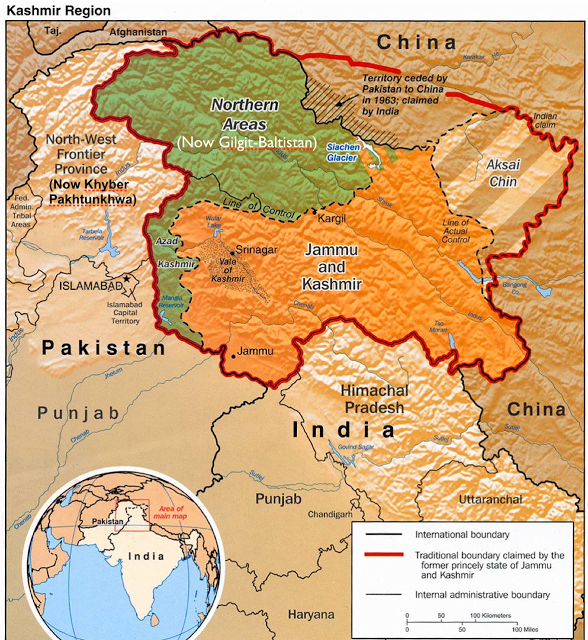
We have read about the great sacrifice of Dadhichi Rishi (see) who sacrificed his backbone to make Vajrayudha weapon to kill the bad people. We have heard about the sacrifice of eyes by Tamil saint Kannappa Nayanar and Mahavishnu. We also know the sacrifice of head by Dadhyank in the Rig Veda. But not many people know the great sacrifice of Devasarman the minister of Kashmiri King Jeyapida who ruled Kashmir around 750 CE.

Kalhana gives a graphic account of his sacrifice in his book Rajatarangni (River of Kings) in Sanskrit

From the Fourth Taranga (Chapter):

Jayapida invaded Nepal; but the King Aramudi did not fight with him. He was skilled in magic and statecraft. He retired to a great distance from his army. Jeyapida also followed him. Aramudi went to the other side of a river and beat the war drums. Jeyapida’s army crossed the knee-deep water in the river. Suddenly the water level rose from the tides of the sea. Aramudi was waiting for this moment; He caught the king from the middle of the flooded river. Jeyapida did not know the territory but Aramudi skilfully drew him to a place near the eastern ocean. Jeyapida’s army was washed away into the sea.


Kashmiris use Drti (Inflated skin) to cross the river; it was the primitive method to cross a river or stream. it is inexpensive because they use the buffalo skin to make this skin bag.


Jeyapida was imprisoned in a stone building on the bank of the River Kalagandika. The natural sceneries were so beautiful, Jeyapida composed slokas (couplets) on it. Kashmiris were reciting those slokas, at least until the days of Kalhana. Rajatarangini says his slokas were melting hearts.

Jeyapida had a very wise minister called Devasarman. He sent emissaries to the Nepalese King Aramudi. Devasarman told the Nepalese king that Jeyapida’s treasure would be given to him. Since the army is holding the war booty he had brought the entire army to the other side of the river bank. Nepalese King Aramudi believed all these things.


Devasarman had a different plan. After getting the permission of Aramudi, he went and saw Jeyapida.


Devasarman told Jeyapida:

“I hope you have not lostyour personal bravery; for it exists like mural support for frescoes, the plans of perilous adventure will be successful”

Jeyapida replied to him: “O minister! thus segregated and without arms what wonderful act could I do even if I were possessed of courage”

Devasarman said: Are you capable of, after falling into the waters of the river from this window, of going to the further bank? For your own army is there.”

The King said to him: “After falling from here one cannot come to the surface of the water without an inflated skin (Drti) and in this place even the inflated skin would burst owing to the distance of the fall.”


Then after consideration the minister said to him: “Stay out side for two nalikas (48 minutes). Then the minister entered the room alone and killed himself; He has written with his blood:

I am the inflated skin for you; the body is filled with breath, it having been destroyed just now, mount me and cross the river; to serve as a hold for your thighs when mounted, the turban has been tied by me around my own loins, get into this and jump at once into the water”.

Such was the direction tied to the neck with a strip of cloth, written in blood, torn with the nails from his limbs, which he saw and deciphered.


At first the king was surprised and shocked, but later without wasting time jumped into the waters and reached his army. His army went into Nepalese territory and defeated Aramudi. Thus, the minister sacrificed his own life and saved Jeyapida.

–Subham–


காஷ்மீரில் திராவிட மந்திரவாதி- உண்மைக் கதை (Post No.3871)

Written by London swaminathan

Date: 2 May 2017

Time uploaded in London: -6-46 AM

Post No. 3871

Pictures are taken from various sources; thanks.

contact; swami_48@yahoo.com


திராவிட மந்திரவாதி: ராஜ தரங்கிணி நூலில் அற்புதச்செய்தி

காஷ்மீரின் வரலாற்றை கல்ஹணர் என்ற புலவர் 3400-க்கும் மேலான சம்ஸ்கிருத பாக்கள் மூலமாக எழுதினார். அப்புத்தகத்தின் பெயர் ராஜதரங்கிணி. அதில் பல அதிசயமான விஷயங்களும் சுவையான செய்திகளும் உள. திராவிட என்ற சொல்லை அவர் இரண்டு இடங்களில் பயன்படுத்துகிறார். இந்த நூல் சுமார் 1000 ஆண்டு பழமை உடைத்து.


திராவிட அதிசயங்களைக் காண்போம்:

ஜெயபீடன் (கி.பி.750)  என்ற  அரசன் காலத்தில் நடந்த நிகழ்ச்சி இது: உண்மைக் கதை:


ஜெயபீடன் கனவில் ஒரு நாள் ஒரு மஹாபுருஷர் தோன்றினார்; இரு கரங்களையும் கூப்பியவாறு அவர் சொன்னதாவது–


“ஓ, அரசனே! உன்னிடம் அடைக்கலம் வேண்டி நான் வந்துள்ளேன். நான் உனது அரசின் எல்கைக்கு உட்பட்ட ஏரியில் வசிக்கிறேன். நான் ஒரு நாகன்; என் பெயர் மஹாபத்மன்;  ஒரு திராவிட மந்திரவாதி, தனது மந்திர சக்தியைப் பிரயோகித்து என்னை ஏரியிலிருந்து அப்புறப்படுத்த முயற்சிக்கிறான்; நீதான் என்னைக் காப்பாற்ற வேண்டும்.


என்னை நீ காப்பாற்றுவாயானால் காஷ்மீருக்குள் உள்ள ஒரு மலையில் தங்கம் கிடைக்கும்; அந்த மலையை உனக்குக் காட்டித் தருவேன் என்றான் மஹாபத்மன்.


இந்தக் கனவைக் கண்ட அரசன் காலையில் தூங்கி எழுந்தவுடன், முதல் வேலையாக இப்படி ஒரு மந்திரவாதி தனது எல்கைக்குள் இருக்கிறானா என்று கண்டறிய உளவாளிகளை ஏவினான்; அவர்கள் பல திக்குகளிலும் பறந்து சென்றனர். தொலை தூரத்திலுள்ள ஒரு திராவிட மந்திரவாதியைக் கண்டுபிடித்து அரசன் முன்னிலையில் நிறுத்தினர். அரசன் ஜெயபீடன் கேட்டான்:


“நீ மந்திரசக்தியால் ஒரு நாகனை அகற்ற முயற்சி செய்கிறாயாமே?”


“ஆமாம் அது உண்மைதான்; எனது மந்திர சக்தியால் நான் எவரையும் கவர்ந்திழுக்க முடியும்” என்றான்.


அரசன் சொன்னான்: “அது எப்படி முடியும். காஷ்மீரில் உள்ள ஒவ்வொரு ஏரியும் ஆழமும் அகலமும் உள்ளது. நீ சொல்லுவது உண்மைதானா?”


மந்திதிரவாதி செப்பினான்:

அரசனே! என்னுடன்  ஊலூர் (Uloor/ Wular) ஏரிக்கு வாருங்கள்; நானே காட்டுகிறேன்.


அரசனும் மந்திரவாதியும், பரிவாரங்கள் சூழ ஸ்ரீநகர் அருகிலுள்ள ஊலூர் (இப்பொழுது இந்த அழகிய ஏரியின் பெயர் ஊலார் Wular) ஏரிக்குப் போனார்கள். மந்திரவாதி பல மந்திரங்களை உச்சாடனம் செய்தான். அம்புகளை ஏரியின் நால் திசைகளிலும் எய்தான்; சிறிது நேரத்தில் ஏரி வறண்டது. ஏரிக்கு நடுவில், சகதியில் ஒரு பாம்பு (நாகன்) சில சிறு பாம்புகள் புடை சூழ நெளிந்து கொண்டு இருந்தது.

மந்திரவாதி சொன்னான்: “பார் இப்பொழுது; சூ! மந்திரக் காளி என்று சொல்லி அவனை என் கைக்குள் கொண்டு வருகிறேன்”.


இதைக் கேட்ட அரசன் கோபத்துடன் அப்படிச் செய்யாதே என்று கட்டளையிட்டான். மந்திரவாதியும் அரசனின் கட்டளைக்கு அடிபணிந்து அப்படியே ஆகட்டும் என்று சொல்லி மந்திர உச்சாடனங்களை திரும்பப் பெற வேறு சில மந்திரங்களைச் சொன்னான். என்ன அதிசயம்!


ஏரி முழுதும்  மீண்டும் நிரம்பியது. அரசன், அந்த மந்திரவாதிக்கு நிறைய சன்மானங்களைக் கொடுத்து நீ போகலாம் என்றான் அரசன்.


மாதங்கள் உருண்டோடின. அரசனுக்கு, மஹாபத்மன் தங்க மலையைக் காட்டவில்லை. கனவிலேயே அந்த நாகனிடம், நா ன் தான் உன்னைக் காப்பாற்றி விட்டேனே; எனக்கு ஏன் இன்னும் தங்க மலையைக் காட்டவில்லை? என்று கேட்டான்.

அரசே! என்னை நீ காப்பாற்றவில்லை. என்னுடைய சந்ததியினர் முன்னே என்னைச் சக்தியற்றவனாகக் காட்டி அவமானம்தான் செய்தாய்; போகட்டும்; உனக்கு தங்கம் கிடையாது; ஆனால் தாமிரம் விளையும் ஓரிடத்தைக் காட்டுகிறேன் என்று சொல்லி அந்த இடத்துக்குப் போகும் வழிகளை மஹாபத்மன் பகர்ந்தான்.


அவன் வாய்மொழியில் கே ட்டவாறு அரசனும் தாமிர மலையை நாடிச் சென்று நாட்டிற்குத் தேவையான கனிவளத்தைத் தோண்டி எடுத்தான்; தன் பெயர் பொறித்த கோடிக் கணக்கான தாமிர நாணயங்களை வெளியிட்டான்.


கல்ஹணர் தனது ராஜதரங்கிணியில் நாலாவது அத்தியாயத்தில் சொன்ன கதை இது.


இன்னொரு அத்தியாயத்தில் காஷ்மீரில் சிந்து சமவெளி பிராமணர்களுடன் திராவிட பிராமணர்கள் தங்கி இருந்ததைப் போகிற போக்கில் பாடுகிறான்.


கால்டுவெல், மாக்ஸ்முல்லர் போன்றோர் ஆரிய, திராவிட என்ற சொற்களுக்கு இனவெறி அர்த்தம் (அனர்த்தம்) கற்பிப்பதற்கு முன்னால் சம்ஸ்கிருத , தமிழ் இலக்கியங்களில் அப்படி அர்த்தமே இல்லை. ஆரிய என்றால் பண்பாடு உடைய, மாண்புமிகு என்ற பொருளும், வடக்கில் இமய மலையில் வாழும் முனிவர்கள் என்ற பொருளும் மட்டுமே சங்க இலக்கியத்தில் காணப்படுகிறது. சம்ஸ்கிருதத்தில் திராவிட என்பது தென் திசையிலுள்ள தேசம் என்ற பொருளில் மட்டுமே பிரயோகிக்கப்பட்டுள்ளது. திராவிடர்கள் யார் என்ற எனது கட்டுரையில் மேல் விவரம் அறிக.


My old articles on Kalhana’s Rajatarangini and Kashmir


திராவிடர்கள் யார்? | Tamil and Vedas

https://tamilandvedas.com/…/திராவிடர்கள்-யார்/


17 Jul 2013 – பிராமணர்கள் திராவிடர்களே !! திராவிடர்கள் யார்? தமிழ் நூல்களும் சம்ஸ்கிருத நூல்களும் வியப்பான பல தகவல்களைத் தருகின்றன!!


கல்ஹணர் | Tamil and Vedas

https://tamilandvedas.com/tag/கல்ஹணர்/

ராஜதரங்கிணி என்றால் என்ன? காஷ்மீரின் வரலாற்றைக் கூறும் நூல் ராஜதரங்கிணி — இதை கல்ஹணர் என்ற காஷ்மீரி பிராமணர் எழுதினார் …


ராஜதரங்கிணி அதிசயங்கள் – பகுதி 1

ஆராய்ச்சிக் கட்டுரை எண்- 1470; தேதி 9 டிசம்பர், 2014.


100 யானைகளை மலையிலிருந்து உருட்டிவிட்ட ஹூண மன்னன்!

ஆராய்ச்சிக் கட்டுரை எண்- 1475; தேதி 11 டிசம்பர், 2014.


கஜினி முகமது நாணயத்தில் சம்ஸ்கிருதம்!

ஆராய்ச்சிக் கட்டுரை எண்- 1582; தேதி 17 ஜனவரி 2015


அழகான காஷ்மீரி பெண்கள் பெயர்கள் !

ஆய்வுக் கட்டுரை எண் 1586; தேதி 18 ஜனவரி 2015

ராமாயணம் படித்தால் சாபம் தீரும்! ராமாயண அதிசயங்கள்! (Post No.3753)Date: 24 March 2017


Ramayana cures Curses! Rajatarangini Episode! (Post No.3754);  24 March 2017


Kaliyuga Calculation: Kalhana’s Blunder! Post No: 1574:  14th January 2015


Nehru on Rajatarangini; Article No.1465; Dated 7th December 2014.


Kashmiri King who attacked Tamil Nadu and Sri Lanka; Article No.1468; Dated 8th December 2014.


106 Kings of Hindu Kashmir!; Post No: 1577: Dated 15th January 2015


Beautiful Names of Ancient Kashmiri Women!; Article No 1583; Dated 17th January 2015.


Sanskrit in Mahmud of Ghazni Coins!; Article No 1579; Dated 16th January 2015


–SUBHAM—1.

கடவுளிடம் கேட்கக் கூடாத கேள்வி! (Post No.3870)

Written by S NAGARAJAN


Date: 2 May 2017


Time uploaded in London:-  6-23 am


Post No.3870


Pictures are taken from different sources; thanks.


contact: swami_48@yahoo.com


கடவுளும் மனிதனும்


கடவுளிடம் கேட்கக் கூடாத கேள்வி!

ச.நாகராஜன்


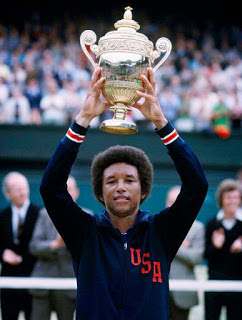
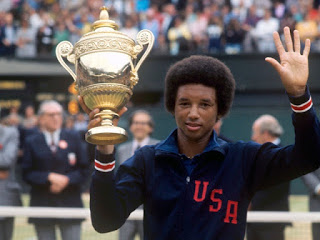
உலக பிரசித்தி பெற்ற விம்பிள்டன் நட்சத்திர விளையாட்டு வீரர் ஆர்தர் ஆஷ் எய்ட்ஸ் நோயினால் பீடிக்கப்பட்டார். 1983ஆம் ஆண்டு அவருக்குச் செய்யப்பட்ட இதய அறுவை சிகிச்சையின் போது எய்ட்ஸ் தொற்று பிடித்த ரத்தத்தைச் செலுத்தியதால் அவருக்கு வந்தது இந்த எய்ட்ஸ் நோய்.


உலகெங்கிலுமிலிருந்து அவரது விசிறிகளிடமிருந்து ஏராளமான கடிதங்கள் அவருக்கு வந்து குவிந்த வண்ணம் இருந்தன. அதில் அவரது விசிறி ஒருவர் தனது கடிதத்தில், “ கட்வுள் இந்த மோசமான நோயைத் தருவதற்கு உங்களை ஏன் தேர்ந்தெடுக்க வேண்டும்?” என்று கேட்டிருந்தார். “உங்களுக்கு ஏன் இந்த வியாதியைக் கடவுள் தர வே” என்ற அன்பரின் ஆதங்கம் ஆஷுக்குப் புரிந்தது.


அந்த விசிறிக்கு ஆஷ் இப்படி பதிலை அனுப்பினார்:

“உலகெங்குமிலிருந்து 5 கோடி குழந்தைகள் டென்னிஸ் விளையாட ஆரம்பிக்கின்றனர்.  அதில் 50 லட்சம் பேர்கள் டென்னிஸை எப்படி விளையாடுவது என்று கற்கின்றனர். அதில் ஐந்து லட்சம் பேர்கள் உண்மையாக தொழில் ரீதியாக அதை விளையாடக் கற்கின்றனர். அதில் ஐம்பதினாயிரம் பேர் உள் வளையத்திற்குள் வருகின்ற்னர். அதில் ஐந்தாயிரம் பேர்கள் க்ராண்ட் ஸ்லாம் விளையாட வருகின்றனர். அதில் ஐம்பது பேர் விம்பிள்டனுக்கு வருகின்றனர். அதில் நான்கு பேர்கள் அரை-இறுதிக்கு வருகின்றனர். அதில் இரண்டு பேர் இறுதிப் போட்டிக்கு வருகின்றனர். அதில் ஒருவர் விம்பிள்டன் கோப்பையை வெல்கிறார். விம்பிள்டன் கோப்பையை நான் கையில் பிடித்திருந்த போது கடவுளிடம் ‘என்னை மட்டும் ஏன் இதற்குத் தேர்ந்தெடுத்தீர்க்ள்?” என்று நான் கேட்கவில்லை. ஆகவே வ்லியில் துடிக்கும் இப்போது மட்டும் நான் கடவுளிட்ம், எதற்காக இது எனக்கு? என்று கேட்கக் கூடாதல்லவா!”


என்ன அற்புதமான பதில். இறைவனின் உள்ளப் பாங்கை அறிந்த ஒரு பக்குவி ஆர்த்ர் ஆஷ் என்பது தெரிகிறதல்லவா?

ஆதாரம் : கொல்கொத்தாவிலிருந்து வெளி வரும் ஆங்கில வார இதழ் TRUTH – 28-4-2017 இதழ்

தமிழ் ஆக்கம் ச.நாகராஜன்


இதன் ஆங்கில மூலம் கீழே தரப்படுகிறது;

One Paragraph That Explains Life !


Arthur Ashe, the legendary Wimbledon player was dying of AIDS caused by infected blood he received during a heart surgery in 1983.


From the world over, he received letters from his fans, one of which conveyed: “Why does God have to select you for such a bad disease”.


To this, Arthur Ashe replied: The world over fifty million children start playing tennis, five million learn to play tennis, five lakhs learn professional tennis, fifty thousand come to the circuit, five thousand reach the grand slam, fifty reach Wimbledon, four get to the semi-final and two to the finals. When I was holding the Wimbledon Cup, I never asked God, “Why me?” So, today in pain I should not be asking God: “Why me?”


நன்றி: TRUTH WEEKLY 28-4-2017 ISSUE


Dravidian Magician in Kashmir: Kalhana’s Strange Story! (Post No.3869)

Written by London swaminathan

Date: 1 May 2017

Time uploaded in London: -12-21

Post No. 3869

Pictures are taken from various sources; thanks.

contact; swami_48@yahoo.com


Kalhana, the 12th century historian and author of Rajatarangni mentioned DRAVIDIAN in three places. There is a very interesting story about a Dravidian magician in his book Rajatarangini (River of Kings).


It is a true story according to Kalhana and it happened during the reign of Jayapida (751 CE).


From Fourth Taranga (Chapter) of Rajatarangini:

On one occasion, to the king who had acquired glory in all directions a certain person of divine figure spoke in a dream with folded hands:

“O King! in your realm I have been residing in comfort with my relatives; I am the Lord of the Nagas called Mahapadma, I come to you for asylum.


‘A certain Dravidian spell-monger is trying to draw me away from here in order to sell me for money in the Territory of Maru (desert) which yearns for water.

If you save me from him, I shall show in your country, a hill which produces god ore. The king having heard it in the dream, despatched spies in all directions the very next day. King’s spies found him and brought him before the king (Jayapida).


Ulur Lake Near Sri Nagar, Kashmir, India (also known as Wular)

When he confessed his intention, the king pardoned him. The king asked the Dravidian spell-monger (magician):

“How is it possible for you to draw out this Naga, who excels in spiritual power,  from the interior of the lake which extends for several Yojanas?”

Dravidian magician said to the king, “O, King! Inconceivable are the powers of the spell (mantra). If you desire to see it, come and see the marvel.


The king followed the magician to the lake. The Dravidian muttered incantations and then shot some arrows. The lake became dry. Then the king could see a snake (Naga) about a span in size with a human face, which was wriggling in the mud surrounded by several small snakes.


O King! I am going to catch him now. But the king ordered him not to catch the snake. At once the Dravidian spell monger (magician) withdrew the power of his spell and the lake became full. (The Vulur/Wular lake was called the Mahapadma lake after this naga who was supposed to live in it).


King disposed the magician by paying him some money.


The king was expecting the Naga to show him the Hill of Gold ore. But it did not happen. When the king asked him about it Mahapadma Naga said, “I asked for asylum; you did not give me asylum; but you drove away the spell-monger. So I will show you the hill of copper. When the king got the directions to it, he excavated copper from Kramarajya Hill and struck a hundred crores of Dinnaras (coins)”.


Dravidian Brahmins

In another chapter Kalhana referred to Dravids (Dravidian Brahmins in Kashmir). Until Max Muller and Caldwell gave the wrong connotations for the words Dravidian and Aryan, the words meant only A South Indian (Dravida) , A cultured person or ascetics of Himalayas ( aryan) in Indian literature.

Following is the reference found in Eighth Taranga (chapter)

“The daughter’s son of the chief of Karapatha settled in this place (Simhapura). Brahmans born in Indus region as well as Dravid Brahmans who formerly lived in the centre of siddhacchatra.”


Translator R S Pandit adds a footnote: As late as the 12th century Dravid Brahmans are mentioned as students in Kashmir.


My old articles on Kalhana’s Rajatarangini and Kashmir


1.Who are Dravidians? | Tamil and Vedas

Who are Dravidians?

17 Jul 2013 – He says ‘Pancha Dravida‘ means the Brahmins of Gujarat, Maharashtra, Karnataka, Andhra Pradesh and Tamil Nadu. Here again the word …


2.Ramayana cures Curses! Rajatarangini Episode! (Post No.3754); Date: 24 March 2017


3.Kaliyuga Calculation: Kalhana’s Blunder!

Post No: 1574: Dated 14th January 2015


4.Nehru on Rajatarangini; Article No.1465; Dated 7th December 2014.


5.Kashmiri King who attacked Tamil Nadu and Sri Lanka; Article No.1468; Dated 8th December 2014.


(6). 106 Kings of Hindu Kashmir!; Post No: 1577: Dated 15th January 2015


7.Beautiful Names of Ancient Kashmiri Women!; Article No 1583; Dated 17th January 2015.


8.Sanskrit in Mahmud of Ghazni Coins!; Article No 1579; Dated 16th January 2015


–SUBHAM–


வள்ளுவனுக்கு சங்கீதம் தெரியுமா?(Post No.3868)

Written by London swaminathan

Date: 1 May 2017

Time uploaded in London: -7-00  am

Post No. 3868

Pictures are taken from various sources; thanks.

contact; swami_48@yahoo.com


வள்ளுவன் தொடாத, பாடாத விஷயமே இல்லை. அவன் பாடிய குறள்களுக்கு பழங்காலத்தில் அறிஞர்கள் எழுதிய உரைகளைப் படித்தால்தான் நமக்கே அதன் ஆழமும் அகலமும் தெரியும்.


வள்ளுவன் குறளுக்கு பத்துப் பேர் உரை எழுதினாலும் அத்தனையும் நமக்குக் கிடைக்கவில்லை;


வள்ளுவன் தரும் சங்கீதச் செய்திகள்:–

1.ராகமும் பாடலும் ஒன்றோடொன்று பொருந்த வேண்டும் (குறள் 573)


2.குழலும் யாழும் இனிமையான கருவிகள் (குறள் 66)


இதில் ஏன் புல்லாங்குழலை முதலில் சொன்னார் என்றால் முதலில் குழல் வாசித்தபின்னர், அதை யாழிலே வாசிப்பது மரபு.

எடுத்துக்காட்டு:–

குழல்வழி நின்றது யாழே (சிலப்பதிகாரம்)


3.ஒரு குறளில் தோல் வாத்தியங்கள் பற்றிச் சொல்கிறார்:

அறைபறை அன்னர் கயவர் (குறள் 1076)

அறைபறை கண்ணார் (குறள் 1180)

ஏதேனும் செய்தியை அறிவிக்க இப்படி பறையைக் கொட்டி அறிவிப்பர். இவ்வாறு அறைந்து வெளியிடுவதால் அதை அறைபறை என்பர்.


இறந்தபோது கொட்டும் சாப் பறையையும் ஒரு குறளில் குறிப்பிடுவார் (1115)


இவ்வளவு இடங்களில், அவர் குழல், யாழ், பறை (புல்லாங்குழல், வீணை, மிருதங்கம்) பற்றிச் சொல்லுவதால் அவருக்கு ராகம் தாளம் எல்லாம் அத்துபடி என்பது விளங்கும்.


ராகமும் கீர்த்தனையும்

பண் என்னாம் பாடற் கியைபின்றேல் கண் என்னாம்ப்


கண்னோட்டம் இல்லாத கண்– (குறள் 573)


பொருள்:-


பாட்டுக்குப்   பொருத்தமான ராகம் இல்லாவிடில் பயன் உண்டோ?


அருட் பார்வை இல்லாத கண் இருந்து என்ன பயன்?


இதில் பண் என்ற சொல்லை வள்ளுவர் பயன்படுத்திய காலத்தில் இதன் பொருள் என்ன என்று பரிமேல் அழகர் உரை செப்பும்:

பண்களாவன- பாலை யாழ் முதலிய 103.

பாடல் தொழில்களாவன — யாழின் கண் வார்தல் முதலிய எட்டும்,

(வார்தல், வடித்தல், உந்தல், உறழ்தல், உருட்டல், தெருட்டல், எள்ளல், பட்டடை. இவற்றை இசைக் கரணம் என்பர்

“எட்டு வகையின் இசைக்கரணத்து சில- 7-15

xxxx

பண்ணல் முதலிய எட்டும்,

பண்ணல், பரிவட்டணை, ஆராய்தல், தைவரல், செலவு, விளையாட்டு, கையூழ், குறும்போக்கு என்பன; இவற்றைக் குறிக்கோள் என்பர் (சிலப்.7-5/7)


xxx

மிடற்றின்கண் எடுத்தல், படுத்தல், நலிதல், கம்பிதம், குடிலம் என்னும் ஐந்துமிவை கிரியைகள் எனப்படும்.

எட்டில் முதலில் உள்ள ஐந்தாகக் காணப்படுகின்றன (சிலப் 3-26 உரை)

xxxx


பெரு வண்ணம், இடை வண்ணம், வனப்பு வண்ணம் முதலிய  வண்ணங்கள் எழுபத் தாறுமாம்.

அதாவது பெரு வண்ணம், இடை வண்ணம், வனப்பு வண்ணம் என்ற மூன்றும் முறையே 6, 21, 49-ஆய் வரும் என்று சிலப்பதிகாரத்துக்கு அடியார்க்கு நல்லார் எழுதிய உரை கூறும்.


இவை எல்லாம் இன்றுள்ள சங்கீத மேதைகளுக்குக் கூட புரியுமா என்பது சந்தேகமே. ஆயினும் இசைத் தமி ழில் இவ்வளவு நுட்பமான சொற்கள் இருப்பதே அக்காலத்தில் சங்கீதத்துறை எந்த அளவுக்கு விரிந்து கிடந்தது — கடல் போலப் பரந்து கிடந்தது– என்பதை நமக்குப் புரியவைக்கும்.

உதவிய நூல்:-

திருக்குறள் ஆராய்ச்சிப்பதிப்பு (பதிப்பாசிரியர் கி.வா.ஜகந்நாதன்)


வாழ்க வள்ளுவன்; வளர்க தமிழ் இசை!!


நாடி கிரந்தங்கள் ஏன் சரியில்லை? (Post No.3867)

Written by S NAGARAJAN


Date: 1 May 2017


Time uploaded in London:-  6-20 am


Post No.3867


Pictures are taken from different sources; thanks.


contact: swami_48@yahoo.com


ஜோதிடமே துணையாகும்


விதி விளக்கம் என்னும் இந்த நூலை எனக்கு அனுப்பி உதவியவ்ர் எனது சம்பந்தி திரு ஆர்.சேஷாத்திரிநாதன் அவர்கள். ஏராளமான அருமையான பழைய நூல்களை அவ்வப்பொழுது எனக்கு அவர் அனுப்புவது வழக்கம். அவருக்கு எனது நன்றி.


நாடி கிரந்தங்கள் ஏன் சரியில்லை? : விதி விளக்கம் – 2

ச.நாகராஜன்


  1. நாடி கிரந்தங்கள் ஏன் சரியில்லை?

நூலாசிரியர் மிட்டா முனுசாமி நாடி கிர்ந்தங்களைப் பற்றிய தனது ஆராய்ச்சியை முதல் அத்தியாயத்திலேயே தெரிவிக்கிறார். அதன் சாரத்தைக் கீழே பார்ப்போம்.

நவகிரகங்கள் ஓயாது சுற்றிக் கொண்டே இருக்கின்றன. அவைகளின் ஓயாத இந்த சர கதியினால் பன்னிரெண்டு ராசிகளிலும் ஒரு காலத்தில் ஒரு ஜாதகத்தில் அவை ஒருவாறு அமைந்துள்ளதாகக் கொள்வோமாகில், அதே நிலையில் “ராசியில்” பின் ஒரு காலத்தில் சர கதியினால் அவை அமையக் கூடும். ஆனால் இந்த நவக்கிரகங்கள் நட்சத்திர நிலையிலாவது  அல்லது அம்ச நிலையிலாவது வருவது அசாத்தியம். இதுவே சிருஷ்டியின் மஹிமை.

இப்படி ஒருவேளை அமையக்கூடும் பட்சத்தில் முன்னொரு காலத்தில் ஜனித்த ஒருவர் மற்றொரு காலத்திலும் தோன்றியதாக ஆகக் கூடும். ஆனால் ஒவ்வொருவருடைய அனுபவத்தின் அடிப்படையிலும் சுருதி, ஸ்மிருதி ஆகியவற்றின் சாட்சியங்களின் அடிப்படையிலும் இவ்வாறு நேரிட்டதாகக் காண முடியவில்லை.

ஆகவே நாடிக் கிரந்தங்கள் ஸ்தூல பலனில் மட்டுமே நமக்குப் பயனளிக்குமே தவிர நித்திய அல்லது மாத ரீதியாக அல்லது வருஷ பலனை அறிய்  இடம் கொடுக்க மாட்டா.

அல்லாமலும் ஒரு மனிதரைப் போல இன்னொரு மனிதர் சகல விதத்திலும் ஒத்தவ்ராகப் பிறத்தல் அரிது.

.    நவக்கிரகங்களும் வேறு வேறு நிலைமையுள்ளனவாகச் சஞ்சரிக்கும் அற்புதம் சிருஷ்டி  மஹிமை. பன்னிரண்டு ராசிகளில் ஒரு வகையில் நவக்கிரகங்கள் ஒரு காலத்தில் அமைந்து அதே நிலையில் மற்றொரு காலத்தில் ராசியிலும் நட்சத்திர நிலையிலும் அமைவதில்லை. அதே நிலையில் பத்தாயிரம் வருடங்கள் சென்றாலும் அமைவது அசாத்தியம்.

இப்படிப்பட்ட சிருஷ்டி அமைப்பு இருப்பதினால், அவரவர்க்கு நித்திய அல்லது மாதத்திய அல்லது வ்ருஷத்திய பலனைத் தெரிந்து கொள்வதற்கு ஜோதிடர் அவசியம். நாடிக் கிரந்தங்கள் முழுமையாகப் பயன்பட மாட்டா. இது திண்ணம்.

அது மட்டுமன்றி அப்போதைக்கப்போது நாளுக்கு நாள் அமையும் நிலைமைக்கும், ஒரு வித சமப்ந்தத்தினால் வேறு வேறு பலன்கள் நடந்து  கொண்டு வருவதை நாம் கண்ணாரக் காண்கிறோம்.

ஆனால் ஜனன கால நிலைக்கும் தற்கால நிலைக்கும் இருக்கும் நிலையை யூகித்துப் பலாபலனைக் கண்ட்றிவதே ஜோதிடர் பணி. ஆகவே ஜோதிடர் அவசியம்.

இன்றைய ஜோதிடர்கள் ஒருவருடைய பலனைத் தீர்க்கமாகக் கண்டறிய முடியாதபடி இருக்கும் காரணம் திதியினால் ஏற்படும் ஜாதக பலாப்லன்கள் இன்னதென்று அவர்களுக்குத் தெரியாததால் தான்.

நம் முன்னோர்கள்  1) ஒரு மனிதர் இறந்தால் திதியையே அனுஷ்டிக்க வேண்டும் 2) விரதாதிகள் அனைத்தும் அநேகமாய் திதியை அனுஷ்டித்தே செய்யப்பட வேண்டும் 3) திதிக்கும் நட்சத்திரத்திற்கும் இருக்கும் பேதத்தில் திதியே முக்கியம் என்று இப்ப்டி திதியின் முக்கியத்துவத்தை அனுஷ்டானத்தில் காட்டியுள்ளனர்.

“ஜனன காலம் முதல் ஆயுளுடன் ஜீவிக்கும் வரையில் நட்சத்திரம் முக்கியம். பெயரிடுவதும் விசேஷ காலங்களும் நட்சத்திரத்தின் அடிப்படையில் செய்யப்பட வேண்டும்.” என நம் முன்னோர்கள் நட்சத்திரத்தின் முக்கியத்துவத்தைச் சுட்டிக் காட்டி விட்டு, இறந்தது  முதல் திதியே பிரதானம் என்று அனுஷ்டான வகையில் காட்டியுள்ளனர்.

ஆனால் திதியினால் ஏற்படும் பலாபலத்தின் விசேஷம் ஜாதகத்தில் அனுஷ்டிப்பதில்லை. திதியைப் பார்த்துப் ப்லன் சொல்ல வேண்டுமென்று சொல்லும் ஜோதிட நூல்களும் இல்லை.

இந்த நிலையைச் சுட்டிக் காட்டி விட்டு திதியே மிக முக்கியமானது என்று மிட்டா முனுசாமி தன் ஆராய்ச்சிகளின் மூலமாகக் கண்டறிந்துள்ளதாக விதி விளக்கம் நூலில் கூறுகிறார்.

இனி பஞ்சாங்கத்தில் வரும் பஞ்ச அம்சங்க்ளான வாரம், திதி,நட்சத்திரம்,யோகம், கரணம் ஆகியவை பற்றி நூலாசிரியர் விவரிப்பதை அடுத்துப் பார்ப்போம்.

– தொடரும்


Shakespeare and Kalidasa-Hindu Thoughts in Shakespearean Plays (Post No.3866)

Compiled by London swaminathan

Date: 30 APRIL 2017

Time uploaded in London:-11-29  am

Post No. 3866

Pictures are taken from various sources; thanks.

contact; swami_48@yahoo.com


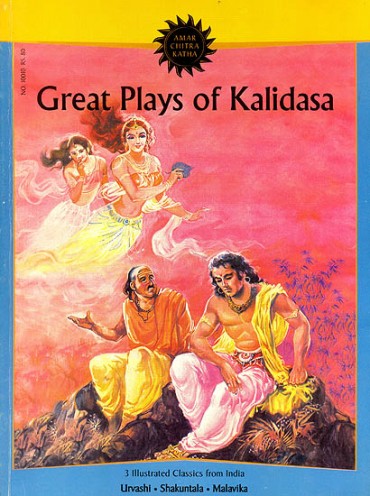
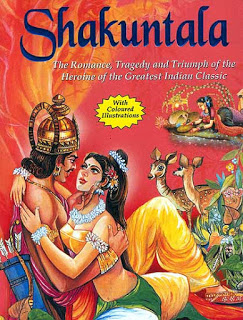
We know that great men think alike; but some similarities in the plays of Kalidasa and Shakespeare make us believe that Shakespeare has read Kalidasa or heard about his plays. Innocent forest girl Shakuntala is incarnated as Miranda in The Tempest. Kalidasa’s Vidusakas (Jesters/comedians) are seen in several of Shakespeare’s plays. There are similarities in Othello, Hamlet and The Winter’s Tale as well.


Plays of Shakespeare were largely founded on Hellenic, Roman and and other foreign models, where as Kalidasa’s plays were based on Ramayana and Mahabharata.


Shakespeare puts in the mouth of one of his characters: –

“The self-same sun that shines upon his court

Hides not his visage from our cottage, but

Looks on’s alike”.


In describing the moral greatness of the Himalaya, Kalidasa gives expression to the idea as follows:


“He protects from the sun in his caves the darkness which through fear of light adheres to them for shelter; the care of the great is impartially bestowed on inferior and important personages alike”.

“Divaakaraad rakshati yo guhaasu

Leenam divaabheetam vaandhakaaram;

Kshudrepi noonam saranam prapanne

Mamatvam uchchais sirasaam sateeva”

Polonius Advice

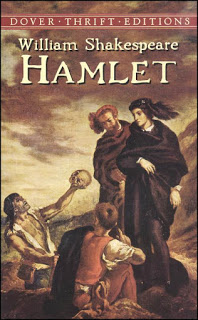
Shakespeare students are familiar with the advice of Polonius to his son Laertes.


“Give thy thoughts no tongue, Nor any unproportion’d thought his act. Be thou familiar, but by no means vulgar. Those friends thou hast, and their adoption tried,Grapple them to thy soul with hoops of steel; But do not dull thy palm with entertainment Of each new-hatch’s, unfledged comrade. Beware…: (Hamlet Act I)


According to Kalidasa, the following is the advice that Shakuntala received from her foster father Kanva when she was leaving him to go to her royal husband’s home:

“Show due reverence to him and to your superiors; should others share your husband’s love, be an affectionate handmaid to them; should your husband displease you, let not your resentment lead you to disobedience. Be just and impartial to domestics, and seek not your own gratifications. By such behaviours young women become exemplary mistresses, but perverse wives are the bane of a family.”

There may be a difference of opinion, according to present ideas, as to this description of the duty of a wife; but there can scarcely be any difference of opinion as to the sentiments expressed by Kalidasa in the following verses:-


“The wicked are controlled, not by favour, but by punishment”.


“Of righteous acts good wives are certainly the fundamental cause”.

“Devoted wives never oppose the wishes of their husbands”.

“When there is seniority in virtue, youth is not taken into account”.

Hamlet and Manu Smrti

The king in Hamlet speaks of his inviolability thus:-

“There is such divinity doth hedge a king

That treason can but peep to what it would”


Manu explains royal divinity thus

“With eight elements of the gods is a king made; hence, by his lustre he subdues all creatures.”

Kalidasa describes a king of the Raghuvamsa, who went about without attendants thus:

“The race of Manu needed no bodyguard, but relied for safety on its own prestige and prowess.”


On Royal attributes, such as King Henry V defined and Cranmer prophesied of the infant Elizabeth, Kalidasa speaks in referring to a king of the Solar Race thus:


“Broad-chested, strong shouldered like a bull, long armed like a pine-tree, his physical frae was suited to the task of his royal birth; he was the embodiment of the virtues of the warrior caste”.

All the world is a stage

“I hold the world but as the world, Horatio

A stage where everyman must play a part”.


and again in As You like It

“All the world’s a stage,
And all the men and women merely players;
They have their exits and their entrances,
And one man in his time plays many parts,
His acts being seven ages. At first, the infant,”

–As You Like It

I have given similar thoughts found in Tamil and Sanskrit in my post:–

Drama, Puppet Show, Folk Theatre in Tamil and Sanskrit Literature (Post No.3608); Date: 5 FEBRUARY 2017


The Winter’s Tale

The scene where the king (Shakuntalam), after dismounting from the is about to enter the grove of Marica’s hermitage and has his first glimpse of his son is a replica of the scene in Act One, where also the king after dismounting from the chariot at the fringes of the grove of Kanva’s hermitage, enters and see the boy’s mother for the first time. The finding of the lost son and heir precedes and leads to the recognition of the mother. An interesting parallel is provided in the last scene of Shakespeare’s ‘The Winter’s Tale’.


Othello and Sakuntalam

There is an interesting parallel in Othello. In the drama, proof of heroine’s chastity and love is demanded. Desdemona’s chastity hangs on a handkerchief; Sakuntala’s on a ring. Both heroines are blissfully unaware of the importance of the token. To them love is its own proof and a witness to their chastity.


In Ramayana, Sita was asked to prove her chastity by undergoing the ordeal of fire to allay the suspicions of the public: In Shakespeare’s Othello and King Lear where proof of fidelity and of filial love is demanded, we have a parallel.


A lot of Shakespeare’s quotable quotes have parallel in Sanskrit verses (I will give them separately).


Source Books:

Orient and Occident, Manmath C Mallick,1913

Kalidasa, The Loom of Time, Chandra Rajan, 1989


–Subham–


‘பாரதிதாசன் பாடலுக்கு இசை அமைக்க இரண்டு வருஷம் ஆச்சு!’ (Post No.3865)

Written by London swaminathan

Date: 30 APRIL 2017

Time uploaded in London:-6-51  am

Post No. 3865

Pictures are taken from various sources; thanks.

contact; swami_48@yahoo.com


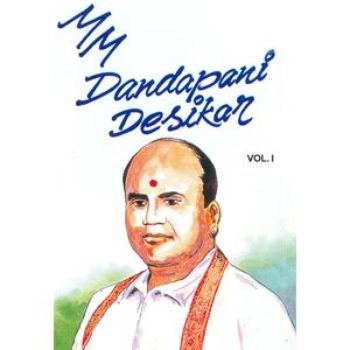
புரட்சிக் கவிஞர் பாரதிதாசன் பாடிய பாடல்களில் மிகவும் பிரபலமான பாடல்களில் ஒன்று “துன்பம் நேர்கையில்…………..” என்ற பாடல். இது திரைப்படத்திலும் இடம் பெற்றுள்ளது. இதற்கு இசை அமைத்தவர் திக்கெட்டும் தமிழ் இசை மணம் கமழ வைத்த M M தண்டபாணி தேசிகர் ஆவார். இதற்கு இசை அமைக்க அவருக்கு இரண்டு ஆண்டுகள் ஆயிற்றாம். இது அவரே சொன்ன செய்தி. இதற்கு மிகவும் பொருத்தமான ராகம் ‘தேஷ்’ என்னும் ராகம்தான் என்கிறார் தேசிகர்.


ஒரு பாட்டின் பொருளுக்கேற்ற ராகத்தைத் தேர்ந்தெடுப்பது மிகவும் அவசியம் என்கிறார். யார் ஒருவர் பாட்டு எழுதினாரோ, அவருக்கு சங்கீத ஞானம் இருந்தால் அவரே அந்த பாட்டுக்கு ராகமும் போட்டுவிடுவார். பாரதி பாடல்களுக்கு அவரே அமைத்த ராகங்களை பழைய பதிப்புகளில் காணலாம்.

தண்டபாணி தேசிகர் சொல்கிறார்:

“இந்த பாட்டுக்கு சரியான ராகத்தைக் கண்டுபிடித்து இசை அமைக்க இரண்டு வருஷம் ஆச்சு. இதற்கு தேஷ் ராகம்தான் பொருத்தம். பாருங்கள்! நான் இதையே அடானா ராகத்தில் பாடுகிறேன் (தேசிகர் பாடியும் காட்டுகிறார்). இப்படி அடானா ராகத்தில் பாடினால், வருத்தமுற்ற பெண் ‘அம்மா, அப்பா’ என்று அழுதுகொண்டு ஓடிப் போய்விடும். பொருளுக்கேற்ற ராகம் இருக்க வேண்டும். இதை வள்ளுவர் அந்தக் காலத்திலேயே சொல்லி வைத்தார்:-


பண் என்னாம் பாடற்கு

பண் என்னாம் பாடற்கு இயைபின்றேல் கண் என்னாம்

கண்ணோட்டம் இல்லாத கண் — குறள் 573


பொருள்:-

பாடலின் பொருளோடு இயைந்து வராத பண்ணால் (ராகத்தால்) என்ன பயன்?  அதைப்போல கண்ணோட்டத்துடன் (இரக்கம், அருள்) பொருந்தாத கண்ணால் என்ன பயனுண்டாகும் ?”


இதிலிருந்து வள்ளுவனுக்குள்ள சங்கீத ஞானமும் புலப்படும்


இதோ பாரதிதாசனின் முழுப்பாடல்:–


துன்பம் நேர்கையில் யாழ் எடுத்து நீ
இன்பம் சேர்க்கமாட் டாயா? — எமக்
கின்பம் சேர்க்கமாட் டாயா? — நல்
லன்பிலா நெஞ்சில் தமிழில் பாடி நீ
அல்லல் நீக்கமாட் டாயா? — கண்ணே
அல்லல் நீக்கமாட் டாயா?     …… துன்பம்…

வன்பும் எளிமையும் சூழும் நாட்டிலே
வாழ்வில் உணர்வு சேர்க்க — எம்
வாழ்வில் உணர்வு சேர்க்க — நீ
அன்றை நற்றமிழ்க் கூத்தின் முறையினால்
ஆடிக் காட்டமாட் டாயா? — கண்ணே
ஆடிக் காட்டமாட் டாயா?   — துன்பம்…

அறமி தென்றும்யாம் மறமி தென்றுமே
அறிகி லாத போது — யாம்
அறிகி லாத போது — தமிழ்
இறைவ னாரின்திருக் குறளிலே ஒருசொல்
இயம்பிக் காட்டமாட் டாயா? — நீ
இயம்பிக் காட்டமாட் டாயா?       —துன்பம்…

புறம் இதென்றும் நல்லகம் இதென்றுமே
புலவர் கண்ட நூலின் — தமிழ்ப்
புலவர் கண்ட நூலின் — நல்
திறமை காட்டிஉனை ஈன்ற எம்உயிர்ச்
செல்வம் ஆகமாட் டாயா? — தமிழ்ச்
செல்வம் ஆகமாட் டாயா?   துன்பம்…

——-பாவேந்தர் பாரதிதாசன் (Poem is taken from Project Madurai website)

xxx


திரு எம் எம் தண்டபாணி தேசிகரின் வெண்கல குரலில் அவர் இயற்றிய பிரபல பாடலை தேஷ் ராகத்தில் கேளுங்கள் இங்கே

https://www.4shared.com/…/o…/Thunbam_nergaiyil_Desh_MMD.html


–Subahm–