தமிழ் மன்னர்கள் செய்த யாகங்கள்! (Post No.3085)

radha krishna in jwala

Radha and Krishna appear in Yaga Fire

Compiled by London Swaminathan


Date: 23  August 2016


Time uploaded in London: 13-48


Post No.3085


Pictures are taken from various sources; thanks for the pictures.


பாரதீய கலாசாரம், இமயம் முதல் குமரி வரை ஒன்றுதான் என்பதற்கு சங்கத் தமிழ் இலக்கியமும், பிற்கால இலக்கியங்களும், கல்வெட்டுகளும் பட்டயங்களும் சான்று பகர்கின்றன.


தமிழ் மன்னர்கள் செய்த யாக யக்ஞங்கள் பற்றி இரண்டு கட்டுரைகளில் சொன்னேன். ஒன்று கரிகால் சோழனின் பருந்து வடிவ யாக குண்டம் பற்ற்றியது. மற்றொன்று சோழன் பெருநற்கிள்ளியின் ராஜசூய யக்ஞம் பற்றியது.


காஞ்சிப் பல்கலைக்கழகத்தின் முன்னாள் துணை வேந்தரும், தமிழ்நாடு தொல்பொருட் துறையின் முன்னாள் டைரக்டருமான டாக்டர் இரா. நாகசாமி எழுதிய ஒரு நூலில் தமிழ்நாட்டு வேந்தர்கள் செய்த யாக யக்ஞங்களைப் பட்டியலிட்டுள்ளார்.

எத்தனை மன்னர்கள் யாகம் அல்லது வேள்விகளில் நம்பிக்கை வைத்து , ஆர்வத்தோடு அவைகளைச் செய்தார்கள் என்பதைப் பட்டியலைப் படித்தால் புரியும்.


நூலின் பெயர்:- யாவரும் கேளிர்

ஆசிரியர் – இரா.நாகசாமி

வாசகர் வட்டம், சென்னை-17

1973

swathi homam, narasimhar, injimedu

Narasimha appear in Swathi Homam


“அரசர்கள் இருவகை வேள்வி வேட்டனர். அறக்கள வேள்வி என்றும் மறக்கள வேள்வி என்றும் அவை அழைக்கப்பட்டன. போரில் வெற்றி கண்ட காலத்து துணித்த மாற்றானின் தலையை அடுப்பாக அமைத்து, குருதியை உலையகவும், துண்டிக்கப்பட்ட கரத்தை துடுப்பாகவும் கொண்டு போர்க்களத்தில் வேள்வி செய்வது ஒரு மரபு. இதையே மறக்கள வேள்வி என்பர். பாண்டியன் தலையங்கானத்துச் செருவென்ற நெடுஞ்செழியன் களவேள்வி வேட்டான் என்று மாங்குடிக்கிழார் கூறுவார். இதே நிகழ்ச்சியை மதுரைக் காஞ்சியில்  மாங்குடி மருதனாரும் கூறியுள்ளார்.


தேவர்களை வேண்டி தீயில் வேட்பது அறக்கள வேள்வி.

நான்மறையாளரைச் சுற்றமாகக் கொண்டு, அடிபணிந்த அர்சர் ஏவல் செய்ய, தலையங்கானத்துச் செருவென்ற பாண்டியன் நெடுஞ்செழியன் அறக்கள வேள்வி செய்தான் என மாங்குடிக்கிழார் கூறுவார் (புறம்.29)


பாண்டியன் முதுகுடுமிப் பெருவழுதி பல யாகங்களைச் செய்ததால் பல்யாகசாலை முதுகுடுமிப் பெருவழுதி எனப்பெயர் பெற்றான் (புறம்.15)


இதுபோன்று சங்ககாலப் பேரரசர்கள் அனைவரும் வேள்வி வேட்டனர். கரிகால் பெருவலத்தான் பருந்து வடிவில் செய்யப்பட்ட வேள்விக் குண்டத்தில் யூபத்தை நாட்டி வேத வேள்வித் தொழிலாகிய யாகத்தை முடித்தான். அப்போது குற்றமற்ற அவாது குலமகளிர்கள் அவனருகே நின்றனர் (புறம்.224)


தூவியற் கொள்கை துகளறு மகலிரொடு

பருதியுருவிற் பல்படைப் புரிசை

எருவை நுகர்ச்சி யூப நெடுந்தூண்

வேத வேள்வித் தொழில் முடித்த தூஉம் (புறம்.224)


இவனது குலத்தில் வந்த பெருநற்கிள்ளி, இராஜசூயம் என்னும் அரசர்க்குரிய சிறந்த வேள்வி வேட்டு, இராஜசூயம் வேட்ட பெருநற்கிள்ளி எனப் பெயர் பெற்றான்.

பல சேர மன்னர்கள் வேள்வி வேட்டனர்

charles-yaga

Prince Charles in Rishikesh

பல்யானை செல்கெழுகுட்டுவன் கௌதமனாருக்காக பார்ப்பாரில் பெரியோரைக் கேட்டு பத்து பெருவேள்வி வேட்பித்தான். (பதிற்றுப்பத்து, பதிகம் 3)


பெருஞ்சேரல் இரும்பொறை வேள்விக்குரிய விதிகளைக் கேட்டு வேள்வி வேட்பதற்கு முன், தான் இருக்க விரதங்களை முறைப்படி முடித்து வேள்வி முடித்தான். (பதிற்றுப்பத்து, பதிகம் 74-1-20


இளஞ்சேரல் இரும்பொறை முறைப்படி சாந்தி வேட்டான். சேரமான் செங்குட்டுவன் வஞ்சிமாநகரின் குளிர்ந்த பொழில்கள் சூழ்ந்த இடத்தில் வேள்விச்சாலை அமைத்தான். வேள்விமாக்களை கேட்டு  உரிய முறையில் ராஜசூயம் வேட்டான. அதை ஒட்டி சிறையிருந்த எல்லாக் கைதிகளையும் விடுதலை செய்தான். வந்திருந்த மன்னருக்கேற்ப வரிசை முடித்தான்


பேரிசை வஞ்சிமூதூர்ப்புறத்து தாழ்நீர் வேலி தண் மலர்ப்பூம் பொழில் வேள்விக்கான மாளிகை கட்டி நன் பெரு வேள்வி முடித்த பின் — என சிலம்பு (28–196-199) கூறுகிறது.

அதியமான் நெடுமான் அஞ்சியின் முன்னோர்கள் “அமரர் பேணியும் ஆவுதி அருத்தியும்” சிறப்பெய்தினர் (புறம்.99) வேளிர்கள் வேள்விக் குண்டத்தில் தோன்றியவர் என்ற வரலாறு உண்டு. சங்க காலத்தில் அரசர் வேள்வி வேட்டலை மிகச் சிறப்பாகக் கருதினர்.

rudra-baba

Sathya Sai baba in Adhi Rudra Yaga

சங்க காலத்திற்குப்பின் வந்த பல்லவரும் பாண்டியரும் வேள்வியில் ஈடுபாடு நிறைந்து விளங்கினர். ஒரு பாண்டிய மன்னன் காலையிலும் மாலையிலும் அக்னியில் ஹோமம் செய்தான் என்று தளவாய்புரம் செப்பேடு கூறுகிறது.


பாண்டியர்களில் அரிகேசரி மாறவர்மன் ஹிரண்யகருப்பம், துலாபாரம், பகு சுவர்ணம் என்பவற்றைச் செய்தான்


தேர்மாறன் என்னும் பாண்டியனும் எண்ணிறைந்த கோசஹஸ்ரமும், ஹிரண்யகருப்பமும், துலாபாரமும்,  செய்தான் என்று வேள்விக்குடி செப்பேடுகள் குறிக்கின்றன.

மாறவர்மன் இராஜசிம்மன் துலாபாரம் செய்தான் என்றும் சின்னமனூர் செப்பேடு கூறுகிறது.


பல்லவர்கள் முறைப்படி பல வேள்விகளை வேட்டவர்கள் என்று அவர்களது கல்வெட்டுகள் கூறுகின்றன. சிவ ஸ்கந்தவர்மன் என்பான் அக்னிஷ்டோமம், அச்வமேதம், வாஜபேயம் ஆகிய வேள்விகளை வேட்டான்.


குமார விஷ்ணு அச்வமேத யாகம் செய்தான். சோமயாகம்

செய்யாதவரே பல்லவ குலத்தில் கிடையாது என ஒரு செப்பேடு குறிக்கிறது. அவர்கள் பல வேள்விகளை வேட்டதால்  பிரும்மண்யம் நிறைந்தவராய் இருந்தனர். அதனால் பரம பிரும்மண்யர் என்று அழைக்கப்பட்டனர்.


சோழர்களில் முதல் ராஜாதி ராஜன் அச்வமேத யாகம் செய்தான் என அவன் கல்வெட்டுகள் கூறுகின்றன. விஜயாலயன் வழிவந்தவர்களில் இராஜாதி ராஜன் ஒருவனே அச்வமேத யாகம் செய்தவன்”.


–சுபம்–


Tamil King’s Rajasuya Yagna! (Post No.3084)

IMG_5583

Research Article written by London Swaminathan


Date: 23  August 2016


Time uploaded in London: 6-35 AM


Post No.3084


Pictures are taken from various sources; thanks for the pictures.


(Tamil version of this article is posted yesterday)

Dharma’s Rajasuya Yagna in the Mahabharata, the longest epic in the world, is well known. But very few people knew about the great Rajasuya Yagna performed by a Choza king 2000 years ago. Four Sangam Tamil Poets sang in praise of the great King Peru Nar Killi.

Pandarang Kannan (Krishna), Vadama vannakkan Perunchaththan (Maha Sastha),Avvaiyaar and Lochana (Ulochanar). Their verses are in the oldest part of Sangam Literature in Puranaanuru verses 16, 125, 367, 377.

(A Yagna is a fire ceremony in which Soma juice, melted butter (ghee) and certain types of wood were placed in the fire as offerings to Vedic Gods).


Tamil Kings always fought among themselves. Tamil poets tried to calm them down, but yet the wars continued. So when Tamil poetess Avvaiyar saw three great Tamil Kings of three Kingdoms at one place she was very happy. Chera King Maari Venko and Pandyan King Ugra Peruvazuthi attended and approved the Rajasuyam conducted by Choza Perunar Killi. She wished them a long life – as many  years as the number of rain drops or the number of stars in the sky.


Ancient Tamil Nadu had three Kingdoms Chera (Kerala), Choza (East coast and Rice bowl areas) and the Pandya (Southern Tamil Nadu) kingdoms. Lot of chieftains and local leaders were under them.


Mahabharata has a very detailed description of the Rajasuya Yajna performed by the eldest of the Five Pandavas- Dharma alias Yudhistra. But Tamil verses give only the minimum details.


We came to know from Avaiyar’s verse (Puranaanuru 367) that Brahmins were given gold coins on that occasion as Dhanam (fees and donation). Avvaiyar says, “Whatever good you do in this birth only will help you like a boat ( to cross to the next world).

IMG_5584

Interesting Facts about Rajasuya:-

The fees for the Rajasuya was amazing number of cows! This is recommended by the scriptures. No one would know how many were actually given.


32,000 cows for each of the four principal priests.

16,000 cows each for the second line priests.

8000 cows for the third liners and 4000 each for others.

I guess Brahmins would have received gold instead of cows, because maintaining them would have been a big problem.

What is Rajasuya?

Rajasuya means birth of a king (generate a king). Actually this is a rite of royal consecration. All the minor kingdoms would approve him as the chief. It was performed only by the Kshatriyas – the ruling caste.

The time required for Rajasuya was two years. The king had to undergo lot of rituals and fasting during this period. There were many smaller Yagnas (fire ceremonies) involving Soma plant and Ghee (melted butter).


Rajasuya consisted of several events:

Soma rite (performed with a mysterious plant from the Himalayas. Please read my article on the Soma plant for more details).

Abhiseka (pouring or bathing the king with holy waters accompanied by Mantra)

Chariot Race

Seizing the cows and releasing the cows (Ancient Hindu kings will raid the cows in the nearby country first. This means “Let us fight”. This was practised by all the rulers from Kanyakumari to Kashmir). In the Rajasuya it was done only symbolically.

King ascending the throne.

Followed by ritual dice play

Reciting of Sunashepa (Dog’s tail) story

Avabhrta snana (bathing)

King observing certain vows for a year.

One more concluding fire ceremony (Atiratra Type)

Stepping on the tiger skin


The details of this Yagna is found in Srauta Sutras of Asvalayana, Latyayana, Katyayana and Apastambha.


In Rajasuya the king is praised as the protector of the Brahmins, sacker of the cities (in war).

IMG_5585

Spoons and laddles used in Vedic Rituals


Vedic Index by Macdonell and Keith gives the following information:

“Raja-suya is the name in the Atharva veda and later literature of the ceremony of the royal consecration. The rite is described in great length in the Sutras, but its main features are clearly outlined in the Brahmanas, while the verses used in the ceremony are preserved in the Yajurveda.


Besides priestly elaboration, the ritual contains popular ceremonial. For example, the king is clothed in the ceremonial garments of his rank and provided with bow and arrow as emblems of sovereignty.  He performs a mimic cow raid or engages in a sham fight with a royal. In a game of dice, he symbolically ascends the quarters of the sky as an indication of his universal rule; and steps on a tiger skin, thus gaining the strength and the pre-eminence of the tiger.

My Comments: –

Tiger is found in the Indus Valley seals. The number of cows as sacrificial fees corresponds with the Indus valley weights (in proportion). The dices are found in the Indus valley too. All these point towards a Vedic Culture in the Indus/Sarasvati valley Civilization.

-subham-


சோழ மன்னன் செய்த ராஜசூய யக்ஞம் (Post No.3083)

IMG_5583

Research Article written by London Swaminathan


Date: 22  August 2016


Time uploaded in London:  21-18


Post No.3083


Pictures are taken from various sources; thanks for the pictures.


சோழ மன்னன் பெருநற்கிள்ளி ராஜசூய யக்ஞம் என்ற பெரிய வேள்வியைச் செய்ததை புறநானூறு மூலம் நாம் அறிகிறோம் அவனைக் குறித்து நான்கு பாடல்கள் 16, 125, 367, 377) உள்ளன. அவற்றை முறையே பாண்டரங் கண்ணனார், வடம வண்ணக்கன் பெருஞ்சாத்தனார், ஔவையார், உலோச்சனார் ஆகியோர் பாடினர்.


இராஜசூய வேள்விக்கு சேரமான் மாரி வெண்கோவும், பாண்டியன் கானப்பேர் தந்த உக்கிரப் பெருவழுதியும் வந்திருந்தனர். அவர்கள் மூவரும் ஒருங்கே உட்கார்ந்திருந்ததைப் பார்த்த ஔவையாருக்கு பெரிய மகிழ்ச்சி. நீங்கள் வானத்தில் தோன்றும் நட்சத்திரங்களைவிட, மழைத் துளிகளைவிட அதிக நாட்கள் வாழுங்கள் என்று வாழ்த்துகிறார்.

IMG_5584

ராஜசூய யக்ஞம் என்றால் என்ன?

இது குறித்து லாத்யாயன ஸ்ரௌதசூத்ரம் சொல்கிறது. அரசர்கள் ஜாதியான க்ஷத்ரியர்கள் மட்டுமே இதைச் செய்யலாம். ராஜ சூய என்றால் அரசனை ‘உற்பத்தி செய்தல்’, ‘கடைந்தெடுத்தல்’ என்று பொருள். அதாவது ஒரு மாமன்னனை உருவாக்குதல்.


இந்த வேள்வியைச் செய்த, பெருநற்கிள்ளி தன்னுடைய பெயருக்கு முன்பாக ராஜசூயம் வேட்ட பெருநற்கிள்ளி என்று பட்டம் வைத்துக் கொண்டதிலிருந்தே இதன் பெருமையும் மகிமையும் விளங்கும்.


இதைச் செய்து முடிக்க இரண்டு ஆண்டுகள் தேவை!

பங்குனி மாத சுக்லபட்ச முதல்நாளில்  தீட்சை எடுத்துக்கொள்வர்.

முதலில் சோமரசம் தொடர்பான சடங்குகள் ஐந்து நாட்களுக்கு நடக்கும். பின்னர் ஓராண்டுக்கு சிறிய யாகங்கள் நடக்கும்.


அதன் பிறகு 12 நாட்களுக்கு நீடிக்கும் சடங்குகள் நடைபெறும்.


அரசனுக்கு அபிஷேகம் செய்து முடிசூட்டுதலே முக்கியமான — முத்தாய்ப்பான — நிகழ்ச்சி. பல புண்ய நதிகளிலிருந்து கொண்டுவரப்பட்ட நீரை மந்திரம் சொல்லி அரசனின் தலையில் ஊற்றுவர் பிராமணர்கள். அபோழுது பிராமணர்களுக்கு நிறைய தானங்கள் வழங்கப்படும்


இதை ஔவையார் பாராட்டுகிறார்:-

வாழச் செய்த நல்வினை அல்லது

ஆழுங்காலைப் புணை பிறிது இல்லை — என்பார்.


ஒருவர் செய்த நல்வினைதான் அவர் இறந்த பின்னர் அவருக்கு துணையாக வரும் – என்பதே இதன் பொருள்.


ஆகையால் பிராமணர்களுக்கு கைநிறைய தங்கக் காசுகள கொடு என்கிறரர்.


ஏற்ற பார்ப்பர்க்கு ஈர்ங்கை நிறையப்

பூவும் பொன்னும் புனல்படச் சொரிந்து


வாழ வேண்டும் என்று அறிவுரை பகர்கிறார். (Puram.367)


இதற்குப் பிறகு தேரோட்டும் பந்தயம் (ரேஸ்) நடக்கும்

அதைத் தொடர்ந்து ஆநிரை கவர்தல், ஆநிரை மீட்டல் நடக்கும்.

இதில் சுமார் 100 பசுக்கள் இருக்கும்


(தமிழ் நாகரீகம், பண்பாடு என்று எதுவும் தனியாக கிடையாது. ஆநிரை மீட்டல், கவர்தல் ஆகியன மஹா பாரதத்திலும் உண்டு. சங்க இலக்கியத்திலும் உண்டு. பிராந்தியத்துக்கு பிராந்தியம் உலகம் முழுதும் சில விநோத வழக்குகள், இசை நடனம் முதலியன இருக்கும் அது போல இந்தியாவிலும் 25 மாநிலங்களில் 25 விதமான பழக்க வழக்கங்கள் , நடை உடை பாவனைகள் இருக்கும்.)

IMG_5585

மன்னன் , தேரிலிருந்து இறங்கிய பின்னர் முடி சூட்டு வைபவம் நடக்கும்.


இறுதியாக சொக்கட்டான் ஆட்டம் நடைபெறும். இதில் மன்னர்தான் வெற்றி  பெ றுவார்.  சொக்கட்டான் ஆட்டம் புற நானூற்றிலும், திருக்குறளிலும் உள்ளதே.


இதற்குப் பிறகு சுனஸ்சேபன் கதை உபந்யாசம் நடக்கும்.

அடுத்த பத்து நாட்களுக்கு சிறிய யாகங்கள் நடத்தப்படும். இதற்குப் பின் மன்னன், ஓராண்டு காலத்துக்கு சில விரதங்களைக் கடைப்பிடிக்க வேண்டும்.


இவ்வளவையும் சோழ மன்னன் பெருநற்கிள்ளி செய்தது ம் அதை மற்ற புலவர்களும், புரவலர்களும் போற்றியது ம் எதைக் காட்டுகிறது?


தமிழ் மன்னர்களுக்கு யாக யக்ஞங்கள் மீதுள்ள நம்பிக்கையைக் காட்டுகிறது. பார்ப்பனர் பற்றியும், வேள்வி பற்றியும், நான்மறைகள் குறித்தும், யூப நெடுந்தூண்கள் (வேள்வித் தூண்) பற்றியும் சங்க இலக்கியத்தில் ஏராளமான குறிப்புகள் காணப்படுகின்றன.


32,000 பசு, 16000 பசு 8000 பசு தானம்!


ராஜ சூய வேள்வியை செய்வதற்கு 4 புரோகிதர்கள் தேவை. அவர்கள் ஒவ்வொருவருக்கும் 32,000 பசுக்கள் தட்சிணை!

இரண்டாம் நிலையிலுள்ள 4 ஐயர்களுக்கு தலா 16,000 பசுக்கள் தட்சிணை.


மூன்றாம் நிலையிலுள்ளோருக்கு தலா 8000, அதற்கடுத்த நிலையிலுள்ளோருக்கு தலா 4000 பசுக்கள் தட்சிணை என்று சாத்திரங்கள் செப்புகின்றன.

ஆச்வலாயன, பாரத்வாஜ, ஆபஸ்தம்ப, காத்யாயன ச்ரௌத சூத்ரங்களில் இதன் விவரங்களைக் காணலாம்.


சிந்து சமவெளி நாகரீகம்


சிந்து சமவெளி நாகரீகத்திலும் எடைக்கற்கள் இதே வீதத்தி ல்தான் இருக்கின்றன.4, 8, 16, 32, 64 ….


வேத கால தட்சிணையும் இதே வீதாசாரத்தில்தான் இருக்கும். ஆக வேத கால நாகரீகமும் சிந்து சம்வெளி நாகரீகமும் ஒன்றே.


இப்போதுள்ள ரூபாய்க்கு முன் இந்தியாவில் தம்பிடி, அணா, ரூபாய் என்ற முரை இருந்தது மூன்று தம்பிடி= காலணா, நான்கு காலணா = ஒரு அணா, 16 அணா = ஒரு ரூபாய் (அதாவது 64 காலணா அல்லது 192 தம்பிடி). இதுவும் சிந்து சம்வெளி விகிதாசாரமே!


–subham–

கருவுயிர்த்தாள் குறத்தி; காயம் தின்றான் குறவன் (Post No.3082)

new tribe 1

Research Article written by London Swaminathan


Date: 22  August 2016


Time uploaded in London:  15-54


Post No.3082


Pictures are taken from various sources; thanks for the pictures.


குறத்தி கருவுற்ற காலத்தில் குறவன் மருந்து சாப்பிட்டான் – என்று ஒரு தமிழ்ப் பழமொழி உள்ளது. இதன் உண்மைப் பொருள் என்ன?


குறத்தி கருவுற்றபோது அவளைப் போலவே கணவனும் மருந்து (காயம்) உண்டான் என்பது இதன் பொருள். இது கிண்டலாக எழுந்த பழமொழியா அல்லது உண்மைப் பொருளுடைத்தா?


அரசமரத்தைச் சுற்றிவிட்டு அடிவயிற்றைத்தொட்டுப் பார்த்தாள் (பார்த்தாளாம்) என்று ஒரு தமிழ்ப் பழமொழியும் இருக்கிறது. அதாவது அரச மரத்தைச் சுற்றினால், மகப்பேறு இல்லாதோருக்கு மகப் பேறு (குழந்தைகள்) கிட்டும் என்றும் சொல்லலாம். உடனடி பலனை எதிர்பார்ப்பது மடமை என்றும் பொருள் சொல்லலாம்.


இதே போல குறத்தி கர்ப்பமுற்றதற்கு குறவன் மருந்து சாப்பீட்டானாம் என்று கிண்டலாகவும் நினைக்கலாம்.


ஆனால் உண்மைப் பொருள் : குறவன் மருந்து சாப்பிட்டான் என்பதே!


இதில் வியப்பான விஷயம் என்னவென்றால் இந்தப் பொன்மொழி  சம்ஸ்கிருத்த்திலும் உண்டு. “மகனைப் பெறுகிறாள் நிஷாதப் பெண்; மருந்தைக் குடிக்கிறான் நிஷாத தந்தை” — என்று சம்ஸ்கிருதத்தில் ஒரு பொன்மொழி இருக்கிறது.


இதைவிட வியப்பான விஷயம் வடகிழக்கு மலையில் வாழும் நாகா இன மக்களும் இப்படியே சொல்லுவர்

“நாகாவின் மனைவி குழந்தை பெற்றாளாம்; நாகன் மருந்து சாப்பிட்டானாம்” என்று.


இப்படிப்பட்ட வழக்கம் உலகம் முழுதும் இருக்கிறது. இதை கூவேட் (couvade) என்ற பிரெஞ்சு மொழிச் சொல்லால் குறிப்பிடுவர். அந்தச் சொல்லின் பொருள் பறவைகள் முட்டையை ‘அடைகாப்பது’ ஆகும்.


மனைவிக்கு பேய் பிசாசுகளால் எந்தப் பாதகமும் வரக்கூடாது என்று பேய் பிசாசுகள், துர் தேவதைகள், அணங்குகளை ஏமாற்ற கணவன் இப்படி பிரசவ வேதனைப்படுவது போல நடிக்கும் வழக்கம் எகிப்து, கிரேக்கம் முதலான நாடுகளில் ஆதிகாலத்தில் இருந்தது. ஆயினும் கணவன்” மருந்து உண்ணல்” என்பது இந்தியாவில் பல இடங்களில் காணப்படுகிறது.


இதிலிருந்து தெரியும் விஷயங்கள் என்ன?


1.நிஷாதர்கள், தமிழ்க் குறவர், குறத்தியர், நாகா இனப் பழங்குடிகள் யாவரும் ஒன்றே.


2.அவர்களும் இந்துக்களே. ஏனெனில் நிஷத நாட்டு மன்னன் நளன் சரிதம் மஹாபாரதத்திலேயே உள்ளது. அவன் மிகச் சிறந்த தேரோட்டி, மிகச் சிறந்த சமையல்காரன்.


3.நிஷாதர்கள் என்னும் வேடர் குடியைச் சேந்தவர்தான் வால்மீகி, குஹன், கண்ணப்ப நாயனார், சபரி என்னும் தவசி.


4.நான் முன்னர் கட்டுரைகளில் குறிப்பிட்டது போல நகர நகரீகம் நிலவியபோதே அவர்கள் கானகத்தில் சுகமான– இயற்கையோடு இணைந்த வாழ்வு நடத்தினர். இதற்கு ராமாயணம், மஹாபாரத, சிலப்பதிகார சான்றுகளை ஏற்கனவே கொடுத்துள்ளேன்


  1. வெளிநாட்டு வெள்ளையர்கள், இவர்களை திராவிடர்கள் என்றும், மலைகளுக்கு விரட்டி அடிக்கப்பட்டவர்கள், இந்துக்கள் அல்லாதவர் என்றும் எழுதியது எல்லாம் பொய்ப் புனைச் சுருட்டு என்பதை சங்கத் தமிழ் இலக்கியமும், சம்ஸ்கிருத இலக்கியமும் விளக்குகின்றன.
  2. தமிழர்கள் நகர நாகரீகம் வாழ்ந்த காலத்திலேயே குறிஞ்சி நிலத்தில் கானவர் வாழ்க்கை நடந்ததை சங்க இலக்கியம் பறை சாற்றூம்.


7.இப்போது நிஷாதர்களின் ஒரு பிரிவு “பில்” என்ற இன மக்கள் ஆவர். அவர்கள் வில்லும் கையுமாகத் திரிவதால் ‘வில்’ என்பதே ‘பில்’ என்று மாறியதாகச் சொல்லுவர். ஆனால் அவர்கள் இப்போது பேசும் மொழி வடக்கத்திய மொழிகளே (குஜராத்தி, மராத்தி).


8.நிஷாதப் பெண்களை மணந்த அந்தணர் பற்றிய குறிப்புகளும் சம்ஸ்கிருதத்தில் உள்ளன. இதே போல நாக கன்னிகைகள் மணந்ததையும் இதிஹாச புராணங்களில் காண முடியும். ஆக ஜாதி, இனம் என்பது கடுமையான விதியாக இருக்கவில்லை.

new tribe 16

ஆக, நாகா இன மக்கள், நிஷாதர்கள் (பில்/வில்லவர்), குறிஞ்சி நிலக் குறவர், குறத்தியர் ஆகியோர் ஒரே மாதிரி சிந்திப்பது  — “இமயம் முதல் குமரி வரை ஒன்று” —  என்பதை நி லைநாட்டுகிறது.


வெளி நாட்டினர் எழுதிய பல விஷயங்கள் வடிகட்டிக் கொடுக்கப்பட்ட செய்திகளே (filtered information) அன்றி முழு உண்மை அல்ல என்பதை

பழங்குடி மக்கள் பற்றிப் படித்தால் புரிந்துகொள்ளலாம். அவர்களும் கண்ணப்பர், சபரி, வால்மீகி போல தீவிர இந்துக்களே.


வாழ்க நிஷாதர்கள்! வளர்க இந்து மதம்!!


Part 6 – Comparative Proverbs about Different Castes (Post No.3081)

new tribe 1

Compiled by London swaminathan

Date: 22  August 2016

Time uploaded in London:  10-38 AM

Post No.3081


Pictures are taken from various sources; thanks for the pictures.


Part-6 on caste Proverbs. For proverbs on Brahmins, Banias, Jats, Carpenters, Blacksmiths, Goldsmiths and agricultural castes, please read the first five parts.


Proverbs on Bhils


The Bhils are described as hunters, blackmailers and highway robbers. They are the kings of the jungle. They are always ready for fight. Bhil is also a man of word and with a Bhil for escort your wife is safe.


If you manage to please him he is a Bhil;

If you rub him on the wrong way up he is the son of a dog.


From the wilds of Assam comes the quaint saying

The Naga’s wife gets a baby; the Naga himself takes the medicine.


This sounds rather like a reminiscence of the ‘couvade’, but it may be nothing more than a reflexion on the intelligence of the Nagas.


My comments: –


Meaning of Couvade (French word):

The custom in some cultures in which a man takes to his bed and goes through certain rituals when his child is being born, as though he is physically affected by birth.


It is very strange that such customs exist through out India. In Sanskrit and Tamil we have such proverbs about forest dwellers.


Nishada wife gives birth; Nishada father drinks medicine is in Sanskrit.


Kurva woman gives birth; Kurava man took medicine (Karuvuyirthal Kurathi; Kaayam thindraan Kuravan) – is a tamil saying.


Though it is in several cultures through out the world Indian Proverbial meanings are closer than other proverbs. In other cultures the husbands of the pregnant women undergo various ritual to distact the evil spirits from his wife. In India it is about him taking medicine!


Forest dwelling Nishadas are ardent Hindus and cultures. The story of Nalan and Sabari are very good examples. In Tamil one of the 63 Nayanmars (saivite Saints), Kannappan, was a Nishada. Nalan was the King of Nishada Country and great Charioteer and a cook.


This explodes the foreign invaders’ theory that Nishadas were aborigines or outside the bounds of Hinduism. They lived simultaneously with the city dwellers and had a good rapport with the kings.


Xxx

new tribe 16

Comparative Proverbs


A black Brahmin, a fair Shudra, an undersized Muslim, a ghar-jamai (son in law who lives with father in law) and an adopted son are not to be trusted


Trust not a black Brahmin and a fair Pariah


A dark Brahmin, a fair Chuhra (sweeper), a woman with a bird are contrary to nature.


The Kunbhi (tiller) died from seeing a ghost;

The Brahmin from wind in the stomach;

The goldsmith from bile.


Brahmins are made to eat;

Bhavaiyas to play and sing;

Kolis to commit robbery;

Widows to mourn.


A Dom (low caste), a Brahmin and a goat are of no use  in time of need.


The Brahmin is Lord of the water;

A Rajput lord of the Land;

The Kayasth, Lord of the Pen

Khatri, Lord of the back ( a coward)


A Khatri woman brings forth sons always

A Brahmin woman only now and then

(may be due to female infanticide)


Kayasths, Khatris and cocks support their kins

Brahmins, Doms and Nais destroy theirs


Bribe a Kayasth; feed a Brahmin; water paddy and betel; but kick a low caste man.

A Turk wants toddy

A bullock wants grain

Brahmin wants mangoes

Kayasth wants an appointment


A Dhobi is better than a Kayasth

A Sonar is better than a cheat

A dog is better than a deity

And a Jackal better than a Pandit


Kazis, Kasbis, Kasais and Kayasths – the four bad ‘K’s.


Know a good Kaysth by his pen

A good Rajput by his moustache

A good Baidya (doctor) by his medicine.


There are hundreds of proverbs like these. The list is not exhaustive. These are only examples.


Source book:–

These were recorded 100 years ago in the book:

The People of India by Sir Herbert Risely, London, 1915.


—subham–


நான் பெருந்தமிழன்: பூதத்தாழ்வார் பெருமிதம்!! (Post No.3080)

IMG_5568

Written by London swaminathan

Date: 21 August 2016

Time uploaded in London: 20-06

Post No.3080


Pictures are taken from various sources; thanks for the pictures.


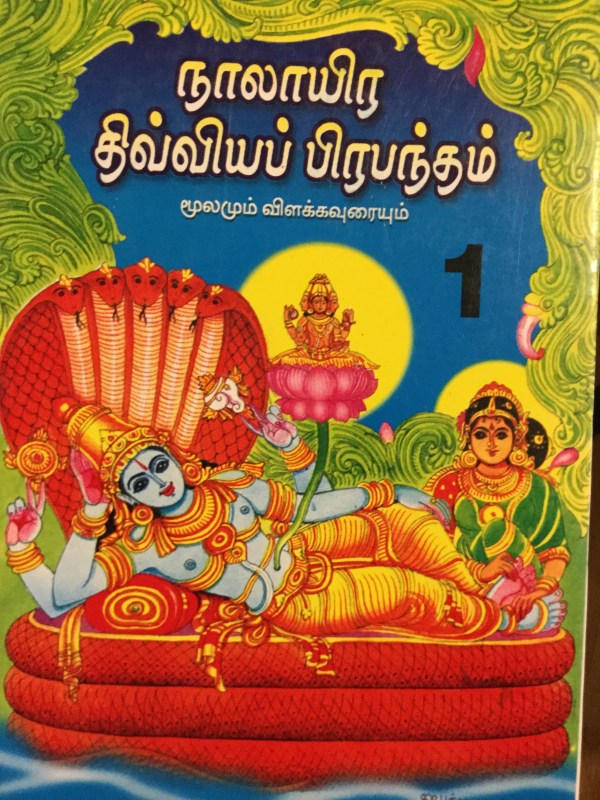
பன்னிரு ஆழ்வார்கள் பாடியது நாலாயிர திவ்யப்பிரபந்தம். 12 ஆழ்வார்களில் பேயாழ்வார், பூதத்தாழ்வார், பொய்கையாழ்வார் ஆகிய மூவரும் முதல் மூவர் ஆவர். காலத்தாலும் மூத்தவர்கள். முதல் மூவரும் அந்தாதிகளாகப் பாடியுள்ளனர்.


பூதத்தாழ்வார் பாடிய இரண்டாம் திருவந்தாதியில் ஒரு நல்ல பாசுரம். அதில் அவர் தன்னை “பெருந்தமிழன்” என்று பெருமையாகச் சொல்லிக் கொள்கிறார். இதோ பாருங்கள் பாடலை:–


யானே தவம் செய்தேன், ஏழ் பிறப்பும் எப்பொழுதும்

யானே தவம் உடையேன்; எம் பெருமான்! யானே

இருந்தமிழ் நல்மாலை இணை அடிக்கே சொன்னேன்

பெருந்தமிழன் நல்லேன், பெருகு.


பாடலின் பொருள்:–

என் தலைவனே! எல்லாப் பிறவிகளிலும் தவம் புரிந்தவன் நான். அந்தத் தவத்தின் பயனைப் பெற்றவனும் நானே. சிறந்த தமிழ் மொழியால் சொல் மாலைகளை உன் திருவடிகளில் சூட்டினேன்; கலைகள் வல்ல பெருந்தமிழனும் அடியேனே.

நாயன்மார்களும் ஆழ்வார்களும் தாங்கள் செய்த பணிகளையெல்லம் தமிழின் பெயரால் செய்ததாகவே சொல்லுவர். அது மட்டுமல்ல. தமிழி ல் பாடியதைப் பெருமையாகச் சொல்லுவர். ஆண்டாள் “சங்கத் தமிழ் மாலை” முப்பதும் செப்பியவர். “நாளும் இன்னிசையால் தமிழ் பரப்பிய ஞான சம்பந்தன்” என்று மற்ற அடியார்கள் அவரைப் போற்றுவர். சுருக்கமாகச் சொன்னால் தமிழும் தெய்வீகமும் ஒன்று.

IMG_5567

திருக்குறளும் பூதத்தாழ்வாரும்

திருக்குறளில் காணப்படும் ஒரு கருத்தும் பூதத்தாழ்வார் பாடலில் காணப்படுகிறது. ஒருவரை ஒருவர் பார்த்து எழுதினார் என்றோ பாடினார் என்றோ கருதத் தேவை இல்லை. இது குமரி முதல் இமயம் வரை உள்ள கருத்து.


அருளில்லார்க்கு அவ்வுலகம் இல்லை பொருளில்லார்க்கு

இவ்வுலகம் இல்லாகியாங்கு — குறள் 247


“பொருள் இல்லாதவர்கு இவ்வுலத்தில் இன்பம் கிடைக்காதது போல, உயிர்களிடத்தில் அருள் இல்லாதோருக்கு சுவர்க்க லோகம் கிடைக்காது” –என்பான் வள்ளுவன்.


இதோ பூதத்தாழ்வார் பாடல்:-

பொருளால் அமர் உலகம் புக்கு இயல் ஆகாது;

அருளால் அறம் அருளும் அன்றே; அருளாலே

மா மறையோர்க்கு ஈந்த மணிவண்ணன் பாதமே

நீ மறவேல் நெஞ்சே நினை

–இரண்டாம் திருவந்தாதி

IMG_5391

பொருள்:-

செல்வத்தால் சுவர்க்கம் செல்ல முடியாது; எம்பெருமான் அருளால், அறம் பொருள் இன்பம் கிடைக்கச் செய்வான். தனது அருளாலேயே வேதம் வல்லார்களுக்குத் தன்னைக் கொடுக்கும் நீலமணிவண்ணன் திருவடிகளை, நெஞ்சமே! நீ மறவாதே நினைத்துக் கொண்டிரு.

–subham–


தாய்தன்னை அறியாத கன்று இல்லை! கம்பன் உவமை நயம்!! (Post No 3079)


pasuvum kandrum

Written by London swaminathan

Date: 21 August 2016

Time uploaded in London: 7-53 AM

Post No.3079


Pictures are taken from various sources; thanks for the pictures.


கம்ப ராமாயணம் ஒரு இனிய நீர் ஊற்று; தோண்டத் தோண்ட இனிய நீர் சுரக்கும். தொட்டனைத்தூறும் மணற் கேணி அது; படிக்கப் படிக்க கற்றனைத்தூறும் அறிவு.


சின்ன வயதில் எனக்கு ஒரு வியப்பு! நான் மதுரையில் வடக்கு மாசி வீதியில் யாதவர் (கோனார்கள் ) இடையே வாழ்ந்தேன். அந்தக் காலத்தில் மதுரையில் வைகை நதியில் தண்ணீர் ஓடும். ஆகையால் யாதவ இளைஞர்கள் தினமும் மாடுகளை எங்கள் தெரு வழியாக ஆற்றங்கரைக்கு நடத்திச் செல்லுவர். அந்த மாட்டுக் கூட்டம் வரும்போது வீட்டு வாசலில் உள்ள சைக்கிள், மோட்டார் சைக்கிள் எல்லாவற்றையும் அவசரம் அவசரமாக சுவற்றை ஒட்டி நிறுத்துவோம் அல்லது ஒரே தள்ளாகத் தள்ளிவிட்டு இடிததுச் சென்று விடும். அந்த மாட்டுக் கூட்டம் வரும் முன்னே, “யானை வரும் பின்னே, மணி ஓசை வரும் முன்னே” என்பது போல மாடுகளின் கழுத்தில் கட்டப்பட்ட மணிகளும் தகர டப்பிகளும் (ஏழைகளின் மணி!) சப்தம் போடும்.


அப்பொழுது ஒவ்வொரு மாடும் அதன் கன்றுடன் செல்லும். கூட்டத்தில் அது அது அதனதன் தாய்ப் பசுவுடன் செல்லும்.  நானோ பள்ளிக் கூடப் பையன். அட, எல்லா மாடுகளும் ஒரே மதிரியாக இருக்கிற தே, எல்லா கன்றுகளும் ஒரே மதிரியாகத் தெரிகின்றனவே. எப்படி அது அது அதனதன் தாயாரை அறிகிறது என்று வியந்து நிற்பேன்.

pasu cow claf kandru

கம்பனும் இப்படி ஒரு காட்சியைக் கண்டான் போலும்! அவனது உவமைகளில் ஒன்று — “தாய்தன்னை அறியாத கன்று இல்லை”.


வேதத்திலும் தாய்ப் பசு -கன்றின் அன்பு அடிக்கடி உவமையாகக் கையாளப்படுகிறது. இந்துக்களின் மிகப்பெரிய கண்டு பிடிப்புகள் இரண்டு:

  1. காடுகளில் திரிந்த பல விலங்குகளில் மாட்டின் பால்தான் தாய்ப்பாலுக்கு நிகரானது என்று கண்டுபிடித்து அதை நாட்டு விலங்காக மாற்றி (DOMESTICATION) உலகம் முழுதும் விவசாயத்தையும் மாடு வளர்ப்பையும் கற்றுக் கொடுத்தான்.
  2. இரண்டாவது கண்டு பிடிப்பு– டெசிமல் சிஸ்டம் DECIMAL SYSTEM (தசாம்ச முறை). இந்த இரண்டையும் இந்துக்கள் கற்பிக்காவிடில் உலகில் நாகரீகம் என்பதோ விஞ்ஞானம் என்பதோ வளர்ந்திரா. நிற்க.


கம்பன் உவமை நயத்தைக் காண்போம்:-


தாய்தன்னை அறியாத கன்று இல்லை தன் கன்றை அறியாத

ஆயும் அறியும் உலகின் தாய் ஆகி ஐய

நீ அறிதி எப்பொருளும் அவை உன்னை நிலை அறியா

மாயை இது என்கொலோ வாராதே வரவல்லாய்


பொருள்:–

“தலைவனே! பக்தர்களிடம் வருவதற்கு அரியவன்போல் தோன்றி, பிறகு எளிதாக வந்து காட்சி தரும் வல்லமை உள்ளவனே! தன்னைப் பெற்ற தாயைத் தெரிந்து கொள்ளாத கன்றுகள் இல்லை. தான் பெற்ற கன்றுகளை தாயும் அறிந்து கொள்ளும். உன்னிடமிருந்தே உலகம் தோன்றியதால் நீ உலகத்தின் தாயாக விளங்கி, எல்லாப் பொருள்களையும் அறிகிறாய். ஆனால் அப்பொருள்கள் எல்லாம் உனது தனிமையான நிலையை அறிய மாட்டா.”


எனது கருத்து:–

இதைப் படிக்கையில் பதி, பசு, பாசம் என்ற சைவ சித்தாந்த உண்மையும் நினைவுக்கு வருகிறது.


வாத்சல்யம் (தாய்ப் பசு – கன்று (வத்ஸ) இடையிலுள்ள அன்பும் நினைவுக்கு வருகிறது.


ஒவ்வொரு பசுவும் அதன் கன்றை அறியும். அது போல ஒவ்வொரு கன்றும் அதன் தாயை அறியும்.

இதே போல தாயாகிய இறைவனே நீ எங்கள் எல்லாரையும் அறிவாய். நாங்கள் உன்னை அறியும் பக்குவம் பெறவில்லையே. இது என்ன மாயமோ என்று கம்பன் வியக்கிறான்.

கன்று எப்படி தன் தாயை அறிகிறதோ அது போல நாமும் இறைவனை  அறிய வேண்டுமானால் அது போலப் பாசம் (பக்தி) வேண்டும். இறைவனோ எப்போதுமே தாய்ப்பசு போல நம் மீது அன்பைப் பொழிந்துகொண்டிருக்கிறான்.

எது எப்படியாகிலும் வேதத்தில் காணும் இந்த உவமை சில ஆயிரம் ஆண்டுகளுக்கு பயன்படுத்தப்பட்டது சிறப்புடைத்து.

வேத கால உவமை சைவ சித்தாந்தத்துக்கும் வித்திட்டது!

hi-620-emperor-penguins-on-the-sea-ice-close-to-halley-research-station-credit-british-antarctic-survey

இன்னும் வியப்பு நீங்கவில்லை


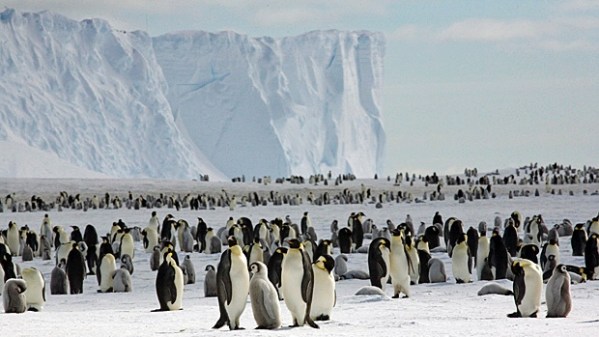
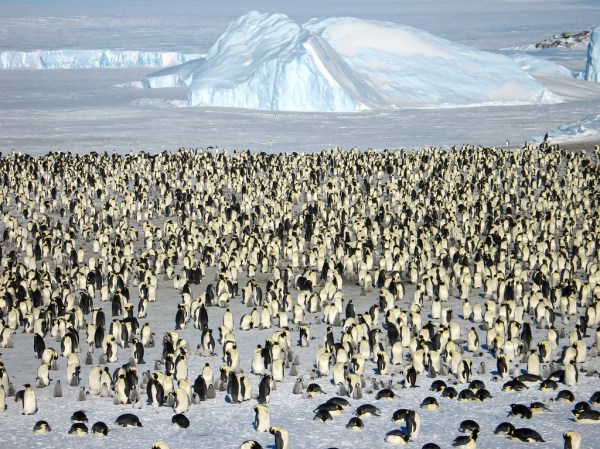
டெலிவிஷனில் இயற்கை பற்றி வரும் ‘டாகுமெண்டரி’களைப் (Documentary ) பார்ப்பேன். அதில் ஒன்று அண்டார்ட்டிகா என்னும் தென் துருவப் பகுதியில் வாழும் பெங்குவின் பறவைகளைப் பற்றியது. அவை கூட்டமாக வாழும். கூட்டம் என்றால் அப்படிப் பெரிய கூட்டம்! திருவிழாக் கூட்டம்!!! ஆண் பெங்குவின்கள், கடலில் குதித்து நீந்திவிட்டுக் கிட்டத்தட்ட ஓராண்டுக்குப் பின் திரும்பி வரும். ஒவ்வொன்றும் அதன் பெண்சாதியைக் கண்டுபிடித்து அதன் அருகி ல் போய் நிற்கும். குட்டிகளும் அதன் அருகே நிற்கும். இதைக் கண்டு எல்லோரும் வியப்பர். எப்படி பல்லாயிரம் பெங்குவின்கள் இடையே ஒவ்வொன்றும் தன் மனைவியைக் கண்டு பிடிக்கின்றன என்று. ஆக , கம்பனின் உவமையை இப்பொழுது நாம் பெக்குவினுக்கும் மாற்றலாம்!

penguin kuuttam

–subham–


Interesting Quote about WIFE in the Indian Epic (Post No.3078)

IMG_3212

Compiled by London swaminathan

Date: 21 August 2016

Time uploaded in London: 6-25 AM

Post No.3078


Pictures are taken from various sources; thanks for the pictures.


There is a very interesting couplet in the Aranya (Vana) parvam of Mahabharata, the longest epic in the world.

Na ca bhaaryaa samam kincit vidhyate bhisajaam matam

Ausadham sarva dukkeshu satyametat bhraviimi te

–Aranya Parva

A rough translation of the couplet runs like this: Wife is a medicine for all the difficulties or sorrow; no one is equal to a wife in this, think medicine men. I am telling you the truth.


There is another interesting quotation about wife and mother in a couplet:-

Maatraa samo naasti sariira poshane

Bhaaryaa samo naasti sariira toshane

Vidhyaasamo naasti sariira bhushane

Chintaa samo naasti sariira soshane


A rough translation of this runs like this:

There is no one equal to your mother in nourishing you;

There is no one equal to your wife in making you happy;

Nothing is equal to education in honouring you (the qualifications you get);

Nothing is equal to worry in making you depressed.

(The above sloka may be a Subhaasitam)

IMG_4927

Everyone must read Sanskrit originals!

I have given you lot of interesting quotations about women in my posts. I am thrilled by the quotations of Manu in particular where he praised the women sky high. No ancient literature in any language has so much praise for women as in Sanskrit. Some cunning foreigners quote one or two odd quotes from here and there to malign Hinduism. If they don’t like certain good things, they will call them ‘interpolations’. If it suits them they will translate ‘LITERALLY’ the passages they like. If you forget the literal meaning, you will see what the authors really mean. Since they knew no one in the world can read all the Hindu scriptures, they write whatever they want to write.


No one in the world has read all the Hindu scriptures. They are as vast as Pacific Ocean. No language in the world can come nearer to Sanskrit in its quantity or quality.


If you want to question anything in Hinduism, first you must have read that book in full. Second you have to weigh it with the books in other cultures of the same period.


Since Sanskrit is the oldest language in the world, you don’t have any book in the world to compare with the Rig Veda or the great epics. Greek literature came at least 600 years after Sanskrit. Tamil literature came 1300 years after Sanskrit. Though Hebrew and Chinese have some writings nearer to 1000 BCE they are only fragments. They are not ‘book’s like Rig Veda. Rig Veda is dated between 1400 BCE (Max Muller) and 6000 BCE (Jacobi and BG Tilak).


Please read Sanskrit books in its originals and compare them with other language books of the SAME period.


–subham–

மனைவி ஒரு மருந்து- மஹாபாரதப் பொன்மொழி (Post No.3077)

IMG_4925.JPG

Compiled by London swaminathan

Date: 20th August 2016

Time uploaded in London:  14-23

Post No.3077


Pictures are taken from various sources; thanks for the pictures.


மஹா பாரதத்தில் 18 பர்வங்கள் உண்டு. அதில் மூன்றாவதாக அமைந்த வனபர்வத்தின் மற்றொரு பெயர் ஆரண்ய பர்வம். இதை வால்மீகி ராமாயணத்திலுள்ள ஆரண்ய காண்டத்துடன் குழம்பிக்கொள்ளக்கூடாது.


வனபர்வம் எனப்படும் ஆரண்ய பர்வம் பஞ்சபாண்டவர்களி ன் 12 ஆண் டு கானுறை வாழ்வைச் சித்தரிக்கும் பர்வம். அதற்குள் 21 உட்பிரிவுகள் இருக்கின்றன. அதில் மனைவி பற்றிய ஒரு பாடல் (ஸ்லோகம்) மனைவியை “சர்வ துக்க நிவாரணி” என்கிறது.

IMG_4919

நாம் சர்வ ரோக நிவாரணி – என்று மருந்துகளுக்குக் கொடுக்கும் விளம்பர  ங்களைப் படித்திருக்கிறோம். சர்வ துக்க நிவாரணி என்பதை பொதுவாக கடவுளுக்கு மட்டுமே பயன்படுத்துவோம். ஆனால் மஹா பாரதமோ மனைவியை கைகண்ட மருந்து என்றும், எல்லா துக்கங்களையும் போக்குபவள் என்றும் சித்தரிக்கிறது.


இதோ அந்த ஸ்லோகம்:–


ந ச பார்யா சமம்  கிஞ்சித் வித்யதே பிஷஜாம் மதம்

ஔஷதம் சர்வ துக்கேஷு சத்யமேதத் ப்ரவீமி தே

–ஆரண்ய பர்வம்


பொருள்:-

“மனைவிக்குச் சமமான ஒன்றுமே இல்லை; எல்லா துக்கங்களுக்கும் மருந்தாக இருப்பவள் மனைவி என்பவளே. உண்மையைச் சொல்லுகிறேன்.”


இன்னொரு பாடல் அம்மாதான் நன்கு சாப்பாடு போடுபவள், மனைவிதான் நன்கு சந்தோஷப்படுத்துபவள் என்று பாராட்டுகிறது.


உடலைப் போஷிக்கும் விஷயங்கள்

IMG_4927

மாத்ரா சமோ நாஸ்தி சரீர போஷணே

பார்யா சமோ நாஸ்தி சரீர தோஷணே

வித்யா சமோ நாஸ்தி சரீர பூஷணே

சிந்தா சமோ நாஸ்தி சரீர சோஷணே


உடலை வளர்க்க உதவுவதில் அம்மாவுக்குச் சமமானவள் யாரும் இல்லை;

நம்மை மகிழ்விப்பதில் (சந்தோஷப்படுத்துவதில்) மனைவிக்குச் சமமானவள் எவரும் இல்லை;

ஒருவரை அலங்கரிக்கச் செய்யும் விஷயத்தில் கல்விக்குச் சமமான எதுவும் இல்லை

உடலை வாடச் செய்யும் விஷயத்தில் துக்கத்துக்குச் சமமான எதுவும்  இல்லை

IMG_3212

–Subham–


Part-5: Anti- Weaver,Tanner, Scavenger Proverbs (Post No.3076)

cobbler, tribe

Compiled by London swaminathan

Date: 20th August 2016

Time uploaded in London:  12-12

Post No.3076


Pictures are taken from various sources; thanks for the pictures.


Part-5 on caste Proverbs. For proverbs on Brahmins, Banias, Jats, Carpenters, Blacksmiths, Goldsmiths and agricultural castes, please read the first four parts.


Anti – Weaver Proverbs


Weaver’s loom being sunk in the ground, he is said to dig a pit and fall into it himself.


If the weaver has a pot of grain he thinks himself a Raja/king.


He finds the hind peg of a plough, and proposes to star farming on the strength of it.


If there are eight Jolaahaas (Mohammedan weavers) and nine huqqas (things), they fight for the odd one.


The Jolaahaa goes to see a ram fight and gets butted himself.

(The stupidity of the weaver is the staple subject of proverbial philosophy through out India)


Being one of a company of twelve who had safely forded a river, he can only find eleven, as he forgets to count himself and straight goes off to bury himself in the belief that, as he is missing, he must be dead.

A crow snatches a piece of bread from a Jolaha’s child and flies with it to the roof, the prudent father takes away the ladder before he gives the child anymore.


A Jolaahaa hears the Koran being read and bursts into tears; on being asked what passage moves him so, he explains that the wagging beard of the Mulla, reminded him of a favourite goat that he had lost.

When his dog barks at a tiger he proceeds to whip his child.

He will steal a reel of thread when he gets the chance.

He has his own standard of time; he lies like a Chamaar; and even if you see him brushing the newly woven cloth, you must not believe him when he says that it is ready.

shoemaker

Anti – Shoemaker/tanner/cobbler Proverbs


He is as wily as a jackal, he is so stupid that he sits on his awl and beats himself for stealing it.


He laments that he cannot tan his own skin.

He knows that nothing beyond his last, and the shortest way to deal with him is to beat him with a shoe of his own making.


Old shoes should be offered to the shoemaker’s god

Stich, Stitch is the note of the cobbler’s quarter; Stink Stink of the street where the tanners live.


The Chamar’s wife goes barefoot, but his daughter, when he has just attained puberty, is as graceful as an ear of millet.

There is no hiding the belly from the midwife (Chamar’s wife knows everything)


Chamar is inquiring after the health of the  village headman’s buffalo ( a humorous allusion to the practice of poisoning animals with arsenic)


Anti- Doms (Scavengers,Executioners, Basket makers, Professional burglars; in Tamil Nadu they were called Pariahs; in Maharashtra Mahars, the Dheds)


Dom is the Lord of Death (they supply wood for the funeral pyre)

He is ranked with Brahmans and goats as a creature useless in time of need.


He is a friend of all castes:-

Kanjar steals his dog;

Gujar loots his house;

Barber shaves him for nothing;

Jolaahaa makes him a suit of clothes.


If donkeys could excrete sugar, Doms would no longer be beggars.


A Dom in a palanquin and a Brahmin on foot (Society turned upside down)

Every village has a Brahman’s street and every village has a Pariah street


A palm tree casts no shade; a Pariah has no rule or castes


He that breaks his word is a Paraih at heart


If a Pariah offers a boiled rice, will not the God take it?

My comments:–

Foreign invaders described this caste as the remnants of a Dravidian tribe crushed out of recognition by the invading Aryans and condemned to menial occupations. Sir Grierson said that they are the ancestors of the European Gipsies and the Rom or Romany is nothing more than a variant of Dom. This shows how hard the foreign invaders tried to drive a wedge between different Hindu castes; one would wonder whether they are scholars or crooks. Every society, every culture has people of different vocations. Some foreigners have said that Indus Valley Civilization is the source of Caste system.


These were recorded 100 years ago in the book:

The People of India by Sir Herbert Risely, London, 1915.


……to be continued

–Subham–