‘எங்கே பெண்கள் மதிக்கப்படுகிறார்களோ, அங்கே தெய்வங்கள் மகிழ்வார்கள்’ (Post No 2717)

IMG_3209

Written by london swaminathan

Date: 12 April, 2016


Post No. 2715


Time uploaded in London :– 14-48


( Thanks for the Pictures  ) 


DON’T REBLOG IT AT LEAST FOR A WEEK!  DON’T USE THE PICTURES; THEY ARE COPYRIGHTED BY SOMEONE.


(for old articles go to tamilandvedas.com OR swamiindology.blogspot.com)


பெண்கள் பற்றிய சம்ஸ்கிருத பழமொழிகள்–பகுதி 3


((முதல் இரண்டு பகுதிகள் மார்ச் 26, மார்ச் 28 தேதிகளில் வெளியிடப்பட்டன.))

IMG_3210

38.முக்தா: ஸ்வபாவாத் ப்ராயேன யோஷிதாஸ்தரல ஆசயா:

-ராமாயண மஞ்சரி

பெண்கள் இயற்கையிலேயே, இளகிய மனம் படைத்தவர்கள்

xxx


39.ய: ஸ்த்ரீணாம் குஹ்யம் ஆக்யாதி தத் அந்தம் தஸ்ய ஜீவிதம்

–ப்ருஹத் கதா கோச

பெண்களின் ரஹசியத்தை வெளியிடுபவன் கதி, சகதி!

(பெண்களின் ரகசியத்தை வெளியிடுபவர் வாழ்க்கையின் முடிவைக் காண்பர்)

xxx

40.யத்ர நார்யஸ்து பூஜ்யந்தே ரமந்தே தத்ர தேவதா:

–மனு ஸ்மிருதி 3-56

எங்கே பெண்களை கொண்டாடுகிறார்களோ, அங்கே தெய்வங்கள் மகிழ்ச்சி அடைவார்கள்.

xxx


IMG_3212

41.யோஷிதம் யத்யபி க்ருத்தா ந நிக்னந்தி இஹ வைரிண:

—-ப்ருஹத் கதா கோச

அதிபயங்கர கோபத்திலும் கூட, எவரும் பெண் கொலை புரியமாட்டார்கள் (பெண்களைக் கொல்லக் கூடாது)

xxx

42.யோஷிதாஞ்ச நதீனாம் ச புனராகமனம் குத:

—–ப்ருஹத் கதா மஞ்சரி

ஓடிப்போன நதியும், ஓடிப்போன பெண்ணும் திரும்புவது நடக்குமா? (சாத்தியமா?)

xxx

  1. ரஹஸ்யம் ச ந வக்தவ்யம் வந்னிதாசு

–கதாசரித் சாகரம்

பெண்களிடம் ரகசியத்தைச் சொல்லாதே

xxx

44.ரூப லுப்தா ஹி யோஷித:

——-ப்ருஹத் கதா மஞ்சரி

பெண்கள் மேக்-அப் போடுவதில்தான் அதிக உற்சாகம் காட்டுவர் ( பெண்கள்,தங்கள் தோற்றத்திலதிக கவனம் செலுத்துவர்)

xxxx

45.வஜ்ரலேபாத் அபித்ருடோ மானினீனாம் ஹி நிஸ்சய:

——-ப்ருஹத் கதா மஞ்சரி

பிடிவாதம்பிடித்த பெண்ணின் முடிவுகள், கான்க்ரீட்டைவிடக் கடினமானவை

(வஜ்ரலேபம் என்பது, கான்க்ரீட் போல கடினமானது)

xxx


IMG_3179

46.வாமசீலா ஹி நார்ய:

–தூர்த்தநர்த்தக

பெண்கள், இயற்கையிலேயே, குறுக்குபுத்தி உடையவர்கள்.

xxx

47.விதக்தா அபி வஞ்சயந்தே விடவர்ணனயா ஸ்த்ரிய: —-கதாசரித் சாகரம்

பெண்கள் புத்தி கூர்மையானதுதான்; ஆனால் ஆண்களின் புகழ்ச்சியில் அது மழுங்கிவிடுகிறது(அதாவது கள்ளக் காதலனின் புகழ்ச்சியில் ஏமாந்து போவார்கள்)

xxx

48.வித்யதே ஸ்த்ரீசு சாபல்யம் வித்யதே ஞாதிதோ பயம் –வால்மீகி ராமாயணம்

பெண்களின் சபல புத்தியால், சொந்தக்காரர்களிடத்தில் பயம்!

xxx

49.வித்யுதம் க:ஸ்திரீகுர்யாத்கோ ரக்ஷேச்சபலாம் ஸ்த்ரியம் —கதாசரித் சாகரம்

மின்னலை யாராவது அசையாமல் நிறுத்த முடியுமா? பெண்களின் யாராவது மனதை சலனமில்லாமல் செய்ய முடியுமா?

xxx

50.விபரீத அர்த்தவிதோ ஹி யோஷித:

பெண்கள் எளிதில் தப்பான, அர்த்தம் செய்துவிடுவார்கள்.

xxx


IMG_3184

to be continued………………………….

அனக்ராம் – 2 (Post No.2716)

anagram2

Date: 12 April 2016


Post No. 2716


Time uploaded in London :–  8-20  AM


( Thanks for the Pictures)


DON’T REBLOG IT AT LEAST FOR A WEEK!  DON’T USE THE PICTURES; THEY ARE COPYRIGHTED BY SOMEONE.


(for old articles go to tamilandvedas.com OR swamiindology.blogspot.com)


Fun with English


அனக்ராம் – 2


ச.நாகராஜன்


அனக்ராமைப் பற்றிப் பேசும் போது சுவையான ஒரு  சம்பவத்தைக் குறிப்பிடலாம்.


17ஆம் நூற்றாண்டில் நடந்த உண்மைச் சம்பவம் இது:

பிரான்ஸில் ஆந்த்ரே போஸ்லே (ANDRE POSLE) என்ற குஷால் பேர்வழி ஒருவரிடம் அவனுடைய நண்பன் ஒருவன் ஒரு நாள் சொன்னான் இப்படி: “ஆந்த்ரே போஸ்லே! உன்னுடைய பெயரை மாற்றி அமைத்தால் PERDEUA LYONS என்று வருகிறதே! இதற்குப் பொருள் லியோன்ஸில் சாவு என்பது. ஒருவேளை உனக்குச் சாவு லியோன்ஸில் தானா?”


இயற்கையாகவே பயப்படும் மனப்போக்கை உடைய ஆந்த்ரே இந்த தமாஷ் பேச்சைக் கேட்டுக் கதிகலங்கிப் போனான். பிரான்ஸில் உள்ள லியோன்ஸ் என்ற நகரத்தில் பயங்கர குற்றவாளிகளுக்குத் தண்டனை அளிக்கும் விசேஷ நீதி மன்றம் ஒன்று இருந்தது.


அந்தக் கோர்ட்டில் தன் மீது வழக்குப் போடப்படலாம் என்று அவன் எண்ணினான். விடாது இந்த நினைவு அவனைத் துன்புறுத்தத் தொடங்கியது.


தனக்கு தண்டனை நிச்சயம் என்ற உள்ளுணர்வால் உந்தப்பட்ட அவன், தன்னை ஏதோ ஒன்று ஆட்டிப் படைப்பதாக உணரலானான். கடைசியில் ஒரு கொலை வழக்கில் சிக்கிய அவனுக்கு அதே லியோன்ஸ் நகர் நீதி மன்றத்தில் தூக்குத் தண்டனை வழங்கப்பட்டது.

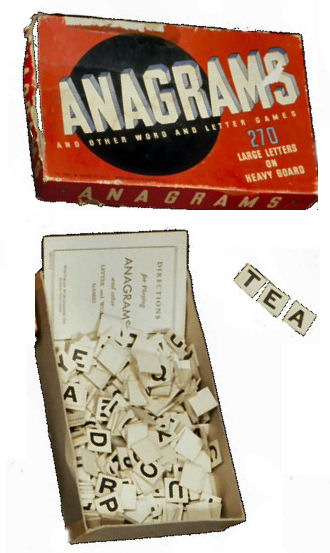
anagrams

விளையாட்டுச் சொல் வினையானது.

இதைப் போலவே மாவீரன் நெப்போலியன் போனபார்ட்- இன் பெயரிலேயே அவனது எதிர்காலம் பற்றிய எச்சரிக்கை அனக்ராம் வடிவத்தில் இருந்ததாம்!


NAPOLEION BONAPARTE என்பதன் அனக்ராம் NO, APPEAR NOT ON ELBA! – வேண்டாம்,, எல்பாவுக்கு வராதே என்பதாகும்.

இறுதியில் அவன் எல்பா தீவுக்கு அனுப்பப்பட்டு அங்கேயே இறந்தது வரலாறாகும்.


இத்துடன் எனது நூலான ‘ஆங்கிலம் அறிவோமா’ வில் அனக்ராம் பற்றிய அத்தியாயம் முடிகிறது.


இனி அனக்ராம் பற்றி இன்னும் கொஞ்சம் தொடர்வோம்:


சில அனக்ராம்களைப் பார்ப்போமா?


WILLIAM SHAKESPEARE  – I AM A WEAKISH SPELLER

ALEXANDER THE GREAT – EXTRA HATED GENERAL

CHRISTIANITY – IT’S ON CHARITY

CHRISTMAS – TRIMS CASH

NUCLEAR – AN ULCER


END OF AMERICA எப்படி ஏற்படும் என்று ஒருவர் அனக்ராம் போட்டுப் பார்த்தார். பதில் இப்படி வந்தது:


DEMONIAC FEAR –


பெரும் பயத்தால் தான் அமெரிக்காவுக்கு அழிவு வரும்!

FEAR WILL BE OUR DOWNFALL – ஆகவே அஞ்சாமல் முன்னேறுவோம் என்கிறார் ஒரு அமெரிக்கர்!


இன்னும் சில அனக்ராம் செய்திகளைத் தொடர்ந்து பார்ப்போம்.

**********


‘To Rule India by the Heart’: A H Hallam Murray (Post No.2715)

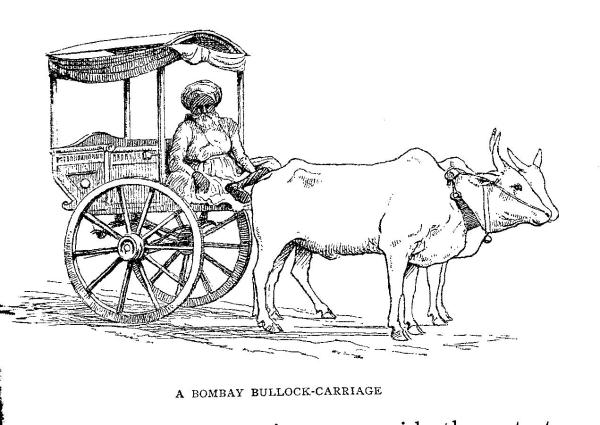
bombay cart

Written by london swaminathan

Date: 11 April, 2016


Post No. 2715


Time uploaded in London :–  10-35 AM


( Thanks for the Pictures  ) 


DON’T REBLOG IT AT LEAST FOR A WEEK!  DON’T USE THE PICTURES; THEY ARE COPYRIGHTED BY SOMEONE.


(for old articles go to tamilandvedas.com OR swamiindology.blogspot.com)


bombay temple

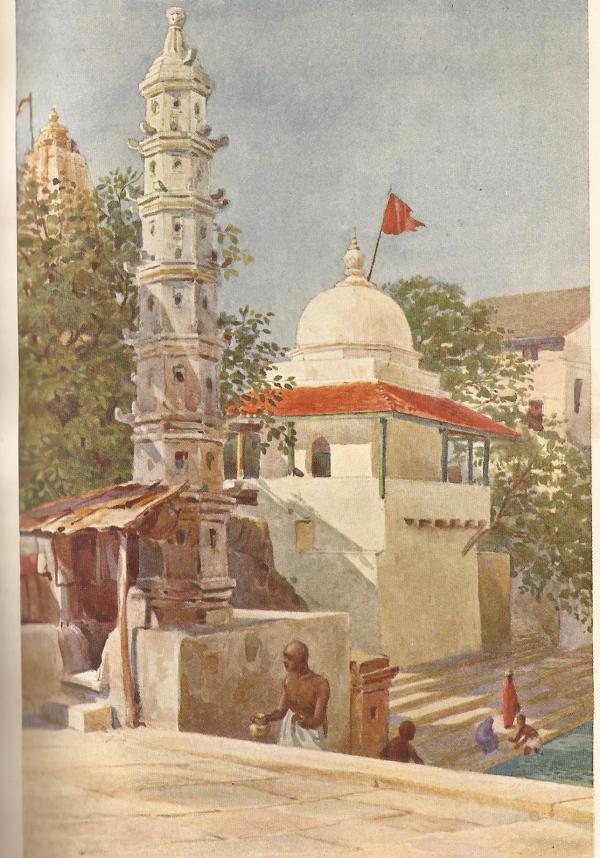
Walkeshwar Temple, Malabar Point, Bombay; sketch by Murray in 1905.

“The appeal which India makes is as many-sided as it is universal and irresistible, with its glorious architecture, its unique landscapes, its rich historic associations, and above all its strangely interesting people, whose customs and character have come down unaltered through the centuries, and are now submitted to the impact of new ideas and new conditions, to them doubtless in great part incomprehensible.  The effect of the collision of this new and old, of East and West, is partially hidden from us by the apparent indifference of a calm demeanour, which at once conceals the tremendous capacity for passion that glows beneath an impassive surface, and heightens the mystery that surrounds a fascinating people.


“I have, I hope, given typical views of   typical places, but though not neglecting the more striking scenes and buildings which form the goal of every pilgrim’s quest, I have tried to fix the attention of the lovers of beautiful on the essentially picturesque side, on the little pictures that unfold themselves at the very turn of the wheel of life in India and might well be overlooked by the casual wayfarer.


“Englishman who spends a few months on the threshold of an ancient and mysterious land and life, and we had no exceptional opportunities or capacities for penetrating behind the veil; but by the exercise of a little sympathetic imagination, and with the help of books on special sides of Indian life such as within reach of all, we tried to understand such phases of the life as fell under our notice. If we have not quite misinterpreted that life, it is owing to the kind friends who, both in India and at home, tried so generously to set our feet in the right way.

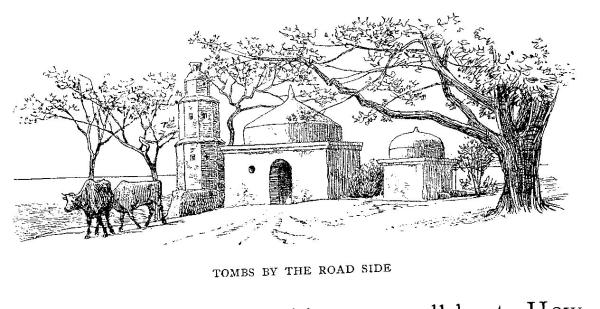
roadside tombs

I should like to think that these efforts might, in their small way, help to pave the highway of sympathetic understanding which might unite East and West, if – as all who realise the vast responsibilities of our Indian Empire must desire – the unselfish devotion and unstinting self-sacrifice of those who have toiled for its welfare are to be crowned with success, and we are ever, in Lord Curzon’s words, to rule India by the heart.


This was written in the preface of THE HIGH-ROAD OF EMPIRE by A H Hallam Murray in 1905.His book has his water colour and pen and ink sketches. I have already given his Benares sketches in one post. He wants India to stay ever under the British rule as Jewel in the Crown.

Year of publication 1905

–subham-


பிரார்த்தனையால் பலன் உண்டா? (Post No 2714)

beemasingan5

Written by london swaminathan

Date: 11 April, 2016


Post No. 2714


Time uploaded in London :–  9-22 AM


( Thanks for the Pictures  ) 


DON’T REBLOG IT AT LEAST FOR A WEEK!  DON’T USE THE PICTURES; THEY ARE COPYRIGHTED BY SOMEONE.


(for old articles go to tamilandvedas.com OR swamiindology.blogspot.com)


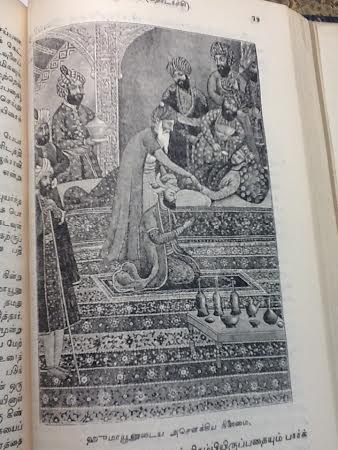
மொகலாய சக்ரவர்த்தி பாபரின் மகன் ஹுமாயுன் நோய்வாய்பட்டார்; படுத்தபடுக்கையாய்க் கிடந்தார். அரண்மனை வைத்தியர்கள் வந்து சிகிச்சை செய்தும் உடல் நலம் தேறவில்லை. அரசவை முதியோர்களைக் கலந்தாலோசித்தார். அவர்களில் சிலர், உங்களிடமிருக்கும் மிக உயர்ந்த பொருளை இறைவனுக்குக் காணிக்கையாக்கினால், உங்கள் மகன் உயிர் பிழைப்பார் என்றனர்.


உடனே பாபர் தனது கஜானாவிலுள்ள மிக உயர்ந்த பொருளை எடுத்து வா என்று நிதியமைச்சருக்கு உத்தரவிட்டார். அவர் ஒரு பெரிய பை நிறைய வைரக் கற்களைக் கொண்டுவந்து, அதில் மிகப்பெரிய , நன்கு பட்டைதீட்டப்பட்ட, ஜொலிக்கும் வைரத்தைக் காட்டி, இதுதான் மிக விலை உயர்ந்த பொருள் என்றார். (படத்தில் அதிகாரிகள் விலையுயர்ந்த பொருட்களைக் காட்டுவதைப் பார்க்கலாம்). அந்த வைரத்தை விட, தன்னுடைய உயிர் மதிப்புமிக்கதா? என்று கேட்டார். எல்லா அமைச்சர்களும், மன்னர் மன்னவா! அதில் சந்தேகம் என்ன? என்று பதிலிறுத்தார்கள்.


உடனே பாபர், ஒரு கம்பளத்தை விரித்தார்; முழந்தாளிட்டார். இறைவா! என்னுடைய இன்னுயிரை எடுத்துக் கொண்டு, என் மகனை உயிர் பிழைக்க வை என்று வேண்டினார். ஹுமாயூன் படுத்திருந்த படுக்கையை மூன்று முறை வலம் வந்தார். அவருடைய நோய் தனக்கு வந்துவிட்டது என்று பகிரங்கமாக அறிவித்தார்.


அவர் சொன்னபடியே பாபருக்கும் நோயும் வந்தது. அவர் சில நாட்களில் இறந்தும் போனார். அவருடைய மகன் ஹுமாயூன் உயிர்பிழைத்துக் கொண்டு ஆட்சிக் கட்டிலில் அமர்ந்தார்.


எல்லா மதங்களிலும் பிரார்த்தனைக்கு மதிப்பு உண்டு. அதனால்தான் பிரார்த்தனைக்காகக் கோவில்கள், மசூதிகள், சர்ச்சுகள் என்று கட்டி வைத்திருக்கின்றனர்.


“நம்பினார் கெடுவதில்லை; இது நான்குமறைத் தீர்ப்பு” – என்று மஹா கவி பாரதி பாடியதும் இதை உறுதி செய்யும்.

-சுபம்-


அனக்ராம் – 1 (Post No.2713)

anagrams-

Fun with English


அனக்ராம் – 1


Written by S NAGARAJAN
Date: 11 April 2016


Post No. 2713


Time uploaded in London :–  7-58  AM


( Thanks for the Pictures)


DON’T REBLOG IT AT LEAST FOR A WEEK!  DON’T USE THE PICTURES; THEY ARE COPYRIGHTED BY SOMEONE.


(for old articles go to tamilandvedas.com OR swamiindology.blogspot.com)


 anagramically

ச.நாகராஜன்


ஆங்கிலம் அறிவோமா என்ற எனது நூலில் முதல் அத்தியாயத்தில் உள்ள 15ஆம் பகுதி அனக்ராம் பற்றியது.

அதை  இங்கே தருகிறேன். இந்த நூல் ஆங்கில மொழியில் உள்ள

வேடிக்கை விநோதங்களைத் தொகுத்துத் தரும் ஒரு நூல்.


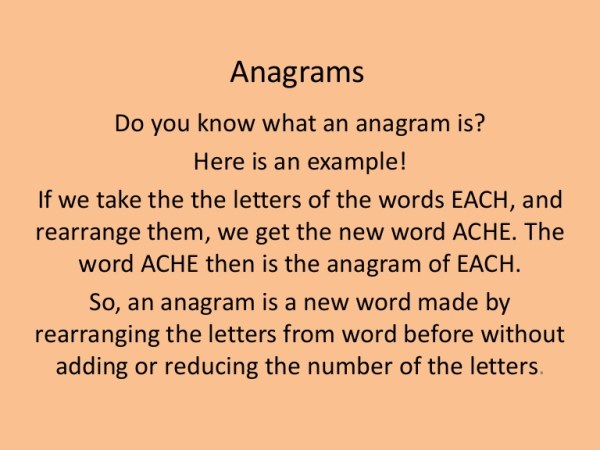
அனக்ராம் (ANAGRAM) என்றால் என்ன?


ஒரு சொல் அல்லது பெயரில் உள்ள எழுத்துக்களைக் கொண்டு மாறுபட்ட பொருள் தரும் வேறொரு சொல்லோ, சொல் தொடரோ உண்டாக்குதல் என்று இதற்குப் பொருள். எடுத்துக்காட்டாக TELEGRAPH என்ற வார்த்தையில்  9 எழுத்துக்கள் உள்ளன.


இதையே மாற்றி GREAT HELP என்ற இரு வார்த்தைகளாக அமைக்கலாம். TELEGRAPH மக்களுக்கு பேருதவி புரிகிறதல்லவா?


இப்படி மூலச் சொல்லும் புதியதாக உருவாக்கப்பட்ட சொல்லும் ஏதோ ஒரு விதத்தில் விசித்திரமான தொடர்பு கொண்டிருப்பது சுவையான விஷயம்.

சில அனக்ராம்களைப் பார்க்கலாம்:


 Speak-Good-English-Movement

  1. SWEET HEART (அன்பிற்கினியாள்)
  2. MINISTER (மந்திரி)
  3. DEMOCRATIC (ஜனநாயகம்)
  4. PARLIAMENT (மக்கள் சபை)
  5. ASTRONOMERS (வானியல் நிபுணர்)


இவற்றிற்கான அனக்ராம்கள் என்ன?

முதல் அனக்ராமை இப்படி அமைக்கலாம்.

  THERE WE SAT (அங்கே நாம் அமர்ந்தோம்)


மந்திரியை மாற்றினால் வருவது ‘பாவத்தைச் செலுத்துதல்’ – PERMIT SIN


ஜனநாயகம் மாற்றப்படும் போது கிடைப்பது ‘தமாஷ் வியாபாரம்’. –  COMIC TRADE 


மக்கள் சபை மாறுவது அரைகுறை மனிதர் – PARTIAL MEN –

என்று.  கடைசிச் சொல்லான வானியல் நிபுணர்

 மாற்றப்படும் போது கிடைப்பது இனிமேலும் நட்சத்திரங்கள் இல்லை – NO MORE STARS!


ஒரு விசித்திரமான தொடர்புள்ள வார்த்தைகளைக் கண்டு மகிழ்வது சுவையான அனுபவம் தானே!

இன்னும் சில எடுத்துக் காட்டுகள் இதோ:


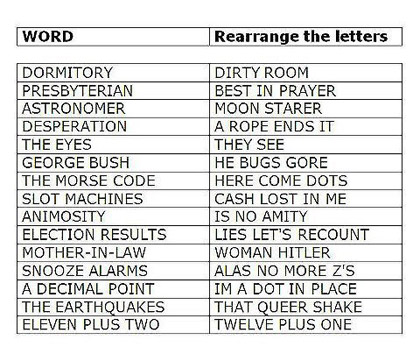
  1. A SHARP LIFTER

HAS TO PILFER


\     2.  THE EYES

            THEY SEE


  1. DECIMAL POINT

I’M A DOT IN PLACE


  1. THE COUNTRY SIDE

NO CITY DUST HERE


  1. THE DETECTIVES

DETECT THIEVES


  1. THE NUDIST COLONY

NO UNTIDY CLOTHES

funny english 

நேர் எதிர்மாறான பொருள் தரும் சில அனக்ராம்கள்:-


  1. MISFORTUNE

IT’S MORE FUN


  1. VIOLENCE

NICE LOVE


  1. EVANGELISTS

EVIL’S AGENTS


இப்படி எழுத்துக்களை மாற்றி அமைத்துப் புதுச் சொற்களை அமைப்பது ஐரோப்பாவில் ஒரு காலத்தில் பிரபலமான பொழுது போக்காக இருந்தது.


அடுத்து அனக்ராம் பற்றி சில சுவையான தகவல்களை அடுத்த கட்டுரையில் காண்போம்.

********

Prayag, the meeting place of Ganga and Jumna; A H Hallam Murray (Post No.2712)

prayag

Sketch by Murray

Compiled by london swaminathan

Date: 10 April, 2016


Post No. 2712


Time uploaded in London :–  13-56


( Thanks for the Pictures  ) 


DON’T REBLOG IT AT LEAST FOR A WEEK!  DON’T USE THE PICTURES; THEY ARE COPYRIGHTED BY SOMEONE.


(for old articles go to tamilandvedas.com OR swamiindology.blogspot.com)


Centuries before Akbar’s day, however, a stronghold, called Prayag, or the place of sacrifice, existed at the meeting of the Ganges and the Jumna, which, since the earliest days, had been most popular place of pilgrimage with the Hindu race.  The first authentic historical information about it is on the tapering shaft of the Lath of the Buddhist king Asoka, in the garden entrance of the fort; it dates from about BC 258 and its 49 feet of height is covered with inscriptions; it, no doubt, very curious, but it is one of the things about which I find it difficult to screw up much enthusiasm.

(Prayag is known as Allahabad now)


In the native town, with its low brown houses, there were of course picturesque corners, but what struck our eyes chiefly – as we drove, through it, to the tomb of Khusru – was the absence of colour, after the vivid blues and reds and yellows of Bombay, and the number of clothes worn.

prayag2

We drove, under a tall archway, overgrown with creepers, into the Khusru Bagh, one of the most beautiful and shady gardens of India, and there under a fine spreading the tamarind tree, we saw the last resting place of Akbar’s ill-fated grandson, prince Khusru, the rebellious and popular heir of Jahangir. Akbar had a great affection of Khusru, whom Jahangir treated with jealous animosity that caused the Rajput Princess Khusru’s mother to commit suicide. Khusru was imprisoned and at last poisoned to death by Shah Jehan.


The Fort, which passed to the English in 1801 must have been originally a splendid and intensely interesting place, and it still forms a striking object above the sandy spit at the meeting of the rivers. But perhaps military exigencies obliged us to obliterate and destroy every vestige of originality in it; it has been ruthlessly shorn of any architectural beauty or archaeological interest.


It contains the arsenal. But the military authorities have been more respectful to the Hindu remains inside the Fort and not interfered with the well-known  Akshai Bar, or ever living banyan tree- – a forked stump with the bark on—which, though the tree appears to be  replaced every few months , yet stands in the midst of what is, probably identical the Hindu temple of Shiva, described by the Chinese pilgrims in the seventh century it is now in a pillared crypt, reached by an underground passage  beneath the walls of Akbar’s Fort; this seems to show that Akbar’s well known religious liberality led him to allow the priests  and pilgrims free access to the  ancient Hindu shrine, though he was obliged to incorporate it in his building.


In the passage leading to the ancient temple are some curious idols, and, in the centre, a stone rudely tapered to a cone, which the devout venerate and reverence with lustrations.  Beyond is a square aperture probably leading to the river, though the Hindus say it leads straight to Benares; whilst the natural moister, exuding from the walls, is supposed to prove the truth of the legend that the sacred river Saraswati, which disappears in the Bikaneer desert, many miles away north, finds it way to this holy spot. The tree was probably worshipped here by the rude aboriginal tribes, with its ostrich like capacity for assimilating alien religious practices, has sanctioned its continued worship. Hiouen Thsang gives a description of the wide-spreading tree in front of the principal shrine of the temple, which recalls description of the blood stained grove at Kumasi. The tree was supposed to be the abode of a man eating demon, and was surrounded by the bones of the human sacrifices, with which from the “old unhappy far off days” of earliest tradition it had been propitiated.
Extract from AHH Murray’s book The High-Road of Empire

To be continued……………………


கல்லூரி முதல்வரின் அடக்கம், பணிவு! (Post No.2711)

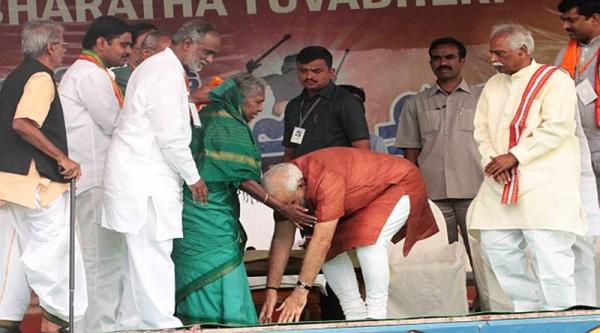
modi humility

Compiled by london swaminathan

Date: 10 April, 2016


Post No. 2711


Time uploaded in London :–  8-47


( Thanks for the Pictures  ) 


DON’T REBLOG IT AT LEAST FOR A WEEK!  DON’T USE THE PICTURES; THEY ARE COPYRIGHTED BY SOMEONE.


(for old articles go to tamilandvedas.com OR swamiindology.blogspot.com)


‘அறிஞர்க்கு அழகு கற்றுணர்ந்து அடங்கல்’- வெற்றிவேற்கை

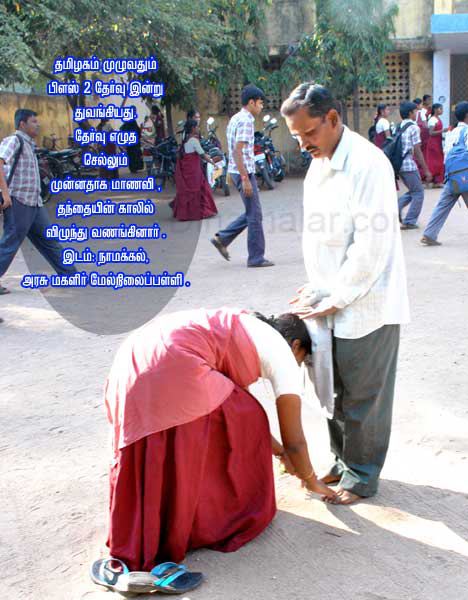
dinamalar humility

ஸ்கட்லாந்தில் எடின்பர்க் நகரத்தில் கல்லூரி முதல்வர் ஜான் கேர்ன்ஸ் பற்றி அறியாதோர் எவருமிலர். ஒருமுறை ஒரு பெரிய பொதுக்கூட்டத்துக்கு அவர் அழைக்கப்பட்டார். அவர் அடக்கத்தின் சின்னம்; பணிவின் இலக்கணம்; எளிமைக்கு எடுத்துக்காட்டு.


அவர் கூட்டத்தில் நுழைந்தவுடன் ஒரே கரகோஷம்! அவர், இது தனக்காக இல்லை, வேறு யாரோ ஒருவருக்கு என்று நினைத்து பின்னால் திரும்பிப் பார்த்தார். ஊர் பேர் தெரியாத ஒரு குள்ளமான ஆசாமி அவர் பின்னால் வந்தார். பிரின்ஸிபால் கேர்ன்ஸ், தலையை பவ்யமாகக் குனிந்து, சிரம் தாழ்த்தி, கரம் குவித்து, அவரை முன்னே போகவிட்டார். அவர்தான் அன்றைய கூட்டத்தின் கதாநாயகர் என்று கேர்ன்ஸ் நினைத்தார். இப்படி அவர் பணிவுடன் நடந்ததைப் பார்த்த மக்கள் கூட்டம் விண்ணதிர கைதட்டி ஆரவாரம் செய்தது. அந்த மண்டபமே இடிந்து விழும் அளவுக்கு கரகோஷம்; பின்னர்தான் தெரிந்தது தனக்குத் தான் அந்த வரவேற்பு என்பது! கூட்டத்தை ஏற்பாடு செய்தோர், கேர்ன்ஸை மரியாதையுடன் மேடைக்கு அழைத்துச் சென்று இருக்கையில் அமரவைத்தனர்.

எல்லார்க்கும் நன்றாம் பணிதல் – வள்ளுவன் குறள் 125.


Xxxx


Park Ave Lady_profile

முற்றும் உணர்ந்தவரில்லை முழுவதூஉங்

கற்றனம் என்று களியற்க – சிற்றுளியாற்

கல்லும் தகரும், தகரா கனங்குழாய்!

கொல்லுலைக் கூடத்தினால் (நீதிநெறி விளக்கம்)


அடக்கமில்லாப் பெண்!

ஆங்கிலப் பேரகராதியை முறையாகத் தயாரித்து பெரும்புகழ் பெற்றவர் சாமுவேல் ஜான்சன். அவருடைய அறையில் சுவையான பல விஷயங்கள் விவாதிக்கப்படும். ஒரு முறை, அந்த விவாதம் ‘பலான’ விஷயங்களை நோக்கித் திசை திரும்பியது. உடனே ஒரு பெண்மணி, மிகவும் நல்ல பத்தினி போல, முகத்தைச் சுழித்துக்கொண்டு, வெளியேறினார்.

உடனே ஜான்சன் சொன்னார்:

“இப்போது போனாளே, ஒரு பதிவிரதை, அவள்தான், இந்த அறையிலேயே அடக்கமில்லாத பெண்”.


–சுபம்–


அளவறிந்து வாழ்க! (Post No.2710)

borosilicate-glass-beaker-lf

Written by S NAGARAJAN

Date: 10 April 2016


Post No. 2710


Time uploaded in London :–  7-07  AM


( Thanks for the Pictures)


DON’T REBLOG IT AT LEAST FOR A WEEK!  DON’T USE THE PICTURES; THEY ARE COPYRIGHTED BY SOMEONE.


(for old articles go to tamilandvedas.com OR swamiindology.blogspot.com)


வள்ளுவர் வழி


அளவறிந்து வாழ்க!


ச.நாகராஜன்


அளவறிந்து வாழ்க!

 weights

உலகில் யாரும் சொல்லாத சூத்திரங்களைத் தொகுத்துச் சுருக்கமாக ஆங்காங்கே குறளில் சொல்லியுள்ளார் வள்ளுவர்.

வாழ்க்கை நெறிகளைப் பற்றிச் சொல்லும் போது அளவறிந்து என்ற வார்த்தையை அவர் மூன்று இடங்களில் பயன்படுத்துகிறார்.


அளவறிந்து உண்க!


ஒன்றின் மூலம் பெறுதற்கரிய வாழ்க்கையைப் பெற்ற போது நீண்ட நாள் வாழ வழியைச் சொல்கிறார்.


அற்றால் அளவறிந்து உண்க அஃது உடம்பு                        பெற்றான் நெடிது உய்க்கும் ஆறு     குறள் 943


அளவறிந்து உண்க என்பதன் மூலம் ஆழ்ந்த பொருளை விளக்குகிறார். அதனால் உடம்பு பெற்ற பயனைக் கொண்டு நீண்ட நாள் வாழ முடியும்.


அளவறிந்து கற்க!


அடுத்து அளவறிந்து கற்க என்கிறார் அவர். கற்க வேண்டியதைக் கசடறக் கற்பதோடு அளவறிந்து கற்க வேண்டும் என்பது அவர் அறிவுரை.


ஆற்றின் அளவறிந்து கற்க அவையஞ்சா                 மாற்றம் கொடுத்தற் பொருட்டு         குறள்  725


இதனால் எந்த அவையின் முன்னாலும் பேசலாம். உலகப் பெரும் தலைவர் ஆகலாம் என்பது அவரது வழிகாட்டுதல்!

ounce


அளவறிந்து ஈக!


அடுத்து பெற்ற பொருளைப் பேணிக் காக்க ஒரு வழியையும் கூறுகிறார். அளவறிந்து ஈக என்பது அவரது அறிவுரை.


ஆற்றின் அளவறிந்து ஈக அது பொருள்                         போற்றி வழங்கும் நெறி              குறள் 477


வருவாய்க்குத் தக்கபடி கொடுக்க வேண்டும் என்பது சுருக்கமான சூத்திரம் போன்ற அறிவுரை.

ஒன்றின் மூலம் நீண்ட நாள் வாழ வழி தந்து, இன்னொன்றின் மூலம் அவையஞ்சா தலைமை கொள்ள வழி காட்டி கடைசிக் குறளின் மூலம் சம்பாதித்த பொருளைப் போற்றும் நெறியைக் காட்டுகிறார்.


அளவறிந்து வாழவில்லையேல்?


இப்படி அளவறிந்து வாழவில்லை என்றால் என்ன ஆகும்?

அதற்கும் அவர் பதில் தருகிறார் இப்படி:


அளவறிந்து வாழாதான் வாழ்க்கை உள போல                   இல்லாகித் தோன்றாக் கெடும்                    குறள் 479


தன் வலிமையை அறிந்து வாழ்; தன் வரவை அறிந்து வாழ்; தன் அறிவை அறிந்து வாழ்; தன் உடம்பை அறிந்து வாழ்; அப்படி வாழவில்லையேல் அது வாழ்க்கை நன்றாக இருப்பது போல ஒரு மாயத் தோற்றத்தைக் காட்டி உன்னைக் கெடுத்து விடும் என்கிறார் அவர்.


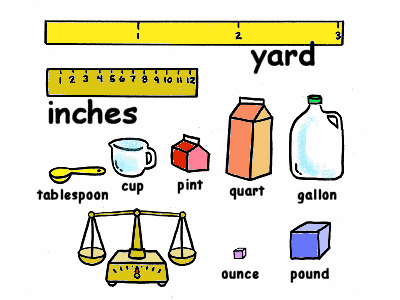
units_of_measure

அறம் நிற்கும் இடம்!


அளவறிந்தார் நெஞ்சத்  தறம் போல் நிற்கும்                 களவறிந்தார் நெஞ்சில் கரவு           குறள் 288


அறம் எங்கே நிற்கும்? உலகின் தர்ம மரபுகளை அறிந்து வாழ்க்கையை அளவோடு வாழ வேண்டும் என்று நினைப்பவரின் மனதில் அறம் நிற்கும். அது எப்படி இருக்கிறது என்றால் பாவச் செயல்களைச் செய்வதிலேயே பழக்கப்பட்டவர்களின் மனதில் வஞ்சனை நீங்காது நிலைத்துக் குடி கொள்வது போல இருக்கும்!

என்ன அழகான விளக்கம்!


அளவறிந்து என்ற சொல்லின் பொருளை அறிய வள்ளுவரின் குறளில் அளவு என்ற வார்த்தையை அவர் பயன்படுத்திய இதர சில குறள்களையும் படித்தால் முழுப் பொருளையும் அறியலாம்.

வாழ்க்கை முழுவதும் கற்க வேண்டிய நூல் வள்ளுவரின் குறள்!

அதைப் பயில்வது தமிழரின் பாக்கியம்!


********

Classification of Women according to Age (Post No 2709)

amma ponnu

Compiled by london swaminathan

Date: 9 April, 2016


Post No. 2709


Time uploaded in London :–  14-17


( Thanks for the Pictures  ) 


DON’T REBLOG IT AT LEAST FOR A WEEK!  DON’T USE THE PICTURES; THEY ARE COPYRIGHTED BY SOMEONE.


(for old articles go to tamilandvedas.com OR swamiindology.blogspot.com)

alankaram girl

1.Classification

Baalaa (age 11 to 16)- girl

Tarunii (age 17 to 30)- youth

Praudhaa (age 31 to 55) – Middle aged

Vrddhaa (age 55 and above) – Old aged


Yaavatsodasa sankyamabdamuditaa baalaa tatastrimsatam

Yaavatsyaattaruniiti bhaanavisikhaprakyam tu yaavatbhavet


Saa praudetyamidhiiyate kavivarairvrudhdhaa tadhuurdhvam smrtaa

Nindhyaa kaamakalaakalaapavidhishu tyaajyaa sadaa kaamibhih

–anangaranga 4-1

Xxx

azaki beauty old

2.Not eligible to claim women’s Property

Bhartaa – husband

Bhraatarah – brothers

Sutaah – sons

Pitaa – father

Na bhartaa naiva ca sutaa pitaa bhraataro na ca

Aadaanae vaa vasarge vaa striidhane prabhavishnavah

Xxx


IMG_3356


3.Adornment of women

Kacadhaarya – hair dress

Dehadhaarya – make up

Paridheya – attire

Vilepana – unguents

Kacadhaaryam dehadhaaryam paridheyam vilepanam

Caturdhaa bhuushanam praahuh striinaamanyacca daisikam


Xxx

chat ht 14

4.Women who attained realisation

Maitreyii

Sulabhaa

Saarngii

Saandilii


Maitreyii sulabhaa saarngii saandilii ca tapasvinii

Striitvepraaptaah paraam siddhimanyajanma samaadhitah

Xxx


ac17chhatfestivalmumbai05

People offering prayers to Sun God during Chhat festival at Juhu Beach Mumbai . Express Photo by Amit Chakravarty 17-11-15, Mumbai

5.Things forbidden for Women

Vapanam – tonsuring of head

Gaamanuvrajanam – following a cow

Raatrau gosthe vaasah – staying in a cow-pen at night

Vaidikii-suukta paatha – reciting Vedic mantra

Na striinaam vapanam kuryaat na ca saa gaamanuvrajet

Na ca raatrau vasegoshthe na kuryaat vaidikiim srutim

Xxx

bihar voting1

6.Women to be remembered in the morning

Ahalyaa

Draupadii

Seetaa

Taaraa

Mandodari


Ahalyaa, Draupadii, Seetaa, Taaraa, Mandodari tathaa

Panchakanyaah smaren nityam sarva mahaapaataka nasanam


Meaning:

By remembering the Five Pure Women Ahalya, Draupadi, Sita, Tara and Mandodari all the great sins are wiped out or destroyed.


Xxx

flower picking

7.Five Mothers

Following five women are considered equal to mothers:

Raja patnii – king’s wife

Guru patnii –  teacher’s wife

Bhraatpatnii – brother’s wife

Patniimataa –mother-in-law

Svamaataa – one’s own mother


Raaja patni Guroho patni bhraatru patni thadaiva cha

Patnimaathaa svamaathaa panchaitaa maatara smrutaahaa

–Chanakya Niti

Queen (King’s wife), Teacher’s wife, Brother’s wife, own mother and wife’s mother (Mother in law) are considered mother.


holi,ht3

Source :-

Sankhya sanketa kosa, Volume 1,The Kuppusswami Sastri Research Institute, Chennai.

–subham—


“உங்களுக்கு முதல் வரிசையில் இடம் போடவா?” (Post No 2708)

fire

Compiled by london swaminathan

Date: 9 April, 2016


Post No. 2708


Time uploaded in London :–  10-19 AM


( Thanks for the Pictures  ) 


DON’T REBLOG IT AT LEAST FOR A WEEK!  DON’T USE THE PICTURES; THEY ARE COPYRIGHTED BY SOMEONE.


(for old articles go to tamilandvedas.com OR swamiindology.blogspot.com)


Modesty Anecdotes (Translated by London swaminathan)


அடக்கம், பணிவு பற்றி மேலும் சில துணுக்குகளைப் பார்ப்போம்:-

court

நல்ல மாட்டுக்கு ஒரு சூடு!

பிரான்சு நாட்டில் லியோனில் ஒரு வழக்கு நடந்தது. அதைப் பார்க்க நீதி மன்றத்துக்கு வழக்கத்திற்கு மாறாக, நிறைய பெண்கள் வந்திருந்தனர். அந்த வழக்கு விசாரணையில் வரும் வாதங்கள் பெண்களுக்கு தர்மசங்கடத்தை ஏற்படுத்தும் என்பது நீதிபதிக்குத் தெரியும். ஆகவே அவர் சொன்னார்: “இன்றைய வழக்கின் போக்கு, தன்மை தெரியாமல் இன்று அதிகமான பெண்கள் வந்திருக்கிறீர்கள் என்று நினைக்கிறேன். ஆகவே கண்ணியமிக்கப் பெண்கள் அனைவரும் கோர்ட்டின் அறையிலிருந்து வெளியேறுமாரு கேட்டுக் கொள்கிறேன்”.

இப்படிச் சொன்ன பிறகும் ஒரு பெண் கூட வெளியேறவில்லை. நீதிபதிக்கு ஒரே கோபம். மீண்டும் சொன்னார்:

“காவலரே! இங்கு வருக! கண்ணியமான பெண்கள் எல்லோரும் வெளியேறிவிட்டார்கள். இதோ இங்கே இருக்கிறதே, இதுகளை வெளியே தள்ளுக” என்றார்.

அந்தப் பெண்கள் அனைவருக்கும் ‘கல்தா’ கிடைத்தது!

‘நல்ல மாட்டுக்கு ஒரு சூடு’, ‘அடியாத மாடு படியாது’ என்பன தமிழ்ப் பழமொழிகள். ஆங்கிலத்திலிருந்து மொழிபெயர்த்தவர் லண்டன் சுவாமிநாதன்.

Xxx


முதல் வரிசையில் எந்த ‘சீட்’?

அமெரிக்க வெளியுறவுத்துறை அமைச்சர் ஹ்யூஜஸ் என்பவரை நியூயார்க் நகர பத்திரிகையாளர்கள் ஒரு விருந்துக்கு அழைத்திருந்தனர். அதே விருந்துக்கு பல வெளிநாட்டு ராஜ தந்திரிகளும் அழைக்கப்பட்டி ருந்தனர். மந்திரியை எந்த இடத்தில் உட்கார வைப்பது என்பது அறியாது அவர்கள் திகைத்தனர். இதற்கு நல்ல தீர்வு, அவரிடமே கேட்பதுதான் என்று எண்ணி, தயங்கித் தயங்கி, அவரிடமே போய்க் கேட்டும் விட்டனர். இதற்குக் காரணம் அப்போதுதான் பத்திரிக்கைகளில், இடம் பற்றிய சர்ச்சை, வரிசை அறிந்து ஒழுகாமை என்பதெல்லாம் காரசாரமாக விவாதிக்கப்பட்டன.


சங்க காலப் புலவர்களில் பலர், மன்னர்கள் தங்களுக்கு முதல் மரியாதை செய்ய வில்லை என்று கோபித்துக்கொண்டு பாடிய பாடல்கள் புற நானூற்றில் உள்ளன. வரிசை அறிந்து ஒழுகல் என்பது அவ்வளவு முக்கியம் வாய்ந்தது.


“மாண்புமிகு அமைச்சரே! உங்களுக்கு முதல் வரிசையில் இடம் போடுகிறோம். எந்த இடத்தில், யாருக்கு அருகில் உங்களுக்கு இடம்போடுவதை நீங்கள் விரும்புகிறீர்கள்? என்று பத்திரிக்கையாளர்கள், மரியாதை கலந்த தொனியில், கேட்டனர்.

அவர் சிரித்துக் கொண்டே சொன்னார்:

“நான் முதலில் இருக்க விரும்புவது ஒரே இடத்தில்தான்; தீவிபத்து ஏற்பாட்டால், முதலில் நிற்க (வெளியே ஓடுவதற்காக) விரும்புவது நான்தான். மற்ற இடங்களில் எங்கே இடமிருந்தாலும் பரவாயில்லை.” ஆங்கிலத்திலிருந்து மொழிபெயர்த்தவர் லண்டன் சுவாமிநாதன்.

–சுபம்–