நல்ல பதில்கள்! (Post No.2698)

disraeli book

Written by S NAGARAJAN
Date: 6 April 2016


Post No. 2698


Time uploaded in London :–  6-00  AM


( Thanks for the Pictures)


DON’T REBLOG IT AT LEAST FOR A WEEK!  DON’T USE THE PICTURES; THEY ARE COPYRIGHTED BY SOMEONE.


(for old articles go to tamilandvedas.com OR swamiindology.blogspot.com)


சமயோஜிதம்


நல்ல பதில்கள்!


ச.நாகராஜன்


சிக்கலான தருணங்களில் தக்க பதில்களை உடனடியாகத் தருவது ஒரு கலை.


மேதைகளிடம் இதை சர்வ சாதாரணமாகக் காணலாம்.

பிரிட்டனில் எதிரும் புதிருமாக இருந்த பெஞ்சமின் டிஸ்ரேலியும் வில்லியம் க்ளாட்ஸ்டோனும் ஒருவருக்கொருவர் சூடான பதிலைக் கொடுப்பது வழக்கம்.


ஒரு முறை டிஸ்ரேலியிடம் ஒருவர் misfortune க்கும்  calamity க்கும் உள்ள வித்தியாசம் என்ன என்று கேட்டார்.

சந்தர்ப்பம் கிடைத்தால் விடுவாரா டிஸ்ரேலி!


“தேம்ஸ் நதியில் டிஸ்ரேலி விழுந்து விட்டால் அது துரதிர்ஷ்டம். (Misfortune) அவரை யாராவது காப்பாற்றி மீட்டு விட்டால் அது பெரும் அபாயம்(calamity)” என்று பதில் சொன்னார் அவர்.


ஆப்ரஹாம்  லிங்கனைச் சந்தித்த ஒரு குழுவினர் உடனடியாக அடிமைகளை மீட்கும் சட்டத்தைக் கொண்டுவர வேண்டும் என்று வலியுறுத்தினர். அதற்கான காலம் கனியவில்லை என்று நினைத்தார் லிங்கன்.


வந்தவர்களோ பிடிவாதமாக இருந்தனர்.


லிங்கன் அவர்களைப் பார்த்துக் கேட்டார்” “ ஒரு ஆட்டின் வாலையும் கால் என்று நீங்கள் வைத்துக் கொண்டால் அதற்கு மொத்தம் எத்தனை கால்கள்?”


உடனே அவர்கள், “ஐந்து” என்று பதில் சொன்னார்கள்.

உடனே லிங்கன், “அது தான் இல்லை. வாலைக் கால் என்று சொன்னால் அது கால் ஆகி விடாது. அது வால் தான்!” என்றார்.

ஒரு கொள்கையை எப்படி மாற்றிச் சொன்னாலும் உள்ளது உள்ளபடி தான் இருக்கும்.


இங்கிலாந்தின் பிர்பல பாடலாசிரியரான தாமஸ் டிப்டின் தன்னைச் சந்தித்த இளைஞர் ஜெரால்டிடம் கேட்டார் இப்படி:”

அன்புள்ள இளைஞனே!   என் மீது உனக்குத் தான் அளப்பரிய நம்பிக்கை இருக்கிறதே! எனக்கு ஒரு கினி ( லண்டனில் புழக்கத்தில் இருந்த நாணயம்) கடன் தருவாயா?” என்றார்.

இளைஞனோ விவரமானவன்.


“ ஆஹா! அபாரமான நம்பிக்கை உங்கள் மீது இருக்கிறது. ஆனால் கினியா தான் என்னிடம் இல்லை!” என்றான் அவன்.

மனம் புண்படாமல் சமயோஜிதமாகப் பேசுவது ஒரு கலை!

பழகினால் வருவது அது!


**************

Monkey Temple of Benares and Durga Puja: A Foreigner’s Account (Post No 2697)

benares ghats

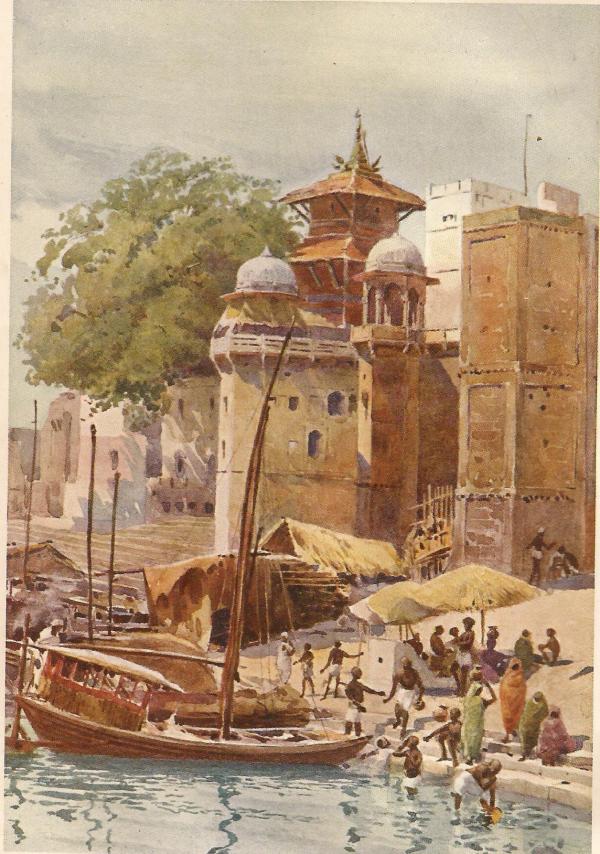
Benares Ghats, sketch by A H Murray


Compiled by london swaminathan

Date: 5 April, 2016


Post No. 2697


Time uploaded in London :–  18-42


( Thanks for the Pictures  ) 


DON’T REBLOG IT AT LEAST FOR A WEEK!  DON’T USE THE PICTURES; THEY ARE COPYRIGHTED BY SOMEONE.


(for old articles go to tamilandvedas.com OR swamiindology.blogspot.com)

benares ekka

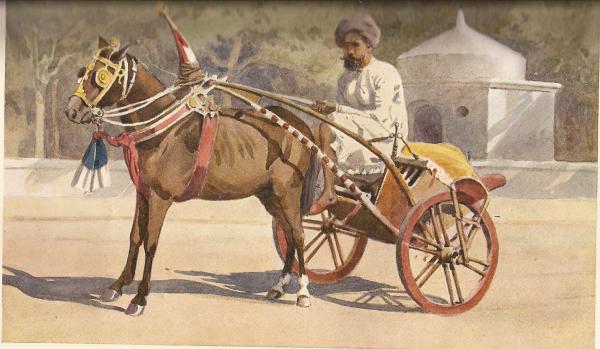
Benaress ekka; sketch by Murray


I gave the description of Benares from A H Hallam Murray’s book The High-Road of Empire (London, year 1905 yesterday. The book contains his water colour and pen and ink sketches in India.

Here I continue with his observation in Benares, the holiest of the holy cities in India:-

“Early on the morning of February 6, we started to drive to the Temple of Durga, sometimes called the ‘Monkey Temple’, at the far west extremity of the town. Durga, or Kali the terrible, is one form of Shiva’s wife, and worshipped over the greater part of the peninsula. The Thugs and Dacoits, now happily practically suppressed, were devotees of Kali, in her most terrible aspect. An unfortunate traveller, once marked down by them would be followed for days or even weeks, before the fitting occasion for the climax offered; but the Thug never lost his quarry, and the fatal noose ended the victim’s life at last.

No religious festival I so popular in Hindu homes, especially in Bengal, as the milder Durga Puja in October. A small plantain tree covered with straw and clay is painted with vermilion, n silk saree adorned with tinsel ornaments, and, being consecrated, is believed to be the habitation of the goddess. After a solemn procession to the river, it is brought to the house of the devotee who had it made, and is, for a month, venerated and worshipped, with fasts by day and feasting by night, finally, Mai Durga is said to be “going to the house of her father in law” – like Persephone:- the image is again carried on a bamboo stage to the river side, and amidst shouts and dancing is thrown into the stream. The ceremonies usually terminate with drunken bacchanalia and disgraceful scenes.

IMG_1791

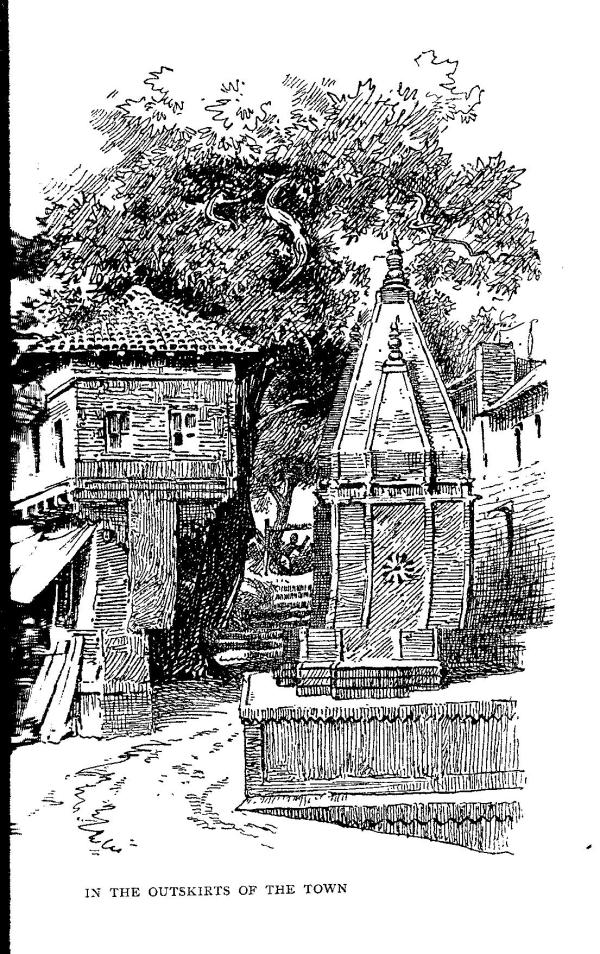
There is nothing particularly remarkable about this temple of Durga (in Benares), though its architecture is simple and graceful, and it has some fairly elaborate carving round the inner colonnade. It is painted red and stands beside a tank, overshadowed by some fine peepul trees, which, as usual in India, are held sacred.


There are groves of trees in India held so sacred that, though timber and firewood are in great request, no stick is ever cut, nor is even the dead wood picked up. The sacred character of this site probably dates back to a dim period, when these trees, or their predecessors, were venerated, in connection with the tree worship of the aboriginal tribes, as sheltering the spirits whose good will had to be secured, by sacrifices and oblations, to ensure good harvest. In these trees the tribe of sacred monkeys swarms and breeds, and chatters incessantly, descending at intervals to take their share of the offering.


In the temple are also number of monkeys, climbing and leaping about everywhere; and as many beggars and other creatures, worry you to look at this, or that, or press you to buy food to feed the monkeys. Though the monkeys have no respects for persons- the boldest of them actually jumped upon us – yet I greatly preferred the monkeys to their masters.


After a sketch at the Golden temple, we made our way to the Man Mandir Ghat, chose by Raja Jaisingh’s lofty seventeenth century observatory. Old travellers tell us that the Brahmans whose business it was to calculate the eclipses of sun and moon were trained in astronomy and astrology in Benares.. here we embarked in a barge with a house upon it, on the roof of which we sat, and were slowly rowed up the Ganges as far as Ashi Ghat, and down again to the Mosque.

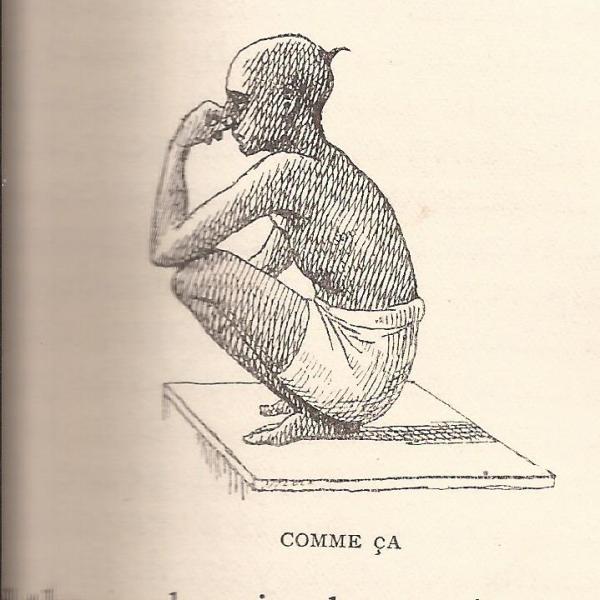
comme  ca

The river bank is a marvellous sight. The Ghats, in flight after flight of irregular steps, descend the broken  precipitous cliff a hundred feet to the water’s edge, amongst temples and shrines of all sorts and sizes. The cliff is crowned by high houses and palaces pierced with deep archways, which give access to the narrow streets of the town, and culminate in domes and minarets. The effect is enhanced by the sweep of the river, which bends in a crescent shape facing the rising sun.


A stream of bathers and devotees, in the most brilliantly coloured garments, continually ascends and descends the steps; issuing from the dark arch ways and lanes above, they collect below on the brink of the water, under huge straw umbrellas; and behind tall screens, which protect them from the heat of the sun, they proceed by one operation to wash away their sins, to wash their bodies, and their simple and scanty clothing as well. They then grind themselves in clean attire; and afterwards return to one of the terraces to have their caste marks replaced upon their foreheads, by an official of the temple; he is provided with a number of little saucers filled with coloured powders for the purpose. This done, they sit on a plank over the water to meditate and bask in the sun shine. The pose is a squat, and the devout appear to hold their noses comme ca.


I was charmed by one scene in particular which we watched. Two graceful women in bright coloured silk saris came down the steps, each carrying on her arm a folded sari of a different hue. Leaving this on the brink, they stepped down as they were into the sacred water and drank and dipped. Coming back to the step in the wet garments, they wound them off, simultaneously, by the same mysterious movement, clothed themselves in the fresh silk drapery with which they had come provided. The process of transformation was as elusive and complete, as that by which a snow capped mountain is changed at the after-glow. The taking the strip of wet drapery, and deftly gathering it in narrow folds crosswise in either hand, they went back to their daily occupations.


The worshippers, standing waist-deep in the river, pour libations into the water, murmuring as they do so the words from the Vedas prescribed by the sacred ritual, and also cast in wreaths of jasmine flowers.

ghat

(After this he described the burning of the dead bodies on the banks)

Next day, Sunday, after church and lunch, I made a sketch of a Benares ekka – a very picturesque conveyance with double shafts on either side, drawn together on the top of the pony’s back and fastened to a saddle. The trappings of some of these ekkas are very bright and gay, and have some canopy like a bird cage on the top. This ‘machine’ holds, besides the driver, two persons, who sit sideways, and hang their legs over the wheels.

–Subham–


ஆய கலைகள் 64 எவை? முழு விளக்கம், விவரங்கள் (Post No.2696)-1

chatus-shasti-kala

Compiled by london swaminathan

Date: 5 April, 2016


Post No. 2696


Time uploaded in London :–  14-58


( Thanks for the Pictures  ) 


DON’T REBLOG IT AT LEAST FOR A WEEK!  DON’T USE THE PICTURES; THEY ARE COPYRIGHTED BY SOMEONE.


(for old articles go to tamilandvedas.com OR swamiindology.blogspot.com)


 Previous articles on 64 Arts:

உலகம் வியக்கும் பெண்கள் பாட திட்டம் !! ( 4 May 2014)


Wonderful Syllabus for Women (Posted on 4 May 2014)

பெண்களின் 64 கலைகள்! (29 May 2012)

Techniques of Secret Writing in India ( 19 March 2013)

காதல் கடிதம் எழுத ரகசிய சங்கேத மொழி ( 19 March 2013)


ஆயகலைகள் அறுபத்து நான்கினையும்

ஏய உணர்விக்கும் என் அம்மை- தூய

உருப்பளிங்கு போல்வாள் என் உள்ளத்தினுள்ளே

இருப்பள் வாராதிங்கு இடர்.


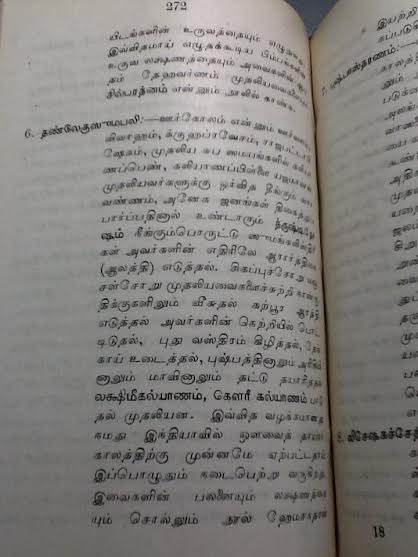
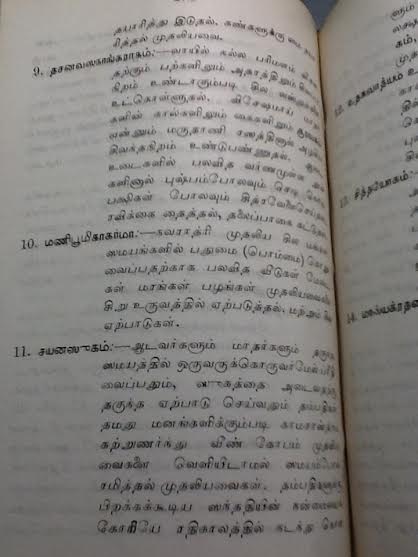
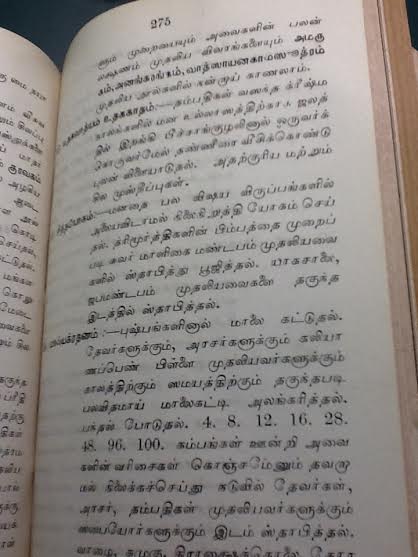
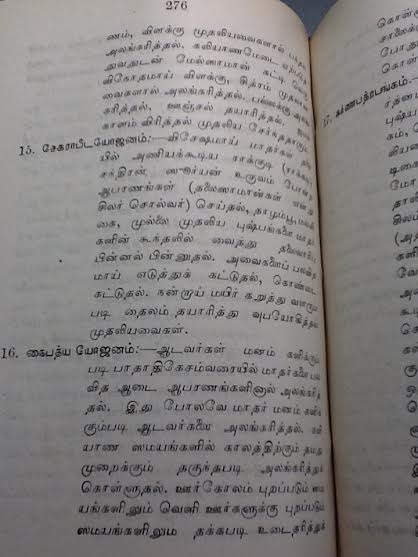
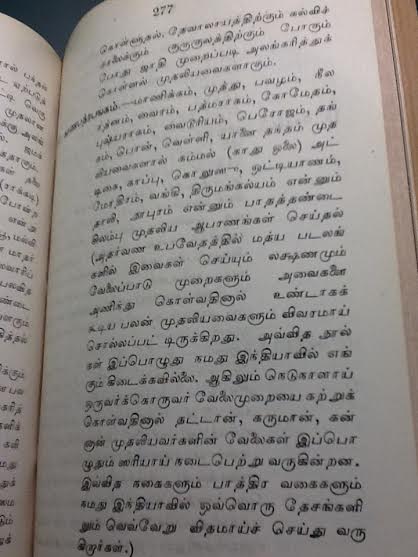
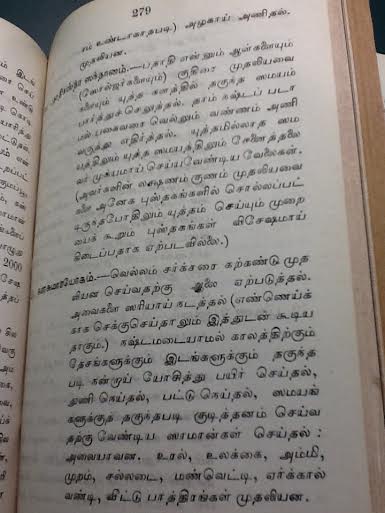
அறுபத்து நான்கு கலைகள் எவை, என்ன என்பது பற்றி நிறைய தகவல்கள் வெளியாகிவிட்டன. ஆனால் இது வரை யாரும் முழு விவரங்களை வெளியிடவில்லை; வெறும் பட்டியலை மட்டுமே வெளியிட்டனர். எனது பிளாக்கிலும் ஐந்து ஆண்டுகளாக பல கட்டுரைகள் உள்ளன. இது தவிர பெர்fயூம் கட்டுரை, இந்திரஜால் என்னும் மாஜிக் பற்றிய கட்டுரை, அவதானம் பற்றிய கட்டுரைகளிலும் இதைக் குறிப்பிட்டுள்ளேன். ஆனால் முதல் தடவையாக 64 கலைகள் குறித்தும் 1918 ஆம் ஆண்டில் பி,வி,ஜகதீச ஐயர் எழுதிய நூலிலிருந்து முழு விவரங்களும் கிடைத்துள்ளன.  உ.வே.சாமிநாத அய்யர் எழுதிய கலைகள் என்ற கட்டுரையில் பல தமிழ் நூல் குறிப்புகளைக் கொடுத்திருக்கிறார். குறிப்பாக மணிமேகலையில் ஆடலில் வல்ல பெண்கள் தெரிந்திருக்க வேண்டிய கலைகள் பற்றி வந்துள்ள பாடலை அவர் தந்துள்ளார். இதோ ஜகதீச அய்யர் நூல் தரும் தகவல்கள்; இது வேறு எந்த என்சைக்ளோபீடியாவிலும் இல்லாதவை:–


64 art-1

64 art-2

64 art-3

64 art-4


64 art-5

64-art-6


64 art-7


64 art-8

64 art-9


64 art-10

64 art-11

64 art-12

தொடரும்—–


சுப்புடுவுக்கே சுப்புடு! (Post No 2695)

subbudu 2

விபரீத விமரிசனம்

சுப்புடுவுக்கே சுப்புடு!


Written by S NAGARAJAN

Date: 5 April 2016


Post No. 2695


Time uploaded in London :–  7-58  AM


( Thanks for the Pictures)


DON’T REBLOG IT AT LEAST FOR A WEEK!  DON’T USE THE PICTURES; THEY ARE COPYRIGHTED BY SOMEONE.


(for old articles go to tamilandvedas.com OR swamiindology.blogspot.com)


ச.நாகராஜன்


subbudu

உலகத்திலேயே சுலபமான வேலை எது என்று கேட்டால் குற்றம் குறைகளைச் சொல்லுவது தான்!


இதற்கு நவீன காலப் பெயர் விமரிசனம்!

பத்து வருடங்களுக்கு முன்னர் சுப்புடுவை அறியாதவர்கள் இருக்க மாட்டார்கள்.


மனுஷனைக் கண்டாலே சங்கீத வித்வான்களுக்கு அலர்ஜி!

கிழி கிழி என்று கிழித்து விடுவார்.


இந்தக் ‘கிழிப்பைப் போடப் பத்திரிகைகள் அணி வகுத்துத் தயாராய் நிற்கும்.


எதிர்பாராத விதமாக ஓஹோ என்று சிலருக்குப் புகழ் மாலையும் சூட்டப்படும். அன்று அவர்கள் சாதகம் செய்தார்களோ இல்லையோ சாமியைக் கும்பிட்டார்களோ இல்லையோ நரி முகத்தில் விழித்திருக்க வேண்டும் அல்லது சுப்புடுவின் மூடைக் கெடுக்காமலாவது இருந்திருக்க வேண்டும்.

ஆனால் சுப்புடுவுக்கே சுப்புடு இருந்திருக்கிறார்கள், காலம் காலமாக!


பட்டென்று சம்யோசிதமாக விமரிசனம் செய்வது, பதிலடி கொடுப்பது, சாமர்த்தியமாக நிலைமையைக் கையாளுவது, நையாண்டி செய்யும் அதே சமயம் பிறர் மனதைப் புண்படுத்தாமல் இருப்பது என்று இப்படி பல ரகங்களிலும் பெரும் மேதைகள், சாமர்த்தியசாலிகள் இருந்திருக்கிறார்கள்.

சில உதாரணங்களை மட்டும் பார்த்து மகிழலாம்.

ரிச்சர்ட் அட்லிங்டன் என்று ஒருவர். சுப்புடுவுக்கே சுப்புடு இவர்!

விமரிசனங்களை அள்ளித் தெளிப்பார். ஜனங்கள் ரசிப்பார்கள். விமரிசனத்திற்குள்ளான்வர்கள் நெளிவார்கள்.


ஒரு சமயம் இவரிடம் ஒரு கவிதை விமரிசனத்திற்காக வந்தது.

வந்த கவிதை இது தான்:


A  B   C  D  E  F

G   H   I   J   K  L

M   N  O  P  Q   R

S    T   U  V  W X

Y   Z


பார்த்தார் மனிதர். இதற்கு என்ன விமரிசனம் செய்வது?

இப்படி எழுதினார் விமரிசனத்தை:


1   2   3   4    5

6   7   8   9   10


“I still think that was the most snappy review I ever wrote; but unfortunately, “The Times’ refused  to print it” என்று எழுதியிருக்கிறார் அவர்..

பிரபல பத்திரிகையான டைம்ஸ் இதழே இதைப் பிரசுரிக்க தயங்கி விட்டது என்றால் அது எப்படிப்பட்ட விமரிசனம் என்பதை நாம் புரிந்து கொள்ள முடியும்!


ரீடர்ஸ் டைஜஸ்ட் இதழில் வெளி வந்த விம்ரிசனம் பற்றிய துணுக்கு இது:
ஒரு புத்தகத்தை விமரிசனம் செய்தவர் எழுதிய விமரிசனம் இது:
“இந்தப் புத்தகத்தில் நான் ரசித்த ஒரே அம்சம் இதன் அகலமான மார்ஜின் தான்!”


என்ன வேண்டுமானாலும் எழுதிக் கொள்ள அது  பயன் படுமே! இந்தப் புத்தகத்தில் என்பதன் உண்மையான அர்த்தம் இந்த   270 பக்க அபத்த புத்தகத்தில் என்பது தான்!


என்ன இந்தக் கட்டுரையை சுப்புடு பாணியில் விமரிசிக்க ஆரம்பிக்கிறீர்களா! ஹி..ஹி. வேண்டாமே!


************

“Aladdin destroyed 1000 Hindu shrines in Benares alone” – A.H.HALLAM MURRAY (Post No.2694)

benares street

Narrow alleys of Benares/Kasi, painting by Hallam Murray

Compiled by london swaminathan

Date: 4 April, 2016

Post No. 2694

Time uploaded in London :– 19-25

( Thanks for the Pictures )

DON’T REBLOG IT AT LEAST FOR A WEEK! DON’T USE THE PICTURES; THEY ARE COPYRIGHTED BY SOMEONE.

(for old articles go to tamilandvedas.com OR swamiindology.blogspot.com)
(Benares= Varanasi= Kasi)
“It was cold in the train in the early morning; we had been travelling all night, and had exchanged the coast-climate of Calcutta for the colder plains. We were an hour late when we reached Mogul Serai station, and had barely time to catch the Benares train. By 2 p.m. we were in Clark’s Hotel, Benares, a clean, comfortable bungalow in the Cantonment, but unfortunately three mils from the old city.

As soon as we had time to turn round we made our way to the centre of the native quarters, and were enchanted with the novelty and vivid interest of the scene. There is no doubt about it, Benares is wonderful; it is marvellously picturesque and as for sketching, a life time would not exhaust the subjects. It is a long narrow town extending in a crescent along the left bank of the Ganges for two miles, overlooking, on the opposite side of the river, a flat and monotonous expanse of cultivated plain; the bank is steep, and about 100 feet high, and is clothed, as it were, with staircases coming down to the water’s edge in wide irregular flights, quite unconnected with one another. Above these flights of steps, or ghats, are huge houses and palaces, temples and the great mosque of Aurangazeb, packed close, with narrow alleys between them. All this, in spite of its attraction, is comparatively modern, and except a few buildings, that is nothing earlier than the time of Akbar (sixteenth century); for like many Eastern towns Benares has shifted its site from time to time, and has left traces of its “dead self” for miles along the Ganges.

 
No one knows the story of its beginning, at the time of the very earliest Aryan settlement in India, but Benares was the religious centre of India as far back as the sixth century B.C., when it was chosen by Sakya Muni as the first place in which to preach his doctrine of Nirvana. It then had become a strong hold of Buddhism for many centuries, but in the fourth century A.D. reverted to the Hindu faith. In the twelfth century came the Mohammedeans, who conquered it, and converted its temples into mosques, and the story goes that Alu-ud-din boasted of having, here alone, destroyed 1000 Hindu shrines.
After 600 years of Moslem prominence Benares returned to its old faith, and has since continued the sacred city par excellence of the Hindu.

mosque

Picture shows Aurangazeb’s mosque over Hindu Temple

 
In Calcutta and Bombay – though one cannot fail to notice the enormous predominance of the natives over Europeans – yet owing to the modern aspect of the greater part of those cities, with their wide streets and broad spaces, and their law-abiding inhabitants, the Indian population does not impress one by its vast numbers. To all this the appearance of crowded Benares forms a striking contrast. Here is the very heart of India. Here, in this fountain of Hindu fanaticism, beats the quick pulse of the people. To this sacred spot, from the utmost corners of the land, stream in endless pilgrimage thousands upon thousands of devout Hindus, who, through the narrow alleys and dark passages of the city, constantly course along, jostling one another in a seething flow, towards the temples, or the sacred river, to drink or in bathing to wash away their sins, or to die, if need be, in the arms of the od gages, the mother of life.


SHIVA WORSHIP IN ISRAEL!
Here then, above all other places, in this swarming mass of humanity, is one forced to realise, the depth and strength of the national life of India. This was specially impressed upon us in the first place we visited; the Golden Temple dedicate to Bisheshwar, or Shiva, as the Poison God, the spiritual ruler of Benares. In this form Shiva appears with a blue throat, the result of his having magnanimously swallowed the poison evolved in one of the processes of creation. But this deity is worshipped probably by more than half the Hindus as the reproductive power of nature, in the form of a symbol, the lingam. Is there perhaps, some remote connection between this cult and the calf and pillar worship of the Israelites? Shiva’s temple, this holiest of holy places in the sacred city, is in the heart of the town, surrounded by a network of narrow alleys thronged with people, and crowded between other buildings. The roofed quadrangle where it stands is itself crowded with worshippers, jostling one another, sprinkling holy water, and carrying votive offerings of flowers to hang upon the upright black stone, tapering to a cone shape, the symbol of Shiva. Cows are admitted on equal terms, and roaming lazily along have to be passed and to pass; every now and then a palanquin comes along and one has to flatten oneself against the walls of the narrow passages to let it go by.

Shrines, figures of cows, shapeless masses – representing Ganesh, Shiva’s son, the god of good luck, with elephant’s trunk painted red – met our gaze on all sides, and every turn in a bewildering confusion.
 

ghat

 
PLANET SATURN!
One very curious object of worship specially caught my eye. It was a silver disk with a red apron hanging below it,and represents the planet Saturn, an imporatant object in this city of astrologers.
The gates or the doors of the Golden temple are of beautifully wrought brass, but it takes it name form the fact that one of its conical flame-like towers, and a dome, are covered with plates of gilded copper; we mounted a narrow stair in a side building, in which are kept the great tom-toms, and where temple flowers were being sold, and looked at these towers, and the red conical tower of Mahadeo’s temple from the first floor. The so called priest, with a view to baksheesh, told me that he would pray the gods to give me a son. When I told him I had one already, he kindly offered to pray that I might have five.


Round the court of an adjoining temple are a number of sacred cows in close quarters; this they call the Cow Temple, and a little further on, round the corner of a narrow alley, is the Temple of Annapurna, goddess of daily bread. All along these lanes are small shops for the sale of images and rosaries, and of the celebrated brass work of Benares, especially of ‘lotas’, which are as essential to the existence of a Hindu as a cigarette to a Spaniard. A ‘lota’ is a spherical wide mouthed vessel  — of brass for a Hindu, of copper for a Mohammedean- from which the owner never seems to be separated, and to which he clings with tenacity when he has given up all other worldly possessions. Out of it he drinks; with the aid of it, and a bit of soft stick, and much ritual observance, he washes his teeth – a favourite occupation and pastime, especially out of the railway carriage window when travelling – and with the help of it he cooks.

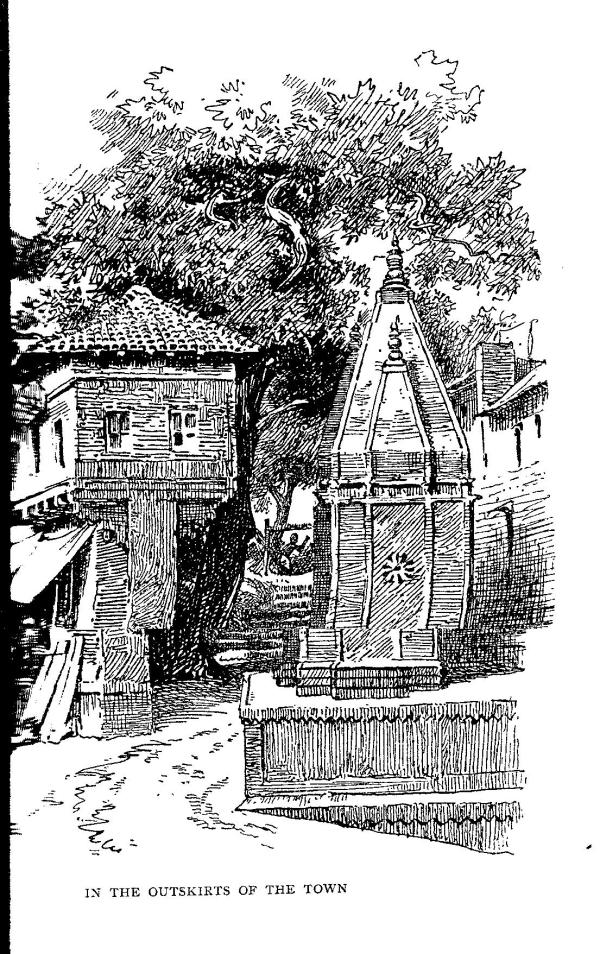
Before dusk we had time to explore some high, narrow streets in the thick of the town; they reminded me of Genoa, but are far more picturesque. The rich colouring (chiefly a deep red), the overhanging storeys, and an occasional bridge thrown over from one side of the street to the other, combine all the elements which an artist could desire.


Every empty space on the brightly painted facades is occupied by a fantastic representation of Hindu mythology, with all its many- handed, many -headed, many- weaponed gods and goddesses in endless variety; and besides the regular temples and shrines with which the town bristles, an uncouth image, or a squarely hewn sacred stone, it is set up at every vacant corner.

To be continued…………


bathing ghats


SOURCE:

THE HIGH-ROAD OF EMPIRE

BY

A.H.HALLAM MURRAY

LONDON, YEAR 1905


–subham–


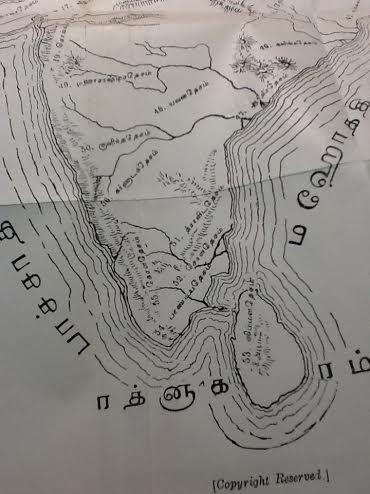
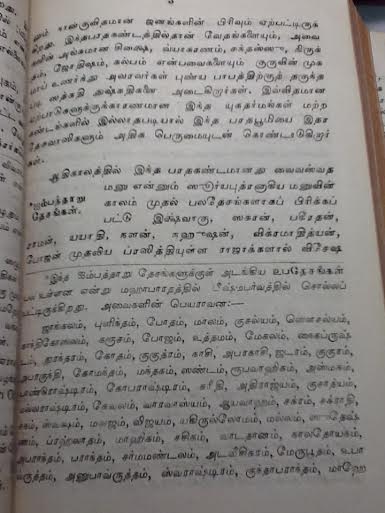
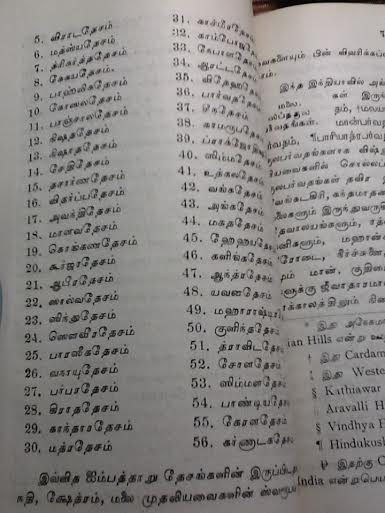
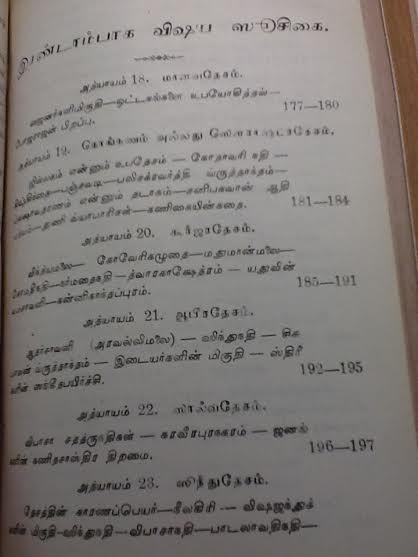
புராதன இந்தியாவின் 56 தேசங்கள் –பகுதி 2 (Post No 2693)

purana map1

Compiled by london swaminathan

Date: 4 April, 2016


Post No. 2693


Time uploaded in London :–  14-41


( Thanks for the Pictures  ) 


DON’T REBLOG IT AT LEAST FOR A WEEK!  DON’T USE THE PICTURES; THEY ARE COPYRIGHTED BY SOMEONE.


(for old articles go to tamilandvedas.com OR swamiindology.blogspot.com)

purana map6

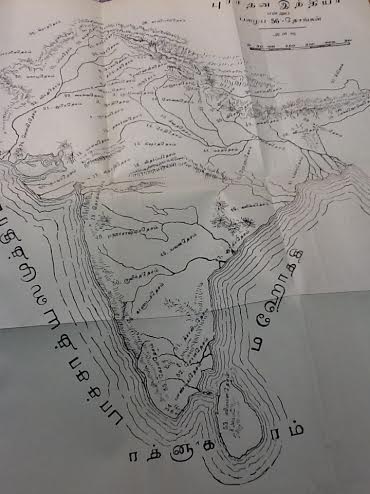
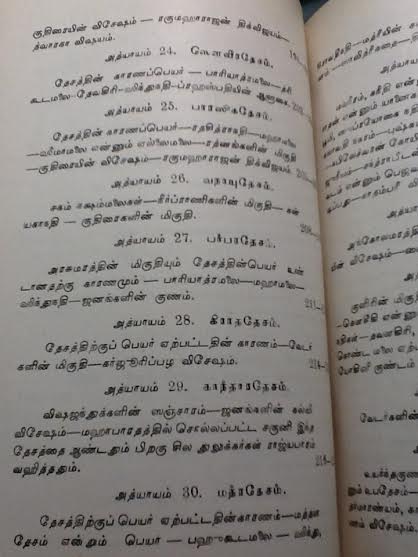
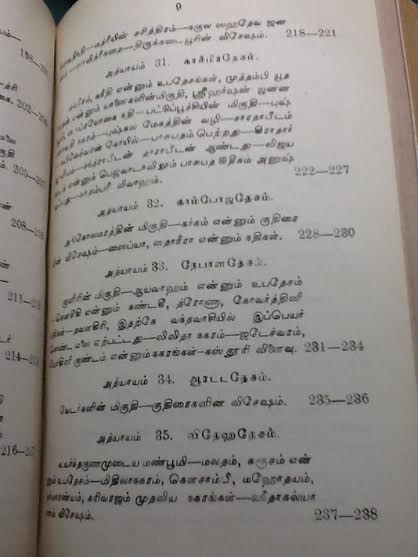
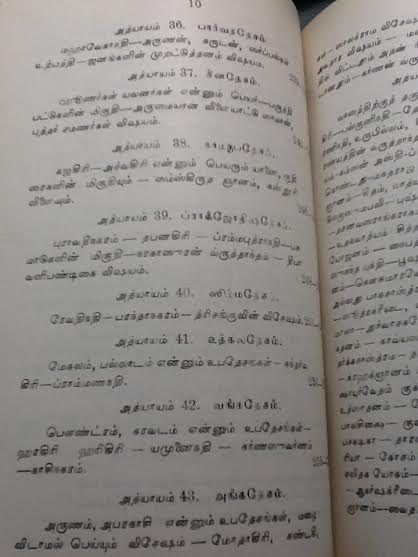
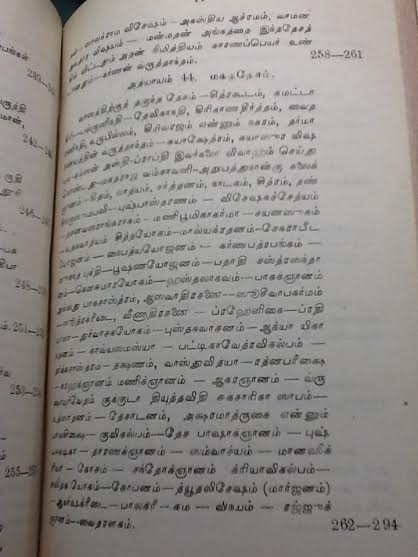
இந்தக் கட்டுரையின் முதல் பகுதி ஏப்ரல் 2-ஆம் தேதி வெளியானது. அதில் 17 தேசங்களின் விவரங்கள் கொடுக்கப்பட்டன. ஏனைய தேசங்கள் கீழேயுள்ள பட்டியலில் உள்ளன:-

1.குரு தேசம்

2.சூரசேன தேசம்

3.குந்தி தேசம்

4.குந்தலதேசம்

56 desam3

56 desam4

தேசம் 18 முதல்


தேசம் 24 முதல்


தேசம் 31 முதல்


தேசம் 36 முதல்


தேசம் 44 முதல்


தேசம் 45 முதல்


தேசம் 52 முதல்

–சுபம்–


நவக்கிரகங்கள் பூஜித்த தலங்கள் (Post No. 2692)


NAV1

Written by S NAGARAJAN

Date: 4 April 2016


Post No. 2692


Time uploaded in London :–  8-35  AM


( Thanks for the Pictures)


DON’T REBLOG IT AT LEAST FOR A WEEK!  DON’T USE THE PICTURES; THEY ARE COPYRIGHTED BY SOMEONE.


(for old articles go to tamilandvedas.com OR swamiindology.blogspot.com)


ஆன்மீக மாத இதழான ஞான ஆலயம்  ஏப்ரல் 2016 இதழில் வெளி வந்துள்ள கட்டுரை


ச.நாகராஜன்

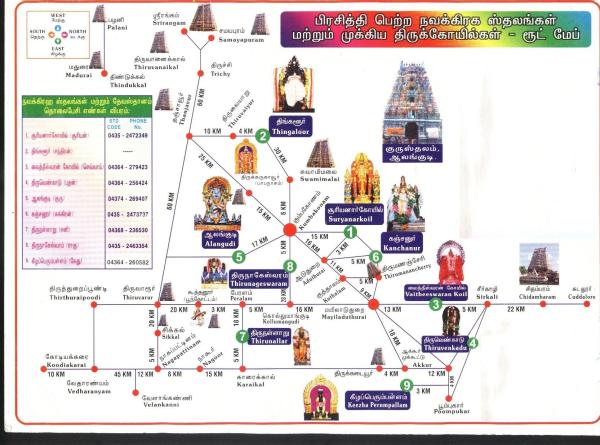
Navagraha(route map)

கிரகங்களை ஆக்டிவேட் செய்வதா?


ஆன்மீகத்திற்குச் சற்றும் சம்பந்தமே இல்லாத பத்திரிகைகள் மற்றும் தொலைக் காட்சி சானல்களில் நட்சத்திர ஸ்தலங்கள், நவக்கிரகங்கள் பூஜை செய்த ஸ்தலங்கள் என்று நாளுக்கு ஒரு பட்டியல் வருகிறது. நவக்கிரகங்களை ‘ஆக்டிவேட்’ செய்யும் மாயாஜால வேலைகளை சிலர் செய்வது கண்டு ஆன்மீக அன்பர்கள் மனம் நொந்தூ போகிறார்கள். இது இயல்பே.

நெட் உலகில் வைக்கோல்போரில் ஊசி தேடுவது போல உண்மையைத் தேட வேண்டியிருக்கிறது.


தமிழ்த்தாத்தாவும் தி.வே.கோபாலையரும்


இந்த வகையில் நவக்கிரகங்கள் பூஜித்த தலங்களைப் பற்றிய சரியான உண்மையைத் தேடுவோருக்கு தமிழ்த்தாத்தா மஹாமஹோபாத்யாய உ.வே.சாமிநாதையரின் குறிப்புகள் பேருதவியாக இருக்கும். ஊர் ஊராகச் சென்று அனைத்துச் சுவடிகளையும் சேகரித்து அவற்றிலிருந்து அவர் எடுத்த குறிப்புகள் ஏராளம். ஸ்தலங்களைப் பற்றி அவர் எடுத்த குறிப்புகள் இரு பாகங்களாகப் பல்லாண்டுகளுக்கு முன்னர் வெளி வந்துள்ளன.

இன்னொரு தமிழ் அறிஞர் தி..வே. கோபாலையர். வெளி உலக விளம்பரத்தை விரும்பாது பாண்டிச்சேரியிலிருந்து இவர் ஆற்றிய பணி மிகவும் அரிய் பணி. தேவார ஆய்வுத் துணை என்ற நூலில் ஸ்தலங்களைப் பற்றி இவர் சேகரித்த ஆய்வுக் குறிப்புகள் அற்புதமானவை.


அந்தக் குறிப்புகளிலிருந்து சில தகவல்களைக் கீழே வழங்குகிறோம். இந்தக் குறிப்புகளின் அடிப்படையில் அந்தந்த தலங்களுக்குச் சென்று குறிப்பிட்ட கிரகங்களை ப்ரீதி செய்யும் விவரங்களைக் கேட்டு உரியனவற்றைச் செய்யலாம். சில சமயம் நாம் அறிந்த தகவல்களைப் பற்றி விசாரிக்கும் போது அந்த தலத்தின் குருக்களே, ‘அப்படியா’  என்று வியப்படைவதைக் கண்டு நாம் வியப்படைய வேண்டியதாக இருக்கிறது!


navagraha, irumbai

சூரியன் பூஜித்த ஸ்தலங்கள் 12


  1. கேதாரம்: இமயமலையில் உள்ளது
  2. திருக்கோலக்கா: சூரிய புட்கரணி உள்ள ஸ்தலம். கார்த்திகை ஞாயிறு விசேடம்.
  3. திருவெண்காடு: சூரிய புட்கரணி.ஆவணி ஞாயிறு விசேடம்.
  4. சாயாவனம்: ஆதித்ய புட்கரணி உள்ள ஸ்தலம்.கார்த்திகை ஞாயிறு விசேடம்.
  5. கருங்குயில்நாதபுரம்: மித்திர புட்கரணி. காவேரியில் கார்த்திகை ஞாயிறு விசேடம்
  6. திருத்துருத்தி: ரவி தீர்த்தம். கார்த்திகை ஞாயிறு கார்த்திகையில் விசேடம்,
  7. ஸ்ரீ வாஞ்சியம்: பூஷண தீர்த்தம். குப்த கங்கை. கார்த்திகை ஞாயிறு விசேடம்
  8. திருநாகேஸ்வரம்: சக்தி தீர்த்தம். கார்த்திகை ஞாயிறு விசேடம்
  9. குடந்தைக் கீழ்க்கோட்டம்: காவேரியில் மரீசி தீர்த்தம். கார்த்திகை ஞாயிறு விசேடம்
  10. தேதியூர்: அர்க்க புட்கரணி. கார்த்திகை ஞாயிறு விசேடம்
  11. மீயச்சூர் : ரத ஸப்தமி
  12. திருவாவடுதுறை: ரத ஸப்தமி. மீயச்சூரிலும் திருவாவடுதுறையிலும் திதி விசேஷம். இந்த ஸப்தமியில் ஞாயிறு சேர்ந்தால் மஹாயோகம்

மேற்கண்டவற்றில் சூரியனுக்கு ஆலயங்கள் உள்ள இடங்களாவன: ,மீயச்சூர்,திரு நாகேஸ்வரம், குடந்தைக் கீழ்க்கோட்டம்,

சூரியன் பூஜித்த இதர ஸ்தலங்கள்; இன்னம்பர் (இனன் என்றால் சூரியன்), திருவையாறு,திருத்தாளமுடையார் கோயில், கழுக்குன்றம், பருதி நியமம் மற்றும் ஆடானை


சந்திரன் பூஜித்தவை:


  • கேதாரம் 2) சோமநாதம் 3) கஞ்சனூர் 4) அச்சுதமங்கலம் 5) குடந்தைச் சோமேசம் 6) மானாமதுரை 7)திருவெண்காடு (சந்திர புட்கரணி) 8) பிரயாகை

சோமன் அதாவது சந்திரனால் பூஜிக்கப்பட்ட லிங்கங்கள் சோமேசுவரர் எனப் பெயர் பெறுவார்.


அங்காரகன் பூஜித்தவை


  • கேதாரம் 2)வேளூர் 3)அத்திப்புலியூர் (தை செவ்வாய்) 4) இலந்துறை (கார்த்திகைச் செவ்வாய்) 5) மங்கலக்குடி (மார்கழிச் செவ்வாய்) 6) கச்சித் திருநெறிக்காரைக்காடு


புதன் பூஜித்தவை

  • கேதாரம்
  • வெண்காடு (சந்திர புட்கரணியில் புத தீர்த்தம்.  வடக்கே தரையில் புதன் இருக்கிறார் ஆனி, புரட்டாசி புதன்கிழமை விசேடம்

3) சீர்காழி

4) குருகாவூர்

navabhasanam


குரு பூஜித்தவை


1.கேதாரம் 2) திருக்கொண்டீஸ்வரம் (கார்த்திகை வியாழன் விசேடம்)

3) பெருஞ்சேரி (மார்கழி வியாழன் விசேடம்)

4) மாங்குடி (பங்குனி வியாழன் விசேடம். இந்த ஊர் கொல்லு மாங்குடிக்கு மேல்புறம் உள்ளது)

5) சிதம்பரம்


சுக்கிரன் பூஜித்தவை


  • கேதாரம் 2) வாஞ்சியம் (ஆடி வெள்ளி விசேடம்)

3)சிதம்பரம்: புரட்டாசி வெள்ளி விசேடம். 4)திருக்கோடிகா (வைகாசி வெள்ளி விசேடம்) 4) காஞ்சீபுரம் (தை வெள்ளி ஸ்நான விசேடம்) 5) கரையபுரம்


சனி பூஜித்தவை


  • கேதாரம் 2) வழுவூர் (தை, மாசி சனி விசேடம்) 3) திருநள்ளாறு: (வைகாசிச் சனி விசேடம்) 4)வேதாரணியம் (கார்த்திகைச் சனி விசேடம்) 5)ஆரூர்: மேற்படி ஸ்நான விசேடம் 6) திருச்செங்காட்டங்குடி

ராகு பூஜித்தவை


  • கேதாரம் 2) சீர்காழி

கேது பூஜித்தவை


  • கேதீஸ்வரம் (இலங்கையில் உள்ளது)


சூரிய பூஜை ஸ்தலங்கள்


சூரியனின் கிரணங்கள் குறிப்பிட்ட நாளில் சிவலிங்கத்தின் மீது பட்டு சூரியன் பூஜை செய்வதை பல ஸ்தலங்களில் பார்க்கலாம்.  இப்படிப்பட்ட ஸ்தலங்கள் பாரதம் முழுவதும் ஏராளம் உள்ளன.

தமிழறிஞர் தி.வே.கோபாலையர் அவர்களின் குறிப்பின் படி:


  • கண்டியூர் 2) குடந்தைத் திருக்கோட்டம் 3) தெளிச்சேரி 4) நெல்லிக்கா 5) புறவார் பனங்காட்டூர் 6) வேதிகுடி ஆகிய ஸ்தலங்கள் சூரிய பூஜை ஸ்தலங்களாகும்

திங்களூர் சந்திர பூஜை ஸ்தலமாகும்.

இந்தப் பேரறிஞர்களின் ஆய்வுக் குறிப்புகள் கூறும் ஸ்தலங்கள் ஆன்மீக பக்தர்களின் யாத்திரைக்கு உகந்தவை. இவையல்லாது நவக்கிரகங்களை ஆக்டிவேட் செய்பவர்க்ள் கூறும் ஸ்தலங்கள், அவர்களால் “ஆக்டிவேட்” செய்யப்படுபவையே என்று கொள்ளலாம்!


********


லண்டனில் புறா விடு தூது! (Post No 2691)

pigeons 2

Compiled by london swaminathan

Date: 3 April, 2016


Post No. 2691


Time uploaded in London :–  16-20


( Thanks for the Pictures  ) 


DON’T REBLOG IT AT LEAST FOR A WEEK!  DON’T USE THE PICTURES; THEY ARE COPYRIGHTED BY SOMEONE.


(for old articles go to tamilandvedas.com OR swamiindology.blogspot.com)

pigeon monitors

ஆதி காலத்தில் தமயந்தியும் நளனும் அன்னப் பறவை மூலம் செய்தி பரிமாறிக்கொண்டார்கள். இதே போல புறாக்கள் மூலமும் செய்திப் பரிவர்த்தனை நடந்தது. இப்பொழுதும்கூட பூகம்பம், பெரு வெள்ளம் ஏற்பட்டுச் செய்தித் தொடர்பு துண்டிக்கப்பட்ட இடங்களில் புறாக்கள் மூலம் கடிதங்கள் அனுப்பப்படுகின்றன. உலக மகா யுத்தங்களின் போது புறாக்கள் மூலம் சங்கேத மொழியில் ரஹசியங்களைப் பரிமாறிக்கொண்டனர். ஆனால் லண்டனில் சென்ற வாரம், வேறு ஒரு புதிய பணியில் புறாக்கள் ஈடுபடுத்தப்பட்டுள்ளன.


ஐரோப்பிய நகரங்களில் மிக மோசமான அசுத்தக் காற்றுடைய நகரம் லண்டன்தான். இதனால் 120 நிலையங்களை அமைத்து நவீன கருவிகளைக் கொண்டு அவ்வப்பொழுது காற்றின் தூய்மையை கணக்கிடுகின்றனர். ஆயினும் இந்த நிலையங்கள் அனைத்தும் ஓரிடத்தில் நிலையாக இருப்பதால், இவைகளின் வீச்சுக்குள் வராத பல பகுதிகளும் இருக்கத்தான் செய்கின்றன. அங்குள்ள காற்றின் சுத்தம் பற்றி அறிய ஒரு கம்பெனி ஒரு புது யோசனையைத் தெரிவித்தது.

pigeon 3

அமெரிக்காவில் யுடா பகுதி மலைகளில் சுற்றுலாச் சென்று வருவோரை புகைப்படமெடுக்க, பயிற்றுவிக்கப்பட்ட புறாக்கள் பயன்படுத்தப் படுகின்றன. மலைகளில் ‘வாக்கிங்’ முடித்துவிட்டுத் திரும்புவதற்குள் நம்மை வானத்திலிருந்து புகைப்படம் எடுக்கும் புறாக்கள், அவைகளை தரை நிலயத்துக்கு அனுப்பும். அதை அங்குள்ளோர்  நாம் திரும்பிவந்தவுடன் புகைப்படமாகக் கொடுப்பர். இதே யோசனையை லண்டனில் பயன்படுத்த ஒரு கம்பெனி முன்வந்தது.

இந்த திட்டத்தின் கீழ் பத்து பந்தயப் புறாக்களின் முதுகில் 35 கிராம் மட்டுமே எடையுடைய கருவிகளைப் பொருத்தி பறக்கவிட்டனர். மூன்று நாட்களுக்குப் பறக்கும் இந்த புறாக்கள் கற்றிலுள்ள நைட்ரஜன் ஆக்ஸைட், ஓசோன் அளவுகளைப் பதிவு செய்யும். யார் ‘ட்வீட்” செய்தாலும் அந்த பகுதியிலுள்ள காற்றின் சுத்தத்தை உடனே ட்வீட் செய்துவிடும்.


பந்தயப் புறாக்கள், சாதாரணப் புறாக்கள் அல்ல. தெருக்களில் நாம் காணும் புறாக்கள் நாலு வருடம்தான் உயிர்வாழும். பந்தயப் புறாக்களோவெனில் 20 ஆண்டுகள் வரை வாழும். மேலும் மணிக்கு 60 முதல் 80 மைல் தூரம் பறக்கும்.

pigeonair_closeup-1200x800

லண்டன் அபாயம்

லண்டனில் காற்றின் அசுத்தம் மிகவும் மோசமாக இருப்பதால் ஆண்டுக்கு 9500 பேர் சாகின்றனர். டீசல் கார்களில் இருந்து வெளியாகும் விஷப் புகையே இதற்கு முக்கியக் காரணம். அருகாமை நாடுகளான, ஜெர்மனி, ஹாலந்து, போலந்து நாடுகளின் தொழிற்சாலைகளிலிருந்து வரும் விஷத் துகள்கள், லண்டன் டீசல் புகையுடன் கலந்து, மேலும் விஷத் தன்மை அடைகின்றன. இதிலுள்ள பி.எம்2-5 என்னும் விஷத் துகள் நுரையீரலின் திசுக்களையும் தாண்டி உள்ளே புகுந்துவிடும். உடலிலுள்ள எந்தப் பொருளும் இதை வெளியே தள்ள முடியாது. இதில் எந்த அளவுக்குப் போனால் ஆபத்து என்பதும் தெரியாது. இதனால் நுரையீரல் புற்று நோய் வருவது மட்டும் தெரியும். இந்த ஆபத்துக் காரணமாக காற்றின் அசுத்தத்தை அவ்வப்போது அவதானித்து வருகிறனர்.


புறாக்கள் மூலம் லண்டனில் நடைபெறும் சோதனை மூன்றே நாட்கள்தான் நடந்தன. இதற்கு அடுத்தபடியாக ஜெர்மனியைப் போல கழுகுகளையும் பயன்படுத்தலாம் என்று லண்டன் மாநகரப் போலீசார் கருதுகின்றனர். ஜெர்மனியில் கூட்டத்தைக் கண்காணிக்க கழுகுகளின் மீது சென்ஸார் கருவிகளைப்  பொருத்திவிடுவர்.


லண்டனில் புறாக்களைப் பயன்படுத்தும் நிறுவனம், மனிதர்கள் மீதும் இவைகளைப் பொருத்தி, அவர்களைப் பல தெருக்களில் உலவவிட்டு, ஆராயலாமே என்று கூறினர். இதுவும் வரவேற்கத் தக்க யோசனையே.

லண்டன் புறாக்கள் – காற்றின் சுத்தத்தை அளக்கின்றனவோ, இல்லையோ! ஆனால் காற்றின் தூய்மை பற்றிய ஒரு விழிப்புணர்ச்சியை ஏற்படுத்திவிட்டன.

புறா விடு தூது வெற்றி!!

–சுபம்–

Pigeon Power beats Pollution! (Post No 2690)

pigeonair_closeup-1200x800

Compiled by london swaminathan

Date: 3 April, 2016

Post No. 2690

Time uploaded in London :–  15-01

( Thanks for the Pictures  ) 


DON’T REBLOG IT AT LEAST FOR A WEEK!  DON’T USE THE PICTURES; THEY ARE COPYRIGHTED BY SOMEONE.


(for old articles go to tamilandvedas.com OR swamiindology.blogspot.com)


pigeon 3


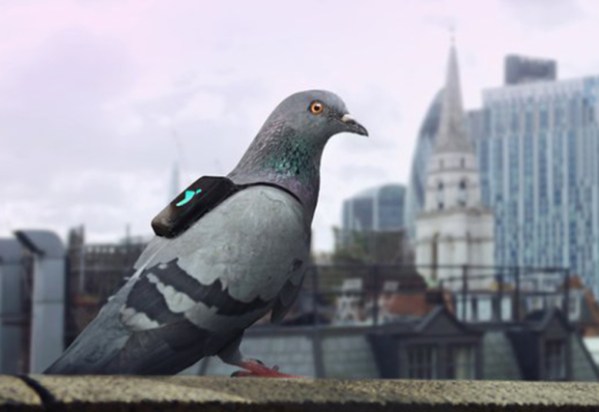
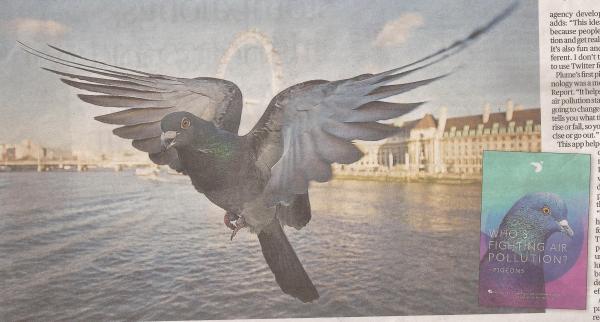
Pigeons wearing backpacks with air quality sensors were flown around London for a few days to monitor the air pollution in London.


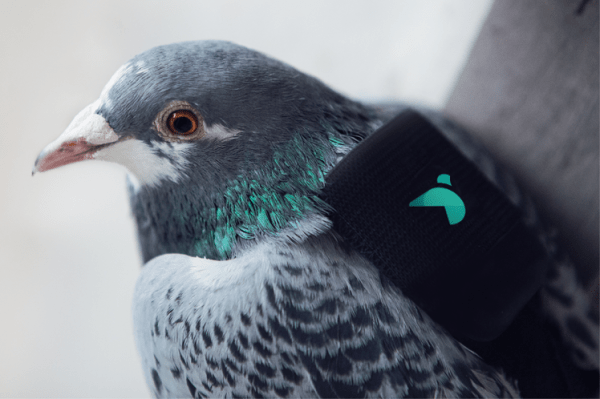
Ten racing pigeons were released into the capital with GPS devices and a 35g sensor to measure levels of nitrogen dioxide being produced in the city. The birds are then, using the power of the internet, tweeting those who ask for a reading.


Air pollution in London is blamed for almost 9,500 deaths a year, and in one week at the start of 2016 parts of the city breached EU pollution limits.


The project comes from Pierre Duquesnoy, a marketing director from Digitas LBI, who won a London Design Festival competition with the idea June 2015.


The pigeons aren’t the only birds being tested as a solution to technological issues in London. Senior officials from the Metropolitan Police have said they are investigating the possibility of using eagles like the Dutch police.

The birds in the Pigeon Air Patrol carry a rucksack on their backs. It has the instruments to measure nitrogen oxide and the ozone level in the air. Thanks in large part to diesel fumes from cars, London has the filthiest air in the country.

Currently there are 120 stations monitoring air pollution in London but they are in fixed locations. That means there are blind spots. The stations are really accurate but only for the immediate vicinity. The pigeons will cover those blind spots.

When people hear about air pollution, they think of Beijing and Delhi, but in Western cities such as London it is a big problem too.


pigeon monitors

American Idea!

The light pigeon backpacks were sourced from a US firm. Usually they are worn by pigeons trained to fly along canyons in Utah so that walkers can have photos of their trips ready for collection when they return. It takes a special kind of pigeon for this work. These are “professional pigeons”. They are very quick racing pigeons, they can fly at 60 to 80 miles per hour. They live up to 20 years compared with street pigeon’s life expectancy of about four years.  They are beautiful birds and far smarter than people think.

People have always used pigeons for communication. In the olden days they were used to carry letters from one city to another. Even now when communication is disrupted due to natural calamities such as floods and earthquakes pigeon posts are used. In London also the pigeons are used for communication but this is in a very modern way – with twitter. People can tweet with their location and get real time information back.

Following the pigeon campaign, the company wanted to recruit people to wear the devices and share the data they collect.

pigeons 2

London Danger

Millions of Londoners breathed air contaminated with record-breaking levels of a harmful pollutant fir which there is no known safe exposure in March. Every air quality monitoring site in London hit ‘high’ or ‘very high’ during the smog episode from march 10 to march 13.

The minute particles, known as PM2.5, are particularly dangerous because they can penetrate deep into lung tissue and are too small to be filtered by the body’s normal devices. This is caused by the dirty air from industrial areas of Germany, Holland and Poland – as well as from fertilizers being sprayed on farmland drifting towards south east England on an easterly air flow. Once it reached London the air was made even filthier by the usual daily emissions from London’s vehicles, particularly from diesel engines. Longer term exposure to PM2.5 is associated with lung cancer.

Source: London Newspapers; compiled by swaminathan

–subham–
அருகி வரும் அரிய உயிரினங்களைக் காப்போம்! (Post No.2689)

Sem-título-15

Written by S NAGARAJAN (for AIR talk)
Date: 3 April 2016


Post No. 2689


Time uploaded in London :–  11-33  AM


( Thanks for the Pictures)


DON’T REBLOG IT AT LEAST FOR A WEEK!  DON’T USE THE PICTURES; THEY ARE COPYRIGHTED BY SOMEONE.


(for old articles go to tamilandvedas.com OR swamiindology.blogspot.com)


 endangered_animals72


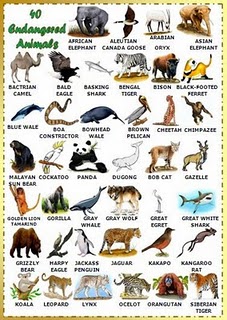
அருகிவரும் – உயிரினங்களின் படங்கள்


சுறுசுறுப்பான தேனீக்களிலிருந்து மனிதரைப் பயப்பட வைக்கும் புலிகள் வரை பல்வேறு பூமி வாழ் உயிரினங்கள் வெகு வேகமாக அருகி வரும் உயிரினங்களில் பட்டியலில் சேருவது கவலை தரும் ஒரு விஷயம்!

பறவைகள், விலங்குகள், கடல் வாழ் உயிரினங்கள் என இப்படிப் பல்வேறு படைப்புகளைக் காப்பது மனிதனின் கடமை.


இவற்றைப் பற்றி முதலில் நன்கு அறிவது நமக்கு விழிப்புணர்வை ஏற்படுத்தும். நமது பகுதியில் உள்ள தாவரங்கள், விலங்குகள், பறவைகள் பற்றிய முழுச் செய்திகளையும் அறிதல் அவை எவ்வளவு இன்றியமையாதன் என்பதை நமக்குப் புரிய வைக்கும். தேசீய பூங்காக்கள், வன விலங்கு சரணாலயங்கள் ஆகியவற்றிற்கு ஒரு முறை சென்றாலேயே போதும், அவை பற்றிய செய்திகள் நம் உள்ளத்தைக் கவரும்.


நமது இல்லங்களை மிகவும் சுத்தமாக இருக்கும்படி செய்தால் பூச்சிகளின் தொல்லை இருக்காது, வீட்டில் வளர்க்கும் வளர்ப்புப் பிராணிகளுக்கும் தொந்தரவு இருக்காது.


உர வகைகளை அளவுக்கு மீறி நமது தோட்டங்களில் பயன்படுத்தும் போது உடனடிப் பலன்கள் ஏற்படுவது போலத் தோன்றினாலும் நீண்டகாலத் தொலைநோக்கில் பார்த்தால் அவை மண்ணின் வளத்தை அரிப்பவை என்பது தெரியவரும். இவை விலங்குகளையும் அழிக்கக் கூடியவை என்பதால் இயற்கை உரங்களை மட்டுமே பயன்படுத்தல் நலம்.


விலங்குகள் அதிகமுள்ள பகுதியில் வாகனங்களை ஓட்டுவோர் மெதுவாகவும் கவனமாகவும் வண்டியை ஓட்டுதல் வேண்டும். அதிவேக வாகனங்களால் அழிந்துபடும் விலங்குகள் அதிகம் என்பது கவலை அளிக்கும் ஒரு செய்தி.


மழைக்காடுகளை அழித்துச் செய்யப்படும் மரச் சாமான்களை வாங்க மாட்டேன் என்று ஒவ்வொருவரும் உறுதி மொழி எடுத்து மரங்களை அழிப்பதை நிறுத்தினால் எதிர்கால சமுதாயம் வளம் பெற வழி வகுத்தவர்களாவோம்.


புதிய பொருள்களை வாங்கும் போது இவற்றால் அருகி வரும் உயிரினங்கள் பாதிக்கப்பட்டுள்ளனவா எனப் பார்த்து வாங்குதல் வேண்டும். எல்லாவற்றிற்கும் மேலாக மனிதன் அனைத்து உயிரினங்களின் தோழன் என்ற நிலையில் வாழ்ந்தால் உயிரினங்கள் அருகிப் போகாது. வளமுடன் செழித்து வாழும்.


-Subham-