Similes in Sanskrit Literature

mbh1

Research paper written by London Swaminathan
Research article No.1489; Dated 15th December 2014.

Appaayya Diksita’s ‘Citramimamsa’ gives the definition of simile as follows,

“Tad idam citram visvam
Brahmajnanad ivo pamajnanat
Jnatam bhavati’ ty adau
Nirupyate nikhilabhedasahita sa
Upamai ka sailusi
Samprapta citrabhumikabhedan
Ranjayati kavyarange
Nrtyanti tadvidam cetah”

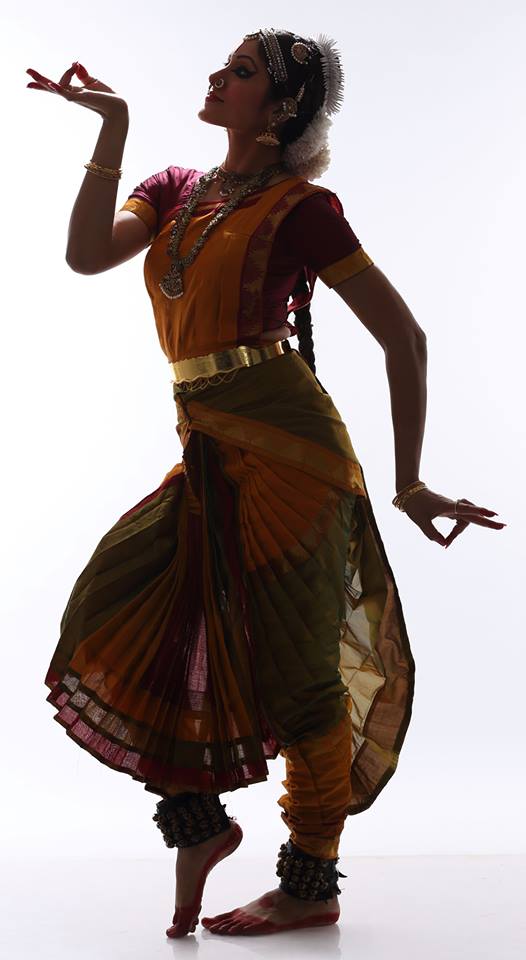
Meaning :–As this diversified universe is known by the knowledge of Brahman, so all the figures are known by the knowledge of the simile. Thus the simile with all its varieties is described in the very beginning. The simile alone, an actress dancing in different kinds of costumes on the stage of poetry, taking different shapes of figures, delights the heart of those who know it.
Jayadeva defines the simile (upama) as a figure of speech in which the beauty of similarity exists between two objects, as between the two breasts of a woman (Candraloka 5-3)

In the Mahabharata gods are used as similes. Indra tops the list of Gods. This shows that Mahabharata was written nearer to Vedic times. Had it been written in the Common Era (CE), Siva or Vishnu would have topped the list. As per the statistics available, the frequency table shows the following:

mbh2

Indra (brilliance and prominence) – at least 247 times
Surya (splendour) –164 times
Agni (Fire; for splendour and destruction) – 155 times
Yama (destructionand terror) 104 times
Gods (Devas) (Brilliance) – 81 times.

Siva, Vishnu and Brahma are way down below in the frequency table and so the Mahabharata was written long before the Puranas which glorify Siva or Vishnu.

The name Upama occurs as early as the Rig Veda (5-34-9; 1-31-15). Yaska quotes the grammarian Gargya’s definition of Upama.
The oldest Tamil book Tolkappiam also used the Sanskrit word Upama (uvamam).
Ramayana has more than 3400 similes. Kalidasa has used more than thousand similes.

Contact swami_48@yahoo.com

Amaru Satakam : Sanskrit Love Poems

ajanta1
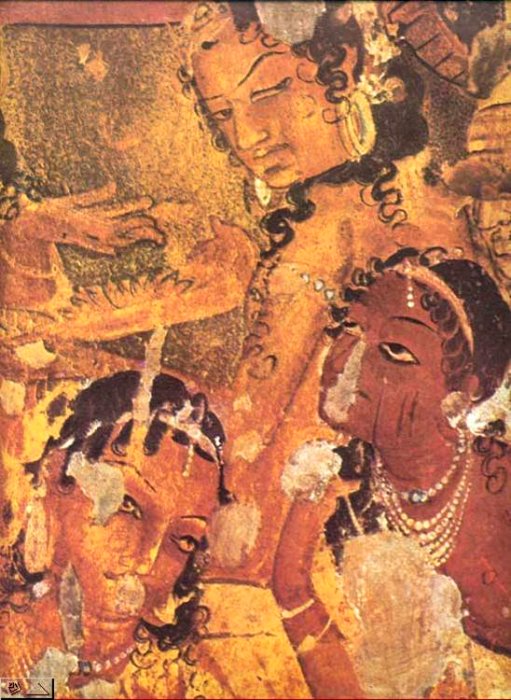
Ajanta Cave Paintings

Compiled by London Swaminathan
Post No.1488; Dated 15th December 2014.

The Amaru Satakam is a collection of 100 verses in Sanskrit by one Amaruka. His identity and date are not available. This delightful lyric describes the varied moods of lovers, giving us pen pictures of several charming experiences. The style is very elegant, precise and lucid. Though the theme is familiar, the treatment is unique – it is said that in Sanskrit the highest distraction as the poet who can depict the various phases of love, desire and attainment, estrangement and reconciliation, joy and sorrow must be awarded to Amaruka.

Sri S Sankaranarayanan dealt with this recently under the auspices of Rasodaya at the KSR Institute Hall, Madras-4, citing about twenty verses. He observed: Obscenity lies only in the mind of the reader or the listener and not in the verses, which gives glimpses of the attendant emotions and reactions and not physical features (Further there is the possibility of esoteric apprehension also). Some instances –

1)A maiden casts sidelong glances brimming with love on some person. An attendant maiden enquires – who is the blessed individual on whom you cast these slow glances dripping with love of closing your eyes with shyness and then gazing with open unwinking lids for a while – fully betraying the surging feelings in your heart (sloka 2)

2)A lover intimates that he has to go afar in search of wealth assuring his lady love of his firm loyalty to her and of hopes of speedy return. She breaks out into tears, unable to bid him adieu. “Tell about your safe return to those that would survive your departure (Sloka 8 and 55. It can be compared with Akananuru 5 and Tirukkural 1151, 1156.)

3)A companion advises the lady to check the advances of her lover because of his lapses, but she says “do not slander the lord of my life loudly lest he abiding in my heart should hear it” (Sloka 68; compare it with Tirukkural 1220)

ajanta2
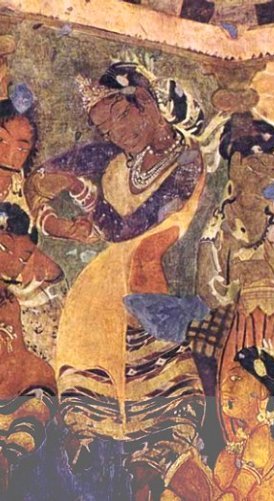
Ajanta paintings, Maharashtra, India

4)A lady describes how her shyness stands in the way of her eagerness to clasp her lover on the first night with him (Sloka 39; can be compared with Valmiki Ramayana , Kishkinda Kanda 30-28)

5)During separation from the lover, the lady plans to upbraid him and keep aloof when he returns here, but as soon as she sees him back, all this is forgotten and she is eager to clasp him (sloka 9; Turukkural 1284) – R.R.
From Indian Express dated 3rd January 1983

References cite from Tirukkural:
1151.Speak to me if you do not depart. About your quick return, speak to those who live.
1156.If he could be cruel enough to speak of parting, meagre is the hope of being kind again.
1220.People of this town say that my husband has parted from me; is it that they see him in my dreams?.
1284.I want to huff and slight him, O maid. But my heart leaps unawares to embrace him straight away.

(I am throwing away all the old paper cuttings, before which I wanted to upload them, so that it benefits interested readers. Those who don’t have time to read the full Amaru satakam can get a glimpse of it—swami)

Contact swami_48@yahoo.com

எட்டு விதமாக வாசிக்கும் விசித்திர தமிழ் கவிதை!!

Saraswati_Maa

கட்டுரையை எழுதியவர் :– ச.நாகராஜன்
ஆராய்ச்சிக் கட்டுரை எண்- 1487; தேதி 15 டிசம்பர், 2014.

தமிழ் என்னும் விந்தை! -12
சருப்பதோபத்திரம் – 1

சதுரங்க பந்த விந்தையைத் தொடர்ந்து இன்னொரு விசித்திரமான சித்திர கவி சருப்பதோபத்திரம். இதைப் பற்றி அழகுற தனது ‘சித்திர கவி விளக்கம்’ நூலில் பேரறிஞர் பரிதிமால் கலைஞர் விளக்குவதைப் பார்ப்போம்:

சருப்பதோபத்திரம் என்பது, நான்கு புறத்தும் வாயில்களை உடையதாய் ,நினைத்த வழியால் செல்லத் தக்கதாய்ச் சமைக்கப்படும் ஒரு வீடு. அது போல எப்பக்கத்திலே தொடங்கிப் படித்தாலும் அச்செய்யுளே ஆகும் படி எவ்வெட்டெழுத்து உடைய நான்கு அடிகள் உடையதாய் அறுபத்து நான்கு அறைகளிலே முதல் அறை தொடங்கி ஒரு முறையும், இறுதி அறை தொடங்கி ஒரு முறையுமாக இரு முறை எழுதி இயையுமாறு பாடப்படும் செய்யுள் சருப்பதோபத்திரம் என்னப்படும்.

‘ஸர்வதோபத்ரம்’ என்பது சருப்பதோபத்திரம் எனத் தற்பவமாய் நின்றது. ஸர்வதஸ் – எப்பக்கத்தும்
பத்ரம் – வாயில் என்பது அவயவப் பொருள்

இதன் இலக்கணத்தை,

“இரு திறத் தெழுதலு மெண்ணான் கெழுத்துடை
யொருசெய்யு ளெண்ணென் ணரங்கினு ளொருங்கமைத்
தீரிரு முகத்தினு மாலை மாற்றாய்ச்
சார்தரு மாறியுஞ் சருப்பதோ பத்திரம்”

என்னும் மாறனலங்காரச் சூத்திரத்தால் உணர்க.
சர்ப்பதோபத்திரத்தின் உதாரணமாக பரிதிமால் கலைஞர் தரும் செய்யுள் இது:-

“மாவா நீதா தாநீ வாமா
வாயா வாமே மேவா யாவா
நீவா ராமா மாரா வாநீ
தாமே மாரா ராமா மேதா”

இதன் பொருள் :- மாவா – பெருமையை உடையவனே! நீதா – நீதியை உடையவனே! தா நீவா மாவா – வலிமை நீங்காத செல்வம் உடையவனே! யாவாமே மேவா யாவா (மே வாயாவா யா ஆமே) – சேரக் கடவாய் வாயாதனவாக எவை தாம் ஆகும்? நீ வா – நீ வருதி ராமா மாரா – இராமனை ஒப்பவனே; மன்மதனை ஒப்பவனே! ஆ – காமதேனுவை ஒப்பவனே! (அன்றி இடபம் போன்றவனே!) ஆமா – ஒழுங்குடையவனே! மேதா – நல்லுணர்வு உடையவனே! மே மார் ஆர் – மேன்மை பொருந்திய நின் மார்பில் உள்ள ஆத்தி மாலையை நீ தா – நீ தருதி
ஆமன் – ஒழுங்குடையவன்; மேதன் – அறிவுடையவன்; நீதன் – நீதியை உடையவன்; தா – வலிமை; மார் – மார்பு என்பதன் கடைக்குறை விகாரம்

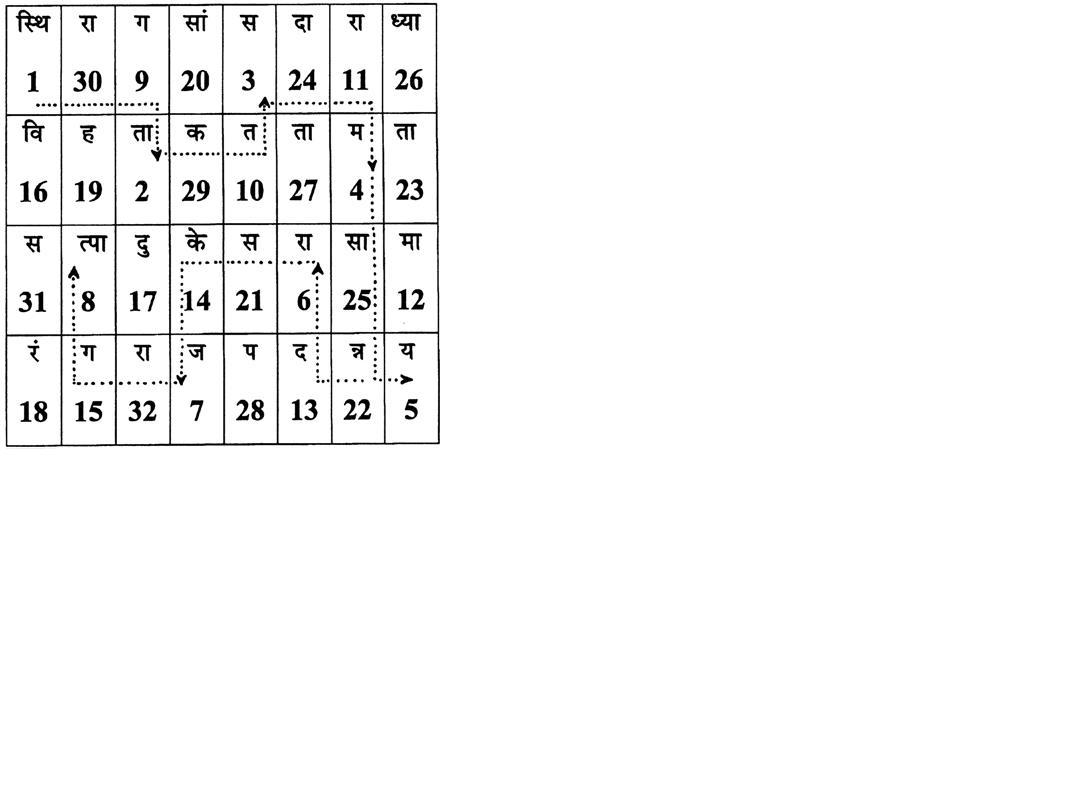
இனி செய்யுளை 64 அறை கட்டங்களில் அடைத்துப் பார்ப்போம்:

bandhamnew12

இந்தச் செய்யுள் ஒரு அற்புதமான செய்யுள். இதை எட்டு விதமாகப் படிக்க முடியும். எழுத்துக்கள் அப்படி அமைந்து நிற்கின்றன.

1) நான்கு நான்கு வரிகளாக முதல் அறையிலிருந்து வலப்பக்கமாக வாசித்தல்
2) வாசித்தவாறே இறுதியிலிருந்து முதல் வர வாசித்தல்
3) முதல் அறையிலிருந்து மேலிருந்து கீழாக வாசித்தல்
4) வாசித்தவாறே கீழிருந்து மேலாக வாசித்தல்
5) முதல் வரியின் இறுதிக் கட்டத்திலிருந்து மேலிருந்து கீழாக வாசித்தல்
6) வாசித்தவாறே கீழிருந்து மேலாக வாசித்தல்
7) இறுதி வரியின் முதல் தொடங்கி இடப்பக்கமாக வாசித்தல்
8) அப்படியே இறுதியிலிருந்து முதல் வரை வாசித்து முடித்தல்

saraswati 01
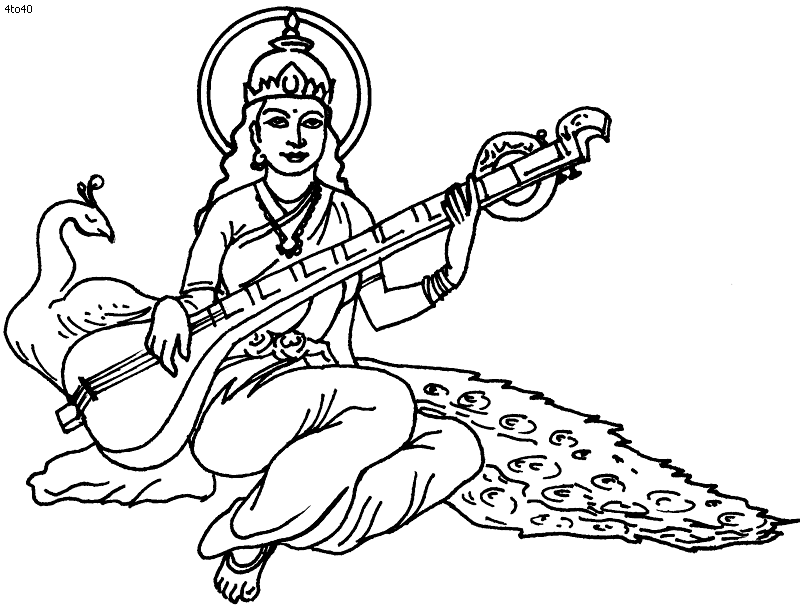
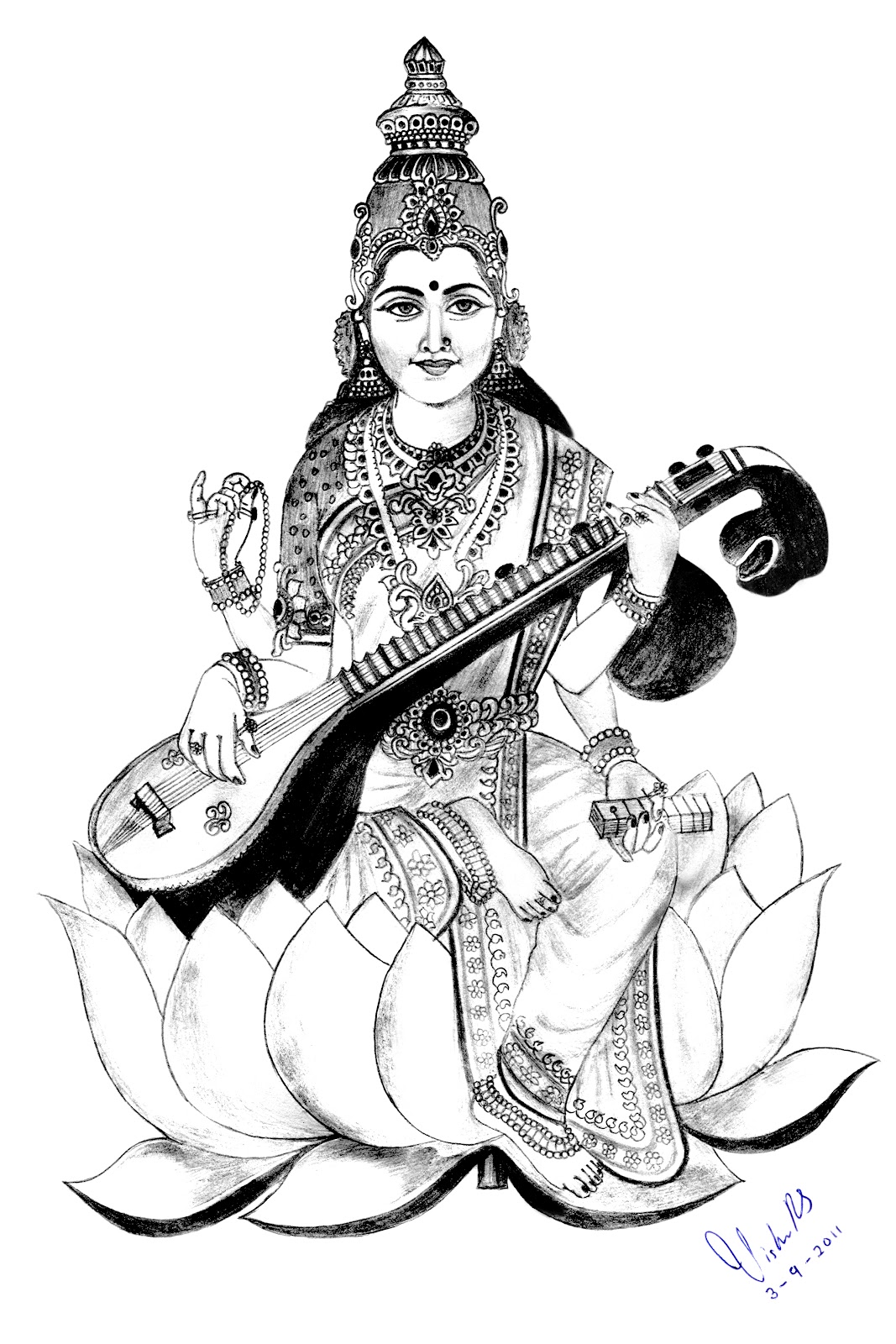
Saraswati Devi

ஆக இப்படி எட்டு விதமாக எந்தப் பக்கம் வாசித்தாலும் பாடல் அமைகிறது. வாயிலாக எதைக் கொண்டு நுழைந்தாலும் செய்யுளைப் படிக்க முடியும்.

இந்த எட்டு வழி வாயில் கவிதை தமிழின் விந்தைகளில் ஒன்று அல்லவா!

மேலும் சில சருப்பதோபத்திரச் செய்யுள்களைக் காண்போம்.
– தொடரும்

மிதிலையில் ராமன் கண்ட பரத நாட்டியம்!!

jan ren1

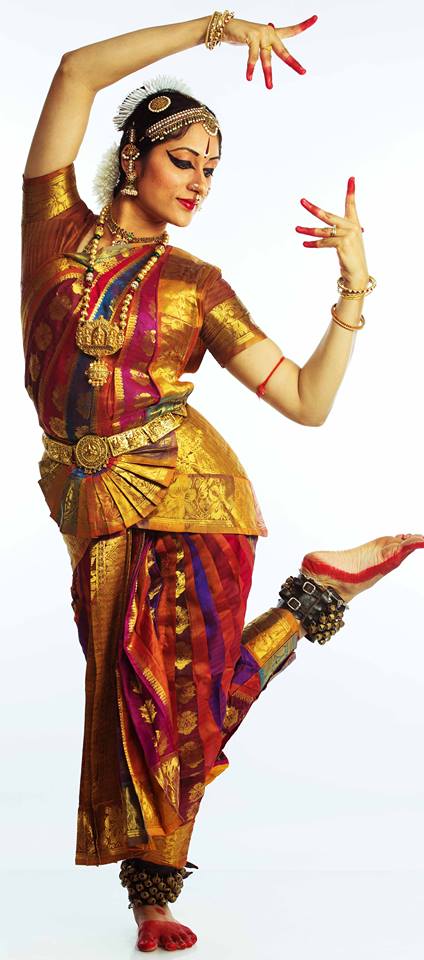
Dr Janaki Rangarajan, talented dancer from Tamil Nadu

கட்டுரையை எழுதியவர் :– லண்டன் சுவாமிநாதன்
ஆராய்ச்சிக் கட்டுரை எண்- 1487; தேதி 15 டிசம்பர், 2014.

நெய் திரள் நரம்பின் தந்த மழலையின் இயன்ற பாடல்,
தைவரு மகர வீணை தண்ணுமை தழுவித் தூங்க,
கை வழி நயனம் செல்ல, கண்வழி மனமும் செல்ல,
ஐய நுண் இடையார் ஆடும் ஆடக அரங்கு கண்டார்
—மிதிலை காட்சிப் படலம், கம்பராமாயணம்

यतो हस्तस्ततो दृष्टिर्यतो दृष्टिस्ततो मनः ।
यतो मनस्ततो भावो यतो भावस्ततो रसः ॥

yato hastastato dṛṣṭiryato dṛṣṭistato manaḥ
yato manastato bhāvo yato bhāvastato rasaḥa

பரத நாட்டியம் கற்றுக்கொள்ளச் செல்லும் எல்லோரும் அறிந்த சம்ஸ்கிருத ஸ்லோகம் :

யதோ ஹஸ்தஸ் ததோ த்ருஷ்டி, யதோ த்ருஷ்டி ததோ மன:
யதோ மனஸ் ததோ பாவோ, யதோ பாவஸ் ததோ ரஸ:

பொருள்:–அபிநயம் பிடிக்கும் கைகளை கண்கள் பார்த்துக் கொண்டிருக்க வேண்டும். கண் பார்வை எங்கே இருக்கிறதோ அதில் மனம் லயிக்க வேண்டும். அப்படி மனம் லயிக்கும் போது முகத்தில் பாவம் (சரியான உணர்ச்சியை வெளிப்படுத்தும் பாவம்) தோன்றும். அதன் வழியே ரஸம் ( நவரஸ உணர்ச்சிகள் ) அமையும்.

jakani mudra
Dr Janakai Rangarajan, a popular dancer, performing around the world.

மேற்கூறிய சம்ஸ்கிருத ஸ்லோகத்தை அப்படியே கம்பனும் சொல்லுவதைக் கண்போம்:
நெய் திரள் நரம்பின் தந்த மழலையின் இயன்ற பாடல்,
தைவரு மகர வீணை தண்ணுமை தழுவித் தூங்க,
கை வழி நயனம் செல்ல, கண்வழி மனமும் செல்ல,
ஐய நுண் இடையார் ஆடும் ஆடக அரங்கு கண்டார்

மகர யாழ் வாசிப்பதற்கு முன் அதன் நரம்பின் மீது நெய் பூசுவர். அது மழலைக் குரல் போன்ற இனிமையான ஓசை தரும். கை விரலினால் வீணையை மீட்க, அதற்கு அணுசரணையாக மத்தளம் முழங்கும் அதாவது எல்லாம் சரியாக சுருதி சேரும். இப்படிப்பட்ட அருமையான வாத்யக் குழு பாட, அங்கே நாட்டியம் ஆடவந்த மெல்லிடை அழகிகள் கைவழி (அபிநயம்) நயனம் (கண்கள்) செல்ல, கண்வழி மனமும் லயித்தது. இப்படிப்பட்ட அருமையான ஆட்டத்தை ராமனும் லெட்சுமணனும் கண்டனர். அவர்களை விசுவாமித்திர முனிவர் மிதிலா நகரத் தெருக்கள் வழியே நடத்திச் சென்றபோது இது நடந்தது.
இப்பொழுது மீண்டும் ஒரு முறை சம்ஸ்கிருத ஸ்லோகத்தைப் படித்தால் கம்பனின் சொற்களின் மகிமை நன்கு புரியும்.

பயிற்சி இல்லாதோர் ஆடினால் இதில் ஏதோ ஓரிடத்தில் தவறு நிகழும். முதல் கோணல் முற்றும் கோணலாக அமையும். கண் போன போக்கில் மனம் போகாமல், மனம் போன போக்கில் கண் போகும்!

(ஞாயிற்றுக் கிழமை காலையில் ‘’ஸ்கைப்’’ வழியாக கம்பராமாயண வகுப்பு நடத்திக் கொண்டிருந்தேன். அப்பொழுது கம்பனின் பாடலைப் படித்துப் பொருள் காண்பதற்குள், லண்டன் வாழ் திருச்சி கல்யாண சுந்தர குருக்கள் மேற்கூறிய சம்ஸ்கிருத ஸ்லோகத்தை நினைவு கூர்ந்தார்.)

contact swami_48@yahoo.com

Strange Names for Unknown Poets of Rig Veda and Tamil Literature!

Funny-Baby-Names

Research paper written by London Swaminathan
Research article No.1486; Dated 14th December 2014.

Some poets have got strange names in the Rig Veda as well as in Sangam Tamil literature. Some of the poets are named after the epithets they use. There is a reason behind it.

Shrikant G.Talageri, in his book The Rig Veda – A Historical Analysis, has written the following:-
“There are obviously corruptions in the Anukramanis in the form of ascriptions to fictitious composers. This is particularly in the case of in Mandala X, where a large number of hymns are ascribed to composers whose names, or patronyms/epithets, or both fictitious.

However, in the first eight Mandalas, except in the case of one single hymn (VIII-47), it is very easy to identify the actual composer (by which we mean the Rsi who actually composed the hymn, or the eponymous ancestor to whose the hymn has to be credited as per the system followed in the particular Mandala) of a hymn ascribed to a fictitious composer.

Hence, in our listing of the composers of the first eight Mandalas, we have replaced the fictitious names in the Anukramanis with the names of the actual composers, whose identity is clear from those same Anukramanis”.

This is what Mr Talageri said about the names of poets in the Rig-Veda.

baby

My comments
1.First of all it is regrettable that a great scholar like Talageri does it. No one dared to touch the Vedas in the past thousands of years. There may be mistakes in copying or passing by word of mouth. But nowhere in the world have we had such a voluminous old literature passed by word of mouth. Even if someone finds something wrong, it is always better to give it within brackets or as a foot note. We have no right to amend the age old scripture or the Anukramani.

2.We have approximately 435 names of seers in the Rig Veda. Sangam Tamil Literature which is 2000 year old also has 471 poets. But they were compiled into anthology form in the fifth century CE or so. Those compilers also had the same problem and they gave 20+ poets “fictitious” names. But Tamil scholars did not dub them as “fictitious”.

rapex-contracting

3.The reason for such names is that their names were lost in course of time and so they took one or two quotable epithets from their poems and put it as the name of the poet.

4.Another reason given by the scholars is that the poets became famous because of their oft quoted epithet or word phrases. They were always remembered by the epithets; A K Ramanujan, a great Tamil scholar and author of several translation works, says,

“Cempulap peya niiraar, which would mean ‘The Poet of Red Earth and Pouring Rain’ composed poem 40 (of Kuruntokai). Poem 47 is by Netu ven nilavinaar, ‘The Poet of the Long White Moonlight”. The use of epithetical names seems to suggest that for these poets no signature was more authentic than their own metaphors”.

strange name1

Veda Vyasa was called Sakarakukshi for his excessive use of the letter S, Sa etc. Many of the Upanishads also named in the same way.

Isavasya Upanishad was called Isavasya since the Upanishad begins with the words “Isavasya” and similarly the Kena Upanishad is so named because of its initial word Kena. Prashnopanishad contains six questions and answers and so it is called Prashna/Question Upanishad. So it is common to give names to books or authors on such epithets, metaphors or expressions.

strange2

I will give you some strange epithets or metaphors from Sangam Tamil literature. This is only a rough translation. These are the poets’ names as well as the metaphors in their poems:

Kayamanar = Mr.Tank
Anilaadumundrilaar= Mr.Backyard where squirrel plays
Miinerithuundilaar = Mr.Fishing rod
Vittakuthiraiyaar = Mr.Jumping Horse
Ooreer uzavanaar =Mr Single ploughshare farmer
Kuuvanmaindan = Mr.Dumb who dreamed a cow falling into a well (unable to tell anyone)
Ooril pichaiyaar = Mr.Begging for food from only one house
Kalporu sirunuraiyaar = Mr.Foam created by water dashing stones
Kuppaik koziyaar = Mr.Hen or cock looking for food in the rubbish heap
Kavaimakan = Mr.Siamese twins taking poison by one mouth (disastrous effect for both)
Villaka viralinaar = Mr.Fingers holding the bow
There are many more names like this in Tamil poetry.
starnge3

Conclusion
We should never alter the names in the Vedas or in the Anukramanis
Everyone has freedom of speech to give his or her own views, but no one has the right to alter the original script.
Poets having metaphors or epithets as their names are common from Himalayas to Kanyakumari.
We have proof for such a custom at least from Rig Vedic period to Sangam Literature period: 1700 BCE to 3rd Century CE.

Contact swami_48@yahoo.com

Saivism in Cambodia

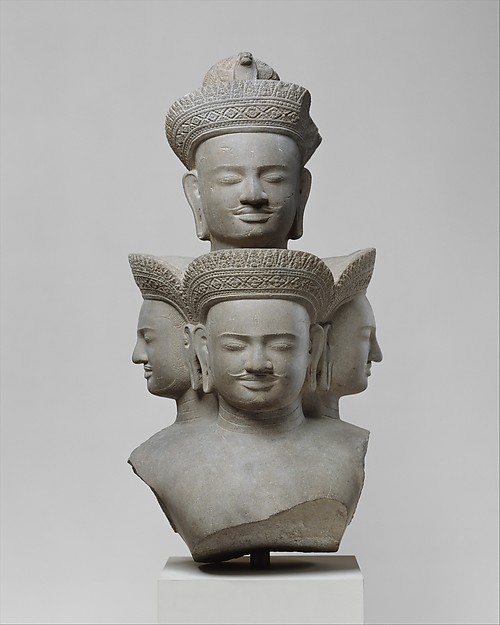
bust of five headed siva
Bust of Pancha muka Siva from Cambodia, Metropolitan Museum, New York

Compiled by London Swaminathan
Post No.1485; Dated 14th December 2014.

Points from an illustrated talk by Dr R Nagaswami, eminent historian and archaeologist, at the KSR Institute, Mylapore, Madras on 2nd October 1983 ( Dr Sivaramamurti Memeorial Lecture)

1)There are many legends about the origin of the rulers of Cambodia –
a)Kaundinya, a Brahmana of the Agastya clan, receiving a spear from Aswathama (Drona’s son) coming to this land and planting it—his marriage with a local (Naga) princess – their son Bhavavarman founding the city, Bhavapura (There are analogues in Pallava and Chola legends in India).

2)Chinese version – A male – Huen Chan (Houentien) dreaming of a bow given to him by a spirit sailing in a boat – losing his way coming to this land – meeting, defeating local queen and marrying her.

The Kambojan rulers called themselves – Sri Kaundinya somoduhitr praabhavah. This rule could have commenced even as early as 100 CE. There are records and inscriptions – detailed and continuous from the fifth century CE to the present day.

Tagore’s Song
Note: i)Tagore singles beautifully, in Bengali, of the Aryan migration to the Far East:“The great god Vishnu spoke to me, as also Uma, the ten armed Goddess; Make ready thy boat, carry the rites of worship across the unknown turbulent seas. The rivers stretched their arms to the eastern ocean in a flow of majestic gesture…………And the heart of my land murmured to me its hope that it might build its nest of love and piety in the far off lands of its dreams”

siva cambodia
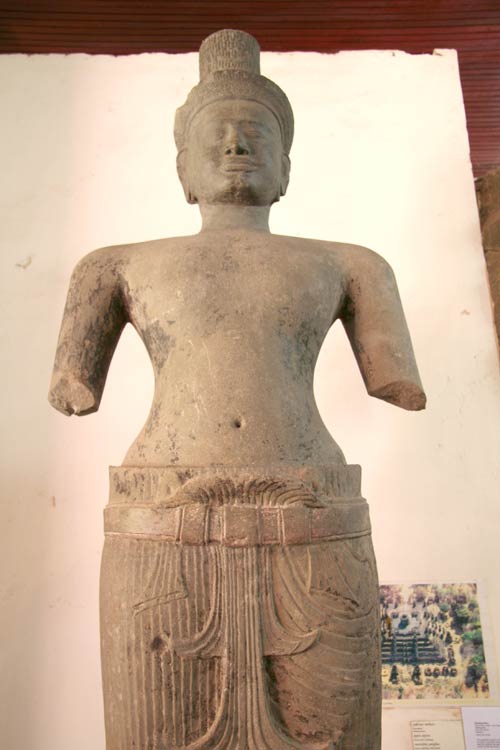
Siva from Cambodia

2)Prof.K.A.Nilakanta Shastri observes— “The Hindu colonists carried abroad a cult with them i.e. the cult of Saivism under the aegis of the then chief purohit/priest of the Pandyas, an Agastyabhatta.
The inhabitants of Kambudesa when the Aryans first arrived there were Khmers – an Austronesian people who had settled there about fifth century BCE and mingled with the local ethnic groups. The Aryans civilised them. The original Aryan colony was Fou-nan (Vanam in Sanskrit and Panom in Khmer), established at the mouth of the Ma Ganga (Mekong)—first century CE.
(The Aryan state Bohuvanam extended up to Laos and Annam in the north and the east and reached down to Malay Peninsula in the west.)

Rulers of Cambodia
After Kaundinya – I, there were other dynasties. A Brahmin sage from Malaya conquered the kingdom early in the fifth century CE and became Kaundinya – II (Siva Chandra Varman?); the successor rulers were Indravarman………. and Jayavarman(470 CE). The last one built new capitals, one of which was Vyadhapura (Angkorbore). He had a long reign of 44 years. His successor Rudravarman became a Buddhist. Later Bhavavarman seized Fou – nan and the empire was integrated. His brother succeeded him – Mahendravarman ruled from Sambhupura. His successor Isanavarman firmly established his suzerainty and extended his conquests – he called himself “Trilokapala” (Fou nan, Kamboja and Dvaraavati) and built a new capital Isanapuri. His successor BhavavarmanII (635 CE) and the next ruler was Jayavarman II (640-680 CE)…. Jayavarman IV (11th century CE) and performed a special sacrifice to free Kambudesa from Javan overlordship. He succeeded and was a great ruler.

Different Names of Siva
The inscriptions give different names of Siva (Ashtamurti) as also of Sankaranarayana, Sambhu-Vishnu, Hara-Achyuta, Hari-Sankara. Even Buddhist inscriptions begin with salutations to Siva or the content is about Siva. In later periods Buddhist Bhikkus, Saivite and Vaishnavite sanyasins lived in harmony, receiving equal patronage from the ruler. There references to Ashramas – Brahmana, Vaishnava and Sangata, with their duties and privileges.
OLYMPUS DIGITAL CAMERA
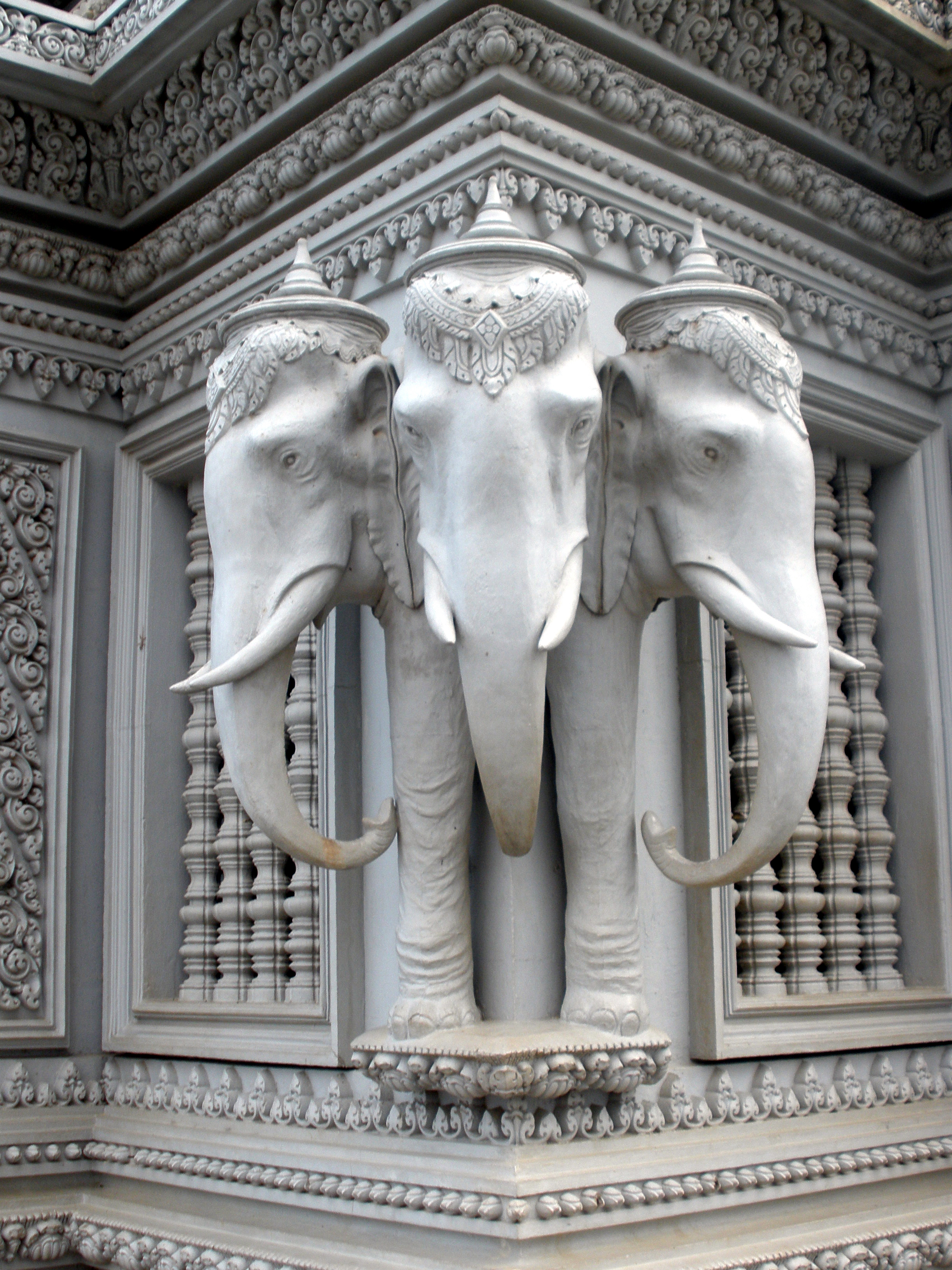
Three headed elephant, Cambodia, Photo by John Farraloo

There is mention of Vedas, Vedangas, Puranas, the reading of the Ramayana and Mahabharata, different Darsanas etc. The Sanskrit inscriptions are of great poetic beauty, hardly surpassed in India.

Siva – Sakti apparently dual is declared as one. The Trinity is also one –“jayati – ambhoja bhavanah jayati! Ambhoja locana jayati ambhoja bhupendra prabho bhavah (1005 CE – Suryavarman’s inscriptions)

After death kings got the names Sivaloka, Isvaraloka, Parameswaraloka.

It is remarkable that rulers with same names – Mahendra, Rajendra ….. ruled about the same time in South India and Cambodia – protagonists of the same culture – R.R.
(Paper cuttings from 7th and 8th of October 1983, Indian Express)

I am throwing away all the old paper cuttings, before which I wanted to upload them, so that it benefits interested readers. Those who don’t have time to read voluminous Cambodian histories will get some idea about it. I have changed all the AD in to CE– swami

சதுரங்க பந்தம் – 11

saras

கட்டுரையை எழுதியவர் :– ச.நாகராஜன்

ஆராய்ச்சிக் கட்டுரை எண்- 1484; தேதி 14 டிசம்பர், 2014.

தமிழ் என்னும் விந்தை!
சதுரங்க பந்தம் – 11

தமிழ் ஒரு அற்புதமான விந்தையான மொழி. சதுரங்க பந்தம் அமைப்பதே கடினமான காரியம். அதில் ஏராளமான விந்தைகளை அடக்க வழி காட்டும் மொழி தமிழ்!

குதிரையும் யானையுமாகப் பாய்த்துமாறு என்று யாப்பருங்கல விருத்தி உரை ஒரு இலக்கணத்தைக் கீழ்க்கண்ட செய்யுளில் தருகிறது:

“செங்கை யுந்திச் சீர்மலி யாரம்
கீழணி தாழ்பொழில் கண்ணகன் திண்ணிலஞ்
சகமலி யிருவினைச் சார மீரம்

சித்திர மத்திரங் கிளரொளி தளரகிற்
கார்மழை தீரணி நான்மறை மீனுரு
வாடை பீடை வித்தா பத்தா
நிலமும் மலையும் பிரமனு மவர்மணி
மிகவு நகுமதி மாரி நீரில்
பார வீரர் புள்ளி வெள்ளை
முத்தி நெய்த்த நூலோர் மேலோர்
பேரா வீழி பெரிய வுருவுடை
பூதிய வேதன் மூரி நோன்ற
மெய்மை நுண்மை தெள்ளிய குருபரன்
எந்தையன் சுந்தர நூரன் சேரன்
தூசன் கேசவன் சூழ்பொழி லேழணி
கூறிய நேர்வு கெழுமிய துத்தி
சீரிய கரிபரி “தெளிந்தனன் றெளிந்தே”

யானையும் குதிரையும் பாய்ந்து நடக்கும் விதத்தை தெளிந்தனன் தெளிந்தே என்று கவிஞர் கூறினாலும் நமக்கு விளக்குவார் இன்மையால் தெளிவு பிறக்கவில்லை. “வல்லார் வாய் கேட்க” என்று இலக்கண விளக்க நூல்கள் அறிவுறுத்தும் போது இதை விளக்கும் வல்லார் எங்குள்ளனர் இன்று என்பதும் தெரியவில்லை.

இனி இந்தப் பாட்டின் விளக்கவுரையாக வருவது;
இதன் அடைவே கரியும் பரியும் வேண்டியதோர் அறை முதலாகவும்,
வேண்டியதோர் அறை ஈறாகவும் துதித்து வரைய அறுபத்து நாலும் வரும்.

இனி, இவற்றைச் சிறுநுதல் கடிகமழ் பெருமதர் மழைக்கண்,
துதித்துச் செங்கை சீரிய கரிபரி என மாறியும் படிக்கக் கடிதின் உதவும்
அறைகட்கு எழுத்து நிறுத்துவதற்கு இலக்கணம்;

‘அன்னங் சுழிசங்கு தத்தை நகர் பறவை
மன்னன் வலம்புரியோ டெட்டு

“அன்னமொன்றாங் சுழியிரண்டா மணிநீர்ச் சங்க மொருமூன்றாந்

தண்ணந்தத்தை யீரண்டாந் தகைசா னகர மைந்தாகும்

பன்னும் பறவை யிருமூன்றாம் பழிதீர் மன்ன னோரேழாம்

மன்னு மொழியாய் வலம்புரியேன் மருடீ ரிருநான் காகுமே’

எனக் கொள்க.

இவற்றை நிரலே அ, க, ச த, ந, ப ம என அணிந்து அந்த அறைகளில் ஏகார வெழுத்தளவெதிர் நடாத்த அறுபத்து நாலறைக்கும் எழுத்துக்களாம்’

இப்படி தீர்க்கமாக விளக்கங்கள் தரப்பட்டாலும் எடுத்துக்காட்டுகள் இல்லாதிருப்பதால் நமக்குப் புரியவில்லை. அற்புதமான சொல்லடுக்கு உள்ள செய்யுளில் ஆழமான பொருள் இருப்பதை மட்டும் நம்மால் உணர முடிகிறது.

பாரசீகம், சம்ஸ்கிருதம், தெலுங்கு உள்ளிட்ட மொழிகளில் சதுரங்க பந்தங்கள் அமைக்கப்பட்டுள்ளன. தமிழிலோ பல்வேறு விந்தைகள் அதிகம் கொண்ட சதுரங்க பந்தங்களைப் பார்க்க முடிகிறது.

bandhamnew11
உதாரணத்திற்காக சம்ஸ்கிருதத்தில் அமைந்துள்ள ஒரு சதுரங்க பந்தம் மேலே தரப்பட்டுள்ளது. ஆனால் சதுரங்கத்தில் 64 கட்டங்கள் இல்லாமல், மேல் பாதியில் மட்டும் அதாவது 32 கட்டங்களில் மட்டும் வருமாறு இந்த ஸ்லோகம் அமைக்கப்பட்டுள்ளது.
தமிழில் உள்ள சதுரங்க பந்தங்களில் சிலவற்றை மட்டும் கண்டோம். இலக்கண நூல்கள் எவ்வளவு ஆழமாக அமைந்துள்ளன என்பதையும் பார்த்தோம் நாம் இந்தத் தொடரில் குறிப்பிட்டுள்ள பல புரியாத புதிர்களுக்கு விடை காண விழைவோர் எதையும் ஏற்கும் தமிழின் நெகிழ்வுத் தன்மையை எளிதில் உணர முடியும்.

இனி அடுத்த விந்தையைக் காண்போம்

– தொடரும்

Socrates, Napoleon, Valluvar believed in Fate!

aurobindo

Research paper written by By Santhanam Nagarajan

Research article No.1483; Dated 13th December 2014.

Fate and Free will – Part VI

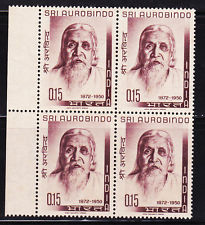
Maharishi Aurobindo has explained that all men great and strong have believed some higher force. He explains Fate, thus:

“There have been people who have believed in fate or destiny or whatever you may call it. Napoleon III used to say, ‘So long as something is necessary to be done by me it will be done in any case and when that necessity will cease, I shall be thrown on the wayside like an unworn vessel.’ And that is what exactly happened to him. Napoleon also believed in Fate.

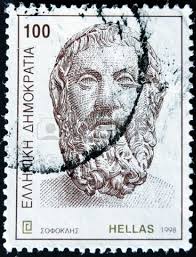
All men who have been great and strong believe in some higher Force, greater than themselves, moving them. Socrates used to call this his Daemon, man’s divine being. It is curious how sometimes even in small things one depends on this voice.

socrates

Socrates’ belief in Fate

Once Socrates was walking with a disciple when they came to a place where they had to take a turn. The disciple said, ‘Let us take this route.’ Socrates said, ‘My Daemon asks me to take to take the other.’ The disciple did not agree and followed his own route. After he had gone a certain distance he was attacked by some pigs and thrown down by them.

There are some who do not follow the inner voice but an inner light. The Quakers believed in that.”

Quoting Napoleon, Aurobindo further explains fate and effort.
“Napoleon when asked why he believed in Fate, yet was always planning and acting, answered, ‘Because it is fated that I should work and plan.”

The great work Thirukkural explains fate and effort very interestingly.
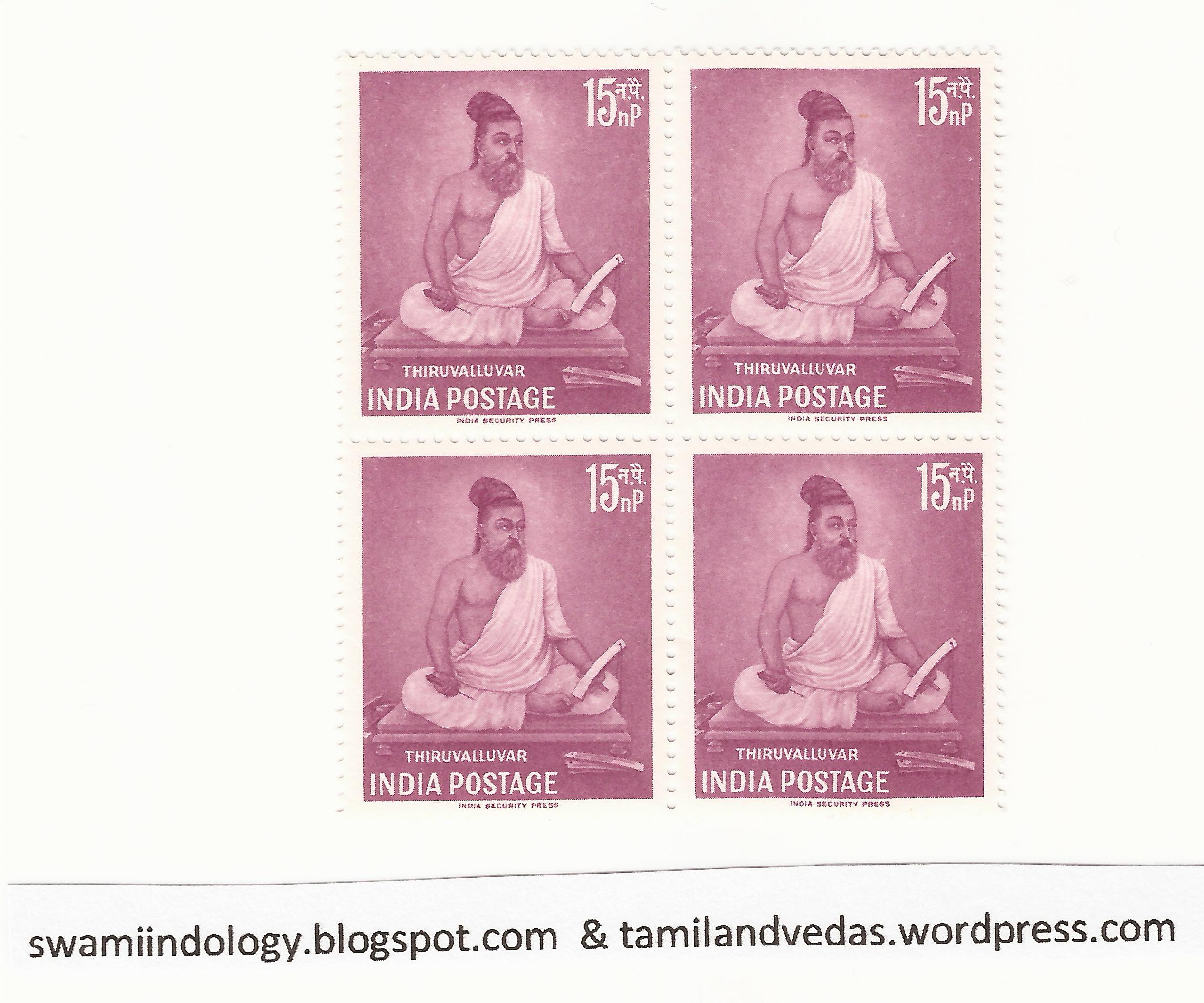
The great work Thiurkkural is the master-piece of Tamil literature. The great poet Thiruvalluvar has given it to the whole world. It consists of 1330 couplets.

valluvar 4

Valluvar’s belief in Fate

Rev G.U. Pope said: “Thiruvalluvar was undoubtedly one of the greatest geniuses of the world. Complete in itself, the sole work of its author has come down the stream of ages absolutely uninjured, hardly a single various reading of any importance being found.

The Kural owes much of its popularity to its exquisite poetic form. The brevity rendered necessary by the form gives an oracular effect to the utterances of the great Tamil “Master of Sentences”. They are the choicest of moral epigrams.”

Now let us read the two couplets.

The couplet no 380 says: “What is stronger than Fate? Even if we think of a way to avert it, it will forestall us.”
The couplet no 620 says: “Those who labor on untiringly and without fault will overcome even fate.

Even though both these couplets seem to be contradictory, they are not.
Work hard and smart and leave the rest to God. God helps to those who help themselves.

Maharishi Thiruvalluvar and Maharishi Aurobindo have explained very beautifully Fate and effort thus.
Let us explore further.

napoleon

Summary:
Maharishi Aurobindo explains fate and effort, quoting Napoleon. “Napoleon when asked why he believed in Fate, yet was always planning and acting, answered, ‘Because it is fated that I should work and plan.” The great Tamil poet Thiruvalluvar in his great work Thirukkural says: “What is stronger than Fate? Even if we think of a way to avert it, it will forestall us.” But he also says: “Those who labor on untiringly and without fault will overcome even fate.”

To be continued …………………..

சங்க காலத்தில் வரதட்சணை!

அகம்1

அகநானூறு அதிசயங்கள்– பகுதி 4

கட்டுரையை எழுதியவர் :– லண்டன் சுவாமிநாதன்
ஆராய்ச்சிக் கட்டுரை எண்- 1482; தேதி 13 டிசம்பர், 2014.

முதல் மூன்று பகுதிகளைப் படித்துவிட்டு இதைப் படிப்பது நலம்.

அதிசயம் 16
பாடல் 90 மருதன் இளநாகனார் பாடியது — முன் காலத்தில் திருமணம் பேசச் செல்வோர் பெண்களுக்கு ‘’விலை’’ (ஸ்ரீதனம்) கொடுத்து பெண்ணைத் திருமணம் செய்துகொண்டனர். பின்னர் இது தலை கீழாக மாறி ஆண்களுக்கு விலை பேசினர். டாக்டர் படிப்பு படித்திருந்தால் இவ்வளவு வரதட்சணை, இஞ்ஜினீயர் என்றால் இவ்வளவு என்று. இப்பொழுது பெண்கள் எண்ணிக்கை குறையவே பழைய கால நிலை திரும்பிவிட்டது. அதாவது பெண்களுக்கு பல விதமான ஊக்குவிப்புகளைக் காட்டி என்னைக் கல்யாணம் செய்துகொள் என்று ஆண்கள் கெஞ்சவேண்டிய நிலை! ஆதிகாலத்தில் பெண்களுக்கு ‘’விலை’’ கொடுத்ததை காளிதாசன் காவியங்களிலும் சங்க இலக்கியத்திலும் காணலாம். இந்தப் பாட்டில் செல்லூர் கோசர்களின் நியமம் என்ற ஊரையே நீ விலையாகக் கொடுத்தாலும் பெண்ணை அடைவது கஷ்டம் என்று தோழி கூறுகிறாள்:–

கருங்கட் கோசர் நியமம் ஆயினும்
உறும் எனக் கொள்ளுநர் அல்லர்
நறு நுதல் அரிவை பாசிழை விலையே!
வரதட்சணை காலம் தோறும் மாறுவது வியப்பிலும் வியப்பே!!

அதிசயம் 17

பாடல் 342 மதுரை கணக்காயனார் பாடியது. இதில் குகைகளில் உறையும் தேவதைகள் பற்றிப் பாடுகிறார். ஏரி, குளம், காடு, மலை, தோட்டம், துறவு, குகை, அருவி, கடல் முதலிய பல இடங்களில் வசிக்கும் அணங்குகள் பற்றி சங்க இலக்கியத்தில் நூற்றுக் கணக்கான இடங்களில் காணக்கிடக்கிறது. இது ஒரு நல்ல பி.எச்டி. ஆய்வுக்குரிய விஷயம்.

நீர் இழி மருங்கில் கல் அளைக் கரந்த அவ்
வரையர மகளிரின் அரியள்
அவ் வரி அல்குல் அணையக் காலே
பொருள்: அருவி வீழும் பொய்கை உடைய மலைக் குகையில் மறைந்த வரையர மகளிர் போல காண்பதற்கு அரியவள் நம் தலைவி.

பழந்தமிழர்களும் ஏனைய மக்கள் குழாம் போல பல (மூட?) நம்பிக்கை உடையோரே!
(வரையரை மகளிர்= மலையில் வாழும் பெண் தெய்வம்; கல் அளை=குகை).
அகம்2

அதிசயம் 18

பாடல் 369 நக்கீரர் பாடியது. இதில் காளிதாசன் எழுதிய சாகுந்தலத்தின் தாக்கத்தைக் காணலாம். சகுந்தலை என்னும் கானகப் பேரழகி, கண்வ மகரிஷியின் ஆஸ்ரமத்தை விட்டுச் செல்லும்போது அவளால் வளர்க்கப்பட்ட தாவரங்களும் பிராணிகளும் இருந்த நிலையை காளிதாசன் அழகாக வருணிக்கிறான். இதோ நக்கீரர் சொல்வது:

அவள் வளர்த்த கிளிகள் பால் உண்ணவில்லை; தோழியர் கூட்டம் விளையாடவில்லை; பூஞ்செடிகள் மலரவில்லை; சுவரில் உள்ள பாவைகளும் பலி எதையும் கொள்ளவில்லை.

நக்கீரர் கூற்றில் மெலும் ஒரு விஷயமும் தெரிகிறது. வீடுகளில் சுவரில் தெய்வப் படங்களை வரைந்து அதற்கு தினமும் நைவேத்யம் செய்வது தமிழர் வழக்கம் என்பது உறுஹியாகிறது. இதே விஷயம் வேறு சில பாடல்களிலும் வருகிறது.

அதிசயம் 19

பாடல் 344 மதுரை அளக்கர் ஞாழார் மகனார் மள்ளனார் பாடியது. இதில் தொளி என்னும் மகளிர் விளையாட்டு பற்றிக் குறிப்பிடுகிறார். இப்போது இந்தச் சொல்லும் விளையாட்டும் வழக்கில் இல்லை என்றே தோன்றுகிறது. மகளிரின் தொளி என்னும் விளையாட்டைப் போல மயில் கூட்டம் திரிகிறது என்று அவர் பாடுகிறார். பதவுரை விளக்கத்தில் மகளிர் பலர் கூடி ஆடும் வரிக் கூத்து தொளி என்று விளக்கப்படுகிறது. கோலாட்டம், கும்மி போல ஒரு கோஷ்டி ஆட்டமாக இருக்கலாம்.

அகம்3

அதிசயம் 20
பாடல் 398 இம்மென்கீரனார் பாடியது. இதில் பொற்கோட்டு இமயத்தைப் பாடுகிறார். 2000 ஆண்டுகளுக்கு முன்னரே தமிழர்களுக்கு இந்தியாவின் முழு சித்திரமும் தெரிந்திருந்தது. இமயம் வரை அவர்களுக்குத் தெரிந்ததிருந்தது. வெள்ளைக்காரன் நாடு முழுதும் சாலையும் ரயில் பாதையும் போட்டதால்தான் நாடு ஒற்றுமை ஆனது என்பது எல்லாம் எவ்வளவு அபத்தம் என்பது தமிழ் இலக்கியத்தைப் படிப்போருக்கு விளங்கும். ஆதி சங்கரர் பல முறை வலம் வந்து நாற்புறங்களிலும் மடங்களை நிறுவியதை அறிந்தும் வெள்ளைக்காரன் அவனையே புகழ்ந்து எழுதிய வரலாற்றை இன்று வரை நாம் படித்துக் கொண்டு இருக்கிறோம்.

அதிசயம் 21
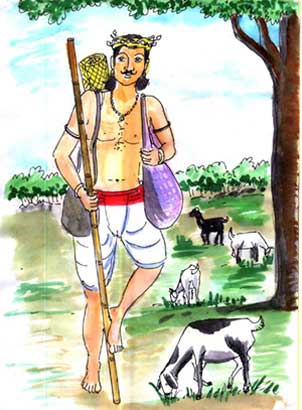
காட்டில் வாழும் மறவர்கள் செய்த கொடிய செயலையும் பின்னர் அவர்களே அதற்கு வருந்தியதும் பாடல் 337ல் உள்ளது. இதைப் பாடியவர் பாலை பாடிய பெருங் கடுங்கோ. எலும்பும் தோலுமாக ஒரு பிராமணன் காட்டு வழியாக ஓலைச் சுவடியுடன் தூது போகிறான். அதை மழவர்கள் (மறவர்கள்) பார்த்தவுடன் இவன் தங்கத்தை வைத்திருந்தாலும் வைத்திருப்பான் என்று எண்ணி அவனைக் கொன்றுவிடுகின்றனர். அவனிடம் வெறும் ஓலைச் சுவடி மட்டுமே இருந்ததைக் கண்டு அடடா! தவறு செய்துவிட்டோமே ! என்று கையை நொடித்து அப்பாற் சென்றனர். அந்தப் பார்ப்பனனின் உடலை நரி தின்றது.

சம்ஸ்கிருத காவியங்களிலும், சிலப்பதிகாரம் முதலிய தமிழ் காவியங்களிலும் தூது செல்லும் பணி பார்ப்பனர்களுக்கே ஒதுக்கப்படதைக் காட்டும். இது 15 ஆம் நூற்றாண்டிலும் நீடித்தது. கேரள மன்னன் அனுப்பிய பார்ப்பன தூதுவனை கொடியவனான வாஸ்கோடகாமா தன் கப்பலிலேயே கண்டம் துண்டமாக வெட்டிப் போட்டான். அதை எல்லாம் சரித்திரப் புத்தகத்தில் எழுதாமல் – இந்தியாவுக்கு கடல் வழி கண்டுபிடித்த வாஸ்கோட காமா — என்று நம் குழந்தைகள் இன்னும் வரலாறு படிப்பது வெட்கக்கேடு.

வாஸ்கோட காமா கடற்வழியைக் கண்டுபிடித்த செய்தியும் தவறு. நாடு பிடிக்க வந்த வெள்ளைக்காரன், போர்ச்சுகீசியரும் தம் வகையறா என்று எழுதிய பொய்யுரை அவை.— வரலாற்றை உடனே திருத்தி எழுதுதல் அவசரப்பணியாகும்.
vaidehi herbert

அதிசயம் 22
மதுரைக் கூலவாணிகன் சீத்தலைச் சாத்தனார் பாடிய பாடல் 320 ஓங்குதிரைப் பரப்பின் வாங்கு விசைக் கொளீஇ – என்று துவங்குவது மதுரைக் காஞ்சியின் முதல் வரியை நினைவுபடுத்தும். இதே சொற்றொடரைக் கல்வெட்டுகளும் பயன்படுத்தின.

அதிசயம் 23
வேறு பல அதிசயச் செய்திகளைத் தனித் தனி கட்டுரைகளில் கொடுத்துவிட்டதால் பாடல் குறிப்புகளை மட்டும் தருகிறேன்:

பாடல் 265—மாமூலனார்— கங்கை நதிக்கு அடியில் தங்கம்
பாடல்கள் 69, 251, 281 – மௌரியர் படை எடுப்பு— மௌரிய மன்னன் பிந்துசாரன் தென் இந்தியாவை வென்றதை திபெத்திய வரலாற்று ஆசிரியர் தாராநாத் குறிப்பிடுவதை ஒப்பிடுதல் பொருத்தம்.
அகம் 107, 381 வங்கர் பற்றிக் கூறும்.

பாடல் 296— மதுரைப் பேராலவாயார் பாடல் – பண்டம் மாற்று வணிகம் பற்றிய குறிப்பு— கடலில் எடுத்த சிப்பிகளைக் கொடுத்து அதற்கு விலையாக ‘’கள்’’ வாங்குகின்றனர்.
பல கலாசாரங்களில் சிப்பி, கிழிஞல், சங்கு, சோழி ஆகியன கரன்ஸியாக/ பணமாகவும் பயன்படுத்தப்பட்டன.

260- மோசிக் கரையனார் பாடல் – நள்ளிரவில் வரும் பேய்கள் பற்றிய குறிப்பு.
211- மாமுலனார் பாடல் – கதவில் பல் பதித்தல்
269- மதுரை மருதன் இளநாகனார்— பாவை நோன்பு
பாடல் 151, 155, 173 – நல்ல மேற்கோள்கள்/ தமிழர்களின் கொள்கைகள்.

பாடல் 220 — மதுரை மருதன் இளநாகனார் – பரசுராமன் பற்றிய குறிப்பு – மழுவாள் நெடியோன்
பாடல் 148 – ஆந்தைகள் ஏன் பகலில் வருவதில்லை – பரணரின் புதிய விளக்கம்

அகநானூறு அதிசயங்கள் நிறைவு. —-சுபம்—
contact swami_48@yahoo.com
Pictures are used from various websites;thanks.
ஐரோப்பாவில் ஓம் சின்னம்! 4000 ஆண்டுக்கு முந்தையது!

220px-Om.svg

கட்டுரையை எழுதியவர் :– லண்டன் சுவாமிநாதன்
ஆராய்ச்சிக் கட்டுரை எண்- 1481; தேதி 13 டிசம்பர், 2014.

ஓம், சக்தி சக்தி என்று சொல்லு – கெட்ட
சஞ்சலங்கள் யாவையும் கொல்லு.
ஒம், சக்தி அருளால் உலகில் ஏறு- ஒரு
சங்கடம் வந்தால் இரண்டு கூறு;
சக்தி சில சோதனைகள் செய்தால் – அவள்
தன்னருளே என்று மனது தேறு — சுப்பிரமணிய பாரதி

ஓம்காரத்துக்கும் எண் மூன்றுக்கும் உள்ள தொடர்பை ஒருவர் புரிந்து கொள்ள பேரறிஞராக இருக்க வேண்டும் என்பதில்லை. யார் வேண்டுமானாலும் அந்த சின்னத்தைப் பார்த்த உடனேயே மூன்று என்பது அதில் இருப்பதைக் கண்டுபிடித்து விடுவர். நீங்களே கீழ்கண்ட படங்களைப் பார்த்து ஒரு முடிவுக்கு வாருங்கள்.

முதலில் இந்து மதத்தில் ஓம்காரத்தின் சிறப்பைக் காண்போம். இது ஆன்மீகக் கட்டுரை இல்லை- வெறும் ஆராய்ச்சிக் கட்டுரை ஆகவே மூன்று தொடர்புள்ள இடங்களை மட்டும் காண்போம்.

இந்தப் பிரபஞ்சத்தில் முதலில் இருந்த நாதம் ஓம்கார நாதம். அதற்கு துவக்கமும் இல்லை, முடிவும் இல்லை. அதுவே பிரம்மன், அதாவது கடவுள். அதுவே பிரம்மா, விஷ்ணு, சிவனாக பரிணமித்தது. சத்வ, ரஜோ, தாமஸ குணத்தின் சின்னம் அது. அதே நேரத்தில் குணங்களைக் கடந்த நிலையும் அதற்கு உண்டு. அ+உ+ம என்ற மூன்று எழுத்துக்களால் உருவான சின்னம் அது. தமிழ் ஓமாக இருந்தாலும் சம்ஸ்கிருத ஓமாக இருந்தாலும் இந்த அ, உ, ம ஆகிய மூன்று எழுத்துகளும் அதில் ஒன்றோடொன்று ஒட்டிக் கொண்டு இருப்பதையும், மூன்று என்ற எண் அதில் இருப்பதையும் காணலாம்.

0m-in-Various-Scripts

ஓம்காரம் மிகவும் அபூர்வமான மந்திரம் என்பதால் கிருஷ்ணன் பகவத் கீதையில் மூன்று முறை அதன் பெருமைதனை எடுத்துரைக்கிறார். இதற்கு ஏக அக்ஷரம் = ஓரெழுத்து என்று பெயர். பிரபஞ்சம் மஹா பிரளயத்தில் ஒடுங்கும்போது அது ஓம்காரத்தில் கலந்து விடும். சப்தத்தில் இருந்தே உலகம் தோன்றியது என்பதை விஞ்ஞானமும் ஒப்புக்கொள்ளும்.

படைத்தது—படைக்கப்பட்டது எல்லாவற்றையும் குறிப்பது ஓம். முக்காலத்தையும் குறிப்பது ஓம்காரம்.

மூன்று என்ற எண்ணில் உள்ள சொற்கள் (த்ரி குணம், த்ரி காலம் முதலியன) சம்ஸ்கிருதத்தில் மட்டும் 203 உள்ளன. தமிழில் உள்ள முத்தமிழ், முக்கனிகள் என்ற சொற்களைச் சேர்த்தால் இன்னும் நூறு சொற்கள் கிடைக்கலாம். மற்ற கலாசாரங்களில் உள்ள மூன்றுகளையும் சேர்த்தால் இன்னும் நூறு கிடைக்கலாம்.

Towriepetrosphere
Towrie petrosphere, Aberdeenshire, 3200 BCE

பகவத் கீதையில் ஓம்காரம்

இனி கண்ணன் சொல்வதைக் காண்போம்:
1.நான் எழுத்துகளில் ஓம் – ஆக இருக்கிறேன், அதாவது ஏகாக்ஷரமாக இருக்கிறேன் (10-25)
2.”ஆகையால் ஓம் என்று உச்சரித்து வேதியர்களின் வேள்வி, தானம், தவம் முதலியன துவங்குகின்றன” (17-24)

வேதத்தின் முதல் சொல் ஓம். இது இல்லாமல் எந்த மந்திரமும் சொல்லப்படமாட்டாது. வெறும் பூஜ்யங்களை ஆயிரம் முறை வரிசையாக எழுதினாலும் அது பூஜ்யமே. ஆனால் அதற்கு முன் ஒன்று முதல் ஒன்பது வரை உள்ள எதை எழுதினாலும் அதன் மதிப்பு அபரிமிதமாகப் பெருகும். அது போலவே ஓம் என்னும் மந்திரத்துடன் மற்ற மந்திரங்களை சேர்க்கையில் அதில் உயிர்ச் சக்தி =பிராண சக்தி பாய்கிறது. இதனால் ஓம்காரத்துக்கு பிரணவம் என்று பெயர்.

(இந்தியாவின் தற்போதைய ஜனாதிபதியின் பெயர் பிரணவ குமார முகர்ஜி. ஓம்காரம் என்பதைப் பலர் பெயர்களில் சூட்டிக்கொள்வர்)

3.பிரணவத்தை உச்சரித்து, என்னையும் சிந்தித்து உயிர் விடுவோர் மிக உயர்ந்த நிலையை அடைவர் என்று (8—13) மற்றொரு இடத்தில் சொல்லுகிறார்.
Omega_uc_lc.svg.hi
Omega of Greek Alphabet

கிரேக்க நாட்டில் ஓம்காரம்

கிரேக்க லிபியின் கடைசி எழுத்து ஒமெகா அதாவது மெகா + ஓ= பெரிய ஓ. ஓம்காரத்தின் பெருமையைத் தெரிந்து இதை இப்படி வைத்தனரோ என்று எண்ணுகிறோம். இன்னொரு காரணம் அந்த ஊர் பழங்காலப் பானைகளில் மூன்று சுழி சின்னத்தைக் காண முடிகிறது. ஒமேகா என்பதும் கிட்டத்தட்ட ஓம் போலவே எழுதப்படுகிறது.

newgrange.jpg
New Grange Spirals, Ireland

அயர்லாந்து நியூகிரேஞ்ச்

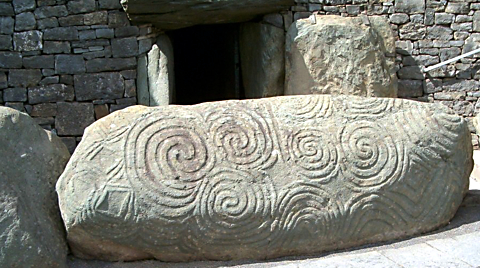
அயர்லாந்து நாட்டில் நியூகிரேஞ்ச் என்னும் இடத்தில் பெருங்கற்காலக் கல்லறைகள் இருக்கின்றன. அதன் முன்னால் வைக்கப்பட்டுள பாறையில் மர்மமான மூன்று சுழிச் சின்னங்கள் இருக்கின்றன. “என்னை நினைத்து ஓம்காரத்தைச் சொல்லி உயிர் விடுபவன் பரம கதியை அடைகிறான்” — என்று கிருஷ்ண பரமாத்மா சொன்னதை உறுதிபடுத்தும் வகையில் இச்சின்னத்தைக் கல்லறையில் காண்கிறோம். இதன் காலம் கி.மு 2000 முதல் 3000 என்று பல கணிப்புகள் உள்ளன.

மால்டா என்ற தீவு நாட்டிலும், அயர்லாந்தில் மேலும் பல இடங்களிலும் பிரான்ஸில் பிரிட்டனி என்னும் இடத்திலும் இதே போல மூன்று சுழிச் சின்னங்கள் உளது. ஆயினும் நியூகிரேஞ்ச் சின்னம் தெள்ளத் தெளிவானது. அதில் ஏழு வளைவுக் கோடுகள் கடிகார முறையிலும் எதிர்திசையிலும் செல்லும்படி வரைந்துள்ளனர். இதன் காரணமாக, இதில் உட்பொருள், மறை பொருள் உண்டு என்றே தொல்பொருட்த் துறை அறிஞர்கள் வியாக்கியானம் செய்கின்றனர்.

இதே போல கெல்டிக் ஆர்ட் எனப்படும் ஐரிஷ் கலாசாரம் பரவிய நாடுகளில் கை போன்ற மூன்ற வளைவுகள் உடைய சின்னம் —ட்ரஸ்கெலியான் எனப்படும்—சின்னம் காணப்படுகிறது.

Jug with Triple Spirals
Ancient Greek Jar

இது எல்லாவற்றிலும் ஒரு உண்மை புலப்படும். இவை அனைத்தும் பாஸிட்டிவ் = ஆக்கபூர்வ சக்தி உண்டாக்கும் சின்னங்கள். ஏனெனில் “ஐல் ஆப் மேன்” எனப்படும் தீவில் மூன்று கால்கள் சுற்றும் சின்னம் இருக்கிறது. அதில் எழுதி இருக்கும் வாசகம்:– ‘’இதை எங்கே தூக்கி எறிந்தாலும் இது நிமிர்ந்தே நிற்கும்’’.

இதிலிருந்தே இத்தகைய சின்னத்தை உருவாக்கியவர்களின் மனநிலை நமக்குப் புரிகிறது. எல்லாம் ஓம்காரம் போல ஆக்கபூர்வமான சக்தியைக் குறிப்பதே. மற்றொரு அபூர்வ ஒற்றுமை எல்லாம் மூன்று என்ற எண்ணின் அடிப்படையில் அமைந்த சின்னங்கள்!!

isla of man
Emblem of Isle of Man

ஓம் ஓம் என்று உரைத்தனர் தேவர்- ஓம்
ஓமென்று சொல்லி உறுமிற்று வானம்.
நாமும் கதையை முடித்தோம் – இந்த
நாநிலம் முற்றும் நல்லின்பத்தில் வாழ்க! – பாஞ்சாலி சபதம், பாரதியார்

triskailion
traiskelion
–சுபம்—