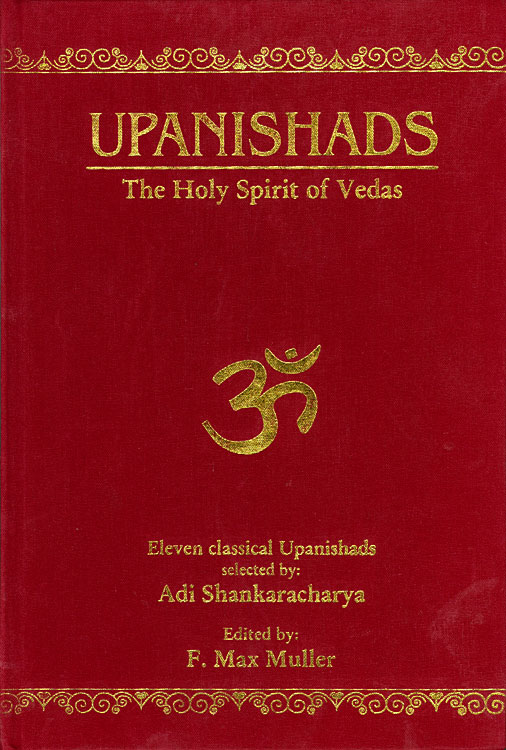
OM symbol in Europe (2000 BCE)!

220px-Om.svg

Research paper written by London Swaminathan
Research article No.1480; Dated 12th December 2014.

One need not be extraordinarily brilliant to see the link between AUM (Om) and Number three. Look at the pictures and read the description of Om in Hindu scriptures and then judge for yourself!

Om is the primal sound. This is the name of Brahman or God. It is the word from which everything came. Om has no beginning, no end. During cosmic dissolution, the universe is merged into Aum.

Of all the Mantras, the most powerful is the single syllable incantation called the Pranava, i.e. Om. Lord Krishna confirms it in the Bhagavad Gita. “of the incantations I am the single aksharam (Aum/Om)— (B.G.10-25)

All the Vedic recitations begin with Om. No mantra gets its power without Pranava. Only when it is added all the mantras get life force. That is why it is called Pranava. Om moves the Prana or the cosmic vital force.

Krishna says in Bhagavad Gita 8-13 that those who depart reach the highest goal if they recite the Pranava.
In the Gita sloka 17-24, he says

“Therefore with the utterance of Om the acts of sacrifice, gift and penance enjoined in the scriptures are always undertaken by the expounders of Brahman”.
newgrange.jpg

Aum and Number 3
Aum stands for Brahma, Vishnu and Shiva (Trinity)
It stands for the world made up of tri gunas (triple manifestations of nature). They are Satva Guna/ tranquillity, Rajo Guna/ passionate activity, Tamo Guna/ inactivity.

Esoterically Om stands for of our physical, astral and casual bodies.

AUM is made up of three letters: A is guttural, U is middle and M is the labial. In short Om stands for all that is manifested and un manifested.

AUM = Three Letters A, U, M can be seen in Sanskrit AUM and Tamil AUM. Actually the three letters written jointly and that only forms the AUM symbol.

The efficacy of the Mantra “Aum” and the benefits of reciting Mantra Aum fall beyond the scope of this article. I will show how the same here forces are understood by all ancient cultures and wrote the symbol in the same way.

There are 207 entries under Number 3 in the Encyclopaedia of Numerals in Sanskrit literature. If I add Tamil entries it will add to another 100 at least! From other cultures I can add hundred more!
rockart
New Grange, Megalithic Spiral Art, Ireland
#

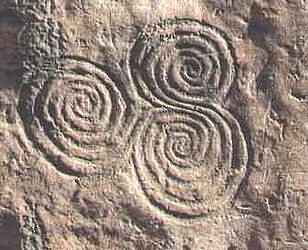
Three spirals at new grange
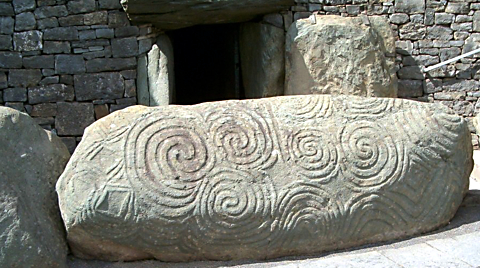
New grange is in Republic of Ireland. It is one of the most impressive megalithic tombs in Europe. The most remarkable example of megalithic art in Europe is the entrance stone at New Grange. Its three spirals are similar to found on Malta and Brittany in France. The spiral symbolised a natural force of which the builders were aware. It is dated around 2000 BCE.

Some of the spirals at New Grange have seven turns; but this is not usual; they do turn both clockwise and counter clock wise . It shows that it is more than a decoration. It indicates the builders’ awareness of the natural force or energy.
Omega_uc_lc.svg.hi
Omega of Greek alphabet.If we slightly turn it, it will match with Aum

OMEGA is Greek
“O – Mega” means Big O. That is the last letter of the Greek alphabet. Like Krishna, Jesus also said “I am the Alpha and the Omega” in the Bible (Revelation 22-13).
The Greek O was not only called Maga O that was placed as the last letter as well. This indicates how much they valued it. As we all know “O” is one of the vowels in all the major languages of the world.

Several cultures have got three hands or three legs as their emblem. But the three rounds, looking like Aum, is in the tombs in Ireland. This reminds of what Krishna said in Bhagavad Gita (8-13), who ever departs saying this letter will reach the highest goal. That is why we find this symbol in such places like passage graves.

triskailion
Triskelion in Celtic Art

Triskelion
Triskelion is a design that appears on pre historic earthenware. A circle is divided into three parts. This symbol adorns the wall of Irish megaliths.

There are also Triskelions formed from three human legs bent at the knee. We see it in the arms of Isle of Man with the motto/slogan –“It will stand erect wherever it is thrown”. The city of Fussen in Bavaria also has this emblem
isla of man
Isle of Man emblem of Three Legs

The form of three overlapping circles, are frequently found in the windows of Gothic Churches.
What is the purpose for these designs or emblems?

All these emblems demonstrate vital positive force going in clock wise direction, same like Hindu AUM.

0m-in-Various-Scripts
contact swami_48@yahoo.com

சங்க காலத்தில் கோவில்கள் இருந்ததா?

akam tamil

அகநானூறு அதிசயங்கள்– பகுதி 3

கட்டுரையை எழுதியவர் :– லண்டன் சுவாமிநாதன்
ஆராய்ச்சிக் கட்டுரை எண்- 1479; தேதி 12 டிசம்பர், 2014.

முதல் இரண்டு பகுதிகளைப் படித்துவிட்டு இதைப் படிக்க வேண்டுகிறேன்.

அதிசயம் 11
தமிழர்களின் அதிசய நம்பிக்கைகள் பற்றி நிறைய பாடல்கள் உண்டு. ஒரு சில எடுத்துக் காட்டுகள்:-
அகம்.158: ஆந்தைகள் பற்றி அச்சம் (கபிலர் பாடியது)
அகம்.36: -ஆந்தைகள் பொருள் தெரிந்து உரைக்கும் (இளங்கீரனா)
ஏனைய ஆந்தைப் பாடல்கள்: அகம்.19, 88, 356

சங்க காலத்தில் கோவில்கள் இருந்தனவா என்ற கேவிக்கு விடை சொல்கிறார் பாலை பாடிய பெருங்கடுங்கோ (பாடல் 99)

அணங்குடை நகரின் மணந்த பூவின் நன்றே, கானம் நயவரும் அம்ம—
என்கிறார். அதாவது வணங்குதற்குரிய தெய்வம் உடைய கோவிலில் கலந்து கிடக்கும் மலர்களைப் போல அவை மணம் கமழும் என்பது பொருள். பல்யாக சாலை முதுகுடுமிப் பெருவழுதி என்னும் பாண்டிய மன்னனின் குடை சிவபெருமான் கோவிலைச் சுற்றும் (நகர் வலம்) போது மட்டும்தான் தாழ்த்தப்படுமாம் என்று காரிகிழார் (புறம்.6) பாடுவதையும் ஒப்பிடுக.

இந்தப் பாடல்கள் பல சுவையான செய்திகளை வெளிப்படுத்துகின்றன. பூக்காரிகள் பற்றி நிறைய பாடல்கள் இருப்பதால், கோவில் வாசலில் இன்று போலவே 2000 ஆண்டுகளுக்கு முன்னரும் பூ விற்றதும், அதைத் தமிழர்கள் கோவில்களில் பூசித்ததும் இதனால் விளங்கும். கிருஷ்ணனும் பகவத் கீதையில் பத்ரம் புஷ்பம் பழம் தோயம் (இலை, பழம், பூகள், தண்ணீர்) எதை அர்ப்பணித்தாலும் நான் ஏற்கிறேன் என்கிறான். அதையே கபிலர் பாடுவதை புறநானூற்றில் பகவத் கீதை என்ற எனது கட்டுரைகளில் கொடுத்து இருக்கிறேன்.

akam tamil2

இதைவிட மிகச் சுவையான விஷயம்— மிலிட்டரி சல்யூட் – ஆகும்.. ராணுவ அணிவகுப்பில் தலைவர் அருகே வருகையில் அவரை நோக்கி முகத்தைத் திரும்புவதும் அவரைக் கடந்துசென்ற பின்னர் பார்வையை (ஐஸ் ப்ரன்ட்) நேராக்குவதும் உலகம் முழுதும் படைகளில் உண்டு. இப்படி முது குடுமிப் பெருவழுதியின் குடையும் கோவிலைச் சுற்றும் போது மட்டும் தாழ்த்தப்பட்டது. யாமார்க்கும் குடியல்லோம் என்று பாடியவர்களும் இறைவன் அருகே வருகையில் தான் ஒரு சிறு துளி என்று எண்ணி அகந்தையை விட்டது தமிழனின் ஆன்மீக உணர்வுக்கு சான்று பகரும்.

இன்று விண்வெளி ஆராய்ச்சிக்கெல்லாம் மூல காரணமாக விளங்கும் மூன்று அடிப்படை பௌதீக விதிகளைக் கண்டுபிடித்த ஐசக் நியூட்டனும் பரந்த சமுத்திரத்தின் கரையில் கிடக்கும் கூழாங்க் கற்களைத்தான் கண்டு எடுத்திருக்கிறேன் — என்று பணிவுடன் கூறினார். பிரபஞ்சத்தின் மாபெரும் ரகசியங்களில் நாம் கண்டது வெறும் சில கற்களே.

கன்யாகுமரி கோவில்
பாடல் 370ல் அம்மூவனார் கன்யாகுமரி பகவதி அம்மன் கோவிலை குறிப்பால் உணர்த்துகிறார். தோழி சொல்கிறாள், “அடியே! நீ கடல் தெய்வம் வந்து கடற்கரையில் நின்றார் போல நில். நானும் கோவிலில் ஆடும் ஆடுமகள் போல உனக்குத் துணையாக நிற்பேன். இப்பாடலில் கன்யாகுமரி பகவதி அம்மன் போல கடற்கரைக் கோவில் இருந்ததும் அக்கோவில்களில் ஆடுவதற்கான பெண்கள் நியமிக்கப்பட்டதும் தெரிகிறது. ராஜ ராஜ சோழனின் தஞ்சைப் பெரியகோவிலைச் சுற்றி 400 பெண்கள் வசித்ததும் அவர்கள் பெயர்கள், வீட்டு முகவரி (டோர் நம்பர்) என்ன என்பதையும் கல்வெட்டுகளில் அறிகிறோம். சில பெண்களின் பெயர்கள் அழகிய அற்புதமான தமிழ்ப் பெயர்கள்

akanan4

பிராமி கல்வெட்டு
ஆலம்பேரிச் சாத்தனார் என்பவர் பாடல்கள் 47, 81, 143, 175 ஆகியவற்றைப் பாடி இருக்கிறார். பாடல் 81ல் கடலன் என்பவன் பெயர் வருகிறது. இதே புலவர் நெடுஞ்செழியனையும் பாடியுள்ளார். பிராமி கல்வெட்டுகளிலும் இப்பெயர்கள் வருகின்றன. ஆகையால் அக் கல்வெட்டுகள் சங்க காலத்தை ஒட்டியே இருக்க வேண்டும் என்பது உறுதியாகிறது.

எகிப்தும் தமிழர்களும்
எகிப்துக்குச் சென்றோர் பாண்டியர்கள் என்று ஏ.சி.தாஸ் என்பவர் புத்தகம் எழுதினார். இதோ மேலும் ஒரு சான்று:
அகம்.101 ல் வானம் என்னும் கடலில் சூரியன் என்னும் தோணி செல்வதாக மாமூலனார் பாடுகிறார். எகிப்தியர்களும் சூரியனை இப்படித்தான் வருணிக்கின்றனர். வேதத்தில் அவன் ஏழு குதிரைகள் பூட்டிய ரத்தில் வருவதாகப் படி இருக்கின்றனர். ஆக தமிழர்கள் சொன்னதையே எகிபதியர்கள் சொன்னார்கள். ஏற்கனவே குட்டுவன், பொறையன், ஆதன் என்ற பெயர்கள் எகிப்திய மன்னர் பெயர்களில் பின்னோட்டாக வருவதை எழுதி இருக்கிறேன்.

கண்ணன் – கோபியர் லீலை

பாடல் 59 மருதன் இளநாகன் பாடியது. இதில் கண்ண பிரானின் லீலைகள் சித்தரிக்கப்படுகின்றன. வடக்குத் திக்கில் உள்ள நீர்வளம் பொருந்திய தொழுநை (யமுனை) ஆற்றில் குளித்துக் கொண்டிருந்த ஆயர் மகளிர் தழை உடை உடுத்திக் கொள்ள கிருஷணன் எப்படி குருந்த மரத்தை வளைத்தானோ அது போல ஆண் யானை பெண் யானைக்கு யா மரத்தை வளைத்துக் கொடுத்தது. அதனுடைய இளம் தளிர்களை உண்ண இப்படி உதவியது – என்று புலவர் பாடுகிறார். கிருஷ்ணனின் லீலைகள் சங்க காலத்தில் மக்களுக்கு நன்கு தெரிந்த விஷயம் என்பதும் பிராணிகளின் அன்பும் இப்பாட்டில் வெளிப்படுகிறது. ஆயினும் யமுனா, ஜமுனா என்ற பெயர் எப்படி தொழுநை என்று தமிழில் மாறியது என்பது தெரியவில்லை.

அகநானூற்று அதிசயங்கள் தொடரும்…………………………

contact swami_48@yahoo.com

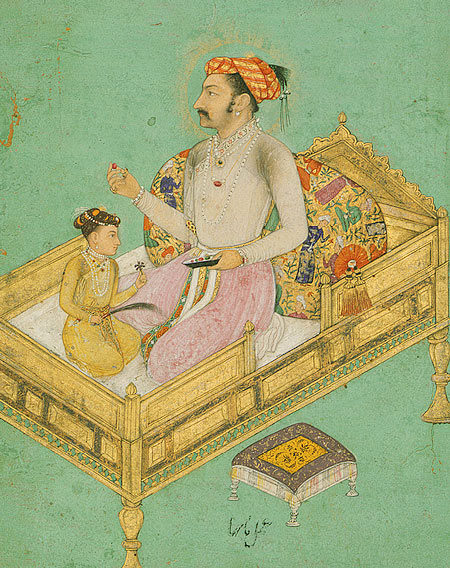
Why did Shah Jahans son translate Upanishads?

upanishads_isa_katha_kena_spanish_ihh009
Research paper written by London Swaminathan
Research article No.1478; Dated 11th December 2014.

Shah Jahan became the most famous Mogul emperor after he built the Taj Mahal monument. His son and Muslim prince Dara shikoh was very much interested in the Upanishads. He brought Pandits from Kasi (Varanasi) to Delhi in 1656 and arranged the translation of fifty Upanishads into Persian. Upanishads are in Sanskrit language. Then Anquetil Duperron translated them from Persian into Latin. Thus it reached Europe.
The teachings of the Upanishadic sages, for long recorded and passed on by memory, provide some of the greatest treasures that India offers to Mankind.

When do you study the Upanishads?
Manu in his book The Laws of Manu, says,

“When a householder sees his skin wrinkled and his hair white, and sees the birth of his grandsons, then he may resort to the forest …. either committing his wife to his sons or accompanied by her”
In those days all the Upanishads were composed and taught in the forests. Nowadays we can retire to old age homes or a place far away from one’s relatives and study the Upanishads.
Big Ashrams around India offer special courses in the Upanishads.

German philosopher Schopenhauer read the Latin translation and said, “It has been the most rewarding and the most elevating reading which there can be possibly in the world. It has been the solace of my life and will be of my death”.

Many scholars including Prof. Max Muller and Prof. Paul Deussen also translated them.

Shah_Jahan_with_his_son_Dara_Shikoh,ca._1620
Shah Jahan and his son Dara Shikoh

116 Upanishads in Japanese Language!
“It is very interesting to find that a complete translation of 116 Upanishads in Japanese language appeared in nine volumes translated by a band of 27 persons, adding also a translation of the ten Upanishads from Duperon’s version”.

“One of the excellent translations of the major Upanishads (in fact, of thirteen Upanishads including Kausitaki and Maitri, besides the usual elevens) is of Robert Ernest Hume, first published in English in 1921, revised in 1931. Prof. S Radhakrishnan’s translation of the Major Upanishads is also a valuable addition to this literature, particularly his notes and annotations. Swami Chinmayananda’s critical commentary on the Upanishads would be an asset to his admirers”.

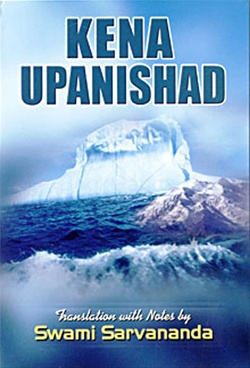
kena

“The Upanishad like Mandukya is cryptical and concise;
The Isa Upanishad, the fundamental and concise;
and the Chandogya and Brahadaranyaka are elaborate and highly illuminating and potential.
Where logic fails to express, it is poetry that comes to help.”

–Swami Satya Prakash Saraswati, Parables and Dialogues from the Upanishads

The parables in the Buddhist literature and the New Testament of the Bible, dialogues in Socrates’ teaching are all echoes of the Upanishads.
swami_48@yahoo.com

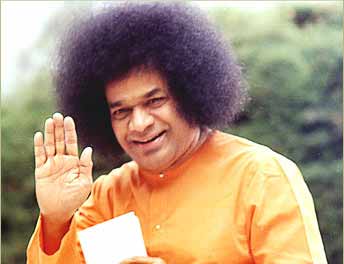
Sathya Sai Baba explains the effect of Karma

indian-guru-sathya-sai-baba

Written by Santhanam Nagarajan

Article No.1477; Dated 11th December 2014.

Fate and Free will – Part V

Sri Sathya Sai Baba gives one simpler example to explain Prarabhda, Sanchita and Agami karmas.

He explains:
Prarabhda can be compared to the dust that follows in the wake of a bus. When the bus is going, the dust also will be following it. So when the Karma which can be compared to the bus, is running, the Prarabhda, which can be compared to the dust will be pursuing it. When the bus stops and does not travel, then the dust comes and falls over it. But when the bus does not stop and keeps on running, the dust will be only at a distance. So when we are satisfactorily doing our daily duties without interruption, the dust or the Prarabhda will be at a distance and behind us without affecting us.

You may ask how long can we travel in a bus? We have to stop somewhere, It is not so. This road is of three kinds; work, worship and wisdom. This work is related to Karma and dust will be only there. You may take this as a village road. But if you pass some distance, then you will have a better road, a tar road. When the tar road comes, the dust will never fall on the bus. If you go still further you shall reach trunk road, the high way. So the road of karma is called the village road. Bhakti or worship is the town road or the tar road. Wisdom is the highway wherein there is no possibility of the dust coming. When we are following only the path of Karma, this Prarabhda will never come to an end. But, if we do the Karma in a way that we perform all actions for the pleasure and for the satisfaction of God, in worship and dedication to Him, no Prarabhda will trouble us.”

Now the question arises- By worshipping God can the Prarabhda and Sanchita Karmas be removed?

baba1

Baba clarifies:

“We need be afraid of Prarabhda or Sanchita. If we think that the effect of the Prarabhda Karma is inescapable, then what is the use of worshipping God? Even though Prarabhda is there, the grace of God will certainly remove to a large extent the bad effects from the Prarabhda.

Here is a small example for this. There is an injection bottle. It will be written on that, that the medicine inside can be used upto 1970. That bottle is there even in the year 1972 and the medicine is also there in the bottle, but the medicine will have no power. It cannot serve its purpose. So in the same way, that in our destiny there may be medicine of Prarabhda but by the grace of God we can weaken its effect, blunt its effect. Even though it is there, it can not trouble us. We can become beneficiaries of God’s grace; we need not be afraid of either Prarabhda or Sanchita or Agami. If God is pleased with our worship, He will certainly annul the bad effects of Prarabhda and Sanchita. Therefore the most important thing we have to try is to earn the grace of God by which we can overcome all these bad effects.”

So the secret to overcome the bad karmas is Devotion to God.
We will analyze further fate and freewill in our next article.

Summary
How to weaken the bad effects of Prarbhda karma? Sri Sathya Sai Baba explains that God can weaken the effects of Prarabhda. Even though it is there it can not trouble us. Secret to overcome the bad effects of Prarabhda Karma is explained in this article.

பிரிட்டனில் பாண்டியர் சின்னம்; கீதையில் ஏசு!!

kilpeck church-2
Kilpeck Church, United Kingdom

கட்டுரையை எழுதியவர் :– லண்டன் சுவாமிநாதன்
ஆராய்ச்சிக் கட்டுரை எண்- 1476; தேதி 11 டிசம்பர், 2014.

பிரிட்டனிலும் இத்தாலியிலும் பல சர்ச்சுகளில் பாண்டியர்களின் மீன் சின்னம் காணப்படுகிறது. இது ஏன்?
ஏசு கிறிஸ்துவை மீன் என்று அழைத்தது எதனால்?

உலகம் முழுதும் மீன்களை காதல் மற்றும் அதிர்ஷ்ட சின்னமாகக் கருதுவதே இதற்குக் காரணமா?

எனது ஆங்கிலக் கட்டுரையின் சுருக்கத்தை மட்டும் இங்கே தருகிறேன்:-

1.உலகில் மீனுக்கு தெய்வ அந்தஸ்து கொடுத்தது இந்துக்கள். விஷ்ணுவின் முதல் அவதாரம் மச்சாவதாரம். உலகின் மிகப் பழமையான நூலான ரிக்வேதத்தில் மத்ஸ்ய சம்மட என்ற மர்ம மன்னர் பற்றிய செய்தி வருகிறது. இவரைப் பற்றிய விவரம் எதுவும் கிடைக்கவில்லை.

(உலகம் முழுதும் காணப்படும் மீன் வழிபாடு பற்றி முன்னொரு சமயம் ஆங்கிலக் கட்டுரை எழுதினேன். அதில் மேல் விவரம் காண்க.)

2.உலகில் மீனை, காதல் குடும்ப உறவுடன் சம்பந்தப் படுத்தியவர்கள் இந்துக்களே. காதல் தெய்வமான மன்மதனின் கொடியில் இருப்பது மீன்.

3.சிந்துசம்வெளிச் சின்னங்களில் மீன் வடிவில் உள்ள எழுத்துக்கள் எல்லாம் ஒளிவீசும் கடவுளரைக் குறிக்கும் என்பது அறிஞர்கள் வாதம்.

4.எகிப்தில் மன்னர்களும் குருமார்களும் மீன் சாப்பிட முடியாது. ஏனெனில் அவை புனிதமானவை.
5.சீனாவில் மகிழ்ச்சி, குடும்ப உறவின் சின்னம் மீன்கள்

three fishes scan
From Church Walls

6.சிந்தி இன மகான் உள்பட பல சாது சந்யாசிகள் – எல்லா மதங்களிலும் — மீன்களுடன் தொடர்புடையோரே.

7.ஏசு கிறிஸ்துவை மீன் சின்னத்துடன் தொடர்புபடுத்துவர். கிறிஸ்தவர்களைத் துன்புறுத்திய ரோமானிய மன்னர்களிடமிருந்து மறைக்க இப்படி மீன் சின்னத்தைப் பயன்படுத்தினர் என்பது ஒரு தரப்பு செய்தி.

இப்படிப்பட்ட செய்தி எல்லாம் ஐந்து ஆறு நூற்றாண்டுகளுக்குப் பின்னரே அதிக அளவில் உலவியது. க்ரேக்க மொழியில் மீன் என்பதற்கான இத்திஸ் என்ற சொல்லை அவர்கள் சுருக்கெழுத்தாகப் பயன்படுத்தினர் என்பர். ஆனால் இவை எல்லாம் பிற்கால கட்டுக் கதைகள் என்பது எனது துணிபு.

ஏசு கிறிஸ்துவுக்கும் கிரேக்க நாட்டுக்கும் எந்தத் தொடர்பும் கிடையாது. ஒருவனைக் கூப்பீட்டு மூக்கைத் தொடு என்றால் நேரடியாக மூக்கைத் தொடுவதற்குப் பதிலாக கழுத்துக்குப் பின் கையை வளைத்துத் தொட முயற்சிப்பதற்கு இது சமம்.

gold coin

பானை என்ற சொல்லுக்குப் பொருள் என்ன? என்று கேட்டால் பாலும் நெய்யும் வைக்கும் பாண்டத்துக்கு பால்+நெய்= பானை என்று எட்டுக்கட்டிச் சொல்வது போன்றதே இது.

உண்மையில் ‘’ஜஸ’’ என்ற சம்ஸ்கிருத சொல் மீனைக் குறிக்கும். ஜஸானாம் ச மகர அஸ்மி == மீன்களில் நான் மகரமாக இருக்கிறேன் – என்று கிருஷ்ண பரமாத்மா பகவத் கீதையின் விபூதி யோகத்தில் சொல்லி இருக்கிறார். ஆக ‘’ஜஸ’’ என்ற சம்ஸ்கிருத்ச் சொல்லையே கிறிஸ்தவர்கள் சங்கேதச் சொல்லாக பயன்படுத்தினர் என்று பொருள் கொள்வதே பொருத்தமுடைத்தாம்.

மீன் சின்னம் அதிர்ஷ்ட சின்னம் என்பதால் உலகம் முழுதும் – அதாவது கிறிஸ்து பிறப்பதற்கு முன்னரே பயன்படுத்தினர்.

8. புத்த மதத்தில் எட்டு மங்களச் சின்னங்களில் ஒன்று—- இரண்டு மீன்கள்.
9.மஹாவீரர் பிறப்பதற்கு முன்னர் அவர் தாய் கண்ட கனவில் வந்த 16 சுப சின்னங்களில் துள்ளிப் பாயும் இரண்டு மீன்கள் இருந்ததாக சமண மத நூல்கள் செப்பும்.

10.பாண்டியர் காசுகள், செப்பேடுகள் முதலியவற்றில் இரண்டு மீன்களைப் பொறித்ததற்கு அதிர்ஷ்டம் என்பதே காரணமாக இருக்கலாம்.

pandya-flags

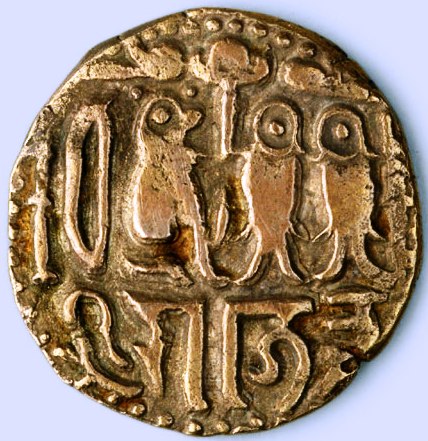
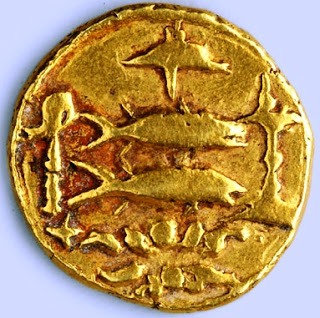
11. கர்நாடகத்தை ஆண்ட ஆலுபா என்ற பாண்டிய வம்சத்தினர் தங்கக் காசுகளில் மீன்களைப் பொறித்தனர்.. ஹொய்சாளர் சின்னங்களிலும் இதைக் காணலாம்.

12.பிரிட்டன், இத்தாலி போன்ற நாடுகளில் சர்ச்சுகளில் காணப்படும் இரட்டை மீன்கள் ஐந்தாவது நூற்றாண்டுக்குப் பின்னர் கிறிஸ்துவுடன் தொடர்புபடுத்தப்பட்டது.

13.பைபிளில் நிறைய சம்ஸ்கிருதச் சொற்கள் இருப்பது பற்றி நான் இரண்டு பகுதிகளைக் கொண்ட கட்டுரை எழுதியுள்ளேன். மச்சாவதாரம் போன்ற கதை பைபிளிலும் உண்டு. அதில் மனு என்பதற்குப் பதிலாக நோவா என்பவர் பெயர் வரும். நாவ என்றால் படகு, கப்பல் என்று வடமொழியில் பொருள். நோவா ஒரு கப்பலைக் கட்டிக் கொண்டுவந்ததால் அவருக்கு கப்பல்காரன் (நாவ=நோவா) என்ற பெயர் வந்தது. முஸ்லீம்களில் கடல் வணீகம் செய்தவர்களை மரைக்காயர் (மரக்கலக் காரர்) என்று அழைப்பது போல இது. ஆதாம், ஏவாள் என்பதெல்லாம் ஆத்மா, ஜீவாத்மா என்ற சொற்களின் மரூஉ என்று காஞ்சி பரமாசார்ய சுவாமிகள் கூறியதையும் முன்னரே கொடுத்துவிட்டேன்.

vira pandya
Pandyan Coins

முடிவுரை
1.இரட்டை மீன்கள் புனிதச் சின்னம்—அதிர்ஷ்டச் சின்னம் என்பதால் உலகம் முழுதும் உள.
2.ஜீசஸ் என்ற ஏசுவின் பெயர் ‘’ஜஸ’’ என்ற சம்ஸ்கிருதச் சொல்லுடன் ஒத்து இருப்பதால் இதை ஏசுவைக் குறிக்கும் ரகசிய சொல்லாகப் பயன்படுத்தினர். கிரேக்கம், லத்தீன், ஜெர்மானிய மொழிகள் எல்லாம் சம்ஸ்கிருதக் குடும்பத்தைச் சேர்ந்ததே என்று உலகமே ஒப்புக் கொள்வதால் மேல் விளக்கம் தேவை இல்லை.

3.மீனை புனித நிலைக்கு ஏற்றி சிந்து வெளி முத்திரைகளிலும் கடவுள்/தேவர் என்ற பொருளில் பொறித்தது இந்துக்களே.

100 யானைகளை மலையிலிருந்து உருட்டிவிட்ட ஹூண மன்னன்!

huns map

ராஜதரங்கிணி அதிசயங்கள் – பகுதி-2

கட்டுரையை எழுதியவர் :– லண்டன் சுவாமிநாதன்
ஆராய்ச்சிக் கட்டுரை எண்- 1475; தேதி 11 டிசம்பர், 2014.

(நிறைய கட்டுரைகள் எழுதிக் கொண்டிருப்பதால் ஆங்கிலத்தில் வெளியான எனது கட்டுரையின் சுருக்கமான சாராம்சத்தை மட்டும் தருகிறேன்.)

“ராஜதரங்கிணி அதிசயங்கள் முதல் பகுதி”–யில் இந்த நூல் ஏன் தமிழர்களுக்கும் இலங்கை மக்களுக்கும் முக்கியமானது என்று எழுதினேன். முதல் தரங்கத்தில் (அத்தியாயத்தில்) ஹூண மன்னன் மிகிரகுலன் செய்த அட்டூழியங்கள் பற்றி வருகிறது.

1.மிகிரகுலன், நூறு யானைகளை மலையில் இருந்து உருட்டிவிட்டு அவை கதறிக் கதறி சாவதைக் கண்டு மகிழ்ந்தான். அரண்மனைக்குள் நுழைவதற்கு முன் “என்ன இது விநோத சப்தம்?– என்று வினவினான். காஷ்மீர் மலை முகட்டில் இருந்து ஒரு யானை மலைப் பள்ளத்தில் விழுந்துவிட்டது. அதனுடைய கதறல் சப்தம் இது — என்று அதிகாரிகள் கூறினர். உடனே அவனுக்கு மயிர்க்கூச்சம் ஏற்பட்டது. கேட்பதற்கே வேடிக்கையாக இருக்கிறது. மேலும் பல யானைகள மலை உச்சிக்குக் கொண்டு சென்று விரட்டி விழச் செய்யுங்கள் என்றான். அது முதல் அவனுக்கு யானைகளை உருட்டி விளையாடுவது பொழுது போக்கு ஆகிவிட்டது!!

2.மனைவி பிளவுசில் (ரவிக்கை) பாதங்கள் படம் இருப்பதைப் பார்த்து அதை ஏற்றுமதி செய்த இலங்கை மீது படை எடுத்தான். மனைவி அழகான ‘’டிசைன்’’ போட்ட பிளவுஸ் அணிந்து வந்தாள். உடனே இதை எங்கு வாங்கினாய்? மார்பகப் பக்கத்தில் கால் சுவடுகள் இருக்கிறதே! என்றான். அரசாங்க அதிகாரி ஓடி வந்து, இதை இலங்கையில் இருந்து வரவழைத்தோம். அங்கு மன்னரின் பாதங்களைப் போட்டு இப்படி துணிகள் தயாரிக்கிறார்கள் என்றனர். உடனே கோபம் பொத்துக் கொண்டு வந்தது. ‘’படை எடு, படை எடு’’- என்று கூச்சலிட்டான். இலங்கை மன்னன் புயல் வேக ஹூணப் படைகள் வருவதை அறிந்து ஓடி ஒளிந்தான். வேறு ஒரு மன்னனை பதவியில் அமர்த்திவிட்டு, மிகிரகுலன், புத்த மதப் பொக்கிஷங்களைச் சூறையாடிவிட்டு காஷ்மீருக்குத் திரும்பினான்.

3.போகும் வழியில் தமிழ்ச் சோழ மன்னன் தலையிலும் இரண்டு தட்டு தட்டிவிட்டுப் போனான். இவை எல்லாம் கல்ஹணர் எழுதிய விஷயங்கள். யார் அந்தச் சோழன் என்பதை தமிழர்கள் ஆராய வேண்டும்.

4.ஒரு அணையில் பாறாங்கல் அடைத்துக் கொண்டது. யாரவது ஒரு பத்தினி தொட்டால் பாறை அகன்றுவிடும். அதில் ஒரு யக்ஷன் இருக்கிறான் என்று அறிஞர்கள் சொன்னார்கள். பத்தினி என்று சொல்லிக் கொண்ட பெண்கள் தொட்டும் நகராமல் ஒரு குயவப் பெண் தொட்டவுடன் பாறை விலகியது. இதனால் கோபம் அடைந்து உயர் ஜாதிகளைச் சேர்ந்த மூன்று கோடிப்பேரை கொன்று குவித்தான். உயர்குலப் பெண்கள், அவர்களுடைய கணவன்மார்கள், குழந்தைகள் எல்லோரையும் கொன்றான்.

huns_gd

(இப்படி நடக்குமா? என்று நாம் யோசிப்போம். ஆனால் வரலாற்றில் இப்படி எவ்வளவோ சம்பவங்கள் உண்டு. ஹிட்லர், ஸ்டாலின், சூ என்லாய் போன்றோர் கோடிக் கணகான மக்களைக் கொன்றார்கள். அமெரிக்கா அணுகுண்டு வீசி ஹிரோஷிமா, நாகசாஹியில் ஒன்றும் அறியாத அப்பாவி ஜப்பானிய பொதுமக்களை மில்லியன் கணக்கில் கொன்று குவித்தது. அண்மையில் சதாம் ஹுசைனின் பேரக் குழந்தையைக் கூட அமெரிக்கா கொன்றது. இந்திரா காந்தியை சீக்கியர்கள் கொன்றனர் என்பதற்காக 3000 சீக்கியப் பெண்கள் குழந்தைகள், ஆண்களை ரவுடிக் கும்பல்கள் கொன்றன. திருஞான சம்பந்தர் என்ற பிராமண சிறுவனின் மடத்துக்கு தீவைத்த 8000 சமணர்களை பாண்டிய மன்னன் கழுவேறச் செய்தான். பொற்கொல்லன் ஒருவன் காரணமாக கோவலன் கொலையுண்டதால் கண்ணகி என்னும் பத்தினித் தெய்வத்துக்கு ஆயிரம் பொற்கொல்லர்களைப் பாண்டிய மன்னன் பலி கொடுத்தான் என்பது சிலப்பதிகாரம் நமக்கு அளிக்கும் செய்தி. இலங்கையில் கடைசி காலத்தில் ஆயிரக் கணக்கான தமிழர்கள் கொல்லப்பட்டனர். ஆயிரம் யானைகளைக் கொல்வோர் மீது மட்டுமே பரணி பாட முடியும் என்று தமிழ் நூல் கலிங்கத்துப் பரணி கூறுகிறது. ஆயினும் முறையான போரில் எதைக் கொன்றாலும் அது குற்றமாகாது என்று எல்லா நாடுகளும், மதப் புத்தகங்களும், இலக்கியங்களும் சொல்லும்.)

5.இவ்வளவு பாபம் செய்தும் இவன் கொடுத்த தானங்களை வாங்க காஷ்மீரி பிராமணர்கள் வரிசையில் நின்றனர்! அத்தகைய பிராமணர்க்ளும் கொடியவர்களே என்று காஷ்மீரி பிராமணன் கல்ஹணன் சாடுகிறான். இவர்தான் ராஜ தரங்கிணி என்னும் நூலின் ஆசிரியர்.

6.இறுதியில் எல்லாவற்றுக்கும் பரிகாரமாக கூரான வாள் பொருத்தப்பட்ட கொதிக்கும் இரும்புப் பலகையின் மீது ஏறி உயிர்விட்டான் மிகிரகுலன்.

7.இவனுக்கு புத்தமதம் பிடிக்காது. ஆகையால் ஆப்கனிஸ்தானத்தில் உள்ள புத்த விஹாரங்களையும் தூபிகளையும் நாசம் செய்து புத்த குருமார்களைக் கொன்று குவித்தான். சைவ சமயத்துக்கு மட்டும் ஆதரவளித்தான். சீன யாத்ரீகன் யுவாங் சுவாங்கும் இதைக் குறிப்பிடுகிறான்.

8.இவன் ஆண்டது கி.பி.515-ஐ ஒட்டிய காலம். அப்பொழுது தமிழ் நாட்டில் பல்லவர் ஆட்சி நடந்தது. ஆயினும் ஆங்காங்கே சேர சோழ, பாண்டிய மன்னர்கள் பெயரளவுக்கு இருந்திருக்கலாம்.

9.இவனுடைய ஆட்சி குவாலியர் (ம.பி) வரை இருந்தது ஒரு கல்வெட்டால் தெரிகிறது. பிறகு யசோ வர்மன் அல்லது பாலாதித்யன் என்ற குப்த மன்னன் இவனை விரட்டி அடித்தனர். அதற்குப் பின்னரே காச்மீரையும் ஆப்கனிஸ்தானத்தையும் வென்றான்.

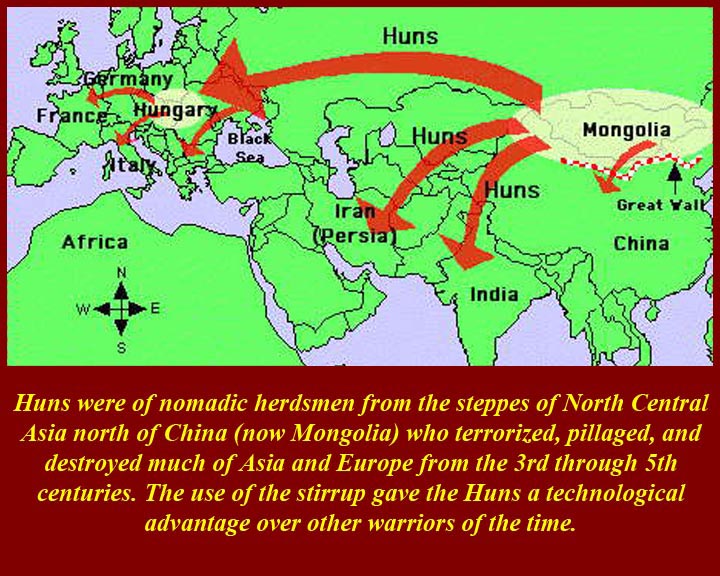
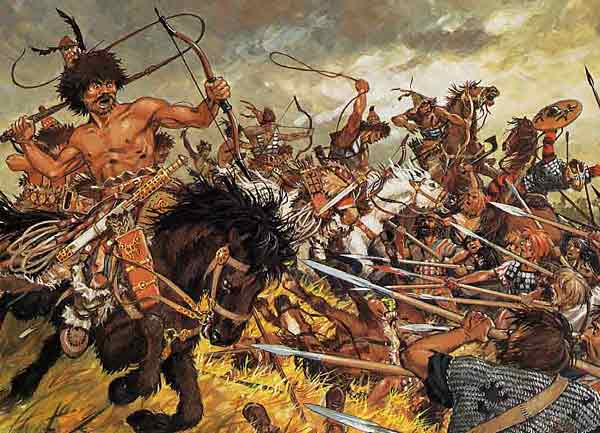
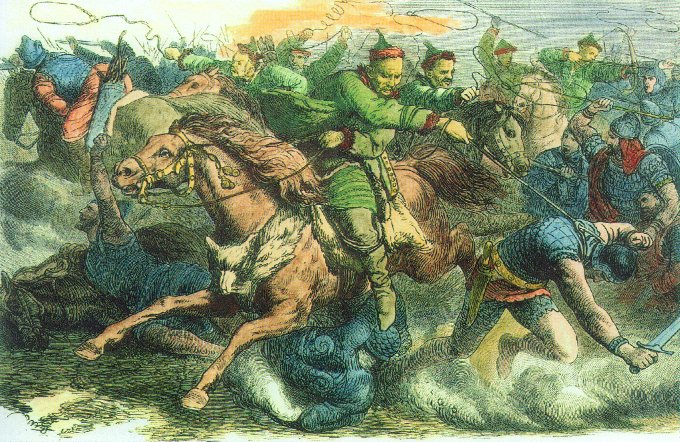
10.ஹூணர்கள் என்பவர்கள் மங்கோலிய வம்சத்தினர் — நாடோடி மக்கள் — புயல் போல வருவர் — காட்டுமிராண்டிகள் போல நடந்து கொள்வர். புயற் காற்று சேதத்தை உண்டாக்கிவிட்டு போய்விடுவது போல இவர்களும் போய் விடுவர். போகும் வழியில் கிடைத்ததை எல்லாம் வாரிச் சுருட்டிக் கொண்டு போய்விடுவர்.
elephants

மேற்கூறிய விஷயங்களை விரிவாக அறிய விரும்புவோர், ஸ்லோகம் வாரியான முழு மொழி பெயர்ப்பையும் இந்தக் கட்டுரையின் ஆங்கில வடிவில் காண்க.

மூன்றாவது பகுதியில் மேலும் பல சுவையான செய்திகளைத் தருகிறேன்

—சுபம்—-
Hunnen

தமிழில் பழ மறையைப் பாடுவோம்: பாரதியார்

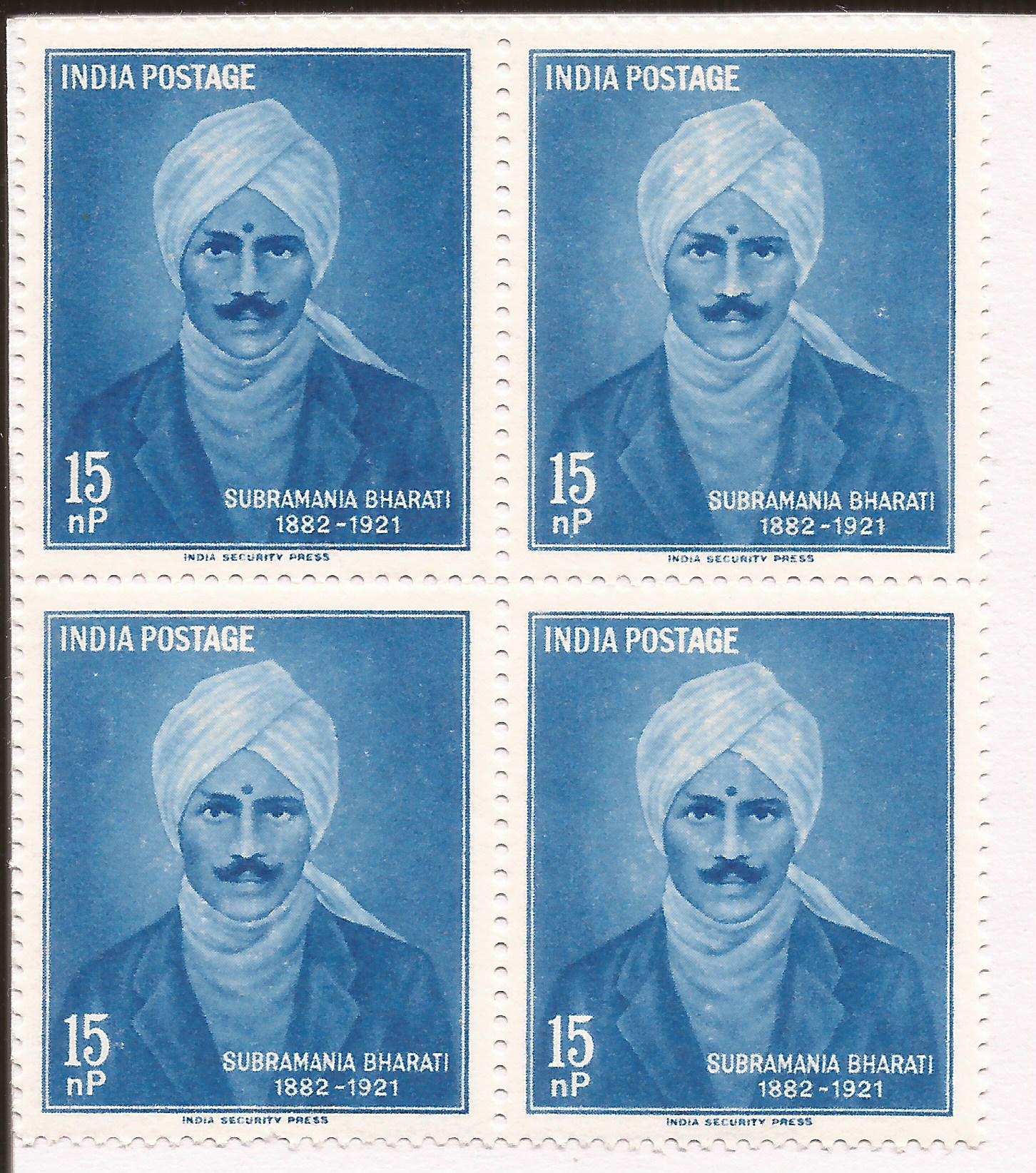
bharati stamp

கட்டுரையை எழுதியவர் :– லண்டன் சுவாமிநாதன்
ஆராய்ச்சிக் கட்டுரை எண்- 1474; தேதி 11 டிசம்பர், 2014.
Today is Bharathyar’s Birth Day

அமிழ்தம் அமிழ்தம் என்று கூவுவோம்—நித்தம்
அனலைப் பணிந்து மலர் தூவுவோம்
தமிழில் பழமறையைப் பாடுவோம்—என்றும்
தலைமை பெருமை புகழ் கூடுவோம்

பாரதியார் ஒரு தீர்க்கதரிசி. அவர் சொன்னதெல்லாம் நடந்து வருகிறது. சந்திரமண்டலத்தியல் கண்டு தெளிவோம் என்றார். நாம் சந்திரனுக்கு விண்கலம் அனுப்பி வெற்றி கண்டு விட்டோம். சிங்களத் தீவினுக்கோர் பாலம் அமைப்போம் என்றார். இன்னும் ஐம்பது ஆண்டுகளுக்குள் இலங்கைக்கு சாலைப் பாலம் அமைத்து விடுவோம். எல்லோரும் அமர நிலை எய்தும் நன்முறையை இந்தியா உலகிற்களிக்கும் என்றார். நாம் வல்லரசு ஆகும் காலம் வெகுதூரத்தில் இல்லை. அப்போது நாம் சொல்வதை எல்லோரும் கேட்பர்.

தேமதுரத் தமிழ் ஓசை உலகமெலாம் பரவும் வகை செய்தல் வேண்டும் என்றார். இன்று உலகெங்கும் தமிழ் பள்ளிகளும் தமிழ் சங்கங்களும் தமிழ் கோவில்களும் உள. சொல்லில் உயர்வு தமிச் சொல்லே அதை தொழுது படித்திடடி பாப்பா என்றார். இன்று தமிழ் மொழி செம்மொழியாக் கப்பட்டுவிட்டது. மறைவாக நமக்குள்ளே பழங்கதைகள் பேசுவதிலோர் மகிமை இல்லை. திறமான புலமை எனில் வெளிநாட்டோர் அதை வணக்கம் செய்தல் வேண்டும் என்றார். இன்று இந்தியர்கள் திறமையை உலகமே கண்டு வியந்து பெரிய பதவிகளைக் கொடுத்து உயர்ந்த சம்பளத்தில் அமர்த்தியுள்ளது.

தமிழில் பழமறையைப் பாடுவோம், வேதம் என்றும் வாழ்கவென்று கொட்டு முரசே என்றும் பாடினார். வேதத்தின் பெருமைதனை உலகம் போற்றத் துவங்கிவிட்டது. அவர் எதை எதை எல்லாம் மற்றவர்கள் செய்ய வேண்டும் என்று எதிர் பார்த்தாரோ அதைத் தானே செய்தும் காட்டினார்.
அவர் பாடல்களில் நிறைய வேத மந்திரங்கள் மொழிபெயர்க்கப்பட்டுள்ளன. இதோ சில எடுத்துக் காட்டுகள்:

அயம்லோகாஹா ப்ரியதமஹ = அனைத்திலும் இனியது இவ்வுலகம் என்று அதர்வ வேதம் கூறுகிறது. இதை உலகு இன்பக் கேணி என்று மொழி பெயர்த்தார்:
ஒன்று பரம்பொருள் நாம் அதன் மக்கள்
உலகின்பக் கேணி என்றே – மிக
நன்று பல்வேதம் வரைந்த கை
பாரத நாயகி தன் திருக் கை — என்று பாடினார்.

ஏகம் சத் விப்ராஹா பஹூதா வதந்தி = உண்மை ஒன்றே; அறிஞர்கள் அதைப் பலவாறாகப் புகல்வர் – என்று கடவுள் ஒருவரே என்று ரிக் வேதம் சொன்னதையும் மேற்கூறிய வரிகளில் காணலாம்.

இந்துக்கள் பிள்ளையாரைத் தொழாமல் எந்தக் காரியத்தையும் செய்யமாட்டார்கள். சுக்லாம் பரதரம் என்று மந்திரத்தைச் சொல்லித் தலையில் குட்டிக் கொண்டு அமிர்த தாரை விழும் இடத்தில் ‘’அக்யூபிரஸ்ஸர்’’ கொடுத்துவிட்டுத்தான் எல்லா பூஜைகளையும் தொடங்குவர்.. அதை அவர் அழகிய தமிழில்
வெள்ளாடை தரித்த விட்டுணு என்று செப்பிய மந்திரத் தேவனை
=சுக்லாம் பரதரம் விஷ்ணும் சசிவர்ணம் என்று சொல்கிறார்.

Subramanya Bharati

இப்பொழுது எல்லா இந்துக்களுக்கும் ஓம் பூர் புவஸ்ஸுவஹ தத் சவிதுர் வரேண்யம், பர்கோ தேவஸ்ய தீமஹீ என்ற காயத்ரி மந்திரம் தெரியும். இதை அவர் அழகிய தமிழில்
“செங்கதிர்த் தேவன் சிறந்த ஒளியினைத் தேர்கின்றோம்—அவன்
எங்கள் அறிவினைத் தூண்டி நடத்துக” — (காயத்ரி மந்திரம்)
என்று மொழி பெயர்த்தார். சம்ஸ்கிருதம் தெரியாதவர்களும் இந்தத் தமிழ் மந்திரத்தைச் சொன்னால் அறிவு தெளிவு பெறும். நினைத்ததெல்லாம் கைகூடும்.

தர்மம் சர, சத்யம் வத, ……….. என்று தைத்ரீய உபநிஷத் சொல்கிறது. அதைத் தூய தமிழில்,

வேத வானில் விளங்கி, ‘அறம் செய்மின்
சாதல் நேரினும் சத்தியம் பூணுமின்
தீதகற்றுமின் என்று திசை எல்லாம்
மோத நித்தம் இடித்து முழங்கியே — என்று மொழி பெயர்த்தார்.

பிருஹத் ஆரண்யக உபநிஷதத்தில் வரும் புகழ் பெற்ற
அசதோ மா சத் கமய
தமஸோ மா ஜ்யோதிர் கமய
ம்ருத்யோர் மா அம்ருதம் கமய — என்ற மந்திரத்தை
இருளை நீக்கி ஒளியினைக் காட்டுவாய்
இறப்பை நீக்கி, அமிர்தத்தை ஊட்டுவாய் — என்று அற்புதமாக மொழிபெயர்த்துள்ளார்.

பாரதியாரின் பாடலில் அதர்வ வேதத்தின் தாக்கத்தை அதிகம் காணமுடிகிறது.
கண்ணம்மா என் காதலி – என்ற பாடலில்
பாயும் ஒளி நீ எனக்கு, பார்க்கும் விழி நான் உனக்கு
தோயும் மது நீ எனக்கு, தும்பியடி நான் உனக்கு
வீணையடி நீ எனக்கு, மேவும் விரல் நான் உனக்கு
பூணும் வடம் நீ எனக்கு, புது வயிரம் நான் உனக்கு
வான மழை மது நீ எனக்கு, வண்ண மயில் நான் உனக்கு
பானம் அடி நீ எனக்கு, பாண்டமடி நான் உனக்கு

என்பதெல்லாம் அதர்வண வேத (14-2-71) கல்யாண மந்திரத்தின் பாணியில் இருக்கிறது:

இதே போல சக்திக்கு ஆத்ம சமர்ப்பணம் என்ற கவிதையில் கை முதல் துவங்கி ஒவ்வொரு அங்கத்தையும் இறைவன் பணியில் பயன்படுத்துவது அதர்வண வேத (19-60) மந்திரத்தின் பாணியில் இருக்கிறது:

ஈசாவாஸ்யம் இதம் சர்வம் யத் கிஞ்ச ஜகத்யாம் ஜகத் — என்ற ஈசாவாஸ்ய உபநிஷத வாக்கியம்
துச்சமெனப் பிறர் பொருளைக் கருதலாலே
சூழ்ந்ததெல்லாம் கடவுள் எனச் சுருதி சொல்லும்
என்ற வரிகளில் காணலாம்

இப்படி பாரதி பாடல் முழுதும் வேத முழக்கத்தைக் காணலாம். அவர் பாடியதெல்லாம் வேத மந்திரம் போன்ற சக்தியுடையவை. ஏனெனில் உள்ளத்தில் ஒளி உண்டாகில் வாக்கினிலே ஒளி உண்டாகும் என்று அவரே பாடி வைத்துள்ளார். பாரதி பாடலை நேரம் கிடைக்கும் போதெல்லாம் படியுங்கள் உங்கள் உடலிலும், வீட்டிலும் பாசிட்டிவ் வைப்ரேஷன்ஸ் பரவுவதைக் காண்பீர்கள்.

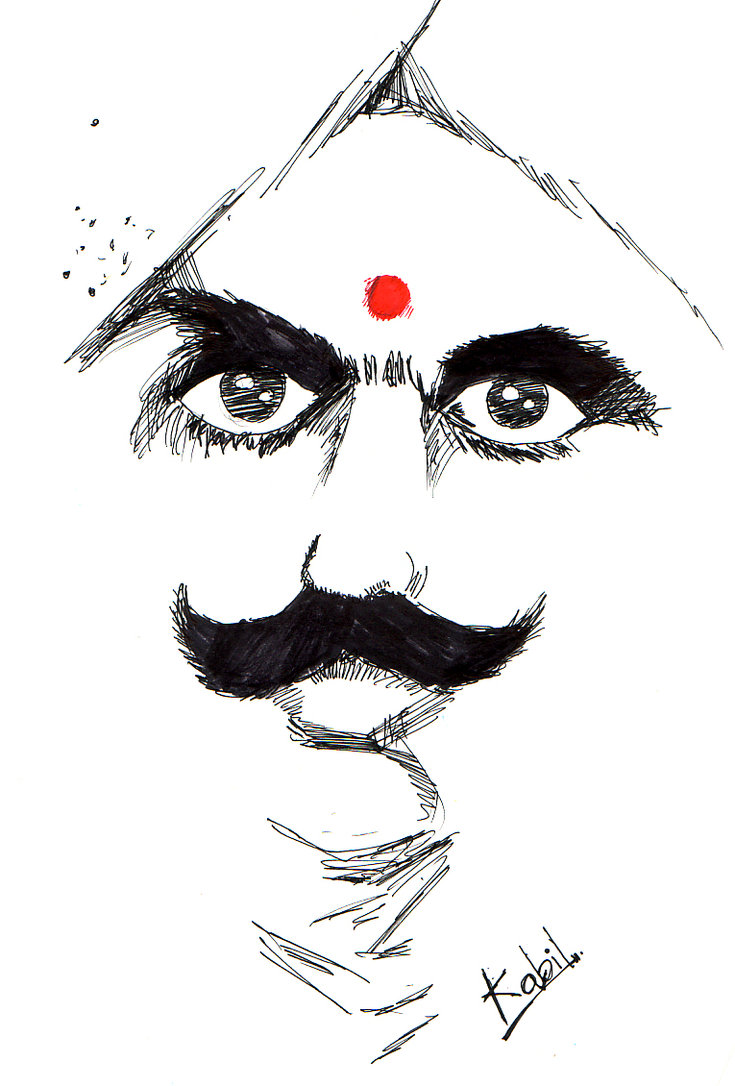
Barathi_by_Kabil
இதோ அவர் எடுத்தாண்ட சில வேத மந்திரங்கள்:
ஜீவா ஜ்யோதிர் அஸுமஹி – ரிக்வேதம்
பொருள்:- அறிவொளி துலங்க நாம் வாழ்வோம்.

ஸர்வ ஆஷா மம மித்ரம் பவந்து
எட்டு திக்கும் என் நண்பர் குழாம் ஆகட்டும் (அதாவது யாதும் ஊரே, யாவரும் கேளிர்)
ஆநோ பத்ராஹா ருதவோ யந்து விஸ்வதஹ – ரிக் வேதம்
அனைத்து திசைகளில் இருந்தும் உயர்ந்த எண்ணங்கள் எங்களை வந்தடைவதாகுக.

அதர்வ வேத மந்திரம் : மணமகளிடம் சொல்கிறான்:–
நம் இருவர் பார்வையும் இனிதாகட்டும்
நம்முடைய முகத்தில் நல் இணக்கம் பிரதிபலிக்கட்டும்
உன் இதயத்தில் எனக்கு இடம் கொடு
நாம் ஈருடல், ஓருயிர்

மணமகள் சொல்கிறாள்:–
இதோ இந்த ஆடையால் உன்னைப் போர்த்துகிறேன்
இது மனுவிடம் இருந்து வந்தது
நீ எனக்கு மட்டுமே சொந்தம் ஆவாயாக
மற்ற எந்தப் பெண்ணையும் புகழாதே
–அதர்வ வேதம் 7-36/37

ஓ இந்திரனே! இந்தப் பெண்ணையும் ஆணையும்
சக்ரவாகப் பறவைகள் போல சேர்த்து வைப்பாயாக
நல்ல வீட்டில் சுகமாக வசித்து
குழந்தைகளுடன் முழு வாழ்வு வாழட்டும்

நான் இது, நீ அவள்
நான் பாட்டு, நீ கவிதை
நான் வானம் நீ பூமி
நாம் இருவரும் கூடி வாழ்வோம்
குழந்திகளுக்கு பெற்றோர் ஆஅவோம்
–அதர்வ வேதம் 14-2

என்னுடைய முந்தைய பாரதி பற்றிய கட்டுரைகள்:
1.மனம் ஒரு பெண், மனம் ஒரு புலி (Posted on 17-2-2014)
2.Quotes from the Greatest Tamil Poet Bharati (11-12-2013)
3.வாழ்க்கையில் வெற்றி பெற பாரதி அட்வைஸ் 10-12-2013
4.பாரதியுடன் 60 வினாடி பேட்டி (16-1-2012 & 10-9-2014)
5.பாரதியின் பேராசை (Posted on 27-12-2012)
6.பாரதி பாட்டில் பகவத் கீதை (Posted on 10-12-2012)
7.பேய்கள் பற்றி பாரதி & விவேகாநந்தர் (Posted on 29-11- 2012)
8.சொல்லில் உயர்வு தமிழ்ச் சொல்லே (Posted on 10-9-2012)
9.பாரதி பாட்டில் பழமொழிகள் (Posted on 25-6-2012)
10.உங்களுக்கு வள்ளுவனையும் பாரதியையும் தெரியுமா? (27-3-2014)
11.காலா என் காலருகே வாடா! ஞானிகளின் ஞானத் திமிர் (23-3-2014)
12.ஆரிய பாரதி வாழ்க (செப் 10, 2014)

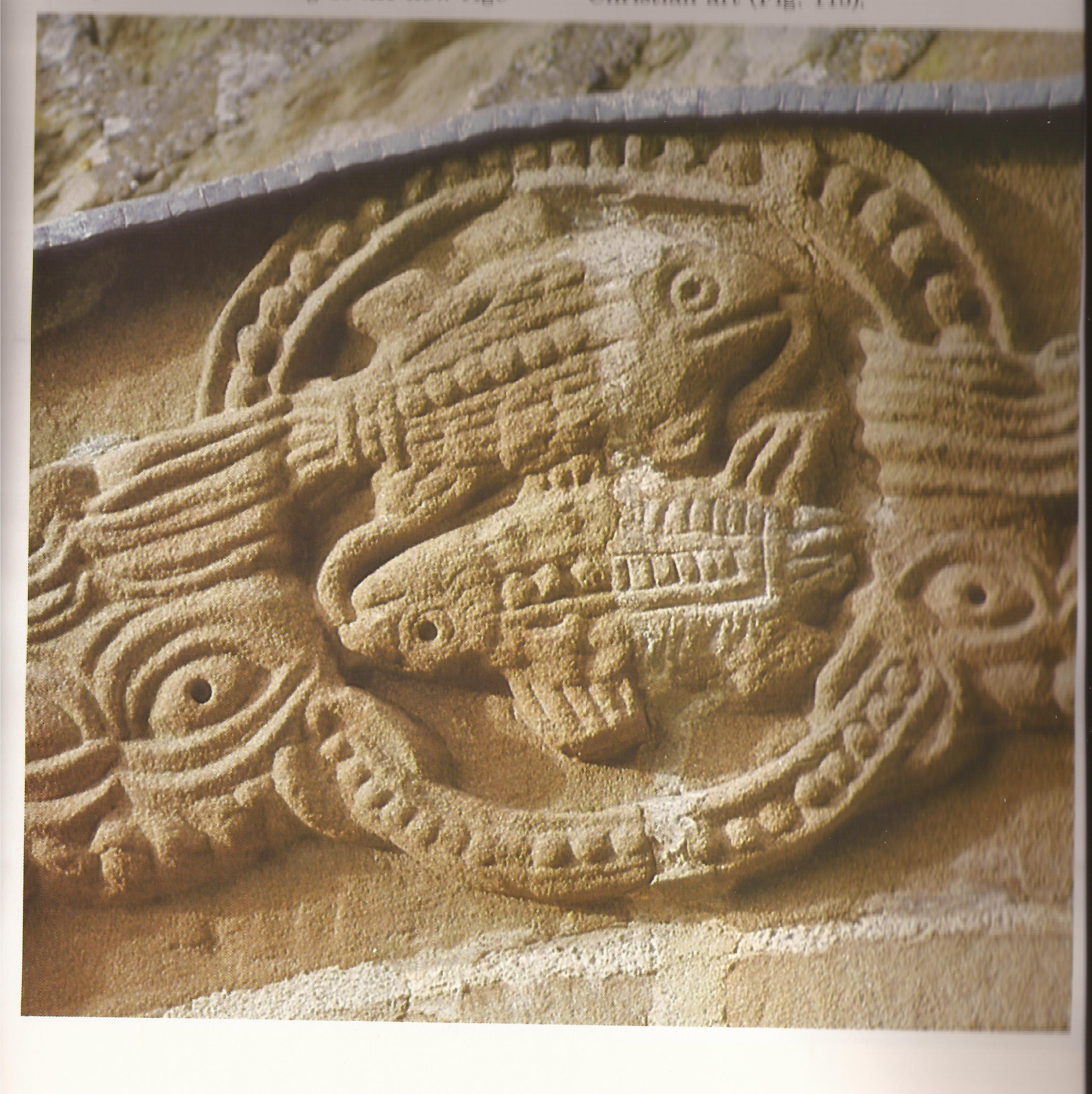
Jesus name in Bhagavad Gita! Tamil Fish symbol in Britain!!

kilpeck church-2
Norman relief carving on the porch of Kilpeck Church, Herford and Worcester (Britain)

Research paper written by London Swaminathan
Research article No.1473; Dated 10th December 2014.

Two thousand years ago Tamil Kings of Pandya Kingdom have two fishes as their emblem. Indus valley civilization has God’s name in the fish icon. Lord Vishnu’s first avatar was Fish (Matsya). Vedas have a mysterious king by name Matsya Sammada. Jesus Christ was identified with Fish. Pandya’s emblem is found around the word.

Why did medieval people use the secret name Fish for Jesus?
Why did Pandya Kings use two fishes as their emblem?
Why do we have the fish emblem around the world?
Why does Manmatha, God of Love, kept Fish in his flag?
Why do we see saints associated with fish including the Sindhi saint?

I have already answered most of these questions in my article Fish God around the World. Now I have more evidence to show that Jesus’ name is a Sanskrit word found in Bhagavad Gita. Now I have evidence to show why Tamil twin fish was used around the world.

Jesus =Jasanam aham Makara: — Lord Krishna (Gita 10-31)

three fishes scan

Three fishes with the name of the fish in Greek Ixths in the Abbey Church, Hexam Priory, Northumberland

Scholars struggled very hard to justify why Jesus was identified with Fish symbol. At last they found out a circuitous route to explain it. They took him all the way to Greece and named him fish in Greek language! No one can see any logic in this strange link! In Greek “Ichtys” means fish and it was the acronym for” Iseous Christos Theou Hyos Soter” (Jesus Christ, Son of God, Saviour). This is a scholarly invention or concoction. It is like giving the meaning for the word ‘WIFE’ as “Worries Invited Fore Ever”! A senseless joke. The fact of the matter is that in the Bhagavad Gita, Hindus’ holy book, Lord Krishna says, “Jasaanaam makaras ca asmi”. The meaning is “Of the fishes I am Makara”. Makara is translated as shark or alligator or even big fish. Here the Sanskrit word for fish is Jasa. In course of time this sound was used for Isa (God), Yasa/s(fame) and names such as Jason etc.

In short, the Sanskrit word for fish and the name of Jesus sounded similar. But scholars struggled very hard to give umpteen interpretations for Jesus’ link with fish.

gold coin
Gold coin of Alupas, Karnataka Pandyas

The fish symbol stands for Gods and Devas in Indus seals according to several scholars which is corroborated by Vishnu’s first incarnation in the story of Great Floods. Even the Biblical name Nova is from the Sanskrit word Nava/Nova=ship. Nova simply meant shipman/boatman. English words Navy, Naval etc came from this Sanskrit word.

Kalidasa also compared fish with devas.
(For more information please read my tow part article Sanskrit in Bible)

vira pandya
Vira Pandya and Sundara Pandya issued coins like this

Fish is a Lucky Symbol and a Love Symbol
Why do we find the Tamil symbol of Two Fishes around the world?
In ancient Egypt kings and priests could not eat fish, because they were considered sacred like the Hindu’s Holy Cow. The eel was sacred symbol of God of Heliopolis and the perch was to the Goddess Neith. In China, fish was the symbol of happiness and sexual pleasure.

In Hindu myth Vishnu as fish saved Manu, the ancestral father of the human race. Greek philosopher Aristotle ignorantly thought fishes were unisexual!

1.The Zodiacal sign Pisces has two fishes. Pandya coins and flags had the same symbol.
2.Norman relief carving on the porch of Kilpeck Church, Hertford and Worcester (U.K.) have the same emblem.
3.Of the Eight Auspicious symbols of Buddhism we have two fishes.

4.Mahavira’s mother had seen 16 auspicious things in her dream and one of them was two jumping fishes.
5.Three fishes were inscribed on several churches to mean Jesus+ 2 Fish
6.The fish on the choir wall of San Miniato al Monte, Florence (Italy) is lit by sun beam for a few seconds every year. It was built in 13th century.

7.Duomo Museum, Orvieto, Italy has two fish sculpture.

pandya-flags
Pandya Flag looked like this.

Conclusion
Emblem of Two fishes has been in use for several thousand years. Hindus, Buddhists and Jains used it even before Christ was born. Pandya kings used it for nearly 2000 years. They represent God Vishnu, Luck and Happiness.

contact swami_48@yahoo.com
மஹரிஷி கவிஞன் பாரதி!

SM_BHARTHI_2317e(1)

டிசம்பர் 11 மஹாகவி பாரதியாரின் ஜன்ம தினம். அதையொட்டிய சிறப்புக் கட்டுரை இது!

மஹரிஷி கவிஞன் பாரதி!

Wriiten by ச.நாகராஜன்
Post No.1472; Dated 10th December 2014

செய்யு(ள்) நலம் சீரழிந்து செந்தமிழும் வாடுகையில்
உய்யு(ம்) நலம் காட்டியவன் ஓர் கவிஞன் – நெய்யுமொரு
கூட்டிற்கோ தேன் கூடு கொட்டு தமிழ்ச் சந்த மொழிப்
பாட்டிற்கோ பாரதியே தான் – ச.நாகராஜன்

தமிழ் தவம் இருந்து பெற்ற கவிஞன்
தமிழ் தவம் இருந்து பெற்ற பிள்ளை பாரதியார். தேசத்தையும் தெய்வத்தையும் ஒன்றாகப் போற்றி தமிழால் பாடி உயர்ந்த சிந்தனைகளை உலகிற்கு அளித்த மகாகவி அவன்.
தேசமும் தெய்வமும் ஒன்றே என்பதைப் பல இடங்களில் அவன் குறிப்பிடுகிறான்.
எடுத்துக்காட்டாக இரு இடங்களைக் குறிப்பிடலாம்.

குரு கோவிந்த சிங் கூறுவதாக வரும் பின் வரும்வரிகள் அவன் தன் கருத்தைத் தெளிவாகத் தெரிவிப்பது கண்கூடு:

“காளியும் நமது கனக நன்னாட்டுத் தேவியும்
ஒன்றெனத் தேர்ந்த நல் அன்பர்காள்!”

இன்னொரு பாடல் :
“முன்னை இலங்கை அரக்கர் அழிய
முடித்த வில் யாருடை வில்?
எங்கள் அன்னை பயங்கரி பாரத தேவி
நல் ஆரிய ராணியின் வில்”

Barathi_by_Kabil

தேசத்தையும் தெய்வத்தையும் தமிழால் பாட அவன் ஏன் முன் வந்தான்?

அதற்கும் அவனே பதில் கூறுகிறான்:
“யாமறிந்த மொழிகளிலே தமிழ் மொழி போல் இனிதாவதெங்கும் காணோம்!”
உலக மகா கவிஞர்களை எல்லாம் பின்னுக்குத் தள்ளி அவன் முன்னணியில் இருப்பதற்கான காரணம் கவிதையை ரஸானுபாவத்திற்காக மட்டும் பாடாமல் தேச எழுச்சிக்கும் சமுதாய உயர்வுக்கும் பெண் விடுதலைக்கும் இன்னுமுள்ள பிற நல்ல காரணங்களுக்காகவும் பயன்படுத்தி தன் தனித்தன்மையை உறுதிப்படுத்தியது தான்! உயர்ந்த சிந்தனையிலிருந்து ஒருபோதும் கீழே வராமல் இருந்த கவிதை ரிஷி அவன்.

ஆனால் காலத்தின் மாறுதலுக்கேற்ப யுகாவதார கவியாய் அவனை ஏன் சுட்டிக் காட்ட வேண்டி இருக்கிறது எனில், இது வரை தோன்றிய அனைத்துக் கவிஞர்களிடமிருந்தும் மாறுபட்டு புதிய நடையில் புதிய சிந்தனையுடன் புதிய லட்சியங்களுக்காக புதிய யுகம் தோன்றுவதற்காக அவன் பாடியது தான்.
போகின்ற பாரதத்தை போ போ போ என்று தூற்றித் தள்ளி விட்டு வருகின்ற பாரதத்தை

small bharati
“ஓளி படைத்த கண்ணினாய் வா வா வா
உறுதி கொண்ட நெஞ்சினாய் வா வா வா”

என்று அவன் வரவேற்ற பாங்கே தனி! இந்தப் பாடலை முழுவதுமாகப் படித்தால் புதிய மந்திரத்தைத் தரும் புது மஹரிஷி கவிஞன் பாரதி என்பதை உணர முடியும்.
பழைய புதிய கவிதா இலக்கணத்தின் சங்கமம்!

அதற்காக சம்பிரதாயமான கவிதை ருசியை அவன் தராமல் இல்லை.
கம்பன் அலை புரண்டு ஓடி வரும் தெள்ளிய கோதாவரி ஆற்றைக் கவிதையுடன் ஒப்பிட்டு இப்படிக் கூறுகிறான்:

“சவியுறத் தெளிந்து தண்ணென்று ஒழுக்கமும் தழுவிச்
சான்றோர் கவியெனக் கிடந்த கோதாவரி”
(ஆரணிய காண்டம் சூர்ப்பணகைப் படலம்,1)

ஒரு கவிதை என்றால் அதில் ஒளி, தெளிவு, குளுமை, ஒழுக்கம் ஆகிய பண்புகள் இருக்க வேண்டும் என்பது கம்பனின் கவிதைக் கொள்கை.

பாரதியின் பாடல்கள் அனைத்தும் கோடி சூரிய பிரகாசம் கொண்ட ஒளிப் பாடல்கள். அதில் தெளிவு பற்றிச் சொல்லவே வேண்டாம். எந்த ஒரு பண்டிதரின் உதவியும் அதைப் புரிந்து கொள்ளத் தேவை இல்லை. சிறு குழந்தை கூட அதைப் படித்துத் தெளிந்து உத்வேகம் பெற முடியும். மனதிற்கு இதமான குளுமையைத் தருவதோடு உயர்ந்த சிந்தனையை மனதில் ஏற்றும் ஒழுக்கம் உள்ள பாடல்கள் அவனுடையவை.

shivaji bharati
உலகின் ஒப்பற்ற கவிதா வரிகள்
உதாரணத்திற்கு இரு பாடல் வரிகளை இங்கு குறிப்பிடலாம்;
ஆசை முகம் மறந்து போச்சே – சொற்றொடரே எளிமையானது; புதுமையானது; மனதின் உருக்கத்தை வெளிப்படுத்துவது.

ஆசை முகம் மறந்து போச்சே – இதை
யாரிடம் சொல்வேனடி தோழி
நேசம் மறக்கவில்லை நெஞ்சம் –எனில்
நினைவு முகம் மறக்கலாமோ?

பாடலை ஒரு முறை மனம் தோய்ந்து படித்துப் பார்த்தால் இனம் புரியாத ஒரு மேலான உணர்வு தோன்றுகிறது, இல்லையா! இதைத் தொடர்ந்து வரும் வரிகளைப் பார்ப்போம்.

தேனை மறந்திருக்கும் வண்டும் – ஒளிச்
சிறப்பை மறந்துவிட்ட பூவும்
வானை மறந்திருக்கும் பயிரும் – இந்த
வையம் முழுதுமில்லை தோழி” -ஆசை முகம் மறந்து போச்சே!!!

jesudas baharati

இதற்கு ஈடான வரிகள் உலக இலக்கியத்தில் எங்கும் இல்லை என உறுதிபடக் கூறலாம்! தேன் – வண்டு, ஒளிச் சிறப்பு – பூ, வான் – பயிர், இப்படி ஒரு அருமையான தொடர் வரிசையை மாபெரும் கவிஞன் ஒருவனால் மட்டுமே பளிச் பளிச் என மின்னல் போலத் தர முடியும். இதில் ஒளி, தெளிவு,குளுமை, ஒழுக்கம் ஆகியவற்றைக் காண முடிகிறது அல்லவா!

இன்னொரு பாடலான கண்ணம்மா என் காதலியில் வரும் அமர வரிகளுக்கு ஈடு இணை உண்டா, என்ன?

பாயு மொளி நீ யெனக்குப் பார்க்கும் விழி நானுனக்கு;
தோயும் மது நீ யெனக்குத் தும்பியடி நானுனக்கு;
வாயுரைக்க வருகுதில்லை; வாழிநின்றன் மேன்மை யெல்லாம்;
தூயசுடர் வானொளியே! சூறையமுதே! கண்ணம்மா!

வீணையடி நீ யெனக்கு, மேவும் விரல் நானுனக்கு;
பூணும் வடம் நீ யெனக்கு, புது வயிரம் நானுனக்கு;
காணுமிடந்தோறும் நின்றன் கண்ணி னொளி வீசுதடி!
எத்தனை நாட்கள் வேண்டுமோ இதன் சிறப்பினை எடுத்துக் கூற! வேதம் ஆழ்ந்து உரைக்கும் மிக மேலாம் சிந்தனைகளை இதில் காணலாம்!

என்னென்று சொல்வது பாரதியாரின் புகழை!
bharati ms

மஹரிஷி கவிஞன் பாரதியை முழுவதுமாகப் பல முறை படித்தவர்கள் அவன் புகழை முற்றிலும் உரைக்க நாள் ஆயிரமும் நா ஆயிரமும் போதா என்றே கூறுவர். என்றாலும் ஹா.கி, வாலம் அம்மையார் பாரதியின் புகழைக் கூறும் சில வரிகளை இங்கே நினைவு படுத்திக் கொண்டு மகிழ்வோம்:

வீரக் கனல் பொங்கும் வெற்றி மணிச் சிங்கம்!
விண்ணாடு மண்ணாடு வியந்து பணி தங்கம்!
கோரப் பகை அடிக்கும் கொடிய மணிக் கதிர்வேல்! ‘
கொடியவர்கள் கொட்டமழி நெடிய மணி நேமி

ஆருக்கும் அஞ்சாத ஆரமர் செல்வன்
அன்புக்கு என்பு தரும் அருளாளன் அண்ணல்

போருக்கு ரகுராமன்! புலமைக்கு வாணி!
பொற்புக்கும் நட்புக்கும் புண்ணியக் கண்ணன்
என்னென்று சொல்வேன் என்னென்று சொல்வேன்”

என்று அவர் பாரதியின் புகழை நெஞ்சாரக் கூறி மகிழ்கிறார்.
பாரதியின் கவிதா வரிகளில்

“சுவை புதிது பொருள் புதிது வளம் புதிது சொற் புதிது
அது ஜோதி மிக்க நவ கவிதை எந்நாளும் அழியாத மஹா கவிதை

பாரதியைக் கற்போம்

கற்பார் பாரதி அல்லாது வேறொன்றைக் கற்பாரோ, என்ன!

ஆயுள் முழுவதும் பாரதியைக் கற்போம்; உயர்ந்த மஹரிஷிகளின் சிந்தனையைப் பெறுவோம். தேசமும் தெய்வமும் ஒன்று எனத் தெளிந்து தமிழால் பாடி நலம் பெறுவோம் வளம் பெறுவோம்!

******

List of 121 Upanishads

The_Brihadaranya_4dfb3f98d7021
Compiled by London Swaminathan
Post No 1471 Dated 9th December 2014

What is the meaning of Upanishad?
Upanishads were written in Sanskrit at least 3000 years ago. There are 13 principal Upanishads. They are the Hindu philosophical treatises. Literal translation of the word UPANISHAD is “sitting down near” (the Guru). Seekers of enlightenment approach a teacher (guru), sit down at his feet and listens to him.

How many Upansihads are there?
There are more than 250 Upansihads. Some of the Upanishads were written 200 years ago.
Which one is the longest Upanishad?
Brihad Aranyaka (Big Forest ) Upanishad
Which is the shortest of the major Upanishads?
Isavasya Upanishad, just 18 verses.

Which is the oldest Upanishad?
Brihad Aranyaka (Big Forest ) Upanishad (before 800 BCE)
Are they all important books? What are the major books?
Adi Shakara, one of the greatest philosophers of the world, wrote commentaries on the important Upanishads. The 13 principal Upanishads are given in CAPITAL letters below.

What is the favourite Upanishad of Mahatma Gandhi?
Isavasya Upanishad, just 18 verses

gpa057
Upansihads in alphabetical order:–

1.Advayatarakopanishad
2.Adhyatmopanishad
3.AITAREYOPANISHAD
4.Akshamalikopanishad
5.Akshyupanishad
6.Amritanadopanishad
7.Amritabindu Upanishad
8.Annapurna Upanishad
9.Arunyopanishad
10.Asramopanishad
11.Atmapujopanishad
12.Atmabodhopanishad
13.Atharvashikopanishad
14.Atharvasirsopanishad
15.Atmopanishad
16.Avadhutopanishad
17.Avyakta Upanishad

nnn791

18Bahbricopanishad
19.Bhasmajabalopanishad
20.Bhavanopanishad
21.Bhikshukopanishad
22.Brahmopanishad
23.Brahmavidyopanishad
24.BRIHADARANYAKOPANISHAD
25.Brihadjjabalopanishad
26.Brahmabindupanishad

27.Caturvedopanishad
28Cakshusopanishad
29.CHANDOGYOPANISHAD

upanishads_in_daily_life_idk769

30.Dhyanabindupanishad
31.Dakshinamurtyupanishad
32.Dattatreyopanishad
33.Devyupanishad
34.Dvayopanishad

35.Ekaksharopanishad

36.Ganapathy Upanishad
37.Gopalapurvatapinyupanishad
38.Gopalatapani Upanishad
39.Garudopanishad
40.Garbhopanishad
41.Gayatrirahasyopanishad
42.Gayatri Upanishad

43.Hamsopanishad
44.Hayagrivopanishad

45.ISAVASYOPANISHAD

shankar

46.Jabaladarsanopanishad
47.Jabalyupanishad
48.Jabalopanishad

49.Kalagnirudropanishad
50.Kalisamtaranopanishad
51.KAIVALYOPANISHAD
52.Katharudropanishad
53.KATHOPANISHAD
54.Kausitakibrahmanopanishad
55.KENOPANISHAD
56.Krishnopanishad
57.Ksuburikopanishad
58.Kundikopanishad

59.Langulopanishad

ekanath eswar

60.Mahopanishad
61.MANDUKYOPANISHAD
62.Mahavakyopanishad
63.Mahanarayanopanishad
64.MAITRAYANI UPANISHAD
65.Maitreyi Upanishad
66.Mantrikopanishad
67.Mandalabrahmanopanishad
68.MUNDAKOPANISHAD
69.Mudgalopanishad
70.Muktikopanishad

71.Nadabindupanishad
72.Narayanopanishad
73.Niralambopanishad
74.Nilarudropanishad
75.Nirvana Upanishad
76.Nrisimhapurvatapinyupanishad
77.Naradaparivrajakopanishad

twelve_essential_upanishads_

78.Pasupatabrahmopanishad
79.Paingala Upanishad
80.Parabrahmopanishad
81.Panca brahmopanishad
82.Paramahamsa Upanishad
83.Paramahamsa parivraja Upanishad
84.Pranagnihotropanishad
85.PRASNOPANISHAD
86.Pranavopanishad

87.Ramarahasya Upanishad
88.Ramapurvatapinyu panishad
89.Radho Upanishad
90.Rudropanishad
91.R udrahridayo Upanishad
92.Rudrakshaja valopanishad

93.Sarabhopanishad
94.Savitryu Upanishad
95.Sandilya Upanishad
96.Sanyasa Upanishad
97.Sarasvatirasyopanishad
98.Saubhagyalakshmiopanishad
99.Sita Upanishad
100.Skandopanishad
101.Sarirakopanishad
102.Sarvasariropanishad
103.Suryopanishad
104.Sabala Upanishad
105.Sukrarahasyopanishad
106.SVETASVATAROPANISHAD

Upanishads-and-Vedas2

107.Tarasara Upanishad
108.Tejabindu Upanishad
109.Trisikharabrahmanopanishad
110.TAITTIRIYOPANISHAD
111.Tripuropanishad
112.Tulasyupanishad
113.Turiyatitopanishad

114.VAJRASUCIKOPANISHAD
115.Varaha Upanishad
116.Vasudevai Upanishad
117.Yogacudamanyupanishad
118.Yajnavalkyopanishad
119.Yogakundalyupanishad

120.Yogatattva Upanishad
121.Yogarajopanishad