உலக அதிசயம்: 2300 ஆண்டு பழமையான நாடக அரங்கு!

sitabenga cave
Sitabenga cave near Ambikapur

மேலும் ஒரு உலக அதிசயம்: 2300 ஆண்டு பழமையான நாடக அரங்கு!

Written by London Swaminathan
Post No. 1041; Dated 14th May 2014.

Already published in English under “Colour Coding in Ancient India Theatres” on 13th May 2014. Following is the Tamil version)

இந்தியாவில் உலகிலேயே மிகப்பெரிய தங்கக் கோவில், உலகிலேயே ஆழமான கிணறு, உலகிலேயே மிகப் பெரிய ஒற்றைக் கல் சிலை —இப்படிப் பலரும் அறியாத அதிசயங்கள் எவ்வளவோ உள்ளன. இவ்வகையில் பலரும் அறியாத நாடக அரங்குகள் ஒரிஸ்ஸாவிலும் சத்திஷ்கர் மாநிலங்களிலும் இருக்கின்றன. இவைகள் இரண்டும் 2300 ஆண்டுகளுக்கு முந்தையவை. பரத முனிவர் வடமொழியில் எழுதிய நாட்டிய சாஸ்திரத்தில் குகை வடிவில் நாடக அரங்குகள் அமைக்கப்பட வேண்டும் என்றும் அதன் நீளம், அகலம் இத்தனை அடிகள் இருக்க வேண்டும் என்றும் எழுதி வைத்திருக்கிறார். அதன்படியே இந்த நாடக அரங்குகள் மலைக் குகைகளில் இருக்கின்றன.

இந்த அரங்குகள் நமக்கு மேலும் பல உண்மைகளைப் புலப்படுத்துகின்றன. பரதர் எழுதிய சம்ஸ்கிருத நாட்டிய சாஸ்திரம் கி.மு.மூன்றாம் நூற்றாண்டுக்கு முந்தையதாக இருக்க வேண்டும்; அல்லது அவர் சொன்ன விஷயங்கள் 2300 ஆண்டுகளுக்கு முன்னரே இருந்தவற்றை அவர் நூல் வடிவில் தந்திருக்க வேண்டும் என்பது முதல் உண்மை. காளிதாசர் கி.மு.முதல் நூற்றாண்டுக்கு முந்தையவர் என்று பல சம்ஸ்கிருத நிபுணர்கள் கருத்து தெரிவித்துள்ளனர். நானும் சங்கத் தமிழ் இலக்கியத்தில், காளிதாசனில் காணப்படும் 200–க்கும் மேலான உவமைகள் இருப்பதை எழுதிவருகிறேன். காளிதாசனும் அவனுக்கு முந்தைய புகழ்பெற்ற பாஷா, கவிபுத்ர, சௌமிள ஆகீய நாடக ஆசிரியர்களைக் குறிப்பிடுகிறார். அதில் பாஷா எழுதிய 13 நாடகங்கள் கிடைத்துள்ளன. மற்றவர்கள் எழுதியது எதுவும் கிடைக்கவில்லை. ஆக பாஷா 2300 அல்லது 2400 ஆண்டுகளுக்கு முந்தையவர் என்பதையும் இந்த நாடக அரங்குகள் மறைமுகமாக நிரூபிக்கின்றன.

சுவையான சில விஷயங்கள்
லண்டனில் நடந்த ஒலிம்பீக்கில் பல வண்ண நாற்காலிகள், அரங்குகளை அமைத்து ‘இந்த வண்ண டிக்கட்டுகள் இருப்பவர்கள் இந்தப் பக்கம் போங்கள், அந்த வண்ண டிக்கட்டுகள் இருப்பவர்கள் இந்தப் பக்கம் போங்கள், மேலே போங்கள்’ — என்றெல்லாம் புதிய உத்திகளை கையாண்டனர். இதை முதலில் சொன்னவர் பரத முனிவர்தான்.

empty_seats_2292113b

பரதமுனிவர் எழுதிய நாட்டிய சாஸ்திரம் பிராமணர்கள் அமரும் இடத்தில் வெள்ளைத் தூண்களும், க்ஷத்ரியர்கள் அமரும் இடத்தில் சிவப்புத் தூண்களும், வைசியர்கள் அமரும் இடத்தில் மஞ்சள் நிறத் தூண்களும், சூத்திரர்கள் அமரும் இடத்தில் கறுப்பு நிறத்தூண்களும் நடப்படவேண்டும் என்று எழுதி வைத்துள்ளார். பிராமணர்கள் முதல் வரிசையில் அமர வேண்டும் என்றும் எழுதி வைத்துள்ளார். இன்று இதைப் படிக்கும் போது சினிமா தியேட்டர் (“Colour Coding’’) சீட்டுகளில் கூட ஜாதி விஷயமா என்று அங்கலாய்ப்பார்கள். ஆனால் எந்த ஒரு ஆசிரியரையும் நாம் எடை போடும் முன்னர், அவர்கள் வாழ்ந்த காலத்தைக் கருத்தில் கொள்ளவேண்டும்.

இன்னொரு சுவையான விஷயத்தையும் சொல்லுகிறேன். நான் 30 ஆண்டுக்காலம் வாழ்ந்தது மதுரையில். அங்கு மீனாட்சி கோவிலுக்கு அடுத்த அளவு பிரசித்தி பெற்றது வடக்கு மாசிவீதி கிருஷ்ணன் கோவில்தான். சங்க காலம் முதல் இருந்து வரும் பெருமாள் கோவிலைவிட இந்தக்க் கோவிலுக்கு ஏன் பெருமை என்றால் மதுரையில் மீனாட்சி கோவிலுக்கு அடுத்தபடியாக நாலு மாசிவீதிகளிலும் சுவாமி பவனி வருவது கிருஷ்ணன் கோவில்தான். அதாவது எல்லா உற்சவ நாட்களிலும்!!

empty 2

இது யாதவரின் கட்டுப்பாட்டில் உள்ளது. எங்கள் 10, 15 பிராமணர் வீடுகளைத் தவிர அங்கே வாழ்ந்தவர்கள் பெரும்பாலும் யாதவர்கள்தான். தமிழ்நாடு சபாநாயகராக இருந்த தமிழ்க்குடி மகன் போன்றோர் வீடு எங்கள் வீட்டுக்கு எதிரேதான். அந்தக் கோவிலில் பிராமணர்களுக்குதான் காலையிலும் மாலையிலும் முதலில் பிரசாதம்!! அது மட்டுமல்ல பிராமணர்கள், கர்ப்பக் கிரகத்திற்குப் பக்கத்தில் உள்ள உயரமான மேடையில் நிற்கவேண்டும். மற்றவர்கள் நாலைந்து படிகள் கீழே இறக்கமான இடத்தில் பள்ளத்தில் நிற்பார்கள்!!

நான் 27 ஆண்டுகளுக்கு முன் லண்டனில் குடியேறும்வரை இந்த வழக்கம் இருந்தது. இதில் மேலும் சுவையான விஷயம் அந்த யாதவகுலத்தைச் சேர்ந்த இளைஞர்களில் 10, 15 பேர் திராவிடக் கழகத்தினர். தீபாவளி அன்றைக்கு துக்க தினம் அனுஸ்ஹ்டிக்க கருப்புச் சட்டைப் போட்டுக் கொண்டு வருவார்கள். ஆனால் யாதவ குல கிருஷ்ண பரமாத்மா உற்சவம் வந்துவிட்டால் கோவிலுக்கு தொண்டு செய்ய வந்து விடுவார்கள். எங்கள் கூட அவர்களும் சேதுபதி உயர்நிலைப் பள்ளியில் படித்ததால் உரிமையோடு கிண்டல் செய்வோம். ‘’ஆ! இது எங்கள் குல யாதவர் பண்டிகை அதனால் விட்டுக் கொடுக்க மாட்டோம்’’ என்பார்கள். அந்த யாதவ குல கிருஷ்ணனைத் தான் பிராமணர்களாகிய நாங்கள் கும்பிடுகிறோம் என்றால் சிரித்து மழுப்பிவிட்டுப் போய்விடுவார்கள். ஆக முப்பது ஆண்டுகளுக்கு முன் மதுரை யாதவர் கோவிலிலேயே பிராமணர்களுக்கு இவ்வளவு மதிப்பு என்றால் 2300 ஆண்டுகளுக்கு முன் பிராமனர்களுக்கு இருந்த மதிப்பை பரதர் எழுதி இருப்பதில் வியப்பதற்கு என்ன இருக்கிறது?

2300 ஆண்டுகளுக்கு முன் உலகம் முழுதும் புத்த மதத்தைப் பரப்ப தனது மகனையும் மகளையும் அனுப்பிய அசோகன், அவனுடைய கல்வெட்டுகளில் பிராமணர்களைக் குரிப்பிட்டுவிட்டுப் பின்னர்தான் பௌத்தர்களைக் குறிப்பிடுகிறான். புத்தரும் அவரது தம்ம பதத்தில் பிராமணர்களைப் போற்றி சில கருத்துகளைச் சொல்லிவிட்டு பிராமணர்களுகு என ஒரு தனி அத்தியாயமே பாடி இருக்கிறார். ஆகவே பரத முனிவரைக் கோபிக்காமல் அடுத்த விஷயத்தைக் காண்போம்.

cave ramgarh
Ramgarh Caves

சீதாபெங்கா யோகிமாரா குகைகள்
சட்டிஷ்கர் மாநிலத்தில் அம்பிகாபூர் அருகில் ஒரு பெரிய மலைக் குடைவரைக்குள் சீதாபெங்கா, யோகிமாரா என்று இரண்டு குகைகள் இருக்கின்றன. அவைகளில் பரதர் கூறியது போலவே அமைப்புகள் இருப்பதால் அந்தக் காலத்தில் அங்கே நாடகம் நடந்திருக்கும் என்றே அறிஞர்கள் கருதுகின்றனர். அந்தக் காலத்தில் மரம், செங்கல் ஆகியவற்றால் ஆன ஆசனங்கள் இருந்தன.

செவ்வகம், சதுரம், சாய் சதுரம் முதலிய நான்கு வடிவமைப்புகளையும் 18 வகை அரங்குகளையும் (ஸ்டேஜ்) பரதர் குறிப்பிடுகிறார். நாடக அரங்கின் பெரிய சுவர்களில் ஓவியங்கள், புடைப்புச் சிற்பங்கள் ஆகியன இருந்தன. கிராமீய, நகரக் காட்சிகளும், காடுகளும் ஆறு மலைகளும் அதில் வரையப் பட்டிருந்தன. தேவைக்கேற்ப அவைகளை துணி மூலம் மறைத்தோ காட்டியோ வசனம் பேசியிருப்பர். அது மட்டூமல்ல.

பரத முனி மிகப் பெரிய புத்திசாலி, விஞ்ஞானி!! ஒலியியல் சாஸ்திரம் (Sage Bharata knows Acoustics!) தெரிந்ததால் மலைக் குகை வடிவில் நாடக அரங்குகள் இருக்கவேண்டும் என்று எழுதினார். ஒலி பெருக்கி இல்லாத காலத்தில், மெதுவாகப் பேசினாலும் இது சப்தத்தை அதிகரிக்கும். இசைக்கருவிகள் பெரிதாக கேட்டிருக்கும். மேலும் நாடக அரங்குகளை இரண்டு மாடிக் கட்டிடம் போலக் கட்ட வேண்டும் என்று எழுதி இருக்கிறார். பூலோகக் காட்சிகள் கீழ் மட்டத்திலும் தேவலோகக் காட்சிகள் மேல் மாடியிலும் நடக்கும். மக்களுக்கு எளிதில் விளங்க இந்த உத்தி.

நாடக மேடையில் சுவரில் இரண்டு வாசல்கள் துணியால் மூடப்பட்டிருக்கும். நாடக நடிகர்கள் ஒரு வழியாக மேடைக்குள் வந்து மறு வாசல் வழியாக வெளி ஏறுவர். அங்கே போடப் பட்டிருக்கும் துணிக்கு ‘’யவனிகா’’ என்று பெயர். இதுவும் கோபம், போர் என்றால் செந்நிறமாகவும், நகைச் சுவை என்றால் வெண்ணிறமாகவும் மாறும். இப்போது நாட்டியம் ஆடுகையில் கோபக் கனல் வீசும் நாட்டியக்காரியின் முகத்தில் சிவப்பு விளக்கு ஒளியை வீசுவது போன்றது இது. ஆக பரதரின் எல்லா உத்திகளையும் இன்றும் நாம் கடைப்பிடிக்கிறோம். உலகில் முதல் நாடக, நாட்டிய நூலை எழுதிய பெருமை அவரையே சாரும்.

நாடகங்களில் ராஜா, உயர் அதிகாரிகள், மந்திரிகள், பிராமணர்கள் சம்ஸ்கிருதத்திலும், மஹாராணி, பெண் கதா பாத்திரங்கள், கீழ் மட்ட ஊழியர்கள், நகைச் சுவை நடிகர் ஆகியோர் பிராக்ருதத்திலும் பேசுவர். நகைச்சுவை நடிகராக எப்போதுமே பிராமணர்கள்தான் நடிப்பர். இப்போது சினிமாவில் பெரிய கதா பாத்திரங்கள், கதாநாயகன் ஆகியோர் செந்தமிழிலும் நகைச்சுவை நடிகர், பட்டிக்காட்டு ஜனங்கள் ஆகியோர் கொச்சைத் தமிழிலும் பேசுவது போன்றது சம்ஸ்கிருத – பிராக்ருதப் பாகுபாடு. இரண்டும் ஒரே மொழிதான். ஆர்ய என்றால் அஜ்ஜ என்று பிராக்ருதத்தில் வரும். அது தமிழில் அய்யர் என்று மருவியது.

ranigumpa near Bhuvaneswar 3rd c,BCE
Ranikumbha near Bhuvaneswar

ஒரிஸ்ஸாவில் புவனேஸ்வர் அருகில் ராணிகும்பா என்ற இடத்தில் பெரிய கட்டிடங்கள் இரண்டு கண்டுபிடிக்கப்பட்டன. ஸ்கந்தகிரி என்ற மலைக்கருகில் இவை உள்ளன. இதுவும் 2300 ஆண்டுகளுக்கு முன் இருந்த நாடக அரங்கே!! அங்கிருக்கும் பிராமி கல்வெட்டுகள் மூலம் காலத்தை அறிய முடிகிறது

Contact swami_48@yahoo.com
Colour Coding of Seats in Ancient Theatres!

sitabenga cave
Amazing Cave Theatre: Sitabenga near Ambikapur.

Compiled by London Swaminathan
Post No. 1040; dated 13th May 2014.

Specimens of ancient theatre stages are available now. They are found in two caves in a series of hillocks named Ramgarh in Chhattisgarh. These two caves are named as Shitabenga and Yogimara caves and they are near Ambikapur in Chhattisgarh. There are two dramatic stages coupled up with green rooms as they were prevalent in the olden days when Sanskrit plays used to be staged. It is said that these caves are at least 2200 years old.

In the Natya sastras we have references to 18 different types of stages. Some of these stages were triangular, some of them were of square size and often the stages were quadrilateral in shape. A quadrilateral stage has some characteristics of its own, its length being twice its breath. If its length could be measured at 64 yards its breadth would be 32 yards.

Square shaped stages were more common, measuring four yards each side. The auditorium was in front of the stage with seats made up of wood and bricks. The seats meant for the Brahmanas had white pillars in the front and the seats meant for Kshatriyas had red coloured pillars in their front. The Brahmanas would sit in the front row and the Kshatriyas would sit behind them. Usually the seats of the Brahmanas used to be at the nearest point of the stage. Then the Vaisyas had their seats in the Vayukona i.e. North West corner of the auditorium and those seats were marked by the yellow colour pillars. Sudras used to sit in the Isana kona i.e. the north east corner and their seats used to be marked with black colour pillars.

cave ramgarh
2300 year old Ramgarh Caves used to stage dramas

Usually the stage used to be a two -storeyed one. Any play centering round the men and matters of the earth would be staged on the groud floor of the stage, while the incidents which were heavenly or celestial used to be enacted on the first floor of the stage.

Screen and Background Wall

Scenes of cities, villages, rooms, houses, rivers, forests etc., figured prominently in the scenic depictions on the wall. On each side of the wall there was a door kept hidden by a thin piece called Yavanika. This had many colours. If it is a comedy play white Yavanika was used, because poets associated white with laughter. Fame, glory and laughter are described as white. (it may be due to the white teeth and white umbrella of the Royals). If it is a warfare Yavanika was in red colour(blood and anger were associated with red in old literature). The actors and actresses used the doors on the wall to enter and exit from the stage. Beautiful girls were employed to lift the screens.
(from’ Sixty Four Arts in Ancient India’ by Anil Baran Ganguly, The English Book Store, New Delhi-1, Year 1962).

ranigumpa near Bhuvaneswar 3rd c,BCE
2300 year old Ranigumpha used as Theatre near Bhavaneswar in Odisha

Sage Bharata knows Acoustics!

The Natyasastra of Bharata is a compendious treatise on practically all the literary aspects of drama and all matters relating to the theatre, from the construction of the play house or ‘natya mandapa’ to audience response.

“ The play house (Natya mandapa) should be designed in the shape of a mountain cave, have two ground levels, small windows and free from gusts of wind, so that the voices of the actors and singers as well as the sound of musical instruments will be resonant (Natyasastra 2-80/82)
The ‘shape of a mountain cave’ is an interesting detail, because not only does it reveal an awareness of the acoustical properties but it also suggests that originally shows and spectacles and even plays might have been presented in cave theatres.
Jewels and precious gems were placed underneath the stage during the building of the play house according to prescriptions based on their auspiciousness.

Sanskrit drama clearly reveals its dance-origins; miming is often indicated by the stage-directions. Dance is very much part of it. Dramatic performances were usually held on special occasions; coronations and other royal events, great weddings, religious festivals and fairs. Open air performances are also known. Bhavabhuti’s play ‘Malati Madhava’ was performed for the festival of Kala priya natha (Siva).

empty_seats_2292113b
Colour Chairs in London Olympics

Languages : Sanskrit and Prakrit

The classical drama of India used Prakrit or regional dialects as well as Sanskrit. Brahmins, kings and high officials spoke Sanskrit. Women, even queens, children and the court jester spoke Prakrit; low characters like the fishermen and policemen in Act 6 of Kalidasa’s ‘Sakuntalam’ also spoke in dialect. This provided Sanskrit plays a rich variety in speech.

( from Kalidasa, The Loom of Time by Chandra Rajan, Penguin Classics, 1990)

empty 2

சுமேரியாவில் சம்ஸ்கிருத சொற்கள்!!

borobudur_aerial
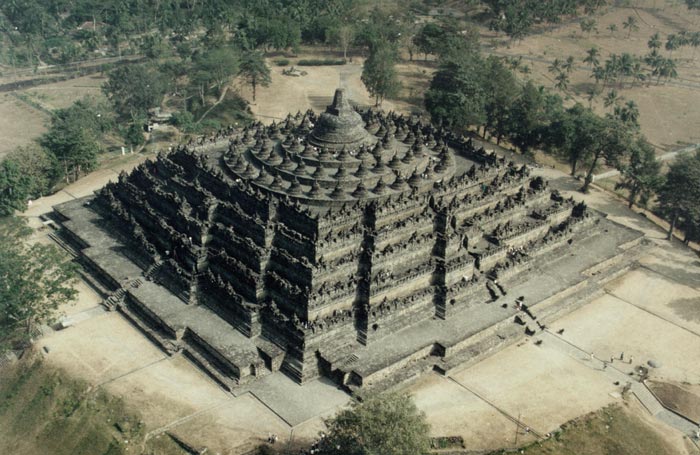
Borobudur Temple in Indonesia in Meru style!

Written by London Swaminathan
Post No. 1039; Dated 13th May 2014.

(Already published in English under “Sumerian Words in Sanskrit: Sumukan Mystery on 12th may,2014. Following is the Tamil version)

டைக்ரீஸ், யூப்ரடீஸ் நதிகளுக்கு இடைப்பட்ட பிரதேசத்தை மெசபொடேமியா என்பர். இங்குதான் உலகின் மிக முக்கிய நாகரீங்களான பாபிலோனிய, சுமேரிய, அக்கடிய, மிட்டனி, ஹிட்டைட், காசைட் நாகரீகங்களும் வம்சங்களும் தழைத்தோங்கின. இவைகளில் மிட்டனி நாகரீகத்தில் தசரதன் பிரதர்தனன் என்ற புராண மன்னர்களின் பெயர்களும் ரிக் வேத துதிகளும் இருப்பது விந்தையிலும் விந்தை. கி.மு. 1400 ஆண்டுகளிலேயே துருக்கி- சிரியா பகுதிகளில் வேத கால நாகரீகம் இருந்தது வெள்ளைக்கார அறிஞர்களைத் திடுக்கிட வைத்தது—திக்கு முக்காடச் செய்தது. காஞ்சி பரமாசார்ய சுவாமிகள் போன்றோர் 1932 ஆம் ஆண்டிலேயெ சென்னைச் சொற்பொழிவில் இதைக் குறிப்பிட்டபோதும் இந்திய அறிஞர்களோ வெளிநாட்டு அறிஞர்களோ இதைக் கண்டு கொள்ளவே இல்லை. உலக நாகரீகங்கள் பற்றிய கலைகளஞ்சியங்களில் மட்டும் இதற்கு ஒரு பக்கம் அல்லது இரண்டு பக்கம் ஒதுக்கி இருக்கிறார்கள்!!

காரணம் என்ன? இதை விரிவாக ஆராய்ந்தால் அவர்கள் சொன்ன ஆரிய—திராவிட வாதத்தை குழிதோண்டிப் புதைத்து சமாதி கட்டியது போல ஆகிவிடும். ஆகவே அமுக்கமாக இருந்துவிட்டனர். இந்தியர்களோவெனில் அந்தக் காலம் முதல் இந்தக்காலம் வரை வெளிநாட்டு அறிஞர்களுக்கு ஒத்து ஊதுவதே தமது ‘’தெய்வீகக் கடமை’’யாகக் கொண்டுவிட்டனர்!!

சுமேரியாவில் களிமண் ஏடுகளில் கண்டுபிடிக்கப்பட்ட 60,000 வரிகள் கொஞ்சம் கொஞ்சமாக வெளிவருகிறது. லண்டன் பல்கலைக் கழகம் போன்ற பெரிய பல்கலைக் கழகங்களில் இதற்கெனவே துறைகள் இருப்பதாலும், பிரிட்டிஷார் உலகம் முழுதும் வரலாற்றுப் பொக்கிஷங்அளைக் கொள்ளையடித்து பிரிட்டிஷ் மியூசியத்தில் குவித்து வைத்திருப்பதாலும் சுமேரிய பாபிலோனிய விஷயங்களில் அக்கறை செலுத்துகின்றனர். இந்தியர்களும் கண்ணில் விளக்கு எண்ணெய் ஊற்றிப் படித்தால், பல ரகசியங்கள் வெளிவரும். சிரியா- எல்லை அருகில் உள்ள மிட்டனி, ஹிட்டைட், காசைட் ஆகிய மூன்று நாகரீகங்களும் “ஆரிய” செல்வாக்குடைய நாகரீகங்கள் என்ற வரிகளுடன் வெள்ளைக்காரர்கள் முடித்து விடுகின்றனர். இவைகளை தீர ஆராய்வது நம் கடமை. உலகம் முழுதும் இந்தியர்கள் எப்படி நாகரீகத்தைப் பரப்பினர் என்பதை இதில் அறிய முடியும்.

sri yantra
Sri Yantra with Meru as centre is used in Hindu Pujas

‘’சுமேரு’’ சொல் விளக்கம்
எகிப்தியர்களும் சுமேரியர்களும் தாங்கள் அந்த நாட்டுக் குடிமக்கள் அல்ல என்றும் வெளியில் இருந்து வந்த ‘வந்தேறு குடிகள்’ என்றும் தெள்ளத் தெளீவாக எழுதிவைத்துள்ளனர். இதற்கு நேர் மாறாக சங்கத் தமிழ் இலக்கியமும் இந்து மத வேத ,இதிஹாச, புராணங்களும் பாரத புண்ய பூமியில் இந்துக்கள் தொன்று தொட்டு வாழ்வதாகக் கூறுகின்றன. பாரதியார் போன்ற உண்மை விளம்பிகள், ‘எந்தையும் தாயும்’ போன்ற பாடல்களில் இதைப் பாடியும் வைத்தனர்.

மேரு என்பது கடவுளின் இருப்பிடம் என்றும் அது தொலைவில் வடக்கே இருப்பதாகவும் இந்துமத புராணங்கள் இயம்பும். மேலுலத்தில் ஒரு மேரு இருப்பதும் (தேவியின் வசிப்பிடம்), அதே போல பூமியில் ஒரு இடம் இருப்பதும் வெள்ளிடை மலை என விளங்கும். புத்த மதத்தினர் கைலாஷ் மலைப் பகுதியைக் கூட மேரு என்பர். சுருக்கமாக்ச் சொல்ல வேண்டுமானால், உயரமான மேடு (மேரு) கடவுள் வசிக்கும் இடம்; இது புனிதமான பகுதி.

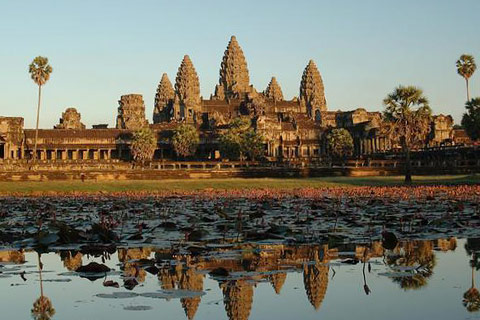
வட துருவத்தை சுமேரு என்றும் தென் துருவத்தை குமேரு என்றும் அழைப்பர் (காண்க: காஞ்சி பரமாசார்யார் சொற்பொழிவுகள்). பாமீர் பீட பூமி என்பது பா+மேரு என்பதன் சுருக்கம். கென்யாவில் (ஆப்பிரிக்கா) உயரமான சிகரத்தின் பெயர் மேரு. இந்தோநேஷியாவில் போரோபுதூர் கோவில், கம்போடியாவில் அங்கோர்வட் கோவில் ஆகியன மேரு வ்டிவில் அமைக்கப்பட்ட கோவில்கள். தேவி உபாசகர்கள் வணங்கும் ஸ்ரீசக்ரமும் நடுவில் மேருவை உடையததே.
Angkor-Wat
Angkor Wat Temple in Cambodia designed as Meru

சுமேரியா என்பதற்கு தெளிவான பொருள் கிடைக்கவில்லை என்று எல்லா கலைக் களஞ்சியங்களும் செப்புவதைக் காணலாம். இதற்கு நம்முடைய வட மொழி விளக்கமே சாலப் பொருந்தும். சு+மேரு. உயரமான பகுதியின் பெயரை அவர்கள் வைத்ததற்கு அவர்களுடைய பூர்வீக இந்து மத நம்பிக்கை காரணமாக இருக்கலாம். இதற்கு என்ன ஆதாரம்?

உலகில் பெர்லின் என்ற பெயரில் மட்டும் இருபதுக்கும் மேலான ஊர்கள் இருக்கின்றன. அமெரிக்காவில் ஒரு சேலம் நகரம் இருக்கிறது. தமிழ் நாட்டு சேலம் எல்லோரும் அறிந்த ஊர். மேலூர், புதூர் போன்ற ஊர்கள் தமிழ்நாட்டில் ஏராளம். ஆக இரண்டு பெயர்கள் ஒன்றாக இருந்தால் உடனே இரண்டும் ஒன்று என்று பி.எச்டி. ‘தீஸிஸ்’ எழுதி விட முடியுமா? முடியவே முடியாது. உலகில் எல்லா மொழிகளிலும் சில, பல சொற்கள் ஒன்றாக இருக்கின்றன. ஆக எல்லா மொழிகளும் ஒன்று என்று சொல்லி விட முடியுமா? முடியாது. நமது கொள்கைகளை வலியுறுத்த வேறு பல ஆதாரங்களும் அவசியம்.

இந்த அடிப்படையில் சுமேரிய கலாசாரத்தை அணுகினால் சுமுகன் என்ற வடமொழிப் பெயரும், அழிகி, விழகி போன்ற அதர்வண வேதச் சொற் களும் கிடைக்கின்றன. இவைகளுக்கு சுமேரிய நிபுணர்களும் வேறு விளக்கம் சொல்ல முடியவில்லை. நான் நேற்று எழுதிய ‘’சுமேரியாவில் இந்து புராணக் கதை’’ என்ற கட்டுரையில் உலகம் முழுதும் கருடன் இனம்- நாகர் இனம் என்ற பெயரில் மனிதர்கள் மோதிக் கொண்டதையும் பிற்கால உபந்யாசகர்கள் அவைகளை உண்மையான பாம்புகள், கழுகுகள் என சித்தரித்ததையும் விளக்கினேன்.

சுமுகன் என்பது கருடனுக்கு ஒரு பெயர். அதன் பகைவனான பாம்புக்கும் ஒரு பெயர். பரமபத சோபான படத்தில் சுமுகன் பாம்பைப் பார்க்கலாம். விஷ்ணுவுக்கும் சுமுகன் என்பதை விஷ்ணு சஹ்ஸ்ரநாமம் பாராயணம் செய்வோர் அறிவர். வீடுகளுக்கு வந்து பூஜை செய்யும் ஐயர்கள் முதலில் பிள்ளையார் பூஜை போடுகையில் ‘சுமுகாய நம:’ என்று பிள்ளையாருக்கும் அதே பெயரைச் சொல்லுவதைக் கேட்கலாம். ஆக அழகான, மங்களகரமான முகம்= சு+முகம். இந்தப் பெயர் சுமேரியாவில் கடவுளாகவும், கடவுளின் தோழனாகவும் வருகிறது!

smallNaramSin
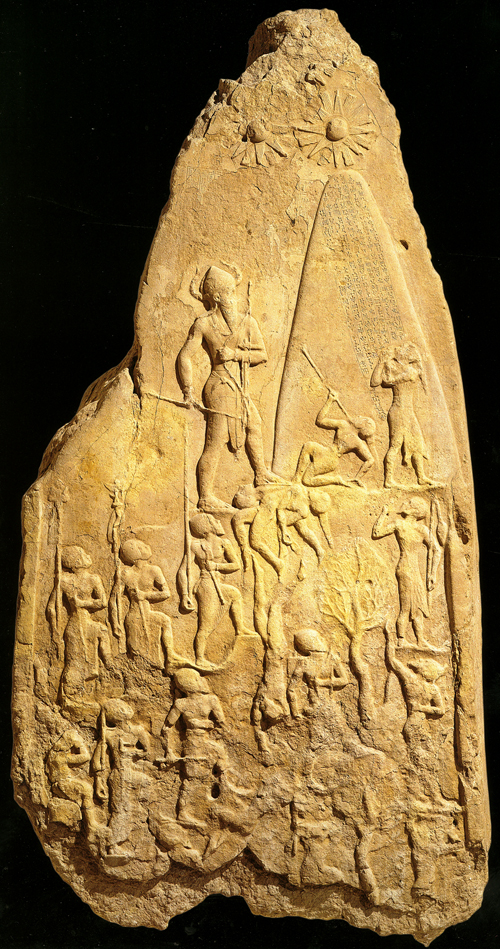
Stele of Naram Sin (2620 BCE) with Cosmic Mountain (Meru)

அழிகி, விழிகி என்ற பாம்புகள் (சொற்கள்) அதர்வண வேதத்தில் வருகின்றன. இவகளுக்கு விளக்கம் தெரியாமல் நம்மவர்களும் அதர்வண வேதத்தை ஆங்கிலத்தில் மொழி பெயர்த்து வெளியிட்ட வெளிநாட்டினரும் முழித்தனர். அசீரிய மன்னர்களின் பெயர்களில் இவை இருப்பது அண்மைக் கால ஆராய்ச்சியில் தெரிய வந்துள்ளது. ஆக மேலும் மேலும் சுமேரிய பாபிலோனிய நாகரீகங்களை ஆராய்ந்தால் புதிய, வியப்பான தடயங்கள் கிடைக்கலாம். அதன் பின்னர் அந்தப் பெயர்கள் எப்படிப் பரவின என்பதை நடு நிலையில் நின்ற ஆராய்ந்து பின்னர் நம் கொள்கைகளைப் பகரலாம், பறைசாற்றலாம்.
carchemish birdment 9C BCE
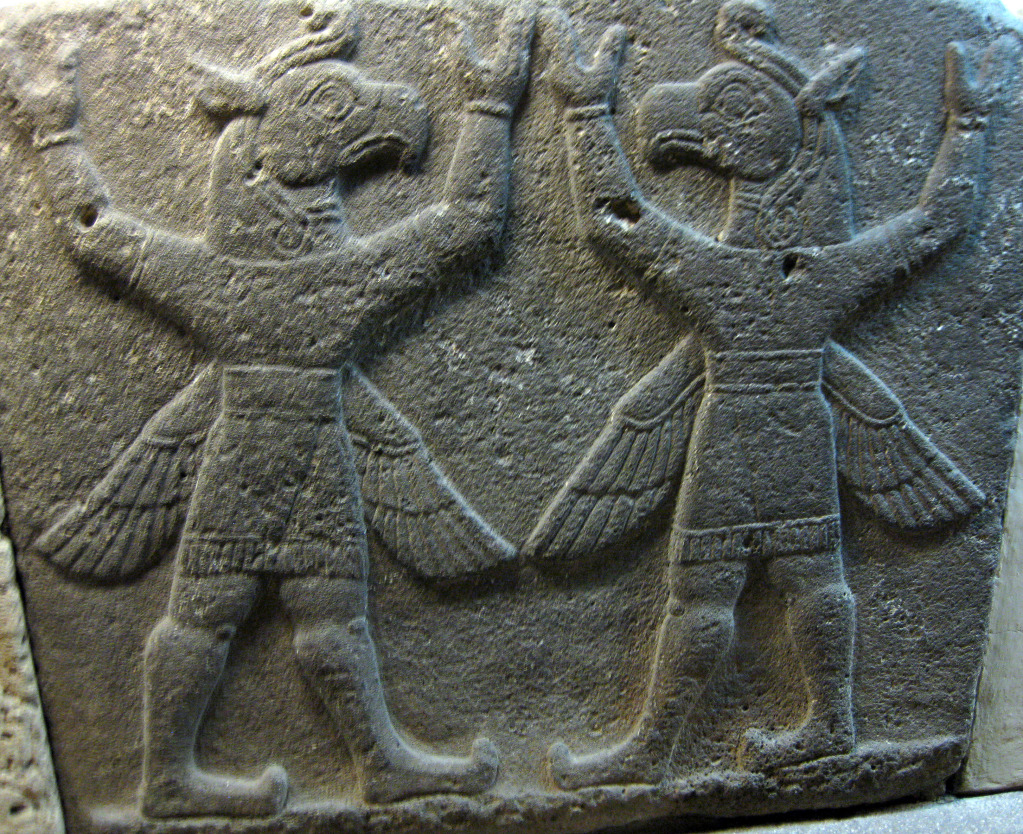
Birdmen from Carchemish.

Contact swami_48@yahoo.com

Sanskrit words in Sumerian culture :Sumukan Mystery

borobudur_aerial
Borobudur in Indonesia in Mount Meru Design

Written by London Swaminathan
Post No. 1038; Dated 12th May 2014.

This article is a sequence to my article posted yesterday under the title “ A Hindu Story in Sumerian Civilization. This explains two Sanskrit words found in Sumeria: Sumeru and Sumukhan.

Sumeru : new information

The etymology of the word Sumeru is not known. But I guess it is a Sanskrit word: Su+ Meru. Vayu Purana says, “The earth had been stripped of vegetation. Brahma made an arrangement to refertilize the earth. He created Sumeru the calf and re-invigorated all types of seeds from the ground, yielding all types of vegetation, and they bore fruit. In the beginning of the Treta Yuga all the 14 types of cultivated cereals and pulses were created for the first time (Vayu Purana 141-149).

Meru is a mythical mountain in Hindu literature with various interpretations. Some identify it with the North Pole (Su Meru) and the South Pole (Ku Meru). Apart from the two, we have Pamir plateau (Pa+ Meru). We have another Meru peak in Kenya. It shows that any high place was also called Meru (In Tamil : Medu). So we should not confuse it with the original Meru. It is a word of Hindu (Sanskrit) origin. That is all I wanted to say. Sumerians say that they migrated to that area. They might have come from India. Sumukan and other unexplained Sanskrit words show their connection to India.

Angkor-Wat
Angkor Wat in Cambodia in Mount Meru Design

Who is Sumukan?
In Sanskrit hymns we have Sumuka as one of the names of Vishnu (SeeVishnu Sahasra Nama) and one of the names of Lord Ganesh. Of the 16 names of Lord Ganesh, Sumukha is the first name. It simply means good faced, Auspicious faced etc. It is also the name of Garuda (eagle).

SUMUKHA In the Mahabarata :

The following story from Mahabharata explains clearly a clash between two groups called Nagas ( snake people) and Eagle people.

“Sumukha was a Naga. He was chosen by Matali to be the husband of his daughter Gunakeshi. His grandfather Aryaka was very pleased when informed about it by Narada .But the eagle who had previously devoured Sumukha’s father Chikura, had vowed to soon devour Sumukha also. In spite of being told of the expected short life span of Sumukha, Matali nevertheless wanted to go ahead with the marriage. He then went to Indra and requested him to give long life to Sumukha. When Indra granted this, the eagle accused Indra of giving shelter to his rightful prey and then tried to scare Indra by showing off his strength. To put the eagle in his place, Indra put his arm on the eagle’s shoulder and then asked him to lift it. The eagle found himself crushed by the weight of Indra’s arm and acknowledged his defeat. (MB:5-103/4)

This episode of early times was related to Duryodhana by Kanva Rishi in an effort to convince him that like the eagle he too would be crushed if he went ahead in his determination to fight against the Pandavas. But even these efforts made no impact on Duryodhana”.
(p.281 of who is who in the Mahabharata).

carchemish birdment 9C BCE
Birdmen in Carchemish, Ninth century BCE

Kumaratantram, Chapter 5, Verse 13, an Agama says that is the name of a Dwarapalaka( Gatekeeper in the sanctum sanctorum):

Left: Sutehar
Right: Sumukhan

To sum it up, we have the name Sumukha for a Naga, an eagle (Garuda), and two gods (Lord Ganesh and Lord Vishnu). It is now clear that it is a Sanskrit word.

In Sumerian
In the Sumerian literature, we come across a name Sumukan. He has accompanied Etana, the first king of Kish in Sumer. But no one knows more than that. Etana story is connected with Eagle and Snake conflict (Please read my post “A Hindu Story in Sumerian civilization”, Post No. 1036, posted on 11th May).

Encyclopedia of Mythology also has very brief descriptions:
Sumukan: Anointed priest of the Great Gods
Sumugan: God of the river plains. Mesopotamian/Sumerian. In creation mythology he is given charge by the god Enki over the flat alluvial lands of southern Mesopotamia.

smallNaramSin

Sumerian King Naram Sin looking at cosmic mountain (Meru)

Atharva Veda names in Sumerian

Following excerpt is from my earlier post, “Serpent Queen: Indus Valley to Sabarimalai”, posted on 17 June 2012 in this blog:-

Rig Veda, the oldest religious book in the world, refers to a Sarpa Ranji (serpent queen). Atharva Veda also mentioned two snakes called Aligi and Viligi. Modern research by scholars showed that these were actually the names of two Assyrian Kings who lived in 3000 BC. If it is correct the Atharva Veda predates Indus Valley civilization. The fact that the Vedic civilization is older than the Indus valley is confirmed by the BARC (Bhaba Atomic Research Centre) research on Saraswati River that had frequent references in the Vedas. Saraswati River dried even before Indus culture reached its peak. May be the Indus culture was the continuation of Vedic culture. Now we have two proofs, one from the Assyrian sources and the other from the Vedas to prove its antiquity.

Contact swami_48@yahoo.com

சுமேரியாவில் இந்து புராணக் கதை!

eagle 883 BCE
Eagle headed genie with divine water (amrita) in Assyria 893 BCE

By London swamiathan
Post No.1037; Dated 12th May 2014.

சுமேரியா என்பது இன்றைய இராக், ஈரான் ஆகிய நாடுகளைக் கொண்ட பகுதியில் நிலவிய பழங்கால நாகரீகம். உலகில் எல்லா நாகரீகங் களுக்கும் முன்னதாக அது இருந்ததற்கான தொல்பொருட் சின்னங்கள் ஏராளமாகக் கிடைத்துள்ளன. களிமண் பலகைகளில் 60,000 வரிகள் அளவுக்கு விஷயங்கள் கிடைத்து இருக்கின்றன. இது சம்ஸ்கிருதம் போல தெள்ளிய நடை இலக்கியம் மற்றும் கணக்கு வழக்குகள். இதே போல மேலும் ஒரு 60,000 வரிகள் பேச்சு வழக்கு இலக்கியம் வேறு இருக்கிறது. இது பிராக்ருதம் போன்றது. எப்படி வடமொழி நாடகங்களில் பெண்களும் நகைச்சுவை நடிகரும் மட்டும் பிராக்ருதம் பேசினார்களோ அதே போல பெண்கள் மட்டும் கொச்சை வழக்கு சுமேரியன் மொழியைப் பேசினர். இவை எல்லாவற்றையும் படித்து வெளியிட இன்னும் பல ஆண்டுகள் பிடிக்கும். அதற்குப் பின்னர்தான் இதில் முத்துக் குளிக்க முடியும்.

சம்ஸ்கிருதத்தில் இதைவிடப் பன்மடங்கு இலக்கியம் இருந்தபோதிலும் அதன் பழமையை– சுமேரியாவுக்கும் முந்தையது என்று– மேல்நாட்டினர் ஒத்துக் கொள்வதில்லை. ஆனால் ஜாகோபி பொன்ற ஜெர்மானிய அறிஞர்கள் ரிக் வேத காலம் கி.மு.6000 என்று ஒப்புக்கொள்வர். அப்போது இவ்வளவு சுமேரிய விஷயங்கள் வெளியாகவில்லை.

இதுவரை வெளியான சுமேரிய இலக்கியங்களில்கூட இந்து மத நூல்களோடு ஒப்பிடும் பல வியப்பான விஷயங்கள் உள்ளன. எல்லோரும் அறிந்த விஷயம்—பிரளயம் பற்றிய கதை. இது நமது மச்சாவதாரத்தில் இருப்பது போல பைபிள் மற்றும் பல மத்திய கிழக்கு நூல்களில் உள்ளன. நான் பார்த்த வரையில் கருட புராணக் கதை, அதர்வ வேத (பாம்பு) நாகங்கள், சுமுகன் என்ற சம்ஸ்கிருத சொல் முதலியன கிடைத்திருக்கின்றன. முதலில் கருடன் கதையைப் பார்ப்போம்.

உலகம் முழுதும், நாகர்களுக்கும் பறவை ( கருடன் ) மனிதர்களுக்கும் நடந்த சண்டை பற்றி இலக்கியங்கள் பேசுகின்றன. அங்கே எழுதினவர்கள் நாகர்களையும் கருடன்களையும் மனிதர்கள் என்று பொருள்படவே எழுதினர். பிற்காலத்தில் இதை பாம்பு, கழுகு என்று மாற்றிச் சொல்லத் துவங்கிவிட்டனர். இதை மாயா, எகிப்திய, சுமேரிய நாகரீகங்களிலும் காணலாம்.
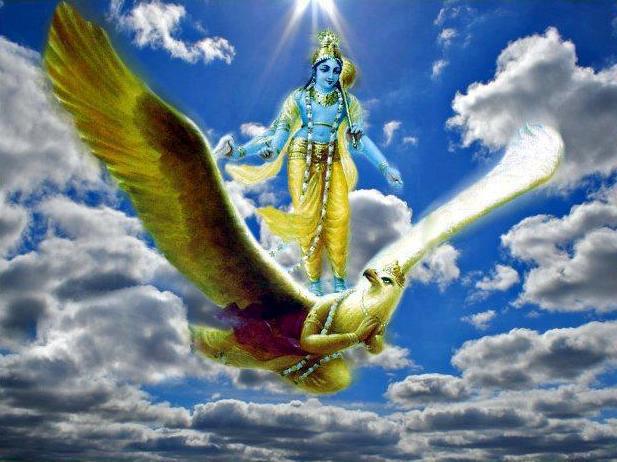
garuda vahan

மஹாபாரதம், புராணங்களில் வரும் நாகர்- கருடன் சண்டை பலருக்கும் தெரிந்திருக்கும். காஸ்யப மகரிஷிக்கு இருந்த பல மனைவியரில் விநதா என்பவளுக்கு கருடனும் கத்ரு என்பவளுக்கு பாம்புகளும் (நாகர்கள்) பிறந்தன என்றும் கொடுமைக்காரியான கத்ரு, விநதாவை அடிமையாக வைத்திருந்ததாகவும் தேவ லோக அமிர்த்தத்தைக் கொண்டுவந்து கொடுத்தால் அடிமை விலங்கை முறிப்பதாகச் சொன்னதாகவும் கதை.

உடனே கருடன் இந்திர லோகம் சென்று அமிர்தத்தைத் திருடியதாகவும் இந்திரன் சண்டை போடவே கருடன் ஒரு இறகைக் கொடுத்து கொஞ்சம் அமிர்தத்தை மட்டும் பெற்று நாகர்களுக்குக் கொடுக்க விநதா விடுதலை ஆனதாகவும் படிக்கிறோம். இதில் மேலும் சுவையூட்ட அந்த அமிர்தம் தர்ப்பைக் காட்டில் சிந்தியதை நாகங்கள் நக்கியதால் பாம்புகளின் நாக்கு பிளவுபட்டதாகவும் சொல்லுவர். இது எல்லாம் அடையாளபூர்வ சங்கேத மொழி. இதன் ஆழ்ந்த பொருளை ஊன்றிப் படிப்பவர்கள் புரிந்து கொள்ளமுடியும்.

கருடனைப் பற்றி ரிக்வேதம் முதல் புராணங்கள் வரை மூன்று விஷயங்கள் வருகின்றன: 1) அமிர்தத்தைக் கொண்டு வந்தது 2). தொலை தூர மலைகளில் இருந்து சோமயாக த்துக்கான சோமலதையைக் கொண்டுவந்தது 3) மலைப் பள்ளத் தாக்குகளில் இருந்து மரகதக் கற்களைக் கொண்டுவந்தது.

மரகதக் கல்லுக்கு கருட ரத்னம் என்றும் குபேரனின் கல் அது என்றும் சொல்லுவர். பிற்காலத்தில் இந்தக் கதைகள் எல்லாம் அராபியர்களால் திருடப்பட்டு அரேபியன் இரவுகள கதைப் புத்தகத்துக்குப் போய்விட்டன.
garuda vahanam, tiruppullani, fb

சுமேரியாவில் கருடன் கதை

சுமேரியாவில் கிஷ் என்னும் நகரத்துக்கு முதல் மன்னன் ஏதனன். அவனுக்குக் குழந்தைகள் இல்லை. ஷாமாஷ் என்னும் சூரியக் கடவுளிடம் முறை இடுகிறான். குழந்தை பிறப்பதற்கான மர்ம மூலிகையின் பெயரைச் சொல்லுமாறு வேண்டுகிறான். மலைக்குச் செல்லும் படி சூரியதேவன் உத்தரவிடுகிறான். இதற்கிடையில் மலையில் பாம்புகளுக்கும் கருடன்களுக்கும் இடையில் சண்டை. எல்லா பாம்புகளையும் கருடன் பிடித்துத் தின்பதாக புகார். உடனே பாம்புகள் கடவுளிடம் முறையிட்டன. கருடனைப் பிடிக்க கடவுள் ஒரு திட்டம் தருகிறார். கருடனும் அகப்பட்டுக் கொள்கிறான். அந்த நேரத்தில்தான் ஏதனன் அங்கு செல்கிறான்.

கருடனை ஏதனன் காப்பாற்றுகிறான். நன்றிக்கடனாக அவனை தேவலோகத்துக்கு அது அழைத்துச் செல்கிறது. ஏதனன் உயரத்தைக் கண்டு பயப்படவே திரும்பிவிடுகின்றனர். பின்னர் பூவுகத்துக்கு வந்தவுடன் ஒரு கனவு வருகிறது. .மீண்டும் தேவ லோகம் செல்லுகின்றனர். இந்த்
இடத்தில் களிமண் பலகை உடைந்திருக்கிறது.

இருந்தபோதிலும் பிற்கால களிமண் பலகைகளில் ஏதனனின் மகன் பலி அரசாண்டதாக வருவதால் தேவ லோக மூலிகை பெற்று குழந்தை பெற்றிருப்பான் என்றே ஆராய்ச்சியாளர்கள் எண்ணுகின்றனர். இந்தக் கதையிலும் இந்துமத கருடன் கதையிலும் கருடன்- நாகர் சண்டை வருவதும், அமிர்தம் அல்லது அற்புதக் குளிகை கொண்டுவர தேவலோகம் செல்லுவதும் ஒரேமாதிரியாக உள்ளன.

Map Sumeria

ஏதனன் மீண்டும் மீண்டும் முயற்சி செய்ததால் அவனை யத்னன் என்று அழைத்திருக்கலாம். யத்ன என்ற சம்ஸ்கிருதச் சொல்லுக்கு விடாமுயற்சி என்று பொருள். யத்னன் உடன் சென்றவன் பெயர் சுமுகன். அவனுடைய மக்ன் பெயர் பலி. அதுவும் சம்ஸ்கிருத சொல். சுமுகன், சுமேரு மற்றும் அதர்வ வேதத்தில் வரும் தியமத், அலிகி, விலிகி ஆகிய சம்ஸ்கிருத சொற்கள் சுமேரியாவில் காணப்படுகின்றன. இவை எதற்கும் மேலை நாட்டினர் விளக்கம் சொல்ல முடியவில்லை.
ரிக்வேதத்தில் கருடனை சுபர்ணன், ஸ்யேனன் என்று அழைக்கின்றனர்.
சுமுகன், சுமேரு. அலிகி, விலிகி பற்றி தனியாகக் காண்போம்.

hit_eagle

கீழ்கண்ட கட்டுரை (25-12-2011-ல் வெளியிடப்பட்டது)
சுமேரியாவில் தமிழ் பறவை
ச.சுவாமிநாதன்

துருக்கியில் இரு தலைப் புள், கி.மு 1400
சங்கத் தமிழ் இலக்கியமான அகநானூற்றில் ஒரு அரிய செய்தி வருகிறது. அது ஒரு இரண்டு தலைப் பறவை பற்றிய செய்தி. இந்தப் பறவை சுமேரியாவில் கி.மு 3800 சிலிண்டர் முத்திரை ஒன்றிலும் இருக்கிறது. அதுமட்டுமல்ல, பஞ்ச தந்திரக் கதைகளிலும் அச்யுத ராயரின் தங்கக் காசுகளிலும் இதே இரு தலைப் புள் கண்டரண்ட பறவை என்ற பெயரில் உள்ளது.அல்பேனியாவின் தேசியக் கொடியிலும் ரஷ்யாவின் காசு, கரன்சி நோட்டுகளிலும் தமிழ்நாடு,ஆந்திர,கர்நாடக கோவில்களிலும் இந்தப் பறவையின் ஓவியங்களையும் சிலைகளையும் பார்க்கலாம்.எப்படி ஒரு தமிழ் பறவை இப்படி உலகெங்கும் பறந்து சென்று வெற்றிக் கொடி நாட்டியது என்பது ஒரு சுவையான செய்தி.

இதோ அகநானூறு கூறுவதைக் கேளுங்கள்:
“யாமே,பிரிவு இன்று இயைந்த துவரா நட்பின்
இருதலைப் புள்ளின் ஓர் உயிரம்மே”
–கபிலர் (பாடல் எண் 12)

இதன் பொருள்: இனி யாங்களோ ஒரு பொழுதும் பிரிதல் இல்லாது கூடிய வெறுத்தல் இல்லாத நட்பினால் இரண்டு தலைகளுடைய ஒரு பறவையின் உடம்பில் உள்ள ஓர் உயிர் போல் உள்ளோம்.
இரண்டு தலைப் பறவைக்கு தலைகள் மட்டுமே இரண்டு.ஆனால் வயிறு ஒன்றுதான். கபிலர் பாடிய பாடலில் இருவர் இருந்தாலும் உயிர் ஒன்றுதான் எனப் பாடியுள்ளார். அந்தக் காலத்தில் இந்தியா முழுதும் இப்பறவை பற்றி தெரிந்திருக்கிறது. ஆகையால் 2000 ஆண்டுகளுக்கு முன் எழுதப் பட்ட வடமொழி நூலான பஞ்ச தந்திரக் கதையிம் இப்பறவை வருகிறது. புறாக்கள் அனைத்தும் வேடனின் வலையில் சிக்கி அவை அனைத்தும் ஒன்றாகப் பறந்து சென்று வேடனை ஏமாற்றிய கதையை அனைவரும் அறிவோம். அந்தக் கதையில் ஒரு துணைக் கதையாக கண்ட பேரண்ட பட்சி கதை வருகிறது. இரு தலை பறவையின் இரண்டு தலைகளும் ஒன்றுக்கொன்று சண்டை யிடும் கதை. ஒரு தலை தனக்கு அம்ருதம் வேண்டும் என்றும் இன்னொரு தலை தனக்கு விஷம் வேண்டும் என்றும் சண்டை போடுகின்றன. இறுதியில் ஒரு தலை விஷம் அருந்தவே அப்பறவை இறக்கிறது. ஒற்றுமையின்மையால் இருதலைப் பறவை இறக்கும் கதை இது.

சங்கத் தமிழ் நூல்களான பரிபாடல் (8-72), கலித்தொகை (89), பிற்கால நூலான தகடூர் யாத்திரை ஆகியவற்றிலும் இருதலைப் பறவை உவமை வருகிறது.அந்த அளவுக்குப் பிரபலமான கதை. சேர மன்னனும் அதியமானும் ஒரே குலத்தவராயிருந்தும் சண்டை போட்டதற்கு உவமையாக தகடூர் யாத்திரை இதைக் காட்டுகிறது. சுமேரியாவில் இது லகாஷ் நகர தெய்வம் நினூர்தாவின் சின்னமாகக் கருதப் பட்டது.

துருக்கியில் ஹட்டுசா முதலிய நகர்களில் இது இரண்டு தலைகளாலும் இரண்டு முயல்களைத் தூக்குவது போல பெரிய உருவங்கள் செதுக்கப் பட்டுள்ளன. இது கி. மு 1400ல் செதுக்கப் பட்டது.துருக்கியின் வரலாற்றில் பின்னிப் பிணைந்துவிட்ட இப்பறவைக்கு வானத்தில் விண்கலத்திலிருந்து பார்க்கும் அளவுக்கு பிரம்மாண்டமான ஒரு வடிவத்தை எர்சூரும் மாகாணத்தில் இப்போது கட்டிவருகிறார்கள்.

flag_of_albania
Flag of Albania

நாயக்க மன்னர் காலத்தில் இப்பறவை மிகப் பலம் வாய்ந்த டினோசர் பறவை போல சித்தரிக்கப்பட்டுள்ளது. அச்யுத ராயர் (1530-1542) வெளியிட்ட தங்க நாணயத்தில் இரண்டு யானைகளைத் தூக்குவது போல படம் உள்ளது. அவ்ருக்கு முந்திய மன்னன் நாகரி எழுத்தில் பெயரை மட்டும் பொறித்தான்.

தமிழ்நாட்டில் ஆவுடையார் கோவில் ஒவியத்தில் இது பல யானைகளைத் தூக்குவது போல சித்தரிக்கப்பட்டுள்ளது. கர்னாடகத்தில் கேலடி கோவில் சிற்பத்திலும்,தட்சசீலத்தில் சமணர் கோவில் சிற்பங்களிலும் இப்பறவை உண்டு. ஸ்ரீசைலம்,பேலுர்,கோரமங்கலா கோவில்களிலும் இதைக் காணலாம்.

achyuta-raya-gold

அச்யுத ராயரின் தங்கக் காசு

மைசூர் மன்னர் உடையார், இதை 500 ஆண்டுக் காலமாக ராஜவம்ச சின்னமாக பயன்படுதுகின்றனர். இன்றும் அரண்மனையில் இதைக் காணலாம். கர்நாடக அரசும் இதை தனது சின்னத்தில் பொறித்துள்ளது.
இப்பறவை ரஷ்ய நாணயங்கள், கரன்சி நோடுக்கள், அல்பேனியா,பல்கேரியா தபால் தலைகள், தேசியக் கொடி எல்லாவற்றிலும் இருக்கிறது. சுருக்கமாகச் சொன்னால் இரு தலைப் பறவை இல்லாத இடமே இல்லை. 2000 ஆண்டுகளுக்கு முன் கபிலர் பாடிய இப்பறவை எங்கெல்லாம் பறந்து செண்றுவிட்டது!!

அல்பேனியாவின் தேசியக் கொடி ரஷ்ய ரூபிள் நாணயம்

குறுந்தொகையில் இருதலைக் குழந்தை

சங்க இலக்கிய நூல்களில் ஒன்றான குறுந்தொகையில் ஒரு இரு தலைக் குழந்தை Siamese Twins பற்றிய சுவையான செய்தி வருகிறது. பாடல் எண் 324 ஐ எழுதியவர் பெயரே கவைமகன்.அதாவது இருதலை உடையோன். கவட்டை, ஆங்கிலச் சொல் gap ஆகியவை இதனுடன் தொடர்புடைய சொற்களாக இருக்கலாம்.

ரிக் வேதத்தில் பெயர் தெரியாத மிகப் பழைய புலவர்களுக்கு அவர்கள் பயன் படுத்தும் சொற்றொடர்களைக் கொண்டு பெயரிடப் பட்டதாக அறிஞர் பெருமக்கள் எழுதியுள்ளனர். ஐந்தாம் நூற்றாண்டில் தமில் இலக்கியத்தைப் பகுத்து வைத்தோரும் அதே நடை முறையைப் பயன் படுத்தி ஏறத்தாழ 20 புலவர்களுக்கு இப்படி காரணப் பெயர்களை இட்டுள்ளனர்.
siamese
Siamese Twins

கவைமகன் (twins or Siamese Twins) எழுதிய குறுந்தொகை 324 ல் இருதலைப் புள்
போலவே கருத்து கூறியுள்ளார்.
கவை மக நஞ்சு உண்டா அங்கு,
அஞ்சுவல் பெரும! என் நெஞ்சத்தானே.
— கவை மகனார்

பொருள்: இத்தலைவியோ தன் அறியாமையினால் வருந்துகின்றாள். யான் என் மனத்தினுள்ளே இரட்டைப் பிள்ளைகள் நஞ்சுண்டால் இருவர் திறத்தும் ஒரு தாய் வருந்துவதைப் போல நீ அங்கனம் வருதலை எண்ணி அஞ்சுவேன்.

ஒட்டிப் பிறக்கும் இருதலை குழந்தை மிகவும் அபூர்வம்.ஒரு லட்சத்தில் ஒர்ன்றுதான் இப்படிப் பிறக்கும்.அக் குழந்தைகளை ஆபரேஷன் செய்து தனியே பிரிக்க 18 மணி நேரம் கூட ஆகும்.இப்படிப் பட்ட நீண்ட நேர அறுவைச் சிகிச்சைகள் அண்மையில் நடந்தன.
மேற்கூறிய கவை மகன் உவமையில் ஒரு தலை விஷம் உண்டால் மறு தலையும் இறக்கும் என்பது விளக்கப் பட்டுள்ளது.

ஆங்கிலத்தில் இக் கட்டுரையைப் படிக்க விரும்புவோர் Please go to swamiindology.blogsot.com or tamilandvedas.wordpress.com
coin

இதே பொருள் பற்றிய முந்தைய கட்டுரைகள்:
Double headed Eagle: Sumerian Indian Connection (posted on 18-12-2011)
Birds for Finding Direction: Sumerian to Tamil Nadu via Indus Valley (8-4-13)
Hindu Eagle Mystery Deepens Feb.16, 2013
Karikal Choza and Eagle Shaped Fire Altar
Are Mayas, Hindu Nagas?
Four Birds in One Sloka
Hindu Vahanas around the World
Gods and Birds
Vishnu Seal in Indus Valley Civilization
Bahrain (Dilmun) Mysteries (posted 10-11-2012)
Confusion about Vedic Soma Plant (Posted on 5-5-2013)
பஹ்ரைன் அதிசயங்கள்“( posted 7-11-2012)
Contact swami_48@yahoo.com
A Hindu Story in Sumerian Civilization

garuda vahan

Written by London Swaminathan
Post No.–: 1036; Dated 11th May 2014.

(My earlier articles on this subject are listed at the end.)

Garuda (eagle/falcon) is associated with three tasks in Hindu scriptures: 1)Bringing Amrita from heaven to release his mother from slavery

2) Bringing Soma herbs from the remotest Himalayan mountains to Vedic sages to perform Somayaga.

3)Bringing emeralds from the deeper valleys and hence emeralds is known as Garudaratna, favourite of Kubera, God of Wealth and Friend of Lord Shiva.

Sumerian literature reflects these tasks in slightly different forms. It may be due to their migration from India in the remotest periods. Middle East history is very clear about their migration from remote areas. Egyptians also say that they migrated to that country. Hindus are the only ace in the world who never talk about any migration from any other part of the world. Sangam Tamil literature is also very open in saying that they belonged to a land between Venkatam (now in Andhra Pradesh, South India) and Kumari on the southern sea shore. Foreign scholars deliberately distorted this picture with vested interests. Sanskrit words such as Tiamath, Sumukhan,Azigi, Vizigi (snake gods) in Sumeria can be explained only through Vedic literature.

eagle 883 BCE
Picture of Eagle headed genie from Assyria 883 BCE.

There are 60,000 lines on clay tablets in chaste Sumerian ‘emegir’ and another 60,000 lines in ‘emesal’. Emegir is like Sanskrit spoken by kings and higher strata of the society and emsal is like Prakrit spoken by women and lay men. In Sanskrit dramas Kings speak Sanskrit, jesters and women speak Prakrit. This is seen in Hindi and Tamil films even today. Those who are higher ups in the society use posh language and comedians and country women use colloquial language.

The story of Garuda (eagle) and Amrita is in Hindu mythology and Sumerian civilization. My research shows that the entire human beings were divided into two groups at one time. They were Eagle people and Snake (Nagas) people. We can see this division in Hindu, Egyptian, Mayan Civilizations and the Middle East. At one time Middle East was the melting pot where people of every race and culture came together. Rig Veda also has hymns praising eagle as Suparna, Syena etc. I give below two stories from Sumerian and Hindu scriptures. No one needs to explain the connection because it is self explanatory in the stories.

Sumerian Eagle Story:

In the days before there was a king on earth, when the sceptre, the diadem, the crown and the staff of office were placed before Anu in the heavens, the great Annunaki, who determined men’s fate, held counsel on the subject of earth. The gods, especially Ishtar and Enlil, set about finding a king for men and it seemed, chose Etana. All went well, until Etana complained that he had no heir. He addressed the sun god Shamash and said:

O my Lord, by your order let it come forth:
Grant me the herb of birth.
Tell me which is the herb of birth.
Set aside my shame, set for me a name.

Shamsh, to whom Etana’s libations and offerings of wild sheep had been agreeable, answered him: ‘Take to the road and reach mountain’.
garuda vahanam, tiruppullani, fb

Garuda Vaganam, Tiruppullani

Now this mountain had recently been the scene of a drama enacted by an eagle and serpent. The two creatures lived side by side with their progeny. One day the eagle conceived the criminal design of eating the serpent’s little ones. He accomplished the heinous crime in spite of the wise remonstrance of one of his little ones, ‘young but very intelligent’, who put into him the fear of Shamash’s wrath.

And the serpent, in fact, brought his plaint before the god of justice, who said to him:

‘Take to the road and reach mountain.
I will keep you a buffalo.
Open the interior and pierce his belly!
Make your habitation in his belly.
Birds of all kinds will descend from the sky.
The eagle will descend with them.
He will seize on the flesh.
When he comes inside the beast, you shall clutch him by the wing
Cut off his wings, his pinions, his claws.
Tear him and throw him into the ditch;
Let him die there from hunger and thirst!

And so it was done. Deceived by the serpent’s stratagem, the eagle fell into his power and was condemned to perish slowly in the ditch.

When Etana had come to the mountain he found the eagle in the prison and , as Shamash had counselled him to do, he asked for the herb which would give him a son. The eagle promised to procure it for him as soon as he had regained his strength. For eight months Etana brought food until the eagle was at last able to fly again. He offered to carry Etana up to the very sky of Anu.
Map Sumeria
Map of Sumer (modern day Iraq and Iran)

Etana’s fear of heights however caused problems and the attempt ended in failure. Nevertheless back home in Kish, Etana had a dream about successfully reaching Ishtar’s realm, taken as a sign to make another attempt. This time the eagle secured him well and the pair reached the gate of heaven. Here the extant text (on clay tablets) breaks off, but it is probable that Etana did obtain the plant of birth, since further fragments and the Sumerian king list mentions a son named Balih.

Some cylinder seals of the Akkadian period and an impression from one of the middle Assyrian period show a pastoral scene with a man riding on the back of a large flying bird, thought relate in some way to the legend of Etana, though the Akkadian seals are two to three hundred years earlier than the oldest texts of the story known.

Page 65 of New Larousse Encyclopedia of Mythology, Hamlyn, 1989 and
Page 109 of Dictionary of the Ancient Near East, the British Museum ,year 2000 .

(Etana may be Yatna , a Sanskrit word for perseverance ,effort and his son Balih ,may be Bali, one of the kings with Sanskrit names. I interpret Etana as Yatna, becaue Etana’s ssistant was Sumukhan in Sumerian literature. No one can explain Sumukhan. Actually it is another name of Garudan and Ganesh. Strangely Garudan has another name Vinayaka. In short both the names of Garuda and Ganesh are interchangeable!!! I will write about it in another post. No one knows the etymology of the word ‘sumeru’. In fact, it is a pure Sanskrit word: Su+ Meru.)
nebti
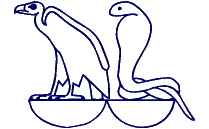
Egyptian symbol for Upper and Lower Egypt

In some records Etana was the 12th king: In the Sumerian king list, the twelfth king of the city state Kish after the time of the Flood is described as a shepherd who ascended to heaven. The full story is recounted in mythological compositions of the old Babylonian period and later.

Garuda Story from Hindu Mythology

Garuda means ‘the devourer’. Garuda is the celestial bird which is the mount/Vahana of god Vishnu. Garuda, often depicted as part human and part eagle, was the offspring of Kasyapa, one of the seven divine sages. Kashyapa married Vinata. Garuda was associated with fire and the sun. He was regarded as an incarnation of Agni. He was the enemy of the Nagas, the race of serpents.

According to the mythology, Vinata was enslaved by his sister/co wife Kadru, the mother of all snakes. Kadru promised to release her if Garuda brought the elixir of life ‘Amrita’ from the heaven. Garuda stole it from the heaven in order to free his mother from Kadru. Indra discovered the theft and fought a fierce battle with Garuda. The Amrita was recovered partly, but Indra was worsted in the fight. One of his epithets is Amrtaharana. He placed the elixir of life on the sharp bladed grass Dharba and the snakes licked it splitting their tongues, which have been forked ever since. Vinata was released.
In the Vedas Garuda is praised as Suparna and Syena.
eagle symbol of roman empire
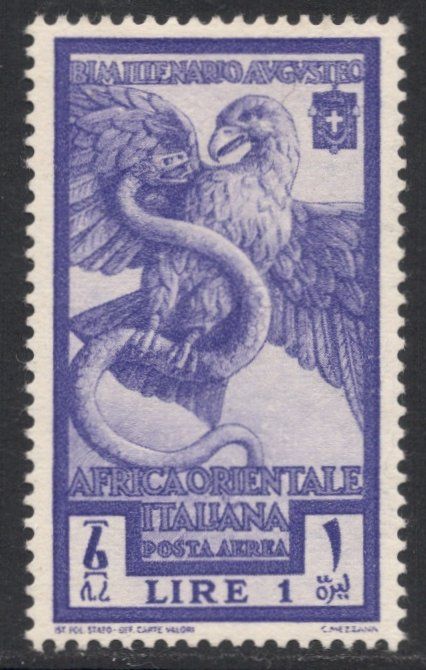
Eagle was the symbol of Roam Empire, Stamp from Italy (ancient Rome)

Soma herb is mythical and reported to be brought by an eagle to the Vedic people, and even to their gods, from its place of origin:

Eagle/ Garuda references: RV- I-80:2; 93-6; RV. III 43-7; IV 18-13, 26-4/7, 27-3/4; V-45-9; VI-20-6; VIIII-82-9; 100-8; IX 68-6, 77-2, 86-24, 87-6;X-11-4; 99-8;144-4/5.

The guardians of Soma tried to attack eagle and it escaped, according to Rig Veda(RV). Gandharvas also linked with the Soma plant in many verses. Mandalas of Kasyapa, Angirases and Bhrgus have more verses on Soma than others. There are ten Mandalas(divisions) in the Rig Veda.

The Rig Veda and Avesta (Yasna Ceremony) agree on many points regarding Soma (Haoma plant).

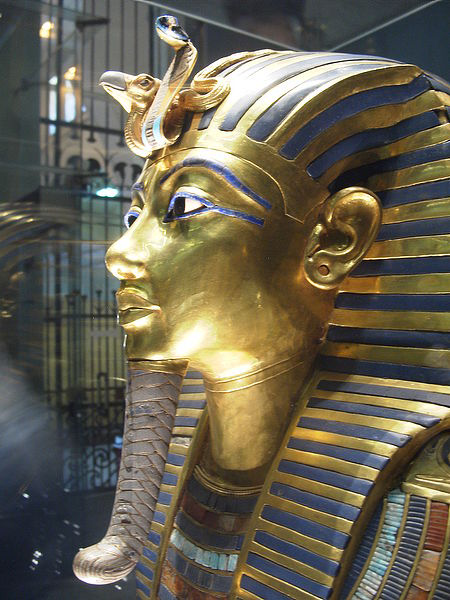
Tutankhamun Mask
Tutankhamen mask with snake like Hindu God Shiva.

Read my earlier posts Sumerian culture:

Double headed Eagle: Sumerian Indian Connection (posted on 18-12-2011)
Birds for Finding Direction: Sumerian to Tamil Nadu via Indus Valley (8-4-13)
Hindu Eagle Mystery Deepens Feb.16, 2013
Karikal Choza and Eagle Shaped Fire Altar
Are Mayas, Hindu Nagas?
Four Birds in One Sloka
Hindu Vahanas around the World
Gods and Birds
Vishnu Seal in Indus Valley Civilization
Bahrain (Dilmun) Mysteries (posted 10-11-2012)
TAMIL ARTICLE—“Bahrain Athisayangal “( posted 7-11-2012)
Confusion about Vedic Soma Plant (Posted on 5-5-2013)
falcon,snake,temple-of-hathor
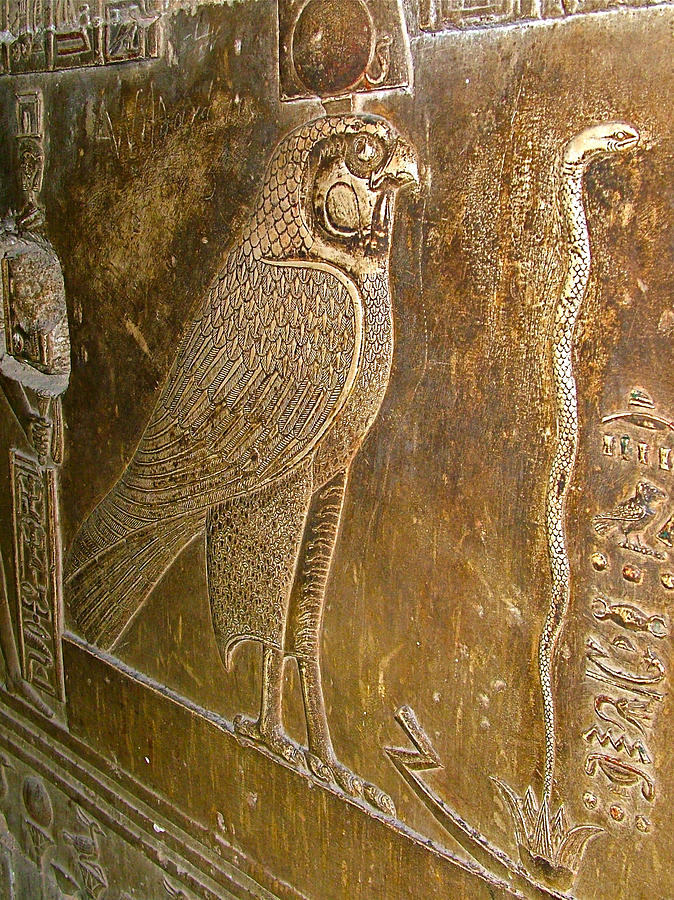
Picture of falcon, snake, Temple of Hathor in Egypt
Contact swami_48@yahoo.com
ஆன்ம ஞானம் பெற அதிசுலபமான அதிசய வழி!

yv1
Post No. 1035; Dated 11th May 2014.

By ச.நாகராஜன்

விளங்காத மர்மம் விளக்கும் அரிய நூல்!

ஆன்மீக நாட்டம் உடைய ஒவ்வொரு மனிதனின் மனத்திலும் தோன்றும் விடை காண முடியாத கேள்விகள் ஏராளம். இந்தப் பிறவியின் மகத்துவம் என்ன, ஏன் இப்படி ஒரு வாழ்க்கை தனக்கு அமைந்தது, விதியா,முயற்சியா எது மேலோங்கும், இறப்புக்குப் பின்னர் எங்கே போகப் போகிறோம், மறு ஜென்மம் உண்டா, புண்யம் எது,பாவம் எது, எப்படி வாழ்ந்தால் ஆன்ம ஞானம் கிடைக்கும் இத்யாதி கேள்விகள் ஏராளம். விடை தான் தெரியவில்லை. இந்தக் குறையை நீக்க வல்ல ஒரு அற்புதமான நூல் ‘’யோக வாசிஷ்டம்’’. ஒவ்வொரு மர்மமான கேள்விக்கும் ஆணித்தரமாக நேரடியாக பதிலைத் தருவதில் இதற்கு நிகரான இன்னொரு நூல் இல்லை என்றே சொல்லலாம்.

அதனால் தானோ என்னவோ உயரிய ஞானம் உடைய அறிஞர்கள் பலரும் இதில் உள்ள கருத்துக்களைப் பிரதிபலித்துத் தங்கள் நூல்களில் கருத்துக்களை எழுதியுள்ளனர்.ஜேம்ஸ் ஆலன், அன்னி பெஸன்ட், பெர்க்ஸன், பால் ப்ரண்டன், அலெக்ஸாண்டர் கானான்,சர் ஜேம்ஸ் ஜீன்ஸ்,வில்லியம் ஜேம்ஸ், சி.இ.எம்.ஜோட், ஆலிவர் லாட்ஜ், ஷோப்பன்ஹோவர், டபிள்யூ.ஆர்.இஞ்ஜே உள்ளிட்ட நூற்றுக்கணக்கான அறிஞர்கள் யோக வாசிஷ்ட கருத்துக்களை வார்த்தைக்கு வார்த்தை நேரடியாக அப்படியே தெரிவித்துள்ளனர்.

விதி என்பது இல்லவே இல்லை!

தைவம் நாம ந கிஞ்சன் (விதி என்று ஒன்றும் இல்லை- 2-5-18)
தைவம் ந வித்யதே (விதி என்பது இல்லவே இல்லை- 2-8-13)
மூடை: ப்ரகல்பிதம் தைவம் (மூடர்களால் உருவாக்கப்பட்ட தே விதி – 2-8-16) என்று இப்படி அடித்துச் சொல்லும் யோக வாசிஷ்டம் மனிதனின் செயல்களே அவனுக்குப் பின் விளைவுகளை ஏற்படுத்துகிறது. அதுவே விதி என்று சொல்லப்படுகிறது என்று விளக்குகிறது.

yv2

நீடித்திருக்கும் வியாதிக்கு இப்போது மருந்து சாப்பிட்டால் எப்படிஅது தீருமோ அதே போல முந்தைய கருமங்களின் தீய விளைவுகளை இப்போதைய நல்ல கர்மங்களால் மாற்ற முடியும் என்று விளக்கி மனித குலத்திற்கே பெரும் ஆறுதல் செய்தியை அது தருகிறது!
மனமே எல்லாம் என்று கூறி அதைச் செம்மைப் படுத்தி நல்ல எண்ணங்கள் மூலம் உயரிய நிலையை அடைய முடியும் என்பது
யோக வாசிஷ்டம் தரும் அற்புத செய்தி!

பிறப்பு,இறப்பு,கர்ம பலன்கள் உள்ளிட்ட அனைத்து விஷயங்களை விளக்கும் இந்த நூல் எப்படிப்பட்ட வழிகளின் மூலம் அருமையான ஆன்ம ஞானத்தை அடைந்து உலகியல் துன்பங்களிலிருந்து விடுதலை பெறலாம் என்ற ரகசியத்தையும் சுலபமாக விளக்குகிறது.

அதிசய வழிகள் நான்கு

இதற்கான அதிசய வழிகள் நான்கு!

சந்தோஷ: சாதுசங்கஸ்ச விசாரோத்ய சமஸ்ததா I
ஏத ஏவ பவாப்யோத்யாவுபாயாஸ்தரணே ந்ருகாம II (2-16-18)

சந்தோஷம் (எப்போதும் திருப்தி), நல்லோர் இணக்கம் (சாதுக்களுடன் சேர்தல்),விசாரம், அமைதி –இவையே மனிதருக்கு உலகம் என்னும் சாகரத்தைக் கடக்கும் வழிகளாகும். இதை எளிதாக நான்கு ‘ஸ’காரங்களாக ஸந்தோஷம், ஸத் சங்கம், ஸத் விசாரம், ஸமஸ்தம் என்று நினைவில் கொ:ள்ளலாம்.

சந்தோஷம்
விஷயங்களில் ஆசையில்லாது, சந்தோஷமாக (திருப்தியுடன் ) இருக்கும் ஒருவனுக்கு பெரும் சக்திகள் (வளங்களும் கூட) ஒரு அரசனிடம் இருக்கும் ஏவலாள்கள் போலக் காத்துக் கிடக்கும் என்பதை உறுதியாக யோக வாசிஷ்டம் தெரிவிக்கிறது. எவ்வளவு அரிய செய்தி இது!

நல்லோர் இணக்கம்
மனதில் இருக்கும் இருளை சாதுக்கள் அகற்றுவர்.சூரிய ஒளி போன்ற ஞானத்தைத் தருவர். தர்மங்கள் செய்வதாலும்,புனிதத்தல யாத்திரை மேற்கொள்வதாலும் விரதங்களாலும் மதச் சடங்குகள் மற்றும் யாகங்களாலும் என்ன பயன், ஒருவன் சாதுக்களுடன் சேர்ந்து இருக்கும் போது!

விசாரம்
நான் யார்? (கோஹம்)உலகில் பிறப்பு என்ற தோஷம் எப்படி வந்து சேர்ந்தது?( கதமயம் தோஷ: சம்ஸாராக்ய உபகத: 2-14-50) இப்படி தர்க்கரீதியாக விசாரம் செய்வதே விசாரம்!

சமஸ்தம்
அனைத்து உயிர்களிடமும் நட்பாக இருந்தால் உயரிய ஆன்மா தன்னைத்தானே சுத்தப்படுத்துகிறது (ஸ்வயம் ஏவ ப்ரஸீததி)
ஆக இந்த நான்கு வழிகளில் எந்த ஒரு வழியை மேற்கொண்டாலும் இறை சக்தி அருளைப் பாலித்து பெரும் வளங்களைத் தந்து முக்தியை நல்கும் என யோக வாசிஷ்டம் அறுதியிட்டு உறுதி கூறுகிறது.
yv3

ராமர் வசிஷ்டரிடம் கேள்விகள் கேட்க பிரம்ம ரிஷி வசிஷ்டர் பதில்களைத் தீர்க்கமாக அளிக்கிறார். அதுவே ஒரு லட்சம் சுலோகங்கள் கொண்ட யோக வாசிஷ்ட நூலாக அமைகிறது.இன்று நமக்குக் கிடைத்திருக்கும் ஸ்லோகங்கள் 32000 தான்!

அதி சுலப வழி விசாரமே

மேலே கூறிய நான்கு வழிகளில் மிக சுலபமான வழியாக ரமண மஹரிஷி கூறுவது, ‘நான் யார் என்று இடைவிடாது உன்னேக் கேள்வி கேள்! அனைத்து மர்மங்களும் தானே பிடிபடும்’ என்பதே!
எப்போதும் திருப்தி, நிஜமான உயரிய பண்புகள் உள்ள சாதுக்களை நாடுதல், அனைத்து உயிர்களிடமும் சமத்துவம் என்பதெல்லாம் பலருக்கும் கடைப்பிடிக்க சற்று சிரமமான வழிகள். ஆனால் எங்கிருந்தாலும் எந்த நேரத்திலும் சற்றும் செலவின்றி ஆண், பெண் யாரானாலும் அந்தஸ்து பேதமின்றி நாடு,இனம்,மொழி தாண்டி சுலபமாக செய்யக்கூடியது விசாரமே!

அதனால் தான் அவர், ஆன்ம வித்தை உரை என்ற அற்புதமான பாடலில் பல்லவி, அனுபல்லவி ஐந்தே ஐந்து சரணங்களில்

“ஐயே!அதி சுலபம் – ஆன்மவித்தை
ஐயே! அதி சுலபம் “ என்று கூறி விளக்குகிறார்.
பொருள் பொதிந்த அடுக்குமொழித் தமிழ்க் கவிதை வரிகளைப் இந்தப் பாடலில் படித்தால் மஹரிஷி ஒரு மஹாகவியும் கூட என்பதை உணர்ந்து விடலாம்!
na's BD

சரணங்களின் கடைசி வரிகளைப் பார்ப்போம்:-
பொய் உருவான அகங்காரத்தை நான் யார் என்ற இடைவிடாத கேள்வி மூலம் ஒழித்து விட்டால்,

“சுயமான்மா விளங்குமே;இருள் அடங்குமே;இடர் ஒடுங்குமே; இன்பம் பொங்குமே” என்றும்,

மாம்சமான சரீரத்தை நான் என்று எண்ணாமல் நான் யார்? இடம் எது என்று விசாரிப்பதால்,
“இதய குகையுள் தானாய்த் திகழும் ஆன்ம ஞானமே; இதுவே மோனமே; ஏக வானமே” என்றும்

உண்மை சொரூபத்தை உணர்ந்து விட்டால் பின் அறிவதற்கு என்ன இருக்கிறது? “தன்னைத் தன்னில்” உணர்ந்து விட்டல்,
“தன்னுள் மின்னும் ஆன்ம பிரகாசமே; அருள் விலாசமே,அக விநாசமே; இன்பவிகாசமே” என்றும் ,

கர்மங்களின் கட்டு அவிழ,
“இம்மார்க்கம் மிக்கு எளிது! .. .. சும்மா அமர்ந்திருக்க அம்மா! அகத்தில் ஆன்ம ஜோதியே; நிதானுபூதியே: இராது பீதியே; இன்ப அம்போதியே” (இன்ப அம்போதி –ஆனந்தக் கடல்) என்றும்,

அண்ணாமலையானைக் காண அவன் அனுக்ரஹம் வேண்டும்,
“உள் நாடு உளத்து ஒளிரும் அண்ணாமலை என் ஆன்மா காணுமே; அருளும் வேணுமே: அன்பு பூணுமே: இன்பு தோணுமே”
என்றும் அற்புதமான சிறிய ஐந்து வரிப் பாடல்கள் ஐந்தின் மூலம் விளக்குகிறார்.

யோக வாசிஷ்டம் கூறும் அதிசய வழிகள் நான்கில் அதிசுலபமான ‘நான் யார்’ என்ற விசார வழியை அனுபூதியாக உணர்ந்தவர் மஹரிஷி ரமண மகான்! அனைவரையும் உய்விக்க எண்ணும் அருளுடன், “ஐயே! அதி சுலபம் ஆன்ம வித்தை” என்று அவர் கூறும் போது யோக வாசிஷ்டத்தின் உண்மைக் கூற்றையும், அதை மெய்ப்பிக்கும் மஹரிஷியின் மாண்பையும் எண்ணி எண்ணி நம் மெய் சிலிர்க்கும்!
அவருடன் இணைந்து அதி சுலபம் ஆன்ம வித்தை என்று பாடியவாறே நான் யார் என்ற விசார மார்க்கத்தை மேற்கொண்டு சம்சார சாகரத்தைக் கடந்து விடலாம்! அப்போது … ..

“சுயமான்மா விளங்குமே;இருள் அடங்குமே;இடர் ஒடுங்குமே; இன்பம் பொங்குமே”
yv5

ஆன்மீக மாத இதழ் ஞான ஆலயம் ஜூலை 2013 இதழில் வெளியான கட்டுரை

(This article was written by my brother S Nagarajan: swami)

Contact swami_48@yahoo.com
Indus Valley – Brahmin Connection!

tigerladyK50a

By London Swaminathan
Post No. 1034; Date 10th May 2014

The world was misled by some scholars in the case of Indus Valley Civilization. They made two or three false statements as a result of which we are unable to decipher the script until today. More than fifty different decipherments are available today and none of them is accepted by everyone. The first false statement made by the early excavators introduced the Aryan- Dravidian division into it. The second false statement introduced the Dravidian decipherment theory in the script. Both of them not only failed to make any progress but also prevented others to look at it from different angles.

Sumerian culture was bilingual from the very beginning. People speaking different languages lived together in a small geographical area. Hundreds of gods and goddesses were seen in the Middle East and Egypt. We have to apply the same rule to Indus Valley Civilization. It is possible that we may have had different language speakers and worshippers of different faiths under one roof. We have seen such a condition even in the Buddhist period 2600 years ago. So it is important that we look at the Indus Valley/ Sarasvati Valley civilization from a new angle.

Now that we know the date of decline of the civilization and satellite pictures of Saraswati’s dried up basin, all those myths about Aryan invasion and destruction are finished once and for all. My research into this civilization shows some Brahmin connection to the civilization. It will prove that the Brahmins lived there at the peak of the civilization.

industablet2

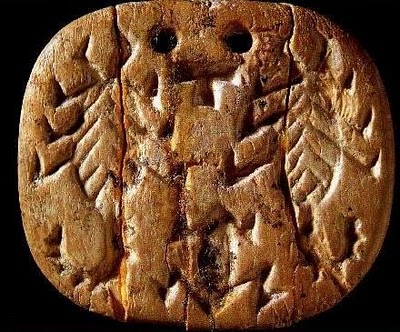
1.Story of Saraswat Brahmins: In the Mahabharata, Rishi Saraswata is represented as being the son of the personified river Saraswati. In a time of great drought he was fed with fish by his mother, and so was enabled to keep up his knowledge of the Vedas, while other Brahmanas were reduced to such straits for the means of subsistence that study was neglected and the Vedas were lost. When the drought was over, the Brahmanas flocked to him for instruction, and 60,000 acquired knowledge of the Vedas from him. This shows that there was a drought lasting for a long period and the Saraswat Brahmins migrated to different parts of India. Even today we see Saraswat Brahmins in different parts of the country.

2. Ram’s sons invaded Indus cities: Please see my earlier article Indus Valley Cities in Ramayana. Mahabharata also confirms what Ramayana says about the Gandharva rulers of Indus region. Chitrangada was the elder son of King Shantanu and Queen Satyavati. Chitrangada thought too highly of himself and was killed in his youth by a Gandharva of the same name as his during an extended battle along the banks of River Saraswati. We know that the mighty Saraswati was running through the region in Vedic days and slowly disappeared during Mahabharat times.

tigersrampant

3. Contrary to the foreign scholars’ propaganda, Hindu literature says that the Asuras and Devas were sons of one and the same mother. Both of them had Brahmins as their Gurus. Asuras (demons) had Sukra (venus) as their teacher and Devas (angels) had Brihaspati (Jupiter) as their teacher. This was referred to even by Sangam Tamil Poets 2000 years ago (See Kalitokai lines 99-1/2). Brihaspati was praised as the king of Sindhu Desa in the Navagraha Stotras. So the Brahmins belong to Indus country.

4. Brahmins all over the world perform Sandhyavandhana three times a day. The water mantra was given by the sage Sindhudweepa. This also shows that the Brahmins are closely connected to the Indus area. We read about Sindhudweepa Amabrish and Jayadratha as kings of Indus area.

calendar symbol 3

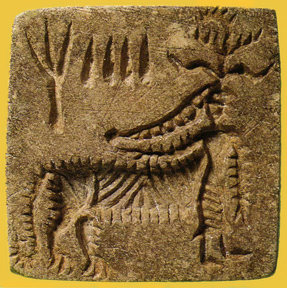
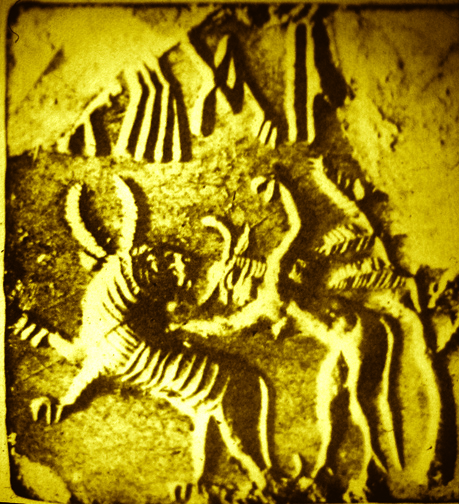
5. The big mystery about the Indus seals is that we don’t see the cow in any of the 4000+ seals, but have only bulls. Is it because the Brahmins and others regarded Cow as a holy animal?

narrativeseal

6. Though almost all the civilizations appeared on the banks of rivers, Brahmins’ life is entirely based on water. They can’t survive without water which is essential for their religious ceremonies. The Great Bath and the rooms around it in Mohanjo daro might have been be used by the Brahmins for their religious ceremonies.

7. I have already written about the most famous Sugarcane (Ikshwaku) dynasty and the discovery of sugar in the Indus excavations.

8. I have already dealt with the discovery of sesame seeds in the Indus area and the use of it by the Brahmins in Hindu funeral ceremonies and the water ablutions for the departed souls. This also proves the Brahmin link to Indus valley.

scorpion 4

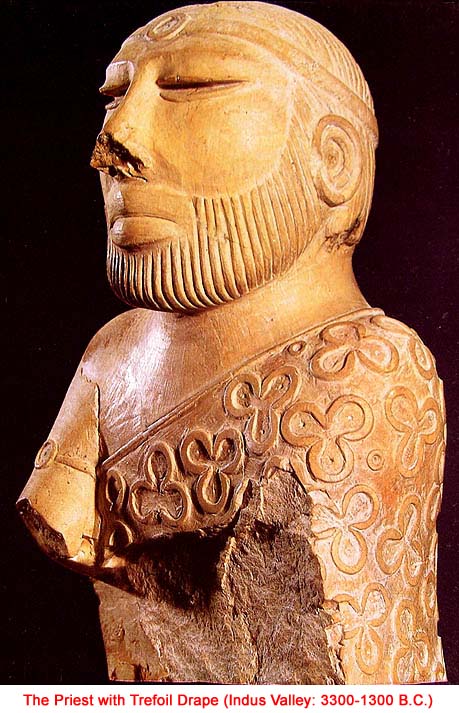
9. We have one Guru or king’s picture in the Indus. The way he wears the cloth on his left shoulder is the way Vedic pundits wear their upper garment. Even the Muslims going around Kaba in Mecca wear their cloth in this style.

10. Some scholars have even identified some fire places in the excavated areas of Indus Valley. They believe that Brahmins had performed fire ceremony every day. The strange, unidentified symbol in many of the seals may be a filter used for extracting Somarasa by the Brahmins.

cult2

11. Brahmanabad and Brahmin Janapadas were there only in the Indus area and nowhere else in India.

12. Manu says, “The country that the Gods made between the two divine rivers, the Sarasvati and the Drsadvati, is what they call the Land of Veda”. Manu was mentioned in Rig Veda in several places. Vedas are dated between 6000 BCE and 1000 BCE. Since Vedic names were found in 14th century in Turkey, Syria, Iraq, Iran and Egypt (please see Bogazkoy Excavations, Dasaratha letters in Egypt, Tushrata in Syria/Turkey, Mittani kings, Horse manual of Kikkuli), Vedas must have been there even before Indus Valley’s decline. The Sanskrit names were found in a vast geographical area from Egypt to Southern most part of India. Modern research has found more evidence in the names of Azigi, Vizigi, Tiamat, Sumukan of Sumerian civilization and Atharva Veda.

Indus priest

13. Buddha made the peepal tree popular. Peepal sticks (Ficus religiosa) were used by Brahmins even before the Buddha. There was a sage with the name of the Ficus tree: Pippaladan. Brahmins are the one who use this tree from Vedic days until today in their day to day ceremonies like Agnihotram and Samidhadanam. Ficus tree motifs are there in Indus valley in the seals and pots.

OLYMPUS DIGITAL CAMERA

14. Vedic society had many gods and worship but not the temples as we have them today. This is seen only in India. All other ancient civilizations had big structures for worship. Indus valley also had no places of worship.

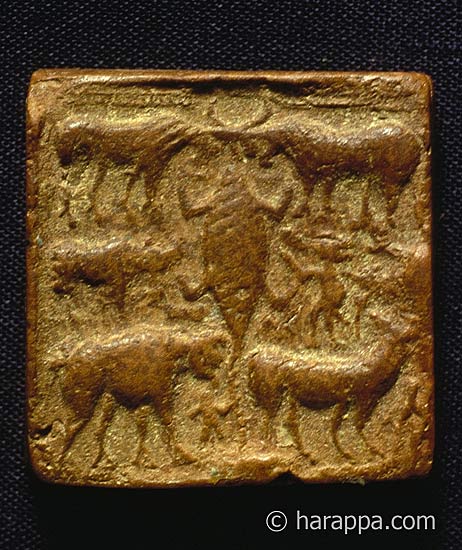
15. We see lot of divine figures with horns in the Indus valley. Only Brahminical explanations are available for such figures in the Vedas and other stotras. Eka Sringi (one horn), Naikasringi (not one horn, but many horns), Chatwari Srunga: (God Agni) are described in the Vedas and Vishnu Sahasranama.

16. Bull fighting, identified in some Indus seals, is in Sangam literature. But even the Tamil references link it with the Yadava community and Lord Krishna.

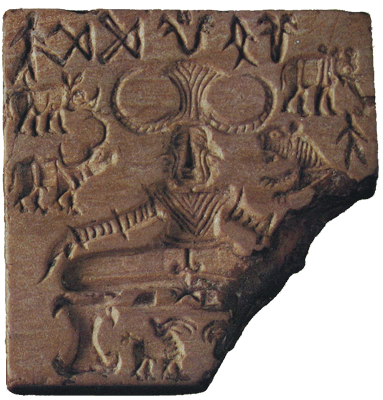
dilmun seal pasupati
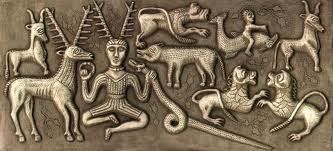
Pasupati seal is found in Bahrain (above), Denmark, Rome and Indus Valley.

cereunnos
Cerunnos, Irish God (Pasupati)

17. Tamil literature has no knowledge of Indus valley at all. 2000 year old Sangam Tamil literature praised the holy Ganges in many places, Yamuna in one place and Himalayas in several places along with Hindu Gods. In the absence of any connection between the Tamils and the Indus valley, we cannot think of deciphering the script through Dravidian languages. We have no evidence of the huge Indus bricks in ancient Tamil Nadu.

Contact swami_48@yahoo.com
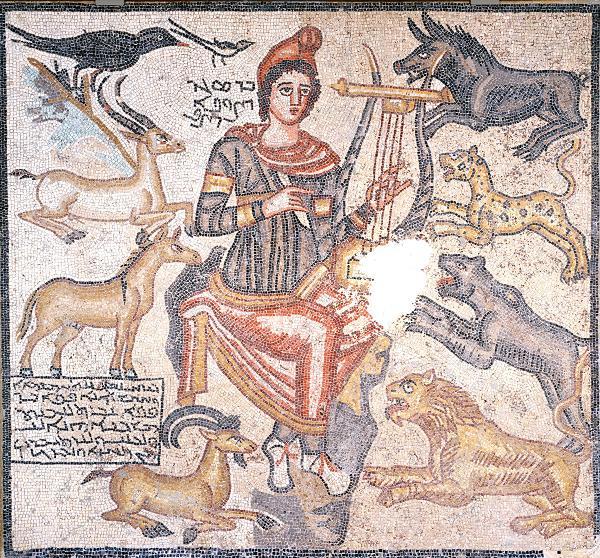
Roman_Orpheus_Taming_Wild_Animals
Roman God (Pasupati) with animals.

Read my other posts on Indus:
Bull Fighting: Indus Valley to Spain via Tamil Nadu (posted 21/1/12)
Human Sacrifice in Indus Valley and Egypt (posted on 31/10/12)
Ghosts in Indus Seals and Indian Literature
Flags: Indus Valley- Egypt Similarity
Tiger Goddess of Indus Valley: Aryan or Dravidian?
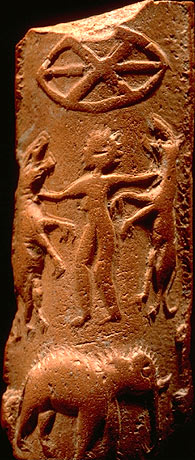
Indra on Elephant Vahana in Indus Valley
Indus Script Deciphered
Human sacrifice in Indus Valley and Egypt 0ct.31, 2012
Indus Valley Cities in Ramayana Dec.18, 2012

Open Sesame’: Password to Heaven Post No 756 dated 23rd December 2013
Change ‘’Indus’’ valley civilization to ‘’Ganges’’ valley civilization! Ulta! 29-3-2014
Indus Valley Case: Lord Indra Acquitted Post No 764 dated 28th Dec. 2013
‘Sex Worship’ in Indus Valley
Flags: Indus Valley – Egypt Similarity (15/1012)

The Sugarcane Mystery: Indus Valley and the Ikshvaku Dynasty
Vishnu in Indus Valley Civilization (posted on 19-10-11)
Serpent Queen: Indus Valley to Sabarimalai 18 June 2012
Fall of Brahmin Kingdoms in Pakistan and Afghanistan 23-3-14

IthyphallicProtoSiva
Pasupati in Indus Valley.

சிந்து சமவெளி: பிராமணர் தொடர்பு!

tigersrampant

எழுதியவர் லண்டன் சுவாமிநாதன்
கட்டுரை எண்:-1033 ; தேதி:- 10 மே 2014

சுமேரிய நாகரீகத்தில் துவக்க காலம் முதலே இரு மொழி பேசுவோர் வசித்தனர். இதே போல சிந்து சமவெளியிலும் பல மொழி பேசுவோர், பல தெய்வங்களை வழிபடுவோர் இருந்திருக்கலாம். எழுத்து ஒன்றாக இருந்தாலும் மொழி வேறுபட முடியும். இனம் ஒன்றாக இருந்தாலும் மதம் (வழிபாடு) வேறுபட முடியும். இன்றைய இந்தியா எப்படி இருக்கிறதோ அதே போல இருந்திருக்க வாய்ப்பு உண்டு. சிந்துவெளி பிரதேசத்தில் பிராமணர் செல்வாக்கு எவ்வளவு இருந்தது என்பதை ஆராய்வதே இக்க் கட்டுரையின் நோக்கம்.

சிந்து சமவெளி என்றும் சரஸ்வதி நதி தீர நாகரீகம் என்றும் அழைக்கப்படும் மொஹஞ்சதாரோ ஹரப்பா நகர நாகரீகம் யாருடையது என்று இன்னும் உறுதியாகத் தெரியவில்லை. அதனுடைய எழுத்துக்களும் இன்று வரை எல்லோரும் ஏற்கும் முறையில் படித்தறியப்படவில்லை. ஐம்பதுக்கும் மேலான வகையில் படித்துக் காட்டி இருக்கிறர்கள். ஆனால்– ‘’சாண் ஏறினால் முழம் சறுக்கி விழுந்த’’– கதையாக எல்லோரும் மண்னைக் கவ்விவிட்டார்கள்.

ஆரம்பத்தில் இரண்டு தவறுகள் நடந்ததால் இதை ஆராய்வோர் மூளை எல்லாம் மழுங்கிவிட்டது. ஹரப்பாவைத் தோண்டுவதற்கு நூற்றாண்டுக்கு முன்னரே இருந்து வந்த ‘ஆரிய- திராவிட’ வாதத்தை இதில் புகுத்தியதால் முறையான ஆராய்ச்சிக்கு வழி இல்லாமல் போனது. எல்லோரும் சேணம் கட்டிய குதிரை போல பார்வை குறைந்து போனார்கள். ஆனால் இவை எல்லாம் இப்போது “பொய்யாய் பழங்கதையாய்” போய்விட்டன. புதுப் புது தடயங்களும் விண்வெளியில் இருந்து எடுக்கப்பட்ட சரஸ்வதி நதி தீரப் படங்களும் பழைய வாதங்களை தவிடுபொடி ஆக்கிவிட்டன.

இரண்டாவது தவறு சில சோவியத்-பின்னிஷ் “ஆராய்ச்சியாளர்கள்” அறிக்கை வெளியிட்டு இது ‘திராவிட மொழி அமைப்பு போல’ இருக்கிறது என்று கூறினார்கள். இது நடந்து அறுபது ஆண்டுகள் உருண்டோடிவிட்டன. இதில் எள்ளளவாவது உண்மை இருந்திருந்தால் கம்ப்யூட்டர்கள் போன்றவற்றைக் கொண்டு மகத்தான முன்னேற்றம் கண்டிருப்பார்கள். ஆனால் இதுவரை முன்னேற்றம் ஏற்படவில்லை. ஆக அதுவும் “பொய்யாய் பழங்கதையாய்” போய்விட்டது!

நாற்பது ஆண்டுகளாக இது பற்றி ஏறத்தாழ முப்பது புத்தகங்களை மீண்டும் மீண்டும் படித்த பின்னர் என் மனதில் பட்டதைச் சொல்லுகிறேன்:
industablet2

பிராமண நாகரீகமா?
பிராமணர்களுக்கும் இந்த நாகரீகத்துக்கும் தொடர்பு அதிகம் இருப்பது போலத் தோன்றுகிறது. எதையும் ஆதாரம் இல்லாமல் எழுதினால் நான் எழுதுவதை படிப்பதையே நிறுத்திவிடுவார்கள் என்பது தெரியும். ஆகவே நான் சேகரித்த ஆதாரங்களைக் கொடுக்கிறேன்:

1.மனுஸ்ருதி எனப்படும் மனுதர்ம சாஸ்திரத்தில் “இரண்டு தெய்வீக நதிகளான சரஸ்வதிக்கும் திரிஷத்வதிக்கும் இடைப்பட்ட இடம் கடவுளால் உண்டாக்கப்பட்டது என்றும் இதற்கு பிரம்மாவர்த்தம் என்று பெயர் என்றும் கூறுகிறார்.(மனு 2-17) இது சிந்து/சரஸ்வதி நதி தீரப் பிரதேசம். ஆக சிந்து சமவெளி நாகரீகம் தெய்வ பூமியில் உருவான நாகரீகம். ஆகையாலதான் ஏராளமான முத்திரைகளில் இதுவரை இனம் காணப்படாத ஒரு வடிகட்டி காணப்படுகிறது. இது சோம ரசத்தை வடிகட்டின சின்னமாக இருக்கலாம்.

2.சூதாட்டம் என்பது இந்தியா முழுதும் இருந்ததை ரிக் வேதமும் , மஹாபாரதமும் சங்க இலக்கியமும் (புறம் 43 காண்க), திருக்குறளும் (சூது என்னும் அதிகாரம் காண்க) உறுதி செய்கின்றன. இதை பிராமணர்களும் ஆடியது சங்க இலக்கியம், வேதம் வாயிலாகத் தெரிகிறது. சிந்து சமவெளியில் சூதாட்டக் காய்கள் கிடைத்திருக்கின்றன. சாருதத்தன் என்ற பிராமணன் சூதாட்டத்துக்கு அடிமையானதை வடமொழி நாடகங்கள் கூறுகின்றன.

3.உலகின் மிகப் பழமையான சமய நூல் ரிக் வேதம். அதில் பத்தாவது மண்டலத்தில் வரும் ஒரு பாடல் அம்பரீஷன் மகனான சிந்துத்வீபனால் பாடப்பட்டது. (எழுதப்பட்டது அல்ல) அது முழுக்க முழுக்க நீரின் சிறப்பைப் பாடுவது. இதை தினமும் பிராமணர்கள் மூன்று வேளைகளிலும் சொல்லி தலையில் நீரைப் ப்ரோக்ஷணம் (ஆபோஹிஷ்டா மயோ புவ:) செய்து கொள்கிறார்கள். ஆக சிந்துவெளியில் ஒரு வேதகால ரிஷி இருந்ததும் அவருடைய மந்திரம் இன்றுவரை பிராமணர் வீடுகளில் பயன்படுத்தப்படுதுவதும் தெரிகிறது.

4.சிந்து சமவெளியில் கிடைத்த எள் மர்மம் பற்றி தனிக் கட்டுரை எழுதி இருக்கிறேன். எள்+நெய் (எண்ணை) என்பதை உலகமே பயன்படுத்தலாம். ஆனால் அந்த எள்ளை பிராமணர்கள் மட்டுமே நீத்தார் நினைவாக இன்றுவரை பயன் படுத்துகின்றனர். இதன் மூலமாக சிந்து வெளி—எள்—பிராமணர் தொடர்பு தெரிகிறது.

tigerladyK50a

5. இதே போல சிந்துவெளியில் கண்டுபிடிக்கப்பட்ட சர்க்கரை பெயரில் (இக்ஷ்வாகு= கரும்பு வம்சம்) ஒரு வம்சமே இருப்பதையும் எழுதி இருக்கிறேன்.
( சிந்துவெளி நாகரீகம் பற்றி நான் இதுவரை எழுதிய எல்லா கட்டுரைத் தலைப்புகளும் கீழே கொடுக்கப்பட்டுள்ளன.)

6.அரசமரம் (போதி) புத்தர் மூலமாகப் பிரபலமானது. ஆயினும் அவர் அந்த மரத்துக்கு அடியில் போய் உட்காரக் காரணம் அது இந்துக்களின் புனித மரம் என்பதே. புத்தருக்கும் முன்னதாக பிப்பலாடன் (அரசமரத்தான்) என்ற பெயரில் ரிஷிகள் இருந்தனர். பிராமணர்கள் பூணூல் போட்டவுடன் இளம் வயதில் இருந்தே அரசங் குச்சிகளைப் பயன் படுத்தியே ஹோமம் (சமிதாதானம்) முதலான காரியங்களை செய்கின்றனர்.

7. நதிக் கரைகளில்தான் முக்கால் வாசி நாகரீகங்கள் உருவாயின. ஆயினும் பிராமணர்கள் நீரைப் பயன்படுத்தும் அளவுக்கு வேறு யாரும் சமயச் சடங்குகளில் பயன்படுத்துவது இல்லை. சிந்துவெளியில் பெரிய குளம் அதனருகில் குளியல் அறைகள் இருப்பது சமயச் சடங்குகளை நினைவுபடுத்துவதாக உள்ளது.

8.சிந்து சமவெளி குரு: பிராமணர்கள் இடது தோளில் பூணூல் அணிந்திருப்பர். வேத பாடசாலைகளிலும், யாக சாலைகளிலும் அவர்கள் துண்டு அணிவதும் இதே போல இடது தோளிலேயே இருக்கும். சிந்து சமவெளி குருவின் முத்திரையும் ஒரு வேத கால ரிஷியை நினைவுபடுத்துகிறது. மெக்காவில் காபாவைச் சுற்றும் முஸ்லீம்களும் பிராமணர் போல வெள்ளை வேஷ்டி அணிந்து இடது தோளில் துண்டு போட்டு சுற்றுவதை இன்றும் காணலாம். ஆனால் அவர்கள் வலமாகச் சுற்றுவதில்லை. இஸ்லாம் மதம் தோன்றுவதற்கு முன்னரே மெக்கா வழிபாட்டுத் தலமாக இருப்பதால் பழைய வழ்க்கத்தை அந்த மத ஸ்தாபகர் அப்படியே பின்பற்றி இருக்கக்கூடும்.

9 சிந்து சமவெளி முத்திரைகளில் இனம் தெரியாத ஒரு சின்னம் இருக்கிறது. இது சோம யாகத்தில் சோம ரசம் வடிக்கப் பயன்பட்ட வடிகட்டியாக இருக்கக்கூடும்.

calendar symbol 3

10. சிந்து சமவெளி வீடுகளில் அக்னி வைக்கப்பட்ட இடங்கள் என்று சில இடங்களை அடையாளம் கண்டுள்ளனர். சில ஆய்வாளர்கள் இந்த விளக்கத்தை ஏற்றுக் கொண்டிருக்கிறார்கள்.

11.பிராமணர்கள் தெய்வமாக வணங்கிய பசுமாட்டின் முத்திரை எங்குமே இல்லை. ஆனால் காளைமாடு மட்டும் முத்திரைகளில் உள்ளன. 4000–க்கும் மேலான முத்திரைகளில் பசுக்களே இல்லை என்பது மிக மிக அதிசயமான ஒரு விஷயம். பசுவை தெய்வமாகப் போற்றியதால் இப்படிச் செய்தார்களோ என்று எண்ண வைக்கிறது.

12. சிந்து பகுதியில் மிகப் பழைய நகரமான ஒரு நகரத்துக்கு பிராமணாபாத் என்று பெயர். இந்தியாவில் (இப்போது பாகிஸ்தானில் இருக்கிறது) ஜாதிப் பெயரில் இருந்த ஒரே நகரம் இதுவாகத்தான் இருக்கும்! சிந்துவெளியில் இது இருப்பதும், அந்தப் பகுதியில் பிராமண ஜனபதம் (நாடு) இருந்ததும் வியப்பான விஷயமே. ஏனெனில் பிராமணர்கள் நாடாளுவது பற்றிய விதிகள் எந்த ஸ்மிருதியிலும் (சட்டப் புத்தகம்) இல்லை.

13. பிராமணர்களுக்குரிய மலர் தாமரை என்றும் மிருகம் யானை என்றும் பிற்கால சம்ஸ்கிருத நூல்கள் கூறுகின்றன. இவை இரண்டும் சிந்து வெளியில் உள்ளன.

narrativeseal

14.வேதத்தில் வேறு எல்லா நதிகளையும் விட அதிகமாகப் போற்றப்படுவது சரஸ்வதி நதியாகும். அந்த நதியின் பெயரில் ‘சாரஸ்வத்’ பிராமணர்கள் என்ற ஒரு பிரிவே உண்டு. அவர்கள் இன்று நாடு முழுதும் உள்ளனர். சிந்துவெளிக்கும் (சரஸ்வதி சமவெளி) பிராமணர்களுக்கும் உள்ள தொடர்பை இதுவும் பறை சாற்றுகிறது.

15. பிராமணர்கள் சுப காரியங்களிலும் அசுப காரியங்களிலும் பயன்படுத்துவது பருத்தியால் ஆன வேஷ்டிகளே. சிந்து சமவெளியிலும் பருத்தி கிடைத்திருக்கிறது. இது சமயப் புத்தகங்களிலும் இடம் பெற்றுள்ளது.

16.அசுரர்களுக்கும் தேவர்களுக்கும் அந்தணர் இருவர்தான் குல குருக்கள். இதை சங்கத் தமிழ் இலக்கியமும் புராணங்களும் உறுதி செய்கின்றன. ஆரிய- திராவிட வாதம் பேசுவோருக்கு இந்த சங்க காலச் செய்யுட்கள் செமை அடி கொடுக்கின்றன. வெளி நாட்டு அறிஞர்கள் அசுரர்ககளையும், ராக்ஷசர்களையும் திராவிடர்கள் என்று கூறுவர். ஆனால் தமிழ் இலக்கியமோ பஞ்ச திராவிடர்களை பிராமணர்கள் ( ஐந்து தேச பிராமணர்கள்) என்றும் அசுரர்களுக்கு, பிராமணனாகிய சுக்ரனே குரு என்றும் சொல்லுகின்றன.

இதற்கும் சிந்து சமவெளி நாகரீகத்துக்கும் என்ன தொடர்பு என்று சிலர் எண்ணலாம். தேவர்களுக்கு குருவான வியாழன் (குரு கிரகம்) சிந்து தேச அதிபதி என்று நவக் கிரக துதிகள் பாடுகின்றண. அசுரர் குருவான சுக்ராச்சாரியார் காப்பியக் குடியின் தலைவர். அதாவது தொல்காப்பியரின் குடி. சிந்துவெளியில் சுக்கிரனும் குறிக்கப் படுவதாக பின்னிஷ் ஆய்வாளர் கூறுகின்றனர். ஆக அந்தணர் இருவர்தான் ஒரு தாய் வயிற்றில் பிறந்த அசுரர், தேவர்களுக்கு ‘குரு’க்கள் என்பதை எல்லோரும் ஒப்புக் கொள்கின்றனர்.

‘’நறவினை வரைந்தார்க்கும் வரையார்க்கும் அவை எடுத்து,
அறவினை இன்புறூஉம் அந்தணர் இருவரும்’’–(கலித்தொகை 99-1/2)

Indus priest

திருமுருகாற்றுப்படையிலும் ‘’இருவர் சுட்டிய பல்வேறு தொல்குடி’’ (178) என்ற வரி வருகிறது. ஆனால் இங்கே தொல்குடி என்பதை தொல்காப்பியக் குடி என்று சிலரும் அகத்தியர் வசிட்டர் வழியில் தோன்றிய குடிகள் என்றும் தாய், தந்தையர் என்றும் பல விளக்கங்கள் கூறுவர்.

மணிமேகலையில் ‘’அந்தணர் இருவர்’’ என்ற வரி வருகிறது. ஆனால் அங்கே பிரம்மாவின் புத்திரர்கள் என்ற விளக்கமும் பாடலில் வருவதால் அது வசிட்டர், அகத்தியர் வழிவந்த பிராமணர்களைக் குறிக்கும் என்று உரைகரர்கள் கூறுவர். ஆகையால் அதை இப்பொழுது சிந்து சமவெளியுடன் தொடர்புபடுத்த முடியாது.

17. சிந்துவெளி முத்திரைகளில் பல கொம்புகளுடன் உடைய உருவங்கள் கிடைக்கின்றன. இப்படிக் கொம்பன் பற்றிப் பேசும் ஒரே இலக்கியம் வேத இதிஹசங்கள்தான். சத்வாரி சிருங்கா: என்று அக்னியையும் விஷ்ணுவையும் போற்றும் மந்திரங்கள் இருக்கின்றன. இதே போல ஏக ஸ்ருங்கி என்பதும் வடமொழியில் உண்டு. சிந்து முத்திரையில் ஒற்றைக் கொம்பு (ஏகஸ்ருங்கி) நிறைய உண்டு. பிராமணர்கள் தினமும் வழிபடும் அக்னி, ரிக்வேதத்தின் முதல் மந்திரத்திலும் கடைசி மந்திரத்திலும் இருப்பதே இதன் முக்கியத்தைக் காட்டும்.

IthyphallicProtoSiva

18. சிந்து சமவெளியில் இறை வழிபாடு இருந்தது. ஆனால் கோவில் இல்லை. இது போலவே வேத காலத்திலும் வழிபாடு உண்டு. ஆனால் இன்று நாம் காண்பது போல உயர்ந்த கோவில்கள் இல்லை. மற்ற நதிக்கரை நாகரீகங்களுக்கும் இந்தியாவுக்கும் உள்ள பெரிய வேறுபாடு இது.

சிந்து சமவெளியும் கந்தர்வர்களும்

19. நான் முன்னரே ஆங்கிலக் கட்டுரை ஒன்றில் குறிப்பிட்டதை மீண்டும் நினைவு படுத்துகிறேன். சிந்துவெளியில் இன்றைய இந்தியாவைப் போலவே பல்வேறு தரப்பினர் ஒரே நேரத்தில் இருந்திருக்கலாம். புத்தர் காலத்திலும் கூட இப்படி பல பிரிவினர் இருந்ததை நாம் அறிவோம். ஆக ராமனின் மகன்கள் லவனும் குசனும் கந்தர்வர்களிடம் இருந்து சிந்துவெளி நகரங்களைக் கைப்பற்றியதை நான் ராமாயண ஆதாரங்களோடு எழுதினேன். இதை மகாபாரதமும் உறுதி செய்கிறது. சந்தனுவுக்கும் சத்யவதிக்கும் சித்ராங்கதன் என்று ஒரு மகன் இருந்ததாகவும் அவன் அகந்தையால் அழிந்தான் என்றும் சரஸ்வதி நதிதீரத்தில் கந்தர்வர்களுக்கும் அவனுக்கும் நடந்த யுத்தத்தில் அவனுடைய பெயர் உடைய ஒருவனே அவனைக் கொன்றான் என்றும் மகாபாரத ஆதி பர்வம் கூறும் (1-101). ஆக சிந்துவெளியை கந்தர்வர்கள் ஆட்சிபுரிந்ததை இரு இதிஹாசங்களும் உறுதி செய்கின்றன. மகா பாரதம் ஜெயத்ரதன் என்ற மன்னனையும் சிந்து தேச அரசன் என்றே குறிப்பிடுகிறது. பிராமனர்கள் நாகரீகமாக இருந்தபோதிலும் கந்தர்வர் ஆட்சிப் பொறுப்பில் இருந்திருக்கவும் வாய்ப்பு உண்டு.

scorpion 4

தமிழர்களுக்கு தொடர்பு உண்டா?

இந்த நாகரீகத்துக்கும் தமிழர்களுக்கும் “ஸ்நானப் பிராப்தி” கூட கிடையாது. சங்க இலக்கியத்தின் 27,000 வரிகளில் சிந்து நதி பற்றிய பேச்சே இல்லை. வடமேற்கு இந்தியா பற்றிய பிரஸ்தாபமும் இல்லை. அவர்களுக்குத் தெரிந்ததெல்லாம் புனித கங்கை நதியும் இமய மலையும் தான். பஞ்சாப் பகுதியில் இருந்து வந்த யவனத் தச்சரைப் பற்றிய குறிப்புகள் உரைகளில் காணப்பாட்டாலும் யவன, தச்சர் என்ற இரண்டுமே வடமொழிச் சொற்கள் என்பதையும் நினைவிற் கொள்ளவேண்டும்.

சிந்து சமவெளியில் காணப்படும் புலிப் பெண், பேய் முத்திரை, பசுபதி முத்திரை, சப்த மாதா முத்திரை, வடிகட்டிச் சின்னம், நர பலி இவைகளுக்குச் சங்கத்தமிழ் இலக்கியத்தில் விளக்கம் கிடையாது. மேலும் பசுபதி முத்திரை சிந்து சமவெளிக்கு மட்டும் உரித்தானது அல்ல. உலகம் முழுதும் கிடைத்துள்ளது. இதே போல, காளை பிடித்தலும் (மஞ்சு விரட்டு) கண்ணபிரானின் யாதவ குல விளையாட்டு. கலித் தொகையிலும் அவ்வாறே சித்தரிக்கப் பட்டுள்ளது. இது தவிர, ஆரியர்கள் இவர்களை ஓட ஓட விரட்டி இருந்தால் இலக்கியத்தில் எங்காவது ஒரு இடத்திலாவது குமுறி இருப்பார்கள்—குதறி இருப்பார்கள் அப்படியும் ஒன்றும் நடக்கவில்லை. ஹரப்பா, மொஹஞ்சதாரோ செங்கல் என்பதும், தமிழர்கள் பயன்படுத்தியதற்கான பழம் தடயங்கள் எதுவும் கிடைக்கவில்லை. ஆக தமிழர்களுக்கும் இந்த நாகரீகத்துக்கும் தொடர்பு ஒரு கேள்விக் குறியாகவே தொக்கி நிற்கிறது

dilmun seal pasupati

(Seal from Bahrain surrounded by animals(Pasupati)

INDUS VALLEY CIVILIZATION
என்னுடைய முந்தைய 30 கட்டுரைகள்: Read my other 30 posts on Indus:

சிந்து சமவெளியில் பேய் முத்திரை
சிந்து சமவெளியில் ஒரு புலிப் பெண் Aug.23, 2012
கொடிகள்: சிந்து சமவெளி- எகிப்து இடையே அதிசய ஒற்றுமை
‘எள்’ மர்மம்: ரிக் வேதம் முதல் சிந்து சமவெளி வரை! Post No 755 dated 23/12/13
தேள்— ஒரு மர்ம தெய்வம்!

சிந்து சமவெளி & எகிப்தில் நரபலி1 November 2012
சிந்து சமவெளியில் செக்ஸ் வழிபாடு (26/7/13)
கொடி ஊர்வலம்: சிந்து சமவெளி – எகிப்து அதிசய ஒற்றுமை (15/10/12)
‘திராவிடர் கொலை வழக்கு: இந்திரன் விடுதலை’ Post-763 dated 28th Dec. 2013.
சிந்து சமவெளியில் அரசமரம்
சிந்து சமவெளி நாகரீகம் பெயரை மாற்றுக! march 29, 2014
1500 ஆண்டு பிராமண ஆட்சியின் வீழ்ச்சி 24-3-14

Roman_Orpheus_Taming_Wild_Animals
Picture of Roman Orpheus surrounded by animal (Pasupati)
Bull Fighting: Indus Valley to Spain via Tamil Nadu (posted 21/1/12)
Human Sacrifice in Indus Valley and Egypt (posted on 31/10/12)
Ghosts in Indus Seals and Indian Literature
Flags: Indus Valley- Egypt Similarity
Tiger Goddess of Indus Valley: Aryan or Dravidian?
Indra on Elephant Vahana in Indus Valley
Indus Script Deciphered

Human sacrifice in Indus Valley and Egypt 0ct.31, 2012
Indus Valley Cities in Ramayana Dec.18, 2012
Open Sesame’: Password to Heaven Post No 756 dated 23rd December 2013
Change ‘’Indus’’ valley civilization to ‘’Ganges’’ valley civilization! Ulta! 29-3-2014
Indus Valley Case: Lord Indra Acquitted Post No 764 dated 28th Dec. 2013
‘Sex Worship’ in Indus Valley

cult2
Picture of mysterious symbol (Somarasa Filter?)

Flags: Indus Valley – Egypt Similarity (15/1012)
The Sugarcane Mystery: Indus Valley and the Ikshvaku Dynasty
Vishnu in Indus Valley Civilization (posted on 19-10-11)
Serpent Queen: Indus Valley to Sabarimalai 18 June 2012
Fall of Brahmin Kingdoms in Pakistan and Afghanistan 23-3-14

contact :– swami_48@yahoo.com

OLYMPUS DIGITAL CAMERA

An Interesting Story about Art of Cooking

kalyana samaitya sadham

By London Swaminathan
Post No. 1032; Dated 9th May 2014

“We should not speak ill of food. We should not throw away food. We should produce plenty of food. We should let no one who comes for food be turned away.”
Taittiriya Upanishad 3-7-10

Cooking is one of the Sixty four Arts, which a Hindu woman supposed to learn and master. Whether they master it or not, women are the cooks in most of the houses around the world. But when it comes to big weddings or social events, we always hire men cooks. They are experts in the art of cooking for a huge gathering. Big Anna dhanas (Food Donation) are organised by philanthropists, religious organisations and temples. Nala and Bhima, two characters from Hindu mythology and the epic Mahabharata were famous cooks. Men take pride in referring to them and comparing with them.

We have an interesting story in the Sanskrit romance called Dasa Kumara Charita of Dandin. He lived in the seventh century CE. So this story is at least 1300 year old. Dasa Kumara Charita narrates the story of ten adventurous young men. Here is one of the stories:

A youth by name Saktikumara of Kancheepuram , Tamil Nadu, went on a journey with the intention of choosing a girl for him. Though he was the son of a merchant he went in the guise of a palmist. He took some rice with him. Wherever he went, parents who were anxious of getting their daughters married quicker came to see him. They asked him to read the hands of their daughters. When he found some interesting girls, he wanted to test them before proposing to them.

cooking ingredients

He always asked the girls to take the rice with them and provide lunch for him. But all the girls just laughed and ignored his request. They simply turned their faces away. Sakti went to many cities and village and spent a lot of time desperately looking for a suitable girl for him. At last he came to a city on the banks of the River Kaveri.

He went in to an old house and asked whether they were interested in reading hands. There lived a young girl by name Gomini with her parents and old servant maid. They were interested in his palmistry. As soon as he saw the girl, he liked her very much but did not allow his passion to spoil his judgement. As usual he wanted to test the girl and asked her to cook lunch for him with the rice he brought. Even before he finished his sentence, Gomini just signed to the old lady in the house to take it to the kitchen. She gave him water to wash his feet. She swept the floor and cleaned the place as quickly as possible.

First she pounded the rice, separated the husk and dried the rice in the sun. She asked the old lady to take the husk and sell it to the goldsmith who was always in need of it for polishing ornaments. She asked her to buy dry wood, an earthen pot and two earthen plates with that money on her way back. While Saktikumaran was watching, the old lady went out.

Later Gomini pounded the rice and lighted the oven. She put the cleaned rice flour in to the pot and started cooking. Then she got down the pot and poured the gruel out and tested the rice in the pot with a spoon to see whether it was properly cooked. When she felt it was done, she turned the pot upside down with a plate on to drain it. She allowed all the surplus liquid to run out.

dasa best

She made sure that the fire wood in the oven was put off. She called the old lady again and asked her to sell the charcoal in the market and asked her to buy all the groceries required and a few vegetable for the day’s cooking. The old lady carried out her instructions at once. She prepared the food nicely.

Through the old lady she asked Saktikumara to take an oil bath and come for lunch. He had his food served on a plantain leaf sitting on a wooden plank provided by Gomini. He was served with rice, ghee, vegetable soup and curd (Yogurt). He got a typical south Indian meal and hospitality. Even the water was scented with patala leaves. Fully satisfied with the tasty food and the hospitality, he went to her parents and asked for her hand. Gomini’s parents readily agreed.

The story described in detail the way she cooked the food and the way she showed hospitality to a stranger. Guests were treated like kings in those days.

Taittiriya Upanishad says, ”Honour your guest. Look upon him as if God came to receive your attention”.

IMG_1085

Contact swami_48@yahoo.com