தமிழ் இந்து இளங்கோ!

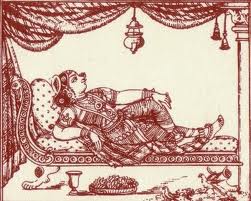
kannaki cooking
Kannaki cooking for Kovalan (Picture from World Tamil Conference Souvenir)

எழுதியவர் லண்டன் சுவாமிநாதன்
கட்டுரை எண்-1051 ; தேதி -19 May 2014.

தமிழில் ஐம்பெரும் காப்பியங்கள் உண்டு. நெஞ்சை அள்ளும் சிலப்பதிகாரம், மணிமேகலை, சீவக சிந்தாமணி, குண்டலகேசி, வளையாபதி என்பன அவை. முதல் மூன்று காப்பியங்களும் முழுதாகக் கிடைத்தது நம் தவப் பயனே. இமூன்றில் சிலப்பதிகாரம் தனிப் பெரும் இடத்தை வகிக்கிறது. தமிழர்களுக்கு உரிய ஒரே கதை கண்ணகி கதை ஒன்றுதான். இதை எழுதிய இளங்கோ அடிகள் சேரன் செங்குட்டுவனின் தம்பி என்றும் அவர் துறவியானதாகவும் பல கதைகள் உண்டு. ஆனால் ஒன்றுக்கும் மறுக்க முடியாத ஆதாரம் எதுவும் இல்லை. சிலர் அவரை சமணத் துறவி என்பர். அதை நிரூபிக்கக் கிடைக்கும் சான்றுகளைவிட அவர் இந்து என்று சொல்லச் செய்யும் சான்றுகளே அவரது காப்பியத்தில் அதிகம் இருக்கின்றன. இதை வாசகர்களே முடிவு செய்ய போதுமான சான்றுகள் உதவும்.

முதலாவது சமணர்களுக்கு தெய்வம் இல்லை. ஆனால் இளங்கோவோ :”தெய்வம் தெளிமின்”- என்று அறிவுரை புகல்கிறார்.
இரண்டாவதாக “நாராயணனை ஏற்றாத நாவென்ன நாவே” என்று பாடுகிறார். இராம பிரானைப் புகழ்கிறார். சிவனுடைய நடனங்களையும் காளிக்கூத்தையும் நமக்குத் தருகிறார். கொற்றவையின் புகழ் பாடுகிறார். செங்குட்டுவன் தலைமேல் சிவபெருமானின் பாதங்களைச் சுமந்து சென்றதாகச் சொல்கிறார். தெய்வமே வழிபடாத புத்த, சமண வழக்கங்களை ஒதுக்கித் தள்:ளிவிட்டு, இந்துமத முறையில் கண்ணகியைப் பத்தினித் தெய்வமாக வழிபட வைக்கிறார். முதல் முதலில் பிராமணர் களைக் கொண்டு நடத்திய கல்யாணத்தை கண்ணகி, கோவலன் கல்யாணத்தில் நமக்குப் படம் பிடித்துக் காட்டுகிறார். தீ வலம் வந்து கல்யாணம் முடித்ததை தமிழில் முதல் முறையாக அவர்தான் நமக்குக் கூறுகிறார். கரிகாலன் நல்ல நாள் பார்த்து, ‘’புண்ணிய’’ திசையான வடதிசை போகியது இப்படித் தடுக்கி விழுந்த இடமெல்லாம் சிலம்பு முழுதும் இந்துமதம்!!

இந்துக்களின் புனித நதியான கங்கையையும் புனித மலையான இமயத்தையும் போற்றுகிறார். புண்ய இமயத்தில் கல் எடுத்து புண்ய கங்கையில் நீராட்டி கோவில் சமைத்ததைக் காட்டுகிறார். காவிரியை ‘’தெய்வ’’க் காவிரி என்று துதிக்கிறார். இப்படி மலையையும் நதியையும் தெய்வமாகக் கும்பிடுவது இந்துக்களால் மட்டுமே முடியும். புத்தரும் மஹாவீரரும் தெய்வம் பற்றியே பேசவில்லை.. கண்ணகி, கோவலன் இருவருக்கும் உண்மையிலேயே கவுந்தி அடிகள், வழிகாட்டித் துணையாக இருந்ததற்கு நன்றிக் கடனாக அவரது அருகதேவனையும் போற்றினார்.

கதை போகும் போக்கில் வேதம் சொல்லும் பார்ப்பனச் சிறுவர்கள், புனித யாத்திரை செய்யும் பார்ப்பனன், நாரதரின் வீணை, பூரண கும்பம், இந்துக்களின் 64 கலைகள், ஜம்புத்வீபம் (நாவலம் தண்பொழில்) திருவிளையாடல் புராணக் கதைகள், சிபிச் சக்கரவர்த்தி கதை, பஞ்ச தந்திரக் கதைகள் என ஏராளமான விஷயங்களைத் தருகிறார். ஆனால் கவுந்தி அடிகள் என்பவர் வாயிலாக சமணர்களின் பெருமையையும் பாடுகிறார். அந்த ஒரு காரணத்திற்காக இளங்கோ மீது சமணர் என்று முத்திரை குத்திவிட முடியாது.

அர்த்தநாரீஸ்வரர், மஹிஷாசுரமர்த்தனி, வாலகீய மகரிஷிகள், மும்முறை வலம் வருதல், விமானத்தில் கோவலன் வந்து கண்ணகியை அழைத்துச் செல்லல், இந்துக் கடவுளரின் வாகனங்கள், திருப்பதி, ஸ்ரீரங்கம், திருமாலிருஞ்சோலை மகிமை – இப்படி சிலப்பதிகாரம் முழுதும் இந்துமதக் கலைக்களஞ்சியமாக விளங்குகிறது!!!

இளங்கோ என்பவர் தமிழ் இந்துவா? தமிழ் சமணரா? என்று பட்டிமன்றம் நடத்தினால் இந்து என்ற கட்சி எளிதில் வெற்றி பெரும் அளவுக்கு இந்து மதக் கருத்துக்களை அள்ளித் தெளித்திருக்கிறார் இளங்கோ.
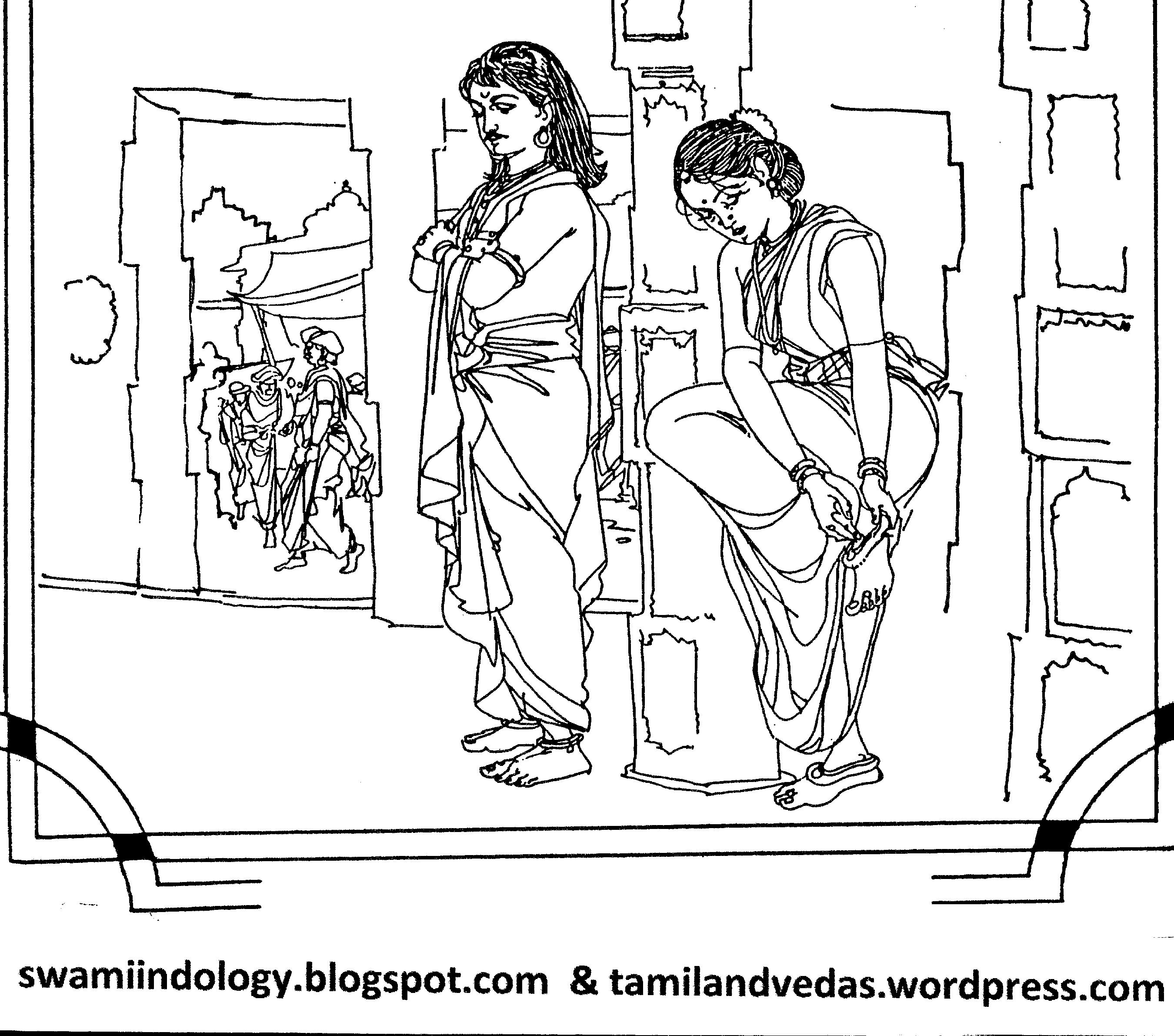
kannaki
Kannaki giving her anklet to Kovalan.

உலகில் ஒரு இந்து மட்டுமே மற்ற கடவுள்களைப் புகழ்வான். ராமகிருஷ்ண பரமஹம்சர், சுவாமி விவேகாநந்தர், மஹாத்மா காந்தி போன்றோர் பிற சமயக் கடவுளையும் போற்றினர். இந்துவைத் தவிர உலகில் வேறு எந்த மதத் தலைவரும் இப்படிச் செய்ததில்லை. வேறு எந்த மத நூல்களிலும் இந்துக் கடவுள்களைப் புகழ்ந்ததைக் கண்டதும் இல்லை, கேட்டதும் இல்லை, படித்ததும் இல்லை. அப்படியே உவமைக்காக இந்துக் கடவுளரை ‘வம்புக்கு இழுத்தாலும்’ தங்களுடைய சமயக் கருத்துக்கு முரணான விஷயங்களைப் போதிக்க மாட்டார்கள்.

இளங்கோ சொல்லும் ‘விதி மிகவும் வலியது’ என்ற கருத்தும் இந்துக்களின் கர்ம வினைக் கொள்கைதான். வடமொழி நாடகங்களிலும் மஹாபாரதத்திலும் விதி பற்றி நூற்றுக்கணக்கான மேற்கோள்கள் உண்டு. ஆக அந்தக் கொள்கை காரணமாகவும் இளங்கோவுக்கு சமண மத முத்திரை குத்த முடியாது. இதோ இளங்கோவின் வாசகங்கள்:–

“பரிவும் இடுக்கணும், பாங்குற நீங்குமின்
தெய்வம் தெளிமின்; தெளிந்தோர்ப் பேணுமின்;
பொய்யுரை அஞ்சுமின்; புறஞ்சொல் போற்றுமின்;
ஊனூண் துறமின்; உயிர்க்கொலை நீங்குமின்;
தானம் செய்மின்; தவம்பல தாங்குமின்
செய்நன்றி கொல்லன்மின், தீ நட்பு இகழ்மின்
பொய்க்கரி போகன்மின், பொருள்மொழி நீங்கன்மின்
அறவோர் அவைக்களம் அகலாது அணுகுமின்
பிறவோர் அவைக்களம் பிழைத்தும் பெயர்மின்
பிறமனை அஞ்சுமின், பிழையுயிர் ஓம்புமின்
அறமனை காமின், அல்லவை கடிமின்
கள்ளும் களவும் காமமும் பொய்யும்
வெள்ளைக் கோட்டியும் விரகினில் ஒழிமின்
இளமையும் செல்வமும் யாக்கையும் நிலையா
உளநாள் வரையாது ஒல்லுவது ஒழியாது
செல்லும் தேஎத்துக்கு உறுதுணை தேடுமின்
மல்லன் மாஞாலத்து வாழ்வீர் ஈங்கென்”
(வரந்தரு காதை)

தானம், தவம் போன்ற பகவத் கீதை சொற்களை வள்ளுவனும் இரண்டு இடங்களில் பயன் படுத்தியதை ‘வள்ளுவன் ஒரு சம்ஸ்கிருத அறிஞன் என்ற கட்டுரையில் ஏற்கனவே காட்டியுள்ளேன். இளங்கோவும் ‘’வெஜிட்டேரியன்’’ உணவு சாப்பிடுதல், கள் குடிப்பதைக் கைவிடல், மறுமைக்காக இப்போதே தருமம், புண்ணியம் செய்தல் ஆகியவற்றை வலியுறுத்துகிறார்.

இவ்வளவு சொன்ன பிறகும், யாராவது தனக்கு தப்பான முத்திரை குத்திவிடப் போகிறார்களே என்று பயந்து பகிரங்கமாக ராமனையும் கிருஷ்ணனையும் புகழ்ந்து தள்ளுகிறார்:–

“வடவரையை மத்தாக்கி, வாசுகியை நாணாக்கி
கடல் வண்ணன்! பண்டொரு நாள் கடல் வயிறு கலக்கினையே;
—————————–
மூ உலகும் ஈரடியால் முறைநிரம்பா வகைமுடியத்
தாவியசே வடிசேப்பத் தம்பியொடும் கான் போந்து,
சோ அரணும் போர்மடியத் தொல் இலங்கைக் கட்டழித்த
சேவகன் சீர் கேளாத செவியென்ன செவியே!
திருமால் சீர் கேளாத செவியென்ன செவியே!

பெரியவனை மாயவனைப் பேர் உலகம் எல்லாம்
விரிகமல உந்தியுடை விண்ணவனைக் கண்ணும்
திருவடியும் கையும் திருவாயும் செய்ய
கரியவனைக் காணாத கண்ணென்ன கண்ணே
கண்ணிமைத்துக் காண்பார் – தம் கண்ணென்ன கண்ணே?

மடந்தாழும் நெஞ்சத்துக் கஞ்சனார் வஞ்சம்
கடந்தானை நூற்றுவர் பால் நாற்றிசையும் போற்றப்
படர்ந்தாரணம் முழங்கப் பஞ்சவர்க்குத் தூது
நடந்தானை ஏத்தாத நாவென்ன நாவே?
நாராயணா என்னா நாவென்ன நாவே?”
–சிலப்பதிகாரம், ஆய்ச்சியர் குரவை, இளங்கோ அடிகள்.
tamil makal
Tamil queen in Sangam age.

பொருள்: மூன்று உலகங்களையும் இரண்டே அடிகளில் முடித்தான் (வாமன அவதாரம்). அந்த அடிகள் சிவக்குமாறு தம்பியுடன் காட்டுக்குப் போனான் ‘சோ’ என்னும் அரணை அழித்ததைவிட பழமைமிகு இலங்கையின் காவலை அழித்தான். இந்த சேவகன் புகழைக் கேட்காத காதுகளும் காதுகள் என்று சொல்லத் தகுதி உண்டா?

எல்லோர்க்கும் மூத்தவன் — உலகம் எல்லாம் அவன் உந்தியிடத்தில் தோன்றிய தாமரையில் விரிந்தது — கண்கள், கைகள், வாய். காலடிகள் ஆகியன சிவந்து தோன்றும் அந்தக் கருப்பனை (கிருஷ்ணனை) காணாத கண்களை யாராவது கண் என்று அழைப்பார்களா! அவனைக் கண்கொட்டாமல் பார்க்கவேண்டும். அதை மீறி கண்களை இமைத்தால் அவைகள் கண்களே இல்லை!

அறியாமையின் ஒட்டுமொத்த வடிவம் கம்சன். அவனுடைய வஞ்சனை எல்லாவற்றையும் கண்ணன் சமாளித்தான். பாண்டவர்க்காக அவன் கௌரவர்கள் இடத்தில் தூது சென்றபோது வேதங்கள் எல்லாம் அவனோடு சென்றன. அத்தகையவனின் பெருமையைச் சொல்லாத நாக்கும் ஒரு நாக்கா? நாராயணா என்று சொல்லாத நாக்கை எவரேனும் நாக்கு என்று சொல்ல முடியுமா?

மதுரை பற்றி வியப்பான தகவல்!

மதுரையில் மன்னவனிடம் குறைகளை முறையிட அடிக்கப்படும் ஆராய்ச்சிமணி ஒலித்ததே இல்லை என்றும் பிராமணர்களின் வேத ஒலி மட்டுமே ஒலிக்கும் என்றும் சொல்கிறார்:-
“மறை நாஓசை அல்லது; யாவதும்
மணி நாஓசை கேட்டதும் இலனே”

பிராமணர்களை எரிக்காதே!!
மதுரைக்கு தீயூட்ட விரும்பிய கண்ணகி ஒரு முலையைத் திருகி வீசவே அக்னி தேவன் அவள் முன் தோன்றுகிறான். உடனே யார், யாரை எரிக்கக் கூடாது என்று சொன்னதில் பிராமணர்களை எரிக்காதே என்று உத்தரவிடுவதாக இளங்கோ பாடுகிறார்:–
“பார்ப்பார், அறவோர், பசு, பத்தினிப் பெண்டிர்
மூத்தோர், குழவி, எனும் இவரைக் கைவிட்டுத்
தீத்திறத்தார் பக்கமே சேர்க”— (அழற்படு காதை)

என்று உத்தரவு போடுகிறாள். புத்த மதத்தை உலகம் முழுதும் பரப்பிய அசோகன் கல்வெட்டிலும் பிராமணர் பெயருக்கு அடுத்தே சிரமணர்கள் பெயர் வரும்.இளங்கோவும் காவியம் முழுதும் பிராமணர்களையும் வேதங்களையும் புகழ்கிறார்.

ஆய்ச்சியர் குறவையில் கண்ண பிரானின் லீலைகள் எல்லாவற்றையும் தொகுத்துத் தருகிறார். பாற்கடல் கடைந்தது, கன்றால் விளா எறிந்தது, யமுனையில் விளையாடியது, கதிரவனை சுதர்சன சக்கரத்தால் மறைத்த மாபாரதக் கதை இப்படிப் பல.

விருந்தினரை உபசரித்தல் இந்துக்கள் நாள்தோறும் கடைப்பிடிக்கும் பஞ்ச மஹாயக்ஞங்களில் ஒன்று. அது பற்றியும் கண்ணகியின் வாயிலாகக் கருத்துரைக்கிறார்:

“அறவோர்க்களித்தலும் அந்தணர் ஓம்பலும்
துறவோர்க்கு எதிர்தலும்,
தொல்லோர் சிறப்பின் விருந்தெதிர் கோடலும் இழந்த என்னை” (கொலைக்களக் காதை)

–என்று கண்ணகி வருத்தப்படுவதைக் காட்டுகிறார். அறவோர், துறவியர், அந்தணர், விருந்தினர் என்று குறிப்பிடுதல் காண்க.

சிலப்பதிகாரம், தொல்காப்பியம், திருக்குறள் ஆகிய மூன்றும் ஐந்தாம் நூற்றாண்டைச் சேர்ந்தவை என்று தக்க காரணங்களுடன் ஏற்கனவே எழுதி இருக்கிறேன். சிலம்பில்தான் முதல்முதல் யாழ் மறைந்து வீணை தோன்றுகிறது. ஏராளமான வடமொழிச் சொற்கள், புராண, இதிஹாசக் கதைகள் வருகின்றன. தொல்காப்பிய விதிகள் பழமையானவை. அதை நூல் வடிவில் தந்தவர் ஐந்தாம் நூற்றாண்டில் வாழ்ந்ததை சொல் வழக்குகளே (அதிகாரம்) காட்டிவிடுகின்றன.

தமிழில் உள்ள எல்லா சமய நூல்களும் மறைந்தாலும் சிலப்பதிகாரம் ஒன்றில் இருந்தே சைவ வைணவப் பெருமைகளை அறியமுடியும். சுருங்க்ச் சொன்னால் சிலப்பதிகாரம், ஒரு இந்து மதக் கலைக் களஞ்சியம் ( என்சைக் ளோபீடியா). கையில் ஒரு பென்சில் அல்லது ஹைலைட்டர் பேனாவை வைத்துக் கொண்டு சிலப்பதிகாரத்தில் இந்துமதம் பற்றிய விஷயங்கள் வரும்போதெல்லாம் அடிக்கோடு இடுங்கள். புத்தகம் முழுதும் கோடு மயம்தான்!!!

வாழ்க இளங்கோ! வாழ்க தமிழ் இந்து இளங்கோ!

contact swami _48 @yahoo.com

133 Beautiful Quotations of Playwright Bhasa – Part 1

sanskrit_drama

133 Beautiful Quotations (Subhashitas) of Playwright Bhasa – Part 1
Post No. 1050; Dated 18th May 2014

(Earlier on 18th April 2014, I posted under the title “Beautiful quotations from a Great Playwright”; Post No. 987. Following post is more comprehensive and 133 quotations are arranged subject wise.)

Bhasa was one of the greatest playwrights of India. Even Kalidasa, the greatest playwright and poet of India praised him. He has written 13 Sanskrit dramas and Svapna vasavadatta is his best. He lived during the period of Nanda dynasty around fifth century BCE.

Following are his thirteen dramas of Bhasa: Abhiseka Nataka, Avi maraca, Urubhanga, Karnabhara, Carudatta, Duta Katotkaca, Duta Vakya, Panca Ratra, Pratijna Yugandharayana, Pratima Nataka, Bala Carita, Madhyama or Haidimba Vaidagya and Svapna Vasavadatta.

In all these plays the poet has employed nearly 230 characters, male and female, besides many others that are only mentioned.

There are 23 different metres and the total number of verses is 1092. There are thirteen Prakrit verses in these plays in six different metres. His dramas are in Sanskrit prose.

Following quotations (Wise Sayings) are compiled by A S Panchapakesa Ayyar in his book on Bhasa published in 1957. When we know that all these were said 2400 years ago, we admire it more. This is our age old Sanskrit Wisdom:–

kuchi
Picture of Sanskrit drama in Russia.

GOD
1.God owns everything in the universe, but keeps nothing for himself; He is the supreme renouncer.
2.God is our soul refuge, there is no other refuge. He is the plot, the prologue and the epilogue of the ceaseless drama of the universe and the stage manager too. His scenes are ever changing in the background of Eternity.
3.Do everything to please Him and nothing to please the thousand tongued world.
4.First rate men please God; second rate men please the world; third rate men please neither.
5.God’s best form is that of the Babe; the next best is that of the Beloved; and the next best is that of the Friend. We need not bother about His other forms.
6.God is seen constantly by the wise and never by fools.
7.He is the meanest and most ungrateful of men who will not salute God, who has given him everything, including his life.
8.Virtue enables us to shed our illusion by His Grace; Vice keeps the veil tighter and tighter.
9.We should all realise that the body will die one day, but the soul never, and act accordingly.
10.Effort alone is your concern; leave the result to Him.

kalidasa sakuntala
Picture of Kalidasa’s Sakuntala drama.

KING /RULER
11.When the moon rises, the stars are there too.
12.Kingship never goes a begging.
13.The king must rule or abdicate.
14.A just king makes the deer sleep in peace in the midst of tigers and lions.
15.A ruler must go by the laws, eternal and manmade.
16.A king should honour the sages, eradicate poverty, and protect his people and prefer their welfare to his.
17.A king should guard his life carefully in peace but risk his life fearlessly in war.
18.A palace garden becomes a bed of weeds when the king is dethroned.
19.Money can work wonders in palaces and ministries.
20.There are kings among men, and demons among kings.
21.A minister without a spirit of sacrifice is a disgrace to himself and the country.
22.Death has no terrors for him who has discharged all his duties.

SUICIDE
23.To live on braving dangers and troubles for the sake of others is far better than to commit suicide to escape troubles and worries for oneself.
24.When we are dead, we cannot thin or speak or act, So we must make the most of life.
25.He is a fool who will sell his liberty for reaches.

skt drama

BEAUTY
26.Beauty captivates the minds of one and all, whether it is physical, mental or spiritual beauty.
27.The ideal to be aimed at is Beauty in Woman, Bravery in Man, Honesty in Both.
28.Beauty is its own adornment; but adorned beauty looks even better.

WAR
29.A loveless army is useless in war as a loveless wife at home
30.War is a gamble with human lives at stake
31.The victor by force of arms will one day become the vanquished by arms.
32.A brave man requires only his courage and two arms to fight any foe.
33.A warrior’s fame is judged by what his enemies say of him.
34.Words do not go too far in a fight.

ENMITY
35.By waxing of mutual enmity, the race perishes and becomes but a name.
36.The enmity of elders should not extend to children.
37.With the signing of peace between warring nations, the cruel deeds of both the sides in war are forgotten.

Koodiyattam,_Kalamandalam_Sindhu
Picture of Kalamandalm Koodiyattam

FRAUDS & THIEFS
38.Fraud will be met by fraud, whatever the moralists say.
39.So long as life lasts, Hope lasts.
40.Troubles come in shoals.
41.He who handcuffs others everyday will feel it most when he is himself handcuffed one day.
42. A prisoner feels humiliated whether he is well treated or ill-treated
43.The valour of a robber disappears when he is arrested.
44.A man’s guilt makes him fear detection at any time.
45.Drinks make a poor wretch forget his worries for a time.
46.Traders and workers operate during the day; lovers and burglars during the night.
47.The snatching arms of a robber are a better sight than the folded arms of servility of a beggar.
48.Death comes to the wicked suddenly and unexpectedly.
49.Service rendered to a rascal is wasted like the eyes in pitch darkness or like books lent to the blind.
50.There may be assemblies of various kinds, for instance, of learned men in the Hall of a University and of rogues in the Rogues’ Hall.
51.Court news is first known in the market place, and then alone to the ministers and people.
52.A merchant robs his customers in daylight while the burglar robs his customers only at nights.
53.The rich man avoids a beggar as much as he avoids a robber.
54.Policemen discover a crime only after others have discovered it for them.
55.Clothed with brief authority, petty official of government want to display it insolently on the people.
56.A magician enters the society of the learned like a well dressed rogue the company of householders.

skt keith

MARRIAGE & WIFE
57.Love comes as easily to a man in rags as to a kng on his throne. The fire of love is peculiar; it burns fiercer in the absence of the loved one. Marriages are of five kinds, namely, union of souls, union of minds, union of bodies, union of lusts and union of things.
58.Fate settles marriages.
59.Marriages are best arranged with many doors open.
60.A happy marriage makes the earth a heaven, and an unhappy marriage makes the earth hell itself.
61.An unmarried daughter of marriageable age is a sure sign of her mother’s defeat.
62.A rebellious wife unhappily married, brings down the reputation of her parent’s house and her husband’s house as a river in flood destroys both the banks.
63.Beauty makes for the buds and blossoms of marriage; but it is duty which keeps the roots firm.
64.A bridegroom must be handsome and of a noble family and must have a better heart; but, above all, he must be able to maintain and protect his wife.
65.A man is indeed blessed when he has a devoted wife who will follow him to the ends of the world, and stick to him whatever his fortune.
66.No honest man should love a woman without an intention to marry her.
67.However careful is the choice in a marriage, a lot depends on fate.
68.A woman of exemplary chastity is a priceless asset.

natyasastra

69.A rake is a beast in human form.
70.A rake’s lust burns like a bit of old leather fallen on fire.
71.Even a cad feels a pang of regret at doing injustice to his virtuous wife.
72.A true wife feels lonely when her husband is not by her side.
73.We should make the most of the charming period of our youth.
74.Premature widowhood is like a flower nipped in the bud.
75.Celestial nymphs can never give the same satisfaction as human maidens.

Contact swami_48@yahoo.com

(Part two contains quotations on Dharma, Service, Belly, Prosperity, Sick man and Medicine, Hermitages and Sages, Astrology, Fate, Good and Bad People, Leadership, Training etc.)

வித்தியாசமான விஞ்ஞானி யுங்! Carl Jung -Part 1

Carl-Gustav-Jung

Post No.1049 ; Dated 18th May 2014.

எனது சகோதரர் ச. நாகராஜன் எழுதிய ஐந்து பகுதிகள் கொண்ட கட்டுரையில் இது முதல் பகுதி

((குறிப்பு: ஆங்கிலத்தில் ஜங் என்று எழுதியபோதிலும் சரியான உச்சரிப்பு யுங்)).

வித்தியாசமான விஞ்ஞானி யுங்! Carl Jung -1
By ச.நாகராஜன்

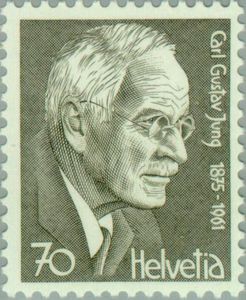
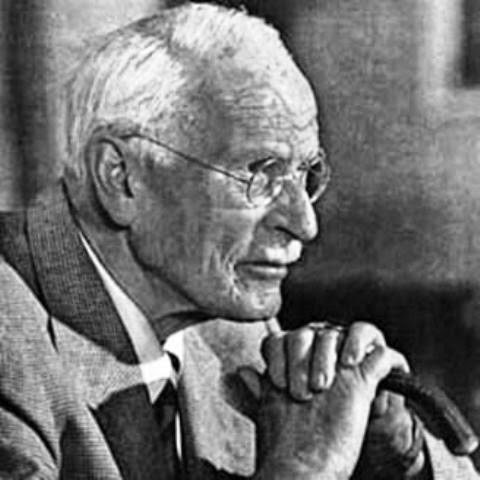
விஞ்ஞான உலகில் ஏராளமானோர் விதவிதமான ஆராய்ச்சிகளில் ஈடுபட்டுள்ளனர்.இன்றும் ஈடுபட்டு வருகின்றனர். ஆனால் இந்த விஞ்ஞான உலகில் சற்று வித்தியாசமான விஞ்ஞானியாக கார்ல் யுங் Carl Jung (பிறப்பு:1875 மறைவு:1961) திகழ்கிறார்.

ஒரு நவீன விஞ்ஞானி முகத்தைச் சுளிக்கும் விஷயங்களை எல்லாம் அலாதி ஈடுபாட்டுடன் ஆராய்ந்து அதில் தன் முத்திரையைப் பதித்தவர் இவர்! ஜோதிடத்தில் இவருக்கு அபார ஈடுபாடு உண்டு. ஆன்மீக இயலில் இவரது கண்டுபிடிப்புகள் ஏராளம்! டெலிபதி, டெலிகைனஸிஸ், மீடியம், புலன் கடந்த அதீத உளவியல், இரகசிய ஆற்றல்கள்,கனவுகள் என விலாவாரியாக அறிவியல் பூர்வமாக இவர் ஆராயாத வித்தியாசமான துறைகளே இல்லை.மற்ற விஞ்ஞானிகளை யெல்லாம் பற்றி இவர் துளிக்கூடக் கவலைப் படவில்லை. தனது ஆராய்ச்சியில் முழு ஈடுபாட்டுடன் இறுதி வரை இருந்தார் மாபெரும் மேதை யுங்!

இவர் புதிதாகத் தோற்றுவித்த அறிவியல் துறைகள் இரண்டு!
ஒன்று சிங்க்ரானிசிடி எனப்படும் ‘அர்த்தமுள்ள தற்செயல் ஒற்றுமைகள்’! இரண்டாவது ‘கலெக்டிவ் அன்கான்ஸியஸ்’ எனப்படும் கூட்டு நனவிலி நிலை அதாவது மக்கள் கூட்டம் மொத்தமாகக் கொண்டிருக்கும் ஒரு நனவிலி நிலை ஆகும்.

யுங்கின் வாழ்க்கையில் நிகழ்ந்த ஏராளமான சம்பவங்கள் அவரை அதி தீவிரமாக பல்வேறு விஷயங்களைப் பற்றி ஆராய உத்வேகப்படுத்தின.

Time jung-carl-

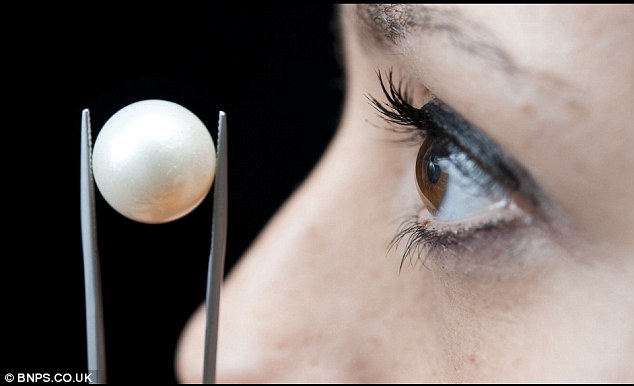
எடுத்துக்காட்டாக சிங்க்ரானிசிடி எனப்படும் “அர்த்தமுள்ள தற்செயல் ஒற்றுமை” பற்றிய ஒரு முக்கிய சம்பவத்தைக் குறிப்பிடலாம். ஒரு நாள் ஜங்கிடம் சிகிச்சை பெற வந்த ஒரு பெண்மணி தான் கண்ட கனவை உணர்ச்சி பொங்க விவரித்துக் கொண்டிருந்தார். அந்தக் கனவில் அவருக்கு மிகவும் விலை மதிப்புள்ள ஒரு நகை தரப்பட்டிருந்தது. அந்த நகை வண்டு போல செய்யப்பட்ட ஒரு அணிகின்ற கல்! இதை அந்தப் பெண்மணி விவரித்துக் கொண்டிருந்த சமயம் யுங்கின் ஜன்னலை யாரோ தட்டிக் கொண்டே இருப்பது போன்ற ஒலி எழுந்தது. இந்த ஒலியால் ஈர்க்கப்பட்ட ஜங் ஜன்னலை நோக்கி விரைந்தார். ஜன்னலைத் திறந்தார். ஜன்னலின் வெளியிலிருந்து பறந்து வந்த ஒரு பொன் வண்டு அவர் கையில் வந்து உட்கார்ந்தது. அதைக் கையில் பிடித்துக் கொண்ட ஜங் தன் கனவை விவரித்துக் கொண்டிருந்த பெண்மணியிடம் அதைக் காட்டி,”இதோ இருக்கிறது உங்களின் பொன்வண்டு” என்று கூறி விட்டு வண்டை அவர் கையில் கொடுத்தார். இதனால் அசந்து போன அந்தப் பெண்மணிக்கு ஆச்சரியம் தாங்க முடியவில்லை. மிகுந்த புத்திசாலி அவர். நன்கு படித்தவரும் கூட. தன் உணர்ச்சிகளை அவரால் கட்டுப்படுத்தவே முடியவில்லை.

இந்த வண்டு சம்பவத்திற்குப் பின்னர் அந்தப் பெண்மணி மிக வேகமாகக் குணமடைந்தார்.

பிரபஞ்சத்தில் உள்ள ஏதோ ஒரு சக்தி அர்த்தமுள்ள ஒரு தற்செயல் சம்பவத்தின் மூலம் அவரைப் பூரண குணம் அடைய வைத்தது.
தன் கனவை அந்தப் பெண்மணி சொல்லிக்கொண்டிருந்த போது ஜன்னலில் ஏன் வண்டு வந்து மோதி ஒலியை எழுப்பி ஜங்கின் கவனத்தை ஈர்க்க வேண்டும்? அந்த வண்டும் சாதாரணமாகக் காணப்படக்கூடிய வண்டு அல்ல. வண்டு இனத்திலேயே அபூர்வமாகக் காணப்படும் வண்டு அது!

jung

அந்தப் பெண்மணியின் மனம் போராட்டத்தின் உச்சியில் எழுப்பிய கூக்குரல் பிரபஞ்ச மனத்தை உலுக்கி அந்த வண்டை அந்த நொடியில் ஜங்கின் ஜன்னலுக்கு வரவழைத்ததா? இந்த சிறிய அற்புதச் செயலின் மூலமாக அந்தப்பெண்மணி பூரண குணம் அடைய வேண்டும் என்று இருந்ததா? அவரது கூக்குரலுக்கு பிரபஞ்சத்தின் விடையா அது?யுங் ஆராய ஆரம்பித்தார்.

இந்த வண்டு விஷயம் இத்தோடு நிற்கவில்லை.

பிலிப் கஸினோ என்ற ஒரு எழுத்தாளர் இப்படிப்பட்ட அர்த்தமுள்ள தற்செயல் ஒற்றுமைச் சம்பவங்களைத் தொகுத்து தன்னிடம் நட்பு கொண்டிருந்த ஒரு பெண்மணிக்கு அனுப்பினார். அவர் யோகாவைக் கற்பிப்பவர். ‘அர்த்தமுள்ள தற்செயல் ஒற்றுமையை’ இந்த பொன்வண்டு சம்பவம் விளக்குகிறதா என்று குழம்பியவாறே யோசித்தவண்ணம் இருந்தார் அவர். தனது வாழ்க்கையில் இப்படி சம்பவம் ஏதேனும் நிகழ்ந்துள்ளதா என அவர் நினைவுபடுத்திப் பார்த்தார்.

அன்று முற்பகலில் தனக்கு ஏதேனும் கடிதங்கள் வந்துள்ளனவா என்று பார்க்க வாசலில் இருந்த தோட்டப்பகுதியை நோக்கி நடந்தார். என்ன ஆச்சரியம்! அங்குள்ள செடிகளின் மீதும் அதன் சுற்றுப்புறத்திலும் நூற்றுக்கணக்கான நீல நிற வண்டுகள் ஹூங்காரமிட்டுப் பறந்து கொண்டிருந்தன! அவற்றின் நீல வண்ணம் சூரிய ஒளியில் பட்டு பிரகாசமாக புது வண்ணமாக மின்னிக் கொண்டிருந்தது! ‘என்ன நான் கனவு காண்கிறேனா’ என்று வியந்த அவரால் தான் கண்ட காட்சியை நம்பவே முடியவில்லை! 36 மணிநேரம் அங்கேயே பறந்து கொண்டிருந்த வண்டுகள் திடீரென இடத்தை விட்டுப் பறந்து மாயமாயின!

உடனே அவர் பிலிப் கஸினோவுக்கு இதைப் பற்றி எழுதி,”ஒருவேளை அர்த்தமுள்ள தற்செயல் ஒற்றுமை தொடர்ந்து நீரோட்டம் போன்ற ஒரு தொடர் ஓட்டத்தையும் விளைவித்துக் கொண்டு இருக்குமோ “ என்று வியந்தார்! ஒவ்வொருவருக்கும் அவரவர் வாழ்வில் இப்படி அர்த்தமுள்ள தற்செயல் ஒற்றுமைகள் நிகழ்ந்து கொண்டே இருக்கின்றன. அவற்றை யாரும் கூர்ந்து கவனிப்பதுமில்லை. அது சொல்லும் செய்திகளை அறிந்து கொள்வதும் இல்லை என்பது தான் உண்மை!

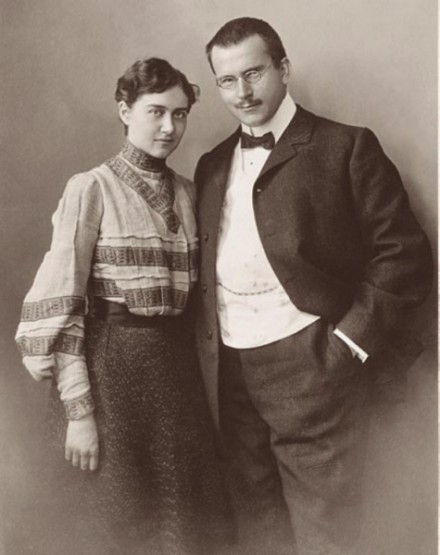
Carl-Jung-Emma-Jung-e1345143082354

Carl Jung with his wife Emma Jung

பகுப்பாய்வு உளவியலைக் கண்ட மேதையான கார்ல் யுங் சிக்மண்ட் ப்ராய்ட், ஆல்பர்ட் ஐன்ஸ்டீன்,உல்ப்கேங் பாலி,வில்லியம் ஜேம்ஸ் போன்ற பிரபல விஞ்ஞானிகளுடன் நெருங்கிய தொடர்பு கொண்டிருந்தார். ஸ்விட்சர்லாந்தை சேர்ந்த விஞ்ஞானியான ஜங்கின் வாழ்க்கையில் நடந்த சில அபூர்வமான சம்பவங்களைத் தொடர்ந்து பார்க்கலாம்.

சின்ன உண்மை!
2011ஆம் ஆண்டு வெளியான ‘எ டேஞ்சரஸ் மெதேட்’ (A Dangerous Method) என்ற ஹாலிவுட் திரைப்படம் யுங்கிற்கும் சிக்மண்ட் ஃப்ராய்டுக்கும் இடையே உள்ள தொடர்பைச் சித்தரிக்கிறது. ஜங்கிடம் சிகிச்சை பெற வந்து அவரை ஈர்த்த கவர்ச்சிப் பெண்மணியான சபீனா ஸ்பீல்ரெய்னுடன் அவர் கொண்டிருந்த உறவையும் இப்படம் விவரிக்கிறது!

131.பாக்யா வார இதழில் 30-8-2013 இதழில் தொடங்கி ஐந்து இதழ்களில் பிரசுரிக்கப்பட்ட யுங் பற்றிய கட்டுரைகளுள் முதலாவது கட்டுரை இது.

contact swami_ 48@yahoo .com

Pearls in the Vedas and Tamil Literature

pearl large

Written by London Swaminathan
Post No. 1048 ; dated 17th May 2014.

Ratna Pariksha and Testing Gems: Pearls

Gemmology is the combined art and science of studying, cutting, valuing, buying and selling of gems. India was far advanced in this branch of science in the olden days. Kautilya, who is also known as Chanakya lived 2400 years ago. He was the first one to write a book on Economics and allied subjects. He has devoted a whole chapter to ‘Ratnapariksha’ (gemmology). This deals also with testing the quality of gems. Vikramaditya, one of the exemplary kings of India who lived in the first century BC, had nine great scholars in his court who were called ‘Nine Gems’. This shows how much the people valued the gem stones.
Kavatapuram was the second capital of early Pandyas whose first capital South Madurai was devoured by sea. ‘Kavatapuram’ means the doorway (of South India). Valmiki Ramayana has a few references to South India. One of them goes like this:–

‘’tato hemamayam divyam muktamani vibhushitam
Yuktam Kavatanam Pandyanam gata drakshyata vanarah

“Behold on the shore of the ocean the Pandya’s golden gates decked with gold and pearl”.
Pearls were introduced into Rome (Italy) during Jugurthine war (106-112 BCE). In the time of Cicero when pearls were scarce, one valued at thousands of pounds in modern money, was taken from the ear of Metella and deliberately swallowed by the son of Aesopus. It is also well known that Cleopatra dissolved pearls in her wine before drinking it.
Nose_Ring_wikipedia
Nose ring made up of pearls (picture from wikipedia)

I have given below a relevant passage from my earlier post (13 February 2012) “Gem Stones in Kalidasa and Tamil Literature”:–

Pearl from Rain Drops

If the rain falls on Swati star day the oysters open their mouth to drink the rain drops and the rain drops become pearls-This was the belief of ancient Indians including Tamils.
Malavikagnimitra.1-6: Kalidasa says , ‘the skill of a teacher imparted to a worthy pupil attains greater excellence, as the water of a cloud is turned in to a pearl in a sea shell.
In Tamil Puram. Verse 380 ,Karuvur Kathapillay says the same about the origin of pearls. Bhartruhari makes it more specific by saying the rain on Swati Nakshatra days become pearls. Biologsits also confirm on full moon days a lot of sea animals like corals release their eggs or spores. So far as India is concerned it might have happened in that particular (the day Swati star is with Moon) season.
Kalidasa gives more similes about pearls. He describes the river that is running circling a mountain as a garland of pearls ( Ragu.13-48 and Mega.-49)
muthangi,srivaishnavism site
Picture of pearl dress of Sri Ranaganatha (picture from srivaishnavism.com)

Other references from Kalidasa: sweat drops as pearl:Rtu.6-7; tears as pearls: Mega 46, Ragu VI 28,,Vikra V 15; smile-KumarI-44, water drops on lotus leaf:Kumara VII 89

In Tamil the teeth are compared to the pearls: Ainkurunuru. 185, Akam 27

Since Gulf of Mannar is the main source of pearls in India ,there are innumerable references to pearls in Tamil literature. Even Kautilya refers to the pearls from Pandya country. Korkai was the harbour city where the pearl fishing was flourishing. Aink 185,188, Akam 27,130 and Natri 23mention pearls from Korkai.

Pearls in the Vedas

Rig Veda has the following references on pearl:
RV 1-33-4; 10-68-11; 1-126-4;7-18-23

Atharva Veda Sangamani Sukta (4-10-1) has a reference to pearl. Whitney says that it describes that the rain drops become pearls. It is customary to recite this sukta when one wears a pearl talisman.
“When the ocean roared against Parjanya with lightning, there from was born the golden drop” (Sadvimsa Brahmana 5-6)
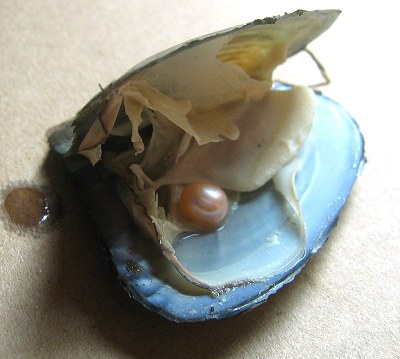
pearl-oyster
Pearl from sea oyster

Tamils have lot of references to pearls that are found in the head of an elephant.

The rain drop turning into a pearl is found in Indian literature, from the Atharva Veda to Sangam Tamil literature. This shows that the beliefs were same among the Tamil Hindus and North Indian Hindus from Vedic times.

Kautilya’s chapter on Ratna Pariksha displays wonderful knowledge of our forefathers in this a particular art. Minute details regarding the source, the variety, the merits and the defects of each and every jems have been carefully recorded, one of which can be reproduced here for the sake of illustration.
10 Varieties,13 Defects and 8 Qualities!

There are ten varieties of ‘mauktika’ or ‘mukta’ i.e. pearl, according to the places where these are found, and these have been named accordingly. Thus there are (1) Tamraparnika, (2) Pandyakavataka (3) Pasikya (4) Kauleya (5) Carneya (caruneya) (6) Mahendra (7) Kardamika (8) Srautasiya (9) Hradiya and (10) Haimavata varieties of pearls found respectively in the river Tamraparni, in the province of Pandya, the rivers Pasika, Kula, and Curna, the sea near the Mahendra mountain, the rivers Kardama and Srotasi, a particular lake and the Himalayas.

There are three sources of Pearls:- conch shell, mother of pearl and miscellaneous i.e. the hood of a serpent, the forehead of an elephant, etc.
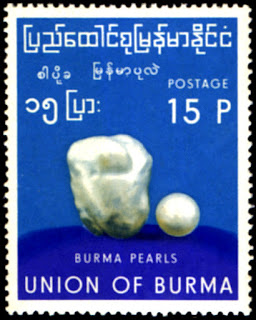
68-March-Pearl
Burma issued a stamp for its large pearl

Thirteen types of defects can be detected in pearls and the price diminishes in proportion to the presence of these defects. These are 1)Masuraka- lentil shaped 2)Triputaka – triangular 3)Kurmaka – Tortoise shaped 4)Ardhachandraka – half moon shaped 5)Kancukita – having a sort of skin over it 7)Kartaka – cut 8)Khartaka – rough 9)Skithaka – having eruptions like the drops of wax 10) Kamandaluka – vessel shaped 11) Syava – brown 12) Nila – dark coloured and Durviddha – pierced at a wrong point.

The qualities of pearl are eight:- 1)Sthula – big 2)Vrtta – round 3) Talarahita – without a flat surface 4) Diptiyukta – Lustrous 5)Sveta – white 6) Guru – weighty 7)Snigdha – glossy 8) Yathasthane viddha – pierced at the right point.

And in this way, diamond, sapphire, crystal, coral and other gems have been fully discussed by Kautilya.

Please read my earlier post:

Gem Stones in Kalidasa and Tamil Literature (13 February 2012)
The Wonder that is Madurai Meenakshi Temple ( 14 October 2011) (about Madurai Meenakshi’s rare gems)

contact swami_48@yahoo.com

ராமாயணம் சௌபாக்யம், பாப நாசனம், வேத சமம்!

ram hanuman

Post No.1047
By S Nagarajan, அத்தியாயம் 27

உலகின் முதல் காவியமான ராமாயணம் ஹிந்துக்களின் பொக்கிஷம். ராமாயணம் ஒரு அறிவுக் களஞ்சியம். அறக் களஞ்சியம். கலாசாரப் பொக்கிஷம். கலைப் பொக்கிஷம். கவிதைப் பொக்கிஷம். உவமை, உத்தி, நியாயம், பழமொழி, பழங்கதைகள் ஆகியவற்றின் கருவூலம். சுயமுன்னேற்றத்தைத் தரும் முன்னேற்ற நூல். புருஷார்த்தம் எனப்படும் அறம், பொருள், இன்பம், மோக்ஷம் ஆகிய நான்கையும் அடைவதற்கான வழிகளைச் சுட்டிக் காட்டும் லட்சிய நூல். கோடானு கோடி மனிதர்களுக்கு காலம் காலமாக உத்வேகம் ஊட்டிய பழம் பெரும் நூல். மேலாண்மையைத் திறம்படச் செய்ய வைக்கும் மேலாண்மை நூல்.

யுத்தக் கலையைக் கற்பிக்கும் போர் நூல். அஸ்திரங்களைப் பிரயோகிப்பது பற்றிய அனைத்தையும் கற்பிக்கும் அஸ்திர நூல். ராஜ தந்திரக் கலையைக் கற்பிக்கும் ராஜ தந்திர நூல். எல்லா நலத்தையும் விளைவிக்கும் மந்திர நூல். பல யந்திரங்களை விளக்கும் யந்திர நூல். இறைவனைத் துதிக்கச் சிறந்த துதிகளை அள்ளித் தரும் ஸ்தோத்திர நூல். மன நலத்தை மேம்படுத்தும் உளவியல் நூல். மூலிகைகளின் ரகசியத்தைக் கூறும் மூலிகை நூல். உயிர் மீட்கும் மருத்துவ நூல். வேத விளக்கமாகத் திகழும் வேதத்தின் உரை நூல். ரிஷிகளின் சரித்திரங்களைத் தரும் வரலாற்று நூல். ஜோதிட சாஸ்திரத்தின் நுணுக்கங்களை அறிவிக்கும் ஜோதிட நூல். வானியல் மர்மங்களை விளக்கும் வான சாஸ்திர நூல்.

இப்படிச் சொல்லிக் கொண்டே போகலாம். இதற்கான ஆதாரங்கள் 24000 ஸ்லோகங்களில் பொதிந்து கிடக்கின்றன! வல்லார் வாய் கேட்டு இவற்றை அறியலாம்.

ram in frame

உத்தர காண்டத்தில் இறுதி ஸர்க்கமான நூற்றிப்பத்தாவது ஸர்க்கத்தில் ராமாயணத்தின் பெருமை சிறப்பாக விளக்கப்பட்டுள்ளது.

வேத பாடத்திற்கு முதலில் கற்றறிய வேண்டியதென பெருமை பெற்றதாய் பிரம்மாவினால் மெச்சிக் கொண்டாடப்பட்டது. (முக்யம் ஏதாவதத் ப்ரஹ்மபூஜிதம்) ராமாயணம்.

ஸ்வர்க்க லோகத்தில் தேவரைப் பற்றியதாகிய ராமாயணத்தை கந்தர்வர்கள் உள்ளிட்ட தேவர்களும் பரம ரிஷிகளும் சித்தர்களும் அப்போதிலிருந்து எக்காலத்திலும் சந்தோஷமுடையவர்களாய் பாராயணம் செய்து வருகின்றனர்.

இதமாக்யானமாயுஷ்யம் சௌபாக்யம் பாப நாசனம் I ராமாயணம் வேத சம்ம் ச் ராத்தேஷு ஸ்ராவயேத்துத: II
(உத்தர காண்டம் நூற்றிப்பத்தாவது ஸர்க்கம், முப்பதாவது ஸ்லோகம்).

இதம் – இந்த ராமாயணம் – ராமாயணம் என்னும் ஆக்யானம் – ஆக்யானமானது ஆயுஷ்யம் – தீர்க்காயுளைக் கொடுக்க வல்லது சௌபாக்யம் – ஸகல சௌபாக்கியங்களையும் அளிக்க வல்லது பாப நாசனம் – சர்வ பாபங்களையும் போக்க வல்லது வேத சமம் – வேதத்திற்குச் சமமானது ச்ராத்தேஷு – சிரார்த்த காலங்களில் ஸ்ராவயேத் – பாராயணம் செய்ய வேண்டும்.

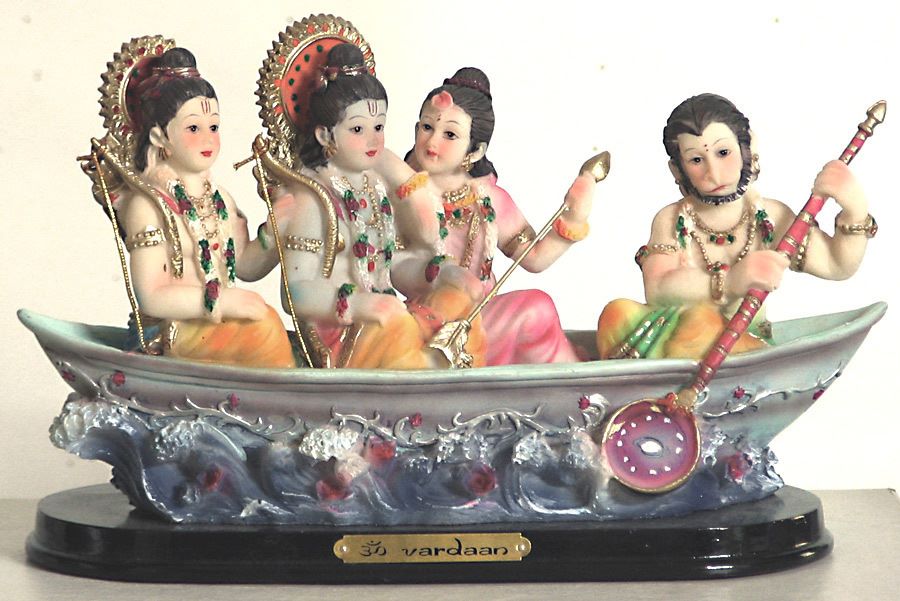
rama boating

இதனது கால் ஸ்லோகத்தையாவது எவன் ஒருவன் படிக்கிறானோ அவன் எல்லா பாவங்களிலிருந்தும் விமோசனம் அடைகின்றான். புத்திர பாக்கியம் இல்லாதவன் புத்திரனைப் பெறுகிறான். பணம் இல்லாதவன் பணத்தைப் பெறுகிறான்.

எவனேனும் பாவங்களை விடாமல் செய்த போதிலும் அவனும் ஒரு ஸ்லோகத்தையாவது படிப்பானாகில் பாவத்திலிருந்து விமோசனம் அடைகிறான்.

நோயற்ற வாழ்வைத் தரவல்லதாகிய (ஆயுஷ்யம்) ராமாயணம் என்னும் ஆக்யானத்தை பாராயணம் செய்யும் மனிதன் இந்த உலகில் புத்திர பௌத்திர பாக்கியங்களைப் பெற்று விளங்குகின்றான். இறந்த பின்னர் இங்கேயும் பரலோகத்திலும் கௌரவிக்கப்படுகின்றான்.
இப்படி ராமாயணம் கற்றலின் பலனையும் கேட்டலின் பயனையும் உத்தரகாண்டத்தில் வால்மீகி மஹரிஷி விவரித்து அருளியுள்ளார்.

ராமாயணத்தைப் பயில்வோம். பயிற்றுவிப்போம்.

கற்பார் ராமபிரானை அல்லால் மற்றும் கற்பரோ என்று அருளுகிறார் நம்மாழ்வார்.
பூரண அவதாரமான ராம சரிதத்தை இடைவிடாமல் கற்போம். ஏற்றம் பெறுவோம்!

முற்றும்.

contact swami_48@yahoo.com

*******************

Hindu Magic — Indra Jal!

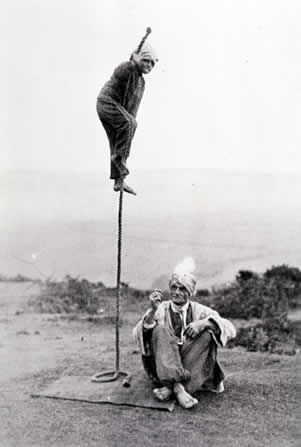
rope trick karachi

Written by London Swaminathan
Post No. 1046; Dated 16th May 2014

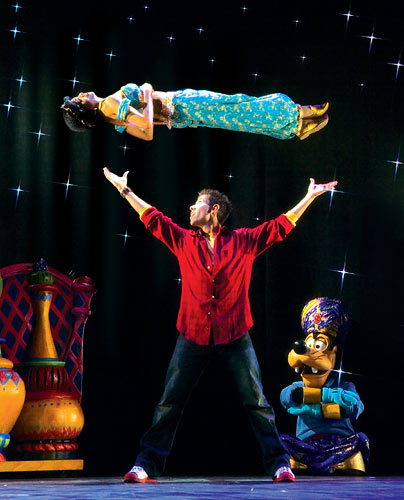
Magic is one of the Sixty Four Arts in the Sanskrit book Kamasutra. Vatsyayana recommended it even for women. More than their friends and relatives, they can make their children enjoy it. But in actual practice, we see only men. They dominate the World of Magic. Of all the Indian magic tricks the Rope Trick was the most famous one. The magician would climb a rope that is going towards sky and disappear from there!

The Indian Rope trick was the oldest Indian magic. Adi Shnkara mentioned it in his commentary on Vedanta. Kanchi Paramacharya put his date somewhere before Christ. So the trick must be at least 2000 year old. Vatsyayana also metnioned magic as one of the 64 arts. Later, traveller Ibn Batuta (1304-1377) has mentioned a similar trick which he saw in China. Adi Shankara has clearly said it was an illusion. So people knew that there was no mystery behind it, but only an illusion or just tricks.
Mickey's-Magic-Show-J-web

A lot of tricks fall under the category of Indrajal. We don’t know why Indra’s name is attached to it. It may be due to its colourful presentation. Rainbow with seven colours is called Indra’s bow in Sanskrit and Tamil literature.

The Sanskrit Prose Kavya ‘’Dasakumaracharitam’’ by the Seventh Century poet Dandin gives an interesting account of a magic show.

Rajavahana was a prince of Magadha country. Manasara, King of Malawa, had a daughter by name Avantisundari. Rajavahana’s father was driven out of the country by Malawa king and he was living in exile in the forest. He allowed Rajavahana to go on an all India tour. He was separated from his group of nine friends on the way and arrived at Ujjaini, capital of Malawa desa. There he met his old friend who married a girl who is close to Avantisundari. When he met her one day he fell in love with her. She also wanted to marry him. But he knew his father wouldn’t allow that relationship, because she was the daughter of his enemy.
Magic Series - smoke and mirrors

By chance he met a magician by name Vidyeswara who was ready to help Rajavahana in his wedding plan. Through Avantisundari, Rajavahana got one magic show arranged in the palace. The description of the magic show reveals how the old magic shows looked like. Here is the detail:

Trumpets were sounded, music was played, songs were sung by enchanting songstresses, and then fierce looking snakes, displaying their hoods, roamed about the court emitting out poison. Shrieks were heard and people rushed to the doors, when a flight of vultures descended from above the sky and flew away each with one serpent in its mouth. Before the people had come to their senses, a growl like thunder was heard, and people saw with their own eyes Vishnu- assuming his half man half lion form (Narasimha form),killing the demon Hiranyakasipu.
indrajal

Thus holding the whole audience spellbound for half an hour, the clever magician saluted the king and said, “Your Majesty, I think I should conclude my programme with a pleasant and auspicious show to cheer up my spectators. I am afraid, I have taxed their nerves too much. And what else would be more pleasant that a marriage between a girl resembling your daughter and a handsome youth, an exact match for the bride?”
The king who was more than pleased with what the magician had already shown, smilingly agreed to the novel idea.

In came Rajavahana, hand in hand with Avantisundai and the marriage ceremony was conducted by a proper priest. Then the magician waved his wand and shouted ‘vanish’. Both Rajavahana and Avantisundari disappeared through a secret door in the palace.

19_Coin_Tricks_Getting_Started_xxxlarge
Though it was only a fiction, we knew that the magic shows were performed 1200 years ago. Legendary King Vikramaditya’s wife Bhanumati and Bhoja were experts of this art.
Sutrakrida, tricks with coloured threads, Hasta laghava, tricks by hands were also known in those days.

Contact swami_48 @yahoo.com
மாய மந்திரம்! இந்திர ஜாலம்!

rope trick karachi
Written by London Swaminathan

Post No.1045: : Dated 16th May 2014
English version of the article is posted under the title Hindu Magic: Indra Jal

சிறு வயதில் சர்கஸ், பொருட்காட்சி, விழாக்கள் போன்றவற்றில் மாயா ஜாலக் காட்சிகளைப் பார்த்திருக்கிறோம். டெலிவிஷன் வந்த பிறகு அதிலும் பல ‘மாஜிக்’ தந்திரக் காட்சிகள் வந்தன. இந்திர ஜாலம் என்பது இதற்கான வடமொழிச் சொல். தமிழில் இதற்குக் கண்கட்டு வித்தை என்று பெயர். ஆனால் அதிலும் வித்தை என்பது சம்ஸ்கிருதம்! மாயாஜால தந்திரக் காட்சிகள் என்றால் எல்லோருக்கும் எளிதில் விளங்கும். காமசூத்திர நூல் எழுதிய வாத்ஸ்யாயனர், இதையும் பெண்களுக்கான 64 கலைகளில் ஒன்றாகச் சேர்த்திருக்கிறார்.

ஆதிகாலம் முதற்கொண்டு இந்தியர்கள் செய்துவந்த மிகப்பெரிய மாயாஜாலக் காட்சி ‘கயிறு வித்தை’ என்பதாகும். இதைப் பற்றி பல வெளி நாட்டு யாத்ரீகர்கள் எழுதி வைத்துள்ளனர். மந்திரவாதி ‘’\சூ! மந்திரக் காளி!’’ சொன்னவுடன் ஒரு கயிறு தானாகவே மேலே எழும்பும். அதைப்பிடித்துக் கொண்டு ஒரு மந்திர வாதி வானத்தை நோக்கி மேலே மேலே செல்வான். பிறகு மறைந்து போய் விடுவான். சில காட்சிகளில் அவன் பெயரைக் கூப்பிட்டவுடன் கீழே வந்து நிற்பான். இபின் படூடா என்ற யாத்ரீகர் 700 ஆண்டுகளுக்கு முன் இதே போல ஒரு காட்சியை சீனாவில் பார்த்ததாக எழுதிவைத்துள்ளார்.
ஆதிசங்கரர் எழுதிய வேதாந்த பாஷ்யத்தில் இந்த கயிற்று வித்தையைக் குறிப்பிட்டு இதை மாயம் என்கிறார். ஆக அவரது காலத்துக்கு முன்னரே 2000 ஆண்டுகளாக இந்த வித்தை இந்தியாவில் காட்டப்பட்டு வருகிறது!!

19_Coin_Tricks_Getting_Started_xxxlarge
இதற்கும் இந்திரனுக்கும் ஒரு தொடர்பும் இல்லை. ஆனால் வானவில்லை இந்திரனின் வில் (இந்திர தனுஸ்) என்று சம்ஸ்கிருதத்தில் அழைப்பர். அது போல இந்த ‘’மாஜிக் ஷோ’’வும் வண்ணம் நிறைந்ததாக இருந்ததால் இப்பெயர் வந்திருக்கலாம்.

இந்த இந்திர ஜாலம் பற்றி 1300 ஆண்டுகளுக்கு முன் தண்டி என்ற கவிஞர் எழுதிய தசகுமார சரித்திரம் என்ற வடமொழிக் கதைப் புத்தகத்தில் ஒரு சுவையான கதை வருகிறது.

சுவையான மாய மந்திரக் கதை

மகத நாட்டில் ராஜவாஹனன் என்ற இளவரசன் வசித்து வருகிறான். அவனுடைய தந்தையை மாளவ மன்னன் மானசாரன் தோற்கடித்து காட்டுக்கு விரட்டி விடுகிறான். ராஜவாஹனன் தாய் தந்தையரின் அனுமதி கேட்டு நாட்டைச் சுற்றிப் பார்க்கப் புறப்படுகிறான். அவனுடன் வந்த பத்துப் பேரையும் இடையில் தவற விடுகிறான். பின்னர் அவன் மட்டும் தனியாகப் பயணம் செய்து உஜ்ஜையினி நகரை அடைகிறான். அதுதான் மானசார மன்னனின் தலை நகரம். அந்த மன்னனுக்கு அவந்திசுந்தரி என்ற அழகிய மகள் உண்டு.
href=”https://tamilandvedas.com/wp-content/uploads/2014/05/indrajal.jpg”>indrajal

எதிர்பாராத விதமாக உஜ்ஜையினி நகரில் அவனுடைய பழைய நண்பனைச் சந்திக்கிறான். அவன், அவந்தி சுந்தரியின் தோழியைத் திருமணம் செய்துகொண்டு செல்வாக்குடன் விளங்குபவன். அவர்கள் மூலமாக அவந்தி சுந்தரியைச் சந்திக்கிறான். காதல் மலர்கிறது. ஆனால் தந்தையைக் காட்டிற்கு விரட்டிய மன்னனின் மகளைக் காதலிப்பதால் வெளிப்படையாக எதுவும் செய்ய முடியாது.

Magic Series - smoke and mirrors
இதுபற்றி எண்ணி எண்ணிக் கவலைப் பட்டுக் கொண்டிருந்தபோது, வித்யேஸ்வரா என்ற மந்திரவாதியின் தொடர்பு கிடைக்கிறது. அவன் உதவி செய்ய முன்வருகிறான். இருவரும் ஒரு திட்டம் தீட்டுகின்றனர். அதன்படி அவந்திசுந்தரி தனது தந்தை மானசாரனிடம் சொல்லி ஒரு மாயாஜாலக் காட்சியை ஏற்பாடு செய்கிறாள். அதில் அற்புதமான காட்சிகள் வருகின்றன.

தாரை ,தம்பட்டைகள் முழங்குகின்றன. ஒளி வெள்ளம் பாயும்போது விண்ணிலிருந்து பாம்புகளும் கழுகுகளும் இறங்குகின்றன. இரண்டு கழுகுகள் இரண்டு பாம்புகளைப் பிடித்துச் செல்லுகையில் மற்ற பாம்புகள் விஷம் கக்கி அரண்மனையை வலம் வருகின்றன. விஷ்ணுவானவர், நரசிம்ம வேடத்தில் வந்து இறங்கி ஹிரண்யகசிபுவைக் கிழித்து வதம் செய்கிறார். மக்கள் எல்லோரும் திகைப்புடன் பார்க்கையில் மந்திரவாதி மெதுவாக மன்னனிடம் சொல்கிறான்:

“அரசே நல்ல காட்சியை மங்களமாக முடிக்கவேண்டும் ஆகவே ஒரு திருமணக் காட்சியுடன் முடிக்க அனுமதி தேவை என்கிறான். உங்கள் மகளைப் போலவே அலங்கரிக்கப்பட்ட ஒரு மணமகளை வரவைக்கிறேன் என்றான். மன்னனும் திகைப்பிலிருந்து வெளியே வரவில்லை. ஆகவே என்ன வேண்டுமானாலும் செய்யுங்கள் என்கிறான். ஒரு அழகான இளைஞன் மணப் பெண்ணுடன் வருகிறான். ஐயர் ஹோமம் வளர்த்து கல்யாணம் செய்துவைக்கிறார். எல்லாம் மாயாஜாலக் காட்சி போலவே நடக்கிறது. ஆனால் உண்மையில் மணப் பெண் போல வந்தது அவந்தி சுந்தரி. அவளை மணந்தவன் ராஜவாஹனன்.

கல்யாணம் முடிந்தவுடன், சூ! மந்திரக் காளீ! இரண்டு பேரும் மறைந்து போங்கள் என்கிறான். பெண்ணும் மாப்பிள்ளையும் அரண்மனையில் இருந்த ரகசிய சுரங்கக் கதவு மூலம் தப்பித்து ஓடிவிடுகிறார்கள். கதை எப்படிப் போனாலும் அந்தக் காலத்தில் மாயாஜாலக் காட்சிகள் அரண்மனையில் நடத்தப்பட்டதை நாம் அறிய இந்தக் கதை உதவுகிறது.
Mickey's-Magic-Show-J-web<a

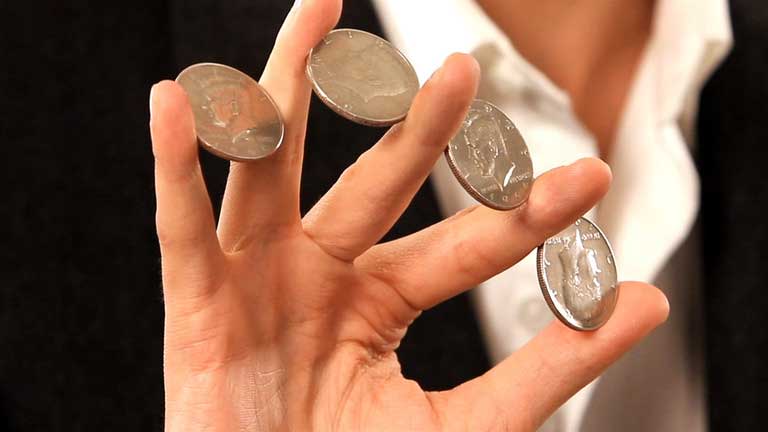
கயிறு வித்தை தவிர, மந்திரத்தால் மாங்காய் மரம் உண்டாக்குவது, கலர் நூல்களைப் பயன்படுத்தி (சூத்திர க்ரீடா) தந்திரங்கள் செய்வது, கணக்கு வித்தைகளைச் செய்வது, கைகளை லாகவமாகப் பயன்படுத்தி காசுகளை மறைப்பது (ஹஸ்த லாகவம்) முதலியன அக்காலத்தில் தந்திரக் காட்சிகளில் இடம்பெற்றன.

contact swami _ 48@yahoo.com
Interesting Story about Ancient Beds

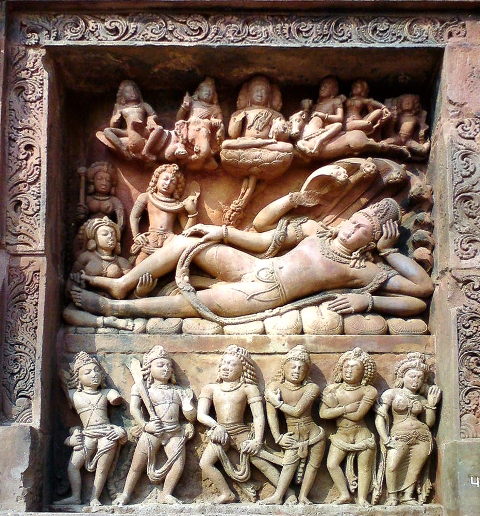
Deogarh_Vishnu_w
Vishnu on Snake Bed, Deogarh

Written by London Swaminathan
Post No.1044; Dated 15th May 2014.

Indian civilization has reached its pinnacle even 2500 years ago. They were masters of every art in the world from painting to bed making. We have very interesting details about beds and bedding in Tamil and Sanskrit literature. Kings and queens were sleeping on ivory beds according to Tamil literature. They used beds and pillows made up of feathers of swan. The beds were as soft as the hair shed by swan (see Nedunal Vaadai).There is a very interesting story about the fine art of making beds in the Vetala and Vikram Stories. Other books refer to different types of beds.

First let us look at the story:

Bhojana vilasin and Sayyavilasin, two persons lived in a country whose fame spread far and wide because of their knowledge about food and beds. Food expert Bhojanavilasin was very fussy about beds and was fussy about his food. Bothe of them cannot be easily satisfied because they can find even the minute thing which others can’t find. When the king came to know about them, he called both of them and announce that they would be rewarded if they can prove who was the best among the two. Both of hem accepted the challenge.

snake bed of vishnu, M B puram
Vishnu, Mahabalipuram

Best cooks were invited to the palace to make the tastiest food in the cleanest way. They took every care so that nothing goes wrong. The number of items they made was staggering. Even the king has not seen so many times on a single day. They thought it would easily tackle the gourmet. The ingredients like rice, dhal, spices were all brought from the best stores in the country. Now our food expert was invited to have dinner with the king. As soon as he entered the dining room, king thought he would soon by looking at the number of delicious items. But he quietly sat down and did not touch anything that was served. King was very annoyed and asked him the reason. He told the king that the rice smelt like corpse (dead body). The king was very angry but yet could not punish his guest without knowing the truth. All the kitchen staff were summoned and questions about everything was asked. When he asked about the rice, the king was told that it was bought from a particular shop. When the king summoned the, the grocer, he told him that the rice he bought was from a grower near the crematorium. The king was wonderstruck. Immediately he rewarded the food expert.

Next was the turn of the bed expert Sayyavilasin. The king ordered the best bed makers to accept his challenge. They all said that they would together make the best bed in the world. When the bed was ready, he was asked to test it. As soon as he climbed onto the bed, he jumped out of it complaining of discomfort. He told there was a hair somewhere in the bed and could not sleep. When the king ordered to examine the bed they found a hair under the seventh quilt. W The bed expert was rewarded more than the food expert.

andal bed
Andal on Bed

Ramakrishna Paramahamsa and the Bed Experiment

Swami Vivekananda’s Guru Sri Ramakrishna Paramahamsa never touched a coin in his life, saying that money would be a hindrance in the path of spiritual progress. One day Vivekananda himself tested his Guru with a coin under his bed. Without his Guru knowing, he put a coin deeper under the mattress so that he wouldn’t know. Ramakrishna could not sleep and complained of something in the bed making him uncomfortable. Only when Swami Vivekananda removed the coin, he was able to sleep.

In the story of Vikarmaditya it was the skill of Sayyachacin that made him to find the hair. In the case of Paramahamsa, spiritual power made him to see the coin under his bed.

Following excerpts are from the bokk Sixty Four Arts in Ancient India by A B Gangully:–
“The heroines of Sanskrit kavyas (classics), when in love often like to lie down on flower beds spread in a bower or a grove. On such a bed lay Sakuntala, when she fell in love with Dusyanta in Kalidasa’s drama Sakuntalam.

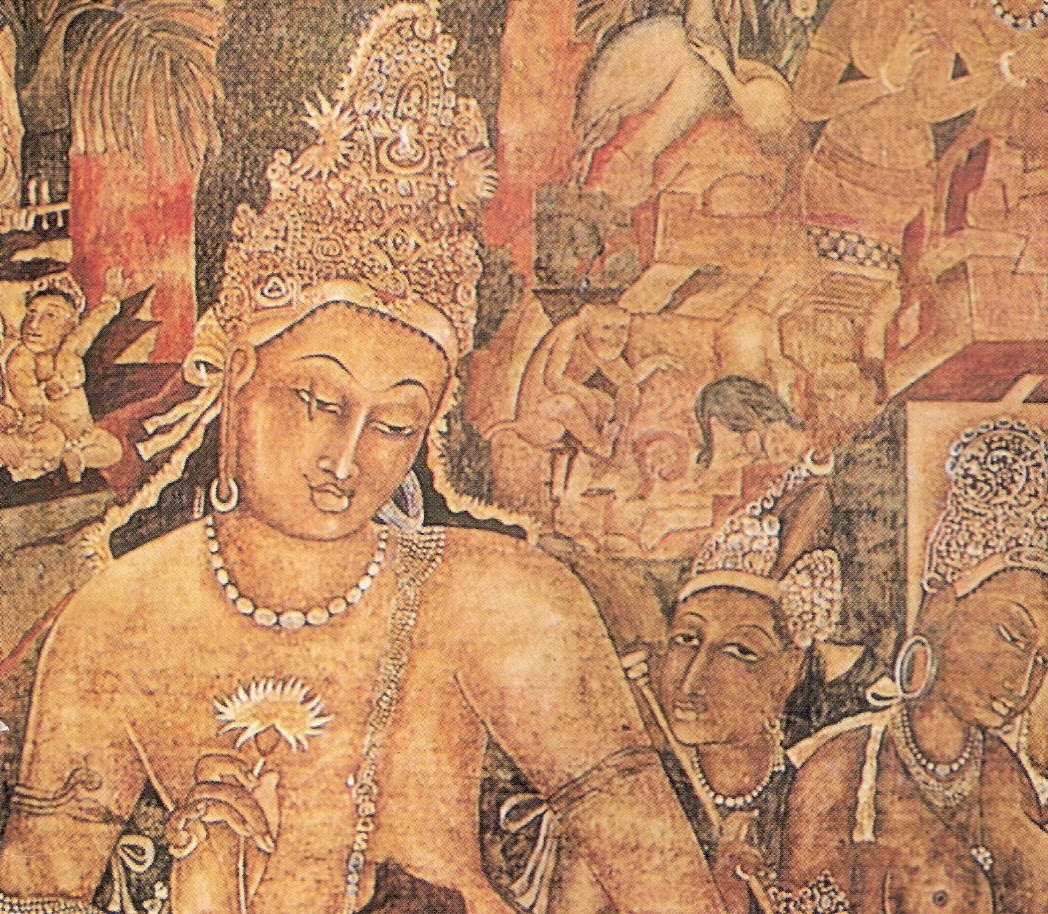
lotus AJANTA-01
Padmapani from Ajanta

In Bhasa’s drama Svapnavasavadattam, Udayana’s second queen Padmavati had a serious head ache and her bed was prepared at the Samudragraha, i.e. a room in the middle of a tank.

In Banabhatta’s immortal romance we find the Gandharva princess Kadambari lying on a soft bed of flowers pining for her beloved Candrapida who is far away. She was wearing lotuses in her ears and bangles made up of lotus stalk and holding a lotus in her hand. Her friends are fanning her with lotus leaves.”

Looking at the above remarks, I guess flower therapy was used in the olden days. In addition to sandal paste, they used lotus flower for cooling effect.

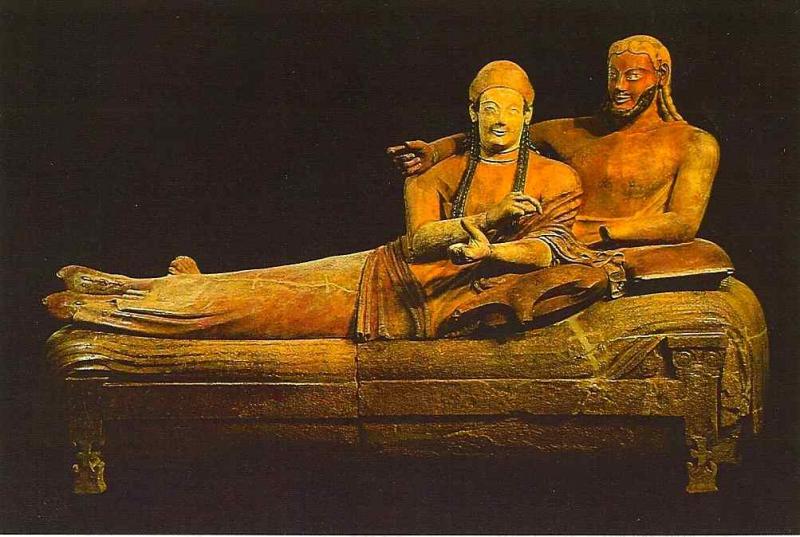
etruscanbed-11.8493139_std
Etruscan bed from Italy.

Contact:– swami _48 @ yahoo.com

இந்திய படுக்கை அதிசயங்கள்: ஒரு சுவையான கதை

Deogarh_Vishnu_w
Snake Bed of Vishnu, Deogarh.

Written by London Swaminathan
Post No. 1043; Dated 15th May 2014.

( Also published in English under “Interesting Story about Ancient Beds”” on 15th May 2014. Following is the Tamil version )

இந்திய நாகரீகம் 2000 ஆண்டுகளுக்கு முன்னரே உச்சகட்டத்தை எய்தி இருந்ததை சங்க இலக்கியம் மூலமாகவும், சம்ஸ்கிருத காவியங்கள் மூலமாகவும் அறிய முடிகிறது. அப்போது இந்தியா முழுதும் வாழ்ந்த இந்துக்கள் தொடாத கலையே இல்லை, தொடாத துறையே இல்லை. பௌத்தர்களும் சமணர்களும் துறவறம் ஒன்றே வழி என்று வலியுறுத்திய காலத்தில் இந்துக்கள் இல்லறமே (கிருஹாசஸ்தாஸ்ரம்) மற்ற மூன்று அறங்களையும் விடச் சிறந்தது என்று பறை சாற்றினர்.

மனுதர்ம சாஸ்திரத்தில் மனு எழுதியதை (மனு 3-78) அப்படியே வள்ளுவனும் மொழிபெயர்த்தான்:

இல்வாழ்வான் என்பான் இயல்புடைய மூவர்க்கும்
நல்லாற்றின் நின்ற துணை (குறள் 41)

சந்யாசி, பிரம்மச்சாரி, வானப்பிரஸ்தன் ஆகிய மூவரையும் ஆதரிப்பவன் கிருஹஸ்தன் என்பது இக்குறளின் பொருள்.

இல்லறம் தழைத்தால் நல்லறம் ஓங்கும். இல்லறம் தொடர்பான 64 கலைகள் பெருகும். இப்படி உண்மையிலேயே கலைகள் பெருகியதால் நாடகம், நாட்டியம் தொடர்பாக பரதம் என்னும் நாட்டிய சாஸ்திரத்தை பரத முனிவர் வடமொழியில் எழுதினார். வாத்ஸ்யாயன மகரிஷி ‘செக்ஸ்’ பற்றி எழுதினார். பாணிணி இலக்கணம் பற்றி எழுதினார். வராகமிகிரர், வான சாஸ்திரம், ஜோதிடம், மற்ற அறிவியல் துறைகள் பற்றி எழுதினார்.

snake bed of vishnu, M B puram
Snake Bed ,Mahabalipuram,Tamil Nadu

படுக்கை செய்வது, படுக்கையை பூக்கள் கொண்டு அலங்கரிப்பது, கட்டில்கள் செய்வது முதலிய கலைகள் வளர்ந்தன. இதை நிரூபிக்க பல கதைகள் இருக்கின்றன. இதோ விக்ரமாதித்தனும் வேதாளமும் என்ற கதைத் தொகுப்பில் உள்ள ஒரு கதை:–

ஒரு ஊரில் இரண்டு புகழ்பெற்ற ஆட்கள் வாழ்ந்தனர். அவர்களுடைய பெயர்கள் போஜனவிலாசின் (சாப்பாட்டு மன்னன்), சய்யவிலாசின் (படுக்கை மன்னன்). இருவரும் அவரவர் துறையில் அதிசயக்கத் தக்க அளவில் சிறந்து விளங்கியதால்தான் புகழ் ஓங்கியது இவர்களுடைய புகழ் ராஜாவின் காதுகளையும் எட்டவே, அவன் அவர்களைச் சோதித்து பரிசு கொடுக்க விரும்பினான்.

ராஜா அழைத்தவுடன் இருவரும் வந்தனர். இருவரில் யார் அதிகம் சிறந்தவரோ அவருக்குப் பரிசு என்று அறிவித்தான். இருவரும் எல்லா நிபந்தனைகளையும் ஒப்புக்கொண்டனர். ஒருநாள் மிகப் பெரிய விருந்துக்கு ஏற்பாடாகியது. அரண்மனை இதுவரை காணாத அளவுக்கு அதிகமான அறுசுவை பதார்த்தங்கள் தயாராயின. நாட்டிலேயே தலை சிறந்த சமையல்காரர்கள், மிகச் சிறந்த சாமான்களைக் கொண்டு சமைத்தனர். சாப்பாடு தயாரானவுடன் மன்னரும் அவனும் (சாப்பாட்டு மன்னன்) ஒரே வரிசையில் உட்கார்ந்தனர். அங்கிருந்த நூற்றுக்கணக்கான பண்டங்களைப் பார்த்தவுடன் அவன் மயக்கம் போட்டுவிடுவான் என்று அரசன் எண்ணியிருந்தான். ஆனால் அவனோ இலையில் போட்ட எதையும் தொடக்கூட இல்லை!

andal bed
Andal Bed, 19th century drawing

மன்னனுக்கு ஒரு பக்கம் எரிச்சல், மறுபக்கம் வியப்பு. உபவாசம் இருப்பவனையும் தின்னத் தூண்டும் சுவைமிகு, மணம் மிகு உணவு. அப்படியும் தொடவில்ல. ஆனால் அவனைக் காரணம் கேட்டபோது இந்த அரிசிச் சோற்றில் சுடுகாட்டு அரிசி வாடை அடிக்கிறது என்றான். அரசனுக்கு அதிபயங்கர கோபம். இருந்தபோதிலும் ஒருவனைத் தண்டிக்கும் முன்னர், தீர விசாரிப்பதே முறை என்று எண்ணி அத்தனை சமையல்காரர்கள், கணக்குப்பிள்ளைகள் எல்லோரையும் அழைத்து விசாரித்தான்.

சமையல்காரன் எந்தக் கடையில் அரிசி வாங்கினானோ அந்த வியாபாரியை விசாரித்ததில் சுடுகாட்டுக்குப் பக்கத்தில் சாகுபடி செய்வோனிடம் வாங்கிய நெல்லைத் தான் விற்றதாகச் சொன்னான். அரசனுக்கு ஒரே வியப்பு. எவ்வளவு மணப் பொருட்களை சேர்த்தபோதும் சாப்பாட்டு மன்னன் ஒரு குறையைக் கண்டு பிடித்துவிட்டான் என்று பாராட்டி அவனுக்குப் பரிசுகள் தந்தார் ராஜா.

அடுத்ததாக படுக்கை மன்னன் தனது திறமையைக் காட்ட முன்வந்தான். தலை சிறந்த படுக்கை கட்டில் நிபுணர்கள் வந்து உலகிலேயே தலை சிறந்த படுக்கையை தயார் செய்து அலங்ரித்தனர். அதில் அவனைப் படுக்கும்படி ராஜா கூறினார். அவனோ படுத்த மாத்திரத்தில் படுக்கையில் இருந்து குதித்து எழுந்து விட்டான். ஏதோ உறுத்துகிறது என்று முறையிட்டான் ராஜாவுடனே சிரித்துவிட்டுச் சோதித்துப் பார்ப்போமே என்றார். படுக்கையில் ஏழு போர்வைகள் ஏழு மெத்தைகளுக்கு கீழே ஒரு ‘முடி’ இருந்தது.. ராஜா அதைப் பார்த்தவுடன் மேலும் அதிசயித்து முன்னைவிட ஏராளமான பரிசுகளைக் கொடுத்தனுப்பினான்.
etruscanbed-11.8493139_std
Etruscan Bed ( please see my earlier post about Etruscan- Indian link)

ஆக சாப்பாடானாலும் படுக்கையானாலும் எல்லாவற்றிலும் முடிசூடா மன்னர்கள் இருந்த நாடு பாரத நாடு. சங்க இலக்கிய நூலான ‘’நெடுநல் வாடை’’யில் அன்னப் பறவையின் இறக்கை மென்மை போல (அன்னத்தூவி மயிர் போல) வெண்மையான, மென்மையான படுக்கைகள் இருந்ததாக எழுதி இருக்கின்றனர். தந்தக் கட்டிகள் பற்றியும் தமிழ் இலக்கியம் பேசுகிறது. இதை வடமொழி நாடகங்களும் மெய்ப்பிக்கின்றன.

சாகுந்தலம் என்ற நாடகம் எழுதி உலகப் புகழ் அடைந்த காளிதாசன், சகுந்தலை என்பவள் காதல் வயப்பட்டவுடன் மலர்ப் படுக்கை அமைத்து தூங்கினாள் என்று எழுதினான்.

அவனுக்கு முன் 13 சம்ஸ்கிருத நாடகங்களை எழுதிப் புகழ் பெற்ற பாஷா என்பவன் எழுதிய ‘’ஸ்வப்னவாசவதத்த’’மில் உதயணனின் இரண்டாவது மனைவி பத்மாவதிக்கு தலைவலி வரவே, குளத்துக்கு நடுவில் அமைக்கப்பட்ட சமுத்ரக் க்ருஹத்தில் மலர்ப் படுக்கையில் படுத்ததாகக் கூறுகிறான்.
lotus AJANTA-01
Padmapani (Lotus Holder) in Ajanta paintings

பாணபட்டன் எழுதிய காதம்பரியில், இளவரசி காதம்பரி சந்திரபீடன் என்பவனை நினைத்து வாடவே தோழியர் தாமரை இலை கொண்டு வீசுகின்றனர். காதம்பரியின் காதுகளில் தாமரைப் பூ, கைகளில் தாமரைப் பூ, மணிக்கட்டில் தாமரைத் தண்டு வளையல், மார்பில் தாமரை இலைகள், நெற்றியில் சந்தனக் குழம்பு!! எலாம் தாமரைமயம்!!! அந்தக் காலத்தில் மலர் மருத்துவம் இருந்தது போலும்!

விவேகானந்தர் கதை

ராமகிருஷ்ண பரமஹம்சர், தனது வாழ்நாளில் பணத்தைத் தொட்டதே இல்லை. ஆன்மீக முன்னேற்றத்துக்கு பெரும் தடை பணத்தாசை என்பது அவருடைய உபதேசம். ஒரு முறை அவருடைய சீடர் சுவாமி விவேகானதர் தன்னுடைய குருவையே சோதிக்க விரும்பினார். பரமஹம்சருக்குத் தெரியாமல் படுக்கைக்கு மிக ஆழத்தில் ஒரு காசை வைத்து போர்வையால் மூடி மறைத்துவிட்டார்.

LotusFlower
வழக்கம் போல இரவில் தூங்கச் சென்ற ராமகிருஷ்ணருக்குத் தூக்கம் வரவில்லை. புரண்டு புரண்டு படுத்தார். ஏன் தூக்கம் வரவில்லை என்று கேட்டபோது படுக்கையில் இருக்கும் ஏதோ ஒன்று இப்படி அசௌகரியத்தை ஏற்படுத்துகிறது என்றார். அப்புறம் அந்தக் காசு வெளியே தூக்கி எறியப்பட்டது. ஆக விக்ரமாதித்தன் கதையில் சய்யவிலாசி தனது படுக்கை அறிவினால் முடியைக் கண்டு பிடித்தான். பரமஹம்சர் போன்ற ஞானிகள் மெய்யறிவினால் காசைக் கண்டுபிடிக்கின்றனர். இப்படிப் படுக்கை அதிசயங்கள் பற்றிப் பல கதைகள் உண்டு.
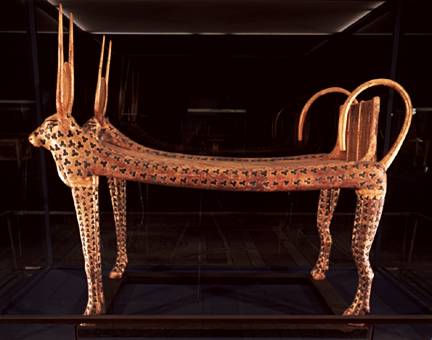
egypt-bed
Egyptian Bed of Boy King Tutankhamen

Swami_48@yahoo.com
Cremation : Sumerian – Hindu similarities

Civilisation_Sumer

Written by London Swaminathan
Post No. 1042; Dated 14th May 2014.

Most of the Hindus cremated the bodies of the people who died during Vedic days. Even Hindus prefer cremation only. We see cremation in Indus Valley as well. Hindus practised burial in the case of ascetics and infants only. Among the Hindus, very few sects followed burial. Sumerians did cremation and their funeral rites have many similarities with the Hindus.

First let me give the cremation procedures in Sumerian civilization:
1.“In the ancient near east, cremation did not normally result in complete destruction of the body, and the burned bones were collected and buried, often in a pottery container.

2.It is sporadically attested in all areas from the sixth millennium BCE on. Isolated instances of cremation among the more usual inhumation (practice of burying) as sometimes interpreted as ’burials of foreign residents or individuals somehow distinguished from the rest of the population, for example prisoners, lepers or criminals.

sumi

3.Textual evidence hints at the cremation of the dead king in the Ur III period, and of the dead substitute king in the neo – Assyrian period.

4.Cremation was practised systematically by the Hittites in the second millennium BCE. At the cemetery of the Osmankayasi, the burned remains were put in vessels inside storage jars laid in pairs mouth to mouth, and placed in a grotto. Several Hittite cremation rituals describe the treatment of the royal corpses, the best preserved being a fourteen day ritual. This took place at the capital, Hattusas, and the royal dead were brought there even if they normally resided in the provinces and had died far away. The corpse was burned in a special location, and the burned bones were wrapped in a linen cloth and placed in a grave chamber, as part of the ritual, heads of horses and oxen, and picks, spades and ploughs were also burned and the ashes scattered.

5.Cremation remained common in Syria and Anatolia in the first half of the first millennium BCE, probably lingering to a Hittite tradition. It was also known in Palestine and especially Phoenicia, often practised alongside inhumation. However there was no uniformity in the treatment of the cremated remains, which ranged from burials in urns in built tombs to placement of burnt bodies in sandpits.

6.There were a range of beliefs and funerary customs in the ancient Near East.
They believed in afterlife. If food, drink and oil were not offered as part of funerary offerings the ghost would be forced to wander around and might haunt the living. If the body is not buried properly, the treatment will be different. In the under world there are horrifying demons. The dead live in utter darkness.

From “Dictionary of the Ancient Near East”, The British Museum, London .
(all underlining and bolding are mine: swami).

sumerios

My comments
Hittites in the Middle East followed lot of Hindu customs. If it is due to the influence of Hittites, then it is definitely Hindu influence.

Hindu ceremonies are almost the same. But it differs slightly from community to community and from area to area. It may be due to geographical conditions, climate and availability of priests and materials. Since India is a vast country, they always considered what is practical and feasible.

In places like Varanasi the half burnt bodies were thrown into the Ganges River because of the special qualities of its water. Bones and ashes were collected in other places and kept in vessels to be taken to holy rivers. South Indian Brahmins even buried the urn and erected a stone in the olden days. Now it is done only for saints. On top of the saints burials (‘’Samadhis’’), either a Shiva Linga installed or Holy Basil plants (Tulsi) grown. (Compare it with paragraph numbered 1).

Hindus also observe a fourteen day ritual. After the 13th day, they wear new clothes and go to temple, formally ending the mourning period. The polluted period also finishes on that day. Even the Indian government announce a period of mourning for thirteen days when a national leader dies (Compare paragraph numbered 4).

Sangam Tamil literature which is 2000 year old has references to burial urns and cremations. They were only Hindus. They performed all the Hindu ceremonies and believed in the Hindu customs which is evident from a number of poems (Compare Para 5)

Sangam Tamil literature references:
Cremations : Purananuru 231,240,245,246,363
Burial in urn : Purananuru 256,228

Hindus also believed in ghosts and funerary gifts (see para 6). Nearly hundred different types of gifts are prescribed in the scriptures.

If the ancient Near East can have so many types of cremations and burials, then a vast country like India should have more varieties.

Contact swami_48@yahoo.com