ரகசியத்தில் செய்த பாவம்: ஆதிசங்கரர்

secrecy

ரகசியத்தில் செய்த பாவம்: ஆதிசங்கரர்
By London swaminathan
Post No.843 Date 16th February 2014.

ஆதிசங்கரர் எழுதிய ஒவ்வொரு துதியும் அற்புதமானது. அவைகளில் மிகவும் வியப்பான விஷயங்களைச் சொல்லும் ஒரு ஸ்தோத்திரம் பிரஸ்ன உத்தர (பிரஸ்னோத்தர) ரத்ன மாலிகா. இது ஒரு கேள்வி பதில் துதி. மஹா பாரதத்தில் வரும் யக்ஷப் ப்ரஸ்னம் போல வினா–விடை பாணியில் அமைந்தது. மொத்தம் 67 ஸ்லோகங்கள் உள்ளன. ஒவ்வொரு பாடலிலும் 3, 4 கேள்விகளும் பதில்களும் இருக்கும். சுமார் 200 கேள்விகளை அவரே எழுப்பி அழகான பதில்களைக் கூறுகிறார். இதில் ஒரு கேள்வி—
ஒருவனை சாகும் வரை வாட்டிவதைப்பது எது? அம்பு போலப் பாய்ந்து நெஞ்சில் உறுத்துவது எது?
அதற்கு அவரே சொல்லும் பதில்: ஒருவன் ரகசியத்தில் செய்த பாவம்.

இது அருமையான கேள்வி, அருமையான பதில்! நல்ல உளவியல் (சைகாலஜி) தெரிந்த ஒருவர் எழுப்பி விடை கூறிய கேள்வி. இதையே தமிழ்ப் புலவன் திருவள்ளுவனும் கூறுவது இன்னும் வியப்புக்குரியது.

தன் நெஞ்சறிவது பொய்யற்க பொய்த்தபின்
தன் நெஞ்சே தன்னைச் சுடும் (293)

பொருள்:– தன் மனதுக்கு பொய் என்று தெரிந்த பின்னரும், மற்றவருக்குத்தான் தெரியாதே என்று பொய் சொல்லக் கூடாது. அப்படிச் செய்தால் மனச் சாட்சியே ஒருவரை சுட்டுப் பொசுக்கும்.

அதாவது அது அவன் மனதை எப்போதும் உறுத்திக் கொண்டே இருக்கும். இதைத்தான் மனச் சாட்சி உறுத்துகிறது என்பர்.

tent large

சிறுவயதிலேயே பள்ளிக்கூடத்திலும் “நெஞ்சாரப் பொய்தன்னைச் சொல்ல வேண்டாம்” என்று கற்பிக்கின்றனர்.

மனத்திலும் (உள்ளம்=உண்மை), வாயிலும் (வாய்=வாய்மை) ஒரே எண்ணம் இருக்குமானால் தானம் தவம் செய்வாரைவிட உயர்ந்தவர் ஆவர் என்று வள்ளுவன் கூறுவான் (295)

மனத்தொடு வாய்மை மொழியின் தவத்தொடு
தானம் செய்வாரின் தலை (295)

அரிச்சந்திரன், ராமன், சத்ய காமன் ஜாபாலா, தர்மன் ஆகியோரின் கதைகள் இதற்கு உதாரணம்.

திருவள்ளுவர் அதிகாரம்தோறும் சம்ஸ்கிருத சொற்களை கூசாமல் பயன்படுத்துவார். இங்கே தானம், தவம் என்ற சொற்களை பயன்படுத்துதுகிறார். குறள் 19 லும் இதைக் காணலாம். ராமாயணத்திலும், மஹா பாரதத்திலும் நூற்றுக்கணக்கான இடங்களில் வரும் தானம், தவம் என்ற சொற்களை அவர் பயன்படுத்துவது வள்ளுவரும், சங்கரரும் ஒரே சிந்தனை உடைய இரண்டு ரிஷிகள் என்பதைக் காட்டும்.

குறுந்தொகையில் மனச் சாட்சி

சங்க இலக்கிய நூல்களில் ஒன்றான குறுந்தொகையில் (184) ஆரிய அரசன் யாழ் பிரமதத்தன் பாடிய பாடல் ஒன்று வருகிறது. அவன் ‘புலன் அழுக்கற்ற அந்தணாளன்’ என்றும் ‘பொய்யா நாவில் கபிலன்” என்றும் பலராலும் போற்றப்பட்ட கபிலரிடம் தமிழ் கற்றவன். அவனும் இதே கருத்தைக் கூறுகிறான்:
“ கடற்கரைச் சோலையில் வாழும் பரதவர் மகள் பேரழகி. மயில் போல் கூந்தல் உடையாள். மடப்பம் பொருந்திய மகள். அவளுடைய கண் வலையில் விழுந்தவர்கள் தப்ப முடியாது. நானும் அவள் கண் வலையில் சிக்கினேன் (மயங்கிவிட்டேன்). சான்றோரிடம் உள்ளொன்று வைத்துப் புறம்பொன்று பேசும் வழக்கம் இருக்காது. ஆகையால் நான் உள்ளதைச் சொல்லிவிட்டேன்:
‘அறிகரி பொய்த்தல் ஆன்றோர்க்கு இல்லை’ —என்பான்.

behind-curtain

நற்றிணையில் வெள்ளைக்குடி நாகனாரும் (196)

‘அறிகரி பொய்த்தலின், ஆகுமோ அதுவே’ என்று நிலவைப் பார்த்து தலைவி பாடுகிறாள். “என் தலைவன் பற்றி அறிந்தும் சொல்லாமல் இருந்தால் நீ தேய்ந்து போவாய்” என்று சந்திரனைச் சபிக்கிறாள்.
கலித்தொகை, அறநெறிச்சாரம் ஆகிய நூல்களிலும் இதே போன்ற வரிகளைக் காணலாம்.
ராமலிங்க சுவாமிகளும் உள்ளொன்று வைத்துப் புறம்பொன்று பேசுவார் உறவு கலவாமை வேண்டும் என்பது இதைத்தான்.

ஆதி சங்கரரின் வினா—விடை துதியில் இன்னும் இது போல நிறைய ரத்தினங்கள் உள்ளன. தனித்தனியே காண்போம்.

contact swami_48@yahoo.com
Photos are taken from different sites.Thanks.

ல, ல, ல, ல, ல = ஐந்து ‘ல’ கார மனைவி!

women are illusions

Post No.842 Dated 15th February 2014

சம்ஸ்கிருத செல்வம் — அத்தியாயம் 27
Compiled by S Nagarajan

சம்ஸ்கிருத செல்வம் — அத்தியாயம் 28

ஐந்து ‘ல’ கார மனைவியும் பெண்ணைப் பாதுகாக்கும் பொறுப்பும்!

மனைவி அமைவதெல்லாம் இறைவன் கொடுத்த வரம் என்று சொல்வார்கள். Marriages are made in heaven என்ற ஆங்கிலப் பழமொழியும் உண்டு. மனைவி அமையும்போது குணவதியாகவும் அழகியாகவும் அமைந்து விட்டால் அந்த அதிர்ஷ்டத்தைப் பற்றிச் சொல்லவும் வேண்டுமா?

ஐந்து ‘ல’ கார பார்யாவைப் (மனைவி) பற்றி கவிஞர் அழகுறத் தொகுத்துக் கூறி அவளை அடைபவன் புண்யவசத்தினாலேயே அடைகிறான் என்கிறார்.

01) அநுகூலம் – புருஷனுக்கு அநுகூலமாக இருப்பவள் (காதல் ஒருவனைக் கைப்பிடித்து, அவன் காரியம் யாவினும் கை கொடுத்து என்றார் புதுமைப் பெண்ணைப் பற்றி பாரதியார்)

02) விமலாங்கி – கறை படாதவள் அல்லது குற்றம் இல்லாதவள்

03) குலஜா – நல்ல குடியில் பிறந்தவள்

04) குசலா – திறமை வாய்ந்தவள்

05) சுசீலா – நல்ல ஒழுக்கம் உடையவள்

இந்த ஐந்து லகாரம் அமையப் பெற்றவள் மனைவியாக வாய்த்தால் நிச்சயமாக அது இறைவன் கொடுத்த நல்ல வரம் தானே!

facebook karthgai

பாடலைப் பார்ப்போம்:-

அநுகூலாம் விமலாங்கீம் குலஜாம் குஷலாம் சுசீலசம்பன்னாம் I
பஞ்சலகாராம் பார்யா: புருஷ புண்யோதயால்லபதே II

அநுகூலாம் – அநுகூலமுடையவளாயும்
விமலாங்கீம் – கறைபடாதவளாயும்
குலஜாம் – நல்ல குலத்தில் பிறந்தவளாயும்
குஷலாம் – திறமை வாய்ந்தவளாயும்
சுசீலசம்பன்னாம் – சீலம் உடையவளாயும்
பஞ்சலகாராம் – ஆக இந்த ஐந்து ‘ல’காரம் உடைய
பார்யா: -மனைவி
புருஷ புண்யோதயால்லபதே – புருஷனின் புண்யத்தால் கிடைக்கப் பெறுகிறாள்.

பாரத நாட்டில் பெண்ணுக்குரிய மதிப்பே தனி. அவள் விலை மதிக்க முடியாத ரத்தினம் என்பதால் அவளுக்கு எப்போதுமே பாதுகாப்பு வேண்டும் என்பதை நமது அற நூல்கள் வலியுறுத்துகின்றன.

பிதா ரக்ஷதி கௌமாரே பர்தா ரக்ஷதி யௌவனே I
புத்ரஸ்து ஸ்தாவிரே பாவே ந ஸ்த்ரீ ஸ்வாதந்தர்யமார்ஹதி II

பிதா ரக்ஷதி கௌமாரே – இளமையில் தந்தை பாதுகாக்கிறார்
பர்தா ரக்ஷதி யௌவனே –யௌவனத்தில் (வாலிப பருவத்தில்) கணவன் பாதுகாக்கிறான்

புத்ரஸ்து ஸ்தாவிரே பாவே –வயதான காலத்தில் புத்திரர்கள் பாதுகாக்கின்றனர் (பாதுகாக்க வேண்டும்)
ந ஸ்த்ரீ ஸ்வாதந்தர்யமார்ஹதி – பெண் ஒரு போதும் அவள் வாழ்க்கையில் பாதுகாப்பற்று (சுதந்திரமாக) இருக்கக் கூடாது.

சுதந்திரமாக இருக்கக் கூடாது என்ற வார்த்தைக்கு அவள் விலை மதிப்பில்லா மாணிக்கம் என்பதால் எப்போதும் பாதுகாப்புடன் இருக்க வேண்டும் என்பதே உண்மைப் பொருள்.

பெண்ணைப் போற்றி வணங்கும் நாடு நமது நாடு என்பதை உணர்ந்து மகிழ்வோம்!

Contact : swami _ 48@ yahoo. com

*********************

Pictures are used from different websites:thanks.

ஐந்து ‘ஜ’ காரமும் ஐந்து ‘வ’ காரமும்!!

bharat matha

Picture of Janma Bhumi (Motherland)

Post No. 841 Dated15-02-14

சம்ஸ்கிருத செல்வம் — அத்தியாயம் 27
Compiled by S Nagarajan

சில விஷயங்களை எளிதில் நினைவு கொள்ள கவிஞர்கள் கையாளும் உத்தியே தனி! எண்ணிக்கையால் சிலவற்றைச் சேர்த்துத் தருவார்கள். சந்தத்தால் அதாவது ஒலியால் சிலவற்றைச் சேர்த்துத் தருவார்கள். சில சமயம் ஒரு எழுத்தைத் தேர்ந்தெடுத்து அதில் ஆரம்பிக்கும் வார்த்தைகளைச் சேர்த்துத் தருவார்கள்.

படிக்கவும் இனிமை; நினைவில் வைத்துக் கொள்வதற்கும் சுலபம். பிறரிடம் எடுத்துக் கூறவோ அதி சுலபம். பாராட்டையும் பெறலாம். கல்வி கேள்விகளில் இதனால் மேன்மையும் பெறலாம்.

இந்த வகையில் கிடைப்பதற்கு அருமையான ஐந்தைச் சேர்த்துத் தர விரும்பிய கவிஞர் அவை அனைத்துமே ‘ஜ’வில் ஆரம்பிப்பதைத் தனக்குச் சாதகமாக்கிக் கொண்டு அற்புதமான கவிதை ஒன்றைத் தருகிறார்.

1) ஜனனி – ஒருவனைப் பெற்றெடுத்த தாய்
2) ஜன்ம பூமி – ஒருவன் பிறந்த தாய் நாடு
3) ஜாஹ்னவி – கங்கையின் மறுபெயர் ஜாஹ்னவி
4) ஜனார்தனன் – ஜனார்தனன் அதாவது விஷ்ணு
5) ஜனகன் – ஒருவனது தந்தை

இந்த ஐந்துமே கிடைப்பதற்கு அரிய விஷயங்கள் என்கிறார் கவிஞர்.
தாயும், தந்தையும், விஷ்ணு பக்தியும், கங்கையில் ஸ்நானம் செய்யும் பாக்கியமும், பாரத தேசத்தில் பிறக்கும் பாக்கியமும் கிடைப்பது அரிதிலும் அரிது!

பாடலைப் பார்ப்போம்:-

ஜனனீ ஜன்மபூமிஸ்ச ஜாஹ்னவி ச ஜனார்தன: I
ஜனக: பஞ்சமஸ்சைவ ஜகாரா: பஞ்ச துர்லபா: II

ஜனனீ – பெற்றெடுத்த தாய்
ஜன்மபூமி – தாய் நாடு
ஜாஹ்னவி – கங்கை
ஜனார்தன: -ஜனார்தனன் (மீது பக்தியும் அவன் அருளும்)
ஜனக: – தந்தையும்
பஞ்சமஸ்சைவ – ஆகிய ஐந்து
ஜகாரா: – ‘ஜ-காரங்களும்
பஞ்ச துர்லபா: – துர்லபமாக அமையும் ஐந்து (விஷயங்கள்) ஆகும்.I

இது சுபாஷித ரத்னாகர பாண்டாகாரம் என்னும் சுபாஷித நூலில் தொகுக்கப் பெற்ற அருமையான கவிதையாகும்.

mummy at work
Picture of Janani (Mother)

இதே போல ‘வ’ காரத்தில் ஆரம்பிக்கும் ஐந்து வார்த்தைகள் மனிதனுக்கு மதிப்பைத் தருவதாக அமைவதைப் பார்த்த கவிஞர் அதை அப்படியே அழகுறத் தொகுத்து அளிக்கிறார்:-

1) வஸ்த்ரம் – ஆடை (ஆள் பாதி,ஆடை பாதி அல்லவா!)
2) வபு: – வபு என்றால் வடிவம்
3) வாக் – பேச்சு
4) வித்யா – கல்வி அறிவு
5) வினயா – வினயம் அல்லது எளிமை அல்லது பணிவு
இந்த ஐந்தும் ஒருவனின் மதிப்பைக் கூட்டுகின்றன. கௌரவம் அடையக் காரணமாக அமைகின்றன.

வஸ்த்ரேண வபுஷா வாசா வித்யா வினயேன ச I
வகாரை: பஞ்சாபி: ஹீன: நரோ நாயாதி கௌரவம் II

வஸ்த்ரேண – ஆடையும்
வபுஷா – வடிவமும்
வாசா – வாக்கும்
வித்யா – அறிவும்
வினயேன ச- பணிவும் ஆகிய
வகாரை: பஞ்சாபி: – வ’-காரத்தில் ஆரம்பிக்கும் இந்த ஐந்தும்
ஹீன: நரோ -இல்லாத மனிதன்
நாயாதி கௌரவம் –கௌரவம் பெற மாட்டான்

எளிதில் நினைவு கொள்வதோடு இவற்றை முயன்று அடையப் பார்ப்பதே நமது முதல் வேலையாக அமைய வேண்டும் இல்லையா!

Contact swami_48@yahoo.com

***************

Valentine Day and Hinduism

nargis-fakhri3

By London Swaminathan
Post No.840 Date.14th February 2014 (valentine day)

“ And of feminine beings I am fame (Kirti), prosperity (Sri), speech (Vak), memory (Smrti), intelligence (Medha), firmness (Dhrti) and patience (Kshama) – Bhagavad Gita 10—34

47 years ago, I and my brothers attended a meeting organised at Madurai Victoria Edward Hall (also known as Regal Talkies). Dr Ushar Budh of Sanskrit Department of Minnesota University addressed the gathering (Later he has become a Sanyai). He gave us an inspiring talk. He quoted some hymns from the Vedas and challenged the crowd to show a more beautiful love duet from any Indian film. Hindus never saw sex as a taboo, unlike other religions. But they were against any public display of it, which we see in today’s Western Valentine Day parties.

Marriage Hymns

The Vedic hymns used in the Hindu weddings are beautiful ones. They praise the bride as a Maha Rani (Great queen/Empress.

A few Vedic Wedding Mantras
सखा सप्तपदा भव ।
सखायौ सप्तपदा बभूव ।
सख्यं ते गमेयम् ।
सख्यात् ते मायोषम् ।
सख्यान्मे मयोष्ठाः ।

You have walked seven steps with me; be my friend. We have walked seven steps together; let us be friends. Let me get your friendship. Let me not part from your friendship. May you not part from my friendship. [ Note: This is recited by the groom after taking the seven steps around the altar. (विवाह कर्मकाण्ड – vivaaha karmakaaNDa) ]

— ॐ —
धैरहं पृथिवीत्वम् ।
रेतोऽहं रेतोभृत्त्वम् ।
मनोऽहमस्मि वाक्त्वम् ।
सामाहमस्मि ऋकृत्वम् ।
सा मां अनुव्रता भव ।

I am the sky and you are the earth. I am the giver of energy and you are the receiver. I am the mind and you are the word. I am (saama) music and you are the song (RRik). You and I follow each other. [ Note: This is recited by the groom after taking the seven steps around the altar. (विवाह कर्मकाण्ड – vivaaha karmakaaNDa) ]

— ॐ —
चित्तिरा उपबर्हणं चक्षुरा अभ्यञ्जनम् ।
ध्यौर्भूमिः कोश आसीद्यदयात्सूर्या पतिम् ॥

Thought was pillow; and the sight the collyrium of the eyes; heaven and earth were her treasure box, when Surya went to her spouse.
(Matras are taken from samskrutam.com;thanks).

Sex is sanctified in Hinduism. We can sing sexy songs like Gita Govindam in public. We can enact sexy acts in street corner dances known as Kama Dahanam, one day before Holi.

nargis1

Lover/Beloved simile in Bhagavad Gita

Even in a religious book like the Bhagavad Gita we read a simile about lover and beloved! Arjuna says (11-44):
Therefore bowing down and prostrating my body before you, Adorable Lord, I seek thy grace. Thou ,O God shouldst bear with me as a father to his son, as a friend to his friend, as a lover to his beloved.
These human relations find in God their fullest realization and later Vaishnava literature utilizes these ideas more fully, says Dr Radhakrishnan in hiss Gita commentary.

Rishi Status to sex writer
Vatsyayana , author of the Kamasutra and grammarian Panini were given the status of divine poets. No other religion gives so much importance to sex. But they always keep it within a limit. Family life is one of the four stages of a human being’s life. Brahmacharya, Grihastha (Married life), Vanaprastha (retired or forest life) and Sanyasa ( renunciation) are the four stages prescribed in Hindu scriptures.

nargis-fakhri2

Dharma Artha Kama & Moksha
Hindu’s four goals in life are Dharma (religious law) Artha (wealth) Kama (Pleasure) & Moksha (liberation). The great Tamil poet Tiruvalluvar also divided his book Tirukkural into three parts Dharma, Artha and Kama in the same order. Oldest Tamil book Tolkappiam also refers to it. They never excluded Kama/ pleasure through married life.

Sex in Tamil Veda Tirukkural

Tiru Valluvar, author of Tirukkural, used the Sanskrit word Kama though out his book (Kama gave the English word Amorous). Early Christian missionaries refused to translate the third chapter of the Tamil Veda Tirukkural, written around 5th century AD (31 BC is a fake date given by the Tamil enthusiasts. See my earlier posts).

The last couplet in the book runs like this,
Sweet are quarrels in love when the quarrels end in the bliss of a close embrace — Kural 1330
Is there a heaven happier than the sulking here of hearts that unite in love like water and earth — Kural 1323.

Roman poet Publius terentius afer (190-159 BC) sais in Latin
‘Amarantium irae amoris integrationist’

“The quarrels of lovers are the renewal of love.” Andria. Act iii. Sc. 3, 23. (555.)
Another quote giving the same view

The quarrels of lovers are like summer showers, that leave the country more verdant and beautiful.
—Madame Necker

Gita Govindam of Jayadeva
Jeyadeva’s Gita Govindam is sung in all the traditional Bhajans in South India. Some of them are considered very sexy. But that was divine love, far above the carnal love. Swami Vivekananda, in his lecture on Gopi’s , says that their love towards Krishna was divine. Even to understand this love one’s heart must be as pure as Sukha’s, Vyasa’s son. Incidentally the earliest reference to Gopis is in the 2000 year old Sangam Tamil literature!

tamil puu parithal

The devotional movement laid several paths to reach God. One can see God as his master or a lover or a friend. In the Nayaka- Nayaki (hero/heroine) Bhava one can see God as a lover. In Tamil Nadu Saivite and Vaishnavite girls fast during a particular month (December/January) singing the glory of Shiva and Vishnu as lovers. Manikka Vasagar’s Tiruvembavai and Andal’s Tiruppavai have such songs.

Though we have some sex manual in Greek and songs similar to Nayaka/Nayaki in the Bible, they were no comparison to what we have here in Sanskrit and Tamil literature.

Love marriage is one of the eight types marriage approved by the Hindu scriptures. Swayamvaram, which is not found anywhere in the world, is a unique Hindu way of a woman choosing her would be husband from among her suitors. This was mainly done by the royal families.

Except the public display of sex, all the modern methods were tried and tested in India.

Contact swami_48@yahoo.com

Pictures are taken from the news papers and Souvenirs.

காதலர் தினமும் இந்துமதமும்

nargis-fakhri3

By London Swaminathan
Post No.839 Date 14-02-14 (valentine day)

பிப்ரவரி 14 காதலர் தினம் (வாலன்டைன் டே)
உலகிலேயே காதல், குடும்ப வாழ்வு, செக்ஸ் ஆகிய எல்லாவற்றையும் மத நூல்களின் ஒரு பகுதியாக்கிய ஒரே மதம் இந்துமதம் தான். வேத மந்திரத்தில் ‘செக்ஸ்’ இருக்கிறது. கல்யாண மந்திரங்களில் அழகான காதல் கீதங்கள் இருக்கின்றன. வியாசர், பகவத் கீதையில், காதலன் காதலி உவமையைப் பயன்படுத்துகிறார். காம சூத்ரம் நூல் எழுதிய வாத்ஸ்யாயனரை ஒரு மகரிஷியாகக் கருதுகிறது இந்து மதம்.

தமிழ் வேதமான திருக்குறளில் காமத்துப் பால் ஒரு தனிப் பெரும் பகுதியாக விளங்குகிறது. ஆயினும் மேலை நாட்டு வாலன்டைன் தினம் (காதலர் தினம்) போன்ற பகிரங்கமான காதல் சேட்டைகளை இந்து மதம் அங்கீகரிக்கவில்லை. அது நாய், புறா போன்று பகிரங்கமாகச் செய்யும் மிருகங்களுக்கு மட்டுமே ஒதுக்கப்பட்டுவிட்டது.

காதலைக் குறிப்பதற்கான இருதய (ஹார்ட்டின்) அடையாளத்தை உலகிற்கு ஈந்தது அதர்வண வேதம். இது பற்றி எனது ஆங்கிலக் கட்டுரையில் ஏற்கனவே விரிவாக எழுதிவிட்டேன். காண்க: Sex Mantras and Talismans in Atharva Veda (posted on 26 September 2012)

47 ஆண்டுகளுக்கு முன்னால், மதுரை விக்டோரியா எட்வர்ட் ஹாலில் (ரீகல் டாக்கீஸ்) ஒரு கூட்டம் ஏற்பாடு செய்யப்பட்டது. அதில் அமெரிக்காவின் மின்னசோட்டா பல்கலைக்கழக சம்ஸ்கிருதத் துறை பேராசிரியர் டாக்டர் உஷர்புத் (இப்பொழுது அவர் ஒரு சந்யாசி) உரை ஆற்றினார். வேதத்தில் உள்ள காதல் மொழிகளை வரிசையாகக் கூறி எந்த திரைப் பாடப் பாடல்களிலாவது இவ்வளவு அழகான கீதங்கள் இருந்தால் சொல்லுங்கள் என்று சவால் விட்டார். கூட்டத்தில் ஒரே கரகோஷம்!

கல்யாண மந்திரங்களில் ஒன்றிரண்டு மட்டும் இதோ:
“நீ என்னுடன் 7 அடிகள் நடந்துவிட்டாய். என் நண்பனாக (நண்பி) இரு. நானும் நீயும் ஏழு அடிகள் நடந்துவிட்டோம். நாம் நண்பர்களாக இருப்போம். நீ என்னைவிட்டுப் பிரியாதே. நான் உன்னைவிட்டுப் பிரிய மாட்டேன்.”
(ஏழு அடி நடப்பது ஏன்? என்றும் கரிகால் சோழன் ஏன் ஏழு அடி நடந்து பாணனை வழி அனுப்பினான் என்றும் முன்னரே “கரிகால் சோழனின் பருந்து வடிவ யாகக் குண்டம்” என்ற கட்டுரையில் எழுதிவிட்டேன்).

இன்னொரு மந்திரம்:
நான் வானம்—நீ பூமி
நான் சக்தி கொடுப்பவன் – நீ சக்தி பெறுபவள்
நான் சிந்தனை- நீ சொல்
நான் இசை – நீ பாட்டு
நானும் நீயும் ஒருவரை ஒருவர் பின் தொடர்வோம்.
இப்படி எவ்வளவோ மந்திரங்கள்.

பாரதியின் காதல் கீதம்

இதைப் பின்பற்றி பாரதியும் பாடி இருக்கிறார்:
“பாயும் ஒளி நீ எனக்கு, பார்க்கும் விழி நான் உனக்கு
தோயும் மது நீ எனக்கு, தும்பியடி நான் உனக்கு
வீணையடி நீ எனக்கு, மேவும் விரல் நான் உனக்கு
பூணும் வடம் நீ எனக்கு, புது வயிரம் நான் உனக்கு
வான மழை நீ எனக்கு, வண்ண மயில் நான் உனக்கு
…………………………………………………………..
……………………………………………………….. (கண்ணம்மா என் காதலி)

இது ஒரு நீண்ட பாட்டு. வேதம் படித்த பாரதி தனது பாடல்களில் ஏராளமான இடங்களில் வேதத்தை (குறிப்பாக அதர்வண வேதத்தை) மொழிபெயர்த்தும் தழுவியும் பாடி இருக்கிறார்.

nargis-fakhri2
திருக்குறளில் காமத்துப் பால்
200 ஆண்டுகளுக்கு முன் கிறிஸ்தவ மதத்தைப் பரப்புவதற்காக தமிழின் மீது அன்பு பாராட்டிய பெஸ்கி பாதிரியார் முதலியோர் திருக்குறளின் காமத்துப் பாலைக் கண்டு அசந்தே போய்விட்டனர். “அபசாரம், அபசாரம்”, இதை ஐரோப்பிய மொழிகளில் மொழிபெயர்த்தால் தமிழர்களுக்குக் கெட்ட பெயர் ஏற்பட்டுவிடும் என்று அந்தப் பகுதியை தீண்டத் தகாத பகுதியாக ஒதுக்கி விட்டனர்.

திருவள்ளுவர் ஒரு மாபெரும் ஹிந்து. ஹிந்து ஒருவன் மட்டுமே ‘செக்ஸை’யும் கூட அறநூலில் சேர்க்கும் துணிச்சல் பெற்றவன். அவர் மஹாபாரதத்தில் பல இடங்களில் காணப்படும் தர்ம (அறம்), அர்த்த (பொருள்), காம (காமம்) என்ற அதே வரிசையில் தனது திருக்குறளை அமைத்தார். துணிச்சலாக ‘காம’ என்ற சம்ஸ்கிருதச் சொல்லை குறள் முழுவதும் பயன்படுத்தினார். இதே போல சங்க காலப் புலவர்களும் பரத்தை (பர ஸ்த்ரீ= ப்ராஸ்டிட்யூட்) என்ற சம்ஸ்கிருத சொல்லை நூற்றுக் கணக்கான பாடல்களில் பயன்படுத்தினர். பௌத்தர்களும் சமணர்களும் தொடுவதற்குத் தயங்கிய, பயந்த ஒரு “சப்ஜெக்ட்டை” தீவிர இந்துவாகிய திருவள்ளுவன் மட்டுமே தொட முடிந்தது.

நாயகன் நாயகி பாவம்

திருப்பாவை, திருவெம்பாவையில் நல்ல கணவன் அமைய நோன்பு நூற்கும் பெண்கள் அந்தப் பாடல்களில் காதல் மொழிகளையும் பயன்படுதுகின்றனர். ஜெய கோவிந்தரின் கீத கோவிந்தத்தில் உள்ள அஷ்ட பதிகளில் மிகவும் ‘விரசமான’ பகுதிகள் என்று கருதப்படும் வசனங்களும் உண்டு. அதாவது கடவுளை நாயக நாயகி பாவத்தில் வழிபடும் ஒரு சிறந்த அணுகுமுறை. உலகில் வேறு எந்த மதத்திலும் இந்த சுதந்திரத்தைக் காணமுடியாது.

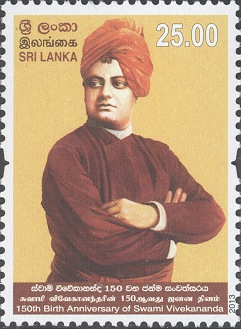
ஆனால் கோபியரின் காதல் பற்றி சுவாமி விவேகானந்தர் அற்புதமான சொற்பொழிவாற்றி இருக்கிறார். “முட்டாள்களே (Fபூல்ஸ்) இதை சரியாகப் புரிந்து கொள்ளுங்கள். அவர்களுடைய தெய்வீக அன்புக்கு ஈடு இணையானது எதுவும் உலகில் நிகரில்லை” என்று இடி முழக்கம் செய்கிறார். அது உடல் ரீதியான சிற்றின்ப அன்பு இல்லை. உள்ளம் ரீதியான பேரின்ப அனுபவம். அதைப் புரிந்து கொள்ள வியாசருடைய சுகர் போல உள்ளத் தூய்மை இருக்கவேண்டும்”.

nargis-fakhri1

ஞான முதிர்ச்சி வேண்டும்.”வெள்ளத்தனையது மலர் நீட்டம் மாந்தர் தம் உள்ளத்தனையது உயர்வு”– என்று சும்மாவா சொல்லி வைத்தான் வள்ளுவன்.

( இந்திய இலக்கிய வரலாற்றில் மிக அதிசயமான விஷயம்—கோபியர்களை முதல் முதலில் குறிப்பிடுவது சங்க கால இலக்கியம்தான்!! இதற்குப் பல நூற்றாண்டுகளுக்குப் பின்னர்தான் சம்ஸ்கிருதத்தில் கோபியர்கள், ராதா எல்லோரும் வருகின்றனர்! ).

காமசூத்ரம்

உலகின் முதல் இலக்கணப் புத்தகம் எழுதிய பாணிணியை அவருக்குப்பின் உரை எழுதிய பதஞ்சலி மகரிஷி, ’பகவான் பாணிணி’ என்று போற்றுகிறார். அதே போல உலகின் முதல் செக்ஸ் (காமசூத்ரம்) புத்தகம் எழுதிய வாத்ஸ்யாயனரையும் மகரிஷி வரிசையில் வைக்கிறது இந்துமதம். காமத்துப் பால் எழுதிய வள்ளுவனையும் தெய்வப் புலவன் என்று போற்றுகிறது இந்து மதம்.

(புலவர்களை முதலில் தெய்வ நிலைக்கு உயர்த்திவதும் இந்துக்கள் மட்டுமே. கிரேக்க நாட்டில் ஹோமருக்கும் தெய்வீக அந்தஸ்து இருந்தாலும், அவரெல்லாம் வேத உபநிஷதத்துகளுக்குப் பின்னால் வந்தவர்களே. வியாசர் இமய மலை என்றால் ஹோமரை திருப்பரங்குன்றம் குன்று அல்லது சுவாமி மலை என்று சொல்லலாம்.)

கிரேக்க மொழியில் ஒரு காமப் புத்தகம் உண்டு. பைபிளில் சில காதல் வசனங்கள் உண்டு. எல்லாவற்றையும் படித்திருக்கிறேன். அவை நம்மிடம் உள்ள சர்க்குக்கு உறைபோடக் காணாது!!!

tamil pennum kiliyum

கீதையில் காதலன், காதலி

கீதையில் (11-44) கூட காதலன் காதலி உவமை வருகிறது. அர்ஜுனன், கிருஷ்ணனிடம் மன்னிப்பு கேட்கிறான். உன்னை சாதரண நண்பனாக நினைத்து பல நேரங்களில் வாடா, போடா என்று பேசி அவமதித்து இருக்கிறேன்: “மகன் பிழையைத் தந்தை போலும், நண்பன் பிழையை சக நண்பன் போலும், காதலியின் பிழையை காதலன் போலும் பொருத்தருளல் வேண்டும்”– (ப்ரியாயா: ப்ரிய இவ ஸோடும் அர்ஹஸி— கீதை 11-44).

எட்டுவகைத் திருமணங்கள்

காதல் திருமணம், கடத்தல் திருமணம், ஸ்வயம்வரம் உள்பட எட்டு வகை திருமணங்களுக்கு ‘அப்ரூவல்’ கொடுத்த ஒரே மதம் உலகில் இந்துமதம்தான். அத்தனை வகைகளையும் உலகின் மிக நீண்ட நூலான மஹாபாரத்தில் படித்து வியப்புறலாம்.

வீட்டுக்கு வரப் போகும் மணப் பெண்ணை நீயே என் வீட்டு மஹாராணி என்று போற்றுகிறது வேத மந்திரம். அவளை ஒரு கல்லின் மீது காலைப் பதிய வைத்து அதை வருங்காலக் கணவன் பிடிக்கிறான். இதைப் போல (கற்பில்) உறுதியாக இரு என்கிறான்.

ஆக, செக்ஸ் என்பது இந்து மதத்தில் ஒரு ‘டாபூ’ இல்லை (தொடாதே, காணாதே, பேசாதே என்பது taboo டாபூ). ஆனால் அது புனிதமானது, போற்றத்தக்கது, மதிக்கப் பட வேண்டியது. மிருக அணுகுமுறை இன்றி மனித அணுகுமுறை கொடுக்கப்படவேண்டியது என்று பறை சாற்றுகின்றன வேத, இதிஹாச, ஸ்மிருதி, புராணங்கள்.

(ஸ்மிருதிகள்= இந்து மத சட்டப் புத்தகங்கள்).

Contact swami_48@yahoo.com

பத்திரிக்கை மற்றும் மலர்களில் இருந்து படங்கள் எடுக்கப்பட்டன; நன்றி.

When can you tell a lie? Adi Shankara’s Advice

Emblem_of_India.svg

By London Swaminathan
Post No. 838 Date. 13-02-2014

Tamil poet Thiruvalluvar and India’s greatest philosopher Adi Shankara give us guidelines about lying. Both of them allow us to tell lies if they can bring immense good. We have some anecdotes in Mahabharata where in there was a dilemma to tell the truth or not.

We are taught by the Vedas ‘satyam vatha’=speak the truth. That is the first command. The emblem of Government of India and the Government of Tamil Nadu has the Upanishad dictate ‘Satyameve Jayate’= truth alone triumphs. There is no contradiction in it when we say we are allowed to tell lies for the good of the humanity. Bhagavad Gita and other Hindu scriptures lists Honesty and Truth as very important qualities.

Upanishads has a beautiful story about a boy named ‘Truth Seeker’ =Satyakaman. When he came to Gautama for learning the Vedas he asked his caste and clan. He said that his mother’s name was Jabala. He asked him to go back to his mum to find the name of his father. She plainly told him that she did not know it. He went straight to Gautama and told what his mum said to him. Immediately he accepted him as a student saying this was the quality of a Brahmana. The meaning is whoever speaks truth, he is a Brahmana.

In spite of these high moral standards, Shankara and Valluvar allow us to tell a lie if it can do some good. In Tamil, there is a proverb that ‘one can do a marriage by telling one thousand lies’. We can easily read between the lines. Uniting two people in marriage is a good thing. So ignore minor things. Very often they ask ‘Is the boy handsome? The answer we get is ‘Yes he is very handsome’ Is the girl beautiful? Yes the girl is very beautiful. Beauty is in the eye of the beholder. Beauty in body is different form beauty in behaviour. So what they say is true.

Story of Kausika

Sometimes truth may be worse than a lie. There is a beautiful story in the greatest and the longest epic in the world Mahabaharata. Kaushika was a Brahmana who made a vow of always speaking the truth. One day robbers were chasing a group of travellers in the forest. When they passed by Kaushika, he also noticed them. The robbers came to Kaushika and asked him whether he had seen the travellers. He told them where the travellers were hiding. The robbers went there, tortured and robbed the travellers. Kaushika had to go to hell for speaking the truth.

That is why Valluvar puts a sub clause when he said ‘yes, lying is allowed’:
Even untruth might attain the value of truth, if it is productive of UNMIXED GOOD, without the least blemish (Tirukkural 392)

Valluvar probably knew the story of Kaushika in Mahabharata. So he makes it clear in one of the verses:
“If one’s speech does not wrong any living creature, while being factually correct, that is truthfulness (291)”
546px-TamilNadu_Logo.svg

Shankara’s View

Adi Shankara in the Prasna Uttara Ratna Malika (Gem Garland of Questions and Answers) hymn says
There are 67 verses in question and answer format. In the 46th verse he puts one question ‘Who is not to be trusted?’ The answer is ‘one who as a rule utters lies’.
In the next verse (47), one of the questions is ‘on what occasions even a lie is sinless?’ ‘That which is uttered for the sake of protecting righteousness (Dharma)’.
One should not harm anyone while telling a truth and one can tell a lie if it can bring some good to someone.

Plato’s View

SM Diaz in his commentary on Tirukkural adds:
“The eminent Greek philosopher Plato, of a date prior to Thiruvalluvar , has discussed in his Republic, the concept of the Noble Lie, which statesmen may use under certain circumstances as an instrument of state-craft or education. G.C.Field who discusses this matter in his book entitled The Philosophy of Plato quotes as example, Mr Churchill’s ‘ terminological inexactitudes’, used during World War II, as a means of deceiving the enemy, in the national interest.”
“ In the Mahabharata, Dharmaputra’s true statement, drowned in noise and made to appear false, in order to produce a certain good result, was also considered to come under this category. In Tamil Nadu the proverb that Even a thousand lies would be worthwhile to bring about a marriage, is based on the same principle of Plato’s Noble Lie.”

“Shakespeare projected an allied thought when he wrote,
If I do lie and do

No harm by it, though the Gods hear, I hope they will pardon it.
But this does not satisfy Valluvar’s acid test. Only truth should be accompanied by harmlessness; untruth should be productive of positive good to qualify for being classed with truth. Untruth which is just harmless may be fun but not truth.”

Aswaththama Hatha: Narova Kunjarova: (Aswaththama dead; whether man or elephant)
Krishna had arranged to have an elephant named Aswatthma sacrificed in the battle. Yudhistra confirmed that Aswatthma had been killed adding in a lower tone Aswaththama ‘the elephant’ or man which had been killed. This news shattered Aswatthma ‘s father Drona who threw down his arms in despair. Un armed Drona was killed by Dhristadymna . Like story of Kausika, this is also from the Mahabharata.

tn_state_emblems_over_time
Pictures are taken from Wikipedia and different sites;thanks.
contact: swami_48Yahoo.com

எப்போது பொய் சொல்லலாம்? வள்ளுவர், சங்கரர் அறிவுரை !

tn_state_emblems_over_time

By London Swaminathan
Post No.837 Date. 13-02-2014

திருக்குறளில் வள்ளுவரும், பிரஸ்ன உத்தர ரத்ன மாலிகாவில் (பிரஸ்னோத்த்ரரத்னமாலிகா ஸ்தோத்திரம்) ஆதி சங்கரரும், கிரேக்க நாட்டு அறிஞர் பிளாட்டோவும் எப்போது பொய் சொல்லுவது அனுமதிக்கப்படுகிறது என்பதைத் தெள்ளத் தெளிவாகக் கூறுகின்றனர்.
மஹாபாரத்திலும் சில கதைகள் உண்டு. பொய் சொன்னாரா இல்லையா என்று தீர்மானிக்க முடியாத தர்ம சங்கடமான நிலைமைகள் அவை.

வள்ளுவர் கூற்று

வாய்மை எனப்படுவது யாதெனின் யாதொன்றும்
தீமை இலாத சொலல் (291)

பொருள்: எந்த ஒரு உயிருக்கும் தீங்கு விளைவிக்காத சொற்களைப் பேசுவதே வாய்மை

பொய்மையும் வாய்மை இடத்த புரைதீர்ந்த
நன்மை பயக்கும் எனின் (292)

பொருள்: குற்றமில்லாத நன்மையைத் தரும் என்றால் பொய் கூட வாய்மையாகக் கருதப்படும்
அதாவது ஒரு பொய்யானது மாசு மருவற்ற தூய நன்மையை உண்டாக்குமானல் அது உண்மை எனவே கருதப்படும்.

“சத்யமேவ ஜயதே= வாய்மையே வெல்லும்” என்ற உபநிஷத் வாசகம் தமிழ்நாடு அரசின் மற்றும் இந்திய அரசின் சின்னங்களில் காணப்படுகிறது. குருகுலத்துக்குப் போகும் பையனுக்கு வாத்தியார் சொல்லித் தரும் முதல் பாடம் “சத்யம் வத= உண்மையே பேசு” என்பதுதான். தமிழ், வடமொழி இலக்கியங்களில் நூற்றுக்கணக்கான இடங்களில் இதே கருத்து திரும்பத் திரும்ப வருகிறது. அப்படி இருந்தும் ஆதி சங்கரர் சொல்லுகிறார்:

சங்கரர் கூற்று

யார் நம்பத் தகாதவன்?
எப்போதும் பொய் சொல்பவன்.
எப்போது பொய் சொன்னால் பாபம் ஆகாது?
தர்மத்தைக் காக்கச் சொல்லும் போது.

இந்தக் கேள்வி பதில் பிரஸ்னோத்தர ரத்ன மாலிகா துதியில் வருகிறது. இது ஒரு அற்புதமான துதி. மஹா பாரதத்தில் வரும் யக்ஷப் பிரஸ்ன பாணியில் அவர் எழுதி உள்ளார். 67 பாடல்கள் இருக்கின்றன. ஏறத்தாழ 200 கேள்வி பதில்கள். பிரஸ்ன என்றால் கேள்வி, உத்தர என்றால் பதில். பாடல் 46, 47–ல் இந்த இரண்டு கேள்விகளும் பதில்களும் வருகின்றன.

ஆதி சங்கரரின் கூற்றுப்படி தர்மத்தைக் காக்க பொய் சொல்லலாம். அது பாவமில்லை. ஒருவேளை அவர் மஹாபாரதத்தில் வரும் அஸ்வத்தாமா கதையை மனதில் வைத்து இப்படிச் சொல்லி இருக்கலாம்.

‘அஸ்வத்தாமா ஹத: நரோவா குஞ்சரோவா’:

பொய்யே சொல்லாத தர்மனையும் பொய் சொல்ல வைத்தார் கிருஷ்ணன். எதற்காக? தர்மயுத்தம் வெல்ல வேண்டும் என்பதற்காக. தர்மன் பொய் சொல்ல மாட்டான் என்று தெரிந்த கிருஷ்ணன் ‘அஸ்வத்தாமா’ என்ற பெயருள்ள ஒரு யானையைக் கொல்லச் செய்கிறார். பீமன் அதைக் கொன்றவுடன் அஸ்வத்தாமாவுக்கு சாவு என்று கூச்சல் இடுகிறான். துரோணர் காதில் அது விழவே தர்மனிடம் உண்மையா என்று அறிய வருகிறார். அவன்‘அஸ்வத்தாமா ஹத: நரோவா குஞ்சரோவா’: = அஸ்வத்தாமா சாவு………. யானையோ மனிதனோ– என்று சொல்கிறான்.

அதாவது யானையோ மனிதனோ ஒரு‘அஸ்வத்தாமா காலி! யானையோ மனிதனோ என்பது சம்ஸ்கிருத வாக்கியத்தில் பின்னால் வரும். அந்த நேரத்தில் பாண்டவ சேனை பெரிய டமார துந்துபி ஒலிகளை உண்டாக்கி துரோணர் காதில் விழமுடியாதபடி செய்கின்றனர். துரோணர் மகனின் “மரணச் செய்தி” கேட்டு ஆயுதங்களைத் தூக்கி எறிந்துவிட்டு தியானத்தில் அமர்கிறார். அவரை திருஷ்டத்யும்னன் கொல்கிறான்.

Emblem_of_India.svg

ஆயிரம் பொய் சொல்லியும் ஒரு கல்யாணத்தைச் செய்யலாம் என்று தமிழில் ஒரு பழமொழி உண்டு. ஒரு நல்ல காரியம் நடக்கத் தீமை இல்லாத பொய்களைச் சொல்லலாம். பையன் அழகானவனா, பெண் அழகானவளா என்று கேட்கும்போது ஆம் அழகானவர் என்று சொல்வதில் தப்பில்லை. அழகு என்பது பார்ப்பவர்களின் பார்வையைப் பொறுத்தது.!!

கௌசிகர் கதை

மஹாபரதத்தில் இன்னொரு சுவையான கதையும் உண்டு. வாழ்நாள் முழுதும் பொய் சொல்ல மாட்டேன் என்று கௌசிகர் என்ற பிராமணர் சபதம் செய்கிறார். அவர் காட்டில் இருக்கையில் வழிப்போக்கர் குழு ஒன்றைத் திருடர்கள் துரத்தி வருகின்றனர். அந்த வழிப்போக்கர்கள் கௌசிகர் இருக்கும் இடத்தைக் கடந்து ஓரிடத்தில் ஒளிந்து கொள்கிறார்கள். திருடர்கள் சற்று நேரத்துக்குப்பின் அங்கே வந்து கௌசிகரிடம் யாராவது இப்படி வந்தார்களா? என்று கேட்டனர். அந்த ‘உண்மை விளம்பி’ (!) ‘ஆமாம் அதோ அங்கே ஒளிந்து கொண்டு இருக்கிறார்கள்’ என்று உண்மையைக் கூறுகிறார். பின்னர் வழிப்போக்கர்களைத் திருடர்கள் என்ன செய்தார்கள் என்பதைச் சொல்லத் தேவை இல்லை. இது வாய்மை அல்ல என்பது வள்ளுவனின் கருத்து.

பொருள்: எந்த ஒரு உயிருக்கும் தீங்கு விளைவிக்காத சொற்களைப் பேசுவதே வாய்மை (291) என்பது வள்ளுவன் துணிபு.

சத்யகாம ஜாபாலா கதை

உபநிஷதத்தில் இன்னும் ஒரு அற்புதமான கதை உண்டு. சத்யகாமன் என்ற சிறுவன், குருவிடம் போய் வகுப்பில் சேர ‘அப்ளிகேஷன்’ கொடுக்கிறான். அவரோ தம்பி மனுவை சரியாக பூர்த்தி செய்யவில்லையே. அப்பா பெயர், குலம், கோத்ரம் எல்லாம் எழுதாமல் ‘பிளாங்க்’ ஆக இருக்கிறத- என்றார். அவன் எங்கள் அம்மா பெயர் ஜாபாலா என்கிறான். வீட்டுக்குப் போய் காலியான இடங்களை நிரப்பி உங்கள் அப்பா பெயர், குலம், கோத்ரம் எல்லாவற்றோடும் வா என்கிறார். அவன் அம்மாவிடம் போய் நடந்த கதையைச் சொல்கிறான். அவளும் ‘மஹா உத்தமி!’ (!) ‘உன் அப்பா யார் என்று எனக்கே தெரியாது’ என்கிறாள். அவனும் உடனே குருவிடம் போய் அம்மா சொன்னதை அப்படியே சொல்கிறான்.
குரு அவனைக் கட்டிப் பிடித்துக் கொண்டு இன்று முதல் உன்பெயர் ‘சத்ய காமன் (உண்மை நாடுவோன்)’. நீ எனது சீடன். பிராமணன் பொய்யே பேசமாட்டான். ஆகையால் நீயும் ஒரு பிராமண குலத்தில் உதித்தவனே என்று சொல்கிறார். உண்மைக்கு அவ்வளவு மதிப்பு (அந்தக் காலத்தில்!!!)

546px-TamilNadu_Logo.svg
பிளாட்டோ கூற்று

கிரேக்க நாட்டு அறிஞர் சாக்ரடீஸின் சீடர் பிளாட்டோ. அவர் Noble Lie “நோபிள் லை” (உன்னத பொய்) சொல்லலாம் என்று ‘ரிபப்ளிக்’ புத்தகத்தில் எழுதி இருக்கிறார். எஸ். எம். டயஸ் எழுதிய ஆங்கில திருக்குறள் விளக்கத்தில் இதைக் கூறுகிறார்.அதாவது கல்வி மற்றும் ராஜாங்க விஷயங்களில் இப்படி உன்னத காரியங்களுக்குப் பொய் சொல்லலாம் என்பது அவரது கருத்து. சாக்ரடீஸ் போன்றோர் இந்திய கலாசாரத்தை நன்கு அறிந்தவர்கள்.

சாக்ரடீஸின் சீடர் பிளாட்டோ. அவருடைய சீடர் அரிஸ்டாடில். அவருடைய சீடர் அலெக்ஸாண்டர். இந்தியாவை எப்படியாவது பார்த்து ரிஷி முனிவர்களை அழைத்துச் செல்லவேண்டும் என்று அலெக்ஸாண்டர் துடியாய்த் துடித்தார். (இது பற்றிய விஷயத்தை சுவாமி விவேகானந்தர், பரமஹம்ச யோகானந்தர் புத்தகங்களில் இருந்து ஏற்கனவே விரிவாகக் கொடுத்துவிட்டேன். அரைத்த மாவையே அரைக்க விருப்பம் இல்லை!).

தொடர்பு கொள்க: swami_48@yahoo.com

Matted Locks & Shaven Head: Four Leaders’ Criticism

Maha Kumbh Mela. Man. Skull. Shaved. Worship.

Compiled by London Swaminathan.
Post No. 836 Date: 12th February 2014

Four great people criticise the hair style of the pseudo religious people of the ancient times. It is very interesting to see they are unanimous in their views though they lived at different times and different parts of India. The Buddha, Adi Shankara, Tiruvalluvar and Tirumular criticise those who have either shaved off their heads or grown long hair just as rituals.

It is very interesting to read about different hair styles of Lord Shiva in the Rudram Hymn of Yajur Veda. Shiva is described as a person with long hair ‘Kapardeen’ and a shaven head ‘Vyuptha Kesha:’
Adi Shankara on matted hair and shaven head:

“Jatilo mundi lunchita kesah
Kasayambara bahu krta vesah
Pasyannapi ca na pasyati mudho
Hyudaranimittam bahu krta vesah” (Bhaja Govindam 14)

India Hindu Festival

Adi Shankara’s Bhaja Govindam says,

“The ascetic with matted locks, the one with his head shaven, the one with hairs pulled out one by one, the one who disguises himself variously with the ochre coloured robes – such a one is a fool who, though seeing does not see. Indeed, this varied disguise is for the sake of the belly”.
This verse in the hymn is attributed to Totaka, a disciple of Shankara.

Dr T.M.P.Mahadevan says in his commentary:
Here is an indictment of the pseudo sanyasin (ascetic), the one who has done the garb of a ‘Yati’ (ascetic) for the purpose of deluding the world. In the case of such a one, the insignia of renunciation do but become a trade mark. The tonsure of the head, the matted locks, yellow robes—these and other features lose their significance if they are adopted for deceiving the people. He is like a character in a drama. In the case of the actor sanyasin, in a play the audience knows he is not a sanyasins in real life. The venom of the pseudo sanyasins lies in the fact that he passes for a genuine sanyasin. The classical example of such a one was Ravana who assumed the guise of a sanyasins to carry Sita away to Lanka.

Swami Chinmayananda in his commentary on this verse says,
“There must have been in Shankaracharya’s own times, if not as many as they are available now, at least a few who must have wandered into Sanyasa (ascetic life) as escapists from life, seeking and finding a happier life in bluffing the generation and playing upon the credulity of the people.

Such aberrations of personality are more to be pitied than condemned.
The author of this verse (Totaka) looks around and sees to his own utter amazement, that cheats and self deceivers are often wearing the very uniform of the highest vocation in life – Sanyasa. Some of the samples of these cheats are just being hinted at in this stanza.
jain
Picture of a Jain monk.

Deception by matted locks, ochre robes etc., is universal and belongs to all times: the wolf in the tiger skin is nothing new, but in other walks of life such deceptions are not so dangerous as in the path of spirituality”.
(page 55, 56 of Bhaja Govindam, Commentary by Swami Chinmayananda)

My comments: The great Pallava King Mahendra Varman wrote a satirical drama ‘Mathavilasa prahasanam’, 1400 years ago, about the pseudo ascetics in Hinduism, Buddhism and Jainism. His drama proved that Shankara and Totaka were right in their comments. But Buddha also saw such a sect 2600 years before our time. He could visualise what was going to happen to his own faith after his death. (Please read my earlier post Two Interesting Conversations about Women, posted on 5th February 2014.)

Young-Buddhist-Monks

Buddha on long hair

“A man becomes not a Brahmin by matted hair or family of birth. The man in whom there is truth and holiness, he is in joy and he is a Brahmin. (Dhammapada 393)
Of what is the use of matted hair, foolish man, of what use your antelope garment, if within you have tangled cravings and without ascetic ornaments? (Dhammapada 394)”.

Tamil Poets Valluvan & Tirumular
Tiruvalluvar, author of Tirukkural, also has similar views.
It matters not whether a man shaves his hair or allows it to grow in flowing locks if he could refrain from what the word shuns (Tirukkural 280)

Dr S M Diaz in his English commentary on Tirukkural says,
“Shaven head or long hair does not make an ascetic; it is the pure heart which shuns hypocrisy that really matters. Rajaji would comment on this, ‘some hermits shave their heads clean and others allow their hair to grow wild, according to the order to which they belong. Purity makes the saint, not these and other externals”.

Tirumular in his Tirumanthiram echoed the same thought. He gives different interpretations for the words Tuft (Brahmin’s long hair) and the Thread that Brahmins wear. He insists that the external symbols are not important. He says Brahmins must be thorough with the Vedas ( In Tamil and Sanskrit same word is used for the books and thread).
tonsure Swastik_on_head

Pictures are taken from Wikipedia and other sites;thanks
swami_48@yahoo.com

மொட்டையும் குடுமியும்

India Hindu Festival

எழுதியவர் லண்டன் சுவாமிநாதன்
கட்டுரை எண். 835 தேதி 12-02-14

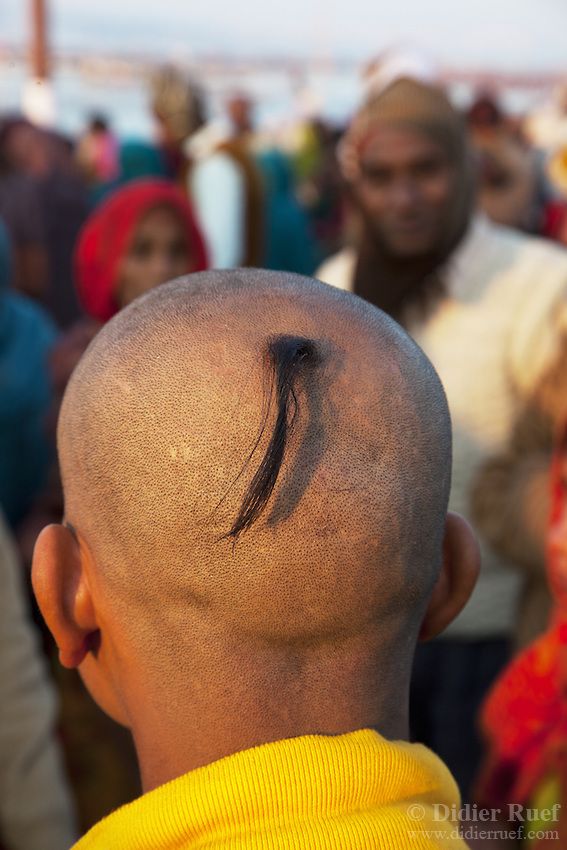
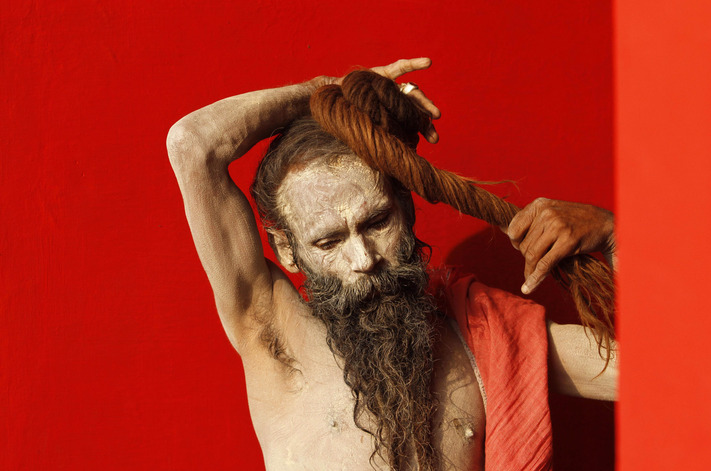
ஆதி காலத்தில் இந்து, புத்த, சமண மதத்தில் மிகுந்த ஈடுபாடுடையோர் வெளிச் சின்னங்கள் மூலம் அதைக் காட்டினர். காவி உடை, மஞ்சள் உடை, வெள்ளாடை இப்படி வெளிப்புறத்திலும் நெற்றியில் விபூதி, குங்குமம், சந்தனம், கோபி, நாமம் இப்படிப் பல சின்னங்களாலும் யார் என்பதைக் காட்டினர். இது போலவே தலை முடி விஷயத்திலும் பல பாணிகள் (ஸ்டைல்) நிலவின. முன் குடுமி, பின் குடுமி, மொட்டை (பௌத்தர்), மயிர் ஒவ்வொன்றாக பறித்து மொட்டையாகுதல் (சமணர்) என்று பல வகைகள் இருந்தன. முற்றிலும் உணர்ந்த ஞானிகள் இந்த வெளி வேஷத்தைப் பொருட்படுத்தாமல் தத்துவங்களில் மட்டுமே நம்பிக்கை வைத்தனர். ஏனெனில் காலப்போக்கில் இது எல்லாம் ஏமாற்றும் பேர்வழிகளுக்கு வசதியாகப் போயின.

வள்ளுவர், ஆதிசங்கரர், புத்தர், திருமூலர் ஆகிய எல்லோரும் இதில் ஒருமித்த கருத்து வைத்திருப்பது வியப்பளிக்கிறது.இவர்கள் ஒவ்வொருவரும் வெவ்வேறு காலகட்டங்களில், இந்தியாவின் வெவ்வேறு பகுதிகளில் வசித்தவர்கள்.

Young-Buddhist-Monks

1400 ஆண்டுகளுக்கு முன் தமிழகத்தை ஆண்ட மஹேந்திர பல்லவ மன்னன் சம்ஸ்கிருதத்தில் ஒரு நகைச்சுவை நாடகம் எழுதி இருக்கிறான். மத்தவிலாசப்ரஹசனம் என்ற அந்த நாடகத்தில் இந்து, புத்த, ஜைன (சமண) மத போலி சந்யாசிகளைக் கிண்டல் செய்துள்ளான். சங்க்ரரின் பஜகோவிந்தத்தில் சொல்லும் விஷயம், மஹேந்திர வர்மன் நேரில் கண்ட காட்சியுடன் இணைகிறது!

முடி விஷயத்தில் பல வகையான ‘ஸ்டைல்கள்’ வேத காலம் முதலே இருந்திருக்கின்றன. ஏதோ இந்தக் காலத்தில் ரவிவர்மா வரைந்த படங்களில்தான் சிவனுக்கு மீசை, விஷ்ணுவுக்கு மீசை இல்லை என்று நினைத்துவிட வேண்டாம். சிவபெருமானை வருணிக்கும் யஜூர் வேத ருத்ரம்/சமகத்தில் சிவனை மொட்டையன் என்றும் நீண்ட சடையன் என்றும் போற்றுகின்றனர்.

நீண்ட சடையன் (கபர்தீன்)
வ்யுப்தகேச (முண்டம்/ மழித்த) – ருத்ரம் (யஜூர் வேதம்)
வைத்தால் குடுமி சிரைத்தால் மொட்டை என்ற தமிழ்ப் பழமொழி இந்த ருத்ர மந்திரத்தில் இருந்துதான் வந்ததோ என்னவோ!

வள்ளுவர் கூறுகிறார்:

மழித்தலும் நீட்டலும் வேண்டா உலகம்
பழித்தது ஒழித்துவிடின் – (குறள் 280)

பொருள்: தவம் செய்வாருக்கு மொட்டை அடித்துக் கொள்வதும் சடை முடி வளர்த்தலும் தேவை இல்லை உலகத்தார் எதையெல்லாம் பழிக்கிறார்களோ அத்தகைய தீய வழக்கங்களை விட்டாலே போதும்.
Maha Kumbh Mela. Man. Skull. Shaved. Worship.

சங்கரரும் சாடுகிறார்

தத்துவ வித்தகர் ஆதி சங்கரர் பஜ கோவிந்தம் என்ற அருமையான துதிப்பாடலில் இதை அழகாக வருணிக்கிறார். இந்தப் பாட்டை அவரது சீடர் தோடகர் பாடியதாகச் சொல்லுவர்.:

“ஜடிலோ முண்டி லுஞ்சித கேச :
காஷாயாம்(அ)ம்பர பஹுக்ருத வேஷ :
பஸ்யன் அபி ச ந பஸ்யதி மூட:
ஹ்யுதரநிமித்தம் பஹுக்ருத வேஷ :”
—பஜகோவிந்தம்

( : இவ்வாறு இரண்டு புள்ளி இருக்கும் இடத்தில் ஹ என்று உச்சரிக்கவும்.எ.கா. வேஷஹ, கேசஹ, மூடஹ).

பொருள்: ஒருவன் சடை முடியுடன் இருக்கிறான். மற்றொருவனோ மொட்டைத் தலையன். இன்னும் ஒருவன் ஒவ்வொரு முடியாகப் பிடுங்கிவிட்டான். இன்னொருவன் காவி உடையில் வலம் வருகிறான். இந்த மூடர்கள் கண் இருந்தும் குருடர்கள். இந்த வெளி வேஷம் எல்லாம் வயிற்றுப் பிழைப்புக்குத்தான்.
எவ்வளவு பெரிய உண்மையை எவ்வளவு அழகாகச் சொல்லிவிட்டார் தோடகர்.

tonsure Swastik_on_head
திருமூலரின் திருமந்திரம்

நூலும் சிகையும் நுவலில் பிரமமோ
நூலது கார்ப்பாசம் நுண்சிகை கேசமாம்
நூலது வேதாந்தம் நுண்சிகை ஞானமாம்
நூலது அந்தணர் காணும் நுவலிலே

பூணூலும் உச்சுக்குடுமியும் தரித்திருக்கும் எல்லா பிராமணர்களையும் பிரம்மத்தை அறிந்தவர்கள் என்று எண்ண முடியுமா? நூல் என்பது வெறும் பருத்தி நூல்தானே, சிகை என்பது வெறும் முடிதானே. உண்மையில் நூல் என்பது வேதாந்த நூலறிவு. நுண் சிகை ஞானம் என்பது இடகலை, பிங்கலை, சுழுமுனை ஆகிய 3 நாடிகளின் தன்மை அறிந்து, பிரம நாடி சிறக்க தலை உச்சியில் ஞானம் உண்டாவதே. இதுவே அந்தணர் கடைப்பிடிக்க வேண்டிய முறை—என்பார் திருமூலர்.
jain
Picture shows a Jain Monk

புத்தர் பேருரை

நீண்ட முடியும் சிகையும் வைத்திருப்பதாலோ, பிராமண குடும்பத்தில் பிறந்ததாலோ ஒருவன் பிராமணன் ஆகிவிடமாட்டான். எவனிடத்தில் சத்யமும் புனிதமும் இருக்கிறதோ அவனே பிராமணன். அவன் ஆனந்தக் கடலில் மிதப்பான் என்று தம்மபதத்தில் (393) புத்தபிரானும் கூறுகிறார்.

புத்தரும் தனது மதத்தினரின் வெளி வேஷங்களை அபோழுதே கண்டித்துள்ளார். அவரது மதம் எப்படித் தேய்ந்துபோகும் என்பதை அவர் பிரதம சீடரான ஆனந்தனுடன் நடத்திய சம்பாஷணையில் கூறினார். அவர் இறந்தவுடன் நடந்த மூன்று மஹா நாடுகளில் வாதப் பிரதிவாதங்கள் விண்ணைப் பிளந்தன. பெண்களைக் கட்டாயம் புத்த மதத்தில் சேர்க்கவேண்டும் என்று ஆனந்தன் மன்றாடியபோது, 1000 ஆண்டுகள் நிலைக்கக்கூடிய என்னுடைய மதம், பெண்களை (புத்த பிட்சுணிகளாக) அனுமதித்தால், 500 ஆண்டுகளே இருக்கும் என்றார் புத்த பிரான். இது பற்றிய விரிவான விளக்கத்தை எனது ஆங்கிலக் கட்டுரையில் காண்க: Two Interesting Conversations about Women, posted on 5th February 2014.

Contact swami_48@yahoo.com

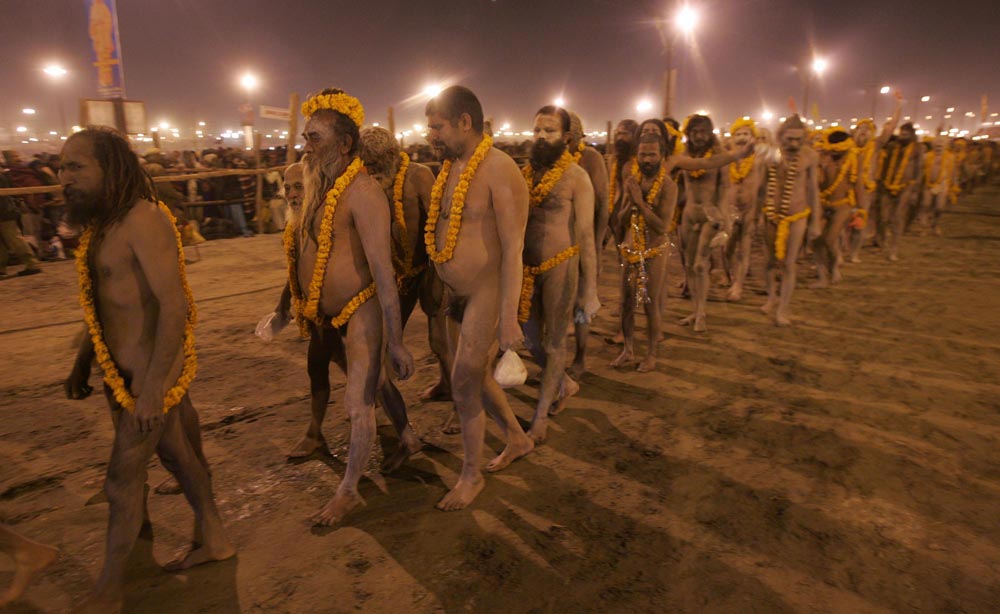
On Alexander and Naked Hindu Saints: Vivekananda & Yogananda

11942872-kumbh-mela-naga-baba

On Alexander and Naked Hindu Saints: Swami Vivekananda & Paramahamsa Yogananda

Compiled by London Swaminathan

Post No 834 Date:-11-02-2014

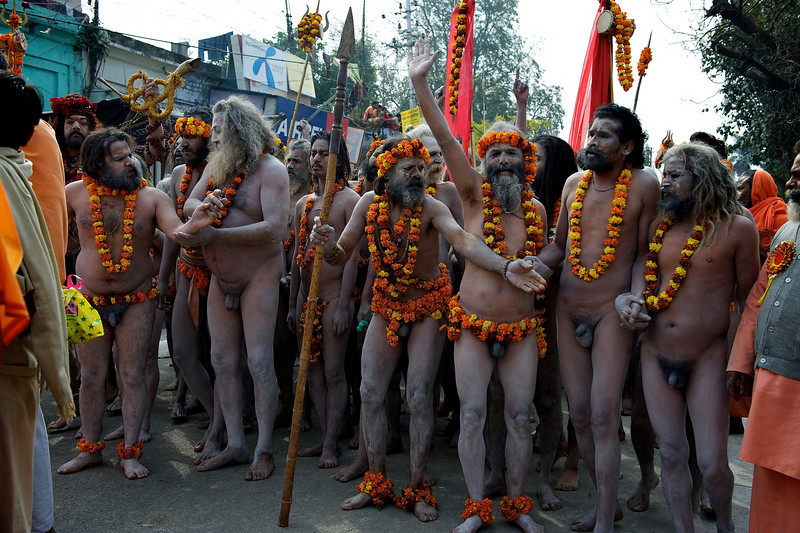
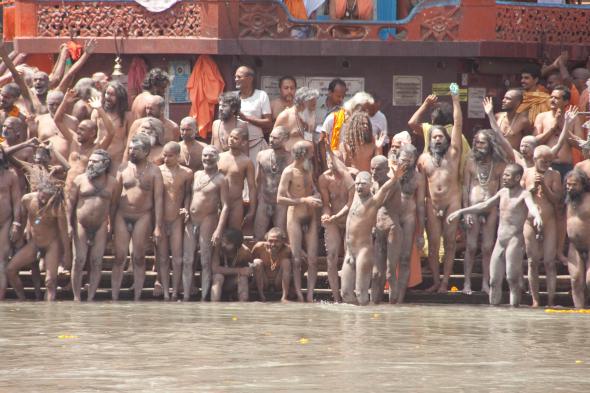
(Maha Kumbha Mela Pictures are taken from different websites;thanks)

“Strength, strength is what the Upanishads speak to me from every page. This is the one great thing to remember, it has been the one great lesson I have been taught in my life.

“It is the only literature in the world where you find the word Abaya, fearless, used again and again. In no other scripture in the world is this adjective applied either to god or man. Abhih, fearless!
“And in my mind rises from the past the vision of the great emperor of the West, Alexander the Great, and I see, as it were in a picture, the great monarch standing on the bank of the Indus talking to one of the Sanyasins (ascetics) in the forest; the old man he was talking to, perhaps naked, sitting upon a block of stone, and the emperor, astonished at his wisdom, tempting him with gold and honour to come over to Greece. And this man smiles at his gold, and smiles at his temptations, and refuses; and then the emperor standing on his authority as an emperor says, “I will kill you if you do not come”, and the man bursts in to a laugh and says, “You never told such a falsehood in your life, as you tell just now. Who can kill me? Me you kill, Emperor of the material world! Never! For I am spirit unborn and un decaying; never was I born and never do I die; I am the infinite, the Omnipresent, the Omniscient; and you will kill me!, child that you are!”
That is strength, that is strength! And the more I read the Upanishads, my friends, my countrymen, the more I weep for you, for there in is the great practical application. Strength, strength for us. What we need is strength”.

(Page 222, Selections from The Complete Works of Swami Vivekananda, Advaita Ashrama, Calcutta, May 1990)

naked

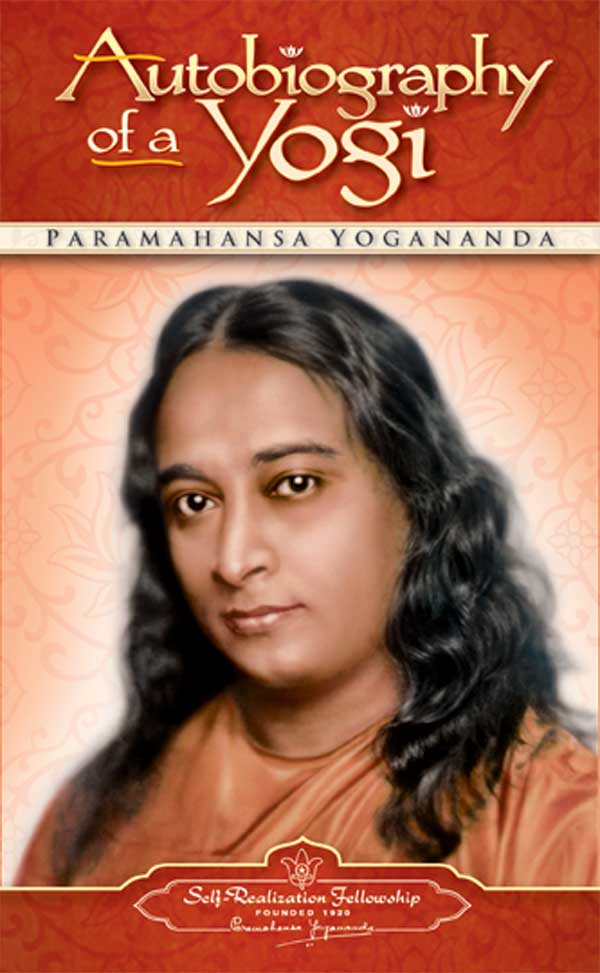
Yogananda’s ‘Autobiography of a Yogi’

Paramahamsa Yogananda in his book ‘Autobiography of a Yogi’ gives more interesting details (page 382 to 385):-

“Interesting stories were minutely recorded by Greek historians and others who accompanied or followed after Alexander in his expedition to India. The narratives of Arrian, Diodoros, Plutarch and Strabo the geographer have been translated by Dr J W Mc Crindle to throw a shaft of light on ancient India. The most admirable feature of Alexander’s unsuccessful invasion was the deep interest he displayed in Hindu philosophy and the yogis and holy men whom he encountered from time to time and whose society he eagerly sought.
Shortly after the Macedonian warrior had arrived in Taxila in Northern India, he sent Oneskritos (a disciple of the Hellenic school of Diogenes) to fetch a great Sanyasi of Taxila, Dandamis.
“Hail to thee, O, Teacher of Brahmins!” Oneskritos said after seeking out Dandamis in his forest retreat. “The son of mighty God Zeus, being Alexander who is the Sovereign Lord of all men, asks you to go to him. If you comply, he will reward you with great gifts; if you refuse, he will cut off your head!”
The yogi received calmly this fairly compulsive invitation, and “did not so much as lift up his head from his couch of leaves”

“I also am a son of Zeus, if Alexander be such”, he commented. I want nothing that Alexander’s, for I am content with what I have, while I see that he wanders with his men over sea and land for no advantage, and is never coming to an end of his wanderings.

“Go and tell Alexander that God of Supreme king is never the Author of insolent wrong, but is the Creator of light, of peace, of life of water, of the body of man and of souls; he receives all men when death sets them free, being then in no way subject to evil disease. He alone is the god of my homage, who abhors slaughter and instigates no wars.
****
kumbh (73 of 90)

“Should Alexander cut off my head, he cannot destroy my soul. My head, then silent, and my body, like a torn garment, shall remain on the earth, whence also they were taken. I, then, becoming spirit, shall ascend to my god”.

“Let Alexander then terrify with threats men who wish for health and who dread death. Against the Brahmins his weapons are powerless; we never love gold nor fear death. Go then and tell Alexander this: Dandamis has no need of aught that is yours, and therefore will not go to you; and if you want anything from Dandamis, come you to him”.

Oneskritos duly conveyed the message; Alexander listened with close attention, and felt a stronger desire than ever to see Dandamis, who, though old and naked, was the only antagonist in whom he the conqueror of many nations had met more than his match.

Alexander and Brahmin ascetics

Alexander invited to Taxila a number of Brahmin ascetics noted for their skill in answering philosophical questions with pithy wisdom. An account of the verbal skirmish is given by Plutarch; Alexander himself framed all the questions.

Which be the more numerous, the living or the dead?”
The living, for the dead are not.
Which breeds the larger animals, the sea or the land?
The land, for the sea is only a part of land.
Which is the cleverest of the beasts?
That one with which man is not yet acquainted.
(Man fears the unknown)
Which existed first, the day or the night?
The day was first by one day.
This reply caused Alexander to betray surprise; the Brahmin added: impossible questions require impossible answers.
How best may a man make himself beloved?
A man will be beloved if, possessed with great power; he still does not make himself feared.
How may a man become a god?
By doing that which it is impossible for a man to do.
Which is stronger, life or death?
Life, because it bears so many evils.

autobiography
vivek2

Alexander succeeded in taking out of India, as his teacher, a true yogi. This was Kalyana (Swami =Sphines), called Kalanos by the Greeks. The sage accompanied Alexander to Persia. On a stated day at Susa in Persia, Kalanos gave up his aged body by entering a funeral pyre in view of the whole Macedonian army. The historians recorded the astonishment of the soldiers as they observed that the yogi had no fear of pain or death; he never once moved from his position as he was consumed in the flames.
Before leaving for his cremation Kalanos had embraced many of his close companions but he refrained from bidding farewell to Alexander, to whom the Hindu sage had merely remarked,
“I shall see you later in Babylon”.

Alexander left Persia and, a year after, died in Babylon. The prophesy had been the Indian guru’s way of saying that he would be present with Alexander in life and death.

(A foot note the bottom of the page says Mc Crindles translations are available in Six volumes on Ancient India (Calcutta Chuckervertty, Chatterjee & co 15 College Square 1879, reissued 1927)

(Summary of this article has been given in Tamil on April 8, 2012 நிர்வாண சாமியார்களுடன் அலெக்ஸாண்டர்)

Contact swami_48@yahoo.com