9. ஒரு போதும் இதை நீ அவிழ்க்கக் கூடாது!

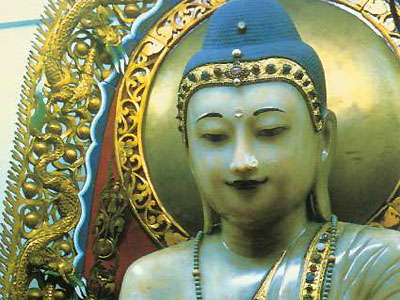
Metal_Buddha_Head__66092

by ச.நாகராஜன்

சோகோவை தன் அருகில் அழைத்த ரோஷி,”இதோ பார், குருவாக இருக்கப் பயிற்சி பெறும் ஒருவர் தனியாக இருத்தல் கூடாது. மக்களோடு மக்களாக இணைந்து அவர்களுடன் பழக வேண்டும்.ஒரு குருவிடம் சிஷ்யனாக இருப்பது சரி தான், ஆனால் இப்போது நீ ஒரு புத்த மடாலயத்தில் சேர்ந்து அனைவருடன் பழக வேண்டும்” என்றார்.

ஜென் குருவாக ஆக வேண்டுமானால் ஒரு புத்த மடாலயத்தில் சேர்வது இன்றியமையாதது. ஜென் மடாலயங்களிலேயே மிகவும் பெரியதான டைடோகுஜி மடாலயத்தில் சோகோ சேர வேண்டும் என்று முடிவானது. அது க்யோடோ என்னும் இடத்தில் இருந்தது. அது இருந்த இடம் சோகோ நடந்து சென்றால் ஒரு மணி நேரத்தில் அடையக் கூடிய தூரம் தான்!

ஒரு புத்த மடாலயத்திற்குக் கிளம்ப வேண்டுமென்றால் துறவி அணியும் ஆடை அடங்கிய புங்கோ என்ற பெட்டியை எடுத்துக் கொள்ள வேண்டும்.
உண்ணுவதற்கான கப்பரை, க்ஷவரம் செய்ய கத்தி, அதை தீட்டுவதற்கான சாணைக்கல், சூத்ரா புனித நூல்கள்,உள்ளாடைகள், மழைக்காலத்தில் அணியும் தொப்பி இத்யாதிகள் அடங்கிய இரண்டு மூட்டைகள் தோளிலிருந்து தொங்க பாரம்பரிய உடைகளை அணிந்து, சந்தனக் கட்டையால் ஆன காலணிகள், ஒரு தொப்பி ஆகியவற்றை அணிந்து நடந்து செல்வது துறவிகளின் வழக்கம்.

எல்லாவற்றையும் சோகோ சேகரித்தார். ரோஷி சோகோவின் அருகில் வந்து, “என்ன, எல்லாம் தயாரா.புங்கோ ரெடியா?” என்று கேட்டார்.
“இல்லை. அதைத் தான் தயார் செய்து கொண்டிருக்கிறேன்” என்றார் சோகோ.
“சரி,உன்னுடைய புங்கோ மூடியை என்னுடைய அறைக்குக் கொண்டு வா” என்று உத்தரவிட்டார் ரோஷி.

சோகோ புங்கோ மூடியை ரோஷியிடம் தந்த போது அதில் மூன்று ஆயிரம் யென் நோட்டுக்களை அதில் போட்டார் அவர். ஆயிரம் யென் என்பது அந்தக் காலத்தில் மிகவும் பெரிய தொகை!
”இது எதற்காகத் தெரியுமா?” ரோஷி கேட்டார்.

சோகோ அவரிடம் அடைக்கலம் ஆன சமயம் அவரிடம் தன்னிடம் அப்பா கொடுத்த பணம் கொஞ்சம் இருக்கிறது என்று சொல்லி இருந்தார். அதனால் இதுவரை கைச்செலவுக்கான பாக்கட் மணி அவருக்கு தரப்படவில்லை. ஆனால் இப்போதோ ஒரு மடாலயத்தில் சேரப் போகிறார். ஆகவே தான் அவர் இப்போது செலவுக்காக ரோஷி பணம் தருகிறார் என்று எண்ணினார் சோகோ. ஆனால் ரோஷி அடுத்தாற் போலச் சொன்ன சொற்கள் அவரைத் தூக்கிவாரிப் போட வைத்தது.

“இது உன் நிர்வாணப் பணம். உனது சவத்தை அடக்கம் செய்வதற்காக! நீ மடாலயத்தில் பயிற்சி பெறுவதற்காகச் செல்கிறாய். அதில் உன் உயிரையே கூட இழக்கக் கூடும்! பயிற்சி காலத்தில் ஒருவேளை வழியில் இருக்கும் சாக்கடையில் நீ இறக்க நேரிட்டால் உன்னிடம் இருக்கும் இந்தப் பணம் அடுத்தவருக்குத் தொந்தரவு தராமல் உன் சவத்தை அடக்கம் செய்ய உதவும்!” அவரது கூரிய பார்வை சோகோவின் உறுதியை அதிகரித்தது.

உலகப்போரின் போது சோகோவின் சகாக்கள் போர்க்களம் சென்ற போது சாவு என்றால் என்ன என்பதைப் பற்றி சோகோ நன்கு சிந்திப்பார். ஆனால் இப்போது ரோஷி, ‘இது உன் சவத்தை அடக்கம் செய்வதற்காக’ என்று கூறிய போது சாவு என்பது இப்போது ஒரு புதிய அர்த்தத்தை சோகோவிற்குத் தந்தது.
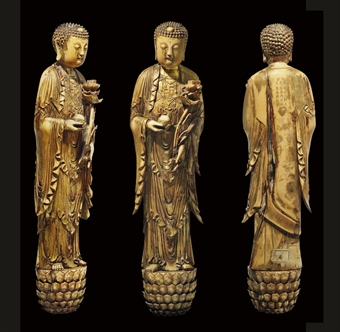
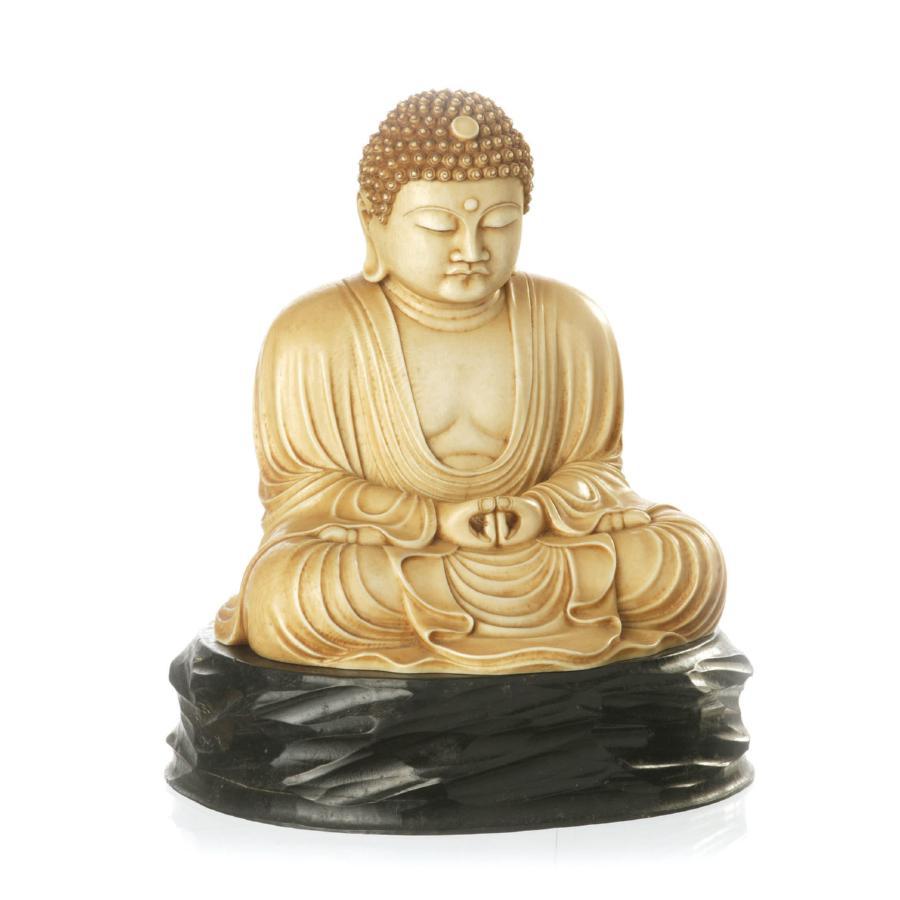
ivory 3

அது அவரது உடல் அடையும் மரணத்தைக் குறிக்கவில்லை “நான்” என்ற அகங்கார எண்ணத்தின் சாவையே ரோஷி குறிப்பிட்டிருந்தார்.
என்னதான் பேசினாலும், எவ்வளவு தான் பேசினாலும் “நான்”என்பது ஒவ்வொருவருக்கும் எவ்வளவு இனிமையான ஒரு விஷயம்! நம்மைச் சுற்றியுள்ள தளைகளைத் தீவிரப் பயிற்சியினால் அகற்றினாலன்றி நமது அறிவை மேகமூட்டம் சூழ்ந்து நமது உ::ள்ளார்ந்த தயை எனும் பண்பு அடைக்கப்படுகிறது.ஆகவே நான் என்ற அகங்காரத்தை அழிக்க வேண்டும்! சோகோ மனமார்ந்து உறுதி பூண்டார்.

இந்தக் காலத்தில் சோகோ தனது சிஷ்யர்களை ஒரு மடாலயத்திற்கு அனுப்பும் போது அவர்களின் சவங்களை அடக்கம் செய்வதற்காக பல ஆயிரம் யென்களைத் தர வேண்டியதாயிருக்கிறது. மறு நாள் அதிகாலை நேரத்தில் ரோஷியின் அறைக்குச் சோகோ சென்றார்.
“உங்கள் அனுமதியுடன் நான் விடைபெற்றுச் செல்கிறேன்” என்றார் பணிவுடன் சோகோ.

சமையலறைப் பக்கமாகச் சென்று அங்கிருந்த வாயிலின் வழியே அழுக்குப் படிந்த தரையை மிதித்தார் சோகோ. கற்றுக்குட்டியாகப் பயிற்சியில் இருப்பவர் முன் வாயில் வழியாகச் செல்ல எப்பொழுதுமே அனுமதி இல்லை!

தனது சந்தனக் காலணிகளை சோகோ எடுத்த போது ரோஷி தன் பின்னால் வந்திருப்பதை அறிந்து சோகோ திடுக்கிட்டார். ஒரு கற்றுக்குட்டியை வழியனுப்ப வருபவர் அல்ல அவர். அவரது உயரிய நிலை மிக மிக மேலானது.

ஆனால் அவரோ சோகோவின் முன்னால் வந்து கீழே அமர்ந்து சோகோவின் காலணிகளில் இருந்த கயிறுகளைக் கட்டலானார்.திகைத்துப் போன சோகோ,” வேண்டாம் வேண்டாம், நானே செய்து கொள்கிறேன்” என்று அலறிவாறே கால்களைப் பின்னால் இழுத்துக் கொண்டார்.

ஆனால் அவரோ,”வா, இந்தப் பக்கம்” என்று சோகோவை அழைத்துக் காலணிக் கயிறை நன்கு முடிச்சுப் போட்டு, “ஓரு போதும் இதை நீ அவிழ்க்கக் கூடாது” என்றார்.போய்ச் சேரப் போகும் மடாலயத்தின் வாயிலில் காலணிகளைக் கழற்றி வைக்க அந்த முடிச்சை அவிழ்த்துத் தான் ஆக வேண்டும். ரோஷி சொன்னதன் பொருள் அது அல்ல, ஆழ்ந்த அர்த்தத்தைக் கொண்ட ஒன்று. ஜென் துறவியாக வேண்டும் என்ற உறுதியை என்றுமே அவிழ்த்து விடாதே என்பதைக் பூடகமாக ரோஷி அப்படிச் சொன்னார்.
மனமெல்லாம் நிறைய, உறுதி கெட்டிப்பட ரோஷியைக் குனிந்து தலை வணங்கி அந்த புலர்காலை இருளில் சோகோ மெல்ல நடக்கலானார்.

சின்ன உண்மை
புத்த மதம் தோன்றிய தாயகமான பாரதத்தில் இன்று 772 புத்த தலங்கள் உள்ளன. பீஹாரில் 250, ஆந்திராவில் 200, ஒரிஸாவில் 100, மத்ய பிரதேசத்தில் 53, ஜம்மு-காஷ்மீரில் 30, மஹராஷ்டிரத்தில் 28, குஜராத்தில் 20, ஆகிய இவற்றோடு ஏனைய மாநிலங்களில் மீதமுள்ள 91 தலங்கள் உள்ளன.

-தொடரும்
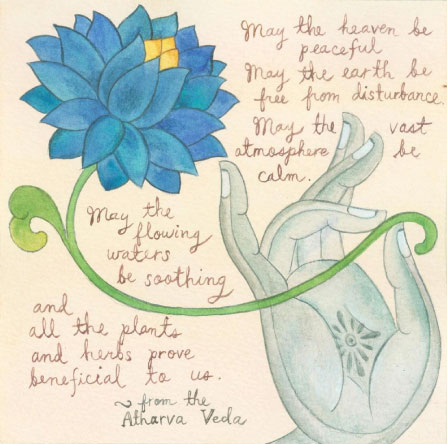
Mysterious Atharva Veda-Part 2

AtharvaVeda

(Please read Part 1 before reading this Part-2:also my earlier articles: Sex Mantras in Egypt and Atharva Veda and Gems from The Atharva Veda))

I have covered 8 kandas out of 20 kandas in the first part. Now let us look at Kanda 9:-

Kanda 9: Sukta 10, Mantras 302
Famous sukta of the Ashvinis ( Honey-lash Sukta)
Consecration of new houses
Glorification of cows, bulls and goats
Prayers to prevent diseases
Proper reception of guests

Kanda 10: Sukta 10, Mantras 350
Most famous Kena Sukta is in this kanda (containing metaphysical and philosophical question)
Prayers for fighting demons & purging poison
Charms for ensuring victory
About woman
Prayers to cow

CDSA179

Kanda 11: Sukta 10, Mantras 373
Hymn to Rudra (with Shiva’s several names such as Pasupati, Bhava.
Virtue of Brahmacharya (celibacy)
Prayers to Food grains
Hymns on the Brahman
Hymns on warfare

Kanda 12: Sukta 5, Mantras 304
Bhu sukta/Pruthvi sukta (motherland)
Prevention of TB
Hymns on Heaven & Cows

Kanda 13: Sukta 4, Mantras 188
Funeral ceremonies, ancestors
Spiritual upliftment
atharva__veda__samhita___volumes__idd462

Kanda 14: Sukta 2, Mantras 139
Marriages
Husband and wife

Kanda 15: Sukta 28, Mantras 220
Paramatman
Wandering mendicants

Kanda 16: Sukta 8, Mantras 103
Charms for removing misery
Ensuring victory
Kanda 16 is a short kanda

Kanda 17: Sukta 1, Mantras 30
Prayer for victory
Surya and Usha are addressed along with Indra

14oeb_medicine

Kanda 18: Sukta 4, Mantras 283
Conversation between Yama and his sister Yami
Hymns to ancestors and Agni
Kanda 19: Sukta 72, Mantras 453
Hymns on Fire Sacrifice
Hymn on Water
Hymn on Agni
Hymn on Four Castes (Like Purushasuktam)
Hymns Nakshatras (celestial Stars)
Hymns on Peace

Kanda 20: Sukta 143, Mantras 928
Long hymn on Indra

Vedas Backdrop

This is only a summary. It is not exhaustive. Atharva Veda gives lot of scope for research. Many hymns are not understood properly. Even the early translators said that the meaning is obscure. Atharva Veda scholars have also dwindled in number. Now they are in Gujarat and Kerala only.

Contact swami_48@yahoo.com ;pictures are taken from various websites.Thanks.

Buddha, Zoroaster and Mohamed on Workers

391px-Spring_Temple_Buddha_picturing_Vairocana,_in_Lushan_County,_Henan,_China
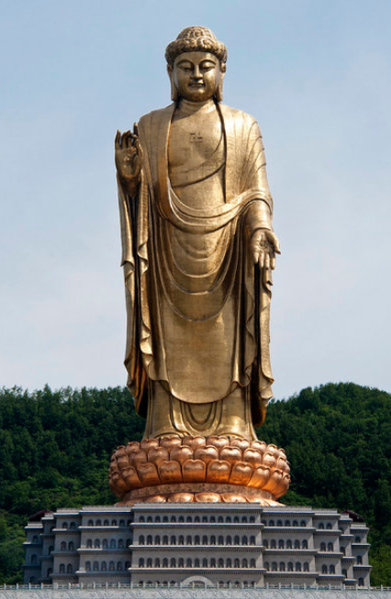
Picture of Buddha at Spring Temple, China (from Wikipedia)

Golden sayings about workers/employees by great religious leaders are given below:
Lord Buddha says in Sigalovada suttanta:

“ In five ways does an Aryan master helps his servants and employees
1.By assigning them work according to their strength
2.By supplying them with food and wages
3.By tending them in sickness
4.By sharing with them unusual delicacies
5.By granting leave periodically.

In these ways ministered to by their master, servants and employees love their master in five ways—
1.They rise before him
2.They lie down to rest after him
3.They are content with what is given to them
4.They do their work well
5.And they carry about his praise and good fame”.

Parsees (Religion: Zoroastrianism)
Zoroastrian Prayer gives better guarantee than Marxism against apprehension of injustice or inequality :
“The thought well thought
The word well spoken
The deed well done”
(Humata, Hukhata, Hvershta)
And directive to the followers of the way of the Wise Lord to be pure in thoughts and deeds, charitable to those in need, kind to all useful animals, and industrious in tilling the soil, growing trees, raising cattle or doing other profitable and useful labour
(Humata ,Hukhata, Hvershta= Hindus say Mano, Vak, Kaya)

Islam
Mohamed says, “ Your servants are your brothers. God has placed them under your charge; whosoever has then a brother under his charge, let him feed him what he eats himself, and let him clothe him out of with what he clothes himself, and compel them not to do a work which will overpower them.”

Marxism
Thus, though attentive to the material needs of the peoples, all religions and their leaders differ from Marxism in that:
1).None of them subscribes to naked materialism
2).None of them treats man as a mere economic being; and
3).None of them relies upon external coercion as an instrument for reformation of men and matters.
Source: The Perspective by D.B. Thengadi, Trade Unionist.

Contact: swami_48@yahoo.com

8.ஆலயத்தை விட்டு வெளியே போ!

ivory buddha2

ஜென் பிரிவு பற்றி எஸ்.நாகராஜன் எழுதும் தொடரில் எட்டாவது பகுதி.

ச.நாகராஜன்

குரு-சிஷ்ய பரம்பரையில் சோகோ கடைசியாக இருந்தார். முதல் குரு இமாகிடோ கோஸென் (1816-1892) அடுத்தது ஷாகு சோயென் (1859-1919), அடுத்து டெட்சுவோ சோகாட்ஸு.(870-1954), அடுத்து கோடோ ஜுய்கன் (1879-1965), அடுத்து ஒடா செஸொ (1901-1966) அவருக்கு அடுத்தபடியாக கடைசியில் சோகோ.

இந்த வரிசையை இன்னும் தொடர்ந்து வரலாற்று ரீதியாக பார்த்துக் கொண்டே போனால் அது முதலாவதாக இருந்த சாக்யமுனி புத்தரில் முடியும்.சாக்யமுனி புத்தரின் போதனைகளின் பெயர் இங்கா. அது பிரபஞ்சம் முழுமைக்கும் பொதுவானது. இந்த இங்கா முத்திரையை குருவிடம் முறையாகப் பெற்றவர்களே உள்ளொளி பெற்றதற்கான அங்கீகாரத்தை குருவிடம் பெற்றவர்களாவர். ஜென் பிரிவில் ரின்டாய் உட்பிரிவில் இப்படிப்பட்ட அதிகாரபூர்வமான குருமார்களை ரோஷி என்று அழைப்பர்.

முதல்குருவாக மேலே குறிப்பிடப்பட்டுள்ள இமாகிடோ கோஸென் பிரம்மாண்டமான குரு. இவரது சிஷ்யராக மேலே குறிப்பிடப்பட்டுள்ள ஷாகு சோயென் தான் ஜப்பானிலிருந்து அமெரிக்காவிற்கு ஜென் புத்தமதப் பிரிவை அறிமுகப்படுத்திய பெரிய மாஸ்டர்.

ஒரு நாள் காலை மிஸ் ஒகோமோடோ ரோஷியிடம் வந்து அமர்ந்தார். “ரோஷி! குருவில் யார் பெரியவர் கோஸெனா அல்லது அவர் சிஷ்யர் ஷாகு சோயெனா?” என்று அவர் கேட்டார்.எப்போதுமே விஷயங்களை ஜோக் அடிக்காமல் தீவிரமாகப் பேசும் ரோஷி, “கோஸென் தான் பெரியவர்” என்று பதிலிறுத்தார். பிறகு மிஸ் ஒகோமோடோ,” ஷாகு சோயென் பெரியவரா அல்லது அவர் சிஷ்யர் சோகாட்ஸுவா?” என்று கேட்டார்.

”மாஸ்டர் சோயென் தான் பெரியவர்!” என்றார் ரோஷி.இதைக் கேட்ட மிஸ் ஒகோமோடோ,” நீங்கள் சொல்வதைப் பார்த்தால் குரு-சிஷ்ய பரம்பரையில் ஒவ்வொரு சிஷ்யரும் சற்று கீழான தரத்தைக் கொண்டிருப்பது போல இருக்கிறதே! அப்படியானால் இந்த பரம்பரை கொஞ்சம் கொஞ்சமாக பலம் இழந்து வருவது போல இருக்கிறதே!” என்றார்.

“சரி,இப்போது சொல்லுங்கள், உங்கள் குரு சோகாட்ஸு பெரியவரா அல்லது நீங்களா? என்று மெதுவாகக் கேட்டார் மிஸ் ஒகோமோடோ. மின்னல் போலப் பளீரென்று,” இருவரில் நான் தான் பெரியவன்” என்றார் ரோஷி. மிஸ் ஒகோமோடோவுக்கு இந்த பதிலைக் கேட்டு ஒரே சந்தோஷம்! உடனே மிஸ் ஒகோமோடோ மெதுவாக,” ரோஷி! இன்னும் ஒரு கேள்வி. நீங்கள் பெரியவரா அல்லது உங்களின் சிஷ்யரான செஸோ பெரியவரா?” என்று கேட்டார்.

அருகிலிருந்து இந்த உரையாடலைக் கேட்டுக் கொண்டிருந்த சோகோவுக்கு சிரிப்பை அடக்கவே முடியவில்லை.வாய்விட்டு ஹா,ஹா என்று சிரித்தார். ரோஷியோ ஜென் உலகின் முடி சூடா மன்னராக பிரம்மாண்டமான நிலையில் குருவாக இருக்கிறார். ஆனால் செஸோவோ எந்த ஒரு அதிகார பதவியிலும் இல்லை. அவரைப் பெரிய மாஸ்டரான ரோஷியுடன் ஒப்பிடுவதா! சோகோவுக்கு சிரிப்பு தான் வந்தது. உண்மையில் உள்ளொளியின் அடிப்படையில் மனிதனைத் தரம் பிரிக்க வேண்டும் என்றே சோகோவுக்குத் தெரியவில்லை. சமூக அந்தஸ்தை வைத்தே மனிதனின் அந்தஸ்தை இனம் காண வேண்டும் என்று அவர் நினைத்துக் கொண்டிருந்தார். ஆகவே தான் அந்தச் சிரிப்பு!

ஆனால் ஒரு நொடி கூடத் தாமதிக்காமல், ”அது இன்னும் தெரியவில்லை!” என்று பதில்சொன்னார் ரோஷி! சோகோவின் சிரிப்பு இதைக் கேட்டுச் சட்டென அடங்கியது.அவர் கண்களில் வெள்ளமென கண்ணீர் பொங்கியது.எப்படிப்பட்ட அற்புதமான குருவைத் தான் கொண்டிருக்கிறோம்!” “அவன் இன்னும் பல பேர் மத்தியில் பேசவே அருகதை அற்றவன்” என்று அவர் சொல்வதற்கு எத்தனை விநாடிகள் வேண்டும்!

அந்த அற்புத மனிதர் தன் சிஷ்யர்களின் மேம்பாட்டிலேயே எப்போதும் கண்ணும் கருத்துமாக இருந்தார். இன்னும் ஒன்று,ஐந்து அல்லது பத்து வருடங்களில் தன் சிஷ்யன் தன்னை வென்று பெரியவனாகி விடுவான் என்ற நம்பிக்கை அவருக்கு இருந்தது. ஆகவே தான், ”அது இன்னும் தெரியவில்லை” என்ற பதிலை அவர் அளித்தார்! அப்படிப்பட்ட பெரிய மகான் சோகோவுக்கு குருவாக வாய்த்திருந்தது எவ்வளவு பெரிய பாக்கியம்!

ivory buddha

பயிற்சிக் காலத்தில் ஒரு சமயம் சோகோ தப்பு ஒன்றைச் செய்து விட்டார். உடனே ரோஷி சம்பிரதாய வழக்கப்படி சோகோவை டைஷுயின் ஆலயத்திலிருந்து உடனடியாக வெளியே செல்லுமாறு “ஆலயத்தை விட்டு வெளியே போ” என்ற கட்டளையைப் பிறப்பித்தார். மனம் வருந்திய சோகோ சாஷ்டாங்கமாக அவர் காலில் விழுந்து மன்னிப்புக் கேட்ட போதும் அவர் மனம் இரங்கவில்லை. கெஞ்சிக் கெஞ்சி முழு உடலையும் கீழே கிடத்தி சோகோ நமஸ்காரம் செய்து மன்னிப்புக் கேட்ட போதும், ‘முடியாது’, என்ற பதிலையே ரோஷி சொல்லிக் கொண்டிருந்தார்.

கடைசியில் தன் தலையை மட்டும் தூக்கி அழுது வீங்கி இருந்த கண்களுடன் ரோஷியைப் பார்த்தார் சோகோ!
அவரது தீவிரமான பார்வையைக் கண்ட சோகோவுக்கு தொண்டை அடைந்த்தது.

இதயத்தின் ஆழத்திலிருந்து வந்த குரலை எழுப்பி,” என்ன நடந்தாலும் சரி,நீங்கள் என்ன சொன்னாலும் சரி,எப்படி என்னை வெளியேற்ற நீங்கள் முயன்றாலும் சரி, நான் உங்களை விட்டுப் போக மாட்டேன்.போகவே மாட்டேன்.போகவே மாட்டேன்”என்றார் சோகோ.
அப்போது ரோஷியின் கண்களிலிருந்து கண்ணீர் அருவியெனப் பொங்கி அவர் கன்னம் வழியே வழிந்தது. அதைப் பார்த்த சோகோவின் மெய் சிலிர்த்தது. சோகோ எப்பொழுதுமே ரோஷியின் சிஷ்யர் தான்! அவருக்கும் தன் சிஷ்யன் எப்படிப்பட்டவன் என்பது புரிந்துவிட்டது.

சோகோவுக்கும் ரோஷிக்கும் இருந்த குரு-சிஷ்ய அன்புப் பிணைப்பு வலுவாக இருந்தது. ஜென் பிரிவில் குருவுக்கும் சிஷ்யனுக்கும் இருக்கும் அன்புப் பிணைப்பின் இடையில் ஒரு சிறு மயிரிழை கூட நுழைய முடியாது. அப்படி ஒரு பிணைப்பு இருக்கும்!!
முந்நூறு பவுண்டு உள்ள இரண்டு மல்யுத்த வீர்ர்கள் ஒருவரை ஒருவர் தாக்கி கட்டி உருண்டு புரண்டு அலாக்காகத் தூக்கி கீழே போடும் போது தாங்கள் சண்டையிடும் மல்யுத்த மேடை நிச்சயம் உடைந்து போகாது என்ற நம்பிக்கையின் அடிப்படையில் தானே அவர்கள் சண்டை போடுகிறார்கள் அந்த அடிப்படையான நம்பிக்கை ஜென் பயிற்சிக்கு அவசியம்!

ஜென் பிரிவில் “நான்” என்ற எண்ணம் கொஞ்சம் கூட இல்லாமல் முற்றிலும் அழிக்கப்பட வேண்டும்.இந்த நான் என்ற எண்ணம் லேசில் அழியாது.’வெளியே போ’ என்ற அச்சுறுத்தல், திட்டல் இவற்றிற்கெல்லாம் பயந்தால் ஜென் பயிற்சி பூர்த்தி பெறாது!

ஒரு வருட காலம் ரோஷியின் கீழ் பயிற்சி பெற்ற சோகோவுக்கு ஒரு நாள் அந்தப் பயிற்சி முடிவுக்கு வந்தது.
ஒரு நாள் ரோஷி சோகோவை அன்புடன் தன் அருகில் அழைத்தார்.

சின்ன உண்மை
இன்று ஜப்பானில் ஜென் மடாலயங்கள் சுமார் 72 உள்ளன! சாதாரண சிறிய ஜென் ஆலயங்கள் சுமார் இருபதினாயிரம் உள்ளன. ஆனால் மடாலயங்களில் ஜென் குருமார்களுக்கான பயிற்சியில் இருப்போர் ஆயிரத்தை என்றுமே தாண்டியதில்லை!

-தொடரும்
Mirror Temples! Hindu Wonders!!

arulmigu-sri-rajakaliamman (1)

Hindu Wonder: Glass Temple of Malaysia

Hinduism is a living religion. It is ever changing, flexible and catholic in its outlook. The basic truths will remain intact, but the approaches and outward forms will be changing forever. This keeps the religion alive, colourful and attractive. New saints and sages install newer things in the temples and yet they teach the basic tenets found in the Vedas and the Upanishads. They make temples out of stone, gems, gold, silver and glass!

Basic tenets of Hinduism: (1) God is one, but worshipped in different forms or formless. (2) If you do good things, you will get back good (karma Theory). (3) The soul lives after death and born again. (4)The goal of every Hindu is to get out of this cycle of birth and death.

arulmigu-sri-rajakaliamman

Raja Kalai Amman Temple of Johor Bahru: architectural marvel

India is full of temples. Every town and every street has a sage, saint, Yogi, Guru or a Siddha. One of such great saints is Narayana Guru(1856-1928). Born of a poor peasant family of the Ezhava caste at Chempazanthi in Kerala, Sri Narayana advanced rapidly on the path of spiritualism. He served the backward communities of Kerala and kept them within the Hindu fold. But for him, millions of low caste Hindus would have been converted to other religions. He gave them a pride and confidence. He was a great philosopher and social reformer.

He taught them “Uru Jati, Uru Matam, Uru Daivam Manushyanae”(One People, One Dharma, One God for man). He founded Narayana Dharma Paripalana Sangham (SNDP). He was a Sanyasin (ascetic) without the robes. He told his disciples “ Ask not, Say not ,Think not Caste”. He came to fulfil not to destroy. His genius was essentially creative and constructive. Service was his motto. Gandhi and Tagore met him. Poet Kumaran Asan was his disciple. He commanded respect from everyone. He consecrated scores of old temples and built new temples. He installed mirrors and lamps inside the temples instead of statues!

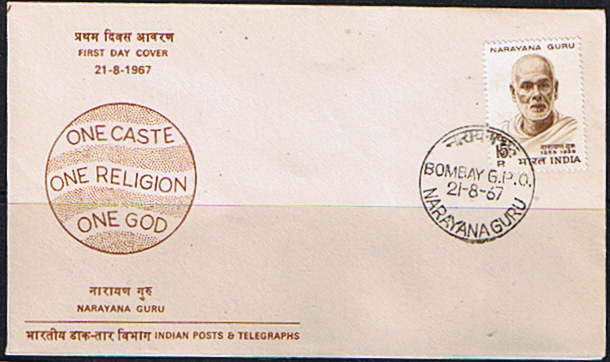
FD COVER

0003.sree narayana guru

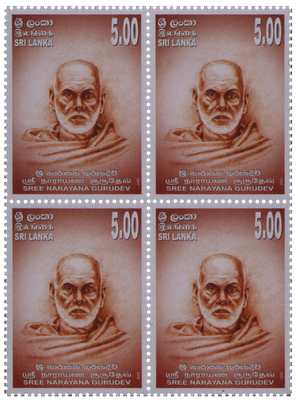
Stamps issued by India and Sri Lanka

Socrates and Narayana Guru
Greek philosopher Socrates taught his disciples ‘Know thy self’. In fact it was there in Delphi even before Socrates propagated this maxim. Thousands of years before Greece, Indian Vedic seers (in the Upanishads) said the same. It is found in Luxor temple in Egypt. But Narayana Guru brought this highest philosophy to the lowest of the people Ezhavas who were illiterates. He installed a Mirror in Kalavamkodam temple near Alappuza in Kerala. It is called Kannadi Pradihta. The idea is to see oneself in the mirror, meaning ‘Know yourself’. The Upanishads said ‘You are That’ ( Tat Tvam Asi) and ‘I am God’ (Aham Brahma Asmi).
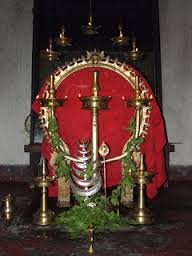
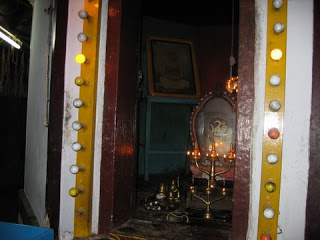
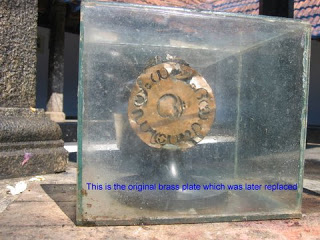
Narayana Guru did not stop there. He installed mirrors and brass plates inscribed with the mystic symbol ‘Aum’ in Kalakandhesswara temple in Murukumpuza and Omkareswara Temple near Vaikom. He installed lamp instead of idols in Chidhambaram in Karamuku near Trichur. Lamp represents knowledge and divine light.

Malaysian wonder: Glass Temple

jesus christ
buddha,theresa

In Northern India there are lots of glass idols in the temples near Rishikesh. In South Indian temples there are Mirror Rooms for Gods. I have seen them in Alagarkoil near Madurai and Ekambareswarar Temple in Kancheepuram. The mirrors are placed in different angles surrounding the idol. If one enters the room the person can see himself or herself with the God as far as one could see, reflected in infinity. But Malaysian Hindus excelled by installing a temple completely made up of glass.

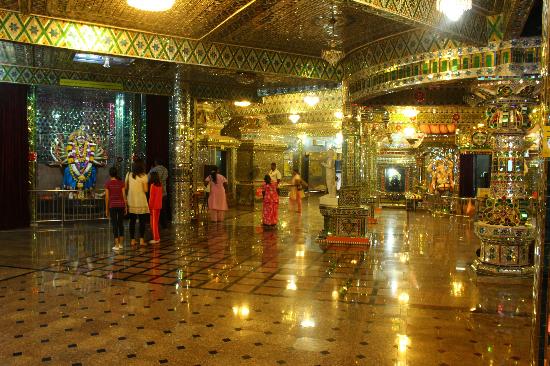
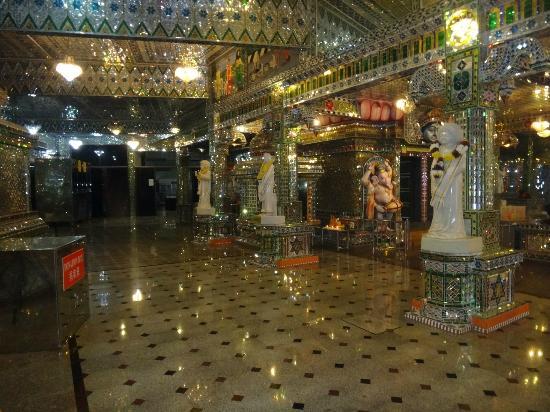
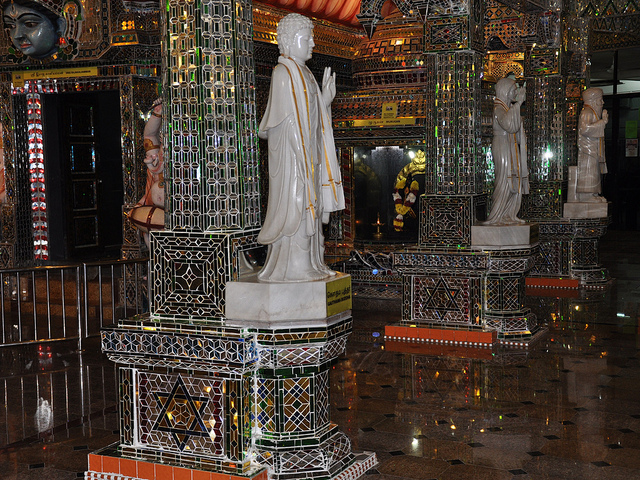
Raja Kali Amman Temple in Johor Bahru, Malaysia is one of the oldest Hindu temples in the country. The person maintaining the temple renovated it in 2009 and made it the First Glass Temple in the World. 300,000 pieces of glass in different colours embellish the temple. The walls of the temple are covered with 300,000 Rudraksha beads brought from Nepal. Athmalingam sanctuary is the main temple. In addition to Shiva, Kali and Ganesh other idols are also worshipped there. Marble statues of Buddha, Guru Nanak, Jesus, Mother Theresa and others are also found there. Light coming from the chandeliers, reflected by the glass pieces creates a magical world. It is an amazing piece of architecture. It has become a big tourist attraction.

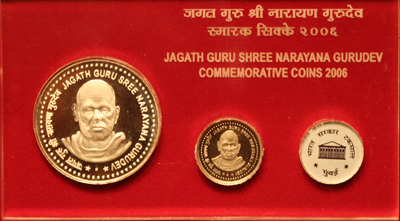
coins
Coins issued in honour of Sri Narayana Guru

Mirror in Hinduism
Mirror occupies an important place in Hinduism. It is considered an auspicious symbol. During Navaratri in South India, young girls are given Kunkum, Mirror and comb. Hindus are supposed to look at mirror as soon as they wake up in the morning. If mirror is not nearby they can look at their right palm. Tamils and Malayalees of Kerala look themselves in the Mirror on ‘Vishu’ or Tamil New Year Day. Fruits, Turmeric and gold coins will be placed near the Mirror.

Andal, Tamil Poetess and saint, sings about mirror in her Tiruppavai (verse 20). Mirror is used as similes by several saints in Tamil and Sanskrit. They said, “Mind is like a mirror and, if it is pure and steady, it will reflect clearly the Self. If the mirror is coated with dust and it is shaky, it cannot reflect the object before it. The dust which darkens the mind is Sin and its shakiness is due to distraction. The sin has to be eradicated by the performance of the prescribed good deeds”.
Andal in Tiruppavai, Adi Shankara in Viveka Chudamani, Tiru Valluvar in Tirukkural, Buddha in Dhamma padam and Tolkappiar in Tamil Tolkappiam used mirror similes.

vilakku

omkareswaram temple

Mirror and Lamp Temples of SNDP

Jagath_Guru_Sree_Narayana_Gurudev_Coin

Sri Narayana Guru Coins
Beliefs about Mirrors (From Encyclopaedias)
Some people believed that If one can’t see oneself in the mirror, the person will die soon. Ancients believed a mirror could hold on to a person’s soul. So they covered all the mirrors in the room where a person died. Devils can’t see themselves in mirrors. So amulets were made up of mirrors for protection against devils. Hindus believed that breaking glasses is a bad omen.

Etruscans used thousands of decorated mirrors in their day to day life. They made mirrors by polishing bronze. One of the Aztec Gods was named Smoking Mirror (Tezcatlipoca) in Mexico.

Shinto religion of Japan believed Mirrors represent Sun Goddess. A legendary sacred mirror (Yatano Kagami) is kept in the Shrine of Ise. It is one of the royal treasures and so no one can see it. Mirror is associated with Virgin Mary in Christianity. The Islamic mystic Jalaleddin Rumi (1207-1273) saw the mirror as a symbol of heart, which must be clean and pure if it is to reflect undiminished Allah’s intense light.

(London swaminathan’s 600+ articles and S Nagarajan’s 50+ articles are available in the blog. If you publish them, you must acknowledge the source either by giving the name of the blog or the author)

Pictures are taken from various sites;thanks.
contact swami_48@yahoo.com

kalakandeswara temple 1

Kalakandeeswara Temple of Sri Narayana Guru

கண்ணாடிக் கோவில்: உலக அதிசயம்

arulmigu-sri-rajakaliamman (1)

Hindu Wonder: Malaysian Glass Temple

இந்துமதம் ஒரு வண்ணக் கலவை; மிகவும் கவர்ச்சிகரமானது. நாள் தோறும், யுகம் தோறும் மாறக்கூடியது. பரந்த மனப்பான்மையும் ஜனநாயகமும் கொண்டது. எல்லா மதக் கொள்கைகளையும் உள்ளடக்கியது. ஆயிரம் தலை ஆதிசேஷன் போல பல்லாயிரம் தெய்வங்களைக் கொண்டது. பல்லாயிரம் பாடல்களைக் கொண்ட பல நூறு நூல்களை உடையது. இந்தியாவில் ஒரு லட்சத்துக்கும் அதிகமான கோவில்கள் இருப்பதை ஏற்கனவே எழுதியுள்ளேன். ஆயினும் விந்தையிலும் விந்தை– அடிப்படைக் கொள்கைகளை மாற்றாதது!

ஆயிரம் ஆண்டுகளாக ஒரே கொள்கையில் பற்றுதல் உடையது. உருவங்கள் மாறலாம்; சாது சந்யாசிகள் மாறலாம். ஆயினும் கொள்கைகள் மாறாது: (1)கடவுள் ஒருவரே- அவரைப் பல உருவங்களில் வணங்கலாம் (2) நல்லது செய்தால் நல்லது நிகழும் (கர்ம வினைக் கொள்கை) (3) ஆத்மா அழியாதது, இறந்த பின்னர் மறுபிறப்பு உண்டு (4) இந்துக்களின் இறுதி லட்சியம்– ஜனன-மரணச் சுழலில் இருந்து விடுபடவேண்டும்.

arulmigu-sri-rajakaliamman

Malaysia’s Raja Kali Amman Temple: Architectural Wonder

இந்த அடிப்படைக் கொள்கைகளை ஒவ்வொரு ஊரிலும், ஒவ்வொரு காலத்திலும் உதிக்கும் சாது சந்யாசிகள், சித்த புருஷர்கள், மஹா யோகிகள், ரிஷிகள், ஞானிகள் –அவர்களுக்கே உரித்தான பாணியில்—புதிய பாணியில்—வழங்குவார்கள். கடவுளைக் கல்லிலும் சமைப்பார்கள்—கண்ணாடியிலும் சமைப்பார்கள்; தங்கத்திலும் வடிப்பார்கள், மரகதம், ஸ்படிகத்திலும் செதுக்குவார்கள்.

omkareswaram temple
vilakku

Sri Narayana Guru’s Mirror and Lamp Temple

நாராயண குருவின் கண்ணாடிக் கோவில்

கேரளத்தில் அவதரித்த பெரியார்களில் ஒருவர் நாராயண குரு(1856-1928) அவர் பெரிய சமூக சீர்திருத்தவாதி, தத்துவ வித்தகர். ஏழை எளிய மக்களுக்கு நம்பிக்கை ஒளி ஊட்டியவர். அவர் தோன்றாவிடில் ஈழவா எனப்படும் பின் தங்கிய வகுப்பு மக்கள் எல்லோரும் மதம் மாறி இருப்பார்கள். பல நூறு கோவில்களை புணருத்தாரணம் செய்ததோடு, பல புதிய கோவில்களையும் உருவாக்கியவர்.
நாராயண குரு செய்த பல புதிய கோவில்களில் கண்ணாடி , விளக்கு, ஓம் எழுதிய பித்தளைப் பட்டயம் ஆகியனவும் பிரதிஷ்டை செய்யப்பட்டன. கலவம்கூடம் என்னும் இடத்தில் கண்ணாடியையும், முருகம்புழவில் ஓம் எழுதிய பித்தளைத் தகட்டையும்,சித்தம்பரத்தில் விளக்கையும், வைக்கம் அருகில் ஓம்காரேஸ்வரத்தில் கண்ணாடியையும் பிரதிஷ்டை செய்தார். இது ஒவ்வொன்றிலும் பெரிய தத்துவம் அடங்கி இருக்கிறது.

FD COVER

Indian Stam and First Day Cover for Sri Narayana Guru

சாக்ரடீஸும் ஸ்ரீ நாராயண குருவும்
கிரேக்க நாட்டில் டெல்பி என்னும் இடத்திலும் எகிப்து நாட்டில் லக்சார் என்னும் இடத்திலும் “உன்னையே நீ அறிவாய்” என்னும் தத்துவ வசனம் எழுதப்பட்டிருந்தது. இதை சாக்ரடீஸ் பிரபலப்படுத்தியதாக அவரது சீடர் பிளாட்டோ நமக்கு எழுதி வைத்துள்ளார். ஆனால் இவர்களுக்கு எல்லாம் ஆயிரக் கணக்கான ஆண்டுகளுக்கு முன்னரே நமது வேத, உபநிஷதங்களில் இந்தக் கருத்து கூறப்பட்டிருக்கிறது. “தத்வம் அசீ” (நீயே அது) “அஹம் பிரம்மாஸ்மி” ( நானே பிரம்மம்) என்ற வாசகங்கள் மிகவும் பிரபலமானவை. இதையே பாமர மக்களுக்கு விளங்க வைக்க ஒரு கண்ணாடியை முன்னர் வைத்து “நீயே உன்னை அறிவாய்” என்று சொல்லாமல் சொல்லிவைத்தார் ஸ்ரீ நாராயண குரு என்னும் மஹான். விளக்கு என்பது கல்வி அறிவையும் இறைவன் பற்றிய அறிவையும் எடுத்துக் காட்டும்.

“ஒரு ஜாதி,ஒரு மதம், ஒரு தெய்வம்” என்ற தாரக மந்திரத்தை உபதேசித்தார். ஸ்ரீ நாராயண தர்ம பரிபாலன சங்கம் தோற்றுவிக்கக் காரணமானார். “ ஜாதியைக் கேட்காதே, சொல்லாதே, நினைக்காதே” என்றும் கற்பித்தார். காவி உடை அணியாதத் துறவியாகத் திகழ்ந்தார். எதையும் கண்டிக்காமல், கண்டனம் செய்யாமல் ஆக்கபூர்வமான சமுதாயக் கட்டுமானத்தில் கவனம் செலுத்தினார். நாம் வணங்கத்தக்க மாபெரும் புனிதர் அவர்.

coins

மலேசிய அதிசயம்– கண்ணாடிக் கோவில்
உலகில் கோவில்களில் கண்ணாடி பயன்படுத்தப்பட்டது இப்போது துவங்கியதல்ல. அழகர்கோவில், காஞ்சீ ஏகாம்பரேஸ்வரர் கோவில் உள்பட நிறைய கோவில்களில் கண்ணாடி அறைகள் உண்டு. இங்கு சுவாமி எழுந்தருளும்போது நாம் உள்ளே சென்றால், கடவுளுடன் நாமும் பல நூறு இடங்களில் பிரதிபலிப்போம். கடவுள் திரு உருவைச் சுற்றி பல கோணங்களில் பல கண்ணாடிகள் பொருத்தப்பட்டிருப்பதால் நம் உருவம் நூற்றுக்கணக்கில் தோன்றும். வட இந்தியாவில் ரிஷிகேஷ் போன்ற தலங்களில் தற்காலத்தில் கண்ணாடிச் சிற்பங்கள் செய்துவைத்துள்ளனர். ஆயினும் இவை எல்லாவற்றையும் விஞ்சும் ஒரு அரிய சாதனையை மலேசிய இந்துக்கள் செய்துவிட்டனர்.

ஜோஹுர் பாஹு என்னும் இடத்தில் உள்ள ராஜ காளி அம்மன் கோவில் உலகிலேயே பெரிய, முதலாவது கண்ணாடிக் கோவில் என்றால் அது மிகை ஆகாது. மூன்று லட்சம் வண்ணக் கண்ணாடித் துண்டுகளால் ஜெகஜ் ஜோதியாக இந்தக் கோவில் வடிவமைக்கப்பட்டுள்ளது. சுவர்களை எல்லாம் நேபாள நாட்டில் இருந்த கொண்டுவரப்பட்ட மூன்று லட்சம் ருத்ராக்ஷ மணிகள் அலங்கரிக்கின்றன. ஆத்மலிங்க சந்நிதி நடு நாயகமாக ஜொலிக்கிறது. விளக்கு வெளிச்சத்தில் கண்ணைப் பறிக்கும் பிரகாசம் நம்மை மாயாஜால உலகில் கொண்டுபோய் நிறுத்திவிடும். இது அதிசயக்கத் தக்க ஒரு கட்டுமான விந்தை. மலேசியாவில் மாபெரும் சுற்றுலாக் கவர்ச்சி.

jesus christ

புத்தர், ஏசு, அன்னை தெரசா முதலிய பத்து பளிங்குச் சிலைகளும் பிரகாரத்தை அலங்கரிக்கின்றன. அத்தோடு பொற்சிலைகளும் உண்டு. இந்துக் கடவுளரின் உருவங்கள் எல்லாம் இங்கே ஒளிவீசுகின்றன.

கண்ணாடி பற்றிய விநோத நம்பிக்கைகள்
உலகில் கண்ணாடி பற்றிய விநோத நம்பிக்கைகள் ஏராளமாக இருக்கின்றன. இந்தியாவில் இதை சுபம் தரும் சின்னம்மாகக் கருதுவர். தமிழ் புத்தாண்டை ஒட்டி வரும் மலையாளிகளின் “விஷு” புண்ய காலத்தில் காலையில் தூங்கி எழுந்தவுடன் பார்க்கவேண்டிய பொருள்களில் கண்ணாடியும் அடக்கம். நவராத்ரி மற்றும் சுமங்கலி, கன்யாப் பெண்கள் பூஜைகளில் குங்குமம், சிமிழ், சீப்பு ஆகியவற்றுடன் கண்ணடியையும் கொடுப்பர். இது ஆண்டாள் காலத்தில் இருந்து வரும் வழக்கம் என்பதை திருப்பாவை இருபதாம் பாடலில் அவரே கூறுகிறார் (உக்கமும் தட்டொளியும்).

கண்ணாடி உடைந்தால் அபசகுனம் என்றும் அதில் முகம் தெரியாவிட்டால் மரணம் சம்பவிக்கும் என்றும் அச்சம் உண்டு. “கண்ணாடியில் படியும் மாசும், மூச்சுக் காற்றும் நீங்குவது போல” என்ற உவமை தமிழ், வடமொழி இலக்கியங்களில் பல இடங்களில் பயிலப்படுகின்றன. ஆதிசங்கரர் (விவேக சூடாமணி 291), திருவள்ளுவர் (குறள்706), ஆண்டாள் (பாவை 20), புத்தரின் தம்மபதம், தொல்காப்பியம் ஆகியவற்றில் கண்ணாடி பிரதிபலிப்பு பற்றிய உவமைகள் உள்ளன.

buddha,theresa

மேலை நாடுகளில் கண்ணாடியை ஒரு தாயத்தாக பயன்படுத்தினர். இதற்குக் காரணம் பேய்களுக்கு கண்ணாடியில் முகம் தெரியாதென்ற நம்பிக்கையாகும். இறந்தவர்களின் ஆவியை கண்ணாடிகள் பிடித்துவைத்துக் கொள்ளும் என்ற நம்பிக்கை காரணமாக பழங்காலத்தில் இறந்தவர்கள் இருக்கும் அறையில் கண்ணாடிகளைத் துணி போட்டு மூடிவைத்தனர். படுக்கைக்கு முன்னால் கண்ணாடி இருந்தால் தூக்கம் வராது என்ற வாஸ்து சாஸ்திரமும் உண்டு. கண்ணாடி பற்றி முஸ்லீம் கிறிஸ்தவ அறிஞர்களும் எழுதி வைத்துள்ளனர். விரிவஞ்சி இத்தோடு நிறுத்துகிறேன்.

(லண்டன் சுவாமிநாதன் எழுதிய 600 கட்டுரைகளையும், நாகராஜன் எழுதிய 50–க்கும் மேலான கட்டுரைகளையும் இந்த பிளாக்—கில் படிக்கலாம். கட்டுரைகளைப் பயன்படுத்துவோர் பிளாக் பெயரையோ கட்டுரையாளரின் பெயரையோ கட்டாயம் வெளியிடவேண்டும்).

0003.sree narayana guru

Sri Lankan Stamp for Sri Narayana Guru

Gandhiji on Hinduism

truth

2nd October is Gandhiji’s Birth Day (Gandhi Jayanthi). I have compiled his quotations on Hinduism and religion. Given below are his interesting quotes:

1.Hinduism is a relentless pursuit of Truth. Truth is God and if today it has become moribund, inactive, irresponsive to growth, it is because we are fatigued; and as soon as the fatigue is over, Hinduism will burst upon the world with a brilliance perhaps unknown before.
2.I am a Hindu because it is Hinduism which makes the world worth living. I am a Hindu hence I Love not only human beings, but all living beings.

3.Hinduism has made marvellous discoveries in things of religion, of the spirit, of the soul. We have no eye for these great and fine discoveries. We are dazzled by the material progress that Western science has made. Ancient India has survived because Hinduism was not developed along material but spiritual lines.

go protection

4.Belief in Hinduism (Sanatana Dharma): “I call myself a Sanatani Hindu, because I believe in the Vedas, the Upanishads, the Puranas, and all that goes by the name of Hindu scripture, and therefore in avataras and rebirth; I believe in the varnashrama dharma in a sense, in my opinion strictly Vedic but not in its presently popular crude sense; I believe in the protection of cow … I do not disbelieve in murti puja.” (Young India: June 10, 1921)

On Bhagavad Gita

5.The Teachings of the Gita: “Hinduism as I know it entirely satisfies my soul, fills my whole being … When doubts haunt me, when disappointments stare me in the face, and when I see not one ray of light on the horizon, I turn to the Bhagavad Gita, and find a verse to comfort me; and I immediately begin to smile in the midst of overwhelming sorrow. My life has been full of tragedies and if they have not left any visible and indelible effect on me, I owe it to the teachings of the Bhagavad Gita.” (Young India: June 8, 1925)

6.It is my firm opinion that Europe does not represent the spirit of God or Christianity but the spirit of Satan. And Satan’s successes are the greatest when he appears with the name of God on his lips.
7.Hindu Dharma is like a boundless ocean teeming with priceless gems. The deeper you dive the more treasures you find.
gandhi- ignore

8.BY RAMARAJYA I do not mean Hindu Raj. I mean by Ramarajya Divine Raj, the Kingdom of God. For me Rama and Rahim are one and the same deity. I acknowledge no other God but the one God of truth and righteousness.
Whether Rama of my imagination ever lived or not on this earth, the ancient ideal of Ramarajya is undoubtedly one of true democracy in which the meanest citizen could be sure of swift justice without an elaborate and costly procedure. Even the dog is described by the poet to have received justice under Ramarajya. (YI, 19-9-1929, p. 305)

9.My Hinduism teaches me to respect all religions. In this lies the secret of Ramarajya. (H, 19-10-1947, p. 378)

10.Christ: “I regard Jesus as a great teacher of humanity, but I do not regard him as the only begotten son of God. That epithet in its material interpretation is quite unacceptable. Metaphorically we are all sons of God, but for each of us there may be different sons of God in a special sense. Thus for me Chaitanya may be the only begotten son of God … God cannot be the exclusive Father and I cannot ascribe exclusive divinity to Jesus.” (Harijan: June 3, 1937)

hate the sin

11.Conversion: “I believe that there is no such thing as conversion from one faith to another in the accepted sense of the word. It is a highly personal matter for the individual and his God. I may not have any design upon my neighbour as to his faith, which I must honour even as I honour my own. Having reverently studied the scriptures of the world I could no more think of asking a Christian or a Musalman, or a Parsi or a Jew to change his faith than I would think of changing my own.” (Harijan: September 9, 1935)
12.All Religions are True: “I came to the conclusion long ago … that all religions were true and also that all had some error in them, and whilst I hold by my own, I should hold others as dear as Hinduism. So we can only pray, if we are Hindus, not that a Christian should become a Hindu … But our innermost prayer should be a Hindu should be a better Hindu, a Muslim a better Muslim, a Christian a better Christian.” (Young India: January 19, 1928)

be th change

மஹாத்மா : நடமாடும் நற்பண்புகளின் களஞ்சியம்!

My Life

அக்டோபர் இரண்டாம் தேதி காந்தி ஜயந்தி. அண்ணலை நினைவு கொண்டு உத்வேகம் பெறுவோம்

ச.நாகராஜன்

ஒரு கால் உள்ளே ஒரு கால் வெளியே!

மஹாத்மா காந்திஜியின் வாழ்க்கையை உற்றுக் கவனிப்போர் ஏராளமான அதிசயங்க:ளைக் காணலாம். சத்தியத்தின் அடிப்படையில் “சொல்வதைச் செய்; செய்வதைச் சொல்” என்பதை மெய்யாக்கியவர் மஹாத்மா.

அவர் வாழ்க்கையில் ஒவ்வொரு கணமும் பொருள் பொதிந்த கணமாக இருப்பது மனித குலத்திற்கான சிறந்த படிப்பினையாக அமைகிறது.

பாரபட்சமற்ற நடுவு நிலைமைக்கு அந்த வாழ்க்கையில் ஏராளமான சம்பவங்களை எடுத்துக் காட்டலாம்.உதாரணத்திற்கு இரண்டு:

உப்பு சத்யாக்ரஹம் ஆரம்பிக்க இருந்த தருணத்தில் ஒரு நாள். நேரப்படி நடக்கும் சபர்மதி ஆசிரமத்தில் அனைத்துக் காரியங்களும் செவ்வனே நடந்து கொண்டிருந்தன. கட்டுப்பாட்டிற்குப் பெயர் பெற்ற ஆசிரமத்தில் பிரார்த்தனைக்கான மணி அடிக்கப்பட்டால் கதவுகள் மூடப்படும். ஒரு விநாடி தாமதமாக வந்தால் கூட உள்ளே செல்ல முடியாது. தனது வருகையை ஆசிரமத்தில் இருந்தோர் பதிவு செய்ய முடியாது. ஒரு நாள் பிரார்த்தனைக்கான மணி ஒலித்தது. மஹாத்மா கதவருகே விரைந்தார். ஒரு கால் உள்ளேயும் ஒரு கால் வெளியேயும் இருந்தது.கதவை மூடிக் கொண்டிருந்தவர் காந்திஜியை உள்ளே வர அனுமதித்தார்.

அன்று பிரார்த்தனை முடிந்தவுடன்,” இன்று நான் விதியை மீறி விட்டேன்.உடலின் பெரும் பகுதி உள்ளே இருந்தாலும் கூட எனது ஒரு கால் கதவுக்கு வெளியே இருந்தது .கதவருகே இருந்த காப்பாளர் என்னை உள்ளே அனுமதித்து சலுகை காட்டி இருக்கக் கூடாது. நானும் கூட வெளியே தான் இருந்திருக்க வேண்டும். என்றாலும் கூட எனக்காக நீங்கள் காத்துக் கொண்டிருப்பீர்கள் என்ற எண்ணத்தில் உள்ளே நுழைந்து விட்டேன். ஆனால் இப்படிப்பட்ட சலுகை ஒரு நோயாளி அல்லது அவரைக் கவனித்துக் கொண்டிருப்பவர் தவிர வேறு யாருக்கும் அளிக்கப்படக்கூடாது” என்றார்.

காந்திஜி தனக்கு ஒரு நீதி மற்றவருக்கு ஒரு நீதி என்று எப்போதுமே கடைப்பிடித்ததில்லை. அன்றிலிருந்து பிரார்த்தனை திறந்த வெளி மைதானத்தில் நடக்க ஆரம்பித்தது.

greed

தர்மர் அளித்த நீதி

இந்த விஷயத்தை மஹாபாரத சம்பவம் ஒன்றுடன் ஒப்பிட்டுப் பார்க்கலாம். பீமனுக்கும் புருஷாமிருகத்திற்கும் நடந்த ஓட்டப்பந்தயத்தில் புருஷாமிருகம் தன்னை ஓட்டத்தில் வென்று விட்டால் பீமனை விட்டு விடுவதாகக் கூறவே பீமன் பந்தயத்திற்கு இணங்கினான். பந்தயத்தில் பீமனின் ஒரு கால் எல்லைக்கு வெளியேயும் ஒரு கால் எல்லைக்கு உள்ளேயும் இருக்கவே புருஷாமிருகம் பீமனைத் தோற்றதாகக் கூறியது.பீமனோ வெளியே இருந்த ஒரு காலைக் காட்டித் தான் வென்றதாகக் கூறினான். இதற்கு நடுவராக இருந்த தர்மபுத்திரர் தீர்ப்பு சொல்ல வேண்டி இருந்தது. அவர் தீர்க்கமாக புருஷாமிருகமே வென்றதாக அறிவித்தார். தம்பிக்காக சலுகை காட்டவில்லை. இதனால் மனம் மகிழ்ந்த புருஷாமிருகம் பீமனை விடுவித்தது. நடுவுநிலைமைக்கு எடுத்துக் காட்டாக ஒரு சம்பவத்தை கூற விழைந்த குருபாததாசர் தனது குமரேச சதகத்தில் 61ஆம் பாடலில் இந்தச் சம்பவத்தை எடுத்துக் கூறுகிறார்.

வந்தவிவ காரத்தில் இனியபரி தானங்கள்
வருமென்றும் நேசரென்றும்
வன்பகைஞ ரென்றுமய லோரென்றும் மிக்கதன
வானென்றும் ஏழையென்றும்

இந்தவகை யைக்குறித் தொருபட்ச பாதம்ஓர்
எள்ளள வுரைத்திடாமல்
எண்ணமுட னேலிகித புத்தியொடு சாட்சிக்கும்
ஏற்கச்ச பாசமதமாம்

முந்த இரு தலையும் சமன்செய்த கோல்போல்
மொழிந்திடின் தர்மமதுகாண்
முனைவீமன் உடல்பாதி மிருகந் தனக்கென்று
முன்தருமர் சொன்னதலவோ?

மைந்தனென அன்றுமை முலைப்பால் கொடுத்திட
வளர்ந்தருள் குழந்தைவடிவே
மயிலேறி விளையாடு குகனேபுல் வயல்நீடு
மலைமேவு குமரேசனே.

இப்படி வியந்து “முனைவீமன் உடல்பாதி மிருகந் தனக்கென்று
முன் தருமர் சொன்னதலவோ?” என்று தர்மபுத்திரரின் நீதியை வியந்து குருபாததாசர் கூறுகிறார். இதே ‘ஒரு கால்வெளியே ஒரு கால் உள்ளே’ சம்பவத்தில் தன்னையே விதியை மீறியதாக அறிவித்துக் கொண்டார் மஹாத்மா!

நமது காலத்திலேயே வாழ்ந்த மஹாத்மா ஒவ்வொரு செயலிலும் பெரிய அறப்பண்புகளை “வாழ்ந்து” காட்டினார். எதிலும் நடுவு நிலைமை;எப்போதும் நடுவு நிலைமை தான் அவருக்கு!
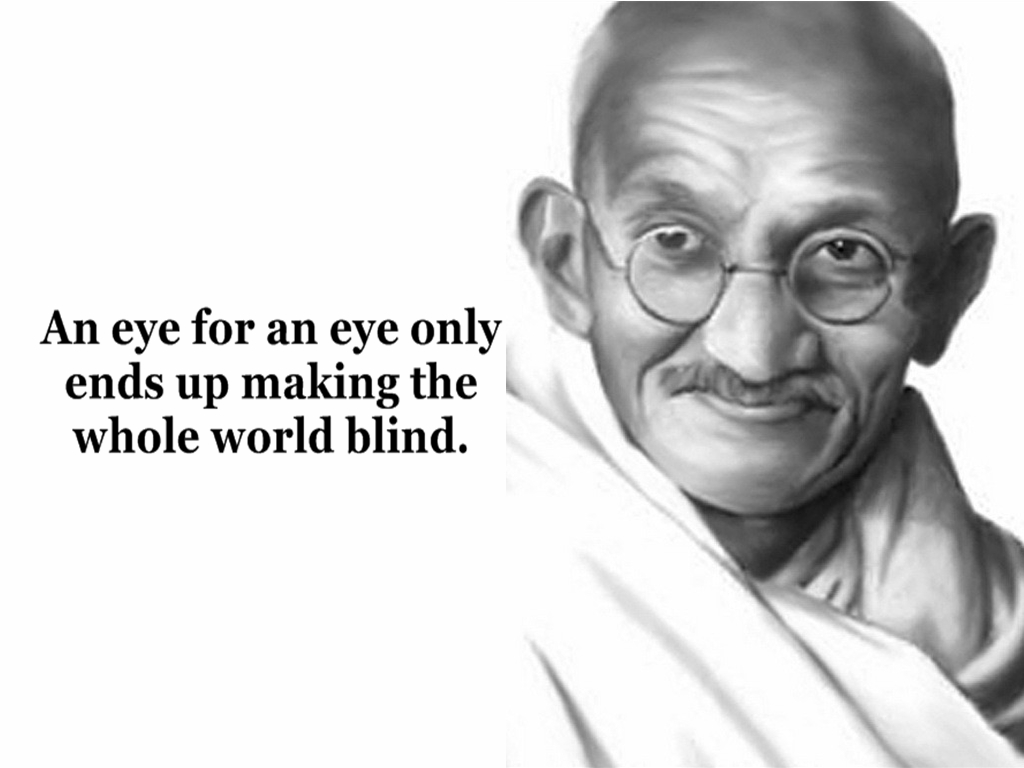
eye for eye

படேலின் புகாரும் மஹாத்மாவின் தீர்ப்பும்

இன்னொரு சம்பவம்:
பெண்களுக்கான ஒரு கல்வி நிலையத்தில் மேலாளராக இருந்தவரைப் பற்றி அங்குள்ள மாணவிகளிடம் அவர் தவறாக நடப்பதாகப் புகார் மஹாத்மாவிடம் வந்தது. புகார் செய்தவர் வேறு யாருமில்லை, சர்தார் வல்லபாய் படேல் தான்.புகாருக்கு ஆளானவரோ பெரிய சேவை மனப்பான்மை கொண்டவர். எப்போதுமே இரு பக்க நியாயத்தையும் கேட்டுத் தான் தனது இறுதித் தீர்ப்பை வழங்குவார் மஹாத்மா.

மேலாளரோ தன் மேல் வேண்டுமென்றே புகார் கூறப்பட்டிருக்கிறது என்றும் சர்தார் அனைவரும் எப்போதும் தனக்குக் கீழ்ப்படிந்து நடப்பதையே விரும்புபவர் என்றும் தனது ஆக்கபூர்வமான சுதந்திரமான செயல்பாட்டை அவரால் பொறுக்க முடியவில்லை என்றும் கூறினார்.

இரு தரப்பினருமே மஹாத்மாவையே விசாரணை நடத்த வேண்டும் என்று கேட்டுக் கொண்டனர். இருக்கின்ற அரசியல் நிலைமையில் சேவாகிராமத்திலிருந்து இந்த விஷயத்திற்காக குஜராத் செல்லவும் மஹாத்மாவால் முடியவில்லை. அந்தக் கல்வி நிலைய மாணவிகளைத் தன் இருப்பிடத்திற்கு வரச் சொல்லி விசாரிக்கலாம் என்றாலோ அதற்காக ஆகும் பணச்செலவு ஏராளம் என்பதால் அதுவும் சரியல்ல. மஹாத்மாவிடம் விசாரணை நடத்துவதற்காக ஒருவரை குற்றம் சாட்டப்பட்டவர் பரிந்துரைத்தார். இறுதித் தீர்ப்பைத் தான் வழங்குவதாக மஹாத்மா தெரிவித்தார். ஆனால் விசாரணையைச் செய்ய இருப்பவர் ஹிந்து மஹாசபையின் உறுப்பினர் என்றும் அவர் காங்கிரசுக்கு எதிரானவர் என்றும் ஆட்சேபணை கூறப்பட்டது.

ஆனால், “மஹாத்மாவோ அவர் எந்த அரசியல் கட்சியைச் சார்ந்தவரானாலும் சரி அப்பழுக்கற்ற ஒழுக்கம் உடையவர். சர்தார் படேல் துணிச்சல்காரர். அவரை விசாரணை அதிகாரியாக நியமிப்பதை ஏற்றுக்கொள்வார்” என்றார்.

சர்தாருக்குத் தந்தி அடிக்கப்பட்டது. அவர் விசாரணை செய்பவரின் பெயரை ஏற்றுக் கொண்டார். விசாரணை முடிந்தது. அனைத்துத் தகவல்களையும் அலசி ஆராய்ந்த மஹாத்மா தன் தீர்ப்பைக் கூறினார்.

அதில்,” மாணவிகள் மேலாளருக்கு எதிராகப் புகார் கூறினாலும் அவர்கள் அதை நேரில் தெரிவிக்க முடியாதென்றும் குறுக்கு விசாரணைக்கு உட்பட முடியாதென்றும் கூறியுள்ளனர். குற்றம் சாட்டப்பட்டிருப்பவரோ கத்தியவாடிலும் குஜராத்திலும் ஆயிரக்கணக்கான ஹிந்துக்களை மாற்று மதத்திற்கு மாற்றும் முயற்சியை எதிர்த்துப் போராடி தனது சேவை மூலம் அவர்களைக் காப்பாற்றியவர். அவரைச் சரிபார்க்க முடியாத புகார்களின் அடிப்படையில் குற்றமிழைத்தவராக அறிவிக்க முடியாது என்று விசாரணைக் குழு கூறுவதை ஏற்றுக் கொள்கிறேன், குற்றம் சாட்டப்பட்டவருக்குத் தன் நிலையை விளக்க ஒரு சந்தர்ப்பம் அளித்தால் தான் நீதியை அளிக்க முடியும். ஆகவே இந்த கேஸை நான் தள்ளுபடி செய்கிறேன். என்றாலும் கூட மேலாளர் தன்னை ஆத்மசோதனை செய்து கொண்டு ஏதேனும் தவறு செய்திருந்தால் அதைச் சரி செய்வார் என நம்புகிறேன்” என்று குறிப்பிட்டார்.

சர்தார் வல்லபபாய் படேல் தனக்கு மிகவும் நெருங்கியவர் என்பதால் அவருக்கு ஆதரவாக தீர்ப்பைக் காந்திஜி கூறவில்லை என்பது அவரது நேர்மை தவறாத நடுவு நிலையை எடுத்துக் காட்டுவதாக அமைந்தது.

இப்படி மஹாத்மாவின் வாழ்க்கையில் நிகழ்ந்த ஏராளமான சம்பவங்கள் அவர் ஏன் மஹாத்மா என்று போற்றப்பட்டார் என்பதைப் பறை சாற்றுகின்றன.

7 sins

நடமாடும் நற்பண்புகளின் களஞ்சியம்

நடமாடும் நற்பண்புகளின் களஞ்சியமாகத் திகழ்ந்தவர் மஹாத்மா காந்திஜி.
அவரைப் போற்ற வேண்டுமெனில் அந்த அறப்பண்புகளை வாழ்ந்து காட்டும் முயற்சியை ஒவ்வொருவரும் எடுப்பதே சரியாக அவரைப் போற்றும் முறையாக அமையும்.

வாழ்க அவர் புகழ் என்று வாழ்த்துவதோடு நில்லாமல் வாழ்ந்து காட்ட முயல்வோமாக!

((குறிப்பு: இந்த இரு சம்பவங்களையும் ராமநாராயண் சௌதரி தனது Bapu as I saw Him என்ற ஆங்கில நூலில் விளக்கமாக எழுதியுள்ளார்.)
********************

Mysterious Atharva Veda-Part 1

Indra_deva

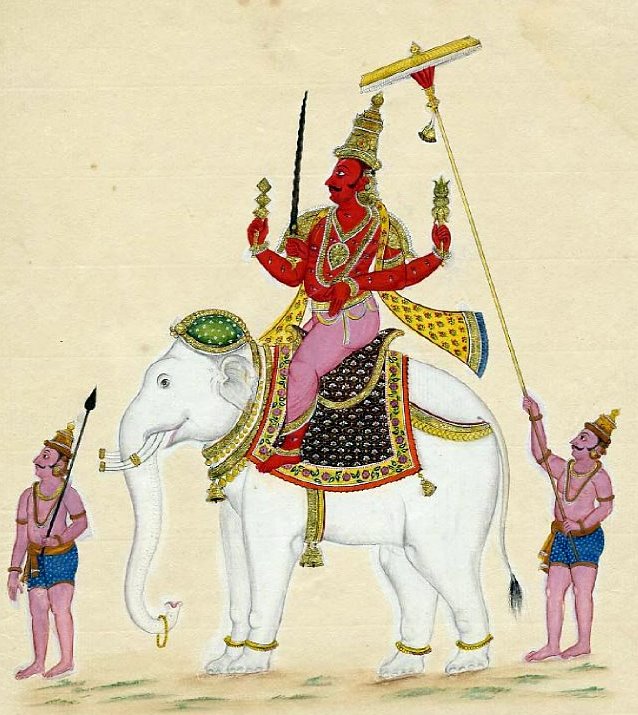
Picture of Vedic God Indra

Vedas are the oldest religious literature in the world. Scholars date them between 1500 BC and 6000 BC. But Hindus believe that they are beyond time and human dating. Like Newton’s Laws of Motion and Einstein’s Theory of Relativity existed even before they discovered, Vedic mantras (hymns) existed even before the seers ‘heard’ them. Like radio frequencies they are always in the air. If you tune into the exact frequency, you hear the broadcast. Seers heard when they tuned into the Vedic frequencies. Of the four Vedas Rik, Yajur, Sama and Atharvana Veda, the most useful Veda is the Atharvana Veda.

Atharva Veda has got 20 Kandas (sections). There are 6000 hymns. Some of them are found in Rik Veda also. The language and style of this Veda show that they are later compositions. But the content is as old as Rik Veda. The same Gods we find in the oldest Rik Veda are praised here. So there can’t be a big difference in the age of the Vedas. In the epics and Puranas we find newer Gods, newer materials and newer rituals betraying their age. Atharva Veda is shrouded in mystery. It has lot of incantations with a touch of magic.

A summary of 20 Kandas:

Kanda 1: Suktas 35, Number of Mantras 153
Prayer to Vachaspati, Lord of speech, to increase one’s learning; Prayer to Parjanya for obtaining victory; Prayer for recovery from illness; Prayer to Water; Prayer to Agni for spreading righteousness
We hear about evil spirits Kimidins and Yatudhanas
Prayer to Indra and Rudra to destroy enemies; Prayer to cure lot of diseases (leprosy,heart, urinary problems,breathing problems, blood disorders, child birth)

Agni_god_of_fire

Vedic God Agni

Kanda 2: Suktas 36, Mantras 207
Prayer to Supreme Godhead; Prayer to herb for healing
Facts about Jangida Mani (talisman); Prayers to Indra and Agni; Prayers to withdraw curses; Prayers for curing diseases ( TB,Gout); Prayers for mental and spiritual strength; Prayers for donning new clothes
Wedding hymns

Kanda 3: Suktas 31, Mantras 230
Prayer to Indra and Agni for defeating enemies
Coronation prayer for kings
Facts about Parna Mani
Prayer for the Unity of the Kingdom
Prayers for long life, newly built house, prayer to cows and water;
Prayers for success in trade and agriculture, increasing energy and intelligence

Kanda 4: Suktas 40, Mantras 324
Knowledge of the Brahman
Who should be worshipped?
Prayer for purging poison
Prayers to cure insomnia, making amulets out of conch shells, to trees ans rains, herbs and cows; prayers for purging sins and curing worms.

Kanda 5: Suktas 31, Mantras 376
Prayer to Agni for obtaining victory
Facts about herb Kushta
Prayer to medicinal plants shilachi or Laksha
Prayers to Brahmanas, cows, Brahman
Prayers for curing snake poison, fever, worms.
Prayer to drive away the enemies through the playing of drums

mitra

Kanda 6: Sukta 142, Mantras 454
Prayers to Savita, Indra
Prayers for protection, sacrifice, peace and destroying enemies
Prayer for purging snake poison
Prayer to Revati herb for growing long hair
Hymn about wearing bangles, specific herbs, death, water, cause of rain.
Prayers for marital harmony, curing TB, worms, spiritual upliftment, avoidance of sin and protection from curses.

Kanda 7: Sukta 118, Mantras 286
Prayer about the Atman
Prayer about the Motherland
Prayer to Sarasvati
Prayer for long life and Marital Harmony
Verse about mother tongue
A wife’s prayer to a herb to make her attractive to her husband
Prayers for protection from enemies, good rain fall and good harvests
Special charms to cure poison

USS-Varuna

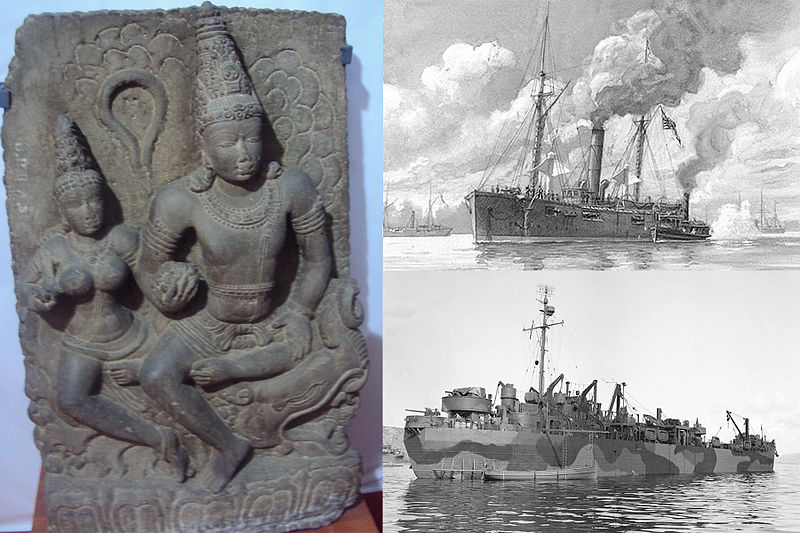
Vedic God Varuna; United States named its ships after Varuna. USS Varuna ships are seen in the picture. Pictures are used from Wikipedia.

Kanda 8: Sukta 10, Mantras 259
Charm for the recovery of a dying man
Hymn to mystical goddess Virat/Viraj
Several verses the meaning of which is obscure
Prayers to ward off demons and exorcism

Compiled by london swaminathan; contact swami_48@yahoo.com

Continued in Second Part………………………………………..

7. எல்லோர் முன்னிலையிலும் பேசத் தகுதியற்றவன்!

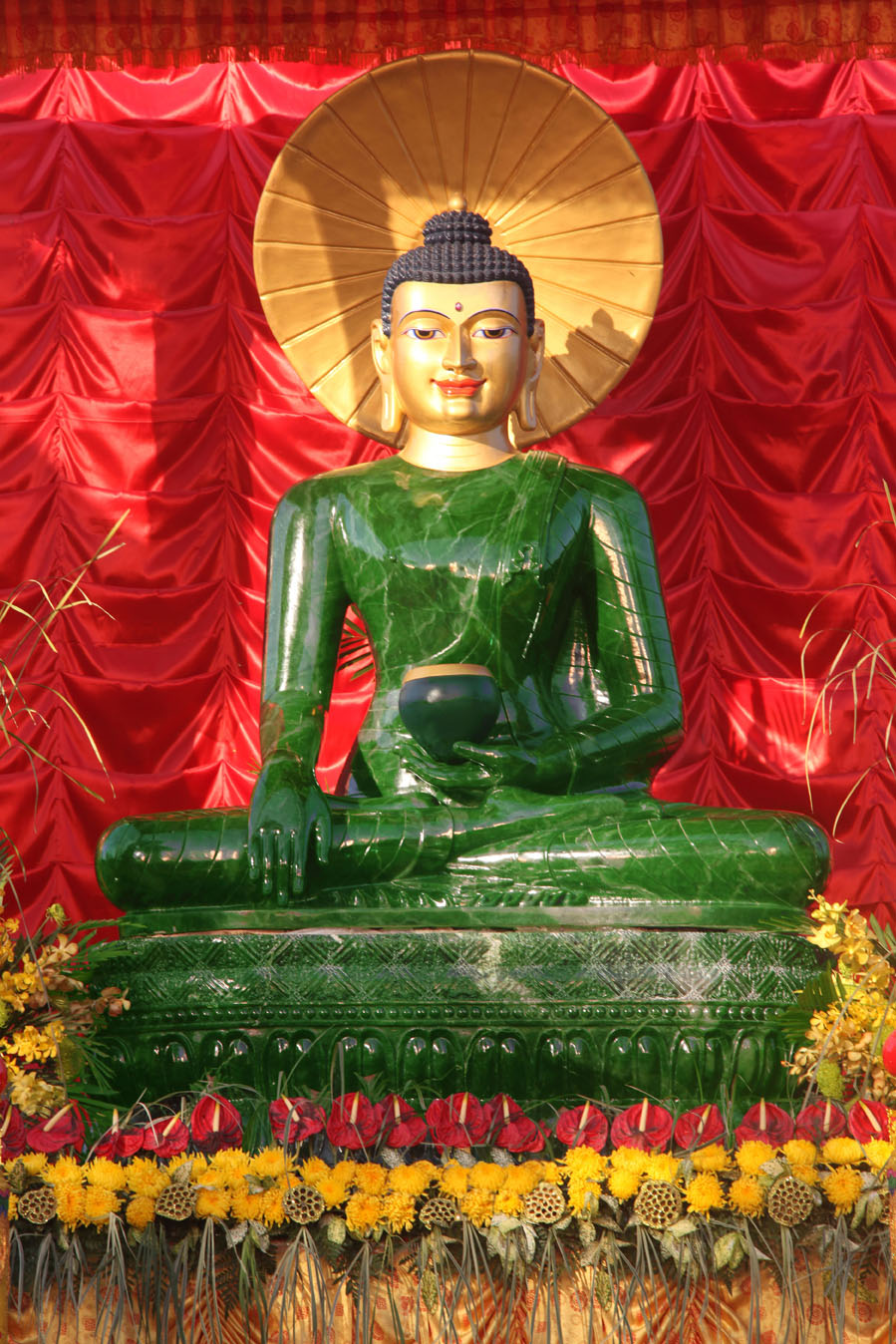
The Jade Buddha for Universal Peace

This is Part-7 in the Series on Buddhism written by Santanam Nagarajan for nilacharal.

ச.நாகராஜன்

“மனிதர்களிலோ பொருள்களிலோ அவை அசலாக இருக்கும் போது குப்பை என்று எதுவும் இல்லை” என்பது புத்த மதத்தின் அடிப்படைக் கொள்கை.

புத்தர் ஒரு முறை,” என்ன அற்புதம்!என்ன ஆச்சரியம்!! சுயபுரிதல் உள்ள எல்லா ஜீவராசிகளும் ஒரு வித குறையுமின்றி எவ்வளவு பரிபூரணமாக உள்ளன!! மாயையால் ஏற்பட்ட தளைகளினால் உண்மை காணப்படமுடியாமல் இருக்கிறது” என்று கூறினார். .

இந்த அடிப்படை உண்மையைத் தான் ரோஷி சோகோவுக்குக் கற்பித்திருக்கிறார். ஆனால் ‘மர மண்டையாக’ அப்போது இருந்த சோகோவுக்குத் தான் அது புரியவில்லை.

நாள் செல்லச் செல்ல நம்பிக்கை கொள்வது உள்ளார்ந்த மனதுடன் ஒருவரை முணுமுணுப்பின்றியும் மறுப்புச் சொல்லாமலும் ஏற்றுக் கொள்வது என்பதை சோகோ புரிந்து கொண்டார். ஆகவே குரு எதைச் சொன்னாலும் சரி, சரி, சரி என்று சொல்ல சோகோ கற்றுக் கொண்டார். ஒரே சமயத்தில் அவர் மூன்று வேலைகளைக் கொடுத்தாலும் சரி, இதுவரை செய்தே இராத புதிய வேலையை அவர் தந்தாலும் சரி,சோகோவின் பதில் சரி, செய்து விடுகிறேன் என்பதாக ஆனது. புதிய வேலை என்றால் அதை எப்படிச் செய்வது என்பதை தன் புத்தியால் ஆராய்ந்து தன் சாமர்த்தியம் முழுவதையும் உபயோகித்து அதைக் கற்றுச் செய்யலானார் சோகோ.

அவரிடம் சேர்ந்த முதல் நாளன்று மடாலயத்தின் தாழ்வாரத்தை துடைக்கச் சொன்னார் ரோஷி. உடனடியாகக் களத்தில் இறங்கிய சோகோ முழங்காலைத் தரையில் பதித்து துணியால் தரையைத் துடைக்கத் துவங்கினார்.

“முட்டாள்” என்று கத்தினார் ரோஷி. “இப்படி எத்தனை நாளில் இதைத் துடைப்பதாக உத்தேசம். இதை இப்படியா செய்வது.கொண்டா, நான் செய்து காட்டுகிறேன்” என்று கூறிய எழுபது வயதான ரோஷி சோகோவிடமிருந்து துணியை வாங்கி தரையில் கைகளைப் பதித்து மறுபுறம் துணியை சீராகப் பறக்கவிட்டு நாலாபுறமும் அதை வீசித் துடைக்கலானார். சோகோவின் தலை கவிழ்ந்தது.

சோகோ இது வரை என்ன செய்திருந்தார்? பள்ளி நாட்களில் தத்துவத்தையும் இதர பாடங்களையும் நண்பர்களுடன் சேர்ந்து இரவு முழுவதும் படிக்க வேண்டியது. ஒழிந்த நேரமெல்லாம் அரட்டை,அரட்டை அரட்டைதான்!கவைக்கு உதவாத வெற்றுப் படிப்பு!
தரையைச் சுத்தம் செய்வது என்ற சாதாரண வேலையைக் கூடச் சரியாகத் தன்னால் செய்ய முடியவில்லையே என்று வெட்கப்பட்டார் சோகோ.

Jade-Buddha-Temple-5

பின்னாட்களில் பெரிய ஜென் மாஸ்டராக ஆன போது சோகோ தன்னிடம் ‘ஜஜென்’ எனப்படும் தியானத்தைக் கற்பதற்காக பல்கலைக்கழக மாணவர்கள் வரும் போது அவர்களுக்குத் தரும் முதல் வேலை ‘வெந்நீர் போடுங்கள்’ என்பது தான்.’வெந்நீர் போட முதலில் என்ன செய்ய வேண்டும்’ என்று கேட்பார் சோகோ.
மாணவர்கள் அடுப்பைப் பற்ற வைக்க வேண்டும் என்பார்கள்.
“இல்லை,இல்லை” என்பார் சோகோ!

“முதலில் அண்டாவில் நீரை நிரப்ப வேண்டும்” என்பார்கள் அவர்கள்.
“முதலில் அண்டாவைச் சுத்தம் செய்ய வேண்டும். பிறகு அளவு பார்த்து நீரை விட வேண்டும்.அப்புறம் அண்டாவை மூடி போட்டு மூடி அடுப்பின் மீது வைக்க வேண்டும். பின்னரே அடுப்பை மூட்ட வேண்டும்” என்று விளக்குவார் சோகோ.

சற்று நேரம் கழித்து அவர்கள் எப்படி வேலை பார்க்கிறார்கள் என்று சோகோ பார்க்கப் போனால் இரண்டு விறகும் பாதி எரிந்த பேப்பர்களும் அடுப்பில் இருக்கும்.
“இப்படி எரியவே கூடாது. சற்றுக் கிளற வேண்டும்”, என்று சொல்லித் தருவார் சோகோ.

“சின்னக் கரண்டி வேண்டுமே, கிளற” என்பார்கள் அவர்கள்.
‘அதை ஏன் கேட்கவில்லை’, என்பார் சோகோ.
கரண்டி வந்து கிளறினாலும் அடுப்பு சரியாக எரியாது.
அவர்களிடம் சோகோ,” தீ எப்படி எரிக்க உதவுகிறது” என்று கேட்பார்.
“அது ஒரு கெமிக்கல் ப்ராஸஸ்! ஒரு பொருளும் ஆக்ஸிஜனும் இணைய வேண்டும் அதற்கு என்பார்கள் அவர்கள்.
“ இவ்வளவு சாம்பல் உள்ளே இருக்கும் போது அந்த ப்ராஸஸ் நடை பெறுவது எப்படி?” என்று வினாவை எழுப்புவார் சோகோ.

அவசரம் அவசரமாக சாம்பலை அள்ளி வெளியில் கொட்டுவார்கள் மாணவர்கள்.. அத்தோடு சிம்னியில் உள்ள சாம்பலையும் எடுத்து காற்று உள்ளே புக வசதி செய்வார்கள் அவர்கள். பிறகு அடுப்பு நன்கு எரியும் அவர்களைப் பார்த்துச் சோகோ சிரிக்க முடியுமா என்ன? அவரும் ஆரம்பத்தில் அவர்களைப் போலத் தானே இருந்தார்!!

ஆரம்ப காலத்தில் மாஸ்டரை நம்பி அவருக்குக் கீழ்ப்படிவது போலக் காட்டிக் கொண்டாலும் சோகோ மனதிற்குள்ளாக அவரைக் கடுமையாக விமரிசிப்பது வழக்கம்.அவருக்கு டீ தரும் பணியாளிடம் அவர் கூறும் கடுமையான விமரிசனங்களைக் கேட்டாலேயே சோகோவிற்குப் பற்றிக் கொண்டு வரும்.

டைஷுயின் ஆலயமோ மிகச் சிறியது. அங்கு கஞ்சி தான் வழங்கப்படும். அதைத் தொடர்ந்து டீ ரோஷியின் அறைக்கு வரும்.அவர் டீயை அருந்திய பின்னர் மற்றவர்களுக்கும் டீ வழங்கப்படும். அப்போது ரோஷி அன்றைய தினத்திற்கான தனது திட்டத்தை விளக்குவார்.

சோகோ முதன்முதலாக டைஷுயின் ஆலயத்திற்கு வந்த போது அங்கு மிஸ் ஒகோமோடோ என்ற பெண்மணி அங்கு வசித்து வந்தார். அவர் ஒச்சனோமிஜு பெண்கள் கல்லூரியில் படித்துப் பட்டம் பெற்றவர். பெண்கள் கல்வியில் அவர் மிகுந்த அக்கறை காட்டியவர். அவர் நாற்பது வயதைத் தாண்டியவுடன் அவருக்கு புத்த மதத்தில் தீவிர ஈடுபாடு வந்தது. தனது ஆசிரியப் பணியை விட்டு விட்டு ரோஷியிடம் வந்து சேர்ந்தார். ரோஷி, சோகோ, மிஸ் ஒகோமோடோ ஆகிய மூவரும் மடாலயத்தில் வசித்து வந்தனர். எப்போதும் ரோஷி மிஸ் ஒகோமோடோவிடம் மட்டுமே பேசுவார். சோகோவை அவர் கண்டு கொள்வதே இல்லை. இதைப் பார்த்து பரிதாபப்பட்ட மிஸ் ஒகோமோடோ ஒரு நாள் பேச்சு வாக்கில்,”இதை பற்றி நீ என்ன நினைக்கிறாய்?” என்று கேட்டு சோகோவை உரையாடலில் இழுக்க முயன்றார்.

Buddhastatue

ஆனால் உடனே குறுக்கிட்ட ரோஷி, “வேண்டாம். வேண்டாம். அவனுக்கு இன்னும் எல்லோர் முன்பாகவும் பேசுவதற்குத் தகுதி வரவில்லை” என்றார்.

ரோஷியின் கருத்துப்படி ஒருவன் தன்னை முதலில் உணர்ந்து கொள்ள வேண்டும். அப்போது தான் அவன் எல்லோர் முன்னிலையிலும் பேசுவதற்குத் தகுதியானவன்.

ஜென் அகராதிப்படி “உன்னை நீ அறிவது” என்பது கென்ஷோ எனப்படும்.

அதாவது தனது இயற்கை நிலையை ஒருவன் உணர்ந்து அறிந்து அதைச் சரி பார்ப்பதே கென்ஷோ!
சோகோ கென்ஷோ நிலையை எய்தவில்லை. ஆகவே அவர் பேசுவதற்குத் தகுதி அற்றவர். என்ன செய்வது?

சின்ன உண்மை
இந்தியாவிலிருந்து சீனாவுக்குச் சென்ற போதிதர்மரே ஜென் பிரிவை ஸ்தாபித்தவர் என கூறப்படுகிறது. அவர் ஒரு சுவரை நோக்கி ஒன்பது வருடங்கள் உற்றுப் பார்த்துக் கொண்டிருந்தார்.பிறகு நடந்தது பெரும் வரலாறு ஆனது!

-தொடரும்