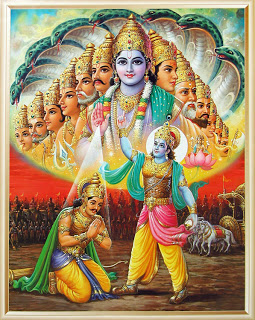
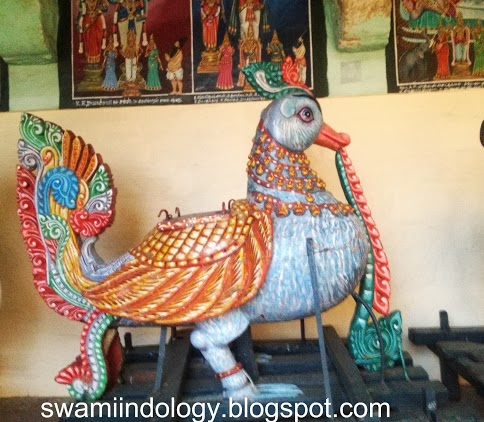
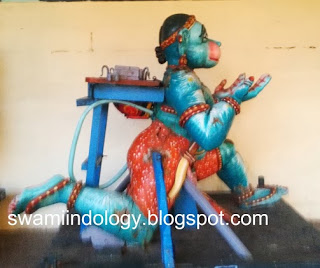
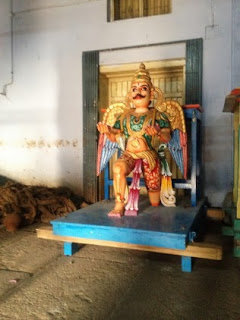
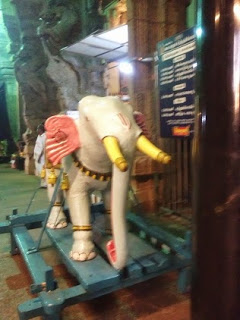
Madurai, Chennai Pictures

I visited Chennai and Madurai between 17th May and 27th May via Delhi. I have posted some pictures earlier.Click on pictures to enlarge them.I post more pictures taken by me:


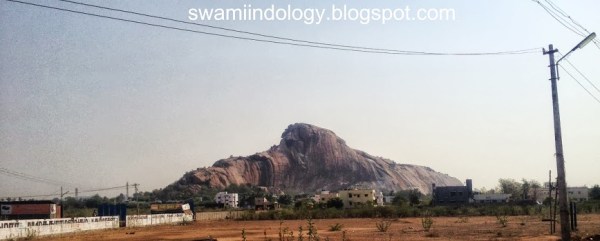
Anamalai near Madurai. Jains lived in eight hills sorrounding Madurai. Thirujnana Sambandhar sang about Anamalai Jains 1300 years ago. The shape looks like an elephant and so it is called elephant hill= Ana Malai in Tamil.
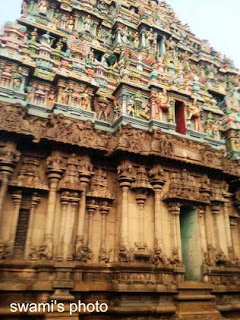
Narasingham is at the foot hill of Anamalai. There is a huge Narasimha statue in a cave temple. The temple walls have beautiful Vattezuthu (old Tamil script) inscription. The temple was constructed by the chief minister Maran Kari of Pandya King Srimara Sri Vallabhan of eighth century.
Narasingham Temple Golden Tower
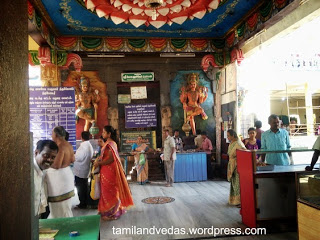
inside temple
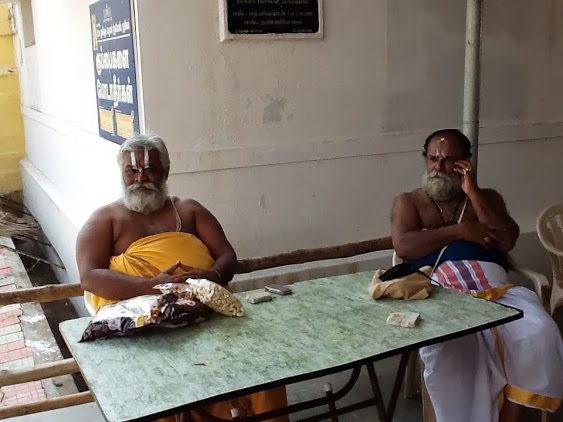
Vaishnava Acharyas inside the temple.
Madurai Perumal /Vishnu Temple is as old as Meenakshi temple. This is the ashtanga Vimanam of the temple. Only few temples in Tamil Nadu have this Ashtanga Vimanam.
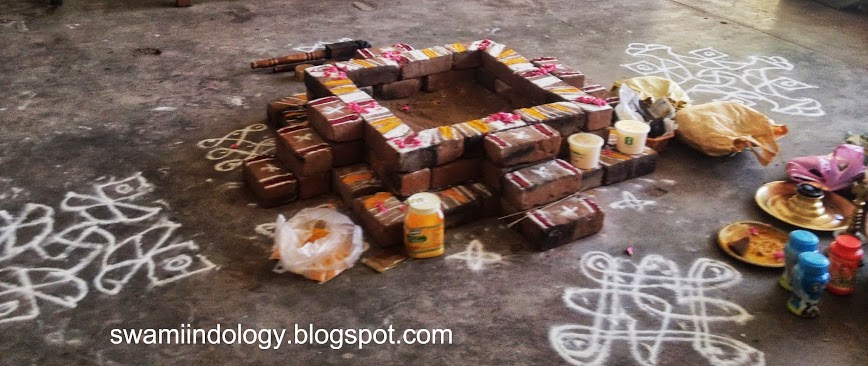
homa kundam
Homakundam (Fire Altar) in Narasingham Temple
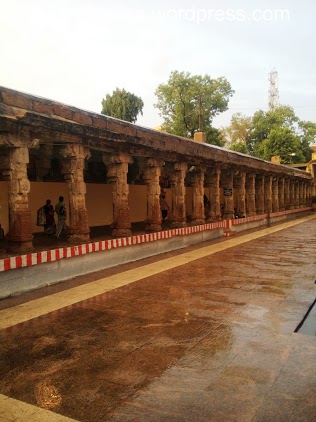
perumal koil prakaram
Madurai Perumal Temple corridor after the rain.
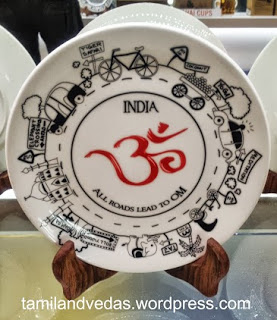
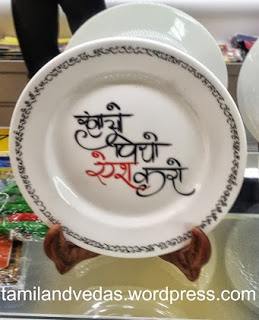
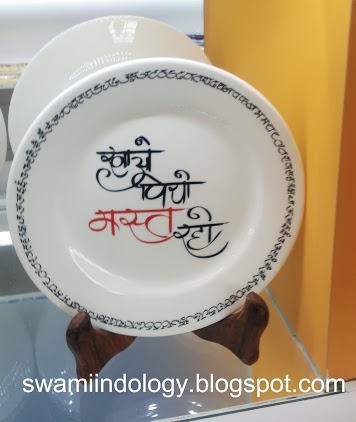
I was walking along the duty free shops in Delhi airport and fond out some porcelains on sale with good slogans: ALL ROADS LEAD TO OM.
Purna Kumbham means FULL POT. It is filled with holy water and placed in the Puja. After Vedic Mantra recitation the water is used for bathing or Abhishek (ritual bathing) to Gods or sprinkling over people’s heads to get them purified. The pot has mango leaves and coconut on the top. The threads are wound round it with mantra recitation. Vedic priests invented geometry 3000 years ago to construct Vedic Fire Altars and to draw Rangolis. Geometrical shape can be seen on the pot.Purna Kumbham is an auspicious symbol.This is taken in my brother’s house in Chennai.
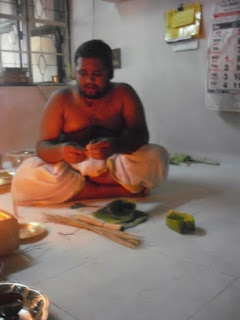
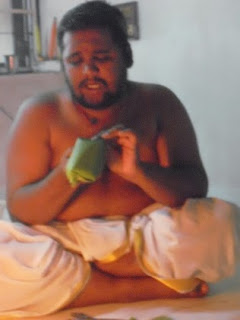
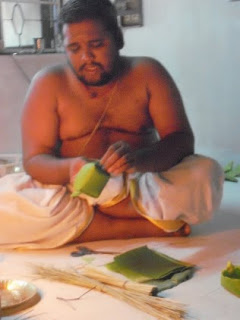
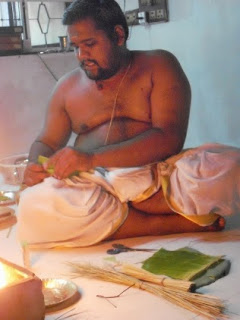
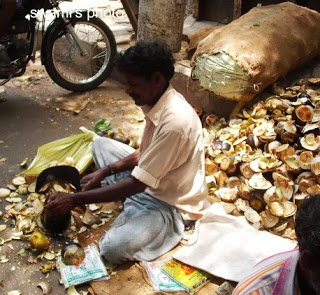
For all the pujas(worship of God), Hindu priests use only environmentally friendly materials. They use big banana leaves for eating and cups with banana leaves for drinking. Those cups are called Donnai (Drona). A priest (Sri K Raman) is making Donnais.
ther vadam

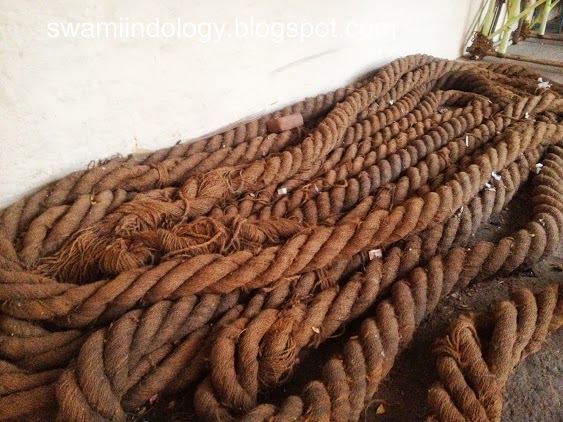
This big rope is used to pull the very big Temple chariot once a year. This is to strengthen unity among Hindus. Thosands of devotees will assemble and pull the chariot along the main streets of the town. Old and invalids who cant go to temple will have darshan (Seeing) of God. If devotees dont go to God, God will come to the devotees!


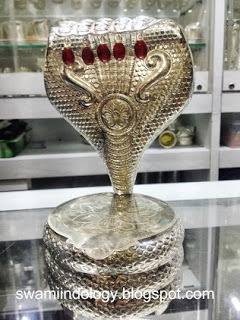
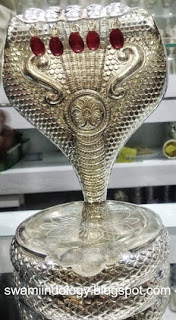
This silver snake is used for Puja. The Sivalinga is seated under the hooded snake. Sometimes they donate it to temples to get issues. All the ladies who have no children are advised by the astrologers or priests to worship snakes. Snakes are associated with fertility in Hindu religion. They fear harming snakes and beleive they wouldn’t get children if they harm them. Again environmentally friendly religion! If the snakes are killed illions of rodents (rats) will destroy the crops. Malnutrition will lead to infants death or childless couple.

 
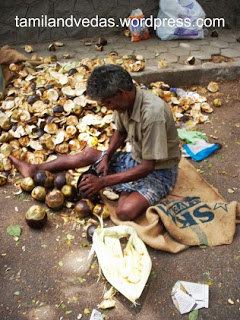
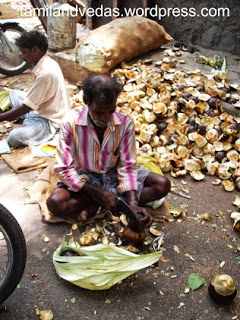
Palmyra fruits (Nungu in Tamil) are sold in streets in Tamil Nadu during summer. They are good fro health and quench ones thirst.


ஒரு தாய், ஆயிரம் தந்தைகளை விடப் பெரியவள்

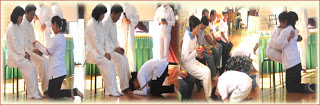
Krishna and Balarama paying respect to their parents

(இலக்கியத் திருடர்களுக்கு ஒரு வேண்டுகோள்: என்னுடைய கட்டுரைகளை அப்படியே திருடி தங்கள் பெயரில் தாங்கள் எழுதியது போல வெளியிடுவதைக் கண்டு மனம் வருந்துகிறது. தமிழுக்கும் தமிழ் எழுத்தாளர்களுக்கும் துரோகம் செய்யாதபடி யார் எழுதியது, எந்த வெப்சைட்டில் எடுக்கப்பட்டது என்பதை தயவு செய்து வெளியிடுங்கள்)


ஒரு தாய், ஆயிரம் தந்தைகளை விடப் பெரியவள்

உலகிலேயே அதிக புத்திசாலியான பெண்கள் இந்தியாவில்தான் உள்ளனர். இன்று அமெரிக்காவிலும் இந்தியாவிலும் பெரிய பதவிகளில் இந்தியர்கள் இருப்பது வேத காலத்திலேயே துவங்கியது. அப்போது உலகில் பெரும்பாலான மக்களுக்கு நாகரீகம் என்றாலே என்ன என்று தெரியாது. பெண்களை அடக்கி வைத்திருந்தனர். இந்தியாவில் 3500 ஆண்டுகளுக்கு முன்னரே பெண்கள் கொடிகட்டிப் பறந்தனர். ஐயா, இதற்கெல்லாம் அதாரம் எங்கே என்று கேட்பவர்கள் தொடர்ந்து படியுங்கள்:


1.ஜனகர் கூட்டிய அறிஞர்கள் சபையில் ஆத்மா, பிரம்மம் ஆகியன பற்றி ஒரு பட்டிமண்டபம் நடத்தினார். அதில் வெற்றி பெறுவோருக்கு ஆயிரம் பொற்கிழிகள் கொடுக்கப்படும் என்று அறிவித்தார். அப்போது மிகவும் புகழ் பெற்ற யாக்ஞவல்கியர் என்ற அறிஞர் (ரிஷி) எனக்கே இந்த கேள்விக்கு விடை தெரியும் என்று சொல்லி, “ஏ சிஷ்யா, பசு மாடுகளை எனது ஆஸ்ரமத்துக்கு ஓட்டிச் செல்”’ என்று உத்தரவிட்டார். சபையே பேசாமல் இருந்தது. செல்வி கார்க்கி வாசக்னவி என்ற பெண் எழுந்து நின்று, ‘நிறுத்துங்கள்’, என்று தடுத்து யாக்ஞவல்கியர் உடன் வாதம் புரிந்தாள். இதில் தெரிவது என்ன? பெண்கள் சுதந்திரமாக ‘அசெம்பிளி’களுக்கு வரலாம். விவாதத்தில் பங்கு கொள்ளலாம்.

2.கி.மு1500 வாக்கில் எழுதப்பட்ட ரிக்வேதத்தில் 450-க்கும் மேலான கவிஞர்கள் “இயற்றிய” பாடல்கள் உள்ளன. இவைகளை அவர்கள் காதில் கேட்டு எழுதியதால் வேதத்தை ‘ஸ்ருதி’ (கேட்கப்பட்டவை) என்பர். இதில் 27 பெண் கவிஞர்கள் உள்ளனர்! இது உலக மகா அதிசயம்! உலகின் பழமையான பெண் கவிஞர்கள் இவர்கள் தான்!!


3.இதற்கு 1500 ஆண்டுகளுக்குப் பின்னர் 450 க்கும் மேலான தமிழ்க் கவிஞர்கள் பாட்டுக்களை எட்டுக்கட்டினர். அவைகளை அற்புதமான, படிக்கப் படிக்கத் தெவிட்டாத, பத்துப் பாட்டிலும் எட்டுத் தொகையிலும் படிக்கலாம். அவர்களில் 40-க்கும் அதிகமான பெண் கவிஞர்கள் இருக்கிறார்கள். உலகில் இப்படிப்பட்ட எண்ணிக்கையில் கிரேக்க, இலத்தீன், எபிரேய, சீன மொழிகளில் கூட இல்லை, இல்லவே இல்லை.


4.வேதகாலம் முதல் தமிழ் சங்க காலம் வரை எடுத்துக்கொண்டால் இந்தியப் பெண்களை மிஞ்ச உலகில் யாரும் இல்லை, இல்லவே இல்லை, முன்னர் கூறிய யாக்ஞவல்கிய மஹரிஷிக்கு இரண்டு மனைவியர். ‘அன்பே, ஆருயிரே! என் சொத்து சுகங்களைப் பிரிக்கும் காலம் வந்துவிட்டது, யாருக்கு என்ன வேண்டும்? சொல்லுங்கள் என்று இரண்டு ‘டார்லிங்’குகளிடம் சொன்னார். காத்யாயனி என்ற மனைவி சொத்து சுகங்களை வாங்கிக் கொண்டாள். மைத்ரேயி என்ற மனைவி, எனக்கு முக்தி தரும் விஷயங்களே போதும் என்று ஒதுங்கிக் கொண்டாள். இத்தகைய பெண்களை பிரம்ம வாதினிகள் என்பர். தமிழிலும் ஆறு அவ்வையார்கள்= பிரம்மவாதினிகள் உண்டு. சங்க காலம் முதல்16, 17ஆம் நூற்றாண்டுகள் வரை ஏகப்பட்ட அவ்வையார்கள் வாழ்ந்தனர். இவர்கள் எல்லோரும் இறைவனை/ தர்மத்தை நாடிய பிரம்மவாதினிகள்.


5.உலகில் இந்தியப் பெண்களுக்கு இருந்த சுதந்திரம் எங்கும் கண்டதில்லை! எட்டு வகையான திருமண வாய்ப்புகள் (ஆப்ஷன்ஸ்) கொடுக்கப்பட்டன. காதல் திருமணம் முதல் கடத்தல் திருமணம் வரை எட்டுவகையான திருமணங்கள் அனுமதிக்கப்பட்டன. மனுதர்ம சாத்திரத்தில் கூறிய இந்த எட்டுவகைகளை தமிழில் முதல் நூல் எழுதிய தொல்காப்பியரும் அப்படியே ஏற்றுக் கொண்டார். வேதத்தில் குறிப்பிடும் இந்திரன், வருணன், விஷ்ணு, ஸ்கந்தன் ஆகிய நால்வரையும் தமிழர் தெய்வங்களாக முதல் முதலில் பிரகடனப் படுத்திய புண்ணியவான் தொல்காப்பியர் /த்ருணதூமாக்கினி என்ற அந்தணர் என்பதை “தொல்காப்பியர் காலம் என்ன?’ என்ற ஆய்வுகட்டுரைகளில் எழுதியுள்ளேன்.

6.ஆரிய-திராவிட வாதம்புரிவோருக்கு மேற்கூறிய விஷயங்கள் செமையடி கொடுக்கும். அதுமட்டுமல்ல. ஸ்வயம்வரம் என்ற சுதந்திர திருமண முறை இந்திய க்ஷத்திரியர் இடையே மட்டு இருந்தது. மஹா பாரதம், பாகவதம், இராமாயணத்தில் எட்டுவகைத் திருமணங்களுக்கும் உதாரணங்கள் உண்டு. அவைகளைத் தனிக் கட்டுரையில் தருகிறேன். ஆரியர்கள் வெளியே இருந்துவந்தவர்கள் என்று கூறும் வெளிநாட்டு அறிஞர்கள (!?!?) ஜாதி முறை, திருமண முறை, யாக யக்ஞங்கள், எதற்கெடுத்தாலும் தண்ணீரை பயன்படுத்தல் ஆகியவைகளை விளக்க முடியாமல் முழி பிதுங்கித் தவிக்கிறார்கள். பாதி “அறிஞர்கள்”, இந்தப் பழி பாவங்களை திராவிடர்கள் என்று ஒரு இனத்தைக் கற்பித்து அவர்கள் மீது ஏற்றிவிட்டார்கள்!


7.மனு தர்ம சாத்திரத்தை எள்ளி நகையாடுவது வெளி நாட்டு அறிஞர்களுக்கு கைவந்த கலை! ஆனால் மனுநீதிச் சோழன் முதல் 16ஆம் நூற்றாண்டு வரை– கல்வெட்டுகள் ,செப்புப் பட்டயங்கள் வரை– கம்பராமாயணம் முதலான கவிதைகள் வரை– ஆயிரக் கணக்கான இடங்களில் தமிழர்கள் “மனு நீதி தவறாது வாழ்ந்தார்கள், ஆட்சி செய்தார்கள்” என்று எழுதி இருக்கிறது.  பெண்களைப் பற்றி மிகவும் உயர்வாக கூறுகிறார் மனு:


8.” எங்கே பெண்கள் பெருமைப் படுத்தப்படுகிறார்களோ அங்கேதான் இறைவன் மகிழ்ச்சி அடைகிறான். எங்கே பெண்கள் பெருமைப் படுத்தப்படவில்லையோ அங்கே நடைபெறும் பூஜைகள் வீணாகப் போகும்”—மனு 3-56, மஹா பாரதம் 13-4-5


9. ஒரு குரு (ஆசார்யா), பத்து ஆசிரியர்களை (உபாத்யாயா) விடச் சிறந்தவர்; ஒரு தந்தை நூறு குருக்களை விட சிறந்தவர்; ஆனால் ஒரு தாயோ ஆயிரம் தந்தையரை விடச் சிறந்தவள்—மனு 2-145

10. ஒரு பெண்ணுக்கு சிறு வயதில் தந்தை பாதுகாப்பு வழங்குகிறார் ; இளம் வயதில் கணவன் பாதுகாப்பு வழங்குகிறார்; முதிய வயதில் மகன் பாதுகாப்பு வழங்குகிறார்; எப்போதுமே அவர் பாதுகாப்பு இன்றி இருப்பதில்லை—மனு 9-9


11. மாத்ரு தேவோ பவ= அன்னை என்பவள் கடவுள் என்றும் மனைவி என்பவள் ‘கணவனில் பாதி’ என்றும் வேதம் கூறுகிறது. சிவனுக்கு வாம/ இடது பாகத்தில் இருப்பதை அர்த்தநாரீஸ்வரர் என்று இந்துக்கள் வழிபடுவர். இதை பைபிளும் இடது எலும்பு மூலம் ஆடம் என்ற ஆண்மகன் ஈவ் (ஏவாள்) என்ற பெண்மணியை உருவாக்கினான் என்று சொல்லும். உபநிஷத்திலும் இக்கதை உள்ளதை காஞ்சி மஹாஸ்வாமிகள் தனது உபந்யாசத்தில் விளக்கியுள்ளார். ( Read my posts in this blog THREE APPLES THAT CHANGED THE WORLD & SANSKRIத் IN THE BIBLE)


12.வேதத்தில் உள்ள கல்யாண மந்திரங்கள் தற்கால சினிமா காதல் கவிதைகளை விட மிகவும் சுவையானவை; சப்த சதி மந்திரத்தில் துர்க்கையை மணக்க விரும்பும் அசுரர்களிடத்தில் துர்க்கை கூறுகிறாள்: “ யார் என்னை போரில் வெல்கிறார்களோ, எனது கர்வத்தை அடக்குகிறார்களோ, எனக்கு சமமானவர்களோ அவர்களே எனது கணவராகத் தகுதி உடையோர்” என்கிறார். வேத காலப் பெண்கள் என்ன எதிர்பார்த்தார்கள் என்பது இதில் தெளிவாகிறது. கைகேயி போன்றோர் யுத்தகளத்தில் ரதங்களை ஓட்டி வரம் பெற்ற கதைகளை நாம் அறிவோம். ‘வேத மாதாவும் வீர அன்னையும்’ என்ற கட்டுரையில் இது பற்றி எழுதிவிட்டேன்.


13.காளிதாசன் காவ்யங்களிலும் ராஜசேகரன் நூல்களிலும் பெண்கள் புகழப்படுகின்றனர். சம்ஸ்கிருத மொழியில் எல்லா நற்குணங்களும் பெண்பால் சொற்களாகவே இருக்கும்.. பகவத் கீதையில் விபூதியோகத்தில் தனது சிறப்புகளை எடுத்தோதும் கிருஷ்ண பரமாத்மா (கீதை 10-34):

பெண்களுக்குள் நான் ஸ்ரீ (லெட்சுமி) ஆகவும் வாக் (சரஸ்வதி) ஆகவும், கீர்த்தி( புகழ்) ஆகவும் ஸ்ம்ருதி (நினைவாற்றல்) ஆகவும் மேதா ஆகவும் (அறிவு/ ஞானம்) த்ருதி (திட உறுதி)  ஆகவும் க்ஷமா (பொறுமை) ஆகவும் விளங்குகிறேன் என்கிறார். இந்தியா முழுதும் பெண்கள் பெயர்கள் பெரும்பாலும் நல்ல குணங்கள் பற்றிய சொற்களாகவே இருக்கும்.


(முன்னாள் முதலமைச்சர் திரு கருணாநிதி வீட்டில் கருணா (நிதி), தயா (ளுஅம்மாள்), கனி (மொழி), தயா (நிதிமாறன்) கலா (நிதிமாறன்) முதலிய சம்ஸ்கிருத சொற்களைக் காணலாம்!!!


14.தமிழ் நாட்டு கிராமங்களில் வழிபடப்படும் ராக்காயீ, மூக்காயீ, மகமாயீ எல்லாம் வேதத்தில் குறிப்பிடப்படும் ராகா, மூகா, மஹா மாயா என்று காஞ்சி மஹாஸ்வாமிகள் தனது சொற்பொழிவுகளில் அழகாக, அற்புதமாக விளக்கியுள்ளார்.

பெண்கள் வாழ்க! பெண்கள் வெல்க!!

Pictures are taken from other sites;Thanks.
One Mother is greater than 1000 Fathers!

‘Where Women are Worshipped’………

Ancient Indian women made more literary contributions than women of any other country in the world. Hindus worshipped God as ‘He’ and ‘She’ unlike Semitic religions. Hindu women like Gargi attended big Assembly debates and challenged big scholars. Nowhere in the ancient world, have we seen such women scholars. The word ‘Other Half’ for women came from the Vedas. Hindus worship ‘Half man, Half woman’ god Ardhanareeswara. This gave birth to the Adam (Atma) and Eve (Jeevatma) story of the Bible.


(I have already posted the Two Birds Story of Upanishads fromKanchi Paramacharya’s lecture; Adam=ADMA, Eve=jEve ev atma)


Women were adored not only for their beauty but also for their intellectual acumen. We have 27 Rig Vedic poetesses around 1500 BC and 27 Tamil poetesses around 3rd Century AD. Gatha Saptasati has ten poetesses. We don’t find such a galaxy of women poets in any other part of the ancient world. The following quotations will prove the respect they commanded 2000 or 3000 years ago:


“ Yatra naryast pujyante ramante tatra devatah

Yatraitastu na pujyante sarvastatraphalah kriyah”

Manu smriti 3-56, Mahabharata 13-45-5


‘Where women are worshipped, there the gods are delighted; but where they are not worshipped, all religious ceremonies become futile’—Manu Smriti.


One acharya/Guru excels ten Upadhyayas/teachers in glory; a father excels 100 acharyas/Gurus in glory; but a MOTHER excels even a thousand fathers in glory (Manu 2-145)

Picture: Buddhist Temple in Australia


“Her father protects her in childhood, her husband protects her in youth, and her sons protect her in old age; a woman is never independent”. Manu IX-9 (The meaning is that she is always protected and not left alone without support)


In Saptashati, Durga says, “He who conquers me in battle, he who humbles my pride, he who is my equal in this world, he shall be my husband”.

India was the only country in the world where women were free to choose their husbands. Eight types of marriages were offered to men and women. Men and women met and mixed freely at festivals like ‘Samanas’. Nowhere in the ancient world have we seen such a freedom.


“Let this heart of yours be mine, and let this heart of mine be yours”- Maha Bharata (1.3.9)

Matru Devo Bhava= Treat your Mother as a Goddess.

Kalaidasa on women

‘’Kanyeyam kula-jivitam‘’—Mahakavi Kalidas in Kumara Sambhava 6-63= ‘the girl is the very life of the family’

Nityam nivasate lakshmih kanyakasu prathisthita—Mahabharata 13-11-14= In the person of a girl, lies fortune as well as grace.

Kanyapyevam palaniya shikshaniyatiyatnatah  (Mahanirvana Tantra 8-47)= a girl, too, should be brought up and educated with as much care as a son.


Purushavat yoshitopi kavi bhaveyuh, samskaro hyatmani samavaiti, na strainam paurusham va vibhagam apekshate. Shruyante drishyante cha rajaputryo mahamatya duhitaro ganikah kautuki-bharyashcha Shastra prahata bhuddayah kavayashcha—Rajashekhara in Kavya mimamsa= Like men, women too, can be poets. For potentially inheres in the self, irrespective of sex differences. It is heard as also seen that princesses, daughters of ministers, courtesans and concubines are possessed of an extensive knowledge of the scriptures and also are poets.

And of feminine forms I am fame(Kirti), prosperity (Sri), speech (Vac), memory (Smrti) , intelligence (Medha), firmness(Dhrti) and patience (Kshama).—Bhagavad gita—X-34

All good qualities are kept in feminine forms


Hindus worship God in the form of man and woman. Hinduism is the only religion where Goddess is worshipped. In other major religions, GOD is always ‘HE’. From Vedic times goddess is worshipped. In Indus valley, we see Goddess seals. Vedic gods like Raka, Muka, Maha Maya are worshipped in Tamil Nadu villages as Rakayee, Mukayee, Mahamayee. Kanchi Shankaracharya in his talks has explained it in detail. Manu Smriti, ancient Hindu Law Book, says clearly that where woman is worshipped, there God resides.

I have already written about Heroic Mother (Veera Matha) in Vedas and Sangam Tamil literature.


Pictures are taken from other sites;Thanks.
Contact swami_48@yahoo.com


Bhagavad Gita through a Story


Bhagavad Gita through a Story

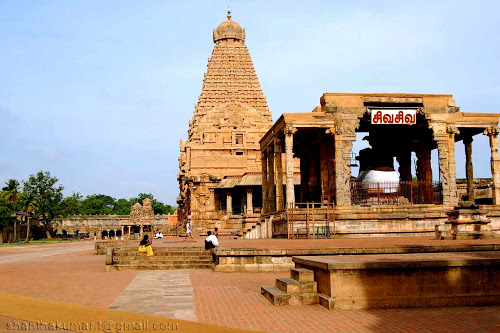
“ There is a story about the building of the great Brihadeeshvara temple thousand years ago by Raja Raja Choza in Thanjavur, probably the most beautiful temple in India The king one day decided to go and inspect the work, so he drove to the temple site, got out of his chariot and walked towards where the temple was being built. He came across a man who was cutting stone and he asked him,


“What are you doing?”

The man said, “I am cutting stone”.

He went a little further, and there was another man who was doing the same thing. He asked,

“What are you doing?”

The man answered, “I am earning a living”.

He went little further and came to a third person who was doing exactly the same thing. He asked,

“What are you doing?”

He said, “Sir, I am building a great temple”.

Now you will see the difference of attitude. They were doing exactly the same thing,they were getting the same wages. But the first man was simply mechanically performing a task. The second one had a slightly broader vision, he had the problem of his family and was earning for them. The third one was earning for his family certainly, but he had the broad vision that he was building a great temple for Lord Shiva.
 

This illustrates the theory of correct action. Whatever you may be doing, it does not really matter s long as you are doing it with inner dedication and devotion, and as long as you are using action itself as a powerful means for spiritual development. This is the first major teaching of Gita, the theory of correct action.


The theory of correct action in the Gita revolves around a single concept: that action should NOT be purely for selfish purposes, although the self is obviously involved. Action must be positive, joyous, affirmative action; it must be an offering to the divine.

From the book ‘The Gita in World Literature’


Earlier articles on Krishna posted by me:

1.ONE MINUTE BHAGHAVAD GITA

2.Krishna’s Diamond in USA?

3.Atom bomb to Zoo of Bhagavad Gita

4.Krishna’s Restaurant in Dwaraka: Hot Satwic Food Sold

5.ஸ்ரீ கிருஷ்ணனுடன் 60 வினாடி பேட்டி (Tamil))

6.கண்ணன் வழி….தனீ…..வழி!(Tamil)

7.கொலவெறி வைரம்

8. 45 Commentaries on Bhagavad Gita

(Pictures are taken from other websites.Thanks)


செய்யும் தொழிலே தெய்வம்: கதை மூலம் பகவத்கீதை


தஞ்சாவூரில் மகத்தான கோவிலை நிர்மானித்தான் ராஜராஜ சோழன். ஆயிரம் ஆண்டுகளுக்கு முன் நடந்த சம்பவம் இது. கோவில் கட்டும் வேலை நடை பெற்றபோது அதனை மேற்பார்வையிடச் சென்றான். ஒரு ஆள் மிகவும் கஷ்டப்பட்டு கற்களை உடைத்து அவைகளை சரியான அளவுக்கு வெட்டிக் கொண்டிருந்தார். மன்னன் அவன் அருகில் சென்று ஐயா, என்ன செய்து கொண்டிருக்கிறீர்கள்? என்று கேட்டான்.


மன்னர், மன்னவா, வணக்கம், நான் கல் உடைத்துக் கொண்டிருக்கிறேன் என்றான் பணிவாக.

மன்னன் சிறிது தூரம் நடந்தான். மற்றொருவன் அதே பணியைச் செய்துகொண்டிருந்தான். ஐயா என்ன செய்துகொண்டிருக்கிறீர்கள்? என்று கேட்டான். அவன் சொன்னான்,

மன்னர், மன்னவா, வணக்கம், நான் கல் உடைத்துச் சம்பாதித்து குடும்பத்தைக் காப்பாற்றி வருகிறேன் என்றான் பணிவாக.

மன்னன் மேலும் சிறிது தூரம் நடந்தான். மற்றொருவன் அதே பணியைச் செய்துகொண்டிருந்தான். ஐயா என்ன செய்துகொண்டிருக்கிறீர்கள் ? என்று கேட்டான். அவன் பதில் சொன்னான்,


மன்னர், மன்னவா, வணக்கம், நான் கல் உடைத்து அவைகளைக் கொண்டு மாபெரும் சிவன் கோவிலைக் கட்டிவருகிறேன் என்றான் பணிவாக.


மூவரும் செய்யும் தொழில் ஒன்றுதான், மூவருக்கும் சம்பளம் ஒன்றுதான். ஆனால் ஒவ்வொருவரும் வெவ்வேறு விதமாக அந்தத் தொழிலை அணுகினார்கள். எல்லோருக்கும் குடும்பமும் பணமும் முக்கியமே. ஆயினும் ஒருவன் வெறும் கல் உடைப்பதையே நினைத்தான். மற்றொருவன் குடும்பத்தைக் காப்பதையே பெரிதாக நினைத்தான், மூன்றாமவனோ இதைப் புனிதப் பணியாக, சிவனுக்குச் செய்யும் பெரும் கைங்கர்யமாகப் பார்த்தான். இதுவே சரியான பார்வை.


எந்தப் பணியையும் தன்னலம் இன்றி, பிறர் நலத்துக்காகச் செய்யவேண்டும். தன் குடும்பத்தின் ஜீவியம் அதில் அடங்கி இருக்கும் என்பது உண்மைதான். ஆனால் அதையே ஆக்கபூர்வமான, இன்பம் கொடுக்கும் தெய்வீகப் பணியாகச் செய்ய வேண்டும். செய்யும் வேலையின் பலனில் பற்று வைக்காமல் ஒரு கடமையாகச் செய்துவரவேண்டும். இது கீதையின் மையக் கருத்துக்களில் ஒன்று.

ராஜராஜன் பற்றி இன்னொரு கதையும் வழக்கில் உள்ளது. அவன் ஒரு முறை மேற்பர்வை இடும் போது தலைமைச் சிற்பி இருக்கும் இடத்துக்குச் சென்றான். மன்னர் வந்ததைக் கூடக் கவனிக்காமல் சிற்பியானவன் கண்ணும் கருத்துமாகச் சிற்பங்களைச் செதுக்குவதிலேயே கவனமாக இருந்தான்.


அவனைப் போன்ற பெரிய சிற்பிகளுக்கு எடுபிடி வேலை செய்ய சின்ன வேலைக்காரர்கள்/அடைப்பக்காரர்கள் அருகில் நிற்பார்கள். அவர்கள் தேவைப் படும்போதெல்லாம் வெற்றிலை,பாக்கு மடித்துக் கொடுப்பார்கள். வெற்றிலையைக் குதப்பித் துப்புவதற்கு ஒரு கலசத்தையும் ஏந்தி நிற்பார்கள். ஒரு முறை மன்னர் ராஜ ராஜன் போய் அருகில் நின்றபோது , அடைப்பைக்காரனென்று நினைத்து

ஏ வெற்றிலை மடித்துக் கொடு என்று உத்தரவிட்டான் சிற்பி.

உடனே ராஜராஜன் வெற்றிலை மடித்துக்கொடுத்தான்.


சிறிது நேரம் கழித்து வாயில் குதப்பிய எச்சில் வெற்றிலையைப் புளிச்சென்று துப்பினான். அதையும் கலசத்தில் ஏந்தினான மன்னன். எதேச்சையாக சிற்பி நிமிர்ந்து பார்த்தபோது மன்னரிடம் இப்படி எடுபிடி வேலைகள் செய்யச் சொன்னதை எண்ணி பயந்து நடுங்கினான். ஆனால் ராஜ ராஜனோ சிற்பியின் ஈடுபாட்டையும் ஒருமுக கவனத்தையும் பாராட்டிச் சென்றான். சிற்பிக்குப் பன் மடங்கு உற்சாகம் அதிகரித்தது.


செய்யும் தொழிலையே தெய்வமாகக் கருதினான் சிற்பி. அவனுக்கு வேலையில் இருந்த கவனமும் ஈடுபாடும் அவன் அதை தெய்வீகப் பணியாகக் கருதியதைக் காட்டுகிறது. நாமும் பலனில் பற்று வைக்காமல் நமது கடமையைச் செய்தோமானால் நம் பணி சிறக்கும், நாடும் செழிக்கும்.


Earlier articles on Krishna posted by me:


1.ONE MINUTE BHAGHAVAD GITA

2.Krishna’s Diamond in USA?

3.Atom bomb to Zoo of Bhagavad Gita

4.Krishna’s Restaurant in Dwaraka: Hot Satwic Food Sold

5.ஸ்ரீ கிருஷ்ணனுடன் 60 வினாடி பேட்டி (Tamil))

6.கண்ணன் வழி….தனீ…..வழி!(Tamil)

7.கொலவெறி வைரம்

8. 45 Commentaries on Bhagavad Gita

(Pictures are taken from other websites.Thanks)


Who is a Brahmin?

In the Vanaparva of Maha Bharata, Yudhisthira, the Dharmaraja, had an encounter with a huge python, who was in fact king Nahusa, one of the forefathers of Yudhisthira. Nahusa, through his good deeds and piety, obtained as his reward, the throne of Heaven but then his downfall started. For he became too proud and forgot the distinction between Dharma and Adharma.  He kicked at the head of sage Agastya, and was cursed, which turned him into a python for thousands of years. He had been waiting, in the form of a python, for long time, to be saved by the pious Yudhisthira through a discourse on Dharma.

So one day Nahusa (in python form) got hold of Bhima, and was about to crush him when Yudhisthira appeared in search of his brother. The fabulous power of Bhima, who used to kill endless numbers of demons, elephants, pythons etc., was of no avail. Nahusa was more powerful for he had a noble mission—a discourse on Dharma.


Nahusa said to Yudhisthira, “ I will let your brother go, if you answer my questions on Dharma”. So the discourse started. The first question was; what makes a Brahmin a Brahmin? Yudhisthira listed a number of virtues: truthfulness, generosity, forgiveness, goodness, kindness, self control and compassion—all these qualities together constitute a Brahmin. The list is not very different from the one found in Bhagavad Gita Chapter 18 verse 42.

The python asked, “But this goes against the principle of four varnas/ castes. For even a Shudra may have all these virtues. Virtues cannot be the monopoly of any caste.”  Yudhisthira replied in unambiguous language, “Indeed ,if a Shudra is characterised by all these virtues, he is to be defined as a Brahmin. And if a Brahmin lacks them then he is to be regarded as a Shudra.”


The python asked again, “but if Brahminhood is constituted by a number of virtues, then birth (In a Brahmin family) would be in vain, where such virtues are conspicuous by their absence”. Yudhisthira replied, “Indeed. Since through sexual urge (raga) people copulate and produce children, birth is always a dubious criterion in such matters. Therefore, the old sages depend upon good conduct as the indicator of a better person. Even one who is a Brahmin by birth would be a Shudra through poor despicable conduct”.  Yudhisthira even referred to the “self originating” (Swayambhuva) Manu as his authority.

From the book “ The Gita in World Literature”


Brahmin’s Contribution to Advaitic Philosophy

Sometimes it has been stated that the Upanishadic doctrine of the unity of the psychic and cosmic spirit is a contribution of the Kshatriya kings like Janaka of Videha, Ashvapati of Kekaya and Ajatashatru of Kashi to ancient Indian metaphysics. This was eloquently championed by Richard Garbe. It is true some of the Brahmin scholars were initiated into the mysteries of the monistic metaphysics by enlightened philosophical idealists who are regarded as Kshatriyas. But this sociological research in to caste based theoretical genesis does not seem convincing.


The monistic metaphysics has its roots in the Dirghatama (R.V.I/164) and the Nasadiya hymns (RV. X/129) of the Rigveda which, there is no evidence to prove, were composed by Kshatriyas. The Kshatriya group specialised in political, administrative and military pursuits. They could not reasonably be expected to have the surplus mental energy to have formulated the doctrine of idealistic metaphysics as a counterpoint of the Kshatriyas against the ritualistic priestly cult of sacrifices. If the Kshatriyas had the intellectual vigour to be the originators of speculative and transcendental metaphysics, why were all the Vedantic commentators, interpreters and exegetes from the times of Baudhayana and Shankara to Sriharsha and Madhusudana only Brahmins?


Gautama Buddha was a mighty intellectual genius but most of the formulators of the Buddhist philosophical schools like Asanga, Vasubhandhu, Maitreya, Nagarjuna, Dignaga and Dharmakirti were Brahmins and not Kshatriyas?

The Gita is said to have been written by Vyasa whose father Parasara was a Brahmin. Neither the Vedantic idealism nor the Samkhya dualism, Bhagawatism and Yoga were ever formulated by  Kshatriyas.

From the book “ The Gita in World Literature” (Picture is taken from another site)

Bhagavad Gita in Tabular Columns


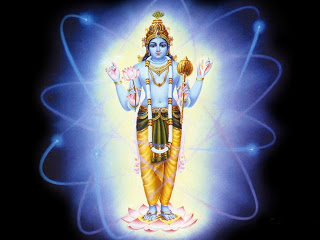
Vibhuti Yoga is Chapter Ten in Bhavad Gita. The message he wanted to convey is–God is the Source of all; to know Him is to know all.
Here is the Vibhuti Yoga in tables and boxes.


I am the Self /Atma In the hearts of all creatures
I am The beginning, the middle and the end Of beings
Of the Adityas I am Visnu  
Of the lights I am The radiant sun  
I am Marici Of Maruts
Of the stars I am Moon  
Of the Vedas I am Sama veda  
Of the gods I am Indra  
Of the senses I am M ind  
Of beings I am Consciousness  
Of the rudras I am Sankara  
Of Yaksas and Raksasas I am Kubera  
Of the Vasus I am Agni  
O f mountain peaks I am Meru  
Of household priests I am Brhaspati  
Of the war generals I am Skanda  
Of the lakes I am Ocean/sagara  
Of the great sages /maharsis I am Bhrgu  
Of utterances I am Ekam Aksaram/ Aum  
Of offerings I am Japa /silent meditation  
Of unmovable things I am The Himalaya  
Of all trees I am Asvattha / ficus religiosa  
Of divine seers I am Narada  
I am Chitraratha Among gandharvas
Of the perfected ones /Siddhas I am Kapila muni  
Of horses I am Ucchaisravas  
Of lordly elephants I am Airavata  
Of men I am The Monarch  
Of weapons I am The thunderbolt/Vajra  
Of cows I am Kamaduk /cow of plenty  
Of the progenitors I am The god of love/Kandarpa  
Of the serpents I am Vasuki  
Of the dwellers of water I am Varuna  
Of the departed ancestors I am Aryama  
Of those who maintain law and order I am Yama  
Of the titans/Daityas I am Prahlada  
Of calculators I am Time  
Of beasts I am The king of beasts/mrgendra/lion  
Of the birds I am Son of Vinata/ Garuda  
Of purifiers I am The wind/pavana  


Of warriors I am Rama  
Of fishes I am Makara /The Alligator  
Of rivers  I am The Ganges  
Of creation I am The beginning, the end and also the middle  
Of the sciences  I am Science of the self /Atma vidhya  
Of letters I am The letter A  
Of compounds  I am The dual /dvandvah  
I am also Imperishable time  
I am The creator Whose face is turned on all sides
I am The death, all devouring  
I am The origin of things That are yet to be
Of feminine things  I am Fame ,prosperity, speech, memory, intelligence, firmness and patience  
Of hymns I am Brihatsaman  
Of metres I am Gayatri  
Of months I am Margasirsa (December/January)  
Of seasons I am The flower bearer/ spring  
Of the deceitful I am The gambling  
Of the splendid I am The splendour /Tejas  
I am Victory /Jaya  
I am Effort /Vyavasaya  
I am the Goodness of the good/Satvam  
Of the Vrsnis I am Vasudeva  
Of the Pandavas I am The winner of the wealth /Dhanamjaya  
Of the sages /Munis I am Vyasa  
Of the poets I am Usana  
Of those who chastise I am Rod/ Danda  
Of those that seek victory I am The wise policy/Niti  
Of things secret I am Silence /Maunam  
Of the knowers of wisdom I am The wisdom/ Jnanam  
I am the Seed of all existences  
Nor is there anything Moving or unmoving That can exist without Me
There is no end to My Divine Manifestations  
These are only illustrative Of My Infinite Glory  
Entire universe pervading it  with A single fraction/ekamsena of Myself


Earlier articles on Krishna posted by me:

 
1.ONE MINUTE BHAGHAVAD GITA
2.Krishna’s Diamond in USA?
3.Atom bomb to Zoo of Bhagavad Gita
4.Krishna’s Restaurant in Dwaraka: Hot Satwic Food Sold
5.ஸ்ரீ கிருஷ்ணனுடன் 60 வினாடி பேட்டி (Tamil))
6.கண்ணன் வழி….தனீ…..வழி!(Tamil)
7.கொலவெறி வைரம்
8. 45 Commentaries on Bhagavad Gita
(Pictures are taken from other websites.Thanks)

45 commentaries on Bhagavad Gita

The Bhagavad Gita has more than 45 commentaries. The commentary of Sankara is the most ancient of the existing ones. There were other commentaries older than his, to which he refers in his introduction, but they have not come to us.

Gita has been translated into major languages of the world. The translations are not included in the following list. Some commentaries are not available in full. Gita is multi faceted and many dimensional; a single sloka can be taken up and can be developed for days, as has been done by many commentators

Following are some important commentaries on Gita:

1.Adi Sankara

2.Ananda giri

3.Daivajnya Pandita

4.Dhanapati

5.Hanumat

6.Madhusudana

7.Nilakantha

8.Sadananda

9.Sankarananda

10.Sridhara

11.Venkatanatha

12.Jnaneswara

13.Wamana pandita

14.Kesava kasmirin

15.Ramanuja

16.Madhwa

17.Jayathirtha

18.Raghavendra

19.Ranti deva

20.Yadava prakasa

21.Narayana

Kashmira Group

22.Bhaskara

23.Abhinava Gupta

24.Ananda Vardhana

25.Rajanaka

26.Lasakaka

27.Ramakantha

28.Vasu Gupta

29.Vallabha

30.Purusottama

Modern

31.Bala Gangadhara Tilak

32.Mahatma Gandhi

33.Vinoba bhave

34.Bhakti Vedanta Prabupada

35.Chidbhavananda Swamiji

36.Swami Sivananda

37.Swami Chinmayananda

38.Sri Sathya Sai Baba

39.Paramahamsa Yogananda

40.Sarvapalli Radhakrishnan

41.V.S.Ghate

42.Ekanath Easwaran

43. Sri Aurobindo

Foreigners

44.W D P Gill

45.Senart

46.G.Thibaut

47.F.Edgerton

48.Jeanne Fowler

49.Ithamar Theodore

From  “Comparative Study of the Commentaries on the Bhagavad Gita”- written by T G Mainkar.

Important words

AVATARA & MAYA appear in the Gita five times

BHAKTI with its derivatives occurs in nearly 42 places.

BRAHMAN occurs in 55 times!

For further information, please contact swami_48@yahoo.com

Earlier articles on Krishna posted by me:

1.ONE MINUTE BHAGHAVAD GITA

2.Krishna’s Diamond in USA?

3.Atom bomb to Zoo of Bhagavad Gita

4.Krishna’s Restaurant in Dwaraka: Hot Satwic Food Sold

5.ஸ்ரீ கிருஷ்ணனுடன் 60 வினாடி பேட்டி (Tamil))

6.கண்ணன் வழி….தனீ…..வழி!(Tamil)

7.கொலவெறி வைரம்


2000 ஆண்டுகளாக பெண்கள் செய்யும் வியாபாரம்


2000 ஆண்டுகளாக பெண்கள் செய்யும் வியாபாரம்

(Please read my earlier post FLOWERS IN TAMIL CULTURE )

தமிழர்களுக்கும் பூக்களுக்கும் உள்ள தொடர்பு வால்மீகி முதல் வெள்ளைக்காரர் வரை அனைவரையும் வியப்பில் ஆழ்த்துகிறது. சங்கத் தமிழ் இலக்கியத்தில் பூக்களை விற்கும் பூக்காரி பற்றி பல குறிப்புகள் உள்ளன. இதில் வியப்பான விஷயம், இன்றுவரை அது நீடித்து வருவதாகும்!

நிலத்தைப் பிரித்ததும் பூக்கள் அல்லது தாவரங்களால்தான்: குறிஞ்சி, முல்லை, நெய்தல், மருதம், பாலை

போருக்குப் போனாலும் ஆண்கள் தலையில் வெவ்வேறு பூக்களைச் சூடிச் சென்றனர்: வெட்சி, கரந்தை,வஞ்சி, காஞ்சி, உழிஞை, நொச்சி, தும்பை, வாகை,பாடாண் என்று ஒவ்வொரு செயலுக்கும் ஒரு பூவை ஒதுக்கினர். வெற்றி ‘வாகை’ சூடினான் என்னும் சொற்றொடர் இதிலிருந்தே வந்தது.

அரசியல் தலைவர்கள், பெரியோர்கள், சாது ,சந்நியாசிகள், கடவுளர் எல்லோருக்கும் ஒவ்வொரு வகைப் பூவை ஒதுக்கி வைத்தனர்.

அகநானூறு பாடல் 391, நற்றிணைப் பாடல் 97,118,160 முதலிய பல பாடல்களில் பெண்கள் பூ வியாபாரம் செய்ததைக் குறிப்பிட்டுள்ளனர்.

ஓணம் பண்டிகையின் போது பூ அலங்காரம் செய்யும் வழக்கம் இன்னும் சேர (கேரள) நாட்டில் பின்பற்றப் படுகிறது.

கபிலர் பாடிய குறிஞ்சிப் பாட்டில் 99 பூக்ககளின் பெயர்களை ஒரே மூச்சில் சொல்லி ‘கின்னஸ்  சாதனை’ படைத்துவிட்டார்.

தென்னாட்டினர் மட்டும் பூச்சூடும் வழக்கத்தை வால்மீகி தனது ராமாயணத்தில் தக்க இடத்தில் பயன்படுத்தியுள்ளார். அயோத்தியா காண்டம் 96ஆம் சர்க்கத்தில் பரதன் கூறுவதாக அவர் சொல்லுவதாவது: “ நமது யுத்த வீரர்கள் மேகங்களைப் போன்ற கருத்த கேடயங்களுடன் தென்னாட்டாரைப் போலத் தலைக்கு அணிகளாக பூக்களைச் சூடுகின்றனர்” என்று கூறுகிறார். இன்று இளம் பெண்களும் ஆண்களும் பூக்களைப் பரிமாறிக் கொள்ளும் வழக்கமும் அன்றே இருந்தது. நெய்தற்கலி 21ஆம் பாடலில் “ அவள் எனக்குத் தந்த பூக்கள் இவை. பூளைப் பூ, பொன் நிறமான  ஆவிரைப் பூ என்று காதலன் மெய்மறந்து புலம்புகிறான்.

நற்றிணைப் பாடல் 97ல் மாறன் வழுதி பாடுகிறார்:

“அதனினும் கொடியாள் தானே மதனின்

துய்த்தலை இதழ பைங்குருக்கத்தியோடு

பித்திகை விரவு மலர் கொள்ளீரோ என

வண்டு சூழ் வட்டியள் திரியும்”

வண்டு சுற்றும் கடகப் பெட்டியில் குருக்கத்தி, செண்பக மலர்களைப் பெண்கள் விற்றது இதிலிருந்து தெரிகிறது

பாடல் 118ல் பாலை பாடிய பெருங் கடுங்கோ பாதிரி மலர்களைத் தெருவில் விலை கூறி விற்றுச் சென்ற பூக்காரியைக் குறிப்பிடுகிறார். பாடல் 160 குவளை மலர் மாலை தொடுப்பது பற்றிப் பேசுகிறது. இப்படி எண்ணற்ற பூக்காரிகளைக் காண்கிறோம். இன்று கோவில் வாசலிலும் வீட்டு வாசலிலும் பூ விற்போரைக் காணும் போது 2000 ஆண்டுப் பண்பாடு இன்றும் நீடிப்பது பற்றி வியாக்காமல் இருக்க முடியாது. வெளி நாட்டினர் அனைவரும் பூ மார்க்கெட்டுக்குச் சென்று புகைப்படம் எடுக்கும் காட்சிகளும் மனக் கண் முன் நிழல் ஆடுகின்றன.

‘புறநானூற்றில் பகவத் கீதை’ என்ற தலைப்பில் நான் எழுதிய கட்டுரையில் இருந்து  ஒரு பகுதி:

பத்ரம், புஷ்பம், பலம் ,தோயம்………

கீதையில் கண்ணன் கூறுகிறான்: எவன் எனக்கு பக்தியுடன் பச்சிலையோ பூவோ, பழமோ, நீரோ கொடுக்கிறானோ அதை நான் சாப்பிடுகிறேன் (9-26)

கபிலர் (புறம் 106);

நல்லவும் தீயவும் அல்ல குவி இணர்ப்

புல் இலை எருக்கம் ஆயினும்,உடையவை

கடவுள் பேணேம் என்னா; ஆங்கு,

மடவர் மெல்லியர் செல்லினும்

கடவன் பாரி கை வண்மையே

அதாவது நல்லதாயினும் தீயதாயினும் அல்லாத, குவிந்த பூங்கொத்தும் புல்லிய இலையும் உடைய எருக்கம் பூவாயினும், ஒருவன் உள்ளன்புடன் சூட்டினால் அதனைத் தெய்வங்கள் விரும்பி ஏற்குமேயன்றி, யாம் அவற்றை விரும்பேம் என்று கூறா.

Contact swami_48@yahoo.com

(இலக்கியத் திருடர்களுக்கு ஒரு வேண்டுகோள்: என்னுடைய கட்டுரைகளை அப்படியே திருடி தங்கள் பெயரில் தாங்கள் எழுதியது போல வெளியிடுவதைக் கண்டு மனம் வருந்துகிறது. தமிழுக்கும் தமிழ் எழுத்தாளர்களுக்கும் துரோகம் செய்யாதபடி யார் எழுதியது, எந்த வெப்சைட்டில் எடுக்கப்பட்டது என்பதை தயவு செய்து வெளியிடுங்கள்)

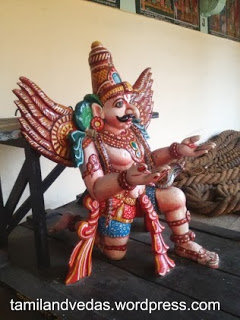
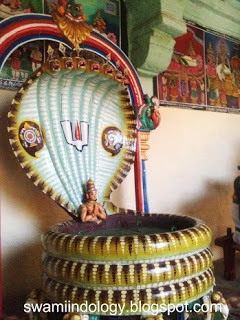
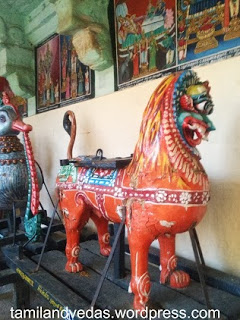
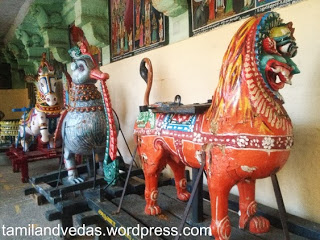
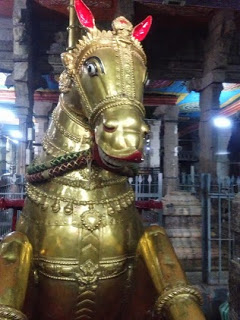
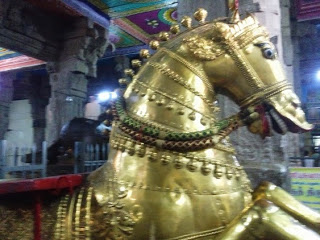
MADURAI TEMPLE VAHANA PICTURES

Following pictures were taken by me at Perumal (Vishnu) temple in Madurai and Murugan Temple at Tirupparankundram. Following  are my research articles on Vahanas posted in the past one year or so. Please read them to get more information about Mounts of Gods and Goddesses:

My Articles on VAHANAS (Mounts of GODS):
 
வாகனங்கள் தோன்றியது எங்கே?
எந்தக் கடவுளுக்கு என்ன வாகனம்?
காளை வாகனம் எப்படிக் கிடைத்தது?
Vahanas in Kalidasa and Ancient Tamil Literature
Hindu Vahanas Around the World
Hindu Vahanas in Italy and Greece
Vahanas on Coins and in Sculptures
Interesting Facts About Vahanas
Seven Gods Procession on Vahanas
Who Rides on What Vahana (Animal or Bird)?


Contact Swami_48@yahoo.com