BULL FIGHTING: Indus Valley to Spain via Tamil Nadu


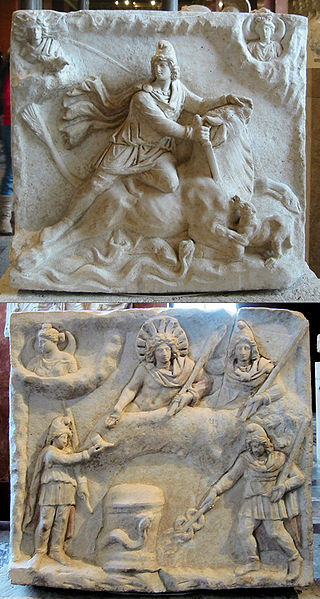
Bull fighting is practised till this day in two different parts of the world- Tamil Nadu in India and Spain in Europe. Both are poles apart culturally and geographically. Bull fighting in Europe is at least two thousand years old. It has its origin in Mithraism cult. They have 2000 year old Roman sculptures showing killing bulls. Mitra is a Vedic God of friendship. We have archaeological evidence about Vedic Mitra from the Bogakoy (Turkey) inscription dated to 1400 BC. All the important Vedic gods Indra, Mitra, Varuna and Ashwins find their place in the inscription of Hittite Friendship treaty with the Mittannis. But the Mithraic cult has nothing to do with the Vedic Mitra. It has come to Europe from Persian Mithra. We did not know how it got corrupted to killing bulls. In the Vedas, Indra was identified with the bull. Probably the Zoroastrians who opposed the Vedic hierarchy of gods and changed them upside down (Asura as Sura and Sura as Asura) might have done it to avenge Indra (bull).


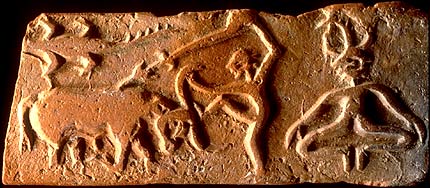
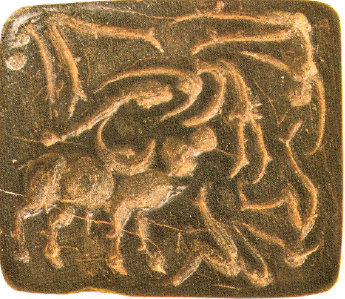
In India the earliest archaeological evidence comes from the Indus Valley seals according to some scholars. But it is doubtful. It looks like a ritual killing of a buffalo to satisfy a god or a goddess. Those who argued that it was the most ancient bull fighting figure did not put together all the available seals. Other available seals clearly show it was a ritual killing of a buffalo to a god or goddess(Please see the pictures) . Bengalis sacrifice buffaloes to goddess Durga during Durga Puja.


If we consider our Hindu mythology pre dates the Indus seals we have the earliest reference of a killing of buffalo in the story of Mahisasuramardhani. Probably this is the only reference to a woman killing a buffalo in the world. In Indus seals men kill buffaloes for the gods. In the story of Mahisasura, it was a demon that comes in the form of a buffalo and got killed by the goddess. There are beautiful sculptures portraying this episode from Mahabalipuram in Tamil Nadu to Ellora in the North.


Bull fighting in Spain started around 18th century. There are different versions of bull fighting. In Spain the bull is killed ,that too with a weapon like we see in the Indus seals. This type of bull fighting has spread to Latin America and Mexico when the Spanish culture was introduced.


Whether it is Tamil Nadu or Spain special kind of bulls are raised exclusively for this purpose with a special type of diet and special training. Tamils have practised this ancient sport for at least two thousand years. They call it Jalli kattu or Manju Virattu or Eru Thazuvuthal. It means chasing the bull or tackling the bull. In ancient Tamil Nadu the horns of the bulls were tied with coins, may be gold coins. Whoever tackled the bull took it and in some places the owner of the bull gave his daughter to the person who tackled the bull. They were considered heroes. Like the Kshatriyas practised Swayamvaram ( a princess choosing her own husband from among the kings and princes), the Yadava Chief’s girls (cowherd community) choose their husbands from among the heroic bull fighters.


Now the bull fighting is conducted every year in Alanganallur, Palamedu, Avaniapuram and several other places around Madurai. Huge crowds gather to watch such events. After protest from animal welfare groups the government has introduced new laws for the safety of the animas and the bull fighters.

Lord Krishna started Bull Fighting


We have lot of proof to believe that the Bull fighting was started by Lord Krishna who was the most popular cowherd (Yadava Kula Tilaka) in the world. Kaliyuga started in 3102 BC after the death of Krishna. But Mahabharata war took place between 1000 and 1500 BC according to majority of the scholars. Even if we go by this date, Krishna was the first one to have a fight with almost all the animals. He fought with an elephant, a bull, a python, a horse, a cran , a donkey and many more . All were set up by his uncle Kamsa according to Hindu mythology. These anecdotes have produced huge literature in Tamil and Sanskrit which has got no parallel in any part of the world. Krishna’s episodes are mentioned in film songs even today in almost all the Indian languages. The bull Krishna fought was Aristasura.


The proof for Krishna starting this comes from 2000 year old Sangam Tamil literature. Kalitokai is one of the eight anthologies of Sangam (Cankam) period. Nalluruthtiranar who sang Mullai Kali gave a graphic description of bull fighting. Justifying his name Shiva (Rudra), the poet mentioned Lord Siva in all his poems. Justifying that it was started during Mahabaharata days the poet gave lot of references to Mahabharata episodes. He said that it was practised by the Ayar community (cowherds)in the pastoral areas.


The poet mentioned how the bulls tear the bull fighters apart like the buffalo riding Yama, God of Death. The colourful bulls are described and compared to various personalities -white bull to Balarama and black bull to Krishna and so on. The Mullaik Kali has got 16 poems beautifully describing the pastoral culture of ancient Tamilnadu. Anyone who reads this Mullaik Kali will get a better picture of how it was practised in ancient Tamil Nadu. All the suspense, gossip, flirting, amorous desires of Ayar girls are dealt with in hundreds of lines- a feast to Tamil lovers.

*****************


ஆண்டாளுடன் 60 வினாடி பேட்டி

ஆண்டாள் அம்மாள், அனந்த கோடி வணக்கங்கள். திருமாலையே கணவனாக வரித்த தாயே, எங்கள் ஊர் பெண்கள் விரைவில் திருமணம் நடக்க ஒரு பாட்டு சொல்லுங்களேன்


மத்தளம் கொட்ட, வரி சங்கம் நின்றூத

முத்துடைத் தாமம் நிரை தாழ்ந்த பந்தற்கீழ்

மைத்துனன் நம்பி மதுசூதன் வந்தென்னை

கைத்தலம் பற்றக் கனாக் கண்டேன்.

வாரணம் ஆயிரம் சூழ வலம் செய்து

நாரணன் நம்பி நடக்கின்றான் என்று எதிர்

பூரண பொற்குடம் வைத்துப் புறம் எங்கும்

தோரணம் நாட்டக் கனாக் கண்டேன் தோழி!


ஓ, எனக்குத் தெரியும். வாரணம் ஆயிரம், எல்லா ஐயங்கார் கல்யாணங்

களிலும் கேட்டிருக்கிறேன். இதைப் பாடினால் ஏழேழ் பிறவிக்கும் அன்புடை கணவன் கிடைப்பானா?

இற்றைப் பறை கொள்வான் அன்று காண் கோவிந்தா

எற்றைக்கும் ஏழேழ் பிறவிக்கும் உன் தன்னோடு

உற்றோமே ஆவோம்; உனக்கே நாம் ஆட் செய்வோம்;

மற்றை நம் காமங்கள் மாற்றேலோர் எம் பாவாய்


சூடிக் கொடுத்த சுடர்க் கொடியே, பெரியாழ்வார் பெற்றெடுத்த பெண் பிள்ளையே. கண்ணனைக் கும்பிட்டால் கவலைகள் எல்லாம் சாம்பல் ஆய்விடுமாமே?

மாயனை மன்னு வடமதுரை மைந்தனைத்

தூயப் பெருநீர் யமுனைத் துறைவனை

ஆயர் குலத்தில் தோன்றும் அணிவிளக்கைத்

தாயை குடல் விளக்கஞ் செய்த தாமோதரனை

தூயோமாய் வந்து நாம் தூமலர் தூவித் தொழுது

வாயினால் பாடி மனதினால் சிந்திக்க

போய பிழையும் புகு தருவான் நின்றனவும்

தீயினில் தூசாகும் செப்பு ஏல் ஒர் எம்பாவாய்


இவ்வளவு சிறு வயதில் உங்களுக்கு எவ்வளவு விஷயம் தெரிந்திருக்கிறது. நீங்கள் வீனஸ், ஜூபிடர் கிரகங்கள் பற்றிப் பாடியதால் தான் உங்கள் காலத்தை அறியமுடிந்தது. தமிழ் பெண்கள் கெட்டிக்காரிகள்.

புள்ளின் வாய் கீண்டானைப் பொல்லா அரக்கனை

கிள்ளிக் களைந்தானைக் கீர்ந்திமைப் பாடிப் போய்

பிள்ளைகள் எல்லாரும் பாவைக் களம் புக்கார்

வெள்ளி எழுந்து வியாழம் உறங்கிற்று புள்ளும் சிலம்பின காண்


உங்களுக்கு பறவைகள், மிருகங்கள் பற்றிய அறிவு அதிகம் இருக்கிறதே. உயிரியல் பாடம் படித்தீர்களா? ஒரு பாட்டில் சிங்கத்தை நேரில் பார்த்தது போலவே பாடினீர்களே!

மாரிமலை முழைஞ்சில் மன்னிக் கிடந்து உறங்கும்

சீரிய சிங்கம் அறிவுற்றுத் தீ விழித்து

வேரி மயிர் பொங்க எப்பாடும் பேர்ந்து உதறி

மூரி நிமிர்ந்து முழங்கிப் புறப்பட்டுப் போதருமா போலே


பலே,பலே சர்கஸில் கூட சிங்கத்தை இப்படிப் பார்த்ததில்லை.

30 பாவைப் பாடல்களையும் பாடினால் என்ன கிடைக்கும்?

சங்கத் தமிழ் மாலை முப்பதும் தப்பாமே

இங்கு இப் பரிசு உரைப்பார் ஈரிரண்டு மால்வரைத் தோள்

செங்கண் திருமுகத்துச் செல்வத் திருமாலால்

எங்கும் திருவருள் பெற்று இன்புறுவர் எம்பாவாய்.


கோதைத் தமிழ் ஐயைந்தும் ஐந்தும் அறியாத மானிடரை

வையம் சுமப்பதும் வம்பு என்று ஒருவர் பாடுகிறாரே.

ஓங்கி உலகளந்த உத்தமன் பேர் பாடி

நாங்கள் நம் பாவைக்குச் சாற்றி நீராடினால்

தீங்கின்றி நாடெல்லாம் திங்கள் மும்மாரி பெய்து

ஓங்கு பெருஞ் செந்நெல் ஊடு கயல் உகள

பூங்குவளைப் போதில் பொறிவண்டு கண் படுப்ப

தேங்காதே புக்கிருந்து சீர்த்த முலை பற்றி

வாங்கக் குடம் நிறைக்கும் வள்ளல் பெரும் பசுக்கள்

நீங்காத செல்வம் நிறைந்து ஏல் ஓர் எம்பாவாய்.


திடீரென்று ஒரு பாட்டு நினைவுக்கு வருகிறது, கருப்புரம் நாறுமோ…

கருப்புரம் நாறுமோ? கமலப் பூ நாறுமோ?

திருப் பவளச் செவ்வாய்தான் தித்தித்திருக்குமோ?

மருப்பு ஒசித்த மாதவன் தன் சுவையும் நாற்றமும்

விருப்புற்றுக் கேட்கின்றேன் சொல், ஆழி வெண் சங்கே!


நன்றி, தாயே.


(Please read other 60 second interviews with Adi Shankara, Sathya Sai Baba, Swami Vivekananda, Bharathiyar, Kamban, Arunagirinathar, Maniikavasagar,Valluvar,Tirumular,Ilango and Pattinathar)

கரிகால் சோழனின் பருந்து வடிவ யாக குண்டம்

சங்கத் தமிழ் நூல்கள் சங்க கால மன்னர்கள் செய்த பல அபூர்வ யாகங்கள் குறித்து பல அதிசயமான செய்திகளைத் தெரிவிக்கின்றன. ஒரு யாகம் முடிந்தவுடன் ஒரு பார்ப்பனரும் அவர் மனைவியும் மாயமாக மறைந்துவிட்டார்கள். இதைப் பாடிய புலவரின் பெயர் பாலைக் கவுதமனார். அவர் வேண்டுகோளின் பேரில் சேர மன்னன் 10 யாகங்களைச் செய்து முடித்தவுடன் இந்த அதிசயம் நடந்தது.(காண்க: செல்வக் கடுங் கோ வாழியாதனைப் பாலைகவுதமனார் பாடிய மூன்றாம் பத்து– பதிற்றுப் பத்து)

வேளிர் என்னும் குறுநில மன்னர்கள் தாங்கள் யாகத் தீயிலிருந்து உதித்ததாகக் கூறுகின்றனர். பஞ்ச பாண்டவர் மனைவியான திரவுபதி இப்படி யாகத்தீயில் உருவானவர். பல ராஜஸ்தானியர்கள் ,குஜராத்திகள், பஞ்சாபியர் ஆகீயோரும் இப்படிக் கூறுவது வியப்பான ஒற்றுமையாகும். கபிலரும் கூட இதே செய்தியைக் கூறுகிறார் (புறம் 201).

கரிகால் சோழன் வேத நெறி தவறாது ஆண்டவன். 2000 ஆண்டுகளுக்கு முன் ஆண்ட இவன் சோழ மன்னர்களில் மிகவும் புகழ்பெற்றவன். இவன் பருந்து வடிவ யாக குண்டம் அமைத்து அதில் யூபம் (கம்பம்) நட்டான் என்று புறநானூற்றுப் புலவர் பாடுகிறார்.

தூவியற் கொள்கை துகளறு மகளிரொடு

பருதி உருவிற் பல்படைப் புரிசை

எருவை நுகர்ச்சி யூப நெடுந்தூண்

வேத வேள்வி தொழில் முடித்த தூஉம்

புறம் 224 (கருங் குழலாதனார்)


கரிகாலனின் எல்லா மனைவியரும் அப்போது உடன் இருந்தனர். மனைவி உடன் இல்லாமல் வேள்வி செய்ய முடியாது. அவர்களை வேள்விக் கிழத்தியர் என்றே தமிழ் நூல்கள் கூறும்.

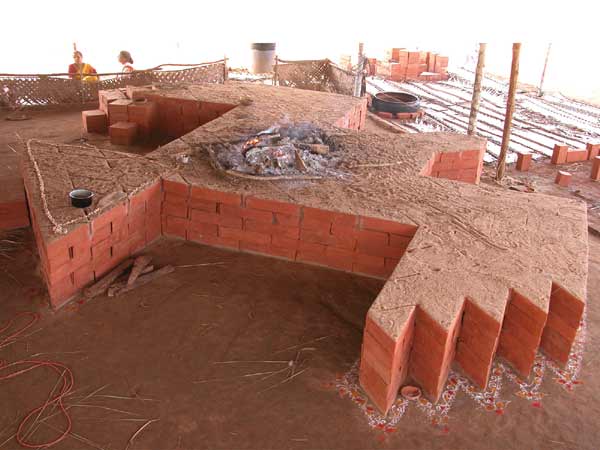
1008 அல்லது 10008 செங்கற்களை சுத்தி செய்து மந்திரம் கூறி ஒவ்வொரு செங்கல்லாக அடுக்குவர். சமீபத்தில் கேரளத்தில் கழுகு வடிவ யாக குண்டம் அமைத்து பெரிய யாகம் செய்தனர். கலிபோர்னியா பலகலைக் கழக ஆசிரியரகள், அறிவியல் வல்லுனர்கள் புடைசூழ இந்த யாகம் நிறைவேறியது.

தமிழ் மன்னர்கள் வேத நெறியை தங்கள் வாழ்வியல் நெறியாகக் கொண்டனர். காஞ்சி மகா சுவாமிகளும் தனது உரையில் வேதம், யாகம், பிராமணர்கள் ஆகியவற்றுக்கு சங்க காலத்தில் வழங்கும் தமிழ் சொற்களைப் பார்க்கையில் இந்தப் பண்பாடு எவ்வளவு காலத்துக்கு முன் எவ்வளவு ஆழ வேரூன்றியிருக்க வேண்டும் என்கிறார்.

வெளி நாட்டுக் காமாலைக் கண்ணர்கள் பொய்யான ஆரிய திராவிட வாதத்தை அவர்களுடைய மதத்தைப் புகுத்த நம் முன் வைத்ததால் நாம் மதி மயங்கிக் குழம்பிவிட்டோம்.

கல்யாண மந்திரங்களில் சப்தபதி என்னும் ஏழடி நடக்கும் மந்திரம் முக்கியமான மந்திரமாகும். மணப் பெண்ணும் மண மகனும் கையைப் பிடித்துக் கொண்டு தீயை வலம் வருவார்கள். இந்த மந்திரங்களின் அர்த்தம் தமிழ் திரைப் பட காதல் பாடல்களை எல்லாம் மிஞ்சிவிடும். கண்ணகியும் கோவலனும் தீயை வலம் வந்து ஐயர்கள் முன்னிலையில் திருமணம் செய்துகொண்டதை சிலப்பதிகாரம் பத்திரிக்கை நிருபர் தோற்றுப் போகும் அளவுக்கு அழகாக வருணிக்கிறது.

ஏழடிகள் ஒருவருடன் நடந்து சென்றால் பந்தமும் பாசமும் உறுதி பெற்றுவிடும் என்று ரிக்வேதம் சொல்லுகிறது. கரிகாலன் தன்னைப் பார்க்க வந்தவர்களை வழி அனுப்புகையில் வேத நெறிப்படி ஏழு அடிகள் கூடவே நடந்து சென்று வழி அனுப்புவானாம்.


பால்புரை புரவி நால்குடன் பூட்டிக்

காலின் ஏழடிப் பின் சென்று கோலின்

தாறு களைந்து ஏறு என்று ஏற்றி வீறு பெறு

–பொருநர் ஆற்றுப்படை வரிகள் 165-167


மதுரைக் காஞ்சி எழுதிய மாங்குடிக் கிழார் இன்னும் ஒரு அதிசிய விஷயத்தைச் சொல்லுகிறார். மற்ற எல்லா நாட்டு மன்னர்களும் சேவல் கூவும் சத்தத்தைக் கேட்டு எழுந்திருப்பான். அனால் மதுரைப் பாண்டிய மன்னனோவெனில் ஐயர்கள் முழங்கும் வேத ஒலியைக் கேட்டு எழுந்திருப்பான் என்று.

சிறுபாண் ஆற்றுப் படை எழுதிய புலவர் இன்னும் ஒரு வியப்பான விஷயத்தைச் சொல்லுகிறார். பிராமணர்கள், பாணர்கள் போன்றோர் நல்லியக்கோடன் அரண்மனையில் 24 மணி நேரமும் அனுமதியின்றி உள்ளே போகலாம் என்கிறார்.


பொருனர்க் காயினும் புலவர்க் காயினும்

அருமறை நாவின் அந்தணர்க்காயினும்

அடையா வாயில் (சிறு பாண்—வரிகள் 203-206)


பாண்டிய மன்னர்களில் மிகவும் பழைய மன்னர்களில் ஒருவன் முதுகுடுமிப் பெருவழுதி. அவனுக்கு அடைமொழியே பல் யாக சாலை முது குடுமிப் பெரு வழுதி என்பதாகும். நாடு முழுதும் யாகத் தூண்கள் இருக்குமாம் (புறம் 6,15). அவன் தலை தாழ்வது இரண்டே முறைதானாம். ஒன்று சிவன் கோவிலில், இரண்டு நாலு வேதம் படித்த அந்தணர் முன்பு (புறம் 6).

அவ்வையாருக்கு ஒரே மகிழ்ச்சி. ஏன் தெரியுமா? உலகில் 1500 ஆண்டுகளுக்குக் குடுமி பிடிச் சண்டை போட்ட ஒரே இனம் தமிழ் இனம் தான். உள் சண்டையினாலேயே அழிந்த ஒரே இனம் என்ற பெருமை உடைத்து. அப்பேற்பட்ட மூன்று தமிழ் மன்னர்களும் ஒரே மேடையில் வீற்றிருந்ததைப் பார்தவுடன் அவ்வைப் பாட்டிப் பூரித்துப் போய்விட்டார். எப்போது தெரியுமா? சோழ மன்னன் பெரு நற் கிள்ளி ராஜசூய யாகம் செய்தபோது –ஆகாயத்திலுள்ள நட்சத்திரங்களை விட நீங்கள் நிறைய நாட்கள் ஒற்றுமையாக வாழ வேண்டும் என்று பாடினார் (புறம் 367)

அப்போது பெருநற் கிள்ளியுடன் சேரமான் மாரி வெண்கோவும் பாண்டியன் உக்கிரப் பெருவழுதியும் ஒருங்கே இருந்தனர்.

ஒவ்வொரு மன்னனும் என்ன யாகம் செய்தான் என்பதை தொல்பொருட்துறை அறிஞரும் வரலாற்று நிபுணருமான டாக்டர் நாகசாமி அவர்கள் கல்வெட்டு இலக்கியச் சான்றுகளுடன் யாவரும் கேளிர் என்னும் அவரது நூலில் பட்டியல் இட்டிருக்கிறார். ஒவ்வொரு மன்னரின் கோத்திரம் என்ன என்பதையும் செப்பேட்டுச் சான்றுகளுடன் எழுதி இருக்கிறார். சிம்மவர்மன் என்ற பல்லவ மன்னன் பத்து அஸ்வமேத யாகங்களைச் செய்ததாக சிவன் வாயில் கல்வெட்டு கூறுகிறது.


புதிய விஷயம்: அஸ்வமேத பாண்டியன்

குப்தர்கள் அஸ்வமேத யாகம் செய்தவுடன் குதிரைப் படத்துடன் தங்க நாணயங்களை வெளியிட்டார்கள். அப்படி தமிழ் மன்னர்களின் தங்க நாணயம் கிடைக்க வில்லை. ஆனால் ஒரு பாண்டிய மன்னனின் செப்பு நாணயம் குதிரைப் படத்துடன் கிடைத்துள்ளது. இது முதுகுடுமிப் பெருவழுதியாக இருக்கலாம். ஏனெனில் கி.மு. முதல் நூற்றாண்டில் வாழ்ந்த உலகின் மாபெரும் கவிஞர்களில் ஒருவரான காளிதாசன் அவனது ரகுவம்ச காவியத்தில் பாண்டிய மன்னர்கள் அவப்ருத ஸ்நானத்தால் நனைந்ததாக எழுதி இருக்கிறார். அவரது காலத்தில் வாழ்ந்த முதுகுடுமிப் பெருவழுதியையே இது குறிக்கிறது. யாகம் செய்யும்போது குளிப்பதை அவப்ருத ஸ்நானம் என்று அழைப்பர். காளிதாசனின் காலம் கி.மு முதல் நூற்றாண்டு என்பதற்கு சங்கத் தமிழில் 200க்கும் மேலான சான்றுகள் இருக்கின்றன. (இதை எனது காளிதாசனின் காலம் என்ற கட்டுரையில் காண்க).

‘பொய்யா நாவிற் புகழ்’ உடைய கபிலர் தரும் இன்னொரு வியப்பான தகவல் (புறம்122): மலையமான் திருமுடிக்காரியின் நாட்டை யாரும் வெல்லவும் முடியாது, படை எடுக்கவும் முடியாதாம். ஏனேனில் நாடு முழுதையும் அவன் ஏற்கனவே அந்தணர்க்கு தானமாகக் கொடுத்துவிட்டானாம்!


கடல் கொளப்படா அது, உடலுநர் ஊக்கார்,

கழல் புனை திருந்து அடிக் காரி! நின் நாடே;

அழல் புறந்தரூஉம் அந்தணரதுவே;( புறம் 122—கபிலர்)


வேதங்களை ஏற்றுப் போற்றும் தமிழ் இலக்கியங்கள் என்ற நூலில் திரு கே சி இலக்குமிநாராயணன் , ஒரு கலைக் களஞ்சியம் கொள்ளும் அளவுக்கு தகவல்கள் தந்துள்ளார் என்பதையும் இங்கே குறிப்பது பொருத்தமாக இருக்கும்.

***********************

கம்பனுடன் 60 வினாடிப் பேட்டி

(கேள்விகள் ச. சுவாமிநாதனின் கற்பனை, பதில்கள் உண்மை)

கேள்வி: கம்பரே நீர் வணங்கும் கடவுள் யார்?

உலகம் யாவையும் தாம் உளவாக்கலும்,

நிலை பெறுத்தலும், நீக்கலும், நீங்கலா

அலகு இலா விளையாடு உடையார்- அவர்

தலைவர்; அன்னவர்க்கே சரண் நாங்களே

கேள்வி: எவ்வளவோ ராமாயணம் இருக்கும்போது தாங்களும் பாடிய காரணம்?

ஆசைபற்றி அறையலுற்றேன் மற்றிக்

காசு இல் கொற்றத்து இராமன் கதை அரோ!

கேள்வி: உமது ஆசை நியாயமான ஆசையே உம்மை விட இராமன் புகழ் பாட வேறு யாருக்கு அருகதை? அது சரி, முதலில் கடவுள் இருக்கிறாரா? இல்லையா?

ஒன்றே என்னின் ஒன்றே ஆம்:

பல என்று உரைக்கின் பலவே ஆம்:

அன்றே என்னின் அன்றே அம்:

ஆம் என்று உரைக்கின் ஆமே ஆம்:

இன்றே என்னின் இன்றே ஆம்

உளது என்று உரைக்கின் உளதே ஆம்

நன்றே நம்பி குடி வாழ்க்கை!

நமக்கு இங்கு என்னோ பிழைப்பு? அம்மா!

(கடவுள் வாழ்த்து,யுத்தகாண்டம்)

கேள்வி: கோசலநாட்டில் உண்மை கூட இல்லையாமே!

வண்மை இல்லை, ஓர் வறுமை இன்மையால்;

திண்மை இல்லை, நேர் செறுநர் இன்மையால்;

உண்மை இல்லை, பொய் உரை இலாமையால்;

ஒண்மை இல்லை,பல் கேள்வி ஒங்கலால்.

கேள்வி: தாங்கள் ராமனைப் போற்றுவது ஏன்?

இனிய சொல்லினன்: ஈகையன்: எண்ணினன்:

வினையன்: தூயன்: விழுமியன்: வென்றியன்:

நினையும் நீதி கடவான் எனின்,

அனைய மன்னர்க்கு அழிவும் உண்டாம் கொலோ?

கேள்வி: ராமன் இருக்கும் இடத்தில் காமன் இரான் என்ற பழமொழிக்குக் காரணம் என்னவோ?

“வந்து எனைக் கரம் பற்றிய வைகல்வாய்

“இந்த இப் பிறவிக்கு இரு மாதரைச்

சிந்தையாலும் தொடேன்” என்ற செவ்வரம்

தந்த வார்த்தை திருச் செவி சாற்றுவாய்

கேள்வி: அட, ராமன் ஏக பத்னி விரதன் என்று சீதையே சர்ட்டிபிகேட் கொடுத்துவிட்டாளா? யாதும் ஊரே,யாவரும் கேளிர் என்பது ராமனின் கொள்கையாமே?

குகனொடும் ஐவர் ஆனேம் முன்பு:பின் குன்று சூழ்வான்

மகனொடும் அறுவர் ஆனேம்:எம்முறை அன்பின் வந்த

அகனமர்க் காதல் ஐய! நின்னொடும் எழுவர் ஆனேம்!

புகலருங் கானம் தந்து புதல்வரால் பொலிந்தான் நுந்தை! (6-4-143)

கேள்வி: வீடணனை நீர் ஏழாவது தம்பியாக ஏற்றது உலகம் காணாத புதுமை.

சூர்ப்பணகை, சீதை பற்றி உங்கள் மதிப்பீடு?

பஞ்சி ஒளிர் விஞ்சு குளிர் பல்லவம் அனுங்கச்

செஞ்செவிய கஞ்ச நிமிர் சீறடியளாகி

அஞ்சொலின மஞ்சையென அன்னம் என மின்னும்

வஞ்சி என நஞ்சம் என வஞ்ச மகள் வந்தாள் (சூர்ப்பணகை)

அமிழ்தின் வந்த அமிழ்து (6-3935), அருந்ததி கற்பின் தேவி (5-468),அழ்கினுக்கு அழகு செய்தாள் (4-899) கருந்தடங் கண்ணீனாள்(4-417),

கரும்பு உண்ட சொல்(3-908), சிந்துரப் பவளச் செவ்வாயாள் (6-3938)

கற்பினுக்கு அணி (5-1269), தண்டமிழ் யாழினும் இனிய சொற்கிளி (2-774) (சீதை)

கேள்வி: அற்புதம்! கொடுமையான கைகேயியின் வார்த்தைகளைக் கூட மென்மையான அழகான சொற்களில் கவிதையாகப் புனைந்த பெரும் கவிஞர் அல்லவா நீவீர்?

“ஆழி சூழ் உலகமெல்லாம் பரதனே ஆள, நீ போய்,

தாழ் இருஞ் சடைகள் தாங்கி,, அருந்தவம் மேற்கொண்டு,

பூழி வெங் கானம் நண்ணி, புண்ணியத் துறைகள் ஆடி,

ஏழ் இரண்டு ஆண்டின் வா” என்று இயம்பினன் அரசன் என்றாள்.

கேள்வி: நன்றி, சதிகாரக் கைகேயி இந்த வார்த்தைகளை அரசன் தசரதன் மீது சுமத்தி விட்டாளா? பரதனை 1000 ராமனுக்கும் மேலானவன் என்று புகழ்ந்தீர்களா?

தாயுரை கொண்டு தாதை உதவிய தரணி தன்னை

தீவினை என்ன நீத்து சிந்தனை முகத்தில் தேக்கி

போயினை என்ற போழ்து, புகழினோய் தண்மை கண்டால்

ஆயிரம் இராமர் நின் கேழ் ஆவரோ தெரியின் அம்மா

கேள்வி: அனுமன் பேசத்தெரிந்தவனாமே?

இல்லாத உலகத்து எங்கும் ஈங்கிவன் இசைகள் கூறக்

கல்லாத கலையும் வேதக் கடலுமே-எனும் காட்சி

சொல்லாலே தோன்றிற்றன்றோ யார் கொல் இச் சொல்லின் செல்வன்

வில்லார் தோள் இளைய வீர! விரிஞ்சனோ? விடை வலானோ?

கேள்வி: இராமனின் சஸ்பென்ஸைப் போக்க அனுமன் ஏதோ அழகாகப் பேசினாராமே?

கண்டெனென், கற்பினுக்கு அணியை, கண்களால்

தெண் திரை அலை கடல் இலங்கைத் தென் நகர்;

அண்டர் நாயக! இனி, துறத்தி, ஐயமும்

பண்டு உள துயரும்’ என்று, அனுமன் பன்னுவான்

கேள்வி: எங்கள் கவிஞர் கண்ணதாசன் பயன்படுத்திய உமது பாட்டு என்னவோ?

மைவண்ணத்து அரக்கி போரில் மழைவண்ணத்து அண்ணலே உன்

கைவண்ணம் அங்கு கண்டேன்: கால் வண்ணம் இங்கு கண்டேன்

கேள்வி: தாடகை வதத்தையும் அகலியையின் சாப விமோசனத்தையும் வண்ணச் சொற்களால் அலங்கரித்துவிட்டீர். போகட்டும், அகத்தியனுக்கும் தமிழுக்கும் என்ன தொடர்பு?

உழக்கும் மறை நாலினும், உயர்ந்து உலகம் ஓதும்

வழக்கினும், மதிக் கவியினும், மரபின் நாடி

நிழல்பொலி கணிச்சி மணி எற்றி உமிழ் செங்கண்

தழற்புரை சுடர்க் கடவுள் தந்த தமிழ்_தந்தவர் (2671)

நீண்ட தமிழால் உலகை நேமியின் அளந்தவர் (2666)

கேள்வி: கண்டதும் காதலில் உங்களுக்கு நம்பிக்கை உண்டு போலும்!

எண்ண அரு நலத்தினாள் இனையள் நின்றுழி,

கண்ணொடு கண் இணை கவ்வி, ஒன்றை ஒன்று

உண்ணவும் நிலை பெறாது உணர்வும் ஒன்றிட,

அண்ணலும் நோக்கினான் ;அவளும் நோக்கினாள்

கேள்வி: போர்க்களத்தில் கூட ராமன் காட்டிய உயரிய பண்பு?

ஆள் ஐயா! உனக்கு அமைந்தன மாருதம் அறைந்த

பூளை ஆயின கண்டனை; இன்று போய், போர்க்கு

நாளை வா’ என நல்கினந்-நாகு இளம் கமுகின்

வாளை தாவுறு கோசல நாடுடை வள்ளல்

கேள்வி: அது சரி,பெண்களை இப்படி மட்டம் தட்டலாமா?

தூமகேது புவிக்கெனத் தோன்றிய

வாம மேகலை மங்கையரால் வரும்

காமம் இல்லை எனின் கடுங்கேடு எனும்

நாமம் இல்லை:நரகமும் இல்லை

கேள்வி: புரிகிறது,புரிகிறது, கண்மூடித்தனமான காமம் கூடாது.

நன்றி மறக்காமல் சடையப்ப வள்ளலைப் போற்றிப் புகழ்ந்து தள்ளுகிறீர்களாமே?

அரியணை அனுமன் தாங்க அங்கதன் உடை வாள் ஏந்தப்

பரதன் வெண் குடை கவிப்ப இருவரும் கவரி கற்ற

விரை செறி குழலி ஓங்க வெண்ணெய்மன் சடையன் வண்மை

மரபுளோன் கொடுப்ப வாங்கி வசிட்டனே புனைந்தான் மௌலி (10327)

நன்றி, கம்பரே உமக்கு 60 நொடிகள் என்ன, 60 நாட்கள் கொடுத்தாலும் எம் மக்கள் ரசிப்பார்கள்.அற்புதமான, அழகான கவிதைகள்!!!

அருணகிரிநாதருடன் 60 வினாடி பேட்டி


(கேள்விகள் கற்பனை, பதில்கள் திருப்புகழ் பாடல்களிலிருந்து; —ச. சுவாமிநாதன்)

அன்பரே, வணக்கம். நீர் ஒவ்வொரு திருப்புகழிலும் முருகப் பெருமானை வெவ்வேறு விதமாக வேண்டுவது என்ன?


“வாராய் மனக் கவலை தீராய் நினைத் தொழுது

வாரேன் எனக்கெதிர் முன் வரவேணும்”

“இருநிலம் மீதில் எளியனும் வாழ எனது முன்னோடி வரவேணும்”

“உன் புகழே பாடி நான் இனி

அன்புடன் ஆசார பூசை செய்து

உய்ந்திட வீணால் படாது அருள் புரிவாயே”

“அறிவாகமும் பெருக இடரானதும் தொலைய

அருள் ஞான இன்பமது புரிவாயே”


நீங்கள் இந்துஸ்தானி உருது மொழி சொற்களைக் கூட

பயன்படுத்த அஞ்சுவதில்லையாமே?

அவமாயை கொண்டு உலகில் விருதா அலைந்து உழலும்

அடியேனை அஞ்சல் என வரவேணும்”

நீங்கள் ஒரு மருத்துவரா?அழகாக எல்லா வியாதிகள் பெயர்களையும் பாடலில் அடுக்கி விட்டீர்களே?

“ இருமலும் ரோக முயலகன் வாத

எரிகுண நாசி        விடமே நீ

நீரிழிவு விடாத தலை வலி சோகை

எழு கள மாலை         இவையோடே

பெரு வயிறு ஈளை எரி குலை சூலை

பெரு வலி வேறு உள நோய்கள்


சரி தேனினும் இனிய தமிழ் பற்றி என்ன பாடினீர்கள்?

இரவு பகல் பல காலும் இயல் இசை முத்தமிழ் கூறித்

திரம் அதனைத் தெளிவாகத் திருவருளைத் தருவாயே”

“அரு மறை தமிழ் நூல் அடைவே

தெரிந்துரைக்கும் புலவோனே”

“வளமொடு செந்தமிழ் உரை செய அன்பரும்

மகிழ வரங்களும் அருள்வாயே”


நான் காவி உடை அணிந்து ஒரு மடத்தில் சேரலாம் என்று யோசித்து வருகிறேன். உங்கள் அறிவுரை என்ன? –மழித்தலும் நீட்டலும் வேண்டா என்று வள்ளுவர் கூறுகிறாரே.

காவி உடுத்தும் தாழ் சடை வைத்தும்

காடுகள் புக்கும் தடுமாறிக்

காய் கனி துய்த்தும் காயம் ஒறுத்தும்

காசினி முற்றும் திரியாதே.


அதிசயம் அநேகமுற்ற பழனி மலை” என்று ஒரு அடை மொழி போட்டீர்கள். அங்கே என்ன அதிசயம் இருக்கிறது?

செபமாலை தந்த சற்குணநாதா

திரு ஆவினன் குடி பெருமாளே.


ஓஹோ, அங்குதான் முருகன் உங்கள் கையில் உமக்கு சபமாலை தந்தாரா? நீர் அதிர்ஷ்ட சாலிதான். திருப்புகழைப் பழித்தால்………..

சிரிப்பவர் தமக்கும் பழிப்பவர் தமக்கும்

திருப்புகழ் நெருப்பு என்று அறிவோம் யாம்


ஒரு பாட்டில் நேர்மையில்லாதோர் யார் யார் என்று நீங்கள் சொன்னதாக ஞாபகம்?

“பஞ்ச பாதகன் பாவி மூடன் வெகு

வஞ்ச லோபியன் சூது கொலைகாரன்

பண்கொளாதவன் பாவ கடல் ஊடு நுழை பவுஷாசை

பங்கன் மோதியம் பாழ் நரகில் வீணின் விழ

பெண்டிர், வீடு பொன் தேடி நொடி மீதில் மறை

பஞ்ச மாமலம் பாசமொடு கூடி வெகு சதிகாரர்”

முலை குலுக்கிகள் கபடிகள் வடி புழுக்கைகள் அசடிகள்

முறை மசக்கிகள் திருடிகள் மத வேணூல்

மொழி பசப்பிகள் விகடிகள் அழு மனத்திகள் தகு நகை

முக மினுக்கிகள் கசடிகள் இடையே சூழ்

கலை நெகிழ்த்திகள் இளைஞர்கள் பொருள் பறித்த மளியின் மிசை

கனி இதழ்ச் சுருள் ஒரு பாதி”


அப்பப்பா, திருப்புகழில் இப்படி வசை மாரி இருக்கும் என்று யாரும் எண்ணிக் கூட பார்க்கமாட்டார்கள்.

முருகனைத் திட்டினாலும் தமிழில் திட்டினால் பலன் உண்டாமே?

தமிழால் வைதாரையும் வாழவைப்பவன் (கந்தர் அலங்காரம் 22)


திருஞான சம்பந்தரைப் பல பாடல்களில் புகழ்ந்துள்ளீர்களே?

கதிர்காம திருப்புகழில் அவரை முருகன் என்றும் கூறீனீர்களா?

“வழுதி கூன் நிமிர்த்த பெருமாளே”

 “புமியதனிற் ப்ரபுவான

புகலியில் வித்தகர் போல

அமிர்த கவித் தொடை பாட

அடிமைதனக்கு அருள்வாயே”


குழந்தைச் செல்வம் பெற ஒரு திருப்புகழ் இருக்கிறதாமே. முதல் சில அடிகளை மட்டும் சொல்லுங்களேன்

செகமாயை உற்றென் அகவாழ்வில் வைத்த

திரு மாது கெர்ப்பம் உடலூறித்

தெசமாத முற்றி வடிவாய் நிலத்தில்

திரமாய் அளித்த பொருளாகி


கடைசியாக ஒரு கேள்வி. தேவியர் பெயர்களை எல்லாம் அடுக்கி ஒரு பாடல் பாடினீர்களா?

குமரி காளி வராகி மகேசுரி

கவுரி மோடி சுராரி நிராபரி

கொடிய சூலி சுடாரணி யாமளி      மகமாயி

குறளுரூப முராரி சகோதரி

உலகதாரி உதாரி பராபரி

குரு பராரி விகாரி நமோகரி         அபிராமி

சமர நீலி புராரி தனாயகி

மலை குமாரி கபாலின னாரணி

சலில மாரி  சிவாய மனோகரி    பரையோகி

சவுரி வீரி முநீர் விட போஜனி

திகிரி மேவுகை யாளி செயாளொரு

சகல வேதமுமாயினை தாய் உமை அருள் பாலா.


சந்தக் கவி புலவரே, நன்றி, நன்றி.


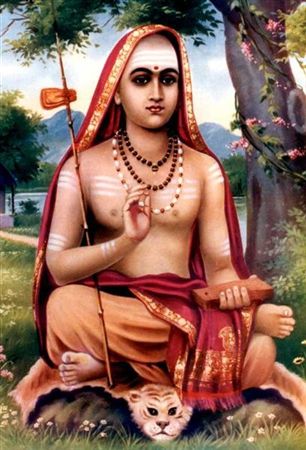
60 SECOND INTERVIEW WITH ADI SHANKARA

Adi Sankaracharya

(Questions are imaginary; Answers are true excerpts from BhajaGovindam aand Viveka Chudamani) –S Swaminathan

Q : Shankarji, Namasthe and Vanakkam.what is your philosophy?  Could you please tell us in one or two sentences?

A: Brahman alone is real, the universe is unreal, and the individual soul is no other than the universal Soul ( ”Brahma Sathyam -Jagan Mithya- Jeevo Brahma Eva , Na Aparaha” ).

Q. You have said it beautifully well. But laymen may not understand it.

A: Maya can be destroyed by the realisation of the pure Brahman, just as the mistaken idea of a snake is removed by the discrimination of the rope.

Q. Swami, This is high philosophy indeed. But is there any short cut for reaching God?

A: Through the company of the good, there arises non attachment:

Through non attachment there arises freedom from delusion:

When there is freedom from delusion, there is the Immutable Reality:

On experiencing immutable reality there comes the state of ‘liberated in life’(Jeevan Mukti).

Q: Oh, Swamiji, now I remember the Bhaja Govindam sloka ‘Satsangatve nissangatwam, Nissangatve Nirmohatvam——–‘.Ok,  A lot of people believe in simple things like holy dip in Ganges etc. Is it not good then?

A: To one who has studied the Bhagavad Gita even a little,

Who has sipped at least a drop of Ganges water,

Who has worshipped at least once Lord Murari,

To him there is no quarrel with Yama, the Lord of Death.

Q: Shankarji, only now you have come down to our level. We understand that you have gone round the Holy Bharat several times by foot when there was no vehicle, no bridges, no gun to protect you from wild animals .How did you do it. Aren’t you scared?

A: There is only Brahman, the one without a second, which is within all, homogenous, infinite, endless, and all pervading: there is no duality whatsoever in it (Eka mevadwayam Brahma neha nanasthi  kinchana)

Q. Yeah, we understand fear comes only when you think there is another thing.  Swami, we believe in Karma.  Is in it that even meeting you today destined already?

A: Through the realization of one’s identity with Brahman, all the accumulated actions of a hundred crore of cycles come to nought.

Q: That is a good news. That means no one needs to fear Karma. Now In India, we have got a lot of Babas and Swamijis with hundreds of thousands of followers. Aren’t we are going in the right direction?  I think Your Holiness must be happy about it.

A:One ascetic with matted-locks, one with shaven-head, one with hairs pulled out one by one, another parading in his ochre-robes- these are fools who, though seeing, do not see. Indeed these different disguises or apparels are only for their belly’s sake.

Q. Thanks for clarifying, Swamiji. Could you please give a simple message to our youths?

A: Childhood skips off on sport and play.

Youth flies off in pursuits of love making.

As one grows older one he is drowned in worry about the security and future of his wife and children.

One’s whole life gets spent in some kind of worry or other. And at no stage does man find time to lift his thoughts to God.  Seek God (Bhaja Govindam), Seek God, Seek God.

Q. You are a keen observer of Nature. You even escaped from the grip of a crocodile when you were young in Kaladi, Kerala. You tricked your mum by saying the crocodile will leave you alive if she permits you to enter Sanyas (ascetic life).Tell us what can nature teach us?

A: The deer, the elephant, the moth, the fish and the black bee-these five have died due to one or other of the five senses, viz. Sound etc. through their own attachment.

Whoever seeks to realise the self by devoting himself to the nourishment of the body, proceeds to cross a river by catching hold of a crocodile, mistaking it for a log.

Q : Shankar ji ,we would recommend you to be entered in the Guinness Book of records under three categories  : 1.The man who walked around the sub continent several times by foot-for longest Pada Yatra 2.The man who wrote highest number of commentaries on ancient texts and and 3. For strengthening the unity of India by establishing four centres (Mutts) in four corners of India :Sringeri, Dwaraka, Kashmir and Puri.

Namasthe. Thanks (Dhanyavad)

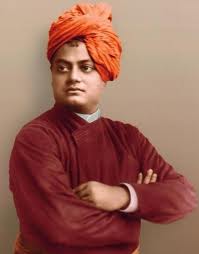
60 second interview with Swami Vivekananda

By S Swaminathan

Q: Swamiji , Namasthe and Vanakkam. Let me begin the interview with a question on football. Why did you say youths should play foot ball rather than reading Bhagavad Gita?

A: “First of all, our young must be strong. Religion will come afterwards. Be strong, my young friends; that is my advice to you. You will be nearer to Heaven through foot ball than through study of Gita”

Q: Swami, people are even scared of going in the night time!

The moment you fear, you are nobody. It is fear that is the greatest cause of misery in the world. It is fear that is the greatest of all superstitions. It is fear that is the cause of our woes, and it is fearlessness that brings heaven in a moment “The earth is enjoyed by heroes”—this is the unfailing truth. Be a hero. Always say, “I have no fear.”

Q: Are there ghosts?

A: Be strong! Don’t talk of ghosts and devils. We are the living devils. The sign of life is strength and growth. The sign of death is weakness. Whatever is weak, avoid! It is death. If it is strength, go down into hell and get hold of it! There is salvation only for the brave.

Q: Will God give us whatever we ask for?

Answer:

“When I Asked God for Strength
He Gave Me Difficult Situations to Face

When I Asked God for Brain & Brown
He Gave Me Puzzles in Life to Solve

When I Asked God for Happiness
He Showed Me Some Unhappy People

When I Asked God for Wealth
He Showed Me How to Work Hard

When I Asked God for Favours
He Showed Me Opportunities to Work Hard

When I Asked God for Peace
He Showed Me How to Help Others

God Gave Me Nothing I Wanted
He Gave Me Everything I Needed.”

What is the formula for success?

Take up one idea. Make that one idea your life – think of it, dream of it, live on that idea. Let the brain, muscles, nerves, every part of your body, be full of that idea, and just leave every other idea alone. This is the way to success.

What is your message to our youths?

Brave, bold people, these are what we want. What we want is vigour in the blood, strength in the nerves, iron muscles and nerves of steel, not softening namby-pamby ideas. Avoid all these. Avoid all mystery. There is no mystery in religion.

There are hundreds of thousands of microbes surrounding us, but they cannot harm us unless we become weak, until the body is ready and predisposed to receive them. There may be a million microbes of misery floating about us. Never mind! They dare not approach us, they have no power to get a hold on us, until the mind is weakened. This is the great fact: strength is life. Weakness is death. Strength is felicity, life eternal, and immortal. Weakness is constant strain and misery: weakness is death

Q: We have so many great religious leaders and Gurus. Which one should we follow?

A: In Buddha we had the great, universal heart and infinite patience, making religion practical and bringing it to everyone’s door. In Shankaracharya we saw tremendous intellectual power, throwing the scorching light of reason upon everything. We want today that bright sun of intellectuality joined with the heart of Buddha, the wonderful infinite heart of love and mercy. This union will give us the highest philosophy. Science and religion will meet and shake hands. Poetry and philosophy will become friends. What! Those giants of old, the ancient Rishis, who never walked but strode, of whom if you were to think but for a moment you would shrivel up into a moth, they sir, had time–and you have no time!

Q: What is the role of India in the world?

A: “It is the same India which has withstood the shocks of centuries, of hundreds of foreign invasions, of hundreds of upheavals, of manners and customs. It is the same land, which stands firmer than any rock in the world, with its undying vigour, indestructible life. Its life is of the same nature as the soul, without beginning and without end, immortal; and we are the children of such a country.”

“This is the ancient land, where wisdom made its home before it went into any other country… Here is the same India whose soil has been trodden by the feet of the greatest sages that ever lived… Look back, therefore, as far as you can, drink deep of the eternal fountains that are behind, and after that look forward, march forward, and make India brighter, greater, much higher, than she ever was.”

Q: What can a poor man do in this world?

A: They alone live who live for others. The rest are more dead than alive. In the world take always the position of the giver. Give everything and look for no return. Give love, give help, give service, and give any little thing you can, but keep out barter. Make no conditions and none will be imposed. Let us give out of our own bounty, just as God gives to us.

Q: What is the use of meditation?

A: In real meditation you forget the body. You may be cut to pieces and not feel it at all. You feel such pleasure in it. You become so light. This perfect rest we will get in meditation. Meditation means the mind is turned back upon itself. The mind stops all the thought-waves and the world stops. Your consciousness expands. Every time you meditate you will keep your growth.

The greatest help to spiritual life is meditation. In meditation we divest ourselves of all material conditions and feel our divine nature. We do not depend upon any external help in meditation.

Thanks, Swamiji.

(Questions are imaginary: answers are from Swamiji’s speeches)

மாணிக்கவாசகருடன் 60 வினாடி பேட்டி

கேள்விகள் ச. சுவாமிநாதனின் கற்பனை, பதில்கள் உண்மை)

திருவாசகத்துக்கு உருகார் ஒரு வாசகத்துக்கும் உருகார் என்று உலகமே உம் புகழ் பாடுகிறது. நீவீர் வணங்கும் தெய்வம்?

“தென் நாட்டுடைய சிவனே போற்றி

எந் நாட்டவர்க்கும் இறைவா போற்றி”

“நமச்சிவாய வாழ்க நாதந்தாள் வாழ்க

இமைப் பொழுதும் என் நெஞ்சின் நீங்காதான் தாள் வாழ்க”


கேள்வி: அந்த இறைவன் எங்கே இருக்கிறான்?

வான் ஆகி மண் ஆகி வளி ஆகி ஒளி ஆகி

ஊன் ஆகி உயிர் ஆகி உண்மையுமாய் இன்மையுமாய்க்

கோன் ஆகி யான் எனது என்று அவர் அவரைக் கூத்தாட்டு

வான் ஆகி நின்றாயை என் சொல்லி வாழ்த்துவனே


கேள்வி: முதல் மூன்று ஆழ்வ்வாரை நினைவுபடுத்துமாறு

ஒரு பாடல் பாடினீர்களா?

பூ(த)த்தாரும் பொய்கைப் புனல் இதுவே யெனக் கருதிப்

பேய்த் தேர் முகக்குறும் பேதை குணமாகாமே.


கேள்வி: கடவுள் நம் பாவங்களை மன்னித்து மேலும் ஒரு வாய்ப்பு தருவாரா? நீங்கள் கூட அரசாங்க பணத்தை எடுத்து குதிரை வாங்காமல் கோவில் கட்டியதும் ஒரு குற்றம் தானே?

யானே பொய் என் நெஞ்சும் பொய் என் அன்பும் பொய் ஆனால்

வினையேன் அழுதால் உன்னைப் பெறலாமே

தேனே அமுதே கரும்பின் தெளிவே தித்திக்கும்

மானே அருளாய்  அடியேன் உனை வந்துறுமாறே


கேள்வி: இறைவன் கருணைக் கடலா?

“கல்லைப் பிசைந்து கனி ஆக்கி, தன் கருணை வெள்ளத்து

அழுத்தி வினை கடிந்த வேதியன்”

பால் நினைந்தூட்டும் தாயினும் சாலப் பரிந்து

பாவியேனுடைய ஊனினை உருக்கி உள் ஓளி பெருக்கி

உலப்பிலா ஆனந்தமாய்த் தேனினைச் சொறிந்து


கேள்வி: உங்கள் பாட்டில் மாபெரும் வெடிப்பு BIG BANG பற்றியும் பாடியிருப்பதாகக் கூறுகிறார்களே

அண்டப் பகுதியின் உண்டைப் பிறக்கும்

அளப்பரும் தன்மை வளப்பெருங் காட்சி

ஒன்றனுக்கொன்று நின்றெழில் பகரின்

நூற்றொரு கோடியின்  மேற்பட விரிந்தன


கேள்வி: மதுரையில் உமக்காக சிவன் பிட்டுக்கு மண் சுமந்து அடிவாங்கினாராமே?

கண் சுமந்த நெற்றிக் கடவுள் கலி மதுரை

மண் சுமந்து கூலி கொண்டக் கோவான் மொத்துண்டு

புண் சுமந்த பொன் மேனி பாடுதுங் காண் அம்மானாய்


கேள்வி: பாரதியார் கூட உம்மைப் பார்த்துத்தான் பாரத மாதா பள்ளி எழுச்சி பாடினாரோ?

இன்னிசை வீணையர் யாழினர்  ஒருபால்

இருக்கொடு தோத்திரம் இயம்பினர் ஒருபால்

துன்னிய பிணை மலர்க் கயினர் ஒருபால்

 தொழுகையர் அழுகையர் துவள்கையர் ஒருபால்

சென்னியில் அஞ்சலி கூப்பினர் ஒருபால்

திருப்பெருந்துறையுறை சிவபெருமானே

என்னையும் ஆண்டு கொண்டு இன்னருள் புரியும்

எம் பெருமான் பள்ளி எழுந்தருளாயே


கேள்வி: ஒரு பாட்டில் இறைவனையே ஏமாளி என்று பாடிவிட்டீரே!

தந்தது உன் தன்னை; கொண்டது என் தன்னை;

சங்கரா! யார் கொலோ சதுரர்?

அந்தம் ஒன்றில்லா ஆனந்தம் பெற்றேன்

யாது நீ பெற்றது ஒன்று என்பால்?

கேள்வி: நாத்திகம் பேசி நாத்தழும்பு ஏறியதாக நாத்திகர்களைச் சாடிய உமக்காக நரிகளைக் கூட சிவ பெருமான் பரிகள் (குதிரை) ஆக்கினாராமே?

“நரியைக் குதிரையாக்கிய நன்மையும்

ஆண்டு கொண்டருள அழகுறு திருவடி

பாண்டியன் தனக்கு பரி மா விற்று”


கேள்வி: மனிதனாகப் பிறப்பது மிகவும் அரிதாமே?

புல்லாகிப் பூடாய்ப் புழுவாய் மரமாகிப்

பல் விருகமாகிப் பறவையாய் பாம்பாகிப்

கல்லாய் மனிதராய்ப் பேயாய்க் கணங்களாய்

வல் அசுரராகி முனிவராய்த் தேவராய்”


கேள்வி: கடவுளைப் போற்ற நீங்கள் அழகான சொற்களை பயன் படுத்துவதாக

கேள்விப்பட்டோம்:

ஏகன் ,அனேகன், பிறப்பறுக்கும் பிஞ்ஞகன்றன்,தேனார் அமுது, ஆரியன், போக்கும் வரவும் இல்லா புண்ணியன்,, சொல்லற்கரியான், பெம்மான், பெண் சுமந்த பாகத்தன்,ஒப்பிலாமணி,அன்பினில் விளைந்த ஆரமுது,காண்பரிய பேரொளி, நுண்ணர்வு,ஆற்றின்ப வெள்ளமே,சுடரொளி,மெய்யன்,விடைப் பாகன், ஐயன், பெருங்கருணைப் பேராறு, காவலன், தில்லை கூத்தன், தென் பாண்டி நாட்டான்.

“ஒரு நாமம் ஓர் உருவம் ஒன்றும் இல்லார்க்கு ஆயிரம்

திரு நாமம் பாடி நாம் தெள்ளேணம் கொட்டாமோ”

முன்னைப் பழம் பொருட்கு முன்னைப் பழம் பொருளே

பின்னைப் புதுமைக்கும் பேர்த்தும் அப்பெற்றியனே”


கேள்வி: நன்றாகத்தான் இருக்கிறது.OLDER THAN THE OLDEST NEWER THAN THE NEWEST. “இயம் சீதா மம சுதா” போன்ற கல்யாண மந்திரங்களைக் கூட பாட்டில் பாடியிருக்கிறீர்களாமே?

“உன் கையில்  இப் பிள்ளை உனக்கே அடைக்கலம் என்ற

அங்கப் பழம் சொல் புதுக்கும் எம் அச்சத்தால்”


கேள்வி: கடைசியாக ஒரு பொன்மொழி?

“ஒன்றும் நீ அல்லை; அன்றி ஒன்று இல்லை”

அற்புதம்,அற்புதம். நன்றி

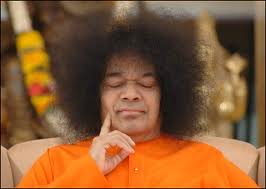
60 second Interview with Sathya Sai Baba

Sri Sathya Sai Baba


Q: Babaji, Namasthe. What is the purpose of Krishna Avatar (incarnation)?

Sri Krishna was born as the eighth child of Devaki. This is significant, for Samadhi is the eighth stage of spiritual effort, coming after Yama, Niyama, Asana, and Pranayama. Pratyahara, Dharana and Dhyana. These are grouped as Ashtanga Yoga, the Eight­fold Discipline. The Lord can be visualised only after the seven steps are successfully negotiated and the mind purified in the process. Samadhi means, sama (equal) dhi (intelligence) that is say, intelligence, grasp­ing the equality (fundamental) of every be­ing. Not only will all idea of difference and distinction disappear, but, even the idea of duality—heat and cold, grief and joy, good and bad—disappears. And, when man reaches that state, the Lord is born, auto­matically in his consciousness.

Q: Baba,Where is God?

A: GOD is neither distant, nor distinct from you. God is in you, around you, behind you, above you, beside you.

Q: What should I do every day to remain good?

Start the Day with Love;
Spend the Day with Love;
Fill the Day with Love;
End the Day with Love;
This is the way to God.

Q: Thanks, Baba. I will start observing it from an auspicious day.

Yesterday has deceived you and gone; Tomorrow is a doubtful visitor. Today is a fast friend — hold fast to it.

Q: At any one time a violent agitation or a war is happening in at least one part of the world. How can we establish peace?

If there is righteousness in the heart, there will be beauty in character;
If there is beauty in character, there will be harmony in the home;
When there is harmony in the house, there will be order in the nation;
When there is order in the nation, there will be peace in the World.

Q: Baba, even followers of religions fight among themselves. Cant you stop it?

There is only one religion, the religion of Love;
There is only one language, the language of the Heart;
There is only one caste, the caste of Humanity;
There is only one law, the law of Karma;
There is only one God, He is Omnipresent.

Q: Babaji, I have vowed to shave my head if I pass in the exam.

MANY believe that a pilgrimage to holy places is conductive to spiritual progress. They journey to Tirupathi, Rameswaram, Badrinath or Amarnath and pray for the removal of their mundane troubles. They vow to remove their hair if, through Divine intervention, they win a prize in the State Lotteries, as if God is in need of hair. This trick of bargaining is only cheating oneself in an attempt to cheat God. Do not pray to God for wealth or fame, positions of power or for the fruits of your actions. The genuine seeker will pray for nothing else but God.

Q:Babaj, I fear losing in the competition.

A: Every experience is a lesson, every loss is a gain.

Q: Is it true that human birth is better than others?

Each one of you has struggled upward from the stone to a plant,

From the plant to an animal,

From the animal to a man.

Do not slide into an animal.

Rise higher to divinity

Shining with the new effulgence of love.

Q: Swamiji Sometimes I feel bored. I don’t know how to explain my dull feelings

A: Life is Love, enjoy it;
Life is Challenge, meet it;
Life is a Song, sing it;
Life is a Dream, realize it;
Life is a Game, play it;
Life is a Goal, achieve it.

Q: Babaji,What is your message to our youths?

Bharat has always produced excellent people in abundance-intelligent, courageous, valorous, devoted, strong and virtuous. Yet we were conquered by foreigners. Why? Only because there was no unity. For this reason Bharat had to endure slavery and untold injustice at the hands of invaders. Students must cultivate unity. The reputation and future prosperity of the nation are hinged on the behaviour of students. Ensure that your conduct is prper. All the future leaders are among  today’s students. “Start early, drive slowly and reach safely”. Imprint the nation’s welfare as the primary goal in your heart, starting in your student days

Baba, we have got only sixty seconds. You have to be a quick.

Haste makes waste;
Waste makes worry;
So do not be in a hurry.

Q. Baba, It may sound  a bit embarrassing. About your miracles?

My miracles are my visiting cards to attract the devotees.

Q: Last question Baba. Who am I?

A:You are not one person, but three:
The one you think you are;
The one others think you are;
The one you really are.

(Imaginary Questions are mine; Answers are from Baba’s speeches)

No Brahmins, No Tamil!!

Written by By S Swaminathan

Posted on 14th January 2012

Tamil is one of the oldest, richest and sweetest languages in the world. A great many people, irrespective of their religion and caste, have shed their blood and sweat to foster and preserve the language and the culture. We salute all those great people. But yet a lot of mischievous propaganda by the Dravidian political parties in Tamil Nadu has misled the public to a great extent that they really believed Brahmins were aliens to Tamil culture. But anyone who goes deeper in to ancient Tamil literature known as Cankam (also called Sangam) literature would find out that without Brahmins Tamil would have died or at least become poorer two thousand years ago. The reason being Brahmins were the teachers of that language, like in other parts of India. So much was their contribution that any deletion of references to words like Brahmins, Vedas, Yagas, Sanskrit words, Sanskrit names from those books would leave the Tamil literature like a virus affected software. That is to say it would be incomplete without their contribution. Literally hundreds of references are there in the books. Ramayana ,Mahabharata and Puranic references are also in abundance.

The oldest Tamil book Tolkappiyam says Tamils worshipped the Vedic gods Indra , Varuna and Vishnu (Ref.Porul Adhikaram-1.5)

Two great Tamil kings were praised for their great yagnas- RAJASUYAM vetta Perunarkilli and Mudukudumi Peruvazithi. The first one was a Choza who did the great fire ceremony called Rajasuyam. We knew from Mahabharata that Dharma did this yaga. The second one was a Pandya king whose country was full of Yupa pillars. He was praised as if he would bow only twice-when he goes around a temple or when he sees a Brahmin. He was indomitable and invincible that the entire world would bow to him (ref.Purananuru Poem 6)

Nalliakodan’s palace is open to Brahmins 24 hours a day,  says Sirupantruppadai. Seraman Selvak Kadungo Vaziyathan will bow only to Brahmins , says Pathitru Pathu. In short we have so many references about kings bowing only before Gods and Brahmins.

Kapila was the giant among Cankam poets. He composed the highest number of poems (over 230) in Cankam period. Not only he composed Tamil poems, he taught a North Indian King Brahadhathan and made him to write a poem in Tamil. When he ridiculed Tamils, Kapila did teach him a real lesson. Kapila was praised by other Cankam poets as “A Brahmin of spotless character”.

A lot of Cankam poets have Sanskrit Names : Damodaran, Kesavan, Mahadevan, Vishnudasan, Kannadasan, Valmiki, Sahadevan, Gauthaman, Kausikan (Viswamitra), Kavya (written as Kappiya), Acharya (aasaan),Brahmachari

Over twenty Tamil poets are Nagas! They may not be Tamils. There is no reference to Nagas in five fold land division of traditional Tamils: Kurinji, Mullai,Marutham,Neithal and Palai landscapes have their own set of peoples and their own Gods such as Skanda Murugan,Vishnu,Indra, Varuna and Durga. Naga race lived in different parts of India.

The word Veda was beautifully translated by the Tamil poets. One poet described Veda as ‘Ezutha Kilavi’= unwritten word. Another poet praises it as ‘Ezutha Karpu’= unwritten chastity. He means that once written it’s purity would be lost and that is why the Brahmins pass it by word of mouth. Other poets call the Vedas as Marai= secret. They understood that the Vedas are written in a secret language with enigmatic or hidden meanings. Kaduvan Ilaveyini says that God is in secret form in the Vedas (Ref. Paripatal)

Karikalan and the Vedas

Karikalan and Rig Veda: Karikal Choza was praised as a supporter of Vedic practices. When you want to see your friends off you will have to walk seven steps with them and say good bye-says Rig Veda. The Saptapadthi ceremonly in wedding is also part of it. Karikalan was praised to have walked seven teps with his guest and see them off (Ref. Line 166 in Porunar Atruppadai by Mudathama Kanniyaar)

Brahmins are always referred to as one who looks inward (Anthanan or Paarppaan), one who always think of Brahman (Brahmanan). They are called one who do six jobs –Aru Thozilor- (In Sanskrit Shad Karma sukrutha:) because they do the following six kind of jobs,1.Learning,2.Teaching,3.Performing fire ceremonies  for others 4.Doing fire ceremonies for themselves,5. Accepting Gifts and 6.Donating gifts.

They are attributed with six virtues 1.One who seeks Brahman,2.One who takes two Births/Dwija,3.One who worships three forms of Agni/fire 4.One who practises four Vedas,5. One who controls all the five senses and 6. One who does six kinds of Jobs. Anyone can notice numbers 1,2,3,4,5 and 6 are used to describe Brahmins. The play on numbers has been used by thevTamil poets for two thousand years.

Brahmins acted as messengers as well during Cankam period. Dramas of Kalidasa and Bhasa also attributed this messenger role to Brahmins.

VEDIC GODS IN OLD TAMIL BOOKS

Following Hindu Gods and Godly persons were mentioned in Cankam literature:

Indra,Varuna,Agni,Yama,Rama,Krishna,Balarama, Shiva,Uma, Vishnu,Lakshmi, Parasurama,Kubera,Surya,Chandra,Arundhati, Gods in City Squares, Gods in trees, Gods in Hero Stones, Goddess of Kolli Hills,Gods in water sources etc. Reference of Holy bath in Cape Comorin and Dhanuskoti is also found in Tamil books.

Tamil Queen Committed Sati

There is a reference of a Pandya queen, Bhuta Pandyan Perun Devi, committing Sati as well. There is another reference of a poet going straight to heaven after performing a particular type of Yagna (Ref. Pathitru Pathu/Tenfold Ten poems).Gowthamanar who sang about Kuttuvan Cheral was transferred to Swarga (heaven) when he completed ten yagams with the help of the king. It is mentioned in Silappathikaram as well.

List of Brahmin poets and their contribution in Cankam literature:

Agasthyar ,who received Tamil language from Shiva

Tolkappiyar (Thruna dumagni), who wrote grammar after Agaththiyam became obsolete.

Amur Gowthaman Sathevanar (Sahadevan)

Kadiyalur uruththiran Kannanar ( Rudra Aksha)

Kodimangalam Vathula (Gothra) Narsenthan

Sellur Kosikan (Kausika Gothra) kannanar

Madurai Teacher Nalanthuvan

Madurai Ilam kausikanar

Madurai Kanakkayanar

Nakkiran,son of Madurai Kanakkayanar

Madurai gownian (Kaundinya Gothra) daththnar

Mamulanar

Uraiyur enicheri mudamosi

Perunkundrur Perungkausikan

Kumattur kannan

Gowthaman

Valmiki

Vadamavannakkan damodaran

Vembathur kumaran

PARANAR

Kapilar-Paranar, Kallada-Mamulanar are always treated as pairs. Of them Kapilar and Mamulanar are known Brahmins. But others are not classified under any caste. But my research shows Paranar is a Brahmin.

  1. Chera King sent his son with him for education. This was done in those days only with Brahmins.
  2. He was given land (Umbarkadu as Brahmadeyam) which was also done only to Brahmins or Temples in those days.
  3. Paranar is not a Tamil name. It is one of the Gothra Rishi’s name.
  4. Scholars like P T Srinivasa Iyengar also consider him a Brahmin.
  5. Dr R Nagaswamy, eminent historian and archaeologist of Taminadu also listed Paranar as a Brahmin in his book Yavarum Kelir.
  6. Paranar must be well versed in Sanskrit because he has translated and used lines from Kalidas’s poems and Vedic hymns.
  7. The name Paranar comes as a Brahmin’s name in the Story of Vikramaditya.

If we include Paranar’s  80+ poems with Kapilar’s 230+,  it will form a huge chunk in the Cankam works.


Books by Brahmin poets

Tolkappiyam (Pre Cankam period)

Kurinji pattu (lines 261)

Thiru murugatruppadai (lines 317)

Pattinap palai (Lines 301)

Perumpanatrup padai (Lines 500)

Malaipadukadam (lines 583)

Nedunal vadai (lines 188)

Six out of Ten Idylls sung by Brahmins

Pathitrup pathu (all except one)

Ainkurunuru (Kapilar’s 100)

Brahmin’s contribution adds up to 10,000 lines, nearly one third of the Cankam literature. The man who went from village to village to collect all these manuscripts was Mr U V Swaminatha Iyer, a Brahmin. We would have lost most of the Tamil treasures without his hard work.

Post Cankam Brahmin Writers

Thiru Gnana Sambandhar

Sundarar

Manikka Vasagar

Andal

Periyalvar

Madura kavi alvar

Tondaradippodi alvar

Jayamkondar

Ramanujar

(Though Adi Shankara and Dandi are from the South they did wrote only in Sanskrit)

Parimel Azkar: Though ten scholars wrote commentaries on the most famous Tamil ethics Tirukkural, Parimel Azakar’s was the best and most popular.

Nachinarkiniyar: The greatest commentator of Tamil literature. What Adi Sankara did for Upanishads, Brahmasutra, Bagavad Gita and Vishnu Sahasranama, Nachinarkiniyar did for Tamil literature. He wrote and wrote and never stopped. Without his commentaries we wouldn’t understand the Tamil poems at all. He was a voracious reader and a prolific writer.

Senavaraiyar: He wrote commentary on Tolkappiyam

U Ve Swaminatha Iyer: He was the doyen of Tamil literature. He saved Tamil books by visiting village after village to collect the old palm leaf manuscripts. Without his collection Tamil would have lost very valuable works. The Tamil world is indebted to him forever.

Bharathiyar: This twentieth century revolutionary poet was the giant of modern Tamil. He simplified the language of the poems and made it popular. He was the first one to write on various themes like God, nature, women’s liberation, education, freedom from poverty and patriotism. He broke the shell which insulated Tamil and made it available for laymen.

Parithimar Kalaignar: He was the first one to suggest Tamil should be declared a classical language.

We don’t want class and caste divisions in the society. But if anyone says that Brahmins came from outside India via Khyber Pass and they were alien to Tamil language and culture, my argument will be a nail in the coffin of those Brahmin haters.