Pictures are taken from various sources for spreading knowledge; this is a non- commercial blog. Thanks for your great pictures.
tamilandvedas.com, swamiindology.blogspot.com
HINDUS NEVER NEEDED SAFETY MATCH BOXES IN THE OLDEN DAYS
In the Hindu Temples inside the cool Garba Griha (Sanctum sanctorum) a hanging lamp will be burning for ever. It is called Nandha Vilakku ( a lamp never extinguished). You can see in many South Indian Hindu Temples even today. All the fire that is needed for oven, puja is got from it.
In the olden days brahmin houses had Arani Wood. Two woods were used to create fire for Havans, Yagas and Yajnas (fire sacrifice) etc.
A Hindu stars daily fire worship from the day of his marriage. It is called Aupasana, Agni Hotra etc. The fire pot will have burning husk or coal for ever. Even when he dies the fire from that pot was used. Now times have changed. Many big cities have electric crematoriums where you get tha ash of dead body in a few seconds. 10,000 volts burn the body in a few seconds.
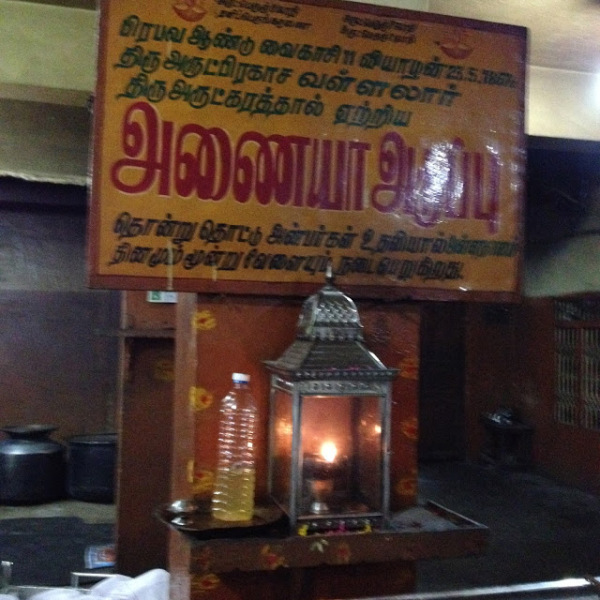
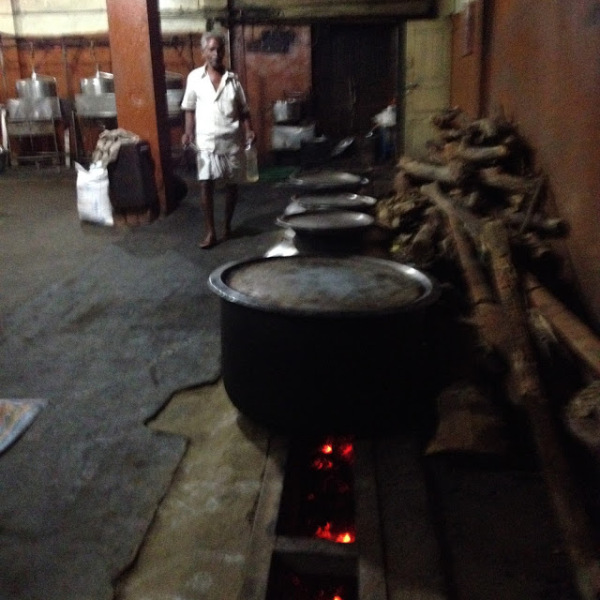
In Vadalur in Tamil Nadu a great Tamil saint by name Ramalinga Swamikal made an oven to feed the poor. Until today it is burning.
And in Yesterday’s Face book post by Ryas Murali Bhattachar, I read the following interesting information about another temple oven in Vrindavana which has been burning for nearly 500 years. Here is the detail-
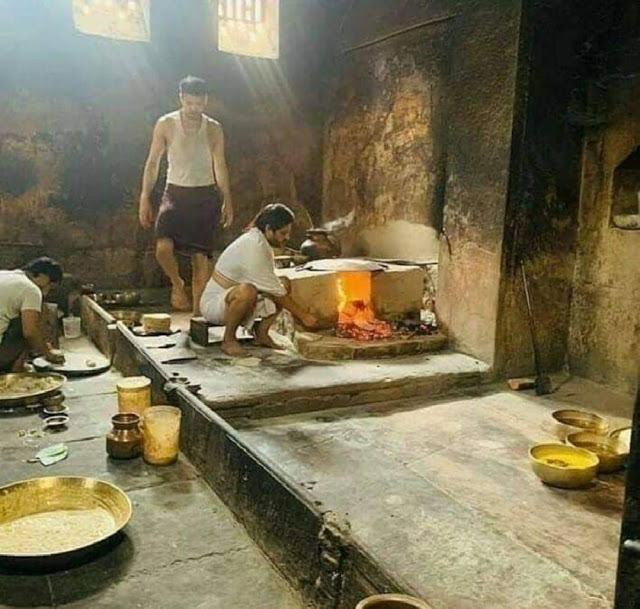
“Ever imagined a temple operating without a matchbox since close to 500 yrs?
Yes, this is the furnace at Sri Radha Raman Temple, Vrindavana which was lit 478 years ago. The furnace is used for literally everything from lighting the lamp to cooking the Lord’s Bhoga. Lit by Sri Gopal Bhatta Goswami – one of the 7 Goswamis of Vrindavana with the recitation of appropriate mantras. Hence, this temple operates without a matchbox”.
I have already written about the temple kitchen in Puri Jagannath temple. In Hinduism, from shoe to oven, everything is hoy. Their life is like a kaleidoscope- ever changing with beautiful colours and new designs. The principles behind them are encyclopaedic!
From my Previous Post about Vadalur Oven:–
Free Food 24 Hours! (Posted on 24 March 2018 in this blog)
The Sikh Gurudwaras have Langar where one can have food at any time of the day. There is no bar on caste or creed. In the same way Vallalar Centre at Vadalur serve food to anyone all through the day. The ovens in the kitchen have been burning for about 150 years and they have never been put off. Whether one believes in his miracles or not, this can be seen with our own eyes.(Vallalar’s full name is Ramalinga Swamikal)
When I and my brother Prof.S S Suryanarayanan entered the Ashram, one person with Vibhuti on his forehead came to us voluntarily and started talking about the greatness of Vallalar. We thought he was going to ask for money or donation. But he was very nice and introduced himself as Nama Sudhama. Vallalar was not a Brahmin and this gentleman was also not a Brahmin. I was wondering about his name. He explained his name that was in pure Sanskrit. Sudhama was his name and had added the prefix ‘Nama’ later because he liked Nama Sivaya very much. He took us around the centre, the kitchen and the ever- burning oven. He gave us herbal coffee (sukku Malli Coffee) which is placed in a public place and anyone can drink it. He told us a fact that not all the people taking food there are after Vallalar’s teaching, but some came there just for the food. The oven is never extinguished. It has been burning from 1857.
tags – Hindu wonder Ovens, Vadalur oven, Vrindavan oven
Pictures are taken from various sources for spreading knowledge; this is a non- commercial blog. Thanks for your great pictures.
PHILOSOPHY IN PRACTICE – 2
R.Nanjappa
Philosophy by slow degrees!
Prince Siddhartha noticed old age, disease, death. Inquiring into their nature and origin, he concluded that life itself was suffering (Duhkha). This is a philosophical insight. He could have stopped there, but did not. He thought there should be some cause for this, and therefore a solution. Meditating and inquiring thus, Siddhartha found the cause and the solution, became the Buddha, the Enlightened. He thus gave us a complete philosophy of life.
Often in life, we do not sit and sort out our thoughts to weave them into a coherent philosophy. It just happens that there is some faculty in us that keeps track of these little things as they occur and leave their impressions on us and these form into our philosophy in course of time. This was expressed beautifully by Thomas Hardy:
“Unadjusted impressions have their value, and the road to a true philosophy of life seems to lie in humbly recording diverse readings of its phenomena as they are forced upon us by chance and change.”
From: Preface to ‘Poems of the Past and the Present’, 1901.
In the course of our studies and reading, and interaction with peers in the workplace and others, through our teachers we do acquire many ideas and opinions. But these do not become a philosophy unless they touch something deeper in us than the mind. In this sense true philosophy is a reflection of our inner core, our soul and just not mere intellectual belief.
Viewed thus, modern philosophy is a terrible misnomer. They are all intellectual formulations, often empty words, mere sound and fury signifying nothing. If we know the kind of life many of these people lead, we will lose all respect for philosophy.
Philosophy in modern states
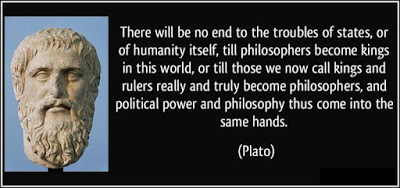
Can philosophy be practised in politics today as Plato meant it? Impossible in modern democracies. Democracies are composite societies, which are often fractured on ideological, ethnic, linguistic, and other lines. Rulers are elected through periodical elections, and it is not possible or practical to adopt a long term perspective, which a consistent philosophy would warrant. Even the same party in power is not consistent in policies.
Mass education has spread literacy, but not promoted true understanding of important issues. It has neither united minds nor hearts. The spread of academic specialisation has meant that even educated people do not understand matters across disciplines.
[The ‘Two Cultures’ syndrome.] A physicist cannot be expected to readily comprehend tight money or economic growth. Educated people even in so called developed countries do not have a clear idea of the most pressing problems . To suggest a solution and build a consensus around it is almost impossible. We saw it in respect of Brexit in Britain recently. Because the margin is narrow, the verdict is not accepted gracefully by the losers. How can a ruler with a philosophy, any philosophy, rule at all? The position of US is still worse. We are witnessing how hopeless the situation is in respect of global warming, nuclear waste etc. Modern education leads to dissent more easily than to unity of purpose. It is so easy to agitate against anything, even when we do not know the clear alternative!
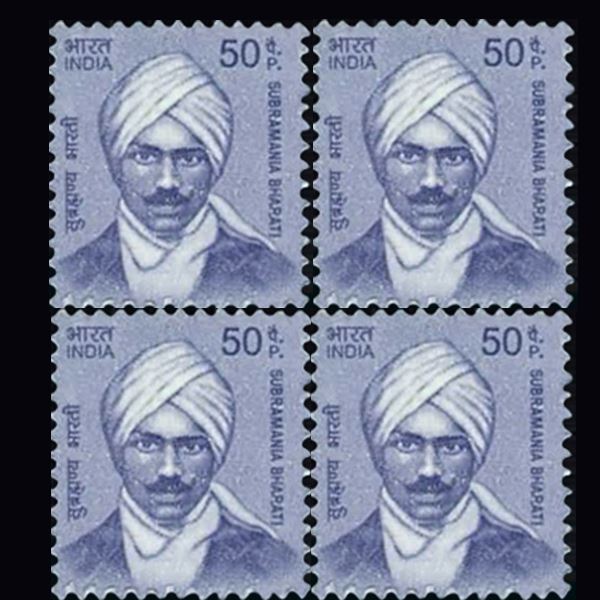
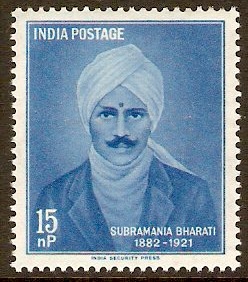
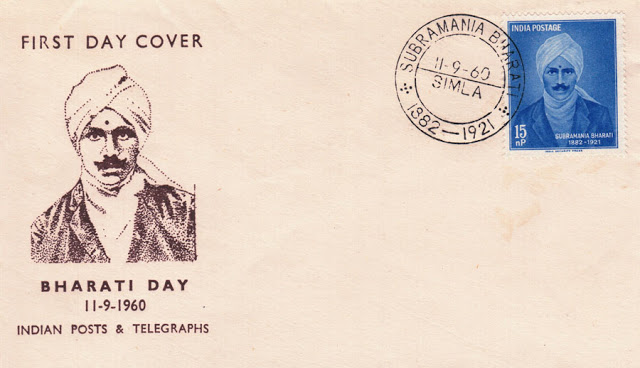
ஒரு சமயம் முட்டாள் ஒருவன், ‘மெல்லத் தமிழ் இனிச் சாகும்’ என்று உரைத்ததைக் கேட்ட பாரதியாருக்கு உள்ளமெலாம் பதறியது.
மெல்லத் தமிழ் இனிச் சாகும் – அந்த மேற்கு மொழிகள் புவிமிசை ஓங்கும் என்றந்தப் பேதை உரைத்தான் – ஆ
இந்த வசை எனக்கு எய்திடலாமோ
சென்றிடுவீர் எட்டுத் திக்கும் கலைச் செல்வங்கள் யாவும் கொணர்ந்திங்கு சேர்ப்பீர் என்று முழங்கினார் அவர்.
இப்படி தமிழ் மொழி பற்றி அவரது கவிதை மற்றும் கட்டுரைகளில் ஏராளமான கருத்துக்கள் உள்ளன. அதில் உண்மையான தமிழ்ப் பற்று கொண்டவன் என்ன செய்ய வேண்டும் என்பதையெல்லாம் அவர் தெளிவாகக் கூறியிருக்கிறார்; தான் கூறியது படியே வாழ்ந்தும் காட்டினார்; தமிழை எப்படி வளர்ப்பது என்பதைச் செயலிலும் காட்டினார் அவர்.
வாழ்க நிரந்தரம் வாழ்க தமிழ்மொழி வாழிய வாழியவே
வானம் அளந்தது அனைத்தும் அளந்திடும் வண்மொழி வாழியவே
என்றார் அவர். ‘வானம் அளந்தது அனைத்தும் அளந்திடும் வண் மொழி’- என்ன அழகான சொற்றொடர். கருத்துச் சுடர்!
வானம் அளந்தது அனைத்தும் அளந்த மொழி தமிழ் மொழியே என்பது அவரது முடிந்த முடிபு.
செந்தமிழ் நாடெனும் போதினிலே – இன்பத் தேன் வந்து பாயுது காதினிலே என்றார் அவர்.
புத்தாண்டு தினத்தையொட்டி அவர் பாடிய பாடலை வாழிய செந்தமிழ், வாழ்க நற்றமிழர் வாழிய பாரத மணித்திருநாடு என்று ஆரம்பிக்கிறார்.
தமிழறிஞர் உ.வே.சாமிநாதையரைப் போற்றும் போது பொதியமலை பிறந்த மொழி வாழ்வறியும் காலமெலாம் புலவோர் வாயிற் துதி அறிவாய் என்று அவர் கூறிய போது ஊழி உள்ளளவும் வாழும் மொழி தமிழ் என்பதை அடிநாதமாக உணர்த்துகிறார். இப்படி ஒரு ஆழ்ந்த தமிழ்ப் பற்றைக் கொண்டவர் பாரதியார்.
தமிழின் சிறப்பைச் சொல்ல வரும் ஒரு புலவர் தமிழ்விடுதூது என்ற நூலில்
“முற்றுணர்ந்த தேவர்களும் முக்குணமே பெற்றார் நீ குற்றமிலாப் பத்துக் குணம் பெற்றாய்” என்று கூறிப் புகழ்கிறார்.
தேவர்கள் சத்வ, ரஜஸ், தாமசம் என மூன்று குணங்களை மட்டுமே பெற்றுள்ளனர். ஆனால் தமிழ் மொழியே, நீயோ செறிவு, தெளிவு, சமநிலை, இன்பம், ஒழுகிசை, உதாரம், உய்த்தலில் பொருண்மை, காந்தம், வலி, சமாதி என்னும் பத்து அரிய குணங்களைப் பெற்றிருக்கிறாய் என்று அந்தப் புலவர் கூறும் போது உலகில் எந்த மொழியும் கொண்டிராத அருங்குணங்களைத் தமிழ் பெற்றிருப்பது தெரிய வருகிறது.
பழம் பெரும் பாடல் ஒன்றோ,
ஓங்கலிடை வந்து உயர்ந்தோர் தொழவிளங்கி ஏங்கொலி நீர் ஞாலத்து இருளகற்றும் – ஆங்கவற்றுள் மின்னேர் தனி ஆழி வெங்கதிர் ஒன்று ஏனையது தன்னேர் இலாத தமிழ்
என்கிறது.
உயர்ந்த மலையிடைத் தோன்றி பெரியோர் தொழ விளங்கி, நீர் சூழ்ந்த இந்த உலகில் இருளை அகற்றுவது இரண்டேயாம். ஒன்று சூரியன். அது புற இருளை அகற்றுகிறது. இன்னொன்று தமிழ். அது அக இருளை அகற்றுகிறது. ஆம் உண்மை தானே! தனக்கு நிகரான இன்னொன்று இல்லாத தமிழ், தன்னேர் இலாத தமிழ். இதை போற்றி வளர்ப்பது தமிழர்களாகிய நமது கடமை. போற்றுவோம் வளர்ப்போம் – தன்னேர் இலாத தமிழை!
இப்படிப்பட்ட அரும் செந்தமிழ் தன் நிலை இழந்து தாழ்வுற்றிருந்த போது அதைப் புத்துயிர் கொடுத்து வளர்த்தவர் பாரதியார் என்பதை நன்றியுடன் நினைவு கூர்வோம்.
செய்யுள் நலம் சீரழிந்து செந்தமிழும் வாடுகையில் உய்யும் நலம் காட்டியவன் ஓர் கவிஞன் – நெய்யுமொரு கூட்டிற்கோ தேன் கூடு கொட்டுதமிழ்ச் சந்த மொழி பாட்டிற்கோ பாரதியே தான் என்று என் வெண்பாவினை தமிழ்த்தாயின் திருவடி கமலங்களில் சமர்ப்பித்து, வாய்ப்பினை வழங்கியோருக்கு நன்றி கூறி இன்னுமொரு கேள்வியில் உங்களைச் சந்திக்கும் வரை வணக்கம் கூறி விடை பெறுவது சந்தானம் நாகராஜன்!
Pictures are taken from various sources for spreading knowledge; this is a non- commercial blog. Thanks for your great pictures.
tamilandvedas.com, swamiindology.blogspot.com
The RIT scientist believes the new method will allow scientists to develop more automated methods of finding transitions in ancient climate data.
NEW INDIAN EXPRESS, 5-9-2020
NEW YORK: Shifting monsoon patterns linked to climate change likely caused the rise and fall of the ancient Indus Valley Civilisation, according to a study by an Indian-origin scientist which analysed data from North India covering the past 5,700 years.
The analysis by Nishant Malik from Rochester Institute of Technology (RIT) in the US used a new mathematical method to study ancient climate patterns in North India over time, providing insights about past climates using indirect observations.
The research, published in Chaos: An Interdisciplinary Journal of Nonlinear Science, noted that by measuring the presence of particular chemical forms in stalagmite mineral deposits in caves in South Asia, scientists could develop a record of monsoon rainfall in the region for the past 5,700 years.
However, Malik said studying ancient climate time series with mathematical tools typically used to understand climate is a challenging task.
“Usually the data we get when analysing paleoclimate is a short time series with noise and uncertainty in it. As far as mathematics and climate is concerned, the tool we use very often in understanding climate and weather is dynamical systems,” Malik said.
“But dynamical systems theory is harder to apply to paleoclimate data. This new method can find transitions in the most challenging time series, including paleoclimate, which are short, have some amount of uncertainty and have noise in them,” he explained.
While there are several theories about why the Indus Valley Civilisation declined, including invasion by nomadic Indo-Aryans and earthquakes, climate change appears to be the most likely scenario, the study noted.
However, Malik said there was no mathematical proof until the new hybrid approach was applied.
According to his analysis, there was a major shift in monsoon patterns just before the dawn of this civilisation and that the pattern reversed course right before it declined, indicating it was in fact climate change that caused the fall.
The RIT scientist believes the new method will allow scientists to develop more automated methods of finding transitions in ancient climate data, leading to additional important historical discoveries.
Pictures are taken from various sources for spreading knowledge; this is a non- commercial blog. Thanks for your great pictures.
tamilandvedas.com, swamiindology.blogspot.com
பருவ நிலை மாற்றத்தால் அழிந்தது சிந்து நதி தீர நாகரீகம் ;விஞ்ஞானி அறிவிப்பு
உலகப் புகழ்பெற்ற சிந்து- சரஸ்வதி நதி தீர நாகரிகம் அழிந்ததற்கு பருவ நிலை மாற்றமே காரணம் என்று அமெரிக்காவின் ரோசஸ்டர் இன்ஸ்டிட்யூட் ஆஃ ப் டெக்னாலஜி (ROCHESTER INSTITUTE OF TECHNOLOGY) விஞ்ஞானி நிஷாந்த் மாலிக் நிரூபித்துள்ளார் . அவரது ஆராய்ச்சி முடிவுகள் கேயாஸ் (CHAOS) என்ற பத்திரிகையில் வெளியாகியுள்ளது.
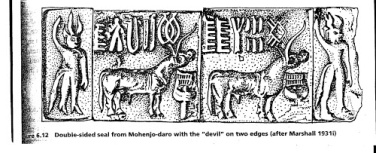
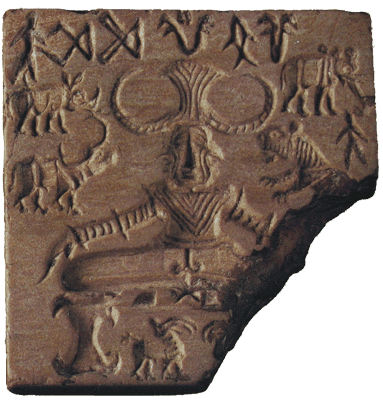
பிரித்தாளும் சூழ்ச்சசியிலும் மதமாற்றத்திலும் ஈடுபட்ட வெளிநாட்டோரும் அவர்களுக்கு அடிவருடிய திராவிடப் புரட்டர்களும் , மார்கசிய சதிகாரர்களும் சரஸ்வதி- சிந்து நதி தீர நாகரிகம் கண்டுபிடிக்கப்பட்ட அடுத்த நிமிடமே, அதற்கு முன் அவர்கள் சொல்லி வந்த, ஆரிய படையெடுப்பு வாதத்தைப் புகுத்தினர். இப்படி விஷ வித்துக்களைத் தூவியதால் இது வரை உலகில் படிக்க முடியாத ஒரே எழுத்தாக சிந்து சமவெளி எழுத்துக்கள் (UNDECHIPERABLE LANGUAGE) இருக்கின்றன. கடந்த 25 ஆண்டுகளாக வெளிவரும் அறிவியல் ஆராய்ச்சி முடிவுகள் ஆரிய- திராவிடப் பிரிவினைவாதிகளுக்கு சாவு மணி அடித்து வருகிறது.
சுமார் 25 ஆண்டுகளுக்கு முன்னர் அமெரிக்க விண்வெளி அமைப்பான நாஸா (NASA) எடுத்த விண் வெளிப் புகைப்படங்கள் பழங்கால சரஸ்வதி நதி ஒடி, வறண்டு, மறைந்து போன, வழித்தடத்தைக் காட்டின. அதே நேரத்தில், பாபா அணுசக்தி கேந்திர (BARC) விஞ்ஞானிகள் நடத்திய நிலத்தடி நீர் ஆய்வுகளும் சரஸ்வதி நதி பிரமாண்டமான அளவில் ஓடி வற்றிப்போய் மறைந்ததைக் காட்டின. ஹரப்பா, மொஹஞ்சதாரோவுக்குப் பின்னர் 1500 இடங்களில் பழைய நாகரீக தடயங்கள் காணப்பட்டதால் உ லகின் மிகப்பெரிய நாகரீகம்— ரிக்வேதம் குறிப்பிடும் சரஸ்வதி- சிந்து நதி தீர நாகரீகம்— என்பது தெளிவாகியது.
சங்க இலக்கியத்திலும், பிற்காலத் தமிழ் நூல்களிலும் சிந்து நதி பற்றிய குறிப்புகளே இல்லாததாலும் சிந்து வெளியில் கிடைத்த எலும்புக்கூடுகள் பஞ்சாபிய ஆரிய எலும்புக்கூடுகள் என்பதாலும் தமிழர்களுக்கும் இதற்கும் எள்ளளவும் தொடர்பு இல்லை என்பதும் தெரியவந்தது. கங்கை, யமுனை , பாடலிபுத்திரம் பற்றிப் பேசும் சங்க இலக்கியத்துக்கு, சிந்து பிரதேசம் பற்றிய அறிவு கொஞ்சமும் இல்லை என்பதையும் அறிஞர்கள் சுட்டிக்காட்டினர். சிந்து சமவெளி எழுத்துக்கள் திராவிட எழுத்துக்களைப் போல ஒட்டு மொழி எழுத்து (AGGLUTINATIVE) என்று 60 ஆண்டுகளுக்கு முன்னர் சொன்ன பின்னிஷ்- ரஷ்ய (FINNISH- SOVIET) அறிஞர்கள் வாயிலும் வாக்கரிசி போட்ட பிற அறிஞர்கள் உலகில் திராவிட மொழி தவிர பல மொழிகள் இந்த அமைப்பைக் கொண்டுள்ளதைக் காட்டி வாயடைத்தனர்.
கடந்த வாரம் இந்தியா முழுதும் ஆங்கிலப் பத்திரிகைகளில் வெளியான செய்தியும் பருவ நிலை நிலை மாற்றமே (CLIMATIC CHANGES) நாகரீக மறைவுக்கான காரணம் என்று காட்டிவிட்டன ; இதன் விவரம் பின்வருமாறு:–
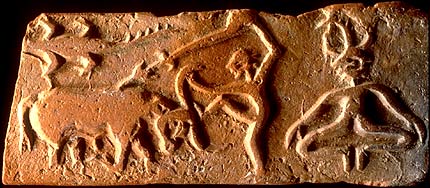
NAGA RANI IN INDUS VALLEY
கடந்த 5700 ஆண்டுகளாக வட இந்தியாவில் பருவநிலையும், குறிப்பாக நகர்ந்து/ மாறி வரும் பருவக்காற்றும் (shifting monsoon) என்ன செய்தது, எப்படி இருந்தது என்பதை கணித முறையில் கம்பியூட்டரில் (mathematical model) கண்டறிந்தார் இந்திய வம்சாவளி அறிஞர் நிஷாந்த் மாலிக் (Nishant Malik). இதே கணித மாடலை எல்லா நாகரீகங்களுக்கும் பயன்படுத்த முடியும்.
கேயாஸ் என்ற ஆராய்ச்சிப் பத்திரிகையில் வெளியான அவரது கட்டுரை மேலும் ஒரு செய்தியையும் கூறுகிறது. தெற்காசியாவில் பல குகைகள் உள்ளன. அவற்றில் பழங்காலத்தில் பெய்த மழைத்துளிகள் குகை ஓட்டை வழியாக ஒழுகி ஸ்டாலக்மைட் (stalagmites) என்னும் வடிவங்களை உருவாக்கியுள்ளன (இது போன்ற குகைகள் இன்று உலகெங்கிலும் சுற்றுலாப் பயணிகளைக் கவர்ந்து இழுக்கும் இயற்கை அதிசயத் தலங்களாகத் திகழ்கின்றன).
இந்த ஸ்டாலக்மைட் வடிவங்களை ஆராய்வதன் மூலம் நமக்கு பழங்கால பருவ நிலை தெரியும். இதை அவர் ஆராய்ந்ததில் சிந்து- சரஸ்வதி நாகரீகம் துவங்குவதற்கு முன்னர் அங்கே மழை கொட்டி வளமாக்கியதும், பின்னர் கொஞ்சம் கொஞ்சமாக அது மாறி வறண்டு போனதும் தெரியவந்தது. நாகரிகத்தின் தோற்றமும் அழிவும் மழை அளவு அதிகரிப்பு குறைவுடன் தொடர்புடையதாகக் காணப்படுகிறது. ஆக முந்தைய ஆரிய படையெடுப்புக் காரணங்கள், பூகம்பக் காரணங்கள் எல்லாம் தவறானவை; பருவ நிலை மாற்றமே நாகரிக மறைவுக்கு காரணம் என்கிறார் நிஷாந்த் மாலிக்.
இதை மேற்கொண்டும் ஆராய்ந்து தடயங்களை, சாட்சியங்களைக் கண்டுபிடிக்க வேண்டும். ஏனெனில் இது கம்பியூட்டரில் உருவாக்கப்பட்ட கணித மாதிரியின் (mathematical model research findings) முடிவுகள். அந்த இடத்திலேயே இதற்கான தடயங்களைக் கண்டுபிடிக்கவேண்டும் என்றும் முடிக்கிறார்
*******
என் கருத்து
அந்த இடத்திலேயே நிகழ்த்திய பாபா அணுசக்தி கேந்திர நிலத்தடி நீர் ஆய்வுகளும் பிரம்மாண்டமான சரச்வதி நதி வற்றிப்போனதைக் காட்டுகிறது.
நாசாவின் (NASA) புகைப்படங்களும் வற்றிய நதியின் வழித்தடத்தைக் காட்டுகிறது.
சிந்து-சரஸ்வதி சமவெளி வறட்சி காரணமாக வெளியேறிய ஸாரஸ்வத (சரஸ்வதி நதி தீர )பிராமணர்கள் இன்றும் கொங்கண ,மஹாராஷ்டிர பிரதேசங்களில் வசிக்கின்றனர். புராணங்களும் உத்தர பிரதேசத்திலுள்ள பிரயாகையில் கங்கை -சரஸ்வதி- யமுனை சங்கமம் ஆவதாக இயம்புவதால் இன்றும் இந்துக்கள் புனித ஸ்நானம் செய்கின்றனர். அந்த ஊரின் பெயரே ‘த்ரிவேணி சங்கம்’; தமிழில் முக்கூடல் – மூன்று நதிகளின் கூடுதல் . இப்போது பிரயாகையில் சரஸ்வதி நதி பாதாளத்தில் பாய்வதாகக் கூறுவர்.
tags– பருவ நிலை மாற்றம் , சிந்து- சரஸ்வதி நதி தீர நாகரிகம் ,நிஷாந்த் மாலிக், ROCHESTER INSTITUTE OF TECHNOLOGY
Pictures are taken from various sources for spreading knowledge; this is a non- commercial blog. Thanks for your great pictures.
PHILOSOPHY IN PRACTICE – 1
BY R.Nanjappa
Philosophy in action
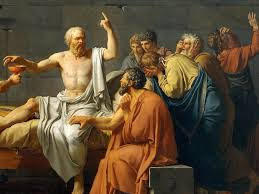
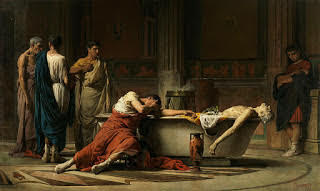
In Plato’s time, “philosopher” meant a lover of “wisdom”. This wisdom meant more than book knowledge, or mere knowledge of the world, and love meant more than mere belief. In those far off days, philosophy meant a way of living: philosophers did not merely believe in or preach something, but lived that belief. No one exemplifies this better than Plato’s own master Socrates. Convicted on trumped-up charges, he was condemned to die by drinking hemlock. His friends urged him to escape and leave the city, and they could bribe the prison guards to arrange that. But Socrates would not agree. He believed that the soul was immortal, and bodily death did not matter. Secondly he loved his city Athens, and was its true son and citizen: he would obey the city’s laws, even if there was a miscarriage of justice in his case. So he drank the hemlock. And thereby showed that he was a true philosopher! Socrates died poor! He did not charge a fee for his teaching!
Philosophy is not fun! Centuries later, Roman Seneca summed up the situation:
“Philosophy isn’t a parlour trick or made for show. It is not concerned with words, but with facts. It is not employed for some pleasure before the day is spent,or to relieve the uneasiness of our leisure. It shapes and builds up the soul, it gives order to life, guides action, shows what should and shouldn’t be done….Without it no one can live without fear or free from care.” [Moral Letters ]
Seneca too met a tragic end. He fell out of favour with his emperor Nero who ordered him to commit suicide!
Seneca calmly did. He was a true Stoic.
Today the word philosopher has lost its original meaning. Philosophy has become a mere academic discipline, and anyone who studies or teaches, or merely professes, is a philosopher!
Philosophy in modern states
We do not have philosophers or real statesmen steering the affairs of the State. We do not have politicians with any aim loftier than attainment of power. Leaders, in the real sense, like Vaclav Havel are rare for the modern age. Even in so called developed countries the popular vote does not necessarily favour the learned person.
Havel stood for anti-consumerism, environmentalism, humanitarianism, direct democracy. However he did not always enjoy the support of all sections, and could not prevent the split of Czechoslovakia on ethnic lines. It is not easy to practise philosophy in the modern State.
Philosophies do reign – in name!
Even so, modern governments cannot be said to be lacking in ‘philosophy’ of some sort, entirely. Most politicians declare their allegiance to some aims or ideals like communism, socialism, market economy, welfare state, democracy, liberalism, secularism, humanism, etc.
People conscious of environmental concerns even promote the Green Party, which is an anti-consumerist philosophy. These are all philosophies in their own right. Incidentally, almost all of them focus on the economy! They are really not ‘philosophy’ in the sense meant by Plato.
In practice, most politicians professing them merely reduce them to convenient labels or slogans to cover their quest for power and office, and hide their sins there. Almost no one practices what he says his philosophy is. No leader professing socialism has so far distributed his wealth among the poor! History tells us what crimes were committed in the name of communism in the former USSR and China, under Lenin, Stalin, Mao. Every modern dictator rode to power on some philosophy. Here in India every politician praises Gandhi or take his name when it suits him. It will be interesting to compile the list of ideals or philosophies professed by politicians and what exactly was done in their name when they came to power!
Even in truly democratic societies, it is not possible to govern without compromise. It is difficult to reduce philosophy to a program of action. It is easy to talk of welfare, but what would be your priority ? Would prohibition qualify as a welfare measure? Educated societies are divided on every issue. Scientists can be hired to support any side of an issue.
Philosophy for the public
Philosophy is really going into the nature and origin of things. We use the word in an entirely different sense in popular discourse today. Any strong or habitual belief in anything which influences our conduct is called a philosophy. We not only have a philosophy of life, but a philosophy of anything, practically!
How do we come by our philosophy? Not by learning, for sure. It is our life’s experiences, bit and small, that induce in us a doubt or uncertainty or sow the seed of some belief. We have happy childhood, good schooling and education, and a job- we believe life is good. Any problem anywhere, we come to believe life is uncertain, unpredictable. Those who are poor, struggle in life will surely believe that life is unjust, a punishment. There are those who believe that improvement is possible by human effort. All these are philosophies, though we don’t stick that label: optimism, pessimism, meliorism.

















 Tamil and Vedas