அனுமார் பற்றிய விநோதக் கதை (Post No.4991)

Written by London Swaminathan 


Date: 8 May 2018


Time uploaded in London – 20-12 (British Summer Time)


Post No. 4991


Pictures shown here are taken from various sources such as Facebook friends, Books, Google and newspapers; thanks. Pictures may be subject to copyright laws.


WARNING: PLEASE SHARE MY ARTICLES; BUT DON’T SHARE IT WITHOUT AUTHOR’S NAME AND THE BLOG NAME. BE HONEST; OTHERS WILL BE HONEST WITH YOU


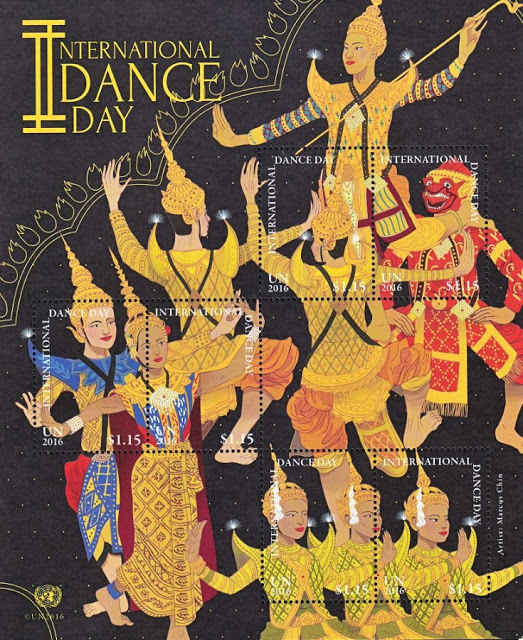
தாய்லாந்து, கம்போடியா, இந்தோ நேஷியா போன்ற நாடுகளில் ராமாயணம் தேசீய காவியமாகக் கருதப்படுகிறது. அந்த நாட்டிலேயே ராமாயணம் நடந்ததாக ஒவ்வொரு தலத்திலும் கதை சொல்லுவர். அந்த அளவுக்கு அவர்களின் ரத்தத்தில் ஊறிவிட்டது ராமாயணம்; இதற்கு அடுத்த நிலையில் அவர்களைக் கவர்ந்தது மஹாபாரதம்.


நாடகம், ஓவியம், கற்சிலைகள், ஊர்ப் பெயர்கள், மனிதர்களின் பெயர்கள் எல்லாவற்றிலும் இவ்விரு இதி ஹாசங்களையும் காணலாம்.


சங்க இலக்கியத்திலும் ஆழ்வார் பாடல்களிலும் கூட வால்மீகியும் கம்பனும் கூறாத கதைகள் இருக்கும்போது, கடல் கடந்த நாடுகளில் புது ராமாயணக் கதை இருப்பதில் வியப்பில்லை.


தாய்லாந்து மன்னர்கள் ‘ராமா’ என்று பெயர் சூட்டிக்கொண்டனர். அயோத்யா என்று தலை நகருக்குப் பெயர் வைத்தனர். என்னே ராம பக்தி!


10,000 பாடல்களில் ராமாயணத்தை ராமக்யான் என்ற பெயரில் எழுதி வைத்தனர்.


இதோ ஒரு சுவையான கதை


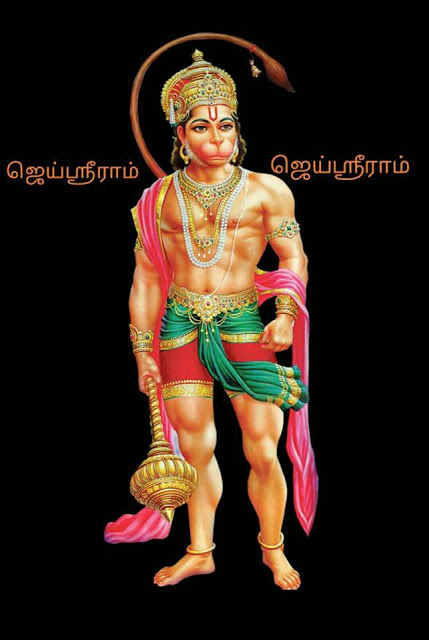
ராவண ஸம்ஹாரம் முடிந்தது; அரக்கனை விழுத்தாட்ட உதவிய ஒவ்வொருவருக்கும் ஏதேனும் கைம்மாறு செய்ய ராமபிரான் எண்ணினார். இலங்கையை விபீஷணனுக்கு வழங்கினார். கிஷ்கிந்தையை சுக்ரீவனுக்கு அளித்தார். பாதாளத்தை ஜாம்பவானுக்குக் கொடுத்தார்.குஹனுக்கு பூரிராம் (ராமபுரி) என்னும் இடத்தைத் தந்தார்.


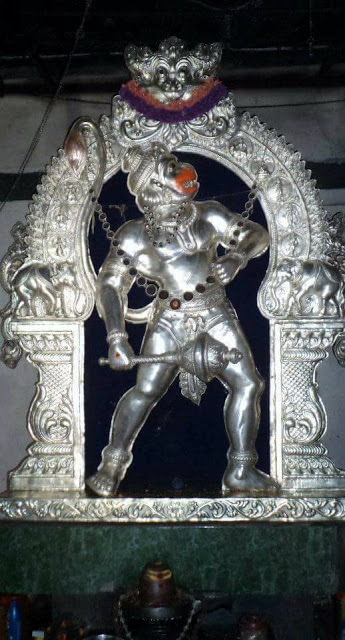
அடக் கடவுளே! எல்லோருக்கும் அளித்தாகிவிட்டது நெஞ்சிலே குடி இருக்கும் அனுமனுக்கு எதை நல்குவது என்று ஒரே சிந்தனை! ராமன் ஏதாவது ஒரு பணியைக் கொடுக்க மாட்டானா; அவனுக்குச் சேவை செய்வதில் கிடைக்கும் ஆனந்தம்வேறு எதிலும் கிடைக்காதே என்று அனுமன் எண்ணும் வேலையில் ராமன் செப்பினார்:


“ஆருயிர்த்தோழா! நான் ஒரு அம்பு விடப்போகிறேன்; அது எந்த இடத்தில் விழுகிறதோ அந்தப் பகுதி முழுவதும் உனக்கே சொந்தம்”– ஆஞ்சநேய ஸ்வாமிக்கு ஒரே மகிழ்ச்சி.

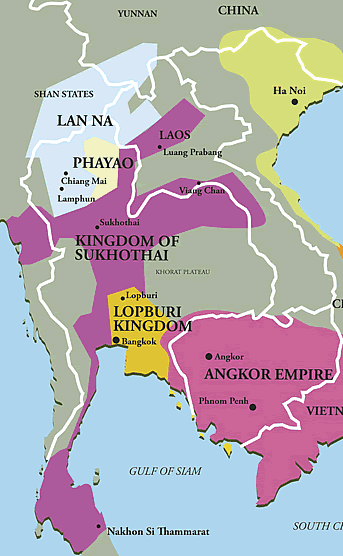
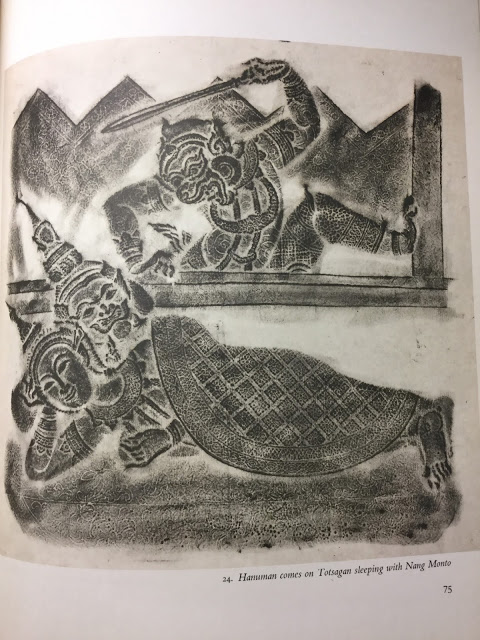
அம்பும் பறந்தது; அதன் பின்னால் அனுமனும் பறந்தான். ஒரு இடத்தில் அது போய் விழுந்தது. அந்த இடத்தின் தற்போதைய பெயர் (Lop Buri Kingdom) லோப்பூரி (லவ புரி).

ராமனின் அம்பு தீ கக்கியதால் அந்த இடம் எல்லாம் கருகியது; ஆனால் ராமனின் அம்பு கீழே விழுந்த பட்ட இடம் மட்டும் பச்சைப் பசேல் என்று பசுமையாக விளங்கியது. அது மட்டுமல்ல; அம்பு விழுந்த இடம் கரடு முரடான மலைப் பகுதி வேறு! அனுமந்த வீரன் தன் வால் மூலம் அதை சமதளப் பூமியாகச் செய்வித்தான்.


இன்றும் கூட அந்த லவபுரியை மக்கள் புனிதமாகக் கருதுவதால் அங்குள்ள பொருள்களை எல்லாம் புனிதம் என்று கருதி எடுத்துச் செல்ல ஆயினர். அது முழு மொட்டை ஆகி விடுமோ என்று பயந்த தாய் அரசு அதை பாதுக்ககப்பட்ட இடமாக அறிவித்தது. அந்த இடத்தைச் சுற்றி வேலியும் போட்டது.


புவியியல் ரீதியில் அங்கு சுண்ணாம்புக் கல் கிடைப்பதால் அரசு ஏற்றுமதியும் செய்து வருகிறது.

இந்தக் கதையில் தெரியும் உண்மை என்ன?

ராமன் அம்பு பட்ட இடம் கூடப் புனித மானது.

ராமன் அம்பு பட்ட இடம் பொன் விளையும் பூமியாக மாறும்.

ராமாயணம் , தாய்லாந்திலேயே நடந்தது போல லவ புரியை உண்மை என்றே கருதுகின்றனர் மக்கள்.

ராமனின் புதல்வன் லவன் பெயரில் அந்த ஊரும் அருகில் லாவோஸ் என்ற நாடும் உளது.


வாழ்க ராமன் புகழ்! வளர்க அனுமன் பக்தி!!

Hindu Sankaranti Festival in Thailand and Laos! (Post No.4990)

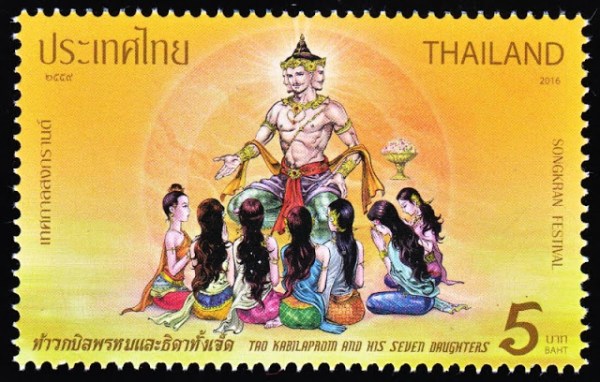
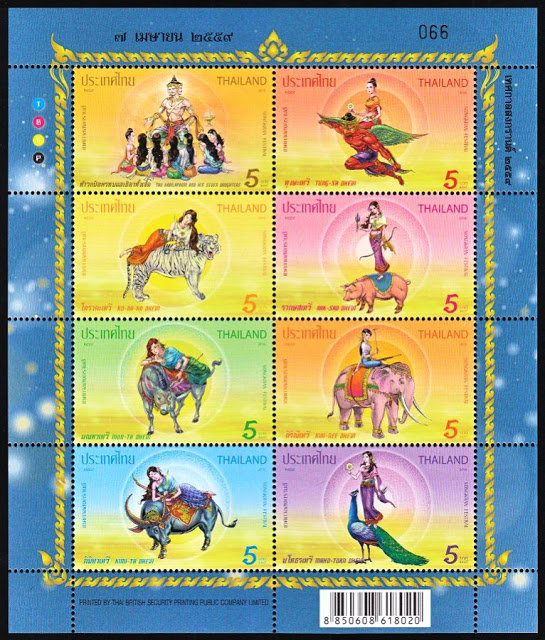
Kabilaprom and his seven daughters, issued by Thailand on April 7,2016


Hindu Sankaranti Festival in Thailand and Laos! (Post No.4990)


Research article Written by London Swaminathan 


Date: 8 May 2018


Time uploaded in London – 18-24 (British Summer Time)


Post No. 4990


Pictures shown here are taken from various sources such as Facebook friends, Books, Google and newspapers; thanks. Pictures may be subject to copyright laws.


WARNING: PLEASE SHARE MY ARTICLES; BUT DON’T SHARE IT WITHOUT AUTHOR’S NAME AND THE BLOG NAME. BE HONEST; OTHERS WILL BE HONEST WITH YOU


Two South East Asian countries celebrate Hindu festival Sankaranti with a Buddhist legend. Tamils in South India celebrate it as Pongal- Harvest Festival. Other parts of India celebrate it as a solar festival. All over India worship Sun God on that day.


Thailand and Laos have different stories associated with it.


In Thailand there lived a wise man who can speak with birds. His name was Dharmabarn (Dharma abarana- one who wears the jewel Dharma/Virtues). He was born in a wealthy family. He was wise even when he was seven years old.


The king was the other intelligent man in the country and his name was Kabila Brahmana. He had seven daughters. Kabila heard about Dharma and challenged him with three questions. That was a riddle. The loser in the competition should lose his head was the condition put forth by Kabila. Dharma agreed to it.

The riddle was: In the morning, at noon and in the evening, where is the human wheel of life?
Since Dharma could understand birds’ language, he heard two eagles talking about the wheel of human life.


The birds revealed to him that: In the morning, the wheel of life is on its face- that is why we wash our faces every morning.

At noon, the wheel of life is at its chest- that is why we wear perfume on our chests.

In the evening, the wheel of life is at its feet- that is why we wash our feet before going to bed.

Dharma gave these correct answers and hence Kabila cut off his own head. His seven daughters feared that if the head fell into the earth, a great fire will engulf the planet. If the head is hurled in the air, the planet will suffer a drought. If the head fell into the ocean, it would dry up. They decided to keep the head suspended in a cave of a mountain. Every year, one of the daughters would retrieve the head and parade around with it.


SANKARANTI (PONGAL) FESTIVAL

Evidently, the King had assigned his seven angel daughters to take turns carrying his head clockwise around Phra Sumane Mountain. And if Songkran Day (13 April) falls on any day of the following, that year would be honoured by that Nang Songkran. SONGRAN= SANKARANTI


In Madurai in South India there is a belief that depending upon the colour of god’s dress during Chitra festival the harvest would be predicted;they forecast if it is green colour that Lord Vishnu (Kalla Azakar is the local name of Vishnu) wears when he enters the River Vaigai, then the harvest would be good so on and so forth.

In the same way Thai people believed if the Sankranti falls on a particular day of the week certain things will happen. Those seven days are the seven daughters of Kabila.


  • Sunday: TungsateveeRed dress, preferred wild fruit, discus in the right hand, shell in the left hand, garuda as the vehicle.


  • Monday: Korakatevee Yellow dress with pearl ornaments, preferred butter oil, dagger in the right hand, walking cane in the left hand, tiger as the vehicle.


  • Tuesday: Ragsotevee Light red dress with agate ornaments, preferred blood, trident in the right hand, arrow in the left hand, pig as the vehicle.


  • Wednesday: Montatevee Emerald green dress with cats eye ornaments, preferred milk and butter, sharp iron in the right hand and walking cane in the left hand, donkey as the vehicle.


  • Thursday: Kirineetevee Greenish yellow dress with emerald ornaments, preferred nuts and sesame seeds, elephant hook in the right hand, gun in the left hand, elephant as the vehicle.


  • Friday: Kimitatevee White dress with topaz ornament, preferred banana, dagger in the right hand, Indian vina in the left hand, buffalo as the vehicle.


  • Saturday: Mahotorntevee Black dress with onyx ornaments, preferred hog deer, discus in the right hand, trident in the left hand, peacock as the vehicle.


Evidently, the prediction for the New Year will be made according to that particular day of the Nang Songkran. For example, if the preferred food of Miss Songkran is nuts and sesame seeds, it is predicted that the year will be productive, prosperous and healthy. And if the preferred food is blood, the prediction would go for a bloody year with quarrels. And if Miss Songkran prefers to carry a gun, it is predicted that the weather would be full of thunderstorms, etc. Also, at the venue where the grand Songkran Festival is organized, a procession of the Miss Songkran is indispensable for the people to appreciate the festival.

songran= Sankranti


Sankaranti is celebrated through out South East Asia. In Laos the people build Sand dunes. The sand dune symbolises the Hindu Holy Mountain Mount Meru. Kabila’s head was kept aloft on this mountain.. Since Buddhism celebrate yellow colour Laos people sprinkle scented water on the sand dune ,decorate it with festoons and flags and put yellow cloth on it. The offerings offered to the Stupas or sand dunes are distributed to Buddhis monks. It shows the mix up of several old customs. Hindu customs and Buddhist customs got mixed up with local beliefs.

Thailand and Laos released stamps to celebrate these festivals.

–Subham—

அனுமனுக்கு அயிந்திரம் தெரியும்! கம்பன் தகவல் (Post No.4989)

அனுமனுக்கு அயிந்திரம் தெரியும்! கம்பன் தகவல் (Post No.4989)


Written by London Swaminathan 


Date: 8 May 2018


Time uploaded in London – 9-19 am (British Summer Time)


Post No. 4989


Pictures shown here are taken from various sources such as Facebook friends, Books, Google and newspapers; thanks. Pictures may be subject to copyright laws.


WARNING: PLEASE SHARE MY ARTICLES; BUT DON’T SHARE IT WITHOUT AUTHOR’S NAME AND THE BLOG NAME. BE HONEST; OTHERS WILL BE HONEST WITH YOU


இயைந்தன இயைந்தன இனைய கூறலும்

மயிந்தம் துயிந்தனும் என்னும் மாண்பினார்

அயிந்திரம் நிறைந்தவ நானை ஏவலால்

நயம் தெரி காவலர் இருவர் நண்ணினார்


பொருள்

படையின் முன்பக்கத்தில் இருந்த வானரர் இவ்வாறு மனத்திற்பட்டதைச் சொல்லுகையில், நீதி முறை அறிந்த காவலர்களான மயிந்தன், துமிந்தன் என்ற சிறப்புமிக்க இரு வானரர்கள் ஐந்திர இலக்கணத்தை நன்கு அறிந்தவனான அனுமன் கட்டளையால் அங்கு வந்தனர்.

–வீடணன் அடைக்கலப் படலம், யுத்த காண்டம்


இப்படிப் போகிற போக்கில் அனுமனுக்கு அயிந்திரம் தெரியும் என்று சொல்லிவிட்டுப் போகிறான கம்பன்.


அனுமனை நவ வியாகரண பண்டிதன் என்றும் ராமாயணம் வருணிக்கும். நவ என்றால் இரண்டு பொருள் உண்டு. புதிய மற்றும் ஒன்பது என்று.

அயிந்திரம் பற்றிய குறிப்பு தொல்காப்பியத்திலும் வருகிறது.
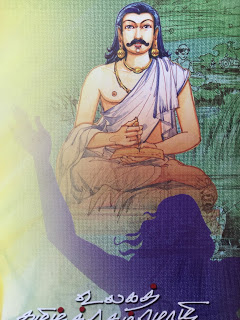
தொல்காப்பியனார் பாடிய தொல்காப்பியத்துக்கு பனம்பாரனார் அளித்தச்  சிறப்புப் பாயிரத்தில்

ஐந்திரம் நிறைந்த

தொல்காப்பியன் எனத் தன்பெயர் தோற்றிப்

பல்புகழ் நிறுத்த படிமையோனே


இதற்கு உரை எழுதிய பாஷ்யக்காரர்கள், “வடமொழிக் கண் புகழ்பெற்ற ஐந்திரம் என்னும் இலக்கணத்த்தைக் கற்றுப் புலமை வாய்ந்தவரும்’ என்று எழுதியுள்ளனர்.


ஆக ஐந்திரம் என்பது சம்ஸ்க்ருத இலக்கண

நூல் என்பது தெரிகிறது. இது கம்பன் காலத்தில் கூடக் கிடைத்ததாக தோன்றுகிறது.


பிருஹஸ்பதி என்பவர் தேவர்களின் குரு. அவர் எழுதிய நூலுக்குப் பெயர் ‘சப்த பாராயணம்’. அதை அவர் இந்திரனுக்குப் போதித்தார். வ்யாகரணம் (இலக்கணம்) என்பது ‘மரணாந்த வியாதி’ என்று உசநா என்ற மாபெரும் கவி கூறியதாக பிருஸ்பதி சொல்கிறார். அதாவது ‘ இலக்கணம் என்பது சாகும் வரை உள்ள நோயாம்’. உண்மைதான்! இலக்கணம் படித்தவன் அதை சாகும் வரை பின்பற்றி, விவாதித்து, வரம்பு மீறியவர்களைக் குறை கூறி, அதிலேயே பொழுதைக் கடத்துவான்.
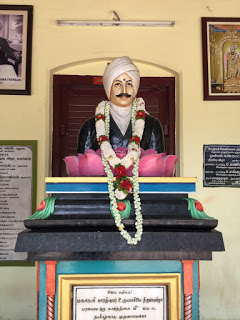
 

பாரதியார் வாழ்க்கையில்…….

பாரதியார் வாழ்க்கையில் கூட இப்படி ஒரு சம்பவம் நடந்ததை ஆக்கூர் அநந்தாச்சாரியார் எழுதியுள்ளார். சிலர் பாரதியின் பாட்டில் இலக்கணப் பிழை கண்டனர். பாரதி அவர்களை அழைத்தார். உம் கவிதையில் குறை உளது என்றனர்.

என்ன குற்றம்? சொற் குற்றமா? பொருட் குற்றமா ? என்று அவர் வினவினார்.

இரண்டும் இல்லை இலக்கணப் பிழை என்றனர்.

அவர் கேட்டார்? கவிதை முதலில் வந்ததா?

அல்லது இலக்கணம் முதலில் வந்ததா?


வந்தவர்கள் சொன்னார்கள்: கவிதைதான் முதலில் வந்தது- என்று.

நான் கவிதைதான் எழுதுகிறேன்; இலக்கணம் அன்று- என்று சொல்லி அவர்களை ஓட்டி விட்டார் பாரதியார்.

‘’இலக்கியமன்றேல் இலக்கணம் இல்லை’’ — என்பது ஆன்றோர் வாக்கு.


பிருஹஸதியின் கதைக்குத் திரும்பி வருவோம்.

யார் இந்த தகவலைக் கூறியது. பாணினியின் வியாகரண நூலான அஷ்டாத்யாயீக்கு பேருரை எழுதியவர் பதஞ்சலி முனிவர். அவர் எழுதிய மஹாபாஷ்யம்தான் இந்திரனுக்கு பிருஹஸ்பதி உபதேசித்த சப்த பாராயணம் பற்றி விளம்புகிறது.


இது பற்றி தைத்ரீய ஸம்ஹிதை மேலும் ஒரு சுவையான செய்தியைச் சொல்லுகிறது; அந்தக் காலத்தில் லக்ஷண விதிகள் இல்லையாம். லக்ஷண என்ற ஸம்ஸ்க்ருதச் சொல்லில் இருந்து வந்ததே இலக்கணம்; இதே போல லக்ஷியம் என்ற சொல்லில் இருந்து வந்ததே இலக்கியம் என்று ஆன்றோர் வழங்குவர். ஆக இந்திரன் பகுதி, விகுதி— இவைகளை எல்லாம் பிரித்து ஒரு இலக்கண நூல் செய்தான். அதுதான் ஐந்திரம்;

அயிந்திரம் என்பதே இந்திரன் என்ற சொல்லில் இருந்து பிறந்ததே!


தைத்ரீய ஸம்ஹிதைக்கு உரை எழுதிய ஸாயணாச்சாரியார் சொல்கிறார்:-

முன் காலத்தில் சொல் என்பது விளக்கப்படாமல் இருந்தது. தேவர்கள் வந்து அதை விளக்கும் படி கேட்டனர்; அப்போதுதான் இந்திரன் சொல்லின் ‘பகுதி, விகுதி’களைப் பிரித்து தனி இலக்கணம் எழுதினான்.

அந்தக் காலத்தில் இரண்டு வகையான இலக்கண மரபுகள் இருந்தன. ஐந்திர மரபு, மாஹேஸ்வர மரபு என்று.

இந்திரன் உண்டாக்கியது ஐந்திரம்.

பாணினி உண்டாக்கியது மாஹேஸ்வர மரபு- பாணிணீயம்
மொத்தம் எட்டு வகை இலக்கணங்கள் இருந்ததாகத் தெரிகிறது: பிரம்மா, சிவன், இந்திரன், பிருஹஸ்பதி, ப்ரஜாபதி, த்வஷ்டா, அபிசலி, பாணினி—-


ரிக்வேத கல்பத்ருமமும் எட்டு பேர் இலக்கணம் இயற்றியதாக இயம்பும்: வாயு, வருணன், ஸோமன், விஷ்ணு, இந்திரன், யமன், சந்திரன், ரௌத்தன்


பிற்கால நூலான, போப தேவர் இயற்றிய, ‘கவி கல்பத்ருமம்’ எட்டு இலக்கண ஆசிரியர்களின் பெயர்களை விளம்பும்; ஆபிசலி, பாணினி, காசக்ருத்சனன், சாகடாயனன்,இந்திரன், சந்திரன், ஜைனேந்திரன்.


ஸ்ரீ தத்வநிதி என்ற வைணவ நூல் ஒன்பது பெயர்களைத் தெரிவிக்கிறது—


ஐந்திரம், சாந்த்ரம், காச கிருஷ்த்ணம், கௌமாரம், சாகடாயனம், ஸாரஸ்த்வம், சாகல்யம், ஆபீசலம், பாணீணீயம்


ஐந்திரம் முதலியவை லௌகீக சாஸ்திர இலக்கணங்கள்; ப்ரதிசாக்யம் முதலியன வைதீக நூல் இலக்கணங்கள்.


பாணீணீயம், ஆபிசலம் ஆகியன லௌகீக, வைதீக நூல்கள் இரண்டுக்கும் பொருந்துவன.


பாணினி 2700 ஆண்டுகளுக்கு முன்னர் வாழ்ந்தார் (கி.மு ஏழாம் நூற்றாண்டு). அவருக்கு முன்னர் 35 ஸம்ஸ்க்ருத இலக்கண வித்தகர்கள் இருந்தனர்!! ஐந்திர வ்யாகரண நூலை நிறைய ஸம்ஸ்க்ருத, தமிழ், ப்ராக்ருத நூல்கள் குறிப்பிடுகின்றன.


25 மடங்கு பெரிது!


12ஆம் நூற்றாண்டைச் சேர்ந்த மஹாபாரத உரை ஆசிரியர் தேவ போதர் செப்புகிறார் :— பாணினி இலக்கண நூலைப் போல 25 படங்கு பெரியது ஐந்திர வ்யாகரண நூல்!


ஐந்திர இலக்கண நுல் வெகு காலத்துக்கு முன்னரே அழிந்துவிட்டது என்று கதைக் கடல் (கதா சரித் சாகரம்) சொல்லும்.


ஆனால் பிற்கால நூல்கள் ஐந்திர இலக்கண நூலின் சூத்ரங்களை மேற்கோள் காட்டுவதால் இப்படி ஒரு நூல் இருந்தது என்பதில் எள் அளவும் சந்தேகம் இல்லை!


கி.மு முதல் நூற்றாண்டைச் சேர்ந்த  பட்டாரக ஹரிச்சந்திரர், ‘ஸரக ந்யாச’ என்ற உரை நூலில் ஒரு சூத்திரத்தை மேற்கோள் காட்டுகிறார்.


‘’அத வர்ண ஸமூஹ’’ என்பது ஐந்திரத்தின் முதல் சூத்திரம்; இதன் பொருள்:- ‘பிறகு எழுத்துக்களின் தொகுப்பு’—


தொல்காப்பியமும் முதலில் எழுத்துகளைப் பற்றியே நுவலும்:

எழுத்தெனப்படுப

அகர முதல் னகரம் இறுவாய்

முப்பஃது என்ப

சார்ந்துவரல் மரபின் மூன்று அலங்கடையே.


‘அர்த்த: பதம்’ என்னும் இன்னொரு சூத்திரத்தை துர்காச்சாரியாரின் நிருக்த விருத்தியில் காண்கிறோம்; இதன் பொருள்:-  ‘பொருள் உள்ள எழுத்துக்களின் கூட்டுதான்’ சொல் எனப்படும்.


பிற்காலத்தில் சுஷேண வித்யாபூஷணர் எழுதிய ஒரு நூலிலும், பரதர் எழுதிய நாட்டிய சாஸ்திரத்திலும் ஐந்திரம் குறிப்பிடப்படுவதால் அவர்கள் காலத்தில் இது இருந்திருக்கவேண்டும். ஆயினும் பாணினியின் இலக்கணம் பிரபலமானவுடன் ஐந்திரம் வழக்கொழிந்து போயிருக்கலாம்.


ஐந்திரம் பற்றிப் பல தவறான கருத்துகளும் உண்டு; சமண மதத்தின் 24ஆவது தீர்த்தங்கரரான மஹாவீரர், அல்லது பௌத்த சமயத்தைச் சேர்ந்த இந்திர கோமீதான் இதை இயற்றியவர் என்றும் இயம்புவர்.  இது தவறு.


தேவநந்தி என்ற பூஜ்யபாதர் எழுதிய ஜைனேந்திர வியாகரணம்தான் ஐந்திரம் என்ற தவறான பிரச்சாரமும் உள்ளது.


–Subham–
 

பாரதி போற்றி ஆயிரம் – 87 (Post No.4988)

Compiled by S NAGARAJAN


Date: 8 MAY 2018


Time uploaded in London –  6-46 AM   (British Summer Time)


Post No. 4988


Pictures shown here are taken from various sources such as Facebook friends, Books, Google and newspapers; thanks. Pictures may be subject to copyright laws.


WARNING: PLEASE SHARE MY ARTICLES; BUT DON’T SHARE IT WITHOUT AUTHOR’S NAME AND THE BLOG NAME. BE HONEST; OTHERS WILL BE HONEST WITH YOU


பாரதி போற்றி ஆயிரம் – 87

  பாடல்கள் 884 முதல் 918


கவிதை இயற்றியோர்: பல்வேறு கவிஞர்கள்

தொகுப்பு : ச.நாகராஜன்

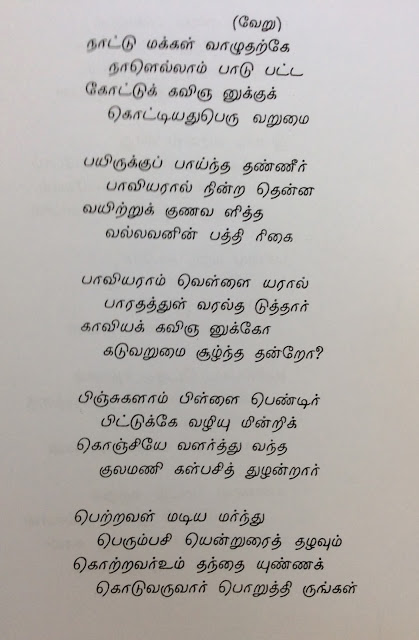
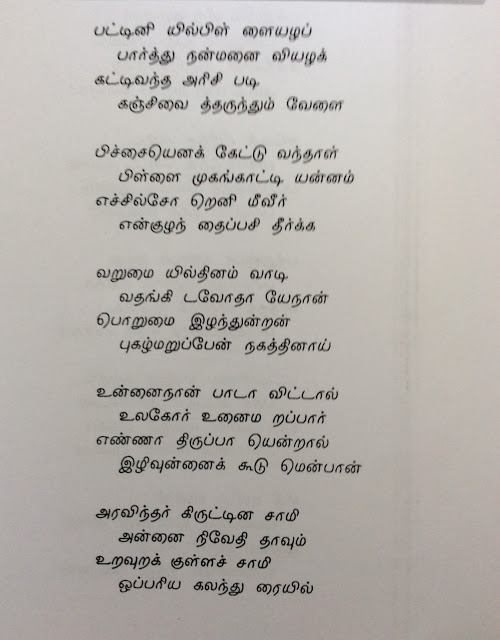
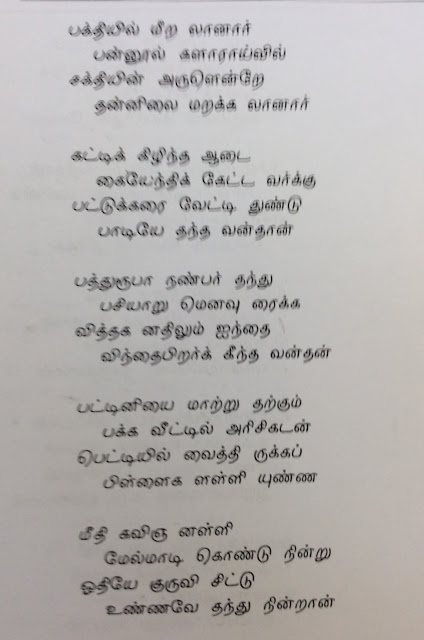
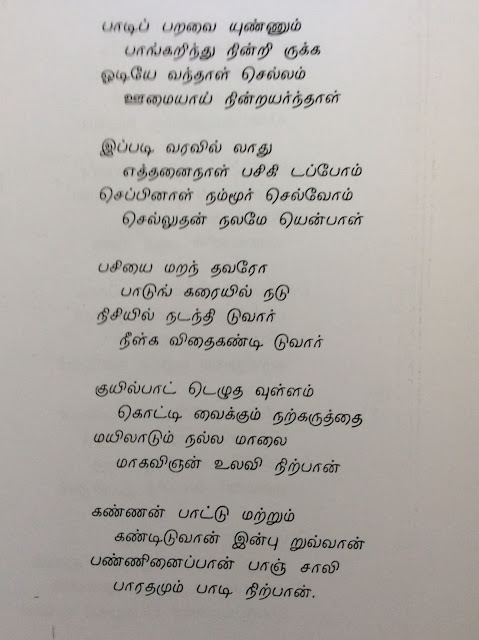
புலவர் கு.ப. பெருமாள் இயற்றிய     பாரதியின் “பா”ரதம்

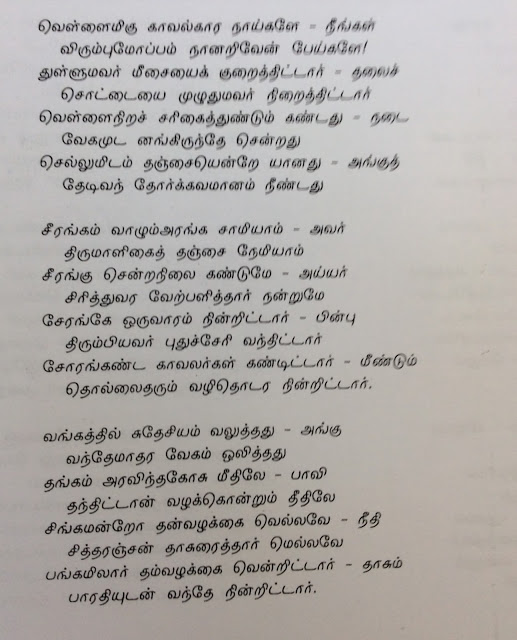
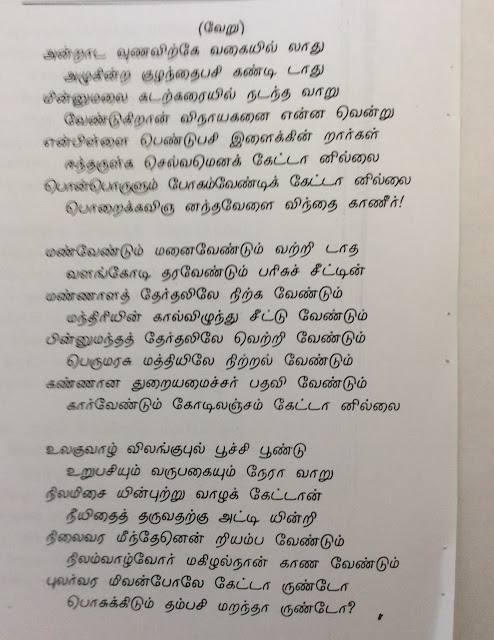
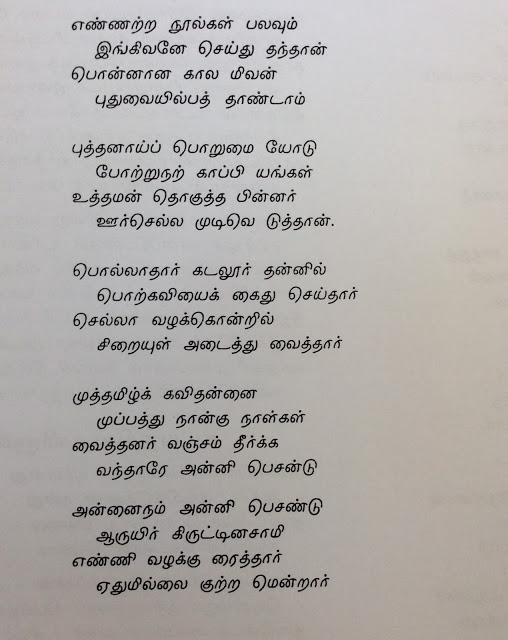
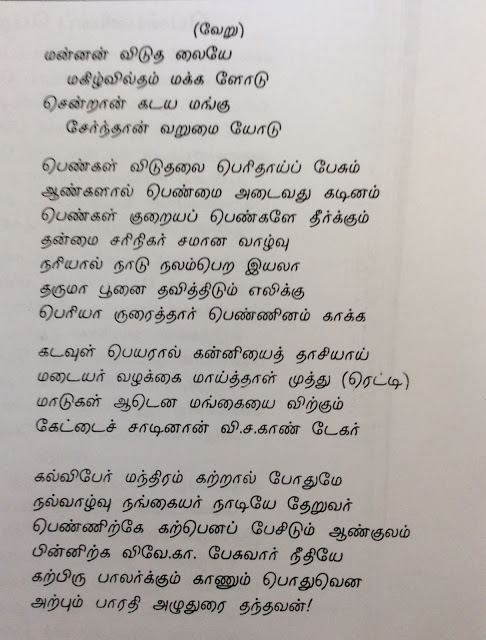
இந்த பாரதியாரின் வரலாற்று நூலில் பல அத்தியாயங்கள் உள்ளன. நூலை முழுவதுமாகத் தர இயலாத நிலையில் தேர்ந்தெடுத்த கவிதைகள் இங்கு அளிக்கப்படுகின்றன. இங்கு  புதுவையில் புரட்சிக்கவி என்ற அத்தியாயத்தில் அடுத்து வரும் 35 பாடல்களையும் படித்து மகிழலாம். நூலின் பக்கங்களை அப்படியே காணலாம்.

இணைப்பாகத் தரப்படுபவை :

புதுவையில் புரட்சிக்கவி – அடுத்து வரும் 35 பாடல்கள்


தொகுப்பாளர் குறிப்பு:
புலவர் கு.பொ.பெருமாள் பல்வேறு சந்தங்களில் மரபு நிலை மாறாது பாடல்களை யாத்துள்ளார்.

இவரைப் பற்றிய குறிப்பு ஏற்கனவே தரப்பட்டுள்ளது.

திண்டுக்கல் மாவட்டம் வேடசந்தூர் மாவட்டம் புளியம்பட்டியில் இருக்கும் புலவர் பதிப்பகம் இந்த நூலை வெளியிட்டுள்ளது.

கவிஞர் கு.பொ.பெருமாள் அவர்களுக்கும் புலவர் பதிப்பக உரிமையாளருக்கும் நமது நன்றி

***


SANSKRIT WONDERS IN THAILAND! (Post No.4987)

Written by London Swaminathan 


Date: 7 May 2018


Time uploaded in London – 21-23 (British Summer Time)


Post No. 4987


Pictures shown here are taken from various sources such as Facebook friends, Books, Google and newspapers; thanks. Pictures may be subject to copyright laws.


WARNING: PLEASE SHARE MY ARTICLES; BUT DON’T SHARE IT WITHOUT AUTHOR’S NAME AND THE BLOG NAME. BE HONEST; OTHERS WILL BE HONEST WITH YOU


There are lot of Sanskrit words in Thai language. It is a linguistic wonder. The language resembles Chines in structure with mono syllables and intonation. But vocabulary wise it is under the influence of Sanskrit. No one knows how and why!

Tamil words and Sanskrit words change when it goes to foreign lands.  A Sri Lankan Tamil write Thurkai for Goddess Durga. Malaysian Tamils write Tamayanti for Damayanti. When Sanskrit migrated to Turkey and Syria 3400 years ago the Mitanni civilization wrote Tushratta for Dasaratha, Pratartana for Pratardhana. Mauritian Tamils write Murde mootoo for Maruthamuthu. Further they go from the mainland India, stranger becomes the spellings of names and words.


A lot of place names in Thailand ends in Buri. It is the corrupted form of Puri, Pura. Ramayana characters took strange names in Thai vocabulary.

I give below just 12 place names for comparison—

Lop Buri- Lavapuri

Ayutthaya – Ayodhya

Nakhon Raatchasiimaa- Nagara Raja simha

Nakhon Patham- Nagara Prathama

Nakhon si Thammaraat- Nagara Sri Dharma raja

(look Nagara comes first unlike in Indian languages. Those who do research in Indus Valley Script must know all these peculiarities. In Middle eastern languages also such changes are common)

Pishtnulok- Vishnuloka

U Bon -Utpala

Sawankhalok – Swarga Loka

Surin-Surendrapuri

Yasothorn- Yasodhara

Prathet- Pradesa

Chonnabod- Janapada

Not only place names plant names, animal names, Ramayana characters – all are distorted beyond recognition.

If anyone wants to decipher languages like Indus script one should study languages like Thai.

In Tamil, Sanskrit and English the ‘Day’ comes as suffix (Sun Day, Mon Day etc.) In Thai Day will come first i.e prefix!

Van adit – Aditya Vara- Sun Day- jnayitru Kizamai

Van Can – Candra/soma Vara- Mon Day- Thingat Kizamai etc.


But the month names look like Malayala/Sanskrit months

Mesayon- Mesa Masa – Mesaayana

Praphaakhom- Vrshabaagama- Rishaba masa

mithunayon -mithuna masa

karkadaakhom- karkada masa

simhaakhom  etc.


Caste Names take strange shapes!

Brahmana- phraam

Kshatriya – Kasat

Vaisya – phait

Sudra- suud

Deva and Devi becomes Theva and Thevi like Sri Lankan, Malaysian and South African Tamil!

So far we saw only the difference in spellings or the sounds. Even meanings change.

Once I had some argument with my in laws who are from Kerala. When I mentioned a plant name he recognised something else. He described it differently. When we differed in two three plant names I googled and found out both are right. In Tamil what I said has a different name in malayalam and that word is used for a different plant in Tamil


Like the plant names other words also have different meanings unlike Sanskrit. So one must be very careful in deriving the meaning. Foreigners who studied Vedas did big blunders in translating them into English. For the word ASURA in the Rig Veda 40 different scholars have given forty different explanations.

44 Sanskrit Inscriptions!

Sanskrit inscriptions are the longest in the world! Rudradaman’s (130 CE) Junagad (Gujarat) inscription is one of the oldest and longest inscriptions in beautiful Sanskrit.

In Thailand over 40 Sanskrit inscriptions are found. They are dated from sixth century CE. There is a one word inscription ‘Lingesvaram’

in one place. But the longest one at Pranchinburi has 128 stanzas with 412 lines. Majority of the inscriptions are in between the two extremes.

A few of them are in beautiful Sanskrit poetry format with a good number of similes.   Most of them are about building shrines or stupas.


Dr Satyavrat Sastri of Delhi University went and stayed there for two years. He did detailed research on these inscriptions; he has explained the metres, the grammar, similes and style found in the inscriptions.


Source Book: Sanskrit and Indian culture in Thailand by Satya Vrat Shastri,Delhi,1982

I have taken some of the points from his book and presented here with my inputs.

My old article:-

Hindu Wonders in a Muslim Country! | Tamil and Vedas

Hindu Wonders in a Muslim Country!

12 May 2012 – Many of us know that Indonesia is the largest Muslim country in the world, but many of us do not know the fourth largest Hindu population is in Indonesia! This is the country which has highest number of Hindus outside Indian subcontinent (next to Nepal and Bangladesh). It is a countrywith 17000 islands…


–Subham–


ராமனின் கலர் என்ன? அனுமனின் கலர் என்ன? (Post No.4986)

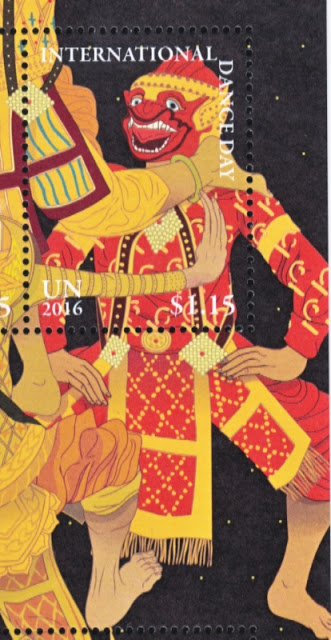
Hanumar stamp released by U N O.

Written by London Swaminathan 


Date: 7 May 2018


Time uploaded in London – 13-39 (British Summer Time)


Post No. 4986


Pictures shown here are taken from various sources such as Facebook friends, Books, Google and newspapers; thanks. Pictures may be subject to copyright laws.


WARNING: PLEASE SHARE MY ARTICLES; BUT DON’T SHARE IT WITHOUT AUTHOR’S NAME AND THE BLOG NAME. BE HONEST; OTHERS WILL BE HONEST WITH YOU


ஜவஹர்லால் நேரு எழுதிய டிஸ்கவரி ஆப் இந்தியா (DISCOVERY OF INDIA) புத்தகத்தில் ராமாயணம் குறித்து பிரெஞ்சு வரலாற்று அறிஞர் மிஷலெ (MICHELET)சொன்னதை மேற்கோள் காட்டுகிறார்–

ராமாயணம் இந்து மஹா சமுத்திரம் போலப் பரந்து விரிந்தது. அங்கே நாம் ஒரு தெய்வீக நல்லிணக்கத்தைப் பார்க்க முடிகிறது. பிணக்குகளிடையே பேரமைதி, அளப்பறிய இனிமை, உயிர்கள் அனைத்துடனும் எல்லையற்ற சஹோதரத்துவம், கடல் போன்று பரந்த அன்பு, கருணை, மன்னித்து அருளும் அருங்குணம் நிறைந்தது இந்தப் பெருங் காவியம்”


என்ன அற்புதமான வருணனை!


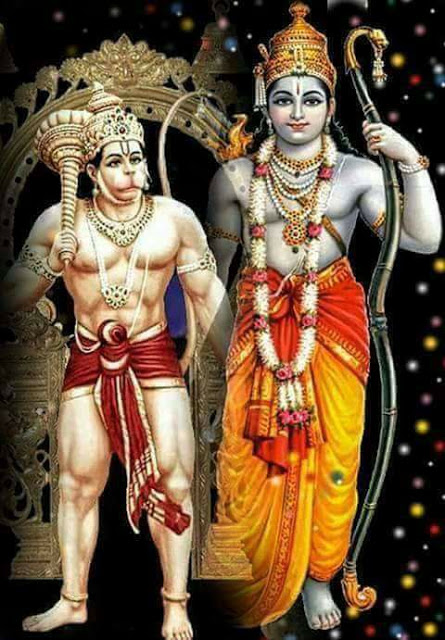
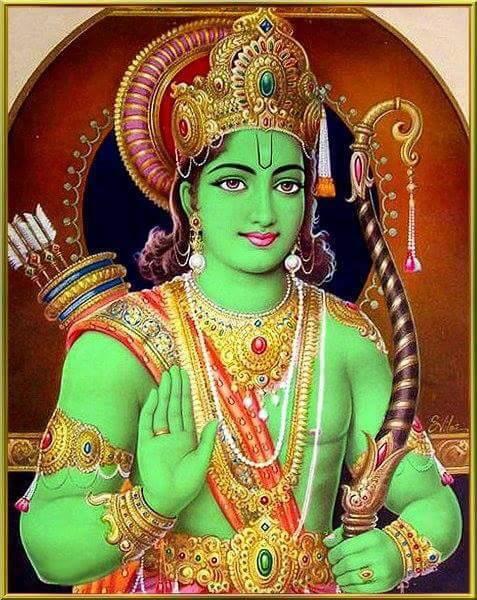
ராமனின் வர்ணம் பச்சை; லெட்சுமணனின் நிறம் தங்க நிறம்; அனுமனின் நிறம் ஊதா; ராவணனின் கலர் கருப்பு!!! எங்கே என்று கேட்கிறீர்களா? தாய்லாந்து நாட்டில்!


இந்திய- தாய்லாந்து உறவு பற்றிய சில சுவையான செய்திகளைச் சுருக்கமாகப் பார்ப்போம்.


2300 ஆண்டுகளுக்கு முன்னர், மாமன்னன் அசோகன், புத்த மதத்தைப் பரப்புவதற்காக இரண்டு துறவிகளை அனுப்பினான். ஏற்கனவே இந்தியாவுடன் இருந்த தொடர்பு காரணமாகவே இப்படி அனுப்பினான்.

தாய்லாந்தின் பழைய பெயர் சியாம தேசம்’ அதுவே சயாம் (SIAM) என்று மருவியது. இந்திய வணிகர்கள் தென் கிழக்கு ஆசிய நாடுகளுடன் வணிகம் செய்த காலத்தே, இப்பகுதியை சுவர்ண பூமி (தங்க நாடு) என்று அழைத்தனர்.


குறிப்பிட்ட ஒரு காலத்தில் ஆண்ட மன்னர்கள் தங்களை ராமா என்று அழைத்துக் கொண்டனர். அத்தோடு தலைநகரை அயோத்தியா (AYUTHTHAYA) என்றும் அழைத்தனர். அந்த அளவுக்கு ராமாயண காவியத்தின் தாக்கம் அங்கே இருந்தது.


தனபுரி என்னும் பகுதியை ஆண்ட மஹா தக்ஷின் என்பவர் ராமாயணக் கவிதைகளை எழுதத்துவங்கினார். பின்னர் முதலாவது ராமா (1782-1780) அதை 10,000 ஸ்லோகங்களாக எழுதி முடித்தார்.


முதலாவது ராமா ராமகியான் என்று அழைக்கப்படும் ராமாயணத்தை காவிய வடிவில் கொடுத்தார்; இரண்டாவது ராமா (1809-1824)  அதை . நாடகம் வடிவில் கொடுத்தார். ஆயினும் 1349 முதல்  ராமாயணம் சிறு சிறு பகுதிகளாக எழுதப்பட்டது. நாடகம், ஓவியம், கதைகளில் இடம்பெற்றது.


அருகிலுள்ள வியட்நாம், லாவோஸ், இந்தோநேஷியாவில் இந்து மத அரசர்கள் இருந்ததால் எல்லையோரப்   பகுதிகளில் ராமாயணம் பலவகை உருப்பெற்றது. வால்மீகி  ராமாயணத்துக்கும் தாய் மொழி ராமகியனுக்கும் பல வேறுபாடுகள் உண்டு.


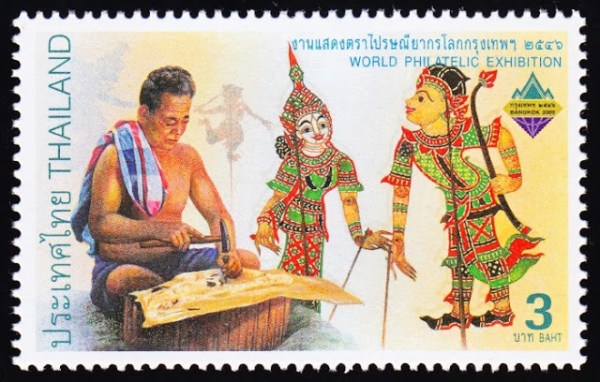
இந்தோநேஷியாவில் இருந்து நிழல் நாடகம் (பொம்மலாட்டம்) இறக்குமதியானது. இதில் தோல் பயன்படுத்தப்படுவதால் ஹநாங் (தோல்) என்ற பெயரில் இது அறிமுகமானது. இதில் பொம்மலாட்டத்தில் பயன்படுத்தப்படும் கயிறு, நூல் இல்லாமல் கைகளினாலேயே ராமாயண கதாபாத்திரங்கள் செயலில் இறங்குவார்கள்.

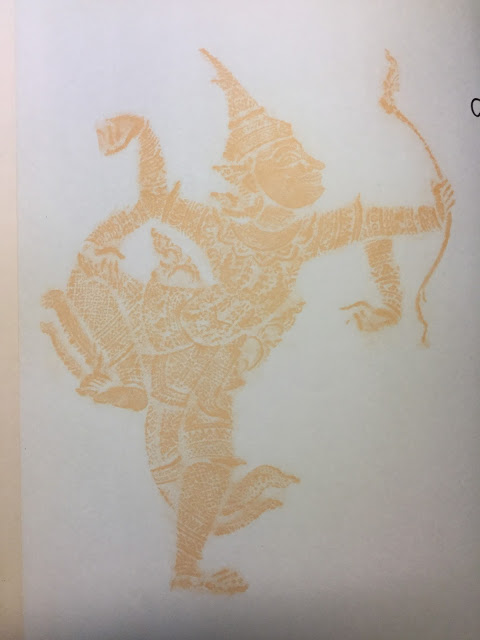
இதில் ராமன் பச்சை வர்ணத்திலும், லெட்சுமணன் தங்க நிறத்திலும், ஹனுமார் ஊதா நிறத்திலும், ராவணன் கருப்பு நிறத்திலும் காட்டப்படுவர். பாமர மக்கள் கதையை அறிந்துகொள்ள இது உதவும். இவ்வாறு ஒவ்வொரு கதாபாத்திரமும் ஒரு வர்ணத்தில் இருப்பது தாய் பொம்மல்லாட்டத்தின் சிறப்பு ஆகும்.

தாய் ராமாயணத்தில் பல விநோதக் கதைகளும் உண்டு. ஹனுமார் லோப் பூரியை ஆண்ட கதையை, அடுத்த கட்டுரையில் சொல்கிறேன். லோப் பூரி என்பது லவ புரி என்பதன் மரு ஆகும். லவன், குசன் ஆகிய இருவரும் ராமனின் புதல்வர்கள் என்பது எல்லோரும் அறிந்ததே; லாவோஸ் என்னும் நாடே லவனின் பெயரால் வந்த நாடுதான் என்பர் அறிஞர் பெருமக்கள்!


வாழ்க தாய் ராமாயணம்!! வளர்க ராமன் புகழ்!!!

—சுபம்–

ஜாதி பேதமற்ற சங்க இலக்கியப் புலவர்களுள் நால்வர்! (Post No.4985)

WRITTEN by S NAGARAJAN


Date: 7 MAY 2018


Time uploaded in London –  6-51 AM   (British Summer Time)


Post No. 4985


Pictures shown here are taken from various sources such as Facebook friends, Books, Google and newspapers; thanks. Pictures may be subject to copyright laws.


WARNING: PLEASE SHARE MY ARTICLES; BUT DON’T SHARE IT WITHOUT AUTHOR’S NAME AND THE BLOG NAME. BE HONEST; OTHERS WILL BE HONEST WITH YOU


ஜாதி பேதமற்ற சங்க இலக்கியப் புலவர்களுள் நால்வர்!


ச.நாகராஜன்


சங்க இலக்கியத்தில் ஜாதி பேதமே இல்லை என்பதைச் சுட்டிக் காட்ட நான்கு புலவர்களைப் பற்றிய சில குறிப்புகளை இங்கே காணலாம். உலகத்தார் அனைவரையும் ஒன்று படுத்தும் ஒரு பெரும் சக்தியாக தமிழ் விளங்குவதையும் உணரலாம்.

சங்க இலக்கியம் முழுவதையும் படித்தால் பொன்னான தமிழ்நாடு நம் கண் முன்னே தவழும்.

அதை மீண்டும் கொணர முயல்வோமாக!

இதோ புலவர்கள் நால்வர்.


கபிலர்

புலனழுக்கற்ற அந்தணாளன் என்று போற்றப்படும் பெரும் புலவர் இவர்.

இவர் அந்தணர் (புறம் 200)

குறிஞ்சித்திணை பாடுவதில் இணையற்ற ஆற்றலுடையவர்.

ஐங்குறுநூற்றில் குறிஞ்சிப்பாட்டு நூறும், கலித்தொகையில் குறிஞ்சி 29 பாட்டும் இவர் பாடியனவாகும்.

இதனைப்,

“பெருங்கடுங்கோன் பாலை குறிஞ்சி கபிலன்

மருதனிள நாகன் மருத – மருஞ்சோழ

னல்லுத் தான்முல்லை நல்லந் துவனெய்தல்

கல்விவலார் கண்ட கலி”

என்ற வெண்பாவால் அறியலாம்.

அகநானூறில் 203ம் பாடல் தவிர ஏனைய பாடல்கள் அனைத்தும் குறிஞ்சித் திணைக்கு உரியவையே.

இவர் மழவர் பெருமகனாகிய நள்ளியையும், பேரூரினையும் புகழ்ந்து பாடியுள்ளார். (அகம் 238; 382)

குறுந்தொகையில் ஓரியினது கொல்லிப்பாவையினையும், காரியினது முள்ளூர்கானத்தையும் புகழ்ந்துள்ளார். (குறுந்: 100;198)

நற்றிணையில் காரி மாவூர்ந்து நிரைகவர்தலையும், அவன் ஓரியைக் கொன்ற வரலாற்றினையும் கூறியுள்ளார். (நற் 291;320)

ஆரிய அரசன் பிரகத்தனைத் தமிழறிவுறுத்திக் குறிஞ்சிப்பாட்டுப் பாடியருளினார்.

செல்வக்கடுங்கோ ஆழியாதனைப் புகழ்ந்து இவர் பாடிய பத்துப் பாடல்கள் பதிற்றுப்பத்தில் ஏழாம் பத்தாகத் தொகுக்கப் பெற்றுள்ளன.

இன்னா நாற்பதும் கபிலம் என்னும் நூலும் இவர் இயற்றிய மற்ற நூல்களாகும்.

இவர் பாணருடன் வாது செய்தவர்.

புறநானூற்றில் பாரி வள்ளலைப் பலபடியாகப் புகழ்ந்து பாடியுள்ளார். (புறம் 105;106)

பாரிவள்ளல் தன் மகளிரை மூவேந்தருக்கு மணம் செய்து கொடுக்க மறுத்தமை காரணமாக மூவேந்தரும் அவனைப் பகைத்து அவன் பறம்பு மலையை முற்றுகை இட்ட போது உள்ளே உணவின்றி வருந்திய அனைவரையும் காப்பதற்காக கிளிகளால் நெற்கதிரைக் கொணரச் செய்தார். (அகம் 78;303)

மூவேந்தரும் பறம்பு மலையைக் கைப்பற்றுவது இயலாத காரியம் என்று கண்டு மனம் தளர்ந்த காலத்து, அவர்களை இவர் இகழ்ந்து பாடியுள்ளார். (புறம் 109;110)

பாரி அவ்வேந்தரால் வஞ்சித்துக் கொல்லப்பட்ட பின்னர், அவன் மகளிரை அழைத்துச் சென்று பார்ப்பார் பால் அடைக்கலம் வைத்தார். (புறம் 113; 236)

இந்தப் பாரி மகளிர் தம் தந்தையின் மலையைச் சூழ்ந்து கொண்ட பகை வேந்தரது படையின் அளவு எந்தெந்த திசையில் எவ்வெவ்வளவு இருக்கிறதென்று உயர்ந்த குவடுகளில் ஏறி நின்று எண்ணிச் சொன்னார்கள் என்னும் குறிப்புத் தோன்ற இவர் பாடியுள்ளார். (புறம் 116)

பின்னர், அம்மகளிர்களை அழைத்துக் கொண்டு போய், அவர்களை மணந்து கொள்ளும்படி விச்சிக்கோனையும் இருங்கோவேளையும் அவர் புகழ்ந்து பாடினார். (புறம் 200;201)

அவர்கள் மறுத்தவுடன் அவர்களைச் சபித்து விட்டு மீண்டார்.

கடைசியாக அம்மகளிருள் ஒருத்தியைத் திருக்கோவலூர் மலையனுக்கு மணம் செய்து கொடுத்து விட்டுப் பெண்ணையாற்றினிடையே ஒரு பாறையில் தீ வளர்த்து அதில் புகுந்தார் என்று திருக்கோவலூர் சாஸனம் ஒன்றால் வெளியாகிறது. (ஆதாரம் : செந்தமிழ் தொகுதி-4; பகுதி-5 பக்கம் 232)


தித்தன்

தித்தன் ஒரு அரசன்.

இவன் தித்தன் வெளியன் எனவும் வீரைவெளியன் தித்தன் எனவும் கூறப்படுவான். (அகம் 152;188;226)

இவன் சிறந்த வீரன் மட்டுமன்றி பெரும் புலவனும் ஆவான். (அகம் 188)

இவனது தலைநகர் உறையூர்.

இவ்வூரைப் பகைவர் கைப்பற்றாவண்ணம் அரண்வலி மிகுந்த புறங்காடு உடையதாகவும் படைகாவல் உடையதாகவும் செய்து காத்து வந்தான். (அகம் 122; தொல்.பொருள் நச் 60)

இவனுக்குக் கற்பில் சிறந்தவளும் பேரழகியாயுமுள்ள ஐயை என்னும் பெயருடைய ஒரு மகள் இருந்தாள். ஒரு சமயம் வடுக அரசனான கட்டி என்பான் பாணனொடு சேர்ந்து கொண்டு தித்தனோடு போர் புரிய நினைத்து உறையூருக்கு அருகில் வந்து இருக்கும் போது, உறையூரின் கண் இத்தித்தனது நாளவைக்கண் ஒலிக்கப் பெறும் தெண்கிணைப்பாடு கேட்டு அஞ்சிப் போர் புரியாமல் ஓடினான். (அகம் 226) இவன் மகன் பெயர் போர்வைக்கோப்பெருநற் கிள்ளி.


மதுரை அறுவைவாணிகன் இளவேட்டனார்

இவர் வணிக மரபினர். (தொல் பொருள் மரபு 74)

அறுவை வாணிகன் என்றால் வஸ்திர வியாபாரி. (Cloth Merchant) திருவள்ளுவரின் திருக்குறளைச் சிறப்பித்துப் பாடியுள்ளோரில் இவரும் ஒருவர். பாலைத் திணையைத் தவிர ஏனைய எல்லாத் திணையையும் புனைந்து இவர் அகநானூற்றில் பாடியுள்ளார்.

படுத்த யானை முதுகினைக் காற்றிலசையும் வழைத்தாறு தடவும் என்பது இவரது அழகிய கூற்று. (அகம் 302)


ஆவூர் மூலங்கிழார்

இவர் சோழநாட்டில் பிறந்தவர். (புறம் 33) வேளான் மரபிணர்.

இவரது மகன் தான் பெரும் புகழ் படைத்த பெருந்தலைச் சாத்தனார் ஆவார்.

இவர் காவிரியைப் புகழ்ந்து பாடியுள்ளார். (அகம் 341)

யாகம் பண்ணாத பார்ப்பானுக்கு சங்கறுக்கைத் தொழிலாகுமென்று இழித்துக் கூறுவதாலும் (அகம் 24),  யாகம் பண்ணிய கௌணியன் விண்ணந்தாயனைப் புகழ்ந்து பாடியுள்ளமையாலும் (புறம் 1660 இவர் வைதிக மதத்தில் (இந்து மதத்தில்) பெரும் பற்றுள்ளவர் என்பது அறியப்படுகிறது.


***

RAMA IS GREEN, LAKSHMANA IS GOLDEN & HANUMAN IS PURPLE! (Post No.4984)

RAMA IS GREEN, LAKSHMANA IS GOLDEN & HANUMAN IS  PURPLE! (Post No.4984)


Compiled by London Swaminathan 


Date: 6 May 2018


Time uploaded in London – 15-39 (British Summer Time)


Post No. 4984


Pictures shown here are taken from various sources such as Facebook friends, Books, Google and newspapers; thanks. Pictures may be subject to copyright laws.


WARNING: PLEASE SHARE MY ARTICLES; BUT DON’T SHARE IT WITHOUT AUTHOR’S NAME AND THE BLOG NAME. BE HONEST; OTHERS WILL BE HONEST WITH YOU


French historian Michelet described Ramayana as “ a great poem, as vast as the Indian Ocean, a book of divine harmony. A serene peace reigns in it, in the midst of conflict, an infinite sweetness, a boundless fraternity which spreads over all living beings, an ocean of love, of pity, of clemency” (from Jawaharlal Nehru’s Discovery of India)


Ramayana is very popular in Thailand. It is called Ramkien. Scholars believe that is the changed form of Ramakiirti or Ramaakhyaana.


During a particular period, Kings called themselves Rama and their capital was Ayuththaya (Ayodhya of Ramayana)

The original name of Siam is Shyama desa. During the commercial contacts, Indian business men called this region Swarnabhumi (Land of Gold).


We know for sure the Indo-Thai contact began at least 2300 years ago when Emperor Asoka sent two Buddhist emissaries to spread the message of Buddha. The reason he sent those people to Thailand was that  the people of the country are known to India.


Ramayana was introduced in art forms in the thirteenth century.

Though Ramayana was known to Thais for a very long period, King Rama I only gave it a shape. Takshin the Great , King of Thonburi wrote some verses of Ramakien and Rama I (1782-1880) produced a voluminous work of 10,000 stanzas. King Rama II (1809-1820) developed it into a drama.


Before this literary master piece was composed the firs Ramayana literature for the mask came about in 1349 CE. Only solitary evens from Ramayana were used. But long before the stage drama, certain kind of play known as Hnang (hide or skin) was shown. Ramayana characters were painted in different colours. Rama is green, Lakshmana is golden, Hanuman is in purple and Ravana is in dark colours.  When they were staged, they were similar to marionettes, but instead of strings, characters were controlled by hands. Hnang was introduced from Java (Indonesia) and it is an adaptation of the Sanskrit Chayanataka.


The Thai version was adapted to reflect Thai sentiments. Thai dressing, colouring was used. Even the story was changed from Valmiki’s original Sanskrit version. Here is a strange story which is not found in Indian versions of Ramayana.


Hanuman Ruled from Lavapuri in Thailand!

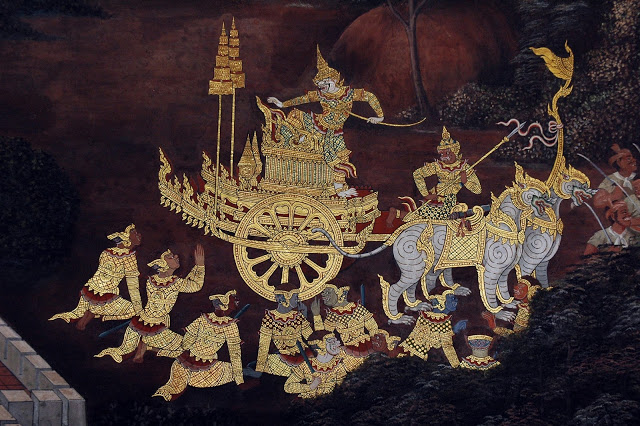
After the victory over Ravana Rama decided to reward all his allies who had helped him. He gave the Kingdom of Lanka to Vibhisana, Kishkinda to Sugreeva, Paatalaa to Jhambavat, Buriram (Rama Puri) to Guha and so on.  Last came the turn of Hanuman. He told Hanuman that he would shoot an arrow and hanuman should follow it. Wherever it falls that area would be his. Hanuman also faithfully followed Rama’s arrow. The arrow fell at Lopburi.


(Lava Puri= Lop Buri; Lava was one of the two sons of Rama. it is 150 kilometres from Bangkok) .

A lot of towns will have Buri suffix; it is the changed form of Puri which means a town or city in Sanskrit.

Lopburi was very uneven and Hanuman levelled it with his tail to make it habitable. Visvakarma helped Hanuman to build a beautiful city and Hanuman ruled from there.


An account of the story made the people to pick up mementoes from that place and ultimately government has to declare it a protected monument. The story was that the land was scorched by the falling arrow of Rama but a green patch was left where Rama’s arrow touched the ground. This account made the people to take everything from the green patch area as sacred objects. Then government introduced measures to protect it. In fact, Lopburi is abound in chalk and it is exported.

A lot of places in Thailand are associated with Ramayana as if Ramayana episodes took place in that country. The people have absorbed the story completely and believed Rama walked the length and breadth of Thailand!!

Source book: Studies in Sanskrit and Indian Culture in Thailand with my inputs.

–Subham–


More Drinking Anecdotes (Post No.4983)

Compiled by London Swaminathan 


Date: 6 May 2018


Time uploaded in London – 11-21 am (British Summer Time)


Post No. 4983


Pictures shown here are taken from various sources such as Facebook friends, Books, Google and newspapers; thanks. Pictures may be subject to copyright laws.


WARNING: PLEASE SHARE MY ARTICLES; BUT DON’T SHARE IT WITHOUT AUTHOR’S NAME AND THE BLOG NAME. BE HONEST; OTHERS WILL BE HONEST WITH YOU


Whole World Smells
A question of perspective was raised by the case of the drunk, who, while unconscious, had some Limburger cheese rubbed on his moustache. Coming to later, staggering feebly along, he began to say,
Ain’t it awful!
What is the trouble? Someone asked.
Ain’t it awful! Said the drunk.
The whole world smells.

Xxxx


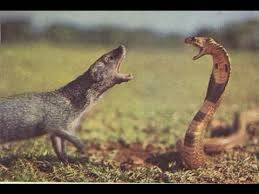
Snake and Mongoose

An inebriated gentleman was weaving gently down the street carrying in his hand a box with perforations in the lid and sides. An acquaintance stopped him and said ,
My word, what have you got in the box.
Shh, said the drunk, It’s a mongoose.
What on earth for? asked his friend
Well, he said, you know how it is with me. I am not very drunk now, but I will be soon. And when I am I see snakes and I am scared of them and that is what I got the mongoose for;to protect me.
But good heavens, said his friend, those are imaginary snakes!
That’s all right, said the drunk reassuringly. That’s all right; this is an imaginary mongoose

Xxx

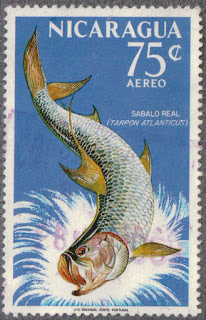
Stuffed Fish!


At a fashionable bar the main decoration s were mounted game and fish. A drunk fascinated by them, carefully walked from one to the other mumbling as he went. Suddenly he came upon an enormous stuffed tarpon. Swaying precariously stared at it for a full minute, then burst forth, ‘The fella who caught the fish is a liar!’


Tarpon= a large marine fish
Xxxx


Love Your Enemies
A clergyman told an   American Indian he should love his enemies.
I do, said the latter, for I love rum and cider.


xxxx

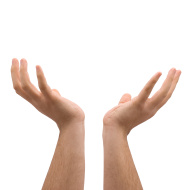
Open Your Hands!

William Pen was exhorting a drunkard to cast off his habits. The drunkard lamented that this was impossible.
No, said Penn. It is as easy as opening your hand, my friend.
Tell me how this is and I will do as you say, said the drunkard.
Friend, when you find any vessel of intoxicating liquor in your hand. Open the hand that it contains it before it reaches your mouth you will never be drunk again.

xxxx


Snake Bite!

In one of our South western proverbially dry states a couple of strangers in town asked a man on the street where they could get a drink
Well, said the man, in this town they only use whiskey for snake bite. There is only one snake in town, and it is getting kind of late You’d better hurry down and ‘git’ in line before it ‘gits’ exhausted.
Xxxx subham xxx

காஞ்சி பரமாசார்யார் ஆயுள் கண்டுபிடித்த ‘டெக்னிக்’ (Post No.4982)

Written by London Swaminathan 


Date: 6 May 2018


Time uploaded in London – 6-58 am (British Summer Time)


Post No. 4982


Pictures shown here are taken from various sources such as Facebook friends, Books, Google and newspapers; thanks. Pictures may be subject to copyright laws.


WARNING: PLEASE SHARE MY ARTICLES; BUT DON’T SHARE IT WITHOUT AUTHOR’S NAME AND THE BLOG NAME. BE HONEST; OTHERS WILL BE HONEST WITH YOU


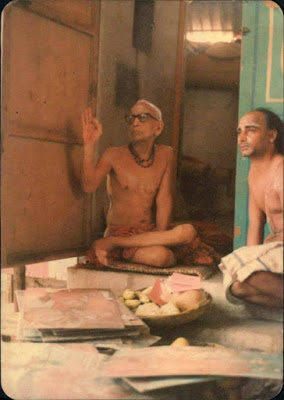
திருச்சி அருகிலுள்ள கூத்தனூரைச் சேர்ந்தவர் ஸ்ரீ சிங்கார சுப்ரமண்ய சாஸ்திரிகள். வேத பண்டிதர்; ரிக் வேதத்தின் ஒரு ஷாகையைப் படித்து காஞ்சிபரமாசார்ய ஸ்வாமிகளிடம் தங்க நாணயம், பசு மாடு, சால்வை பெற்றவர். பெரிய அறிஞர்–மஹா பண்டிதர். அவரிடம் ஒருவர் , இறந்து போனவரின் ஜாதகத்தைக் கொடுத்து அவரைச் சோதித்த போது அவருக்கு ஷாக் அடித்தது போல உடம்பு தூக்கிவாரிப் போட்ட நிகழ்ச்சியை முன்னரே எழுதினேன்.


அவரை மதுரை டி.வி.எஸ். நிறுவனத்தார் உபந்யாசம் செய்வதற்காக ஆண்டுதோறும் அழைத்தார்கள். அப்பொழுது அந்தக் கம்பெனி அனுப்பும் காரில் நானும் அவருடன் சென்று நோட்ஸ் (NOTES) எடுத்து அதை தினமணி பத்திரிகைக்கு செய்தியாகத் தருவேன். அவர் ஐந்து நிமிடத்துக்கு ஒரு முறை வேதத்தில் இருந்து மேற்கோள் காட்டிக் கொண்டே இருப்பார். இதனால், விஷயம் அறிந்தவர்கள், அவருடைய சொற்பொழிவைத் தவறாமல் கேட்பர். அவர் உபந்யாசத்தைத் துவங்கும்போது ‘உத்தமோத்தமர்களே” என்று துவங்குவார். என் அருகில் உடகார்ந்து இருப்பவர் உடனே காமெண்ட் (COMMENT) அடிப்பார். இங்கு இருப்பவர்களில் யார் உத்தமர்? என் உள்பட எவனும் உத்தமர் இல்லையே! என்பார். இதை எதற்காக எழுதுகிறேன் என்றால் ‘வெளுத்ததெல்லாம் பால்’ என்று எண்ணும் அளவுக்குக் குழந்தை மனம் படைத்தவர் சாஸ்திரிகள்.


என்னிடம் சொல்லுவார்: சாமிநாதா, நீ எங்கள் திருச்சி பஜாருக்கு வந்து பார்க்க வேண்டும். முனிவர்கள், சந்யாசிகளும் கூட மனம் தடுமாறிவிடும் அளவுக்கு பெண்கள் ஆடை அலங்காரம் இருக்கும் என்பார்.

நான் உடனே மாமா, எங்கள் மதுரையிலும் அப்படித்தான்.

நீங்கள் எங்கள் டவுன்ஹால் ரோடு (TOWN HALL ROAD) அல்லது, பணக்காரத் திருமணங்களுக்கு வந்து பாருங்கள்’ என்று சொல்லுவேன்.


இதை எழுதும்போது இன்னும் ஒரு விஷயமும் ஞாபகத்துக்கு வருகிறது. தொல்பொருட் துறை அறிஞர், வரலாற்று ஆசிரியரான டாக்டர் இரா.நாகசாமியும் பேச்சு வாக்கில் சொன்னார்; ‘பெரிய ஞானிகளையும் நிலை தடுமாறச் செய்து மனத்தை மாயையில் ஈடுபடுத்தும் சர்வ வல்லமை துர்கா தேவிக்கு உண்டு’ என்று சொல்லி ‘ஞானினாம் அபி சேதாம்ஸி தேவீ பகவதீ ஹி ஸா பலாத் ஆக்ருஷ்ய மோஹாய மஹாமாயா ப்ரயச்சதி’ என்ற துர்கா சப்தஸ்லோகீ வரிகளைக் கூறினார்


ॐ ज्ञानिनामपि चेतांसि देवी भगवती हि सा।

बलादाकृष्य मोहाय महामाया प्रयच्छति॥१॥


விஸ்வாமித்ரர், புத்தர் ஏசு முதலியோரையும் இறைவன் இப்படிச் சோதித்ததாக நாம் படித்து இருக்கிறோம்.

காஞ்சி பரமாசார்யார் வயதைச் சொன்ன சிங்கார சுப்ரமண்ய சாஸ்திரிகள்!!!!


காஞ்சி பரமாசார்ய ஸ்வாமிகளுக்கு (காஞ்சி சங்கராச்சார்யார் ஸ்ரீ சந்திர சேகர இந்திர சரஸ்வதி 1894-1994) இன்னும் எவ்வளவு ஆண்டுகள் உயிரோடு இருப்போம் என்று அறிய திடீரென ஆவல் ஏற்பட்டது. அவர் 100 ஆண்டுகள் வாழ்ந்து 1994ல் சமாதி அடைந்ததை நாம் அறிவோம்.


ஒரு முறை அவர் சிங்கார சுப்ரமண்ய சாஸ்திரிகளை யாரும் இல்லாத போது அழைத்து, தன் கையில் அக்ஷதையைப் போடும்படி சொன்னாராம். சாஸ்திரிகளுக்கு ஒரே வியப்பு. ஆயினும் அவர் சொன்ன படியே செய்தார். அட்சதையைப் போட்டபின்னர் ஸ்வாமிகள் அதை எண்ணிப்  பார்த்துவிட்டு ‘ஓஹோ, நான் இவ்வளவு ஆண்டுகள் உயிருடன் இருப்பேன்’ என்றாராம். அது எத்தனை ஆண்டுகள் என்று சாஸ்த்ரிகள் சொல்ல மறுத்து விட்டார்.


மறைகளைக் காப்பவர்களே நான் மறையாளர் அல்லவா? (இரஹஸியம்=   மறை) இறுதிவரை சாஸ்திரிகள் எங்களிடம் சொல்லவில்லை.

இவை அனைத்தும் சுமார் 45 ஆண்டுகளுக்கு முன்னர் நடந்த நிகழ்ச்சிகள்!!!!


xxxxxxxxxxxx SUBHAM xxxxxxxxxxx