தலையில் இருந்தால் முடி, கீழே விழுந்தால் மயிர்- வள்ளுவர் குறள் (Post No.3566)

Written by London swaminathan


Date: 22 January 2017


Time uploaded in London:- 15-42


Post No.3566


Pictures are taken from different sources; thanks.


contact: swami_48@yahoo.com

 

தமிழ்ப் புலவர்கள், நமக்குச் சொல்ல வேண்டிய விஷயங்களை எவ்வளவு வலுவாக– வலியுறுத்திச் சொல்ல வேண்டுமோ– அவ்வளவுக்குச் சொல்லுவர் அதற்கேற்ற உவமைகளையும் எடுத்தாள்வர்.


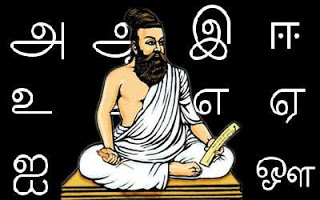
வள்ளுவப் பெருமான் “மயிர்” என்ற சொல்லை இரண்டு குறள்களில் பயன்படுத்துகிறார். மானம் என்ற , அ,,,,,,காரத்தில் அவைகளை வைத்திருப்பது பொருத்தமாக உள்ளது. நாம் யாரையேனும் அல்லது எ தையேனும் மட்டம் தட்ட வேண்டுமானால் “என் மயிர் போச்சு” என்று இழித்துரைக்கிறோம்; பழித்துப் பேசுகிறோம். ஆனால் அதே மயிர் தலையில் இருக்கும் வரை அதைச் சீவி முடித்து சிங்காரித்துப் பாராட்டுகிறோம். மயிருள்ள சீமாட்டி எஸ் கொண்டையும் போடுவாள் ஒய் கொண்டையும் போடுவாள் என்பது பழமொழி. அது மட்டுமல்ல. கணவன் வெளியூர் சென்றுவிட்டால் மனைவி சிகை அலங்காரம் செய்ய மாட்டாள் என்பது சம்ஸ்கிருத , தமிழ் இலக்கியங்களில் உள்ளது.  இமயம் முதல் குமரி வரை ஒரே பண்பாடு என்பதை  இது காட்டுகிறது. ஆரிய-திராவிட இனவெறிக் கொள்கை உடையோரின் மூஞ்சியில் இது  கரி பூசுகிறது.


தலையின் இழிந்த மயிரனையர் மாந்தர்

நிலயின் இழிந்தக் கடை (குறள் 964)


மக்கள் நெறி தவறி, உயர்ந்த நிலையிலிருந்து கீழே விழுந்தால், தலையிலிருந்து விழுந்த மயிர் போல ஆவர்.


மயிர் நீப்பின் வாழாக் கவரி மா அன்னார்

உயிர் நீப்பர் மானம் வரின்  (குறள் 969)


தன் உடம்பிலிருந்து ஒரு மயிர் நீங்கினாலும் வாழ விரும்பாத கவரிமானைப் போன்றவர்கள், மானம் போனால் உடனே உயிர் நீப்பர்.


விவேக சிந்தாமணி என்னும் நூலிலும் இதே கருத்தைக் கூறும் இரண்டு பாடல்கள் உள்ளன:-


மானம் உள்ளோர்கள் தன்னோர்

மயிர் அறின் உயிர் வாழாத

கானுறு கவரிமான் போல

கனம்பெறு புகழே பூண்பார்

மானம் ஒன்று இல்லார் தாமும்

மழுங்கலாய்ச் சவங்களாக

ஈனமாம் கழுதைக்கு ஒப்பாய்

இருப்பர் என்று உரைக்கலாமே.
 

இந்தப் பாடல் குறளில் வரும் அதே கவரிமான் கதையைச் சொல்லுகிறது. இன்னொரு பாடல், அது அது இருக்க வேண்டிய இடத்தில்தான் மதிப்பு என்கிறது.


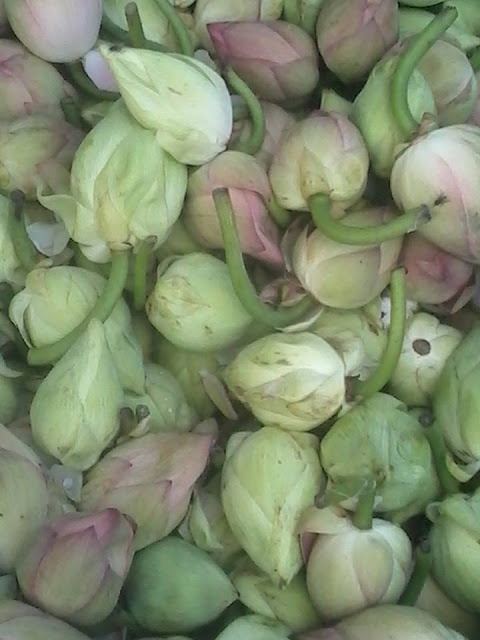
சங்கு வெண் தாமரைக்குத்

தந்தை தாய் இரவி தண்ணீர்;

அங்கு அதைக் கொய்துவிட்டால்

அழுகச் செய்து அந்நீர் கொல்லும்;

துங்க வெண் கரையில் போட்டால்

சூரியன் காய்ந்து கொல்வான்;

தங்கள் நிலைமை கெட்டால்

இப்படித் தயங்குவாரே


பொருள்:-

சங்கு போன்ற வெள்ளைத் தாமரைக்கு, சூரியனும் தண்ணீரும் தாய், தந்தை ஆவர். ஆனால் அதே தாமரையைக் கொய்து தண்ணீரில் போட்டால் அதுவே அழுகச் செய்து விடும். கரையில் போட்டாலோ சூரியன் காயவைத்துக் கொல்வான். அது போலவே தங்களுடைய நிலை கெட்டு வேறிடத்தில் இருந்தால் கஷ்டப்படுவர்.
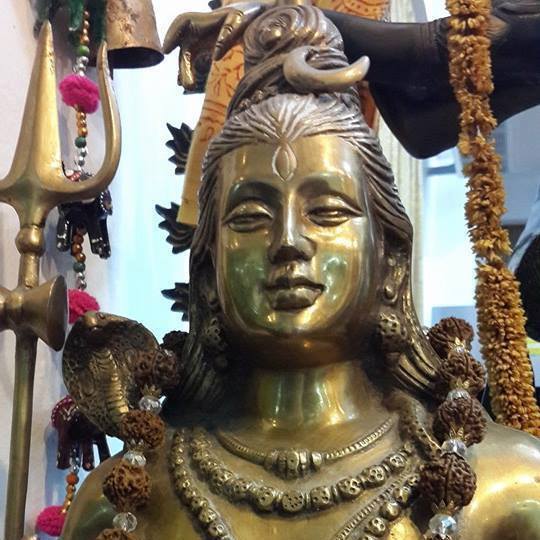
பரமசிவன் கழுத்தில் இருந்து பாம்பு கேட்டது கருடா சௌக்கியமா


கவிஞர் கண்ணதாசனும் இக்கருத்தை வலியுறுத்தும் பாடலை சூரியகாந்தி படத்தில் பாடி இருக்கிறார்.

பரமசிவன் கழுத்தில் இருந்து பாம்பு கேட்டது
கருடா சௌக்கியமா
பரமசிவன் கழுத்தில் இருந்து பாம்பு கேட்டது
கருடா சௌக்கியமா
யாரும் இருக்கும் இடத்தில் இருந்து கொண்டால்
எல்லாம் சௌக்கியமே.. கருடன் சொன்னது..
அதில் அர்த்தம் உள்ளது..

உயர்ந்த இடத்தில் இருக்கும் போது
உலகம் உன்னை மதிக்கும்
உன் நிலைமை கொஞ்சம் இறங்கி வந்தால்
நிழலும் கூட மிதிக்கும்
உயர்ந்த இடத்தில் இருக்கும் போது
உலகம் உன்னை மதிக்கும்
உன் நிலைமை கொஞ்சம் இறங்கி வந்தால்
நிழலும் கூட மிதிக்கும்
மதியாதார் தலைவாசல் மிதிக்காதே என்று
மானமுள்ள மனிதனுக்கு ஔவை சொன்னது
அது ஔவை சொன்னது.. அதில் அர்த்தம் உள்ளது


–subham–
Be Always on God’s Side or Pray for God to Come to Your Side (Post No.3565)

Written by S NAGARAJAN


Date: 22 January 2017


Time uploaded in London:-  6-49 am


Post No.3565


Pictures are taken from different sources; thanks.


Contact: swami_48@yahoo.com


by S. Nagarajan

You might have heard about the competition between St Peter and Satan.

If not, please read now.


Once Satan invited St Peter and challenged him to a football game. St Peter was wonderstruck. How Satan could challenge when his defeat is certain.

Peter asked Satan, “Heaven versus Hell? Do you really want this match?”

“yes”said Satan.

Peter said,“But please understand that all the best players are with me in heaven. So how could you    win? You are going to lose.”

For this Satan replied,” Don’t worry. I have all the referees with me in hell!”

It is very common that the evil forces will always challenge the good men.

So, what would be Peter’s reply?


“Oh! God is on my side and I am always on God’s side”

Needless to say that Satan ran away from Peter.

One who is always on God’s side, he is certain that God would take care of him.

There is a story regarding an agreement between God and a devotee.

The devotee had to climb a rocky mountain. He prayed God for help. God appeared before him. There was an agreement. God should accompany him so that he could go forward with courage.


He started. There were four foot prints. He was glad that God is coming along with him. God’s foot prints was visible. After sometime the path was very rough. He could not go further. Suddenly at that moment he saw only two foot prints.


He cried, “Oh! God! So far you came along with me. Now I am seeing only two foot prints. Where have You gone? You have not honored the agreement  You had let me down.”


God appeared before him and said, “Oh! Dear, the foot prints you are seeing now is that of mine. So far I came along by your side. Now since the path is rough, I took you on my shoulders. That is why your foot prints are not there!”

Devotee realized that God’s grace is abundant.

God has never broken a promise ever spoken!

There is a big cathedral in Lubeck, Germany. Inside the cathedral there are many inscriptions. One of the inscriptions is a poem. The poem is this:


Ye call Me Master and obey Me not,

Ye call Me light and see Me not,

Ye call Me way and walk not,

Ye call Me life and desire Me not,

Ye call Me wise and follow Me not,

Ye call Me fair and love Me not,

Ye call Me rich and ask Me not,

Ye call Me eternal and seek Me not,

Ye call Me gracious and trust Me not,

Ye call Me noble and serve Me not,

Ye call Me mighty and honor Me not,

Ye call Me just and fear Me not,

If I condemn you, blame Me not.


A man may be equal to many zeros, buy if God comes to his rescue, He will stand before the zeros and his will value will increase. If he equals to, say, twelve zeros with God in front of the zeros his value will be one trillion.

If anybody says to you, ‘God is nowhere’, you may immediately retort saying, ‘with correct perspective if you see, God is verily there. Split the letters correctly and you will read ‘God is now here’!’


God is all pervading. Egoless. Ever helpful. Everlasting. Immeasurable. Omnipotent. Omniscient

Be on God’s side. Or pray God to come to your side!

***

This article first appeared in www.ezinearticles.com Pl click platinum author Santhanam Nagarajan to view all of his articles. http://EzineArticles.com/expert/Santhanam_Nagarajan/19574


Manu’s Beautiful Definition of Dharma!(Post No. 3564)

Written by London swaminathan


Date: 21 January 2017


Time uploaded in London:- 15-48


Post No.3564


Pictures are taken from different sources; thanks.


contact: swami_48@yahoo.com


What are the sources of Dharma?

Veda- Four Vedas

Smrti – Law Books

Sadaacaara – Good Conduct

Priyamaatmanah – What is pleasing to mind

vedah smrtih sadaacaarah sasya ca priyamaatmanah

etat caturvidham praahuh sakshaaddharmasya lakshanam

–Manu Smrtih 2-12


Manu, the first law giver in the world has defined righteousness. As always believed Vedas and Smrtis (law books) are the source of Dharma. It is very difficult to translate the word ‘Dharma’ in English. But Tamils succeeded in Tamilizing that Sanskrit word as ARAM (Dharam in Hindi). The most interesting point of this definition is WHAT IS PLEASING TO MIND!


Does it mean that anyone can do anything that which pleases one’s mind? No. It must be a good conduct. Why did he add this after giving three sources? That is because Dharma also changes according to time, location and the circumstances. So, when one in doubt he does what pleases his mind  without violating the other three factors i.e. Vedas, Smrtis (law books) and accepted good conduct. I will give you one example.


Brahmin priests get enormous number of Dhotis (Veshti) in a year by performing various rituals. But they don’t get enough money to pay for their house rent, bills and travel etc. When they met Kanchi Paramacharya, he suggested that if there are too many dhotis involved in a ceremony, they can get money with a small thread representing Vesti/dhoti.


So, when someone is in doubt about following certain rules, one can always consult the saints or elders living at that time. Sri Sathya Sai Baba made Gayatri a universal mantra, available to everyone. He did not insist initiation or caste or sacred thread to recite Gayatri, the most powerful mantra in the three Vedas. This is applicable to Baba devotees, because they have already fallen in a divine, religious grew. So, nothing could go wrong if they are in the grew.


In the very first verse of the Second Chapter of Manu Smrti, Manu says, “Learn Dharma that is constantly followed and assented to in the heart by learned men, good men who have neither HATRED or PASSION – Manu 2-1


Narada Smrti says that the Four Feet of Dharma are

Jnaanam – Knowledge

Dhyaanam – Contemplation of Inner Self

Sama – Control of Mind

Dama- Control of Sense Organs


catushpaadaa hi dharmasya jnaanam dhyaanam samo damah

–Narada smrtih 1-8

Valluvar’s Definition


“That which should be done is virtue;

That which should be avoided is vice

–Tiruk Kural 4-40


Tiruvalluvar, author of the Tamil Veda, Tirukkural, also defines Dharma in ten couplets.

He says, “What brings more glory to man than righteousness? It gives prosperity (on earth) and also happiness (in heaven)- Kural 41


Do good deeds unceasingly, as far as you are able, by thought word and deed 43

Do the deeds of charity now without postponing them to your old age; for they will be unfailing help to you in the hour of death- 46

Buddha on Righteousness!


Gautama Buddha explains Dharma (righteousness) in 17 couplets in Dhammapada (Path of Dharma). He said nothing new. All are already in the Gita and Upanishads.

“A man is not great because he is a warrior and kills other men; but because he hurts not any living being, he in truth is called a great man” (269)

“A man is not on the path of Dharma if he settles matters in a violent haste (256)

“He in whom three sins (envy, greed and deceit) are uprooted and who is wise and has love, he is in truth a man of honour”(263)


Is short, everything said by Buddha is already in Mahabharata.


Long Live Dharma!

–Subham–


பட்டினத்தாரும் பம்பர விளையாட்டும்! (Post No.3563)

Written by London swaminathan


Date: 21 January 2017


Time uploaded in London:- 9-17 am


Post No.3563


Pictures are taken from different sources; thanks.


contact: swami_48@yahoo.com


பெரிய தத்துவங்களை அன்றாடம் காணும் சிறிய பொருட்களைக் கொண்டு விளக்குவதில் சமர்த்தர் பட்டினத்தார். காதற்ற ஊசி, ஒன்பது வாய் தோல் பை, எண் சாண் உடம்பு, ஆற்றில் கரைத்த புளி, ஒருவன் வாழ்நாளில் மூன்று முறை முழங்கும் சங்கு, உளியிட்ட கல் என்று நிறைய அழகான எடுத்துக்காட்டுகளையும் உவமைகளையும் நமக்களிக்கிறார்.


அவர் சிறு வயதில் நாம் எல்லோரும் விளையாடிய பம்பரத்தையும் பட்டத்தையும் கூடப் பாடலில் பதித்து, நம் மனதில் அரிய கருத்துகளைப் புதைக்கிறார்.


நமது உடல் பற்றி சந்யாசிகள் என்ன சொல்கிறார்கள் என்பது அத்தனையையும் சிலவரிகளில் சொல்லும் அழகே தனி அழகு!


பீற்றல் துண்டம் பேய்ச்சுரைத் தோட்டம்

அடலைப் பெரிய சுடலைத் திடருள்

ஆசைக் கயிற்றில் ஆடும் பம்பரம்

ஓயா நோய்க்கிடம் ஓடு மரக்கலம்

மாயா விகாரம் மரணப் பஞ்சரம்

சோற்றுத் துருத்தி கானப் பட்டம்

விதி வழித் தருமன் வெட்டும் கட்டை

சதுர்முகப் பாணன் தைக்கும் சட்டை

ஈமக் கனலில் இடு விருந்து

காமக் கனலில் கருகும் சருகு


என்று கோயில் திருப்பதிகத்தில் பாடி நமக்கு விழிப்புணர்வை ஏற்படுத்துகிறார். இப்படிப்பட்ட உஅடலுக்குத் தான் நாம் தினமும் அலங்காரம் செய்டு நேரத்தை வீணாக்குகிறொம். இதைவிட முக்கியமான விஷயங்களைப் புறக்கணிக்கிறோம் என்பது ப்ட்டினத்தாரின் ஆதங்கம்.


ஒரு அழகான வாலிபன் அல்லது யுவதியின் 20 வயதுப் படத்தையும் எண்பது வயதுப் படத்தையும் அகுகருகே வைத்துப் பார்த்தால் பட்டினத்தார் சொல்லும் செய்தி நன்கு விளங்கும்.


ஆசைக் கயிற்றில் ஆடும் பம்பரம், கானப் பட்டம் (காற்றில் சலசலக்கும் பட்டம்) என்பன மிகவும் அருமையான உவமைகள்.

திருவள்ளுவரும் இந்த உடல் போடும் ஆட்ட பாட்டங்களை நமக்கு நினைவு படுத்துகிறார்:-


நில்லாதனவற்றை நிலையின என்றுணரும்

புல்லறிவாண்மை கடை (குறள் 331)


உலகில் அழியக்கூடிய பொருட்களை நிலையாக இருக்கப்போகிறது என்று எண்ணினால் அந்த சிற்றறிவு ஒருவருக்கு இழிவான நிலை ஆகும்.


இதை எல்லாம் ஏன் சொல்லுகிறேன் என்று அதே அதிகாரத்தில் (நிலையாமை) வேறு ஒரு குறளில் சொல்லிவிட்டார்:-


நாச்செற்று விக்குள் மேல் வாராமுன் நல்வினை

மேற்சென்று செய்யப்படும் (335)


நாக்கு பேச முடியாமல் இழுத்துக்கொண்டு கடைசி விக்கல் (மரணம்) வருவதற்கு முன்னரே ஒருவன் விரைவாக தரும கைங்கரியங்களைச் செய்ய வேண்டும். நல்லறங்களைச் செய்ய வேண்டும்.


ஒன்றே செய்க, அதுவும் நன்றே செய்க, அதையும் இன்றே செய்க என்ற ஆன்றோரின் வாக்கை இதை விட தெளிவாக எப்படிச் சொல்ல முடியும்?


இன்னொரு இடத்தில் பம்பரத்தையும் காற்றாடியையும் குறிப்பிடுகிறார் பட்டினத்தார்!


கோபத்தீ மூட்டும் கொல்லன் துருத்தியை

ஐம்புலப் பறவை விளைமரப் பொதும்பை

ஆசைக் கயிற்றில் ஆடும் பம்பரத்தை

காசில் பணத்தில் சுழலும் காற்றாடியை


என்று அடுக்கிக் கொண்டே போய்


எம்பெருமான் நின் இணையடிக்கபயம்

அம்பலத் தரசே அடைக்கலம் உனக்கே


என்று இறைவனிடம் சரண் அடைந்து விடுகிறார். கோபத்தால் நாம் அனல் பறக்கும் மூச்சு விடுவதை ‘கொல்லன் துருத்தி’ என்றும் காசுக்காக நாம் ஆளாய்ப் பறப்பதை ‘காற்றாடி’ என்றும் சொல்லி கடவுளின் காலில்

விழுகிறார்.


அதுவும் கூட வள்ளுவன் சொன்னதே!

வேண்டுதல் வேண்டாமை இலான் அடி சேர்ந்தார்க்கு

யாண்டும் இடும்பை இல (குறள் 4)


விருப்பு வெறுப்பற்ற கடவுளின் காலில் விழுந்தவருக்கு எந்தக் காலத்திலும் துன்பம் வராது — என்கிறான் வள்ளுவனும்.


நாமும் பட்டினத்தார், வள்ளுவன் வாய்ச்சொல் வழி நிற்போம்.


–சுபம்–

மஹாகவி பாரதியார் பற்றிய நூல்கள் – 20 (Post No.3562)

Written by S NAGARAJAN


Date: 21 January 2017


Time uploaded in London:-  7-17 am


Post No.3562


Pictures are taken from different sources; thanks.


Contact: swami_48@yahoo.com


பாரதி இயல்


மஹாகவி பாரதியார் பற்றிய நூல்கள் – 20


ஏ.கே.செட்டியாரின் குமரி மலர் கட்டுரைகள் – 5


by ச.நாகராஜன்


ஏ.கே. செட்டியாரின் குமரி மலரில் வெளியான கட்டுரைகள்


குமரி மலரில் வெளியாகியுள்ள இன்னும் சில கட்டுரைகள் பற்றிய செய்திகளை காண்போம்

  • கல்கி என்ற புனைபெயரில் நாம் அறிந்த ரா.கிருஷ்ணமூர்த்தி காந்தி ஆசிரமத்திலிருந்து எழுதிய ஒரு கட்டுரை குமரி மலரில் வெளியிடப்பட்டிருக்கிறது. எனது குருநாதர் பாரதியார்

பாரதியாரை நான் கண்ணால் பார்த்ததில்லை. ஆனால் அவரையே எனது பரம குருநாதராய்க் கொண்டிருக்கிறேன். எனக்கு தேசபக்தி ஊட்டியவ்ர் பாரதியார்.தாய்மொழிப் பற்றை அருளியவர் பாரதியார்.கவிதையின்பம் துய்க்கும் ஆற்றலை அளித்தவர் பாரதியார். ரஸிகர்களின் நட்பாகிய பெரும் பாக்கியத்தைத் தந்தவர் பாரதியார். என்னைப் போன்ற பரமானந்த சிஷ்யர்கள் தற்போது பாரதியாருக்குத் தமிழ்நாட்டில் ஆயிரக்கணக்காக இருக்கின்றனர்.


     வங்காளியும் மகாராஷ்டிரமும், மலையாளமும், குஜராத்தியும் இந்நாளில் அடைந்திருக்கும் முன்னேற்றத்தையும், தமிழ் மொழியின் தற்கால ஈனஸ்திதியையும் எண்ணும்போது பெரும் மனச்சோர்வு அடைகிறேன். ஆனால் பாரதியாரின் ஒரு பாட்டின் ஓர் அடியைப் பாடியதும் இந்த மனச்சோர்வெல்லாம் பறந்து போகின்றது. நமது ஜாதி இன்னும் பெரிய காரியங்களைச் செய்யப் போகிறது என்னும் நம்பிக்கை உடனே பிறக்கிறது.


     தமிழ் சமூகத்தில் இன்னும் பாரதியார் தமக்குரிய ஸ்தானத்தை அடையவில்லை. யென்றே தோன்றுகிறது. பாடகர்களும், நாடகக்காரர்களும், பாரதியாரின் பாட்டைப் பாடாமல் வேறு ஏதோ ஹிந்துஸ்தானி மெட்டிலுள்ள அர்த்தமில்லாத அசட்டுப் பாடல்களையே தேசீய கீதமென்று பாடி வருகிறார்கள்.அவைகளைக் கேட்டு ரஸிகர்களும் ஆரவாரிக்கின்றார்கள். இந்தப் பாடல்கள் கேவலம் பிணங்களைப் போல உயிரற்று, கவிதையற்று வெறும் சொல்லடுக்குகளாயிருப்பதைக் காண்கிறேன். என்று இந்த போலி தேசீயக் கீதங்கள் மறைந்து பாரதியாரின் பாடல்கள் பாடப்படுமோ அந்த நாளுக்காக நாங்கள் காத்திருக்கின்றோம்.


  • ரா.கிருஷ்ணமூர்த்தி (கல்கி)

    காந்தி ஆசிரமம்

‘சுதந்திரச் சங்கு’ 9-9-1931 

39)  அடுத்து இலக்கியத் தலைவன் பாரதியார் என்ற தலைப்பில் சுதந்திரச் சங்கு இதழில் சங்கு சுப்பிரமணியன் எழுதிய க்ட்டுரை வெளியாகியுள்ளது.

  இலக்கியத் தலைவன் பாரதியார்


     எனது குருநாதர் பாரதியாரின் திரு உடலைத் தரிசித்து பத்து வருடங்களுக்கு மேலாகி விட்டது. ஆனால் அவரது பாடல்களை நான் எண்ணாத நாட்களில்லை. யான் எழுதும் வரிகளிலெல்லாம், சொல்லும் மொழிகளிலெல்லாம் அவரது சொற்கள் என்னையறியாமலே கலந்து வருகின்றவாதலால் அவர் என்னோடு இன்றும் இருப்பதாகவே நான் எண்ணிக் கொண்டிருக்கிறேன்.


   இன்ப நாட்களில் பெருமிதத்தை ஊட்டுவதாயும், துன்ப நினைவுகளேற்படும்போது அவைகளை மாற்றும் மருந்தாகவும் இருப்பது பாரதியாரின் கவிதைகள். அவரது  காதற் பாட்டுகளையும், ‘காணி நிலம் வேண்டும்’ என்ப்ன போன்ற பாக்களையும் பாடும் போது இன்பம் பெருகுகின்றது.

     ‘தாய்த் திருநாடெனில்’ ‘இனிக் கையை விரியோம்’ என்பன போன்ற அவரது வரிகளை வாய்விட்டுக் கதறிக் கூறும்போது நம் தேசபக்தி அதிகமாகின்றது.


      இன்னொரு அனுபவத்தைச் சொல்லுகிறேன். அன்று கண்ணன் பிறந்த தினம் – நான் அலிபுறம் சிறையில் இருந்தேன் – என் மனத்தை அரிவாளால் பிளப்பது போன்ற ஓர் செய்தியை அன்று காலை எனக்கு வந்த கடிதத்தில் பார்த்தேன். என் மனமே மனத்தைத் தின்னத் தொடங்கிற்று. – அந்தச் சிறையின் மூலை, முடுக்குகளின் தனிமையும், அறையிலுள்ள நண்பர்களின் கூட்டமும் எனக்கு ஆறுதலளிக்கவில்லை.

   அச்சமயத்தில் ஓர் அன்பர் என்னை அணுகினார். ‘சங்கு ஸார்! இன்று ஜன்மாஷ்டமியாச்சே! கண்ணன் பாட்டு பாடலாகாதா?’ என்றார் அவர். அவருக்காக அன்பர்கள்  மத்தியில் உட்கார்ந்து கொண்டு பாடினேன். பாடப்பாட என்னைக் கவர்ந்திருந்த துயர்ப்படலம் மறைந்தது. பாரதியாரின் பாடல்கள் துயருற்ற தமிழருக்கு ஆறுதலளிக்கும் வண்மையுடையன என்பதை அன்று நான் உணர்ந்தேன்.


   தமிழ் மொழிக்குப் புதிய நடையையும், புதிய இலக்கியங்களையும் சிருஷ்டித்துத் தருவதற்கு அநேக இளைஞர்கள் முயன்று வருகிறார்கள். இவ்வளவு பேருக்கும் வழிகாட்டிய குருநாதன் பாரதியார் தான். இவ்வாறாக பாரதியார் எங்களுக்கு இலக்கியத் தலைவனாக இருந்து வருகிறார்.


   அவரது வாழ்க்கையினின்று என்னைப் போன்றவர்களுக்கு ஒரு படிப்பினை உண்டு. ‘எத்தகைய துன்பங்களுற்றாலும், பட்டினி கிடந்தாலும் தேசப் பணியையும் தாய்மொழித் தொண்டையும் மறக்கலாகாது’ என்பதே அந்தப் படிப்பினை.


                    கம்பனைப் பெற்ற நாட்டில்

                      கவிமணம் ஓயு நாளில்

                    வம்பரின் மந்தை தன்னில்

                       வளர்த்திட தேசபக்தி

                    உம்பர் மா உலகதாக

                       உயர்ந்திடத் தமிழகத்தை

                    அம்புவி வந்த வீரர்

                        அருங்கவி பாரதியே!

                         வாழ்க பாரதியார்!

                      -சங்கு சுப்பிரமணியன்

                     ‘சுதந்திரச் சங்கு’

                       9-9-1931

குமரி மலர் பத்திரிகையின் பழைய இதழ்கள் பாரதியார் பற்றிய ஒரு கலைக்களஞ்சியம். இன்னும் சில கட்டுரைகளைப் பார்ப்போம்

                 – தொடரும்

     *****


Where does Lakshmi reside? (Post No.3561)

9dbc9-gajalakshmi

Written by London swaminathan


Date: 20 January 2017


Time uploaded in London:- 21-30


Post No.3561


Pictures are taken from different sources; thanks.


contact; swami_48@yahoo.com


In the ancient Tamil Sangam literature, a beautiful verse is found in the Purananuru. The verse is composed by Valmiki. Dravidian frauds and foreign “scholars” have spread out a lie that Tamil culture is different. Those who read 30,000 lines of Sangam literature will know that the culture is same from Kanyakumari to Kashmir with some regional specialities.


Valmiki is not the only Sanskrit name in Sangam literature. There Damodara, Kesava, Markandeya, Sangavaruna, Kapila, Parana, Mamula and so many other Sanskrit names. This will explode the racist Aryan Dravidian theory. One third of the poems were composed by Brahmin poets. If Sanskrit words are removed from Sangam Tamil verses it would like virus affected software!


Valmiki who composed verse 358 of Purananuru is different from Valmiki of Ramayana. But he was given this name because he liked Ramayana very much. According to some commentators this is a verse about Rama.

The gist of the verse no. 358 is, “ Life is so impermanent that this land has seen seven kings on a single day. If you compare worldly life with ascetic life, life of an ascetic is far better/ greater. Asceticism is so great and the earth is not one iota of it. It is because asceticism is difficult people became family men.  Those who strived for liberation became ascetics. Those who don’t ask for wealth (Lakshmi) will get it. Those ask for it wont get it and suffer as family men”.

5064c-lakshmi2bold2bdrawing

Lord Rama said that he did not want Rajya Lakshmi (kingdom) but he got it.


Apart from the philosophical interpretation, it gives some historical information of having Seven Kings on a Single Day!

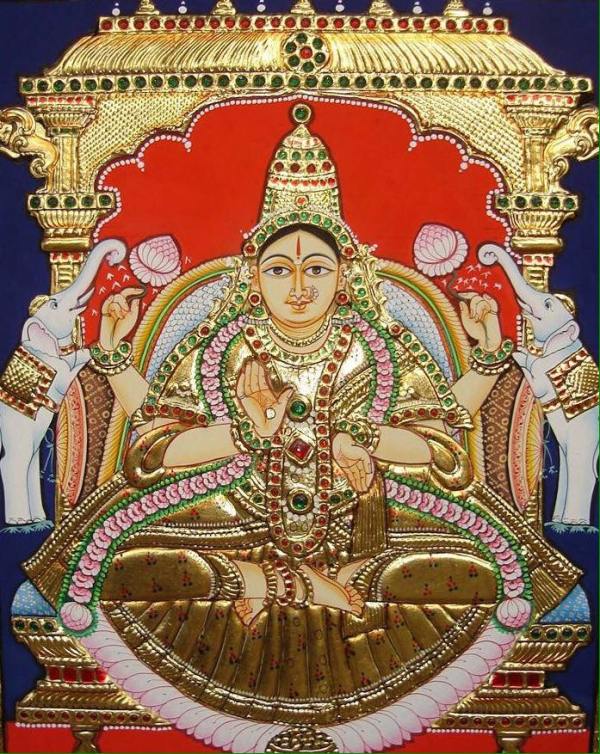
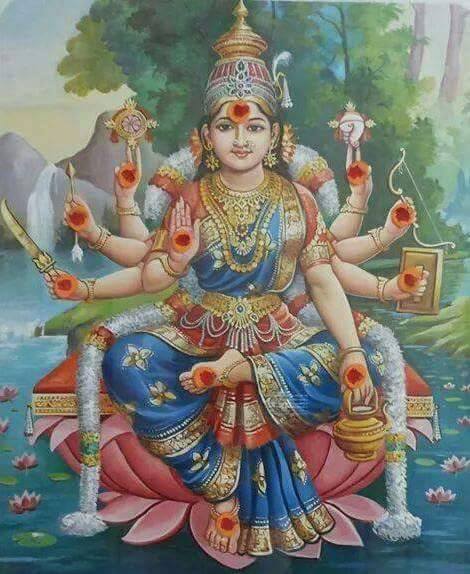
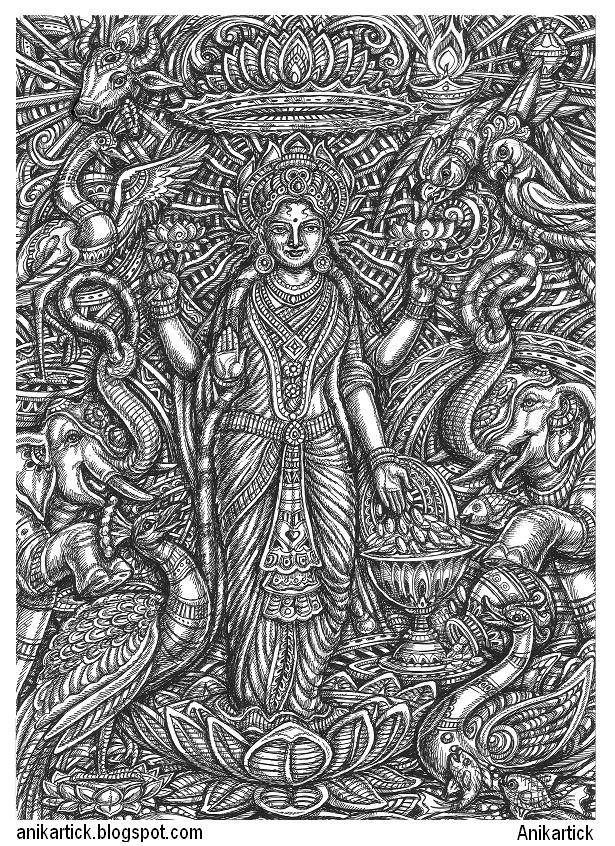
There is another verse in later Tamil literature, which lists the places where Lakshmi, the Goddess of Wealth resides: Lotus, Flag of a kingdom, City, Lightning, Tulsi leaves, Vilva/Bilva leaves, Sheath of paddy, Chank, Sea, Lamp, Horse, Marriage House or Mandap, Milk pot and the hearts of the good people.


Apart from the above list there is a belief that Lakshmi resides at the backside of a cow and the parting of a woman where she applies Kumkum every day. The list explains why Hindus boil milk in the new house, why Vishnu gets Tulsi and Shiva gets Vilva every day, why Hindus light lamp every day, why grains ae called Dhanya Lakshmi etc.


–Subham-


மஹாலெட்சுமி வசிக்கும் இடங்கள்: புறநானூறு தகவல் (Post No.3560)

Written by London swaminathan


Date: 20 January 2017


Time uploaded in London:- 10-01 am


Post No.3560


Pictures are taken from different sources; thanks.


contact; swami_48@yahoo.com


பருதி சூழ்ந்த இப்பயங்கெழு மாநிலம்

ஒருபகல் எழுவர் எய்தியற்றே!

வையமும் தவமும் தூக்கின், தவத்துக்கு

ஐயவி அனைத்தும் ஆற்றாது; ஆகலின்

கைவிட்டனரே காதலர்; அதனால்

விட்டோரை விடா அள், திருவே;

விடாஅதோர் இவள் விடப்பட்டாரே

–வான்மீகியார், புறம் 358

பொருள்:

கதிரவன் சுற்றும் இந்த வளம் செறிந்த பூமிக்கு ஒரே நாளில் 7 பேர் அரசனானதும் உண்டு. இல்லறத்தையும், துறவறத்தையும் ஒப்பிட்டால் துறவறமே சிறந்தது. தவம் மலை என்றால், இல்லறம் சிறு வெண்கடுகு (ஐயவி) போன்றதாகும். தவம் செய்ய முடியாததால்தான், காதலர்கள் இல்லறத்துக்கு வந்தனர். வீடு பேற்றை விரும்பியோர் இல்லறத்தைக் கைவிட்டனர். யார் வருந்தி வருந்தி அழைக்கவில் லையோ அவளிடம் லெட்சுமி போய் ஒட்டிக்கொள்வாள். இல்வாழ்வில் அழுந்தியோரிடம் தங்க மாட்டாள்.


இந்தப் பாட்டில் பல சுவையான செய்திகள் உள்ளன:


லெட்சுமி இல்லறத்தாரிடம் இருப்பதைவிட துறவறத்தாரிடமே அதிகம் இருப்பாள்.


இரண்டாவது, வால்மீகி, மார்கண்டேயன், கௌதமன், சங்க வருணன், தாமோதரன், கேசவன் போன்ற நிறைய சம்ஸ்கிருதப் பெயர்களை உடைய புலவர்கள் சங்கத் தமிழ் புலவர்களாக இருந்துள்ளனர். ஆரிய- திராவிட வாதம் பேசும் பேதிலிகளுக்கு செமை அடி கொடுக்கும் பாடல்களில் இதுவும் ஒன்று.


மூன்றாவதாக, 2000 ஆண்டுகளுக்கு முன்னர் ஒரே நாளில் 7 பேர் அரசாண்ட வரலாற்றுக் குறிப்பும் உள்ளது.


நாலாவதாக, இதற்கு உரைஎழுதிய அறிஞர்கள் இது ராமாயணக் கதை பற்றியதால் இந்த புலவருக்கும் வால்மீகி என்று பெயர் என்று எழுதியுள்ளனர். அதாவது ராமாயணம் எழுதிய வால்மீகி வேறு; அவரை மிகவும் விரும்புபவர் என்பதால் இவரையும் வால்மீகி என்றழைத்தனர்.

ராமபிரான் எனக்கு ராஜ்யமே (திரு, லெட்சுமி) வேண்டாம் என்று சொல்லி கானகம் ஏகினான். இறுதியில் அவனிடமே ராஜ்ய லெட்சுமி வந்தாள்.

ஐந்தாவதாக, கிரேக்க மொழியில் ஏராளமான தமிழ் சொற்கள் இருப்பது பற்றி ஏற்கனவே கட்டுரைகள் எழுதினேன். ஐயவி என்ற தமிழ்ச் சொல்லே IOTA ஐயோடா என்ற கிரேக்க, ஆங்கிலச் சொல்லாக மாறியது. ஆங்கிலத்தில் துளிக்கூட இல்லை என்பதை  NOT ONE IOTA என்று விளம்புவர்

இதோ இன்னொரு லெட்சுமி பாடல்:–


பதுமம் கொடி நகர் மின் பைந்துளவு வில்வம்

கதிர் விளைவு சங்கு கடறீபம் –வதுவை மனை

நற்பரிபாற் பாண்டமிவை நாண் மலரா ணீங்காது

நிற்பிட நல்லோர் நெஞ்சுமே


–உவமான சங்கிரகம், ரத்தினச் சுருக்கம்


லெட்சுமி வசிக்கும் இடங்கள்:-

பதுமம்= தாமரை

கொடி – த்வஜம்

நகர் = நகரம்

மின் = மின்னல் ஒளி

பைந்துளவு = பச்சைத் துளசி

வில்வம் = வில்வம்


கதிர் விளைவு = நெற்கதிர்/ தானியம்

சங்கு = சங்கு (வலம்புரிச் சங்கு)

கடல் = சமுத்திரம்

தீபம் = விளக்கு

வதுவை மனை = கல்யாண வீடு

நற் பரி = நல்ல குதிரை

பால் பாண்டம் = பால் பொங்கும் பானை

இவை = இவை எல்லாம்

நாண்மலராள் = மஹலெட்சுமி

நிற்பிடம் = நிலைத்து நிற்கும் இடங்களாம்

நல்லோர் நெஞ்சுமே = நல்லவர்கள் உள்ளத்திலும் கூட (வசிக்கிறாள்)


–Subham–


Make Every Stumbling Block as a Stepping Stone!(Post No.3559)

Written by S NAGARAJAN


Date: 20 January 2017


Time uploaded in London:-  5-54 am


Post No.3559


Pictures are taken from different sources; thanks.


Contact: swami_48@yahoo.com


by S. Nagarajan

Lord Nelson, one of the Britain’s greatest naval commander encouraged his soldiers to fight for a great victory.

In the battlefield one of his soldiers approached him and told him that the edge of his sword was broken.

Nelson replied him thus: “Then take a step forward and fight.”

In a battle, no explanation is required. Only action is required. For that courage is needed.

In fact life is also a battlefield. We have to overcome many difficulties and stumbling blocks.

Make every stumbling block as a stepping stone. Then victory is yours.

Once a mother was walking along with his small boy on a ground. Suddenly the boy fell down. Helplessly he looked his mother. She was standing still watching her son. The son slowly stood up rubbing his hands. The mother asked him to show his hands. It was empty. She told him,” My dear son, you could have taken at least some sand in your hand. You have to gain something in every fall”. The mother’s training worked. Needless to say that the son shaped himself and became a great hero.

The Jewish proverb rightly says, “When you have no choice, mobilize the spirit of courage”.


“Success is never final and failure is never fatal. It is courage that counts” so said George F. Tilton.

Thomas Alva Edison’s mother instilled in him values such as love, sacrifice and bravery. Once at the Grand Trunk Railroad he saved a three year old child from a runaway boxcar. The child’s father Mackenzie, who was a station Agent was very much pleased and in gratitude he taught Edison telegraphy. Edison’s courage paid him handsomely. He worked hard and as he advanced in years he went on from one success to another. He became the greatest inventor.

Napoleon Bonaparte rightly said that, ‘courage is not having the strength to go on – it is going on when you don’t have strength’.

Mahatma Gandhi stood like a rock against the mighty British Empire with non-violence as his only weapon. Churchill remarked, “I could defeat him if he comes with some weapon. But he is strange. He has no weapon. Then how could I fight him?”

The mighty British Empire was not able to face one single weaponless small figure. Such was his courage.

Mistakes and failures are common in everybody’s life. We have to analyze our mistakes.

And we have to learn a lesson from every failure and the mistakes are not to be repeated.

Think deeply. Plan correctly. Act fast.  Then success is yours.

With courage even the space could be conquered.


As the great poet Robert Browning rightly said,” Ah! But a man’s reach should exceed his grasp, Or what’s heaven for?

This article first published in www.ezinearticles.com under expert author’s name Santhanam Nagarajan on 19-1-2017


Pl click :

http://ezinearticles.com/?Make-Every-Stumbling-Block-As-a-Stepping-Stone&id=9623826


காளிதாசன் காட்டும் அறுவகைப் படை வீரர்கள்! (Post No.3558)

Written by London swaminathan


Date: 19 January 2017


Time uploaded in London:- 21-11


Post No.3558


Pictures are taken from different sources; thanks.


contact: swami_48@yahoo.com


உலகப் புகழ்பெற்ற கவிஞன் காளிதாசன் எழுதிய ஏழே நூல்களில் 70,000 விஷயங்களைச் சொல்லுகிறான் என்றால் அது மிகையாகாது. அவன் எழுதிய ரகுவம்ச காவியத்தில் நாலாவது சர்கத்தில் ரகுவின் படைகள் புறப்பட்ட போது குதிரைக்கு ஆரத்தி எடுத்தது பற்றிச் சொல்லுகிறான். அவனது ரத, கஜ, துரக, பதாதி (தேர், யானை, குதிரை, காலாட் படை) என்னும் நால்வகைப் படைகளில் ஆறு பிரிவுகள் இருந்தது பற்றி உரைகாரர்கள் பல அதிசய விஷயங்களைச் சொல்லுவர்.

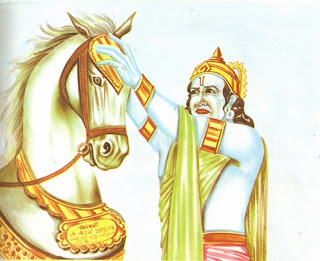
குதிரை ஆரதி: வாஜி நீராஜனம்


“வாஜி நீராஜனம் என்னும் சடங்கைச் செய்கையில் ஹோமத்தில் நன்கு மகிழ்விக்கப்பட்ட அக்னி வலமாகச் சுழன்றதால் அவனுக்கு (ரகு என்ற மன்னனுக்கு) அக்னி, வெற்றியைக் கொடுத்தான் போலும்” — ரகு வம்சம் 4-25


இந்த ஸ்லோகத்தில் இரண்டு விஷயங்கள் உள்ளன. அக்னி (தீ ஜ்வாலை) வலமாகச் சுழன்றால் சுப சகுனம். இதை பாரதம் முழுவதும் காணலாம். கோவிலை வலமாக வருவோம். பெரியவர்களை வலமாக வருவோம். எல்லாவற்றையும் வலது கைகளால் செய்வோம். சங்கத் தமிழ் இலக்கியத்தில் புலியானது, தான் கொல்லும் மிருகங்கள் இடப் பக்கம் விழுந்தால் சாப்பிடாது என்று பாடல்கள் உள்ளன. இமயம் முதல் குமரி வரை 2000 ஆண்டுப் பழமையான இலக்கியத்தில் உள்ளதாலும் வேறு எங்கும் இவ்வழக்கம் இல்லை என்பதாலும் ஆரிய-திராவிடப் பிரிவினைகள் கட்டுக்கதை என்பது உள்ளங்கை நெல்லிக் கனி என விளக்கும்.


இரண்டாவது விஷயம் வாஜி நீராஜனா= குதிரைக்கு ஆரத்தி.

போருக்குப் புறப்படுவதற்கு முன்னர் ஒரு நல்ல குதிரையையும் யானையையும் தேர்ந்தெடுத்து அதற்கு புஷ்ப, வஸ்திரம் (ஆடை), ஆபரணம் (அணி) ஆகியவற்றை அணிவித்து ஆரத்தி எடுப்பர்; இதற்கு குதிரை ஆரத்தி என்று பெயர்.


அடுத்த ஸ்லோகத்தில் தலை நகரைவிட்டு ரகு புறப்படுவதற்கு முன்னர், என்ன என்ன செய்தான் என்று வருகிறது:

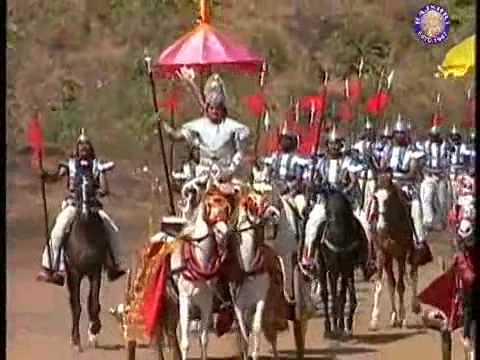
தலைநகரிலும் எல்லைகளிலும் பாதுகாப்பை பலப்படுத்தினான். பின்பகுதியிலுருந்து தாக்குதல் வராமல் உறுதி செய்தான் தெய்வ பலத் துடன் அறுவகைப் படை வீரர்களுடம் திக்விஜயம் செய்யப் புறப்பட்டான் 4-26


(நான்கு திசைகளிலும் சென்று மன்னர்களை வெல்லுவது திக்விஜயம் என்பதாகும்)


இந்த ஸ்லோகத்திலும் இரண்டு புதிய விஷயங்களைக் காணுகிறோம். முதலாவது ஒரு மன்னன் நாட்டை விட்டோ, தலைநகரைவிட்டோ போகும்போது, என்ன பாதுகாப்பு செய்ய வேண்டும் என்பதாகும். இரண்டாவது விஷயம் ஆறு வகைப் படைப் பிரிவுகள் என்பதாகும். அது என்ன ஆறுவகைப் படைப் பிரிவு என்று உரைகாரர்கள் எழுதிவைத்துள்ளனர்.

அறுவகைப் படைப் பிரிவு!


மௌலாஹா

நற்குடியில் பிறந்து பரம்பரையாகவே அரசனுக்கு ஊழியம் செய்வோர்;  இவர்களை லஞ்சம் கொடுத்தோ, பணம் கொடுத்தோ மாற்ற முடியாது. விசுவாசமுடைய, நம்பத் தகுந்த படை வீரர்கள்.


ப்ருத்யாஹா

கூலிப்படை; இவர்கள் கூலிக்கு மாரடிக்கும் வீரர்கள். பணத்துக்காக வீரம் காட்டுவதால் அதிகம் நம்பிவிடக் கூடாது. இவர்களும் படையில் எப்போதும் இருப்பர்.


சுஹ்ருதஹ

நல்ல நண்பர்கள். அரசனது நண்பர்களும், அவர்கள் அனுப்பிய வீரர்களும் இதில் அடக்கம்.  இவர்கள் நண்பனுக்காக உதவி செய்ய வந்தவர்கள்; நம்பத்தக்கவர்கள்.


ச்ரேணயஹ

சண்டைக்காக அவ்வப்போது திரட்டப்படும் வீரர்கள்; சம்பளத்துக்காக வேலை செய்துவிட்டு போர் முடிந்தவுடன் வீட்டுக்குப் போய் வேறு வேலைகளைச் செய்வர்; ஒரு ரிசர்வ் படை போன்றது இவர்கள் தற்காலிகப் படை என்பதால் முழுக்க நம்ப முடியாது.


த்விஷதஹ

எதிரிப் படைகளிலிருந்து தாமாக ஓடி வந்தவர்களும், சிறைப் பிடிக்கப்பட்ட வீரர்களும் இந்தப் பிரிவில் இருப்பர். சில நேரங்களில் நிறைய பணம் கொடுத்து எதிரிப் படை வீரர்களைத் தம் பக்கம் இழுப்பதும் உண்டு. எதிரிக்கு எதிரி யாரோ அந்தப் படைகளில் இருந்தும் இப்படிச் சேர்க்கப்படுவர்.


ஆடவிகம்

காட்டுப் படை. காடுகளில் வாழும் வேடர்கள், பழங்குடி மக்களைக் கொண்டது இப்பிரிவு. காடுகளைக் கடந்து செல்லுகையில் அவர்களுடைய அறிவும் அனுபவமும் பயன்படும். மலைகளிலும், காடுகளிலும் சண்டை நடக்கையில் இவர்கள் மிகவும் உதவுவர். மேலும் மரங்களை வெட்டி சாலை அமைத்தல் முதலிய பணிகளுக்கு இவர்களின் உதவி தேவை ஆனால் முழுவதும் நம்பிவிட முடியாது.

இது போல தமிழ் இலக்கியத்திலும் பலவகைப் படைப் பிரிவுகள் பற்றிச் சுவையான செய்திகள் உண்டு. அவைகளைத் தனியாகக் காண்போம்.


–subham–


Uri Geller, the man who bent the spoon with his mental power!(Post No.3557)

Written by S NAGARAJAN


Date: 19 January 2017


Time uploaded in London:-  6-32 am


Post No.3557


Pictures are taken from different sources; thanks.


Contact: swami_48@yahoo.com


Santhanam Nagarajan


There is no limit for a man’s mental power. This was proved time and again by a young man of Israel. His name is Uri Geller. He is still alive.

It was in the year 1970, the famous scientist Andrija Henry Puharich heard about Uri Geller from an army officer of Israel. Puharich was not able to believe what he heard. How could a man bend a spoon just with his mental power. In order to investigate this, he was ready to go to Israel.

He went to Tel Aviv, Israel on August 17, 1971 and met Uri Geller. The wonderful scientific research on para normal abilities of a young man started there.

Uri Geller was all cooperative and extended his full support for all the scientific experiments.


Captain Edgar D. Mitchell, the astronaut who had completed the Apollo 14 mission to the moon was equally interested in scientific research of paranormal abilities of men. He also joined later with Puharich.

Mitchell was astonished by the feats of Uri and exclaimed at one point of time that everything Uri does is an earthshaking event.

A five week investigation was conducted in Stanford Research Institute and a film was taken portraying the experiments conducted with him.

In one of the experiments a target picture was shown on the left side of the laboratory notebook and Uri Geller’s response was on the right side.

He also located can filled with water, steel ball correctly. This type of experiments was repeated fifteen times and every time Geller was right.

Even though scientific skeptic like James Randi called him as a magician, he explained to the Time’s panel that he was not a magician and his telepathy and psychokinesis were real.

To prove his point, he offered himself for various tests and Puharich and Edgar Mitchell certified that his powers are real.

In the laboratory three spoon bending experiments were carried out. He was successful in all the three experiments. He could bend a steel spoon by his sheer look. He performed very many stage shows also in various countries.


Uri got this extraordinary power at the age of three and till this date he is maintaining this power. He also reveals secrets of the aliens.

Uri Geller was born on 2oth December 1946 in Tel Aviv, Israel. Geller lives now in Berkshire, United Kingdom.

Puharich has written a book on Uri in which he has narrated all of his experiments with him.

God has created some psychics to show the various dimensions of the creation. And Uri Geller was one among those gifted men.

It is for our own benefit to know the mental powers that one could achieve, we must know more and more about such gifted personalities.

Published on 18-1-2017 in www.ezinearticles.com

Pl Follow the link :

http://ezinearticles.com/?Uri-Geller,-the-Man-Who-Bent-the-Spoon-With-His-Mental-Power&id=9622866

************