தீவிரவாதிகளின் புகலிடம் பாகிஸ்தான்! -2 (Post No.3217)

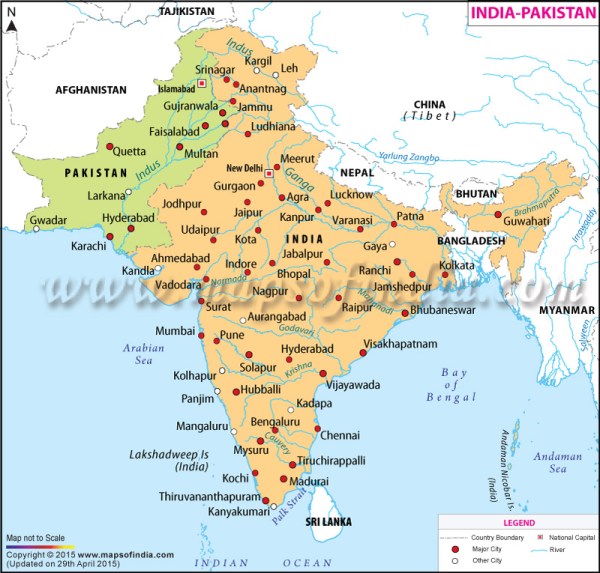
india-pakistan-map

Written by S. NAGARAJAN

Date: 4 October 2016

Time uploaded in London:5-59 AM

Post No.3217

Pictures are taken from various sources; thanks


ச.நாகராஜன்


Hindu American Foundation என்ற இணைய தளம் இஸ்லாமிக் ரிபப்ளிக் ஆஃப் பாகிஸ்தானில் ஹிந்துக்களுக்கு எதிராக இழைக்கப்படும் கொடுமைகளை நன்கு விவரிக்கிறது.


அங்கு, திட்டமிட்டு ஹிந்துக்கள் வாழ்க்கையின் எல்லாத் துறைகளிலிருந்தும் ஒதுக்கப்படுகின்றனர்,


அவமானப்படுத்தப்படுகின்றனர். இஸ்லாமியர் அல்லாத ஒருவர் ஃபெடரல் ஷரியத் நீதிமன்றத்தில் ஆஜராகி வாதிட முடியாது. பாகிஸ்தான் அரசியல் சாஸனப்படி அந்த நாட்டின் பிரதமரும் ஜனாதிபதியும் நிச்சய்மாக ஒரு முஸ்லீமாக இருக்க வேண்டும்.


மகம்மது நபியைப் பற்றித் தூற்றுவதோ அல்லது விமரிசிப்பதோ தெய்வ நிந்தனைக் குற்றமாகும். இதற்கான ஒரே தண்டனை மரண தண்டனை தான்! தனிப்பட்ட முறையில் வஞ்சம் தீர்க்க இந்த அஸ்திரம் ஏவப்படும். வேண்டாத ஹிந்து அல்லது இதர மைனாரிட்டிகள் இந்தக் குற்றத்திற்கு “ஆட்பட்டு” தங்கள் இன்னுயிரைத் துறப்பர்.


பாகிஸ்தானின் உயர்நீதி மன்ற நீதிபதிகள் – உதாரணமாக லாகூர் ஹைகோர்ட்டில் நீதிபதியாக இருக்கும் நீதிபடி அக்தர் (Justice Akhter of Lahore High Court) – தெய்வ நிந்தனை செய்வோரின் குரல்வளை நசுக்கப்பட வேண்டும் என்று அறிவுறுத்திப் பிரச்சாரம் செய்கின்றனர்.


பாகிஸ்தானில் உள்ள 20 லட்சம் ஹிந்துக்கள் வழக்கமாக ஒரு பிணைத்தொகையைத் தருதல் வேண்டும். அவர்கள் உடலுக்கு ஊறு நேராமல் இருக்க அங்குள்ள தீவிரவாதிகளுக்கும் அரசியல்வாதிகளுக்கும் இந்தத் தொகை கண்டிப்பாகத் தருதல் வேண்டும்.


குமாஸ்தா வேலையைத் தவிர வேறு எந்த வேலையும் ஒரு ஹிந்துவுக்குக் கிடைக்காது என்பது சாமான்ய அறிவு. வியாபாரம் ஆரம்பிக்க வேண்டுமென்றாலோ ஒரு முஸ்லீமை ‘சைலண்ட் பார்ட்னராக’ -அவர் பெயருக்காகத் தான் இருப்பார் – சேர்த்துக் கொள்ள வேண்டும்.


ஹிந்துக் கோவில்கள் அங்கு தரைமட்டமாக்கப்பட்டுள்ளன. 1992ஆம் ஆண்டு  மட்டும்  இந்தியாவில் நடந்த வகுப்புக் க்லவரங்களுக்குப் பதிலாக நூற்றுக்கணக்கான ஹிந்துக் கோவில்கள் இடித்துத் தள்ளப்பட்டன. (இந்தியாவில் வகுப்புக் க்லவரங்களைத் தூண்டி விடுபவர் இங்குள்ள தீவிரவாத முஸ்லீம்கள் தான் என்பது வேறு விஷயம்!)


ஹிந்துக்களின் கோவில் நிலங்களை/ இடங்களை அநியாயமாக சட்டத்திற்குப் புறம்பாக ஆக்கிரமித்தல். ஹிந்துப் பெண்கள் மீது பாலியல் கொடுமைகள் புரிதல், அவர்களைக் க்டத்தி பெரும் தொகையைப் பிணைத் தொகையாகக் கேட்டல் போன்றவை எல்லாம் அங்கு சர்வ சாதாரணம்.


2016, ஏப்ரல் 16 ஆம் தேதியிட்ட இந்தியன் எக்ஸ்பிரஸ் நாளிதழ் ஒரு செய்தியை வெளியிட்டுள்ளது. 24 வருடங்களுக்கு முன்னர் 50 வயதான க்ருபால் சிங் என்பவர்  அட்டாரி – வாஹ் (Attari –Wagah) எல்லையைத் தாண்டி விட்ட குற்றத்திற்காகச் சிறையில் அடைக்கப்பட்டார். பின்னர் அவருக்கு மரண தண்டனை விதிக்கப்பட்டது. பாகிஸ்தானின் பஞ்சாப் மாகாணத்தில் நடந்த தொடர் குண்டு வெடிப்பு வழக்கில் அவரைச் சேர்த்து இந்த தண்டனை அவருக்கு விதிக்கப்பட்டது.  ஏப்ரல் 11ஆம் தேதி மர்மமான முறையில் அவர் லாகூரில் உள்ள காட் லக்பட் (Kot Lakhpat) சிறையில் இறந்து கிடந்தார். அவரது கல்லீரலும் இதய்மும் அவர் உடலிலிருந்து அகற்றப்பட்டிருந்தன!


இப்படிப்பட்ட விஷயங்களை எல்லாம் உடனே மறுக்க ஒரு கோஷ்டி இந்தியாவில் உண்டு. சில கம்யூனிஸ்டுகள், அருந்ததி ராய் போன்ற “அறிவுஜீவிகளாகத்’ தங்களைச் சித்தரித்துக் கொள்வோர், காங்கிரஸை சேர்ந்த நடிகை ரம்யா உள்ளிட்ட சில பாகிஸ்தான் ஆதரவாளர்கள், திராவிட தீய சக்திகள் என்று இந்தப் பட்டியல் வெகு நீளம் கொண்ட ஒன்றாக விரியும்.

இவர்கள் அனைவரும் இந்தியாவை வாய்க்கு வந்தபடி விமரிசிப்பர்.


கருத்துச் சுதந்திரம்!!


இவர்களில் பெரும்பாலானோர் ஹிந்து தெய்வங்களை கண்டபடி விமிரிசிப்பார். (ஹிந்து தெய்வங்களை நிர்வாணமாகப் படம் வரைதல், உயரிய மரியாதைக்குரிய தெய்வமான ராம்ரைச் செருப்பால் அடித்த உள்ளிட்டவை இதில் அடங்கும்)

கருத்துச் சுதந்திரம்!!!


ஆனால் முகம்மது நபியைப் பற்றியோ அல்லது அல்லாவைப் பற்றியோ ஒரு சிறிய கருத்தைத் தூக்கத்தில் கூட இந்தப் பகுத்தறிவு வீரர்கள் சொல்ல மாட்டார்கள்.

சொன்னால் உடனே கிடைக்கும் தண்டனை எது என்று அவர்களுக்கு நன்றாகவே புரியும்.


அதில் அவர்களின் கருத்துக்கு சுதந்திரமே கிடையாது.


ஒரு சிறிய நாடு மிகப் பெரும் சாத்வீகமான ஒரு நாட்டை எப்படி தைரியமாக எதிர்க்கிறது. ஏன் பிரம்மாண்டமான நாடான இந்தியா அதை எதிர்கொள்ள-அதன் தீவிர வாதத்தை எதிர்க்கச் சற்றுத் தய்ங்குகிறது.


முற்றும்


*********


இந்தக் கட்டுரைக்கான பல கருத்துக்களைத் தந்துதவிய 16-9-2016 TRUTH  ஆங்கில வார இதழுக்கு எமது மனமார்ந்த நன்றி!
 

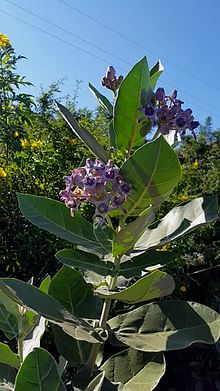
Erukku Plant (Calotropis gigantea) in Hinduism!(Post No.3216)

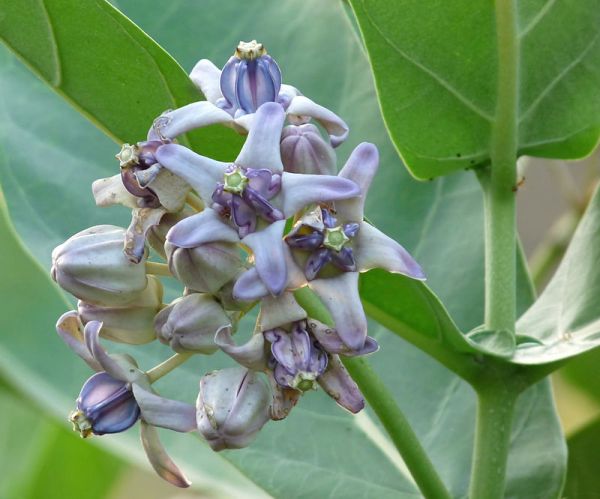
calotropis_gigantea-jpgwiki

Arka/Erukku:-Picture taken from wikipedia;thanks

Complied by London Swaminathan

Date: 3 October 2016

Time uploaded in London: 20-51

Post No.3216

Pictures are taken from various sources; thanks.

Contact swami_48@yahoo.com


Tamils are very familiar with this Erukkam Pu (Calotropis gigantea)  plant because it is the most sought after plant during Ganesh Chaturthy. No other day they use it to worship god. It grows on its own in dilapidated building sites and road side bushes.


There is no reference to Lord Ganesh in Sangam Tamil literature (except an appendix verse in Tiru Murukaatrup padai). Neither Kalidasa nor the Tamil saint Manikkavasagar mentioned Ganesh, because they lived in the early centuries of common era or before that. But Tamils must have known Lord Ganesh because Kapilar mentioned Erukku and grass for gods in verse 106 of Purananuru. Both these are offered to Lord Ganesh only in Tamil Nadu and the very name Kapila is the one of the important 16 names of Lord Ganapathy.

Erukkam pu is offered to Lord Siva in certain parts of India. Maharashtrians also use it as one of the five plants (Pancha Pallava).


Adi parva of Mahabharata has a reference to this lant. Upamanya, disciple of seer Ayoda Dhaumya, became blind after eating the Erukkam leaves. This plant and its latex are poisonous.


Cambodians use it in funeral service. Probably this is the reason for an Indian curse, “May the Arka/Erukku grow at your door”.

calotropis_gigantea_plant-ogv

Erukku Marriage

A brahmin marries second wife when his first wife is dead or sick or separated. But he is very superstitious about marrying a third wife. If he marries for the third time, it is believed that she will become a widow.  To avoid this, he marries the arka (Erukku) plant. Indians believe that this is the oldest plant. After marrying himself to the plant and goes for a new wife, who will be his fourth wife. The bridegroom will go to the place where the Erukku grows, with a friend and a priest, on an auspicious day. The accompanying friend acts like the father in law and the plant is addressed with Mantras. After the marriage the plant is cut down.


The plant is named Arka in Sanskrit which is one of the names of the sun. The plant is supposed to catch some property from the sun. Some people used to apply the leaves to their foreheads when the sun is in a certain position. A person suffering from some illness ties a lock of his hair or a rag from his clothing on to the plant, and it takes on his ailment and withers.

Tying rags to trees and marrying with the trees happen in other parts of the world as well.

TREE MARRIAGES

Allegorical marriage of trees is practised in India. All the rituals that are performed in an actual wedding are done to the trees. Big feast is also given to everyone.  Aswatta Tree (peepal tree) is the symbol of Vishnu. First, Lord Vishnu is invoked into the tree. Some years later, a mate is chosen for the tree, and with all the pomp and ceremony of a Brahmin wedding,  a bride, in the shape of a neem tree, is brought and legally married to the Aswatta tree.

In the fruit growing districts of the country it is supposed to be extremely unlucky for the owner of a plantation, or his wife to tatse any of their own fruits until one of the trees has been legally married to another of a different species. An owner of a mango grove will marry one of his trees, preferably to a tamarind tree. If it is not possible, jasmine plant will be the bride.

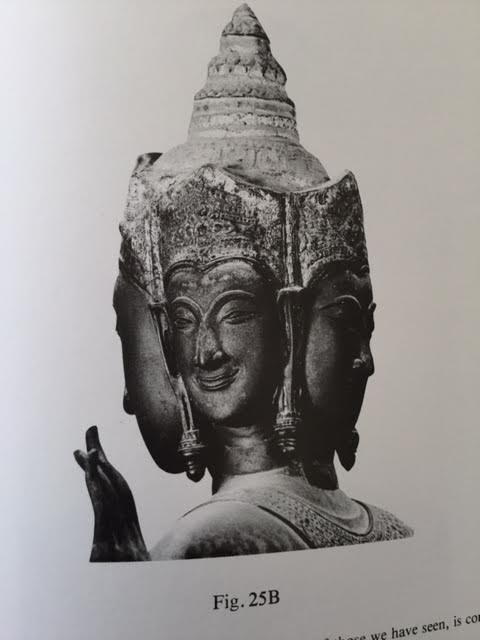
brahma-thailand

Brahma from Thialand

The origin of these tree marriages centres around an old legend, where Brahma of the four faces, induced a certain prince Indramena to restore the temple of Jagannath that was buried under the sand. After some time, the king was able to discover the buried temple but could not restore it. Then Brahma allowed him to build a new temple in a new site. Brahma also told him that Vishnu would come to the king  in the shape of a tree, which would be washed by the sea. Then the trunk of an Aswatta tree was washed up on the shore. A wood carver Visvakarma,  was allowed to carve the figure of Krishna. Half way through it, the king peeped into the room , violating the stipulated condition and so the Viswakarma left it without completing it.


Suham–

சிவ பெருமானுக்கு மீசை! விஷ்ணுவுக்கு ‘ஷேவ்’ ஏன்? (Post No.3215)

siva-ravi-varma

Written by London Swaminathan

Date: 3 October 2016

Time uploaded in London: 12-36

Post No.3215

Pictures are taken from various sources; thanks.

Contact swami_48@yahoo.com

வேதத்தில் உள்ள நூற்றுக் கணக்கான சொற்களை இன்றும் தமிழர்கள் உள்பட நாட்டிலுள்ள எல்லோரும் பயன்படுத்துவது வியப்புக்குரிய்து. உலகிலேயே பழமையான நாகரீகம் இந்து நாகரீகமே என்பதையும் உலகிலேயே பழைய மொழிகள் சம்ஸ்கிருதமும் தமிழும்தான் என்பதையும் இது காட்டும்.


கேசம் என்ற சம்ஸ்கிருதச் சொல் இன்றும் கூந்தல் வளர் தைல விளம்பரங்களிலும் பெயர்களிலும் இருப்பதை முந்தைய கட்டுரைகளில் கண்டோம்.


முடி என்பது தலை முடியையும், மன்னர் முடியையும் (கிரீடம்) குறிக்கும் என்பதுமிரு மொழிகளுக்கும் பொது. இது இரண்டு மொழிகளும் ஒரே மூலத்தில் பிறந்தவை என்பதைக் காட்டும். ஆரிய மொழிக் குடும்பம் – திராவிட மொழிக் குடும்பம் என்பதெல்லாம் பிதற்றல் என்பதையும் விளக்கும்.

indus-valley-priest

சிந்து சமவெளி யோகி முத்திரையில் காணப்படும் குருவின் தாடி விநோதமாக இருப்பது பலருக்கும் பெரும் புதிராக இருக்கிறது.


இதைவிட வேடிக்கை இந்துமதக் கடவுளரின் உருவங்களின் வரை படங்கள் வெவ்வேறாக இருப்பதாகும். புகழ் பெற்ற ரவி வர்மா வரைந்த ஓவியங்களில் சிவன் மீசையுடன் காட்சி தருவார். இன்னும் சில சிலைகளில், குறிப்பாக தென் கிழக்கு ஆசிய நாடுகளில் சிவன், இந்திரன் முதலியோர் மீசையுடன் காணப்படுவர். ஆனால் எல்லா இடங்களிலும் விஷ்ணு, கிருஷ்ணன் ஆகியோர் நல்ல ‘ஷேவ்’ (சவரம்) செய்த முகத்துடன் காட்டப்படுவர். இது ஏன் என்பது ஆராய்ச்சிக்குரிய விஷயம்.


இதை விட வியப்பான விஷயம் சிகை (குடுமி) என்ற வேத கால சம்ஸ்கிருதச் சொல்லாகும். பிராமணர்கள் இன்றும் இந்தச் சொல்லை பயன்படுத்துவதில் வியப்பில்லை.ஆனால் கிராமப்புறத் தமிழர்களும் இதை பயன்படுத்துவது தமிழும் சம்ஸ்கிருதமும் ஒன்றே என்பதைத் தெளிவாக்கும்.


சிகைக் காய் பொடி (சீயக்காய் பொடி) என்பதை அறியாதோர் இல்லை. எண்ணை தேய்த்துக் குளிப்போருக்கு இது அவசியம். சிகை+ காய் = சீயக்காப் பொடி. சிகை என்பது குடுமி என்னும் பொருள்படும் சம்ஸ்கிருதச் சொல்!


வேத காலத்தில் வாழ்ந்த இரண்டு குருமார்களின் பெயர் சிக, அனு சிக. இதைக் குடுமி, துணைக் குடுமி என்றும் மொழி பெயர்க்கலாம். சிக என்பது சிகரம் (உச்சி, மலை உச்சி), சிகாமணி போன்ற சொற்களிலும் புழங்குகிறது.


persian-2

சிகா (குடுமி, நீண்ட தலை முடி), புலஸ்தி (நேரான முடி), சிகண்ட (குடுமி), ஸ்மஸ்ரு (தாடி, மீசை Rig veda (2-11-17; 8-33-6 etc), சீமன் (தலை வகிடு) ஆகிய சொற்கள் வேதங்களிலும் பின் வந்த இலக்கியங்களிலும் பயன்படுத்தப்பட்டுள்ளன.


இந்தியர்கள் சாகும் வரை மீசை, தாடியை போற்றி வளர்த்ததாக மெகஸ்தனீஸ் 2300 ஆண்டுகளுக்கு முன் எழுதியுள்ளார்.


பாரசீகர்கள், தேன்கூடு போல தாடி வைத்திருப்பதை உலகப் புகழ் பெற்ற கவிஞன் காளிதாசன் சம்ஸ்கிருதத்தில் பாடிப் பரவியுள்ளான்.


persian-beard

—subham–


ஆதிவாசிகளின் சிகை அலங்காரம்

kampti-woman

Written by London Swaminathan


Date: 3 October 2016


Time uploaded in London: 9-01 AM


Post No.3214


Pictures are taken from various sources; thanks.


Contact swami_48@yahoo.com


பெண்கள்,  பிறந்த நாள் முதலே,  தங்களை அலங்கரிக்கத் துவங்கி விட்டார்கள். இதற்கு ஆதிவாசிப் பழங்குடிகளும் விலக்கல்ல. இந்தியாவில் ஆயிரக்கணக்கான ஜாதிகளும் பல நூற்றுக்கணக் கான பழங்குடி இன மக்களும் வசிக்கின்றனர். ஒவ்வொரு இனத்தினரும் வெவ்வேறு வகை திருமணச் சடங்குகள், ஈமச் சடங்குகள், நடை, உடை, பாவனை கொண்டு வாழ்கின்றனர். இப்பொழுது நாகரீகம் வேகமாகப் பரவி வருவதால் அவர்களும் மாறி வருகின்றனர். வெளிநாட்டுக்காரர்கள் நம்மைத் திட்டுவதற்காக எழுதி வைத்த பல குறிப்புகள் ஆராய்ச்சிக்கு உதவுகின்றன.


கருப்புத் தோல் உடைய அவ்வளவு பெயரும் “திராவிடர்கள்” என்றும் அவர்கள் உயரிய நாகரீகம் வாய்ந்தவர்கள் என்றும், அவர்களைக் கைபர் கணவாய் வழியாக வந்த ஆரியர்கள் விரட்டி அடித்ததாகவும் வெள்ளைக்காரன் பொய்யுரைகளை பரப்பி இருந்தான். ஆனால் இந்த “திராவிடப் பழங்குடியினரோ” கொஞ்சமும் நாகரீகம் இல்லாத, காட்டுமிராண்டி வாழ்க்கை வாழ்ந்தவர்கள் என்பதும் அவர்களில் ஒருவருக்கொருவர் சம்பந்தமில்லாத பழக்க வழக்கங்கள் இருப்பதுமாராய்ச்சி செய்வோருக்கு வெள்ளிடை மலையென விளங்கும். இந்த திராவிட– ஆரிய கதைகள் எல்லாம் நல்ல கட்டுக்கதை என்பது உள்ளங்கை நெல்லிக்கனி போலத் தெரியும்.


இதோ சில சிகை அலங்காரங்கள்:


பர்மா மற்றும் வடகிழக்கு மாநிலங்களின் எல்லையில் காம்டி இன மக்கள் வசிக்கின்றனர். அந்த இனப் பெண்கள் திருமணமானவுடம் தலைமுடியை உயர்த்தி ‘கொண்டை’ போடுவர். திருமணமாகாத பெண்கள் முடியைக் கழுத்தின் பின்புறத்தில் தொங்கவிட்டு முடித்து வைப்பர்! ஆக ஒரு பார்வையிலேயே யார் திருமணமானர் என்று கண்டுபிடித்துவிடலாம்!


ஒரிஸ்ஸா, ஆந்திரா, மத்தியப்பிரதேச எல்லைகளில் காடுகளில் வசிக்கும் கோண்டு இன ஆண்களும் பெண்களும் முடியைப் பராமரிப்பதில் பெரும் கவனம் செலுத்துவர். மான் கொம்புகளினால் ஆன பெரிய கொண்டை ஊசியைத் தலையில் குத்திக்கொள்வர். மலர்களையும் சூடுவர். திருமணமாகாத பெண்கள் காதில் விளக்கு மாற்றுக்குச்சியை சொருகிக் கொள்வர். திருமணமானபின்னர் நிறைய தோடுகளை அணிவர்.


காதுகளைப் பார்த்துதான் காதலிக்க வேண்டும்!!!


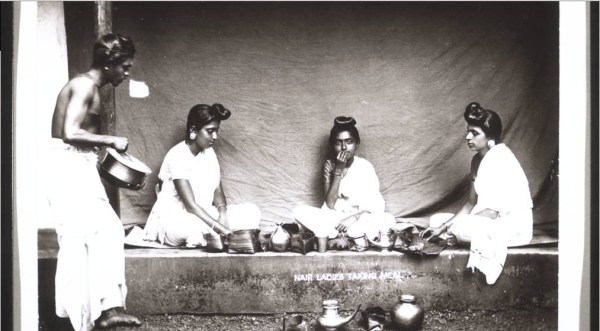
நாயர் இனப் பேரழகிகள்

nayars-of-kerala-wiki

கேரளத்தில் வசிக்கும் நாயர் இனப் பெண்கள் பற்றி ஆர்தர் மைல்ஸ் என்பவர் 1933 ஆம் ஆண்டில் எழுதியது:-

“இந்தியாவிலேயே பேரழகிகள் நாயர் இனப் பெண்களே. அவர்கள் தலை முடி பிசுக்கில்லாமல் பள பள என்று இருக்கும் . எப்போதும் சிகைக்காய் பொடியால் கழுவி சுத்தமாக வைத்து மலர் சூடுவர். தோலில் ஒரு பருவோ கொப்புளமோ வந்தால் அதைப் பெரிய அவமானமாகக் கருதுவர். மற்ற இனப் பெண்கள் போலல்லாது இடது மூக்கில் மூக்குத்தி அணிவர். குளிக்காமல் எதையும் செய்யார். ‘சுத்தம் சோறு போடும்’ என்பதை அறிந்த இனம். ஒரே ஒரு உடற்குறை! காதில் பெரிய தொளையிட்டு தங்க நகைகளை அணிவதே!”


இங்கிலாந்துக்கு வரும் திருப்பதி முடி


ஆர்தர் மைல்ஸ் 1933ல் எழுதியது:–


ஒருமுறை என் வீட்டுத் தோட்டக்காரன் மீசை, தலை முடி எல்லாவற்றையும் சிரைத்துவிட்டு வெழுமூன பள பள என்று வேலைக்கு வந்தான். எனக்கோ அதுபற்றிக் கேட்கத் தயக்கம். இரண்டு, மூன்று நாட்களுக்குப் பின்னர் அவனே சொல்லத் துவங்கினான். நேர்த்திக் கடனுக்காக் கடவுளுக்கு முடியைக் கொடுத்ததாகச் சொன்னான்.


இந்தியாவில் பணக்காரகளுகுச் சமமாக ஒரு ஏழையும் தானம் செய்யக்கூடியது தலை முடி ஒன்றே. அதில் அவர்களுக்குப் பரம திருப்தி. அதுவும் பெண்கள் தனது  தலை மயிரை கொடுப்பது பெரிய தியாகமே. இப்படி அவர்கள் திருப்பதியிலும் பழனியிலும் முடி காணிக்கை செலுத்தாவிடில் நாம் ஐரோப்பாவிலும், குறிப்பாக இங்கிலாந்திலும் முடிகளால் ஆன மெத்தைகளில் உறங்க முடியுமா?


பிராமணப் பெண்கள், கணவனை இழந்து விட்டால் தலை முடியை எடுத்துவிட்டு தலையை புடவையால் மறைத்துக் கொள்ளுவர். ஆனால்  ஐயங்கார்களில் தென்கலை சம்பிரதாயத்தினர் இப்படிச் செய்வதில்லை என்றும் ஆர்தர் மைல்ஸ் எழுதியுள்ளார்.


(இப்போது முடியைக் களையும் வழக்கம் மிக மிகக் குறைந்துவிட்டது)

vv-anni-5

Nilgris:-Toda Tribal woman

பெண்கள் வகிடு எடுப்பது — ஒரு புறம் சக்தியையும் மறுபுறம் சிவனையும் குறிக்கும் என்றும் இது பாசிட்டிவ், நெகட்டிவ் POSITIVE & NEGATIVE சக்திகளை இணைக்கிறது என்றும் 1926ல் ஒருவர் ஆற்றிய உரையையும் மைல்ஸ் விரிவாக கொடுத்துள்ளார் ( எனது ஆங்கிலக் கட்டுரையில் முழு விவரம் காண்க).

vv-aani-4

–subham——


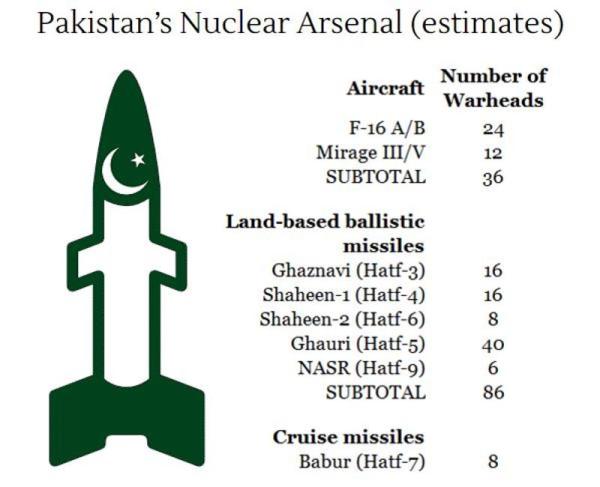
ஒரு பைத்தியக்காரனின் (சஸ்பென்ஸ்)கதை! (Post No.3212)

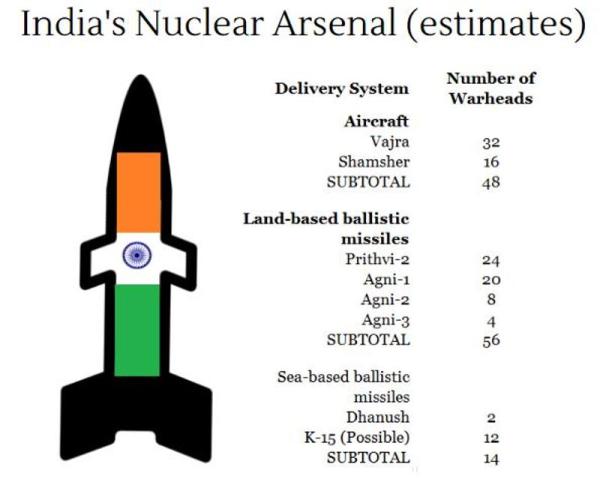
pak-nuclear

Written by S. NAGARAJAN

Date: 3 October 2016

Time uploaded in London:5-49 AM

Post No.3212

Pictures are taken from various sources; thanks


By ச.நாகராஜன்


இந்தியா, பாகிஸ்தான் என்றெல்லாம் போட்டுக் குழம்பிக் கொள்ள வேண்டாம். இது – Just a – கதை தான்!


ஒரு ஊரில் உள்ள ஒரு குடும்பத்திற்குக் கலாட்டா செய்வதே பொழுது போக்கு. அந்த வீட்டுக்காரர்கள் குண்டு தயாரித்து விற்பதில் நிபுணர்கள். அந்த வீட்டில் ஒருவன் இங்கிலாந்தில் மேல் படிப்புப் படிக்கச் சென்று அங்கிருந்த விஞ்ஞானிகளிடம் அணுகுண்டு தயாரிப்பது எப்படி என்பதைத் திருடிக் கொண்டு வந்து சொந்த வீட்டில் அதைச் செய்து பார்க்க ஆரம்பித்தான். அது அரைகுறையாக வெடிக்கும் நிலையில் தயாரானது.

துரதிர்ஷ்டவசமாக அந்த வீட்டில் இரண்டொரு பைத்தியங்களும் உண்டு.


அந்த வீட்டின் அண்டை வீட்டுக்காரரோ அஹ்மிசாவாதி. மிக நல்லவர். வம்பு தும்புக்குப் போகாதவர். வந்த வமபையும் பயந்து  கொண்டு விலைக்கு வாங்க மாட்டார்.


குட்டக் குட்டக் குனிவார்,குனிந்து கொண்டே இருப்பார்.

இது போதாதா நமது கலாட்டா குடும்பத்திற்கு.

அவர்களுக்குப் பொழுது போகவில்லை என்றால் அண்டைவீட்டுகாரரை சும்மாவாவது சீண்டிக் கொண்டே இருப்பார்கள்.


ஒரு நாள் கலாட்டா குடும்பத்தின் பைத்தியக்காரன் ஒரு வெடிகுண்டைக் கையில் எடுத்துக் கொண்டான். அந்தப் பைத்தியத்திற்கு ஒரு கெட்ட பழக்கம் எதை எடுத்தாலும் கடித்துத் தூக்கிப் போடுவது.


பைத்தியத்தின் கையில் இருந்த வெடி குண்டைப் பார்த்தவுடன் கலாட்டா குடும்பத்தினர் திகைத்தனர். அவர்கள் இதை எதிர்பார்க்கவில்லை.


அண்டைவீட்டுகாரர் – அந்தப் பக்கம் வந்தவர் – வெடிகுண்டைப் பார்த்துத் திடுக்கிட்டார்.


பைத்தியம் அவரை நோக்கி வந்தது. சுற்றிச் சுற்றிக் கும்மாளம் போட்டது. வாயில் வெடிகுண்டின் திரியைக் கடிப்பது போல பாவ்லா செய்தது. ஆனால் கடிக்கவில்லை.


அண்டைக்காரர் பயந்து அதைப் பார்க்க, கலாட்டா குடும்பத்தினரும் திகைப்புடனும் மிரட்சியுடனும் அதைப் பார்க்க அது துள்ளிக் குதித்துக் கொண்டே இருந்தது.


யாரும் பைத்தியத்தின் அருகே போக முடியவில்லை.

பயம், பயம், பயம்!


இப்போது பைத்தியக்காரனின் குண்டைச் செய்லிழக்கச் செய்ய வேண்டும்.


ஒன்று அது சொந்த வீட்டின் மேலேயே குண்டை – வாயில் திரியைக் கடித்து விட்டுத் தான் – போட்டால் ஆயுதக் கிடங்கான அந்த வீடு வெடித்துச் சிதறி அதில் உள்ள அனைவரும் கோரமாகச் சாவர்.


அண்டை வீட்டுக்காரர் மீது போட்டாலோ அவர் விபரீதமாக மாண்டு போவார்.


தூரத்தில் இருந்த வீட்டினரெல்லாம் இந்தக் கூத்தைப் பார்க்க ஒருங்கே திரண்டனர்.


யாருக்கும் என்ன செய்வதென்று தெரியவில்லை!

மாற்றி யோசிக்க வேண்டும். அப்படி யோசிப்பவர் யாரேனும் இருந்தால் ஒரு வழி சொல்லுங்கள்!

india-nuclear

*******


Vedic References to Hair Styles – Part 3 (Post No.3213)

indus-valley-priest

Picture of Indus Yogi with beard

Research article written by London Swaminathan


Date: 2 October 2016


Time uploaded in London: 16-32


Post No.3213


Pictures are taken from various sources; thanks.


Contact swami_48@yahoo.com


siva-ravi-varma

Lord Siva with moutache; Vishnu is clean shaven!

Pulasti – wearing the hair plain


Pulasti or pulastin  in the Yajurveda samhitas denotes wearing the hair plain, as opposed kapardin, wearing the hair in braids


Pulasti is found in vajasaneyi, taiittiriya,kathaka samhitas.


Sikhanda –


Sikhanda denotes a tuft or lock, as mode of wearing the hair, in the later Samhitas and the Brahmanas.


Sikhaa – top knot


Sikhaa denotes in tha satapata Brahmana , the knot of hair worn on the top of the head. Wearing the top knot unloosened was the sign of mourning in the case of women and men like.


My comments

Sikhaa is a very interesting word because it has been in vogue for over three thousand years from Kanyakumari to Kashmir.


Sikai kaay podi (colloquial: Seeyakkaay podi= soap nut powder) is known to everyone in Tamil Nadu; before the synthetic shampoos flooded the market, soapnut powder was used after oil bath. Even today it is in use and the word Sikha is used to denote the tuft on the Brahmin’s head.


There are two interesting names Sikha and Anusikha in the Pancavimsa Brahmana (25-15-3); they are the names of two priests! They served as Nestr and Potr at the Snake festival.


Potr is the name found in the Rigveda(1-94-6; 2-5-2; 7-16-5). It may mean the priest who did purification of Soma pavamana.


So it is interesting to have some name like top-knot and Sub top-knot!

persian-2

Even Kalidasa sings about the honey comb beard of Persians!


Smasru -beard –


Smasru means beard or moustache and it is found in the Rig veda (2-11-17; 8-33-6 etc). it is sometimes contrasted with Kesa/hair of the head. Shaving was known in the Vedic times. Wearing a beard was a sign of manhood according to taiittiriya Samhita with which agrees the  notice of Meghasthanes that the Indians carefully  tended their beards upto the day of their death.

My comments


Beard is a very interesting word because some Hindu gods are shown with beard and others or not. In the famous paintings of Ravi Varma and others Siva is shown with moustache, but Vishnu is shown with a clean shaven face. South East Asian images of Hindu Gods are with prominent moustche. Indra is shown with beard in images. This calls for further research.


Kalidasa also did not miss the beard of the Persians. He mentioned their honey comb beard.

persian-beard

Siman – parting


Siiman denotes the parting of the hair in the Atharva Veda (4-57-8; 10-101-3/4)


The importance of parting the hair for a Hindu woman is explained in Part 1 and Part 2 of this series. Further enquiries show that using a porcupine’s quill to apply acupressure or to do acupuncture is practised in Tamil and Konkani areas of South India. It is done to pregnant ladies during the Pumsavana Seemnatha ceremonies.


Above information istaken from the Vedic Index of names and Subjects by A B Keith and AA Macdonell; comments are mine.


Xxx

How to identify a married tribal woman?


Hair style have different purposes and uses. Parting of hair and the vermilliom/ Kunkum in that parting means she is a married Hindu woman.


The Khamti tribal woman use the hair style to show whether she is married or not. The elevation of the hair on the crown of the head indicates that she is married. Unmarried girls wear it in a low down the occiput (back of the head).


vv-aani-4

vv-anni-5

Todamen and woman of Nilgris, Tamil Nadu (Tribals)


–SUBHAM–


மஹாத்மா காந்தி வாழி! (Post No.3211)

ganghi-india

Written by S. NAGARAJAN


Date: 2 October 2016

Time uploaded in London:11-08 AM

Post No.3211

Pictures are taken from various sources; thanks


By ச.நாகராஜன்


காந்திஜி நினைவைப் போற்றுவோம்


அக்டோபர் 2 – காந்தி ஜெயந்தி!

ச.நாகராஜன்


அஹிம்ஸையை நாட்டில் நாட்டி

     ஆங்கிலேயரையே விரட்டி

மஹிமையை வாழ்வில் காட்டி

    மனதிலே பாரதம் ஏற்றி

துகிலிலே கதரைக் காட்டி

    தூயவன் வாழ்ந்த வாழ்க்கை

பகிர்தலுக்கு ஓர் நாள் இதுவே

    மஹாத்மா காந்தி வாழி!

**********


பாண்டிய மஹாராணி தீயில் குதித்ததற்கு தொல்காப்பியமே காரணம்? (Post No.3210)

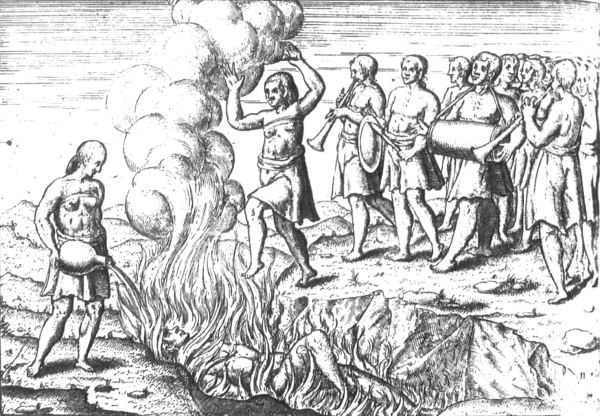
balinese_rite_of_suttee_in_houtman_1597_-1

Written by London Swaminathan


Date: 2 October 2016


Time uploaded in London: 7-07AM


Post No.3210


Pictures are taken from various sources; thanks.


Contact swami_48@yahoo.com


sati-3

புறநானூற்றில் ஒரு அழகான பாடல் வருகிறது; இது பாண்டிய மன்னன் இறந்தவுடன் அவனது மனைவி பூதப்பாண்டியன் தேவி, கணவனுடைய சிதைத்தீயில் பாய்ந்து உயிர்விட்ட சம்பவம் பற்றிய பாடலாகும். பார்ப்பனர்கள், அமைச்சர்கள் அனைவரும் தடுத்தும் “போங்கடா, போங்க! போக்கத்த பயல்களே” என்று சொல்லி அவள் தீயில் பாய்ந்தாள்.

புறநானூறு பாடல் 246:–
பல் சான்றீரே! பல் சான்றீரே!
‘
செல்க’ எனச் செல்லாது, ‘ஒழிக’ என விலக்கும்,
பொல்லாச் சூழ்ச்சிப் பல் சான்றீரே!
அணில்வரிக் கொடுங்காய் வாள் போழ்ந்திட்ட
காழ் போல் நல் விளர் நறு நெய் தீண்டாது
அடை இடைக் கிடந்த கை பிழி பிண்டம்,
வெள் எள் சாந்தொடு, புளிப்பெய்து அட்ட
வேளை வெந்தை, வல்சி ஆக,
பரற்பெய் பள்ளிப்பாயின்று வதியும்
உயவற் பெண்டிரேம் அல்லேம் மாதோ;
பெருங்காட்டுப் பண்ணிய கருங்கோட்டு ஈமம்
நுமக்கு அரிதாகுக தில்ல; எமக்கு எம்
பெருந்தோட் கணவன் மாய்ந்தென, அரும்பு அற
வள் இதழ் அவிழ்த்த தாமரை
நள் இரும் பொய்கையும் தீயும் ஓரற்றே!


–பூதப்பாண்டியன் தேவி பெருங்கோப்பெண்டு தீப்பாய்வாள் சொல்லியது

பொருள்: ‘’கணவனுடன் நீயும் போ என்று சொல்லாமல் பொல்லாத செயல் புரியும் பெரியோர்களே! கணவன் இல்லாத பெண்கள் வெள்ளரிக்காய் விதை போல, நெய் இல்லாத சோறு, எள்ளுத் துவையல், புளி கூட்டி சமைத்த வேள இலை ஆகியவற்றை உண்ண வேண்டும். பாய் இல்லாமல் வெறும் கல் தரையில் படுக்க வேண்டும். அது போன்ற பெண் என்று என்னை நினைத்து விட்டீர்களா? நான் அப்படிப்பட்டவள் அல்ல. உங்களுக்கு வேண்டுமானால் மரணப் படுக்கை கஷ்டமாக இருக்கலாம். என் கணவன் இறந்துவிட்டான். அந்த சிதைத் தீயே எனக்கு தாமரைக்குளம் போல குளிர்ச்சிதரும். இதைப் புரிந்துகொள்ளுங்கள்.’’

ஒரு மஹாராணி பாடிய பாடல் இது. கணவனின் சிதைத் தீ, தாமரைக் குளம் போல குளிர்ச்சி பொருந்தியது என்று பாடுகிறாள். அப்பர் பெருமானை மஹேந்திர பல்லவன் சுண்ணாம்புக் காளவாயில் போட்ட போது அவர் ‘’மாசில் வீணையும்’’ பாடல் பாடியது நினைவுக்கு வருகிறது!


இதற்குத் தொல்காப்பிய சூத்திரமே காரணம் என்று தோன்றுகிறது. தொல்காப்பியர் என்பவர் த்ருண தூமாக்கினி என்ற பெயர் கொண்ட பார்ப்பான் என்று மதுரை பரத்வாஜ கோத்திரப் பார்ப்பான் உச்சிமேற் புலவர்கொள் நச்சினார்க்கினியர் கூறுவார். தொல்காப்பியர் சதி என்னும் உடன் கட்டை ஏறும் வழக்கததை தமிழ் வழக்கமாக காட்டியுள்ளார்.

Sati : wife mounting funeral pyre of husband


காதலி இழந்த தபுதார நிலையும்

காதலன் இழந்த தாபத நிலையும்

நல்லோள் கணவனொடு நனியழல் புகீஇச்

சொல்லிடைஇட்ட பாலை நிலையும்

 தொல்காப்பியம், சூத்திரம் –1025


பூதப் பாண்டியன் பெருந்தேவி போலவே போல, ஆய் அண்டிரன் மனைவியரும் தீப்பாய்ந்தனர்.

இந்த உடன்கட்டை ஏறும் வழக்கத்தை “சதி” (sati) என்பர்.

((Reference:-சங்கத் தமிழ் நூல்களில் “சதி” (உடன்கட்டை ஏறுதல்)–கட்டுரையாளர்:– லண்டன் சுவாமிநாதன்–கட்டுரை எண்:–1108; தேதி 15 ஜூன் 2014.))


கர்நாடகத்தில் இப்படி உடன்கட்டை ஏறிய கற்புக்கரசிகளின் கைச் சின்னங்கள் இன்னும் இருக்கின்றன.

sati3

பாண்டியன் நெடுஞ்செழியன், கோவலனைக் கொன்றது தப்பு என்று தெரிந்தவுடன், மாரடைப்பால் – Heart Attack ஹார்ட் அட்டாக்கால் — இறந்தார். உடனே அவன் அருகில் இருந்த அவன் மனைவியும் ஹார்ட் அட்டாக்கால் இறந்தாள் என்பதை சிலப்பதிகாரம் மூலம் அறிவோம்.


உலகப் பேரழகி சித்தூர் ராணி பத்மினி மீது எப்படியாவது கை வைக்க வேண்டும் என்று படை எடுத்துவந்த அலாவுதீன் கில்ஜியின் கண்,,,,,,,,ல் மண்ணைத்தூவி விட்டு சித்தூர் ராணி பத்மினி, தனது நூற்றுக் கணக்கான ழியருடன் தீப்பாய்ந்து வரலாறு படைத்தாள் ரஜபுதனப் பெண்கள் வீராங்கனைகள். தன் மானத்துக்கும் கற்புக்கும் மதிப்பு கொடுத்த கற்புக்கரசிகள்!


ஆனால் உடன் கட்டை ஏறுவது COMPULSORY கம்பல்ஸரி/ கட்டாயம் அல்ல. தசரதன் இறந்தவுடன் அவன் மனைவியர் நால்வரும் உயிருடன் இருந்ததை வால்மீகி ராமாயணம் மூலம் அறிவோம். அதே போல பாண்,,,,, மஹாராஜன் இறந்தும் குந்தி உயிர் வாழ்ந்ததை மஹா பாரதம் மூலம் அறிவோம்.


மதத்தைப் பரப்ப வந்தவர்களும், நாடுபிடிக்க வந்தவர்களும் அந்தக் காலத்தில் எழுதிய புத்தகத்தில், —- எல்லா இந்தியப் பெண்களையும் கணவன் சிதைத்தீயில் தள்ளுவது போலப் படம் போட்டு — புத்தகங்களை எழுதினர்! ஆனால் அவர்கள் பிரசாரம் எல்லாம் விழலுக்கு இரை த்த நீர் போல ஆகிவிட்டது.

வேதங்களில் வரும் இந்திரனையும் வருணனையும் தமிழர்கள் தெய்வங்களாகத் தொல்காப்பியர் குறித்ததும், பலராமனின் பனைக்கொடியைப் பற்றி அவர் சூத்திரம் சொல்லுவதும், மனு தர்ம சாத்திரத்திலுள்ள எட்டு வகைத் திருமணத்தை தொல்காப்பியம் விதந்துதுரைப்பதும், கார்த்திகைத் திருவிழாவை அவர் குறிப்பால் உணர்த்துவதும், பாரதம் ஒன்றே என்ற கொளகையுடையோருக்கு வியப்பளிக்காது. ஆனால் அவர் “சதி” என்னுமுடன்கட்டை ஏறும் வழக்கத்தையும் (இறந்த கணவனுடன் சிதைத்தீயில் எரிவதும்) தமிழர் வழக்கமாகக் கூறுவது பலருக்கும் தெரியாது.


திராவிட “அறிஞர்கள்”, இது பற்றி மவுனம் சாதிப்பதும் ஒருவர் இதை ‘இடைச் செருகல்’ என்பதும் மற்றொருவர் 30, 40 பக்கம் எழுதி சப்பைக் கட்டு கட்டுவதும் தொல்காப்பியத்தை நன்கு படித்தவர்கள் அறிந்ததே. சிலர் இது “ஆரிய வழக்கம் கொஞ்சம் கொஞ்சமாகப் புகுந்தது” என்பதைக் காட்டுவதாகச் சொல்லுவதும் “கீழே விழுந்தும் மீசையில் மண் ஒட்டவில்லை பார்” என்ற பழமொழியை நினைவுபடுத்தும்.


இன்னும் பலர் உலகப் புகழ் பெற்ற, தமிழில் அதிகமாக உரைகளை எழுதிக் குவித்த மதுரை நகர பாரத்துவாஜ கோத்ரப் பார்ப்பனன் உச்சிமேற் புலவர்கொள் நச்சினார்க்கினியன் எழுதிய உரை எல்லாம் சரிதான், ஆனால் அவர் தொல்காப்பியனை “த்ருணதூமாக்கினி” என்னும் ரிஷி என்று சொல்லுவது மட்டும் ‘பொய்’ என்று பிதற்றுவதெல்லாம் நல்ல நகைச்சுவையாக அமையும். நிற்க.

sati2

சதி என்னும் உடன் கட்டை ஏறும் வழக்கம், சுயம்வரம் என்னும் கணவனைத் தேடும் பெண்களின் சுதந்திரம், அஸ்வமேத யக்ஞம, ராஜ சூய யக்ஞம் மற்றும் பார்ப்பனர் அன்றாடம் செய்யும் சந்தியாவந்தனம், தென்பக்கத்தில் யமன் உள்ளான் என்ற நம்பிக்கை இவை எல்லாம் இமயம் முதல் குமரி வரை உளதே! ஏனடா இவை எல்லாம் ஆரியரின் சொந்த பூமி என்று நீங்கள் கூறும் மத்திய ஆசியாவிலோ, ஐரோப்பாவிலோ இல்லை என்று வெள்ளைத் தோல் “அறிஞ ர்களை” கேள்வி கேட்டால் முழி பிதுங்க பேதைகளாக நிற்பர். உண்மையில் இந்துக்கள் உலகம்     எங்கும் சென்று நாகரீகத்தை நிலை நாட்டியது ரிக் வேதத்திலேயே உளது “ச்ருன்வந்தோ விஸ்வம் ஆர்யம்= உலகம் முழுதும் சென்று பண்பாட்டைப் பரப்புக” என்ற வாக்கியம் வேதத்தில் உள்ளது. உலக மக்கள் அனனைவரும் ஒரு தாய் வயிற்றுப் பிள்ளைகள்— மாதா பூமி, புத்ரோஹம்— (பூமி நமது அன்னை, நாம் அதன் புதல்வர்; யாதும் ஊரே யாவரும் கேளிர்) என்பது அதர்வண வேதத்தில் உள்ளது.


ஆக உலகம் முழுதும் நாம் மொழிகளையும் கலாசாரத்தையும் பரப்பினோம் என்பதை ஒப்புக்கொண்டால் ஏன் சில வழக்கங்களை மட்டும் அவர்கள் எடுத்துக் கொண்டனர், ஏன் தமிழ்ச் சொற்களும் சம்ஸ்கிருதச் சொற்களும் உலக மொழிகள் அனைத்திலும் ஆயிரக்கணக்கில் காணப்படுகின்றன என்பது விளங்கும்.


வாழ்க தமிழ் மொழி! வளர்க தொல்காப்பியன் புகழ்!!


தீவிரவாதிகளின் புகலிடம் பாகிஸ்தான்! (Post No.3209)

akhand-baharat-2

Written by S. NAGARAJAN

Date: 2 October 2016

Time uploaded in London:5-34 AM

Post No.3209

Pictures are taken from various sources; thanks


By ச.நாகராஜன்


தீவிரவாதிகளின் புகலிடம் பாகிஸ்தான் என்பதை சமீபத்தில் நடந்த ஊரி சம்பவத்தால் உலகமே அறிந்து கொண்டது.

தக்க பதிலடியாக உலகத்திலேயே சிறப்பு வாய்ந்த ராணுவங்களுள் ஒன்றானதும் மிகப் பெரிய ராணுவமுமான இந்திய ராணுவம் எடுத்த நடவடிக்கையால் பாகிஸ்தான் அதிர்ந்து போயுள்ளது. இந்தியர்கள் பெருமிதப்படுகின்றனர் ஏனைய நாடுகள் ஆச்சரியத்தின் உச்சியில் அதிசயித்து நிற்கின்றன.

எல்லைக் கோட்டின் அப்பால் உள்ள தீவிரவாதிகளை அதிரடியாகத் தாக்கி ஒழித்த இந்திய ராணுவத்திற்குப் பணிவான வணக்கங்கள். கூடவே மனம் நிறைந்த பாராட்டுக்கள்.


மூன்றாம் உலக மகாயுத்தம் பற்றிய கட்டுரைத் தொடரில் குறிப்பிடப்பட்டுள்ள விஷயங்கள் மிகப்படுத்தப்பட்ட ஒன்றா என்ற சந்தேகம் சிலருக்கு எழக்கூடும்.

ஆனால் அதை ‘டெம்ப்ளேட்டாக’ வைத்துக் கொண்டு சிரியாவோ, ஜெர்மனியோ, ஸ்விட்சர்லாந்தோ, பிரான்ஸோ, பிரிட்டனோ, அமெரிக்காவோ எந்த நாட்டை வேண்டுமானாலும் அதன் மீது வைத்துப் பார்க்கலாம்.

விஷயங்களை எந்த ஒரு தனி நபரும் தானே தொகுக்கலாம்; உண்மையைக் கண்டறியலாம்.


பாகிஸ்தானின் மதவெறியைச் சற்று பார்க்கலாம்.

ஆயிரத்திதொள்ளாயிரத்து எழுபதுகளிலிருந்தே பாகிஸ்தானில் உள்ள பள்ளிகளின் பாட புத்தகங்களில் இந்தியா ஒரு எதிரி எனச் சித்தரிக்கப்பட்டு வருகிறது.


பாகிஸ்தான் என்ற நாடு ஹிந்துக்களுக்கு எதிரானது என்பதைச் சித்தரிக்க வேண்டியிருப்பதால் ஹிந்துக்கள் அனைவரும் இயல்பான எதிரிகள் என்று அங்கு சித்தரிக்கப்படுகிறது.

National Commission for Justice and Peace  என்ற லாப நோக்கமற்ற நிறுவனம் பாகிஸ்தானில் உள்ளது. அது பாகிஸ்தானின் பள்ளிப் பாட புத்தகங்கள் வேண்டுமென்றே ஹிந்துக்கள் மீது வெறுப்புணர்ச்சியைத் தூண்டுகின்ற விஷமத்தனமான பாடங்களைக் கொண்டிருக்கிறது என்று தன் அறிக்கையில் சுட்டிக் காட்டியுள்ளது.


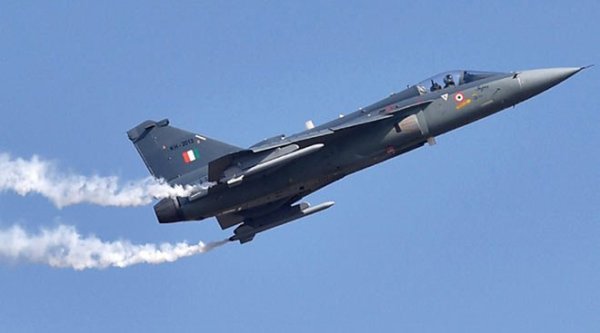
aeroindia1-660

அரசின் சார்பில் வெளியிடப்படும் இந்த அரசின் பாட புத்தகங்கள் ஹிந்துக்கள்  மூட நம்பிக்கைக்காரர்கள் என்றும் ஹிந்து இனம் பின் தங்கிய இனம் என்றும் கூறுகின்றன.

இஸ்லாமின் தொன்று தொட்டு இருந்து வரும் பகைவர்கள் ஹிந்துக்கள் என்றும் அவர்கள் கொள்கைப்பிடிப்புள்ளவர்கள் என்றும் அவை சித்தரிக்கின்றன.


விக்கிபீடியா இந்த அறிக்கையைத் தருகையில், “Textbooks reflect intentional obfuscation. Today’ students, citizens of Pakistan and its future leaders are the victims of these blatant lies” என்று கூறுகிறது.


1947ஆம் ஆண்டு பிரிவினை கேட்டுப் பிரிந்த் பாகிஸ்தானில் ஹிந்துக்களின் ஜனத்தொகை 15 சதவிகிதமாக இருந்தது.இப்போதோ அது வெறும் 1.7 சதவிகிதமாகி விட்டது.

2014இல் ஒரு சட்ட நிபுணர் நேஷனல் அசெம்பிளியில், “ஒவ்வொரு வருடமும் 5000 ஹிந்துக்கள் அங்குள்ள கொடுமைக்குப் பயந்து பாகிஸ்தானை விட்டு வெளியேறுகின்றனர்” என்றார். ஹிந்துப் பெண்களை வலுக்கட்டாயமாக மதமாற்றம் செய்வது தொடர்ந்து அங்கு நடைபெற்று வருகிறது.


சிந்தில் உள்ள மதர்ஸாவான Dargah Alia Qadria Bharchundi Shariff  வெளிப்படையாக 2000 ஹிந்துப் பெண்களை இஸ்லாமுக்கு மாற்றுவதே தங்கள் நோக்கம் என்று கூறியிருக்கிறது.

பாகிஸ்தானில் உள்ள ஹிந்துக்கள் அனைவரும் இந்தியப் பாதுகாப்புப் படையின் ஏஜண்டுகள் என்று கூறி அவர்கள் மீது தீங்கு தொடர்ந்து இழைக்கப்படுகிறது.


மைனாரிடி ஹிந்துக்கள் மீது தீவிரவாதிகளின் தாக்குதலுக்கு ஒரு அளவே இல்லை.ஸ்வாத்தில் உள்ள தாலிபான்கள் ஹிந்துக்களை வலுக்கட்டாயமாக சிவப்பு டர்பன்களை தலையைச் சுற்றி அணியச் செய்கின்றனர்.\2010ஆம் ஆண்டு ஜூலை மாதம் ஒரு ஹிந்து இளைஞன் கராச்சியில் ஒரு மசூதிக்கு அருகில் இருந்த குழாயிலிருந்து நீரைக் குடித்தான் என்பதற்காக பெரிய கலவரம் ஒன்று நடத்தப்பட்டது. ஹிந்துக்கள் படுகொலை செய்யப்பட்டனர்.

பாகிஸ்தானில் உள்ள மனித உரிமைகள் கழகம் தனது 2010ஆம் ஆண்டிற்கான அறிக்கையில் குறைந்தப்ட்சமாக மாதம் ஒன்றுக்கு இருபது ஹிந்துப் பெண்கள் கடத்தப்படுகின்றனர் என்று குறிப்பிட்டுள்ளது.


-அடுத்த கட்டுரையுடன் முடியும்


Hair Styles of the Tribes and Castes of India (Post No.3208)

nayars-of-kerala-wiki

Nayars of Kerala

Compiled by London Swaminathan


Date: 1 October 2016


Time uploaded in London: 21-20


Post No.3208


Pictures are taken from various sources; thanks.


Contact swami_48@yahoo.com


From Arthur Miles book , “The Land of the Lingam” , Year 1933


Kondhs Hair Style

Both men and women among Kondhs paid much attention to their hair,decorating it with flowers and huge pins made of deer horn. Young girls wear pieces of broom in their ears until they are married, but once married they adorn themselves with as many  earrings as their husbands can afford.


Xxxx


Hair Style of Nayar women (Kerala) 


The Nair women are the most beautiful women in India. Their bodies, with very few exceptions, would cause a sculptor to take out his sketch book and sharpen his pencil. They wear very little clothing, but what they do wear is frequently washed and changed. Their hair never looks greasy as other Indian hair, and they wash it frequently with the pods of saponaceous plants. Their skin is their great pride, and any eruption on it considered a disgrace. They wear no head dress, but often decorate their hair with flowers. They mutilate their beauty in but one way –the lobes of their ears are dilated with pieces of metal. Contrary to the usual custom, they have their nose ring in the left nostril and they wear many gold bracelets and finger rings. A favourite talisman consists of the hair from an elephant’s tail, plaited and worn on the wrist.


Xxxx

img_2170

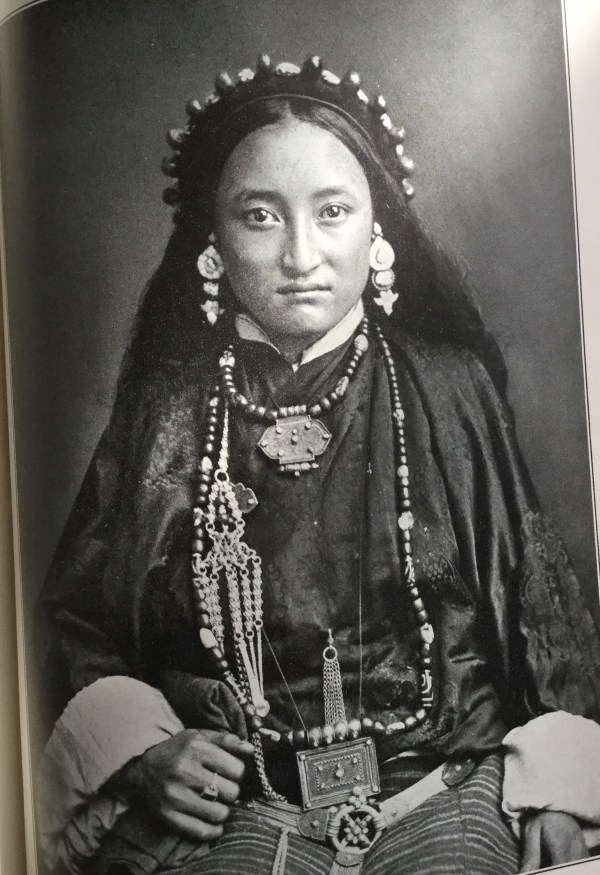
Lama woman

Maali’s (Gardners) Hair Offering


Once the Maali returned without hair on his head or face and looking like a plucked chicken. A few days later, while planting a bed of dahlias he told us the why and wherefore of his denuded condition. A poor family, who have little to give to the gods, will promise the hair of their child. The child is then brought up with this promise in mind, and the sacrifice is made. It is, however, a sacrifice where the poor feel that they can at least offer as much as the rich, and give prodigally of the hirsute offering.


This sacrifice is especially meritorious when made by a woman, who has to face her friends and relations shorn off the beauty she has nurtured and trained with so much care. What becomes of the hair is the secret of the Brahman priests but in the temple of Palani near Madura and in the temple at Tirupati , one can always see sufficient quantities to keep the European markets busy for years. Sleeping on a hair mattress in England, one cannot help casting one’s mind back to the temples of India.


Xxxx


Parting of Woman’s Hair and Sakti Principle 


To illustrate the far fetched meaning dragged into every act of daily life, I quote the following by an Indian writer, because it bears on the Sakti


Written in 1926………


The Hindu ladies in southern India wear their hair parted by a furrow on their crown of head. What is this custom due to?


Ladies in different countries wear their hair arranged in different ways. Some wear it in a single pig tail while others are in two or more pigtails and so on. A large quantity of curl paper is made use of in the countries of the West to give the hair an artificial curl in place of one denied by Dame Nnature. But the Hindu ladies wear their hair parted on the crown a line running from front to back. In the case of grownup and aged dames , the hair is simply gathered in a knot,

Whereas young girls and women wear it in a single pig tail. But everyone wears it parted on either side leaving furrow like streak of skin exposed on the crown of the head…,

Like every other Hindu custom this also followed with a particular significance attached to it. A woman symbolises Sakti or Power. There is also a myth emphasising this statement. Siva, one of the Hindu Trinity, was once conceited and thought he was the all in all. His wife, Uma , wanted to teach him that without her help , he would be able to achieve nothing. With this object in view She, who was always with Him and in Him, left him for a while. Siva all on a sudden felt himself deprived of all his strength and energy to activity! He was lying in a precarious condition, unable even to stir when his wife there. He prayed to her to lift him up. She told him that he might try to stand up without her help, as he could not do so he had to acknowledge her position as Sakti.


After a lot more of the same, the author says, this is the reason why Sakti is assigned a very important place in every form of worship and in temples “……….


When once this fact is grasped the custom of leaving a furrow on the crown of woman’s head parting the hair into the right half and the left half will be intelligible. It symbolises the radiation of the positive and the negative energies from a central place…..,”


The furrow…represents in a masterly manner this completion of the circuit between two mighty positive and negative centres, resulting in the mental plane in the formation of the universe in the beginning, to be later on crystallised and materialised into the coarser world we see ………”


The writer of the above evidently became a little involved. But let us hope that when a woman has got away from the pigtail stage and furrows her hair properly, she will understand the completion of the circuit between two mighty positive and negative centres.


two-women-1

Xxxx


Widows hair style

Brahmin widows shave their head and cover it with her saree. A particular colour saree, like ascetic s saffron robe, is worn them ;but this is not practised anymore.Among the Tamil Vaishnavites, Tenkalai Vaishnavites are forbidden to cut their hairs.


–Subham–