Algebra led to English Poetry (Post No.2980)

sarojini 3

Compiled by London swaminathan

Date:18 July 2016

Post No. 2980

Time uploaded in London :– 8-30 AM

( Thanks for the Pictures)


DON’T REBLOG IT AT LEAST FOR A WEEK!  DON’T USE THE PICTURES; THEY ARE COPYRIGHTED BY SOMEONE.


(for old articles go to tamilandvedas.com OR swamiindology.blogspot.com)


Following piece is an interesting excerpt from a 100-year-old book written by a Muslim scholar: –


Source: Life and Labour of the People of India by Abdullah Yusuf Ali, Barrister at Law, London, 1907


sarojini

“In literature the women of India are specially fitted to excel. If it were permitted to dive into history, Miran Bai might be mentioned among the Hindus and Aurangazeb’s daughter, Zeb-un-Nisa, among the Muhammadans , and a great many other names besides. But to confine ourselves to modern

India, it is a singular circumstance that the only two Indian poets who have really made their name in English literature are girls. Miss Toru Dutts book, “Ancient Ballads and Legends of Hindostan”, tells the tales of old India with all the charms of a woman’s style.


Mrs Sarojini Naidu is at the threshold of her career, but with her very first book she has established her reputation as an inspired singer.


Sarojini Naidu, like Pope, lisped in numbers, for the numbers came. “One day, she says, when I was eleven, I was sighing over a sum in algebra; it wouldn’t come right; but instead a whole poem came to me suddenly. I wrote it down. From that day my poetic career began”.


There are journals in India — such as Mrs Sathianathan’s  ‘Ladies Magazine’ in Madras and Mrs Mumtaz Ali’s ‘Tahzib in Niswan’ in Lahore — edited and managed by women. Mrs Sathianadhan is a Master of Arts of the Madras University. All the Indian universities admit women to degrees as freely as men, and in this respect they are certainly more advanced than the older universities”.


Xxx

sarojini book

“Take the picture of a modern Indian woman of the aristocracy of intellect, as drawn by a modern English man of letters. Describing Mrs Sarojini Naidu as Mr Arthur Symons knew her before she was married, he says, “ To those who knew her in England, all the life of the tiny figure seemed to concentrate itself in the eyes; they turned towards beauty as the sunflower turns towards the sun, opening wider and wider, until one saw nothing but the eyes. She was dressed always in clinging dresses of Eastern silk, and she was so small and her long black hair hung straight down her back, you might have taken her for a child. She spoke little and in a low voice, like gentle music; and she seemed, wherever she was, to be alone.”


–Subham–


யமன் பயன்படுத்தும் அளவுகோல்! தமிழன் கண்டுபிடிப்பு!! (Post No 2979)

padi

Compiled by London swaminathan

Date:17 July 2016

Post No. 2979

Time uploaded in London :– 9-16 AM

( Thanks for the Pictures)


DON’T REBLOG IT AT LEAST FOR A WEEK!  DON’T USE THE PICTURES; THEY ARE COPYRIGHTED BY SOMEONE.


(for old articles go to tamilandvedas.com OR swamiindology.blogspot.com)


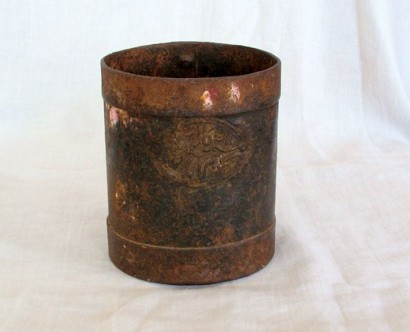
reading-jug-large

நாலடியார் என்னும் நூலில் ஒரு அருமையான பாடல் வருகிறது. இது 18 கீழ்க்கணக்கு நூல்களில் ஒன்று.


யமன், ஒரு அளவு கோல் வைத்திருக்கிறானாம். நாம் படி, அல்லது லிட்டர் என்ற அளவுகளை பயன்படுத்துவது போல அவன் தினமும் சூரியன் உதிப்பதை ‘நாழி’ என்னும் அளவாகப் பயன்படுத்தி தினமும் நம் வாழ்நாளை அளந்து கொண்டிருக்கிறானாம். இதைப் படித்தும் கூட நம் வாழ்நாள் தினமும் கழிந்துகொண்டிருப்பதை பலரும் உணருவதில்லை.


இதோ அந்தப் பாடல்:-


தோற்றம் சால் ஞாயிறு நாழியா வைகலும்

கூற்றம் அளந்து நும் நாள் உண்ணும் – ஆற்ற

அறஞ்செய் தருடையீஇர் ஆகுமின் யாரும்

பிறந்தும் பிறவாதார் இல்

பொருள்:–

எமன் ஒளிமிக்க சூரியனை, ‘நாழி’ என்னும் அளவு கருவியாகக் கொண்டு, உமது வாழ்நாளை நாள் தோறும் அளந்து, ஆயுள் இறுதியில் உயிரை உண்ணும்! ஆதலால் மிகுதியாக அறம் செய்து உயிர்களிடத்தில் அருள் உடையவராக ஆகுங்கள்! அப்படி ஆகாதவர்கள் மக்களாகப் பிறந்தும் பிறவாதவரே ஆவர்!


நாலடியாரில் இன்னொரு பாட்டில்,


வைகலும் வைகல் வரக்கண்டும் அஃதுணரார்

வைகலும் வைகலை வைகுமென்று இன்புறுவர்

வைகலும் வைகற்றம் வாழ்நாள்மேல் வைகுதல்

வைகலை வைத்துணராதார்


பொருள்:-

நாள்தோறும் நாள் கழிந்து வருவதைப் பார்த்திருந்தும், அப்படி நாள்தோறும் நாள் கழிதலை அறியாதார், தமது ஆயுள் நாளில் ஒரு நாள் அப்படிக்கழிவதை உணராது அது நிலையாக இருக்கிறது என நினைத்து இன்புறுவர்.


ஒரு நாளையும் வீணடிக்காமல் தர்மம் செய்ய வேண்டும் என்பதே இதன் பொருள்.


வள்ளுவனும் இதே கருத்தை நம் முன் வைக்கிறான்:–

நெருநல் உளனொருவன் இன்றில்லை என்னும்

பெருமை உடைத்து இவ்வுலகு

(திருக்குறள் 336)


பொருள்: நேற்று இருந்தவன் இன்று உயிருடன் இல்லை என்று கூறப்படும் பெருமை கொண்டு விளங்குகின்றது இந்த உலகம்.


முந்தைய கட்டுரைகள்


உலகிலேயே எது பெரிய அதிசயம்? எது ஆச்சர்யம்? (10 ணொவெம்பெர் 2013)


கடல் ஓய்ந்து சமுத்திர ஸ்நானமா? (Post No.2969), Date:14 July 2016


ஒன்றே செய்க! நன்றே செய்க! இன்றே செய்க! (4-4-2014)


உலகில் ஆச்சரியம் எது? அற்புதம் எது? அதிசயம் எது? (Post No 2876), Date: 7 June 2016


–Subham–

Nature in Indian Villages (Post No.2978)


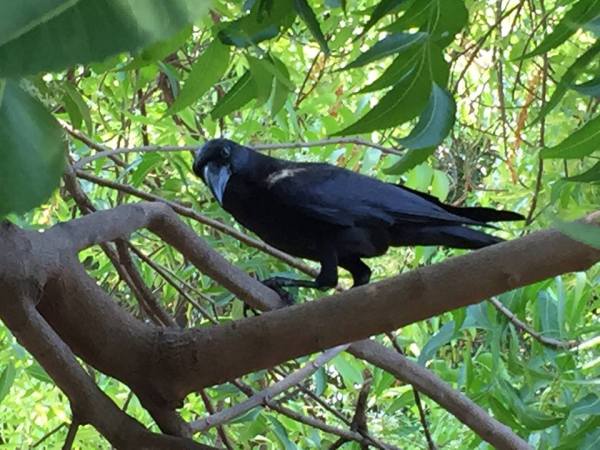
crow kaka

Compiled by London swaminathan

Date:17 July 2016

Post No. 2978

Time uploaded in London :– 7-45 AM

( Thanks for the Pictures)


DON’T REBLOG IT AT LEAST FOR A WEEK!  DON’T USE THE PICTURES; THEY ARE COPYRIGHTED BY SOMEONE.


(for old articles go to tamilandvedas.com OR swamiindology.blogspot.com)


Following piece is an interesting excerpt from a 100-year-old book written by a Muslim scholar: –


Source : Life and Labour of the People of India by Abdullah Yusuf Ali, Barrister at Law, London, 1907

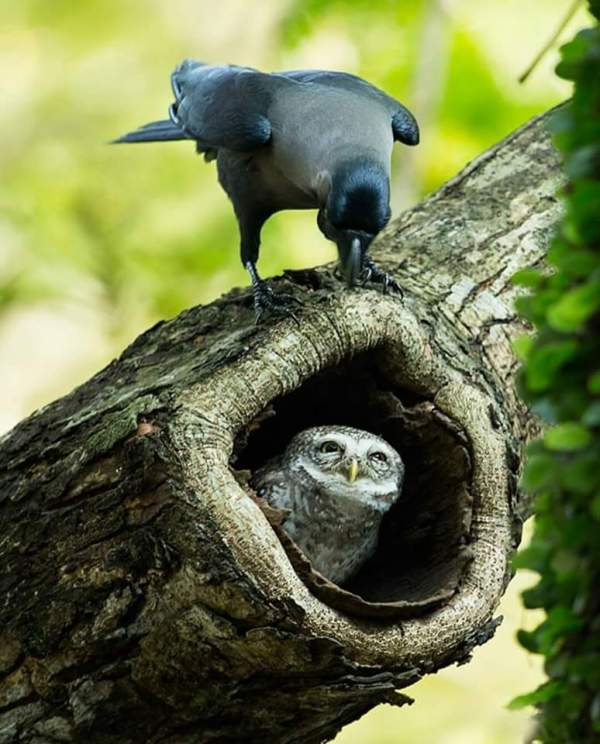
owl and crow

“It will be noticed that there are very few trees in the village. Those which do exist cluster together in well-defined groves. The largest tree area is that within or surrounding the village site. Among the fields here and there are two or three groves of mango trees. There are isolated trees of that kind that yield timber, such as the tun, the shisham, or the niim. The mango tree itself yields timber, but it is principally grown for the sake of its fruit, and on that account is very valuable. Usually if there is an isolated tree, its shade is detrimental to the crops in the immediate vicinity, and therefore agriculturists always try to plant clumps or clusters in those parts of the village which are not very fertile for ordinary crops.


Snakes and Banyan Trees


The shade trees such as the banyan or the pipal, are generally in or around the village site. They often mark the shrine of a tribal or local god, and sometimes harbour snakes in their hollow trunks. As the snake, however, is considered sacred, and is sometimes looked upon as the guardian genius of the village, the villagers entertain no fear on that account. They sometimes feed them with milk, and therefore the snakes themselves rarely molest the human beings around them.


In the branches of these spreading trees there is a large quantity of bird life. Pigeons, doves, mainas, gree pigeons, sparrows, crows, and owls find a habitation there; while the pretty striped squirrel that skips with such wonderful agility from branch to branch, and playfully descends to the ground to snatch, it may be, a piece of bread from a village urchin, serves to diversify and render lively the ordinarily sober and lazy animal life around.

er uzavan picture

Herds of antelope – the famous black buck of India – roam wild from village to village. They are so tame to the villager that they will allow him to approach within ten yards of them; but with sportsmen they enter into the spirit os sport, and “play the game”. Lucky would be the sportsman who can get within rifle-shot of three fine heads of a morning. In spite of their long, straight spiral horns, which attain a length of 18 to 28 inches, they can make their way through dense sugarcane fields with ease. The villager look them upon as harmless friends, except when they approach too near the village site, and begin to nibble at the young green shoots of valuable crops in the immediate vicinity of habitations. Here the land is freely and specially manured, and the crops are more valuable; but as soon as the villagers have driven off the black buck, there comes a troop of monkeys who begin to help themselves to the more advanced corn. These cannot be quite driven away. On the approach of men they climb up into the branches of the trees, but descend again immediately the danger is past.”

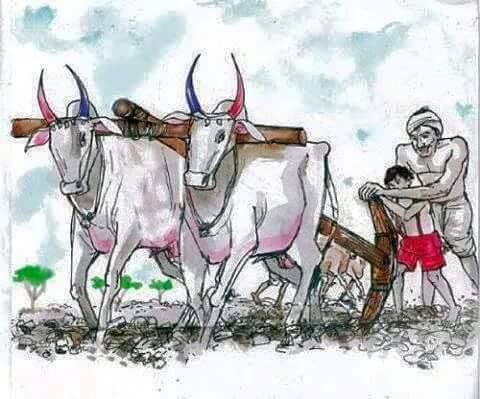
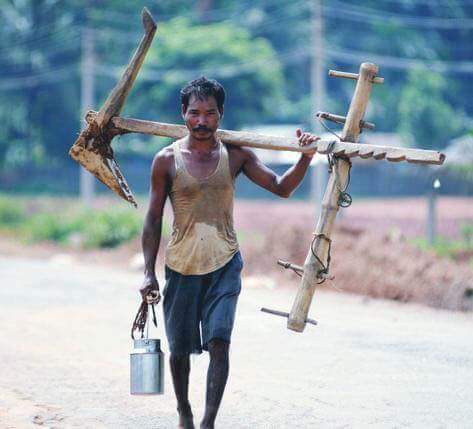
Er, plough

—Subham–

Hindu Fakir: Muslim Article (Post No. 2977)

fakir 2

Compiled by London swaminathan

Date:16 July 2016

Post No. 2977

Time uploaded in London :– 15-00

( Thanks for the Pictures)


DON’T REBLOG IT AT LEAST FOR A WEEK!  DON’T USE THE PICTURES; THEY ARE COPYRIGHTED BY SOMEONE.


(for old articles go to tamilandvedas.com OR swamiindology.blogspot.com)


Following piece is an interesting excerpt from a 100-year-old book written by a Muslim scholar: –


Source : Life and Labour of the People of India by Abdullah Yusuf Ali, Barrister at Law, London, 1907

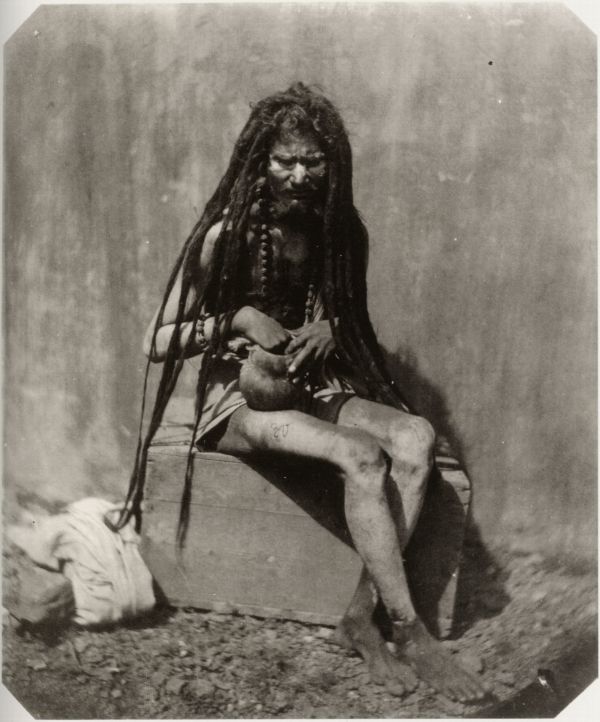
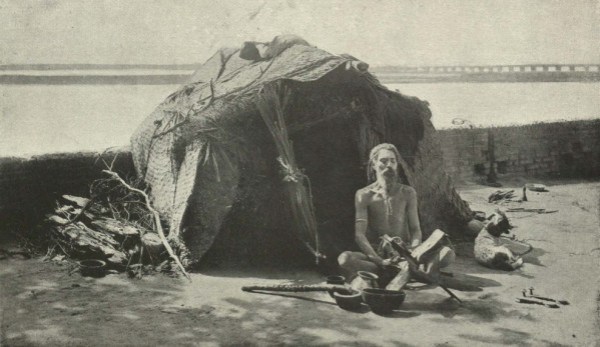
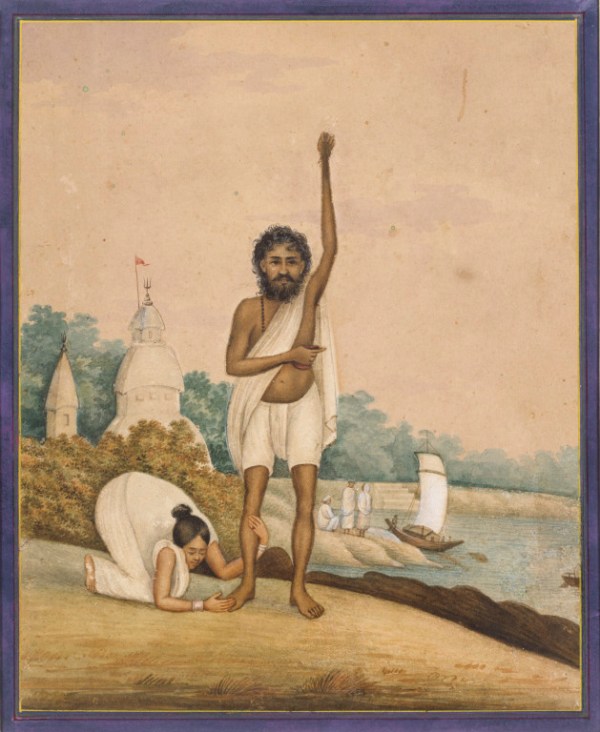
“No account of village life would be complete without a description of the Fakir (ascetic). He lives in a little hut or cave (if there is a cave) away from the village, so as to be free, and far from the madding crowd’s ignoble strife. What he does there nobody knows. He is a mysterious being, who appears only with a loin cloth round his waist, apparently quite indifferent to the praise or blame of the world. He rarely enters into conversation about the ordinary affairs of mankind, and the gift he receives in charity are those which his disciples and admirers beg for the honour of presenting to him, rather than doles extracted by beggar from an unwillingly charity public. The people look upon him with superstitious veneration, not because they know there is anything in his life, but because in person and habit he represents the ascetic ideal which renounces the world and lives an inner life of self-mortification.


He carries a rosary of beads, and he often goes along the streets shouting “Ram, Ram”, if he is a follower of that particular incarnation of God as worshipped by the Hindus. He has no religious ideals in the sense of striving for the elevation of other men’s lives; but he possessed with the idea which finds a mere illusion in the whole world and in all humanity, and the only reality in the name of Ram. This simple monomania revered by the people in proportion as they cannot translate it into their own lives. Though apparently indifferent to all that passes around him, the Fakir is a great observer of men and manners, and is often able to reconcile disputes and extricate people from difficult situations on account of his apparently isolated position.

A_Hindu_-Fakir-_on_the_Banks_of_the_Jhelum

Sometimes he takes a vow of religious silence for seven years and keeps it. Sometimes he undertakes to walk to all the sacred shrines of India, which may incclue a journey for Badrinath, near the glacier valleys of of the Himalays, to the sea washed shores of Western Dwaraka, or the torrid heat of Rameswaram in the extreme South. He would thus cover a distance of thousands of miles on foot, with nothing but his rosary with him, not even the traditional staff of the weary wanderer.


His life is a mystery to to outsiders. His survival in the twentieth century is to superficial observers of Indian life a greater mystery still. The fact that he represents a strain of that morbid love of self-mortification and self-abasement which when healthy and turned into a useful sphere, gives us the greatest saints and heroes of history.


If there is anyone class in India more than another to which the famous lines of Mathew Arnold are particularly appropriate, it is to that rare individual, the true fakir (as distinguished from the false fakirs who figure in jugglery tales and the annals of crime):-

“In the East bowed low before the blast,

In silent deep disdain;

She let the Legions thunder past,

Then plunged in thought again.”

fakir3

–Subham–

Ugly English Word ‘Lie’! Liar Anecdotes (Post No.2976)

lies image

Compiled by London swaminathan

Date:16 July 2016

Post No. 2976

Time uploaded in London :– 8-09 AM

( Thanks for the Pictures)


DON’T REBLOG IT AT LEAST FOR A WEEK!  DON’T USE THE PICTURES; THEY ARE COPYRIGHTED BY SOMEONE.


(for old articles go to tamilandvedas.com OR swamiindology.blogspot.com)


Speaker Reed, Ambassador Choate and Senator Westcott were chatting together one evening.  Mr Choate said with great solemnity “Well, gentlemen, I have not drunk whiskey, played cards for money, or attended a horse race in twenty eighth years”.

“My gracious!, exclaimed Senator Westcott admiringly.

I wish I could say that.”

“Why don’t you?, blandly inquired Mr Reed.

“Choate did”.


Xxx

churchil-cigar

Churchil’s LIE


A generation ago, when Prime minister Winston Churchill was still a member of the Liberal Party, he rose in Commons to defend his party against the charge that they had deliberately misrepresented the Conservative party.  The Liberals have accused The Conservative party of practising slavery in South Africa because they kept negro labourers behind barbed wire compounds under severe restrictions.


Churchill remarked, “I admit the term slavery might be a terminological inexactitude”.

At this Joseph Chamberlain,father of the late prime minister Neville Chamberlain, interrupted,

“I prefer the ugly little English three letter word – l i e”


Xxx


lincoln.jpg

A certain young California politician, notorious for lying, had once been unwittingly led into speaking the truth. Noah Brooks was explaining the situation to President Lincoln, who immediately reminded himself of a story, saying that he recalled a similar circumstance about a negro barber in Illinois, who was a great liar. A crowd in front of a barber shop stood one evening gazing with admiration at the planet Jupiter.


“Sho, said the barber, I have seen that star before. I seen him way down in Georgy”,said Lincoln, like your California friend, he told the truth, but thought he was lying.”


–SUBHAM–


பழங்குடி மக்களின் மரபுச் சின்னங்கள் (Post No.2974)

tribe 11


மர்மம் நிறைந்த இந்தியப் பழங்குடி மக்கள் – பகுதி 2  

Research Article written by London swaminathan


Date: 15 July 2016


Post No. 2974


Time uploaded in London :– 17-59


( Pictures are taken from various sources; thanks)


DON’T REBLOG IT AT LEAST FOR A WEEK!  DON’T USE THE PICTURES; THEY ARE COPYRIGHTED BY SOMEONE.


(for old articles go to tamilandvedas.com OR swamiindology.blogspot.com)


Please read the first part published yesterday, where there is a detailed introduction

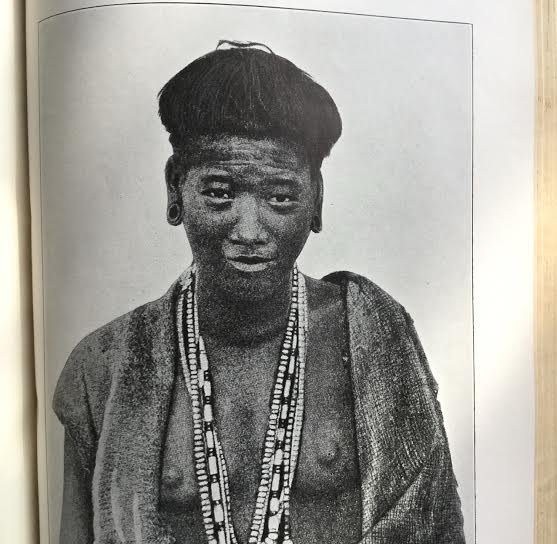
(( முதல் படம் “போர் அபோர்” இன மக்கள், பெண்ணின் படம். வடகிழக்கு இந்தியாவில் வசிக்கும் இனம். தலைமுடியை, ஆண்கள் கிராப் வெட்டுவது போல வெட்டிக்கொள்வர். ஏராளமான பாசிமணி, விலை மதிப்பு குறைந்த நீலக்கற்கள், பச்சைக்கற்கள் உடைய நகைகளை அணிவர்.))


பழங்குடி மக்களின் மரபுச் சின்னங்கள் –

மர்மம் நிறைந்த இந்தியப் பழங்குடி மக்கள் – பகுதி 1 கட்டுரையைப் படித்துவிட்டு இந்த இரண்டாவது கட்டுரையைப் படிக்கவும்.


உலகம் முழுதும் பழங்குடி மக்கள் மரபு அல்லது ஜாதி அல்லது குலச் சின்னங்களை (TOTEM SYMBOLS) வைத்திருக்கின்றனர். இந்த சின்னங்கள் உலகின் மிகப் பழைய நூலான ரிக்வேதத்திலேயே இருக்கிறது. ஆனால் நாகரீக முன்னேற்றம் காரணமாக அவை பின்னுக்குத் தள்ளப்பட்டுவிட்டன. அதாவது அப்பொழுதே இந்திய சமுதாயம் அவ்வளவு முன்னேறிவிட்டது.


ஆனால் இன்று பழங்குடி மக்கள், நாகரீக சமுதாயத்துக்கு இடையே எப்படி வாழ்கின்றனரோ, அப்படி இதிஹாச காலத்திலும் பழங்குடி மக்கள் வாழ்ந்தனர். ராமாயண கலத்தில், கு ரங்கைச் சின்னமாகக் கொண்டவர்கள் வாழ்ந்தனர். அவர்களின் மன்னரே வாலி, சுக்ரீவன். அதே காலத்தில் கரடிச் சின்னத்துடன் வாழ்ந்தவர்களின் தலைவனே ஜாம்பவான். அதே காலத்தில் கழுகுச் சின்னத்துடன் வாழ்ந்தவர்களின் தலைவரே ஜடாயு. இவை எல்லாம் பல ஆயிரம் ஆண்டுகளுக்கு முன்னர் நடந்ததால், நமது புராண, இதிஹாச எழுத்தர்கள் அவர்களைக் குரங்கு, கரடி, கழுகு என்று சித்தரித்துவிட்டனர்.


இதற்குப் பின்னர், மஹாபாரத காலத்தில், கிருஷ்ணனும் அர்ஜுனனும், நாகர்கள் வாழ்ந்த காண்டவ வனத்தை எரித்தபோது,  நாகர்களுக்கும் பாண்டவர்களுக்கும் இடையே ஏற்பட்ட மோதல் பல தலைமுறைகளுக்கு நீடித்து, ஜனமேஜயன் காலத்தில் சர்ப்ப யாகம் நடந்து, பின்னர் ஆஸ்தீகர் என்பவர் மூலம் சமரச ஒப்பந்தம் நடந்தது. இதை இன்றும் பிராமணர்கள் தினமும் மும்முறை செய்யும் சந்தியா வந்தனத்தில் சொல்லி நாகர்களுக்கு நமஸ்காரம் செய்கின்றனர். இந்த நாகர் இன மக்களை, பாம்பு என்று நமது புராணிகர்கள் முத்திரை குத்திவிட்டனர். நாகர்கள் பின்னர் அமெரிக்கா சென்று மாயா, ஆஸ்டெக் நாகரீகத்தை நிறுவினர். இது பற்றி முந்தைய ஆய்வுக் கட்டுரைகளில் குறிப்பிட்டுள்ளேன். காண்டவ வனம் என்பதை, அர்த்தமே புரியாமல், வெளிநாட்டினர், கோண்ட்வானா (காண்டவ + வன) என்று சொல்லி வருகின்றனர்.


மஹாபாரதத்தில் அயு என்ற மன்னனுக்கும் தவளை இனத்துக்கும் நடந்த சண்டை பற்றி கதை உள்ளது. உண்மையில் அது தவளைகள் அல்ல; தவளையை மரபுச் சின்னமாகக் கொண்ட மக்களே!


எங்கெங்கெல்லாம் பறவைகள், மிருகங்கள் பற்றிய கதைகள் வருகின்றனவோ அங்கெங்கெல்லாம் அவர்கள் குறிப்பிடுவது, அந்த பிராணிகளின் சின்னங்களை, மரபுச் சின்னங்களாகக் கொண்டவர்களையே.
tribe 14

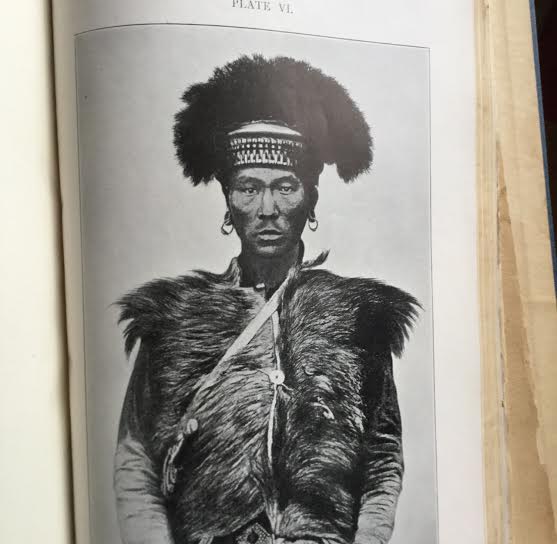
((இரண்டாவது படம் சுலிகாடா மிஷ்மி ஆண் படம்))

மிகப் பழைய காலத்தில் இவை நடந்ததால் நாம் அதை மிருகங்கள் என்று நம்பத் துவங்கிவிட்டோம். ஆனால் வால்மீகி ராமாயணம் போன்றவற்றில் , அனுமன், நவ வியாகரணத்தில் வல்லவன்,  சொல்லின் செல்வன் என்றெல்லாம் வருணிகப்படும் போதே அவன் குரங்கு அல்ல, குரங்கைச் சின்னமாக உடைய வானர இனத்தில் பிறந்தவன் என்பதைப் புரிந்து கொள்ளலாம். ஜடாயு என்ற கழுகு இன மன்னன், தசரதனைத் தன்னுடைய தந்தை போன்றவன் என்று வருணிப்பதிலிருந்தே  ஜடாயும் மனிதன் என்றும், கழுகைச் சின்னமாகக் கொண்டவன் என்றும் புரியும்.

வேதத்தில் சான்று!

மண்டூக மகரிஷி என்றால் தவளை முனிவர் என்று பொருள். ஒரு காலத்தில் அவரது முன்னோர்கள் தவளையை சின்னமாக கொண்ட மக்கள என்பது தெரிகிறது.


இதே போல, காச்யப மகரிஷி என்றால் ஆமை என்றும் ,கௌசிக மகரிஷி என்றால் ஆந்தை என்றும் அ ர்த்தம். உண்மையில் இவர்கள் எல்லாம் அந்தந்த சின்னம் உடைய பழங்குடிகளில் பிறந்தவ ர் கள். சாண்டில்ய -பறவை (வேத கால ரிஷி)


கருடன் சின்னத்தை உபயோ கித்தவர்கள், எப்பொழுதுமே நாகர்களுக்கு எதிராக இருந்தனர். உலகம் முழுதும் மெக்ஸிகோ நாட்டு கொடி முதல் பல சின்னங்களில் இதை இன்றும் காணலாம்.


மஹாபாரத, ராமா யண காலத்திலேயே தேர்களில் கொடிகளுடன் சென்ற இந்துக்கள்தான் உலகில் சின்னங்கள், கொடிகள்  முதலியவற்றைத்  தோற்றுவித்தவர்கள். இது பற்றியும் முன்னரே ஒரு ஆராய்ச்சி க் கட்டுரையில் குறிப்பிட்டுள்ளேன்.


இப்போது பழங்குடி இனமக்களிடையே புழங்கும் ஜாதி/மரபுச் TOTEM SYMBOLS சின்னங்களைக் காண்போம்:–


ஒராவன் இன மக்கள்

டிர்கி- இளம் சுண்டெலி

எக்கா- ஆமை

கிஸ்போட்டா – பன்றி

லக்னா – கழுதைப் புலி

பாக் – புலி (மூலம் :- வ்யாக்ர என்ற சம்ஸ்கிருதச் சொல்)

குஜ்ரார்வ்யா- எண்ணை

ஜெடி-வாத்து

கொய்பா- காட்டு/ மரநாய்

மீஞ்சி – விலாங்கு மீன் ( மூலம் – மீனம்)

சிர்ரா- அணில்


ஒரு பழங்குடி இனத்திலேயே எத்தனை பிரிவுகள், எத்தனை சின்னங்கள் பாருங்கள்!


யாருக்கு எது சின்னமோ அதை அவர்கள் புனிதமாகக் கருதுவர்; அதை சாப்பிடவும் மாட்டார்கள்!
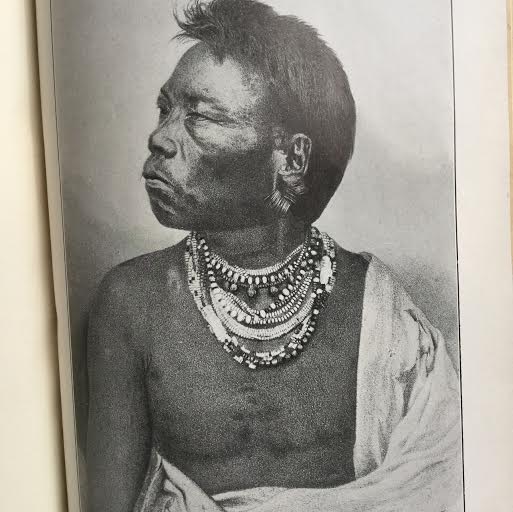
tribe 17


((இந்தப்படம் நாகா இன மக்க்ள் படம்; மணிப்புரி, குல்கி இன மக்கள் பேசும் மொழியுடன் தொடர்புடைய மொழி பேசுவர்.))


சாந்தல்  இன மக்கள்

எர்கோ – எலி

முர்மு – மான்

ஹம்ஸ்டா – குள்ள வாத்து (ஹம்சம் – அன்னம்_

மாவ்டி – புல்

பெஸ்ரா – கழுகு

ஹெம்ரோன் – வெற்றிலை

சாரென் – கார்த்திகை நட்சத்திரம் (மூலம்- சரவண)

சங்க – சங்கு ( சம்ஸ்கிருதம்)

குவா – பாக்கு

கரா – எருமை


இதில் பல சம்ஸ்கிருதச் சொற்கள் இருப்பதையும் பல சொற்கள் தமிழ், சம்ஸ்கிருதச் சொற்களில் இருந்து வந்திருப்பதையும் கவனிக்க வேண்டும்.


இந்தியாவில் ஒரே மொழிக்குடும்பம்தான், அதிலிருந்தே சம்ஸ்கிருதமும், பின்னர் தமிழும் வந்தன என்பதும், உலகிலுள்ள எல்லா மொழிகளுக்கும் இவ்விரு மொழிகளே தாய்-தந்தை என்பதையும் என்னுடைய முந்தைய ஆராய்ச்சிக் கட்டுரைகளில் மெய்ப்பித்துள்ளேன்.


பூம்ஜி இன மக்கள்


சால்ரிசி- சால் வகை மீன்

ஹன்ஸ்டா – வாத்து (க்ஹம்ச)

லெங் – காளான்

சாண்டில்ய -ப்றவை (வேத கால ரிஷி)

ஹொம்ரோன் – வெற்றிலை

துமரங் – பூசனி

நாக் – பாம்பு (நாக)


மஹிலி இனம்

துங்ரி – அத்திப் பழம்

டுரு – டுரு புல்

காந்தி – பிராணியின் காது

ஹம்ஸ்டா – வாத்து

முர்மு – மான்


இந்த இனத்தின் பிராணிகளின், தாவரங்களின் பெயர்கள் சம்ஸ்கிருதத் தொடர்புடையவை.


கோரா இன மக்கள்

காஸ்யப் – ஆமை (காஸ்யப ரிஷியின் பெயர்)

சௌலா – சால் மீன்

கசிபக் – கொக்கு

ஹம்ஸ்டா – ஹம்ச

புட்கு – பன்றி

சாம்பு – காளை


கூர்மி இன மக்கள்

கேசரியா – கேசரி புல்

டரார் – எருமை

டுமுரியா- அத்தி

சஞ்ச்முகுரார் – சிலந்தி

ஹஸ்டோவர்- ஆமை

ஜல்பனுவார் – வலை

சங்கோவர் – சங்கு

கதியார்- பட்டுத்துணி

பாக்பௌவார்- புலி


இப்படி ஒவ்வொரு இனத்திலும் பல குழுக்கள்; அவர்களுக்கு பல பிராணிகள், தாவரங்கள் மரபுச் சின்னங்கள். அவர்களுடைய பெயர்களில் பல சம்ஸ்கிருத மூலச் சொற்களின் திரிபு!


ஏன் இவ்வளவு இனம்? ஏன் இவ்வளவு உட்பிரிவு? இதற்கெல்லாம் வெளிநாட்டுக் காரர்களால் பதில் சொல்ல முடியவில்லை. ஏன் பல சம்ஸ்க்ருதப் பெயர்கள்?  ஒருவேளை உள்நாட்டு மக்களுடன் தொடர்பு ஏற்பட்டு மொழிக்கலப்பு ஏற்பட்டிருக்கலாம் என்று சப்பைக் கட்டு கட்டுவர் வெளிநாட்டார். அதாவது கீழே விழுந்தாலும் மீசையில் மண் ஒட்டவில்லை — என்ற கதைதான்.


இந்தப் படத்தில் காட்டிய ஒவ்வொரு பழங்குடி இன மக்களுக்கும் ஒரு சிறப்பியல்பு, பழக்க வழக்கம் இருக்கிறது. இந்த வேறுபாடுகள் எப்படி வந்தன? எல்லா வற்றிலும் ஆரிய- திராவிட இனவெறியைப் புகுத்தும் வெளிநாட்டினர், இந்த விஷயத்தில் பேந்தப் பேந்த முழிக்கின்றனர்.


–தொடரும்


No Full Stop! Speaking, Speaking, Speaking ……………(Post No.2973)

cartoon_speaker_crowd

Compiled by London swaminathan

Date:15 July 2016

Post No. 2973

Time uploaded in London :– 6-16 AM

( Thanks for the Pictures)


DON’T REBLOG IT AT LEAST FOR A WEEK!  DON’T USE THE PICTURES; THEY ARE COPYRIGHTED BY SOMEONE.


(for old articles go to tamilandvedas.com OR swamiindology.blogspot.com)


More Longwindedness Anecdotes


An ambassador having come to Sparta from Perinthus, spoke at great length.


“What answer shall I return to the Perinthians?”, he asked.


“Say, said the King, that you talked a great deal, and I didn’t utter a word”.


Xxx

crowd

Present Generation and Posterity


General Alexander Smith of Virginia, a man of ability, was an excessively tedious speaker, worrying the House and prolonging his speeches by numerous quotations. On one occasion when he had been more than ordinarily tiresome he turned to Henry Clay who was sitting near him.


“You, sir, speak for the present generation; but I speak for the posterity,” said Smith.


“Yes, said Mr Clay, and you seem resolved to speak until the arrival of your audience”.


Xxx

 drmaze4

TIME and ETERNITY


On one occasion a person who was present at a sitting of the Court of Sessions in England, returned late in the afternoon and found the same case still on and the same advocate talking. He remarked to Lord Cockburn,


“Surely he is wasting a great deal of time”.


“Time, the jurist replied, long ago he has exhausted time. Now he is encroaching upon eternity”.


Xxx


Help me to Find my way back, Please!


The late Gilman Marston of New Hampshire was arguing a complicated case, and had looked up authorities back to Julius Caesar.


At the end of an hour and a half, in the most intricate part of his plea, he was pained to see what looked like Inattention.


The judge was unable to appreciate the nicer points of his argument.


“Your honour, he said, I beg your pardon, but do you follow me?”


“I have so far, answered the judge shifting wearily in his chair, but I will say frankly that if I thought I could find my way back, I would quit right here”.

amazing maze park

Xxx


Nothing there to Stop!


And then there was the case of that other counsel, this was an Irishman, who also developed an inexhaustible argument upon an exhaustible case. After he had gone on for four hours the President of the Court said to him,


“Mr Murphy, is it any good for you to continue? Everything you say goes in at one ear and comes out of the other”.


“Why not, said the counsel, there is little enough to stop it”.


—Subham–


அவன் யார் தெரியுமா?

q mark

Article Written S NAGARAJAN
Date: 15 July 2016
Post No. 2972
Time uploaded in London :– 5-48 AM
( Thanks for the Pictures)

DON’T REBLOG IT AT LEAST FOR A WEEK! DON’T USE THE PICTURES; THEY ARE COPYRIGHTED BY SOMEONE.

(for old articles go to tamilandvedas.com OR swamiindology.blogspot.com)


அவன் யார்? – 1
ச.நாகராஜன்
அவன் பெயர் சங்கரன்.  ஊர் கேரளாவில் உள்ள திருச்சூர். தந்தையும் தாயும் அந்தண வகுப்பைச் சேர்ந்தவர்கள். பயபக்தியுடன் நெறியுடன் வாழ்ந்து வரும் குடும்பங்களுள் அந்தக் குடும்பமும் ஒன்றாக இருந்தது.
இள வயதில் ஒரு நாள் கனவு ஒன்று அவனுக்கு வந்தது. அதில் அருகிலிருந்த சிவன் கோவிலிலிருந்து பிரகாசமான ஒளி ஒன்று தோன்றி அவனை நோக்கி வந்து அவனைச் சுற்றி வளைத்தது போல காட்சி ஒன்றைக் கண்டான்.
அருகில் இருந்த ஒல்லூரில் உயர்நிலலப் பள்ளியில் அவன் படித்து வந்தான்.
அவனுக்குப் பத்து வயது நடந்து கொண்டிருந்த போது ஒரு நாள் அவனது தாயாருக்கு உடல் நலம் சரியில்லாமல் போனது.
நல்ல மழை. ஆற்றின் மறு க்ரையில் வைத்திய்ர் இருந்தார். ந்தியில் படகைச் செலுத்திப் போக வேண்டும். யாராவது தன்னுடன் துணைக்கு வருவதாக இருந்தால் படகைச் செலுத்தத் த்யார் என்றார் வீட்டிலிருந்த சமையல்காரர்.
சங்கரன் உடனே முன் வந்தான். மாத்ரு பக்தி ஒரு பக்கம் என்றால் சாகஸ செயல்களைச் செய்ய வேண்டும் என்ற இயல்பான துடிப்பு இன்னொரு பக்கம்.
பின்னாளில் அவன் வாழ்க்கையில் சாதித்த எல்லா காரியங்களுக்கும் அடிப்படையாக் இந்த சாகஸ துணிச்சல் அமைந்தது.
திருச்சூர் நூலகத்தில் ஒரு நாள் நண்பன் ஒருவன் அவனிடம் இந்தப் புத்தகத்தைப் படிக்கிறாயா என்று கேட்டான்.
அந்தப் புத்தகத்தின் பெயர் ‘தி காஸ்பல் ஆஃப் ஸ்ரீ ராமகிருஷ்ணா’
ஆவலுடன் அதைக் கையில் எடுத்த சங்கரன் அதில் நூறு பக்கங்களைப் படித்து முடித்த பிறகே கீழே வைத்தான்.
அந்தப் புத்தகம் அவன் வாழ்க்கையில் ஒரு பெரும் மாற்றத்தை ஏற்படுத்தியது.

q uestion mark 2
ராமகிருஷ்ணர் மீது அளவிலா பக்தி அவனுக்கு ஏற்பட்டது. ராமகிருஷ்ண க்தாம்ருதத்தை வழங்கிய மாஸ்டர் மஹாசய (எம் என்று அழைக்கப்படுபவர்) மீதும் அவனுக்கு பக்தி ஏற்பட்டது.

1924ஆம் வருடம். அவனுக்கு பதினைந்தரை வயது தான்.
ஆனால் உலக வாழ்க்கையைத் துறந்து ராமகிருஷ்ண இயக்கத்தில் சேர்ந்து விட வேண்டுமென்ற முடிவான தீர்மானத்துக்கு அவன் வ்ந்து விட்டான்.
1926இல் பள்ளியில் இறுதித் தேர்வு முடிந்தது. டைப்ரைட்டிங்கும் ஷார்ட் ஹாண்டும் படிக்க திருச்சூர் இன்ஸ்டிடியூட்டில் ஒன்றில் அவன் சேர்ந்தான்.
அங்கிருந்து மதராஸ் ராமகிருஷ்ண மடத்திற்கு ஒரு கடிதம் எழுதினான். அதில் அங்கு சேர வேண்டும் என்ற தன் விருப்பத்தை எழுதினான். பதில் வந்தது. மதராஸ் மடத்தில் இடம் இல்லை என்றும் புதிதாக ஆரம்பிக்கப்பட்ட மைசூர் மடத்தை அணுகலாம் என்று அந்தக் கடிதத்தில் தெரிவிக்கப்பட்டிருந்தது.
சங்கரன் மடத்தில் சேர்ந்தானா? அந்த சங்கரன் யார்?
அடுத்த பகுதி வ்ரும் வரை பொறுத்திருங்கள்!
-தொடரும் .


Sheridan, Voltaire, Wordsworth: New Anecdotes about Longwindedness (Post No.2971)

rosevelt

Franklin D Roosevelt’s  Picture

Compiled by London swaminathan

Date:14 July 2016

Post No. 2971

Time uploaded in London :– 9-15 AM

( Thanks for the Pictures)


DON’T REBLOG IT AT LEAST FOR A WEEK!  DON’T USE THE PICTURES; THEY ARE COPYRIGHTED BY SOMEONE.


(for old articles go to tamilandvedas.com OR swamiindology.blogspot.com)


I have already published Londgwindedness anecdotes and More Londgwindedness anecdotes. This is the third one.


When President Franklin D Roosevelt was a young lawyer just getting started in New York he was retained to handle a difficult civil case. The opposing lawyer was a very effective jury pleader and completely outshone his youthful rival in the argument to the jury. However, he made one fatal mistake; he orated for several hours.


As he thundered on Roosevelt noticed that the jury was not paying much attention. So, playing a hunch when his turn came, he rose and said,

“Gentlemen you have heard the evidence . You also have listened to my distinguished colleague, a brilliant orator. If you believe him, and disbelieve the evidence you will have to decide in his favour. That is all I have to say”.


The jury was out only five minutes and brought in a verdict for Roosevelt’s client.


Xxx


Speaking of a lawyer Lincoln said, “He can compress the most words into the smallest ideas better than any man I have ever met”.


Xxx

isherin001p1

Picture of Sheridan


“Oh, it was a mistake, said Sheridan, I meant voluminous.”


Xxx

voltaire-portrait

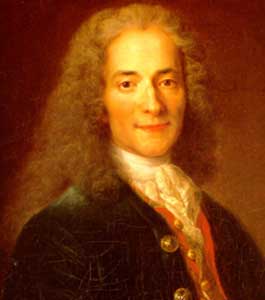
picture of Voltaire

When Diderot came visit Voltaire he spoke so much and at great length that Voltaire couldn’t get a word in. When Diderot left, Voltaire chirped, “That man is a great wit, but nature has denied him one great gift –that of dialogue”.

Xxx

William_Wordsworth

William Wordsworth

Elizabe Barret, meeting Wordsworth for the first time, wrote ironically, “He was very kind to me and let me hear his conversation.”

Xxx


They tell the story of Wilton Lackaye who was scheduled to speak late on the programme at a banquet at which all the speakers had been brutally long winded.


The chairman introduced Lackaye, saying, “Wilton Lackaye, the famous actor, will now give you his address”


Lackaye faced the haggard audience and said,


“Mr Chairman, Ladies and Gentle en, my address is the Lambs Club, New York” .


He sat down and received a tremendous ovation.

Xxx


A very pretty woman, who was tediously loquacious , complained one day to Madame de  Sevigne that she was sadly torment ted by her lovers.


“Oh, madam, said Madame de Sevigne to her, with a smile,

It is very easy to get rid of them, you have only to speak.:


Xxx


A talkative lady patient came to Dr Abernathy , the eccentric English physician of another day, and talked tirelessly and tiresomely about her complaint .


“Put out your tongue, madam”, barked Dr Abernathy. The lady complied. “Now keep it there till I have done talking”.


Xxx


Sheridan , the playwright , on seeing a Member of the House of Commons, who had already bored everyone with a lengthy speech , stop to drink a glass of water, rose to a point of order.

What is it? Asked the speaker


“Why I think ,sir, said Sheridan, “ that  it is out of order for a wind mill to go by water”.


Xxxx

கடல் ஓய்ந்து சமுத்திர ஸ்நானமா? (Post No.2969)

stony-beach-resized

Written by London swaminathan

Date:14 July 2016

Post No. 2969

Time uploaded in London :– 6-57 AM

( Thanks for the Pictures)


DON’T REBLOG IT AT LEAST FOR A WEEK!  DON’T USE THE PICTURES; THEY ARE COPYRIGHTED BY SOMEONE.


(for old articles go to tamilandvedas.com OR swamiindology.blogspot.com)


தமிழில் ஒரு அருமையான பழமொழி இருக்கிறது. கடல் ஓய்ந்த பின்னர் சமுத்திரக்குளியலா? என்று.


நம்மில் பலரும் “திரு நாளைப்ப் போவார்” போல வாழ்கிறோம். நல்ல செயல்களை எல்லாம் ஒத்திப் போடுகிறோம். நாளை செய்து கொள்ளலாம் என்று தள்ளிப்போடுகிறோம். நாளை நம்முடைய முறையோ நமனுடைய (யமனுடைய) முறையோ என்பதை நாம் அறியோம்.


நாலடியார் என்னும் புத்தகம் பதினெண் கீழ்க்கணக்கு (18) நூல்களில் ஒன்று. அதில் ஒரு பாடல் இதோ:–


பெருங்கடல் ஆடிய சென்றார் ஒருங்குடன்

ஓசை அவிந்த பின் ஆடுதும் என்றாற்றால்

இற்செய் குறைவினை நீக்கி அறவினை

மற்றறிவாம் என்றிருப்பார் மாண்பு  – நாலடியார்


இல் செய் குறவினை நீக்கி – குடும்பத்திற்கு செய்ய வேண்டிய பணிகளை எல்லாம் செய்துவிட்டு,


மற்று அறவினை அறிவாம் என்றிருப்பார் மாண்பு – பின்னர் தர்ம காரியங்களைச் செய்வோம் என்று இருப்போரின் தன்மை,


பெருங்கடல் ஆடிய சென்றார்- கடலில் குளிக்கப்போனவன்

ஓசை ஒருங்கு உடன்  அவிந்த பின் ஆடுதும்  என்று அற்று – இந்தக் கடல் அலை ஓசை எல்லாம் நின்றபின் ஆடுவோம் என்று காதிருப்பவனைப் போன்றது..


ஒன்றே செய்க, அதுவும் இன்றே செய்க! , அதுவும் நன்றே செய்க!

bengali-blow

முந்தைய கட்டுரை:–


ஒன்றே செய்க! நன்றே செய்க! இன்றே செய்க! (4-4-2014)

நம் எல்லோருக்கும் பட்டினத்தார் ஒரு எச்சரிக்கை விடுக்கிறார். அதிக நேரம் உங்கள் கையில் இருப்பதாக நினைத்துக் கொள்ளாதீர்கள். உங்கள் கையில் இருக்கும் நேரம் எல்லாம் மூன்று ஒலிகளுக்குள் அடங்கிவிடும் என்கிறார். மூன்று முறை சங்குகள் ஒலிக்குமாம்; பிறகு நாம் இருக்க மாட்டோமாம். புரியவில்லையா?

நான்கே வரிகளில் அவர் எவ்வளவு அழகாக சொல்லுகிறார் என்று கேளுங்கள்:

முதல் சங்கு அமுதூட்டு மொய்குழலாராசை
நடுச் சங்கு நல் விலங்கு பூட்டும் – கடைச் சங்கம்
ஆம்போது அது ஊதும் அம்மட்டோ விம்மட்டோ
நாம் பூமி வாழ்ந்த நலம்.

சேக்கிழார் அடிப்பொடி டாக்டர் டி. என். ராமச்சந்திரனின் ஆங்கில மொழி பெயர்ப்பைப் படியுங்கள். இன்னும் நன்றாகப் புரியும்:

The first of the chanks feeds with milk
The second shackles us with women of dense locks;
The third is sounded to announce our death.
How much, Oh, how much is the weal of worldly life?

முதல் சங்கில் நமக்கு நம் தாய் பால் ஊட்டுவாள். நாம் குழந்தையாக இருந்தபோது “நான் பால் குடிக்க மாட்டேன், போ” என்று அடம் பிடிப்போம். நம் தாய் நமக்கு வேடிக்கை காட்டி நமக்கு அமுதூட்ட அந்த சங்கை வாயில் வைத்து ஊதி ஒலி எழுப்பி இருப்பாள். இது நமக்கு இறைவன் விட்ட முதல் எச்சரிக்கை. ஆங்கிலத்தில் வினா விடை போட்டி நடத்துவோர் ஒவ்வொரு குழுவுக்கும் குறித்தநேரம் கொடுப்பர். விளையாட்டு துவங்கும் போது YOUR TIME STARTS NOW ‘யுவர் டைம் ஸ்டார்ட்ஸ் நவ்’ எனபர். கடிகாரம் ஒவ்வொரு வினடி ‘டிக்,டிக்’ என்று அடிக்கும்போது நம் இருதயம்— நேரம் முடிந்துவிடுமே– என்று ‘டக், டக்’ என்று அடிக்கும். அதுபோல உன் வாழ்நாள் கடிகாரம் இதோ துவங்கிவிட்டது (Your Clock is Ticking) என்று கடவுள் எச்சரிக்கிறார் முதல் சங்கில்!

இரண்டாவது சங்கு திருமணத்தில் ஒலிக்கும் சங்கு. அந்தக் காலத்தில் எல்லார் வீட்டு திருமணங்களிலும் சங்கு ஊதி தாலி கட்டுவர். அதாவது அது ஒரு மங்கல வாத்தியம். ஆண்டாள் கூட வாரணம் ஆயிரத்தில் தாம் திருமாலைத் திருமணம் செய்யும் கனவுக் காட்சியை வருணிக்கையில் சங்கு ஊதுவதைக் குறிப்பிடுகிறார்.:—

மத்தளம் கொட்ட, வரி சங்கம் நின்று ஊத,
முத்து உடைத் தாமம் நிரை தாழ்ந்த பந்தல் கீழ்
மைத்துனன் நம்பி மதுசூதன் வந்து என்னைக்
கைத்தலம் பற்றக் கனாக் கண்டே, தோழீ! நான்.
–ஆண்டாள் நாச்சியார் திருமொழி

பட்டினத்தார் என்ன சொல்கிறார்? திருமணத்தன்று நமக்கு விலங்கு பூட்டப்படுகிறது என்பார். பேச்சுத் தமிழிலும் கூட அவன் திமிர் பிடித்த காளை போலத் திரிகிறான். எல்லாம் ‘கால் கட்டு’ போட்டால் சரியாகி விடும் என்று தானே பெரியோர் அங்கலாய்க்கிறார்கள்! சம்ஸ்கிருதத்திலும் இதற்கு சம்சார ‘பந்தம்’ (கட்டு) என்றே பெயர். ஆண்டவன் விடுக்கும் இரண்டாவது எச்சரிக்கை இது!

மூன்றாவது சங்கு? கடவுளே சொல்லக் கூடாது! அது நம் காதிலேயே விழாது. ஏனெனில் அது நமது இறுதி ஊர்வலச் சங்கு.

ஆகையால், மெய்யன்பர்களே!

ஒன்றே செய்க!
அதுவும் நன்றே செய்க!!
அதுவும் இன்றே செய்க!!!

என்பது இறைவன் விடுத்த செய்தி ஆகும்.

நாளை நாளை எண்ணாதே
நாளை வீணில் போக்காதே
நாளை செய்யும் காரியத்தை
இன்றே நலமாய் முடித்திடலாம்.
நாளை நம்முடைய முறையோ?
நமனுடைய முறையோ? என்று ஒரு தமிழ் கவிஞர் பாடியது நினைவுக்கு வருகிறது.
பொங்கும் மங்களம் எங்கும் தங்குக!!

Contact swami_48@yahoo.com