28 MORE QUOTATIONS FROM KALIDASA’S WORKS (Post 4653)

FEBRUARY 2018 CALENDAR (Post No.4653)

Written by London Swaminathan 


Date: 23 JANUARY 2018


Time uploaded in London – 19-06


Post No. 4653

Pictures shown here are taken from various sources such as Facebook friends, Books, Google and newspapers; thanks.


WARNING: PLEASE SHARE MY ARTICLES; BUT DON’T SHARE IT WITHOUT AUTHOR’S NAME AND THE BLOG NAME. BE HONEST; OTHERS WILL BE HONEST WITH YOU


FESTVAL DAYS: FEB.13 MAHA SHIVARATRI, 15- SURYA GRAHANAM (IN SOUTH AMERICA)

EKADASI/ HINDU FASTING DAYS- 11, 26

AMAVASYAI/ NEW MOON- 15 (PARTIAL SOLAR ECLIPSE IN SOUTH AMERICAN COUNTRIES)

Auspicious Days in February- 4, 5, 7, 11, 18, 19, 26

ABBREVIATIONS: AS-ABignjana Shakuntala VU- Vikramorvaseeyam, MA- Malavikagnimitram KSKumara Sambhavam, RV- Raghu vamsam

February 1 Thursday

Absorption

By your own self, you come to know yourself, by your oneself, you create yourself. When you have completed your work, you become absorbed in yourself.

-KS 2-10


February 2 Friday

Acumen

every old poem is not good just because it is old nor is every new poem to be blamed because it is new. Sound critics, after proper scrutiny, chose one or other. The blockhead is guided by others.

MA ,Nandi sloka 2


February 3 Saturday

Administration

The anxiety of acquiring dominion gives extreme pain and when it is fairly established the cases of supporting the nation incessantly harass the sovereign just as a large umbrella, the staff of which a man carries in his hand tires him while it also shades him.

AS  Act.5-


February 4 Sunday

Admirartion

Admiration usually follows shapes of surpassing beauty

MA Nandi sLoka


February 5 Monday

Age

In regard to people spiritually old, age is not a criterion for respect.

KS 5-16
 

February 6 Tuesday

Aid

Even a person who can see his eys, cannot see without light an object in the darkness.

MA, act 2


February 7 Wednesday

Alliance

Matrimonial alliances effected by the good hardly go wrong or end badly

MA Act 1

February 8 Thursday


Ambition

The great men of this world with extreme difficulty rise to the summit of ambition but from it they also easily and swiftly descend

AS, Act 4


February 9 Friday

Amiss

Who does not feel, in the silence o contentment, that something is wrong, the hearts ache or a twinge of grief?

Rtusamhara, Canto 2, 17


February 10 Saturday

Assistance

While fire becomes extremely brilliant from the sun’s aid, the moon also acquires splendour when favoured by the night.

MA act 1


February 11 Sunday

Beauty

She was created by god as if with a desire to see all the loveliness in one place with the collection of all objects of comparison set in their proper places

KS 1-49


February 12 Monday


Though dark moths may settle on the head of a water lily, it is still beautiful. The moon, with its dewy beams, is rendered yet brighter by its dark spots.

AS, Act 1

February 13 Tuesday

A beautiful figure is charming in whatever state it may be.

AS, Act 6


February 14 Wednesday

Benefactor

With ripening fruits, trees bend;on account of fresh water, the clouds hang low; with prosperity the good become humble, Such is, in truth, the real nature of the benefactors.

AS Act 4

February 15 Thursday


Butcher

A butcher who sells meat and whose actions are cruel, may have a tender heart.

AS ,Act 6


February 16 Friday


Calm

A good man never allows grief to triumph. Even in a tempest the mountains are calm.

AS, Act 6

February 17 Saturday


Choice

Your longing to own this rustic maiden when you have already bright jewels in your palace is like the fancy of one who has lost his appetite for dates and yearns for the tamarind.

AS Act 2

February 18 Sunday

Conceit

All men are likely to think favourably of themselves

AS Act 2


February 19 Monday

Dancing

Dancing is the principal amusement of mortals though their tastes vary

MA Act 1


February 20 Tuesday

The art of dancing is a matter of practice

MA act1
 

February 21 Wednesday

Discernment

The reception of an unpromising pupil reveals a teacher’s lack of discernment.

MA Act 1


February 22 Thursday

Discrimination

The learned capable of discriminating between the good and the evil, should attend to this performance for it is only when tested in the fire the purity of gold is determined.

RV 1-10

February 23 Friday


Doubts

Doubts, which for a long time confuse the good, are soon removed by their strong actions.

AS Act 1

February 24 Saturday

Empire

The haughty canopy spreads its shade of universal empire over the world. The footstool of dominion, set with gems, is torn from the glittering brows of prostrate kings.

VU Act 3, Scene 2

February 25 Sunday

The very palm of his hand bears the mark of empire.

AS Act 7

February 26 Monday

Excuse

Women are so clever in finding ready excuses

AS, Act 5

February 27 Tuesday

Age

The proverb that is a lovely person can never be sinful is never untrue.

KS 5-36


February 28 Wednesday

Fitness

Nature, not age, gives fitness- VU Act 5


SOURCE BOOK- THE GOLDENT TREASURY OF INDIAN QUOTATIONS, R.N.SALETORE, STERLING PUBLISHERS PRIVATE LIMITED,  1999; THER ARE NEARLY 3000 QUOTATIONS FROM SANSKRIT, TAMIL, HINDI AND OTHER LANGUAGES.


–Subham—


Where is Heaven? Sangam Tamil Poets and Chanakya Answer !! (Post No.4650)

Written by London Swaminathan 


Date: 22 JANUARY 2018


Time uploaded in London – 20-22


Post No. 4650

Pictures shown here are taken from various sources such as Facebook friends, Books, Google and newspapers; thanks.


WARNING: PLEASE SHARE MY ARTICLES; BUT DON’T SHARE IT WITHOUT AUTHOR’S NAME AND THE BLOG NAME. BE HONEST; OTHERS WILL BE HONEST WITH YOU.


There are many amazing similarities between Sangam Tamil poets and Chanakya. There is a time gap of at least five hundred years and there is a distance gap of at least two thousand miles between the two. But yet they had similar views on life. Where is Heaven? They answer in the same way!


Pisiranthaiyaar was a famous Tamil poet of Sangam age. He must have lived in the first or second century of our era. And we all knew that Chanakya lived in the third century BCE. Chanakya was a great genius and his Niti shastra and Arthashastra are very famous.

What is the secret of black hair? 


Stress triggers or complicates most of the diseases is a modern discovery. But a Tamil Cankam/ Sangam poet called Pisiranthaiyar who lived 2000 years ago gives the secret of his black hair at a ripe old age in a beautiful Tamil poem.

When Pisiranthaiyar went to see the great Chola king Kopperun cholan (who was starving himself to death following an ancient Tamil rite) all were amazed to see an old poet without any grey hair. When they asked about the secret of his black hair, he sang;

“How can it be you don’t have any grey hair, through you have lived for many years?

You have asked the question and I will give you an answer!

My children have gone far in learning. My wife is rich in her virtue!

My servants do what I wish and my king, who shuns corruption, protects us!

And in my city there are many noble men who through deep knowledge, have acquired calm, have become self -controlled, and the choices they make in their lives are built on the quality of restraint.”

-(Purananuru 191 by Pisiranthaiyar)

To put it in a nutshell:

My son is well educated ( so obedient)

My wife is very cooperative

My servants are obedient

My king is a good ruler

My town is full of scholars

If one has all these, one need not worry. If you lead a care free life, you won’t be stressed. You will be ever young like Markandeya. Modern science says that stress triggers blood pressure, heart diseases, cancer and diabetes.

Now look at what Chanakya says about the same topic


“He whose son is obedient, whose wife acts as per his wish and who is contented with what he has, for him the heaven is here, in this world. Itself.”

Chanakya  Niti, chapter 2, sloka 3


Yasya putra vasiibhuutho bhaaryaa chandaanugaaminii

Vibhave yasya santhaanushti tasya svarga ehaivahi


Xxx

Education in Low Family 

‘In extremity, one is permitted to learn even the Vedas from someone who is not a Brahmin and to walk behind him and obey him like a Guru as long as the instruction lasts’ — Manu 2-241
It is interesting that Tamil king Nedunchezian who lived 2000 years ago also said the same about education in verse 183 of Purananuru.

A rough translation of the verse runs like this:

“Learn by all means, spend money on education, render help to your Guru. The reason is that even mothers favour the learned among her sons. Even the king would call for service the learned even if he is the youngest in a family. Even among the four castes, if a low caste man is educated, the high caste would respect him and follow him”


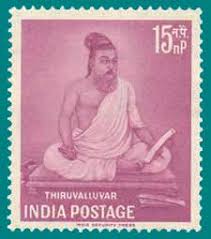
Tamil poet Tiruvalluvar who lived 1500 years ago also said the same:-

“Though high born, an unlettered man is lower than a learned man of lower birth” – Kural  409


Chanakya says,

“What has one to do with a high family where there is no education? One born in a low family, if learned is adored even by gods”.

Chapter 8, sloka 19

Kim kulena visaalena vidhyaahiinena dehinaam

Dushkuliino api vidhvaamsca devairapi supuujyate

Great Men Think Alike!!!

Subham


WHY DOESN’T LAKSHMI LIKE THE BRAHMINS? (Post No.4636)

Written by London Swaminathan 


Date: 19 JANUARY 2018


Time uploaded in London 17-15


Post No. 4636

Pictures shown here are taken from various sources such as Facebook friends, Books, Google and newspapers; thanks.


WARNING: PLEASE SHARE MY ARTICLES; BUT DON’T SHARE IT WITHOUT AUTHOR’S NAME AND THE BLOG NAME. BE HONEST; OTHERS WILL BE HONEST WITH YOU.


Chanakya says some strange things about the Brahmins and the End of Kali Yuga


Chanakya says in his Chanakya Niti Sastra,

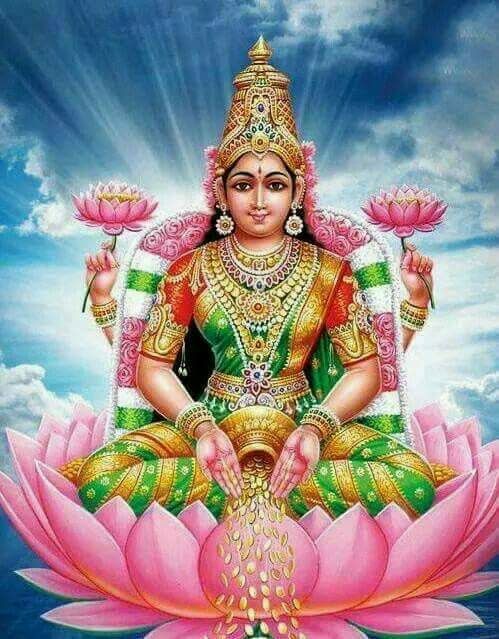
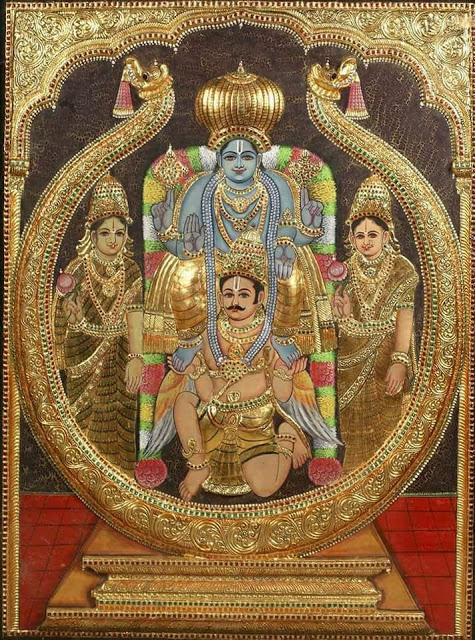
“Lakshmi’s words to Vishnu: O Lord, in disgust I avoid always the house of the Brahmins because the angry one (Agastya) drank my father (ocean), the sage Bhrgu hit with his foot my husband (Vishnu), right from childhood Brahmins carry my adversary (Sarasvati) in the cavity of their mouth, day and day out destroy my house (the lotus) for offering worship to Siva.”


Chapter 15, sloka 16


This sloka reveals two things:

1.There is a proverb in Tamil, Where is money (Panam), there is no Virtue (Gunam). In other words Lakshmi, Goddess of wealth never resides where there is Sarasvati, Goddess of Education. This is very true in Indian context. Most of the poets lived in acute poverty. Bharati, the greatest of the modern Tamil poets, suffered from poverty till his death. So the message is that Money and virtue don’t go together.


2.The second thing is a compliment to Brahmins, not a complaint against the Brahmins. Sarasvati lives in their tongues from their early childhood. This means they are well versed in the Vedas. Vak Devi and Sarasvati are praised in the Rig Veda, the oldest religious book in the world. And the Brahmins used the lotus flower for Siva Puja (flower offering to Lord Siva)

Fame comes from Luck!


In another sloka, Chanakya praises Lord Vishnu indirectly.

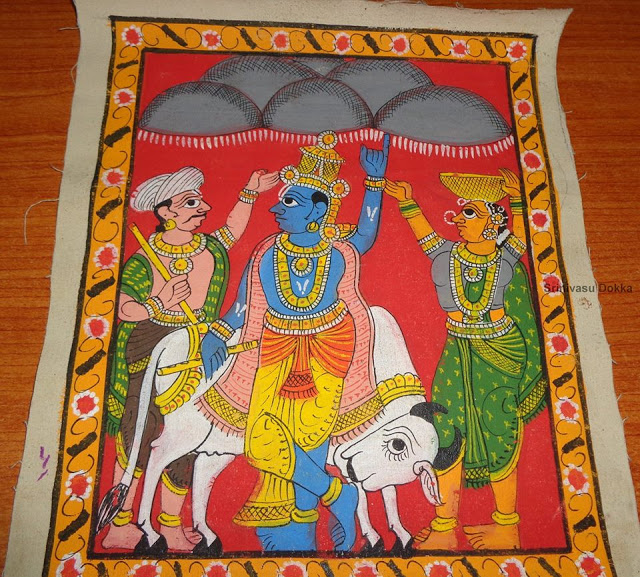
“A small hillock on the earth was held by you on a finger with ease. Because of this your praise is sung under the name of Govardhana both in the heaven and the earth.

Yasoda’s remark “I cary you, O Kesava,  the carrier of all the worlds, on the tips of my breasts. (Still nobody sings my praises), O Kesava, enough of words. Fame comes from luck”

Chanakya Niti, Chapter 15, sloka 19.


These are called Nindha Stutis. That is you criticise someone in words explicitly, but the real implicit meaning is that you praise him or her. You have to read between the lines.


Chanakya’s Strange Prediction

Chanakya, the greatest genius of ancient India, made a strange prediction in one of the slokas:-


“Hari leaves the earth with the passage of ten thousand years in Kali Yuga, in the half of that period does the Ganga water and in the half of that village deity”.


It is very strange that the village deity disappears first, then the River Ganges disappears and then only God leaves the earth. So we may measure  the progress of Kaliyuga  by the Ganges.

The sloka is as follows:

Kalau dasa shasreshu Harisyajati medhiniim

tadardhe jahnaviitoyam tadardhe gramadevataa

Chapter 11, sloka 4

We have already passed 5000 year limit In Kaliyuga. But Ganga is still flowing but not with its original pristine purity. So Chanakya might have mentioned Deva year and not the human year.

–Subham–

DON’T HATE YOURSELF AND OTHERS- MANU, BUDDHA, CHANAKYA & VALLUVAR AGREE! (Post 4631)

DON’T HATE YOURSELF AND OTHERS- MANU, BUDDHA, CHANAKYA & VALLUVAR AGREE! (Post 4631)


Written by London Swaminathan 


Date: 18 JANUARY 2018


Time uploaded in London  6-18 am


Post No. 4631

Pictures shown here are taken from various sources such as Facebook friends, Books, Google and newspapers; thanks.


WARNING: PLEASE SHARE MY ARTICLES; BUT DON’T SHARE IT WITHOUT AUTHOR’S NAME AND THE BLOG NAME. BE HONEST; OTHERS WILL BE HONEST WITH YOU.


Hatred to oneself leads to death;

to another person loss of wealth;

to the king to destruction and

to a Brahmin to the destruction of the family

–Chanakya Niti, chapter 10, sloka 11

aatmadveshaad bhavenmrtyuh paradveshaad dhanakshyah

rajadveshaad bhavennaaso brahmadveshaat kulakshayah


We know that if someone hates oneself, it leads to one’s suicide; if one hates others it leads to conflicts and clashes resulting in destruction of life or property.


The message is any form of hatred creates problems.

Buddha in Buddhist Veda Dhammapada and Tiruvalluvar in Tamil Veda Tirukkural deal with this topic. It shows the importance of the topic.

The opposite of hatred is Love.


Chanakya dealt with hatred in only one couplet/ sloka.


Tamil poet Tiru valLuvar deals with this topic in ten couplets!


Valluvar says,

Out of hatred arise all evils; out of love comes the glory that is called discreteness- Kural 860

“The evil of hatred is the grief of griefs. If it is rooted out, you can enjoy the joy of joys (854)

Nip in the bud the feeling of hostility and you prosper well. FOr one is fast ruined by fomenting hatred – Kural 858


Buddha said,
For hate is not conquered by hate; hate is conquered by love. This is a law eternal (Dhammapada1-5)


Valluvar said,
The best punishment for those who do evil to you, is to shame them by returning good for evil (Kural 314).


Manu hates Hatred!

Manu, the author of the world’s first book on law—Manu Smrti deals with hatred in more places than the Buddha.


In the very beginning he says law book is ‘only for those who are without passion or hatred’!


“Learn the religion that is constantly followed by learned men, good men who have neither passion nor hatred”- Manu 2-1

“If someone speaks wrongly and someone questions wrongly, one of them will die or incur other’s hatred “ 2-11

“By obstructing his sensory powers, destroying passion and hatred, and doing no violence to living beings, he becomes fit for immortality”- 6-60


“The man who is deluded to hate the king will certainly be destroyed, for the king quickly makes up his mind to destroy him” – Manu 7-12


“ A husband should wait for one year for a wife  who hates him; but after a year, he should take away her inheritance and not live with her”- 9-77

“Satva Guna is traditionally regarded as knowledge, Rajo Guna as hatred and passion, Tamo Guna as darkness and ignorance”– Manu 12-26

Duryodhana was an embodiment of hatred and jealousy; Yudhishthira was a symbol of love and righteousness. Duryodhana destroyed himself; Yudhishthira survived! This is a lesson from the Mahabharata.

If you want to live without problems, don’t hate anyone.


–subham–


TAMIL POET VALLUVAR AND VOLTAIRE (Post No.4619)

Written by London Swaminathan 


Date: 15 JANUARY 2018


Time uploaded in London  7-31 am


Post No. 4619

Pictures shown here are taken from various sources such as Facebook friends, Books, Google and newspapers; thanks.


WARNING: DON’T SHARE IT WITHOUT AUTHOR’S NAME AND THE BLOG NAME. BE HONEST; OTHERS WILL BE HONEST WITH YOU.


Tiru Valluvar is the most famous didactic poet of India. Though he wrote in Tamil, his work Tirukkural consisting of 1330 couplets on moral values was translated into many of the old (Sanskrit and Latin) and modern languages.

Voltaire was a French philosopher and historian who lived 300 years ago.


There are some interesting and striking similarities between some western authors and Tiru Valluvar.


Valluvar says,

‘All men are born equal, but distinctions arise only on the basis of performance,

In the respective occupations they take on’- Kural 972


Another translation of the same couplet (972) runs as follows

‘Alike is birth to all; but in their greatness they are not alike owing to the divergence of their actions’.


French philosopher Voltaire said,

‘Men are equal; it is not the birth but virtues that make the difference’.


In the Bhagavad Gita (4-13) Lord Krishna says,

‘The four fold order was created by Me according to the divisions of the quality and work. Though I am its creator, know Me to be incapable of action or change’.


Dr S Radhakrishnan comments on this Gita sloka/ couplet (4-13) as follows,

‘The emphasis is on Guna (aptitude) and karma (action) and not Jati (birth). The varna or the order to which we belong is independent of sex, birth or breeding. A class determined by temperament and vocation is not a caste determined by birth or heredity.


It is very interesting that Thomas Jefferson also used the phrase in the U S Declaration of Independence:

“All men are created equal”

Later Vietnamese also used the phrase.

J J Rousseau, French philosopher of the 18th century also believed in this principle.


Later day politicians and leaders freely used this phrase in their political speeches.


Tamil poet Kamban also says that one’s greatness or meanness comes from one’s action; otherwise everyone is equal.

xxx


VALLUVAR AND CICERO: Face is the Index of the Mind

Cicero was a Roman politician and lawyer who lived 2000 years ago. He was one of the great orators. He said,

“The countenance is the portrait of the soul”

He also said,

“All action is of the mind and the mirror of the mind is face, its index the eyes”.


Tiru Valluvar said,

The mirror reflects nearby objects. even so the face indicates the emotions throbbing in the mind—Kural 706

Another translation runs like this:

‘Even as a crystal reflects what comes near, within its line of sight

The face reflects the offending thoughts of the heart’.


‘Face is the index of the Mind’- is an English proverb known to everyone.


Great English playwright Shakespeare also uses facial expressions in several of his plays:

“there is a kind of confession in your looks which your modesties have not craft enough to colour” – Hamlet , Act 2, Scene 2


In the Srimad Bhagavatam commentary, Srila Prabhupada, use this facial features to illustrate another point:


SB 4.21.15, Translation and Purport: King Pṛthu’s body was tall and sturdy, and his complexion was fair. His arms were full and broad and his eyes as bright as the rising sun. His nose was straight, his face very beautiful and his personality grave. His teeth were set beautifully in his smiling face.


Amongst the four social orders (brāhmaṇas, kṣatriyas, vaiśyas and śūdras), the kṣatriyas, both men and women, are generally very beautiful. As will be apparent from the following verses, it is to be concluded that not only were Mahārāja Pṛthu’s bodily features attractive, as described here, but he had specific all-auspicious signs in his bodily construction.


As it is said, “The face is the index of the mind.” One’s mental constitution is exhibited by his facial features. The bodily features of a particular person are exhibited in accordance with his past deeds, for according to one’s past deeds, his next bodily features—whether in human society, animal society or demigod society—are determined. This is proof of the transmigration of the soul through different types of bodies.


–SUBHAM–

‘Women can keep One Secret’- Voltaire (Post No.4592)


Written by London Swaminathan 


Date: 7 JANUARY 2018


Time uploaded in London- 16-59


Post No. 4592

Pictures shown here are taken from various sources such as Facebook friends, Books, Google and newspapers; thanks.


SECRET QUOTATIONS ABOUT HINDU SECRET

You may find the title a bit puzzling. The reason I chose this title for the essay is no quotes are available from Hindus sources in the quotations websites. But the most interesting about secret is that it is in the oldest book in the world- The Rig Veda. Later we find this word in hundreds of places in Hindu books both in Sanskrit and Tamil. I will give some quotes below; please don’t keep them secret; let it spread to blogs and websites as well!

The Rig Veda has the word secret in the second Mandala (chapter):

Raha- suu

The meaning given in the Vedic index is ‘bearing in secret’. It is in RV 2-29-1

It is a hymn to Visvedevas

“Upholders of the Law, ye strong Adityas, remove my sin like her who bears in secret.

You, Varuna, Mitra and all gods who listen, I call to help me , I who know your goodness”


Bearing in secret is a term applied to an unmarried mother according to Vedic index.


xxx

The second reference about secret itself is secretive!

Rahasyu Deva-malimlue

is the name, in the Pachavimsa Brahmana (14-4-7), of a mythical person who at Munimarana slew the saintly Vaikhanases.


We don’t know much about the mythical person and the motive behind the murder. A typical secret story!

We have lot of references in the epics.

But the oft quoted Bhagavd Gita has a secret.

Lord Krishna says

“This same ancient Yoga has been today declared to thee by me; for thou art my devotee and my friend; and this is the Supreme Secret (rahasyam uttamam)


In most of the old Hindu scriptures they used the word Rahasyam (secret) for Veda and Upanishads.

Tamils are very clever that they translated the Veda (knowledge) it self Secret (Marai in Tamil); they knew very well that Vedas are not to be taken literal but understood through the hidden meaning!

xxx


Secret in Manu Smrti

The oldest law book in the world is Manu Smrti (older than the Hammurabi’s code). It used the word secret to denote Upanishads,the philosophical treatises of the Hindus.

Here are some quotes:

उपनीय तु यः शिष्यं वेदमध्यापयेद् द्विजः ।

च्/ सकल्पं सरहस्यं च तमाचार्यं प्रचक्षते

  1. They call that twice born who initiates a pupil and teaches him the Veda together with the Kalpa and the Rahasyas, the teacher (akarya, of the latter).

Rahsyas= Upanishads  Manu 2-140


तपोविशेषैर्विविधैर्व्रतैश्च विधिचोदितैः ।

वेदः कृत्स्नोऽधिगन्तव्यः सरहस्यो द्विजन्मना 2-165

  1. A twice born man must study the whole Veda together with the Rahasyas, performing at the same time various kinds of austerities and the vows prescribed by the rules (of the Veda).

rahasya= Upanishads

twice born = Brahmana, Kshatriya and Vaisya in the Vedic age; later only Brahmins


  1. The initial triliteral Brahman on which the threefold (sacred science) is based, is another triple Veda which must be kept secret; he who knows that, (is called) learned in the Veda.11-266
  2. Thus the acts which secure supreme bliss have been exactly and fully described; (now) the secret portion of these Institutes, proclaimed by Manu, will be taught.12-107
  3. Thus did that worshipful deity disclose to me, through a desire of benefiting mankind, this whole most excellent secret of the sacred law.12-117

xxx


SECRET in Later Literature


In the literature, the word used with the modern meaning, like we use it today


Chanakya Niti (3rd Century BCE):

One should not trust a bad friend, nor should repose too much of trust (even in good) friend lest the friend in a fit of rage were to lay bare all the secrets.

Chapter 2, Verse 6


na visvaset kumitre ca mitre caatiwa visvaset

kadaacit kupitamitram sarvam guhyaam prakaasayet


Never reveal Your Plans/ Ideas


One should not reveal through words (talk about) an action one has in mind. One should keep it secret in his counsel and apply it to one’s mission.

Chapter 2, verse 7


manasaa chintitam kaaryam vachasaa na prakaasayet

mantrena rakshayet guudam kaarye chaapi niyojayet.


Some of his instructions are valid even today.

Source for slokas: Chanakya Niti, translated by Satya Vrat Shastri, Kolkata.


Author’s name Chanakya alias Kautilya


xxx


WOMEN AND SECRET


Secret in Epics, Kalidasa, Panchatantra


A man should never disclose a secret to a woman if he longs for prosperity- Vishnusharman in Panchatantra Book3,97 (also in Katha Sarit Sagara)


This is repeated by all the English authors like Shakespeare and Tamil authors like Kamban and Vivekachudamani etc.


Constant you are, but yet a woman; and for secrecy, no lady closer; for I well believe thou wilt not utter what thou dost not know.

Shakespeare.


There is a secret drawer in every woman’s heart.

Victor Hugo.


  A woman can keep one secret,—the secret of her age.

Voltaire.


A man can keep another person’s secret better than his own; a woman, on the contrary, keeps her secret though she blabs all others.

La Bruyère.


xxx

He cannot keep a secret longer than the morning des drops on the grass- Kalidasa in Vikrama Uvasiiyam Act 2


Good is the secrecy of a secret, its revelation is not to be praised

–Jataka Tales VI, Book 22, No546


One should not disclose secrets to everyone; one should reveal some only to one’s wife, some to one’s friend and some to one’s son, for they cannot be trusted- Vishnusarma in Panchatantra Book 1


Whoever divulges secrets should be torn to pieces- Arthasastra of Chanakya/Kautilya Book 1 Chapter 15


It is always difficult to keep secrecy counsels secret when many are concerned.—Vyasa in Mahabharata, Shanti Parva


This is also repeated by umpteen English writers. Anything concerning two or more people is not at all a secret.


SECRET IN TAMIL


Ancient Tamil literature also has many quotations on Secret:-


Tamil Veda Tirukkural of Tiruvalluvar says,


“The mean are like the drum that is beaten, for they hear secrets and betray them” (Kural/ Couplet 1076)


Another translation of the same Tamil couplet is as follows:


“Like a tom-tom, the base ones will broadcast

Whatever information they come by”


The Bible  also has a parallel quotation:

A gossip gives away secrets,

But a trusty man keeps his own counsel (Proverbs 11,13)


xxx

Pazamozi Nanuru is another Tamil didactic work which has few quotations:-


Telling a secret to base one is like placing cotton on the top of a palmyrah tree. (It will be blown into all directions easily)


We may compare it with What Khalil Gibran said:


Kahlil Gibran — ‘If you reveal your secrets to the wind, you should not blame the wind forrevealing them to the trees.’


The same book says,

The wise ones never tell a secret to mean minded people.


There are hundreds of proverbs in Indian languages. I have to deal with it separately.


–Subham–


Mother in Law becomes a Donkey! Tamil Folk Tale (Post No.4585)

Written by London Swaminathan 


Date: 5 JANUARY 2018


Time uploaded in London- 20-56


Post No. 4585

Pictures shown here are taken from various sources such as Facebook friends, Books, Google and newspapers; thanks.

Related image


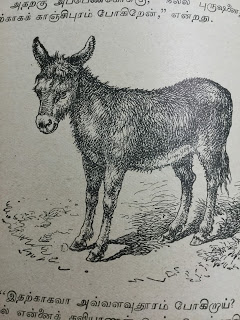
There are over 20,000 proverbs in Tamil language; hundreds of them have beautiful stories behind them. One interesting story about a mother in law is based on a popular proverb – ‘As the time went by Mother in Law became a donkey!’ (Vara vara maamiyaar Kazuthai pola Aaanaalam)


The story is as follows:

There lived a couple in a village. Ammanji had a wife by name Vallala Kandi. The very name of the woman shows that she was an unruly woman; a bad- tempered woman. There were always shouts and fights in the house. The man’s name show that he was a naïve man. Both of them had their mothers living with them. They also fought with one another.

Ammanji’s mother got fed up with what was happening inside the house. One day Amannji’s mother ran away from home and took shelter in a temple far away from the madding crowd. Since it was dark nobody noticed her departure.


During mid night, Goddess Kali in the temple started for a city round. She saw this old woman and asked what brought her to the temple. She explained everything happening at home. Kali was very kind towards her and told her she would be alright if she ate the mango fruit. Saying so Goddess gave her a mango fruit.


In the meantime, Ammanji got worried about her mother went in search of her at the first light of the day. Someone told him that he saw an old woman in the Kali temple. Ammanji ran to the temple and came to know everything happened in the night. Ammanji was given the fruit but he refused and insisted his mother should eat it. She ate it and had a piggy back ride on her son Ammaanji. He was feeling her rough skin; but as the time went by, he felt smoother and smoother skin. He turned back and was wonderstruck when he saw his mother. She looked younger now. When she went home, he saw her completely  changed and became a young woman. Ammanji, his wife and mother in law couldn’t believe their own eyes.


Ammanji’s wife was a bit jealous and planned something in her mind. Next day she told her mother—Ammanji’s mother in law – – to run away from home. She did so and took shelter in the same temple. Kali appeared before her asked her the reason. When she told Kali about her ‘sufferings’, Kali knew that it was a lie. But Kali gave her a mango fruit and told her everything would change  when she eat the fruit. She hurriedly ate the mango.

In the meantime Ammanji’s wife became very anxious and persuaded her son to go out and look for her mother. Ammanji came straight to the temple and met her mother in law. By the time he came there, she finished eating her mango fruit.


As before, Ammanji offered her a lift home. She had a piggy back ride. To Ammanji’s surprise the body weight of the lady slowly increased and her skin became rougher and rougher. When he turned back, he saw a lady with a donkey’s face; He tried very hard to supress his laughter. When they reached home, he didn’t see his mother in law at all, but only a donkey. Ammanji and his mother were happy. Ammanji’s wife and mother in law were sad.


This gave birth to a proverb, “As the time goes by mother in law became a donkey”.


–Subham–


Ten Greatest Literary Wonders (Post No.4582)

Written by London Swaminathan 


Date: 4 JANUARY 2018


Time uploaded in London- 20-24


Post No. 4582

Pictures shown here are taken from various sources such as Facebook friends, Books, Google and newspapers; thanks. Some picturers were used from Brahmi by Ankhita Roy and Malay mandal


Wonder 1

India is a land of wonders. It is a land of literary wonders. Take any subject; It is in the first place; but this article is about the language, literature and linguistics. Nowhere in the world we see 900 plus poets 2000 years ago. We have all the names of the poets and their poems intact. Vedic anukramani gives a list of 435 poets and the Tamil Sangam literature gives a list of approximately 470 poets. We have 1028 hymns containing 10,600 verses or mantras in the Rig Veda alone. It is the oldest book in the world. It is the oldest anthology in the world. Tamil Sangam had 470 poets who had composed 2380 poems. Rig Veda was there at least 4000 years ago when Sarasvati was flowing from the Himalayas to the sea. Tamil Sangam literature came 2000 years after the Vedic poems. Post-Vedic poets prepared the Index- the first in the world.

What does it show? It shows that India, that is Bharat, was the most civilized country and most literate in the ancient world. This also shows that all other civilizations such as Babylonian, Egyptian and Chinese came later. Because literature is the scale with which can measure the wisdom, knowledge and maturity of a society. To reach such a level of intelligence, the community should have lived there several thousand years before that literary production.


Wonder 2


Women wrote Poems!

The literacy and progressive thoughts of the Hindus is highlighted by at least 50 poetesses, which is not seen anyhere in the world. Oldest book Rig Veda has more than 20 poetesses. Sangam literature which came 2000 years after the Vedas has another 25 Tamil poetesses.

This galaxy of intellectuals show that no civilization came nearer to the Hindu civilization.

Women were so educated that they attended the debating societies and (Gargi Vachaknavi) questioned great philosopher such as Yajnavalkya. In Tamil poetess Avvaiyar was fearless in questioning the war mongering Tamil kings.

Wonder 3

The Vedic literature was huge. In every culture, there is a time gap between the poetry and prose. In Sanskrit, four Vedas with 20,000 verses and a huge mass of prose literature ( Brahmanas and Aranyakas) came well before the Greeks started writing. Tamils wrote 2000 years after the Sanskrit poets. The great wonder about this bulky literature is that they passed it by word of mouth until today, at least for 4000 years!


Wonder 4

Another literary wonder is the production of Upanishads – the philosophic treatises- before other philosophers of the world. Moses, Zoroaster, Mahavira, Confucius, Buddha—all came after the Upanishads according to the Hindu dating of the Upanishads.


Wonder 5

In those Upanishads we have a long list of Gurus – over 50 generations of teachers- who passed the wealth of knowledge. That shows how old our teaching is. And in the Puranas (mythologies) we have 140 generations of kings. Longest and continuous list which the world has ever seen. Sumeraian and Egyptian king lists were made up by scholars like Berosus of 2nd century BCE. There are big gaps.. In spite of dry climate helping them to preserve 60,000 clay tablets and Egyptian writings on papyrus the list is incomplete. Together with the Upanishadic list of hereditary teachers and Puranic list of 140 generations before Megasthenes, we stand in the front. These Hindu scriptures are another literary wonder.


Wonder 6

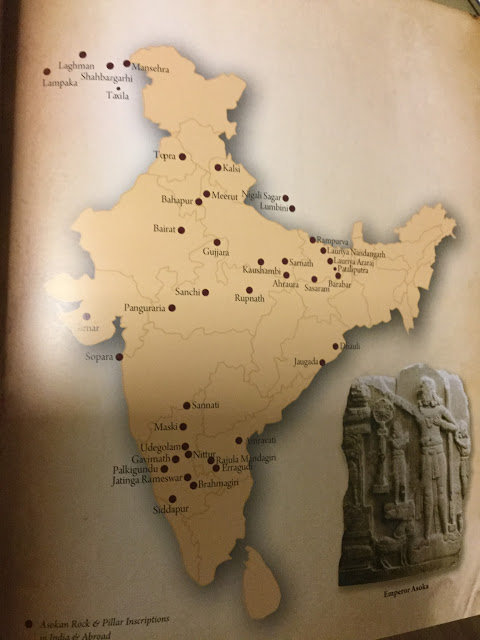
The inscriptions of Emperor Asoka was a great literary wonder. Suddenly we see Brahmi script from Afghanistan to the southernmost part of Sri Lanka—biggest geographical mass—the largest country in the world. This happened 2300 years ago. That means Indians were literate from Kashmir to Kandy in Sri Lanka. Unless they could read Asoka would not have installed so many inscriptions.


Wonder 7


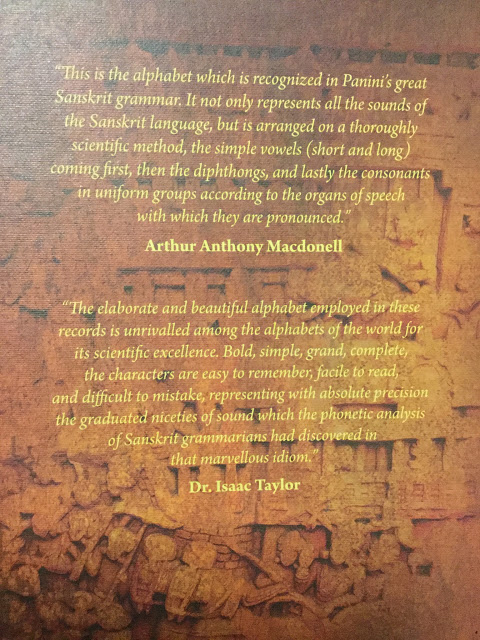
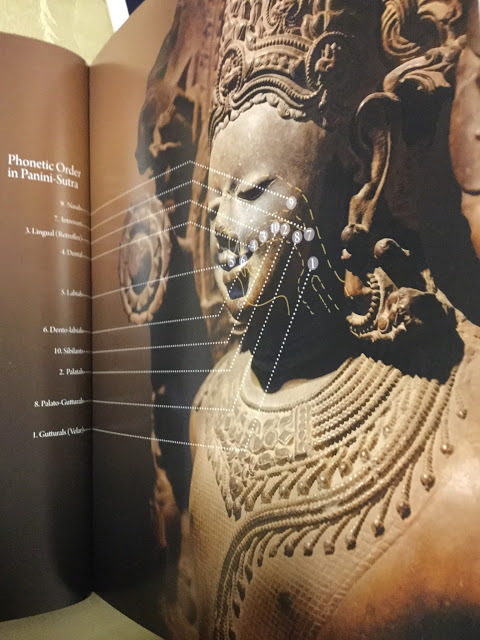
The Brahmi script itself is a great wonder. Though some scholars think that it was derived from Phoenician, the undeniable fact is that it is very different from those Semitic scripts. Brahmi script is alphabetical and scientifically arranged. It followed Paninian phonetics. The greatest wonder abbot the Brahmi script is that it gave the scripts, the glyph to all the languages of South East Asia and South and North India.


Wonder 8

Hindus were first in all the literary ventures whether its wring stories or wring sex manuals. The first grammar book was from Panini of seventh century BCE. The world is wonderstruck with the conciseness of Ashtadyayee of Panini. This grammar book is considered a wonder of human thought


Wonder 9

Language and linguistics are dealt with even in a religious book like Rig Veda. Similes, number symbolism, metaphors using literary subjects show the level of knowledge in the Vedic society. I have already written about the Vedic lingustics and four types of sounds and hymns on Vac—the speech. Higher thoughts and world welfare were dealt n the hymns. The last hymn of the Rig Veda prays for the integration. It can serve as the World National Anthem or the UN national Anthem. The hymns on Earth in the Atharva Veda  can serve as the anthem for all the environmental organisations.

Please see below the relevant hymns:

Language and Linguistics

RV 1-164, 4-58, 8-59, 8-100, 10-71, 10-114, 10-125, 10-177


RV 1-164, 10-71, 4-3, 10-125


World Welfare

10-191, , YV 36, AV 19-60, AV 7-69, AV 3-30,


Wonder 10

Hindus stood first in the production of dictionaries, thesauruses such as 2000 year old Amarakosham. In every field of language they stood first. The Vedic prosody is also highly developed. The syllabus had six different subjects including etymology, grammar and astrology/astronomy. This is also another indication of highly developed culture.


Linguistics | Tamil and Vedas

https://tamilandvedas.com/tag/linguistics/

Vedic Hindus were highly educated. We come across many linguisticobservations in all the four Vedas. Rig Veda, the oldest book, has many hymns dealing with linguistic points. Satyakam Varma has summarised them in his book Vedic Studies. Rig Vedic hymns 1-164, 4-58, 8-59, 8-10, 10-114, 10-125, 10-177 and many …

IS THERE POETRY OR PHILOSOPHY IN THE RIG … – Tamil and Vedas

https://tamilandvedas.com/…/is-there-poetry-or-philosophy-in-the-rig-veda-post-no-4…

23 Oct 2017 – Written by London Swaminathan Date: 23 October 2017 Time uploaded in London- 20–15 Post No. 4329 Pictures shown here are taken from various sources such as Facebook friends, Books, Google and newspapers; thanks. We know that the Rig Veda is the oldest religious book in the world; we know…


DIRGATAMAS HYMN- A RIDDLE IN THE RIG VEDA – Tamil and Vedas

https://tamilandvedas.com/…/dirgatamas-hymn-a-riddle-in-the-rig-veda-post-no-4453…

2 Dec 2017 – The Rig Vedic hymn 1-164 is a great hymn. Probably that is the longest hymn in the oldest book in the world with 52 mantras. It is like an encyclopaedia touching various subjects. It is a riddle because the poetDirgatamas has used lot of numbers which can be interpreted in many ways. In fact Wilson, Max …

Strange Names for Unknown Poets of Rig Veda … – Tamil and Vedas

https://tamilandvedas.com/…/strange-names-for-unknown-poets-of-rig-veda-and-tami…

14 Dec 2014 – Research paper written by London Swaminathan Research article No.1486; Dated 14th December 2014. Some poets have got strange names in the Rig Veda as well as in Sangam Tamil literature. Some of thepoets are named after the epithets they use. There is a reason behind it. Shrikant G.Talageri, in …

You visited this page on 03/01/18.

Poetry in Vedas | Tamil and Vedas

https://tamilandvedas.com/tag/poetry-in-vedas/

By London Swaminathan. Rig Veda, the oldest religious book in the world, has beautiful poetry in it. The Vedas are records of man’s earliest thoughts on God and philosophical matters. When the Vedic seers wanted to convey their thoughts they used lot of similes as well. Vedas can be interpreted symbolically, …

Big Bang in the Rig Veda! (Post No.4235) | Tamil and Vedas

https://tamilandvedas.com/…/big-bang-in-the-rig-veda-post-no-423…

22 Sep 2017 – The Big Bang is described in the Rig Veda 6000 or 7000 years ago. Cosmologists wonder that such a thought occurred to one or two seers on the banks of River Sarasvati in India. Hindus are great cosmologists that the same creation is described in several Brahmanas, Puranas and Manau Smrti as well.


–Subham–

Be a Snake! Paramahamsa and Chanakya Advise! (Post No.4579)

picture by Lalgudi Veda


Written by London Swaminathan 


Date: 3 JANUARY 2018


Time uploaded in London- 18-35


Post No. 4579

Pictures shown here are taken from various sources such as Facebook friends, Books, Google and newspapers; thanks.


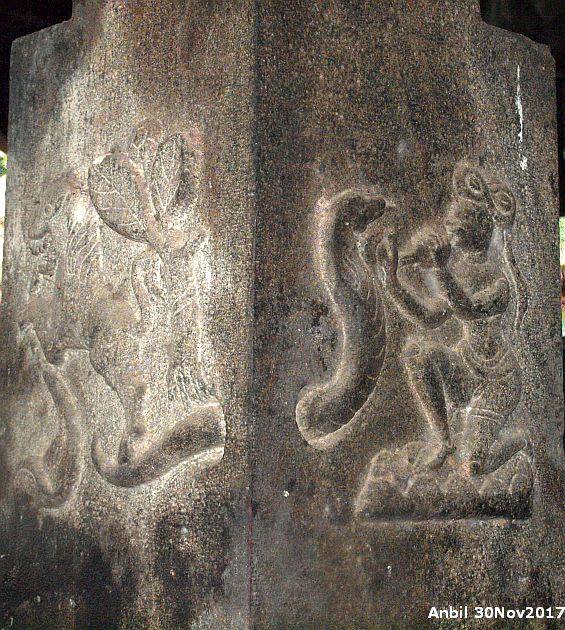
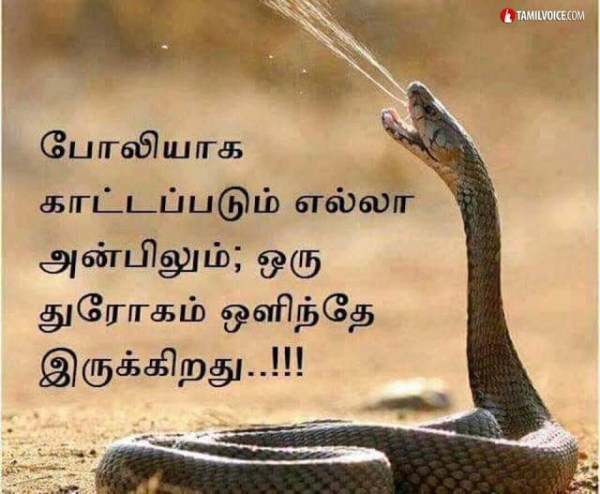
A snake must be a snake; it must instil fear in others; otherwise it will die. Ramakrishna Paramahamsa, the great saint and Chanakya , the great philosopher, statesman and astute politician agree on snakes!

Chanakya says,

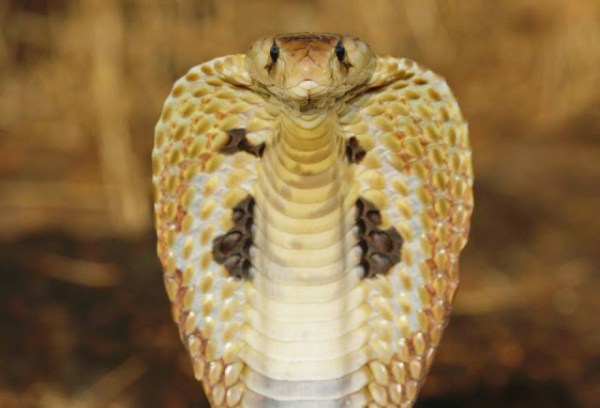
“Even a snake with no poison should raise its hood. Be there poison or not, the raising of the hood instils fear”—Chanakya Niti, Chapter 9, sloka/verse 10


Here is the verse in Sanskrit:-

nirvishenaani sarpena karthavyaa mahati fanaa

vishamastu na chaapyastu fanaayopo bhayankarah

Sometimes you may be weak or in a weaker position, but yet you can pretend to be strong.

Ramakrishna Paramahamsa narrates a story:-

“A serpent dwelt in a certain locality. No one dared to pass by that way; for whoever did so was instantaneously bitten to death by the serpent.


Once a holy man passed by. As usual the serpent pursued the sage with a view to biting him, but when it approached the holy man, it lost all kits ferocity and was over powered by his gentleness. Seeing the snake, the holy man said,

‘Well, friend! Do you want to bite me?’ The snake was abashed and did not reply. At this the sage said again, ‘hearken friend, do not injure anyone in future’. The snake bowed and nodded assent.


After the sage, had hone his own way, the entered its hole, and began to live a life of innocence and purity without even wishing to harm anyone. In a few days, it became a common belief in the neighbourhood that the snake had lost all its venom and was no more dangerous, and so people began to tease it. Some pelted stones at it., and others dragged it mercilessly by the tail. Thus there was no end to its troubles.

Fortunately, sometime after, the sage again passed that way seeing the bruised and battered condition of the poor snake, was very much moved to pity and inquired about the cause of its distress.

At this the snake replied, Sir, I have been reduced to this state, because I Have not been injuring anyone since I received your instruction. But alas! they are so merciless!

The sage smilingly said, ‘Dear friend, I only advised you not to bite anyone, but I never asked you not to hiss and frighten others. Although you should not bite any creature, still you should keep everyone at a considerable distance from you by hissing’.


Similarly, if you live in this world, make yourself feared and respected. Do not injure anyone, but do not at the same time let others injure you.

Source:

Sayings of Sri Ramakrishna, Sri Ramakrishna Math, Mylapore, Chennai 600004

Canakyaniti, Satya Vrat Shastri, Bharatiya Vidya Mandir, Kolkata


Snake and Great men

If You see a Snake……………….

“Between a snake and a wicked person, it is the serpent which is better. Serpent bites ever and anon but a wicked person does so at every step”—Chanakya Niti, Chapter 3, Sloka


Three other poets sang about great men and poisonous snakes

Even if poisonous snakes enter an assembly of scholars it will pass through them unscathed. They won’t hurt them, says a Tamil poem in ‘Pazamozi Four Hundred’. Even the Sangam Tamil Literature (Neithal kali, Kali Tokai) gave the same message.

Another poet ( of Tamil book “Aranerisaram” ) viewed the snakes differently. He says, look at this, If you give water to a cow it gives you milk; but if you give milk to a cobra, it produces poison! Likewise, the books read by bad people are interpreted negatively. The same books read by the great people are interpreted positively”.

The best examples for this poem are our Vedas and the Epics. Foreigners who read these books interpreted them negatively. They are like snakes that convert milk into poison. The great Tamil kings Chera, Chola and Pandyas fostered Vedas and Vedic Yajnas for over 2000 years according to Sangam Tamil Literature. In the North, more Asvamedha Yajnas and Rajasuyas were done. Vedas are viewed positively in Kalidasa’s works and Sangam Tamil works. They are like cows that turns water into milk.

Tamil poetess Avvaiyar in her book ‘Vakkundaam’ compared water snake to good people and cobra to bad people. She says that the water snake is not poisonous and it lies openly on the banks of rivers and lakes. But the cobra is poisonous and so it hides in the holes. Good people don’t fear any one, bad people fear others and lead a secret life! They pretend to be good.

Chanakya also agrees,

“Those vile men who disclose each other’s secrets come o naught, for sure, like a snake in an ant-hill” – Chapter 9, Verse 2s

–Subham–

CHANAKYA’S WARNING ABOUT FOOD HABITS (Post No.4573)

Written by London Swaminathan 


Date: 1 JANUARY 2018


Time uploaded in London- 16-09


Post No. 4573

Pictures shown here are taken from various sources such as Facebook friends, Books, Google and newspapers; thanks


Chanakya did not write about cooking or the culinary customs of any culture. Nor did he write a book on health or medicines. But in his didactic work he makes passing remarks about the bad habits in eating. Let us look at some verses/slokas from his work Chanakyaniti.


You are what you eat


He says,

The conduct reveals the family;

the speech reveals one’s country;

the agitation the affection;

and the body reveals one’s food.

–chapter 3, sloka/verse 2

The sloka/verse in Sanskrit runs like this:


aachaarah ulamaakhyaati desamaakhyaati bhaashanam

sambramah snehamaakhyaati vapuraakhyaati bhojamam.

It is very true that the food shapes our body. In the olden days they used to say ‘you are what you eat’ and ‘Tell me the books you read, I will tell you what type of person you are’ and ‘tell me your friends, I will tell you who you are’; now we can tell anyone, ‘tell me your health problems, I will tell you what you eat and vice versa’.

xxxx


Burning without Fire!

Living in a petty village,

service to a low born person,

bad food,

irascible wife,

foolish son, and a widowed daughter,

these six singe the body even when there is no fire.

Bad food is one of the things that upset us physically and mentally.

The sloka/verse is as follows

kukgraamavaasah kulahiinasevaa kubhojanam krodhamukhi cha bharyaa

putrascha muurkho vidhavaa cha kanyaa vinaagninaa shat pradahanti kaayam

–chapter 4, verse 8

xxxx

Eating in indigestion is Poison

In another verse Chanakya says that eating in indigestion is poisonous. We live in an era where enormous food is forced on us in dinners and parties, where as there are millions of people born in poor families go without food.

Sastra without repeated study is poison

eating in indigestion is poison

an assembly for the poor is poison

a young woman for an old man is poison.

Here is the sloka/ verse giving the message,

anabyaasena visham saastram ajiirne bhoajanam visham

visham sabhaa daritrasya vrddasya tarunii visham

–chapter 4, verse 15


xxx

Be happy with what you have

Chanakya says, “one should be satisfied with one’s wife, meals and wealth. One should never be satisfied with study, austerities and charity.”

It is very important keep our tongue under control. The sloka/verse in Sanskrit runs like this:


santoshastrishu kartavyah svadaare bhojane dhane

trishu chaiva na kartavyo adhyayane tapadhaanayoh

–chapter 7, verse 5

Contentment in eating is very important. To get contentment in food, famous TV hypnotist Paul Mc Kenna says, “Never ever eat food while watching TV or reading books. Pay full attention to your eating and enjoy every bit you eat. Take little by little and enjoy it. By doing so you can avoid over eating and feel full in your stomach.

An easy advice anyone can follow without spending a penny.

–Subham–