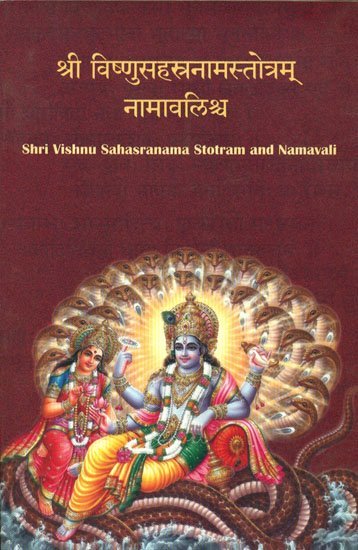
INFLUENCE OF VISHNU SAHASRANAMA ON WORLD HISTORY (Post No.7372)

Research article by London swaminathan

swami_48@yahoo.com

Date: 22 December 2019

Time in London – 17-59

Post No. 7372

Pictures are taken from various sources; beware of copyright rules; don’t use them without permission; this is a non- commercial, educational blog; posted in swamiindology.blogspot.com and tamilandvedas.com simultaneously. Average hits per day for both the blogs 12,000

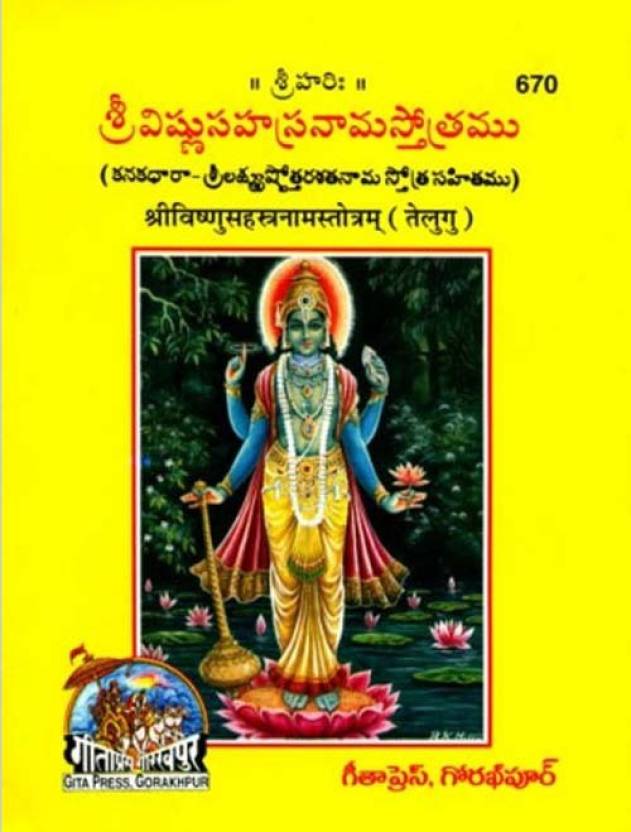
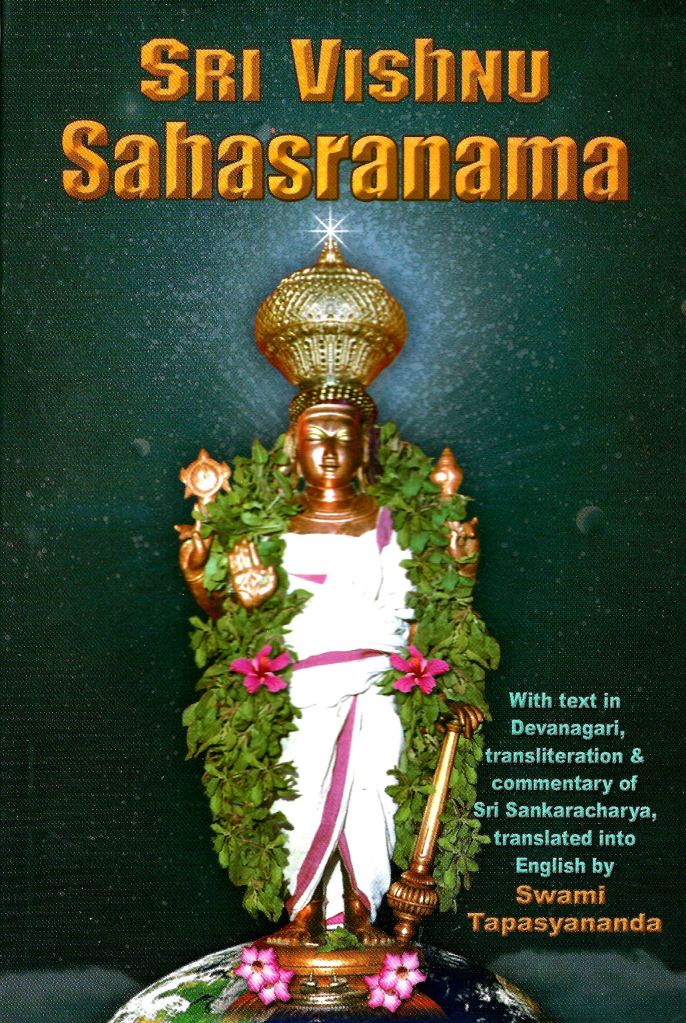
Here is an alternate reading of the Vishnu Sahasranama, the oldest of the Sahasranamas. One thousand names of any god is a ‘’Sahasranama. Though every Hindu god and goddess has a Sahasranama Vishnu’s one is the most famous of all Sahasranamas. It is the oldest and part of Mahabharata. Great grandsire Bhisma said it in front of Lord Krishna. Saints like Adi Shankara, Parasara Bhatta and Madhwa have commented on it. Hundreds of articles are written by prominent religious leaders on the religious merits of it.

Though I also recite it everyday like any devout Hindu, being an amateur historian, I can’t stop thinking of its influence on world history. Roman and Mitannian King names are in it. I have interpreted the words or its sounds on the bais of history.  Let me tell you what I found in it:-

Five Generations

In the introductory First Part, we see five generations in one sloka- vyasam vasistha naptharam………………… Vyasa, his son Suka, Vyasa’s father Parasara, grand father Sakthi, great grand father Vasistha.

As all Hindus know Vyasa lived just before the beginning of Kaliyuga in 3102 BCE, we are talking about 3200 BCE here.

Sloka 16……yatha sarvani bhutani……….. talks about Big Bang and Big Crunch of cosmology.

Dhyana sloka sees the God as the universe with Sun and Moon as eyes, earth as His feet and Sky as His head. This is a repeat of Purushasuktam of Rig Veda and Viswarupa Darsan of Bhagavad Gita.
Concept of Time

Hindu concept of Time is very different from the Westrn concept of Time. In the main part of Sahasranama, the very first sloka describes god as master of time past, present and future. He is beyond the sway of  Time.

All Gods in Sahasranama

Though it is called Vishnu Sahasranama, all gods’ names are in it – Siva, Sambhu, Aditya, Prajapati, Indra, Sumuka ( Ganesa), Ganesvarah, Vasu, Varuna, Rudra, Indra

Sikkandi ,Nahusha – epic and puranic names

Skanda ,Purandhara , Parameswara,Guha

Lord Kartikeya, Indra, Lord Shiva, Sastha,  figure in the hymn.

Rama , Pranava, Krishna

Names of Rama, Omkara also in the hymn.
Mitannian king

Pratardhana was one of the kings who ruled Turkey- Syria region around 1400 BCE. It is one of the 1000 names of Vishnu.

Manu

World’s first law giver Manu is in the hymn.

Vrsakapi

This is a Vedic deity with lot of funny interpretations such as sexy monkey etc. Since it is in the Sahasranama it is as old as Vedic literature.

Siddhartha

It is the name of the Gautama Buddha ofsixth century BCE

Sipivishta

Another Vedic deity. Names of Vedic deities are found only in this hymn. That proves that Vishnu Sahasranama is the oldest.

Margo (Way)

I am the Way.
Indus valley God

Vishnu is called Maha Srnga- we see God with horn/ srnga in the Indus Valley Seals; though mistakenly identified with Shiva/Pasupati. Later we see Srngi (horned god) Na Eka Srngi (not just one horned) in this hymn.

Kapila (Tamil Poet’s Name)

Kapila is the name of a great rishi. It is in this hymn. Sangam Tamil literature has a Brahmin poet with this name Kapila. He is the most celebrated poet and highest contributor to the 2000 year old Sangam corpus.

Mr Doctor

Hindus are the only people who call god as a doctor and Medicine (Beshajam, Bishak in Rudra of Yajur Veda) here in this hymn God is called Bishak/ doctor).

Gupta dynasty

Gupta is one of the names here in the hymn; probably Gupta dynasty named themselves with this word.
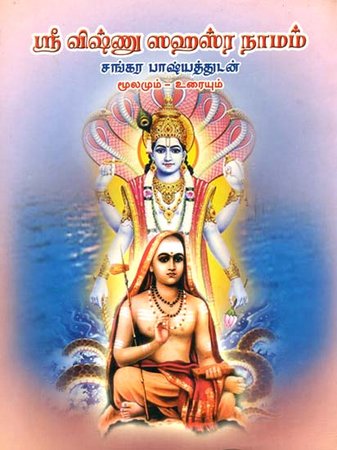
Brahmana

Tamil poets describe God as a Brahmin. This is an echo of Sahasranama

Manatho

Manetho is one of the Egyptian priests who wrote Egyptian history in the third century BCE. Here we have Manatho

Surya Namaskar

Names of Surya found in the Surya Namaskar Mantra are Vishnu’s names found in the hymn.

Cicero

Rome’s greatest orator, lawer, statesman is Cicero. We see Sisirah in the hymn.

Sri Vijaya Dynasty

Sri Vijaya Dynasty of South East Asia took its name

From the Sahasranam. This is in the last part of Sahasranama

Sree

Sri occurs in many words. It simply means, wealth, auspicious , Goddess Lakshmi.

English title SIR and Tamil title Thiru came from Sri.
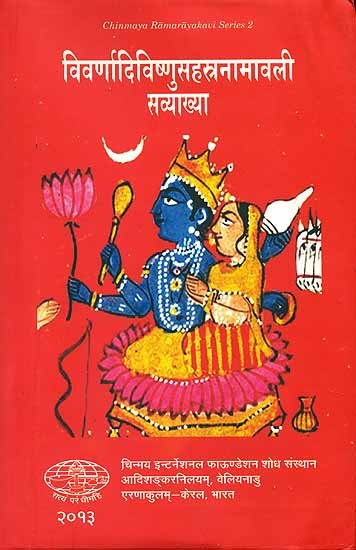
Vikrama

Many Indian kings including the greatest legendary king Vikramaditya has this name.

Garudadwaja -Flag of Eagle-

Today we see Garuda/ emblem in several countries including USA. Garuda Pillar was erected in Besnagar by Helidorus in 113 BCE. He was the ambassador of Indo-Greek king of Taxila. He called himself Parama Bhagavata/ great devotee f Vishnu.

Thus we see many dynasties and kings in the Sahsranama.

Trees and birds and Stars

Several trees, birds, fish and star names are also found in the Vishnu Sahasranama.

So, an alternate reading of the oldest Sahasranama sheds more light on the history of the world from Turkey/ Syria to Sri Vijayas of South East Asia.

–subham–
–subham–

INDIAN HISTORY WONDER IN GREECE (Post No.7367 )

COMPILED BY LONDON SWAMINATHAN    

POST NO.7367

DATE 21 DECEMBER 2019

TIME IN LONDON -13-37

                      Contact – swami_48@yahoo.com

A Bronze Age painting on a Greek island shows a monkey from thousands of kilometres away in Asia. The finding suggests that ancient cultures separated by great distances were trading and exchanging ideas.

The artwork is one of several wall paintings in a building at Akrotiri on the Greek island of Thera (Santorini) in the Aegean Sea. Akrotiri was a settlement of the Minoan civilisation in Bronze Age Greece that was buried by ash from a volcanic eruption in around 1600 BC.

Many of the paintings show monkeys, yet there were no monkeys in Greece at the time. Most of the monkeys have been identified as Egyptian species like olive baboons. This makes sense because Egypt was in contact with the Minoan civilisation, which was spread across several Aegean islands. However, others were harder to identify.

Marie Nicole Pareja at the University of Pennsylvania in Philadelphia teamed up with primatologists to re-examine the mystery monkey paintings. One stood out. “When they looked at this wall painting, they all straight away unambiguously said ‘that’s a langur’,” says Pareja.

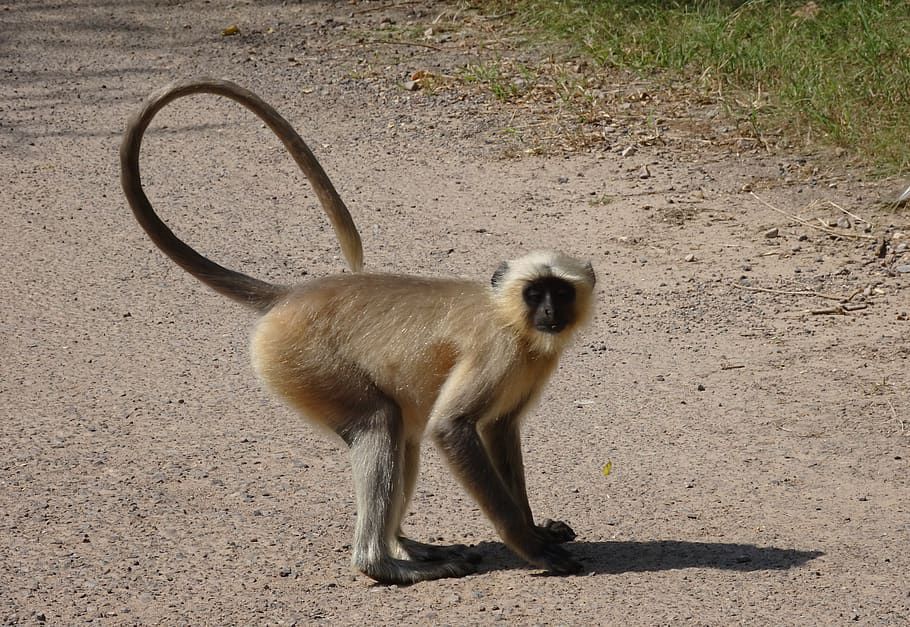
The team has identified the monkey as a grey langur (Semnopithecus). As well as its distinctive fur, the monkey was depicted holding its tail in a characteristic S shape.

Grey langurs live in southern Asia in what is now Nepal, Bhutan and India – and particularly in the Indus Valley. During the Bronze Age, the region was home to the Indus Valley Civilisation, one of the most important societies of that time. Although it was past its peak, the Indus Valley Civilisation was still advanced for its time, with large cities and elaborate water supply systems.

Somehow, the artist who painted the monkey picture must have seen a grey langur. But how?

Did Minoan Greeks visit the Indus? “I wouldn’t be surprised if someday in the future we found evidence for that kind of direct contact,” says Pareja, but right now there is none. It is also possible the visit was the other way round, but again there is no evidence.

Instead, it may be that Greece and Indus were connected via Mesopotamia, another Bronze Age civilisation centred on what is now Iraq. Langurs may have been imported to Mesopotamia for menageries, where visiting Greeks saw them.

“It’s evidence of this far-reaching trade, these relationships with these far-flung areas,” says Pareja. Even in the Bronze Age, it seems there was a lot of exchange between seemi


Read more: https://www.newscientist.com/article/2227146-ancient-monkey-painting-suggests-bronze-age-greeks-travelled-widely/#ixzz68kPryWVa

ANOTHER REPORT

Painted Bronze Age Monkeys Hint at the Interconnectedness of the Ancient World

The fascinating “tail” of how Indian monkeys might have ended up in a Minoan painting

Painted Bronze Age Monkeys Hint at the Interconnectedness of the Ancient World

The fascinating “tail” of how Indian monkeys might have ended up in a Minoan painting

The blue monkey fresco at Akrotiri, an ancient settlement on the Aegean island of Thera, or modern-day Santorini (Public domain)

By Katherine J. Wu

SMITHSONIANMAG.COM
DECEMBER 16, 2019

3.9K894

As far as archaeologists know, Asian monkeys weren’t trotting the globe during the Bronze Age. That’s why a millennia-old Greek painting of a gray langur—a primate native to the Indian subcontinent—was surprising enough to stop researchers dead in their tracks.

Archaeologists and primatologists re-analyzing wall paintings found in Akrotiri, a Minoan settlement on Thera (modern-day Santorini) buried by volcanic ash around 1600 B.C., have uncovered evidence that Bronze Age Greek artists knew of—and may have even seen—monkeys whose native habitat was thousands of miles away. Their findings, newly published in the journal Primateshint that ancient cultures were more intertwined than previously thought. Eager to exchange ideas, artists or merchants may have journeyed far from home; eventually, the fruits of these wanderers’ travels were immortalized in paint.

Previous researchers have already noted that some of the Bronze Age artworks unearthed on the Greek islands of Crete and Thera depict monkeys of all shapes and sizes. Based on the animals’ features, as well as close trade relations between the Minoans and the Egyptians, some have been pinpointed as olive baboons, which are native to the forests and savannas of the African continent.

Other painted primates, however, were more mysterious. For instance, sprawled across one of the Akrotiri building’s walls is a fresco populated by blue, rock-climbing monkeys with buoyant, S-shaped tails. The primates remained unidentified until recently, when Marie Nicole Pareja, an archaeologist at the University of Pennsylvania, recruited a group of primatologists to re-examine the painting.

“It felt really silly to examine an image of these animals as an archaeologist and art historian without asking for the input of people who look at them every day,” she tells Tom Whipple at the Times.

After snapping photos of the fresco and several other Aegean artworks, Pareja sent them to colleagues around the world. Several confirmed the Egyptian nature of the majority of the monkeys but reported that the Akrotiri painting “unambiguously” contained gray langurs, says Pareja to New Scientist’s Michael Marshall.

According to Whipple, the langurs’ tails gave them away. Flexing skyward, they bore no resemblance to the appendages of African monkeys, which droop downward. Instead, they acted as calling cards for gray langurs, a species most likely hailing from the Indus Valley—then home to its own bustling civilization.

How exactly the artists came across their source material remains unclear. As Whipple reports, the exquisite detail seen in the fresco makes Pareja suspect it’s unlikely the works’ creators simply copied the monkeys secondhand. That means someone, whether human, monkey or both, undertook an arduous crossing of the many thousands of miles that separated the civilizations, or perhaps met somewhere in the middle.

“When you consider the distance of the Aegean to the Indus, compared to Egypt, it is incredible,” says Pareja.

Such cosmopolitan behavior probably wasn’t easy, but “our ancestors were interested in rare and exotic things, just as we are,” Peter Frankopan, a global history expert at Oxford University who wasn’t involved in the study, tells Whipple. “Long-distance trade, and connections between the Mediterranean, Asia and the Indian Ocean are well attested, even in this period, for high value, expensive objects.”

A live langur from a far-flung locale would certainly fit that bill. There’s even evidence from other archaeological finds supporting the idea that foreign monkeys might have made it to Greece: a fossilized skull on Thera, for instance, and an ivory figurine on Crete.

Wherever the primates ended up, they were significant enough for the locals to painstakingly craft into art. Known to archaeologists since the 1960s, the Akrotiri wall paintings feature scenes of daily Greek life in the Bronze Age, illuminating the manners and customs of the time, according to the Thera Foundation. If gray langurs made the cut, it’s unlikely the primates were a one-off thought for the ancient Minoans.

The monkey’s presence also signifies another cultural value that remains a keystone of the human experience: intellectual exchange.

“This is showing us that what people later consider the Silk Roads are working even then, at least indirectly,” Pareja tells Whipple. “We talk about the Minoans, about the Egyptians, about the Indus peoples, all as if they are separate. But they are interconnected.”

–SUBHAM—

QUEEN DIDDA OF KASHMIR – A WOMAN OF INTRIGUES AND EFFICIENCY (Post No.7346)

WRITTEN By London Swaminathan

swami_48@yahoo.com

Date: 15 DECEMBER 2019

Time in London – 15-29

Post No. 7346

Pictures are taken from various sources; beware of copyright rules; don’t use them without permission; this is a non- commercial, educational blog; posted in swamiindology.blogspot.com and tamilandvedas.com simultaneously. Average hits per day for both the blogs 12,000


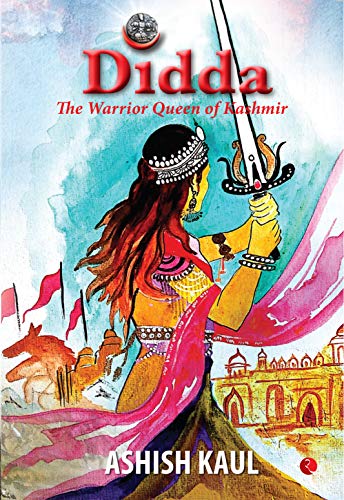
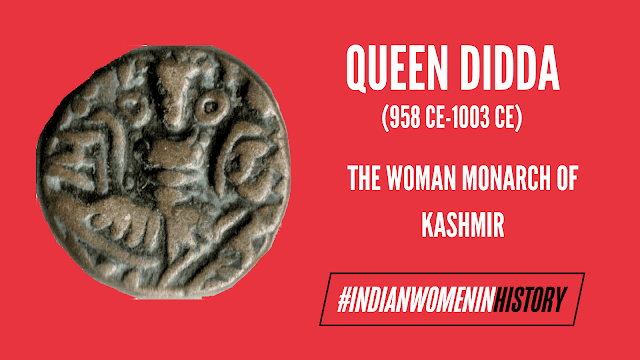
Didda was the most successful Queen in Indian history . She ruled Kashmir for 23 years quelling many rebellions and weeding out corrupt ministers. Here is the only instance in the ancient history of India where we have some details of the activities of a female ruler. She was very influential in the history of Kashmir between 958 and 1003 CE. She was a ruler from 981 till her death in 1003 CE.

Diddaa was the daughter of Simharaja of Lohara and the granddaughter of Shahi king Bhimapala of Udabhaandpura. She was married to the Kashmiri king Kshemaraja (950-958 CE). According to Rajatarangini, Kashmiri chronicle written by Kalhana, Diddaa had so great an influence over her husband and he was known as Diddaa- kshema, a humiliating appellation. Kalhana’s statement is supported by the copper coins of Kashmir , where we see Di-Kshema, apparently an abbreviation of the above appellation .


After the death of Kshemagupta in 958 CE, his son Abhimanyu was raised to the throne under the guardianship of the widowed Queen Mother. During Abhimanyu’s rule Diddaa caused the downfall of powerful Chief minister Phalguna because he gave his daughter to Kshemagupta. The Queen next found the powerful nobles Mahiman and Patala conspiring for the throne of Kashmir.

 
In spite of great influence they wielded Diddaa turned them out of the palace. They rose in revolt, but she quickly bought off their Brahmana supporters. One of the bribed Brahmanas, named Yasodhara was now made the Commander in Chief of the Kashmirian Army. But when Yasodhara defeated the Sahi King Thakkana, Diddaa grew suspicious and accused him of taking money to keep the king on the throne. When Diddaa tried to banish him, Yasodhara’s supporters rose in revolt and besieged Diddaa in her palace. But she crushed the rebellion with the help of minister Naravahana. The valiant force known as Ekangas also helped her.

Kalhana is eloquent in describing the achievements of Diddaa when he says, “Those treacherous ministers who during sixty years had robbed sixteen kings from 901 CE, from Gopala to Abimanyu, of their dignity, lives and riches were quickly exterminated by the energy of Queen Diddaa”.

The grateful Queen now made Naravahana her Chief councillor with the title Rajaanaka, but soon she was led to believe that he was trying to usurp power. The minister fell from her grace and ultimately committed suicide.


Soon afterwards Diddaa had to tackle another rebellion by the landed aristocracy. They were called Damaras. Unable to cope with the situation now she called Phalguna to help her. About this time her son Abhimanyu died in 972 CE . It was a shock to Diddaa. Suddenly she turned to religion and engaged herself for a year in building temples and monasteries for acquiring Punya, a religious merit.

Loose character was a fatal weakness in her and this coupled with a great desire for power, soon led to a violent reaction and she had her little grandsons Nandigupta, Tribhuvana and Bhimagupta, killed one after another by employing witchcraft, and herself ascended the throne of Kashmir in 981 CE .


Then she ruled for 23 years. When she made a low born favourite named Tunga her Chief minister; other ministers revolted against her under the guidance of Prince Vigraharaja. He was her brother’s son. He induced influential Brahmanas to enter upon a solemn fast; but the queen bought them off by a judicious distribution of gold amongst them. Vigraharaja was then utterly defeated by the Kashmirian forces under Tunga, who next subdued Prithwipaala, the rebellious leader of Rajapuri and forced him to pay tribute. Tunga was made Commander in Chief and he defeated the Damaras who rose in revolt again about the close of Didda’s reign.

Diddaa died in 1003 CE; but before her death she selected her brother’s son Sangraama Raaja of Lohara as her heir to the throne of Kashmir. She secured a change of dynasty without any political upheaval. Scholars have rightly concluded that, in spite of the defects in her character, she was endowed with energy and statesmanship of a very high order.

She could beat all our modern politicians of India.

Source book – Great Women of Indi, Advaita Ashrama, 1953.

–subham–
TELUGU HEROINE NAYAKURALU; COCK FIGHT USED TO WIN THE KINGDOM! (Post No.7341)

WRITTEN By London Swaminathan

swami_48@yahoo.com

Date: 14 DECEMBER 2019

 Time in London – 14-23

Post No. 7341

Pictures are taken from various sources; beware of copyright rules; don’t use them without permission; this is a non- commercial, educational blog; posted in swamiindology.blogspot.com and tamilandvedas.com simultaneously. Average hits per day for both the blogs 12,000

Two Tamil kings used elephant garlanding to win the kingdoms. When elephants garlanded the strangers in the crowd, Karikal Choza and Murthi Nayanar became kings according to legends. In Andhra Pradesh a cock fight was used to decide the Ruler.

The story of Telugu heroine Naayakuraalu is celebrated in song and legend. As an infant she was abandoned by her parents and was discovered and cared by others. One farmer bought her and named her Naagammaa. She married a rich man and on his death inherited a vast fortune.  She succeeded in winning the favour of Anuguraja, a Haihaya prince, who ruled over the small principality of Palnad. He had received that as a wedding present. He ruled in the 12th century.the chief had three wives and several sons.

The growing influence of Nayakuralu in the court was resented by the minister Dodda and he resigned his office in favour of his son Brahma. Brahma soon brough about the assassination of the chief.  

Nayakuralus influence continued in the reign of net chief Nalagama and she was practically the ruler the minister Brahma persuaded the chief to partition the country. Mallideva , one of the half brothers of the chief , established his rule at Macherla. Brahma became his minister. Other brothers of the chief also lived with Mallideva.

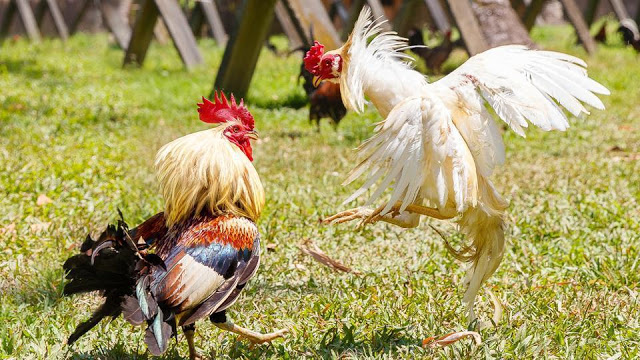
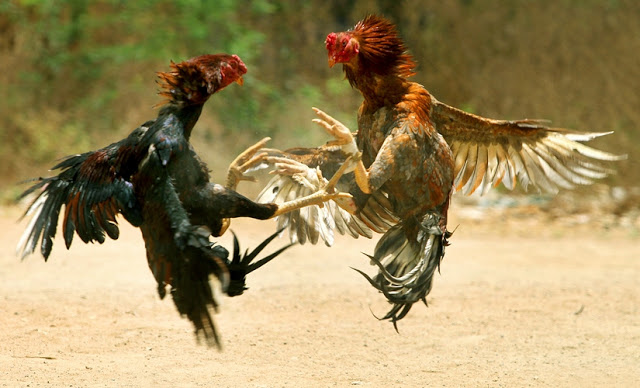
Nayukarulu did not like the division of the country. She challenged Mallideva and Brahma to a cock fight, the wager being that the defeated party should surrender all territory to the victor and live in the forest for seven years. In the contest Brahma’s cock was killed and he along with his master and his half brother retired to the forests in Nallagonda.

Harassed constantly by the agents of Nayakuralu , their life in exile was miserable. On the expiry of seven years , they returned and demanded the restoration of their territory. But Nayakuralu refused.  In the fight that ensued , Nayakuralu donned the armour and fought  at the head of her army, but was defeated and captured. The battle was a bloody one and all the half brothers of Nalagama perished. Brahma generously restored the whole kingdom to Nalagama.

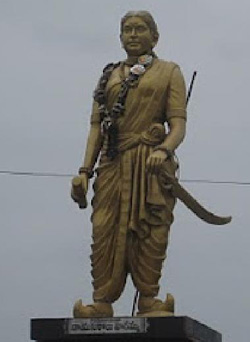
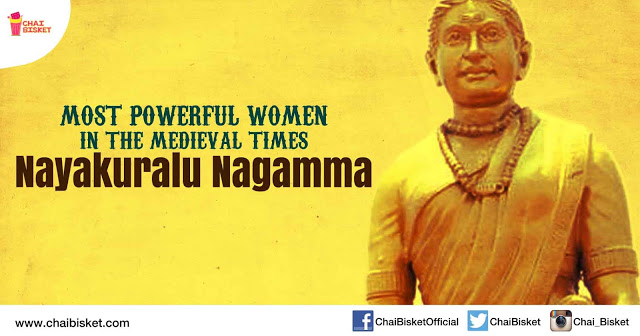
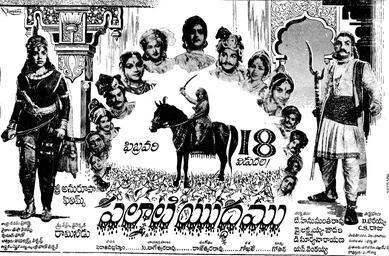
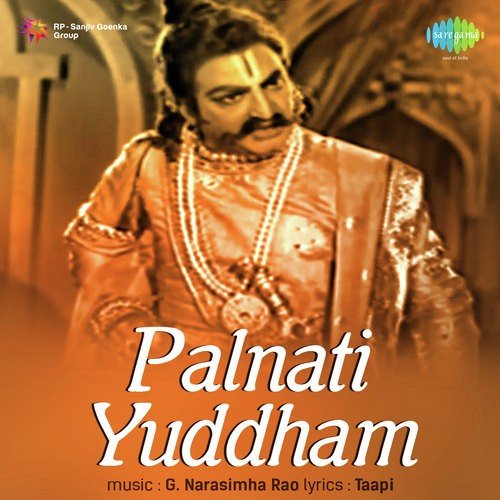
The battle she fought was known as Palnati Yuddham. Two films were taken based on this battle that happened approximately 1000 years ago. Now there is a statue for Nagamma in Dachepal in in Palnadu area of Guntur District.

Nayakuralu had a talent for intrigue and organisation, and her life of adventure was cast in a heroic mould.

Source book – Great Women of India, Advaita Ashrama, Mayavati, Year 1953

Tags- Nayakuralu, Nagamma, Palnadu, Cock fight, Palnati Yudhdham

–subham–
KANNAKI’S PRAISE FOR SEVEN GREAT TAMIL WOMEN! (Post No.7337)

WRITTEN BY London Swaminathan

swami_48@yahoo.com

Date: 13 DECEMBER 2019

 Time in London – 17-

Post No. 7337

Pictures are taken from various sources; beware of copyright rules; don’t use them without permission; this is a non- commercial, educational blog; posted in swamiindology.blogspot.com and tamilandvedas.com simultaneously. Average hits per day for both the blogs 12,000

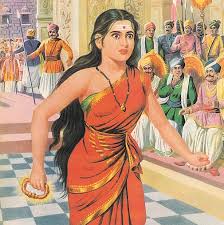
Mighty Chera King Senkuttuvan with Kannaki Statue

Kannaki and Kovaalan
angry Kannaki proved to the king that her husband is innocent

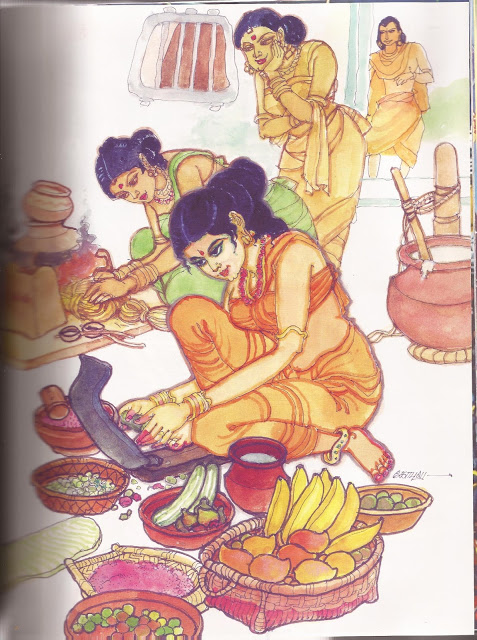
Kannaki cooking

VASTU 12 AND MANTRA 12 AND HERCULES 12 (Post No.7334)

WRITTEN BY LONDON SWAMINATHAN

swami_48@yahoo.com

Date: 12 DECEMBER 2019

 Time in London – 20-25

Post No. 7334

Pictures are taken from various sources; beware of copyright rules; don’t use them without permission; this is a non- commercial, educational blog; posted in swamiindology.blogspot.com and tamilandvedas.com simultaneously. Average hits per day for both the blogs 12,000

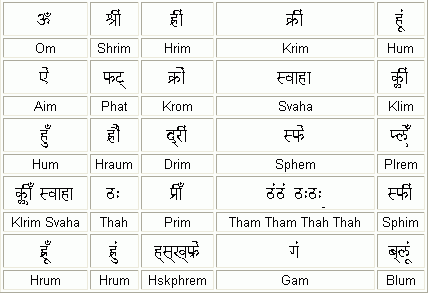
12 BHI JA MANTRAS AND THEIR DEITIES

AIM- SARASVATI

SRIM – LAKSHMI

HRIM – SURYA/ BHUVANESWARI

HRING- PARVATI

KLING – KAMA

LAM – BHUMA DEVI. MOTHER EARTH

HAUM- SADHASHIVA

TUM – DURGA

KRIM — KALI

HUM — SHIVA

GAM – GANESH

KSHRAUM – NARASIMHA

XXXX

12 Kinds Srardha in Bhavishya Purana–

Nitya, Naimittika, Kamya, Vruddi, Sapinda, Parvana, Goshti, Suddhi, Karmanga, Daivika, Yatra, Pushti

Xxx

Vastu Twelve Houses—

House – Source – Direction – Organ – Lord are given:–

First House – Water – East – Mouth – Sun

Second House – Place of Worship – Right eye – Jupiter

Third House – Place of worship – Arm – Ketu

Fourth House – Treasury – North – Heart – Mercury

Fifth House – Child Delivery – Knee – Moon

Sixth House – Right Foot

Seventh House – West – Genitals, Stomach –  Saturn

Eighth House – Left foot – Rahu

Ninth House – Toilet – Kidney, Knee

Tenth House – Bed room – South – Chest

Eleventh House – Kitchen – Left Arm – Venus

Twelfth House – Left eye

Xxx

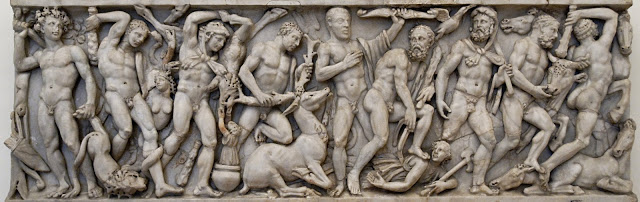
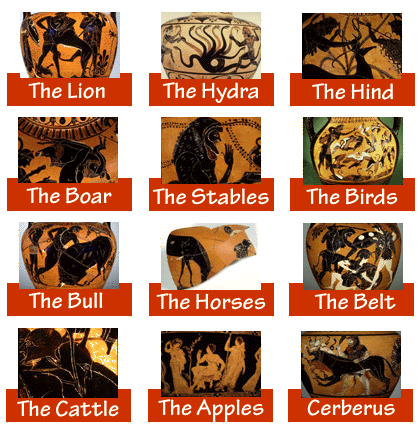
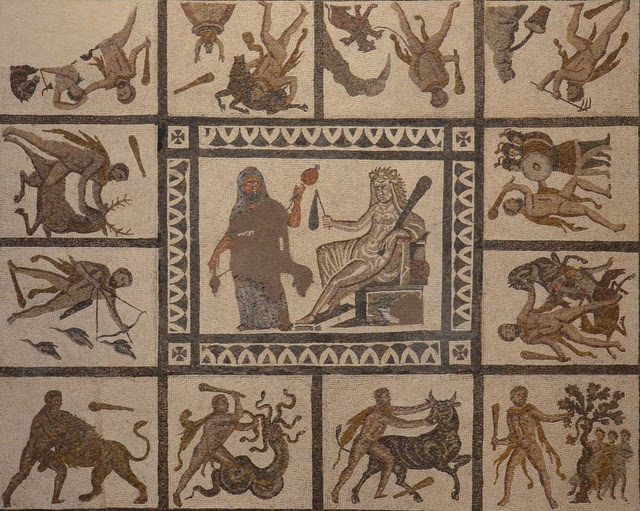
TWELVE LABOURS OF HERAKLES

Greek Hero Hercules ( Herakles) accomplished twelve labours when he was in the service of King Eurystheus of Tiryns; several of these resemble Lord Krishna’s Leelas :-

1.The Nemean Lion

Herakles was ordered to kill a lion which was terrorizing the Land of Nemea. No weapon could penetrate its hide. He used his club and killed it. He then skinned the lion with its own claws  and donned the pelt to render himself invulnerable.

2.The Lernean Hydra

He was sent to kill the nine headed snake or dragon Hydra in the swamp near Lerna When he chopped off one head two grew up. His Iolus helped him to kill it. It is similar to Kaliya mardhana of Lord Krishna.

3. The Cerynean Hind

Herakles was asked to capture this beast. It had golden horns and bronze hooves.  It was sacred to goddess Artemis. After a yeas chase he caught and injured it. To escape the goddess’ anger, he blamed King Eurystheus for its injury.

4.The Erymanthian Boar

The hero had to bring this monstrous boar back home. He captured it and sent to Tiryns. King Eurystheus was scared to look at it and so hid it in an urn.

5. The Augean Stables

Herakles was asked to clean the stables in one day.. he succeeded in cleaning it by diverting the rivers into stable. It is similar to Krishna lifting the Govardhana Giri.

6. The Stymphalian Birds

Heracles was ordered to get rid of the monstrous man eating birds with iron claws. They were living in Lake Stymphalos; He first scared them and shot one by one with his bow.

7.The Cretan Bull

Eurystheus sent Herakles to Crete island to capture a bull that was terrorizing the island. The hero caught the bull and took it to Greece.

8.The Mare of Diomedes

Diomedes , King of Bitones owned vicious mares and he fed them with the flesh of strangers. Herakles went to Thrace and killed Diomedes and fed the mares with his flesh. He tamed them and took them to his king.

9. The Girdle of Hippolyte

Hippolyte was the queen of Amazons, who wore a beautiful girdle. Herakles was sent to fetch it for Eurytheus’ daughter. He slew Hippolyte and took the girdle from her body

10.The Cattle of Geryon

Herakles borrowed the cu of Helios, the sun and sailed to Gerion beyond Spain. There he killed the three bodied monster.

11.The Apples of the Hesperides

Hesperides was the nymph who raised a tree with golden apples. Herakles killed the dragon called Ladon who guarded the tree. He took the golden apples.

12.The Descent to the Underworld

Cerberus was the three headed dog which guarded the gates of the underworld. Herakles after a great struggle dragged it to his king Eurystheus and then sent it back to the Underworld.

—subham—

Great Tamil Poetess -Nappasalai (Post No.7330)

WRITTEN BY  LONDON SWAMINATHAN

swami_48@yahoo.com

Date: 11 DECEMBER 2019

 Time in London – 19-29

Post No. 7330

Pictures are taken from various sources; beware of copyright rules; don’t use them without permission; this is a non- commercial, educational blog; posted in swamiindology.blogspot.com and tamilandvedas.com simultaneously. Average hits per day for both the blogs 12,000.

Tamil laymen knew about great Tamil poetesses Avvaiyar, Andal and Karaikkal Ammaiyar. But many people do not know about Sangam age women poets.

Nappashalai was one of the Sangam Age (Sangam age – first three centuries of modern era) Tamil poetesses. Her seven verses are in Purananuru of Sangam Age.

She was a native of Marokkam in south Pandya country.  Her odes were admired by all the kings f the day. There is much art in the following ode praising Killi Valavan’s generosity justice and might; she mentions the Sibi Chakravarthy Story from the Puranas. Several poets have pointed out that Cholas belong to Solar Race and  Sibi, Mandhata and others of Surya Kula are their forefathers. Here is her poem:-

Descendant of him who to save a dove from grief entered the balance… giving in grace was born with you, and is not your peculiar praise!

And when one ponders how your forefathers of ancient days destroyed the mighty fort suspended in the sky which foes dreaded to approach – to slay your foes is not your peculiar praise!

And since the council of Uraiyur , impregnable city of the valiant Cholas is the home of equity; Justice is not your peculiar praise!

Oh Valavan! Swift horsemen , whose stout arms are like fortress bars , whose wreaths attract every eye, how then shall I sing your praise?”

— Purananuru verse 39

Xxx

Napashalai’s ode on the death of Killi is marked by a quaintness of conceit in her address to Death:-

If in his mind against you he were  wroth

Or if in outward act he showed his rage,

Or if he touched you with afflictive hand ,

You could not have escaped, O Death!

You took great Valavan, entreating him,

Like minstrels, bowing low, with suppliant hand

Praising you did bear off his life,

Leader of hosts that crowd the glorious field,

Crowned with gold wreath, Lord of the mighty car.

Purananuru verse 226

Xxx

There is another lyric where she expresses pathos. She expressed grief at the destruction of the fair city of Karur by the impetuous  Chola king Killi Valavan.

You scion of the Chola Lord who saved

The dove from woe- chief of the wrathful hosts

Armed with gleaming darts that work havoc

As when a fiery dragon , angry, fierce,

Bearing five heads, with gleaming poisonous tooth,

Has entered the vast mountainous cavern, where

The golden creepers twine, and from the sky

Fire issues forth and loudest thunderbolt

You saw the lordly city old, whose king

Was circled round by girdled elephants

There in deep dark moat alligators congregate

In the wide waters of guarded lake

Are crocodiles that fierce in fight

Dart forth to catch the shadows cast

By gleam of watchman’s torch at midnight hour.

Its walls like burnished copper shone.

This seemed not fair to your eyes; for you did

Work destruction mightily, glorious king!-

Purananuru verse 37

Translations of odes by  P T S Aiyangar, G U Pope and Kanakasabhai

–subham–
HINDU ASTROLOGY IN BABYLONIA! (Post No.7326)

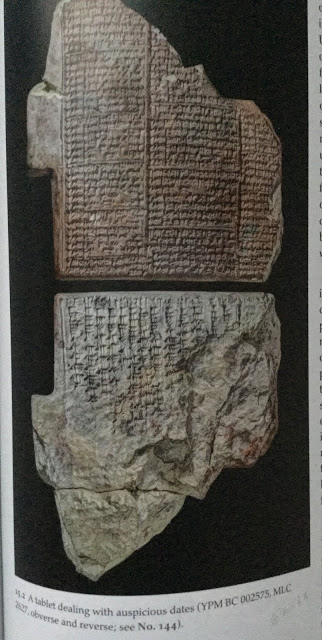
clay tablet with auspicious days

WRITTEN BY  London Swaminathan

swami_48@yahoo.com

Date: 10 DECEMBER 2019

 Time in London – 18-52

Post No. 7326

Pictures are taken from various sources; beware of copyright rules; don’t use them without permission; this is a non- commercial, educational blog; posted in swamiindology.blogspot.com and tamilandvedas.com simultaneously. Average hits per day for both the blogs 12,000

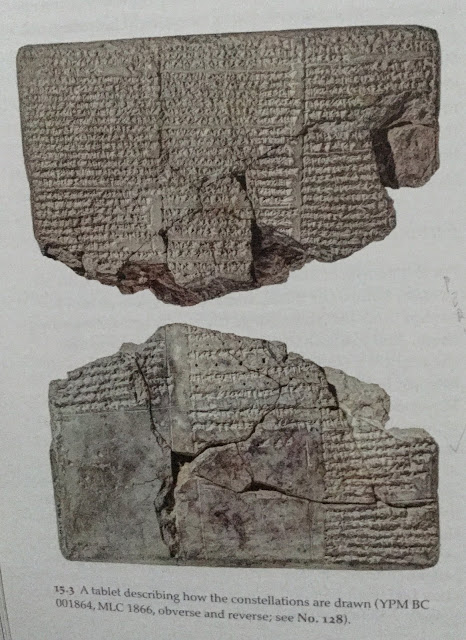
constellation maps

‘Ancient Mesopotamia Speaks’ is a latest book (year 2019) on Babylonia. It is published by Peabody Museum of Natural History, Yale University. The Yale Babylonian collection with more than 40,000 clay tablets and seals is one of the most important repositories of Mesopotamian artefacts in the world.

The Mesopotamian writing system, known as Cuneiform, was invented in southern Iraq around 3500 BCE and remained in use for 3500 years. Scholars in the Western world believe that everything we have today came to us via Greece. Greeks took it from Babylonia and spread it to other parts of the world. Early Indian scholars also wrote that astronomy and astrology came to  Hindus from the Greeks. The blunder that they made was that they thought Vedic civilization came after Babylonian. But Hindus strongly believe that Vedas and other texts were from Pre Kaliyuga period. According to them Kaliyuga began in 3102 BCE. And this belief has been there for at least 1500 years according to archaeological evidence. According to Aihole inscription and Parthivasekara pura Tamil inscription Hindu dating of Kaliyuga and Vedas was correct.

Very interesting similarities are seen between the Hindus and Babylonians with regard to Time, Calendar and Almanac. I have found the following similarities in the book:

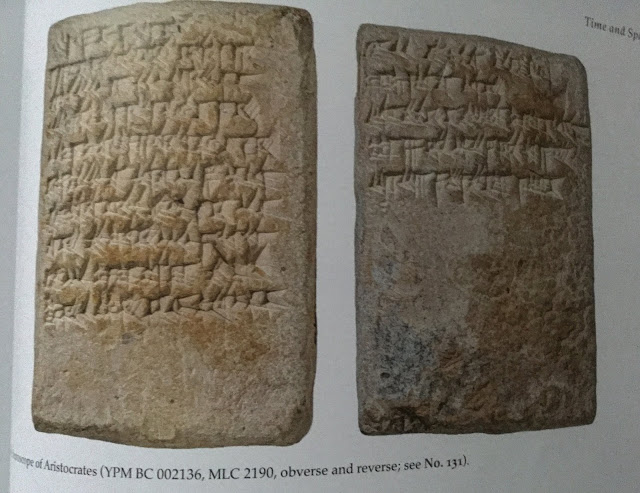
 horoscope of Aristocrates

1.Following Luni-Solar calendar for celebrating festivals; for instance Hindus celebrate some festivals on the basis of cycle of moon and others on the cycle of Sun. Babylonians did the same.

2.Because of the 11+ days of difference between the two cycles, an Intercalary Months was inserted every third year as the unlucky 13th month. Vedic scholars also did this and called it impure/dirty month (Mala Maatha). That is why 13 is considered impure, un lucky.

3.Horoscope writing was followed by both the cultures

4. Marking favourable and unfavourable days i.e. Auspicious and Inauspicious (Subha and Asubha Dinas)

5.Good days to make medicines and to take medicines. What part of the body is controlled by which zodiac sign. Though we have lots of things about these in Sanskrit scriptures, scholars believe that we borrowed them from the Babylonians through Greeks.

6.Movement of Venus and its effects on us. Hindu astrology linked movement of Venus and Jupiter with drought and harvest.

7.Even 2000 year old Tamil Sangam literature has hundreds of astrological and astronomical remarks in Tamil verses.

Following statements in the book are interesting: –

“Babylonians had astronomical diaries marking the movements of celestial things on day today basis. Akkadian language mentioned them as ‘regular watching’.

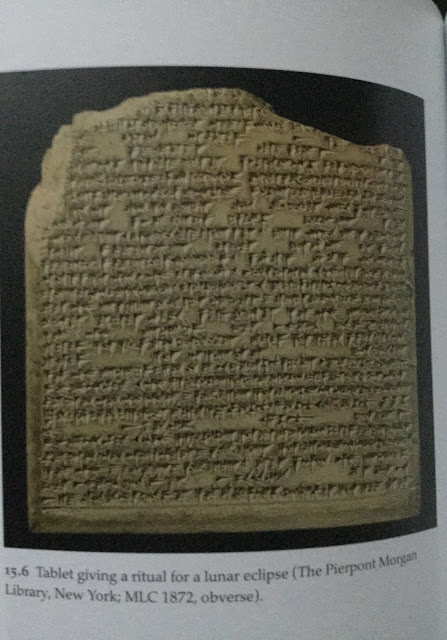
lunar eclipse rituals 

Celestial divination is known to have been practised in Mesopotamia already in early second millennium BCE . The late first millennium BCE saw many significant developments in astrology, including schemes linking astronomical phenomena to the rise and fall of business. They applied astrology to medicine including associating signs of the zodiac to a wide range of aspects of life. In particular, we find an increasing interest in applying astrology to medicine , including associating signs of the zodiac with different parts of the body.

The most significant development within astrology, however, was casing the horoscope of a new born child. One of these horoscopes reads-

“Year 77 (of the Seleucid Era), on the fourth of the month of Simanu, in the morning of the fifth, Aristocrates was born. That day the moon was in Leo, the sun was in 12;30Gemini. (..) The place of Jupiter (his life) will be prosperous, at peace; wealth will be long lasting. Venus was in 4 degree Taurus. The place of Venus; he will find favour wherever he goes. He will have sons and daughters.”

Seleucid era began in 312 BCE.

My comments

This is how Hindu astrologers write horoscopes till this day. Seleucus Nicator was a commander in Alexander’s army and he occupied parts of Alexander’s territories after his death. When Selecus invaded India he was defeated by the mighty Hindu army of Mauryas and he made peace with Chandragupta Maurya by giving his daughter in marriage to him. So he might have taken this horoscope writing to Babylonia and not vice versa. Even the 12 zodiac sign system came to Babylonia very late. This also may be the contribution of Hindus. Before that they had some zodiac signs and not all the 12. Greeks spread it to the Western world.

–subham–
GREATNESS OF NUMBER TWELVE (Post No.7321)

HEBREW MONTHS

WRITTEN BY LONDON SWAMINATHAN

swami_48@yahoo.com

Date: 9 DECEMBER 2019

 Time in London – 16-08
Post No. 7321

Pictures are taken from various sources; beware of copyright rules; don’t use them without permission; this is a non- commercial, educational blog; posted in swamiindology.blogspot.com and tamilandvedas.com simultaneously. Average hits per day for both the blogs 12,000

TWELVE is a number of great importance. 12 signs of zodiac, 12 months in the caledars of different cultures, 12 acts of Hercules, 12 tribes of Israel, 12 Apostles of Jesus are all well known.

From the fifth century BCE onward there were 12 Gods in Greek pantheon:-Zeus, Hera, Poseidon, Demeter, Apollo, Artemis, Ares, Aphrodite, Hermes, Athena, Hephaestus and Hestia. I Athens the altar was sacred to the Twelve.

NUMBER 11 TO 13

Following are more significant 12s:–

TWELVE VAISHNAVITE SAINTS OF TAMILNADU

Poikai Alvar

Pey Alvar

Bhootat Alvar

Tiruppan Alvar

Tirumalisai Alvar

Peria Alvar

Andal

Nammalvar

Madhurakavi Alvar

Kulasekara Alvar

Tondaradipodi Alvar

Tirumangai Alvar

Xxxx

TWELVE JYOTIRLINAMS ( 12 GREAT SIVA TEMPLES)

  
  1. Mallikarjunam in Srisailam, Andhra Pradesh
  2. Mahakalam in Ujjain, Madhya Pradesh
  3. Kusmesam near Aurangabad, Maharashtra
  4. Omkareswar in Omkaram on Narmadha, Indore (M.P)
  5. Vaidhyanatham in  Bihar
  6. Bimasankaram in Maharashtra
  7. Trayambakeswar in Maharashtra
  8. Kedarnath in Uttar Pradesh
  9. Visveswar in Benares, Uttar Pradesh
  10. Rameswaram in Tamilnadu
  11. Nagesam in Dwaraka, Gujarat

12.Somanatham in Saurastra, Gujarat

12 JYOTIR LINGAMS

Xxx

TWELVE ZODIAC SIGNS (RASIS) & THEIR ATTRIBUTES

Mesha-Aries

Rishaba-Taurus

Mithuna-Gemini

Kataka-Cancer

Simha-Leo

Kanya-Virgo

Tula-Libra

Vrischika-Scorpion

Dhanur-Sagittarius

Makara-Capricorn

Kumbha-Aquarius

Meenam-Pisces

xxxx

COPTIC MONTHS

TWELVE MONTHS OF HINDU CALENDAR

Chitra- Chaitram-April

Vaikasi- Vaisakam-May

Ani-Jyesta- June

Adi-Ashada- July

Avani-Sravana- August

Purattasi-Bhadrapada- September

Aippasi-Asvina- October

Karthigai-Kartika- November

Markali- Agrahayana/Margashirsam- December

Thai- Pausa/Pushya- January

Masi- Magam- February

Panguni- Phalguna- March

Tamil month begins in the middle of English month and finish in the middle of following month. For instance April 14th is the first day of the Tamil month Chitra.

Badi or Krishna Paksha- Fortnight of the waning moon

Sudi or Sukla Paksha- Fortnight of the waxing moon

BABYLONIAN AND ASSYRIAN MONTHS
SUMERIAN MONTHS

Xxxx

 TWELVE YEAR HINDU FESTIVALS

Kumbhamela –When the planet Jupiter enters Kumbha Rasi (Jupiter in Aquarius)

At the confluence of Ganga, Yamuna and invisible Saraswati at Prayag (Allahabad in Uttar Pradesh)

Mahamaham- When the planet Jupiter (Guru) enters Simha Rasi (In Leo)

At the Mahamaham Tank in Kumbakonam in Tamilnadu

Kurinji flower favourite of Lord Muruga also blooms once in 12 years.

Mahamastabisheka- Ritual bath of Jain saint Gomateswara statue in Sravanabelagola in Karnataka

Xxxx

TAMIL AND SANSKRIT MONTH NAMES

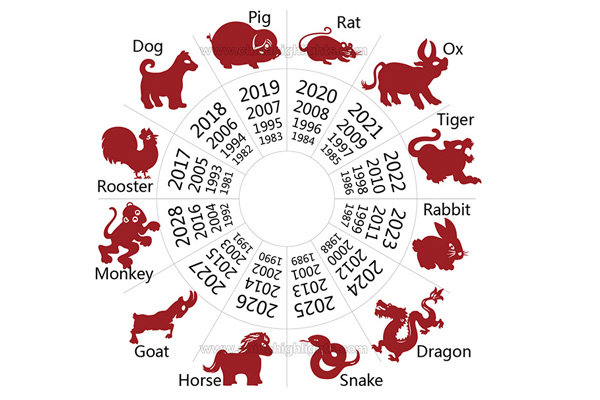
CHINESE 2 YEARS

 TWELVE SUNS (DVADASA ADITYA)

Amsu, Datta, Aryaman, Indra, Vivasva, Bahan, Paranjayan, Tvasta, Mitra, Vishnu, Varunan, Pusan


ISLAMIC CALENDAR
12 ZODIAC SIGNS

Xxx

To be continued……………………….

HINDU ZODIAC

Golf Anecdotes (Post No.7304)

Compiled  by london Saminathan

swami_48@yahoo.com

Date: 5 DECEMBER 2019

 Time in London – 18-49

Post No. 7304

Pictures are taken from various sources; beware of copyright rules; don’t use them without permission; this is a non- commercial, educational blog; posted in swamiindology.blogspot.com and tamilandvedas.com simultaneously. Average hits per day for both the blogs 12,000.

Golf stroke and Real stroke


Don Marquis, author and playwright, once had a bet on with an expert golfer. The stakes were five dollars a hole and in the bargain, Don Marquis gave the expert two strokes.
Before starting the game, the expert turned to Marquis just before teeing off for his first drive, and said,
“Now where do I get my two strokes?
I don’t care where you take the second, said don Marquis ,but the first has to be a stroke of apoplexy.”
(Apoplexy is incapacity or unconsciousness due to stroke.)
Xxx

Burying in the Hole


A certain priest was chagrined by the fact that one of his friends and golfing companions invariably beat him. His companion, an older man, said, “Don’t take it too hard. You win in the end. You will probably burying me one of these days” .
“I know, said the preacher, but even then it will be your hole”.

(Hole is a pun here)
Xxx


Golfers are fanatics


Real devotees of the game of golf are fanatics of a peculiar breed. There was the case of such a man, who returned home after a long day on the links. His wife greeted him, a, while observed that their young son, William, had come in only a moment before.
He says he has been caddying for you all day.
“Is that so?” Replied the sportsman
“Somehow, I thought that boy seemed mighty familiar”.

(Caddie in golf means a helper)
Xxxx

Judge and Golf are poles apart


The late Justice Mc Kenna, of the United states Supreme Court, was an earnest but poor golfer. Deciding that his game might be improved, he hired an instructor to teach him the finer points.
One day while practicing on a golf course near Washington, he missed, teeing off. He tried three or four times, but each time his club hit several inches behind the ball. His instructor watched silently. Finally, the justice, becoming disgusted, glared at the still stationary ball and muttered,
“Tut tut”
Gravely the instructor walked towards him,
“Sir, he said, you will never learn to play golf with them words”.


Xxx Subham xxx

–subham–