ரமண பக்தையைக் காத்த நாகம்! (Post No.5337)

Written by S Nagarajan

Date: 19 August 2018


Time uploaded in London – 6-17 AM  (British Summer Time)


Post No. 5337


Pictures shown here are taken from various sources including google, Wikipedia, Facebook friends and newspapers. This is a non- commercial blog.


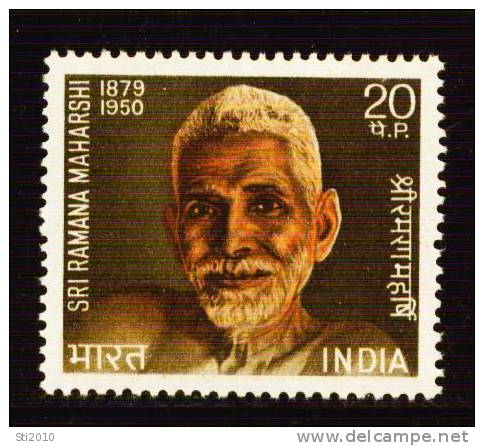
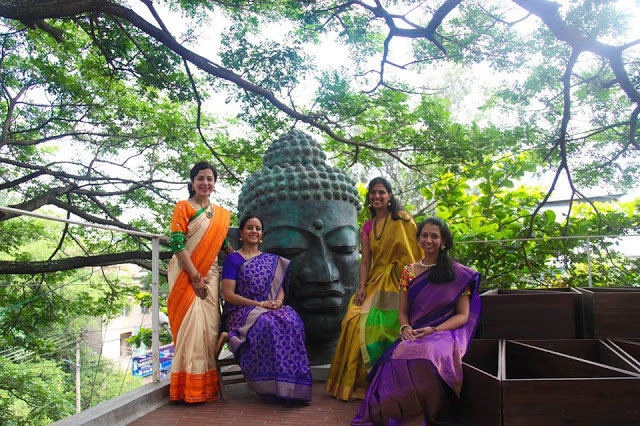
ரமண பக்தை மா பிரோஜா தலயார்கானைக் காத்த நாகம்!


ச.நாகராஜன்


பகவான் ப்ரியா மா பிரோஜா தலயார்கான் (Ma Firoza Taleyarkhan 1898-1984) மிக மிக செல்வச் செழிப்புடைய பார்ஸி குடும்பத்தில் பிறந்தவர்.


ரமணரை அடைக்கலம் புகுந்து திருவண்ணாமலையில் வாழ்ந்த அவரது சரித்திரம் மிக சுவையான ஒன்று.

ஏராளமான அனுபவங்களை அவர் தொகுத்து எழுதியுள்ளார். அதில் ஒன்று தான் அவரை நாகம் காத்து வந்ததை பகவான் சுட்டிக் காட்டிய சம்பவம்.

ஆண்டு 1945. ஒரு நாள் அலஹாபாத்தில் பேராசிரியராக வேலை பார்த்து வந்தவரும் சிறந்த ரமண பக்தருமான டாக்டர் சையத்தின் மனைவியும் சூனா என்பவரும் திருமதி தலயார்கானின் வீட்டிற்கு வந்து பேசிக் கொண்டிருந்தனர்.

மெக்காவில் உள்ள கபாலாவை (Kharbala) பற்றி திருமதி சையத் விவரித்துக் கொண்டிருந்தார். சமீபத்தில் தான் அவர் மெக்கா சென்று திரும்பியிருந்தார்.


திருமதி தலயார்கானின் எதிர்புறத்தில் உட்கார்ந்து பேசிக் கொண்டிருந்த அவர்கள் திடீரென்று அவரை விசித்திரமாகப் பார்த்தனர்.


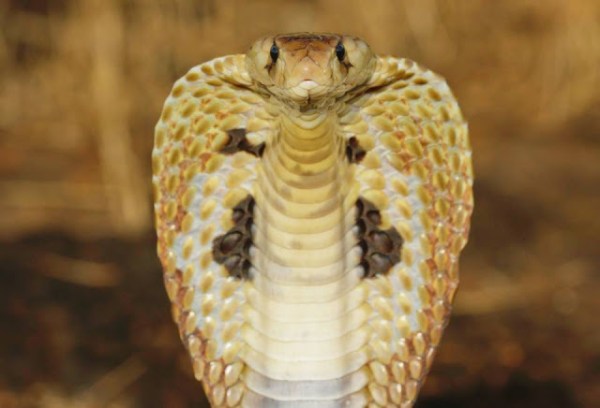
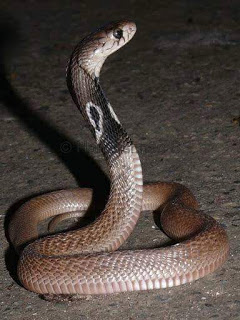
திடீரென்று அவர்கள், “உங்களுக்குப் பின்னால் பாம்பு இருக்கிறது, ஜாக்கிரதை” என்று அவர்கள் கத்தினர். உண்மையில் அவருக்குப் பின்னால் ஒரு பாம்பு படம் விரித்துக் கொண்டு நின்றிருந்தது.

தலையை மெதுவாகத் திரும்பிப் பார்த்தார் அவர். பாம்பு அவரை தீண்டி இருக்கக் கூடும். ஆனால் அது மெதுவாக நாற்காலியிலிருந்து இறங்கி வெளியே ஊர்ந்து சென்றது. தோட்டக்காரரைக் கூப்பிட்ட திருமதி தலயார்கான் அந்தப் பாம்பைக் கொல்ல வேண்டாம் என்று உத்தரவிட்டார். பாம்பு பாம்பு என்ற சத்தத்தால் அந்த இடம் சற்று களேபரமானது.

திருமதி தலயார்கானுக்கு அண்டை வீட்டில் வசித்து வந்த ராஜகோபாலய்யங்கார் அப்போது தான்  ஆசிரமத்திலிருந்து வந்து கொண்டிருந்தார். ராஜகோபாலய்யங்கார் பகவானை அருகிலிருந்து கவனித்து வந்த பகவானின் அணுக்கத் தொண்டர்.

சத்தம் கேட்டு அவர் ஓடி வந்தார்.

திருமதி தலயார்கானைப் பார்க்க வந்திருந்த இரு பெண்மணிகளும் நடந்த விஷயத்தைப் பரபரப்புடன் ராஜகோபாலய்யங்காருக்கு விளக்கினர்.

அவர் திருமதி தலயார்கானை நோக்கி, “பாம்பை அடித்துக் கொன்று விட்டீர்களா?” என்று கேட்டார்.

அதைத் தன்னால் நினைத்துக் கூடப் பார்க்க முடியாது என்று பதில் அளித்தார் அவர்.


அவர் உடனடியாக ஓடோடிச் சென்று பகவான் ரமணரிடம் நடந்த விஷயத்தை விவரித்தார்.


பகவானின் முதல் கேள்வி பாம்பை தலயார்கான் அடித்துக் கொன்று விட்டாரா என்பது பற்றித் தான்.


இல்லை என்ற பதில் வந்ததும் அதைக் கேட்டு மகிழ்ச்சி அடைந்தார் பகவான் ரமணர்.


“நல்லது” என்ற அவர், அந்த பாம்பு தான் அவரைப் பாதுகாத்து வரும் நாகம் என்றார்.

ஒரு நாள் காலை திருமதி தலயார்கான் படுக்கையிலிருந்து எழுந்த போது அவர் பிரார்த்தனை செய்யும் மேஜைக்கு அருகில் ஒரு பாம்பின் ஒரு பெரிய தோல் உரிக்கப்பட்டு கிடந்ததைக் கண்டார்.

அவர் தூங்கிக் கொண்டிருந்த போது திறந்திருக்கும் ஜன்னல் வழியாக உள்ளே அது வந்திருக்கக் கூடும்!

வெல்லூர் மாவட்ட நீதிபதியாக அப்போது இருந்த அனந்தநாராயணன் (பின்னால் மதராஸ் ஹை கோர்ட் நீதிபதியாக இருந்தவர்) இந்தச் சம்பவத்தைக் கேட்டு முதலில் இதை நம்பவில்லை.


ஆனால் அடுத்த நாள் காலை உணவருந்திய பின்னர் இருவரும்  வீட்டின் வாசலில் கைகளை அலம்பிக் கொண்டிருந்த போது அவரே அந்த நாகம் ஊர்ந்து செல்வதைப் பார்த்தார்.

முதலில் நம்பாதவர் இப்போது அதிசயப்பட்டு முழு விஷயத்தையும் நம்பினார்.


அந்த நாகத்தைப் பற்றிய உண்மையை பகவான் விளக்கியதால் அதைப் பற்றிய பயம் இல்லாமல் மா தலயார்கான் வாழ்ந்து வந்தார்.


இப்படிப் பல சம்பவங்கள் அவரது வாழ்க்கையில்  நிகழ்ந்துள்ளன. பகவானின் அருளுக்குப் பாத்திரமான அவர் தனது சுவையான அனுபவங்களை Sages, Saints and Arunachala Ramana என்ற நூலில் விவரித்துள்ளார்.

****


More About Rig Vedic Kings : Nine Interesting Points (Post No.5336)

Research Article Written by London swaminathan

Date: 18 August 2018


Time uploaded in London – 21-17  (British Summer Time)


Post No. 5336


Pictures shown here are taken from various sources including google, Wikipedia, Facebook friends and newspapers. This is a non- commercial blog.


Kings and Queens of Rig Veda

I am just updating my previous post with the following new information:

So far my research has revealed More Interesting Information

1.We have Sumerian and Iranian names in the Rig Veda.

2.Sindhudvipa (name of a seer) is a very interesting name, meaning king of Indus valley . This links Rig Veda with the Indus Valley Civilization. The follow up is in Mahabharata- Jayadratha of Sindhudesa (3100 BCE)

3.Another interesting name is Pratardhana (1380 BCE) . This name is found in Vishnu Sahasranama and Mitanni Civilization (1380 BCE inscription). Mitanni King is not the Rig Vedic king who is very old. But the interesting fact is that the Rig Vedic name has travelled up to Turkey.

4.Revolutionary Naabhananethista is a very interesting name for several reasons; the name itself is strange; more linked to Sumerian sound; another reason is Hindu scriptures say that he revolted against the family and so his father Manu and brothers did not allot him a share in the property; He is like Akhenaten of Egypt. In Sumerian/ Assyria another king with similar name revolted against the formal religion and introduced new god like Akhenaten. So this revolutionary Nabananedisthta needs further research.

  1. I have already discussed Sumuka which is found only in Manu Smrti and Sumerian literature Nowhere else!
  2. Dumuzi/ Sammata/ Fish God mystery is also discussed already (please look at the bottom for links)

7.There is another interesting detail added by P L Bhargava: King’s younger brother and some Vaisyas become Brahmins by becoming Rishis. We see such a thing in Ilanko of Tamil literature and other Puranas.

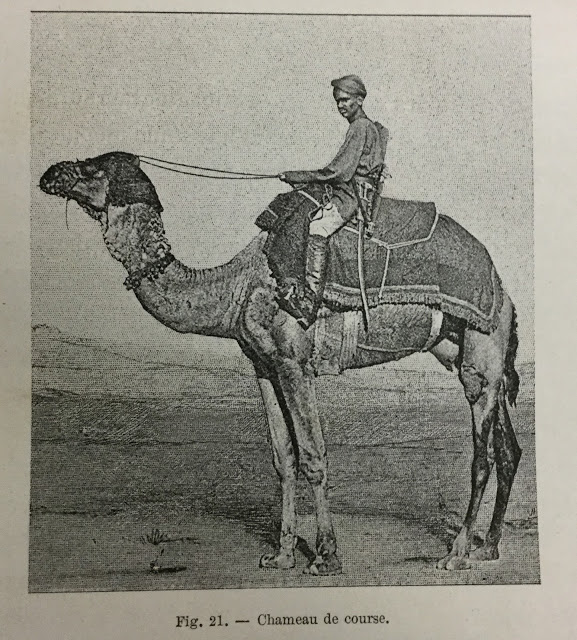
8.Iranian King Balbhutha figures in the Eighth Mandala of Rig Veda where Camel Dana and Cow Dana are described. The Rig Veda covers a vast area from Iran to Gangetic Plains. It also covers Pakistan, Afghanistan, Turkey, Mesopotamia (Iraq, Middle Eastern Countries) and China.

9.The word ‘Anasa’ (snub nosed or no nose people) are described in the Rig Veda. They belong to Mongoloid race of China, Tibet, Mongolia etc. Foreigners deliberately invented Aryan- Dravidian division and dubbed ‘Anasa’ as Dravidians and distorted Hindu history. Likewise Dasa/slave is found in Greece as well.
 

Following is from P L Bhargava Book:–


“Younger brothers of kings became seers ( Rishis)  and they founded Brahmin families.

In Tamil literature we see Ilango, younger brother of mighty Chera king Cheran Senguttuvan, became an ascetic and composed Tamil epic Silppadikaram.

Among early kings, Manu, Saryaata, Puruuruvas, Nahusha, Yayaati and Puuru were hymn makers. Among Aikshvaakus, Maandhaatri, Trasadasyu, Vasumanas, Tryaruna and Sindhudvipa were composers of hymns.

Among Pauravas, Suhotra, Ajamiidha, Pratardana, Mudgala, Kusika, Gaathin, and Sudaas were authors of hymns. Among AanavasSivi and among Yaadavas Viitahavya were makers of hymns.

 
Among Vaisyas or commoners, there were three well known hymn makers, viz.,Manu Savarni, Naabhaanedishtha, and Vatsapri. They all became Aatreya Brahmins.
Among ladies to whom hymns of the Rig Veda are ascribed the most celebrated were Urvasii, Lopaamudraa, Visvavaaraa, Apaalaa and Ghoshaa. Urvasi was wife of king Puruuruvas and Lopaamudraa was wife of Agastya (This shows Rig Veda knew Vidarbha area. Lopamudra was the princess of Vidarbha; Agastya came to South Tamil Nadu) . They are perhaps the heroines rather than the authors of the hymns ascribed to them. The other three, however, appear to have actually composed the hymns attributed to them. Visvavaaraa and Apaalaa were of the Atreya family. Ghoshaa was the daughter of king Kakshiivant and expressly calls herself a ‘kings daughter ‘.

Source India in the Vedic Age PL Bhargava, Jaipur, 1956

xxx
 

160 Kings in Rig Veda!

posted on 23 Nov.2014


Bharata Dynasty in the Rig-Veda:–

1.Bharata
2.Devavaata
3.Srnjaya
4.Vadhryasva
5.Divodaasa
6.Pratardana
7.Pijavana
8.Devasravas
9.Sudaas
10.Sahadeva
11.Somaka

Trksi Dynasty

1.Mandhata
2.Purukutsa
3.Trasadasyu
4.Trasadasyu Purukutsa
5.Trasadasyava
A
ABHYAVARTIN, AJAS, ALINAS, AMBARISHA, ANAVA, ANHASA, ANU, API, AVLAN, AYU
B
BALBHUTHA, BHAGERATHA, BHALANAS, BHAYAMANA, BHEDA, BOJA
C
CHAIDYA, CHAYAMANA, CHEDI, CHITRARATHA
D
DARBHYA, DASHADYU, DASARAJA, DASONI, DEVAVAN, DEVAVRATA, DHVANYA,DHVASARI, DIRGANITHA, DROPKRISHNA, DRUH, DRUHYU, DUHASU,DUHSIMA, DURGAHA, DYOTANA
E
EMUSHA
G
GAIRIKSHITA
H
HARAYANA, HARISCHANDRA
I
IKSHVAKU, ISHTAHWA


K
KAKUHA, KASU, KARURAYAN, KIKATA,KSHABAVAN, KSHATRASRI, KUNDAPAVYU, KURUNGA
L
LAKSHMANA
M
MANYAMANA, MAYAVA, MITRATHITHI, MITRAYU INDROTA
N
NAHUS, NAHUSHA, NAM, NARMARA, NINDITASVA, NITOSHA
P
PAIJAVANA, PAKASTHAMAN, PAKTHA, PARAMJAYA, PARSU, PASADHYUMNA
PERUK, PITHINAS, PLAYOGA, PORUKUTSA, PRADAKUSANU, PRAMAGANDA
PRAJAPATHI, PRASTOKA, PRATARDHANA, PRATARDAS, PRATHAVANA
PRATHUSRAVAS, PRISHADVANA, PURAJA, PURAYA, PURODAS, PURU
PURUKUTSA, PURUPANTHA

R
RAMA, RATHAHAVYA, RATAVITI, RATHAPROSTHAS, RIJIASVA
RIKSA, RUMA, RUNACHAYA

S
SAHADEVA, SAHAVASU, SANDA, SANTANU, SAPYANAMI, SATRI, SAVISTHA
SIGRUS, SINJARA, SIVAS, SMADIBHA, SOBHARI, SOUDASA, SRINGAVRISHA
SRINJAYA, SRUTARATHA, SRUTARVA, SUDASA, SUNITHA, SURADEVA,
SURADHAS, SUSAMAN, SUSHRAVAS, SVANA DRATHA, SVARNARA,SVASNA
SVAITREYA, SYAVAKA, SYAVATANA
 

T
TARANTA, TARUKSHA, TIRINDRA, TRAITANA, TRIKSHI, TRISKY, TUGRA, TUJI, TURVAYANA
TUTUJI
U
UKSANYAYANA, UPAMASRAVASA, USINARANI
V
VAIDADASVI, VAIKARANA, VAITARANA, VAMRAKA, VARASIKA, VAYATA
VAYYA, VESA, VETASU,VIBINDHU, VIDATHIN, VIRKA, VISANINS,VISVAMITRA
VRICHIVAN, VRISHAKAPI

Y
YADU, YAKSUS, YAYATI
YUDHYAMADHI

  1. Vedic Kings | Tamil and Vedas

tamilandvedas.com/tag/vedic-kings

Posts about Vedic Kings written by Tamil and Vedas. … Egyptian King and Rig Vedic King. … //tamilandvedas.com/2014/11/23/160-kings-in-rig-veda/

  1. Rig Vedic King and Sumerian King 2600 BCE! | Tamil and Vedas

tamilandvedas.com/2014/11/14/rig-vedic-king-and…

Rig Vedic King and Sumerian King … So there is confusion about who did what.Indra in the RigVeda is a god as well as a title … //tamilandvedas.com/2014/11/14 …
Sumukan | Tamil and Vedas

tamilandvedas.com/tag/sumukan

Posts about Sumukan written by Tamil and Vedas. about; Fatness Anecdotes (Post No.3526) … (for old articles go to tamilandvedas.com OR swamiindology.blogspot.com)


CAMEL MYSTERY IN SANSKRIT AND TAMIL … – tamilandvedas.com

tamilandvedas.com/2018/08/05/camel-mystery-in…

RESEARCH ARTICLE Written by London swaminathan Date: 5 August 2018 Time uploaded in London – 15-47 (British Summer Time) Post No. 5291 Pictures shown here are …


-subham-
Hindu Fables and Mathew Arnold! (Post No.5335)

Written by London swaminathan

Date: 18 August 2018


Time uploaded in London – `17-08  (British Summer Time)


Post No. 5335


Pictures shown here are taken from various sources including google, Wikipedia, Facebook friends and newspapers. This is a non- commercial blog.


Hitopadesa owing to its intrinsic merit, is one of the most popular works in Sanskrit literature. The following stanzas dealing with the transitoriness of human life near the end of Book IV have a peculiar pensive beauty of their own:-

 
As on the mighty oceans waves
Two floating logs together come
And having met for ever part:
So briefly joined are living things

These lines are the source of Mathew Arnold’s beautiful lines in his poem The Terrace at Berne:-


Like driftwood spars which meet and pass

Upon the boundless ocean-plain,

So on the sea of life, alas!

Man nears man, meets, and leaves again.


I knew it when my life was young,

I feel it still, now youth is o’er!

The mists are on the mountains hung,

And Marguerite I shall see no more.

Source— page 159, Is Hindu A Superior reality


It is an example for Great Men think Like!


Nachinarkiniar, the greatest of the Tamil commentators, who, following the example of  Adi Shankara, wrote a number of commentaries on almost all the books of Tamil Sangam period, also used this drifting wood imagery. He compares two woods with holes in two different oceans coming together and joining and fixing. This is like the probability theory.


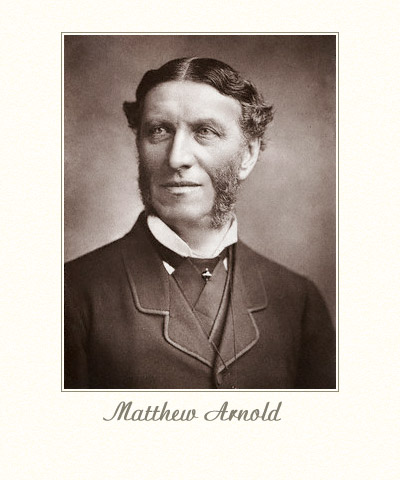
Now look at the life history of Mathew Arnold


Mathew Arnold
English poet and critic
Born on December 24,1822
Died on April 15, 1888
Age at death 65

Publications

1849 The Strayed Reveller
1852 Empedocles on Etna
1853 Poems
1861 On Translating Homer
1865 Essays in Criticism first series
1867 New Poems
1869 Culture and Anarchy
1871 Friendship’s Garland
1875 God and The Bible
1888 Essays in Criticism, second series

Mathew Arnold was a leading Victorian poet and critic who believed art served a moral purpose.


Arnold was born near London and went to Rugby school. His father, Thomas Arnold, the school principal, was famous for reforming teaching on firm Christian lines. Arnold studied at Oxford university and at 28, he became an inspector of schools, a post he held until retiring 35 years later. Also at 25, he married Frances Wightman. They lived at Laleham near London. Sadly, three out of their six children only outlived their father.

Mathew Arnold was 26 when his first book of poetry appeared. The Strayed Leveller was surprisingly gloomy and thoughtful from a man his friends had believed not to be serious. He wrote in an age when people were losing their religious beliefs and wondering what really mattered in life. Many of Arnold s verses are about people feeling lonely and confused. His longest and may be best poem Empedocles on Etna tells of an Ancient Greek philosopher driven by self-doubt to suicide. Arnold used such character s to explore his own fears and uncertainties.

Between the ages of 34 and 44 Arnold held the mainly unpaid post of professor of poetry at Oxford university. He wrote critical essays that praise Ancient Greek and Roman authors and proclaim the noble purpose of art. In Culture and Anarchy, he argued that culture could save society from depending on material possessions for happiness. In Essays in Criticism he argued for poetry to replace religion as the way to show people how to lead a good life.

Xxxx Subham xxxxx

ஆடை இல்லாதவன் ஊரில் கோவணம் கட்டியவன் பைத்தியக்காரன் (Post No.5334)

Written by London swaminathan

Date: 18 August 2018


Time uploaded in London – 7-30 AM  (British Summer Time)


Post No. 5334


Pictures shown here are taken from various sources including google, Wikipedia, Facebook friends and newspapers. This is a non- commercial blog.


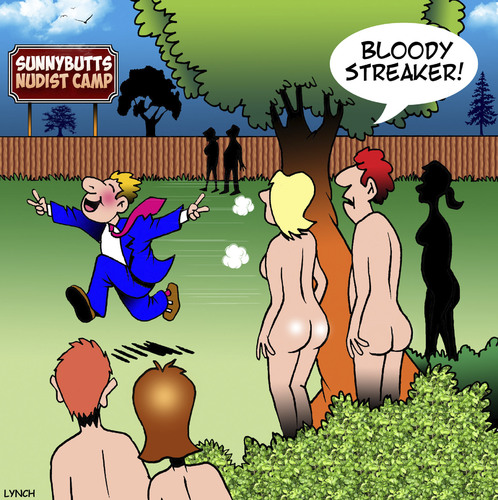
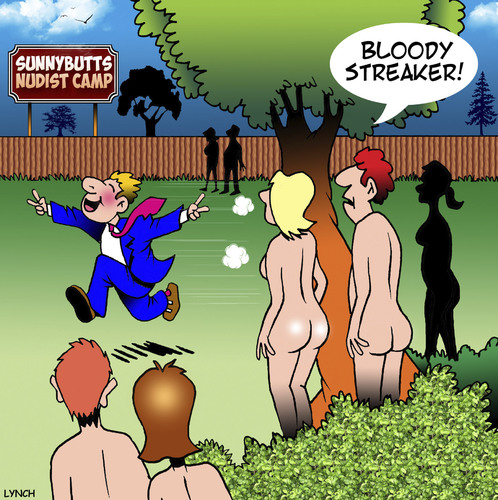
‘ஆடை இல்லாத ஊரில் கோவணம் கட்டியவன் பைத்தியக்காரன்’ என்பது பழமொழி. இதற்கு சரியான உதாரணம் ஒரு பிரபல பேச்சாளரின் வாழ்வில் நடந்தது. நிர்வாணமாக மக்கள் உலவும் காலனிகள் அமெரிக்காவில் (nudist colony) உண்டு. அங்கு அவரை சொற்பொழிவாற்ற அழைத்திருந்தனர். முதலில் அவர் வரவே மாட்டேன் என்று மறுத்தார். பின்னர் அவர்கள் வற்புறுத்தவே, சம்மதித்தார்.


நிர்வாண காலனிக்குள் வழக்கமான கோட்டு சூட்டு போட்டுக்கொண்டு நுழைந்தார். அவருக்கு மகத்தான வரவேற்பு! ஆனால் வரவேற்ற எல்லோரும் பிறந்த மேனியில் (naked) இருந்தனர். ஒரு வழியாக சமாளித்துக் கொண்டு, பார்வையை ஆகாயத்தில் நிறுத்திய வண்ணம் நுழைந்தார். அனைவரும் அவரை குசலம் விசாரித்துவிட்டு உங்களுக்கு மாடியில் அறை ஒதுக்கி இருக்கிறோம். டின்னர் பெல் ( Dinner Bell = இரவு சாப்பாட்டுக்கான மணி) அடித்தவுடன் கீழே வந்தால் போதும் என்றனர். அவருக்கும் மெத்த மகிழ்ச்சி. சொற்பொழிவில் சொல்ல வேண்டிய விஷயங்களை மனத்தில் உருப்போட்டுக்கொண்டு மாடி ஏறினார்.


அறையில் ஒன்றுமே இல்லை. அதுவும் பிறந்தமேனிக்கு– திறந்தமேனிக்கு– ஒன்றுமே இல்லாமல் இருந்தது. அவர் திருதிருவென விழித்தார். ஓஹோ! நாமும் உடையை மாற்றிக்கொண்டு– கழட்டிக்கொண்டு– அவர்கள் சொரூபத்தில் தரிசனம் தர இந்த ஏற்பாடு போலும் என்று எண்ணி, அனைத்து உடைகளையும் கழட்டிவிட்டு, முகத்தைக் கழுவி, வாசனைத் திரவியங்களை அடித்துக்கொண்டு காத்திருந்தார். ‘டின்னர் பெல்’ அடித்தது. அவருக்கோ நல்ல பசி. ஆஹா! முதலில் சாப்பிட்டுவிட்டு பின்னர் உரையாற்றுவோம் என்று ஆவலுடன் படி இறங்கி வந்தார்! இடி போலப் பேரதிர்ச்சி காத்திருந்தது.


எல்லோரும் ‘டிப் டாப்’பாக உடை அணிந்து காட்சி தந்தனர்; அவரை வரவேற்க காத்திருந்தனர். இவரோ நாணிக் குறுகி, கையினால் “அதை” மறைத்துக் கொண்டு ஓடினார் மாடிக்கு!


நாம் ஒன்று நினைக்க தெய்வப் பிறவிகள் வேறு ஒன்று நினைக்கிறது!

xxxx

குதிரை எங்கே? ஆடைகள் பற்றிய மேலும் ஒரு சங்கதி!


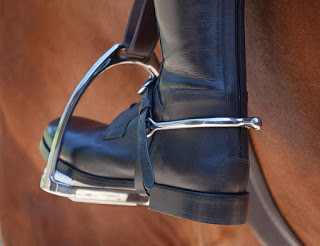
ஆர்கைல் நகரப்  பிரபு (Duke of Argyll)  ஒரு தியேட்டருக்கு நாடகம் பார்க்கச் சென்றிருந்தார். பிரபுக்கள் முத்லிய பிரமுகர்களுக்கான தனியான இருக்கைப் பகுதியில் ( Private Box) அமர்ந்தார். பொது மக்கள் வர முடியாத பகுதி. அதற்குள் ஒருவர் திடீரென்று நுழைந்தார். அவர் காலில் பூட்ஸும், குதிரை ரேஸ் ஓட்டுவோர் அணியும் கால் காப்பும் (Spurs) இருந்தது. அதை ஒரு நொடியில் நோட்டம் விட்ட பிரபு எழுந்து நின்று சகல மரியாதைகளுடன் வணக்கம் செலுத்தினார்.


உள்ளே நுழைந்த குதிரை வீரனுக்கு ஒன்றும் விளங்கவில்லை.

ஐயன்மீர்! என்னைப் போன்ற எளியேனுக்கு இப்படி ஸர்வ மரியாதைகளையும் செலுத்துவதன் கருத்து யாதோ? என்று வினவினன்.


அது சரி! கிடக்கட்டும்! குதிரை எங்கே? அதைக் கொண்டு வரவில்லையா? என்றார்.


முறையற்ற ஆடைகளுடன் வந்தவனுக்கு மூக்கு உடை கிடைத்தது!


xxx


உடுப்பு பற்றிய மேலும் ஒரு சங்கதி! பெயின் ட் வாசனை அடிக்கிறதே!


உலக மஹா யுத்த காலத்தில் அமெரிக்காவில் புகழ்பெற்று இருந்த வழக்கறிஞர்- தொழிலதிபர்- ப்ளாய்ட் ஆட்லம் (Floyd Odlum) ஆவார். அவரை ஒரு குடும்பம் விருந்துக்கு அழைத்து இருந்தது. அவர் மனைவியுடன் புறப்படும் முன் திடீரென்று ஒரு யோஜனை பிறந்தது.


‘அடியே! என்னிடம் ஒரே பூட்ஸ் ஜோடிதா ன் இருக்கிறது. அதுவோ கண்

ண்ணைப் பறிக்கும் மஞ்சள் நிறத்தில் உளது. வீட்டில் சாமான் அறையில் வைத்திருக்கும் கருப்பு பெயின் ட் டப்பாவைக் (Black Paint Tin) கொண்டுவோ. வேகமாக கலரை மாற்றி விடுகிறேன்.

அவள் சொன்னாள்: என் பிராண நாதா! நல்ல ஐடியா! இதோ வருகிறேன் என்று சொல்லி காற்றினும் கடுகிச் சென்று பெயின்ட் டின்னைக் கொணர்ந்தாள்; சாயப்பூச்சு இனிதே நிறைவேற- ‘கையும் கையும் கலந்திடவே ஜாலியாகவே’- என்று பாடிக்கொண்டு விருந்துக்கு அழைத்த வீட்டுக்கு ஏகினர்.


அந்த வீட்டில் அருமையான விருந்து சமைத்து இருந்ததால் அறுசுவை விருந்து மணம் கமழ்ந்தது. இவர்கள் இருவரும் வீட்டுக்குள் நுழைந்தவுடன் பெயின் ட் மணம் பரவியது.


விருந்தாளி அம்மாவுக்கு ஒரே சந்தேகம்! இவ்வளவு நேரம் நல்ல வாசனை; இப்போது என்ன நிகழ்ந்ததோ!


‘டேய் சார்லி! சாமான் அறைக்கு ஓடிப்போய் பார்; ஒருவேளை நாம் யாராவது பெயின் ட் டப்பாவை தவறாக இடறி கொட்டிப் போயிருக்கும்.


உடனே அவள் மகன் சார்லியும் போய்ப் பார்த்துவிட்டு அம்மா! எல்லாம் (Air Tight) டைட்டாக மூடிக் கிடக்கு; வேறு எங்கோ இருந்துதான் வாசனை (smell) வருகிறது என்றான்.


அந்த இரவு முழுதும் சம்பாஷணை (Conversation) அனைத்தும் பெயின்ட் பற்றித்தான்! ஓட்லமும் அவரது மனைவியும் ‘கப்புச் சிப்பு’ என்று இருந்தனர்; பேச்சை வேறு பக்கம் திருப்பிவிட பெருமுயற்சி செய்தனர்.


திருடனுக்குத் தேள் கொட்டினால் கத்தவா முடியும்?


xxx subhamxxx

அதிசயம் அநேகமுற்ற பழனி மலையில் வசித்த போகர்! (Post No.5333)

Written by S Nagarajan

Date: 18 August 2018


Time uploaded in London – 7-19 AM  (British Summer Time)


Post No. 5333


Pictures shown here are taken from various sources including google, Wikipedia, Facebook friends and newspapers. This is a non- commercial blog.

பழனியில் போகர் சமாதி


அதிசயம் அநேகமுற்ற பழனி மலையில் வசித்த போகர்!


ச.நாகராஜன்

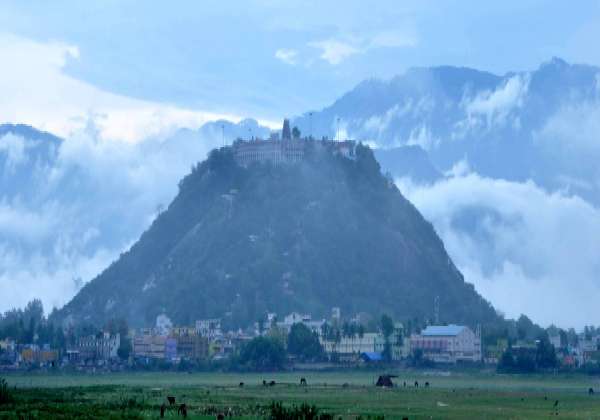
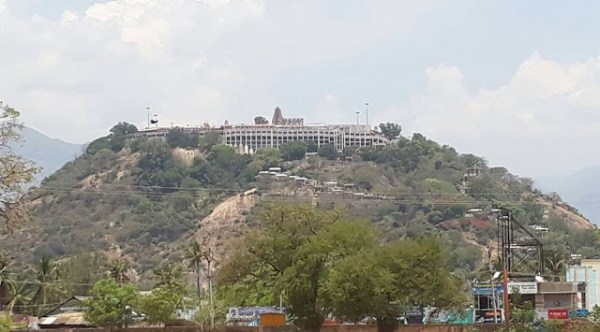
ஆறுபடை வீடுகளில் மூன்றாவது வீடாக விளங்குவது பழனி.

திருப்புகழில் 95 பாடல்கள் பழனி மலையில் பாடப்பட்டுள்ளன.

இங்குள்ள எண்ணி மாளாத அதிசயங்களை எண்ணி வியந்து அருணகிரிநாதர் திருப்புகழில் ‘அதிசயம் அநேகமுற்ற பழனி மலை’ என்று பாடி பழனி மலையைச் சிறப்பிக்கிறார்.

பழனி மலைக்குள்ள ஒரு சிறப்புக்குரிய காரணம் இங்கு போகர் வசித்தார் என்பதாகும்.

கொங்குமண்டல சதகம் 36ஆம் பாடல் போகர் வசித்த  புண்ணிய பூமி என்று பழனியைக் கூறிச் சிறப்பிக்கிறது.

பாடல் வருமாறு:-

யோக வயித்தியஞ் சொல்ரச வாத மெலாக் கலையுந்

தேக நிலைபெறுங் காயகற் பங்களெண் சித்தியுஞ்சொல்

போக ருடன்புலிப் பாணி முதலிய புண்ணியரெலா

மாக முறவமர் வைகா நகர்கொங்கு மண்டலமே


இதன் பொருள் :- யோகம் வைத்தியம், ரசவாதம், நீண்ட ஆயுளைப் பெற வைக்கும் காயகல்பம், அட்டமாசித்தி ஆகியவற்றைக் கூறிய போகநாதர், புலிப்பாணி ஆகிய புண்ணியர்கள் வசித்துள்ள வைகாவூர் (பழனி) கொங்கு மண்டலத்தில் உள்ளதே.

பழனி கொங்கு மண்டலத்தில் உள்ள சிறந்த ஊர். இங்கு திருமாளிகைத் தேவர், கருவூர்ச் சித்தர், புலிப்பாணி போன்ற

புண்ணியர்களை மாணாக்கர்களாகக் கொண்ட பெரும் சித்தர் போகர்.

திருமாளிகைத் தேவர் சரிதத்தால் சைவ சமயப் பற்றுள்ளவராகவும் கருவூர்த் தேவர் நோக்கும் போது வாமாசாரமுடையவராகவும் இவர் கருதப்படுகிறார். தஞ்சாவூர் பிரஹதீஸ்வரர் கோவில் (பெரிய கோயில்) அட்டபந்தன காலத்தில் இவர் அங்கு எழுந்தருளியிருந்தார். இதை

கொங்கு மண்டல சதகம் 34ஆம் பாடல் கூறுகிறது.

போகர் சீன தேசத்தவர் என்று கூறப்படும் வரலாறும் கூட உண்டு.

சீன தேசத்தவர் என்றாலும் கூட அவர் தமிழகத்தில் வாழ்ந்து இங்கேயே சமாதியில் இருக்கிறார் என்பது மறுக்க முடியாத உண்மையாகிறது.

அவரது சமாதி பழனி முருகன் கோவிலில் உள்ளதை அனைவரும் அறிவர்.

பழனி ஆண்டவர் சந்நிதி முன்பு போகர் ஒடுக்க மடம் என்றும் மலையடிவாரத்தில் புலிப்பாணி  மடம் என்றும் இருக்கின்றன.

புலிப்பாணி பல திரட்டில் கீழ்க்கண்ட பாடல் வருகிறது:

தானான சிவகிரியிற் தண்டாயுதபாணி தாதாவைப் பூசித்தோர்

பிரமனிந்திரன்

தேனான போகருட னிவர்கள்மூவர் தெளிவாக முன்யுகத்தில்

மூவரப்பா

கோனான கலியுக யிருநூற்றைந்தில் கொற்றவனே புலிப்பாணி

பூசித்தேன்பார்

மானான அட்டசித்தி கோடாசத்தி மைந்தனே சித்தரிட நடனந்தானே.

பழனி மலை அதிசயங்களுள் சித்தர் பலர் இங்கு வாழ்ந்தனர் என்பதும் இன்னும் வாழ்ந்து வருகின்றனர் என்பதும் முக்கியமான அதிசயமாகும்.

***

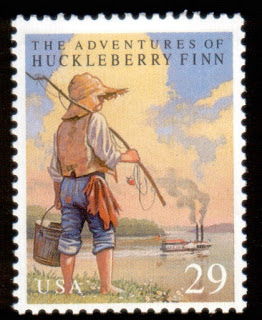
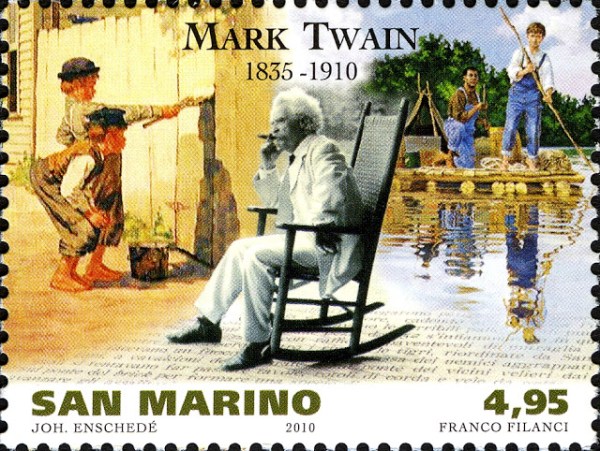
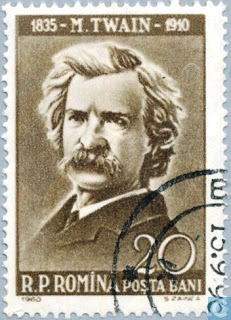
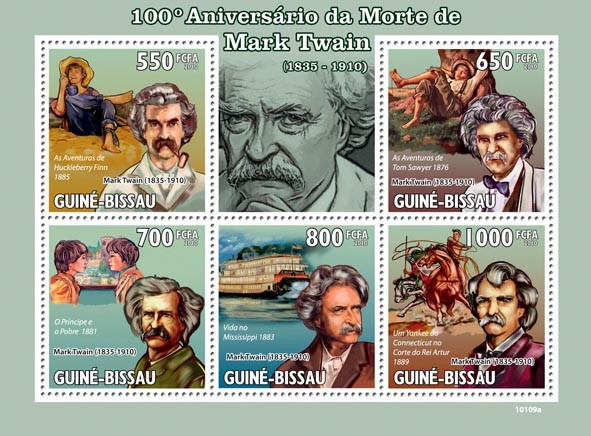
MARK TWAIN, STUPID OR WHAT? (Post No.5332)

Compiled by London swaminathan

Date: 17 August 2018


Time uploaded in London – 8-26 AM  (British Summer Time)


Post No. 5332


Pictures shown here are taken from various sources including google, Wikipedia, Facebook friends and newspapers. This is a non- commercial blog.


MORE CLOTHING ANECDOTES!

Mark Twain, cherishing his comfort above his appearance, was very often wont to visit his friends and neighbours without wearing either a collar or a tie. His wife objected strenuously to this habit and, meeting him one day returning from a neighbourly visit without any sign of a collar or tie, scolded him soundly.

Mark returned home, searched out a collar and tie, wrapped them and sent them to the neighbours house with the following note,
“A little while ago I visited you without my collar and tie for about half an hour. The missing articles are enclosed. Will you kindly gaze at them for 30 minutes and then return them to me?”

Mark Twain profile
American Children’s Writer
Born Nov.30, 1835
Died Apr. 21, 1910
Age at Death 74

Mark Twain is one of America’s great humorous writers. He created two famous characters— Tom Sawyer and Hhuckleberry Finn.
Twain was born Samuel Leghorne Clemens in Florida, Missouri, the fifth of six children. His father suffered ill health, and the family was poor. In 1839 they moved to Hannibal, a rapidly growing town on the Mississippi River, where Twain went to the local school. When he was 12, his father died and Twain had to leave school to find work.

At age 22 Twain became a river pilot at a time when there were 1000 boats a day on the Mississippi. He followed this trade for four years and loved it, but river traffic ended during the American civil war.
Becoming a full-time reporter in 1862, he soon began to use the pen name Mark Twain. He published his first important story at age 32 and his first successful novel, the humorous travel book The Innocents Abroad, when he was 34.

In 1870 Twain married Olivia Langdon, with whom he had five children. He wrote his classic children s stories The Adventures of Tom Sawyer and The Adventures of Huckleberry Finn in his 40s. Twain had become increasingly disillusioned by modern life and personal tragedies, and the books provided an opportunity for him to relieve the golden days of his boyhood on the Mississippi. Both stories give a realistic picture of life around the Mississippi and are full of adventure and humour. The Adventures of Huckleberry Finn
considered his master piece, is noted for its accurate and sympathetic depiction of adolescent life.


Publications
1867 The Celebrated Jumping Frog of Calaveras County and Other Sketches
1869 The Innocents Abroad
1872 Roughing It
1876 The Adventures of Tom Sawyer
1881 The Prince and The Pauper
1884 The Adventures of Huckleberry Finn
1894 Pudd’nhead Wilson A Tale

xxxxx

SOMETHING SMELLS!

In his early days in New York Floyd Odlum and his wife were invited to a dinner. The only pair of shoes he happened to own at the time were bright yellow. In order to render them appropriate to the occasion he and his wife painted them black on the day of the party. During dinner , their hostess , sniffling perplexedly, said to her son,
Charlie I smell paint. Did you upset the paint in the cellar?

A fruitless discussion ensued in which everyone spoke of the smell of paint except Odlums who protested that that they smelled nothing.

Xxx

PREGNANT FRENCH QUEENS!

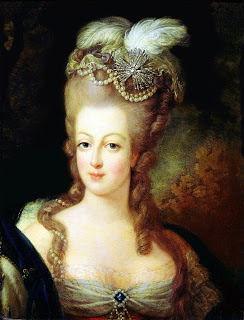
Before the birth of the son Marie Antoinette and Louise XVI, the fashion of pregnancy spread through the court. The Queens ladies in waiting wore skirts stuffed with cushions to make themselves appear enceinte; skirts of the season were created, with titles such as fourth month skirt etc their voluminousness adjusted to the progress of the Queen.


-SUBHAM-


2 கதைகள்- பனை விதையும் ஆலம் விதையும் (Post No.5331)

Akbar worshiping Sun

Written by London swaminathan

Date: 17 August 2018


Time uploaded in London – 7-34 AM  (British Summer Time)


Post No. 5331


Pictures shown here are taken from various sources including google, Wikipedia, Facebook friends and newspapers. This is a non- commercial blog.


தேம்படு பனையின் திரள்பழத் தொருவிதை

வானுற வோங்கி வளம்பெற வளரினும்

ஒருவர்க்கிருக்க நிழலாகாதே –

நறுந்தொகை (வெற்றி வேற்கை)

அதிவீரராம பாண்டியன்


இனிமை மிக்க பனையின் ஒரு பழத்தை விதையாக ஊன்றி அது வானோங்கி செழித்து வளர்ந்தாலும் ஒருவர்கூட நிற்கக் கூடிய நிழலை அது தராது.

மொகலாய மன்னனான ஷாஜஹானின் புதல்வனான அவுரங்கசீப் , கல்வி கேள்விகளில் சிறந்தவன்; ஆனால் மஹா மூர்கன். மதவெறியன்; பேராசை பிடித்த கொலைகாரன். தனது மூன்று சஹோதர்களை அவர்களின் புதல்வர்களோடு கூண்டோடு கொலை செய்து சிங்காதனம் ஏறினான். ஷாஜஹானை நீ கட்டிய தாஜ்மஹலை பார்த்துக்கொண்டே செத்துப்போ என்று சாகும் வரை சிறையில் அடைத்தான். ராஜ்யத்தை சரியாக ஆளத் தெரியாமல் குடிமக்களையும் சிற்றரசர்களையும் பகைத்துக் கொண்டான். அனைவராலும் வெறுக்கப்பட்டு, முடிவில் உதவி செய்ய யாரும் இல்லாமல் கஷ்டப்பட்டு செத்தான். அவனோடு மொகலாய சாம்ராஜ்யம் முடிவுக்கு வந்தது. பின்னர் பெயரளவுக்கு அரசர் என்று ஓரிருவர் இருந்தனர். அரச சம்பத்து கோடிக்கணக்கில் இருந்தும் அவனோ அவனது குடிமக்களோ மகிழ்ச்சியாக வாழ முடியவில்லை. அவன் பனை விதபோல ஓங்கி வளர்ந்தான். ஆனால் ஒருவருக்கும் நிழல் தர முடியவில்லை.

xxx


தெள்ளிய வாலின் சிறு பழத்தொரு விதை

தெண்ணீர்க் கயத்துச் சிறுமீன் சினையினும்

நுண்ணிதே யாயயினும் அண்ணல் யானை

அணிதேர்ப் புரவி ஆள் பெரும்படையொடு

மன்னர்க்கிருக்க நிழலாகும்மே

நறுந்தொகை (வெற்றி வேற்கை)

அதிவீரராம பாண்டியன்


தெள்ளி எடுக்கத்தக்க ஆல மரத்தின் சிறு விதையானது, தெளிந்த நீர்க்குளத்தில் உள்ள சிறிய மீனின் முட்டையை விடச் சிறிதானாலும், பெருமை பொருந்திய யானையோடு அழகிய தேரும், குதிரையும் காலாட் படைகளும் கொண்ட மன்னரோடு தங்குவதற்கு நிழல் தரும்.


பெரிய விதையுடைய பனை மரம் நிழல் தராது. சிறிய விதையுடைய ஆல மரம் மன்னரின் நாற்படைக்கும் நிழல் தரும். ஆகவே மக்கள் இரு தரப்பட்டவர்கள்; சிலர் பனை மரம்; சிலர் ஆலமரம்.


ஹுமாயூன் புத்திரனான அக்பர் நிராதரவற்ற நிலையில், தாயாரான ஹாமிடாவுக்கும் சாப்பாடு போட முடியாத நிலையில் ஸிந்து தேச காட்டுப் பகுதியில் பிறந்தார். அவர் பட்ட கஷ்டம் சொல்லத் தரமன்று; தனது 18ஆவது வயதில் வளர்ப்புத் தந்தையான பைராம்கானை அடக்கிவிட்டு தானே சிங்காதனம் ஏறினார். பின்னர் படிப்படியாக உயர்ந்து வட இந்தியா முழுதையும் வசப்படுத்தி ஆட்சி புரிந்தார். அவர் ஆட்சிக் காலத்தில் போர்கள் நடந்தன; ஆனால் மக்கள் கலகம் என்பது கிடையாது. அவரும் ஜாதி மத வேறுபாடின்றி கல்வி, கேள்விகளில் சிறந்தோருக்கு பெரிய பதவிகளைக் கொடுத்தார்.

மக்களின் சௌகரியங்களுக்கு வேண்டிய அனைத்தையும் செய்தார். எப்போதும் தத்துவ விசாரத்தில் ஈடுபட்ட அறிஞர் குழுவால் சூழப்பட்டு கீர்த்தி பெற்றார். அவர் கூட்டிய தர்பாரில் பொதுமக்கள் யார் சிபாரிசு இன்றியும் மனுக்களைத் தரமுடிந்தது. உடனே அதற்கு நடவடிக்கையும் எடுத்து புகழ் பெற்றார். மக்கள் அவரை பழமரத்தை நாடும் பறவைகள் போல நாடினர்.


-SUBHAM-

Odd One Out in a Nudist Colony! Clothing Anecdotes (Post No.5323)

Odd One Out in a Nudist Colony! Clothing Anecdotes (Post No.5323)


Compiled  by London swaminathan

Date: 17 August 2018


Time uploaded in London –7-05 am (British Summer Time)


Post No. 5323


Pictures shown here are taken from various sources such as Facebook friends, Wikipedia, Books, Google and newspapers; thanks. Pictures may be subject to copyright laws.

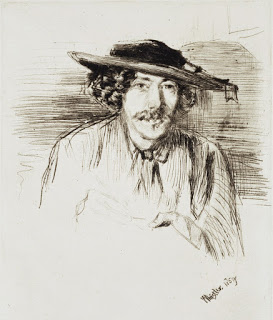
Whistler was standing bareheaded in a London hat shop while he was looking for his size hat. A short red faced man with a large waistline burst into the door and, mistaking Whistler for a clerk, exploded, “see, here, you, this hat doesn’t fit”.
The artist casually eyed the man from head to foot, then drawled out,
“Well, neither does your coat, what is more if you will pardon my saying so, I will be hanged if I care much for the colour of your trousers”.

((James Abbott McNeill Whistler (/ˈwɪslər/; July 11, 1834  – July 17, 1903) was an American artist, active during the American Gilded Age and based primarily in the United Kingdom- Wikipedia))


Xxx

Slip Slipped out!

A young lady on her way to business was standing in a crowded New York bus going down fifth avenue one morning. She was worrying over the age old problem of whether or not her slip was showing. Unable to twist around to see, she put the question directly to a small boy standing next to her.
No, Madame, he informed her politely. A few blocks farther she alighted and started to move briskly along crowded Fifth Avenue. Then, to her horror, she was hailed by the voice of the little boy, calling to her as the bus went by, yelling at the top of his lungs, “Your slip is showing now, lady, it’s showing now!”

(( a piece of underwear for a woman or girl that is like a dress or skirt))

Xxx

ODD ONE OUT! in a nudist colony!

There are numerous stories of the embarrassing predicaments that have ensnared public speakers at one time or another. Probably no worse fate ever befell any of them than that of the lecturer who, with some trepidation, had finally consented to address a banquet at a nudist colony.


Upon his arrival at the extensive premises, he was greeted by large numbers of men and women in their pristine natural state. He was shown into the headquarters building and it was suggested he might like to prepare for dinner.

Upstairs in the room to which they allotted him, he felt that there was nothing he could do except face the fact that he was expected to divest himself of his garments. In extreme mental anguish, he determined to be equal to the situation. At last, hearing the bell for the dinner, he marched downstairs as bare as Adam, to discover, to his horror, that the colonists had all assumed formal dress in deference to the speaker.
Xxx

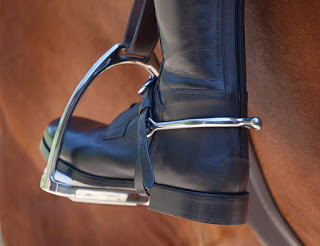
Where is the Horse?

When the great Duke of Argyle was one night at the theatre in a side box a person entered the same box in boots and spurs. The Duke arose from his seat and with great ceremony, expressed his thanks to the stranger who, somewhat confused, desired to know for what reason he received those thanks. The Duke gravely replied,
For not bringing your horse into the box.

((SPUR= a device with a small spike or a spiked wheel that is worn on a rider’s heel and used for urging a horse forward.))
Xxx
Nelson Garter
After the death of Nelson, English ladies were fond of wearing the Trafalgar garter on which was inscribed the memorable signal,

“England expects every man to do his duty”.


(( GARTER = a band worn around the leg to keep up a stocking or sock.))

Xxx

Lincoln Socks
Old Mrs Smith of South Orange N.J. ,who kept a small shop in Washington during the civil war said,
Abraham Lincoln came in one day asking for socks, I said,
What colour?
Colour, why? I don’t know, I am sure
Finally he stooped down and took hold of the end of his pants.

Why I guess this colour is good enough for me.
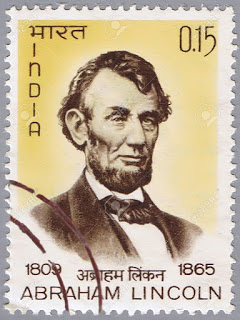
He pulled it up. I looked for the socks and saw his bare skin.
Xxx  SUBHAM xxx

அடிமைக்கு அருளிய புத்தர்! (Post No.5330)

Written by S Nagarajan

Date: 17 August 2018

Time uploaded in London – 6-13 AM  (British Summer Time)

Post No. 5330


Pictures shown here are taken from various sources including google, Wikipedia, Facebook friends and newspapers. This is a non- commercial blog.


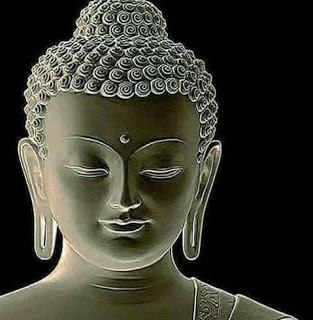
புத்த தரிசனம்

அடிமைக்கு அருளிய புத்தர்!


ச.நாகராஜன்

புத்தர் போன்ற பெரும் நிலையில் இருந்த ஒரு மகான் ஒரு ஏழை அடிமைக்கு அருளிய ஒரு சம்பவம் வரலாற்றுப் பிரசித்தி பெற்றதாகும்.

மழைக்காலத்தில் ஓரிடத்தில் சிறிது காலம் தங்குவது பெரியோர்களின் வழக்கம். அதன்படி புத்த பிரான் ஒரு சமயம் ஜேதவான மடாலயத்தில் தங்கி இருந்தார். மழைக்காலம் முடிந்த பிறகு அங்கிருந்து கிளம்ப ஆயத்தமானார்.

இதைக் கேள்விப்பட்ட கோசல மன்னன் அவரிடம் வந்து அவர் இன்னும் சிறிது காலம் அங்கேயே தங்கி இருந்து அருள் பாலிக்குமாறு வேண்டினான். அங்கிருந்த சங்கத் தலைவரான அனாத பிண்டிகாவும் புத்தரை அங்கேயே தங்கி இருக்குமாறு வேண்டினார். புத்தரின் சிஷ்யையான விசாகாவும் புத்தரைப் பணிவுடன் வேண்டி அவரை அங்கேயே தங்கி இருக்குமாறு வேண்டினார்.

ஆனால் புத்தர் அதற்கு இசையவில்லை. அவர் கிளம்ப ஆயத்தமானார்.

சங்கத் தலைவர் மனம் நொந்து தனது இருப்பிடம் ஏகினார். அவரிடம் பணியாளாக வேலை பார்த்த ஏழைப் பெண்மணியான புன்னா அவரைப் பார்த்து, “ஐயா, ஏன் உங்கள் முகம் இப்படி வாடி இருக்கிறது?” என்று கேட்டாள்.அதற்கு அவர்,”ஓ! புன்னா, நான் வருத்தப்படுவது உண்மை தான். ஏனெனில் புத்தர் இங்கிருந்து கிளம்பப் போகிறார். என்னால் முடிந்தவரையில் தடுத்துப் பார்த்தேன். என் முயற்சி வெற்றி பெறவில்லை” என்றார்.

உடனே புன்னா, “ஐயா! நான் புத்தரைப் போக விடாமல் தடுத்து நிறுத்துகிறேன்.அப்படி தடுத்து நிறுத்தினால் எனக்கு என்ன தருவீர்கள்?” என்று கேட்டாள்.

“நீ அப்படிச் செய்தாயானால், உன்னை எனது அடிமையாக இருப்பதிலிருந்து உடனடியாக விடுவிக்கிறேன்” என்றார் அவர்.

புன்னா நேரடியாக புத்தர் இருக்குமிடம் வந்து அவரைப் பணிந்து வணங்கினாள்.

“ஓ! மஹானே! போக வேண்டாம்.இங்கேயே இருங்கள்” என்று பணிவுடன் வேண்டினாள்.

புத்தர் புன்முறுவலுடன், நான் போகாததினால் உனக்கு என்ன நன்மை?” என்று கேட்டார்.

“ஐயன்மீர்! நான் ஒரு பெண்.நான் ஒரு அடிமை. நான் ஒரு பணியாள். நீங்கள் போகவில்லை என்றால் என் அடிமைத்தனத்திலிருந்து எனக்கு விடுதலை கிடைக்கும். எனக்கு விடுதலை கிடைத்தால் நீங்கள் கூறிய மூன்று அடைக்கலத்தைப் பெறுவேன். ஐந்து உபதேசங்களையும் எட்டு உபதேசங்களையும் கடைப்பிடிப்பேன்.அப்படிக் கடைப்பிடிப்பதன் மூலம் எனக்குப் பெறுதற்கரிய பேறு கிடைக்கும்” என்றாள் புன்னா.

புத்தர் யோசித்தார். அவரது தயை வெள்ளமெனப் பெருகியது. அவளுக்கு விடுதலை கிடைக்க வேண்டும், அத்துடன் அவள் அர்ஹந்த் என்ற உயரிய நிலையை அடைய வேண்டும் என்று விரும்பினார்.

புன்னாவிடம் அவர், “சரி! நான் இங்கேயே இருக்கிறேன்.” என்று அருளினார்.

இந்தச் செய்தியைக் கேட்ட சாவார்த்தி நகர மக்கள் மிகுந்த மகிழ்ச்சியுடன் ஆரவாரம் செய்தனர்.

கோசல மன்னன், சங்கத் தலைவர், விசாகா ஆகியோரும் பெரு மகிழ்ச்சி அடைந்தனர்.

மன்னனின் அழைப்பை ஏற்காதவர், சங்கத் தலைவராக இருந்த பணக்காரரின் வேண்டுகோளை மறுத்தவர், ஒரு சிஷ்யையின் வேண்டுகோளையும் மறுத்தவர் ஒரு ஏழை அடிமைப் பெண்ணின் வேண்டுகோளை ஏற்றது பெரிய சம்பவமாகக் கருதப்பட்டது – கருதப்படுகிறது – அன்றும், இன்றும்!

தான் சொன்னபடி புன்னாவை அடிமை நிலையிலிருந்து விடுவித்தார் சங்கத் தலைவர்.

புன்னா புத்தரின் உபதேசப்படி வாழ்ந்து உயரிய அர்ஹாந்த் என்னும் நிலையைப் பின்னால் அடைந்தார்.

புத்தரின் தயை எல்லையற்றது. அதை விளக்கும் ஏராளமான சம்பவங்களுள் முக்கியத்துவம் பெற்ற சம்பவம் இது.

***


ஒரு கதை- ‘மன்னவர்க்கழகு செங்கோல் முறைமை!’ (Post No.5329)

Written  by London swaminathan

Date: 16 August 2018


Time uploaded in London –12-11 (British Summer Time)


Post No. 5329


Pictures shown here are taken from various sources such as Facebook friends, Wikipedia, Books, Google and newspapers; thanks. Pictures may be subject to copyright laws.


மன்னவர்க்கழகு செங்கோல் முறைமை- நறுந்தொகை, அதிவீரராம பாண்டியன்


முறைகோடி மன்னவன் செய்யின் உறைகோடி

ஒல்லாது வானம் பெயல் – குறள் 559


நீதி முறை தவறி மன்னன் ஆட்சி செய்தால் அவன் நாட்டில் மழை பெய்யாமல் போகும்.


இயல்புளிக் கோலோச்சும் மன்னவன் நாட்ட

பெயலும் விளையும் தொக்கு – குறள்

தர்ம நூல்கள் செப்பும் படி ஆட்சி நடத்தும் மன்னவன் நாட்டில் மழையும் பெய்யும்; விளைச்சலும் பெருகும்.

திருவாரூரில் மனுநீதிச் சோழன் என்பவன் அரசாண்டு வந்தான். இவனது கதை பெரிய புராணத்திலும் , சிலப்பதிகாரத்திலும், பழமொழியிலும் உள்ளது. அவனது மகன் வீதி விடங்கன் என்பவன் சாலை விதிகளை மீறி நூறு மைல் (100 mph) வேகத்தில் தேரை ஓட்டிச் சென்றான். அபோது துள்ளிக் குதித்து வந்த ஒரு பசு மாட்டின் கன்று, தேர்க்கடியிடில் சிக்கி இறந்தது. அந்தக் காலத்தில் போக்குவரத்து போலீஸோ சிக்னல் லைட்டோ (No Traffic Police or Signal light) கிடையாது. ஆனால் அரண்மனை வாசலில் எமர்ஜென்ஸி பெல் (Emergency alarm bell)  உண்டு. யாருக்காவது துயரம் என்றால் உடனே ஓடிப் போய் காலிங் பெல்லை (Calling Bell) அமுக்கினால் அரசின் வேலைக்காரர்கள் அல்லது மன்னர் அல்லது அமைச்சரே நேரே வந்து மனுவை வாங்கிக் கொள்வார். இதை ஒரு பசு மாடும் தினமும் கவனித்து வந்தது. அந்தப் பசு மாட்டின் கன்று ட் ரா ஃபிக் ஆக்ஸிடெண்டில் (Traffic accident) இறந்தவுடன் அந்த வண்டி ‘ஸ்டாப்’ பண்ணாமல் போனவுடன் ஓடி வந்து அரண்மனையின் ‘காலிங் பெல்’லை அடித்தது. அந்த பெல்லின் பெயர் ஆராய்ச்சி மணி. மன்னன் இதுவரை அந்த சப்தத்தைக் கேட்டதே இல்லை. அது துருப்பிடித்து போயிருந்தாலும் நல்ல ஒர்க்கிங் கண்டிஷனில் (good working condition) இருந்தது!


மன்னர் மற்றும் அமைச்சர் பெருமக்கள் வாயிலுக்கு ஓடி வந்து பார்த்தால் ஒரு பசு மாடு நின்று கொண்டிருந்தது. “ஓஹோ, ஏதோ ஒரு மிஸ்டேக் (mistake)கில் கொம்பு கயிற்றில் மாட்டிக் கொண்டு அடித்தி ருக்கும் அதனால் என்ன, ஒரு கட்டு அகத்திக் கீரை வாங்கிப் போடு! அது போய்விடும்” என்று ஒரு மந்திரி சொன்னார். இப்படி விவாதம் நடக்கையில் அரசு நியமித்த 007 ஜேம்ஸ்பாண்டு   (007  James  Bond) ஓடி வந்து உளவுத் தகவல் சொன்னான்.

“மன்னர் மன்னா! உன் மகன் ஒரு பசுவின் கன்றைக் கொன்றான். அதன் தாய்  இங்கே  வந்து உன் முன்னால் நிற்கிறது என்றான். பசுவின் காதிலும் அது விழுந்தவுடன் எல்லோரையும் பின் தொடர்ந்து வருமாறு அது ‘சிக்னல்’ (Signal) கொடுத்து விட்டு, ஆம்புலனஸ் கார் சப்தம் போடுவது போல ‘நீனா நீனா நீனா’, ‘உய்ந் உய்ந் உய்ந்’ என்று ஓலமிட்டுக் கொண்டே (accident spot) ஆக்ஸிடெண்ட் ஸ்பாட்டுக்கு அழைத்து வந்தது.


மன்னனுகுக்கு வருத்தமும் கோபமும் ; என்ன செய்யலாம் என்றான்? உடனே  ஒரு திராவிட அமைச்சர் கேஸை (case) யாருக்கும் தெரியாமல் அமுக்கிவிடலாம் என்றார். அதற்குள் ஒரு பிராஹ்மணன் நூறு தங்க பசுங் கன்றுகள் செய்து பிராஹ்மணாளு க்குத் தந்தால் போதும். அதுதான் பிராயச் சித்தம் என்றார். ஒரு புத்திசாலி அமைச்சர், மநு நீதி சாஸ்திரத்தில் சொன்ன தண்டனையைச் சொன்னவுடன், “அப்படித்தான் செய்யவேண்டும்; ‘பல்லுக்குப் பல், ரத்தத்துக்கு ரத்தம்; கொண்டா என் மகனை என்றான். மன்னன்; ஏறினான் தேரில்;  70 மைல் ஸ்பீடில் (70 mph) போய் மகனைக் கொன்றான்; தேவர்கள் பூமாரி பெய்தனர்.

உன் நேர்மையை மெச்சினோம்; பசுவின் கன்றுக்கும் உன் மகனுக்கும் உயிர்ப் பிச்சை தந்தோம் என்று சொல்ல இருவரும் உயிர் பெற்று நடந்தனர்.

மன்னா! நேர்மையாக நாட்சி நடந்தால் அங்கே பயிர் செய்யாமலேயே தானியங்கள் விளையுமென்று வள்ளுவன் தமிழ் வேதம் செப்புவதை நீ அறியாயோ? காளிதாஸன்  ரகுவம்ஸ காவியத்தின் ஐந்தாவது அத்திய,,,யத்தில் ரகு என்ற மன்னன் கௌத்ஸ முனிவருக்கு 14 கோடிப் பொன்னை குபேரனிடம் வாங்கிக் கொடுத்ததை அறியாயோ? ரகு படை எடுக்க, முதல் நாள் இரவில் ஆயுத ரதத்தை தயார் செய்தவுடன் குபேரனே பயந்து போய் இரவோடிரவாக 14 கோடிக்கும் மேல் அவன் கஜானாவில் கொட்டி நிரப்பினானே. அது போல உன் நாட்டிலும் தன, தான்யம் செழிக்கும் என்று தேவர்கள் சொன்னார்கள்:

சால மறைத்தோம்பிச் சான்றவர் கைகரப்பக்

காலை கழிந்ததன் பின்றையும்- மேலைக்

கறவைக்கன் றூர்ந்தானைத் தந்தையு மூர்ந்தான்

முறைமைக்கு முப்பிளமை யில் – பழமொழி


–subham–