BENGALI MYSTIC SHRI ANANDAMAYEE MA- PART 2 (Post No. 3965)

Written by London Swaminathan


Date: 2 June 2017


Time uploaded in London- 14-59


Post No. 3965


Pictures are taken from various sources such as Face book, Wikipedia and newspapers; thanks.


contact: swami_48@yahoo.com


PLEASE READ THE FIRST PART POSTED HERE YESTERDAY.

“In 1918 Bholanath, Ma’s husband, got a job as estate manager for the Nawab of Dacca in Bhajitpr. Ma’s ‘sadhana leela’ began here. Ma always emphasised that she was in a perfect state of spiritual illumination from her birth and she had always been immersed in that timeless state. But yet she started practising sadhana and slipped into trance. Bholanath watched it with fascination after a day of hard work. When Nirmala’s (Ma) mystic absorption occurred more frequently he decided to leave her alone.


On 3rd of August, 1922 she fell into Samadhi. For the next several years she went into Samadhi and remained so for days. When she had the vision of different deities she would merge into them.


Later in her life she said that she had never revealed even a thousandth part of what she had experienced then. During that time her day was not divided in to mornings, evenings and nights – there was only one prolonged period of indescribable length. Hunger, thirst, sleep and other demands of body remained totally absent for many days. During this period Bholanath looked after her as a father would a helpless child.


in 1925 when she completed a lengthy period of silence, Bholanath urged her to speak to the people assembled there. Se waned himthat there will be a overwhelming crowd if he had opened the doors like this.

By 1926 her period of sadhana leela was coming to end. She was no more a shy village girl who kept her face covered with sari. She had begun to assume the role of a spiritual teacher. Her devotees continued to increase they set up an ashram to her in Dacca. But she refused to be chained by her followers and started on a pilgrimage all over India. She travelled a lot without staying in a single place for more than two days.


In April 1927 Bholanath and Ma moved to Dacca. Her divine ecstasies intensified and she emanated a  spiritual radiance which others found irresistible. It was at this time Ma came to be known to world at large. Those who now came to her came from the highest echelon of Indian society. They were doctors, lawyers, government officials and aristocrats.


For another 55 years until 1982 she travelled and met lot of people. Mrs Indira Gandhi, Prime Minister then,was one of her admirers. When Ma attained Samsadhi on 27th of August Indira Gandhi flew by a specil helicopter to Haridwar to attend her funeral ceremonies. Later a shrine was built in her Ashram in Haridwar.


Swami Sivananda of Divine Life Society described her as, “the most perfect flower that the Indian soil has ever produced”

Sri Paramahamsa Yogananda said, “Joy permeated” (anandamayee).

Whenever a foreing devotee asked ker a question she gave illuminating answers. It is all in her teachings and the diary of Atmananda in the book DEATH MUST DIE.

xxx

only a few points:

Today in the course of conversation, Ma said, “If you kill in the line of duty, you also have to bear the consequences. So when people say, Why I have these difficulties? Due to what sin? It is certainly due to some thing that they have committed” (the infallible Law of Karma)

xxx

This morning she talked to two of us and asked me (Atmananda) to write it down:

When you work in the garden, you should serve the trees and plants, and living with them, try to become like them. Let the trees be your Gurus. A tree gives fruit and shade. When the fruit is ripe it falls down and is sweet to the taste. It gives its wood (fuel) with which you cook your food. So the tree gives itself entirely. It holds nothing back. Watch how the trees grow and make them your friends and learn from them. Also from the grass. Grass is lowly and bares everything. People tread on it, cut it and it does not defend itself. So also the earth.


You will also be in charge of Ashram library. Catalogue it and later on it will grow. It was Bhaiji’s wish. He himself had the cup boards made.

Be friendly with the servants. Do not get angry with them, but be firm and see that they do their work.”


(These teachings are very basic. You may find better quotations about trees and gardening. But the big difference is that when it comes from a person who is pure in word, thought and deed, the words get tremendous energy. Everyone who hears will follow it letter and spirit. They become Mantras.)


Indira Gandhi with Ma Anandamayee.

–Subham–


சிலப்பதிகாரத்தில் கொற்றவை வழிபாடு (Post No.3964)


Research ArticleWritten by London Swaminathan


Date: 2 June 2017


Time uploaded in London- 8-40 am


Post No. 3964


Pictures are taken from various sources such as Face book, Wikipedia and newspapers; thanks.


contact: swami_48@yahoo.com


(I wrote this for ‘Soundaryam’ published by Hindu Tamil Cultural Association, Enfield,London)


“ஆனைத் தோல் போர்த்துப் புலியின் உரி உடுத்துக்

கானத்து எருமைக் கருந்தலைமேல் நின்றாயால்—

வானோர் வணங்க, மறைமேல் மறையாகி,

ஞானக் கொழுந்தாய், நடுக்கு இன்றியே நிற்பாய்!

(வேட்டுவ வரி, சிலப்பதிகாரம்)


செந்தமிழில் உள்ள ஐம்பெரும் காப்பியங்களில் ஒன்று சிலப்பதிகாரம். “நெஞ்சையள்ளும் சிலப்பதிகாரம்” — என்று பாரதியாரால் போற்றப்பட்ட அற்புத காவியம். பழந்தமிழ் நாட்டில் முல்லை, குறிஞ்சி, மருதம், நெய்தல் என்ற நாநிலப் பிரிவுகளுக்கு முறையே விஷ்ணு,முருகன், இந்திரன், வருணன் தெய்வங்களாக இருந்ததை “ஒல்காப்புகழ் தொல்காப்பியன்” எழுதிய தொல்காப்பிய சூத்திரம் மூலம் அறிகிறோம்:

மாயோன் மேய காடுறை யுலகமுஞ்

சேயோன் மேய மைவரை யுலகமும்

வேந்தன் மேய தீம்புன லுலகமும்

வருணன் மேய பெருமணலுலகமும்

முல்லை குறிஞ்சி மருத நெய்தலெனச்

சொல்லிய முறையால் சொல்லவும் படுமே

(தொல். பொருள். 1-5)


இந்த நாநிலம் அதன் நிலை திரிந்து வறண்டு போனால் அது பாலை நிலம் எனப்படும். அதற்கான தெய்வம் கொற்றவை என்னும் ‘தேவி’யாகும். சம்ஸ்கிருதத்தில் கொற்றவையை ‘துர்கா’ என்று அழைப்போம். கொற்றவை வழிபாடு குறித்து பல சுவையான தகவல்களை, நமக்கு, இளங்கோ அடிகள் யாத்த, சிலப்பதிகாரம் தருகிறது. அவை இன்று வழக்கற்றுப் போனது மேலும் வியப்பை ஏற்படுத்தும்.


தற்போதுள்ள உலக மதங்களில் இந்து மதம் ஒன்றில் மட்டுமே கடவுளைப் பெண் வடிவத்திலும் வணங்குகிறோம். அந்த அளவுக்குப் பெண்களுக்கு உயர்நிலை கொடுக்கப்பட்டது. சங்க காலம் முதல் இந்தக் கொற்றவை எனும் பெண் தெய்வம் (முருகு.368, பெரும்.583, நெடு.192) வழிபாடு இருப்பதற்குப் பல சான்றுகள் உள. இக்கட்டுரையில் சிலப்பதிகாரக் குறிப்புகளை மட்டும் காண்போம்:

மான் வாகனம்

துர்கைக்கு/ கொற்றவைக்கு மான் வாகனம் என்ற குறிப்பு சிலம்பில் வருகிறது. பிற்காலத்தில் நால்வரில் ஒருவரான திருஞான சம்பந்தரும் மான் வாகன தேவி பற்றி (கலையதூர்தி) என்று பாடுகிறார். ஆனால் சிங்கத்தின் மீதும், புலியின் மீதும் காட்சி தரும் தற்கால துர்கை, மான் வாகனத்தில் அமர்ந்த கட்சி எங்கேயும் காணக் கிடைக்கவில்லை; அதாவது சிலையிலோ, படத்திலோ இல்லை! இது ஒரு வியப்பான செய்தி. இளங்கோ பாடிய சிலம்பிலிருந்து, சம்பந்தர் பாடிய தேவாரம் வரை காணப்படும் கொற்றவையின் மான்  வாகன ‘’போஸ்’’ நமக்குக் கிடைத்தில.


பாலைவனத்தில் வாழ்வோர் மறவர்கள் ஆவர். அவர்கள் கொலைக்கும் அஞ்சாத வீரர்கள். பாலைவனம் வழியாகக் கடந்து செல்லும் வணிகர், தூதர் முதலியோரைத் தாக்கி, அவர்களைக் கொன்று, பொருள்களை வவ்வுவதே பாலை நில மக்களின் தொழில். தாங்கள் கொன்ற மிருகங்களை கொற்றவைக்குப் படைப்பதும் இவர்கள் வழக்கமாகும்.

சிலப்பதிகாரத்தில் ஐயை, கார்த்திகை என்ற பெயர்களுடைய பெண்களும் காட்சி தருகின்றனர். அவை துர்க்கையின் பெயர் என்பது குறிப்பிடத்தக்கது

மதுரை நகருக்கு கவுந்தியடிகளுடன் நடந்து வந்த கண்ணகியும் கோவலனும் முதலில் ஒரு கொற்றவை கோவிலில்தான் தங்குகின்றனர்:

“விழிநுதற் குமரி, விண்ணோர் பாவை,

மையறு சிறப்பின் வான நாடி

ஐயை தன் கோட்டம் அடைந்தனர் ஆங்கு – என்”

(காடுகாண் காதை, சிலம்பு)


இதைத் தொடர்ந்துவரும் வேட்டுவ வரிப் பாடல் முழுதும் கொற்றவை வருணனை வருகிறது.

கொற்றவை கோவிலில் சாலினி வெறியாடியதை (சாமி ஆடல்)  எல்லோரும் வியப்புடன் பார்த்தனர். கலையமர் செல்விக்கு பலிதந்தால்தான் நன்மைகள் விளையும் என்று அவள் சாமி ஆடுகையில் முழங்குகிறாள். இதோ இளங்கோவின் வரிகள்:


“கலையமர் செல்வி கடன் உணின் அல்லது

சிலையமர் வென்றி கொடுப்போள் அல்லள்;

மட்டு உண் வாழ்க்கை வேண்டுதீர் ஆயின்

கட்டு உண் மாக்கள்! கடம் தரும் என் ஆங்கு”

(கலை= மான்)

பெண்ணுக்கு கொற்றவை வேஷம்

இன்னொரு விநோத வழக்கத்தையும் சிலம்பு பாடுகிறது. அதாவது ஒரு சிறு பெண்ணை கொற்றவை போல அலங்கரித்து மான் வாஹனத்தில் ஏற்றி ஊர்வலம் விட்டு வணங்கியதையும் இளங்கோ சொல்லுகிறார். சங்க காலத்தில் நடந்த இக்கொற்றவை வழிபாடு இன்று எங்கும் காணக் கிடக்கில. நேபாள  நாட்டில் ஒரு பெண்ணைத் தேர்ந்தெடுத்து “குமாரி” என்று தெய்வமாக வழிபடுவதை இன்றும் காணலாம்.


“பழங்குடிக் குமரியின் முடியை உயர்த்திப் பொன்கயிற்றினால் கட்டினர். காட்டுப் பன்றியின் கொம்பை பிறைச் சந்திரன் போல அவளுக்கு அணிவித்தனர். புலிப்பல் தாலியை அணிவித்து புலித்தோலை ஆடையாகப் போர்த்தி, அவளை மான் மீது ஏற்றி ஊர்வலம் விட்டனர். அவள் கையில் கிளி, கோழி முதலியவற்றைக் கொடுத்து வழிபட்டனர். அவளைத் தொடர்ந்து பெண்கள் பலர், சோறு, எள்ளுருண்டை, நிணச் சோறு, நறுமணப் பொருட்கள் ஆகியவற்றைச் சுமந்து வந்தனர். பெரிய வாத்தியங்கள் முழங்கின. இது இளங்கோ அடிகள் நமக்கு அளிக்கும் செய்தி.


இதற்குப் பிறகு இளங்கோ அடிகள், துர்கையை மஹிஷாசுரமர்த்தனியாக வருணிக்கிறார். இன்றும் மாமல்லபுரத்தில் “எருமை அசுரனை” (மஹிச அசுரன்) தேவி, வதம் செய்த காட்சி, அருமையானச் சிலை வடிவில் காட்சிதருகிறது;

பல்லவர்கள் சிலை செய்வதற்கு முன்னரே இளங்கோ அடிகள் செய்யுள் வடிவில் ஓவியம் தீட்டிவிட்டார்:


“மதியின் வெண்தோடு சூடும் சென்னி

நுதல் கிழித்து விழித்த இமையா நாட்டத்துப்

பவள வாய்ச்சி, தவளவாள் நகைச்சி,

நஞ்சு உண்டு கறுத்த கண்டி, வெஞ்சினத்து

அரவு நாண் பூட்டி நெடுமலை வளைத்தோள்

துளை எயிற்று உரகக் கச்சுடை முலைச்சி,

வளியுடைக் கையில் சூலம் ஏந்தி

கரியின் உரிவை போர்த்து, அணங்கு ஆகிய

அரியின் உரிவை மேகலை ஆட்டி

சிலம்பும் கழலும் புலம்பும் சீறடி,

வலம்படு கொற்றத்து வாய்வாட் கொற்றவை!

இரண்டு வேறு உருவின் திரண்டதோள் அவுணன்

தலைமிசை நின்ற தையல்; பலர் தொழும்

அமரி, குமரி, கவுரி, சமரி,

சூலி, நீலி, மால் அவற்கு இளங்கிளை

ஐயை, செய்யவள், வெய்யவாள் தடக்கைப்

பாய்கலைப் பாவை, பைந்தொடிப் பாவை;

ஆய்கலைப் பாவை, அருங்கலப் பாவை

தமர் தொழ வந்த குமரிக் கோலத்து

அமர் இளங்குமரியும் அருளினள்

வரியுறு செய்கை வாய்ந்ததால் எனவே”


பொருள்: சந்திரப் பிறை சூடிய தலை; நெற்றிக் கண்; பவள வாய், முத்துச் சிரிப்பு, நஞ்சுண்ட கறுத்த கழுத்து, பாம்பையே கயிறாகக் கொண்டு மேரு மலையை வில்லாக  வளைத்த வில்லி; துளை அமைந்த பல்லுடைய விஷப் பாம்பையே கச்சு ஆக அணிந்த முலையுடையாள்; வளைகள் அணிந்த கையில் சூலம், யானைத்தோல் போர்வை, புலித்தோல் மேகலை, இடப்புற காலில் சிலம்பு, வலப்புறக் காலில் கழல், வெற்றி கொடுக்கும் வாள் ஏந்திய கை, மகிஷாசுரன் தலையில் நிற்பவள்; எல்லோரும் தொழும்குமரி, கறுப்பி, போரின் அதிதேவதை, சூலம் ஏந்திய பெண்; நீல நிறத்தவள்; எம் தலைவி, செய்யவள், தடக் கையில் கொடிய வாளேந்திய நங்கை; பாயும் மான் மீது ஏறி வருபவள்; மலைமகள், கலைமகள், திருமகளின் உருவம்; இளங்குமரி; அவள் அருள் நமக்குக் கிடைத்துவிட்டது.


வழக்குரை காதையிலும் கண்ணகியின் தலைவிரி கோலத்தைக் கண்டவுடன், வாயிற்காப்போன், பாண்டிய மன்னனிடத்தில் சொல்லுகையில் வாசலில் வந்து நிற்கும் பெண் கொற்றவை அல்லள், காளி அல்லள், பிடாரி அல்லள் என்று பல பெண் தெய்வங்களின் பெயர்களை எல்லாம் சொல்லுகிறான். சங்க காலத்தில் பெண் தெய்வ வழிபாடு, குறிப்பாக கொற்றவை வழிபாடு, எந்த அளவுக்குப் பரவியிருந்தது என்பதைக் காண முடிகிறது. புராணத்தில் வரும் மஹிஷாசுர மர்தனி, அர்த்தநாரி முதலிய கருத்துகளும் துர்கை என்பவள் சிவன், நாராயணன் எனும் வடிவத்தின் பெண் உரு என்ற கருத்தும் மூன்று தேவியரின் மாற்று உரு என்றும் கருத்து தொனிக்கும் அற்புத வரிகள் இவை. சங்க காலத்தில் ஒரே தெய்வம் என்ற கொள்கையை மக்கள் உணர்ந்த போதிலும் அவளைப் பல்வேறு வடிவங்களில் வழிபட முழ்டியும் என்பதை இளங்கோ சொல்லும் போது நாம் துர்கா அஷ்டோத்திரம் படிக்கும் உணர்வு ஏற்படும்!


மேலும், வேட்டுவ வரி முழுதும் கொற்றவை வழிபாடுதான்; படிக்கப்படிக்கக் கழிபேருவகை தரும்!


கண்ணகி, தனது கணவன் கோவலன் கொலையுண்ட செய்தி கேட்டவுடன், அவள் வளையல்களை உடைத்தெரிகிறாள். இதுவும் கொற்றவை கோவிலில் நடந்த நிகழ்ச்சி.


சிலப்பதிகாரம் தவிர தமிழில் பல்வேறு கால கட்டங்களில் எழுந்த இலக்கியங்களில் கொற்றவைக்குப் பல பெயர்கள் காணப்படுகின்றன:

அமரி, எண்டோளி, வெற்றி, அந்தரி, அம்பணத்தி, சமரி, ஆளியூர்தி, பாலைக் கிழத்தி, வீரச் செல்வி, மகிடற்செற்றாள், குமரி, கலையதூர்தி, கொற்றவை, சக்கிரபாணி, விமலை, கலையானத்தி, விசயை, அரியூர்தி, நாரணி, விந்தை, நீலி, காத்தியாயனி, சுந்தரி, யாமலை, சயமகள், மேதிச் சென்னி, மிதித்த மெல்லியல், கௌரி, ஐயை, பகவதி, கொற்றி, சக்கராயுதத்தி, மாலுக்கிளையநங்கை, சூலி, வீரி, சண்டிகை, கன்னி, கார்த்திகை, நாராயணி, தாருக விநாசினி


வாழ்க கொற்றவை / துர்க்கை புகழ்!

பெருகுக! தேவியின் அருள்!

எங்கும் மங்களம் பொங்குக!!!


-Subham-

பாரதியார் பற்றிய நூல்கள் – 32 (Post No.3963)

Written by S NAGARAJAN
 

Date: 2 June 2017


Time uploaded in London:-  7-03  am


Post No.3963


Pictures are taken from different sources such as Face book, Wikipedia, Newspapers etc; thanks.


contact: swami_48@yahoo.com


பாரதி இயல் 

பாரதி அன்பர்கள் அறிந்து கொள்ள வேண்டிய சுவையான செய்தி!


மஹாகவி பாரதியார் பற்றிய நூல்கள் – 32


ஸ்ரீ கபாலி சாஸ்திரி ஸ்ரீ அரவிந்தரை தரிசனம் செய்ய உதவிய மஹாகவி பாரதியார்!


வேதங்களைச் சிறப்பாக ஆராய்ந்த மேதைகளுள் ஸ்ரீ டி.வி. கபாலி சாஸ்திரியார் தனி இடத்தைப் பெறுகிறார்.

காவ்யகண்ட் கணபதி முனிக்ளின் சிஷ்யரான இவர் ஸ்ரீ அரவிந்தரை தரிசித்து ஆஸ்ரமத்திலேயே சில காலம் தங்கி இருந்தவர். அவ்ரையே பின்னர் குருவாக வரித்தவர்..

வேத ரகசியங்களை விண்டு உரைக்கும் ஏராளமான கட்டுரைகளையும் நூல்களையும் படைத்தவர்.


இவர் பெயரால் இன்றும் வாசகர் வட்டம் எனப்படும் ஸ்டடி சர்க்கிள் நடந்து வருகிறது.


அவர் மஹாகவி பாரதியாரை ஒரு நாள் சந்தித்தார். அப்போது பாரதியார் ஜயமுண்டு பயமில்லை மனமே என்று கம்பீரமாகப் பாடிக் கொண்டிருந்தார்.


ஸ்ரீ அரவிந்தரை தரிசிக்க வேண்டும் என்ற தன் ஆவலை பாரதியாரிடம் அவர் தெரிவிக்கவே, “இப்போது முன் போல அவரை சுலபமாகச் சந்திக்க முடிவதில்லை” என்று கூறிய மகாகவி ஒரு துண்டுச் சீட்டை சக்திகுமார் என்று பெயர் எழுதி அனுப்பி வைத்தார்.


ஸ்ரீ அரவிந்தர் கபாலி சாஸ்திரிகளை அன்று மாலை ஆறு மணிக்கு வந்து சந்திக்குமாறு தெரிவித்தார்.

இப்படியாக ஒரு பெரிய சந்திப்பை மகாகவி ஏற்பாடு செய்தார். அது வேத ஆராய்ச்சியின் வித்தாக அமைந்தது.


அத்துடன் ஸ்ரீ கபாலி சாஸ்திரிகளிடம் பாரதியார் தான் சுமார் 200 வேத ரிக்குகளை ஸ்ரீ அரவிந்தரிடம் கற்றதாகக் கூறியுள்ளார்.

அதன் மூலமே காலத்தை வென்ற பல் பாக்கள் உருவாயின.

கீழே க்பாலி சாஸ்திரிகள் தனது சந்திப்பைக் கூறியதை அவர் எழுத்துக்களிலேயே பார்ப்போம்.


அரிய இந்த செய்தி அரவிந்த ஆசிரம வெளியீடுகளில் உள்ளது.

ஆசிரமம் காப்புரிமை பெற்ற நூலக்ள், கட்டுரைகளை ஸ்ரீ அரவிந்த ஆசிரமம் பாண்டிச்சேரியுடன் தொடர்பு கொண்டு ஆர்வமுள்ளவர்கள் பெறலாம்.


How Sri Kapali Sastri met Sri Aurobindo through the introduction by the Mahakavi is an interesting story:


In Kapali Sastri’s words:-


“I decided to take the trip with this main object of visiting Sri Aurobindo. On arrival in Pondicherry, I called at Poet Bharati’s. He was then living in Iswaran Dharmaraja Kovil Street and when I was announced, his little daughter led me up to the first floor where I found him singing

˜Victory in this life is certain
O Mind, fear there is none.”


(ஜயமுண்டு பயமில்லை மனமே)

Then after a pause he made enquires of one or two friends in Madras. I had met Bharati in Mylapore, the last I saw him was a little before 1907. But what a change! Circumstances had conspired to wreck the physique and handsome and spirited face of the inspired poet, the national poet of Tamilnad; he was shrunken, pale and setting. Suddenly he burst out:

˜In the secret cave, O growing Flame,
Son of the Supreme”

I knew Bharati had some knowledge of Sanskrit which he had studied at Kashi but not that he had acquaintance with the Vedas deep enough to give expression to such an essentially Vedic conception or as the growing Flame in the heart of man. Besides the poet identifies Agni as Guha, Kumara, son of the Supreme. When I asked him how he caught the idea, he gave an interesting explanation in the course of which he said:

“Yes, I have studied 200 hymns (I do not quite recollect whether he said hymns or Riks) under Aurobindo Ghose.”

It was from Bharati himself that I learnt he got the inspiration and general knowledge of the Vedic gods and hymns from Sri Aurobindo. Later he translated into Tamil, some of the Vedic hymns to Agni. So the talk switched on to A. G. (as he used to be known in those days – Aurobindo Gosh).


“Where is he living?”
I asked.
“There”
he pointed out in the direction of the European quarters.
“I want to see him”


“But now-a-days he is very much disinclined to see people. I myself do not meet him often as I used to do before. Anyway I shall ascertain”.
“Please mention that I have come on a pilgrimage to him”.
I pressed, as if on impulse. Indeed the pilgrimage had commenced somewhere long ago.

Bharati wrote out a short note in Tamil- a characteristically humourous one- to Nagaswami who was attending on Sri Aurobindo at that time, and signed himself as Shakti Kumar, and he sent me with an escort to the house where Sri Aurobindo lived.

It was 3 p.m. when we arrived there. Nagaswami was obliging. He took the note, went up to A.G. and was back within a couple of minutes. “He will see you at 6 p.m. today”. He said.


Dilemma of dilemmas! The hour for which I had looked forward with so much eagerness had arrived. But the timing was embarrassing. For precisely at 6 the meeting was also scheduled to commence at which the lecture was to be delivered. Neither of these could be missed. And yet both could not be fulfilled at the same time. Was it the proverbial sattva-pariksha?
I wondered. I thought for a while and sent word to the organizers of the function that the meeting could commence a little later than the fixed hour.


.

 At six, I was escorted up the stairs of the house of Sri Aurobindo. It is now known as the Guest House-, which name it acquired after Sri Aurobindo shifted to another building now in the main Ashram block. As I went up the stairs and reached the threshold, there stretched in front of me a long hall with a simple table and two chairs at the center. At the farther end was a room on the threshold of which stood Sri Aurobindo. Like a moving statue- such was his impersonal bearing- he advanced towards the table as I proceeded from my end and we both met at the center. Like Rama, the Aryan model of courtesy and nobility held up by Valmiki, Sri Aurobindo spoke first, purva-bhashi. I carried with me a lemon fruit as a humble expression of my esteem for him and after he sat down, I placed it on the table in his front and said: sudinam asid adya (a happy day today)”.


An extract  from ‘My First Meeting with Sri Aurobind’, Service Letter, September 1997, Edited and Published by Sraddhalu Ranade, for Diptri Trust, Sri Aurobindo Ashram, Pondicherry, 605002


நன்றி : அரவிந்த ஆசிரமம், தீப்தி ட்ரஸ்ட்

****


சோமபான ரஹசியங்கள் (Post No.3962)

Research Article Written by London Swaminathan


Date: 1 June 2017


Time uploaded in London- 22-10


Post No. 3962


Pictures are taken from various sources such as Face book, Wikipedia and newspapers; thanks.


contact: swami_48@yahoo.com


சோம லதா என்று அழைக்கப்படும் அதிசயமான அற்புதமான குளிகை பற்றி ரிக் வேதம், யஜூர் வேதம்,அதர்வண வேதம் ஆகிய மூன்றிலும் பல வியப்பான விஷயங்கள் உள்ளன. மூன்று ஆங்கிலக் கட்டுரைகளில் நிறைய விஷயங்களைத் தந்துள்ளேன். இங்கே சுருக்கமாக சில விஷயங்களைத் தருவன்.


சோம பானம் என்பது ஒரு போதை தரும் பானம் என்றும் இது ஒரு வகைக் காளான் அல்லது கள்ளிச்செடி போன்ற தோற்றமுள்ள ஒரு செடி என்றும் அந்தக்காலத்தில் வெள்ளைக்காரர்கள் புத்தகம் எழுதினர்.


நம்ம ஊர்க்கார்களுக்கு ஆட்சியில் இருக்கும் வெள்ளைகளை எதிர்க்கும் துணிவும் இல்லை; ஆங்கிலத்தில் எழுதும் அறிவும் இல்லை; மூன்று வேதங்களை ஆராய்ச்சி கோணத்தில் படித்தவர்களும் இல்லை. ஆங்கிலத்தில் எழுதும் வல்லமை படைத்தவர்களோ ஜால்ரா கேஸுகள்!

நல்ல சிந்தனை படைத்தவர்களுக்கு மனதில் சில கேள்விகள் எழும்.

1.உண்மையில் வெள்ளையன் சொன்னது போல போதை தரும் தாவரமானால் அதை ஆப்கனிஸ்தான் முஸ்லீம்கள் கஞ்சா பயிரிட்டு உலகம் முழுதும் ஏற்றுமதி செய்து பில்லியன் கணக்கில் (நூறு கோடி) சம்பாதிப்பது போல அவர்களும் சம்பாதித்திருப்பர். முதலில் பேடன்ட் (Patent) வாங்கி இருப்பர்.

அவர்கள் அப்படிச் செய்யாததிலிருந்தே இந்தத் தாவரம் என்ன என்று தெரியவில்லை என்பதைக் காட்டுகிறது. இன்று தெரிந்தால் கூட அவர்கள் மில்லியன் கணக்கில் சம்பாதிக்கலாம்.


2.மாதா என்பது மதர் (mother) என்றும் பிராதா என்பது பிரதர் (brother) என்றும் ஹோரா என்பது ஹவர் (hour) என்பதும் ஆங்கிலத்தில் இருப்பதால் ஆரியர்கள் அனைவரும் வெளிநாட்டிலிருந்து வந்தனர் என்று வில்லியம் ஜோன்ஸ் (William Jones) முதலியோர் சொன்னவுடன் எல்லா அரை வேக்காடுகளும் ஆமாம் என்றன. ஆனால் வேதத்தில் கூறப்படும் நூற்றுக் கணக்கான வழக்கங்களும் சொற்களும் ஏன் ஐ ரோப்பாவில் இல்லை என்று கேட்டால் பேந்தப் பேந்த முழித்து அரைகுறை பதில்களை வெள்ளையர் தந்தனர்

முதுகுடுமிப் பெருவழுதி என்ற பாண்டியன் செய்த அஸ்வமேத யாகமோ, பெஉநற்கிள்ளி செய்த ராஜசூய யாகமோ, கரிகாற் சோழன் செய்த பருந்துவடிவ யாக குண்டமோ புற நானூற்றில் கூட இருக்கிறதே ஏன் வெளி நாட்டில் இல்லை. ஜாதி முறை பற்றி சங்க இலக்கியம் முழுதும் இருக்கிறதே இது ஏன் வெளிநாட்டில் இல்லை, சுயம்வரம் என்பது ராமயண மஹாபாரதம் ஆகியவற்றில்  கூட இருக்கிறதே, ஏன் வெளி நாட்டில் இல்லை என்று நம்மவர்.கேட்கவில்லை. உண்மையில் வேத கால இந்துக்கள் வெளிநாடுகளுக்குச் சென்று காலாசாரத்தைப் பரப்பினர், அவர்கள் வெளி நாட்டிலிருந்து வரவில்லை என்பதே உண்மை


3.இரானில் சொராஸ்தர்  (Zoroaster) கூட அவர்களது வேதப் புத்தகத்தில் (Zend Avesta) சோம லதையைப் புகழ்ந்து பேசியுள்ளாரே, அதில் அவர் 4 முக்கிய விஷயங்களைச் சொல்லி இருக்கிறாரே. கங்கைச் சமவெளி முதல் ஈரான் வரை பல்லாயிரக் கணக்கான சதுர மைல் பரப்பில் மூவாயிரமாண்டுகளுக்கும் மேலாக சோம லதை இருக்கிறதே! ஏன் ஐரோப்பாவில் ஒரு வரி கூட இல்லை? ஆரியர்கள் அங்கிருந்து அல்லது மத்திய ஆசியவிலிருந்து வந்தால் அங்கும் இது பற்றிப் பேச்சு இருக்குமே? மேலும் சோம ரசம் ஆயுளைக் கூட்டும், குழந்தை பெற உதவும், சக்தியைக் கூட்டும், நோய்களை விரட்டும் என்று சொராஸ்தர் சொல்கிறாரே. மூன்று வேதங்களும் இதைச் செப்புகின்றனவே. இது போதை மருந்தாக இருந்தால் இப்படிப் பேசியிருப்பரா?


4.ரிக் வேதத்தின் ஒன்பதாவது மண்டலம் முழுதும் சோமபானம் புகழ் பாடுகிறதே. இதை 3000 ஆண்டுகளுக்கும் மேலாக உச்சரிப்பு மாறாமல் பாடி வருகின்றனரே. உலகில் எவனாவது இப்படி போதை மருந்து புகழ்ந்து பாடுவானா அப்படி போதை மருந்தைப் றா போற்றி இருந்தால் அந்த இனமே அடியோடு அழிந்திருக்குமே.ஆனால் வேத கால இந்து மதமோ சுமேரிய, பாபிலோனிய, எகிப்திய, சீன, கிரேக்க நாகரீகங்களை மியூசியத்துக்கு அனுப்பிவிட்டு இன்றும் உயிர்த்துடி ப்புடன் இருக்கிறதே இது எப்படி முடியும்?

5.சோம யாகம்செய்ததால் மனோசுத்தம் ஏற்பட்டதாகத் தமிழ் கல்வெட்டு கூ றுகிறதே. எங்கள் லண்டன் மாநகரில் டிரக் DRUG – போதைப் பொருள் விஷயத்தால் வாரத்துக்கு ஒரு கொலை நடக்கிறதே; உலகம் முழுதும் போதைப் பொருள் சாப்பிட்டவர்கள்

ஒருவரை ஒருவர் அடித்துக் கொல்வர் என்பதை மெக்ஸிகோ, பிரேஸில், லண்டன் வன்செயல்கள் காட்டுகின்றனவே. ஆனால் வேதத்திலோ இதிஹாசத்திலோ இப்படி போதை தொடர்பான வன்முறைகளும் இல்லை; மேலும் பாராட்டுரைகள் அல்லவா இருக்கின்றன?


  1. சோமயாகம் பற்றிய வியப்பான விஷயங்களுக்கு விளக்கம் கிடைக்காமல் வெளி நாட்டினர் திணறி, தத்துப் பித்து என்று உளறுகின்றனரே. 12 ஆண்டுகளுக்கு சோம யாகம் நடந்ததாக யஜூர் வேத தைத்திரீய சம்ஹிதை சொல்கிரதே; அதே வேதம் ஆயிரம் ஆண்டும் சோம யாஹம் பற்றிப் பேசுகிறதே; உலகில் எவனாவது யாக குண்டத்தைச் சுற்றி உட்கார்ந்து கொண்டு 12 ஆண்டு முதல் ஆயிரம் ஆண்டுவரை போதை மருது சாப்பிட்டானா? ஆகவே இதுவும் சோம லதை என்பது ஒரு அரிய குளிகை, போதை மருந்து அல்ல என்பதைக் காட்டுகிறது அல்லவா?
  2. சோமலதையைக் கழுகு கொண்டு வந்ததாகச் சொல்கிறதே. இதற்கு விளக்கம் சொல்ல முடியாமல் உளறுகின்றனரே. ஏன்?

  1. சோமலதை என்பதை விலைக்கு வாங்கும் சடங்கு விநோதமாக இருக்கிறதே. அதாவது சோமலதையை மலையில் இருந்து எடுத்து வருபவனுக்கு ஒரு கன்றுக்குட்டியைக் கொடுத்துவிட்டு அதை அவனிடமிருந்து பிடுங்கிக் கொள்ளும் மந்திரம் உள்ளதே. எந்த வியாபாரியாவது ஒரு முறை இப்படி அடிபட்டவுடன் மீண்டும் அதே ஆளுக்கு சோமலதை விற்பா னா?. அவன் தனது சஹ வியாபாரிகளிடமும் சொல்லி சோம லதையை விற்காமல் அல்லவா செய்திருப்பான். இந்த வழக்கமும் வேத மந்திரம் மறை பொருளாகச் சொல்ல வந்ததது வேறு என்பது தெரியாமல் உளறுகின்றீரே. உலகில் இப்படி யாராவது போதைப் பொருள் விற்பனை செய்தது உண்டா?

9.சோமலதையை ‘அரசன்’ என்றும் ‘விருந்தாளி’ என்றும் வேத மந்திரம் சொல்கிறதே; விலைக்கு வாங்கிய சோம லதையை ஒரு வண்டியில் வைத்து அதை ராஜ உபசாரத்துடன் ஊர்வலமாகக் கொண்டு செல்லும் வேத மந்திரங்கள் உள்ளதே. உலகில் எவனாவது போதை மருந்தையோ, கஞ்சா, அபினியையோ இப்படி ஊர்வலம் விட்டு ராஜ உபசாரம் செய்தானா? அப்படிச் செய்திருந்தால் முதலில் அந்த இனத்தைச் சேர்ந்த பெண்களே அவர்களை ஓட ஓட விரட்டி இருப்பார்களே.

  1. சோம யாகம் செய்தோர் சோமரசத்தை மந்திரம் சொல்லிப் பிழிந்தெடுத்து யாகத் தீயில் கடவுளுக்கும் அர்ப்பணம் செய்துவிட்டுக் குடித்ததாக தம் சொல்கிறதே. எவனாவது போதை பொருளைத் தீயில் போட்டு “வீண்” அடிப்பானா? உண்மையில் போதைப் பொருளானால் அவர்களுக்குள் அடிதடி அல்லவா ஏற்பட்டிருக்கும்? மேலும் ஒவ்வொரு கோப்பைக்கும் ஒரு பெயர் கொடுத்து அதை யாகத்தில் பயன்படுத்தினரே. இதெல்லாம் இது போதைப் பொருள் அல்ல; ஒரு அபூர்வ குளிகை என்பதைக் காட்டவில்லையா?

சமீப காலம் வரை சோம யாகம் நடந்தது. ஆனால் உண்மையில் சோமலதைக் கிடக்கததால் மாற்றுப் பொருள் பயன்படுத்தப்பட்டது. அந்த மாற்றுப் பொருள் கூட போதை மருத்து இல்லையே.


அப்படியானால் உண்மை என்ன?

வேத கால இந்துக்கள் ‘மண்ணின் மைந்தர்கள்’ (Sons of the soil). அதனால்தான் வேத கலாசாரம் பரவிய ஈரான் வரை இது பரவியது.


மேலும் சோமபானம் சக்தி, ஆயுள், இன விருத்தி, நோய் நீக்கம் ஆகியவற்றைத் தந்த அபூர்வ குளிகையாகும்

இது மூஜாவத் என்ற மலையில் இருந்து கிடைத்தது.

நீண்டகாலத்துக்கு முன்னரே இது அழிந்துவிட்டது. வேதகாலத்திலும் கூட இதைக் கஷ்டப்பட்டே பெற்றனர்.


என்றாவது ஒரு நாள் சோம லதையைக் கண்டுபிடிப்போம்; அது வரை ரிக்வேதத்தின் ஒன்பதாவது மண்டலத்தைப் பாடி வருவோம்!


Confusion about Vedic Soma Plant | Tamil and Vedas

Confusion about Vedic Soma Plant

5 May 2013 – Confusion about Vedic Soma Plant Soma was the famous plant used by the Vedic priests to make juice for the fire sacrifice. The whole of Ninth …


Madurai Temple Tunnel and Soma Plant of Vedas … – Tamil and Vedas

https://tamilandvedas.com/…/madurai-temple-tunnel-and-soma-pla…

23 Apr 2017 – Madurai Temple Tunnel and Soma Plant of Vedas (Post No. 3844) … Soma Plant. I read your “Confusion about Vedic Soma Plant” article.


MYSTERY AND MIRACLE OF SOMA PLANT, SOMA RASA! (Post No …

https://tamilandvedas.com/…/mystery-and-miracle-of-soma-plant-soma-rasa-post-no-3…

1 day ago – Anjaneya appears in Sacrificial Fire Research Article Written by London Swaminathan Date: 31 May 2017 Time uploaded in London- 18-13 …


–SUBHAM–


Bengali Mystic Sri Anandamayee Ma, Great saint of India (Post No. 3961)

Written by London Swaminathan


Date: 1 June 2017


Time uploaded in London- 17-45


Post No. 3961


Pictures are taken from various sources such as Face book, Wikipedia and newspapers; thanks.


contact: swami_48@yahoo.com


“Shri Anandamayee Ma is one of the most outstanding (1896-1982) religious figures of modern times and was the last great representative of the Hindu Renaissance that began with Sri Ramakrishna Paramahamsa (1836-1886).”


Atmananda was a Jewish woman born on 7th June 1904 in Vienna (Austria) who became a disciple of the Bengali mystic Shri Anadamayee Ma, died in 1985 in Haridwar. Her flower decked funeral bier was taken in a procession in Haridwar and ritually immersed in holy Ganga river in a place reserved only for Hindu Sanyasins (ascetics). It was the first time that a foreigner was given such an honour and respect. She wrote diary every day and it was published in a book after her death. Atmananda was a pianist and educator. Following information is a summary of some anecdotes from the book:-


“Anandamayee Ma was born in a remote village in East Bengal (now Bangladesh) on 1 May 1896 into a poor Brahmin family and given the name Nirmala (stainless purity). From childhood, she radiated an uncanny beauty and was doted on by all the people in the village. Like all the traditional Hindu houses her house had a prayer room with the pictures of Hindu Gods and Goddesses. Anandamayee ma would later say this idyllic world of her childhood that it was a place where there was perfect harmony and order, where everyone whatever their caste or religion (the village was over half Muslim) knew exactly what his or her role or dharma was and was at complete ease with this.


As was the custom, Nirmala’s marriage was arranged when she was 13 years old, although it was several years before she actually lived with her husband who was a bit quite older than her. When they did finally set up house together in 1914 there was never any question of normal marital relations between them.


Difficult it may be for some to understand that the quality of spiritual energy she continually radiated automatically and quite naturally precluded the possibility of her husband (Bholanath) having such desires.


Bholanath, as her husband was called, got far more than he bargained for with Ma and undoubtedly this was not always easy for him. Nevertheless, he persevered in this most unconventional relationship and was ultimately transformed into an outstanding Yogi.


((Because of Sri Ramakrishna Pramahamsa , Sarada Devi, his wife, became a Sanyasini.

Because of Sri Anandamayee ma (Nirmala), Bholanath, her husband became a Sanyasi.))

During this period of her life, it was noted outwardly Nirmala was a model housewife, performing all her myriad domestic duties to perfection. Inwardly however, quite something different was going on and at times even in the middle of household chores she would go into trance-like state sometimes becoming unconscious and having to brought about by others. After sometime Nirmala and Bholanath moved into a village called Astagrama, where he found employment. Here she became the object of veneration of an ‘eccentric’ local man who was both well educated and religious man. he was convinced that she was an incarnation of the Divine Mother. One day ,when she bowing before her, he spontaneously prophesied , “Now only I call you Ma; one day the whole world will do so”.

Before continuing her life history, one short anecdote:

xxxx

Yesterday some foreigners asked Mataji questions:

Questioner: How can I get self realization?

Mataji: The Self is Swayam Prakash (self illuminated); so you need not do anything.

Q: But have we not to make an efforts towards it?

Mataji:Yes, there is a veilover the Self and you can remove it by your effort.

Q:What is the process towards this?

Mataji:Do you really want it? Then will you do without questioning what I tell you.

Questioner: (hesitates) I came to India for this purpose and I regard Ramana Maharishi as my Guru.

Mataji: Then you must do exactly as he tells you.If you want Self Realization and nothing else, you shall find a way. There is no doubt about it.

This is really the point and justifies what JK said “f one is in dead earnest, this very seriousness becomes the Guru.”

–to be continued………………….

இங்கேயே இருக்கிறது ஜென்! (Post No.3960)

Written by S NAGARAJAN
 

Date: 1 June 2017


Time uploaded in London:-  5-49  am


Post No.3960


Pictures are taken from different sources such as Face book, Wikipedia, Newspapers etc; thanks.


contact: swami_48@yahoo.com


இதோ இதோ இங்கேயே இருக்கிறது ஜென்!

Zen is Right Here!


ச.நாகராஜன்


ஜென் மாஸ்டர் ஷ்ன்யு சுஸுகி ரோஷி (Shunryu Suzuki Roshi) ஜப்பானைச் சேர்ந்த புத்த துறவி. 1959இல் அவர் சான்பிரான்ஸிஸ்கோ வந்தார். அப்போது அவருக்கு வயது 55.

மேலை நாட்டில் புத்தரின் போதனைகளை எடுத்துரைப்பது அவருடைய நோக்கம். ஜென் பிரிவில் ஆர்வமாய் இருந்த அமெரிக்கர்களுக்கு ஜஜென் என்னும் தியானப் பயிற்சியை அவர் கற்பித்தார்.

அடர்ந்த காட்டில் அமைந்திருந்த டஸ்ஸாஜாரா மலைத்தொடரில் அவர் 1967 முடிய வாழ்ந்திருந்தார்.

அவர் ஆயிரக்கணக்கானோரைச் ச்ந்தித்தார். அவா பேசும் மொழி பெரும்பாலும் “மௌனம்” தான். ஒரு தேநீர் கோப்பையை எப்படி எடுப்பது, எப்படி நடப்பது போன்றவற்றால் கூட அவர் கற்பித்தார்.

அவரது அணுக்க சீடராக இருந்த ஷன்யு சுஸுகி (Shunryu Suzuki) தனது அனுபவங்களையும் ரோஷியின் வாழ்நாளில் ந்டந்த சுவையான சம்பவனக்களையும் தொகுத்து இதோ இங்கேயே இருக்கிறது ஜென் என்ற பொருளில் – Zen is Right Here – ஒரு சுவையான சம்பவத் தொகுப்பு நூலை எழுதியுள்ளார்.

அதில் உள்ள சுவையான சம்பவங்களில் சில:

*


சீடர் ஷன்யு சுஸுகி தனது மாஸ்டரான ரோஷியிடம் ஒரு நாள் தேநீர் அருந்துகையில் இப்படிக் கேட்டார்:

“மாஸ்டர். உங்களுக்கும் எனக்கும் என்ன வித்தியாசம்?”

அதற்கு மாஸ்டர் இப்படி பதிலளித்தார்:

“எனக்கு மாணவர்கள் இருக்கிறார்கள். உனக்கு இல்லை!”

*


மாஸ்டர் ரோஷி ஒரு முறை இப்படி மாணவ்ர்களைப் பார்த்துச் சொன்னார்:

“மற்றவ்ர்கள் எதிரில் உங்களை நான் திட்டினால் அதைப் பெரிதாக் எடுத்துக் கொள்ள வேண்டாம். ஏனென்றால் அது என் சொல்படி கேட்காத இன்னொருவருக்காக இருக்கலாம். உங்களைப் பிரம்பால் நான் அடித்தேன் என்றால் அது உங்களிடம் நான் நம்பிக்கை கொண்டிருக்கிறேன், நீங்கள் ஒரு நல்ல மாணவர்’ என்று அர்த்தம். சில சமயம் அது உங்களுக்காக இருக்கலாம், சில சமயம் உங்களுக்கு அடுத்தாற் போல இருக்கிறாரே அவருக்காகக் கூட இருக்கலாம்!”

*


மாஸ்டர் ரோஷியை அவரது சொற்பொழிவு ஒன்று முடிந்த பின்னர் அவரிடம் வ்ந்து “ஏன் நீங்கள் தலையை மொத்தமாக மழித்திருக்கிறீர்கள்” என்று ஒருவர்  கேட்டார்.

அதற்கு மாஸ்டர் தன் தலையை தேய்த்து விட்டுக் கொண்டே இப்படி பதில் சொன்னார்:

“அது தான் அடிப்படையான ஹேர்ஸ்டைல்”

*


உளவிய்ல் சிகிச்சை அளிக்கும் உளவியலாளர் ஒருவர் மாஸ்டரிடம் வந்து, “பிரக்ஞை என்றால் என்ன” என்று கேட்டார்.

அதற்கு  மாஸ்டர் சொன்னார்:” பிரக்ஞையைப் பற்றி எனக்கு ஒன்றும் தெரியாது. நான் என் மாணவர்களுக்கு ஒரு பறவையின் கீதத்தை எப்படி கேட்பது என்று சொல்லிக் கொடுக்க முயல்கிறேன்.”


*


ஒரு நாள் சீடர் ஷன்யு சுஸுகி மாஸ்டரிம் இப்படி புகார் செய்தார்:

“எனது மனம் ஒரு நிலைப்பட்டு இருப்பதே இல்லை. தியானத்தின் போது அங்கும் இங்கும் அலை பாய்கிறது”

அதற்கு மாஸ்டர் சொன்ன பதில் இது:

உனது முதுகெலும்பை நேராக நிமிர்த்தி விட்டால், உனது மனம் அமைதியாக இருக்கும்.”

*


ஒரு மாணவன் மாஸ்டரைப் பார்த்து, “ஏன் ஜப்பானியர்கள் தங்கள் டீ கோப்பையை இப்படி மிகவும் மெலிதாகச் செய்திருக்கிறார்கள். அது மிக சுலபமாக உடைந்து விடுகிறதே” என்று கேட்டார்.

மாஸ்டர் சொன்னார் இப்படி: “ அது ஒன்றும் மெலிதாக இல்லை.  உனக்குத் தான் அதை எப்படிக் கையாளுவது என்று தெரியவில்லை.

எப்போதுமே  உனது சுற்றுப்புறச் சூழலை நீ தான அனுசரித்து அத்ற்கேற்ப நடந்து கொள்ள வேண்டும். அதற்கு நேர் எதிர்மாறாக எதையும் எதிர்பார்த்து .நடக்கக் கூடாது”

*


இப்படி ஏராளமான சம்ப்வங்களால் வாழ்க்கை முழுவதும அவர் பாடம் போதித்து வந்தார்..

*******


MYSTERY AND MIRACLE OF SOMA PLANT, SOMA RASA! (Post No.3959)

Anjaneya appears in Sacrificial Fire


Research Article Written by London Swaminathan


Date: 31 May 2017


Time uploaded in London- 18-13


Post No. 3959


Pictures are taken from various sources such as Face book, Wikipedia and newspapers; thanks.


contact: swami_48@yahoo.com


In my two articles about Soma rasa (please see the links below) I have given the following points:

Foreigners account about the identification of Soma plant is wrong. Had they really identified it, they would have got the patent right and exported millions of bottles of Soma rasa (Soma juice) and made billions of dollars. Even today Muslims of Afghanistan cultivate opium and send them to different parts of the world and make loads of money.


Now I have got more interesting details from Zend Avesta, Zoroastrians Veda, and the ninth Mandala of Rig Veda. Before giving the details let me place some more arguments:

1.We knew for sure that the Vedic Soma Yaga was done for thousands of years. Is there any culture or race in the world which has a narcotic drug like this for such a long time and survived in good health?

2.If it is really a narcotic drug, the community or the race would have had its natural death.

3.Narcotic drugs lead to depression, violence etc. Has any one used drugs and avoided such after effects? In London, every week one youth is shot dead in drug related violence. In the Vedic literature, we have never seen any violence after drinking Soma rasa against one another.

  1. Is there any community in the world who sang about a plant and its juice and preserved the hymns for such a long time?

5.If Aryans came from outside why don’t we see Swayamvara, Mahabharata type of warfare, Asvamedha/Raja suya yajnas, caste systems etc. outside India?


The answer is simple. Soma rasa is not a narcotic drug. It is a rare plant which gave tremendous energy and boosted one’s health and increased one’s life span. It is in Zend Avesta. Vedic Hindus were the sons of the soil. They did not come from outside. When they went out of India they spread their culture.


Read the interesting points given below:-

In the Haoma (Soma) Yasht (hymn), Zarathustra(Zoroaster)  seeing the Haoma (Soma) plant addresses it in these words:

“O man! who art thou? In this physical world, I find you to be best, beautiful and of eternal life” and Haoma answers,

“I am who he wards off disease, squeeze me for drinking and chant my praises”.

In another place it is mentioned those who thus squeezed it and drank the squeezed liquid and chanted its praises are blessed with the best of health and progeny”


The above Zend Avesta verse gives us the following points

1.Soma gives long life 2.Soma gives health 3. Soma helps to get good children and 4. Soma wars off diseases.


I have already given what the Tamil inscription said about it: It purified the mind. In short it gave physical, mental and spiritual benefits.

Now more interesting comes from the three Vedas:

Ninth  Mandala of the Rig Veda contains all the hymns on Pavamana Soma. Nowhere in the world we see Mantras on narcotic drug in a religious book; so it is not a narcotic drug. If it is a drug like this the seers would have condemned it. Moreover, whether they condemn or not, the race would have exterminated itself by this time. But we see a continuous religion, Santana /Eternal religion for over 5000 years without any violence. So it is not a halucinative drug.


The Vedic seers praised the Soma as ‘The King’, ‘the guest’ etc.

Krishna seen in Yaga Fire


1000 year Sacrifice

Foreigners were baffled and got confused when they saw 1000 yearlong Soma sacrifice. They couldn’t understand it. Normally it lasted for 12 years but they talked about 1000 year Yajna as well. Where in the world one drinks drug or alcohol for 12 years and survive? So it was not an intoxicating drug, but a miraculous and a rare herb brought by an “Eagle”. When we read that it was available in Iran (Zoroaster) and in Gangetic and Indus valley (Rig Veda and Yajur Veda) we are amazed at the influence of a single plant on such a vast geographical area. Taittiriya Samhita of Yajur Veda deals with Soma Yaga in Cantos 6 and 8.


Moreover, it is not a drug is proved from the rituals that were practised. Following is the ritual:

The first stage is buying the Soma plant with a  calf which was later snatched  away later from the seller. Because he same sellers bring them back the Soma we knew for sure it was only a ritual and they got good money.


If I am cheated by a business man I would not go back to him and would warn other colleagues as well. Foreigners could not explain why Soma was “brought by an eagle”. They were struggling hard and as usual wrote all the rubbish.


The second stage is it is placed on a cart and taken in procession like a honoured guest. Because they considered it a divine one.


The next stage is the pressing of Soma plant and getting the juice.


In the last stage they gave it to different Gods in cups that were named differently.

Any person who thinks logically knew that it was not a narcotic drug. If it is they would not name different cups and wait patiently. Riots would break out to grab the drug. Moreover, the same kick they could get from umpteen sources such as alcohol etc.


If it is a drug, no idiot would pour it into sacrificial fire and “waste it” for thousands of years. We knew that Soma Yajnas were conducted until very recently but with alternate plants.

If it is a hallucinate substance, 12 year long sacrifices can be 12 year long orgy of drug addicts. So all the foreign accounts are half baked write ups or deliberate propaganda against Vedic religion.


The soma plant increases fertility (YV 6-5-8-5) according to Yajur Veda.

Radha and Krishna appears in Vedic Fire Sacrifice


In the Atharva Veda

The largest number of Atharvana Vedic hymns belong to the category of material well- being which include prayers for long life (100 years), property, architecture, astronomy ,well-being of trees, creatures, animals , for timely rain, avoiding unforeseen injuries etc. This shows their positive attitude.


Muujavat, the mythical home of the Soma plant in the Rig Veda, is shown as a distant place in the Atharva Veda; so by the time of Athrva veda, Soma was not easily available, almost extinct.

With the use of Soma plant we hear only the positive effects. It is unfortunate that the Hindus lost it very long ago.


Confusion about Vedic Soma Plant | Tamil and Vedas

Confusion about Vedic Soma Plant

5 May 2013 – Confusion about Vedic Soma Plant Soma was the famous plant used by the Vedic priests to make juice for the fire sacrifice. The whole of Ninth …


Madurai Temple Tunnel and Soma Plant of Vedas … – Tamil and Vedas

https://tamilandvedas.com/…/madurai-temple-tunnel-and-soma-pla…

23 Apr 2017 – Madurai Temple Tunnel and Soma Plant of Vedas (Post No. 3844) … Soma Plant. I read your “Confusion about Vedic Soma Plant” article.


–Subham–

பிராமணர்கள்: புத்தரும் வள்ளுவரும் செப்பியது ஒன்றே- பகுதி-7 (Post No.3958)


Research Article Written by London Swaminathan


Date: 31 May 2017


Time uploaded in London- 15-18


Post No. 3958


Pictures are taken from various sources such as Face book, Wikipedia and newspapers; thanks.


contact: swami_48@yahoo.com


பிராமணர்களை புத்தரும் வள்ளுவரும் வானளாவ புகழ்ந்துள்ளனர். ஏன்? அவர்கள் அந்தக் காலத்தில் துறவிகள் போல வாழ்ந்தனர்.

புத்தர் தம்ம பதத்தில் மட்டும் சுமார் 45 ஸ்லோகங்களில் பிராமணர்களைப் பற்றி பாடியுள்ளார்.

தம்ம பதம் என்பது புத்த மதத்தினரின் வேதப்புத்தகம்.


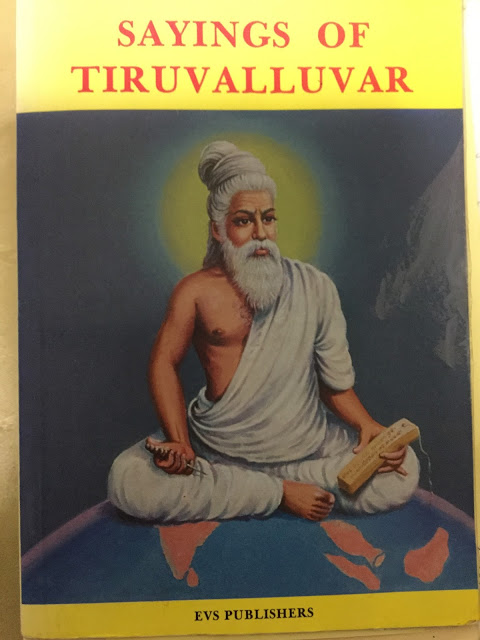
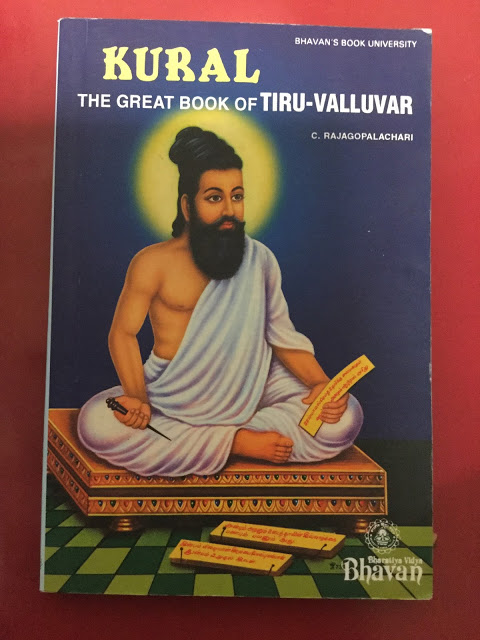
தமிழ் வேதம் ஆகிய திருக்குறளில் திருவள்ளுவர் குறைந்தது பத்து இ டங்களில் பிராமணர்களைப் பற்றியும், வேதம்- மந்திரம் – வேள்வி பற்றியும் பாடியுள்ளார்.


புத்தருக்கும் வள்ளுவருக்கும் உள்ள அதிசயமான ஒற்றுமை: பிராமணன் என்பவன் யார் என்று இலக்கணம் வகுத்தது; மற்றும் பிராமணன் என்றாலும் துறவி என்றாலும் ஒன்றே என்று பாடியது.


அந்தத்தை அணவுவோர்= அந்தணர்கள்; அதாவது வேப்ப மரத்தில் எத்தனை இலைகள், கிரஹணம் ஏன் ஏற்படுகிறது என்று ஆராய்வதை விட உள்முக ஆராய்ச்சி செய்து இறைவனை நாடுவதே தலையாய பணி என்று கருதினர்.


பிராமணன் என்றால் பிரம்மத்தை (இறைவனை) நாடுவோன் என்று பொருள்.


பார்ப்பான் என்றால் நெடுநோக்கு பார்வை உடையவன்; எந்த உயிரினமும் துன்புறாதவாறு நான் என்ன செயலாம் என்று சதா சர்வகாலமும் சிந்திப்பவன்; அன்பே உருவானவன்.

இந்தக் கருத்து தம்ம பதத்திலும் அதற்கு 1000 ஆண்டுகளுக்குப் பின்னர் திருவள்ளுவன் பாடிய திருக்குறளிலும் இருப்பது பெரிய ஒற்றுமை!


புத்தர் , தனது அடியார்களுக்காக புத்த பிட்சுக்கள் பற்றி 25-ஆவது அத்தியாயத்தில் பாடிவிட்டு கடைசியில் 26-ஆவது அத்தியாயத்தில் பிராமண வக்கோ (வர்க) என்று தனியாகப் பாடியதிலிருந்து இது பிராமணர்கள் பற்றியதே என்பது உறுதியாகிறது.


அதே போல அந்தணர், பார்ப்பான், பிராமணன் என்பன துறவியருக்கும் பொருந்தும் என்ற போதிலும் துறவியரைப் பற்றி பாட வந்த தமிழ்ப் புலவர்கள் அதற்காக உள்ள பிரத்யேகச் சொற்களையே –  அதாவது முனிவர், இருடி= ரிஷி, துறவி, சந்யாசி என்றே — பயன்படுத்தினர்.


ஆக சுருக்கமாகச் சொன்னால் பிராமணர் துறவியரே; துறவியர் பிராமணரே.


விஸ்வாமித்திரர், எவ்வளவோ கஷ்டப்பட்டு தவம் செய்து, கடைசியில் வசிஷ்டரே அவரை “நீ ஒரு பிராமணன் (பிரம்மரிஷி)” என்று பகழ்ந்த கதை மிகவும் பிரசித்தம்


நிற்க; ஒரு சில குறட் பாக்களையும் அதற்கு இணையான தம்மபத ஸ்லோகங்களையும் தருவன்:

அந்தணர் என்போர் அறவோர் மற்றெவ்வுயிர்க்கும்

செந்தண்மை பூண்டொழுகலான் (குறள் 30)


அந்தணர் என்போர்  எல்லா உயிர்களிடத்திலும் அருள்பூண்டு வாழ்பவர்கள்


மறப்பினும் ஒத்துக்கொளலாகும் பார்ப்பான்

பிறப்பொழுக்கம் குன்றக்கெடும் (குறள் 134)


பிராமணன் வேதத்தை மறந்தாலும் பின்னர் நினைவுபடுத்திக் கொள்ளலாம்; ஆனால் அவன் ஒழுக்கம் கெட்டுப்போனால் மீண்டும் அவனது மதிப்பிற்குரிய முதல் நிலையை அடையவே முடியாது


அந்தணர் நூற்கும் அறத்திற்கும் ஆதியாய்

நின்றது மன்னவன் கோல் (543)


பிராமணர்கள் போற்றும் வேதங்கள் நிலைபெற மன்னவனின் நேர்மையான ஆட்சி அவசியம்; அதுதான் அடிப்படை.


ஆபயன் குன்றும் அறுதொழிலோர் நூல் மறப்பர்

காவலன் காவான் எனின் (560)


மன்னன் முறையான ஆட்சி செய்யாவிடில் பசுமாடுகள் பால் தராது; ஐயர்கள் வேதங்களைக்கூட மறந்து விடுவார்கள்.


பிராமணர்களையும் பசுக்களையும் இணைத்தே பேசுவதை புற நானூற்றிலும் தேவாரத்திலும் பகவத் கீதையிலும் காணலாம்.


அவி சொரிந்தாயிரம் வேட்டலின் ஒன்றன்

உயிர் செகுத்துண்ணாமை நன்று (259)


ஆயிரம் யாக யக்ஞங்கள் செய்வதற்கு சமம் ஒருவன் புலாலை மறுப்பது.


இதை மனுவும் (5-53) சொல்கிறார்; ஒருவன் தினமும் ஒரு அஸ்வமேத யாகம் வீதம் 100 ஆண்டுகளுக்கு அஸ்வமேதம் செய்தால் கிடைக்கும் புண்ணீயம் சைவ உணவு சாப்பிடுவோருக்குக் கிடைக்கும்.


பிராமணர்களை பூலோக தேவர்கள் (பூ சுரர்) என்று தேவாரம் முதலிய பாடல்களில் போற்றுவர். சதபத பிராமணம் முதலிய நூல்களும் பிராமணர்களை நடமாடும் தேவர்கள்  என்று போற்றும். இதை வள்ளுவனும் எதிரொலிக்கிறான்:


செவியுணவிற் கேள்வி யுடையார் அவியுணவின்

ஆன்றாரோடொப்பர் நிலத்து (413)


செவிக்கு உணவாகிய கேள்வியினை (ச்ருதி=வேதம் =கேள்வி) உடையோர், இந்தப் பூவுலகில் , ஹவிஸை உண்ணும் தேவர்களுக்கு சமமாகக் கருதுவர்.

அவி= ஹவிஸ் என்னும் நெய்ச் சோற்றை வள்ளுவன் இரண்டு இடங்களில் குறிப்பிடுகிறான்; ஐயர்கள் செய்யும் வேள்வியினை சில குறள்களில் சொல்லுகிறான். மந்திரம் பற்றியும் (28) பேசுகிறான்.


தம்ம பதத்தில் புத்தன் சொன்னது என்ன என்பதைக் கீழே படியுங்கள்:–


சொல் செயல் சிந்தனை மூன்றினாலும் யார் ஒருவன் தீங்கு செய்யவில்லையோ – அவனைத்தான் நான் பிராமணன் என்பேன் (தம்மபதம் 391)


ஒரு பிராமணனும், முனிவனும் கடந்த கால பாபத்திலிருந்து விடுபட்டவர்கள் ஆவர்; அவர்கள் தாய் தந்தையரைக் கொலை செய்திருந்தாலும், இரண்டு அரசர்களையே கொலை செய்திருந்தாலும், ஒரு நாட்டைச் சீரழித்து அந்த நாட்டு மக்கலை அழித்திருந்தாலும் சரி.

(தம்மபதம் 294)


பிராமணனுக்கு எவரும் தீங்கு இழைக்கக் கூடாது; பிராமணனனும் பதிலுக்குப் பதில் தாக்கக்க்டாது. இப்படிச் செய்தால் அவர்கள் பரிகசிக்கவே செய்வார்கள். அந்தோ பரிதாபம். (389)


நீண்ட முடியாலோ (குடுமி), பிறப்பினாலோ ஒருவன் பிராமணன் என்ற நிலை வராது; புனிதமும் சத்தியமும் எங்கு இருக்கிறதோ அவ ன்தான் பிராமணன்; அவன் ஆனந்தத்தில் திளைப்பான் (393)


ஏ மூடனே! நீண்ட முடியினால் என்ன பிரயோஜனம்? மான்தோலினால் என்ன பயன்? மனதில் சிக்கல் இருக்கும் வரை, துறவிக்கான அணிகலன்கள் இல்லாவிடில் என்ன பயன்?


இந்த உலகில் அன்னையாக இருப்பது இனிமையானது; தந்தையாக இருப்பது இனிமையானது; துறவியாக இருப்பது இனிமையானது; பிராமணனாக இருப்பது இனிமையானது (332)


யார் ஒருவர் புலன் இன்பத்தை நாடவில்லையோ- தாமரை இலைத் தண்ணீர் போல – ஊசி முனையில் கடுகு போல – வாழ்கின்றனரோ அவர்களைத்தான் நான் பிராமணன் என்பேன் (401)


யார் ஒருவன் பிற உயிர்களுக்கு– வலிதானாலும், மெலிதானாலும் – தீங்கு செய்யவில்லையோ பிற உயிர்களை கொல்லவில்லையோ – கொல்லச் செய்யவில்லையோ – அவனைத்தான் நான் பிராமணன் என்பேன் (405)


ஒரு மனிதன் நல்ல ஆடைகள் உடுத்திக்கொள்ளட்டும்; ஆயினும் அவன் அமைதியாக, நல்லவனாக, தன்னடக்கத்துடன் , நம்பிக்கையுடன், தூய்மையுடன் இருக்கட்டும்; அவன் வேறு எவருக்கும் தீங்கு செய்யவில்லையானால் அவனே புனித பிராமணன், சந்யாசி, பிட்சு (142)


–சுபம்—

BENEFITS OF WALKING ! (Post No.3957)

Compiled by S NAGARAJAN
 

Date: 31 May 2017


Time uploaded in London:-  5-26  am


Post No.3957


Pictures are taken from different sources such as Face book, Wikipdia, Newspapers etc; thanks.


contact: swami_48@yahoo.com


The benefits of walking could not be enumerated in a single essay.

Dr Mercola has empahsised the following points which is worth reading:


If you want to add seven years to your lifespan, set aside 20 to 25 minutes for a daily walk. This simple habit, which can also arguably be one of the most enjoyable parts of your day, has been found to trigger an anti-aging process and even help repair old DNA.


The research, presented at the European Society of Cardiology (ESC) Congress, followed 69 people between the ages of 30 and 60. Those who engaged in daily moderate exercise, such as a brisk walk or jog, high-intensity interval training (HIIT), and strength training experienced anti-aging benefits that could add an additional three to seven years to your life.1


The researchers recommended a 20-minute daily walk to reap these benefits.

As noted by Katy Bowman, a scientist and author of the book, Move Your DNA: Restore Your Health Through Natural Movement


“Walking is a superfood. It’s the defining movement of a human.”


As mentioned, walking may help to slow down the aging process, and it works no matter what age you get started. Study author Sanjay Sharma, professor of inherited cardiac diseases in sports cardiology at St. George’s University Hospitals NHS Foundation Trust in London, told The Independent:


“We may never avoid becoming completely old, but we may delay the time we become old. We may look younger when we’re 70 and may live into our nineties. Exercise buys you three to seven additional years of life. It is an antidepressant, it improves cognitive function, and there is now evidence that it may retard the onset of dementia.”


Harvard Medical School lists out the five benefits of walking as follows:


  1. It counteracts the effects of weight-promoting genes.

Harvard researchers looked at 32 obesity-promoting genes in over 12,000 people to determine how much these genes actually contribute to body weight. They then discovered that, among the study participants who walked briskly for about an hour a day, the effects of those genes were cut in half.


  1. It helps tame a sweet tooth.

A pair of studies from the University of Exeter found that a 15-minute walk can curb cravings for chocolate and even reduce the amount of chocolate you eat in stressful situations. And the latest research confirms that walking can reduce cravings and intake of a variety of sugary snacks.


  1. It reduces the risk of developing breast cancer.

Researchers already know that any kind of physical activity blunts the risk of breast cancer. But an American Cancer Society study that zeroed in on walking found that women who walked seven or more hours a week had a 14% lower risk of breast cancer than those who walked three hours or fewer per week. And walking provided this protection even for the women with breast cancer risk factors, such as being overweight or using supplemental hormones.


  1. It eases joint pain.

Several studies have found that walking reduces arthritis-related pain, and that walking five to six miles a week can even prevent arthritis from forming in the first place. Walking protects the joints — especially the knees and hips, which are most susceptible to osteoarthritis — by lubricating them and strengthening the muscles that support them.


  1. It boosts immune function.

Walking can help protect you during cold and flu season. A study of over 1,000 men and women found that those who walked at least 20 minutes a day, at least 5 days a week, had 43% fewer sick days than those who exercised once a week or less. And if they did get sick, it was for a shorter duration, and their symptoms were milder.So why should not we walk everyday at least for 30 minute.

****                                                                                                      Thanks to Dr Mercola and Harvard Medical School  and all the sites belonging to them /publishing their findings

About Brahmins: Buddha and Valluvar Think Alike!- Part 7 (Post No.3956)

Research Article Written by London Swaminathan


Date: 30 May 2017


Time uploaded in London- 20-37


Post No. 3956


Pictures are taken from various sources such as Face book, Wikipedia and newspapers; thanks.


contact: swami_48@yahoo.com


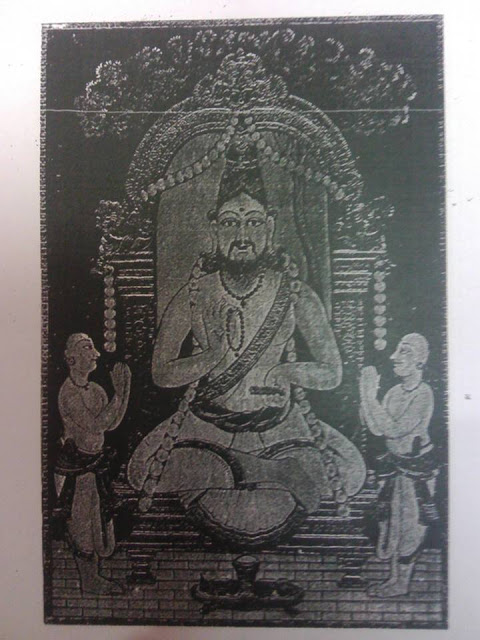
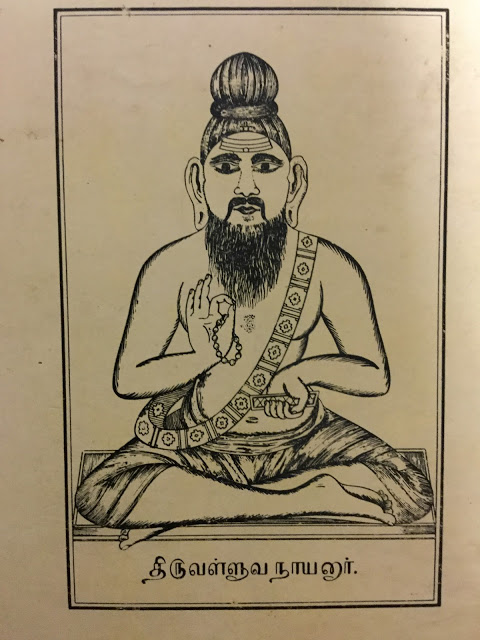
Buddha in Dhammapada and Tiru Valluvar in the Tamil Veda ‘Tirukkural’ praised the Brahmins sky-high, but defined who is a true Brahmin as well.


Tamil poet Valluvar lived approximately 1000 years after the Buddha. He referred to Brahmins in at least four couplets directly and another six couplets indirectly; but Buddha referred to Brahmins in at least 45 couplets; Buddha was so obsessed with the Brahmins that he wanted them to follow him like the emperor Ajata satru and others.

Let me give some examples for comparison which will show that great men think alike.

One must remember that the Brahmins of those days lived like saints; the very term meant one who seeks Brahman; Tamil words for Brahmins are also synonyms of saints such as inward looking, who sees (seer). Other Tamil names included ‘men of six tasks’ ‘Veda reciters’.

Buddha also accepted the Vedic Sanskrit word Brahmana, synonymous with a saint. But he devoted one entire chapter for Brahmins. It follows the chapter Bikshu varga (Buddhis monks). so by Brahmin he meant only Hindu Brahmins/saints.


In short Brahmins were saints and saints were Brahmins in those days. That is how even Viswamitra was called a Brahmin by Vasishtha after a long penance observed by him. Tamil kings and emperors of North India donated a lot to the Brahmins; Asoka mentioned Brahmins first and then Sramanas in his inscriptions.

Virtuous are called Brahmins


“It is the virtuous that are called Brahmins (Anthanar in Tamil) for it is they that scatter kindness towards all that breathes”- Kural 30

“And a saint, a Brahmin, is pure from past sins; even if he had killed his father and mother, had murdered two noble kings, and had ravaged a whole kingdom and its people” (294 Dhammapada).


He who hurts not with his thoughts, or words or deeds, who keeps these three under control – him I call a brahmin -(391 Dhammapada).

xxx


Don’t Hurt Brahmins


“Cows yield less and men of six duties forget their book (Vedas), if the king does not guard justice”- (Kural 560)

Cows and Brahmins will be paired together in most of the Tamil verses and Sanskrit hymns (E.g Bhagavad Gita 5-18 and Sambandar Tevaram)

One should never hurt a Brahmin; and a Brahmin should never return evil for evil. Alas for the man who hurts a Brahmin; Als for the Brahmin who returns evil for evil- (Dhammapada 389)


xxxx

Men of Character

“ A Brahmin can learn anew the Vedas even if he forgets his leaning; but if he fails in his conduct he slips down in his rank of birth”- Kural 134

Brahmins are placed first in the four castes in all the ancient books. If they lose the character they lose their birth right.

It is Manu Smrti also.

A man becomes not a Brahmin by long hair or family of birth. The man in whom truth and holiness, he is in joy and he is a Brahmin -(Dhammapada 393)

Of what use is your tangled hair, foolish man, of use your antelope garment, if within you have tangled cravings, and without ascetic ornaments-(Dhammapada 394)


xxxx

King and the Brahmins


As the ultimate basis of the Vedas of the sages/brahmins and the dharma of wise men

stands the straight sceptre of a just king- Kural 543


Here Valluvar used the Tamil word ‘book of the Anthanar’ and the word Anthanar stands for brahmins.


It is sweet in this world to be a mother; and to be a father is sweet. It is sweet in this world to be a monk; and to be a saintly Brahmin is sweet (Dhammapada 332)

Who clings not to sensuous pleasurers, even water clings nt to the lotus leaf, or a grain of mustard seed  to the point of a needle – him I call a Brahmin -(Dhammapada 401)


xxx

Avoidance of Killing (Non Killing)

In another Kural/couplet he mentioned the fire sacrifices of the Brahmins:

Far better and holier than a thousand oblations on the sacrificial fires is the one sacred act of abstaining from the flesh of a slaughtered animal (Kural 259)

Manu gives the same message in Manu Smrti 5-53:

“The man who offers a horse sacrifice (Asva medha Yajna) every year for a hundred years and the man who does not eat meat, the two of them reap the same fruit of good deeds” -Manu 5-53

This is about the Brahmins sacrifices; though Asva medha was done by the kings, only Brahmins performed it for them.

Who hurts not any living being, whether feeble or strong, who neither kills nor causes to kill – him I call a Brahmin- (Dhammapada 405)


But although a man may wear fine clothing, if he lives peacefully; and is good, self-possessed, has faith and is pure; and if does not hurt any living being, he is a holy Brahmin, a hermit of seclusion, a monk called a Bikshu (Dhammapada 142)

xxx

Brahmins – Gods on Earth!

“Those who in this world enjoy instruction which is the food of the ear, are equal to the Gods who enjoy who enjoy the food of the sacrifice”- Kural 413

Tamil words used by Valluvar ‘Kelvi’ litearlly means Sruti/Veda; ‘avi unavu’ = Havis food

Brahmins are called Busurar i.e. god among men in Tamil hymns; Satapata Brahmana call them living/walking gods.

He who lives in contemplation, who is pure and is in peace, and who has done what was to be done, who is free from passions, who reached the Supreme end – him I call a Brahmin – (Dhammapada 386)

xxxxx

In couplet 28 of Tirukkural, he mentioned Vedic mantras.


–Subham–