Poet Bharati’s Quotations in English (Post No.3303)

IMG_3645 (2)

Compiled  by London Swaminathan


Date: 30 October 2016


Time uploaded in London: 13-29


Post No.3303


Pictures are taken from various sources; thanks


November 2016  ‘GOOD THOUGHTS’ Calendar


Important days

November 5-Kanda Shashti, Sura Samharam; 14- Guru Nanak Jayanti, Children’s Day in India; 22-Kala Bhairava Ashtami; 23-Sathya Sai Baba’s Birth Day.


Ekadasi-11, 25;Full Moon-14;New moon-29; Auspicious days-2, 4, 6, 7, 9, 11, 20, 27
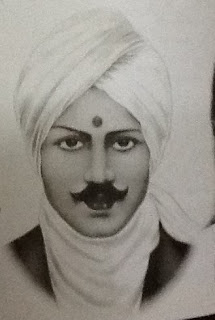
November 1 Tuesday

May Tamil great and Tamils good flourish!

May Bharat great, a gem divine flourish;

May ills that this day torture us, perish!

May good things reach us.


November 2 Wednesday

Even when limbs grow weak, for its food

The lion accepts not the flesh

Offered by a fox


November 3 Thursday

You are knowledge; you are dharma indeed

You are our heart; you are our very soul

You are also the life in our body (B C Chaaterji’s Vandemataram)

November 4 Friday

The lives of great men all remind us

We can make our lives sublime

November 5 Saturday

King of bards of Kudanthai! The praise of Tamil brads

So long as the Potikai bred tongue lasts

Shall be yours; their hearts will always bless you;

You will surely thrive deathless for ever (about U.Ve.Sa)

November 6 Sunday

The wondrous mantra that in love

Is chanted, the mantra at which

Foes shudder, is Vade Mataram.

Even if sinners chant this mantra

They will attain to culture sublime
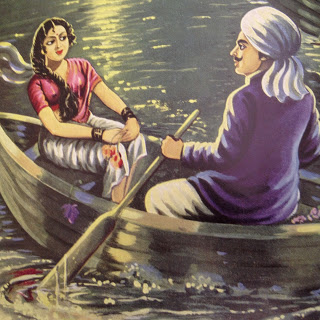


November 7 Monday

Its billions and billions of scholars wise

For thousands of yugas failed to know

This “I”, can I its nature realise?

Can the fish know the greatness of sea;oh!


November 8 Tuesday

This is the nation where flourished mighty kings

And saints blemishless, dharma incarnate!

This nation dubbed the ignoble woman

Who bore not heroes, as nullipara

November 9 Wednesday

Ancient is Bharat and you her children!

Forget not; Bharat is the Tilka of earth

You are her children; forsake not this thought.


November 10 Thursday

May Aryas stay here! May men remain here!

May the heroic and the lofty stay here!

May they who meanness brook, stay here!

May sons of ceaseless love for Motherland, stay here!

May they who die when glory dies, stay here.

November 11 Friday

As loving kindness marks them

Even as exemplary virtue

As they know of God’s nature

They came to be called Brahmins


November 12 Saturday

No more talk of caste and creed

No more talk of birth and breed;

Who first drew breath in this our land

Brahmin or other caste, with us he will stand


November 13 Sunday

This is our Motherland, Bharat!

Its here our parents dear loved and lived

In joyous wedlock, pure.

Our forebears too in ages past

Had lived for centuries, here they died.


November 14 Monday

Himachal is our mountain

The world hath not its fellow;

Ganga is our fountain

Pellucid, sweet and mellow


November 15 Tuesday


Our Upanishads are twelve

Unknown to any other clime

Deep into our minds they delve

And soar aloft sublime.


November 16 Wednesday

Land of the heroic free

Where sages have lived at peace,

Soothed by the poesy

Of Nard’s melodies;

Where Buddha came t birth

–The embodiment of grace–
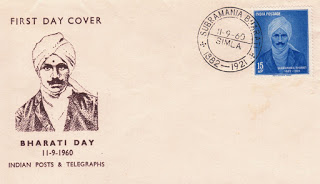


November 17 Thursday

Will knowers of truth think on you Maya?

Can you dare harm the stout-hearted at all?

Maya! May be you are arm potent;

Still can you brave the flame of Mind’s clarity?


November 18 Friday

When will this thirst for freedom slake/

When will our love of slavery die?

When will our Mother’s fetters break?

When will our tribulations cease?

November 19 Saturday

Eighteen are the languages

That she speaks;

But animating them all

Is only one thought

November 20 Sunday

Vedas are the speech

Of this sword-wielding Lady;

Merciful to her votaries,

She extirpates evil men


November 21 Monday

A thousand castes we have, oh dear!

But outsiders have no place here.

However, they quarrel, can the sons of one mother

Cease to be brothers of one another?


November 22 Tuesday

Time was when Pandits of the world

-Authors of millions of great works –

Came thronging here in great quest

Of the unique truth ultimate
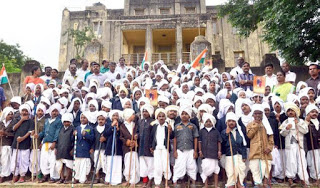


November 23 Wednesday

With tears, not water, this plant we reared;

Is it your pleasure, Lord, it should be seared?

A lustrous lamp with our life’s ghee fed;

Is it your pleasure it should be dead?

After years a thousand there came on a day

A diamond most dazzling; shall we throw it away?


November 24 Thursday

Vikrama of Seventeen Fiftysix,

Annus mirabils! …. Guru Gobind,

The elixir great of mighty victors

Furbished at Anatpur in joyance great


November 25 Friday

Goddess Parvati who wields ten weapons

Lakshmi gladly throned on Lotus, Vani

By whom is buddhi blest, are but Thee, Mother (India)!


November 26 Saturday

The Vedic hymns, in joy, She sings

With Spear of Truth, Her canter rings.

She strews sastras, the Mother kind

Within the reach of all mankind

November 27 Sunday

Rajput heroes whose fame will not fade

Till the end of entire world

Or as long as martial powers lasts

Or as long as chaste women breathe


November 28 Monday

The natives of Punjab and those of great realms

Whence heroes from Arjun onward took birth,

They of Bengal who even when they slumber

Forget not their devotion to the feet of Mother!


November 29 Tuesday

The sweated labour and the plough

Of us shall honoured be;

Vain revellers a target stand

Unto our mockery;

November 30 Wednesday

Thoughts and aims must come to pass

And the mind shall think only good

A stout and sturdy heart I seek

And a clear lucid intellect.


—Subham–
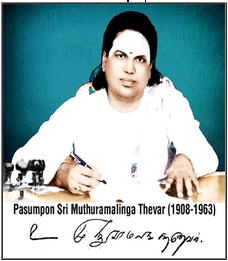


தெய்வத் திருமகன் ஸ்ரீ முத்துராமலிங்கத் தேவர்! (Post No.3302)

Written by S. NAGARAJAN


Date: 30 October 2016


Time uploaded in London: 5-15 AM


Post No.3302


Pictures are taken from various sources; thanks. Pictures are representational; may not have direct connection to the article below.


Contact :– swami_48@yahoo.com


தெய்வத் திருமகனுக்கு ஒரு அஞ்சலிக் கட்டுரை


என்றும் அழியா ஏற்றமிகு தலைவர் தெய்வத் திருமகன் ஸ்ரீ முத்துராமலிங்கத் தேவர்!


ச.நாகராஜன்


பாரதத் திருநாட்டில் தோன்றிய சிறப்பு மிகு ரிஷிகளின் பரம்பரையில் தோன்றியவர் பசும்பொன்னில் பிறந்து பரரை அளந்த ஸ்ரீ முத்துராமலிங்கத் தேவர்.


தேசீயம் எனது உடல் தெய்வீகம் எனது உயிர் என்ற அவரது ஆனமீக முழக்கத்தை பாரத நாடும் இந்து மதமும் எந்நாளும் போற்றும்.


இந்த தேசமும் தெய்வீக இந்து மதமும் உள்ள வரை எந்நாளூம் அழியா மாபெரும் தலைவராக நம்மிடையே ஜீவித்திருப்பார் தேவர் அவர்கள்.


1908ஆம் ஆண்டு அக்டோபர் 30ஆம் தேதி பிறந்தார்; 1963ஆம் ஆண்டு அக்டோபர் 29ஆம் நாள் மறைந்தார்.


இடைப்பட்ட காலத்திலே தேசீய அரங்கிலும் தெய்வீக அரங்கிலும் ஒரு அவதார புருஷர் ஆற்றும் வேலைகளைச் செய்து முடித்தார்.

இந்த இடத்தில் ஒரு சிறிய குறிப்பைப் பதிவு செய்ய வேண்டியது அவசியமாகிறது. நன்றி உணர்ச்சி இல்லாதவன் மனிதனே இல்லை என்ற அடிப்படை உணர்வின் பால் எழும் குறிப்பு இது. தற்பெருமைக் குறிப்பல்ல.


தேவரும் எனது தந்தையார் தினமணி பொறுப்பாசிரியர் ஸ்ரீ வெ.சந்தானம் அவர்களும் நெருங்கிய நண்பர்கள். தேவரின் பிரம்மாண்டமான ஆன்மீக முழக்கங்களுக்கு தந்தையாரின் அன்பும் அரவணைப்பும் எப்போதுமே உண்டு. அவர் கூட்டத்தில் எனது தந்தையார் தலைமை தாங்கும் போது இருவரும் பரவசமாவர்.


(My father Mr V Santanam, News Editor, Dinamani, Madurai presided over one of Thevar’s meetings at the Meenakshi Temple. My eldest brother S Srinivasan was also present at the meeting that was held at Madurai Meenakshi Temple)


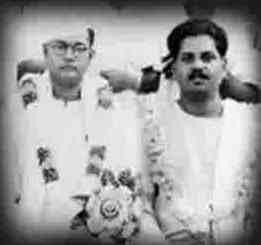
P M THEVAR WITH NETAJI

தேவரின் உரைகளை அப்படியே வார்த்தை மாறாமல் தினமணி வெளியிடும். இது பெரிய எழுச்சியைத் தமிழகத்தில் உருவாக்கியது.


இப்போது தேவர் அவர்களின் உரைகளைப் புத்தகமாகப் பார்க்கும் போது இந்த உரைகளின் முக்கியத்துவம் அனைவருக்கும் எளிதில் விளங்கும்.


மக்களிடையே அவரின் செல்வாக்கிற்குக் காரணம், பேசும் போது மடை திறந்த வெள்ளம் போல வந்து கொட்டும் கருத்து வெள்ளம் மட்டுமல்ல; அதைத் தன் வாழ்வில் வாழ்ந்து காட்டினாரே அந்தச் செயல்முறையும் ஒரு முக்கிய காரணம்!


நேதாஜியை மதுரைக்கு அழைத்து வந்து பெரிய வரவேற்பை அளித்து பிரம்மாண்டமான கூட்டத்தில் பேச வைத்த போது நேதாஜி நெகிழ்ந்து போனார்.


நேதாஜி விமான விபத்தில் இறக்கவில்லை. அவரை நான் பார்த்தேன் என்று அவர் கூறியது சத்திய வாக்கு.


தேவர் பிரானைப் போற்றிய சசிவர்ணத் தேவருக்கும் எனது தந்தையாருக்கும் நல்ல நட்பு உண்டு. ஆகவே ஆவல் மீதூர அவரை அவர் இல்லத்தில் சந்திக்க ஒரு நாள் விழைந்தேன். நானோ சிறுவன். அவரோ பெரியவர். என்றாலும் அன்புடன் வரவேற்றுப் பேசிக் கொண்டிருந்தார்.


நீண்ட நெடும் பேச்சில் எனது கேள்வி, நேதாஜி விமான விபத்தில் இறக்கவில்லையே என்பது தான்.


உடனே தீர்க்கமான குரலில், “என்ன தம்பீ! நேதாஜி உயிருடன் இருக்கிறார். நிச்சயமாக இருக்கிறார்!” என்று உணர்ச்சிவசப்பட்டுக் கூறினார் அவர்.


முத்துராமலிங்கத் தேவர் பிரானே மூன்று வருட காலம்  இருக்குமிடம் யாருக்கும் தெரியாமல் பயணப்பட்டிருந்தார். எங்கு என்பது யாருக்கும் தெரியாது. அவர் பல நாடுகளுக்கும் பயணப்பட்டார்; நேதாஜியைச் சந்தித்தார் என்பது பரபரப்பான செய்தி. உண்மை ஒருநாள் வெளிச்சத்திற்கு வந்தே தீரும்.


தீய சக்திகள் தேவரின் பெயரைச் சொன்னாலே நடுங்கும். ‘எங்கே இந்த மதுரையில் கூட்டத்தைக் கூட்டிப் பார்’ என்ற அவரது தீவிரமான வாசகங்கள் தீய சக்திகளைத் தெறிக்க வைத்து ஓட வைத்த கதையை நாடு நன்கறியும். நாத்திக சக்திகளுக்கு எமன் அவர். நம்பினோர்க்கோ சிவன்!


ஆனால் துரதிர்ஷ்டவசமாக தமிழ் மக்கள் தங்களின் சாபக் கேடால் வள்ளலாரை வாழ்நாளிலேயே உரிய இடத்தில் வைத்துப் போற்ற மறந்தார்கள்.


மஹாகவி பாரதியாரை அவர் வாழ்நாளிலேயே உரிய இடத்தில் வைத்துப் போற்ற மறந்தார்கள்.


அதே போல தேவர் பிரானையும் அவர் வாழ்நாளிலேயே உரிய இடத்தில் வைத்துப் போற்ற மறந்தார்கள்.


எத்தனை  கொடுமைகள் இழைக்கப்பட்ட போதும் கூடத் துணிவுடன் அத்தனையையும் எதிர் கொண்ட சித்தர் அவர்.

இளமைக்காலத்தில் தேக்கடி சென்ற போது ஒரு பெண் அலறியவாறே ஓடி வந்து அவரிடம் என் மாட்டைப் புலி தூக்கிட்டுப் போகுது என்று கூறிய போது அவர் காட்டிய திசையில் சென்று புலியுடன் சண்டையிட்டு காயத்துடன் திரும்பி வந்தார் – கையில் உயிருள்ள ஆட்டுடன். அப்படிப்பட்ட மாவீரருக்குத் துணிச்சலுக்குக் குறைவு உண்டா?


வாழ்நாள் முழுவதும் இந்து மதப் பெருமை, இந்திய தேசத்தின் அருமை ஆகியவற்றை முழங்கிக் கொண்டே இருந்தார். மும்முறை பாராளுமன்ற வெற்றி பூப்போல அவர் கையை நோக்கித்  தவழ்ந்து வந்தது.


எல்லாவற்றிற்கும் மேலாக தீய சக்திகளின் வெறியாட்டத்தின் போது எங்கள் குடும்பத்தின் மீது ஒரு கண் வைத்துக் காத்த தேவர் சமூகத்திற்குக் காலம் முழுவதும் நன்றி சொல்வது கடமையன்றோ!


இன்னும் பெரிய அளவில் தேவரின் பெருமை விரியும் நாளை உருவாக்குவோம்! அவர் சுட்டிக் காட்டிய தேசீயமும் தெய்வீகமும் உலகில் உயர்ந்த இடத்தில் அமரும் நாளாக அது அமையும்!.


இந்தியா உலக அரங்கில் மிளிர இந்து மதம் ஏற்றம் பெற அதைக் கண்களாகக் காத்த தேவரை உயிரெனப் போற்றுவோம்.

தேவர் வாழ்க! அவர் வழியில் அவர் பெருமையைக் காத்துப் போற்றும் தமிழ்க் குலம் வாழ்க!


*************


கம்ப ராமாயணப் பொன்மொழிகள் (கிஷ்கிந்தா காண்டம்)(Post No.3301)

om-muruga


Compiled  by London Swaminathan

Date: 29 October 2016

Time uploaded in London: 15-28

Post No.3301

Pictures are taken from various sources; thanks

நவம்பர் 2016 காலண்டர் (துன்முகி, ஐப்பசி-கார்த்திகை)

 திருவிழா நாட்கள்:- நவம்பர் 5-கந்த சஷ்டி விரதம்,சூர சம்ஹாரம்; நவம்பர் 14 குருநானக் ஜயந்தி, குழந்தைகள் தினம்; 15 கடைமுக ஸ்நானம்’ ;16 கார்த்திகை மாதப் பிறப்பு, முடவன் முழக்கு, சபரிமலை மாலை அணியும் நாள்; நவம்பர் 22 கால பைரவ அஷ்டமி; நவம்பர் 23 சத்ய சாய்பாபா பிறந்த தினம்


அமாவாசை- நவம்பர் 29 , பௌர்ணமி- நவம்பர் 14, ஏகாதசி-11, 25, நவம்பர் முகூர்த்த நாட்கள்-2, 4, 6, 7, 9, 11, 20, 27


நவம்பர் 1 செவ்வாய்க்கிழமை

ஆரியம் முதலிய பதினெண் பாடையில்

பூரியர் ஒரு வழிப்புகுந்தது ஆம் என(18 மொழிகளில் தேர்ச்சி பெறாதோர் ஆரவாரம் செய்வது போல பறவைகள் ஒலித்தன)


Xxx

நவம்பர் 2 புதன்கிழமை


எவ்வம் ஓங்கிய இறப்பொடு பிறப்பு இவை என்ன

கவ்வு மீனொடு முழுகின எழுவன காரண்டம் ( ஜனன-மரண சுழற்சியை மீனுடன் முழுகி எழுந்த காகங்கள் காட்டின)

Xxx

நவம்பர் 3 வியாழக்கிழமை


ஒண்ணும் என்னின் அஃதுதவாது உலோவினாரும் உயர்ந்தாரோ (தம்மால் முடியுமானால் ஒரு பொருளை உதவாமல் கருகிமியாக இருப்போர், உயர்ந்தோர் ஆவரோ!)

Xxx

நவம்பர் 4 வெள்ளிக்கிழமை


ஒளிப்பாரோடும் உறவுண்டோ (ஒன்றை வைத்துக் கொண்டு, இல்லை என்பாருடன் உறவு உண்டோ)


Xxx

நவம்பர் 5 சனிக்கிழமை


அன்பெனும் ஆர் அணி பூண்ட தம்பி (அன்பு எனும் பெறுவதற்கு அரிய ஆபரணத்தை அணிந்த தம்பி- இலக்குவன்)

Xxx


murugan-arathy-fb

நவம்பர் 6 ஞாயிற்றுக்கிழமை


அன்பினுக்கு அவதி இல்லை (அன்புக்கு ஓர் எல்லை இல்லை)


Xxx


நவம்பர் 7 திங்கட்கிழமை

கவ்வை இன்றாக நுங்கள் வரவு ( உங்கள் வரவு துன்பமில்லாத நல் வரவு ஆகுக)

xxx

நவம்பர் 8 செவ்வாய்க்கிழமை

கல்லாத கலையும் வேதக் கடலுமே என்னும் காட்சி

சொல்லாலே தோன்றிற்று அன்றே யார்கொல் இச் சொல்லின் செல்வன் (கற்காத கலைகள் இல்லை, கடல் போலப் பரந்த வேதங்கள் அறிவு, இவன் பேச்சில் தெரிகிறது இனிய சொற்களைச் செல்வமாகப் பெற்ற இவன் (இந்த அனுமன்) யார்?)

Xxx


நவம்பர் 9 புதன்கிழமை

நடுங்கினர்க்கு அபயம் நல்கும் அதனினும் நல்லது உண்டோ (தம்மைச் சரணடைந்தவர்களுக்கு அஞ்சாதே என்று அருள் செய்வதைக் காட்டிலும் மேம்பட்ட அறமும் உண்டோ)


Xxx

நவம்பர் 10 வியாழக்கிழமை

உன்னோடு உற்றவர் எனக்கும் உற்றார் உன்கிளை எனது என் காதல்

சுற்றம் உன்சுற்றம் நீ என் உயிர்த் துணைவன் என்றான் (சுக்ரீவ ன் – ராமன் நட்புறவு ஒப்பந்தம்)

murugan-moustacheorissa

Xxxx

நவம்பர் 11 வெள்ளிக்கிழமை

பிழைத்தனை பாவி உன் பெண்மையால் என்றான் (உன் பெண்மை இயல்பால் நீ இங்கனம் தவறு செய்துவிட்டாய் (வாலி, தன் மனைவியிடம் சொன்னது.)

Xxx

நவம்பர் 12 சனிக்கிழமை

எய்தவர் பெறுவர் என்றால் இணையடி இறைஞ்சி ஏவல்

செய்தவர் பெறுவது ஐயா செப்பல் ஆம் சீர்மைது ஆமோ (ராமா! உன் அம்பு பட்டு இறந்தவர்களும் வீடு பேறு அடைவர் என்றால் உனக்கு குற்றேவல் செய்வர் வீடு பேறு அடைவதை சொல்லவும் வேண்டுமா– வாலி சொன்னது)

Xxxxx

நவம்பர் 13 ஞாயிற்றுக்கிழமை


பெற்றாருழைப் பெற்றபயன் பெறும் பெற்றி அல்லால்

அற்றார் நவை என்றலுக்கு ஆகுநர் ஆர்கொல் என்றான்

(குற்றமில்லாதவர் என்று யாரைச் சொல்லமுடியும்? நண்பர்களிடத்தில் பொருந்திய நற்பயனை எடுத்துக்கொள வேண்டும்- லெட்சுமணனிடம் ராமன்)


Xxx

நவம்பர் 14 திங்கட்கிழமை


மும்மைசால் உலகுக்கெல்லாம் மூல மந்திரத்தை முற்றும்

தம்மையே தமர்க்கு நல்கும் தனிப்பெரும் பதத்தைத் தானே

இம்மையே எழுமை நோய்க்கும் மருந்தினை இராமன் என்னும்

செம்மைசேர் நாமம் தன்னைக் கண்களின் தெரியக் கண்டான்


xxx

நவம்பர் 15 செவ்வாய்க்கிழமை

தீமைதான் பிறரைக் காத்து தான் செய்தால் தீங்கு அன்று ஆமோ (மற்றவர்களைத் தீய செயலிலிருந்து தவிர்த்துவிட்டு, தானே தீமை செய்தால் அது குற்றமற்றதாகிவிடுமோ?)

Xxxx

rk-nagar-muruga

நவம்பர் 16 புதன்கிழமை

மெலியவர் பாலதேயோ ஒழுக்கமும் விருப்பம்தானும்

வலியவர் மெலிவு செய்தால் புகழ் அன்றி வசையும் உண்டோ (ஒழுக்கமும், சிறப்பும் மெலியவரிடத்தில் மட்டுமா?வலியவர் இழிசெயல் செய்தாலும் புகழ்தானோ? ராமன் பற்றி வாலியின் கிண்டல்)

Xxx

நவம்பர் 17 வியாழக்கிழமை

ஏதிலாறும் எளியர் என்றால் அவர் தீது தீர்ப்பது என் சிந்தைக்கு கருத்து அரோ (எளியவரைக் காப்பது என் கருத்து; வாலிக்கு ராமன் பதில்)

Xxx

நவம்பர் 18 வெள்ளிக்கிழமை


தக்க இன்ன தகாதன இன்ன என்று

ஒக்க உன்னலர் ஆயின் உயர்ந்துள

மக்களும் விலங்கே மனுவின் நெறி

புக்கவேல் அவ்விலங்கும் புத்தேளிரே (எது சரி, எது சரியில்லை என்று தெரியாத மக்கள் விலங்குகளே; மனு நீதிப்படி நடக்கும் விலங்கும்கூட தேவர்களுக்குச் சமம்)

Xxxx

நவம்பர் 19 சனிக்கிழமை


எக்குலத்து யாவர்க்கும் வினையால் வரும் மேன்மையும் கீழ்மையும்

(எந்த ஜாதிக்காரன் ஆனாலும் அவன் செய்யும் செயலால்தான்

உயர்வும் தாழ்வும் வரும் என்பதே மனு நீதி)


Xxxx

நவம்பர் 20 ஞாயிற்றுக்கிழமை

நாய் என் நின்ற எம்பால் நவை அற உணரலாமே

தீயன பொறுத்தி என்றான் சிறியன சிந்தியாதான் (நாய் போன்ற என்னைப் போன்றவர்களின் குற்றங்களைப் பொறுத்துக் கொள்வீர்களாக! என்று சிறிய எண்ணம் இல்லாத வாலி, ராமனிடம் வேண்டினான்)

Xxxxx

diwali-drawing-2

நவம்பர் 21 திங்கட்கிழமை

அறைகழல் இராமன் ஆகி அறநெறி நிறுத்த வந்தது (தர்மத்தை நிலைநாட்டவே இந்த இராமாவதாரம் வந்தது– வாலி சொன்னது)

Xxxxx

நவம்பர் 22 செவ்வாய்க்கிழமை

சிறியாரோ உபகாரம் சிந்தியார் ( நீ செய்த பேருதவியை எண்ணிப் பார்க்காத சிறியவனா?)


xxx

நவம்பர் 23 புதன்கிழமை


தர்மம் பற்றிய தக்கவர்க்கு எலாம்

கருமம் கட்டளை என்றல் கட்டதோ (அறவழியில் செல்வோருக்கு அவரவர் செயல்தான் உரைகல் என்பது கட்டுக்கதை ஆகிவிட்டதா– தாரை புலம்பல்)

Xxxx

நவம்பர் 24 வியாழக்கிழமை


புகை உடைத்து என்னின் உண்டு பொங்கு அனலங்கு ( புகை இருந்தால் தீ இருக்கும்)


Xxxx

நவம்பர் 25 வெள்ளிக்கிழமை


நகையுடை முகத்தை ஆகி இன்னுரை நல்கு நாவால் (முக மலர்ச்சியுடன் இரு; இனிய சொற்களைப் பேசு – சுக்ரீவனுக்கு இராமன் அறிவுரை)

b_id_406817_kawadiyan

xxx


நவம்பர் 26 சனிக்கிழமை


செய்வன செய்தல் யாண்டும் தீயன சிந்தியாமை

வைவன வந்த போதும் வசையில் இனிய கூறல் (செய்ய வேண்டியதை செய்; எப்போதும் தப்பானவைகளை நினைக்காதே; மற்றவர்கள் திட்டினாலும் இனிய சொற்களைச் சொல்- சுக்ரீவனுக்கு இராமன் அறிவுரை)


Xxxxx

நவம்பர் 27 ஞாயிற்றுக்கிழமை


சிறியர் என்றிகழ்ந்து நோவு செய்வன செய்யல் (வலிமை குன்றியவர் இடத்தில், வருத்தம் தரும் செயலைச் செய்யாதே)


Xxxx

நவம்பர் 28 திங்கட்கிழமை


மங்கை பொருட்டால் எய்தும் மாந்தர்க்கு மரணம்  (பெண்கள் பிரச்சனைகளில் மரணம் கூட ஏற்படும்)


xxxx


நவம்பர் 29 செவ்வாய்க்கிழமை


தீயன வந்தபோது சுடுதியால் தீமையோரை ( தீயவரைத் தண்டிக்கும்போது எல்லை மீறாதபடி தண்டிக்கவேண்டும்)


Xxxx


நவம்பர் 30 புதன்கிழமை


பாக்கியம் அன்றி என்றும் பாவத்தைப் பற்றலாமோ (செல்வத்துக்குக் காரணமான நல்லவற்றைச் செய்யாமல் வறுமைக்குக் காரணமான தீயவற்றைச் செய்யலாமோ!)


—SUBHAM–


Discipline Anecdotes (Post No.3300)

republic-day-parade13

Compiled  by London Swaminathan


Date: 29 October 2016


Time uploaded in London: 14-16


Post No.3300


Pictures are taken from various sources; thanks


militarydisciplinehatsoff_6e0bb0_4398712

A telegram from one of his generals was on Lincoln’s desk while an old man was pleading for a pardon for his son Lincoln turned t him gently but firmly, I am sorry, I can do nothing for you, he said with finality. Listen to this telegram I received from General Butler yesterday

President Lincoln, I pray you not to interfere with the courts martial of the army. You will destroy all discipline among our soldiers

Greatly affected by the hopeless despair on the old mans face, Lincoln said, by jingo, Butler or no Butler, here goes.

The old man read Job Smith is not to be shot until further orders from me-Abraham Lincoln.

He expressed disappointment. Why I thought it was a pardon! You may order him to be shot next week.

My old friend, the President replied, I see you are not well acquainted with me. If your son never dies till orders come from me to shoot him, he will live to be a great deal older than Methuselah.


Xxx

Wooden Sword Punishment!

During the Black Hawk War, Captain Abe Lincoln was one of the first of company to be arraigned for unmilitary conduct. Contrary to the rules he fired a gun within the limits and had his sword taken from him. The infringement of rules was by some of the men who stole a quantity of liquor, drank it, and became unfit for duty, straggling out of the ranks the next day, and not getting together again until late at night.

For showing this lawlessness the captain was condemned to wear a wooden sword for two days.


Xxxx

michael-saldana

Punch in the face! More Soldiers Anecdotes

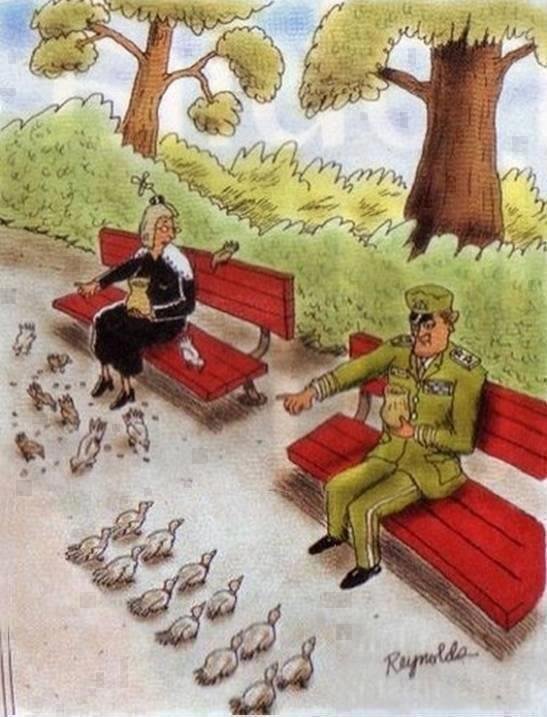
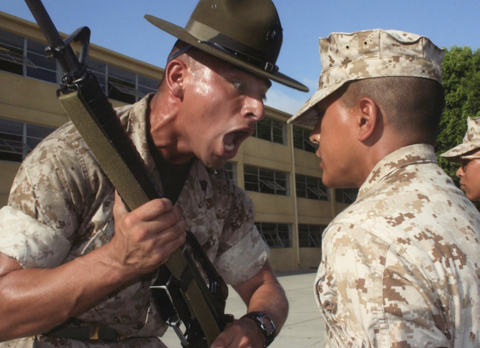
A group of soldiers were discussing the many things they would do when they were discharged from the army.

First thing I am going to do when I get out of the army, said one disgruntled individual, is bust that sergeant right on the nose.

Oh yeah ,retorted a nearby comrade, that is what you think. You are going to wait right in line and take your turn , just like all the rest of us.


Xxx


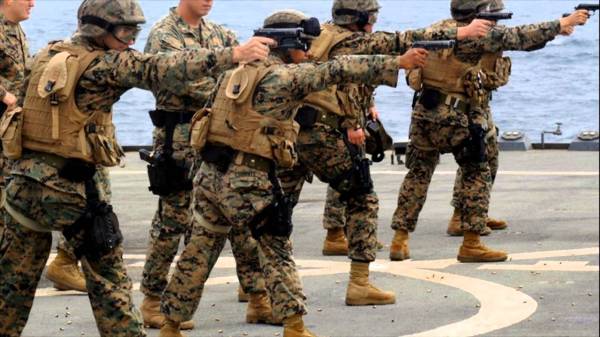
Marines and Girls

Two young girls were watching a shipload of marines depart for places Unknown. Wistfully they watched the ship as it rapidly disappeared from sight.

Ain’t it a shame, mourned one of them, that those handsome marines have to go way off to China or somewhere.

What will they ever do there?

What will they do?, rejoined the more worldly of the two

Have ever had a date with a marine?

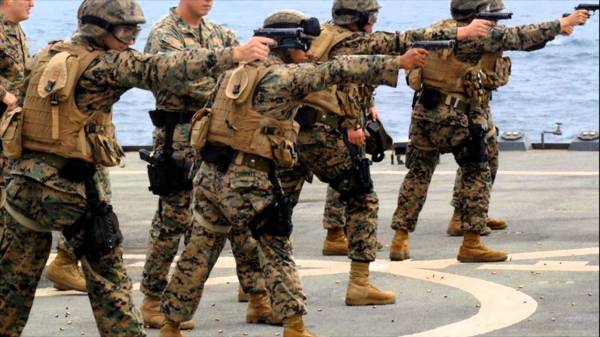
us-military

Xxx


Traitor Arnold

During the traitor Arnold s predatory operations in Virginia in 1781, he took an American captain prisoner.After some general conversation, he asked the captain what’s he thought the Americans would do with him if they caught him? The captain declined declined at first giving him an answer, but on being repeatedly urged,he said,

Why, sir, if I must answer the question, you will excuse my telling you the truth; if my country men should catch you, I believe they would first cu off your lame leg which was wounded in the cause of freedom and virtue at Quebec and bury it with the honours of war, and afterwards hang the reminder of your body on a gobbet.


Xxx


I am a marine!

They tell the story of American lady of notable good works, much esteemed by the French, who at the end of June 1918, visited one of the field hospitals behind Degouttes Sixth French Army. Wounded American soldiers were picked up by French stretcher bearers and evacuated to French hospitals. And this lady looking down a long, crowded ward saw on a pillow a face unlike the fiercely whiskered Gallic heads there displayed in rows.

ussoldies

Oh, she said, surely you are an American.

No, madam, the casualty answered, I am a Marine.

–Subham—


திருமுருகாற்றுப்படையில் அந்தணரும் வேதமும்! (Post No.3299)

img_4204

Written by S. NAGARAJAN


Date: 29 October 2016


Time uploaded in London: 9-11 AM


Post No.3299


Pictures are taken from various sources; thanks. Pictures are representational; may not have direct connection to the article below.


Contact :– swami_48@yahoo.com


சங்க இலக்கிய ஆய்வு – கட்டுரை எண் 2


திருமுருகாற்றுப்படையில் அந்தணரும் வேதமும் !


                      ச.நாகராஜன்  

317 அடிகள் கொண்ட திருமுருகாற்றுப்படை மதுரைக் கணக்காயனார் மகனார் நக்கீரர் இயற்றிய அற்புத நூலாகும்.

பாட்டுடைத் தெயவம் குமரவேள். பத்துப் பாட்டில் இடம் பெறுகிறது இது.

சங்க இலக்கியம் தோன்றிய காலத்தில் பிற்பகுதியில் இயற்றப்பட்ட நூல் இது என்பர் சிலர்.

12 திருமுறைகளில் 11ஆம் திருமுறையில் இது இடம் பெறுகிறது.

முருக பக்த்ரகளுக்கு (விவாதம் தாண்டிய) பக்தி உணர்ச்சியைத் தரும் பக்தி நூல் இது. இலக்கிய அன்பர்களுக்கோ சிலிர்க்க வைக்கும் தமிழ் இன்பத்தை ஊட்டும் நூல். ஆய்வாளர்களுக்கோ பல்வேறு துறைகளில் ஆய்வை மேற்கொள்ளக் கூடிய வாய்ப்பை நல்கும் சிந்தனைக் களஞ்சியமான  நூல்.


குமரவேளின் அருமைக்காக ஒரு முறையும், தமிழ்ச் சொற்களின் அழகிய இயல்புக்காக ஒரு முறையும், படிக்கும் போது மீதூறி வரும் பக்திக்காக ஒரு முறையும், தமிழர் தம் பண்பாட்டை தெள்ளிதின் தெரிந்து கொள்வதற்காக ஒரு முறையும், அறம் வெல்லும் பாவம் தோற்கும் என்ற பிரப்ஞ்ச நியதியைத் தெரிந்து கொள்வதற்காக ஒரு முறையும், மேலாம் முக்தி நிலையை அடைய வழிகாட்டி அழைத்துச் செல்லும் நூல் என்பதால் ஒருமுறையும் ஆக ஆறுமுகத்தைப் போற்றும் இந்த நூலை ஆறுமுறை அவ்வப்பொழுது படிக்கலாம்.


ஒருமையுடன் மனதைச் செலுத்திப் படிப்போர் இன்பம் அடைவது உறுதி. இந்தக் கட்டுரைக்கான வடிவமைப்பில் நாம் பார்க்க வேண்டிய அந்தணர், வேதம் ஆகியவை வரும் பகுதிகளை (மட்டும்) இனிப் பார்ப்போம்.


முதலில் 177 முதல் 183 முடிய உள்ள வரிகளைப் பார்ப்போம்:


“இருமூன்று எய்திய இயல்பினின் வழாஅது

இருவர்ச் சுட்டிய பல்வேறு தொல்குடி

அறுநான்கு இரட்டி இளமை நல்யாண்டு

ஆறினில் கழிப்பிய அறன்நவில் கொள்கை

மூன்றுவகைக் குறித்த முத்தீச் செல்வத்து

இருபிறப்பாளர் பொழுது அறிந்து நுவல

ஒன்பது கொண்ட மூன்றுபுரி நுண்ஞாண்”


அந்தணர் பற்றிய விரிவான விளக்கத்தை இப்பகுதி தருகிறது.

இதில் குறிப்பிடப்பெறும் இரு மூன்று எய்திய இயல்பு ஓதல்  என்பது ஓதல், ஓதுவித்தல், வேட்டல், வேட்பித்தல்,ஈதல், ஏற்றல் என்னும் ஆறாகிய நன்மையைக் குறிக்கிறது. அந்தணர் குல  மரபின் படி இந்த ஆறு தொழில்களையும் வழுவாது பரம்பரை பரம்பரையாகக் காத்து வருபவர்கள் அந்தணர் எனப்து இதனால் பெறப்படுகிறது.


இருவர்ச் சுட்டிய பல்வேறு தொல்குடி என்பதால்  தாய் வழியிலும் தந்தை வழியிலும் தூய்மையான  குடியினைச் சேர்ந்தவர்கள் என்பது சுட்டிக் காட்டப்படுகிறது.

குடி என்பது கோத்திரத்தைக் குறிக்கிறது. கௌசிகம், வாதூலம், கச்யபம் போன்ற கோத்திரங்கள் இந்த வார்த்தையால் குறிக்கப்படுகிறது.


அறுநான்கு என்றால் இருபத்திநான்கு அதை இரட்டித்தால் வருவது 48. ஆக 48 ஆண்டுக் காலம் பிரமசரியத்தைக் காத்தலை இந்த வரி காட்டுகிறது.


48 ஆண்டுகள் பிரமசரியம் காக்கும் பழக்கத்தை இறையனார் அகப்பொருளுரையில் “நாற்பத்தெட்டியாண்டு பிரமசரியம் காத்தான்” என்ற வரியாலும் தொல்காப்பிய களவியல் உரையிலும் கூடக் காணலாம்.


அறன் நவில் கொள்கை என்பதால் அந்த அந்தணர்கள் அறத்தைத் தன் வாழ்க்கையில் வாழ்ந்து காட்டும் பண்பைக் கொண்டவர்கள் என்பது சுட்டிக் காட்டப்படுகிறது. அற வாழ்க்கையே அவர்களது message!

மூன்று வகை குறித்த மூத்தீச் செல்வம் என்பது காருகபத்தியம்,ஆகவனீயம்,தட்சிணாக்கினி ஆகிய மூன்று வகை அக்கினியைக் குறிக்கும். மூன்று வகை அக்கினிக்கும் வெவ்வேறு வடிவங்கள் உண்டு. சிறப்புகள் உண்டு. இது பற்றிய விளக்கத்தைக் கல்ப சாஸ்திரத்தில் விரிவாகக் காணலாம்.

இருபிறப்பாளர் என்பது அந்தணர் தாய் வயிற்றில் அடையும் ஒரு பிறப்பையும் பின்னர் உபநயனத்தின் போது காயத்ரி மந்திரத்தை உபதேசமாகப் பெறும் போது அடையும் ஞானப் பிறப்பாம் இரண்டாம் பிறப்பையும் கொள்வதைக் குறிப்பிடுகிறது. அந்தணருக்கான இன்னொரு பெயரே இருபிறப்பாளர்.


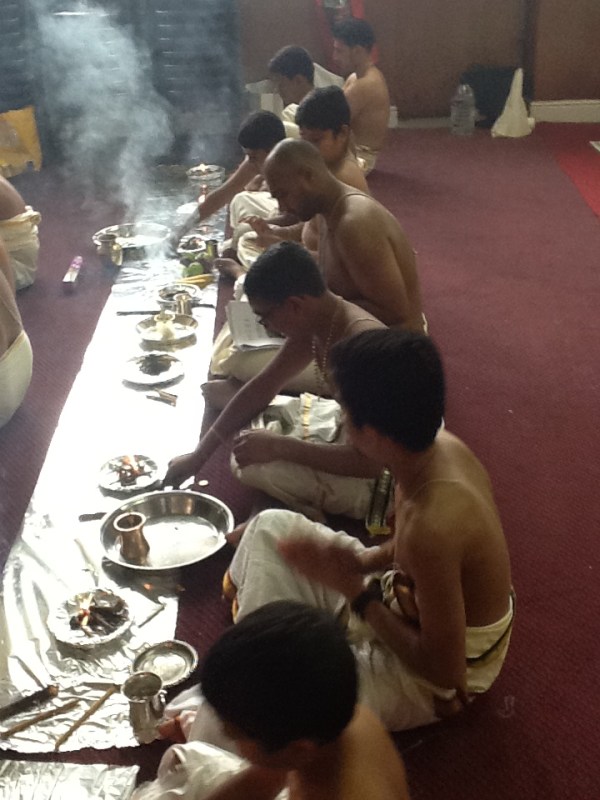
ஒன்பது கொண்ட மூன்றுபுரி நுண்ஞாண் என்பதால் ஒன்பது இழைகளைக் கொண்ட பூணூலை அணிந்த அந்தணர்கள் என்பது காட்டப்படுகிறது. மூன்று மூன்று இழைகளாக மூன்று பூணூலை அதாவ்து  மொத்தம் ஒன்பது இழைகளைக் கொண்ட பூணூலை அணிந்தவர்கள் என்பது திருத்தமாக விளக்கப்படுகிறது.

img_4205

அடுத்து 185,186,187 அடிகளைக் காண்போம்;


உச்சிக் கூப்பிய கையினர் தற்புகழ்ந்து

ஆறெழுத் தடக்கிய வருமறைக் கேள்வி

நாவில் மருங்கின் நவிலப் பாடி


என்பதால்

தலைக்கு மேலே குவித்து வைத்த கைகளுடன் முருகனைத் துதித்து ஆறு எழுத்து அடங்கிய இரகசியமான மந்திரத்தை  (நம; குமாராய) நாக்கு அசையும் அளவில் பயிலும் படி உச்சரிக்கும் அந்தணர்  என்பது பெறப்படுகிறது.


ஆறுமுகத்தின் செயல்களை விளக்க வரும் நக்கீரர்,


ஒருமுகம்

மந்திர விதியின் மரபுளி வழாஅ

அந்தணர் வேள்வி யோர்க்கும்மே (வரிகள் 94,95,96)

என்று கூறுகிறார்.


அதாவது முருகனின் ஒரு முகம் மந்திரத்தை உடைய வேதத்திலே விதித்தலை உடைய ம்ரபு வழி வந்த பிராமணர்களின் யாகங்களுக்குத் தீங்கு விளைவிக்காமல் நிலையாக் நிற்கும் படி காக்கின்ற தொழிலை மேற்கொள்கிறதாம்!.


அந்தணரைக் காப்பதும் அவரது வேள்வி நன்கு நடக்கும் படி அருளுவதும் வெற்றிவேலனின் திருவருட்செய்கையாக இயல்பாகவே இருக்கிறது.


இனி 155,156ஆம் அடிகளில் இந்திரனைக் குறிப்பிடுகிறார் நக்கீரர்.


“நூற்றுப்பத்தடுக்கிய நாட்டத்து நூறுபல்

வேள்வி முற்றிய வென்றடு கொற்றத்து”


இந்திர பதவியை அடைவது என்பது எளிதல்ல. நூறு அஸ்வமேத யாகம் செய்த ஒருவ்ரே இந்திர பதவி பெறும் தகுதி உடையவராவார்.  நூறு பல்வேள்வி முற்றிய இந்திரன் நூற்றுப்பத்தடுக்கிய கண்களை உடையவன். அதாவது ஆயிரம் கண்களை உடையவன்.


அவன் இந்த வேள்வி பலத்தினால் பகைவரை வெற்றி கொள்பவன் (வெனறடு கொற்றம்)!!

இங்கு யாகத்தின் சிறப்பு கூறப்படுகிறது.


ஆக அந்தணர் பெருமை, அவர்களைக் காக்கும் முருகனின் அருள் திறம், வேள்வி பல் செய்ததால் இந்திர பதவி அடைதல் உள்ளிட்ட நுட்பமான கருத்துக்களைத் திருமுருகாற்றுப்படை தெளிவாக விளக்குகிறது.


பண்டைய தமிழ்ச் சமுதாயத்தில் அந்தணர் பெற்றிருந்த இடத்தையும், அவர்கள் இயல்பையும், வேள்வியின் மஹிமையையும் திருமுருகாற்றுப்படையின் இப்பகுதிகள் விளக்குகின்றன.

******

சங்க இலக்கிய ஆய்வில் முதலாவது கட்டுரை :  திருக்குறளில் அந்தணரும் வேதமும்.

மறு வெளியீடு செய்ய விரும்புவோர் தவறாது ப்ளாக்கின் பெயர், கட்டுரையாளர் பெயரை வெளியிட வேண்டுகிறோம்.


தினமணி ரகசியம்: திருடனுக்கு தேள் கொட்டிய கதை! (Post No.3298)

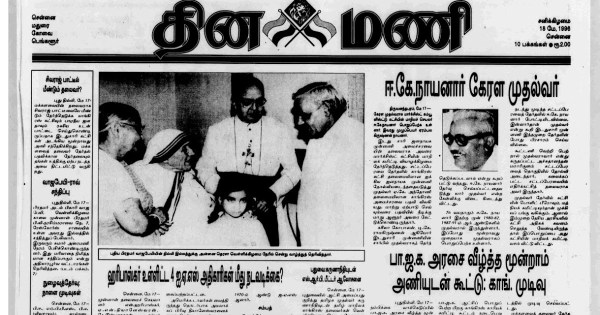
18-05-1996_din_001_cty_mds

Written  by London Swaminathan


Date: 28 October 2016


Time uploaded in London: 18-59


Post No.3298


Pictures are taken from various sources; thanks


திருடனுக்கு தேள் கொட்டினால் என்ன ஆகும்? சொல்லவும் முடியாது, மெல்லவும் முடியாது. கூச்சல் போட முடியுமா? அப்படிப் போட்டால் ‘உரலுக்கு ஒரு பக்கம் இடி, மத்தளத்துக்கு இரண்டு பக்கமும் இடி’ என்பது போல, தேள் கொட்டிய கடுப்புடன், ஆட்கள் அடிக்கும் கடுப்பும் சேர்ந்து விடும்.


இதே போல பத்திரிக்கைகளில் தவறு நேர்ந்தால் சில விஷயங்களில் “திருத்தம்” என்று போடுவோம். இன்னும் சில விஷயங்களில் திருத்தம் போடாமலிருப்பதே மேல். அதாவது தேள் கொட்டிய திருடன் போல மௌனமாக இருந்து விடுவோம்.

நான் 16 ஆண்டுக்காலத்துக்கு மதுரை தினமணி பத்திரிக்கையில் சீனியர் சப் எடிட்டராகவும்(SENIOR SUB EDITOR)  5 ஆண்டுக் காலத்துக்கு மேல் பி பி சி தமிழோசையில் ப்ரொட்யூசராகவும் (PRODUCER,BBC WORLD SERVICE) வேலை பார்த்தபோது நிறைய சுவையான அனுபவங்கள் உண்டு. திடீர் திடீரென சில நினைவுகள் வரும்போதெல்லாம் அவைகளை எழுதுகிறேன். முன்னர் கோயங்கா சாம்ராஜ்ய ரகசியங்கள்,  A N சிவராமனின் லவ் லெட்டர் நோட்டு என்றெல்லாம் சில கட்டுரைகள் எழுதினேன். இந்த பிளாக்கில் நேரம் கிடைக்கும்போது வாசியுங்கள்


ஒரு முறை சேங்காலிபுரம் அனந்தராம தீட்சிதர் என்பதற்குப் பதிலாக, கேஸ் காலி புரம்


என்று வெளியாகிவிட்டது. மறுநாள் எங்கள் சப் எடிட்டர்களில் ஒருவரே கண்டுபிடித்து செய்தி ஆசிரியர் வெ.சந் தானத்திடம் காட்டினார். பேசாமலிருப்பதே உத்தமம், திருத்தம் எதுவும் போட வேண்டாம் என்று சொல்லிவிட்டார்.


இன்னொரு தடவை இதைவிட மோசமான ஒரு தவறு நேர்ந்தது. குன்றக்குடி அடிகளார் என்பதற்குப் பதிலாக, குறக்குன்டி அடிகளார்

என்று அச்சாகிவிட்டது. அப்போதும் திருத்தம் வெளியிடக்கூடாது என்று முடிவு செய்யப்பட்டது. வெறும் இடமாறு தோற்றப் பிழைதான்! ஆயினும் அர்த்தம், அனர்த்தம் ஆகிவிட்டது.


பாதிக்கப்பட்டவர்களும் திருத்தம் வெளியிடச் சொல்லி ஆட்சேபணை கிளப்பவில்லை. அவர்களைப் பொருத்தமட்டில் இந்த செய்தியை இப்படித் திருத்தி வாசியுங்கள் என்று வெளியிட்டால், அது “எங்கப்பன் குதிருக்குள்ளே இல்லை” என்று நாமே காட்டிக் கொடுத்ததாகிவிடும் என்பது தெரியும். ஆயினும் இந்தச் செய்தி, அதன் புரூப் PROOF ஆகியன யார் கையில் எல்லாம் போயிற்றோ அவர்கள் எல்லாருக்கும் திட்டும் வசையும் கிடைக்கும். அப்போதுதான் அடுத்த முறையாவது சரியாக படி (புரூப்) திருத்துவர் என்பது தாத்பர்யம்!!


இதுதான் திருடனுக்கு தேள் கொட்டிய கதை!


MOBILE TEXTS மொபைல் டெக்ஸ்ட்


இதெல்லாம் ஏன் திடீரென்று நினைவுக்கு வந்தது என்றால், தினமும் மொபைல் போனில் TEXT டெக்ஸ்ட் அனுப்பும்போது நாம் ஒன்று அடிக்க அதுவாக ஏற்கனவே இருக்கும் சொற்களில் ஒன்றைப் போட்டுவிடுகிறது அவசரத்தில் சரி பார்க்காமல் SEND அனுப்பு என்ற பட்டனை சொடுக்கினால் அது பெரிய தலைவலியாக முடியும். இப்படி நானே சிலருக்கு டெக்ஸ்ட் அனுப்புகையில் மிகவும் அபத்தமான MESSAGE மெஸ்ஸேஜ் போனதுண்டு. பின்னர் VERY SORRY வெரி ஸாரி சொல்லி தப்பித்துக் கொண்டேன்.


ஒவ்வொரு பத்திரிக்கையிலும் ஸ்டைல் புக் STYLE BOOK என்று ஒன்று உண்டு. அதாவது அந்தப் பத்திரிக்கையில் ஊர்ப் பெயரையோ ஆட்கள் பெயரையோ எழுதும் போது இந்தமாதிரி SPELLING ஸ்பெல்லிங்தான் இருக்க

வேண்டும். சில சொற்களைப் பயன்படுத்தக்கூடாது என்றெல்லாம் சொல்லிக் கொடுப்பர்.


முஸ்லீம்களின் ஒரு பிரிவினர் பெயரை அப்படியே எழுதினால் தமிழில் அபஸ்வரமாக இருக்கும் என்பதால் சன்னிSUNNY முஸ்லீம் என்று எழுதுவோம். இதற்கு இடக்கர் அடக்கல் (EUPHEMISM என்று தமிழில் பெயர். டாய்லெட் போய் வந்தோம் என்று சொல்லுவதற்குப் பதிலாக, நாம் “கால் கழுவி வந்தோம்” என்போம்.


பி.பி சி. தமிழோசையில் நான் மயிரிழையில் தப்பித்தார் என்று எழுதியபோது என் ‘பாஸ்’ BOSS சங்கர் அண்ணா, “தம்பி அடுத்த முறை எழுதும் போது நூலிழையில் தப்பினார்” என்று சொல்லுங்கள் என்று சொல்லிக்கொடுத்தார்.


மற்றொரு இலங்கைப் பெண்மணி, துப்பாக்கி என்பதற்குப் பதிலாக துவக்கு என்று சொல்லும் போதும் திருத்துவார். பாரிய, பாரதூரமான, அங்குரார்ப்பணம் என்ற சொற்களைப் பயன்படுத்துகையிலும் நல்ல தமிழ்ச் சொற்களைத் தருவார்.


இன்னும் பல சுவையான விஷயங்களை நினைவுக்கு வருகையில் தருகிறேன்.


-சுபம்–


DRAVIDIAN MARRIAGE CUSTOMS (Post No.3297)

kudalur-adivadi-women

Adivasi women from Dinamalar newspaper

Compiled  by London Swaminathan


Date: 28 October 2016


Time uploaded in London: 12-56


Post No.3297


Pictures are taken from various sources; thanks


According to foreign “scholars”, all dark-skinned people, particularly tribal people, are Dravidians. But I have been saying that they are neither Dravidians nor Aryans, because no such thing is found in Sangam Tamil literature and Vedic literature. According to foreign writers these were the people once occupied Indus valley cities; but I have been arguing these people have nothing to do with Indus valley Civilization. These were the people who have been living in tis country from Bhimbetka Cave (Madhya Pradesh) days along with the Vedic culture. There are hundreds of tribes in India with different customs. There is no uniform culture. The surprising thing about the tribes is that they tie MANGALA SUTRAM (Thaali in Tamil) around bride’s neck. So, following piece gives a severe blow to Aryan-Dravidian theories—swami


Following is an excerpt from ‘The Hindu at Home’ written by Rev J E Padfield written in 1908.


Hitherto I have been speaking of things as they are in the Telugu country. Farther south, in the Tamil speaking parts, there many varieties the marriage rites amongst the various aboriginal tribes.


Vellalar and Milk Bowl

The Karakat Vellalans, for instance, who live on and near the Palani Mountains in South India, have very peculiar marriage customs. The ceremony is performed in a booth (Pandal), erected for the purpose before the house door of the bride. The bride and bridegroom are seated on the floor with their faces towards the east. A lamp kept burning on a stool near where they sit, whilst a measure of grain and a rude image of Ganésha made of cow dung, is placed near them. After both have prostrated themselves before the symbol, the bride- groom receives the mangalasutram from some of the relatives present, which he proceeds to tie around the bride’s neck. At the same time a bowl of milk is brought, in which a few leaves of the peepul tree have been steeped. The relatives on both sides then sprinkle some of this milk upon the heads of the pair.


The newly-married couple then prostrate themselves before their several relatives, and the day’s ceremony is concluded with a feast and a formal distribution of betel. This concludes the marriage ceremony. On the following day the bridegroom gives a grand feast, when various marriage presents are distributed to the bride and her relatives.


Maravans and Conch Shells

Amongst the Maravans, a people dwelling mostly in the extreme south-east of the peninsula, the marriage ceremonies are very strange and unusual. After a marriage has been agreed upon by the principal members of two families, a few of the relatives of the intended bridegroom go to the house of the bride, and then, with or without her consent and, even perhaps without having sought the consent of the bridegroom they tie upon her neck the mangalasutram whilst conch shells are blown loudly outside They then escort the bride to the house of her husband. A feast is given which lasts for several days.


Processions are formed through the streets and a cocoanut broken before an image of Ganésha. These and a few other one ceremonies conclude the marriage rites. There is one curious custom which must be noted when these people have not the means to pay for the feast and other expenses. They simply tie on the mangalasutram, upon which the parties live together as man and wife. The other ceremonies, however, must be gone through at some time or other, when means admit of it. Should the husband happen to die before the defect has been supplied, the friends and relatives at once borrow money, if they have none by them, and proceed to complete the marriage ceremonies in the presence and on behalf of the corpse. The dead body supposed to be the bridegroom is placed on a seat with the woman by it. After this gruesome ceremony, the mangala- sutram is taken off the woman and she is free, as a widow, to remarry.


Kallans and Boomerangs

Amongst the Kallans, an important caste in the south, a marriage alliance depends upon consanguinity, and it is entirely irrespective of the wishes of either parties to the contract, or even of their parents. When a wedding has been fixed upon, the sister of the bridegroom, with a present in her hand, goes to the house of the parents of the bride and ties some horse-hair around the bride’s neck. She then takes her, accompanied by some of her relatives, to the house of the bridegroom where a feast is prepared. After the feast the pair are conducted to the house of the bridegroom where a solemn exchange is made of vallari thadis or boomerangs. Another feast is then given in the bride’s house, and the bride is presented by her parents with some rice and a hen. The bride and bridegroom, now husband and wife, then repair to his home and the marriage ceremony is complete.


Tottiyans and Bullock-sadle


There is a caste of cultivators in the south called Tottians, who perform their weddings as follows. Two booths are erected, outside the limits of the village, and in each of them is placed a bullock-saddle, and upon these are seated the bride and bridegroom, whilst the relatives and friends congregate around. The attendant priest addresses the assembly, after which the price of the bride, usually so much grain, is carried under a canopy of white cloth to the house of the bride’s father. This procession, which is heralded by music and dancing, is met by the friends of the bride who receive the grain, and they all go together into the house. Here betel is distributed and mutual congratulations exchanged, after which the whole party is led to the bride’s booth by the priest.


Arrived there, the priest receives at the hand of the bridegroom a small chain of black beads and a tiny circlet of gold. The priest then proceeds to tie the chain round the bride’s neck and attaches the circlet of gold to her forehead, with which ceremony the marriage is complete. This is succeeded by the usual feasting, without which it does not seem possible for a marriage to take place anywhere.


Poleiyans


There are people of a very low status like the Poleiyans, for instance, whose marriage ceremony merely consists of a declaration of consent made by both parties at a feast to which all the relatives are invited. I now proceed to describe the nuptial rites of the hill tribes of Southern India which are of the most simple and primitive character.


Todas: Foot on Bride’s Head!


Amongst the Todas early betrothals are common, and the agreement is ratified by an interchange of buffaloes. When the time comes for the marriage to be consummated there is another exchange of buffaloes.

The only ceremony is that the woman bows down before the man and he places his foot upon her head. This humiliating acknowledgment of submission on the part of woman is not what one would have expected in a tribe where polyandry is practised. The wife is installed in her position by proceeding to perform some household duties, such as cooking and drawing water.

Kotas

The Kotas, a tribe dwelling on the slopes of the Nilgiri Hills, perform their marriages in the following manner. It is usual for the couple to be betrothed when they are quite young and, when the girl becomes of a marriageable age, she is sent for to the house of her future father-in-law. The usual marriage feast is given, followed by music and dancing, and the ceremony is concluded by the bridegroom’s mother tying the mangalasutram round the bride’s neck.


Kurumbas: No Marriage rites!!

Amongst the Kurambas, who are also dwellers on the Nilgiri slopes, there seem to be no marriage rites whatever. When a couple decide to come together, or even after they may have been living together for some time, a feast is given to their friends and the marriage is complete.

Irulas

With the Irulas, another Nilgiri tribe, there is no marriage ceremony, neither is there any previous betrothal. When a youth comes of age to choose a wife, he finds one for himself and the matter is ended.


Badagas

The Badagas, who are dwellers on the Nilgiri plateau are said to be the descendants of Canarese colonists. Amongst this people marriages are contracted without any special rites and the marriage tie is held by them very loosely. After a couple have agreed to come together, a time of probation is allowed during which either of the parties may draw back and decline to go further with the connection. A man may make several of these temporary alliances before definitely decides upon a partner for life. There is some feasting when a definite alliance has been agreed to, and that is all there is by way of rites and ceremonies.


–Subham–


திருக்குறளில் அந்தணரும் வேதமும் ! (Post No.3296)

img_8188

Written by S. NAGARAJAN


Date: 28 October 2016


Time uploaded in London: 5-38 AM


Post No.3296


Pictures are taken from various sources; thanks. Pictures are representational; may not have direct connection to the article below.


Contact :– swami_48@yahoo.com


சங்க இலக்கிய ஆய்வு – கட்டுரை எண் 1


திருக்குறளில் அந்தணரும் வேதமும் !


                      ச.நாகராஜன்  

இந்த ஆய்வில் சங்க இலக்கியம் மட்டுமே இடம் பெறுகிறது. சங்க இலக்கியம் என்பது : –                               எட்டுத் தொகை நூல்கள்,

பத்துப்பாட்டு  நூல்கள்,

பதினெண்கணக்கு நூல்கள் ஆகியவையே.


அந்தணர் என்போர் அறவோர்மற் றெவ்வுயிர்க்கும்    

செந்தண்மை பூண்டொழுகலான்   (குறள் 30)


எவ்வுயிர்க்கும் செந்தண்மை பூண்டு ஒழுகலான் அந்தணர் என்போர் அறவோர்.

இனிய நீர்மையும் கருணையும் கொண்டவர் ஆதலின் அந்தணர் அறவோர் ஆவர்.

ஈர நெஞ்சத்து அந்தணர் (பரிபாடல் 14) என்பதால் கருணை உள்ளம் கொண்டவர் அந்தணர் என்பது பெறப்படுகிறது

அறவாழி அந்தணன் (குறள் 8)

இமயவில் வாங்கிய ஈர்ஞ்சடை அந்தணன் (கலி 88) என்ற இடங்களில் இறைவனை அந்தணன் என்ற சொல் குறிக்கிறது.


மறப்பினும் ஓத்துக் கொளலாகும் பார்ப்பான்

பிறப்பொழுக்கம் குன்றக் கெடும்   (குறள் 134)

ஓத்துக் கொளல் என்பது வேதம் ஓதுதல்.

ஒருவேளை வேத்ம ஓதுவதை மறந்தாலும் கூடத் திருப்பி ஓதிக் கொள்ளலாம். ஆனால் ஒழுக்கத்தை இழந்தால் பார்ப்பான் உயர்வு ஒழிந்து இழிவான்.

மறப்பினும் என்று உம் போட்டுச் சொல்லப்படுவதால் வேதம் ஓதுவதை அந்தணன் ஒருபோதும் மறக்க மாட்டான் என்பதை அவர் குறிப்பிடுகிறார்..

மிகக் கடினமான பயிற்சியை மேற்கொண்டிருக்க வேண்டியிருப்பதாலும் தொடர்ந்து தினசரி அதை ஓத வேண்டியிருப்பதாலும் வேதத்தை மாற்றவும் முடியாது. மறக்கவும் முடியாது.

ஜட பாடம், கன பாடம் என்பது எல்லாம் சிக்கல் நிறைந்த ஓதல் பயிற்சிகள். கனபாடத்தில் தேர்ந்தவர்களே கனபாடிகள் ஆவர். ஆனால் இந்த வேதம் ஓதுதல் மறந்தாலும் கூட ஒருவேளை திரும்பப் பெறக்கூடும். ஆனால் ஒழுக்கம் இழந்தாலோ, பிறப்பே கெடும் என அறிவுறுத்துகிறார் வள்ளுவர்.

வேதியர்க்கு அழகு வேதமும் ஒழுக்கமும் என்று இந்த இரண்டையும் இணைத்துப் பின்னாலே வந்த நறுந்தொகை கூறுகிறது.

பார்ப்பான் என்பது மெய்ப்பொருள் அல்லது பிரம்மத்தைப் பார்ப்பான் என்பதைக் குறிக்கும்.


நிறைமொழி மாந்தர் பெருமை நிலத்து

மறைமொழி காட்டி விடும்    (குறள் 28)


நிறைமொழி மாந்தர் ஆணையில் கிளந்த

மறைமொழி தானே மந்திரம் என்ப என்ற தொல்காப்பிய வரிகளை இங்கு நோக்கினால் அர்த்தம் எளிதாகப் புரியும்.


தவமும் தெய்வத்திருவருளும் அறிவும் உடையோரின் சொல்லே மந்திரம் ஆகிறது. அதையே மறைமொழி என்று இங்குக் காண்கிறோம்.


அந்தணர் நூற்கும் அறத்திற்கும் ஆதியாய்                    

நின்றது மன்னவன் கோல்         (குறள் 543)

அந்தணர் நூல் வேதமாகும். அதற்கும் அறத்திற்கும் ஆதியாய் நிற்பது மன்னவனால் செலுத்தப்படும் செங்கோல்.

ஆகவே அறத்தை அடிப்படையாகக் கொண்டு வேத நூலைப் போற்ற மன்னவன் கோல் செங்கோலாக அமைதல் வேண்டும்.


அருமறை சோரும் அறிவிலான் செய்யும்                          

பெருமிறை தானே தனக்கு        (குறள் 847)


அரிய மறைப்பொருளை உணர்ந்து அதன் வழி நடக்காமல் இருக்கும் அறிவிலாதவர் தனக்குத் தானே பெரும் தீங்கினை இழைத்துக் கொள்வர்.

இங்கு உபதேசம் குறிப்பிடப்படுகிறது. கேட்ட மறைப் பொருளை – உபதேசப் பொருளை உட்கொள்ளாதவன் அறியாமையால் தனக்குத் தானே தீங்கு இழைத்துக் கொள்வதை இந்தக் குறள் நன்கு உணர்த்துகிறது.


செவியுணவிற் கேள்வி யுடையார் அவியுணவின்               

ஆன்றாரோ டொப்பர் நிலத்து   (குறள் 413)

செவியுணவு என்பது கேள்வி.

வேள்வியில் ஆகுதியாக்கப்படும் அவி உணவு தேவருக்கான உணவு.  செவி உணவாகிய கேள்வியில் மிக்கார் இங்கு நிலவுலகில் இருப்பினும் கூட அவி உணவைக் கொள்ளும் தேவரோடு ஒப்பாவார்.

கேள்வியையும் வேள்வியையும் வள்ளுவர் கையாளும் பாங்கு நம்மை பிரமிக்க வைக்கிறது.


அவி சொரிந்து ஆயிரம் வேட்டலின் ஒன்றன்

உயிர் செகுத்து உண்ணாமை நன்று  (குறள் 259)

இந்தக் குறளில் மாபெரும் அறப் பண்பை வள்ளுவர் வலியுறுத்துகிறார்.

ஹவிஸ் என்பது தமிழில் அவி ஆயிற்று. நெய்யை ஆகுதியாக ஹவிஸாகக் கொடுத்து ஆயிரம் வேள்விகளைச் செய்வதைக் காட்டிலும் ஒரு விலங்கின் உயிரைப் போக்கி அதன் ஊனை உண்ணாமை நன்று என்கிறார் வள்ளுவர்.

ஆக, –

அந்தணர் அறவோர் எனப்படுவதும் அவர்கள் வேதம் ஓதுதலைச் செய்யும் ஒழுக்கம் உடையவர் என்பதும், இந்த அந்தணர், வேதம், அறம் இவை செழித்திருக்க மன்னவன் செங்கோல் சரியாக இருக்க வேண்டும் என்பதும் வள்ளுவரின் கூற்று.

மறைப்பொருளை உணராமல் இருப்பவன் தனக்குத் தானே கெடுதி செய்து கொள்கிறான் என்பதை வலியுறுத்திய வள்ளுவர் அவி உணவை உட்கொள்ளும் தேவரோடு கேள்விச் செல்வத்தில் மேம்பட்டவர் ஒப்பாவார் என்றும் அவி சொரிந்து ஆயிரம் யாகங்களைச் செய்வதை விட ஒரு உயிரைக் கொன்று அதன் மாமிசத்தை உண்ணாமல் இருப்பது நன்று என்றும் கூறுகிறார்.

வேதம், பார்ப்பான், ஹவிஸ், தேவர், மன்னவன் கோல், அறம் ஆகிய அனைத்தும் சரியான விகிதத்தில் இணைக்கப்பட்ட அறச் சாறை சில குறள்களிலேயே அள்ளித் தருகிறார் வள்ளுவர்.

மிக உயரிய நூலாக வேதம் கருதப்படுவதையும், அதை ஓதுபவர் அறவோர் என்பதையும், அதைக் காப்பதே மன்னவன் கடமை என்பதையும் வள்ளுவர் குறள்களில் நிலை நிறுத்திக் காண்பிக்கிறார்.

இதுவே வேதம் மற்றும் அந்தணர் பற்றிய வள்ளுவர் கொள்கை!


பின்னாலே எழுந்த ஏராளமான தமிழ் இலக்கிய நூல்களில் இந்தக் குறள்களை அடியொட்டிய ஏராளமான பாக்களைப் பார்க்கலாம். அதன் அடியொட்டிய அற்புத வரலாறுகளையும் படிக்கலாம்.

******

சங்க இலக்கியம் குறிக்கும் தெய்வங்களைப் பற்றிய எனது முந்தைய கட்டுரையைப் படித்த தமிழ் ஆர்வலரின் மடலே இந்தக் கட்டுரைத் தொடரை ஆரம்பிக்கக் காரணம். (அவரது மடலைக் கட்டுரையின் விமரிசனப் பகுதியில் காண்க)

பல ஆண்டுகளாக எழுத வேண்டும் என்று நினைத்திருந்த இந்தத் தொடருக்குப் பிள்ளையார் சுழி போட வைத்த அன்பருக்கு நன்றி. சங்க இலக்கியங்களைத் தாமே பயின்றால் இன்று நமக்கு போலியாக ஊட்டப்படும் பல பொய்க்கருத்துக்கள் போகும்; தமிழ்ச் சமுதாயம் மேம்படும்.

பூர்வ ஜன்மத்தை அறிய முடியும்: மனு சொல்லும் செய்தி (Post No.3295)

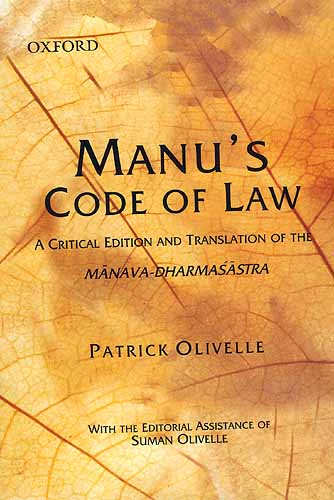
manus_code_of_law_a_critical_edition_and

Written by London Swaminathan


Date: 27 October 2016


Time uploaded in London: 20-37


Post No.3295


Pictures are taken from various sources; thanks


மனு தர்ம சாத்திரத்தில் உள்ள அதிசயச் செய்திகளை இது வரை நாலைந்து கட்டுரைகளில் கொடுத்துவிட்டேன்; எல்லாம் என்னுடைய பிளாக்கில் நிரந்தரமாக இடம் பெற்றிருக்கிறது; நிதானமாகப் படியுங்கள். கட்டுரையைக் கண்டு பிடிக்காமல் போனால் எனக்கு ஈ மெயில் e mail அனுப்புங்கள். கட்டுரையின் முகப்பின் என் ஈ மெயில் e mail உள்ளது.


‘பூர்வ ஜன்மம் அறியும் உபாயம்’—என்பதை  முதலில் காண்போம்:


“நன்னடத்தையும், வேத பாராயணமும், சுய கட்டுப்பாடும் (புலனடக்கம்), அக்னி கார்யமும் உடையோருக்கு தாழ்வு/ வீழ்ச்சி என்பதே வராது (மனு 4-146)


“தினமும் வேத பாராயணம், தவம், பிறருக்கு தீங்கு செய்யாமை — ஆகியன இருந்தால் முன் ஜன்மப் பிறவிகளை அறிய முடியும். (4-148)


“தினமும் வேத அத்தியயனம் செய்து பூர்வ ஜன்மத்தை அறியும் த்விஜன் (இரு பிறப்பாளன்) நித்திய ஆனந்தம், சதா ஆனந்தம் பெறுவான் (4-149)


பூர்வ ஜன்மத்தை அறிதல் பற்றி சுவாமி விவேகாநந்தர் சொன்னதை முன்னர் ஒரு கட்டுரையில் கொடுத்து இருக்கிறேன். அவரும் கூட பூர்வ ஜன்மத்தை தன்னால் அறிய முடியும் என்றும், ஒரு திரைப்படச் சுருள் போல அவை அனைத்தும் நம் உள்ளே சுருட்டி வைக்கப்பட்டுளது என்றும் ஆனால் கடந்த காலத்தை அறிய தனக்கு விருப்பமில்லை என்றும் சொல்லி இருக்கிறார்.


பிராமணன் வெங்காயம் சாப்பிடலாமா?


“பிராமணர்களைக் கொல்லும் விஷயங்கள்:–வேதத்தைப் படிக்காமல் இருப்பது, ஆசாரத்தைக் கடைப்பிடிக்காமல் இருப்பது, கடமையிலிருந்து தவறுவது, தவறான உணவு வகைகளைச் சாப்பிடுவது- இவையே பிராமணன் மரணம் அடையக் காரணங்கள் (இவை இல்லாவிடில் மரணமில்லாப் பெரு வாழ்வு கிட்டும்) –மனு 5-4


“வெங்காயம், வெள்ளைப்பூண்டு, காளான் (MUSHROOMS) வகைகள் ஆகியவற்றை இருபிறப்பாளர்கள் (பிராமண, க்ஷத்ரிய, வைஸ்யர்)  சாப்பிடக்கூடாது. –மனு 5-5


“மரத்திலிருந்து வரும் சாறு, கன்று போட்ட பசுவின் பால் ஆகியவற்றையும் சாப்பிடக்கூடாது”  5-6


இதன் பிறகு மாமிச வகைகளில் எதைச் சாப்பிடலாம், எதைச் சாப்பிடக்கூடாது என்ற நீண்ட பட்டியலும் உள்ளது. ஆனால் இரு பிறப்பாளர் என்பதால் க்ஷத்ரியர்கள், வைஸ்யர்களுக்காச் சொன்னதாகக் கொள்ளலாம். ஆனால் யாகத்திற்காகப் பயன்படுத்தப்பட்ட மாமிசத்தை கடவுளுக்குப் படைத்த பின்னர் சாப்பிடலாம் என்றும் ஐந்தாவது அத்தியாயத்தில் கூறுகிறார்.


சங்கத் தமிழ் இலக்கியத்தில் பிராமணர்கள் உணவு பற்றிச் சொல்லுகையில் முழுக்க முழுக்க மரக்கறி உணவுகளே இடம்பெறுகின்றன. நாயும் கோழியும் புக முடியாத தெருக்கள் பிராம ண ர்களின் அக்கிரகாரம் என்றும் சங்கத் தமிழ் இலக்கியம் செப்பும். இதைப் பார்க்கும்போது சங்க காலத்துக்கு நீண்ட நெடுங்காலத்துக்கு முந்தையது மனு தர்ம சாத்திரம் என்று தெரிகிறது.

அகத்தியர் மாமிசம் சாப்பிட்டார்!

“யாகத்திற்காகவும், உயிரே போய்விடும் என்றபொழுது உயிர் வாழ்வதற்காகவும் பறவைகள், காட்டு மிருகங்களை, பிராமணர்கள் சாப்பிடலாம். அகத்தியர் கூட இதைச் செய்தார்” (5-22)

இதை எழுதும் போது ஒரு விஷயம் நினைவுக்கு வருகிறது. என்னுடைய மனைவி வழியில் சொந்தம் உடைய ஒருவர் அடிக்கடி வெளி நாட்டிற்கு அலுவலக விசயமாக வருவார். சனிக்கிழமைகளில் மாலை வரை விரதம் இருப்பார். ஹோட்டல்களில் தங்கினாலும் அமாவாசை தர்ப்பணம் செய்யத் தவறமாட்டார். ஆனால் சந்தியாவந்தனம் முதலியன செய்வதில்லை. ஒரு முறை அவருடன் லண்டனில் Mac Donald மக் டொனால்டில் சாப்பிட நேரிட்டது அவர் Chicken சிக்கன் (கோழி இறைச்சி) ஆர்டர் கொடுக்கப்போனார். உடனே நான் கோபத்துடன் நீங்கள் எப்படி இதைச் செய்யலாம்? என்று கேட்டேன். பின்னர் நீங்கள் செய்யும் உபவாசம், தர்ப்பணம் இவைகளுக்கு எல்லாம் அர்த்தமே இல்லாமல் போய்விடுமே என்றேன். வாக்குவாதம் வலுத்தது. “அகத்தியர் கூட மாமிசம் சாப்பிட்டிருக்கிறாரே” என்று சொன்னார். அப்போது எனக்கு மனுதர்மத்தில் அகத்தியர் பெயர் இருப்பது தெரியாது. ஆனால் இல்வலன் வாதாபி கதையில் அவர் நர மாமிசம் (வாதாபி ஜீர்ணோ பவ: கதை ) சாப்பிட்டது எனக்கு தெரியும்  உடனே அப்படியே அகத்தியர் சாப்பிட்டதாக வைத்துக்கொள்வோம். அகத்தியர் கடலைக் குடித்தது போல் நீங்கள் குடிக்க முடியுமா? வாதாபி ஜீர்ணோ பவ என்று சொல்லி மனிதனை ஜீர்ணம் செய்தாரே அதைப் போலச் செய்ய முடியுமா?  என்று கேட்டேன். நாங்கள் இருவரும் தமிழில் இப்படி சண்டைபோட்டதைப் பார்த்த வெள்ளைக்காரர்கள் எங்களை முறைத்துப் பார்த்தவுடன் வாக்குவாதத்தை நிறுத்திவிட்டு பேசாமல் சாப்பிட்டோம். அதிலிருந்து  அவர் மீதான மதிப்பு போயே      போய்விட்டது.


ஆக அகத்தியர் பெயரை மனுதான் சொன்னாரா அல்லது பிற்கால இடைச் செருகலா என்று தெரியாவிட்டாலும் யாராவது மாமிசம் சாப்பிட்டுவிட்டு, அகத்தியர் பெயரைச் சொன்னால் அகத்தியர் செய்த மற்ற  செயலையும் செய்யச் சொல்லுங்கள்!!

–Subham–

Patriotic Americans: Soldiers and Sailors Anecdotes (Post No.3294)

Army_US_Post_FLAG.jpg

Compiled by London Swaminathan


Date: 27 October 2016


Time uploaded in London: 17-22


Post No.3294


Pictures are taken from various sources; thanks


Vice President Henry A Wallace, in his famous speech on “The Century of the Common Man “, told the following story of heroism and courage


The American people always had guts and always will have. You know the story of the bomber pilot Dixon and radio man Gene Aldrich and ordnance man Tony Pastula -the story which Ameicans will be telling their children for generations to illustrate man’s ability to master any fate. These men lived for 34 days on the open sea in a rubber life raft, 8 feet by 4 feet, with no food but that which they took from the sea and the air with one pocket knife and a pistol. And yet they lived it through and came at last to the beach of an island they did not know. Despite their suffering and weakness, they stood like men, with no weapon to protect themselves and no shoes on their feet or clothes on their backs and walked in military file because, they said, “if there were Japs, we didn’t want to be crawling.”


Xxx

Any Volunteer Please!

During the heroic defence of the Bataan Peninsula, one of the commanding officers lined up a company of his men and asked for a volunteer for a mission of the utmost peril. Anyone willing to serve was instructed to step forward two paces from the line.


He glanced for a moment at a memorandum in his hand and, looking up, was shocked and disappointed to see the ranks unbroken.

“What, he said unbelievingly, ” not a single man!”

” You do not understand, sir, said an aide at his elbow , the whole line stepped forward Roy two paces “.

(It reminds the story of Great Sikh Guru — Guru Gobind Singh who asked for five volunteers)

ussoldies

Xxx

Philosophy of Life!

A profound philosophy of life is reflected in the reply of the sailor who, when he was asked what he done with his pay , said, Part went for liquor and part went for women. The rest I spent foolishly.


Xxx


Shortly after the Revolutionary War, Benedict Arnold was presented at Court in London. While the King was conversing with him , Lord Balcarass, a stately old noble, who had fought under General Burgoyne in the campaigns of America, was presented. The King introduced them with Lord Barcarass and General Arnold


What sir, said the haughty old earl drawing up his lofty form, the traitor Arnold!” and refused to give him his hand.


The consequence was a challenge from Arnold . They met and it was arranged that the parties should fire together. At the signal Arnold fired. Lord Balcarass, however, throwing down his pistol, turned on his heel, and was walking away, when Arnold called after him,

Why don’t you fire my Lord?

Sire, said the earl, ” I will leave that to the executioner “.


—SUBHAM–