Fish and Guests smell in Three Days!(Post No.2608)

nam sappadu

Research article written by london swaminathan

Date: 7 March, 2016


Post No. 2608


Time uploaded in London :–  16-16


( Thanks for the Pictures  ) 


DON’T REBLOG IT AT LEAST FOR A WEEK!  DON’T USE THE PICTURES; THEY ARE COPYRIGHTED BY SOMEONE.


(for old articles go to tamilandvedas.com OR swamiindology.blogspot.com; 


Hindus consider guests as Gods. ‘Atithi Devo Bhava’ (Treat guest as god)  – is a Vedic dictum. It is in Taittirio Upanishad. Hospitality is a great virtue and Sanskrit and Tamil ethical literature have got lot of couplets and proverbs praising Hospitality. To illustrate their points they have lots of stories as well. But at the same no one is encouraged to abuse it. There are interesting proverbs in Tamil:

1.First day food is served in a big banana leaf (Talai Vaazai Ila)

Second day food is served in your hand (Kaiyila)

Third day food is served on the floor (Taraiyila)

You can note the Tamil rhyme ila, ila, ila at the end of each sentence.
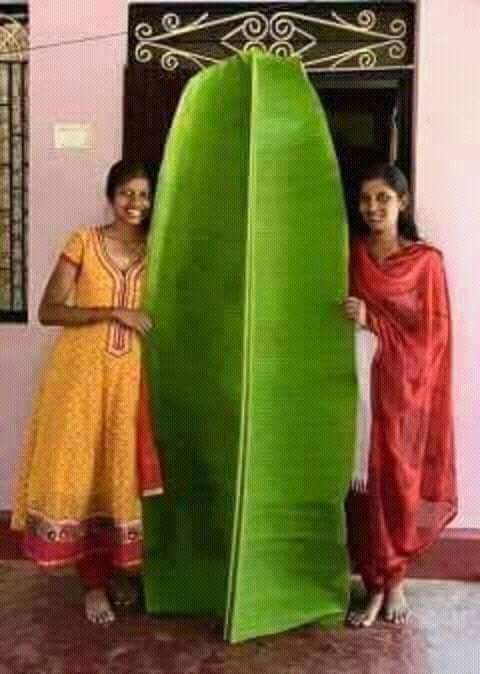
banana leaf big

Long banana leaf called Talai Vaazai Ilai (in laws are given a feast on such leaves)

I am not surprised to see the same thought in an English proverb: Fish and guests smell in three days.

There are more proverbs to emphasize this point:

2.The first day a guest

The second day a guest

The third day a calamity (Indian Proverb)


3.Do not wear out your welcome

4.A constant guest is never welcome


5.Long visits bring short compliments (Chinese proverb)

6.The guest who outstays his fellow guests loses his overcoat (Chinese proverb)

There are some sayings on uninvited guests:-

7.An unbidden guest knows not where to sit.

8.An unbidden guest must bring his stool with him

9.Who comes uncalled, sits unserved.


Indian weddings are held in big halls (Kalyana Manadaps). I myself have seen some people pretend to be from the bride’s side or bridegroom’s side. But when the time for group photos come they simply slip out!

2 thinnai veedu

But in general, guests are most welcome in Hindu culture. In the olden days all the houses in Tamil Nadu, had sitting space (pial) in the front part of the house. The land lord will come out and call for the guests before he sits for dinner. But later it became a fake ritual. There are lot of humorous stories about the pretending land lords/house holders.

Following are the sayings in support of hospitality:

10.If a man receives no guests at home, when abroad he will have no hosts (Chinese proverb).

(This is based on Karma theory. If you do good someone will do you good).

11.Good will and welcome are your best cheer.

12.He that is welcome fares well.

13.Welcome is the best dish.

(It is very true. After cooking the best dishes, if you don’t show respect to the guests, all your work is a waste of time).

14.Such welcome, such fare well

15.It is a sin against hospitality, to open your doors and shut up your countenance.

bananaa leaf meals

Following article was posted in 2014.

Be a Guest in India!

Written by London swaminathan
Post No.1182; Dated 19th July 2014.

If you are a guest in India you will receive special treatment. Hospitality is the hallmark of a good householder. It is one of the Panchayajnas. Of the Pancha/five Yajnas/Duties, Manushya Yanja is one. This means feeding the fellow humans. Whether they are poor or rich, if they knock at your door you must not turn them down. In the olden days people used to go out to the street and look for guests at the lunch time. Then they will go for the dinner or lunch.

Ilango, author of Tamil epic Silappadikaram, says that the heroine Kannagi worried that she was not able to welcome the guests. Sita in Kamba Ramayana, also echoed the same feelings.

Great Tamil poet Tiruvalluvar says,

“The only purpose, of a family life of virtue and wealth,
Is to command the means of extending hospitality to the guests – (Kural 81)

“Even the nectar of immortality is not to be consumed
Without sharing with the guests waiting outside — (Kural 82)

“He who daily entertains the guests who go to him will never be ruined by poverty– (Kural 83)

Story from Mahabharata

A good story that illustrates the greatness of hospitality is in the Mahabharata. When Yudhistra performed the Rajasuya Yajna, thousands of people were fed. When everyone was satisfied there appeared a mongoose and challenged Yudhistra. Half of its body was in golden colour. It rolled on the leftovers of the guests. When Yudhistra asked the reason for it, the mongoose told him a story.

“A hungry man approached a poor man’s house for food. Though the poor man had prepared full meal after a very long time, he readily offered his food to the guest. When the guest was not satisfied, his wife and son offered their shares. When he left the hose I just rolled on the left over food and half of my body turned gold. From then onwards I had been visiting lot of places where food was donated. But my body never turned gold. I am greatly disappointed that even here my body did not turn into gold. This reduced the ego of Yudhistra.

Guests are welcome in any country. But in ancient India, they were considered Gods. This was true from the land’s southern most end Kanyakumari to northern most Kashmir. If anyone wants to be a guest one should be a guest in India — in ancient India! Tamil and Sanskrit literature have got a lot of proverbs or sayings about Atithih/Guest.

Following are the sayings in Sanskrit on the Guests from ‘’Suktisudha’’ (Chinmaya International Foundation Publication):

“A guest, though he be boorish, deserves to be welcomed by the discerning – Valmiki Ramayana 5-1-119

“Hail the guest as God (Atithi Devo Bhava, Taittiriya Upansishad 1-20)

“Even though it be a foe who has come home, appropriate hospitality to him is a must – Hitopadesha 1-50

“Hospitality bears no fruit in the hereafter, but verily in this life itself – Kathasaritsagara

“It is the duty of a householder to honour the guest according to his capacity — Kathasaritsagara

“It is befitting to receive the visitor with due honour — Pratinja Yaugandharayana of Bhasa

“For all, the guest is of paramount importance “– Canakyaniti 6- 45

–Subham–


அகநானூற்றுப் பாடலில் யாக குண்ட ஆமை!! புரியாத புதிர்!!! (Post No 2607)

charles-yaga

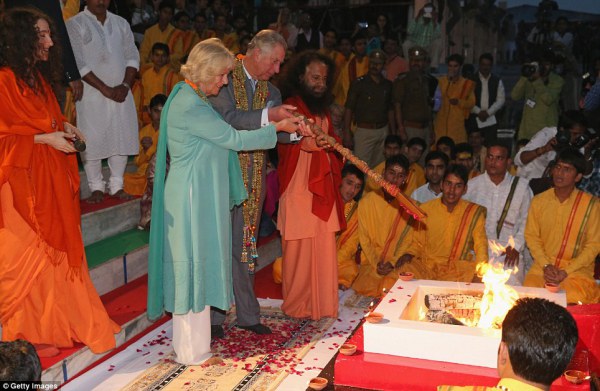
படம்: பிரிட்டிஷ்  இளவரசர் சார்ல்ஸ், கெமில்லா பார்க்கர், சுவாமி ச்தானந்த சரஸ்வதி

Research article written by london swaminathan

Date: 7 March, 2016


Post No. 2607


Time uploaded in London :–  9-26 AM


( Thanks for the Pictures  ) 


DON’T REBLOG IT AT LEAST FOR A WEEK!  DON’T USE THE PICTURES; THEY ARE COPYRIGHTED BY SOMEONE.


(for old articles go to tamilandvedas.com OR swamiindology.blogspot.com; 


எனது பிளாக்கிலுள்ள 2600 கட்டுரைகள் குறித்து, நாள் தோறும் எனக்கு  ஈ மெயில் மூலம் வரும் பல கடிதங்களில் ஒன்று இதோ:–


சார்,
அகநானூறு 361
‘தூ மலர்த் தாமரைப் பூவின் அம் கண்,
மா இதழ்க் குவளை மலர் பிணைத்தன்ன,
திரு முகத்து அலமரும் பெரு மதர் மழைக் கண்,
அணி வளை முன்கை, ஆய் இதழ் மடந்தை
வார் முலை முற்றத்து நூல் இடை விலங்கினும்,    (5)
கவவுப் புலந்து உறையும் கழி பெருங் காமத்து
இன்புறு நுகர்ச்சியின் சிறந்தது ஒன்று இல்’ என
அன்பால் மொழிந்த என் மொழி கொள்ளாய்,
பொருள் புரிவுண்ட மருளி நெஞ்சே!
கரியாப் பூவின் பெரியோர் ஆர,     (10)
அழல் எழு தித்தியம் அடுத்த யாமை
நிழலுடை நெடுங் கயம் புகல் வேட்டாஅங்கு,
உள்ளுதல் ஓம்புமதி, இனி நீ, முள் எயிற்று,
சில் மொழி, அரிவை தோளே பல் மலை
வெவ் அறை மருங்கின் வியன் சுரம்,     (15)
எவ்வம் கூர, இறந்தனம், யாமே.

பொருள்வயிற் பிரிந்து போகாநின்ற தலைமகன் தன் நெஞ்சிற்குச் சொல்லியது. –
எயினந்தை மகனார் இளங்கீரனார்

சார்,

இந்த பாடலின் பொருள் என்ன?
உயிர் பலியிடுதலை (ஆமை) சொல்கிறதா?


Yours sincerely

XXXX

rudra-baba

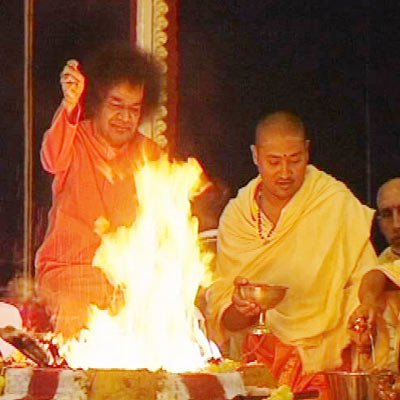
படம்: அதிருத்ர மஹா யக்ஞம், ஸ்ரீ சத்ய சாய் பாபா


இந்தப் பாடல் எனக்கும் பல ஆண்டுகளாகப் பொருள் விளங்காத பாடல். டாக்டர் இரா. நாகசாமி போன்ற சம்ஸ்கிருதமும், தமிழும் நன்கறிந்த ஒருவர்தான் இதற்கு சரியக விளக்கம் தர முடியும்.நானும் கொஞ்சம் முயற்சி செய்கிறேன்.


இபோதுள்ள பொருள்:

வாடாத மலரையுடைய தேவர் உண்பதற்காகத் தீ ஓங்கிய வேள்விக் குண்டத்தில் இடப்பட்ட ஆமை தான் முன்பு இருந்த நிழல் பொருந்திய பொய்கையில் போவதைப் போல


—என்பது நூல்கள் தரும் விளக்கம். ஆனால் இந்த உவமை அங்கு பொருத்தமாகவுமில்லை. மேலும் மக்கள் நன்கறிந்த ஒரு விஷயத்தைத்தான் உவமையாகக் கொடுக்கவேண்டுமென்பது செய்யுள்விதி. அவ்வகையிலும் இது பொருத்தமில்லை. ஏனெனில் அஸ்வமேத யாகத்தில் பலியிடப்படும் நூற்றுக் கணக்கான தாவரங்கள், பிராணிகள், ஹோமத் திரவியங்களில் ஒன்று , ஆமை, எனப் படித்திருக்கிறேன்.


மனு தர்ம சாஸ்திரத்தில், இறந்து போன முன்னோர்களுக்கு திதியில் (திவசத்தில்) வழங்கக்கூடிய மாமிசப் பொருட்களில் ஆமை மாமிசமும் ஒன்று. ஆனால் இதை மூன்று வருணத்தாரில் யார் வழங்கினர், எப்படி வழங்கினர் என்பதற்கு விளக்கமில்லை. வேள்வியில் வழங்கினரா, அல்லது, கண்ணப்ப நாயனார் செய்ததுபோல நைவேத்தியம்/படையல் செய்தனரா என்பதையும் அறியோம்.


அகநானூற்றுப் பாடலோ ஒரு ‘செக்ஸி’ (sexy) பாடல் (அவளுடைய வார் (Bra ப்ரா) அணிந்த முலைப்பரப்பு முயக்கத்தை ஒரு நூல், இடையில் தடுப்பதாயினும் அதை வெறுக்கும் மிகப் பெரிய காதலுடன் இன்பம் அனுபவிக்கும் ) . அதிலும் பிராமணரல்லாத ஒரு புலவர் (?) இப்படிப் பாடியதை, நாம் ஒப்புக்கொண்டால் தமிழ் நாட்டில் யாக யக்ஞங்கள் மிக, மிகப் பெரிய அளவில் – குறிப்பாக மன்னர்கள் மட்டுமே நடத்தும் அஸ்வமேத யாகம் — நடந்திருக்கிறது என்பதையும் ஒப்புக் கொள்ள வேண்டும். அல்லது செக்ஸி கவிதையில் இப்படி ஒரு உவமை வராது!


(முதுகுடுமிப் பெருவழுதி என்னும் பாண்டியன் அஸ்வமேத யாகம் நடத்தி, குதிரைப் படத்துடன் நாணயம் வெளியிட்டது பற்றியும், பாண்டியர்கள் இப்படி அஸ்வமேத யாகம் நடத்தி அவப்ருத ஸ்நானம் செய்வது பற்றி காளிதாசன் ‘ரகுவம்ச’ காவியத்தில் பாடியது பற்றியும் எனது முந்தைய ஆராய்ச்சிக் கட்டுரைகளில் சொல்லியிருகிறேன்)

பாடல் வரி ‘கரியாப்பூவின் பெரியோர்’ = வாடாத மலருடைய பெரியோர்கள்= தேவர்கள். இவர்கள் வெளி உலக (Extra Terrestrials எக்ஸ்ட்ரா டெர்ரெஸ்ட்ரியல்) மனிதர்களா? என்றும் ஒரு ஆர்ச்ச்ய்ச்சிக் கட்டுரை எழுதியிருக்கிறேன். தேவர்களுக்கு வியர்க்காது, தேவர்கள் செக்ஸ் (Sex) செய்ய முடியாது, தேவர்களின் கால்கள் நிலத்தில் படியாது, தேவர்கள் போட்டுக்கொண்ட பூ மாலைகள் வாடாது, தேவர்கள் நினைத்த மாதிரத்தில் காற்று வழியாக பல உலகங்களுக்குச் செல்ல முடியும், தேவர்கள் கண் சிமிட்டமாட்டார்கள் –என்று நமது புராணங்கள் வருணிப்பதால் இவர்கள் – வெளி உலக வாசிகள் (ET) என்றும் முன்னரே ஆராய்ச்சிக் கட்டுரை எழுதியுள்ளேன்.

தித்தியம்= வேள்விக் குழி (யாக குண்டம்); வியப்பான விஷயம்! சுமார் 30,000 வரிகளையுடைய சங்க இலக்கியத்தின் 18 புத்தகங்களில், இந்த தித்தியம் என்னும் சொல், ஒரே இடத்தில்தன் கையாளப்பட்டுள்ளது! இது சம்ஸ்கிருதச் சொல்லா என்பதையும் ஆராய வேண்டும். ‘தைத்ய’ என்றால் திதி என்னும் பெண்ணின் மைந்தர்களான தைத்யர்கள், அதாவது அசுரர்கள். அந்தப் பொருளும் இங்கே பொருந்தாது.தித்தி, தித்தன் – என்ற சொற்கள் பல இடங்களில் வருகிறது. அவற்றின் பொருளும் இங்கே பயன்படா.

–subham–


இமயமலைக் காடுகளைக் காப்போம்! (Post No. 2606)

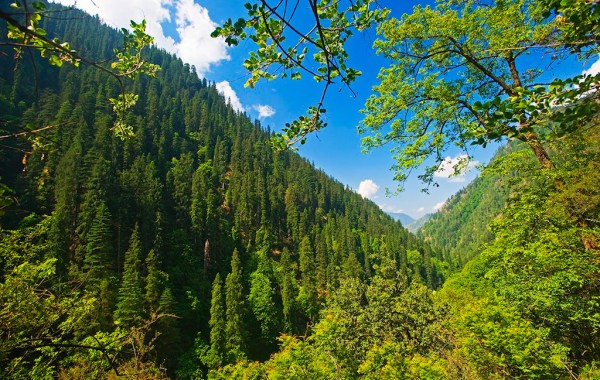
forest_of_great_himalayan

Written by S Nagarajan (written for AIR)


Date: 7 March 2016


Post No. 2606


Time uploaded in London :–  8-44 AM


( Thanks for the Pictures;

படங்கள் வெவ்வேறு இடங்களிருந்து எடுக்கப்பட்டவை;நன்றி  ) 


DON’T REBLOG IT AT LEAST FOR A WEEK!  DON’T USE THE PICTURES; THEY ARE COPYRIGHTED BY SOMEONE.


(for old articles go to tamilandvedas.com OR swamiindology.blogspot.com)


    உலகில் மாறி வரும் தட்பவெப்ப மாறுபாடுகள் அனைவருக்கும் கவலையளிக்கும் ஒரு பெரிய விஷயமாக ஆகி கொண்டு வரும் நேரத்தில் இமயமலைக் காடுகளைப் பற்றிய சமீபத்திய செய்தி ஒன்று அதிர்ச்சி அளிப்பதாக உள்ளது.


   சமீபத்திய ஆய்வு ஒன்று  கிழக்கு இமாலயப் பகுதி  பழுப்பு நிறமாக ஆகிக் கொண்டு வருகிறது என்ற அதிர்ச்சியூட்டும் உண்மையை முன் வைக்கிறது! அதாவது இமயமலைக் காடுகளில் பச்சைப் பசேலென அழகுடன் திகழ்ந்து வந்த மரங்கள் பழுப்பு நிறமாக மாறி வாடி வருகின்றன என்பதே இதன் பொருள்!


   சாதாரணமாக வளம் கொழிக்கும் நாட்களில் கூட இவை பசுமை இழந்து வருகின் என்பது ஆய்வு தரும் செய்தி!


    1982ஆம் ஆண்டிலிருந்து 2006ஆம் ஆண்டு முடிய எடுக்கப்பட்ட சாடலைட் காட்சிச் சித்திரங்களை வைத்து இந்த ஆய்வு மேற்கொள்ளப்பட்டது. 1990 ஆம் ஆண்டு வரை பசுமையாகக் காட்சி அளித்த இமயமலைக் காடுகளின் மரங்கள் திடீரெனத் தங்கள் பசுமையை இழந்து ஒளி இழந்து வாடும் காட்சிகளை அதற்குப் பின்னர் காண்பித்தன. இவை வறண்டு பட்டுப் போவதாலேயே பழுப்பு வர்ணமாக மாறி வருகின்றன.


     இந்த ஆய்வின் முடிவுகள் சமீபத்திய க்ளோபல் சேஞ்ஜ் பயாலஜி ஜர்னலில் (Global Change Biology Journal) வெளியிடப்பட்டுள்ளன.

 Global Change 2008 Cover

    கிழக்கு இமாலப் பகுதி காடுகளில் உள்ள மரங்கள் ஒளிச்சேர்க்கை இல்லாமல் வாடுவதையே இது குறிக்கிறது. இதன் மூல காரணம் புவி வெப்பமயமாதலே ஆகும். நாளுக்கு நாள் உஷ்ணம் அதிகமாகிக் கொண்டே போவதால் அதன் நேரடி விளைவுகளில் ஒன்றாக நமதுக் காட்டுச் செல்வமும் அழிய ஆரம்பிப்பதையே இது காட்டுகிறது!


    வாகனங்கள் வெளியேற்றும் நச்சுப்புகையே புவி அதிக வெப்பமயமாவதற்கான காரணம் என்பதால் உடனடியாக வாகன நச்சுப் புகை வெளியேற்றத்தைக் கட்டுப்படுத்தல் நமது தலையாய கடமை ஆகும்!


********                


Destiny has 4 feet, 8 hands and 16 eyes (Post No.2605)

book of fate

compiled by london swaminathan

Date: 6 March, 2016


Post No. 2605


Time uploaded in London :–  14-25 AM


( Thanks for the Pictures  ) 


DON’T REBLOG IT AT LEAST FOR A WEEK!  DON’T USE THE PICTURES; THEY ARE COPYRIGHTED BY SOMEONE.


(for old articles go to tamilandvedas.com OR swamiindology.blogspot.com; 


226-2783medium

Destiny has 4 feet, 8 hands and 16 eyes; how then shall the ill doer with only two of each hope to escape? –Chinese proverb


No flying from fate


Flee never so fast you cannot flee your fortune


Do what you ought, and come what can


What must be, must be (che sara, sara in French)


Fate leads the willing, but drives the stubborn

He that is born to be hanged, shall never be drowned

Every bullet has its billet.

A man’s destiny is always dark (meaning: nobody knows what fate has in store for him).

She is an old wife that wats (knows) her weird (fortune).

caoin valluvar2

Tamil Views on Fate (From Tirukkural of Tiruvalluvar)

371.He who is destined to prosper is industrious. Adversity betakes one who is indolent.

372.An adverse destiny blunts a man’s intelligence and makes him lose his wealth.

373.Although one may acquire profound knowledge by study, one’s innate tendencies will preponderate.

374.It is one thing to be wealthy, but to attain wisdom is quite another. This is the two fold nature of this world.

375.Thorough the influence of fate all good means of acquiring wealth may prove disastrous, and all foul means prove helpful

376.Whatever one is not destined to possess would be lost however hard one may safeguard it.

377.Even to those who have acquired immense wealth the enjoyment of it may not be possible except as ordained by the Disposer (God) of all things.


378.The poor who have nothing to enjoy would renounce the world if their destiny were to cease to torment them.

379.A man would accept and enjoy the good things of this world vouchsafed  to him y his destiny; why then should he feel disturbed when misfortune befalls him?

380.What is there more potent than fate? It forestalls every expedient one may resort to for averting it.

XXX

shakespeare-.jpg

Shakespeare on fate:

What Fates impose that men must needs abide,

It boots not to resist both wind and tide.

xx

There is a Divinity that shapes our ends,

Rough-hew them how we will (Hamlet)


xxxx

Omar Khayyam on fate:

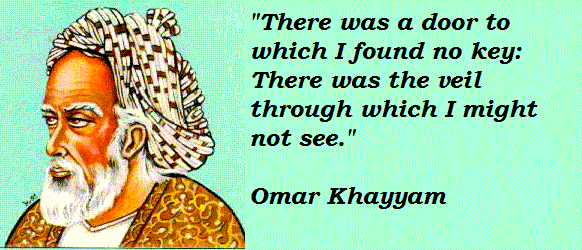
The moving finger writes; and having writ, moves on: nor all your piety nor wit shall lure it back to cancel half a line, nor all your tears wash a word of it.

Omar-Khayyam-Quotes-5


Homer on fate:

No man or woman born

Coward or brave, can shun his destiny

Marlowe  on fate:

It lies not in our power to love or hate

For Will in us is over ruled by Fate.


Koran on Fate:

That which God writes on thy forehead;

Thou wilt come to you (Chapter 7, Rukoo 16)


Bible on Fate

The lot is cast into the lap; but the whole disposing thereof is of the Lord (Proverbs 16:13)


(There are at least 100 sayings in Sanskrit on Fate and Destiny; I will give them separately)


–subham–


ஒரே சிந்தனை! கம்பன், பாரதி, கண்ணதாசன் மூவரும் பாடிய விஷயம்! (Post No.2604)

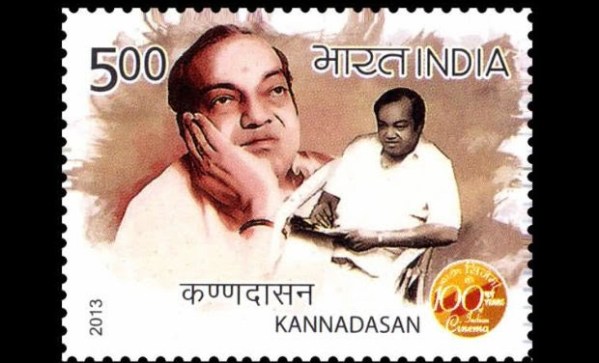
Kannadasan_stamp

Compiled by london swaminathan

Date: 6 March, 2016


Post No. 2604


Time uploaded in London :–  11-19 AM


( Thanks for the Pictures  ) 


DON’T REBLOG IT AT LEAST FOR A WEEK!  DON’T USE THE PICTURES; THEY ARE COPYRIGHTED BY SOMEONE.


(for old articles go to tamilandvedas.com OR swamiindology.blogspot.com; 


“பாகத்தில் ஒருவன் வைத்தான் பங்கயத்து இருந்த பொன்னை

ஆகத்தில் ஒருவன் வைத்தான் அந்தணன் நாவில் வைத்தான்

மேகத்தில் பிறந்த மின்னை வென்ற நுண் இடையினாளை

மாகத் தோள் வீர பெற்றாலெங்கனம் வைத்து வாழ்தி”


–சூர்ப்பணகை சூழ்ச்சிப் படலம், கம்பராமாயணம்


பொருள்:- வானளாவிய தோளை உடையவனே! மும்மூர்த்திகளில் ஒருவனான சிவன், உமாதேவியை தன் இடப்பக்கத்தில் வைத்துக்கொண்டான். திருமாலாகிய இன்னொருவன், செந்தாமரையில் வீற்றிருக்கும் இலக்குமியைத் தன் மார்பில்

வைத்துக்கொண்டான். பிரமன், சரசுவதியைத் தன் நாவில் வைத்துக்கொண்டான். மேகத்தில் தோன்றுகின்ற மின்னலை வென்ற நுண்ணிய இடையை உடைய சீதையை நீ அடைந்தால், அவளை எந்த இடத்தில் வைத்துகொண்டு வாழ்வாய்?

kambar


இது ராவணனிடம் சூர்ப்பநகை கேட்ட கேள்வி. அதாவது, அவன் சீதையை அபகரிக்க வேண்டும் என்பதும், அவளைக் காவலில் வைக்குமிடத்தை இப்பொழுதே முடிவு செய்ய வேண்டுமென்பதும் சூர்ப்பநகையின் சதித்திட்டம். அவளுக்குத் தெரியும் ரவணனின் மனிவியான மண்டோதரி, மஹா பதிவிரதை என்பது. ஆகையால் ராவணனை உளவியல் ரீதியாக (சைகலாஜிகல்) தயார்படுத்த இப்படிப் பல வசனங்களைக் கூறுகிறாள். இந்தப் பாடல் பாரதி, கண்ணதாசன் பாடல்களிலும் பிரதிபலிக்கிறது.


பாரதி பாடியது


பாரதியார் பாடல்களை நன்கு ஊன்றிப் படிப்போர்க்கு, ஆழ்வார் பாடல், தேவாரம், திருவாசகம், திருக்குறள், கம்பராமாயணம் ஆகியன,  அவர் மீது எவ்வளவு தாக்கத்தை ஏற்படுத்தியிருக்கின்றன என்பதை அறிவர். கம்பனுடைய மேற்கூறிய பாடல்  கருத்தும் அப்படியே இடம் பெறுவதைக் காணலாம்.


பாரதியார் தன் சுயசரிதையில், காதலினால் மானுடர்க்குக் கலவியுண்டாம் என்று துவங்கும் பகுதியில் கம்பன் கூறியதை அப்படியே பயன்படுத்துகிறார்.

bharati-stamp

ஆதிசக்திதனை உடம்பில் அரனும் கோத்தான்;
அயன்வாணிதனை நாவில் அமர்த்திக் கொண்டான்;
சோதிமணி முகத்தினளைச் செல்வம் எல்லாம்
சுரந்தருளும் விழியாளைத் திருவை மார்பில்
மாதவனும் ஏந்தினான்
: வானோர்க்கேனும்
மாதர் இன்பம்போல் பிறிதோர் இன்பம் உண்டோ?
காதல்செயும் மனைவியே சக்தி கண்டீர்
கடவுள்நிலை அவளாலே எய்த வேண்டும்.


கண்ணதாசன் கவிதைகள்


கண்ணதாசனும் யஜூர்வேதத்திலுள்ள ‘பஸ்யேம சரதஸ் ஸதம், ஜீவேம சரதஸ் ஸதம்’ (நூறாண்டுக் காலம் வாழ்க, நோய் நொடியில்லாமல் வாழ்க………..) மந்திரம் முதல் எவ்வளவோ சம்ஸ்கிருதப் பாடல்களையும் தமிழ்ப் பாடல்களையும் அவரது பாடல்களில் பயன்படுத்தியிருக்கிறார். வீடு வரை உறவு, வீதி வரை மனைவி… என்ற பாடல் பகவத் கீதை, பஜ கோவிந்தம் ஆகிய துதிகளிலிருப்பதையெல்லாம் முன்னரே கட்டுரைகளில் சுட்டிக்காட்டி விட்டோம்.


ஆனால் கம்பன், பாரதி, கண்ணதாசன் ஆகிய மூவரும் ஒரே கருத்தை அதே வரிசையில் சொல்லுவதை இப்பொழுதுதான் காண்கிறேன்.


பூக்களிலே வண்டு உறங்கும் பொய்கையை கண்டாராம்
தேவி பூஜையிலே ஈஸ்வரனின் பள்ளியை கண்டாராம்
மரக்கிளையில் அணில் இறங்க ஆடிட கண்டாராம்
ராஜா மனதுக்குள்ளே புதியதொரு அனுபவம் கொண்டாராம்
ஏனம்மா அது ஏனம்மா
ஏனம்மா அது ஏனம்மா
பரமசிவன் சக்தியை ஓர் பாதியில் வைத்தான்
அந்த பரமகுரு ரெண்டு பக்கம் தேவியை வைத்தான்
பால்கடலில் மாதவனோ பக்கத்தில் வைத்தான்
ராஜா பத்மநாபன் ராணியை தன் நெஞ்சினில் வைத்தான்
யாரம்மா அது நானம்மா
யாரம்மா அது நானம்மா
(பாலக்காடு..)

படம்: வியட்னாம் வீடு
இசை: KV மகாதேவன்

ஆங்கிலத்தில் சொல்லுவார்கள் GREATMEN THINK ALIKE— அதாவது, “உயர்ந்த மனிதர்க்கு சிந்தனை ஒன்றே” – என்று

அது போல கம்பன், பாரதி, கண்ணதாசன் ஆகிய மூன்று உயர்ந்த கவிஞர்களும் ஒன்றே நினைப்பர்! நன்றே நினைப்பர்.


–சுபம்-

ஆரோக்கியத்தைக் கெடுக்கும் பயங்கர ஒலிகள்! (Post No 2603)

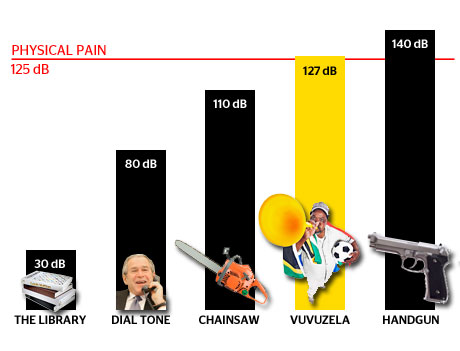
54cb5304638ea_-_vuvuzela-decibel-chart-lg

Written by S Nagarajan (written for AIR)


Date: 6 March 2016


Post No. 2603


Time uploaded in London :–  6-52AM


( Thanks for the Pictures; pictures are taken from different sources. ) 


DON’T REBLOG IT AT LEAST FOR A WEEK!  DON’T USE THE PICTURES; THEY ARE COPYRIGHTED BY SOMEONE.


(for old articles go to tamilandvedas.com OR swamiindology.blogspot.com)


 decibel-chart-ear-plugs


  1. நம் ஆரோக்கியத்தைக் கெடுக்கும் பயங்கர ஒலிகள்!


    உலகெங்கும் உள்ள ஆயிரக்கணக்கானோர் இதய நோயால் இறப்பதற்கான காரணங்களில் முக்கியமான ஒரு காரணம் அவர்கள் தொடர்ந்து அதீதமான ஓசையைக் கேட்க நேர்வதால் தான் என்று உலக சுகாதார நிறுவனம் (WORLD HEALTH ORGANISATION) தனது ஆய்வறிக்கை ஒன்றில் தெரிவித்துள்ளது.


    நியூ ஸயின்டிஸ்ட் என்ற விஞ்ஞான சஞ்சிகையில் வெளி வந்துள்ள ஆய்வறிக்கையின் படி ஒலி மாசு ஆயுளைக் குறைக்கிறது என்பது தெரிய வருகிறது.

   2003ஆம் ஆண்டில் ஐரோப்பாவில் வேர்ல்ட் ஹெல்த் ஆர்கனைசேஷன் ஒலி மாசு பற்றிய ஆராய்ச்சியைத் தொடங்கியது. இதய நோய்க்கும் ஒலி மாசிற்கும் உள்ள தொடர்பை அந்த ஆய்வு உறுதிப்படுத்தியதோடு இரண்டு சதவிகித ஐரோப்பியர்கள் தூங்காமல் அவதிப்படுவதற்கும் அதுவே காரணம் என்று அது கண்டறிந்துள்ளது.


     சமீபத்திய விஞ்ஞான சோதனைகள், அதிகமான ஒலியானது ஸ்ட்ரெஸ் ஹார்மோன்கள் எனப்படும் கார்டிஸால் (COERTISOL), அட்ரினலின் (ADRENALINE), நொராட்ரெனாலின் (NORADRENALIN) ஆகியவற்றின் அளவுகளை உடலில் தூக்கத்தின் போது கூட அதிகமாக்குகிறது என்று நிரூபித்துள்ளன.


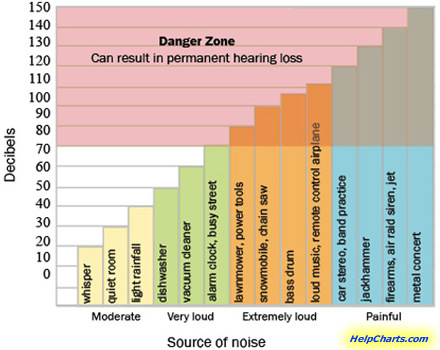
 dbcharttools

    இந்த ஹார்மோன்கள் ரத்த ஓட்டத்தில் அதிகமாக இருக்க இருக்க, அவை உயிருக்கே தீங்கு பயக்கும் விளைவுகளை ஏற்படுத்த வல்லவையாக உள்ளன. அதிக ஸ்ட்ரெஸ் எனப்படும் மன அழுத்தம் அதிகமாகும் போது மாரடைப்பு வருவதோடு, பக்கவாதம் உள்ளிட்ட பயங்கர விளைவுகளையும் ஏற்படுத்தும்.


    தொடர்ந்து கேட்பது எங்கள் வழக்கம் என்று ஒன்றுமே நடக்காத து போலச் சொன்னாலும், இந்த ஒலி மாசு உளவியல் மற்றும் உடலியல் ரீதியாகத் தீய விளைவுகளை ஏற்படுத்துகிறது. ஆகவே வீட்டில் தொலைக்காட்சி, வானொலி சாதனங்களில் ஆரம்பித்து அனைத்திலுமே ஒலிக் கட்டுப்பாட்டை மேற்கொண்டு, அமைதியான இல்லங்களை உருவாக்குவோம். சுற்றுப்புறத்தில் அதிகப்படியான ஒலியை ஏற்படுத்தும் ஸ்பீக்கர்களைப் பயன்படுத்துவோரை அன்புரை கூறி அவர்களையும் மாற்றுவோமாக!


***********       


Part 36 of S Nagarajan’s AIR Radio Talk written for Pothikai


  1. அதிக ஒலியைக் கட்டுப்படுத்துவோம்!

DecibelHearingChart


     மும்பை, சென்னை போன்ற பெருநகரங்களில் இப்போது அதிகரித்து வரும் ஒரு தொல்லை ஒலி மாசு ஆகும்.


     சாதாரணமாக, வீடுகள் உள்ள பகுதிகளில் ஒலியானது பகலில் 55 டெசிபல்களுக்கும் இரவில் 45 டெசிபல்களுக்கும் மிகாமல் இருத்தல் வேண்டும். ஆனால் இப்போது 65  டெசிபல்  என்ற அளவைச் சந்திக்க நேரும் பொது மக்கள் இதனால் தூக்கமிழந்து தவிக்கும் சூழ்நிலை ஏற்பட்டுள்ளது.

    இதற்கான காரணங்கள் பல. அதிகமான போக்குவரத்து வாகனங்கள் எழுப்பும் சத்தம், பல்வேறு இடங்களில் அதிகமதிகம் கட்டிடங்கள் கட்டப்படுவதால் எழும் சத்தம், சாலைகளைப் பராமரிப்புப் பணிகளாலும், குடிநீர் மற்றும் கழிவு நீர் பராமரிப்பு பணிகளாலும் அதிக அளவு சத்தம் எழும்புகிறது. அத்தோடு வேகமாக வரும் லாரிகள் வேகத்தடையைக் கடக்க முற்படும்போது ப்ரேக்  போடுவதாலும், அதிக வேகத்தோடு வரும் வாகனங்கள் எழுப்பும் இரைச்சலாலும் ஒலியானது இருக்க வேண்டிய அளவை விட அதிகமாகி மக்களைத் தொல்லைப் படுத்துகிறது.


    வீட்டில் ஒலியைத் தடுக்கும் கண்ணாடிகளைப் பொருத்துவது, தரையில் கனமான தரை விரிப்பைப் பயன்படுத்துவது, சுவர்களிலும் ஜன்னல்களிலும் திரைச் சீலைகளைத் தொங்க விடுவது போன்ற வழிகளைக் கடைப்பிடித்தாலும் கூட ஒலியை ஒரு அளவிற்கே கட்டுப்படுத்த முடியும் என்பது உண்மையே.


 motorcyclenoiselaw

   ஆகவே சமூக ஆர்வலர்கள் இப்போது சவுண்ட் மேப்பிங் எனப்படும் ஒலி அளவு வரை படத்தை நகர் வாரியாகத் தயாரிக்க முன் வந்திருப்பது வரவேற்க வேண்டிய ஒரு  செயலாகும். உரிய அதிகாரிகளிடம் இவற்றை முன் வைத்து ஒலியைக் குறைக்க அல்லது தடுக்க உள்ள வழிகளை மேற்கொள்ள இது உதவியாக இருக்கும்.

    வாகன ஓட்டுநர்கள் தங்கள் வாகனங்களைச் சரியாகப் பராமரிப்பதோடு உரிய வேகத்தில் மட்டுமே ஒட்ட முனைவது, வீடுகளில் தரை விரிப்புகள், திரைச் சீலைகளைப் பயன்படுத்துவதோடு மற்றவருக்குத் தொந்தரவு தராமல் தொலைக்காட்சிப் பெட்டி வானொலி ஆகியவற்றின் ஒலிகளைக் கட்டுப் படுத்துவது, இரவு நேரங்களில் வாஷிங் மெஷின் உள்ளிட்ட சாதனங்களை இயக்காமல் இருப்பது போன்ற சின்னச் சின்ன செயல்கள் கூட வரவேற்கப்படும் செயல்களாக அமையும். அதிக ஒலியைக் கட்டுப்படுத்தினால் ஆரோக்கியம் மேம்படும் என்பது அரிச்சுவடிப் பாடம் எனக் கொள்வோம்; ஒலி மாசு பற்றிய விழிப்புணர்வை மேம்படுத்துவோம்.

 Noisedecibelchart

*************         


Why did Bharati burn the Harmonium? (Post No 2602)

IMG_9567

Compiled by london swaminathan

Date: 5 March, 2016


Post No. 2602


Time uploaded in London :–  15-17


( Thanks for the Pictures  ) 


DON’T REBLOG IT AT LEAST FOR A WEEK!  DON’T USE THE PICTURES; THEY ARE COPYRIGHTED BY SOMEONE.


(for old articles go to tamilandvedas.com OR swamiindology.blogspot.com; 

IMG_3519

There are very interesting anecdotes in the life of the great Tamil poet Subramanya Bharati. One of them was his fear of leprosy, which made him to consume a harmonium to fire!

Once he was playing on harmonium; actually he was playing with a harmonium like a child. He pressed many keys at the same time which produced a horrible sound. Immediately people in the room criticized him. He gave a beautiful reply. I wanted to show you how horrible it is when you scold a child! The same horrible sound you people produce when you scold a child! (His care and love for children is known through many anecdotes).


Chellamma’s bother has given her this harmonium. When it developed some problems it was sent to a shop for repair work.  Bharatiyar found out that the person who was handling it was a leper. Bharati was so scared of leprosy, he came home and told his wife Chellamma, “Never ever touch that harmonium, when it is returned”. She kept quiet. She loved the harmonium very much. Moreover it was given by her brother.


All this happened when the family was about to shift to far away Kadayam from Pondycheri. Bharati told his friends to pack all the goods and send them as cargo by next train. Chellamma told them to pack the harmonium without fail. After some days the cargo arrived at Kadayam. It so happened that Bharati himself received it and opened the package.


As soon as he saw the harmonium he became very angry. He separated it from rest of the goods and then asked someone to take it to the garden nearby. There he poured kerosene oil over it and set fire to it. Only when he saw the ashes of the harmonium he became peaceful. He came back home and gave treatment to the house with burning torches to kill the leprosy bacteria.

Once a freedom fighter who was afflicted with leprosy came home and touched Bharati’s daughter Sakuntala. She was a child then. As soon as he went out he bathed his child with anti-bacterial lotion. Since he had so much respect to freedom fighters he could not say anything when he was playing with his child.


He used to throw out all the tumblers and other utensils touched by a leper. People who find them on the roads, just outside his house, naturally returned them to Chellamma. When he saw them back in the house, he took them to a garden and buried them saying that it would prevent others getting leprosy. He was so health conscious!


Every one of us has some fear or phobia. Bharati was very much worried about leprosy. This shows that his human side.


Source: Tamil book on Bharatis Life by Akkur Ananthachary, 1936 publication. Rough translation by London swaminathan.

-subham-

Tamil Grammar Mistakes in Bharati’s poems!(Post No. 2601)


IMG_3645 (2)

Compiled by london swaminathan

Date: 5 March,2016


Post No. 2601


Time uploaded in London :–  13-35


( Thanks for the Pictures  ) 


DON’T REBLOG IT AT LEAST FOR A WEEK!  DON’T USE THE PICTURES; THEY ARE COPYRIGHTED BY SOMEONE.


(for old articles go to tamilandvedas.com OR swamiindology.blogspot.com; 


Some of Bharati’s friends were discussing about some mistakes in Bharatis poems and they argued that he did not follow the rules of prosody. Somehow Bharati came to know about this gossip. Immediately he called them and asked which came first Tamil or Grammar. They were unanimous in saying that Tamil came first and then the grammar came.

Bharati said, “Good. That is right. Please allow the Tamil language to go in its own way. Le the grammar follow the langage”. All of them kept quiet and left the place. Grammar is to show the structure of a language and guide it. But it should never devour the language is the view of Bharati according to Akkur Ananthachary who narrate this anecdote in Tamil ( from the 1936 publication of A.A. ‘Bharati’s Life history’).


Following is the view of R Srinivasan, given in his book, Facets of Indian culture):–

Grammar can never produce good literature; rather, it may hamper it. Language is more fundamental, it is a living aspect of human intercourse; grammar is only a code, a record of certain standard forms adopted by great literary geniuses. A poet does not care a straw for our grammar, grammar may stifle a poet, and he rebels and breaks thorough the prison house of grammar into spacious realms of poetic fantasies, untrammelled by any conventional fetters.


Adi Shankara on Sanskrit Grammar

Great philosopher Adi Shankara also mocks at Sanskrit grammarians who involves them in heated discussions wasting their time. In his Bhaja Govindam, he says in the very first verse:-


Adore the Lord, Adore the Lord, Adore the Lord,

O fool! When the appointed time for departure comes, the repetition of grammatical rules will not, indeed, save you.


Bhaja Govindam Bhaja Govindam

Bhaja Govindam Muudhamate

Sampraapte sannihite kale

Na hi na hi raksati dukrn karane


–subham–

கர்நாடக இசையில் கங்கை நதியும் கூவம் நதியும்!(Post No. 2600)

Tiger_new

Compiled by london swaminathan
Date: 5 March,2016


Post No. 2600


Time uploaded in London :–  11-03 AM


( Thanks for the Pictures  ) 


DON’T REBLOG IT AT LEAST FOR A WEEK!  DON’T USE THE PICTURES; THEY ARE COPYRIGHTED BY SOMEONE.


(for old articles go to tamilandvedas.com OR swamiindology.blogspot.com; contact 


swami_48@yahoo.com)


tiger you tube

டைகர் வரதாச்சாரியார் பிரபல பாடகர். இவரை ஒரு கச்சேரிக்கு அழைத்திருந்தனர். பாடகரோ கற்றுக்குட்டி; அவருக்கு வயலின் வாசித்தவரோ மஹா மேதை; இசைத்துறையில் ‘ பழமும் தின்னு கொட்டையும் போட்டவர்’! அல்லது கரைத்துக் குடித்தவர் என்று சொல்லலாம். கச்சேரி முடிந்தது. “இப்பொழுது டைகர் அவர்கள், ஒரு சில சொற்கள் சொல்லுவார்” என்று சொல்லி அவரைப் பேச அழைத்தனர். எப்பொழுதும் சுடு சொற்களைப் பெய்தறியாதவர் அவர். ஆனால், அன்று பாடியவர் அவர் காதில் கொஞ்சம் நாராசத்தைப் பாய்ச்சிவிட்டார் போலும்!


எல்லோரையும் பொதுப்படையாக வரிசையாகப் பாராட்டினார். இறுதியில் சொன்னார். “வயலின் வாசித்தவர் பற்றி நான் என்ன சொல்ல இருக்கிறது? நமது வயலின் மேதை ஒரு பெருங்கடல்’. ஆழ்ந்த அறிவும் அனுபவமும் உடையவர். பெருங்கடலில் தூய கங்கை நதி போன்ற நதிகளும், சாக்கடை மணம் வீசும் கூவம் போன்ற நதிகளும் சங்கமம் ஆவது இயல்புதானே!”


(சென்னை வழியாக ஓடும் கூவம் நதி, சாக்கடைக் கலப்பினால் நாற்றம் அடிக்கும் நதியாக இன்று ஓடுகிறது.)

Xxx

purandara stamp

புரந்தரதாசருக்கு சவுக்கடி!

கர்நாடக சங்கீதத்தின் பிதாமஹர் புரந்தரதாசருக்கு பூர்வ ஜன்ம கர்ம வினை பாக்கியிருந்தது. அதைத் தீர்க்க, அவருக்கு கடவுள் ஒரு தண்டனை கொடுத்தார்.


பண்டரீபுரத்தில் கோவில் கொண்டுள்ள விட்டலராயன் மீது அபார பக்தி பூண்டவர் நமது புரந்தரர். அதே ஊரில் கோவிலில் ஆடல், பாடலுக்காக நியமிக்கப்பட்ட தேவதாசிக்கும் ஸ்ரீ விட்டல் மீது அலாதி பக்தி. அது மட்டுமல்ல. புரந்தரரின் பாடல்கள், க்ருதிகள் மீதும் பேரன்பு, பெருங்காதல் கொண்டவர்.


ஒரு நாள் இரவு, கடவுளே புரந்தரதாசர் வேடம் கொண்டு , அந்த தேவதாசி வீட்டுக்குப் போய் ஆடலையும் பாடலையும் ரசிக்க வந்ததாகக் கூறினார். அந்தப் பெண்மணிக்குப் பேரானந்தம். ‘பழம் நழுவில் பாலில் விழுந்ததே’ என்று எண்ணி வியந்தார். ஆடினார், பாடினார், மெய்மறந்து போனார். புராந்தரர் வடிவத்தில் வந்த விட்டல், போவதற்கு முன் ஒரு கங்கணத்தை (காப்பு) பரிசுப் பொருளாகக் கொடுத்துவிட்டுச் சென்றார்.


மறு நாள் பண்டரீபுர விட்டல் சிலையின் மீது இருந்த கங்கணத்தைக் காணவில்லை. அது தேவதாசியிடம் இருப்பதும் தெரியவந்தது. செய்தி மெதுவாகப் பரவியது. புரந்தரர்தான் இரவில், தேவதாசி வீட்டுக்குப் போய் அதை அவரிடம் கொடுத்தார் என்று எல்லோரும் சொல்லவே புரந்தரர் குற்றவாளிக் கூண்டில் ஏற்றப்பட்டார். அவர் எவ்வளவோ மறுப்புச் சொல்லியும் தேவதாசியின் வாக்குமூலத்தைக் கொண்டு அவருக்கு சவுக்கடி வழங்கப்பட்டது. அவரை கோவில் வாசலிலுள்ள கம்பத்தில் கட்டி வைத்து சவுக்கடி கொடுத்தனர். திடீரென்று கோவிலின் கர்ப்பக்கிரஹத்திலிருந்து ஒரு அசரீரி கேட்டது. இறைவன், தானே புரந்தரதாசர் வடிவத்தில் சென்று ஆடலையும் பாடலையும் ரசித்ததாகவும் இந்த அவப்பெயரை புரந்தரர் மீது ஏற்றி அவரை சவுக்கடி பெற வைத்ததற்கு அவர் பூர்வ ஜன்ம வினையே காரணமென்றும் சொல்லியது. பாக்கியிருந்த கர்ம வினையைத் தீர்த்த புரந்தரதாசர்,


இன்று வரை நம் நினைவில் நீங்கா இடம் பெற்று நம்மையும் புனிதப்படுத்தி வருகிறார். அது மட்டுமல்ல. அவரை எந்தக் கம்பத்தில் கட்டிவைத்து அடித்தார்களோ, அந்தக் கம்பத்துக்கு தாசர் கம்பம் என்று பெயரிட்டு இன்று வரை பக்தர்கள் வலம் வந்து வழிபடுகின்றனர். பூவோடு சேர்ந்த நாரும் மணம் பெறும். புரந்தரர் கட்டப்பட்ட கல்லும் புனிதம் பெறும்!!

வாழ்க புரந்தரர் நாமம்!


Source: Facets of Indian Culture by R Srinivasan, B V Bhavan Publication 1990); தமிழாக்கம்: லண்டன் சுவாமிநாதன்


My previous articles on music:- 

Ganges and Coovam Rivers in Carnatic Music! (Post No.2597) 4-3-2016

Mystic No.7 in Music, Post No.977, 13-4-14

Musician who pledged a Raga, Post no.1074, 30-5-2014
True Art is Never Made to Order, post No.1066, 26-5-14

Acoustic Marvel of Madurai Temple 13-5-13

Superstition in the World of Music 12-4-14 (Post No.975)

Musical Pillars in Hindu Temples

Interesting Anecdotes from the World of Music (29 May 2014;Post No.1072)

Saint who went to Heaven with a Flute in Hand (16 April 14,Post No 983)

How did Rare Indian Animal Asunam become extinct? (15 April 14,Post No 981)

Rain Miracles: Rain by Fire and Music (7 January 2012)

மழை அற்புதங்கள் (7 ஜனவரி 2012)

இசைத் தமிழ் அதிசயங்கள் 31-1-2013

சங்கீதம் தோன்றிய வரலாறு- ஒரு புராணக் கதை 13-4-14 (976)

சப்தம் கேட்டால் இறந்துவிடும் அசுணமா? 15-4-14 (980)

கையில் புல்லாங்குழலுடன் சுவர்க்கத்துக்குப் போன மனிதர் 16-4-14 (982)

ஸ்ரீராமர் மீது முத்துசுவாமி தீட்சிதர் கிருதிகள் 8-4-14 (963)

-subham-

பஞ்ச மாபாதகம், 5 கர்ம சண்டாளர்கள், 5 நடைப் பிணங்கள் (Post No. 2599)

dussehra-16

A Kid scared while A artist dressedup at Ravana enjoying with Spectators during Dussehra celebrations in Sector 46 of Chandigarh on Thursday, October 22 2015. Express Photo by Kamleshwar Singh

Compiled by london swaminathan

Date: 5 March,2016


Post No. 2599


Time uploaded in London :–  7-59 AM


( Thanks for the Pictures  ) 


DON’T REBLOG IT AT LEAST FOR A WEEK!  DON’T USE THE PICTURES; THEY ARE COPYRIGHTED BY SOMEONE.


(for old articles go to tamilandvedas.com OR swamiindology.blogspot.com; contact 


swami_48@yahoo.com)


Already published in English; source:Encyclopaedia of Numeralas, Volume 1, The Kuppusami Sastri research Institute,Chennai 600 004, Year 2011; தமிழாக்கம்- லண்டன் சுவாமிநாதன்.


முதல் 4 நேற்று வெளியிடப்பட்டது.


5.பஞ்ச நம்பக்கூடாதவர்

ஜாமாத்தா க்ருஷ்ணசர்பஸ்ச பாவகோ துர்ஜனஸ்ததா

விஸ்வாசோ நைவ கர்தவ்ய: பஞ்சமோ பகினீசுத:

ஜாமாத்தா- மாப்பிள்ளை/மருமகன்

க்ருஷ்ண சர்ப- நல்ல பாம்பு

பாவக: – தீ

துர்ஜன – கெட்டவர்கள்

பகினீ சுத: – சகோதரி மகன்


6.பஞ்ச மாபாதகம்

அக்னிதோ கரதஸ்சைவ சஸ்த்ரபாணி: தனாபஹ:

க்ஷேத்ரதாராபர்ஹதா ச பஞ்சைதே ஆததாயின:


அக்னிதா- மற்றவன் சொத்துக்கு தீ வைப்பவன்

கரத-மற்றவர்களுக்கு விஷம் வைப்பவன்

சஸ்த்ரபாணி- ஆயுதமில்லாதவனைக் கொல்பவன்

தனாபஹ:- மற்றவன் பணத்தைத் திருடுபவன்

க்ஷேத்ரதராபஹர்தா- மற்றவன் மனைவியை அபஹரிப்பவன்


மனுவும் (11-54) இது பற்றிக் கூறுகிறார்:-

பிரமஹத்யா சுராபானம் அஸ்தேயம் குர்வங்கனாகம:

மஹந்தி பாதகான்யாஹுஸ்த சம்சர்கி ச பஞ்சம:

பிரம்மஹத்ய- பிராமணனைக் கொல்லுதல்

சுராபானம்- மது பானம் அருந்தல்

ஸ்தேயம்- திருடல்

குர்வங்க நாகம:- குருவின் மனையிடம் தவறாக நடத்தல்

சம்சர்கி- மெற்கண்ட நாலு பேருடன் சஹவாசம்


7.பஞ்சநடைப்பிணம்

ஜீவந்தோபி ம்ருத: பஞ்ச ஸ்ரூயந்தே கில பாரதே

தரித்ரோ, வ்யாதிதோமூர்க: ப்ரவாஸீ நித்யசேவக:

தரித்ர – ஏழை

வ்யாதித: – நோயாளி

மூர்க: – முட்டாள்

ப்ரவாஸீ- வெளிநாட்டில் வசிப்பவன்

நித்யசேவக: – வாழ்நாள் முழுதும் வேலையாளாக இருப்பவன்


8.பஞ்சக்லேசம் (ஐவகைக் குறைகள்)

அவித்யா அஸ்மிதா ராக த்வேஷ அபிநிவேசா: பஞ்ச க்லேசா: (யோக சூத்ரம் 2-3)

அவித்யா- அறியாமை/ கல்லாமை

அஸ்மிதா – அகம்பாவம்

ராக – ஆசை

த்வேஷம் – வெறுப்பு

அபிநிவேச – எப்படியாவது உயிர்வாழவேண்டும்  என்ற எண்ணம்

anti god poster

9.பஞ்ச கர்மசண்டாளர்கள்

(செய்கையினால் சண்டாளன் நிலையை அடைபவன்)

நாஸ்திக: பிசுனஸ்சைவ க்ருதக்னோ தீர்கதோஷ:

சத்வார:கர்மசண்டாளா ஜன்மஸ்சாபி பஞ்சம:

நாஸ்திக: – கடவுள் நம்பிக்கையற்றவன்

பிசுன: – பிசிநாரி/கெட்டவன்

க்ருதக்ன: – நன்றிகெட்டவன்

தீர்க தோஷக: -பாபி (பாவாத்மா)

ஜன்மத: – பிறப்பினால் சண்டாளன்


–சுபம்–