Let them Enjoy or You Speak! Eleven Anecdotes (Post No. 2527)

josephchamberlain02

Picture of Joseph Chamberlain

Compiled by london swaminathan

Post No. 2527

Date: 10th February 2016

Time uploaded in London  16-28

( Thanks for the Pictures  ) 


DON’T REBLOG IT AT LEAST FOR A WEEK!  DON’T USE THE PICTURES; THEY ARE COPYRIGHTED BY SOMEONE.


(for old articles go to tamilandvedas.com OR swamiindology.blogspot.com; contact 


swami_48@yahoo.com)


1.Let them enjoy or You speak!

Joseph Chamberlain, Prime Minister of England, told this story about himself. He was guest of honour at a banquet. The mayor of the city presided and when coffee was being served he leaned over and touched Mr Chamberlain saying, “Shall we let them enjoy themselves a little longer or had we better have your speech now?”


Xxx

2.Continued talk after a year!


Eamon de Valera was once arrested in Ennis in the middle of a political speech. A year later he was released.  He went forthwith to Ennis, and began to speak again with the words, “As I was saying when I was interrupted…”


Xxxx

3.Envy a Waiter!


When Lyon Phelps tells, “Having to speak at a public dinner in Chicago, I found my place at the pillory of torment, the speakers’ table: and there, seeing a magnificent man in evening dress, I gave him my name and grasped his hand with what cordiality I could command.

“I am the headwaiter, sir”, he replied.

“Shake hands again, old man” I cried. “You don’t know how I envy you.”

Xxx

IMG_9329

4.If you say something…..


When Dr Walter Williams spoke in a Chinese university, an interpreter translated into Chinese symbols on a black board. Dr Williams noted that the interpreter stopped writing during most of the speech and at the conclusion he asked why. “We only write when the speaker says something,” was the blithe reply.

Xxx

5.Latin, please!


Andrew Jackson, before he became President, was making once a stump speech in a small village. Just as he was finishing, a friend who sat near him whispered, “Tip them a little Latin, General; they won’t be contented without it.”


The man of iron will instantly thought upon the few phrases he knew, and in a voice of thunder wound up with “E pluribus unum (from many one), sine qua non (necessary), ne plus ultra (no more beyond), multum in parvo (small but significant).” The effect was tremendous, and the shouts of the Hoosiers could be heard for miles.

(just bluffed by saying some Latin phrases he knew)


latin

Xxx

6.Shortest speech!


At a banquet in connection with the war effort, the toast master opened the speaking with the assurance that all the guests had promised to make brief addresses. It chanced that the first to be called upon was the heavy weight champion, Private Joe Louis, who rose to his feet and said, “The toastmaster must have known my speed,” and sat down.


XxxXxx

7.Letting steam off

During a parliamentary discussion on curtailing debate Sir Campbell Bannerman remarked that, “it was reasonable that Members should wish to let off a certain amount of intellectual steam.”

“is that a polite way of describing debate in this House?” interposed Balfour.


“I thought steam was a motive power,” replied Bannerman.

“Not when it is let off,” retorted Balfour amidst the laughter of the House.


Xxx


pm-winston-churchill-high-res-stamp

8.Churchill’s Speech!

Some years ago Winston Churchill highly amused his fellow Members in the House by distributing among them printed copies of his recent speeches. A Liberal Member for one of the Devonshire constituencies acknowledged the gift in the following manner:

“Dear Mr Churchill, Thanks for the copy of your speeches lately delivered in the House of Commons. To quote the late Lord Beaconsfield: ‘I shall lose no time in reading them.’


XXX

9.Likee soup? Likee speech?


At a banquet at Princeton University (USA), the great Chinese diplomat, Dr Wellington Koo, was the guest of honour and main speaker. As one of a number of representatives of the student body on this occasion, a burly member of the football team found himself seated next to Dr.Koo. Very embarrassed by the formality of the occasion and utterly at a loss for conversation, the young man turned to Dr.Koo during the soup course and said, “Likee Soup?”


Dr Koo urbanely bowed his head and grinned. Later he arose and delivered a polished, thoughtful and witty address. Sitting down amid applause, Dr Koo turned to the chagrined student and said smiling, “Likee speech?”


Xxx

10.Unvarnished speech!

Dean Briggs was once one of the speakers at the formal banquet at Radcliffe college, in preparation for the event, among other things, the chairs been given a new coat of varnish. The evening was hot and humid and, as the speakers rose to deliver their remarks, it was with some difficulty.


The dean was more than equal to the occasion. “Ladies and Gentlemen”, he said, “with a cruel backward glance, “I had expected to bring you this evening a plain and unvarnished tale, but circumstances make it impossible to fulfil my intentions.”

(unvarnished= plain, simple)

Xxx

1000 girls

11.Talking to 1000 girls


When J M Barrie addressed an audience of one thousand girls at Smith College during his American visit, a friend asked him how he had found the experience.

“Well”, replied Mr Barries, “to tell you the truth, I would much rather talk one thousand times to one girl, than to talk one time to a thousand girls.”


–Subham–
ஆஸ்திரேலியப் பழங்குடி மக்களின் சுவையான வரலாறு (Post No. 2526)

IMG_2380

Research Article written by london swaminathan

Post No. 2526

Date: 10th February 2016

Time uploaded in London  பகல் 12-07

( Thanks for the Pictures  ) 


DON’T REBLOG IT AT LEAST FOR A WEEK!  DON’T USE THE PICTURES; THEY ARE COPYRIGHTED BY SOMEONE.


(for old articles go to tamilandvedas.com OR swamiindology.blogspot.com; contact 


swami_48@yahoo.com)


IMG_2253

ஆஸ்திரேலிய பழங்குடி மக்கள் பற்றிய நாலாவது கட்டுரை இது. முதல் மூன்று கட்டுரைகள் கடந்த 3 நாட்களில் இங்கே வெளியிடப்பட்டன.


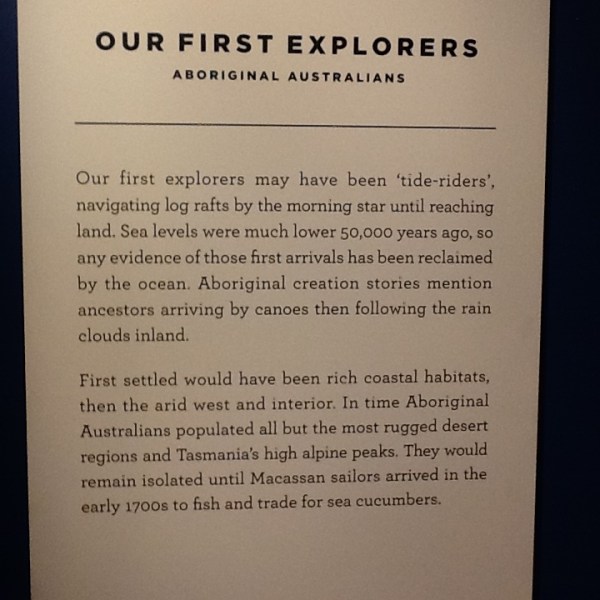
சுமார் 40,000 முதல் 50,000 ஆயிரம் ஆண்டுகளுக்கு முன்பாக மக்கள் இங்கே குடியேறியதாக இப்போதைய ஆராய்ச்சிகள் காட்டுகின்றன. மற்றொரு ஆய்வு, இந்தியர்கள் இங்கே 5000 ஆண்டுகளுக்கு முன்பு வந்து, புதிய அம்சங்களை அறிமுகப்படுத்தியதாகக் கூறும். ஆனால் இத்தகைய ஆய்வுகளை அப்படியே நம்பிவிடக்கூடாது. இன்னும் பத்தாண்டுகளுக்குப் பிறகு இதை மறுத்து வேறு ஒரு தகவல் வரும்!


20, 30 ஆண்டுகளுக்கு முன் தினமணிச் சுடரில் பிலோ இருதயநாத் என்பவர் எழுதிய இந்தியப் பழங்குடி மக்கள் வரலாற்றையும், மஞ்சரியில் மாதம் தோறும் வெளியான பழங்குடி மக்களின் வரலாற்றையும் படித்து பேப்பர் கட்டிங் சேகரித்து வைத்துள்ள எனக்கு ஆஸ்திரேலிய வரலாற்றில் அதிகம் புதுமை இருப்பதாகத் தெரியவில்லை.


ஒவ்வொரு இன மக்களும் பிறப்பு, இறப்பு, ஆவிகள், திருமணம், தொடக்கூடாதவை, தீட்டு, இசை, நடனம் ஆகியவற்றில் கொஞ்சம் கொஞ்சம் மாறுதலுடன் பல விநோதக் கொள்கைகளையுடவர்களாய் இருப்பார்கள். இந்தியப் பழங்குடி மக்களின் நம்பிக்கைகளில் இந்துமதத்தின் தாக்கமும், சம்ஸ்கிருத மொழியின் தாக்கமும் ஆழமாகவே தெரிகிறது. இப்போது கோண்ட்வானா லாண்ட் என்று சொல்லப் பாடும் சொல்லே, காண்டவ வனம் என்பதன் மரூஉ என்பதையும் “கோண்டு”கள் என்போர் அர்ஜுனனும், கிருஷ்ணனும் எரித்த “காண்ட”வ வன மக்கள் என்பதையும் நான் முன்னரே என் ஆராய்ச்சிக் கட்டுரைகளில் எழுதியுள்ளேன். ஆஸ்திரேலியப் பழங்குடிகள் பற்றி தமிழில் அதிக விஷயங்கள் கிடைக்காததால், சிட்னி நகர ஆஸ்திரேலிய மியூசியத்தில் நான் சேகரித்த விஷயங்களை மொழிபெயர்த்துத் தருகிறேன்.

IMG_2450

250 மொழிகள், 250 குழுழுக்கள்

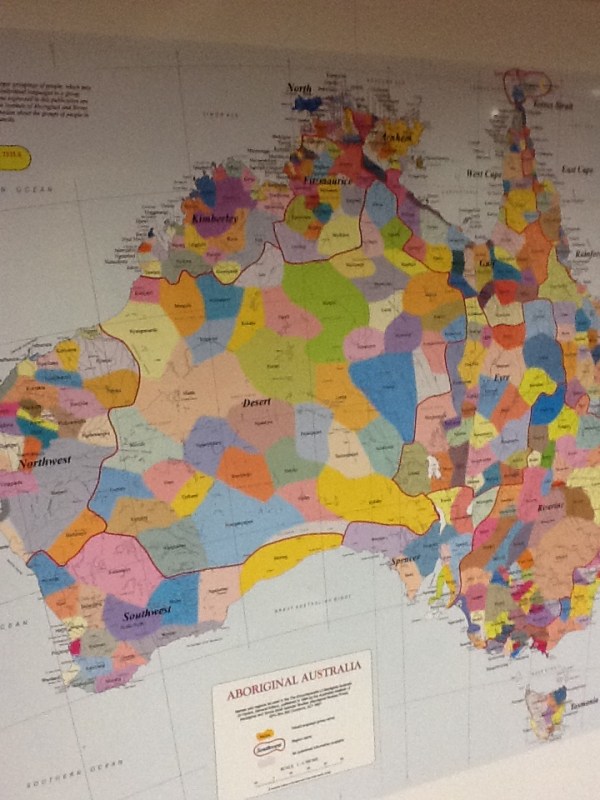
ஆஸ்திரேலியப் பழங்குடி இன மக்கள் ஒரே மொழியைப் பேசவில்லை. 250 மொழிகளையும், கிளை மொழிகளையும் பேசுகின்றனர். கடல் என்பதற்குக் கூட ஒவ்வொரு மொழியிலும் ஒவ்வொரு சொல்! ஏன் இவ்வளவு மொழிகள் வந்தன என்பது ஆச்சரியமான விஷயமே. அருகிலுள்ள நியூகினி தீவுகளில் 750 மொழிகள் உள்ளன. மொழியியலாரின் கொளகைகளை எல்லாம் பொய்மையாக்கிவிடும் நிலவரம் இது.

இதே போல ஆஸ்திரேலியப் பழங்குடி இன மக்கள் அனைவரும் ஒரே அணி அல்ல. அவர்களிடையே 250 பிரிவுகள் உண்டு.

ஒவ்வொருவரும் தனது இடத்தை நாடு என்றும், அதிலுள்ள குழு எல்லாம் ஒரே இனம் என்றும் கருதுவர். ஆயினும் ஒரு குழு, மற்றொரு குழுவில் தலையிடாது. மேலும் அத்தகையோர் போற்றும் புனிதமான மிருகத்தை மற்றொரு குழுவினர் புசிக்கமாட்டார்கள். அவர்களிடையே, பல பொதுவான அம்சங்களும் இருக்கின்றன.

IMG_2258

முன்னொரு காலத்தில்

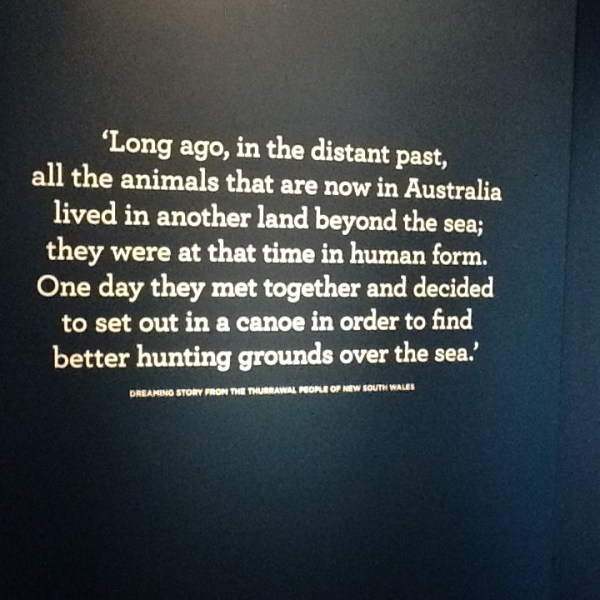
“இப்பொழுது ஆஸ்திரேலியாவில் காணப்படும் பிராணிகள் எல்லாம், மிகப் பழைய காலத்தில், கடலுக்கு அப்பாலுள்ள வேறு ஒரு பிரதேசத்தில் வசித்தன. அப்போது அவை எல்லாம் மனித உருவில் இருந்தன. அவை எல்லாம் ஒரு நாள் ஒன்று கூடி நமக்கு நல்ல வேட்டை நிலம் வேண்டும் என்று முடிவு செய்து ஒரு படகில் ஏறி இங்கு (ஆஸ்திரேலியாவுக்கு) வந்தன” என்பது பழங்குடியினர் கூறும் கதை.


முதல் குடியேறிகள்

சுமார் 50,000 ஆண்டுகளுக்கு முன் கடல் மட்டம் தாழ்வாக இருந்தது. ஒரு தீவிலிருந்து இன்னொரு தீவுக்குப் படகுகள் மூலம் போவது எளிதாக இருந்தது. அவர்கள் அக்காலத்தில் குடியேறிய ஆஸ்திரேலிய நிலப் பகுதிகளை இப்பொழுது கடல் கொண்டுவிட்டது. ஆஸ்திரேலியப் பழங்குடி மக்களின் பூர்வ கதைகளும் இதையே சொல்லுகின்றன. தாங்கள் படகுகள் மூலம் வேறு  ஒரு இடத்திலிருந்து வந்ததாகவும், மழை மேகங்களைப் பின்தொடர்ந்து உள்நாட்டிற்குள் சென்றதாகவும் அவர்கள் கதைகள் சொல்லுவர். உலகில் இந்திய இலக்கியங்கள் மட்டுமே தாங்கள் வெளிநாட்டிலிருந்து வந்ததாகக் கூறுவதில்லை. வேறு சுமேரிய, பாபிலோனிய, எகிப்திய, ஆஸ்திரேலிய மக்கள் அனைவரும் தங்களை வந்தேறு குடிகள் என்று பகிரங்கமாக அறிவிக்கின்றனர். உலகின் நாகரீக தோற்றத்துக்கு இந்தியாவே மூல முதல்வன் என்பதை நமது இதிஹாச புராணங்கள் தெள்ளத் தெளிவாக உரைக்கின்றன. நிற்க


சுமார் 40000 ஆண்டுகளில், இவர்கள் ஆஸ்திரேலிய கண்டம் முழுதும் பரவிவிட்டனர். இந்தியர்கள் 56 தேசங்கள் வைத்து ஆண்டது போல இவர்கள் 250 “நாடு”களை உருவாக்கினர். 1700-ம் ஆண்டுகளில், இந்தோநேஷியத் தீவுகளிலிருந்து பலர் மீன் வியாபாரத்தின் பொருட்டு இங்கேவந்தனர். அதுதான், ஆஸ்திரேலியாவின் முதல் வெளி உலகத் தொடர்பு. பின்னர் கேப்டன் குக் முதலான வெள்ளையர்கள் வந்தனர்.

IMG_2259

1788ல் முதல் காலனி

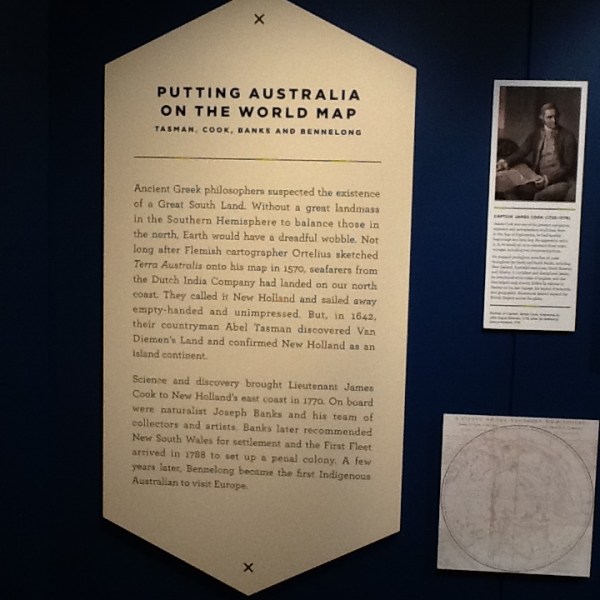
உலகில் வடபகுதியில் நிலப்பரப்பு இருப்பதுபோலவே தென் பகுதியிலும் நிலப்பரப்பு  இருக்க வேண்டும், அப்படியில்லாவிடில் பூமியின் சமநிலை கெட்டு அது ஆட்டம் காணும் என்று கிரேக்க தத்துவ ஞானிகள் ஊகித்தனர். (இந்துக்கள், கீழ் ஏழு பாதாள லோகங்களில் தென் அமெரிக்கா, ஆஸ்திரேலியா ஆகியவற்றைச் சேர்த்திருந்தது வெள்ளைக்காரர்களுக்கு தெரியாது. எனது மாயா- நாகர் தொடர்பு கட்டுரைகளைப் படிப்போருக்கு இது விளங்கும்). பின்னர் 1570 ஆம் ஆண்டில் ஆர்டீலியஸ் என்பவர் டெர்ரா ஆஸ்ட்ராலிஸ் என்று தனது வரைபடத்தில் ஆஸ்திரேலியாவை வரைந்தார். இதைத் தொடர்ந்து டச்சு கிழக்கு இந்தியக் கம்பெனியார் அங்கு போய் நியூ ஹாலந்து எனப் பெயரிட்டு, அது ஒன்றுமில்லாத இடம் என்று திரும்பிப் போய்விட்டர்கள்.

விஞ்ஞான ஆராய்ச்சிக்காக ஜோசப் பாங்க்ஸ் என்பவருடன் லெப்டினண்ட் கேப்டன் குக் 1770 ஆம் ஆண்டில் வந்தார். பாங்ஸ் நிறைய படங்களை வரைந்தார். பின்னர் நியூ சவுத் வேல்ஸில் குடியேறி வசிக்கலாம் என்று அறிவுரை வழங்கினார். 1788ஆம் ஆண்டில் ஒரு கப்பல் நிறைய ஆட்கள் வந்து ஆஸ்திரேலியாவை ஆக்ரமிக்கத் தொடங்கினர். ஆனால் முதலில் இங்கு அனுப்பப்பட்டவர்கள் எல்லாம் குற்றவாளிகள். வெள்ளைக்காரர்கள், நமது சுதந்திரப் போராட்டவீரர்களை அந்தமான் தீவுக்கு அனுப்பியதுபோல இங்கு பலரை அனுப்பினர்.

IMG_9059

கேடயங்கள்

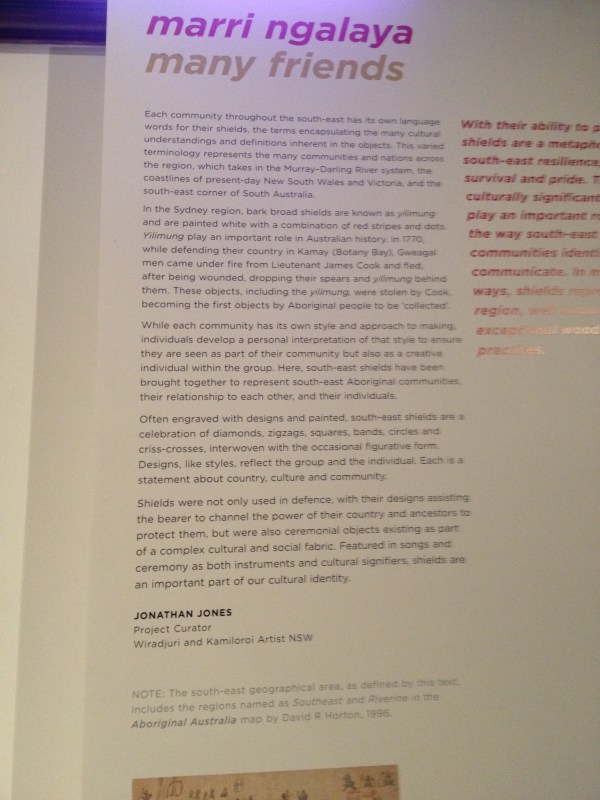
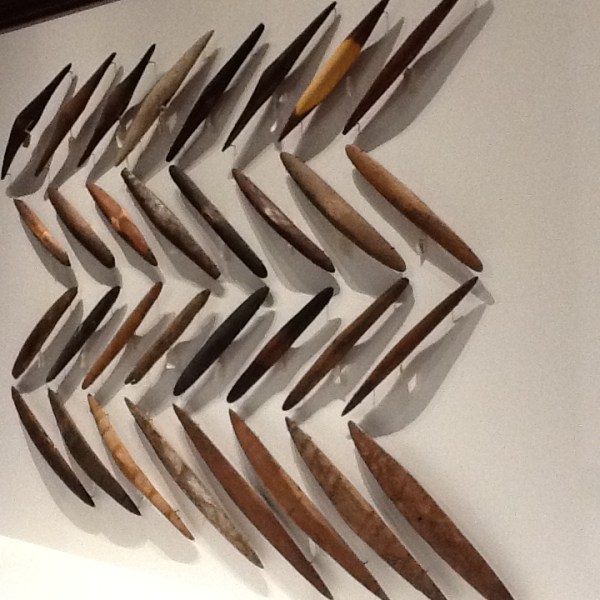
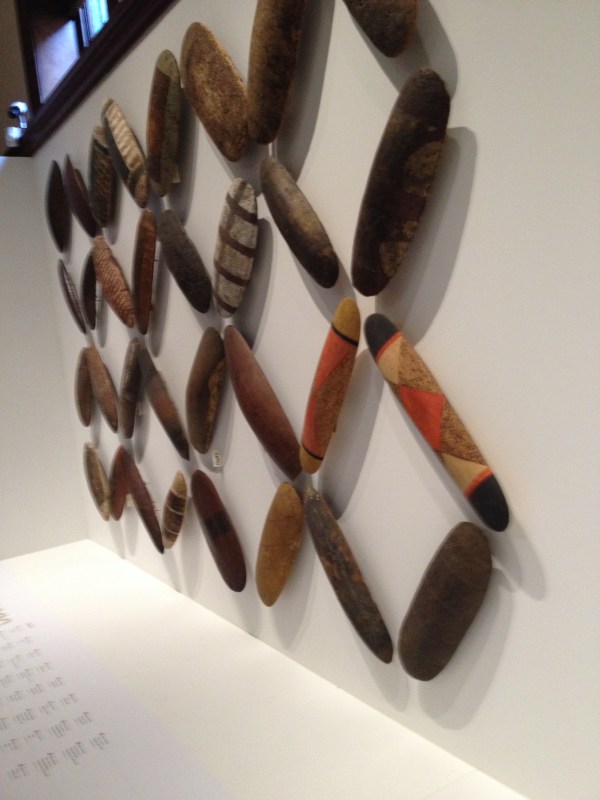
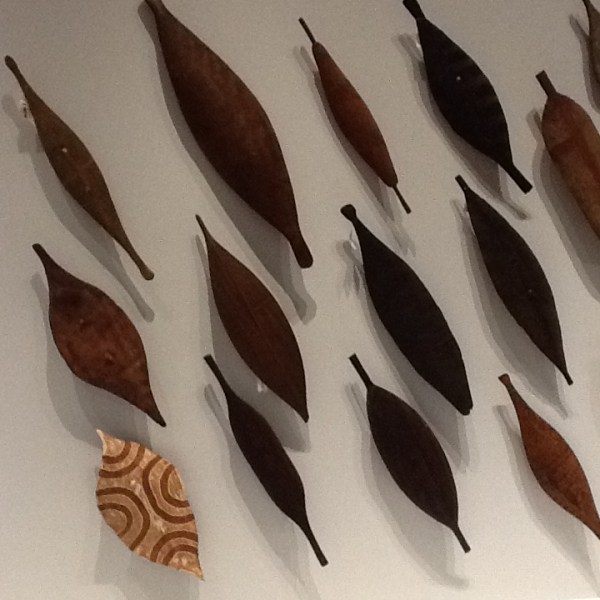
ஒவ்வொரு குழுவும் ஒருவகை பாணியில் கேடயங்களைத் தயாரித்தனர். இவை பாதுக்காப்புக்கு மட்டுமின்றி கலாசார சின்னங்களாகவும் விளங்கும். ஒவ்வொரு இளைஞரும் அந்தக் கேடயத்தில் ஒரு புது வடிவு செய்து தனது தனித்துவத்தையும் காட்டுவார். கேப்டன் குக் வந்த போது அவரது பீரங்கி, துப்பாக்கிகளுக்கு , பழங்குடி மக்கள் ஈடு கொடுக்க முடியவில்லை. தங்கள் கேடயங்களைப் போட்டுவிட்டு காட்டிற்குள் சென்று மறைந்தனர். கேப்டன் குக் எடுத்துவந்த இந்த கேடயங்களே முதல் நினைவுப் பொருட்களாகும். இப்பொழுது ஆஸ்திரேலிய மியூசியத்தில் நூற்றுக்கணக்கான கேடயங்களைக் காட்சிக்கு வைத்துள்ளனர்.


வெள்ளையர்களுக்கு உதவிய இருவர்

ஆஸ்திரேலியாவை காலனியாக்க வந்த வெள்ளையர்களுக்கு இரண்டு பழங்குடி இன மக்கள் உதவினர். ஒருவர் பெயர் வைலி. 1840 ஆம் ஆண்டில் எட்வர்ட் ஜான் அய்ர் என்பவருக்கு உதவினார். பின்னர் இவருடன் வந்த வேறு இரு பழங்குடி இனத்தவர் (யார்ரி, ஜோயி) அவருடன் வந்த ஜான் பாக்ஸ்டர் என்பவரைக் கொன்றுவிட்டனர். வைலி மட்டும் இறுதிவரை அய்ருக்கு உதவி பின்னர் அரசு பென்ஷனும் பெற்றார். ஆஸ்திரேலிய கண்ட ஆராய்ச்சிகள் இப்படிப் பல படுகொலைகள் நடக்கக் காரணமாயின.

ஜாக்கி ஜாக்கி என்று புனைப்பெயருடைய கல்மாரா என்ற பழங்குடி இனத்தவர் எட்மண்ட் கென்னடி என்பவருக்கு உதவினார். ஆனால் ஒரு பழங்குடி இனக் குழு கென்னைடியை ஈட்டியால் துளைத்துக் கொன்றுவிட்டனர். கல்மாரா ஓடிச் சென்று, கப்பலில் இருந்த வெள்ளையரிடம் விஷயத்தைத் தெரிவித்துவிட்டு கென்னடியின் சடலத்தை மீட்க மீண்டும் புதர்களுக்குத் திரும்பிவந்தார். இதனிடையே அந்த ஆராய்ச்சிக் குழுவில் இருந்த பலர் காணாமற்போயினர். இரண்டுபேர் தவிர அனைவரும் மறைந்தனர். இப்படி ஐரோப்பியர்கள் சென்றவிடம் எல்லாம்  இரத்தக் களரியுடந்தான் வரலாறு துவங்கும். பின்னர் அதைக் காரணம் காட்டி, குருவி சுடுவதுபோல, பழங்குடி இனமக்களைச் சுட்டுக்கொல்லுவர். வட அமெரிக்க, தென் அமெரிக்க வரலாற்றைப் படிப்போருக்கு இது நன்கு விளங்கும்.

IMG_2382


IMG_9065

படங்கள்: கேடயங்கள் (லண்டன் சுவாமிநாதன்)

—தொடரும்

விவேகானந்தரின் அற்புத அனுபவங்கள் – பகுதி 1(Post No. 2525)

விவேகா-அனிடஸ் மரியா

Written by S Nagarajan


Date: 10 February 2016


Post No. 2525


Time uploaded in London :–  6-10 AM


( Thanks for the Pictures  ) 


DON’T REBLOG IT AT LEAST FOR A WEEK!  DON’T USE THE PICTURES; THEY ARE COPYRIGHTED BY SOMEONE.


(for old articles go to tamilandvedas.com OR swamiindology.blogspot.com; contact 


swami_48@yahoo.com)


அதீத உளவியல் ஆற்றல்


ஸ்வாமி விவேகானந்தரின் அற்புத அனுபவங்களும் ஆற்றலும்! – (1)


ச.நாகராஜன்


 விவேகா

சித்திகளைக் கண்டு மயங்காதே!


ஸ்வாமி விவேகானந்தரின் வாழ்க்கை நெடுக தனது அற்புதமான தவ ஆற்றலால் அவர் நிகழ்த்திய அற்புதங்கள் ஏராளம் உண்டு. அதீத உளவியல் சம்பந்தமாக அவர் அடைந்த அனுபவங்களும் ஏராளம் உண்டு. தனியே பெரிய நூலாகத் தொகுக்க வேண்டியவை இவை.


இந்த சிறு கட்டுரைத் தொடரில், ஒரு அறிமுகமாக, அவரது ஆற்றல்களையும அவர் அடைந்த அனுபவங்களையும் காணலாம். இதைப் படித்ததன் மூலம் அவரைப் பற்றி இன்னும் முற்றிலுமாக அறிய உத்வேகம் ஏற்பட்டால் அதுவே இந்த கட்டுரைத் தொடரின் பயனாக அமையும்.

முதலில் சித்திகள் பற்றி ராமகிருஷ்ண பரமஹம்ஸர் கூறியதை இங்கு நினைவு படுத்திக் கொள்வது நல்லது.

பரமஹம்ஸர் சித்திகளைக் கண்டு மயங்காதே என்று தெளிவாகப் பலமுறை கூறியுள்ளார். அதற்கு மதிப்புக் கொடுக்காதே; அதையும் தாண்டி உள்ள மஹாசக்தியை நாடு என்பதே அவரது அருளுரை.


இதையே ஸ்வாமிஜியும் தன் வாழ்நாள் முழுவதும் திரும்பத் திரும்பக் கூறியுள்ளார்.


ஆனால் பெரும் அவதாரங்கள் தோன்றும் போது அளப்பரிய ஏராளமான ஆற்றல்கள் அவர்களுடன் இயல்பாகவே தோன்றும். இப்படி அற்புதங்களைத் தாம் ஆற்றியதாகவே அவர்கள் கூற மாட்டார்கள்; அவர்கள் இதை அறிவதும் இல்லை, போலும். மற்றவர்கள் கூறும் போது, அப்படியா என்று வியப்பது வழக்கம்!

இந்தக் கருத்தை பகவான் ரமண மஹரிஷியும் அழுத்தம் திருத்தமாக அடிக்கடி கூறியுள்ளார்.


லாஸ் ஏஞ்சல்ஸ் உரை ; நினைத்ததைச் சொல்பவர்!

ஸ்வாமிஜி கலிபோர்னியாவில் லாஸ் ஏஞ்சல்ஸில் 1900ஆம் ஆண்டு ஜனவரி மாதம் 8ஆம் தேதி மனத்தின் சக்திகள் (The Powers of the Mind : Complete Works of Swami Vivekananda Volume II) என்று அற்புதமான உரை ஒன்றை நிகழ்த்தினார்.


அதில், “இயற்கைக்கு மீறிய நிகழ்வுகள் காலம் காலமாக நடந்து வருகின்றன. அதீதமான நிகழ்வுகளைப் பற்றி நாம் எல்லோரும் கேட்டிருக்கிறோம். சிலருக்கு சொந்த அனுபவங்களும் இதில் உண்டு. எனது சொந்த அனுபவங்களைச் சொல்வதன் மூலம் இந்த விஷயத்தை உங்களுக்கு அறிமுகப்படுத்துகிறேன்” என்று அந்த உரையை அவர் ஆரம்பிக்கிறார்.

ஒரு சமயம் அவர் எந்தக் கேள்வியை மனதில் நினைத்தாலும் அதை அறிந்து கொண்டு அதற்கு உடனே விடை தரும் ஒருவரைப் பற்றிக் கேள்விப்பட்டார்.  எதிர்காலத்தில் இனி நடக்கப் போகும் சம்பவங்களையும் கூற வல்லவர் அவர்.  ஆர்வம் உந்தவே, சில நண்பர்களுடன் அவரைச் சந்திக்க ஸ்வாமிஜி கிளம்பினார். ஒவ்வொருவரும் தன் மனதில் ஏதோ ஒன்றை நினைத்துக் கொண்டனர். தவறு ஏதேனும் நடந்து விடக்கூடாது என்பதற்காக தான் நினைத்தது என்ன என்பதை ஒரு துண்டுப் பேப்பரில் எழுதி அதைத் தங்கள் பாக்கட்டில் போட்டுக் கொண்டனர். அந்த குழுவினரைப் பார்த்தவுடனேயே அந்த மனிதர் ஒவ்வொருவரும் என்ன கேள்வியை நினைத்திருக்கிறோம் என்பதைக் கூறி அதற்கான பதிலையும் கூறி விட்டார்.


பிறகு அவர் ஒரு பேப்பரில் ஏதோ எழுதி அதை மடித்து அதில் ஸ்வாமிஜையைக் கையெழுத்திடுமாறு கூறி. “இதைப் பார்க்காதீர்கள். உங்கள் பாக்கெட்டில் வைத்துக் கொள்ளுங்கள்” என்றார்.


பின்னர், “நீங்கள் உங்களுக்குப் பிடித்த ஒரு வார்த்தையையோ அல்லது வாக்கியத்தையோ, அது எந்த  மொழியில் வேண்டுமானாலும் இருக்கலாம்! , நினைத்துக் கொள்ளுங்கள்” என்றார். அந்த மனிதருக்குத் தெரியாத சம்ஸ்கிருத மொழியில் ஒரு பெரிய வாக்கியத்தை ஸ்வாமிஜி நினைத்துக் கொண்டார்.

பின்னர் அந்த மனிதர், “இப்போது உங்கள் பையில் இருக்கும் பேப்பரை எடுத்துப் பாருங்கள்” என்றார். ஸ்வாமிஜி நினைத்த சம்ஸ்கிருத வாக்கியம் அந்தப் பேப்பரில் அப்படியே இருந்தது.


சிவாஜி, விவேகா, நேதாஜி

ஒரு மணி நேரம் முன்னர் அந்தப் பேப்பரில் அவர் எழுதியபோது, “நான் எழுதியதை உறுதி செய்து இவர் அதே வாக்கியத்தை நினைப்பார்” என்று சொல்லி இருந்தார். அது முற்றிலும் சரியாக ஆனது.


இதே போல இன்னொரு நண்பர் அந்த மனிதருக்குத் தெரிந்திருக்க சற்றும் வாய்ப்பே இல்லாத அராபிய மொழியில், குர் ஆனில் வரும்  ஒரு பகுதியை எழுதி இருந்தார். அது அப்படியே அவர் முன்னரே வைத்த பேப்பரில் எழுதப்பட்டிருந்தது.


இன்னொரு நண்பரோ ஒரு வைத்தியர். அவர் ஜெர்மானிய மருத்துவ புத்தகத்தில் வரும் ஒரு வரியை நினைத்தார். அதுவும் அப்படியே பேப்பரில் எழுதப் பட்டிருந்தது.


சில நாட்கள் கழித்து  முந்தைய முறை எப்படியோ தான் மயக்கப்பட்டிருக்கிறோம் என்று நினைத்தவாறே ஸ்வாமிஜி மீண்டும் அந்த மனிதரிடம் சென்றார். ஆனால் என்ன ஆச்சரியம், இந்த முறையும் அவர் அப்படியே அந்த நிகழ்ச்சியை அதிசயமாக நடத்திக் காட்டினார்.


ஸ்வாமிஜியின் அனுபவங்கள் …       தொடரும்


இதை ஆங்கிலத்தில் படிக்க விரும்புபவர்களுக்காக ஸ்வாமிஜியின் மூலச் சொற்பொழிவுப் பகுதிகள் கீழே அப்படியே தரப்பட்டுள்ளன.


All over the world there has been the belief in the supernatural throughout the ages. All of us have heard of extraordinary happenings, and many of us have had some personal experience of them. I would rather introduce the subject by telling you certain facts which have come within my own experience.


I once heard of a man who, if any one went to him with questions in his mind, would answer them immediately; and I was also informed that he foretold events. I was curious and went to see him with a few friends. We each had something in our minds to ask, and, to avoid mistakes, we wrote down our questions and put them in our pockets. As soon as the man saw one of us, he repeated our questions and gave the answers to them. Then he wrote something on paper, which he folded up, asked me to sign on the back, and said, “Don’t look at it; put it in your pocket and keep it there till I ask for it again.” And so on to each one of us. He next told us about some events that would happen to us in the future. Then he said, “Now, think of a word or a sentence, from any language you like.” I thought of a long sentence from Sanskrit, a language of which he was entirely ignorant. “Now, take out the paper from your pocket,” he said. The Sanskrit sentence was written there! He had written it an hour before with the remark, “In confirmation of what I have written, this man will think of this sentence.” It was correct. Another of us who had been given a similar paper which he had signed and placed in his pocket, was also asked to think of a sentence. He thought of a sentence in Arabic, which it was still less possible for the man to know; it was some passage from the Koran. And my friend found this written down on the paper.
Another of us was a physician. He thought of a sentence from a German medical book. It was written on his paper.
Several days later I went to this man again, thinking possibly I had been deluded somehow before. I took other friends, and on this occasion also he came out wonderfully triumphant.

(To be Continued)


‘An inch of Gold will not buy an inch of Time’ (65 Sayings on TIME) – Post No 2524

IMG_2205

Compiled by london swaminathan

Post No. 2524

Date: 9th February 2016

Time uploaded in London 13-37

( Thanks for the Pictures  ) 


DON’T REBLOG IT AT LEAST FOR A WEEK!  DON’T USE THE PICTURES; THEY ARE COPYRIGHTED BY SOMEONE.


(for old articles go to tamilandvedas.com OR swamiindology.blogspot.com; contact 


swami_48@yahoo.com)


IMG_2332

Time cures all things.

Time is a great healer.

Nature, time and patience are the three great physicians.

Time tames the strongest grief.

Time works wonders.

Time is money.

Patience, time and money accommodate all things.

An inch of gold will not buy an inch of time (Chinese Proverb)

He that has time has life.

Gain time, gain life. (10)

IMG_1565

The crutch of time does more than the club of Hercules.

With time and art, the leaf of the mulberry-tree becomes satin.

Time and straw make medlars ripe.

Time devours all things.

Time is a file that wears and makes no noise.

Time undermines us.

Time is the rider that breaks the youth.

Time tries all things.

Time will tell.

Time tries truth. (20)


IMG_2716

Time is the father of truth.

Truth is time’s daughter.

Time flies (tempus fugit in Latin)

Time flees away without delay.

Time has wings.

Time is, time was and time is past.

For the busy man time passes quickly (Chinese Proverb)

Time and tide wait for no man.

The sun has stood still, but time never did.

Time stays not the fool’s leisure. (30)


IMG_2833

What greater crime than loss of time?

Time spent in vice or folly is doubly lost.

Lose an hour in the morning and you will be all day burning for it.

If you lose your time, you cannot get money or gain.

Time lost cannot be recalled.

Take time when time comes, lest time steal away.

There is a time and place for everything.

Everything is good in its season.

Other times, other manners

Now is now, and then was then. (40)


IMG_3061

It is too late to call back yesterday.

Things past cannot be recalled.

There are no birds in last year’s nests.

Things present are judged by things past.

Today is the scholar of yesterday.

The golden age was not the present age.

The time to come is no more ours than the time past

None knows what will happen to him before sunset.

This morning knows not this evening’s happenings (Chinese Proverb)

He that would know what shall be, must consider what has been. (50)


IMG_3128

History repeats itself

What has been, may be.

Coming events cast their shadows before (Thomas Campbell (1777-1844)

From Tirukkural:-

481.The crow defeats the owl during day-time. The leader seeks the right time to quell the enemy.

  1. Acting at appropriate season is a cord that will immutably bind wealth to a leader.

483.What is difficult for him to achieve who adopts proper means and tact and acts in right time?

484.One can even the world if he chooses the proper place and acts in the right hour.

485.Heroes who want to conquer the world wait patiently for the proper time, gathering strength.

486.The restrain of a strong man is like the step back of a fighting ram before charging.

487.The wise do not straightaway fly into a passion, but smoulder inwardly biding their time. (60)


IMG_9011

488.Bow to your foe when you see him; for when the time of his end is seen, his fall would headlong.

489.When a rare opportunity offers itself, accomplish forthwith the design that is difficult.

490.In adverse time feign peace and wait like a heron. Strike like its peck when the time is opportune.

(all the above numbered are from Tamil book Tirukkural)

I am Time (kalosmi) – (Bhagavd Gita 11-32)

The Master of the Past, Future and Present (Bhuta Bhavya Bhavat Prabhuh) – Vishnu Sahasranama (65)

IMG_9165

–subham–
 

ஆஸ்திரேலியப் பழங்குடி கலாசாரத்தில் ‘அக்னி’ (Post No. 2523)

IMG_9051

Research Article written by london swaminathan

Post No. 2523

Date: 9th February 2016

Time uploaded in London காலை 10-27

( Thanks for the Pictures  ) 


DON’T REBLOG IT AT LEAST FOR A WEEK!  DON’T USE THE PICTURES; THEY ARE COPYRIGHTED BY SOMEONE.


(for old articles go to tamilandvedas.com OR swamiindology.blogspot.com; contact 


swami_48@yahoo.com)


IMG_2345

(பழங்குடி மக்கள்- இந்துக்கள்  இடையேயுள்ள கருத்தொற்றுமைகளைக் காணும் மூன்றாவது கட்டுரை இது. நேற்றும், அதற்கு முதல் நாளும் வெளியிட்ட கட்டுரைகளையும் காண்க)


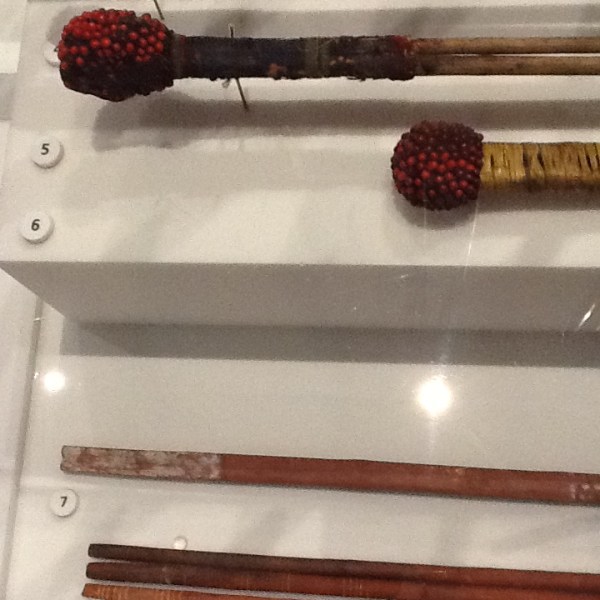
இந்துக்களின் வேதத்தில் இந்திரனுக்கு அடுத்தபடியாக, அதிகம் போற்றப்படுபவர் அக்னி பகவான். வேத காலத்தில் வீட்டிலும், அரண்மனைகளிலும், கோவில்களிலும் 400 வகையான யாக, யக்ஞங்கள் நடத்தப்பட்டன. ஆஸ்திரேலியப் பழங்குடிகள் அக்னி வழிபாடு செய்யாவிட்டாலும், இந்துக்களைப் போல, தீயை ஒரு புனிதப் பொருளாகவே கருதினர். மேலும் ஒரு ஒற்றுமை. வேத கால பிராமணர்கள், மந்திரம் சொல்லி, அரணிக்கட்டையை வைத்து தீயை மர ஓட்டைகளிலிருந்து கடைந்தெடுத்தது போலவே பழங்குடி மக்களும் செய்தனர். ஆயினும் இவ்வழக்கம் இந்தியா, ஆஸ்திரேலியா தவிர மாயா நாகரீகத்தில் கூட உள்ளது. ஆக, யார் யாரிடமிருந்து கடன் வாங்கினர் என்பது ஆராய்ச்சிக்குரிய விஷயமே.


அக்னியை உண்டாக்க பழங்குடியினர், அரணியைப் போல வுள்ள கருவிகளையே பயன்படுத்தினர். அவர்கள், இதற்காகப் பலவகைக் கருவிகளைச் செய்து, தீக்குச்சி போலத் தோன்றும் பெரிய குச்சிகளையும் வைத்திருந்தனர். தீப்பொறி வந்தவுடன் அதைக் கொளுத்திக் கொள்வர்.

IMG_9039

எதையும் வீணடிக்காதே

நான் சிட்னி மியூசியத்தில், ஆஸ்திரேலிய பிரிவை பார்த்துக் கொண்டிருக்கையில் எனது கவனத்தை ஈர்த்த மற்றொரு விஷயம் – எதையும் வீணடிக்காதே என்ற பழங்குடி மக்களின் வாசகமாகும்.
 

இந்துக்கள், எல்லா பொருள்களையும் கடவுளின் பொருளாகப் பார்ப்பதால் எதையும் வீணடிக்கமாட்டார்கள். ‘ஈஸாவாஸ்யம் இதம் சர்வம்’ – என்று உபநிஷதம் கூறுவதால், காலையில் படுக்கையிருந்து எழுந்து பூமி  மீது பாதங்களை வைக்கும் முன் ‘பாத ஸ்பர்சம் க்ஷமஸ்வமே’ (கால்களை உன் மீது வைக்கிறேன்; மன்னிப்பாயாக) என்று சொல்லித்தான் வைப்பர். கிணறு வெட்டுகையிலும், நிலத்தை உழும்போதும் பூமாதேவியிடம் மன்னிப்புக் கேட்பர். இப்படிக் காடு மலை, ஆறு, குளம், செடி கொடி, தோப்பு, துறவு எல்லாவற்றையும் ஈசனின் படைப்பாகப் பார்ப்பதால் எதையும் வீணடிக்க மாட்டார்கள். அளவுக்கு அதிகமாகச் சுரண்ட மாட்டார்கள். மிருகங்களைக்கூட, நாட்டிற்குள் நுழைந்து தொல்லை கொடுக்கையில் மட்டுமே வேட்டையாடுவர். சிட்னி மியூசியத்தில் இந்தக் கருத்தை பழங்குடி மக்களும் எழுதிவைத்தது சிந்தனையின் ஒருமைப்பாட்டைக் காட்டி நின்றது.

IMG_9041

நீ நாட்டைப் போற்று, அது உன்னைப் போற்றும்!


என் கவனத்தை ஈர்த்த மற்றொரு போர்டு, நீ நாட்டைக் கவனி, அது உன்னைக் கவனிக்கும் – என்பதாகும். தர்மோ ரக்ஷதி ரக்ஷித: ( நீ அறத்தைக் காத்தால், அறம் உன்னைக் காக்கும்) என்ற இந்துமதக் கருத்தை இது பிரதிபலிக்கிறது. ஆஸ்திரேஇயப் பழங்குடி மக்கள், ‘நாடு’ என்று சொல்லுவது, அவர்களுடைய குழுக்களையாகும். ஆக நாம் மற்றவர்களைக் காப்பார்ரினால், அனத தர்மமே நம்மைக் காக்கும் என்றும், இருக்கும் இயற்கை வளத்தை மிதமாகப் பயன்படுத்த வேண்டும் என்றும் அவர்கள் எண்ணுகின்றனர்.


ஒரு பழங்குடி மக்களிடையே இப்படி உயர்ந்த சிந்தனை இருப்பது அவர்களுடைய பழைய இந்துமத அடிப்படையைக் காட்டுவதாகவே எனக்குத் தோன்றியது.

அவர்களுடைய, மொழி, நடை உடை பாவனை போன்ற அனைத்தையும் காண்கையில் இது உறுதிப் படுகிறது. இந்தியப் பழங்குடி மக்களிடையேயும் இப்படி இருப்பதை காணலாம். ஆயினும் 40,000 ஆண்டுகளாகத் தனித்து வாழ்ந்த இனங்கள் ஆகையால் பல வேறுபாடுகள் இருக்கத்தான் செய்யும்.


அடுத்த கட்டுரையில் , ஆஸ்திரேலியப் பழங்குடி மக்களின் சில விநோத நம்பிக்கைகள், பழக்க, வழக்கங்களை சுருக்கி வரைவேன்.

IMG_8996

கவிஞரின் வீ ட்டிற்குத் தானே வந்த கங்கை! (Post No 2522)

stamps vidyapathy

Written by S Nagarajan


Date: 9 February 2016


Post No. 2522


Time uploaded in London :–  9-27 AM


( Thanks for the Pictures  ) 


DON’T REBLOG IT AT LEAST FOR A WEEK!  DON’T USE THE PICTURES; THEY ARE COPYRIGHTED BY SOMEONE.


(for old articles go to tamilandvedas.com OR swamiindology.blogspot.com; contact 


swami_48@yahoo.com)


ஹிந்து இலக்கியம்


மரண காலத்தில் அதிசயக் கவிஞரின் வீ ட்டிற்குத் தானே வந்த கங்கை!


ச.நாகராஜன்


vidyapatimaithil-mahaan-kavi-1-2-s-307x512

ஹிந்து இலக்கியத்தில் ஒரு முக்கிய பிரதேசமாக விதேஹம் விளங்கி வந்திருப்பதை வரலாறு நன்கு விளக்குகிறது.

ஆயிரமாயிரம் அதிசய உண்மைச் சம்பவங்களைக் கொண்டுள்ள ஹிந்து இலக்கிய வரலாறை யாரே முழுதுமாக அறிய வல்லார்?

இங்கு சொல்லப்படுவது சரித்திரத்தில் ஒரு சிறிய துளி; ஆனால் பெரிய தாக்கத்தை அனைவர் மனதிலும் அது ஏற்படுத்தும்.


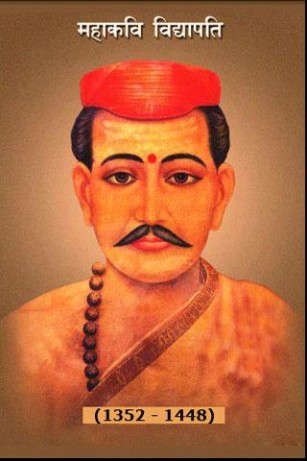
மிக பிரம்மாண்டமான இந்திய இலக்கிய வரலாற்றில் பெருங் கவிஞர் வித்யாபதி தனி ஒரு இடத்தை வகிக்கிறார்.

தர்பங்கா மாவட்டத்தில் மைதிலி பிராமணர் குலத்தில் கி.பி. 1350 வாக்கில் அவர் பிறந்தார். அந்தக் காலம் இசையின் பொற்காலம்.


மைதிலி மொழியும் வங்காள மொழியும் போட்டி போட்டுக் கொண்டு இலக்கியச் செல்வங்களை வாரி வழங்கிய காலம் அது. அந்தக் காலத்தில் பிறந்த மாபெரும் கவியை இப்படி வெவ்வேறு இரு மொழிகளைப் பேசி வந்த மக்கள் தங்கள் கவிஞர் என்று உரிமை கொண்டாடியது உலக இலக்கிய வரலாற்றில் வேறெங்கும் காண முடியாத ஒன்று என்கிறார் வித்யாபதியைப் பற்றி ஆராய்ந்த அறிஞர் க்ரியர்ஸன் (Grierson)

வித்யாபதியின் வரலாறு பல நூறு பக்கங்களில் எழுதப்பட வேண்டிய ஒன்று. சுருக்கமாக இங்கு காணலாம்.

வித்யாபதி சிறு வயதில் பால்ய கால நண்பனான மஹாராஜா கீர்த்திசிம்மனுடன் விளையாடி வந்தார். அவரது தந்தை கணபதி தாகூரா மஹாராஜா கநேஸ்வரசிம்மனின் அரசவையில் பெரும் பதவி வகித்தவர்.


IMG_2695 (2)

பெரும் நியாய சாஸ்திர நிபுணரான – நையாயிகர் பக்ஷதார மிஸ்ராவின் வகுப்புத் தோழருமாக வித்யாபதி திகழ்ந்தார்.

வித்யாபதி ஏராளமான கவிதைகளை யாத்தார்.

பல அரசர்கள் போட்டி போட்டுக் கொண்டு வித்யாபதியை தங்கள் அரசவைகளுக்கு அழைத்து கௌரவித்தனர்.

வித்யாபதிக்கு இரு மனைவிகள்.இரு மனைவிகளும் அருமையான மகன்களையும் மகளையும் பெற்றேடுத்தனர். அவரது மருமகள்களில் ஒருவரான சந்த்ரகலா ஒரு பெரும் கவிஞர். வேத காலத்திலிருந்து பெண்களில் இப்படிப்பட்ட அரிய புலமை இருந்த ஏராளமானோரை நமது சரித்திரம் சுட்டிக் காட்டுகிறது. (ஆனால் அது தெரியாமல் பெண்களை நாம் அடிமைப் படுத்தி வைத்ததாக கூக்குரலிடுவது இப்போது ஒரு ஃபாஷனாகியிருப்பது பெரும் கொடுமை!)


தனது மரணம் எப்போது வரும் என்பதை அவர் முன் கூட்டியே அறிந்து விட்டார். மஹாராஜா சிவசிம்மன் என்ற மன்னர் இறந்து 32 ஆண்டுகள் கழித்து அவருக்கு ஒரு கனவு வந்தது.

அதில் தன் கருமையான உருவத்தை அவர் கண்டார்.

அதன் மூலமாகத் தனது மரணம் நெருங்கி விட்டது என்பதை அறிந்த அவர் தனது மகளைக் கூப்பிட்டு தனது இறுதி யாத்திரைக்கு வேண்டிய ஏற்பாடுகளை கங்கைக் கரையில் செய்யுமாறு கூறினார். அவர் இருந்த நிலையில் அவரால் கங்கைக் கரைக்குச் செல்ல முடியவில்லை.

அன்றிரவு கங்கை பெருக்கோடி அவர் எங்கு இருந்தாரோ அந்த  இடத்தை வந்து சேர்ந்தது. .


கங்கையைக் கண்ட மகிழ்ச்சியுடன் அவர் தனது மூச்சை விட்டார்.


தர்பங்கா மாவட்டத்தில் பஜித்புரா என்ற கிராமத்தில் இந்த அதிசயம் நடந்த இடம் இன்றும் உள்ளது.

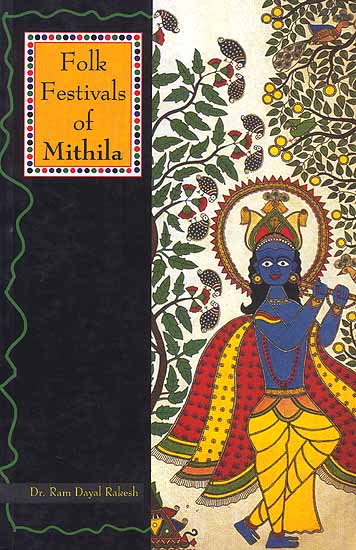
folk_festivals_of_mithila_idi955

வித்யாபதியின் குறிப்பிடத்தக்க சம்ஸ்கிருத நூல்கள்: அநேக தர்ம சாஸ்திரங்கள், நிபந்தங்களைப் பற்றிய பல ஆய்வுக் கட்டுரைகள் கொண்ட சைவசர்வசஸ்வசாரா, கங்காவாக்யாவளி, விபாகசாரா, தானவாக்யாவளி,துர்காபக்தி தரங்கிணி, கயாபட்டாலகா, வர்ஷக்ரித்யா உள்ளிட்ட ஏராளமான நூல்கள்.

புருஷபரிக்‌க்ஷா என்ற நீதி போதிக்கும் கதைக் கொத்தையும் அவர் எழுதியுள்ளார். மைதிலி மொழியில் அவர் எழுதியுள்ள நாடகம் கோரக்‌க்ஷவிஜயா.


இன்னும் ஏராளமான நூல்களை எழுதியுள்ள இ மாபெரும் கவிஞர் ஹிந்துக்களும் முஸ்லீம்களும் இணைந்து அமைதியாக வாழ்ந்த விதத்தை அற்புதக் கவிதைகளாகத் தந்துள்ளது குறிப்பிடத் தகுந்தது.


கங்கையே வீடு தேடி வந்து இறுதிக் காலத்தில் கவிஞரைக் ஆட்கொண்ட அதிசயக் கவிஞரின் புகழைச் சொல்லி மாளாது.

ஆனால் துரதிர்ஷ்டவசமாக இன்று இவரை அறிந்தவர்கள் வெகு சிலரே.


இதைப் போக்கும் விதத்தில் வி.கே. மிஸ்ரா என்னும் அறிஞர் ‘A Cultural Heritate of Mithila’ என்ற ஆய்வு நூலை (A-4  பேப்பர் அளவில் 404 பக்கங்கள்) எழுதியுள்ளார். அதில் இவரது சரித்திரம் சுருக்கமாகச் சொல்லப்பட்டுள்ளது.

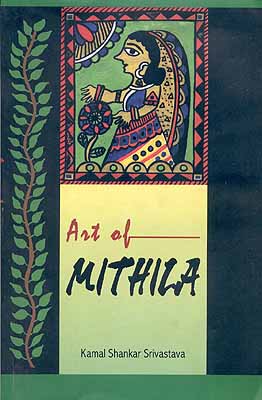
art_of_mithila_idc945

கார்த்திகை மாத சுக்ல பட்ச திரயோதசி திதியில் (கார்த்திகை மாதம் 13ஆம் நாள்) இவர் மறைந்ததாக ஒரு பழம் பாடல் தெரிவிக்கிறது.


கவிஞர் பூதவுடல் கங்கைக் கரையில் எரியுண்டாலும் புகழுடல் இன்றும் திகழ்கிறது. என்றும் திகழும்

*********

Fire/ Agni in Vedic and Aborigine Cultures (Post No. 2521)

IMG_2345

Research Article written by london swaminathan

Post No. 2521

Date: 8th February 2016

Time uploaded in London 16-48

( Thanks for the Pictures  ) 


DON’T REBLOG IT AT LEAST FOR A WEEK!  DON’T USE THE PICTURES; THEY ARE COPYRIGHTED BY SOMEONE.


(for old articles go to tamilandvedas.com OR swamiindology.blogspot.com; contact 


swami_48@yahoo.com)

IMG_8996

This is the third part in exploring the similarities between the Australian aborigines and the Hindus.


In the Vedic culture Fire ceremonies were part of their everyday life. They performed long Yajnas and Yagas at home and in the forest. They had special drill to produce fire. It was called Arani wood. They used one wooden stick to churn another wood to create fire. They had special mantras for this ceremony. Almost all ancient cultures followed the same techniques for making fire. Australian aborigines also used two wooden sticks to produce fire. They held fire in esteem. Like Hindus they also considered Fire as a sacred object. Australian aborigines had lot of sects and they lived in a vast area. So they used different types of sticks.


Ancient fire drill


IMG_2419

IMG_2413


Nothing should be wasted

Another principle upheld by the aborigines is “Nothing should be wasted”. This is also similar to the belief of Hindus. Hindus worshipped all the five elements. Even when they started ploughing a land or digging the earth for a well or house foundation, they always seek the permission of the Gods to do it. They prayed to gods for their forgiving. This type of reverence paid to natural forces made them to use the minimum or optimum resources. Whatever left over was given as donation to the needy.

IMG_9039

Look after the country


Hindus said Dharmo Rakshati Rakshita: meaning that those who protect the natural law will be protected by the law/ dharma. Australian aborigines has similar principle: Look after the country and the country will look after you. This ancestral law ,handed down through generations, teaxches us to harvest the resources sustainably,maintain the bio diversity, protect the right of all species and care for sacred sites.Wisdom is acting now for the future of our race – says the aborigines.

IMG_9041

ஆஸ்திரேலியப் பழங்குடி மக்களிடையே இந்துமத கருத்துக்கள் (Post No. 2520)

IMG_2255

Research Article written by london swaminathan

Post No. 2520

Date: 8th February 2016

Time uploaded in London 9-18 AM

( Thanks for the Pictures  ) 


DON’T REBLOG IT AT LEAST FOR A WEEK!  DON’T USE THE PICTURES; THEY ARE COPYRIGHTED BY SOMEONE.


(for old articles go to tamilandvedas.com OR swamiindology.blogspot.com; contact 


swami_48@yahoo.com)


IMG_2338


கட்டுரையின் முதல் பகுதி நேற்று வெளியானது – “ஆஸ்திரேலியப் பழங்குடி மக்கள் தமிழர்களா?” – என்ற தலைப்பில். அதைப் படித்துவிட்டு, இந்தக் கட்டுரையைப் படிப்பது நலம் பயக்கும்.


“பிறந்தனவெல்லாம் இறப்பது உறுதி

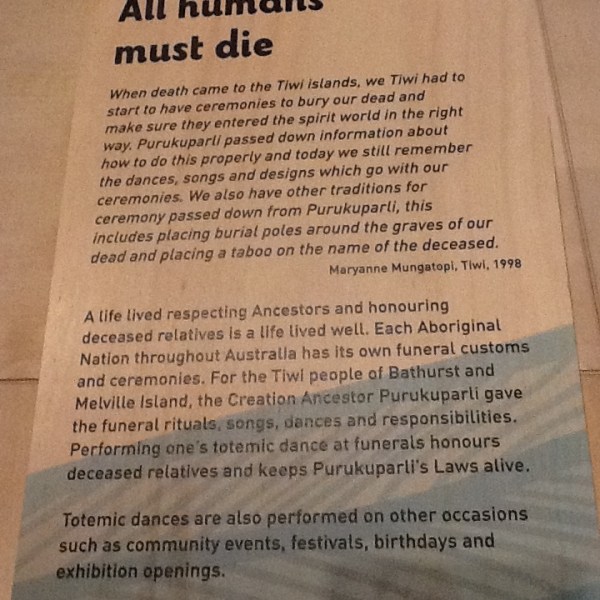
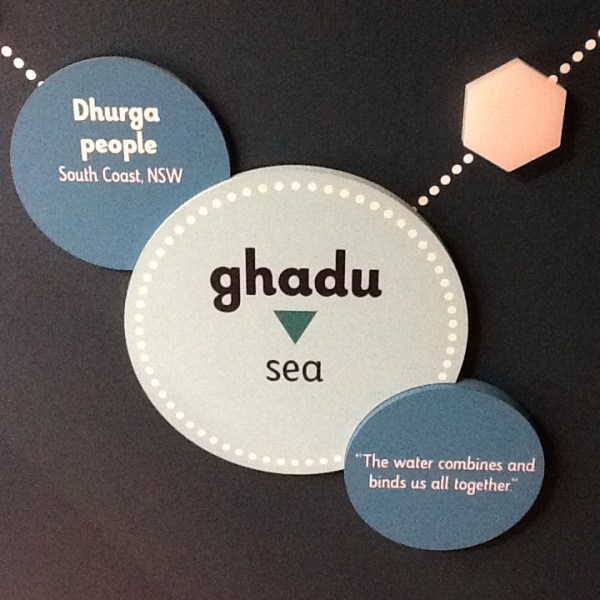
இறந்தனவெல்லாம் பிறப்பது உறுதி” – என்பது இந்து மதத்தின் தலையாய கருத்து. “புனரபி ஜனனம், புனரபி மரணம்,புனரபி ஜனனி ஜடரே சயனம்” – என்று இதையே ஆதி சங்கரர் அழகாகப் பாடி வைத்தார். அதற்கெல்லாம் முன்னதாக காலத்தால் அழியாத பகவத் கீதையில் கண்ண பிரானும், “ஜாதஸ்ய ஹி த்ருவோ ம்ருத்யுர், த்ருவம் ஜன்ம ம்ருதஸ்ய ச (பகவத் கீதை 2-27) – என்று சொல்லிவைத்தார். மறு பிறப்பில் நம்பிக்கை இலாதோருக்குக் கூட பிறந்தன எல்லாம் இறப்பது உறுதி – என்பது தெரிந்த விஷயமே. ஆனால் இதை எழுத்தில் வடிக்கும்போதுதான், ஒரு இனம் இதுபற்றி எவ்வளவு கவலைப் படுகிறது என்பது தெரியவரும். நான் சிட்னி நகரில் ஆஸ்திரேலிய மியூசியத்தில், பழங்குடி இனத்தின் பிரிவுக்குச் சென்றபோது, அவர்களுடைய நம்பிக்கைகளைப் படங்களுடன் போர்டு, போர்டாக எழுதி வைத்துள்ளதைக் கண்டு மகிழ்ந்தேன். அதில் ஒரு போர்டின் வாசகம் பிறந்தன எல்லாம் இறப்பது உறுதி. இதற்கும் மேலே அவர்கள் எழுதிய விஷயமும் இந்து மதக் கருத்தே! இறந்த பின்னர் ஆவிகள் மேலுலகம் செல்லும், அதற்குச் சரியான பாதை காட்ட வேண்டும் என்பதாகும்.

ஒருவர் வீட்டில் மரணம் அடைந்த பின்னர், பிராமண புரோகிதர்கள் ஓதும் வேத மந்திரங்களும் இதையே சொல்கிறது. இறந்தவரின் ஆவி நல்ல நிலையை அடைய பல கடவுளர்களை வேண்டும் மந்திரங்கள் அவை. இதற்கும் மேலாக இறப்போர் பற்றி மேலும் ஒரு ஒற்றுமையையும் கண்டேன்.


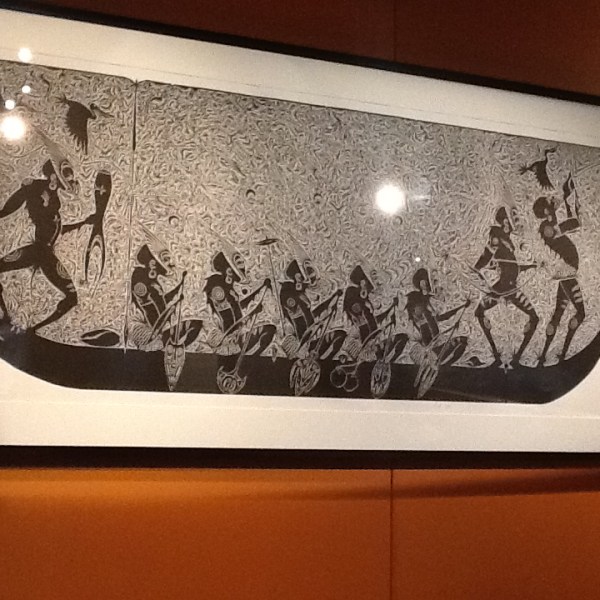
பழங்குடி மக்கள், பல முகமூடிகளை அணிந்து நடனம் ஆடிவிட்டு, இறந்தோர் நினைவாக கம்பங்களை நட்டு வைக்கின்றனர். ஆதி காலத்தில் தமிழர்களும் நடு கல் நட்டு இறந்தோரை வழிபட்டனர். இந்தச் செய்தி நிறைய சங்கத் தமிழ் பாடல்களில் உள. கர்நாடகத்தில் மாஸ்தி கல் என்றும் ராஜஸ்தானில் கை சின்னங்களுடன் நினைவுச் சின்னங்களும் வைத்தனர். சாது சந்யாசிகள் இறந்தால் அவர்கள் சமாதிக்கு மேல் சிவலிங்கம் அல்லது, துளசி மாடம் எழுப்பினர். பிராமணர்கள், இறந்தோர் நினைவாக ஒரு கல்லை தோட்டத்தில் புதைத்து வைப்பர். இப்போது இது எல்லாம் அருகிவிட்டது. ஆக ஆதி காலத்தில் எல்லோரும் பின்பற்றிய வழக்கங்கள் பின்னர் கூனிக் குறுகி அறவே மறைந்துவிட்டன என்று கொள்ளல் பொருந்தும்.

IMG_2399

இறந்தவர்களைப் போற்றி வழிபடும் வழக்கம் இந்துமத்தில் உள்ளது போல வேறு எந்த மத்திலுமில்லை. தென்புலத்தாரை தினமும் வழிபடும் ஐவேள்வி (பஞ்ச யக்ஞம்) பற்றி வள்ளுவனும், மனுவும் பாடி வைத்தனர். இது இந்துக்கள் தினமும் செய்வது நின்று இப்பொழுது மாவாசை தர்ப்பணம் என்று மாதமொரு சடங்காக மலிந்துவிட்டது.

IMG_2331

சம்ஸ்கிருதச் சொற்கள்

ஆதி மக்களிடையே பல சம்ஸ்கிருத சொற்களும், தமிழ்ச் சொற்களும் புழங்குவது அவர்கள் இந்தியாவிலிருந்து சென்றவர்களே என்பதைக் காட்டுகிறது. ஆஸ்திரேலியப் பழங்குடிகள்வெளியிலிருந்து வந்ததாகச் சொல்லும் வாசகமும் மியூசியத்திலுள்ளது. நேற்று அணங்கு என்ற தூய தமிழ்ச் சொல்லைக் கண்டோம். மற்ரஒரு மக்கள் பெயர் துர்கா இன மக்கள். இறந்தோர் நினைவாக எழுப்பும் கம்பங்களை துங்கம் என்பர். இது வடமொழிச் சொல். உயரமான, உஅய்ர்த்தப் பட்ட என்பது இதன் பொருள்.


இப்படி நிறைய சம்ஸ்கிருதச் சொற்களை – ஆனால் மாறுபட்ட பொருளுடன் வழங்குவதைக் காணலாம்.


எந்தையும் தாயும் மகிழ்ந்து குலாவி….

பாரத தேசம் பற்றிப் பாரதியார் பாடினார்:-

எந்தையும் தாயும் மகிழ்ந்து குலாவி இருந்ததும் இந்நாடே – அதன் முந்தையர் ஆயிரம் ஆண்டுகள் வாழ்ந்து

முடிந்ததும் இந்நாடே (அவரும் கூட இந்தப் பாட்டில் ‘துங்கம்’ என்ற சொல்லைப் பயிலுகிறார்!)


இப்படிப்பட்ட தேசபக்தப் பாடல்கள் அதர்வ வேதத்தில் உள்ளன. பூ சூக்தம் என்ற பாடலில் பூமியை மிக விரிவாகப் போற்றிப் புகழ்கின்றனர் வேத கால ரிஷிகள். ஆஸி. பழங்குடி மக்களும் பூமி பற்றி இதே கருத்தைக் கொண்டுள்ளனர். இயற்கைச் சக்திகளை அவர்களும் போற்றுகின்றனர். நாடு, மண், காற்று, மரம் ஆகியவற்றை உடலின் உறுப்பாக உணருகின்றனர்.

தைத்ரீய ஆரண்யகத்தில் உள்ள வேத மந்திரம் சொல்கிறது (மது வாதா ருதாயதே….)

“காற்று இனிமையாக வீசட்டும். நதிகள் இனிமையாகப் பெருக்கெடுத்து ஓடட்டும். செடி, கொடிகள் இனிமை அளிப்பவையாக இர்க்கட்டும். வன விருக்ஷங்கள் இன்பம் நிறைந்தவகளாய் இருக்கட்டும். சூரியன் இன்பம் தரட்டும். பசுக்கள் மதுரமான பாலையளிக்கட்டும் – தைத்ரீய ஆரண்யகம்


IMG_2327

எனைத்தானும் நல்லவை கேட்க…

மூத்தோர் சொல் அமிர்தம்- என்பது தமிழ்ப் பொன்மொழி. ஏதேனும் கொஞ்சமாவது நல்லதைக் கேளுங்கள் (திருக்குறள் 416) என்கிறார் வள்ளுவர். செல்வத்துள் செல்வம் செவிச் செல்வம் என்பார் வள்ளுவர். இவையெல்லாம் வேதத்திலுளது. எல்லா இடங்களிருந்தும் எங்ளுக்கு நல்ல கருத்துக்கள் வரட்டுமென்று உலகின் மிகப் பழைய நூலான ரிக் வேதம் (1-89-1) கூறுகின்றது.

ஆஸி. பழங்குடி மக்க: இதை ‘இங்காரா’ என்பர். நாங்கள் பிறந்த அன்றே எங்களுக்கு ‘இங்காரா’வைச் சொல்லித்தந்துவிட்டனர். நாங்கள் முதியோர் சொல்லைக் கேட்போம். நாலு பேர் என்ன சொல்கின்றார்கள் என்பதைக் கேட்போம். எங்களுடைய செயல்கள் உயிரினங்கள் மீது என்ன தாக்கத்தை ஏற்படுத்தும் என்பதையும் அறிவோம். அறிவு, ஞானம், விவேகம் அடையவும் உயிர் பிழைக்கவும் ஒரே பாதை ‘இங்காரா’தான். எங்கள் முன்னோர்கள் அறிவியல், தொழில்நுட்ப அறிவின் உறைவிடம்”


இது போன்ற சிந்தனை ஒரு குழுவின் மத்தியில் தோன்றவேண்டுமானால் அவர்கள் பக்குவம் அடைந்த, முன்னேறிய ஒரு இனம் என்றே நாம் கருதுவோம். இவை அனைத்தும் வேதத்திலும் உள்ளது.

IMG_2282

வான சாத்திர நிபுணர்கள்

ஆஸி. பழங்குடி மக்களின் பூகோள அறிவு அபாரமானது. அவர்களுக்கு ஆஸ்திரேலியாவின் மூலை, முடுக்கெல்லாம் தெரியும். அவர்கள் உதவியுடந்தான் வெள்ளைக்கார குடியேற்றக்காரர்கள் உட்பகுதிகளுக்குச் சென்றனர். அவர்கள் வானில் இயங்கும் கிரகங்கள், நட்சத்திரங்களை நன்கு அறிவர். அவைகளின் இயக்கத்தைக் கணகிட்டே அவர்கள் காலத்தை அளந்தனர். பெரிய வட்டக் கற்கள் அமைத்து காலம் முதலியவற்றை அளந்தனர். வேதங்களிலும் ஏராளமான வானியல் குறிப்புகள் உண்டு. அவற்றைக் கொண்டே ஜெர்மன் அறிஞர் ஜாகோபியும் சுதந்திரப் போராட்ட வீரர் திலகரும் ரிக் வேதம் 6000 ஆண்டுகளுக்கு முந்தையது என்று சொன்னார்கள். பழங்குடியினர் நட்சத்திரங்கள் பற்றி கதைகள் சொல்லி, அவைகளுக்குப் பெயரிட்டது போல நாமும் துருவன் , அகஸ்தியன், சப்த ரிஷிக்கள், சந்திரனின் 27 மனைவியர், திரிசங்கு நட்சத்திரக் கூட்டம் என்றெல்லாம் பெயரிட்டோம். இப்படிக் கதை சொன்னால் பாமரர்களும் நினைவு வைத்துக் கொண்டு, அடர்ந்த காடுகளிலும், பாலைவனத்திலும் எது வடதிசை, எது தென் திசை என்று இரவு நேரத்தில் வழி கண்டுபிடித்துவிடுவார்கள். ஆஸி. பழங்குடி மக்களுக்கு ஆஸ்திரேலியாவில் தெரியாத இடமே இல்லை. 300 ஆண்டுகளுக்கு முன்னர்தான் அங்கே வெள்ளைக் காரர்கள் வந்தனர். பழங்குடியினரோ 30,000 ஆண்டுகளுக்கு முன்னரே தமிழ் நாட்டின் வழியாக அங்கே சென்று, சிறப்புடன் வாழ்ந்துள்ளனர்.

ஆஸி. பழங்குடி மக்களைப் பற்றி ஆராய்ச்சிகள் விரிவடைய, விரிவடைய அவர்களுடைய அபூர்வ திறமைகளை உலகம் உணரத் துவங்கியுள்ளது.


IMG_2403


IMG_2398

தொடரும்………………………………..


மிதிலை தந்த செல்வம்! (Post No.2519)

IMG_2695

மிதிலை தந்த செல்வம்! (Post No.2519) 


Written by S Nagarajan


Date: 8 February 2016


Post No. 2519


Time uploaded in London :–  5-17 AM


( Thanks for the Pictures  ) 


DON’T REBLOG IT AT LEAST FOR A WEEK!  DON’T USE THE PICTURES; THEY ARE COPYRIGHTED BY SOMEONE.


(for old articles go to tamilandvedas.com OR swamiindology.blogspot.com; contact 


swami_48@yahoo.com)


ஹிந்து சரித்திர பொற்காலம்


மிதிலை தந்த செல்வம்!


ச.நாகராஜன்


 IMG_2695 (2)

ஹிந்து சரித்திரத்தை எழுத வேண்டுமெனில் பல கோடானு கோடி பக்கங்கள் எழுத வேண்டியிருக்கும். அதில் ஒரு முக்கிய பங்கை மிதிலாபுரி வகிக்கும் என்பதில் ஐயமில்லை.

அங்கல்லவா சீதா தேவி தோன்றி வாழ்ந்து வந்தாள். இராமாயண நாயகியின் சரிதம் ‘சீதாயா சரிதம் மஹத் – சீதையின் மஹத்தான சரிதம் – என்று கூறி புகழப்படுகிறது.


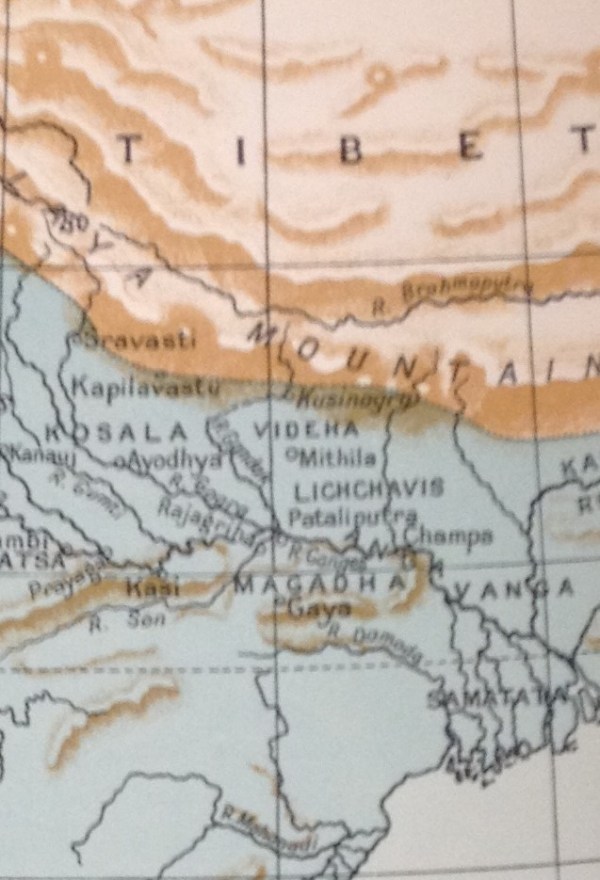
விதேஹம் என்று இன்னொரு பெயரும் மிதிலைக்கு உண்டு. அதன் மன்னனான ஜனக புத்ரிக்கு வைதேஹி  என்ற பெயர் இதனால் தான் ஏற்பட்டது. மிதிலா புத்ரி என்பதால்  மைதிலி!


இந்த விதேஹம் பற்றி உலகின் மிகப் பண்டைய நூலான சதபத ப்ராஹ்மணம் கூறுகிறது. இங்கு சதாநீரா நதி ஓடியதாக அது தெரிவிக்கிறது. இந்த நதியே கோசல நாட்டையும் மிதிலாபுரியையும் பிரிக்கும் எல்லைக் கோடாகத் திகழ்ந்தது. சதாநீரா என்று பழைய காலத்தில் வழங்கப்பட்ட இந்த நதியை இன்று நாம் கண்டகி நதி என்று குறிப்பிடுகிறோம். நேபாளத்திலிருந்து பாய்ந்தோடி வரும் இந்த நதி கங்கையைச் சேர்கிறது. இதைப் பற்றிய அற்புதக் கதைகள் கேட்கத் தெவிட்டாதவை.


விதேஹம் பல ராஜ்யங்களை உள்ளடக்கி இருந்தது. வைசாலி அதில் ஒன்று. இங்கு தான் புத்த பிரான் பிறந்தார்.

ஆக மிதிலைச் செல்வமான மைதிலி – சீதா பிராட்டி இராமாயணத்தைத் தர கௌதம புத்தரோ ஒரு புதிய வழிகாட்டுதலை உலகிற்குத் தந்திருக்கிறார். அதற்கான இடமும் இந்த அழகிய பிராந்தியம் தான்!


மிதிலையும் அதன் அருகில் உள்ள வைசாலியும் சோனா மற்றும் கங்கை நதியின் அருகில் உள்ள ராஜ்யங்களாக வரலாறு விளக்குகிறது!


இராமாயணத்தில் விஸ்வாமித்திரர் ராமனையும் லட்சுமணனையும் அயோத்தியிலிருந்து அழைத்துச் செல்கையில் நான்கு நாட்கள் நடைப் பயண்மாக நடந்து விதேகத்தை அடைந்தார் என்ற குறிப்பு வருகிறது. இடையில் ஒரு நாள் இரவு அவர்கள் வழியில் இளைப்பாறுகின்றனர்.

ஆக, இவை இரண்டும் மிக அருகில் இருந்த நகரங்கள் என்பது தெளிவு.

 rama rama rama

மிதிலையைச் சேர்ந்த அந்தணர்களை மைதிலி பிராம்மணர்கள் என்று கூறுவது வழக்கம்.

இங்கு யாகங்களும் பண்டித சபை விவாதங்களும் அன்றாடம் நடை பெற்று வந்திருக்கின்றன.


சடங்குகளையும் யாகங்களையும் எதிர்த்த புத்தர் தன் கடுமையான பிரச்சாரத்தை இங்கு மேற்கொண்டது இயல்பே.

ஹிந்து தத்துவம் தழைத்து ஓங்கி இருந்த இடம் விதேஹம்.

மஹாபாரதம் விளக்கும் சுகதேவர் மற்றும் மைதில தர்மவியாதன் கதையை நாம் அறிந்து பிரமிக்கிறோம்.

மீமாம்சை என்னும் தர்ம சாஸ்திர பிரிவைச் சொல்பவர்களை மீமாம்ஸகாரிகா என்பர். அப்படிப்பட்ட மீமாம்ச சாஸ்திர நிபுணர்கள் 1400 பேர்கள் ஒரே சமயத்தில் இங்கு இருந்துள்ளர்.

இந்த 1400ன பேரை வைத்து ராஜா பைரவசிம்மன் என்னும் ஒரு மன்னன் யாகம் ஒன்றை நடத்தியுள்ளான். இதை 15ஆம் நூற்றாண்டு கல்வெட்டு ஒன்று தெரிவிக்கிறது.

புகழோங்கிய பண்டைய நகரம் இன்று … இருக்கிறது.

இன்றும் இருக்கிறது. அவ்வளவு தான்!


ஹிந்து சரித்திரத்தை நன்கு தெரிந்து கொண்டால் உத்வேகம் எழும். பழைய தத்துவ தரிசனங்கள் நமக்குப் புலப்படும். ஆனால் இன்றைய பீஹார் நிலையோ சொல்லவே தேவை இல்லை.


பழைய காலத்தில் சுமார் 1255 சதுர மைல் பரப்பைக் கொண்டிருந்த மிதிலாபுரி இன்று பீஹாரிலுள்ள 38 மாவட்டங்களில் சில மாவட்டங்களில் அடங்கிக் கிடக்கிறது.

மதுபானி, தர்பங்கா,சமஸ்திபூர், வைசாலி, முஸாபிர்பூர்ம் சம்பாரன், மொங்கைர், ஸஹர்ஸா, பூர்னியா ஆகிய மாவட்டங்களில் அடங்கி உள்ள பண்டைய பிரம்மாண்டமான ராஜ்யம் பழைய கதையை ஒவ்வொரு கல்லிலும் ஒவ்வொரு  இதிஹாஸ சொல்லிலும் இங்கு சொல்கிறது.


ஹிந்து பாரம்பரியத்தைப் பாதுகாக்கும் ஒரு தேசீய உணர்வு செகுலர் அடிப்படையில் அழிக்கப்பட்டு வந்தாலும் ஒரு பழம் பெரும் வரலாற்றைப் போற்றிப் பாதுகாக்கவாவது இந்த மிதிலாபுரியையும் அதன் செல்வங்களையும் பாதுகாக்கலாம் அல்லவா! காலம் கருணை செய்ய வேண்டும்; ஹிந்துக்கள் புகழோங்கிய பண்டைய நாளின் வீரத்தையும், தத்துவதர்சனத்தையும், சீலத்தையும் மீண்டும் கொண்டு எழ வேண்டும்.


அயோத்தியின் அருகில் உள்ள … 

மிதிலாபுரி இதற்கு அஸ்திவாரமாக அமையுமா?

*******


Hindu Thoughts in Australian Aborigines’ Folklore! (Post No. 2518)

IMG_2254

Research Article Written by london swaminathan

Date: 7 February 2016


Post No. 2518


Time uploaded in London :– 17-35


( Thanks for the Pictures  ) 


DON’T REBLOG IT AT LEAST FOR A WEEK!  DON’T USE THE PICTURES; THEY ARE COPYRIGHTED BY SOMEONE.


(for old articles go to tamilandvedas.com OR swamiindology.blogspot.com; contact 


swami_48@yahoo.com)


IMG_2255

First part of this article under the title, “Are Australian aborigines Tamil Hindus?” was posted yesterday.


Adi Shanakara in his Baja Govindam sang ‘Punarapi Maranam, Punarapi Jananm’. And Krishna said it even before Shankara, in the Bhagavad Gita, Jatasya hi druvo mrtyur, dhruvam janma mrtasya ca’ meaning “For  the one that is born, death is certain and certain is birth for the one that has died”.


This is a fact known to everyone in the world. But putting it in literature or scripture shows how much one is concerned about it. Like Hindus, aborigines of Australia put it in their folklore or oral literature.


IMG_2338

This is what they say about death:

All humans must die; When death came to the Tiwi islands we had to start the burial ceremonies………….. and make sure they entered the spirit world in the right way……………placing the burial poles around graves of our dead…………..


Placing burial poles around the grave has been practised by the Hindus for long. Even now bereaved Brahmin families bury the stone in their garden or in a public place in the crematorium. If ascetics die a Linga is erected or a basil plant (Holy Tulsi) is raised on the grave of the person. Hero stones (Nadu Kal) were common in ancient Tamil Nadu. In Karnataka they had Masti kal/stone.

In short, burial pole was erected for everyone in the ancient Hindu world, but slowly this custom disappeared. Australian aborigines were doing it like us. Their talk about the  dead entering the spirit world in the right way is also in the funeral mantras of the Vedas. Most of the mantras request the heavenly spirits to lead the dead in the right path. Those who read the translation of the funeral mantras will understand it.


Lot of Sanskrit words, but with different meanings, are found in aborigines. One group of people called themselves Dhurga people. The word Tunga is used for pole. In Sanskrit it means tall, elevated.

Bhu Suktam: Ode to Mother Earth

Vedas praise the earth as mother. Ancient Hindu seers praised the wind, water, fire etc. The Bhu Suktam of Atharva Veda is not only a great poem but also a valuable source of Vedic life. It refers to the earth’s flora and fauna, geographical features, climate, minerals and the diversity of people. In the same way aborigines say about their land

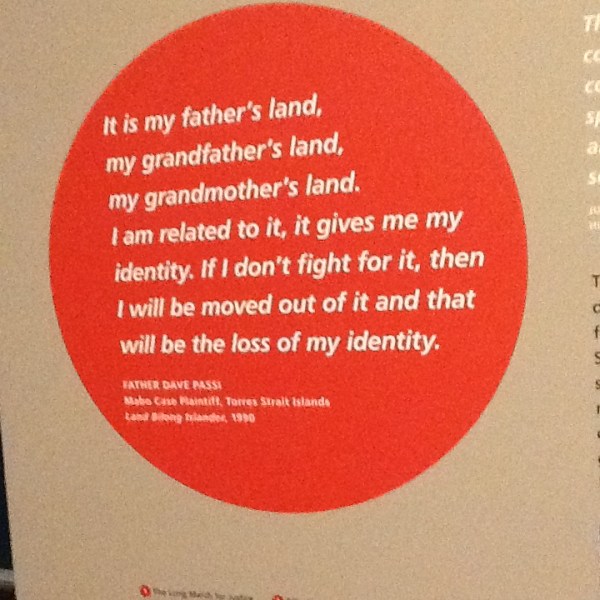
“It is my father land, grand father’s land, my grand mother’s land. I am related to it. It gives me my identity. If I don’t fight for it I will be moved out of this and I will lose my identity”.

Even the Tamil poet Bharati in his patriotic poem on India says the same thing (Enthaiyum Thayum kulavi irunthathu in naade……)


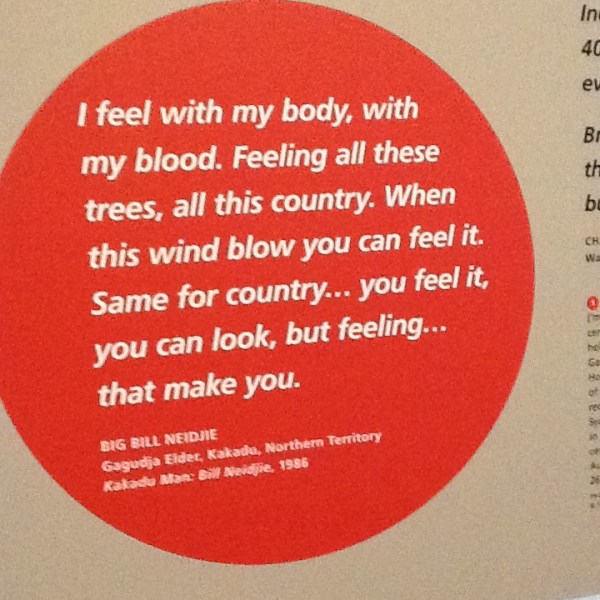
Another aborigine says, I feel with my body, with my blood. Feeling all these trees, all this country. When this wind blow, you can feel it. Same for the country. You feel it. You can look, but feeling that make you”


This is similar to the Vedic mantra

May the winds bring us happiness. May the rivers carry happiness to us. May the herbs give us happiness. May night and day yield us happiness. May the heavens give us happiness. May the trees give us happiness. May the sun pour down happiness. May the cows yield us happiness. (Madhu Vaata rdaayate………Taitriya Aranyaka)


Vedic seers and the aborigines wanted to strike harmony with nature. For them the earth and the trees are not just objects. They gave equal respect to everything.

IMG_2327

Listen, Hear, Think (Ngara)

Vedic poets and Tamil poet Thiruvalluvar emphasized that one must listen to good things. Thiruvalluvar begs to the people ‘ listen to at least to something good’ (Enaithaanum Nallavai ketka). Rig Veda says “Let noble thoughts come to us from every side” (RV 1-89-1)

Australian aborigines said the same thing and called it ‘Ngara’.

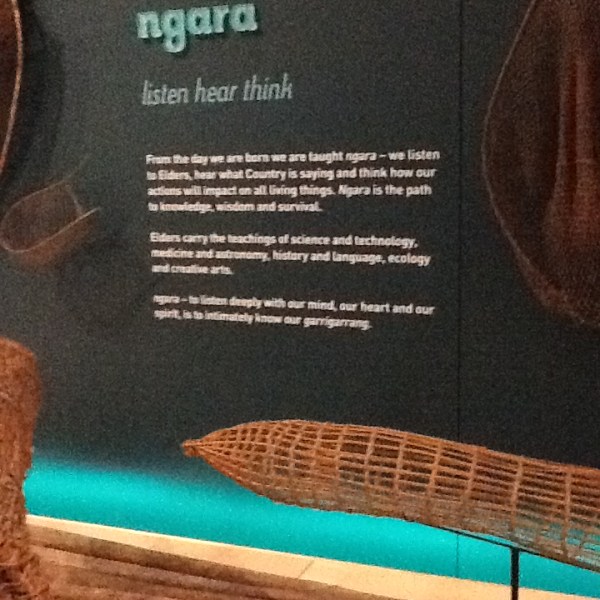
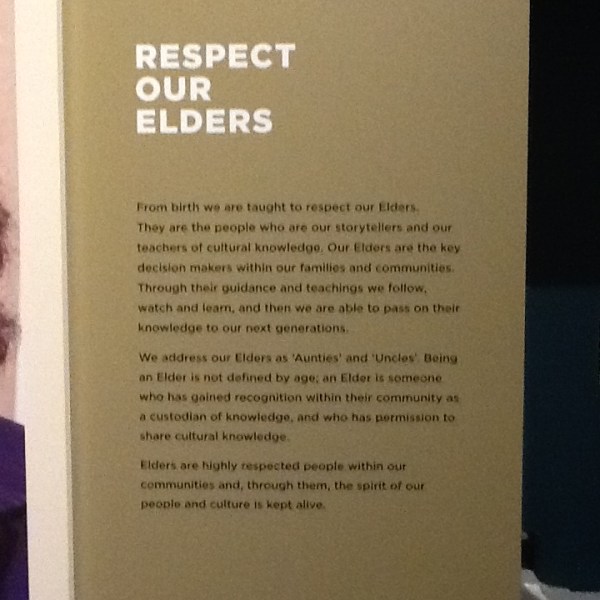
“From the day we are born we are taught ngara. We listen to elders. Hear what country is saying. And think how our actions will impact on living things. Ngara is the path to knowledge, wisdom and survival. Elders carry the knowledge of science and technology, medicine and astronomy, ecology and creative arts”.

IMG_2398

Astronomy of Aborigines

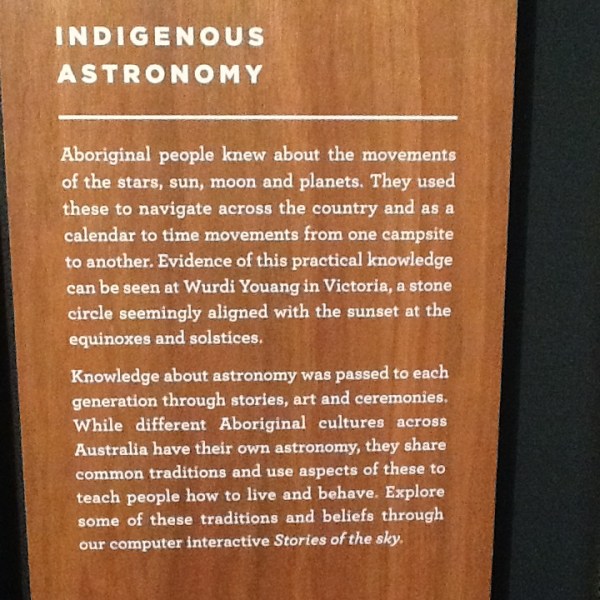
Indigenous people of Australia had very good knowledge of stars, planets and their movements. Vedas have innumerable references to stars and planets. Some are hidden in symbolic language. Just to teach astronomy we linked our stories to Pole Star (Dhruva Nakshatra), Canopus (Agastya star), Tri sanku (Southern Star), 27 Stars’ love affair with the Moon, particular favouritism to Rohini etc.


Aborigines also had some stories and like Stonehenge of England, they have stone circle Wurdi Youang in Victoria. Modern research reveal lot of new things about the aborigines. Their geographical knowledge was amazing and they knew the nook and corner of the vast continent. Without their help, the white people would not have moved into the interior lands.

IMG_2282

There are more similarities in making fire, with the Vedic Hindus which we look at the third part of this series.


IMG_2331

–subham–