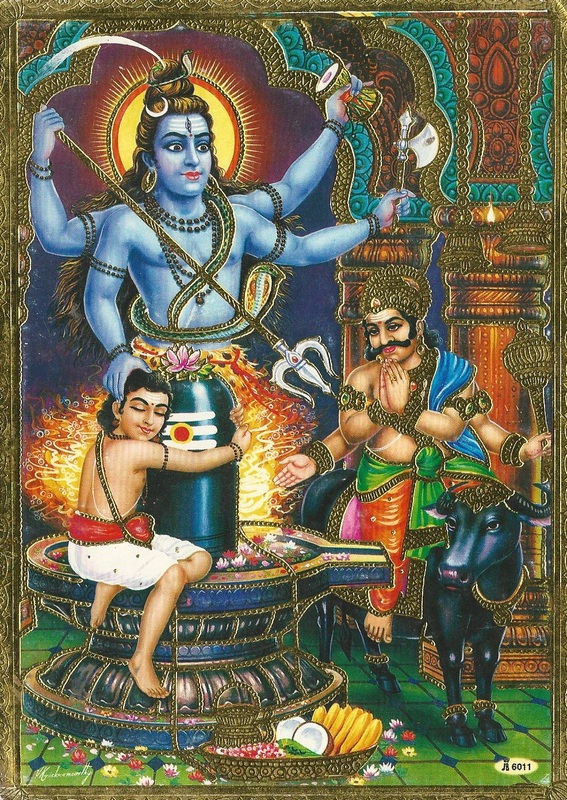
தமிழகத்தில் உள்ள மஹாபாரதத் தலங்கள்! (Post No.2855)

thirumazhapadi

Article written by S.NAGARAJAN


Date: 31 May 2016


Post No. 2855


Time uploaded in London :–  5-56 AM


( Thanks for the Pictures)


DON’T REBLOG IT AT LEAST FOR A WEEK!  DON’T USE THE PICTURES; THEY ARE COPYRIGHTED BY SOMEONE.


(for old articles go to tamilandvedas.com OR swamiindology.blogspot.com)


Contact swami_48@yahoo.com


அரிய ஆன்மீகக் கட்டுரைகளைக் கொண்டு  மாதந்தோறும் சென்னையிலிருந்து வெளி வரும் ஆன்மீக இதழ் ஞான ஆலயம். இதன் ஆசிரியை திருமதி மஞ்சுளா ரமேஷை தமிழ் மக்கள் நன்கு அறிவர். சந்தா முதலிய விவரங்களுக்குத் தொடர்பு கொள்ள வேண்டிய மின்னஞ்சல் :  editorial @aalayam.co.in


ஞான ஆலயம் ஜூன் 2016 இதழில் வெளியாகியுள்ள கட்டுரை இது.


தமிழகத்தில் உள்ள மஹாபாரதத் தலங்கள்!


ச.நாகராஜன்


பாரதமெங்கும் மஹாபாரதத் தலங்கள்


பரந்த பாரதமெங்கும் மஹாபாரதத்துடன் தொடர்பு கொண்டுள்ள ஏராளமான தலங்கள் உள்ளன. பெரும் வீரர்களாக இருந்ததினால் மட்டும் பாண்டவர்களை அனைவரும்  கொண்டாடவில்லை, அந்த வீரர்கள் தர்மத்தின் பக்கம் சார்ந்து இருந்து இறைவனின் உற்ற அருளுக்குப் பாத்திரர்களாக விளங்கினர் என்பதனாலேயே அவர்களுக்குத் தனிச் சிறப்பும் மதிப்பும் உள்ளன.அவர்களை இன்றும் அனைவரும் போற்றிக் கொண்டாடுகின்றனர்.

இந்த தலங்களுள் பாண்டவர்களுடன் தொடர்புள்ள தலங்கள் தமிழகத்தில் பல உள்ளன. அவை மிக  முக்கியமானவையும் கூட. சிலவற்றை இங்கு பார்க்கலாம்:


திருவேட்களம்:

காவிரிக்கு வடகரையில் உள்ள தலம்.

சிவபிரான் வேட ரூபம் கொண்டு அர்ஜுனனோடு போர் புரிந்த இடம். வேடன் களம் என்பது வேட்களமாக ஆகி விட்டது.

இங்குள்ள தல விருட்சம் : புன்கு

தீர்த்தம்: ஞான தீர்த்தம் அல்லது ஞான கங்கை

சம்பந்தர், அப்பர் ஆகியோரின் பாடல் பெற்ற தலம்.
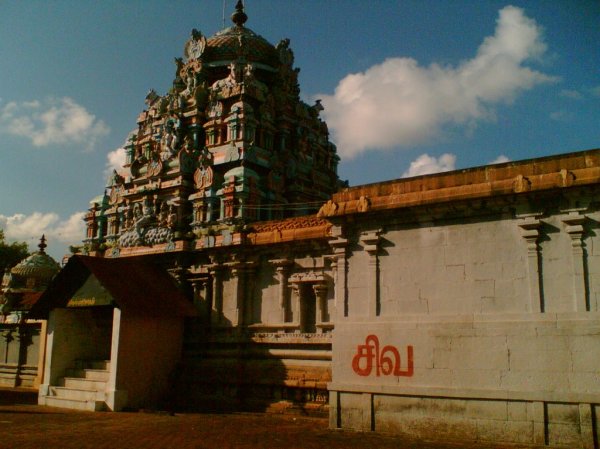
thiruvettakudy

திருவேட்டகுடி:

திருமேனியழகர் ; சுந்தரேஸ்வரர்

அம்பிகை: ஸௌந்தரநாயகி

தல விருட்சம் : புன்னை

சந்நிதிக்கு எதிரில் உள்ள தீர்த்தம் ருத்திர புஷ்கரணியாகும்.

அர்ஜுனனோடு சிவபெருமான் போர் செய்கையில் வேட வடிவம் எடுத்ததால் வேட்ட குடி. அக்காலத்தில் காவலாக இருந்தவர் சாஸ்தா. இவர் பெயர் பிரமனார்.

இந்த ஊருக்கு மேற்கே ஒரு மைலில் இப்போது வரிச்சாகுடியாக உள்ள ஊரின் பழைய பெயர் வஸிட்டா குடி.


பாண்டவர் பூஜித்த் சில தலங்கள்

பஞ்சபாண்டவர் பூஜித்த தலங்களில் சில: கோடம்பூர், தலையாலங்காடு, பெரும்பன்றியூர் முதலியன.


மண்ணிப்படிக்கரை

காவிரிக்கு வடகரையில் உள்ள தலம். .

இந்த தலத்தில் ஐந்து சிவ சந்நிதிகள் உண்டு. நீலகண்டேசுவரர் பிரதானமான வாயிலை சந்நிதியாகப் பெற்றுள்ளார். இவரை தருமபுத்திரர் பூஜித்தார். அம்பிகையின் நாமம் அமிருதகரவல்லி.

அடுத்து படிக்கரை நாதேசுவரரை அர்ஜுனன் பூஜித்தான். அம்பிகை மங்களநாயகி. இந்தக் கோவில் வடக்கே உள்ளது.

அடுத்து தெற்கேயுள்ள மூர்த்தி மகதீசர். இவரை பீமசேனன் பூஜித்தான்.

தட்சிணாமூர்த்திக்கு அருகில் உள்ள பரமேசுவரரை நகுலன் பூஜித்தான்.


:இங்குள்ள முத்தீசுவரரை சகாதேவன் பூஜித்தான்.

இந்த தலத்திற்கு சுந்தரரின் பதிகம் ஒன்று உண்டு.

இந்த தலத்திற்கு திரிசிரபுரம் ம்கா வித்துவான் மீனாட்சிசுந்தரம் பிள்ளை அவர்கள் ஒரு புராணம் இயற்றியுள்ளார்.
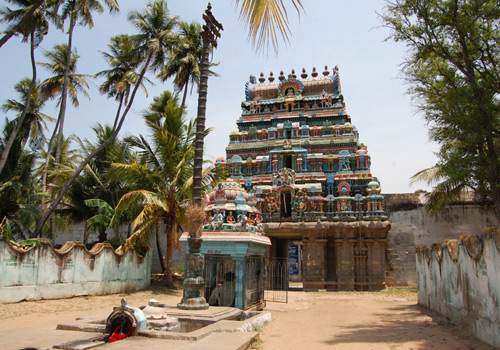
 

tirumazapadi

திரு மழபாடி


காவிரிக்கு வடகரையில் உள்ள தலம்.

இங்குள்ள லிங்கத்தில் வைரம் இருக்கிறது. புருஷாமிருகம் பூஜித்து பேறு பெற்ற தலம்,


கொள்ளிடத்தில் வடகரையில் உள்ள மழபாடியில் புருஷாமிருகம் சிவபூஜை செய்து கொண்டிருந்தது. அதற்கு உடல் வலிமையையும், தீர்க்க ஆயுளையும் பிறரால் வெல்ல முடியாத ஆற்றலையும் இறைவன் அருளினார்..


சிவலிங்கத்தைப் பெற தவம் செய்த புருஷாமிருகத்திற்கு  பூமியைப் பிளந்து கொண்டு வஜ்ஜிர ஸ்தம்ப வடிவமாக ஈசன் தோன்றினார். அதனால் அவருக்கு வச்சிரஸ்தம்பேஸ்வரர் என்று பெயர். பிரமதேவன் பூஜித்த சிவலிங்கமே இங்கு இந்த வடிவமாகத் தோன்றியது. தான் பூஜித்த லிங்கத்தைக் காணாது திகைத்த பிரமதேவன் இந்த இடத்தில் வந்து அதைப் பார்க்கும் போது லிங்கத்தை புருஷாமிருகம் பூஜித்துக் கொண்டிருந்தது.  உடனே  பிரம்மா தனது லிங்கத்தை புருஷாமிருகம் திருடிக் கொண்டு வந்து விட்டதென்று எண்ணி அதனுடன் போர் செய்யத் தொடங்கினார். போர் நீடித்துக் கொண்டே போன சமயம் பரமசிவன் லிங்கத்தினின்று தோன்றி, “யாமே இந்த மிருகத்தின் தவத்திற்கு இரங்கி இங்கு வந்து விட்டோம் இந்த மிருகம் திருடவில்லை. இனி யாம் இங்கேயே இருப்போம். நீ இங்கு வந்து பூஜை செய்க” என்று அருளினார்.


சிவபூஜையைத் தொடர்ந்து செய்த புருஷாமிருகம் ஆடகேஸ்வரர் என்ற மூர்த்தி எழுந்தருளியிருக்கும் கீலமலை என்னும் இடத்தில் தவம் செய்து கொண்டிருந்தது.


சிவபக்தியில் சிறந்து விளங்கிய புருஷாமிருகத்தை சிவ பகதர்கள் பெரிதும் போற்றுவர். இந்த புருஷாமிருகத்தைத் தனது யாகத்திற்கு அழைத்து வருமாறு தர்மபுத்திரர் பீமனைப் பணித்தார். ஜெயித்து அழைத்து வருதலே மரபாதலால, பீமன் இங்கு வந்து புருஷாமிருகத்தைப் போருக்கு அழைத்தான்


மழபாடியில் புருஷாமிருகத்தைக் காணாத பீமன்  கீலமலையில் புருஷாமிருகத்தைக் கண்டு யுத்தத்திற்கு அழைக்க அந்த மிருகம் பீமனை நோக்கி, “நீ ஆயுதத்துடன் இருக்கிறாய். என்னிடமோ ஆயுதம் இல்லை.” என்றது. உடனே பீமன் தன் கதாயுதத்தை புருஷாமிருகத்திடம் அளித்தான்.
purushamirugam,Silver-vahanam-kapali-temple-300x200


இப்போது புருஷாமிருகம்,” நீ இப்போது ஆயுதம் இல்லாமல் நிராயுதபாணியாக இருக்கிறாய். என்னிடமோ ஆயுதம் இருக்கிறது. ஆகவே உன்னிடம் யுத்தம் செய்வது தரமம் அல்ல” என்றது.

பீமன் யுத்தம் செய்யவே விரும்புகிறான் என்பதை நன்கு அறிந்த மிருகம், “ நான் மழபாடியை நோக்கி ஓடுவேன். என்னைப் பிடிப்பதற்குத் துரத்தி வர வேண்டும். நான் மழபாடியின் எல்லையைத் தாண்டுவதற்குள் என்னைப் பிடித்து விட்டால்  நீ என்னை வென்றவன் ஆவாய்” என்று சொல்லி விட்டு ஓடத் தொடங்கியது.

பீமனும் துரத்தினான். ஆனால் அவன் புருஷாமிருகத்தைப் பிடித்த போது பீமனின் ஒரு கால் மழபாடி எல்லையிலும் இன்னொரு கால் எல்லைக்கு அப்பாலும் இருந்தது.


பீமன் தான் வென்றதாகக் கூற புருஷாமிருகமோ அதை மறுத்தது. வழக்கைத் தீர்த்து வைக்க தர்மபுத்திரரே உகந்தவர் என்று இருவரும் கருதி தர்மரிடம் வந்தனர்.


அனைத்தையும் கேட்ட தர்மபுத்திரர்,” புறவெல்லையில் காலை வைத்த பீமனின் ஒருகாலை நீ வெட்டி எடுத்துக் கொள்ளலாம்” என்று புருஷாமிருகத்திடம் கூறித் தீர்ப்பை அளித்தார்.

தர்மரின் நடுவுநிலைமையைக் கண்டு வியந்த புருஷாமிருகம் பீமனை வெட்டாமல் விட்டது.அனைவரும்  ம்கிழ்ந்தனர்.

இந்த வரலாறு திருமழபாடி புராணத்தில் ஸ்தல சருக்கத்தில் விவரமாக உள்ளது.


இது மட்டுமின்றி திருவாழ்கொளிபுத்தூர், திருவிசயமங்கை, பிரபலமாக உலகுக்குத் தெரியாத இப்போது திண்டுக்கல் மலை என்று அழைக்கப்படும் பத்மகிரி உள்ளிட்ட ஏராளமான தலங்கள் பஞ்சபாண்டவருடன் தொடர்பு கொண்ட தலங்களாகும்.

ஒவ்வொன்றும் ஒரு சுவையான மகாபாரத வீரர்களின் வரலாற்றைத் தருவதாகும்!

**********


Chinese and Indian Parables of the Turtles and Frogs (Post No.2854)

turtle-03

Compiled by london swaminathan


Date: 30 May 2016


Post No. 2854


Time uploaded in London :– 9-43 AM


(Thanks for the Pictures)


DON’T REBLOG IT AT LEAST FOR A WEEK!  DON’T USE THE PICTURES; THEY ARE COPYRIGHTED BY SOMEONE.


(for old articles go to tamilandvedas.com OR swamiindology.blogspot.com)


Contact : swami_48@yahoo.com


The philosopher Chuang Tzu was fishing on the bank of a river when a messenger appeared with an invitation form the king of Ch’u offering him the post of prime minister.

Without taking his eyes from the river, the philosopher replied,

“They say that the King has in his treasury a shell of a supernatural tortoise. If the tortoise had been allowed to choose, would it have preferred to adorn a king’s treasury or to continue to wag its tail in the mud of its native marsh?”

“It would have preferred to remain wagging its tail in the mud”, said the messenger.

“And I, too”, answered Chuang Tzu, “Prefer to live obscure but free. To be in the office often costs a man his life and always costs his peace of mind. Go back to the king and say that I will continue to wag my tail in the mud”.

XXX


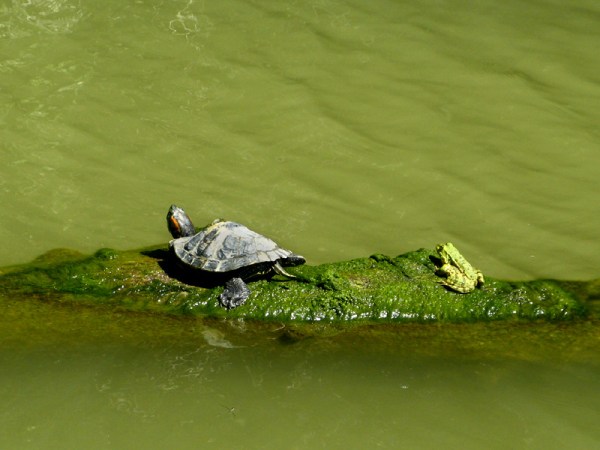
turtle frog, croc

Tuttle and Frog on the back of a Crocodile


The Frog and the Turtle


A certain frog lived in an abandoned well.

“How you must envy my delightful existence!”, he said to a Giant Turtle of the Eastern Sea. “When I go into the water I can make it hold me up under the armpits and support my chin; when I jump into the mud, I can make it bury my feet and cover my ankles.  As for the baby crabs and tadpoles, none of them can compete with me………..To have at one’s command all the delights of a disused well, that surely is the most that life can give.”


The Giant Turtle tried to get into the well, but before his left foot was well in, the right got wedged fast. So he wriggled free and retired, saying, “As you have been kind enough to tell me about your well, allow me to tell you about the sea. Imagine a distance of a 1000 leagues, and you will still have no idea of its size; imagine a height of a thousand times man’s stature, and you will still have no notion of its depth. Not to be harried by the moments that flash by nor changed by the ages of the pass; to receive much, yet not increase, to receive little, yet not to diminish; this is the Great Joy of the Eastern Sea.”

—-Chuang Tzu (China)


Compare it with the Frog in the Well story of Swami Vivekananda’s Chicago Address at the Parliament of Religions.


Why We Disagree: Swami Vivekananda (from my post  ‘The Blind men and the Elephant: known Story, Unknown Facts’ (posted on 14 March 2014)

Swami Vivekananda expressed the somewhat a similar theme through his story Frog in the Well in the very second lecture in Chicago about 125 years ago:

I will tell you a little story. You have heard the eloquent speaker who has just finished say, “Let us cease from abusing each other,” and he was very sorry that there should be always so much variance.

But I think I should tell you a story that would illustrate the cause of this variance. A frog lived in a well. It had lived there for a long time. It was born there and brought up there, and yet was a little, small frog. Of course the evolutionists were not there then to tell us whether the frog lost its eyes or not but, for our story’s sake, we must take it for granted that it had its eyes, and that it every day cleansed the water of all the worms and bacilli that lived in it with an energy that would do credit to our modern bacteriologists. In this way it went on and became a little sleek and fat. Well, one day another frog that lived in the sea came and fell into the well.

“Where are you from?”

“I am from the sea.”

“The sea! How big is that? Is it as big as my well?” and he took a leap from one side of the well to the other.

“My friend,” said the frog of the sea, “how do you compare the sea with your little well?”

Then the frog took another leap and asked, “Is your sea so big?”

“What nonsense you speak, to compare the sea with your well!”

“Well, then,” said the frog of the well, “nothing can be bigger than my well. There can be nothing bigger than this. This fellow is a liar, so turn him out

XXX

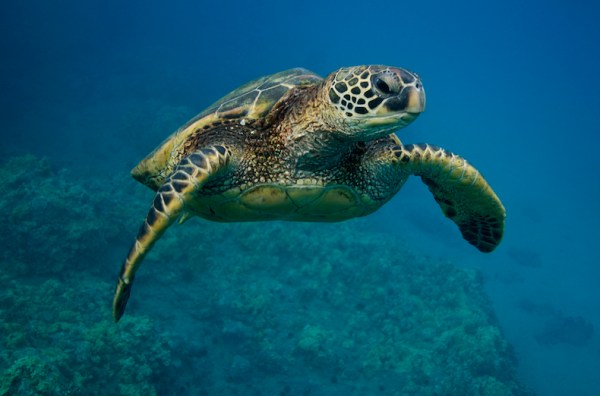
Green Sea Turtle. Chelonia mydas. Maui, Hawaii, USA.

Green Sea Turtle. Chelonia mydas. Maui, Hawaii, USA.

Appar’s Turtle Story!

Appar, Tamil Saint of seventh century, saw another scene along his travel route. In a village he saw people boiling turtle for their food. It was a big vessel with cool water. The turtle is swimming happily, but below the vessel firewood is just lighted. The flames are growing bigger and bigger. The happily swimming turtle is going to be boiled and eaten in an hour. Stupid turtle does not know the danger to its life and enjoyed the momentary pleasure. Such is our impermanent life, he says.


My previous posts:–

Frog in the mouth of a snake (posted on 9 March 2014)

In Tamil

கிணற்றுத் தவளை: அப்பரும் விவேகாநந்தரும் சொன்ன கதைகள் (9 மார்ச் 2014)


–Subham–

போன மச்சான் திரும்பி வந்தான் பூ மணத்தோட! (Post No 2853)


books picture

Article written by london swaminathan


Date: 30 May 2016


Post No. 2853


Time uploaded in London :– 8-41 AM


(Thanks for the Pictures)


DON’T REBLOG IT AT LEAST FOR A WEEK!  DON’T USE THE PICTURES; THEY ARE COPYRIGHTED BY SOMEONE.


(for old articles go to tamilandvedas.com OR swamiindology.blogspot.com)


Contact : swami_48@yahoo.com


Devi_Bhagavata_S_4f3ca6ead5de8

மதுரையை விட்டு லண்டனுக்கு வந்து முப்பது வருடங்கள் உருண்டோடிவிட்டன. ஆனால் மதுரை நினைவுகள் மறைவதில்லை. குளிக்கும் போதும், சாப்பிடும்போதும் வரும் பழைய நினைவுகள் திடீரென்று சிரிப்பை உண்டாக்கும். என் மனைவி , ஏதோ அவளைப் பார்த்துதான் சிரிக்கிறேன் என்று நினைத்து என்ன சிரிப்பு? என்பாள். ஒன்றுமல்ல 30, 40 ஆண்டுகளுக்கு முன்னால் மதுரையில் நடந்ததை எண்ணி சிரிக்கிறேன் என்பேன். உங்களுக்கு என்ன பைத்தியமா? என்பாள்.

இதோ ஒரு பழைய, சுவையான சம்பவம்:–


எனது தந்தை வெ. சந்தானம் மதுரை தினமணிப் பதிப்பு துவங்கிய காலத்திலிருந்து மதுரை தினமணிப் பத்திரிக்கையின் செய்தி ஆசிரியராக இருந்தார். சுதந்திரப் போராட்ட தியாகி; காமரஜருடன் சிறையிலிருந்தவர். ஆகையால் அந்தக் கால மனிதரைப் போலவே கதர் ஜிப்பா அணிவார். பணம், புகழ் முதலிய ஆசைகள் கிடையாது. அவருக்குப் பொழுது போக்கு புத்தகம் சேகரித்தல், படித்தல், உரையாற்றுதல்; குறிப்பாக ஆன்மீக விஷயங்களில்.


வீட்டிற்கு நா. பார்த்தசாரதி, கி.வா.ஜ. ஏ.கே. செட்டியார், குன்றக்குடி அடிகளார், சாலமன் பாப்பையா போன்றோர், பல்கலைக்கழகத் தமிழ்த் துறைத் தலைவர்கள் எனப் பலரும் வருவர். அவர்கள் அமரும் முதல் அறையில் இரண்டு ‘காத்ரேஜ்’ பீரோக்கள் உண்டு. பேச்சு வாக்கில் ஏதேனும் புத்தகத்தை எடுக்க அந்த இரும்பு/எஃகு பீரோவைத் திறப்பார். அதில் பழுப்பேறிய புத்தகங்கள் இருப்பதைப் பார்த்து வந்தவர்கள் ‘கொல்.லென்று சிரித்து விடுவர்!


“என்ன சார்! இது? அவனவன் காத்ரேஜ் பீரோவுக்குள் தங்க நகை, பணப்பெட்டி, பட்டுப்புடவை என்று வைத்திருப்பான். நீங்கள் பழுப்பேறிய புத்தகங்களை வைத்திருக்கிறீர்கள்? என்பார்கள். என் தந்தையோ பதில் சொல்லாமல் புன்சிரிப்பை மட்டும் உதிர்ப்பார். அவர் விட்டுச் சென்ற 6000 புத்தகங்களை, நாங்கள் சகோதர்கள் பிரித்தெடுத்துக் கொண்டு இன்றும் அனுபவித்து வருகிறோம்.


ஒரு நாள், என் தந்தையின் சகா (தினமணி உதவி ஆசிரியர்) ஒருவர் வீட்டிற்கு வந்தார். வழக்கம் போல இலக்கிய, தெய்வீக, தேசீய தலைப்புகளில் சம்பாஷணை நீடித்தது. தேவி பாகவதம் பற்றிப் பேச்சு வந்தவுடன் வந்தவர் சொன்னார், “எனக்கும் படிக்க ஆசை. நல்ல புத்தகம் எங்கே கிடைக்கும் “ என்றார்.


உடனே பீரோவைத் திறந்து, இது நல்ல பதிப்பு. இதைப் படி” என்று சொல்லிக் கொடுத்துவிட்டார். அவர் நல்ல மனிதர். ஒரு சத்திய சந்தர். ஆனால் அவரது சகோதரர் அப்படியில்லை. “கெட்ட மனிதர்”; அதாவது சிகரெட் குடிப்பார். அந்தக் காலத்தில் பிராமணர்கள் மீசை வைத்துக் கொண்டாலோ, சிகரெட் குடித்தாலோ, பெண் கூட கொடுக்க மாட்டார்கள்!!!!!


தேவி பாகவதம் இரவல் கொடுத்து பல மாதங்கள் கழிந்தன. நாங்கள் எங்கள் தந்தையுடன் வழக்கம்போல ‘புத்தக வேட்டை’யாட பழைய புத்தகக்கடைக்குச் என்றோம். மதுரை தெற்குச் சித்திரை வீதியில் அக்காலத்தில் இருந்த பழைய புத்தகக்கடைகளில் என் தந்தைக்கு தனி மதிப்பு. என் தந்தை வரும் நாட்களில் அவர்களுக்கு நல்ல வரும்படி உண்டு. ஒரு ரிக்க்ஷா வண்டி நிறைய புத்தகங்கள் வாங்கி வருவார். பழைய புத்தகக் கடைக்குள் நுழைய எங்களுக்கு முழு அனுமதி உண்டு. நாங்களும் நேரத்தை வீணடிக்காமல், அங்கே படியில் அமர்ந்து, அம்புலி மாமா பிரதிகளை எடுத்துக் கொண்டு, மூன்று மந்திரவாதிகள், டனால் கோட்டை, வால் நட்சத்திரம் முதலிய தொடர்கதைகளைப் படிப்போம்.

இவ்வாறு புத்தகங்களைப் புரட்டும்போது திடீரெனக் கண்ணில்பட்டது தேவி பாகவதம். அது என் தந்தை கையெழுத்துடன், அவர் ரப்பர் ஸ்டாம்புடன் இருந்தது. பழைய புத்தகக்கடைக்காரரிடம் இது என்ன விலை? என்று சிரித்துக் கொண்டே விலையைக் கேட்டார். அவன் சொன்ன விலையைக் கொடுத்து அதை வீட்டுக்கும் கொண்டுவந்தார். பழைய புத்தகக் கடைக்காரருக்குத் தெரியாது எங்கள் வீட்டுப் புத்தகம்தான் இரவல் கொடுக்கப்பட்டு, வட துருவம், தென் துருவம் எல்லாம் பயணம் செய்து, பின்னர் அங்கே விற்கப்பட்டது என்பது.


கழுதைக்குத் தெரியுமா கற்பூர வாசனை? யார் இரவல் வாங்கினாரோ அவரது ‘கெட்ட’ சகோதரர், சிகரெட்டுக்கு காசு வேண்டி அந்தப் புத்தகத்தை அங்கே விற்றிருக்கலாம் என்று நாங்கள் பேசிக்கொண்டோம்.


போன மச்சான் திரும்பி வந்தான் பூ மணத்தோட என்று சொல்லுவதைவிட,

“போன புத்தகம் திரும்பி வந்தது புது மணத்தோட” என்று சொல்லுவது சாலப் பொருந்தும்.

–சுபம்–

பலன் தரும் பரிஹார யந்திரங்கள்! (Post No 2852)

coins gold

Article written by S.NAGARAJAN


Date: 30 May 2016


Post No. 2852


Time uploaded in London :–  7-34 AM


( Thanks for the Pictures)


DON’T REBLOG IT AT LEAST FOR A WEEK!  DON’T USE THE PICTURES; THEY ARE COPYRIGHTED BY SOMEONE.


(for old articles go to tamilandvedas.com OR swamiindology.blogspot.com)


Contact swami_48@yahoo.com


வாழ்க்கை முன்னேற்றம்


பலன் தரும் பரிஹார யந்திரங்கள்!


ச.நாகராஜன்

 babay, mother

வாழ்க்கையில் எதிர்ப்படும் பல்வேறு இன்னல்களை எப்படிக் கடப்பது?

இறைவனிடம் பிரார்த்தனை செய்வதே அருமருந்து!


என்றாலும் கூட மகான்களிடம் அணுகி ஆசி பெறுவோர் பல் வேறு இடர்களையும் கடப்பது உறுதி.


ஜோதிட ரீதியாக ஜோதிட வல்லுநர்களை அணுகினால் அவர்கள் பரிஹார யந்திரங்களை வைத்துக் கொள்ளுமாறு கூறுவர்.

காலம் காலமாக பலன் அளித்து வரும் சில பரிஹார யந்திரங்கள் கீழே தரப்பட்டுள்ளன.


உரிய பிரச்சினைக்குத் தகுந்தவாறு இவற்றைத் தாமிரத் தகட்டில் எழுதி (பொறித்து) வைத்துக் கொண்டால் பிரச்சினைகள் தீரும்.


சத்ரு நாசனம்


15 22 2 7
6 3 19 18
21 16 8 1
4 5 17 20


பரீட்சையில் தேறுதல்


23 30 2 7
6 3 27 26
29 24 8 1
4 5 25 29


ரோக நாசனம் (வியாதிகள் தீர)


13 20 2 7
6 3 17 16
19 14 8 1
4 5 15 18


தன லாபம்


44 51 2 7
6 3 48 47
50 45 8 1
4 5 46 49


புத்ர ஜனனம்


42 49 2 7
6 3 46 44
48 43 8 1
4 5 44 7


திருஷ்டி, செய்வினை தோஷம் விலக


3 10 2 7
4 3 7 6
9 4 8 1
4 5 5 8


பிரயத்தின காரிய ஜயம்


24 31 2 7
6 3 28 27
30 25 8 1
4 5 26 29


–Subham-

**********


Animals in Buddha’s Dhammapada (Post No 2851)

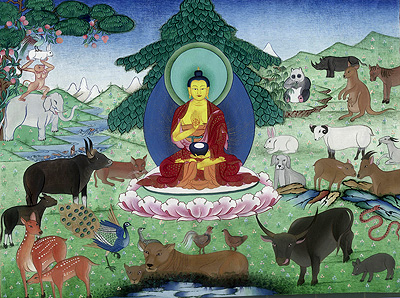
animals1.jpgbuddha

Research Article written by london swaminathan


Date: 28 May 2016


Post No. 2851


Time uploaded in London :– 11-25 AM


(Thanks for the Pictures)


DON’T REBLOG IT AT LEAST FOR A WEEK!  DON’T USE THE PICTURES; THEY ARE COPYRIGHTED BY SOMEONE.


(for old articles go to tamilandvedas.com OR swamiindology.blogspot.com)


Contact : swami_48@yahoo.com


Ancient Rishis (saints) used animals and birds as similes from the Vedic days to teach their disciples. I have never seen so many animals used by the Hindu saints in any other religious literature. Though we see animal similes in many scriptures and literatures around the world, the number of similes are more in Sanskrit and Tamil writings. Our forefathers have observed the birds and animals closely and used them to teach higher values to their followers. I have dealt with them in at least 50 articles in my blog.

Buddha also used animals to teach his followers. There are many books where Buddha refers to them and but in the Dhammapada, the Veda of the Buddhists, there are not many. Let us look at them:–

Bees

As the bee takes the essence of a flower and flies away without destroying its beauty and perfume, so let the sage wander in this life (verse 49).

Fish

Like fish which is thrown on dry land, taken from his home in waters, the mind strives and struggles to get free from the power of death (verse 34).

Birds

Who can trace the invisible path of the man who soars in the sky of liberation, the infinite void without beginning, whose passions are peace, and over whom pleasures have no power? His path is difficult to trace as  that of the birds in the air (verse 93).

swan-8

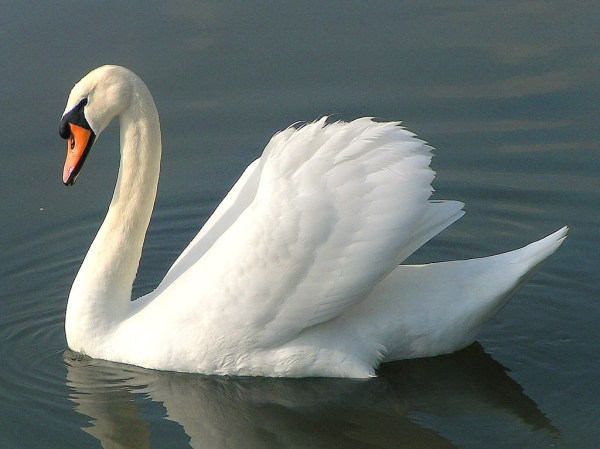
Swan

Those who have high thoughts are ever striving; they are not happy to remain in the same place. Like swans that leave their lake and rise into the air, they leave their home for a higher home (verse 91).

Swans follow the path of the sun by the miracle of flying through the air. Men who are strong conquer evil and its armies; and then they arise far above the world (verse 175).

Horse

The men who wisely controls his senses as a good driver controls his horses and who is free from lower passions and pride, is admired even by the gods (verse 4).

Have fire like a noble horse touched by the whip. By faith, by virtues and energy, by deep contemplation and vision, by wisdom and by right action, you shall overcome the sorrows of life (verse 144)


Ox

If a man tries not to learn he grows old just like an ox. His body indeed grows old but his wisdom does not grow (verse 152).

Elephant

I will endure words that hurt in silent peace as the strong elephant endures in battle arrows sent by the bow, for many people lack self-control (verse 320).

They take trained elephants to battle, and kings ride on royal trained elephants. The best of men are self- trained men, those who can endure abuse in peace (verse 321).

The great elephant called Dhana-palaka is hard to control when in rut, and he will not eat his food when captive, for he remembers the elephant grove (verse 324).

In the days gone by this mind of mine used to stray wherever selfish desire or lust or pleasure would lead it. Today this mind does not stray and is under the harmony of control, even as a wild elephant is controlled by the trainer (verse 326).

Mules

Mules when trained are good, and so noble horses of Sindh. Strong elephants when trained are good; but the best is the man who trains himself (verse 322).

Pig

The man who is lazy and a glutton, who eats large meals and rolls in sleep, who is like a pig which is fed in the sty, this, this fool is reborn to a life of death (verse 325).

hare hunting

Hare

Men who are pursued by lust run around like a hunted hare. Held in fetters and in bonds they suffer and suffer again (verse 342).

Antelope

Of what use is your tangled hair, foolish man, of what use your antelope garment, if within you have tangled cravings, and without ascetic ornaments? (verse 394).

In addition to birds and animals, Buddha used objects from plant kingdom as well.

–subham—


buddha elephant

My Previous Research Articles:–

The connection between William Wordsworth and Dattareya (10 November 2011)

13 Saints in Nature (7 November 2013)

Four Birds in One Sloka of Adi Shankara (9 July 2012)

Kapinjala Bird Mystery in Rig Veda ( 23 May 2014)

Strange Bird in Mahabharata- Bhulinga Bird (29 June 2014)

Strange Bird Stories in Mahabharata (12 March 2015)

Ode to Skylark: Shelley, Kalidasa and Vedic Poet Grtsamada

Bird Migration in Kalidasa and Tamil Literature ( 5 February 2012)

Dogs at Sringeri and Kanchi Mutts ( 19 August 2013)

Snake and snake Bites in Mahabharata (10 March 2015)

Animals in the Bhagavad Gita ( 8 July 2015)

Alexander’s Dog and Horse (24 November 2014)

Businessman- born as cow, dog and snake before got liberated (26 December 2015)


For other Animal stories and animal miracles, please read my earlier posts:

1.Animal Einsteins (Part 1 and Part 2) 2. Can parrots recite Vedas? 3. Why do animals worship Gods? 4. Mysterious Messengers for Ajanta, Angkor Wat and Sringeri 5. Elephant Miracles 6). 45 Words for Elephant 7. Can Birds Predict your Future? 8. Two Little Animals That Inspired Indians 9. Three Wise Monkeys from India 10. Mysterious Tamil Bird Man 11.Vedic Dog and Church Dog 11. Deer Chariot:  Rig Veda to Santa Claus 12. Mysterious Fish Gods around the World 13.  Serpent  (Snake) Queen: Indus Valley to Sabarimalai 14.Who Rides What Vahanas (Animal or Bird)? 15. Vahanas in Kalidasa and Tamil Literature 16. Vahanas on coins and in sculptures 17. Gajendra Moksha in Africa 18. The Tortoise Mystery: Can We live for 300 years? 18.Gods and Birds 19.வேத நாயும் மாதா கோவில் நாயும் 20.கழுதைக்குத் தெரியுமா கற்பூர வாசனை 21.Bird Migration in Kalidasa and Tamil Lterature 22.Double Headed Eagle: Sumerian- Indian Connection 23.Karikal Choza and Eagle Shaped Fire Altar 24.Four Birds in One Sloka 25.Hindu Eagle Mystery Deepens 26.Multi lingual parrot mimics Hindi, Arabic and English Word 27.Indian Crow by Mark Twain 28.அதிசய பறவைத் தமிழன்


சூரியனுக்கு 37 பெயர்கள்! (Post No. 2850)

BOAT AND SUNRISE

Research Article written by london swaminathan


Date: 28 May 2016


Post No. 2850


Time uploaded in London :– 7-44 AM


(Thanks for the Pictures)


DON’T REBLOG IT AT LEAST FOR A WEEK!  DON’T USE THE PICTURES; THEY ARE COPYRIGHTED BY SOMEONE.


(for old articles go to tamilandvedas.com OR swamiindology.blogspot.com)


Contact : swami_48@yahoo.com


அமரகோசம் என்ற சம்ஸ்கிருத அகராதி உலகில் தோன்றிய முதல் அகராதி—நிகண்டு ஆகும். ஏறத்தாழ 1500 ஆண்டுகளுக்கு முன் தோன்றிய இந்த அகராதியில் யமனுக்கு 14 பெயர்கள் பற்றி நான் நேற்று எழுதிய கட்டுரையில் விவரம் காண்க. ஏனைய கடவுளருக்கு


சிவனுக்கு 52 பெயர்களும்

விஷ்ணுவுக்கு 46 பெயர்களும்

பலராமனுக்கு 17 பெயர்களும்

அம்பாளுக்கு 21 பெயர்களும்

லெட்சுமிக்கு 14 பெயர்களும்

கணபதிக்கு 8 பெயர்களும்

முருகன்/ ஸ்கந்தனுக்கு 17 பெயர்களும்

இந்திரனுக்கு 35 பெயர்களும்

அக்னிக்கு 34 பெயர்களும்

யமனுக்கு 14 பெயர்களும்

வருணனுக்கு 5 பெயர்களும்

வாயுவுக்கு 20 பெயர்களும்

குபேரனுக்கு 17 பெயர்களும்

மன்மதனுக்கு 19 பெயர்களும்

ஜினதேவனுக்கு 18 பெயர்களும்

புத்தபகவனுக்கு 7 பெயர்களும்


கொடுக்கப்பட்டுள்ளன. இதற்கு ஒன்பதாம் நூற்றாண்டு முதல் பல உரைகள் எழுந்தன. அவைகளைப் படித்தால் சம்ஸ்கிருதத்தையும் இந்து மதத்தையும் “ஓரளவுக்கு அறிந்ததற்குச் சமம்”.


(இவர்களில் இந்திரன்,அக்னி,  குபேரன், வாயு,  பிரம்மா, பலராமன்,யமன் பற்றிய பெயர்ப் பட்டியலையும் அதன் விளக்கங்களையும் இங்கே ஏற்கனவே எழுதிவிட்டேன்)

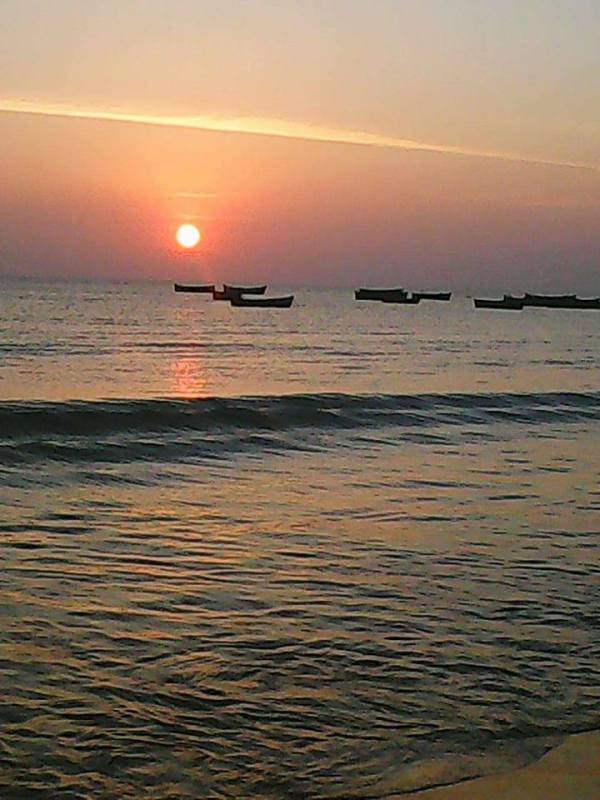
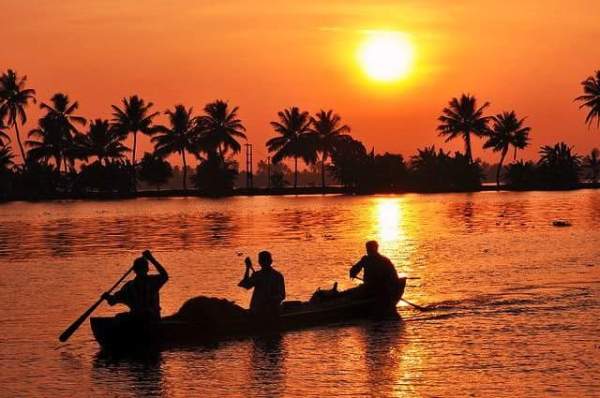
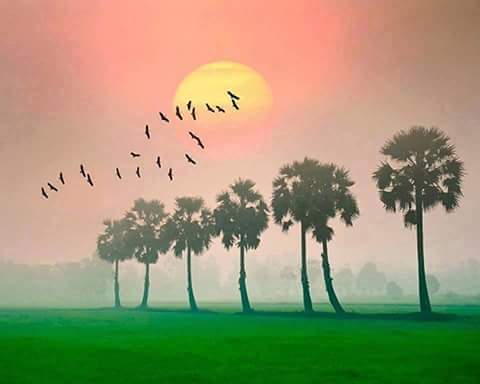
boat evening

இன்று சூரியனின் பெருமையைக் காண்போம்:–

அமரகோசத்தின் ஆசிரியர் அமரசிம்மன் சூரியனுக்கு 37 பெயர்களைச் சொல்லியிருக்கிறார். அவையாவன:–


(சம்ஸ்கிருத உச்சரிப்பு: சம்ஸ்கிருதத்தில் சொல்லுக்குப் பின்னே இரண்டு புள்ளிகள் ( : ) விசர்கம் இருந்தால் அதற்கு முந்திய உயிரெழுத்தைப் போல உச்சரிக்கவும்; எடுத்துக் காட்டு:– பாஸ்கர: = பாஸ்கரஹ, க்ரஹபதி: = க்ரஹபதிஹி, சித்ரபனு:= சித்ரபானுஹு)


அர்யமா = பித்ரு தேவதா, சூரியனின் பக்தர்கள்

ஆதித்ய: = அதிதி வம்சத்தில் வந்தவர்

த்வாதசாத்மா =

திவாகர: = நாள் என்பதை உருவாக்குபவன்

பாஸ்கர: = ஒளியூட்டுபவன் (பாஸ்பரஸ் என்ற மூலகத்தின் பெயரும் இதே பொருளுடைத்து)

அஹஸ்கர: = நாள் என்பதை உருவாக்குபவன்

ப்ரத்ன:= இருட்டை ஒழிப்பவன்

ப்ரபாகர: = ஒளியூட்டுபவன்

விபாகர: = ஒளியூட்டுபவன்

பாஸ்வான்= ப்ளியுடையவன்

விவஸ்வான் = பலவித ஆடைகளை உடையவன்

சப்தாஸ்வ = ஏழு குதிரைகளை உடையவன் (வானவில்லின் வண்ணங்கள்)

ஹரிதஸ்வ = பச்சைக் குதிரை உஅடையவன்

உஷ்ணரஸ்மி: = வெப்பமான கதிர் உடையவன் (பல பெண்களுக்கு ரஸ்மி என்று பெயர்; அதாவது கிரணம், கதிர் ஒளி)

விகர்தன: = பாலிஷ் செய்யப்பட்டவன், மெருகூட்டப்பட்டவன், விசேஷன கர்தவ்யம்

அர்க: = பூஜிக்கப்படதக்கவன் (அருகம் புல், தாமிரம், ஸ்படிகம், இந்திரன் என்றும் இச்சொல் பொருள்படும்)

மார்த்தாண்ட: = ‘இறந்த கோளத்தில்’ இருப்பவர்

மிஹிர: = வெளிவருபவன் (புத்தன் என்றும் இச்சொல் பொருள்படும்)

அருண: = சூர்ய சாரதி ( மற்ற பொருள்கள்= சந்த்யா ரகம், நிசப்தம், கபிலர், குஷ்டநோய், குணவான்)


பூஷா = புஷ்டியை ஏற்படுத்துபவன் (சூரியனிடமிருந்து ஆரோக்கியத்தைப் பெறு என்பது சம்ஸ்கிருத பழமொழி; இலவச வைட்டமின் ‘டி’ தருபவன்)


த்யுமணி: = வானில் தோன்றும்ரத்தினக் கல்

தரணி = சம்சாரக் கடலைக் கடக்கச் செய்வோன் (ஏனைய பொருள்= குமரி, படகு)

மித்ர: = சூரியன் (நண்பன்)

சித்ரபானு: = வண்ணக் கதிர் உடையோன்

விரோசன: = ஒளிவீசுபவன் 9மற்ற அர்த்தங்கள் = நிலவு, பிரஹலாதன் மகன்)

விபாவசு: = ஒளிதருபவன் (மற்ற பொருள்= ஒருவித நெகலஸ், பாவக)

க்ரஹபதி: = கிரகங்களுக்கு நாயகன்/தலைவன்

த்விஷாம்பதி:= ஒளிக்கு அதிபன்/தலைவன்

அஹர்பதி:= நாளுக்கு தலைவன் (அஹர் = பகல், பகலவன்)

பானு: = ஒளி

ஹம்ச: = சூரியன்

சஹஸ்ராம்சு: = 1000 கதிர் உடையோன்

தபன: = தபிக்கச் செய்பவன்(தபி = சூடேற்று; தப=தவ)

சவிதா= சூரியன்

ரவி: = சூரியன்

சுர: = பார்க்கக்கூடிய அனைத்தையும் தூண்டுபவன் (விழித்தெழச் செய்வான்)

சூர்ய: = சுர: என்பதைக் காணவும்.


chilka sun

தமிழ்நாட்டில் தினமணி, தினகரன் போன்ற பத்திரிக்கைகள், ஆங்கிலத்தில் ‘சன்’ போன்ற பத்திரிக்கைகள் சூரியன் பெயரைத் தாங்கி வருகின்றன. உலகிலுள்ள எல்லா முக்கிய மொழிகளிலும் சூரியன் பெயரில் நாளேடுகள் இருக்கின்றன. சூரிய நமஸ்காரத்திலுள்ள 12 மந்திரங்களும் மீண்டும் பிரபலமாகி வருகின்றன.


பல ஆண்கள், பெண்களின் பெயர்களும் சூரியன் பெயரிலிருந்தும், ஒளி என்பதிலிருந்தும் வந்தவை.


சூரியனுக்கு ‘இனன்’ என்று ஒரு பெயர் உண்டு; அதிருந்து வந்ததே இன்கா நாகரீகம் என்று முன்பே எழுதியிருக்கிறேன்.

அம்சுமாலி (நீர்நிலைகளின் தலைவன்), பஹ: ( ஐஸ்வர்யம்) முதலிய வேறு 17 பெயர்களையும் அமர கோச உரைகாரர்கள் விளம்புவர்)

சூரியனுக்கு அருகாமையில் உள்ள மாடர, பிங்கள:, தண்ட: பற்றியும் அமரம் பேசும்; இவை ஆராய்ச்சிக்குரிய விஷயங்கள்.


சூர்ய சாரதியின் பெயர்கள்:- சூர்யசுத:, அருண:, அனூரு:, காஸ்யபி, கருடாக்ரஜ:

கிரணங்களின் பெயர்கள்:– கிரண:, உஸ்ர:, மயூக:, அம்சு:, கபஸ்தி:, க்ருணி:, க்ருஷ்ணி:, பானு:, கர:, மரீசி:, தீதிதி:


சூர்யப் பிரபைக்கான பெயர்கள்:- ப்ரபா, ருக், ருசி:, த்விஷ், பா:, சவி:, த்யுதி:, தீப்தி:, த்யுதிமதி, ரோசி:, சோசி:

தீப்தி போன்ற பெண்களின் பெயர்கள் இந்தப் பிரபை (ஒளி மண்டலம், ஒளிவட்டம்) யிலிருந்து வந்தவையே.

சூரிய வெப்பத்துக்கான பெயர்கள் முதலிய விஷயங்களையும் அமரம் உரைக்கும்.

உரைகாரர்களின் உரைகளுடன் படித்து இன்புறவேண்டிய நூல்.

birds, pollachi

–சுபம்–


பாரதத்தின் பெருமை! (Post No.2849)

IMG_3442

Article written by S.NAGARAJAN


Date: 29 May 2016


Post No. 2849


Time uploaded in London :–  5-53 AM


( Thanks for the Pictures)


DON’T REBLOG IT AT LEAST FOR A WEEK!  DON’T USE THE PICTURES; THEY ARE COPYRIGHTED BY SOMEONE.


(for old articles go to tamilandvedas.com OR swamiindology.blogspot.com)


Contact swami_48@yahoo.com


சம்ஸ்கிருதச் செல்வம்


பாரதத்தின் பெருமை!

ச.நாகராஜன்


பாரில் உள்ள தேசங்களில் எங்கள் தேசம் உயர் தேசம் என்று ஆனந்தமாக இந்தியர்கள் பாடினால் அது பொருள் பொதிந்த ஒரு விஷயமாகும்.


ஏனெனில் உலகில் உள்ள நாகரிகங்களில் எல்லாம் பழமையான ஜீவனுள்ள ஒரே நாகரிகம் ஹிந்து நாகரிகம் மட்டுமே தான்!


எகிப்திய, அஸிரிய, ரோமானிய நாகரிகங்கள் உள்ளிட்ட பல பழம் பெரும் நாகரிகங்கள் அழிந்து பட்ட போதிலும் இன்றும் தன் இளமை மணம் மாறா நாகரிகமாக உலகில் இருக்கும் ஒரே நாகரிகம் ஹிந்து நாகரிகம் தான்!


பாரத தேசத்தின் பெருமையை விஷ்ணு புராணம் இப்படிச் சொல்கிறது:


1947_India_Flag_3½_annas

காயந்தி தேவா: கில கீதகானி

      தன்யாத் து தே பாரதபூமிபாகே

ஸ்வர்கார்பவர்காஸ்பதமார்கபூதே

      பவந்தி பூய: புருஷா: சுரத்வாத்


தேவர்களாயிருந்தும் கூட மனிதர்களாக பாரதவர்ஷத்தில் பிறந்தவர்கள் சந்தோஷமுள்ளவர்களே! ஏனெனில் கடவுளரும் அவ்ர்களது கீதத்தை இசைக்கின்றார்கள். ஏனெனில் அதுவே சொர்க்க இன்பங்களுக்கான நுழைவாயில் அல்லது முக்திக்கான பெரிய இன்ப வழியாகும்

தேவர்களும் கூட பாரதத்தில் பிறப்பு எடுக்க ஏங்குகின்றனராம்!


இதை ஹெச் ஹெச் வில்ஸன் ஆங்கிலத்தில் இப்படி மொழிபெயர்த்துள்ளார்:


Happy are those who are born, even from the conditions of gods as men in Bharatvarsha as the gods sings their songs and as that is the way to the pleasures of the paradise, or the greater blessing of final liberation . (H.H. Wilson)


பரம பூஜனீய குருஜி ஸ்ரீ எம். எஸ். கோல்வால்கர் தனது பஞ்ச் ஆஃப் தாட்ஸ்(Bunch of thoughts) என்ற நூலில் இந்த ஸ்லோகத்தை மேற்கோள் காட்டியதோடு பாரதத்தின் அருமை  பெருமையை மிக நன்றாக  விளக்கியுள்ளார்.


ஸ்வாமி விவேகானந்தர் மேலை நாட்டிலிருந்து திரும்பி தாயகம் வருகையில் 15-1-1897 அன்று கொழும்பில் அற்புதமான உரை ஒன்றை ஆற்றினார். அதில் பாரதத்தின் பெருமையைக் கூறும் போது,


“If there is any land on this earth that can lay claim to be the blessed Punya Bhumi, to be the land to which all souls on this earth must come to account for Karma, the land to which every soul that is wending its way Godward must come to attain its last home, the land where humanity has attained its highest towards gentleness, towards generosity, towards purity, towards calmness, above all, the land of introspection and of spirituality — it is India. “

என்று உரைத்தார்.


பாரதத்தின் பெருமை உரைக்க ஒண்ணா ஒன்று. தேவர்களும் பிறக்க விரும்பும் புண்ணிய பூமி பாரதம்!

********


No Bees no Honey, No Work no Money (Post No.2848)

honey-bee-640x517

Article written by london swaminathan


Date: 28 May 2016


Post No. 2848


Time uploaded in London :– 17-37


(Thanks for the Pictures)


DON’T REBLOG IT AT LEAST FOR A WEEK!  DON’T USE THE PICTURES; THEY ARE COPYRIGHTED BY SOMEONE.


(for old articles go to tamilandvedas.com OR swamiindology.blogspot.com)


Contact ; swami_48@yahoo.com

ANIMAL PROVERBS;WHAT DO THEY TEACH US?

Proverbs are telescopic and kaleidoscopic; you can extend and expand the meaning; you can make it colourful and meaningful by interpreting them. The words are flexy and the meaning can be bent according to your needs. Our forefathers summarised their accumulated wisdom in pithy sayings. They observed nature closely and used them to teach us their discovery of truths. Here are some proverbs which use animals and birds to teach us something.

A for ant

The ant had wings to her hurt ( a warning against aspiring  to higher positions than one is equipped to cope with)

A for an ass

Better ride an ass that carries me than a horse that throws me

ass

A for an ape

An ape is an ape, a varlet’s a varlet, though they be clad in silk or scarlet

B for bear

Call the bear ‘uncle’ till you are safe across the bridge (Turkish proverb)

B for bee

The bee sucks honey out of the bitterest flowers

C for cat

A cat in gloves catches no mice (warning against over cautiousness)

D for donkey

Send a donkey to Paris, he will return no wiser than he went.

E for elephant

An elephant is worth 1000 gold coins whether it is alive or dead (Tamil Proverb)

Big-Elephant

F for fox

A fox should not be of the jury at a goose’s trial

G for goat

The goat must browse where it is tied

H for hare

The hare always returns to her form

I for Insect

Neither the insect nor the worm dies (Tamil proverb)

J for jackdaw

Jackdaw always perches by jackdaw

K for Kingfisher

The grasshopper flies about, but the kingfisher watches him (Samoan Proverb)

L for lamb

Lamb on the shoulder, looking for it in the forest (Tamil proverb)

monkey-images-14

M for Monkey

What will happen if a drunken monkey is stung by a scorpion and possessed by a ghost? (Tamil Proverb)

N for nightingale

Everybody thinks that his own cuckoo sings better than another’s nightingale (German proverb


O for ox

An ox is taken by the horns and a man by his word

P for peacock

The peacock has fair feathers, but foul feet.


Peacocks in Pak 2.jpg

Q for quail

The parrot utters one cry and the quail another

The quail waits for the stick, the idle loiterer about a place waits for a kick from an old boot.

R for rats

Rats desert a sinking ship

S for snail

When black snails on the road you see, then on the morrow rain will be

T for tiger

If you do not enter tiger’s den, you cannot get his cubs (Chinese proverb)

U for (M)ule

He who wants a mule without fault must walk on foot

V for vulture

No matter how hungry the vulture, it will never eat grass (African Proverb)

W for wolf

A thief knows a thief as a wolf knows a wolf

X for fox

Old foxes want no tutors

zebra

Y for yak

Don’t notice the tiny flea in the other person’s hair and overlook the lumbering yak on your own nose- Tibetan Proverb

Z for zebra

When you shoot a zebra in the black stripe, white dies too (South African Proverb)


–Subham–

நம் வாழ்வில் காணா சமரசம் உலாவும் இடமே! (Post No.2847)

lord-yama-1

Research Article written by london swaminathan


Date: 28 May 2016


Post No. 2847


Time uploaded in London :– 9-48 AM


(Thanks for the Pictures)


DON’T REBLOG IT AT LEAST FOR A WEEK!  DON’T USE THE PICTURES; THEY ARE COPYRIGHTED BY SOMEONE.


(for old articles go to tamilandvedas.com OR swamiindology.blogspot.com)


Contact ; swami_48@yahoo.com


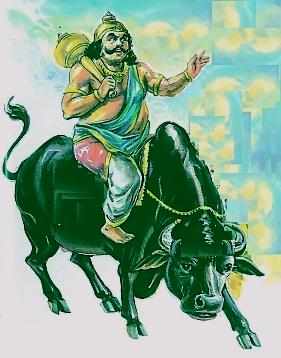
யமனுக்கு 14 பெயர்கள்! தர்மராஜன் என்று ஏன் பெயர்?

அமரகோசம் என்ற சம்ஸ்கிருத அகராதி உலகில் தோன்றிய முதல் அகராதி—நிகண்டு ஆகும். ஏறத்தாழ 1500 ஆண்டுகளுக்கு முன் தோன்றிய இந்த அகராதியில் பிரம்மாவுக்கு 29 பெயர்கள் (21 நவம்பர் 2014ல் நான் எழுதிய கட்டுரையில் விவரம் காண்க) கொடுக்கப்பட்டுள்ளன. ஏனைய கடவுளருக்கு


சிவனுக்கு 52 பெயர்களும்

விஷ்ணுவுக்கு 46 பெயர்களும்

பலராமனுக்கு 17 பெயர்களும்

அம்பாளுக்கு 21 பெயர்களும்

லெட்சுமிக்கு 14 பெயர்களும்

கணபதிக்கு 8 பெயர்களும்

முருகன்/ ஸ்கந்தனுக்கு 17 பெயர்களும்

இந்திரனுக்கு 35 பெயர்களும்

அக்னிக்கு 34 பெயர்களும்

யமனுக்கு 14 பெயர்களும்

வருணனுக்கு 5 பெயர்களும்

வாயுவுக்கு 20 பெயர்களும்

குபேரனுக்கு 17 பெயர்களும்

சூரியனுக்கு 37 பெயர்களும்

மன்மதனுக்கு 19 பெயர்களும்

ஜினதேவனுக்கு 18 பெயர்களும்

புத்தபகவனுக்கு 7 பெயர்களும்

கொடுக்கப்பட்டுள்ளன. இதற்கு ஒன்பதாம் நூற்றாண்டு முதல் பல உரைகள் எழுந்தன. அவைகளைப் படித்தால் சம்ஸ்கிருதத்தையும் இந்து மதத்தையும் “ஓரளவுக்கு அறிந்ததற்குச் சமம்”. (இவர்களில் இந்திரன், அக்னி, குபேரன், வாயு, பிரம்மா பற்றிய பெயர்ப் பட்டியலையும் அதன் விளக்கங்களையும் இங்கே எழுதிவிட்டேன்)

The_deity_Yama_with_fangs_and_holding_a_daṇḍa_(a_rod).jpgB MUSEUM


ரம்பையின் காதல் என்ற தமிழ் திரைப்படத்தில் ஒரு அருமையான பாடல்:–


சமரசம் உலாவும் இடமே நம் வாழ்வில் காணா
சமரசம் உலாவும் இடமே
ஜாதியில் மேலோர் என்றும் தாழ்ந்தவர் தீயோரென்றும் பேதமில்லாது
எல்லோரும் முடிவில் சேர்ந்திடும் காடு
தொல்லையின்றினே தூங்கிடும் வீடு
உலகினிலே இது தான் நம் வாழ்வில் காணா
சமரசம் உலாவும் இடமே நம் வாழ்வில் காணா
சமரசம் உலாவும் இடமே

ஆண்டி எங்கே அரசனும் எங்கே ஆண்டி எங்கே அரசனும் எங்கே
அறிஞன் எங்கே அசடனும் எங்கே அறிஞன் எங்கே அசடனும் எங்கே
ஆவி போன பின் கூடுவார் இங்கே ஆவி போன பின் கூடுவார் இங்கே
ஆகையினால் இது தான் நம் வாழ்வில் காணா
சமரசம் உலாவும் இடமே நம் வாழ்வில் காணா
சமரசம் உலாவும் இடமே

சேவை செய்யும் தியாகி ஸ்ருங்கார போகி ஆ..ஆ..ஆ…ஆ.
சேவை செய்யும் தியாகி ஸ்ருங்கார போகி
ஈசன் பொற்பாதம் தன்னை நாடிடும் யோகி
எல்லோரும் இங்கே ஒன்றாய் உறங்குவதாலே
உண்மையிலே இது தான் நம் வாழ்வில் காணா

சமரசம் உலாவும் இடமே நம் வாழ்வில் காணா
சமரசம் உலாவும் இடமே
சமரசம் உலாவும் இடமே சமரசம் உலாவும் இடமே

Song: samarasasm ulavum – பாடல்: சமரசம் உலாவும் இடமே
Movie: Rambaiyin kaathal – திரைப்படம்: ரம்பையின் காதல்
Singers: Sirkazhi Govindarajan – பாடியவர்: சீர்காழி கோவிந்தராஜன்
Lyrics: Marudhakasi – இயற்றியவர்: மருதகாசி
Music: T.R.Pappa – இசை: டி.ஆர். பாப்பா
Year: – ஆண்டு: 1956
((நன்றி;—Read more at http://www.thamizhisai.com))

thajavur big temple yama

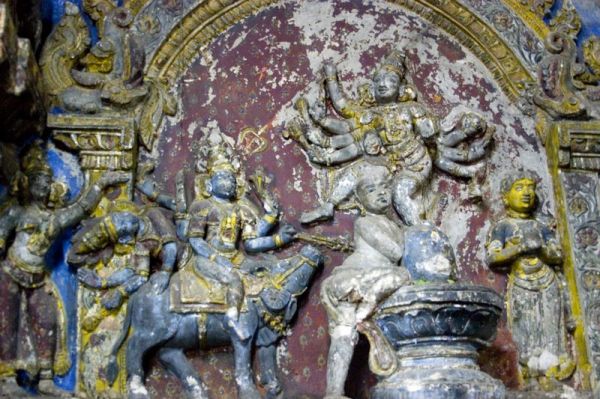
Thanjavur Big Temple painting of Yama, Markandeya and Lord Shiva


இந்துக்கள் ஏன் தினமும் மரணதேவனை (யமனை) வழிபடுகிறார்கள் என்ற எனது கட்டுரையில் (Why do Hindus worship God of Death (my research article posted on 29 July 2013) பிராமணர்கள் தினமும் மூன்று வேளை செய்யும் சந்தியாவந்தனத்தில் தெற்கு திசையை நோக்கி நின்று கொண்டு யமதர்மராஜாவை வணங்குவதையும் அதில் யமனைப் போற்றி கீழ்கண்ட பெயர்களை சொல்லுவதையும் எழுதியுள்ளேன்:–

யமாய, தர்மராஜாய, ம்ருத்யவே, அந்தகாய, வைவஸ்வதாய, காலாய, சர்வபூதக்ஷயகராய, ஔதும்பராய, தத்னாய, நீலாய, பரமேஷ்டினே, வ்ருகோதராய, சித்ராய, சித்ரகுப்தாய.

இப்பொழுது அமரகோஷத்தில் உள்ள 14 பெயர்களைக் காண்போம்:–

தர்மராஜ:=அறத்தில் வழுவாதவன்; யார், யார் என்னென்ன செய்தார்களோ அதற்கேற்ப பலன் தருபவன்

பித்ருபதி:= இறந்தவர்களை பித்ருக்கள், என்றும் நீத்தார் என்றும் அழைப்போம்; அவர்களுக்குத் தலைவன்

சமவர்த்தி= சமமாகப் பார்ப்பவன் (ஆண்டியும் ஒன்றே; அரசனும் ஒன்றே; சமரசம் உலாவும் இடம் சுடுகாடு.)

“முடி சார்ந்த மன்னரும் பிடிசாம்பராய்ப் போவர்.”

பரேதராட் = பர லோக ராஜா

க்ருதாந்த: = முடிவை உண்டாக்குபவன் (க்ருத+ அந்த)

யமுனாப்ராதா = யமுனையின் சகோதரன் (சூரியனுடைய புத்ரி, புத்ரர்கள் யமுனா, சனி, யமன்)

சமன: = கட்டுப்படுத்துபவன்

யமராட்= கட்டுப்படுத்துவதில் மன்னன்/ ராஜா

யம: = கட்டுப்படுத்துபவன் யம, நியமம் முதலிய சம்ஸ்க்ருத சொற்கள் கட்டுப்பாடு, ஒழுங்கு முதலிய பொருட்களில் கையாளப்படுகின்றன.


கால: = காலத்தைக் கணக்கிடுபவன்

தண்டதர: = யமனின் கையிலுள்ள ஆயுதம் தண்டம்; அதால் தண்டிப்பவன்

ஸ்ராத்ததேவ:= சிராத்தத்தின் (திதி) தலைவன்

வைவஸ்வத: = விவஸ்வான் (சூரியன்) புத்ரன்

அந்தக: = வாழ்க்கையை முடித்து வைப்பவன்

Yama and Markandeya, Siva

இவைகளில் தர்மராஜன், சமவர்த்தி என்ற இரண்டு பெயர்களும் அழகான பெயர்கள். மரணத்தில் யாருக்கும் சலுகை காட்டாதவன். அதே நேரத்தில் அவரவர் பாபபுண்யங்களை கணக்கிட்டு நீதி தவறாமல் தீர்ப்பு வழங்குபவன்.

சித்ர (வரைபடம்), சித்ரகுப்த (மறைவான படம்):– இவ்விரு பெயரும் யமனின் கணக்குப்பிள்ளைகள்; ஒருவர் இறந்தவுடன் பாப, புண்ணிய பதிவேட்டை எடுத்துக் கொண்டு வந்துவிடுவர் என்று சொல்லுவர். உண்மையில் நம்முடைய எண்ணங்கள் ஒவ்வொன்றும் ஒரு உருவத்தை உண்டாக்குகிறது. அதுதான் சித்ரம், சித்ர குப்தம். மனதினால் தீங்கு செய்தாலும் அது சித்திரமாக உருவாகி கணக்குப் புத்தகத்தில் பதிவாகி, இறுதித் தீர்ப்பன்று தக்க தண்டனைகளைப் பெற்றுத் தரும். அதே போல நல்ல எண்ணங்கள் நற்பலனைத் தரும். இந்துக்கள் எந்த தத்துவத்தையும் கதை ரூபத்தில், உவமை ரூபத்தில் சொல்லுவதில் வல்லவர்கள்!


இந்துக்கள் யமனை தினமும் வணங்குவதால் மரண பயம் நீங்கி விடுகிறது. பிறந்தோர் எல்லாம், இறப்பது இயற்கை என்ற நியதியையும் நினைவுபடுத்துகிறது யம வந்தனம்.


–சுபம்–


கீதத்தின் பெருமை! (கட்டுரை எண். 2846)

IMG_4437

Article written by S.NAGARAJAN


Date: 28 May 2016


Post No. 2846


Time uploaded in London :–  7-08 AM


( Thanks for the Pictures)


DON’T REBLOG IT AT LEAST FOR A WEEK!  DON’T USE THE PICTURES; THEY ARE COPYRIGHTED BY SOMEONE.


(for old articles go to tamilandvedas.com OR swamiindology.blogspot.com)


Contact swami_48@yahoo.com


சம்ஸ்கிருதச் செல்வம்


கீதத்தின் பெருமை!

ச.நாகராஜன்


பக்தியோடு கீதம் இசைத்தால் என்ன தான் நடக்காது?

இராவணனின் கீதம் இசைக்கும் மஹிமையையும் ஆயர்பாடிச் சிறுவர் சிறுமியர் கீதமிசைத்து கிருஷ்ணனை ஈர்த்ததையும் ஒரு கவிஞர் விளக்குகிறார் இப்படி:


கீதஸ்ய மாஹாத்ம்யவசாவபீஷ்டம்

   வரம் ஹராத ப்ராப ச ராவணோபி

யத் கௌதுகாத் ஜோபகுலஸ்ய மத்யே

   பபூவ க்ருஷ்ணோபி ச கோபரூப:


இதன் பொருள் : கீதத்தின் மஹிமையால் ராவணன் கூட சிவனிடமிருந்து அவன் விரும்பிய வரங்களைப் பெற்றான்.  கீதத்தின் ஆகர்ஷணத்தினால் ஆயர்பாடி இடையர்களின் இடையே கிருஷ்ணனும் கோபனாக வந்தான்.


பக்தியுடன் இசைக்கப்பாடும் பாடல் இறைவனையும் ஈர்க்கும் என்பதை இப்படி கவிஞர் கூறுகிறார்.

இது பகதத்த ஜலஹணரின் ‘சுக்திமுக்தாவளி’–யில் தொகுக்கப்பட்டுள்ள ஒரு பாடல்.


இது அமைந்துள்ள சந்தத்தின் பெயர் உபஜாதி.

இதை ஆங்கிலத்தில் எஸ்.பி. நாயர் மொழியாக்கம் செய்துள்ளார் இப்படி: –

“Due to the greatness of  (the devotional) song even the demon Ravana secured from Lord Siva boons of his choice: due its attraction even Lord Krishna came into the midst of the horde of cowherds as a cowherd.


music drawing


கீதங்கள்

சந்திரனின் ஒளி

வெற்றிலைச் சுருள்

கற்பூரம்

நேசிக்கும் நங்கையர்

முதலானவற்றால் சாரமற்ற இந்த உலகம்

சாரமுடையதாகிறது.


உலகம் இன்பக் கேணி என்பது வேத வாக்கு. பூவுலகை இன்ப லோகமாக்குவது எவை? அதைப் பட்டியலிடுகிறான்  மன்னன் போஜ மஹாராஜன்.

அவன் சொன்னால் சரியாகத் தானே இருக்கும்!


கீதசீதாம்சுதாம்பூல கற்பூரவனிதாதிபி:

அஸாரோப்யேஷ சம்ஸார: ஸாரவானிச லக்ஷ்யதே


இதன் ஆங்கில மொழியாக்கம் இது:


By (the pleasing of) songs, moonlight, betel roll, camphor, beloved women, etc;, this world which is (really) devoid of essence appears to be possessed with substance        ( S.B. Nair)


இசையின் மஹிமையே மஹிமை!


மஹாகவி பாரதி கூறியது போல ஓசை தரும் இன்பம் உவமையிலா இன்பமன்றோ!!

***************