Minus X Minus = Plus: Hindu Science of Poisons (Toxicology)—Post No 2845

OLYMPUS DIGITAL CAMERA

OLYMPUS DIGITAL CAMERA

Research Article written by london swaminathan


Date: 27 May 2016


Post No. 2845


Time uploaded in London :– 14-08


( Thanks for the Pictures)


DON’T REBLOG IT AT LEAST FOR A WEEK!  DON’T USE THE PICTURES; THEY ARE COPYRIGHTED BY SOMEONE.


(for old articles go to tamilandvedas.com OR swamiindology.blogspot.com)


Contact ; swami_48@yahoo.com

This article is published in Tamil as well.
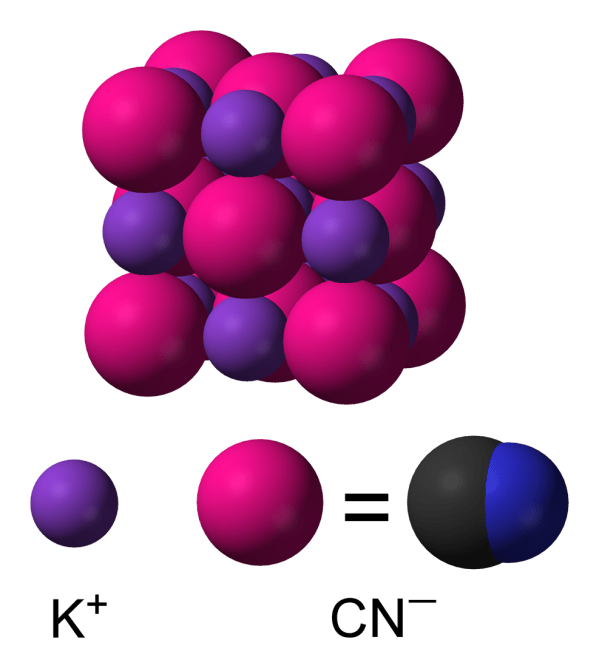
Potassium-cyanide-phase-I-unit-cell-3D-SF

There is an interesting story in Mahabharata. Pandava brothers and Kaurava brothers were learning archery from the great teacher Drona. From the very beginning Duryodhana, the eldest of the Kauravas was very jealous of the Pandavas. Duryodhana was waiting for an opportunity to kill them by hook or crook. Once he tricked Bhima, the strongest of the Pandava brothers to eat poisonous fruits. When he fell unconscious, he tied him with plant fibres and threw him into a river full of poisonous snakes. He thought Bhima was finished. But Bhima came alive as if he was just woken up from sleep. The poisonous snakes in the river had bitten him and that poison neutralised the original poison. That is (– x — = +) Minus x Minus = plus

The popular Sanskrit proverb is Vishasya Aushadam Visham (Venom is the antidote for venom).

The word poison came from the Sanskrit word Visham ( V changes to  P in most of the languages)

We have a vast resource of materials on everything under the sun in Sanskrit language. 2000 years ago Charaka and Susrutha wrote about poisonous flowers, roots, seeds, barks, fruits and animal poison in their medical books. They followed Homeopathy and took minute quantities of poison or impurities or germs to cure the symptoms caused by such things. They knew very well that the antidote for poison is another poison. Now this principle is followed in several treatments.


HINDUS DISCOVERED HOMEOPATHY

Five years ago I wrote an article under the title WHY DO HINDUS PRACTISE HOMEOPATHY? And posted here (19 November 2011); Following is an excerpt from my article:–

We are told that Homeopathy was developed by the German physician Samuel Hahnemann (1755-1843).But Indians know the principle long ago and are practising it in their day to day life.

The basic principles of Homeopathy are:

(1) ‘Like cures Likes’;

(2) ‘Symptoms of diseases are body’s self healing processes’ and

(3) ‘If one is administered with very dilute dose of what causes the disease, one will be cured of the disease’

When Hindus go to a holy place, they won’t drink or bathe in the water at once. Even when they go to temple tanks or holy rivers they will take three sips of water and sprinkle it on their head. Then they will use it for washing their feet and hands , bathing, drinking etc. This small dose of three sips of water (Brahmins call it Achamana) will help them to avoid all the diseases from that particular water source. In those days, water was the main source of diseases. The mineral contents, temperature, taste and quality of water were different from place to place. There was no chlorination or protected water supply for the public. Even today one can practise this ‘achamanam’ and avoid getting diseases from water. The diluted water-in small quantity- gives immunity to us from the germs and other impurities. So Hindus know the principle of Homeopathy ‘Like cures Likes’. No need to say that we should remember other basic rules about hygiene.

The rule for doing ‘achamana’ (sipping of water) is that the amount of water you take should submerge only one black gram seed (Urad Dhal in Hindi and Masha in Sanskrit). So when you do it three times you would have taken water that submerges only three seeds-so little!
 சிவ சிவ

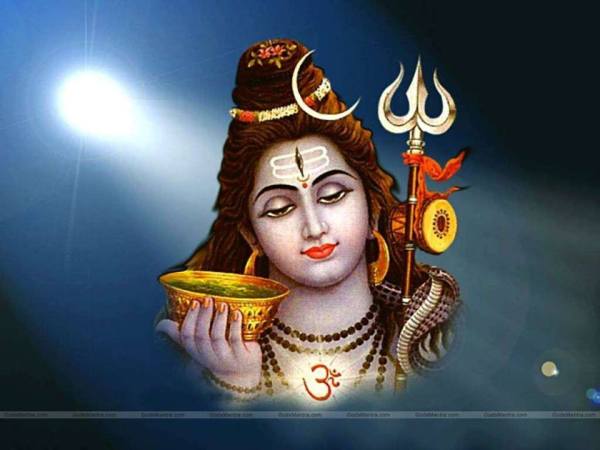
Shiva – the poison eater

Lord Shiva, one of three Hindu Trinities helped the Devas (angels) by devouring the poison known as Kaalakuuta or Halaahala. When the Devas (angels) and the demons (demons) churned the Milky Ocean for Amruta/ambrosia.

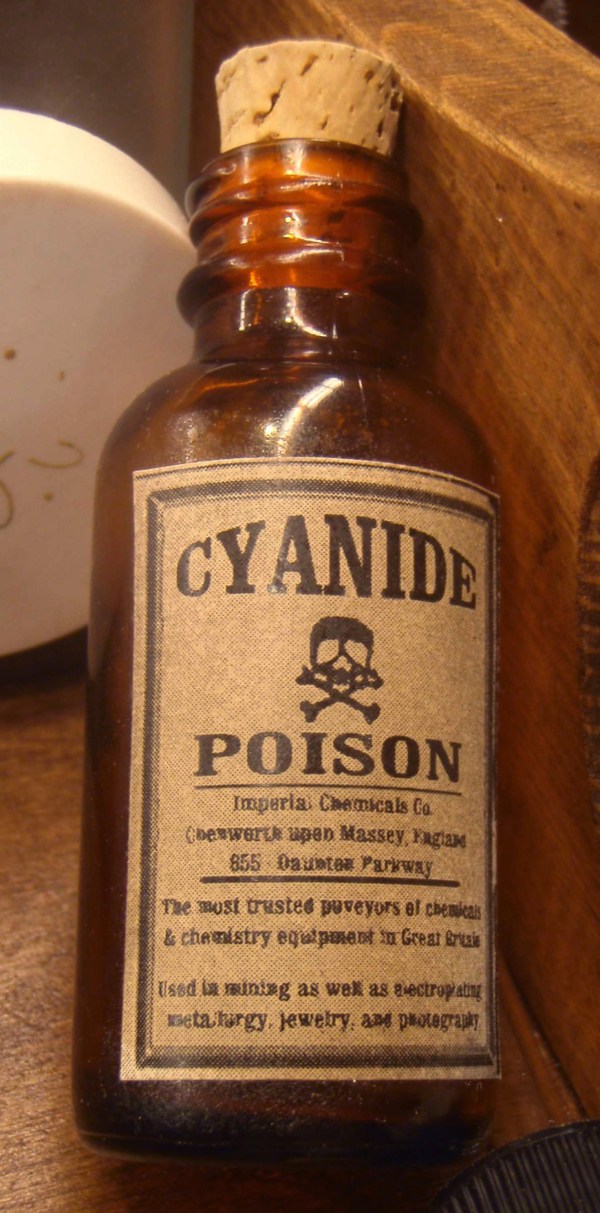
Ten Types of Poison

An old Sanskrit sloka divides poison into five big/main poisons and five small/minor poisons. Since we lost touch with the ancient language and the ancient science may of the words look Greek to us today!

Srngi ca kaalakuutasca muthsalo vathsanaabhakah

Sangakarniiti yogoyam mahaapancavishaamidhah

Five main poisons are; Srngi, Kalakuta, Muthsalah, Vathsanabhakah, sangakarnii


Arkakshiiram snuhikshiiram tathaiva kalihaarikaa

Dhattuurah karaviirasca panca chopavishaah smrutaaah

Five minor poisons are : Arkakshiram, Snuhikshiram, Kaliharika, Dhatturah, Karavirah


POISON SIMILES!

Since people knew these things very well they even composed several verses using the theme of poison as simile:-


One poet composed a verse saying that what is poison for whom.

Anabhyaasena visham saastram

Agiirne bhojanam visham

Daritrasya visham goshti

Vrddasya tarunii visham

That is scriptures are poison to an idiot; food is to a person suffering from indigestion; donation of a cow to a poor and giving a young woman for an old man in marriage. All these are like poisons.


Another poet said that poison kills only one person who took it. But those steal a Brahmin’s property will be destroyed for seven generations:-

Na visham vishamiyaahu brahmasvam vishamucyate

Visham ekaakinam hanti brahmasvam  putr pautrakam

 old-fashioned-poison-

SANSKRIT SAYINGS ON POISON

Following are some of the Sanskrit sayings on Poison (Visham); taken from the book Suktisudhaa, Chinmaya Interational Foundation:-

Duskaram visam ausadhii kartum – Mrccakatikam

It is an arduous task to convert poison into potion

Xxx

Dvesaakhyaanam visam bhavet – Brhat katha kosa

Scandal mongering is lethal

Xxx

Na hemakumbhe visam amrutam bhavet – Kahavatratnakar

Poison in a golden goblet will not turn into nectar

Xxx

Visam visameva sarvakaalam

Poison remains Poison alone at all times

Xxx

Visasya visam ausadham -– Kahavatratnakar

Venom is the antidote for venom

Xxx

Sarvaange durjane visam – Canakya Niti

The whole body of the wily is venomous

Xxx

Sva hasto api visadigdhah  chedyah -– Canakya Niti Sastram

The poisoned hand, though your own, deserves to be amputated
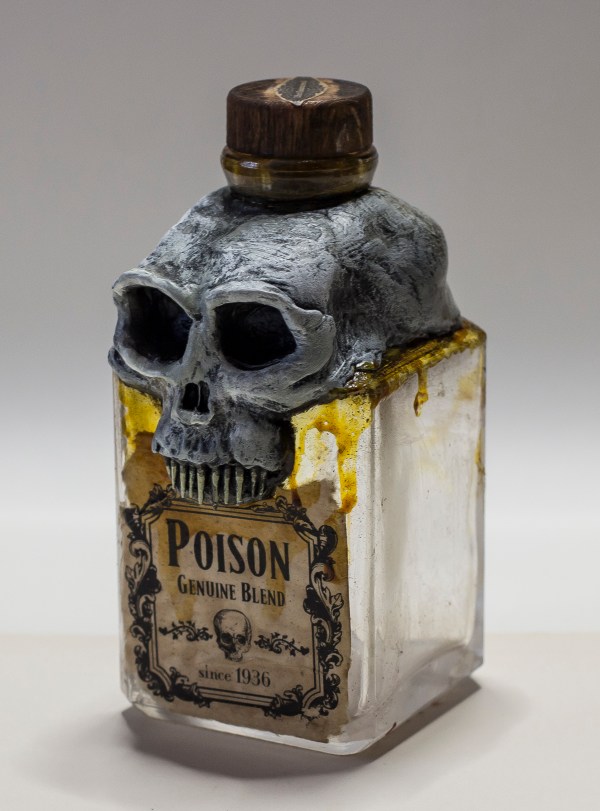
 

skull_poison_bottle_

ENGLISH PROVERBS

The above proverbs may be compared with English proverbs:

Poison is poison though it comes in a golden cup

One drop of poison infects the whole tun of wine

One poison drives out another (Read the Story of Bhima above)


Tamil Proverbs

Scorpion has poison in its sting but bad people has poison all over the body

Scorpion has poison in its sting but a whore has poison all over her body (Iniyvai Naarpathu verse 38)

One drop of poison spoils the whole pot of milk

Singaravelu Mudaliyar in his Tamil Encyclopaedia ‘Abidhaana Chintaamani’ has listed all the plant poisons and antidotes as well.


Who do the Hindus feed the crows first?

Hindus used to feed the crows first just before eating. Some used to fee the dogs in the street. If there is any poison in the food they react immediately. In the olden days due to unhygienic conditions or deliberate poisoning, food poisoning was common. Even kings used some animals to test theiir food first.
poison old type

–Subham–


புலவர்தம் வாய்மொழி போற்றல் இனிதே (Post No. 2844)

தருமி1

ஜூன் 2016 காலண்டர் (துர்முகி வைகாசி/ஆனி)


Compiled by london swaminathan

Date: 27 May ,2016


Post No. 2844


Time uploaded in London :–  10-06 AM


( Thanks for the Pictures  ) 


DON’T REBLOG IT AT LEAST FOR A WEEK!  DON’T USE THE PICTURES; THEY ARE COPYRIGHTED BY SOMEONE.


(for old articles go to tamilandvedas.com OR swamiindology.blogspot.com)


“இனியவை நாற்பது” நூலிலிருந்து  – முக்கிய 30 இனிமையான பொன்மொழிகள்


முகூர்த்த நாட்கள்:- 8, 9, 16, 23, 26

அமாவாசை:- 5

பௌர்ணமி:- 20

ஏகாதசி:- 1,16


சிவ சிவ


ஜூன் 1 புதன் கிழமை

கண் மூன்று உடையான் தாள் சேர்தல் கடிது இனிதே (முக்கண் உடைய சிவபெருமானின் பாதகமலங்களை இடையறாது சிந்தித்தல் இனிமையானது)


ஜூன் 2 வியாழக் கிழமை

பிச்சைபுக்கு ஆயினும் கற்றல் மிக இனிதே (வங்கியில் கடன் வாங்கியாவது படி)


ஜூன் 3 வெள்ளிக் கிழமை

உடையான் வழக்கு இனிது ( செல்வம் உடையவர்கள், அதை வறியவர்க்கு அளித்தல் இனிது)


ஜூன் 4 சனிக் கிழமை

ஏர் உடையான் வேளாண்மை தான் இனிது


ஜூன் 5 ஞாயிற்றுக் கிழமை.

ஊனைத் தின்று ஊனைப் பெருக்காமை முன் இனிதே (வெஜிட்டேரியன்ஸ் – வாழ்க)


 hare krishna food 2

ஜூன் 6 திங்கட் கிழமை

கோல்கோடி மாராயம் செய்யாமை முன் இனிது (நடுவு நிலைமை தவறி பாராட்டி பரிசு வழங்காதிருத்தல் இனிது)


ஜூன் 7 செவ்வாய்க் கிழமை

பாற்பட்டார் கூறும் பயமொழி மாண்பு இனிதே (சான்றோரின் நல்ல மொழிகளைக் கேட்பது இனிது)


ஜூன் 8 புதன் கிழமை

அந்தணர் ஒத்து உடைமை ஆற்ற மிக இனிதே (அந்தணர்கள், வேதங்களை மறவாது ஓதுதல் இனிது)

ஆவோடு பொன் ஈதல் அந்தணர்க்கு முன் இனிதே (வேதம் ஓதும் பார்ப்பனர்க்கு பசுவையும் தங்கக் காசுகளையும் தானம் செய்; உன் குலம் செழிக்கும்; ஊர் தழைக்கும்)


ஜூன் 9 வியாழக் கிழமை

ஊரும் கலிமா உரன் உடைமை முன் இனிதே (நீ செல்லும் குதிரை வலிமை உள்ளதாக இருக்க வேண்டும்; அதாவது காரில் செல்லும் முன் அதில் பெட்ரோல், டயரில் காற்று முதலியவற்றை சரி பார்)


ஜூன் 10 வெள்ளிக் கிழமை

அங்கண் விசும்பில் அகல்நிலாக்  காண்பு இனிதே (ஆயிரம் பிறை காண்; அதாவது 100 ஆண்டு வாழ்)

 நிலவு, சந்திரன், மூன்

ஜூன் 11 சனிக் கிழமை

கடம் உண்டு வாழாமை காண்டல் இனிதே ( கடன் வாங்கிச் சாப்பிடாமல் வாழ்வது இனிது)


ஜூன் 12 ஞாயிற்றுக் கிழமை.

குதர் சென்று கொள்ளாத கூர்மை இனிதே ( பழைய உரைகாரர் எழுதியதை விட்டுவிட்டு, நூல்களுக்கு குதர்க்கமான பொருள் காணாமை இனிது)


ஜூன் 13 திங்கட் கிழமை

கிளைஞர் மாட்டு அச்சு இனிமை கேட்டல் இனிதே ( சுற்றத்தார் சுகமாக இருக்கிறார்கள் என்ற செய்தி இனிமையானது)


ஜூன் 14 செவ்வாய்க் கிழமை

தானே மடிந்திராத் தாளாண்மை முன் இனிதே (தன் கையே தனக்குதவி; சோம்பேறித் தனமில்லாமல், மற்றவர்களை ஏவாமல், அவரவர் காரியத்தை அவரவர் செய்தல் இனிது)


ஜூன் 15 புதன் கிழமை

குழவி தளர் நடை காண்டல் இனிதே;அவர் மழலை கேட்டல் அமிழ்தின் இனிதே (குழவி=குழந்தை)

குழவி பிணி இன்றி வாழ்தல் இனிதே (குழந்தைகள் நோயில்லாமல் வாழ வகை செய்ய வேண்டும்; அதுவே இனிது)

குழந்தை சுட்டி

ஜூன் 16 வியாழக் கிழமை

பிறன் மனை பின் நோக்காப் பீடு இனிது (அயலான் மனைவியை காம எண்ணத்துடன் திரும்பிக்கூட பார்க்காமை இனிது)


ஜூன் 17 வெள்ளிக் கிழமை

கற்றார் முன் கல்வி உரைத்தல் மிக இனிதே ( நன்கு படித்தவர் அறையில் அமர்ந்து நல்ல விஷயங்களை விவாதி; அப்பொழுது நீ படித்த விஷயங்களைச் சொல்லி, மகிழவைப்பது இனிது)


ஜூன் 18 சனிக் கிழமை

நட்டார்க்கு நல்ல செயல் இனிது (நண்பர்களுக்கு நல்ல உதவி செய்)


ஜூன் 19 ஞாயிற்றுக் கிழமை.

தந்திரத்தின் வாழும் தவசிகள் மாண்பு இனிதே ( தந்திர நூல்களைக் கற்ற தவ முனிவர்கள் பெருமையைப் பேசுவது, காண்பது இனிது)


ஜூன் 20 திங்கட் கிழமை

சலவரைச் சாரா விடுதல் இனிதே (வஞ்சகருடன் சேராமல் இருப்பது இனிது)


தருமி2

ஜூன் 21 செவ்வாய்க் கிழமை

புலவர்தம் வாய்மொழி  போற்றல் இனிதே (கற்றறிந்தோரின் சொற்களைக் கேட்டு அதன்படி நடத்தல் இனிது)


ஜூன் 22 புதன் கிழமை

பிறன் கைப்பொருள் வௌவான் வாழ்தல் இனிதே (மற்றவர்களுடைய பொருளைத் திருடாமல் வாழ்வது இனிது)


ஜூன் 23 வியாழக் கிழமை

ஒருவர் பங்கு ஆகாத ஊக்கம் இனிதே ( வேண்டியவர்க்கு சலுகை காட்டாத நடு நிலை இனிது)


ஜூன் 24 வெள்ளிக் கிழமை


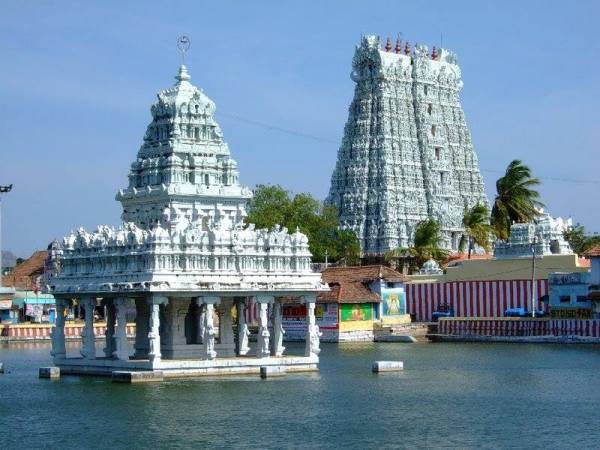
காவோடு அறக்குளம் தொட்டல் மிக இனிதே (மரத்தை வளர்; சோலைகளை உருவாக்கு; குளங்களை உருவாக்கு; கோவில்களில் இவையிருந்தால் அதைப் பாதுகார்)

 சுசீந்திரம் கோவில்குளம்


ஜூன் 25 சனிக் கிழமை

எல்லிப் பொழுது வழங்காமை முன் இனிதே (இரவு நேரத்தில் துணையில்லாமல் செல்லாதே)


ஜூன் 26 ஞாயிற்றுக் கிழமை.

நச்சித்தன் சென்றார் நசைகொல்லா மாண்பு இனிதே ( உன்னிடம் ஒரு பொருளை நாடி வந்தவரின் விருப்பத்தை நிறைவேற்றல் இனிது)


ஜூன் 27 திங்கட் கிழமை

ஆற்றானை ஆற்று என்று அலையாமை முன் இனிதே ( ஒரு காரியத்தைச் செய்ய இயலாதவனிடம் போய், இதைச் செய், இதைச் செய் என்று நச்சரித்து, உன் சக்தியை எல்லாம் வீணடிக்காமல் இருப்பது இனிது)


ஜூன் 28 செவ்வாய்க் கிழமை

உயர்வு உள்ளி ஊக்கம் பிறத்தல் இனிதே (உயர்ந்த குறிக்கோளை முன் வை; ஊக்கத்துடன் அதை அடை; உத்திஷ்ட, ஜாக்ரத, ப்ராப்யவான் நிபோதத)


ஜூன் 29 புதன் கிழமை

மன்றம் கொடும்பாடு உரையாத மாண்பு இனிதே ( பொது மன்றத்தில் ஏறிப் பொய் சாட்சி சொல்லாதே; அ ந்தப் பாவம் உன்னை சும்மா விடாது)


ஜூன் 30 வியாழக் கிழமை

பத்துக் கொடுத்தும் பதி இருந்து வாழ்வது இனிதே ( பத்துப் பொருட்களைக் கொடுத்தாவது, சொந்த ஊரில் சுற்றத்தாருடன் வாழ்வதே இனிது).


school village

-சுபம்-


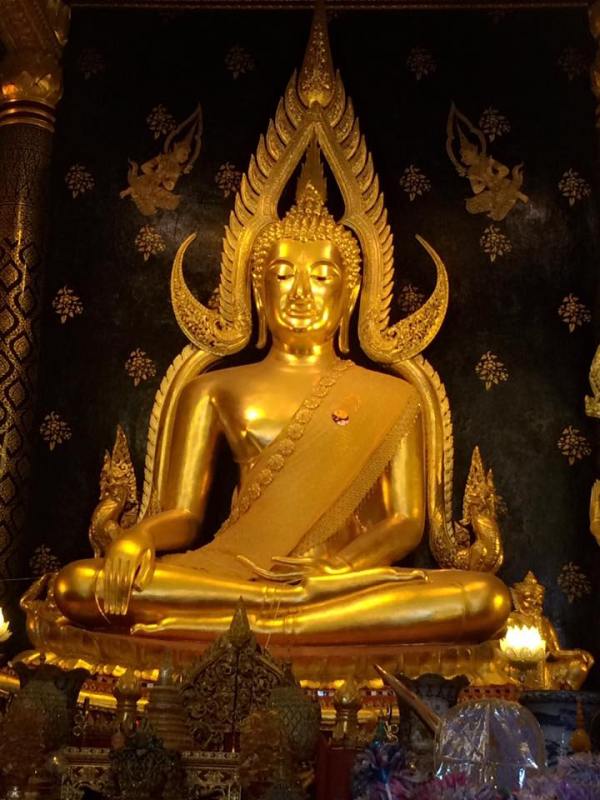
120 வயது வாழ்ந்த அதிசய புத்த துறவி ஸு யுன்!– 6 (Post No.2843)

buddha gold

Article written by S.NAGARAJAN


Date: 267May 2016


Post No. 2843


Time uploaded in London :–  7-53 AM


( Thanks for the Pictures)


DON’T REBLOG IT AT LEAST FOR A WEEK!  DON’T USE THE PICTURES; THEY ARE COPYRIGHTED BY SOMEONE.


(for old articles go to tamilandvedas.com OR swamiindology.blogspot.com)


Contact swami_48@yahoo.com


100 வயது வாழ்ந்த பெரியோர்


120 வயது வாழ்ந்த அதிசய புத்த துறவி ஸு யுன்! – 6


ச.நாகராஜன்


ஸு யுன்னுக்கு இப்போது வயது 61. அவரது அதிசய அனுபவங்கள் தொடர்ந்து கொண்டே இருந்தன.

ஒரு நாள் சிதிலமடைந்திருந்த ஆலயம் ஒன்றில் அவர் நுழைந்தார். அங்கு தங்க எண்ணினார். அங்கு உடைந்திருந்த சவப்பெட்டி கிடந்தது. அதனுடைய மூடி தலைகீழாக இருந்தது.  அது ஒரு பழைய சவப் பெட்டி என்பதால் அதன் மீது படுத்து தூங்க எண்ணினார் ஸூ யுன்.

ந்ள்ளிரவானது. சவப்பெட்டியினுள்ளே ஏதோ ஒரு அசைவு தெரிந்தது.

திடீரென்று எதிர்பாராத விதமாக ஒரு குரல் கேட்டது.

“நான் வெளியில் வர விரும்புகிறேன்”

உடனே ஸு யுன் கேட்டார்: “யார் நீ? மனிதனா? பேயா, பிசாசா?”

“ஒரு மனிதன்” பதில் வந்தது.

“நீ யார்?”

“ஒரு பிச்சைக்காரன்”

சிரித்தவாறே ஸு யுன் சவப்பெட்டியின் மேலிருந்து எழுந்தார். உள்ளிருந்து அவலட்சணமான பிச்சைக்காரன் ஒருவன் வெளியே வந்தான்.

அவன் ஸு யுன்னைப் பார்த்து, “ நீ யார்?” என்று கேட்டான்.

“நான் ஒரு துறவி” என்றார் ஸு யுன்.


buddha in SL

அந்தப் பிச்சைக்காரனுக்கு அவர் மேல் ஒரே கோபம். தன் மண்டையை  அமுக்கி அவர் உடைத்து விட்டதாக அவனுக்கு எண்ணம். அவன் அவரைத் தாக்க வந்தான்.

ஸு யுன் புன்சிரிப்புடன் கூறினார்” “ நீ இருப்பது தெரியாமல் நான் சவப்பெட்டியின் மீது படுத்தேன். உன்னால் அசையக்கூட முடியவில்லை. இப்போது எப்படி என்னைத் தாக்கப் போகிறாய்?”

அவன் மௌனமானான. வெளியில் சென்று சிறுநீர் கழித்து விட்டு வந்து மீண்டும் படுத்து விட்டான்.

மறு நாள் சூரியோதயத்திற்கு முன்னர் ஸு யுன் அங்கிருந்து கிளம்பி விட்டார்.

அப்போது ஷாங்டாங் மாநிலத்தில் பாக்ஸர் இயக்கம் என்ற புரட்சிக்காரர்களின் இயக்கம் ஆரம்பமாகி இருந்தது.

ஒரு நாள் புரட்சிக்காரரில் ஒருவன் திடீரென அவர் முன் வந்து துப்பாக்கியை நீட்டினான்.

“நீ சாவதற்குப் பயப்படுகிறாயா?” என்று அவன் கேட்டான்.

“”எனது விதி நீ சுட்டுத் தான் முடிய வேண்டும் என்றிருந்தால், துப்பாக்கியால் என்னைச் சுடு” என்றார் அவர்.

அவர் கலங்காமல் இப்படிச் சொன்னதால் அசந்து போன அவன்,  “நீங்கள் போகலாம்” என்று அவரை விட்டு விட்டான்.

இந்த இயக்கம் சற்று தீவிரம் அடையவே ஸூ யுன் பீஜிங்கிற்குத் திரும்பினார்.

பின்னர் மவுண்ட் ஹாங்-லோ என்ற மலையில் புத்தரின் திருநாமத்தை உச்சரிக்கும் ஒரு கூட்டத்தில் பங்கு கொள்ள அங்கு சென்றார். அங்கு 87000 காட்டிஸ் எடையுள்ள வெங்கல மணியைக் கண்டார் ( ஒரு காட்டிஸ் என்றால் ஒரு பிண்ட் எடை) அது 15 அடி உய்ரமுள்ளது. 7 அடி நீளமுள்ள மணி அடிக்கும் நாக்கைக் கொண்டது. அதன் குறுக்களவோ 14 அடி!

அந்த  மணியின் வெளிப்புறத்தில் “அவதமசக சூத்ரங்கள்” தெளிவாக முழுதுமாக பொறிக்கப்பட்டிருந்தது!

இந்த மணியை தன் தாய் முக்தி பெறுவதற்காக  மிங் வமிசத்தைச் சேர்ந்த மன்னரான செங் ஸு இந்த ஆலயத்திற்கு கொடையாக அளித்திருந்தார் ( அவர் காலம் 1403-24)

பாக்ஸர் இயக்கம் உச்ச கட்டத்தை அடைய எங்கும் ஒரே இரத்தக் களரி.

கடைசியில் வைசிராய் சென் சுவான்-சுவான் அந்தப் பிராந்தியத்திற்கு வந்தார். அவ்ர ஸூ யுன்னை  வோ லாங் ஆலயத்திற்கு பிரார்த்தனை புரிய அழைத்தார். கடுமையான பஞ்சத்தைத் தீர்க்குமாறு அவர் வேண்டிக் கொள்ள ஸூ யுன் பிரார்த்தனை செய்தார்.

அங்கு மலையில் ஒரு துளி நீர் கூட இல்லை. காலையில் கிடைக்கும் பனித்துளிகளைச் சேகரித்து அதை ஸூ யுன் அருந்தினார், அங்கு அவர் வளர்த்த மூலிகைகளே அவருக்கு உணவு.

நாட்கள் உருண்டோடின. ஒரு நாள் ஃபாசெங் உள்ளிட்ட சில துறவிகள் அவரது குடிசைக் கதவைத் திறந்தனர்.

உள்ளே இருந்தது ஸூ யுன். அவர்கள் அதிசயித்துப் போனார்கள்.

“உங்களைக் காணவே காணோமே. இங்கா அமைதியாகப் படுத்திருக்கிறீர்கள்?”

ஸூ யுன் கூறினார்: “இங்கே” என்பதை விட்டு விடுங்கள். “அங்கே” எப்படி இருக்கிறது என்பதைச் சொல்லுங்கள்!”

அனைவரும் சிரித்தனர்.

அவரது யாத்திரை தொடர்ந்தது.

-தொடரும்


விஷம் எத்தனை வகை? எது விஷம்?

poison

Research Article written by london swaminathan


Date: 26 May 2016


Post No. 2842


Time uploaded in London :– 18-34


( Thanks for the Pictures)


DON’T REBLOG IT AT LEAST FOR A WEEK!  DON’T USE THE PICTURES; THEY ARE COPYRIGHTED BY SOMEONE.


(for old articles go to tamilandvedas.com OR swamiindology.blogspot.com)


Potassium-cyanide-phase-I-unit-cell-3D-SF

சம்ஸ்கிருத மொழியில் இல்லாத விஷயம் எதுவுமே இல்லை என்பது சம்ஸ்கிருதம் கற்றோருக்குத் தெரியும். விஷத்தில் ஐந்து வகை, உபவிஷத்தில் ஐந்து வகை என்று பிரித்து வைத்திருக்கின்றனர்! காலப்போக்கில் அதன் தன்மை என்ன? ஏன் இத்தனை வகை என்பதைக் கேட்டால்கூட யாருக்கும் தெரியாது. அவ்வப்போது புராணக்கதைகளில் ஆலகால விஷம், காலகூட விஷம் என்று படிக்கிறோம், தேவர்களும், அசுரர்களும், அமிர்தம் எடுப்பதற்காக, கடலைக் கடைந்த போது எழுந்த விஷம் இது என்றும், அதை, சிவன் விழுங்கும்போது, பார்வதி கழுத்தைப் பிடித்து தடுக்கவே அவருக்கு திரு நீல கண்டன் என்ற பெயர் வந்ததாகவும் மட்டும் அறிவோம்.அவ்வளவுதான்.


விஷத்தை வைத்து பல பொன்மொழிகளும் உண்டு.

முதலில் விஷத்தின் வகைகளைக் காண்போம்:–

ஸ்ருங்கி ச காலகூடஸ்ச முஸ்தகோவத்சநாபக:

சங்ககர்ணாதி யோகோயம் மஹாபஞ்ச விஷாமித:

பொருள்:ஸ்ருங்கி, காலகூடம், முஸ்தக:, வத்சநாபக:, சங்ககர்ணி என்ற ஐந்தும் பெரிய விஷங்களாகும்.

அர்கக்ஷீரம் ஸ்னுஹிக்ஷீரம் ததைவ கலிஹாரிகா

தத்தூர: கரவீரஸ்ச பஞ்சசோபவிஷா: ஸ்ம்ருதா:

பொருள்:-

துணை விஷங்கள் ஐந்து:- அர்கக்ஷீரம், ஸ்னுஹிக்ஷீரம், கலிஹாரிகா, தத்தூர:, கரவீர:

விஷம் பற்றிய பொன்மொழிகள்:–

அதிபயங்கர விஷம்

ந விஷம் விஷமித்யாஹு ப்ரம்மஸ்வம் விஷமுச்யதே

விஷமேகாகினம் ஹந்தி ப்ரம்மஸ்வம் புத்ர பௌத்ரகம்

பொருள்:–

விஷம் என்று சொல்லப்படுபவை எல்லாம் விஷமல்ல; பிராமணனுடைய சொத்துதான் பிறருக்கு விஷம்; ஏனெனில் விஷம் ஒருவரைத்தான் கொல்லும்; பிராமணன் சொத்தை அபகரிப்பவன் அடியோடு அழிவான். புத்ரன், பௌத்ரன் அதாவது மகன், பேரன் எல்லோரையும் அந்த விஷம் அழித்துவிடும்.

சிவன் சொத்து குல நாசம் – என்ற பழமொழியும் ஒப்பிடற்பாலது.

தமிழில் ஒரு லட்சம் கல்வெட்டுகள் உள்ளன. அவைகளில் பெரும்பாலும் பிரம்மதேயம் (பிராமணர்களுக்கு அளிக்கப்பட்ட நிலதானம்) அல்லது தேவதானம் (கோவிலுக்கு அளிக்கப்பட்ட நிலதானம் பற்றியவையே). அவற்றின் இறுதியிலும் அந்த சொத்துக்களை அபகரித்தால் என்ன நேரிடும் என்ற எச்சரிக்கைகள் உள்ளன.

கிழவனுக்கு இளம் மனைவி விஷம்

அனப்யாசேன விஷம் சாஸ்த்ரம்

அஜீர்ணே போஜனம் விஷம்

தரித்ரஸ்ய விஷம் கோஷ்டி

வ்ருத்தஸ்ய தருணீ விஷம்

படிக்காதவனுக்கு சாஸ்த்ரம் (நூல்கள்) விஷம்; அஜீர்ணக் கோளாறு உடையவனுக்கு சாப்பாடு விஷம்; ஏழைக்கு பசு தானம் விஷம்; கிழவனுக்கு இளம் மனைவி விஷம்.

Poison-Center-Mr-Yuck

சிங்காரவேலு முதலியார் தொகுத்த அபிதான சிந்தாமணியில், விஷ புஷ்பங்கள், விஷக் கிழங்குகள், விஷக் கனிகள், விஷப் பால்கள், விஷப் பிசின்கள், விஷ அன்னத்தின் (உணவு) லட்சணம், விஷ அன்னத்தைப் (உணவு) சோதிக்கும் முறை ஆகியன பற்றிய விவரங்கள் உள.

காகத்துக்கு சோறு போடுவது ஏன்?

இந்துக்கள், காகம், நாய் முதலியவற்றுக்கு சோறிட்டு உண்டதால், உணவில் வேண்டுமென்றோ அல்லது அறியாமலோ விஷம் கலக்கப் பட்டாலும், அந்த மிருகங்கள், பறவைகளின் உடல்நிலையை வைத்துக் கண்டுபிடித்து வந்தனர்.

சம்ஸ்கிருத்தில் விஷம் பற்றிப் பல பழமொழிகள் உண்டு:–

விஷத்தை மருந்து ஆக்குவது கடினம் (துஷ்கரம் விஷம் ஔஷதீ கர்தும் – சூத்ரகனின் மிருச்ச கடிக நாடகம்

கிசுகிசுப்பேச்சு விஷம் ஆகும் (த்வேஷாக்யானம் விஷம் பவேத் – பிருஹத் கதா கோச)

தங்கக் கோப்பையில் கொண்டுவதாலும் விஷம், விஷம்தான்; அமிர்தமாக மாறிவிடாது (ந ஹேமகும்பே  விஷம் அம்ருதம் பவேத்)

விஷத்துக்கு விஷமே முறிவு (விஷஸ்ய விஷம் ஔஷதம்) – கஹாவத்ரத்னாகர்

விஷம் வைத்த கை உன் கையே ஆனாலும் வெட்டப் படவேண்டியதே (ஸ்வஹஸ்தோபி விஷதிக்த:சேத்ய:)- சாணக்கிய நீதி சாஸ்த்ரம்


–சுபம்–

A Good Face is a Letter of Recommendation (Post No.2841)

kalai3

June, 2016 Good Thoughts Calendar

Compiled by london swaminathan


Date: 26 May 2016


Post No. 2841


Time uploaded in London :– 10-08 AM


( Thanks for the Pictures)


DON’T REBLOG IT AT LEAST FOR A WEEK!  DON’T USE THE PICTURES; THEY ARE COPYRIGHTED BY SOMEONE.


(for old articles go to tamilandvedas.com OR swamiindology.blogspot.com)


30 beautiful Quotations on BEAUTY


Auspicious Days: 8, 9, 16, 23, 26

Full Moon/Purnima-  20

New Moon/Amavasya- 5

Ekadasi Fasting Days: 1, 16


IMG_4532

June 1 Wednesday

The very sight of the charming arouses one’s respect – Brhat katha kosa

June 2 Thursday

Beauty opens locked doors!

June 3 Friday

Beauty draws more than oxen

June 4 Saturday

What does not lend charm to a sweet beautiful form ?-Kalidasa’s Sakuntalam, 1-18

June 5 Sunday

Beauty is eloquent even when silent.


IMG_4530

June 6 Monday

Beauty needs no artificial adornments – Kiratarjuniya 4-23

June 7 Tuesday

A fair face s half a portion.

June 8 Wednesday

Novelty every moment is the characteristic of beauty – Sisupalavadam,4-17

June 9 Thursday

No one can live on beauty, but they can die for it.

June 10 Friday

A lotus looks radiant not only on account of the swarming bees, but also due to the surrounding water weeds –  Kalidasa’s Kumara Sambhava, 5-9


IMG_4875 (2)


June 11 Saturday

A poor beauty finds more lovers than husbands.

June 12 Sunday

Beauty and good nature co exist –Mrcha katika of Sudraka

June 13 Monday

Beauty is potent but money is omnipotent

June 14 Tuesday

Goodness is better than beauty.

June 15 Wednesday

Who is not enthralled by beauty? –Kahvatratnakar

June 16 Thursday

Handsome is as handsome does.

June 17 Friday

The naturally beautiful need no embellishment –Drstaantasataka

June 18 Saturday

Beauty is in the eye of the beholder.

June 19 Sunday

What one most likes looks beautiful to him –Hitopadesa 2-53

June 20 Monday

A thing of Beauty is joy for ever – John Keats


பெண்ணா, பறவையா

June 21 Tuesday

If jack is in love, he is no judge of Jill’s Beauty.

The lady wooed by a man appears most beautiful to him –Brhat Katha Manjari

June 22 Wednesday

Health and wealth create Beauty.

June 23 Thursday

Beauty engenders charm on all occasions – Kalidasa’s  Malavika Agnimitram

June 24 Friday

Beauty’s sister is vanity, and its daughter lust.

June 25 Saturday

Those endowed with beauty are charming in all circumstances – Kalidasa’s Sakuntalam

IMG_4413 (2)

June 26 Sunday

Beauty may have fair leaves, yet bitter fruits.

June 27 Monday

Beauty wont make the pot boil

June 28 Tuesday

Beauty fades like a flower

The fairest flowers soonest fade

June 29 Wednesday

The peacock has fair feathers, but foul feet

June 30 Thursday

Less eating enhances the beauty of women (Tamil saying: Pendirku Azaku Undi Surukkuthal)

tamil-kili

–subham–


அதிசய ரஷிய யோகி குர்ட்ஜியெஃப்! – 2 (POST No. 2840)

Gurdjieff13-1-24_3

Article written by S.NAGARAJAN


Date: 26 May 2016


Post No. 2840


Time uploaded in London :–  6-27 AM


( Thanks for the Pictures)


DON’T REBLOG IT AT LEAST FOR A WEEK!  DON’T USE THE PICTURES; THEY ARE COPYRIGHTED BY SOMEONE.


(for old articles go to tamilandvedas.com OR swamiindology.blogspot.com)


FIRST PART WAS PUBLISHED HERE ON 21 MAY 2016. THIS IS PART 2


27-5-16 தேதியிட்ட பாக்யா வார இதழில் அறிவியல் துளிகள் தொடரில் வெளியாகியுள்ள கட்டுரை


அதிசய ரஷிய யோகி குர்ட்ஜியெஃப்! – 2

ச.நாகராஜன்


“நீங்கள் சரிபார்க்காத எதையுமே நம்பாதீர்கள் என்று உங்களை நான் கேட்டுக் கொள்கிறேன்.”

–  குர்ட்ஜியெஃப்


குர்ட்ஜியெஃப் தனது சீடர்கள் அனைவரையும் தங்கள் சக்தியை எல்லையற்று விரிவு படுத்துவதை விரும்பினார்.

அவரது சீடர்களில் ஒருவர் ஃப்ரிட்ஜ் பீட்டர்ஸ் (Fritz peters) என்பவர். அவரை தனது புல்வெளியை நன்கு செதுக்கும்படி குர்ட்ஜியெஃப் கூறினார். ஒரு நாளில் ஒரு சிறிய பகுதியையே சுத்தம் செய்த பீட்டர்ஸ் நாளடைவில் ச்கதி அதிகமாகவே பல ஏக்கர்கள் கொண்ட புல்வெளிப் பகுதியை தான் ஒருவராகவே ஒரே நாளில்  முடித்தார்.அப்படி ஒரு நம்ப  முடியாத ஆற்றல் அவருக்கு வந்து விட்டது!


மனித ஆற்றலை அனைவராலும் வளர்க்க முடியும் என்பதற்கு ஒரு சிறிய உதாரணம் உண்டு.. இதை யார் வேண்டுமானாலும் உடனடியாக்ச் செய்து பார்க்கலாம்!


உங்கள் வயிற்றை ஒரு கையினால்  தேய்த்து விட்டுக் கொண்டே இன்னொரு கையினால் உங்கள் தலையை இலேசாக தட்ட ஆரம்பியுங்கள். அல்லது ஒரு காலை முன்னும் பின்னுமாகத் தரையில் கடிகார பெண்டுலம் போலத் தேய்த்து விட்டுக் கொண்டே இன்னொரு காலின் முன் பகுதியினால் தரையைத்தட்ட ஆரம்பியுங்கள். 99 சதவிகிதம் பேரால் இதைச் சரியாகச் செய்ய முடியாடு. வயிற்றைத் தடவும் போதே தலையையும் தடவுவார்கள்.


குர்ட்ஜியெஃப் தனது சீடர்களுக்கு கைகள், கால்கள் போன்ற பல்வேறு அங்கங்களையும் ஒரே சமயத்தில் வெவ்வேறு விதமான பயிற்சிகளைச் செய்யுமாறு கூறுவார்.

சில சமயம் ஒரு அபிநய நிலையில் அப்படியே உறைந்து நிலைத்து நிற்குமாறு கூறி விடுவார்.


அவர் ஒரு முறை பீட்டர்ஸுக்கு அளப்பரிய் ஆற்றலைத் தரவே தனக்குள்ளிருந்து பெரும் ஆற்றால் ஊற்றாக ஊறுவதை பீட்டர்ஸ் உணர்ந்தார். ஆனால் அதே சமயம் ஆற்றலைத் த்நத குர்ட்ஜியெஃப் மிகவும் தளர்ந்து போனார்.


நமது மனம் பிரம்மாண்டமான ஆற்றல் தேக்கத்தைக் கொண்டுள்ளது. ஆனால் தினசரி வாழ்க்கை முறையால் எழுந்தவுடன் ப்ல துலக்குவது, பேப்பர் படிப்பது,. அலுவலகம் செல்வது, சாப்பிடுவது என்று பல பழக்கங்களுக்கு அடிமையாகிறோம். ரொபாட் போல மனிதன் பழக்கங்களுக்கு அடிமையாகி இயங்க ஆரம்பிக்கிறான். இந்த ரொபாட் இயக்கத்திலிருந்து வெளி வருவது நம் கையில் தான் இருக்கிறது.

ஆனால் அதே சமய்ம் அளப்ப்ரிய ச்கதி வந்து விட்டால் அது அபாரமான விஷயம் மட்டுமல்ல; அபாயகரமான விஷயமாகவும் ஆகி விடக் கூடும்.


உதாரணமாக பென்னட் காட்டில் சென்ற போது பல்வேறு உணர்ச்சிகளின் எல்லையைத் தொட்ட போதும் அதில் அப்படியே இருக்க விரும்பவீல்லை. ஏன்? அப்படிப்பட்ட எல்லையற்ற சக்தியை மனிதனால் தாங்க முடிவதில்லை.


ஆகவே தான் படிப்படியாக சக்திகளை மேம்படுத்திக் கொண்டு அவற்றை நிலை நிறுத்தி படிப்படியாக முன்னேற வேண்டும் என்று யோகிகள் கூறினார்கள் போலும்!


இதே போன்ற உணர்வை ஒரு எல் எஸ் டி போதை மருந்தை உட்கொண்ட போதும் பெறலாம் என விஞ்ஞானிகள் கூறுகின்றனர். போதை மருந்த உட்கொண்ட ஒருவர் சாவைப் பற்றி நினைத்த போது எதிரிலிருந்த அனைவரும்  மண்டையோடுக்ளாகத் தெரிந்து சிரிக்க ஆரம்பிக்கும் காட்சியைக் கண்டார்.. பூமியோ பிணம் எரியும் சுடுகாட்டு நாற்ற்த்தை வெளிப்படுத்தியது.


ஆனால் போதை மருந்து தரும் உணர்வுகளுக்கும் யோகிகள் பெரும் ஆற்றலுக்கும் பிரக்ஞை நிலையில் பெருத்த வேறுபாடு உண்டு.ஒன்று போலி. மற்றது உண்மை!

ஆகவே போதை மருந்து சாப்பிட்டு போலி உணர்வுகளைப் பெறாமல், ஒரு எல்லைக்குட்பட்ட ஆற்றலோடு பல்வேறு இயல்பான பழக்க வழக்கங்களுடன் இருப்பதும் கூட ஒரு விதத்தில் நல்லது தான்! திடீர் பாய்ச்சலில் அனைத்து ஆற்றலையும் பெற்றுத் திகைக்காமல்,

மெதுவாக உரிய விதத்தில் ஆற்றலை மேம்படுத்திக் கொள்ளலாம்.


பிர்பல விஞ்ஞானி ஐன்ஸ்டீன் ஒளிக்கு எடை உண்டு என்றும் அது ஒரு அழுத்தத்தைத் தர வல்லது என்றும் சொன்ன போது அனைவரும் சிரித்தனர். ஆனால் 1918இல் ஏற்பட்ட கிரகணத்தின் போது ஒளிக்கு எடை உண்டு என்பதும் அது ஈர்ப்பு விசையினால் பாதிக்கப்படும் என்பதும் நிரூபிக்கப்பட்டது.


ஆனால் இது வரை எண்ணத்திற்கு ஒரு அழுத்தம் உண்டா அது மற்றவரை எப்படி பாதிக்கும் அல்லது முன்னேற்றும் என்பதற்கு விஞ்ஞான ரீதியான விளக்கங்கள் இல்லை.

குர்ட்ஜியெஃப் போன்றோரின் பல்வேறு வாழ்க்கைச் சமப்வங்களே அதிசயிக்கத் தக்க விதத்தில் எண்ண சக்தியையும் இதர ஆற்றல்களையும் விளக்குகின்றன.


அறிவியல் முன்னேறி எண்ண சக்தியை பரிசோதிக்கும் சில கருவிகளைக் கண்டு பிடிக்க வேண்டும். எதிர்காலத்தில் அது நிறைவேறும் என உறுதியாக நம்பலாம்!


குர்ட்ஜியெஃப் இறந்து விட்டார் என்று பலராலும் பரப்பப்பட்ட செய்தியால் பென்னட் சில காலம் அவரைத் தொடர்பு கொள்ளவில்லை. ஆனால் திடீரென்று அவர் உயிருடன் இருப்பதை அறிந்து அவரைச் சந்தித்து ஆனந்தக் கண்ணீர் விட்டார்.குர்ட்ஜியெஃப்பின் இறுதி வரை அவருடன் தொடர்பு கொண்டிருந்தார்.


அவரைப் பற்றிய ஏராளமான சம்பவங்களை உள்ளடக்கி அவர் ஒரு புத்தகத்தையும் எழுதினார்.


அறிவியலுக்கும் அமானுஷய சக்திக்கும் பாலமாக அமையும் சிலர் குர்ட்ஜியெஃப் போலப் பிறந்து கொண்டே இருக்கின்றனர்!


chris hadfield


அறிவியல் அறிஞர் வாழ்வில் .. ..


வின்ண்வெளியில் நிலை கொண்டிருக்கும் இண்டர்நேஷனல் ஸ்பேஸ் ஸ்டேஷன் எனப்படும் பன்னாட்டு விண்வெளிநிலைய்ம் பூமியை ஒவ்வொரு 92 நிமிடமும் வலம் வந்து கொண்டிருக்கிறது. ஒரு நாளைக்கு 16 முறை பூமியைச் சுற்றுகிறது.


அதில் நிறைய காமராக்கள் உள்ளன. விண்வெளி வீரரான கிறிஸ் ஹாட்ஃபீல்ட் (Chris Hadfield) தனது கடைசி பயணத்தின் போது 2012 டிசம்பரிலிருந்து 2013 மே மாதம் முடிய அதில் இருந்தார். அப்போது பூமியை 2597 முறை வலம் வந்தார். சுமார் 45000 போட்டோக்களை அவர் எடுத்தார். ஆனால் அவை அனைத்தையும் அவரே ஒரு முறை கூட் முற்றிலுமாகப் பார்க்கவில்லை,


ஒரு நாள் யோசித்தார். இவ்வளவு புகைப்படங்கள் எடுத்தும் அவற்றை ஒருமுறை கூடப்  பார்க்கவில்லையெனில் அதற்கு அர்த்தமே இல்லையே! விளைவு, அவற்றைத் தான் பார்த்ததோடு அதில் முக்கியமான போட்டோக்கள் மூவாயிரத்தைத் தேர்ந்தெடுத்தார்

 
ஆனால் இவற்றையும் புத்தகமாக வெளியிட்டால்  விலை கட்டுபடியாகாதே, யாரும் வாங்க மாட்டார்களே என்று அவருக்குத் தோன்றியது.


மீண்டும் அவற்றை பரிசீலனை செய்து 192 போட்டோக்களைத் தேர்ந்தெடுத்து புத்தகமாக வெளியிட்டார். புத்தகத்தின் பெயர் யூ ஆர் ஹியர் ; அரவுண்ட் தி வோர்ல்ட் இன் 92 மினட்ஸ் ( ‘You Are Here: Around the world in 92 minutes’)


அற்புதமான புகைப்படங்கள் அடங்கிய இந்தப் புத்தகம் ஒரு அரிய பொக்கிஷம். இந்த போட்டோக்கள் பலவற்றை இணையதளங்கள் பலவற்றில் பார்த்து மகிழலாம். நெட் இணைப்பு இருந்தால் மட்டும் போதும்!


***********


Conquer Evil Doers by Saintliness, Anger by peacefulness (Post No. 2839)

vyasa,ganesa,sivaraman

Article written by London swaminathan


Date: 25 May 2016


Post No. 2839


Time uploaded in London :–  16-35


( Thanks for the Pictures)


DON’T REBLOG IT AT LEAST FOR A WEEK!  DON’T USE THE PICTURES; THEY ARE COPYRIGHTED BY SOMEONE.


(for old articles go to tamilandvedas.com OR swamiindology.blogspot.com)

 vyasa 2

There is a beautiful sloka/couplet in the Mahabharata:


Akrodhena jayet krodham, asaadhum saadhunaa jayet

Jayet kadaryam daanena, jayet satyena caanrutam


Meaning:-

Conquer the anger of others by non-anger

Conquer evildoers by saintliness,

Conquer the miser by gifts

Conquer falsehood by truth

-Udhyogaparva, 38-73,74


It is interesting to compare it with what the Budhha said:-

Overcome anger by peacefulness

Overcome evil by good

Overcome the mean by generosity

And the man who lies by truth

–Dhammapada 223

buddha tree upades

Buddha came approximately 2500 years after Vyasa, the author of Mahabharata.


Now Tiruvalluvar who came 2500 years after the Buddha says


“Where is the superiority of the worthy man, if he does not choose to make,

A good turn even to those who do him wrong”

-Tirukkural 987


The idea of forgiving, forgetting and doing good in return, had been developing among philosophers, prophets and great men of the world over centuries. Noble characters forget injuries; base ones forget benefits.


Lao Tse of China said, “requite injury with kindness” which is very different from the law of Hammurabi, based on, “eye for an eye and tooth for a tooth”.


The bible says , “whoever strikes thee on the right cheek,

Turn to him the other also”.

-Mathews 5,39


The best way to punish those who harm you is to make them feel abashed by doing them good and thinking no more of it.

-Tirukkural 314


That is, the best punishment for those who do evil to you, is to shame them by returning good for evil.


Dr S M Diaz in his commentary says,


“I am reminded of JR Lowell’s poem ‘Youssouf’ in which the great and generous sheik of the desert avenged the killing of his first born son by speeding the murderer to safety with enough gold and a speed horse. In his heart

Youssouf’ felt that in doing thus he was acting ‘as one lamp lights another, nor grows less, so nobleness enkindleth nobleness’.


Youssouf’s conduct in this connection went one step ahead of just forgiveness. It is n line with Seneca’s view  that ‘the mark of true greatness is not to notice that you have received a blow’ –that a wrong has been done to you”.


–subham–

கம்ப ராமாயணத்தில் பஞ்ச மா பாதகம்- 5 பாவங்கள்(Post No.2838)

murder-laurie-silva

Article written by London swaminathan


Date: 25 May 2016


Post No. 2838


Time uploaded in London :–  11-00 AM


( Thanks for the Pictures)


DON’T REBLOG IT AT LEAST FOR A WEEK!  DON’T USE THE PICTURES; THEY ARE COPYRIGHTED BY SOMEONE.


(for old articles go to tamilandvedas.com OR swamiindology.blogspot.com)

 Drug Abuse 029-0053

ஐந்து தீய செயல்களை இந்துக்கள் பெரிய பாவச் செயல்களாகக் கருதுகின்றனர். அவை

கள், களவு, கொலை, பொய், காமம் (பிறர் மனைவியை விரும்பும் காமம்).

ஓதநீர் மண் இவை முதல் ஓதிய

பூதம் ஓர் ஐந்தினில் பொருந்திற்று அஞ்சியே

வேத நூல் வரன் முறை விதிக்கும் ஐம்பெரும்

பாதகம் திரண்டு உயிர்ப் படைத்த பண்பினான்

-ஆரண்ய காண்டம், கவந்தன் படலம், கம்ப ராமாயணம்

பொருள்:–

கவந்தன் என்னும் அசுரன் பஞ்ச பூதங்களால் மட்டும் ஆனவன் அன்று; பஞ்ச மா பாதகங்கள் ஒன்று சேர்த்து ஒரு உருவம் செய்தால் எப்படி இருக்குமோ அப்படி இருந்தானாம்.

அந்தக் கவந்தன், குளிர்ச்சி பொருந்திய நீரும் பூமியும் ஆகிய இவை முதலாகக் கூறப்பட்ட பஞ்ச பூதங்களினால் இவன் உடல் ஆக்கப்பட்டது அல்லாமல், வேத நூல்கள் முறைப்படி உரைக்கும் கள், களவு, பிறர் மனை விரும்புவதாகிய காமம், பொய், கொலை ஆகிய பஞ்ச மா பாதகங்கள் ஒன்றாகச் சேர்த்து உயிர்பெற்று வந்தவன் என்னும் தன்மை உடையவன்.


பகவத் கீதை

பகவத் கீதையில் (1-36) அர்ஜுனன், போர் புரிய மறுத்து அதற்குப் பல காரணங்களைக் கூறுகிறான். அதில் ஒன்று கொடும் பாவிகளான, திருதராஷ்டரன் பிள்ளைகளான கௌரவர்களைக் கொன்றால் மிகவும் பாபம் வருமே என்கிறான். கொடும் பாவிகள் என்பதற்கு அர்ஜுனன் பயன்படுத்தும் சொல், ‘ஆததாயின:’ என்பதாகும்.

lies_377131546 (1)

யார் ஆததாயினர்கள் என்பதை ஒரு சம்ஸ்கிருத ஸ்லோகம் அழகாக விவரிக்கிறது. அதில் பஞ்ச மஹா பாதகங்களோடு, ‘தீ வைத்தல்’ என்ற மற்றொரு பாபமும் சேர்க்கப்படுகிறது:–


அக்னிதோ கரதச்சைவ சஸ்த்ரபாணிர்த் தனாபஹ:

க்ஷேத்ர தார ஹரச்சைவ ஷடேதே ஹ்யாததாயின:


பொருள்:

தீவைப்பவன், விஷம் வைப்பவன் (கொலை), ஆயுதம் கொண்டு ஆயுதமில்லாதவரைக் கொல்பவன், பிறர் பொருளை அபகரிப்பவன், பிறர் நிலத்தை அபகரிப்பவன், பிறர் மனைவியை அபகரிப்பவன் – இந்த ஆறு பேரும் ஆததாயிகள் (கொடும் பாவிகள்) எனப்படுவர்.

ஆக வேத காலம் முதல் இந்தப் பாவப் பட்டியல் இருப்பதால்தான் “வேத நூல் வரன் முறை விதிக்கும் ஐம்பெரும் பாதகம்” என்று கம்பன் சொல்கிறான். வேத நூல்களைக் கரைத்துக்குடித்தவன் கம்பன்!


சிறுபஞ்ச மூலத்தில், காரியாசான் கொஞ்சம் மாறுதலான பாவப் பட்டியல் தருகிறார்:

பொய்யாமை பொன் பெறினும் கள்ளாமை மெல்லியலார்

வையாமை வார்குழலார் நச்சினும் – நையாமை

ஓர்த்துடம்பு பேருமென்று ஊன்வாய் உண்ணானேல்

பேர்த்துடம்பு கோடல் அரிது

பொருள்:-

ஒருவர்க்கு தங்கக் கட்டிகள் கிடைக்கும் என்றாலும் பொய் சொல்லாதிருத்தல், திருடாமல் இருத்தல், தன்னைவிட வலிமை குறைந்தவரை திட்டாமை, பெண்களே மேலே வந்து விழுந்தாலும் அவர்களை விரும்பாமை, உடல் மெலிகிறதே என்று எண்ணி ஆடு, மாடு, கோழிகளைக் கொன்று உண்ணாமை – இந்த ஐந்தையும் பின்பற்றுவோருக்கு மறு பிறவி இல்லை; முக்தி கிட்டும்.

theft

தம்மபதம்

இதையே புத்தமதத்தினரின் வேத நூலான தம்மபதத்திலும் புத்தர் கூறுவார்:-

யார் ஒருவன் மற்ற உயிரைப் பறிக்கிறானோ (கொலை), யார் ஒருவன் தனக்குக் கொடுக்கப்படாததை எடுத்துக் கொள்கிறானோ (களவு), யார் ஒருவன் பிறர் மனைவியை அனுபவிக்கிறானோ (காமம்), யார் ஒருவன் பொய் சொல்கிறானோ, யார் ஒருவன் மதுபானம் அருந்துகிறானோ அவன் தனக்குத்தானே வேர் செல்லும் ஆழத்துக்குக் குழி பறித்துக் கொள்கிறான். (தம்மபதம் -246, 247)

ஆன்றோர் சொல்லை மனதில் கல்லெழுத்தாகப் பதித்து, அவர் சொற்படி நடப்போம்.


–சுபம்–


கீதையைப் படிக்காத வாழ்வு வீணே! (Post No.2837)

Srimad_Bhagavad__gita

Article written by S.NAGARAJAN


Date: 25 May 2016


Post No. 2837


Time uploaded in London :–  5-52 AM


( Thanks for the Pictures)


DON’T REBLOG IT AT LEAST FOR A WEEK!  DON’T USE THE PICTURES; THEY ARE COPYRIGHTED BY SOMEONE.


(for old articles go to tamilandvedas.com OR swamiindology.blogspot.com)


சம்ஸ்கிருதச் செல்வம்


கீதையைப் படிக்காத வாழ்வு வீணே!


ச.நாகராஜன்

la bhagavad gita

ஹிந்து மதத்தின் உயரிய நூல் பகவத் கீதை. இதன் பெருமையைச் சொல்லாத மகான்களே இல்லை. ஆதி சங்கரர் ‘பகவத் கீதா கிஞ்சித தீதா’ என்று கூறி பகவத் கீதையைக்  கொஞ்சமாவது படியுங்கள் என அருளுரை பகர்ந்துள்ளார்.


கீதையின் பெருமையைக் கூறும் சுலோகங்கள் ஆயிரமாயிரம் உண்டு. அவற்றில் இரு சுபாஷித சுலோகங்களை இங்கு பார்ப்போம்.


கீதா சுகீதா கர்தவ்யா கிமன்யை: சாஸ்த்ரசிந்ததே:   I

யா ஸ்வயம் பத்மநாபஸ்ய முகபத்யாத் வினி:ஸ்ருதா:  I I


இதன் பொருள்:- கீதை திருப்பித் திருப்பி ந்ன்றாகப் படிக்கப் பட வேண்டும். மற்ற சாஸ்திரங்களை எண்ணி என்ன பிரயோஜனம்? ஏனெனில் இது பதமநாபனின்  முக கமலத்தினின்றே வந்த ஒன்றல்லவா?

ஆக கண்ணனின் முகத்திலிருந்து வந்த அரிய நூலில் இல்லாத விஷயம் வேறு எதில் இருக்கப் போகிறது?

இதன் ஆங்கில மொழியாக்கம் இதோ:-


The Bhagavat Gita should be repeatedly recited well; of what use are thoughts about other scriptures? For, it has come out of the lotus-mouth of the Lord Krishna (the Lotus-navelled one) Himself. (Tranlation by S.B.Nair)


இன்னொரு ஸ்லோகம் மஹாபாரதத்தில் உள்ள அரிய விஷயங்களைப் பட்டியலிட்டுக் கூறுகிறது. அதில் முதலிடத்தைப் பிடிக்கிறது கீதை.


கீதா விதுரவாக்யானி தர்மா: ஷாந்தனவேரிதா:    I                 ந ஸ்ருதா பாரதே யேன: தஸ்ய ஜன்ம நிரர்த்தகம்  II


இதன் பொருள்:- எவன் ஒருவன் ம்ஹாபாரதத்தில் கீதையையோ , விதுரனின் வாக்கியங்களையோ, தர்மத்தைப் பற்றிய பீஷமரின் பொருளுரைகளையோ படிக்கவில்லையோ அவனது வாழ்வு பூமியில் வீணே!

கண்ணனின் கீதை

விதுரனின் அரத்தமுள்ள நீதி

பீஷ்மரின் தர்மோபதேசம்

ஆகிய இவை மஹாபாரதத்தின் சாரமாக அமைந்துள்ளதால் இவற்றைப் பட்டியலிட்ட கவிஞர் இதைப் படியுங்கள் என்று சொல்லி, இவற்றைப் படிக்காத வாழ்வு வீணே என்கிறார்  முத்தாய்ப்பாக!


இதன் ஆங்கில மொழியாக்கம் இதோ:-


He who has not listened to the Bhagavat Gita , the speeches of Vidura and the disquisitions on Dharma by Bhishma  in the Mahabharata has his birth on the earth in vain. (Tranlation by S.B.Nair)


கீதையைப் படிப்போம்;

வாழும் வழி அறிந்து அந்தப் பாதையில் செல்வோம்

உயர்வோம்!

*********

Two Types of Mind -Pure Mind and Impure Mind (Post No.2836)

good_and_bad

Article written by London swaminathan


Date: 24 May 2016


Post No. 2836


Time uploaded in London :–  18-05


( Thanks for the Pictures)


DON’T REBLOG IT AT LEAST FOR A WEEK!  DON’T USE THE PICTURES; THEY ARE COPYRIGHTED BY SOMEONE.


(for old articles go to tamilandvedas.com OR swamiindology.blogspot.com)


There  is a beautiful sloka/couplet in Sanskrit explaining what is pure and what is impure:-

Mano hi dwividham proktam sudhdham chaasudhdhameva ca

Asudhdham kaamasanalpam sudhdham kaamavivarjitam

–Amruta bindu Upanishad

One who has too many desires in mind is impure; those who are without desires are pure.

Very simple couplet with a grand message.

Most of us are trying to fulfil one desire and immediately another desire follows it. It is an endless process.

Our ancient saints compared fulfilling desires to trying to extinguish fire with ghee. The more butter you pour into the sacrificial fire the more it glows. The more you try to fulfil one desire the more desires crop up.

Hindus from Kanyakumari to Kashmir thought the same way about the desires. Great Tamil poet Tiruvalluvar says in his Tirukkural:-

Purity consists in the freedom from all desires,

Which comes from the relentless pursuit of truth (Kural 364)

With the pursuit of truth comes absence of desire which leads to purity and also ultimate release.

Good Choice, Bad Choice Road Sign with blue sky and clouds.

Socrates Anecdote

Elaborating on this couplet SM Diaz says in his commentary:

“Valluvar emphasises the importance of the pursuit of Truth, just as much as Socrates, Plato and Aristotle. If the desire for the truth is strong enough, according to Valluvar, the renunciation of all worldly desires comes easy.


One recollects in this connection the famous incident of the young man who asked Socrates, ‘What is truth and how to find it’, and of how the great sage pushed his head into a tub of water, till the youth struggled for breath with great effort and got himself released. Then Socrates told him, ‘when your need to find out the truth is as much as your need for air as just now, you will find it out soon enough.’


The Bhagavad-Gita lists out Purity of heart and Truth as two of the attributes of the Divine State in slokas one and two of Chapter 16.


Buddha also said ‘the root cause of all evil is desire’. There is a beautiful couplet in the Dhammapada:-

“Cut down the forest of desires, not only a tree; for danger is in the forest. If you cut down the forest and its undergrowth, then Bikkhus, you will be free on the path of freedom.”


English and Sanskrit proverbs also emphasise this:
Desire has no rest.

Humble hearts have humble desires.

He that desires but little has no need of much.


Following are the Sanskrit proverbs:


Aasaa dukhasya kaaranam

Desire invites misery.


Aasaavadhim ko gatah

Has anyone seen the shores of desire?


Kaalah kriidati, gachchat aayus tadapi  na muncat yaasaavaayuh – mohamudgara

Time teases, age advances, yet the grip of desire loosens not.


In Tamil they say that “the moustache has become grey, but the desire never greys/ages”

The meaning is ‘desire does not diminish though the body withers’.


So one must learn to be content with what one has. That is the first step to get rid of evil desires. Then one can reach the desire less state.


–subham—