Four Stories: GOD’S LOVE FOR HIS DEVOTEES

sivaji   sivaji2 indian-stamp

Post No 1948

Written by London swaminathan

Date: 22 June 2015

Uploaded in London at 20-16

If anyone is a sincere devotee and surrenders to God completely, God helps that person without fail. All of us know the story of Draupadi who was helped with endless metres of saris when Dussasana tried to disrobe her in public. There are similar stories in Hindu devotional literature.

In the following four anecdotes, three different saints with the same name Ramdas appear:  Samartha Ramadas, Bhadrachalam Ramadasa and Swami Ramdas of Anandashram.

1.Samarth Ramdas

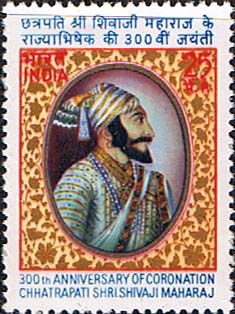
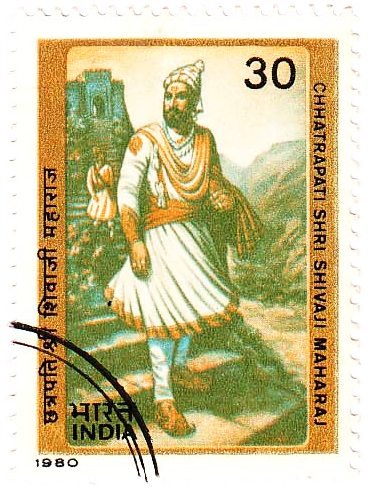
Shivaji, the greatest of the Hindu kings in the Moghul period, was a great devotee of Saint Samartha Ramadas and Saint Tukaram. Very often he attended the Bhajan sessions and discourses of saint Tukaram. Moghuls who were after Shivaji tried to attack him wherever it was possible. Once they came to know that Shivaji was attending a discourse of Saint Tukaram. They surrounded the hall where the saint was lecturing. The saint also knew by Jnan Dhrsti (through the eye of wisdom) that the Muslim soldiers were waiting outside to kill Shivaji. Saints can do many things simultaneously. He prayed to god to distract the soldiers. Immediately god came in the guise of Shivaji and jumped on the horse like Shivaji and sped towards the jungle. Seeing that fanatical soldiers followed the horse and were led into the thick jungle. They lost their way and god disappeared! When Shivaji was about to leave he came to know what happened in that area through his spies. He thanked the saint and the god.

When you are in Gods service it is his duty to give you security.
rama young

2.Bhadrachalam Ramadasa

Following was posted by me last year:

“Hindu saint jailed for 12 years”, posted on April 8, 2014

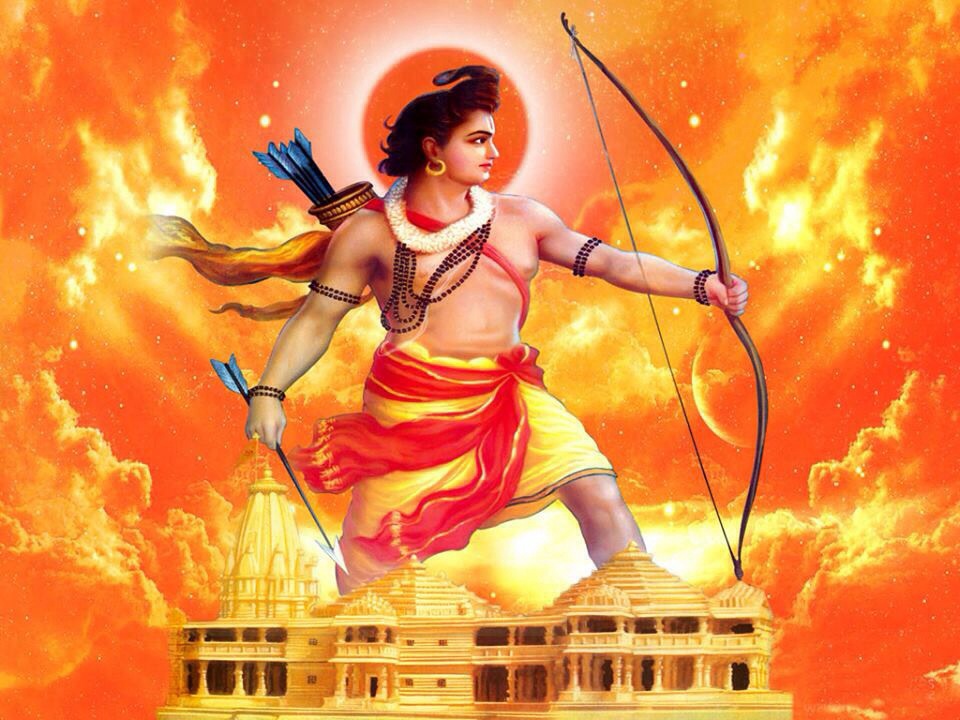
Bhadrachalam Ramadasa built a temple for Lord Rama with the tax money due to the king Tani Shah. Though Ramadasa’s intention was good, he violated the law of the land. God never asks anyone to go out of the way to propitiate him. He says in the Bhagavad Gita that even leaves or flowers or water is enough for him to bless a devotee. Ramadasa was jailed for 12 years. But yet lord Rama answered Ramadasa’s intense prayers after twelve years! He and Lakshmana dressed as guards of a revenue officer went to the king and paid the big amount that was due. Both of them asked the king to release Ramadasa and disappeared. When Ramadasa came to know about it he told the king that he did not send anyone with the money. Tani Shah was happy that he had the darshan of Lord Rama. Those were the days when Hindus and Muslims lived supporting one another. Tani Sha’s ministers were Brahmins.

Ramadasa was very sad that Lord Rama and Lakshmana appeared before the Muslim king but did not give ‘Darshan’ to him. He sang in Telugu naming the Muslim king Tani shah in one of his compositions. Later he also had ‘darshan’ of Lord Rama.

3.Story Told by Swami Ramdas

There was a soldier in the service of a State. He was put on duty as guard at night. One night, when he was as usual on duty as a sentry, he saw at a distance devotees going in a procession singing God’s name. At this the soldier was overcome with devotional fervour. He ran giving up his duty, and joined the Kirtan party and started singing God’s name in their company. The whole night was spent in the Kirtan and the soldier returned to duty only in the morning. Soon after, he was ordered to appear before the commanding officer to answer the charge of absence from duty the previous night. The soldier explained what had happened. Though the charge was a serious one, he was let off with a warning.

The following night also he was on duty and again the same Kirtan party was seen passing nearby. The soldier could not resist joining the Kirtan party again. The next morning he returned to duty. He thought it would be better for him to report it to the officer before he called him. But the commanding officer could not understand what the soldier was saying. He said, “Why do you say you were absent from duty? Thinking that last night also you would absent yourself from duty and join the street singers, I myself came at midnight to the security post to check if you were there. And I saw you there on duty. So where is the question of absence?”

At this the soldier was stunned. He could guess how God was so gracious to him as to stand sentry, assuming his form, so as to save him from punishment. This incident completely changed his vision and life. He renounced everything and dedicated his life entirely to God.
rama,hampi_2445924g

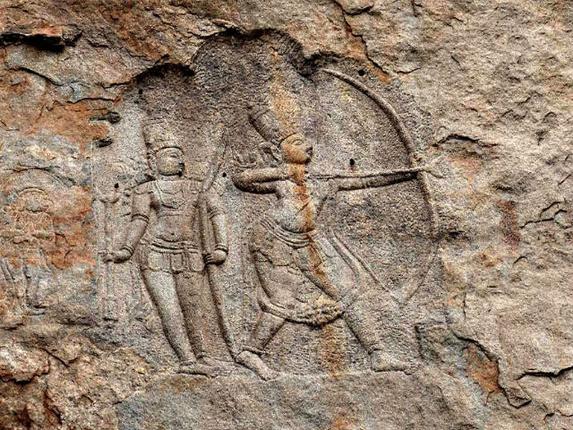
Rama, recently discovered in Hampi, Karnataka

4.British Collector who saw Lord Rama

During the British rule, Colonel Lionel Blaze was the collector of Chengalpattu District near Chennai. Madurantakam, a nearby town has a huge lake. Every year the monsoon rains filled the lake and many a time it overflew or its banks breached. During his collectorship between 1795 and 1799, Col. Blaze camped there to oversee the repairing of the banks. When he saw big granite pillars in the famous ancient Rama temple he told that it could be used for strengthening the banks of the lake. The priests objected to the proposal saying that Rama would protect the town. But the collector insisted that if God could protect the lake why it breached several times. But he wanted to wait and see what happens in the next few days’ rain. The lake was full to the brim. Worried collector was supervising the banks at the dead of night. Suddenly he saw a flash of light and there stood two people with bow and arrow walking on the banks of the lake. The rain also stopped and nothing untoward happened. The collector knew that it was Lord Rama and his brother Lakshmana who were guarding the lake. He had seen those pictures in the local temple. Collector Blaze’s name is in the inscription in the temple and the temple was renamed as Eri Kaatha Ramar in Tamil meaning ‘Rama who saved the Lake’ temple. It is on record that Col. Blaze along with Robert Clive had donated jewellery to the temples in that area including Kancheepuram.

Photos are used from news papers and face book friends;thanks

இரத்த ஓட்டத்தைக் கண்டுபிடித்தவர் யார்?

heartrelatedproblems

Research paper No 1947

Written by London swaminathan

Date: 22 June 2015

Uploaded in London at 9-12 காலை

இது என்னப்பா? எப்போது பார்த்தாலும் பழங் கதைகளைப் பேசிக் கொண்டு இருக்கீறீர்கள்?  எதைக் கண்டுபிடித்தாலும் இது எங்கள் இந்து மதத்தில் அன்றே சொல்லி விட்டோம்!! என்று அங்கலாய்த்துக் கொண்டு இருக்கிறீர்கள். இப்படி கதைத்துக் கதைத்து என்னதைக் கண்டீர்கள்? உங்கள் இந்து மதம் மொபைல் போனைக் கண்டுபிடித்ததா? இன் டெர் நெட்டைக் கண்டு பிடித்ததா? எங்கே உங்கள் நூல்களில் ஆதாரம் காட்டுங்கள். அட! அது சரி, தொலைந்து போகட்டும்! இனி அடுத்த 25 ஆண்டுகளில் என்ன நடக்கப் போகிறது என்பதையாவது சொல்லித் தொலையுங்களேன் – என்று உங்களில் பலர் நினைக்கலாம். இந்துக்களின் எதிர் காலக் கண்டு பிடிப்புகள் என்ற தலைப்பில் நான் ஒரு வருடத்துக்கு முன்பாகவே ஆங்கிலத்தில் 2 கட்டுரைகளை எழுதிவிட்டேன். படியுங்கள். நிற்க.

இரத்த ஓட்டத்தைக் கண்டுபிடித்தவர் வில்லியம் ஹார்வி (கி.பி 1578- 1657) என்று நாம் எல்லோரும் பள்ளிக்கூடத்தில் படித்தோம். அது தவறு. இரத்த ஓட்டம், இருதயத்தின் பணி ஆகியவற்றைக் கண்டு பிடித்தது இந்தியர்களே என்பது இப்போதைய மொழி ஆராய்ச்சியில் தெரியவந்துள்ளது.

சம்ஸ்கிருதத்தில் இதயத்தின் பெயர் ஹ்ருதயம். இதிலிருந்து “ஹார்ட்” என்ற ஆங்கிலச் சொல்லும் இருதயம் என்ற தமிழ்ச் சொல்லும் பிறந்தன. இந்தியாவிலுள்ள எல்லா மொழிகளும், ஐரோப்பாவிலுள்ள எல்லா பெரிய மொழிகளும் ஹ்ருதயம் என்ற சம்ஸ்கிருதச் சொல்லின் வடிவங்களையே பயன்படுத்துகின்றன. வேறு சொல் கிடையாது!!

ஹ்ரு — என்றால் உள்ளே இழு, த- என்றால் வெளியே கொடு, ய – என்றால் சுற்று. ஆக இந்துக்களுக்கு இந்த உடல் உறுப்பு இவ்வாறு ரத்தத்தை உள்ளே இழுத்து வெளியேற்றி சுழலச் செய்கிறது என்பது தெரிந்தே இப்படிப் பெயர் வைத்தனர். ஏனெனில் சம்ஸ்கிருதம் விஞ்ஞான ரீதியில் செம்மை செய்யப்பட்ட – பண்பட்ட மொழி. ஆகையால் எல்லா சொற்களும் 2700 ஆண்டுகளுக்கு முன், பாணீனி என்னும் மாமேதை பட்டியலிட்ட 2000 வேர்ச் சொற்களில் இருந்தே பிறக்கும். அகராதியே இல்லாமல் ஓரளவு அர்த்தத்தைப் புரிந்து கொண்டு விடலாம்.. எடுத்துக் காட்டாக மரங்களுக்குப் பல பெயர்கள் உண்டு. அதில் ஒரு பெயர் பாதபா: — அதாவது கால்களின் வழியே நீரைக் குடிக்கும் – என்பது பொருள். மரங்கள் கால்களின் / வேர்களின் – வழியே தண்ணீரை உறிஞ்சுகிறதல்லவா! ஆகவே இருதயம் என்பதற்குத் திடீரென்று புதுப் பொருள் கண்டு பிடித்துவிட்டதாக யாரும் குற்றம் சொல்ல முடியாது.சம்ஸ்கிருதத்தில் எல்லாச் சொற்களும் 2000 வினைச் சொற்களில் இருந்தே பிறந்தன.

இந்த விஞ்ஞான அணுகுமுறை அதர்வண வேதத்திலேயே இருக்கிறது. 2000 ஆண்டுகளுக்கு முன் உருவானதாகக் கருதப்படும் தொல்காப்பியத்தில் உயிரினங்களை ஆறுவகையாகப் பிரித்துப் பாடியிருக்கிறார். ஆனால் அதற்கு குறைந்தது ஆயிரம் ஆண்டுகளுக்கு முன்னரே தவரங்களைப் பலவகையாகப் பிரித்துப் பேசும் பாடலும் நோய்களைப் பலவகைப் படுத்தும் பாடல்களும் உள. இதே போல பிராணிகளையும் ஜராயுஜ, அண்டஜ, ஸ்வேதஜ, உத்பீஜ என்று நால்வகையாகப் பிரித்தனர். இன்று இவை எல்லாம் பயனற்றதாகத் தோன்றலாம் ஆயினும் அவர்களுடைய அறிவியல் சிந்தனைக்கு இவை எல்லாம் எடுத்துக் காட்டுகள் என்பதில் இரு வேறு கருத்துக்கு இடமே இல்லை. அவர்கள் தோற்றுவித்த இந்த அறிவியல்- ஆய்வியல் நோக்கு உலகம் முழுதும் பரவி இன்று மேலை நாட்டிற்குக் குடியேறிவிட்டது!!

நான் 45 ஆண்டுகளுக்கு முன் பி.எஸ்சி. பாடனி (தாவரவியல்) வகுப்பில் சேர்ந்தபோது எனக்கு லின்னேயஸ் என்பவர் உருவாக்கிய தாவரப் பகுப்பு முறை கற்றுத் தரப்பட்டது. அதற்கு முன் கிரேக்கர்கள் இத்துறையில் சில ஆராய்ச்சிகளைச் செய்திருந்தனர். அதற்கும் முன்பாக நாம் ஆராய்ச்சி செய்தோம். மாற்றம் என்பது இயற்கை நியதி. உலகில் எல்லாம் மாறிக் கொண்டே இருக்கும். அந்த வகையில் நாம் விதைத்த அறிவியல் வித்து வளர்ந்து பலன் தருகிறது.

பாரத நாடு 700 ஆண்டு முஸ்லீம் ஆட்சியிலும் 300 ஆண்டு கிறிஸ்தவ ஆட்சியிலும் இருந்தபோது (“ஆயிரம் வருஷ அன்பிலா அந்நியர் ஆட்சி”—சுப்ரமண்ய பாரதி) நமது ஆய்வுகள் எல்லாம் முடங்கிப் போயின. நூலகம் எல்லாம் தீக்கிரையாக்கப்பட்டன. அதன் விளைவே வெளிநாட்டினர் நம்மை முந்திச் சென்றமைக்குக் காரணம். ஆனால் அந்த அறிவு மழுங்கி விடவில்லை என்பதற்கு ஒரு சான்று — இன்று உலகம் முழுதும் நம்முடைய டாக்டர்களும் கணித மேதைகளும் கம்ப்யூட்டர் வல்லுநர்களும் வேலை செய்வதாகும்.

 atharva-veda-8

அதர்வண வேத தகவல்கள்!

நான்கு வகையான தாவரங்கள் இருக்கின்றன. அவையாவன: வனஸ்பதி-பெரிய மரங்கள்; வானஸ்பத்ய – சிறிய மரங்கள்; வீருத்த – கொடிகளும் புதர்களும் ஓஷதி- மூலிகைகள்.

மூலிகைகளை நான்கு வகையாகப் பிரிக்கலாம் என்று கல்பம் கூறும்:ஆதர்வணீ- சாந்தி மற்றும் பௌஷ்டிக கர்மாக்களில் பயன்படுபவை,  , ஆங்கிரஸி- மயக்கம் கொடுக்கவும், ஆளைக் கொல்லவும் பயன்படும் தாவரங்கள், தைவி –மனிதர்களுக்கு நரை, மூப்பு, மரணம் வராமல் பாதுகாக்கும் மூலிகைகள், மனுஷ்யஜா- நோய் தீர்க்கும் மருந்துகள்.

கோணல் பார்வையும், காமாலைக் கண்களும்,மனத்தில் கருப்பும், மனைவி மீது கணவனுக்கே சந்தேகம் உண்டாக்கும் ஜோடனைகளில் வல்லவர்களுமான வெளிநாட்டுக்காரர்கள் நம்முடைய பங்கு பணியை எல்லாம் மட்டம் தட்டிவிட்டனர்.

அதர்வண வேதம் ஒன்பது வகையாக ஜுரம்—காய்ச்சல் பற்றியும் கூறுகிறது. இப்படி பிரித்துப் பார்த்ததே அவர்கள் இத்துறையில் எவ்வளவு காலம் ஆராய்ச்சி செய்திருக்க வேண்டும் என்பதைக் காட்டும்:

ரூர:, சியவ:, நோதன:, த்ருனு:,  சீதா:, பூர்வக்ரத்வாத், அந்யேத்யு, உபவேத்யு, அவ்ரதா: என்பன அவை.

அதர்வனம்

டாக்டர் கடவுள்!

உலகில் வேறு எந்த மத நூலும் கடவுளை டாக்டர் என்று வருணிக்கவில்லை. ஆனால் இந்து மதவேத வேதங்கள் இந்திரன், ருத்ரன், அக்னி முதலிய தெய்வங்களை (பிஷக்), அதாவது மருத்துவன் என்று பாடுகின்றன. அவன் உடல் நோய்க்கு மட்டுமின்றி, பிறவி என்னும் நோய்க்கும் மருந்து ஆனவன்!

அபாலா என்பவளின் மலடித்தனமையைப் போக்கியதாக வேதங்களில் இந்திரன் புகழப்படுகிறான்.

அஸ்வினி தேவனைத் தான் வேதங்கள் மிகவும் புகழ்கின்றன. முதுமையைப் போக்கி இளமை தருபவன், விஸ்பலா என்பவளுக்கு செயற்கைக் கால் தந்ததாக அஸ்வினி தேவர்கள் புகழப்படுகின்றனர்.

மருத்துக்கள் எனப்படும் வாயு தேவனுக்கு மலைகளில் வளரும் அத்தனை மூலிகைகளும் தெரியும் என்றும் வேதங்கள் துதிபாடும்

இவை எல்லாம், அக்காலத்தில்  மக்களின் உடல்நலத்தில் எவ்வளவு அக்கறை இருந்தது என்பதைக் காட்டும். இதே போல சோமரசம் என்பதும் பல நோய்களுக்கு மருந்தாக விளங்கியது. மனோசுத்த சோமயாஜி என்று ஒரு பார்ப்பனனைப் புகழிகிரது பாண்டியர் செப்பேடு. ஆகவே இன்றைய மருத்துவத்தின் தந்தை ஹிப்போக்ரடீஸ் அல்ல, தன்வந்திரியே என்று அடித்துச் சொல்லலாம்.

(மேல் விவரங்களுக்கு இது பற்றிய ஆங்கிலக் கட்டுரையை நாடவும்)

Indian Poets’ favourite topic: Instability of Riches,Youth and Body

kuruvi weaver bird

Picture of Bird and nest

Research paper No 1946

Written by London swaminathan

Date: 21 June 2015

Uploaded in London at 18-32

Saints and the Poets of India from the Himalayas to Kanyakumari have sung about one theme with the same tune, from the Bhagavad Gita to Bharati, the great Tamil poet, from Adi Shankara to Tiruvalluvar, the famous Tamil poet, all of them used the same similes, same words and same concerns. It is their most favourite topic. Hundreds of proverbs are available in every Indian language on the theme.

Though we find such references in other cultures Indians are unanimous in urging the public to do some charity before they leave the world and to do something to get out of the cycle of birth and death. This is absent in Abrahamic (Semitic) religions. This shows that the Indians are united in their thought. They are not divided on racial lines as propagated by the vested interests.

Poets of India deal with the instability of youth, riches and the body. Here are some examples from the two ancient languages of India, Sanskrit and its younger sister Tamil:

1.In this world of transmigratory existence, impermanence is the only permanence (Katha Sarit Sagara)

Aasamsaaramjagatyasminnekaa nityaa hyanityataa

2.Who can pity whom with this bubble like body? (Valmiki Ramayana 4-21-3

Kasca kasyaanusocyosti dehesmin budbudopame

bubliny

Picture of Bubbles

Tamil poem Naladiyar also use the same bubble simile:

Who are there in this wide world who can be compared to those men of profound wisdom, who look upon the body as nothing more than a thing which like the bubbles caused in the falling rain many a time vanishes, and who in consequence determine to rid themselves of the evil of births?

3.Joy and sorrow come and go like a revolving wheel (Yoga Vasistha and Hitopadesa 1-174

Chakravath parivaratante  duhkhaani ca sukhaani ca

This wheel simile is also used by most of the poets. Life is full of ups and downs. It goes up and comes down like a wheel.

rainbow

Picture of Rainbow

Our body is like a Rainbow

4.Life is like an autumnal cloud (Kahavat Ratnakar)

Jiivanam saradabhravat

The first verse in Naladiyar compared the body to a rainbow. The poet Padumanar says, Knowing that our body is as unstable as the rainbow that appears in the sky, I prostate before you and invoke the God, whose feet do not touch the earth, that the objects in my view may be well accomplished (Hindus believe that the feet of Devas (Extra Terrestrials) never touch the earth.

5.Everything born is transient

Sarvamutpaadi bhanguram

This is in the Bhagavad Gita (2-27)

Jatasya hi dhruvo mrtyur

Dhruvam janma mrtyur ca

For to the one that is born death is certain and certain is birth for the one that has died.

Bird and Nest: Soul and Body

The most famous Tamil poet Tiru valluvar in his Tirukkural, which is considered the Veda in Tamil language, summarises the Hindu teachings beautifully well in 100 couplets in some chapters such as impermanence, penance, virtue, charity, vegetarianism, renunciation, purity, realization, desire and fate.

He says

“Wealth is of a transitory nature; therefore one should seize the opportunity to do charity when one gets it “(Kural 333)

“The affinity of the body and the soul is like is like that of the egg and the chick within. The soul departs from the body even as the chick deserts the egg”. This is in Naladiyar, another Tamil book

Lord Krishna compared this to changing garments (2-22)

“Just as a person casts off the worn out garments and puts on others that are new, even so does the embodied soul cast off worn out bodies and take on others that are new.”

Katha Upanishad (1-6) gives the same message with corn simile:

“Like corn a mortal ripens and like corn he is born again”.

“The characteristic feature of the world is the transistorines of life. The disappearance today of one who existed yesterday is a common occurrence”. This is in Yaksha Prasna of Mahabharata as well.

IMG_1187 (2)

Picture of Wheel

World is a Drama Theatre

Another famous simile is comparing the world to a drama theatre and the people to actors who leave the stage when the drama is over.

“Great wealth is gradually accumulated like the audience tickling in to witness a show

But its disappearance will be instantaneous, also as it happens after a show”-  -Kural 332

It is in Bhartruhari’s Neeti Satakam

Tamil anthology Purananuru 29 has also referred to the filling up and emptying of the show-arena to bring out the impermanence of the world.

Shakespeare in his Play As You Like it, says

“All the world’s a stage, and all the men and women merely players; They have their exits and their entrances, And one man in his time plays many parts, His acts being seven ages. At first, the infant, mewling and puking in the nurse’s arms”.

We come across similar similes in Viveka chudamani 292 and Bhagavad Gita 18-61

Great men think alike!

கலாப மயில் பெருமை!

mayil kuttam

Article No 1945

Written by S NAGARAJAN

Date: 21st  June 2015

Uploaded in London at 6-19 am

By ச.நாகராஜன்

அருணகிரிநாதர் அருளிய நூல்கள்

முருகனின் அனைத்துப் பெருமைகளும் சொல்லில் அடங்கா. ஆனால் அருணகிரிநாதர் அந்தப் பெருமைகளில் பெரும்பாலானவற்றைத் தன் பதினாறாயிரம் திருப்புகழ் பாடல்களில் பாடி வைத்துள்ளார். இன்று நமக்குக் கிடைத்திருப்பதோ சுமார் 1311 பாடல்கள் மட்டுமே!

திருப்புகழுடன் அருணகிரிநாதர் அருளியுள்ள இதர நூல்களாவன:-

கந்தர் அந்தாதி    (நூறு செய்யுள்கள்)

கந்தர் அலங்காரம் (நூறு பாடல்கள்)

கந்தர் அநுபூதி    (51 செய்யுள்கள்)

திருவகுப்பு (மொத்தம் 18 வகுப்புகள்)

வேல் விருத்தம்

மயில் விருத்தம்

சேவல் விருத்தம்

திரு எழு கூற்றிருக்கை


சிவத்தின் சாமி, நாம் புரியும் பிழை பொறுக்கும் சாமி

முருகனை அவர் விவரிக்கும் அழகை உணர இரு பாடல்களை மட்டும் இங்கு காண்போம்.

புவிக்குள் பாதமதை நினைபவர்க்கு எனத் தொடங்கும் திருப்புகழில் இறுதிப் பகுதி இது:-

சிவத்தின் சாமி, மயில்மிசை நடிக்கும் சாமி, எமதுளெ

சிறக்கும் சாமி, சொருபமி   தொளிகாணச்

செழிக்கும் சாமி, பிறவியை ஒழிக்கும் சாமி, பவமழை

தெறிக்கும் சாமி முனிவர்க ளிடமேவுந்

தவத்தின் சாமி, புரிபிழை பொறுக்கும் சாமி, குடிநிலை

தரிக்கும் சாமி, அசுரர்கள்     பொடியாகச்

சதைக்கும் சாமி, எமை பணி விதிக்கும் சாமி, சரவண

தகப்பன் சாமி என வரு                 பெருமாளே!

எப்படி? இனிய தமிழ். எளிய தமிழ். அரிய கருத்துக்கள்.

புரிபிழை பொறுத்து நம்மைக் காக்கும் முருகப் பிரானின் அருமைகளை சில வார்த்தைகளில் சொல்லி அருள்கிறார் அருணகிரிநாதர்.

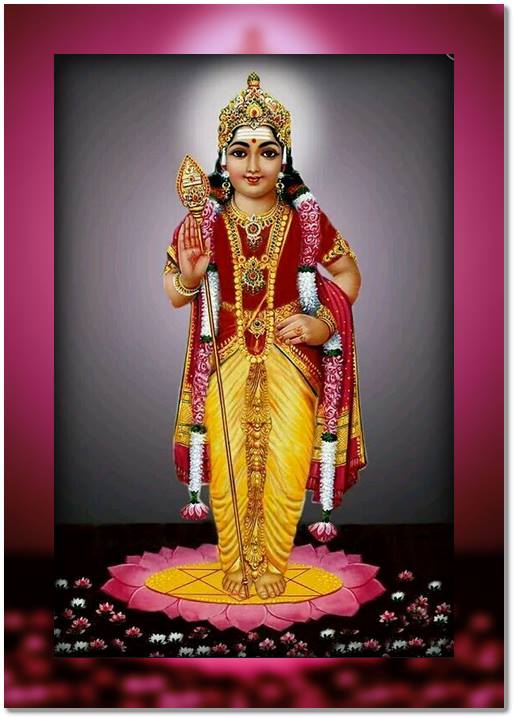
murugan by akila k

வரோதயன்

மயில் விருத்தத்தில் பத்தாவது பாடலில் முருகப் பெருமானின் திருநாமங்கள் அருமையாக தொகுத்துக் கூறப்படுவதைக் காணலாம்.

நிராசத – ராஜஸ குணம் இல்லாதவர்

விராசத – ராஜஸ குணத்திற்கு மாறுபட்ட சத்வ குணம் உடையவர்

வரோதயன் – வர உதயன் – வரங்களுக்கு உறைவிடமானவர்

பராபரம் – மிக மேலான பரம் பொருள்

நிராகுலன் – நிர் ஆகுலன் – துன்பம் இல்லாதவர்

நிராமயன் – நிர் ஆமயன்  (ஆமயம் என்றால் நோய்) நோய் இல்லாதவர்

பிரான் – பிரியான் என்பதன் சுருக்கம் பிரான் ( உயிர்களை விட்டு ஒரு போதும் பிரியாதவர்)

நிலாதெழுதலாலலறமிலானெறி யிலான் —

அறமிலான், நெறியிலான் நிலாது எழுதலால் என மாற்றிப் பார்த்தால் வரும் அர்த்தம் – அறமில்லாதவர்களும் நெறியில்லாதவர்களும் முருகன் திருவடியில் நில்லாது விலகி விடுகிறார்கள்.

ஆக முருகனைத் தொழுவதற்கே ஒரு அடிப்படைத் தகுதி தேவையாக இருப்பதைக் காணலாம். முருக பக்தர்கள் அறநெறி தவறாது வாழ்பவர்கள், புண்ணியசாலிகள் என்பதை அறியலாம்.

நெறி நிலாவிய உலாச இதயன் – நன்னெறிகள் தம்மிடம் விளங்க மகிழ்வுடன் கூடிய உள்ளத்தைக் கொண்டவர்.

இப்படி அரும் பெயர்களைச் சுட்டிக் காட்டும் பாடல் இது தான்:-

நிராசத விராசத வரோதய பராபர

நிராகுல நிராமய பிரான்

இலாதெழு தலாலற மிலானெறி யிலானெறி

நிலாவிய உலாசவி தயன்

குராமலி விராவுமிழ் பராரை யமராநிழல்

குராநிழல் பராவு தணிகைக்

குலாசல சராசர மெலாமினி துலாவிய

குலாவிய கலாப மயிலாம்

புராரிகுமரா குருபரா வெனும் வரோதய

புராதன முராரி மருகன்

புலோசமசை சலாமிடு பலாசன வலாரிபுக

லாகுமயிலாயுதன் நெடுந்

தராதல கிராதர்கள் குலாதவபி ராமவல

சாதனன் விநோத சமரன்

தடாரி விகடாசுரன் குடாரித படாதிகழ்

ஷடாநநன் நடாவு மயிலே

அற்புதமான இந்தப் பாடலில் மயிலின் பெருமை தெரிகிறது.

mayil 1

“திரிபுரத்தை எரித்த சிவபெருமானுடைய குமரனே! குருமூர்த்தியே என்று புகழ்ந்த, வரங்களுக்கு இருப்பிடமானவனும், பழையோனும் ஆகிய திருமாலின் திருமருமகன், கிளி போன்ற இந்திராணி, வணங்குகின்ற இந்திரனுக்கு புகலிடமாகிய வேலாயுதக் கடவுள், நீண்ட, பூமியில் உள்ள, வேடர்கள், குலத்துக்கு சூரியனைப் போல மாப்பிள்ளையாய் வந்த அழகராம் வல்லமையைச் சாதித்தவன், விளையாட்டாகப் போர் புரிகின்றவர், கிரவுஞ்ச மலைக்குப் பகையாக இருப்பவர், தொந்தரவு தந்த அசுரனாகிய சூரனை (சூர்மாவை), வெட்டித் தள்ள கோடாரி போல இருந்தவர், மகிழ்ச்சியுற்று விளங்குகின்ற ஆறு திருமுகங்களை உடையவர், நடத்துகின்ற மயில் தான்  இராஜஸ குணம் இல்லாதவர், சத்வ குணத்தை உடையவர், வரங்களுக்கு இருப்பிடமானவர், மேலான பரம்பொருள், வருத்தம் இல்லாதவர், நோயற்றவர், உயிர்களை விட்டுப் பிரியாதவர், அறமில்லாதவனும் நெறியில்லாதவனும் தம்மிடத்தில் சாராது, விளங்குவதால், நன்னெறியில் விளங்குகின்ற, மகிழ்ச்சியுடன் கூடிய, உள்ளத்தை உடையவர், குராமரத்தில் நிறைந்து கலந்து வெளித் தோன்றும் பருத்த அடிப்பாகத்தில் (திருவிடைக்கழியில்) அமர்ந்து, ஒளி பொருந்திய குரா  மரங்களின் நிழல் மிகுந்துள்ள தணிகை என்கின்ற சிறந்த மலை முதலாக அசைவன, அசையாதனவாகிய எல்லாவற்றிலும் இனிது உலாவிய களித்த தோகை மயில் ஆகும்.”

இதுவே கிருபானந்தவாரியார் தரும் செய்யுளின் பொழிப்புரை. ஆறுமுகன் நடத்தும் மயில் உலகெலாம் உலாவி உவக்கும் பெருமையை உடையது.

சலாம் என்ற வார்த்தை பிரயோகமும் இந்த செய்யுளில் அமைந்திருப்பதைக் காணலாம்.

முருகனின் அழகை மயில் விருத்தம் மூலமாக அறியும் போது மனம் மிக மகிழ்கிறோம்.

இதே பிளாக்கில் லண்டன் சுவாமிநாதன் எழுதிய திருப்புகழ்ஆராய்ச்சிக் கட்டுரைகளையும்   படியுங்கள்:–


சலாம் முருகா! சலாம் முருகா! அருணகிரிநாதரின் தனி வழி!! —வெளியிட்ட தேதி ஜூன் 25, 2014

அருணகிரிநாதருடன் 60 வினாடி பேட்டி – வெளியிட்ட தேதி ஜனவரி 16, 2012

சம்பந்தருக்கு அடிமை அருணகிரிநாதர்— வெளியிட்ட தேதி ஜனவரி 17, 2013

டாக்டர் முருகனும் ‘பேஷண்ட்’ அருணகிரிநாதரும் – வெளியிட்ட தேதிஜனவரி 15, 2013

தனிமையில் இனிமை –அருணகிரிநாதர் — வெளியிட்ட தேதி ஜனவரி 14, 2013

திருப்புகழ் நெருப்பு என்று அறிவோம் யாம் – வெளியிட்ட தேதி ஜனவரி22, 2013

நரகத்துக்குப் போவோர் பட்டியல் – வெளியிட்ட தேதி ஜனவரி 23, 2013

தமிழில் திட்டத் தெரியுமா? வசைபாடுவது எப்படி? —வெளியிட்ட தேதிஜனவரி 21, 2013

((படங்கள் முக நூல் நண்பர்களனுப்பியவை;நன்றி உரித்தாகுக:சுவாமி))

***************

Plato used Hindu Microcosm and Macrocosm!

earth

Research paper No 1944

Written by London swaminathan

Date: 20th June 2015

Uploaded in London at 21-50

‘Yat Pinde tad Brahmaande’

It is a well-known fact that Alexander the Great developed great interest in Hindu ascetics because of his mentor Aristotle who was trained in Plato’s Academy. Plato and his Guru Socrates were interested in Hindu Upanishads. Vegetarianism, Rebirth, Upanishadic question and answer method (which the westerners named as Socratic Method later) and several other Hindu principles entered the Greek world through these people. Since Hindus migrated to Greece and other European countries long before Socrates and Pythagoras, we find lot of Sanskrit and Tamil words in Greek language (I have already given the list of Tamil words in Greek in my earlier post).

Vedic dog story (Sarama=Hermes), Five elements (Pancha Bhuta, Earth is Mother (Gaia = Atharva Veda—Mata Bhumi Putoham) and hundreds of things were borrowed by the Greeks from India. Max Muller also acknowledged it. But not many people know the concept of microcosm and macrocosm also went to Greece from India.

Tamils say that “Andaththil Ullathu Pindathilum Ullathu” = What is found in the Universe is in your Body.  Yat Pinde Tad Brahmaande is the Sanskrit saying. Sufi Muslims, who are 50 percent Hindus in their approach to spiritualism, also had similar principle.

kircher_079-694x1024

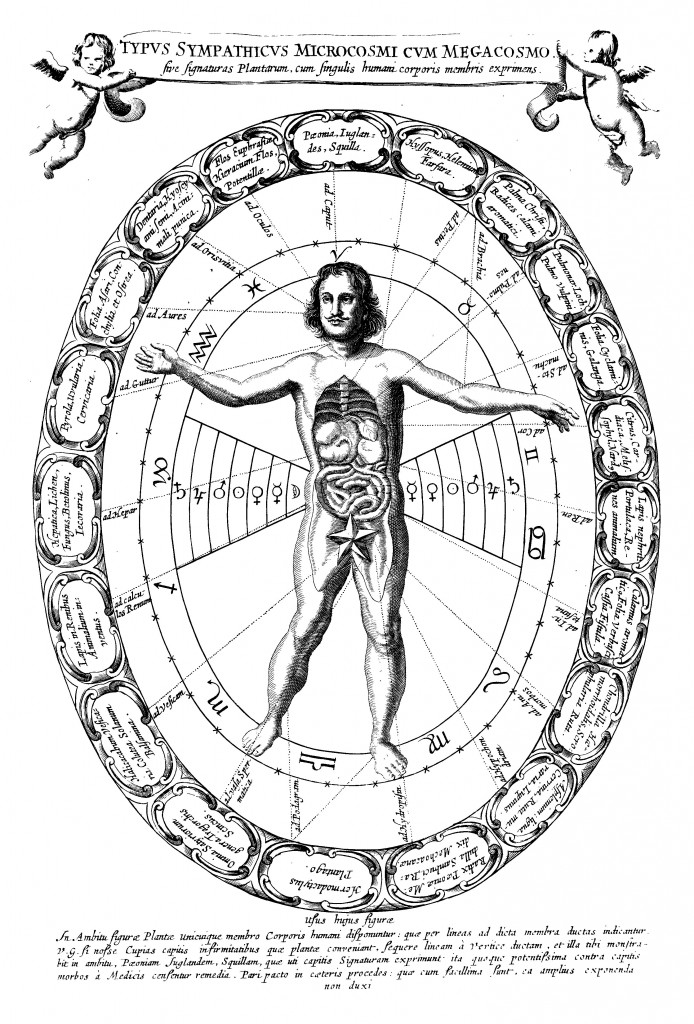
Microcosm and Macrocosm

Microcosm means ‘little world’. Greeks applied it to man. They considered man as a world in miniature like the Hindus. Macrocosm means the earth or the whole universe.

Sanskrit scholar Radha Vallabh Tripathi, in his article ‘Vedic World View and Modern Science’, says,

“The scientists who attempted to see the atom found a world within it that could not be described in ordinary language. They saw everything within the atom – the speed, energy, waves and matter all mixed. They found that if they could know the atom, they could know the whole truth of the cosmos. Yat pinde tad Brahmande  – that which is in microcosm is in the macrocosm – that is what the ancient seers of the Upanishads had said  — One is in all, All is in one. This is the essence of Quantum theory also. The entire universe is inter- connected, inter-related and inseparable. In the same way, connection between modern physics and Indian mysticism has also become inseparable.

The matter inside an atom cannot be said to be moving nor can it be said to be static. This is how the Upanishads describe the Ultimate reality. “It is neither gross, nor fine, neither short nor long, neither growing red like fire, nor fluid like water, neither shadow, nor darkness, neither air nor space, unattached, without taste, without smell,  without eyes, without ears, without voice, without mind,  without radiance, without breath, without mouth, without measure, having no within and no without. It eats nothing, nothing eats it (Brihad Aranyaka Upanishad III.8.8, translated by Dr S Radhakrishnan). This is the oldest of the Upanishads dated to 850 BCE.

It says

“It is full, this is full, from fullness, fullness proceeds. If we take away the fullness of fullness, even fullness then remains (ibid.V.2.1)

It is unmoving; it is one and it is faster than mind. (Isopanishad)”.

The more we understand science the better we understand our Vedas. Light is the fastest thing in the universe according to physics. But Hindus believe that Mind is faster than anything else. Mind can travel to a star 500 million light years away in a fraction of a second. The power of thought is not fully understood by the western scientists yet.

Global human chain

Chandogya Upanishads:

1.   Om. There is in this city of Brahman an abode, the small lotus of the heart; within it is a small akasa. Now what exists within that small akasa, that is to be sought after, that is what one should desire to understand.

  1. “As far as, verily, this great akasa extends, so far extends the akasa within the heart. Both  heaven and earth are contained within it, both fire and air, both  sun and moon, both lightning and stars; and whatever belongs  to him (i.e. the embodied creature) in this world and whatever  does not, all that is contained within it (i.e. the akasa in the  heart).”

-Chandogya Upanishad, 8-1-1/3

“Indian thought conceived an intimate unity between the macrocosm of nature and microcosm of the human body, between the ‘Adibhautika’ and the ‘Adhyaatmika’ aspects of nature; the latter is an epitome of the former. The gods thus represent not only the forces of external nature mythically conceived, but also the sensory and thought forces within the man” – says Swami Ranganadananda (The Message of the Upanishads).

Vedanta upholds the unity of the macrocosm and the microcosm. Swami Vivekananda says,

“The whole of the universe is built upon the same plan as a part of it.  So, just as I have a mind, there is a cosmic mind. As in the individual, so in the universal. There is the universal gross body; behind that there is a universal fine body; behind that a universal mind; behind that universal intelligence. And all this is in nature, the manifestation of nature, not outside of it”.

In another talk, he says,

Truth may be one and yet many at the same time, that we may have different visions of the same truth from different stand points. Just as nature is unity in variety an infinite variation in the phenomenal – as in and through all these variations of the phenomenal runs the infinite, the Unchangeable, the Absolute Unity, so it is with every man; the microcosm is but a miniature repetition of the macrocosm; in spite of all these variations, in and through them all runs this eternal harmony, and we have to recognise this”.

garudapurana

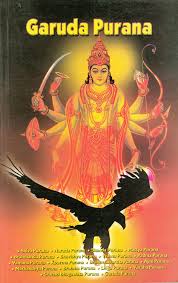
Garuda Purana

In layman’s term we can compare the rivers on the earth to blood vessels in the human body, mountains to chest and plants to hairs etc.

Garuda Purana has a lengthy comparison:

Garuda Purana compares the 14 lokas – 7 worlds under and 7 worlds up – to parts of the body from foot to head; E.g.sole-Atalam, head- Satya lokam.

Then it compares it 7 Dwipas – from Jambu Dwipa to Pushkara Dwipa to other parts of body.

Then it compares the seven seas to seven liquids in body such as urine to salt sea, water to milky ocean, blood to curd sea etc. These seven seas are listed in all our Puranas/ mythologies.

It continues comparing the two chakras in the body Nada Chakra to sun and Bindu chakra as moon. Other seven planets are also compared with eyes ( Mars), Heart (Mercury), Mouth (Jupiter), Semen (Venus), Belly Button (Saturn), Face (Rahu) and Leg (Ketu).

We may not know the link between each part of the body and different things. But the interesting thing is that Hindus saw the entire universe in human body. The universe is divided into 14 worlds in Hindu mythology. Neither the Greeks nor any other culture has gone to this extent in the subject of microcosm and macrocosm. Since Upanishads were written before the Greeks started writing, it is certain that they borrowed this idea from us along with the principle of Panchabhuta/five elements.

Sufi Saints

Philosopher and ex President of India Dr S Radhakrisnan says (on Sufism),

“The one aim of all the orders was to lead men along the path whose goal is the realization of the unitive state. The theory is that man is the microcosm, in contrast to the universe the macrocosm, contains within himself the elements of the world of command (Alam-I-amr) and the world of creation (Alam—Khalq). The first is the world of spirit and the second of matter. The five spiritual elements in man are heart, soul, consciousness, the hidden, the deeply hidden. The five material elements are ego and the four elements – earth, water, fire and air (History of Philosophy: Eastern and Western, Edited by Sarvapalli Radhakrishnan)

ஹிட்லரும் சோதிடரும், புத்திசாலி சோதிடர்

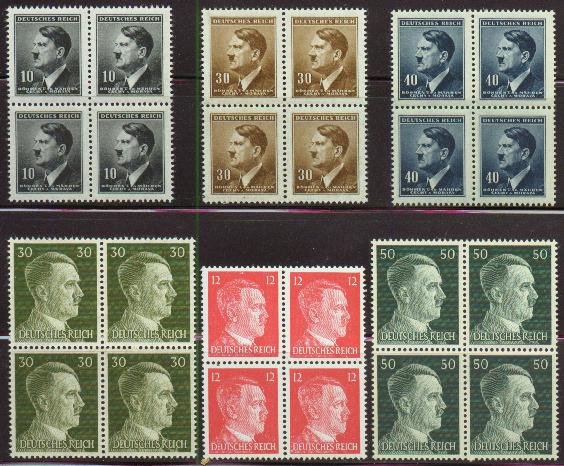
4x4hitlerstamps

Post No 1943

Date: 20 June 2015

Compiled by London swaminathan

Uploaded from London at 13-51

ஹிட்லர் ஒரு சோதிடப் பைத்தியம்; நிறைய ஆரூடம் சொல்லுவோர், குறி சொல்லுவோர், எதிர்காலம் உரைப்போர், ஜாதகம் பார்ப்போர் என்று பலரையும் அணுகி சோதிடம் கேட்பது வழக்கம். அதை வைத்து எழுந்த ஒரு ஜோக்:

ஒரு சோதிடர் ஹிட்லரைச் சந்தித்தார். நான் எப்போது சாவேன்? என்று கேட்டார்.

மிகவும் இக்கட்டான கேள்வி; சோதிடர் மிகவும் புத்திசாலி. மிகவும் யோசித்து விட்டு, பல கணக்குகளைப் போட்டுப் பார்த்துவிட்டு சொன்னார்:

நீங்கள் ஒரு யூதமத விடுமுறை நாளன்று இறப்பீர்கள் என்று.

ஹிட்லருக்கு மஹா கோபம்; அது சரி யூதர்களுக்குப் பல விடுமுறை நாட்கள் உண்டு; நான் எந்த நாளில் சாவேன்? நீங்கள் மறைக்கப் பார்க்கிறீர்கள்; உண்மையைச் சொல்லுங்கள் – என்று உரத்த குரலில் சொன்னார்.

சோதிடர் பதில்:

அன்பரே! நீங்கள் சாகும் நாள்தான் யூதர்களின் பெரிய விடுமுறை நாள்!!

(இந்த ஜோக்கைப் புரிந்து கொள்ள ஹிட்லர் – யூதர் மோதல் பற்றி அறிந்திருக்க வேண்டும்)

இதோ ஒரு உண்மைச் சம்பவம்:—–

kili-7

புத்திசாலி சோதிடர்

சுமார் 600 ஆண்டுகளுக்கு முன்பு, பதினோராம் லூயி என்பவர் பிரான்ஸ் நாட்டை ஆண்டார். அவர் ஒரு சோதிடப் பிரியர். அவருடைய மனைவி மீது அலாதிப் பிரியம் அவருக்கு. ஒரு முறை மனைவியின் எதிர்காலம் பற்றிக் கேட்ட போது, ஒரு ஜோதிடர் அவர் சாகப் போகும் நாளைத் துல்லியமாகச் சொல்லிவிட்டார். அந்த நாளில் ராணி இறந்தும் போனார்.

ராஜா லூயிக்குச் சந்தேகம். ஒருவேளை, இந்த ஜோதிடன் வாய் வைத்த முகூர்த்தம்தான் என் மனைவியைக் கொன்றுவிட்டதோ; இந்தப் பயலுக்கு கரு நாக்கு போலும்; அவனை நன்றாகத் தண்டிப்போம் என்று கருதி ஜோதிடரை அரண்மனைக்கு அழைத்தார். ஆளை ஜன்னல் வழியாகத் தள்ளிவிட வேண்டும்; ஜோதிடர் செத்துத் தொலையட்டும் என்று திட்டம் போட்டிருந்தார்.

மஹாராணி இறந்தவுடன் திருப்பி ஒரு முறை மன்னன் அழைப்பதில் ஏதோ சூது இருக்கவேண்டுமென்று ஜோதிடரின் உள்ளுணர்வு உணர்த்தியது.

முக்காலமும், எக்காலமும் அறியும் ஜோதிடன் அவன். ஆகையால் ஜாக்கிரதையாக இருப்போம் என்ற எண்ணத்துடன் அரண்மனையில் நுழைந்தார்.

ராஜாவுக்கு அதற்குள் ஒரு நப்பாசை. நாம் இறக்கும் நாளையும் தெரிந்து கொள்வோம் என்று எண்ணி, “ ஜோதிடரே! நான் என்று சாவேன்? என்று கேட்டார்.

மன்னனுக்கு ஜோதிடத்தில் உள்ள ஆர்வம் குறையவில்லை என்பதை அறிந்த ஜோதிடர், மன்னர் மன்னவா! இதோ கணக்குப் போட்டுச் சொல்கிறேன் என்று அரை மணி நேரம் கணக்கெல்லாம் போட்டுவிட்டு,

“நான் செத்த மூன்றாவது நாள் தான் நீங்கள் சாவீர்கள்”— என்று மன்னரிடம் சொன்னார்.

அரசனுக்கு பயம் வந்துவிட்டது. ஜோதிடரைச் சாகாமல் பார்த்துக்கொள்ள வேண்டும் என்று எண்ணி அவருக்கு அபரிதமான செல்வத்தையும் வசதிகளையும் வாரி வழங்கி அவரை தினமும் பாதுகாப்பாக வைத்தார்!

வாயுள்ள பிள்ளை பிழைக்கும் – என்பது பழமொழி!!

Reward for beating Guru!

Samarth-Ramdas-Shivaji-Maharaj

Post No 1942

Date: 19 June 2015

Compiled by London swaminathan

Uploaded from London at 10-36 am

Samarth Ramdas was once going with his disciples to meet Shivaji. On the way they rested under a big tree. The disciples feeling hungry, entered the sugar cane fields nearby without the owner’s permission, cut some sugarcanes which they brought for their Guru. Hearing about the trespass and not knowing who the saint was, the landlord came there and in a fit of anger, took hold of a sugarcane and thrashed the Guru and his disciples, who took the blows coolly and proceeded on their way. Reaching Sivaji’s palace, they did not mention this incident to anyone.

When Samarth Ramdas was given a bath by Shivaji, he saw red stripes on saint’s back and enquired of him about it. The saint brushed aside the topic. But the royal disciple pursued his enquiry and learnt the truth from others. He sent for the owner of the sugarcane fields, who was soon brought before Shivaji and Samarth Ramdas when they were sitting together.

On seeing the landlord, the saint asked the king why he was ordered to come there. Shivaji replied that the wrong-doer who inflicted injury on the saint and his disciples must be punished.

Samarth Ramdas then said: “The owner of the sugar-cane field has done no wrong. He was quite right in belabouring us as he did. We had no right to enter his field and cut the canes without his permission as we did. So he must not be punished; nay, as compensation for his loss of sugar-cane, for the trouble of coming here and the anxiety caused by the fear of punishment, you must grant him a gift of five villages”. Thus he who expected punishment for beating the saint was not only forgiven but also given a rich reward.

saint-ramdas-shivaji

Saints always forgive! They are full of mercy!!

சகல கலா வல்லவன் யார்? – பார்வதியின் தீர்ப்பு!

muruga beautiful most

Post No 1941;

Date: 19  June 2015

Written  by ச.நாகராஜன்

Uploaded from London at காலை 8-41


இதே பிளாக்—கில் லண்டன் சுவாமிநாதன் எழுதிய கீழ்கண்ட திருப்புகழ் ஆராய்ச்சிக் கட்டுரைகளையும் படியுங்கள்:–

அருணகிரிநாதருடன் 60 வினாடி பேட்டி – வெளியிட்ட தேதி ஜனவரி 16, 2012

சம்பந்தருக்கு அடிமை அருணகிரிநாதர்— வெளியிட்ட தேதி ஜனவரி 17, 2013

டாக்டர் முருகனும் ‘பேஷண்ட்’ அருணகிரிநாதரும் – வெளியிட்ட தேதி ஜனவரி 15, 2013

தனிமையில் இனிமை –அருணகிரிநாதர் — வெளியிட்ட தேதி ஜனவரி 14, 2013

திருப்புகழ் நெருப்பு என்று அறிவோம் யாம் – வெளியிட்ட தேதி ஜனவரி 22, 2013

நரகத்துக்குப் போவோர் பட்டியல் – வெளியிட்ட தேதி ஜனவரி 23, 2013

தமிழில் திட்டத் தெரியுமா? வசைபாடுவது எப்படி? —வெளியிட்ட தேதி ஜனவரி 21, 2013

சலாம் முருகா! சலாம் முருகா! அருணகிரிநாதரின் தனி வழி!! —வெளியிட்ட தேதி ஜூன் 25, 2014

Xxx xxx


சகல கலா வல்லவன் யார்? – பார்வதியின் தீர்ப்பு!

By ச.நாகராஜன்

சகல கலை முழுதும் வல்ல பெருமாள்

சகல கலைகளிலும் வல்லவர் யார்?

முருகனே என்று அறுதியிட்டு உறுதி கூறுகிறார் அருணகிரிநாதர்.

அளகநிரை குலையவிழி என்று தொடங்கும் பாடலில்,

“தரளமணி வடமிலகு குறவர்திரு மகள்கணவ                             

சகலகலை முழுதும் வல பெருமாளே”

என்று கூறுகிறார்.


பார்வதியின் தீர்ப்பு

அல்லசலடைந்த என்று தொடங்கும் பாடலில்,

“கல்லசல மங்கை யெல்லையில் விரிந்த                                        

கல்விகரை கண்ட                                  புலவோனே                  

கள்ளொழுகு கொன்றை வள்ளல் தொழ அன்று                                     

கல்லலற வொன்றை                                யருள்வோனே

என்ற அற்புதமான சொற்களால் ஒரு ரகசிய வரலாற்றை அவர் விவரிக்கிறார்.

கல்–அசலம் என்றால் இமயமலை என்று பொருள். கல்லசல மங்கை இமயமலை மங்கையான பார்வதியைக் குறிக்கும்.

பார்வதி தேவியின் எல்லை மட்டும் எட்டின கல்வி விஷயம் பற்றிய சுவையான வரலாறு உண்டு.

murugan near B angauru

ஒரு முறை சகல கலைகளிலும் வல்லவர் யார் என்ற கேள்வி எழுந்தது. முதலில் அனைவரும் ஔவை பிராட்டியே அனைத்தும் அறிந்தவர் என்று தீர்மானித்து அவரை அணுகி வித்யா தாம்பூலத்தை அளித்த போது அதை அவர் வாங்க மறுத்து விட்டார்.


ஐந்திர வியாகரணம் இயற்றிய இந்திரனைப் போய்ப் பாருங்கள். அவனிடம் இதை அளியுங்கள் என்றார் அவர்.


இந்திரனோ அகத்தியரே இதை வாங்குவதற்குத் தகுதியானவர் என்றான்.


அகத்தியரோ சகலகலைகளிலும் வல்ல சரஸ்வதி தேவி அல்லவா இதைப் பெறுவதற்குத் தகுதி உள்ளவள். அங்கு செல்லுங்கள் என்றார்.

சரஸ்வதி தேவியோ, அன்னை பார்வதி தேவி இருக்க இதை நான் வாங்குவது முறையல்ல. நான் கற்றது கைம்மண் அளவே என்றாள்.

அனைவரும் அன்னை பார்வதியை அணுகி விஷயத்தைக் கூறினர்.


அன்னையோ புன்முறுவல் பூத்து இதை வாங்கும் தகுதி படைத்தவன் என் செல்வன் குமரனே என்று அருளினார். பார்வதியின் இந்தத் தீர்ப்பால் அனைவரும் மகிழ்ந்தனர்.

அனைவரும் முருகப் பெருமானிடம் சென்று தாம்பூலத்தை அளிக்க அவன் புன்சிரிப்புடன், “இந்த வரிசையை யாம் ஏற்றுக் கொள்கிறோம்” என்று அருளினார்.


சகலகலா வல்லவன் யார் என்பது இப்போது நன்கு நிரூபணமானது.

கல்லசல மங்கை – இமவான் மகளான பார்வதி

எல்லையில் – வரைக்கும்

விரிந்த – மேலே சென்ற பெரும் விவாதத்தில்

கல்வி கரை கண்ட புலவோன் – அனைத்துக் கலைகளிலும் வல்ல புலவோன் என்ற தகுதி பெற்ற ஒரே ஒருவன் முருகனே என்பது உலகினரால் அறியப்பட்டது!

இந்த அற்புதமான சுவையான சரிதத்தையே அருணகிரிநாதர் அழகுற திருப்புகழ் பாடலில் சுருக்கமாகத் தந்து விட்டார்.


வள்ளிபடர்கின்ற வள்ளிமலை சென்று வள்ளியை மணந்த பெருமாளே என்று முடியும் இந்தத் திருப்புகழை அருணகிரிநாதர் வள்ளிமலை சென்ற போது அருளியிருக்கிறார்.

சகலகலா வல்லவனான குமரனைக் கும்பிடுவோம். அனைத்திலும் வல்லவனாகி ஆனந்த வாழ்க்கை பெறுவோம்!

படங்கள்:— முக நூல் நண்பர்களனுப்பிய படங்கள்; நன்றி

**************

Amazing Medical Information in Hindu Vedas!

CHANDI YAGAM

Post No 1940; Date: 18  June 2015

Written  by London swaminathan

Uploaded from London at 21-53


Vedas are not medical books. They are the oldest religious scriptures in the world; but yet we find lot of information about various secular subjects. By reading such information we come to how advanced the Hindu civilization was around 1700 BCE. They are in Sanskrit language. Some people call it as Vedic Sanskrit. But there is no need for that name. Because all old languages including Tamil had different grammar and different structure in the olden days. There is no exception.

A word of caution: not much practical use is there in this study. But we get a better picture of their scientific approach towards herbs and their curative powers. Their classification of plants and diseases place them in the higher ladder of civilization. When we compare them with other cultures, we must place them with the cultures that existed around that period.

I give below the important points from the articles written by two Sanskrit scholars in the book VEDIC WORLD VIEW AND MODERN SCIENCE, Edited by Radhavallabh Tripathi (year 2006):

yaga,NSW

Korada Subrahmanyam writes

1.One can get a lot of material related to herbs and hygiene from the Atharva Veda. Initially the herbs are divided into two groups depending on the place of production: Hilly areas and Plains (pravatiiya and samatala ksetriiya)

Four kinds of trees/herbs are mentioned: Vanaspati (big trees), Vaanaspatya (small trees), Viiruudha (Creepers and bushes) and Oshadi (Herbs)

According to Kalapa there are four types of herbs:

Aatharvanii: useful in Saantis and Paustika karmas

Anngiirasii : Useful for killing and anaesthesia

Daivii: Useful to keep humans out of the influence of old age and death

Manusyajaa: Useful in general medicine

(My comments: Cynical and crooked foreigners wrote that Vedic Hindus were nomads, primitive and pastoral; but the above classification show that they were people with scientific bent of mind. When I joined B.Sc. Botany course 45 years ago, I was taught the Linnaeus classification of plants. In the olden days different classifications were there and slowly they were replaced by better classification systems. So Vedic people were the first in the world to do such classification. Then Greeks improved it, but only 1000 years after the Atharva Veda)

srivili yaga 2

NINE KINDS OF FEVERS

There are nine kinds of fevers described in the seventh kaanda of Atharva Veda:-

1.Ruurah :Fever in which there will be burning sensation

2.Cyavana: In which body trebles

3.Nodanah: By which the person turns mad

4.Dhrnuh: In which the person becomes worried

5.Siitaah: Caused by cold

6.Purvakratvaat: Due to which all the limbs become numb

7.Anyeduuh: That repeats every alternate day

8.Ubavedyuh: That repeats every third day

9.Avratah: That which is unsystematic

(My comments: Ignorant foreigners read only Greek Literature and attributed all the medical advancements to the Greeks. There were other reasons as well: All the European colonial forces could not subjugate the Greeks. So they were heroes in their eyes! The other reason was they did not know the wealth in Sanskrit literature. So they named Hippocrates (4th century BCE) as the Father of Medical Science. The fact of the matter is Dhanvantri and other great people are mentioned in our scriptures earlier than the Greeks. The above classification of nine types of diseases show that we began the Medical science at least 1000 years before the Greeks. The first few chapters of Caraka and Susruta books show how they approached the patient.)

srivili yagam

Satyapal Narang writes:

Who Discovered the Circulation of Blood?

The meaning of the word Hrdaya (heart) is derived from the roots;hr,da and ya arbitrarily to bring out their own meaning of the functioning of the heart. Definitely, the Rig Veda is not a work of mature science but all those who try to propound that Vedo Akila Dharma Mulam (Source of all darma) are trying to interpret the hymns of the RV in the light of Modern Sciences.

(My comments: What Satyapal mentions here is that we are all taught in the schools that William Harvey discovered the circulation of blood in 1578. But the meaning of the Sanskrit word Hrdaya means “blood circulation part”. English word Heart is derived from Hrdaya in Sanskrit. All languages in India including Tamil use this word. “Hr” means ‘in’ and “da” means ‘out’ and “ya” means circulate. So Hindus knew that Hrdaya is the part that which lets in blood and pumps it out. Sanskrit is the only language in the world where every word is scientifically constructed on the basis of 2000 roots listed by Panini 2700 years ago. At that time, no language knew anything about Grammar!Tamil Grammar Tolkappiam came around 1st century BCE according to the majority of the scholars. The third chapter Porul Adikaram was added later)

GODS AND MEDICINES

Satya Pal Narang adds:

Agni :

By its intense power it destroys organisms and other agents which are harmful to the body. Agni has been prayed for destroying evil agents to provide health and happiness. Agni is called Bhisak (Physician/Doctor) and maker of drugs (Bhesaja kartaa). As Bhisak, he is preventing diseases by destroying pathogenic agents (Raksoha) as well alleviator of diseases and thus effecting cure (Amiivacaatana). This hymn (7-15-10) has been employed in the sacrifice in Asvalayana Srautasutra.

(My comments: No religious book in the world calls God as Medicine man. Only Hindu scriptures call Agni, Rudra and others as doctors. This has got two meanings: one who cures physical diseases and one who releases the soul from the disease of birth and death. Whatever the meaning, the subject is Medicine man. This shows that they had concerns about disease and cures around 1700 BCE. No culture had advanced to that level in 1700 BCE. Greeks started writing after 800 BCE; Tamil started writing after 300 BCE, that too few words in Prakrit and Sanskrit)

Indra:

Indra is depicted as a Bhisak (physician) and destroys krimis affecting the children; he healed the patient eaten by the worms (vamri). He cured the skin disease and sterility of Apaalaa, daughter of Atri. Her father was cured from the disease of loss of hair. It appears to be a prayer and not an event

(My comments: Vedas contain amazing information about diseases and cures. Crooked, jaded and cynical foreigners projected Indra as a murderer; but the Vedic hymns give a different picture and they are not talking about any particular man or God. Indra was a title)

yaga salai, chidambaram

First Artificial Leg in the World

Asvin

They had a relation to sea-medicines as well. Medicine from the foam of the ocean was mixed up with the hoof of the horse at a later stage due to the change of the meaning of the word asva which once upon a time had the meaning ‘water’. It is equal to samudraphena, which is mostly used in diseases of ear.

Asvins are the gods of Vedic Age and physicians of gods in Ayurveda tradition.

They are depicted as doctors (Bhisaja) who changed the body of Cyavana, rejuvenated Cyavana, made change in Vandana from old age and provided them a sight, knew the art of healing the wounds, provided eyes to blind, provided an artificial leg to Vispala and begot milk to a barren cow.

(My comments: Asvins had the highest number of achievements including fixing an artificial leg; probably the first in the world)

Maruts

Maruts, the deities of the air, are invoked for the remedy of disorders of the air(Vaata). It became one of the principles in Ayurveda. They have been praised as the knower of all drugs available in mountains and has been prayed to collect them and treat the disorders with them. They also restore the limbs affected by rapas(papa-yoga). They have been prayed to protect the human being and make them happy

Rudra

Rudra is, perhaps the first divine physician who is earlier than Asvins he is definitely related to the medicines where coolant (Hima) medicines are also referred to. He is referred to as the remover of the divine diseases. His frequent association with the aquatics particularly the leeches, as material medical (Jalaasah) is noteworthy.

Varuna

Varuna is the lord of cosmic order who controls the rhythmic movement of nature and incessant flow of rivers. He has been praised as the knower of hundreds and thousands of drugs, physician and the master of physicians and has been prayed to protect the human kind and bring forth happiness on it. He is the lord of the ocean and a large number of medicines were provided from the ocean.

Surya

Surya is the source of cosmic energy. He is invoked for healthy and powerful long life. He destroys the diseases like heart disease and blesses women with male progeny. He is also depicted as the destroyer of Krimis (pathogenic organisms).

Soma

Soma plant has been recognised as a remedy for a number of diseases from the very antiquity.

(For all the above matter, references are given by the author in the book)

(My comments: all the above references show the Vedic Hindus’ concern for diseases and cures. Most of the above deities are called physicians and they are all prayed for human welfare. Though jungle tribes also had medicine men their approach is not scientific and they are engulfed in magic (voodoo) rites.

(Vedic Ritual pictures are sent by face book friends;thanks)

மூளையில் ஆபரேஷன்:புராதன இந்தியர் சாதனை!!

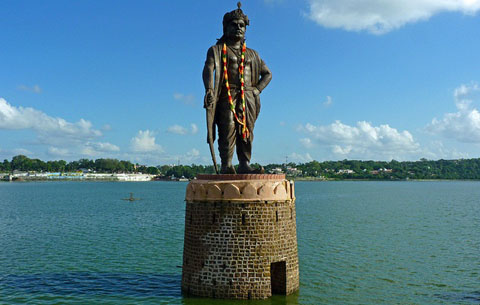
Bhoja 32ft 7 tons

King Bhoja In Bhopal, Madhya Pradesh

Post No 1939; Date: 18  June 2015

Written  by London swaminathan

Uploaded from London at 8-57


தேரையர், ஜீவகன் ஆகிய இரண்டு பெரிய வைத்தியர்கள் செய்த சாதனைகளை நம்மில் பலரும் அறிவோம். தேரையர் என்பவர் தலையில் இருக்கும் தேரைகளையும் (தவளை அல்ல; ஒரு வகை நோய்) எடுப்பார் என்றும் ஒரு பாத்திரத்தில் மலஜல விமோசனம் செய்து அதில் ஒரு துளி எண்ணையை விட்டு நோய் கண்டுபிடிக்கும் புதிய வழிமுறைகளை தேரையர் கற்பித்தார் என்றும் நூல்கள் பகரும்.ஜீவகன் என்பான் மஹா பெரிய வைத்தியன் என்றும் அவனுடைய ஆபரேஷன் பீஸ் (கட்டணம்) மிக அதிகம் என்றும் புத்த மத பாலி மொழி நூல்கள் செப்பும்.

ஜீவகன் செய்த கண் ஆபரேஷன், பொற்கைப் பாண்டியனுக்கு செயற்கைக் கை பொருத்தும் ஆபரேஷன், கண்ணப்ப நாயனாரும், மஹா விஷ்ணுவும் சிவபெருமானுக்கு கண் கொடுத்து முதல் முதல் “ஆர்கன் டொனேஷனை”த் துவக்கி வைத்த பெருமை இவைகள் எல்லாம் தனித் தனி கட்டுரையில் முன்னே கூறினேன்.

இன்று சிந்து சமவெளியில் 4300 ஆண்டுகளுக்கு முன் நடத்திய ஆபரேஷன் (ஆறுவைச் சிகிச்சை) குறித்தும் போஜ மன்னனுக்கு நடந்த ஆபரேஷன் குறித்தும் பார்ப்போம்.

போஜன் என்ற பெயரில் வேத காலம் முதல் பல மன்னர்கள் இருந்தனர். வேத கால போஜன் பற்றி ஐதரேய பிராமணம் விளம்பும். காளிதாசன் கால போஜன் பற்றி சுபாஷித ரத்ன பாண்டாகாரம் செப்பும். நாம் காணப்போகும் போஜன் பற்றி போஜப் பிரபந்தம் என்னும் நூல் விதந்து ஓதும். இவன் 1000 ஆண்டுகளுக்கு பரமார வம்ச மன்னனாக மத்தியப் பிரதேச நகரமான தாரா நகரில் இருந்து ஆட்சி புரிந்தவன். இவனுக்கு தெரீயாத “சப்ஜெக்ட்” உலகில் எதுவுமே இல்லை. இவன் பெயரில் 84 “டெக்னிக்கல்” புத்தகங்கள் உள்ளன. இவனுடைய சம்ஸ்கிருத இலக்கணக் கல்வெட்டு மசூதிக்குள் கண்டு பிடிக்கப்பட்டு பெரும் பரபரப்பை ஏற்படுத்தியது பற்றி காஞ்சி மஹா ஸ்வாமிகள் 1932-ல் மைலாப்பூர் உபந்யாசத்தில் சொன்னதை முன்னரே கொடுத்துவிட்டேன்.

போஜ மன்னனுக்கு பெரிய தலை வலி. நிரந்தர தலை இடி. தாரா நகர வைத்தியர்கள் எவராலும் தீர்க்க முடியவில்லை. அப்பொழுது மன்னனின் இடைவிடாத் துயர் கேட்டு உஜ்ஜைனி நகரிலிருந்து இரண்டு பிராமண சர்ஜன்கள் (அறுவைச் சிகிச்சை நிபுணர்கள்) வந்து மன்னன் தலை இடியைப் போக்குவதாகக் கூறினர். ஆனால் கபாலத்தைத் திறந்து செய்யும் மேஜர் ஆபரேஷன் இது என்றும் எச்சரித்தனர்.

ஆபரேஷன் செய்கையில் நோயாளியை மயக்க நிலையில் வைக்க இப்போதெல்லாம் குளோரோபர்ம் என்னும் வாயுவைப் பயன்படுத்துகிறோம். சர்ஜன் அருகிலேயே அனஸ்தெடிஸ்ட் (மயக்க மருந்து வல்லுநர்) நின்று கொண்டு குளோரோபர்ம் லெவலை (அளவை) ஏற்றி இறக்கி ஆளின் மயக்கத்தை அதிகரிக்கவோ தெளிவிக்கவோ செய்வார்.

அந்தக்காலத்தில் மருதுவர்கள் சம்மோகினி (அதிக மயக்கம்) என்னும் மூலிகைச் சாற்றைக் கொடுத்து மயக்கி அறுவைச் சிகிச்சை செய்வர். இதே போல போஜ மஹாராஜாவுக்கும் நல்ல முறையில் அறுவைச் சிகிச்சை செய்தனர். மயக்கம் தெளிவிக்க சஞ்சிவினி என்னும் மூலிகையைப் பயன்படுத்தினர். சம்ஸ்கிருதத்திலுள்ள வால்மீகி ராமாயணத்தில் லெட்சுமணன் மீது இந்திரஜித் “பயலாஜிகல் வார்பேர்” (விஷவாயு பிரயோகித்து) செய்து மயக்கம் போட வைத்ததையும் உடனே அனுமன் சஞ்சீவினி மூலிகை எது என்று தெரியாமல் அது முளைத்த பாறையையே (மலை) தூக்கி வந்ததையும் நீங்கள் அறிவீர்கள். போஜ ராஜன் ஆபரேஷன் 100 சதவிகித வெற்றிபெற உதவிய சம்மோகினி, சஞ்சீவினி என்ன, எது என்பது இன்று நமக்குத் தெரியாது. இது அரிய வகை மூலிகை. இமய மலைப் பகுதியில் மட்டுமே கிடைத்ததால் அனுமன் அங்கே பறந்து சென்றான் என்பதும் நோக்கற்பாலது. யாராவது சில பகுத்தறிவுத் திராவிடங்கள் இது எல்லாம் கட்டுக்கதை என்று சொன்னால், இந்த விஞ்ஞான முறைக் கற்பனை உதிக்கக்கூட ஓரளவு நாகரீகம் தேவை என்பதை உணர்த்துங்கள். அப்போதும் விளங்கிக் கொள்ளாதவர்கள், “விளங்காதவர்களே”!!!

சர்ஜரி, ஆபரேஷன் என்பதேல்லாம் இந்துக்களுக்குப் புதிதல்ல. சுஸ்ருதர், சரகர் எழுதிய நூல்களில் எல்லாம் 400–க்கும் அதிகமான கருவிகளின் பெயர்கள் உள்ளன. என்றைக்கு பாரதீயன் சம்ஸ்கிருதத்தைப் புறகணித்தானோ அன்று முதல் நம்முடைய விஞ்ஞான சாஸ்திரங்கள் எல்லாம் அழிந்து போயின. இதற்கு 700 வருஷ முஸ்லீம், 300 வருஷ வெள்ளைக்காரன் ஆட்சியே காரணம்.

இங்கே நான் வாழும் லண்டனில், லண்டன் பல்கலைக் கழகத்திலும், பிரிட்டிஷ் லைப்ரரியிலும், ஆக்ஸ்போர்டு பல்கலைக்கழகத்திலும் பழம்பெரும் சம்ஸ்கிருத நூல்கள் தூசி படிந்து கிடக்கின்றன. நானும் அவ்வபோது போய் தூசி தட்டிவிட்டு அட்டையை மட்டும் புகைப் படம் எடுத்து வருகிறேன். பல்லாயிரக் காணக்கான நூல்கள் உள்ள சம்ஸ்கிருதம் அழியும் அன்று இந்தியா, இந்துமதம் எல்லாம் அழிந்து போகும். புத்தர் செய்த பெரிய தவறு சம்ஸ்கிருதத்தைப் புறக்கணித்ததே என்று விவேகாநந்தர் சொன்னதையும் இதனால், “தோன்றிய நாட்டி”லேயே புத்த மதம் அழிந்ததையும் நினைவுகூறுதல் பொருத்தம்.

skull brain sugery

The trepanated Harappan male skull H-796/B in the Palaeoanthropology Repository of Anthropological Survey of India, Kolkata in three views: a, the left lateral view showing the trepanated hole; b, the postero-lateral view showing the horizontal linear traumatic fracture on the occipital bone; c, an enlarged view of the trepanated site showing the rim of callous formed due to healing, and d, the trepanated Burzahom female skull showing signs of multiple trepanations. (Image Source: Current Science)

சிந்துவெளியில் மூளைச் சிகிச்சை

ஹரப்பா நகரத்தில் கிடைத்த மண்டை ஓடுகளில் சில கல்கத்தா நகர இந்திய தொல்பொருட்துறைத் துறையின் மானுடவியல் பிரிவில் பாதுகாத்து வைக்கப்பட்டுள்ளன. அதில் ஒரு மண்டை ஓட்டில் (கபாலத்தில்) மூன்று மில்லிமீட்டர் அகலத்திற்கு ஒரு ஓட்டை இருக்கிறது. இதை ஆராய்ந்த திரு. சாங்க்யாயன் என்பார், அந்தக் காலத்தில் ஒரு குறிப்பிட்ட முறையில் இப்படி சர்ஜரி செய்வது வழக்கமாக இருந்தது என்றும் இதுவே பின்னர் ஆயுர்வேத புத்தகங்களில் காணப்படுகிறது என்றும் சொல்கிறார். மேலும் எலும்புகளை ஆராய்ந்தபோது அந்த சிந்து வெளி மனிதன் அதற்குப் பின்னரும் நீண்டகாலம் வாழ்ந்தது தெரிகிறது என்றும் சொல்கிறார். இந்தச் செய்தி 2013–ஆம் ஆண்டில் எல்லாப் பத்திரிக்கைகளிலும் பெரிதாக வந்திருந்தது. ஆக சிந்துவெளி நாகரீகத்தின் தொடர்ச்சியே இந்திய நாகரிகம் என்பதும், வெளிநாட்டிலிருந்து வந்தேறு குடியினர் எவரும் வந்து எதையும் செய்யவில்லை என்பதும் வெள்ளிடை மலையென விளங்குகிறது.

எனது முந்தைய ஆங்கிலக் கட்டுரைகள்:—

Jeevaka’s Eye Operation ( Posted on 25-2-2013)

How did a Pandya king get a golden hand? (Posted on Nov 18,2011)