Vowels = Life, Consonants = Body; Hindu concept of Alphabet from Vedic Days!!

sanskrit_alphabet_small_poster

Research paper No 1958

Written by London swaminathan

Date: 27 June 2015

Uploaded in London at 20-15

I have been arguing in my earlier posts that the Western classification of languages is wrong; I have urged to rewrite linguistic rules; Whatever the Western scholars have been saying about the changes that happened in Tamil and Sanskrit because of two different races/meeting is also wrong. The sound changes are in Tamil itself. Sanskrit is the closest language to Tamil and Tamil is the closest language to Sanskrit. I have also shown that both languages have developed from a common source but branched out into two different languages in course of thousands of years. No one is able to show any link to Tamil from any other language till this day. In spite of several articles in World Tamil Conference Souvenirs linking Tamil with every language in the world, they miserably failed to show any deeper connection. All those articles ran to a few pages showing superficial links. All that Bishop Caldwell said about Scythian –Tamil connection is also thrown in to dustbin by all the Tamil scholars. There is no truth in it.

I have also shown that Tamil and Sanskrit have similar alphabetical system and Sandhi system. Basic words of major languages of the world can be traced back to either Tamil or Sanskrit.  I have given examples in my previous posts. The thought process of both the languages are similar. Here is one more proof:–

For long people thought Tamils had developed an ingenious way of explaining the vowels and consonants. This is not correct.  Actually this concept began in the Vedic literature and developed by the Tamils. There is a gap of thousand years between the Vedic Literature (before 1000 BCE) and the Tamil Grammar (First century CE).

The vowels are named ‘Uyir’ (life) and the consonants ‘Mey’(body). The joining of both in one letter is called Uyir Mey  (Vowelconsonant=Life breath in the body). This is a beautiful concept. Later, it was used to explain Saiva Siddhanta principle. The beginning of this lies in the following books:-

letter

The Aitareya Aranyaka compares the vowels to ‘days’ and the consonants to ‘nights’. It compares the vowels to consciousness, the sibilants to the breath, and the consonants to the body (2-3-4-1). In another passage (3-2-5-2), the vowels are compared to the celestial, sibilants to the atmosphere and the consonants to the earth.

Still another passage of the same book (3-2-2) compares the vowels to marrow, consonants to bones, sibilants to breath, and semi-vowels to flesh and blood. It can be summarised as:–

Vowels: Day, Consciousness, Celestial, Marrow

Consonants: Nights, Body, Earth, Bones

Sibilants: Breath, Atmosphere,

Semi – vowels: Flesh and Blood

According to the Chandogya Upanishad (2-22-3), the vowels are the body of Indra, the sibilants are the body of Prajapati, and the consonants are the body of Yama.

It can be summarised as:–

Vowels: Body of Indra

Consonants: Body of Yama

Sibilants: Body of Prajapati

tamil-barakhari

Same Upanishad (2-22-5) says

All the vowels should be pronounced resonant and strong. All the sibilants should be pronounced open, without being slurred or elided. All the consonants should be pronounced slowly, without merging them together

It is amazing to see so much materials regarding languages and linguistics at such an early age; that is before Moses spoke in proto-Hebrew and Homer wrote in Greek!! This shows the amazing development of Hindu civilization. When others were talking about bread and shelter Hindus have advanced to use linguistic similes. This continued even in Kalidasa days. His very first verse in Raghuvamsa is

“Siva and Parvati are always united like sound and sense. As the relation of Sabda and Artha is eternal and interdependent so is the relation of Siva and Parvati, the eternal parents of the world”.

Verbatim Translation

“So that I might attain right knowledge and understanding of words and their meanings, I worship the parents of the universe, Parvati and Paramesvara (Siva), who are perfectly united just like words and their meanings”.

–subham–

ஐந்து மக்கள் – பஞ்ச ஜனாஹா யார்? ரிக் வேதத்தில் மர்மம் நீடிக்கிறது

number-5

Research paper No 1957

Written by London swaminathan

Date: 27 June 2015

Uploaded in London at 14-24

ரிக் வேதம் உலகின் மிகப் பழைய நூல்; இப்போது அமெரிக்கவிலுள்ள இந்து மத எதிரிகளும் இதன் நான்கு மண்டலங்களுக்கு கி.மு 1700 என்று தேதி குறித்துள்ளனர். ரிக் வேதத்தில் மொத்தம் பத்து மண்டலங்கள். இன்னும் சிறிது காலத்தில் சுதந்திரப் போராட்ட வீரர் பாலகங்காதர திலகரும் ஜெர்மன் அறிஞர் ஜாகோபியும் சொன்னது போல ரிக்வேதம் 6000 ஆண்டுப் பழமையானது (கி.மு4000) என்று உலகம் ஒப்புக்கொள்ளும். அதாவது சிந்து சமவெளி நாகரீகத்துக்கும் முந்தையது! ஏனெனில் இதுவரை யாரும் மறுக்கவொணாத வானியல் குறிப்புகள் ரிக் வேதத்தில் உள்ளன. நிற்க.

ரிக்வேதத்தில் ஏராளமான மர்மங்கள் உள்ளன. எட்டாவது மண்டலம் முழுதும் ஈரான் நாட்டு (பாரசீகம்) அரசர் பற்றிய அதிசயக் குறிப்புகள், ஒட்டகங்களைப் பரிசு கொடுத்தது முதலிய விஷயங்கள் இருக்கின்றன. இதே போல ரிக் வேதத்திலும் பிற்கால வேத இலக்கியங்களான பிராமணங்கள், உபநிஷத்துக்களிலும் அடிக்கடி வரும் பஞ்ச ஜனாஹா — “ஐந்து மக்கள் குழு” யார் என்று இன்னும் முடிவகத் தெரியவில்லை.

ரிக்வேதத்துக்குக் குறைந்தது 2000 ஆண்டுகளுக்குப் பின்னர் வந்த சங்க தமிழ் இலக்கியத்துக்கே நச்சினார்க்கினியர் போன்ற உரையில்லாவிடில் பொருள் புரியாது. அதற்கு 500 ஆண்டுகளுக்குப் பின்னர் வந்த திருக்குறளுக்கும் பரிமேலழகர் உரையின்றி பொருள் புரிவதில்லை.

இதே போல வடக்கில் வியாசர் என்ற ஒரு மகரிஷி நமக்கு வேதங்களைத் தொகுத்து, நான்காக வகுத்து, நான்கு சீடர்களை அழைத்து, பெரிய “அட்மினிஸ்ட்ரேட்டர்” போல செயல்பட்டிராவிடில் நமக்கு வேதங்கள் கிடைத்திரா!

வெளிநாட்டு அறிஞர்களுக்கு வேதங்கள் பற்றிப் புரிவதில்லை. ஏனெனில் அவர்கள் இந்த கலாசாரத்தில் ஊன்றியவர்களும் இல்லை. இதைப் போற்றும் நோக்கத்தோடு அதைப் படிக்கவுமில்லை தனி நபர் ஒழுக்கமும் அவர்களிட மில்லை. சுருக்கமாகச் சொன்னால்,இப்போது தமிழ்நாட்டில் ஒழுக்கங்கெட்ட பகுத்தறிவுத் திராவிடங்களும், ஜாதிக் கட்சித் தலைவர்களும் திருவள்ளுவர் குரல்(குறள்)வளையை தினமும் நெரித்து அவரை சித்திரவதை செய்வதைப் போன்றதுதான் இது.

LET-5R

பஞ்ச ஜனா: யார்?

யாஸ்கர் என்பவர் கி.மு 850-ல், அதாவது கிரேக்கர்கள் எழுதத் துவங்கியதற்கு முன், வாழ்ந்தவர். உலகில் முதல் சொல் ஆராய்ச்சி செய்து “லிங்குஸ்டிக்ஸ்” – என்னும் மொழியியல் ஆராய்ச்சியைத் துவக்கிவைத்தவர். அவர் சொல்கிறார்:– தேவர்கள், கந்தர்வர்கள், பித்ருக்கள் (உயிர்நீத்தார்), அசுரர்கள், ராக்ஷசர்கள் என்று.

நமக்கு 700 ஆண்டுகளுக்கு முன்னர் வாழ்ந்த சாயணர் என்பவர், துணிச்சலாக வேதத்துக்குப் பொருள் எழுதினார். ஆனால் இதற்குள் வேதம் தோன்றி பல்லாயிரம் ஆண்டுகள் ஆகிவிட்டதால், இந்துமத தலைவர்களே சாயணரின் உரையை அவ்வளவு பாராட்டுவதில்லை. மேலும் உலகில் முதல் முதல் மொழியியல் புத்தகத்தை எழுதிய யாஸ்கரே தனக்கு 600 சொற்களுக்கு பொருள் விளங்கவில்லை என்று 2850 ஆண்டுகளுக்கு முன்னரே திணறியிருக்கிறார் (காண்க அரவிந்தரின் வேதச் சொல்லடைவு).

அந்த சாயணர் சொல்கிறார்:

இது, நால் வருணத்தினரையும் புறம்பாக இருந்த நிஷாதர்களையும் குறிக்கும் என்று.

வேதத்தின் துதிப்பாடல்களைத் தொடர்ந்து எழுந்தது பிராமணங்கள் என்னும் நூல். அதற்குப் பின்னர் ஆரண்யகங்கள், உபநிஷத்துகள் வந்தன. ஐதரேய பிராமணம் என்னும் நூல், பஞ்ச ஜனா: என்பது தேவர்கள், மனிதர்கள், கந்தர்வர்கள்/அப்சரஸ்கள், நாகர்கள், பித்ருக்கள் (நீத்தார்) என்று மொழிகிறது. ( விசர்கம் : வந்தால் அதற்கு முன்னுள்ள ஒலியை நீட்டிச் சொல்ல வேண்டும்; ஜனா: = ஜனாஹா)

(கந்தர்வர்களை சிந்து சம்வெளி மக்களுடன் தொடர்புபடுத்தி இரண்டு கட்டுரைகள் எழுதியுள்ளேன்)

வழக்கம்போல, வெள்ளைக்காரர்கள் நவக்கிரகங்கள் போல, பல திசைகளைப் பார்த்து நின்றுகொண்டு, பல்வேறு கருத்துக்களைப் பகர்வர். எங்கெங்கெல் லாம் முடியுமோ அங்கெங்கெல்லாம் ஆரிய-திராவிட இனவெறி விஷ விதைகளை ஊன்றுவர். இந்த தொனியில், கெல்ட்னர், ராத் ஆகிய இருவரும் சொல்வது யாதெனின் “இது உலகின் நான்கு மூலையில் வசிக்கும் மக்களையும், அதற்கு நடு நாயகமாக விளங்கும் ஆரியரையும் குறிப்பதாகும்.”

இதற்கு மறுப்பு விடுக்கும் ஸிம்மர் என்பார், ஆரியர்கள்- தாசர்கள் என்று பிரித்துப் பேசும் மக்கள்; அவர்கள் இப்படி உலகையே வளைத்துச் சொல்லியிருக்க முடியாது. இது அனு, புரு, த்ருஹ்யு, துர்வாசு, யது என்ற ஐந்து குலங்களையே குறிக்கும் என்பார். இதற்கு ஆதரவாக ரிக்வேதத்தில் இந்த ஐந்து இன மக்களையும் சேர்த்துக் குறிப்பிடும் இரண்டு துதிப்பாடல்களை எடுத்துக் காட்டுவார்.

அவருக்கு மறுப்பு விடுக்கும் ஹாப்கின்ஸ் என்பார், துர்வாசு என்று ஒரு இனமே இல்லையே! அது யது குல அரசனின் பெயரன்றோ! என்று வியப்பார்.

எனது கருத்து: காலத்தினால் முந்திய யாஸ்கரின் கருத்தை அடியொற்றிச் செல்லுவதே சரி. பிற்காலத்திலும் இந்துக்கள் தினமும் செய்யும் பஞ்ச மஹா யக்ஞத்தில் – ஐவேள்வியில் — பிரம்ம யக்ஞம்/வேதம் ஓதுதல், தேவ யக்ஞம்/தெய்வங்க ளுக்குப் பூஜை செய்தல், மனுஷ யக்ஞம்/ விருந்தினருக்கு சோறிடுதல், பூத யஞம்/பிராணிக ளுக்கு உணவு படைத்தல், பித்ரு யக்ஞம்/நீத்தாரு க்கு நீர்க்கடன் செலுத்தல் என்று பிரித்துள்ளது இதற்கு நெருக்கமாக வருகிறது.

five

இதே போல, தமிழிலும் நான்கு பழைய ஜாதிகளைப் பற்றி மாங்குடிக் கிழார் பாடியுள்ளார் (புறம் 335). இவர்களை யார் என்று இனம் காணமுடியவில்லை.

“துடியன், பாணன், பறையன், கடம்பன், என்று

இந்நான்கு அல்லது குடியும் இல்லை”

தற்கால ஆராய்ச்சிகள்

பி.டி.சீனிவாச அய்யங்கார் ஆங்கிலத்தில் எழுதிய “தமிழ் வரலாற்றில்”, பஞ்ச ஜனா: என்பது ஆரியர் வருகைக்கு முந்திய பூர்வகுடிகளைக் குறிக்கும் என்பார்.

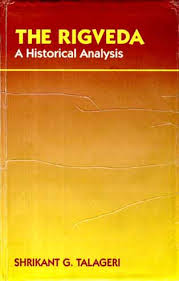
ஸ்ரீகாந்த் தலகரி எழுதிய “ரிக் வேதம் – ஒரு வரலாற்று ஆய்வு” என்ற ஆங்கில நூலில் பஞ்ச ஜனா: பற்றிக் குறிப்பிடாமல், சந்திர வம்சத்தில் யது, புரு, துர்வாசு, அனு, த்ருஹ்யூ என ஐந்து பிரிவுகள் இருப்பதைக் காட்டுவார்.

“ஆரிய தரங்கிணி” எழுதிய ஏ. கல்யாணராமன், பரத வம்சத்தோடு, புரு, த்ருஹ்யூ, அனு, யது/துர்வாசு என்பன ஐந்து மக்கள் என்பார்.

கல்ஹணர் எழுதிய ராஜதரங்கிணியில் (3-353) ஒரு செய்யுளுக்குப் பொருள் எழுதிய விமர்சகர், “இது மிகவும் சிக்கலான பொருளுடைத்து; நாம் இப்போது சொல்லும் பஞ்சாயத்து என்னும் பொருள் இருக்கலாம்; அல்லது நால் வருணத்தினரும் அதில் சேராத நாகரீகமற்ற கும்பலும் என்று பொருள் இருக்கலாம்; அல்லது தேவர்கள், மனிதர்கள், கந்தர்வர்கள், நாகர்கள், பித்ருக்கள் (உயிர் நீத்த முன்னோர்கள்) என்று இருக்கலாம் என்பார்.

எனது கருத்து:

இது யாராக இருந்தாலும் ஐந்து குழுக்களை ஒன்று சேர்த்து ஒரு மரபுச் சொல்லை உண்டாக்க வேண்டுமானால் அந்த ஐந்து இனமும் அங்கு நீண்ட காலம் வாழ்ந்திருக்க வேண்டும். அல்லது இப்படி ஒரு சொற்றொடர் வர இயலாது. ஆகப் பாரதக் குடி—“பதியெழு அறியாப் பழங்குடி” என்பது தெளிவு.

5 hands

One more Mystery in the Rig Veda: Who are the Pancha Janah?

5 hands

Research paper No 1956

Written by London swaminathan

Date: 26 June 2015

Uploaded in London at  19-20

There are lots of unsolved mysteries in the Rig Veda, the oldest book in the world. One of the unsolved mystery is the word “PANCHA JANAAHA”. It means FIVE PEOPLES. As usual the foreign “scholars” stood like Nava Grahas looking at different directions with different views. Even among the Hindu scholars Yaska and Sayana, there is a difference of opinion. It is very interesting to study various explanations.

The Vedic Index by Keith and Macdonell says:

Panca-janaah, the five peoples, are mentioned under various names in Vedic literature. Who were meant by the five is very uncertain.

The Aitareya Brahmana explains the five to be gods, men, Gandharvas and Apsarasses, snakes/Nagas and the Fathers/departed souls.

Aupamanyava (in the Yaska’s Nirukta 3-8) held that the four castes and the Nisadas made up the five, and Sayana (on RV 17,9)is of the same opinion. Yaska thinks that the five are the Gandharvas, Fathers/departed people, Gods, Asuras and Rakshasas (Nirukta).

No one of these explanations can be regarded as probable.

number-5

Foreigners’ interpretations

Roth and Geldner think that all the peoples of the earth are meant; just as there are four quarters, there are peoples to the four quarters with the Aryan folk in the middle.

Zimmer opposes this view on the ground that the inclusion of all peoples in one expression is not in harmony with the distinction so often made between Aryan and Dasa. After long explanation he concludes that they are five tribes of the Anus, Druhyus, Yadus, Turvasas, and Purus who are all mentioned in one or two hymns of the Rig Veda (1-108-8; 7-18).

Hopkins has combated Zimmer’s view, but his own opinion rests mainly on his theory that there was no people named Turvasa, but only the King of the Yadus called Turvasa and that theory is not very probable.

My comments: No two clocks agree; no two foreigners agree on Vedic matters. So we must rely on Yaska the earliest person to explain the word. He lived around 850 BCE. Moreover he was the one who knew the culture and lived nearer to the Vedic times. Another point is that the meaning may change in course of time. For instance we in our Panchayajna, give offerings to Brahma/ Vedic recitation, Deva/god, Manusya/guests, Pitru/ departed souls,  and Bhuta/Living beings (animals).

More over the very grouping of five tribes or five sets of people show that they have been living together for long in the same place. Otherwise the phrase “five peoples” is not possible to use in so many places.

In the Satapata Brahmana and the Aitareya Brahmana, the five people are opposed to the Bharatas, and in the former work seven people are alluded to.

five

Shrikant G.Talageri in his book The Rig Veda – A Historical Analysis makes a passing reference:

“Traditional history knows of many different streams of peoples, but the two main streams are of those belonging to the Solar race of the Ikshvakus, and those belonging to the Lunar race of the Ailas. The Ailas are further divided into five main branches: the Yadus, Turvasas, Druhyus, Anus and Purus (but Talageri did not mention anything about Pancajanah here).

A.Kalyanaraman in his scholarly work “Aryatarangini”, says

“Apart from the Bharatas, four other principal Aryan clans inhabited the Sapta Sindhu and were collectively known as Panchajanah. These were Trustus, the Anus, the Druhyus and the Turvasas or Yadus.

Kalhana’s Rajatarangini says

Commentary on verse 3-353 (ruler of Pacajanah)

This is an intriguing word with many possible meanings. It may mean

1).The four castes with the barbarians as the fifth, see the exposition in Saarirabhaasya on Brahmasutras 1-4, 2-13

2).The Five classes of beings viz. the gods, men, Gandharvas, Nagas and the Pitr (departed souls)

3).Or does it possibly mean the Panchayats as we know them.

(it shows that even in the 12th century CE, people were not sure about the meaning)

people_icon

P T Srinivasa Iyengar in his book, “The History of the Tamils” has a long shot at this word:

“One Vedic phrase seems reminiscent of the division of the people into five regional tribes and that is Pancajanah. This mysterious phrase has been attempted to be explained by various writers, ancient and modern, but by none satisfactorily. I have made the conjecture that it must refer to the five tribes of pre-Aryan times, but scholars who know nothing of Tamil literature and who refuse to consider the necessity of historical continuity between pre Aryan India and Arya India have been unable to appreciates the value of this conjecture.

LET-5R

Panchajana and Paanchajanya

Krishna’s victorious conch has a special name PANCHAJANYA. It is in the Bhagavad Gita. The story is that there was a demon called Panchajana in the sea. He lived in the form of a conch shell. He seized the son of Sandipani under whom Krishna had his School education. He learnt the use of arms in Sandipani School. When he learnt that his teacher’s son was abducted, he swung into action, killed the demon and rescued Sandipani’s son. Then he used the conch shell of the demon. That is called Paanchajanya. Krishna had fought several naval battles from his naval base at Dwaraka in Gujarat. I have explained his naval battles with sea pirates, Nivata kavachas in another article (See Hindu Gods’ Naval attacks against Pirates, posted by me on 26 April 2012).

Panchajanah still remains a Mystery!

Pictures are taken from various websites; thanks.

ரிக் வேதத்தில் லஞ்ச ஊழல்!!

bribery_2

Research paper No 1955

Written by London swaminathan

Date: 26 June 2015

Uploaded in London at  காலை 8-47

“வேதோகில தர்ம மூலம்” – வேதங்களே தருமத்தின் ஆணிவேர்—மனு ஸ்மிருதி 2-6

ரிக் வேதம் உலகிலேயே பழமையான நூல். இதன் எதிரிகளும் இப்போது இதன் காலத்தை கி.மு 1700 என்று ஒப்புக்கொள்ளத் துவங்கிவிட்டனர். இது ஒரு சமய நூல். ஆயினும் சமயம் சாராத பல்வேறு தகவல்கள் ஆங்காங்கே பொதிந்து கிடக்கின்றன. ஸ்ரீகாந்த் தலகரி போன்ற அறிஞர்கள் காய்தல் உவத்தல் இன்றி இதை ஆராய்ந்ததில் பல உண்மைகள் தெரிய வந்துள்ளன.

ஊழல் எதிர்ப்புப் போராட்டம், ரிக் வேத காலத்திலேயே துவங்கிவிட்டது. பாணீக்கள் என்போர் லஞ்சம் கொடுக்க முன்வந்தபோது இந்திரனின் தூதராகச் சென்ற நாய் சரமா அதை ஏற்க மறுத்துவிட்டது. பாணீக்கள் என்போர் பீனீஷியர் என்னும் இனத்தினருடன் தொடர்புடையோர் என்றும் உலகில் அவர்கள்தான் அகர வரிசை எழுத்தையும், காசு/பணம் என்னும் கரன்ஸி விஷயத்தையும் உலகிற்குக் கற்பித்தவர்கள் என்றும் முன்னொரு கட்டுரையில் கண்டோம்.

பாணீ என்னும் சொல்லில் இருந்து வணிக சமபந்தமான சொற்கள் அனைத்தும் வந்தன:

பாணீ = வணிக= பணம்= ஆபணம்/மார்க்கெட்= பனியா=வணிகர்.

((சிந்து சமவெளியில் இருக்கும் எழுத்துக்கள் அகர வரிசை எழுத்துக்கள் அல்ல. ஆனால் பிராமி என்னும் லிபி பிற்காலத்தில் அகர வரிசை எழுத்துக்களாக உருவானது. அதிலிருந்து தமிழ் எழுத்துக்களும் தென் கிழக்காசிய நாடுகளில் உள்ள எழுத்துக்களும் உருவாயின. பிராமி லிபி, பீனிஷிய எழுத்திலிருந்து உருவானதாக அறிஞர்கள் பகர்வர்)) நிற்க.

ரிக் வேதத்தின் பத்தாவது மண்டலத்தில் (10-108) ஒரு பாடலில் சரமா கதை வருகிறது. சரமா என்பது உண்மையில் நாயா அல்லது இயற்கையில் நடக்கும் நிகழ்ச்சிகளுக்கு இதை உருவகப்படுத்தி னார்களா என்று பல விளக்கங்கள் உண்டு. எது எப்படியாகிலும் ஒரு விஷயத்தை உவமையாகவோ, உருவமாகவோ பயன்படுத்தவும் அப்படி ஒன்று (நாய்) இருந்தால்தான் முடியும்.

இந்த சம்பவத்தில் வரும் பசுக்கள் சூரிய ஒளியைக் குறிக்கும் என்றும், பாணிக்கள் அதைத் திருடியது சூரிய அஸ்தமனத்தைக் குறிக்கும் என்றும், சரமா என்னும் நாய், சூரிய உதயத்தைக் குறிக்கும் என்றும் ஒரு விளக்கம் உண்டு.

நேற்றைய கட்டுரையில் சரமா, சரமேயஸ் பற்றிச் சொல்லிவிட்டதால் நேரடியாக லஞ்ச ஊழலைப் பார்ப்போம்:

Bribery01

சரமாவின் கூற்று:

ஓ, பாணீக்களே! இந்திரனின் தூதனாக இங்கு வந்தேன்; உங்களிடம் உள்ள பெரும் செல்வத்தைக் கேட்கவந்தேன்

ஓடும் ரசா நதியையும் கடக்கத் தயங்கவில்லை

பாணீக்களின் கூற்று:

அது யார் இந்திரன்? அவன் தூது அனுப்பியது என்னே! இவ்வளவு தூரம் கடந்து வந்தனையே! உங்கள் இந்திரனே வரட்டும். அவனை மாடு மேய்க்கும் வேலையில் அமர்த்துவோம்.

ஆயினும் சரமா நல்ல நேரத்தில் வந்திருக்கிறாய். நாங்கள் உனக்கு பசு மாடுகள் தருகிறோம்; திரும்பிச் செல்லாதே. எங்களுடைய சகோதரியாக்கிக் கொள்கிறோம்.

சரமாவின் கூற்று:

உங்களை எச்சரிக்கிறேன்; ரிஷிகளுக்கும் இந்திரனுக்கும் இது எல்லாம் தெரியும். நான் போகிறேன்

இந்தத் துதி நீண்ட ஒரு துதி. சம்பாஷணை/ வாக்குவாதம் அடிப்படையில் அமைந்தது.

மேற்கூறிய துதியிலிருந்து நாம் அறிவதென்ன?

நீ கட்சி மாறினால் உனக்கு பதவியும் (சகோதரி), கையூட்டும் (பசு மாடுகள்) கொடுப்போம் என்று பாணீக்கள் கூறினர்.

இந்திரனின் தூதனான சரமா கையூட்டை ஏற்க மறுத்து இந்திரனிடம் போய் விஷயத்தைச் சொல்லிவிட்டது.

bribe3

இதே கதை, பிற்கால இலக்கியங்களான ஜைமினீய பிராமணம், பிருஹத் தேவதா ஆகியவற்றிலும் சிற்சில மாற்றங்களுடன் காணப்படுகிறது:

பாணீக்கள் திருடிய பசுக்கள் , ஒரு குகையில் ஒளித்து வைக்கப்பட்டதென்றும் அவைகளை இந்திரன் மீட்டான் என்றும் அறிகிறோம்.

மஹாபாரதத்திலும், சங்க இலக்கியப் பாடல்களிலும் வரும் ஆநிரை கவர்தல்/ மீட்டலின் “மூலம்”, ரிக்வேதத்தில் உள்ளது. தமிழர்கள் இதை அப்படியே 2000 ஆண்டுகளுக்கு முன் பின்பற்றியதை சங்க இலக்கியப் பாடல்களில் காண்கிறோம். ஆரிய-திராவிட இனவெறிக் கொள்கையினருக்குச் செமை அடி கொடுக்கிறது இது.

இரண்டாவதாக, துப்பறியும் நாயை வைத்து குகையில் ஒளித்துவைத்திருந்த பொருள்களைக் கண்டுபிடிக்கும் வழக்கத்தையும் இந்துக்களே உலகிற்குக் கற்பித்தனர். எல்லா போலீஸ், ராணுவப் பிரிவுகளும் ரிக் வேத ரிஷிகளுக்குக் கடன்பட்டவர்கள்.

மூன்றவதாக, நாய் நன்றியுள்ள பிராணி. அதை மனிதன் வளர்க்கத் துவங்கியது ரிக்வேத அரசர் (இந்திரன்) காலத்திலேயே துவங்கிவிட்டது. இதை மஹாபாரதத்தில் தருமன் – நாய் கதையிலும் (ஸ்வர்க ஆரோஹன பர்வம்) காண்கிறோம்.

நாலாவதாக, பாணீக்கள் என்னும் தீயோர்தான் லஞ்ச ஊழலைப் பரப்பினர். அதை சரமா நிராகரித்து ஊழல் ஒழிப்பு போராட்டத்தை 3700 ஆண்டுகளுக்கு முன்னரே துவக்கிவிட்டது.

bribe 2

ஐந்தாவதாக, ஒரு அரசன் தூதரை நியமித்து முதலில் சமாதானம் பேச வேண்டும் என்னும் நாகரீக நடைமுறையை உலகிற்குக் கற்பித்ததும் இந்துக்களே. இதை ராமாயண அனுமன் தூதிலும் மஹாபாரத கிருஷ்ணன் தூதிலும் காண்கிறோம். இதை ரிக் வேதம் சொல்கிறதென்றால் வேத கால நாகரீகம் எவ்வளவு பண்பட்ட, முன்னேறிய நாகரீகம் என்பதை அறிய முடிகிறது. வேத காலத்தில் சபா (அவை), சமிதி (கமிட்டி) என்னும் ஜனநாயக அமைப்புகள் இருந்ததையும் மன்னருக்கு அவை அறிவுரை சொன்னதையும் முன்னொரு கட்டுரையில் தந்தேன். உலகிற்கு வரம்புக்குட்பட்ட முடியாட்சி, பார்லிமெண்டரி ஜனநாயகம் என்பதைக் கற்பித்ததும் ரிக் வேதமே. அதற்குப் பல்லாயிரம் ஆண்டுகளுக்கு முன்னரே இந்த சமுதாயம் பாரத மண்ணில் வசித்தால்தான் இது சாத்தியமாகும். ஏனெனில் உலகில் வேறு எங்கும் இவ்வளவு முதிர்ச்சியைக் காண இயலவில்லை.

ஆறாவதாக,

பிராணிகளையும், பறவைகளையும் தூது அனுப்பும் பாடல்கள் சங்க இலக்கியத்திலும் பிற்கால தமிழ் இலக்கியத்திலும் உண்டு. வேதத்தில் ஆரம்பித்த நாய் விடு தூது, நள தமயந்தி காலத்தில் அன்னம் விடு தூதாக வளர்ந்து, காளிதாசன் காலத்தில் மேகம் விடு தூதாக (மேகதூதம்) மலர்ந்து, தமிழில் கிளி விடுதூது, குயில் வீடு தூது என்பன போலப் பல்கிப் பெருகின.

நாய்கள் நன்றியுள்ள பிராணிகள். மனிதனைவிட 3000 மடங்கு மோப்ப சக்தியுடையவை. இதை ரிக்வேத ரிஷிகள் அறிந்து அதன் பெயரில் ஒரு பாடல், துதி “இயற்றியிருப்பது” உலகில் வேறெங்கும் இல்லாத புதுமை!

வேதங்களை 450–க்கும் மேலான ரிஷிகள் “யாத்ததாக” வெளிநாட்டினர் செப்புவர். ஆனால் நம்மவர், அவை வானில் ஒலி ரூபத்தில் எப்போதும் உள்ளவை என்றும் 450+ ரிஷிகள் அதை ரேடியோ போலக் கேட்டு நமக்குச் சொன்னார்கள் என்றும் நம்புவர். ஆகவே அவை மனிதனால் இயற்றப்பட்டவை அல்ல.

ப்ருஹத் தேவதா, ஜைமினீய பிராமணம்

ஜைமினீய பிராமணத்தில் முதலில் சுபர்ணன் என்னும் கருடன் தூது போனதாகவும் அது லஞ்சம் வாங்கியதாகவும் அதற்குப் பின்னரே சரமா அனுப்பப்பட்டதாகவும் இருக்கிறது. லஞ்சம் வாங்கிய சுபர்ணனை இந்திரன் கண்டிக்கிறான்.சரமா, நன்றியோடு பணி புரிகிறது

பிருஹத் தேவதாவில் சரமா, லஞ்சம் வாங்கியதாக கதையில் ஒரு ‘ட்விஸ்ட்’ ( திடீர் மாற்றம்) இருக்கிறது. இந்திரன் அதைக் கண்டித்து ஒரு அடி கொடுத்தவுடன் “பாலை” அப்படியே கக்கி விடுகிறது. பின்னர் சரமா, பாணீக்களிடம் போகிறது.

வேதகால ரிஷிக்கள் சங்கேத மொழியிலேயே பாடுவர். ஆகையால் “பால்” என்பர்.

சாணக்கியன் எழுதிய அர்த்தசாஸ்திரத்தில் வரும் ஒரு மேற்கோள் நினைவுக்கு வருகிறது:

தண்ணீரில் வாழும் மீன்கள் எப்படி நீரைக் குடிப்பது உண்மையோ, அப்படி அரசாங்க அதிகாரிகள் லஞ்சம் வாங்குவதும் உண்மை.

prison-cell-phone-bribery2

தமிழில் ஒரு பழமொழி உண்டு:

தேனை வழித்தவன் புறங்கையை நக்காமல் இருப்பானா?

ஆனால் ரிக்வேதம் முதல் சாணக்கியன் வரை எல்லோரும் லஞ்சத்தைக் கண்டித்துள்ளனர்.

Oldest Bribery in the World! Rig Veda speaks of Bribes!!

bribery_2

Research paper No 1954

Written by London swaminathan

Date: 25 June 2015

Uploaded in London at 14-23

I wrote about the Vedic Dog Sarama and the story’s occurrence in various cultures in mutilated or corrupted forms. The hymn in the Rig Veda (10-108) is very interesting in various ways. Here we read about

1.Corruption

2.Inducement to change party loyalty

3.Ambassadorial role

4.Dog as human pet

5.Dog employed in detective work

All these show that the Vedic society is well advanced. Earlier I wrote about the Rig Vedic Sabha and Samitis, oldest democratic institutions in the world. All these are my observations.

Bribery01

Here is the Sarama hymn (RV.10-108):–

The hymn, as Griffith notes, “is a colloquy between Sarama, the messenger of the Gods or of Indra …… and the Panis or the envious demons who have carried off the cows or Rays of Light which Indra wishes to recover”.

But, according to Macdonell, the hymn is about “the capture by Indra of the cows of the Panis ….. (who) possess herds of cows which they keep hidden in a cave far beyond the Rasaa, a mythical river. Sarama, Indra’s messenger, tracks the cows and asks for them in Indra’s name, but is mocked by the Panis”.

Clearly there is a basic difference in the above descriptions of the myth, says Shrikant Talageri in his book—“The Rig Veda – A Historical Analysis”.

From Griffith’s translation (R V 10-108):–

“I come appointed messenger of Indra, seeking your ample stores of wealth, O Panis

This has preserved me from the fear of crossing; thus I have made my way over Rasaa’s waters (Sarama said this) 10-108-2

Wat is that Indra like, what is his aspect whose envoy, Sarama, from afar thou comest?

Let him approach, and we will show him friendship; he shall be made the herdsman of our cattle (Panis said this) 10-108-3

Even thus, O Sarama, hast thou come here by celestial might to make the journey

Turn thee not back, for thou shalt be our sister; O Blest One, we will give thee of the cattle (10-108-9)

bribe 2

My comments:


1.From the above three stanzas we come across the word MESSENGER/ENVOY.

This shows that the dogs have detective power to find the hidden cows and the hymn says the dog travelled long distances, even crossed a river. Nowadays we hear amazing animal stories where the dogs travel hundreds of miles to go back to their owners. Probably this is the oldest dog story. Dogs have powerful smelling – 3000 times more powerful than human beings.

2.The second point is that sending an animal as AMBASSADOR. We come across swan as a messenger in the Nala – Damyanti story and later great poet Kalidasa sings about Cloud Messenger in his poem Meghaduta. In the 2000 year old Sangam Tamil poetry and later devotional poetry we see lot of animal and bird messengers to their lovers or God. Probably Rig Veda has the oldest reference to such ambassadors (apostrophes to birds etc).

3.The third point is that Panis were ready to bribe Sarama with some cattle and ready to take her their sister. But Sarama rejected the bribe. Panis were the bad people in this episode.

Later Vedic literature Jaiminiya Brahmana (2-440/442) has a slightly different story, according to Talageri. Here, the cows and are clearly referred to as the cows of the Gods stolen by the Panis. This time, the Gods first send Suparna, the eagle or the Sun Bird. However the Panis BRIBE him into silence, and he accepts their gifts and returns without any information. The enraged Gods strangle him, and he vomits out the curds etc. received from the Panis.

Then the Gods send Sarama. She crosses the River Rasaa and approaches the Panis. She is also offered BRIBES, but (as in the Rig Veda), she refuses their bribes and returns to Indra with the information that the cows are hidden (DETECTIVE WORK) inside the Rasa. She and her descendants are then blessed by a grateful Indra.

bribe3

4.Dogs are grateful animals. Sarama stick to her loyalty in spite of temptations. Dogs are kept as pets from the Vedic days.

According to Talageri, the myth appears in Brhatdevata (8-24/36). Here the myth develops a curious twist. The same sequence of events take place, but this time Sarama accepts the bribe of the Panis, and apparently transfer her loyalty to them. When she returns to Indra and refuses to disclose the hideout of the cows, Indra kicks her in a rage she vomits out the milk she received as a BRIBE and then goes back trembling to the Panis (Ayaram, Gayaram stories in Indian political field).

We know that all these are symbolic stories of what is happening in Nature. But even if we accept it, the similes such as bribe etc used reflects the ways of life in Vedic days. But the good thing about the bribe is, it is offered by the bad people (Panis). Moreover good people reject it or get punishment for accepting it.

prison-cell-phone-bribery2

5.Two other notes won’t be out of context here:

Chanakya, the author of Arthashastra, says that like the fish that lives in water drinks water, the government officers take bribe!

There is a Tamil Proverb, “Wont the person who extracted honey (from the honeycomb) lick his fingers?”

So, taking bribes has been there from Vedic days, but it is condemned in the Vedas.

(Bribery pictures are used from various sites;thanks)

ரிக் வேத சரமா, கிரீஸ் நாட்டுக்கு போனது எப்படி?

indra

Research paper No 1953

Written by London swaminathan

Date: 25 June 2015

Uploaded in London at காலை 9-50

ரிக்வேதத்தில் (10-108) சரமா என்ற நாயின் கதை பத்தாவது மண்டலத்தில் உள்ளது. அந்த நாய்க்கு இரண்டு குழந்தைகள் (குட்டிகள்). அவற்றின் பெயர் சரமேயஸ். இந்து கிரேக்க நாட்டில் ஹெர்மஸ் ஆனது. பாரசீகர்களுக்கும் (ஈரான்), கிரேக்கர்களுக்கும் (கிரீஸ்) எஸ் – என்ற எழுத்து எல்லாம் எச்- என்ற எழுத்தாகி விடும். சிந்து என்ற நதியின் பெயரை உச்சரிக்க முடியாமல் நமக்கு ஹிந்து என்ற பெயர் சூட்டியவர்களும் அவர்கள்தான்.

சரமா என்பது ஹெர்மஸ் ஆனது மாக்ஸ்முல்லர் காலத்திலிருந்தே அடிபட்ட விஷயம்தான். ஆயினும் “ரிக் வேதத்தில் வரலாறு” — என்ற ஆங்கில நூலை எழுதிய ஸ்ரீகாந்த் தலகரி இதை மூன்று தலைப்புகளில் விரிவாக ஆராய்ந்து சில புதிய விஷயங்களைச் சொல்கிறார். சுருக்கமாகக் காண்போம்:

ரிக் வேதம் உலகிலேயே பழமையான நூல்; இந்துக்களின் பூர்வீக வரலாற்றை இதிலிருந்து ஓரளவு அறியலாம். ஏனெனில் இது வரலாற்று நூல் அல்ல. மதம் பற்றிய நூல்.

சர்மா கதை ரிக் வேதம் தவிர, ஜைமினீய பிராமணம், பிருஹத் தேவதா ஆகிய நூல்களிலும் இருக்கிறது.. சரமா பற்றிய துதி என்ன செப்புகிறது:

1.சரமா நீண்ட பாதை வழியாகச் சென்று ரசா நதியைக் கடந்து, பாணிக்களைச் சந்தித்து, அவர்களுடைய செல்வம் வேண்டும் என்று இந்திரன் கேட்டதைச் சொல்கிறது.

2.பாணிக்கள் அதை நிராகரித்து, இந்திரனை வேண்டுமானால் மாடு மேய்ப்பவனாக நியமிக்கத் தயார் என்று சொல்லி எள்ளி நகையாடுகின்றனர்.

3.சரமா, இதனால் வரும் விளைவுகளைச் சொல்லி எச்சரிக்கிறது.

4.இந்திரனுடன் போரிடத் தயார் என்று சொல்லும் பாணிக்கள், சரமாவைத் தங்கள் பக்கம் வரும்படி கோருகின்றனர்.

5.சரமா, அதை நிராகரித்துவிட்டு இந்திரனிடம் சென்று விடுகிறது.

6.பாணிக்கள், இந்திரனின் பசுக்களைத் திருடிச் சென்று குகைகளில் வைத்தனர். சரமா தூது சென்றும் பலிக்கவில்லை; பின்னர் இந்திரன் சண்டை போட்டு அவைகளை மீட்கிறான்.

சரமேயஸ் பற்றி என்ன அறிகிறோம்?

அவை இரண்டும் யம தர்மனின் காவல் நாய்கள்.

talagheri book

தலகரி சொல்கிறார்: இது அன்றாடம் நிகழும் இயற்கை நிகழ்வைப் பின்னர் கதையாக மாற்றி விட்டனர். அதாவது சூரியன் பூமிக்கு அடியில் (பின்புறம்) சென்று மறைவதையும் பின்னர் மறுநாள் வெளிவருவதையும் கூறும் கதை இது என்கிறார். துதியில் வரும் பசுக்கள்—சூரிய ஒளியையும், சரமா – உதயத்தையும், பாணிக்கள் — இருளையும் குறிக்கும் என்பார்.

எனது கருத்து: இது துவக்கத்தில் சரியாக இருக்கலாம். பின்னர் அதையே உவமையாக்கி மற்றொரு சம்பவத்தைக் குறிக்கவும் பயன்படுத்தி இருக்கலாம்.

பாணிக்கள் என்பவர்களை  பீனீஷியர்கள் என்று இன்னொரு கட்டுரையில் குறிப்பிட்டிருந்தேன். அவர்கள்தான் பணம் (காசு) என்பதையும் அகர வரிசை எழுத்து முறை என்பதையும் உலகிற்குக் கற்றுக் கொடுத்தவர்கள் என்று மேலை நாட்டுப் புத்தகங்கள் கூறும்.

பாணி என்ற சொல்லிலிருந்து வந்த சம்ஸ்கிருதச் சொற்கள் அனைத்தும் வணிக சம்பந்தமானவை:

பாணி = பணம் = வணிக = பனியா/வியாபாரி = ஆபணம் = கடை/மார்க்கெட்

sarama_and_her_chil

முக்கிய தொடர்பு

சரமா கதை, கிரேக்க நாடு தவிர, உலகில் வேறு பல நாடுகளிலும் இருக்கிறது. பாரசீகத்திலும், ரோமானிய சாம்ராஜ்யத்திலும், ஸ்காண்டிநேவிய பண்பாடுள்ள நாடுகளிலும் இருக்கிறது. ஆயினும் அங்கெல்லாம் அது உருச் சிதைந்து காணப்படுகிறது. இவை எல்லாம் தொடர்பு படுத்தும் முழுக்கதை ரிக் வேதம் ஒன்றில்தன் இருக்கிறது!! எடுத்துக் காட்டாக ஹெர்மஸ் என்பது ரோம் கலாசரத்தில் மெர்குரி என்ற தெய்வமாக ஆனதாக எழுதுவர். அவரும் வணிகக் கடவுளே. மெர்கண்டைல் போன்ற வணிகச் சொற்கள் அதிலிருந்தே வந்தன. ஆனால் ஹெர்மஸ் – மெர்குரி வணிக விஷயத்தைத் தொடர்புபடுத்த ரிக் வேத பாணி ஒன்றால்தான் முடியும். இது போல ட்யூடானிக் (ஸ்காண்டிநேவிய) கலாசாரத்தில் அசீர் (அசுர என்பதன் உரு மாறிய வடிவம்), வாணீர் (பாணி என்பதன் சிதைந்த வடிவம்) என்ற இரண்டு வகைத் தெய்வங்கள் சண்டையிடும் கதைகள் உள்ளன. இது நமது புராணங்களில் தேவாசுர யுத்தமாக —- (கடல் கடைந்து அமிர்தம் எடுத்த கதை) —– வருகிறது.

சுருங்கச் சொல்லின் நான்கு நாட்டுக் கதைகளின் மூலம் வேதத்திலுள்ள சரமா கதையில் இருக்கிறது!!

வெள்ளைக்காரன் இந்தியாவுக்குள் நுழைந்தவுடன் ஒரு பெரிய கதை கட்டிவிட்டான். பாருங்கள்! சம்ஸ்கிருதம் போலவே ஐரோப்பிய மொழிகள் எல்லாம் இருக்கின்றன. ஆகையால் நீங்களும் எங்களைப் போல வெளிநாட்டில் இருந்து வந்தவர்கள். பாருங்கள்! தமிழ் மொழி போலவே, சிதிய மொழி உள்ளது. ஆகையால் திராவிடர்களும் மத்திய தரைக் கடலிலிருந்து வந்தவர்கள் என்று மாக்ஸ்முல்லர், கால்டுவெல் பாதிரியார் எல்லாம் கதை கட்டிவிட்டனர். இவை எல்லாம் இப்போதைய ஆராய்ச்சியில் புஸ்வாணமாகப் போய்விட்டன.

dog3

யார் யாரிடமிருந்து கடன் வாங்கினர்?

இன்னும் சில திராவிடங்களும், மார்கஸீய வாதிகளும், அதுகளும் இதுகளும் — நீங்கள் எல்லாம் வெளியே இருந்து வந்தவர்கள் என்று வாதிடுகிறார்கள் அல்லவா?

அதற்குப் பதில்:

வேதம் என்பது கி.மு.1700 ஐ ஒட்டி எழுந்தது என்பது இப்போது எல்லோராலும் ஒப்புக் கொள்ளப் படுகிறது. அதற்கு ஆயிரம் ஆண்டுகளுக்குப் பின்னர்தான் கிரேக்க மொழியில் நூலே தோன்றியது. லத்தீன், தமிழ் முதலியன அதற்கும் மிகமிகப் பின்னே வந்தவை. ஸ்காண்டிநேவிய கதைகள் எல்லாம் நேற்று (கி.பி.700) வந்தவை. இப்படியெல்லாம் யாராவது புத்திசாலித் தனமாக சொல்லிவிடுவார் என்பதை அறிந்த தந்திரக்கார குள்ள நரி வெள்ளைக் காரன் – வாழைப் பழத்தில் ஊசி ஏற்றுவது போல- இன்னுமொரு பொய்யையும் ஏற்றிவைத்தான். இதற்கெல்லாம் மூலம் ஒன்று இருந்தது – அதிலிருந்து தோன்றியவை இவை என்றான். ஆனால் அதுவும் செல்லாக் காசு ஆகிவிட்டது.

சம்ஸ்கிருத மொழிக்கும் கிரேக்க மொழிக்கும் இடையே மட்டுமே ஆயிரம் ஆண்டு இடைவெளி! ஆட்டைச் சாப்பிட விரும்பிய ஓநாய் , அட நீ கலக்காவிடில் உன் அப்பன் கலக்கியிருப்பான் என்று சொல்லி ஆட்டை முழுங்கிய ஈசாப் கதை ஞாபகம் வருகிறதல்லவா? அந்த ஓநாய்தான் வெள்ளைத் தோல் படைத்த வெளிநாட்டான்! அந்த ஓநாய்க்காக முதலைக் கண்ணீர் விடுபவைதான் திராவிடங்களும் அதுகளும் இதுகளும்!

முடிவுரை:

1.இந்திய-ஐரோப்பிய புராணக் கதைகளில் வரும் எல்லா அம்சங்களையும் கொண்ட கதைகள் வேதங்களில் மட்டுமே உள்ளன (மற்ற கலாசாரங்களில் இதே கதைகளின் சில அம்சங்கள் மட்டும் உருமாறிச் சிதைக்கப்பட்டு சட்னியாகவோ அவியலாகவோ காணப்படுகின்றன. ஹெர்மஸ் என்னும் கிரேக்க தேவனின் கதையில் சரமா, பாணீக்களின் அம்சங்கள் – அவியல் போலக் காட்சி தரும்).

2.வேதங்களிலுள்ள கதைகள் இல்லாவிடில் இவைகளைத் தொடர்புபடுத்த முடியாமலே போயிருக்கும் (மொழி விஷயத்தில் ஒற்றுமை இருந்தால் மூலக் கதை. கலாசரத்திலும் தொடர்பு இருக்க வேண்டுமல்லவா? அது வேதத்தில் மட்டுமே உளது.

  1. மேலும் பீனிஷியர்கள் பற்றிய தகவல் எல்லாம் காலத்தால் மிகவும் பிந்தியவை. வேதத்தில் உள்ள பாணீக்களுடன் பணம், ஆபணம்(மார்க்கெட்/கடை) முதலியவற்ரைத் தொடர்புபடுத்துவது சரியெனக் கொண்டால், அந்தக் காலத்திலேயே வேத கால மக்கள் வணிகம், வியாபாரம் ஆகியவற்றில் சிறந்து விளங்கினர் என்றும் முடிவு செய்யலாம். (உலகிற்கு பணம் என்ற சொல்லே ரிக் வேதத்தில் இருந்து வந்தது என்று சில வாரங்களுக்கு முன் ஒரு கட்டுரை எழுதியுள்ளேன்).

4.எல்லாக் கதைகளிலும் இழையோடும் பொது அம்சங்கள்:–

அ)பசுக்களைத் திருடுதல்

ஆ)சரமா தூது போதல்

இ)பாணிக்கள் என்போர் தீயோராக வருதல்

ஈ)நாய்கள் இறந்தோருடன் செல்லுதல்

–சுபம்–

Vedic Sarama and Greek Hermes!!

dog3

Research paper No 1952

Written by London swaminathan

Date: 24 June 2015

Uploaded in London at 20-50

Who is Sarama?

In the Rig Veda (10-108) the dog of Indra is called Sarama. It has got two children and they are called Sarameyas. They were the watch dogs of Yama, the god of death. Panis (who are identified with Phoenicians) stole the cows of Indra. Sarama was sent as a messenger who warned the Panis.

Who is Hermes?

Sarama became Hermes in Greek mythology and Panis became Pan. Greeks borrowed lot of Hindu stories and mutilated them beyond recognition. Hermes is the son of Zeus and Maiya. From the day of birth Hermes was cunning and stole the cows of Apollo. He became the herald of the gods and escort of the shades of the dead. He was the God of Travellers, patron of music and wore a hat and the caduceus (a serpent twined wand).

Letter S changed to H in Greek. They changed Sindhu River into Hindu (S=H) via Persia (Iran).

Both the Vedic and Greek stories have some similarities:

a) Accompanying the dead

b)Stealing the Cow

c)Messenger of the Gods

d)Panis=Pan

But who borrowed it from whom? Definitely the Greeks borrowed it from us and jumbled it with attributes of several other Vedic Gods. Then Romans identified their god Mercury with Hermes. Mercury is connected with Mercantile like Pani is connected with Vanik (business)

So the new equation is

Sarama= Hermes = Mercury

But in Vedic story the lines are clearly demarcated, while in Greek and Roman stories, they got mixed up.

Who is Aesir and Vanir?

These are two races of Gods in Teutonic myth (Scandinavian). Aesir is ASURA and Vanir is PANIS. Once again the same Vedic story! But to understand the links between these Gods one must go to the Rig Veda. All are Sanskrit words get corrupted and stories changed Ulta (upside down)! Rig Veda is the oldest scripture and other myths came at least 1000 years later.

Now the equation IS

Sarama= Hermes = Mercury= Aesir/Vanir

Though the connection between Sarama and Hermes is known for long, Shrikant G Talageri has analysed the story by comparing them with Persian, Teutonic and Greek stories. The conclusion is that we are the original source. The dates of Greek, Teutonic and Persian myths are later than the Rig Veda.

indra

Indra on his elephant

My comments:

This shows that the Hindus migrated to various parts of Europe long ago. Talageri points out that without our Vedas no one could know the links between the Gods in four different cultures. All have a common thread and the Vedic story is changed in every culture. For instance Pusan is the God of Travellers in Vedas.

Now I give below Talageri’s view on this episode from his book ‘The Rig Veda, a Historical Analysis’:–

1.Griffith and Mac donell give different translations!

2.In course of time, a regular phenomenon of nature was converted into a single mythical incident:-

Sarama is at first, the dawn who recovers the rays of the sun that have been carried away by the night; then

The hound of Indra and mother of the two dogs called Sarameyas who are the watch dogs of Yama; then

The messenger of the Gods or Indra

sarama_and_her_chil

3.The Panis are at first,

Merchants or traders; then

A class of envious demons watching over treasure; then

The fiends who steal cows and hide them in mountain caverns

4.The cows are at first

The Rays of Light carried off and concealed by the demons of darkness, the Panis; then

The rain clouds carried off and kept concealed by the Panis; then

The Panis hoarded the wealth, the cattle and the wealth in horses and in kine.

5.The myth starts off with the idea of the Panis, the demons of darkness, stealing the rays of light and hiding them away at night, and Sarama, the dawn, recovering them in the morning, as a matter of daily routine. A regular phenomenon gradually becomes a single incident.

6.Apart from the Rig Veda, the story is in Jaiminiya Brahmana (2-440) and Brhatdevata

7.The gist of the Rig Vedic Hymn is

a)Sarama makes her way over long paths and over the waters of Rasaa (River) and conveys to the Panis, Indra’s demand for their ample stores of wealth

b)The Panis refuse, and tauntingly make an offer to make Indra the herdsman of their cattle

c)Sarama warns them of the consequences

d)The Panis express their willingness to do battle with Indra. But they offer to accept Sarama as their sister

e)Sarama however rejects the offer.

  1. Panis variant Vani is also found two places in the Rig Veda. A range of words pertaining to trade, commerce, economics and business activity are derived from Pani: Apana/market, Apanika/mercantile, Pan/money,coin, Vani/Bania/Trader, Vanijya/commerce etc.

9.Teutonic mythology has the cognate word Vanir and Aesir (asura). The rivalry between the Aesir and Vanir is reflected throughout Teutonic Mythology. But in Teutonic mythology Vanir are a second race of Gods. Aesir are first race of Gods.

talagheri book

Conclusion

1.Practically all the elements in any reconstructed proto Indo European Mythology are found in Vedic Mythology, whereas only a few of them are found in any other  Indo European Mythology.

2.The common elements are found in Vedic Mythology in their most primitive forms, closest to the original nature myths; while fragments of the original myths, in later developed versions, are found in other  Indo European Mythologies.

3.Each of the other Indo European Mythologies has several elements in common with Vedic mythology, but hardly any with any of the others (not counting historical borrowings, such as Greek Apollo in Roman mythology)

4.In respect of common elements, the Vedic version provides the connecting link, often the only one, between the versions in other mythologies.

5.Iranian Mythology has no connection with any other mythology except Vedic.

6.If the word Pani in the Rig Veda, which is pre cursor of the Teutonic Vanir and the Greek Pan, originally meant a merchant or trader in the earlier part of the Rig Veda, then it certainly means that the VEDIC PEOPLE WERE ALREADY A SETTLED AND A COMMERCIALLY PROSPEROUS PEOPLE IN THE GEOGRAPHICAL REGION INDICATED BY THE RIG VEDA BEFORE THE DEVELOPMENT OF THE MYTHICAL CONCEPT OF THE PANIS.

ஆங்கில கலெக்டருக்கும் முஸ்லீம் அரசருக்கும் ஸ்ரீ ராமர் தரிசனம்!

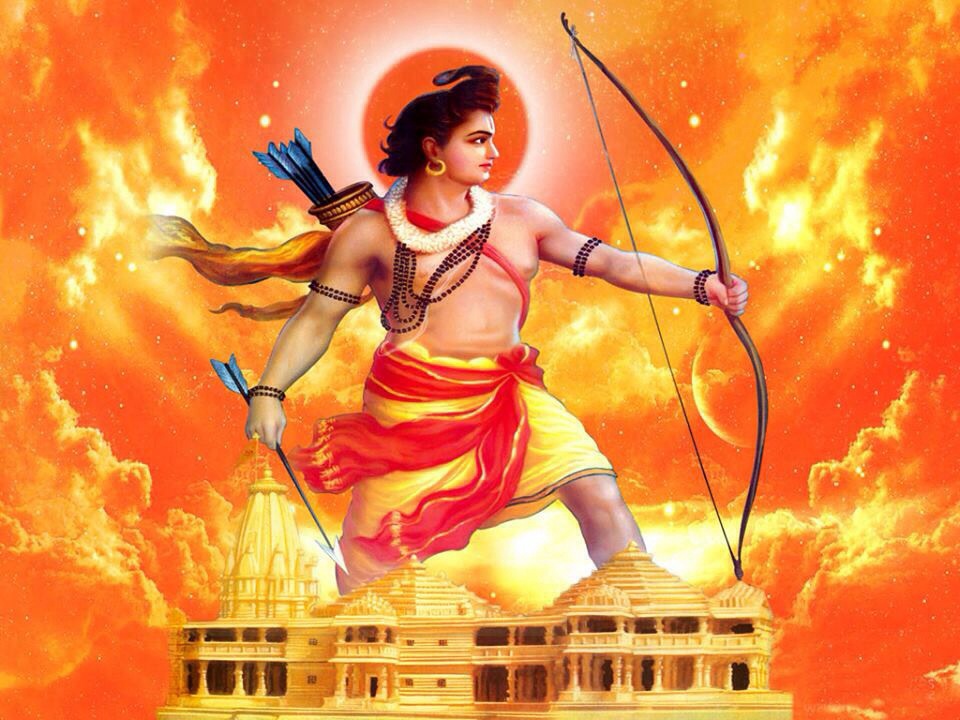
rama young

கட்டுரை எண்:-    1951

Written by London swaminathan

Date: 24 June 2015

Uploaded in London at 9-32 காலை

(தமிழ் அன்பர்களுக்கு ஒரு வேண்டுகோள்! நல்ல விஷயங்களைச் “ஷேர்” செய்யுங்கள். யார் எழுதினாரோ, யார் படம் எடுத்தாரோ அவரவர் பெயருடன் வெளியிடுங்கள். நிறைய பேர், எனது ஆயிரத்து எண்ணூறு கட்டுரைகளை எனது பெயரை நீக்கிவிட்டு, தங்கள் பெயரில் வெளியிடுவதை எனது நண்பர்களும், உறவினர்களும் எனக்குச் சுட்டிக் காட்டி வருகின்றனர். எல்லோருக்கும் நல்ல புத்தி வரவேண்டும் என்று பிரார்த்தித்து எழுதும் கட்டுரைகளையும் கூடத் திருடுபவர்கள், கொஞ்சமும் மாற மாட்டார்களோ!!! ஆனால் இப்படி ஒரு கலாசாரத்தைப் பரப்பினால், அவர்களது முதலாளிகளும் பிள்ளைகளும் கணவன்மார்களும் மனைவியருமே அவர்களை இப்படி ஏமாற்றி விடுவார்கள் என்பதை மறக்கவேண்டாம்.)

தென் இந்தியாவில் இரண்டு அதிசய சம்பவங்கள் நடந்தன. இரண்டுக்கும் நல்ல ஆதாரங்களும் உள்ளன. செங்கல் பட்டுக்கு அருகிலுள்ள மதுராந்தகம் ஏரிகாத்த இராமர் கோவிலின் கதை பலருக்கும் தெரிந்திருக்கும். இதே போல 12 ஆண்டு சிறையில் இருந்த பத்ராசலம் இராமதாசர் செலுத்த வேண்டிய வரிப்பணத்தை முஸ்லீம் மன்னரிடம் இராம லெட்சுமணர் வந்து செலுத்திய கதையும் பலருக்குத் தெரிந்திருக்கும். இதிலிருந்து பக்தர்களுக்குக் கிடைக்கும் செய்தி என்ன என்பதையும் இது போன்ற வேறு இரண்டு சமபவங்களையும் சேர்த்து நான்கு கதைகளைச் சுருக்கமாகக் காண்போம்:

கதை 1

செங்கல் பட்டுக்கு அருகில் மதுராந்தகத்தில் கடல் போலப் பரந்து விரிந்து காட்சி அளிக்கும் மதுராந்தகம் ஏரி உளது. ஆண்டுதோறும் வடகிழக்குப் பருவமழை வந்துவிட்டால் இந்த ஏரி நிரம்பும். எந்த நேரத்திலும் கரையை உடைத்து ஊருக்குள் பாயும் அபாயம் ஏற்படும். 1795 முதல் 1799 வரை அந்தப் பகுதியில் கர்னல் லியோனல் பிளேஸ் என்பவர் கலெக்டராக இருந்தார். இப்படி ஏரி நிரம்பி உடையும் தருவாயில் கரையைப் பலப்படுத்தும் பணியில் மும்முரமாக ஈடு பட்டார். ஊரிலுள்ள ராமர் கோவிலில் மண்டபம் கட்டுவதற்காக வைக்கப்பட்ட கற்களைக் கண்டவுடன் அதையும் ஏரிக் கரையைப் பலப்படுத்த பயன்படுத்த எண்ணினார். கோவில் பட்டர்கள் அதற்கு எதிர்ப்பு தெரிவித்தனர். அந்தக் கற்களின் மீது கைவைக்க வேண்டாம் என்றும் அப்போது ராமனே ஏரியைக் காப்பார் என்றும் அர்ச்சகர்கள் கூறிவிட்டனர்.

அர்ச்சகர்களின் வாதம் ஆங்கிலேய கலெக்டர் பிளேசுக்கு திருப்தி தரவில்லை. உங்கள் இராம பிரான் ஏரியைக் காக்க முடியுமானால் ஏன் இப்படி அடைக்கடி ஏரிக்கரை உடைகிறது? என்று எள்ளி நகையாடியவாறு சென்றுவிட்டார். அன்று இரவு ஏரி முழுதும் நிரம்பி வழிந்தோடும் அல்லது கரை உடையும் அபாயம் இருந்ததால் கலெக்டர் விழித்திருந்து கரைகளைப் பாதுகாக்கும் பணியில் எல்லோரையும் ஈடுபடுத்தி இருந்தார். அப்பொழுது கலெக்டர் ஒரு அதிசயக் காட்சியைக் கண்டார்.

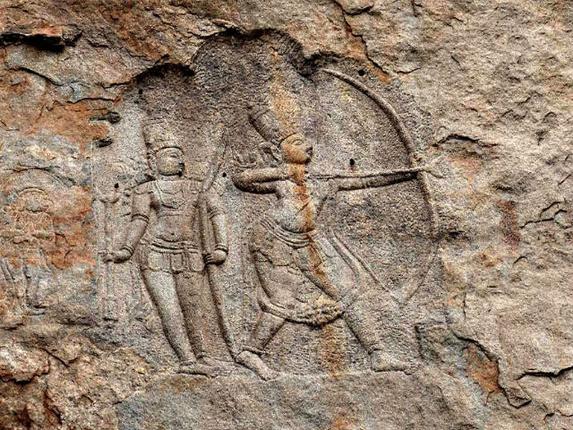
ஏரிக் கரையின் மீது, கையில் வில்லும் அம்புமாக இரண்டு உருவங்கள் நடந்து சென்று கொண்டிருந்தன. பளிச்சிடும் ஒளியுடன் அவர்கள் நடந்து சென்றனர். அதற்குப் பின்னர் மழையும் நின்றவுடன் கலெக்டர் பெருமூச்சுவிட்டார். மறுநாள் இந்த அதிசயத்தை அவரே சொல்லி, வந்தவர்கள் இராம லெட்சுமணரே என்றும் உணர்ந்தார். வெள்ளைக்காரர்கள் எங்கு போனாலும் முதலில் ஊர்க் கதைகளை அறிந்து அதை டயரி அல்லது கடிதம் அல்லது புத்தகமாக எழுதிப்போட்டு விடுவர். ஆகையால் அவருக்கு இராம லெட்சுமணர் கதை, தோற்றம் எல்லாம் அத்துபடி.

இதுபோல பல அதிசய சம்பவங்கள் செங்கல்பட்டு காஞ்சீபுரம் பகுதியில் நடந்ததால் கர்னல் பிளேஸ், ராபர்ட் கிளைவ் போன்றவர்கள் அங்குள்ள கோவில்களுக்கு நகைகளை அளித்து அவை இன்றுவரை அவர்கள் பெயரிலேயே உள்ளன. கர்னல் பிளேஸின் பெயர் மதுராந்தகம் கோவிலிலும் உளது. சாதாரண ராமர் – ஏரி காத்த ராமர் ஆகி இன்றும் நமக்கு அருள் பாலிக்கிறார்.

rama,hampi_2445924g

கர்நாடகத்தில்  ஹம்பியி், சமீபத்தில் கண்டுபிடிக்கப்பட்ட  ராமர் (இந்து நாளேடு)

கதை 2

தவறு செய்தவர் தண்டனையை அனுபவித்தே ஆக வேண்டும். இது இந்து மத விதி. மக்கள் வரிப்பணத்தை எடுத்து இறைவனுக்கே கோவில் கட்டினாலும் தவறுதான். இப்படித் தமிழ் நாட்டில் தவறு செய்து, அடி உதை பட்டவர், கல்லினையும் உருக்கும் அமுதத் தேன் போன்ற திருவாசகத்தை அருளிய மாணிக்கவாசகர் ஆவார். குதிரை வாங்கக் கொடுத்த பணத்தில் கோவில் கட்டியமைக்காக, அவரைப் பாண்டிய மன்னர் தண்டித்தார். பின்னர் இருவரும் சிவனைக் காணும் பேறு பெற்றனர்.

இறைவனின் அருள் கிடைப்பதற்கான விதிகளை யாரும் அறியார். அதனால்தான் இவைகளையெல்லாம் அவனது திருவிளையாடல்—லீலா விபூதீ- என்று முத்திரை குத்தி, தலைப்பிட்டு விடுகிறோம். பிரபஞ்சத்தையே கட்டி ஆளும் இறைவனின் விதிகளை ஐன்ஸ்டைன், ஐசக் நியூட்டன் போன்றோரின் விதிகள் போல 1, 2, 3 என்று எழுதிக் காட்ட வொணாது.

இதே போல ஆந்திரப் பிரதேசத்தில் பத்ராசலத்தில் இராமதாசர் என்பவர் இராம பக்தனாக இருந்தார். தனிர் ஷா என்னும் மன்னன், அவரை வரி வசூல் அதிகாரியாக நியமித்தார். அவர் இராமன் மீதுள்ள பேரன்பின் காரணமாக வரிப் பணத்தில் ஸ்ரீ இராமனுக்குக் கோவில் எழுப்பினார். அவர் மீது சட்டம் பாய்ந்தது. 12 ஆண்டு சிறைத் தண்டனை கிடைத்தது. அவருக்கு வாழ்க்கையே வெறுத்துப் போய்விட்டது. ராமன் பெயரைச் சொல்லிக் கதறினாலும் பலன் இல்லை. தற்கொலை செய்துகொள்ள திட்டம் போட்டார். ஆனால் மறு நாளைக்கு சிறைக் கதவுகளைக் காவலாளிகள் திறந்து விட்டு நீங்கள் முழு வரிப் பணத்தையும் செலுத்தியதால் அரசன், உம்மை விடுவித்தான் என்றனர். அவருக்கு ஒன்றுமே புரியவில்லை. ஏனெனில் அவர் வரிப் பணத்தைத் திருப்பித் தரவுமில்லை. அவ்வளவு பணம் அவரிடம் இல்லவும் இல்லை.

சிறையிலிருந்து வெளியேறி மன்னனின் அரண்மனைக்குச் சென்ற போதுதான் முதல் நாளிரவு இரண்டு பேர் இராம லெட்சுமண உடை அணிந்து வந்து, முழு வரிப்பணத்தையும் இராமதாசர் அனுப்பியதாகச் சொல்லி ஒப்படைத்து விட்டுச் சென்றனர் என்பதை அறிந்தார். ஏற்கனவே இராமர் மீது பல கீர்த்தனைகளை இயற்றிய அவர், தனிர் ஷா பெயருடன் இன்னும் ஒரு கீர்த்தனையும் பாடினார். எனக்குக் காட்சி கொடுக்காமல் தனி ஷாவுக்குக் காட்சி கொடுத்தனையே! இராமா இது என்ன நியாயம்? என்று. இறுதியில் அவரும் இராமரின் தரிசனம் பெற்று வாழ்க்கையின் லட்சியத்தை ஈடேற்றினார்.

நம்பினார் கைவிடப் படார்.

“நம்பினார் கெடுவதில்லை! இது நான்கு மறைத் தீர்ப்பு” – என்று யுகப் புரட்சி செய்த பாரதி போன்ற கவிஞர்கள் பாடியது இதனாலன்றோ!

sivaji

கதை-3

ஆனந்தாஸ்ரம சுவாமி ராம்தாஸ் சொன்ன கதை:

ஒரு சிப்பாய் (வீரன்) இருந்தான். அவனுக்கு ஓரிடத்தில் காவல் காக்கும் பொறுப்பு தரப்பட்டது. ஒரு நாள், அவனுக்கு இரவுக்காவல் “ஷிப்ட்” வந்தது. அப்போது ஒரு பஜனை கோஷ்டி இனிய சங்கீதத்தை இசைத்து இறைவனின் திருநாமத்தைச் சொல்லிக்கொண்டு ஆடிக் கொண்டும் பாடிக்கொண்டும் சென்றது.

காவல் பொறுப்பை மறந்துவிட்டு அவனும் அந்த கோஷ்டியில் சேர்ந்தான். நேரம் போனதே தெரியவில்லை. பொழுது விடிந்தது. எல்லோரும் வீட்டுக்குச் சென்றார்கள். இவன் மட்டும் காவல் காக்கும் இடத்துக்கு வந்தான். படைத் தளபதி பிடித்துக் கொண்டார். அவன் நடந்ததை உள்ளது உள்ளபடி சொன்னவுடன் கடும் எச்சரிக்கையுடன் அனுப்பப்பட்டான்.

மறுநாள் இரவும் பஜனை கோஷ்டி அவ்வழியாக சென்றது. ஒரு அழகிய பெண் மீது காதல் கொண்டவன் கதிதான் இறைவன் மீது ஆராக் காதல் கொண்டவனின் நிலையும். அன்றும் பஜனை கோஷ்டியுடன் சென்றுவிட்டு காவல் பணிக்குத் திரும்பினான். காலையில் படை அதிகாரி வந்ததும் அவனே ஓடிச் சென்று கடமை தவறியதை ஒப்புக் கொண்டான்.

அதிரிகாரியோ, “என்ன உளறுகிறாய்? நான் தான் இரவு உன்னைச் சோதிக்க வந்தேனே! எங்கேயாவது நீ மறுநாளும் இப்படிப் போய்விடுவாயோ என்று எண்ணி வந்தேன். நீ நன்றாகக் காவல் காத்தாய். இப்போது நீ போகலாம்” – என்று சொன்னார்.

பக்தனுக்கு உண்மை விளங்கியது. இறைவனே தனக்காக இப்படிக் காவல் காக்கவந்தான் என்பதை அறிந்து வேலைக்கு ஒரு முழுக்குப் போட்டுவிட்டு முழுநேர பக்தன் ஆகிவிட்டான். மதுரையில் பிட்டுக்கு மண் சுமந்த சிவ பெருமான், வந்தி என்னும் கிழவிக்காக அடி வாங்க வில்லையா? அது போன்ற கதைதான் இதுவும்!

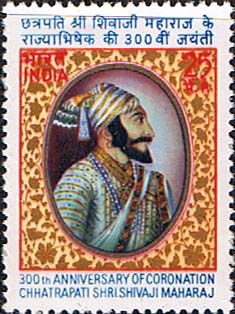
sivaji2   indian-stamp

கதை 4

இரண்டாம் கதையில் பத்ராசல ராமதாசைக் கண்டோம். மூன்றாம் கதையில் ஆனந்தாஸ்ரம சுவாமி ராமதாசைக் கண்டோம். இதோ இந்த நான்காம் கதையில் வேறு ஒரு ராமதாஸை – சமர்த்த ராமதாசரைக் காண்போம்:–

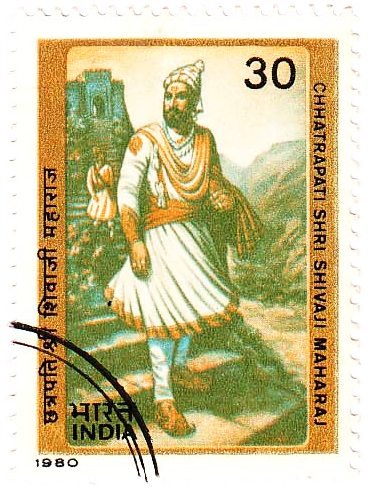
மொகலாய சாம்ராஜ்யத்தின் கண்களில் விரலை விட்டு ஆட்டி, முஸ்லீம் மன்னர்களை நடுநடுங்கச் செய்தவன் மாவீரன் சிவாஜி. பவானி தேவியின் அருள் பெற்று இந்து சாம்ராஜ்யத்தை அவன் ஸ்தாபித்தவுடன், இந்தியாவில் 700 ஆண்டு முஸ்லீம் ஆட்சிக்கு சாவு மணி அடிக்கப்பட்டதை நாம் நன்கு அறிவோம்.

மாவீரன் சிவாஜி இரண்டு சந்யாசிகள் மீது பக்தி பூண்டவன். சமர்த்த ராமதாசரையும் துகாராம் சுவாமிகளையும் இரு கண்களெனப் போற்றியவன் அவன். ஆகையால் இரவு நேரத்தில் குதிரையில் ஏறி, துகாராம் கதை சொல்லும் – உபந்யாசம் செய்யும் – இடத்துக்குப் போவது அவன் வழக்கம். இதை நன்கு அறிந்த முஸ்லீம் படைகள், ஒரு நாளிரவில் அவன் போய் கதை கேட்டுக் கொண்டிருந்த மண்டபத்தைச் சூழ்ந்து கொண்டனர். பக்தி வெள்ளத்தில் மூழ்கிய சிவாஜிக்கோ ஒன்றும் தெரியவில்லை. துகாராம் சுவாமிகளோ முக்காலமும் உணர்ந்த முனிவன். உடனே சிவாஜியைக் காப்பாற்றும்படி இறைவனிடம் வேண்ட ஒரு அதிசயம் நிகழ்ந்தது.

இறைவனே சிவாஜி போல வேடம் அணிந்து பஜனை மடத்தின் வெளியே ஒரு குதிரையில் தாவி ஏறி ‘சிட்டாக’ப் பறந்தார். உடனே முஸ்லீம் படை வீரர்கள் சிவாஜியைத் தீர்த்துக் கட்டும் ஆவேசத்தோடு அந்தக் குதிரையைப் பின்  தொடர்ந்தனர். அதுவோ அடர்ந்த காட்டுக்குள் சென்று மறைந்துவிட்டது. படைவீரர்கள் வழிதெரியாமல் திகைத்து நின்றனர்.

பஜனை முடிந்தவுடன், ‘அசல்’ சிவாஜி ஒரு சிரமுமின்றி அரண்மனை சேர்ந்தார். ஒற்றர்கள் மூலம் நடந்த எல்லாவற்றையும் பின்னர்தான் அறிந்தார். இறைவனுக்கும் குருவுக்கும்  மேலும் ஒரு முறை நன்றி செலுத்தினார்.

—சுபம்—-

Seclusion of Women in Hinduism!

pen thaiyal

Research paper No 1950

Written by London swaminathan

Date: 23 June 2015

Uploaded in London at 19-19

Seclusion of women during the time of their menstruation is stressed in the Hindu Dharmasastras (law books) and Puranas (Mythology). Though we see some restrictions in other cultures, Hindus are very strict about it. But we don’t read about it in early Vedic texts. Probably they might have left it out because it was already known.

The Grhyasutras give the following conditions:

1.A student ( of Vedic Studies) must not see a  woman during her monthly period time.

2.He must be careful not to come across a menstruating woman.

3.The Vedas must not be recited in front of a woman who is in her monthly impurity.

4.Those who have retired from family should not see a menstruating woman.

5.A student must not talk or play with girls in their menses.

Even within the family, the above restrictions are followed with their own sisters or mother or close relatives. For married couple sex was banned for four days. A woman is allowed to resume her normal work only after a ritual bath. In Brahmin families they follow it strictly. In Nepal, Hindus follow these restrictions.

Though the Smrtis are very open about this subject, no one talks about it in public because they see it as a taboo subject.

Like Hindus Jewish women also take a ritual bath after seven days. In some Christian sects, they follow certain restrictions.

Hindus never allow them to touch the plants, particularly holy plants Tulsi, Bilva etc during this period. They believe the negative energy in the body or the impurity will spoil the plants. South Indian Brahmins had separate room for such women. Now the city life has changed everything. But yet they don’t participate in any religious events and they don’t go to temples or even the prayer rooms in their own houses.

It is a known that fact that women get irritated easily during that period. But no scientific study has been done about “negative energy” etc. Though several Hindu religious institutions follow strict rules regarding admitting menstrual women to participate in their events, saints like Sathya Sai Baba did not insist such rules. Saint Guru Nanak, founder of Sikhism also, condemned restrictions on menstruating women.

When a girl comes of age it is celebrated in most of the Hindu castes.


Dictionary of Symbolism give the following information:

“In the classical theory of procreation, menstrual blood is one of the two components (along with sperm) from which new life comes about. Yet it is considered “impure” by many peoples and charged with negative power, so that menstruating women are often separated from the community. In Judaism, a woman is obliged to take a ritual bath known as ‘mikveh’ seven days after the conclusion of her monthly menstruation. For a minimum of 12 days, a woman is not permitted to have sexual relations with her husband.”

IMG_4506

Manu Smrti

Manu deals with the menstrual women in several chapters: 3-239; 4-40/41, 57, 208; 5-66, 85, 108; 11- 88, 174.

All these rules were applied for the three castes of twice born people: Brahmins, Kshatriyas and Vaisyas.

He says,

If anyone has touched a menstruating woman he can be cleaned by a bath.

A river is cleaned by its current, a woman whose mind has been corrupted is cleaned by her menstrual blood and priests are cleaned by renunciation.

A Vedic graduate should not have sex with a menstruating woman, he should not even lie down in the same bed with her. If he does it he loses his wisdom, brilliant energy, strength, vision and long life. He should not carry on a conversation with a menstruating woman.

A priest should not eat food touched by a menstruating woman.

A menstruating woman should not watch a priest eating.

All the above rules insist that one should not approach a woman in her periods. Probably it gives more safety and security for a woman in that condition.

(Somewhere I have read that even ancient Greeks had strange beliefs about menstruating women such as they should not look at a mirror etc. Tribes around the world have strange beliefs about women in periods).

Even Draupadi was menstruating while she was dragged by Dussasana to the court of Duryodhana. She was wearing one piece of cloth following the custom of the day.

Pictures are taken from magazines and face book;thanks.

அண்டத்தில் உள்ளது பிண்டத்திலும் உண்டு

earth

Research paper No 1949

Written by London swaminathan

Date: 22 June 2015

Uploaded in London at 9-45

அண்டம்= பிரபஞ்சம்

பிண்டம் = நமது உடல்

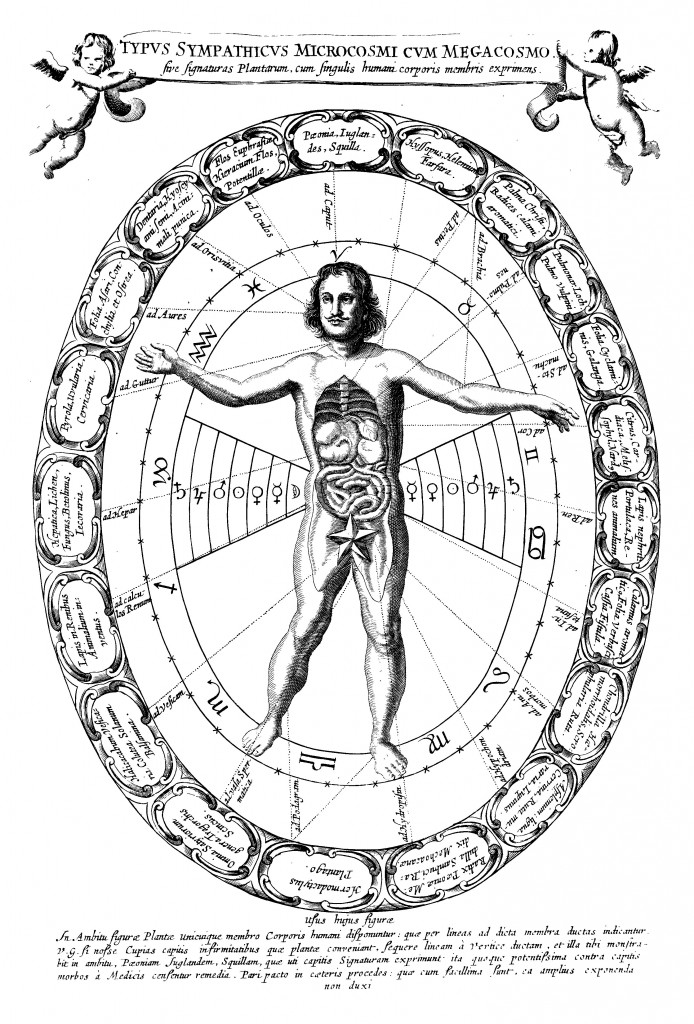
அண்டம், பிண்டம் என்பதெல்லாம் சம்ஸ்கிருதச் சொற்கள் என்பதை நான் சொல்லித்தான் நீங்கள் தெரிந்து கொள்ள வேண்டியதில்லை. இவை வேத காலம் முதல் வழங்கி வரும் சொற்கள். அண்டத்தில் உள்ளது பிண்டத்திலும் உள்ளது என்றால் என்ன பொருள்? நாம் பிரபஞ்சத்தில் காணும் எல்லாவற்றின் சிறு வடிவமே நமது உடல். இது இந்து மதத்தில் உள்ளது வெளிநாட்டினருக்குத் தெரியாது. அவர்கள் இதை கிரேக்க மொழியில் இதைப் பார்த்தவுடன் இது கிரேக்கர்களின் கண்டுபிடிப்பு என்று ‘என்சைக்ளோ பீடியா’ (கலைக் களஞ்சியம்) எல்லாம் எழுதி வைத்து விட்டனர். அவர்கள் இதை மைக்ரோகாஸ்ம், மேக்ரோ காஸ்ம் என்று அழைப்பர்.

இது எப்படி கிரேக்க மொழிக்கும் போனது? இந்துக்கள் வேத காலத்துக்குப் பின்னால் ஐரோப்பா முழுதும் குட்யேறி வேத நாகரீகத்தைப் பரப்பினர். விஞ்ஞான ரீதியில் அமைந்த சம்ஸ்கிருத மொழியைப் பரப்பினர். இதனால் கிரேக்கம், லத்தீன் மொழிகள் எல்லாம் பிறந்தன. இதற்குப் பின் ஐரோப்பிய மொழிகள் தோன்றின. மொழிகளில் இப்படி அபூர்வ ஒற்றுமை கண்டவுடன், வெள்ளைக்காரகள், அங்கிருந்து நாம் இங்கு வந்ததாகக் கதை கட்டிவிட்டனர். ஏனெனில் இது இந்தியாவை அவர்கள்  ஆளவும் மதத்தைப் பரப்பவும் வசதியாக இருந்தது. ஆக அந்தக் காலத்திலேயே இந்தக் கொள்கை அங்கு போனதற்கு எடுத்துக் காட்டாக வேதத்தில் உள்ள சரமா நாய்க் கதை கிரேக்க இதிஹாசத்தில் ஹெர்மஸ் என்ற பெயரில் உள்ளது. பஞ்ச பூதம், சப்த ஸ்வரம், பூமி என்பவள் தாய் — முதலிய கொள்கைகளை அவர்கள் நம்மிடமிருந்து எடுத்துக் கொண்டனர். அதில் ஒன்றுதான் இந்த அண்டம்—பிண்டம் பற்றிய கொள்கை.

பிதகோரஸ் முதலிய கிரேக்க அறிஞர்கள் இந்தியாவை நன்கு அறிவர். அவருக்குப் பின் வந்த சாக்ரடீஸின் சீடர் பிளாட்டோ, அவரது சீடர் அரிஸ்டாடில், அவரது சீடர் அலெக்ஸாண்டர். இதனால் அலெக்சாண்டருக்கு இந்தியா மீதும் சாது சந்யாசிகள் மீதும் அபார பற்று.

kircher_079-694x1024

“யத் அண்டே தத் பிரஹ்மாண்டே”

அண்டத்தில் உள்ளது பிண்டத்திலும் உள்ளது என்பதை வடமொழியில் யத் அண்டே த பிரம்மாண்டே – என்பர். இதை கிரேக்கர்கள் மைக்ரோ காஸ்ம் (உடல்), மேக்ரோகாஸ்ம் (பூமி அல்லது பிரபஞ்சம்) என்றனர். உபநிஷதங்களும், “ஒன்றே எல்லாவற்றிலும் உள்ளது, எல்லாம்  ஒன்றில் உள்ளது” — என்று கூறின. எல்லாம் ஒன்றுடன் ஒன்று தொடர்புடையன. ஒன்றை ஒன்று சார்ந்துள்ளன. அவைகளைத் தனியாகப் பிரிக்கமுடியாது என்றனர். விஞ்ஞானிகள் அணு மற்றும் அணுசக்தி பற்றிக் கொண்ட கருத்துகள் இதே போல இருக்கும். உபநிஷதங்கள் பிரம்மத்தையும் ஆத்மாவையும் வருணிப்பது விஞ்ஞான- பௌதீக கருத்துக்களை ஒத்திருக்கும்:

“இது பெரியதுக்குள் பெரியது, சிறியதெல்லாவற்றையும் விடச் சிறியது. பருப்பொருளும் அல்ல; நுணுக்கமானதும் அல்ல. தீயும் அல்ல, தண்ணீரும் அல்ல. நிழலும் அல்ல, இருட்டுமல்ல; ஆகாசமுமல்ல, வாயுவுமல்ல; எதிலும் ஒட்டாதது, சுவை இல்லாதது, வாசனை இல்லாதது, கண், காது, மூக்கு, வாய் இல்லாதது.உள்ளுக்குள் இல்லை, வெளியே இல்லை. எடுத்தாலும் குறையாது. அதிலிருந்து அதை எடுத்தால் அது குறையாது, அதுவே மிஞ்சி நிற்கும் (பூர்ணமதப் பூர்ணமிதம் ……………….. பூர்ணம் ஏவா உதிச்யதே)- பிருஹதாரண்யக உபநிஷத்தில் உள்ள இவை எல்லாம் இயற்பியலில் “குவாண்டம் தியரி” போல இருக்கிறது என்று அறிஞர்கள் கூறுவர்.

இந்துக்கள் எல்லாவற்றையும் விட வேகமானது மனம் என்பர். ஒளியானது ஒரு வினாடிக்கு 1,86,000 மைல் வேகத்தில் பயணம் செய்து ஓராண்டில் கடக்கும் தொலைவை ஒளி ஆண்டு என்பர். இந்த வேகத்தை எதுவும் எட்ட முடியாது. இதற்கு அருகில் கூட வரமுடியாது என்கிறது விஞ்ஞானம். ஆயினும் மனோவேகம் என்பது 500 ஆண்டு ஒளி ஆண்டுக்கு அப்பால் உள்ளதையும் விட ஒரு நொடியில் நினைக்கும் சக்தியாகும். ஆனால் அவ்வேகத்தில் போக முடியுமா? நினைப்பது வேறு, போவது வேறு அல்லவா? ஆயினும் இந்து சாது சந்யாசிகள் அந்த வேகத்தில் செல்ல முடியும் என்கின்றனர். நாரதர் முதலிய த்ரிலோக சஞ்சாரிகள் நினைத்த மாத்திரத்தில் இவ்வாறு பயணம் செய்தனர்.

சாந்தோக்ய உபநிஷத் சொல்கிறது:

இருதயத்தில் ஒரு சிறு ஆகாசம் உள்ளது. இது விரிவடையும் அளவுக்கு வெளியே ஆகாசம் உள்ளது. அதை எல்லோரும் அறிய வேண்டும். வெளியே சூரியன், சந்திரன், நட்சத்திரங்களை எல்லாம் உள்ளடக்கிய பேராகாசம் இருதயத்தில் உள்ள ஆகாசத்துக்குள் இருக்கிறது.

சுவாமி விவேகாநந்தரும் இதை தனது சொற்பொழிவுகளில் தந்துள்ளார். நம்முடைய மனது போலவே பிரபஞ்ச மனது ஒன்று உள்ளது. எல்லாம் ஒன்றினுள் ஒன்று அடக்கம் என்பார்.

திருமூலர்

தமிழில் உடல் என்பது பிண்டம் என்றும், பிரபஞ்சம் என்பது பிரம்மாண்டம் என்றும் பல பாடல்களில் வருகிறது. ஆயினும் திருமூலர்தான் இக்கருத்தை அதிகமான பாடல்களில் சொல்கிறார். இதோ ஒரு பாடல்:

அண்டத்தி னுள்ளே அளப்பரி தானவள்
பிண்டத்தி னுள்ளே பெருவெளி கண்டவள்
குண்டத்தி னுள்ளே குணம்பல காணினும்
கண்டத்தி னுள்ளே கலப்பறி யார்களே

garudapurana

கருட புராணம்

சாதாரண மனிதனுக்குப் புரியவைக்க உடலில் உள்ள ரத்த நாளங்களை ஆறுகளுக்கும், மேடு பள்ளங்களை- மலைகள் பள்ளத் தாக்குகள் ஆகியவற்றுக்கும், முடி முதலியவற்றை தாவரங்களுக்கும் ஒப்பிடுவர்.

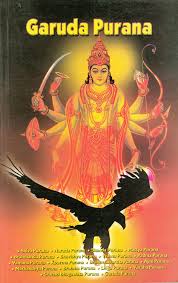
கருட புராணத்தில் ஒரு நீண்ட வருணனை உள்ளது:

உள்ளங்கால்=அதலம்

கணைக்கால்=விதலம்

முழந்தாள்=சுதலம்

அதற்குமேல்=நிதலம்

தொடை=தராதலம்

ஆசனவாய்ப் பகுதி=ரசாதலம்

இடை=பாதாளம்

நாபி=பூலோகம்

வயிறு=புவர் லோகம்

இருதயம்=சுவர்கம்

தோள்=மஹாலோகம்

முகம்=ஜனலோகம்

நெற்றி=தபோலோகம்

தலை=சத்தியலோகம்

திரிகோணம்=மேரு

கீழ்க்கோணம்=மந்தரம்

வலப்பக்கம்= கயிலை

இடப்பக்கம்= இமயம்

மேற்பக்கம்=நிஷதம்

தென்பக்கம்=கந்தமாதனம்

இவ்வாறு ஈரேழு 14 புவனங்களையும் மனித உடலுக்குள் அடக்கிய பின்னர் இடக்கை ரேகைகளை வருண பர்வதத்துகும்,எலும்பை நாவலந்தீவுக்கும், மேதசை சாகத் தீவுக்கும், தசயை குசத் தீவுக்கும்,நரம்பை கிரவுஞ்ச தீவுக்கும் ஒப்பிட்டுவிட்டு ஏழு கடல்களை உடலில் ஓடும் திரவங்கள் ஆகியவற்றுக்கு ஒப்பிடுகிறது.

பின்னர் நவக் கிரஹங்களை கீழ்கண்டவாறு ஒப்பிடும்:

சூரியன்= நாத சக்ரம்

சந்திரன்=பிந்து சக்ரம்

அங்காரகன்=நேத்திரம்

புதன்=இருதயம்

குரு= வாக்கில்

வெள்ளி/சுக்ரன்

சனி=நாபி

ராஹு=முகம்

கால்=கேது

இவை எல்லாம் இந்துக்களின் சிந்தனை சென்ற வழித் தடத்தை காட்டும். அறிவியல் பூர்வமாகச் சிந்தித்ததோடு பிரபஞ்சத்தையே தன்னில்  – ஒரு மனிதனிடத்தில் – அடக்கிவிட்டனர்.

Global human chain

அஹம் பிரம்மாஸ்மி

நானே பிரம்மம் என்பது வேத வாக்கு. நான் என்பதை சம்ஸ்கிருதத்தில் ‘அஹம்’ என்பர். சம்ஸ்கிருத அரிச் சுவடியில் அ- என்பது முதல் எழுத்து, ஹ—என்பது கடைசி எழுத்து. உலகிலுள்ள எந்தப் பொருளையும் இந்த எழுத்துக்களால் சொல்லிவிடலாம். ஆக அஹம் – நான் – என்பது உலகம் முழுவதையும் உள்ளடக்கியது. அஹம் என்றால் உலகிலுள்ள எல்லாப் பொருள்களையும் நாம் குறிக்கிறோம்:-

அஹம்= பிண்டம்

அ – – ஹ = பிரம்மாண்டம்

அஹத்தில் (நான்/என்னில்,பிண்டத்தில், எனது உடலில்) அடங்கிவிட்டது பிரம்மாண்டம்!!!

—சுபம்—-