‘’ச’’ – எழுத்துக்கு தொல்காப்பியன் தடை விதித்த மர்மம் என்ன?

tol1

கட்டுரையை எழுதியவர் :– London swaminathan
ஆராய்ச்சிக் கட்டுரை எண்- 1509; தேதி 23 டிசம்பர், 2014.

This article is available in English as well.
Tamil Wonders, Tamil Miracles, Tamil Beauty
The Wonder that is Tamil- Part 2

தமிழ் அதிசயம் -6
தமிழ் மொழியில் சில எழுத்துக்களில் சொற்கள் துவங்கக் கூடாது என்று தொல்காப்பியம் தடை விதிக்கிறது. சங்கம் என்ற சொல்லே தமிழ் சொல் இல்லை என்பது பலருக்கும் தெரியாது. ஆனால் தமிழர்கள் தங்கள் மொழியை வளர்க்க மூன்று தமிழ்ச் சங்கங்கள் வைத்தது அவர்களுக்குத் தெரியும்!

தமிழில் கிடைத்த நூல்களில் மிகவும் பழமையானது தொல்காப்பியம் என்று சான்றோர் கூறுவர். இதை எழுதியவர் “ஒல்காப் புகழ்” தொல்காப்பியன் ஆவார். இவர் விதித்த தடையையும் மீறி ச- என்னும் எழுத்தில் துவங்கும் சுமார் 14 சொற்கள் சங்க இலக்கியத்திலேயே உள்ளன. இவைகள் வடமொழிச் சொற்களே! சகடம், சங்கம், சடை, சமன், சரணம், சருமம், சலதாரி, சலம், சனம், சண்பகம் முதலியன அவை.
tol2

தமிழ் அதிசயம் -7
இதே போல “ஞ” என்னும் எழுத்திலும் சொற்கள் துவங்கக் கூடாது என விதி. ஏன் இப்படி விதித்தனர் என்பது யாருக்கும் தெரியாது. அப்படியும் சங்க இலக்கியத்தில் ஞமலி (நாய்), ஞமன் (யமன்) ஆகிய சொற்கள் உண்டு. ய, ர, ல ஆகிய எழுத்துக்களும் தமிழ் சொற்கள் துவங்கக் கூடாது என்பது விதி. இதற்கு என்ன காரணம் என்பது எங்கும் இல்லை.

‘’ச’’ என்பதன் மீது விதிக்கப்பட்ட தடைதான் வியப்பைத் தருகிறது. உலகில் உள்ள எல்லா மொழிகளிலும் ‘’ச’’ சப்தத்துடன் துவங்கும் சொற்கள் ஏராளம். தமிழில் நாம் இன்றும் கூட சங்கு, சங்கம், சமம் முதலிய சொற்களைப் பயன்படுத்துகிறோம் இவை வட மொழிச் சொற்கள். ஒருவேளை வட மொழியுடன் வேறுபடுத்த இந்த விதியை வைத்தனரோ! ஏனெனில் வடமொழியில் ‘’ச’’ – வர்கத்தில் நான்கு விதம் உண்டு. இது தவிர ஆங்கிலத்திலுள்ள ஸ், ஷ் போன்று சப்தம் உடைய நான்கு வகைகள் வேறு வட மொழியில் இருக்கின்றன. வியாசர் என்னும் மாமுனிவர் அதிகமான ஸ்லோகங்களை ‘’ஸ’’ என்னும் எழுத்தில் துவங்கியதால் அவருக்கு சகாரகுக்ஷி என்று பெயர் எனவும் சான்றோர் கூறுவர். இதனால்தான் தமிழில் ச-வுக்குத் தடை விதித்தனரோ!

ய,ர,ல, ஞ – ஆகிய சில எழுத்துக்களுக்கும் தடை விதித்ததற்குக் காரணம் கூறப்படவில்லை!
06fr_Nagaswamy_boo_1134438g

தமிழ் அதிசயம் -8
ஃஃஃஃஃஃஃஃஃஃஃ அஹ்து அஃது, இஹ்து, இஃது

ஆய்த எழுத்தும் ஒரு விநோத எழுத்தே. இதை சங்க காலத்திலும் சரி தற்காலத்திலும் சரி நாம் அதிகம் பயன்படுத்தவில்லை. இந்த மூன்று புள்ளி உடைய எழுத்து கல்வெட்டுகளில் காணப்படாததால் தொல்காப்பியர் காலத்தை முதல் சில நூற்றாண்டுகளில் வைப்போரும் உளர்.

ஆய்த எழுத்தைக் கண்டு பிடித்ததே தொல்காப்பியரோ என்று எண்ணவும் சில காரணங்கள் உண்டு. வடமொழியில் விசர்க்கம் என்னும் இரண்டு புள்ளி எழுத்து போல இதைப் பயன்படுத்த அவர் எண்ணி இருக்கலாம். வடமொழியில் ராம என்பதற்குப் பின் விசர்க்கம் ‘’ : ’’ (ராம: ) வந்தால் ராமஹ என்பர். ஹரி எனபதற்குப் பின் ‘’ : ‘’ வந்தால் ஹரிஹி என்பர். ஆனால் இது போல தமிழில் ஆய்தம் பயன்படுத்தப்படவில்லை. ஃ என்பது அஹ் என்ற சப்தத்துக்கு மட்டுமே பயன்படுத்தப்படுகிறது. இது இல்லாமலேயே தமிழ் மொழி வாழ முடியும் என்று அனைவரும் ஒப்புக் கொள்வர். ஒவ்வொரு மொழியிலும் சில விநோதங்கள் உண்டு. தமிழ் மொழியில் ஃ மற்றும் மொழி முதல் எழுத்துகள் பற்றிய விதிகள் எல்லாம் விநோதமாக உள்ளது.

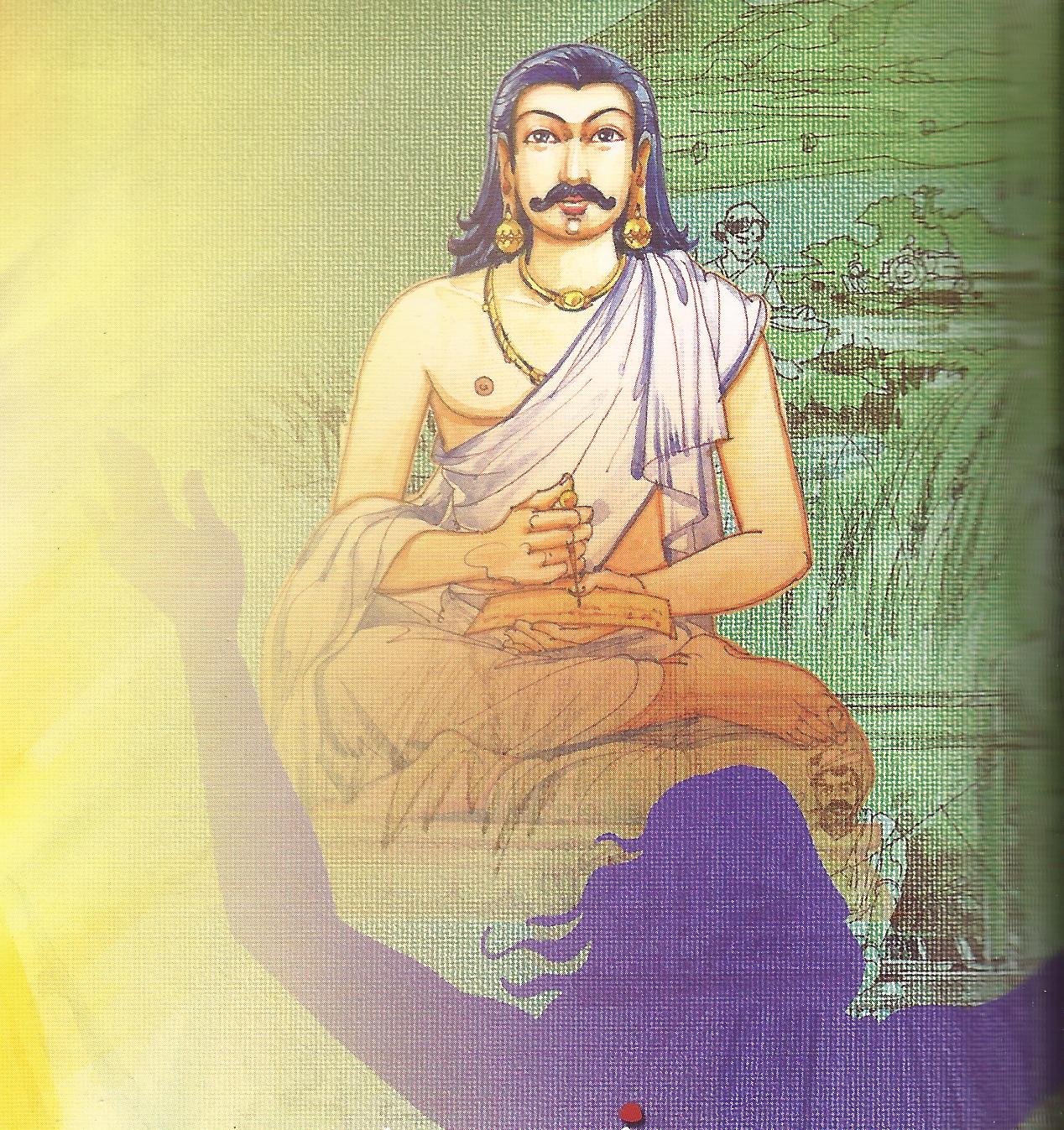
தொல்காப்பியரின் பெயர் த்ருணதூமாக்கினி என்று பழைய உரைகாரர்கள் கூறுகின்றனர். புதிய புத்தங்களில் அவருடைய பூர்வீகத்தை இருட்டடிப்புச் செய்கின்றனர். அதை இருட்டடிப்பு செய்யாமல் அதை எழுதி அதற்கு மறுப்புரை எழுதினால் தவறில்லை. இவ்வளவு பீடிகை எதற்கு என்று நீங்கள் யோசிக்கலாம்.

ஆரியதரங்கிணி என்ற புத்தகம் எழுதிய திரு கல்யாணராமன் இந்தோநேஷியாவில் ஒரு அகத்தியர் சிலை அருகே த்ருணபிந்து என்ற பெயரில் தொல்காப்பியர் சிலை இருப்பதாக எழுதியுள்ளார். ஆனால் இடத்தின் பெயர் இல்லை. அது சரியானால், அதையே- த்ரி பிந்து என்று படித்தால் முப்புள்ளி என்று ஆகும். இது ‘’ ஃ ’’ கண்டு பிடித்ததால் அவருக்கு இட்ட பெயரோ என்று நான் கருதுவதுண்டு. இது ஒரு கற்பனையே. மேலும் ஆதாரம் கிடைக்கும் வரை கற்பனையாகவே எண்ணல் வேண்டும்.
tolkappiyar

தமிழ் அதிசயம் -9
ஔ- கார மர்மம்
தமிழிலும் சம்ஸ்கிருதத்திலும் உயிர் எழுத்துக்கள் கிட்டத்தட்ட ஒன்று. குறில் எ, ஒ ஆகியன வடமொழியில் இல்லை. அதற்குப்பதில் க்ரு என்ற எழுத்து உண்டு. இருந்தபோதிலும் அரிதாகவே பயன்படுத்தப்படும் ஆனால் இரண்டு அரிச்சுவடியிலும் ‘’ஔ’’ என்னும் எழுத்து இருந்தும் யாரும் பயன்படுத்தவில்லை. சங்க காலப் புலவர் முதல் வள்ளுவன், பாரதி வரை ஔ—வில் பாட்டு துவங்கவில்லை. சங்கப் புலவர் எழுதிய 30,000 வரியிலும் வள்ளுவன் எழுதிய 2660 வரிகளிலும் ‘’ஔ’’ என்ற எழுத்தில் துவங்கும் சொல்லே இல்லை. ஔவையாரையும் அவ்வை என்றே எழுதினர். ஆனால் அங்கிலத்தில் ‘’ஔ’’ல் (ஆந்தை) போன்ற ஒலிகள், சொற்கள் உண்டு.

தமிழும் சம்ஸ்கிருதமும் வேற்றுமை (விபக்தி), அரிச்சுவடி போன்ற பல விஷயங்களில் ஒத்துப் போவதால் சிந்து சமவெளி ஒலிக் குறிப்புகளும், சொல் துவக்கமும் இதே போலத்தான் இருக்கவேண்டும். அதாவது 25 விழுக்காடு சொற்கள் உயிர் எழுத்தில்தான் துவங்கும். அ என்னும் எழுத்து அதிகமாக இருக்கும் ஆ என்பது குறைவாக இருக்கும். இ என்பது அதிகம் இருக்கும் ஈ என்பது அரிதாகவே இருக்கும். இப்படிப் பல அபூர்வ ஒற்றுமைகளை எனது ஆராய்ச்சிகள் காட்டுகின்றன. எனக்கு சிந்து சமவெளி எழுத்துக்களைப் படிக்க மான்ய உதவி கிடைத்தால் அதை நொடிப்பகுதியில் அலசி ஆராய இது போன்ற பல நூதன உத்திகள் என்னிடம் உள.
Tamil_Brahmi_Potsherd
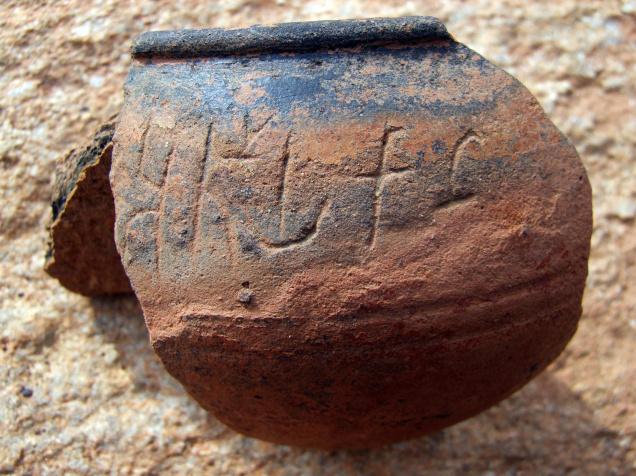
Pot with Brahmi script near Vadalur (Script writing: Atiyakan)

தமிழ் அதிசயம் -10

அ என்னும் எழுத்தைக் கண்டு பிடித்தது யார்?
உலகில் எல்லா மொழிகளும் அ- வில்தான் துவங்க முடியும் என்ற மாபெரும் உண்மையை, முதல் (1) திருக்குறளில் வள்ளுவனும் வள்ளுவனுக்கு முன் கிருஷ்ண பரமாத்மா கீதையிலும் சொல்லி வைத்தனர். அதற்கு முன் ரிக் வேத முனிவர்கள் சொல்லி வைத்தனர்.

உலகின் மிகப் பழைய நூலான ரிக் வேதம் ‘’அக்னி மீளே புரோஹிதம்’’ என்ற செய்யுளுடன் துவங்கி அக்னி என்னும் செய்யுளுடன் 10,000-க்கு மேலான மந்திரங்களுடன் முடிவடைகின்றன. கிரேக்க மொழியானாலும் அராபிய மொழியானாலும் நம்மைத் தான் பின்பற்றுகின்றனர். வேத மந்திரங்கள் எல்லாம் ஓம் என்னும் மந்திரத்துடன் சொல்ல வேண்டும் என்பது விதி. அந்த ஓம் என்னும் ஏக அக்ஷரமும் ‘’அ+உ+ம’’ என்ற அ-வில்தான் துவங்கும். ஆக உலகிற்கு ‘’அ’’ என்னும் எழுத்தைக் கற்பித்து அரிச்சுவடியில் முதல் எழுத்தாக வைத்ததும் நாம் தான். இதை ஏசு பிரானும் பைபிளில் ‘’ஐ ஏம் தெ ஆல்பா அண்ட் ஒமேகா’’ என்று கூறுவதை உலகம் அறியும். அவர் இமயமலையில் முனிவர்களிடம் வேத உபநிஷத் பகவத் கீதையைக் கற்றுச் சென்றதற்கு இதுவும் ஒரு எடுத்துக்காட்டு.
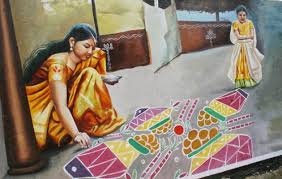
kolam painting
Tamil’s wonderful ancient art KOLAM. Only Tamil girls in the whole wide world can draw perfect mathematical diagrams without any instruments!!

சிவ பெருமான், பாணினி என்னும் உலக மகா இலக்கண வித்தகனுக்கு வழங்கிய 14 மாஹேஸ்வர சூத்ரங்களில் முதல் சூத்திரமும் அ-வில் துவங்குவதே! பாணிணியின் உலக மஹாப் புலமையைக் கண்டு வியந்த பாரதி உலகம் நம்ப முடியாத திறன் (நம்பருந்திறல் பாணிணி) என்று பாடுகிறார்.

வாழ்க தமிழ் மொழி! வாழ்க நிரந்தரம்!

Tamil Talent beyond Belief!

Indian-Rope-Trick

Research paper written by London Swaminathan
Research article No.1508; Dated 22 December 2014.

The Wonder that is Tamil – Part 1

Tamil literature is vast. It is vast like an ocean. Pearls and corals are at the bottom lying undiscovered. Tamils wasted their 50% time by criticizing Sanskrit and another 50% by shouting slogans “Long Live Tamil” from political stages. Because they mingled politics with Tamil language lot of gems are still lying unknown and undiscovered. They are beyond the reach of general public. Gems form Sanskrit literature was translated in to European languages 300 years ago. Tamils have slowly woken up and started translating them in to other languages. Even the existing translations don’t highlight the juicy bits. One has to dig deeper to find those gems. Let us look at one of the gems now:

Tondai Manadala Satakam consists of 100 verses. It belongs to modern period. The poem glorifies the people, philanthropists, chieftains and kings of Tondai Nadu. Tondai Nadu is the northern most area of Tamil Nadu. It covers the old Pallava kingdom including Kancheepuram, Chennai, Tiruvannamalai and Pondicherry. One of the philanthropists who supported the bards and their wives was Sadayanthan. He was the patron of many talented singers and dancers.

Like the famous Rope Trick of North India, Tamils were practising and demonstrating certain talents which were beyond one’s belief. They could dance with several water pots on their heads and pick up a needle from the floor without dropping a single water pot. Even today we have such talented folk dancers.

king2

Hundreds of years ago there was a dancer who could climb a pole like an acrobat and slip her nose ring from the top and swing lie a king fisher to catch the falling nose ring. Several types of birds can do this extraordinary feat of catching their falling prey or fruits or nuts in the mid air. This talented dancing girl did this like a bird called Vichuli. It is like king fisher bird that can catch its prey from anywhere.

Her name and fame spread far and wide. The Pandya king wanted to see her acrobatic talent in person. When he sent a word to the singers and dancers this lady came forward to demonstrate her talent. But Pandya’s wife was very jealous about this village beauty and so she was planning to distract her husband, the king, from watching such a brilliant performance. She succeeded in distracting the king at the nick of the moment and so the king missed the important bit. He could not watch the girl catching the falling nose ring by flying like a bird in mid air. The queen made him to turn his face away under some false pretense.
kingfisher

The disappointed king asked the lady to demonstrate it one more time. But the woman insisted it requires lot of Yoga practice and breathing exercises such as Jala sthambana and Vayu sthambana to do it perfectly without endangering her life. When he insisted her to do it and promised all precautions to save her in any eventuality, she knew that she would die half way through such a feat. She did it to satisfy the king and died when she caught the falling nose ring. But she was so grateful to the philanthropist Sadayanathan who supported her, composed a poem and recited to a bird, requesting the bird to convey it to her patron. The song and story were part of Tondai Mandala Satakam. Just because it was preserved in the poem, we come to know about the extraordinary talent of a Tamil woman.

Those were the days the whole world was looking for such miracles from India. Even Emperor Jahangir recorded witnessing a rope trick in person. All the foreign travellers who visited India for 2300 years from the days of Megasthenes wrote hundreds of pages about India and its wonders. We must thank those people who made us feel proud.
ndian-rope-trick-set-1127-p

(I have translated this into English from my brother S Nagaraja’s Tamil article: swami48@yahoo.com )

அதிசயத் தமிழ், அற்புதத் தமிழ், விந்தைத் தமிழ்

Tamil-annai
Mother Tamil- Tamil Annai

Research paper written by London Swaminathan
Research article No.1507; Dated 22 December 2014.

Tamil Wonders, Tamil Miracles, Tamil Beauty
The Wonder that is Tamil- Part 1
தமிழ் ஒரு அற்புதமான மொழி. ஏராளமான அதிசயச் செய்திகள் நிறைந்த மொழி. படிக்கப் படிக்கத் தெவிட்டாத செய்திகள் உடைய மொழி. பழமொழிகளும் தனிப் பாடல்களும், நல்ல இலக்கியங்களும் ஆயிரக் கணக்கில் உடைய இம்மொழியை கற்று அனுபவிக்கப் பல பிறவிகள் எடுக்க வேண்டிவரும். இதன் சுவையை நுகர ஒரு சில எடுத்துக் காட்டுகளைப் பார்ப்போம்.

தமிழ் அதிசயம் -1
எத்தனை மன்னர்கள் அடிபணிந்தனர்?
குலோத்துங்க சோழனின் (1070-1118) வெற்றிகளை எடுத்துரைப்பது ஜயம்கொண்டார் எழுதிய கலிங்கத்துப் பரணி என்னும் நூல். அதில் குலோத்துங்கன் வெற்றிகொண்ட நாடுகள், இனங்களின் பட்டியலைக் கேளுங்கள்:

தென்னவர் வில்லவர் கூபகர்
சாபகர் சேதியவர் யாதவரே
கன்னடர் பல்லவர் கைதவர்
காடவர் காரிபர் கோசலரே
சங்கர் கராளர் கலிந்தர்
துமிந்தர் கடம்பர், துளும்பர்களே
வங்கர் இலாடர் மராடர்
விராடர் மயிந்தர் சயிந்தர்களே
சிங்களர் வங்களர் சேகுணரே
சேவணர் செய்யவர் ஐயணரே
கொங்கணர் கொங்கர் குலிங்கர்
சவுந்திரர் குச்சரர் கச்சியரே
வத்தவர் மத்திரர் மாளுவர்
மாகதர் மச்சர் மிலேச்சர்களே
குத்தர் குணத்தர் வடக்கர்
துருக்கர் குருக்கர் வியத்தர்களே
அந்தக் காலத்தில் பாரத நாடு 56 தேசங்களாகப் பிரிந்திருந்தது. சோழ மன்னன் இவர்கள் எல்லோரையும் வெற்றிகண்டதைப் பட்டியல் கூறுகிறது.

tamil annai 2

தமிழ் அதிசயம் -2 வாய்மை,உண்மை,மெய்மை
இந்து மதம் சத்தியம் என்னும் மாபெரும் அஸ்திவாரத்தின் மீது அமைந்துள்ளது. கடவுளே ஆனாலும் சத்தியத்தை/ கொடுத்த வாக்கை மீறமுடியாது. இதை பஸ்மாசுரன் கதை முதலிய வேறு பல எடுத்துக்காட்டுகளால் என்னுடைய பல கட்டுரைகளில் விளக்கிவிட்டேன். ஆனால் தமிழர்கள் இந்த சத்தியத்தை விளக்குவது போல வேறு யாரும் அழகாக விளக்கவில்லை.

மனம், மொழி, மெய் (காயேன, மனசேன, இந்த்ரியைர்) ஆகிய மூன்றும் ஒன்றுபட்டு, சாஸ்திரங்களால் ஏற்றுக்கொள்ளப்பட்ட செயல்களைச் செய்தால், ஒருவர் சித்தராகி அற்புதங்களைச் செய்யலாம். இதற்கு தமிழர்கள் மட்டுமே மூன்று அற்புதமான சொற்களைத் தனித்தனியே சொல்லுகின்றனர்.

மனதால் (உள்ளம்) பின்பற்றப்படும் சத்தியம்= உண்மை
வாக்கால் (வாய்ச் சொல்) பின்பற்றப்படும் சத்தியம்= வாய்மை
உடம்பால் (மெய்) பின்பற்றப்படும் சத்தியம்=மெய்மை

தமிழ் அதிசயம் -3 உண்மையான தமிழ் வாழ்த்து
தமிழர்களின் உண்மையான தமிழ் வாழ்த்து இதுதான். பாரதியின் வாழ்க தமிழ் மொழி, சுந்தரம் பிள்ளையின் நீராரும் கடலுடுத்த ஆகிய இரண்டு பாக்களையும் விட தமிழின் சிறப்புகள் அத்தனையும் கொண்டது கவி யோகி சுத்தானந்த பாரதியாரின் காதொளிரும் குண்டலமும் பாடல். இது தமிழரின் இல்லம் தோறும் நாள்தோறும் முழங்க வேண்டிய பாடல்.
இந்தப் பாடலின் சிறப்பு என்னவென்றால் ஐம் பெரும் காப்பியங்களில் பெயரும், தமிழுக்குத் தனிச் சிறப்பு சேர்க்கும் திருக்குறளும், நால்வர் மற்றும் ஆழ்வார் பெயரும், சேக்கிழார் கம்பன் பெயரும் இரண்டே பாக்களில் அடங்கிவிடுவதால் ஏறத் தாழ ஆயிரம் ஆண்டுத் தமிழ் வரலாற்றை அறிகிறோம்.

காதொளிரும் குண்டலமும்,கைக்குவளை
-யாபதியும்,கருணை மார்பின்
மீதொளிர்சிந் தாமணியும், மெல்லிடையில்
மேகலையும், சிலம்பார் இன்பப்
போதொளிர்பூந் தாமரையும், பொன்முடிசூ
ளாமணியும் பொலியச் சூடி,
நீதியொளிர் செங்கோலாய்த் திருக்குறளைத்
தாங்கு தமிழ் நீடு வாழ்க !

நால்வரிசை அமுதிருக்க, நம்மாழ்வார்
மொழியிருக்கச் சேக்கி ழாரின்
பால்வடிசெந் தமிழிருக்கக் கம்பச்சித்
திரமிருக்கப் பகலே போன்று
ஞாலத்தி லறம்விளங்கும் நாயனார்
குறளிருக்க, நமது நற்றாய்,
காலத்தை வென்றோங்கும் கற்பகம்போற்
கனிபெருகக் கண்டி லோமோ !

475px-Tamil_Culture

தமிழ் அதிசயம் -4
ஒரே அம்பில் ஐந்து
ராமனுடைய ஆற்றல் எவ்வளவுதான் பெரிதானாலும் அதைச் சோதிக்காமல் அவரை ஏற்றுக் கொள்ளக்கூடாது என்று சுக்ரீவனும் அனுமனௌம் முடிவு செய்கின்றனர். ஏழு மரா (சால்) மரங்கள் வரிசையாக நின்ற ஒரு இடத்தைத் தேந்தெடுத்து அம்பால் துளைக்கச் செய்தனர். ராமன் விட்ட அம்பு ஏழு மரங்களையும் எளிதில் துளைத்துச் சென்றது. இது போல தமிழ் இலக்கியத்திலும் ஒரு செய்தி வந்துள்ளது. கடை எழு வள்ளல்களில் ஒருவர் ஓரி. வருடைய பெருமையைப் வன் பரணர் பாடுகிறார்.

ஓரியின் வில் ஆற்றல் தமிழகம் எங்கும் பரவியதால் அவன் பெயரே வல் வில் ஓரி என்று ஆயிற்று. அவன் கையிலிருந்த வில்லில் இருந்து பாய்ந்த அம்பு ஒரு யானையைத் துளத்து ஒரு புலியைத் துளைத்து, மானை மாளச் செய்து, பன்றியின் உடம்பில் பாய்ந்து இறுதியில் ஒரு உடும்பின் உடலில் சென்று தைத்து நின்றதாம்.(புறம் 152)

வேழம் வீழ்த்த விழுத் தொடைப் பகழி
பேழ்வாய் உழுவையைப் பெரும் பிறிது உறீஇப்
புழல்தலைப் புகர்க்கலை உருட்டி, உரல் தலைக்
கேழல் பன்றி வீழ, அயலது
ஆழற் புற்றத்து உடும்பில் செற்றும்

தமிழ் அதிசயம் -5

பாரதிக்கு எத்தனை பெயர்கள், அடை மொழிகள்?
புரட்சிக் கவி பாரதிதாசனின் குரு மஹா கவி சுப்பிரமணிய பாரதியார். குருவின் மீது பாரதிதாசனுக்கு அபார பக்தி. இதோ அவர் பாரதி பற்றி எழுதிய புகழுரையைப் படியுங்கள். எத்தனை அடைமொழிகள்!

“ செந்தமிழ்த் தேனீ, சிந்துக்குத் தந்தை !
குவிக்கும் கவிதைக் குயில் ! இந் நாட்டினரைக்
கவிழ்க்கும் பகையைக் கவிழ்க்கும் கவிமுரசு !
நீடுதுயில் நீக்கப் பாடிவந்த நிலா !
காடு கமழும் கற்பூரச் சொற்கோ !
கற்பனை ஊற்றாம் கதையின் புதையல் !
திறம் பாட வந்த மறவன்; புதிய
அறம் பாட வந்த அறிஞன்: நாட்டிற்
படரும் சாதிப்படைக்கு மருந்து !
மண்டும் மதங்கள் அண்டா நெருப்பவன் !
அயலார் எதிர்ப்புக் கணையா விளக்கவன் !
என்னென்று சொல்வேன் என்னென்று சொல்வேன் !
தமிழால் பாரதி தகுதி பெற்றதும்
தமிழ், பாரதியால் தகுதி பெற்றதும்
எவ்வாறென்பதை எடுத்துரைக்கின்றேன்”

Dialogue between Sringeri Swamiji and a Disciple

fate

Fate and Free Will – IX

Compiled by S. Nagarajan
Article No.1505; Dated 22 December 2014.

In our series we may include one more important dialogue on Fate and Freewill.
(The following dialogue is available on net and I am thankful to the provider who has done a great service by doing so. The readers who want to read the original, may refer Dialogues with the Guru at http://srisharada.com/QA/QA.htm)

Sringeri Sankaracharya HH Chandrashekara Bharathi III was a jeevan muktha. (October 16, 1892 – September 26, 1954). He shed his body on the day of Mahalaya Amavasya. He took a bath in the Tunga river in Sringeri on that fateful day.

Afterwards, he sat in padmasana posture and attained Videha Mukti on the banks of the river. His body was discovered floating in the river. The body was brought to the shore. The face was calm and peaceful as it used to be daily. There was no symptoms of any struggle for breath nor water had entered inside. It was very clear that the great guru had shed His body at His own will. (pl refer Wikipedia for more information)
He used to clear all the doubts of the devotees whenever they approached him.
One evening a disciple approached His Holiness with a view to obtain some valuable instruction.

D: It is no other than the problem of the eternal conflict between fate and free-will. What are their respective provinces and how can the conflict be avoided?

The pontiff told the disciple that fate and freewill are not two distinct things. The disciple asked Him how?

HH: As a follower of our Sanatana Dharma, you must know that fate is nothing extraneous to yourself, but is only the sum total of the results of your past actions. As God is but the dispenser of the fruits of your actions, fate, representing those fruits, is not His creation but only yours. Free-will is what you exercise when you act now.

D: Still I do not see how they are not two distinct things.

HH: Have it this way. Fate is past karma, free-will is present karma. Both are really one, that is, karma, though they may differ in the matter of time. There can be no conflict
when they are really one.

D: But the difference in time is a vital difference which we cannot possibly overlook.

HH: I do not want you to overlook it, but only to study it more deeply. The present is before you and, by the exercise of free-will, you can attempt to shape it. The past is past and
is therefore beyond your vision and is rightly called adrishta, the unseen. You cannot reasonably attempt to find out the relative strength of two things unless both of them are before you. But, by our very definition, free-will, the present karma alone is before you and fate, the past karma, is invisible.

Even if you see two wrestlers physically squatting before you, you cannot decide about their relative strength.

For, one may have weight, the other agility; one muscles and the other tenacity; one the benefit of practice and the other of coolness of judgement and so on. We can on these grounds
go on building arguments on arguments to prove that a particular wrestler will be the winner. But experience shows that each of these qualifications may fail at any time or may
prove to be a disqualification. The only reasonable, practical and sure method of determining their relative strength is to ask them to wrestle with each other. While this is so, how do
you expect to find by means of arguments a solution to the problem of the relative value of fate and free-will when the former by its very nature is unseen!

To be continued in the next chapter.

***********

தமிழகத்தின் விச்சுளி வித்தை!

rope1
Famous Indian Rope Trick

கட்டுரையை எழுதியவர் :– S Nagarajan
ஆராய்ச்சிக் கட்டுரை எண்- 1505; தேதி 22 டிசம்பர், 2014.

“ ஒரு கயிறு செங்குத்தாக நிற்க அதில் ஒரு பையன் ஏறிக் காட்டும் இந்தியக் கயிறு வித்தையை என் கண்களால் நானே பார்த்தேன்” – முகலாய சக்கரவர்த்தி ஜிஹாங்கீர்

அறிவியல் வியந்து ஆராயும் கலைகளுள் முக்கியமானது இந்தியாவில் தோன்றிய யோகா. இந்தியாவிலும் தமிழகத்தைச் சேர்ந்த சித்தர்கள் ஆற்றிய, ஆற்றி வரும் அற்புதங்கள் ஏராளம். அத்தோடு தமிழகத்தில் பழைய நாட்களில் பெரும் கலைஞர்கள் ஜல ஸ்தம்பனம், வாயு ஸ்தம்பனம் ஆகியவற்றுள் தேர்ச்சி பெற்று அவற்றின் அடிப்படையிலான வித்தைகளைச் செய்து காட்டி உலகோரை வியக்க வைத்தனர்.

நல்ல வேளையாக இப்படிப்பட்ட வித்தைகளில் சிலவற்றைத் தமிழ் இலக்கியம் பதிவு செய்திருக்கிறது. அவற்றில் ஒன்று வியக்க வைக்கும் விச்சுளி வித்தை.

rope4

விச்சுளி வித்தை என்றால் என்ன? கூத்தாடுகின்றவள் கழை மீது ஏறி அதிலிருந்தபடியே பல வித்தைகளைச் செய்து காட்டுவாள். திடீரென தன் மூக்கில் இருந்த ரத்தின மூக்குத்தியைக் கழற்றி நழுவ விடுவாள். அது கீழே சற்று தூரம் இறங்கு முன், “விச்சுளி” என்னும் பறவை போலக் கழை மேலிருந்து கீழே பாய்ந்து, அதனைக் கையினால் தொடாமலேயே, பாய்ச்சலிலேயே மூக்கில் கோர்த்துக் கொண்டு கீழே குதிக்காமல், அந்தரத்தில் இருந்தபடியே பின்னும் மேலே பாய்ந்து கழை மேல் ஏறிக் கொள்வாள்.

நினைத்துப் பார்க்கவே பிரமிப்பாக இருக்கும் இந்த விச்சுளி வித்தையைச் செய்து காட்டுபவர்கள் பலர் தமிழகத்தில் இருந்தார்கள் என்றால் பிரமிப்பாயில்லை?!

இதைப் பற்றிய வரலாறு ஒன்றை தொண்டை மண்டலத்துச் சதகம் கூறுகிறது.

தொண்டைமண்டலத்தில் இருந்த 24 கோட்டங்களில் ஒன்றான புழற் கோட்டத்தின் அருகில், “அயன்றை” என்னும் சிற்றூரில் பெரும் பிரபுவும், சிறந்த தியாகியும், வேளாண்குடியில் பிறந்தவருமான சடையநாத வள்ளல் என்பவர் விறலியர் வகுப்பினரை ஆதரித்து வந்தார். அந்த வகுப்பைச் சேர்ந்த பாணக்கூத்தி ஒருத்தி பாண்டிய மன்னனின் அரண்மனையில் கழைக்கூத்து வகையில், “விச்சுளி வித்தையைச்” செய்து காட்டினாள்.

ndian-rope-trick-set-1127-p

அந்தக் கூத்தியின் அழகையும் வித்தையின் நேர்த்தியையும் பார்த்த பாண்டியனின் மனைவி , தனது சூழ்ச்சியால் அந்த வித்தையைப் பாண்டிய மன்னன், பார்க்காதவாறு செய்து விட்டாள். ஆனால் எல்லோரும் புகழ்வதைக் கேட்ட பாண்டியன், அந்த வித்தையைத் தனக்காக மீண்டும் ஒருமுறை செய்து காட்டுமாறு கூத்தியை வேண்டினான். ஆனால் கூத்தியோ,” ஆறு மாத கால அளவு, சுவாச பந்தனம் என்னும் மூச்சை அடக்கிப் பழகும் பயிற்சியைச் செய்து தேகத்தைப் பலப்படுத்திய பின்னரே இந்த வித்தையை மீண்டும் செய்ய முடியும். அதை மீறி உடனடியாகச் செய்தால் நான் இறந்து படுவது உறுதி” என்று பதில் கூறினாள். ஆனால் அரசனோ விளைவைச் சரியாக ஆராயாமல் உடனடியாகச் செய்து காட்டுமாறு கூத்தியைப் பணித்தான்.

அரசன் ஆணையினால் சாகத் துணிந்த அந்தக் கூத்தியரின் தலைவி கழையேறி, “விச்சுளி” பாயும் போது, ஆகாயத்தில் பறந்து போகும் பறவைகளைப் பார்த்து, “பறவைகளே பாண்டியனின் மனைவி, என் மேல் பொறாமை கொண்டு பாண்டியனைத் தன் பக்கம் திருப்பி, எனது அரிய வித்தையைப் பாராமல் இருக்கச் செய்து விட்டான். அதனால் நான் மீண்டும் அந்த வித்தையை இப்போது செய்து காட்டிச் சாகப் போகிறேன். நீங்கள் தொண்டை மண்டலத்தின் புழல் கோட்டத்திற்குப் போவீர்களானால், அயன்றை நகரில் வாழ்பவனும், எத்தகைய பொருள் கேட்டாலும் இல்லை என்னாது கொடுப்பவனுமாகிய சடையநாதப் பிரபுவைக் கண்டு இங்கு நடந்த இந்தச் செய்தியைச் சொல்லுங்கள்” என்ற கருத்தை அடங்கிய கீழ்க்கண்ட செய்யுளைச் சொன்னாள்”

INDIAN ROPE TRICK

“மாகுன்றவாய பொற்றோளான் வழுதிமன் வான்கரும்பின் பாகொன்று சொல்லியைப் பார்த்தென்னைப் பார்த்திலன் பையப் பையப் போகின்ற புள்ளினங்காள்! புழற்கோட்டம் புகுவதுண்டேல் சாகின்றனளென்று சொல்வீர் அயன்றைச் சடையனுக்கே”

இப்படிப் பாடி விட்டு வித்தையைச் செய்து காட்டி விட்டு அவள் இறந்து போனாள்.

ஆக வாயு ஸ்தமபனத்தில் வல்லவர்கள் தமிழகத்தில் இருந்து பெரும் புகழ் பெற்றிருந்தனர் என்பதை வரலாறு நமக்குச் சுட்டிக் காட்டுகிறது.

இந்தச் செய்தியை தொண்டை மண்டலச் சதகம் கீழ்க்கண்ட பாடல் மூலம் தெரிவிக்கிறது:-

“பாகொன்று சொல்லியைப் பார்த்தமை
யாலன்று பாண்டியன்முன்

நோகின்ற சிற்றிடை வேழம்

கூத்தி கொடிவரையில்

சாகின்றபோது தமிழ் சேர்

அயன்றைச் சடையன்றன்மேல்

மாகுன்றெனச் சொன்ன பாமாலை
யுந் தொண்டை மண்டலமே”

தொண்டை மண்டலத்தின் பெருமைகளைக் கூறும் நூறு பாடல்களில் முக்கியமான விச்சுளி வித்தையை விளக்கும் பாடல் 33வது பாடலாக அமைகிறது.

இந்த வித்தையை மனக்கண்ணால் ஒரு முறை கற்பனை செய்து பார்த்தால் எவ்வளவு பெரிய அரிய செயலைத் தமிழ்ப் பெண் ஒருத்தி செய்து காண்பித்திருக்கிறாள் என்பதை உணரலாம்.

மனித சக்தி எவ்வளவு எல்லையற்ற ஆற்றல் உடையது என்பதைக் காண்பிக்கும் நிகழ்வுகளில் ஒன்றாக விச்சுளி வித்தை அமையும் போது அதைச் செய்து காண்பித்த தமிழ்ப் பெண்மணியை சூப்பர் பவர் கொண்டுள்ள அதிசயப் பெண் என்று கூறுவதில் தவறில்லையே!

Indian-Rope-Trick

அறிவியல் அறிஞர் வாழ்வில் .. ..
மிகுந்த கூச்ச சுபாவம் உடைய பால் டிராக் (Paul Dirac) பற்றி ஏராளமான சுவையான சம்பவங்கள் உள்ளன. இவரது நண்பர் வெர்னர் ஹெய்ஸன்பர்க்கும் ஒரு நோபல் பரிசு பெற்ற விஞ்ஞானி தான். 1929ஆம் ஆண்டு ஆகஸ்ட் மாதம் ஜப்பானில் நடந்த ஒரு மகாநாட்டில் கலந்து கொள்ள இருவரும் ஒரு கப்பலில் பயணம் மேற்கொண்டனர். இருவருமே மிகவும் இளவயதினர். மணமாகாதவர்கள். ஹெய்ஸன்பர்க்கோ எப்போதும் இளம்பெண்களுடன் நடனம், அரட்டை என நேரத்தைப் போக்குபவர். பால் டிராக்கோ தனியே மௌனமாக இருப்பவர். “ஏன் இப்படி நடனம் ஆடுகிறீர்கள்?” என்று ஹெய்ஸன்பர்க்கிடம் பால் டிராக் கேட்டார். “அவர்கள் நைஸ் கேர்ள்ஸ் (nice girls). அவர்களுடன் நடனம் ஆடுவதே ஒரு ஆனந்தம்” என்று பதில் சொன்னார் ஹெய்ஸன்பர்க்.

“நடனம் ஆடுவதற்கு முன்பேயே அவர்கள் நைஸ் கேர்ள்ஸ் என்று உனக்கு எப்படித் தெரியும்?” என்று இன்னொரு கேள்வியைக் கேட்டார் பால் டிராக்!

kingfisher

விக்னர் என்ற நோபல் பரிசு பெற்ற விஞ்ஞானியின் சகோதரியான மார்ஜிட் என்பவரை பால் டிராக் மணந்தார். மார்ஜிட் விவாகரத்து ஆனவர். ஒரு முறை ஒரு நண்பர் டிராக்கின் வீட்டிற்கு வந்த போது மார்ஜிட்டைக் கண்டு திகைத்தார். ஒரு பெண்மணி டிராக்குடன் இருப்பதை அவரால் நம்பவே முடியவில்லை. ஒரு அழகிய பெண்மணி தன்னுடன் இருப்பதைப் பார்த்து வியக்கும் நண்பரைப் பார்த்த பால் டிராக்,”இவர் விக்னரின் சகோதரி. இப்போது என்னுடைய மனைவி” என்று கூச்சத்துடன் கூறினார்.மார்ஜிட்டுடனான டிராக்கின் வாழ்க்கையில் நடந்த பல சுவையான நிகழ்ச்சிகள் இன்னும் ஏராளம் உண்டு!

Contact swami_48@yahoo.com

king2

Vichuli=King Fisher Bird
*******************

அற்புத ஒற்றுமைகள்! தமிழும் சம்ஸ்ருதமும் ஒன்றே!!

Ashoka_Rock_Edict_at_Junagadh

ஜூனாகட் என்னும் இடத்தில் ஒரே பாறையில் அசோகன், ருத்ரதாமன், ஸ்கந்தகுப்தன் ஆகிய மூன்று மாபெரும் மன்னர்களின் கல்வெட்டுகள் பொறிக்கப்பட்டுள்ளன.

கட்டுரையை எழுதியவர் :– லண்டன் சுவாமிநாதன்
ஆராய்ச்சிக் கட்டுரை எண்- 1503; தேதி 21 டிசம்பர், 2014.

கட்டுரையின் முதல் பகுதி ‘’தமிழும் சம்ஸ்ருதமும் ஒரு தாய் வயிற்றுப் பிள்ளைகள்’’ — என்ற தலைப்பில் வெளியாகியது. அதைப் படித்துவிட்டு இந்த இரண்டாம் பகுதியைப் படிக்க வேண்டுகிறேன். இது எனது நாற்பது ஆண்டு மொழி ஆராய்ச்சியின் முடிவுகள்:

1.இரண்டாயிரம் ஆண்டுகளுக்கும் முன் வாழ்ந்த தமிழ் , சம்ஸ்கிருதக் கவிஞர்கள் ஒரே பாணியைப் பின்பற்றி கவிகள் இயற்றியிருப்பது உலக மகா அதிசயம்! எந்த ஒரு கவிஞனிடமும் நீ ‘’அ’’ என்னும் எழுத்தில் இவ்வளவு கவிகள் பாட வேண்டும் ‘’ஆ’’ என்னும் எழுத்தில் இவ்வளவு கவிகள்தான் பாட வேண்டும் என்று யாரும் சொல்ல முடியாது. அப்படிச் சொன்னால் கவிதைகள் எழுதவும் வராது. ஆனால் வியப்பிலும் வியப்பு இப்படித் தான் இரு மொழி கவிஞர்களும் பாடி இருக்கின்றனர். அது மட்டும் அல்ல. இதே உத்தியைப் பயன் படுத்தி சிந்து சமவெளி எழுத்துக்களைப் படிக்கலாம். மாணிக்கவாசகர் பொன்றோரின் காலத்தை உறுதியாக்ச் சொல்லலாம். நான் ஒவ்வொன்றாக விளக்குகிறேன்.

முதலில் குறள், கீதை இரண்டை மட்டும் ஒப்பிட்டுக் காட்டினனேன். இதோ மேலும் சில எடுத்துக் காட்டுகள். ஒவ்வொரு எழுத்திலும் துவங்கும் கவிதைகளை/ செய்யுட்களைப் பாடற் முதற் குறிப்பு அகராதியில் இருந்து எடுத்துள்ளேன்:

நற்றிணை:–அ-35, ஆ-8, இ-26, ஈ-2, உ-20, ஊ-1, எ-9, ஏ-0, ஐ-3, ஒ-7, ஓ-4 ஔ-0
அககநனூறு:-அ-42 ஆ-6, இ-24, ஈ-2, உ-17, ஊ-2, எ-9, ஏ-1, ஐ-0, ஒ-4 ஓ-4 ஔ-0
புறநானூறு:–அ-32, ஆ-12, இ-22, ஈ-4, உ-11, ஊ-4, எ-14, ஏ-4, ஐ-1 ஒ-11 ஓ-4 ஔ-0
குறுந்தொகை:- அ-43, ஆ-7, இ-17 ஈ-2, உ15, ஊ-3 எ-13 ஏ-0, ஐ-1 ஒ-5 ஓ-2 ஔ-0
ஐங்குறு நூறு:- அ-107 ஆ-4, இ-11 ஈ-1 உ-7 ஊ-0 எ-20 ஏ-2, ஐ-1 ஒ-2 ஓ-1 ஔ-0
கலித்தொகை:- அ-18, ஆ-3, இ-7 ஈ-2, உ-4 ஊ-1 எ-6 ஏ-2 ஐ-0 ஒ-5 ஓ-0 ஔ-0
பதிற்றுப் பத்து:- அ-4 ஆ-2+1 இ-7+1 ஈ-0 உ-6 ஊ-0, எ-3+1 ஏ-0 ஐ-0, ஒ-1 ஓ-1 ஔ-0
junagadh-5

ஜூனாகட் அசோகன் பிராமிகல்வெட்டு

சங்க காலத்துக்குப் பிந்திய நூல்கள்
நாலடியார்:- அ-28 ஆ-11 இ-37 ஈ-4 உ-22 ஊ-5, எ-14 ஏ-4 ஐ-0 ஒ-5 ஓ-3 ஔ-0
பழமொழி:- அ-27 ஆ-18 இ-19 ஈ-2 உ-24 ஊ-2 எ-15, ஏ-1 ஐ-0 ஒ-10 ஓ-3 ஔ-0
திருக்குறள்:- அ-157 ஆ-23 இ-113, ஈ-8, உ-81 ஊ-21 எ-45 ஏ-9 ஐ-4 ஒ-40 ஓ-6 ஔ-0

இவற்றில் பெரும்பாலான நூல்கள் 400 பாடல்களையும் ஐங்குறு நூறு 500 பாடல்கலையும் திருக்குறள் 1330 குறள்களையும் பதிற்றுப் பத்து 80 பாடல்கள் + 8 பதிகங்களையும் உடையவை.

உயிர் எழுத்துக்களில் துவங்கும் பாடல்கள் சராசரியாக 28 விழுக்காடு வரும். குறளில் இது 38 விழுக்காடு வரை செல்வதால் காலத்தால் பிந்தியது என்று கொள்ளலாம். நாலடியார் பழமொழி ஆகியவற்றில் உயிர் எழுத்துப் பாடல்கள் 30 விழுக்காட்டைத் தாண்டுவதும் காலத்தின் தாக்கத்தைக் காட்டும். ‘’ஔ’’ என்னும் எழுத்தில் பாடல்கள் துவங்காமை குறிப்பிடத்தக்கது. ஆயினும் இதை ஒன்றை வைத்து மட்டும் காலத்தைக் கணக்கிடாமல் இதற்கு 50 மதிப்பெண்களும் எத்தனை வடசொற்கள் உள்ளன என்பதற்கு 50 மதிப்பெண்களும் கொடுத்தால் இன்னும் துல்லியமான முறையில் காலத்தைச் சொல்லலாம். இதற்கு சந்தானம் முறை என்று எனது தந்தையின் பெயரைச் சூட்டுவதற்கு ஆசை. அதை அறிஞர் உலகம் ஏற்றபின்னர் செய்வதே முறை.

suvadi_spl
தமிழ் ஓலைச் சுவடிகள்

இது போல ‘’க’’ முதல் ‘’ன’’ வரை தனிப் பட்டியல் உள்ளது. அதைத் தனியே காண்போம்.
இப்பொழுது இதை நான்கு வட மொழி நூல்களுடன் ஒப்பிடுவேன்:
பகவத் கீதை, ஆதி சங்கரரின் விவேக சூடாமணி, காளிதாசனின் குமார சம்பவம், சாகுந்தலம்:–

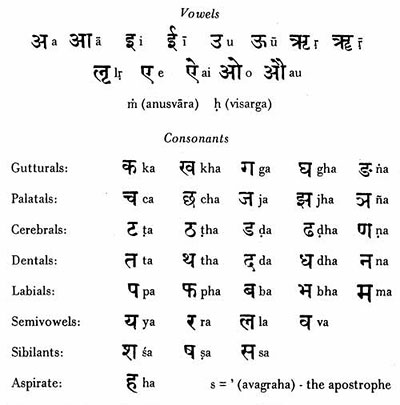
வடமொழியில் எ, ஒ ஆகிய குறில்கள் இல்லை. மேலும் க்ரு, க்லு என்பன உண்டு.
பகவத் கீதை:- அ-97, ஆ-17, இ-21, ஈ-1, உ-8, ஊ-2, ரு-1 , ஏ-21, ஐ ஓ-2 ஔ -0

விவேக சூடாமணி:- அ-105, ஆ-14, இ-8 ஈ-1 உ-7, ஊ-ஒ, ரு-1, ஏ-13 ஐ-0 ஓ-0 ஔ
குமார சம்பவம்:- அ-85 ஆ-14 இ-23 ஈ-2 உ-20 ஊ-1 ரு-1, ஏ-14 ஐ-0 ஓ–0 ஔ-0
சாகுந்தலம்: –அ-29 ஆ-6 இ-6 ஈ-1 உ-6 ஊ-0, ஏ 5, 0, ஐ-0 ஓ-0 ஔ-1

skt olai
சம்ஸ்கிருத ஓலைச் சுவடிகள்

இவைகளை நூற்றுக்கு எனக் கணக்குப் போட்டால் உயிர் எழுத்தில் துவங்கும் ஸ்லோகங்கள் கீதையில் 24%, விவேக சூடாமணியில் 25-86%, குமார சம்பவத்தில் 25-68 % சாகுந்தலத்தில் 27-27 விழுக்காடு வரும். தமிழும் வடமொழியும் ஏறத்தாழ ஒரே விழுக்காடு உடையனவாக இருப்பதைக் காணலாம்.
இது போலவே ‘’க’’ — முதல் மெய்யெழுத்துக்களையும் ஒப்பிடலாம். அவைகளிலும் இரு மொழி ஒற்றுமையைக் காணமுடியும்.

contact swami_48@yahoo.com

Amazing Tamil-Sanskrit Similarities! Helps to decipher Indus Script!

Ashoka_Rock_Edict_at_Junagadh

Junagadh Rock where Asoka, Rudradaman and Skanda Gupta inscribed their achievements.

Research paper written by London Swaminathan
Research article No.1504; Dated 21st December 2014.

(Tamil version of this article is also available)

In the first part of the article under the title “Tamil and Sanskrit have common Ancestry”, I compared the Bhagavad Gita and Tamil Veda “Tirukkural” and showed how the Tamilians and Sanskritists thught in the same way. Also showed how both the languages behave in the same way and proved that they have common ancestry. Once we understand this process it is easy to decipher the Indus script. 25 percent to 30 percent of the scripts on the seals must begin with vowels or similar sounds. It is easy to fix the controversial dates of Tiruvalluvar and Manikkavasagar. I will give my views on these subjects in separate articles. Now I will give you more examples to show that Tamil and Sanskrit came from the same source and evolved in the same way.

I have found out that (1) whether it is Sanskrit verses or Tamil verses 25 to 30 percent of verses will begin with words in vowels. (2) The second thing is that the verses with short sound words will be more than the long sound words. For instance there will be more verses with ‘’a’’ than ‘aa’ or with ‘Ka’ than ‘Kaa’. (3) This uniformity shows that Indians can think in only one way and the Indian languages will behave the same way.

If we go to Oxford dictionary and see how many words begin in vowels (a,e,i,o,u) we can’t even compare them with Tamil or Sanskrit because the language (vowels) is not similar. You can’t differentiate from the dictionary whether it is long A or short A unless you go through the pronunciation of each and every word (E.g. a, all, ant, and etc)

junagadh-5
Junagadh Asokan Inscription

Look at the following examples:
Bhagavad Gita : Verses beginning with vowels 171 out of 700 i.e. 24%
Viveka Chudamani of Shankara: Vowel slokas 150 out of 580 i.e. 25-86%
Kumara Sambhavam: vowel slokas 160 out of 623 i.e. 25-68%
Sakuntalam: Verses with Vowels as initial letters 54 out of 198 i.e. 27-27%
(There is one sloka with Au as initial letter in Shakuntalam; though it is one of the vowels both in Tamil and Sanskrit there is no sloka except one verse in Shakuntala.)

Now compare them with the Sangam Tamil Literature:
Natrinai : 115 verses out of 400 begin with vowel words 28-75%
Akananuru : 111 verses out of 400 i.e. 27-75%
Purananuru: 119 verses out of 400 29-75 %
Kuruntokai: 108 out of 400 i.e. 27%
Ainkurunuru 156 out of 500 i.e 31-2 %
Kalitokai 48 out of 150 i.e. 32%
suvadi_spl
Tamil Manuscript on palm leaves

Post Sangam Period
Naladiyar 133 out of 400 i.e. 33%
Pazamozi 121 out of 400 i.e. 30-25%
Tirukkural 508 out of 1330 i.e. 38-12%
Tiruvasagam 172 out of 656 i.e. 26-2%

Post Sangam verses have more percentage i.e. over 30 %. This method will determine their dates of the works as well. But I will prefer this and use of Sanskrit words must be taken into account ( 50% for use of Sanskrit words+50 % for this method).

I will give you a few examples to show how verses with short and long sounds begin:
Natrinai: a 35, aa 8, I 26, ii 2, u 20, uu 1, e 9, ee 0, ai 3, o 7, oo 4
Akananuru: a 42, aa 6, I 24, ii 2, u 17, uu2, e 9, ee 1, ai 0, o 11, oo4

Throughout Tamil literature and Sanskrit we can see this up and down between short and long sounds.

It is same in Sanskrit works; I will give you a few examples:
Bhagavad Gita: a 97, aa 17, I 21, ii 1, u 9, uu 2, Ru 1, ee, 21, oo2, ai 0, au-0
V. Chudamani: a105, aa 14, I 8, ii 1, u 7, uu 0, Ru 1, ee 13, oo 0, ai 1
Kumara sambhavam: 85, 14, 23, 2, 20, 1,1, 14, 0,0

skt olai
Sanskrit manuscript on palm leaves

No one dictated to the poets to write this way. There is no grammar book giving such a rule! These show Tamil and Sanskrit have a common ancestry. I want to name this method after my father Santanam. So I will call this Santanam Method subject to the approval of the scholars of Tamil and Sanskrit speaking world.

Contact swami_48@yahoo.com

Tamil and Sanskrit: Rewrite Linguistics Theory

reading

Tamil and Sanskrit: Rewrite Linguistics Theory

Research paper written by London Swaminathan
Research article No.1502; Dated 20th December 2014.

People who don’t know Tamil and Sanskrit have written lot of theories in Linguistics. Once they know all the rules governing Sandhi (joining rules for words or phrases) rules in Tamil and Sanskrit, they will reconsider their theories. People wrote that Aryans got X sound after mingling with the Dravidians and Dravidians got Y sound after coming into contact with the Aryans etc. They fixed their own point in a circle and called it as the starting point. People who know what a circle is know there is no starting point or finishing point. It is in your mind that you fix a point. In the same way they said that Aryans came with Sanskrit from somewhere in Europe and Dravidians came with Tamil from the Mediterranean. But once you change the starting point as India, all their linguistic theories fall like pack of cards. They will crumble into powder.

Somewhere I read that Aryans had D sound only and then they got soft L sound from Dravidians. But this D/L or R/L changes are natural. They are in Tamil itself:

Pal+Podi = Parpodi (tooth + powder= tooth powder)L=R
Kal+Kudiyan = Katkudiyan (Toddy+Drinker= toddy drinker)L=T
Kan+Sevi = Katsevi (snake)N=T
There are hundreds of examples like this.

Whatever the linguists explain as changes due to two language speakers coming in to contact with each other are happening in the language itself!
There are scores of changes occurring in Tamil itself. In Sanskrit language Sandhi rules is a big chapter, a must for all Sanskrit students.

brain 2
We know that Sanskrit has sister languages in Europe. Once you know that Indians moved from Ganges plains to Europe then all the words are explained. In the same way we see lot of words in Greek (which according to those linguists a language related to Indo-European in turn to Indo Aryan languages) from Tamil. I have given a long list of Tamil words in Greek in one of my previous articles; I can give a few now

Clepto=Kalavu (Theft)
Tele=Tolai (Long)
Paleo= Pazaiya (old)
Mega = Ma (big)
Terra= Tarai (Terrain)
Cota=Sutta (burnt)
Odo=Odu (run)
Nereids=Neer (water)
Oryza= Arisi (Rice)
Ginger=Inji (Zingibera)
Hora= Orai (Hour)
Yavanika = (Ezini) Curtain
Even before Alexander invaded the North West of India, we see Greek/Tamil words. So it has nothing to do with Alexander’s invasion.

linguist book

There are thousands of English words similar to Tamil. No linguistics theory can explain them ( I have one note book full of such words. Sathur Sekaran from Tamil Nadu was interviewed by me at the BBC Tamil Service in London in the 1990s on his book with the same theme). Once we know that all the major languages are related either to Sanskrit or Tamil, then there is no explanation needed.

Indian Civilization Originated in the East

Ganges is referred to in the oldest part of the Rig Veda. Hindus named East as Purva Disa. All words with the same sound mean ‘the oldest’ , ‘the beginning’, ‘the first’. If some asked you what is your Purvikam? It means what is your origin? Pura means ‘once upon a time’, ‘Purana. means old story, Purva means East, Purvika= ancestry, Purva Disa= East, East belongs to Indra. East is called Direction of Indra.

brain

Dravid Maharashtra

I read a review for a booklet titled “Dravid Maharashtra” (Marathi book by Vishwanath Khaire, published by Sadhna Prakashan, Shaniwar Peth, Pune-30) in 1978. It is about place names in Maharashtra which are similar to Dravidian place names. The author examined a large number of place names in Maharashtra and traced them back to their Tamil origin. He argued that Maharashtra may be the missing link between the Aryan and Dravidian cultures. I have read similar articles linking lot of place names in Pakistan and Afghanistan to Tamil names. No wonder people find link with Sanskrit or Tamil place names around the world. Adri Rishi’s name with Adriatic Sea, Kasyapa Rishi’s name with Caspian Sea, Kashyapa Rishi’s name in Kashmir, Agastya’s name with Augustus, Iran’s name with Arya, Syria’s name with Surya, Lebanon’s name with Lavana (salty white), Laos name with Lava etc.

linguistic_levels13721
We have proof for all these things; but only westerners refused to accept them as proof because they thought we all came into India like them (British,French , Portuguese and the Dutch). This theory suited their political ends. Even when they found out Vedic names in the Cunieform tablet in Turkey dated 1400 BCE, even when they found Dasaratha’s name in Amarna letters of Egypt, even when they found Sanskrit Horse Manual in Syria/Turkey, they never included them in the text books in India but included a scores of chapters about their own reformation to civilize Indians!!

Indian scholars, who were after big jobs at high level in the British ruled India, played second fiddle to them. When you change the theory that Indians went out from the subcontinent to spread culture and civilization, then everything falls in its place. Horse originated in India is the latest theory. Indians were the pioneers in iron and steels in the ancient world. So, you change the date for all these things and then their theories will bite the dust.

Moses has no proof! Raging Controversy!

Without any historical or archaeological proof for Moses they have founded three great Semitic religions. Still they were debating whether Moses existed. His name is repeated 136 times in Quran. There is a raging controversy in British and American newspapers every week about Moses because a new film is being released on 26th December, 2014 .

All the mysterious links with Tamil and Sanskrit are explained logically once you change the dates and starting point. No one needs to accept Western dates. If everything needs to be supported by archaeology their religions will disappear, their literature would have no date. Max Muller fixed 200 year rule only for Vedic language. If you apply the same rule to Greek and Tamil, the dates for their literature will crumble like powder. No date for Homer and Tokappian will pass the litmus test.

In short you can challenge the Western theories in every respect. You can pay them by their own coin.

Vedas and the Scientist

sun_planets

Compiled by London Swaminathan
Post No.1501; Dated 20th December 2014.

Dr A S Ramanathan (Deputy Director General of Meteorology, Rtd. and K S R I Research Fellow) gave a talk on Vedas and the Scientist under the auspices of K S R Institute, Madras-4 on May 29, 1983. He observed:

i)Very interesting results follow when a very careful study of the entire Vedic literature is made by a scientist, having a good knowledge of the language as well as the rituals, with traditional background too ( Dr Ramanathan himself is such research scholar). Madhusudhana Ojha-Vidyavacaspati of Rajathan has compiled the Vedic mantras by different subjects — only some of these have been published so far. Based on this further research important scientific conclusions emerge

ii)The Veda indicates all the intelligent processes that take place in the Cosmos, leading to evolution of various objects, starting with the primordial fluid filling the Cosmos. The processes being infinite in number and existing for all time, the Vedas too are ‘ananta’, ‘anaadee’ and ‘apaourusheya’ – not man-made. We have also the ‘Sabda Veda’ – the utterances of the seer-Rsis. The entire Vedas form a ‘’Shrishti Vidya’’!

iii)The Rig-Veda hymns – Riks represent the formation of the ‘’Pinda’’ limited by its diameter; the ‘’Yajus’’ indicates the ‘’Chaiytanya’’ – Pramna the centre; the ‘’Sama’’ represents the ‘mahima’ of the created living object, having therefore a mandalakaara. As the circumference is about the three times the diameter, ‘’Saama’’ is said to be ‘’Tricham’’. As ‘’Mahimaa’’ is subsequent to creation the ‘’Saaman’’ has to be charted only after the recital of the Rik or Yajus — c.f. Bhagavad Gita X-22 relating to Krishna’s Vibhuti.

iv)The word Yajna has a very wide meaning. One important ‘Yajna’ is the “Samvatsara Yajna” – the creation of the Solar System described in the “ Aghamarchana Suktam” (c.f. also Purusha Suktam) Rita and Satya – terms occurring here always go together. The former is the all pervading fluid – the primordial base of creation; when a centre of creation appears and an object created around it – this is Satya.

The radiance of the Sun extends from the centre in expanding circles – orbits 24, degrees apart lead to the change in seasons. We have the manifestations in Space or Air, Fire, Water and Earth in that order, as also Sound – Vaak – R R

sun-chromosphere-photospher

Vedas and the Scientist II

‘Sabda’ and ‘Artha’ always go together; these have also the meaning; Energy and ‘Matter’. The right type of flow of energy will lead to constructive creation. Any departure will lead to destruction. Hence the stress on ‘svara’ in Vedic utterance.
The term ‘Chandas’ (metre) normally sets a limit to the number of words used in a ‘Rik’; at a deeper level, it represents the limit of size, activity etc in regard to a created object.

Dr C R Swaminathan who presided pointed out that the Vedic culture once prevailed universally and even today practices analogous to Aginihotra and Shraddhas (including Mahamalalaya) are observed among ancient tribes in Africa Australia and the Far East. He also referred to “Sabdaraasis” being eternal and not man-made the extent Vedas are not the whole thing.

3.Dr K R Radhakrishnan (Director General of Police) who was the ‘observe’ said:
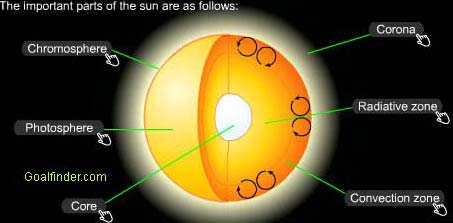
‘Yajna’ represents the process of conversion of thermal energy into electrical energy, reaching out into space. The white surface of the central surface of the Sun is the photo sphere; it is surrounded by the chromosphere; we have also the ‘prominences’ of enormous extent; beyond them is halo of light – the ‘corona’. We may find this indicated in the Vedic mantras (Mandehaarunadwipa – may refer to the penumbra of the sun). Modern physicists who have accumulated vast data on the sun are not yet clear about its origin. They need the intuitive perception of the ancient seers. (c.f. The Tao of Phycis by Frit jof Capra)
Note: Angiras (Prof. K S Sharma, Court Road, Pithanpura, Saharanpur, Uttar Pradesh, India) has given unique interpretations to Vedic mantras, deriving from there laws pertaining to Physics, Chemistry, Biology, Astronomy and Mathematics.

For example, from the Gayatri he finds the way in which a planet becomes fit for higher biological life and how there had been cosmic exoduses and immigrations. From the first Rig-Vedic hymn, he gets at the process of energy production in the body of Sun and also how energy like a fluid has higher and lower levels. His researches deserve to be pursued by scholars.

Mahesh Yogi Institute also has undertaken research into Vedas from the scientific point of view. – R R
—From Indian Express 1983 Paper cuttings

sun 2

Cosmic Migration (Paper cutting from 3rd December 1977)

The Vedic Mantras may be interpreted at various levels, poetical, psychological (symbolic), ritualistic, philosophical (mystic), scientific etc. Generally, the interpretations are based on the meanings of each word – often compounds. In the most sacred Gayatri Mantra, which occurs in all the Vedas, “the supreme light of the God-head, Surya Savitri is invoked as the object of our desire, the deity who shall give his luminous impulsion to all our thoughts. “To prepare a new birth and a new creation for man, by his illumination and upward voyaging is the function of Surya, the Divine Light and Seer”(Aurobindo).

Without prejudice to such spiritualistic interpretation Shri K S Sharma of Saharanpur,U.P (see article dated Oct.18,1977) has attempted elucidations of Gayatri and other Mantas on the material-scientific plan, by dividing the compound of words into the elementary ones up to each letter, and by taking words from each mantra, in the reverse order also (i.e. from the end to the beginning).

For example Bhoor means a walkable place below an atmosphere in a heavenly body, which is said to be the third and surrounds two heavenly bodies. Bhuvah is Bhu—v—aha meaning to be or coming into existence. Svah is one’s own nature tat means when; sava means water. Itur is I-tu-u-a-R meaning devoid of wealth. In this way the Gayatri is made to indicate

i)the way in which a planet becomes fit for habitation of the higher biological life ii)governance of beings living below ,above or at the surface of the planet earth, by a group of nine planets and a constellation of 12 stars.

planetorder

iii)a cosmic exodus
iv) a cosmic immigration. Dealing with hymn 121 of the Tenth Mandala of Rig Veda similarly, he gets at the details of space voyages.

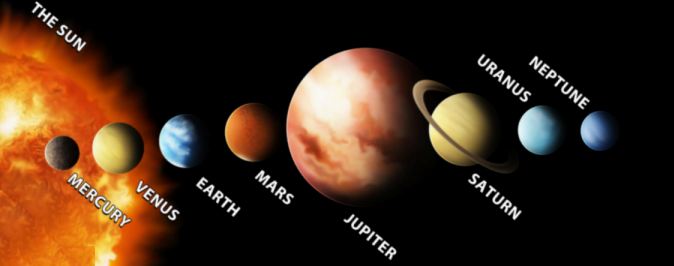
Some of his conclusions are : Everyone of the planets has been or would be fit for biological life at one time or another. Within our solar system, Neptune should have been the first n this respect. When it grew old and unable to bear life, life should have been transferred to Uranus. Similarly successive transfers ought to have been to Saturn, Jupiter, the parents of the asteroids, Mars and Earth. The future transfers would be successively to Venus, Mercury and the solidified Sun, and then to another solar system.

The first human emigrants from Mars (lost paradise) to the Earth, brought with them the comprehensive guide, the Vedas, capable of uncovering the hidden scientific mysteries.

These interpretations cannot be dismissed as fanciful or farfetched as the details can be checked with lexicons (cf. the theories about Tirumolar’s Tirumanthiram).

The hymns of the First Mandala of the Rig Veda also are interpreted to afford scientific techniques. We may deal with the first hymn to Agni and compare the interpretations of Sayana, Aurobindo and Sharma in a separate article. In passing, we may note that this and other hymns together deal with heat-light atoms, particles, energies, X Rays, neutrons, molecules, spectra, planetary, atmospheres, motions and distances, spacecraft and platform etc. the Isavasya Upanishad indicates electron as the connecting link between matter and life, while the Atharva Veda is related to higher mathematics. The Sama Veda naturally deals with sound (the seven notes and stringed instruments) – R R

Indian Express 3rd December 1977

contact swami_48@yahoo.com

தமிழும் சம்ஸ்கிருதமும் ஒரு தாய் வயிற்றுப் பிள்ளைகள்!

tamil

கட்டுரையை எழுதியவர் :– லண்டன் சுவாமிநாதன்
ஆராய்ச்சிக் கட்டுரை எண்- 1500; தேதி 20 டிசம்பர், 2014.

இந்தியாவின் இரண்டு பழைய மொழிகள் தமிழும் சம்ஸ்கிருதமும் ஆகும். இந்த இரண்டு மொழிகளும் சிவனிடமிருந்து தோன்றியவை என்றும் ஒன்றுக்கு பாணிணியையும் மற்றொன்றுக்குக்கு அகத்தியனையும் இலக்கணம் எழுத சிவ பெருமானே பணித்தான் என்றும் ஆன்றோர் கூறுவர். இதை எல்லாம் பிற்காலக் கதைகள் என்று சொல்லுவோரும் கூட வியந்து போற்றக்கூடிய சில மொழியியல் அம்சங்கள் இரு மொழிக்கும் பொதுவாக அமைந்துள்ளன.

எனது நாற்பது ஆண்டுக்கால மொழி ஆய்வில் கண்ட சில உண்மைகளைப் பகிர்ந்து கொள்கிறேன். சுமேரியாவில் ‘’ஊர்’’ என்ற ஒரு இடம் உள்ளது. இது தமிழில் வரும் ‘’ஊர்’’ என்பதைப் போலவே இருப்பதாக எண்ணி தமிழர்கள் மகிழ்வர். இது புரம், புரி என்பதன் திரிபு என்றும் வட இந்தியா முழுதும் ஜெய்ப்பூர், உதய்பூர், நாக்பூர் என்று பல ‘’ஊர்’’கள் காஷ்மீர் வரை பரவிக் கிடப்பதால் இது சம்ஸ்கிருதமே என்றும் சொல்லி வேறு சிலர் மகிழ்வர். உண்மையில் ஒரு மொழி எப்படி இரு வகையாகப் பிரியும் என்பதற்கு இது சரியான எடுத்துக் காட்டு. அதாவது இச் சொல்லுக்கான மூலம் ஒன்றே. அது தமிழில் ஊர் என்றும் சம்ஸ்கிருதத்தில் புரம் என்றும் கவடு விட்டுப் பிரிந்தது.

sanskrit-letters

இன்னொரு எடுத்துக் காட்டு மூலம் இதை விளக்குகிறேன். ஆங்கிலத்தில் எண் 1 என்பதற்கு ‘’ஒன்’’ என்பர். இது தமிழ் ‘’ஒன்று’’க்கு நெருக்கமானது. ஆனால் சம்ஸ்கிருதத்திலோ ‘’ஏகம்’’ என்பர். ஆங்கிலத்தில் எண் 8 என்பதற்கு ‘’எயிட்’’ என்பர். இது தமிழ் ‘’எட்டு’’ என்பதற்கு நெருக்கமானது. சிறிது ஆழமாகப் போய்ப் பார்த்தால் ‘ஒன்’ என்பது ‘யுன்’, ‘ஐன்’ என்று மாறி ‘ஒன்’ என்றாயிற்று என்பர். இதே போல ‘எட்டு’ என்பது ‘ஆக்டோ’, ‘அஷ்ட’ என்பதாக மாறி ‘’எயிட்/அயி’’ட் ஆயிற்று என்பர். ஆக ஒரு மூலச் சொல் இப்படி இருவகையாகப் பிரியமுடியும் என்று தெரிகிறது.

சில சொற்கள் தமிழில் இருந்து வந்ததோ என்றும் சில சம்ஸ்கிருதத்தில் இருந்து வந்ததோ என்றும் எண்ண வைக்கும். தமிழில் இருந்து கன்னடம், தெலுங்கு, மலையாளம் எப்படி உருவாயிற்று என்று பார்த்தால் கூட, வரலாறு, புவியியல், பிறமொழிப் படையெடுப்பாளர் ஆகியவற்றால் எல்லாம் எப்படி மொழிகள் உருவாகின்றன என்பது விளங்கும்

Devimahatmya_Sanskrit_MS_Nepal_11c

ரிக் வேதத்தில் தமிழ் சொற்கள்
மீன், நீர், மயில் (மயூர) போன்ற தமிழ் சொற்கள் ரிக் வேதத்தில் இருப்பதாகவும், தொல்காப்பியத்திலும் சங்க இலக்கியத்திலும் காலம், உலகம், மனம், காமம் முதலிய சம்ஸ்கிருதச் சொற்கள் இருப்பதாகவும் அறிஞர்கள் சொல்லுவர். இதை எதிர்ப்போர் இவை எங்கள் மொழியில் இருந்து அங்கே சென்றவை என்று வாதிடுவர். உண்மையில் சில சொற்கள் காலத்தையும் மீறி உரு மாறாமல் இருந்ததால் இவைகளை இப்போது எந்த மொழியில் புழங்குகிறதோ அந்த மொழிச் சொல் என்று நாம் வாதாடுகிறோம். ஆனால் இவை இரு மொழிக்கும் பொதுவான சொற்கள் என்பதை அறிந்தால் இரு மொழிக்கு இடையில் உள்ள பிரிவினைக் கோடு மறைந்து போகும்.

பெரிய ஆதாரம்
இவைகளை எல்லாம் விட பெரிய ஆதாரம் இரு மொழி இலக்கியங்களில் உள்ளன. தமிழுக்கு மிக நெருக்கமான மொழி சம்ஸ்கிருதம்! இதே போல சம்ஸ்கிருதத்துக்கு நெருக்கமான மொழி தமிழ். இரு மொழிகளிலும் உள்ள பழைய கவிதை நூல்களை எடுத்துக் கொண்டு கடைசி பக்கத்தில் உள்ள பாடல் முதற்குறிப்பு அகராதிக்குப் போங்கள். ஒவ்வொரு மொழியிலும் உயிர் எழுத்தில் எத்தனை பாடல்கள் துவங்குகின்றன என்று பாருங்கள். அற்புதமான ஒற்றுமை இருப்பதைக் காண்பீர்கள்.

‘’ஔ’’ என்ற எழுத்தில் இரு மொழிகளிலும் பாடலே துவங்காது. அல்லது அபூர்வமாக இருக்கும். யாரும் பழைய காலப் புலவர்களிடம் போய் நீ இந்த எழுத்தில் துவங்கும் பாடல்கள் இவ்வளவுதான் பாட வேண்டும் என்று சொன்னதும் இல்லை. அப்படி இலக்கண விதிகள் எதுவும் இல்லவும் இல்லை. ஆயினும் இரு மொழிகளும் ஒரே பாணியைப் பின்பற்றுவதைக் காணலாம்.

இரு மொழிகளிலும் உயிர் எழுத்துக்களில் துவங்கும் பாடல்கள் ‘மூன்றில் ஒரு பகுதி’ அல்லது ‘நான்கில் ஒரு பகுதி’ இருக்கும். இவ்விரு மொழிகளை மட்டுமே எளிதில் ஒப்பிடும் மாதிரியில் இரு மொழி அரிச்சுவடியும் கிட்டத்தட்ட ஒன்றாகவும் இருக்கிறது. இரு மொழி மக்களின் சிந்தனை, செயல்பாடு, நம்பிக்கைகள், பழக்க வழக்கங்கள் ஆகியனவும் ஒரே மாதிரி உள்ளன. வெகு சில விஷயங்களே மாறுபடும். அத்தகைய மாற்றங்களை உலகில் எல்லா இடங்களிலும் காண முடிகிறது.

tamil 3

கீதையும் குறளும்
பகவத் கீதையில் அ-97, ஆ-17, இ-21, ஈ-1, உ-9, ஊ-2, க்ரு-1, ஏ-21, ஓ-2 வில் துவங்கும் ஸ்லோகங்கள் =171
மொத்தம் ஸ்லோகங்கள் 700
ஆக நாலில் ஒரு பகுதி உயிர் எழுத்தில் துவங்குபவை

திருக்குறளில் அ-157, ஆ-23, இ-114, ஈ-8, உ-81, ஊ-21, எ-45, ஏ-9, ஐ-4, ஒ-40, ஓ-6 ஔ-0 -வில் துவங்கும் பாடல்கள் = 508
மொத்தம் உள்ள குறள்கள் 1330

ஆக மூன்றில் ஒரு பகுதி அல்லது நான்கில் ஒரு பகுதி இருப்பதோடு ஔ – வில் எதுவும் இல்லை என்பதும் குறிப்பிடத்தக்கது. அது மட்டுமல்ல.

குறில் ஒலிகளில் ( அ, இ, உ, ஒ) அதிகப் பாடல்களும் நெடில் ஒலி எழுத்துக்களில் குறைவான (ஆ, ஈ, ஊ, ஏ, ஓ) பாடல்களும் இருப்பதையும் காணலாம். இவை எல்லாம் இரு மொழியிலும் இயற்கையாகவே அமைந்துள்ள விஷயங்கள் —- யாரும் போய் கட்டளை இட்டுச் செய்தது அல்ல. மேலும் கவிதை என்பது உள்ளத்தில் எழுந்து பீறிட்டு எழும் உணர்வுகள். அதற்கு யாரும் தடைகளோ விதிகளோ போட முடியாது. ஆக கவிதைகள் கூட இரு மொழிகளும் ஒரே மூலத்தில் பிறந்து ஏறத் தாழ ஒரே விதிகளைப் பின்பற்றுவதைக் காட்டுகின்றன.

மொழிகளுக்குள் சொற்களை இணைப்பதற்கான சந்தி விதிகள் இருக்கின்றன. இவை உலகில் தற்போதைய மொழிகளில் காணப்படாத புதுமை. ஆனால் சம்ஸ்கிருதத்திலும் தமிழிலும் மட்டும் உண்டு.

டூத் + பவுடர் என்ற இரு சொற்களை ஆங்கிலத்தில் அப்படியே இணைத்து டூத் பவுடர் என்று எழுதலாம். ஆனால் தமிழில் பல்+ பொடி= பற்பொடி என்று மாறுவதைக் காணலாம். இது போல சந்தி விதிகளை இன்றும் பயன்படுத்துவது தமிழும் சம்ஸ்கிருதமும் மட்டுமே.
கட்டுரையின் இரண்டாவது பகுதியில் மேலும் பல விஷயங்களைத் தருகிறேன்.