ராஜதரங்கிணி அதிசயங்கள் – பகுதி 1

rajatarangini

கட்டுரையை எழுதியவர் :– லண்டன் சுவாமிநாதன்
ஆராய்ச்சிக் கட்டுரை எண்- 1470; தேதி 9 டிசம்பர், 2014.

ராஜதரங்கிணி என்றால் என்ன?
காஷ்மீரின் வரலாற்றைக் கூறும் நூல் ராஜதரங்கிணி — இதை கல்ஹணர் என்ற காஷ்மீரி பிராமணர் எழுதினார் — இது வடமொழியில் எழுதப்பட்டது. இதில் 3449 சுவைமிகு ஸ்லோகங்கள் உள்ளன. காஷ்மீர் வரலாறு நமக்கு எதற்கு என்று பல தமிழர்கள் நினைக்கலாம். இலங்கை மன்னரையும் சோழனையும் தோற்கடித்த மிஹிரகுலன் என்ற காட்டுமிராண்டி மன்னன் பற்றிய சுவையான செய்திகள், இலங்கை வரை ஆட்சிச் சக்கரத்தை பரவ விட்ட லலிதாதித்யன் போன்ற மன்னர்கள் பற்றிய செய்திகள் இதில் உள.

பாரதத்தின் முதல் பிரதமரான ஜவஹர்லால் நேருவும் ஒரு காஷ்மீரி பிராமணர். அவருடைய மைத்துனர் ஆர்.எஸ்.பண்டிட் இதை வடமொழியில் இருந்து ஆங்கிலத்தில் மொழி பெயர்த்தார். எங்கு தெரியுமா? சிறையில் உடகார்ந்து கொண்டு! அப்பொழுது நேருவும் சிறைவாசம் செய்தார். 1934 ஆம் ஆண்டில் அவர் இந்த ஆங்கில மொழி பெயர்ப்புக்கு டேராடூன் சிறையில் இருந்தே முன்னுரை எழுதினார். புத்தகத்தை சாஹித்ய அகாடமி வெளியிட்டது.

கல்ஹணரை வெளிநாட்டுக்கார்கள் மிகவும் பாராட்டுகின்றனர். ஏனெனில் தற்கால வரலாற்றுப் புத்தகம் போல மன்னர்களின் ஆண்டுகளைக் குறிப்பிட்டு இவர் புத்தகம் எழுதி இருக்கிறார். ஆனால் பல மிகைப்பட்ட செய்திகள் இருக்கதான் செய்யும். ஏனெனில் அவர் எழுதியது 12 ஆம் நூற்றாண்டில் — கிட்டத்தட்ட கம்பன் தமிழில் ராமாயணம் எழுதிய காலம் இது — நூலின் பெயர் ‘’அரசர்களின் ஆறு’’, அதாவது ராஜ தரங்கிணி. இதை அவர் எட்டு அத்தியாயங்களாகப் பிரித்துள்ளார். ஒவ்வொன்றும் ஒரு தரங்கம். (தரங்கம் என்றால் அலை என்று பொருள்)

கல்ஹணரைப் பற்றிய ஒரு விநோதச் செய்தி — இவர் கலியுக துவக்கம் கி.மு.3100 என்பதை ஒப்புக்கொள்ளாமல் 2500 என்கிறார். காஷ்மீரின் ஆட்சியை முஸ்லீம்கள் கைப்பற்றுவதற்கு 200 ஆண்டுகளுக்கு முன்னர் எழுதிய நூல் இது.

kalhanas_rajatarangini_medium

இவர் மிகப் பழங்காலத்தில் நடந்த விஷயங்களைச் சொல்லும் போது தெளிவில்லாமலும், இவரது காலத்தை ஒட்டிய செய்திகளைத் துல்லியமாகவும் கூறுவதாக நேரு கருதுகிறார்.

கல்ஹணர் ஒரு பெரிய கவிஞர். வரலாற்றைக் கவிதை நடையில் எழுதிய புத்தகம், அநேகமாக, உலகில் இது ஒன்றாகத்தான் இருக்கவேண்டும். நிறைய உவமைகலைப் பயன்படுத்துகிறார். ‘’பாலைவனத்தில் வசிப்பவனுக்கு கங்கை நதியில் மூழ்கிக் குளிக்கும் அருமை பெருமை தெரியுமா?’’ – என்பது போன்ற பல உவமைகளைப் போகிற போக்கில் அள்ளித் தெளித்து இருக்கிறார்.

புத்தகத்தில் காஷ்மீர் அரசர்களின் சூழ்ச்சிகள், சூதுவாதுகள், காம சேஷ்டைகள், கொடூரங்கள், பிராமணர்களின் முறை தவறிய பேராசை ஆகியவற்றை விவரிக்கிறார். பல நல்ல விஷயங்களையும் சொல்கிறார். லலிதாத்தியன் என்ற மன்னனின் கடல் கடந்த ஆட்சி, சூர்யா என்ற மன்னனின் பொறியியல் பணிகள், மேகவர்ணன் என்பவன் போர் மூலம் ‘’அஹிம்சையயை’ நிலைநாட்ட முயன்றது ஆகிய எல்லாவற்றையும் இதில் படிக்கலாம்.
stories_from_rajatarangini_tales_of_kashmir_idi013

கட்டுரையின் இரண்டாவது பகுதியில் சோழனையும் இலங்கை மன்னனையும் வென்ற ஹூணன் மிகிரகுலன் பற்றிய விவரங்களைத் தருகிறேன். அவன் மூன்று கோடிப் பேரை ஏன் கொன்றான், 100 யானைகளை ஏன் மலை மீதிருந்து உருட்டிவிட்டான் என்ற விஷயங்களையும் காண்போம்.

ராஜதரங்கிணி அதிசயங்கள் தொடரும்………………………………..

அகநானூறு அதிசயங்கள்– பகுதி 2

roman karur
Dr R Nagasamy ,an eminent archaeologist, historian and a Tamil-Sanskrit scholar has written several books on Tamil culture.

கட்டுரையை எழுதியவர் :– லண்டன் சுவாமிநாதன்
ஆராய்ச்சிக் கட்டுரை எண்- 1469; தேதி 9 டிசம்பர், 2014.

முதல் பகுதி நேற்று வெளியாகியது. அதைப் படித்துவிட்டு இதைப் படிக்க வேண்டுகிறேன்.

அதிசயம் 5
அகநானூற்றில் பல காடுகளின் பெயர்கள் வருகின்றன. அவை அழும்பிற்காடு, ஆஅய்ஆனம், ஆலங்கானம், உம்பற்பெருங்காடு, உறந்தைப் புறங்காடு, ஓரிக்கானம், குடவாயின் மிளை, சாய்க்கானம், முள்ளூர்க் கானம், வலத்துப்புறமிளை முதலியன. (மிளை என்பது சின்னக் காடு; கானம் என்பதும் காடு)

இந்துக்கள் புனித நதிகள், புனித மலைகள், புனித கற்புக்கரசிகள், சிரஞ்சீவியாக வாழும் ஏழு மனிதர்கள், புனித நகரங்கள் என்று எல்லாவற்றையும் ஏழு ஏழாகப் பிரித்து ஸ்லோக வடிவத்தில் சிறுவர்களுக்குக் கற்பிப்பது வழக்கம் (அந்தக் காலத்தில்). இப்பொழுது ஆர்.எஸ்.எஸ்.இயக்கத்தில் மட்டும் இதைக் கற்பிக்கிறார்கள். இதனால் அவர்களுக்கு பூகோளம், சரித்திரம், புராணம், இதிஹாசம் எல்லாம் அத்துபடியாகிவிடும். சாகும் வரை இந்தப் பாடல்கள் மறக்காது. தமிழ்நாட்டில் வேதாரண்யம் (திருமறைக்காடு) போன்ற காடுகள் புனிதம் மிக்கவை. இப்பொழுது காடு எல்லாம் நாடு ஆக மாறிவிட்டது.

அதிசயம் 6
பல விழாக்களின் பெயர்களையும் அகநானூற்றில் காணலாம். சங்க காலத்தில் விழா என்று சொல்லாமல் விழவு என்பர். சங்க இலக்கியச் சொற்களில் குறில் ஒலியில் இருந்த சொற்கள் எல்லாம் இப்பொழுது நெடில் ஒலியில் ஒலிக்கப்படும். புறவு என்று இருப்பதை நாம் புறா என்று நெடிலாக உச்சரிப்போம். அதே போல விழவு என்பதை இப்பொழுது விழா என்போம். சங்க கால விழாக்கள்:-
உள்ளி விழவு, உறந்தை விழவு, கழார்ப் புதுப்புனல் விழவு, கார்த்திகை விழவு, கூடல் விழவு, பங்குனி விழவு, பரங்குன்ற விழவு, பூந்தொடை விழவு, யாழ் விழவு, வேல் விழவு முதலியன.

இதில் கார்த்திகை விழா, பங்குனி உத்திரம், கூடல்—பரங்குன்ற (சித்திரைத் திருவிழா) விழாக்கள் இன்றும் பெருமளவில் கொண்டாடப்படுகின்றன. எல்லாப் பௌர்ணமி நாட்களும் இந்துக்களுக்கு திருவிழா நாட்கள். திருஞான சம்பந்தர் தேவாரத்திலும் எல்லா விழாக்களையும் ஒரு சேரப் பட்டியல் இடுகிறார். படித்து இன்புறுக.

(உள்ளி விழவு- சுமேரிய பூருள்ளி விழவு- வட இந்திய ஹோலி விழவு தொடர்பு பற்றி நான் எழுதிய ஆய்வுக் கட்டுரையையும் படிக்க வேண்டுகிறேன்)
arta culture

அதிசயம் 7
தமிழ் நாட்டிலும் சங்க காலத்தில் ஜாதிகள் இருந்தன. பெரும்பாலும் அந்தந்தக் குலத்தில் பிறந்தவர்கள் அந்தந்தத் தொழில்களையே செய்து வந்தனர். அவை அண்டர் (இடையர்), அத்தக் கள்வர், அந்தணர், உமணர், உழவர், குயவர், கொல்லர், தட்டார், பரதவர், பழையர், பாணர், யானைப் பாகர், வேளாப் பார்ப்பார் முதலியோர்.

உலகம் முழுதுமே ஜாதிகள் இருந்தன. எல்லா நாட்டு சரித்திரத்தைப் படிப்போருக்கும் ஓருண்மை புலப்படும். ராஜா மகன்தான் ராஜாவானான். அப்படி மாறுபட்டு இருந்தால் அது வன்முறைப் புரட்சியில்—கிளர்ச்சியில் ஏற்பட்ட மாறுதலாக இருக்கும். படைத் தலைவன் மகன் படைத் தலைவன் ஆனான்.

அதிசயம் 7
பிராணிகள் பற்றி பல குறிப்புகள் உள. அவற்றில் ஒலி கேட்டால் இறந்துவிடும் அசுணமா என்னும் அதிசய மிருகம் பற்றி நான் ஏற்கனவே எழுதி விட்டேன். சிலர் இதை பறவை என்பர். சிலர் இதை மலைப் பாம்பு என்பர். இன்னும் சிலர் இப்பொழுது அழிந்து போய்விட்ட ஒரு மிருகம் என்பர்.

அதிசயம் 8
பறந்தலை என்ற சொல்லை நாம் இப்பொழுது பயன்படுத்துவதில்லை. சங்க காலத்தில் பாழ்பட்ட இடத்தையும் போர்களத்தையும் இச் சொல் குறித்தது. இதன் மூலம் தமிழர்கள் நடத்திய போர்களையும் போர்க் களங்களையும் நாம் அறிய முடிகிறது.

அகநானூற்றில் இடம் பெறும் சங்க இலக்கியப் போர்களங்கள்:-
ஆமூர்ப் பறந்தலை, கழுமலப் பறந்தலை, குறுக்கைப் பறந்தலை, கூடற் பறந்தலை, தலையாலங்கானப் பறந்தலை, பருவூர்ப் பறந்தலை, பாழிப் பறந்தலை, பெருந்துறைப் பறந்தலை, மணவாயிலுறத்தூர்ப் பறந்தலை, முசிறிப் பறந்தலை, வல்லப் பறந்தலை, வாகைப் பறந்தலை, வெண்ணிப் பறந்தலை.
உலகிலேயே நீண்ட காலத்துக்கு உட்சண்டை—கோஷ்டிப் பூசல் போட்ட ‘’பெருமை’’ தமிழர்களுக்கு மட்டுமே உண்டு. சங்க காலம் துவங்கி (கி.மு. முதல் நூற்றாண்டு) முஸ்லீம் மன்னர்களும் வெள்ளைக்காரனும் தமிழர்களைத் துண்டாடும் வரையில் ஏறத்தாழ 1600 ஆண்டுகளுக்கு சேர, சோழ, பாண்டியர்கள் ஒருவரை ஒருவர் அடித்துக் கொண்டு செத்தார்கள். இது போல யாங்கனும் கண்டதில்லை. அண்மைக் காலத்தில் இலங்கையிலும் இதையே கண்டோம்.

03FRNAGASWAMY_1_214265e

அதிசயம் 8
பல அரிய வழக்குகளும் அகநானூற்றில் இடம் பெறும்.
வேளாப் பார்ப்பனர்கள்— பிராமணர்களில் ஒரு சாரார் — சங்குகளை அறுத்து வளையல் செய்தல் முதலிய தொழில்களில் ஈடுபட்டனர். இவர்கள் வேள்வி முதலிய அறுதொழில்களைச் செய்யாமையால் வேளாப் பார்ப்பார் என்று அழைக்கப்பட்டனர்.
சிவபெருமானையே உனக்கு குலம் கோத்திரம் ஏதேனும் உண்டா? என்று கேள்வி கேட்ட நக்கீரனார் ஒரு வேளாப் பார்ப்பார் என்பர்.

சங்கறுப்பது எங்கள் குலம், சங்கரனார்க்கு ஏது குலம்.
நெற்றிக் கண்ணைத் திறப்பினும் குற்றம் குற்றமே
என்று சொன்னதாக வரலாறு.

ஏனைய வழக்குகள்:
தொல்காப்பியத்தில் வேத காலக் கடவுளரான இந்திரன், வருணன் ஆகியோரை தமிழர் வழிபடும் தெய்வங்களாகத் தொல்காப்பியர் குறிப்பிடுவார். சிலர் இதை இடைச் செருகல் என்று பிதற்றுவர். அவர்கள் சொல்வது தவறு என்பதற்கு அகநானூற்றில் உள்ள வருண வழிபாடு ஒரு சான்று ஆகும். நுளைச்சியர் சுறா மீனின் கொம்பை நட்டு வருண பகவானுக்கு பரவுக் கடன் கொடுத்த செய்தி இங்கே உள்ளது.
கழங்குக் குறி பார்த்தல், பல்லி சகுனம் கேட்டல், நிமித்தம் பார்த்தல், நடு கல்லைப் பூசித்தல் போன்ற விஷயங்களும்,

குட ஓலை எடுத்துப் பிரமாணம் செய்தல், மணமகளைப் புதல்வர்களை ஈன்றெடுத்த நால்வர் குளிப்பாட்டல், சுவரில் கோடு கிழித்து நாள் எண்ணுதல் முதலிய விஷயங்களும் குறிப்பிடத் தக்கவை.

15FRNAGASWAMY_LD_693654f

அதிசயம் 9
பெண்களும் அக்காலத்தில் சிறந்த கவிஞர்களாக விளங்கினர். ஏறத் தாழ 12 பெண் புலவர்களின் பாடல்கள் அகநானூற்றில் இடம்பெற்றுள்ளன.
அஞ்சில் ஆந்தை மகள் நாகையார், அள்ளூர் நன்முல்லையார், ஒக்கூர் மாசாத்தியார், ஔவையார், கழார்க் கீரன் எயிற்றியார், குமிழிஞாழார் நப்பசலையார், நக்கண்ணையார், போந்தைப் பசலையார், மதுரை நல்வெள்ளியார், முள்ளியூர்ப்பூதியார், வெள்ளிவீதியார், வெறி பாடிய காமக்கண்ணியார்.
இவர்களில் காமக்கண்ணி என்பது காஞ்சீபுரம் உறை காமாக்ஷியின் தமிழ் மொழி பெயர்ப்பு ஆகும். இதை காஞ்சி பரமாசார்ய சுவாமிகளும், உ.வே.சாமிநாத அய்யரும் உறுதி செய்துள்ளனர்.

இன்னும் ஒரு அதிசயம் பெண்களின் பெயர்கள் ‘’ஐ’’ அல்லது ‘’இ’’ என்னும் உயிர் எழுத்துக்களில் முடிவதாகும். வடமொழியில் உள்ள பெண்கள் பெயர்களும் இப்படித்தான் இருக்கும். இது இமயம் முதல் குமரி வரை வாழ்ந்த மக்கள் ஒரே இனத்தவர் என்பதற்கு மேலும் ஒரு சான்று.
வடமொழியில் ‘’ஆ’’ என்னும் உயிர் எழுத்தில் முடிந்த பெயர்களைத் தமிழர்கள் ‘’ஐ’’ என்பதில் முடிப்பர்: எடுத்துக்காட்டு: சீதா=சீதை, கீதா=கீதை, அபலா=அபலை
உலகம் முழுதும் உள்ள பெரிய மொழிகளில் தமிழ், சம்ஸ்கிருதம் இவைகளின் தாக்கத்தைக் காணலாம். சுருங்கச் சொல்லின் எல்லாப் பெயர்களையும் சொற்களையும் இவ்விரு மொழிகளில் அடக்கிவிடலாம்.

அதிசயம் 10
சில புலவர்களின் பெயர் தெரியாத காரணத்தாலோ, அல்லது அவர்கள் பயன்படுத்திய சொற்றொடர்களின் சிறப்பு காரணமாகவோ, அந்த சொற்றொடர்களின் பெயர்களே அவர்கள் பெயராக சங்க இலக்கிய நூல்களில் காணப்படுகிறது. குறுந்தொகையில் இத்தகைய 13 பெயர்களை ஏற்கனவே கண்டோம். இந்நூலில் ஐந்து பெயர்கள் உள்ளன:

அந்தி இளங்கீரனார், இம்மென்கீரனார், ஊட்டியார், நோய்பாடியார் வண்ணப்புறக் கந்தரத்தனார்.
உலகின் மிகப் பழைய நூலான ரிக் வேதத்தில் இம்முறை கையாளப்பட்டுள்ளது. உலகில் வேறு எந்த கலாசாரத்திலும் இருப்பதாகத் தெரியவில்லை. நம்மவரின் சொல், செயல், சிந்தனை ஆகியன ஒரே மாதிரியானவை எனபதற்கு இது மேலும் ஒரு சான்று.
அகநானூற்று அதிசயங்கள் தொடரும்…………………………

Kashmiri King who attacked Tamil Nadu and Sri Lanka

huns map

Compiled by London Swaminathan
Article No.1468; Dated 8th December 2014.

Rajatarangini Wonders – Part 2

Who is who?
Kalhana was the author of Rajatarangini. Here is his report on the cruel king Mihirakula who rolled 100 elephants down the hill and enjoyed their death.

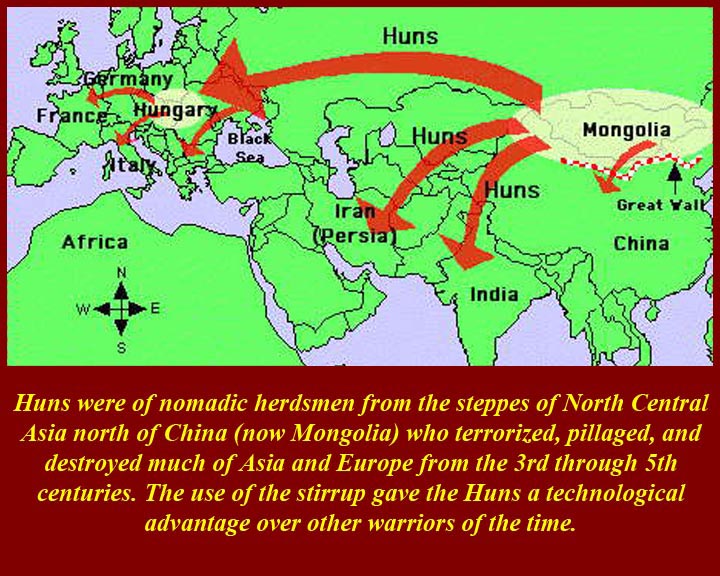
Mihirakula was the king who ruled North India from 515 CE to 530 CE. He was a son of Toramana. We know that his rule extended from Afghanisatan to Madhya Pradesh. But Kalhana says that he killed 30 million people and he attacked Sri Lanka and Tamil Nadu. He was a king from the race of White Hunas. He decimated Buddhism in Afghanistan, but supported Saivism in Kashmir. Earlier he was defeated by Malawa King Yasovarman or Baladitya, the last Gupta king. Then he conquered Kashmir and Afghanisatan. Kalhana’s report about his expedition to Sri Lanka and Tamil Nadu is not corroborated by secondary sources.

In the first part of Rajatarangini under the title “Nehru on Rajatarangini”, I have explained the comments of Jawaharlal Nehru, the first Prime Minister of India, on the twelfth century work Rajatarangini (River of Kings) of Kalhana .

Here in the second part, Kalhana’s narration about the cruellest king of India, Mihirakula, is given in (first Taranga, sloka 289 onwards) his own words:-

huns_gd

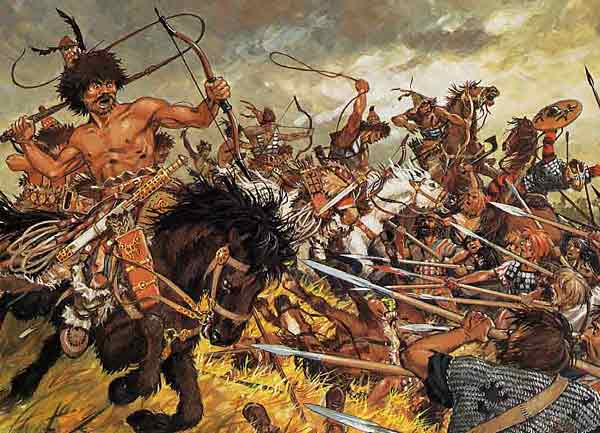
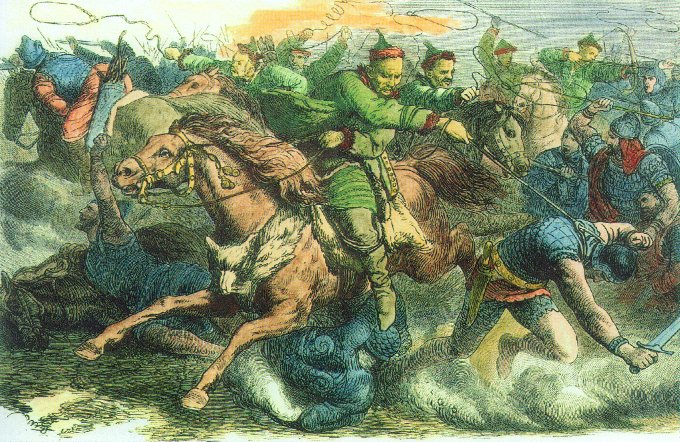
“Then when the land was overthrown by the Mleccha hordes, his son Mihirakula of violent deeds, who was comparable to the God of destruction, became king.

To the south belongs to God of Death(Yama); the northern direction eager through rivalry to vanquish it, found an excuse and in him brought forth another god of death.

His approach was known by the sight of vultures, crows and the like, eager to feed on those being massacred by his encircling army, to the population fleeing before him.
Day and night surrounded by thousands of slaughtered human beings, this “Royal Vetala” lived even in his pleasure places.

Pity for children, clemency towards women, or respect for the aged, this enemy of humanity’s terrible appearance had none while he massacred.

(My comments: Hindu tradition is to announce that all the invalids, women, Brahmins, children should move to safer places before the war. The two warring sides will chose a place outside the town. But after defeat they set fire to the towns and palaces of the king).

Hunnen
Attack on Sri Lanka
“He, on one occasion, having noticed that the queen was wearing a blouse of stuff made in Ceylon, which had foot-marks on the breast worked in gold, was inflamed with rage.

“In Ceylon, cloth is manufactured bearing the mark of king’s foot” – thus he was told by the chamberlain who had been questioned whereupon he gave orders to march.

Having obtained the union with the stream of liquid rut from the temples of the elephants of his army, the southern ocean secured the delight of on embrace with the Yamuna.
(Ocean is blue and Yamuna is black; play on colours)

“Together with the king of Ceylon he, by an impetuous attack, rooted out his rage originating in the sight of footmarks on his beloved.

From a distance on sighting his various forces from the palaces of Lanka the Titans (Rakshasas), apprehending a repetition of the activities of Rama, trembled.

Having installed there another king he, with all his fierce puissance, carried away cloth known as Yamusadeva, marked with the figure of the sun.
(My commenyts: Sri Lanka was ruled by Mugalan until 512 CE and then Kumaradasa came to power)

“Turning back, he dispersed the kings of Cola, Karnata, and Lata just by his very smell the tusker in rut scatters the elephants.

(In Tamil Nadu certain areas were under Pallava King Kumara Vishnu around that time. May be the coastal areas were under Choza Rule.)

After his departure, the cities with the shattered battlements, which were their girdles, complained of the rape to the ruling princes who had returned.
(My comments: Cities were compared to women in Kalidasa’s works, Sangam Literature and the Bible. Here the cities are described as women by Kalhana)

Hundred Elephants were pushed down from the Hill
When he reached the gate of Kashmir, on hearing the distressful trumpeting of a tusker who had fallen down a precipice, his hair stood on the end with delight.

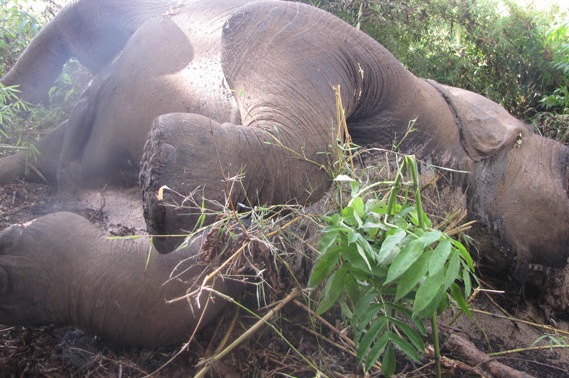
In his excitement to hear this, the perverse minded man, who was in raptures, had a hundred mighty elephants forcibly hurled down.

The various wicked acts of this king have not been narrated. The touch of the sinful is pollution for the limbs, so would it be for speech to describe them; hence his other inhumanities have not been mentioned.

Who can understand the acts of men of amazing activities and vulgar minds, since even he took to piety for the purpose of acquiring merits?

For in Srinagari the foul minded man founded the temple of Mihireswara and in Holada a big city named Mihirapura.

elephants

Attack on Brahmin’s Greed

The Brahmans of Gandhara accepted from him gifts of Agraharas; they no doubt, too, were of similar character as his own and were the meanest Brahmins.

The advent of clouds with the gathering darkness gladdens the peacock whereas the wild goose is happy with the clear skies of autumn; for the attraction of the donor and the donee towards each other there has to be a very close similarity of tastes.

(Kalhana himself was a Brahmin from Kashmir. But he attacked Brahmin community whenever he found them doing wrong things)

For seventy years having enjoyed the earth, this “Bhairava on earth” when his body was afflicted with several diseases entered the flames.

“Here is the slayer of three crores liberated who even towards himself been pitiless” — thus had a voice, at the time when he relinquished the body, announced from the firmament.

Thus those who say this, in their view he alone is the liberal donor who had broken through cruelty by Agraharas and such other works.

When overrun by the impious Dards, Bhauttas and Mlecchas this country had lost religion, he had promulgated the observance of religious conduct by settling the people from the land of Aryas; having determined on a terrible penance he had made the burning of his own body an act of atonement; for this very reason he had given one thousand Agraharas in gift to the Brahmins born in the Gandhara country at Vijayeswara, then eventually an iron platform studded with razors, swords and knives, red hot with fire, he had boldly given up his own body – thus others state, on account of this unadulterated popular tradition, that the cruelty of that lion like man is irreproachable. When upon the burning of the city by the wrath of the Naga the Khasas had become dominant, there occurred for their destruction the incidents narrated above – so say others.
(Khasas are hill tribes)

mountain-bull

Engineering Work
While he was diverting the river Chandrakulya, a rock in midstream which was impossible to remove, caused obstruction. Then to the king who had practised penance, the gods spoke in a dream; a mighty Yaksa who is a Brahmachari resides here in the rock; were a chaste woman to toch the roack the Yaksa would not be able to obstruct. The following day he caused to be done wht he was told in the dream.

After numerous ladies of high family had endeavoured in vain, on being eventually touched by a potter woman named Candraavati the mighty boulder moved.

For this sin the wrathful king had thereupon slaughtered, together with their husbands, brothers and sons, three crores of women of high families.

(Here Kalhana repeats what other stories he heard from the public)
This legend is true according to some; nevertheless the slaughter of living beings on large scale for a cause is a felony”.

–From Rajatarangini, Chapter 1/Taranga 1

contact swami_48@yahoo.com

Stories and Quotes on Fate and Free will

woman-crossroads

Article written by S Nagarajan

Research article No.1467; Dated 8th December 2014.

Fate and Free will – Part VII
Santhanam Nagarajan

Bhartruhari – the famous king turned saint has sung categorically thus
(in his famous Niti Sathakam meaning 100 verses on morals):

“Whether dive in the ocean or ascend the Samairoo hills, get victory over the enemy in the field of battle, engage in husbandry, trade or service, soar high in heaven like birds, what is not destined would never happen and whatever happen cannot be undone.”

To illustrate his point, he has given an example also in another verse:
“A serpent, not experiencing to live long and being confined in a basket, was in great bodily trouble and out of hunger all his organs had become loose. A mouse, having made a hole in the said basket, fell into the mouth of that serpent, who, being satisfied with its flesh, escaped through that hole. Now, you may observe that in prosperity and adversity, God is the cause of causes.”

But at the same time, like Thiruvalluvar, the Tamil poet, Bartruhari also says:
“Laziness is a great enemy of mankind. There is no kinsman better than one’s own efforts, from the performance of which all troubles are removed.”

Hence, even fate is all powerful; one has to make his best efforts at all times.
Similar views are expressed in ‘The Bustan of Sadi’.

We can read some of the stories:
A poor man dropped a dinar in the road. He searched much, but at last, despairing, abandoned the attempt.
Someone came along and found the coin by chance.

Good and ill fortunes are predestined. Our daily portion depends not upon our strength and efforts, for those who are strongest and strive the most stands often in the direst need.

free will
One more story:

A darwesh remarked to his wife, who was of ill-favored countenance: “Since Fate has made thee ugly, do not encrust thy face with cosmetic.”

Who can attain good fortune by force? Who, with collyrium, can make the blind to see?

Not one among the philosophers of Greece or Rome could produce honey from the thorn.

Wild beasts cannot become men; education is wasted upon them.

A mirror can be freed from stain, but it cannot be made from a stone.

Roses do not blossom on the branches of the willow; hot baths never yet made an Ethiop while.

Since one cannot escape the arrows of Fate, resignation is the only shield.

The wisdom of east strongly favours Fate. But at the same time it advise us to work

(Note: Niti Sathakam: three verses -English translation by: Mr Sohan Lal
The Bustan of Sadi: two stories – English translation by Mr A. Hart Edwards)
We will analyze further.

******************
fate2

Mother of Aurobindo Ashram’s View on Fate
Fate and Free will – Part VIII
Santhanam Nagarajan

The Mother of Sri Aurobindo Ashram has clearly defined destiny.

Who is Mother? Originally named Mirra Alfassa, the Mother was born in Paris on 21st February 1878. Between 11 and 13 a series of psychic and spiritual experiences revealed to her not only the existence of God but man’s possibility of uniting with Him, of realizing Him integrally in consciousness and action, of manifesting Him upon earth in a life divine.

At the age of thirty-six the Mother journeyed to Pondicherry, India, to meet Sri Aurobindo. She saw him on 29th March 1914 and at once recognized him as the one who for many years had inwardly been guiding her spiritual development. She went back to Paris and returned to Pondicherry on 24th April 1920 to resume her collaboration with Sri Aurobindo, and remained there for the rest of her life.

She worked for 50 years in Aurobindo Ashram and left her body on 17th November 1973 at the age of ninety five. In her spiritual charged life she had touched all spiritual subjects and advised the ardent seekers of Truth about all spiritual matters. She explains the destiny as follows:
“I shall give you a simple example – but it may occur in any state of consciousness.

A stone falls. If it fulfills its destiny, it will fall to the ground, won’t it? But you are there and you have a vital or mental will – one or the other – and you catch the stone in your hand. You have changed the destiny of the stone. A leaf falls to the ground if it follows its normal destiny. You have a vital will; you take the leaf in your hand. You have changed the destiny of the leaf. This happens millions of times in the universe and nobody notices it because it is so common.

But imagine that you have a very high range of consciousness. If into the determinism down here you can bring by aspiration, an urge, a prayer, a higher consciousness, if you can take hold of your higher consciousness, so to say, and bring it into the material destiny. Everything would immediately be changed. But because you do not see or understand what is happening, you say that it is chance or a miracle.

Not every destiny is active in a material destiny, and if you want to change this material destiny, you must be able to bring down another one from above. In this way, something new will enter into it – these “descents” of the higher consciousness take place all the time, but because we do not understand them, this ‘something new’ that comes is turned by ordinary people into a miracle.”

Bringing down the Supramental force and consciousness into the physical and material world, everything will be changed in an absolutely unexpected way.

Thus material destiny could be changed and you have to work hard to bring down another one from above.

Great sages and saints agree that by Divine Grace the destiny can be changed, altered, modified, eliminated.

Fate and Freewill series is written by S Nagarajan. To be continued…………..

contact swami_48@yahoo.com

அகநானூறு அதிசயங்கள்– பகுதி 1

akanan1

கட்டுரையை எழுதியவர் :– லண்டன் சுவாமிநாதன்
ஆராய்ச்சிக் கட்டுரை எண்- 1466; தேதி 8 டிசம்பர், 2014.

ஏற்கனவே இவ்வரிசையில்,
புறநானூறு அதிசயங்கள்
நற்றிணை அதிசயங்கள்
பதிற்றுப்பத்து அதிசயங்கள்
குறுந்தொகை அதிசயங்கள்
என்று நான் எழுதிய கட்டுரைகளையும் படிக்க வேண்டுகிறேன்.
எட்டுத் தொகை நூல்களில் ஒன்றான அகநானூற்றில் காதல், குடும்ப வாழ்வு தொடர்பான 400 அகத்துறைப் பாடல்கள் உள.

அதிசயம் 1
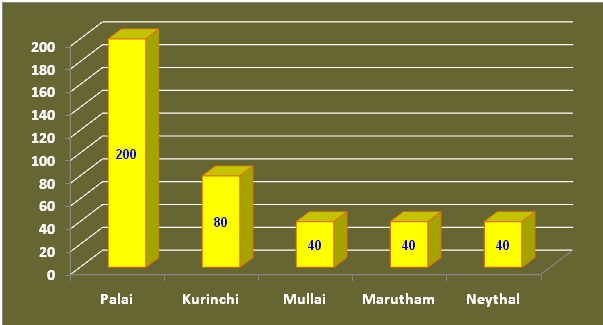
அகநானூற்றில் மிகப்பெரிய அதிசயம் பாடலின் தொகுப்பு முறையாகும். தமிழர்கள் கணிதத்தில் எவ்வளவு ஆர்வமும் கவனமும் செலுத்தினர் என்பதற்கு இந்த ஒரு சான்றே போதும். 400 பாடல்களையும் 1,2,3,4,5,6……. என்று எழுதுங்கள். அதில் ஒற்றைப்படை எண்கள் உடைய பாடல்கள் எல்லாம் பாலைத் திணையாகவும் பத்து தொடர்ந்தனவெல்லாம் நெய்தலாகவும், நாலு தொடர்ந்தனவெல்லாம் முல்லையாகவும் இரண்டும் எட்டும் தொடர்ந்தனவெலாம் குறிஞ்சியாகவும், ஆறு தொடர்ந்தன வெல்லாம் மருதமாகவும் நூல் முழுதும் தொகுக்கப்பட்டுள்ளது.

இதைத் ‘’தமிழ் இலக்கியத்தில் எண்கள்’’ என்ற எனது 1995 தஞ்சாவூர் உலகத் தமிழ் மாநாட்டு ஆய்வுக்கட்டுரையில் குறிப்பிட்டேன். இப்பொழுது சிறிது விளக்கமாகவே கூறுகிறேன்:–

பாலை
1,3,5,7,9,11…………………………….. இப்படி 397,399 வரை எல்லா ஒற்றைப்படை எண்ணுள்ள பாடல்களும் பாலைத் திணையைச் சேர்ந்த பாடல்களாக இருக்கும்.
நெய்தல்
10, 20, 30, 40, இப்படி ……………….390, 400 வரை பத்தில் முடியும் எண் பாடல்கள் அனைத்தும் நெய்தல் திணையைச் சேர்ந்த பாடல்களாக இருக்கும்.
முல்லை
4,14,24,34,44,54……………………. 394 வரை இவ்வாறு நாலு என்ற எண்ணுள்ள பாடல்கள் அனைத்தும் முல்லைத் திணையைச் சேர்ந்த பாடல்களாக இருக்கும்.
குறிஞ்சி
2,12,22,32,42…………………….. 8, 18, 28, 38……………………. 392, 398 வரை இவ்வாறு இரண்டு எட்டு என்ற எண்ணுள்ள பாடல்கள் அனைத்தும் குறிஞ்சித் திணையைச் சேர்ந்த பாடல்களாக இருக்கும்.
மருதம்
6,16,26,36……………………………..396 என்ற வரை இவ்வாறு ஆறு என்ற எண்ணுள்ள பாடல்கள் அனைத்தும் மருதத் திணையைச் சேர்ந்த பாடல்களாக இருக்கும்.

akanan2

இப்படிச் செய்வதால் புத்தகத்தைப் படி (பிரதி) எடுப்போர் தவறு செய்யும் வாய்ப்புகள் குறைவாகும். யாரேனும் ஒருவர் தவறு செய்தாலும் அதை எளிதில் கண்டுபிடித்துத் திருத்தி விடலாம். இப்படிப் பிரித்ததிலும் கூட 200+40+40+80+40 என்ற அழகைக் காணலாம்.

பிராமணர்கள் வாய்மொழியாகவே வேதத்தைப் பரப்பவேண்டும் என்ற கொள்கையினை உடையோராதாலால் அதில் இடைச் செருகல் வரக்கூடாது என்பதற்காக, பல்லாயிரம் வருடங்களாக, அதை

1.வாக்கிய பாடம்,
2.கிரம பாடம்,
3.கண பாடம்,
4.ஜடா பாடம்
என்று சொற்களைக் கணித அடிப்படையில் கூட்டிக் கூட்டிச் சொல்லுவர்.

மனப்பாட சக்தியுள்ள ஒருவரைப் புகழும்போது, ‘’அவரா? அவர் அதைத் தலைகீழாகச் சொல்லச் சொன்னாலும் சொல்வாரே, அந்த அளவுக்குப் புலமை’’ என்போம். இது போல பிராமணர்கள் பெரிய புலமை பெறும் போது அவர்களுக்கு ‘கனபாடி’கள் என்ற பட்டமும் கிடைக்கும். இதே போல தமிழர்களும் எண் அடிப்படையில் பாடல்களை வகுத்தது அவர்களின் திறமைக்கு ஒரு சான்றெனில் அது மிகையாகாது.

Akananuru graph
அதிசயம் 2
அகநானூற்றில் 108 ஊர்களின் பெயர்கள் உள்ளன. 2000 ஆண்டுப் பழமையான ஊர்களை அறிய இது பெரிதும் உதவுகிறது. தமிழர்கள் மிகவும் தெய்வ நம்பிக்கை உடையவர்கள். ஆகையால் அலைவாய் (திருச்செந்தூர்), அரங்கம் (ஸ்ரீரங்கம்), கோடி (தனுஷ்கோடி), மதுரை, வேங்கடம் (திருப்பதி) முதலிய பல புண்ய க்ஷேத்திரங்களைக் குறிக்கத் தவறவில்லை.

அதிசயம் 3
அகநானூற்றில் குறைந்தது 14 நாட்டுப் பிரிவுகள் வருகின்றன. இப்போது நாம் நாடு என்றால் பெரிய நிலப்பரப்புடைய அமெரிக்கா, ரஷ்யா, பிரிட்டன் என்போம். 2000 ஆண்டுகளுக்கு முன் தமிழர்கள் இதைச் சிறு நிலப்பரப் பிற்கே பயன்படுத்தினர். எல்லா மொழிகளிலும் காலப்போக்கில் சொற்களின் பொருள் மாறும். ஆங்கிலத்திலும் கூட 400 ஆண்டுகளுக்கு முன் ஷேக்ஸ்பியர் பயன்படுத்திய சொற்கள் இன்று பொருள் மாற்றிப் பயன்படுத்தப்படுகின்றன.
இடையநாடு, குடநாடு, கொங்குநாடு, கோசர் நாடு, துளுநாடு, தொண்டைநாடு, பாணன் நாடு, புகார் நாடு, பூழி நாடு, மழவர் நாடு, மாறோக்கநாடு, வடுகர்நாடு, வேம்பிநாடு, வேளிர்நாடு முதலியன.

‘’நாடு’’ என்னும் சொல் பொருள் மாறியது பற்றி எழுதியவுடன் வேறு ஒரு விஷயமும் நினைவுக்கு வருகிறது.

பல வெளிநாட்டுக்காரர்கள் ரிக் வேதத்தை மொழி பெயர்க்கிறேன் என்ற பெயரில் தத்துப்பித்து என்று உளறி வைத்துள்ளனர். இதை உளறல் என்று கண்டுபிடிக்க நீங்கள் பெரிய சம்ஸ்கிருத அறிஞராக இருக்க வேண்டாம். 20 வெளிநாட்டுக்காரர்கள் ரிக் வேதப் பாடல்களை மொழிபெயர்த்ததைக் கையில் வைத்துக் கொள்ளுங்கள். ஒவ்வொருவரும் என்ன சொல்கிறார்கள் என்று பாருங்கள். ஒன்றுக்கு ஒன்று சம்பந்தா சம்பந்தமே இராது.

திருக்குறளிலும் பதின்மர் உரை என்று பத்துப் பேர் எழுதிய உரைகள் உண்டு. அதில் பெரிய வேற்றுமைகளையோ கலாசார எதிர்மறை விளக்கங்களையோ காணமுடியாது. ஆனால் வேதத்துக்குப் பொருள் எழுத வந்தோருக்கு நம் கலாசாரம் தெரியாது என்பதைவிட அவர்களின் உள்நோக்கம் என்ன என்பதைப் பார்க்கையில் அவர்களின் குட்டு வெளிப்பட்டுவிடும். சாயம் வெளுத்துப்போகும்!

akanan3

அதிசயம் 4
அகநானூறு குறிப்பிடும் தமிழர்களின் தெய்வங்கள்:
அருந்ததி, இராமன், இல்லுறை கடவுள், உமை, கண்ணபிரான், கவிர மலைத் தெய்வம், குபேரன், கொல்லித் தெய்வம், சந்திரன், சிவபெருமான், சூரியன், செல்லூர்த் தெய்வம், நடுகற் கடவுள், நள்ளியடுக்கத்துச் சூர்,
புகார்த் தெய்வம், பாழி அணங்கு, பொதியில் தெய்வம், மழுவாள் நெடியோன், முருகன், வேம்பினடிக் கடவுள், வேளூர்வாய்த் தெய்வம்.
இது தவிர ஏரி, குளம், காடு, மலை, குன்று, மரங்களில் உறையும் அணங்குகள் பற்றிய குறிப்புகளும் நிறைய உண்டு.

தமிழர்களைப் பற்றி சில அரசியல் கட்சிகள் தவறான பிரச்சாரத்தைச் செய்ததால் தற்கால இளைஞர்களுக்கு தமிழர்கள் என்போர் ஏதோ தனிப்பட்ட ஒரு இனம், அவர்கள் ஆகாசத்தில் இருந்து குதித்த உலக மஹாப் பழங்குடி மக்கள், அவர்களுக்கு வேறு ஒரு கலாசாரம் உண்டு என்ற எண்ணம் உண்டாகும் இவை எல்லாம் மஹா அபத்தம் என்பதை அறிய நீங்கள் மிகப்பெரிய தமிழ் அறிஞராக இருக்க வேண்டும் என்பது இல்லை.

வர்த்தமானன் பதிப்பகம் போன்ற பதிப்பகங்கள் வெளியிட்ட சங்க இலக்கிய மேல் கணக்கு நூல்கள் 18 ஐயும் எடுத்துக் கொண்டு பத்துப்பாட்டையும் (10 நூல்கள்) எட்டுத்தொகையையும் ( எட்டு நூல்கள்) படியுங்கள். இமயம் முதல் குமரி வரை எல்லாம் ஒரே பண்பாடே என்று நீங்களே கட்டுரை எழுதத் துவங்கி விடுவீர்கள். திருநெல்வேலி பெட்டி வெல்லம், நெல்லை லாலகடை அல்வா, மணப்பாறை முறுக்கு, மானாமதுரை சாம்பார் சாதம், மதுரை நாகப்பட்டிணம் கடை காராச்சேவை, ஐயங்கார் மெஸ் புளியோதரை என்பது போல சில ‘’ஸ்பெஷல்கள்’’ ஆங்காங்கே இருக்கத்தான் செய்யும். இது உலகம் முழுதும் உண்டு.
ஐயர் வீட்டுக் கல்யாணங்களில் கூட திருநெல்வேலி வழக்கம், மதுரை சம்பிரதாயம், தஞ்சாவூர் பார்ப்பனர் வழக்கம், ஆற்காட்டு ஐயர் சம்பிரதாயம் என வேறுபடும் ஆனால் அவர்கள் எலோரும் பிராமணர்களே. செட்டியார் வீட்டுக் கல்யாணங்களிலும் பிரதேசத்துக்குப் பிரதேசம் பழக்க வழக்கங்கள், சம்பிரதாயங்கள் மாறுபடும். அவர்கள் அனைவரும் வடநாட்டு ஷ்ரேஷ்டிகளே=செட்டி=ஷெட்டி.

கோவில் வாஹன அலங்கராத்தில் கூட சூர்யப்பிரபை, சந்திரப்பிரபை என்ற வாஹனங்களைத் தென் தமிழ்நாட்டுக் கோவில்களில் காணமுடியாது. அதற்கேன வட அற்காடு விஷ்ணுவை ஆரியர் என்றும் தென் தமிழ்நாட்டுப் பெருமாளைத் திராவிடன் என்றும் சொல்லும் மடைமை ஈங்கு இல்லை. ஆயினும் வெள்ளைகாரன் போல பி.எச்டி. பட்டம் வாங்க விரும்பினால், உலகத் தமிழ் நாட்டில் பொன்னாடை கிடைக்க வேண்டுமானால் நீங்களும் பிரித்தாளும் சூட்சியில் இறங்கலாம்.

அகநானூற்று அதிசயங்கள் தொடரும்…………………………

Nehru on Rajatarangini

rajatarangini

Compiled by London Swaminathan
Article No.1465; Dated 7th December 2014.

What is Rajatarangini?
Rajatarangini is the history of Kashmir written by a Kashmiri Brahmin called Kalhana. Rajatarangini means “RIVER OF KINGS”. It was written in Sanskrit in eight chapters. It consists of 3449 slokas/couplets. It is a 12th century work.

Who was Nehru?
Jawaharlal Nehru was the first Prime Minister of India from 1947 to 1964. He was also a Kashmiri Brahmin. Nehru’s brother in law Ranjith Pandit translated it from Sanskrit into English in two years inside the jail. The translation work was done when both Nehru and Mr Pandit were in prison. Nehru wrote a foreword to his translation in 1934.

Rajatarangini was “the only work hitherto discovered in India having any pretensions to be considered as a history”, said Mr S P Pandit. Foreigners also praised Rajatarangini as the first history book in India. Kalhana was the first Indian to write a history book with the dates and other details like a modern history book.

Kalhana wrote it 200 years before Muslim’s conquest of Kashmir. It has got lot of interesting information. Kalhana disputed the traditional date of Kaliyuga 3100 BCE and placed it around 2500 BCE.

I give below what Nehru said about Rajatarangini,

“It is a history and it is a poem, though the two perhaps go ill together, and in a translation especially we have to suffer for this combination.

“Written 800 years ago, the story is supposed to cover thousands of years, but the early part is brief and vague and sometimes fanciful and it is only in the later periods, approaching Kalhana’s own times, that we see a close up and have a detailed account.

“There is too much of palace intrigue and murder and treason and civil war and tyranny. It is story of autocracy and military oligarchy here as in Byzantium or elsewhere. In the main, it is a story of kings and the royal families and the nobility, not of the common folk – indeed the very name is the River of Kings.

Quixotic Chivalry and Disgusting Cruelty

“And yet Kalhana’s book is something far more than a record of king’s doings. It is a rich store house of information, political and social and, to some extent economic. We see the panoply of the Middle Ages, the feudal knights in medieval glittering armour, quixotic chivalry and disgusting cruelty, loyalty unto death and senseless treachery; we read royal amours and intrigues of and of fighting and militant and adulterous queens.

kalhanas_rajatarangini_medium

Women seem to play a quite important part, not only behind the scenes but in the councils and the field as leaders and soldiers. Sometimes we get intimate glimpses of human relations and human feelings, of love and hatred, of faith and passion.

We read of Surya’s great engineering feats and irrigation works; of Lalitaditya’s distant wars of conquest in far countries; of Meghavahana’s curious attempt to spread non violence also by conquest; of the building of temples and monasteries and their destruction by unbelievers and iconoclasts who confiscated the temple treasures. And then there were famines and floods and great fires which decimated the population and reduced the survivors to misery.

Kalhana describes Kashmir as “a country in insurrection”! It was nearly two hundred years after Kalhana wrote his history that Kashmir submitted to Muslim rule, and even then it was not by external conquest but by a local revolution headed by a Muslim official of the last Hindu ruler, Queen Kota”.

About Kashmir’s summer heat inside the prison Nehru writes,
“But Kalhana had enabled me to overstep these walls and forget the summer heat, and to visit the land of the Sun God “where realizing that the land created by his father is unable to bear the heat, the hot rayed sun honours it by bearing himself with softness in summer; where dawn first appears with a golden radiance on the eternal snows and in the evening, the daylight renders homage to the peaks of the towering mountains”.

stories_from_rajatarangini_tales_of_kashmir_idi013

“The joy of plunging into Ganga is not known to those who reside in the sandy deserts, writes Kalhana; how can the dwellers in the plains know the joys of the mountains, and especially of this jewel of Asia, situate in the heart of that mighty continent.”

The above matter is from the foreword of Jawaharlal Nehru to Rajatarangini written on 28 June, 1934 from Dehradun Jail.

(There is lot of interesting historical information in Rajatarangini of which I will write in separate articles: swami)

சூப்பர் பவர் கொண்டுள்ள அதிசய மனிதர்கள்! – Part 2

kevin2
Kevin Richardson

கட்டுரையை எழுதியவர் :– S Nagarajan
கட்டுரை எண்- 1464; தேதி 7 டிசம்பர், 2014.

“ஹிந்து தத்துவம் ஐந்து அறிவுக்கும் மேற்பட்ட – அதீத பேரறிவு (super consciousness) என்னும் ஆறாவது அறிவு ஒன்று இருக்கிறது என்பதை விளக்குகிறது. அதன் மூலமே உத்வேகம் வருகிறது– – ஸ்வாமி விவேகானந்தர்

6. பல மொழி பேசும் ஹரால்ட் வில்லியம்ஸ்
உலகில் சாதாரணமான ஒரு நபர் 1.69 மொழிகளை மட்டுமே பேச முடியும் என்று அறிவியல் கூறுகிறது. ஹரால்ட் வில்லியம்ஸ் என்பவரோ 58 வெவ்வேறு மொழிகளைப் பேசுகிறார்!.
ஏழு வயது வரை சாதாரணமாகத் தான் ஹரால்ட் இருந்தார். திடீரென அவர் மூளையில் பெரிதாக ஒரு வெடிப்பு ஏற்பட்டது போல இருந்ததாம்! அதன் பின்னர் அவர் லத்தீன் மொழியைக் கற்க ஆரம்பித்தார். லத்தீன் பல மொழிகளுக்கும் ஆதாரமான ஒரு மொழி. அத்தோடு நிற்காமல் அவர் உலகின் பல பகுதிகளுக்கும் பயணித்து பல மொழிகளையும் கற்றார்.

7. கழுகுப் பார்வை கொண்ட வெரோனிகா செய்டர்
எந்தவிதமான தொழில்நுட்ப உதவியுமின்றி தனது சொந்தக் கண்களினாலேயே மிகச் சிறிய பொருளையும் பார்க்கும் வல்லமை படைத்தவர் வெரோனிகா செய்டர்.
மேற்கு ஜெர்மனியில் உள்ள ஸ்டுட்கார்ட் பல்கலைக் கழகம் தன் பல்கலைக்கழக மாணவிகளுள் ஒருவரான வெரோனிகா செய்டர் மற்ற யாரையும் விட 20 மடங்கு கூரிய பார்வைத் திறனைக் கொண்டிருப்பவர் என்று அறிவிப்பு ஒன்றை 1972ஆம் ஆண்டு வெளியிட்டது. ஒரு மைலுக்கு அப்பால் வரும் ஒருவர் யார் என்று சொல்லும் திறனைக் கொண்டவராம் வெரோனிகா. அப்படி ஒரு கழுகுப் பார்வை!
இப்படி ஒரு மைலுக்கு அப்பால் வரும் ஒருவரைப் பார்க்க சாமானியர்களுள் ஒருவரான நாம் மிகவும் சக்தி வாய்ந்த, அதி நவீன பைனாகுலரை நாடினால் தான் வருவது யார் என்று சொல்ல முடியும்!

veronica seider
Veronica Seider

8.ஒலியின் மூலம் பார்வை கொண்ட பென் அண்டர்வுட்
பென் அண்டர்வுட் (Ben underwood) பார்வை இல்லாத ஒருவர். புற்று நோயினால் அவரது கண் பார்வை போயிற்று. ஆனால் மனிதன் செய்யும் ஒலிகளின் மூலம் (human etholocation) அவர் தன்னைச் சுற்றி என்ன நடக்கிறது என்பதைச் சொல்லும் திறன் படைத்தவராய் இருக்கிறார்.
இதனால் சாதாரண பார்வை உள்ள ஒருவரைப் போலவே அவரால் வாழ முடிகிறது. ஒலிப் பார்வை அவருக்கு எப்படி வந்தது என்பது யாருக்கும் புரியவில்லை. ஆனால் அவர் பற்றிய புகழ் பெற்ற வீடியோக்கள் நெட்டில் வலம் வந்து உலகை அசத்துகிறது.

Ben-Underwood
Ben Underwood

9. வலியைப் பொறுக்க வல்ல டிம் க்ரிட்லேண்ட்
சின்ன வலியைக் கூடப் பொறுக்க முடியாமல் ‘ஓ’வென்று கத்தும் நபர்களைத் தான் சாதாரணமாக நாம் பார்த்து வருகிறோம். பிரசவ வலியைக் கூட இப்போது யோகா மூலமாக பெண்மணிகள் பொறுத்துக் கொள்ளக் கற்று வருகிறார்கள். ஆனால் மிக அதிகமான வலியைக் கூடத் தன்னால் பொறுத்துக் கொள்ள முடிவதைத் தனது பொழுதுபோக்கு நிகழ்ச்சிகளால் காண்பிக்கிறார் டிம் க்ரிட்லேண்ட்

“உடல்ரீதியாக அசாதாரணமான விசேஷமான சக்தி எதையும் நான் கொண்டிருக்கவில்லை. நான் செய்யும் ஒவ்வொன்றையும் மிகவும் பயிற்சி செய்த பின்னரே என்னால் செய்ய முடிந்தது.இப்படி அசாதாரணமாக பிரம்மாண்டமான வலிகளை நான் பொறுத்துக் கொள்வதை நீங்கள் கூட உங்கள் மனதையும் உடலையும் ஒருங்கிணைப்பதன் மூலம் செய்ய முடியும்! நான் இந்த நிகழ்ச்சிகளில் பயன்படுத்தும் உத்திகளை நீங்களும் கூடப் பயன்படுத்தி வலிகளைப் பொறுத்துக் கொள்ளலாம்!” என்று கூறுகிறார் டிம் க்ரிட்லேண்ட்!

அப்படி என்ன செய்கிறார் என்று கேட்கத் தோன்றுகிறதல்லவா! வலைத்தளத்தில் இவர் பற்றிய வீடியோக்களைப் பார்த்தால் கண்களில் ரத்தமே வந்து விடும். கூர்மையான ஒரு கம்பியை முழங்கைக்கு கீழாக ஒரு புறம் குத்தி மறுபுறம் எடுக்கிறார் மனிதர். இப்படிப் பல காட்சிகள்! நம்மாலும் எந்த வலியை வேண்டுமானாலும் பொறுத்துக் கொள்ள முடியும் என்று சொல்லும் இவரைப் பார்த்தாலே அதிசயமாகத் தான் இருக்கிறது! !(Tim Cridland என்று டைப் செய்து வலையில் பார்க்கவும்)

386100-the-lion-whisperer
Lion Man Kevin Richardson

10. மிருகங்களுடன் தகவல் தொடர்பு கொள்ள வல்ல கெவின் ரிச்சர்ட்ஸன்
தென் ஆப்பிரிக்காவைச் சேர்ந்தவர் கெவின் ரிச்சர்ட்ஸன். சிங்கங்களில் ஆரம்பித்து எந்த மிருகமாக இருந்தாலும் சரி, சுலபமாக அவைகளுடன் தகவல்களைப் பரிமாறிக் கொள்கிறார்! உலகில் அபாயகரமான மிருகங்களை அணுகுவதற்கு எத்தனை விதமான பாதுகாப்பு விதிகள் இருக்கிறதோ அத்தனையையும் உடைத்தெறிந்து விட்டு மிகச் சாதாரணமாக அபாய மிருகங்களுடன் பழகுகிறார் கெவின்! இது எப்படி சாத்தியம் என்றால், “என் உள்ளுணர்வினாலும் காலம் காலமாக இருந்து வரும் சம்பிரதாயமான முறை மூலமாகவும் தான் மிருகங்களுடன் என்னால் பேச முடிகிறது” என்கிறார் இவர்!
இன்னும் சில சூப்பர் மனிதர்களையும் பார்ப்போம்.

அறிவியல் அறிஞர் வாழ்வில் .. ..
அறிவியல் சோதனைகளுள் பல விசித்திரமான சோதனைகள் உண்டு. மாதிரிக்கு ஒரு சோதனையைச் சொல்லலாம். வில்லியம் பீமாண்ட் (William Beaumont) ஆயிரத்து எண்ணூறுகளில் அமெரிக்க ராணுவத்தில் சர்ஜனாகப் பணியாற்றியவர். ஒரு நாள் அலெக்ஸிஸ் செயிண்ட் மார்டின் என்பவர் அவரிடம் சிகிச்சைக்கு வந்தார்.அவர் விலங்குகளின் மயிரைப் பதப்படுத்தும் நிறுவனம் ஒன்றில் வேலை பார்த்த போது துப்பாக்கி ஒன்றால் சுடப்பட்டார். அவரது தோலைத் துளைத்துச் சென்ற குண்டு அவரது உறுப்புகளைச் சேதப்படுத்தவில்லை. நிச்சயம் குண்டினால் ஏற்பட்ட காயத்தினால் மார்டின் இறந்து விடுவார் என்று வில்லியம் நம்பினார். ஆனால் அதிசயமாக பெரிய துளை வயிற்றில் தெரிய மார்டின் பிழைத்து விட்டார். வயிற்றுத் துளை வழியே அவர் உடலில் நடக்கும் அனைத்துச் செயல்களையும் பார்க்க முடிந்ததைக் கண்டு ஆச்சரியப்பட்ட வில்லியம் வயிற்றில் ஜீரணம் ஆவது எப்படி என்ற சோதனையை அவர் மேல் தொடங்கினார். மார்டின் பழைய கம்பெனியில் வேலை பார்க்க முடியாத காரணத்தினால் சிறு வேலைகளைச் செய்வதற்காக அவரைத் தன்னிடமே பணியிலும் அமர்த்திக் கொண்டார். பல வருட காலம் ஜீரணம் சம்பந்தமான சோதனையை வில்லியம் தொடர்ந்தார். வயிற்றின் அசைவுகளினால் ஜீரணம் நடைபெறவில்லை என்றும் வயிற்றில் உருவாகும் அமிலங்களினால் தான் ஜீரணம் நடைபெறுகிறது என்பதை அவர் கண்டுபிடித்தார். சில சமயம் உணவுத் துணுக்குகளை அவர் வயிற்றில் ஒரு நூலில் கட்டித் தொங்கவிட்டு எப்படி ஜீரணம் நடைபெறுகிறது என்பதைக் கூட வில்லியம் செய்து பார்த்தார்.
ஆனால் தொடர்ந்த சோதனைகளினால் மார்டின் மிகவும் சோர்ந்து போனார். அமெரிக்காவிலிருந்து கனடாவுக்குச் சென்று விட்டார். ஆனால் 1826ஆம் ஆண்டு அமெரிக்காவிற்கே மீண்டும் திரும்பி வந்து வில்லியமிடமே வேலைக்குச் சேர்ந்தார். ஜீரணம் சம்பந்தமான எத்தனை சோதனை உண்டோ அத்தனையையும் அவர் மேல் நடத்தி அதை ஒரு புத்தகமாகவும் வில்லியம் எழுதி விட்டார்.
.உலகின் அதிசய சோதனைகளுள் இந்த ஜீரணச் சோதனையும் ஒன்று!

Written by my brother for a Tamil Magazine:swami

*********************

Origin of Drama in Ancient India and Egypt

ravana
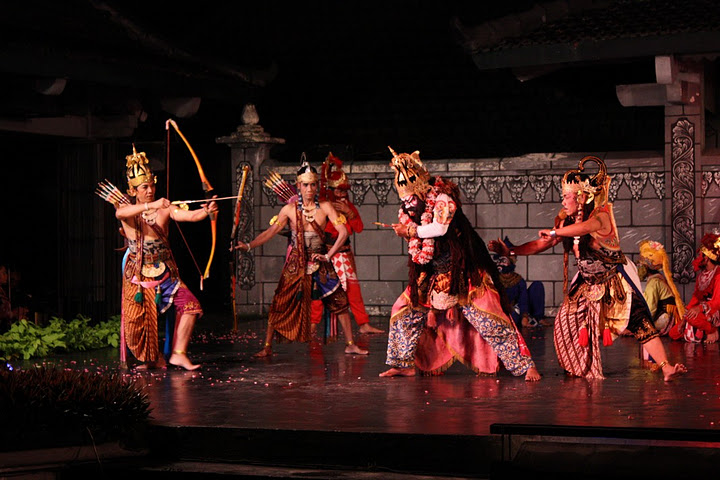
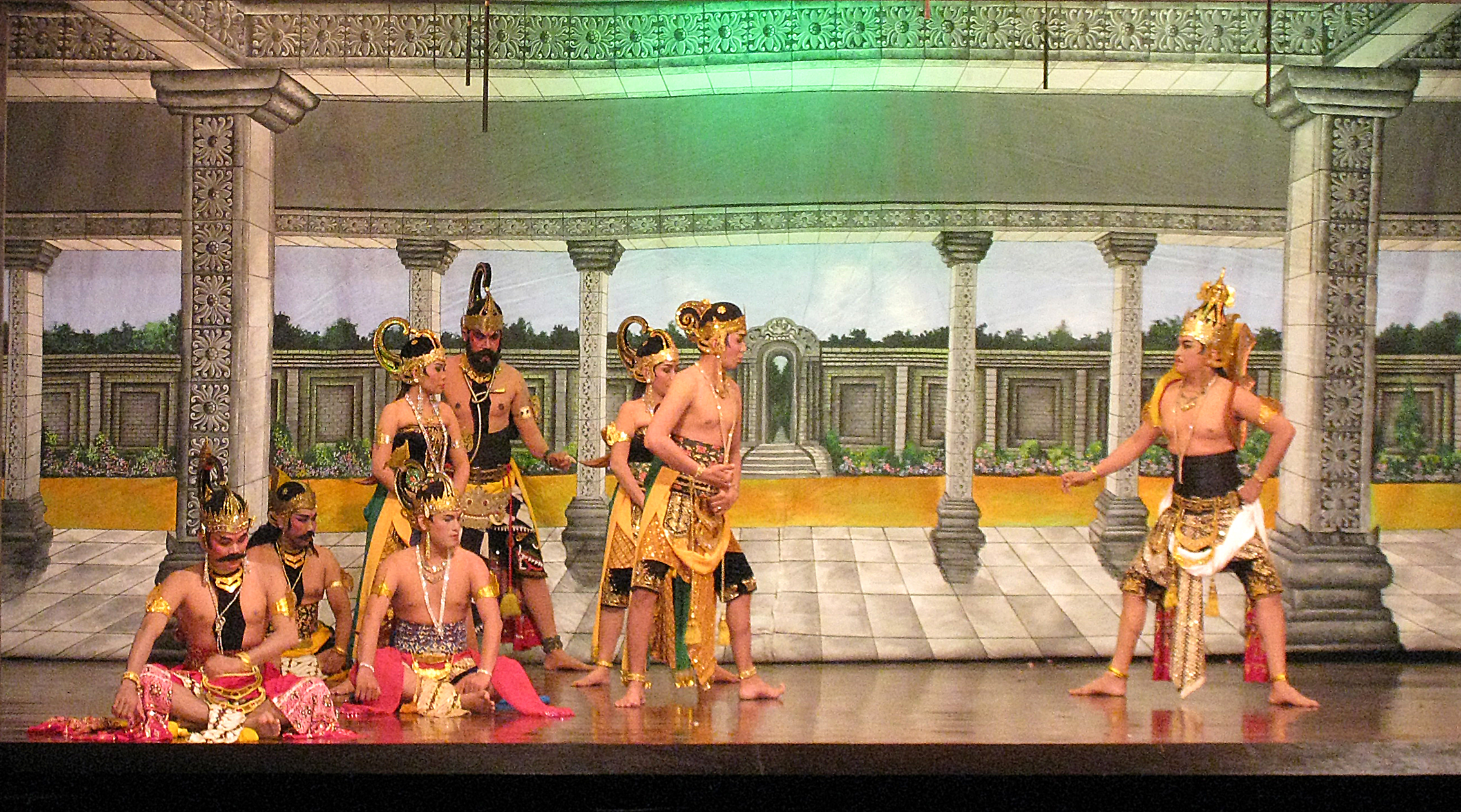
Ramayana in Indonesia with Ravana

Research paper written by London Swaminathan
Research article No.1463; Dated 6th December 2014.

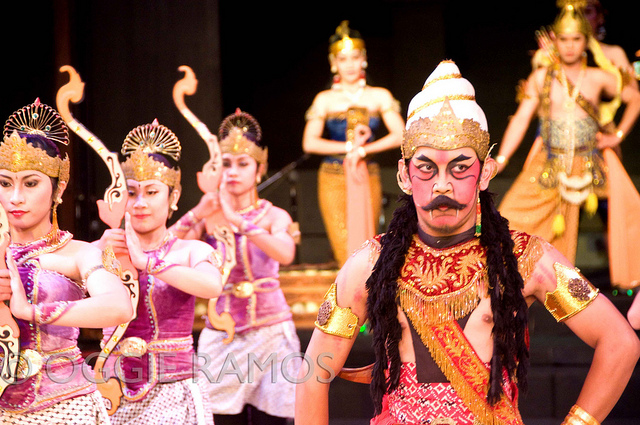
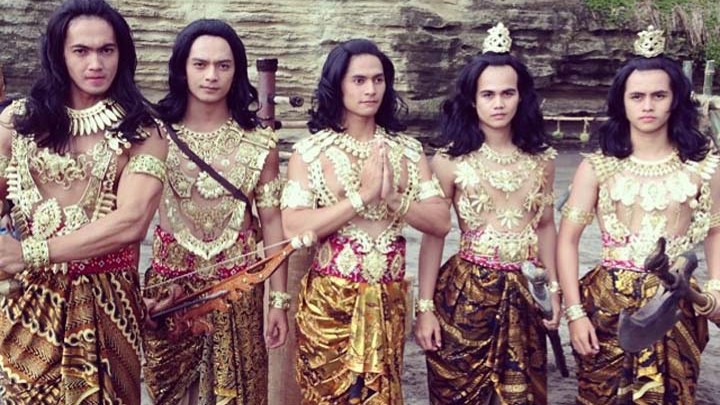
Where did dramas originate? Did the first play was enacted in Egypt or India? We have dialogue hymns in the Rig-Veda and several scholars believe those were the first theatrical plays. We have similar dialogues in Egypt. Greek dramas that became popular in the fifth century BCE belonged to different genre. Plays of Bhasa, Kalidasa, Asvagosha, Shudraka and many more playwrights became popular in India from third century BCE. We have discovered fragments of Asvagosha’s plays beyond India.

transtv-buat-pandawa-lima-mahabharata-versi-sinetron-berjudul-1-720x405
Mahabharata in Indonesia

Dramas in the Vedas
After long Yajnas (fire sacrifices) lasting for several days, Vedic Hindus had dance, music and drama to entertain the public or the attendants.

The Natyasastra of Bharata, claims a divine origin for itself. It styles itself as a fifth Veda, accessible to all, including those who were precluded from the study of four Vedas. In its present form it came after Kalidasa’s plays. It is possible that the author of the Natyasastra sat down to compose his treatise with Kaliidasa’s plays before him, says Chandra Rajan, translator of Kalidasa’s works .

She adds, “the origins of drama could be traced back to the Vedas. In the Rig Veda we find a number of poems with dramatic elements in them: dialogues such as the lively debate between Sarama, the Hound of Heaven and the Panis (traders or demons of darkness) over wealth or tribute; the dialogue between Urvasi, a celestial nymph and the mythic king Puruvas, which is the distance source of Kalidasa’s play Vikrama Urvasiyam; monologues like the declamation of Vac proclaiming her role in the creation of the universe; soliloquies like Vasistha’s”.

“In some of the poems in this group, there are three or more voices speaking; and the few contain the germ of a story or a cryptic reference to an event, that could develop in to a plot in the hands of a great dramatist. Kalidasa used the Urvasi-Pururuvas dialogue and made a great play.

Cambodia 1
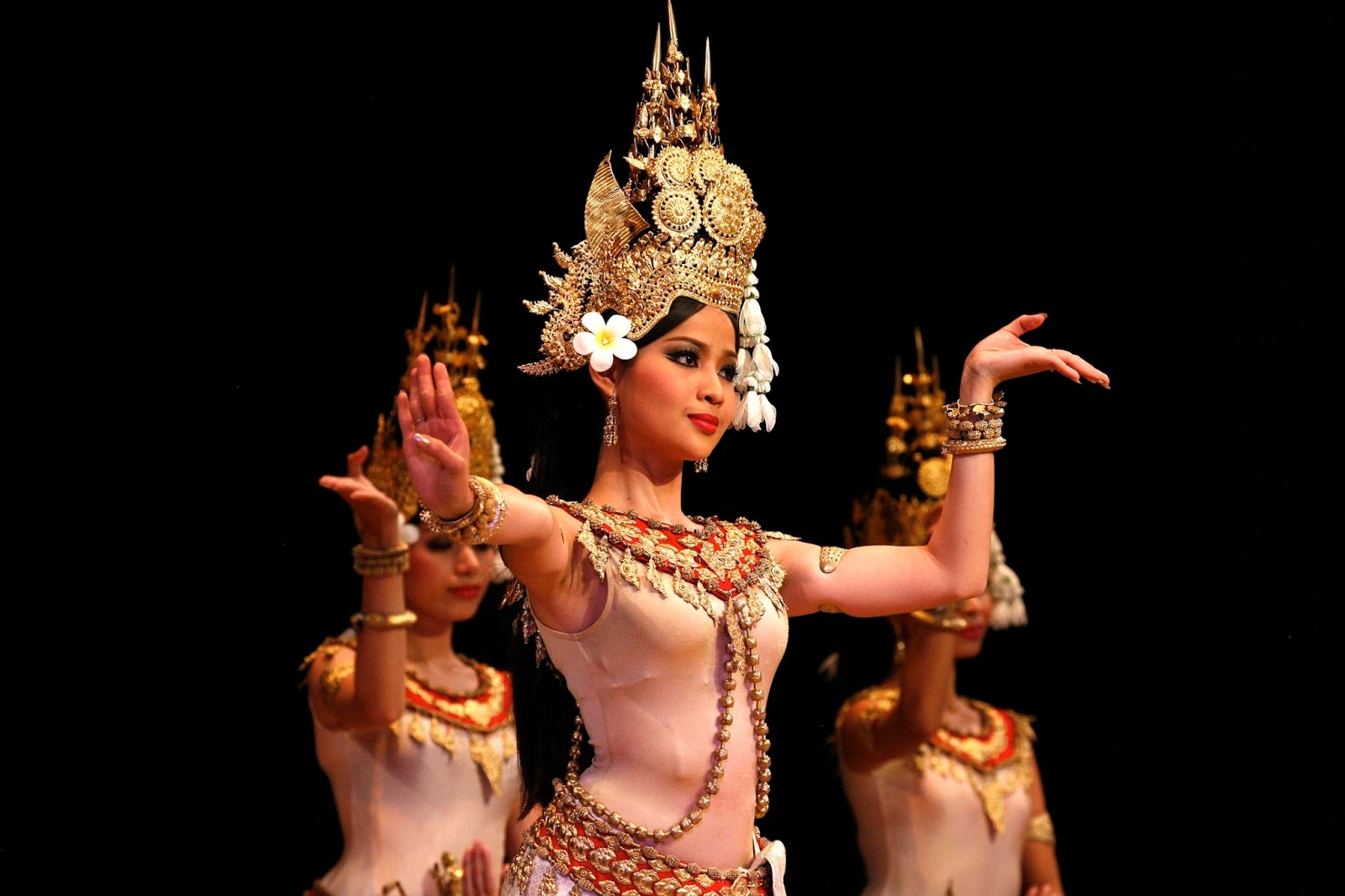
Hindu drama in Cambodia

“The Vedic hymns were chanted and sung by several voices and the presence of refrain in some suggests a choral element. The rituals themselves of the great sacrifices have a dramatic character. The rituals are re-enactments of cosmic events. It is possible priests officiating played the roles of gods and seers in re-enacting the cosmic events.

“There is mention in Vedic literature of maidens beautifully dressed and jewelled, singing and dancing and circling the sacred altars with jars of holy water in their hands. A chariot race is mentioned, as well as a contest between a Vaisya and a Shudra for the possession of a white skin symbolising the Sun (light).

“It is suggested that Urvasi-Pururuvas poem was a staged dialogue, a dramatic substitute for what was originally the sacrifice of a male in a fertility rite after a sacred ritual wedding.

“The Mudras (hand gestures) used and the stances adopted during the performance of Vedic rituals were incorporated later into classical drama. Often the stage directions in a play indicate miming, and call for a specific Mudra, as for instance, in Sakuntala 6-3 Kapota Hastaka- the dove shaped hand gesture that conveys adoration or supplication.

“The Binding of Bali and Kamsa’s Slaying are two plays referred to in the literature of Second century BCE.

ram1indonesia
Ramayana in Indonesia

“Bharata’s Natyasatra assumes the close association of Siva with the performing arts. Bharata, in his dialogue with Brahma, the creator, speaks of having witnessed the Dance of Siva ‘full of feeling’ and expressive of the sentiments of Srngara (love) conveyed through graceful sequences of movement and gesture.

“And Siva, highly pleased with the performance of two plays, The Churning of the Ocean and The Burning of the Triple City, composed by Brahma and performed by Bharata and his troupe, instructs his disciple Tandu to teach Bharata certain dance sequences.

“Bharata is obviously an assumed name. The Bharatas were originally the rhapsodies or the bards of the powerful Bharata tribe celebrated in the Rig Veda. Dancing figure discovered in Mohenjo-Daro point to the antiquity of dance as an art form in India”.
–From Introduction in the book “ Kalidasa The Loom of Time” by Chandra Rajan.

Wayang_Wong_Bharata_Pandawa
Mahabharata in Indonesia

Drama in Egypt and Sumer
In all the ancient civilisations dance and drama were inseparable. We see such things in Sumer, Egypt and South India. Silappadikaram, Tamil epic, describes scores of dances based on stories in Hindu mythology. In Sumer, all festivals had rituals involving kings and priests. Sacred marriages between Gods and Goddesses were enacted. Priests and Kings played their roles as Gods. In Madurai Minakashi Temple of Tamil Nadu, every year the sacred marriage between God and Goddess (Siva and Parvati) is enacted where priests and their children play the roles.

In the Rig Veda, we have Yama-Yami dialogue and Vasukra dialogue. These may be theatrical performances. We have such plays in Egypt as well. All the dance and dramas started as religious rituals. Later it took secular turns as we see in the Greek dramas of fifth century BCE.

tamil drama
A scene from Tamil Drama

Michael Rice, in his book the Egypt’s Making says,
“Conflict of Horus and Set” is one of the great plays of ancient Egypt. This is the ritualized version of the mythical struggle between the opposing dualities which made up Egypt’s historical personality. The very fact that this conflict is conventionalized into the form of a drama with carefully presented dialogue and action is very remarkable. Then there is the “Mystery play of Succession” known for its great antiquity, for it is known from First Dynasty. It included a mysterious group of characters called the Spirit Seekers who disappeared after the first Dynasty.

At his coronation, likewise, the king played through a complex and numerous series of rituals designed to signify his assumption of the sovereignty over Egypt.
( In Madurai in Tamil Nadu, the great Nayak king Tirumalai Nayak, used to receive the sceptre from Goddess Minakshi every year. This is renacted even today)

history_of_indian_theatre_early_history_idh429

My comments
Horus of Egypt may represent in a Hindu context, positive forces or Shakti, or Vishnu or Kinetic Energy or Mitra of the Vedas.

Set may represent Siva or negative forces or Varuna or Potential energy.
Like the Deva and Asura participation in the Churning of the Milky Ocean, we need two sets of people representing opposites or dualities (like Light and darkness, Good and Bad, Hot and Cold).
If one reads all the dialogues and dramas of ancient Egypt and Sumer, then one will understand better the dialogues in the Rig Veda. I have come to the conclusion that most of them are theatrical plays staged during the sacrifices that lasted for days or weeks.
Following are some of the dialogues:

RV 10-51: Agni and Varuna
RV 10-10 Yama- Yami
RV 1-179 Agastya and Lopamudra
RV 10-95: Pururuvas and Urvasi
RV 10-86 Indra and Vrsakapi
We have such conversation hymns in RV 10-135; 10-124; 4-26; 10-108; 10-28 and many more.
So we may conclude that dramas originated in India provided one accepts the antiquity of the Vedas. B G Tilak and Jacobi dated them to 6000 BCE.

theatric_aspects_of_sanskrit_drama_nac455

Contact swami_48@yahoo.com

கலியுகம் பற்றிய விஞ்ஞான விந்தை: உலகம் அழியுமா?

earth-temps

Research paper written by London Swaminathan
Research article No.1462; Dated 6th December 2014.

2030-ஆம் ஆண்டில் காந்த துருவங்கள் இடம் மாறும் என்று ஜே.எம்.ஹார்வுட் என்பவர் 1970 ஆம் ஆண்டிலேயே கூறிவிட்டார். இப்படி மாறுவதால் உலகில் பேரழிவுகள் ஏற்படும் என்று சிலர் கூறுகின்றனர். இதிலலென்ன உண்மை உளது என்று காண்போம்.

இந்துக்கள் உலகத்தின் வயதை நான்காகப் பிரித்துள்ளனர்: கிருத யுகம்(4), த்ரேதா யுக (3), த்வாபர யுகம் (2), கலியுகம் (1). ஏன் இப்படி தலைகீழ் வரிசையில் 4,3,2,1 என்று யுகத்திற்குப் பெயரிட்டார்கள்?

ஏன் என்றால் சத்திய யுகமான கிருத யுகத்தில் தர்மம் என்னும் பசு மாடு நான்கு கால்களில் நிற்குமாம். த்ரேதா யுகத்தில் அதற்கு மூன்று கால்கள்தான். அதவது தர்மம் 25 விழுக்காட்டை இழந்துவீட்டது. அப்போது ராம பிரான் தோன்றினார். த்வாபர யுகத்தில் தர்மம் என்னும் மாடு இரண்டு கால்களை – அதவது 50 விழுக்காட்டை இழந்து விட்டது. அப்போதுதான் கிருஷ்ணன் தோன்றினார். யுகத்தின் முடிவில் மஹாபாரத யுத்தம் நடந்தது. கலியுகத்தில் தர்மப் பசுவுக்கு இன்னும் ஒரு காலும் போய், ஒற்றைக் காலில் 25 சதவிகித புண்ய கர்மாவுடன் தள்ளாடிக் க்ண்டிருக்கும். கலியுக முடிவில் அந்தக் காலும் போய் உலகமே அழியும். பிறகு மீண்டும் கிருத யுகம் பிறக்கும் என்பது இந்துக்களின் நம்பிக்கை.

இப்படி மாறிமாறி வரும் யுகங்களுக்கு காலம் எவ்வளவு என்றும் இந்துக்கள் கணக்கிட்டனர். உலகில் மற்ற நாகரீகங்கள் எல்லாம் 20-ன் மடங்குகளிலும் (மாயா நாகரீகம்), 40-ன் மடங்குகளிலும் (செமிட்டிக் மதங்கள்) சிறிய எண்களுடன் நின்றுவிட்டன. இந்துக்களோவெனில் பல லட்சம் வருடங்களைச் சொன்னதோடு இதற்கு முடிவு என்பதே இல்லை. இந்து வட்டச் சுழல்—மீண்டும் மீண்டும் நடந்து கொண்டே இருக்கும் என்றும் மனித ஆண்டு, தேவ ஆண்டு, பிரம்மாவின் ஆண்டுகள் என்பன வெவ்வேறு என்றும் சொன்னார்கள். இது ஏதோ கற்பனையில் பிறந்த வருடங்கள் என்று 200 ஆண்டுகளுக்கு முன் வரை நினைத்தார்கள். இப்பொழுது பல்வேறு உலகங்கள் பல்வேறு வேகத்தில் சுற்றும்போது இவை எல்லாம் சாத்யம் என்று தெரிகிறது.

Yugas

இதற்கு என்ன விஞ்ஞான விளக்கம் என்று எண்ணிப் பார்த்தால் விடை கிடைக்கவில்லை. இப்பொழுது விஞ்ஞானம் முன்னேற, முன்னேற புதுப்புது விளக்கங்கள் கிடைக்கின்றன. இந்துக்கள் சொன்ன காலக் கணக்கீடு:–

கிருத யுகம் – 1728 ,000, 000 ஆண்டுகள்
த்ரேதாயுகம் – 1296, 000, 000 ஆண்டுகள்
த்வாபரயுகம் – 864,000 ஆண்டுகள்
கலியுகம் – 432, 000 ஆண்டுகள்

இந்த நாலு யுகங்களையும் சேர்த்து சதுர்யுகம் என்பார்கள். 8,640,000,000 ஆண்டுகள் ஒரு கல்பம் எனப்படும். அதுதான் பிரம்மாவின் ஒரு நாள். அதுபோல அவர் நூறு ஆண்டுகள் வாழ்வார். அவருக்குப் பின்னால் வேறு ஒரு பிரம்மா வருவார். இந்தக் காலச் சுழற்சிக்கு முடிவே இல்லை.

கலியுகத்தை மட்டும் எடுத்துக் கொண்டால் ஓரளவு விஞ்ஞான விளக்கம் சொல்லலாம். நம்முடைய பூமி ஒரு காந்த உருண்டை. எப்பொழுதும் காந்த மண்டலத்தை உருவாக்கிய வண்ணம் இருக்கும். ஏன் இப்படி நடக்கிறது. நாம் வாழும் பூமியின் மேல் ஓடு வெறும் எட்டு மைல்கள்தான். அதன்மீதுதான் நாம் வசிக்கிறோம். அதற்குக் கீழே அதள பாதாளத்துக்குப் போனால் பூமியின் வயிற்றில் அது நெருப்பைக் கட்டிக்கொண்டு தன்னைத் தானே சுற்றுகிறது. அது மட்டுமா? தான் தட்டாமாலை சுற்றுவதோடு சூரியனையும் சுற்றி வருகிறது. பூமியானது சந்திரனையும் தன்னோடு இழுத்துக் கொண்டு சூரியனைச் சுற்றி வருகிறது. சூரியனோவெனில் நவக் கிரஹங்களுடன் பால்வெளி மண்டலத்தைச் சுற்றிவருகிறது. இப்படி பூமி சுற்றுவதால், கடலைக் கடைந்தது போல பூமியின் வயிற்றைக் கடையும் போது பூமியே காந்த சக்தி உருவாக்கும் ‘டைனமோ’ ஆகிவிடும்.

இந்த பூமியில் வட துருவம், தென் துருவம் என இரு துருவங்கள் உண்டு. அதே போல காந்தத்திலும் – அதாவது பூமி என்னும் கிரஹத்தைச் சுற்றி இருக்கும் – காந்த இரு துருவங்கள் உண்டு. வானத்தில் பூமியைச் சுற்றிவரும் பல விண்கலங்கள் மூலம் இவற்றை ஆராய்ந்து வருகின்றனர். அதன்படி பூமியின் காந்த துருவங்கள் வேகமாக நகர்ந்து வருவது தெரிகிறது. பூமியின் காந்த மண்டலம்தான் நம்மை சூரியனிடமிருந்து வரும் தீய கதிர்களிl இருந்து காத்துவருகிறது. இப்படி காந்த மண்டலம் இல்லாவிடில் நமது பூமியும் சந்திரன், செவ்வாய் போல வறண்ட இடங்களாகக் காட்சி தரும். உயிரினங்களே இரா.

geomagnetic-field-orig_full

மாக்னெட்டொகெட்டொன்
காந்த மண்டல வட துருவம் மெதுவாக நகர்ந்து தென் துருவத்துக்குப் போய்விடும். அதே போல தென் துருவம் மெதுவாக நகர்ந்து வட துருவத்துக்குப் போய்விடும். அதாவது இரண்டும் இடத்தை மாற்றிக் கொள்ளூம். இது ஓரிரவில் நடந்து விடாது ஆயிரம் ஆண்டுகூட ஆகலாம்.

இது நடைபெறும் காலம் பக்கத்தில் வந்துவிட்டது விண்கல ஆய்வில் தெரிய வந்ததால் விஞ்ஞானிகள் கவலை அடந்துள்ளனர். 2030-ல் இது நடைபெறும் என்று ஏற்கனவே பல விஞ்ஞானிகள் கூறியது உண்மையாகி வருகிறது. இப்படி துருவம் மாறுவது நாலு லட்சம் ஆண்டுகளுக்கு ஒரு முறைதான் நடைபெறும் என்றும் இதற்குக் காரணம் காந்தப் புலன் பலவீனம் அடைவதுதான் என்றும் அறிவியல் அறிஞர்கள் கூறுவர். கடந்த சில நூறு ஆண்டுகளில் பூமி அதன் காந்த சக்தியில் பத்து சதவிகிதத்தை இழந்துவிட்டது.

துருவங்கள் மாறும் நாலு லட்சம் அண்டுகள் என்பது கிட்டத்தட்ட கலியுகத்தின் காலத்தை (432,000) ஒட்டிவருகிறது. நாம் கலியுகம் முடிவில் பெரிய மாறுதல் வரும் என்று நம்புவது போல விஞ்ஞானிகளும் காந்தப் புலன்கள் மாறும் போது பெரிய மாறுதல்கள் ஏற்படக்கூடும் என்பர். தகவல் போக்குவரத்து சீர் குலையும், விண்வெளியில் பறக்கும் விண்கலங்களுக்கு ஆபத்து ஏற்படக் கூடும் என்பர். இதை மாக்னெட்டோகெடான் என்று அழைப்பர். கடந்த காலத்தில் இப்படி மாறிய போது உலகம் அழியவில்லை என்று கல் படிம அச்சுகள் காட்டுகின்றன.ஆனால் சிறிய மாற்றங்கள் ஏற்பட்டன என்பது அவர்கள் தரப்பு வாதம். மற்றவர்களோவெனில் டைனோசர் போன்ற ராட்சத மிருகங்கள் அழிந்தது இதனால்தான் என்பர்.

solar wind

ஒரு சுனாமி வந்த பின்னர்தான் அதன் பேரழிவுச் சக்தியை நாம் உணர்ந்தோம். அது போல ஒரு காந்த துருவ மாற்றம் ஏற்பட்ட பின்னர்தான் நமக்கு அது பற்றி விளங்கும் என்றும் அவர்கள் கூறுவர்.

காந்த துருவ மாற்றம் மெதுவாகத்தான் நடைபெறும்; அது நடக்க 1000 ஆண்டு ஆகும் என்பது போல நாமும் யுகங்களுக்கு இடையே துருவ சந்தி என்று இடைக்கால, இன்டர்வல் – வைத்திருக்கிறோம். இதையெல்லாம் ஒப்பிட்டுப் பார்க்கையில்தான் கலியுகம் என்பது காந்தப் புலன் மாற்றம் அடையும் காலம் என்று எண்ணத் தோன்றுகிறது. பெரிய இடைவெளி, சின்ன இடைவெளி என்று இருக்கும் என்றும் அதற்குப் பின்னரே யுகங்கள் முழுதும் மாறுபட்டிருக்கும் என்றும் புராணங்கள் பகரும். இவைகளை எல்லாம் எண்ணிப் பார்க்கையில் விஞ்ஞானம் வளர, வளர நமக்குப் புராணங்கள் சொன்னது உண்மையே என்ற உணர்வு பலப்படுகிறது.

earth pressure

சந்திரனில், விண்கலம் இறங்கிவிட்டது, செவ்வாய்க்கு விண்கலம் போய்ச் சேர்ந்துவிட்டது, வாயேஜர் என்னும் விண்கலம் சூரிய மண்டலத்தையே தாண்டிப் போய்விட்டது என்றெல்லாம் பத்திரிக்கையில் வரும் செய்திகளைக் கேள்வியே கேட்காமல் நம்பும் நம்மவர், நமது முன்னோர்கள் —– நம்மிடம் தேர்தலில் வோட்டோ, கையில் பணமோ கேட்காமல்—— நமது நன்மைக்காக எழுதிவைத்ததை நாம் நம்ப வேண்டாமா? அதுதான் அறிவுடைமை அன்றோ!

contact swami_48@yahoo.com

Hindu Dwarfs in Egypt?

3 pygmies
Ivory Figures found in Egypt. Are these Hindu dolls or Saints?

Research paper written by London Swaminathan
Research article No.1461; Dated 5th December 2014.

Hindus gave respect to handicapped people and believed that they can achieve great things in life by having faith in God. There are some famous characters in Hindu mythology that were very short in their stature but did great things.
Vamana
Agastya
Kubera
Siva Ganas
were all dwarfish. Their sculptures depict them as dwarves.

Vamana was one of the Ten Incarnations (Avatar) of Lord Vishnu. He came as a dwarfish boy and begged for land measuring just three feet/steps. But he grew taller and taller and the third step had to be placed on the demon king Mahabali, after measuring the earth and sky with his two feet. This is a famous story found in all the Hindu religious as well secular literature.

Agastya
Agastya

Sage Agastya was a famous saint sent by Lord Shiva to Tamil Nadu to reduce the imbalance in the population of North India. He was sent with people from 18 tribes and he codified a new grammar for Tamil language according to the ancient Tamil and Sanskrit literature. Agastya was a dwarf. He was a great engineer and diverted Cauvery River to benefit the people of Tamil Nadu. He followed the example of another Puranic engineer Bhageeratha who diverted Ganges towards Bay of Bengal. He took lot of people across the Indian Ocean to set up colonies in South East Asia. He was the first one to lay a land route via the Vindhya Mountain which was a big barrier between the North and South in the Indian sub continent.
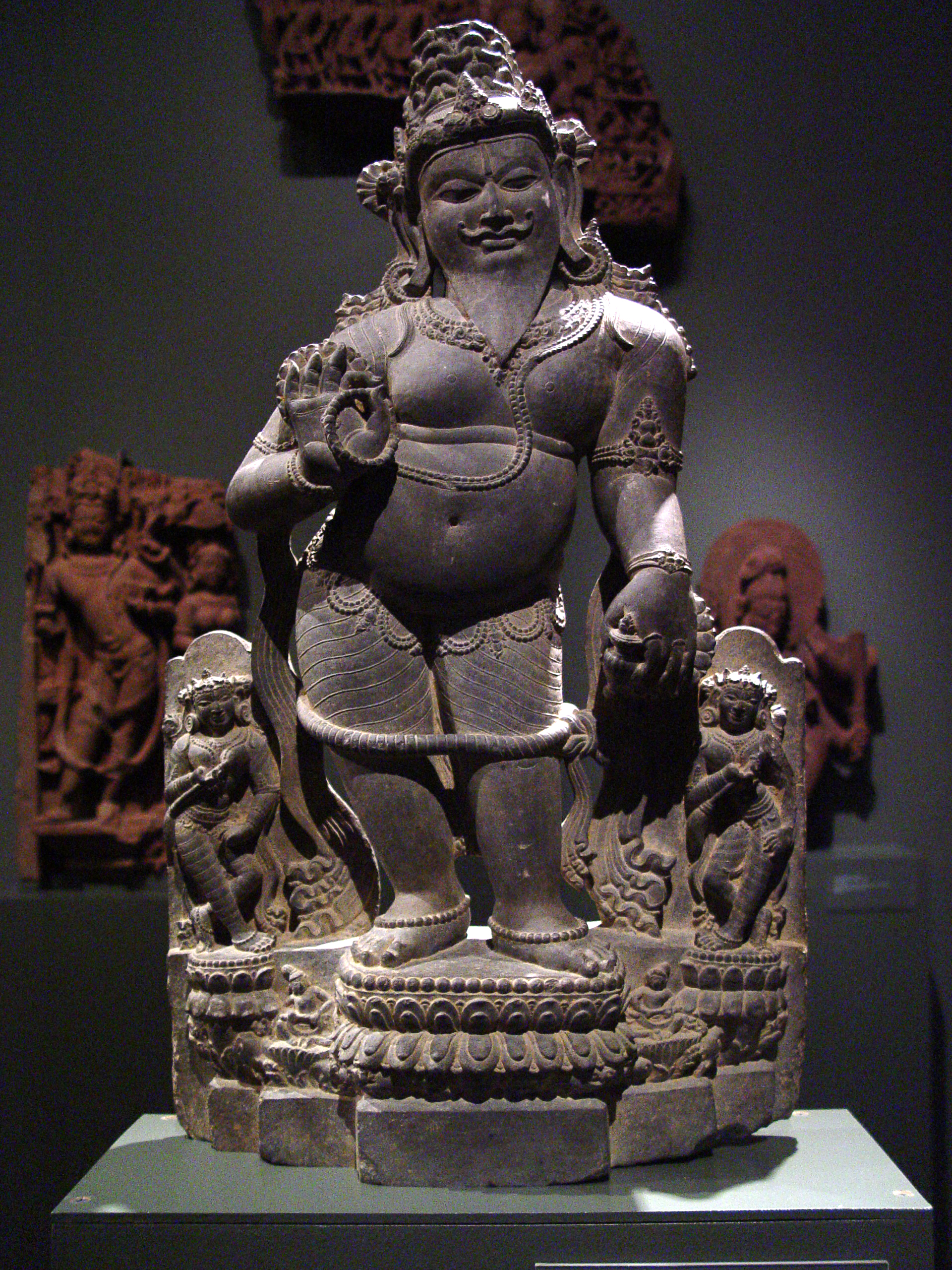
Kubera
According to Hindu scriptures Kubera was the lord of wealth. He was driven out of Sri Lanka by his half brother Ravana. Then he settled in Tibet region of the Himalayas. His people known as Yakshas in Hindu scriptures are portrayed as dwarves.

SatvahanaYaksha
Yaksha

Siva Ganas
Siva’s attendants known as Siva Ganas are shown as dwarves. They were well versed in dance and music. When Shiva danced every day, they played the music along with Narada, Tumburu and others.
All these show that dwarves maintained a high profile.

Ramayana and Mahabharata
The two Hindu epics also say very clearly the dwarves were employed in the harem and other parts of the palace. They provided entertainment to the royals as well as the general public. Sanskrit dramas employed dwarves as jesters. Dwarves accompanied king to different places. They gave entertainment at harems to the queen and her assistants.

anuradhapura
dwarf from Anuradhapura, sri lanka

Researchers say that India and Egypt had the earliest puppets. The puppets were shown as dwarves. They have discovered three such puppets in Egypt belonging to the Middle Kingdom (2000 BCE to 1700 BCE). They are made up of ivory. Though the Egyptologists say that they are African pygmies, I doubt them for the following reasons:-

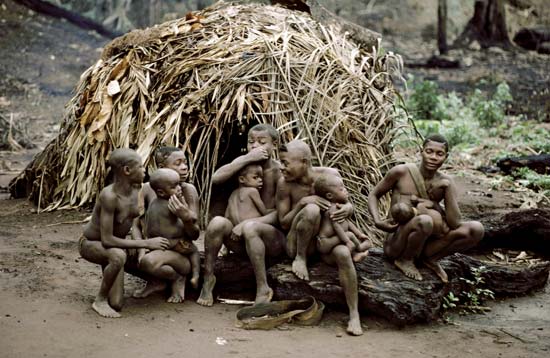
1.The ivory figures wear rosaries like Indian saints. My research shows pygmy men don’t wear such necklaces. Very rarely pygmy women wear jewellery. They seldom wear upper garments.
2.They have robes or sacred threads like the Brahmins of India on their left shoulders. Brahmin priests even today wear towels or upper garments on their left shoulders in all the religious institutions in South India. The Priest King of Indus Valley also wears clothing like Brahmins.

3.Since these statues are made up of ivory it should have come from India. We have Indian ivory figures in Pompeii and other places. Indian teak, peacock, monkeys etc have been exported to West Asia. Indian coast and Egyptian coast are easily accessible to the people of both the regions.
4.Since the figures are naked it may be Indian puppet toys or Gymnosophists (naked Saints of India) whom even Alexander invited to Greece.

A_Dwarf_Drummer_
One of the Siva Ganas

5.African primitive pygmies would not wear clothes and rosaries like ancient Hindus.

6.The blessing pose of the three figures is typical Hindu. Sadhus/saints bless their devotees in this way.
7.The middle figure have something like a tilak mark on his forehead.

8.Whether it is a puppet or a toy is immaterial. The style and motif is typical Indian. So my conclusion is that the three figures are Indian puppet dolls or Hindu gymno sophists of India.

Egyptians also gave respect to the handicapped people like Indians. The following papyrus document shows the protection they offered to such people:

An ancient Egyptian text (British Museum Papyrus No. 10474) reads: “Beware of robbing a wretch or attacking a cripple. Do not laugh at a blind man, nor tease a dwarf, nor cause hardship for the lame. Don’t tease a man who is in the hand of the god”(i.e. ill or insane).

pygmies of central africa
Pygmies of Central Africa

This sounds like a Sanskrit sloka. In Giza and Saqqara, dwarves were depicted at least in 50 tombs.
A Sanskrit sloka/prayer says about the dumb and lame:

मूकं करोति वाचालं पङ्गुं लङ्घयते गिरिं ।
यत्कृपा तमहं वन्दे परमानन्द माधवम् ॥
Muukam Karoti Vaacaalam Panggum Langghayate Girim |
Yat-Krpaa Tamaham Vande Param-Aananda Maadhavam ||

Meaning:
1: Dumb speak with Eloquence and the Lame cross high Mountains,
2: I Remember and Extol that Grace which flows from the Supreme Bliss manifestation of Madhava.
Even a lame person can cross high mountains with the grace of God.

gymno
Alexander with the naked saints of India
contact swami_48@yahoo.com