சூப்பர் பவர் கொண்டுள்ள அதிசய மனிதர்கள்! -1

natasha demkina.2

கட்டுரையை எழுதியவர் :– S Nagarajan
ஆராய்ச்சிக் கட்டுரை எண்- 1460; தேதி 5 டிசம்பர், 2014.

“என்னால் விளக்கமுடியாத எதையும் ஃப்ராட் என்று சொல்லும் காலத்துகேற்ற முட்டாள்தனத்தை என்னால் செய்ய முடியாது” – கார்ல் ஜங் (இங்கிலாந்து சைக்கிகல் ரிஸர்ச் சொஸைடியில் 1919ஆம் ஆண்டு பேசியது)
விஞ்ஞானத்திற்கு சவாலாக விளங்கும் சூப்பர் சக்திகளைக் கொண்டுள்ள பலரையும் பார்த்து விஞ்ஞானம் வியப்பதோடு அவர்களின் மீது ஆராய்ச்சிகளையும் நடத்தி வந்துள்ளது, இப்போதும் நடத்தி வருகிறது. அவர்களில் குறிப்பிடத் தகுந்த சிலரைப் பற்றிப் பார்ப்போம்.

எக்ஸ்ரே கண்கள் கொண்ட நடாஷா
ரஷிய பெண்மணியான நடாஷா டெம்கினா மனிதர்களின் உடலின் உள்ளேயும் பார்க்க வல்லவர். அதாவது எக்ஸ்ரே கண்களைக் கொண்டவர். மனிதர்களின் உடல் உறுப்புகளைப் “பார்த்து” அவர்களுக்கு என்ன வியாதி என்பதை அவர் கண்டுபிடித்து விடுவார். பத்து வயது வரை எல்லா சிறுமிகளையும் போல அவரும் சாதாரணமாகத் தான் இருந்தார். ஆனால் அந்த வயதில் திடீரென்று அவருக்கு அபூர்வ சக்தி வந்து சேர்ந்தது.!

அந்த சக்தி வந்ததைப் பற்றி நடாஷாவே இப்படிக் கூறியுள்ளார்:” வீட்டில் எனது தாயாருடன் இருந்த போது ஒரு நாள் எனக்கு ஒரு காட்சி விரிந்தது. எனது தாயாரின் உடலுக்கு உள்ளே என்ன இருக்கிறது என்பதை என்னால் பார்க்க முடிந்தது. அவருடைய உறுப்புகளைப் பற்றிச் சொல்ல ஆரம்பித்தேன். இப்போது இதைக் காண்பதற்காக எனது சாதாரணக் காட்சியிலிருந்து மாறி ‘மெடிகல் விஷனைப்’ பார்க்க மாற வேண்டியிருக்கிறது. நான் பார்ப்பவரின் உடலின் உள்ளே இருக்கும் உறுப்புகள் ஒரே ஒரு வினாடி வண்ணப்படமாக தெரியும். பின்னர் அதைப் பற்றிய என் ஆய்வை மேற்கொள்வேன்”

நடாஷாவின் இந்த அதிசயப் பார்வைக்கு விஞ்ஞானத்தில் இதுவரை விளக்கம் இல்லை!
natasha demkina

காந்த உடல் கொண்ட லியூ தோ

மலாசியாவைச் சேர்ந்தவர் லியூ தோ. உலோகத் துண்டுகளை அவர் உடலோடு ஒட்டிக் கொள்வார். விஞ்ஞானிகள் அவர் உடலை ஆராய்ந்தனர். ஆனால் காந்த சக்தியை அவர் எப்படி எதனால் கொண்டுள்ளார் என்பதைக் கண்டுபிடிக்க இதுவரை முடியவில்லை. எப்படி தோலுடன் ஏராளமான உலோகத் துண்டுகளை ஒட்ட வைத்துக் கொண்டு அவர் பாலன்ஸுடன் இருக்கிறார் என்பது இதுவரை யாருக்கும் புரியவில்லை. காந்த சக்தி மனிதர் லியூ தோ விஞ்ஞானத்திற்கு ஒரு புதிய சவால்!

magnetic-man Liew Thow
Magnetic man Liew Thow

அபார நினைவாற்றல் கொண்ட டேனியல் டெம்மெட்
உலகின் அபார நினைவாற்றல் மேதை என்ற புகழைக் கொண்டிருப்பவர் டேனியல் டெம்மெட்! ஏராளமான தகவல்களை இவர் நினைவில் தக்க வைத்துக் கொள்கிறார். ‘பை’ என்ற கணிதக் குறியீட்டை சாதாரணமாக 3.142 என்று சொல்லி முடிப்பது வழக்கம். ஆனால் இவரோ 22,514 இலக்கம் வரை பையின் இலக்கங்களைக் கூறுகிறார். ஐந்து மணி ஒன்பது நிமிடங்களில் 2004ஆம் ஆண்டு மார்ச் மாதம் 14ஆம் தேதி இந்த நிகழ்ச்சியை நிகழ்த்தி அறிவியல் உலகையே அதிசயிக்க வைத்தார். இப்படிப்பட்ட அபூர்வ நினைவாற்றல் எப்படி அவருக்கு வாய்த்துள்ளது என்பதை ஒருவராலும் விளக்க முடியவில்லை. ஆனால் இவரோ தன் சக்தியைப் பற்றி,” எனது மனத்தில் பத்தாயிரம் எண்கள் முழுதாக அதன் உருவம், வண்ணம், வடிவம் ஆகியவற்றுடன் தெளிவாகத் தெரிகிறது.” என்கிறார். இதனால் அவருக்கு எல்லா விஷயங்களையும் தெளிவாக மற்ற சாதாரண மனிதரை விட அதிகமாக நினைவில் கொள்ள முடிகிறதாம்.

அவரது நினைவாற்றல் சக்தியின் படி 289 என்ற எண்ணின் சித்திரம் மிகவும் கோரமான ஒன்று. 333 என்ற எண்ணின் சித்திரமோ மிகவும் கவர்ச்சிகரமானது. ‘பை’ மிகவும் அழகிய ஒன்று. இந்த எண்களின் சக்தியினால் தான் நியூமராலஜி எனப்படும் எண் சாஸ்திரமும் எண்களின் அலைவெண்களும் தர்க்க ரீதியான உலகத்தில் தன் சக்தியைக் காண்பிக்கிறதோ என்னவோ!
அபூர்வமான நினைவாற்றல் மேதையான டேனியல் டெம்மெட்டும் அறிவியலுக்கு இன்றைய சவால் தான்!

தூக்கம் தேவையில்லாத அல் ஹெர்பின்
தூங்காமல் யாராலாவது உலகத்தில் வாழ முடியுமா? முடியும் என்று நிரூபித்துக் காட்டி இருக்கிறார் அல் ஹெர்பின்!

இவருக்கு அபூர்வமான இன்சோம்னியா எனப்படும் தூக்கமின்மை வியாதி இருந்தது என்கின்றனர்! ஒரு சமயம் அவர் தொடர்ந்து பத்து வருட காலம் தூங்காமல் இருந்தாராம்! இதைக் கேள்விப்பட்ட மருத்துவ நிபுணர்கள் அவரை ஆய்வு செய்வதற்காக அழைத்தனர்.

அல் ஹெர்பினின் வீட்டில் படுக்கையோ அல்லது படுக்கை அறையோ இல்லாதது கண்டு அவர்கள் திகைத்தனர்! வேலைக்குச் சென்று விட்டு வீட்டுக்குத் திரும்பி வரும் அல் ஹெர்பின் ஒரு நாற்காலியில் அப்படியே அமர்வது வழக்கம். அடுத்த நாள் வழக்கம் போல வேலைக்குச் செல்லும் நேரத்தில் எழுந்திருந்து வேலைக்குச் செல்வார்! நல்ல ஆரோக்கியத்துடன் வாழ்ந்து வந்த அவர் பழுத்த வயதான 94ஆம் வயது முடிய வாழ்ந்தார்.
superpowers-83276664710

எஃகினால் ஆன வயிறுள்ள மைக்கேல் லோடிடோ

சாதாரண மனிதர்கள் ஜீரணிக்க முடியாத அனைத்தையும் ஜீரணிக்கும் வல்லமை வாய்ந்த வயிறை உடையவர் மைக்கேல் லோடிடோ. கண்ணாடித் துண்டுகள், உலோகங்கள், ரப்பர் மற்றும் இதர பொருள்கள் அனைத்தையும் ‘அல்வா’ போல விழுங்கும் இந்த அபூர்வ மனிதரைக் கண்டு விஞ்ஞானம் வியக்கிறது. இதனால் இவருக்கு எந்த விதமான பக்க விளைவுகளும் இல்லை என்பது கூடுதல் போனஸான அபூர்வ விஷயம்!

அறிவியல் அறிஞர் வாழ்வில் .. ..

விண்ணிலிருந்து விண்கற்கள் (meteorites) ஒருபோதும் பூமியில் விழுவதில்லை, விழவும் விழாது என்பது பழைய கால நம்பிக்கை. விண்கற்கள் பூமியில் விழுந்த சம்பவங்களை அறிஞர்கள் உள்ளிட்ட அனைவரும் அந்தக் காலத்தில் அது கட்டுக்கதை என்றே கூறி வந்தனர். கடவுள் பூமியில் (மனிதர்களின் தலை மீது) ஒருபோதும் கற்களைப் போட மாட்டார் என்பது மதவாதிகளின் கொள்கையாக இருந்தது! பிரான்ஸ் நாட்டில் ப்ரெஞ்ச் அகாடமி ஆஃப் சயின்
ஸஸ்,” வானத்திலிருந்து கற்கள் விழவே விழாது” என்று அறுதியிட்டு உறுதி கூறியது.

இதை உடைத்தவர் எர்னஸ்ட் கால்ட்னி என்னும் இயற்பியல் விஞ்ஞானி. ஒரு தகட்டின் மீது நுண்துகளைப் பரப்பி வெவ்வேறு ஒலி அலைகளை ஒலிக்கச் செய்து நுண்துகள்கள் வெவ்வேறு வடிவம் எடுப்பதை நிரூபித்துக் காட்டிய மாமேதை இவர். வைப்ரேஷன் எனப்படும் அதிர்தல் பற்றிய அபூர்வ விஷயங்களைத் தன் சோதனைகள் மூலம் இவர் உலகுக்கு நிரூபித்துக் காட்டினார்..1794இல் விண்கற்கள் விண்ணிலிருந்து வந்து பூமியில் விழுகின்றன என்பதை ஒரு நூல் வாயிலாக வெளியிட்டார். பிரான்ஸில் பர்போடன் என்னுமிடத்தில் 1790ஆம் ஆண்டில் விண்ணிலிருந்து விழுந்த கற்களைப் பற்றி இவர் ஆராய்ச்சி செய்ய ஆரம்பித்தார்.இந்தக் கற்கள் விழுவதை 300 பேர்கள் தங்கள் கண்களால் நேரடியாகக் கண்டிருந்தனர்.

விண்ணிலிருந்து தான் விண்கற்கள் விழுகின்றன என்ற இவரது கூற்றை அனைவரும் கேலி செய்தனர்.
1803ஆம் ஆண்டில் தான் இவர் கூறியது சரி என்பதை அனைவரும் ஒப்புக் கொள்ள வேண்டியதாயிற்று. ஜீன் பாப்டிஸ் என்ற இன்னொரு அறிஞர் இப்படி விண்கற்கள் விழுவதை பல்வேறு விதமாக நிரூபித்துக் காட்டியதால் மக்கள் அதை ஏற்க வேண்டியதாயிற்று.

மந்திர ஒலிகளுக்குச் சக்தி உண்டு என்பதை நிரூபிக்க கால்ட்னியின் சித்திரங்கள் பெரிதும் உதவின. அபூர்வ அறிவியல் மேதை கால்ட்னி என்பதை காலம் கடந்து இப்போது நம்மால் உணர முடிகிறது!

Contact swami_48@yahoo.com (This articles was written by my brother S Nagarajan for a Tamil magazine)
வியாசருக்கு இரண்டு நோபல் பரிசுகள் தருக!

VYASA top

கட்டுரையை எழுதியவர் :– லண்டன் சுவாமிநாதன்
ஆராய்ச்சிக் கட்டுரை எண்- 1459; தேதி 5 டிசம்பர், 2014.
(This is already posted in English)

உலகிலேயே மிக நீண்ட நூலான மஹாபாரதத்தை இயற்றிய,
உலகிலேயே மிகப் பழைய நூலான வேதங்களை நமக்குப் பாதுகாத்து அளித்த,
உலகிலேயே அதிகமான சமயக் கதைகளைக் கொண்ட 18 புராணங்களை நமக்கு தொகுத்துத் தந்த
வியாச மாமுனிவருக்கு சமாதானத்துக்கான நோபல் பரிசையும் இலக்கியத்துக்கான நோபல் பரிசையும் அளிக்க வேண்டும்.

அவர் காலத்தில் நோபல் பரிசு போன்ற ஒரு பரிசு இருந்திருக்குமானால் அவருடன் போட்டி போட யாருமே இருந்திருக்க மாட்டார்கள்.

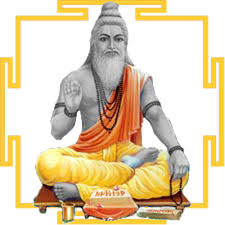
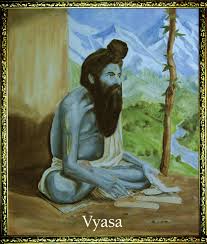
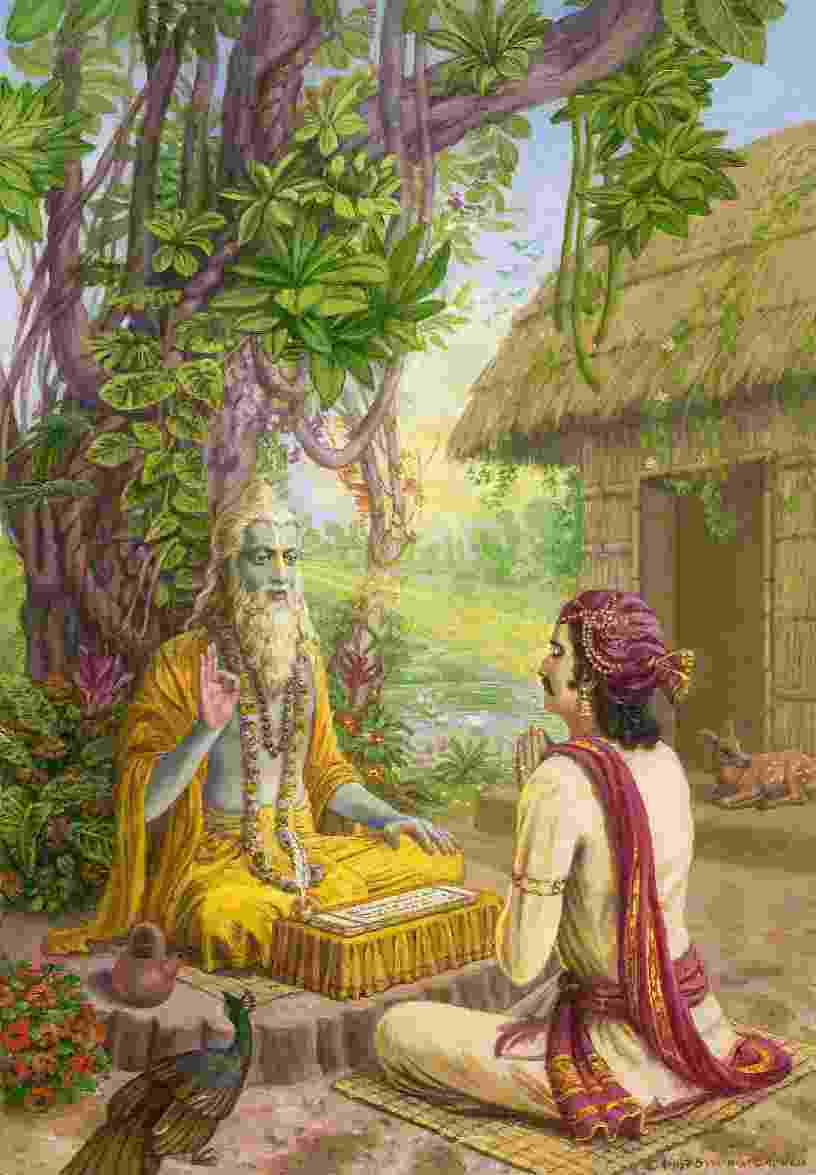
இந்தியாவில் மிகவும் கறுப்பாகவும் அவலட்சணமாகவும் பிறந்த முனிவர் வியாசர். இவருடைய அம்மா ஒரு மீனவப் பெண்மணி. பெயர் சத்யவதி. அப்பா பெயர் பராசர முனிவர். வியாசருக்குப் பெயரே “தீவில் பிறந்த கறுப்பன்”, அதாவது கிருஷ்ண த்வைபாயன வியாசன்.

இவர் எவ்வளவு அவலட்சணம் என்றால், ராஜ வம்சத்தை நடத்திச் செல்ல பிள்ளைகள் இல்லாமல் விசித்ரவீர்யன் இறந்துவிட்டான் என்பதால் அவனது மனைவியர் அம்பா, அம்பாலிகா ஆகியோர் மூலம் பிள்ளைகளை உண்டாக்கு என்று அம்மா இட்ட கட்டளையை சிரமேற்கொண்டார். ஆனால் இவரைப் பார்த்தவுடன் அவர்கள் இருவரும் வெறுப்பால் படுக்க மறுத்தனர். பின்னர் அறுவறுப்புடன் படுத்ததால் ஒரு குழந்தை குருடாகவும் மற்றொரு குழந்தை ‘’ஆல்பினோ’’ குறையுடன் வெளுப்பாகவும் பிறந்தன. மூன்றாவது முறை அவருடன் படுத்து நல்ல பிள்ளையைப் பெறு என்று அம்மா சொன்ன போது அப்பெண்மணிகள் வேலைக் காரியை வியாசருடன் படுக்க அனுப்பவே ஒரு கள்ளப் பிள்ளை பிறந்தது. அவ்வளவு கறுப்பு/அவலட்சணம்!

Shree-Vyasa-Ji4

ஆனால் உலகிலேயே ஒரு தூய ஆன்மா, ஒரு மகத்தான ஆன்மா இருந்ததென்றால் அது வியாச மாமுனிவனே. உலகில் யாரும் சாதிக்க முடியாத மகத்தான பணிகளைச் செய்தார். ஆகையால் தினமும் விஷ்ணு சஹஸ்ரநாமம் படிப்போர் இவரை விஷ்ணு என்று போற்றுவர் (வியாசாய விஷ்ணு ரூபாய வியாச ரூபாய விஷ்ணவே). இவரைத்தான் இந்துக்கள் முதல் குருவாக கருதி ஆண்டுதோறும் வியாச பவுர்ணமியை குரு பூஜையாகக் கொண்டாடுகின்றனர்.

அவர் செய்த மகத்தான இலக்கியப் பணிகள்
1.அவர் வாழ்ந்த கி.மு.3100-ல் வேதங்கள் அழிந்துவிடும் அபாயம் ஏற்பட்டது. காரணம் அதை எழுதக் கூடாது, வாய் மொழியாகத்தான் கற்க வேண்டும் என்ற விதி இருந்தது. யாரும் அத்தனை வேதங்களையும் மனப்பாடம் செய்ய முடியாது. மேலும் வேதங்கள் எண்ணிக்கையில் கடல் போலப் பெருகிவிட்டன. உடனே அவர், அழிந்துபோனதைத் தவிர மிச்சமுள்ள வேதங்களைத் தொகுத்து நாலு மிகப் பெரிய அறிவாளிகளை அழைத்து அவர்கள் மூலம் பரவச் செய்தார். இன்று வரை வாய் மொழியாக வேதம் பாதுகாக்கப்பட்டு வருகிறது. உலகில் இப்படிப்பட்ட அதிசயத்தை வேறு எங்குமே காணமுடியாது.

உலகிலேயே பழமையான நூலான வேதங்களில் மனிதகுலத்தின் வரலாறும் உயரிய சிந்தனைகளும் இருக்கின்றன. சில வெளிநாட்டுக் காரர்கள் வேண்டுமென்றே இதை சுமேரிய ஜில்காமேஷ் காவியத்துக்குப் பின்னர் என்பர். முதலில் ஜில்காமேஷ் காவியம் முழு உருப்பெற்றது கி.மு 800 வாக்கில்தான். இரண்டாவது அது ஆதிமனிதனின் அடிபிடிச் சண்டை பற்றிய அசுர காவியம். அவரை யாரும் வழிபட்டதும் இல்லை
vyasa3

2.தமது காலத்தில் இந்தியாவில் வழங்கி வந்த அத்தனை பழமொழிகள், கதைகள், தர்ம விதிகள் அனைத்தையும் தொகுத்து அவற்றை மஹாபாரத கதையுடன் அழகாகப் பின்னிப் பிணைந்து உலகிலேயே மிகப் பெரிய இதிஹாச நூலை உருவக்கினார். மஹபாரதத்தில் இரண்டு லட்சம் வரிகளும் சுமார் ஒரு மில்லியன் சொற்களும் உள. அது மட்டுமல்ல. வியாசர் அதில் முதல் பகுதியிலேயே (ஆதிபர்வம்) ஒரு சவாலும் விட்டார். உலகில் உள்ள எல்லாப்பொருளும் இதனில் உள. இதனில் உள்ள அத்தனை பொருளும் வேறு எங்கும் இல என்றார். அதுவும் உண்மையே. அத்தனை விஷயங்களும் நீதி நெறிகளும் இந்த இதிகாசத்தில் இருக்கின்றன.

3.அவர் செய்த மூன்றாவது சாதனை 18 புராணங்களைத் தொகுத்ததாகும். நூற்றுக்கணக்கான புராணங்கள் இருந்தபோதிலும் அவற்றில் சிறப்புமிக்க 18-ஐ எடுத்து அவைகளை எழுதினார். எட்டு லட்சம் பாக்களையும் 16 லட்சம் வரிகளையும் உடைய புராணங்களில் இந்து மதத்தின் சாரம் கதைகள் வாயிலாக வெளிப்படுத்தப்படுகின்றது. இதுவும் அவர் செய்த சாதனை.

வியாசர் இந்த சதானைகளைச் செய்த காலத்தில் உலகில் வேறு எந்த மொழியிலும் இலக்கியம் இல்லை. மோசஸ் பிறக்கவே இல்லை. கிரேக்க கதாசிரியர் ஹோமரும் பிறக்கவில்லை. சம்ஸ்கிருத வேதம் தவிர உலகில் வேறு எந்த நூலும் இல்லை. அங்கொன்றும் இங்கொன்றுமாக சில பாடல்கள் மட்டும் சில மொழிகளில் இருந்தன. இலக்கியமென்று எதுவும் இல்லை!

இந்த மூன்று காரணங்களுக்காக வியாசருக்கு இலக்கிய நோபல் பரிசு கொடுக்கவேண்டும். அவர் தோன்றியிராவிடில் இந்துமதம் அழிந்தே போயிருக்கும்.

vyasa02

சமாதான நோபல் பரிசு எதற்கு?
மஹாபாரதப் போரைத் தவிர்ப்பதற்காக திருதராஷ்டிரனுக்கு எவ்வளவோ புத்திமதி சொல்லி உன் பிள்ளையை அடக்கு என்றார். ஆனால் அவர் முக்காலமும் உணர்ந்த முனிவர் என்பதால் போர் நடைபெறப்போவதும், அதன் முடிவும் அவருக்கு முன்கூட்டியே தெரியும்.

இதைவிட அவர் செய்த மிகப் பெரிய சமாதான வேலை ரிக் வேதத்தில் சமாதானம், அமைதி, உலக நலன் பற்றிய பாக்களை முதலாவது மற்றும் பத்தாவது மண்டலத்தில் சேர்த்ததாகும். ரிக் வேதத்தின் கருத்து என்ன என்பதைச் சொல்லும் முகத்தான், கடைசி பாடலாக அமைதி பற்றிய ஒரு பாடலை வைத்தார். மஹா பாரதத்தில் பாரத சாவித்ரி என்ற பகுதியில் நாலே ஸ்லோகங்களில் அதன் கருத்தை வெளியிட்டார். அதே போல மகத்தான வேதத்தின் கருத்தை கடைசி பாடலில் வெளியிட்டார். உலக மகா தேசிய கீதமாக வைக்கத் தக்க பாடல் அது.

உலக நாடுகள், இரண்டு உலகப் போர்களை நடத்தி பல லட்சம் மக்களைச் சாகடித்த பின்னர் ஐ நா சாசனத்தில் எழுதிய விஷயங்களை அதற்கு முன்னரே — 5000 ஆண்டுகளுக்கு முன்னரே — எழுதி விட்டார். அகவே அவருக்கு சமாதான நோபல் பரிசும் உரித்தாகுக!

vyasa 1
இதோ அவர் நமக்கு தொகுத்தளித்த ரிக் வேதத்தின் கடைசி பாடல் ( ரிக் வேதம் 10-191) வரிகள்:
உங்கள் அனைத்து பிரார்த்தனையும் ஒரே கருத்துடையதாகுக !
உங்கள் இறுதி லட்சியம் ஒருமித்ததாகுக !
உங்கள் அணுகுமுறை ஒரே மாதியாக இருக்கட்டும் !
நீங்கள் பேசுவதெல்லாம் ஒன்றாக இருக்கட்டும் !
உங்கள் ஆசை அபிலாசைகள் ஒன்றாக இருக்கட்டும் !
உங்கள் இதயங்கள் ஒன்றுபடட்டும் !
உங்கள் நோக்கம்/எண்ணம் ஒன்றாக இருக்கட்டும் !
உங்கள் ஒற்றுமை பரிபூரணமானதாகட்டும் !
எல்லோரும் மகிழ்ச்சியுடன் இதைச் செய்யுங்கள் !

வாழ்க வியாசன் புகழ்!!
–சுபம்–

Science behind Hindu’s Four Ages (Chatur Yugas): Magnetogeddon may destroy the World!

Yugas

Science behind Hindu’s Four Ages (Chatur Yugas): Magnetogeddon may destroy the World!

Research paper written by London Swaminathan
Research article No.1458; Dated 4th December 2014.

The study of the earth’s magnetic field and the prediction about Magnetogeddon by the scientists justify the Hindus’ classification of Chatur Yugas. An interesting article reveals the science behind the Chatur Yugas

solar wind

What is Chatur Yuga/Four Ages?
Hindus have divided the ages of the world into four: Krita (4), Treta (3), Dwapara(2) and Kali (1). Krita lasts for 1 ,728,000 years, Treta for 1296 000 years, Dwapara for 864,000 years and the last kali for 4,32,000 years. Four Yugas is Chatur Yuga in Sanskrit.8640,000,000 years make one Kalpa which is one day for Brahma, the Creator God, in Hinduism. He will live for 100 years like this. This cycle is never ending and the next Brhama takes over. 200 years ago it would not have made much sense. Now after the study of cosmology and the latest news about the Black Holes and other things show that the Hindus are the only one ancient race that understood the functioning of the Universe.

Hindus wrote in their scriptures that in between the Yugas there is an interval called Sandhya period and another as Sandhyansa period. Hindus also told that the time period for Devas, Gods and Humans are different.

geomagnetic-field-orig_full
What is Magnetogeddon?
Like Devas and Asuras churned the Milky Ocean, the earth’s stomach is also churned. When the molten iron bowel of the earth is churned, it inflates a magnetic bubble around our world. That protects us from the full radiation coming out of the sun.

Now scientists are worried that this magnetic field is weakening and could soon flip out entirely. That means the magnetic North and South poles may trade places. European Space Agency’s Swarm satellites have been mapping the magnetic fields for the past several months. In the past 150 years the magnetic field has weakened 10 percent. This is an indication that the flip over is going to happen. That means North Pole will become South Pole and vice verse.

earth pressure

Yuga= Change of Polarity
Geological evidence of preserved magnetic fields shows this happens every 400,000 years or so closer to the figure of Hindu’s 4,32,000 years of Kali Yuga. Hindus believe that the world will be destroyed at the end of Kali Yuga and then a new era will begin.

In the past, life has NOT been eradicated at the end of 400,000 years or so. But theoretically speaking extinction (MAGNETOGEDDON) is possible according to the scientists. Probably this is what Hindus meant the “destruction” at the end of each Chatur Yuga. When Krishna and Vyasa lived it was Dwapara Yuga. A great Mahabharata war occurred and Dharma and other rules changed, but the human beings survived.

Magnetic reversals don’t happen overnight. The process takes 1000 years to complete. Probably this is what Hindus called Yuga Sandhya (interval). The weakened field would expose us to higher levels of radiation, leaving power grids and satellites vulnerable
pe3-earths-core-nasa

Earth is a Dynamo
Inside the earth there is molten iron. The churning of the core creates a magnetic field around the earth. (The churning is created by the rotation of the earth). This is what protects us from the Solar wind. If there is no magnetic field to protect us earth would have become desert like Mars. No life can exist.

Earth’s inner core is a 2400 km wide ball of solid iron with some nickel and sulphur and radioactive elements. Outer core is 6800 kms wide ball of liquid iron nickel and sulphur. The mantle is 2900 km deep mixture of semi molten rock. The crust is only 8 to 40 kms thick and we live on this crust. The earth is a magnetic dynamo. It is magnetic field generator.

After reading this bit of science we can sense some scientific truth in the Yuga classification and the interval periods between the Yugas. Scientists could study the weakening of magnetic fields or the flipping over (Change of polarity) by studying fossilised rocks.
Source for Science news: London metro with my interpretation of Chatur Yugas.
earth-temps
Contact swami_48@yahoo.com

சிரியா நாட்டில் இந்துக் கோவில்!

maa_naina_devi
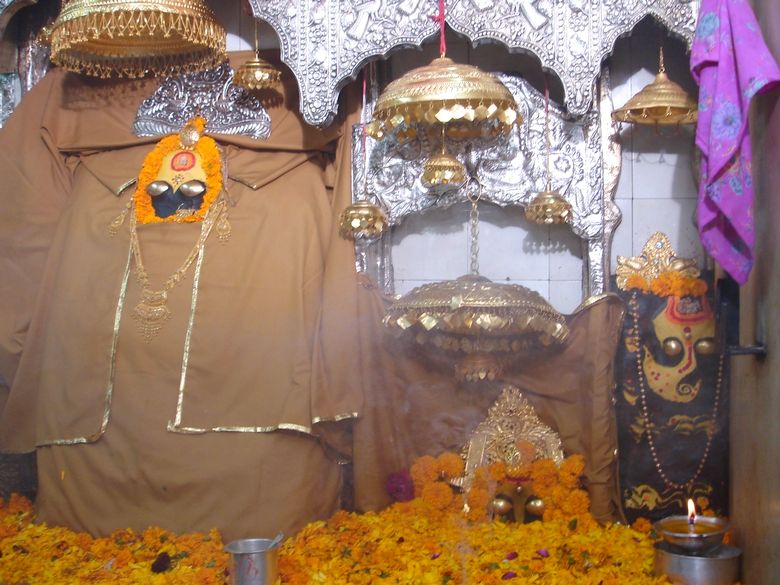
Naina (Nayana) Devi Temple, Bilaspur, HP

கட்டுரையை எழுதியவர் :– லண்டன் சுவாமிநாதன்
ஆராய்ச்சிக் கட்டுரை எண்- 1457; தேதி 4 டிசம்பர், 2014.

சிரியா என்பது முஸ்லீம் நாடு. அங்கே நயன (கண்) தேவி கோவில் இருக்கிறது. ஆனால் 5000 ஆண்டுகளுக்கு முன் வழிபாடு நடந்ததால் அது பற்றி யாருக்கும் ஒன்றும் தெரியவில்லை. இந்தியாவில் உள்ள நயனதேவி கோவிலுடன் ஒப்பிடுகையில்தான் அதன் சிறப்பு தெரியும்

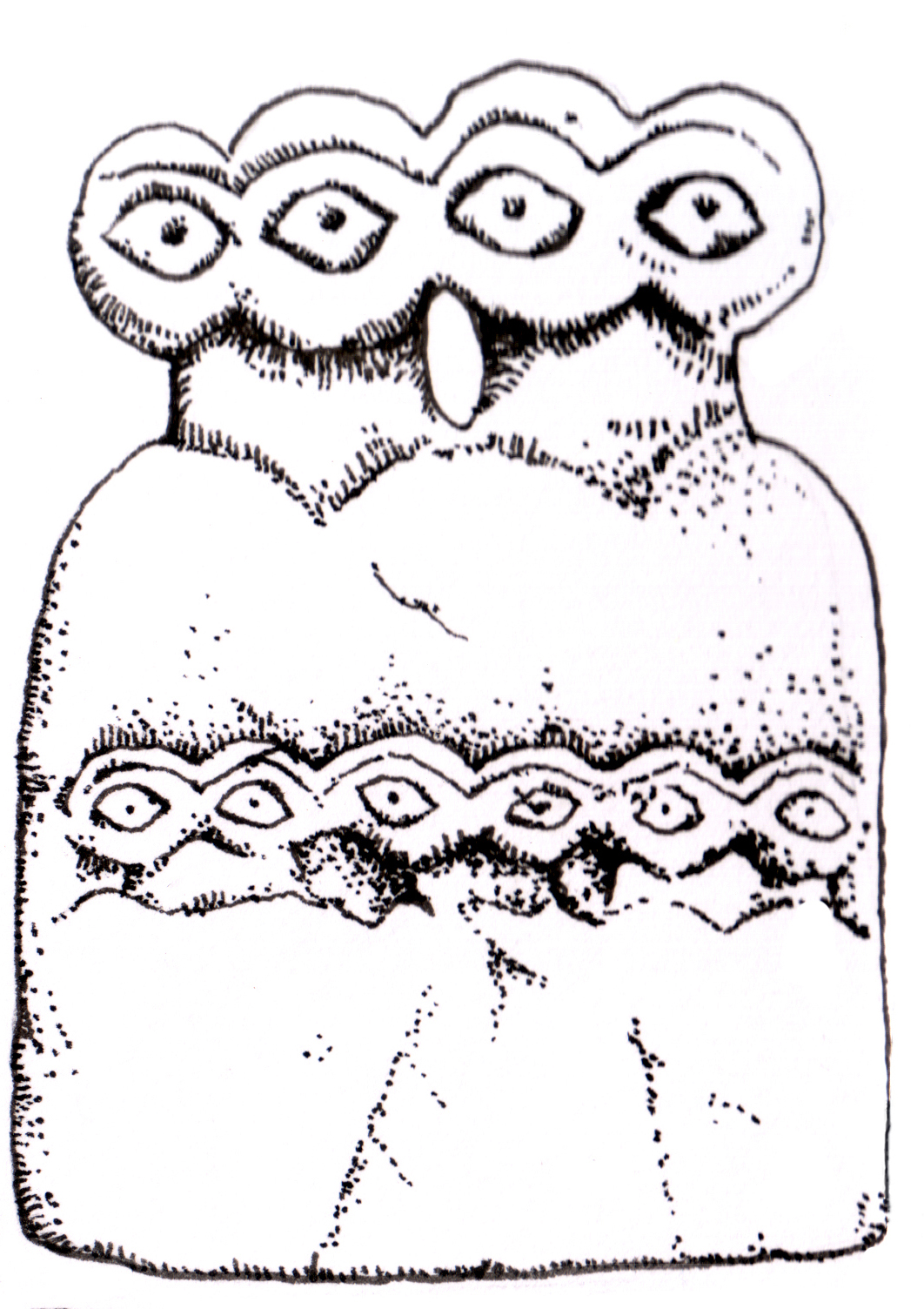
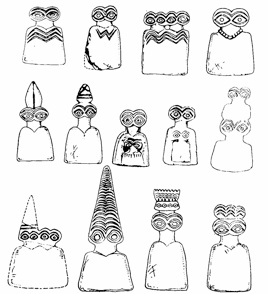
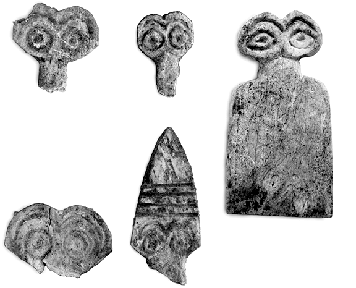
சிரியாவில் டெல் பிராக் என்னும் இடத்தில் ஆயிரக்கணக்கான கண் உருவங்களும் கண் தேவியர் உருவங்களும் கிடைத்தன. வேறு எங்கும் இப்படிக் கிடைக்காததால் அது என்ன என்றே அவர்களுக்குத் தெரியவில்லை. அவை அனைத்தும் இந்துக்கள் வழிபடும் நயன தேவி உருவங்கள் என்று நான் கருதுகிறேன்.

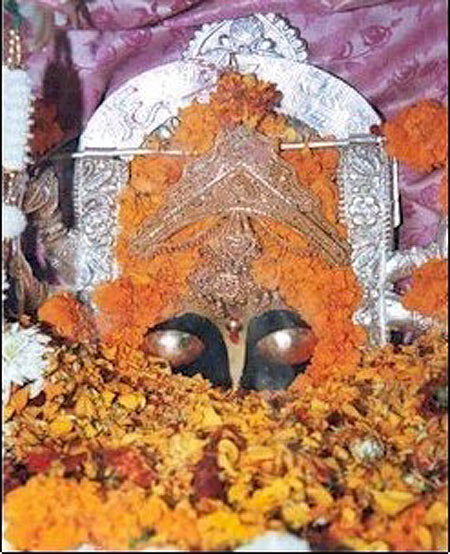
ஹிமாசலப் பிரதேசத்தில் பிலாஸ்பூர் என்னும் இடத்தில் ஒரு குன்றின் மீது நைனா தேவி கோவில் இருக்கிறது. நயன, லோசன, அக்ஷி,, நேத்ர என்ற சம்ஸ்கிருத சொற்களுக்கு கண் என்று பொருள். இங்கு கண் வடிவத்தில் தேவி வழிபடப் படுகிறாள்.

தக்ஷ யக்ஞத்தில் சிவனுக்கு அழைப்பு இல்லாததால் சிவ பெருமான் அவனுடைய யாகத்தை உருக்குலைத்ததும் அதன் காரணமாக தேவி தீயில் குதித்து உயிர் இழந்ததும் எல்லோரும் அறிந்த கதையே (திருவிளையாடல் சினிமா). தீயில் உயிர் நீத்த ‘’சதி’’யின் உருவத்தை சிவன் எடுத்துச் செல்லவே தேவியின் உடற் பகுதிகள் இந்தியாவில் 51 இடங்களில் விழுந்தன. அந்த 51 கேந்திரங்களும் சக்தி பீடங்கள் ஆயின. பல்லாயிரக் கணக்கான மக்கள் இன்றும் அந்த சக்தி க்ஷேத்திரங்களுக்குச் சென்று அருள் பெற்று வருகின்றனர்.

middle-figure
Tell Brak Eye Idol, Syria

தேவியின் கண்கள் (நயனம்) விழுந்த இடம் பிலாஸ்பூரில் நைனா தேவி கோவில் ஆகியதாக தல புராணம் கூறும். இதே போல உத்த்ரகண்டில் உள்ள நைனிடால் கோவிலும் பெயர் பெற்ற கோவில் ஆகும். அந்த ஊரின் பெயரான நைனிடால் என்பதே நயன தளம் என்பதில் இருந்தே வந்தது. பிலாஸ்பூர் கோவிலில் சீக்கிய குருவான குரு கோவித சிம்மன் பெரிய சண்டி யக்ஞம் செய்த பின்னரே மொகலாய மன்னரை எதிர்த்துப் போரிட்டார் என்பர்.

சிரியாவில் டெல்பிராக்கில் கண்டெடுக்கப்பட்ட கண் உருவம் போல தமிழ்நாடு, கேரள கோவில்களில் மாரியம்மன், தேவி உருவங்களுக்கு கண் பூ வாங்கிப் போடும் வழக்கம் உண்டு. அது மட்டும் அல்ல மீனாக்ஷி, காமாக்ஷி, நீலாயதாக்ஷி, விசாலாக்ஷி என்ற தேவியர்கள் பெயரிலும் கண் (அக்ஷி) சிறப்பிக்கப்படுகிறது. இந்து மகளிரின் பெயர்களில் லோசனி, அக்ஷி, நயன, நேத்ர என்ற பெயர்கள் நிறைய இடம்பெறும்.

naina-devi-temple-nainital
Nainital Temple, Uttarkhnad

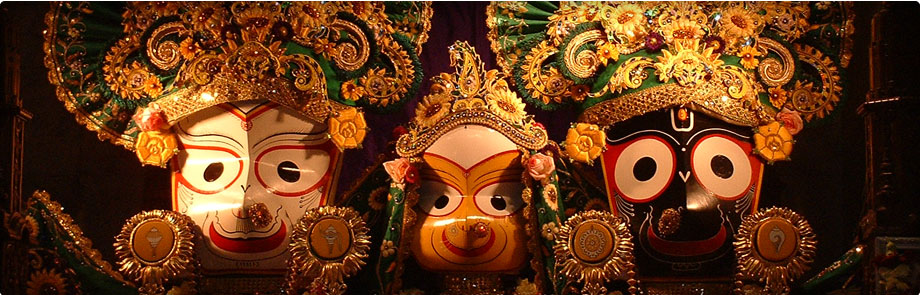
புரி தேர்த்திருவிழாவில் பலபத்ரா, கிருஷ்ணா, சுபத்ரா உருவங்களிலும் கண் பெரிதாக சித்தரிக்கப்படும். சிவனுடைய மூன்றாவது கண்ணாகிய நெற்றிக் கண் ஞானத்தையும் அபூர்வ சக்திகளையும் குறிக்கும். இவை எல்லாம் இந்துக்கள் , கண் என்னும் அவயத்துக்குக் கொடுத்த சிறப்பைக் காட்டுவன.

சிரியா கண் மலர்களை ஒப்பிடக் கூடிய ஒரே இடம் இந்தியக் கோவில்கள்தான் என்பதே அந்தக் கோவில் இந்துக் கோவிலாக இருந்த இடம் என்பதை நிரூபிக்கும்.

சிரியாவில் உள்ள கோவிலை இந்துக்களின் கோவில் என்று சொல்ல வேறு என்ன ஆதாரங்கள் உள்ளன?

1.டெல் பிராக் என்னும் இடத்தின் மற்றொரு பெயர் ‘’நகர்’’. இது நகரம் என்னும் சம்ஸ்கிருத்ச் சொல்லாகும். புறநானூற்றில் (பாடல் 6) நகர் என்னும் சொல் கோவில் என்னும் பொருளில் பயன்படுத்தப்படுகிறது.
tell brak, syria

2.இந்த பகுதி முழுதும் கி.மு1500ஆம் ஆண்டுகளில் இந்து மிட்டனிய அரசர்களால் ஆளப்பட்டது. தசரத, பிரதர்தன என்ற பெயர்களுடன் அவர்கள் ஏரத்தாழ 300 ஆண்டுகள் ஆட்சி புரிந்தனர். உலகிலேயே மிகப் பழைய சம்ஸ்கிருதச் சொல் கல்வெட்டுகளும் சிரியா-துருக்கி எல்லையில்தான் கிடைத்தன. மிட்டன்னிய மன்னர் கையெழுத்திட்ட உடன்படிக்கை களிமண் படிவ (கி.மு 1400) கல்வெட்டுகளில் கிடைத்தன. அதில் வேதகால தெய்வங்கள் பெயர்கள் உள.

3.கண் உருவங்கள் கிடைத்த இடத்தில் கி.மு.2600ல் நரம் சின் என்பவன் ஒரு அரண்மனை கட்டி இருக்கிறான். இவன் ஜில்காமேஷ் போன்றோருக்கு முன்னர் அரசாண்டவன். ‘’சின்’’ என்றால் சந்திரன் என்று பெயர். நம் ஊரில் மன்னர்கள் ஹரிச் சந்திரன், தேவ சந்திரன், ராம சந்திரன் என்று பெயர்கள் வைத்துக் கொண்டதுபோல அவர்கள் ஊரில் நிறைய சந்திரன்கள் (சின், சுயென், நன்னன்) உண்டு. நம்மைப் போலவே பெயருக்கு முன்னொட் டாகவோ பெயருக்கு பின்னொட்டாகவோ சின் / சந்திரன் வரும். இது சம்ஸ்கிருத மொழி அமைப்பு. பின் வரும் மன்னர்கள் பட்டியலைக் காண்க. இவர்கள் எல்லோரும் கி.மு.1600க்கு முன் அரசாண்டவர்கள்:–

இப்பி, நரம் சின், சுசின், சின் எட்டினம், சின் எரிபம், ரிம் சின் (ராம சந்திரன்), ரிம் சின்-2, சின் மகிர், அபில சின், சின் முபாலித்.

99-00_Hamoukar_fig4
Syria Eye Goddesses

சின் என்பதை சேன என்றும் படிக்கலாம். ஆனால் சந்திரன் என்ற பொருள் கிட்டா. நன்னன் என்பதும் சந்திரனையே குறிக்கும். சங்க காலத்தில் தமிழ் நாட்டில் நன்னன் என்ற மன்னன் இருந்தான். வடக்கில் நன்ன தேவன் என்ற பெயரில் மன்னன் இருந்தான். சுமேரியாவில் நன்னன் என்பது வழிபாட்டுக்குரிய பெயர்.

puri
Balabhadra, Krishna, Subhadra of Puri Rath Yatra

இன்ன பிற காரணங்களால் இந்தக் கண் கோவிலும் இந்துக் கோவிலாகவே இருக்க வேண்டும். மிட்டனியர்கள், காசைட்ஸ், ஹிட்டைட்ஸ் ஆகிய இன மக்கள் இந்தியாவில் இருந்து சென்றவர்களே. அவர்கள் சம்ஸ்கிருத குடும்ப மொழியையே பேசினர் என்பது ஆரரய்ச்சியாளர்களின் துணிபு.

–சுபம்—

naina-devi1

Hindu Eye Goddess Temple in Syria?

flash_image5

Naina Devi temple in Bilaspur,Himachal Pradesh

Research paper written by London Swaminathan
Research article No.1456; Dated 3rd December 2014.

What is the Goddess Name?
Naina (Nayana Devi) Devi = Eye Goddess
Where is it?
In Himachal Pradesh and Uttarkhand States in India and Tell Birak in Syria.

What is found there?
Thousands of small stone eye idols are found in Tell Brak in Syria. It is called Eye Temple. It existed from 3000 BCE. Naram Sin built (2254 BCE) a palace here. The Eye Goddesses are mysterious and found nowhere else except India. Syrian site is located in Nahar al Khabur basin. Ancient Mitannian buildings are in the area.

tell brak, syria

How do we know that Syrian Temple is Hindu?
The place where the eye idols are found is called Nagar. This is a Sanskrit word meaning city and in Sangam Tamil literature (Purananauru verse 6) it is used for temple in Tamil.

The second reason is that it was ruled by Mitannians in 1500 BCE. All the Mitannian names are pure Sanskrit words. Dasaratha and Pratardhana are some of the names of the kings. A Horse manual with Sanskrit numbers is found there. A treaty in clay tablet with the names of the Vedic Gods is also discovered. This is the oldest Sanskrit inscription (1400 BCE) in the world.
The third reason is the kings’ names like Naram sin are also of Sanskrit origin. Sin stands for Chandra (moon) in Sumer. Like we have Haris chandra in the Hindu scriptures they have several kings with this Sanskrit name in Akkadian empire:

naina-devi1
Nayana Devi

Ibbi Sin, Naram Sin (before 2600 BCE)
Both of them ruled before Gilgamesh.
Shu Sin, Sin iddinam, Sin eribam, Rim Sin I, Rim Sin II, Sin magir, Apil Sin, Sin mubalit. All these kings ruled before 1600 BCE.

Like in India, ‘Chandra’ can be a pre fix or a suffix to a name. We have Hari Chandra or Chandra Deva in the king list. Sin and Sena also sound similar. Another name for moon is Nanna which is found in the king list in Sangam Tamil literature and Sanskrit literature (Nanna Deva). Nanna is one of the popular names in Sumer.

Nayana Devi Temple in Bilaspur and Nainital
The most famous Eye Goddess temple is in Himachal Pradesh. Sikh Guru Guru Gobind Sing did a Chandi Yajna here to defeat the Moghuls.

naina-devi-temple-nainital
Nainital Temple

It is one of the 51 Shakti Kendras (Goddess centres) in India. When Goddess Parvati committed self sacrifice (Sati) in the Daksha Yajna , Lord Shiva carried her body and the body parts fell in 51 places in India. They all became famous Shakti centres attracting a huge crowd. It is believed that Goddess’ eyes fell at Bilaspur in Himachal Pradesh. Nainital in Uttarkhand also has a similar eye goddess temple. Nainital’s name is also derived from the Nayana Devi Tal.

Nayana, Akshi, Lochana, Netra are popular Sanskrit words for eye. These names are found in women’s names throughout India.

Meenakshi of Madurai, Kamakshi of Kancheepuram, Neelayathakshi of Nagapattna, Visalakshi of Kasi/Varanasi are very famous temples and all are named after the beautiful eyes of the goddesses.

Above all Shiva’s Third Eye stands for wisdom and mysterious powers in Hinduism. In all the village temples of Tamil Nadu and Kerala people offer body parts made up of silver to the goddesses. Eye is an important body part they offer. Eye worship is very common in Hinduism.
middle-figure
Eye Goddess of Syria

The statues of the famous Puri Jagannath Rath Yatra (Chariot Festival) Krishna, Balarama and Subadra have prominent eyes like the Syrian temple idols.

Probably the Mitannians worshipped Nayana Devi around 1500 BCE. But the temple in Syria was built well before the known Mitannain kings. Naram sin and his forefathers may also have worshipped Nayanadevi. Scarcity of materials leaves lot of things to guess work. But the material similar to eye idols of Syria is available only in Hindu temples of India.
puri
Krishna, Bakabhadra and Subhadra of Puri, Odissa

Please read my articles on Sumer–Hindu connection and Sahasralinga Temple in Karnataka and Cambodia.
Contact swami_48@yahoo.com
maa_naina_devi
Maa Naina (Nayana) Devi, Bilaspur

99-00_Hamoukar_fig4
From Syria

Vyasa deserves Nobel Peace Prize and Literature Prize!

VYASA top

Research paper written by London Swaminathan
Research article No.1455; Dated 3rd December 2014.

Vyasa, the black man, who was born to a fisher woman called Satyavati was very black in complexion. He was the ugliest and blackest character in the Mahabharata. But he was the purest and the greatest soul of his times. Two women Amba and Amablika, went to his bed room but refused to lie down with him because he was so ugly and black!

He was celebrated as equal to Vishnu and praised “Vysaaya Vishnu Ruupaaya, Vyasa Ruupaaya Vishnave”. He deserves two Nobel Prizes, one for Peace and another for Literature. Had there been a prize at his times, there was no one to compete with him. Neither Moses nor Homer was born. There was no literature worthy of the name in any part of the world in any language except Sanskrit in 3100 BCE. He lived just before the Kali Yuga began in 3100 BCE. Some western scholars believe that he lived around 1500 BCE and not around 3100 BCE. Even if we accept the date he was the oldest litterateur in the world!

Shree-Vyasa-Ji4

But what it did he achieve to claim two Nobel Prizes?
Look at his literary achievements first:
1.He was so worried about the Vedas that existed at his time. When he lived the Vedas became very ancient and one person can’t master it. The Vedic literature was vast and the custom about the Vedas is unique in the world. It should not be written. One can only learn it from his Guru/teacher. So he divided them into four parts and called four most intelligent persons of his time and gave the responsibility to pass it on to future generations. The most wonderful thing happened.

Till this day that bulky literature has been passed from one generation to another by word of mouth. That shows that the Hindus are the oldest and the most intelligent people. Whether he lived 3500 years ago or 5100 years ago, it does not matter. What he did was right. Without him, we would not have the oldest record of human beings. Of course, we have Gilgamesh, which some people claim to be older than Vyasa’s Vedas. But they are primitive in nature without any higher thoughts. Vedas are full of high thoughts and pray for the welfare of all the human beings. Most of the mantras have “WE” instead of “I”.

vyasa3

What else did Vyasa achieve?
He compiled the longest epic in the world, Mahabharata. Till this day no body beat him. Two hundred thousand lines! One million worlds!! He threw a challenge in the very first chapter Adi Parva. What is in the world is already in it. So whatever you find in any other part is already “ tasted” by me and so they are called Vyasa’s spit, i.e Vyasa Ucchistam Jagath Sarvam. Nothing is new. Mahabharata is a veritable encyclopaedia. He collected all the materials that was available at his time and intricately woven them into the main plot of the Mahabharata. He must be the cleverest person at that time and that is why Hindus praise him as an “avatar of Vishnu”. No writer in the world has been elevated to that level!

vyasa02

What else did he do?
After seeing the great success in compiling the Vedas, weaving all the available moral stories in the Mahabharata, he saw one other bulky thing called Puranas, the Hindu mythology. They run to 800,000 couplets and 1.6 million lines. He took it as a challenge of his life time and compiled all the 18 Major Puranas and left others to his juniors. This was his third achievement. Even in the modern world no one can achieve such a thing with all the computers and one hundred office assistants. He compiled them and passed them successfully to his posterity. Generations to come will remember his literary achievements. Now you know why he deserved Nobel Prize for Literature.

Inspired by Vyasa, Adi Shankara also wrote hundreds of hymns in simple Sanskrit and wrote commentaries for innumerable scriptures including the Upanishads, Brahma Sutra and Vishnu Sahasranamam. So Vyasa has the credit of inspiring others. Inspired by these two sages, a Brahmin commentator by name Nachinarkiniyar wrote commentaries to most of the Sangam literature. Nobody could beat him in writing commentaries.

vyasa 1

Why Vyasa deserves Peace Prize?
Vyasa tried his level best to avoid the great Mahabharata war. But as a Tri Kala Jnani, one who can see the past, present and future, he knew the outcome. In spite of his advice to Dridharashtra and others it did not work. But his appeal for world peace is already in the Vedas and Mahabharata. He was so clever that he wanted to write a crispy message to the entire humanity. He knew what he compiled was the bulkiest literature in the world and no one could read it in one’s life time. So he wanted to convey his message. He wrote only four couplets and called them Bharata Savitri and included in the Mahabharat. He put the peace hymn as the last hymn of Rig Veda, indicating that this is the message he wanted to give to the world. And that is message of the Vedas as well. Read the verse for yourself and decide whether Vyasa deserved a Nobel Peace Prize:–

Meet together, Speak together
Let your minds be of one accord
As the Devas of old, being of one mind
Accepted their share of sacrifice

May your counsel be common, your assembly common
Common be the mind and the thoughts of these united
A common purpose do I lay before you
And worship with your common oblation.

Let your aims be common
And your hearts of one accord
And all of you be one mind
So you may live well together
–Rig-Veda, Tenth Mandala, 191 (last hymn)

After fighting two World Wars only, the world realised and wrote a charter for the United Nations similar to this!

(For Bharata Savitri verses, please go to Santanam Nagarajan’s post in this blog “Great Secret from Mahabharata” posted on 12th August 2012)

Long Live Vyasa!
contact swami_48@yahoo.com

பத்து கட்டளைகள்! பகவத் கீதையிலிருந்து!!

gita

கட்டுரையை எழுதியவர் :– லண்டன் சுவாமிநாதன்
ஆராய்ச்சிக் கட்டுரை எண்- 1454; தேதி 3 டிசம்பர், 2014.

பகவத் கீதையைப் படிக்க நேரமில்லையா? இதோ முக்கியமான பத்து கட்டளைகள். ஒரே நிமிடத்தில் படித்து முடிக்கலாம். நேரம் கிடைக்கும் போது சித்பவானந்த சுவாமிகள் எழுதிய பகவத் கீதை உரையை வாங்கி முழு அர்த்தத்தையும் தெரிந்து கொள்ளலாம்.

1.உத்தரேத் ஆத்மநாத்மானம் (அத்தியாயம் 6- ஸ்லோகம் 5)
உன்னையே நீ உயர்த்திக் கொள்

2.உத்திஷ்ட! யசோ லப! (11-33)
எழுந்திரு ! புகழ் அடை!

3.க்லைப்யம் மாஸ்ம கமஹ (2-3)
பேடித்தனத்தை அடையாதே

4.கர்மண்யேவ அதிகாரஸ்தே, மா பலேஷு கதாசன (2-47)
கடமையைச் செய்! பலனை எதிர்பாராதே (வேலை செய்வது உன் கடமை)

geethopadesam -2x3' oil-DPSC Bose

5.மாம் ஏகம் சரணம் வ்ரஜ, மா சுசஹ (18-66)
என்னையே சரண் அடைவாய்! கவலையைக் கை விடுக.

6.ந சாந்திம் ஆப்னோதி காமகாமி (2-70)
ஆசையை விடாதவனுக்கு அமைதி என்பதே இல்லை

7.சம்சய ஆத்மா விநஸ்யதி (4-40)
சந்தேகப் பேர்வழிகள் அழிவார்கள்

8.ஸ்ரத்தவான் லபதே ஞானம் (4-39)
நம்பிக்கை உடைவோர் ஞானத்தைப் பெறுவார்கள் ( நம்பினார் கெடுவதில்லை)

9.ஸ்ரேயான் ஸ்வ தர்மோ (18-47)
அவரவர் தொழிலே (தர்மமே) சிறந்தது

10.ந ஹி கல்யாண க்ருத் கஸ்சித் துர்கதிம் (6-40)
நல்லது செய்பவனுக்கு ஒரு போதும் கெடுதல் வராது.

Please read my previous articles on Bhagavad Gita
Contact swami_48@yahoo.com

gitopadesa

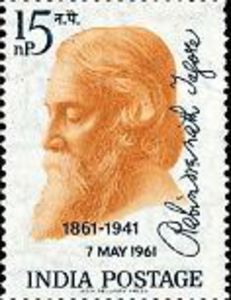
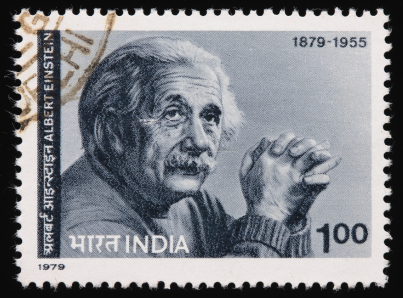
Tagore and Einstein

Rabindranath-Tagore

Written by Santhanam Nagarajan
Article No.1453; Dated 2nd December 2014.

Fate and Freewill – Part III

Albert Einstein who was awarded Nobel Prize went to India during his journey to the orient. He met the famous poet Rabindranath Tagore. Tagore was awarded Nobel Prize for his monumental work Gitanjali.

Both are Nobel laureates. One was a ‘literary giant’. The other was a ‘science genius’.

An interesting conversation started regarding chance and casualty.
The discussion was recorded fully. (Please refer My Views by Einstein)
We can go through the discussion carefully.

Tagore: I was discussing with Dr Mendal today the new mathematical discoveries which tell us that in the realm of infinitesimal atoms chance have its play: the drama of existence is not absolutely predestined in character.
albert-einstein

Einstein: The facts that make science tend towards this view do not say good-bye to casualty.
Tagore: May be not; but it appears that the idea of casualty is not in the elements, that some other force builds up with them an organized Universe.

Einstein: One tries to understand in the higher plane how the order is. The order is there, where the big elements combine and guide existence, but in the minute elements this order is not perceptible.

Tagore: Thus duality is in the depths of existence-the contradiction of free impulse and the directive will which works upon it and evolves an orderly scheme of things.

Einstein: Modern Physics would not say they are contradictory. Clouds look one from a
distance, but, if you see them near, they show themselves in disorderly drops of water.

Tagore: I find a parallel in human psychology. Our passions and desires are unruly, but our character subdues these elements into a harmonious whole. Does something similar to this happen in the physical world? Are the elements rebellions, dynamic with individual impulse? And is there a principle in the physical world which dominates them and puts them into an orderly organization?
tahore more

Einstein: Even the elements are not without statistical order; elements of radium will always maintain their specific order, now and ever onward, just as they have done all along. There is then, a statistical order in the elements.

Tagore: Otherwise the drama of existence would be too desultory. It is the constant harmony of chance under determination which makes it eternally new and living.

Einstein: I believe that whatever we do or live for has its casualty; it is good however that we can not look through it.

Tagore: There is in the human affairs an element of elasticity also – some freedom within a small range, which is for the expression of our personality. It is like the musical system in India, which is not so rigidly fixed as is the western music. Our composers give a certain definite outline, as system of melody and rhythmic arrangement and within a certain limit the player can improvise upon it. He must be one with the law of that particular melody, and then he can give spontaneous expression to his musical feeling within the prescribed regulation. We praise the composer for his genius in creating a foundation along with a superstructure of melodies, but we expect from the player his own skill in the creation of variations of melodic flourish and ornamentation. In creation we follow the central law of existence but if we do not cut ourselves adrift from it, we can have sufficient freedom within the limits of our personality for the fullest self-expression.

einstein usa

The discussion continues.

From this discussion, we could understand there is a predetermined factor everywhere.
But there is also a freedom to play with.
Let us further analyze fate and free will in the next article.

Swami_main
Fate and Free will – Part IV

Santhanam Nagarajan

First of all we must understand what is fate?

According to the Hindu scriptures there are three types of karmas
( which forms our fate).
They are

1) Prarabhda Karma
2) Sanchita Karma
3) Agami

Prarabhda Karma is that which we are presently undergoing and experiencing.
Sanchita Karma means all the past karma.
Agami refers to Karma that will follow in future.
Prarabhda is in between the Sanchita and Agami, and we are experiencing this Prarabhda karma on account of the previous Sanchita Karma meaning the past karmas.

Sri Sathya Sai Baba gives a small example to explain all these three karmas from our daily life. He says:

“We have got a store room in which we stock all our rice. We have already the old stock of rice in the store. So what we have stored in the room is called Sanchita. When we want to cook, we remove some rice from the store room for cooking today called Prarabhda. What we cook now and what we eat today will pass out our body, tomorrow. Sometimes what we eat may come out in the shape of a belch. Therefore we can not escape from Prarabhda, we must experience it in this life. In the store room, there is only one rice. When we bring it we will be able to convert it into many preparations. In this way, we can make the rice into food; we can make it in the form of ‘Puliyodhara’ (meaning rice mixed with tamarind to make a delicious dish). We can cook it in the form of ‘Chakkara pongal’ (meaning rice mixed with sugar to form a tasty dish). It can be made into ‘Daddhojana’ (meaning rice mixed with curd to form a delightful dish). We can make from it ‘idlis’ (rice cakes) and also ‘Dosas’ (one more variety of food) and so on, all of which the base which is always rice. You have to start any preparation with rice only. Even though there is Sanchita, if you try to behave in a Sathwic (meaning in a pious and good) way you will be able to change even Sanchita. You may say that in the rice store, there are big stones. They are the results of our bad actions. They are in the store mixed with the rice. Before we cook, do we not try to remove away the stones from the rice? So it is quite necessary that when we experience Sanchita we can overcome the bad effects to some extent or a great extent and make them clean, just as we make the rice clean.”

But can the Sanchita and Prarabhta karmas can be weaken or overcome by prayer?

“Yes”, says Sri Sathya Sai Baba giving a beautiful example which we can see in our next article.

Ten Commandments from the Bhagavad Gita

gitopadesa

Research paper written by London Swaminathan
Research article No.1452; Dated 2 December 2014.

1.Uddared Aatmanaatmaanam (Chap. 6, Sloka 5)
One should lift oneself by one’s own efforts

2.uttishta! yaso labha! (11-33)
Arise! Win Glory!

3.Klaibhyam Maa sma Gamah (2-3)
Yield not to Unmanliness

4.Karmanyeva Adhikaraste Maa Phalesu Kadacana (2-47)
Your right is to work only, but never to the fruit thereof.

5.Maamekam Saranam Vraja; Ma Sucah (18-66)
Take refuge in me alone; Worry not.

gita

6.Na Santim Aapnoti Kaamakaami (2-70)
No peace for he who hugs desires

7.Samsayaatmaa Vinasyati (4-40)
A man who is of a doubting nature perishes

8.Sraddhaavaan labhate jnaanam (4-39)
He who has faith gains wisdom

9.Sreyaan Svadharmo 18-47
Better is one’s own duty

10.Na hi Kalyaanakrut Kascit Durgatim (6-40)
For never does anyone who does Good tread the path of woe.

geethopadesam -2x3' oil-DPSC Bose

contact swami_48@yahoo.com

கொங்கர் உள்ளி, ஹோலி, சுமேரிய புருள்ளி விழாக்கள் ஒன்றா?

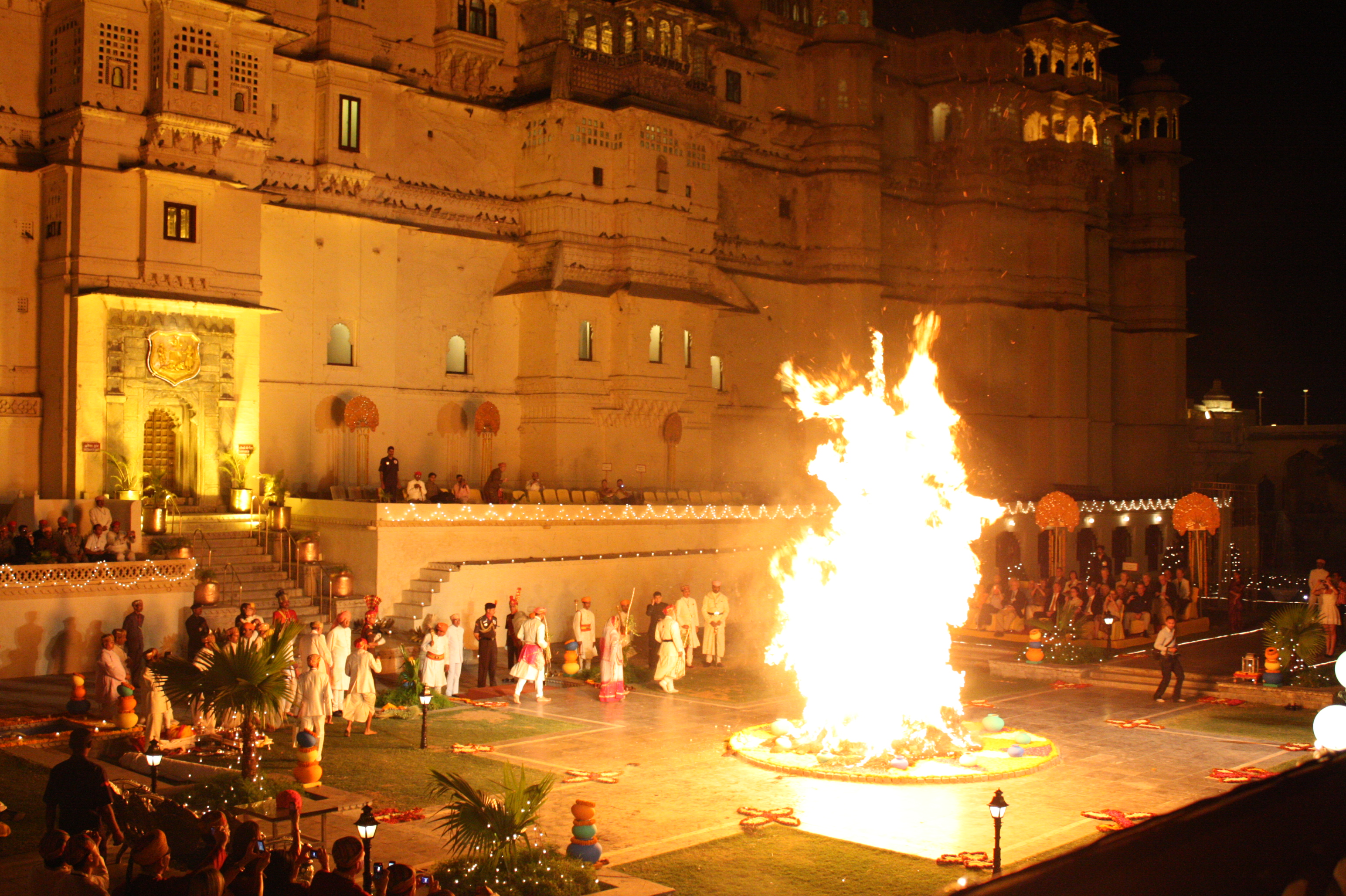
Holi at udaipur
Holi in Udaipur

கட்டுரையை எழுதியவர் :– லண்டன் சுவாமிநாதன்
ஆராய்ச்சிக் கட்டுரை எண்- 1451; தேதி 2 டிசம்பர், 2014.

சுமேரியாவில் ஹிட்டைட்ஸ் இனத்தினர் கொண்டாடிய வசந்த கால விழாவின் பெயர் புருள்ளி, இந்துக்கள் கொண்டாடும் வசந்த கால விழாவின் பெயர் ஹோலி, கொங்கர்கள் கொண்டாடும் விழாவின் பெயர் உள்ளி. பெயரில் மட்டுமின்றி குறைந்தது இரண்டு விழாக்களி லாவது வசந்த காலத்தின் பெயர் வருகிறது. இதில் ஹோலியைத் தவிர மற்ற இரண்டு விழாக்களின் விவரங்கள் மிக மிகக் குறைவாகவே கிடைத்திருக்கின்றன.


உள்ளி விழாவைப் பற்றி அகநானூறு 368-ல் மதுரை மருதன் இளநாகனார் பாடி இருக்கிறார்.

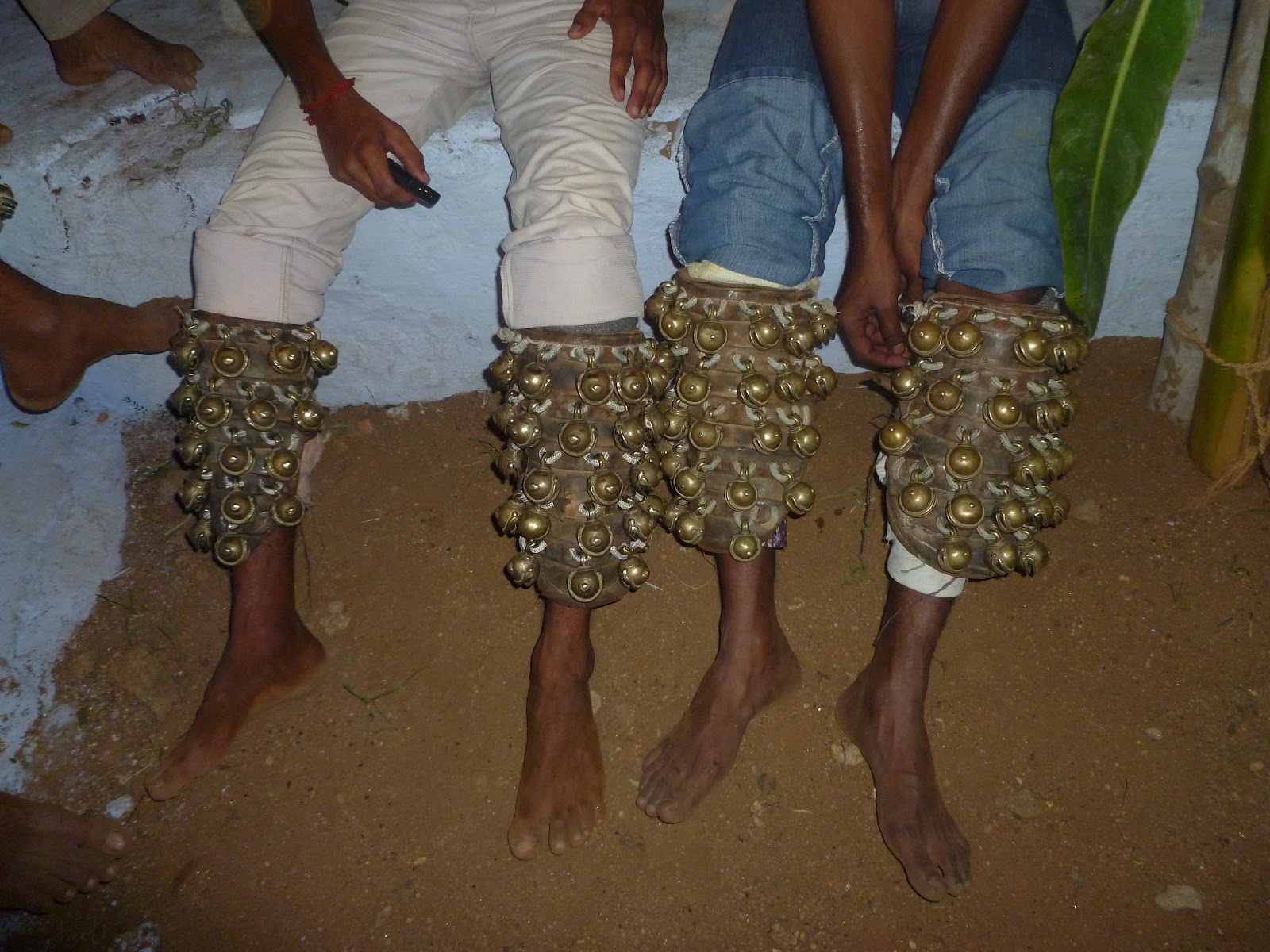
“வாழி தோழி! கொங்கர்
மணி அரை யாத்து மறுகின் ஆடும்
உள்ளி விழவின் அன்ன
அலர் ஆகின்று, அது பலர் வாய்ப்பட்டே” என்று பாடல் முடிகிறது.

பொருள்: கொங்கு நாட்டு மக்கள், இடையில் மணியைக் கட்டிக்கொண்டு தெருவில் ஆடும் உள்ளி விழாவின் போது ஏற்படும் ஆரவாரம் போல பலர் வாயிலும் பேசப்பட்டு (காதல் விவகாரம்) வதந்தி (அலர்) பெரிதாகப் பரவிவிட்டது. இன்னும் சில பாடல்களில் இருந்து இது சேர நாடு முழுதும் கொண்டாடப்படதும் தெரிகிறது.

இது தவிர வேறு செய்திகள் கிடைக்கவில்லை.
holi-b-26-3-2013

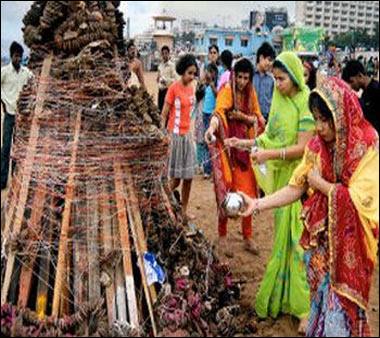
ஹோலி விழா, வசந்த காலத்தை வரவேற்கும் விழா ஆகும். வண்ணப் பொடிகளைத் தூவி வசந்தத்தின் வருகையைக் கொண்டாடுவர். ஹிரண்யகசிபுவின் சகோதரி ஹோலிகா எரியுண்ட தினம் அது என்பதால் அன்று சொக்கப்பனையில் அவள் உருவத்தை எரிப்பர். சிறுவன் பிரஹலாதனை ஏமாற்ற முயன்று அவள் ஏமாந்தாள் என்பது கதை.ஆகவே ஹோலி என்பது துஷ்ட சக்திகளை நல்ல சக்திகள் வென்ற நாளாகும்.

சுமேரிய விழா
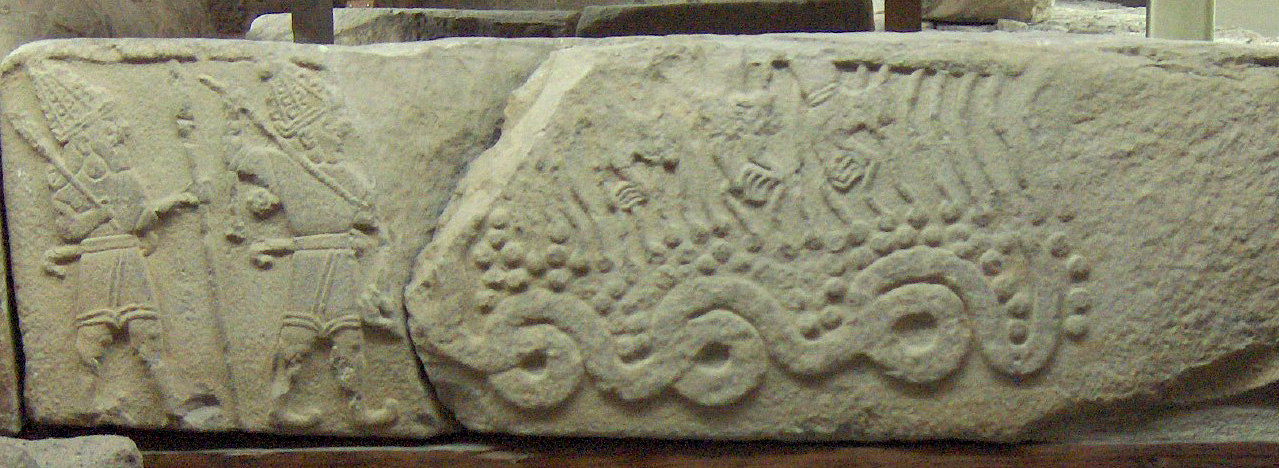
சுமேரியாவில் ஆண்ட ஹிட்டைட்ஸ் என்பார், சம்ஸ்கிருதம் தொடர்பான மொழியைப் பேசியவராவர். அவர்கள் பூருள்ளி என்னும் விழாவை வசந்த கால விழாவாகக் கொண்டாடினர். இல்லுயங்கா என்னும் தீய பாம்பைக் கொன்றதாகவும் கதை சொல்லுவர். அதாவது அந்த நாளன்று நாம் பாராயணம் செய்வது போல இல்லுயங்கா கொல்லப்பட்ட கதையைப் படிப்பர். மன்னன் இதில் முக்கியமாகக் கலந்து கொள்ள வேண்டும். ஆகையால் போர் செய்து கொண்டிருந்தாலும் அதை இடையில்நிறுத்திவிட்டு விழாவுக்கு வந்து விடுவார். இல்லுயுங்கா பற்றிய பாடல்களில் நமது புராணக் கதை போல விரிவான கதை இருக்கிறது.

Museum_of_Anatolian_Civilizations
Illyunka killed

இதே போல ரிக் வேதத்திலும் அஹீ, விருத்திரன் என்ற பாம்புகளைக் கொன்றதாகவும் சொல்லுவர். அவை எல்லாம் பாம்புகள் அல்ல, வறண்ட காலத்தை அப்படி ராட்சதன் போலவும் , பாம்பு போலவும் வருணிப்பர் என்று புராணச் செய்திகளை ஆராய்வோர் பகர்வர். அசுரனைக் கொல்வது, பாம்பைக் கொல்வது என்பதெல்லாம் ப்ழங்குடி மக்களின் மறை மொழி வாசகங்கள்!

உள்ளி, பூருள்ளி, ஹோலி – ஆகிய மூன்று பண்டிகைகளில் ஓரளவு ஒற்றுமை இருப்பதைக் காண்கையில் நமக்கு வியப்பாக இருக்கலாம்.

உல்லி
Kongar Ulli Festival

Pictures are used from other websites;thanks.