பாட்டன்,பூட்டன்,ஓட்டன் = பாட்டி, பூட்டி, ஓட்டி: தேவாரம் தரும் அதிசய தகவல்

கட்டுரையாளர்; லண்டன் சுவாமிநாதன்
கட்டுரை எண். 910 தேதி 16 மார்ச் 2014

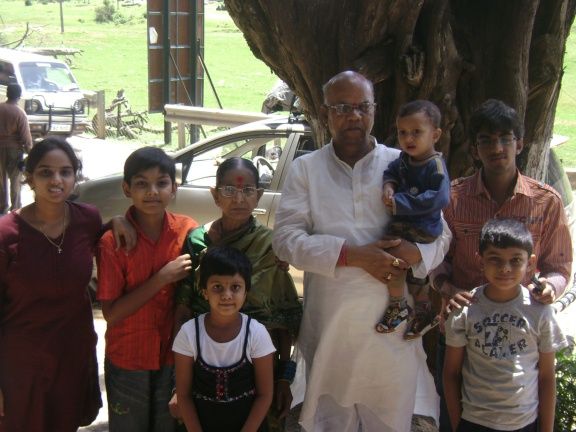
Nehru_family
Motil,Jawaharlal Nehru and Indira Gandhi

அப்பர் தேவாரத்தில் பல அதிசயச் செய்திகள் உள்ளன. அப்பர் என்னும் திருநாவுக்கரசர் (வாகீசர்) பாடிய 4900 பாடல்களும் தேவாரத்தில் 4,5,6 ஆம் திருமுறைகளில் அடுக்கி வைக்கப் பட்டுள்ளன. இவர் பயன் படுத்தும் உவமைகளும் பழமொழிகளும் தமிழ் மொழியின் தனிப்பெரும் தன்மைக்குச் சான்று பகர்கின்றன. ‘’உவமோ காளிதாச:’’ = உவமைக்குக் காளிதாசன்- என்று வடமொழியில் ஒரு பொன் மொழி உண்டு. தமிழில் அவருக்கு இணையாக ஒப்பிட ஒருவர் உண்டு என்றால் அது அப்பர் பெருமானே என்பதில் இரு வேறு கருத்துக்கு இடமே இல்லை!

(உலகப் புகழ்பெற்ற கவிஞன் காளிதாசன் தான் உலகிலேயே அதிகமான உவமைகளைப் பயன்படுத்தியவன். ஏழே நூல்களில் ஆயிரத்துக்கும் மேலான அற்புதமான உவமைகளைப் பயன்படுத்தினான். ஒவ்வொன்றும் ஒரு ரத்தினக் கல்லுக்குச் சமம். மஹாபாரதம் ராமாயணம் ஆகியவற்றில் எண்ணிக்கையில் இதைவிடக் கூடுதல் உவமைகள் உண்டு. ஆனால் அவைகள், காளிதாசன் தரத்துக்கு இல்லை. ஏனெனில் அவர்கள் சொல்ல வந்த விஷயமே வேறு.)

காளிதாசனுக்கு இணையான ‘’உவமை மன்னன்’’ தமிழில் அப்பர் பெருமானே. அதனால்தான் அவர் வாகீசர் ( சொல்லுக்கு அரசன்) என்ற சிறப்புப் பெயரைப் பெற்றார் போலும்!

இதோ தமிழுக்கு வளம் சேர்க்கும் ஒரு பாடல்:

சந்தணி கொங்கையாளோர் பங்கினார் சாமவேதர்
எந்தையும் எந்தை தந்தை தந்தையும் ஆய ஈசர்
அந்தியோடு உதயம் அந்தணாளர் நெய்யால் வேட்கும்
வெந்தழல் உருவர் வீழிமிழலையுள் விகிர்தனாரே (4-625)

பொருள்: சந்தனம் பூசிய கொங்கைகள் உடைய உமா தேவியை இடப்பக்கம் வைத்திருப்பவர சிவ பெருமான்,. சாமவேதம் இசைப்பவர். எங்கள் பாட்டன் பூட்டன் ஓட்டன் (கால) உறவால் திகழ்பவர் என் ஈசன் காலையிலும் மாலையிலும் அந்தணர்கள் நெய் ஊற்றி ஹோமம் செய்யும் தீயாகத் தோன்றுபவர்.அவரே திருவீழிமிழலை கோவிலிலும் குடிகொண்டுள்ளார்.

grand-children-

எந்தை தந்தை=பாட்டன் ,தாத்தா (பாட்டி)
தந்தை தந்தை= பூட்டன் (பூட்டி)
அவனுக்குத் தந்தை= ஓட்டன் (ஓட்டி)

‘’ஓட்டிக்கு மேல் உறவில்லை’’ என்று நாங்குநேரிப் பக்கத்தில் ஒரு பழமொழி வழக்கத்தில் உள்ளது. தேவார உரையில் தருமபுர ஆதீனப் புலவர் வித்துவான் திரு முத்து சு. மாணிக்கவாசக முதலியார் பாட்டி,பூட்டி,ஓட்டி பற்றிய இந்த அரிய செய்தியை நமக்குத் தந்துள்ளார்.

பிராமணர்கள் உறவுமுறை

பிராமணர்கள் ஆண்டுக்கு குறைந்தது 96 முறை தர்ப்பணம் செய்யவேண்டும். அதாவது இறந்தோருக்கு நீர்க்கடன் செலுத்தல் வேண்டும். அப்போது இறந்து போன மூன்று தலைமுறைகளை நினைவு கூர்ந்து எள்ளும் நீரும் இரைப்பர் (தெளிப்பர்). அதைப்போல அப்பர் பெருமான் கூறுகிறார். அவர் பாட்டின் நயத்துக்காகக் கூறும் ‘’எந்தையும் எந்தை தந்தை தந்தையும்’’ என்பதன் பொருள் பாட்டன், பூட்டன், ஓட்டன் என்பதே. இதற்கு இணையான பெண்பால் சொற்களை (பாட்டி, பூட்டி, ஓட்டி) நாம் அறவே மறந்துவிட்டோம்.

பித்ரு வர்கம்

1.பிதா = தந்தை
2.பிதாமஹர்= தந்தைக்கு தந்தை (தாத்தா)
3.ப்ரபிதாமஹர்= கொள்ளுத் தாத்தா
4.மாதா தாய்
5.பிதா மஹி= பாட்டி
6.ப்ரபிதா மஹி=கொள்ளுப் பாட்டி

மாதாமஹ வர்கம் (தாய் வழி உறவினர்கள்)
7.மாதாமஹர்= தாயின் தந்தை (தாத்தா)
8.மாது: பிதாமஹர்= தாயின் தந்தைக்கு தந்தை
9.மாது: ப்ரபிதாதாமஹர் = தாயின் தந்தைக்கு தந்தைக்கு தந்தை
10.மாதாமஹி (தாய்வழிப்பாட்டி)
11.மாது: பிதாமஹி= தாயின் தந்தைக்கு தந்தையின் மனைவி
12. மாது: ப்ரபிதாதாமஹி= தாய் பாட்டனாருக்குப் பாட்டி

இந்த 12 பேரும் இறந்திருந்தால் குறைந்தது, அமாவாசை, மாதப் பிறப்பு காலங்களில் எள் நீர் வார்ப்பது வழக்கம். இந்த அதிசயமான முறை உலகில் வேறு எந்த சமுதாயத்திலும் இருப்பதாக யாம் அறியோம்.
இப்போதெல்லாம் வெளிநாடுகளில் ஒருவரின் குலம், கோத்திரம், அவர்கள் யார் சந்ததியில் உதித்தனர், ‘’வேர் மூலம்’’ எங்கே என்பதை ஆராய்வது பெரிய ‘’பேஷன்’’ ஆகிவிட்டது. இந்தத் துறையில் புதிய ‘’பிஸினஸ்’’களும் பெருகி வருகின்றன. உங்கள் தாத்தாவுக்கு தாத்தாவுக்குத் தாத்தாத்தாவுக்குத் தாத்தாவுக்கு……………. கண்டுபிடித்துத் தந்துவிடுவார்கள். எல்லாவற்றுகும் துட்டு!!!

thatha peran

நம் ஊர் ஆட்களைவிட 10,15 தலைமுறை ரிகார்டுகளைப் பாதுகாத்து வைத்திருக்கிறார்கள். இந்த ஊரின் பருவநிலையும் இதற்கு மிகவும் அணுசரணையானது.

swami_48@yahoo.com

Good Thoughts Calendar 2014 (April)

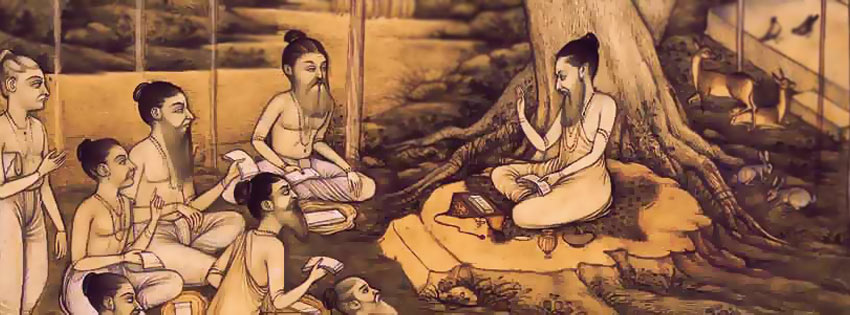
Guru-shishya

Prepared by S.Swaminathan (Copyright) swami_48@yahoo.com
(Post 909 dated 15 -03- 2014)

Important Days: April 4 Vasantha Panchami, 8 Ram Navami, 13 Panguni Uthiram & Mahavir Jayanthy, 14 Tamil New Year Day/ Baisakhi, 18 Good Friday, 20 Easter Sunday
Ekadasi 11 & 25, New Moon Day 28, Full Moon Day 15.
We have Quotes from Upanishads this month:-

April 1 Tuesday
You are what your deep, driving desire is
As your desire is, so is your will
As your will is, so is your deed
As your deed is, so is your destiny (Brihad.IV.4.5)
When the desires that are in his heart cease then at once the mortal becomes immortal and obtains here in this world Brahman(Katha Upanishad iv-10)

April 2 Wednesday
As the sun, who is the eye of the world,
Cannot be tainted by the defects in our eyes
Nor by the objects it looks on,
So the one Self, dwelling in all, cannot
Be tainted by the evils of the world
For this Self transcends all! (Katha.II.2.11)

April 3 Thursday
As the same fire assumes different shapes
When it consumes objects differing in shape,
So does the one Self take the shape
Of every creature in whom he is present (Katha. II.2.9)

April 4 Friday
In the city of Brahman is a secret dwelling, the lotus of the heart. Within this dwelling is a space, and within that space is the fulfilment of our desires…….
Never fear that old age will invade that city; never fear that this inner treasure of all reality will wither and decay. This knows no aging when the body ages; this knows no dying when the body dies. (Chand.VIII.1.1,5)

April 5 Saturday
The self is the sun shining in the sky,
The wind blowing in space; he is the fire
At the altar and in the home the guest;
He dwells in human beings, in god, in truth,
And in the vast firmament; he is the fish
Born in water, the plant growing in the earth,
The river flowing down from the mountain
For this Self is supreme! (Katha.II.2.2)

April 6 Sunday
The Lord is enshrined in the hearts of all
The Lord is the Supreme Reality.
Rejoice in him through renunciation
Covet nothing. All belongs to the Lord (Isa Upanishad)

April 7 Monday
All this is full. All that is full.
From fullness, fullness comes.
When fullness is taken from fullness
Fullness still remains (Isha Upanishad)

April 8 Tuesday
May the Lord of day grant us peace.
May the Lord of night grant us peace.
May the Lord of sight grant us peace.
May the Lord of might grant us peace.
May the Lord of speech grant us peace.
May the Lord of space grant us peace. (Taittiriya Upanishad)

April 9 Wednesday
The world is the wheel of God, turning round
And round with all living creatures upon its rim.
The world is the river of God.
Flowing from him and flowing back to him (Shvetasvatara Upanishad)

April 10 Thursday
May He protect us both. May He nourish us both. May we both work together with great energy. May our study be thorough and fruitful. May we never hate each other (Kenopanishad)

April 11 Friday
The Gods love what is mysterious and dislike what is evident (Brihadaranyaka 4-2-2)

April 12 Saturday
The earth is honey of all beings and all beings are the honey of this earth (Brihadaran 2-5-1)

April 13 Sunday
This one is a relative; this one is a stranger is for the mean minded. For those who are known as magnanimous, the entire world constitutes but a family (Vasudhaiva Kutumbakam)– Mahopanishad

April 14 Monday
Om .The imperishable sound is the seed of all that exists. The past, the present, the future – all are but the unfolding of OM (Mandukya Upanishad)

April 15 Tuesday
The whole creation is ultimately Brahman. And the Self, that is also Brahman (Mandukya Upanishad)

April 16 Wednesday
Brahman is knowledge!
Brahman is Bliss!
Brahman is the goal of those who make offerings and of those who still the mind and know (3.IX.28 Brhadaranyaka Upanishad)

April 17 Thursday
Lead from the Unreal to the Real;
Lead from Darkness to Light (from ignorance to enlightenment)
Lead me from Death to Immortality (Brhad aranyaka Upanishad)

April 18 Friday
The thunder said, Da, Da, Da. Devas understood it as Damyata (self control)
Human beings understood it as Datta (Give/ donate)
Asuras (demons) understood it as Dayadhvam ( be compassionate) (Brahad Aranyaka)

April 19 Saturday
Just as a spider spins forth its thread and draws it again,
The whole creation is woven from Brahman and unto it returns (Mundaka Upanishad)

April 20 Sunday
Two birds, inseparable companions, perch on the same tree, one eats the fruit, the other looks on. The first bird is our individual Self feeding on the pleasures and pains of this world; The other is the universal Self, silently witnessing all. (Mundaka Upanishad)

April 21 Monday
Beyond all conception, the one light shines forth. It is the Great. It is smaller than the smallest, farther than the farthest, nearer than the nearest. The wise know It resting deep within (Mundaka Upanishad)

April 22 Tuesday
The eyes cannot see It
Speech cannot describe It
Nor any perceive It
It is not attained by effort,
Nor through austerities
Only when meditation has purified the mind, can you know the One beyond all divisions. (Mundaka Upanishad)

April 23 Wednesday
Truth alone triumphs; not untruth (Mundaka Upanishad)

April 24 Thursday
He who has wisdom as his driver,
And his mind’s reins controlled
He reaches the end of the journey
The supreme abode of Vishnu, the all pervading (Katha Upansishad)

April 25 Friday

Wake up! Seek the Truth! Rise above ignorance. Search out the best teachers, and through them find the Truth. But beware! The path is narrow, the sages warn, sharp as razor’s edge, most difficult to tread (III.2 to 14,Katha Upanishad)

April 26 Saturday
The cosmic spirit shines constantly within the heart, a white light the size of a thumb. It should be carefully extracted, as the stem of a reed is steadily drawn from its sheath (Katha Upanishad)

April 27 Sunday
In the beginning the world was not.
From Non-Existence came Existence.
From itself Existence created the Self.
Thus it is called the Self-Made (Taittiriya Upa.)

April 28 Monday
Know that all of Nature is but a magic theatre,
That the great Mother is the master magician.
And this whole world is peopled by her many parts (Shvetaswara Upa)

April 29 Tuesday
A man could more easily roll up the sky
Like a length of cloth,
Than he could end his suffering
Without turning to Thee (Shvetaswara Upa)

April 30 Wednesday
There is a city with eleven gates
Of which the ruler is the unborn Self
Whose light forever shines. They go beyond
Sorrow who meditate on the Self
And are freed from the cycle of birth and death.
For this Self is Supreme ( Katha Upanishad)

Contact swami_48@yahoo.com

சிந்தனைச் சிற்பிகள் காலண்டர் (ஏப்ரல் 2014- விஜய வருஷம்)

appar

சிந்தனைச் சிற்பிகள் காலண்டர் (ஏப்ரல் 2014- விஜய வருஷம்)
Post No.908 Date: 15-03-2014

இந்த மாதப் பொன் மொழிகள், அப்பர் அருளிய தேவாரத்திலிருந்து எடுத்த 30 முக்கியப் பாடல்களைக் கொண்டது.

தயாரித்தவர்: லண்டன் சுவாமிநாதன் (C)

ஏப்ரல் மாத முக்கிய நாட்கள்: தேதி 4 வசந்த பஞ்சமி, 8 ஸ்ரீ ராமநவமி, 13 மஹாவீர் ஜயந்தி/ பங்குனி உத்திரம், 14 தமிழ் வருடப் பிறப்பு/ பைசாகி, 18 புனித வெள்ளி, 20 ஈஸ்டர் ஞாயிறு
சுப முகூர்த்த நாட்கள்:- 20, 24, 27; ஏகாதசி:- 11 & 25; அமாவாசை 28
பௌர்ணமி 15

ஏப்ரல் 1 செவ்வாய்க் கிழமை
சொற்றுணை வேதியன் சோதி வானவன்
பொற்றுணைத் திருந்தடி பொருந்தக் கைதொழக்
கற்றூணைப் பூட்டியோர் கடலில் பாய்ச்சினும்
நற்றுணை ஆவது நமச்சிவாயவே (4—104)

ஏப்ரல் 2 புதன்கிழமை
பூவினுக்கு அருங்கலம் பொங்கு தாமரை
ஆவினுக்கு அருங்கலம் அரன் அஞ்சாடுதல்
கோவினுக்கு அருங்கலம் கோட்டமில்லது
நாவினுக்கு அருங்கலம் நமச்சிவாயவே (4—105)

ஏப்ரல் 3 வியாழக்கிழமை
இல்லக விளக்கது இருள் கெடுப்பது
சொல்லக விளக்கது சோதி உள்ளது
பல்லக விளக்கது பலரும் காண்பது
நல்லக விளக்கது நமச்சிவாயவே (4—111)

ஏப்ரல் 4 வெள்ளிக்கிழமை
மாசில் வீணையும் மாலை மதியமும்
வீசு தென்றலும் வீங்கிள் வேனிலும்
மூசு வண்டறை பொய்கையும் போன்றதே
ஈசன் எந்தை இணையடி நீழலே (5-884)

ஏப்ரல் 5 சனிக்கிழமை
புழுவாய்ப் பிறக்கினும் புண்ணியா உன் அடி என் மனத்தே
வழுவாது இருக்க வரம் தரவேண்டும் இவ்வையகத்தே
தொழுவார்க்கு இரங்கி இருந்தருள்செய் பாதிரிப்புலியூர்ச்
செழுநீர் புனல் கங்கை எஞ்சடை மேல்வைத்த தீவண்ணனே (4—920)

ஏப்ரல் 6 ஞாயிற்றுக்கிழமை
கருவுற்ற நாள் முதலாக உன் பாதமே காண்பதற்கு
உருகிற்றே என் உள்ளமும் நானும் கிடந்து அலந்தெய்த்து ஒழிந்தேன்
திரு ஒற்றியூரா திரு ஆலவாயா, திரு ஆரூரா
ஒரு பற்றிலாமையும் கண்டு இரங்காய் கச்சி ஏகம்பனே (4—961)

ஏப்ரல் 7 திங்கட்கிழமை
நம் கடம்பனைப் பெற்றவள் பங்கினள்
தென் கடம்பைத் திருக்கரக் கோயிலான்
தன் கடன் அடியேனைத் தாங்குதல்
என் கடன் பணி செய்து கிடப்பதே (5-19-1)

ஏப்ரல் 8 செவ்வாய்க் கிழமை
சாத்திரம் பேசும் சழக்கர்காள்
கோத்திரமும் குலமும் கொண்டு என் செய்வீர்
பாத்திரம் சிவம் என்று பணிந்திரேல்
மாத்திரைக்குள் அருளுமாற் பேறரே (5-60-2)

ஏப்ரல் 9 புதன்கிழமை
கங்கை ஆடிலென் காவிரி ஆடிலென்
கொங்கு தண்குமரித் துறை ஆடிலென்
ஓங்கு மாகடல் ஓத நீர் ஆடிலென்
எங்கும் ஈசன் என்னாதவர்க்கு இல்லையே (5-99-2)

ஏப்ரல் 10 வியாழக்கிழமை
அரியானை அந்தணர்தம் சிந்தையானை
அருமறையின் அகத்தானை அணுவை யார்க்கும்
தெரியாத தத்துவனை தேனைப் பாலைத்
திகழொளியை தேவர்கள் தம் கோனை (6–1)

ஏப்ரல் 11 வெள்ளிக்கிழமை
குனித்த புருவமும் கொவ்வைச் செவ்வாயில் குமிண்சிரிப்பும்
பனித்த சடையும் பவளம்போல் மேனியில் பால் வெண்ணீறும்
இனித்தம் உடைய எடுத்த பொற்பாதமும் காணப்பெற்றால்
மனித்தப் பிறவியும் வேண்டுவதே இந்த மாநிலத்தே (4-783)

ஏப்ரல் 12 சனிக்கிழமை
கூவல் ஆமை குரைகடல் ஆமையைக்
கூவலொடு ஒக்குமோ கடல் என்றார் போல
பாவ காரிகள் பார்ப்பரிது என்பரால்
தேவதேவன் சிவன் பெரும் தன்மையே (5-1010)

ஏப்ரல் 13 ஞாயிற்றுக்கிழமை
நாமார்க்கும் குடிஅல்லோம் நமனை அஞ்சோம்
நரகத்தில் இடர்ப்படோம் நடலை இல்லோம்
ஏமாப்போம் பிணி அறியோம் பணிவோம் அல்லோம்
இன்பமே எந்நாளும் துன்பம் இல்லை (6-961)

ஏப்ரல் 14 திங்கட்கிழமை
சங்க நிதி பதும நிதி இரண்டும் தந்து
தரணியொடு வான் ஆளத் தருவரேனும்
மங்குவார் அவர் செல்வம் மதிப்போம் அல்லோம்
மாதேவர்க்கு ஏகாந்தர் அல்லாராகில்
அங்கம் எல்லாம் குறைந்து அழுகு தொழு நோயராய்
ஆ உரித்துத் தின்னும் புலையரேனும்
கங்கைவார் சடைகரந்தார்க்கு அன்பராகில்
அவர் கண்டீர் நாம் வணங்கும் கடவுளாரே (6-938)

ஏப்ரல் 15 செவ்வாய்க் கிழமை
முன்னன் அவனுடைய நாமம் கேட்டாள்
மூர்த்தி அவனிருக்கும் வண்ணம் கேட்டாள்
பின்னை அவனுடைய ஆரூர் கேட்டாள்
பெயர்த்தும் அவனுக்கே பிச்சியானாள்
அன்னையையும் அத்தனையும் அன்றே நீத்தாள்
அகன்றாள் அகலிடத்தார் ஆசாரத்தைத்
தன்னை மறந்தாள் தன் நாமம் கெட்டாள்
தலைப் பட்டாள் நங்கை தலைவன் தாளே (4-258)

ஏப்ரல் 16 புதன்கிழமை
விரிவிலா அறிவினார்கள் வேறு ஒரு சமயம் செய்து
எரிவினால் சொன்னாரேனும் எம்பிராற்கு ஏற்றதாகும்
பரிவினால் பெரியார் ஏத்தும் பெருவெளூர் பற்றினானை
மருவி நான் வாழ்த்தி உய்யும் வகையது நினைக்கின்றேனே (4-586)

ஏப்ரல் 17 வியாழக்கிழமை
நமச்சிவாயவே ஞானமும் கல்வியும்
நமச்சிவாயவே நானறி விச்சையும்
நமச்சிவாயவே நாநவின்று ஏத்துமே
நமச்சிவாயவே நன்னெறி காட்டுமே (5-885)

ஏப்ரல் 18 வெள்ளிக்கிழமை
மின் காட்டும் கொடி மருங்குல் உமையாட்கென்றும்
விருப்பவன் காண் பொருப்புவலிச் சிலைக்கையோன் காண்
நன் பாட்டுப் புலவனாய்ச் சங்கமேறி
நற் கனகக் கிழி தருமிக்கு அருளினோன் காண் -(6—756)

ஏப்ரல் 19 சனிக்கிழமை
நரியைக் குதிரை செய்வானும் நரகரைத் தேவு செய்வானும்
விரதங் கொண்டு ஆடவல்லானும் விச்சின்றி நாறு செய்வானும்
முரசு அதிர்ந்து ஆனை முன் ஓட முன் பணிந்து அன்பர்கள் ஏத்த
அரவு அரைச்சாத்தி நின்றானும் ஆரூர் அமர்ந்த அம்மானே (4-33 )

ஏப்ரல் 20 ஞாயிற்றுக்கிழமை
மனம் எனும் தோணி பற்றி மதியெனும் கோலை ஊன்றி
சினம் எனும் சரக்கை ஏற்றிச் செறிகடல் ஓடும்போது
மனன் எனும் பாறை தாக்கி மறியும் போது அறியவொண்ணாது
உனையுனும் உணர்வை நல்காய் ஒற்றியூர் உடைய கோவே (4–333)

ஏப்ரல் 21 திங்கட்கிழமை
மாதர் பிறைக் கண்ணியானை மலையான் மகளொடும் பாடிப்
போதொடு நீர் சுமந்தேத்திப் புகுவார் அவர்பின் புகுவேன்
யாதும் சுவடு படாமல் ஐயாறு அடகின்றபோது
காதல் மடப்பிடியோடும் களிறு வருவன கண்டேன் (4—21)

ஏப்ரல் 22 செவ்வாய்க் கிழமை
இரப்பவர்க்கு ஈயவைத்தார் ஈபவர்க்கு அருளும் வைத்தார்
கரப்பவர் தங்கட்கெல்லாம் கடு நரகங்கள் வைத்தார்
பரப்பு நீர்க் கங்கை தன்னைப் படர்சடைப் பாகம் வைத்தார்
அரக்கனுக்கு அருளும் வைத்தார் ஐயன் ஐயாறனாரே (4—383)

ஏப்ரல் 23 புதன்கிழமை
பேராயிரம் பரவி வானோர் ஏத்தும் பெம்மானைப் பிரிவிலா அடியார்க்கு என்றும்
வாராத செல்வம் வருவிப்பானை மந்திரமும் தந்திரமும் மருந்தும் ஆகித்
தீரா நோய் தீர்த்தருள வல்லான் தன்னைத் திரிபுரங்கள் தீ எழத் திண் சிலை கைக் கொண்ட
பேரானை புள்ளிருக்கு வேளூரானைப் போற்றாதே ஆற்றநாள் போக்கினேனே(6-548)

ஏப்ரல் 24 வியாழக்கிழமை
உறுகயிறு ஊசல் போல ஒன்று விட்டு ஒன்று பற்றி
மறுகயிறு ஊசல் போல வந்துலவு நெஞ்சம்
பெறுகயிறு ஊசல் போலப் பிறைபுல்கு சடையாய் பாதத்து
அறுகயிறு ஊசல் ஆனேன் அதிகை வீரட்டனாரே

ஏப்ரல் 25 வெள்ளிக்கிழமை
சிவன் எனும் நாமம் தனக்கே உடைய செம்மேனி அம்மான்
அவன் எனை ஆட்கொண்டு அளித்திடும் ஆகில் அவன்றனையான்
பவன் எனும் நாமம் பிடித்துத்திரிந்து பன்னாள் அழைத்தால்
இவன் எனைப் பன்னாள் அழைபொழியான் என்று எதிர்ப்படுமே (4—1058)

ஏப்ரல் 26 சனிக்கிழமை
கூற்றாயினவாறு விலக்ககிலீர் கொடுமைபல செய்தன நான் அறியேன்
ஏற்றாய் அடிக்கே இரவும் பகலும் பிரியாது வணங்குவன் எப்பொழுதும்
தோற்றாது என் வயிற்றின் அகம்படியே குடரோடு துடக்கி முடக்கியிட
ஆற்றே அடியேன் அதிகைக் கெடில வீரட்டானத் துறை அம்மானே (4—1)

ஏப்ரல் 27 ஞாயிற்றுக்கிழமை
ஓணப் பிரானும் ஒளிர் மாமலர்மிசை உத்தமனும்
காணப் பராவியும் காண்கின்றிலர் கரநாலைந்து உடைத்து
தோணப் பிரானை வலி தொலைத் தோன்றெல்லை நீர்ப்புகலூர்க்
கோணப் பிரானைக் குறுகக் குறுகா கொடுவினையே (4—1012)

ஏப்ரல் 28 திங்கட்கிழமை
ஈன்றாளும் ஆய் எனக்கு எந்தையும் ஆய் உடன் தோன்றினவராய்
மூன்றாய் உலகம் படைத்து உகந்தான் மனத்துள் இருக்க
ஏன்றான் இமையவர்க்கு அன்பன் திருப்பாதிரிப் புலியூர்த்
தோன்றாத் துணைய் இருந்தனன் தன் அடியோங்களுக்கே (4—913)

ஏப்ரல் 29 செவ்வாய்க் கிழமை
தேடிக் கண்டுகொண்டேன் திருமாலொடு நான்முகனும்
தேடித் தேடொணாத் தேவனை என்னுளே தேடிக் கண்டுகொண்டேன் (4-82-93)

ஏப்ரல் 30 புதன்கிழமை

ஆரியம் தமிழோடு இசையானவன் (5-176)
சலம் பூவொடு தூபம் மறந்தறியேன்
தமிழோடு இசைபாடல் மறந்தறியேன்
நலன் தீங்கிலும் உன்னை மறந்தறியேன்
உன் நாமம் என் நாவில் மறந்தறியேன் (4—6)

Contact swami_48@yahoo.com S Swaminathan ©

Blind Men and the Elephant: Known Story, Unknown Facts!

SAMSUNG DIGITAL CAMERA

Compiled by London Swaminathan
Post No. 907 Dated 14th March 2014.

It is a popular story known to most of the Asians because Hindu, Buddhist, Jain and Sufi poets sang about it. But not many people knew that is a story from Tirumantiram sung by the Tamil Siddha Tirumular. Even an English poem is written by an English poet about this anecdote.

A king sends six blind men to examine an elephant. Each one touches and feels only one part of the elephant’s body and jumps to a conclusion which is partly right and not the whole truth. One who felt

The leg thought it was a pillar
The belly thought it was a wall
The ear thought it was a fan/ winnowing pan
The tusk thought it was a snake or tree branch
The tail thought it was a rope
The tusk thought it was a solid pipe

The story changes slightly in each version. Tirumular was a North Indian who came to Tamil Nadu, probably from Kashmir, learnt Tamil and composed 3000 verses. It is included in the Saivite canon as Tenth Tirumurai. His poems are full of symbolism. Tirumandiram has lot of secrets about Yoga and Mantra Sastra. In one of his verses he also sang about six blind men feeling an elephant. He compared it to six sects outside the pale of Saivism.

According to him the blind man who felt the back thought it was a hill, tail a broom stick, tusk a tree stem, ear a winnowing pan trunk a pestle and leg a mortar. They quarrelled among themselves about what they thought it was. Six sects are fighting like this.

blind elephant

English poet John Godfrey Saxe (1816-1887) composed the following poem about this story:

It was six men of Indostan, to learning much inclined,
who went to see the elephant (Though all of them were blind),
that each by observation, might satisfy his mind.

The first approached the elephant, and, happening to fall,
against his broad and sturdy side, at once began to bawl:
‘God bless me! but the elephant, is nothing but a wall!’

The second feeling of the tusk, cried: ‘Ho! what have we here,
so very round and smooth and sharp? To me tis mighty clear,
this wonder of an elephant, is very like a spear!’

The third approached the animal, and, happening to take,
the squirming trunk within his hands, ‘I see,’ quoth he,
the elephant is very like a snake!’

The fourth reached out his eager hand, and felt about the knee:
‘What most this wondrous beast is like, is mighty plain,’ quoth he;
‘Tis clear enough the elephant is very like a tree.’

The fifth, who chanced to touch the ear, Said; ‘E’en the blindest man
can tell what this resembles most; Deny the fact who can,
This marvel of an elephant, is very like a fan!’

The sixth no sooner had begun, about the beast to grope,
than, seizing on the swinging tail, that fell within his scope,
‘I see,’ quothe he, ‘the elephant is very like a rope!’

And so these men of Indostan, disputed loud and long,
each in his own opinion, exceeding stiff and strong,
Though each was partly in the right, and all were in the wrong!

So, oft in theologic wars, the disputants, I ween,
tread on in utter ignorance, of what each other mean,
and prate about the elephant, not one of them has seen!

blind and elephant

Sri Ramakrishna’s Chameleon Story

Sri Ramakrishna Paramahamsa, Guru of Swami Vivekananda, related another story to show the fallacy in such superficial differences through another example:

Two persons were hotly disputing over the colour of a chameleon. One said, “The chameleon on that palm tree is of a beautiful red colour”. The other contradicted him saying, “You are mistaken, the chameleon is not red, but blue.” Being unable to settle the matter through argument both went to a man who always lived under the tree and had watched the chameleon in all its phases. One of the disputants asked ,”Sir, is not the chameleon, on the tree, of a red colour?” the man replied ,”Yes,sir”. The other disputant said, “What do you say? How is that possible, Surely it is not red, but blue.” The man again humbly replied, “Yes, sir”. He man knew that the chameleon constantly changed its colour. So he said “Yes” to both the conflicting views. God who is Sat Chit Ananda- ( Existence-Knowledge-Bliss Absolute), has likewise various forms. The devotee who has seen God in only one aspect knows that and that aspect alone. None but who has seen him in manifold aspects can say .“ All these forms are of the one God, for God is multiform”. God is formless and with form, and many are his forms which no one knows about.

blindmen-elephant

Why We Disagree: Swami Vivekananda

Swami Vivekananda expressed the somewhat a similar theme through his story Frog in the Well in the very second lecture in Chicago about 125 years ago:

I will tell you a little story. You have heard the eloquent speaker who has just finished say, “Let us cease from abusing each other,” and he was very sorry that there should be always so much variance.

But I think I should tell you a story that would illustrate the cause of this variance. A frog lived in a well. It had lived there for a long time. It was born there and brought up there, and yet was a little, small frog. Of course the evolutionists were not there then to tell us whether the frog lost its eyes or not but, for our story’s sake, we must take it for granted that it had its eyes, and that it every day cleansed the water of all the worms and bacilli that lived in it with an energy that would do credit to our modern bacteriologists. In this way it went on and became a little sleek and fat. Well, one day another frog that lived in the sea came and fell into the well.

“Where are you from?”

“I am from the sea.”

“The sea! How big is that? Is it as big as my well?” and he took a leap from one side of the well to the other.

“My friend,” said the frog of the sea, “how do you compare the sea with your little well?”

Then the frog took another leap and asked, “Is your sea so big?”

“What nonsense you speak, to compare the sea with your well!”

“Well, then,” said the frog of the well, “nothing can be bigger than my well. There can be nothing bigger than this. This fellow is a liar, so turn him out.”

That has been the difficulty all the while.

I am a Hindu. I am sitting in my own little well and thinking that the whole world is my little well. The Christians sit in their little well and think the whole world is their well. The Muslims sit in their little well and think that is the whole world. I have to thank you of America for the great attempt you are making to break down the barriers of this little world of ours, and hope that, in the future, the Lord will help you to accomplish your purpose.

elephant-with-blind-men
Bharati on Cats

The greatest of the modern Tamil poets Subramanya Bharati gave the same message through his beautiful poem Tom Tom:
We have in our home
A pet, a white cat,
She gave birth to kittens
Each of a different hue.

Ash coloured was one kitty,
Jet black was another;
A third vivid like a viper;
Milky-white was a fourth.

Skin colours do vary
But they are of the same stock.
Can you call one colour superior
And another inferior?

Complexions may vary
But all men are one.
We are all uniformly human
In our thoughts and deeds.

Tamil References:

முதலொன்றாமான் ஆனை முதுகுடன் வாலும்
இதமுறு கொம்பு செவி துதிக்கை கான்
மதியுடன் அந்தகர் வகை வகை பார்த்தே
அதுகூறல் ஒக்கும் ஆறு சமயமே (திருமந்திரம்– 1507)

Bharati Poem

வெள்ளை நிறத்தொரு பூனை
எங்கள் வீட்டில் வளருது கண்டீர்
பிள்ளைகள் பெற்றதப் பூனை
அவை பேருக்கொரு நிறம் ஆகும்

சாம்பல் நிறத்தொரு குட்டி,
கரும் சாந்தின் நிறம் ஓரு குட்டி
பாம்பின் நிறமொரு குட்டி
வெள்ளை பாலின் நிறம் ஓரு குட்டி

எந்த நிறமிருந்தாலும்
அவை யாவும் ஓரே தரம் அன்றோ
இந்த நிறம் சிறிதென்றும்
இஃது ஏற்றம் என்றும் சொல்லலாமோ

வண்ணங்கள் வேற்றுமை பட்டால்
அதில் மானுடர் வேற்றுமை இல்லை
எண்ணங்கள் செய்கைகள் யாவும்
இங்கு யாவர்க்கும் ஒன்றென காணீர்!

contact swami_48@yahoo.com
திருமூலர் சொன்ன யானைக் கதை: தெரிந்த கதை, தெரியாத உண்மைகள்!

elephant-with-blind-men

திருமூலர் சொன்ன யானைக் கதை: தெரிந்த கதை, தெரியாத உண்மைகள்!

கட்டுரையாளர்: லண்டன் சுவாமிநாதன்

கட்டுரை எண்: 906 தேதி: மார்ச் 14, ஆண்டு 2014.

யானையும் ஆறு அந்தகர்களும் என்ற கதை எல்லோருக்கும் தெரிந்த கதை. இந்தக் கதையை புத்த மதம், சமண மதம், சூஃபி முஸ்லீம்கள், ஆங்கிலக் கவிஞன் ஆகியோர் பயன்படுத்தினர். ஆனால் இது திருமூலர் பாடிய திருமந்திரத்தில் இருந்து பல இடங்களுக்குப் பரவியது பலருக்கும் தெரியாது.

திருமூலர் பாடுகிறார்:

முதலொன்றாமான் ஆனை முதுகுடன் வாலும்
இதமுறு கொம்பு செவி துதிக்கை கான்
மதியுடன் அந்தகர் வகை வகை பார்த்தே
அதுகூறல் ஒக்கும் ஆறு சமயமே (திருமந்திரம்– 1507)

பொருள்: உறுப்பு, உறுப்பைத் தாங்கி இருக்கும் யானை முதல் ஒன்றாகும். அந்த யானையின் மலை போன்ற முதுகையும் துடைப்பம் போன்ற வாலையும், தண்டு போலும் உறுதியான தந்தத்தையும், முறம் போன்ற காதையும், உலக்கை போன்ற துதிக்கையையும், உரல் போன்ற காலினையும் கண்ணில்லாத அந்தகர் பலர் ஒவ்வொரு உறுப்பினையும் மட்டும் தடவிப் பார்த்துவிட்டு யானை என்பது மலையே, துடைப்பமே, தண்டே, முறமே, உலக்கையே, உரலே என்று கூறி அவர்களுக்குள் வாக்குவாதம் செய்தனர். இது போலத்தான் ஆறு சமயத்தவர்களும் தத்தம் சமயமே பெரிதென்று கூறி வாதிடுதல்.

ஒவ்வொரு உறுப்பை மட்டும் தடவிப் பார்க்கும் ஒவ்வொரு அந்தகனும்

மலை போன்ற முதுகு

முறம் போன்ற காது

துடைப்பம் போன்ற வால்

உரல் போன்ற கால்

உலக்கை போன்ற துதிக்கை

தண்டு போன்ற கொம்பு/தந்தம்

என்றனர். இவைகளை கையால் தடவி உணர்ந்த கண் பார்வையற்றோர் அந்தந்த உறுப்பு போன்றதே முழு யானையும் என்று நினைத்தனர்.

இதே கதை ஒவ்வொரு நூலிலும் சிறிது வேறுபட்டும் காணப்படும். எடுத்துக் காட்டாக தூண் போன்ற கால், மரக்கிளை போன்ற துதிக்கை, கயிறு போன்ற வால் என்று கொஞ்சம் கொஞ்சம் மாறுபடும். ஆனால் சொன்ன வந்த கருத்துக்கள் ஒன்றே.

அரைகுறை உண்மை முழு சித்திரத்தைக் காட்டாது. வெளித்தோற்றத்தை மட்டும் வைத்து முடிவுக்கு வரக்கூடாது. உண்மை என்பது மிகப் பெரியது. நாம் காண்பதெல்லாம் ஒரு சிறு பகுதியே. இதையே கடவுளுக்கும், சமயங்களுக்கும் பலர் உதாரணமாக, உவமையாகப் பயன்படுத்தினர்.

blindmen-elephant

பாரதி பாடுகிறான்:

வெள்ளை நிறத்தொரு பூனை
எங்கள் வீட்டில் வளருது கண்டீர்
பிள்ளைகள் பெற்றதப் பூனை
அவை பேருக்கொரு நிறம் ஆகும்.
சாம்பல் நிறத்தொரு குட்டி,
கரும் சாந்தின் நிறம் ஓரு குட்டி
பாம்பின் நிறமொரு குட்டி
வெள்ளை பாலின் நிறம் ஓரு குட்டி.
எந்த நிறமிருந்தாலும்
அவை யாவும் ஓரே தரம் அன்றோ
இந்த நிறம் சிறிதென்றும்
இஃது ஏற்றம் என்றும் சொல்லலாமோ
வண்ணங்கள் வேற்றுமை பட்டால்
அதில் மானுடர் வேற்றுமை இல்லை
எண்ணங்கள் செய்கைகள் யாவும்
இங்கு யாவர்க்கும் ஒன்றென காணீர்!

மனிதர்கள் நிறத்தாலும் உருவத்தாலும் மறுபட்டுத் தோன்றினாலும் குணத்தால் அவர்கள் எல்லோரும் மனிதர்களே. வேற்றுமை பாராட்டுதல் அறிவுடைமை ஆகாது.

blind and elephant

பரமஹம்சர் சொன்ன ‘பச்சோந்தி’க் கதை

விவேகாநந்தர் சொன்ன தவளைக் கதையை ‘பாம்பின் வாய் தேரை போல’ – என்ற கட்டுரையில் கொடுத்துவிட்டேன். இதோ ராமகிருஷ்ண பரமஹம்சர் இது தொடர்பாக கூறும் பச்சோந்தி கதையைக் கேளுங்கள்:

“இரண்டு பேரிடையே பச்சோந்தியின் நிறம் பற்றிக் காரசார வாக்குவாதம் நடந்தது. ஒருவன் பனைமரத்தின் மீதிருந்த பச்சோந்தியின் நிறம் சிவப்பு என்றான். மற்றவனோ, இல்லை பச்சோந்தியின் நிறம் நீலம் என்றான். இருவரும் மரத்தடியிலேயே வசிக்கும் ஒருவனிடம் சென்று சந்தேகத்தைத் தெளிய கேள்வி கேட்டனர். முதலாமவன் ‘’பச்சோந்தி சிவப்பு நிறம் உடைய பிராணிதானே’’ என்று கேட்டவுடன் ‘’ஆமாம், சிவப்புதான்’’ என்றான். இரண்டாமவன் அதை மறுத்து ‘’இல்லை நீல நிறம்தானே’’ என்றவுடன் ‘’ஆமாம், நீல நிறம்தான்’’ என்றான். ஓந்தியானது அடிக்கடி நிறம் மாறும் என்பது அவனுக்குத் தெரியும். சச்சிதானந்த ஸ்வரூபியான இறைவனும் அநேகம் உருவமுடையவன். ஒரே உருவத்தை மட்டும் கண்டவர்கள் இறைவன் அந்த உருவம் உடையவன் என்பர். இறைவன் உடைய பல்வேறு உருவங்களையும் கண்டவனுக்கே அவை எல்லாம் ஒரே ஈஸ்வரனுடைய பல வடிவங்கள் என்பது தெரியும். கடவுள் உருவம் உடையவன், உருவமே இல்லாதவன். அவனுடைய அத்தனை உருவங்களையும் பார்க்க இயலாது”.

கம்பன் கூறுகிறான்

ஒன்றே என்னின் ஒன்றே ஆம்:
பல என்று உரைக்கின் பலவே ஆம்:
அன்றே என்னின் அன்றே அம்:
ஆம் என்று உரைக்கின் ஆமே ஆம்:
இன்றே என்னின் இன்றே ஆம்
உளது என்று உரைக்கின் உளதே ஆம்
நன்றே நம்பி குடி வாழ்க்கை!
நமக்கு இங்கு என்னோ பிழைப்பு? அம்மா!

(கடவுள் வாழ்த்து,யுத்தகாண்டம்)
பொருள்:–கடவுளை உண்டு என்பவனுக்கு அவன் உண்டு. இல்லை என்பவனுக்கு அவன் இல்லை. ஒரு கடவுள்தானென்றால் ஒரே கடவுளாகவே காட்சி தருவான். பல கடவுள் என்றால் பல கடவுளராக காட்சி தருவான். இன்றே காட்சி தருவன் என்ற நம்பிக்கை இருந்தால் இன்றே அவன் வருவான்.

ஆக, ஆனை, பூனை, பச்சோந்தி, தவளை ஆகிய எல்லாப் பிராணிகளூம் நமக்கு உணர்த்தும் பேருண்மை:- மேம்போக்கான காரணங்களை வைத்து, தோற்றங்களைக் கொண்டு அதுதான் உண்மை என்று வாதம் செய்யாதே. முழு உண்மையையும் உணர். அல்லது அப்படி உணர்ந்த பெரியோர்கள் கூறுவதையாவது நம்பு!

SAMSUNG DIGITAL CAMERA

இதையே ஆங்கிலப் புலவன் ஜான் காட்ப்ரி சாக்ஸும் பாடி வைத்தான்:-

English poet John Godfrey Saxe (1816-1887) composed the following poem about this story:

It was six men of Indostan, to learning much inclined,
who went to see the elephant (Though all of them were blind),
that each by observation, might satisfy his mind.

The first approached the elephant, and, happening to fall,
against his broad and sturdy side, at once began to bawl:
‘God bless me! but the elephant, is nothing but a wall!’

The second feeling of the tusk, cried: ‘Ho! what have we here,
so very round and smooth and sharp? To me tis mighty clear,
this wonder of an elephant, is very like a spear!’

The third approached the animal, and, happening to take,
the squirming trunk within his hands, ‘I see,’ quoth he,
the elephant is very like a snake!’

The fourth reached out his eager hand, and felt about the knee:
‘What most this wondrous beast is like, is mighty plain,’ quoth he;
‘Tis clear enough the elephant is very like a tree.’

The fifth, who chanced to touch the ear, Said; ‘E’en the blindest man
can tell what this resembles most; Deny the fact who can,
This marvel of an elephant, is very like a fan!’

The sixth no sooner had begun, about the beast to grope,
than, seizing on the swinging tail, that fell within his scope,
‘I see,’ quothe he, ‘the elephant is very like a rope!’

And so these men of Indostan, disputed loud and long,
each in his own opinion, exceeding stiff and strong,
Though each was partly in the right, and all were in the wrong!

So, oft in theologic wars, the disputants, I ween,
tread on in utter ignorance, of what each other mean,
and prate about the elephant, not one of them has seen!

contact swami_48@yahoo.com
blind elephant

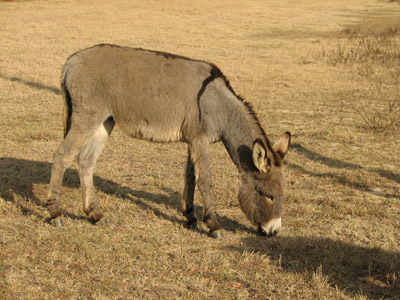
Ganga Jal (Ganges water) for a Donkey!

donkey (1)

Compiled by London Swaminathan
Post No. 905 Dated 13th March 2014.

Eknath was a great saint of Maharashtra. Once he went on a pilgrimage to Benaras (Varanasi or Kasi). From there he brought back with him two pots filled with the holy water of the Ganges slung across a pole. He thought of taking it to Rameswar, a place of pilgrimage in the south, for offering to God. Hindus who visit Kasi bring Ganga jal to Rameswaram (in Tamil Nadu) and do the Abhishek ( bathing) on Shiva linga there. This is considered a meritorious act.

Eknath headed a party of pilgrims, each of whom carried water pots filled with the holy water. It was summer. The heat was very severe. Not a single tree was visible anywhere. Presently Eknatha saw a donkey dying of thirst. His heart was filled with compassion. Immediately he poured out the contents of his water pots to the dying animal, which straightaway lapped up the whole quantity.
Restored to life the donkey got up and went away braying.

After sometime Eknath’s fellow pilgrims arrived there. They were surprised to see the water pots of the saint empty. Therefore, they inquired of him, “Sir, where is the holy water, you brought with you?”

Eknath replied, “Brothers I gave it away to a poor donkey which was dying of thirst, since no water was available anywhere in the neighbourhood”

The fellow pilgrims exclaimed, “But sir, you have nothing left to offer to God Rameshwar! Alas! Your pilgrimage ill remain incomplete!”

B_Id_406817_kawadiyan

The saint however, observed calmly,” What you say is true.But how could I pass by the donkey, dying of thirst, without giving it water?And as I had some water, thought it was of the holy Ganges, I let the creature slake its thirst. But I am quite sure that God Rameshwar will not only forgive me but, on the contrary, will even be pleased with me.
(Source: Inspiring Anecdotes, Navajivan Publishing House, Ahmedabad, Year of Publication 1957)

Buddha’s compassion

Swami Vivekananda narrated a story in one of his talks:
“Buddha is the name of infinite knowledge, infinite as the sky; I,Gautama, have reached that stage; you will all reach that too if you struggle for it.” Bereft of all motive power, he did not want to go to heaven., did not want money; he gave up his throne and everything else, and went about begging his bread through the streets of India preaching for the good of men and animals with a heart as wide as the ocean. he was the only man was ever ready to give up his life for animals, to stop sacrifice. He once said to a king, “if the sacrifice of a lamb help you to go to heaven, sacrificing a man will help you better, so sacrifice me.” The king was astonished. And this man was without any motive. He stands as the perfection of the active type, and the very height to which he attained shows that through the power of work we can also attain to the highest spirituality.”
goat

Source: Selections from The Complete Works of Swami Vivekanada, Advaita Ashrama, Calcutta 700 014, Year 1990.

Ramanuja’s Compassion

Following is an anecdote in Swami Ramdas’ words:
“You must have heard of the three great Teachers (Acharyas) –Shankara, Ramanuja and Madhwa. They have established their systems of philosophy in India. Ramanuja went to a Master (Guru) and requested him to initiate him. The Master gave him God’s name and also advised him not to give this Name (mantra) to anybody, adding that if he did so, he would go to hell. At once Ramanuja went to the top of the local temple and shouted, “I am going to give you all a Name which will save you. My Master has given me the Name”. He uttered the Name ( the mantra was OM NAMO NARAYANA) loudly so that everybody could hear.

ramanuja_picture

The Master heard about it and why he did so in spite of his warning. Ramanuja’s reply was, I am prepared to go to hell a hundred times if I can save thousands”.

(All within brackets are my additions:-swami)

Source: Stories As told by Swami Ramdas, Published for Anandashram by Bharatiya Vidya Bhavan, Chowpatty, Bombay-7, Year 1969.

Contact swami_48@yahoo.com

கடவுளும் கம்ப்யூட்டரும்

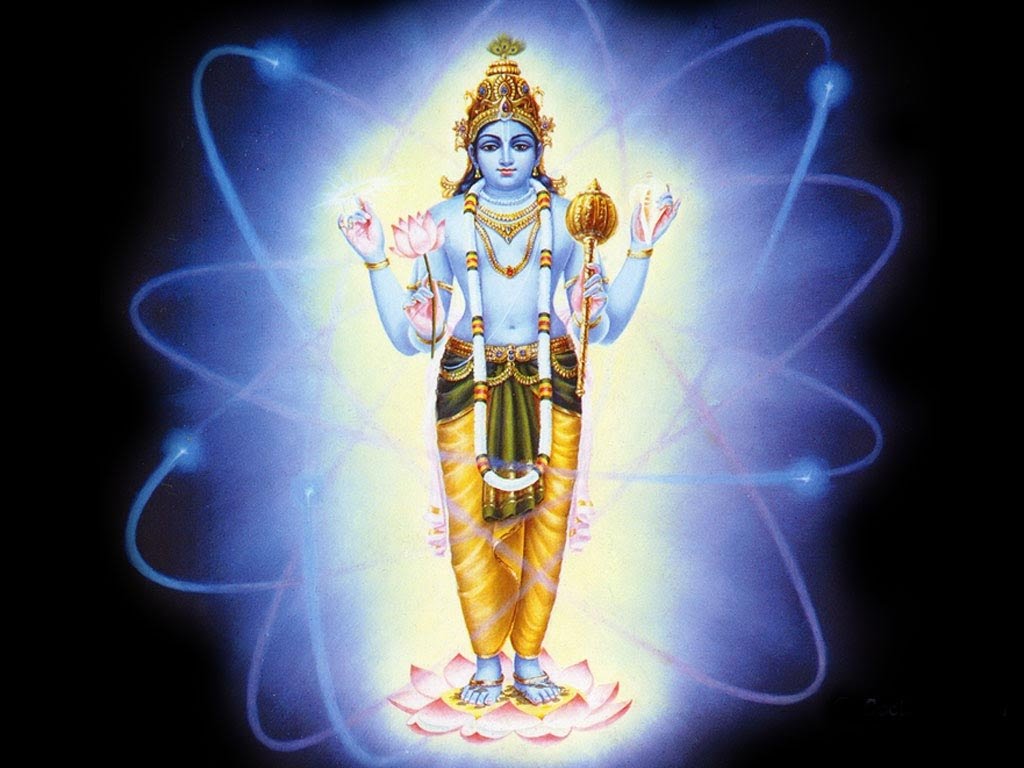
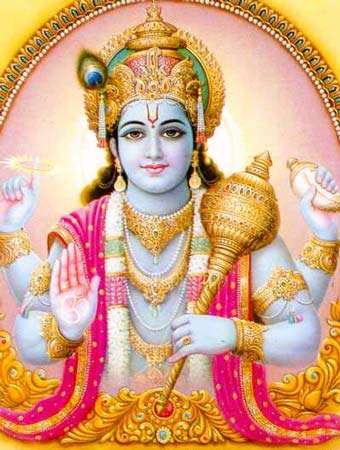
vishnu-hindu-god

அறிவியல் வியக்கும் ஆன்மீகம்!
கடவுளும் கம்ப்யூட்டரும்
ச.நாகராஜன்
God and the Computer by S Nagarajan
Post No 904 Dated 13th March 2014

விஷ்ணு சஹஸ்ர நாமமும் கம்ப்யூட்டர் ஆணைகளும்

விஷ்ணுசஹஸ்ர நாமம் தொன்று தொட்டு நமது இல்லங்களில் அன்றாட பாராயணமாகச் சொல்லப்பட்டு வரும் ஒரு அற்புத ஸ்தோத்ரம். இதை நன்கு ஆராய்ந்தவர் டாக்டர் ஆர்.வி.எஸ்.எஸ். அவதானுலு. இவர் ஹைதராபாத்தில் வேதபாரதி என்னும் சம்ஸ்கிருதம் மற்றும் வேத அறிவைப் பரப்பும் ஸ்தாபனத்தின் தலைவராக இருந்து வருகிறார். வேதங்களிலும் சாஸ்திரங்களிலும் எப்படி அனைத்துத் தொழில்நுட்பமும் அறிவியலும் அடங்கி உள்ளன என்பதை விவரித்து ‘ஸயின்ஸ் அண்ட் டெக்னாலஜி இன் வேதாஸ் அண்ட் சாஸ்த்ராஸ்’ Science and Technology in Vedas and Shastras என்று ஒரு நூலை எழுதியுள்ளார். அதில் கம்ப்யூட்டர் கோட்பாடுகள் எப்படி விஷ்ணு சஹஸ்ரநாமத்தில் அடங்கியுள்ளன என்பதை பிரமிக்க வைக்கும் விதத்தில் தருகிறார்.

கம்ப்யூட்டரில் அடிப்படையாக உள்ளது கமாண்ட் command எனப்படும் ஆணைகளே. கூட்டு, கழி, பெருக்கு போன்ற அனைத்துமே கமாண்ட் தான். இந்தக் கட்டளைகளைத் தந்தவுடன் கம்ப்யூட்டரில் உள்ள சர்க்யூட்டுகள் circuits அந்த ஆணைகளைச் செயல்படுத்துகின்றன. இதில் தவறுதலே நடக்காது.

Hindu-God Vishnu image

விஷ்ணு சஹஸ்ரநாமத்தில் 30ஆம் ஸ்லோகத்தில் வருவது ‘ருத ஸ்பஷ்டாக்ஷரோ மந்த்ர:’ என்பதாகும். ஸ்பஷ்டாக்ஷர என்றால் ஓம் என்ற அக்ஷரத்தால் அழைக்கப்படுபவன் என்பது பொருள். ஓம் என்பது ஆற்றல் வாய்ந்த அக்ஷரம். அதை எங்கு வேண்டுமானாலும் உரிய முறையில் உச்சரித்தவுடன் அது ஒரு கமாண்ட் போலச் செயல்பட்டு ஒரு அபாரமான சக்தியை எழுப்புகிறது. கம்ப்யூட்டரில் சொல்லப்படும் கமாண்டின் உண்மையான அர்த்தத்தை இந்த நாமத்தில் நாம் பார்க்க முடிகிறது.

மெமரி memory யும் சுமேதா நாமமும்
மெமரி எனப்படும் நினைவகம் கம்ப்யூட்டரில் மிகவும் முக்கியமான ஒன்று.ஒரு கிலோ பைட் என்பது 1024 பைட்டுகளைக் கொண்ட்து. இதற்கு மேலாக இருக்கும் அளவீடுகளான டெரா பைட் (Tera Byte) போன்றவை அதிக நினைவகத்தைக் கொண்டிருப்பவை. 400 வால்மீகி ராமாயணங்களை (வால்மீகி ராமாயணத்தில் 24000 ஸ்லோகங்கள் உள்ளன) ஒரு கிகா பைட்டில் (Giga Byte) அடக்கி விடலாம். 1024 கிகா பைட் ஒரு டெரா பைட் ஆகும். அழிக்க முடியாத நான் – எரேஸபிள்(non-erasable) குணாதிசயங்களையும் கம்ப்யூட்டர் கொண்டுள்ளது.

இந்த நினைவகம் பற்றிய கோட்பாட்டை 80வது ஸ்லோகத்தில் வரும் நாமமான ‘சுமேதா மேதஜோ தன்ய: சத்யமேதா தராதர:’ என்பதில் காண முடிகிறது.

சுமேதா என்றால் அற்புதமான நினைவகத்தைக் கொண்டிருப்பவன் என்பது பொருள். சத்யமேதா என்பதில் அழிக்க முடியாத மெமரியைக் கொண்டிருப்பவன் என்பது சுட்டிக்காட்டப்படுகிறது! ஒவ்வொரு உயிரும் ஒவ்வொரு கணத்திலும் எல்லா காலத்திலும் செய்யும் அனைத்துச் செயல்களையும் அவன் நினைவில் கொண்டிருக்கிறான். கீதையில் இதையே கண்ணன் அர்ஜுனனிடம்,” எனக்கும் உனக்கும் பல ஜன்மங்கள் கழிந்து விட்டன. அதை நீ அறிய மாட்டாய். ஆனால் நான் அவற்றை நினைவில் கொண்டிருக்கிறேன் (கீதை நான்காம் அத்தியாயம் ஸ்லோகம் 5 பஹூநி மே வ்யதீதாநி ஜன்மானி தவ சார்ஜுனI தாந்யஹம் வேத ஸர்வாணி ந த்வம் வேத்த பரந்தப II )” என்ற வார்த்தைகளால் கூறுகிறான்!

இப்படி நினைவக்க் கோட்பாட்டையும் சஹஸ்ரநாமம் விளக்குகிறது.

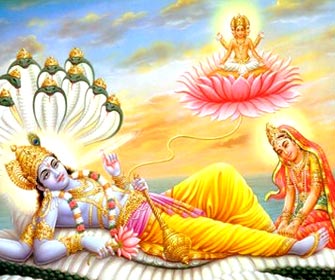
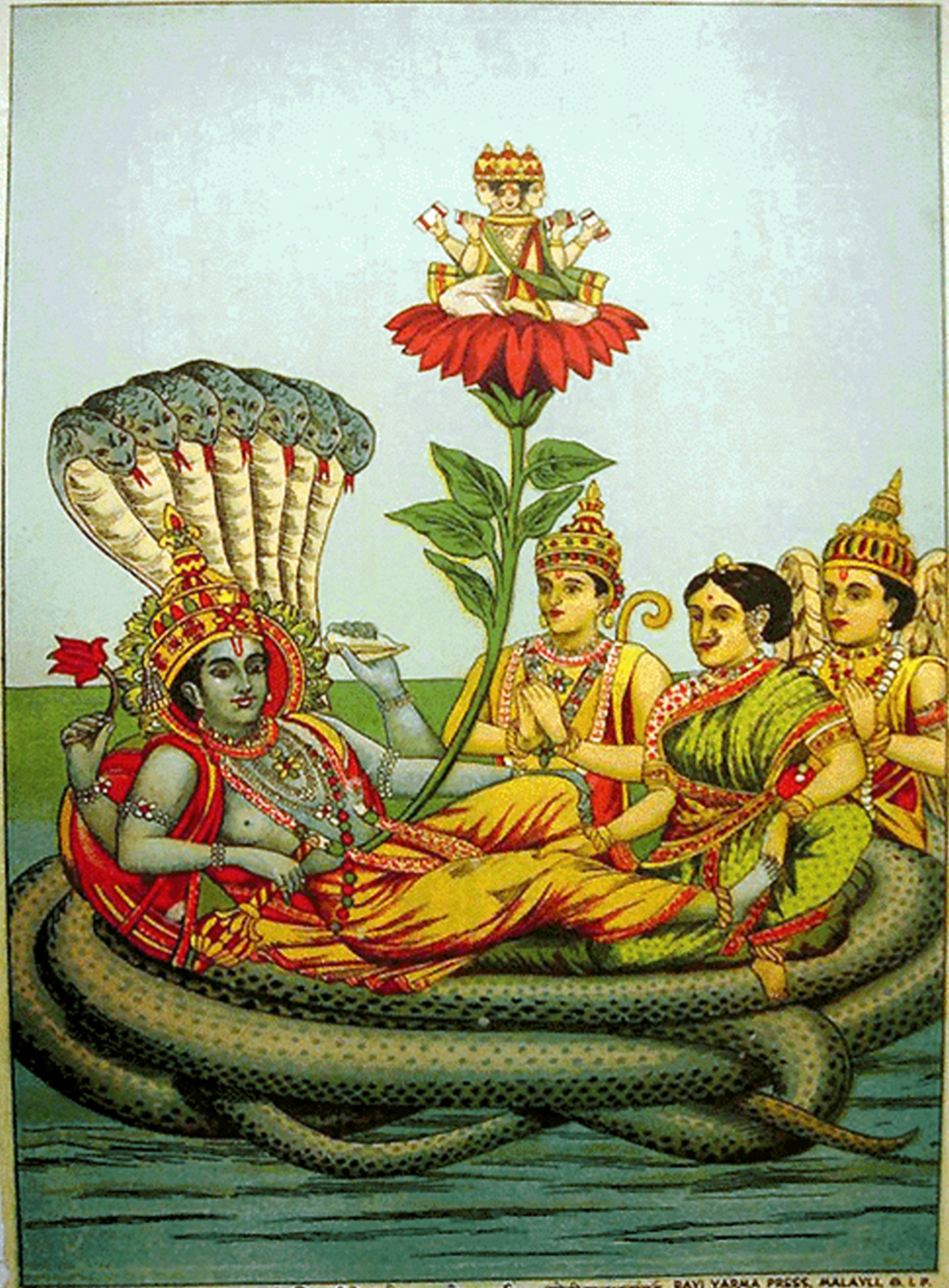
Vishnu_Laxmi_and_Serpent_Anant

கணினியின் வேகமும் கடவுளின் வேகமும்
இன்னொரு கோட்பாடு வேகம் பற்றியது. இந்த வேகத்தினால் தான் கம்ப்யூட்டரை இன்றைய நவீன உலகம் மதித்து அன்றாடச் செயல்பாடுகளுக்கு ஏற்றுக் கொண்டிருக்கிறது. கம்ப்யூட்டரின் வேகத்தை மெகா ஹெர்ட்ஸ் (MHz) கிகா ஹெர்ட்ஸ் (GHz) என்ற அளவீடால் சொல்கிறோம்.இந்த கணினி வேகத்தை இன்னொரு முறையாலும் கூற முடியும். ஒரு வினாடிக்கு லட்சக்கணக்கான ஆணைகள் எனப்படும் மில்லியன்ஸ் ஆஃப் இன்ஸ்ட்ரக்ஷன்ஸ் பர் செகண்ட் என்ற முறையிலும் கணினி வேகம் கூறப்படும். பழைய தலைமுறை கணினிகள் ஒரு வினாடிக்கு பத்து லட்சம் ஆணைகளை மேற்கொள்ளும் திறன் உடையவை. இன்றோ இன்னும் அதிக வேகம்! இந்த வேகத்தை 40வது ஸ்லோகத்தில் மஹாவிஷ்ணுவைத் துதிக்கும் நாமமான ‘மஹீதரோ மஹாபாகோ வேகவான் அமிதாஸன:’ என்பதில் காணலாம்.

இந்த ‘வேகவானின்’ வேகம் பற்றி கஜேந்திர மோக்ஷத்தில் ஆதிமூலமே என்று கூப்பிட்டு முடிவதற்குள் அவன் வந்து சேர்ந்ததை பாகவதம் சிறப்பாகக் குறிப்பிடுகிறது. திரௌபதி கூப்பிட்டவுடன் அவன் செய்த லீலையையும் நாம் மறக்க முடியாது.

மைக்ரோ ப்ராஸஸரும் micro processor நிர்ணயிக்கப்பட முடியாத வடிவம் உடையோனும்
அடுத்து கம்ப்யூட்டர்களின் பயன்பாடு நம்மை பிரமிக்க வைக்கிறதல்லவா! எங்கும் கம்ப்யூட்டர், எதிலும் கம்ப்யூட்டர், எதற்கும் கம்ப்யூட்டர்!!! ரிசர்வேஷனுக்கும், மருத்துவமனைகளில் அனைத்து சேவைகளுக்கும், ஏன் ராக்கட்டுகளை விண்ணில் ஏவுவதற்கும் கூட என்று இப்படி எங்கு பார்த்தாலும் கணினியின் சேவை தான்! இது எதனால் என்று பார்த்தால் விடை மைக்ரோப்ராஸஸரினால் தான் என்று முடியும். கணினியின் மென்பொருளில் உள்ள மைக்ரோப்ராஸஸர்களின் நெகிழ்வுத் தன்மை பிரமிக்க வைக்கும் ஒன்று. அதை எந்த விதத்திலும் பயன்படுத்த முடியக்கூடிய அளவு அது ப்ளெக்ஸிபிளாக – நெகிழ்வுடன் கூடியதாக உள்ளது.

இந்த அற்புதமான தன்மையை 19ஆம் ஸ்லோகத்தில் வரும் நாமத்தில் காணலாம்.
“அநிர்தேஷ்யவபு: ஸ்ரீமான் அமேயாத்மா மஹாத்ரித்ருத்”
இதன் பொருள் அவன் வடிவம் நிர்ணயிக்கப்பட முடியாதது, அவன் நினைத்த வடிவத்தை எடுப்பவன் என்பதாகும்.
அவன் பல்வேறு வடிவம் எடுப்பவன் என்பதை 29ஆம் ஸ்லோகத்தில் வரும் நாமமான ‘நைகரூபோ ப்ருஹத்ரூபஹ சிபிவிஷ்டஹ ப்ரகாஷந:’ என்பது வலியுறுத்துகிறது.

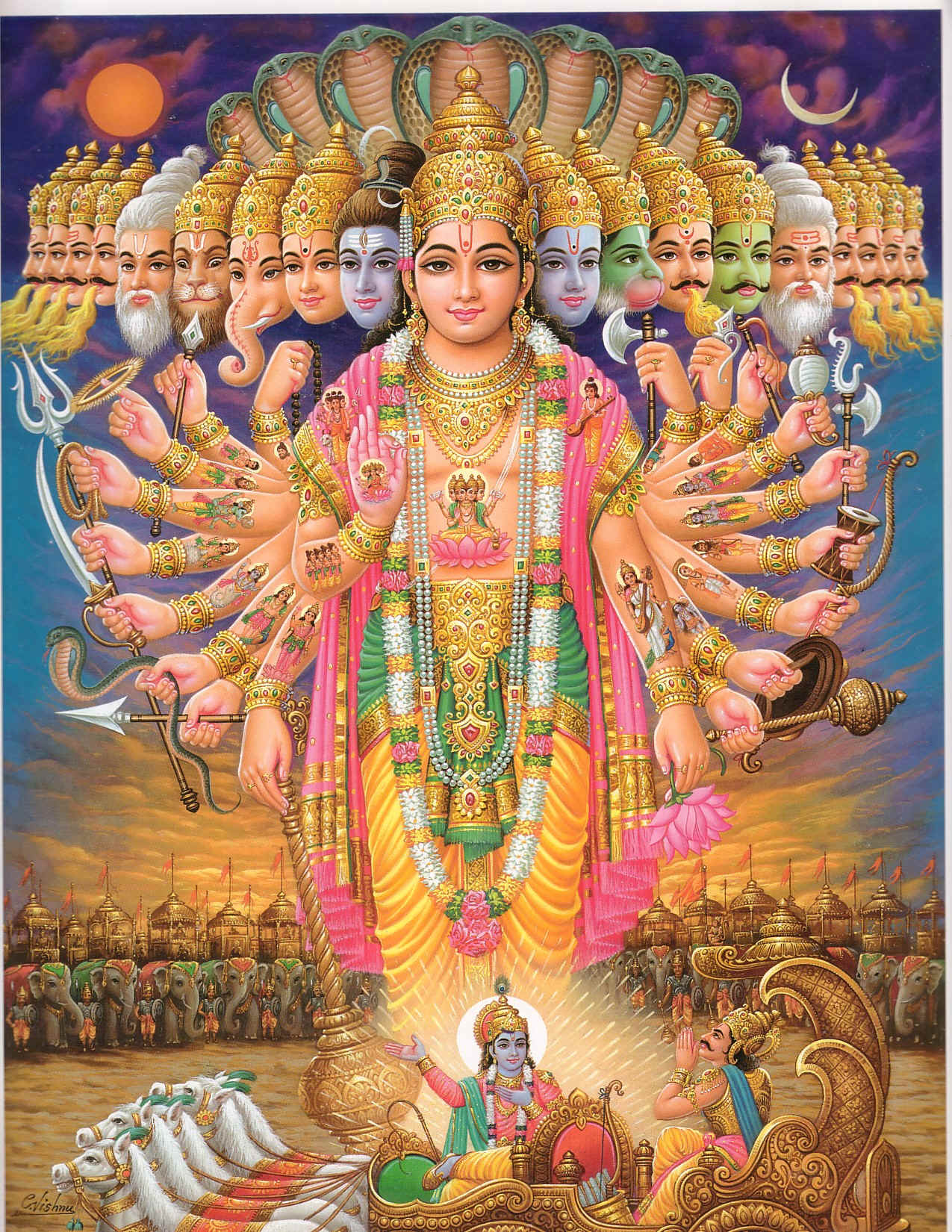
Vishnu (1)

நாமங்கள் பல; கணினியின் பயன்பாடுகள் பல!
இதே போல programming ப்ரொக்ராமிங் (மஹாக்ரமோ மஹாகர்மா மஹாதேஜா மஹோரக:-ஸ்லோகம் 72), மல்டி ப்ரொக்ராமிங் (ஸ்வாபன: ஸ்வவஸோ வ்யாபீ நைகாத்மா நைககர்மக்ருத்-ஸ்லோகம் -50), அலெர்ட் டிபென்ஸ் சிஸ்டம் (தனுர்தரோ தனுர்வேதோ தண்டோ தமயிதா தமஹ –ஸ்லோகம் 92), கேபிளிங் (சுபாங்கோ லோக சாரங்கஹ சுநந்து –ஸ்லோகம் 84) ஆகியவற்றையும் அவதானுலு விவரிக்கிறார்; நம்மை பிரமிக்க வைக்கிறார். பாரத பிரதமராக இருந்த வாஜ்பாய், வேதங்களிலிருந்து விஞ்ஞானத்தைக் கூறும் இவரது அறிவுத் திறனைக் கண்டு,” கனவு நனவாகிறது” என்றார். ராஷ்ட்ரபதியாக இருந்த சங்கர் தயாள் சர்மாவோ இவரது பணியை, “மிக அருமை; உலகிலேயே இப்படிப்பட்ட ஆராய்ச்சியில் இது முதலாவது” என்று பாராட்டினார்.

வால்டேர் போற்றிய ஹிந்து மதம்
பிரபல தத்துவஞானியான வால்டேர், “ஜியாமெட்ரியைக் கற்க பிதகோரஸ் கங்கைக் கரைக்குச் சென்றார்” என்று எழுதியுள்ளதோடு, “நமக்கு எல்லாமே கங்கைக் கரையிலிருந்து தான் வந்திருக்கிறது” என்று கூறினார். ‘ஹிஸ்டரி ஆஃப் மேதமேடிக்ஸ்’ என்ற நூலை ஆதாரபூர்வமாக எழுதியுள்ள ஆப்ரஹாம் செய்டன்பர்க் சம்ஸ்கிருதத்தில் உள்ள சுலப சூத்ரங்களே பாபிலோனிலிருந்து எகிப்து வரை அராபியாவிலிருந்து கிரேக்கம் வரை உள்ள அனைத்து கணித மேதைகளையும் கவர்ந்து அவர்களை ஊக்குவித்தது என்கிறார்.

அனைத்துக் கலைகளும் தொழில்நுட்பங்களையும் தன்னுள் அடக்கி வைத்திருக்கிறது வேதங்கள் என்பதை நூற்றுக்கும் மேற்பட்ட அறிஞர்கள் ஆதாரங்களுடன் எழுதி வருகின்றனர்.

vishnu

அறிஞர்களைப் போற்றுவோம்
ஸ்ரீ பாரதி கிருஷ்ண தீர்த்த சங்கராசார்யர், கணித சூத்ரம் அல்லது சுலப சூத்ரங்கள் என அழைக்கப்படும் சூத்திரங்களில் அனைத்துக் கணித முறைகளும் விளக்கப்பட்டுள்ளதாகத் தெரிவித்து அதர்வண வேதத்தை ஆராய்ந்து வேத கணிதத்தைக் கண்டு விளக்கினார். 1965ஆம் ஆண்டு அச்சுக்கு வந்த வேத கணிதம் இன்று உலகம் முழுவதும் பரவி மேலை நாட்டு பல்கலைக் கழகங்களிலும் கூடப் பயிற்றுவிக்கப்பட்டு அனைவரையும் வியக்க வைக்கிறது..

ஸ்ரீ சங்கராசார்யர் காட்டிய வழியில் வேதம் கொண்டுள்ள ஏராளமான தொழில்நுட்பங்களை அறிந்து சமுதாயத்திற்கு அளிக்க இந்தியர்களான பல்வேறு இளம் தொழில்நுட்ப நிபுணர்கள் மற்றும் முதிர்ந்த ஆராய்ச்சி நிபுணர்கள் இப்போது முன் வந்திருப்பது மிகவும் போற்றிப் புகழவேண்டிய தொண்டாக அமைகிறது.

வால்டேர் கூறியதை நிரூபிக்க முன் வந்திருக்கும் இந்த அறிஞர்களைப் போற்றுவோம்!
***********************
நன்றி: ஞான ஆலயம் மார்ச் 2014 ( This is written by Santanam Nagarajan and Published in Jnana Alayama Magazine.

contact swami_48@yahoo.com
Elephants Lost, Cats Won! A Sad story from Indian History

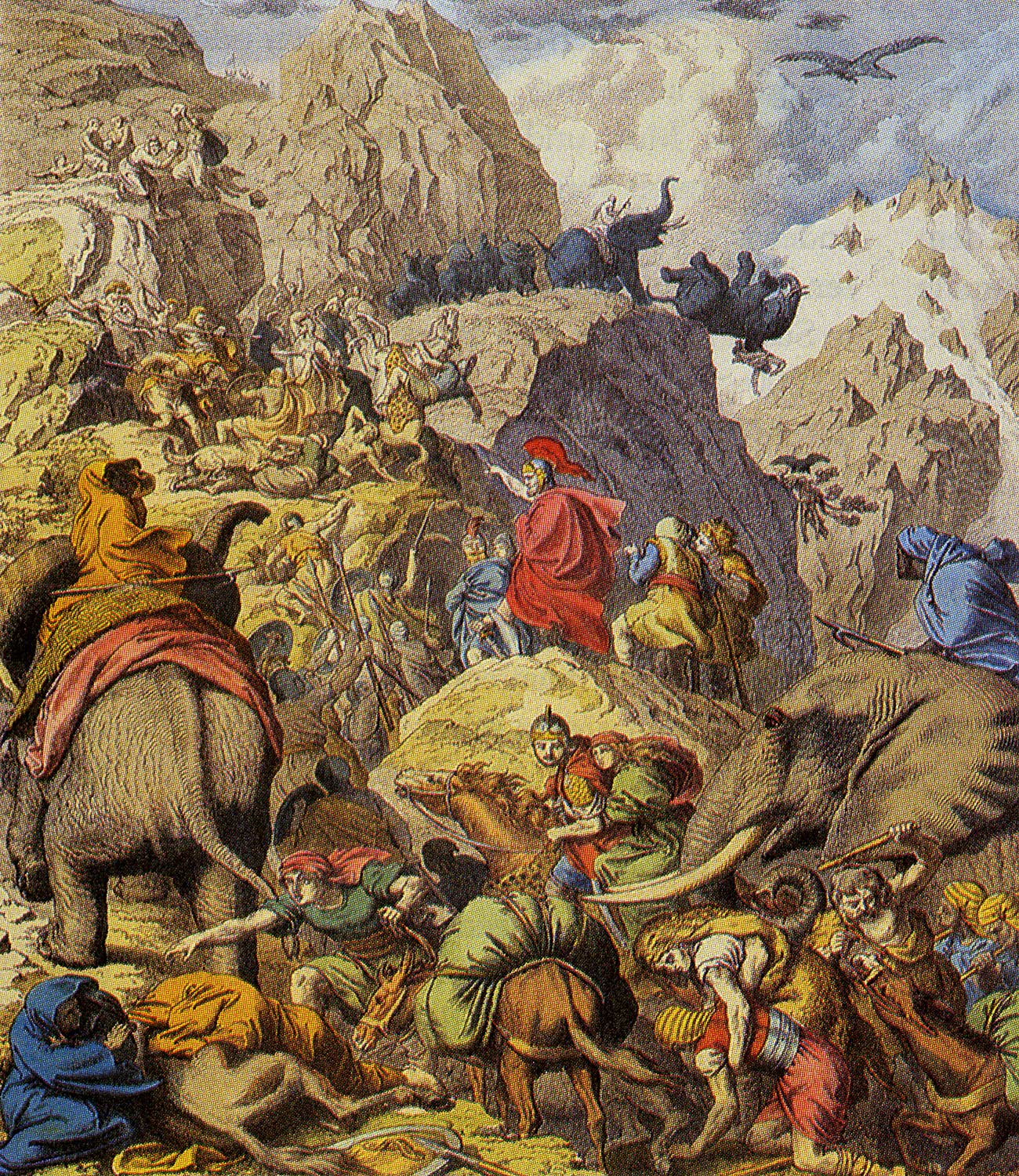
Hannibal3

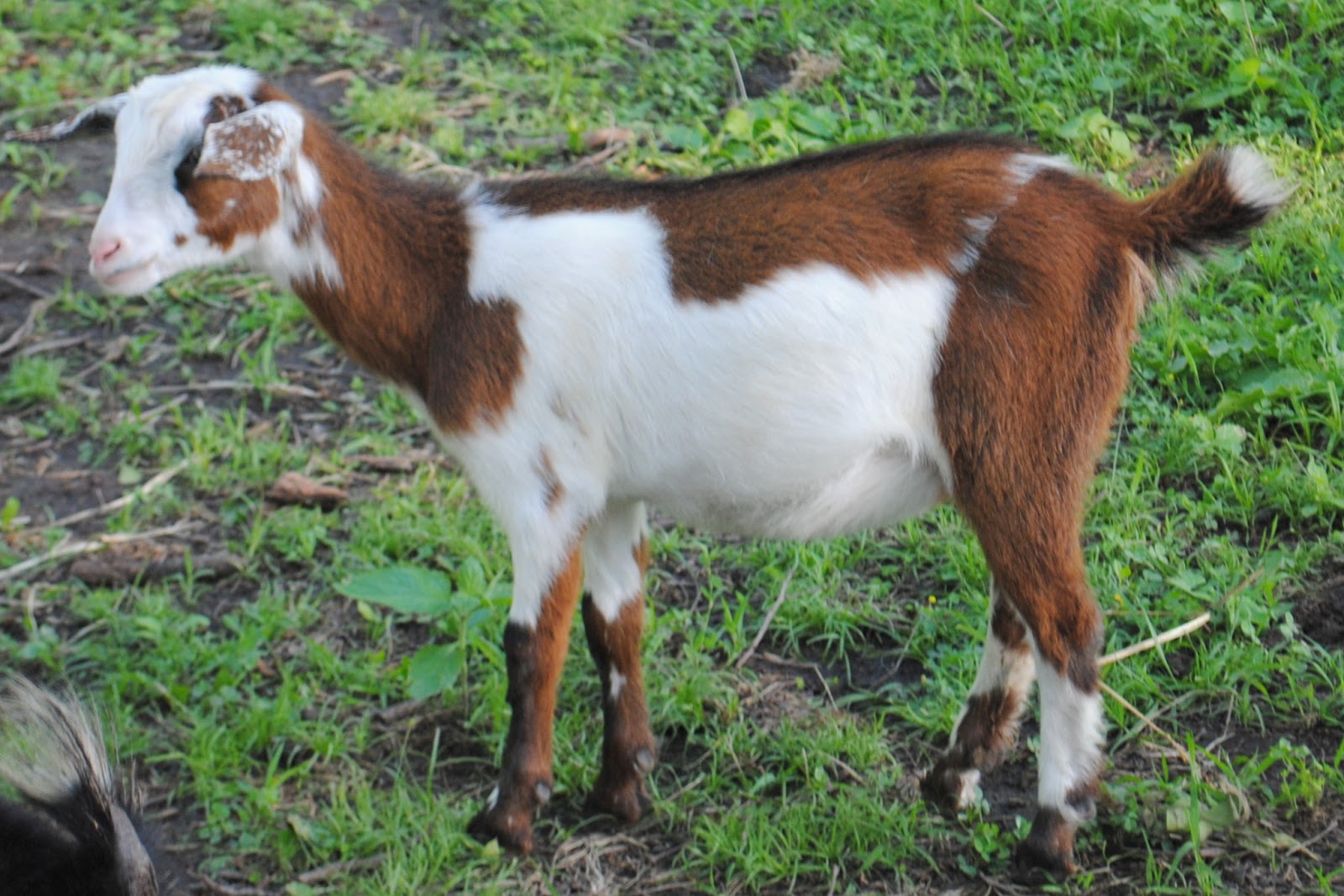
Hannibal crossing the Alps with elephants.

By London Swaminathan
Post No. 903 dated 12th March 2014.

It is a sad story from the leaf of a history book. It happened around 712 AD.
The elephant is the largest of the land animals. The animal is mentioned in the Rig Veda by the name Mrigo-Hasti. Ktesias and Megasthenes recorded their use in the Indian wars. Lord Lytton spoke of the Pundits and Elephants as two imposing sights in India. I have already given over 40 words for elephants in Tamil and Sanskrit in one of my earlier posts. I have also listed over 100 proverbs in Tamil in another post. Story of Aswatthama (name of an elephant as well as the son of Drona) is also told already. It changed the course of the Mahabharata war. Hannibal took it to Europe in 218 BC for the first time. In real life elephants stand majestic. All animals give due respect and keep their distance. Only in the jungle it fights with its arch rival the lions and got killed occasionally.

elephant war
Elephants in battle

Kalingattu Parani is a famous Tamil poem in praise of Kulottunga Choza (1070-1120 AD. When the king of Kalinga (Orissa) insulted him, he sent his commander in Chief invade Kalinga. He went to Kalinga and defeated Anantavarman. Jayamkondar, the court poet sang a Parani on him. Only when a king kills 1000 elephants he can be praised as a hero of a Parani. This shows the number of elephants involved in a battle.

When Alexander’s soldiers heard about the number of Four Wings of the Mighty Magadha army, they refused to invade India and went back. According to Diodorous Siculus (90-30 BC) , Chandragupta Maurya had an army of 20,000 horses, 200000 soldiers, 2000 chariots and 4000 elephants. Plutarch ( 42- 120 AD) says Indian kings had 80,00 horses, 200000 foot soldiers, 8000 chariots and 6000 elephants!

Maharaja of Mysore
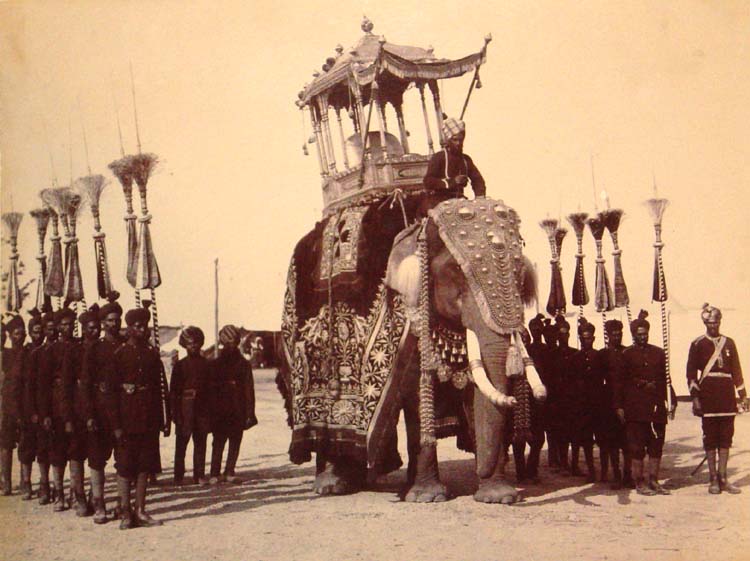
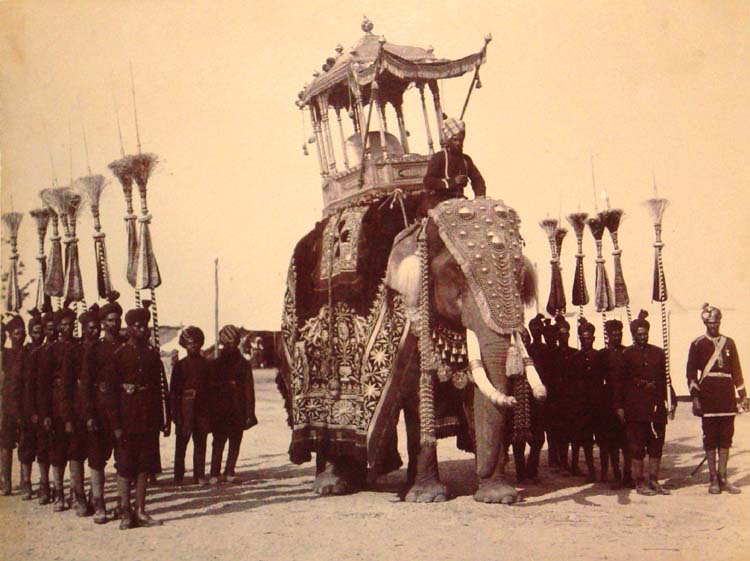
Elephant with howdah

Cats defeated elephants!!

The foreign rule began in India in the eighth century AD. The battle of Rawar was the decisive one which allowed the foreigners settle in the Sind area of India (Now Sind is in Pakistan).

jumbo_ELEPHANT_1618815g

Following is taken from ‘History of Sind’ by Dr Mumtaz Husain Pathan, Hyderabad, Sind, Pakistan)
“In the battle of Rawar, Rai Dahir started the attack by using elephants and he himself commanded the vanguard of the army. The elephants are a great source of power, yet they have also proved to be the cause of crushing defeats. In the battle of Qadisiyyah, the Iranians employed a large number of elephants to overawe the enemy, but the Arabs are said to have counteracted tactical devices to frighten the giants. Apart from these tactics, suicide squad of the Arab army made a daring dash to cut the trunks of the elephants, which resulted in the retreat of the animals and the defeat of the opposing army. Since the elephants were placed in the forefront, they trampled their own army in the retreat resulting in the crushing defeat.

The Arab writers report that the Arabs used cats and other tiny animals to frighten the elephants during the war. Their accounts about various incidents are curious and interesting. The famous Arab geographer al- Masudi relates that the emperors of Persia used to defend themselves against the attack of the elephants by releasing a large number of cats in the field. He asserts that this practice was common with the rulers of al-Hind and al-Sind. It has been stated in the accounts that one Harun Ibn Musa, who held one of the forts in Sind was attacked by a Hindu raja, whose army had a large number of elephants. When both the armies came closer to each other in battle array, Harun who had a cat concealed within his clothes threw it in front of the elephants. The elephants seeing the cat ran back pell-mell crushing the army of the Hindu Raja, who was defeated and slain by the forces of Harun. Al- Masudi also asserts that the elephants were terrified by the use of pigs, but the Muslims refrained from rearing the hated animal.

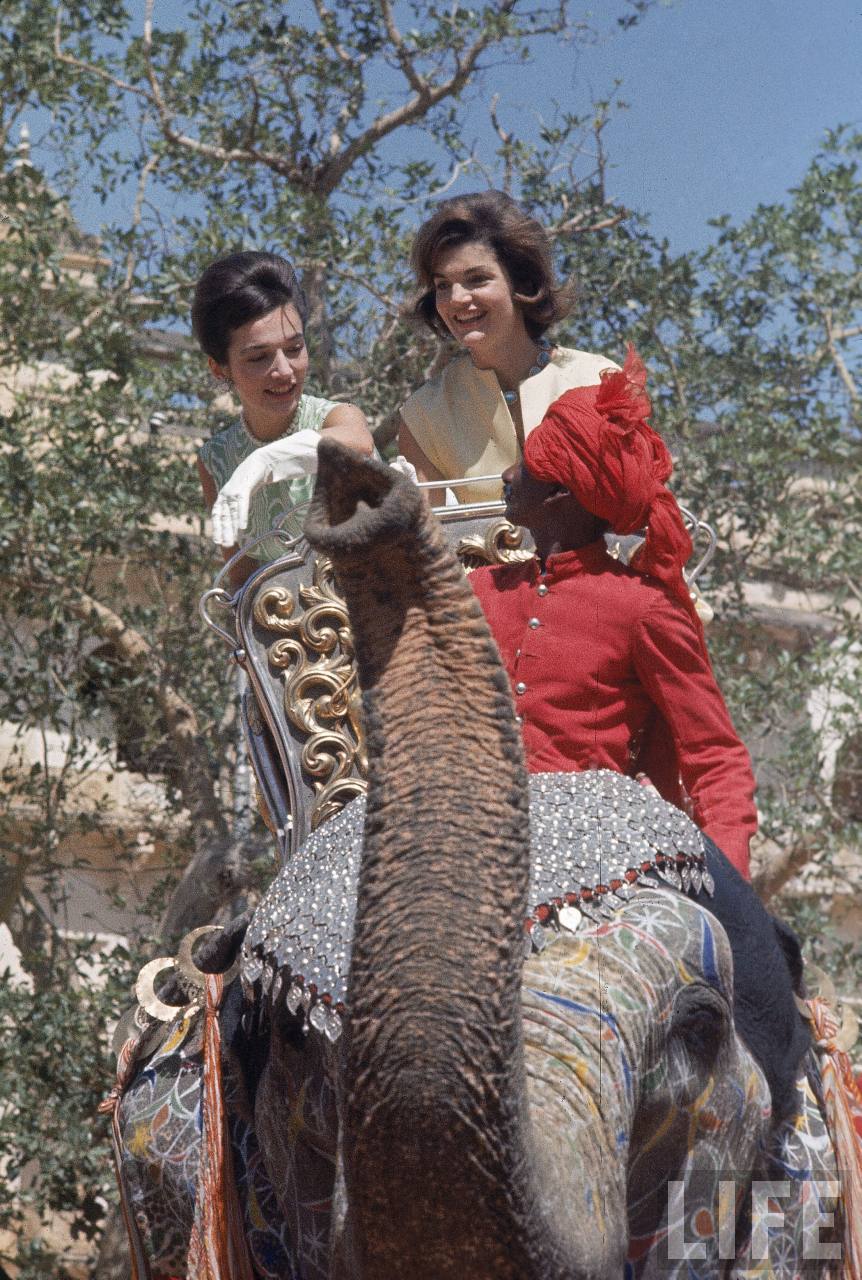
Jackie Kennedy and sister Lee
US President John F Kennedy’s wife Jackie Kennedy when she visited India in 1960s.

The Arabs developed new tactic in medieval warfare by the use of naphtha (inflammable) and other fireworks to frighten the large sized beasts in the enemy forces. The author of ‘’Chachnamah’’ relates that Raja Dahir had a chakra in his hand, made of tied swords, which he threw on the foot soldiers and the riders alike, with such a skill that it cuts off heads of victims instantaneously. No man therefore dared to advance towards him.

The Arab army threw naphtha arrows towards the elephants, as a result of which the animals became panicky and rushed o the river. The white elephant on which the Raja was seated also received burns and the howdah itself caught fire. The Arab soldiers did not lose the chance and surrounded the elephant in the river, shooting arrows incessantly. Raj Dahir was hit in the chest and Arab soldiers cut off his head. When the Hindus heard the death of their king, they fled in pell-mell in utter confusion.”
The above part is taken from the book.

elephant hero

Thus the forces of Muhammad ibn al- Qasim entered Sind and ruled India for another 700 years till Vijayanagar Empire became powerful. Disgruntled elements in the Hindu army also helped the foreigners with vital information, say the Arab authors. Later Muhammad ibn Qasim was sent to Bagdad and was tortured and killed for a different reason. He married the woman who the king of Bagdad wanted to marry!

Contact: swami_48@yahoo. com

யானைக்கு தோல்வி! பூனைக்கு வெற்றி!!

elephant war

யானைக்கு தோல்வி! பூனைக்கு வெற்றி!! இந்திய வரலாற்றில் சோக சம்பவம்!

By London Swaminathan
Post No.902 dated 12th March 2014.

‘’யானைக்கு ஒரு காலம் வந்தால் பூனைக்கும் ஒரு காலம் வரும்’’– என்று தமிழில் ஒரு பழமொழி உண்டு. இதற்குப் பல பொருள்கள் கூறுவர். எல்லோருக்கும் தெரிந்தது:– பெரிய உருவமும் பலமும் உடைய இன்று நீ வெல்லலாம் ஒரு நாள் ‘’யானைக்கும் கூட அடி சறுக்கும்’’ என்பது போல நீ வீழ்வாய். அப்போது நான் வெல்லுவேன் என்பதாகும். மற்றொரு பொருள்:- ஆநெய்க்கு (பால்) ஒரு காலம் என்றால் பூநெய்க்கும் (தேன்) ஒரு காலம் உண்டு. ஆனால் இது வலியப் போய் பொருள் கொள்வதாகும். எனக்குச் சரியெனப் படவில்லை. ஆனால் கீழேயுள்ள செய்தியைப் படித்தபின்னால் உங்களுக்கு இந்தப் பழமொழிக்கு புதிய பொருள் கிடைக்கும்!!

நிலத்தில் வசிக்கும் பிராணிகளில் மிகவும் பெரியது யானை. நிலத்தில் யாருக்கும் அஞ்சாத நெஞ்சம் உடையது. காட்டில் வேண்டுமானால் சிங்கம் புலியுடன் சண்டை இட்டுச் சில நேரம் தோல்வி அயைலாம். யானை பற்றிய நூறு பழமொழிகளையும் யானைக்கு உண்டான நாற்பதுக்கும் மேலான தமிழ், வடமொழிச் சொற்களையும் யானை தொடர்பான பல அதிசயச் செய்திகளையும்– (பட்டத்து யானை மாலை போட்டு கரிகாலனையும், மூர்த்தி நாயனாரையும் மன்னர்களாக்கியது முதலியன) —நிறைய இந்த பிளாக்—கில் எழுதிவிட்டேன்.

Hannibal3

Hannibal crossing the Alps with elephants.

இந்தியா மீது அலெக்ஸாண்டர் படை எடுக்காமல் திரும்பிபோனதற்குக் காரணம் மௌர்ய சந்திர குப்தனின் மகத்தான படை பலமாகும். அதைக் கேட்டவுடன் அவனுடைய துருப்புகள் இனி சண்டை போட மாட்டோம், ஊருக்குப் போய் பிள்ளை குட்டிகளைப் பார்க்கவேண்டும் என்று கிளம்பிவிட்டனர். டியோடரஸ் சிகுலஸ், ப்ளுடார்ச் போன்ற வரலாற்று எழுத்தர்கள் 2000 ஆண்டுகளுக்கு முன் எழுதிய நூல்களில் சந்திரகுப்தனிடம் 2 லட்சம் காலாட்படை வீரர்களும், 20,000 குதிரைகளும், 2000 தேர்களும், 4000 யானைகளும் இருந்ததாக எழுதி வைத்துள்ளனர். சிலர் 80,000 குதிரைகள், 8000 தேர்கள் 6000 யானைகள் என்று நாற்படைகளையும் புகழ்ந்துள்ளனர். இந்தியாவில் போரஸ் (புருஷோத்தமன்) என்ற மன்னனிடம் இருந்த யானைப் படையும் அவனது வீரமும் அலெக்ஸாண்டரை அசத்திவிட்டது. உடனே வென்ற இடத்தை அவனிடமே திருப்பிக் கொடுத்துவிட்டுப் போய்விட்டான.

ஹனிபால் என்ற அரசன் கி.மு. 218 ல் ஆல்ப்ஸ் மலை வழியாக இந்திய யானைகளை ஐரோப்பாவுக்கு முதல் முதலில் கொண்டு சென்று வரலாற்றில் அழியாத பெயர் பெற்றான். மஹாபாரத போர் முனையில் ‘அஸ்வத்தாமா’ என்ற யானை இறந்தது பற்றி தர்மன் ‘’பொய்’’ சொன்னவுடன் அஸ்வத்தாமா என்ற தனது மகன் தான் இறந்துவிட்டான் என்று துரோணரும் வில்லுக்கு இரையானர். இதனால் போரின் போக்கே மாறிவிட்டது.

Maharaja of Mysore

Maharaja of Mysore in Dasara procession

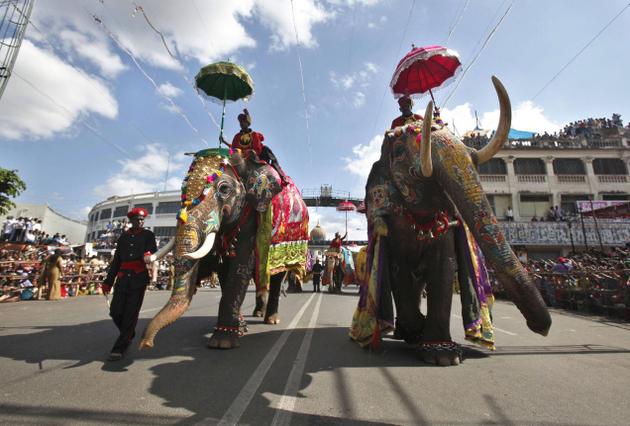
தமிழில் 96 பிரபந்த வகைகளில் ஒன்று பரணி பாடுதல். இப்படி ஒரு மன்னன் மீது பரணி பாட வேண்டும் என்றால் அந்த மன்னனோ அவனது படைத்தலைவனோ ஆயிரம் யானைகளைப் போரில் கொல்ல வேண்டும். அவந்திவர்மன் என்ற கலிங்க நாட்டு அரசனை வென்ற கருணாகரத் தொண்டைமானைப் படைத் தளபதியாகக் கொண்ட குலோத்துங்க சோழன் மீது கலிங்கத்துப் பரணி பாடினார் அவைப் புலவர் ஜெயம்கொண்டார். ஆக, யானை என்பது மாபாரத காலம் முதல் மைசூர் மஹாராஜா ‘தஸரா’ ஊர்வலம் வரை 5000 ஆண்டுகளாக இந்திய வரலாற்றில் முக்கியப் பங்கு ஆற்றி வருகிறது.

இந்தியாவின் வடமேற்கு மூலையில் இருப்பது சிந்து மாகாணம். இந்துக்களுக்குப் பெயர் கொடுத்த நதி! சிந்து சமவெளி நாகரீகத்தின் பிறப்பிடம். அந்த இடம் இப்போது பாகிஸ்தானின் பகுதியாகிவிட்டது. இதில் முஸ்லீம் படைகள் நுழைந்தது கி.பி 712 ஆம் ஆண்டில் நடந்தது. முகமது பின் காசிம் என்பவன் அராபிய படைகளுக்குத் தலைமை தாங்கி இந்தியாவில் காலடி எடுத்துவைத்தான். அப்புறம் 700 ஆண்டுகளுக்கு துயரக் கதைதான். விஜயநகர சாம்ராஜ்யமும் சிவாஜியின் இந்து சாம்ராஜ்யமும் தலை எடுக்கும் வரை இது ஓயவில்லை.
howdah
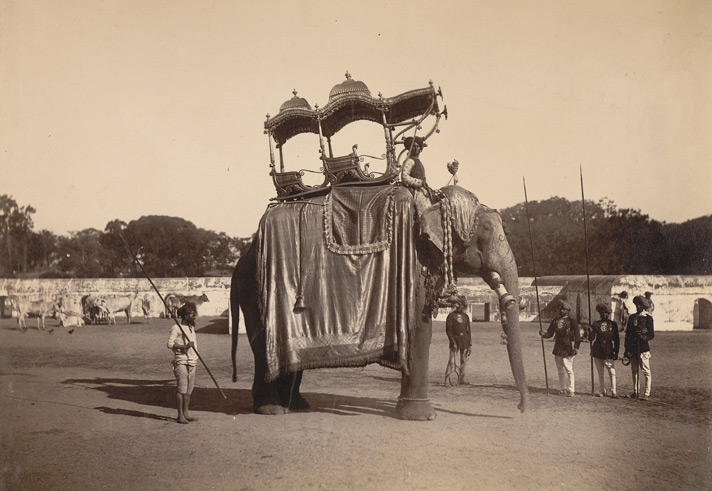
Elephant with howdah ( Ambari in Tamil)

Following is taken from ‘History of Sind’ by Dr Mumtaz Husain Pathan, Hyderabad, Sind, Pakistan)

பூனைகள் வெற்றி !!

முகமது பின் காசிம் வந்தபோது சிந்துமாகானத்தில் ராய் தஹிர் என்ற இந்து மன்னன் ஆண்டுவந்தான். ரவார் என்ற இடத்தில் நடந்த போரில் (battle of Rawar, Rai Dahir ) இவன் வீராவேசத்துடன் போரிட்டபோதும் இவனது யானைகள் மிரண்டதால் அவன் கொல்லப்பட்டான். அவன் கையில் கத்திகளை இணைத்துச் செய்த ஒரு சக்ராயுதம் வைத்திருந்தான். அதை வீசினால் அவன் எதிரே வரும் குதிரைகள், வீரர்களின் தலைகள் சீவப்பட்டு பறந்து விடும் என்பதால் யாரும் அவனை எதிர்கொள்ள மாட்டார்கள் என்று முஸ்லீம் வரலாற்று ஆசிரியர்கள் எழுதி வைத்துள்ளனர். இதற்கு முன் காதிசிய்யா (battle of Qadisiyyah) என்னும் இடத்தில் நடந்த போரில் அராபியர்களை மடக்க ஈரானியர்கள் (பாரசீகர்) பெரிய யானைகளை போரில் முன் நிறுத்தினர். ஆனால் அராபியர் கையாண்ட தந்திரங்களை (Arab geographer al- Masudi, Harun Ibn Musa, author of ‘’Chachnamah’’) அராபிய புவியியல் வல்லுனர் அல்-மசூதி, அராபிய எழுத்தாளர் ஹரூன் இபின் மூசா, சாக்நாமா புத்தக ஆசிரியர் ஆகியோர் விரிவாக எழுதிவைத்தனர்.
அராபியர் மூன்று விதமான தந்திரங்களைக் கையாண்டனர்:

elephant hero

1.தற்கொலைப் படைகளை ஏவி யானைகளின் துதிக்கைகளை வெட்டினர்.
2. பூனைகளை திடீரென மூட்டைகளில் இருந்து அவிழ்த்துவிட்டனர். முஸ்லீம் இல்லாத பாரசீகப் படைஅள் பன்றிகளையும் போர்க்களத்தில் விரட்டிவிட்டனர்.
3. நாப்தா (தீயைக் கக்கும்) அம்புகளை யானைகள் மீது எய்தனர்.
4. வெடிச் சப்தங்களை உண்டாக்கினர்.

இந்தக் காரணங்களினால் யானைகள் மிரண்டு, சொந்தப்படைகளையே மிதித்து அவர்களைச் சின்னாபின்னமாக்கின. பல யானைகள் நதிகளையும் நீர் நிலைகளையும் நோக்கி ஓடியவுடன் அராபியர்கள அவர்களை எளிதில் சுற்றி வளைத்தனர். சிந்து நதிக்கரையில் இந்தச் சண்டைகள் நடந்தன.
ரவார் யுத்தம் பற்றிய செய்தி வருமாறு:

அராபியப் படைகள் தீ அம்புகளை (நாப்தா) ராஜாவின் யானை மீது எறிந்தவுடன் யானைக்கு காயங்கள் ஏற்பட்டன. அதன் மீதிருந்த அம்பாரி தீப்பிடித்தவுடன் யானை நதிக்குள் இறங்கியது. அராபிய வீரர்கள் சூழ்ந்து கொண்டு ராஜாவின் மார்பு மீது அம்பு வீசினர். அவர் வீழ்ந்தவுடன் அவரது தலையைச் சீவி முகமது பின் காசிமிடம் ஒப்பைத்தனர். ராஜா இறந்த செய்தி அறிந்தவுடன் இந்துப் படைகள் பின்வாங்கின. பல இடங்களில் பூனைகளையும் ஏவியவுடன் ஏது செய்வதென்று அறியாமல் யானைகள் குழப்பம் அடைந்து பின்வாங்கின.

மஹாபாரத , ராமாயண காலத்தில் இந்துக்கள் நடத்தியது தர்ம யுத்தம். ராவணன் கையில் ஆயுதம் இல்லை என்று அறிந்த இராமன், ‘’இன்று போய் நாளை வா’’— என்று ராவணனுக்கு விடை கொடுத்து அனுப்பினான். ராஜா தோற்றுப் போனால் அந்தக் கட்சி தோற்றதாக அர்த்தம். இந்தப் பலவீனங்கள் எல்லாம் முஸ்லீம் படை எடுப்பாளர்களுக்கும், வெள்ளைக்காரகளுக்கும் தெரிந்ததால் நம்மை அவர்கள் ஆயிரம் ஆண்டுகள் ஆண்டனர்.

Jackie Kennedy and sister Lee
US President John F Kennedy’s wife Jackie Kennedy

ஆனால் இதைவிட பெரிய துரோஹம் நமது படைகளில் இருந்த ‘’எட்டப்பர்கள்’’. உள்ளூர் போட்டா போட்டி காரணமாக எதிரிகளுக்கு ரஹசியங்களை அறிவித்து நம்மவர்களையே தோல்வியுறச் செய்தனர். இதையும் முஸ்லீம் வரலாற்று ஆசிரியர்கள் ஆயிரம் ஆண்டுகளுக்கு முன் எழுதிவைத்தனர். சிந்து மாகாண வரலாற்றை எழுதும் பாகிஸ்தானிய வரலாற்று ஆசிரியர் இவைகளை அந்த நாட்டுப் பாட புத்தகத்தில் தொகுத்துத் தந்துள்ளார். ஆனால் ராஜா தஹிர், அவருடைய மகன் ஜஸியா ஆகியோர் வீராவேசமாகப் போரிட்டதையும் அவர்கள் குறிப்பிடத் தவறவில்லை.

இறுதியில் இந்தியாவுக்குள் வெளி நாட்டோர் ஆட்சியை ஏற்படுத்திக் கொடுத்த தளபதி முகமது பின் காசிமை பாக்தாத்துக்கு உயிருடன் மாட்டுத்தோலில் வைத்து தைத்து அனுப்பி அங்கே சித்திரவதை செய்து கொன்றுவிட்டனர். காரணம் பாக்தாத் ராஜ விரும்பிய பெண்ணை இவர் ஏற்கனவே திருமணம் முடித்தார் என்பதே!!
jumbo_ELEPHANT_1618815g

இன்னும் பல சுவையான விஷயங்கள தனிக் கட்டுரையில் தருகிறேன்.

Contact: swami_48@yahoo. com

‘God is a Thief: He has Stolen My Heart’

Radha-Krishna-surrounded-

By London Swaminathan
Post No. 901 Dated 11th March 2014

Pure Love Gopis and Mirabai

Please read my earlier posts on Gopis, post number 895: ‘’Swami Vivekananda on Gopis and Krishna’’ and 859 (Tamil article about Gopis).

Lord Shiva is praised as the Leader of the Robbers and Thieves in many places in Rudra hymn in the Yajur Veda. Scholars have given various interpretations in their commentaries for words such as ‘’Taskaranam, Sthayunam’’ in the Rudra. One of the interpretations is God is one who steals our heart.

The Boy Wonder of Tamil Language Tiru Jnana Sambadar who started singing thousands of hymns from the tender age of three, in his very first verse, called Lord Shiva, as the ‘’Thief who stole my heart’’ (Ullam Kavar Kalvan in Tamil). Without stooping at the first verse, he repeated the word ‘Thief Who Stole My Heart’ in all the ten verses in the first hymn. Every Saivite Tamil boy knows this verse (‘Thodudaiya Seviyan’ in Tamil).

Garba-raas-dance2

In Northern part of India we see the same theme in the hymns of Mirabai and Gopis. They fell in love with Lord Krishna. God is a magnet and the devotee is iron. So the attraction is natural. As long as the iron is not rusty with bad thoughts and habits, it naturally sticks to magnet—the God.

Krishna has Stolen my Heart!

Here are two stories told by Swami Ramdas:

“Mirabai was a great devotee of Sri Krishna. She was married although she had dedicated her life to Krishna. Even after marriage she was always found singing and worshipping Krishna. She was pining for her divine lord and was perfectly indifferent to the world.

Radha-Krishn-Gopis

Mirabai belonged to the royal family and was married to a Prince of Udaipur. On account of her devotional nature, all in the royal household were against her and she underwent untold persecution through the hands of her sister-in- law and others in the palace. Her husband was kind and good to her. One day the prince came to her and said, “I am your wedded husband and so I am entitled to your love and affection. But whenever I come to you, I find you intoxicated with divine ecstasy. You have no time even to talk to me. My earnest wish is that you should give me also a portion of your love. What do you say?”

“My lord what you say is perfectly right. As a dutiful wife I should love you and serve you. But what can I do? Krishna, to whom I have dedicated my life when I was yet girl, has stolen my heart entirely. He has filled it with Himself so much so that there is no place left for you. I am helpless. Even if I wish to love you, I cannot do so. So understanding my position, you should be gracious enough to forgive me”
( I have published similar stories about two Tamil women Karaikal Ammaiyar and Andal: -swami)

Pune-Garba-Dandiya-Dance1

Gopis’ Love

Many people are mistaken in their belief that the love between the Gopis and Krishna was of an ordinary nature on the physical level. This was not so. Their love was on the higher spiritual level. When the Gopis merely thought of Him, they were lost in Him and were raised to such a state of ecstasy that, for the time being, they forgot their bodies and their surroundings. All worldly inclinations, desires and thoughts were drowned in that ecstasy. The physical pains and attachments to the nearest kith and kin were all obliterated.

Once it so happened that a Gopi asked her daughter in law to light the lamp in the house, getting fire from the neighbouring house. In those days, there were no electric lights or even match boxes. The daughter in law went with a cotton wick soaked in oil to light it from the lamp at the neighbour’s house. She placed the wick on the fire when, just at the moment, somebody said, “Krishna is at the door”. Her eyes turned towards the door and she beheld Krishna standing there. She was so struck by the sight of Krishna that she stood gazing at Him, oblivious of the time and the fact that her hand was holding the wick over the fire. The wick having taken the fire was burning. The flame was licking her fingers, but she was not aware of it. She did not feel the pain, for she was unconscious of her body. The mother in law found out after a long wait that her daughter in law did not come, went to see what the matter was. She saw her looking at Krishna, entranced and enchanted by his presence, although her fingers were burning.

krishna_with_radha_and_gopis_pg31

That was the love of the Gopis for Krishna, their Adored One. Their love was of the purest and the holiest type. Devotees reach this climax of love when they utterly absorbed in god—their heart’s Beloved.

Source: Stories As Told By Swami Ramdas, Published for Anandashram by Bharatiya Vidya Bhavan, Bombay-7, Year 1969.
Contact: swami_48@yahoo.com
garba dance