‘ஆவதும் பெண்ணாலே அழிவதும் பெண்ணாலே’

B_Id_437744_Miss_Universe

Post No 720 dated 24rd November 2013 (In Tamil and English)

Compiled and translated into English by London Swaminathan

“A man’s face is his autobiography. A woman’s face is her work of fiction.”
― Oscar Wilde

தமிழிலும் வடமொழியிலும் பெண்களைப் பாராட்டியும் போற்றியும், புகழந்தும் ஏராளமான பாடல்கள், கவிதைகள் உள்ளன. மாதா, பிதா,குரு, தெய்வம் என்ற வரிசையில் முதலிடம் பெறுவதும், கடவுளின் உடலில் ஒரு பாதியைப் (அர்த்தநாரீஸ்வரர்) பெற்ற பெருமையும் பெண்ணுக்கே உண்டு. இதுபற்றி ‘உலகிலேயே அறிவாளியான பெண்’ என்ற கட்டுரையிலும், பெண்கள் பற்றிய பழமொழித் தொகுப்பிலும் ஏற்கனவே தந்து விட்டேன். தாய் என்ற நிலையில் வைக்கையில் புகழுரையும், வேசி, தேவதாசி என்ற நிலையில் இகழ்ச்சியும் பெறுபவர்கள் பெண்கள். பட்டினத்தார் பாடல்களிலும், அருணகிரியின் திருப்புகழ்களிலும் இதைக் காண்கிறோம்.

விவேக சிந்தாமணி என்ற நூலில் கொஞ்சம் கூடுதலாகவே பெண் எதிர்ப்பு உணர்வு காணப்படுகிறது. அதை எழுதிய ஆசிரியரை தமிழ் கூறு நல்லுலகம் அறிய முடியாததால் அவரது மனப்பாங்கிற்குக் காரணம் என்ன என்று தெரியவில்லை. இதோ சில பெண் எதிர்ப்புப் பாடல்கள்:

1.மங்கை கைகை (கைகேயி) சொற்கேட்டு மன்னர்
புகழ் தசரதனும் மரணம் ஆனான்
செங்கமலச் சீதை சொல்லை ஸ்ரீராமன்
கேட்டவுடன் சென்றான் மான் பின்;
தங்கை அவள் சொல்லைக் கேட்டு இராவணனும்
கிளையோடும் தானும் மாண்டான்
நங்கையற் சொற் கேட்பதெல்லாம் கேடுதரும்
பேர் உலகோர் நகைப்பர்தாமே.

Emperor Dasaratha died because he listened to Kaikeyi; Rama went after a deer to satisfy lotus like Sita; Ravana died with all his relatives after listening to his sister; listening to women will bring disasters and you will be a laughing stock.

2.பெண்டுகள் சொல் கேட்கின்ற பேயரெனும்
குணம் மூடப் பேடி லோபர்
முண்டைகளுக்கு இணையில்லா முனை வீரர்
புருடரென மொழியொணாதே
உண்டுலகம் உதிர்ப்பாருள் கீர்த்தியறம்
இன்ன தென உணர்வே யில்லார்
அண்டினவர் தமைக் கொடுப்பா ர் அழிவழக்கே
செய்வதவர் அறிவுதானே

Hen pecked husbands are eunuchs and reckless; one can’t even compare them with misers and widows. They are not men at all. Those who don’t know what fame and dharma, are the ones who always support the wrong side. They support injustice and harm those who ask for help.

B_Id_437738_Isler

3.ஆலகால விடத்தையும் நம்பலாம்
ஆற்றையும் பெருங் காற்றையும் நம்பலாம்
கோல மாமத யானையை நம்பலாம்
கொல்லும் வேங்கைப் புலியையும் நம்பலாம்
காலனார் விடும் தூதரை நம்பலாம்
கள்ள வேடர் மறவரை நம்பலாம்
சேலை கட்டிய மாதரை நம்பினால்
தெருவில் நின்று தயங்கித் தவிப்பரே.

You may trust a deadly poison and a flowing river and gale force wind. You can trust a mad elephant or a man eating tiger. You can even trust messengers of death and robbers; but those who trust sari clad women will surely be left to suffer (This verse is used in a Tamil film)

4.படியினப் பொழுதே வதைத்திடும் பச்சை நாவியை நம்பலாம்
பழி நமக்கென வழி மறித்திடும் பழைய நீலியை நம்பலாம்
கொடு மதக் குவடென வளர்த்திடும் குஞ்சரத்தையும் நம்பலாம்
குலுங்கப் பேசி நகைத்திடும் சிறுகுமரர் தம்மையும் நம்பலாம்
கடை இலக்கமும் எழுதிவிட்ட கணக்கர் தம்மையும் நம்பலாம்
காக்கைபோல் விழி பார்த்திடும் குடி காணியாளரை நம்பலாம்
நடை குலுக்கி மினுக்கிய நகை நகைத்திடு மாதரை
நம்பொணாது மெய் நம்பொணாது மெய் நம்பொணாது மெய்காணுமே

B_Id_437742_Isler

You can trust instant killing poison; you can even trust the old waylaying Neeli; you can trust a mad elephant, you can trust the laughing cheats, fraudulent accountants, land lords who rule the lands with crow like vision but never ever trust cat walking, laughing women with shiny jewellery. Never trust. Never trust.
(For Neeli story, read my post The Ghost that killed 72 Tamils)

5.அன்னம் பழித்த நடை ஆலம் பழித்த விழி
அமுதம் பழித்த மொழிகள்
பொன்னம் பெருத்த முலை கன்னங்கருத்த குழல்
சின்னஞ் சிறுத்த இடை பெண்
எண்னெஞ் சுருக்கவ டென்னெஞ்சுகற்ற
கலை என்னென்று உரைப்பதினி நான்
சின்னஞ் சிறுக்கி அவள் வில்லங்கம் இட்டபடி
தெய்வங்களுக்கு அபயமே

A Woman with more beautiful gait than a swan, more powerful eyes than poison, with words sweeter than nectar, with big breasts and dark curly hair and a thin waist made me go crazy. How can I describe the impact she made; that harlot has landed me in big trouble. Only God can save me now!

Above verses are from Viveka Chinthamani, a modern day Tamil poem by an anonymous author. The book is famous for its moral teachings and notorious for its anti women tirade. Though Arunagirinathar and Pattinathar also composed many poems with anti women lines, they were against only characterless women. Hindu literature places women in high esteem which I have already explained in my post ‘Most Intelligent Woman in the Ancient World’.

Tamils are not alone in this attack; look at the quotes from some western writers.

“A man’s face is his autobiography. A woman’s face is her work of fiction.”
― Oscar Wilde

Here’s all you have to know about men and women: women are crazy, men are stupid. And the main reason women are crazy is that men are stupid.”
― George Carlin, When Will Jesus Bring The Pork Chops?

“As usual, there is a great woman behind every idiot.”
― John Lennon

“Dispute not with her: she is lunatic.”
― William Shakespeare, Richard III

“Good girls go to heaven, bad girls go everywhere.”
― Mae West, Wit & Wisdom of Mae West
“Like a compass needle that points north, a man’s accusing finger always finds a woman. Always.”
― Khaled Hosseini

“There is always one woman to save you from another and as that woman saves you she makes ready to destroy”
― Charles Bukowski, Love is a Dog from Hell

“It’s absolutely unfair for women to say that guys only want one thing: sex. We also want food.”
― Jarod Kintz, $3.33

“I have been crying,” she replied, simply, “and it has done me good. It helps a woman you know, just as swearing helps a man.”
― Horace Annesley Vachell, The Romance of Judge Ketchum

B_Id_437745_Gabriela_Isler

Please read my earlier articles:

1.பெண்கள் பற்றி 300 தமிழ் பழமொழிகள்- பகுதி 1
2.பெண்கள் பற்றி 300 தமிழ் பழமொழிகள்- பகுதி 2

3.இந்தியப் பெண்கள் உலக மஹா அறிவாளிகள்- பகுதி 1
4.இந்தியப் பெண்கள் உலக மஹா அறிவாளிகள்- பகுதி 2

5.Most Intelligent Woman in the Ancient World
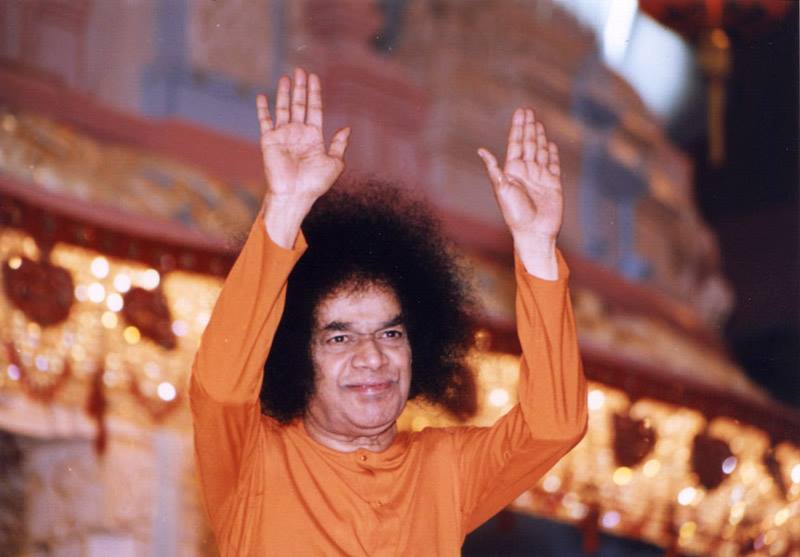
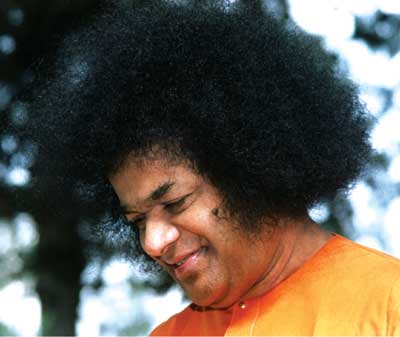
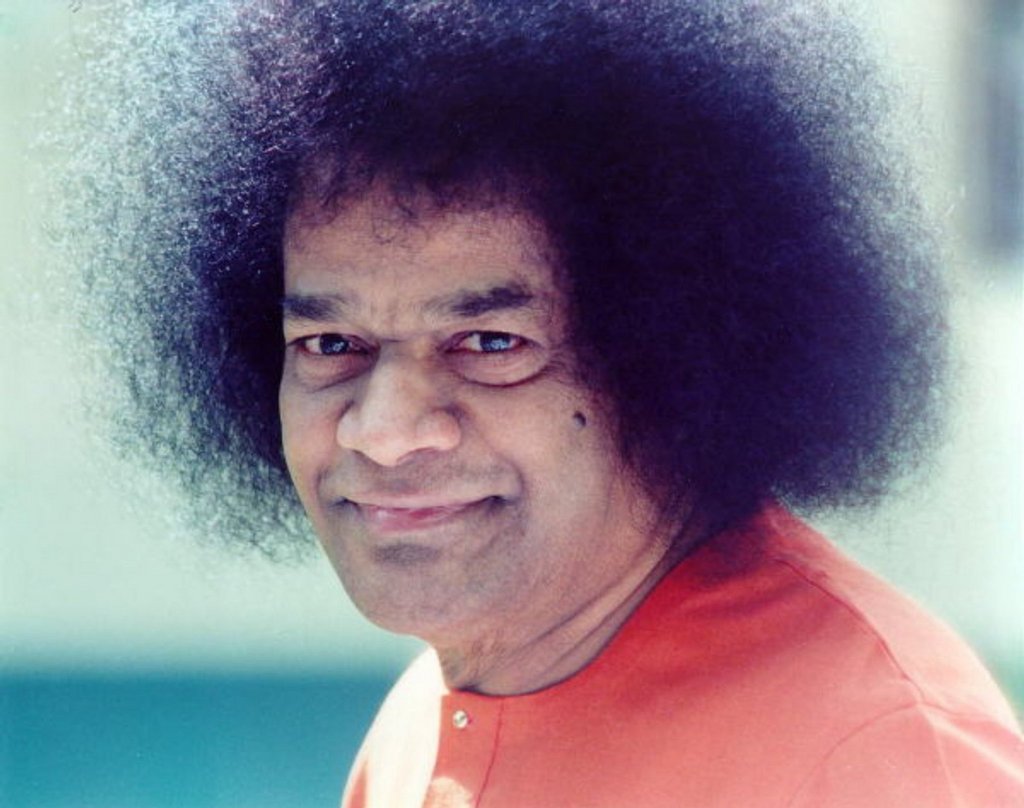
Sri Sathya Sai Baba on Himself

baba blessing

By Santhanam Nagarajan

Post No. 719 dated 22 November 2013

Sri Sathya Sai Baba of Puttaparthi, India is an incarnation of God.

Millions of people world wide worship him and seek His guidance.

We are going to read about the very purpose of His incarnation, His mission etc by His own words in this series.

He was born on 23rd of November in 1926 at Puttaparthi a small village in Andhra Pradesh, India.
We will now move to know all about HIM – in His own words!

1) No one can understand my Mystery. The best you can do it to get immersed in it. There is no use of arguing about pros and cons; dive and know the depth; eat and know the taste. Then, you can discuss Me to your heart’s content. Develop Sathyam (Truth) and premam (love), and then you need not even pray to Me to grant you this and that. Everything will be added to you unasked. – Discourse at Nellore on 25-7-1958

2) The miracle is but the natural behavior of the miraculous. That is why I favor with you with the experiences now and then, so that you may get a glimpse of the Glory. I will be in the mortal human form for 59 years more and I shall certainly achieve the purpose of this Avatar (incarnation), don’t doubt it. I will take My Own time to carry out My Plan so far you are concerned. – Discourse at Prasanthi Nilayam on 29-6-1960

sathya-sai-padapujya-deva

3) Note this also. In this Avatar (incarnation), the wicked will not be destroyed, they will be converted and reformed and educated and led back to the path from which they have strayed. The white-ant infested tree will not be cut; it will be saved. – Discourse at Prasanthi Nilayam on Mahasivarathri day in 1955

4) You might have heard some people say that I became Sai Baba when a scorpion stung me! Well, I challenge any one of you to get stung by scorpions and transform yourself into Sai Babas. No, the scorpion had nothing to do with it! In fact, there was no scorpion at all! I came in response to the prayers of sages and saints and Sadhakas, for the restoration of Dharma (Righteousness)
– Discourse on the Chitravathi River Bed, Puttaparthi on 23-2-1958

5) You have not realized yet the secret of this advent. You are indeed lucky, more fortunate than many others. It is only when Yasoda found every every length of rope a little too short to go round his belly that she discovered He (Lord Krishna) was the Lord. So too, you will realize every description of My Mahima (Divine Miracle) a little too short of the actuality; and then you will get convinced. Meanwhile if you study the Sastras (sacred scriptures) and know the characteristics of the Avathara (divine incarnation) of the Lord, you might get the glimpse of the Truth regarding me.
Discourse on the Chitravathi River Bed, Puttaparthi on 23-2-1958

6) If I had come amongst you as Narayana with four arms holding the conch, the discus, the mace and the lotus, you would have encased me in museum and collected charges from people for my darshan (seeing the Divine Incarnation)! If I had come as a mere man, you would not have respected my teachings and practiced them. So, I came in this human form with superhuman wisdom and powers.

baba vibhutim
“Paramam Pavitram Baba Vibhutim”.

7) Since I recline on Truth, I am called Sathya Sai; Saayi (as in Seshashaayi) means reclining. The name is very appropriate, let me assure you. It is only those who fail to follow my instructions and who deviate from the path I have laid down, that fail to get what I hold out before them. Follow my instructions and become soldiers in MY army; I will lead you on to victory. When someone asks you, in great earnestness, where the Lord is to be found, do not try to dodge the question. Give them the answer that rises up to your tongue from you heart. Direct them. He is here in the Prasanthi Nilayam.

Discourse at Prasanthi Nilayam, 21-11-1962
Written in 2007 (November 23rd is Baba’s Birth Day)
contact swami_48@yahoo.com

பாபாவின் வாழ்வும் ரமணரின் வாக்கும்

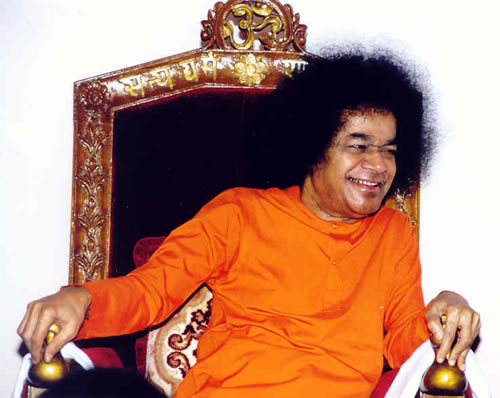
sathya-sai-baba-laughingramana-maharshi

November 23rd is Sri Sathya Sai Baba’s Birth Day
(Post No 718 dated 21st November 2013)

பகவான் ஸ்ரீ சத்யசாயி பாபாவின் வாழ்வும் பகவான் ரமணரின் வாக்கும் புகட்டும் அற்புத உண்மைகள்!
ச.நாகராஜன்

என் செயல்களைக் கூர்ந்து கவனியுங்கள்

“எனது வாழ்க்கையே என் செய்தி” (MY LIFE IS MY MESSAGE) என்று ஒரு முறை பக்தர்களுக்கு அருளுரையாக வழங்கிய ஸ்ரீ சத்ய சாயிபாபா தன் செயல்களைக் கூர்ந்து கவனிக்குமாறும் அதன்படியே நடக்குமாறும் தெளிவாக எடுத்துரைத்தார்.

இறைவனே மானிட உருவமாக அவதாரம் எடுத்துள்ளபோது அது தரும் செய்தி மகத்தான செய்தியாக அல்லவா அமைகிறது. தனது ஜீவிதத்தில் ஒவ்வொரு கணத்தையும் மனித குலப் படிப்பினைக்காக அர்ப்பணித்த அவதாரத்தின் முக்கிய செய்திகளில் ஒன்று தியாகம்!
‘சர்வ சங்க பரித்யாகினே நம:’ என்று அவரது அஷ்டோத்தரத்தில் நாம் அன்றாடம் கூறும் போது கோடானு கோடி பணத்தையும் அவர் நிர்மாணித்த அனைத்தையும் க்ஷண நேரத்தில் துறந்து ஏக வெளியுடன் இரண்டறக் கலந்த ஸ்வாமியின் பெரும் தியாகத்தை நினைத்து நம் மெய் சிலிர்க்கிறது.

சூப்பர் ஸ்பெஷாலிடி ஆஸ்பத்திரி

அவர் வாழ்வில் ஏட்டின் ஒரு பக்கம் இதோ:
1979ஆம் ஆண்டு லெப்டினண்ட் ஜெனரலாக பதவி உயர்வு பெற்று இரண்டு லட்சம் இந்தியப் படைவீர்ர்களுக்குத் தலைமை தாங்கும் பெரும் பொறுப்பைப் பெற்ற எம்.எல்.கிப்பர், பாபாவின் அணுக்கத் தொண்டர். 1991ஆம் ஆண்டு நவம்பர் மாதம் நடந்த நிகழ்ச்சியை அவர் ‘த்ரூ தார்மிக் டைலம்மாஸ்’ என்ற தனது கட்டுரையில் நம்முடன் பகிர்ந்து கொள்கிறார்.

சூபர் ஸ்பெஷாலிடி (Super Speciality Hospital) ஆஸ்பத்திரியின் கட்டுமான வேலைகள் இரவு பகலாக இடைவிடாது வெகு மும்முரமாக நடைபெற்றுக் கொண்டிருந்தன. ஆஸ்பத்திரிக்குத் தேவையான மெஷின்களும் உபகரணங்களும் உலகெங்கிலும் இருந்து “பறந்து” வந்து கொண்டிருந்தன. ஆஸ்பத்திரி தரை பாலிஷ் செய்யப்பட்டு மெருகேற்றப்பட்டுக் கொண்டிருந்தது. குறித்த காலத்தில் திறப்பு விழா நடைபெற வேண்டும் என்ற பரபரப்பு பிரசாந்தி நிலையத்தில் ஆரம்பித்து உலகெங்கும் பரவி இருந்தது.

இந்த பிரம்மாண்டமான ஆஸ்பத்திரி உலக அதிசயமாக ஐந்தே மாதங்களில் கட்டி முடிக்கப்பட்டது.இன்னும் பத்து நாட்களே இருந்தன திறப்பு விழாவிற்கு. அன்று காலை ஸ்வாமி இன்டர்வியூ அறையிலிருந்து வெளியே வந்து நேராக பல்கலைக்கழக மாணவர்களிடம் போனார். அவர் கையில் ஒரு கடிதம் இருந்தது. மாணவர்களிடம் அதைக் காட்டி ஸ்வாமி, இந்திய ஜனாதிபதி திரு ஆர்.வெங்கடராமன் ஐந்து மாதங்களில் இந்த ஆஸ்பத்திரி கட்டி முடித்திருப்பது ஒரு அற்புதம் என்று எழுதி இருப்பதாகக் கூறினார். இதுவே அரசினால் கட்டப்பட்டிருந்தால் ஐந்து வருடம் ஆகி இருக்கும். இதைச் சொல்லி விட்டு தனது இன்டர்வியூ அறைக்கு ஸ்வாமி மீண்டும் திரும்பினார்.

satya_sai_baba

செல்லும் வழியில் இருந்த கிப்பர், ஸ்வாமியிடம், “ மானேஜ்மெண்ட் மாணவர்களுக்கு ஐந்து மாதங்களில் கட்டி முடிக்கப்பட்ட ஆஸ்பத்திரி அருமையான ஒரு கேஸ் ஸ்டடியாக அமையும்” என்று குறிப்பிட்டார். இதைக் கேட்டவாறே நடந்த ஸ்வாமி திரும்பினார். அவரைப் பார்த்தார். ஒரு சில வினாடிகள் கழிந்தன.பிறகு மேலே வானத்தில் அவர் கண்கள் பதிந்தன. ”இல்லை, எந்த மானேஜ்மெண்டிற்கும் வேண்டாம்” என்றவர் ஒரு ஸ்லோகத்தை உச்சரித்தார்.

“ந கர்மணா, ந ப்ரஜயா, தனேன
த்யாகேனைகே அம்ருதத்வமான்சு”

(கர்மத்தினால் அல்ல, ப்ரஜைகளால் அல்ல, பணத்தினால் அல்ல, தியாகத்தினால் மட்டுமே அம்ருதத்வம் அடையப்பட முடியும்)
இதைச் சொல்லி விட்டு மெல்ல அவர் நடக்கலானார்.

அற்புதமான பிரம்மாண்டமான ஒரு பெரும் காரியத்தைச் செய்து விட்டு அதைப் பற்றிச் சிறிதும் பெருமைப்படக்கூடாது என்பதோடு கர்மத்தையும் அதனால் வந்த பெருமையையும் கூட தியாகம் செய் என்ற தைத்திரீய உபநிஷத்தின் மந்திரத்தை உபதேசமாக தக்கதொரு தருணத்தில் அவர் அருளியது அனைவரையும் பிரமிக்க வைத்தது; நெகிழ வைத்தது. மனித குலத்திற்கு அவர் வாழ்க்கை தந்த செய்தி இதுவே!

201106_sai_baba

அவரது மறைவுக்குப் பின்னர் தனி அறையில் கட்டுக் கூடப் பிரிக்கப் படாமல் கிடந்த பெரும் பணக் கட்டுகள் கீதையில் கண்ணபிரான் கூறிய “பற்றில்லாத செயலை”ப் பறை சாற்றின!

ஆத்ம பிரதக்ஷிணமே உண்மை பிரதக்ஷிணம்

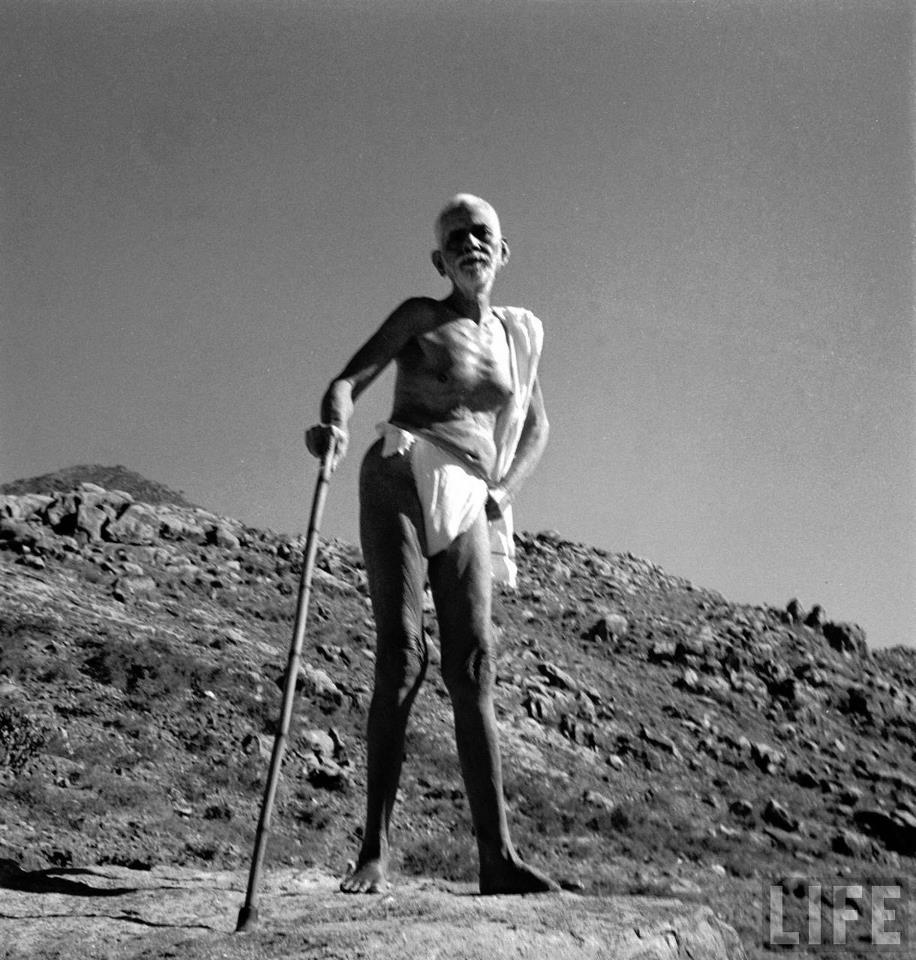
இதே போல பகவான் ரமணரும் தான் அடைந்த பெரும் ஞான நிலையைக் காட்டாது காண்போர்க்கும் பழகுவோருக்கும் எளியனாக இருந்தார். பெரும் ரகசியங்களை அனாயாசமாக போகிற போக்கில் சொல்லிச் சென்று விடுவார். பக்குவிகள் பக்கென்று அந்த உபதேசத்தைப் பற்றிக் கொள்வர். அவர் கூறியஒரே ஒரு பெரும் ரகசியத்தைப் பார்க்கலாம்:

1946ஆம் ஆண்டு ஏப்ரல் மாதம் 15ஆம் தேதி (இதற்கு நான்கு ஆண்டுகள் கழித்து ஏப்ரல் மாதம் 14ஆம் தேதி இரவு 8.47க்கு வானில் ஜோதியாக ஐக்கியமானார் பகவான் என்பது நினைவு கூறத் தகுந்தது)
காலை எட்டு மணிக்கு அணுக்க பக்தை நாகம்மா, பகவான் அமர்ந்திருந்த ஹாலை இரண்டு முறை சுற்றி விட்டு பின் சந்நிதிக்கு வந்து பகவானுக்கு நமஸ்காரம் செய்தார். “ ஓ! நீ கூட சுற்ற ஆரம்பிச்சாச்சா. ஒருவர் சுற்றி விட்டால் எல்லோரும் அப்படிச் சுற்றுவது தான் முறையான செயல் என்று நினைத்துச் சுற்ற ஆரம்பிப்பார்கள்” என்ற பகவான் பெரும் ரகசியத்தை சில சொற்களாலேயே விளக்கி விட்டார்.

“உண்மையான பிரதக்ஷிணம் எது தெரியுமா? ஆன்மாவைச் சுற்றுவது தான். ஆத்ம பிரதக்ஷிணம் தான் உண்மையான பிரதக்ஷிணம். நாம் ஆன்மா. நமக்குள் எண்ணற்ற கோளங்கள் சுழல்கின்றன என்று உணர வேண்டும். ரிபு கீதையில் உள்ள பாடல் இதை வர்ணிக்கிறது.

பூரண ஆனந்த ஆன்மா அகம் என்று எண்ணல்
புகழ் புஷ்பாஞ்சலி ஆகும் அனந்த கோடி
காரியமாம் பிரமாண்டம் என்னிடத்தே
கற்பிதமாய் சுழலும் எனும் தியானம் தானே
நேரதுவாய் வலம் வரலாம் என்றுமென்னை
நிகிலருமே வந்திப்பார் நானெப்போதும்
யாரையுமே வந்திக்கேன் என்னும் தியானம்
ஆன்ம மகாலிங்கத்தின் வணங்கலாமே

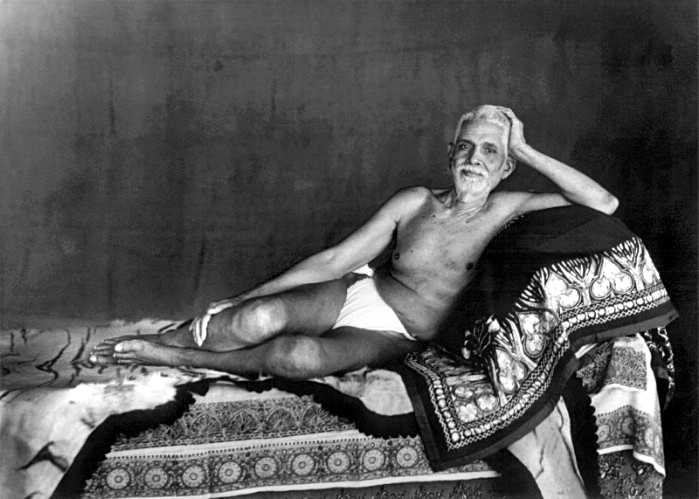
standing ramana

(இதன் பொருள் : பூரண ஆனந்தமான ஆன்மாவே நான் என்று எண்ணுவது அனந்த கோடி புகழ் அஞ்சலிக்கும் புஷ்பாஞ்சலிக்கும் நிகராகும். என்னுள் அண்டங்கள் அனைத்தும் கற்பிதமாய்ச் சுழல்கின்றன என்னும் எண்ணமே உண்மையான வலம் வருதல் ஆகும். அகிலமும் தன்னை வணங்குமென்றும் தான் யாரையும் எப்போதும் வணங்கேனென்றும் உணருபவன் மகாலிங்கமான ஆன்மாவை வணங்குகிறான்).

பிரம்மாண்டத்தில் உள்ள அனைத்தும் சூக்ஷ்மாண்டத்தில் உண்டு அதாவது அண்டத்தில் உள்ளது பிண்டத்தில் உண்டு என்ற அற்புதமான பேருண்மையை அந்தக் கணத்தில் அங்கு குழுமி இருந்த அனைவரும் உணர்ந்து கொண்டனர்.

யோகவாசிஷ்டத்தில் ஒவ்வொரு அணுவுக்குள்ளும் ஏராளமான உலகங்கள் இருக்கின்றன என்று உபதேசிக்கப்படுகிறது, விஞ்ஞானம் இதுவரை கண்டுபிடிக்காத மெய்ஞான உண்மையை பகவான் ரமணர் எளிதாக விளக்கி விட்டார். இப்படி அவர் விளக்கிய ரகசியங்கள் பற்பல!

மகான்களும் அவதாரங்களும் தங்கள் வாழ்வு நிகழ்ச்சிகள் மூலமாகவும் வாக்கின் மூலமாகவும் பேருண்மைகளை விளக்குவர் என்பதற்கு நம் காலத்தில் வாழ்ந்த பகவான் பாபாவும் பகவான் ரமணருமே சிறந்த எடுத்துக்காட்டுகள் ஏப்ரல் மாதம் மஹா சமாதி அடைந்த இருவரையும் போற்றி வணங்கி அவர்கள் காட்டிய வழியில் நடப்போம்!

(பகவான் ஸ்ரீ சத்ய சாயிபாபாவின் மஹா சமாதி தினம் ஏப்ரல் மாதம் 24ஆம் தேதியும் பகவான் ரமணரின் மஹா சமாதி தினம் ஏப்ரல் மாதம் 14ஆம் தேதியும் வந்ததை ஒட்டி ஞான ஆலயம் ஆன்மீக
மாத பத்திரிக்கை ஏப்ரல் 2013 இதழில் வெளியான கட்டுரை. Written by Santanam Nagarajan)

November 23rd is Baba’s Birth Day. contact swami_48@yahoo.com

****************

Buddha and Tamil Saint on Good thoughts!

VALLUVAR_big

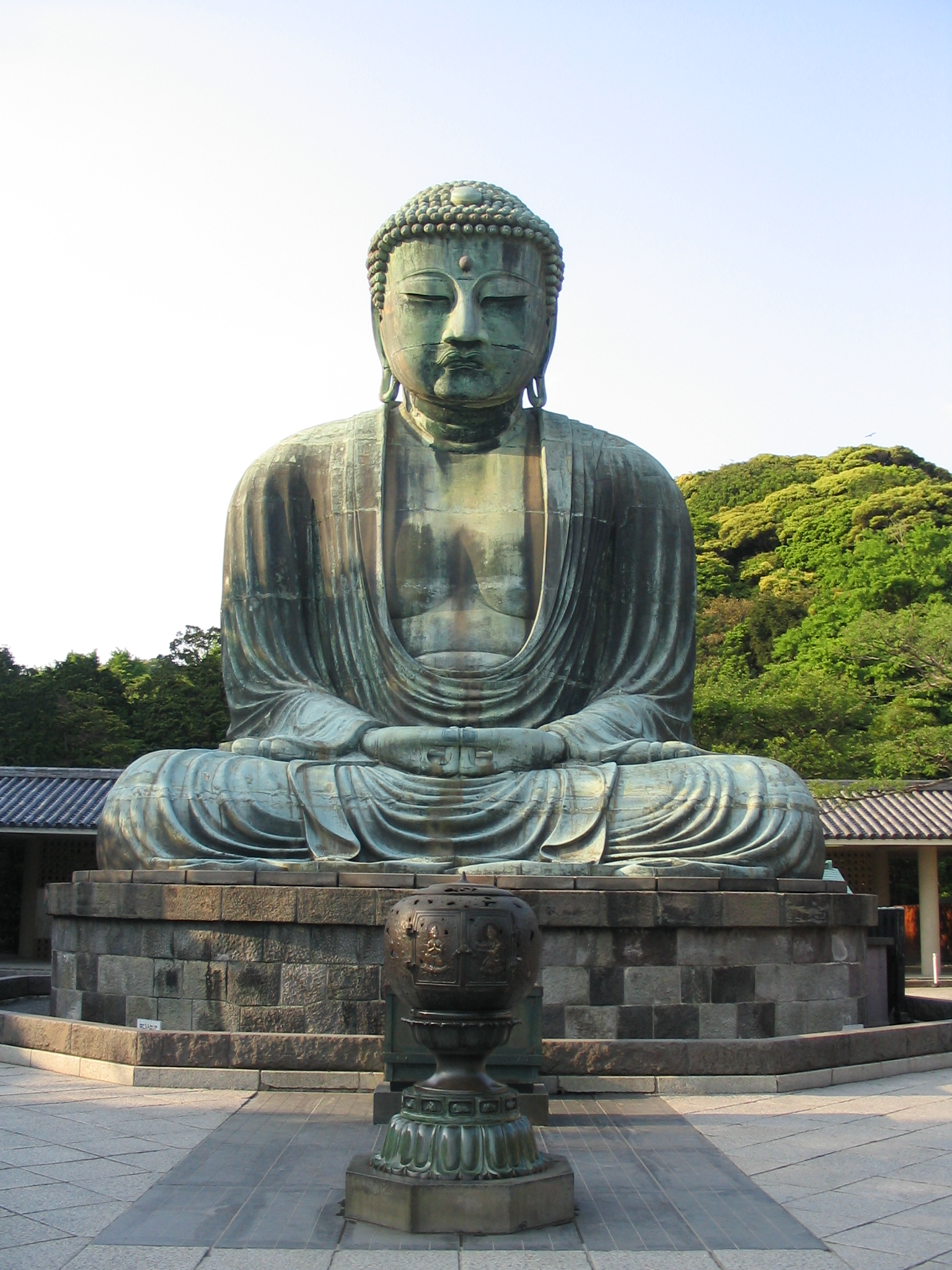
Buddha Daibutsu, Kamakura
–London Swaminathan—

Post No 717 dated 21 November 2013

Buddha was great but he said nothing new. Whatever he said was already known to the Hindus. But his emphasis was on certain aspects of existing Hindu principles. Some people were more into rituals in his days. Others were more into yoga and meditation. Buddha insisted only eight important things. He never contradicted the existing things but complemented to them. If one reads Dhammapada, one will feel reading a Hindu scripture. I compare below some of the Buddha’s teachings with that of Tirukkural in Tamil whose author Tiruvalluvar lived at least 1000 years after the Buddha. Gautama Buddha lived in the sixth century before Christ and Valluvar lived in the fifth century after Christ.

Tiruvalluvar’s Tirukkural was called Tamil Veda by his contemporaries. One of the poets who praised him for his contribution said, “Sanskrit is famous because of the Vedas and Tamil is famous because of Tirukkural”.
Buddhist Holy book is called Dhamma (Dharma)pada. That is the first word of Bhagavad Gita (Dharma kshetre) and first section of Tirukkural (Araththupaal)!

Dharma cannot be translated into English with one simple word!

Here are the words of Buddha:

“What we are today comes from our thoughts of yesterday, and our present thoughts build our life of tomorrow: our life is the creation of our mind.

If a man speaks or acts with an impure mind, suffering follows him as the wheel of the cart follows the beast that draws the cart.

If a man speaks or acts with a pure mind, joy follows him as his own shadow”.
-Dhammapada 1-1/2

It is interesting to compare it with Lord Krishna’s words in Gita (6-5)
“Let a man lift himself by himself; let him not degrade himself; for the Self alone is the friend of the self and the Self alone is the enemy of the self.

In the chapter on Hatred, Valluvar said,

“The evil of hatred is the grief of griefs. If it is rooted out, you can enjoy the joy of joys (854)
Nip in the bud the feeling of hostility and you prosper well. For one is fast ruined by fomenting hatred (858)

Out of hatred arise all evils; the smile of good will usher in peace and prosperity (860)

Buddha said,
For hate is not conquered by hate; hate is conquered by love. This is a law eternal (1-5)

Valluvar said,
The best punishment for those who do evil to you, is to shame them by returning good for evil (Kural 314).

Jesus said,
Whoever strikes thee on the right cheek,
Turn to him the other also. (Matt 5,39)
Great men think alike!

Read other articles in Great men think alike series; also One Minute Interview with the Buddha, Lord Krishna (in English), Tiruvalluvar (in Tamil).

Contact swami_48@yahoo.com

எகிப்தில் திருமூலர் கருத்துக்கள்

map Egypt Luxor

–லண்டன் சுவாமிநாதன்—

POST No. 716 dated 21 Novemeber 2013

“உன்னையே நீ அறிவாய்”, “உள்ளம் பெருங்கோயில்” என்ற கருத்துக்கள் இந்துக்களுக்குக் கரதலைப் பாடமாகத் தெரிந்தவை. ‘மனக் கோயில், மனமே கோயிலாகக் கொண்டவன்’ என்று இறைவனைப் பாராட்டும் வரிகள் தேவாரம், திவ்யப்பிரபந்தம், திருமந்திரம், திருவாசகத்தில் நூற்றுக் கணக்கான இடங்களில் வருகின்றன.

எகிப்து நாட்டில் தீப்ஸ் என்னுமிடத்தில் உள்ள லக்ஸார் கோவிலில் இந்த இந்து மதக் கருத்துக்கள் எழுத்தில் இருக்கின்றன. இந்தக் கோவில்கள் 3500 ஆண்டுகள் பழமையானவை. அப்போதே இந்துமதக் கருத்துக்கள் அங்கே பரவி இருந்தன. உபநிஷத் சொன்ன கருத்துக்களை பிற்காலத்தில் சாக்ரடீஸ் மேலை உலத்தில் பரப்பினார். அதற்குப் பின்னர் திருமூலர் அவைகளைத் தமிழில்—எளிய தமிழில்—எல்லோருக்கும் புரியும்படியாகப் பாடி வைத்தார்.

சாக்ரடீஸின் சீடர் பிளட்டோ இந்தக் கருத்துக்களை அவரது சீடர் அரிஸ்டாடிலுக்குச் சொன்னார். அவர் தனது சீடரான அலெக்ஸாண்டருக்குச் சொன்னார். இதைக் கேட்டுப் பிரமித்துப் போன மஹா அலெக்ஸாண்டர் எப்படியாவது இந்து மத சந்யாசிகளைக் கிரேக்க நாட்டுக்கு அழைத்து வந்துவிடவேண்டும் என்று அரும்பாடுபட்டார். இதை “ஒரு யோகியின் சுயசரிதை” நூல் எழுதிய பரமஹம்ச யோகானந்தா போன்றோர் (நடிகர் ரஜினிகாந்தின் குருவின் வழிவந்தவர் பரமஹம்ச யோகாந்தா) கூறியுள்ளனர். எல்லா விவரங்களையும் “நிர்வாண சாமியார்களுடன் அலெக்ஸாண்டர்” என்ற எனது கட்டுரையில் ஏற்கனவே எழுதிவிட்டேன்.

court_ramesisluxor

கீழ்கண்ட பகுதியை விக்கிபீடியாவில் இருந்து எடுத்து மொழிபெயர்த்து இருக்கிறேன்:
“பழங்கால லக்ஸார் கோவிலில் இரண்டு பகுதிகள் இருக்கின்றன.முன் பகுதியில் ஆரம்ப உபதேசம் பெற்றவர்கள் மட்டும் அனுமதிக்கப்படுவர். உள்ளே இருக்கும் பகுதிக்குத் தகுதி உள்ளவர்கள் மட்டுமே அனுமதிக்கப்படுவர். உயரிய ஞானமும் அந்தர்முகமாகப் பார்க்கவல்லவர் மட்டுமே அங்கே பிரவேசிக்கலாம். வெளிப்புறக் கோவிலில் இருக்கும் பொன்மொழிகளில் ஒன்று “ உடலே இறைவனின் திருக்கோயில்”. இதனால்தான் உன்னையே நீ அறிவாய் என்று மனிதர்களுக்குச் சொல்லப்படுகிறது. உள்ளே உள்ள பொன்மொழிகளில் ,”மனிதனே , உன்னையே நீ அறிவாய். பின்னர் நீ கடவுளை அறிவாய்” என்று எழுதப்பட்டுள்ளது.

Ancient Egyptian
“There are two parts of the ancient Luxor temple: the outer temple where the beginning initiates are allowed to come, and the inner temple where one can enter only after proven worthy and ready to acquire the higher knowledge and insights. One of the proverbs in the Outer Temple is “The body is the house of God.” That is why it is said, “Man know thyself.”[20] In the Inner Temple, one of the many proverbs is “Man, know thyself … and thou shalt know the gods.”[21]”

large_5Luxor_Temp..__Egypt

ஏற்கனவே நான் எழுதிய எகிப்து தொடர்பான மூன்று, நான்கு கட்டுரைகளில் அதர்வண வேத மந்திரக் கருத்துக்கள் அங்கே இருப்பதைச் சுட்டிக்காட்டி இருக்கிறேன். காஞ்சி மஹா பெரியவர் சென்னையில் 1930களில் நடத்திய சொற்பொழிவுகளில் உலகம் முழுதும் இந்துமதக் கருத்துக்கள் இருப்பதை ஆதாரங்களுடன் விளக்கிய பின்னர் ஒரு கருத்தை முன்வைக்கிறார்: “இப்படி நான் சொன்னதால் இந்துக்கள் அங்கெல்லாம் போய் தங்கள் மதத்தைப் பரப்பினார்கள் என்று நினைக்காதீர்கள். ஆதியில் ஒரே மதம்தான் உலகம் முழுதும் இருந்தது. அதுதான் சநாதன தர்மம்” (இந்து மதத்தின் பழைய பெயர்) என்று சொல்லி இருக்கிறார்.

இதோ திருமூலரின் திருமந்திரப் பாடல்கள்:

1.”தன்னை அறிந்திடும் தத்துவ ஞானிகள்
முன்னை வினையின் முடிச்சை அவிழ்ப்பர்கள்”

2.”தன்னை அறிய தனக்கொரு கேடில்லை
தன்னை அறியாமல் தானே கெடுகின்றான்”(பாடல் 280)

3. “உள்ளம் பெரும் கோயில் ஊன் உடம்பு ஆலயம்
தெள்ளத் தெளிந்தோர்க்குச் சீவன் சிவலிங்கம்”

கீதையில் கண்ண பிரானும் இதை வலியுறுத்துகிறான்:
எவன் தானே தன்னை வெல்கிறானோ அவனே அவனுக்கு உறவினன் (பந்து).தன்னை வெல்லாதவனுக்கு தானே பகைவன் (6-6)

‘திருமூலருடன் 60 வினாடி பேட்டி’ என்ற எனது முந்தைய கற்பனைப் பேட்டியில் மேல் விவரம் காண்க.

tutakhamun

Tutankhamun in Luxor

எது சொர்க்கம்? எது நரகம்?

12_11_17_heaven_hell

Part 14 of History of Zen Buddhism in Tamil by Santanam Nagarajan

Part 14. அப்படியா?! By ச.நாகராஜன்

ஹகுயின் வாழ்க்கை சுவாரசியம் ததும்பிய ஒன்று. அதில் ஏராளமான சுவையான சம்பவங்களைப் பார்க்க முடியும். மிகவும் பிரபலமான இரு சம்பவங்களைப் பார்க்கலாம்:

ஜப்பானிய இளம் பெண் ஒருத்தியின் பெற்றோர்கள் ஹகுயின் வாழ்ந்த இடத்திற்கு அருகில் ஒரு உணவு விடுதியை நடத்தி வந்தனர். ஒரு நாள் தனது பெண் கர்ப்பமாக இருப்பதைக் கண்டு அவர்கள் திகைத்தனர். தங்கள் பெண்ணிடம் அவளது கர்ப்பத்திற்குக் காரணமானவன் யார் என்று கேட்டுக் குடைந்தனர். அவளோ லேசில் பதில் சொல்வதாயில்லை. பெரும் முயற்சிக்குப் பின்னர் அவள் ஹகுயினே இதற்குக் காரணம் என்று சொன்னாள். பெரும் கோபம் அடைந்த பெற்றோர் ஹகுயினிடம் வந்து நடந்ததைச் சொல்லிக் கத்தினர்.

“அப்படியா?” என்று மட்டும் சொன்னார் ஹகுயின்!

அவளுக்குக் குழந்தை பிறந்தது.அந்தக் குழந்தையை எடுத்து வந்த இளம் பெண்ணின் பெற்றோர் ஹகுயினிடம் தந்தனர். அதைச் செல்லமாகச் சீராட்டிப் பாராட்டி வளர்க்க ஆரம்பித்தார் ஹகுயின். இதற்குள் இந்தச் சம்பவம் ஊரெல்லாம் பரவி ஹகுயினின் பெயர் மிகவும் கெட்டு விட்டது. ஒரு வருடம் கழிந்தது. அந்தப் பெண்ணால் இனியும் பொறுக்க முடியவில்லை.தனது பெற்றோரிடம் அவள் உண்மையைக் கூறினாள்.அந்தக் குழந்தையின் நிஜமான தந்தை மீன் சந்தையில் இருக்கும் ஒரு இளைஞன் தான் என்று! உடனே அவளது பெற்றோர் ஹகுயினிடம் ஓடி வந்தனர். நடந்ததைச் சொல்லி மன்னிப்புக் கேட்டனர். குழந்தையைத் தங்களிடம் திருப்பித் தருமாறு வேண்டினர்.

எல்லாவற்றையும் கேட்ட ஹகுயின் “அப்படியா?” என்று மட்டும் சொன்னார். குழந்தையை அவர்களிடம் மனமுவந்து திருப்பிக் கொடுத்தார். இதனால் அவர் புகழ் எல்லா இடங்களிலும் பரவி எப்படிப்பட்ட உன்னதமான குரு அவர் என்று அவரைப் போற்றி அனைவரும் பேச ஆரம்பித்தனர்.

heaven-hell

இன்னொரு சம்பவம்:
ஒரு நாள் போர்வீரன் ஒருவன் ஹகுயினிடம் வந்தான். “உண்மையிலேயே நரகமும் சுவர்க்கமும் இருக்கிறதா?” என்று கேட்டான்.
“நீ யார்?” என்று கேட்டார் ஹகுயின்.
“நான் ஒரு சாமுராய்” என்றான் அந்தப் போர்வீரன்.
“நீ ஒரு சாமுராயா” என்று வியந்து கூவினார் ஹகுயின்.
“உன்னைக் காவலனாக எந்த மன்னன் தான் வைத்திருக்கிறானோ! உன்னுடைய முகம் பிச்சைக்காரன் போலத் தோற்றமளிக்கிறதே!” என்றார் ஹகுயின்.

இதைக் கேட்டு வெகுண்ட அவன் தன் வாளை உருவினான். ஆனால் ஹகுயினோ பயப்படவில்லை.தொடர்ந்து பேசலானார்.”ஓ! உன்னிடம் ஒரு கத்தி இருக்கிறதா! உன்னுடைய ஆயுதம் உன் புத்தியைப் போலவே மழுங்கி இருக்கிறது!”

அந்தப் போர்வீரன் வாளை ஓங்கவே, “இதோ நரகத்தின் வாயில் திறக்கிறது” என்று ஹகுயின் கூவினார்.

இதைக் கேட்ட மாத்திரத்தில் அவரது பெருமையையும் அவர் போதிக்கும் விதத்தையும் உணர்ந்த அந்த வீரன் தன் வாளை இடையில் செருகினான்.

“இதோ சொர்க்கத்தின் கதவு திறக்கிறது” என்று ஹகுயின் கூவினார்.
அந்த வீரனுக்கு எது சொர்க்கம், எது நரகம் என்று இப்போது புரிந்து விட்டது!ஹகுயினுக்குத் தலை வணங்கி அவன் விடை பெற்றுச் சென்றான்.

ஹகுயின் அதிகம் பேச மாட்டார்.சில சொற்களிலேயே சொல்ல வேண்டியதைச் சொல்லி விடுவார். மௌனமாக இருப்பதே அவரது இயல்பு. இதை விளக்கி ஓஷோ (முன்னாளில் ஆசார்ய ரஜனீஷ்) ஹகுயின் வாழ்க்கையில் நடந்த ஒரு சம்பவத்தை விளக்கியுள்ளார்.

hell-heaven

ஒரு முறை ஜப்பானிய மன்னன் ஹகுயினை ஒரு உபதேச உரை நிகழ்த்துவதற்காக அழைத்தான். ராணி, மன்னன், ராஜ குரு,மந்திரிகள் உள்ளிட்ட அனைவரும் அரசவையில் அவர் பேச்சைக் கேட்பதற்காக ஆவலுடன் குழுமினர். ஹகுயின் அங்கு வந்தார். ஒரு நிமிடம் நின்றார்.சபையிலிருந்தோரை சுற்றிப் பார்த்தார். பின்னர் சபா மண்டபத்தை விட்டு வெளியேறினார்.

மன்னன் மந்திரியிடம், “ இது என்ன? நாம் இவர் சொல்லப் போவதைக் கேட்பதற்காக வந்திருக்கிறோம். ஒன்றுமே பேசாமல் போகிறாரே!” என்றான்.

மந்திரி கூறினார்-””அரசே! நான் இதுவரை கேட்ட பிரசங்கங்களிலேயே இது தான் அற்புதமானது! நீங்கள் உபதேச உரை கேட்டீர்கள். அவர் அதைச் செய்து காண்பித்து விட்டார். அவர் மௌனமாக சில விநாடிகள் நின்றார். அவரே மௌனமாக ஆனார். ஒரே மௌனம்! உபதேசித்ததை விட்டு விட்டீர்கள். ஒன்றுமே சொல்லவில்லை என்கிறீர்களே”

மௌனத்தை எப்படி விளக்க முடியும்! மௌனத்தினாலே தான் விளக்க முடியும்!
அரசன் புரிந்து கொண்டான். எதையும் ஹகுயின் வாழ்ந்து காட்டிப் புரிய வைப்பார்.

பல்வேறு இடங்களுக்கும் பயணப்பட்ட ஹகுயின் 31ஆம் வயதில் ஷோயின்-ஜி மடாலயத்திற்குத் திரும்பி வந்தார். அங்கே தலைமை குருவாக ஆனார். முதல் குரு என்று பொருள் படும் தாய்-இசிஸா என்ற வார்த்தையால் அவர் மரியாதையுடன் அழைக்கப்பட்டார். ஹகுயின் என்ற அவரது பெயருக்கான அர்த்தம் ‘வெண்மையில் ஒளிக்கப்பட்டது’ என்பதாகும். 1768ஆம் ஆண்டுஜனவரி 18ஆம் தேதியன்று 83ஆம் வயதில் அவர் நிர்வாணம் அடைந்தார். பக்குவ நிலையுடன் ஞானம் அடைந்த 90 வாரிசுகளை அவர் உருவாக்கியது ஒன்றே அவர் எப்படிப்பட்ட மாபெரும் குருவாகத் திகழ்ந்தார் என்பதை உணர்த்தும்.

சின்ன உண்மை
ஹகுயின் தியானப் பாடல் ஒன்றைப் பாடியுள்ளார். மிகவும் பிரபலமான அந்தப் பாடலில் நீங்கள் ‘முழுமை’ அடைந்து விட்டால் கடவுளின் அருள் கிடைக்கும்.கடவுள் அங்கு இருப்பார் என்று சொல்லப்பட்டுள்ளது. இதைப் பாடியே ஜென் பிரிவினர் தியானத்தைச் செய்தல் மரபு.
-தொடரும்

Useless 7 and Hopeless 8 from a Tamil Work

Blacksea-bg-beach-dinev

Salt Water Not Useful

Viveka Chintamani is a Tamil poetical work by an anonymous author. The verses are didactic in nature. The language and style show that the verses are only a few centuries old. Some of the verses are out of date. It has got a few anti-women verses. But most of them are useful. It is the gist of age old Tamil wisdom. The beauty of Tamil language and style cannot be reflected in the English translation.

Useless 7
Son who does not help his father in difficult times, food inaccessible when one is hungry, water that does not quench one’s thirst, wife who is not prudent in spending, ruler who could not control his anger, student who doesn’t listen to his teacher and the holy waters that doesn’t washes one’s sins are the Useless seven.

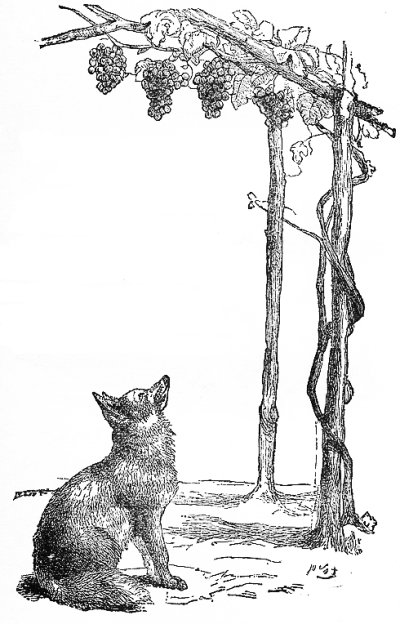
The_Fox_and_the_Grapes

Food at inaccessible place!

Hopeless 8
Following eight won’t help when you are in trouble: step brother (who is not born to the same mother),step mother, wealth invested with another person, greediness, visiting brothels, book knowledge and living with another man’s wife— these eight are hopeless things.

Useless Body Parts
The Feet that never step into a temple, the Head that never bows to God, the Hands that never help others, the Ears that never hears good words, the eyes that never care for the tears of parents or guardians—these body parts are useless. What is the use of keeping them? They deserve burning.

partiality

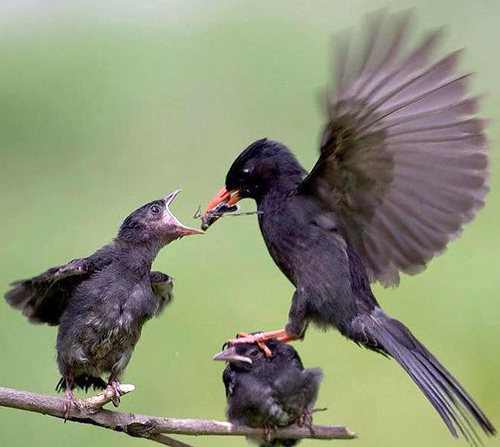
Step motherly treatment!

Don’t Trust the following
Uneducated people, short tempered leaders, ministers who do not give timely advice, Gods/angels that don’t help, Brahmins who are not well versed in the scriptures, pretending wives—never trust these people.

Rough translation from Tamil by London Swaminathan; contact swami_48@yahoo.com
angry king

Image of Angry King

பயன் இல்லாத ஏழும், உதவாத எட்டும்

Blacksea-bg-beach-dinev

Water Water Everywhere, Not a drop to drink Here (salty!)

விவேக சிந்தாமணி என்னும் நூலை எழுதியவர் யார் என்று தெரியவில்லை. மொழி நடையைப் பார்க்கையில் கடந்த சில நூற்றாண்டுகளுக்குள் எழுதப்பட்டதாக இருக்கவேண்டும் என்று தெரிகிறது. பல கருத்துகள் காலத்தைக் கடந்தும் பயந்தர வல்லவை. இதோ சில பாடல்கள்:

Viveka Chintamani is a Tamil poetical work by an anonymous author. The verses are didactic in nature. The language and style show that the verses are only a few centuries old. Some of the verses are out of date. It has got a few anti-women verses.

ஆபத்துக்கு உதவாப் பிள்ளை
அரும் பசிக்கு உதவா அன்னம்
தாபத்தைத் தீராத் தண்ணீர்
தரித்திரம் அறியாப் பெண்டிர்
கோபத்தை அடக்கா வேந்தன்
குரு மொழி கொள்ளாச் சீடன்
பாபத்தைத் தீராத் தீர்த்தம்
பயன் இல்லை ஏழும்தானே

The_Fox_and_the_Grapes

Food at inaccessible places

Useless 7

Son who does not help his father in difficult times, food inaccessible when one is hungry, water that does not quench one’s thirst, wife who is not prudent in spending, ruler who could not control his anger, student who doesn’t listen to his teacher and the holy waters that doesn’t washes one’s sins are the Useless seven.

சமயத்திற்கு உதவாத எட்டு விஷயங்கள்
தன்னுடன் பிறவாத் தம்பி
தனைப் பெறாத் தாயார், தந்தை
அன்னியர் இடத்துச் செல்வம்
அரும்பொருள், வேசி ஆசை
மன்னிய ஏட்டின் கல்வி
மறுமனையாட்டி வாழ்க்கை
இன்னவால் கருமம் எட்டும்
இடுக்கத்துக்கு உதவா அன்றே!

Hopeless 8

Following eight won’t help when you are in trouble: step brother (who is not born to the same mother),step mother, wealth invested with another person, greediness, visiting brothels, book knowledge and living with another man’s wife— these eight are hopeless things.

பயனற்ற உடல் உறுப்புகள்
திருப்பதி மிதியாப் பாதம்
சிவனடி வணங்காச் சென்னி
இரப்பவர்க்கீயாக் கைகள்
இனிய சொல் கேளாக் காது
புரப்பவர் தங்கள் கண்ணீர்
பொழிதரச் சாகாத் தேகம்
இருப்பினும் பயன் என்? காட்டில்
எரிப்பினும் இல்லை தானே!

partiality
Step motherly treatment!

Useless Body Parts

The Feet that never step into a temple, the Head that never bows to God, the Hands that never help others, the Ears that never hears good words, the eyes that never care for the tears of parents or guardians—these body parts are useless. What is the use of keeping them? They deserve burning.

நம்பத் தகாதவர்கள்

கல்லாத மாந்தரையும் கடுங் கோபத்
துரைகளையும் காலந்தேர்ந்து
சொல்லாத அமைச்சரையும் துயர்க்கு உதவாத்
தேவரையும் சுருதி நூலில்
வல்லா அந்தணர்தமையும் கொண்டவனோடு
எந்நாளும் வலது பேசி
நல்லாள் போல் அருகிருக்கும் மனைவியையும்
ஒரு நாளும் நம்ப ஒணாதே.

Don’t Trust the following

Uneducated people, short tempered leaders, ministers who do not give timely advice, angels that don’t help, Brahmins who are not well versed in the scriptures, pretending wives—never trust these people.
KING-FULL0506

Picture of Angry King

தொகுப்பு:- லண்டன் சுவாமிநாதன்;
Rough translation by London Swaminathan. Contact swami_48@yahoo.com

Kanchi Jagadguru on ‘KARTHIGAI DEEPAM’

kanchi shiva

Kanchi Paramacharya, Jagadguru Sri Chandrasekarendra Saraswathi’s lecture in Chennai on 6th December 1957; Page 124 of Acharya’s Call: Madras Discourses (1957-1960),Part 1, BG Paul and Co, 1964)

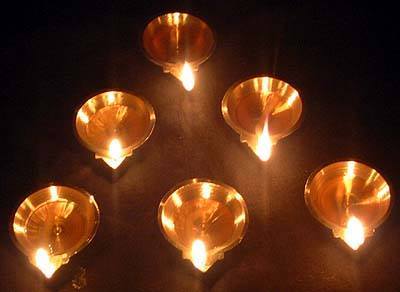
The Lighting of oil lamps (deepam), at sunset on the full moon day in the month of Karthigai (November-December), is an ancient practice which is in vogue throughout country from the Himalayas to Kanyakumari. It is prescribed in our Sastras (scriptures) that while lighting the deepam (lamp) on this day, we should mentally consecrate it as the abode of Sri Damodara and Sri Tripurantaka alaong with Sri Uma. This is done in the same way as we invoke the ‘sannidhyam’ (in-dwelling) of a chosen deity in a saligrama, linga, or sila(icon) or in a picture and invoke the grace of the Lord on us.

karthigai deepam, fb

The idea in lighting the deepam with such consecration is that every person who sees the light and every living creature, worm, insect, bird, beast or plant, on which the lustre of the deepam falls, will be suffused with the presence of God and will be blessed by Him. The following prayer is accordingly recited when lighting the Karthigai Deepam:

“Keetah pathangah masakascha vrikshah
Jale sthale ye nivasanti jeevah:
Drstva pradeepam nacha janmabhagina:
Bhavanti nityam svapachahi vipraa:”

( in Tamil கீடா: பதங்கா: மஸகாஸ்ச வ்ருக்ஷா:
ஜலே ஸ்தலே யே நிவசந்தி ஜீவா:
த்ருஷ்ட்வா ப்ரதீபம் நச ஜன்மபகின:
பவந்தி நித்யம் ஸ்வபசாஹி விப்ரா:)

karthikai

The prayer is in consonance with the Vedic invocation

“Sarve Janas Sukhino Bhavantu”

“May all the people of the world be Happy.”

(சர்வே ஜனாஸ் சுகினோ பவந்து)

We light bonfires (chokka panai), before temples on this night so that its blaze can be seen for a great distance around and God’s grace may descend on all those who behold it. Tha Annamalai deepam at Arunachala (Tiruvannamalai) is seen for miles around. It is significant that the Karthigai Deepam festival is observed in both Saivite and Vaishnavite temples, as there is the ‘avahana’ or indwelling in the light of both Damodara and Tripurantaka, illustrative of the non difference of Siva and Vishnu.

Our country abounds in ‘Punya Kshetras’ (holy temples) and ‘Punya Teerthas’ (holy bathing places) and ‘Punya Kalas’ (auspicious times). The temples and ‘Teerthas’ are places where sages of old had dedicated their ‘tapas’ (spiritual powers) so that erring mortals, who are incapable of observing the austerities necessary to gain spiritual powers and who are susceptible to sins, may be purified and blessed, when they make pilgrimages to these temples and take bath in the ‘teerthas’.

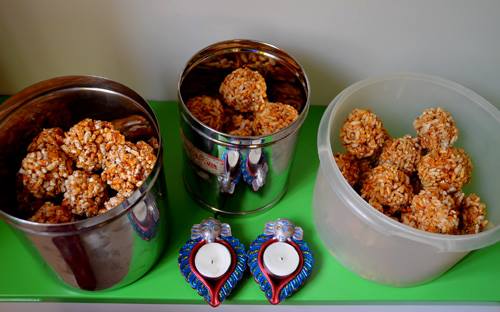
karthigai pori

Picture of Special dishes made for Karthigai day (puffed rice+ meltedJaggery+spices)

Punya Kalas’ represent periods of planetary conjunction of a nature beneficent to the world and to the humanity. Karthigai Deepam is lighted on one such sacred conjunction of planets, namely, the conjunction of full moon and ‘kritika nakshatra’ (Star Pleiades), which occurs only once a year in the month of Karthigai.

Pictures are used from face book. Thanks.

(Please read london swaminathan’s the Great Lamp Festival and S. Nagarajan’s Tamil article on Karthigai Natchatram in this blog. contact swami_48@yahoo.com )

Departed Souls: Sringeri Shankaracharya’s Q & A

chandrasekara bharati & Abinava Bharati

Sringeri Acharyas: Sri Chandrasekara Bharati and Sri Abhinava Bharati swamijis

A disciple trained under the methods of modern education wanted to have some doubts cleared by His Holiness Sri Sachidanandasiva Abinava Narasimha Bharati Svaminah (33rd Jagadguru of Sringeri).

Disciple: According to our religion, the nature of next birth which one gets depends on his actions good or bad.
His Holiness: Certainly.

D : If so, he need not be born again as a human being but may be born as a bird or a beast.

HH: It is no doubt so.

D: If he is born as a bird or beast or even as a human being, how can any funeral oblations now offered to him by his son ever reach or benefit him?

HH: it is quite true that we do not know in what embodiment or in which world or in which state he is at present. But certainly God the omniscient is aware of all these details and can convey to him these oblations in a form that may be useful to him.

D: How can the oblations be changed into any other form when we actually see them before us on the ground quite unchanged or are eaten away by the Brahmanas who are propitiated on that occasion?

HH:- Take the ordinary example of a post office. If we want to send a money order to a relation at a distant place, we pay the money into the hands of the proper official. The money remains intact with him or is spent away by him for another purpose and yet we believe that the money will reach our relation. It will be paid to him not in the same form but in the form available in the office of delivery and, if the place happens to be a foreign country, it will be paid to him not in the coins familiar to us but in the currency of that country.

If man can arrange transit of money from one place to another, cannot the omniscient God provide for the transit of the oblations to any place in the universe and give them over to the proper recipient? Just as the postal department has got a large number of officials of several grades to attend carefully to this transit, so has God a galaxy of officials called Vasus, Rudras and Adityas to see that the oblations are transmitted properly.

Pinda_Daan_-kolkatta

D: If so, will it not suffice if I sincerely offer the oblations? Why need there be the various regulations as regards the wearing of the sacred thread, the posture of sitting, the direction to which we have to face, the persons to be chosen as the recipients, the specification of the Gotras and names of the departed souls, the Mantras to be pronounced, and so on?

HH: it is not proper to offer logical explanations for the Shastras. It may be useful, however, to point out analogies. Suppose the post office is a spacious building where several clerks are working. If you want to remit money, do you simply place it anywhere there you like and walk out or hand over the money to any of the clerks there?

Unless you pay it into the hands of the particular clerk who is authorised to deal with money orders and get a receipt from him, the postal department will not be responsible. Even for paying the money to that clerk, you have to await his office hours, fill up all the details in the prescribed money order form and then only he will receive it. If you find him ugly and shabbily dressed and are reluctant to part with your money into his untidy hands and prefer to hand it over to a handsome neat and well dressed person in the vicinity, the money will never reach its destination.

pitrapaksha1

Similarly the Shastras prescribe the times and places when and where oblations have to be made and also the persons into whose hands they must be placed if we are particular that those oblations should reach their proper destination. A secular feast ever so sumptuous, “in honour of a departed soul” will never inure for the benefit of a departed person. Just as we have faith in the Government and the post offices, we must have faith in God and in the efficacy of oblations. It is because of the faith (Sraddha), the ceremonies are called ‘Sraddhas’.

D: A man may have been the father of one particular person in a particular birth and may have been the father of a different persons in different births. Even in the same birth, he may have had several sons residing at places far apart from one another. How will those various offerings made by them reach him?

HH: Where is the difficulty here? Does not the same person receive remittances by money orders from several places and at several times?

D: If no Sraddha is performed, the loser is the departed soul. Why then is it insisted upon as a duty of the son or other relation?

HH: We can never repay the parents for the loving care with which they have brought us up. It is sheer sin not to be grateful to them. Ingratitude is a sin for which there is no expiation. Further when an act is prescribed by the Shastras, we must know that that it is necessarily for our benefit and that any omission on our part is sinful.

D: Anyhow the number of restrictions seem to be unnecessarily large.

HH: It will seem so long as we lack full faith in the Shastras. If we want a favour from another, we have to subject ourselves to very many restrictions as regards time ,place, dress, mode of approach , method of address and so on. If we march directly into his presence and ask him to do something for us, he will not be inclined at all to oblige us and we tamely submit to his whims and fancies.
The Pitru Devatas are certainly of a far higher order of beings and yet we chafe at and resent and even ridicule the rules prescribing the manner of approaching and propiating them. This is due to a lack of faith. In every act we do, the mind,the tongue and the body have to function in unison if we want it to be useful. Regulation therefore of thoughts, words and deeds is a necessary condition of any useful act. The same principle applies to all religious rites and particularly so to all rites which require special Sraddha (faith).

MA10RAMNAD-HOLY-DIP_159632g

D: Regulation may be necessary but why these particular restrictions prescribed in the Shastras?
HH: you forget the nature of the Shastras. It is not for us to substitute any other restrictions of our own making. Just as a soldier’s duty is to obey and not to question the propriety of any particular order or do anything in lieu of that order, so are we bound by the Shastras, the commands of the supreme commander of the universe, namely, God. We must have intense faith in His goodness and infallibility and carry out, as best as we can, His divine commands implicitly without any slightest doubt about their propriety.

( From ‘Golden Sayings’,1969 publication by Sri Jnanantha Grantha Prakasana Samiti, Thenkarai, Madurai District.)

Compiled by london swaminathan ;contact swami_48@yahoo.com