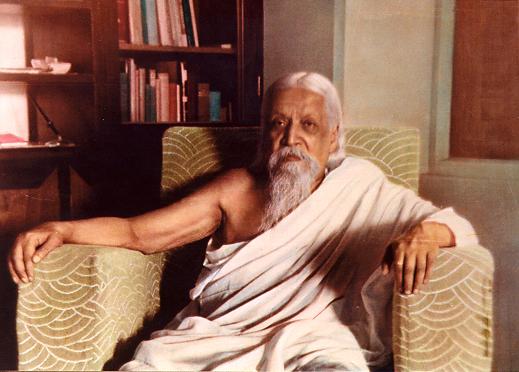
அரவிந்தர் வாழ்க்கையில் நடந்த அற்புதங்கள்

sri-aurobindo

டிசம்பர் 5ஆம் தேதி அரவிந்தர் மஹாசமாதி தினம். அதையொட்டி அவரைப் போற்றும் அஞ்சலிக் கட்டுரை இது.

Post No 730 dated 4th December 2013

அரவிந்த யோகம் by ச.நாகராஜன்

வான் அரசாட்சி இம் மண்ணுலகத்திலே
வளர்ந்து செழித்திடவே
தேனருவி என மோனத்திலே நின்று
தெய்வக் கனல் பொழிந்தான்
மானவ ஜாதிக்கே அமர நிலை பெற
வாழும் வகையளித்தான்
போனது கலியுகம், பூத்தது புதுயுகம்
பூரணன் வாழியவே
வாழ்க அரவிந்தன் வாழ்க பராசக்தி
வல்லபன் வாழியவே!

-கவியோகி ஶ்ரீ சுத்தானந்த பாரதியார்

வேத நெறி தழைக்க வந்த அவதாரம்

தேசீயம் தெய்வீகம் ஆகிய இரண்டையும் ஒன்றாகக் கலந்து அதையே தன் வாழ்க்கையாக்கி மனித குலத்தை சனாதன தர்மம் தந்த வேத நெறியில் உயர்த்த அவதரித்தவரே மஹரிஷி அரவிந்தர்.

மஹாசக்தி வழி நடத்திய புருஷர்

ஒரு மாபெரும் சக்தி அவரை வாழ்க்கை முழுவதும் வழி நடத்தி வந்தது. அந்த வாழ்க்கையில் நிகழ்ந்த அற்புதங்களோ ஏராளம்!
1908ஆம் ஆண்டு மிர்ஜாபூரில் வெடித்த குண்டைத் தொடர்ந்து அரவிந்தர் அலிபூர் சிறையில் ஒன்பது அடி நீளம், ஐந்து அடி அகலம் உள்ள சிறிய அறையில் அடைக்கப்பட்டார்.அங்கு அனைத்தையும் வாசுதேவனாகக் கண்டார். ‘சர்வம் கல்விதம் ப்ரஹ்மம்’ என்ற மகத்தான அநுபூதியைப் பெற்றார். ஒரு நாள் அவர் உடல் தரையிலிருந்து மேலே சிறிது எழும்பியது. அந்த நிலையில் கைகளையும் உயர்த்தினார். எப்படி முயன்றாலும் அடைய முடியாத ஒரு விசித்திரமான நிலையில் அவர் உடல் இருக்கவே, அதைப் பார்த்த சிறை வார்டர் அரவிந்தர் இறந்து விட்டதாக மேலதிகாரிகளுக்குத் தெரிவிக்க, அவர்கள் ஓடோடி வந்து பார்த்த போது அரவிந்தர் இயல்பான நிலையில் இருந்து.
சிரித்தார். தன்னை இறந்ததாக அறிவித்தவனை முட்டாள் என்றார்!

இயல்பாகவே அரவிந்தருக்குத் தீர்க்கதரிசனக் காட்சிகள் தோன்றி வந்தன. அவரே கூறிய ஒரு சம்பவம் இது:- “ஒரு சமயம் சி.ஆர்.தாஸின் நண்பரான வ.ரா. (பிரபல தமிழ் எழுத்தாளராக பின்னால் புகழ் அடைந்தவர்) என்னைக் காண வருவதாக இருந்தது.அவரது தோற்றம் எப்படி இருக்கும் எனக் காண விரும்பினேன். நன்கு ஒட்ட வெட்டிய தலையோடு உரமான முரட்டு இயல்போடு கூடிய ஒருவரின் தோற்றத்தைக் கண்டேன். ஆனால் வ.ரா நேரில்வந்த போது சாந்த முகம் உள்ள தென்னிந்திய அந்தணருக்கே உரித்தான தோற்றத்துடன் விளங்கினார்! ஆனால் இரு வருடங்களுக்குப் பிறகு அவரை மீண்டும் சந்தித்த போது நான் முதலில் எப்படிக் கண்டேனோ அப்படி அவர் மாறிவிட்டிருந்தார்.”

டீ அடிமையாக அவர் இருந்த போது தனது மைத்துனர் எப்போது டீ கொண்டு வருவார் என்று அவர் எண்ணிய சமயத்தில் எதிரே இருந்த சுவரில் டீ வரும் சரியான நேரம் எழுத்தில் எழுதப்பட்டிருந்தது. சரியாக அதே நேரத்தில் டீயும் வந்தது. “அன்று முதல் தினமும் டீ வரும் நேரம் சுவரில் எழுதப்படுவதைக் கண்டேன்” என்று அரவிந்தர் பின்னால் தன் அனுபவங்களைக் கூறினார்.

பாண்டிச்சேரி செல்!

சிறையில் அவருக்கு உள்ளிருந்து குரல் ஒன்று கிளம்பி அவர் செய்ய வேண்டியதைப் பணித்தது.அது எந்த காரணத்தையும் சொல்லாமல் இதைச் செய்; அதைச் செய் என்று மட்டும் பணித்தது. மற்றவர்கள் எல்லாம் அவரை பிரான்சுக்குச் செல்ல ஆலோசனை தந்த போது அவரது உள்ளார்ந்த குரலோ அவரை பாண்டிச்சேரி செல்லுமாறு கூறியது.31-3-1910 அன்று கல்கத்தாவிலிருந்து கப்பலில் கிளம்பிய அரவிந்தர் 4-4-1910 அன்று மூன்று மணிக்குப் புதுவை வந்து சேர்ந்தார். அங்கு மகத்தான யோக சாதனையைச் செய்தார். எதற்காக புதுவைக்குச் செல்லச் சொன்னதோ அந்த மஹாசக்தியின் விருப்பப்படி அரவிந்த ஆசிரமமும் உருவானது.

1926ஆம் தேதி நவம்பர் மாதம் 24ஆம் தேதி கிருஷ்ணர் பூவுலகில் அவரது உடலில் ஆவிர்பித்ததை அவர் அறிவித்தார். அது இன்றளவும் சித்தி தினமாக்க் கொண்டாடப்படுகிறது. சூபர்மைண்ட் எனப்படும் அதிமானுட மனமும் ஆனந்தமும் பெரும் பணியை நிறைவேற்ற வந்திருப்பதை அனைவரும் அறிந்து மகிழ்ந்த அன்றைய தினத்தில் அரவிந்தர் தனிமையை நாடித் தன் பெரும் பணியை மேற்கொண்டார். அதன் பின்னர் வருடத்திற்குச் சில குறிப்பிட்ட தினங்களே அவரை தரிசிக்கும் பாக்கியம் சாதகர்களுக்குக் கிடைத்தது.
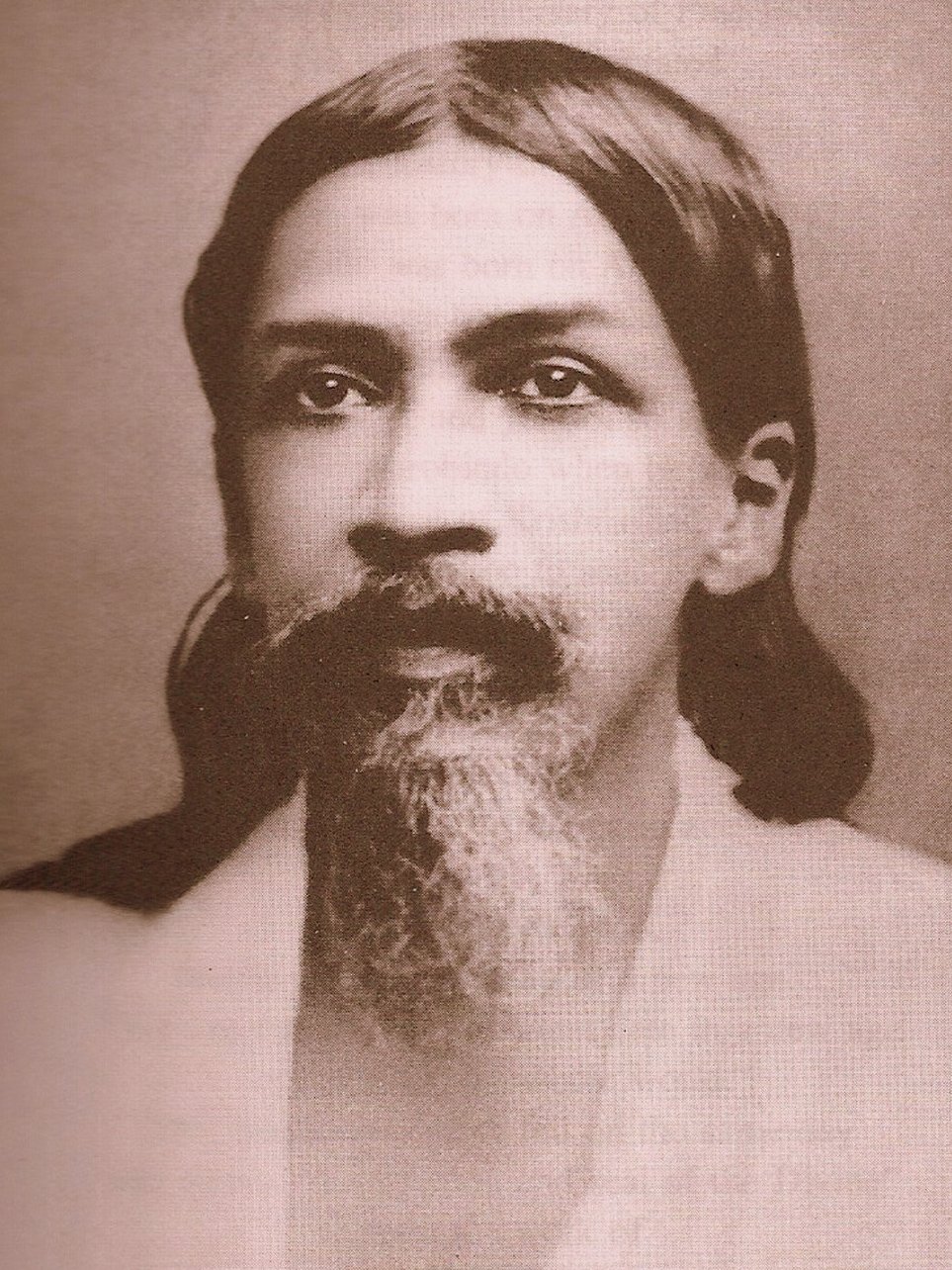
Sri_aurobindo2

அன்னையின் பார்வை

புதுவை வந்த அன்னை ஆசிரமத்தின் பெரும் சக்தியாக மாறினார்.
அரவிந்த ஆசிரமம் நிறுவப்பட்டவுடன் அன்னை ஆசிரமத்தை நிர்வகிக்கும் பணிகளை மேற்கொண்டு சாதகர்களுக்கு உற்ற வழிகாட்டியாகவும் ஆனார். அன்னையின் பல்வேறு அபூர்வ சித்திகளையும் சக்திகளையும் அரவிந்தர் எளிதில் உணர்ந்து கொண்டார்.அன்னையின் பார்வை சகல வல்லமை படைத்தது என்பதை அரவிந்தர் அனைவருக்கும் எடுத்துரைத்தார்.
சாதாரணமாக உடல் அளவில் அன்னை பெற்றிருந்த சக்தியைக் கூட அவர் அறிந்து வைத்திருந்தார். ஒரு முறை அன்னையின் பார்வை ஆற்றலைப் பற்றி அவர் இப்படிக் குறிப்பிட்டார்:-“சிறு வயதில் அன்னைக்கு இருளில் கூடப் பார்க்கும் சக்தி இருந்தது.எங்கும் பார்க்கும் ஆற்றலை அவர் வளர்த்துக் கொண்டார்.இப்போது கூட தனக்குப் பின்னால் உள்ள அனைத்தையும் அவரால் பார்க்க முடியும்.அவர் கண்களின் பார்வையை விட இந்தப் பார்வை இன்னும் துல்லியமாக இருக்கும். கண்களை மூடிக் கொண்டாலோ இது இன்னும் நன்கு வேலை செய்யும்.”

கூடவே வரும் துணை

அரவிந்தரின் யோகம் அவருக்காக மட்டும் செய்யப்படவில்லை. அவரே ஒரு முறை,” முக்தியையும் பரிபூரணத்வத்தையும் எனக்கு மட்டும் பெற எண்ணி இருந்தேனென்றால் எனது யோகம் நெடும் காலத்திற்கு முன்னரே முடிந்திருக்கும்.எனது சித்தியானது மற்றவர்கள் அதை அடைவதற்கு ஒரு முன்னோடி தான்.” என்று குறிப்பிட்டார்.ஆக சாதகர்களுக்கு அவர் எப்போதும் உற்ற துணையாக இருந்தார்; இருந்து வருகிறார்!

பிரபல எழுத்தாளரான பால் பிரண்டன் தன்னுடன் உற்ற துணையாக யாரோ கூட வருவது போன்றே உணர்ந்து வந்தார். அரவிந்தரின் போட்டோவைப் பார்த்த போது அது ‘கூட வரும் துணையைப்’ போல இருக்கவில்லை.ஆனால் அரவிந்தரை நேரில் தரிசித்த போது ‘கூட வரும் துணை’ அவரே என்பதை உணர்ந்து கொண்டார்.

நான் தருகிறேன் உத்தரவாதம்

பாரதம் சுதந்திரம் அடைவது பற்றிய பேச்சை சில சீடர்கள் எழுப்பிய போது அவர்களுள் ஒருவர் “அப்படி ஒரு சுதந்திரம் வர உத்தரவாதம் வேண்டுமே” என்றார். உடனே அரவிந்தர், “ அதற்கு நான் தருகிறேன் உத்தரவாதம்” என்று கூற அனைவரும் வியப்படைந்தனர். அவர் அளித்த உறுதியின் படியே பாரதம் சுதந்திரம் பெற்றது. ஆகஸ்ட் 15ஆம் தேதி தான் அவரது பிறந்த நாள். எனது பிறந்த நாள் பரிசாக இரண்டு பகுதிகளாக இந்தியா சுதந்திரம் அடைந்தது என்று அவர் பிரிவினை பற்றிக் கூறினார். ஆனால்,” பாரதப் பிரிவினை இயற்கையானதல்ல; அது போக வேண்டும். போய் விடும்” என்று தீர்க்கதரிசன வாக்கைக் கூறியுள்ளார்.

பாரத தேசம் மகோன்னதமான நிலையை எய்தும் என்று தீர்க்கதரிசனமாகக் கூறியுள்ள அரவிந்தர் அந்த உயரிய நிலை உலகம் முழுவதும் மேம்படுவதற்கான ஒரு ஆரம்பம் என்று அருளினார். அவரது அற்புதமான பூரண யோகம் இதை நோக்கமாகக் கொண்டே அனுஷ்டிக்கப்பட்டு பூரணாத்மாக்களை உருவாக்கும் பணியில் தொடர்ந்து ஈடுபட்டு வருகிறது.

பவானி பாரதி

பவானி பாரதி என்ற அற்புதமான சதகத்தை – நூறு பாடல்கள் கொண்ட சம்ஸ்கிருத நூலை அரவிந்தர் யாத்துள்ளார். உக்கிர மான காளியின் அற்புதவர்ணனைகளுடன் மயிர்க்கூச்சலெழுப்பும் சொற்களுடன் உள்ள ஸ்லோகங்களில் உத்திஷ்ட (எழுமின்)
ஜாக்ரத (விழிமின்) என்ற ஆவேசமூட்டும் சொற்களைக் காணலாம். அதில் இனி வேதகோஷம் முழங்கும் என்றும் துஷ்டன் அழிவான் என்றும் புகழோங்கிய நிலையை பாரதம் அடையும் என்றும் பாடியுள்ளார்.

அரவிந்தரின் பணி பாரதத்தை அடிமைத் தளையிலிருந்து விடுவித்து அதன் பண்டைய நாகரிகத்தை உணர்த்தி அதன் அடிப்படையில் புதிய யுகத்தை உலகத்தில் நிர்மாணிப்பதே!

அரவிந்த யோகம்

அரவிந்த யோகம் என்றால் என்ன என்பதை -கவியோகி ஶ்ரீ சுத்தானந்த பாரதியார் அழகுற இப்படி விளக்குகிறார்:-
பக்தி யோகம், நிஷ்காம்ய கர்ம யோகம்,கடவுளைத் தியானத்தால் கலந்து நிற்கும் ஞான யோகம், எல்லோரையும் சமமாகக் காணும் சர்வாத்ம சித்தி எல்லாம் ஒருங்கே சேர்ந்தது ஶ்ரீ அரவிந்தரின் பூரண யோகம்.

அரவிந்த யோகம் உலகை உயர்த்துகிறது.அழகில் தெய்வத்தைக் காண்கிறது.அழகை ஆத்ம பரிபூரணத்திற்கு ஒரு வழியாக்குகிறது.வாழ்வைக் குறுக்கி ஒடுக்காமல் விரிந்து பொலியச் செய்கிறது.உலக வாழ்வையே தெய்வ சித்தி பெற ஓர் அகண்ட சமரஸ யோகமாக்குகிறது.

இதுகாறும் உலகில் பெரியார்கள் வகுத்த யோக சாதனங்களின் நன்மைகளை எல்லாம் தன்னகத்துக் கொண்டுள்ளது அரவிந்த யோகம்.அது ஒரு தோட்ட ரோஜாக்களை ஒரு சிறு அத்தர் புட்டியில் காண்பது போன்றது. அது மனிதனில் தெய்வத்தை விளக்குகிறது. வாழ்வை எல்லாம் யோகமாக்குகிறது.”

அரவிந்த யோகத்தை வாழ்க்கை முறையாகக் கொண்ட சாதகர்கள் பெருமளவில் பெருகும் போது இந்தியா அமர நிலையை எய்தும் முறையை உலகிற்குக் கற்பிக்கும். அந்த நாள் வெகு தொலைவில் இல்லை!

சின்ன உண்மை!
பவானி பாரதி மிகவும் சக்தி வாய்ந்த உக்ரமான சொற்களால் ஆன நூறு பாடல்களைக் கொண்ட நூல். மாதிரிக்கு ஒரு ஸ்லோகத்தின் அர்த்தம்:-
இதயத்திற்கு அம்ருதத்வத்தை வழங்கும் வேத கோஷ முழக்கத்தை மீண்டும் நான் வனங்களில் கேட்கிறேன். ஆன்ம ஞானத்தை அடைந்த, பெருக்கெடுத்தோடும் மனித குல வெள்ளமானது ரிஷிகளின் குடில்களை நோக்கிப் பாய்கிறது.
பவானி பாரதி 93 ஆம் ஸ்லோகம்
Contact swami_48@yahoo.com

*****************

A Tamil Muslim Miracle!

சீதக்காதி, தனசெகரன் போட்டோ

Picture of Seethakkathi arch at Keelakkarai

Hits so far 210,636
Post No. 729 dated 2nd December 2013 by london swaminathan

There is a well known proverb in Tamil about elephants. “An elephant is worth thousand gold coins, whether it is alive or dead”. Equally famous was another Tamil saying “ Seethakathi gave even when he was dead”. Seethakathi was a good scholar, patron of Tamil poets and a great philanthropist. He was doing shipping business and exported goods such as black pepper from India. He lived in the later part of seventeenth century in the east coast of Tamil Nadu.

Seethakkathi’s real name was ‘Sheik Abdul Kader’ which was changed into spoken Tamil as Seethakkathi! He lived around 1650. He had very good relations with people of other religions. King of Ramnad Kizavan Setupati appointed him as one of his ministers and several Hindu temples were constructed during his period.

He was born near Keelakkarai and lived in Keelakkarai. His name and fame spread far and wide. He supported one of the poets of his time, Umaru Pulavar. Umaru was the author of a monumental work ‘Seera Puranam’, life history of Prophet Muhammad in Tamil. There was a big famine in his part and he gave lot of money to feed the poor. One of the famous contemporary poets, Padikkasu Pulavar, praised him sky high for his philanthropy. “When the prices of same measure of paddy and gold were same, you gave paddy to feed the people without expecting any credit for it. What a great charity it was!”

seethakkathi

Picture of Seethakkathi grave

During his tour, a poor man met Seethakathi and told him about the difficulty in getting his daughter married for want of money. When Seethakkathi came forward to give him money, the poor man told that he would take the money when the marriage was finalised. After sometimes Seethakathi died suddenly. The poor man came all the way to Keelakkarai to get the money for his daughter’s wedding, without knowing Seethakkathi’s demise. Town people gave him the bad news when he enquired about the whereabouts of Seethakathi.

The poor man felt very sad but yet wanted to pay his respects at his grave. When he went to Seethakkathi’s grave and paid his respects suddenly a hand protruded from below the grave. It was Seethakkathi’s hand and there was a pearl studded gold ring in one of his fingers! The man took it and thanked his philanthropy even after he died. This gave the popular Tamil phrase “Seththum Kodthaan Seethakkathi” meaning Seethakkathi gave even after his death!

(There is an alternate version to this anecdote. Some people believe that it was Padikkasu Pulavar who went to his grave when the miracle happened! Whoever it was, the popular saying is known even to a child in Tamil Nadu today).

யமராஜனின் சகோதரரான வைத்யராஜரே! நமஸ்காரம்!!

doctor-joke-funny-picture

சம்ஸ்கிருத செல்வம் by S Nagarajan
அத்தியாயம் 19

Post No 728

யமராஜனின் சகோதரரான வைத்யராஜரே! நமஸ்காரம்!!
இந்தக் கால ஆஸ்பத்திரிகளையும் மருத்துவர்களையும் நினைத்தாலேயே மனம் பதை பதைக்கிறது.
மருத்துவக் காப்பீடு செய்திருந்தால் அதில் உள்ள கடைசி பைசா வரை மருத்துவர்கள் கறந்து விடுகின்றனர். இல்லையேல் ‘அந்த டெஸ்ட், இந்த டெஸ்ட்’ என்று உயிர் போகுமுன்னே பணத்தையும் போக வைத்து விடுகின்றனர்.

இதை எண்ணிப் பார்த்தார் பழைய காலக் கவிஞர் ஒருவர். அந்தக் காலத்திலும் இதே நிலை தான் போலும்! அப்படியே மனதில் தோன்றியதை கவிதையாகப் பொழிந்து விடுகிறார் இப்படி:-

வைத்யராஜ! நமஸ்துப்யம் யமராஜ சஹோதர I
யமஸ்து ஹரதி ப்ராணான் த்வம் து ப்ராணான் தனானி ச II

doctor joke2

வைத்ய ராஜ – ஓ வைத்திய ராஜரே! (Oh! King among Doctors!)
யமராஜ சஹோதர – யமராஜனின் சகோதரரே!
நமஸ்துப்யம் – உமக்கு நமஸ்காரம்!
யமஸ்து ஹரதி – யமனின் வருகை
ப்ராணான் – உயிரை எடுப்பதற்காக மட்டுமே
த்வம் து – ஆனால் உமது வருகையோ
ப்ராணான் ச தனானி – உயிரோடு எங்கள் பணத்தையும்
அபகரிப்பதற்காகவே!
இதே போல இன்னொரு பாடலும் உள்ளது!

Doctor-and-Patient

வைத்யராஜ! நமஸ்துப்யம் க்‌ஷயிதா சேஷ மானவ I
த்வயி வின்யஸ்தபாரோயம் க்ருதாந்த: சுகமேததே II

வைத்யராஜ! – ஓ வைத்திய ராஜரே! (Oh! Doctor!)
நமஸ்துப்யம் – உமக்கு நமஸ்காரம்!
க்‌ஷயிதா சேஷ மானவ – நீரே அனைத்து மனிதர்களையும் அழிப்பவர்!
த்வயி வின்யஸ்தபாரோயம் – உம்மிடம் பொறுப்பை ஒப்படைத்து விட்டு
க்ருதாந்த: – அனைத்து உயிர்களையும் எடுக்கும் எமராஜன்
சுகமேததே – சுகமாக ஓய்வு எடுக்கிறான்

யமன் ‘ரெஸ்ட்’ எடுக்க உதவி செய்யும் வைத்ய ராஜனுக்கு தனது மனமார்ந்த ‘வணக்கத்தைச்’ சொல்கிறார் கவிஞர்!

வைத்தியர்களுக்கு ஆதரவாக வைத்தியர்களின் குணங்களைப் பற்றி எடுத்துக் கூறி சமாதானம் அடைகிறார் இன்னொரு கவிஞர்!அவரது பாடல் இது தான்:-

வ்யாதேஸ்தத்வ பரிஞானம் வேதநாயாஸ்ச நிக்ரஹ: I
ஏதத் வைத்யஸ்ச வைத்யத்வம் ந வைத்ய: ப்ரபுராயுஷ: II

வ்யாதேஸ்தத்வ பரிஞானம் – வியாதிகளின் மூல காரணங்களை உணர்வதும்
வேதநாயாஸ்ச நிக்ரஹ: – அவற்றினால் ஏற்படும் வேதனைகளைக் குறைப்பதும் ஆகிய
ஏதத் வைத்யஸ்ச வைத்யத்வம் – இவையே ஒரு வைத்தியரின் குணங்களாகும்
ஆயுஷ: – ஆயுளுக்கு (ஆயுள் இவ்வளவு என்று அதை தருவதற்கான)
ப்ரபு – எஜமானன் (அதிகாரி)
ந – (வைத்தியர்) இல்லை!
doctor8

ஒரு டாக்டரின் கடமையையும் அவர் இந்தக் காலத்தில் எப்படிச் செயல் படுகிறார் என்பதையும் அந்தக் காலத்திலேயே சொல்லி விட்டார்கள் என்பதை எண்ணிப் பார்த்தால் ஆச்சரியம் தான் வருகிறது இல்லையா!
*******************

கண்ணன் கூறும் 26 தெய்வீக குணங்கள்

hiding krishna

Post No 727; Dated 30th November,2013

by london swaminathan

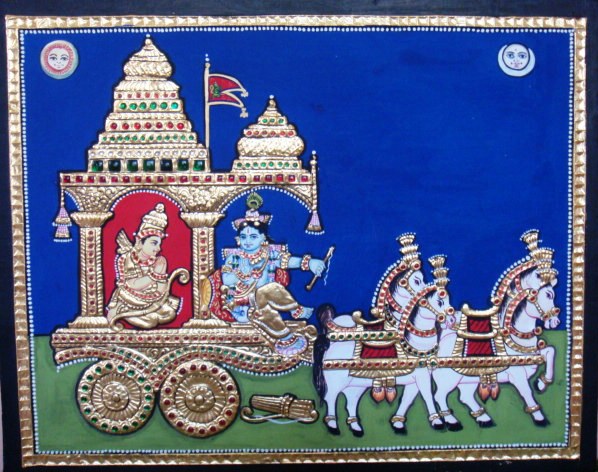
பகவத் கீதையில், ஞானிகளின் குணங்களை மூன்றே ஸ்லோகங்களில் (16– ஸ்லோகம் 1 முதல் 3) கண்ணன் பட்டியல் போட்டுத் தந்து விடுகிறான். பல ‘ஆனந்தா’-க்களையும், ‘சுவாமிஜி’-க்களையும் தரிசிப்போர் இதை ‘செக் லிஸ்டாகப்’ (Check List) பயன் படுத்தலாம். இந்த உரை கல்லில் அந்த சாமியார்களை உரசிப் பாருங்கள். அவர்கள் பத்தரை மாத்துத் தங்கமா, பம்மாத்துப் பேர்வழிகளா என்று விளங்கி விடும். சுருக்கமாகச் சொல்ல வேண்டுமானால் 26 குணங்கள் இருந்தால் ‘சாமி’; இல்லாவிடில் வெறும் ‘ஆசாமி’!!!

இதோ கிருஷ்ண பரமாத்மா கொடுக்கும் பட்டியல்:

1.அச்சமின்மை (அபயம்)
2.மனத் தூய்மை (சத்வ சம்சுத்தி:)
3.ஞானத்திலும் யோகத்திலும் நிலைபெறுதல் (ஞான யோக வ்யவஸ்திதி)
4.தானம் (தேவையானோருக்கு பொருளுதவி)
5.ஐம்புலனடக்கம் (தம:)
6. வேள்வி செய்தல் (யஜ்ஞ:, இது ஞான வேள்வியாகவும் இருக்கலாம்)
7.சாத்திரங்களை ஓதுதல் (ஸ்வாத்யாய:, இது தேவாரம் திவ்வியப் பிரபந்தம் முதலியனவாகவும் இருக்கலாம்)
8.தவம் (தப:)
9.நேர்மை (ஆர்ஜவம்)
10. உயிர்களுக்கு மனம்,மொழி,மெய்யால் தீங்கு செய்யாமை (அஹிம்சை)
11.உண்மை (சத்யம்)
12.சினமின்மை (அக்ரோத:)
13.துறவு (த்யாகம்)
14.அமைதி (சாந்தி)
15.கோள் சொல்லாமை (அபைசுனம், No Gossip Policy)
16.உயிர்களிடத்தில் அன்பு (பூதேஷு தயா)
17.பிறர் பொருள் நயவாமை ( அலோலுப்த்வம்)
18.மிருதுதன்மை (மார்தவம், அடாவடிப்போக்கு இன்மை)
19.நாணம் (ஹ்ரீ:, தீய செயல்களுக்கும் தன்னைப் புகழ்வதற்கும் வெட்கம்)
20.மன உறுதி (அசாபலம்)
21.தைரியம், துணிவு (தேஜ:)
22. பிறர் குற்றம் பொறுத்தல் (க்ஷமா)
23. மனம் தளராமை, செயலில் பிடிப்பு (த்ருதி/ திட உறுதி)
24.சுத்தம் (சௌசம்)
25.வஞ்சனை இன்மை (அத்ரோஹ:)
26. செருக்கின்மை ( ந அதிமானிதா )

flute krishna

இந்த மூன்று ஸ்லோகங்களையும் மனப்பாடம் செய்வது நல்லது. நாள்தோறும் இறைவனிடம் இந்த 26 குணங்களையும் அருளும்படி பிரார்த்திக்கலாம். இதோ மூன்று ஸ்லோகங்கள்:

அபயம் ஸத்வஸம்சுத்திர் ஜ்ஞான யோக வ்யவஸ்திதி:
தானம் தமச்ச யஜ்ஞச்ச ஸ்வாத்யாயஸ் தப ஆர்ஜவம் (16-1)

அஹிம்ஸா ஸத்யம க்ரோதஸ் த்யாக: சாந்தி ரபைசுனம்
தயா பூதேஷ் வலோலுப்த்வம் மார்தவம் ஹ்ரீ ரசாபலம் (16-2)

தேஜ: க்ஷமா த்ருதி: சௌச மத்ரோஹோ நாதிமானிதா
பவந்தி ஸம்பதம் தைவீ மபிஜாதஸ்ய பாரத (16-3)

எனது முந்தைய கீதைக் கட்டுரைகள்:
Read also my earlier posts:

1).One Minute Bhagavad Gita
2). Bhagavad Gita through a Story
3).Bhagavad Gita in Tabular Columns
4). 45 commentaries on Bhagavad Gita
5). G for Ganga….. Gayatri…… Gita…. Govinda…
6).A to Z of Bhgavad Gita (Part 1 and Part 2)

“நீங்களும் கடவுள் ஆகலாம்”- திருவள்ளுவர்

namasthe
By london swaminathan

(Post No.726 dated 29th November 2013)

உங்களை எல்லோரும் தொழ வேண்டுமா?

ராம பிரான், கண்ண பிரான் போல நீங்களும் தெய்வமாகலாம் என்று வள்ளுவர் கூறுகிறார். அது மட்டுமா? எல்லோரும் உங்களை கை கூப்பித் தொழவும் வழி சொல்கிறார். நீங்கள் கடவுள் ஆக இது ஒரு சுருக்கு வழிப் பாதை! வள்ளுவர் காட்டும் பாதை. ‘சொல்லுதல் யார்க்கும் எளிது. அரியவாம் சொல்லிய வண்ணம் செயல்’!! இருந்தாலும் முயன்று பார்க்கலாமே!

1.வையத்துள் வாழ்வாங்கு வாழ்பவன் வான் உறையும்
தெய்வத்துள் வைக்கப்படும் ( குறள் 50)

யார் ஒருவன் இந்த பூவுலகில் முறையாக வாழ்கிறானோ அவன், வானத்தில் உறையும் தெய்வங்களில் ஒருவராகக் கருதப்படுவான். இதனால்தான் நாம் ராமன், கண்ணன் போன்ற மன்னர்களையும் அவதார புரிஷர்களாக வழிபடுகிறோம். வள்ளுவனின் அழகான சொற்களைக் கவனிக்கவும்.: “வான் உறையும் தெய்வம்”.

2.கொல்லான் புலாலை மறுத்தானைக் கைகூப்பி
எல்லா உயிரும் தொழும் (260)

நீங்கள் வெஜிட்டேரியனாக இருந்து எந்த வகை உயிருக்கும் மனதாலும் தீங்கு செய்யாதவராக இருந்தால் உங்களை எந்த மிருகமும் தீண்டாது. இது விஞ்ஞானிகளும் ஓரளவுக்கு ஒப்புக்கொள்ளக்கூடிய விஷயமே. நாம் பயந்தவுடன் ‘அட்ரினலின்’ என்னும் ஹார்மோன் அதிக அளவில் சுரக்கிறது. மிருகங்களுக்கு மோப்ப சக்தி அதிகம். நாய்களுக்கு மனிதனைவிட 3000 மடங்கு மோப்ப சக்தி உண்டு. காட்டில் வாழும் மிருகங்களும் நாம் பயந்தவுடன் எங்கே தாக்கிவிடுவோமோ என்று அவைகள் நம்மைத் தாக்கும். நமது அட்ரினலினை அவை முகர்ந்து விடும்! சங்கரர், புத்தர் போன்ற ஞானிகளுக்கு மிருகங்களும் கீழ்ப்படிவதை கதைகளில் படித்திருக்கிறோம். பாம்பானாலும் நாம் தீங்கு செய்ய நினைத்தால்தான் நம்மைத் தாக்கும். வள்ளுவனின் அழகான சொற்களைக் கவனிக்கவும்.: “கை கூப்பித் தொழும்”. நம்மைப் பார்த்து நமஸ்தே சொல்லுமாம்!

3.தன்னுயிர் தான் அறப்பெற்றானை ஏனைய
மன்னுயிர் எல்லாம் தொழும் ( குறள் 268)

சங்கராச்சார்யார் போன்றோர் சந்யாசம் வாங்கும் நாளன்று தண்ணீரில் நின்றுகொண்டு ஒரு சத்திய வாக்குப் பிரமாணம் செய்வார்கள் என்று கேள்விப்பட்டிருக்கிறேன். “இந்த நாள் முதல் மனம், மொழி, மெய் ( மனோ, வாக், காயம்) மூன்றாலும் எந்த உயிருக்கும் தீங்கிழைக்க மாட்டேன். எல்லோரும் சமம்” என்ற மந்திரத்தை முழங்குவார்களாம். ஆகையாலதான் அவர்களை கொடிய மிருகங்களும் விஷ ஜந்துக்களும் தாக்குவதில்லை. வள்ளுவர் ஒரு படி மேலே போய் அவர்களை உலக உயிரினங்கள் எல்லாம் தொழும் என்கிறார்.

கண்ணபிரானும் கீதையில் (5-18) “ஞானிகள் சமதர்சனம் உடையவர்கள். பிராமணன், பசு, யானை, நாய், நாயைத் தின்னும் புலையன் ஆகிய அனைவரையும் ‘ஒன்றாகக் காண்பதே காட்சி’ என்பது அவர்கள் கொள்கை” என்கிறான்.

abhishek

4.முறைசெய்து காப்பாற்றும் மன்னவன் மக்கட்கு
இறையென்று வைக்கப்படும் (388)

பழங்காலத்தில் சத்திய நெறி தவறாது ஆண்ட மன்னர்களையும் கடவுளாகவே மதித்தார்கள். திருவிளையாடல் புராணக் கதைகளைப் படிப்போருக்கு மன்னர்கள் செய்த அற்புதங்களின் பட்டியல் கிடைக்கும். காளிதாசனின் ரகுவம்ச காவியத்தைப் படிப்போருக்கு சூரியகுல வேந்தர்களின் அவதார மகிமை புரியும். தமிழில் மன்னருக்கும் கடவுளுக்கும் ஒரே சொல்தான். அரண்மனைக்கும் கடவுள் உறைவிடத்துக்கும் கோவில் என்றே பெயர்.

5.செவியுணவிற் கேள்வியுடையார் அவியுணவின்
ஆன்றாரோடொப்பர் நிலத்து (413)

சத் சங்கத்தில் இருப்போர், அதாவது ஆழ்வார்கள், நாயன்மார்கள், அடியார்கள் எல்லாம் தேவர்களுக்குச் சமம்.

6.ஐய படாஅது அகத்தது உணர்வானைத்
தெய்வத்தோ டொப்பக் கொளல் (702)

பிறர் மனதில் உள்ளதைக் கூறவல்லவர்களும் தெய்வம் போன்றவர்கள் என்கிறான் வள்ளுவன். சுவாமி விவேகாநந்தர், காஞ்சி பரமாச்சார்ய சுவாமிகள், சத்திய சாய் பாபா போன்றோர் இவ்வாறு Thought Reading சக்தி உடையோர்.

7.உள்ளத்தால் பொய்யாதொழுகின் உலகத்தார்
உள்ளத்துள் எல்லாம் உளன் (294)

பாரதியும் கூட வள்ளுவரை அடியொற்றி “உள்ளத்தில் உண்மை ஒளி உண்டாயின் வாக்கினிலே ஒளி உண்டாகும், பள்ளத்தில் வீழ்ந்திருக்கும் குருடர் எல்லாம் விழிபெற்றுப் பதவி கொள்வார்” என்கிறார். யார் ஒருவனுடைய சொல், செயல், சிந்தனை எல்லாம் ஒன்றாக இருக்கிறதோ, அதுவும் நல்ல சிந்தனையாக இருக்கிறதோ அவன் சொற்களை உலகமே கேட்கும். பாரத நாட்டில் தோன்றிய ஆயிரக்கணக்கான சாது சந்யாசிகளும் மகா புருஷர்களும் இந்த வரிசையில் இடம்பெறுவர்.
உ.ம். ராமன், அரிச்சந்திரன்,

ஏழே திருக்குறட் பாக்களில் யார் தெய்வ நிலையை அடைந்தவர்கள், எப்படி தெய்வத் தன்மையை அடைய முடியும் என்பதை வள்ளுவன் எளிதில் சொல்லிவிட்டான்.

Contact swami_48@yahoo.com

Why did Vyasa write so many Puranas?

the-puranas-DA49_l

Post No. 725 dated 28th November 2013

Why do we cook so many dishes for our guests?

His Holiness Sachidananda Siva Abhinava Narasimha Bharati Svaminah of Sringeri Mutt (33rd Head of Sringeri Shankara Mutt) said in one of his lectures:

“ As the tastes and inclinations of people are infinite in their variety, it cannot be said that a single uniform form of God will appeal to all as worthy object of worship. Our system therefore prescribes innumerable forms from which any aspirant may choose that which most appeals to him, as the result of his pre -natal leanings and training.

“ This explains why saint Vyasa has written so many Puranas in each of which he has extolled a particular form and described it as the highest. Do we not see that a hospitable host who invites a large number of friends for dinner does not content himself with preparing a particular tasty dish to be relished by all of them but has several dishes prepared so that each guest may select what is most palatable to him and partake of it more than from other dishes? The host will really be inhospitable if he wants all his guests to take only the single dish which he chooses to prepare. The guests who are not able to relish it will have to return disappointed and hungry. It is to avoid such a contingency that several forms are prescribed for God.

“ As the satisfaction of the guests is the prime motive of the host in having a variety of dishes, the variety in the forms of God is intended only to help every aspirant towards the feet of God.

padma_purana_6127

“If we take children to a sweat meat shop and ask them to select what they want , a child may prefer to have a ring shaped sweat meat, another a rod like one , another in the form of a peacock, another in the form of a chair, and so on. We know all these are made up of sugar and it is not material to us what form each child chooses. We know also that, once the children put the sweat meats in to their mouths and begin to taste them, the particular forms will easily dissolve themselves leaving only the taste of sugar and that this taste will be common to all the children though the forms through which they obtain it are quite different from one another.

“Similarly our religion recognises that forms of God are necessary and that the forms lose their significance when the Godhead in them begins to be realised.
It is only by constant practice of worshipping the formful God that one attains competence to contemplate on God who transcends all forms”.

From the book ‘Golden Sayings’,1969 publication by Sri Jnanantha Grantha Prakasana Samiti, Thenkarai, Madurai District.

(My comments: Ramakrishna Paramahamsa also used this sweat meat simile in his Upadesa Manjari/ Gospel of Ramakrishna Paramahamsa).
vishnu_puran

Why Sastras vary in giving Advice?

His Holiness Sachidananda Siva Abhinava Narasimha Bharati Svaminah of Sringeri Mutt (33rd Head of Sringeri Shankara Mutt) said in one of his lectures:

If a traveller asks a man “Where can I halt conveniently for night?, the man may mention a village about ten miles off if the question is put to him early enough in the day and if the man thinks that the questioner is strong enough to walk that distance before night fall. If the same question is asked late in the evening and by a very tired person, the guide will suggest to him a place nearby. The variation in the answer of the guiding man is not due to any partiality in him towards one traveller and wanton cruelty to the other. Though the object of both is to have rest, the answers given to them have to vary according to the present circumstances and the capacity which are not the same in both.

Similarly, though the object of all human endeavour is to attain a state of freedom from ignorance and misery, the paths that have to be prescribed by the Sastras and the Guru for the various aspirants have to vary with their present circumstances and capacities.

The Vedas, aiming as they do at the welfare of all, have to take note of the present starting points of each individual, his pre natal tendencies, his past store of virtue and sin, his present leanings, his present capacity for any particular kind of effort, the chances of his successfully exercising that capacity and other innumerable factors before they can prescribe for him any particular course of conduct. That is why our scriptures contain such a variety of teachings.

siva purana

It is this variation in the nature of individual aspirants that is the basis of division into Varnas and Asramas. Every individual must avoid carefully the activities prohibited for him and equally carefully carry out the duties prescribed for him.

From the book ‘Golden Sayings’,1969 publication by Sri Jnanantha Grantha Prakasana Samiti, Thenkarai, Madurai District.

Compiled by London Swaminathan; contact swami_48@yahoo.com

16. உள்ளொளி பெற்ற உத்தமர்!

bankei yotaku

Post No. 724 dated 28th November 2013
By ச.நாகராஜன்

Part 16 of the History of Zen Buddhism in Tamil by Santanam Nagarajan

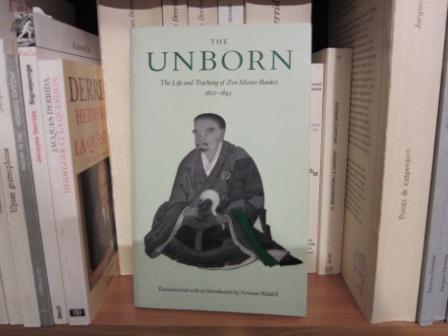
”பிறக்காத புத்த மனம்” என்பது புத்த மதத்தில் ஏற்கனவே இருந்த ஒன்று தான் என்றாலும், பாங்கெய் அதற்கு ஒரு புது பரிமாணத்தையும் அழுத்தத்தையும் தந்து அதை பிரபலமாக்கினார். பாங்கெயைப் பொ’றுத்த வரையில் மனம் அபாரமான சக்தி வாய்ந்த ஒன்று. உலகத்தைப் பிரதிபலிக்கும் உயிருள்ள கண்ணாடி அது! பார்த்த அனைத்தையும் பிரதிபலிப்பதோடு அனைத்தையும் அது சேர்த்து வைத்திருக்கும் ஒன்றும் கூட. யாரானாலும் சரி,அனைத்துப் பதிவுகளையும் ஒவ்வொன்றாக அகற்றி விட்டால் போதும், ஞானம் பெற்று விடலாம் என்று அவர் சுலபமாக உபதேசித்தார்.

‘பிறக்காத மனம்’ பற்றி ஒரு எளிய உதாரணம் மூலம் புரிந்து கொள்ளலாம். இலை உதிர் காலத்தில் ஒரு மரத்தின் அடியில் உட்காரும் ஒருவன் இலைகளை அகற்றி இடத்தைச் சுத்தப் படுத்துகிறான். ஆனால் மரத்திலிருந்து இலைகள் கீழே விழுந்து கொண்டே இருக்கின்றன. அந்தக் கணத்தில் அவன் இலைகளை அகற்றி விட்டாலும் கூட தொடர்ந்து இலைகள் விழுந்து கொண்டே தான் இருக்கும். அதே போல கோபம் பற்றிய எண்ணத்தை உங்கள் மனதிலிருந்து நீங்கள் அகற்றி விட்டாலும் கூட அதைத் தொடர்ந்து எழும் எண்ணங்கள் ஒரு போதும் முடிவுக்கு வரப்போவதே இல்லை.ஆனால் அப்படி எழும் எண்ணங்களைப் பற்றிச் சிறிதும் கவலைப்படாமலும் அதைப் பொருட்படுத்தாமலும் அதை நிறுத்த முயற்சி செய்யாமலும் இருந்து விட்டால் அது தான் ‘பிறக்காத புத்த மனம்’ ஆகும்.

பாங்கெய் ஒரு போதும் தனது கொள்கைகளையும் விதிமுறைகளையும் யார் மீதும் திணிக்கவில்லை.அதே போல ஜாதி, அந்தஸ்து, இனம், பால் ஆகிய எதுவும் ஆன்மீகப் பாதையில் குறுக்கிட முடியாது என்பது அவரது திண்ணமான எண்ணம். ஒரு நாள் சாமான்ய படிப்பறிவில்லாத ஒரு பெண்மணி அவரிடம் வந்து,” பெண்கள் எல்லோரும் கர்மாவினால் பெரும் பாரத்தைச் சுமந்து கட்டுப்பட்டவர்கள் என்று எல்லோரும் சொல்கிறார்களே! அவர்களால் புத்தத்வத்தை உணர முடியுமா?” என்று அப்பாவித்தனமாகக் கேட்டாள். அதற்கு பாங்கெய்,”நீ எப்போதிலிருந்து பெண்ணாக ஆனாய்?” என்று எளிமையாகக் கேட்டு ஆழ்ந்த உண்மையை விளக்கி விட்டார்!
japanese_art

1690 ஆம் ஆண்டிலேயே மிகவும் பிரபலமான துறவியாக அவர் ஆகிவிட்டார். அவர் பேச்சைக் கேட்பதற்காக யோமோஞ்ஜி ஆலயத்தில் ஆயிரத்தி எழுநூறு புத்த துறவிகள் ஜப்பான் முழுவதிலுமிருந்தும் வந்து கூடினர். அவரது அருளுரைகள் அனைத்தும் தெளிவாக பதிவு செய்யப்பட்டன. 1693இல் அவரது உடல்நிலை சற்று மோசமடைந்தது. அவர் இன்னும் சில காலமே இருப்பார் என்பதை ஊகித்த அவரது சீடர்கள் தங்களது பணம், நேரம் உழைப்பைத் தந்து அவருக்கு ஒரு பகோடாவை அமைக்க முயன்றனர்.இரவு பகலாக வேலை தொடர்ந்தது.பெரும்பாலும் இரவு நேரத்தில் சந்திர ஒளியில் பகோடா பணி தொடர்ந்தது. இறுதி நேரம் வந்ததை ஒட்டி பாங்கெய் மூன்று தினங்கள் கடைசிச் சொற்பொழிவுகளை நிகழ்த்தி விட்டு ஆலயத்தினுள் சென்று அமைதியை நாடினார்; 1693ஆம் ஆண்டு செப்டம்பரில் நிர்வாணம் அடைந்தார். அவரது அஸ்தி யோமோஞ்ஜி மற்றும் ந்யாஹாஜி ஆகிய இரண்டு முக்கிய ஆலயங்களுக்குப் பகிர்ந்து அளிக்கப்பட்ட்து. 1740ஆண்டு அரசாங்கத்தின் உயரிய விருதான கோகுஷி எனப்படும் ‘நேஷனல் மாஸ்டர்’ என்ற விருதை அளித்து அரசு அவரை கௌரவித்தது.

முன்னமேயே அவரது உயரிய ஞான நிலையை சீனாவிலிருந்து வந்த பெரும் மகானே உலகிற்கு அறிவித்து விட்டார். டாவோ –சே சாவோ யுவான் என்ற மாபெரும் துறவி நாகசாகிக்கு வந்தார். அப்போது பெங்காயின் குருவான உம்போ அவரை டாவோ –சே சாவோ யுவானை தரிசிக்குமாறு அறிவுறுத்தினார். டாவோ சேக்கு ஜப்பானிய மொழி தெரியாது, சீன மொழி மட்டுமே தெரியும், ஆனால் அவர் எழுதிக் காண்பித்து தான் சொல்ல விரும்பியதைச் சொன்னார். ஏனெனில் எழுத்து வடிவத்தில் சீன மொழியையும் ஜப்பானிய மொழியையும் எளிதாகப் புரிந்து கொள்ளலாம்.அவை ஒரே அர்த்தத்தையே தரும். டாவோ சே பாங்கெயின் உள்ளொளியை உடனே புரிந்து கொண்டார்.ஆனால் அவரது ஞானம் பூர்த்தியாகவில்லை என்று தெரிவித்தார்.

பாங்கெய் டாவோ சேயின் சிஷ்யர்களின் வட்டத்திற்குச் சென்றார். அங்கு அவர் சொல்வதை நன்கு கூர்ந்து கேட்டார். தியான அறையில் இருந்த போது ஒரு நாள் மாலை நேர சந்தியாகால நிழலில் அவர் ஞானவொளி அனுபவத்தைப் பெற்றார். ஜென் சம்பிரதாயப்படி உடனே டாவோ சேயிடம் சென்று தன் அனுபவத்தைக் கூறினார்.

“ பிறப்பையும் இறப்பையும் பற்றி என்ன?” என்று ஒரு பிரஷினால் எழுதிக் கேட்டார் பாங்கெய்.
“யாருடைய பிறப்பு, இறப்பு பற்றி?” என்று பதில் கேள்வியை எழுதிக் கேட்டார் டாவோ சே.

பாங்கெய் வெறுமனே தன் கைகளை நீட்டினார், அவ்வளவு தான்! டாவோ சே மீண்டும் எழுதுவதற்காக பிரஷை எடுக்க முயலுகையில் பாங்கெய் அதைப் பிடுங்கி தரையில் எறிந்தார். மறு நாள் காலை டாவோ சே தன் சீடர்களிடம் பாங்கெய் ஜென் பயிற்சியை முற்றிலுமாக முடித்து விட்டார் என்று அறிவித்தார்.
உள்ளொளி பெற்ற பின்னர் சொல்லும் எழுத்தும் தான் ஏது?!

bankei yotaku

சின்ன உண்மை
பாங்கெயின் முக்கியமான அருளுரை இது:- “சத்தியத்தின் உள்ளே ஆழ்ந்து செல்லச் செல்ல அது இன்னும் அதிக ஆழம் உடையதாக இருக்கும்”
-தொடரும்

Foreign Travel Banned for Brahmins!

ship 1

Post No. 723 dated 26th November 2013

By London swaminathan

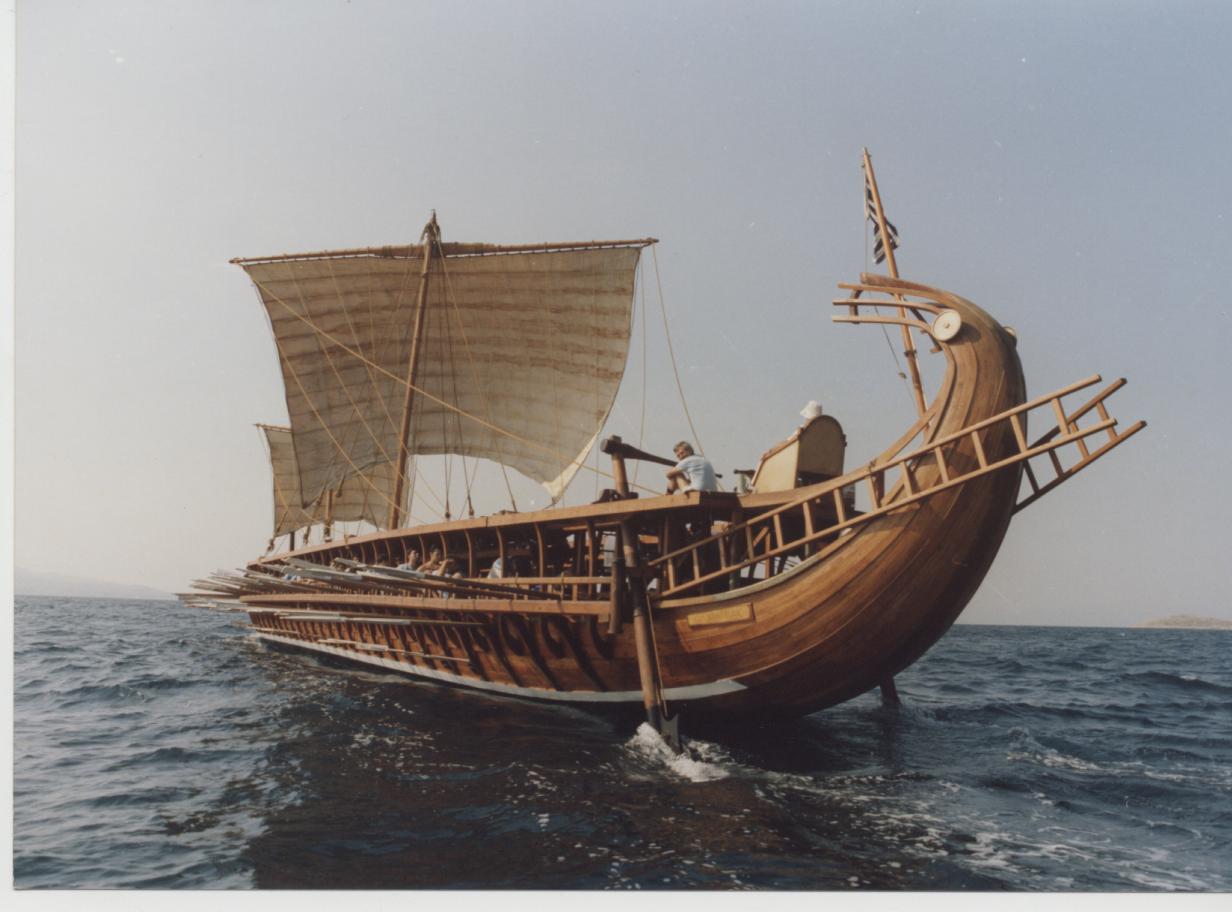
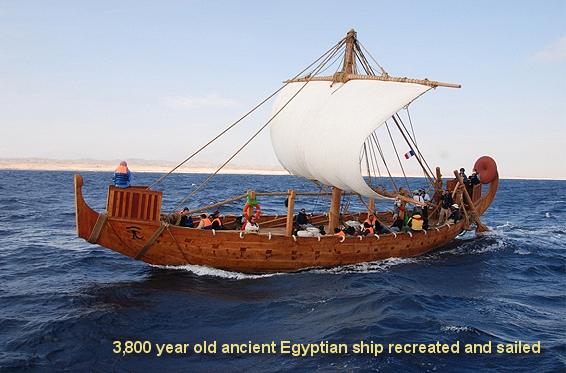
Hindu Dharma Sastras (ancient law books) ban foreign travel. Crossing the sea was a taboo in those days. There were reasons for it. But great Brahmins like Agastya and Kaundinya travelled to South East Asia and established a Hindu empire which lasted 1300 years in Thailand, Laos, Cambodia, Vietnam, Philippines, Malaysia, Singapore and Indonesia. I have written a lot about it my earlier posts.

His Holiness Sachidananda Siva Abhinava Narasimha Bharati Svaminah of Sringeri Mutt (33rd Head of Sringeri Shankara Mutt) answered a devotee’s question on the ban on orthodox Hindus travelling abroad:-

“ Some gentlemen pleaded with His Holiness for relaxation of the rules prohibiting foreign travel and urged the great need and the advantages of such travel in the interests of the welfare and advancement of our country. His Holiness said:-

“Brahmanyam is the highest asset of a Brahmana and for preserving it he is asked not to mix with all and sundry people even in this land whose contact or company is likely to affect the Brahmanyam. How can a Brahmana then be permitted to go to foreign lands and stay there with people of quite different tastes, tendencies and habits? No kind of expiatory rite can completely eradicate the effect of such contact. So the Sastras do not permit free intercourse as before with one who has returned from foreign lands though he may have performed some expiation ceremony. It is in no sense cruel to have such segregation.
Though we equally love all the portions of our body, do we not allow some portions to be operated upon and even removed if we find that they are likely to affect the general health of the whole body? It may be a painful process but is a necessary one. Similarly a person who has seriously impaired or lost his Brahmanyam is sure to affect the purity of others and nothing wrong in segregating him from the main society.

It will be well to bear in mind that the prohibition as regards foreign travel applies only to the small communities of Brahmana, Kshatriya, Vaisya collectively called Dvijas and not to Sudras and other castes which form the overwhelming majority in our society. Let the latter take to foreign travel and the former encourage and help them. If they do so, this will incidentally reduce the heart burning and hatred caused by the Brahmanas competing with others in all fields of worldly enterprise.
ship2

If it is said that the Brahmanas particularly are required for foreign travel by reason of their superior intelligence, quick grasp of new ideas, power of adjustment to circumstances etc., we must recollect that this superior capacity is not the result of physical labour but only of their habits of self restraint, strict adherence to the Sastras, frequent exercise of their intellect in the pursuit of subtle problems of life and more so of their inborn state of contentment.

If the Brahmana is allowed to give up all these and join in the race for worldly prosperity and imbibe the spirit of discontent, the superiority will vanish in no time and he will be just like others and sometimes even inferior to them. It is therefore dangerous to try to dilute and ultimately eradicate Brahmanyam from our land and make the Brahmanas remain so only in name to be treated with contempt.”

From the book ‘Golden Sayings’,1969 publication by Sri Jnanantha Grantha Prakasana Samiti, Thenkarai, Madurai District.

My (London Swaminathan) comments: What Swamiji said several decades ago is very true. It is a bitter truth that we are not ready to admit. No one will follow Swamiji’s advice. We have hundreds of excuses to put forth before him. Bu the religious heads cant dilute the Satras. I myself have noticed the following changes during my 27 year stay in London:

1. We can’t follow all the rituals in foreign countries which we followed in India.
2. Our sons and daughters are not following or believing what we believed when we were young.
3. Every family got marital connection with a Non Hindu. The minute it happened, their entire tone changed and began to talk about “universal brotherhood!”
4. Names of Sri Lankan and Mauritian Tamil children have been distorted beyond recognition. By the third generation they didn’t even understand their names. Neither do their parents! When they followed false numerology their names got wrong and negative connotations.

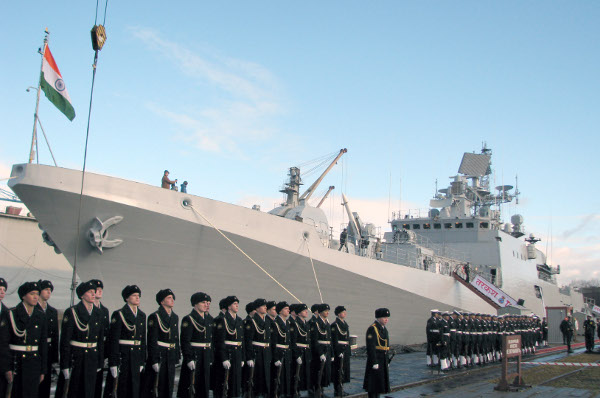
commissioning of INS Tarkash on 09 Nov 2012

5. The Non residents did not see anything wrong in religious conversions.
6. They did not attend their parents’ funerals for the fear of losing their asylum status.

7. Most of the youths lost their roots and forgot their mother tongue. Most of their religious hymns are in their mother tongue. When they read them through Roman letters they sounded awkward.

8. Few old people have become mental patients because of cultural and religious conflicts in their families.

9. Children who are born to couples belonging to two different religions feel like rudderless ships!
10. First generation forget their mother tongue. By second generation, they forget their culture. By third generation they forget their religion. By fourth generation they are rootless and feel like rudderless ships. Since their parents also forgot most of their language and culture they are unable to help their children

11. The writer can give hundreds of incidents to substantiate the above statement. Very few Brahmins do Sandhya Vandhana three times a day and monthly rituals like Tharpanam. Going to temples is rarer.

12. We must see His Holiness in the right context. He advised Brahmins to be content and be the torch bearers of religion and culture like in the olden days. You and I look at present day and care for our family and our friends, but Shankaracharyas and saints like him look at future and care about generations to come.

Contact:- swami_48@yahoo.com

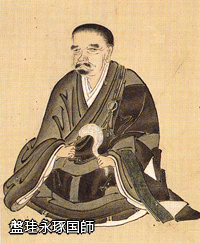
15. பாங்கெய் யோடாகு (Bankei Yotaku)

Buddha with 1000s

Byச.நாகராஜன்

(Part 15 of The History of Zen Buddhism in Tamil)

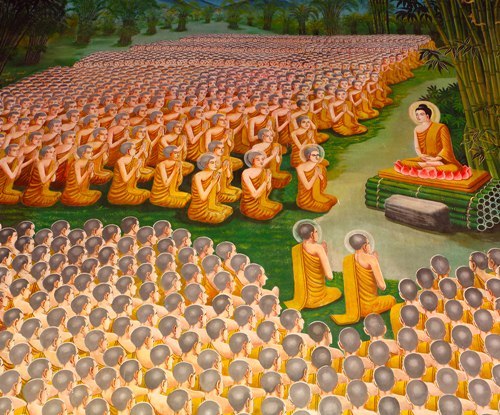
ஹகுயின் போல ஜென் பிரிவில் நூற்றுக் கணக்கான குருமார்கள் ஆயிரக்கணக்கான சாதகர்களுக்கு அற்புதமாக போதித்துள்ளனர். பாங்கெய் யோடாகு (1622 -1693) Bankei Yotaku குறிப்பிடத் தகுந்த ஜென் மாஸ்டர்களுள் ஒருவர்.

அவரது பேச்சைக் கேட்க ஐயாயிரம் பேர் – பத்தாயிரம் பேர் ஏன் சில சமயம் ஐம்பதினாயிரம் பேர்கள் திரண்டனர். அவர் கடினமான சூத்ரங்களைச் சொல்வதில்லை. பண்டிதர்களுக்கு மட்டுமே புரிகின்ற வார்த்தை ஜாலங்களையும் செய்வதில்லை. அவரது இதயத்தின் ஆழத்திலிருந்து வரும் எளிய சொற்களால் அனைவரையும் அவர் கவர்ந்தார்.

ஏராளமான சுவையான சம்பவங்களை அவர் வாழ்க்கையிலிருந்து கூறலாம்.
அவரது கீர்த்தியைக் கேள்விப்பட்ட நிசிரென் பிரிவைச் சேர்ந்த ஒரு துறவிக்கு வெகுவாகக் கோபம் வந்தது. ஒரு முறை அவரை விட்டு விட்டு பாங்கெயின் பேச்சைக் கேட்க அனைவரும் சென்று விட்டதால் அவரது ஆத்திரம் எல்லை கடந்தது. நேராக பாங்கெய் பேசுகின்ற இடத்திற்கு வந்தார். அவருடன் வாதம் புரிந்து அவரை மட்டம் தட்ட வேண்டும் என்ற எண்ணம் மேலோங்கவே, “ஏய், ஜென் மாஸ்டர்! நீ எல்லோரையும் கீழ்ப்படிய வைத்து விடுவாயாமே! எங்கே என்னைக் கீழ்ப்படிய வை, பார்ப்போம்!” என்று சவால் விட்டார்.

“வாருங்கள், என் பக்கம் வாருங்கள்!” என்று அவரை அழைத்தார் பாங்கெய்.
கூட்டத்தை விலக்கியவாறே பாங்கெயை அணுகினார் அவர்.
“எனது இடப்புறம் வாருங்கள்” என்றார் பாங்கெய்.

அவர் பாங்கெயினின் இடப்புறம் வந்தார். “இல்லை,இல்லை, நீங்கள் வலப்புறம் வந்தால் இன்னும் நன்றாக இருக்கும்.வலப்பக்கம் வாருங்கள்” என்றார் பாங்கெய்.
அவர் வலப்பக்கம் வந்தார். அவரை நோக்கிய பாங்கெய் “பாருங்கள்! நீங்கள் நன்கு கீழ்ப்படிகிறீர்கள்! எந்தப் பக்கம் வரச் சொன்னாலும் வருகிறீர்கள்! நீங்கள் அற்புதமான ஒரு கனவான். இப்போது இங்கே உட்கார்ந்து சொல்வதைக் கேளுங்கள்” என்றார், பிறகென்ன, அவர் கீழே உட்கார்ந்து கேட்டார். அவரது சிஷ்யராக ஆனார்.

இன்னொரு சம்பவம்:-
துறவி ஒருவர் பாங்கெயிடம் வந்தார். “ எனக்கு எப்போதும் முன்கோபம் வருகிறது. எவ்வளவோ முறை எனது மாஸ்டர் அதை விட்டு விடுமாறு கூறியும் என்னால் முடியவில்லை. இதை விட்டு விட ஏதாவது செய்ய வேண்டும் என்று உளமார நினைக்கிறேன். ஆனால் எதைச் செய்தாலும் அதை விட முடியவில்லை. உங்கள் போதனைகளால் அதை விட்டு விடலாம் என்று உங்களிடம் வந்திருக்கிறேன்” என்றார்.

அவரை நோக்கிய பாங்கெய்,” அட்டா, சுவாரசியமாக இருக்கிறதே நீங்கள் சொல்வது! உங்கள் முன்கோபம் உங்களிடம் இப்போது இருக்கிறதா, அதைச் சற்று காண்பியுங்கள். நான் குணப்படுத்தி விடுகிறேன்” என்றார்.

துறவியோ,” எனக்கு இப்போது கோபமே இல்லை. திடீரென்று கோபம் வந்து விடும்” என்றார்.
பாங்கெய்: “ஓஹோ! நீங்கள் அத்துடன் பிறக்கவில்லை போலும்! நீங்களே அவ்வப்பொழுது ஏதோ ஒரு காரணத்தை வைத்து அதை உருவாக்கி வெளியில் காண்பிப்பீர்கள் போலும்! அதைக் காண்பிக்காத போது அது எங்கே இருக்கிறது? அடுத்தவர்களை எதிர்த்து உங்கள் வழியே சிறந்த்து என்று நினைத்து உங்களுடைய ஒரு தலையான மனப்பான்மையால் நீங்களே கடினமாக உழைத்து அதை உருவாக்குக்கிறீர்கள் ஆனால் வமிசாவளியாக உங்கள் பெற்றோரே இதைத் தந்து விட்டதாக அவர்கள் மீது குற்றம் சுமத்துகிறீர்கள். எப்படிப்பட்ட விசுவாசமில்லாத மகனாக நீங்கள் இருக்கிறீர்கள்! ஒவ்வொருவரும் பிறக்கும் போது புத்தரின் மனதை பெற்றோரிடமிருந்து பெறுகிறார். பாரபட்சமாக இருப்பதால் தன்னிடம் முன்கோபம் போன்றவை வந்து விட்டதாக ஒரு மாயையினால் எண்ணுகிறார். வமிசாவளியாக இவை வருகின்றன என்று எண்ணுவது தவறு. நீங்கள் கோபப்படாமல் இருக்கும் போது அந்தக் கோபம் எங்கே இருக்கிறது? இது போன்றே தான் எல்லா மாயைக:ளும்! நீங்கள் அவற்றை உருவாக்காவிடில்,அவை இல்லாமலேயே போய் விடும்! கெட்ட பழக்கங்கள் அனைத்தும் சுயநலமான ஆசைகளால் உருவாக்கப்படுகின்றன! மாயையான சில மனப் பழக்கங்கள் உங்களுடனேயே இயல்பாகப் பிறக்காதவை. இதைத் தான் அனைவரும் உணரத் தவறுகின்றனர்”
MaghapujaDay

அன்பான பாங்கெயின் உபதேசத்தைக் கேட்டவுடன் அந்த துறவி முன் கோபத்தை மட்டும் விட்டு விடவில்லை. அனைத்துக் கெட்ட பழக்கங்களையும் துறந்து அற்புதமான ஒரு துறவியாக மாறினார்.
எந்தக் கெட்ட பழக்கமுமே நம்மிடம் பிறக்காதவை என்பதை அவர் சுட்டிக் காட்டியதால் “அன்பார்ன்” (Unborn) என்ற செல்லப் பெயரால் அவரை அழைக்கலாயினர்.

பாங்கெய் யோடாகு (Bankei Yotaku) அபூர்வமான ஜென் மாஸ்டர்களில் ஒருவர். கன்பூஸியஸை பின்பற்றும் ஒரு குடும்பத்தில் ஹமாடா என்ற நகரில் அவர் பிறந்தார். அவரது தந்தையார் ஒரு சாமுராய். 1632இல் அவரது பத்தாம் வயதில் அவரது தந்தை இறந்தார். எதை எடுத்தாலும் குடைந்து குடைந்து கேள்விகளைக் கேட்பது இளமையிலிருந்தே அவருக்குப் பழக்கமாகி விட்டது. அவரது கேள்விகளுக்கு யாராலும் பதில் சொல்ல முடியவில்லை. ஒரு பள்ளி விட்டு இன்னொரு பள்ளி, ஒரு துறவி விட்டு இன்னொரு துறவி என்று அவர் மாறிக் கொண்டே இருந்தார்.

இறுதியில் உம்போ என்ற மகானைச் சந்தித்தார். 1638இல் அவர் உம்போவின் சிஷ்யராக ஆனார். சில வருடங்கள் அவருடன் கழித்த பின்னர் புனிதத் தலங்களுக்கு யாத்திரையை மேற்கொண்டார்..1647ஆம் ஆண்டு மனிதனின் உள்ளார்ந்த இயற்கை எது என்று கண்டுபிடிக்க தீவிரமான தவத்தை மேற்கொண்ட அவர் சிறிய அளவு உணவையே உட்கொள்ள ஆரம்பித்தார். விளைவு, ஒரு நாள் தொண்டையை ஏதோ அடைப்பது போன்ற ஒரு உணர்வை அடைந்தார். தனது சக்தியை எல்லாம் ஒருங்கு திரட்டி தொண்டைய அடைத்திருப்பதைக் காறி உமிழ்ந்தார். உடனடியாக அவரது பலஹீனம் மறைந்தது. இதுவரை அவர் கேட்டுக் கொண்டிருந்த கேள்விக்கு அவருக்கு விடை கிடைத்தது. ஆதி மூலமாக இருக்கும் மனம் பிறக்காத ஒன்று – ஒரிஜினல் மைண்ட் இஸ் அன்பார்ன் – என்ற பேருண்மையை அவர் கண்டு பிடித்து உணர்ந்தார். அன்பார்ன் என்ற செல்லப் பெயருடன் பிரபலமானார்.

Bankei_Zen

சின்ன உண்மை
பாங்கெய்க்கு சூத்ரங்கள், கோயன்கள், சீன குருமார்களின் போதனைகள் ஆகிய எதுவும் பிடிக்காது. 30 நாட்கள் நீங்கள் பிறக்காமல் – “அன்பார்ன்” ஆக -இருந்து பாருங்கள், போதும் என்பார்!
-தொடரும்

Krishna’s List of 26 Divine Qualities!

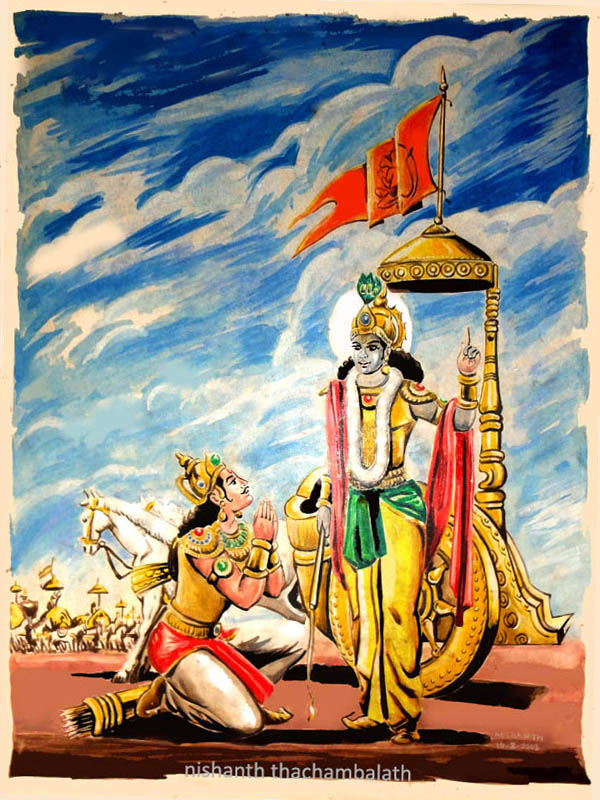
Geethopadesam.245173453_large
Post No. 721 dated 24th November 2013

Who is god? RK Paramahamsa and Tamil Saint

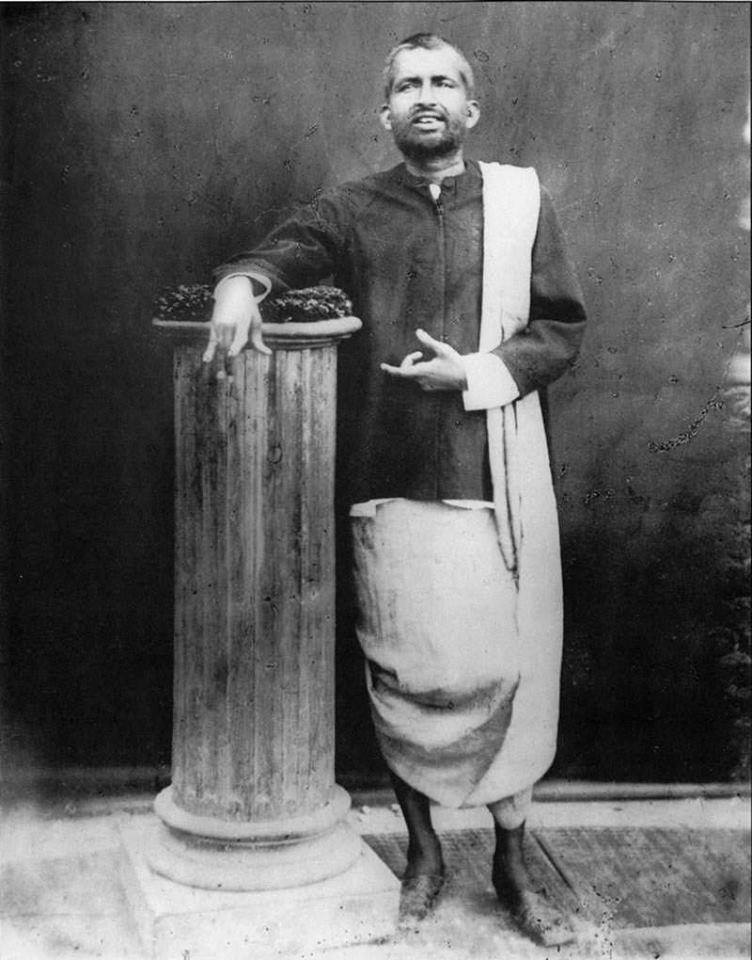
1. That man whose hair stands on end at the mere mention of the name of God, and from whose eyes flow tears of love—he had indeed reached his last birth —-Ramakrishna Paramahamsa

2. Sugar and sand may be mixed together, but the ant rejects the sand and carries away the grain of sugar. So the holy Paramahamsas and pious men successfully sift the good from the bad —R.K Paramahamsa

3. The truly religious man is who he does not commit any sin even when he is alone, and when no man observes him , because he feels that God sees him even then—R.K Paramahamsa

Tamil Saint Valluvar (in Tirukkural)
4. Regard him DIVINE, who divines without a doubt what is passing in another’s mind (Tirukkural 702 in Tamil)

5. A man leading his life as he ought to will be regarded as one of the DEITIES in the heaven (Tirukkural 50)

(Eg. Lord Rama, Lord Krishna, Buddha)

6. Persons who have listened and internalised from instructions of the learned,
Will be like GODS on earth, flourishing on oblational offerings (Kural 413)
Eg. Shankaracharyas and other saints

RK P

7. The king who protects his people rendering justice, according to the laws of the land
Will be hailed s the DIVINE LORD, by his subjects (Kural 388).
Eg. Dharma (Yudhitra)

8. Those who refrain from killing animals, and abstain from eating its flesh
Will receive WORSHIP with folded hands from all creatures of this world. (Kural 260)
Eg. Mahavira

9. He who has controlled his ego and mastered him self
By doing penance, will be the object of universal WORSHIP (Kural 268)

Eg. Adi Shankara, Buddha

10. If he lives true to his inner mind
He lives in the hearts of all mankind (Kural 294)

Eg. Harichandra

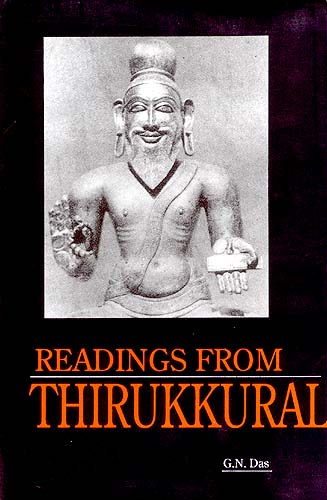
readings_from_thirukkural_idh158
Lord Krishna’s List (Bhagavad Gita 16- slokas 1 to 3)

11. Krishna gives a long list of qualities of people born with Divine Nature:
1.Feralessness (Abhayam)
2.Purity of mind (satvasamsuddhi:)
3.Wise apportionment of knowledge & concentration(Jana yoga vyavastithi)
4.Charity (Dhanam)
5.Self control (Dama:)
6.Sacrifice (Yajna:)
7.Study of the scriptures (Svadhyaya:)
8.Austerity (Tapa:)
9.Uprightness (Arjavam)
10.Non violence (Ahimsa)
11.Truth (Satyam)
12.Freedom from anger (Akrodha:)
13.Renunciation (Thyaga:)
14.Tranquillity(Santi:)
15.Aversion to fault finding (Apaisnam)
16.Compassion to living beings(Buteshu Daya)
17.Freedom from covetousness (aloluptvam)
18.Gentleness (Mardavam)
19.Modesty (Hri:)
20.Steadiness (absence of fickleness/Acapalam)
21.Vigour(Teja:)
22.Forgivness (Ksama)
23.Fortitude (Druti:)
24.Purity (Saucam)
25.Freedom from malice (Adroha:)
26. Absence of excessive pride (Na Atimanita)

—these, O Pandava (Arjuna) are the endowments of him who is born with the DIVINE nature (Daivim Sampadam).

gitopasesa
Read also my earlier posts:

1.One Minute Bhagavad Gita
2. Bhagavad Gita through a Story
3.Bhagavad Gita in Tabular Columns
4. 45 commentaries on Bhagavad Gita
5. G for Ganga….. Gayatri…… Gita…. Govinda…
6.A to Z of Bhgavad Gita (Part 1 and Part 2)
7. Krishna’s Restaurant in Dwaraka: Hot Satwik Food Sold!

Contact swami_48@yahoo.com