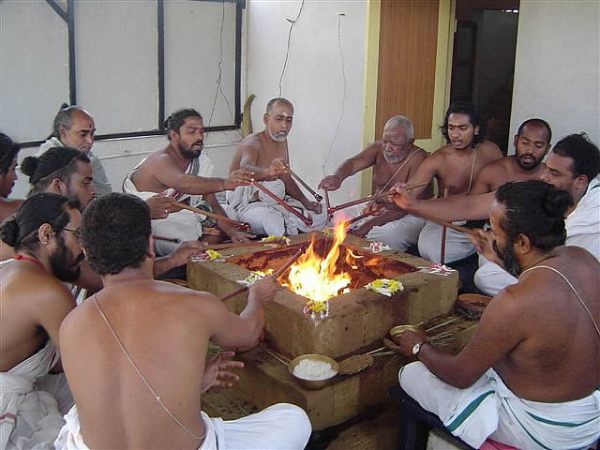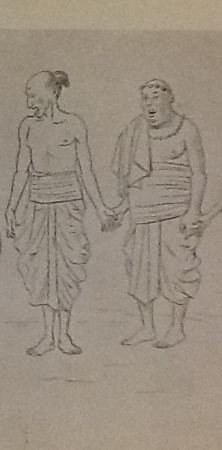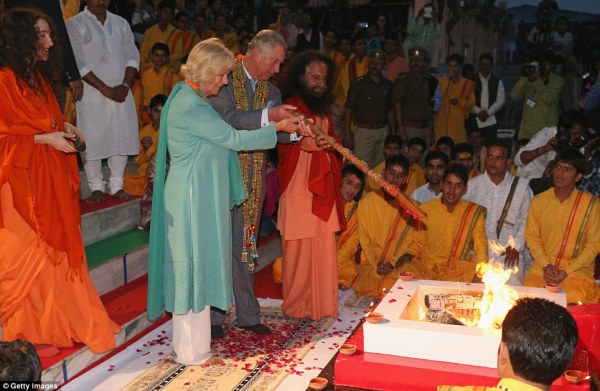
சர்வம் சத்யே ப்ரதிஷ்டிதம்; உலகத்தை உண்மை தாங்குகிறது! (Post No.3319)

Written  by London Swaminathan


Date: 4  November 2016


Time uploaded in London: 13-24


Post No.3319


Pictures are taken from various sources; they are only representational.


contact; swami_48@yahoo.com
 

உலகத்தில் இந்தியாவை யாரும் அழிக்க முடியாது; ஏனெனில் அதன் கொள்கை “வாய்மையே வெல்லும்” (சத்யமேவ ஜயதே) என்னும் வேத வாக்கியம் ஆகும். ஒவ்வொரு நாடும் உலகில் ஒரு சின்னத்தையும் வாசகத்தையும் தேர்ந்தெடுத்துள்ளது. இந்தியா உபநிஷத வாக்கியமான “சத்யமேவ ஜயதே” என்ற அருமையான வாக்கியத்தைத் தெரிவு செய்துள்ளது. சத்தியம் என்பது எல்லா மதங்களுக்கும் அப்பாற்பட்டது. வாழ்க்கையில் எல்லோரும் உண்மையைக் கடைப்பிடிக்காவிடில் உலகமே தலை கீழாகிவிடும்; அதாவது யுக முடிவு நெருங்கிவிட்டது என்று பொருள்.


உலகில் பாரத நாட்டில் இந்த உண்மையை வலியுறுத்தும் அளவுக்கு வேறு யாரும் வலியுறுத்தவும் இல்லை. பின்பற்றவும் இல்லை.


குருவினுடைய வீட்டில் ஐந்து வயது பாலகனைக் கொண்டுபோய் விட்டவுடன் அவர் சொல்லித்தரும் முதல் வாசகம் “சத்யம் வத” (உண்மை பேசு); இரண்டாவது வாசகம் “தர்மம் சர” (அறம் செய்ய விரும்பு). உலகில் எல்லா மதங்களுக்கும் பொருந்தும் அற்புத வேத வாக்கியம் இவை. முதல் மூன்று வருணத்தாரும் இதை குருவினிடத்தில் கற்றனர். நான்காவது வருணத்தினர் தாய் தந்தையிடம் கற்றனர்.


மஹாபாரதத்திலும் பாகவதத்திலும் இதே கருத்தை வலியுறுத்தும் சில பாடல்களைக் காண்போம்:–


பாகவதத்தில்,

சத்யவ்ரதம் சத்யபரம் த்ரிசத்யம் சத்யஸ்ய யோனிம் நிஹிதம் ச சத்யே

சத்யஸ்ய சத்யம்ருத சத்ய நேத்ரம் சத்யாத்மகம் த்வாம் சரணம் ப்ரபன்னா:

–விஷ்ணு பாகவதம் 10-2-26


கிருஷ்ணனைப் பார்த்து தேவர்கள் சொன்ன பாடல் இது. இதன் பொருள் என்ன?

உண்மையே உனது உயிர்மூச்சு, உண்மைப் பொருளே, மும்முறை சத்யம்! நீயே உண்மையின் ஊற்று; உண்மையை உண்மையாக்குபவன் நீ; உண்மை எனும் கண்ணே, உண்மை வடிவானவனே, உன்னைச் சரண் அடைகிறோம்.


சுருக்கமாகச் சொன்னால் உண்மையே கடவுள்; கடவுளே உண்மை.


மஹாபாரதத்தின் சாந்தி பர்வத்தில் 13 நற்குணங்களை பீஷ்மர்  போதிக்கிறார். அதில் ஒன்று சத்யம்.


சத்யம் ச சமதா சைவ தமஸ்சைவ ந சம்சய:

அமாத்சர்யம் க்ஷமா சைவ ஹ்ரீஸ்திக்ஷா அனசூயதா


த்யாகோ த்யானமதார்யத்வம் த்ருதிஸ்ச சததம் தயா

அஹிம்சா சைவ ராஜேந்த்ர சத்யாகாரார் த்ரயோதச:


உண்மை, சமத் தன்மை, புலனடக்கம், தற்பெருமை பாராட்டாமை, மன்னிக்கும் குணம், அடக்கம், பொறுமை, பொறாமையின்மை(அழுக் காறாமை) அமைதியாயிருத்தல், எல்லோரும் இன்புற்றிருக்க நினைப்பது, இரக்கம், பிறருக்குத் தீங்கு செய்யாமை (அஹிம்சை),  கொடை —

ஆகிய 13 குணங்களும் உண்மையின் வேறு வடிவங்களாகும்.

இன்னோரிடத்தில்

சத்யம் பிரம்ம சநாதனம் (உண்மைதான் கடவுள்)

சர்வம் சத்யே ப்ரதிஷ்டிதம் (எல்லாம் உண்மையில் நிலைபெற்றிருக்கிறது)


என்றும் பீஷ்மர் புகல்வார்.


இறந்து போன அபிமன்யுவின் குழந்தையை மீண்டும் உயிர்ப்பிக்க கிருஷ்ணன் சொல்லும் வாசகங்கள் உண்மையின் மகத்துவத்தை விளக்கும்:-


ஓ உத்தரா! நான் பொய் பேசுவதில்லை ஆகையால் நான் சொல்வது நிச்சயம் நிகழும்; இதோ இந்த தருணத்தில் இக்குழந்தையை உயிர்த்தெழ வைப்பேன்.


ஒருக்காலத்திலும் நான் பொய் பேசாதது உண்மையானால், விளையாட்டிற்கும் கூட பொய் சொல்லாதது உண்மை என்றால் இந்தக் குழந்தை உயிர் பிழைக்கட்டும்.


எந்தக் காலத்திலும் நான் அர்ஜுனனுடம் சண்டை இடாதது உண்மையானால். அந்த வாய்மையே இக்குழந்தையைக் காப்பாற்றட்டும்.

என்னிடத்தில் உண்மையும் அறமும் எப்போதும் இருக்குமானால் அபிமன்யுவின் இந்த இறந்துபோன குழந்தை மீண்டும் உயிர்பெறட்டும்

(மஹாபரதம் அஸ்வமேத பர்வம்)
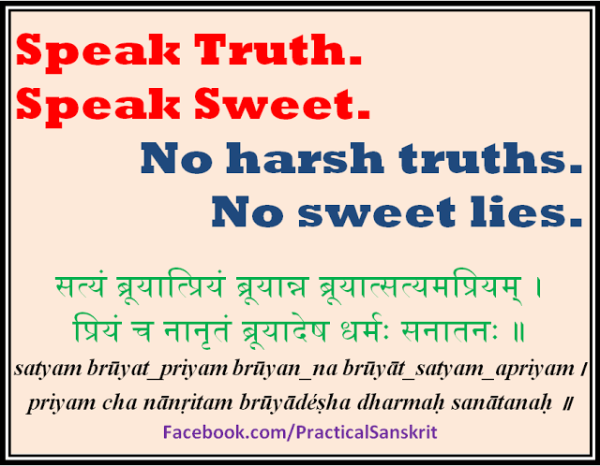
The above sloka is from Manu Smrti

இறந்து போன குழந்தையையும் உயிர்த்தெழச் செய்யும் சக்தி வாய்மைக்கு உண்டு!!


இதே கருத்தை ராமாயணத்திலும் காணலாம். ராமன் 14 ஆண்டுக் காலத்துக்கு கானகம் சென்றதன் காரணம் தந்தையின் வாக்குறுதி சத்தியமாகட்டும் என்பதற்ககத்தான். அவன் கானகம் செல்ல மறுத்திருந்தால் தசரதனின் இரண்டு வரங்களும் பொய்யாகப் போகும்.

தர்மன் 12+1 ஆண்டு கானகத்தில் விதிப்படி உலவியதும் சத்தியத்தைக் காப்பதற்கே. துரியோயதணனைப் போல அறமற்ற வழிகளைப் பின் பற்றியிருந்தால் மஹாபரதமே இருந்திருக்காது.


இந்துக்களின் இரு பெரும் இதிஹாசங்களும் சத்தியத்தை நிலைநாட்ட வந்தவை!

இதிஹாசத்தில் பல இடங்களில் “என் உதடுகள் எந்தப் பொய்யையும் சொன்னதில்லை” என்ற வாசகம் அடிக்கடி வருகிறது.


சமுதயத்திலோ, குடும்பத்திலோ ஒருவர்  மற்றவருக்கு உண்மையாக நடப்பதால்தான் அமைதி (சாந்தி) நிலவுகிறது. என்று கணவன் மனைவி இடையே சத்தியம் நீங்குகிறதோ, என்று பெற்றோர்- புதல்வர் இடையே சத்தியம் நீங்குகிறதோ அன்று அமைதி மறைகிறது.

சர்வம் சத்யே ப்ரதிஷ்டிதம்!

–Subahm—
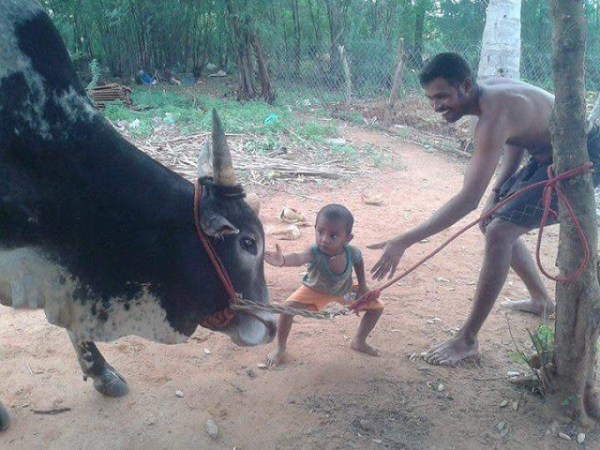
Bull Fighting by Kallans (Post No.3318)

Compiled  by London Swaminathan


Date: 4  November 2016


Time uploaded in London: 6-59 AM


Post No.3318


Pictures are taken from various sources; they are only representational.

Contact: swami_48@yahoo.com

 
Source: THE LAND OF LINGAM by Arthur Miles, Year 1933


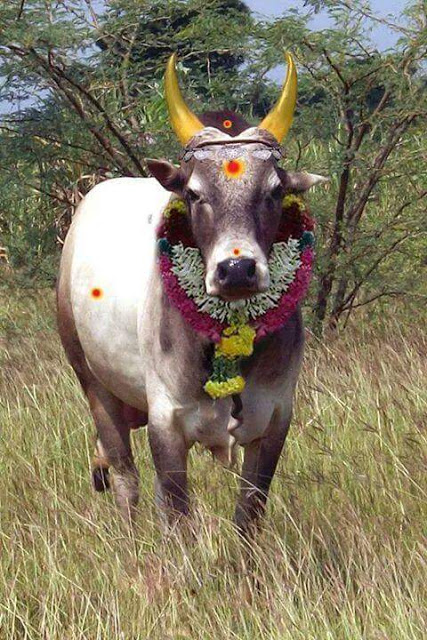
“The Kallan girl often chooses her husband for valour. The horns of the fiercest bull are festooned with flowers, and the animal is turned loose amidst the frightful din of wild music and tom- toms. Excited by the noise and the onlookers, the bull charges about wildly, snorting and bellowing. The would-be bridegroom must recover the flowers from the bull’s horns, and it is considered a very great disgrace to be injured in so doing.


In former days all weddings were preceded by bull-fights. The girls who were to be married stood on a balcony over looking the enclosure, and watched their sweethearts give an account of themselves. The men were dressed in garlands of red and purple flowers, and before the contest prayed to the gods whose images were placed under the trees. The drums were beaten until the animals were infuriated, when at a given signal the men leaped into the enclosure and tried to seize the bulls, each youth selecting the bull whose colours belonged to his sweetheart. Many an unfortunate youth would be gored, and others, although wounded and bleeding would essay again and again to spring on to beasts’ backs to  bring them to the ground. The men who acted as judges, when they gloated sufficiently over the ghastly spectacle, announced that the fight was over. The victors afterwards met their brides-elect in another enclosure, which had been prepared for dancing. Often girls had to attend several fights before their chosen ones (there were different men on each occasion) came out alive.


Cousin Marriage


In  the opinion of the Kallans the best alliance is between man and his first cousin on his father’s side. Disparity in ages is considered of no consequence. A boy of fifteen should marry such a cousin, if she happens to be thirty or forty and if he has no cousin he should marry his aunt. When a wedding has taken place, the bridegroom’s sister goes to the bride’s house and takes the bride home with her to a feast that has been prepared. For the celebration sheep will have been roasted and a goodly supply of toddy bought. When everyone is intoxicated, the bride and the bridegroom go to their own house.


During the first year of their marriage the bride’s mother is supposed to present the pair with rice and chickens, pots, cocoanuts, and cloth, as often as she can afford the gifts. It used to be the custom for the bride and bridegroom to stand side by side during the marriage ceremony, and to sell all the wedding presents to the assembled guests, the money brought by the sale becoming the bride’s wedding portion.


Infant marriage is permitted amongst the Kallans, but it is not popular because it entails a present which must be given by the parents of the bride to the contracting pair until after the first year of the conjugal state. In adult marriage the time is shortened, and consequently the expenditure is less. For the betrothal ceremony the consent of the maternal uncle is necessary.


A pregnant woman, during the seventh month of pregnancy stands before her sister-in-law with bent head, while the sister-in-law pours the milk of a cocoanut down her, the pregnant woman’s, back. Sometimes patterns are traced on her back with turmeric paste before the liquid is poured. On the same date the husband decorates a grindstone with paste tracings, a blessing on his wife, and prays that she may have a male child as strong as the stone. When a child is born the entire family is under pollution for thirty days, during which time entrance into a temple is forbidden.

Circumcision!

This caste performs circumcision. It is uncertain how this practice came into being.

Before any undertaking they place one red flower and one white flower in front of their idol, the white bloom signifying success. A child is asked to pick up one of the flowers, and if the red one is chosen, the undertaking is abandoned for the time.


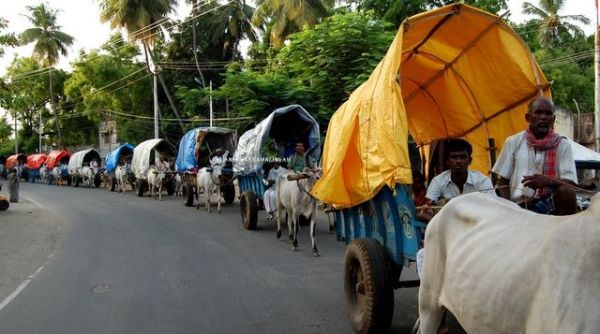
Their local gods are carried through the streets on the sacred vehicle at the car festival, and their god Aalagarswami, exhibits the long ears characteristic of their caste.


It is said that if the men of this caste are successful in a marauding expedition, they put some of their ill-gotten gain before the god in the local shrine. The banks of the River Vaigai swarm with Kallans at their great annual festival, when the god Alagarswami is draggee through the steets. No blood is spilled as Alagarswami is a vegetarian, but ack of sanguine offering is due more to Brahmin influence than to Alagarswami’s vegetarian propensities.


Tree Devils

The Kallans believe that certain trees are occupied by devils, and under such trees they make offerings to the demon inhabitants. Rice and milk are left for the devils at night and a little fire is lighted in order that they can see the offerings. To-day, if such a tree grows in the jungle, and is consequently off the beaten path, a sheep or a goat is sacrificed and its blood spilled at the roots. When an animal offered, the devil will come out of the tree and enter the body of the worshipper, who becomes the devil’s mouthpiece and predicts what is going to happen in the near future. When the spirit of darkness has had his say, he returns to his tree and the worshipper recovers his senses.


Disputes and petty crimes occurring in the caste are usually settled by some member in authority. This dignitary frequently is one who, because he has acquired more money than any of the others, has won the respect of his people. Fines he inflicts are credited to the caste fund, and as this fund must be augmented the attentions of the police are not solicited.


Read my old article:-

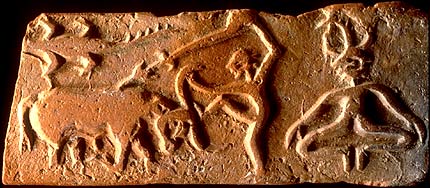
BULL FIGHTING: Indus Valley to Spain via Tamil Nadu by London Swaminathan, 21 January 2012


–SUBHAM–


அதிசய புத்த துறவி ஸு யுன்! – 15 (Post No.3317)

WRITTEN BY S NAGARAJAN


Date: 4  November 2016


Time uploaded in London: 5-51 AM


Post No.3317


Pictures are taken from various sources; thanks. This picture is from a Facebook friend ; thanks.


100 வயது வாழ்ந்த பெரியோர்


120 வயது வாழ்ந்த அதிசய புத்த துறவி ஸு யுன்! – 15

ச.நாகராஜன்


ஸு யுன்னுக்கு இப்போது வயது 71.

அரசாங்கம் மடாலயங்களின் சொத்துக்களுக்கு எந்த வரியையும் விதிக்கக் கூடாது என்று ஆணை பிறப்பித்ததிலிருந்து யுனான் மாகாணத்தில் மிக்க அமைதி நிலவியது.


யுனானின் வைசிராய் லி ம்டாலயத்திற்கு ஒரு பிரதிநிதியை அனுப்பி ஸு யுன்னின் நலம் பற்றி விசாரித்தார்.

ஏராளமான பரிசுகளையும் அவர் அனுப்பி வைத்திருந்தார்.

மடாலயங்களில் கடைப்பிடிக்கப்பட வேண்டிய விதிகளை ஸு யுன் வகுத்ததோடு அதை அணுவளவும் பிசகாது பின்பற்றும்படியும்  செய்தார்.


கோடைகாலத்தில் திடீரென்று ஒருநாள் ஸு யுன்னின் வீட்டிலிருந்து ஒரு கடிதம் வந்தது. ஸு யுன் ஐம்பது ஆண்டுகளுக்கு முன்னர் வீட்டை விட்டு வெளியேறியதிலிருந்து இன்று வரை நடந்ததை எண்ணிப் பார்த்தார்.

மளமளவென்று கவிதைகளாக வர ஆரம்பித்தன.

அவற்றைப் படித்துப் பார்த்த மத்திய அரசின் தலைமைச் செயலர் உபாசகர் சென் யுங் சாங் அவற்றை கல்வெட்டுக்களாக கல்லில் பொறித்தார்.


ஸு யுன்னுக்கு இப்போது வயது 72. வருடத்தில் வ்சந்த காலத்திலும் கோடை காலத்திலும் தியான வகுப்புகள் நன்கு நடைபெற்றன. ஒன்பதாவது மாதத்தில் வூசாங் மாகாணத்தில் ஒரு பெரும் புரட்சி ஏற்பட்டது, பின்சுவான் நகர் முற்றுகையிடப்படுவது நிச்சயம் என்ற நிலை உருவானது.  உடனே ஸு யுன் களத்தில் இறங்கி  மத்யஸ்த பேச்சு வார்த்தைகளைத் தொடங்கினார். ஒரு சின்னத் தவறினால் தவறுதலாக ஒரு விஷயத்தைப் புரிந்து கொணட கமாண்டர்  லி ஜென் யுயான் தன் படைகளோடு காக் ஃபுட் மவுண்டனைச் சுற்றி வளைத்து விட்டார்.


ஆனால் ஸு யுன்னின் சரியான விளக்கத்தைக் கேட்ட பின்னர் மிக்க திருப்தியுற்றுத் தன படைகளை அவர் விலக்கிக் கொண்டார்.

குளிர் காலம் தொடங்கியது. ஸு யுன்னுக்கு சீன புத்த சங்கத்திலிருந்து ஒரு தந்தி வந்தது. சீன புத்த் சங்கத்திற்கும் ஷாங்காயில் உள்ள யுனிவர்ஸல் புத்திஸ்ட் சொஸைடிக்கும் ஏற்பட்டுள்ள தகராறைச் சரி செய்ய உடனே வாருங்கள் என்ற அழைப்பு தந்தியில் இருந்தது. உடனே நான் ஜியாங் நகர் சென்ற ஸு யுன் சம்பந்தப்பட்ட அனைவரையும் அழைத்து பேச்சு வார்த்தை நடத்தினார். இறுதியில் புத்த சங்கத்தின் தலைமையகம் ஜிங்-ஆன் ஆலயத்தில் அமைக்கப்படுவதென்று ஒரு மனதாக  முடிவானது.


இதையடுத்து மாஸ்டர் ஜி-சானுடன் ஸு யுன்  பீகிங் சென்றார். அங்கு ஃபா யுவான் மடாலயத்தில் இருவரும் தங்கி இருந்தனர். ஒரு நாள் தியான நிலையில் அமர்ந்திருக்கும் போதே மாஸ்டர் ஜி சான் நிர்வாணம் எய்தினார்.


அவரது இறுதிச் சடங்கை நடத்திய ஸு யுன் அவரது சவப்பெட்டியை ஷாங்காய் எடுத்துச் சேன்றார். புத்த சங்கத்தின் த்லைமையகம் அங்கு துவங்கப்பட்டது.  மாஸ்டர் ஜி-சானுக்கும் ஒரு நினைவு விழா நடத்தப்பட்டது. அனைவரும்  மகிழ்ந்தனர்.

யுனானுக்கு ஸு யுன் திரும்பும் தருணத்தில் உபாசகர் லி ஜென் யுவான் கவர்னர் கெய்-ஓ விற்கு ஒரு அறிமுகக் கடித்ததைக் கொடுத்தார். அவர் மூலம் புத்த தர்மம் செழிக்க வேண்டும் என்ற அவா அதில் தெரிவிக்கப்பட்டிருந்தது.

அந்தக் கடித்தத்துடன் ஸு யுன் யுனானுக்குத் திரும்பினார். புத்த தர்மம் செழிப்பதற்கு அவர் செய்ய வேண்டிய ப்ணிகள் நிறைய இருந்தன!

-தொடரும்


Miracle Cure for Eczema! (Post No.3316)

Compiled  by London Swaminathan


Date: 3  November 2016


Time uploaded in London: 18-38


Post No.3316


Pictures are taken from various sources; they are only representational.


Arthur Miles narrated the following anecdote in his book The Land of the Lingam (year 1933):–

Another of my friends in south India had much happier experience with her bearer.  For thirty-five years her husband had been the victim of eczema, and had spent unavailingly a small fortune on doctors and cures.

One day, however, when she was having tea alone in the compound, her bearer said to her: “Memasahib, I can cure master”. With a smile, she told the man she was sure he could not succeed where all the doctors had failed. Nevertheless, the servant quietly insisted in his assertion, and produced a small phial containing some thickish red fluid. A crop of sores on her husband’s body the following morning reminded the memsahib of the phial the boy had given her, and more in desperation than in any belief in the of the remedy, she applied the contents of the bottle to the new eruption.


To her amazement the sores not only healed, but they left behind no scar on the skin. For some time my friend was unable to get the bearer to tell her how his medicine was prepared, and it was always he and the maali (gardner) who went off together to get fresh supplies. During the early stages of the treatment it seemed that supplies could be obtained within her own compound, but later the men had to go farther afield.

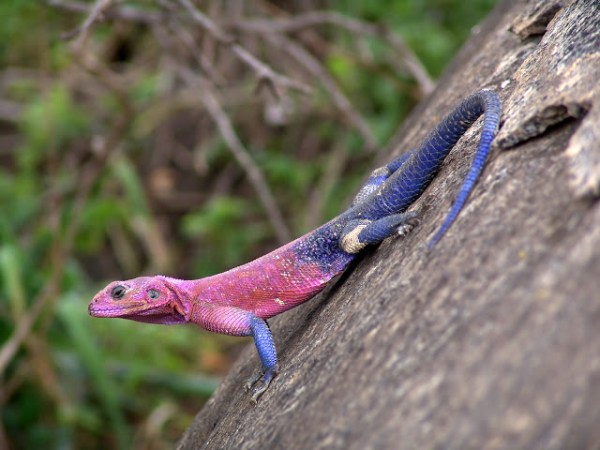
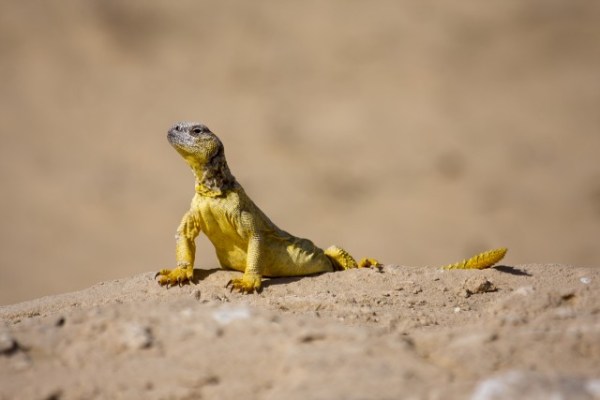
Picture of Agamidae lizard

Like a wise woman, however, since all was going well, she concealed her curiosity, and paid the bearer well for his trouble. Ultimately, it turned out to be blood from the throat of the Agamidae lizard which was providing the so magical cure. When I last heard from my friends they were making a leisurely trip around the world. Knowing my interest in the matter it was specially mentioned in a letter that no return of the eczema had occurred.

–Subham–


புத்தாண்டு தினத்தன்று ஏழு கோவிலுக்குச் செல்லும் பிரிட்டிஷ் எம்.பி. (Post No.3115)

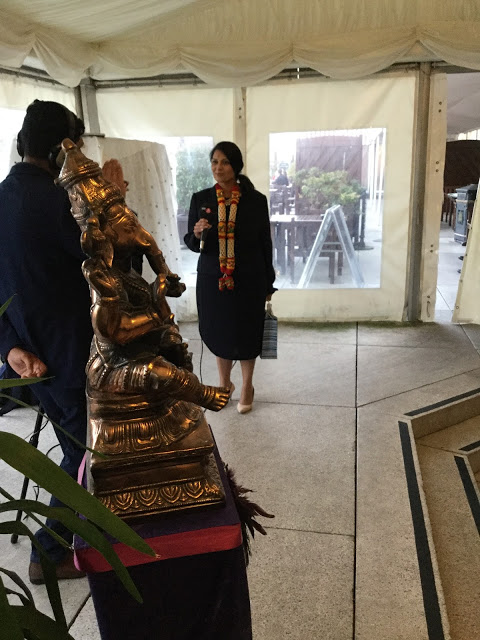
பிரிட்டிஷ் அமைச்சர் ப்ரீதி படேல்(Just outside the hall)


Written  by London Swaminathan


Date: 3  November 2016


Time uploaded in London: 6-30 AM


Post No.3315


Pictures are taken by London swaminathan.


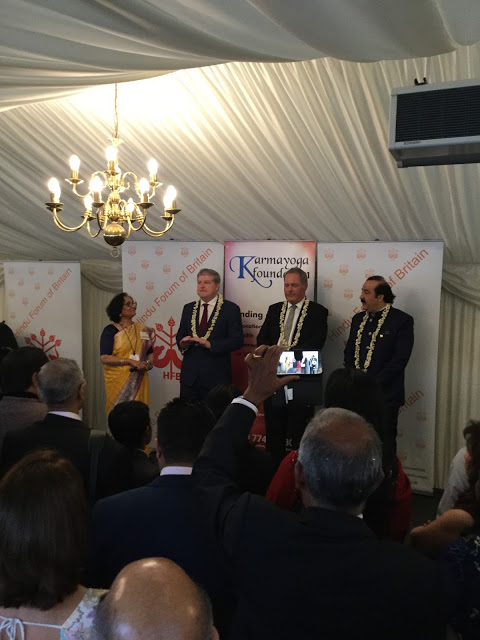
பிரிட்டிஷ் எம்.பி.க்கள் ராபர்ட்சனும் பிளாக்மேனும்


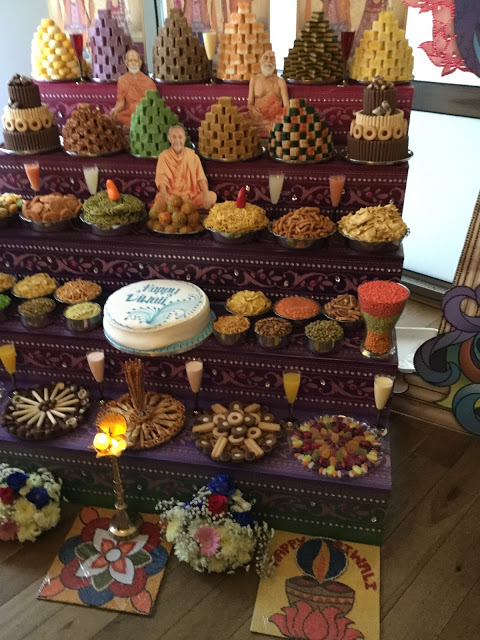
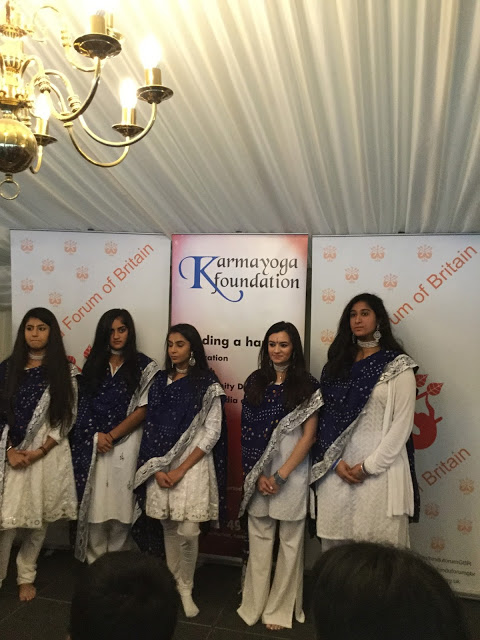
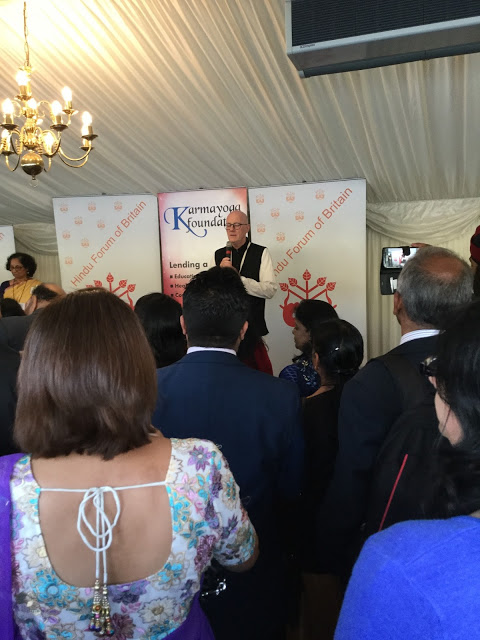
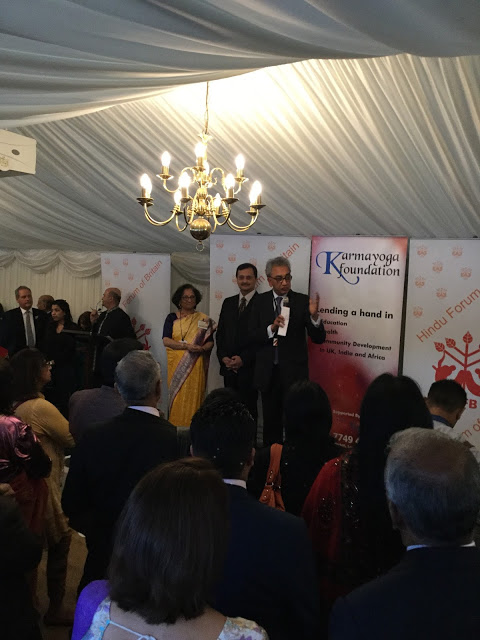
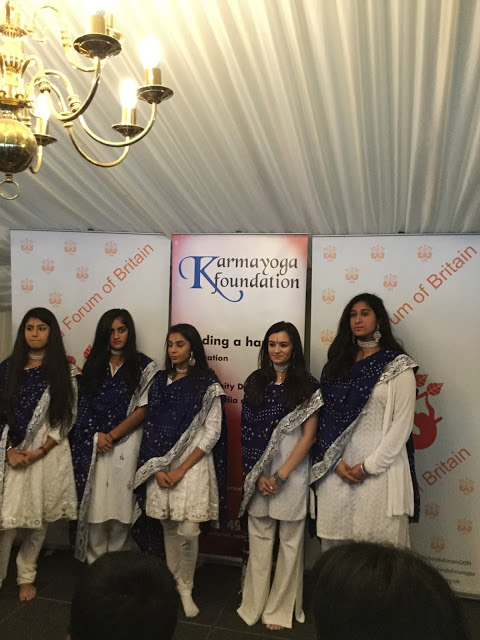
பிரிட்டிஷ் நாடாளுமன்றத்தில் அக்டோபர் 26 புதன்கிழமையன்று பிரிட்டிஷ் ஹிந்து மன்றம் (Hindu Forum of Britain) தீபாவளிப் பண்டிகையைக் கொண்டாடியது. அதன் சிறப்பு அம்சங்களை மட்டும் சுருக்கி வரைகிறேன்.


பாப் பிளாக்மேன் (Bob Black man)  என்ற எம். பி பேசுகையில் ஆண்டுதோறும் புத்தாண்டு நாளன்று ஏழு கோவில்களுக்குச் சென்று வருவதாகவும் அடுத்த முறை எட்டு அல்லது ஒன்பது கோவில் போக திட்டமிட்டிருப்பதாகவும் கூறியவுடன் பலத்த கரஒலி எழுந்தது. காலை ஏழு மணிக்குப் புறப்பட்டு நள்ளிரவு வாக்கில் புனித யாத்திரையை முடிக்கிறார் இந்த கிறிஸ்தவ இந்து!


அவரை அடுத்து ஸ்காட்லந்தில் மிகப் பெரிய கட்சியின் எம்.பி ஆங்கஸ் ராபர்ட்சன் பேசினார். “நான் உங்களிடம் ஒரு உண்மையைச் சொல்லிவிடுகிறேன். இங்கிலாந்தை விட ஸ்காட்லாந்தில் இந்தக் குளிர் காலத்தில் இருட்டு அதிகம். நீங்கள் இந்துக்கள்; தீபாவளி மூலம் பிரகாசத்தைக் கொண்டு வருகிறீர்கள். ஸ்காட்லாந்திலோ அதிகம் இந்துக்கள் இல்லை. நீங்கள் பெருமளவில் வந்து எங்கள் பிராந்தியத்தில் வெளிச்சம் உண்டாக்குங்கள் என்றார். உடனே கர ஒலி மண்டபத்தின் கூரையைப் பிய்த்துக் கொண்டு சென்றது.

குஜராத்தி இனிப்புகள் (கூட்ட அறையில்)


காஷ்மீர் தினமும் இதே நாளன்று கொண்டாடப் பட்டதால் அதற்காக வந்திருந்த காஷ்மீர் மஹாராஜாவின் பேரன் தீபாவளித் திருநாளிலும் கலந்து கொண்டார். அவரது தாத்தா பெரிய தேசபக்தர் என்பதால் இந்தியாவுடன் காஷ்மீர் இருக்க வேண்டும் என்று உடன்படிக்கை செய்தார். அவருக்கும் மாலை போட்டு கவுரவித்தோம் ( நான் ஹிந்து போரத்தின் தேசிய கமிட்டி உறுப்பினர்)


புதிதாக பிரபுக்கள் சபைக்கு நியமிக்கப்பட்ட ஹிதேஷ் காதியா பேசுகையில் முதல் தடவையாக மஹாரணிக்கு முன்னிலையில் ரிக் வேதத்தின் மீது சத்தியப் பிரமாணம் எடுத்ததாகவும் உலகின் மிகப் பழைய நூல் என்பதோடு ரிக் வேதத்தில் எல்லோருக்கும் பொருந்தும் அருமையான பாடல்கள் உள்ளன என்றும் சொன்னவுடன் அனைவரும் கைதட்டி அதை ஆமோதித்தனர்.


பிரதம மந்திரி தெரெசா மே, இந்த நிகழ்ச்சிக்கு வருகை புரியாவிட்டாலும் வாழ்த்துச் செய்தி அனுப்பி இருந்தார். அதை பிளாக் மேன் வாசித்து அனைவரையும் மகிழ்வித்தார்.


மேலும் பல எம்.பி.க்களும் பிரபுக்களும் நல்லுரை ஆற்றினர். இராமன் அயோத்தி திரும்பிய நல்ல நாள் இது. இருளிலிருந்து வெளிச்சத்துக்கும் அறியாமையிலுலிருந்து ஞானத்துக்கும் செல்லும் நாள் இந்த தீபத் திருநாள் என்று குறிப்பிட்டனர்.


பிரிட்டிஷ் அமைச்சர் பிரீதி படேல் பேசுகையில் பிரிட்டிஷ் இந்துவாக இருப்பதிலும் அனைவருக்கும் சேவை செய்வதிலும் பெருமைப்படுவதாகக் கூறினார்.

பார்லிமெண்டின் மேல் மாடியில் தேம்ஸ் நதியை நோக்கிய ஹாலில் இக்கூட்டம் 300 பேருடன் நடந்தது. இன்னிசை நிகழ்ச்சியும் வயிற்றுக்குச் சிறிது உணவும் வழங்கப்பட்டது.

மன்றத்தின் தலைவி திருமதி திருப்தி படேலும் (President HFB), செயலர் செல்வி பன்னா வகாரியாவும் (Secretary General)  செம்மையான ஏற்பாடுகளைச் செய்து சிறப்பெய்தினர்.

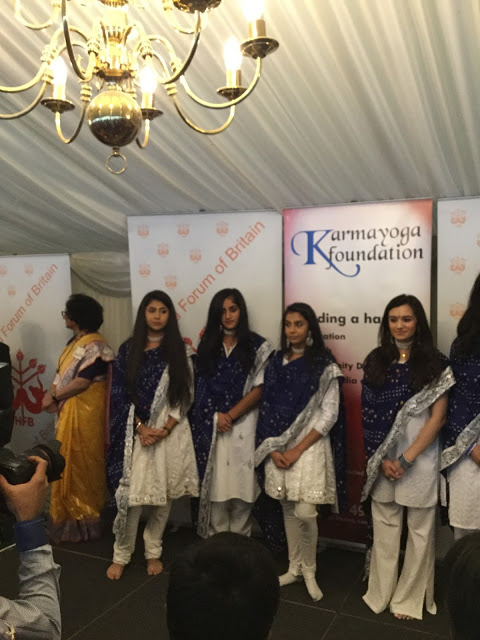
சாயி பள்ளி மாணவிகள்


–சுபம்–


உலகம் அழியுமா? அணு ஆயுதப் போர் மூளுமா? (Post No.3314)

WRITTEN BY S NAGARAJAN


Date: 3  November 2016


Time uploaded in London: 6-00 AM


Post No.3314


Pictures are taken from various sources; thanks.


28-10-2016 பாக்யா இதழில் வெளி வந்துள்ள கட்டுரை

உலக நடப்பு


உலகம் அழியுமா? அணு ஆயுதப் போர் மூளுமா?

ச.நாகராஜன்

சிரியாவில் நடக்கும் யுத்தம் காரணமாக அமெரிக்காவும் ரஷியாவும் ஒரு நிழல் யுத்தத்திற்குத் தயாராக ஆகிறதா?


இந்த சந்தேகத்தை எழுப்பும் விதமாக 2016 அக்டோபரில் ரஷிய ராணுவத்தின் அறிவிப்பையும் அதைத் தொடர்ந்து நடந்த பாதுகாப்பு ஒத்திகையையும் உலகப்  பத்திரிகைகள் சுட்டிக் காட்டுகின்றன.


40 மில்லியன் – 4 கோடி ரஷியர்கள் இந்த போர்க்கால்த் தற்காப்பு ஒத்திகையில் பங்கேற்றனர். அவசர நிலையைச் சமாளிக்கும் இரண்டு லட்சம் நிபுணர்களும்  ஐம்பதினாயிரம் தற்காப்புச் சாதனங்களை ஏந்தும் பிரிவுகளும் இந்த் அணு ஆயுதப் போர் தற்காப்பு ஒத்திகையில் பங்கேற்கும் என்றும் இது நான்கு நாட்கள் நீடிக்கும் என்றும் ரஷிய ராணுவ்ம் அறிவித்திருக்கிறது.


இது ஒரு ஒத்திகை தான் என்றும் ஜனங்கள் அவசரநிலைக்கு எப்படி ஈடு கொடுக்கிறார்கள் என்பதைக் கணிக்கவே இது நடைபெறுகிறது என்று சிவில் டிஃபன்ஸ் மினிஸ்ட்ரி டைரக்டர்  ஓலக் மனுலாவ் (Olec Manuilov) கூறி இருக்கிறார்.


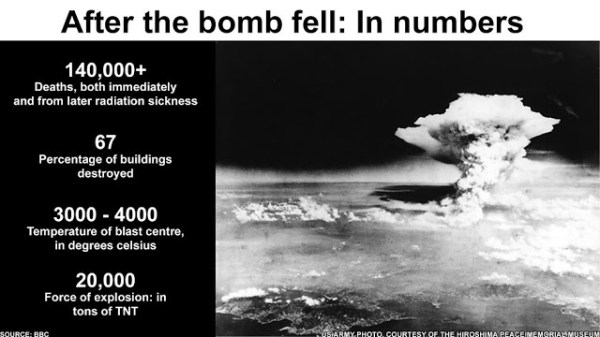
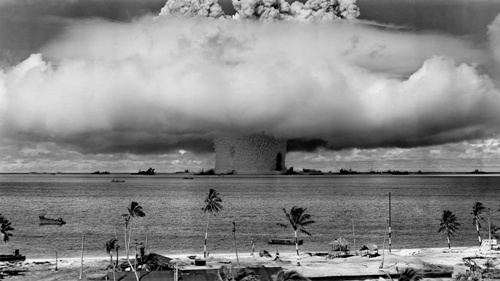
அணு ஆயுதப் போர் ஒன்று மூண்டால் என்ன நடக்கும்?

உலகெங்கும் புகை மண்டலம் சூழும்.

புழுதியும் இடிபாடுகளும் பூமியின் ஸ்ட்ராடோஸ்பியரை மாசு படுத்தும்.


சூரிய ஒளியை பல மாதங்களுக்கு, ஏன் பல வருஷங்களுக்கு பூமியில் பார்க்க முடியாது. இந்த நிலைக்கு ந்யூக்ளியர் விண்டர் – அணுக் குளிர்காலம் –என்று பெயர்.

50 அணு ஆயுதங்கள் ஏவி விடப்பட்டாலே போதும், உலகம் அவ்வளவு தான்!


ஒரு கிலோ டன் அணு வெடிப்பு என்பது ஆயிரம் டன்கள் டிஎன் டி வெடிப்புக்குச் சமம். ஹிரோஷிமா நாகசாகியில் ஏற்பட்ட அழிவை வைத்துக் கணக்கிட்டுப் பார்க்கையில் பல கோடி மனிதர்கள் அழிய நேரிடும்.


முதலில் அனைவருக்கும் பார்வை போய் விடும். மிருகங்கள் பறவைகள் உள்ளிட்ட அனைத்து உயிரினங்களும் பார்வையை இழக்க நேரிடும்.இது அணு ஆயுத வெடிப்பினால் உருவாகும் நைட்ரஜன் ஆக்ஸைடினால் ஏற்படும்.


தாவரங்கள் அழுகி விடும். உணவு நாசமடையும்.

உயிரோடிருப்பவர்கள் கறுப்புக் கண்ணாடியை அணிந்து கொண்டும் விசேஷ தடுப்பு உடைகளை அணிந்து கொண்டும் தான் பல வருடங்கள் உயிர் வாழ வேண்டியிருக்கும்! ஆனால் உயிரோடிருப்பது என்பதே பெரிய கொடுமையாக இருக்கும்


100 மெகா டன் பயன்படுத்தப்பட்டாலோ பூமியே உறைந்து போகும். மொத்த உயிரினமும் முடிவுக்கு வரும்!

இதெல்லாம் அனைவருக்கும் தெரியும்.

1982இல் நடந்த சம்பவம் இது!


அமெரிக்காவைக் கண்காணித்துக் கொண்டிருந்த ரஷியர் ஒருவர் திகைத்து விட்டார்.

ஏனெனில் ஐந்து அணு ஆயுதங்கள் அமெரிக்காவினால் ஏவப்பட்டிருப்பதாக அவர் முன்னால் இருந்த் கண்காணிப்புத் திரை காண்பித்தது,


பதிலுக்கு உடனுக்குடன் அவரும் நடவடிக்கை எடுக்க வேண்டும்.

ஆனால் அவர் சற்றுத் தயங்கினார். இது சரிதானா என்று சரிபார்க்க வேண்டும் என்று ஒரு கணம் அவர் நினைத்தார்.

உலகமே பிழைத்தது. மெக்கானிகல் எர்ரர் எனப்படும் இயந்திரக் கோளாறு தான் அப்படி ஒரு தவறான தகவலைத் திரையில் காட்டி இருந்தது.


ஒவ்வொரு கணமும் மனித குலம் செத்துப் பிழைக்கும் நிலைக்குக் காரண்மான அணு ஆயுதங்களை அறவே ஒழிக்க உலகத் தலைவர்கள்  ஒன்று கூடி நடவடிக்கை எடுத்தால் இப்படிப் பயப்பட வேண்டிய அவசியம் இருக்காது.

இன்னொரு மஹாத்மா பிறப்பாரா? அஹிம்சை வழியை மீண்டும் காண்பிப்பாரா?


வருவார் காந்திஜி! எதிர்பார்ப்போம், பிரார்த்திப்போம்!!

************


British M.P. visits 7 Hindu Temples on New Year Day! (Post No.3313)

Angus Robertson and Bob Blackman, British MPs and Friends of Hindus.


Written  by London Swaminathan


Date: 2  November 2016


Time uploaded in London: 18-57


Post No.3313


Pictures are taken by London swaminathan.


Gowri Prabhu of Hare Krishna Temple doing Prayer

We had the Deepavali (Diwali) celebrations in the British Parliament in London on behalf of the Hindu Forum of Britain on Wednesday the 26th of October 2016. As an executive committee member and Chairman of the Chaplaincy Board of the Hindu Forum of Britain, I attended the crowded meeting. We celebrate the Deepavali every year in the Parliament. This year minister Priti (Pretty)  Patel (Secretary of State for International Development) along with several MPs and Lords attended the event.


As usual every speaker reminded us that it was the celebration of victory of good over evil, wisdom over ignorance, light over darkness. All the speakers referred to Rama’s return to Ayodhya, but none referred to Krishna’s victory over Narakasura of Assam(Kamarup). Krishna’s story is more popular in the south of India.


The most interesting thing is that Bob Blackman MP and the Chair of the All Party Parliamentary Group of Hindus, told the meeting that he visits eight Hindu temples every year on the New Year day and this year he has decided to visit at least nine temples, if possible more than nine. He leaves home around 7 am on the New Year day and visits the temple until midnight! He received thundering applause when he said this. Minister Priti Patel said that she was proud to be a British Hindu.


President of HFB Mrs Trupti Patel

Angus Robertson MP and SNP Westminster Group leader said that he wanted to confess one thing. Since he is from Scotland he said that Scotland is darker than other parts of Britain during Deepavali period and he wanted more Hindus to come to Scotland to lit up the place with more lamps. He received a big applause. He also mentioned that less number of Hindus live in Scotland than England.


The newly appointed Hindu to the House of Lords, Lord Jitesh Gadhia said that he took the oath with Rig Veda in his hand because it was the oldest scripture and has common prayers for all. He also received a big applause.


Since Kashmir day was celebrated a few hours before our function, Kashmir Maharaja’s grandson also came to the event with the MPs from that meeting. He was honoured because his granddad was the one who signed the treaty to stay in the Union of India. Many of the speakers praised the British soldiers and the Indian soldiers who are fighting a common enemy – the Muslim terrorists.

(Extreme right) Grand son of Maharajah of Kashmir

Sine Prime Minister Theresa May was busy with government  affairs her Deepavali Message was read by Bob Blackman.


Hindus are the biggest ethnic minority in the British Armed forces. Lot of MPs thanked the Hindus for developing the country economically and physically protecting the country.

The event was well attended and well organised by the HFB President Mrs Trupti Patel and Secretary General Ms Panna Arjan Velaria Mlod. A souvenir was also released on the day. Entertainment was provided by young artistes.


Minister Priti (Pretty) Patel is interviewed by TV people near the hall

Sai School of Harrow Students singing

–Subham–


5 மஹா யக்ஞம், 14 ச்ரௌத யக்ஞம், 7 பாக யக்ஞங்கள் (Post No.3312)

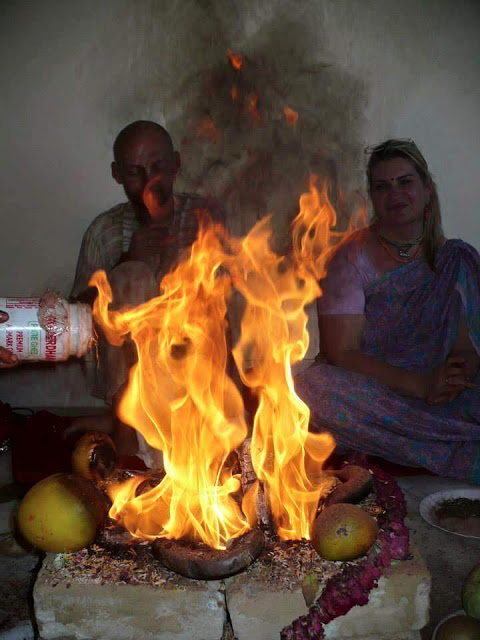
யாகத்தீயில் ராதாகிருஷ்ணன்


Written  by London Swaminathan


Date:2  November 2016


Time uploaded in London: 15-11


Post No.3312


Pictures are taken from various sources; thanks.


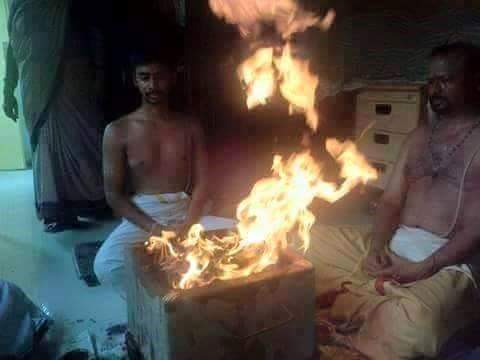
இந்துக்கள் தினமும் செய்யும் பஞ்ச மஹா யக்ஞத்தில் – ஐவேள்வியில் —

1.பிரம்ம யக்ஞம்/வேதம் ஓதுதல்,

2.தேவ யக்ஞம்/தெய்வங்களுக்குப் பூஜை செய்தல்,

3.மனுஷ யக்ஞம்/ விருந்தினருக்கு சோறிடுதல்,

4.பூத யக்ஞம்/பிராணிகளுக்கு உணவு படைத்தல்,

5.பித்ரு யக்ஞம்/நீத்தாருக்கு நீர்க்கடன் செலுத்தல் என்பன அடக்கம்.


எல்லா இந்துக்களும் பஞ்ச மஹா யக்ஞம் என்னும் ஐந்து வேள்விகளைச் செய்யவேண்டும்.பிராமணர்கள் வேதம் ஓதும் இடத்தில் மற்றவர்கள் தேவாரம், திவ்வியப் பிரபந்தம், திருவாசகம், திருக்குறளை ஓதலாம். வேள்வி என்பது யாகத்தீயில் அவிஸை (நெய்யுடன் கலந்த சோறு) போடுவது மட்டுமல்ல. மனதளவில் பல வேள்விகளைச் செய்யலாம்.

 
யாகத் தீயில் அனுமார்


வள்ளுவரும் சொல்லி இருக்கிறார்:—


தென்புலத்தார், தெய்வம், விருந்து, ஒக்கல், தான் என்று ஆங்கு

ஐம்புலத்து ஆறு ஓம்பல் தலை (43)

பொருள்: இறந்து போய் தென் திசையில் வாழ்ந்து கொண்டிருக்கும் நம் முன்னோர்கள், கடவுள், வீட்டிற்கு வரும் விருந்தாளிகள், சுற்றத்தார் (இதில் நாம் வளர்க்கும் பசு முதலிய பிராணிகளும், வீட்டில் ஊர்ந்து செல்லும் எறும்புகளும் அடங்கும்), தனது குடும்பம் என்ற ஐந்து பேரையும் போற்றுவது இல்வாழ்வானின் தலையாய கடமை.

மனு ஸ்மிருதியில் 3-72 –ல் மனு சொன்னதை வள்ளுவரும் சொல்லி இருக்கிறார். ஆகவே இமயம் முதல் குமரி வரை ஒரே கொள்கை இருந்திருக்கிறது. விருந்தாளிகளுக்குச் சாப்பாடு போட்டவுடன் தான் வீட்டிலுள்ளோர் சாப்பிட வேண்டும்.


ஏழு பாக யக்ஞங்கள்


பாக யக்ஞங்கள் ஏழு வகை; பாக என்றால்  சமைக்கப்பட்ட என்று பொருள்; பல வேள்விகளுக்குப் பலருக்கும் பொருள்கூடத் தெரியாது. நானும் அனுபவத்திலன்றி நூல்களில் படித்ததையே எழுதுகிறேன். முதல் இரண்டும் நீத்தார் நினைவாக செய்யப்படுபவை. இப்போதும் பழக்கத்தில் உள. மற்றவை அபூர்வம்


1.பித்ரு  சிராத்தம்

2.பார்வண சிராத்தம்

3.அஷ்டகா

4.சிராவணீ

5.அஸ்வயுஜி

6.ஆக்ரஹாயணீ

7.சைத்ரீ

வேள்வித் தீயில் கிருஷ்ணன்


14 ச்ரௌத யக்ஞங்கள்

இந்த 14 வேள்விகளும் 7 ஹவிர் யக்ஞங்கள், 7 சோம யக்ஞங்கள் என்று இரண்டு வகைகளாகப் பிரிக்கப்பட்டுள்ளன.

ஏழு ஹவிர் யக்ஞங்கள்

ஏழு ஹவிர் யக்ஞங்களில் பால், நெய், பல வகை தானியங்கள், அப்பம் முதலியன தீயில் இடப்படும். பிராமணர்கள் தினமும் காலையிலும்மா லையிலும் அக்னி ஹோத்ரம் செய்ய வேண்டும் என்கிறார். ஒவ்வொரு பக்ஷத்தின் முடிவிலும் தர்ச, பூர்ணமாச செய்யவேண்டும் என்று மனு பகர்வார். ஆக்ராயன என்பது புது தானியம் அறுவடையாகும் போது செய்யப்பட வேண்டும். சாதுர்மாஸ்யம் என்பது மழைக்காலத்தில் செய்யப்படுவது. நிரூட பசு பந்த யக்ஞம் என்பது தட்சினாயண, உத்தராயண புண்யகாலங்களில் (ஜூன் 21, டிசம்பர் 22) செய்யப்படவேண்டும்.


1.அக்ன்யாதேயம்

2.அக்னிஹோத்ரம்

3.தர்ச பூரணமாசம்

4.ஆக்ரயணம்

5.சாதுர்மாஸ்யம்

6.நிரூட பசு பந்த:

7.சௌத்ராமணி

ஏழு சோம யக்ஞங்கள்

1.அக்னி ஷ்டோம:

2.அத்யக்னிடோம:

3.உக்த்ய:

4.ஷோடஷீ

5.வாஜபேய:

6.அதிராத்ர:

7.ஆப்தோயாம:


சோமயாகங்களில் சோம ரசம் பயன்படுத்தப்படும். எல்லா யாகங்களிலும் புரோகிதர்கள் இருப்பர். அவர்களின் எண்ணிக்கை சக்திக்கேற்பவும், வேள்விக்கேற்பவும் மாறுபடும். யாகத்தைச் செய்பவர் யஜமானன் எனப்படுவார்.


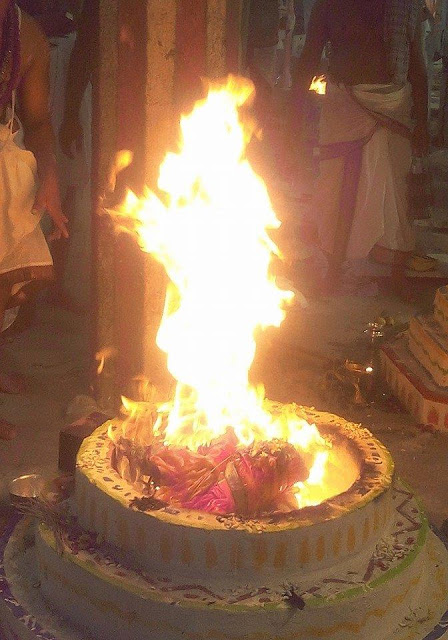
வீட்டில் மூன்றுவகை அக்னி இருக்க வேண்டும் ஆஹவனீயம் என்பது கிழக்கு திக்கிலும் (தேவ பூஜைக் கானது), தட்சிணாக்னி என்பது தெற்கு திக்கிலும் ( இறந்தோருக்கு கடன் செலுத்த), கார்ஹபத்யம் என்பதூ மேற்கு திக்கிலும் எப்போதும் எரிந்து கொண்டு இருக்கவேண்டும். இதில் 14 ச்ரௌத வேள்விகளும் செய்யப்படும். சங்க இலக்கியப் புலவர்கள் அந்தணர்களைப் போற்றுகையில் முத்தீ அந்தணர் என்று புகழ்வது இதனால்தான். இதுதவிர சில நூல்கள் நாலாவது தீ பற்றியும் கூறும்.


மனு தர்ம சாத்திரத்தில் 3-70/75; 3-80; 3-92/94;4-25/26 ஆகியவற்றில் இவற்றின் விவரங்களை காஅண்லாம்.

எனது பழைய கட்டுரையையும் படிக்கவும்:–

400 வகை யாகங்கள்: காஞ்சி பரமாசார்யார் உரை

By London Swaminathan லண்டன் சுவாமிநாதன்
கட்டுரை எண் — 890 தேதி 6 மார்ச் 2014


புறநானூற்றில் அந்தணரும் வேதமும்! – 1 (Post No.3311)

WRITTEN BY S NAGARAJAN


Date: 2  November 2016


Time uploaded in London: 5-17 AM


Post No.3311


Pictures are taken from various sources; thanks.


சங்க இலக்கிய ஆய்வு – கட்டுரை எண் 4


புறநானூற்றில் அந்தணரும் வேதமும் ! – 1


                       BY ச.நாகராஜன்


சங்க இலக்கிய நூல்களில் ஒன்றான புறநானூறு 158 புலவர்களால் பாடப்பட்ட 4  அடி முதல் 40 அடிகள் வரி கொண்ட நானூறு பாடல்களைக் கொண்ட அழகிய நூல். இதில் சங்க காலத் தமிழர்களின் பொதுவான வாழ்க்கை முறை, நம்பிக்கை, சடங்குகள் ஆகியவற்றைக் காணலாம். முக்கியமாக தமிழர்களின் வீரம், அனைவரும் வாழ வேண்டும் என்ற மிகச் சிறந்த உயர்ந்த கொள்கை, கல்வி, கொடை, அறப் பண்புகள் ஆகியவை பற்றி நேரடியாகத் தெரிந்து கொள்ளலாம். மன்னர்களைப் பற்றிய வியத்தகு செய்திகள் சுவையானவை. அதைப் பாடியவர்களோ தமிழின் அருமைச் செல்வங்கள் என்பதையும் உணரலாம்.


மிக உயரிய பண்புகள் உடையவர்களே மன்னனாக இருக்க முடியும் என்பதும் அவனது அறம் கூறும் அவையில் ஆன்றவிந்தடங்கிய  கொள்கைச் சான்றோருக்கே முதலிடம் என்பதும், ப்ழி எனின் உயிரையும் கொடுத்து அதை நீக்குவர், புகழ் எனின் உலகையும் கொடுத்து அதைக் கொள்வர் என்பன போன்ற் செய்திகள் நம்மை மெய் சிலிர்க்க வைக்கும்.

அந்தப் பழைய காலத்தில் அந்தணருக்கும் அவர்க்ள் ஓதும் ஆதிநூலாம் வேதத்திற்கும் கொடுக்கப்பட்ட முக்கியத்துவத்தைப் புரிந்து கொள்ளலாம்.ஏராளமான யாகங்கள் மக்களின் நலனுக்காக மன்னனால் செய்யப்பட்டதையும் பாடல்கள் தெரிவிக்கின்றன.

மன்னர்களைப் பற்றிய செய்திகளைத் தனிக் கட்டுரைகளில் படிக்கலாம்.

நமது ஆய்வுக்கான கருப்பொருளுக்கு உரித்த பாடல்கள் என்ற விதத்தில் புறநானூறில் 2,15,26,93,166,224,361,362,400 ஆகிய ஒன்பது பாடல்கள் உள்ளன. இரு பாடல்களை இந்தக் கட்டுரையில் காணலாம்.

வேதம் அந்தணர் பற்றிய செய்திகளை மட்டும் இங்கு ஆய்வுக்கு எடுத்துக் கொள்வோம்.


பாஅல் புளிப்பினும் பகல் இருளினும்

நாஅல் வேத நெறி திரியினும்

திரியாச் சுற்றமொடு முழுது சேண் விளங்கி

நடுக்கின்றி நிலியரோவத்தை – அடுக்கத்து

சிறுதலை நவ்விப் பெருங் கண் மாப் பிணை

அந்தி அந்தணர் அருங் கடன் இறுக்கும்

முத்தீ விளக்கின் துஞ்சும்

பொற்கோட்டு  இமயமும் பொதியமும் போன்றே!

புறநானூறு பாடல் 2 (வரிகள் 17 முதல் 24 முடிய)

முரஞ்சியூர் முடிநாகராயர்  சேரமான் பெருஞ்சோற்று உதியஞ் சேரலாதனைப் புகழ்ந்து பாடிய பாடலில் வரும் வரிகள் இவை.

பால் புளிக்கலாம். பகல் இரவாகலாம் நான்கு வேத நெறியும் திரிந்து போகலாம், ஆனால் உன்னைச் சேர்ந்தோர் மாற மாட்டார்கள். ஒழியாது நெடுங்காலம் விளங்கி துளக்கமின்றி நிற்பாயாக! சிறிய தலை, பெரிய கண் கொண்ட பெண் மான்கள், அந்தணர்கள் அந்தி வேளையில் செய்யும் கடமையில் ஆகுதியைச் செய்யு எழும் முத்தீ விளக்கில் உறங்கும். பொற்சிகரங்களை உடைய இமயமும் பொதியமும் போல நீ நீடூழி வாழ்வாயாக!

இதில் வேதநெறி ஒருநாளும் திரிந்து போகாது என்பதையும் அந்தணர் மாலை சந்தியாகாலத்தில் ஆற்றும் கடமையைப் பற்றியும் அழகுறச் சொல்கிறார் புலவர். ஆகுதியைச் சொரியும் முத்தீ பற்றிய செய்தியும் இங்கு சொல்லப்படுகிறது. இமயமும் பொதியமும் ஒரே பாடலில் அடுத்தடுத்து வருவது சங்க இலக்கியம் சுட்டிக் காட்டும் பாரத தேச ஒருமைப்பாட்டைச் சுட்டிக் காட்டுகிறது.

பொதியமும் ஆல்ப்ஸும் போல் வாழ்க என்று சொல்லவில்லை. ஒரே தேசத்தில் இருக்கும் போற்றப்படத் தக்க இரு மலைகள் நீடூழி காலம் இருப்பது போல நீ புகழுடன் வாழ்வாயாக என்கிறார் சங்கப் புலவர். அவர் நாக்கு தங்க நாக்கு. அந்த மன்னவன் அழியாமல் இன்றும் நம் உணர்விலும் உயிரிலும் தமிழ் வழியே  கலந்து நிற்கிறான்!

பண்டு தொட்டு இருந்து வரும் புகழத் தக்க நல்ல பழக்கங்களே உண்மையே பேசும் புலவர் நாக்கில் வந்து துள்ளி விழும் என்பதற்கான எடுத்துக்காட்டுப் பாடலும் ஆகும் இது!

இந்தப் பாடலில் ம்காபாரத சம்பவமும் வருகிறது. அதை ஆய்வின் உரிய இடத்தில் காண்போம்.

இன்னொரு பாடலைக் காண்போம்:

பாடல் 93இல்  வரும் வரிகள் இவை:

அறம்புரி கொள்கை நான்மறை முதல்வர்

திறம்புரி பசும்புற் பரப்பினர் (வரிகள் 7,8)

இங்கு அறத்தை விரும்பிய கொள்கையை உடைய நான்குமறைகளை உடைய அந்தணர் நல்ல கூற்றிலே பொருந்திய பசுமையான தர்ப்பைப் புல்லைப் பரப்பினர் என வருகிறது.

அதியமான் நெடுமான் அஞ்சியின் வீரத்தைப் போற்றிப் பாடும் பாடலில் வரும் வரிகள் இவை.

அந்தணர்கள் வாழ்க்கை என்பதே அறத்தைப் போற்றி கடைப்பிடிக்கும் வாழ்க்கை என்பது அந்தக் காலத்திலேயே தர்ப்பையைப் பயன்ப்டுத்தும் பயன்பாடு இருந்ததும் இதிலிருந்து தெரிய வருகிறது.

இன்றும் அந்தணர் பவித்ரம், கூர்ச்சம் ஆகிய தர்ப்பையிலான விசேஷ பசும்புல்லைப் பயன்படுத்துவது தொன்று தொட்டு இருந்து வரும் பழைய பண்பாட்டுச் சடங்குகள் அறுதலின்றித் தொடர்கிறது என்ற வியப்பூட்டும் செய்தியை விளக்குகிறது.

இந்த அந்தணர், அற வாழ்க்கை, தர்ப்பைப் பயன்பாடு என்பதெல்லாம் தமிழர் வாழ்க்கை ஏற்றுக் கொண்ட ஒரு அங்கம். அது பொய்யில் புலவர்கள் போற்றும் பொருளாக இருந்ததையும் சங்க இலக்கியம் உணர்த்துகிறது.


இரண்டு பாடல்களிலேயே சில வரிகளிலேயே இவ்வளவு செய்திகள். இன்னும் சில பாடல்களை அடுத்துக் காண்போம்.

-தொடரும்

குறிப்பு: சென்ற நூற்றாண்டின் பிற்பகுதியில் (1950இலிருந்து) எழுந்த விளக்கவுரைகளில் பெரும்பாலானவை ஒரு விளக்கத்தையும் தராது என்பதை சுலபமாக பழைய உரைகளை ஒப்பிட்டுக் கண்டு விடலாம். இதை ஒரு செயல்பயிற்சியாக வைத்து பல உரைகளையும் ஒப்பு நோக்கி ஆராய்பவர் விளக்கவுரைகளை எழுதுபவரின் ‘அறிவை’ நன்கு அறிய முடியும் என்பது திண்ணம். பாடலை நாமே படிப்பது எப்போதுமே பயன் தரும். வல்லார் வாய் விளக்கம் கேட்டால் அது உட்பொருளையும் கண்டுணர வழிவகை செய்யும்..


Hindu Fire Ceremonies: 7 Paka Yajnas and 14 Srauta Yajnas (Post No.3310)

Picture: Prince Charles doing Yajna in Rishikesh, India


Compiled  by London Swaminathan


Date:1  November 2016


Time uploaded in London: 19-51


Post No.3310


Pictures are taken from various sources; thanks.


(Read the following and you will agree with me on these points: 1. Nobody follows Manu Smrti now and then why do you criticise it? 2.Hindus are the only people in the world who included feeding the guests and animals as part of their religious duties. 3.If Hindus have come to India from outside, at least a few of these rites must be found outside India. None of these and several hundred other rituals are never found in other cultures. That explodes the myth of Arya-Dravidian race theory. Following is the list of Yagas given in “An Advanced Text Book of Hindu religion and Ethics” published in 1905)


“Man is not an isolated creature, and his whole well-being depends upon his co-operation with nature, which not so much for the exaltation of individuals as for the steady evolution of all creation. The sacrifices prescribed by Hindu law-givers are nothing more than an enumeration of the duties which thus devolve on every man. They embrace all the planes of his existence and are therefore conducive to his highest growth.

There are thus five Maha yajnah, Five great sacrifices, to be offered every day, and seven Paka  Yajnah, literally ‘cooked sacrifices’, occurring at stated intervals. In addition to these, there are the fourteen Shrauta sacrifices, divided into Havir yajnah, offerings of grains, etc., and  Soma yajnah, offerings of Soma. Some of these are of daily, others of occasional, obligation.


The five great sacrifices are as follows:

1.Brahma-yajnah, called also Veda-yajnah,Sacrifice to Brahman or the Vedas.

  1. Deva-yajnah, Sacrifice to Devas
  2. Pitri yajnah, Sacrifice to Pitris (departed souls).
  3. Bhuta yajnah, Sacrifice to Bhutas (animals and other spirits).
  4. Manushya-yajnah, Sacrifice to men (feeding the poor and the guests)


These are laid down by Manu among the duties of the householder.

Picture of Swami Ganapati Sachidananda


“Teaching is the Brahma sacrifice, Tarpana (the offering of water) is the Pitr sacrifice, Homa (the pouring into the fire) the Deva sacrifice, Bali (food) is the Bhuta sacrifice, hospitality to guests the Manushya sacrifice.


“They call the five sacrifices Ahuta, Huta, Pra- huta, Brahmya huta, and Prashita.


“Japa is Ahuta, Homa is Huta, the Bali given to Bhutas is Prahuta, respectful reception of the twice-born is Brahmya-huta, and the Pitri tarpana is Prashita.

“Let a man ever engage in Veda study, and in the rites of the Devas; engaged in the rites of the Devas, he supports the movable and immovable kingdoms”.

Manusmriti. iii. 70,73 75.
And again–
“The Rishis, the Pitris, the Devas, the Bhutas guests expect (help) from the householders and hence he who knows should give to them.


“Let him worship, according to the rule, the Rishis with Veda study, the Devas with Homa, the pitris with Shraddha, men with food, and the Bhutas with Bali”.

– Manusmriti iii. 80

We have here very plainly indicated the nature of the sacrifices to be offered; the sacrifice to Brahman, called also that of the Vedas and the Rishis, is study and teaching this is a duty every man owes to the Supreme-to cultivate his intelligence and to share his knowledge with others. Every day one should devote a portion of time to study; the man who lives without daily study becomes frivolous and useless. This duty is enjoined by the first of the great sacrifices.

Picture of Sathya Sai Baba doing Ati Rudra Yaga

Then comes the sacrifice to the Devas-the recog- nition of the debt due to those who guide nature, and the feeding them by pouring ghee into the fire, the Homa sacrifice. The Devas are nourished by exhalations as men by food, their subtle bodies needing no coarser sustenance.


Hindus are so kind they feed not only pilgrims (guests) but also animals. Manu says

“Let him gently place on the ground food for dogs, outcasts (Patitaanaam), shvapachas (dog eaters), those diseased from sins, crows and insects.”


It is not to be thrown down carelessly and contemptuously, but put there gently, so that it may not be soiled or injured. It is a sacrifice to be reverently performed, the recognition of duty to inferiors, however degraded.


Lastly comes the sacrifice to men, the feeding of guests:

The Bali offering made, let him feed  first the guest, and let him give food, according to rukle, to a beggar and a student. (Manu 3-94)

Man’s duty
In this man is taught his duty to his brother- men, his duty of brotherly help and kindness. He feeds humanity in feeding some of its poorer members, and learns tenderness and compassion. The giving of food is illustrative of all supply of human needs.


Manushya-yajna includes all philanthropic actions. As in the old days, want of food was the chief want of man, that is mentioned prominently. The com plexities of life have given rise to other wants now. But they are all included in the Manushya yajna, provided they are legitimate wants, and it becomes the duty of each man to remove them, so far as lies in his power.


Thus these five great sacrifices embrace man’s duty to all the beings round him and the man who truly performs them in spirit as well as in letter, day by day, is doing his share in turning the wheel of life and is preparing for himself a happy future.


We may glance briefly at the other sacrifices.

The Paka-yajnas are seven in number

I.Pitri shraddham

2.Trkorwne Parvana-shraddham

3.Ashtaka.

4.Sravani.

5.Ashvayujih.

6.Agrahayani

7.Chaitri.

The first two of these are ceremonies in honour of the Pitris. The remainder except the fourth, are now rarely met with’


The fourteen Shrauta sacrifices are as follows:

The seven Haviryajnas:

1.Aguyadheyam.

2.Agnihotram.

3.Darsha-purna masam.

4.Agrayanam.

5.Chaturmasyam.

6.Nirudha-pashu-bandh

7.Sautra manih.


In these milk, ghee, grains of various kinds, and cakes were offered, and Manu says that a Brahmana should daily offer the Agnihotra in the morning and evening, the Darsha and Purnamasa at the end of each fortnight, the Agrayana with new grain — before which the new grain should not be used —  the Chaturmasya at the end of the three seasons, the Nirudha-pashu-bandha at the solstices (Manuamriti. iv. 25, 26).

Radha Krishna figures are seen in Yajna Fire

The seven Somayajnas are

1.Agnishtomah t

2.Atyagnishtomah

  1. Ukthyah

4.Shodasi

5.Vajapeyah

6.Atiratrah

7.Aptoryamah


THREE FIRES

In these sacrifices Brahmana priests must be employed, the number varying with the sacrifice, the man on whose behalf they are offered being called Yajamanah; the husband and wife light the three sacred fires—

The Ahavaniya fire on the east for offerings to Devas

The Dakshina fire on the south, for performing duties to Pitrs (Departed souls)

The Garhapatya fire on the west.

Sometimes a fourth is mentioned, the Anvaharya – these are not allowed to go out; this is the Agniyadhana ceremony. All these Shrauta sacrifices are offered in these.

According to some authors he domestic or household – the Avasathya or Vaivahika – fire is lighted by the student on his return home when his pupillage is completed, but on this point there are many varieties of custom. The Paka-yajnas are offered in the household fire.


Please read my earlier article:

400 Types of Yagas (Fire Ceremonies),By London Swaminathan,Post No. 891 dated 6th March 2014.


-SUBHAM–